Zestaw 46
Słowa 901–920 · guess, fun, protect, resource, science, disease
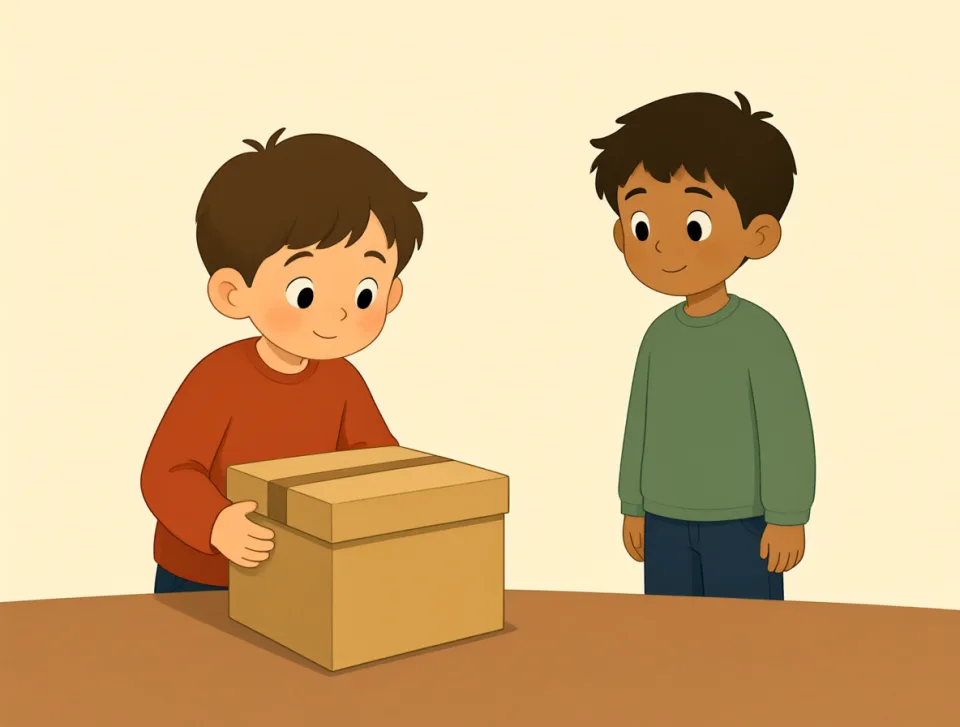
guess
#901noun, verb
zgadywać; przypuszczać
To give an answer without being sure, or an answer made without being sure.
Podać odpowiedź, nie mając pewności, albo odpowiedź udzielona bez pewności.
Can you guess what is in the box?
Zgadniesz, co jest w pudełku?
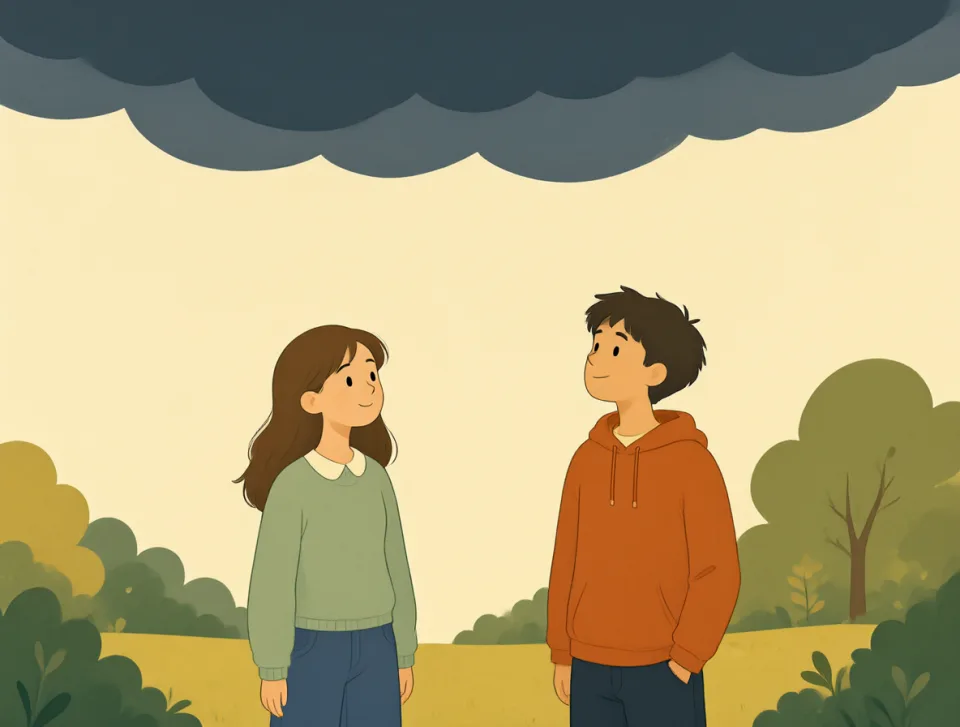
I guess we should leave before it rains.
Chyba powinniśmy wyjść, zanim zacznie padać.
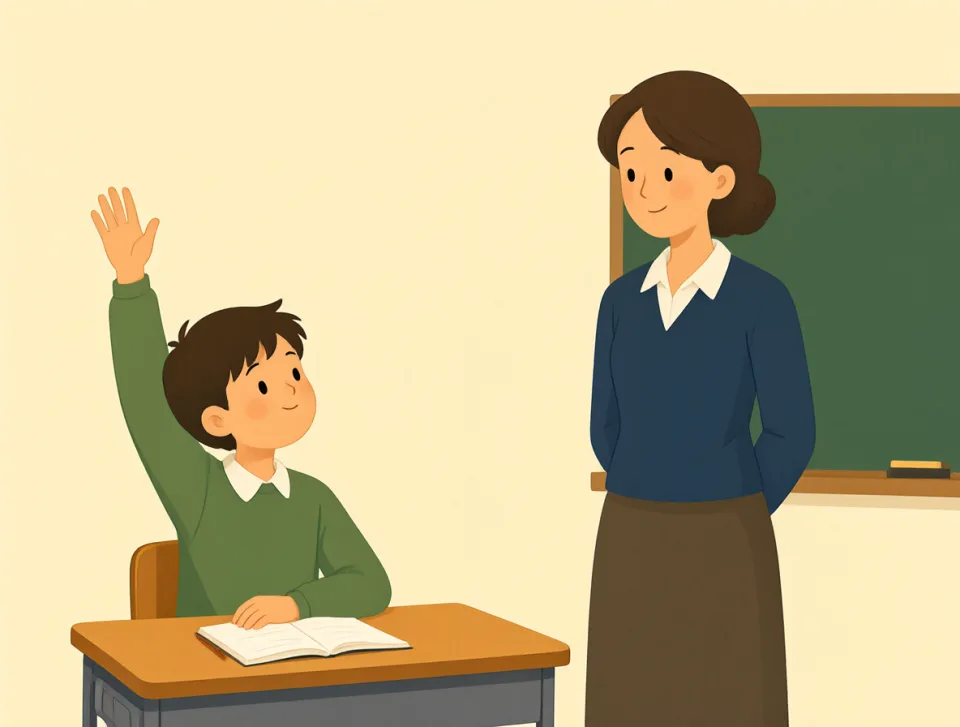
She guessed the answer in class.
Zgadła odpowiedź na lekcji.
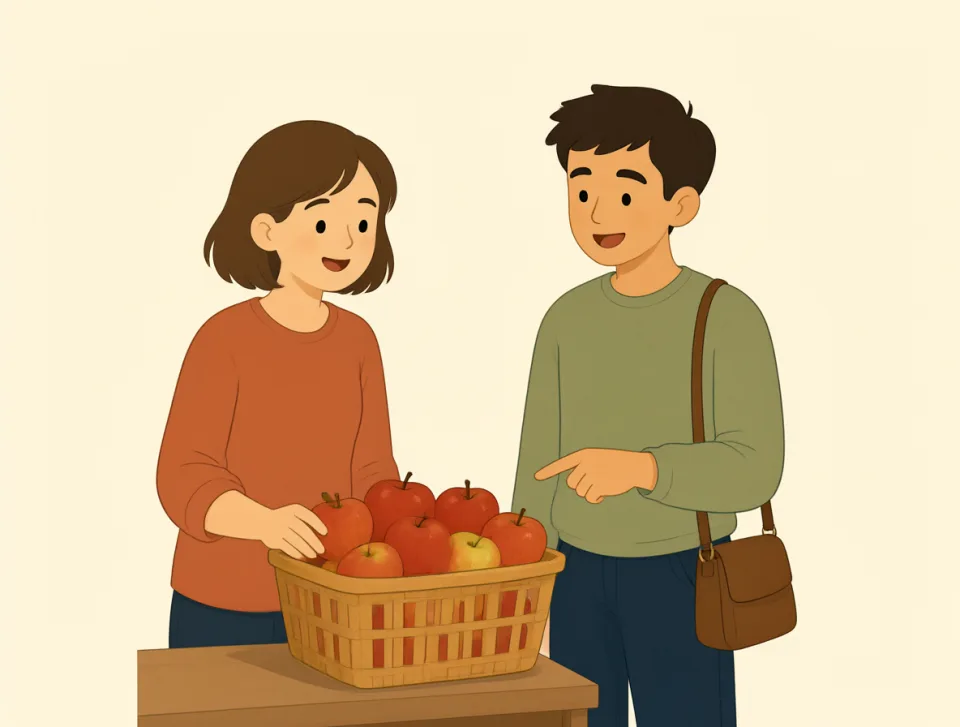
Take a guess: how many apples are here?
Zgadnij: ile tu jest jabłek?
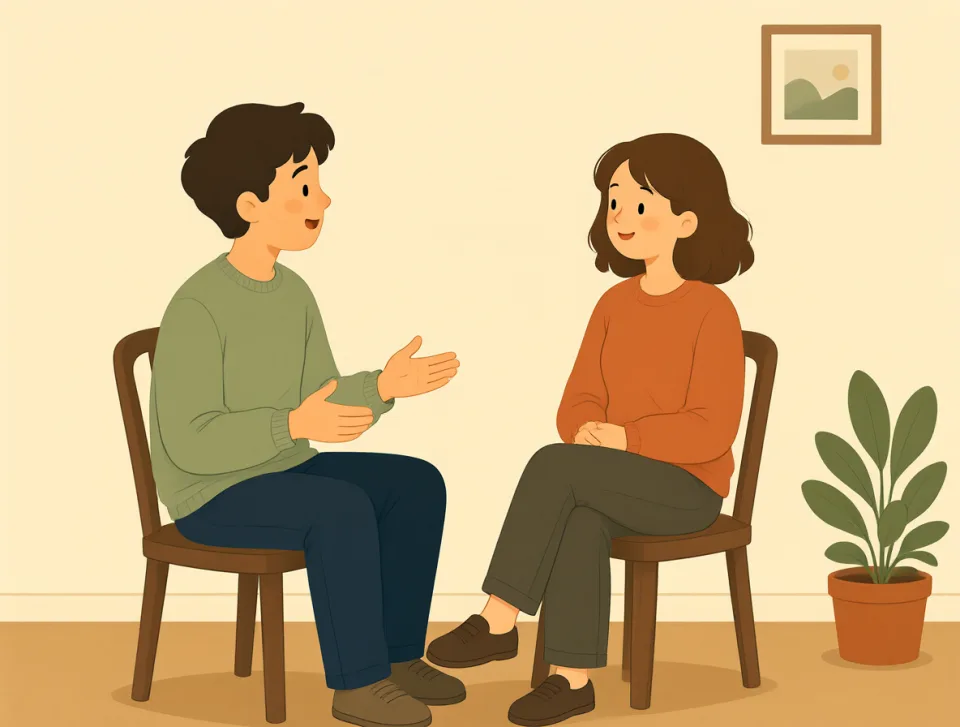
My guess is that he is still at work.
Myślę, że on nadal jest w pracy.
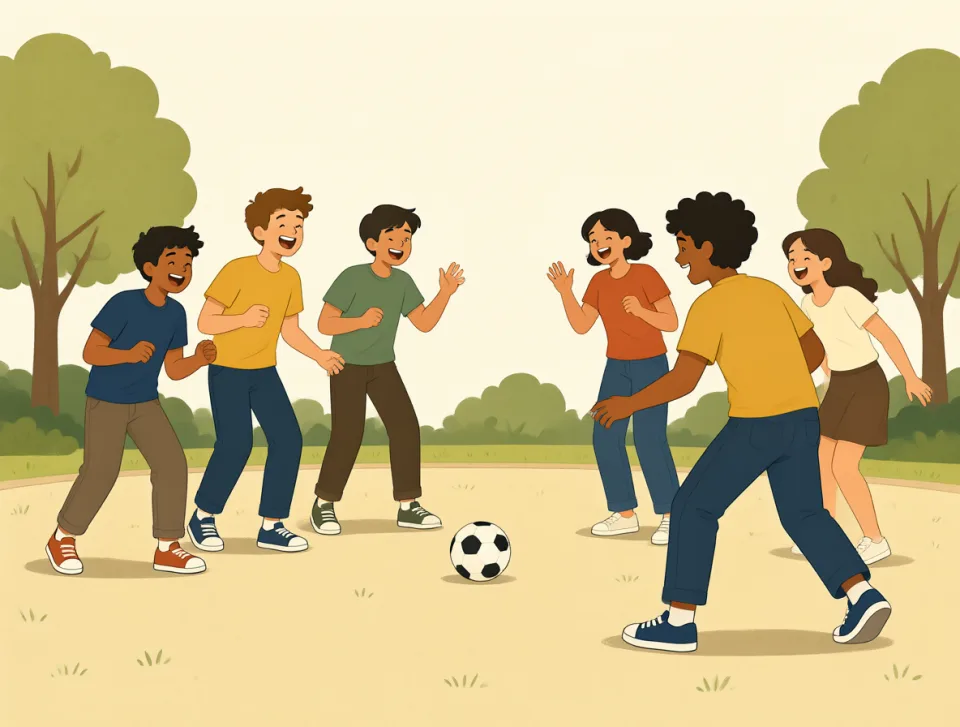
fun
#902noun, adjective
zabawa; przyjemność
Enjoyment or pleasure; enjoyable and amusing.
Przyjemność lub radość; coś przyjemnego i zabawnego.
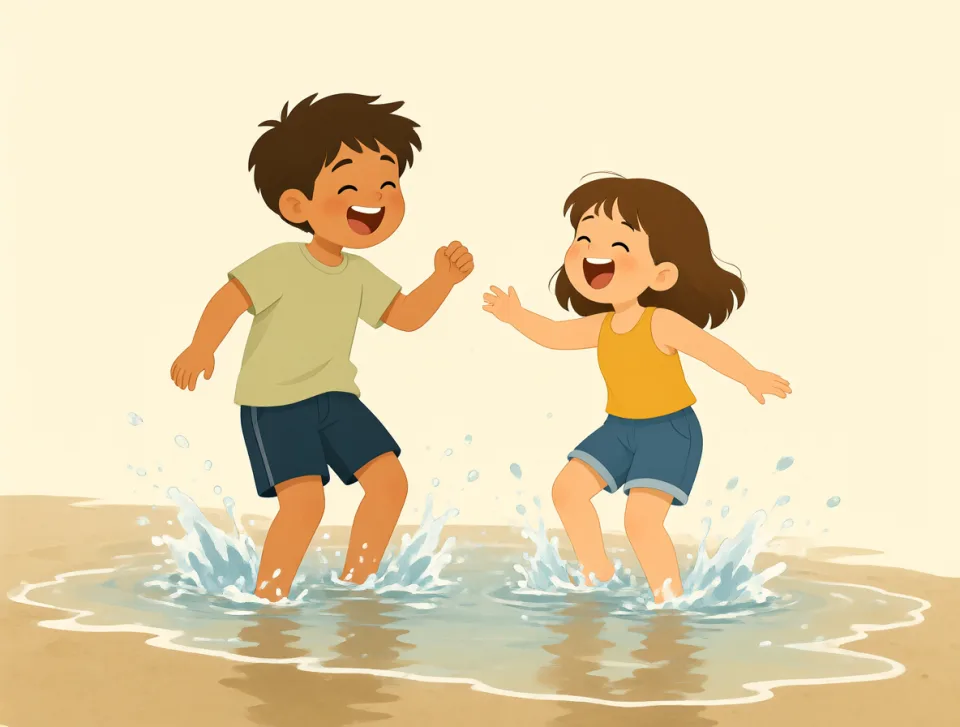
We had fun at the beach yesterday.
Wczoraj świetnie się bawiliśmy na plaży.
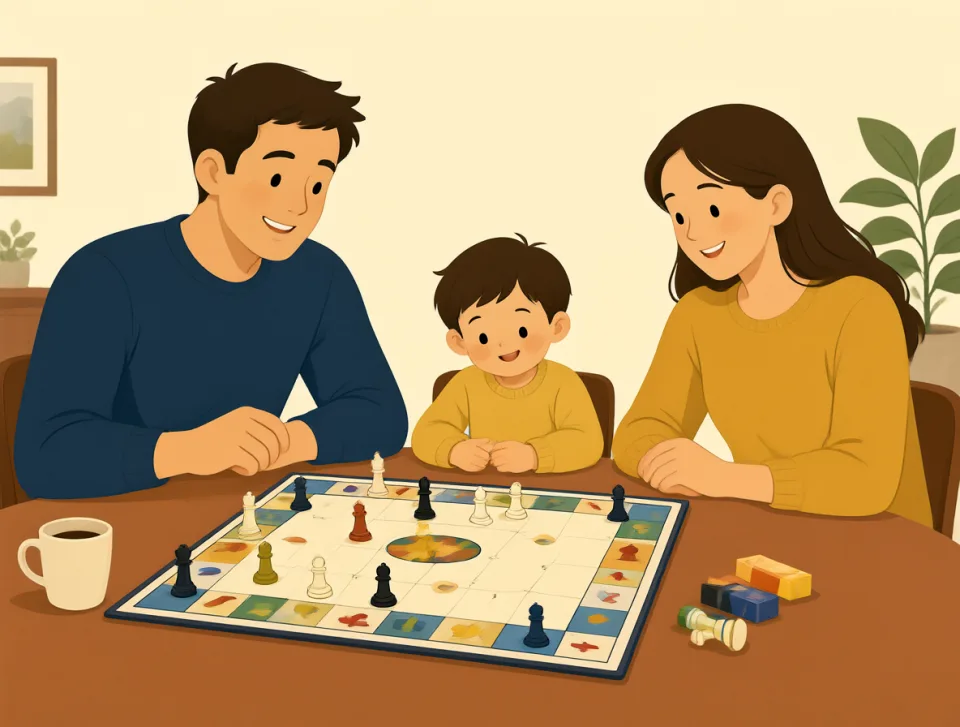
The game was fun for everyone.
Ta gra sprawiała wszystkim frajdę.
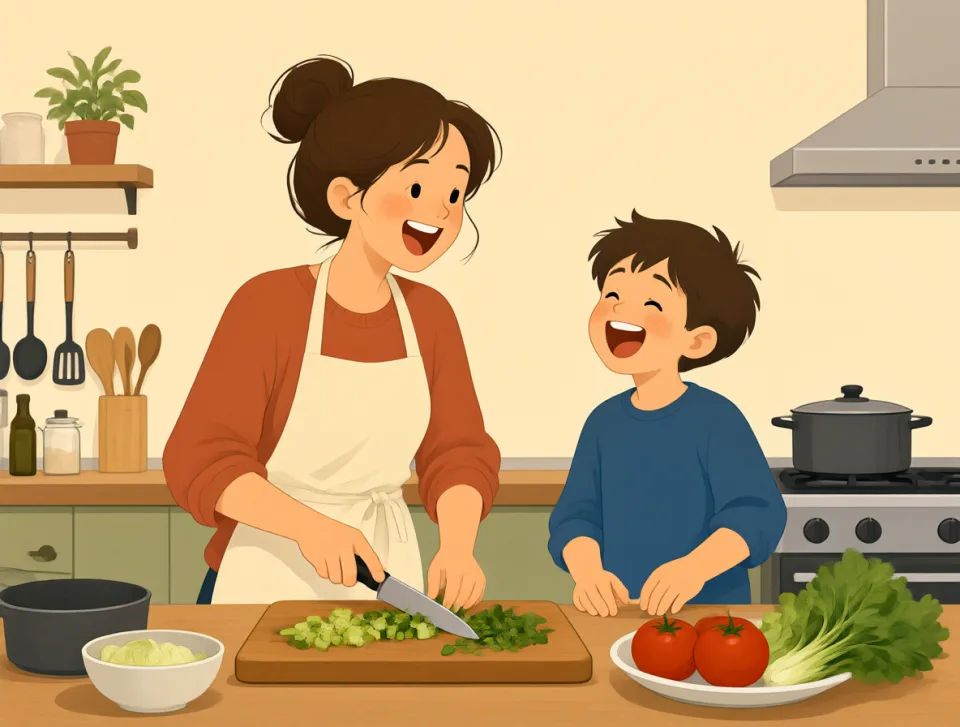
She has fun cooking dinner with her brother.
Lubi gotować kolację z bratem.

The children had fun on the school trip.
Dzieci świetnie się bawiły podczas szkolnej wycieczki.

Let's find something fun to do tonight.
Znajdźmy coś fajnego do zrobienia dziś wieczorem.
protect
#903verb
chronić
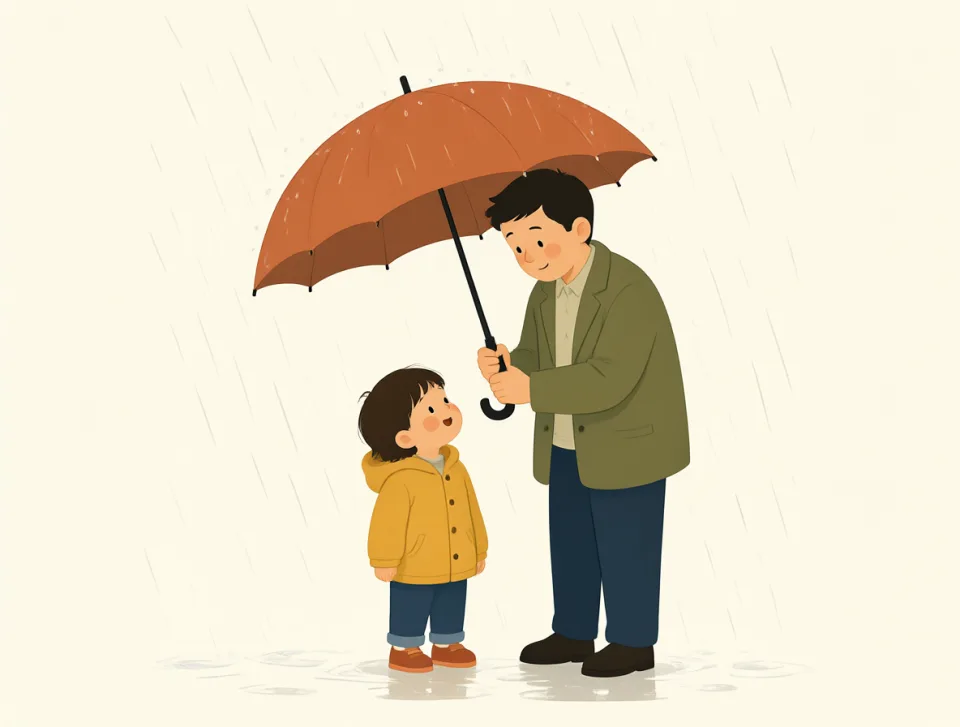
to keep someone or something safe from harm or danger
Zapewniać komuś lub czemuś bezpieczeństwo, chroniąc przed krzywdą lub niebezpieczeństwem.
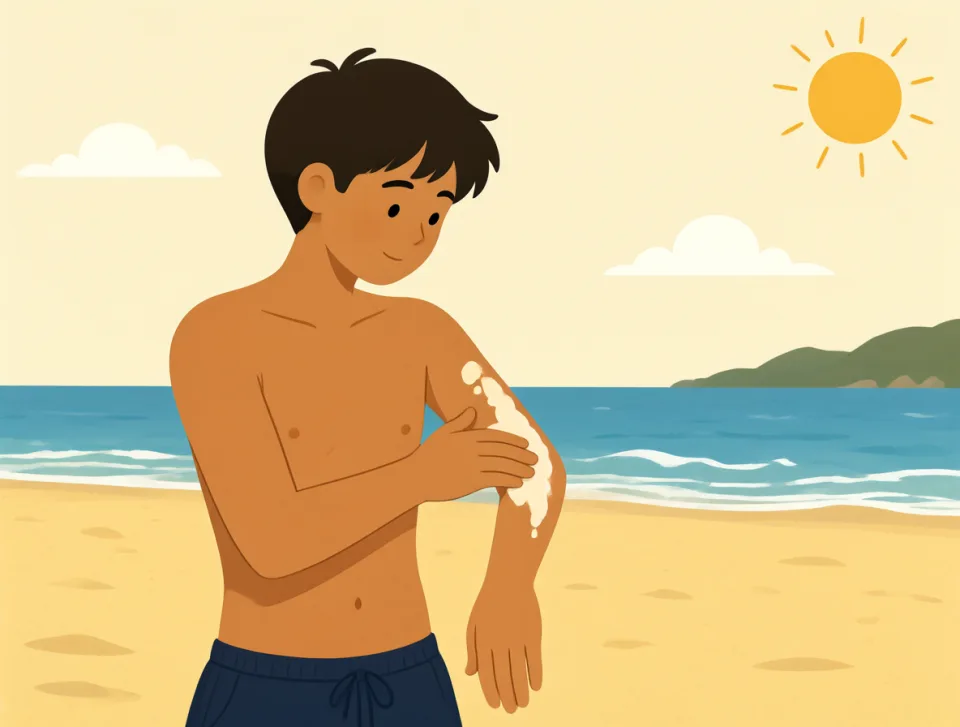
Sunscreen protects your skin from the sun.
Krem przeciwsłoneczny chroni skórę przed słońcem.
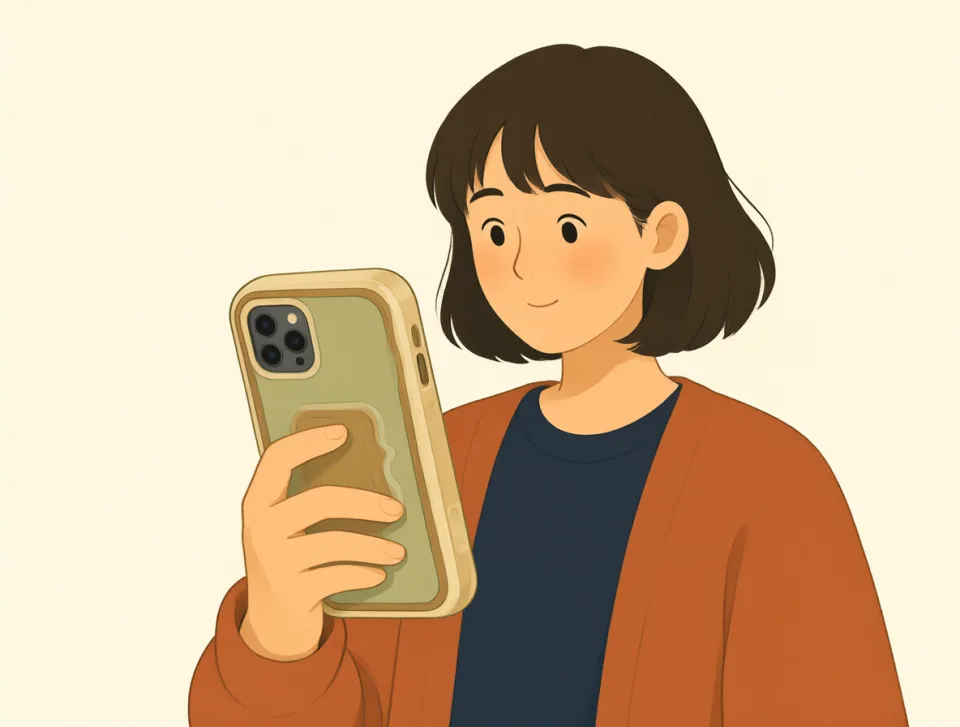
This case protects my phone from drops.
To etui chroni mój telefon przed skutkami upadków.

Workers wear helmets to protect their heads.
Pracownicy noszą kaski, żeby chronić głowy.
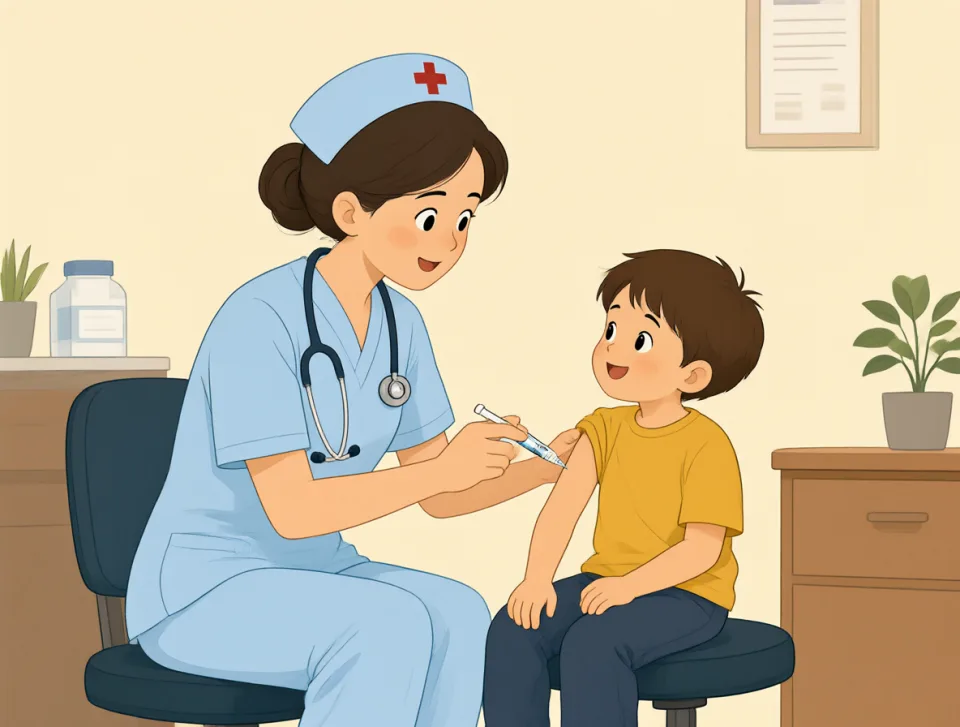
The vaccine protects children from serious illness.
Szczepionka chroni dzieci przed poważnymi chorobami.
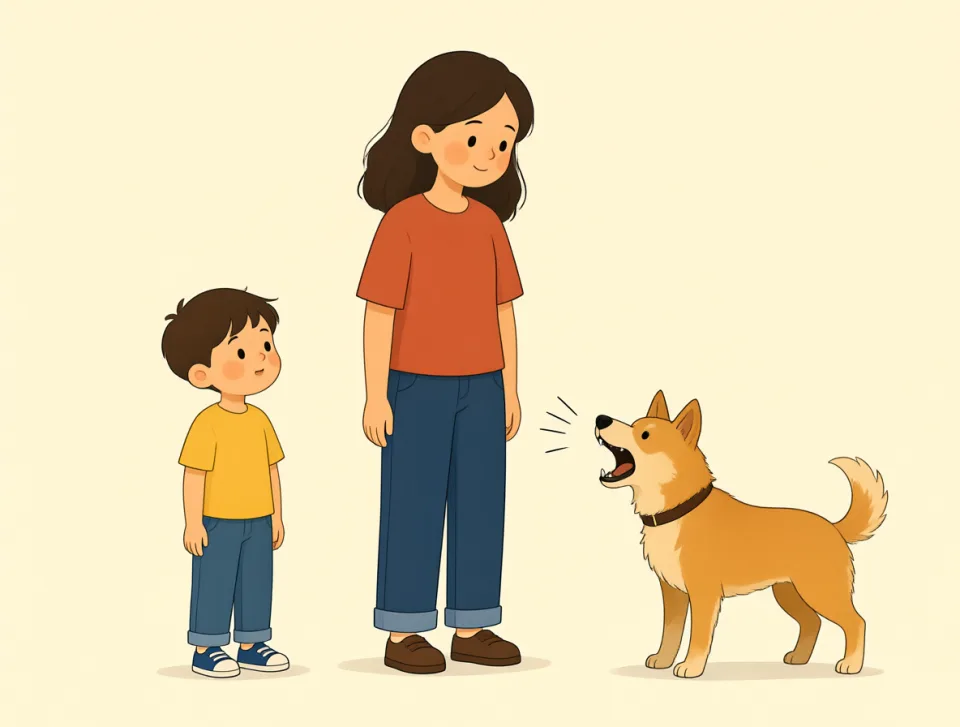
She protected her little brother from the dog.
Ochroniła młodszego brata przed psem.
resource
#904noun
zasób
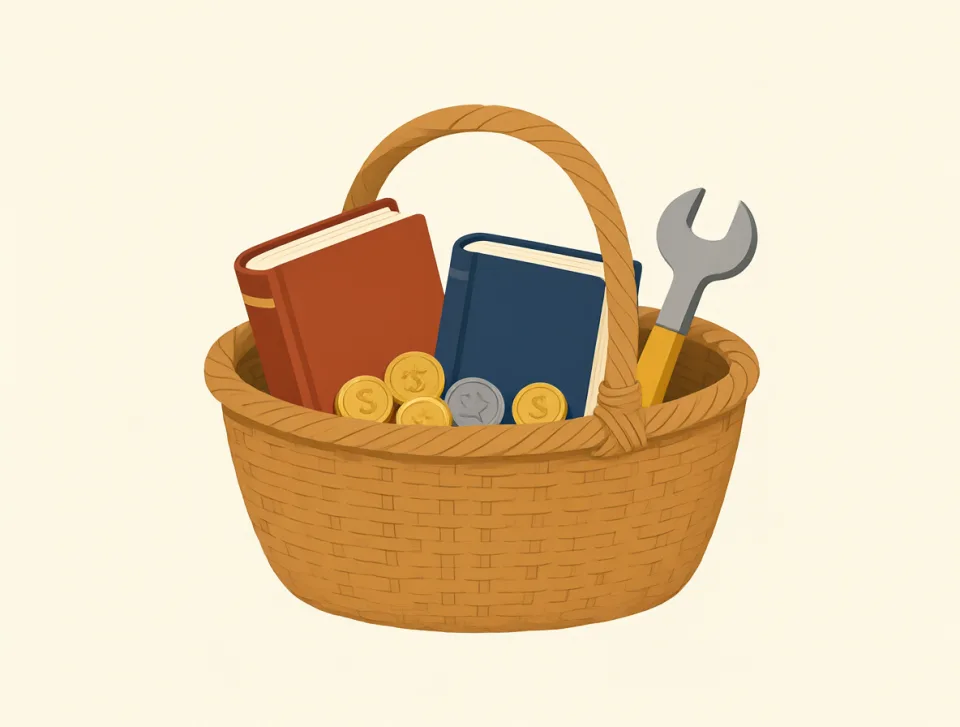
A useful supply of money, materials, time, or information.
Przydatny zapas pieniędzy, materiałów, czasu lub informacji.
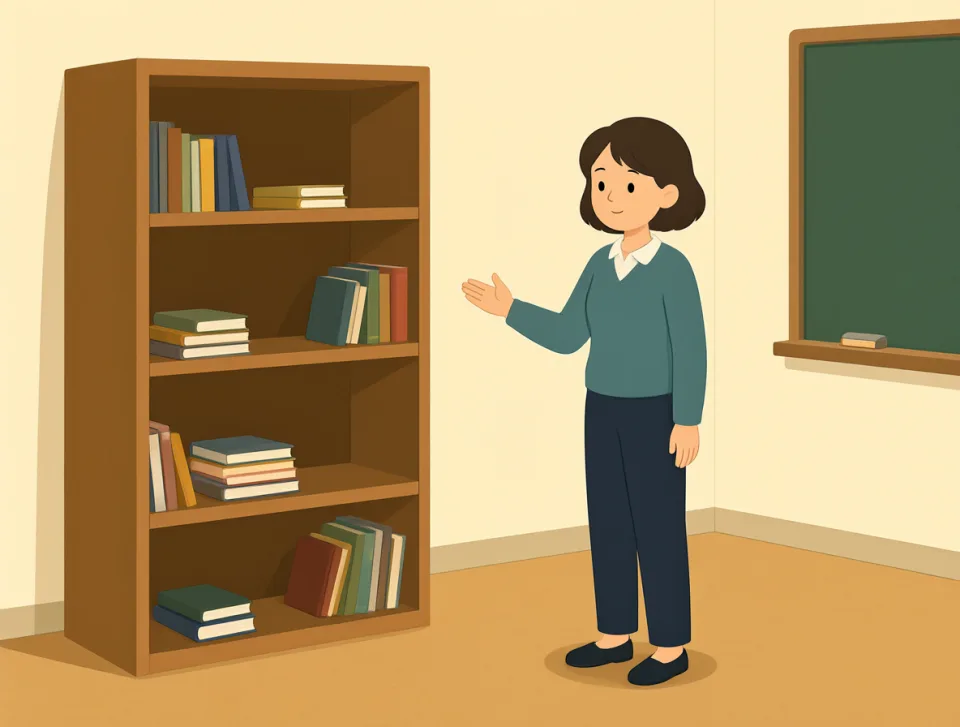
The school has few resources for new books.
Szkole brakuje środków na nowe książki.
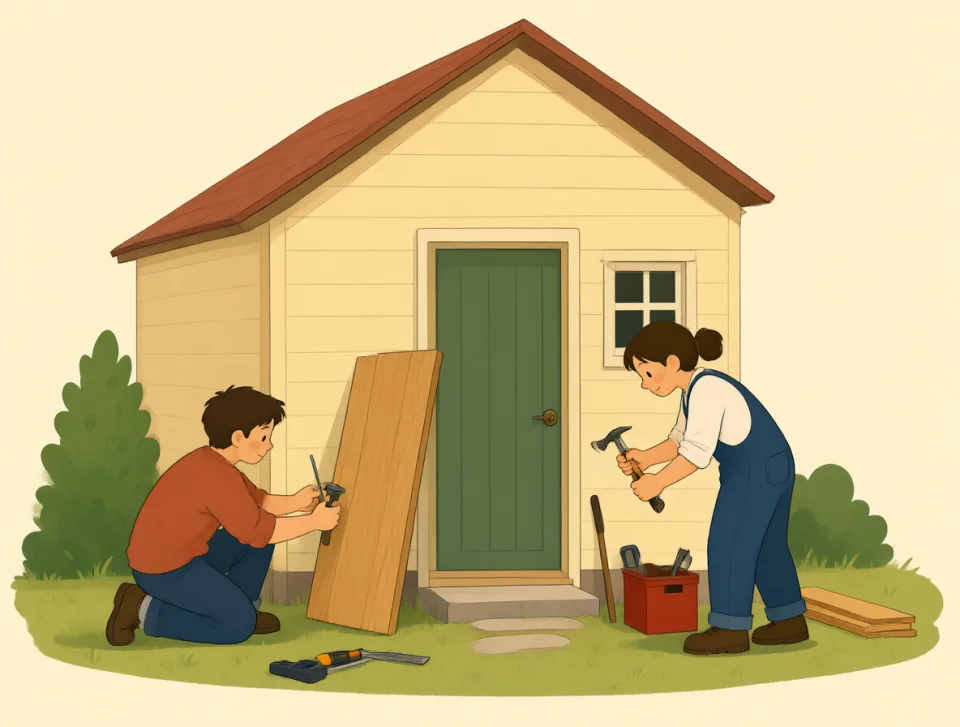
We used local resources to fix the house.
Do naprawy domu wykorzystaliśmy lokalne zasoby.
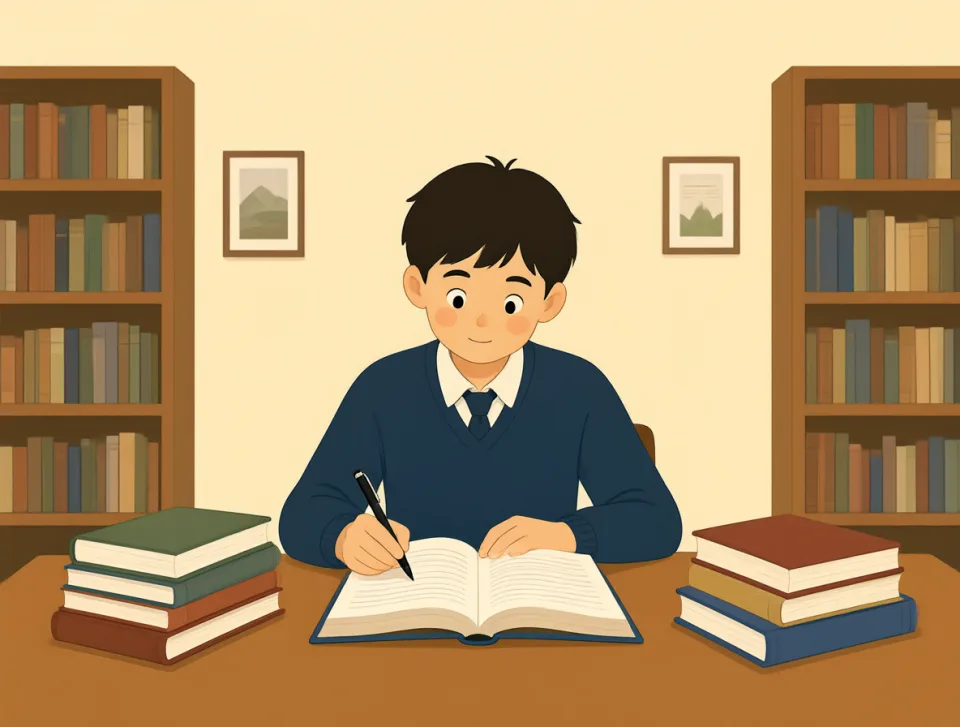
The library is a useful resource for students.
Biblioteka jest cennym źródłem informacji dla uczniów.
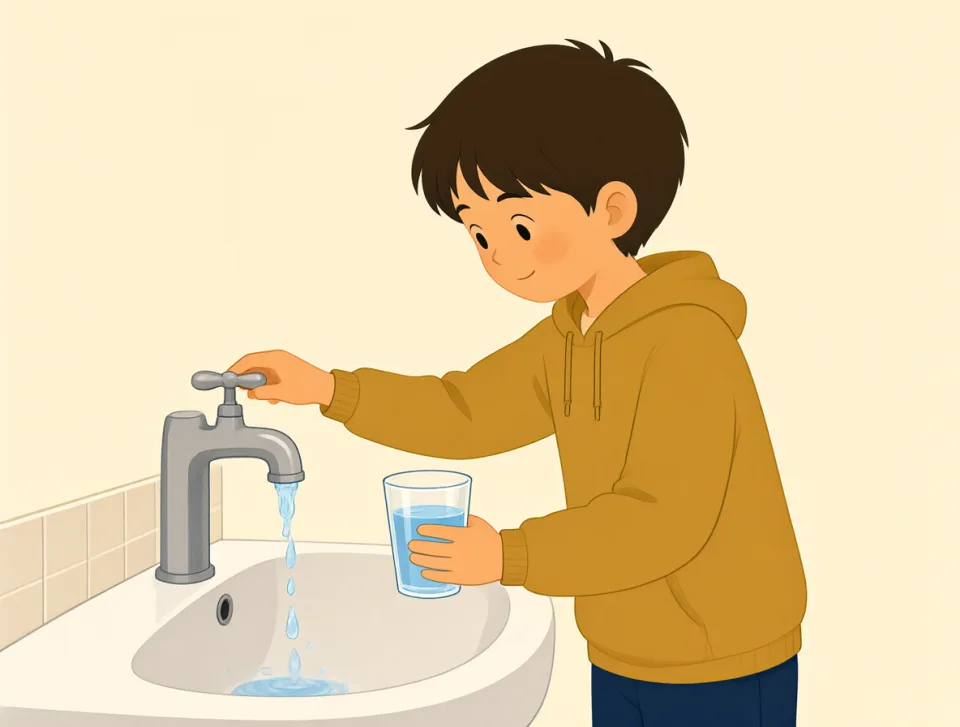
Save water because it is a valuable resource.
Oszczędzaj wodę, bo to cenny zasób.
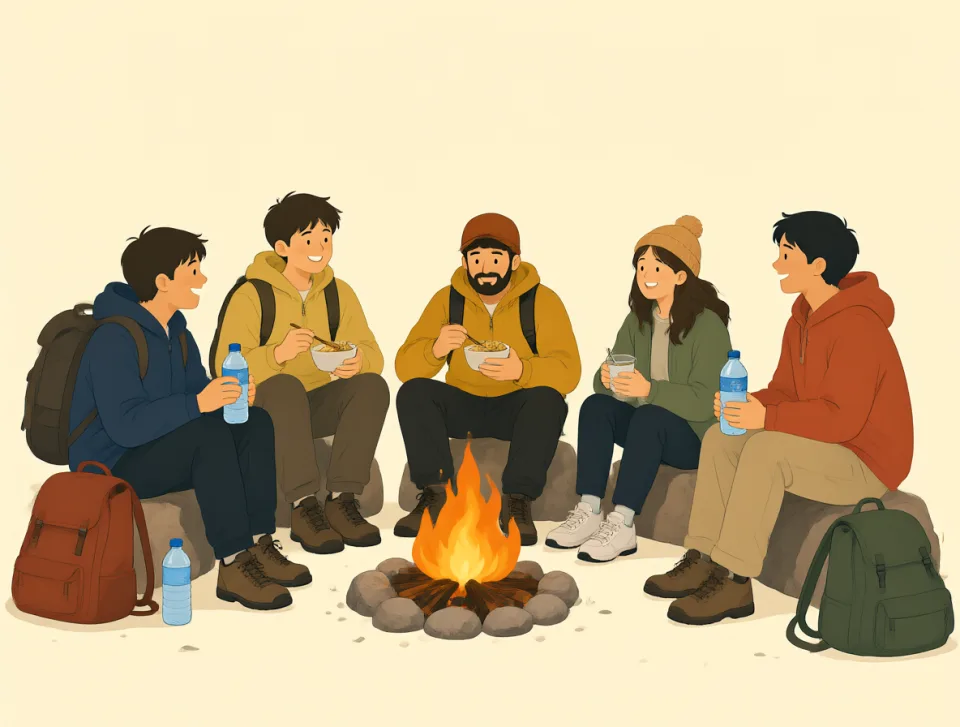
The team shared resources during the difficult trip.
Podczas trudnej wyprawy członkowie zespołu dzielili się zasobami.
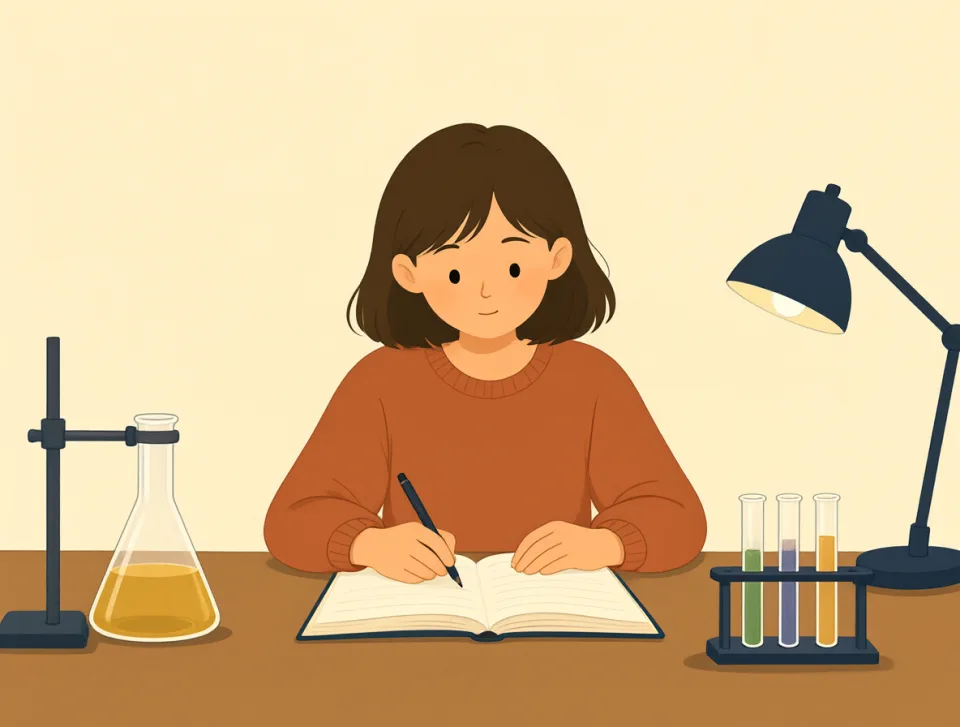
science
#905noun
nauki przyrodnicze; nauka
The study of the natural world through experiments and careful observation.
Badanie świata przyrody za pomocą eksperymentów i uważnych obserwacji.
She wants to study science at university.
Chce studiować nauki przyrodnicze na uniwersytecie.
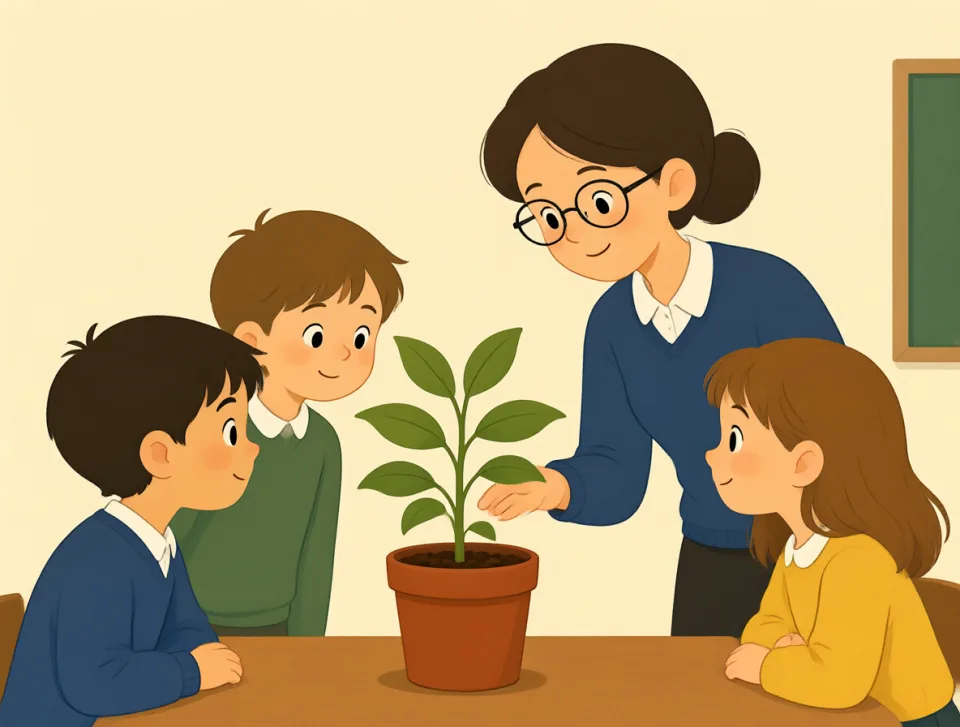
We learned about plants in science class.
Na lekcji przyrody uczyliśmy się o roślinach.
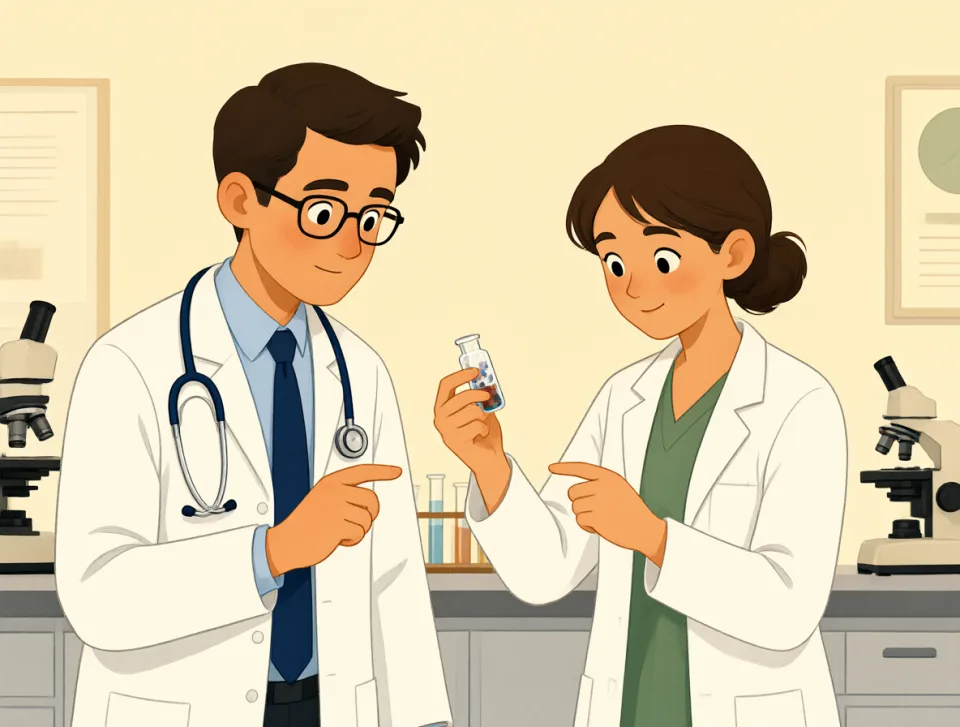
Science helps doctors find new treatments.
Nauka pomaga lekarzom odkrywać nowe metody leczenia.
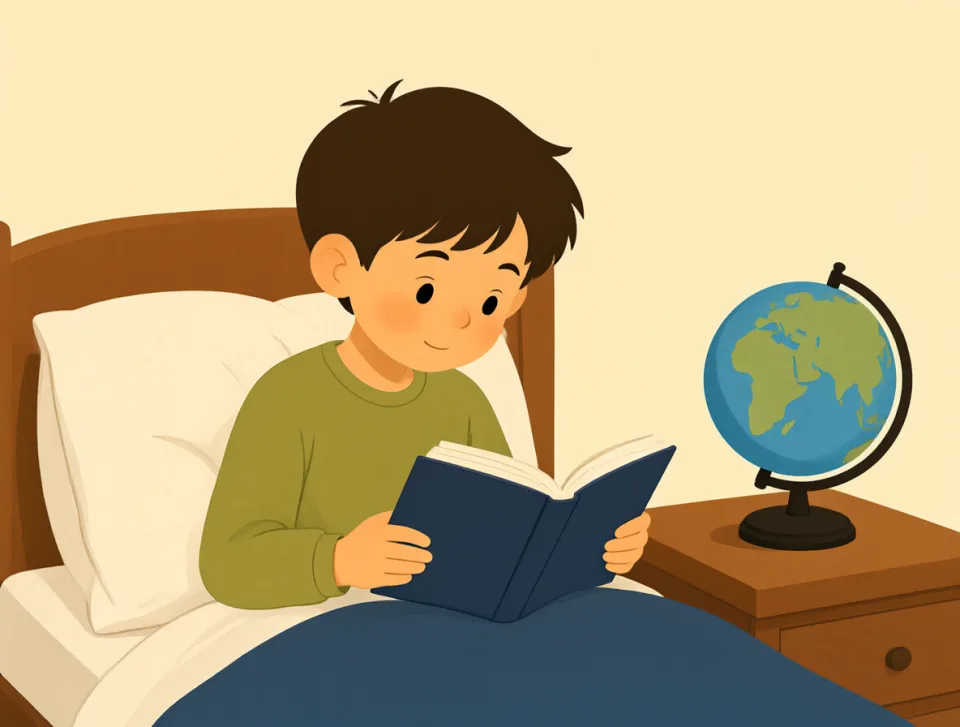
He reads science books before bed.
Przed snem czyta książki popularnonaukowe.
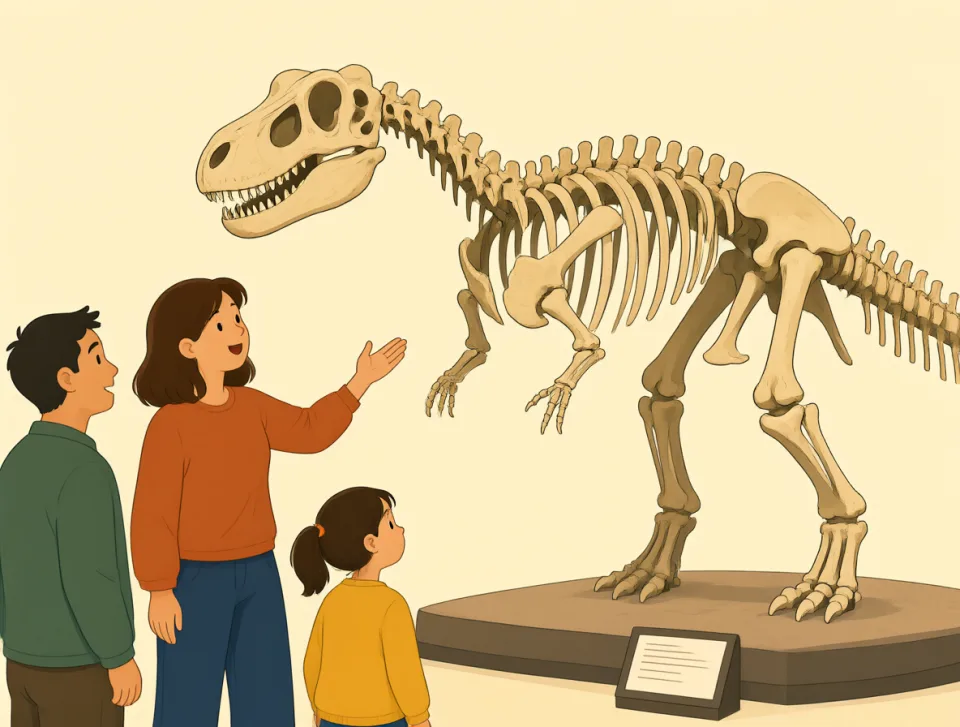
My sister works at a science museum.
Moja siostra pracuje w muzeum nauki.
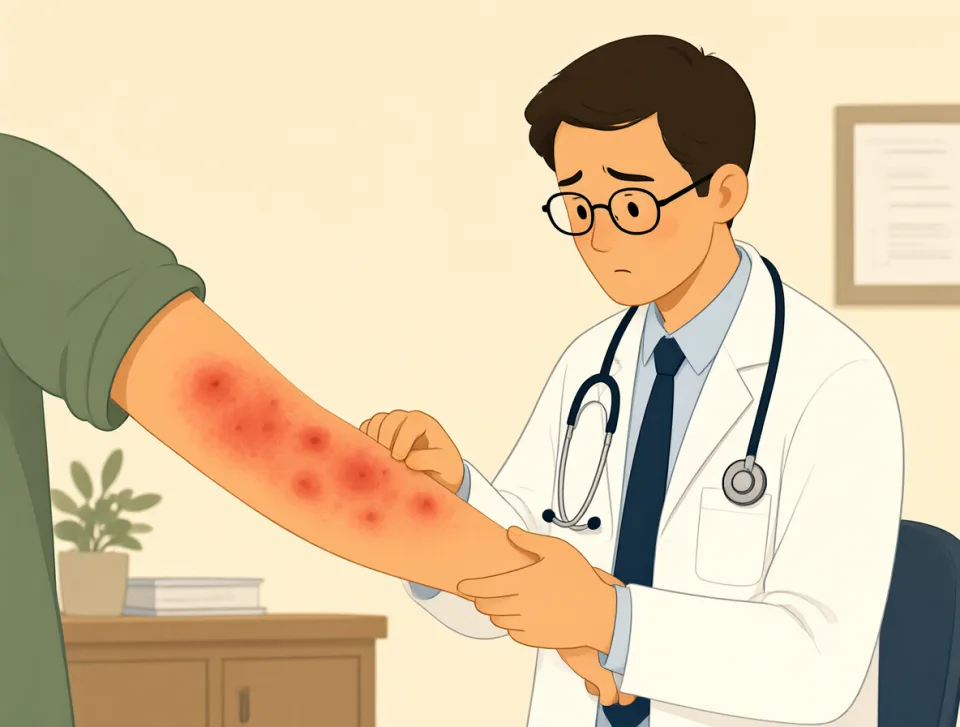
disease
#906noun
choroba
An illness that affects a person, animal, or plant.
Choroba, która dotyka człowieka, zwierzę lub roślinę.
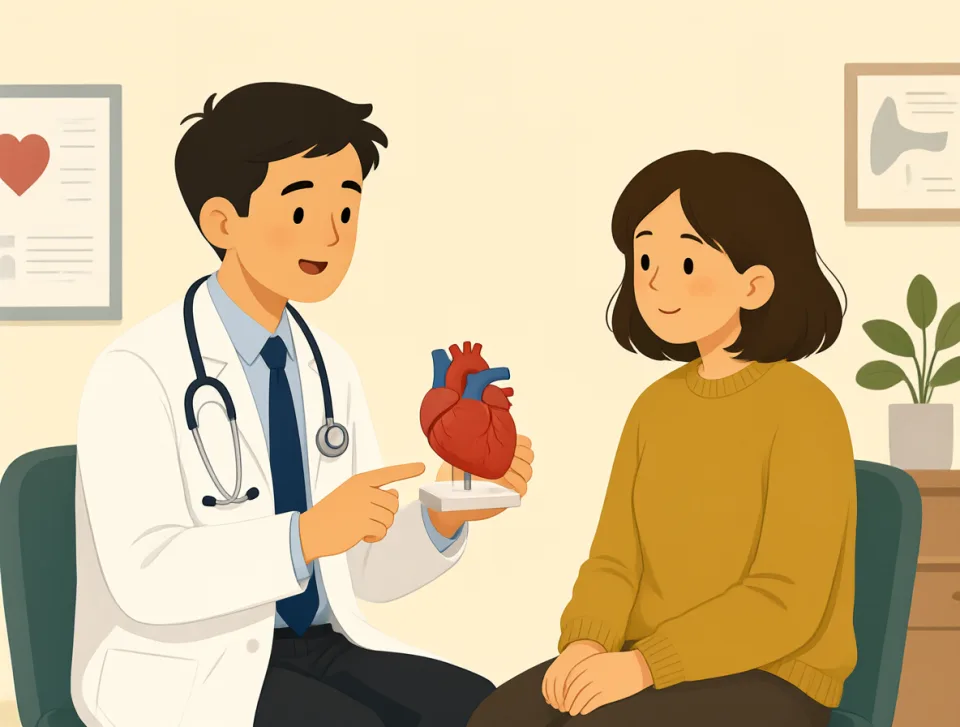
Heart disease runs in my family.
Choroby serca występują w mojej rodzinie.
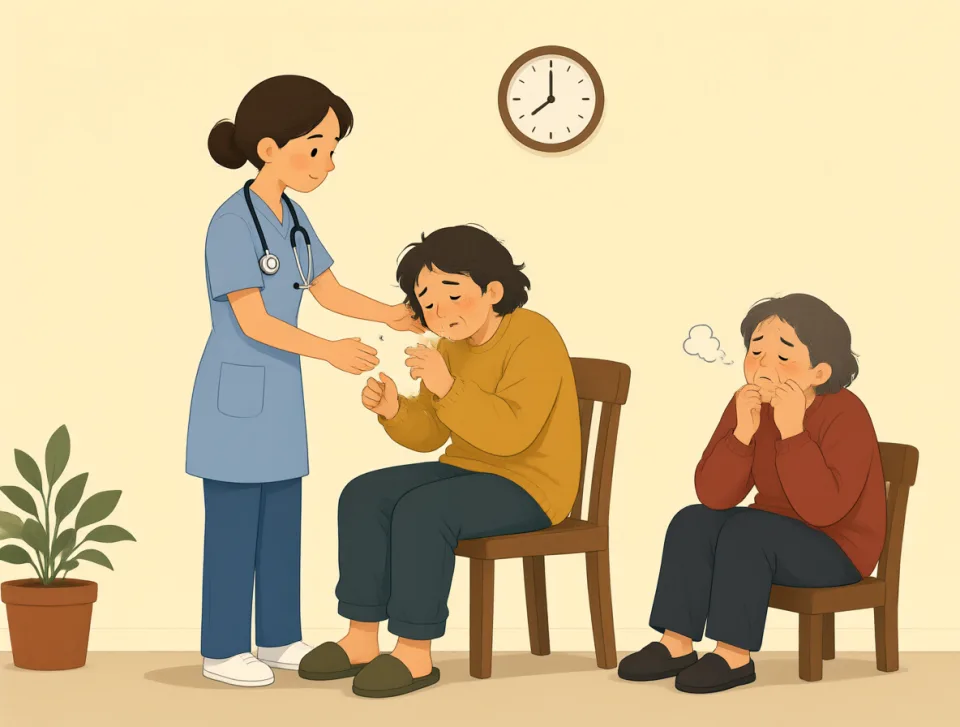
The disease spread quickly through the village.
Choroba szybko rozprzestrzeniła się po wiosce.
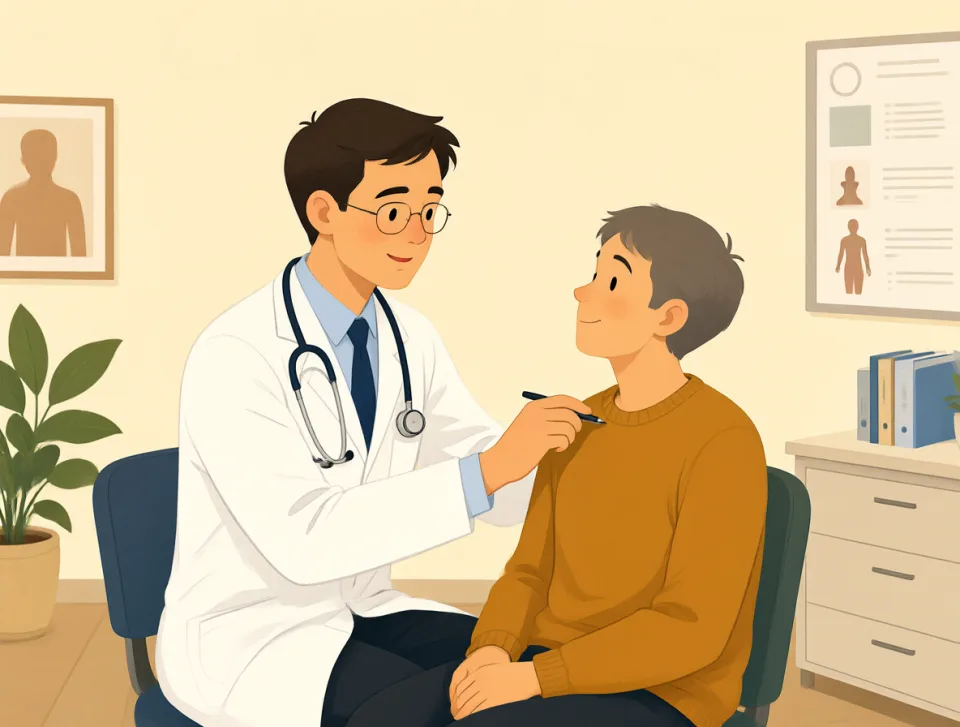
Doctors found the disease early.
Lekarze wcześnie wykryli chorobę.
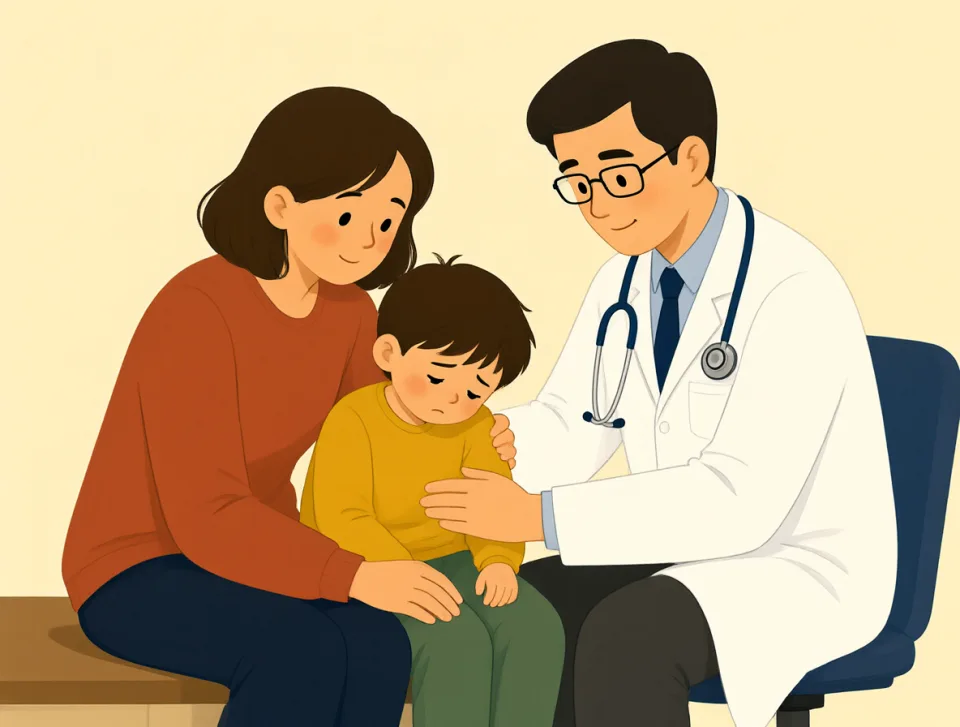
This disease can affect young children.
Ta choroba może dotknąć małe dzieci.
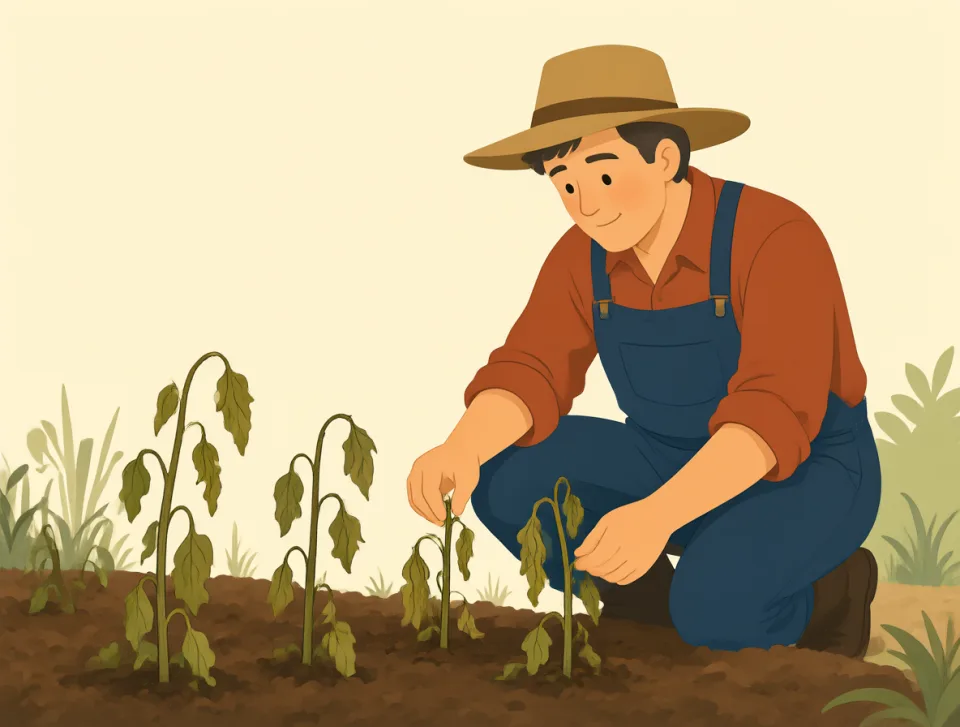
The farmer lost plants to disease.
Rolnik stracił część upraw z powodu choroby roślin.
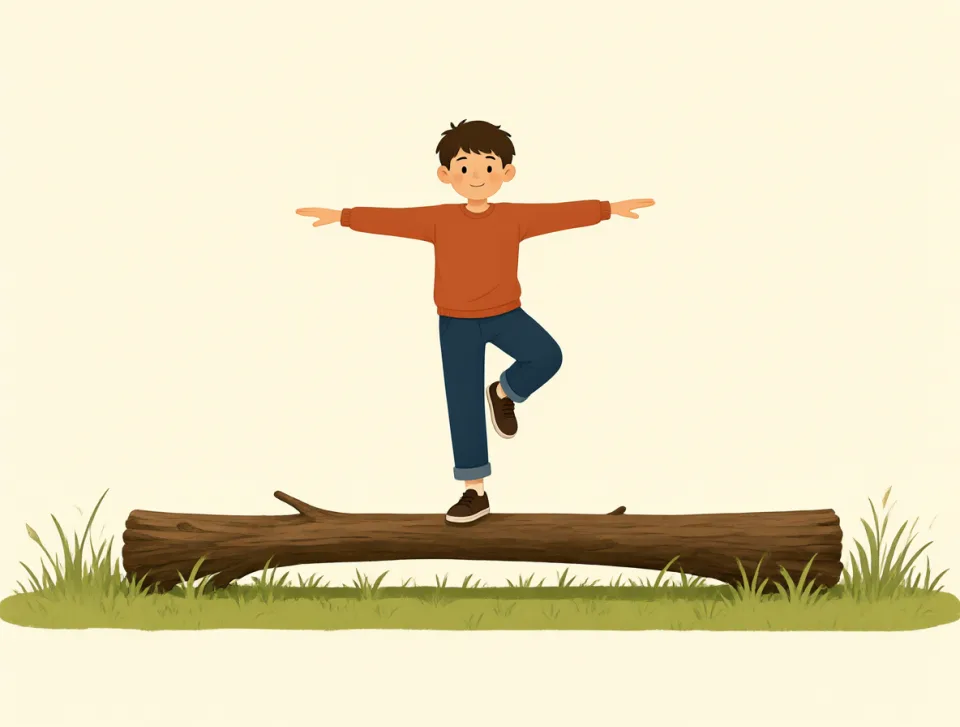
balance
#907noun, verb
równowaga; saldo
a steady state, or the amount left in an account; to keep something steady or equal
Stan stabilności albo kwota pozostała na koncie; utrzymywać coś w stabilnym stanie lub wyrównywać.
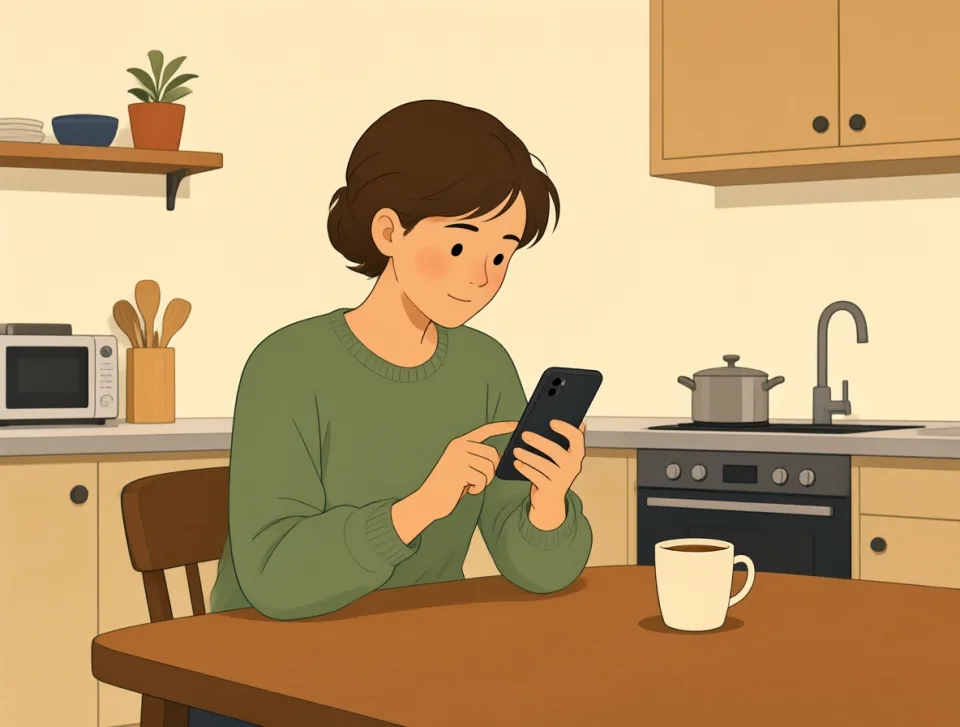
She checked the balance in her bank account.
Sprawdziła saldo na swoim koncie bankowym.
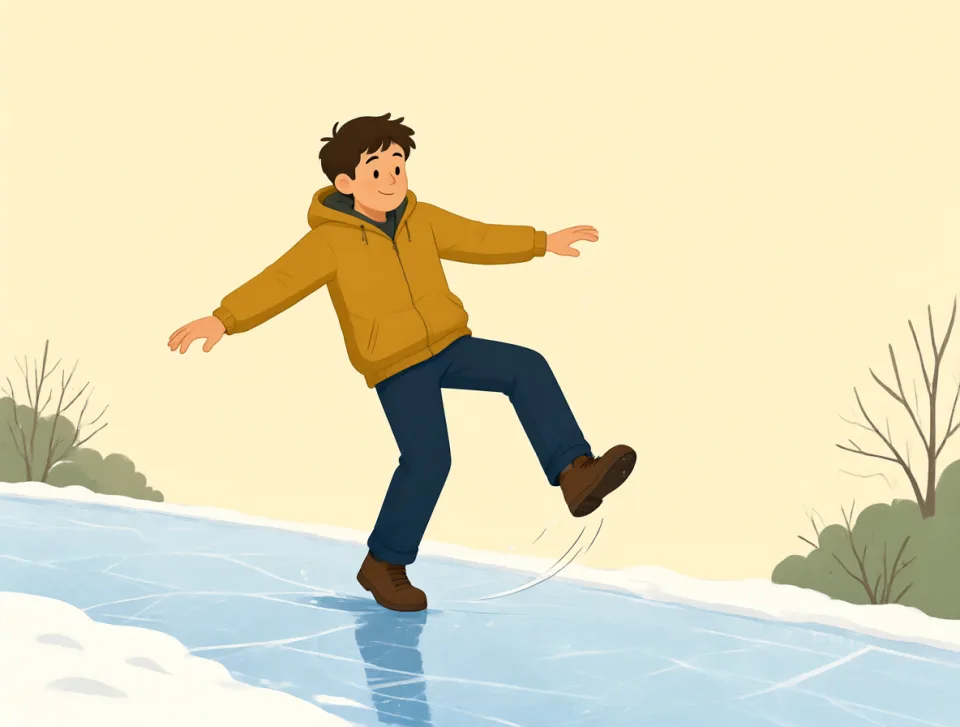
He lost his balance on the icy path.
Poślizgnął się na oblodzonej ścieżce i stracił równowagę.
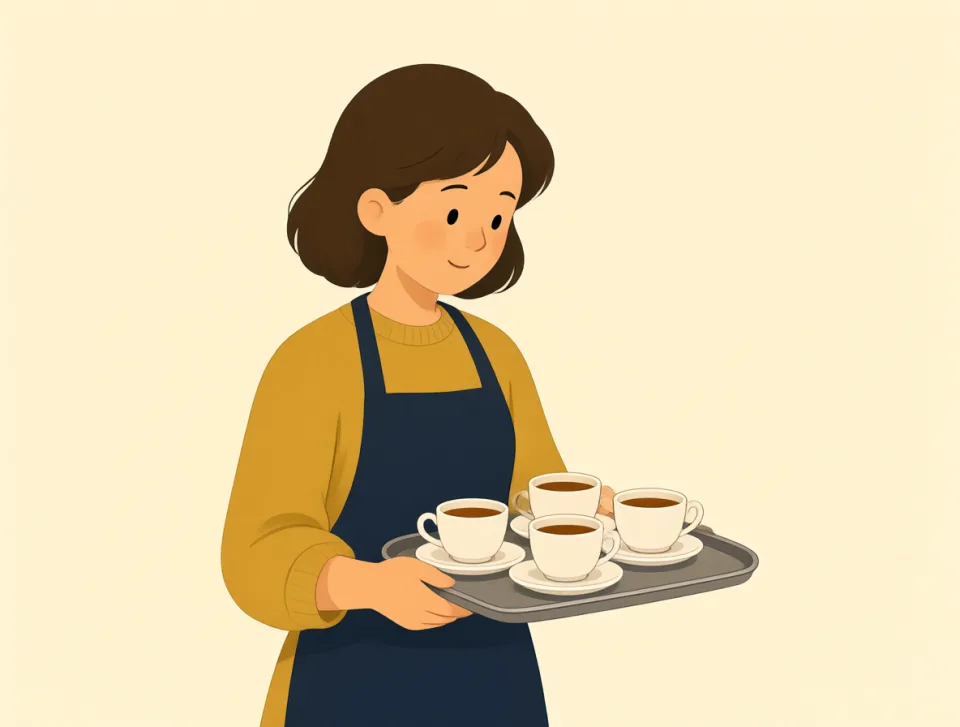
Try to balance the tray with both hands.
Spróbuj utrzymać tacę w równowadze, trzymając ją obiema rękami.
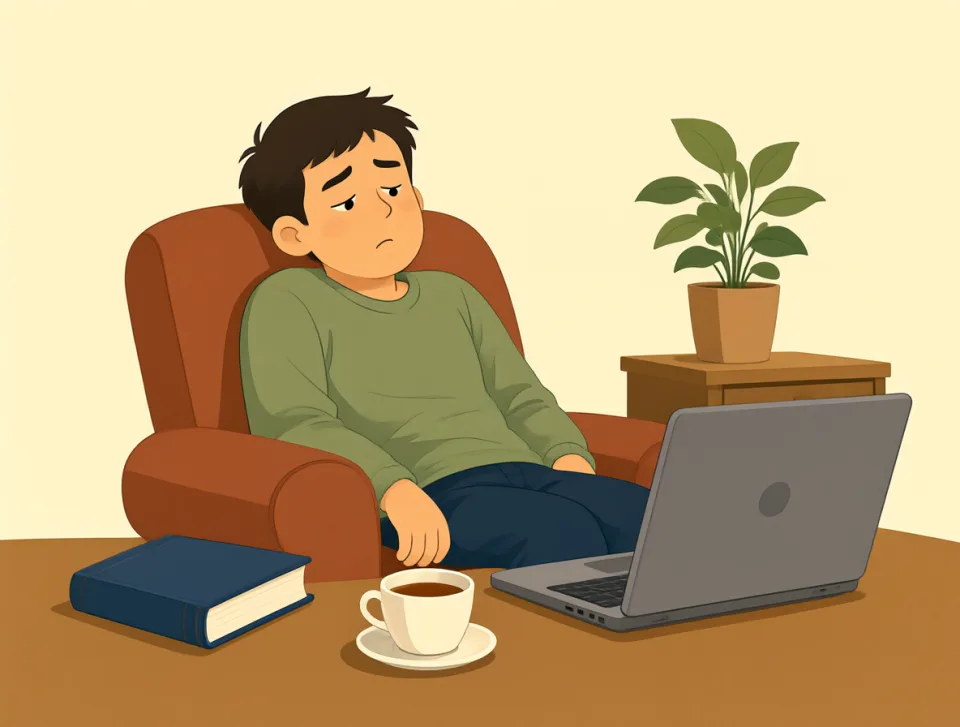
I need a better balance between work and rest.
Potrzebuję lepszej równowagi między pracą a odpoczynkiem.
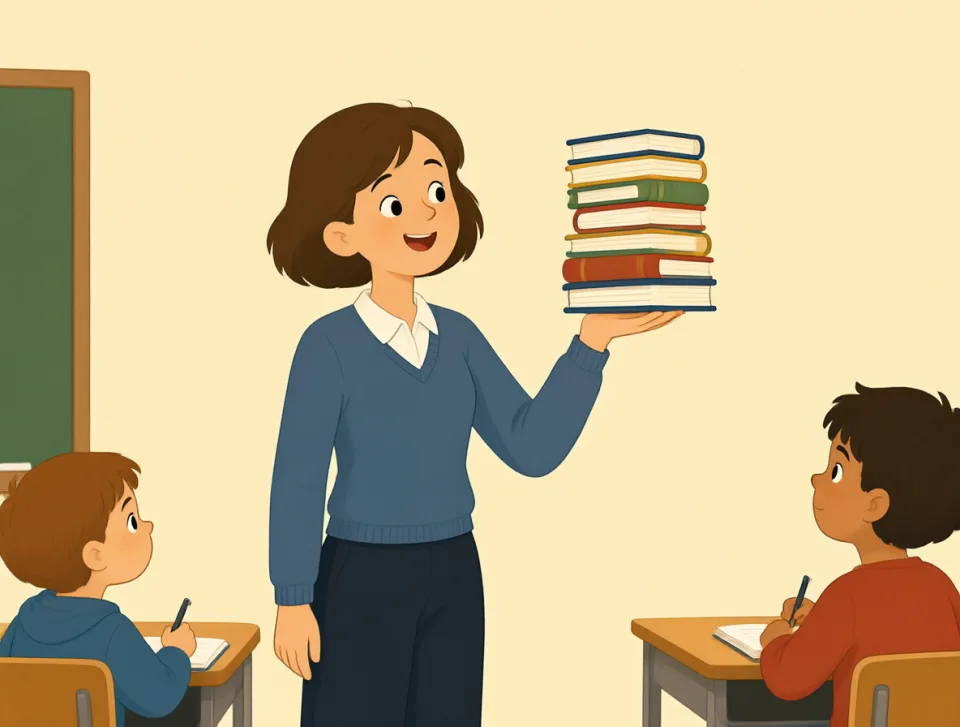
The teacher balanced the books on one hand.
Nauczycielka utrzymała książki w równowadze na jednej ręce.
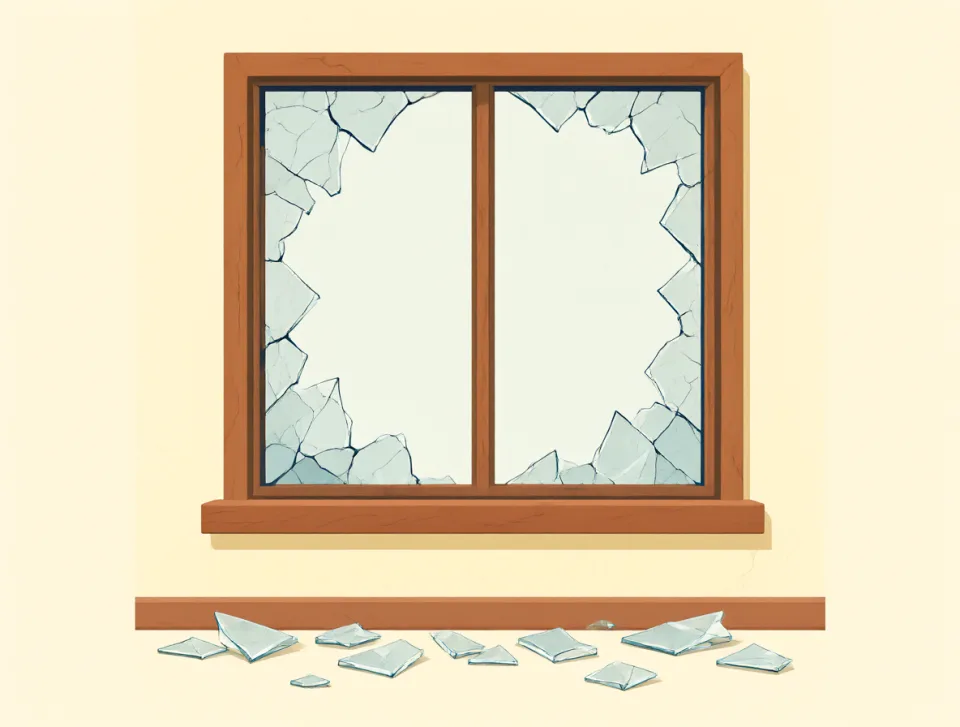
damage
#908noun, verb
uszkodzenie; szkoda
harm that makes something less useful, attractive, or strong
Szkoda, która sprawia, że coś staje się mniej użyteczne, atrakcyjne lub wytrzymałe.
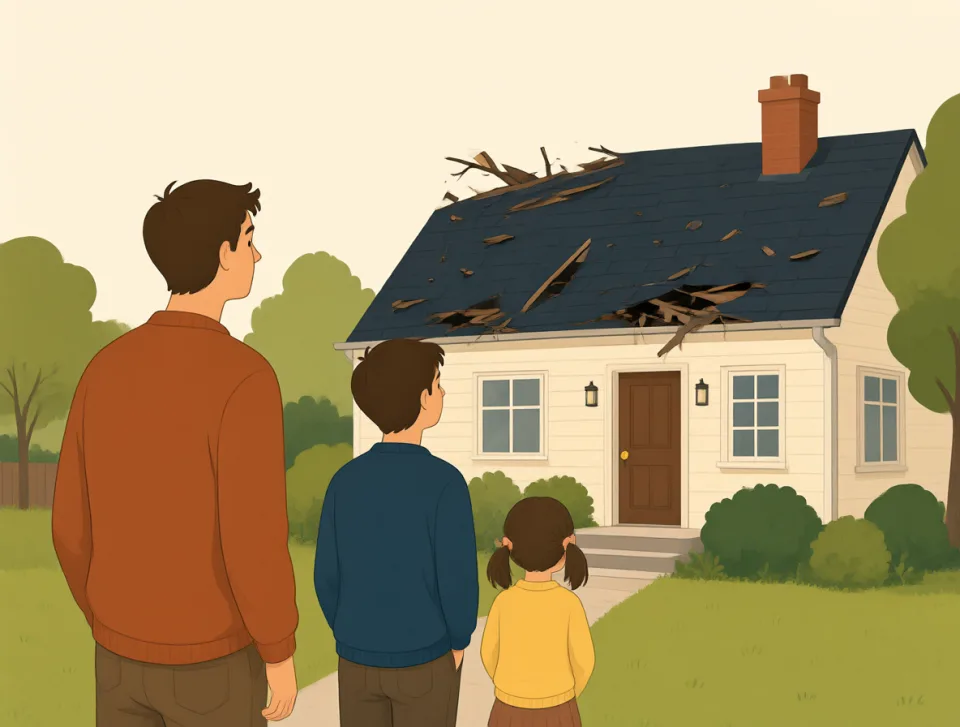
The storm caused damage to our roof.
Burza uszkodziła nasz dach.
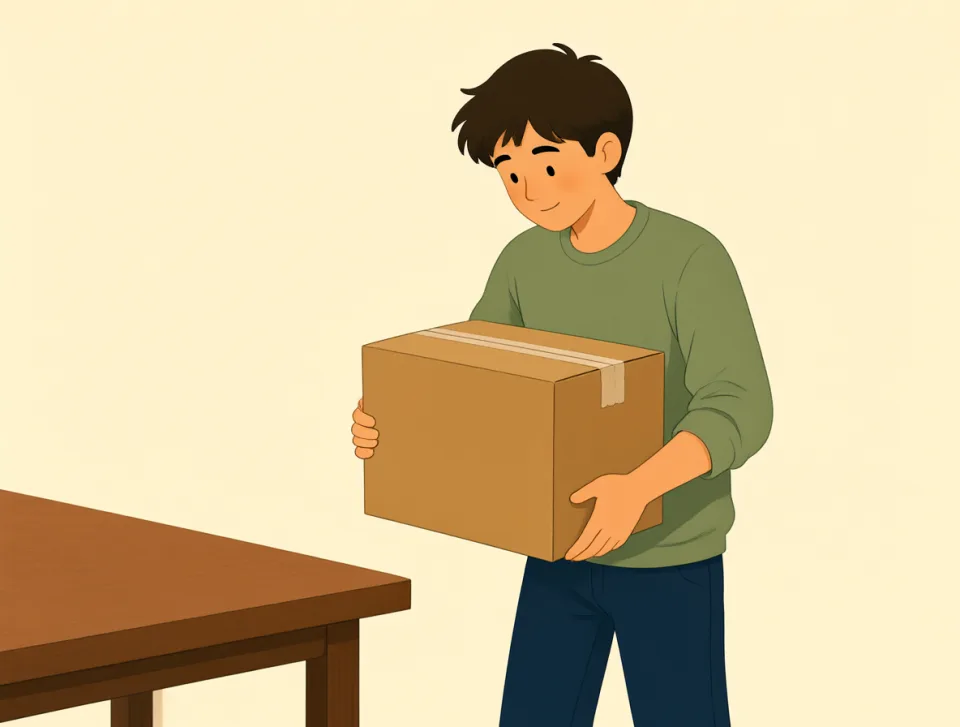
Be careful not to damage the table.
Uważaj, żeby nie uszkodzić stołu.
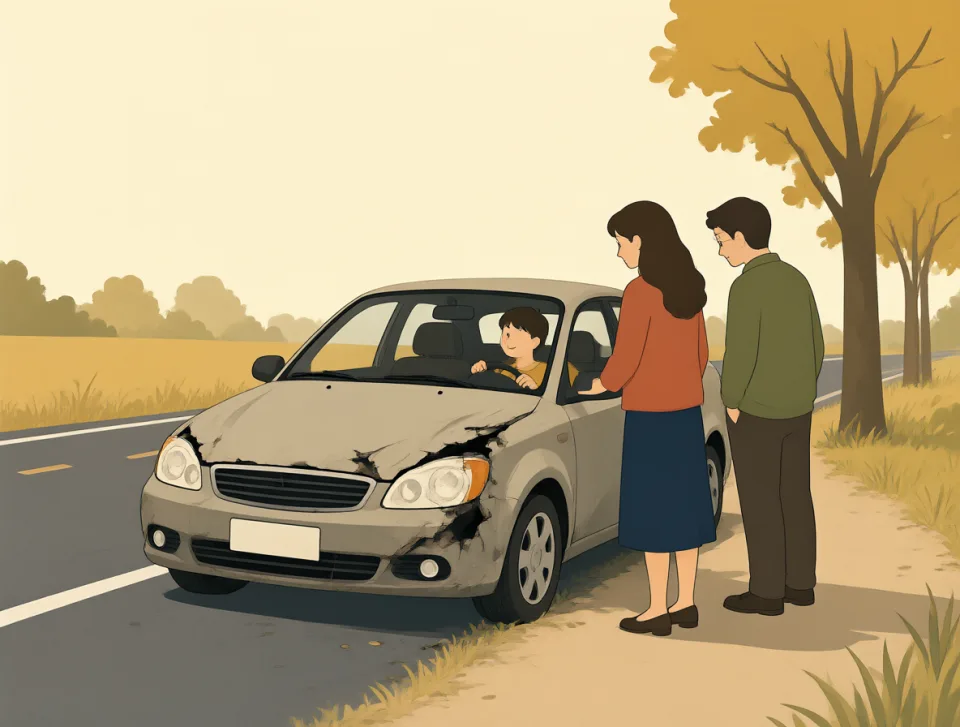
The car has serious damage after the crash.
Po zderzeniu samochód jest poważnie uszkodzony.
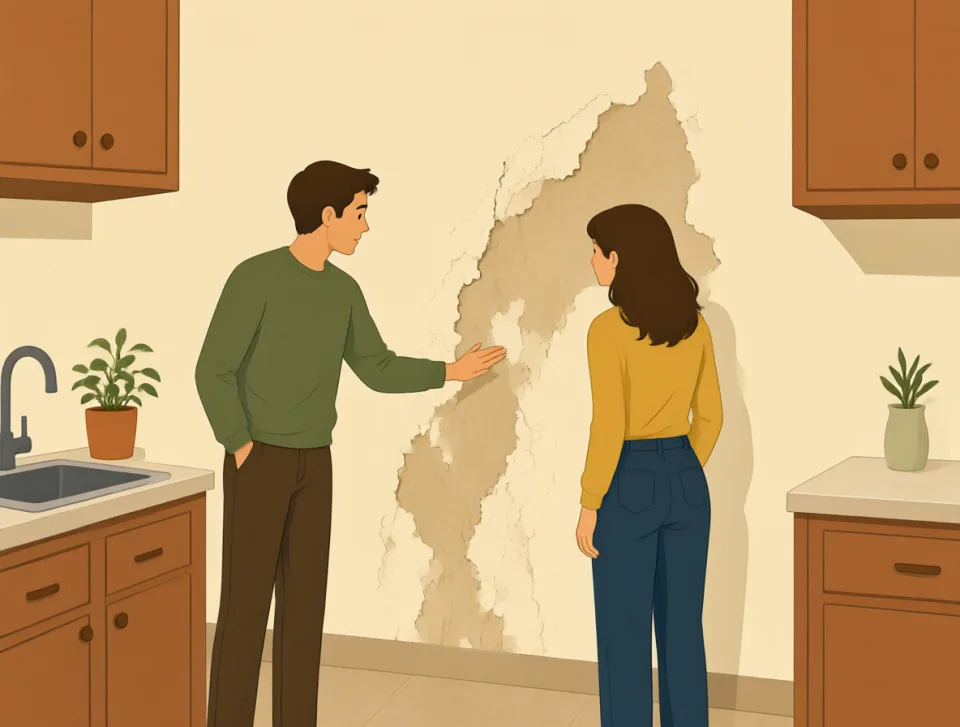
Water damage ruined the kitchen wall.
Woda zniszczyła ścianę w kuchni.
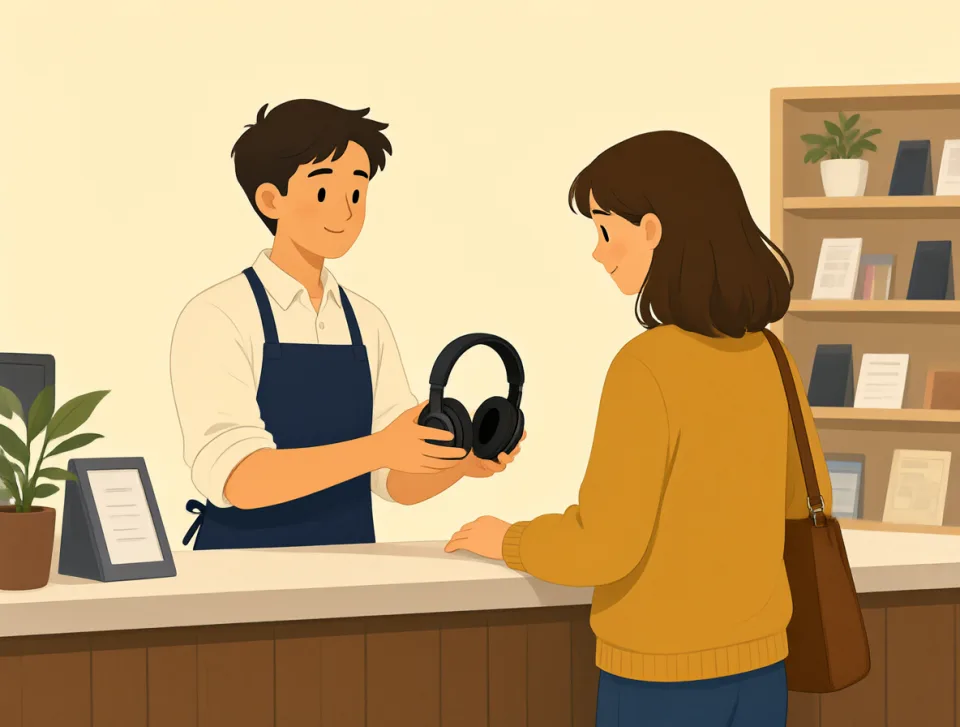
The shop replaced my damaged headphones.
Sklep wymienił moje uszkodzone słuchawki.

basis
#909noun
podstawa
the main reason, fact, or rule used to support something
Główny powód, fakt lub zasada, na których opiera się coś.
We meet on a regular basis.
Spotykamy się regularnie.

The school hired staff on a temporary basis.
Szkoła zatrudniła pracowników tymczasowo.
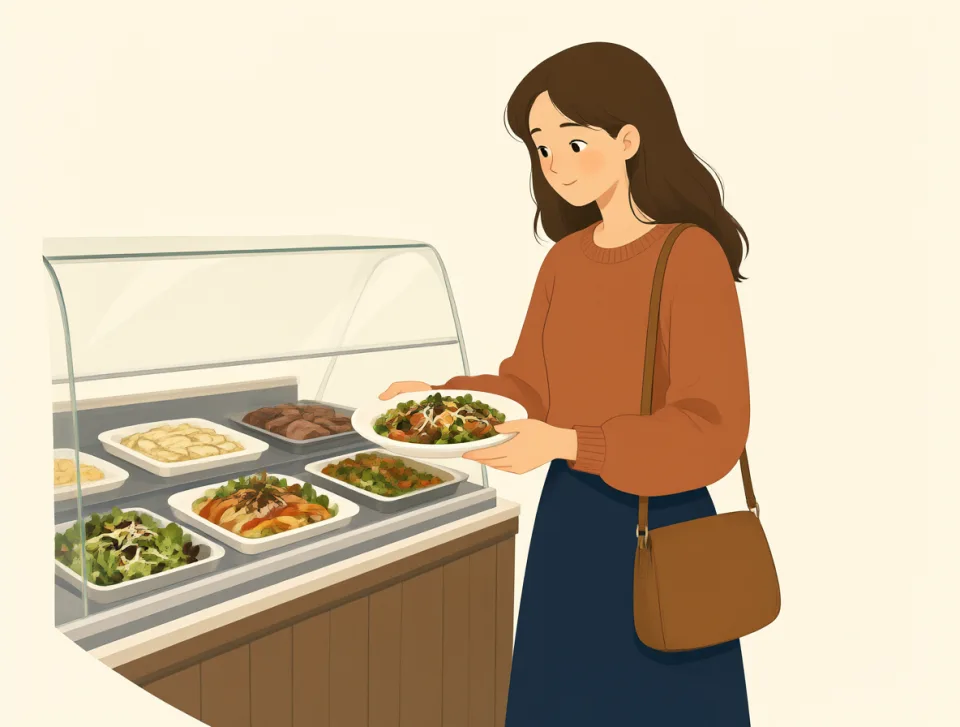
She chose the meal on the basis of price.
Wybrała danie ze względu na cenę.
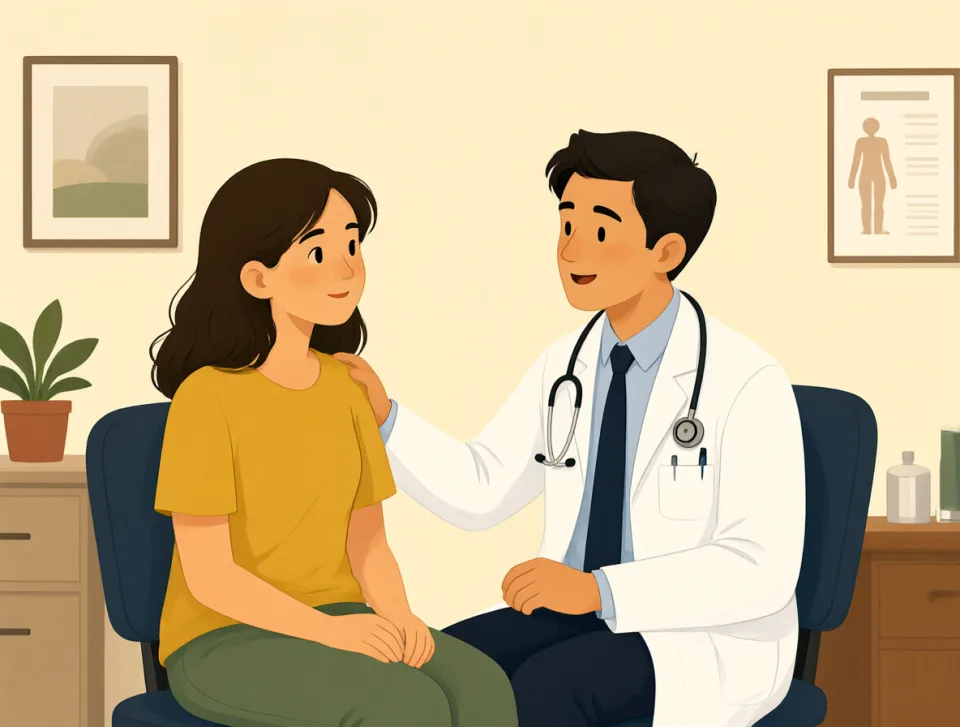
The doctor treated him on the basis of his symptoms.
Lekarz leczył go na podstawie objawów.

Trust is the basis of our friendship.
Zaufanie jest podstawą naszej przyjaźni.

author
#910noun
autor
A person who writes books, stories, or articles.
Osoba, która pisze książki, opowiadania lub artykuły.
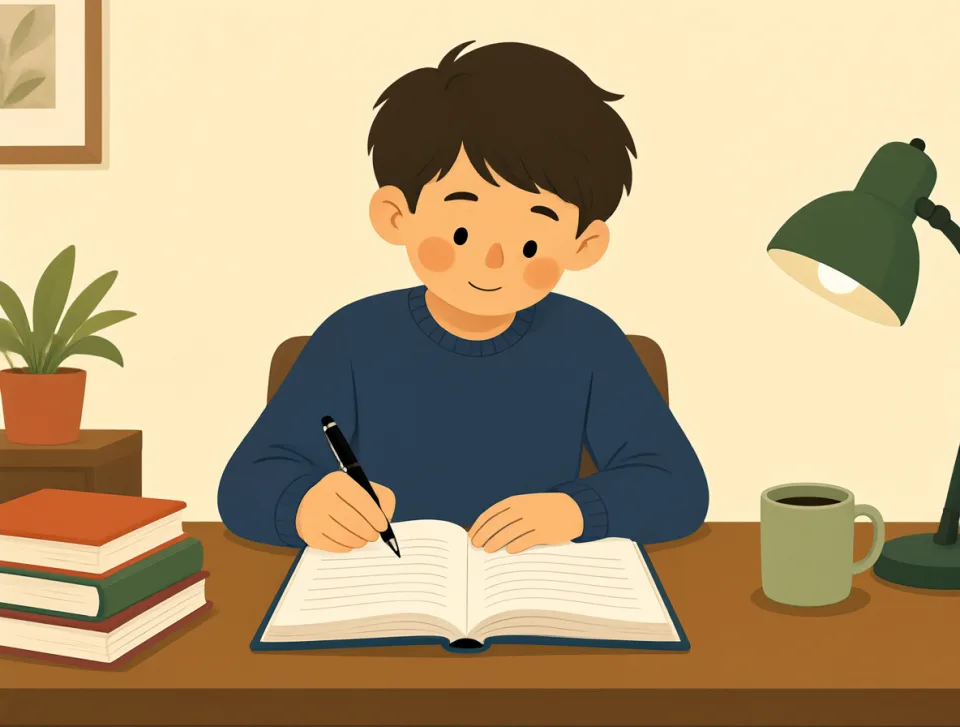
The author wrote a popular mystery novel.
Autor napisał popularną powieść kryminalną.

I met the author at the bookshop.
Spotkałem autora w księgarni.

The author signed my new book.
Autor podpisał moją nową książkę.
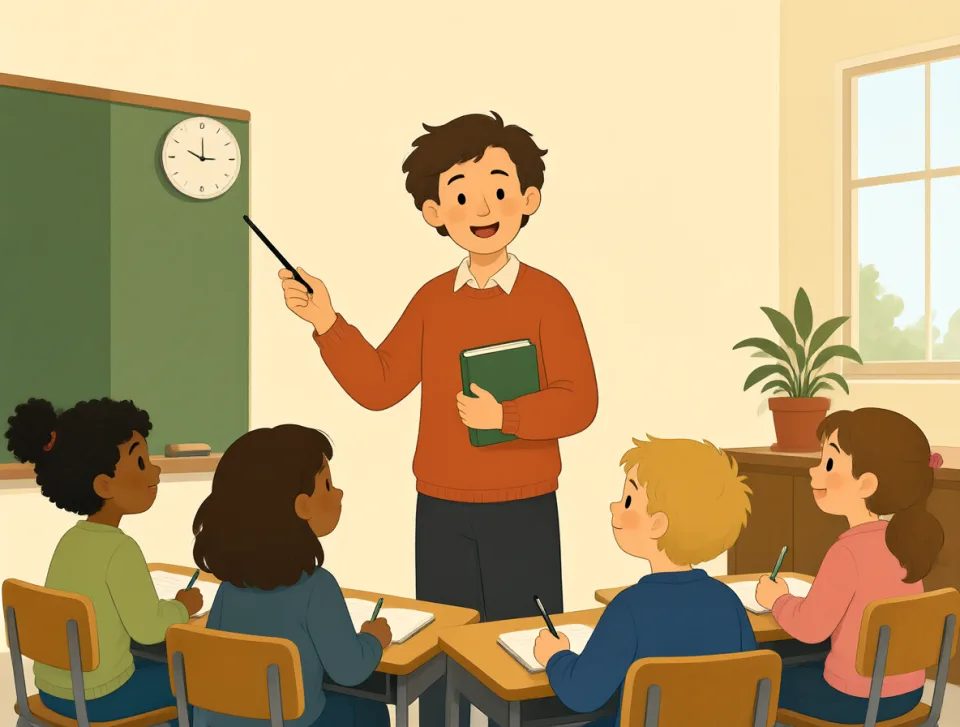
Our teacher invited a children's author.
Nasz nauczyciel zaprosił autora książek dla dzieci.
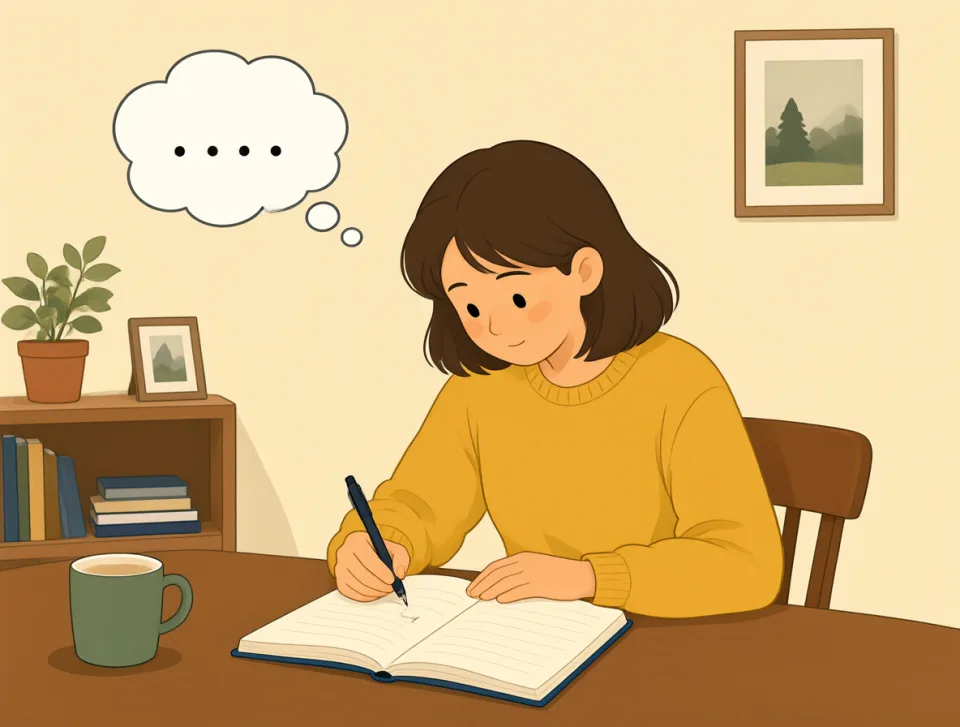
She wants to become an author someday.
Pewnego dnia chce zostać autorką.
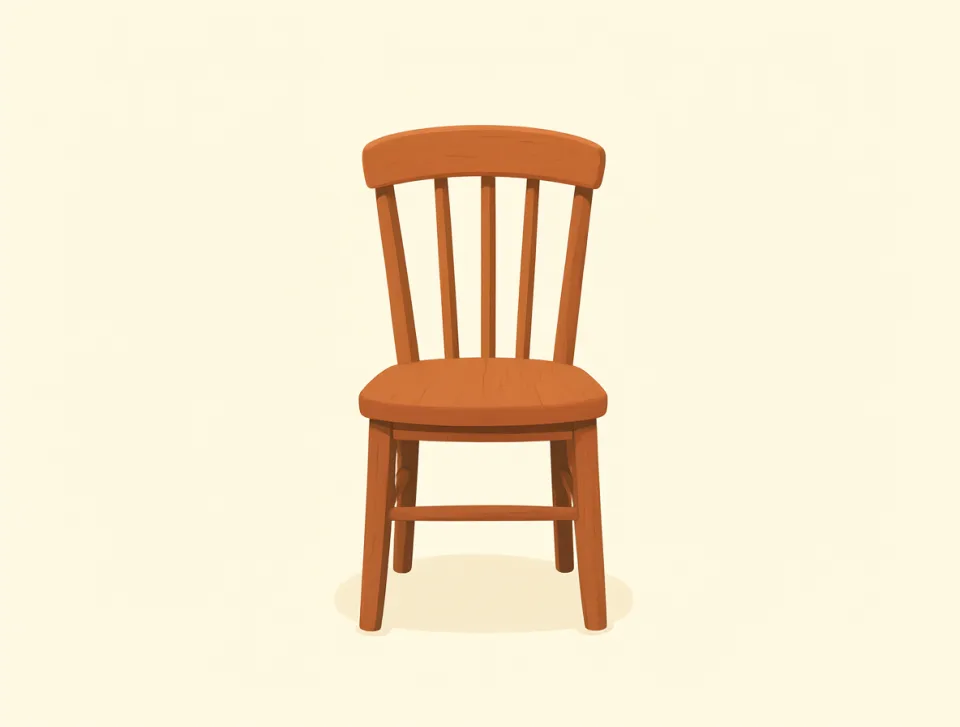
basic
#911adjective, noun
podstawowy
simple and necessary, without extra features or details
prosty i niezbędny, bez dodatkowych funkcji ani szczegółów
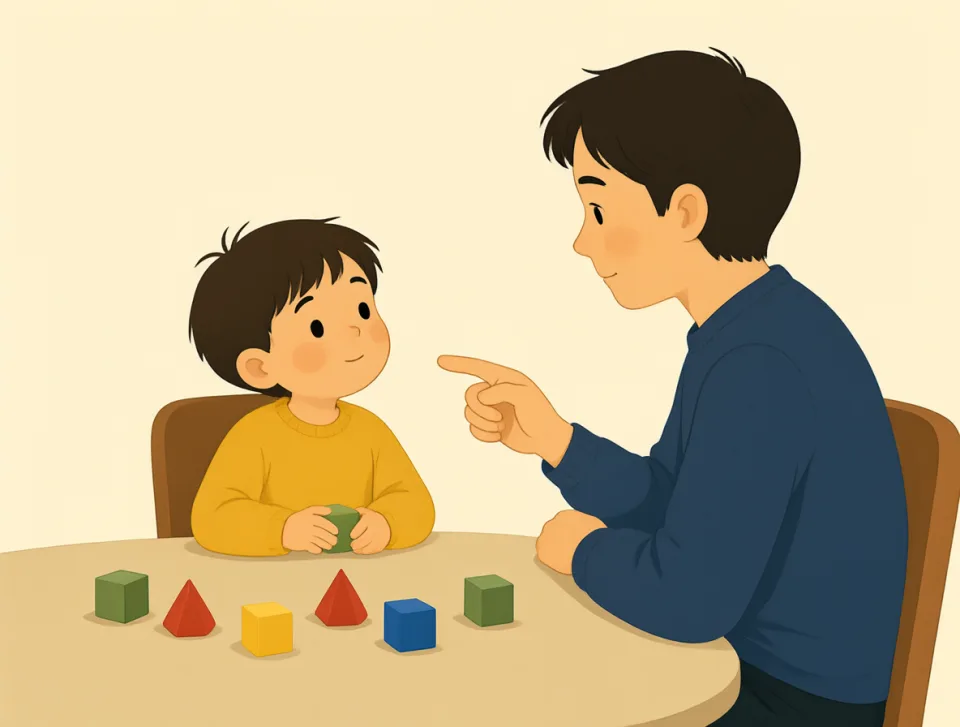
I know the basic rules of the game.
Znam podstawowe zasady tej gry.
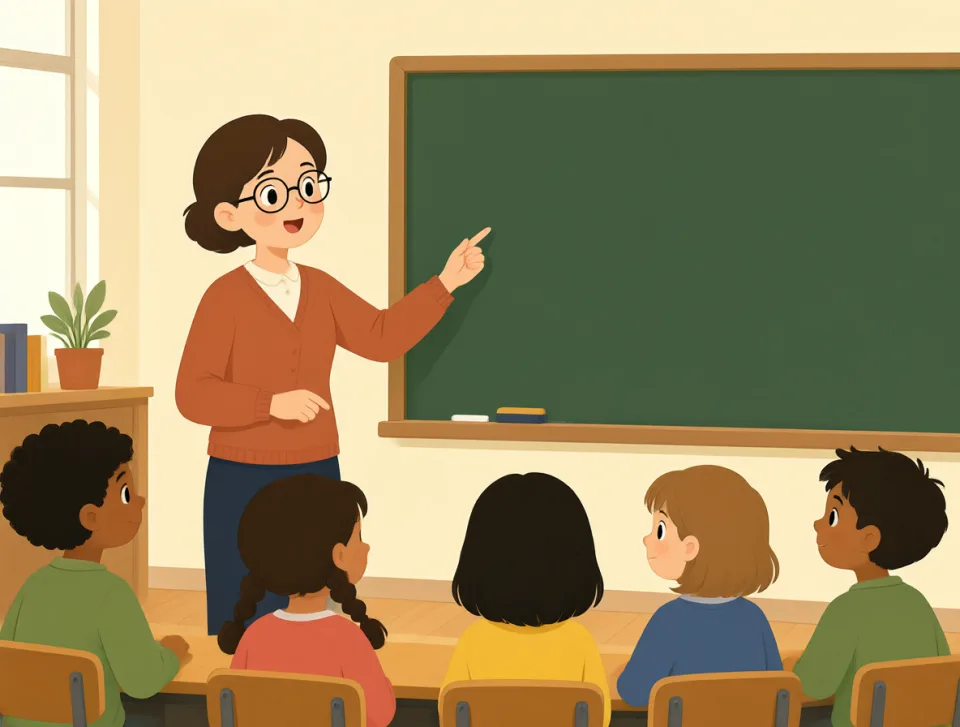
We learned basic English at school.
W szkole uczyliśmy się podstaw języka angielskiego.
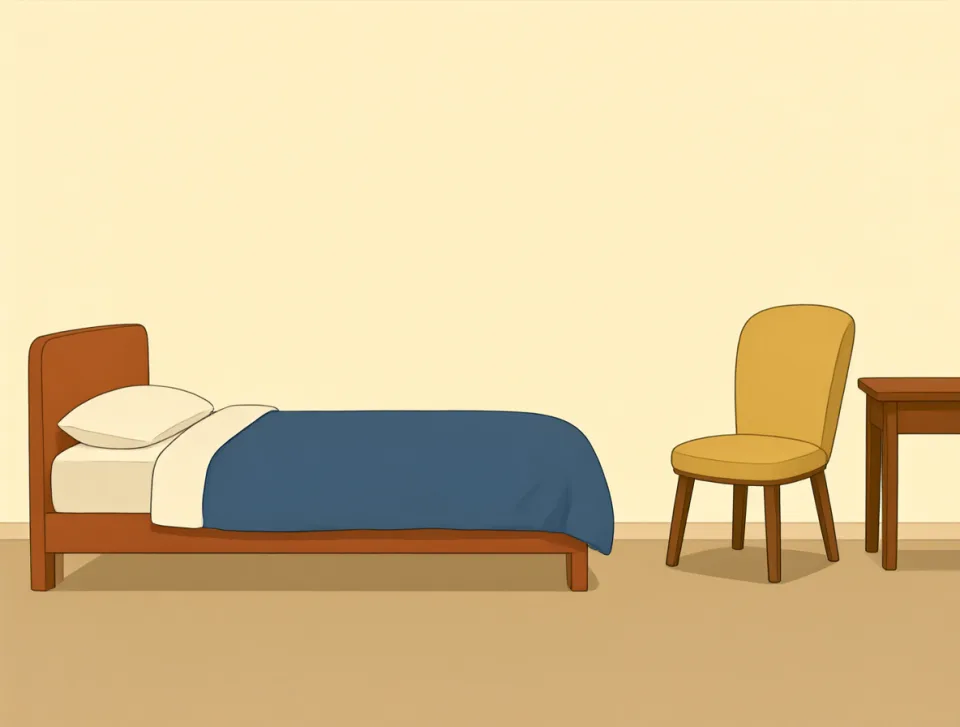
This room has only basic furniture.
W tym pokoju są tylko podstawowe meble.
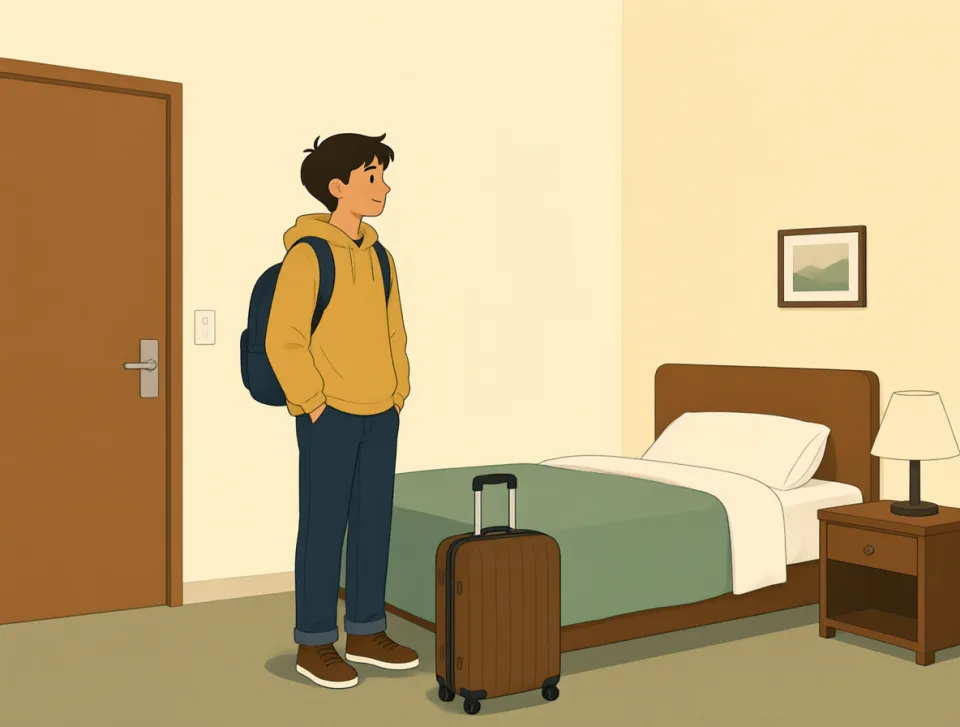
The hotel offers basic rooms at low prices.
Hotel oferuje podstawowe pokoje w niskich cenach.
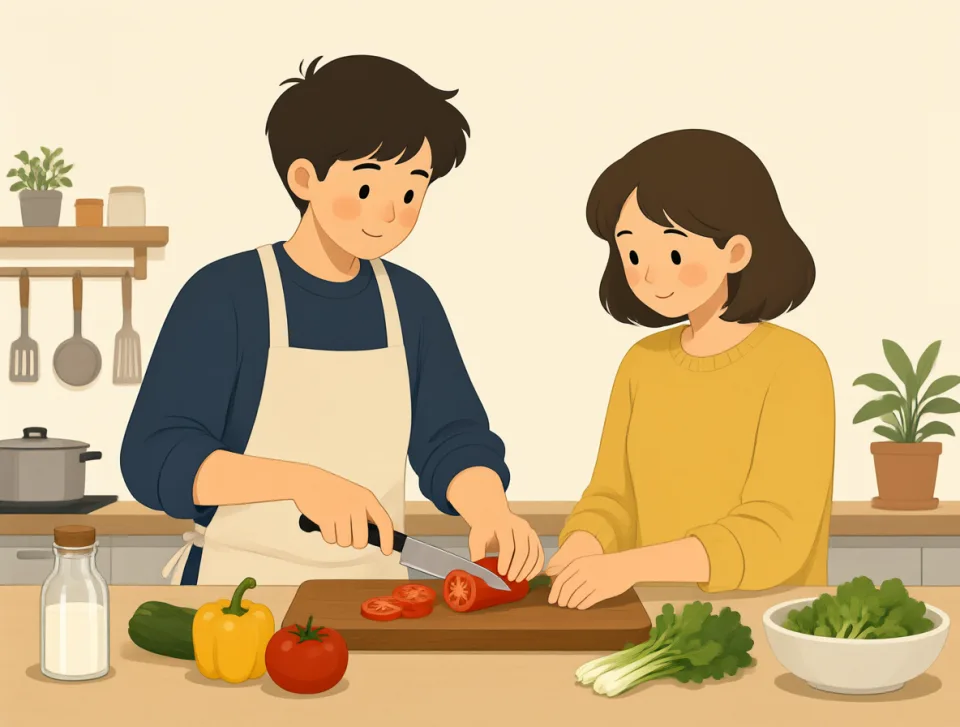
She taught me the basics of cooking.
Nauczyła mnie podstaw gotowania.
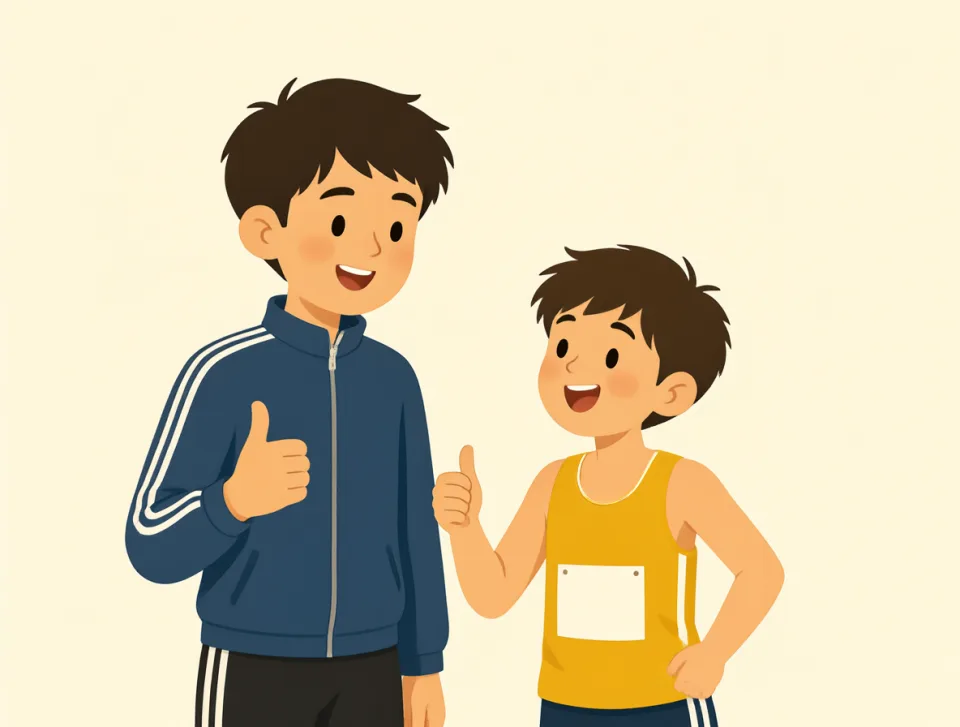
encourage
#912verb
zachęcać
to give someone support or confidence to do something
dodawać komuś otuchy lub pewności siebie, by zrobił coś
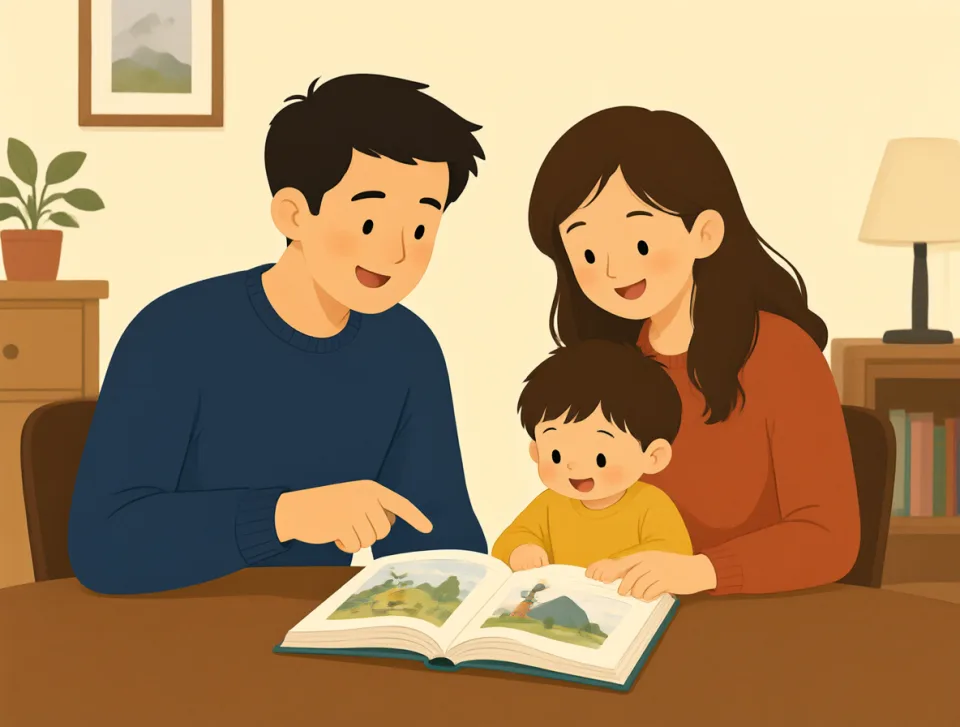
My parents encourage me to study hard.
Moi rodzice zachęcają mnie do pilnej nauki.
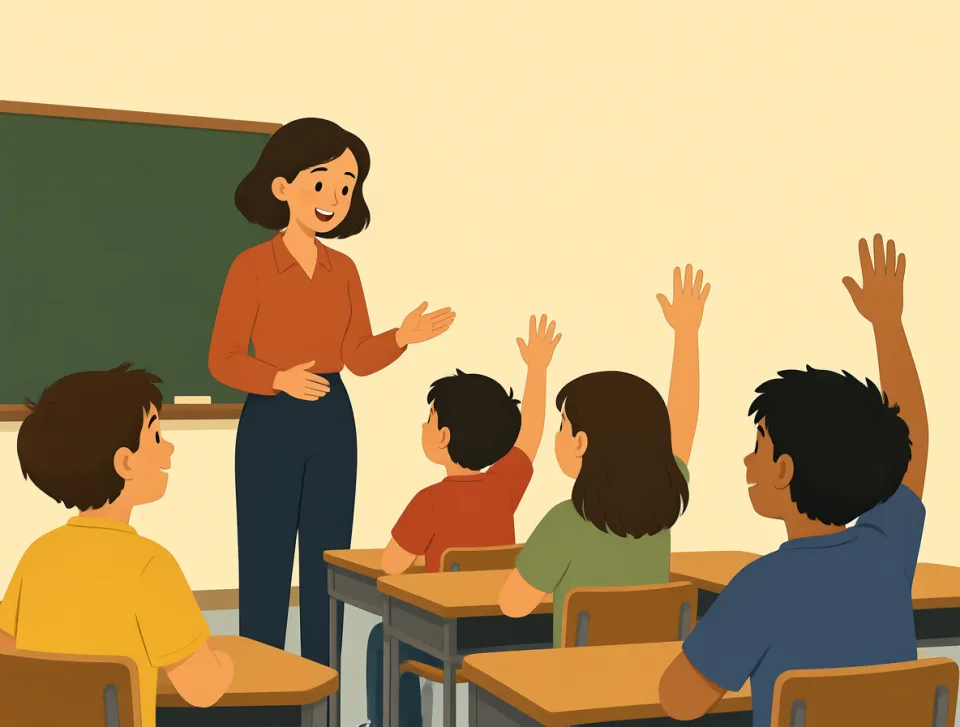
The teacher encouraged us to ask questions.
Nauczyciel zachęcił nas do zadawania pytań.
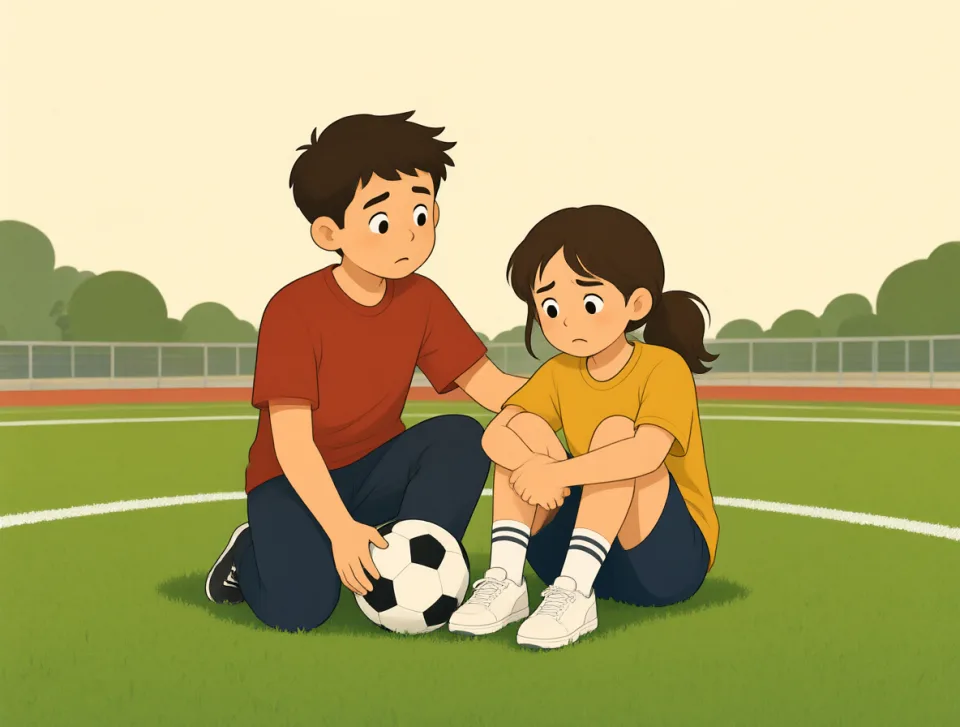
Friends encouraged him after he lost the game.
Przyjaciele dodali mu otuchy po tym, jak przegrał mecz.
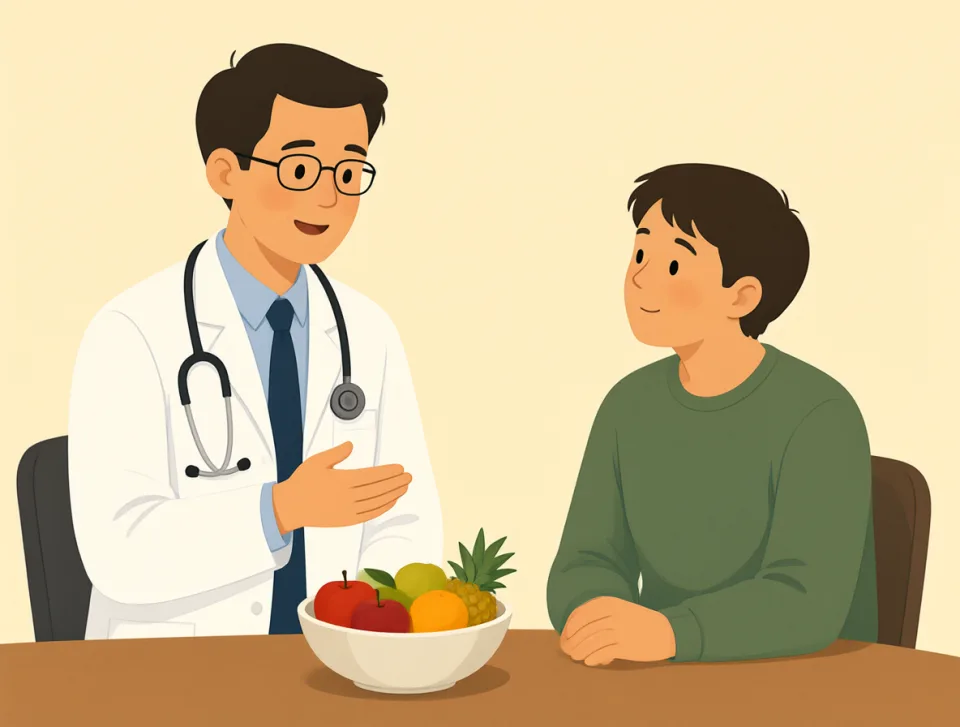
Doctors encourage patients to eat healthy food.
Lekarze zachęcają pacjentów do zdrowego odżywiania.

Her manager encouraged her to apply for the job.
Jej kierownik zachęcił ją do ubiegania się o tę pracę.
hair
#913noun
włosy
The thin strands that grow on a person's head or body.
Cienkie pasma, które rosną na głowie lub ciele człowieka.
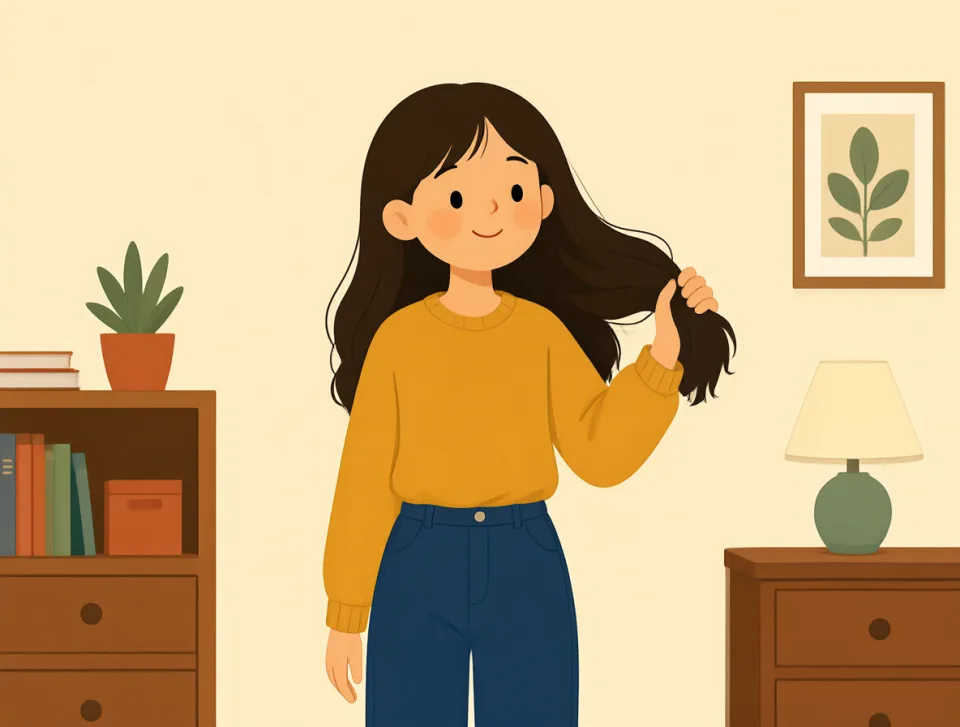
She has long, dark hair.
Ona ma długie, ciemne włosy.
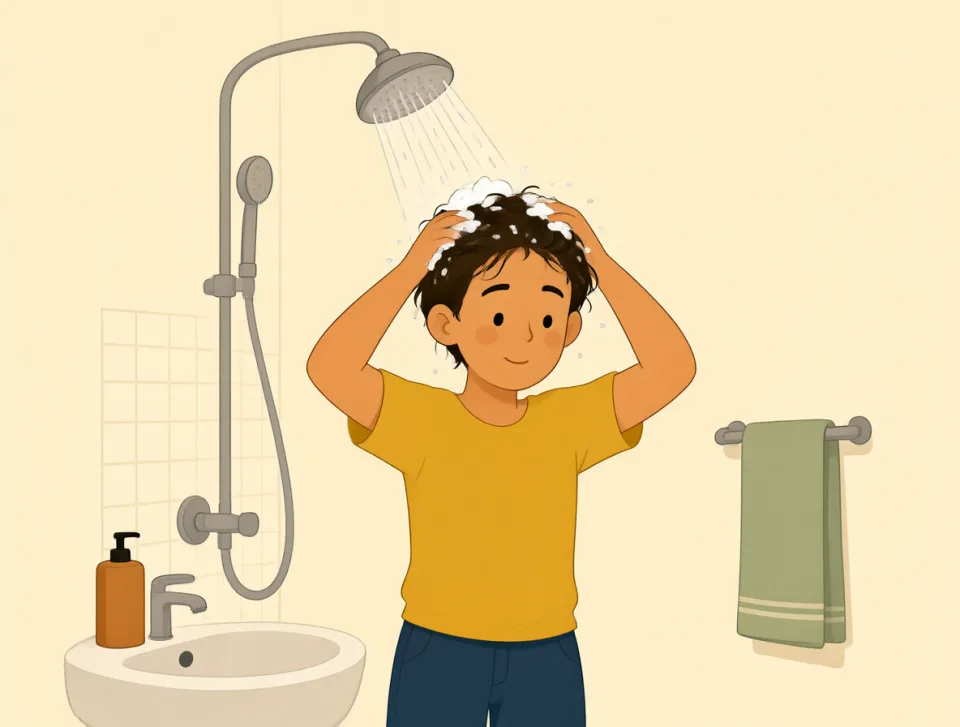
I washed my hair this morning.
Umyłem rano włosy.
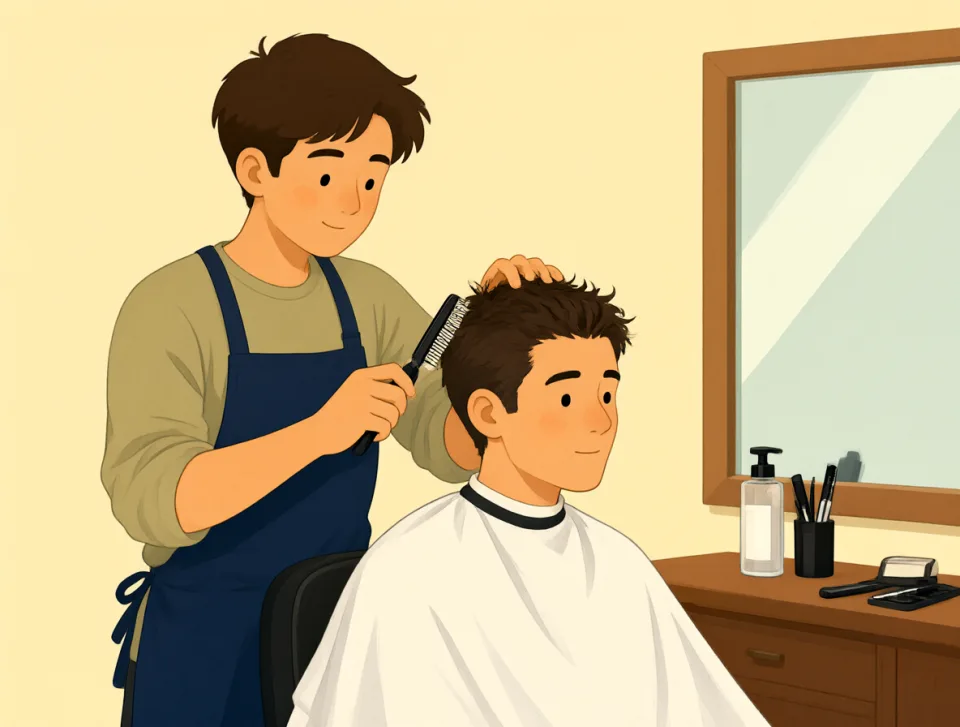
He got a haircut yesterday.
Wczoraj się ostrzygł.
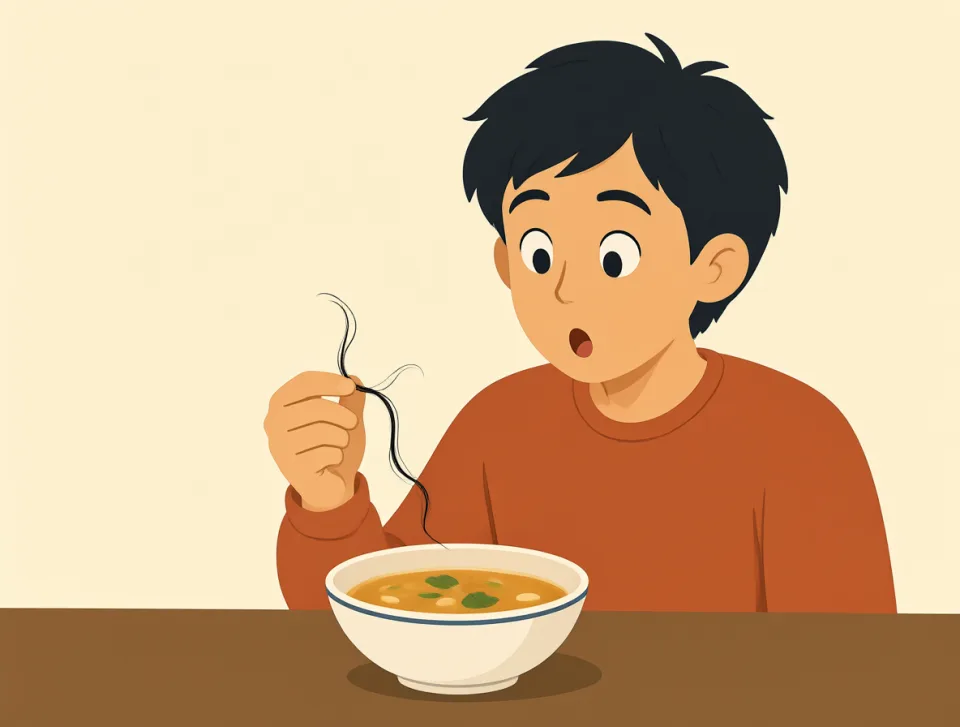
There was hair in my soup.
W mojej zupie był włos.
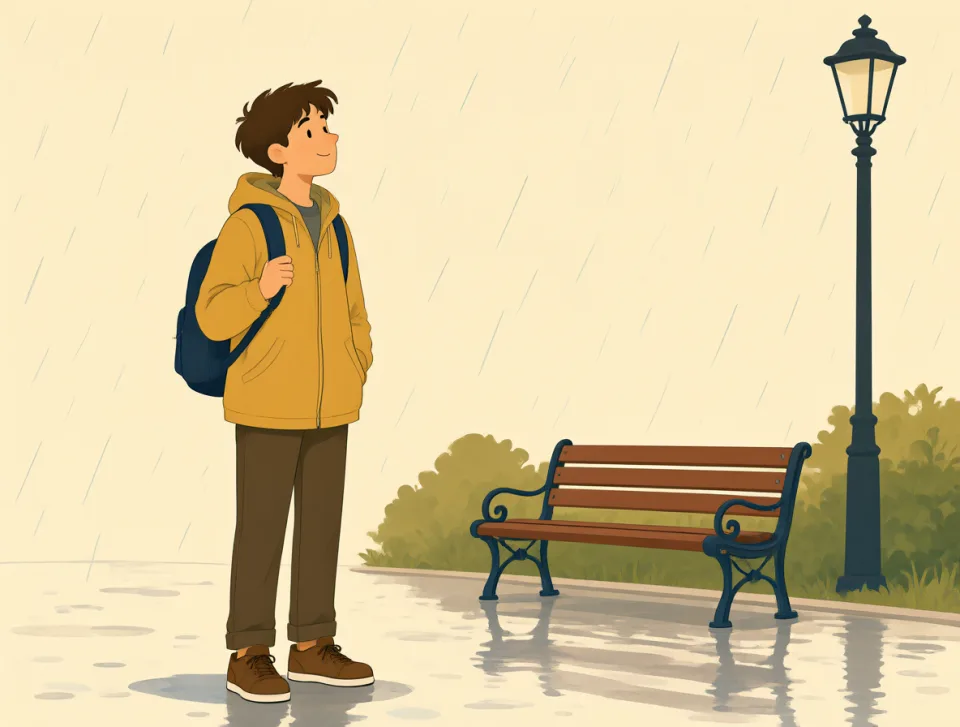
My hair gets wet in the rain.
Deszcz moczy mi włosy.

male
#914noun, adjective
męski
A boy, man, or animal that is not female.
Chłopiec, mężczyzna lub zwierzę płci innej niż żeńska.

The male lion protects his family.
Lew chroni swoją rodzinę.
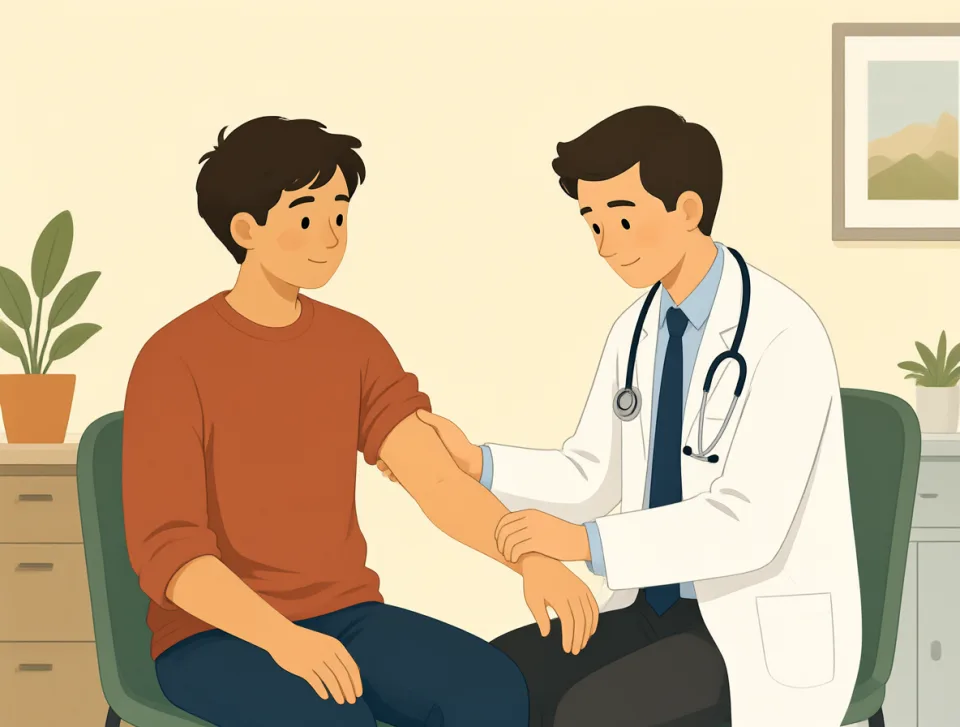
The doctor examined the male patient.
Lekarz zbadał pacjenta.
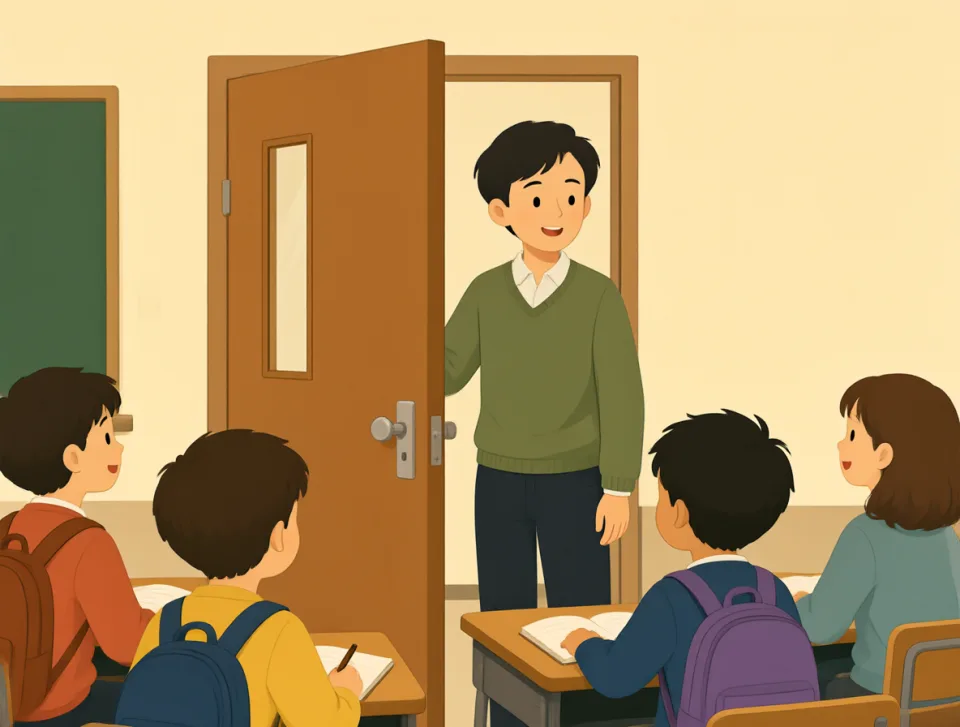
A male teacher opened the classroom door.
Nauczyciel otworzył drzwi do sali lekcyjnej.
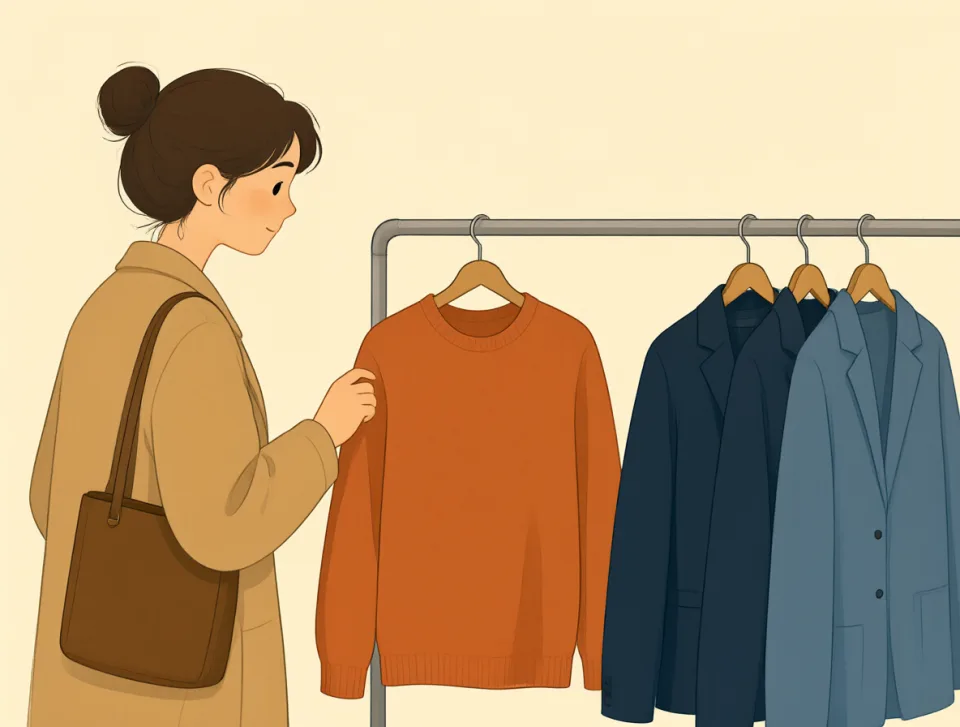
The shop sells male and female shirts.
Sklep sprzedaje koszulki męskie i damskie.
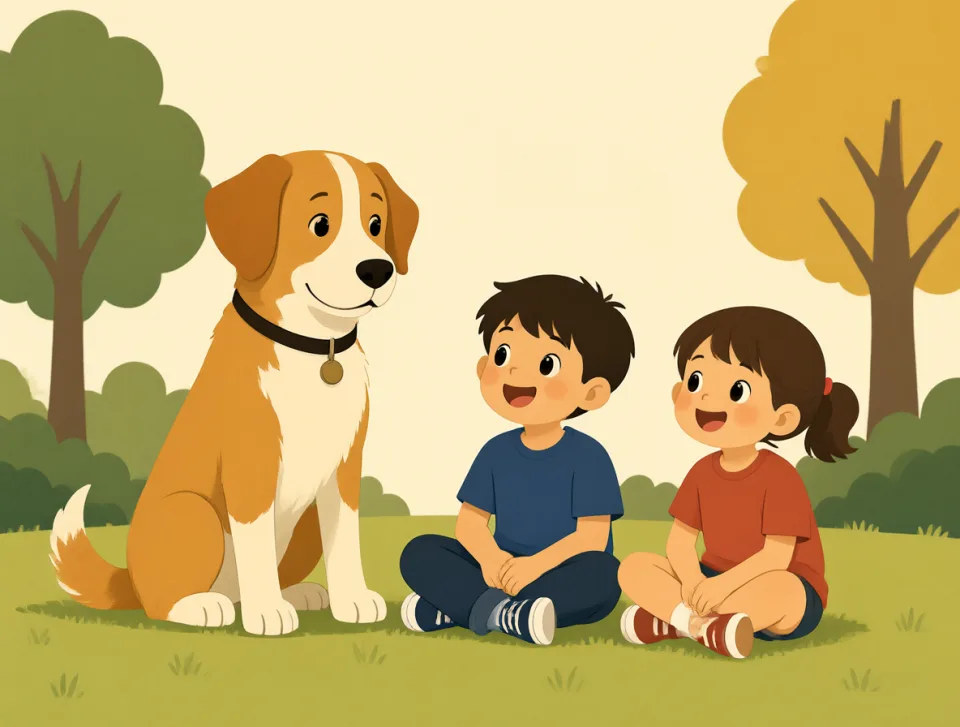
The male dog is friendly with children.
Pies jest przyjazny wobec dzieci.
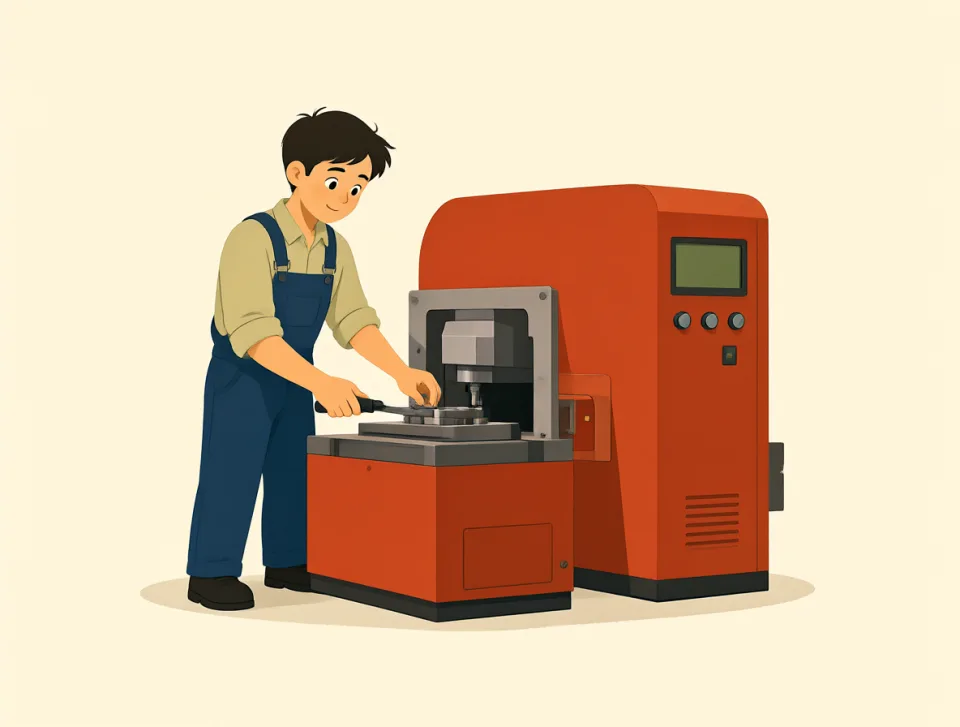
operate
#915verb
obsługiwać
to control, use, or make a machine or system work
sterować maszyną lub systemem, używać ich albo sprawiać, że działają
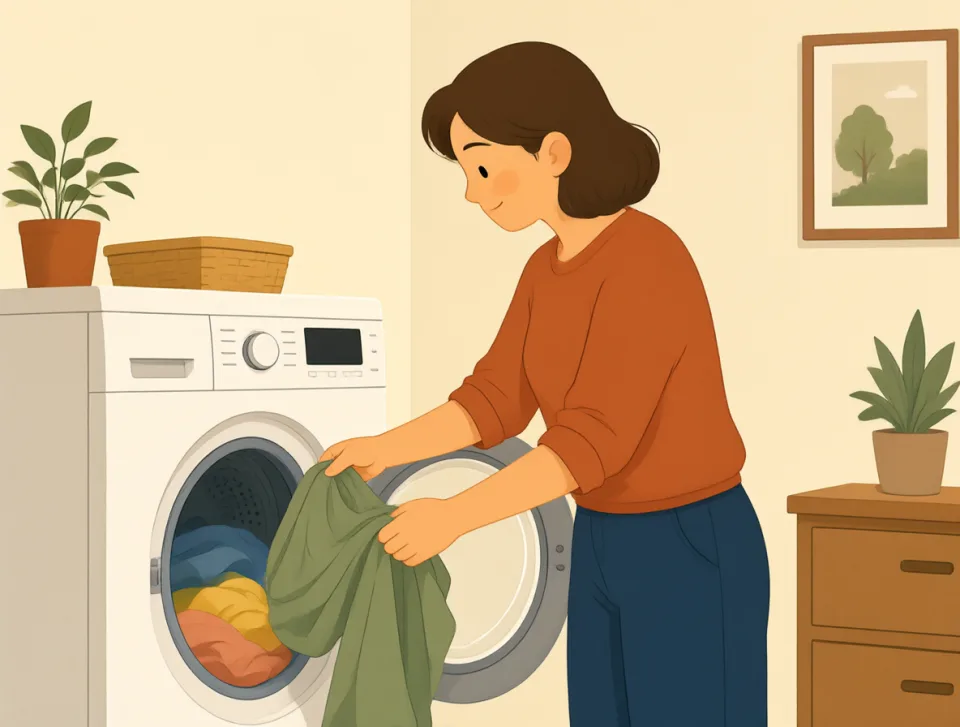
She operates the washing machine every Saturday.
W każdą sobotę obsługuje pralkę.
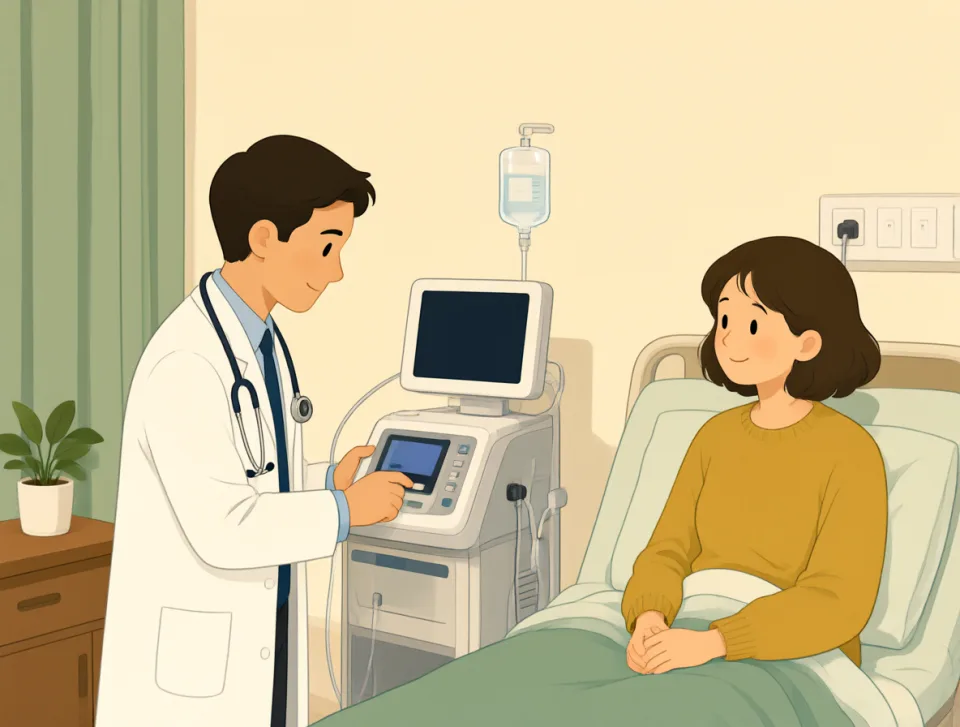
Only trained doctors can operate this machine.
Tylko przeszkoleni lekarze mogą obsługiwać tę maszynę.
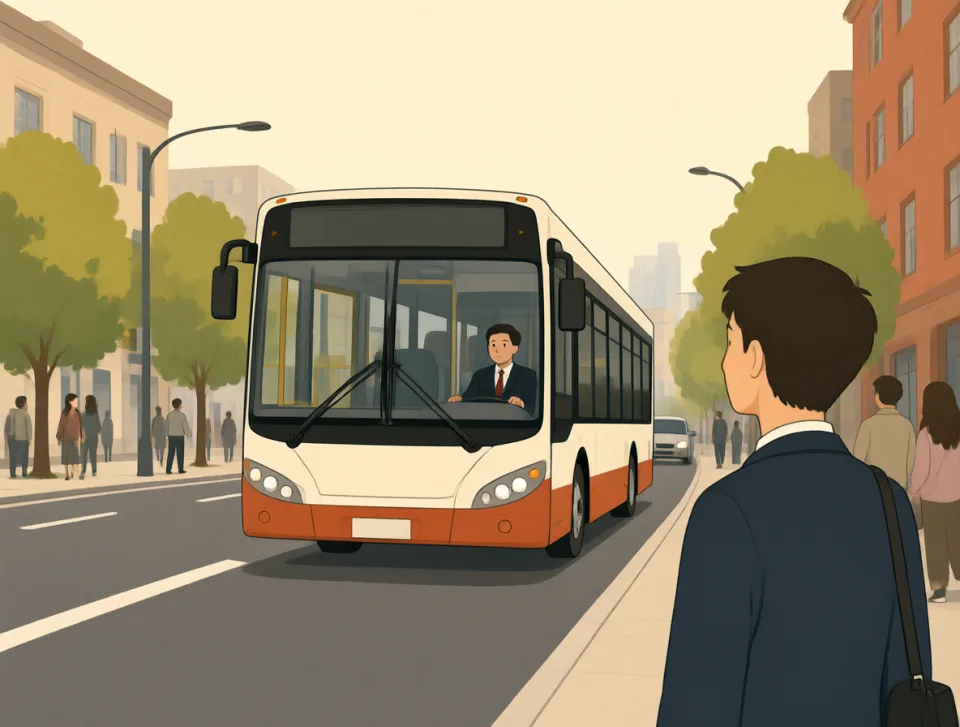
The company operates buses across the city.
Firma obsługuje linie autobusowe w całym mieście.
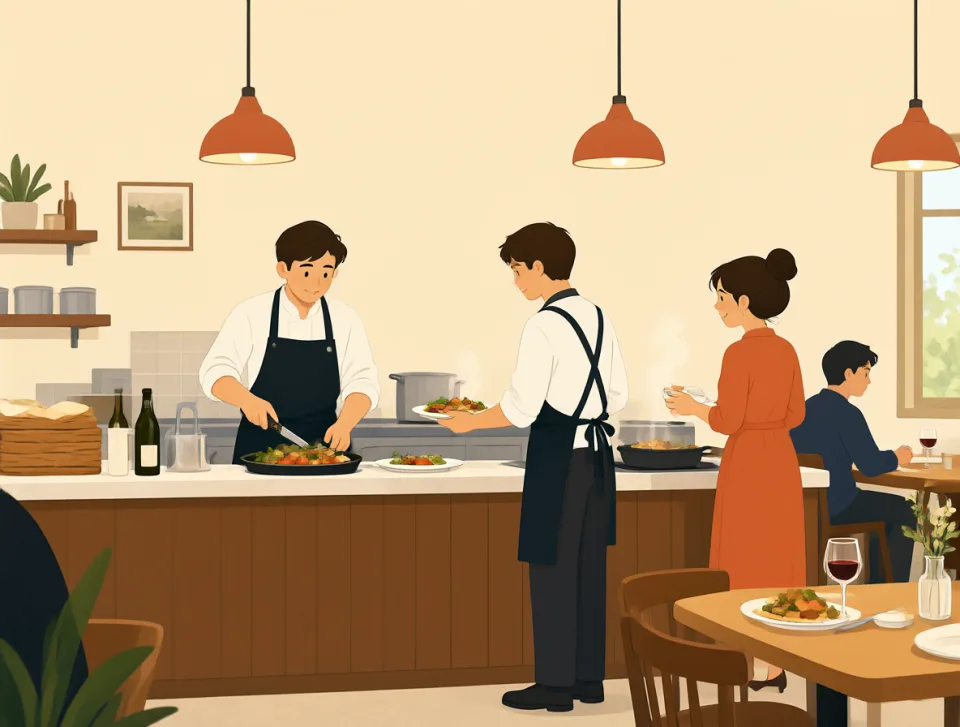
The restaurant operates from ten until nine.
Restauracja jest czynna od dziesiątej do dziewiątej.
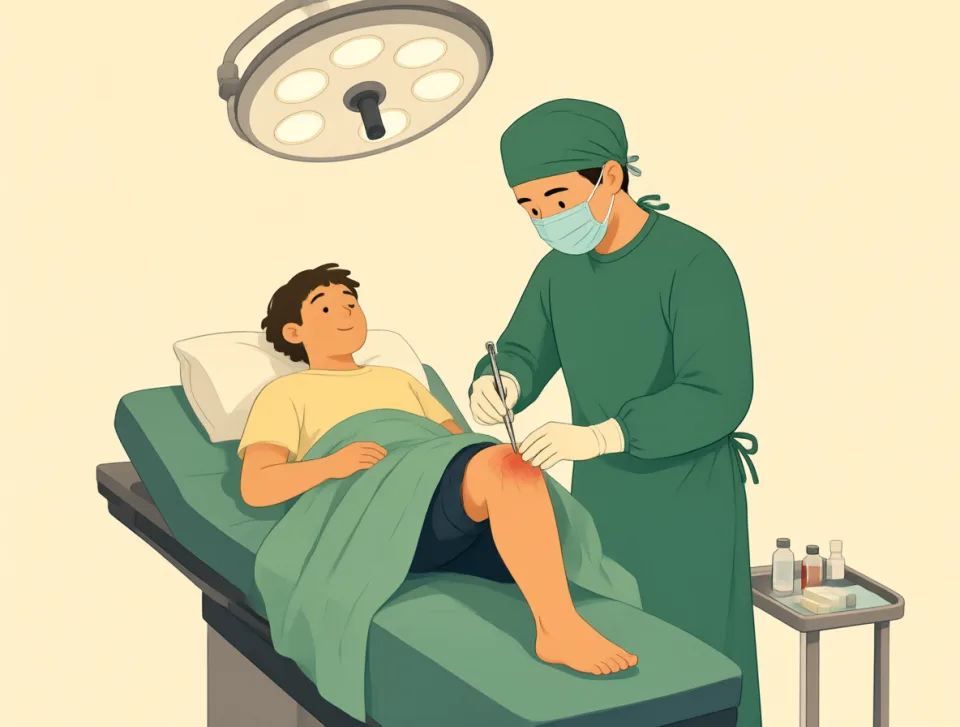
He had surgery to operate on his knee.
Miał operację kolana.
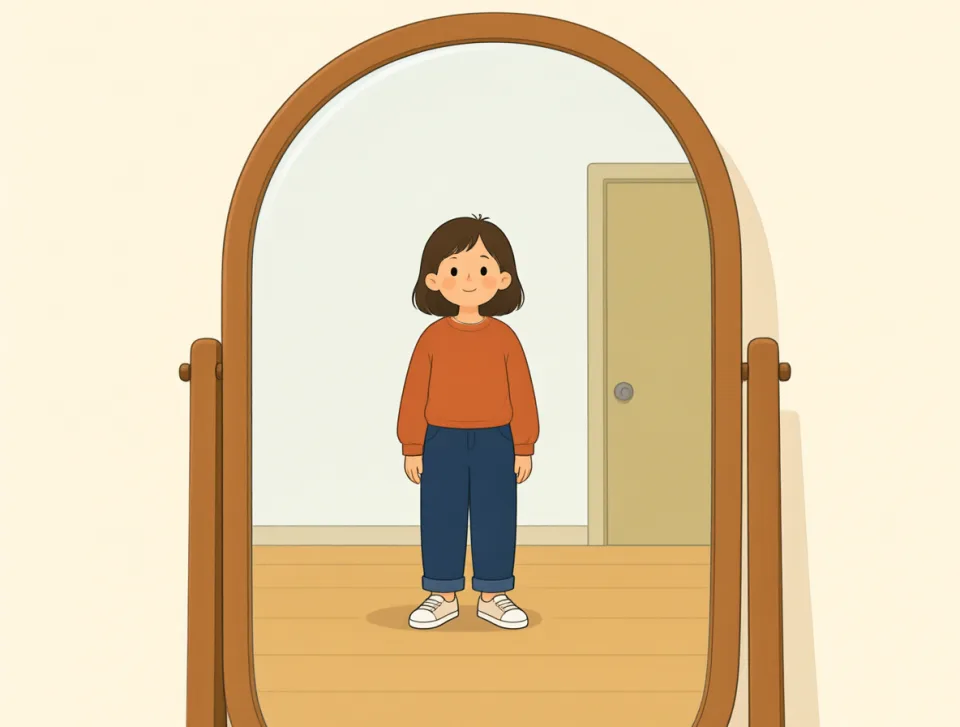
reflect
#916verb
odzwierciedlać
To send back light, heat, or sound, or to show a quality or feeling.
Odbijać światło, ciepło lub dźwięk albo ukazywać jakąś cechę lub uczucie.

The lake reflects the mountains in the morning.
Rano jezioro odbija góry.

Her face reflected the light from the window.
Jej twarz odbijała światło wpadające przez okno.
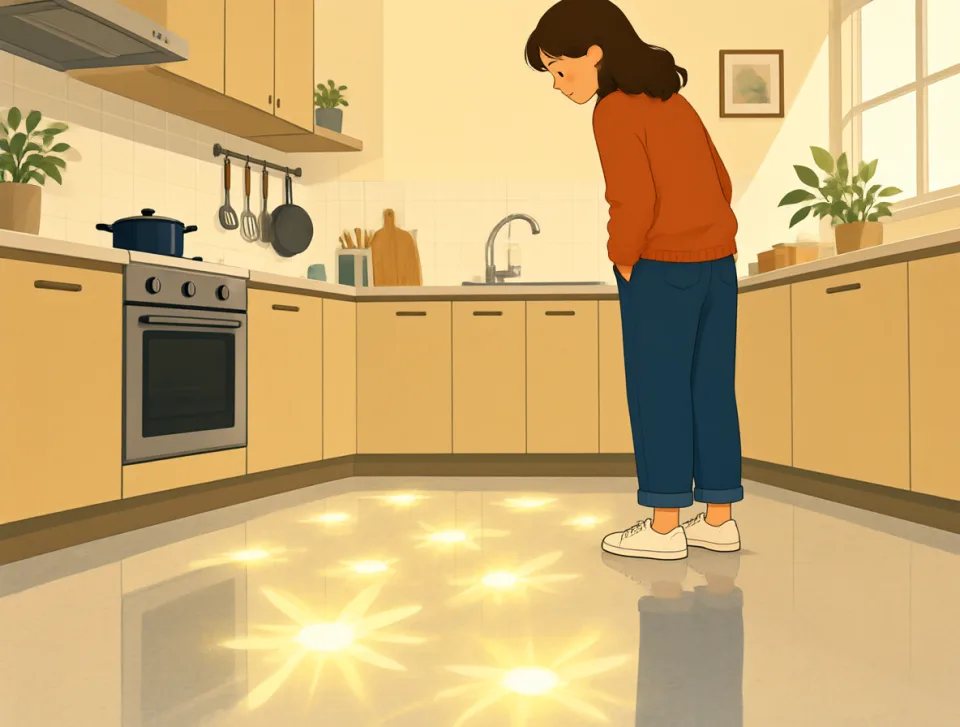
The clean floor reflects the kitchen lights.
Czysta podłoga odbija światło kuchennych lamp.

His smile reflects how happy he feels.
Jego uśmiech pokazuje, jak bardzo jest szczęśliwy.
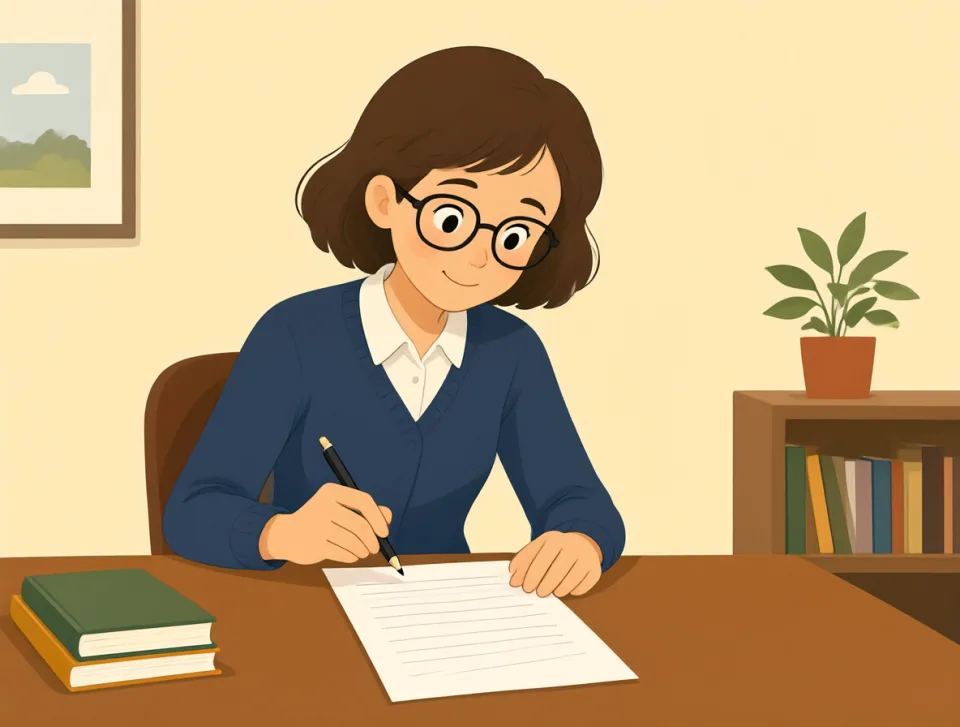
The report reflects what students told us.
Raport odzwierciedla to, co powiedzieli nam uczniowie.
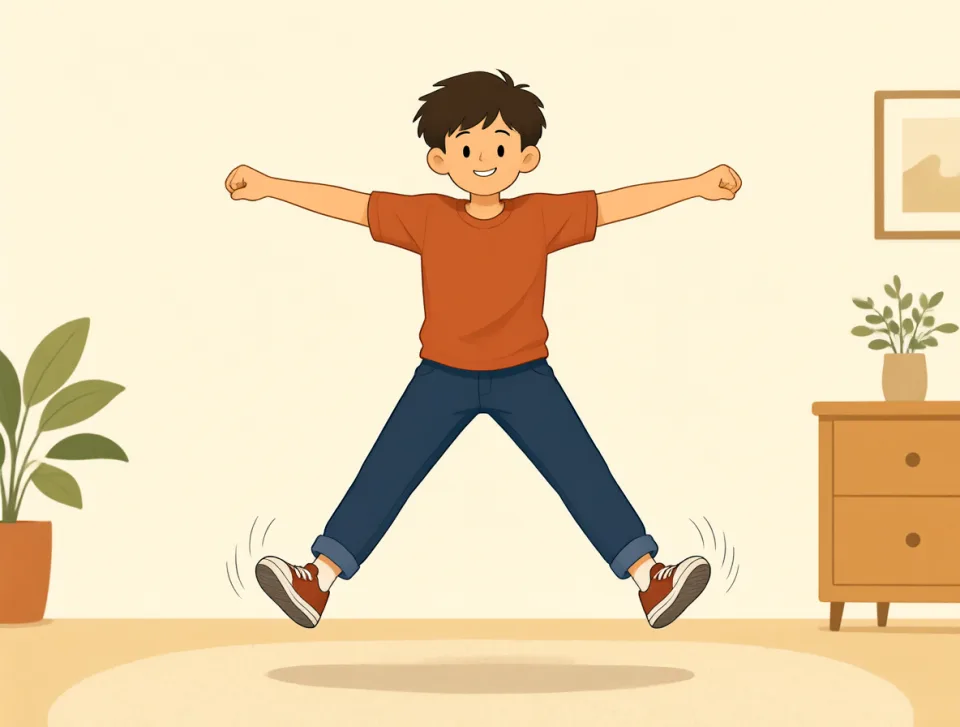
exercise
#917noun, verb
ćwiczenia; ćwiczyć
Physical activity that keeps your body healthy, or to use your body this way.
Aktywność fizyczna, która pomaga zachować zdrowie, albo wykonywanie takiej aktywności.
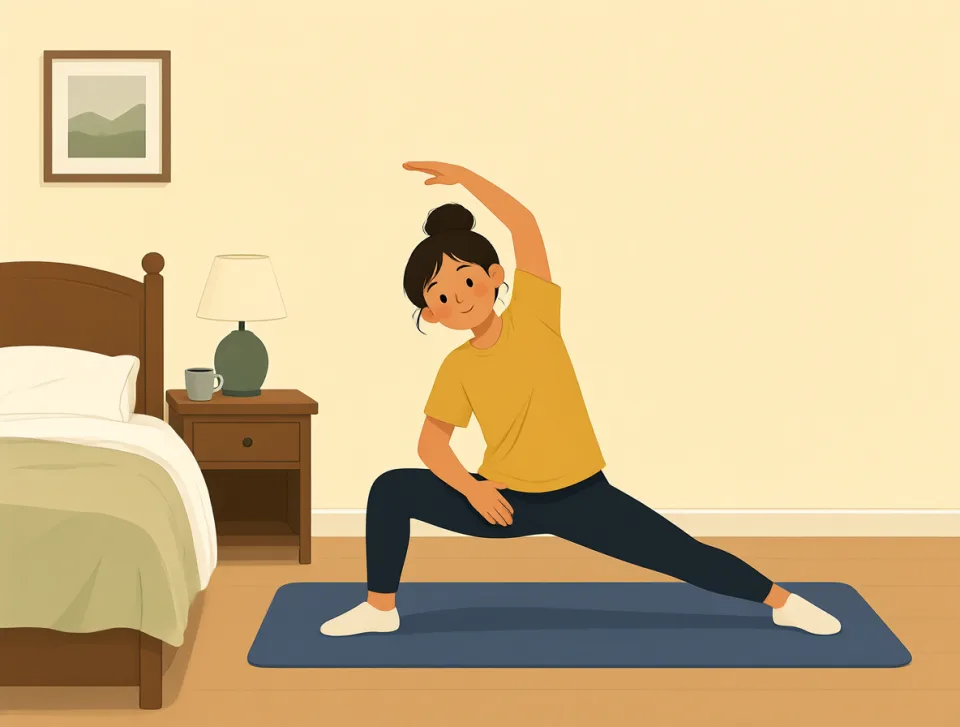
I exercise every morning before breakfast.
Codziennie rano ćwiczę przed śniadaniem.
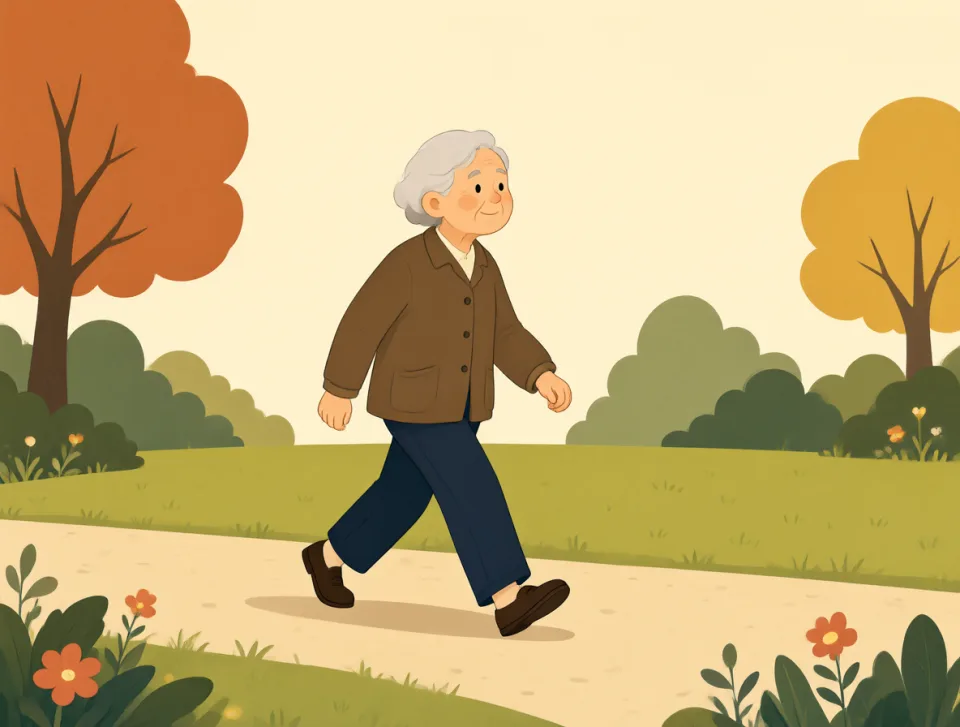
Walking is good exercise for your heart.
Chodzenie to dobry trening dla serca.
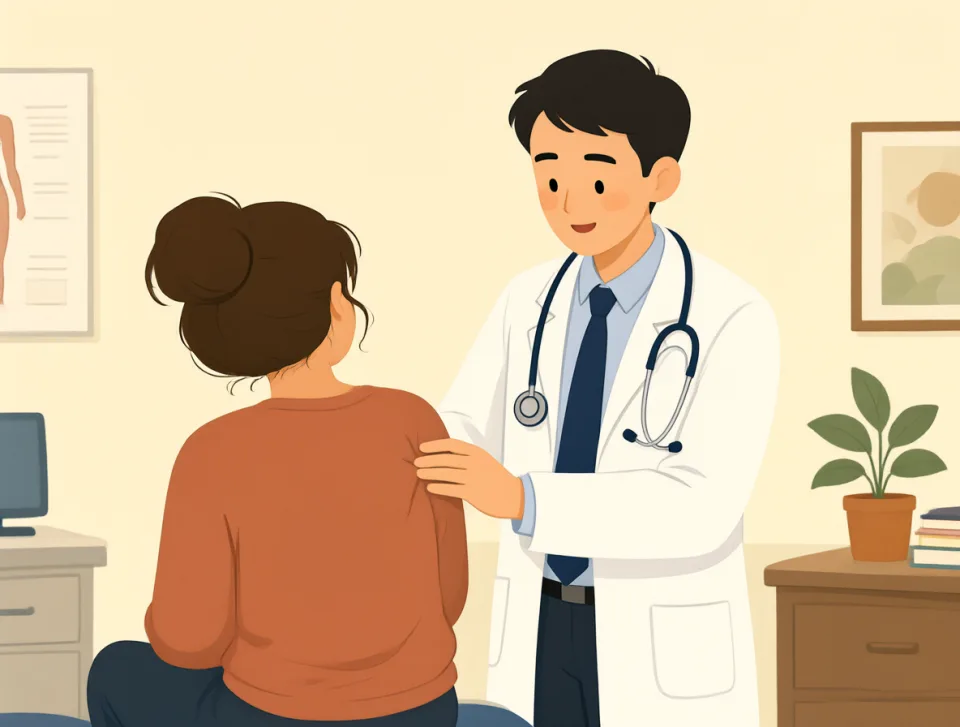
The doctor gave me exercises for my back.
Lekarz dał mi ćwiczenia na plecy.
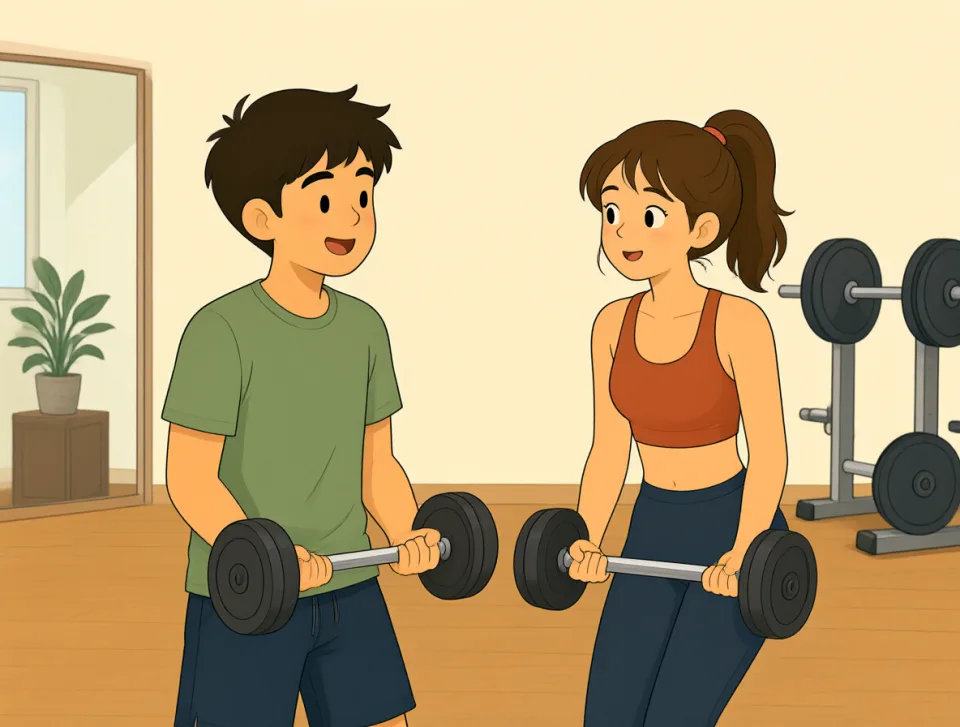
We exercised at the gym after work.
Po pracy ćwiczyliśmy na siłowni.
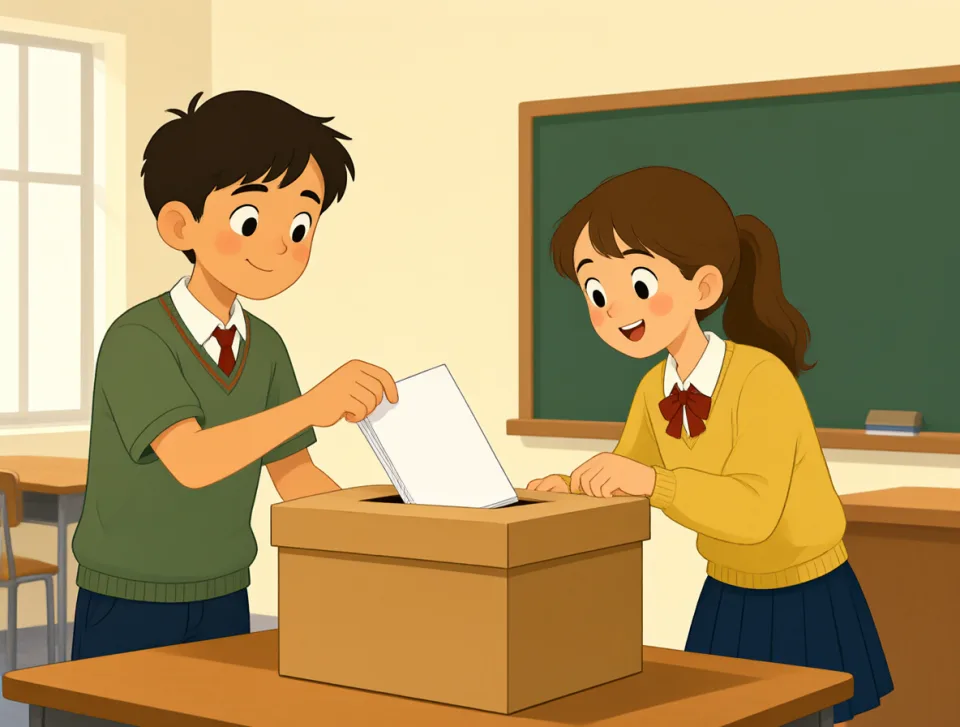
Students exercised their right to vote.
Uczniowie skorzystali z prawa do głosowania.
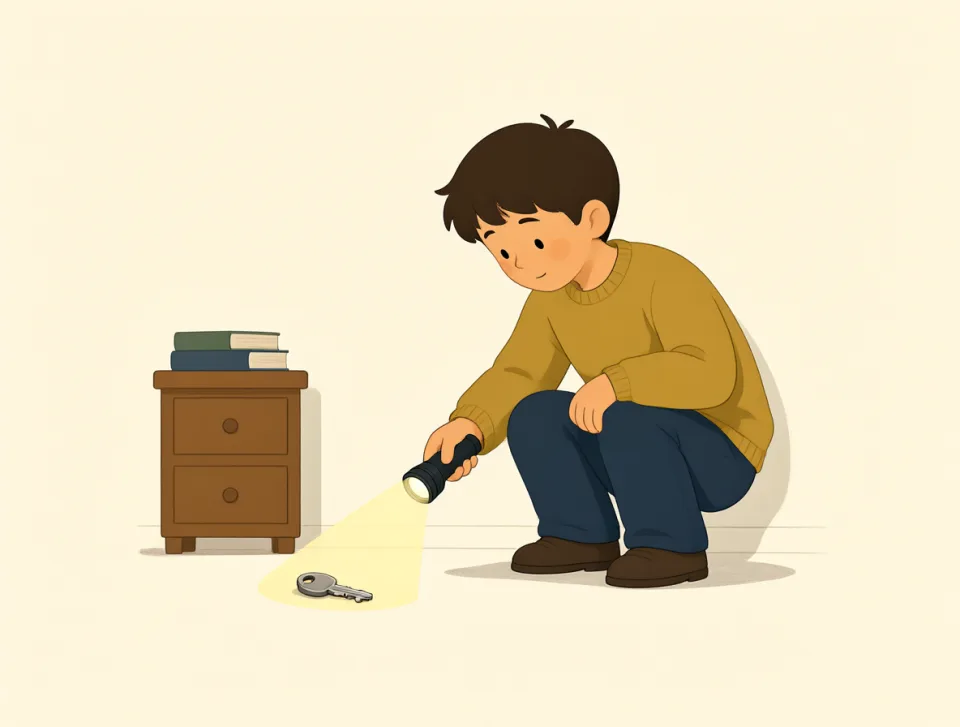
useful
#918adjective
przydatny
Helpful or good for a particular purpose or situation.
Pomocny lub dobry do określonego celu albo w danej sytuacji.
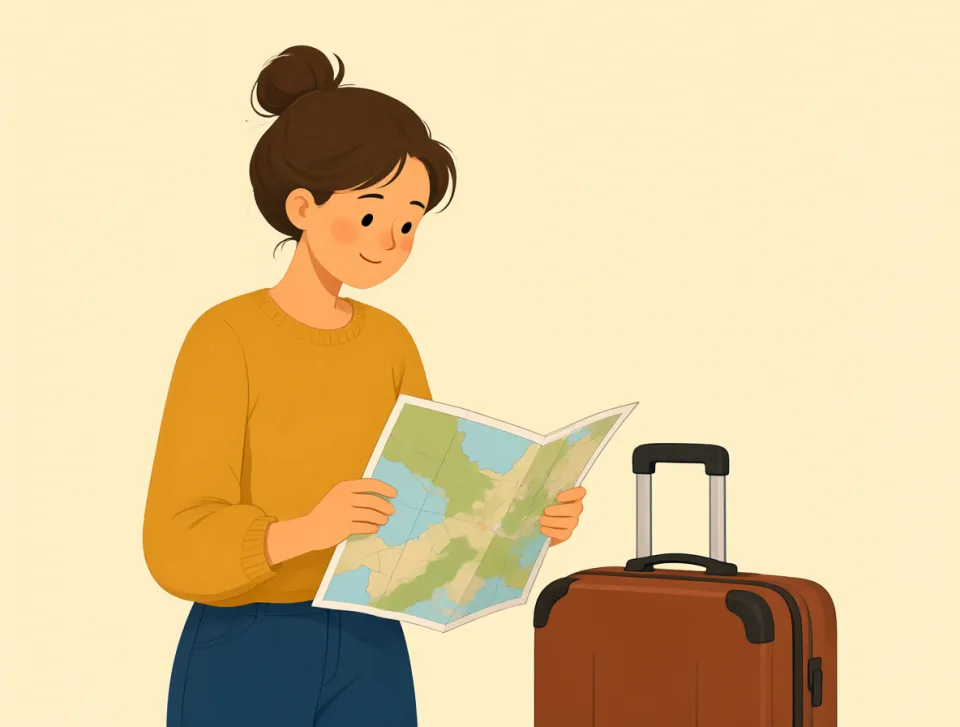
This map is useful when we travel.
Ta mapa przydaje się podczas podróży.

A warm coat is useful in winter.
Ciepły płaszcz przydaje się zimą.
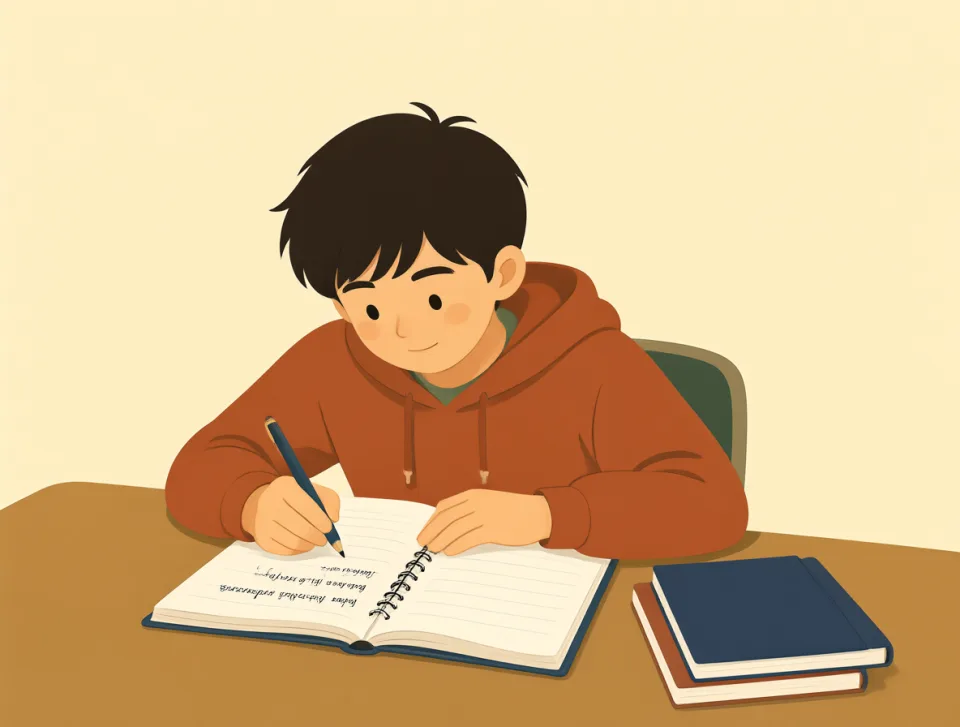
These notes are useful for my test.
Te notatki przydadzą mi się na sprawdzianie.
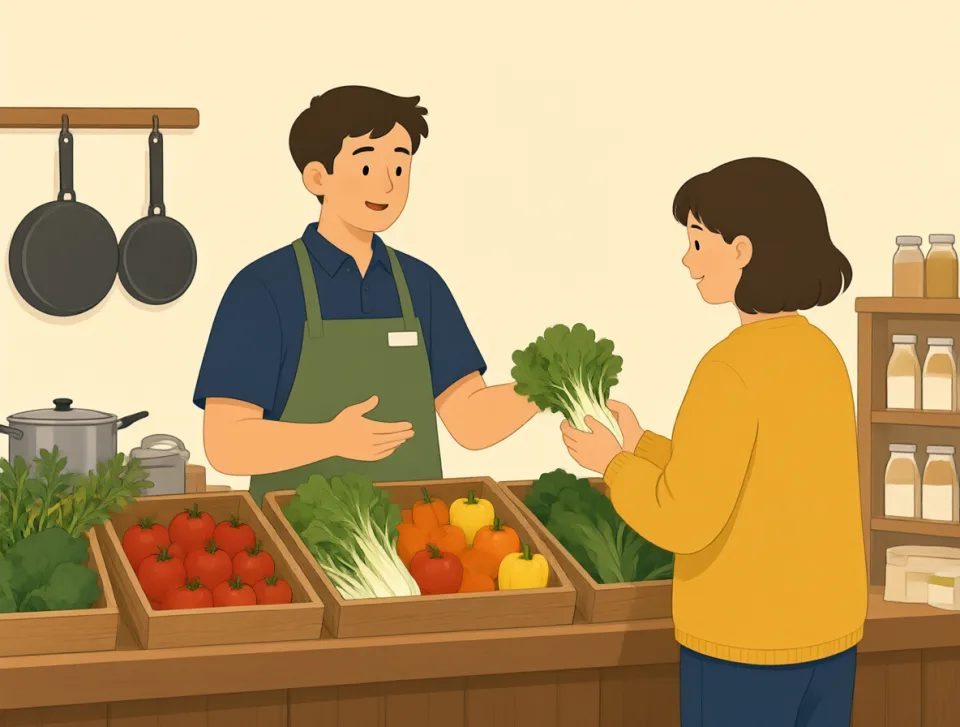
The shop gave us useful cooking advice.
W sklepie udzielili nam przydatnych porad kulinarnych.
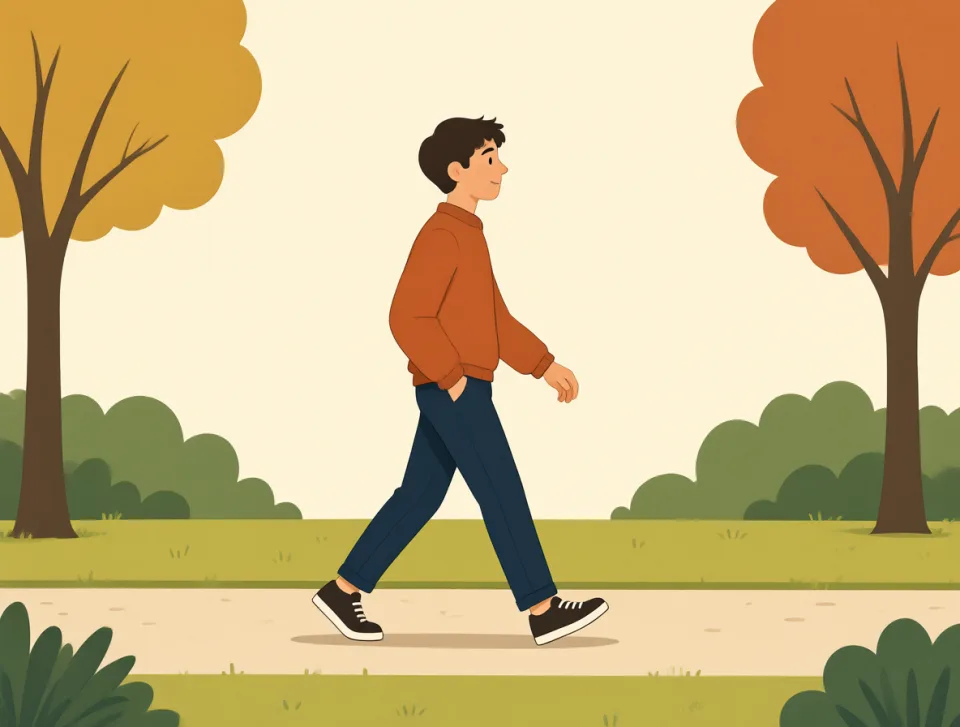
Walking is useful for keeping healthy.
Chodzenie pomaga zachować zdrowie.
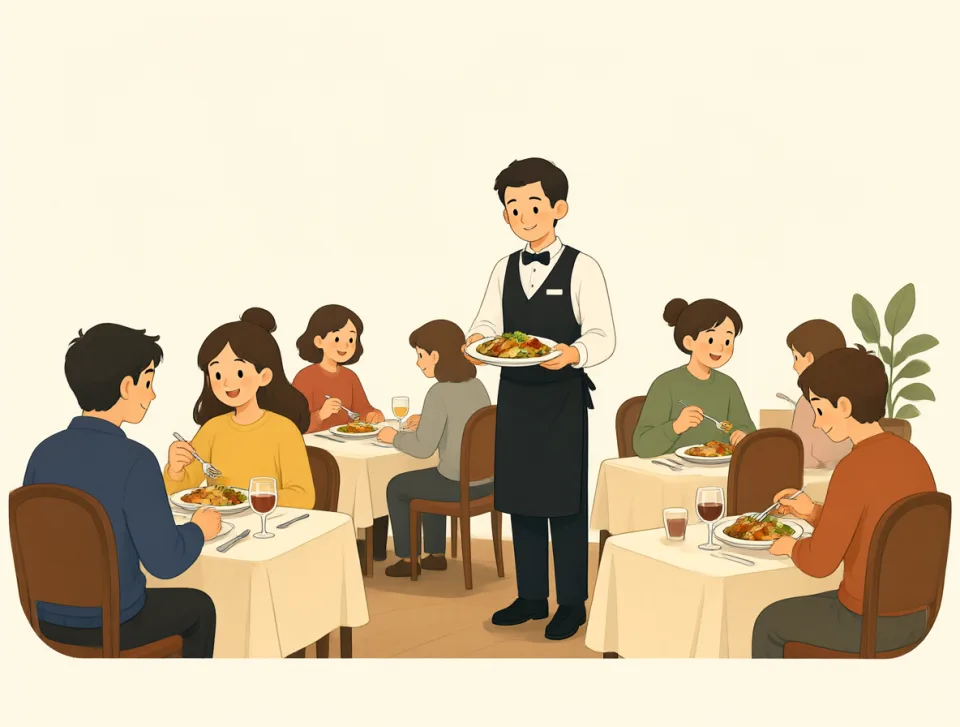
restaurant
#919noun
restauracja
A place where people pay to sit and eat meals.
Miejsce, w którym można zapłacić za posiłek i zjeść go przy stoliku.
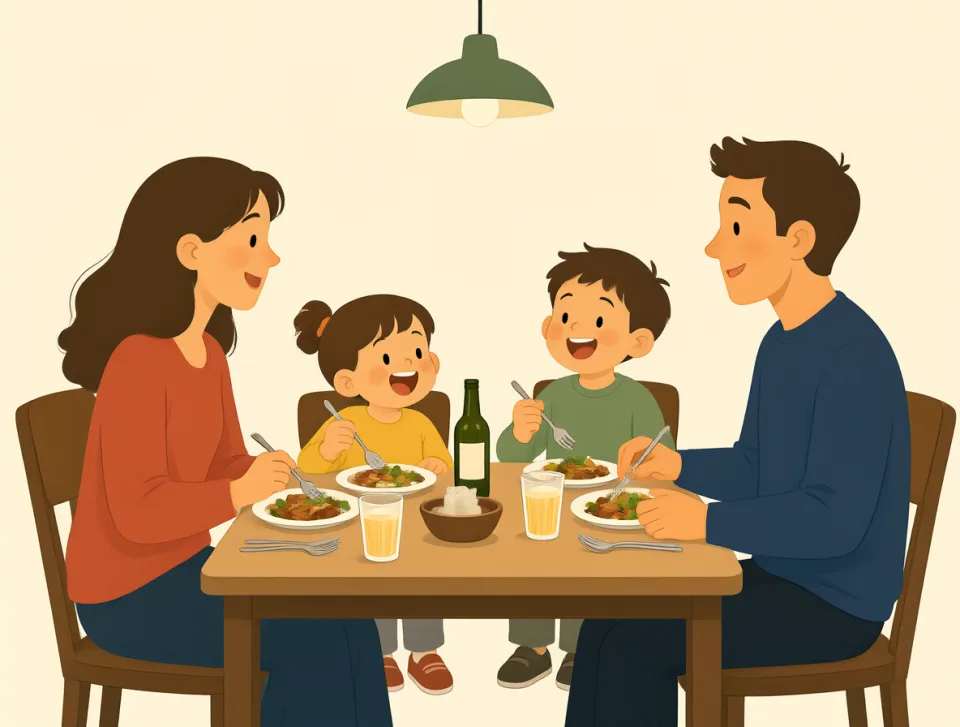
We had dinner at a small restaurant.
Zjedliśmy kolację w małej restauracji.
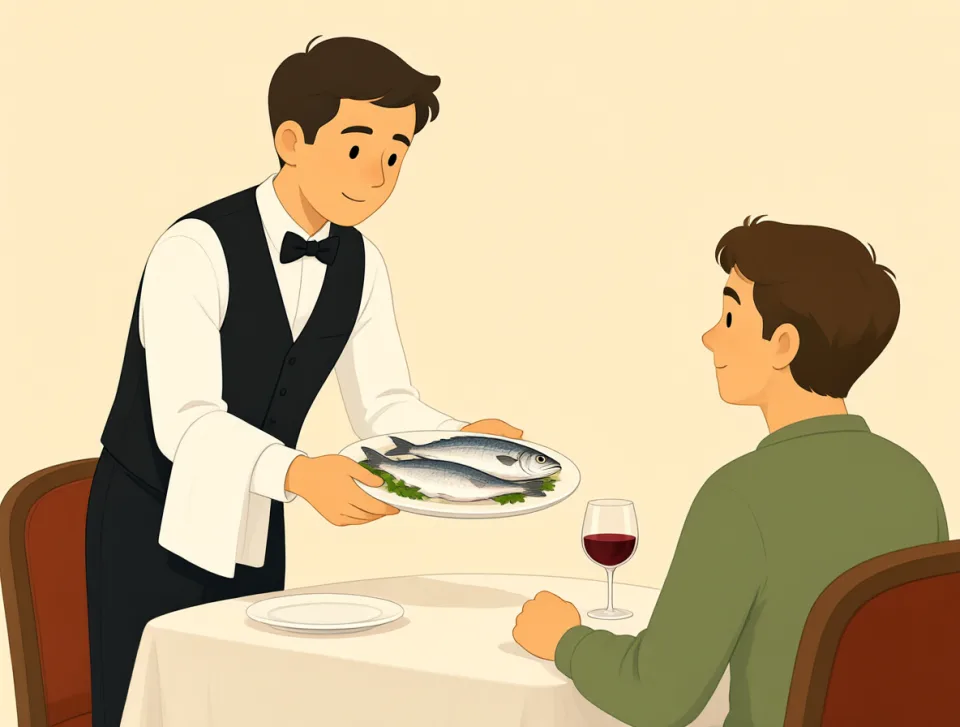
That restaurant serves fresh fish every day.
Ta restauracja codziennie serwuje świeże ryby.
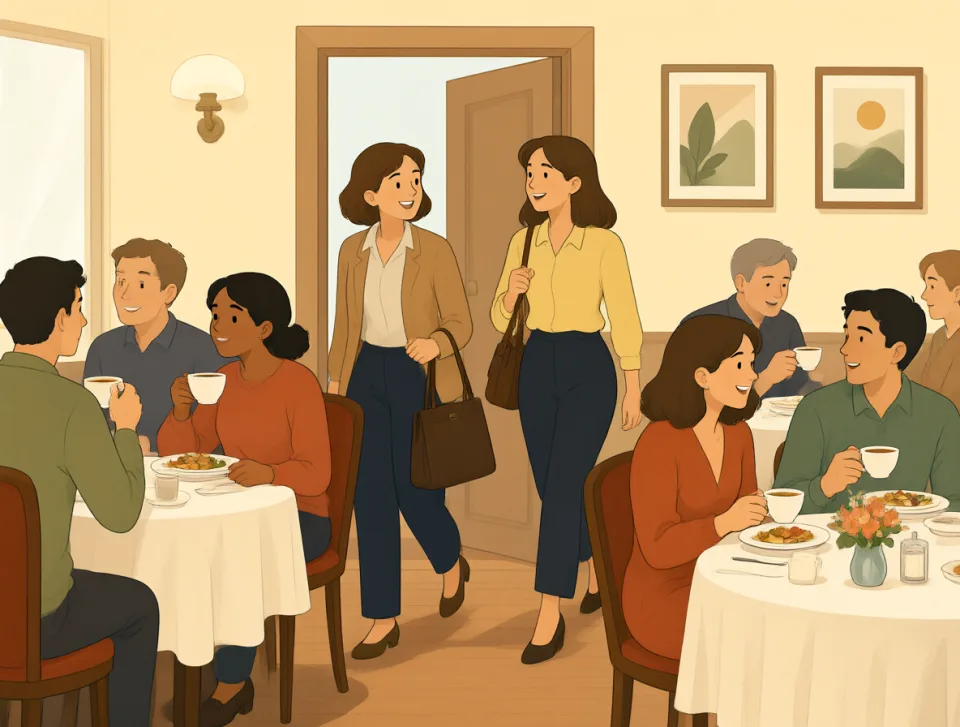
The restaurant was full after work.
Po pracy restauracja była pełna.
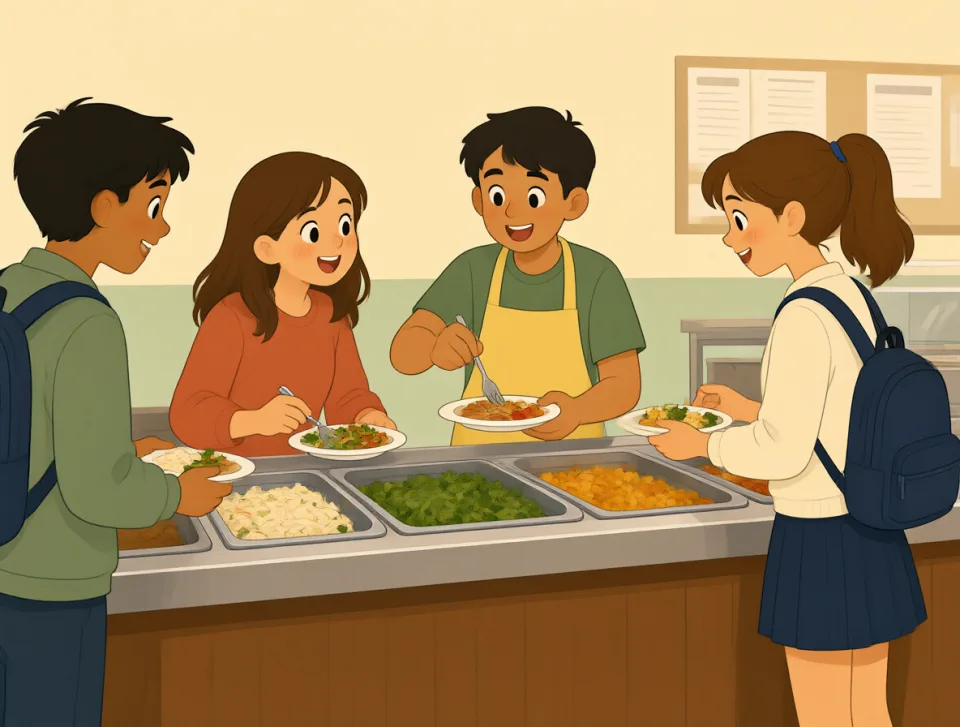
Our school restaurant sells cheap lunches.
W naszej szkolnej stołówce sprzedają tanie obiady.
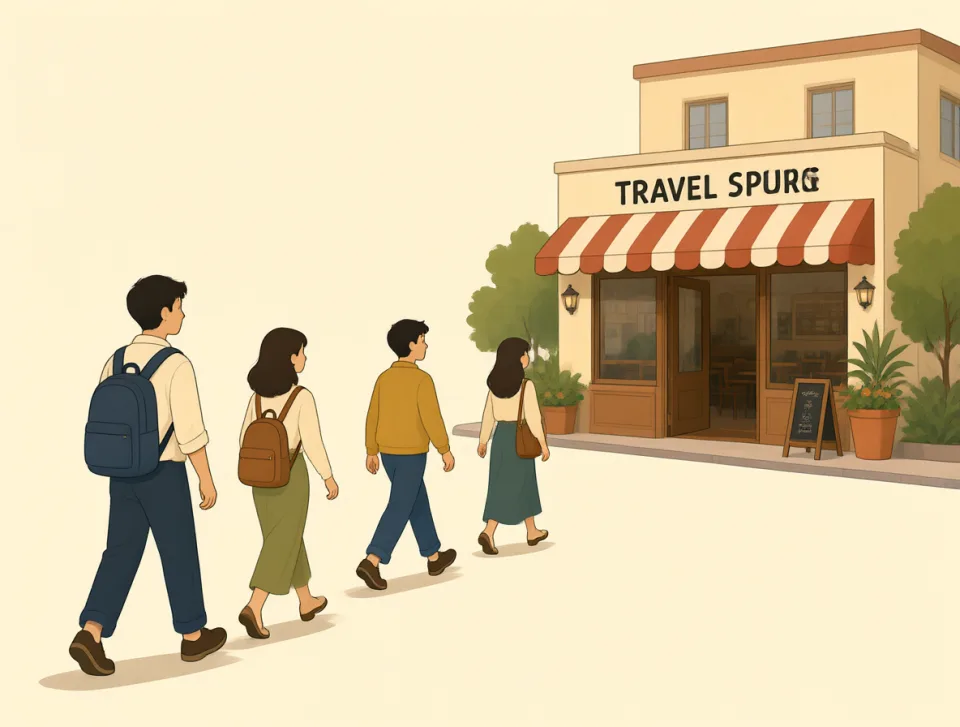
We found a nice restaurant near the hotel.
Znaleźliśmy fajną restaurację niedaleko hotelu.
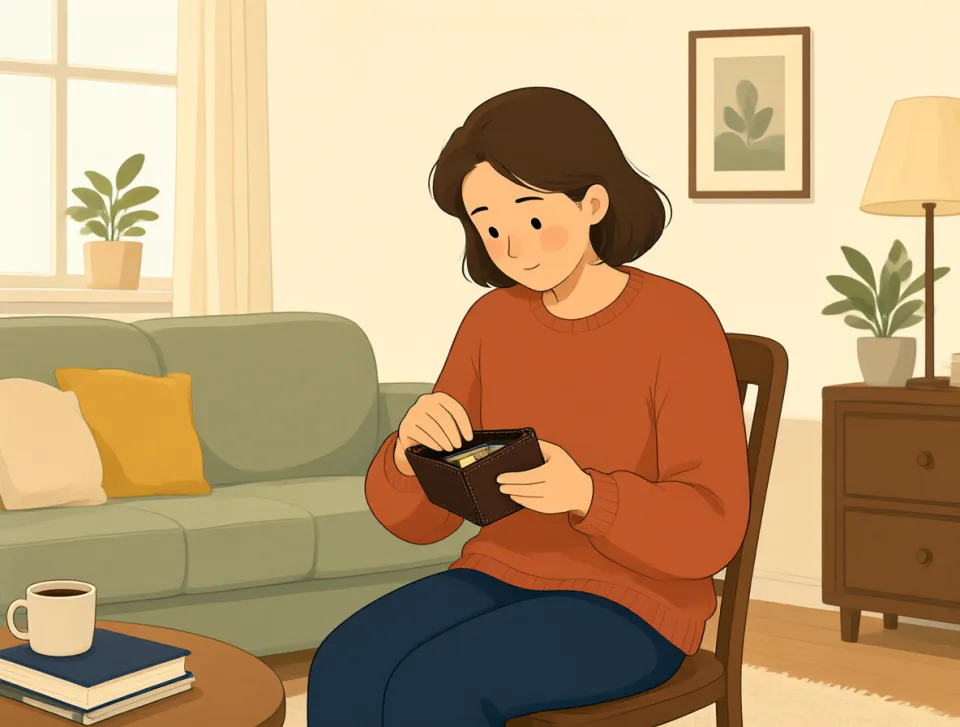
income
#920noun
dochód
Money that a person or business regularly receives from work or other sources.
Pieniądze, które osoba lub firma regularnie otrzymuje z pracy lub innych źródeł.
Her monthly income comes from her job.
Jej miesięczny dochód pochodzi z pracy.
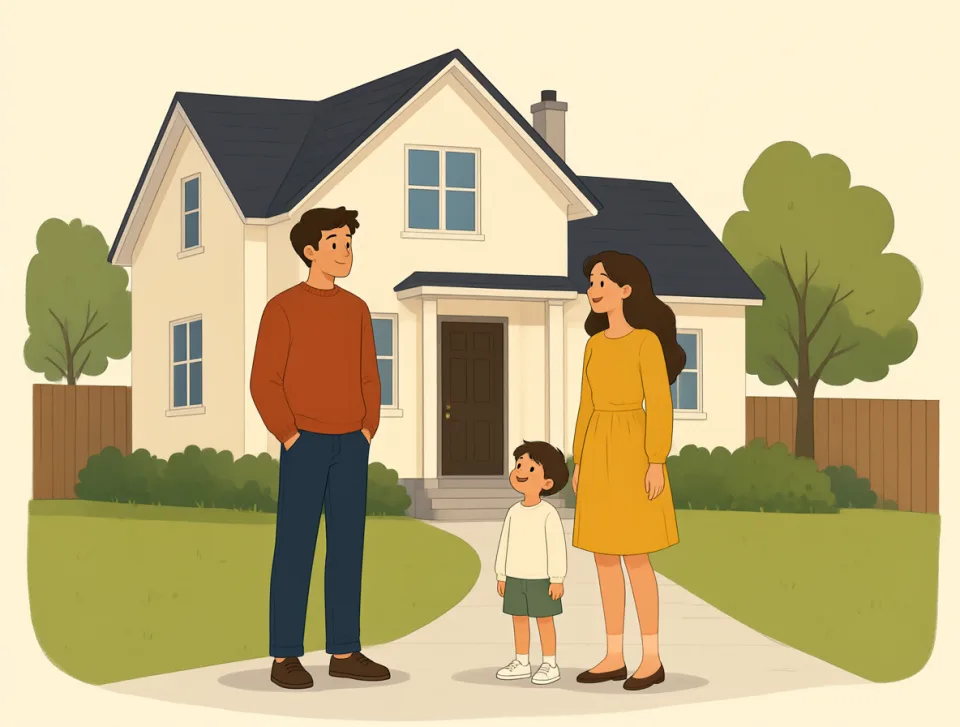
His income is high enough to buy a house.
Jego dochód jest wystarczająco wysoki, żeby kupić dom.
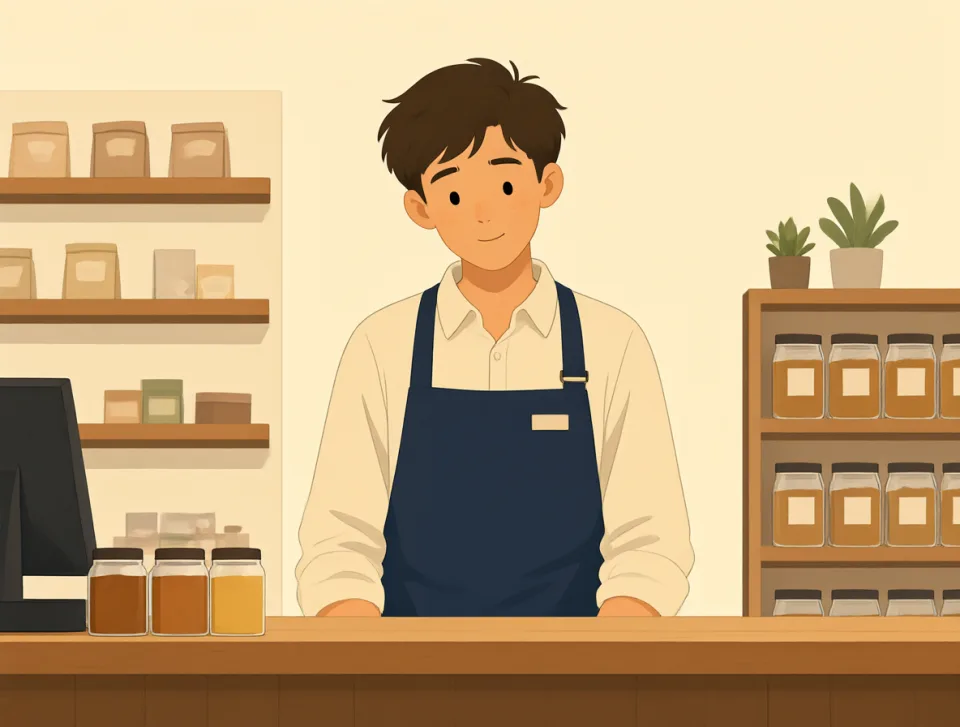
The shop lost income during the winter.
Zimą sklep miał mniejsze dochody.
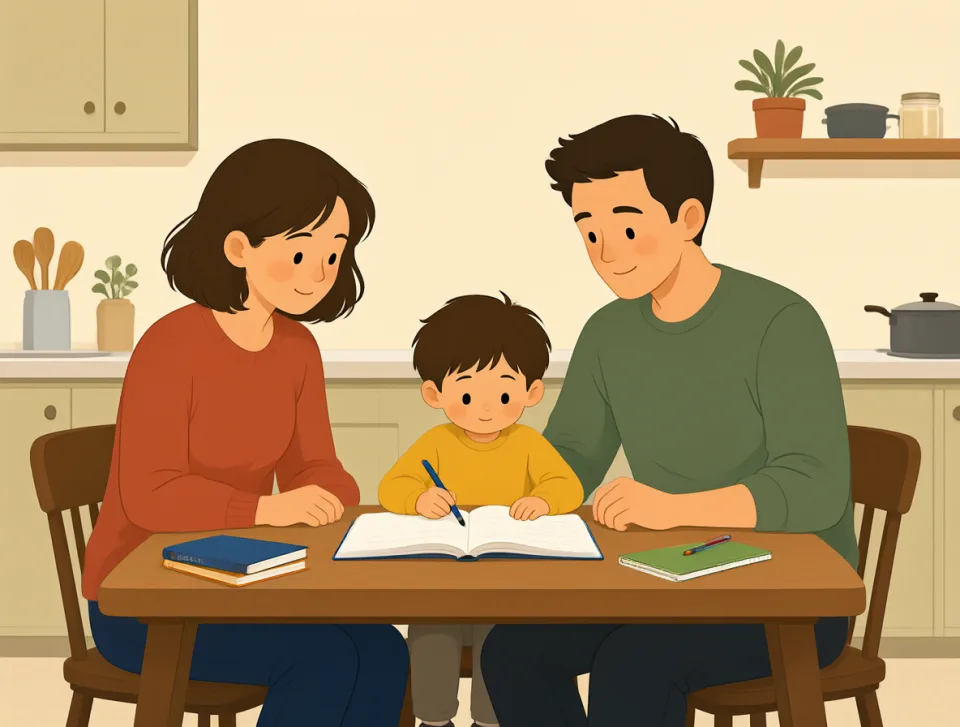
They need extra income for school costs.
Potrzebują dodatkowych pieniędzy na wydatki związane ze szkołą.
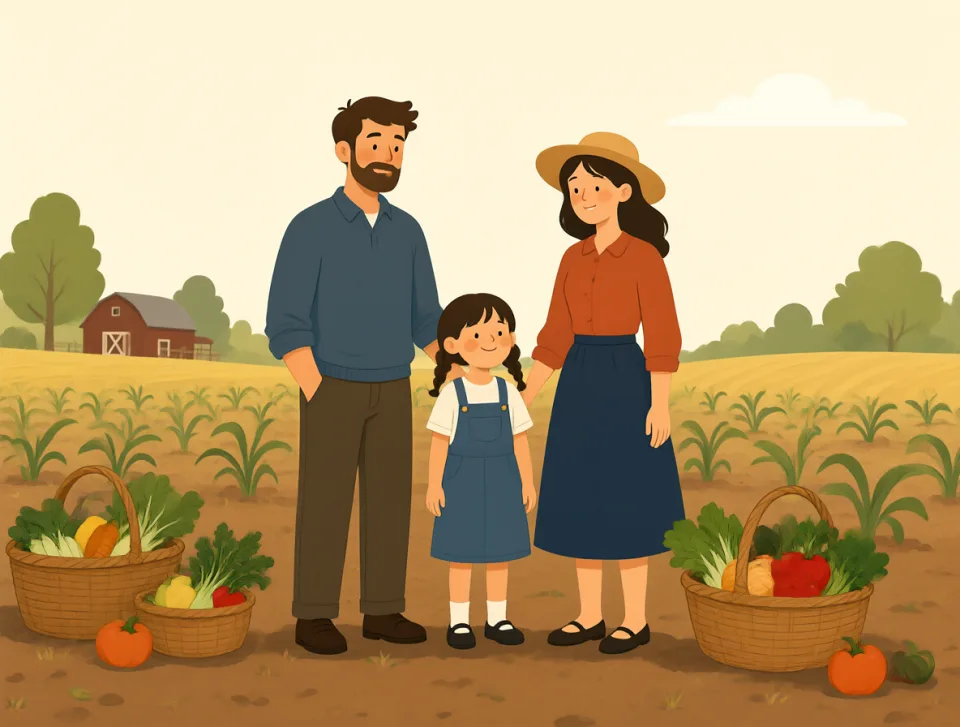
The farm provides income for our family.
Nasze gospodarstwo zapewnia dochód naszej rodzinie.