Zestaw 35
Słowa 681–700 · respect, various, catch, thus, skill, attempt
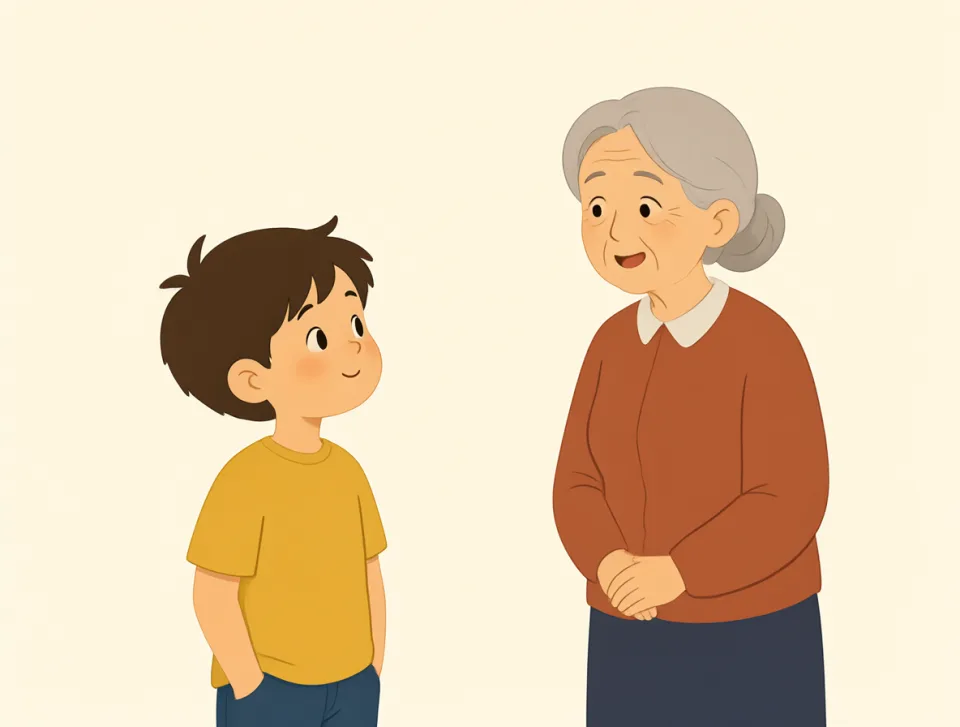
respect
#681noun, verb
szanować
To treat someone politely and kindly, or to admire someone for their qualities.
Traktować kogoś uprzejmie i życzliwie lub podziwiać kogoś za jego zalety.
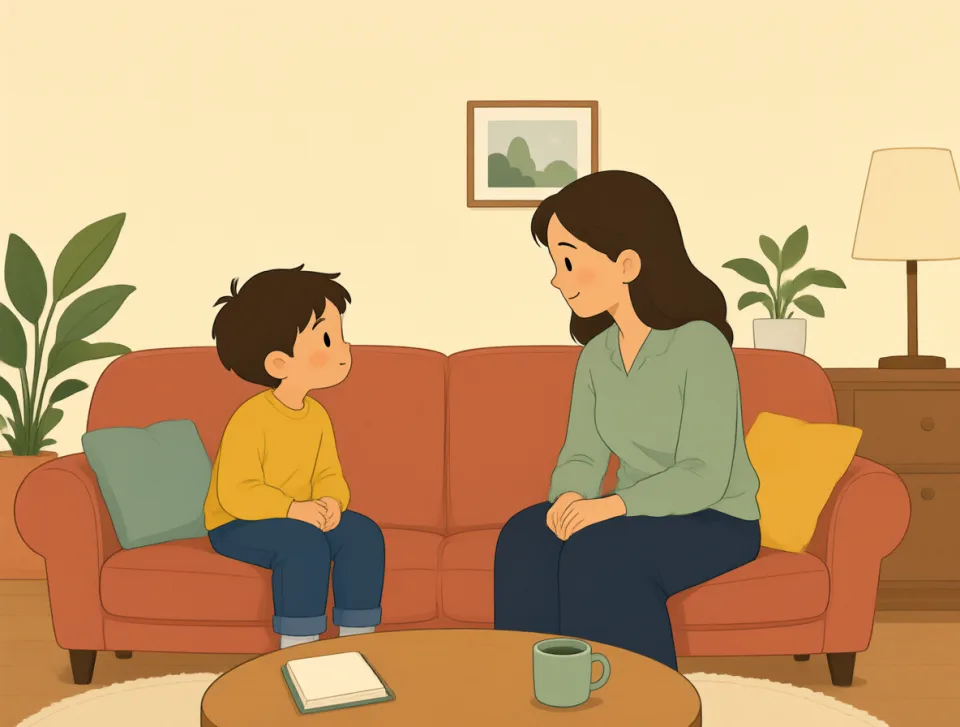
Please respect your parents and teachers.
Proszę szanować rodziców i nauczycieli.

We should respect other people's feelings.
Powinniśmy szanować uczucia innych ludzi.

Everyone respects our new team leader.
Wszyscy szanują naszego nowego lidera zespołu.
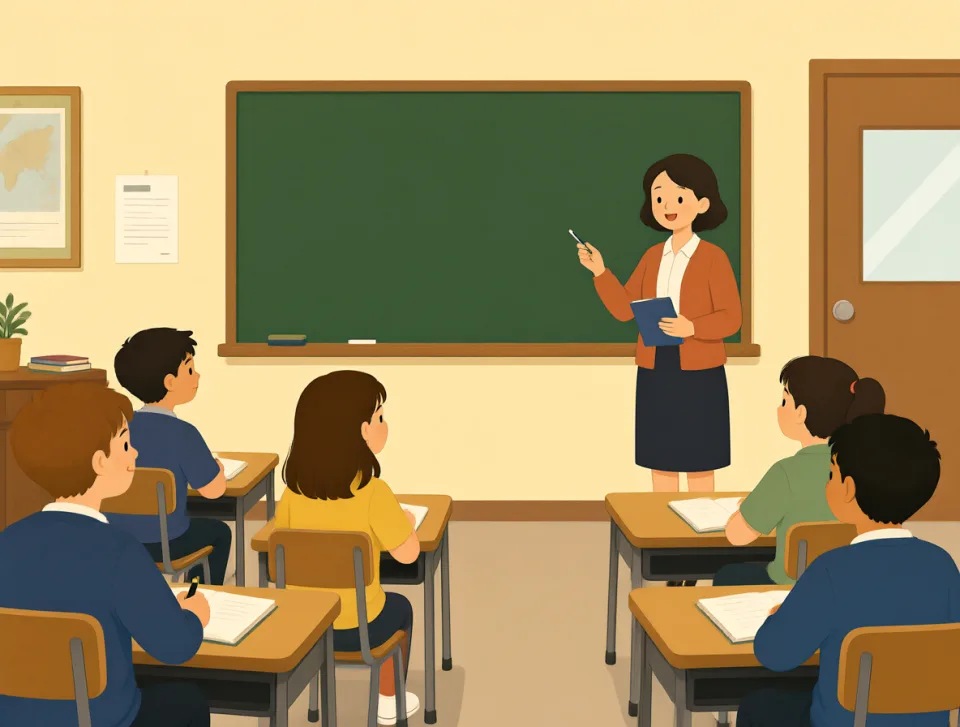
The students respected their teacher's advice.
Uczniowie uszanowali radę swojego nauczyciela.
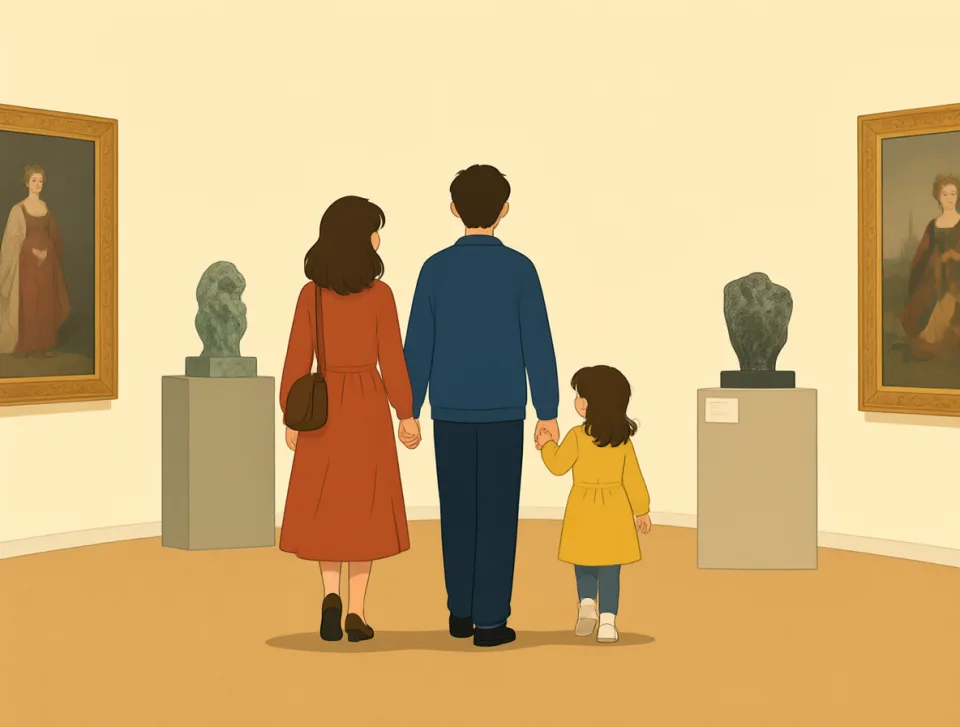
Please respect the museum rules.
Proszę przestrzegać zasad obowiązujących w muzeum.
various
#682adjective
różnorodny
Different from each other, or of several different kinds.
Różniący się od siebie lub obejmujący kilka różnych rodzajów.
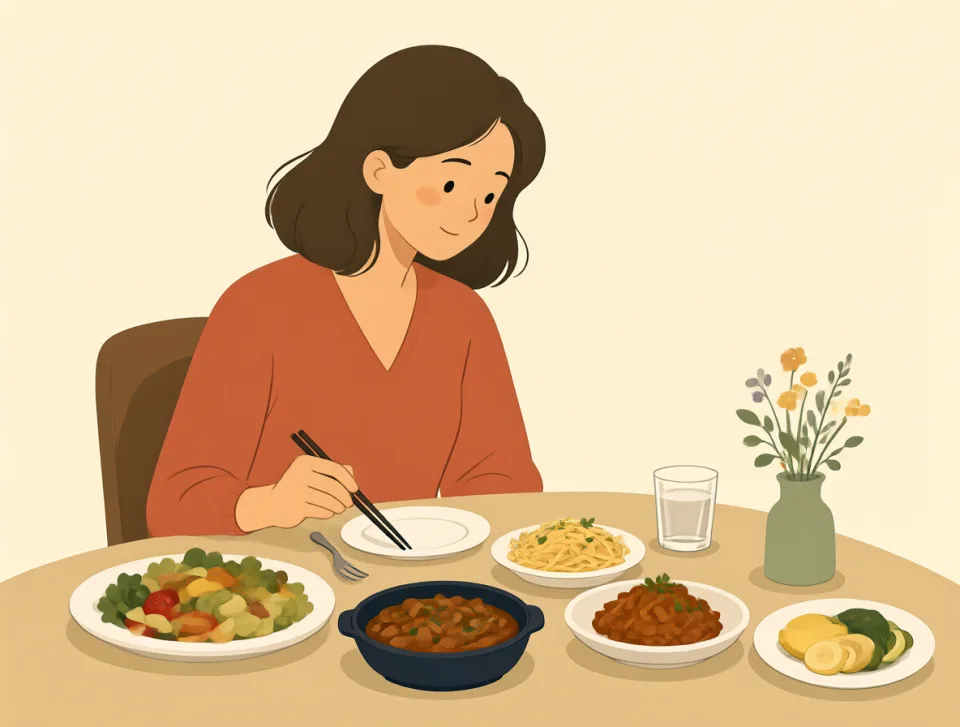
She tried various dishes at the restaurant.
Spróbowała różnych dań w restauracji.
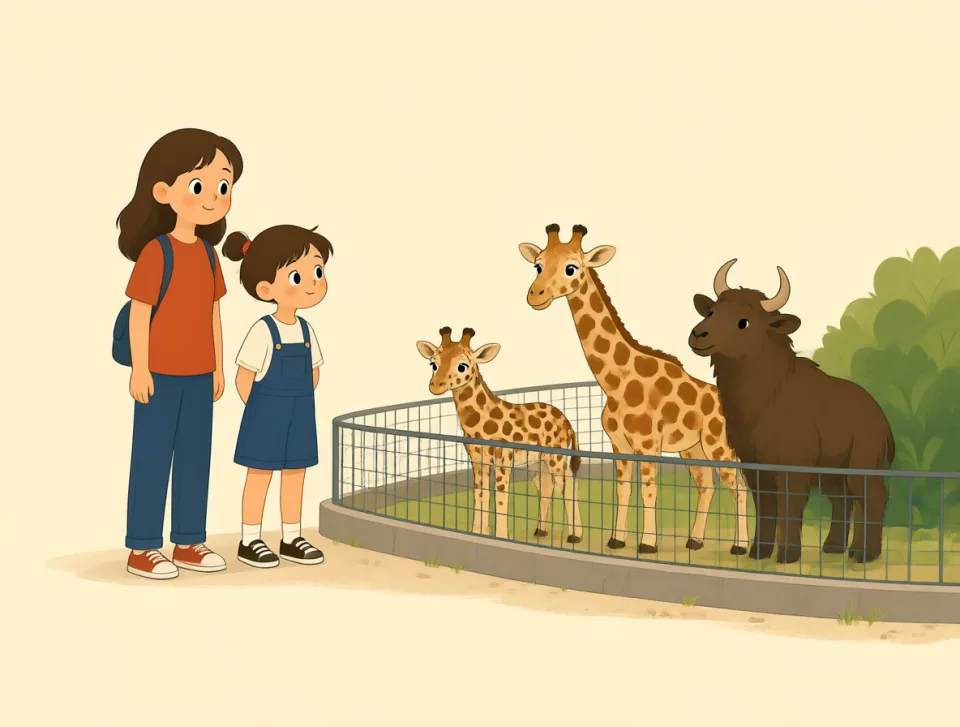
We saw various animals at the zoo.
Widzieliśmy różne zwierzęta w zoo.
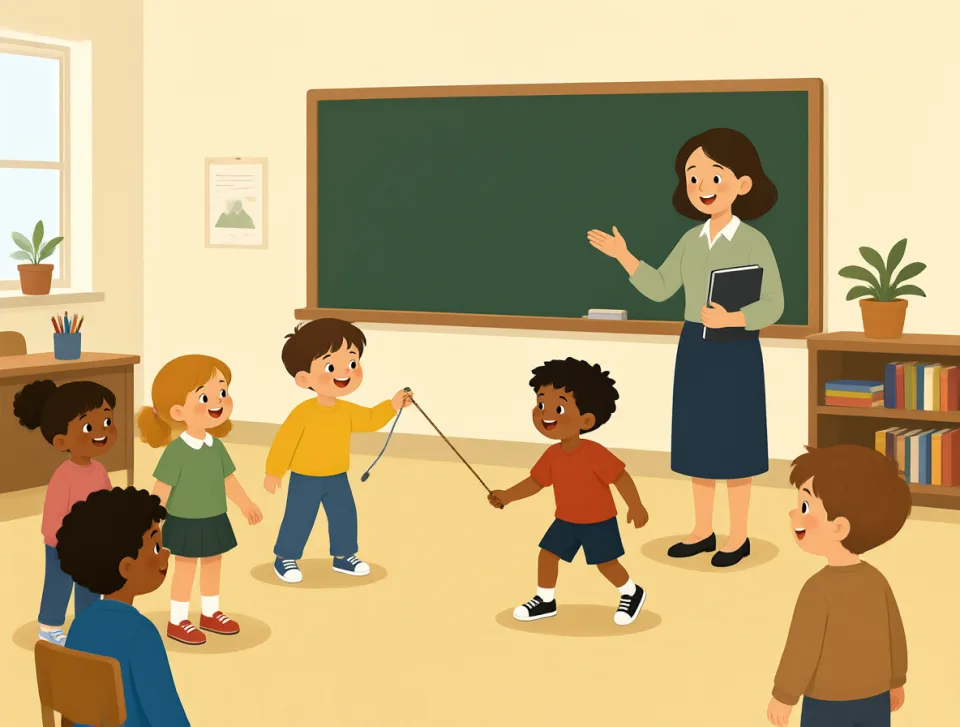
The teacher used various games in class.
Nauczyciel wykorzystał na lekcji różne gry.

He bought various clothes for his trip.
Kupił różne ubrania na wyjazd.
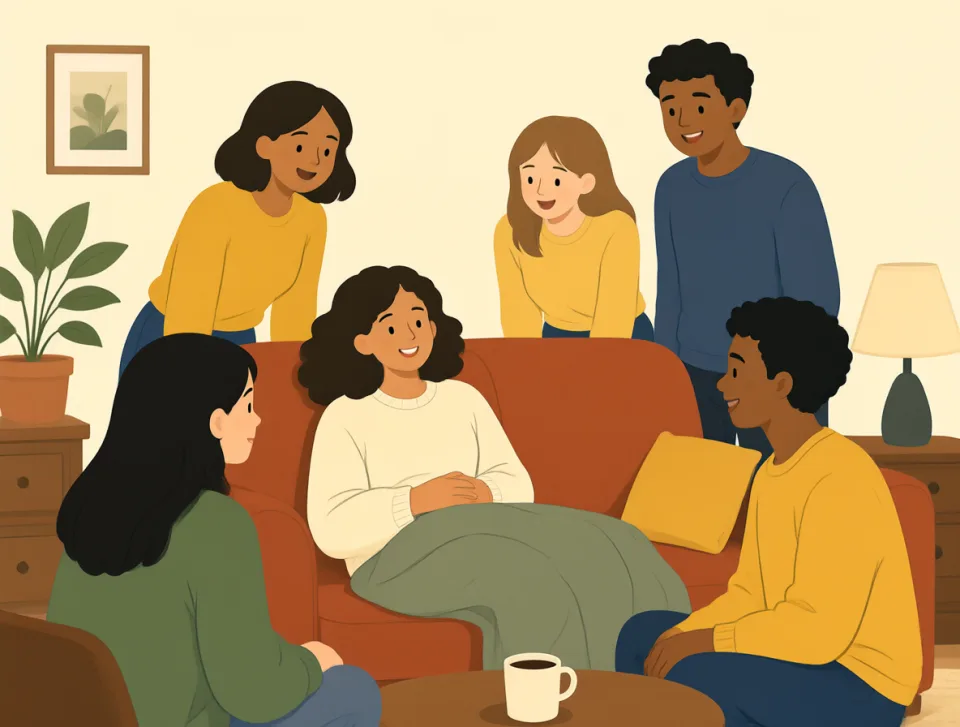
Various friends called me after my accident.
Po wypadku dzwonili do mnie różni znajomi.
catch
#683verb, noun
łapać
To stop and hold something moving, or to get on a bus or train.
Zatrzymać i pochwycić coś, co jest w ruchu, albo zdążyć wsiąść do autobusu lub pociągu.
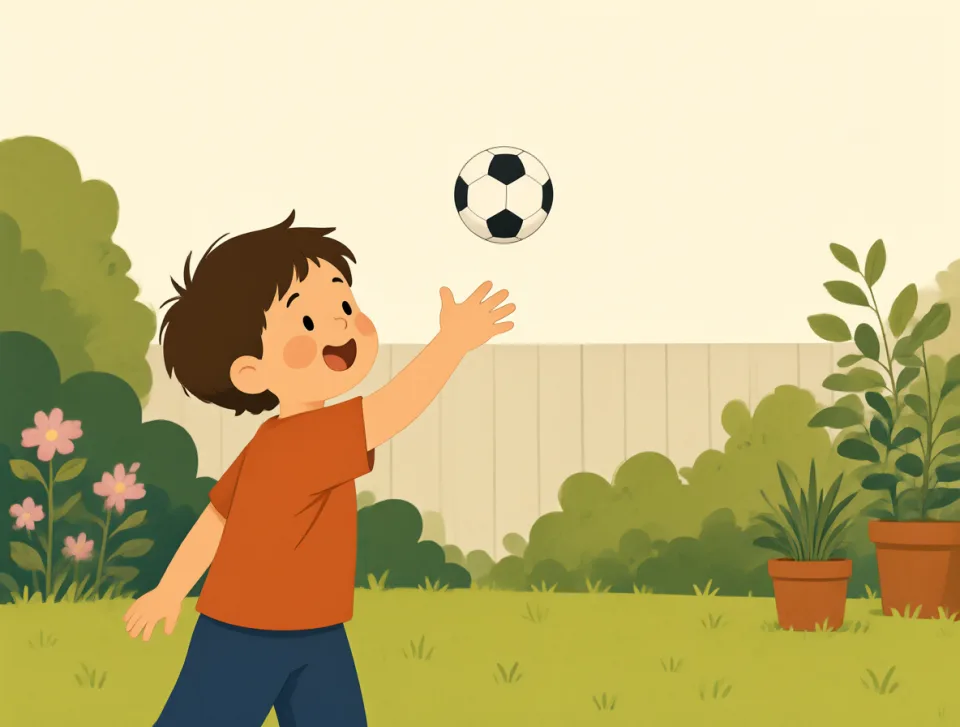
Can you catch the ball?
Możesz złapać piłkę?
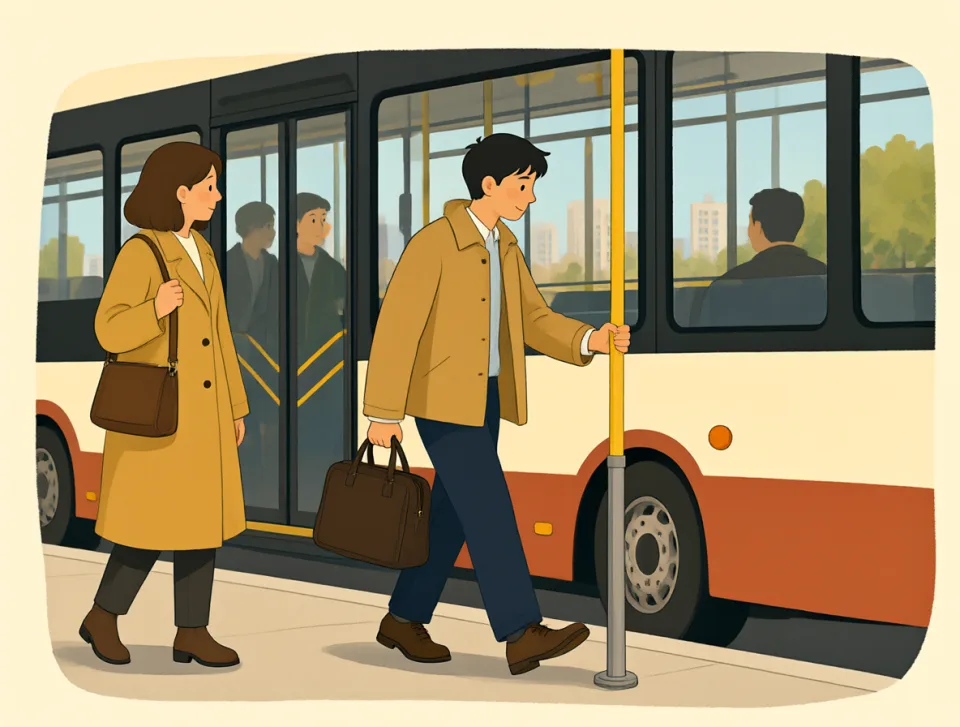
I caught the bus to work.
Pojechałem do pracy autobusem.
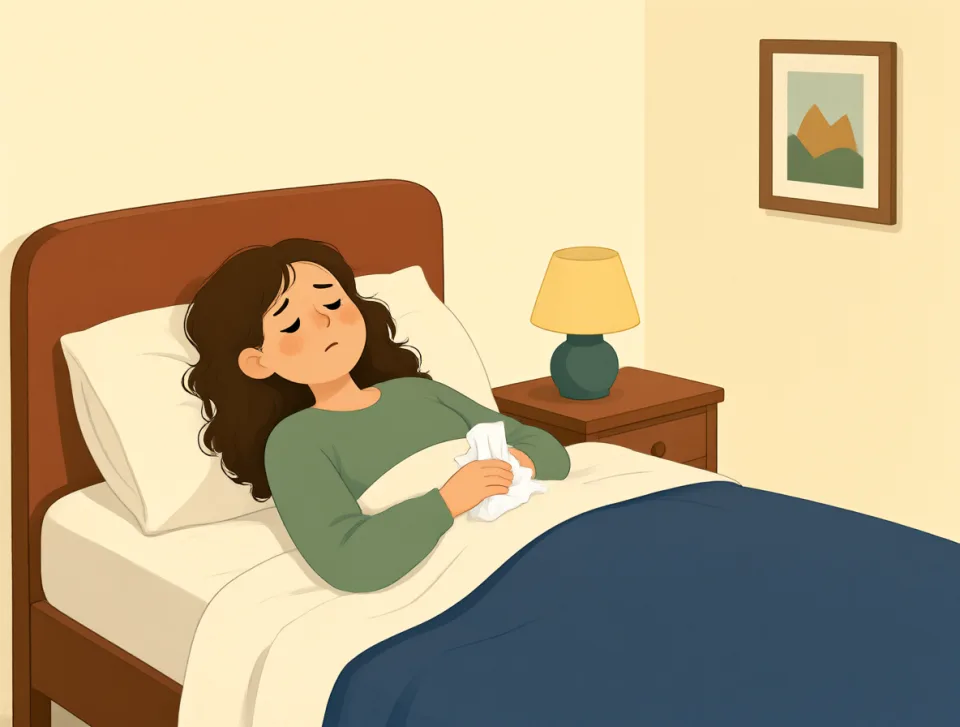
She caught a cold last week.
W zeszłym tygodniu się przeziębiła.
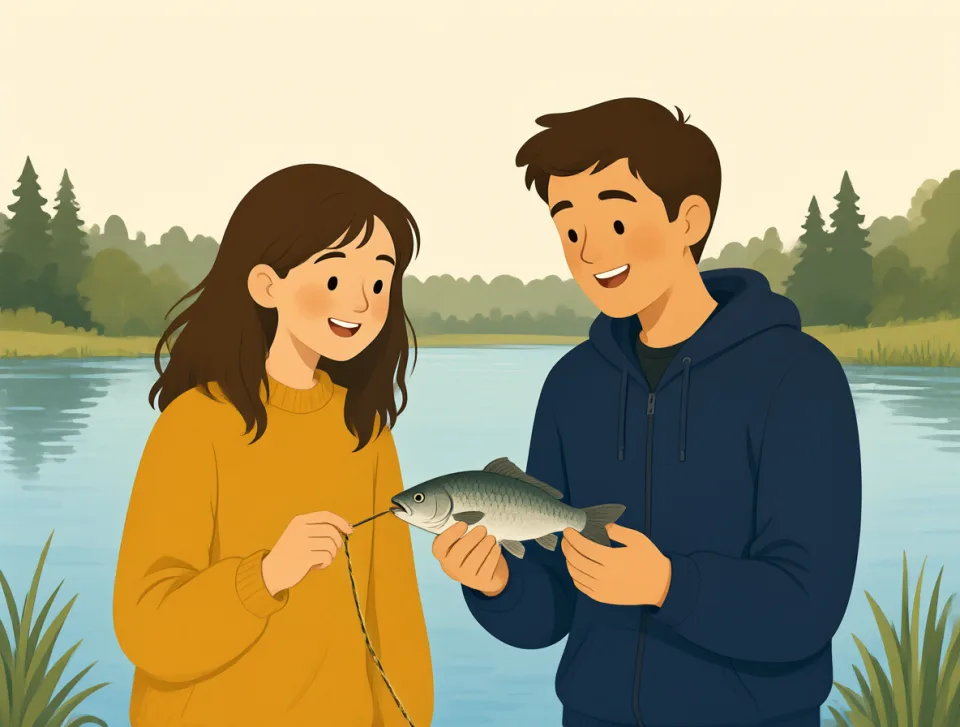
We caught a fish for dinner.
Złowiliśmy rybę na kolację.

He caught the waiter’s attention.
Przykuł uwagę kelnera.
thus
#684adverb
w ten sposób; dlatego
in this way, or because of this
W ten sposób lub z tego powodu.
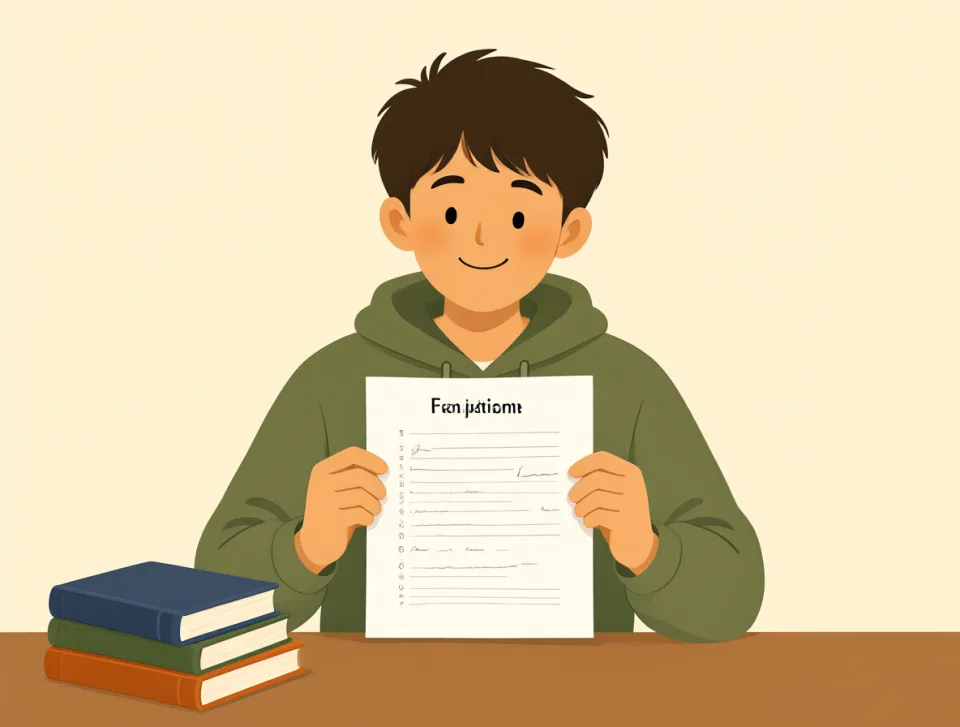
She studied hard and thus passed the test.
Dużo się uczyła, dlatego zdała egzamin.
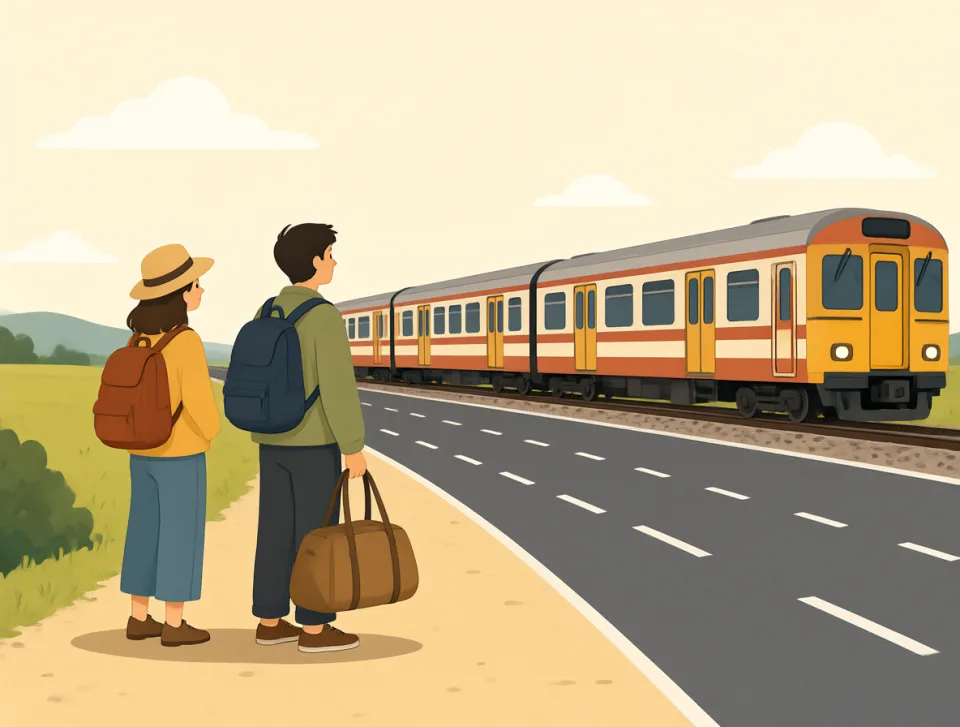
The road was closed, thus we took a train.
Droga była zamknięta, więc pojechaliśmy pociągiem.
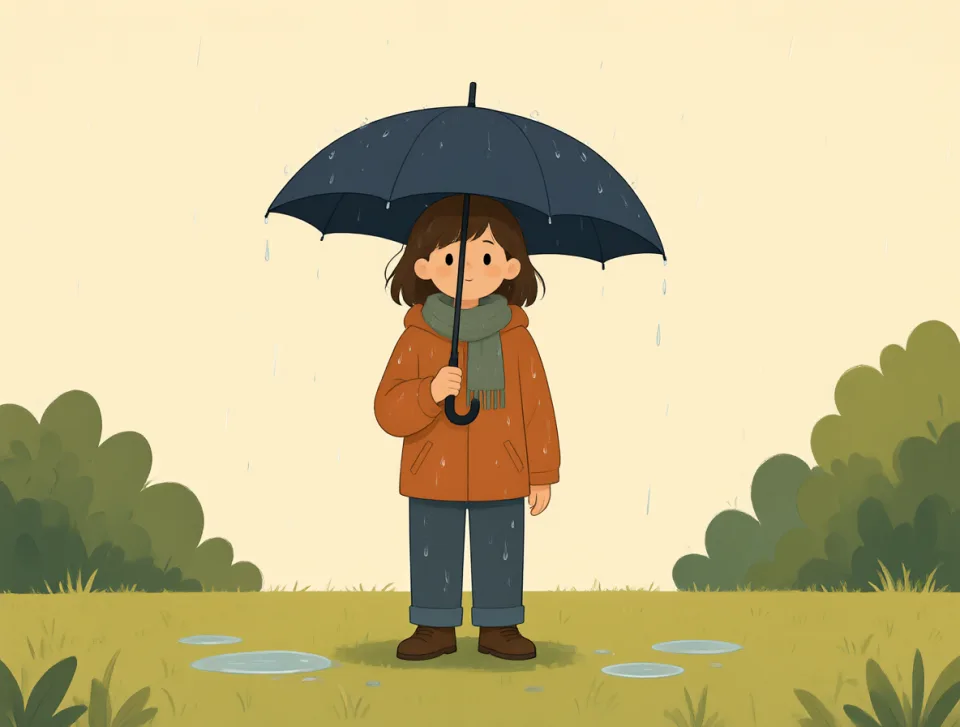
He forgot his umbrella and thus got wet.
Zapomniał parasola i dlatego zmókł.
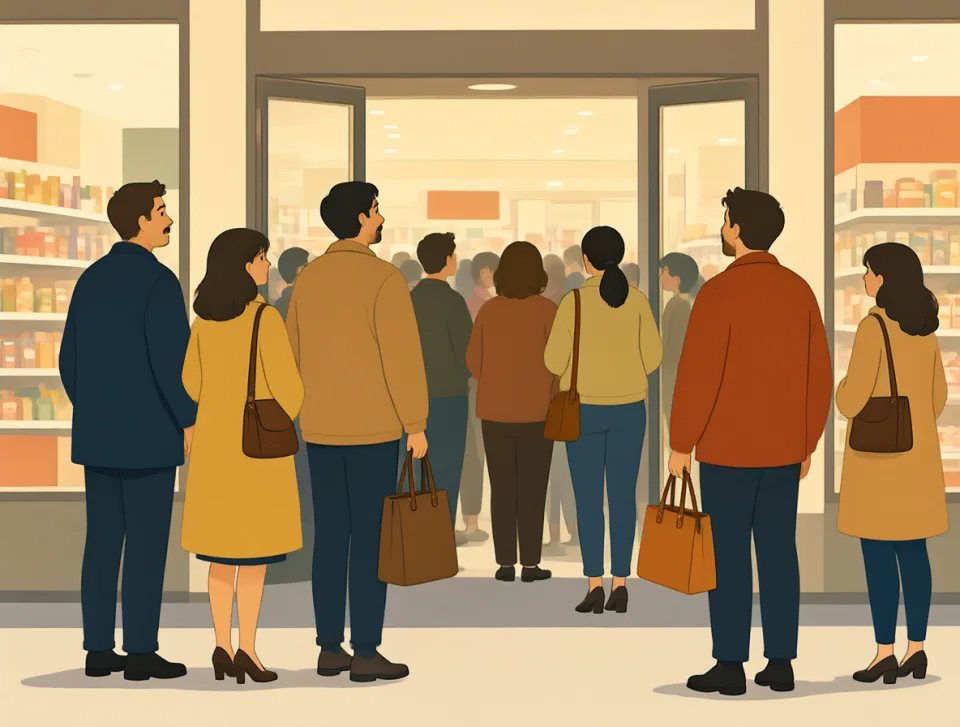
The shop was busy, thus we waited outside.
W sklepie było tłoczno, więc poczekaliśmy na zewnątrz.
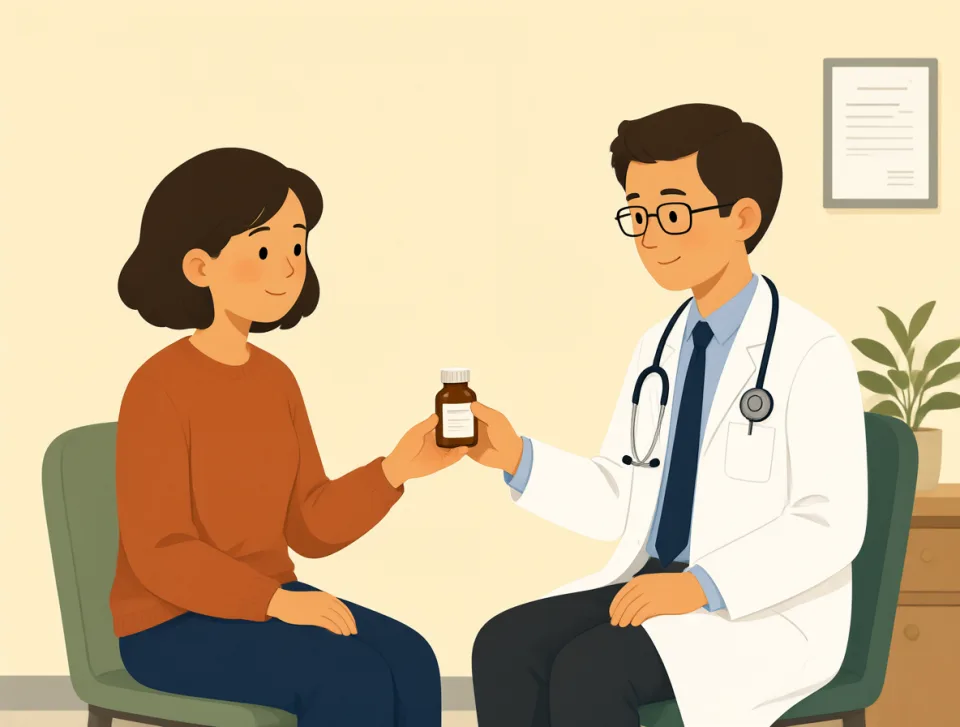
The doctor found an infection and thus gave medicine.
Lekarz wykrył infekcję, dlatego przepisał leki.

skill
#685noun
umiejętność
An ability to do something well, usually because you have learned and practiced it.
Zdolność do dobrego wykonywania czegoś, zwykle zdobyta dzięki nauce i ćwiczeniom.
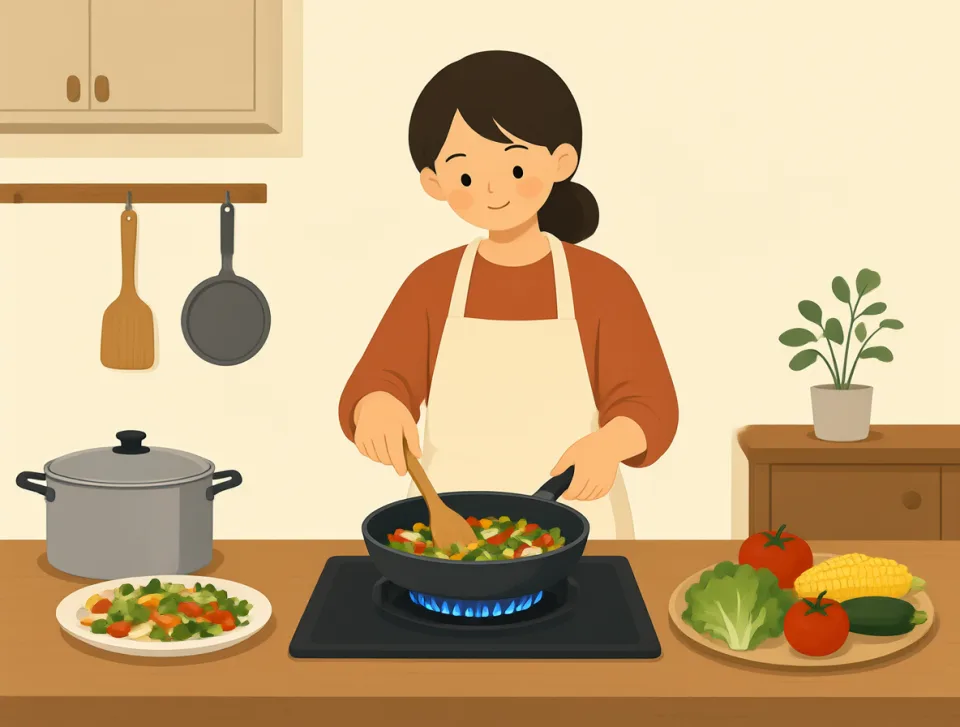
Cooking is an important skill for everyone.
Gotowanie to ważna umiejętność dla każdego.

She has good computer skills.
Ma dobre umiejętności obsługi komputera.
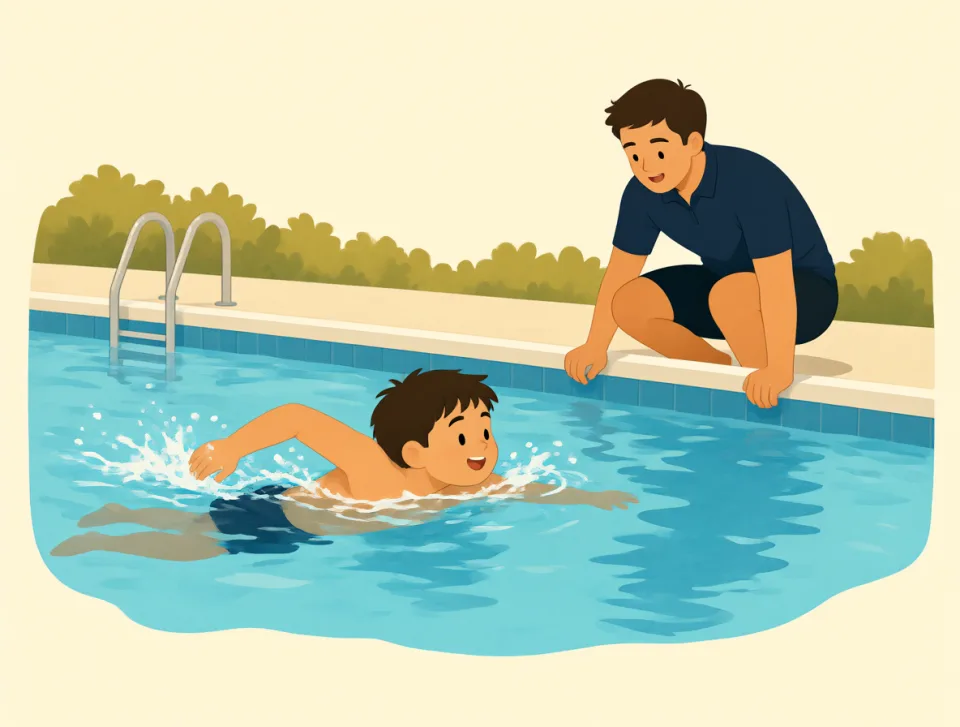
He learned the skill of swimming.
Nauczył się pływać.

The job needs good communication skills.
Ta praca wymaga dobrych umiejętności komunikacyjnych.
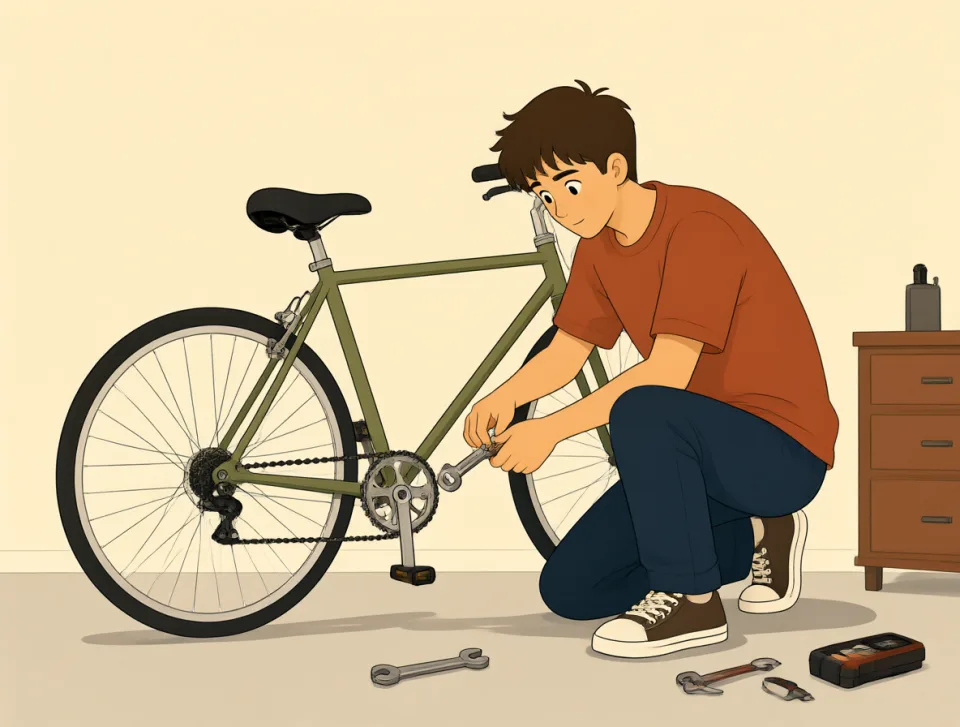
My brother is skilled at fixing bikes.
Mój brat świetnie potrafi naprawiać rowery.
attempt
#686noun, verb
próba
An effort to do or achieve something, especially when it may be difficult.
Wysiłek wkładany w zrobienie czegoś lub osiągnięcie jakiegoś celu, zwłaszcza gdy może to być trudne.
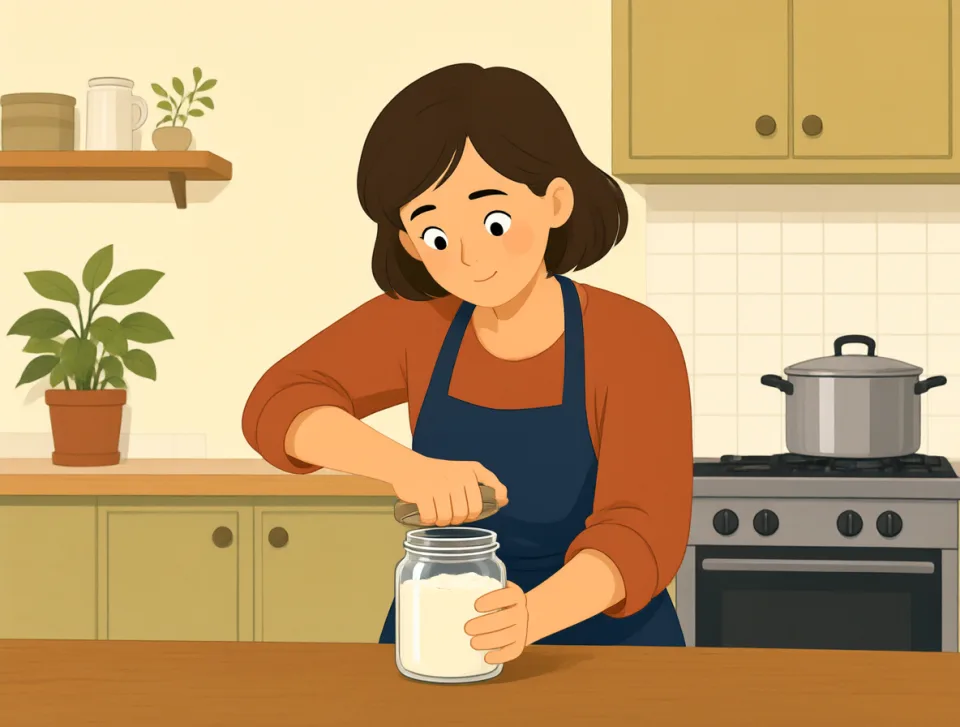
She made an attempt to open the jar.
Spróbowała otworzyć słoik.
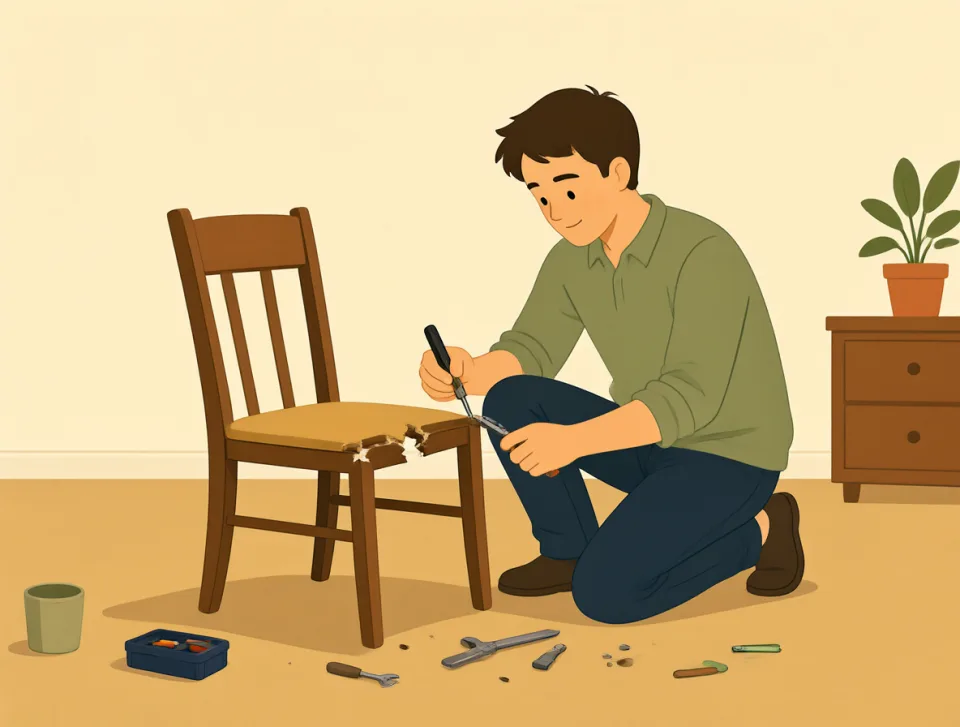
He attempted to fix the broken chair.
Próbował naprawić zepsute krzesło.
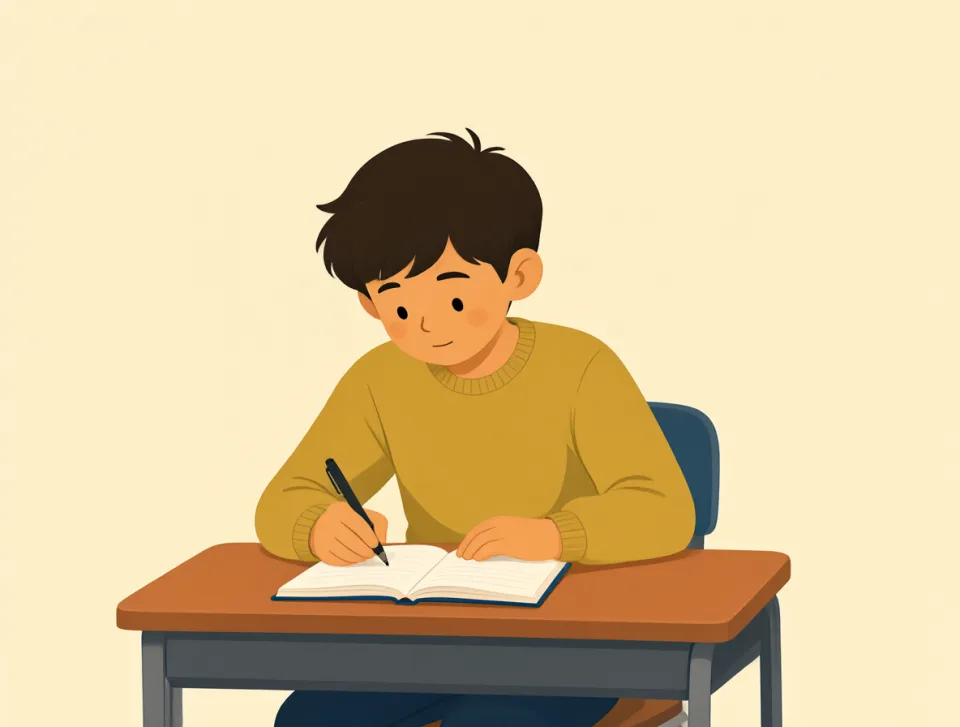
The student attempted the difficult math problem.
Uczeń próbował rozwiązać trudne zadanie matematyczne.
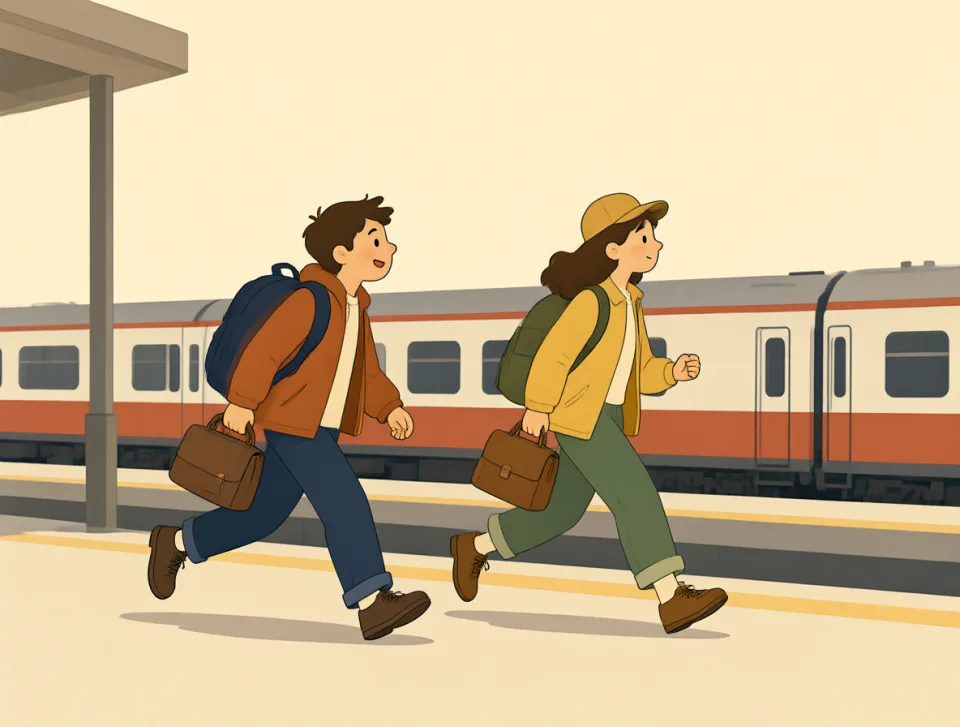
We attempted to catch the early train.
Próbowaliśmy zdążyć na wcześniejszy pociąg.
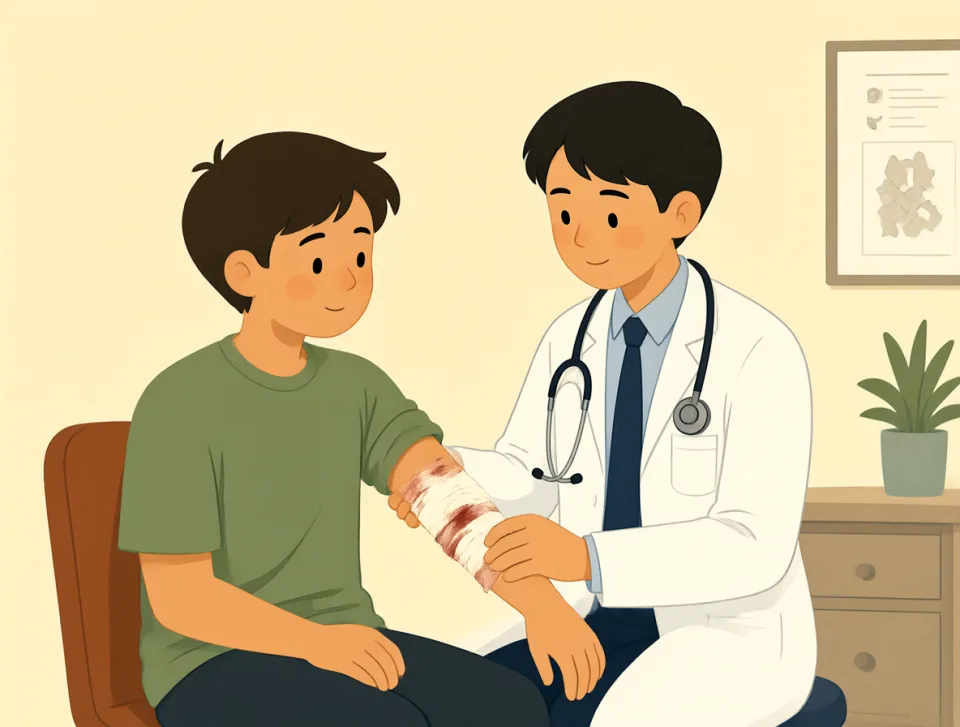
The doctor attempted to stop the bleeding.
Lekarz próbował zatamować krwawienie.
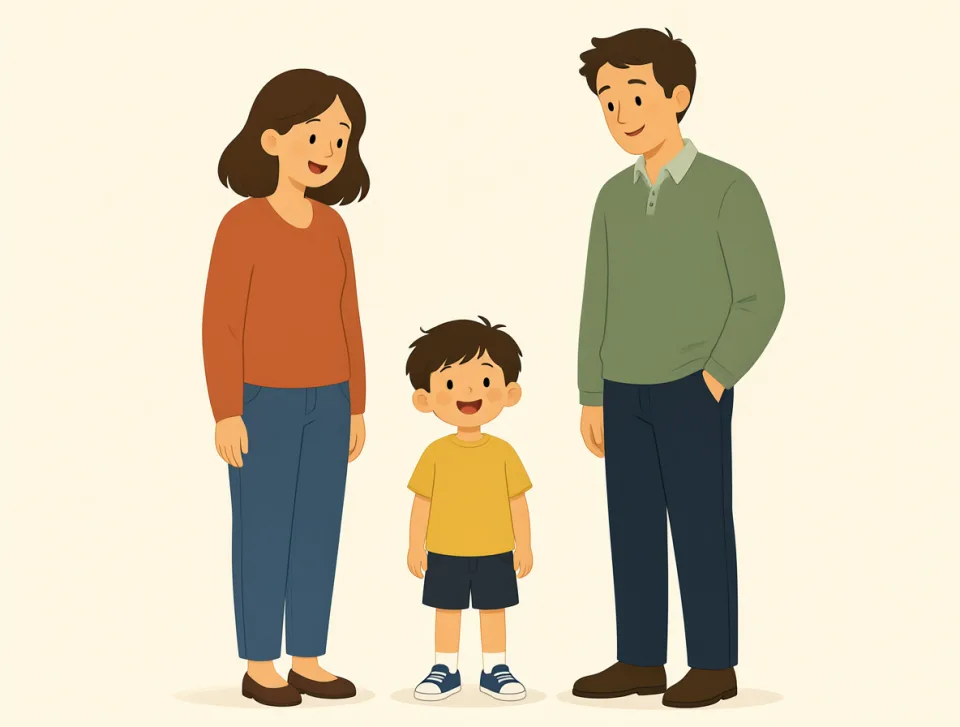
son
#687noun
syn
A male child in relation to his parents.
Dziecko płci męskiej w relacji do swoich rodziców.
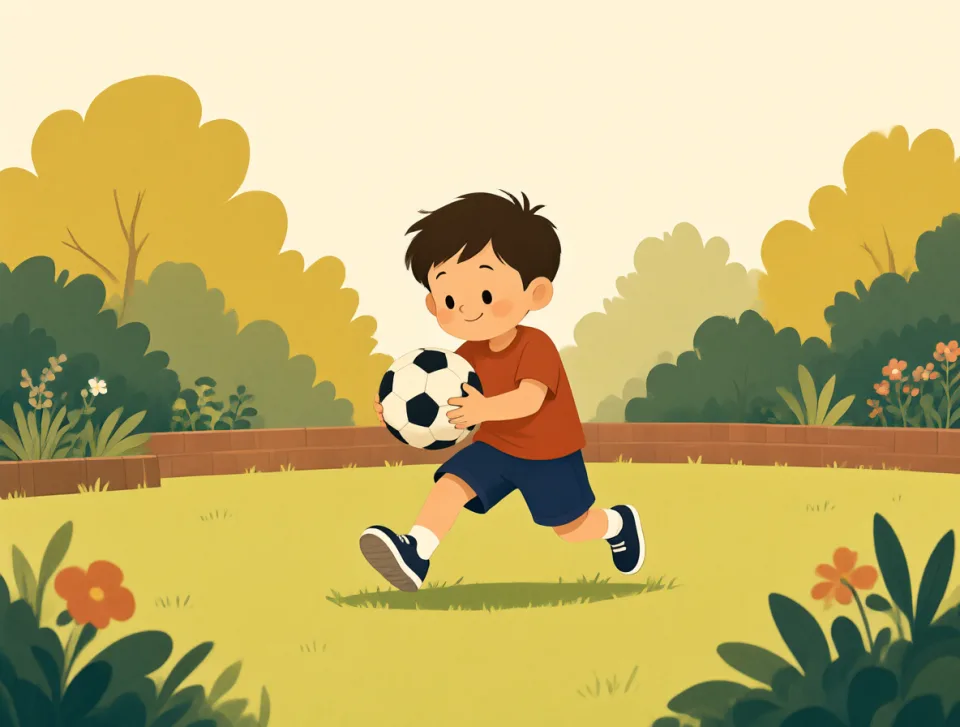
Their son is playing in the garden.
Ich syn bawi się w ogrodzie.
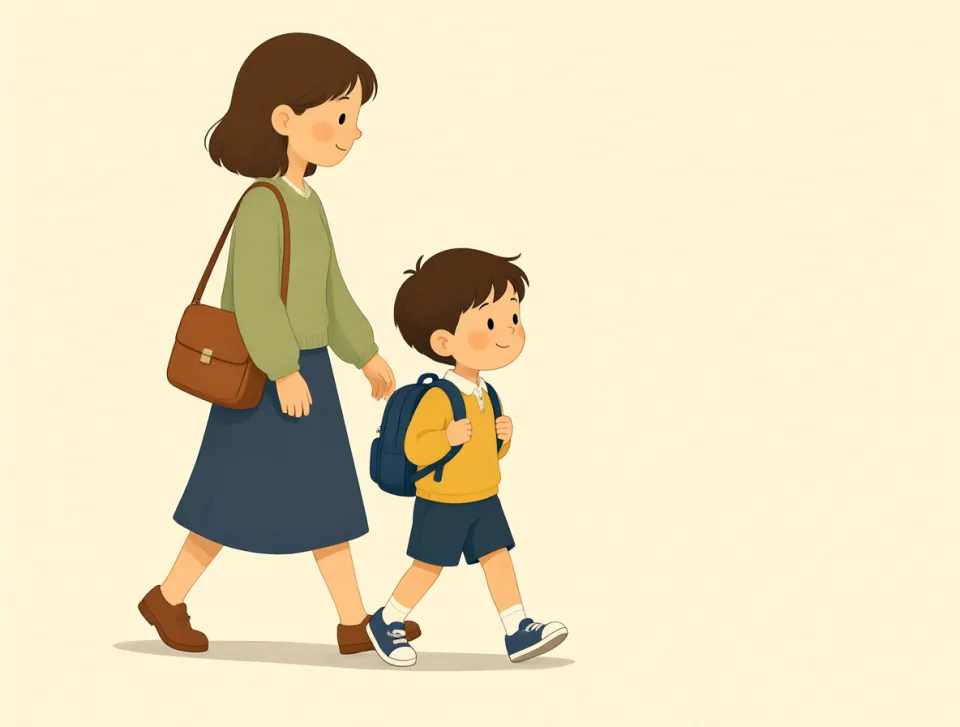
My son started school last year.
Mój syn zaczął chodzić do szkoły w zeszłym roku.
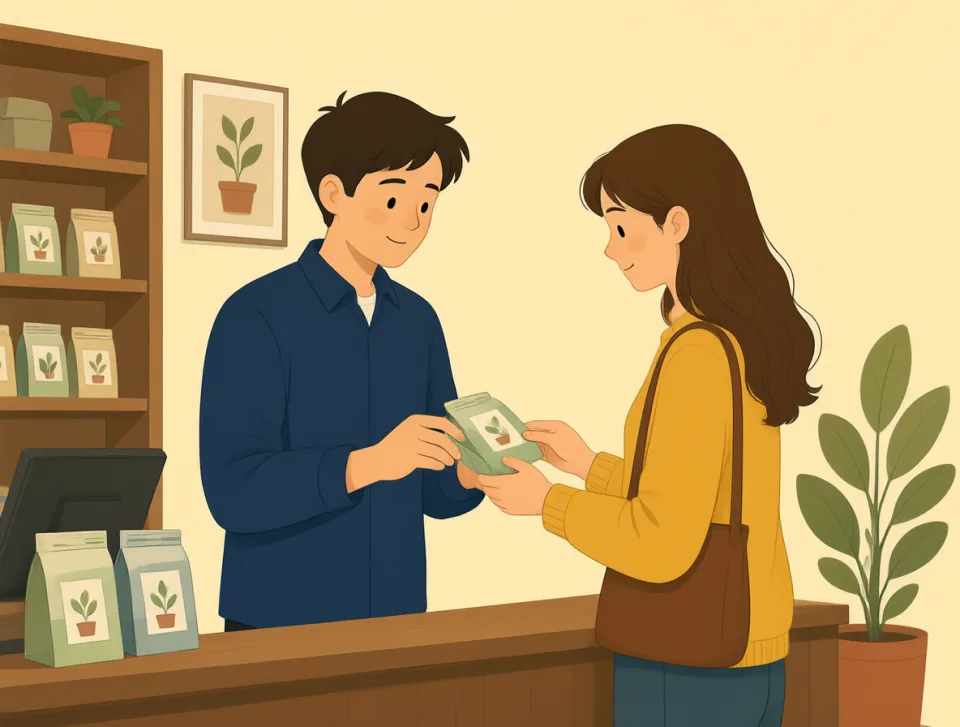
Her son works at a local shop.
Jej syn pracuje w pobliskim sklepie.
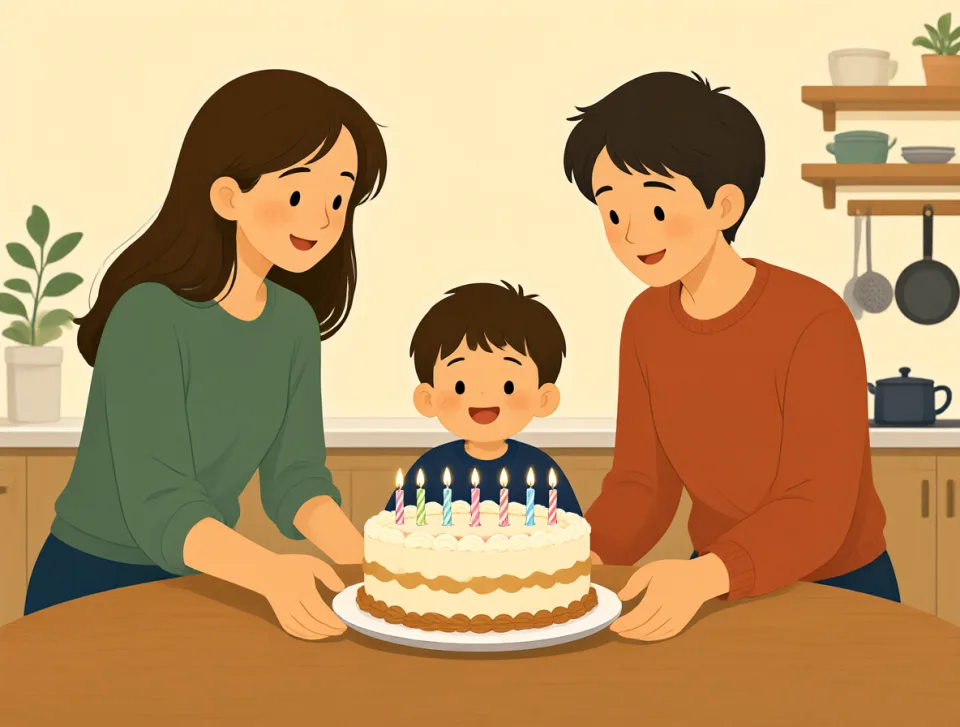
We bought our son a birthday cake.
Kupiliśmy synowi tort urodzinowy.
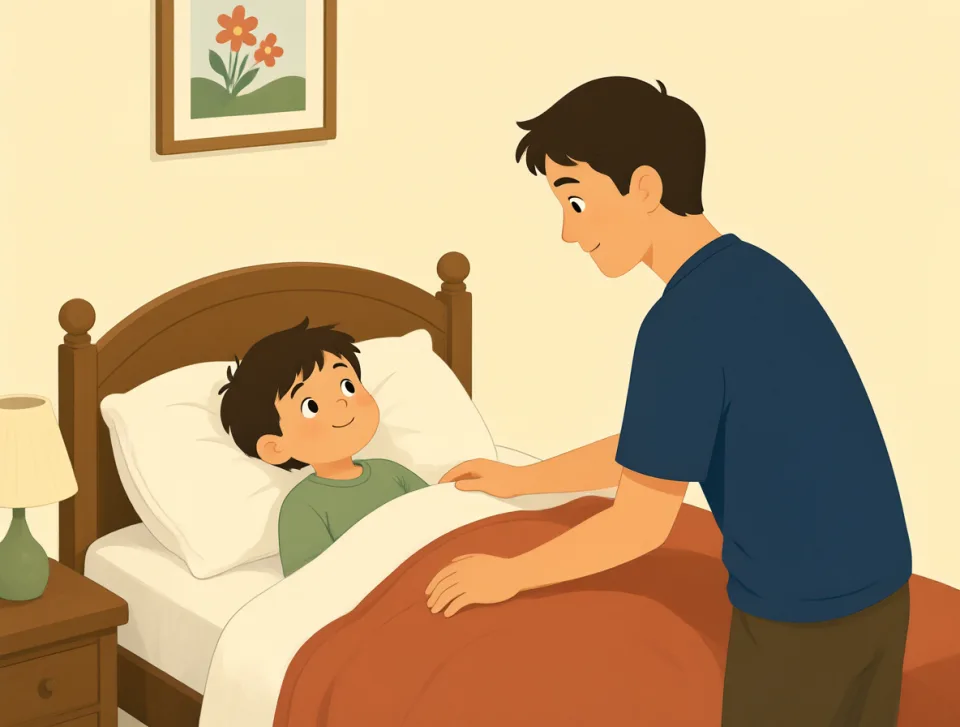
His son was sick in bed yesterday.
Jego syn leżał wczoraj chory w łóżku.
simple
#688adjective
prosty
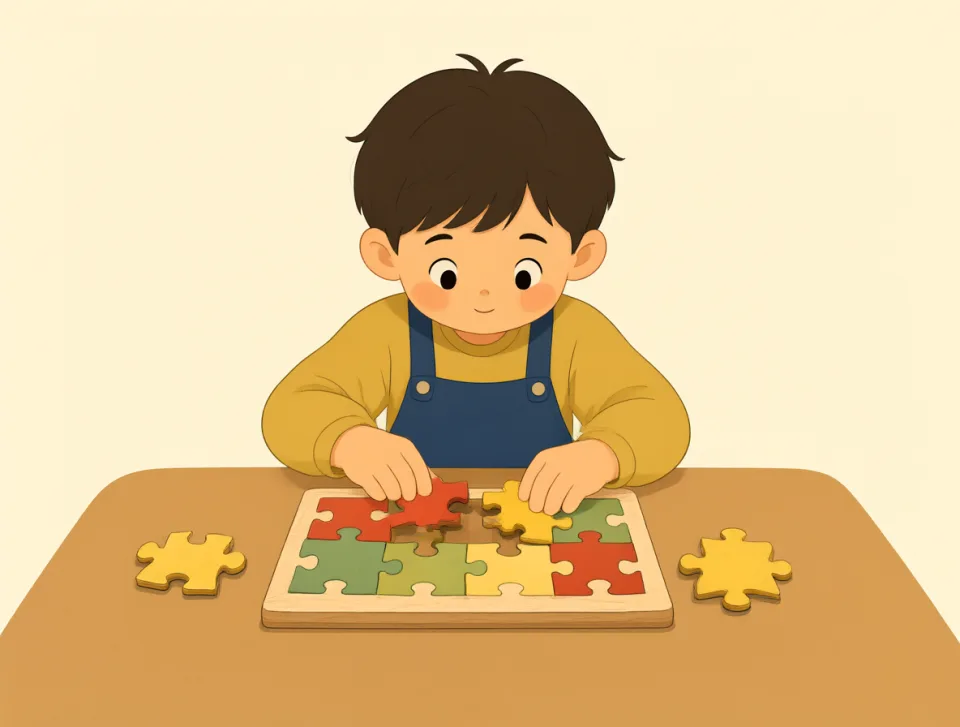
Easy to understand, do, or use; not complicated.
Łatwy do zrozumienia, wykonania lub użycia; nieskomplikowany.
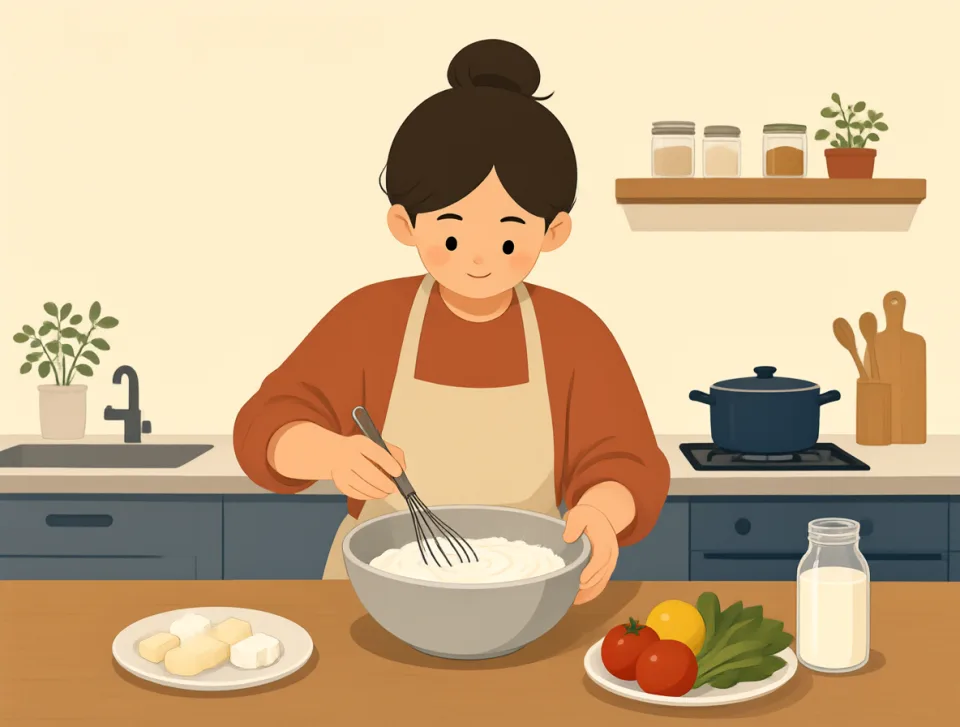
This recipe is simple and quick to make.
Ten przepis jest prosty i szybki w przygotowaniu.
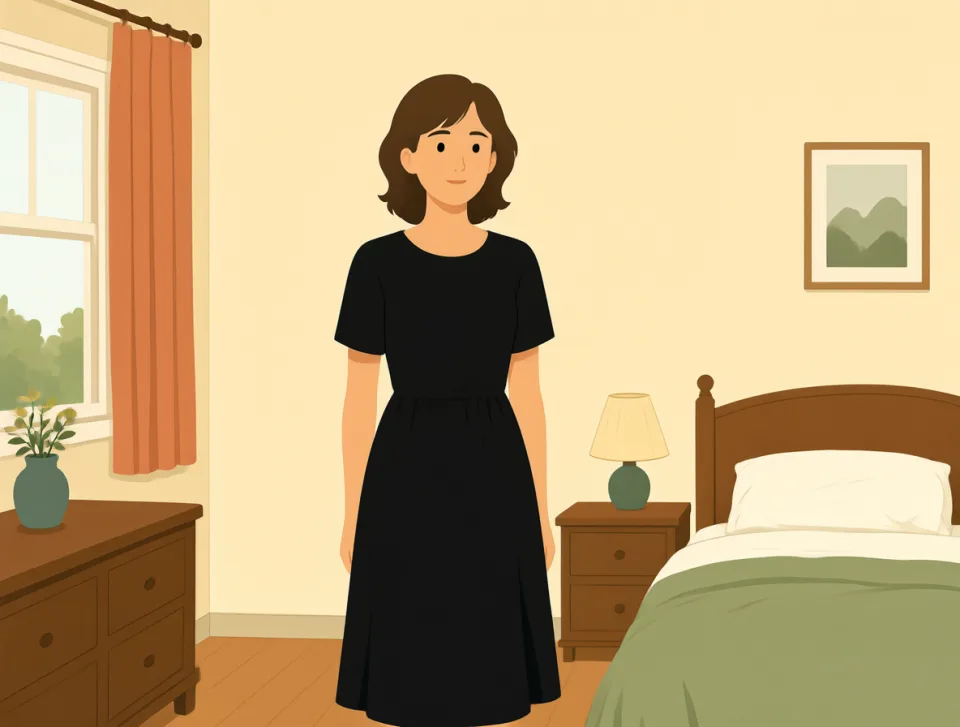
She wore a simple black dress.
Miała na sobie prostą czarną sukienkę.
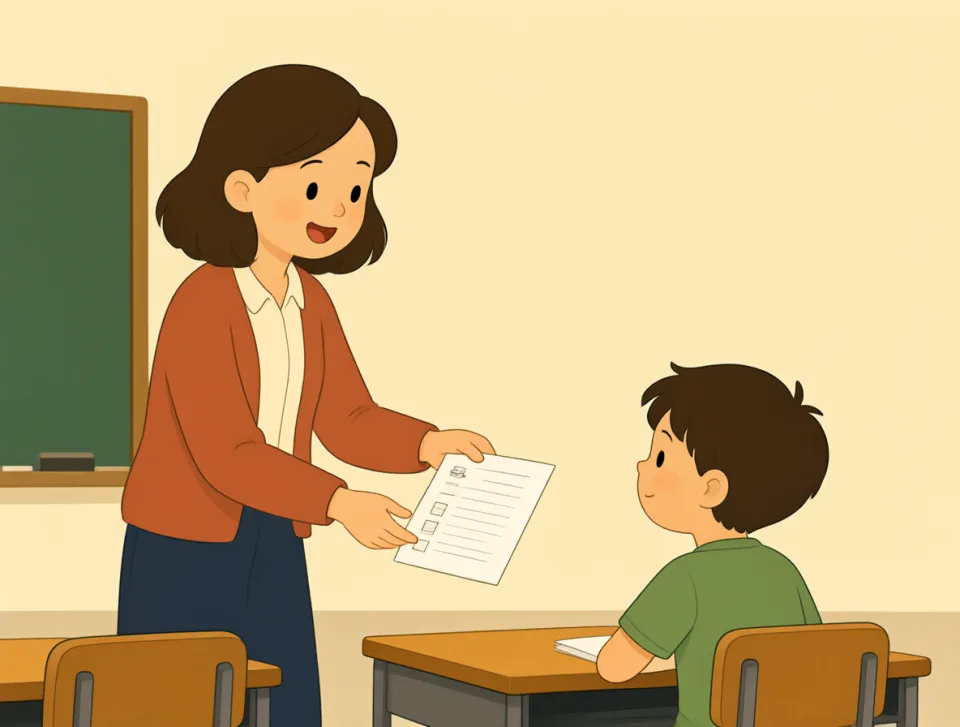
The teacher gave us a simple question.
Nauczyciel zadał nam proste pytanie.

We need a simple hotel near the station.
Potrzebujemy prostego hotelu blisko dworca.

He explained the problem in simple words.
Wyjaśnił problem prostymi słowami.
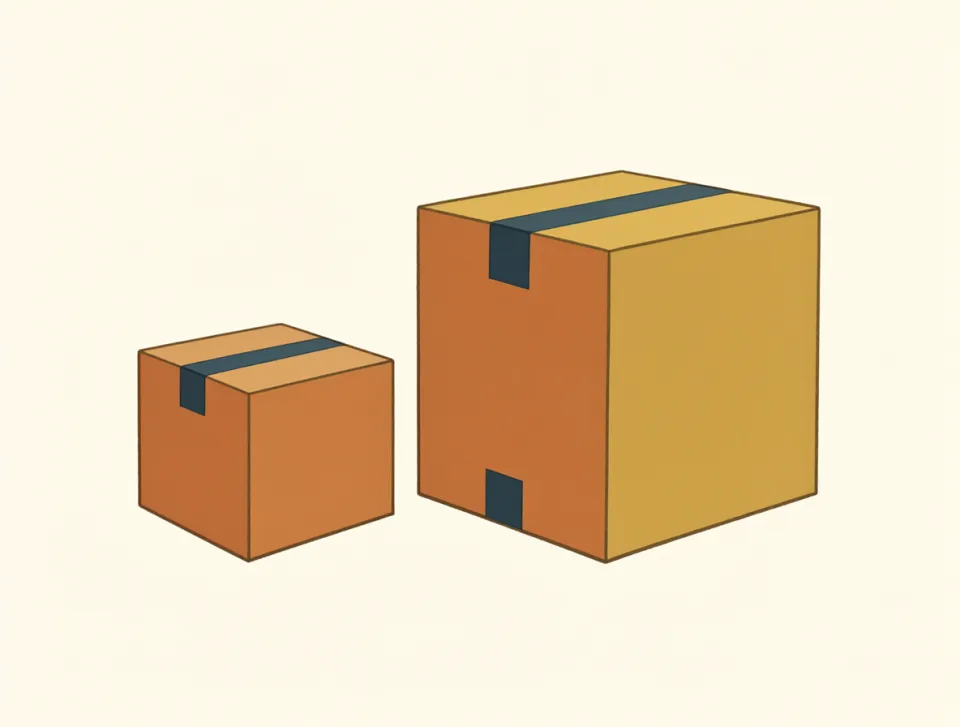
medium
#689adjective, noun
średni
Middle in size, amount, or level; a way to communicate
Pośredni pod względem wielkości, ilości lub poziomu; także sposób porozumiewania się.
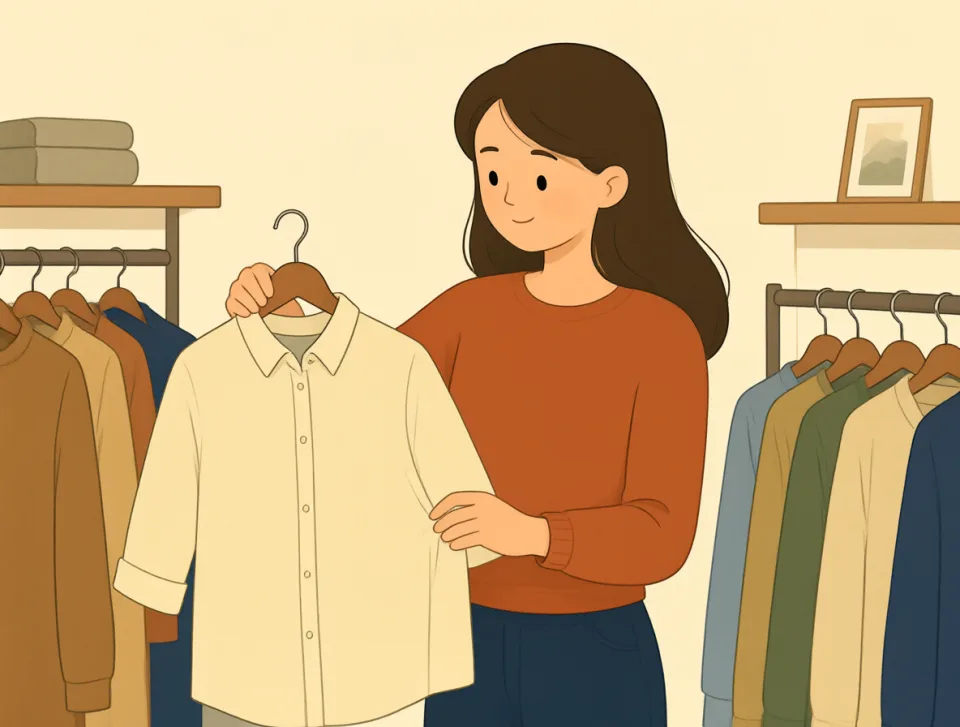
She bought a medium shirt at the store.
Kupiła w sklepie koszulkę w rozmiarze M.
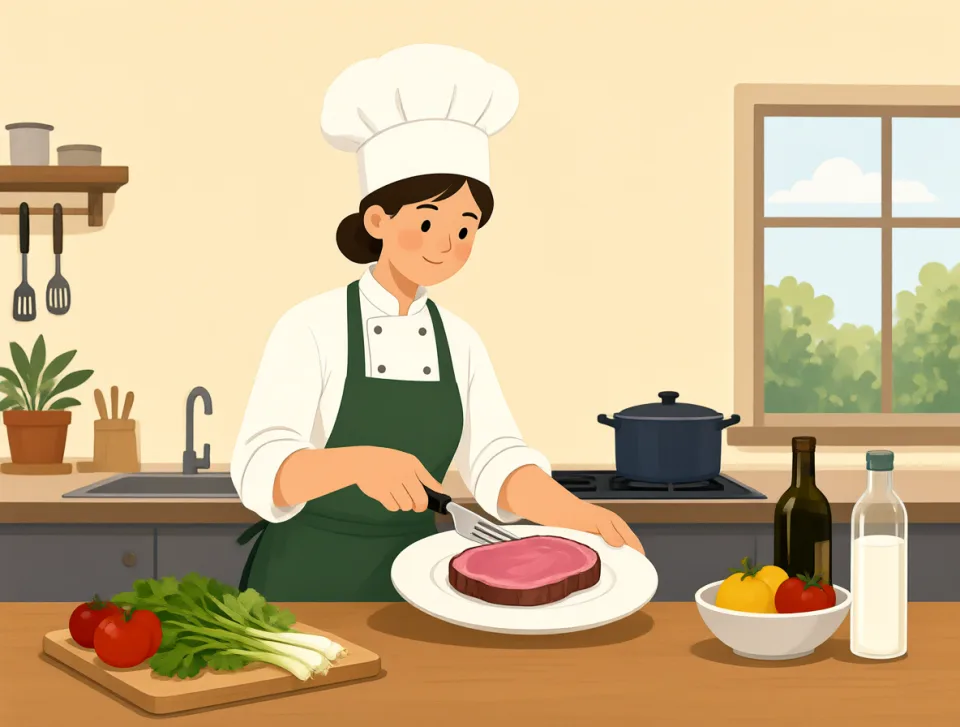
Please cook my steak medium, not well-done.
Proszę usmażyć mój stek średnio wysmażony, nie dobrze wysmażony.
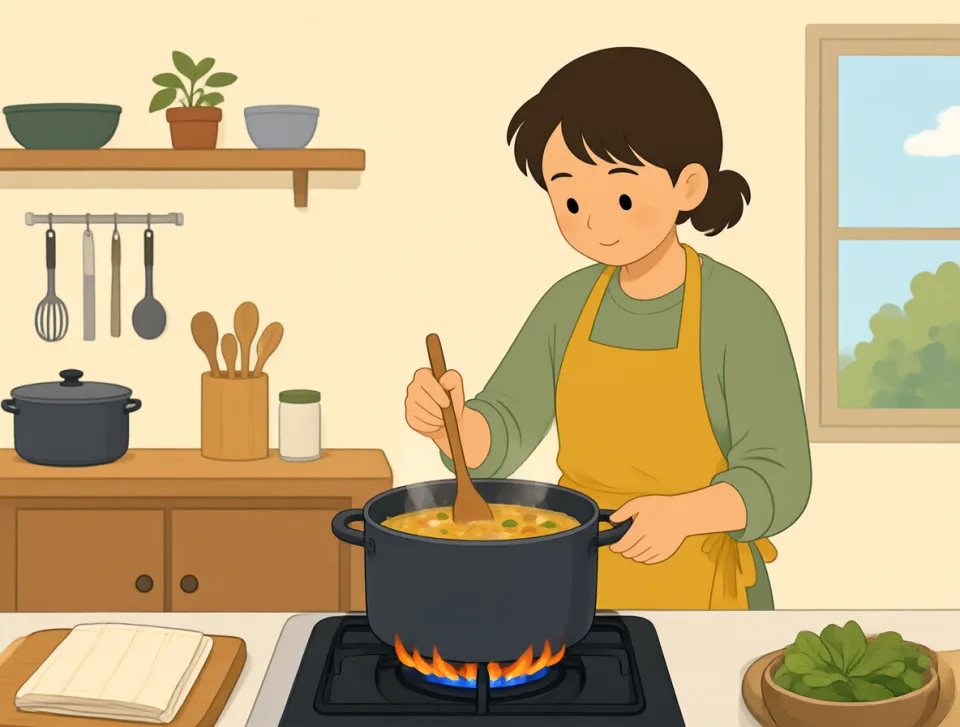
Heat the soup over medium heat.
Podgrzej zupę na średnim ogniu.

Video calls are a useful medium for friends.
Rozmowy wideo to przydatny sposób komunikowania się z przyjaciółmi.
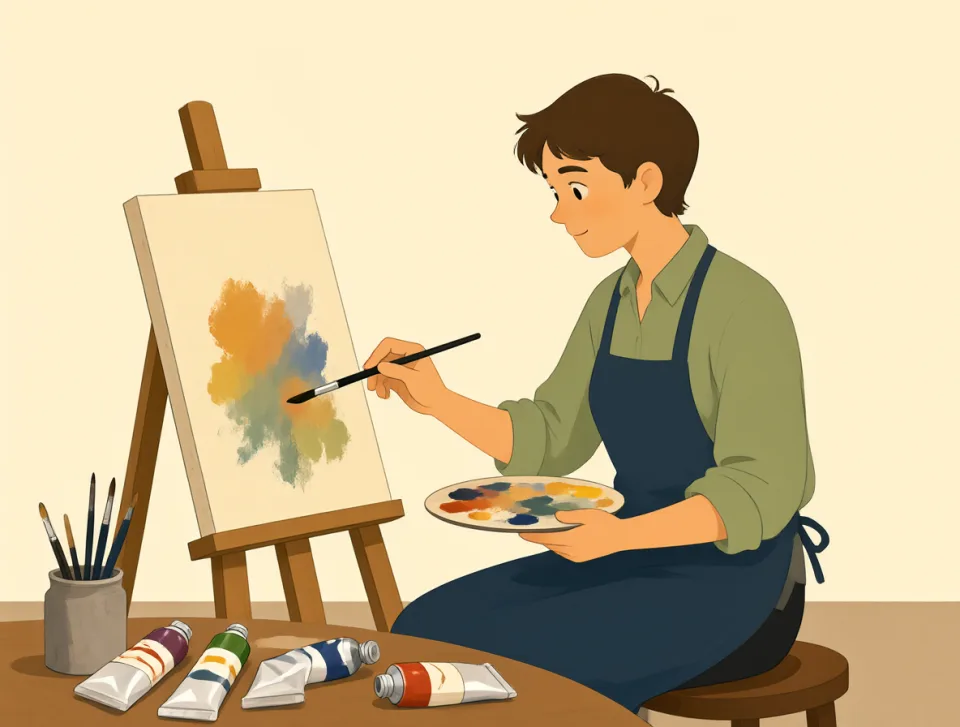
The artist chose oil as her medium.
Artystka wybrała olej jako technikę malarską.
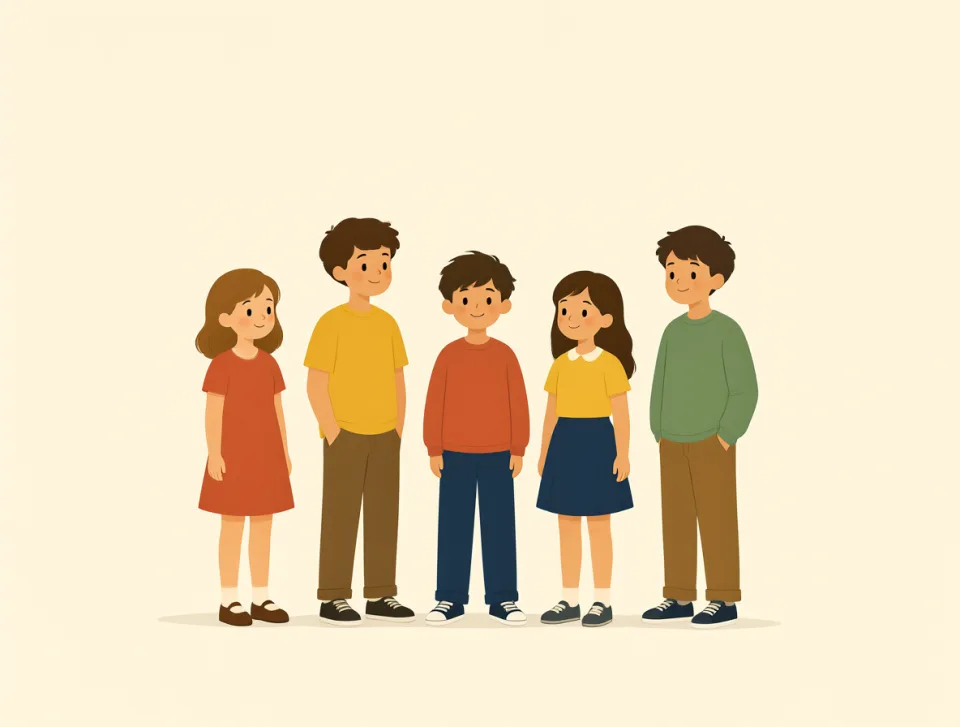
average
#690noun, adjective, verb
przeciętny
The usual amount or level; to be usual or typical.
Zwykła ilość lub poziom; także być zwyczajnym lub typowym.
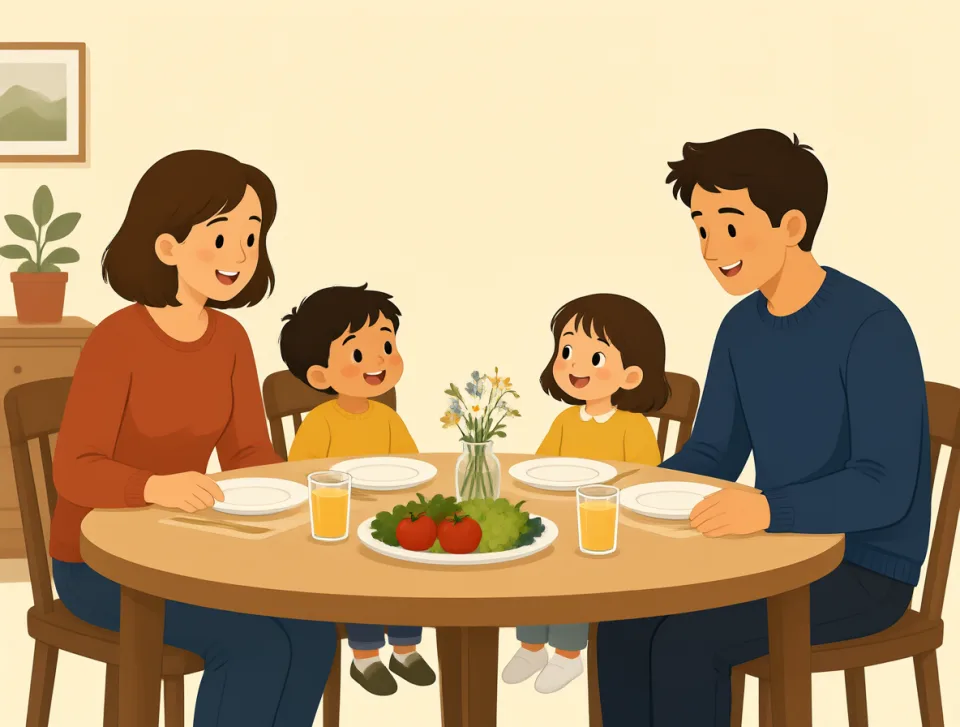
The average family has two children.
Przeciętna rodzina ma dwoje dzieci.
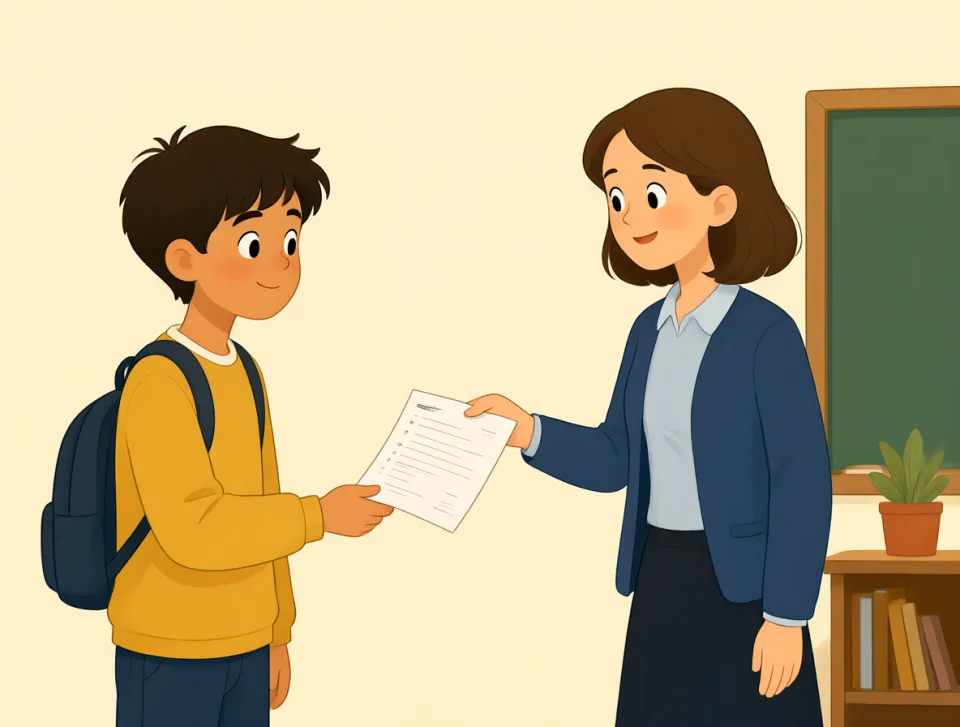
His test score was above average.
Jego wynik testu był powyżej średniej.
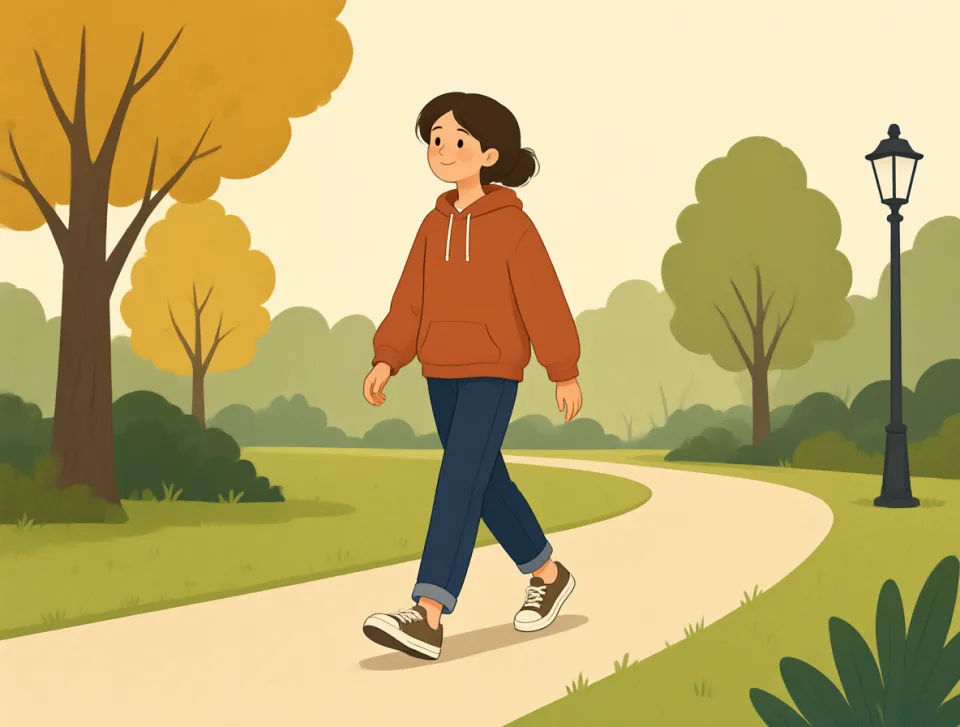
I usually walk an average of three miles.
Zwykle przechodzę średnio trzy mile.
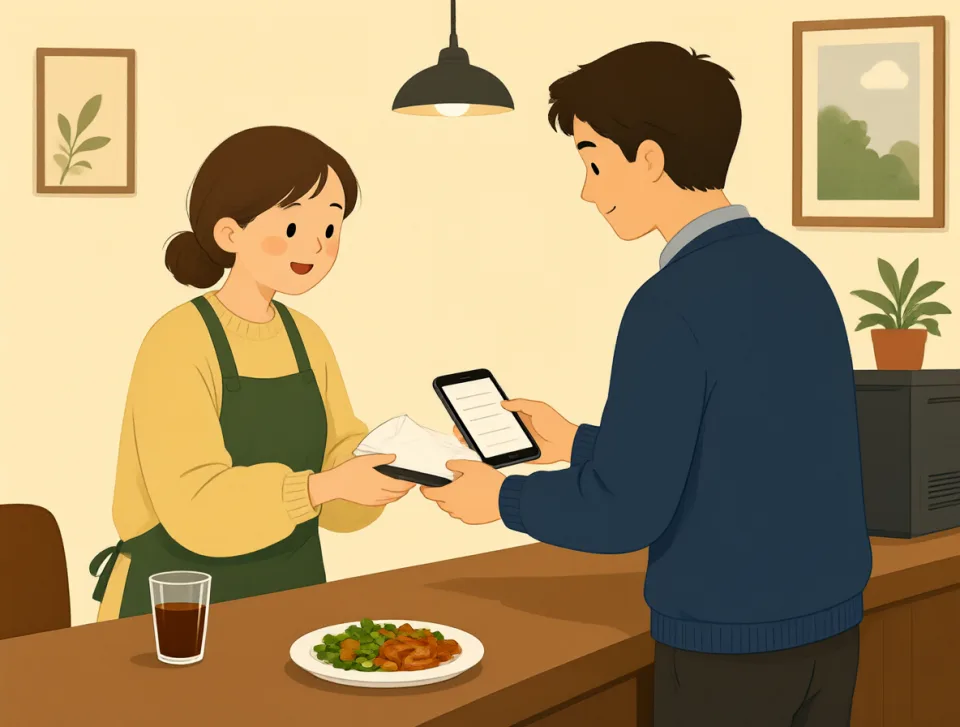
The average price of lunch is ten dollars.
Średnia cena lunchu wynosi dziesięć dolarów.

She averages seven hours of sleep.
Śpi średnio siedem godzin.
stock
#691noun, verb, adjective
zapasy; akcje; asortyment
A supply of goods, company shares, or items kept ready for sale or use.
Zapas towarów, akcje firmy lub rzeczy przechowywane w gotowości do sprzedaży albo użycia.
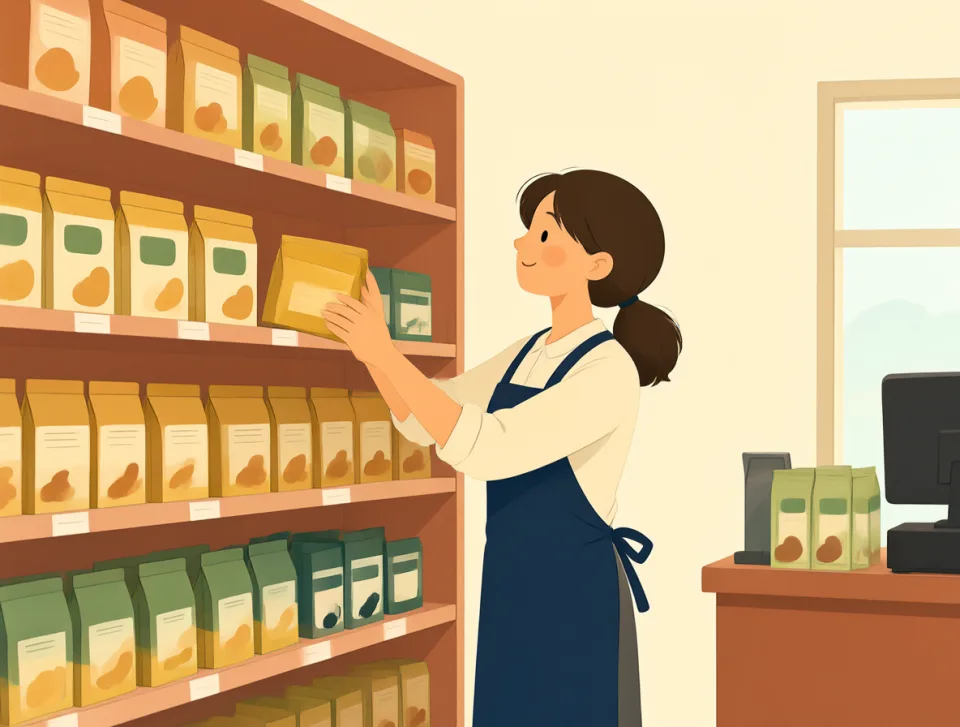
The store has plenty of stock today.
Sklep ma dziś dużo towaru.
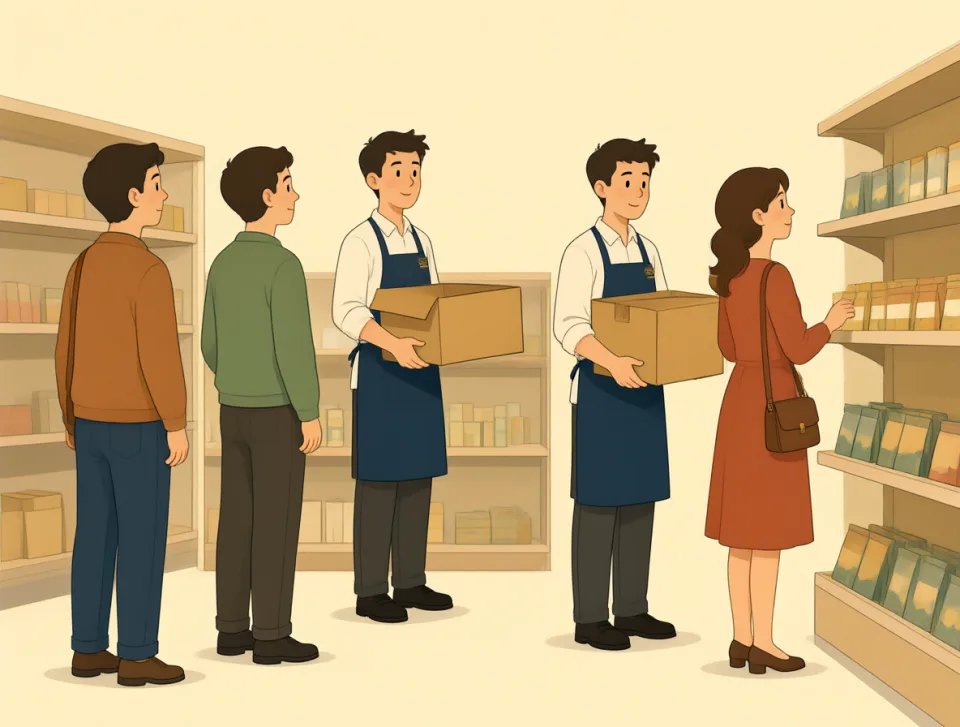
The shop sold out of stock quickly.
Sklep szybko wyprzedał zapasy.
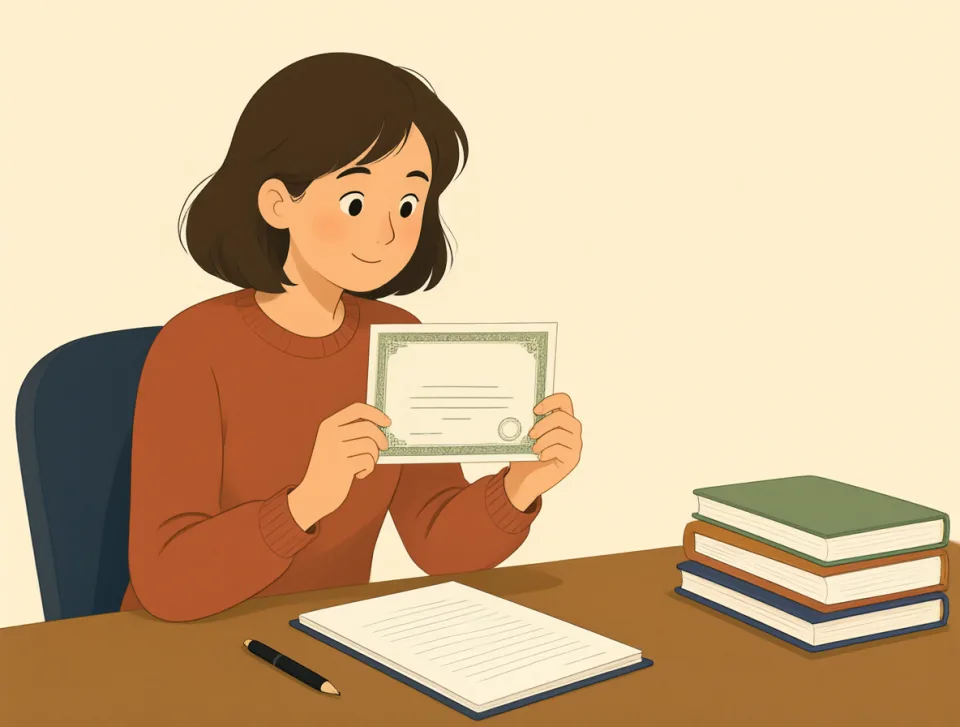
She bought stock in a technology company.
Kupiła akcje firmy technologicznej.
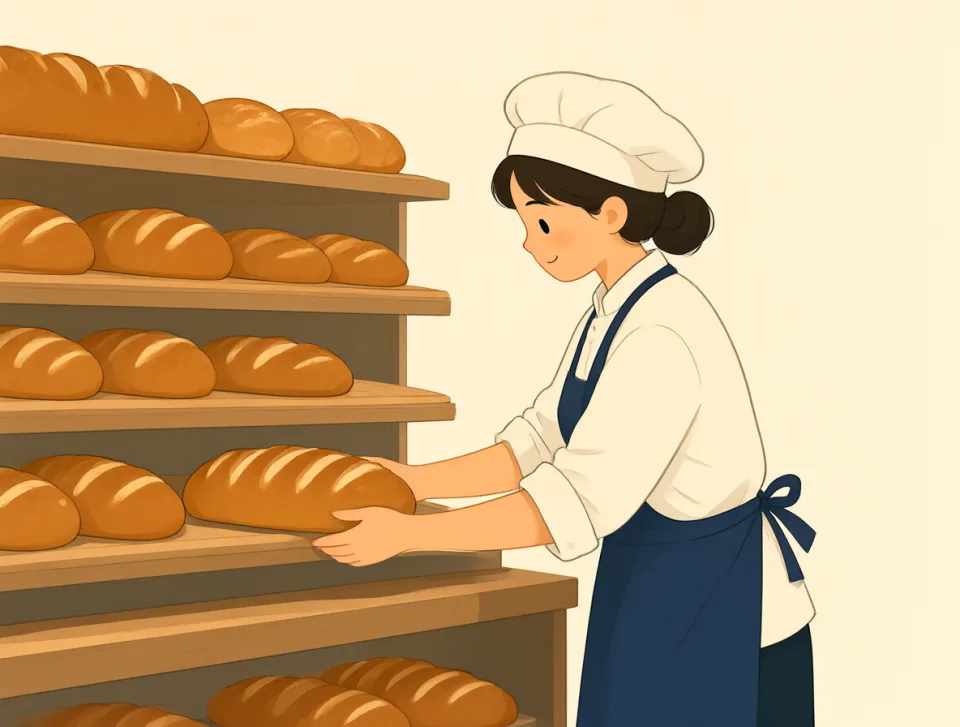
We stock fresh bread every morning.
Codziennie rano zaopatrujemy sklep w świeży chleb.
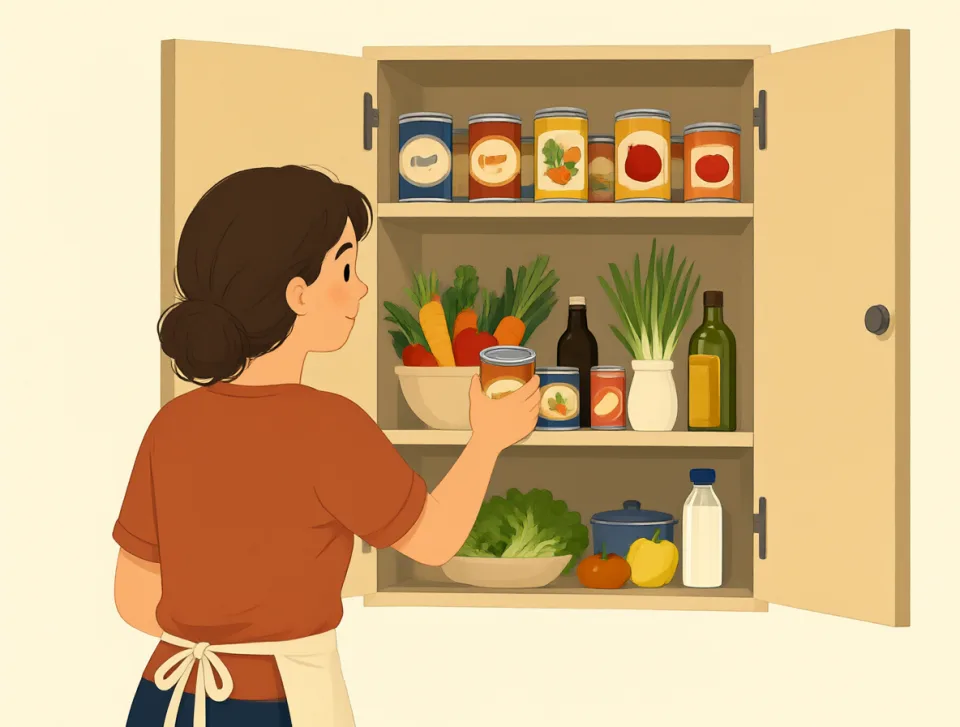
The kitchen has enough stock for dinner.
W kuchni jest wystarczająco dużo zapasów na kolację.
management
#692noun
zarządzanie
The process of controlling or organizing people, money, or work.
Proces kontrolowania lub organizowania ludzi, pieniędzy albo pracy.
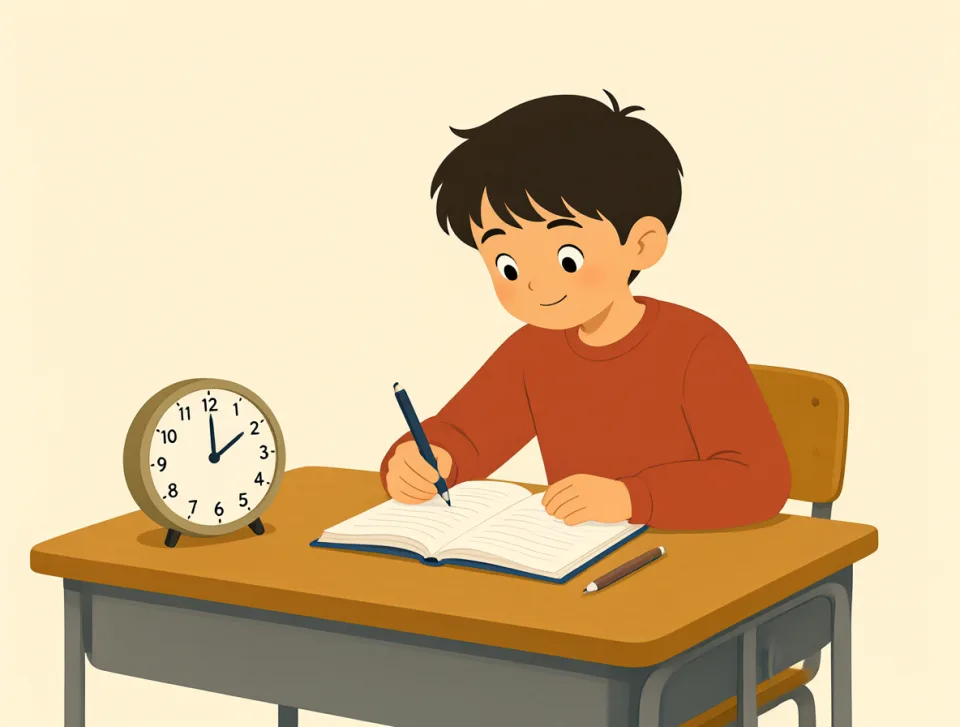
Good time management helps me finish my homework.
Dobre zarządzanie czasem pomaga mi odrobić pracę domową.
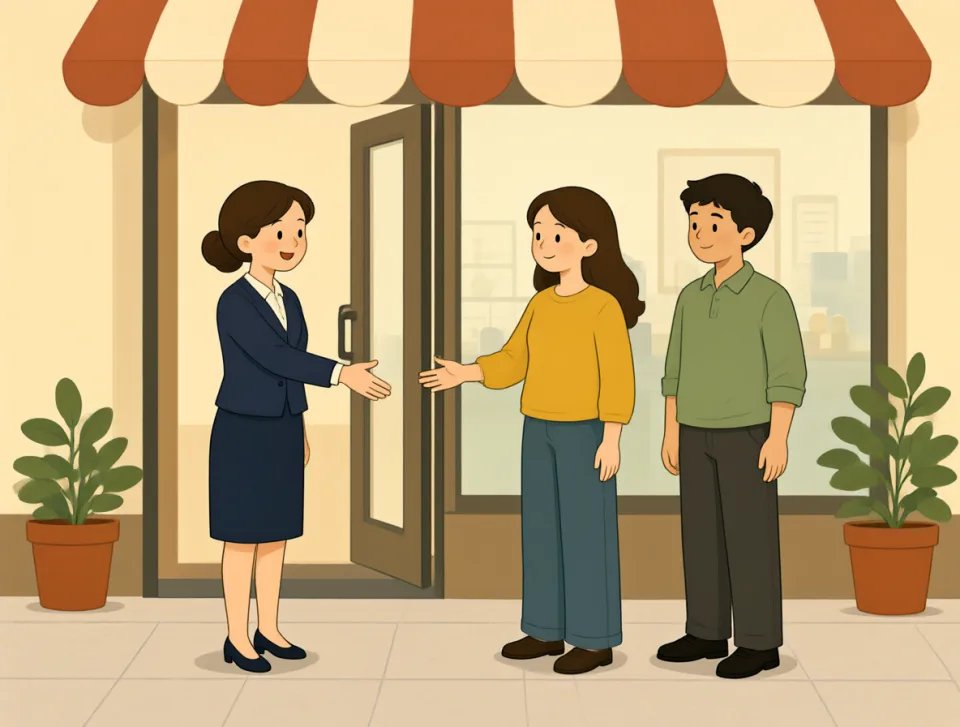
The store management thanked us for our help.
Kierownictwo sklepu podziękowało nam za pomoc.

She studied hotel management at college.
Studiowała zarządzanie hotelarstwem na studiach.

Stress management can improve your health.
Zarządzanie stresem może poprawić twoje zdrowie.
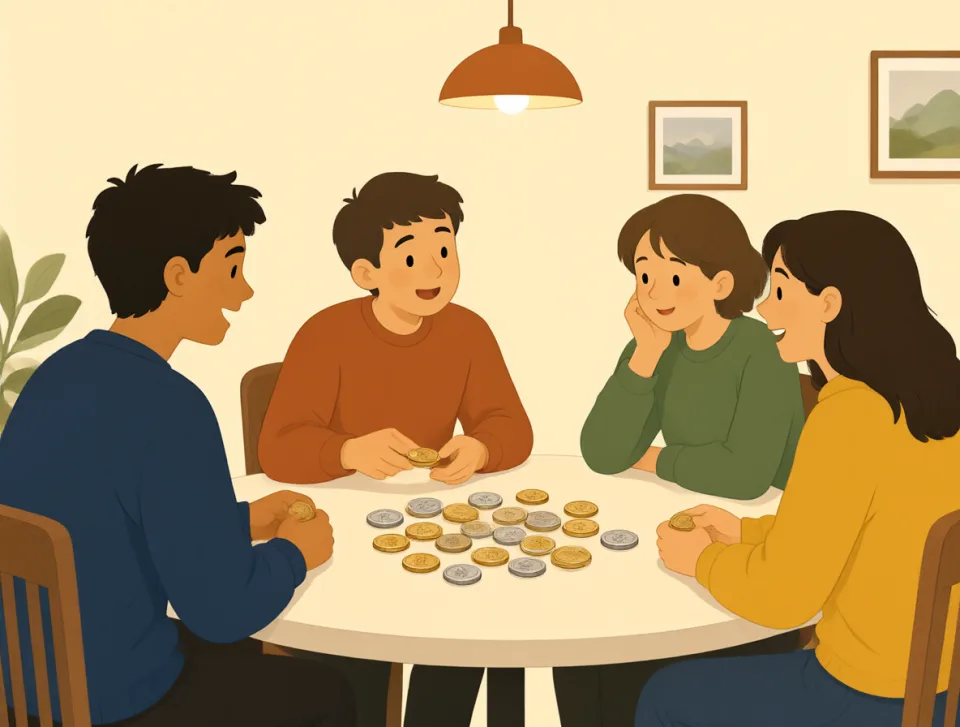
The team discussed money management after dinner.
Po kolacji zespół rozmawiał o zarządzaniu pieniędzmi.

character
#693noun
postać; bohater
A person in a story, movie, or play.
Osoba występująca w opowiadaniu, filmie lub sztuce teatralnej.
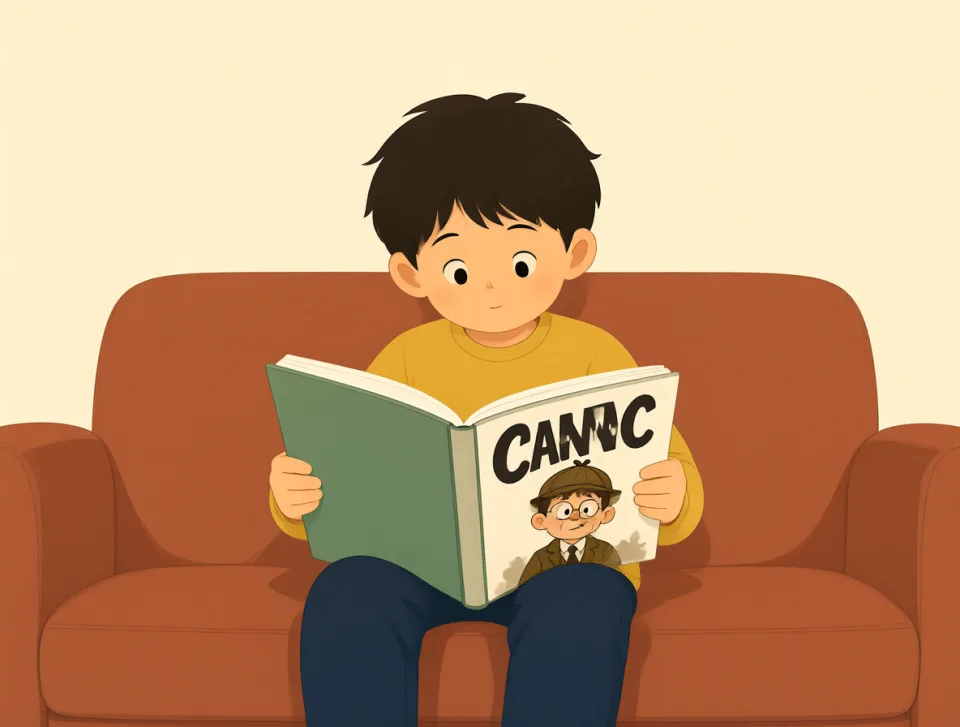
My favorite character is a funny detective.
Moją ulubioną postacią jest zabawny detektyw.
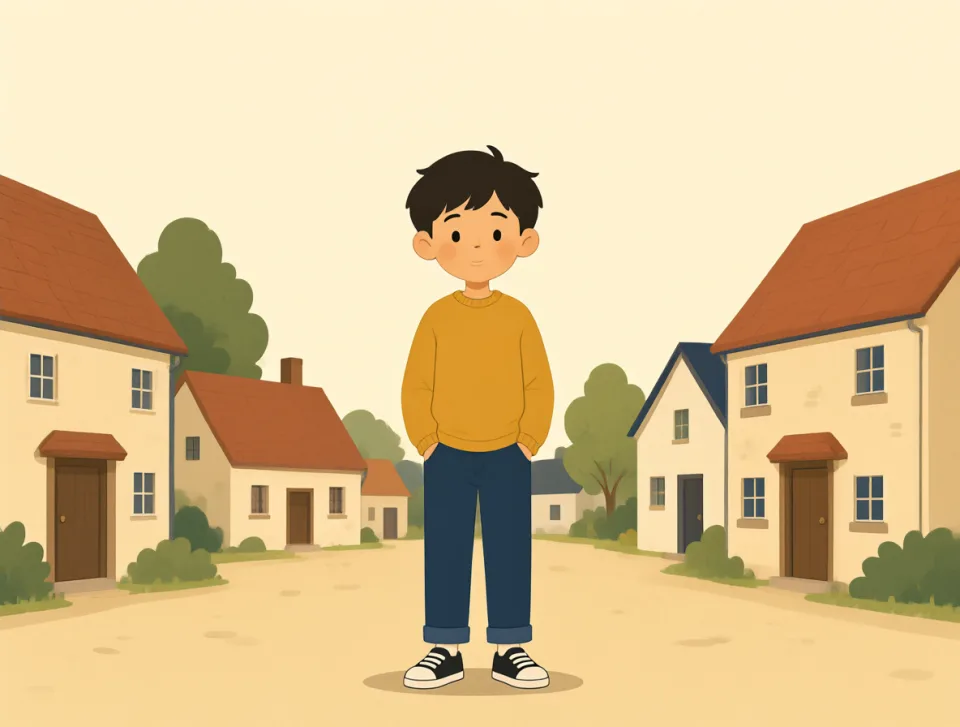
The main character lives in a small village.
Główny bohater mieszka w małej wiosce.
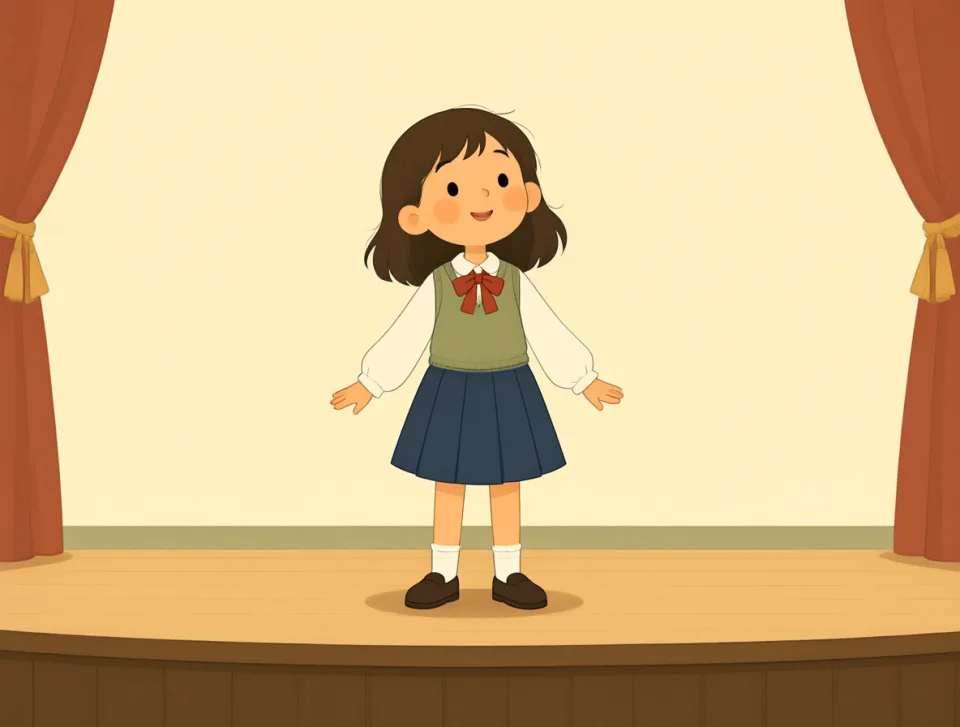
She played a character in the school play.
Zagrała postać w szkolnym przedstawieniu.
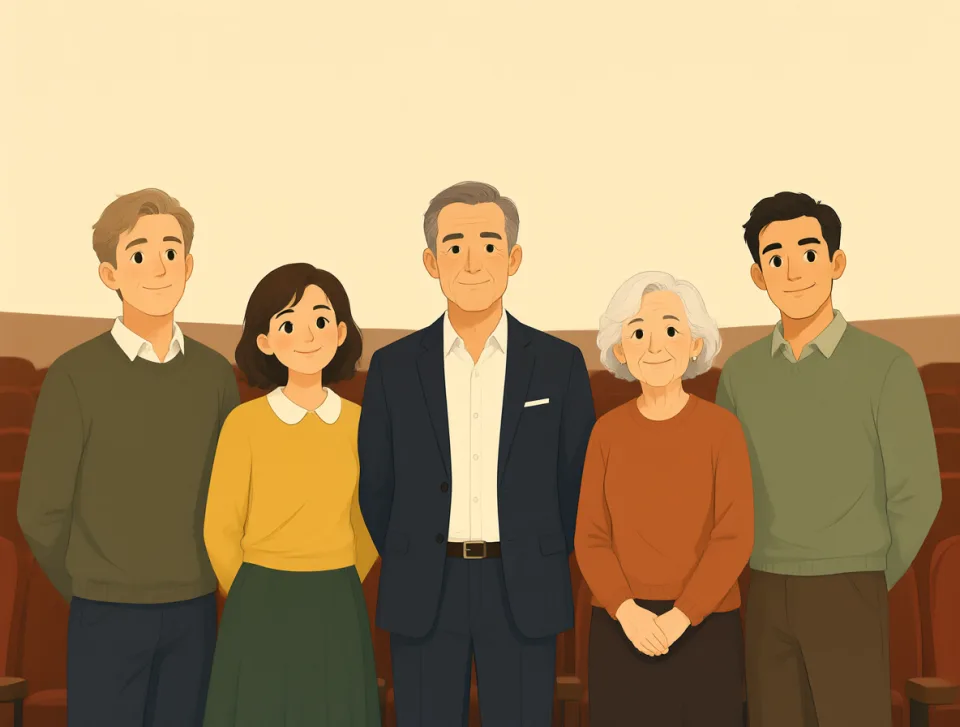
The movie has many interesting characters.
W tym filmie występuje wiele interesujących postaci.

His character changed after the difficult journey.
Jego charakter zmienił się po trudnej podróży.
bed
#694noun, verb
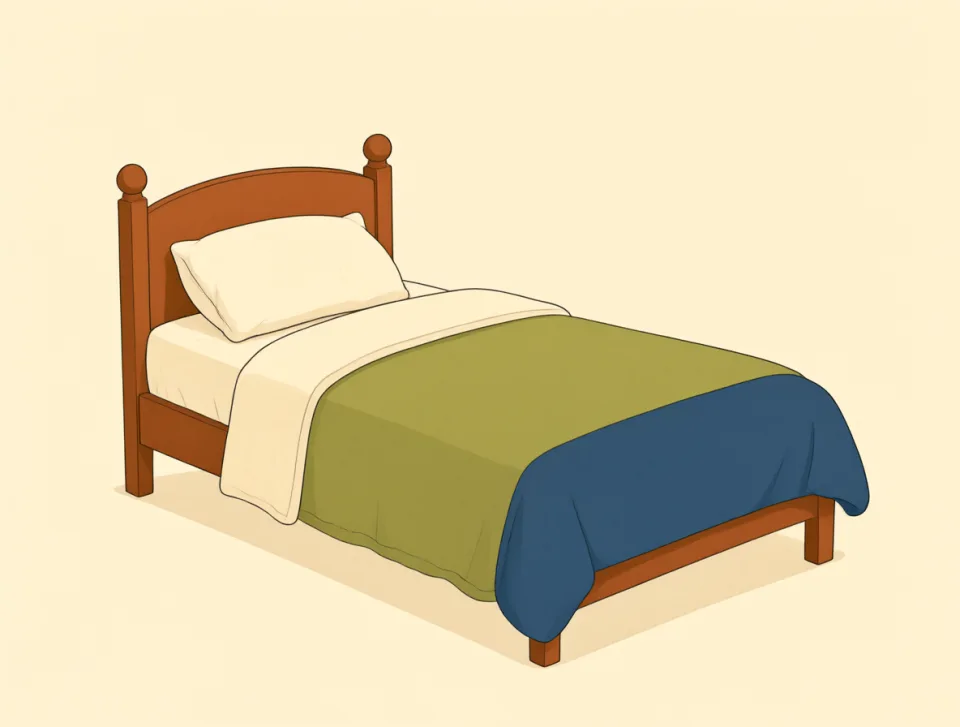
łóżko; posadzić
A piece of furniture for sleeping, or to put something carefully in a place.
Mebel do spania albo umieszczenie czegoś starannie w określonym miejscu.
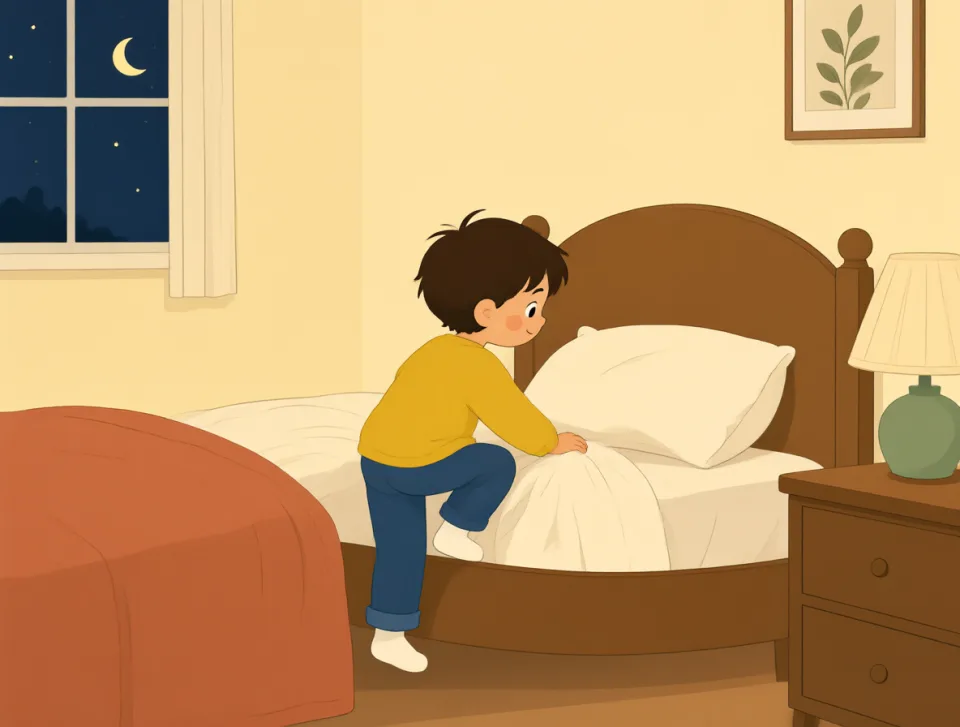
I go to bed at ten o'clock.
Kładę się spać o dziesiątej.
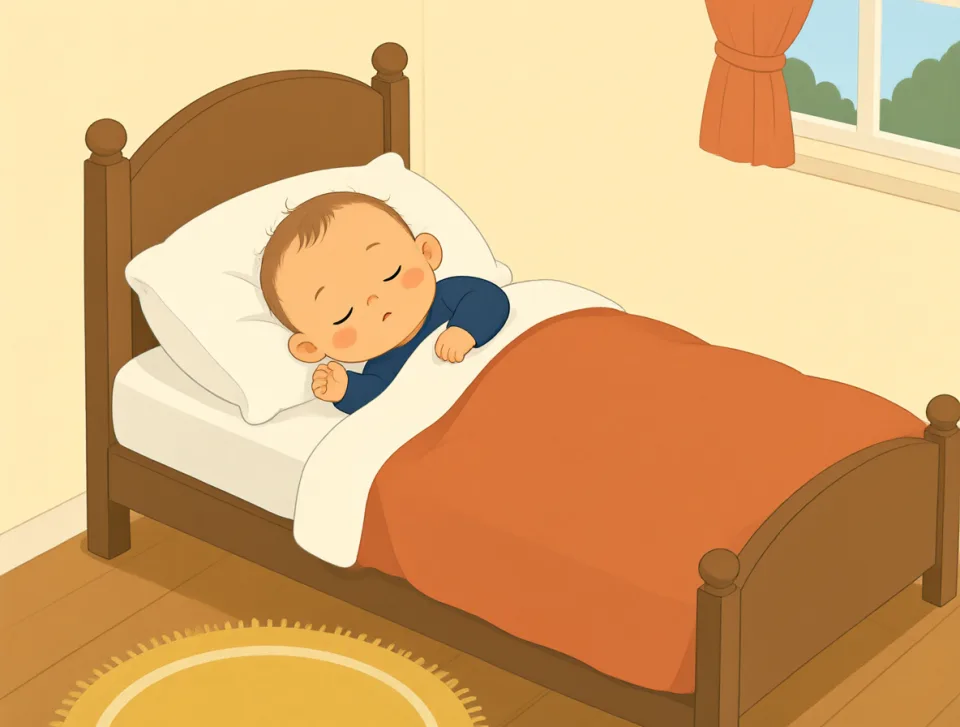
The baby is sleeping in her bed.
Dziecko śpi w swoim łóżeczku.
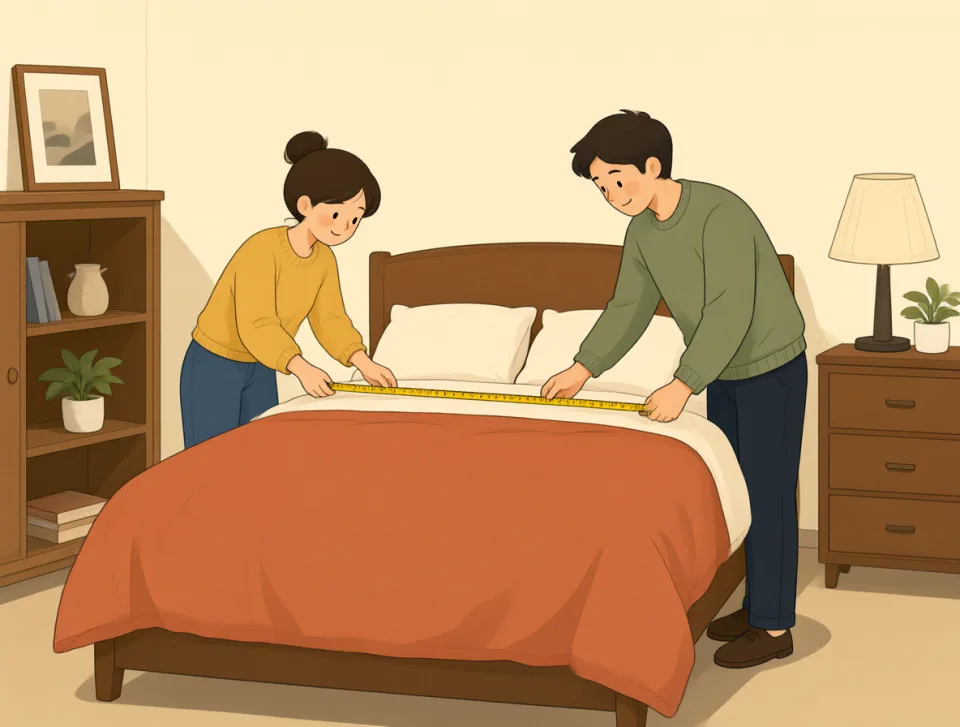
We need a bigger bed for our room.
Potrzebujemy większego łóżka do naszego pokoju.
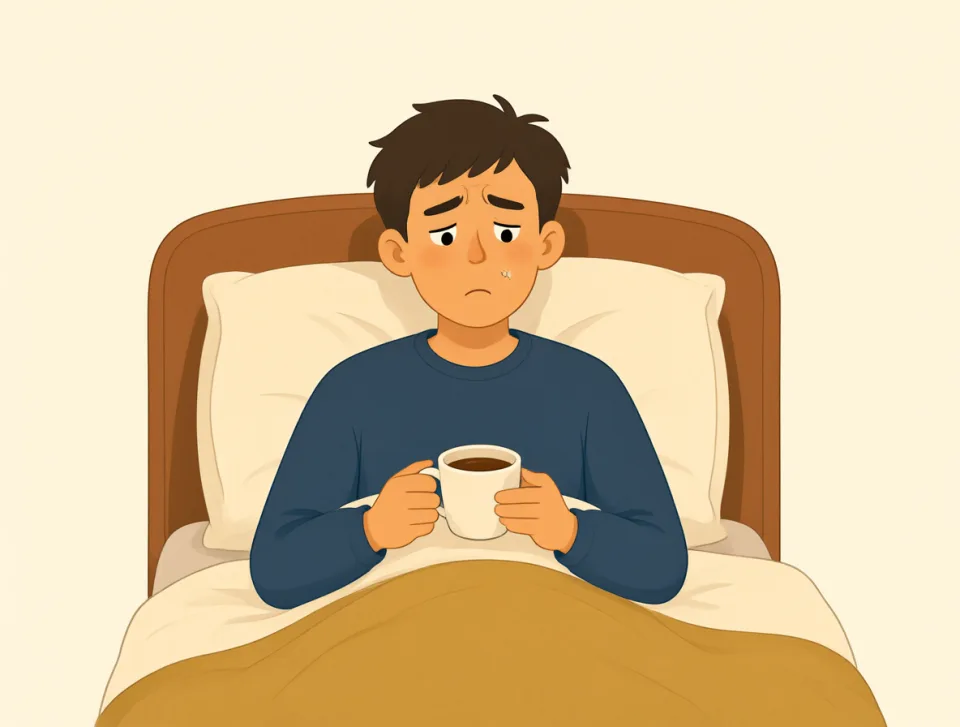
He stayed in bed because he felt sick.
Został w łóżku, ponieważ źle się czuł.
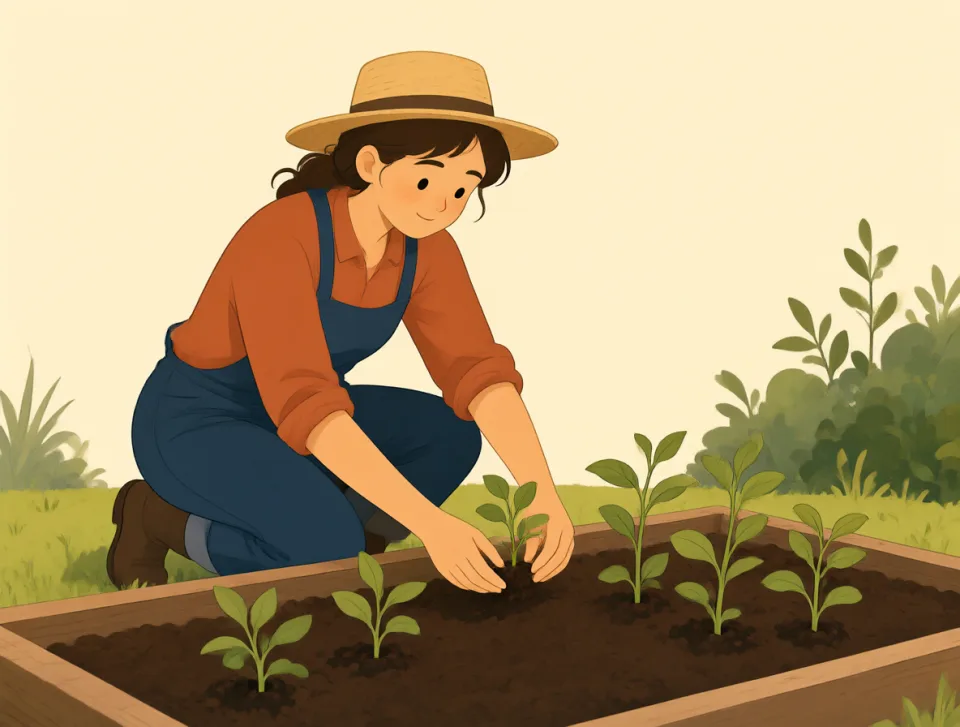
Please bed the plants in the garden.
Proszę posadzić rośliny w ogrodzie.
hit
#695verb, noun
uderzyć; trafić
to touch someone or something hard, or to reach a place or target
Dotknąć kogoś lub czegoś z dużą siłą albo dotrzeć do jakiegoś miejsca lub celu.
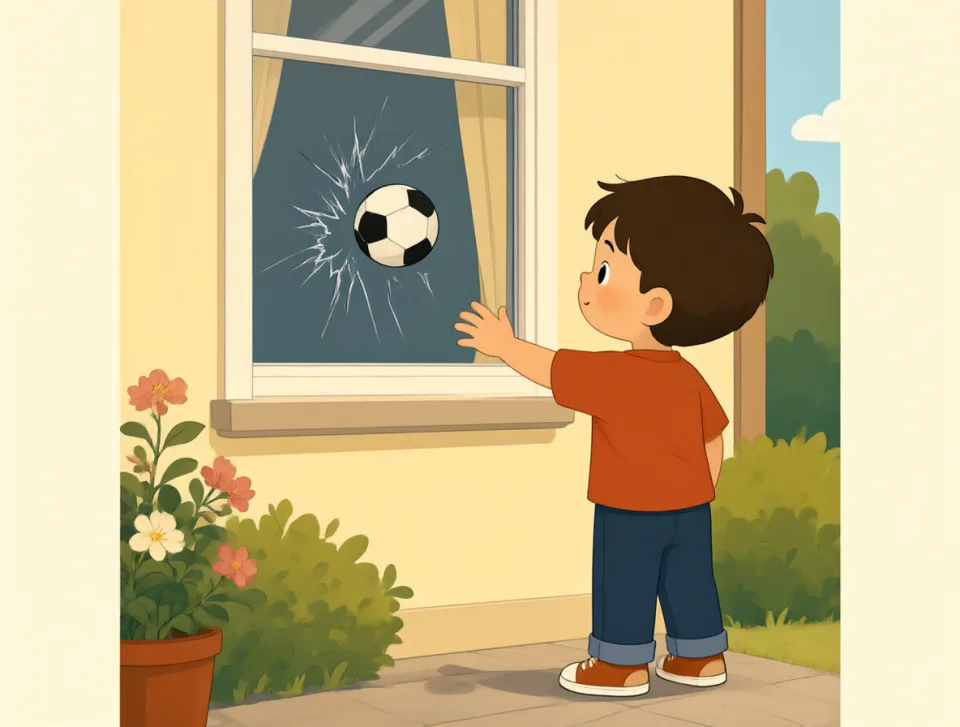
The ball hit the window this morning.
Piłka uderzyła dziś rano w okno.
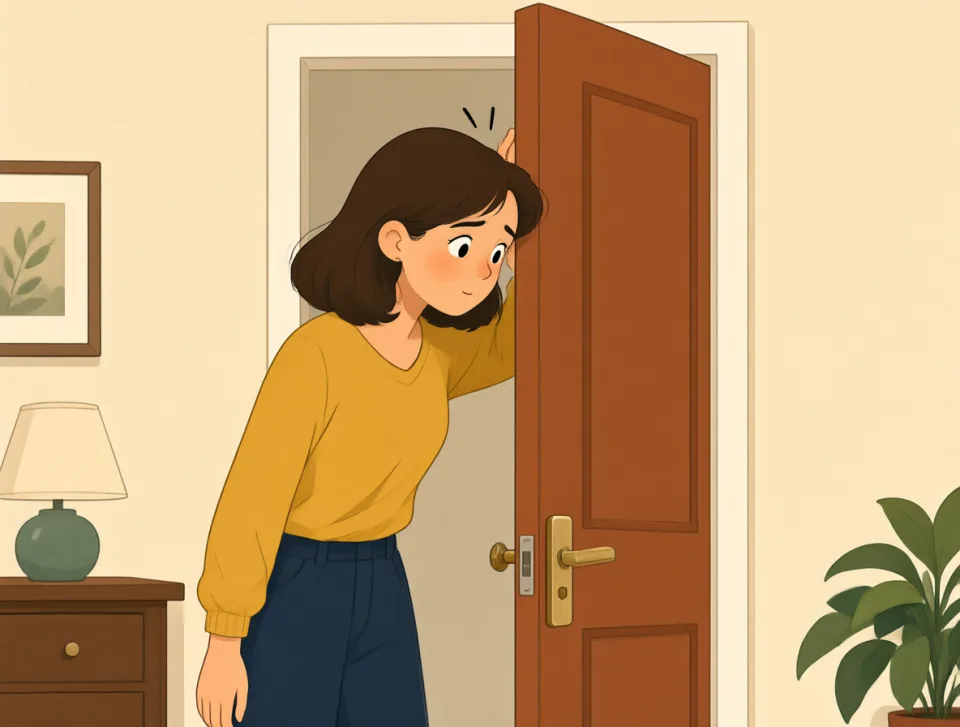
She hit her head on the door.
Uderzyła głową o drzwi.
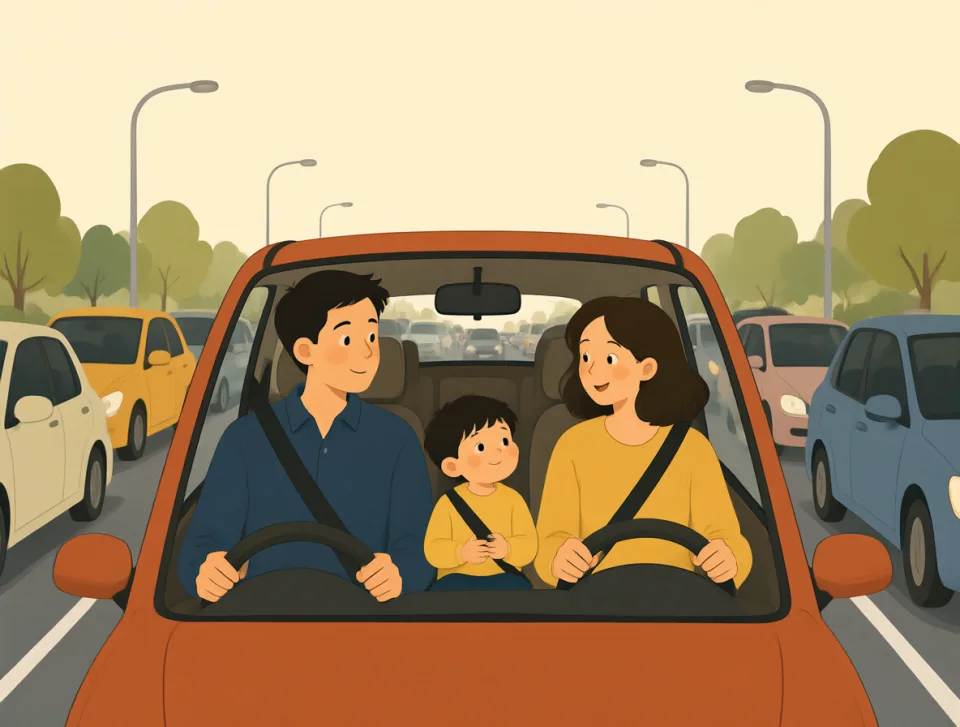
We hit heavy traffic on the way home.
Po drodze do domu trafiliśmy na duży korek.
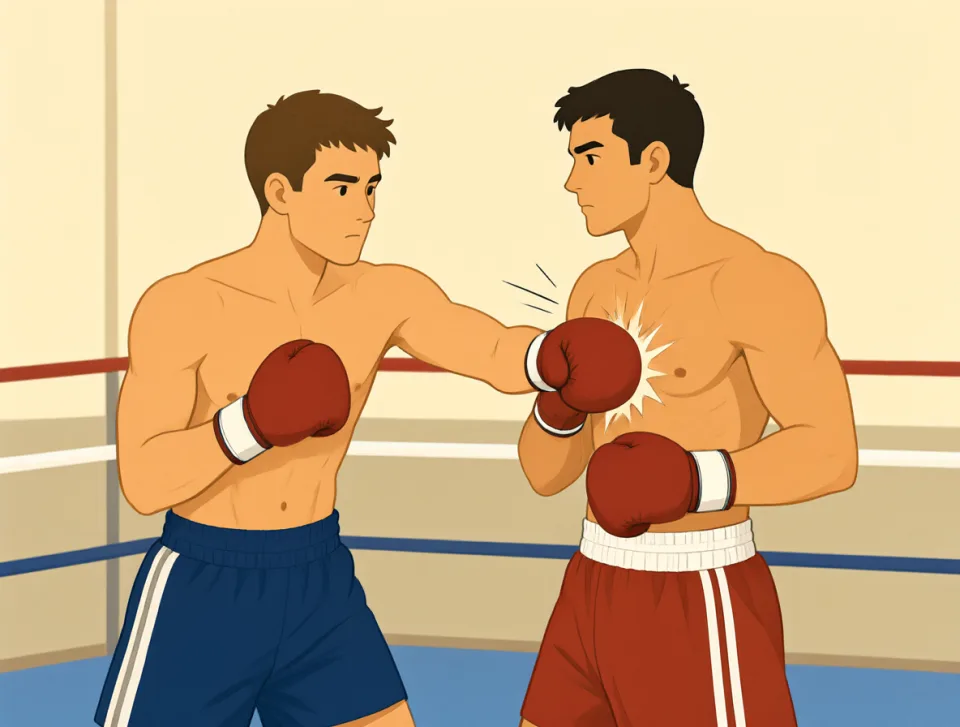
The boxer hit his opponent in the stomach.
Bokser uderzył przeciwnika w brzuch.

That song was a big hit last summer.
Ta piosenka była wielkim hitem zeszłego lata.
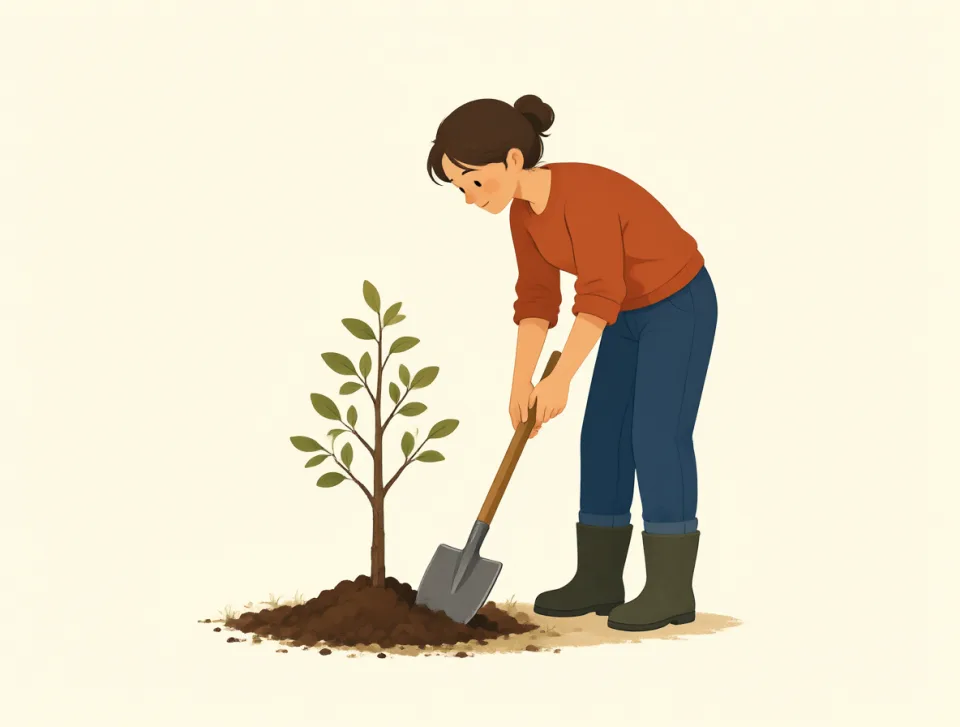
establish
#696verb
ustanowić
to create or start something that will continue for a long time
stworzyć lub rozpocząć coś, co będzie istnieć przez długi czas
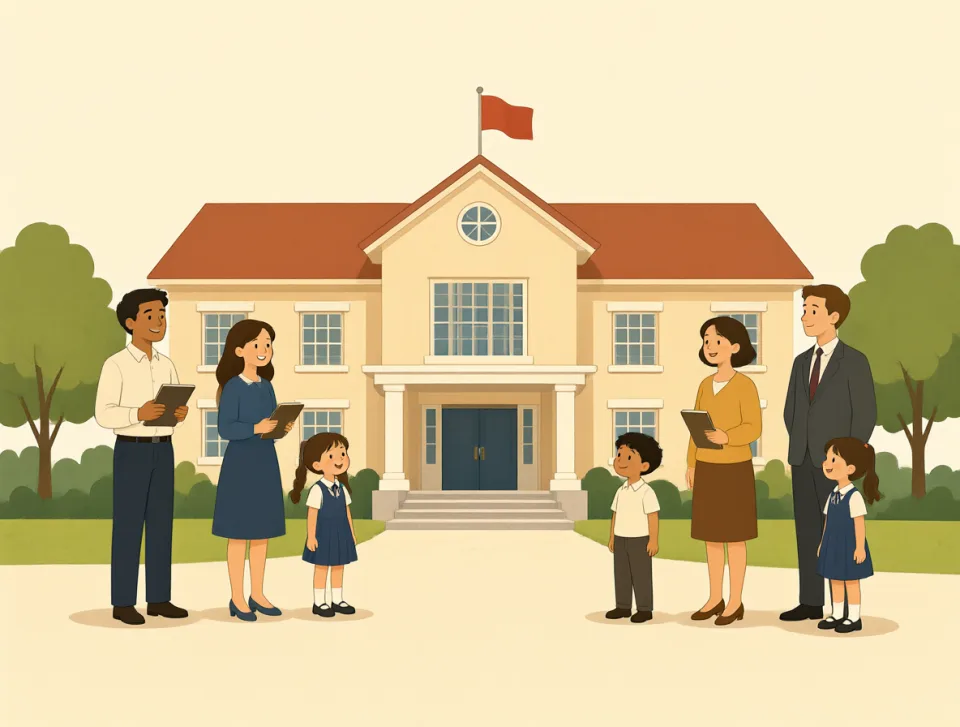
They established a new school in our town.
Założyli nową szkołę w naszym mieście.
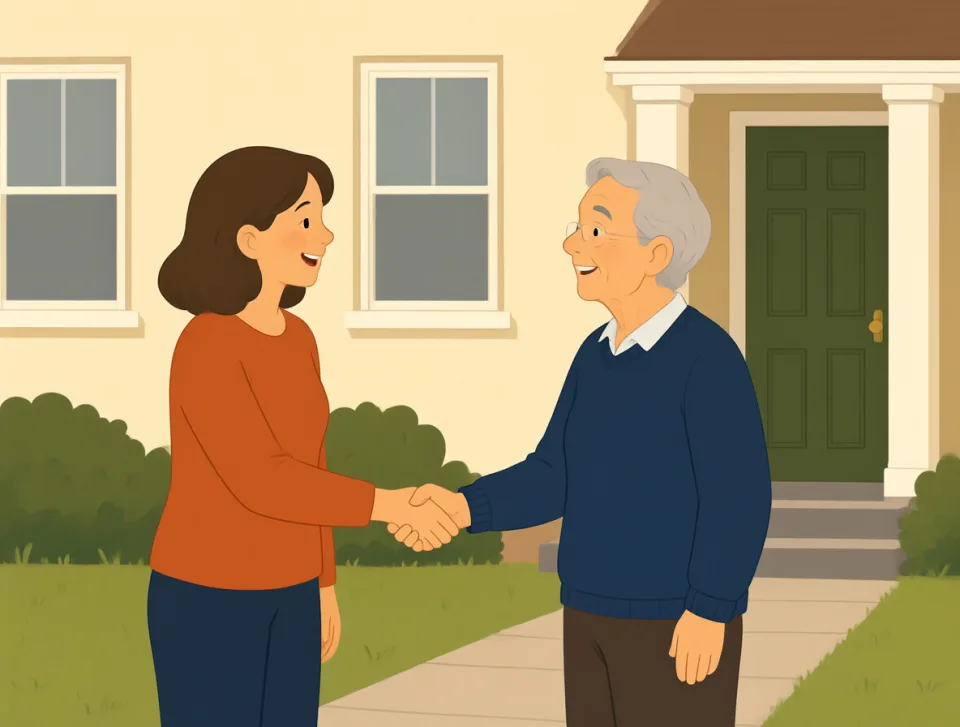
She established a good relationship with her neighbors.
Nawiązała dobre relacje z sąsiadami.
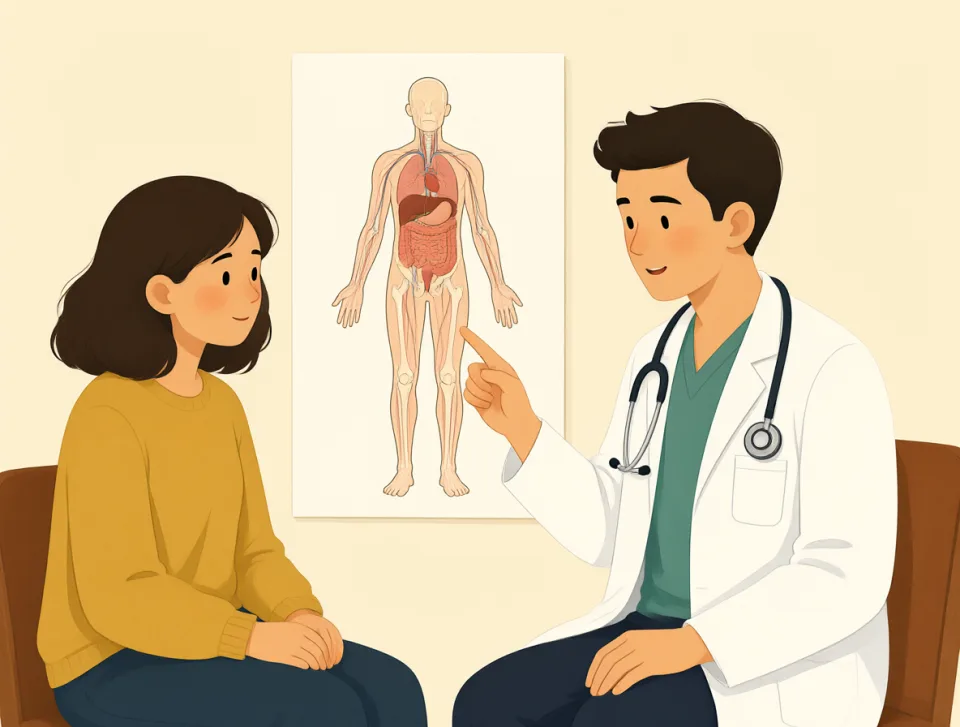
The doctor established the cause of his pain.
Lekarz ustalił przyczynę jego bólu.

We established a meeting time for tomorrow.
Ustaliliśmy godzinę spotkania na jutro.
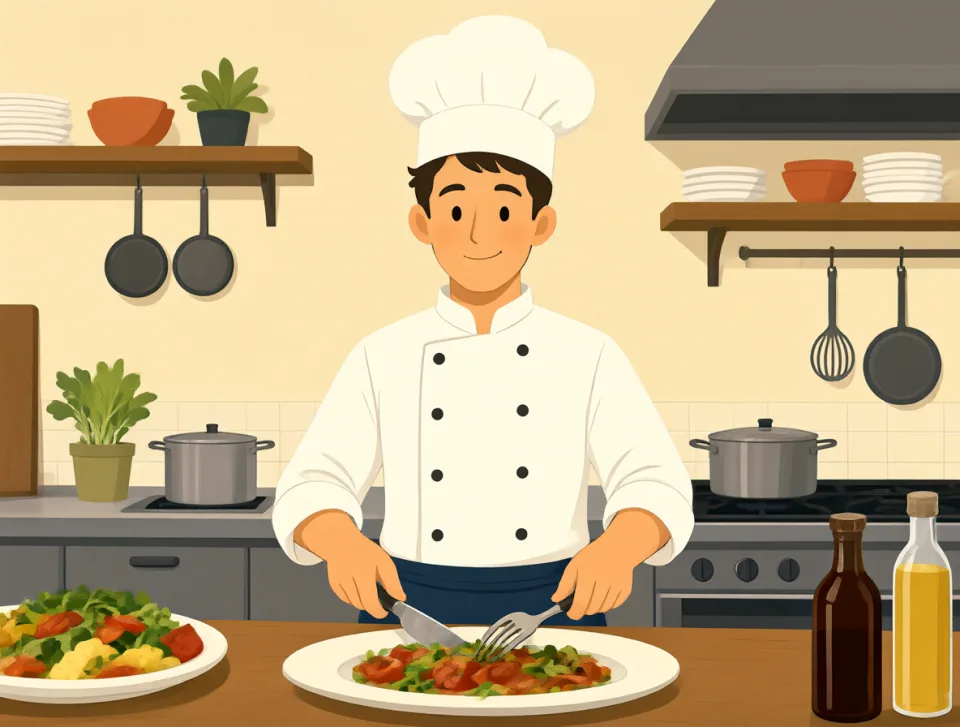
The chef established a popular restaurant downtown.
Szef kuchni otworzył popularną restaurację w centrum.
indeed
#697adverb
rzeczywiście
Used to emphasize that something is true or to agree with someone.
Służy do podkreślenia, że coś jest prawdą, lub do przyznania komuś racji.
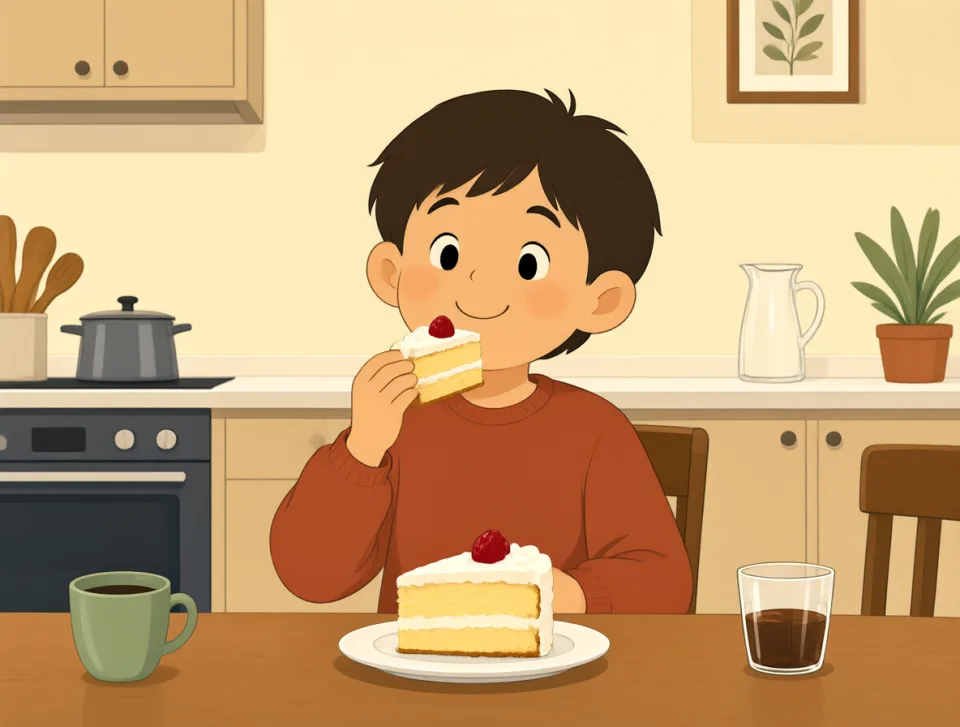
That cake is indeed delicious.
To ciasto jest naprawdę pyszne.

The hotel was indeed very clean.
Hotel był rzeczywiście bardzo czysty.
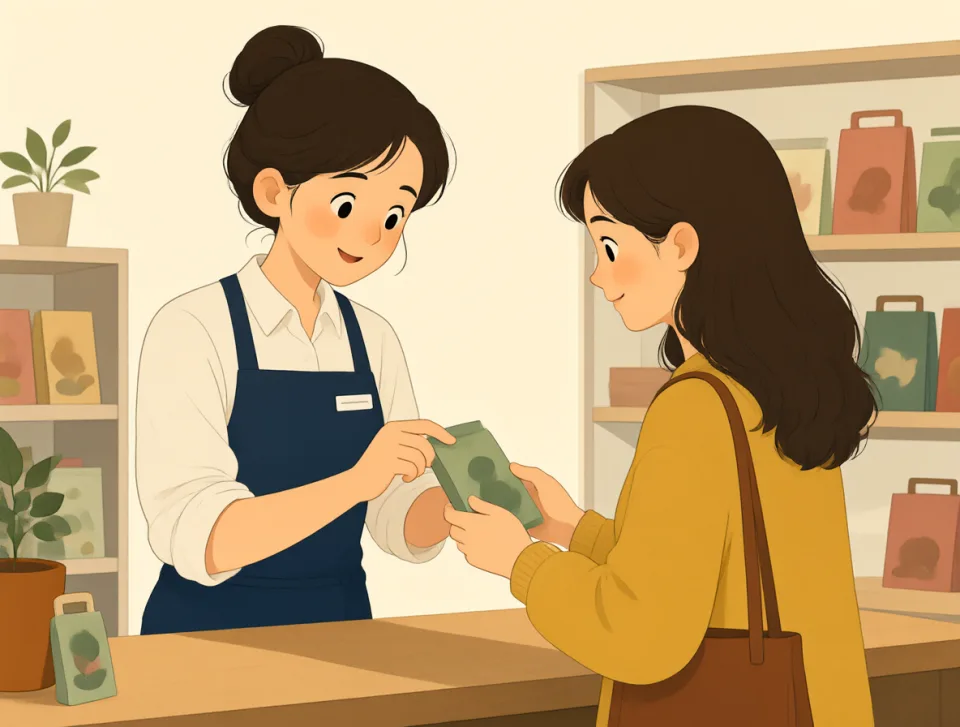
Indeed, I can help you with that.
Oczywiście, mogę ci w tym pomóc.
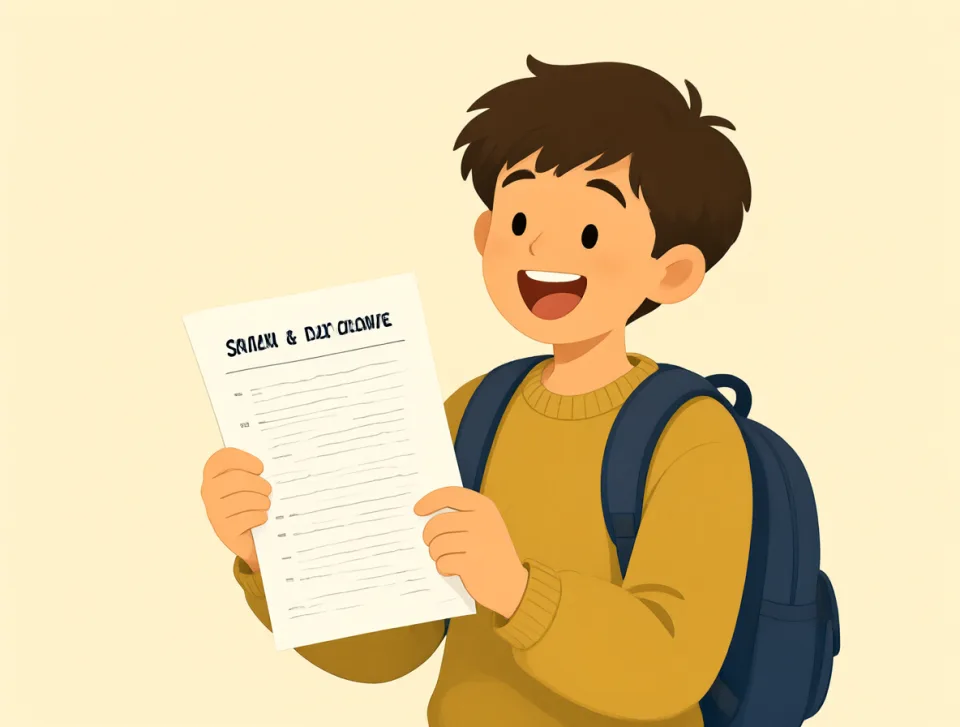
She did indeed pass her school test.
Rzeczywiście zdała szkolny test.
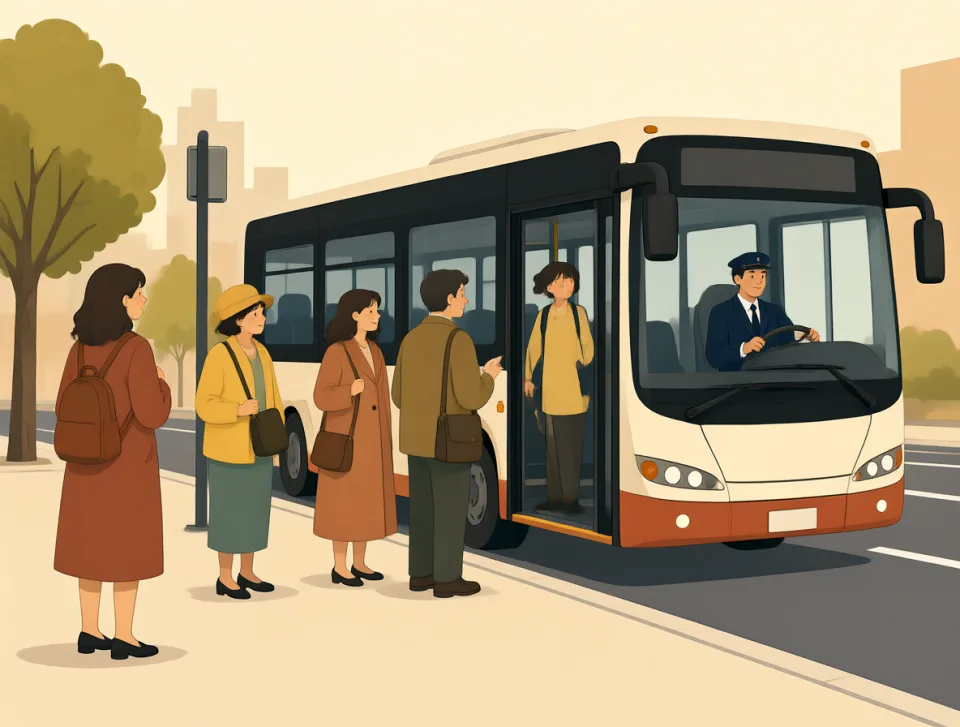
Indeed, the bus left on time.
Autobus rzeczywiście odjechał punktualnie.
final
#698adjective, noun
ostatni
Last in a series, or the last part of an event or competition.
Ostatni w serii lub ostatnia część wydarzenia albo zawodów.
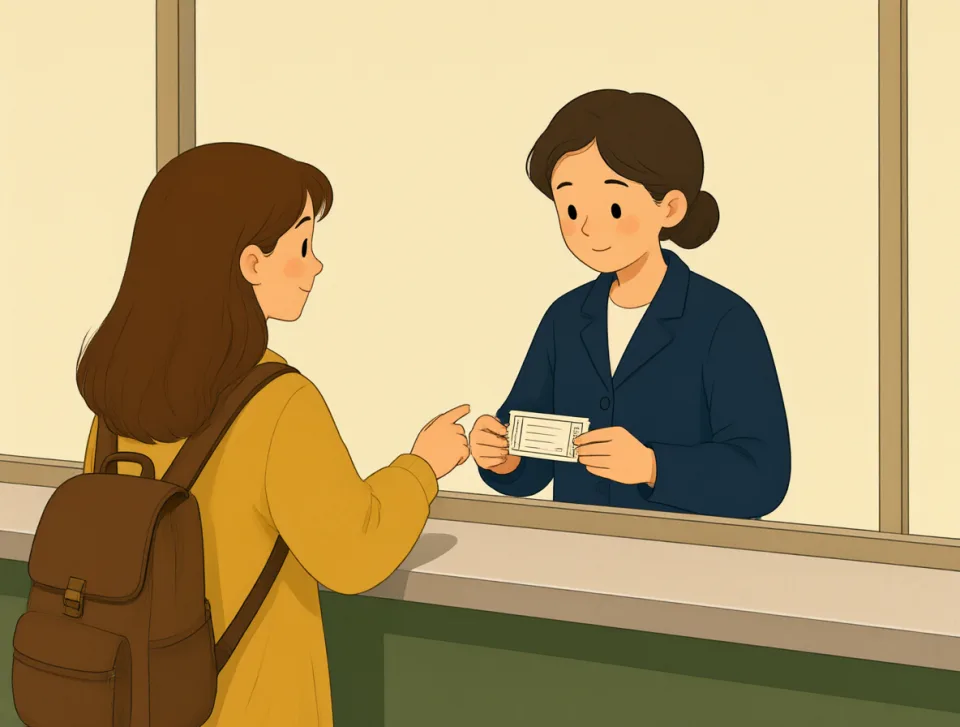
This is our final chance to buy tickets.
To nasza ostatnia szansa, żeby kupić bilety.

We made the final decision after lunch.
Ostateczną decyzję podjęliśmy po lunchu.
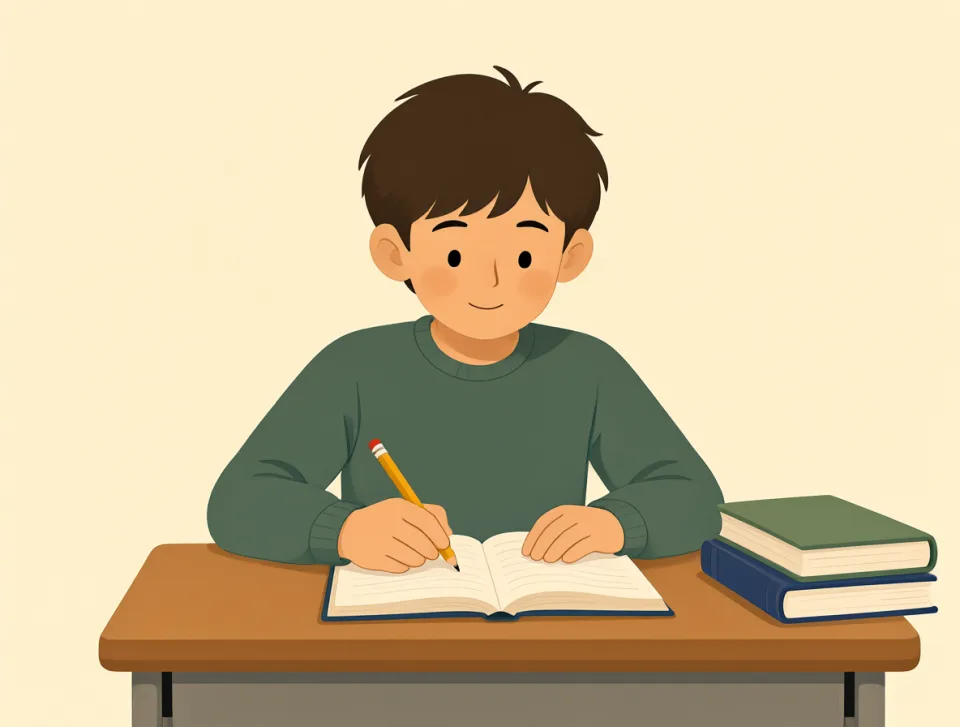
The final exam starts next Monday.
Egzamin końcowy zaczyna się w następny poniedziałek.
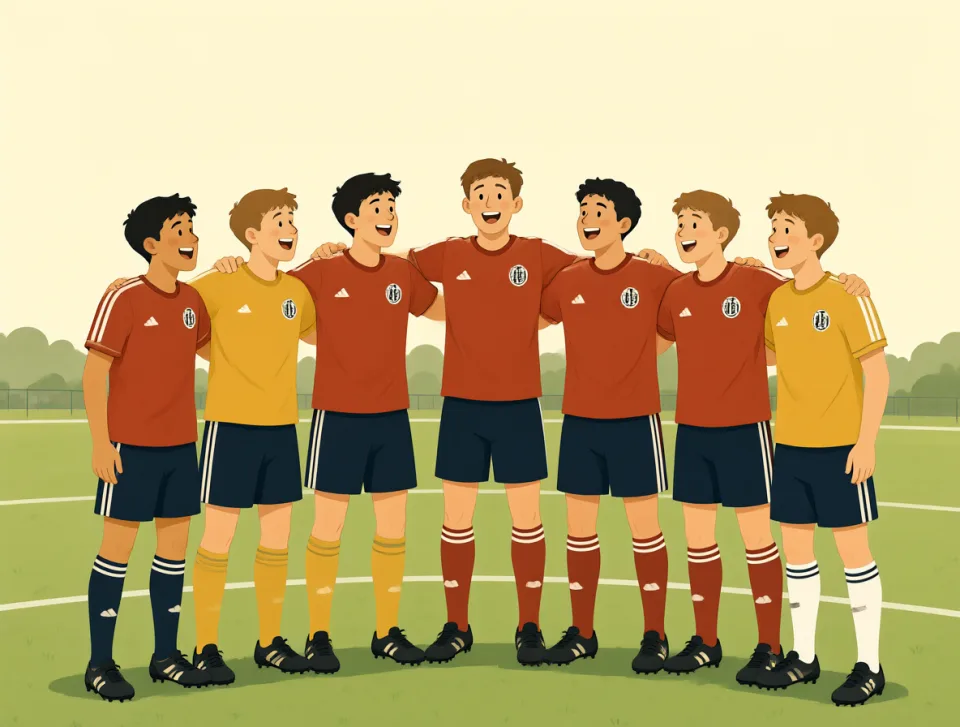
The team won the final game.
Drużyna wygrała finałowy mecz.

Please pay the final bill before leaving.
Proszę uregulować końcowy rachunek przed wyjściem.
economy
#699noun
gospodarka
The way money, jobs, and trade work in a country or area.
Sposób, w jaki funkcjonują pieniądze, miejsca pracy i handel w danym kraju lub regionie.
The economy is growing this year.
Gospodarka rozwija się w tym roku.
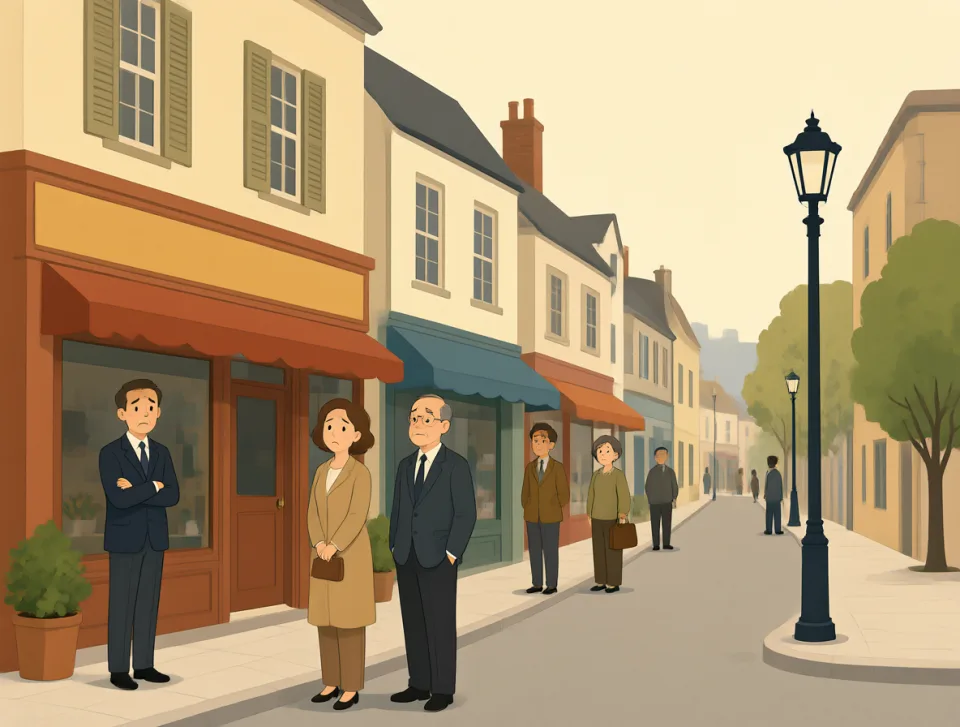
The war damaged the local economy.
Wojna zaszkodziła lokalnej gospodarce.
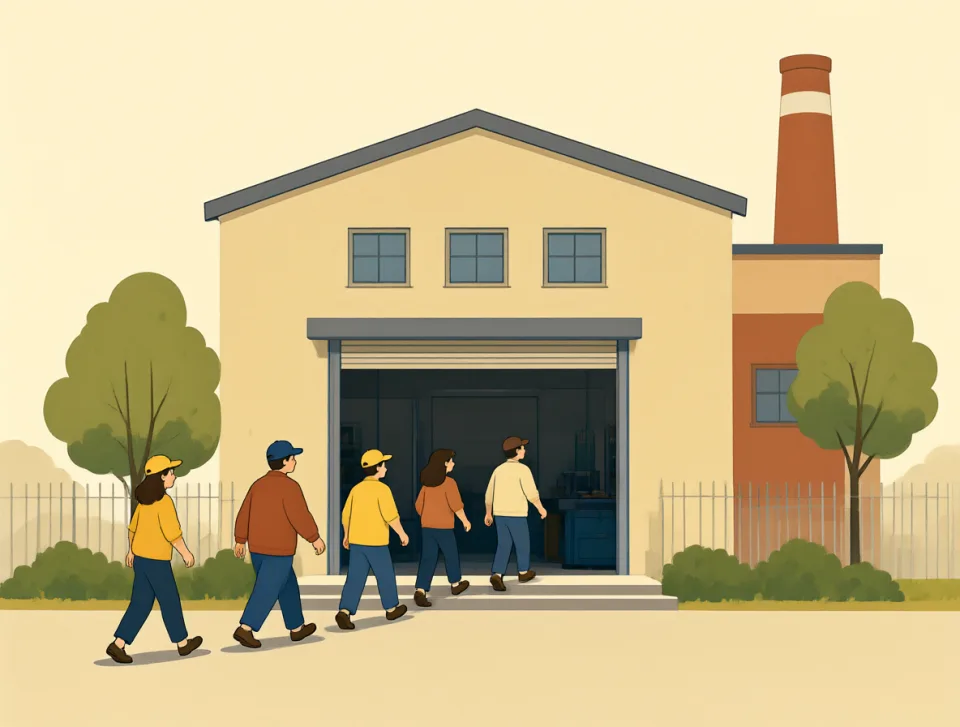
A strong economy creates more jobs.
Silna gospodarka tworzy więcej miejsc pracy.
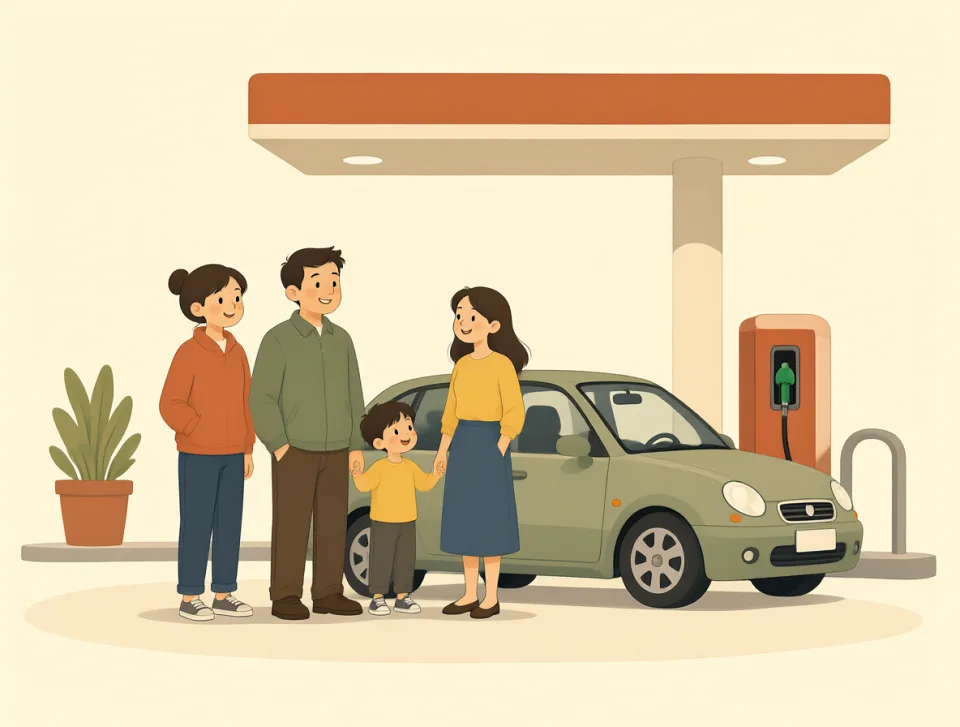
We chose this car for better fuel economy.
Wybraliśmy ten samochód ze względu na mniejsze zużycie paliwa.
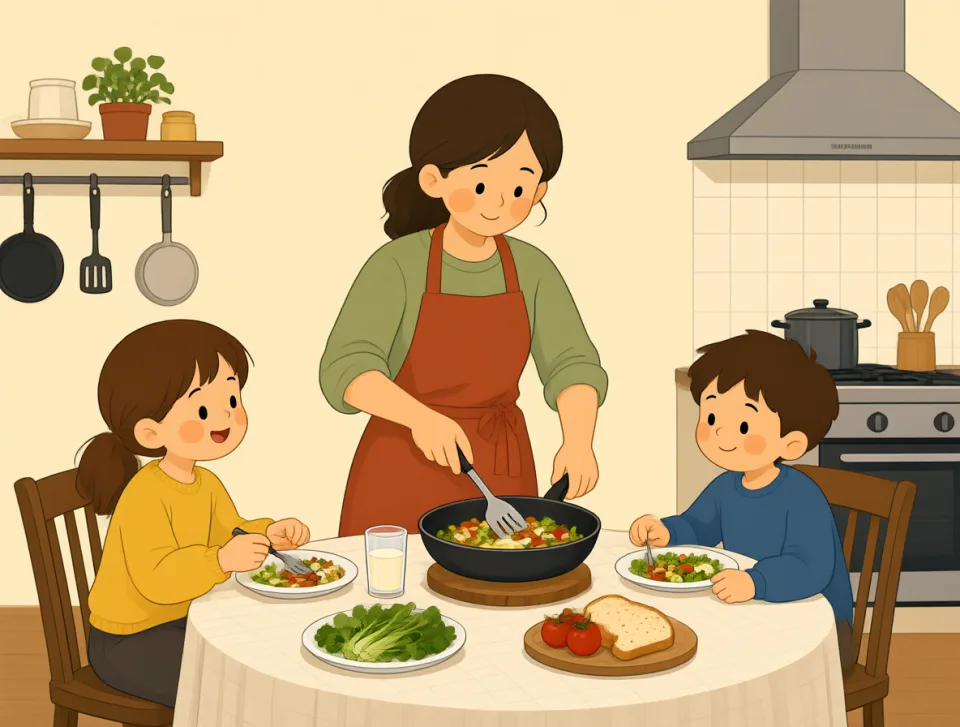
Cooking at home helps the family economy.
Gotowanie w domu pomaga oszczędzać pieniądze w rodzinie.
fit
#700verb, adjective, noun
pasować; sprawny; atak
To be the right size or shape; healthy and physically strong; a sudden strong feeling or illness.
Mieć odpowiedni rozmiar lub kształt; być zdrowym i sprawnym fizycznie; nagłe, silne uczucie lub dolegliwość.
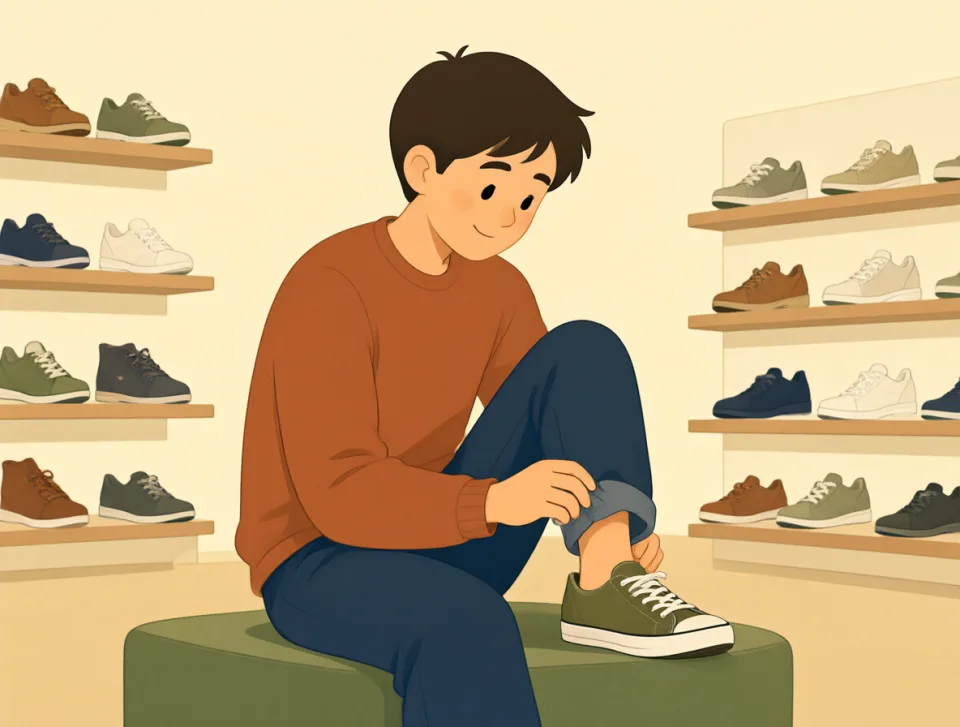
These shoes fit me very well.
Te buty bardzo dobrze na mnie pasują.
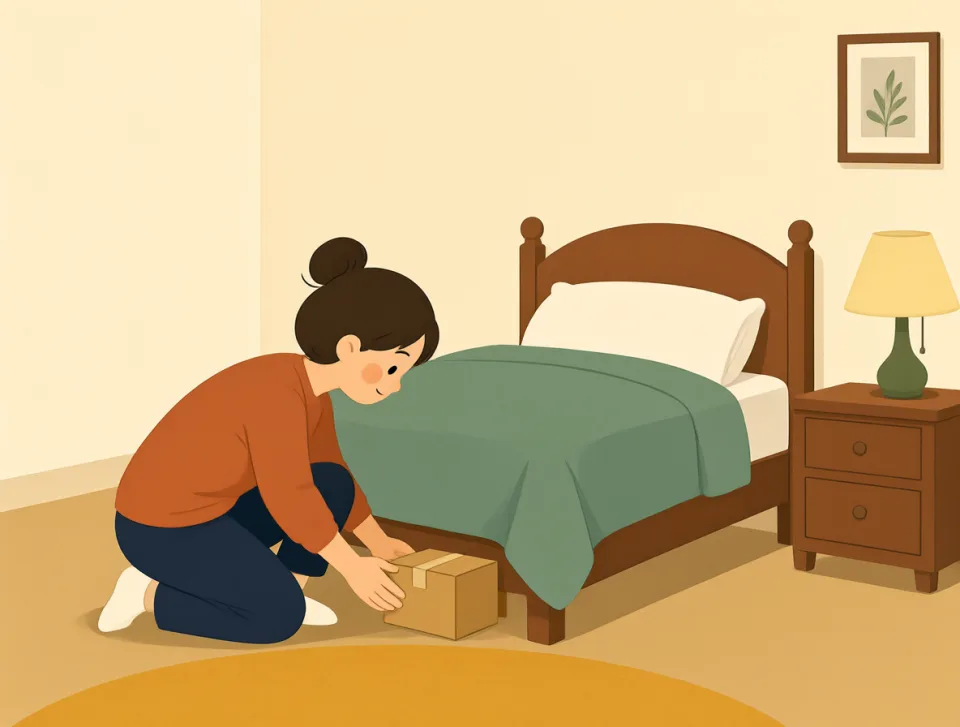
Will this box fit under the bed?
Czy to pudełko zmieści się pod łóżkiem?
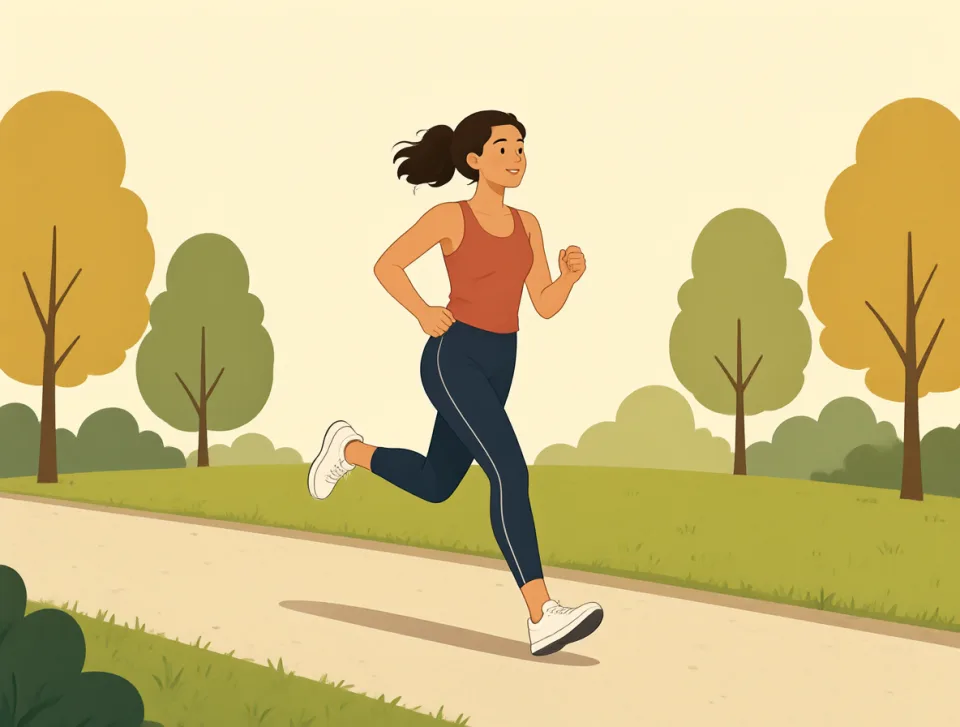
She is fit enough to run five miles.
Jest na tyle sprawna, że może przebiec pięć mil.
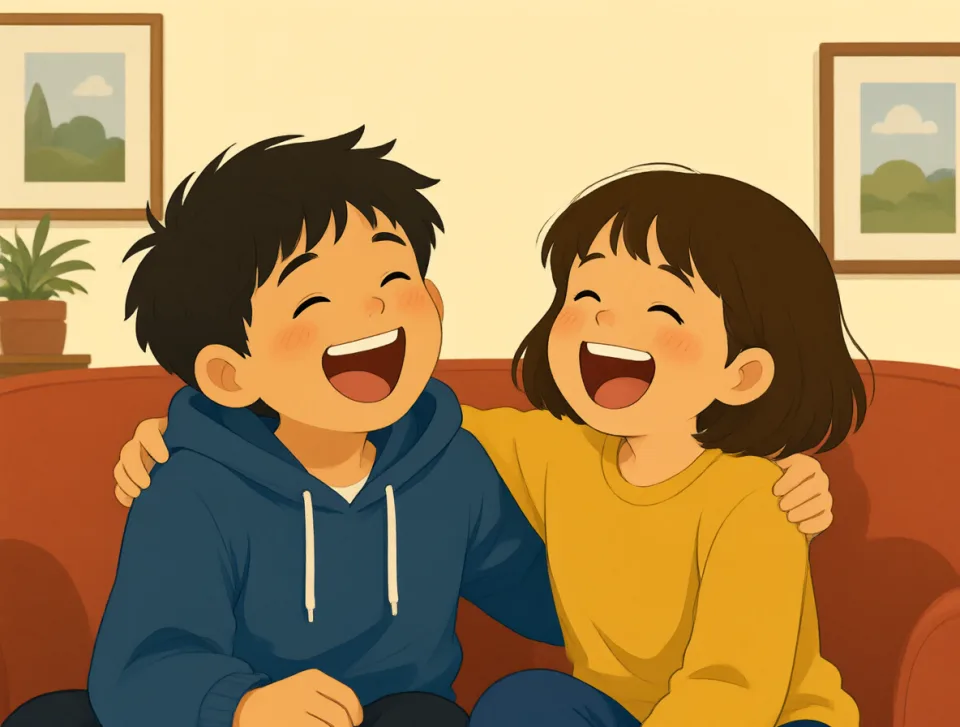
The children had a fit of laughter.
Dzieci dostały ataku śmiechu.
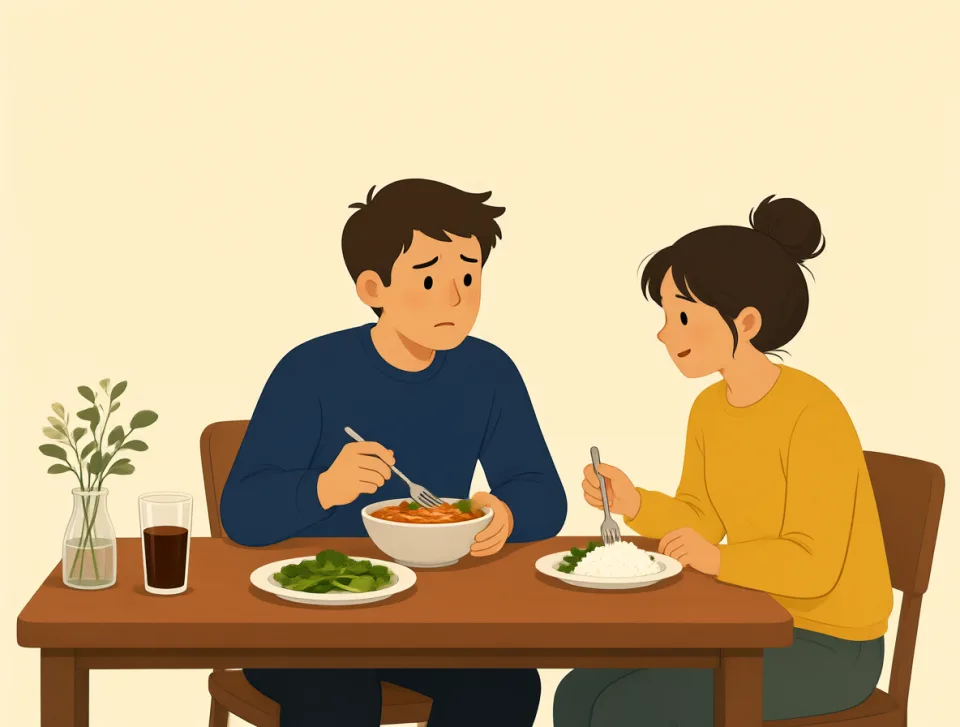
He had a fit after eating nuts.
Po zjedzeniu orzechów dostał ataku.