Zestaw 47
Słowa 921–940 · property, previous, dark, imagine, okay, earn
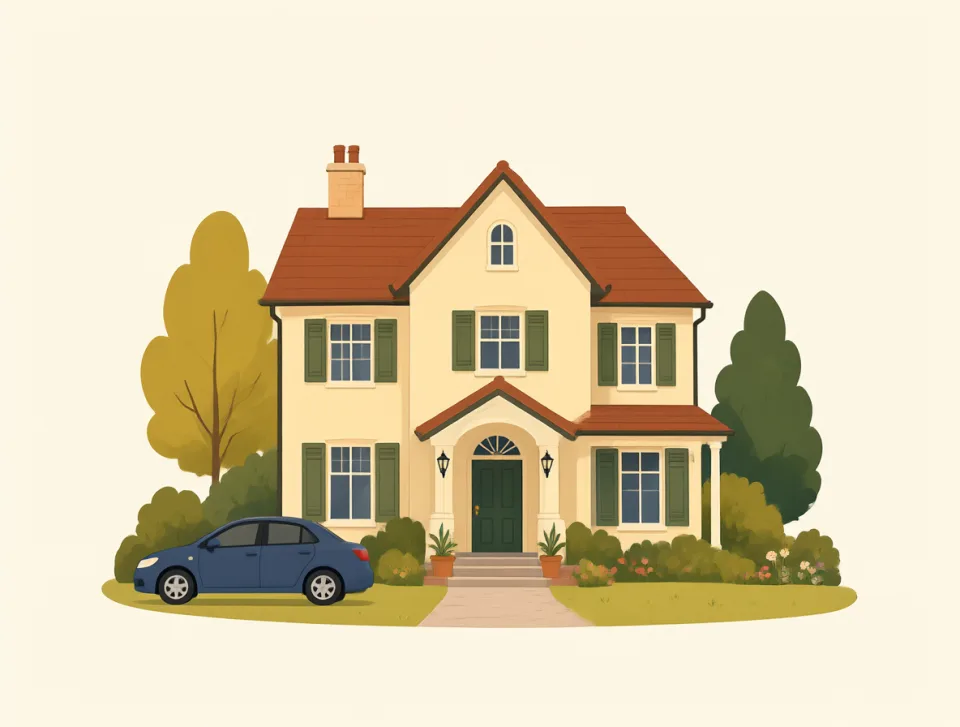
property
#921noun
własność; nieruchomość
A thing or things that someone owns, such as a house, land, or car.
Rzecz lub rzeczy należące do kogoś, na przykład dom, ziemia lub samochód.
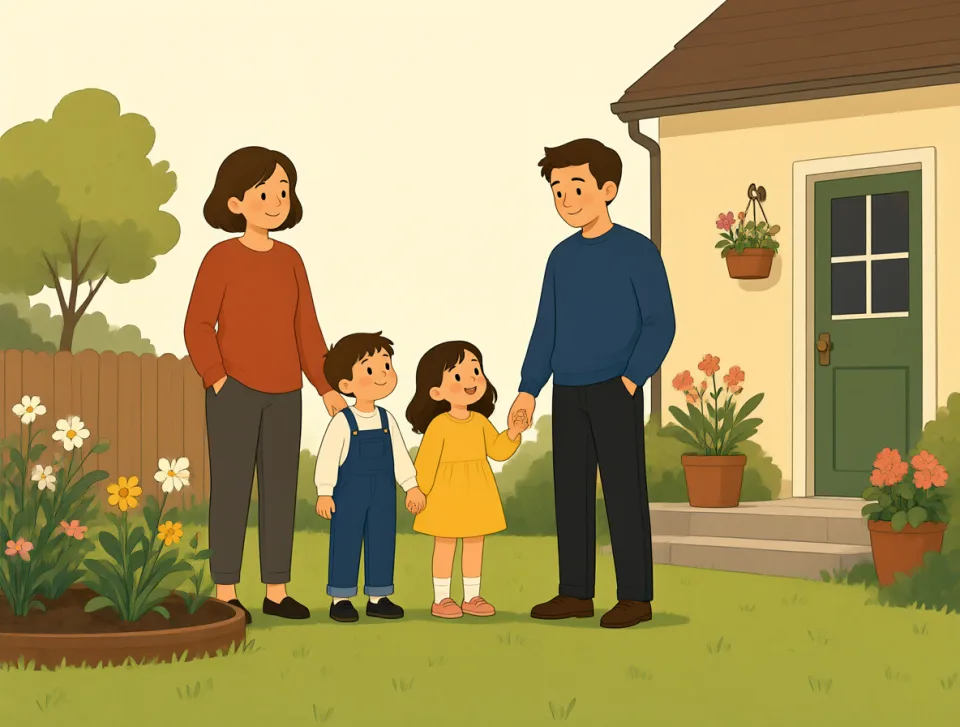
The house has a small garden on the property.
Na tej posesji znajduje się mały ogród.
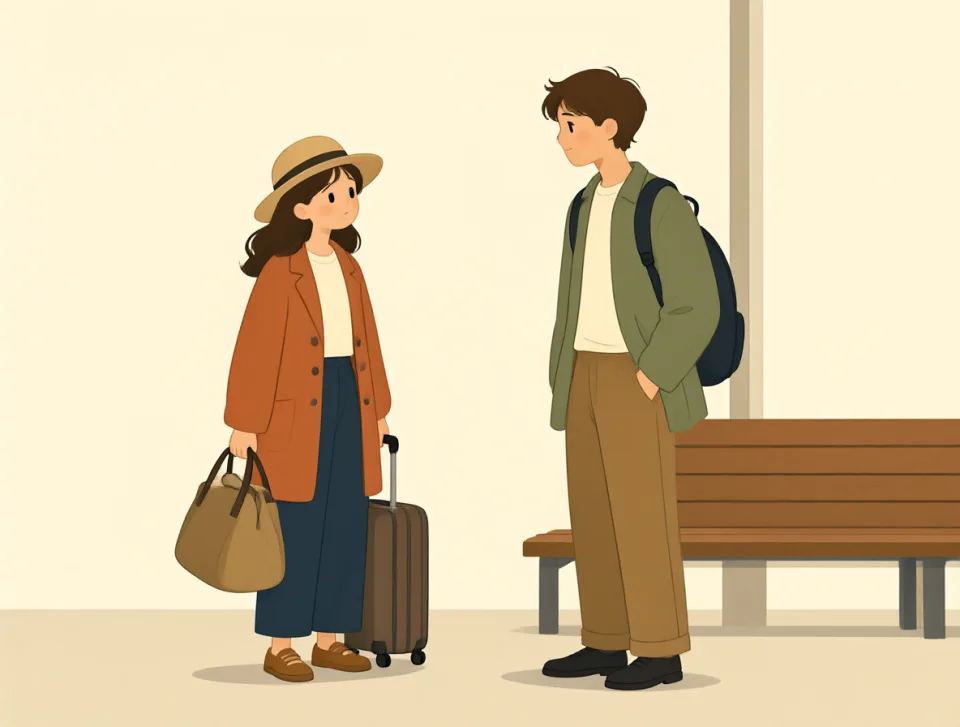
Please keep your personal property with you.
Proszę mieć przy sobie swoje rzeczy osobiste.
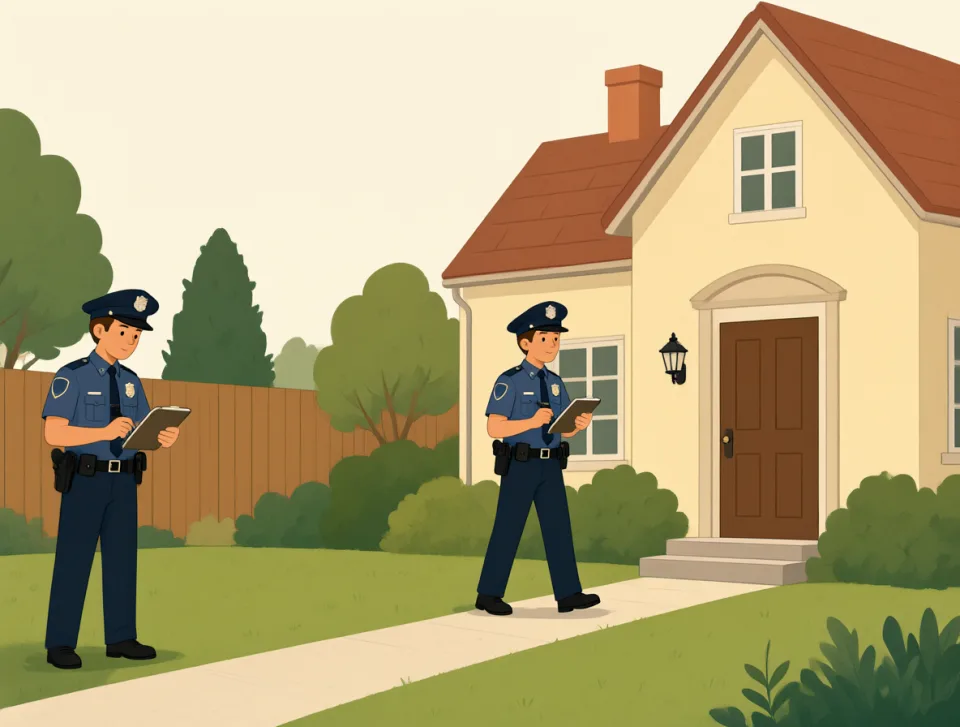
The police searched the property yesterday.
Policja przeszukała wczoraj posesję.
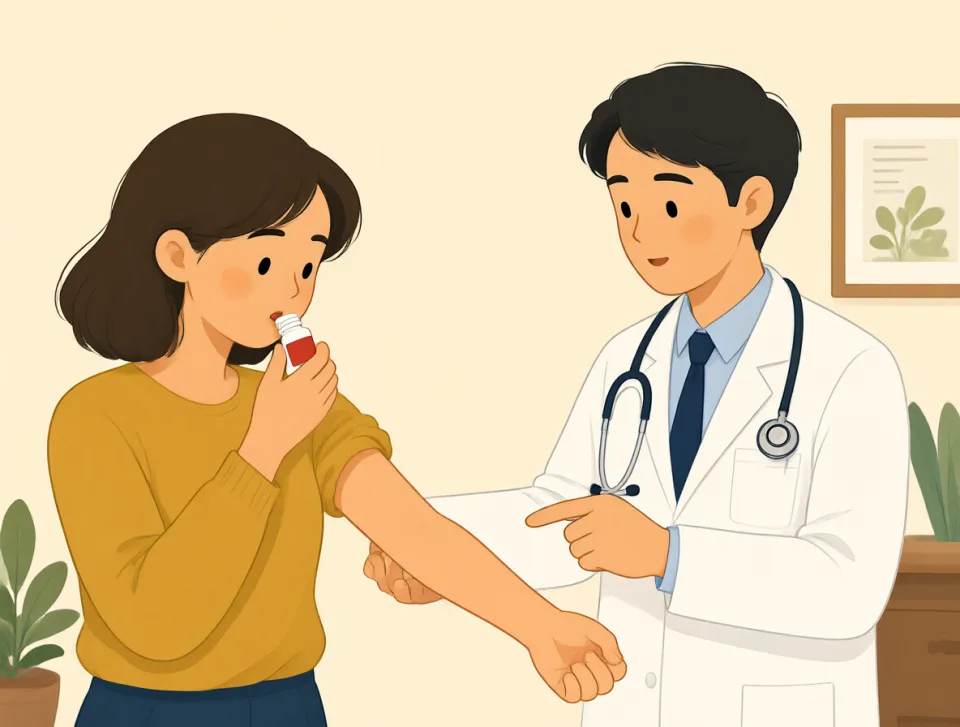
This medicine has healing properties.
Ten lek ma właściwości lecznicze.
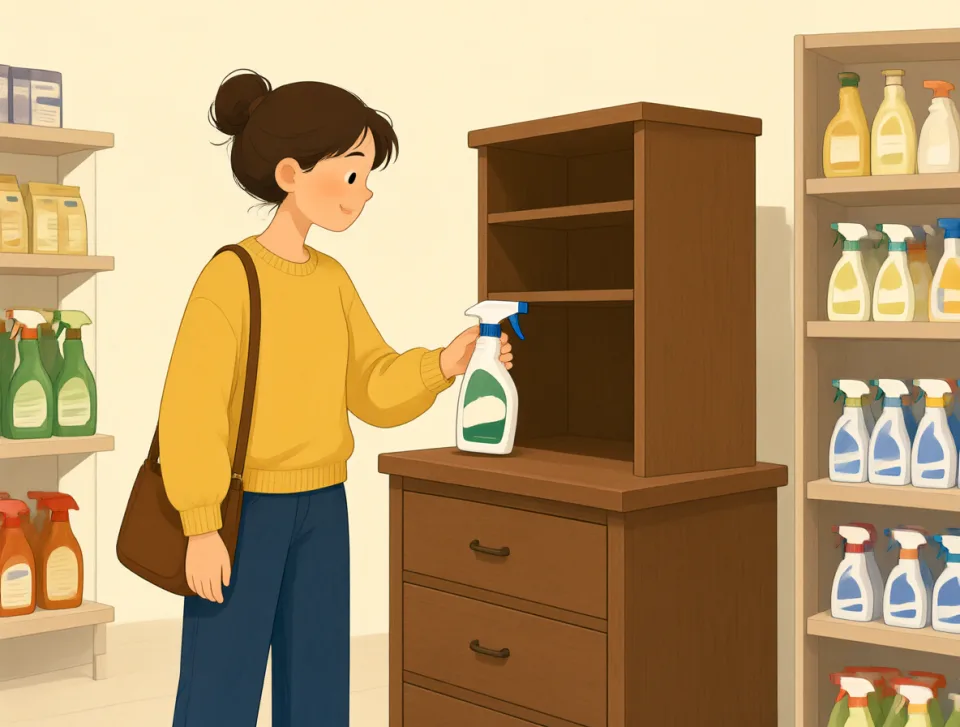
The shop sells cleaning products for wooden property.
Sklep sprzedaje środki czystości do drewnianych elementów.
previous
#922adjective
poprzedni
Happening or existing before the present time or event.
Mający miejsce lub istniejący przed obecną chwilą albo wydarzeniem.
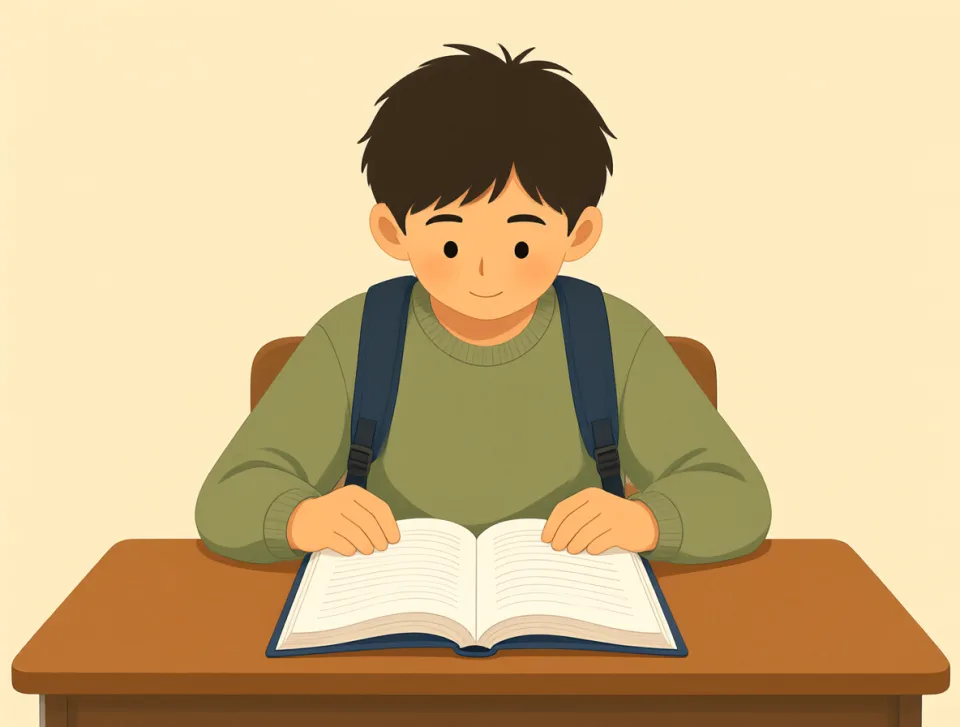
I read the previous chapter last night.
Wczoraj wieczorem przeczytałem poprzedni rozdział.
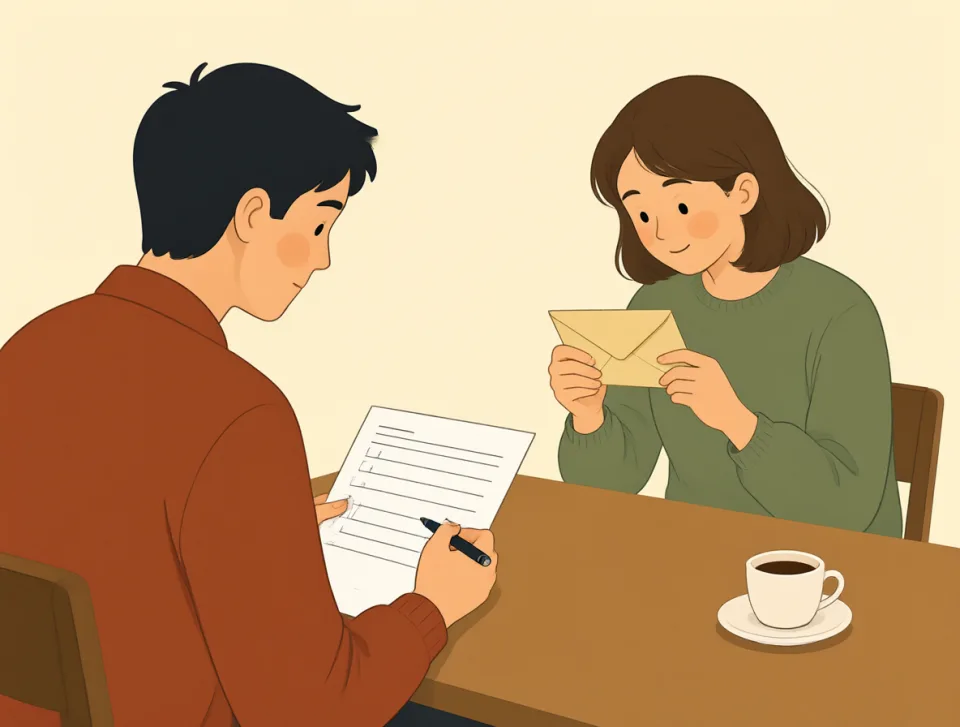
Please use your previous address on this form.
Proszę wpisać na tym formularzu poprzedni adres.
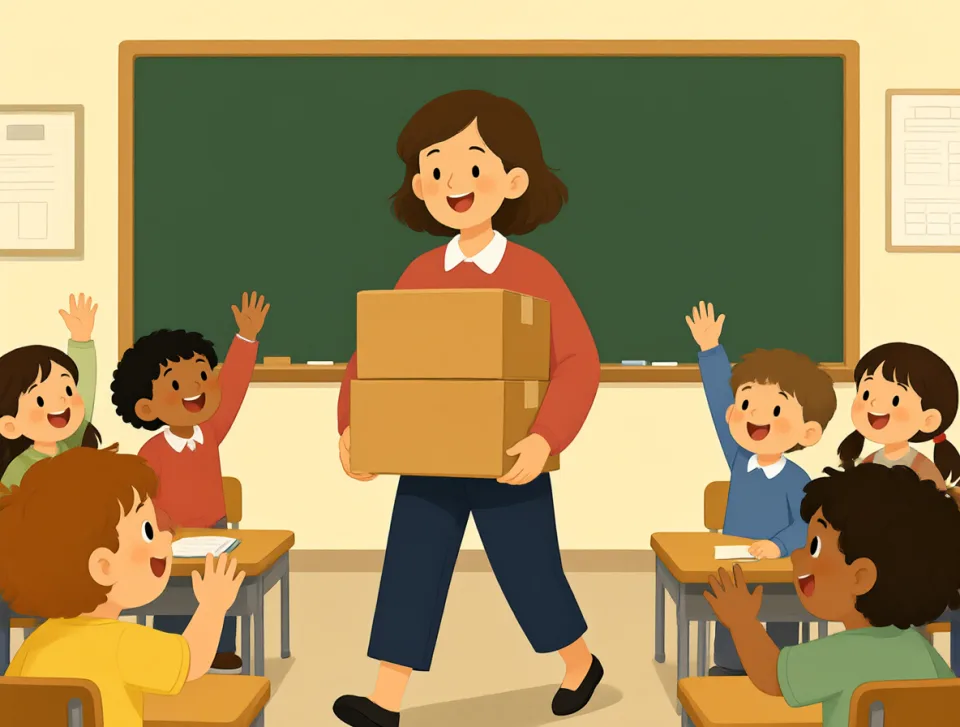
Our previous teacher moved to another school.
Nasz poprzedni nauczyciel przeniósł się do innej szkoły.
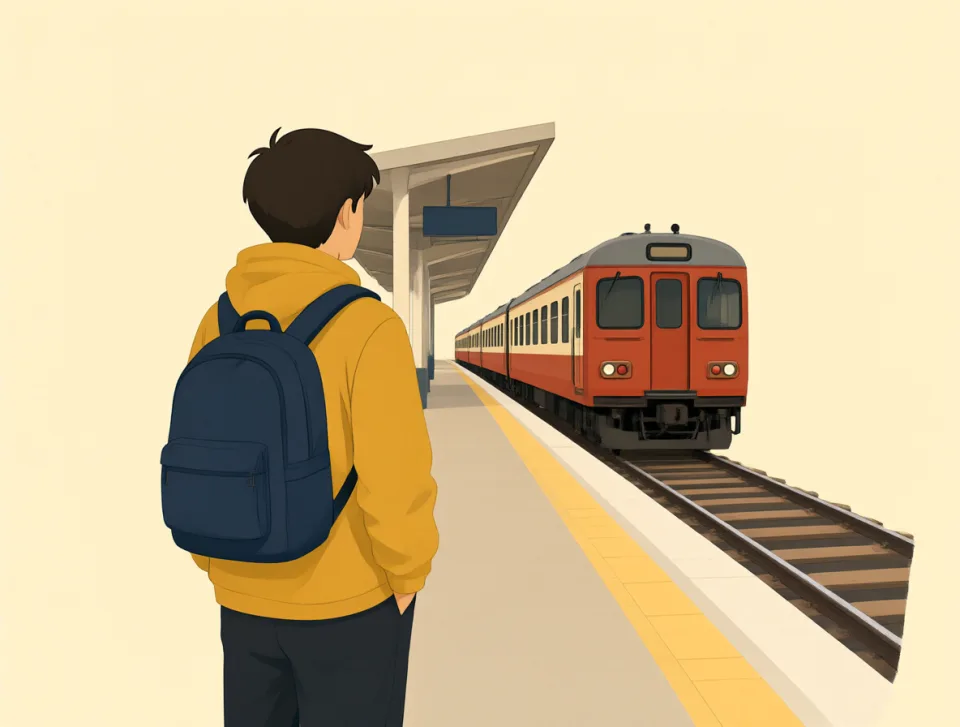
The previous train left ten minutes ago.
Poprzedni pociąg odjechał dziesięć minut temu.
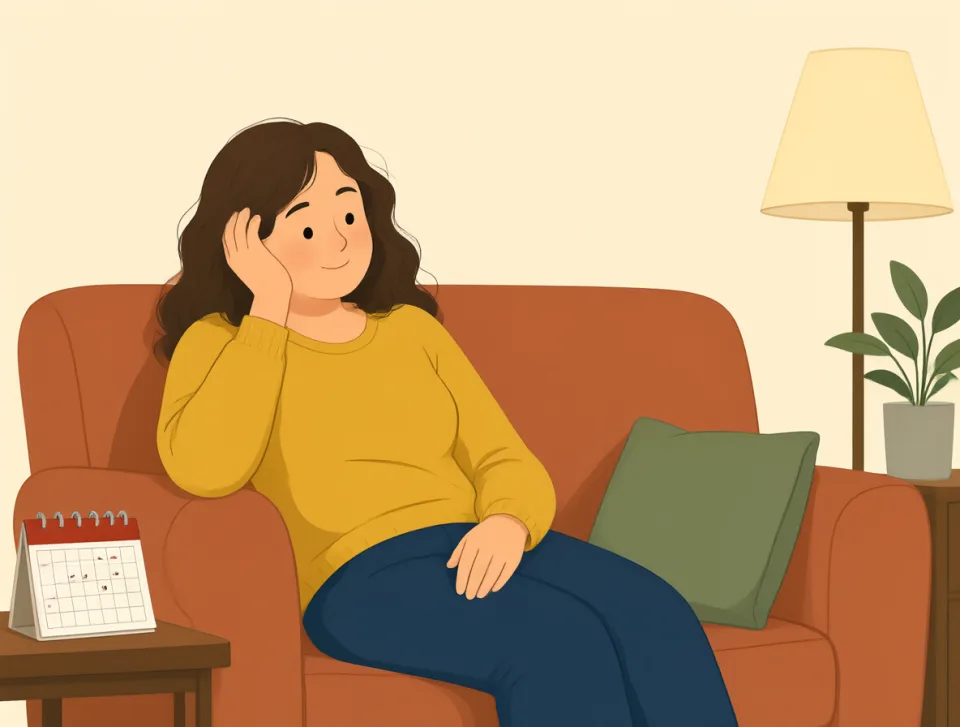
She had a headache the previous day.
Dzień wcześniej bolała ją głowa.
dark
#923adjective, noun
ciemny
Having little or no light; a color close to black.
Mający mało światła lub niemający go wcale; o kolorze zbliżonym do czarnego.

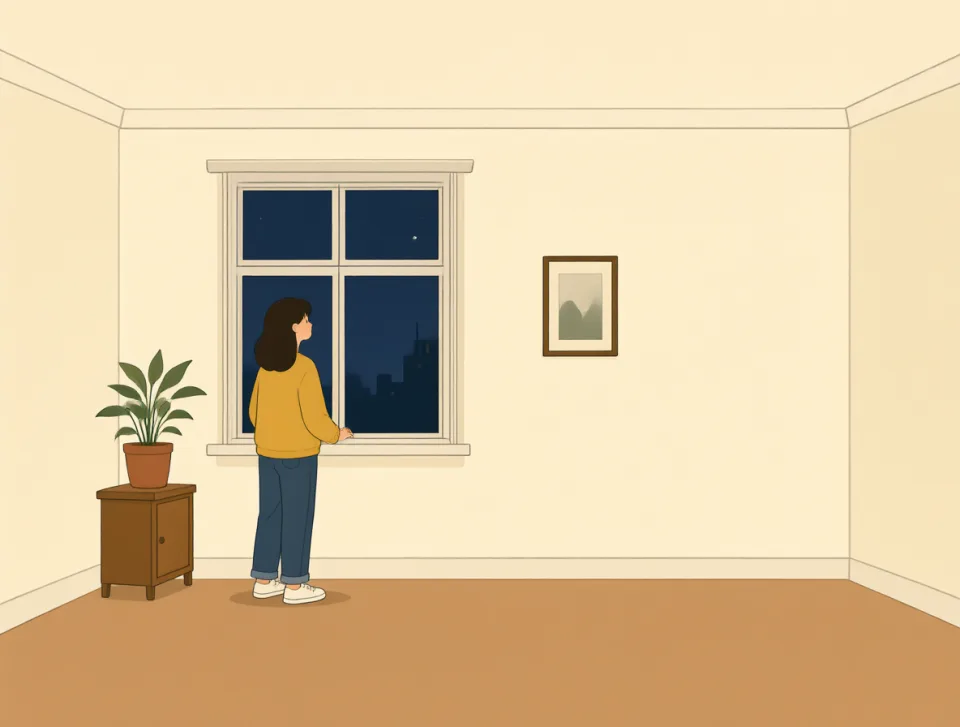
It gets dark early in winter.
Zimą wcześnie robi się ciemno.
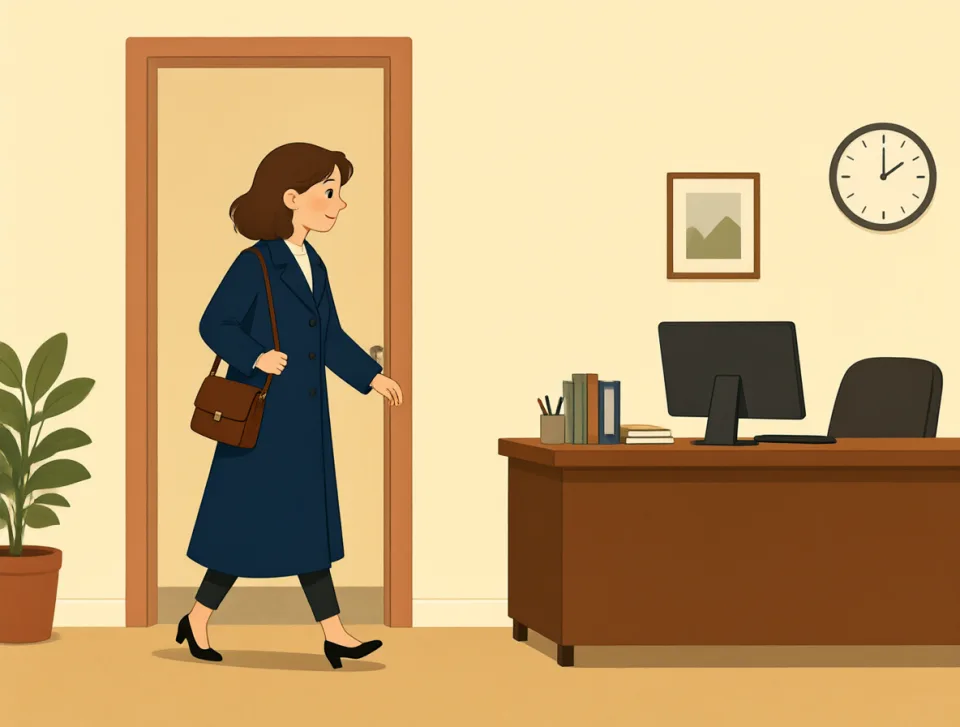
She wore a dark blue coat to work.
Założyła do pracy ciemnoniebieski płaszcz.
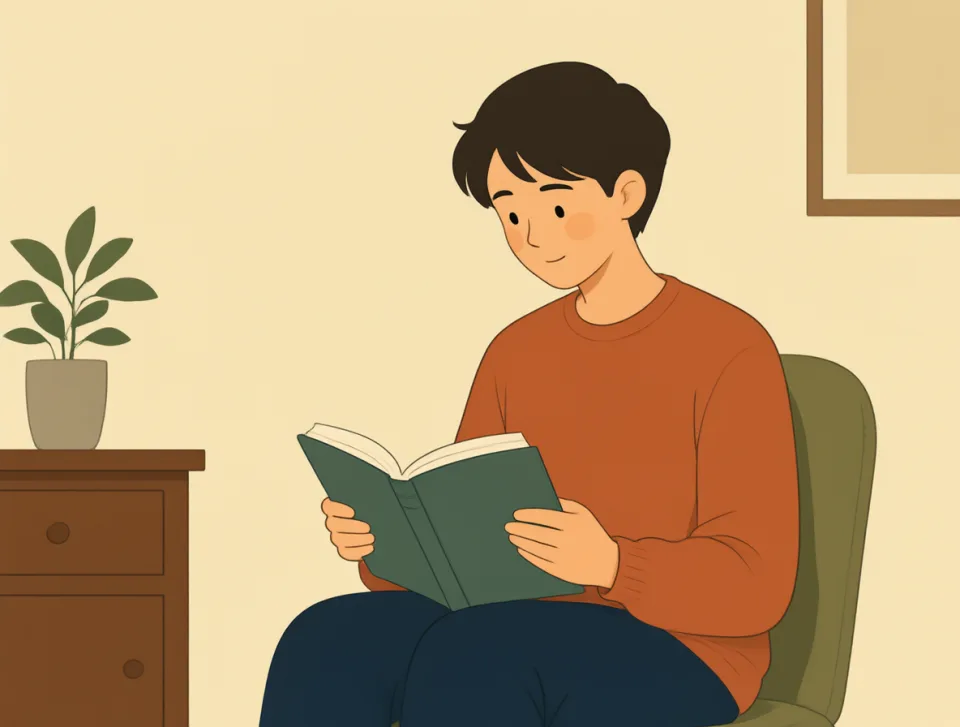
The room was too dark to read.
W pokoju było zbyt ciemno, żeby czytać.
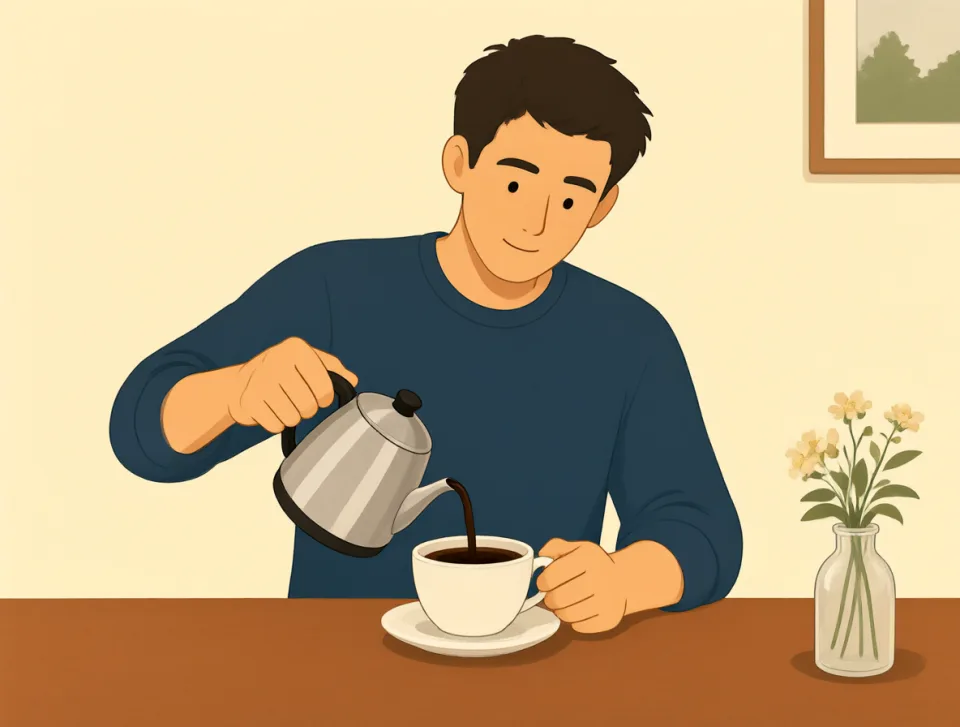
He likes his coffee dark and strong.
Lubi swoją kawę mocną i czarną.

We walked through the dark after dinner.
Po kolacji szliśmy przez ciemność.
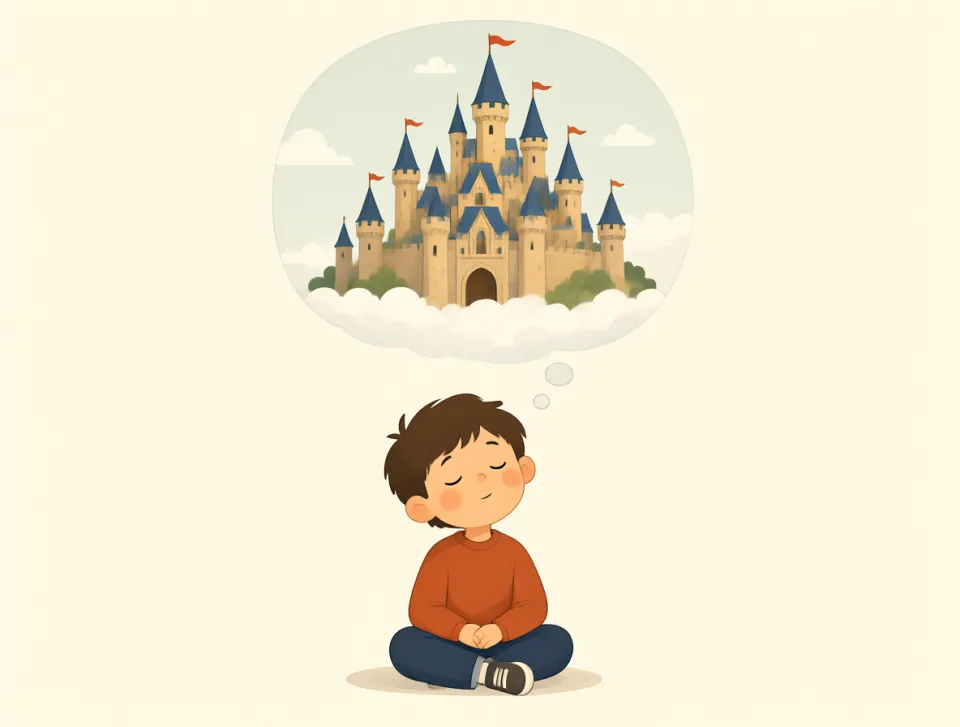
imagine
#924verb
wyobrażać sobie
to form a picture or idea in your mind
Tworzyć w myślach obraz lub pomysł.
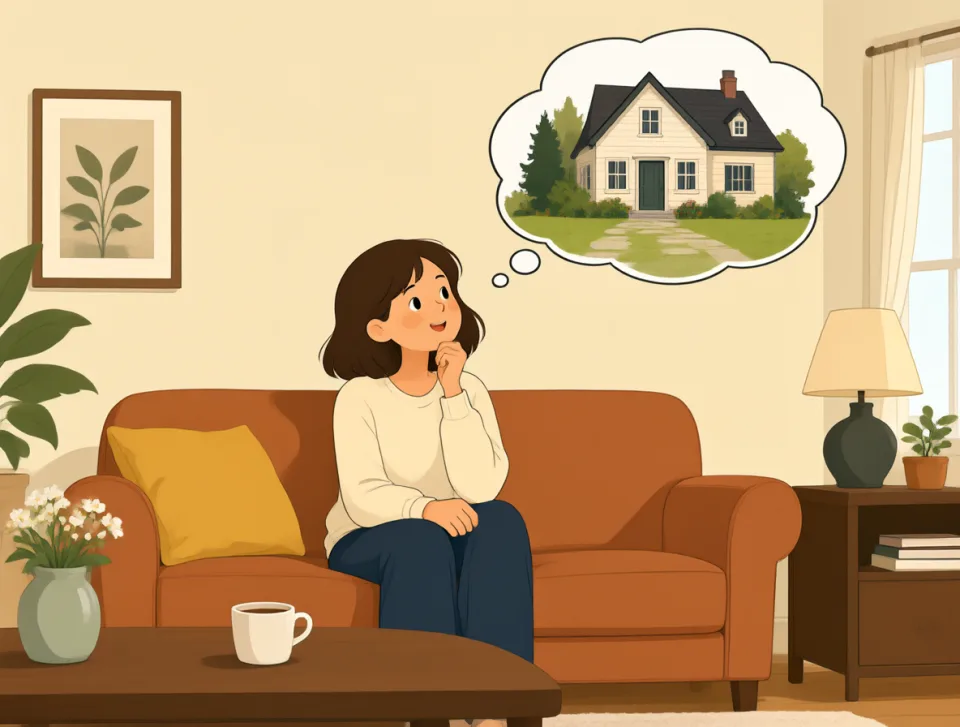
Imagine living in a beautiful house.
Wyobraź sobie mieszkanie w pięknym domu.

Can you imagine doing that job?
Czy potrafisz sobie wyobrazić wykonywanie tej pracy?
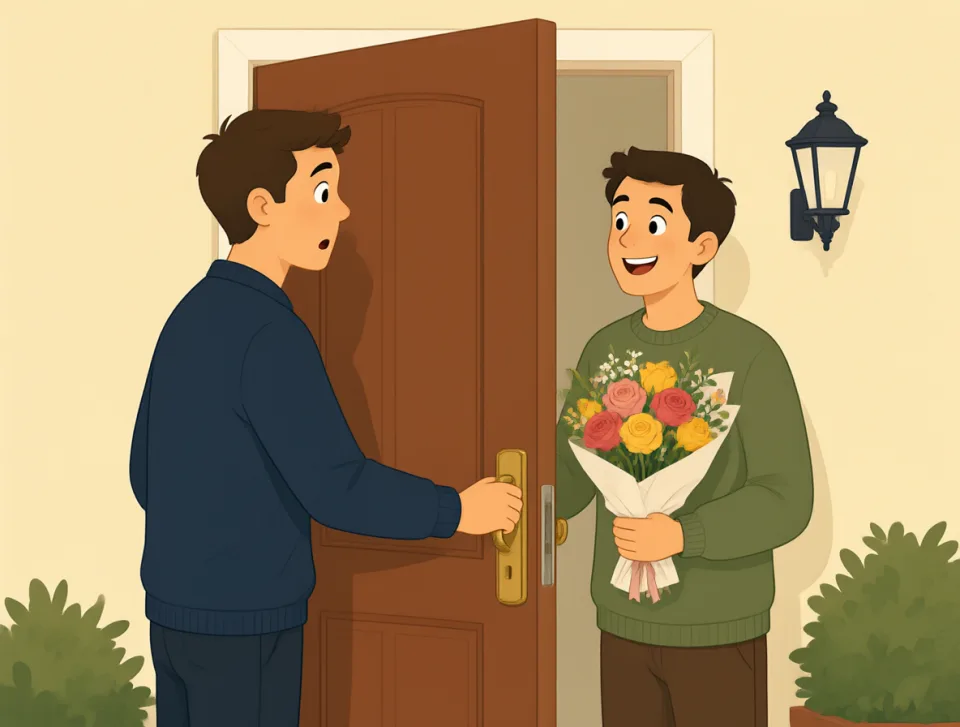
Imagine my surprise when she arrived.
Wyobraź sobie moje zdziwienie, kiedy przyjechała.
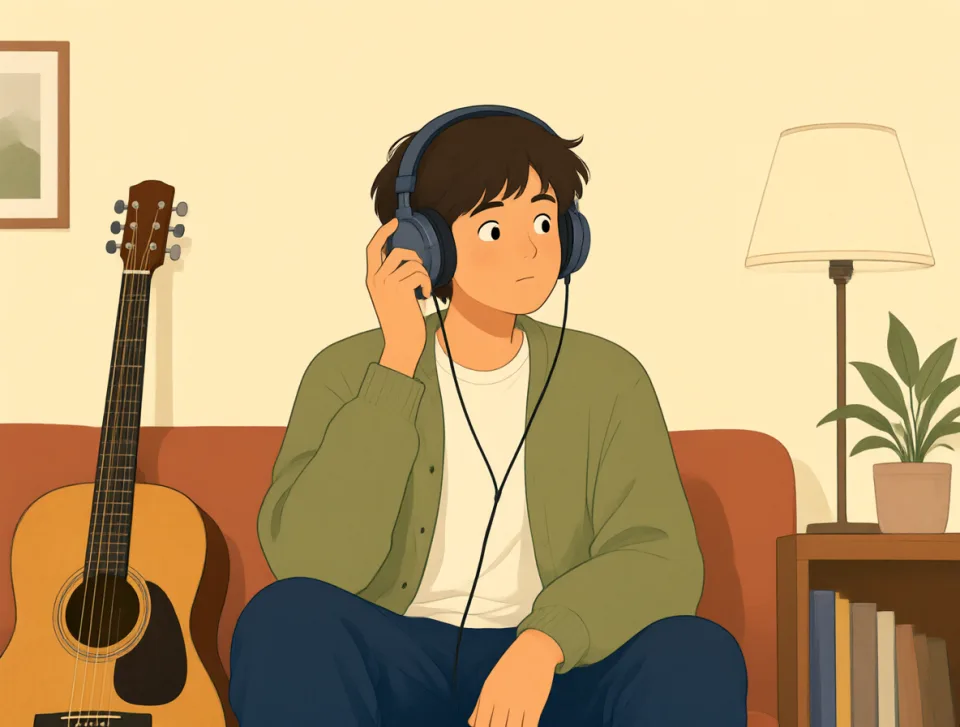
I cannot imagine life without music.
Nie potrafię sobie wyobrazić życia bez muzyki.
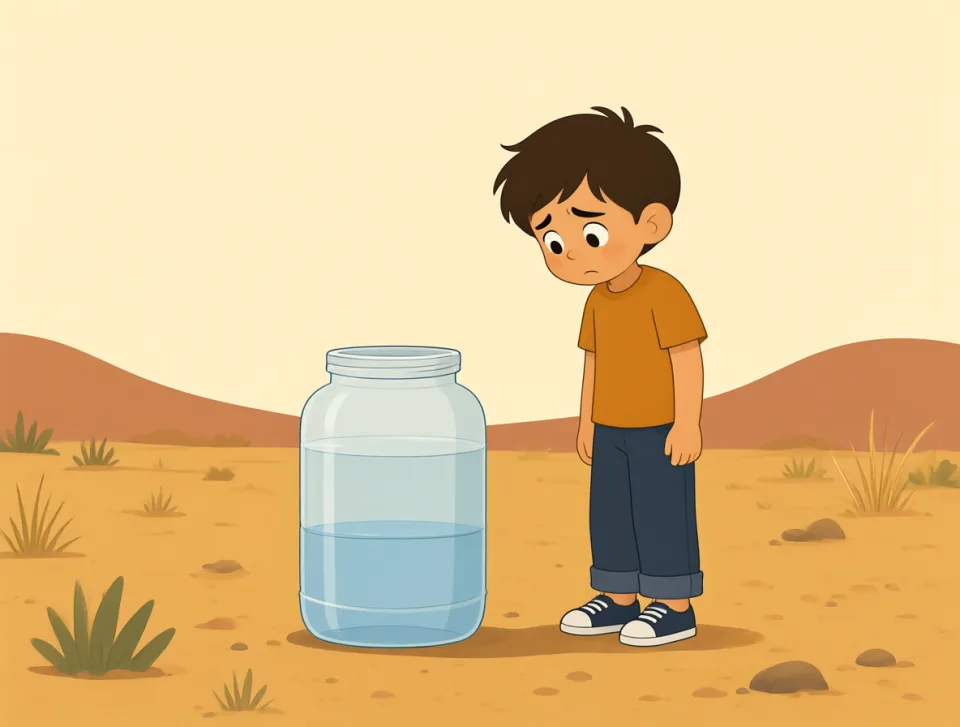
Imagine a world without clean water.
Wyobraź sobie świat bez czystej wody.
okay
#925adjective, adverb, noun
w porządku; okej
Acceptable or satisfactory; used to show agreement or ask if something is acceptable.
Akceptowalny lub zadowalający; używane do wyrażenia zgody albo zapytania, czy coś jest akceptowalne.
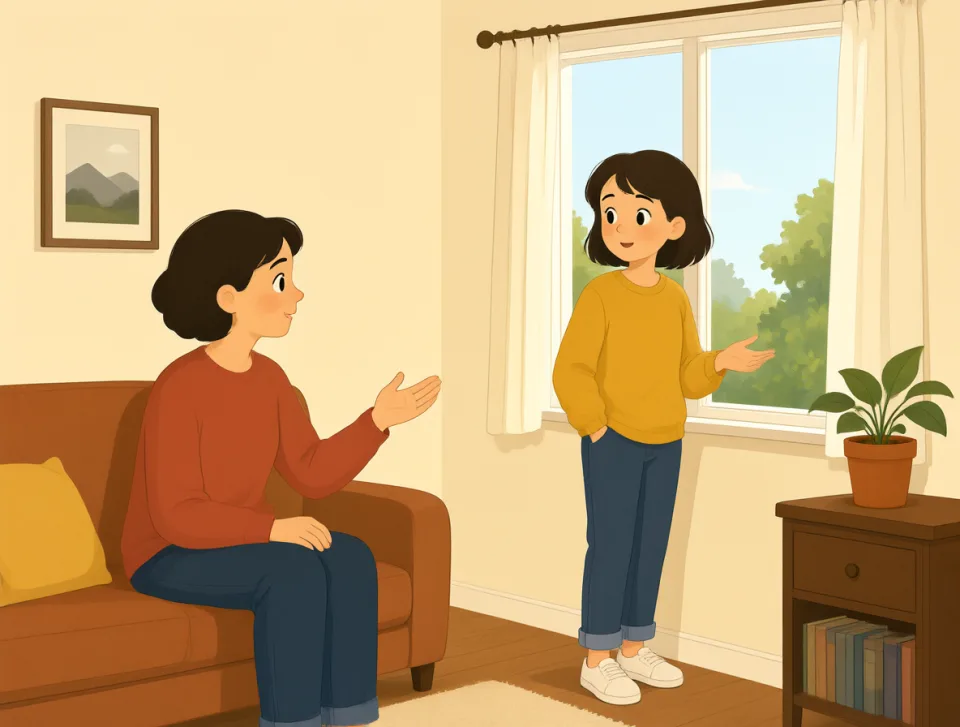
Is it okay if I open the window?
Czy mogę otworzyć okno?
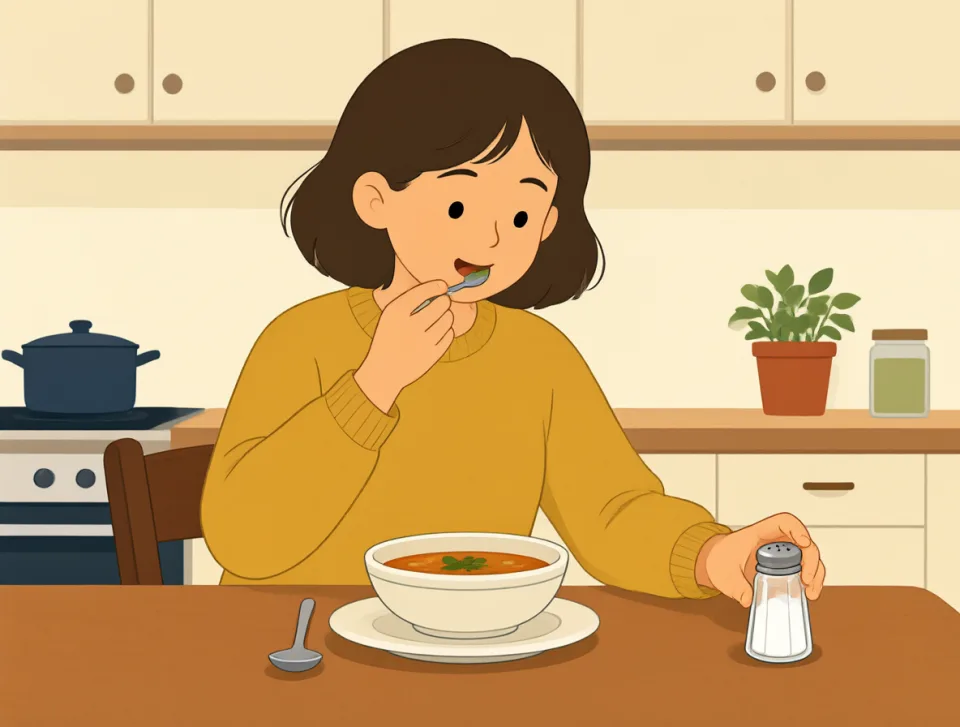
The soup tastes okay, but it needs salt.
Zupa jest w porządku, ale trzeba dodać soli.
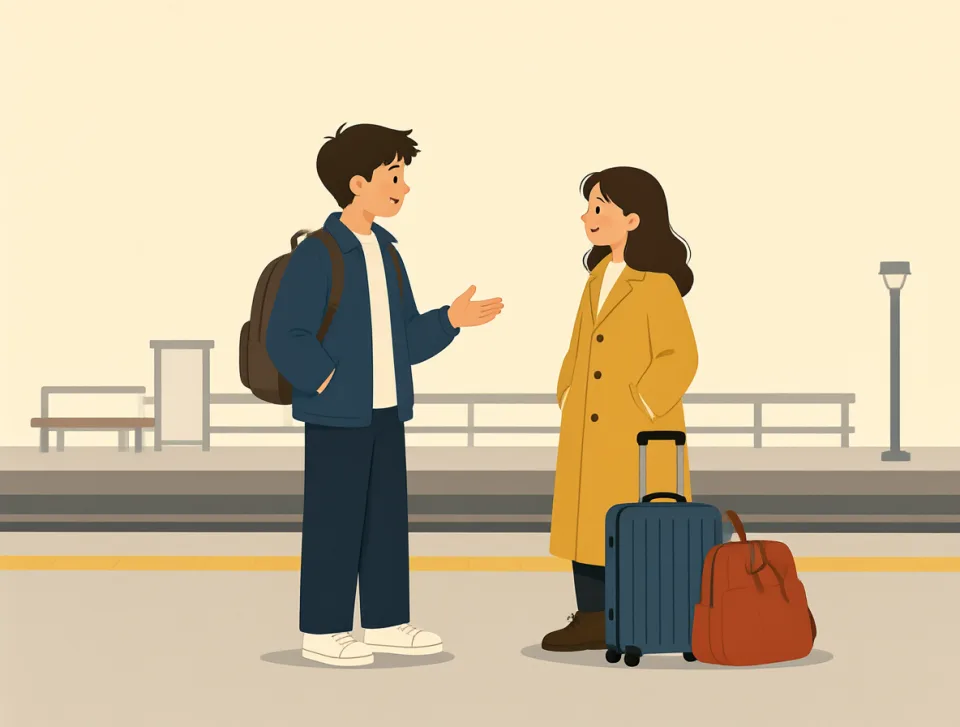
I’m okay with taking the early train.
Nie mam nic przeciwko podróży wcześniejszym pociągiem.
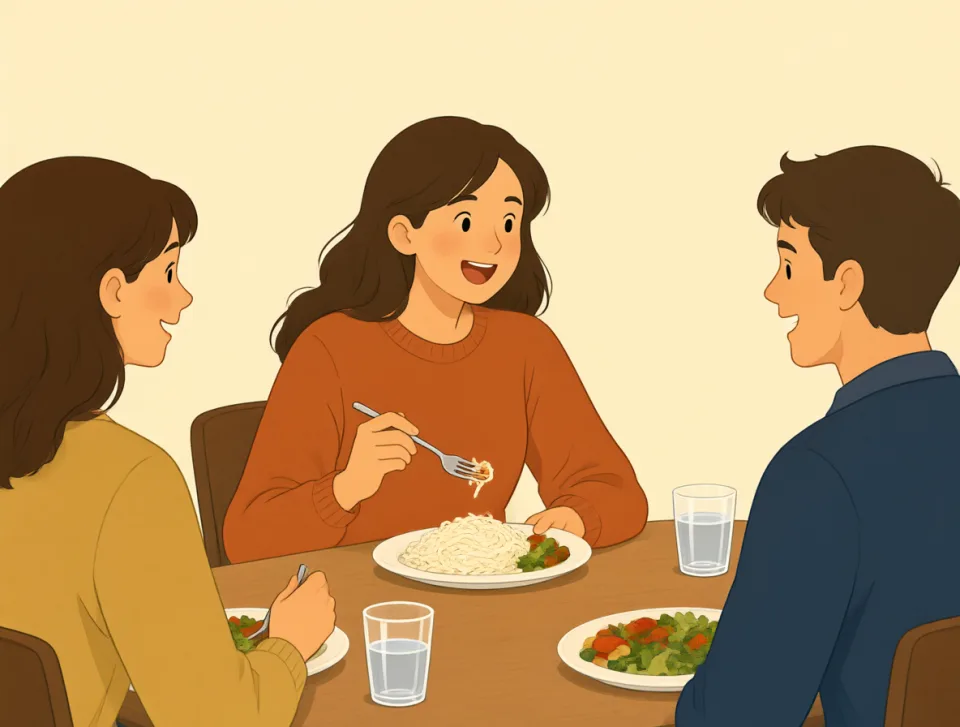
She said okay and joined our lunch.
Powiedziała „okej” i dołączyła do naszego lunchu.
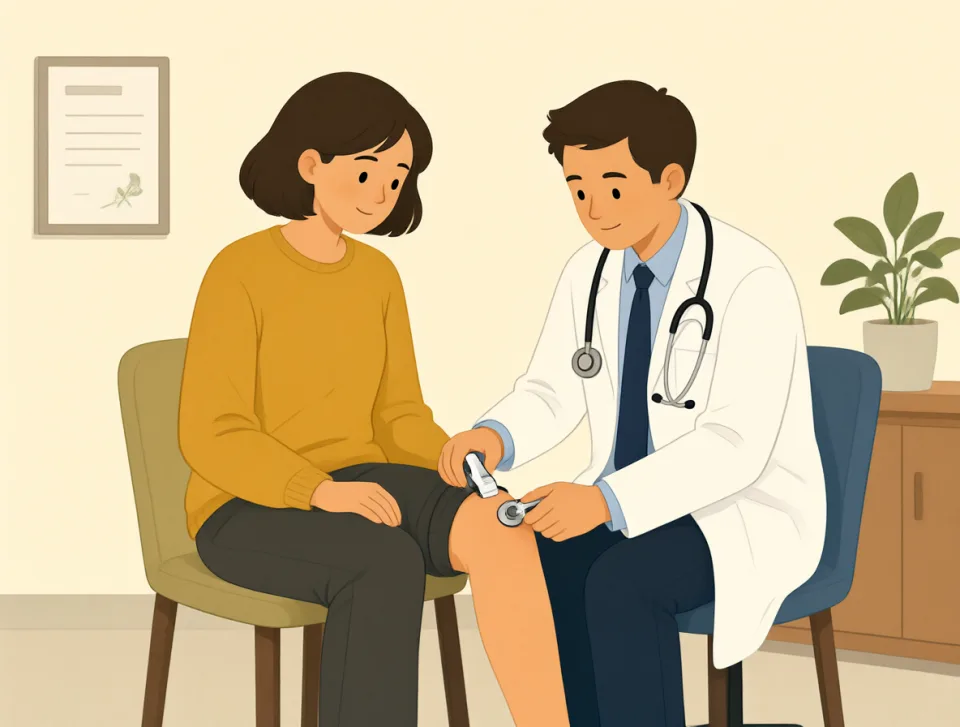
The doctor said my knee was okay.
Lekarz powiedział, że z moim kolanem jest wszystko w porządku.

earn
#926verb
zarabiać
to get money for work or by doing something useful
otrzymywać pieniądze za pracę lub za zrobienie czegoś pożytecznego
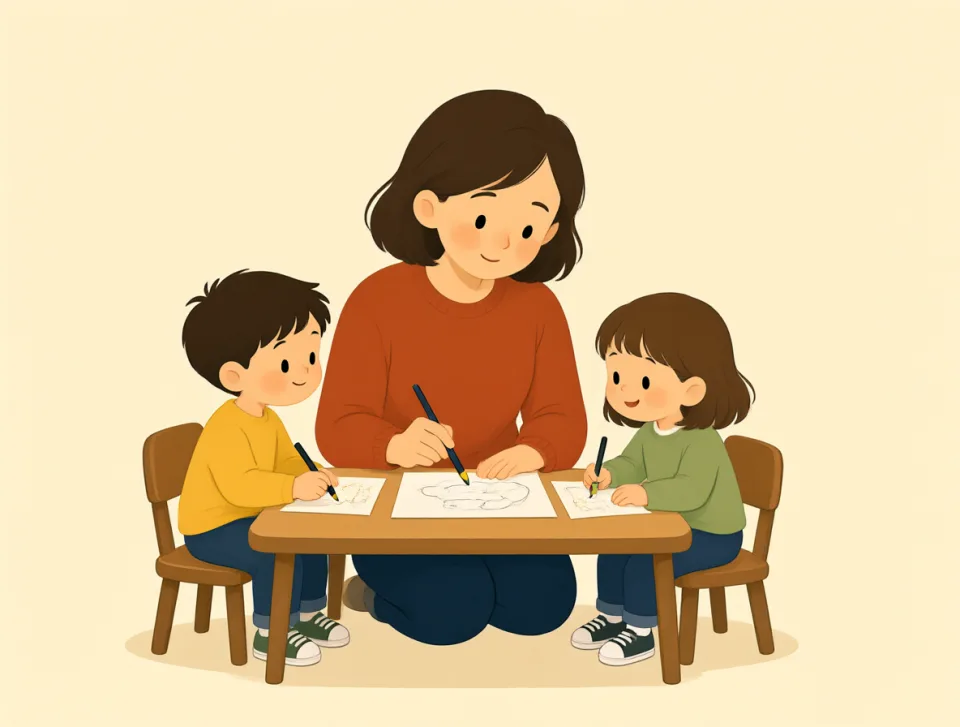
She earns money by teaching children.
Ona zarabia, ucząc dzieci.
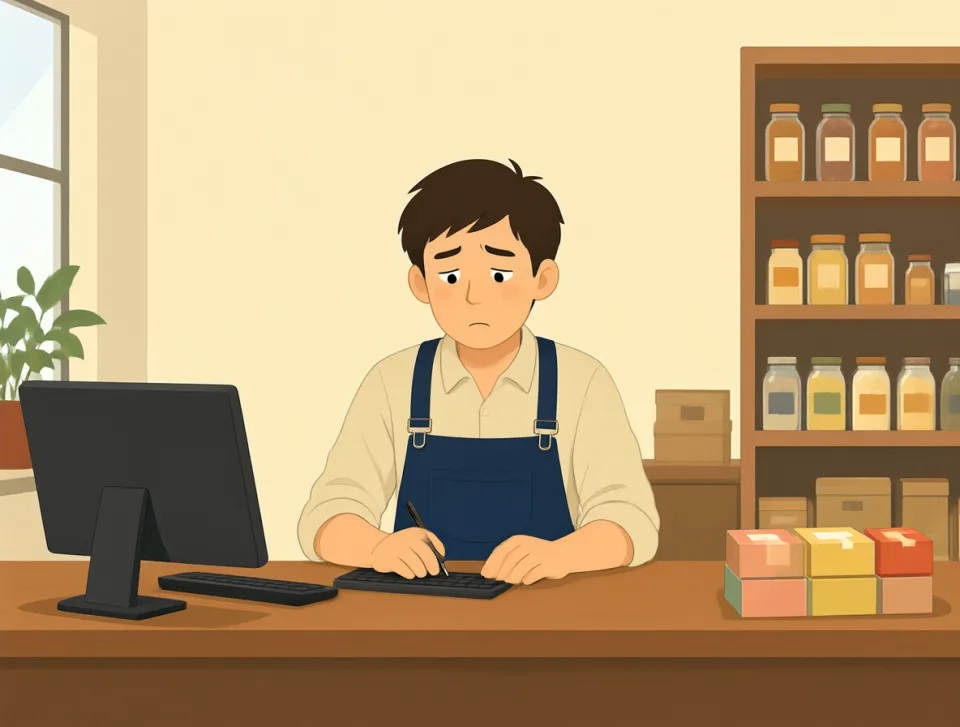
He earned extra pay by working late.
Zarobił dodatkowe pieniądze, pracując do późna.
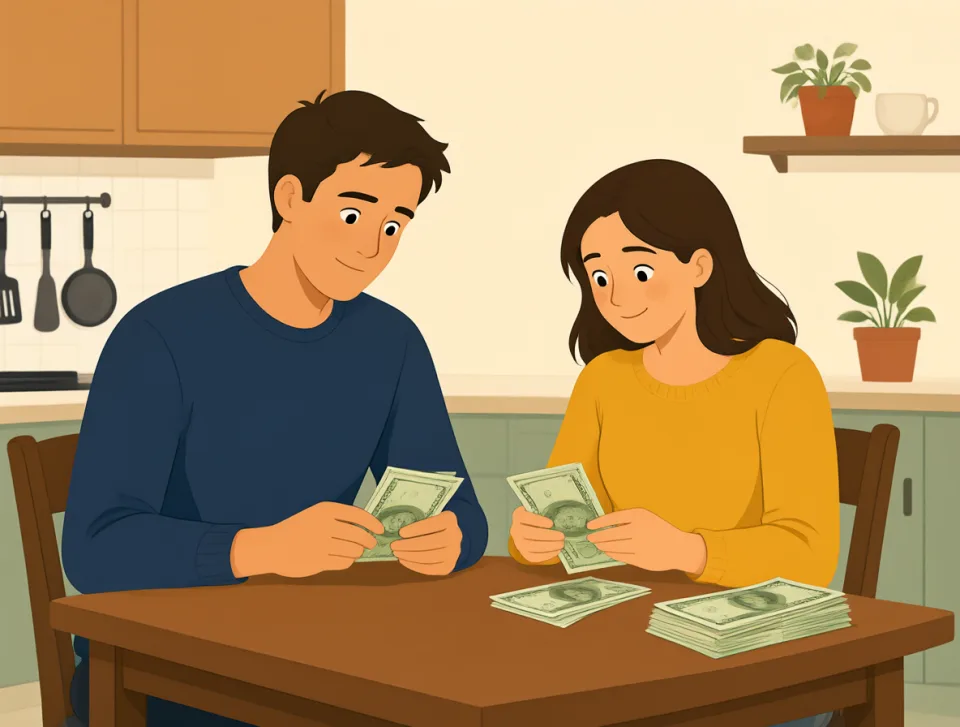
They earn enough to pay the rent.
Zarabiają wystarczająco dużo, żeby zapłacić czynsz.
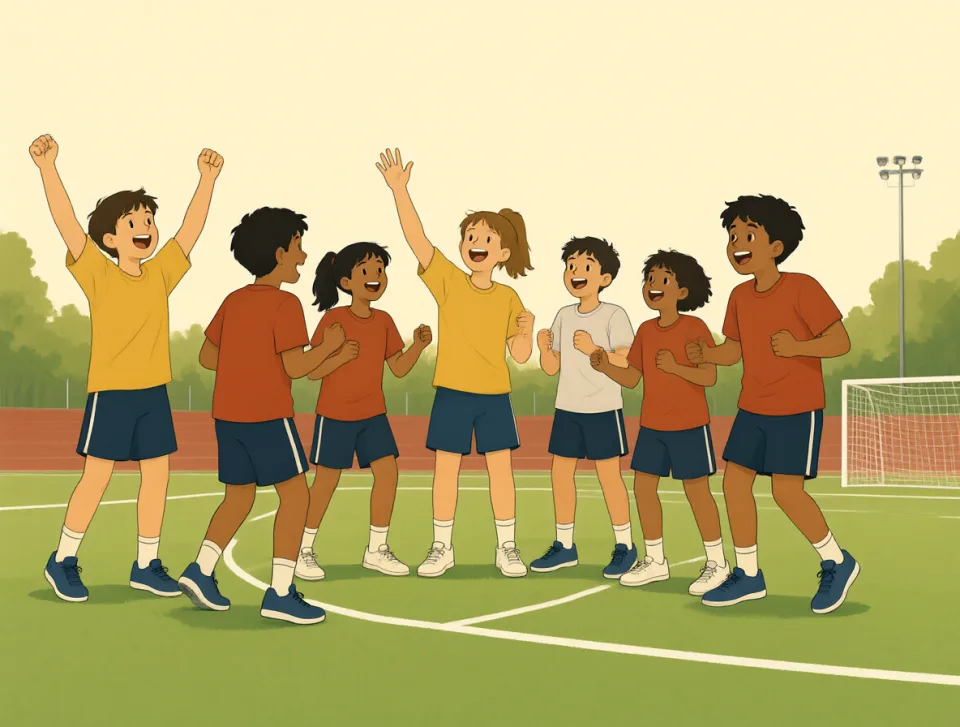
Our team earned a place in the final.
Nasz zespół wywalczył sobie miejsce w finale.

You can earn trust by keeping promises.
Możesz zdobyć zaufanie, dotrzymując obietnic.
daughter
#927noun
córka
A female child or adult in relation to her parents.
Dziecko płci żeńskiej lub dorosła kobieta w odniesieniu do swoich rodziców.
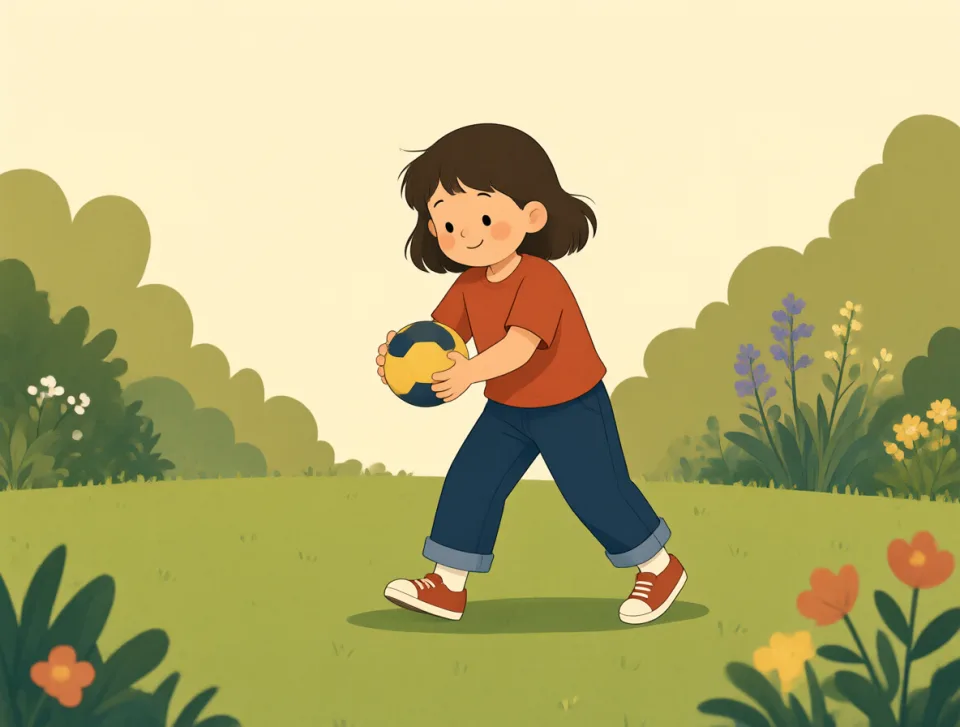
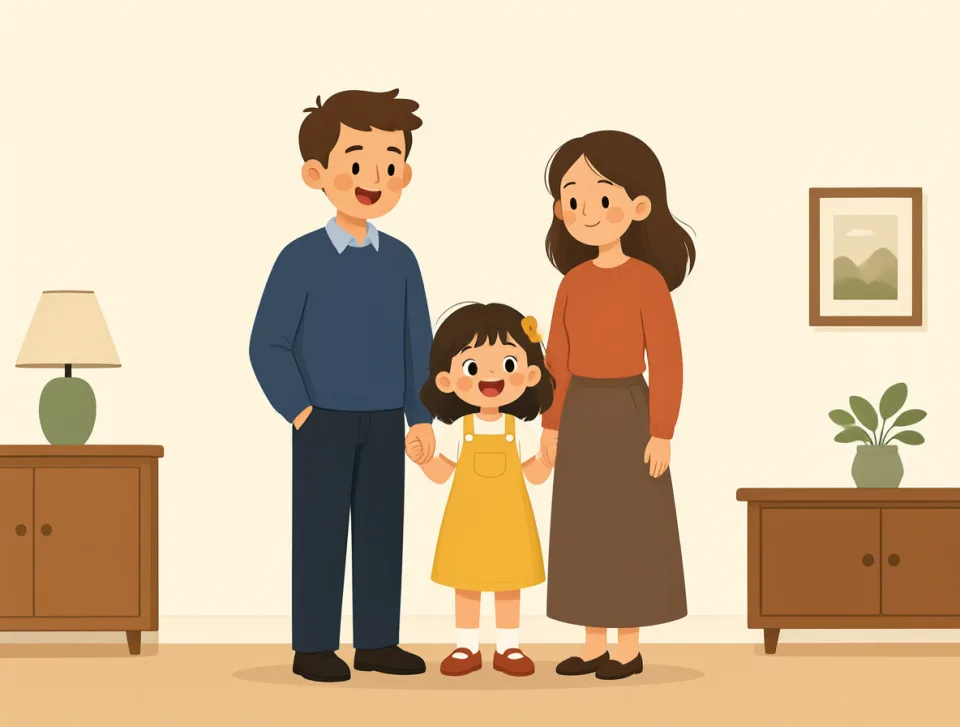
My daughter is playing in the garden.
Moja córka bawi się w ogrodzie.
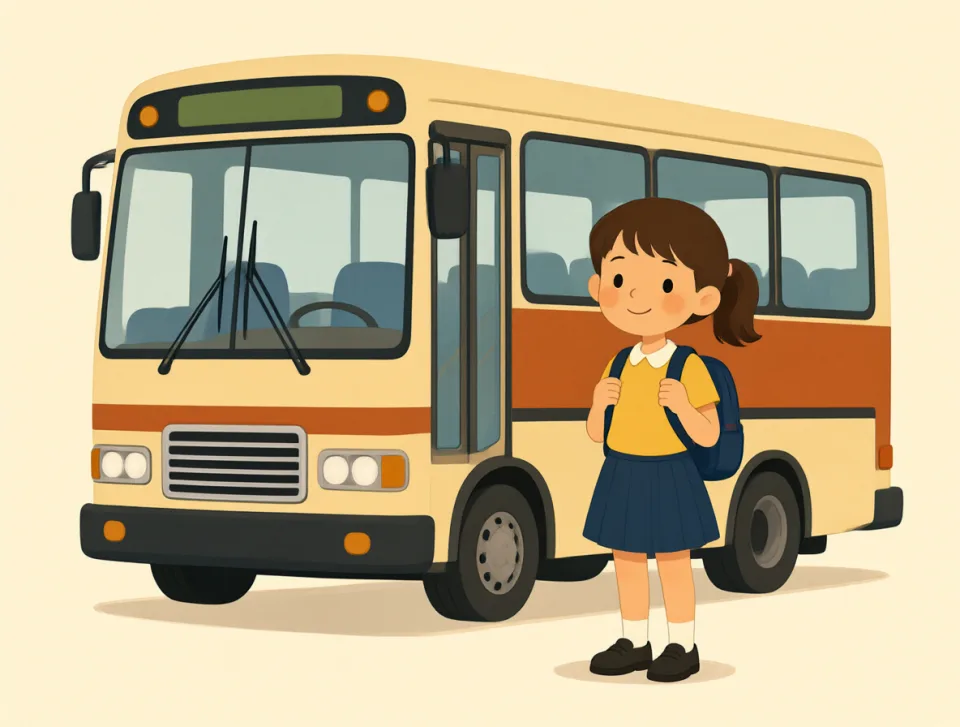
Their daughter goes to school by bus.
Ich córka jeździ do szkoły autobusem.
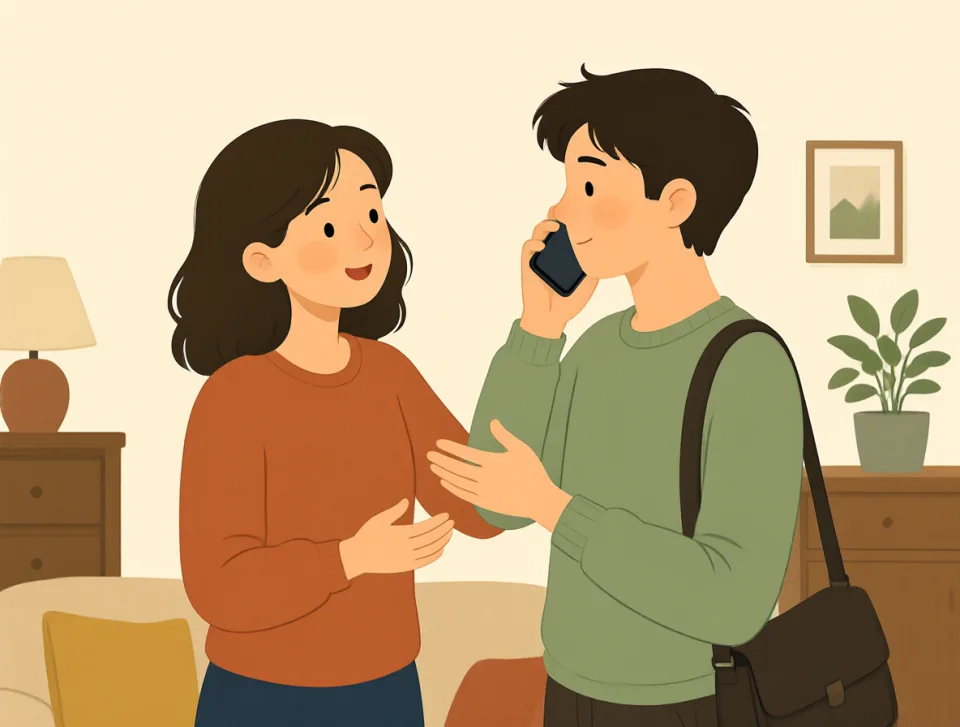
I called my daughter after work.
Zadzwoniłem do córki po pracy.
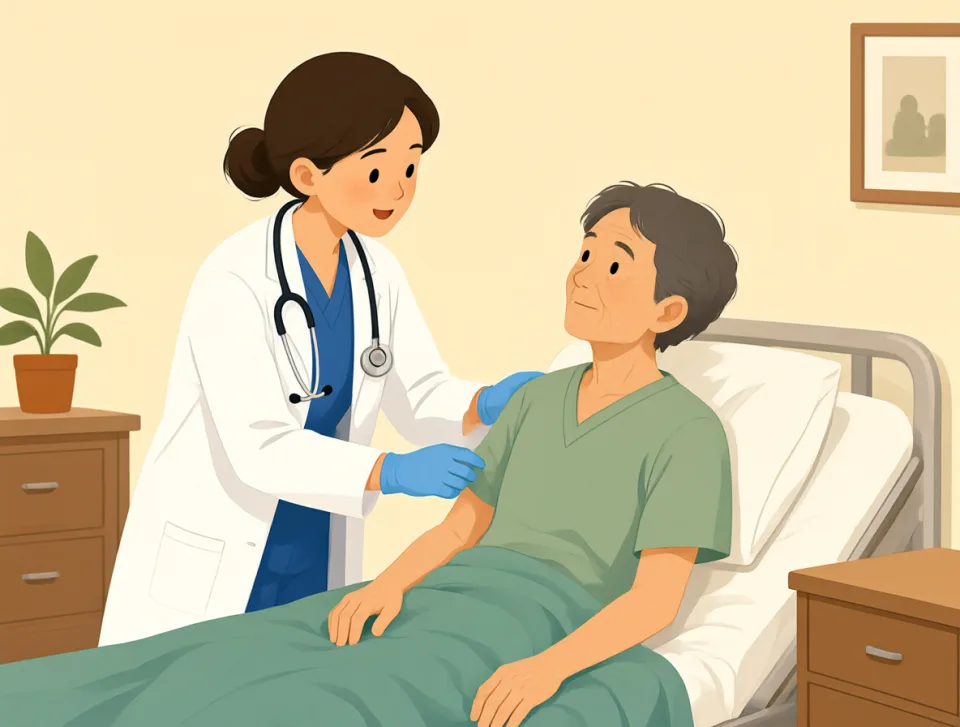
Her daughter works at a local hospital.
Jej córka pracuje w miejscowym szpitalu.
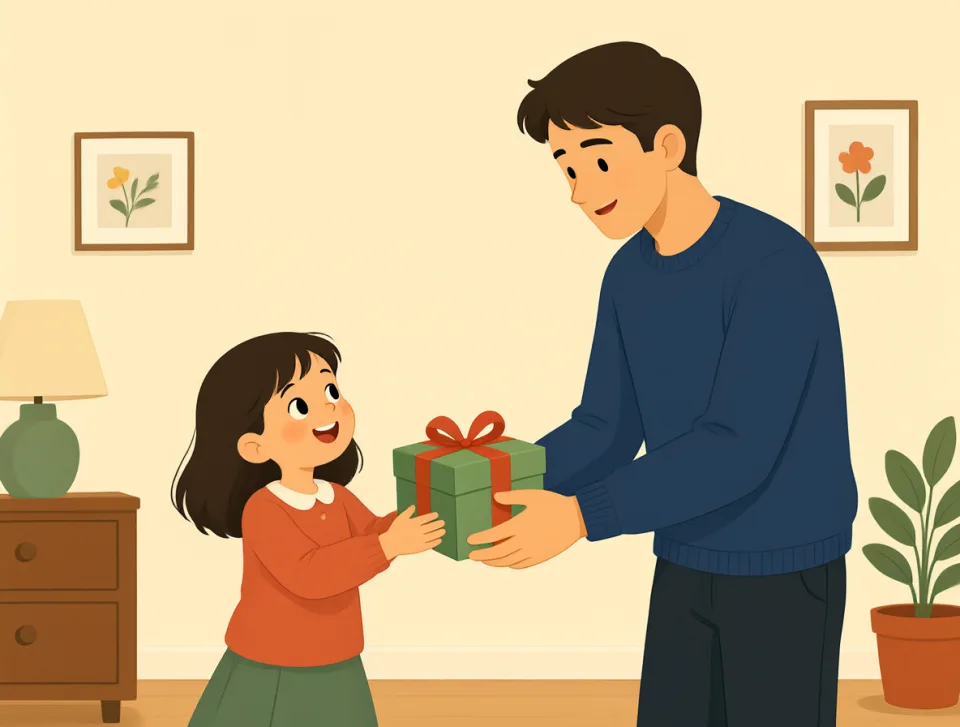
We bought a birthday gift for our daughter.
Kupiliśmy prezent urodzinowy dla naszej córki.
post
#928noun, verb
post
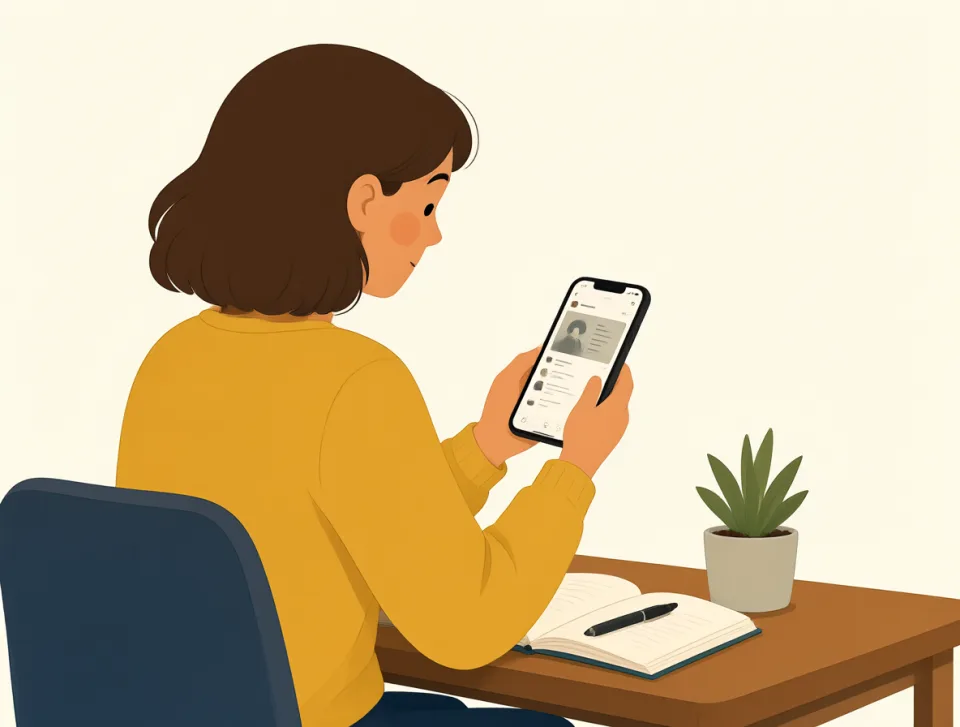
A message shared online, or to put a message online.
Wiadomość opublikowana w internecie lub czynność publikowania wiadomości w internecie.
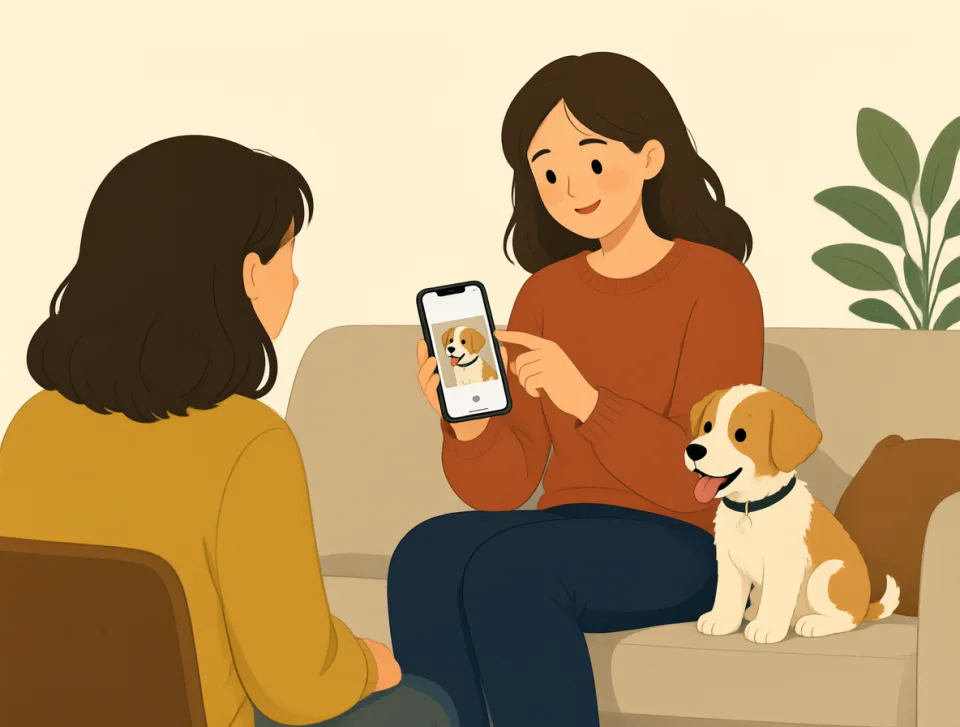
She shared a post about her new puppy.
Opublikowała post o swoim nowym szczeniaku.
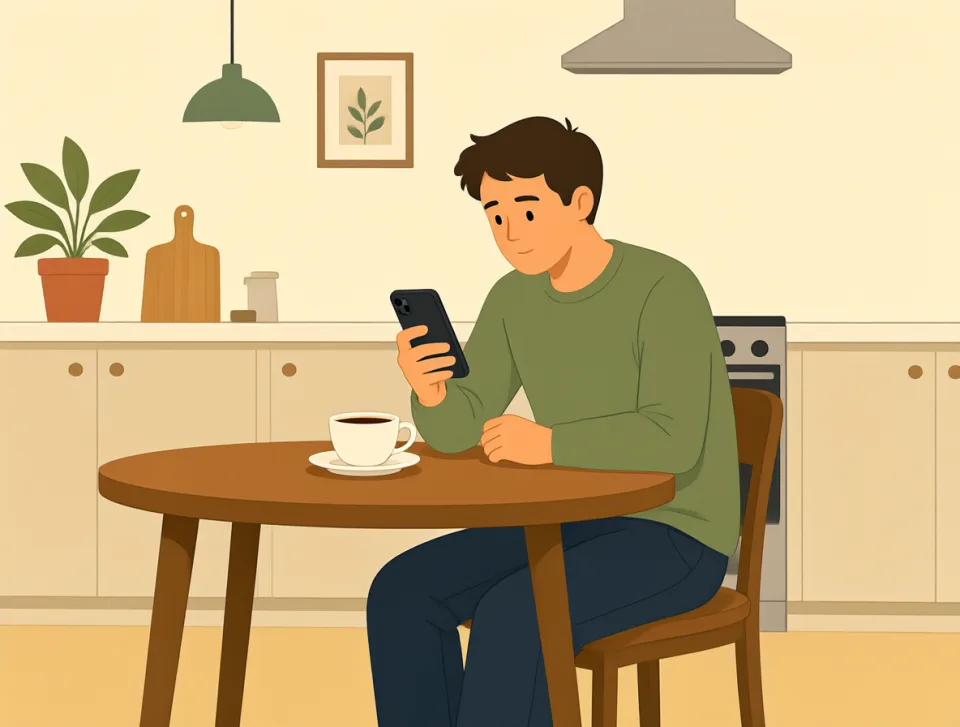
I read your post this morning.
Przeczytałem dziś rano twój post.
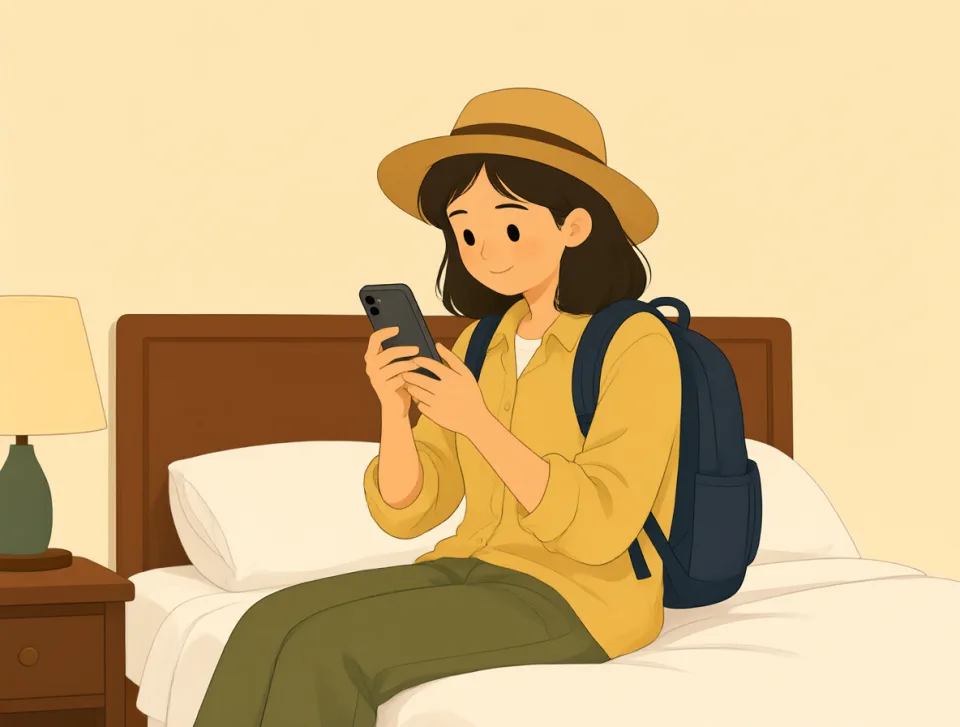
He posted a photo from his holiday.
Opublikował zdjęcie z wakacji.
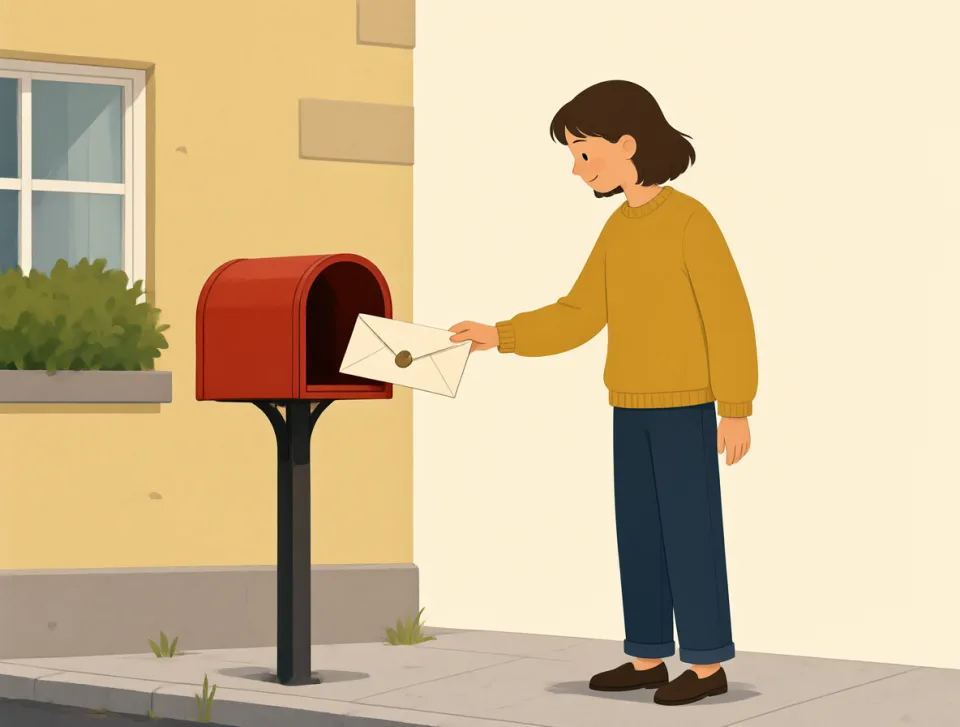
Please post the letter tomorrow.
Proszę, wyślij list jutro.
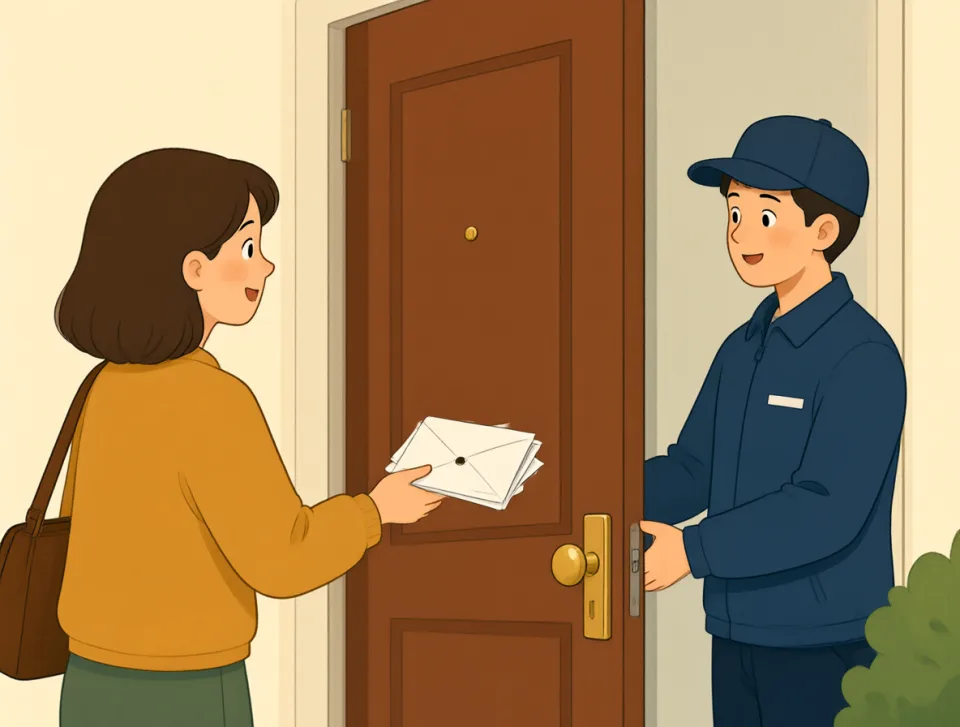
The post arrived before breakfast.
List dotarł przed śniadaniem.

newspaper
#929noun
gazeta
A printed or online publication with news, stories, and advertisements.
Drukowana lub internetowa publikacja zawierająca wiadomości, artykuły i reklamy.
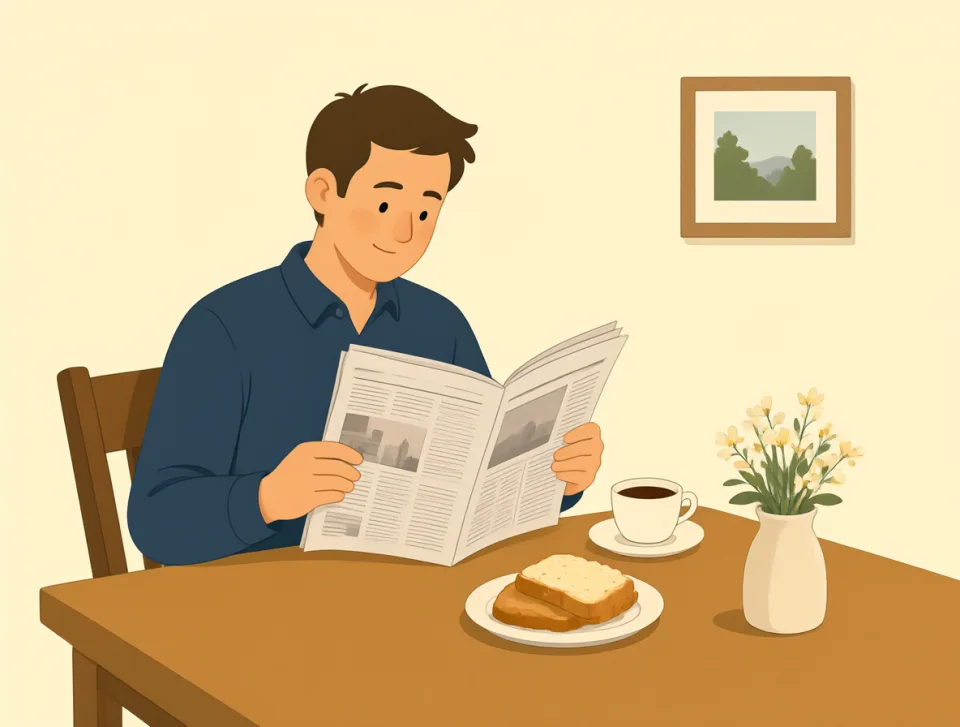
My father reads the newspaper every morning.
Mój ojciec codziennie rano czyta gazetę.
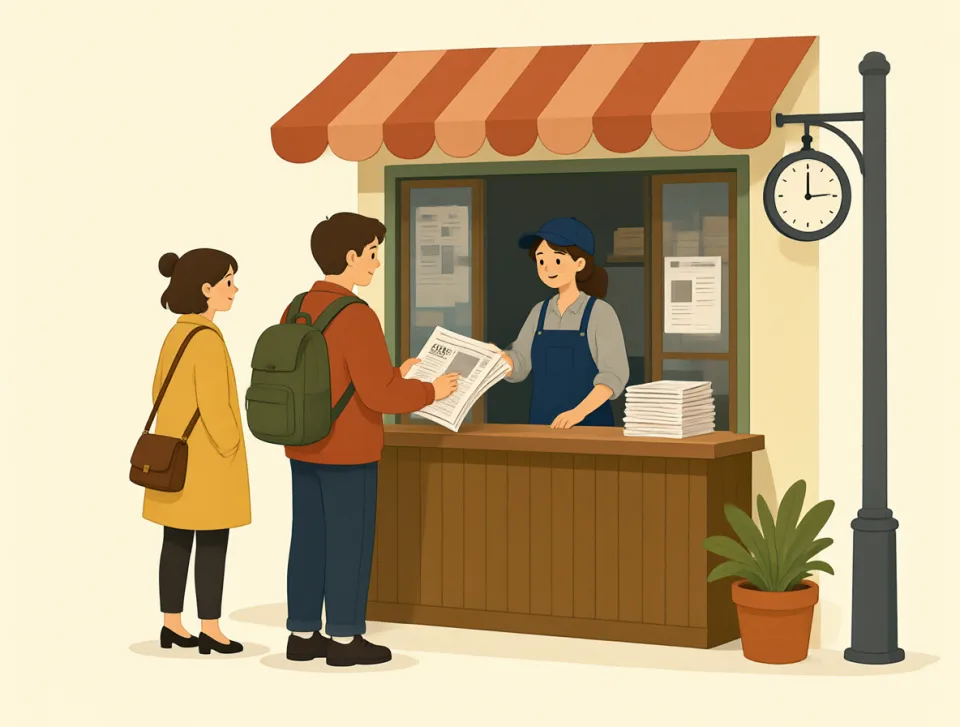
I bought a newspaper at the station.
Kupiłem gazetę na stacji.
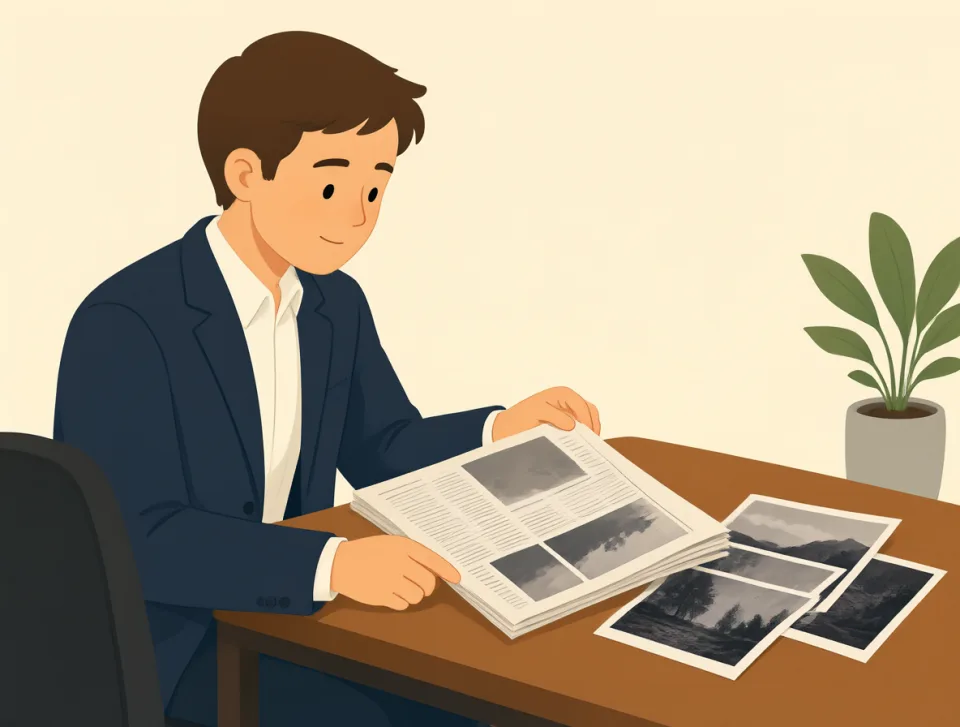
The newspaper reported a big storm.
Gazeta donosiła o potężnej burzy.
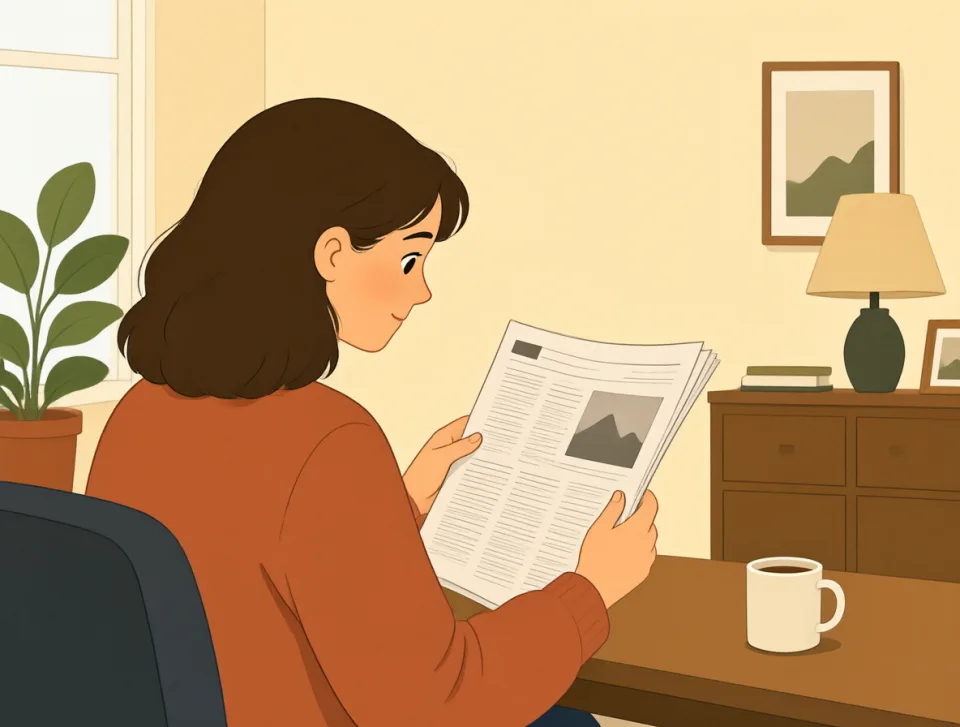
She found a job in the newspaper.
Znalazła pracę w gazecie.
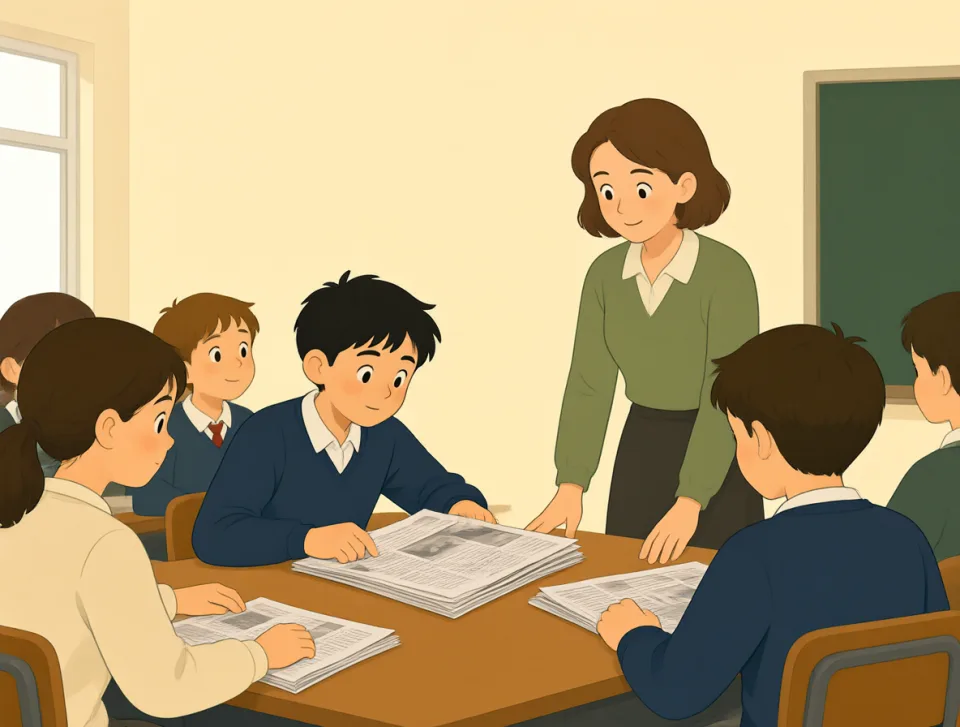
The teacher asked us to bring newspapers.
Nauczyciel poprosił nas, żebyśmy przynieśli gazety.
define
#930verb
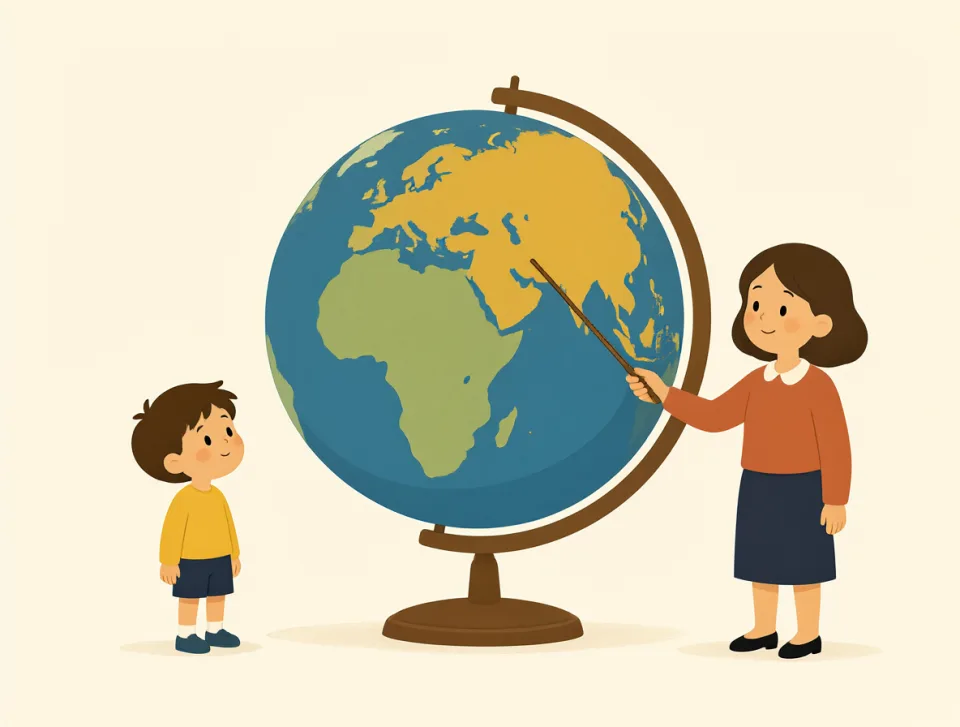
definiować
To explain the exact meaning or limits of something.
Wyjaśniać dokładne znaczenie lub granice czegoś.
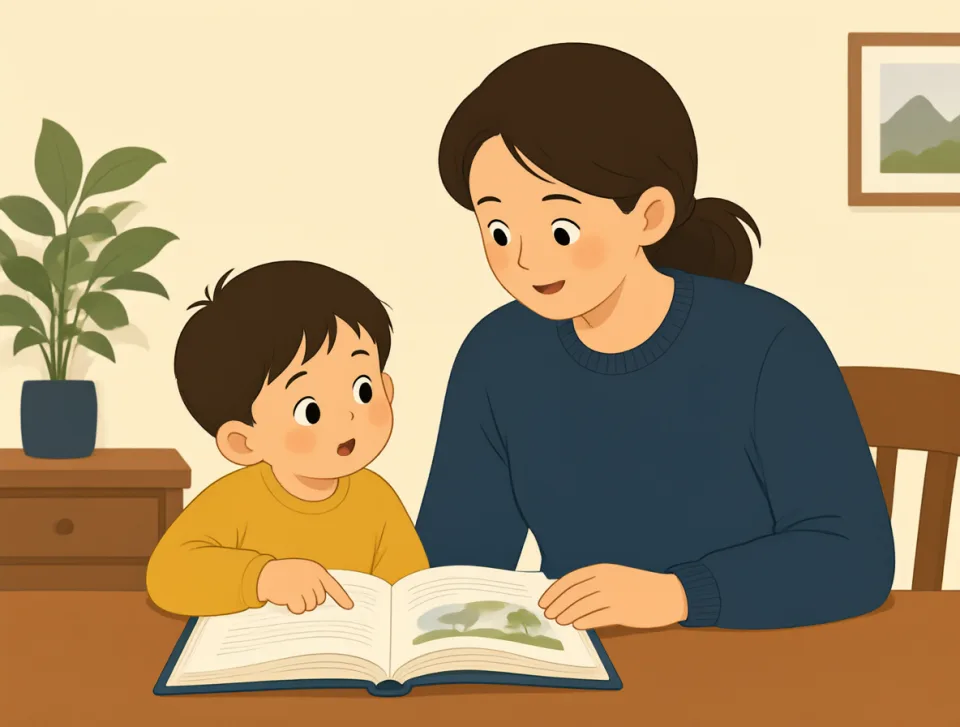
Can you define this word for me?
Czy możesz wyjaśnić mi znaczenie tego słowa?
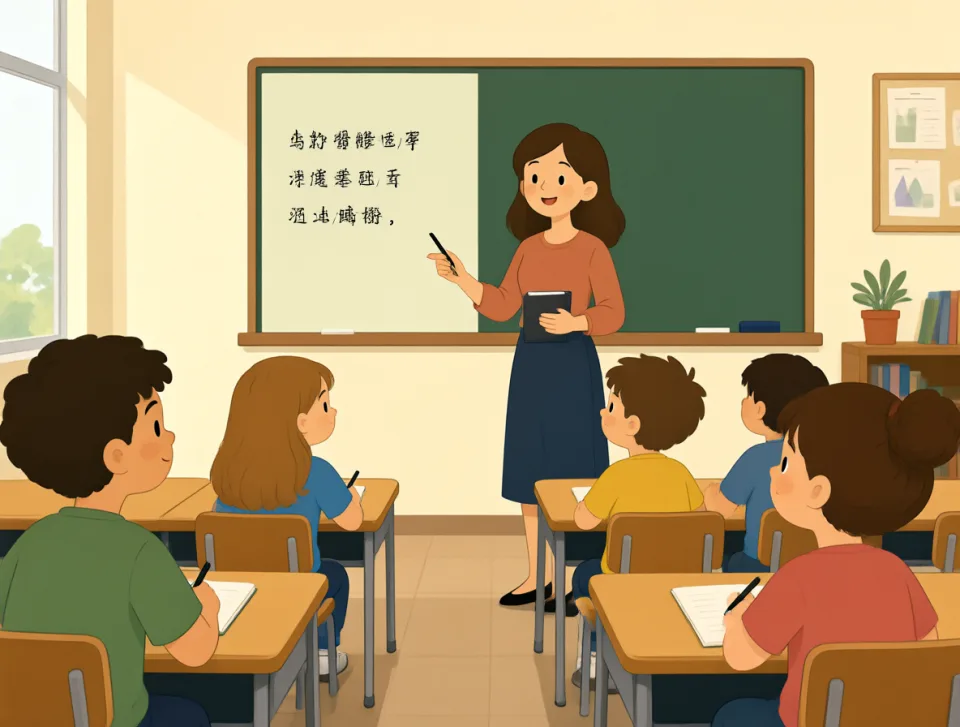
The teacher defined the new rule clearly.
Nauczyciel jasno zdefiniował nową zasadę.
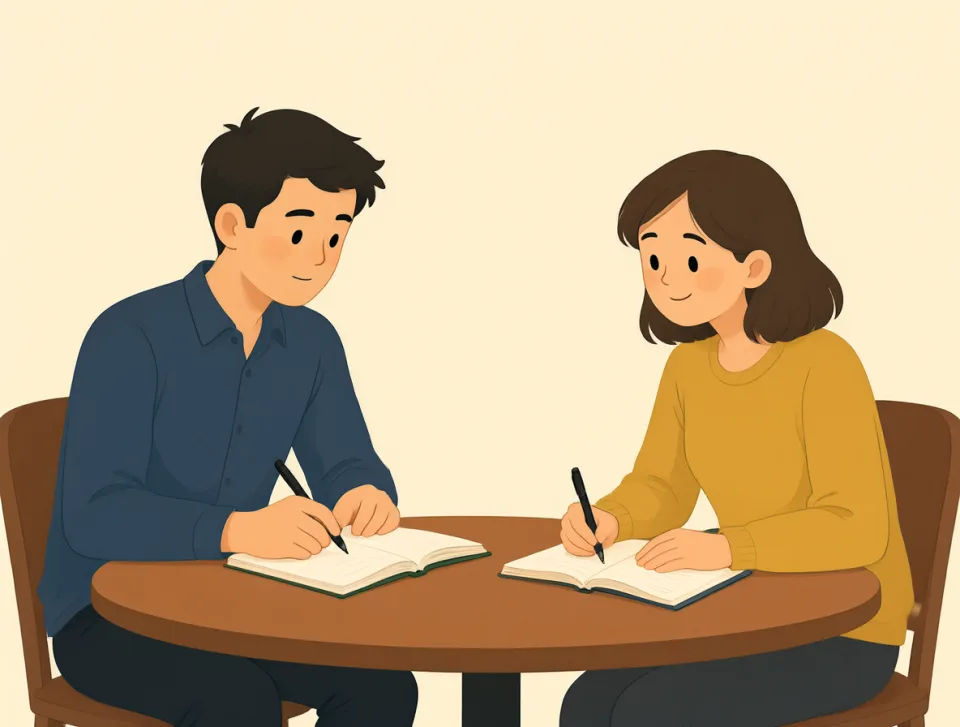
We need to define our goals before work.
Musimy określić nasze cele przed rozpoczęciem pracy.
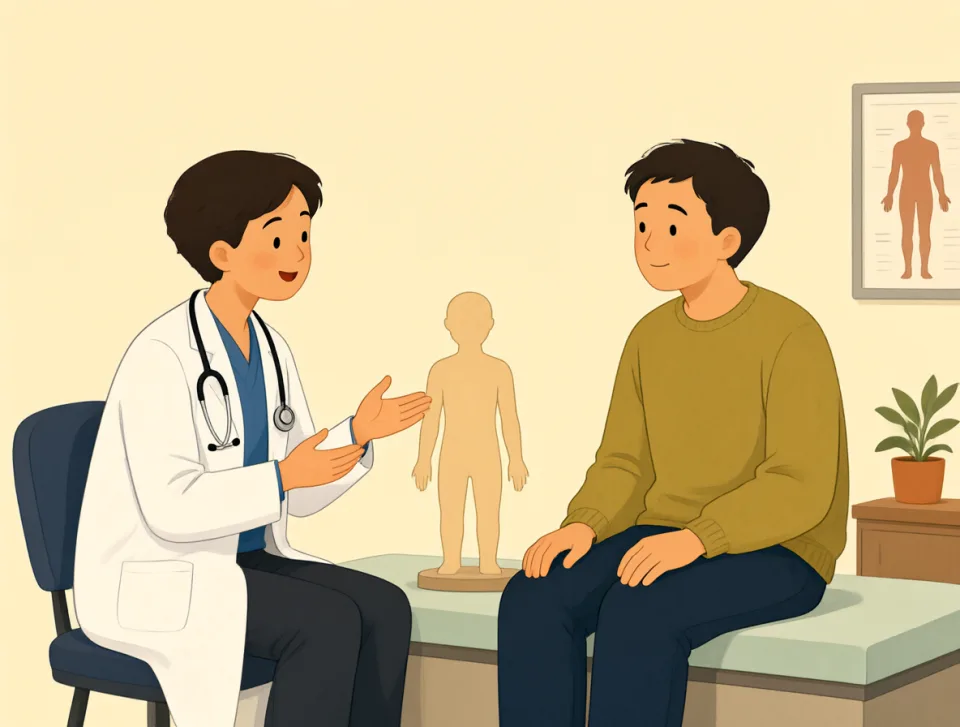
The doctor defined the cause of her pain.
Lekarz ustalił przyczynę jej bólu.
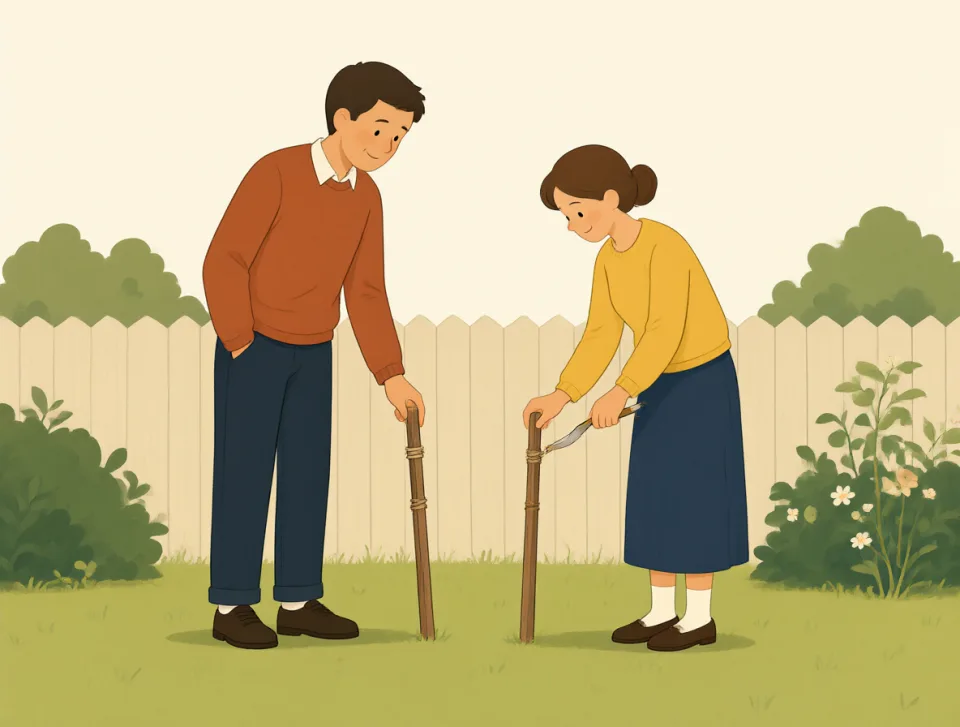
They defined the border between the two gardens.
Wyznaczyli granicę między dwoma ogrodami.

conclusion
#931noun
wniosek
A decision or opinion reached after thinking about something.
Decyzja lub opinia wyciągnięta po przemyśleniu czegoś.
We reached the same conclusion after talking.
Po rozmowie doszliśmy do tego samego wniosku.
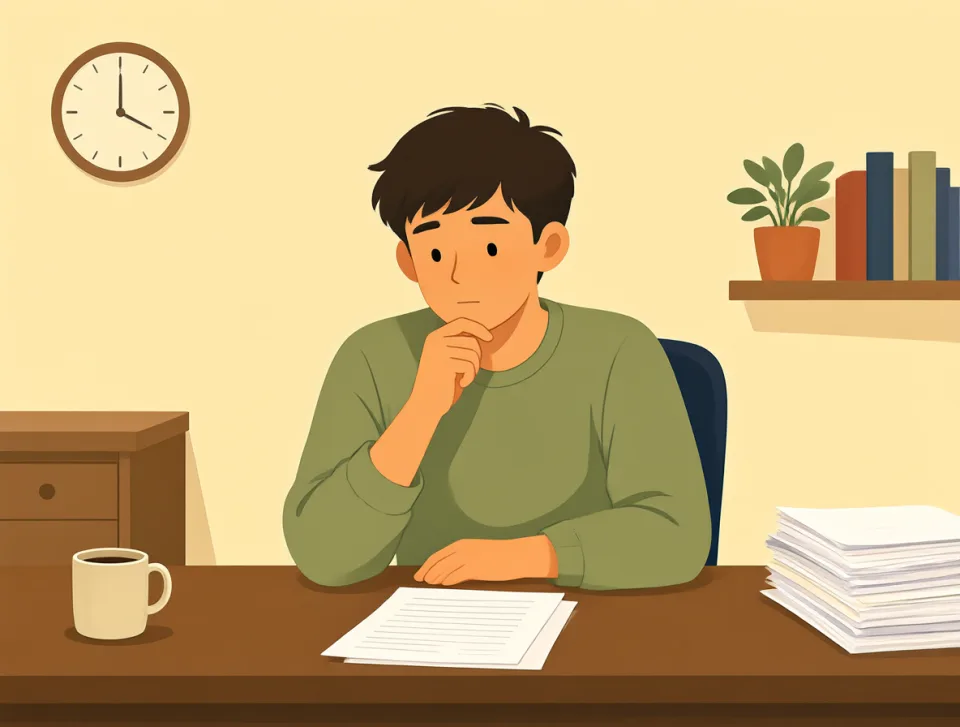
The report came to an important conclusion.
Raport doprowadził do ważnego wniosku.
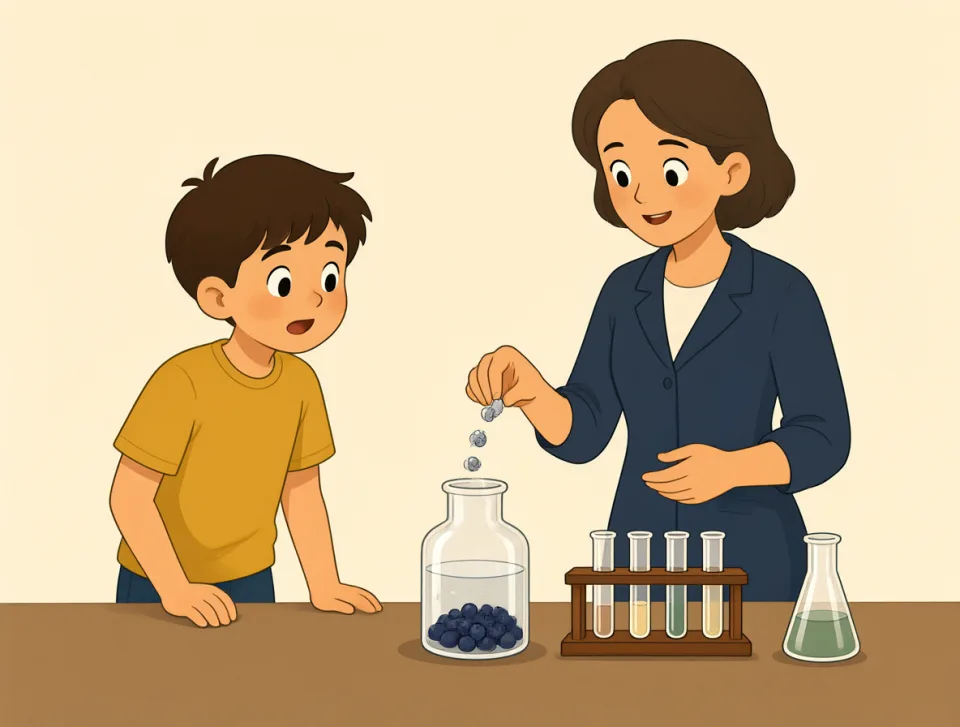
She drew the conclusion from the test results.
Wyciągnęła wniosek na podstawie wyników testu.
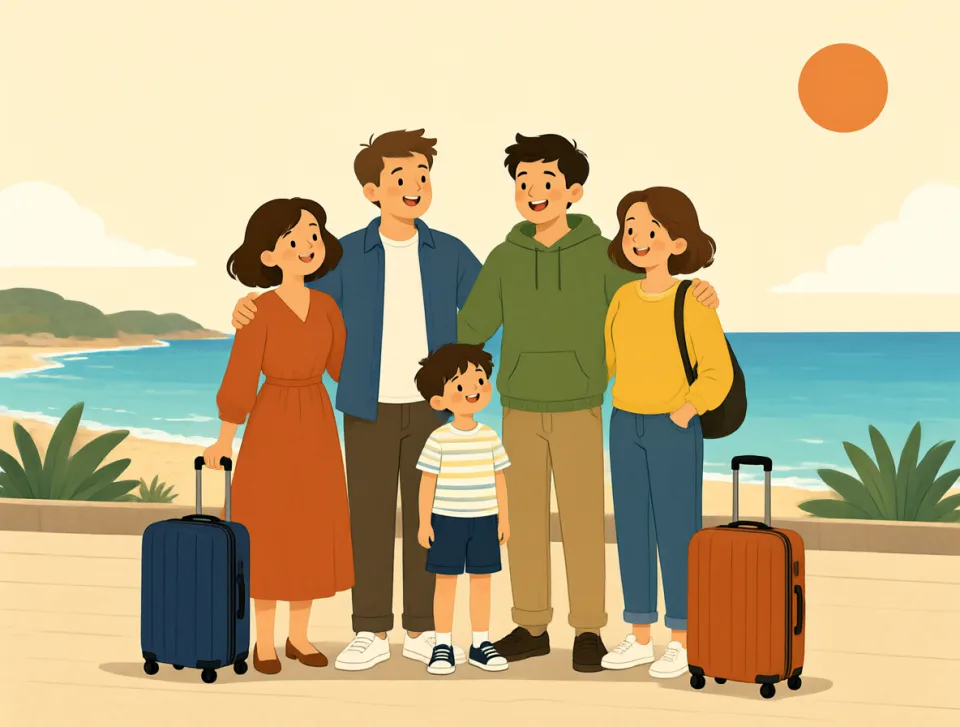
In conclusion, the trip was a great success.
Podsumowując, wycieczka okazała się wielkim sukcesem.
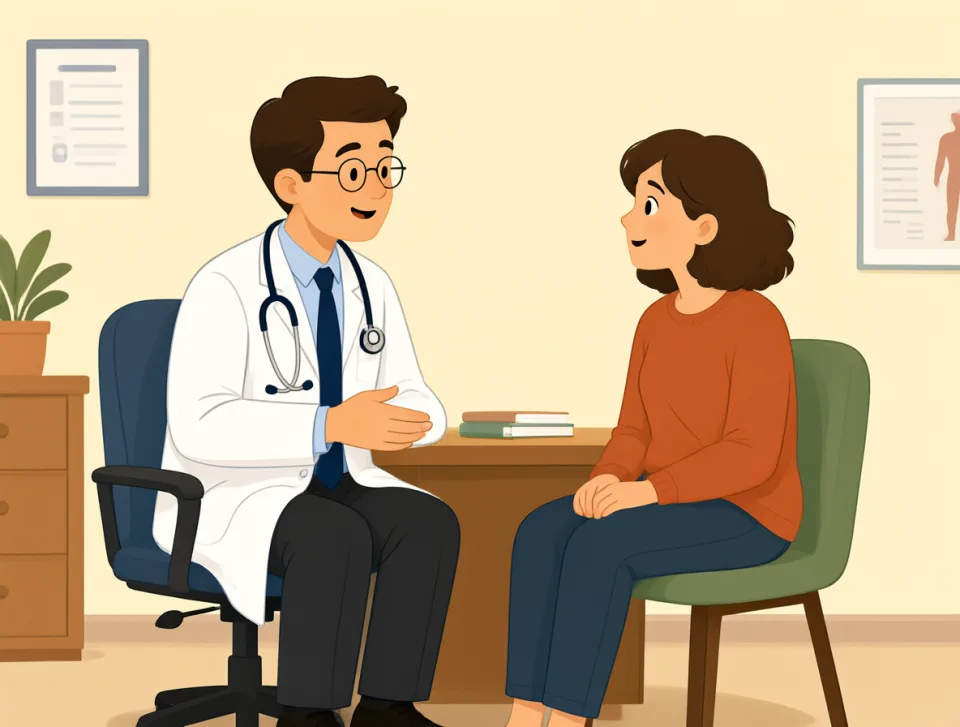
The doctor reached a conclusion about my illness.
Lekarz doszedł do wniosku, co mi dolega.
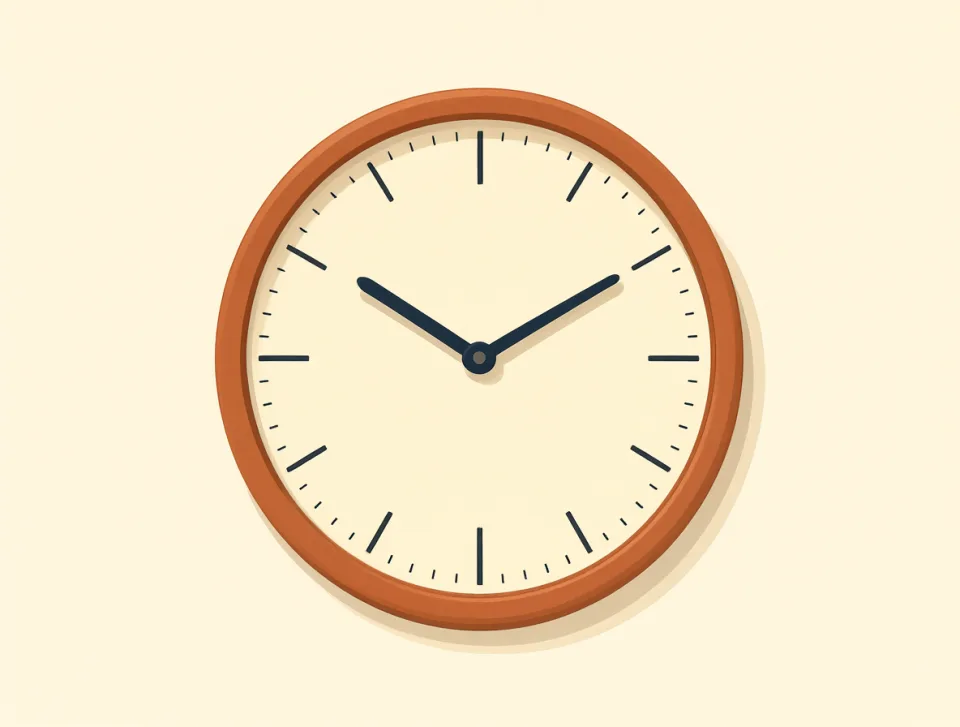
clock
#932noun, verb
zegar
A device that shows the time; to measure or check time.
Urządzenie pokazujące godzinę; mierzyć lub sprawdzać czas.
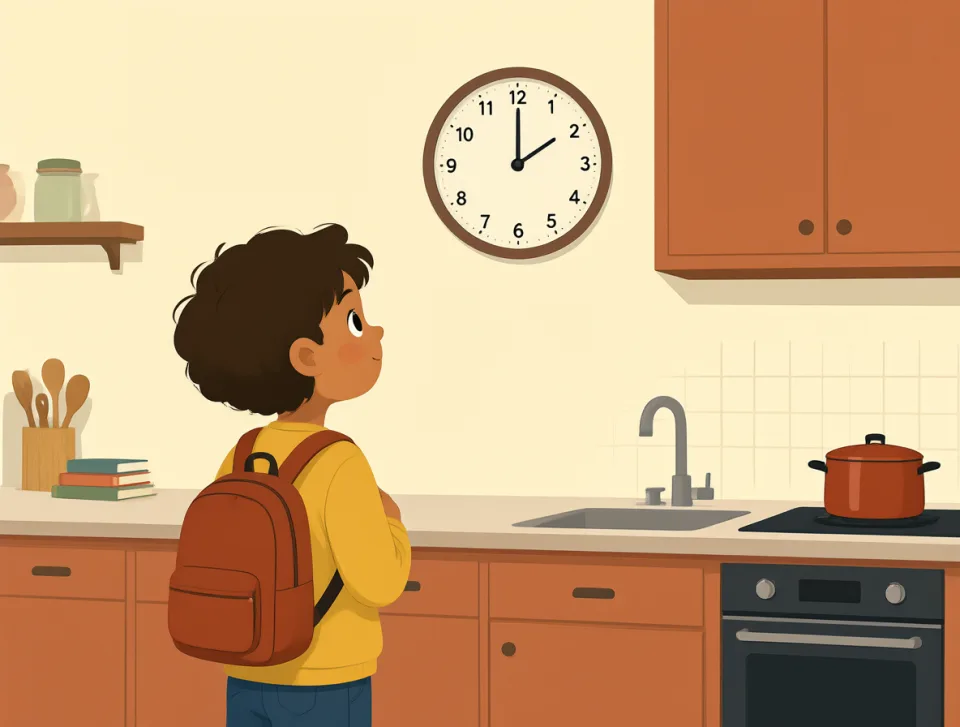
The clock says it is eight o'clock.
Zegar pokazuje ósmą.
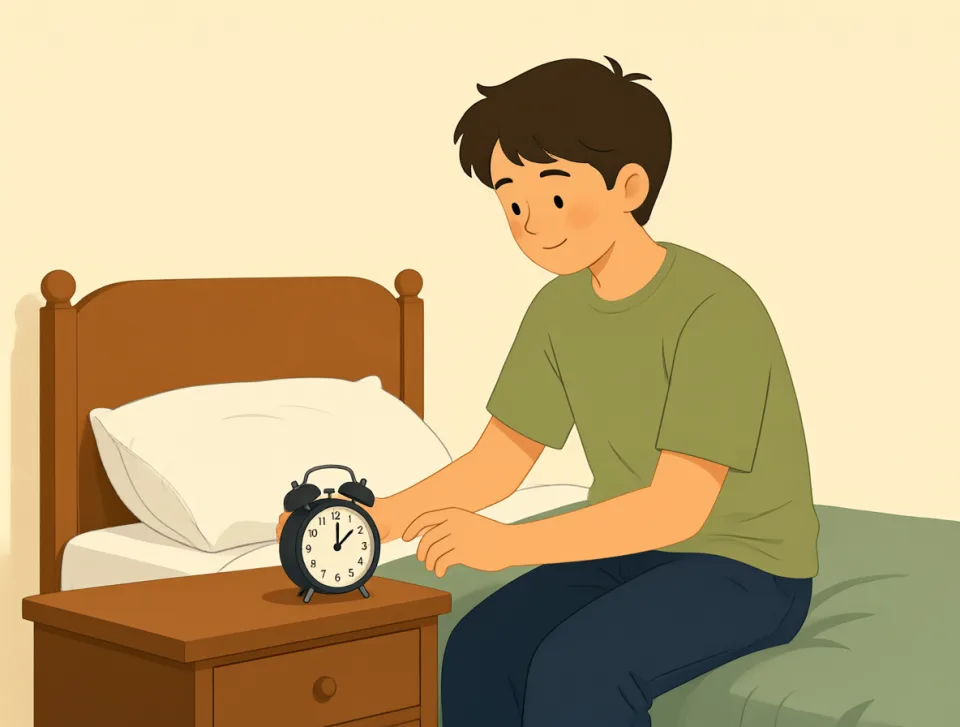
I set my alarm clock for seven.
Nastawiłem budzik na siódmą.
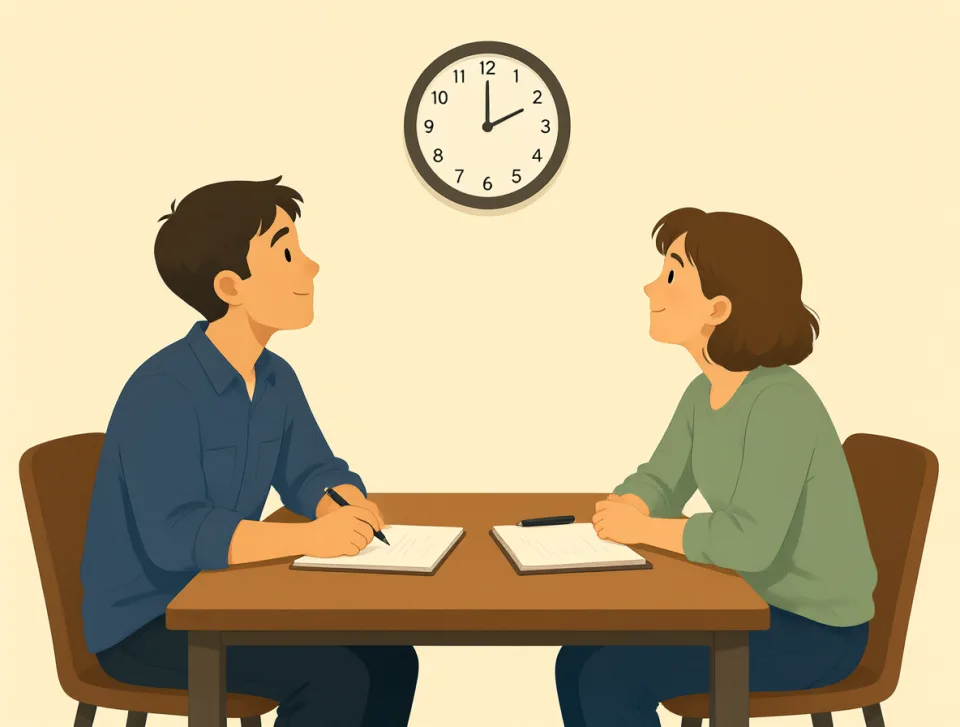
We watched the clock during the long meeting.
Podczas długiego spotkania co chwilę patrzyliśmy na zegar.
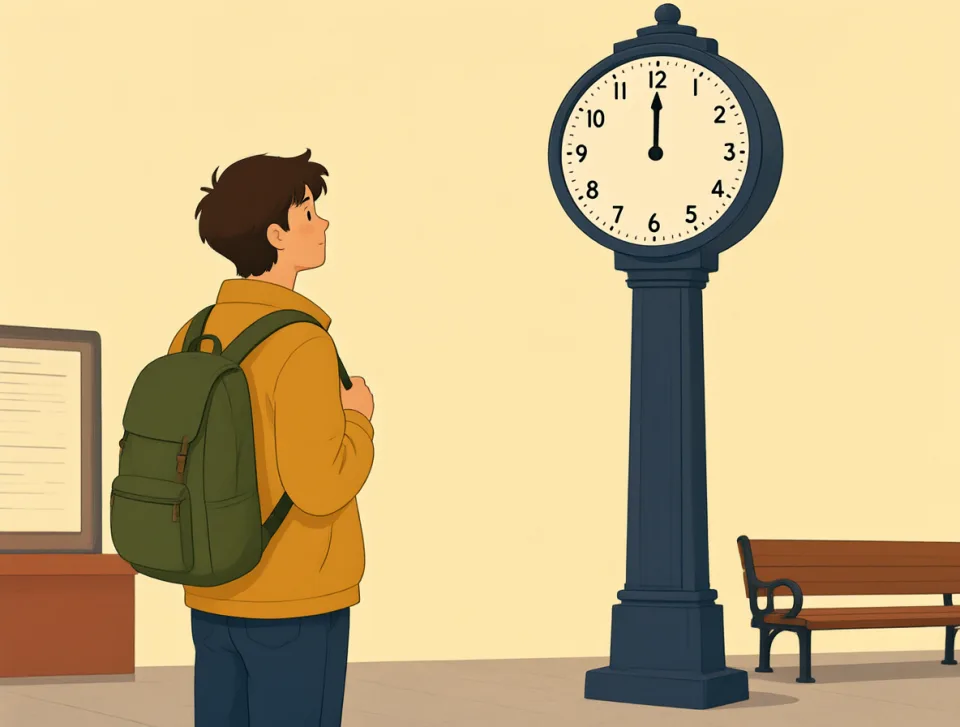
The train clock showed five minutes late.
Zegar na stacji pokazywał, że pociąg jest spóźniony o pięć minut.
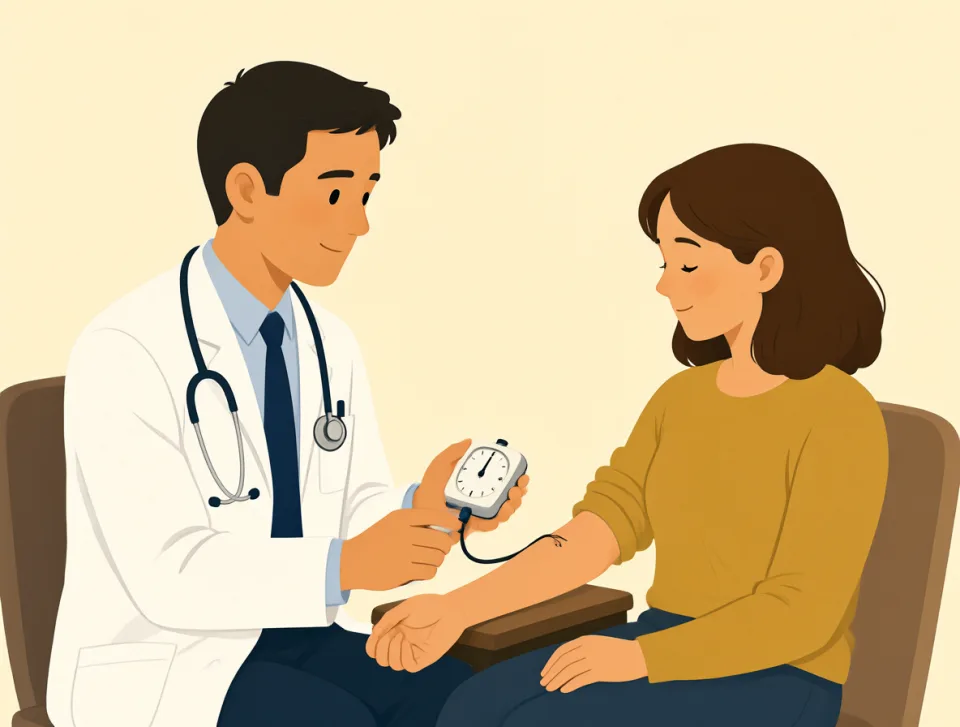
The doctor clocked my heart rate.
Lekarz zmierzył mi tętno.
everybody
#933pronoun
wszyscy
Every person in a group or place.
Każda osoba w grupie lub w danym miejscu.
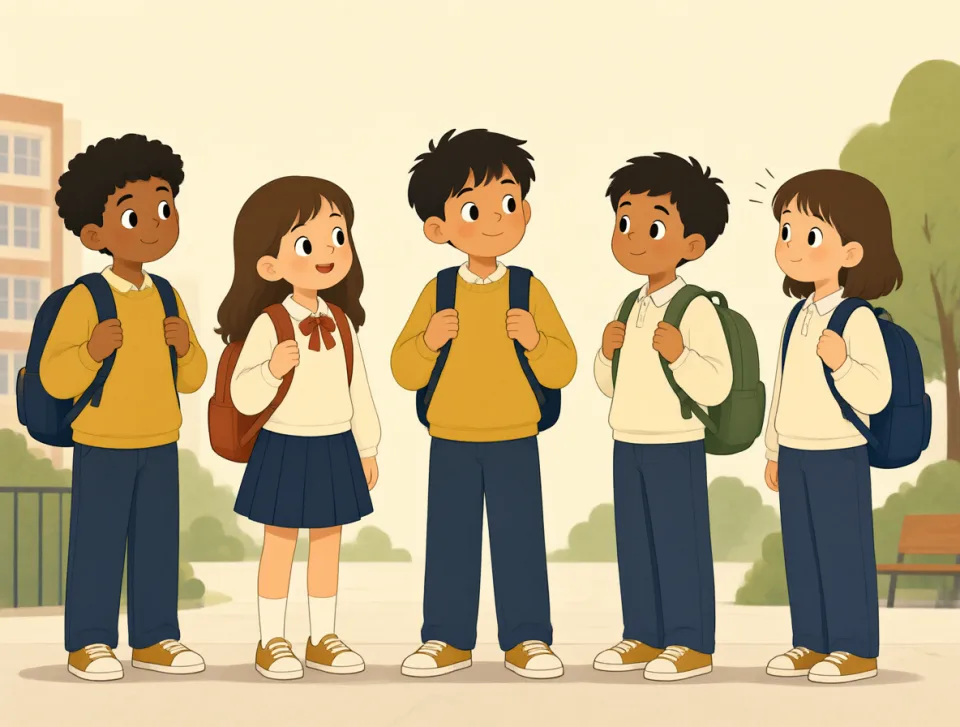
Everybody is ready for the school trip.
Wszyscy są gotowi na szkolną wycieczkę.
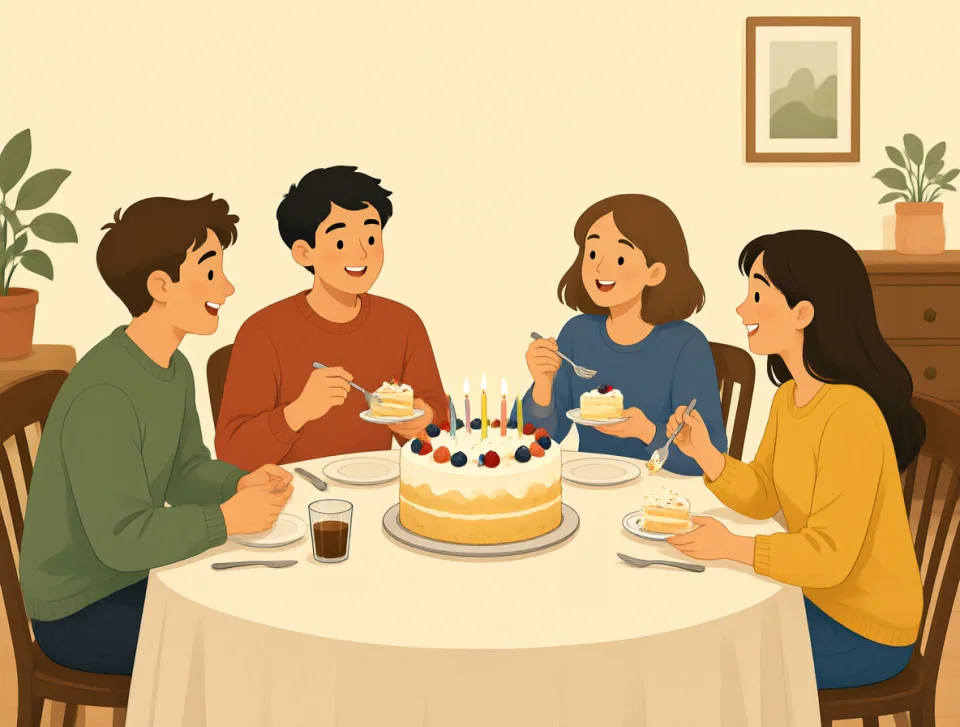
Everybody enjoyed the delicious birthday cake.
Wszyscy zajadali się pysznym tortem urodzinowym.

Everybody in the office knows her.
Wszyscy w biurze ją znają.

Is everybody here for the meeting?
Czy wszyscy są już na miejscu na spotkanie?
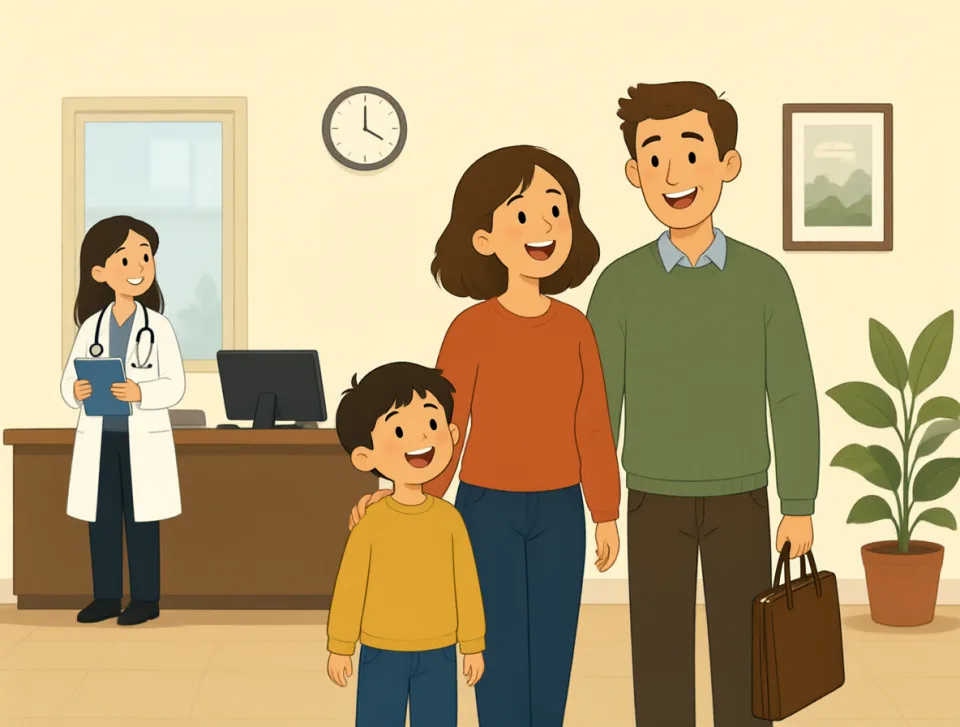
Everybody felt better after the doctor’s visit.
Po wizycie u lekarza wszyscy poczuli się lepiej.
weekend
#934noun
weekend
Saturday and Sunday, when many people do not work or go to school.
Sobota i niedziela, kiedy wiele osób nie pracuje ani nie chodzi do szkoły.
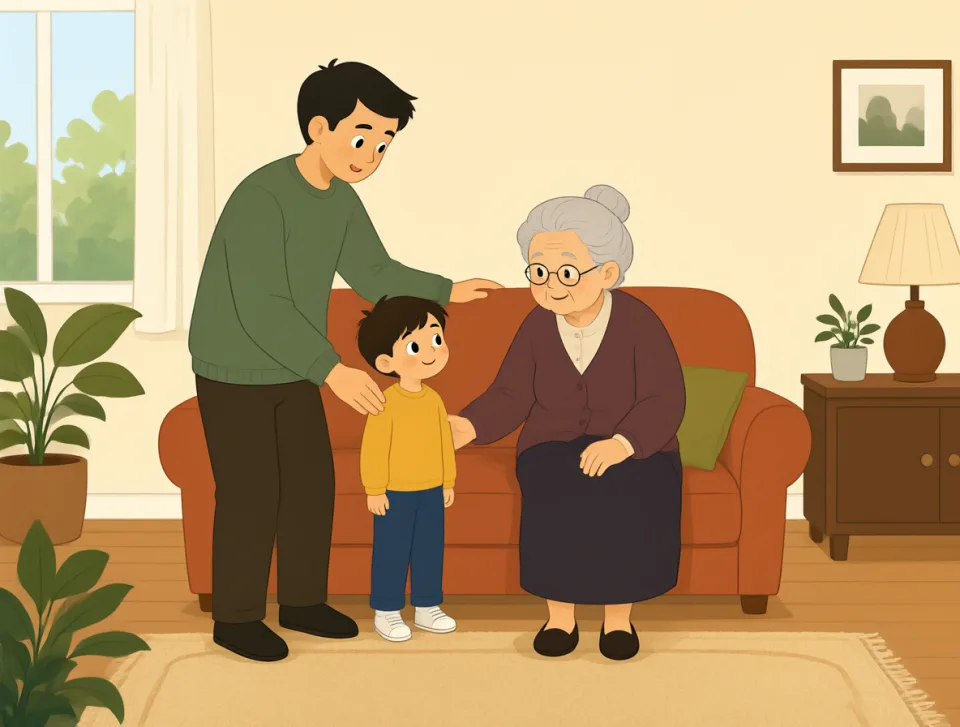
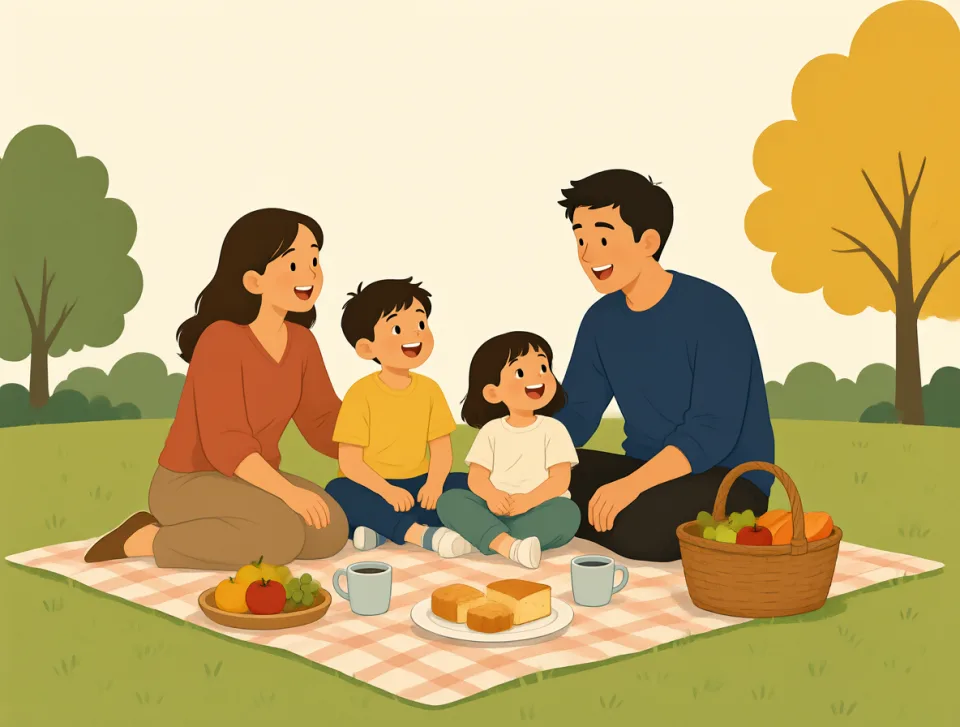
We usually visit Grandma at the weekend.
Zwykle odwiedzamy babcię w weekend.
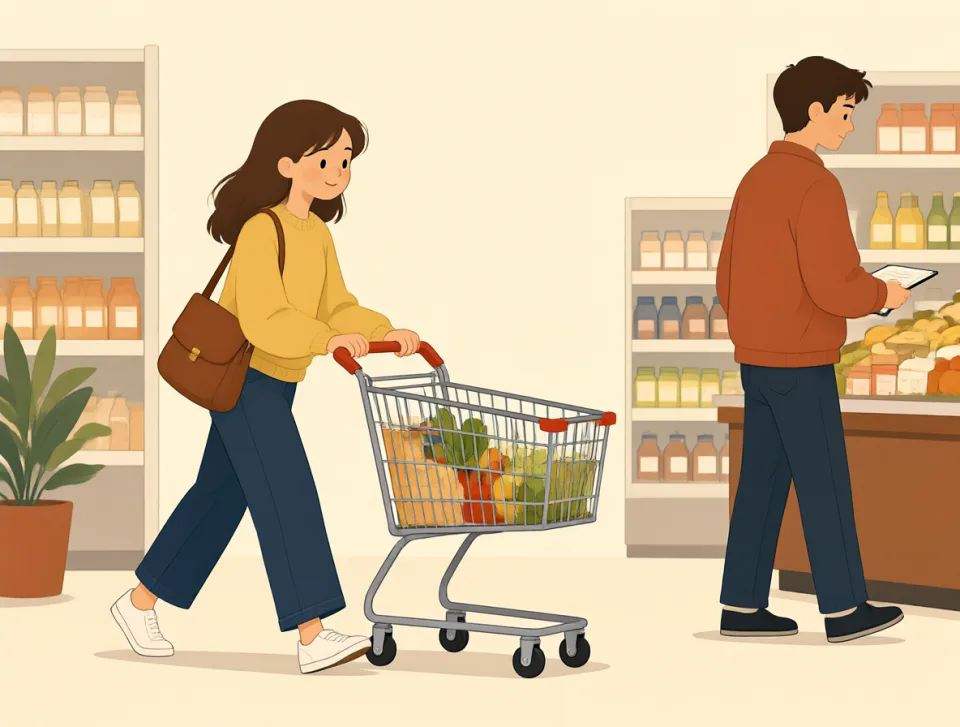
I am going shopping this weekend.
W ten weekend idę na zakupy.
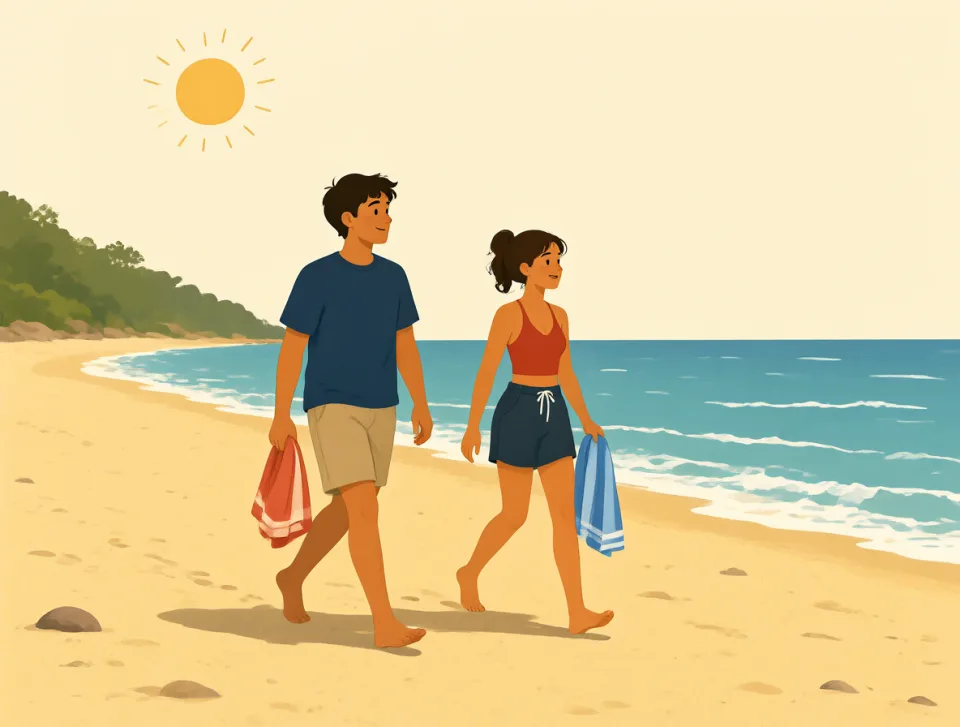
They went to the beach last weekend.
W zeszły weekend pojechali na plażę.
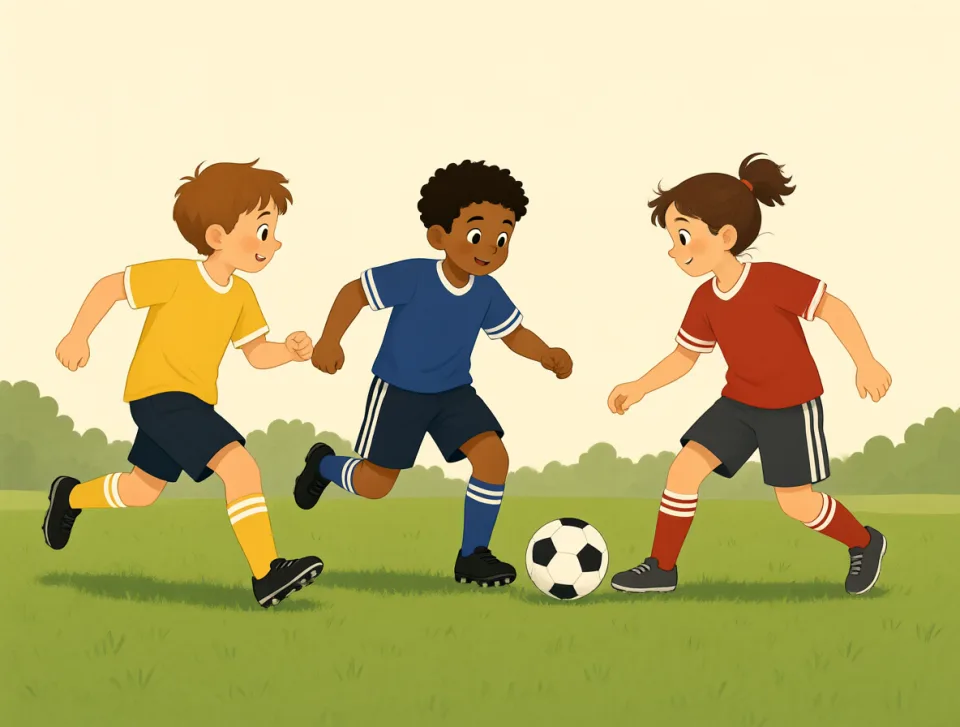
The children play soccer every weekend.
Dzieci grają w piłkę nożną w każdy weekend.
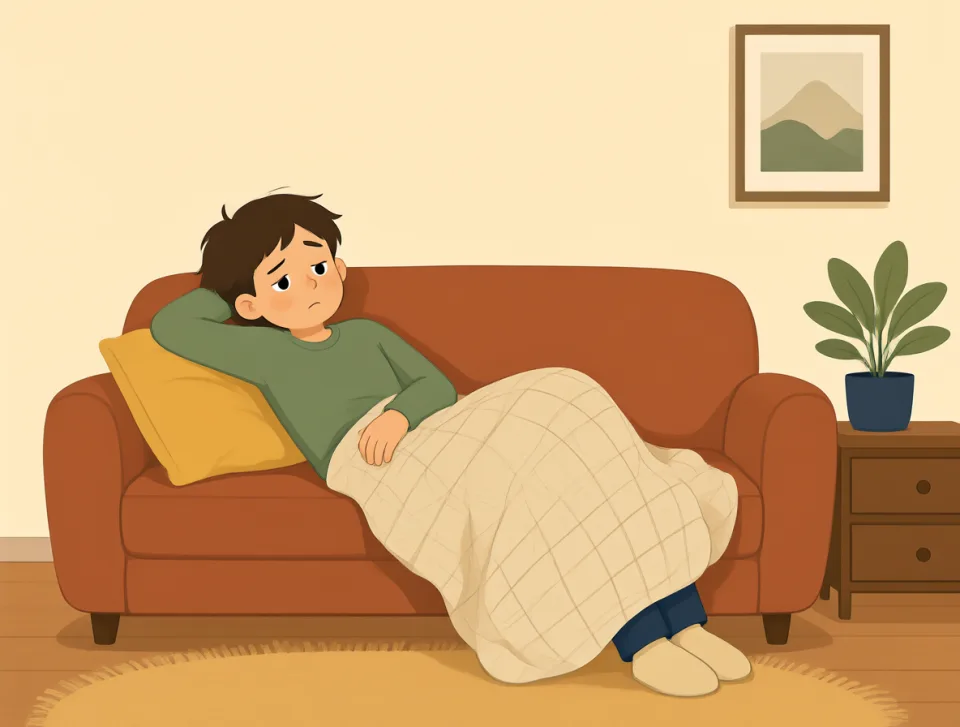
I stayed home and rested all weekend.
Przez cały weekend zostałem w domu i odpoczywałem.
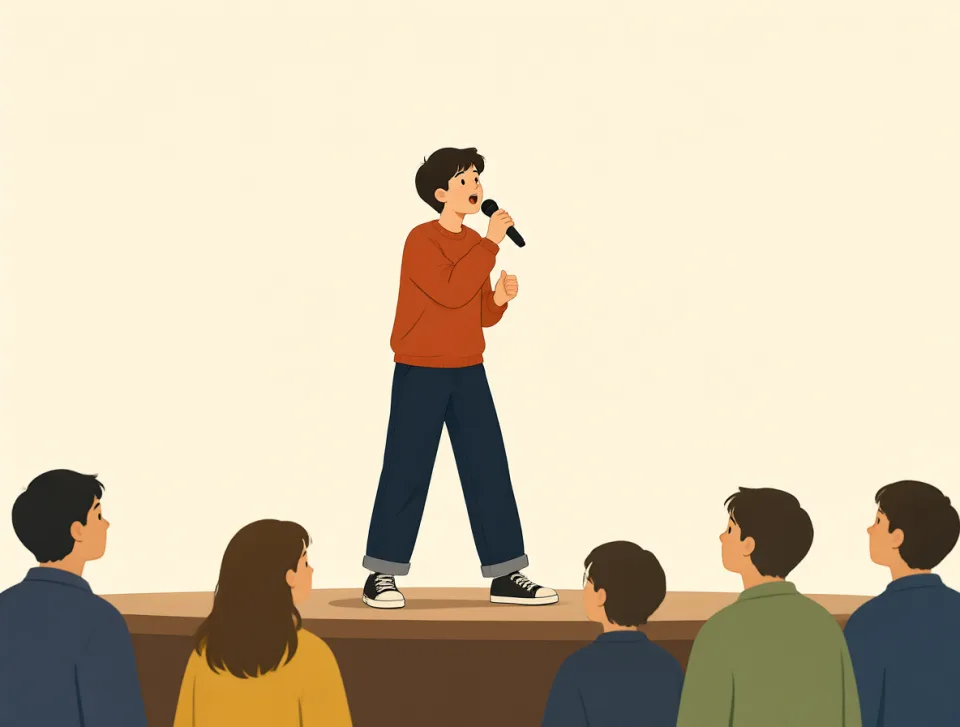
perform
#935verb
wykonać
to do a task, activity, or piece of music or acting
Wykonać zadanie lub czynność albo odegrać lub zagrać utwór muzyczny.
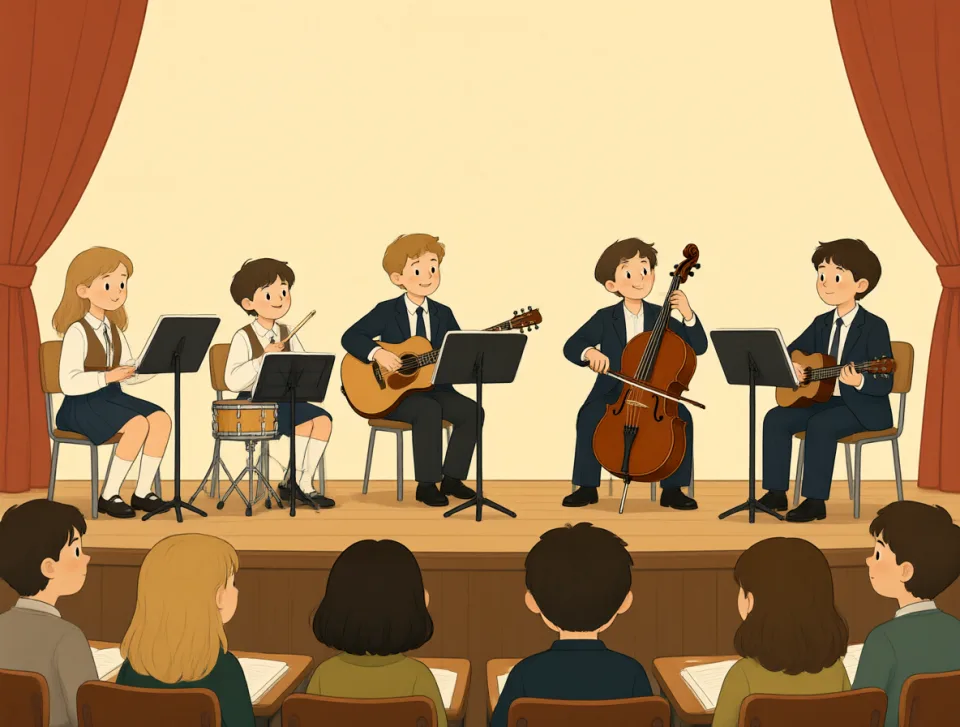
The band performed at the school party.
Zespół wystąpił na szkolnej imprezie.

She performs her job well every day.
Każdego dnia dobrze wykonuje swoją pracę.
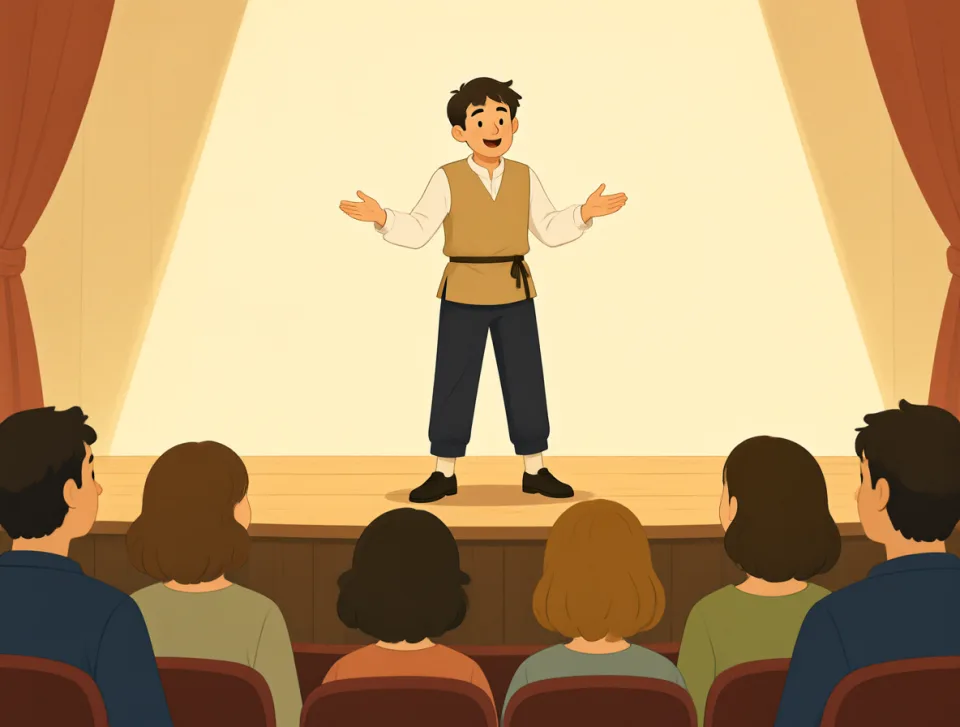
The actor performed in a funny play.
Aktor wystąpił w zabawnej sztuce.
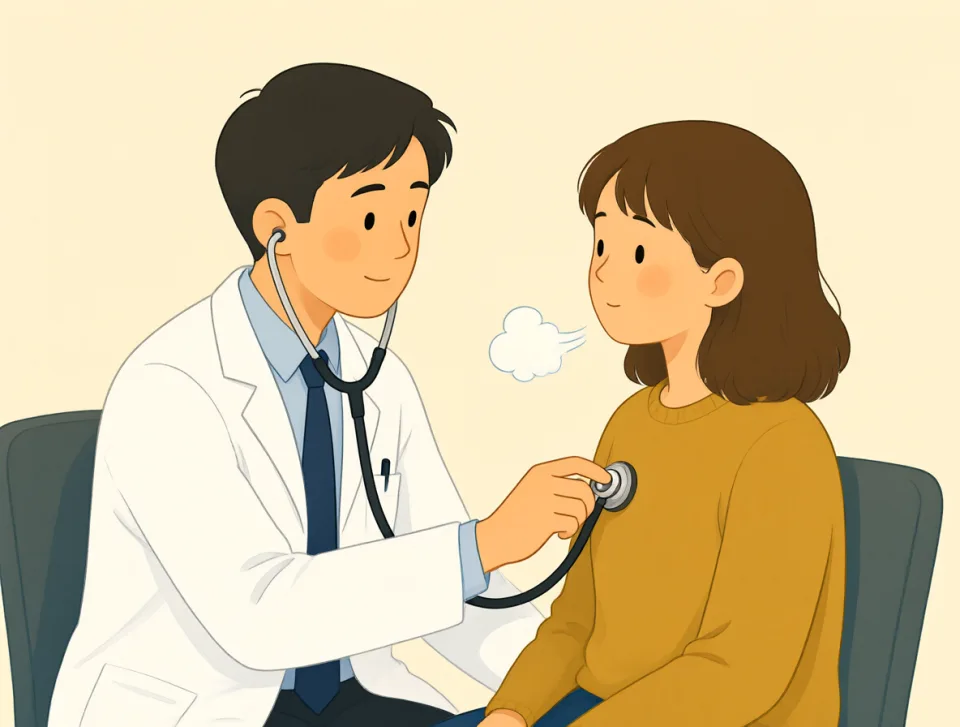
The doctor performed a quick health check.
Lekarz szybko przeprowadził kontrolę stanu zdrowia.
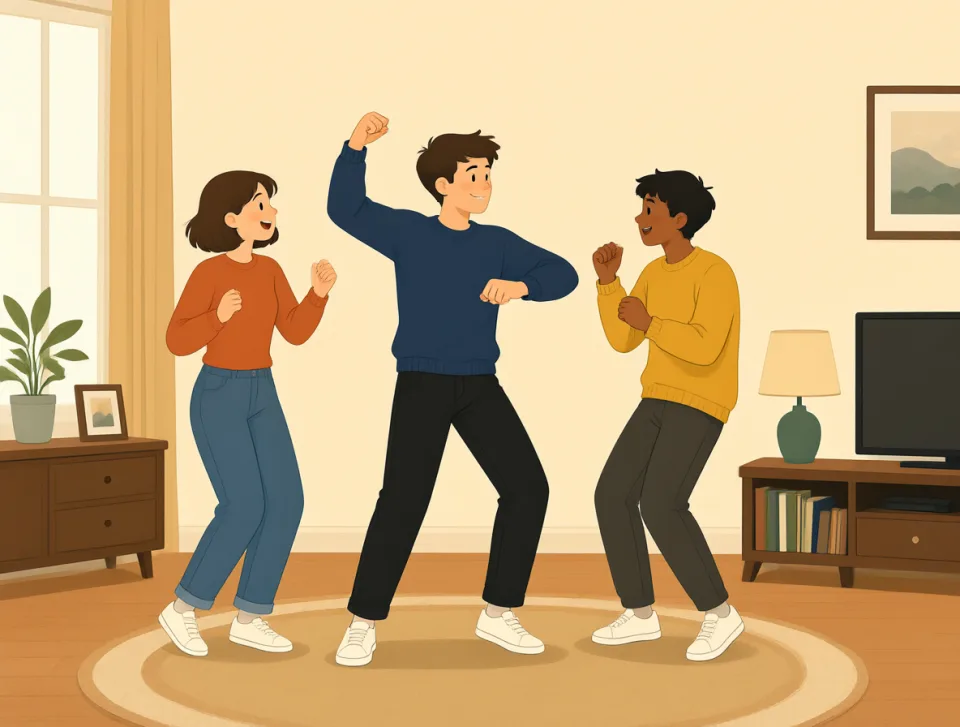
He performed the dance with his friends.
Zatańczył ze swoimi przyjaciółmi.
professional
#936noun, adjective, adverb
profesjonalista; zawodowy
Having special training for a job, or doing that job for money.
Mający specjalistyczne szkolenie do wykonywania pracy lub wykonujący tę pracę za pieniądze.
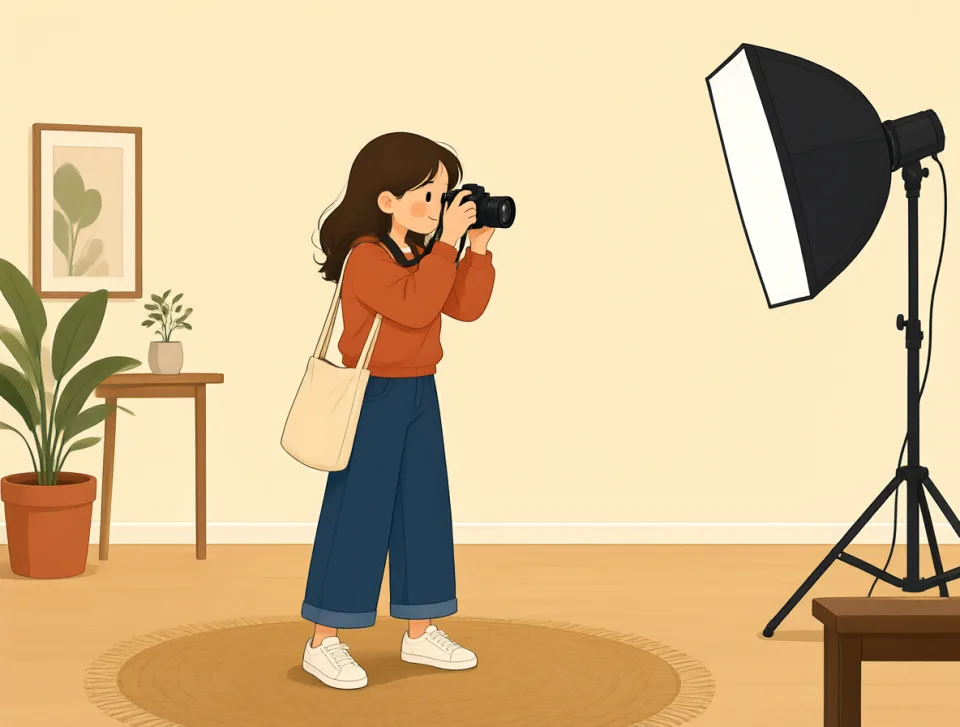
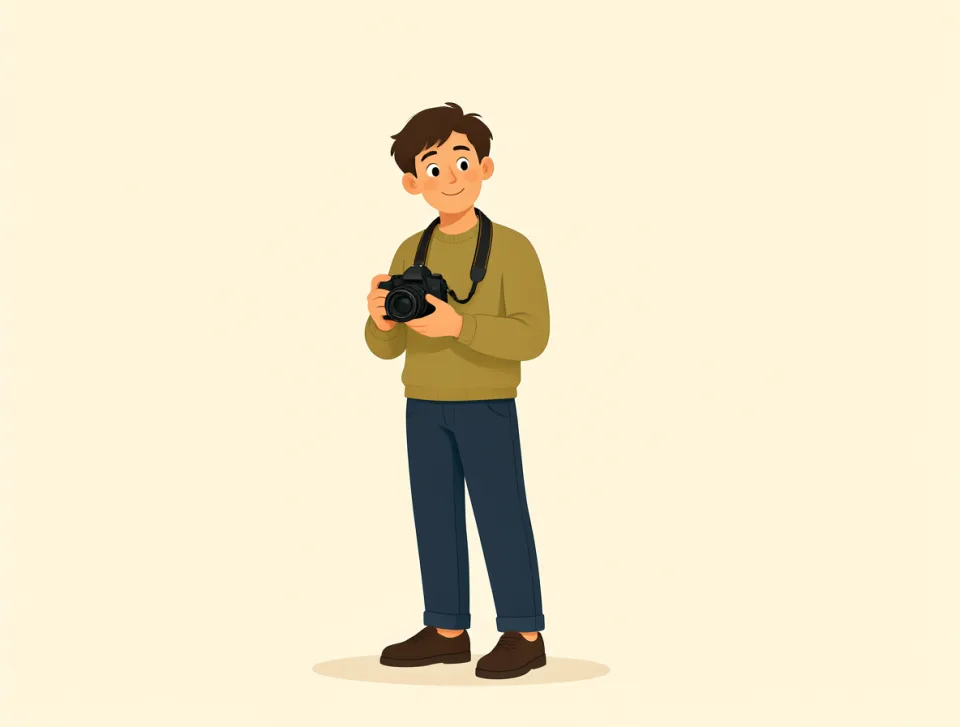
She wants to become a professional photographer.
Ona chce zostać profesjonalną fotografką.
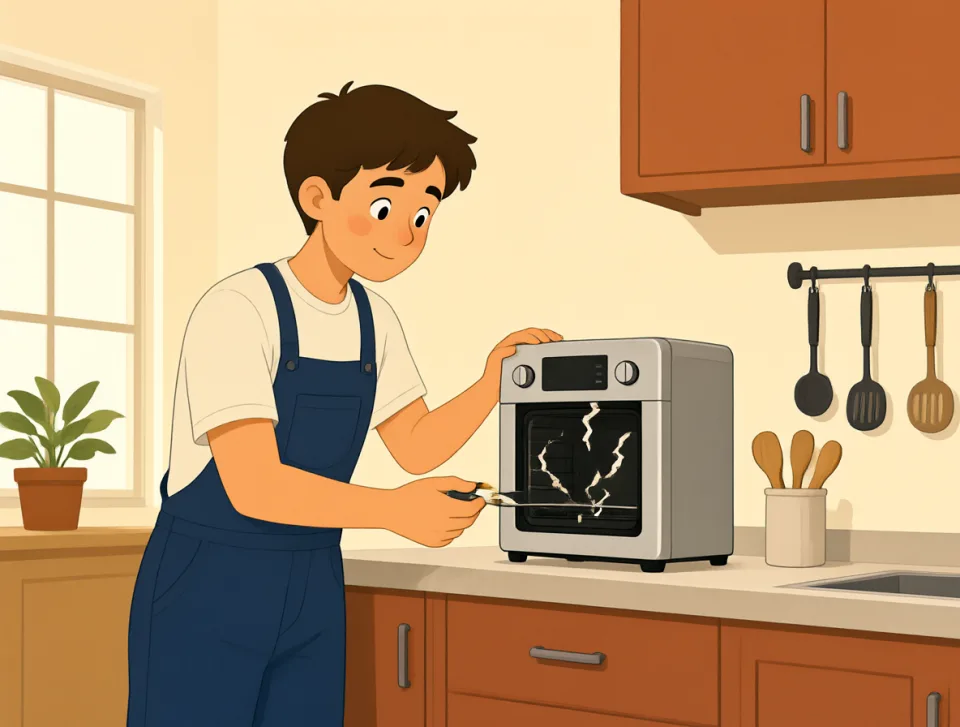
We need professional help with this problem.
Potrzebujemy profesjonalnej pomocy w rozwiązaniu tego problemu.

He always looks professional at work.
W pracy zawsze wygląda profesjonalnie.
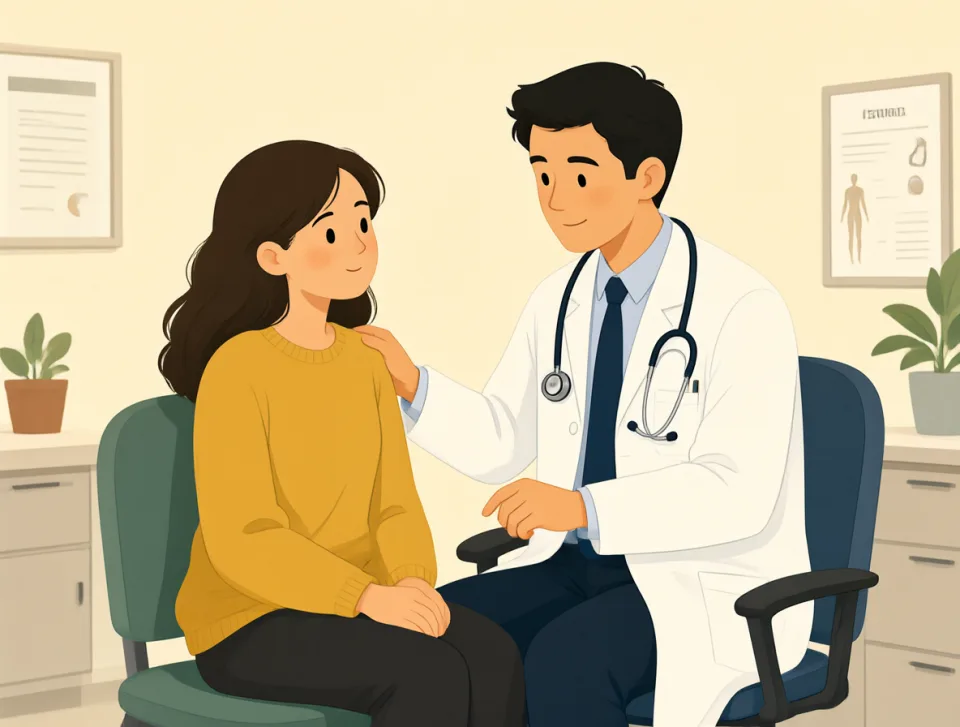
The doctor is a medical professional.
Ten lekarz jest profesjonalistą medycznym.
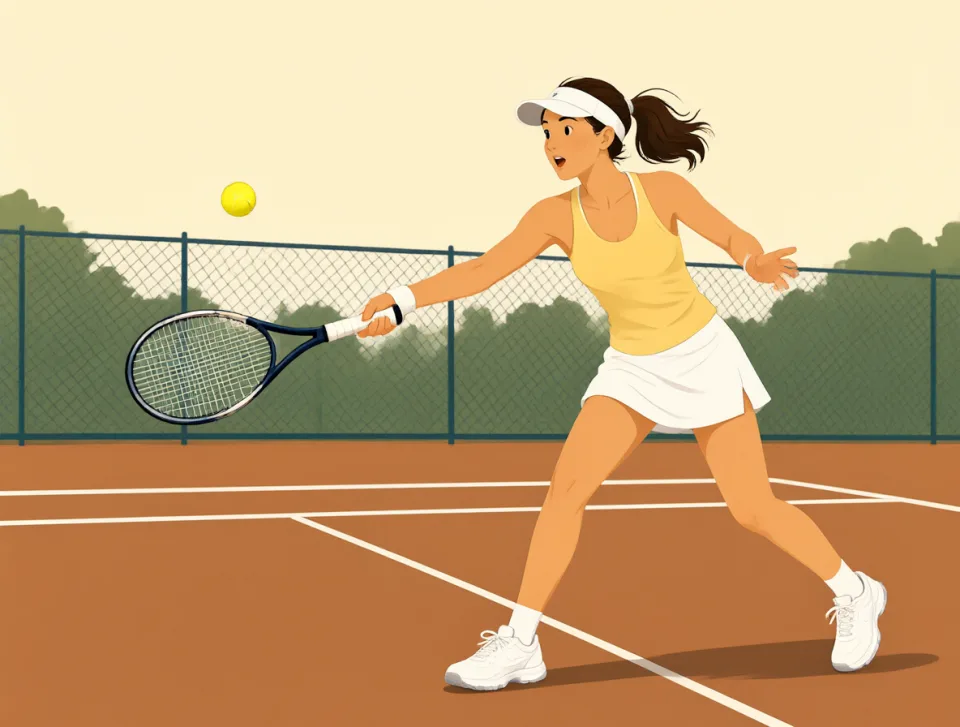
She plays tennis professionally every weekend.
W każdy weekend gra w tenisa zawodowo.
mine
#937pronoun, noun, verb
mój; kopalnia; wydobywać
Belonging to me; a place where valuable minerals are dug from the ground; to dig for them.
Należący do mnie; miejsce, z którego wydobywa się cenne minerały; wydobywać je z ziemi.
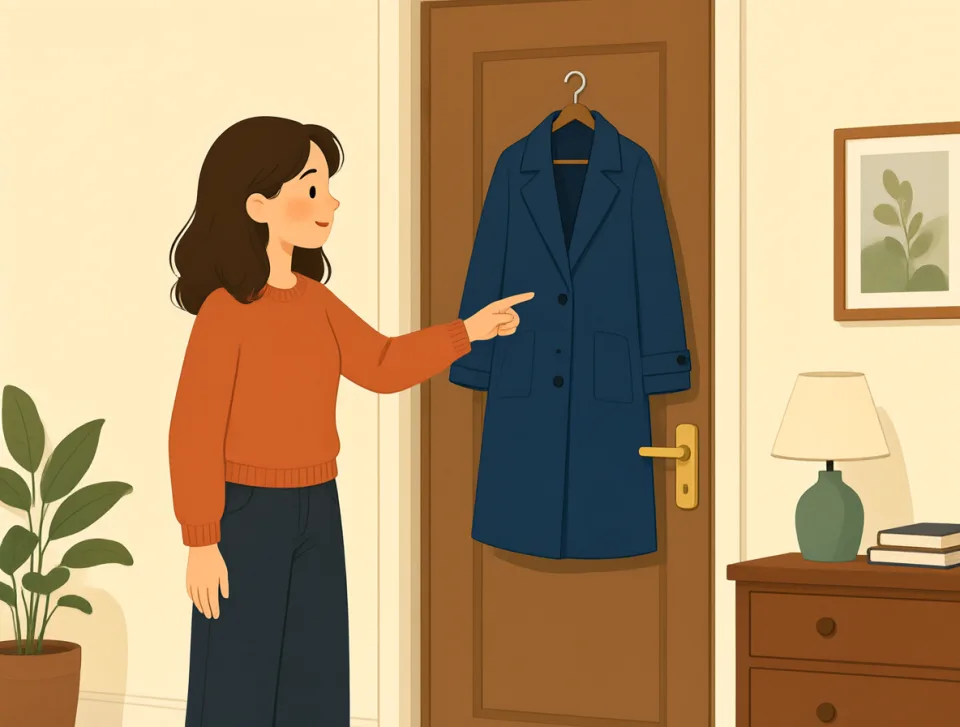
That blue coat is mine.
Ten niebieski płaszcz jest mój.

Is this seat mine or yours?
To miejsce jest moje czy twoje?
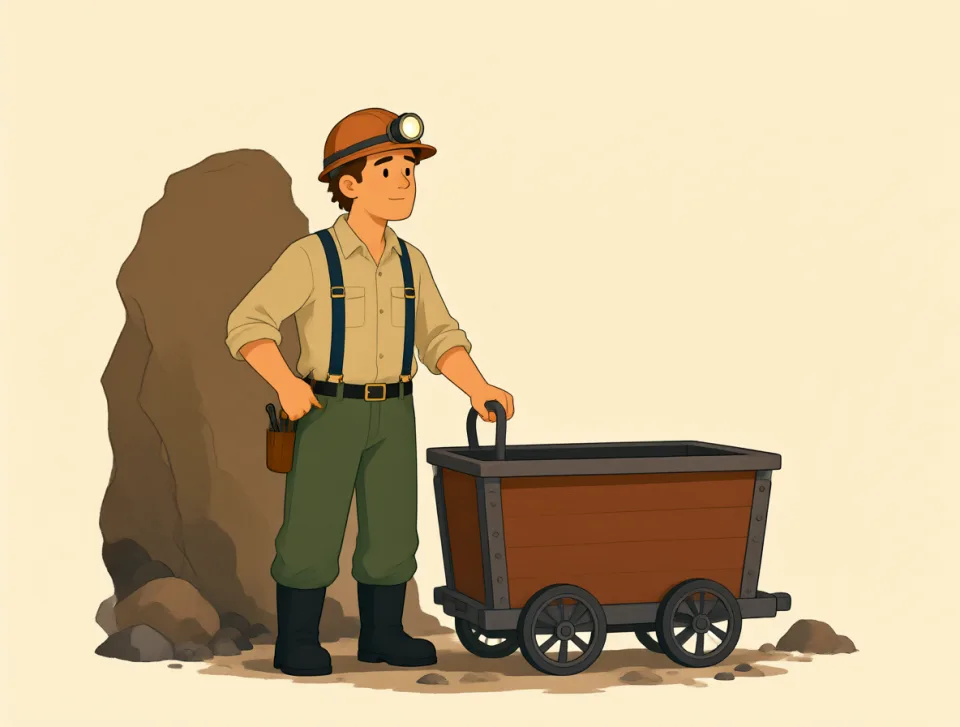
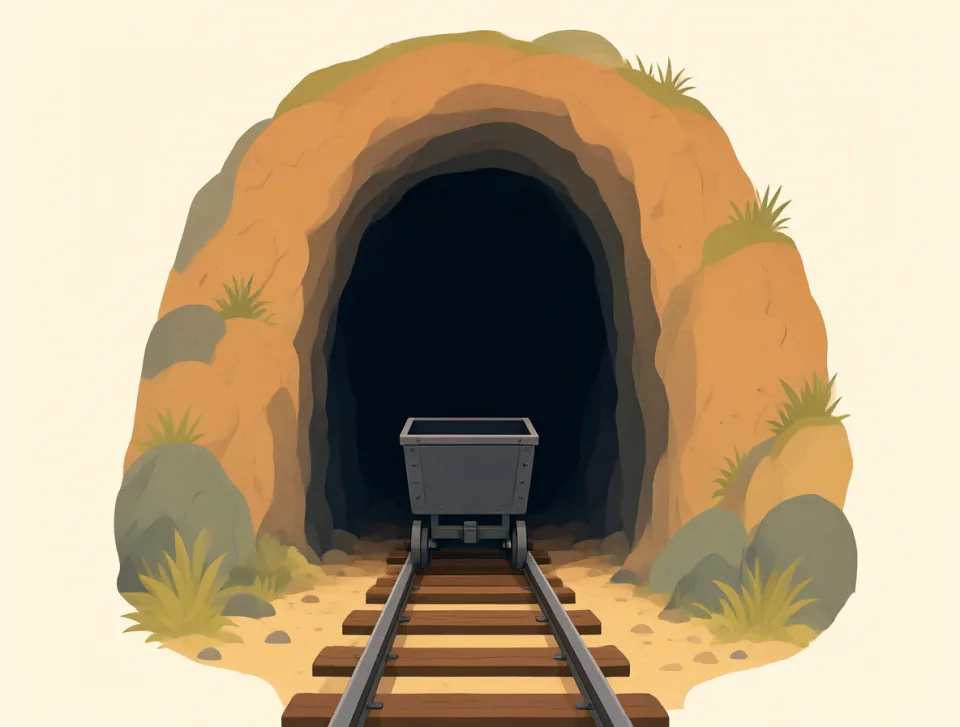
My uncle works in a coal mine.
Mój wujek pracuje w kopalni węgla.
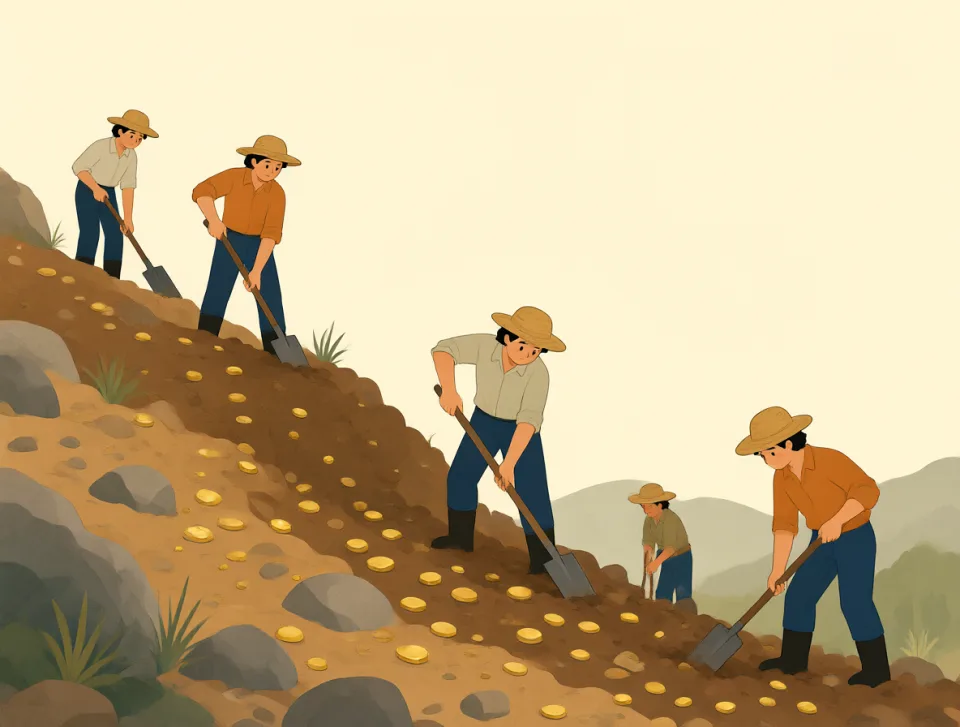
They mined gold in these hills.
W tych wzgórzach wydobywali złoto.
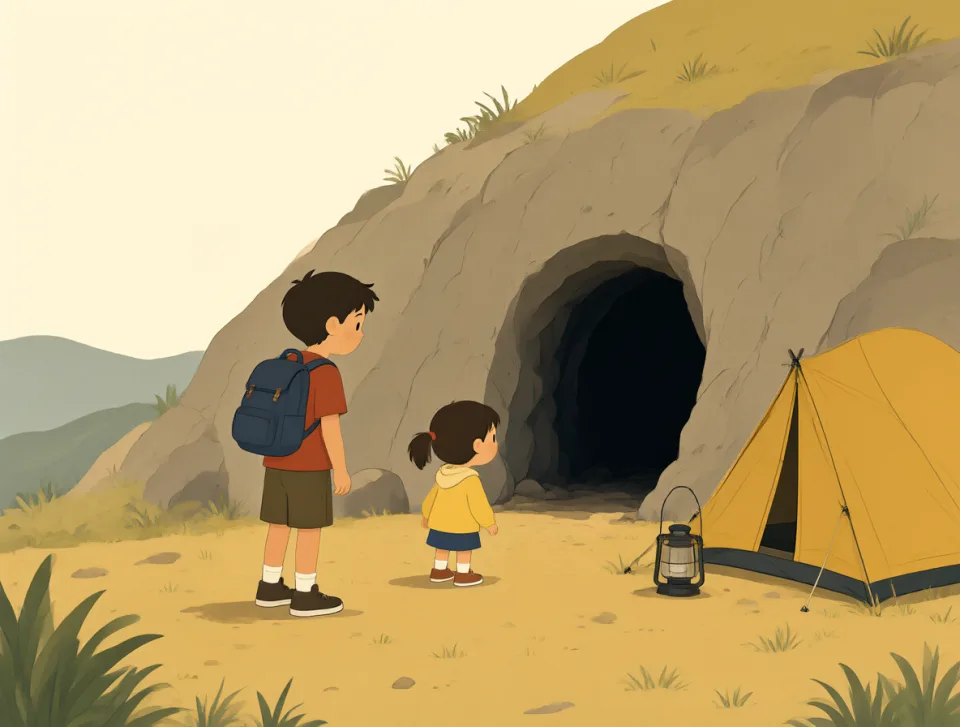
The children found a mine near camp.
Dzieci znalazły minę niedaleko obozu.
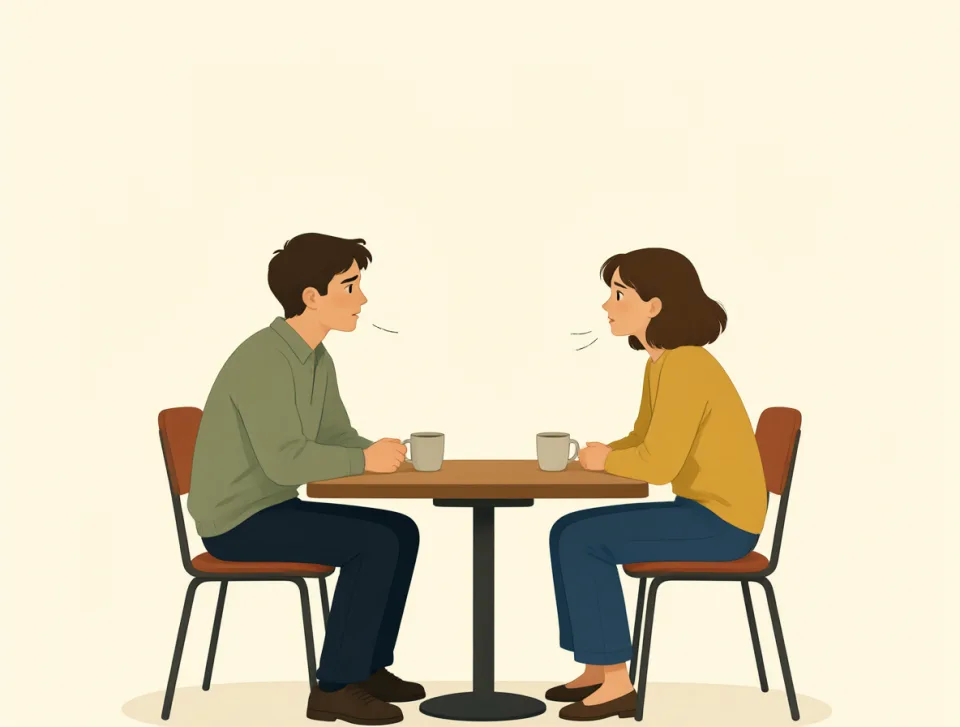
debate
#938noun, verb
debata; debatować
A discussion where people give different opinions, or to discuss different opinions.
Dyskusja, w której ludzie przedstawiają różne opinie, lub omawiać różne opinie.
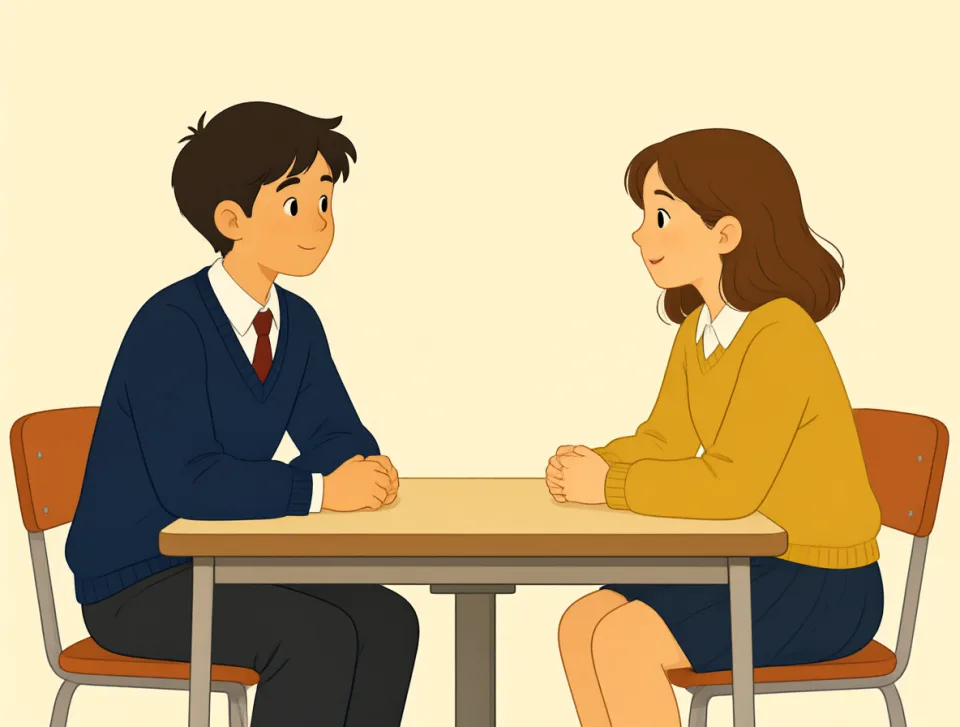
We had a debate about school uniforms.
Rozmawialiśmy o mundurkach szkolnych podczas debaty.
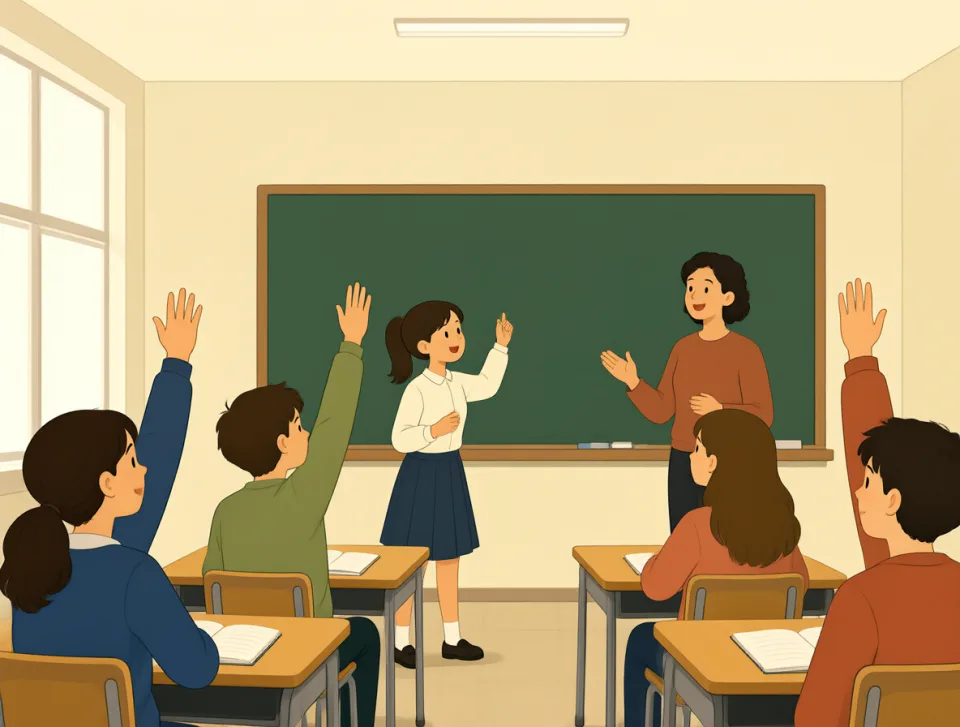
The class debated which book to read.
Klasa debatowała nad tym, którą książkę przeczytać.
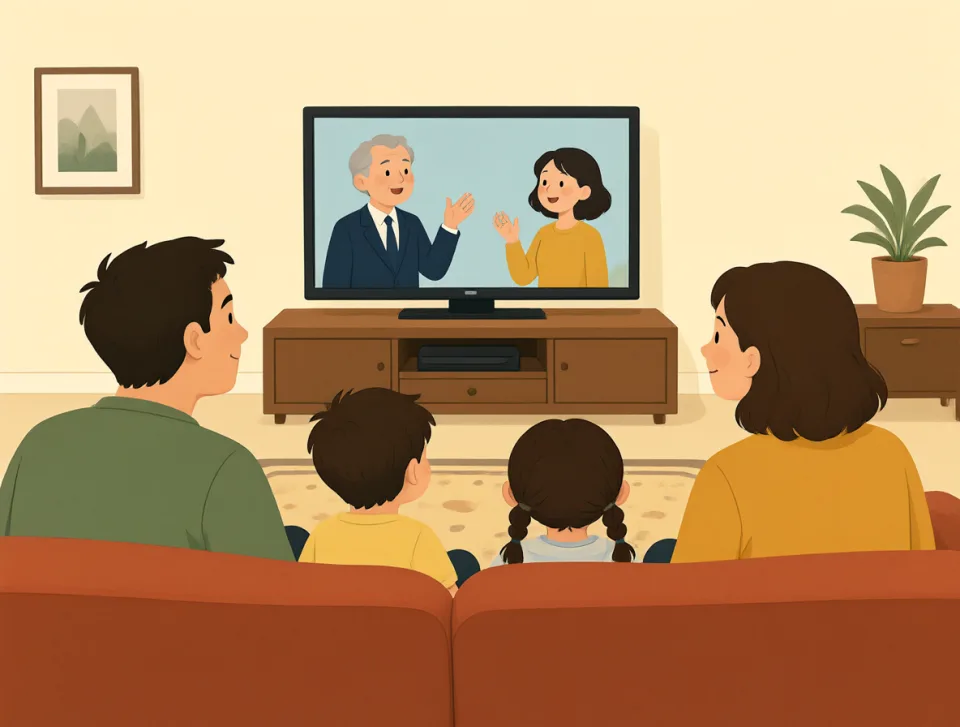
They watched a debate on television last night.
Wczoraj wieczorem oglądali w telewizji debatę.
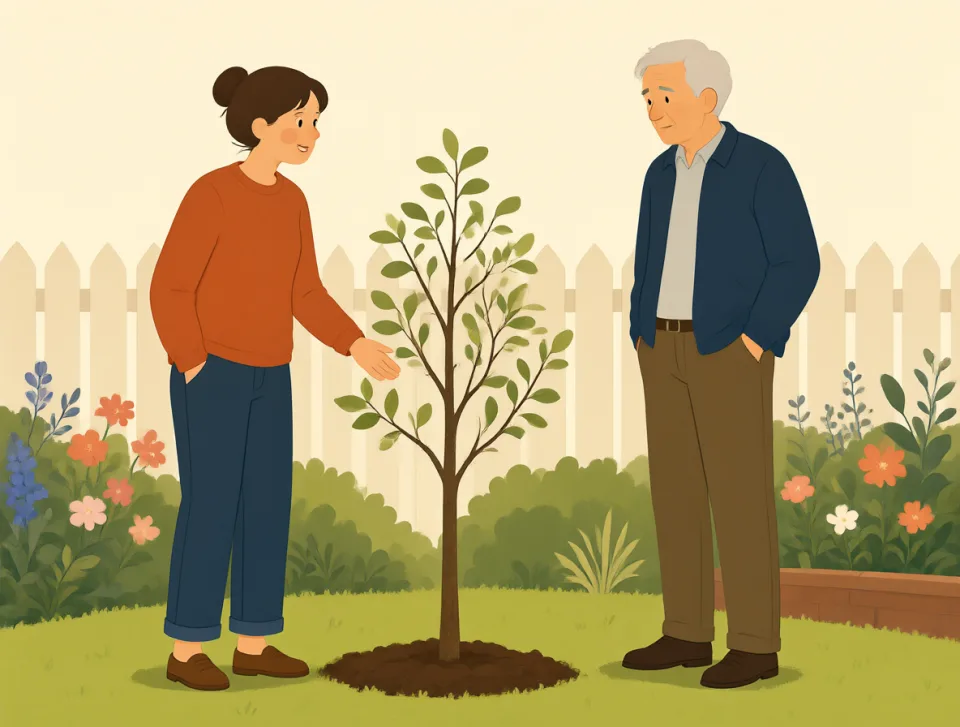
The neighbors debated where to plant the tree.
Sąsiedzi debatowali nad tym, gdzie posadzić drzewo.
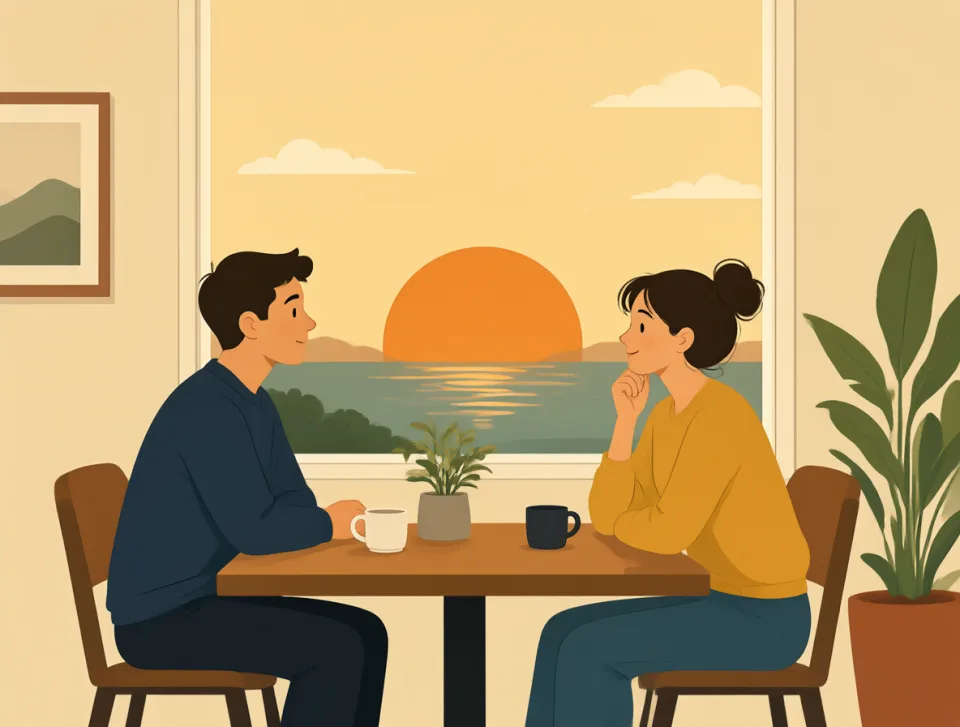
The debate lasted nearly an hour.
Debata trwała prawie godzinę.
memory
#939noun
pamięć
A person’s ability to remember things, or something remembered.
Zdolność człowieka do zapamiętywania różnych rzeczy lub coś, co się pamięta.
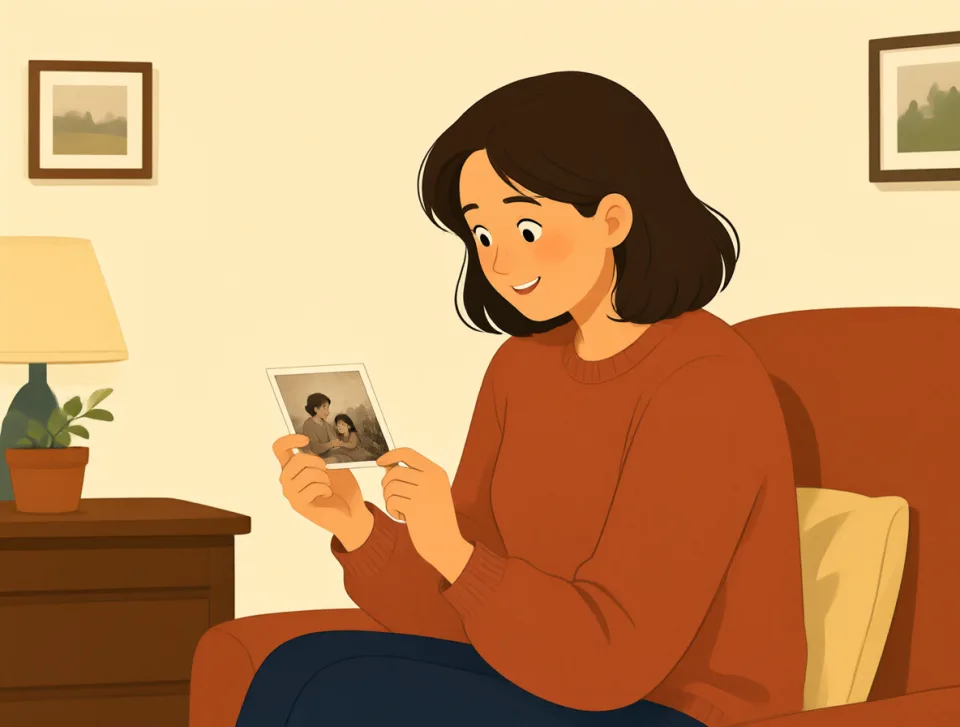
My memory of our first trip is clear.
Wyraźnie pamiętam naszą pierwszą podróż.
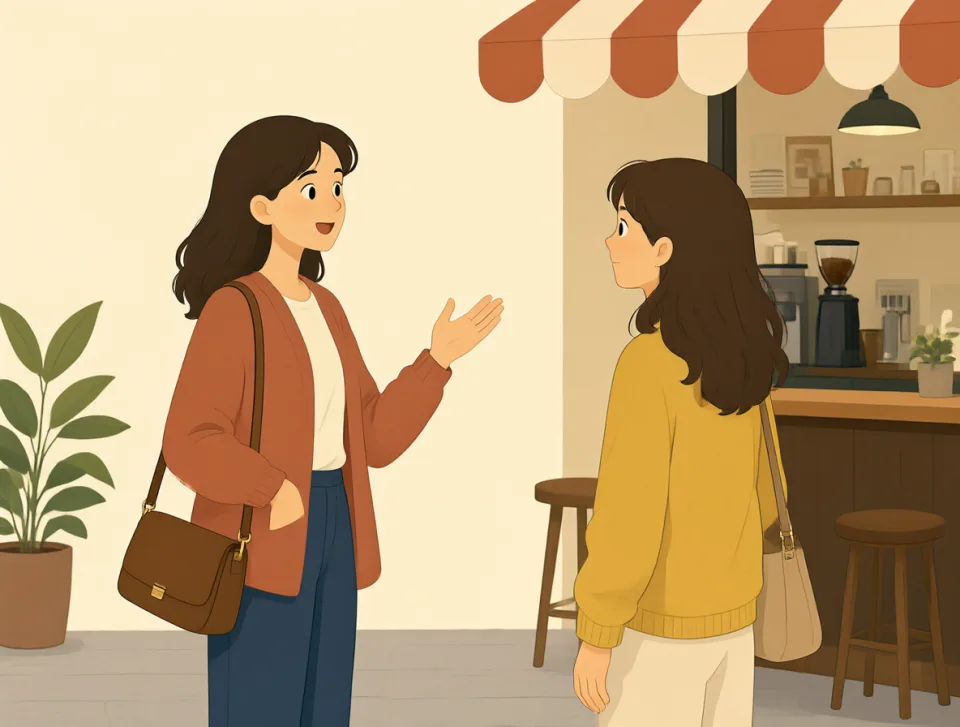
She has a good memory for names.
Ona ma dobrą pamięć do imion.
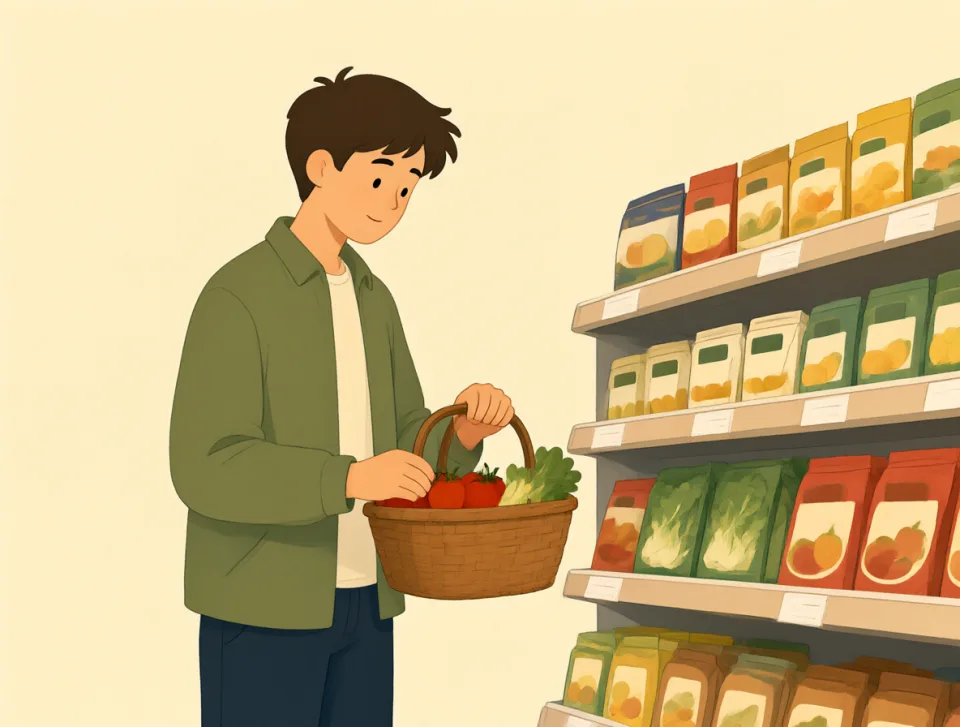
I forgot the shopping list, but my memory helped.
Zapomniałem listy zakupów, ale pomogła mi pamięć.
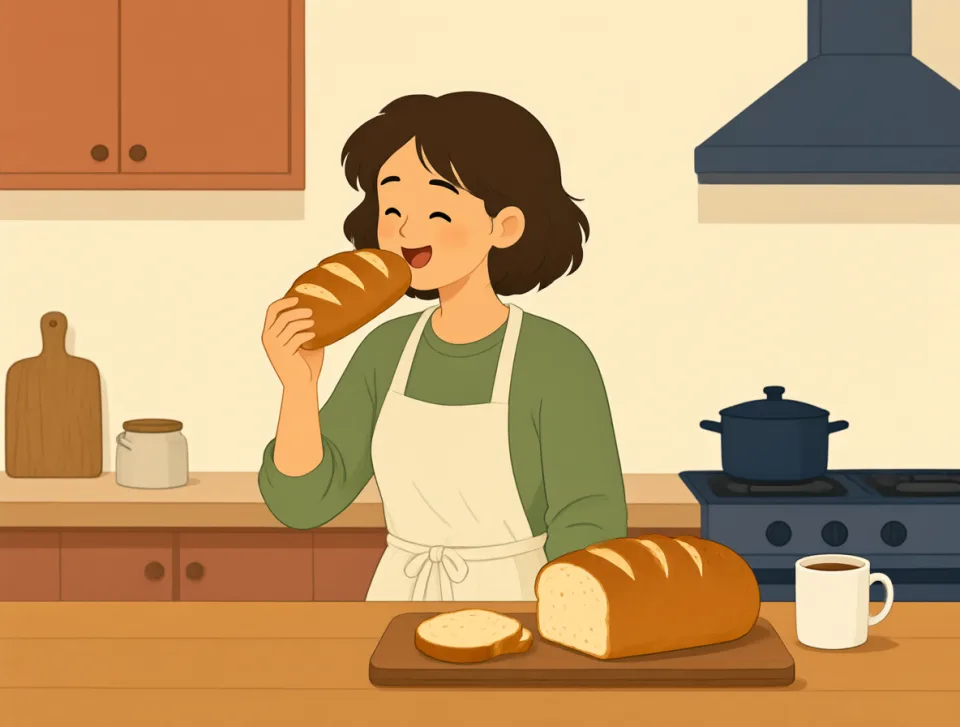
The smell of bread brought back a happy memory.
Zapach chleba przywołał szczęśliwe wspomnienie.
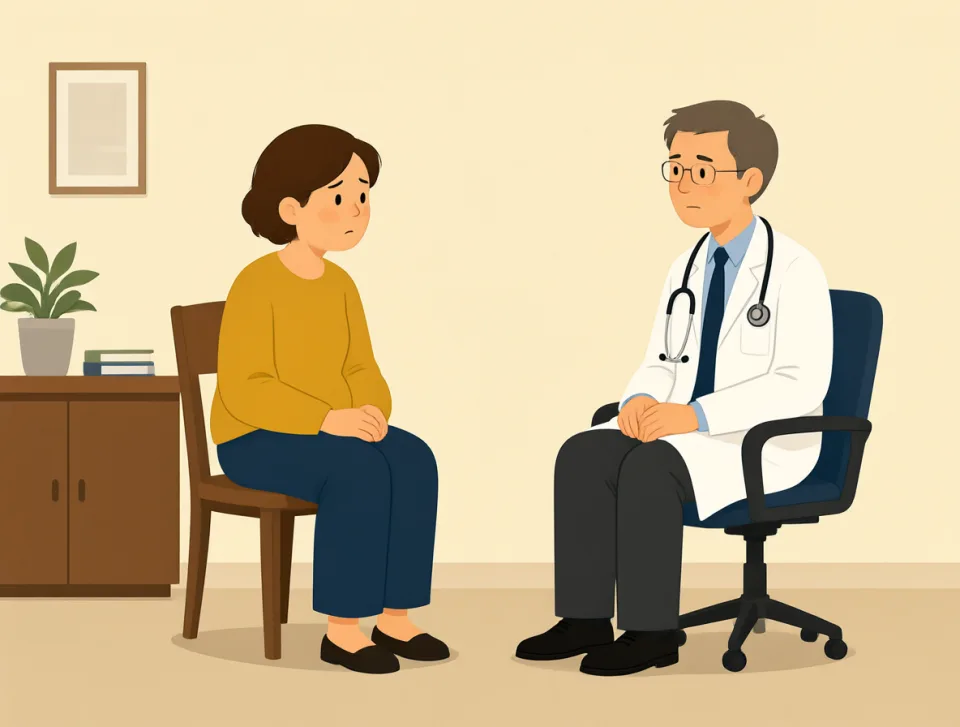
He lost his memory after the accident.
Stracił pamięć po wypadku.

green
#940adjective, noun
zielony
Having the color of grass; also a color or a young, inexperienced person.
Mający kolor trawy; także kolor lub osoba młoda i niedoświadczona.
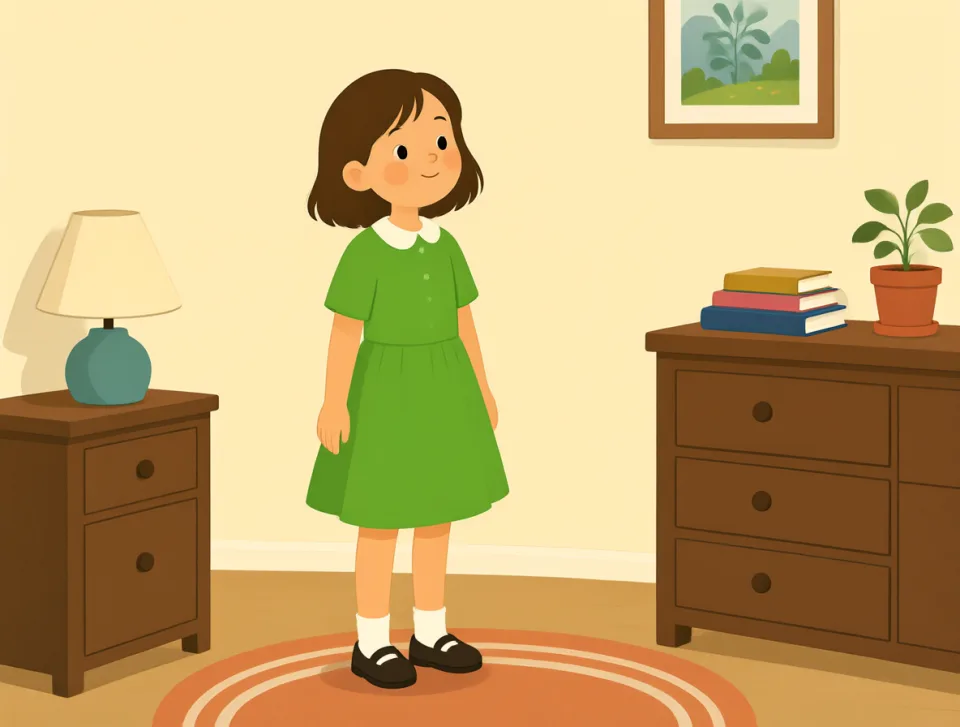
She wore a green dress to school.
Założyła do szkoły zieloną sukienkę.
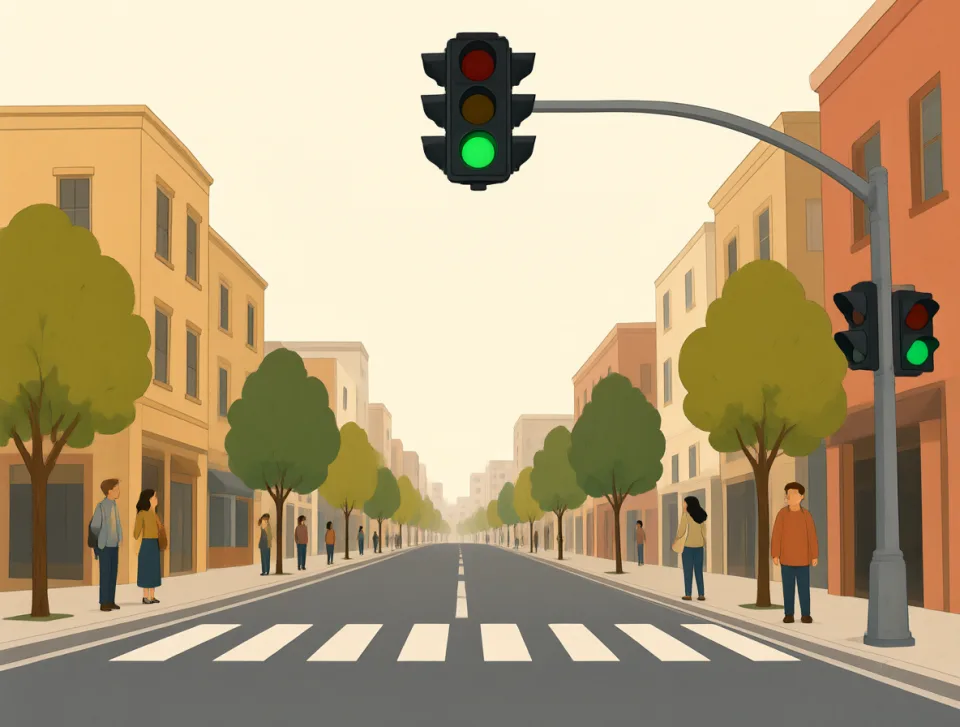
The traffic light turned green.
Światło na sygnalizatorze zmieniło się na zielone.
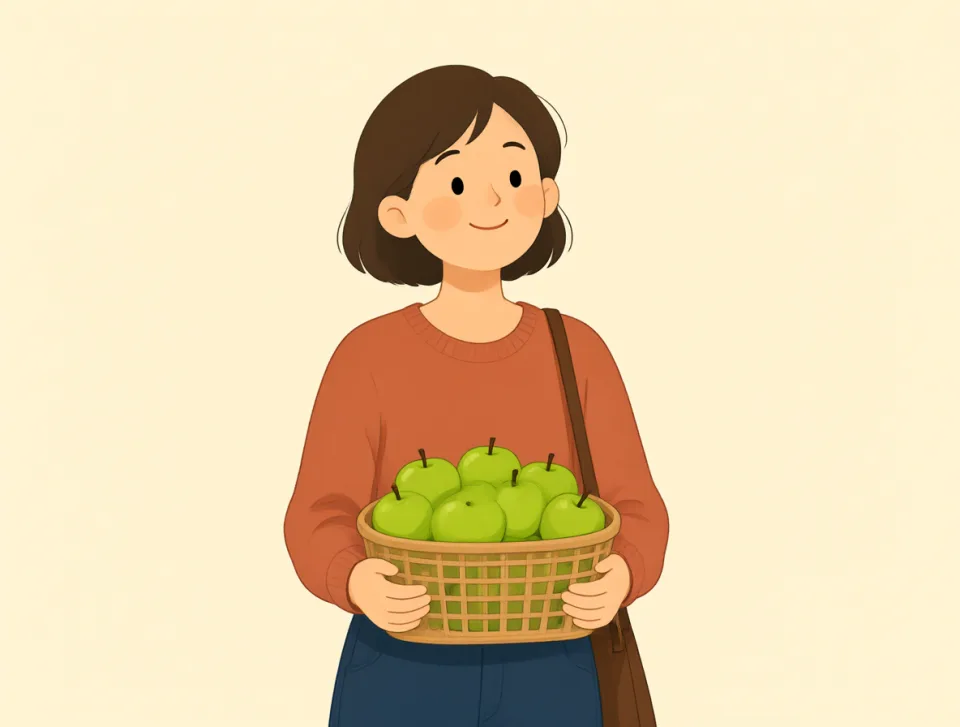
We bought green apples at the market.
Kupiliśmy na targu zielone jabłka.
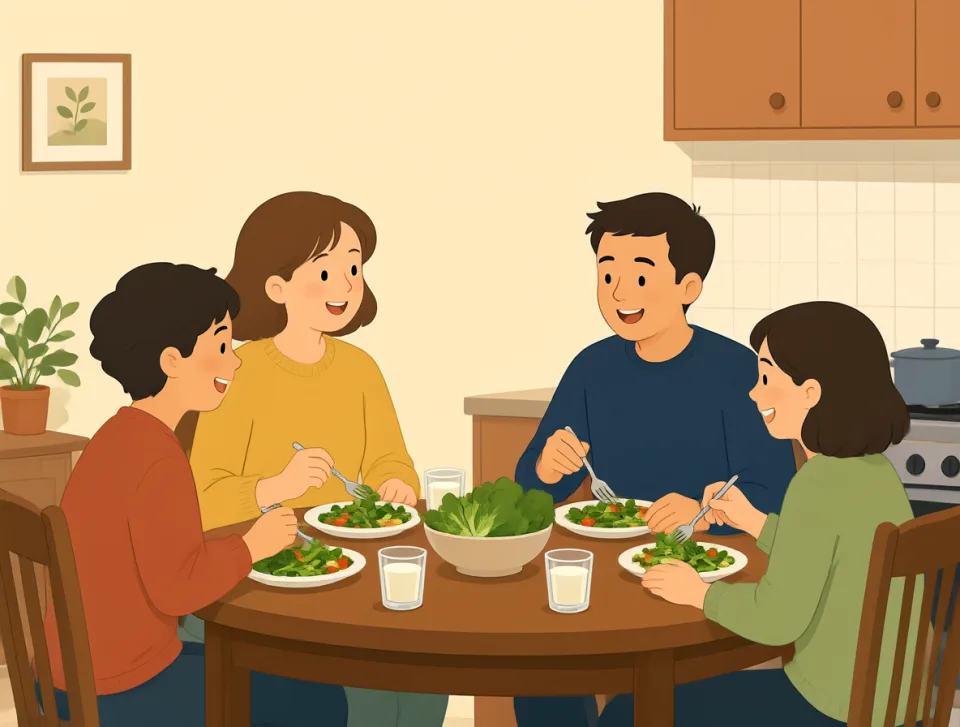
Green vegetables are good for your health.
Zielone warzywa są dobre dla zdrowia.

He is still green at his new job.
Wciąż jest niedoświadczony w swojej nowej pracy.