Zestaw 36
Słowa 701–720 · guy, function, yesterday, image, size, behavior
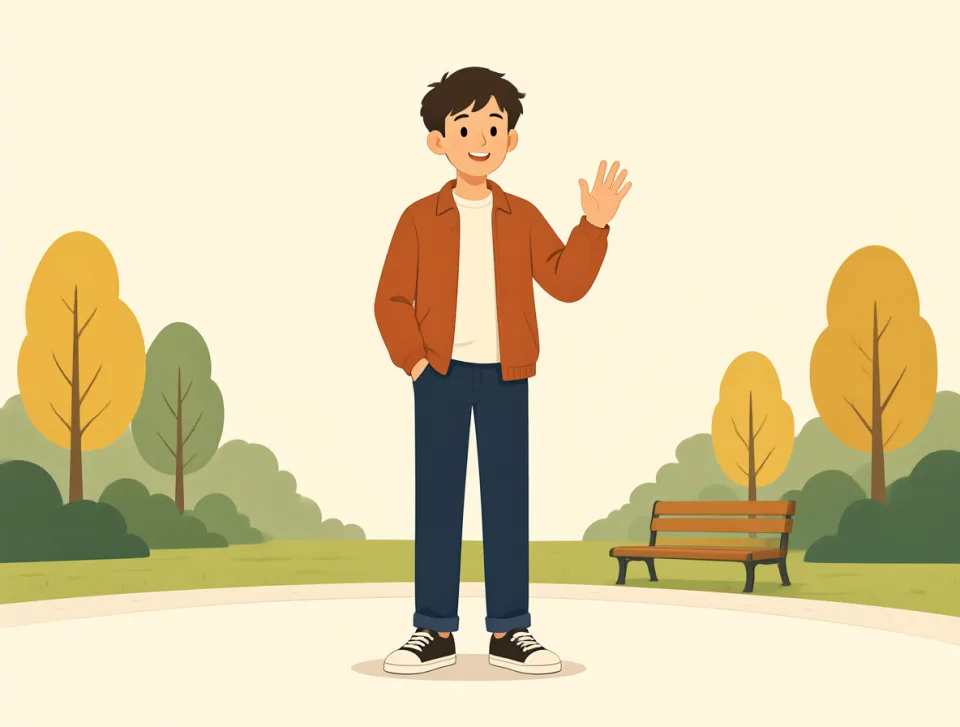
guy
#701noun
facet
A man or boy, often used informally for any person.
Mężczyzna lub chłopiec; potocznie to słowo może odnosić się do dowolnej osoby.

That guy works at my office.
Ten facet pracuje w moim biurze.
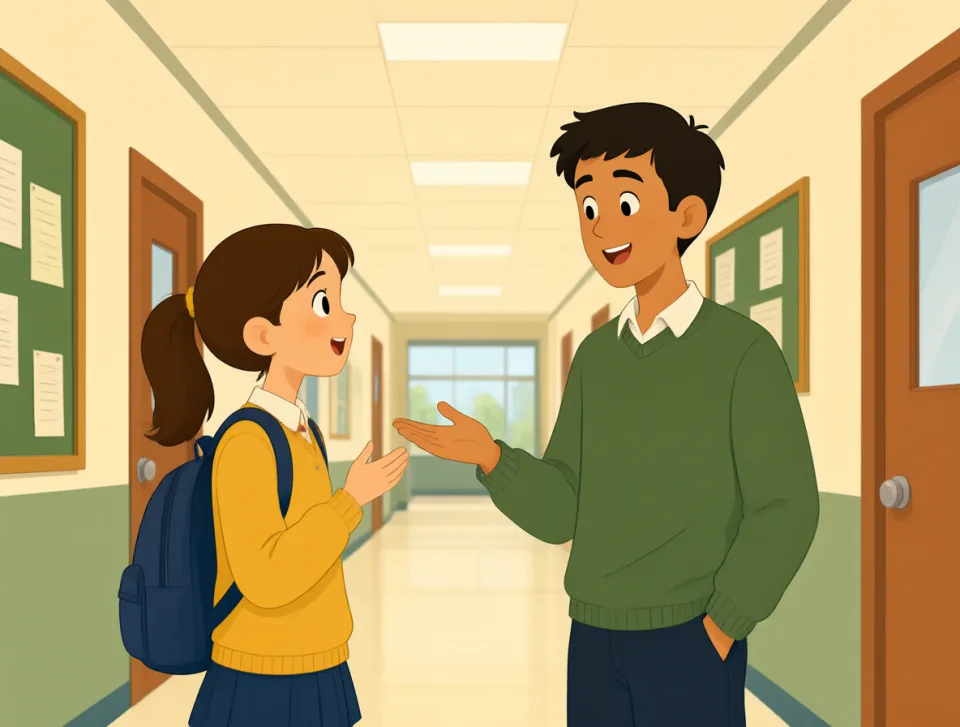
I met a nice guy at school.
Poznałem w szkole fajnego chłopaka.
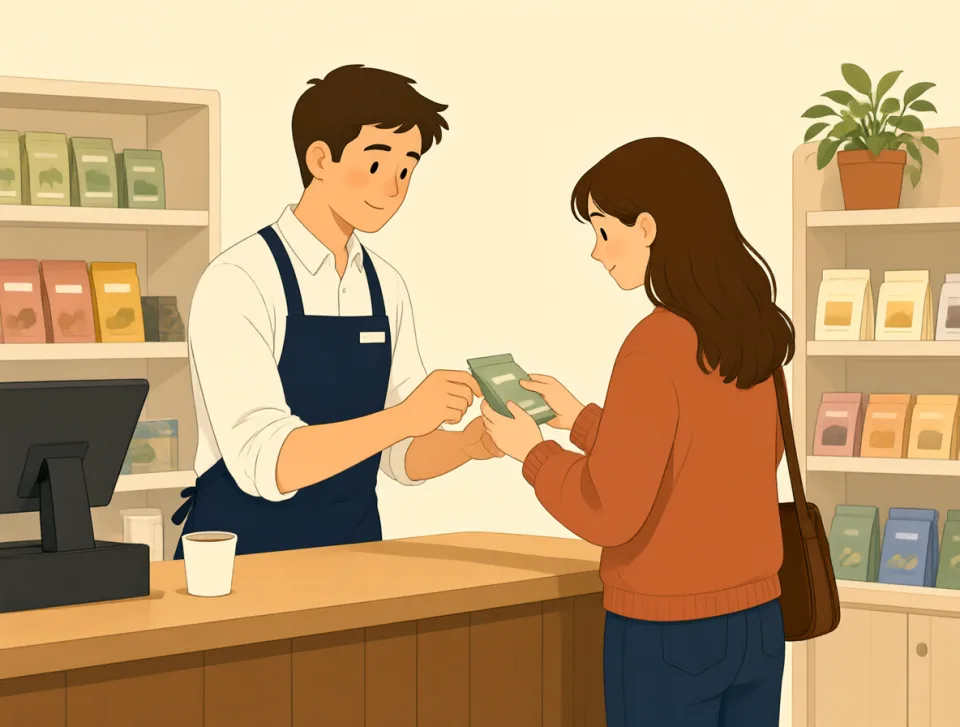
The guy at the shop helped me.
Facet w sklepie mi pomógł.
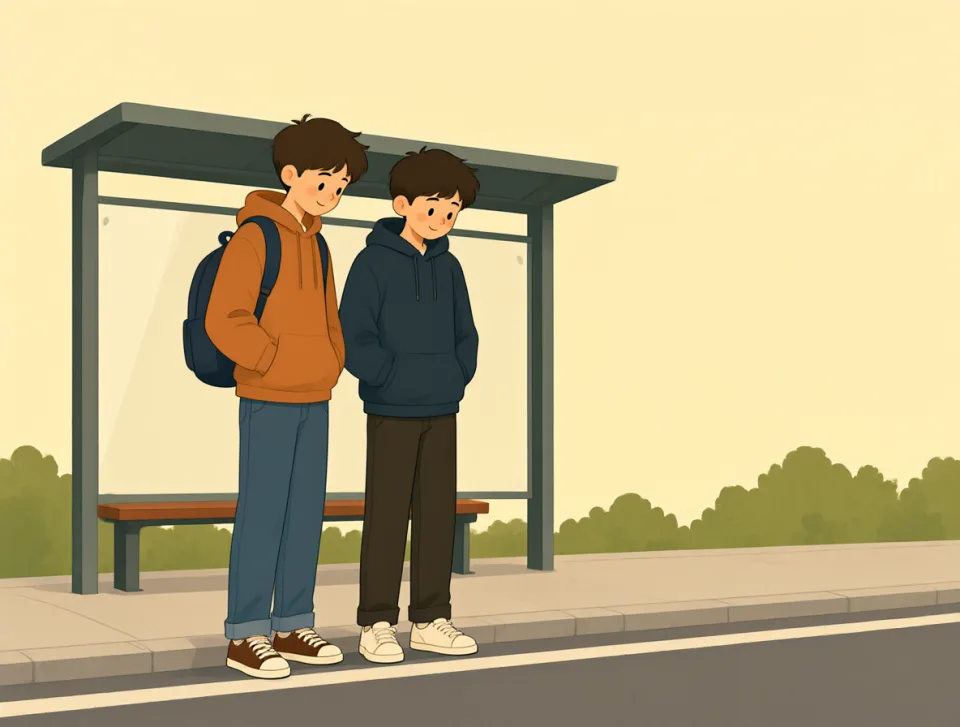
Those guys are waiting for the bus.
Tamci faceci czekają na autobus.
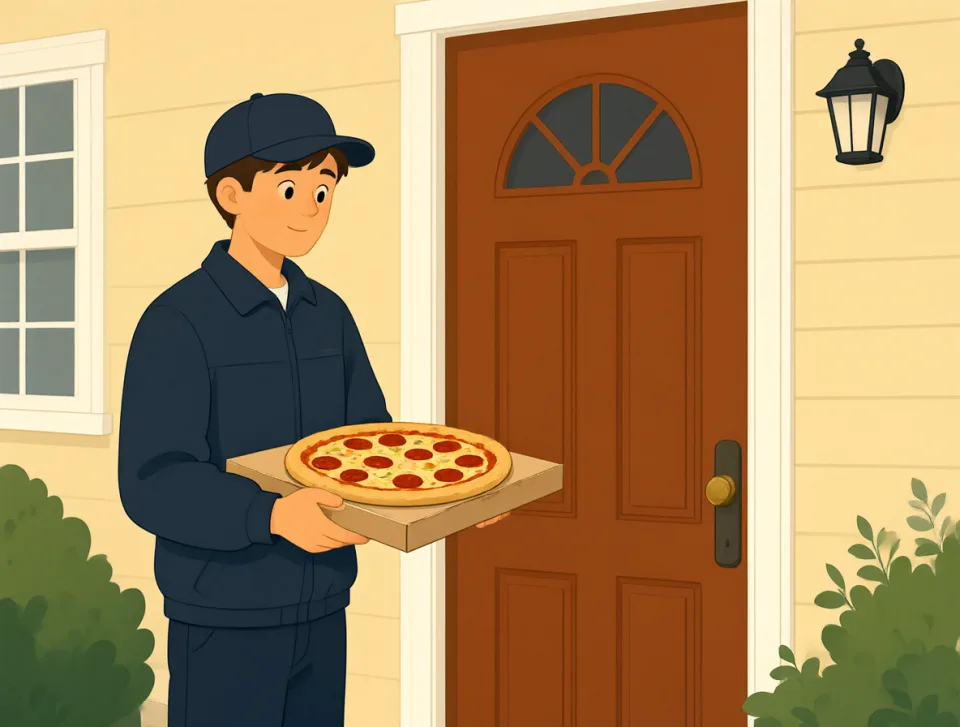
The pizza guy came to our door.
Dostawca pizzy przyszedł do naszych drzwi.
function
#702noun, verb
funkcja
the purpose of something, or to work in the right way
Przeznaczenie czegoś albo działanie w prawidłowy sposób.
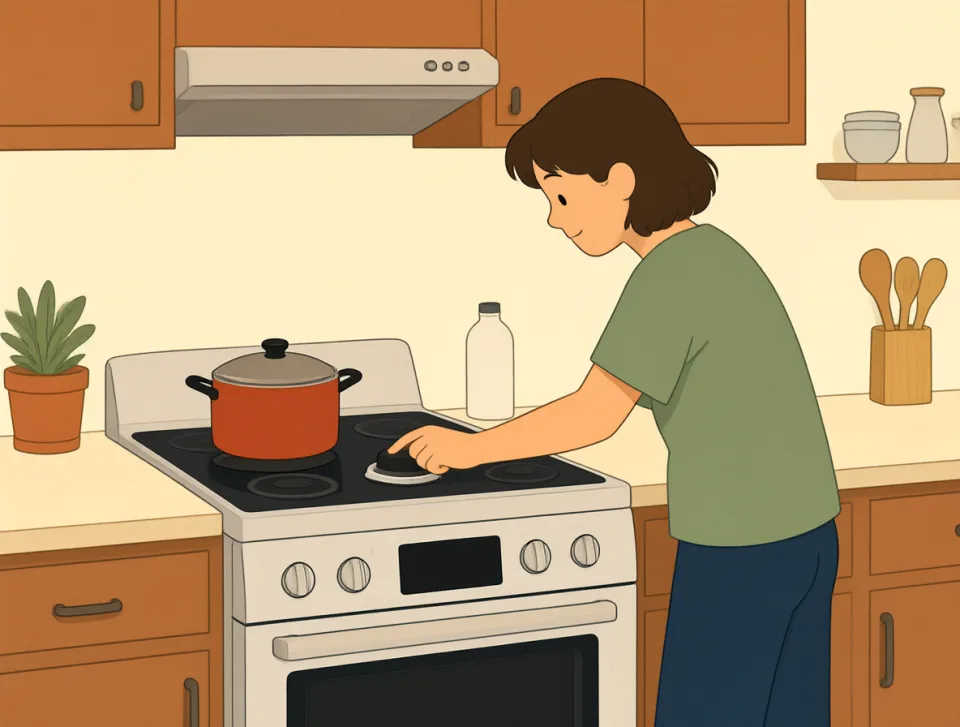
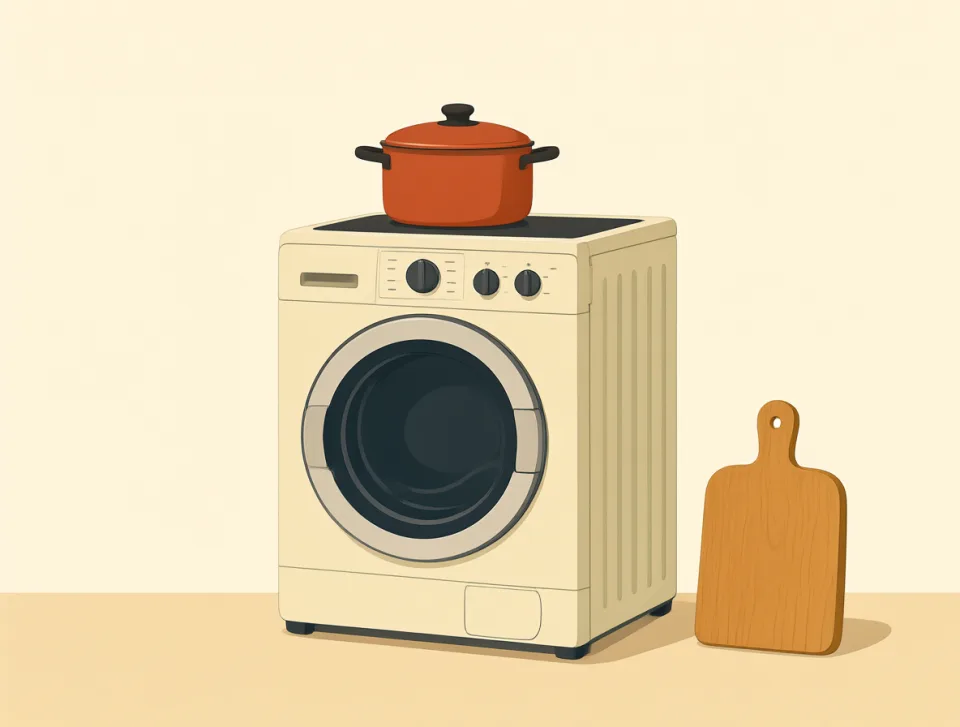
The main function of this button is to start.
Główną funkcją tego przycisku jest uruchamianie urządzenia.
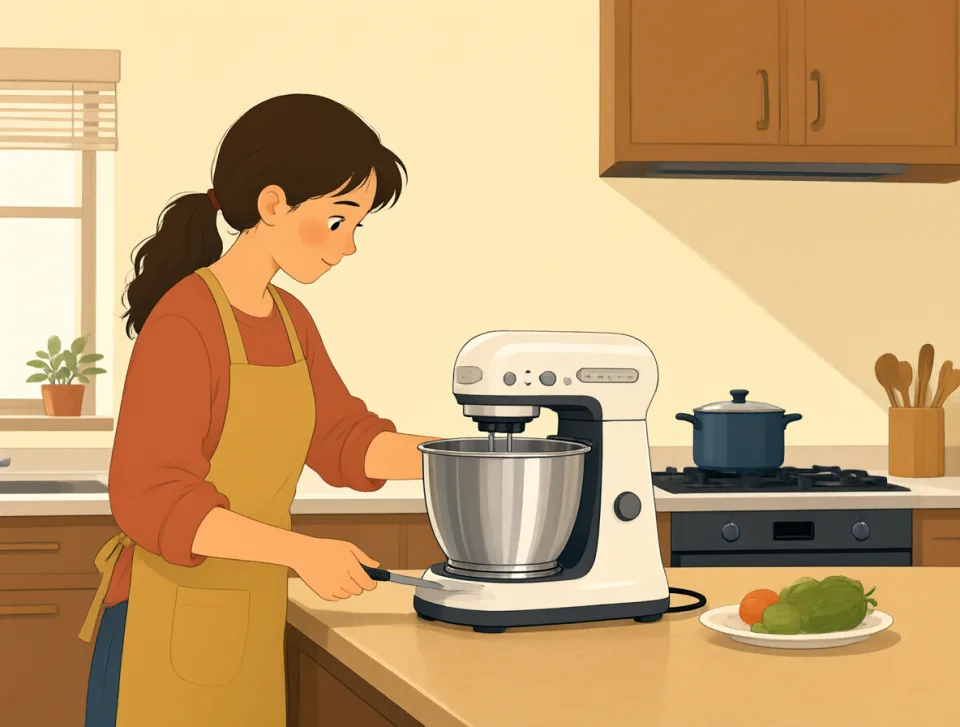
This machine has several useful functions.
Ta maszyna ma kilka przydatnych funkcji.
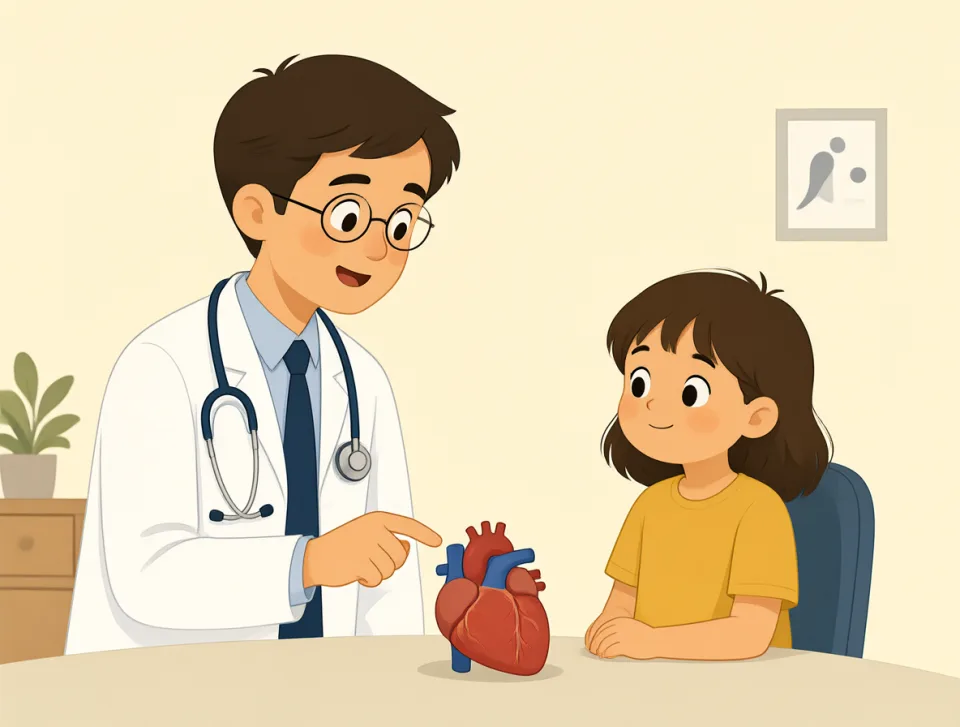
The heart's function is to pump blood.
Funkcją serca jest pompowanie krwi.

The new manager will function as team leader.
Nowy menedżer będzie pełnić funkcję lidera zespołu.
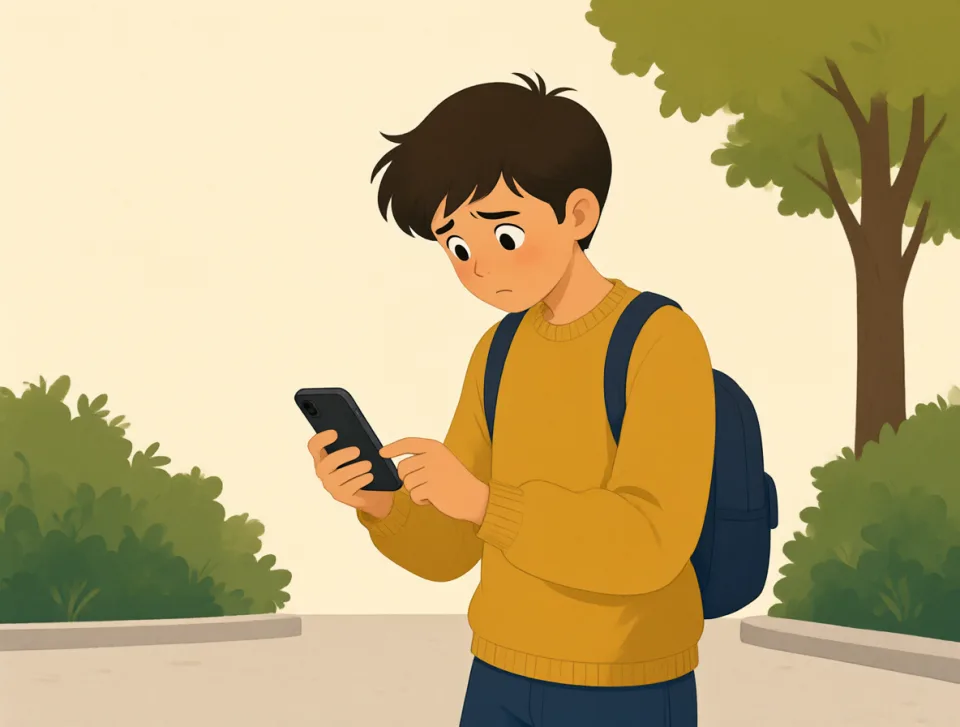
My phone stopped functioning after it fell.
Mój telefon przestał działać po upadku.
yesterday
#703noun, adverb
wczoraj
The day before today.
Dzień przed dzisiejszym.
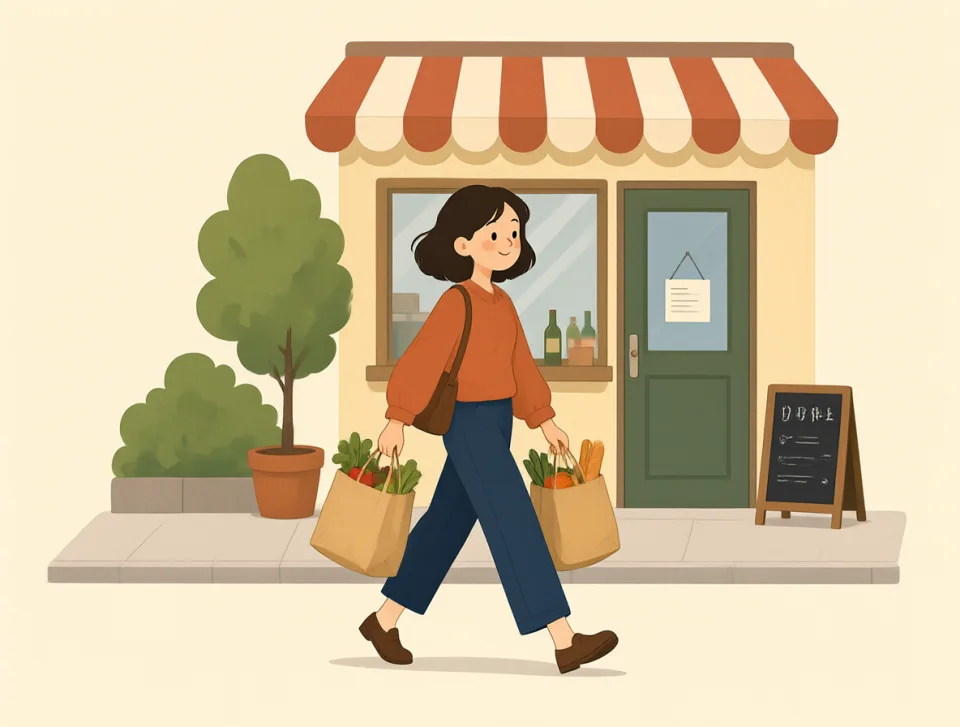
I went shopping yesterday.
Wczoraj poszedłem na zakupy.

Yesterday was my first day at work.
Wczoraj był mój pierwszy dzień w pracy.
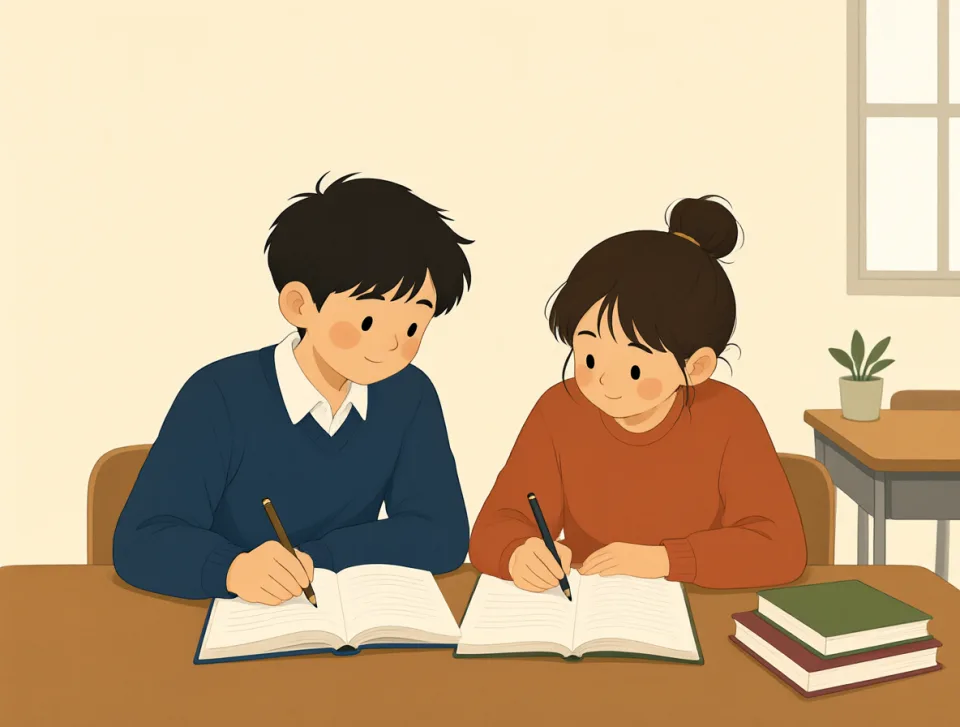
We studied English yesterday.
Wczoraj uczyliśmy się angielskiego.
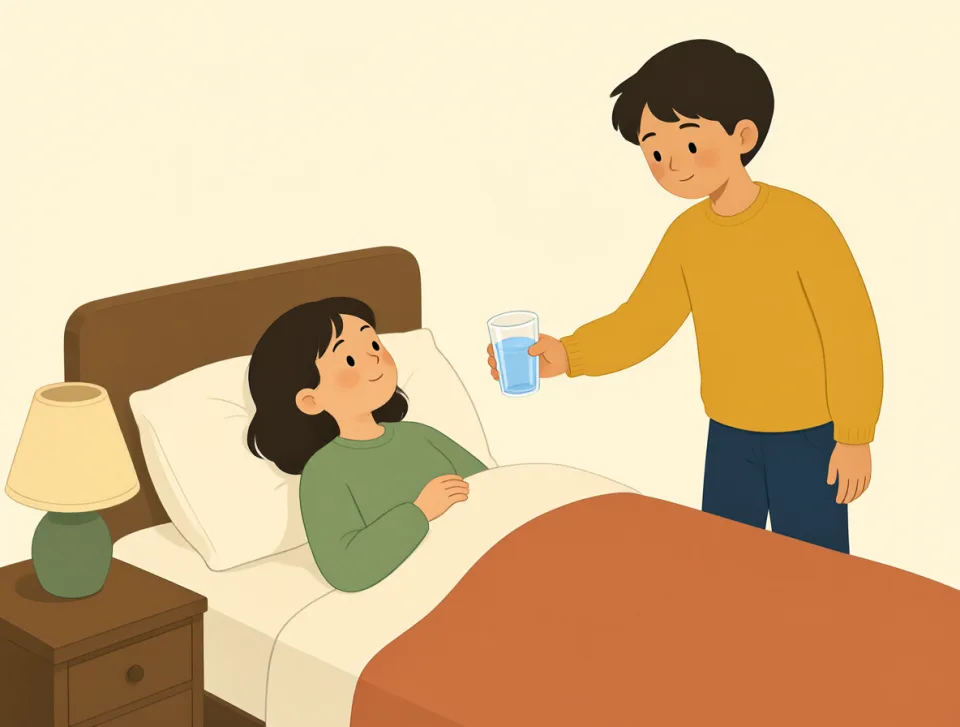
She felt sick yesterday.
Wczoraj źle się czuła.
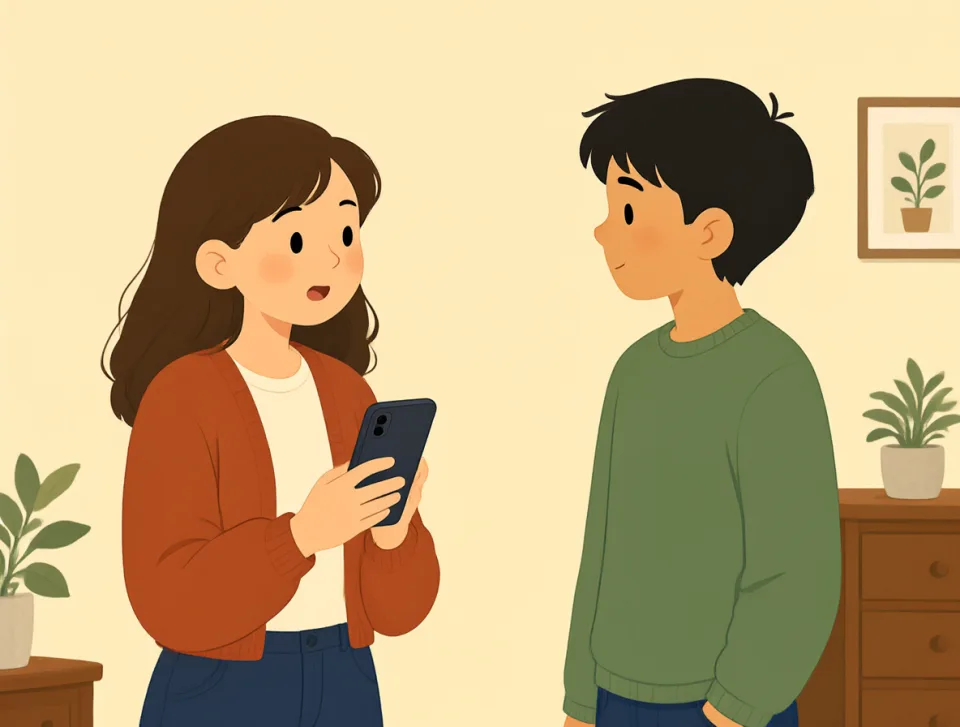
Did you call Tom yesterday?
Czy wczoraj dzwoniłeś do Toma?
image
#704noun, verb
obraz
a picture or idea of what someone or something looks like
Obraz lub wyobrażenie tego, jak ktoś lub coś wygląda.
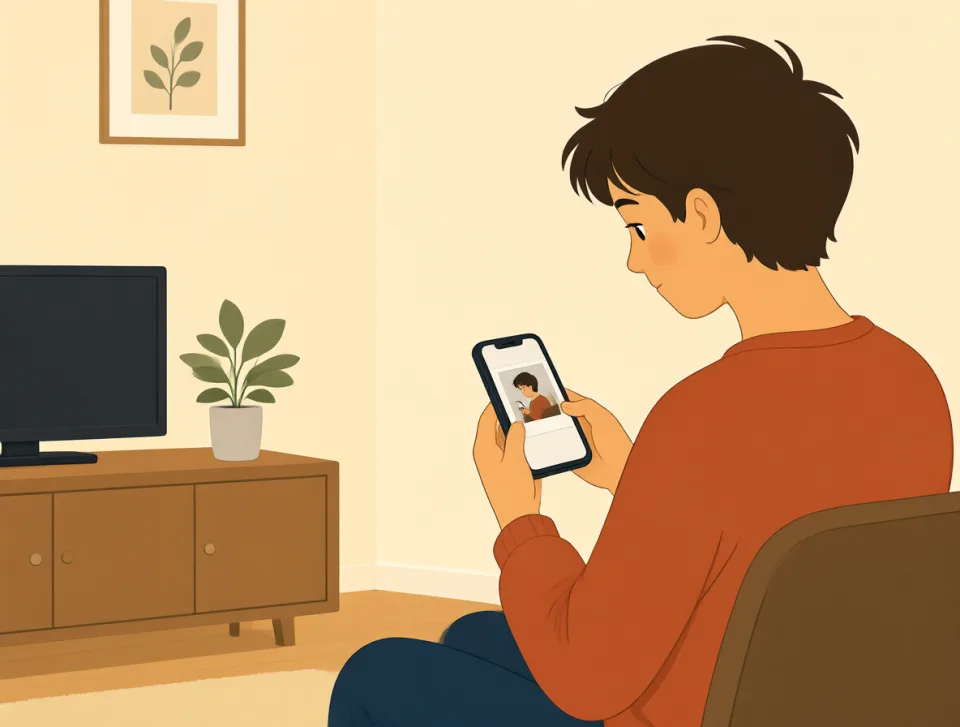
I saved the image on my phone.
Zapisałem obraz na telefonie.

The image shows a beautiful beach.
Na obrazie widać piękną plażę.
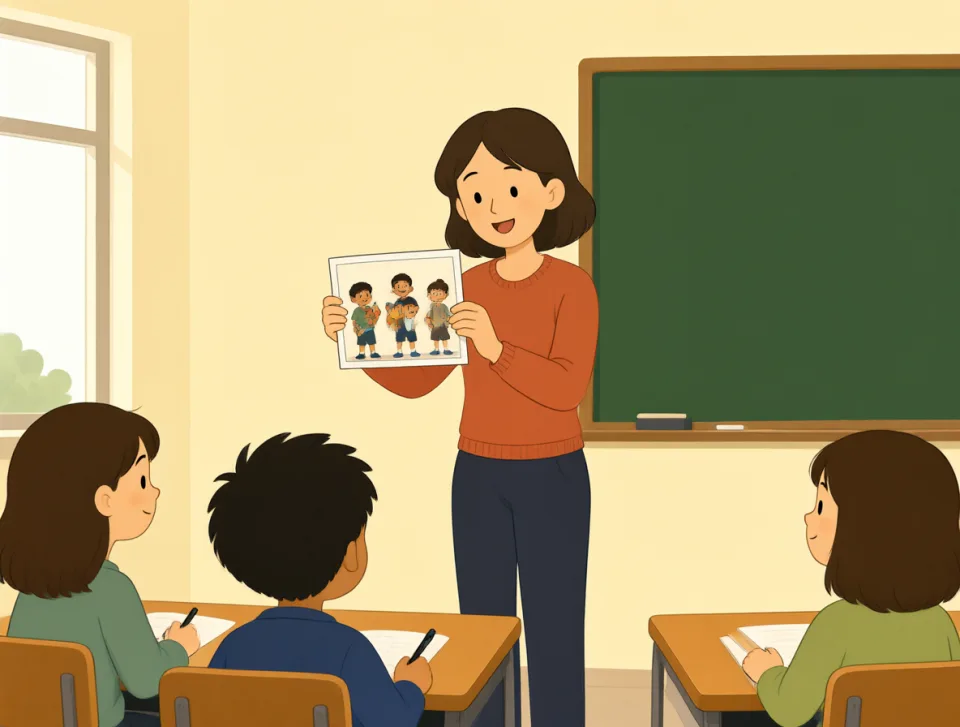
The teacher used an image in class.
Nauczyciel użył ilustracji na lekcji.
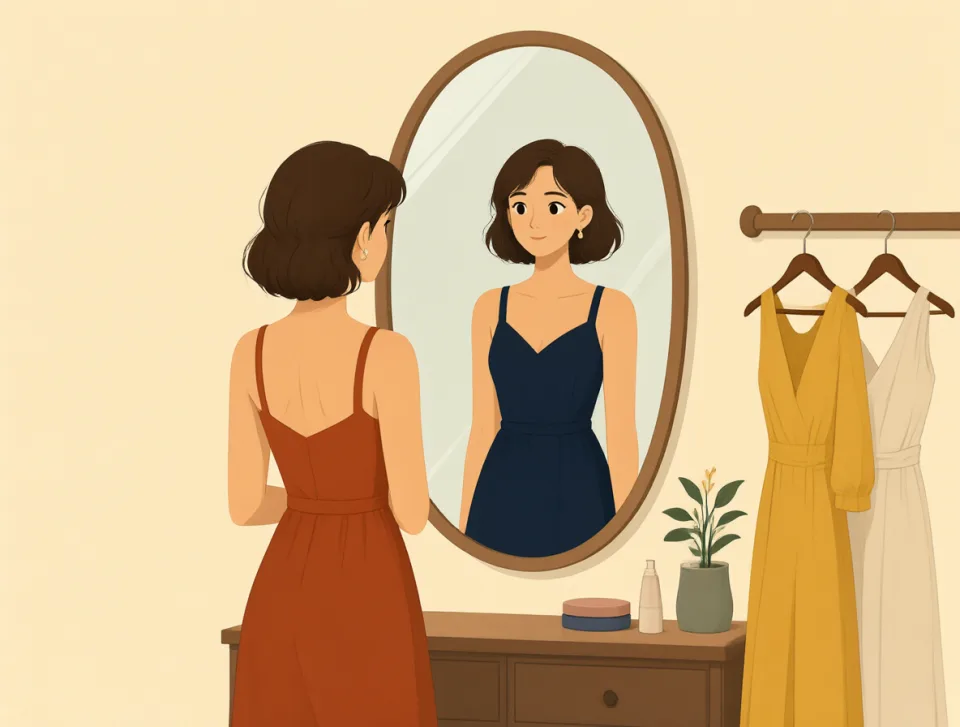
This dress gives a modern image.
Ta sukienka nadaje nowoczesny wygląd.
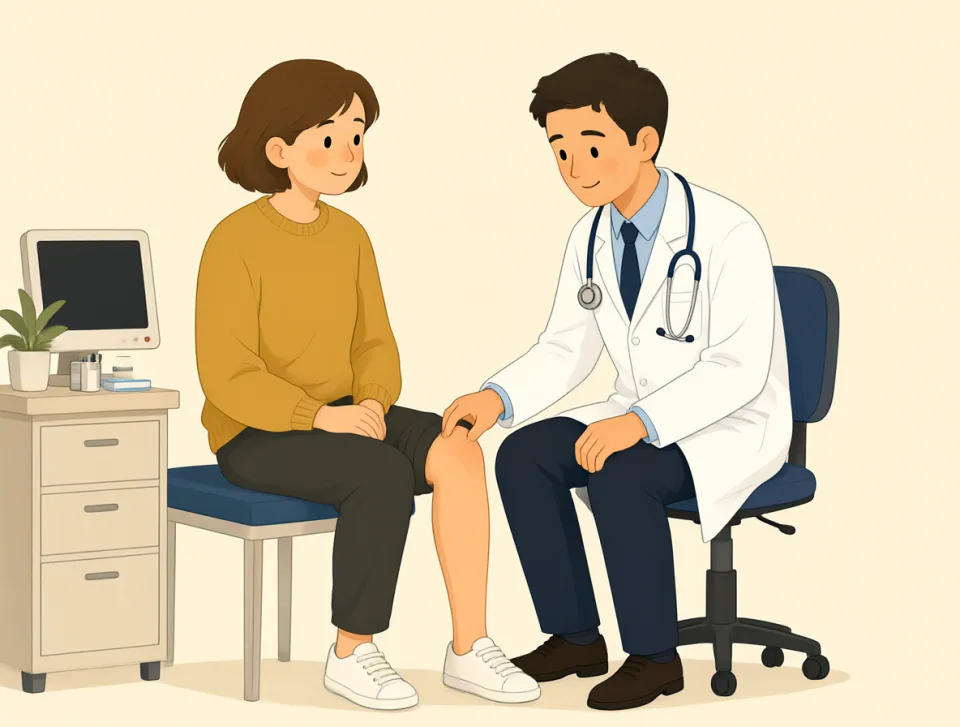
The doctor took an image of my knee.
Lekarz wykonał obraz mojego kolana.

size
#705noun, verb
rozmiar
How large or small something is, or to choose something that fits.
To, jak duże lub małe jest coś, albo wybór czegoś, co pasuje.
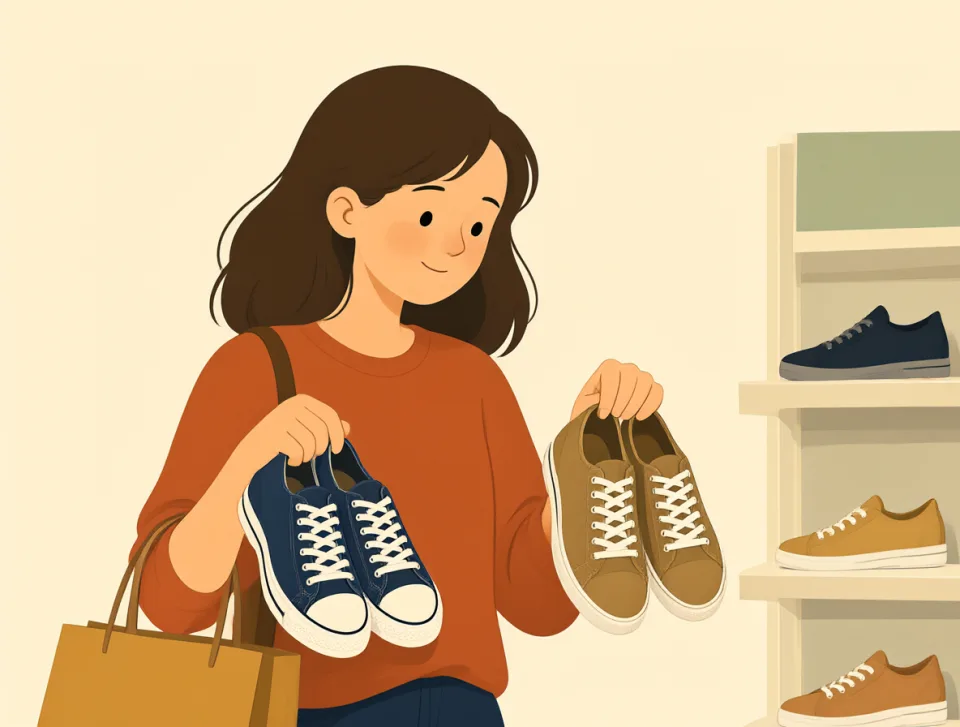
What size shoes do you wear?
Jaki rozmiar butów nosisz?
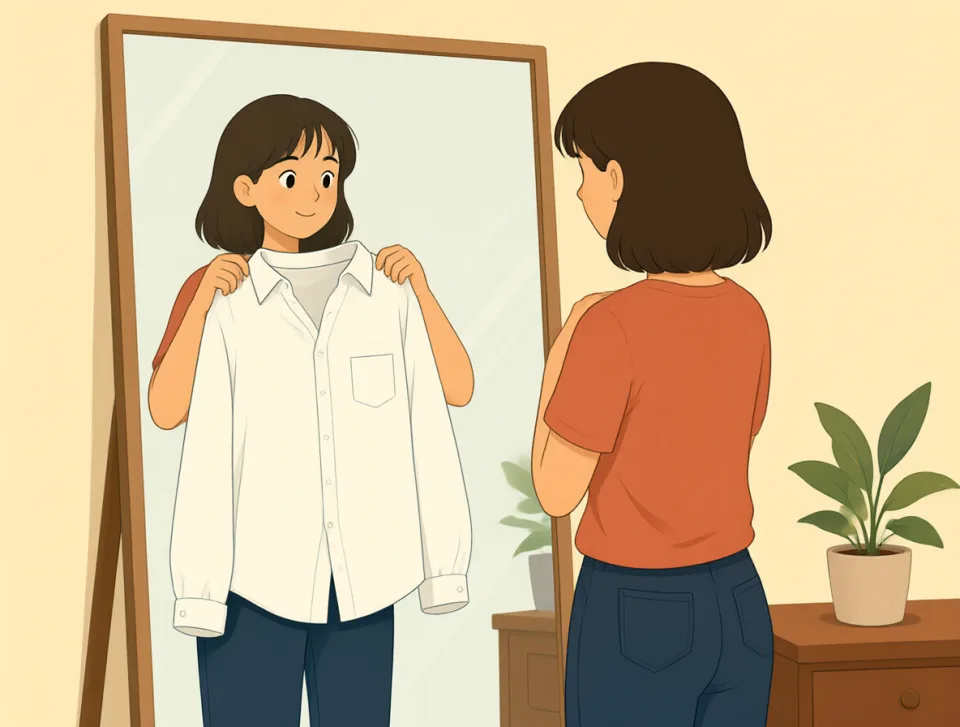
This shirt is the wrong size for me.
Ta koszula jest na mnie w złym rozmiarze.
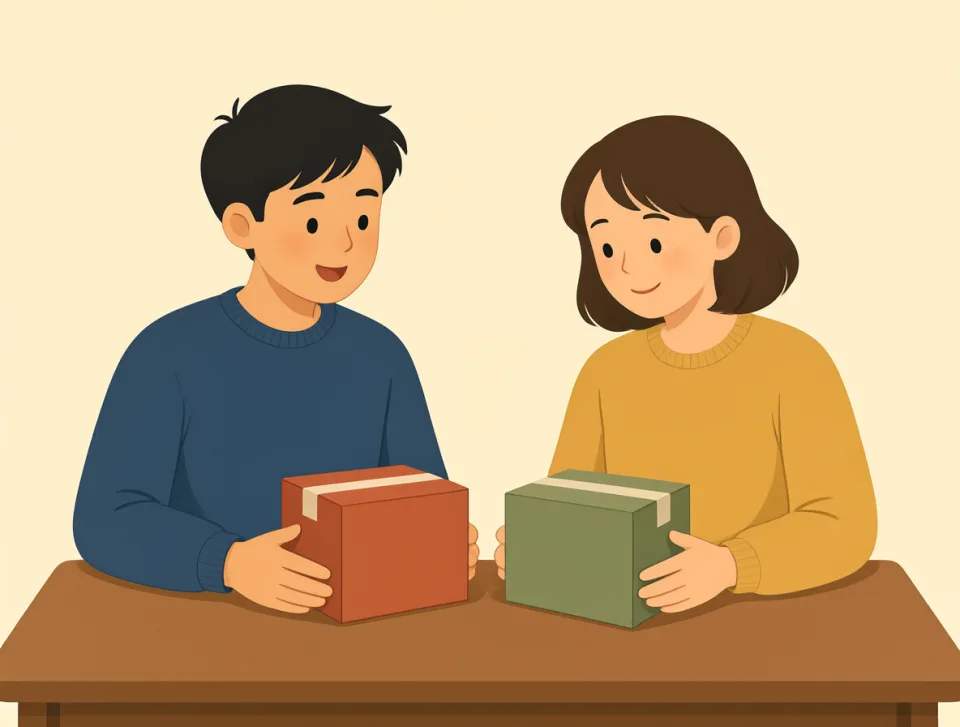
The box is the same size as mine.
To pudełko ma taki sam rozmiar jak moje.
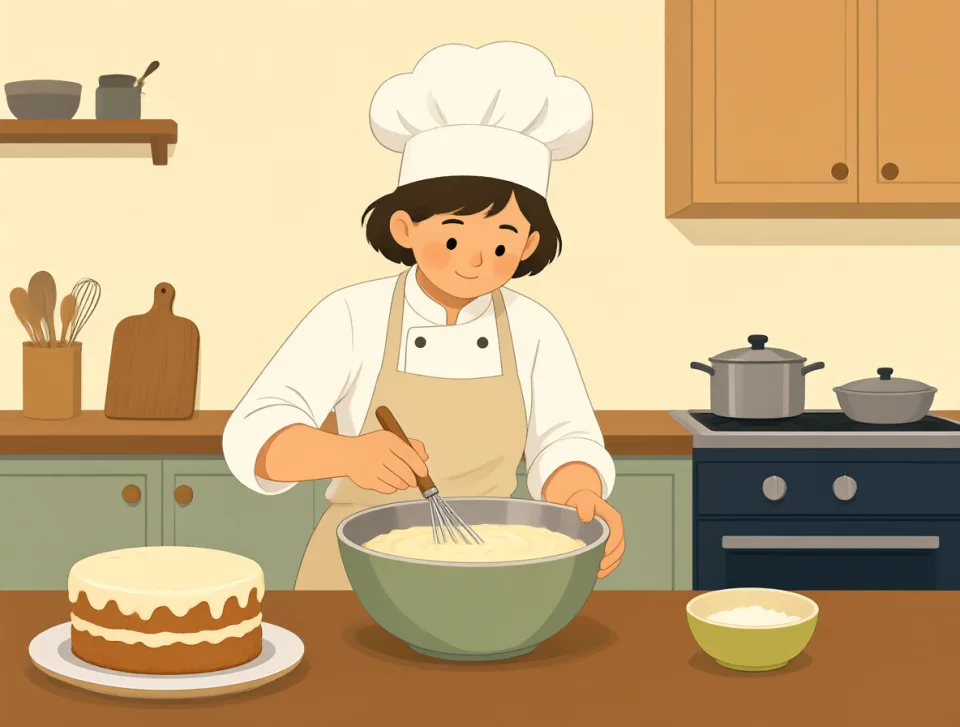
Please size the cake for ten people.
Proszę dobrać wielkość ciasta dla dziesięciu osób.
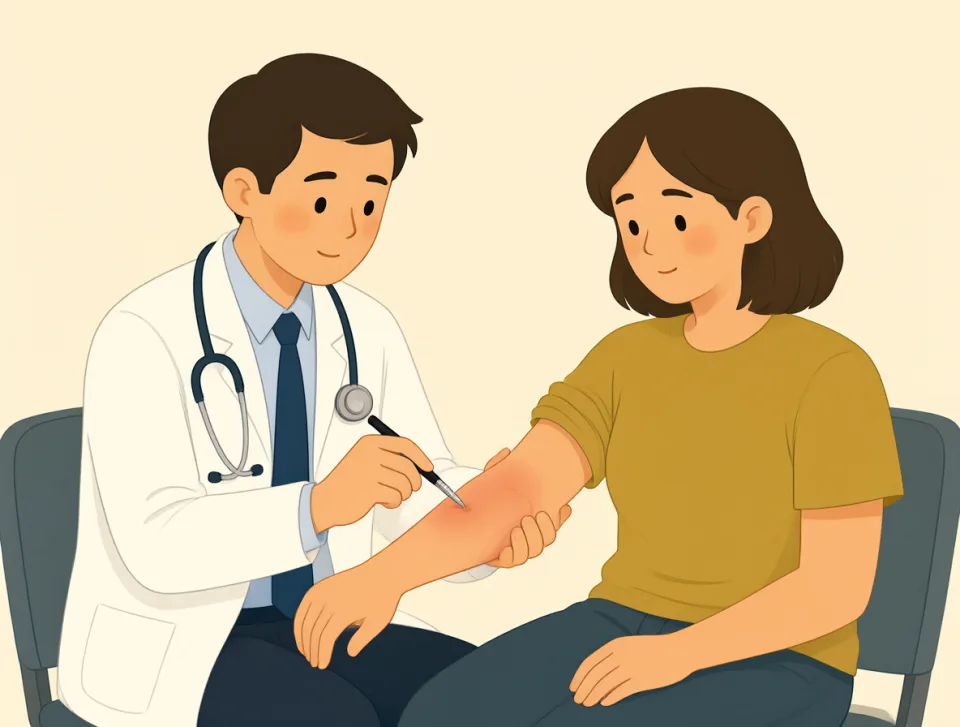
The doctor checked the size of my swelling.
Lekarz sprawdził wielkość opuchlizny.
behavior
#706noun
zachowanie
The way a person or animal acts, especially toward others.
Sposób, w jaki zachowuje się człowiek lub zwierzę, zwłaszcza wobec innych.
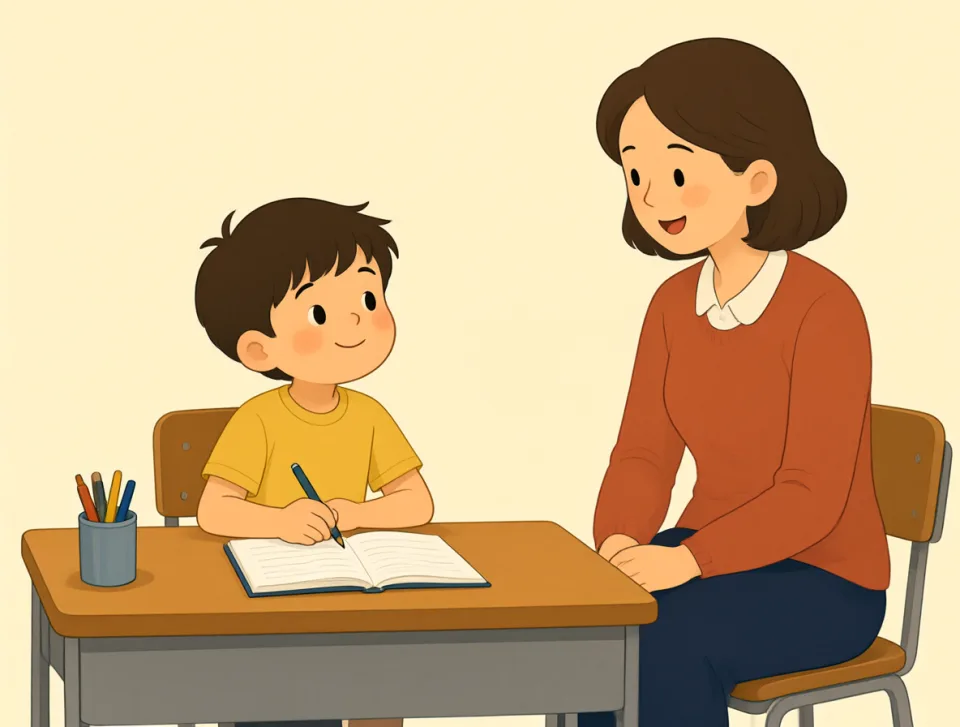
His behavior at school is very good.
W szkole zachowuje się bardzo dobrze.
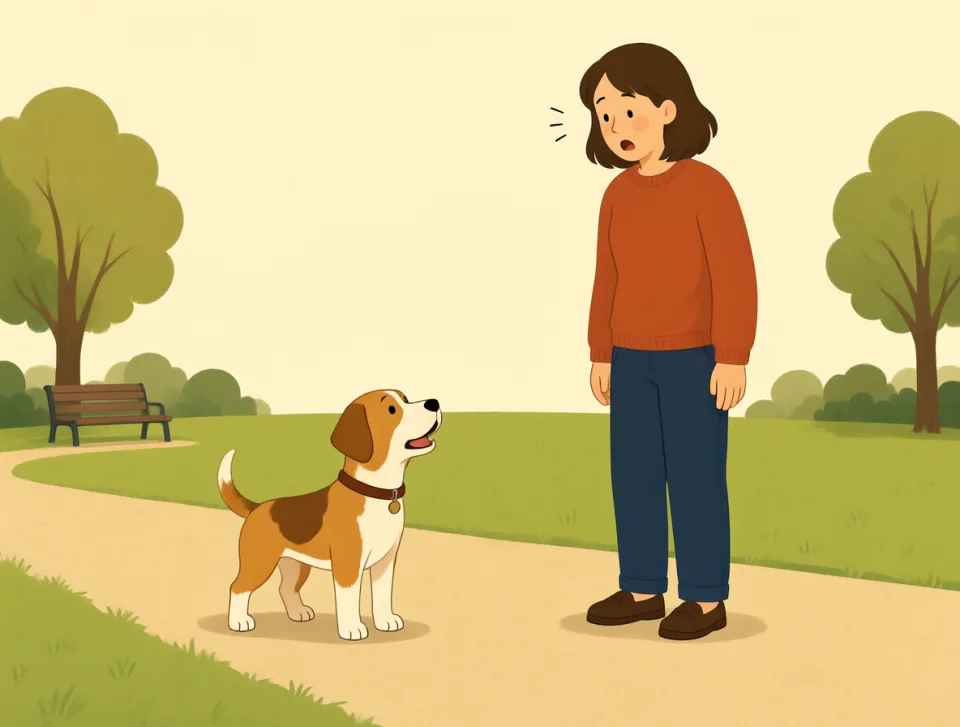
The dog showed strange behavior at the park.
Pies dziwnie zachowywał się w parku.
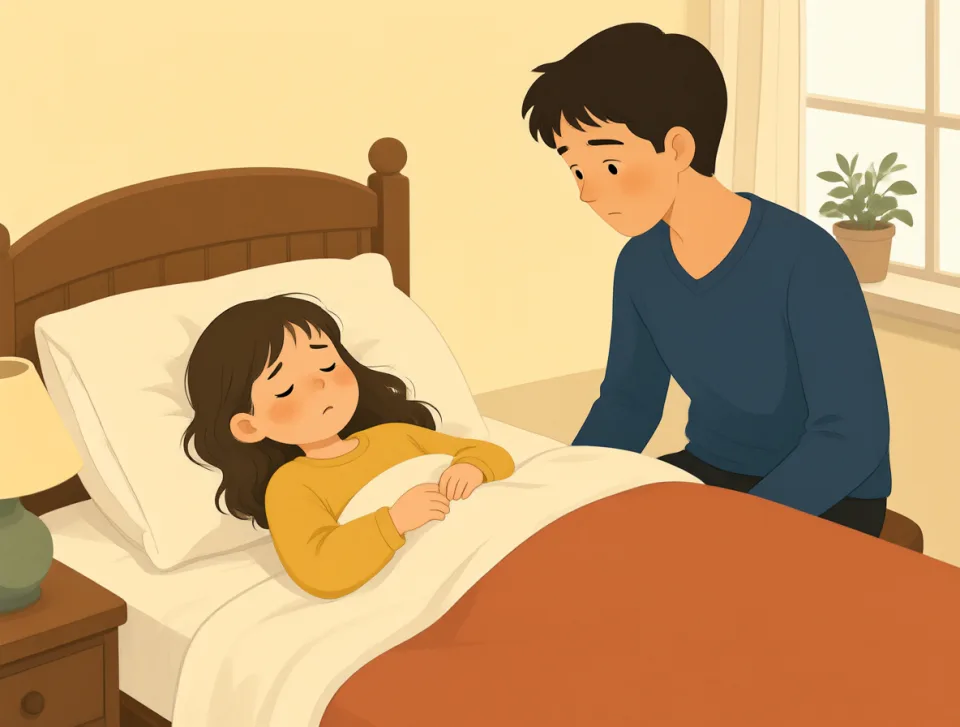
Her behavior changed after she got sick.
Jej zachowanie zmieniło się, gdy zachorowała.

The manager talked about his behavior at work.
Kierownik rozmawiał o jego zachowaniu w pracy.
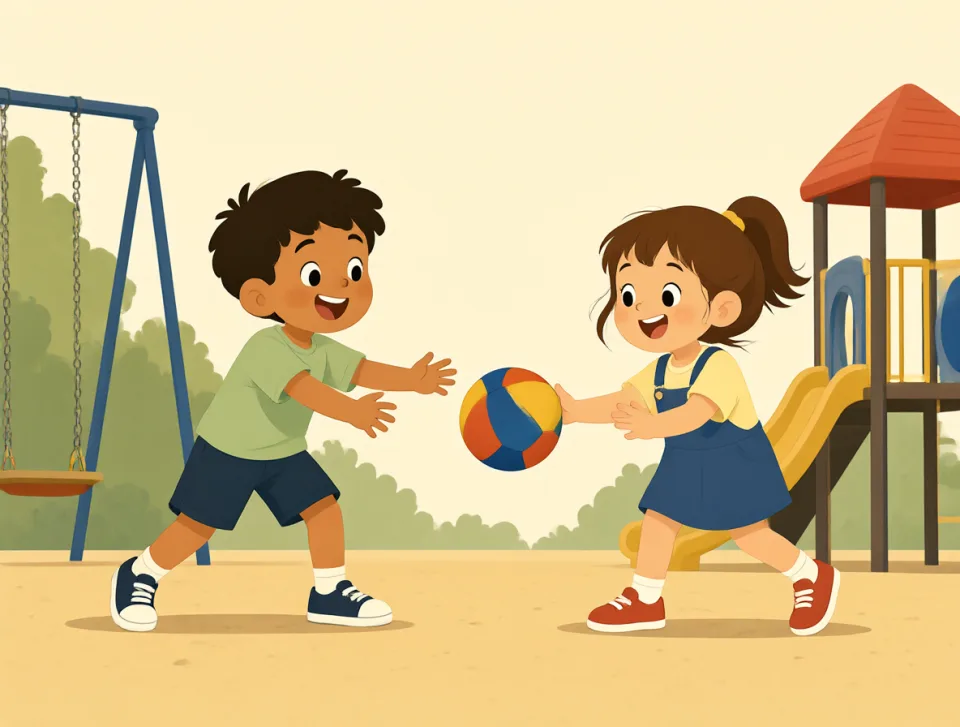
Good behavior helps children make friends.
Dobre zachowanie pomaga dzieciom nawiązywać przyjaźnie.
addition
#707noun
dodatek
Something added to make a group, amount, or place larger.
Coś, co dodano, aby powiększyć grupę, ilość lub miejsce.
The new room is a useful addition.
Nowy pokój to przydatny dodatek.
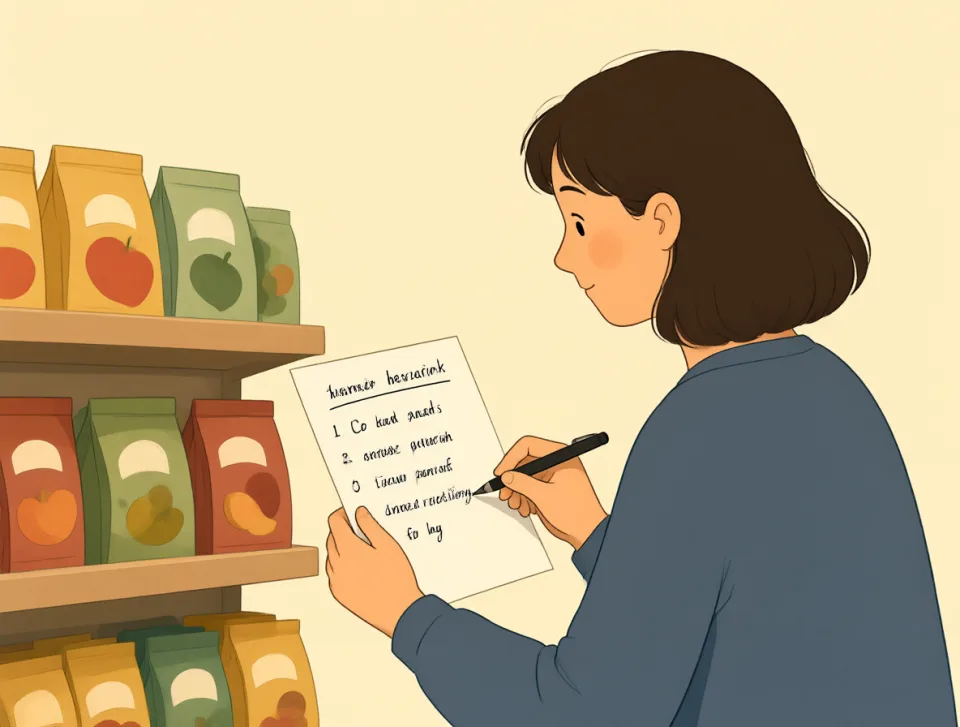
We made an addition to our shopping list.
Dodaliśmy coś do naszej listy zakupów.
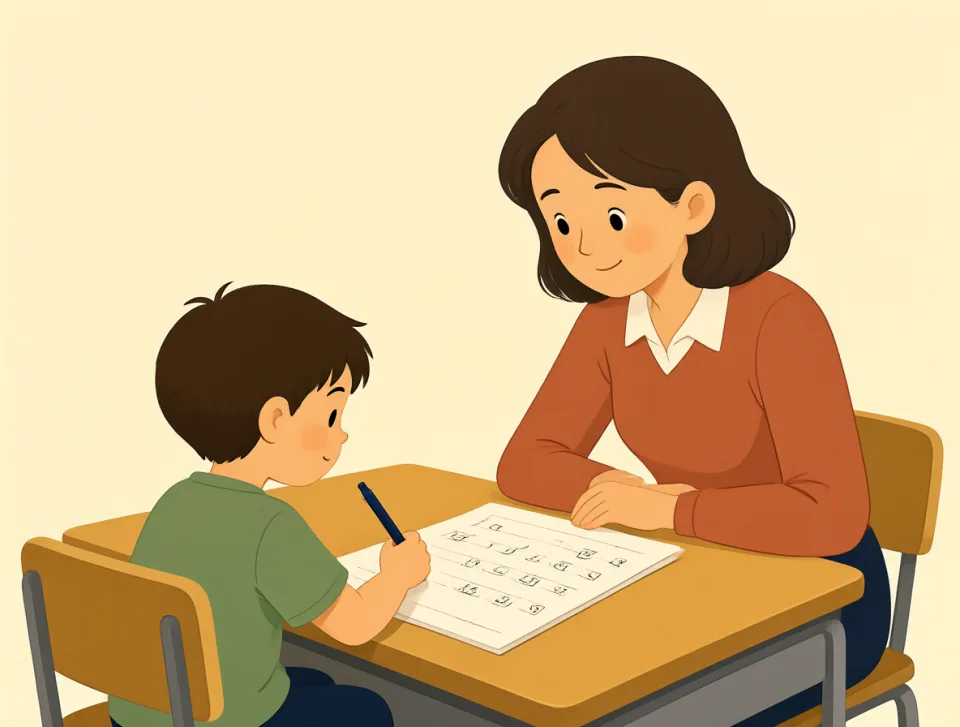
The teacher checked our addition problems.
Nauczyciel sprawdził nasze zadania z dodawania.
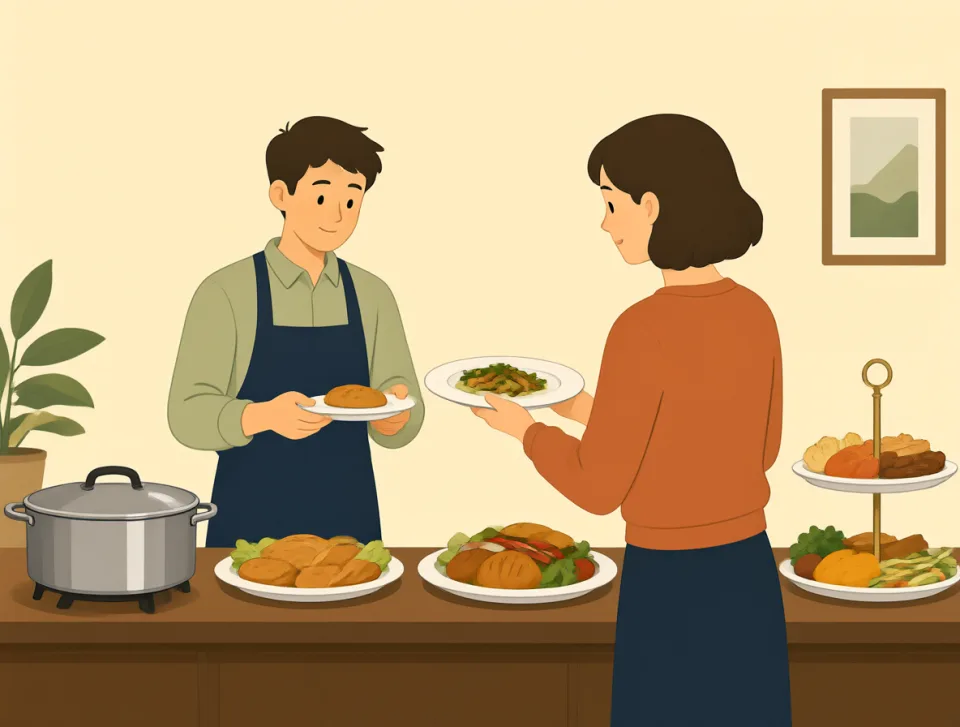
The hotel offers free additions to breakfast.
Hotel oferuje bezpłatne dodatki do śniadania.
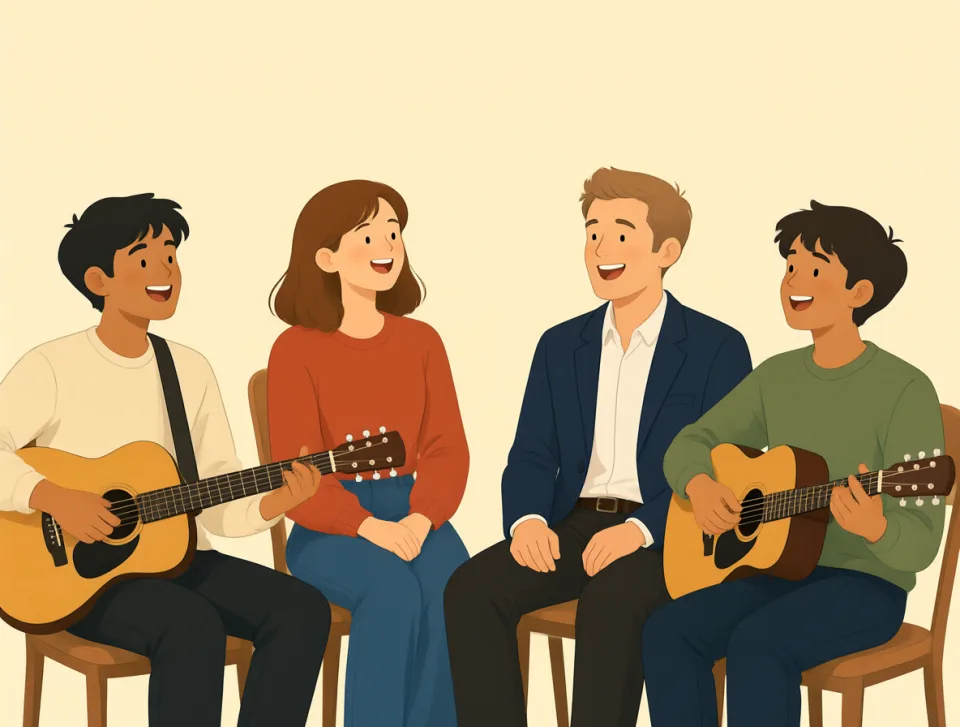
The band welcomed two new additions.
Zespół powitał dwie nowe osoby.
determine
#708verb
ustalić
to find out or decide something after thinking or checking
Dowiedzieć się czegoś lub podjąć decyzję po zastanowieniu się albo sprawdzeniu.
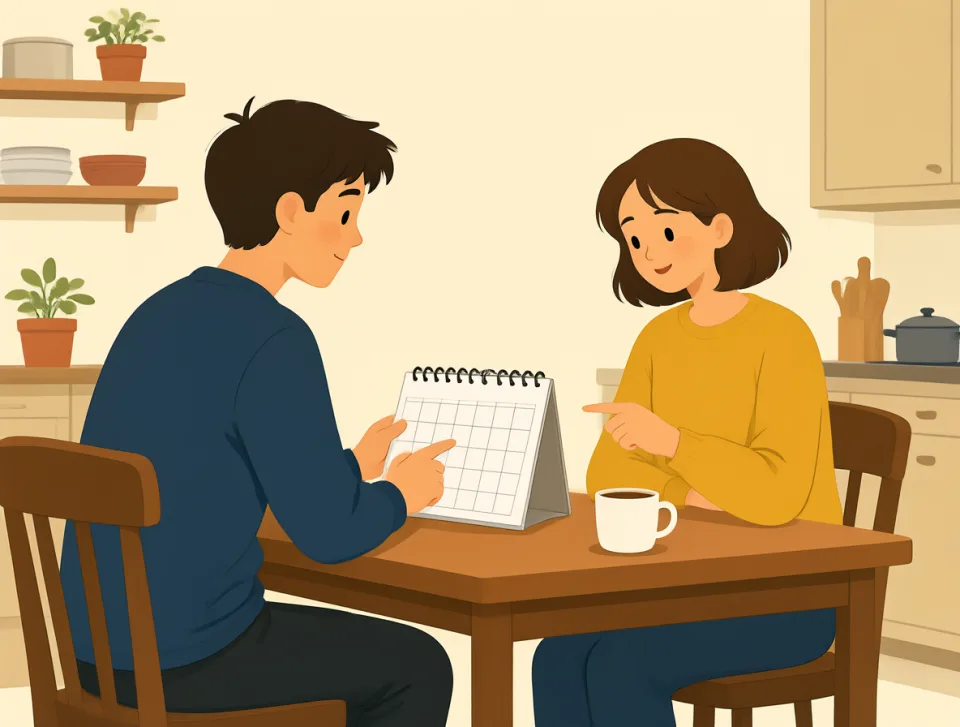
We need to determine the best time.
Musimy ustalić najlepszą porę.
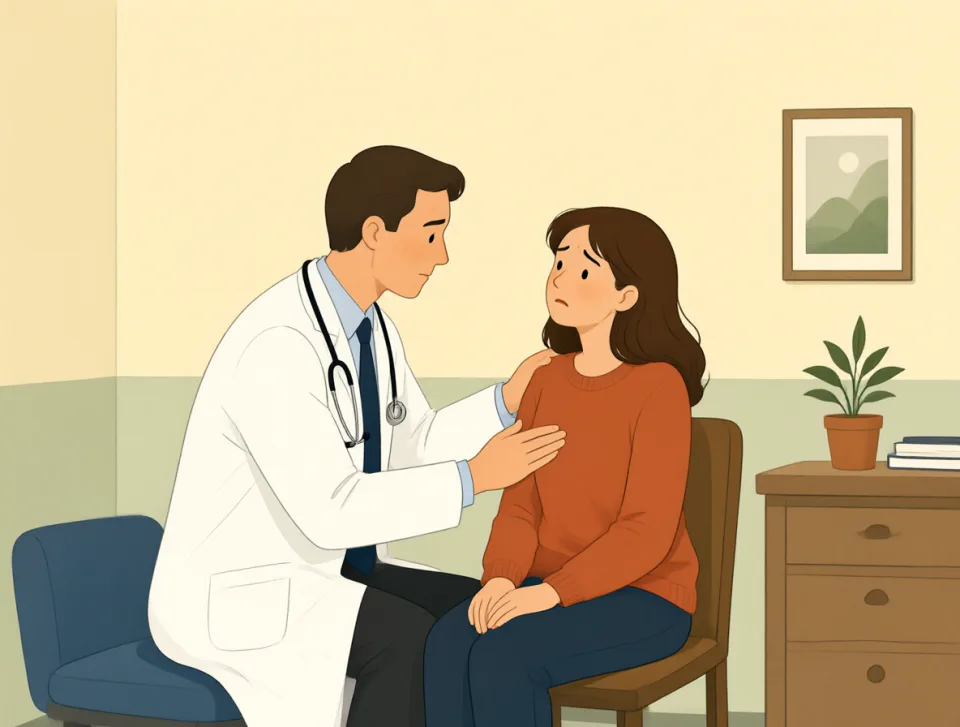
The doctor determined the cause of her pain.
Lekarz ustalił przyczynę jej bólu.
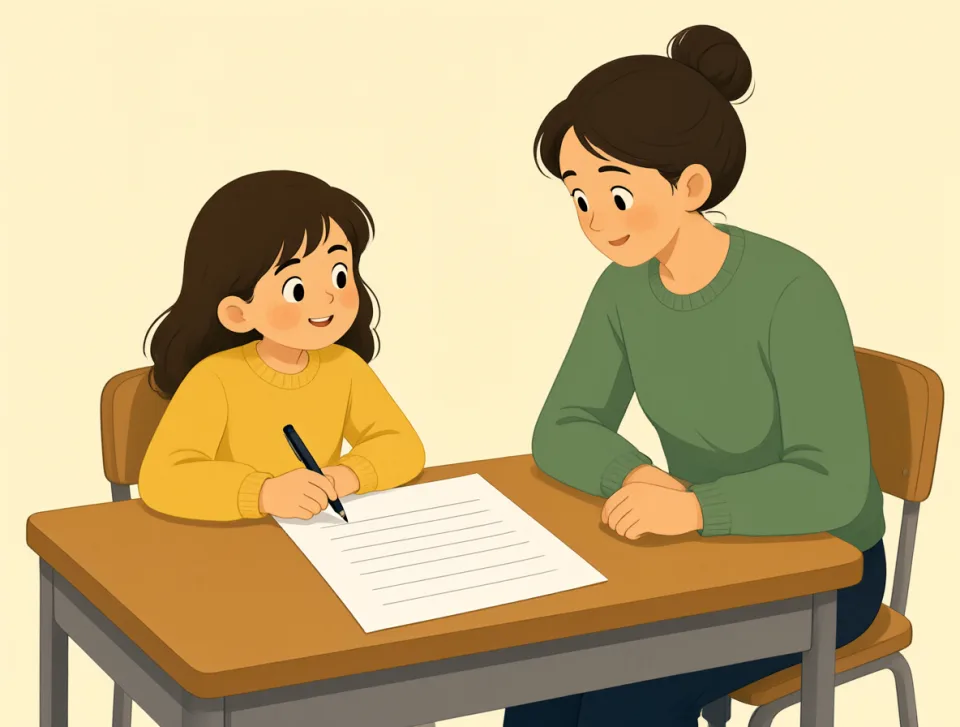
The test will determine your English level.
Test określi twój poziom angielskiego.
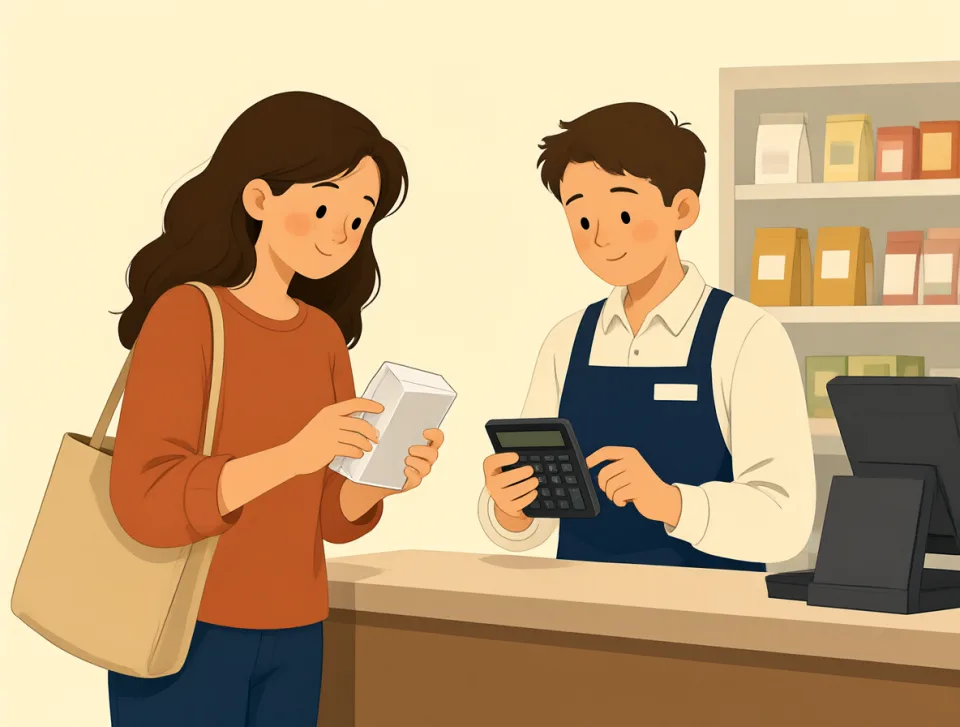
We determined the price before buying it.
Ustaliliśmy cenę przed zakupem.
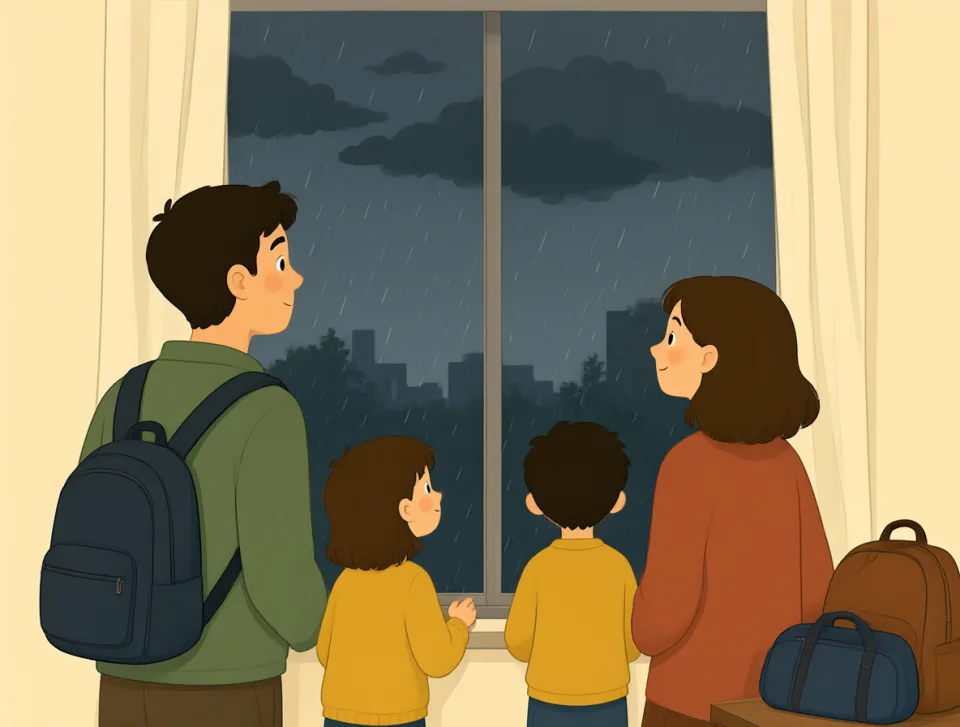
The weather determined our travel plans.
Pogoda zadecydowała o naszych planach podróży.
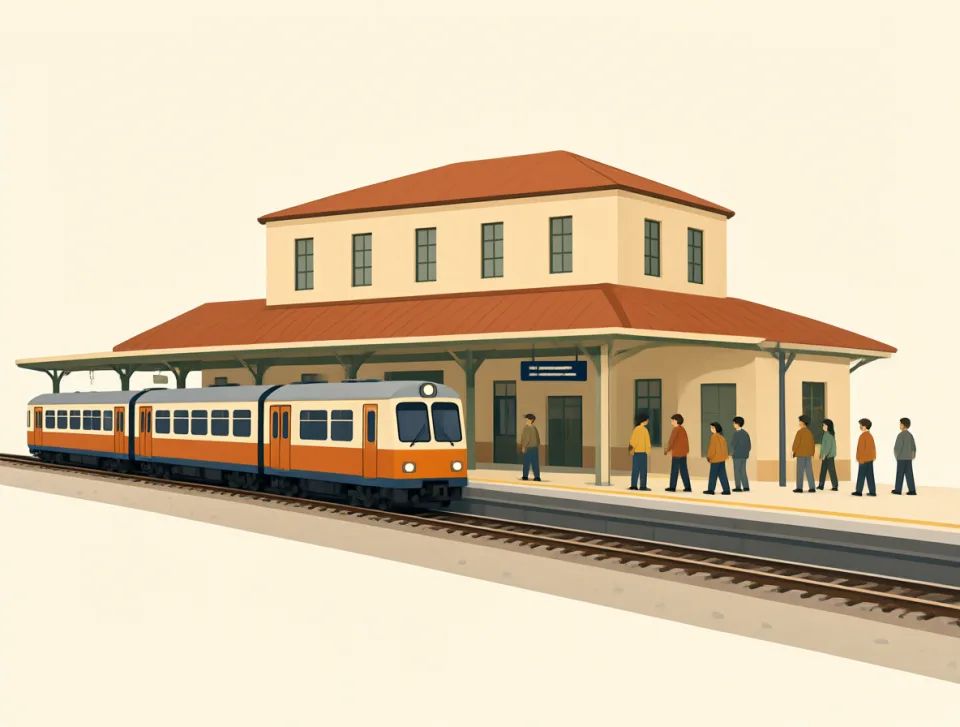
station
#709noun, verb
stacja
A place where trains, buses, or radio workers operate; to put equipment in one place.
Miejsce, w którym działają pociągi, autobusy lub pracownicy radia; umieścić sprzęt w określonym miejscu.
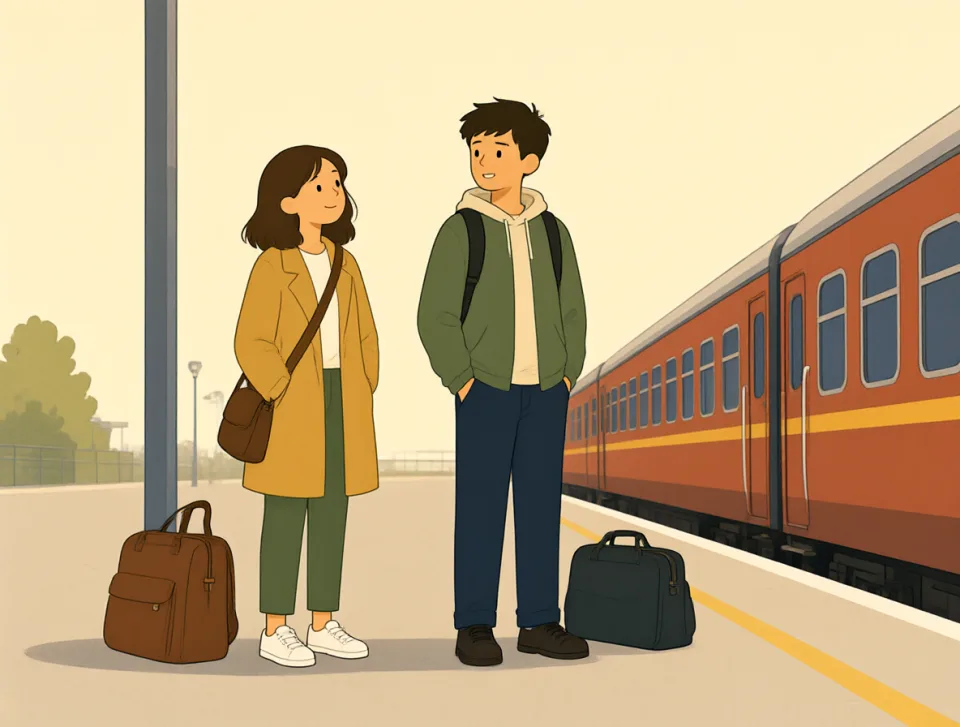
We waited at the station for the train.
Czekaliśmy na pociąg na stacji.
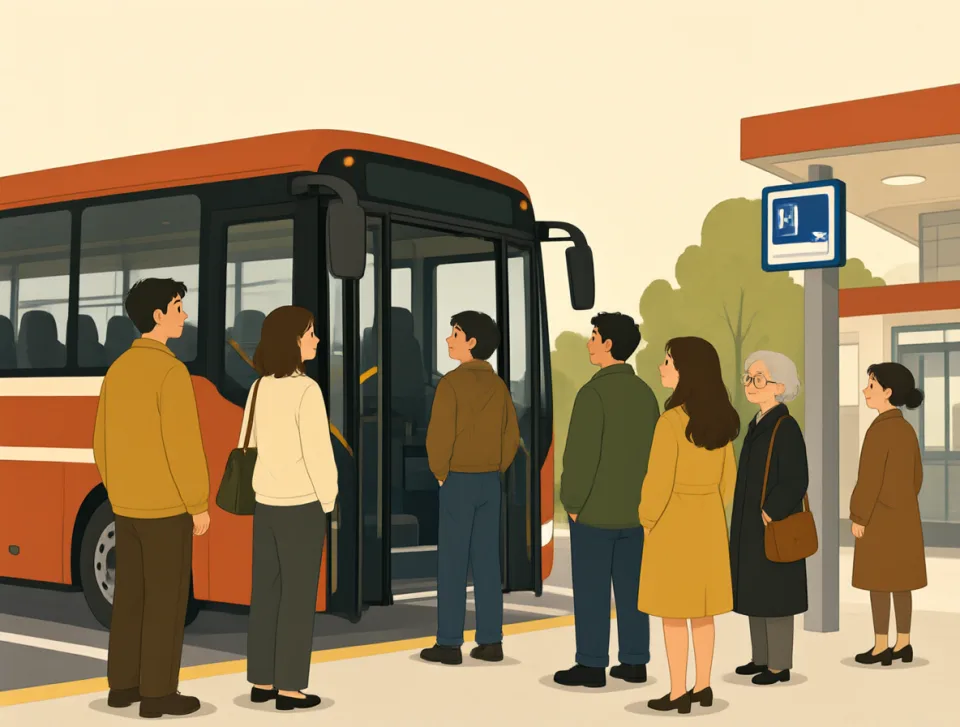
The bus leaves the station at nine.
Autobus odjeżdża ze stacji o dziewiątej.
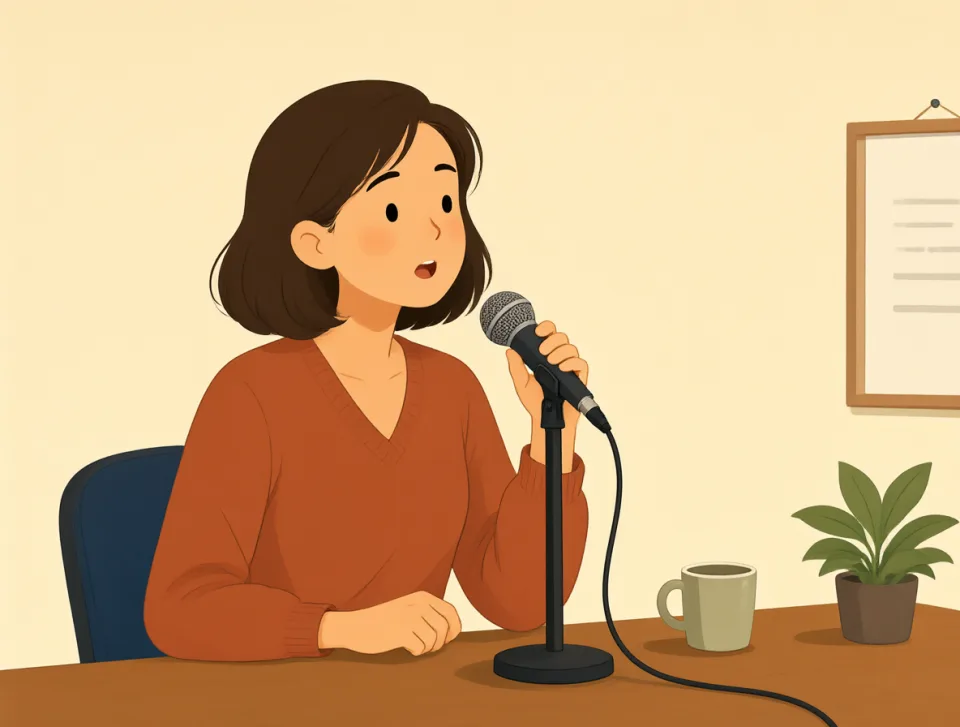
She works at a radio station.
Ona pracuje w stacji radiowej.
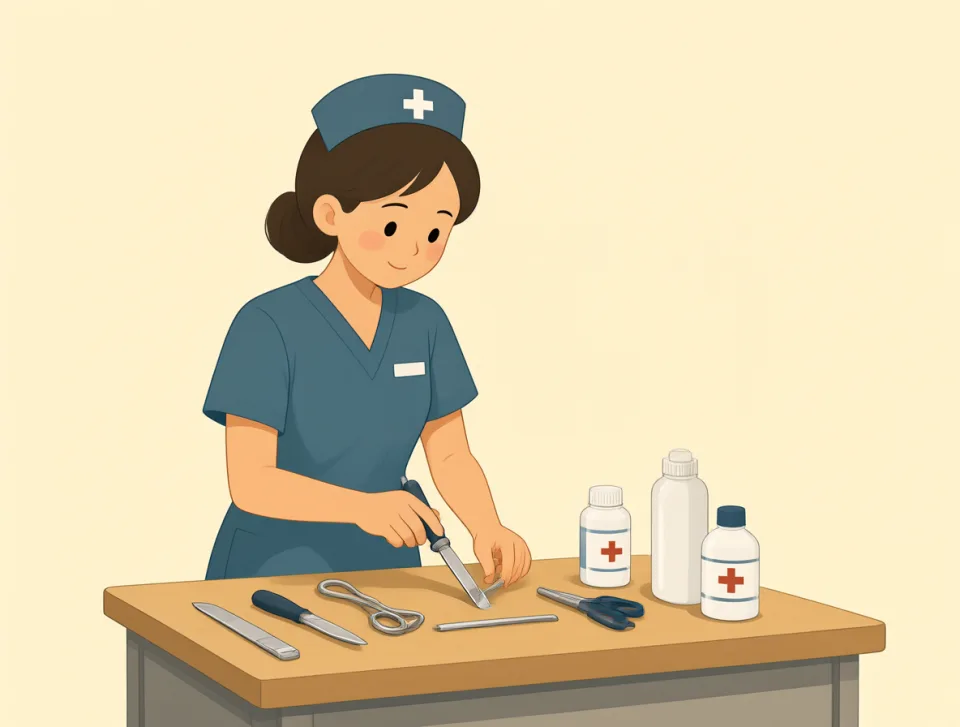
The nurse checked my station after lunch.
Pielęgniarka sprawdziła moje stanowisko po lunchu.
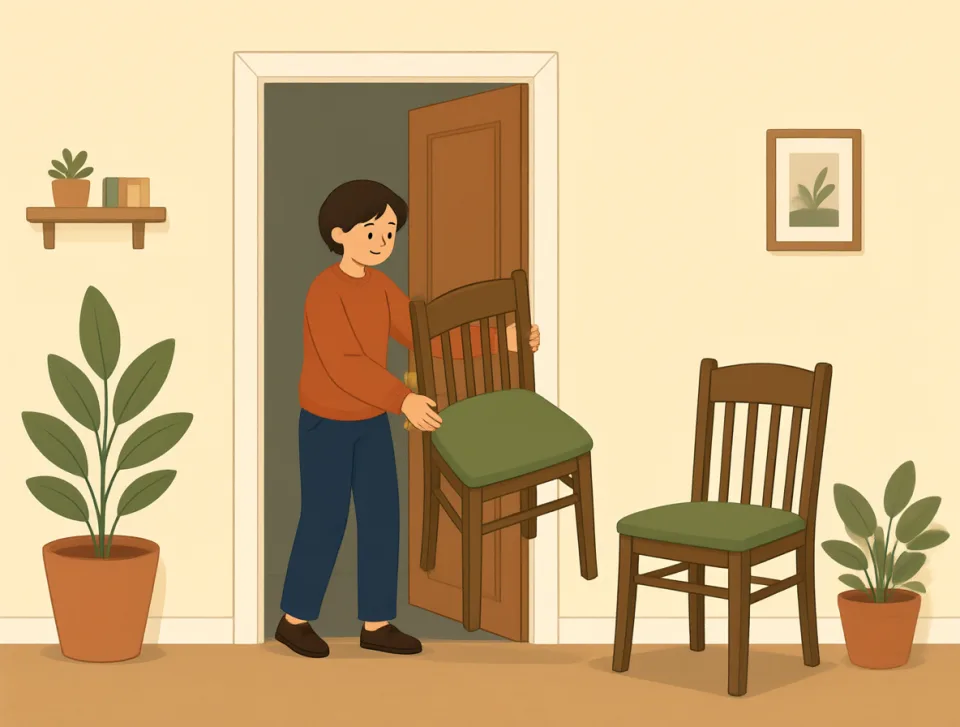
Please station the chairs near the door.
Proszę ustawić krzesła przy drzwiach.

population
#710noun
liczba ludności
The number of people living in a place.
Liczba osób mieszkających w danym miejscu.
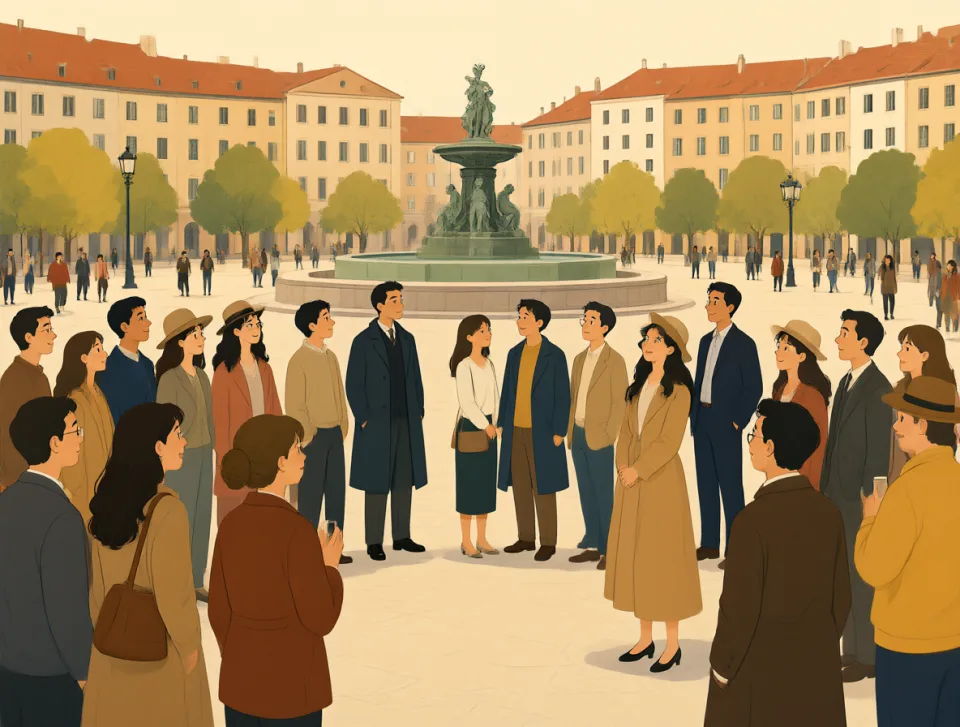
The city has a large population.
Miasto ma dużą liczbę mieszkańców.
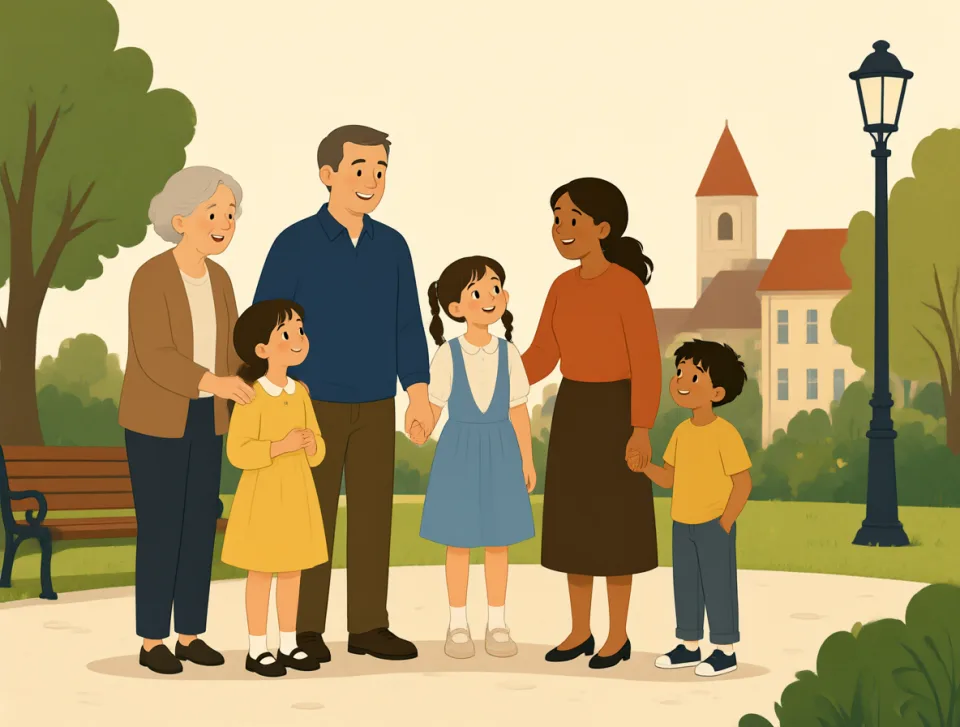
The population is growing every year.
Liczba ludności rośnie z każdym rokiem.
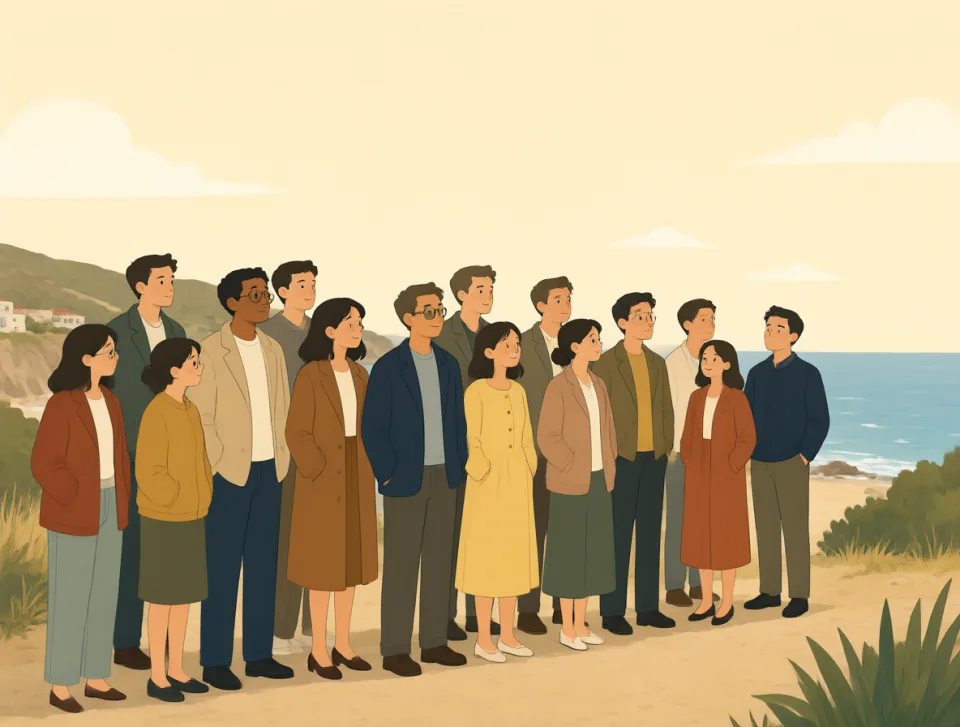
Most of the population lives near the coast.
Większość mieszkańców żyje w pobliżu wybrzeża.

The doctor studied the local population.
Lekarz badał miejscową ludność.
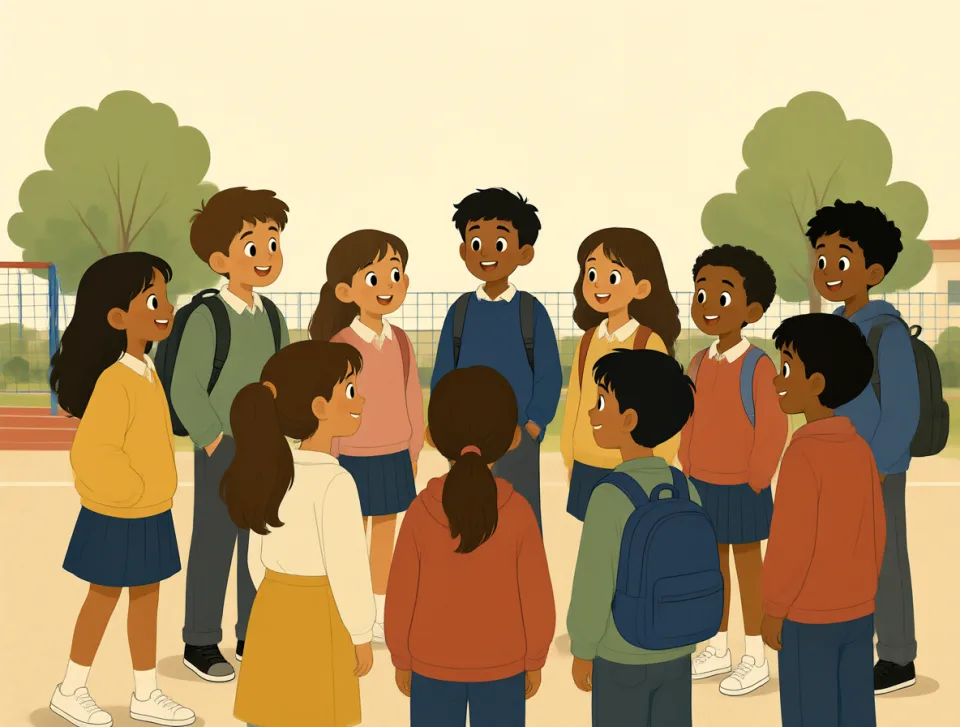
The population of our school is 500 students.
W naszej szkole uczy się 500 uczniów.
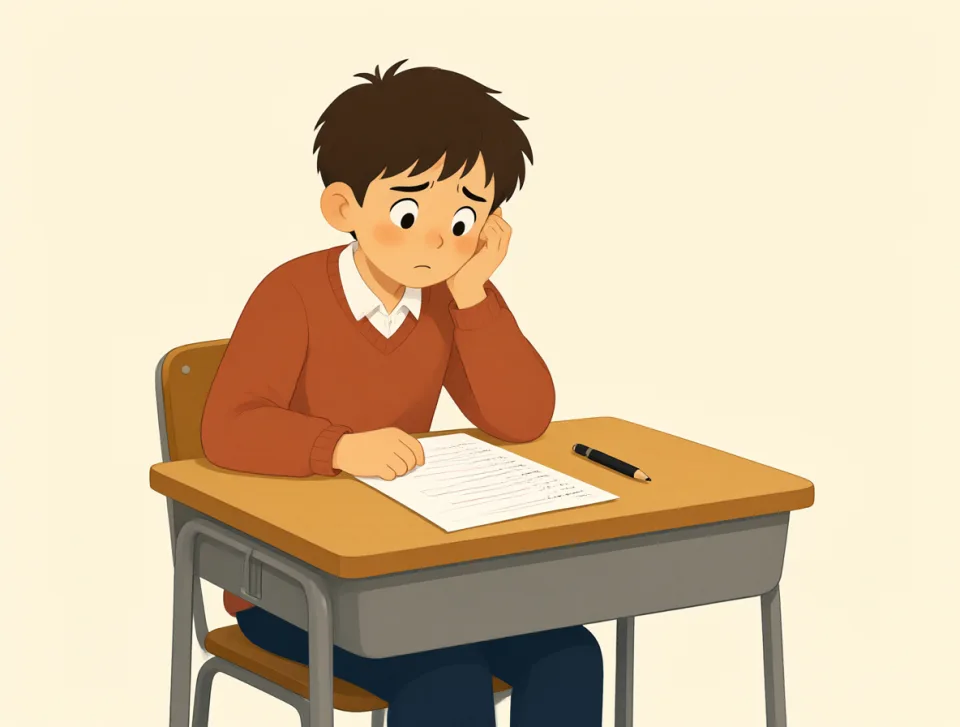
fail
#711verb, noun
nie zdać; nie powieść się
To not succeed in doing something or to not pass a test.
Nie odnieść sukcesu w czymś albo nie zdać egzaminu.
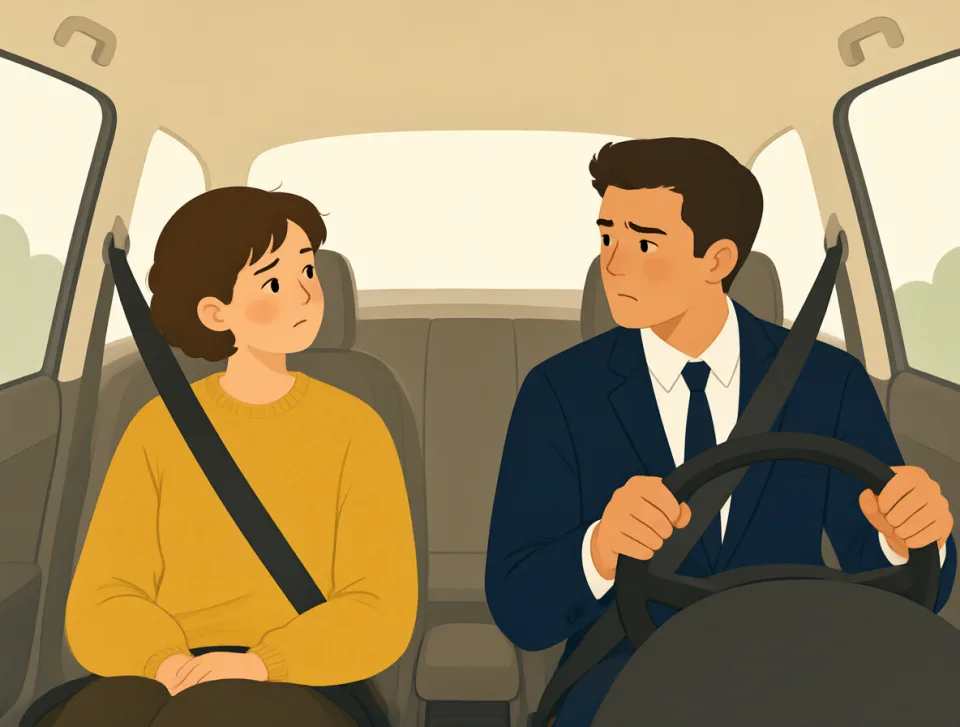
I failed my driving test yesterday.
Wczoraj nie zdałem egzaminu na prawo jazdy.
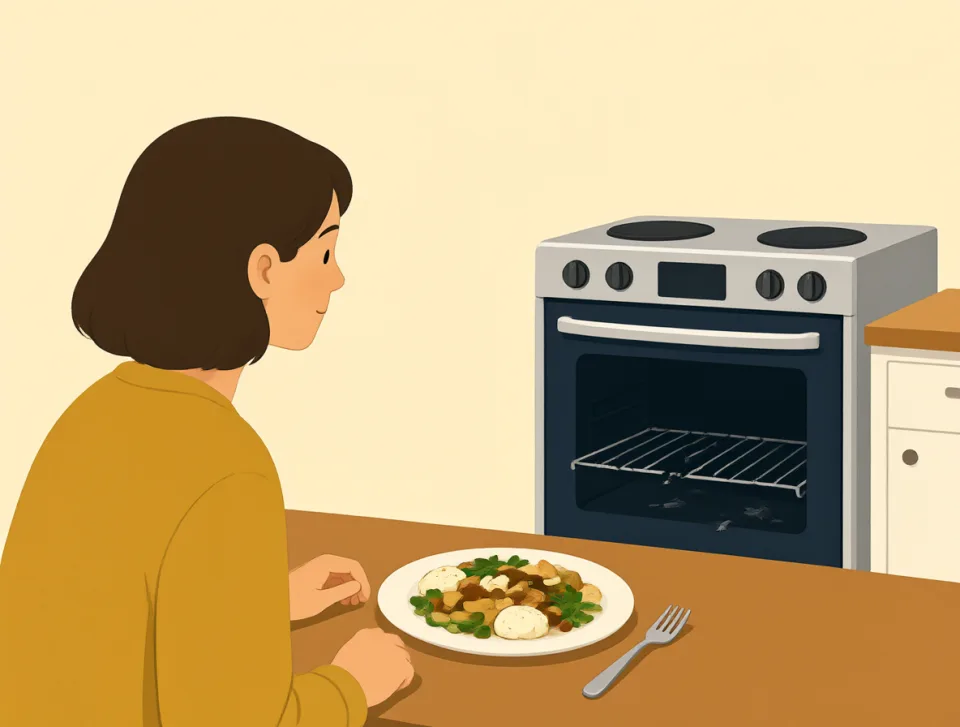
The oven failed, so dinner stayed cold.
Piekarnik się zepsuł, więc kolacja pozostała zimna.
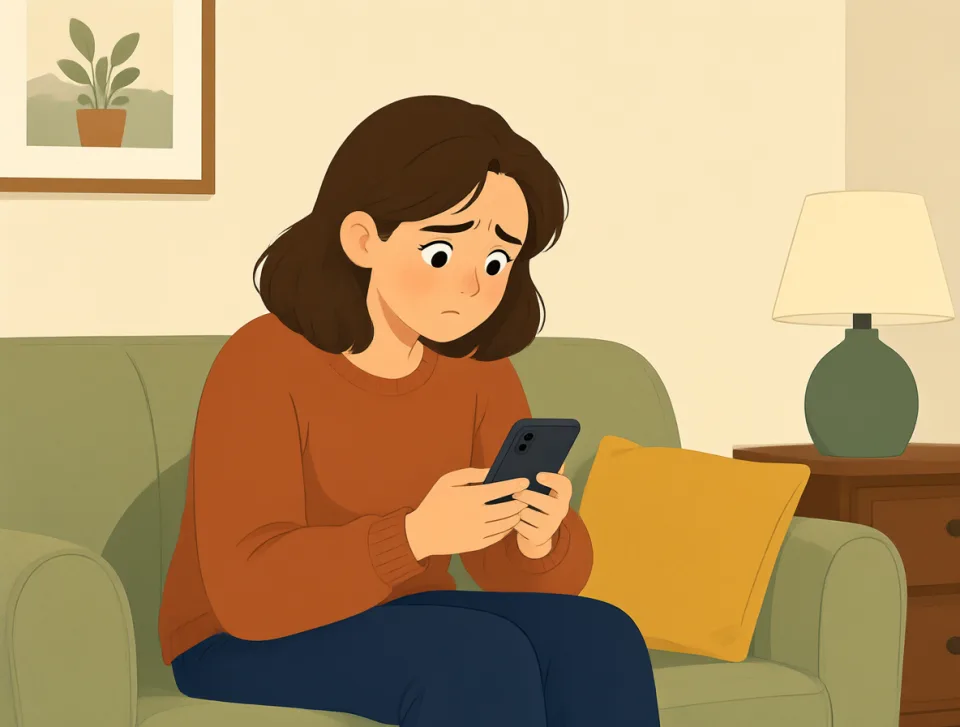
She failed to call her mother.
Nie zadzwoniła do swojej matki.
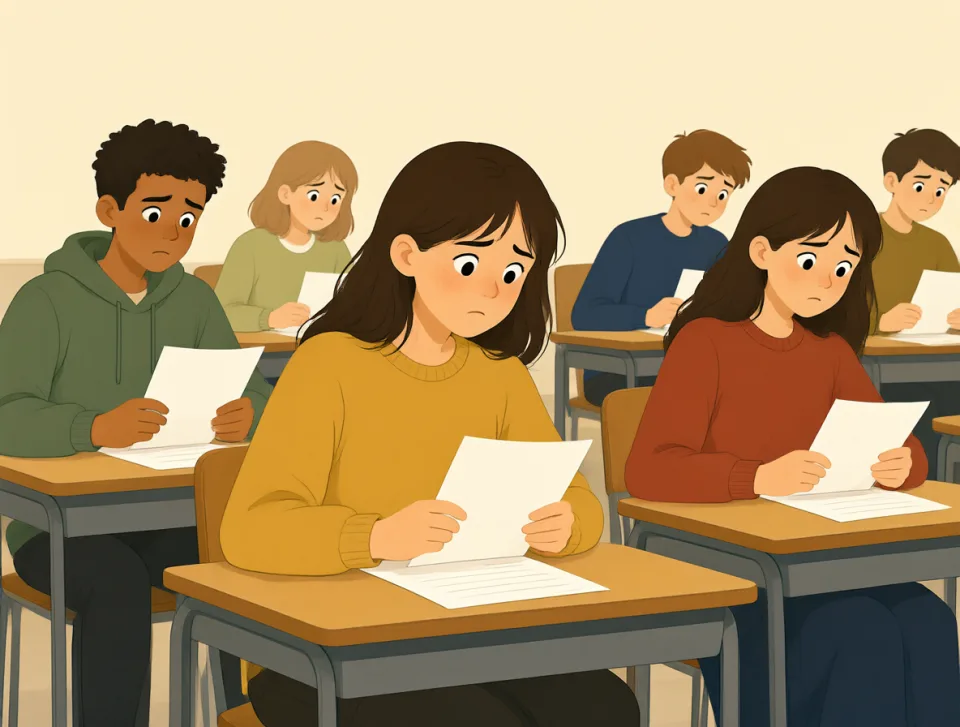
Many students fail the math exam.
Wielu uczniów nie zdaje egzaminu z matematyki.
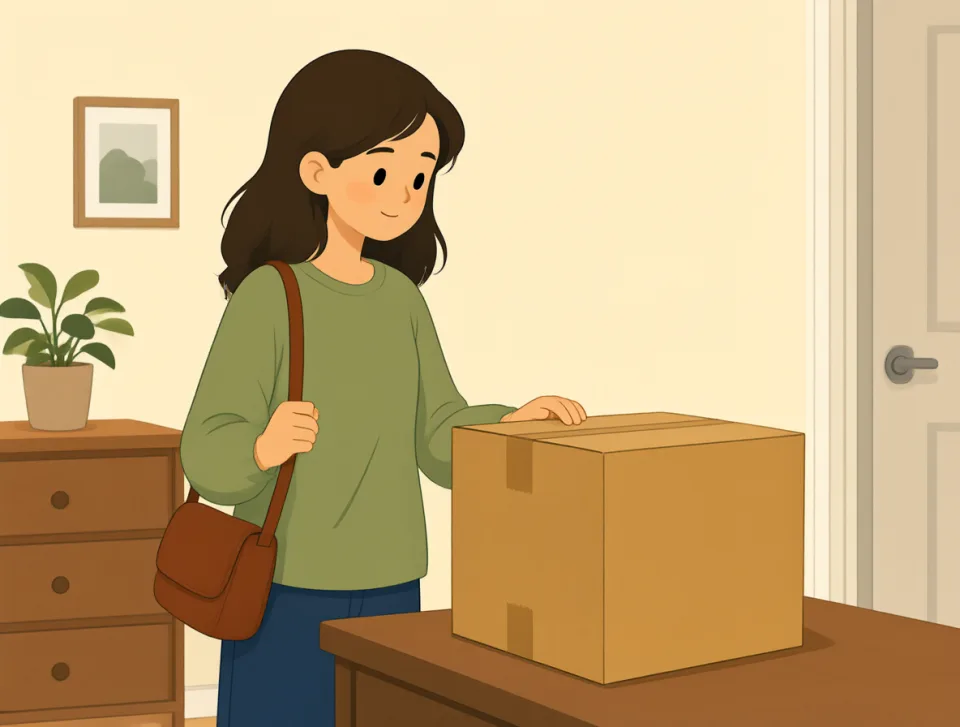
The shop failed to deliver my order.
Sklep nie dostarczył mojego zamówienia.
environment
#712noun
środowisko
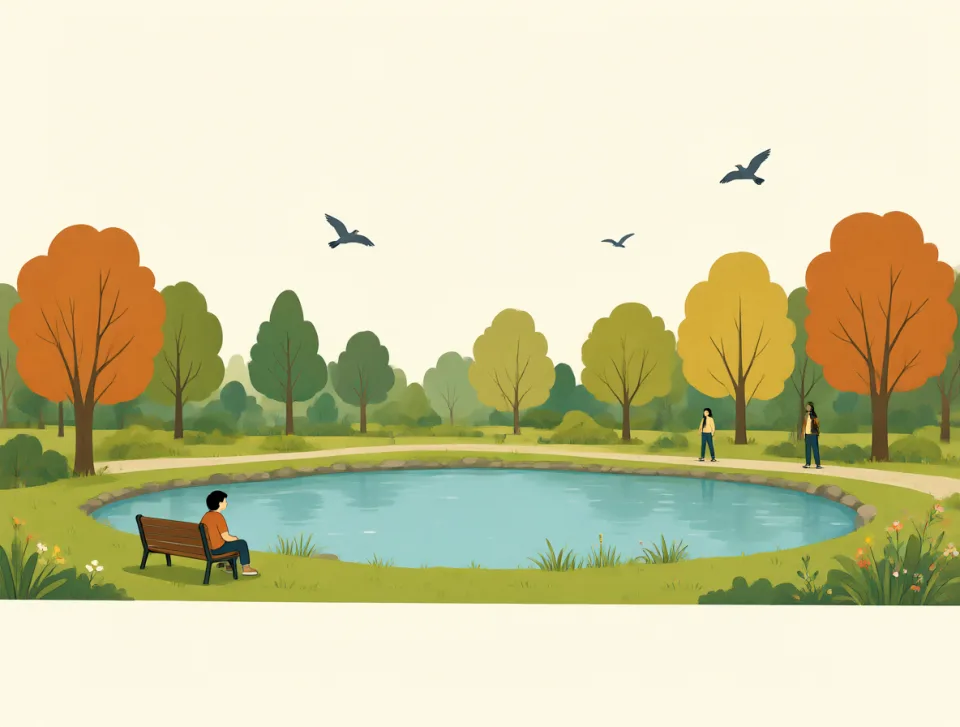
The air, water, land, and living things around people, animals, and plants.
Powietrze, woda, ziemia i organizmy żywe wokół ludzi, zwierząt i roślin.
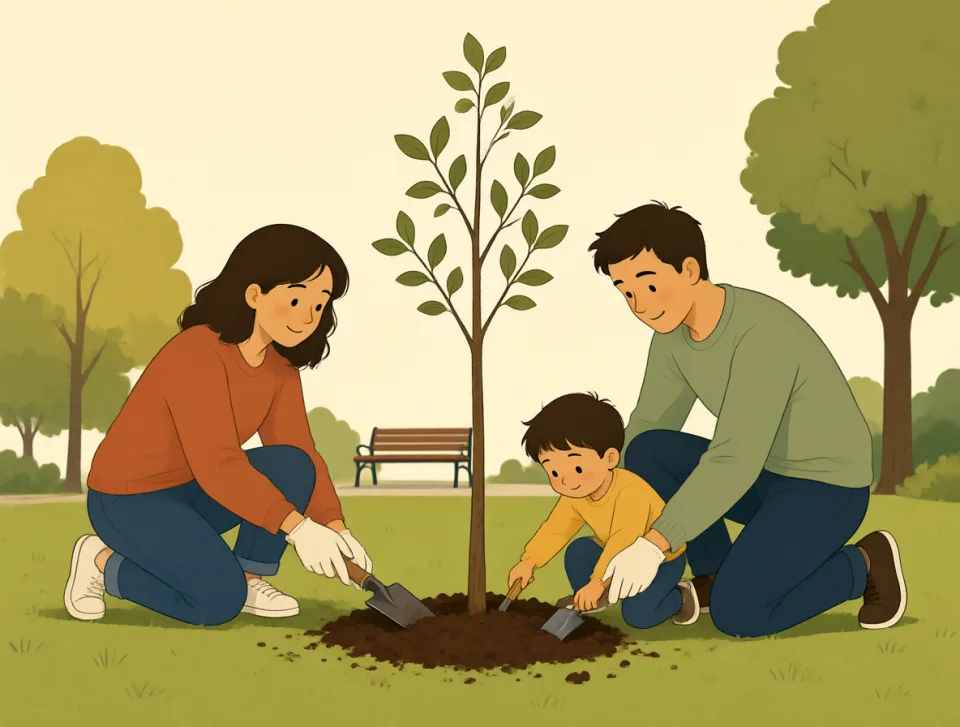
We must protect the environment for our children.
Musimy chronić środowisko dla naszych dzieci.

This office provides a friendly working environment.
To biuro zapewnia przyjazne środowisko pracy.
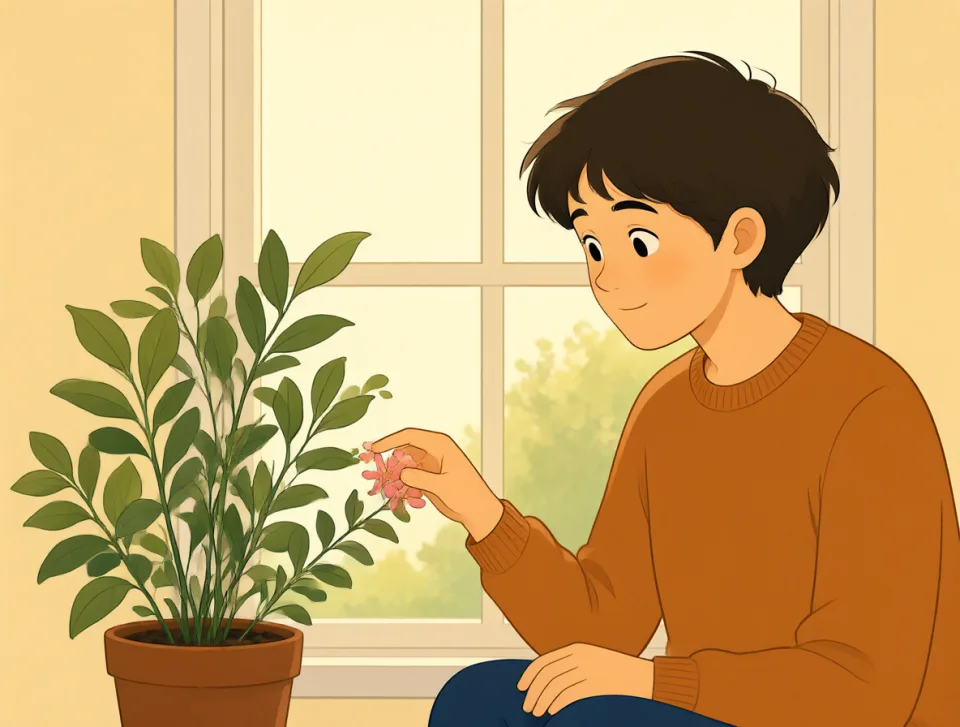
Plants grow well in a warm environment.
Rośliny dobrze rosną w ciepłym otoczeniu.
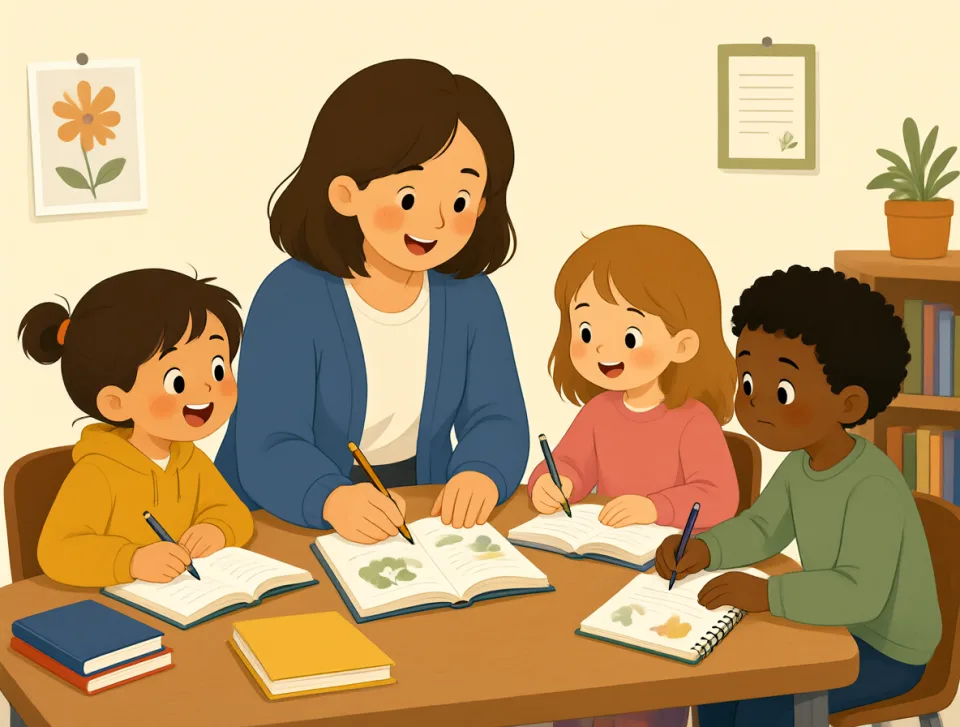
The school environment helps children learn.
Środowisko szkolne pomaga dzieciom się uczyć.
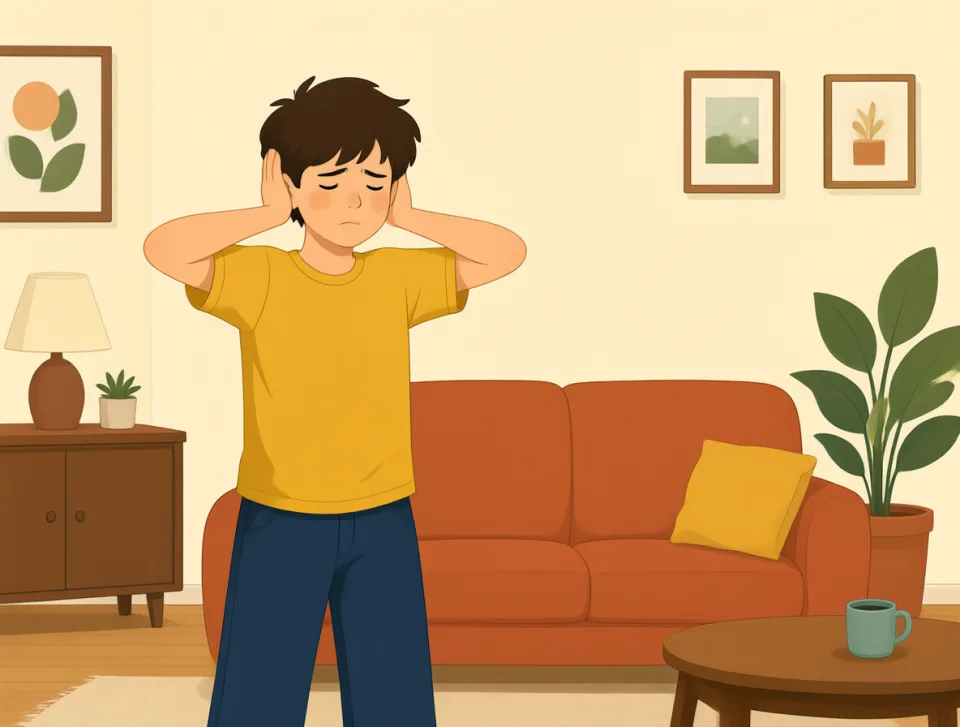
Noise can harm your home environment.
Hałas może szkodzić środowisku domowemu.
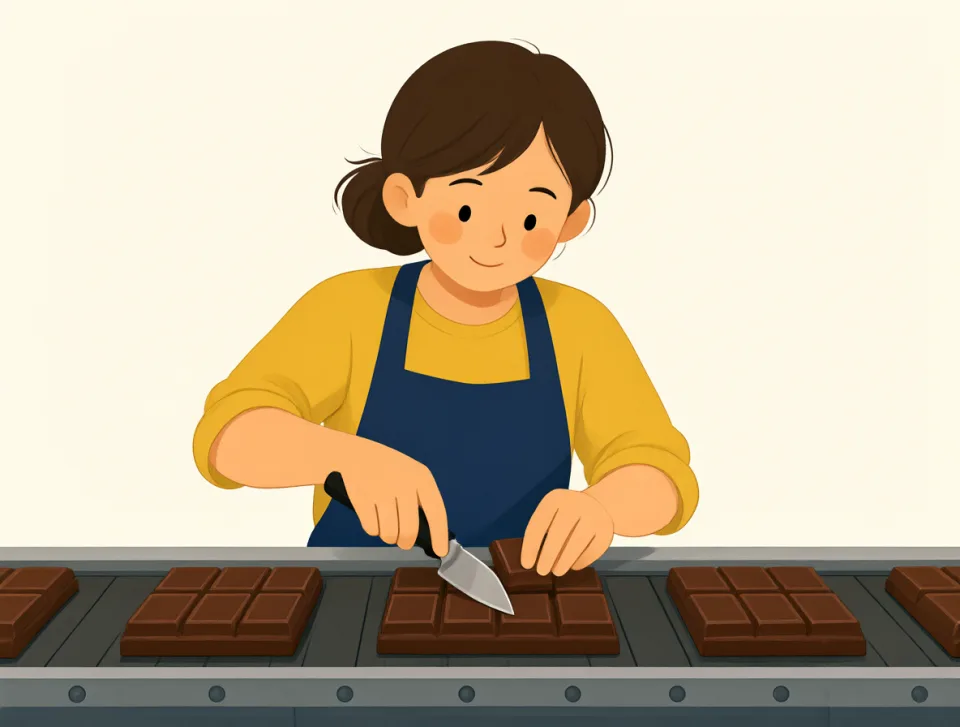
production
#713noun
produkcja
The process of making goods, food, films, or other things.
Proces wytwarzania towarów, żywności, filmów lub innych rzeczy.
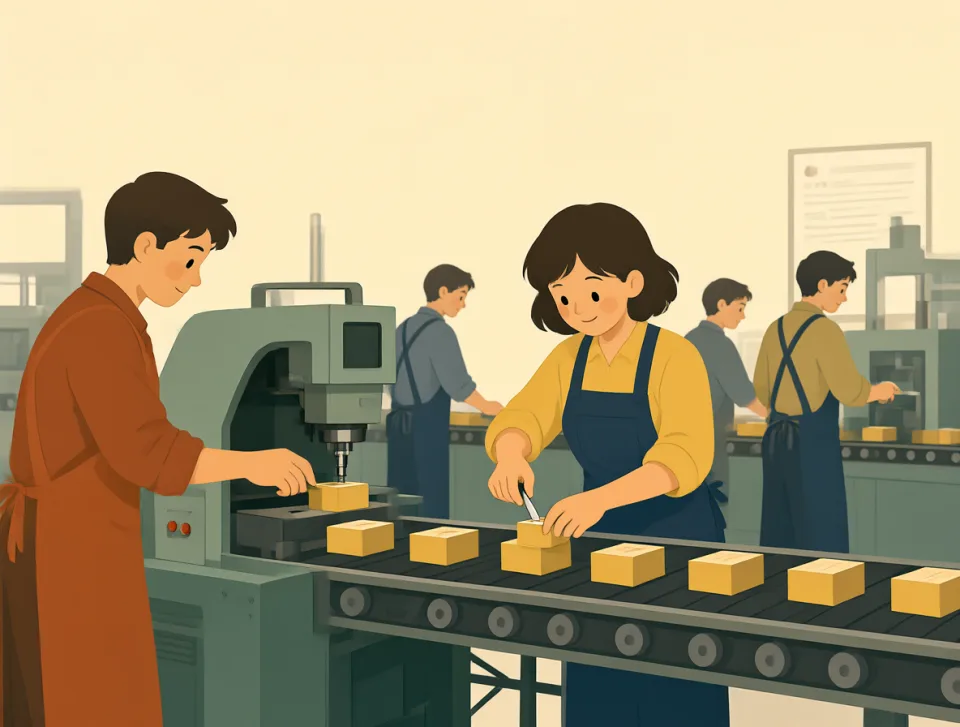
The factory increased production this year.
W tym roku fabryka zwiększyła produkcję.
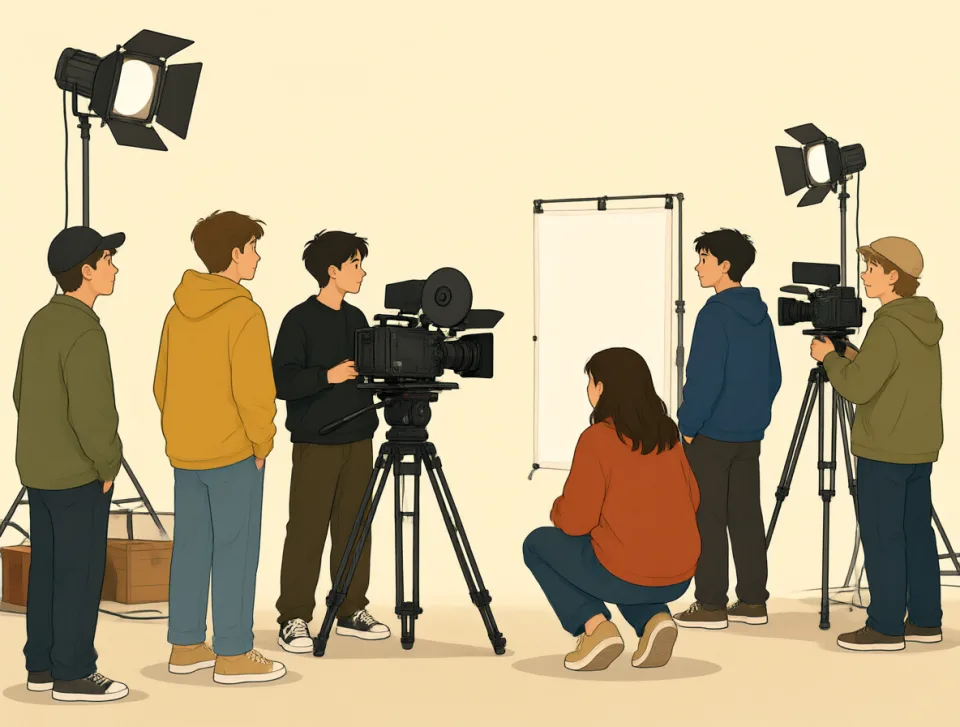
The film production starts next month.
Produkcja filmu rozpocznie się w przyszłym miesiącu.
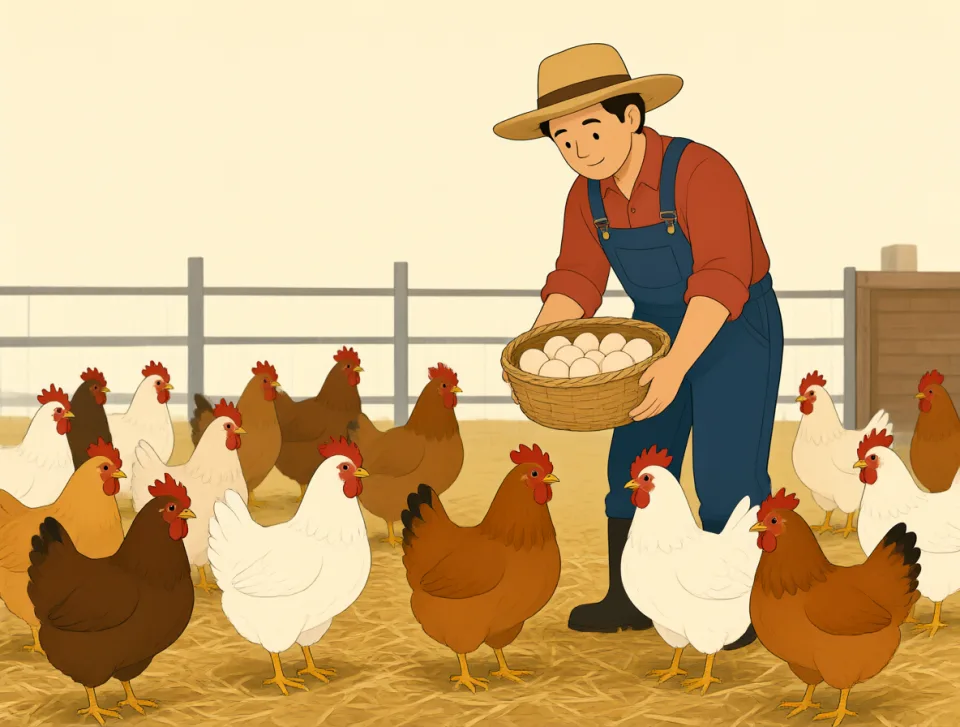
The farm has high egg production.
Na tej farmie produkcja jaj jest wysoka.

Production stopped when the machine broke.
Produkcja stanęła, gdy zepsuła się maszyna.
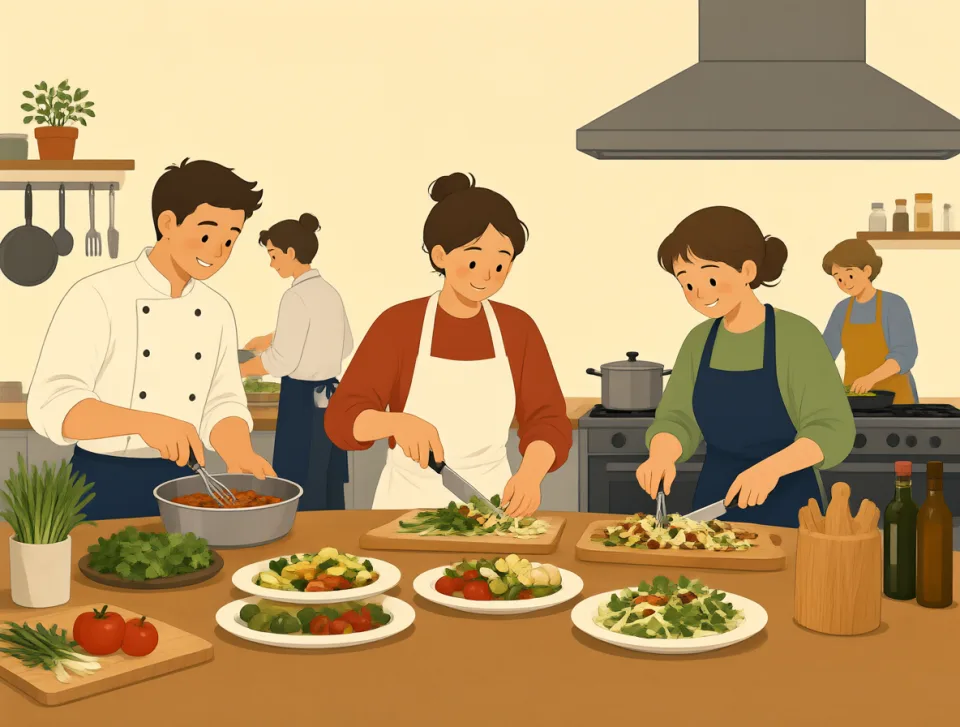
This kitchen helps with food production.
Ta kuchnia pomaga w przygotowywaniu żywności.

contract
#714noun, verb
umowa; kurczyć się
A legal agreement, or to become smaller or tighter.
Prawnie wiążące porozumienie albo zmniejszać się lub stawać się ciaśniejszym.

We signed a contract for the new apartment.
Podpisaliśmy umowę na wynajem nowego mieszkania.

The company offered him a two-year contract.
Firma zaproponowała mu dwuletnią umowę.
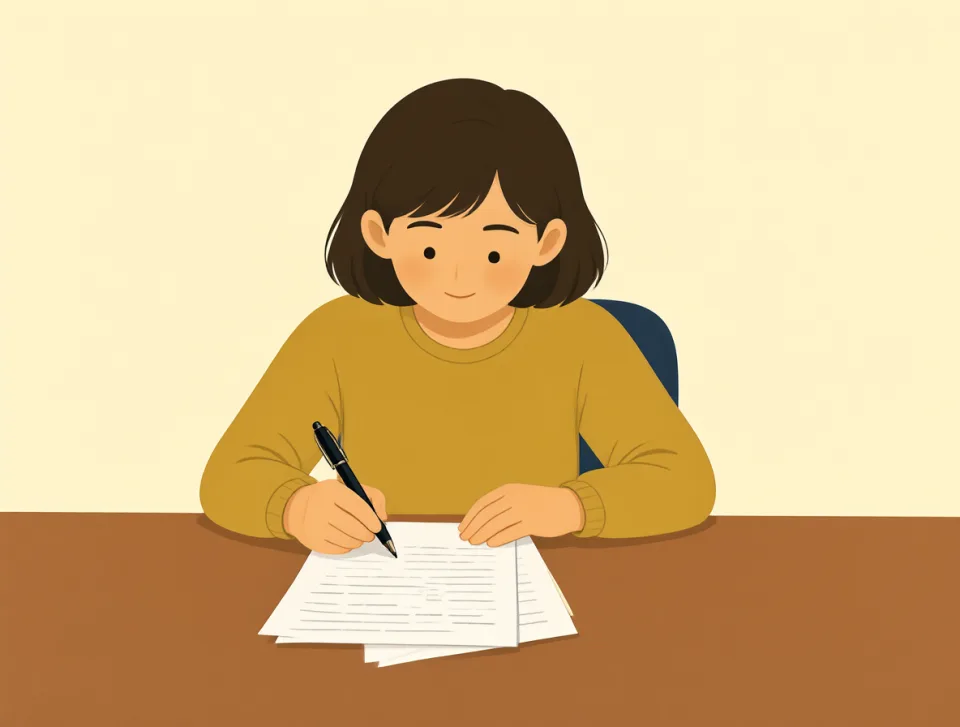
Please read the contract before you sign it.
Przeczytaj umowę, zanim ją podpiszesz.
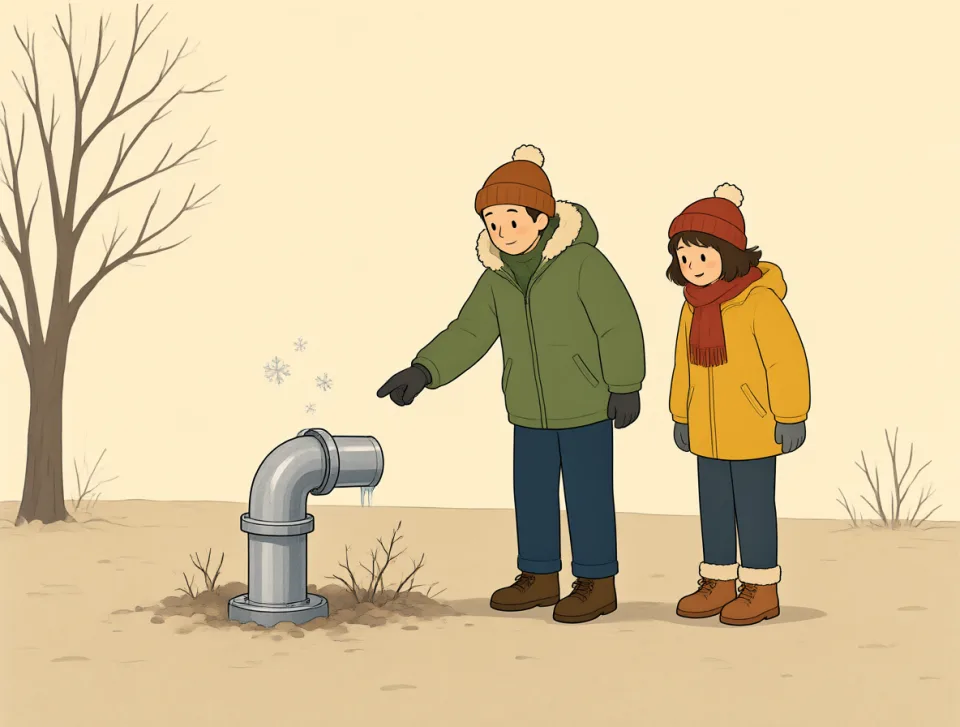
The cold made the metal contract slightly.
Zimno sprawiło, że metal nieco się skurczył.
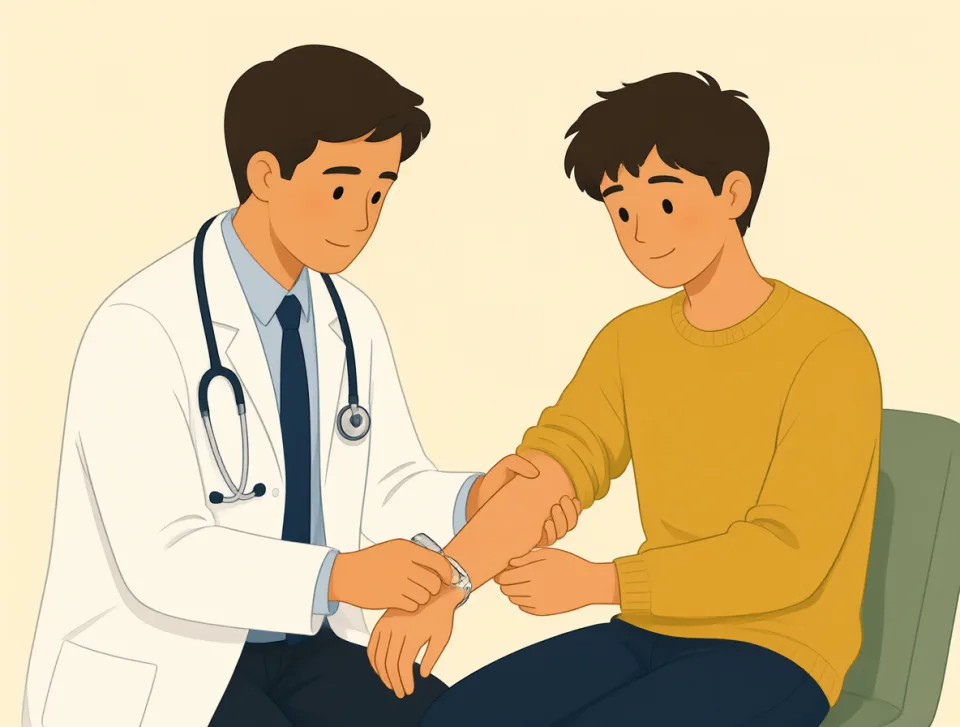
The doctor said my muscles were contracting.
Lekarz powiedział, że moje mięśnie się kurczyły.
player
#715noun
zawodnik; gracz
A person who takes part in a game or sport.
Osoba biorąca udział w grze lub zawodach sportowych.
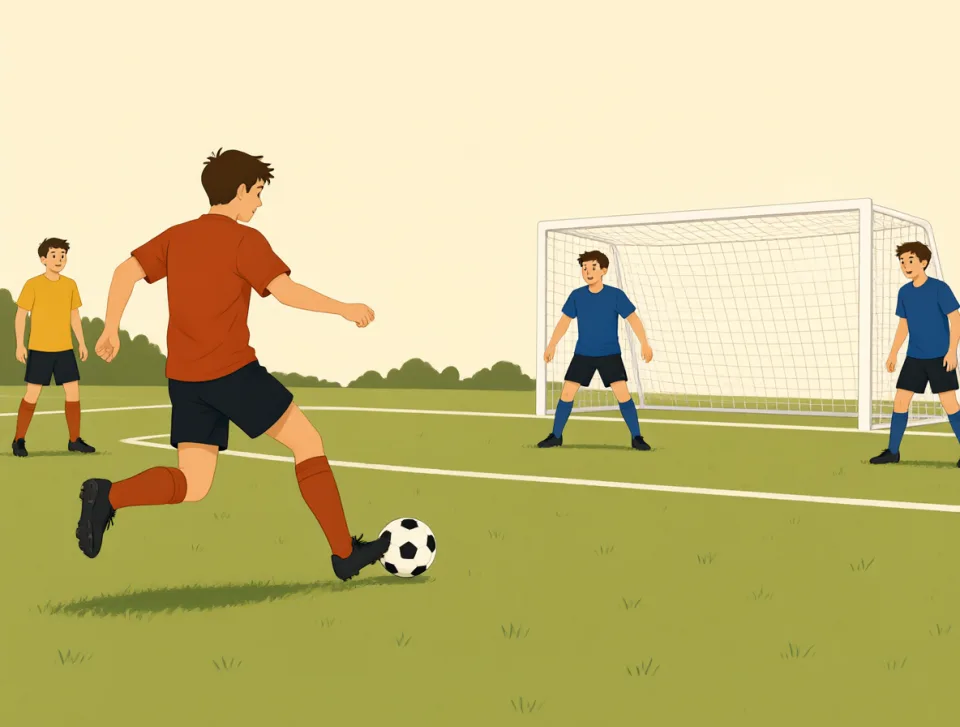
The player kicked the ball into the goal.
Zawodnik kopnął piłkę do bramki.
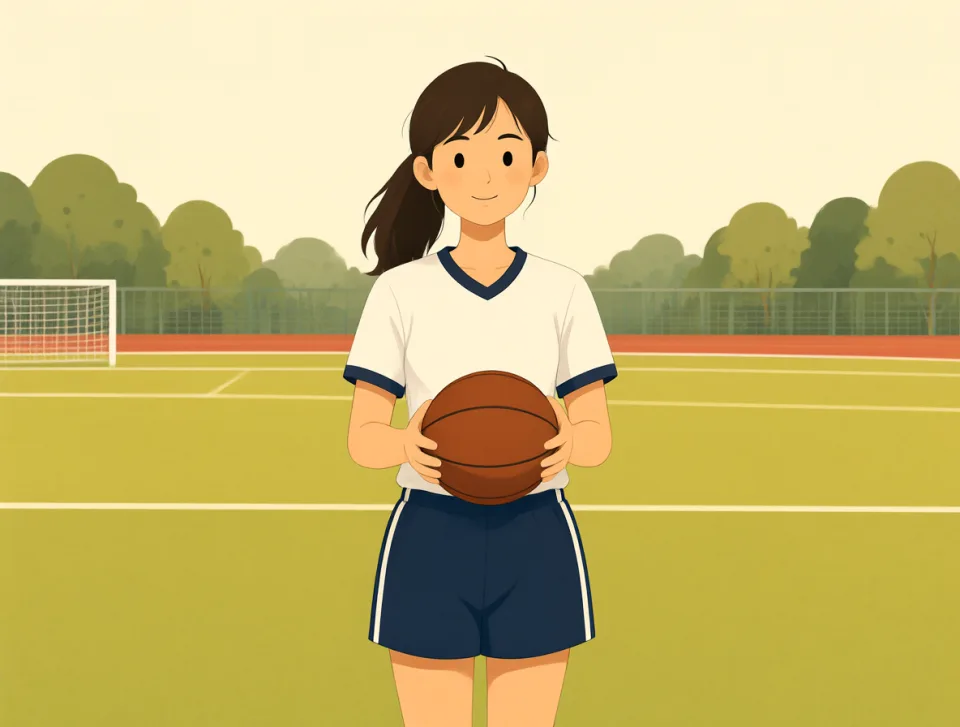
She is a good player on our team.
Jest dobrą zawodniczką w naszej drużynie.
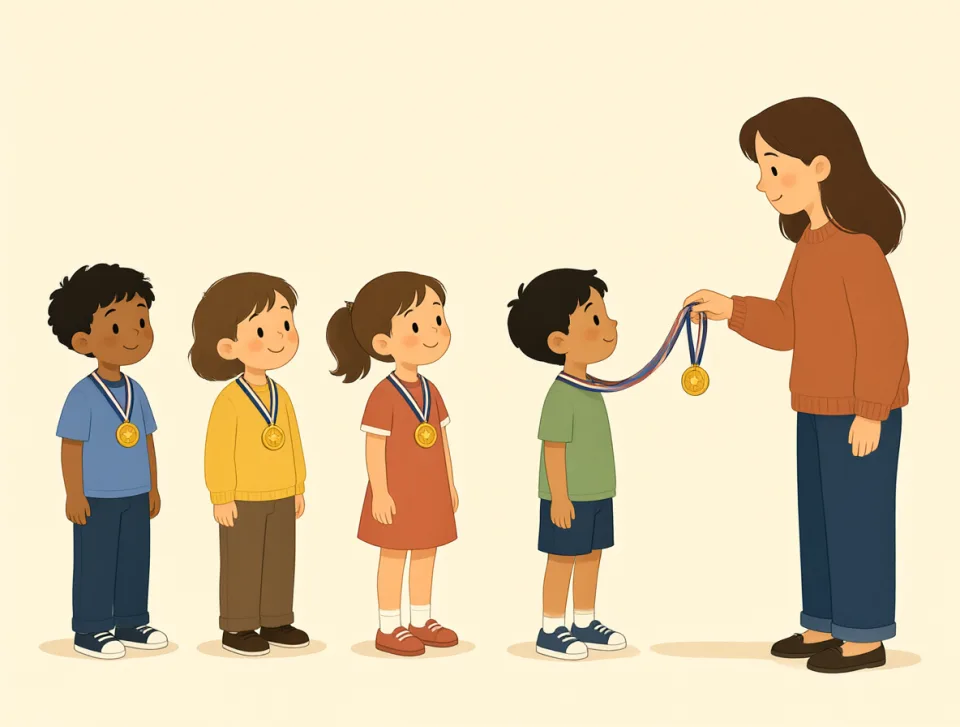
Each player received a medal after the game.
Każdy zawodnik dostał medal po meczu.

The music player is next to my bed.
Odtwarzacz muzyki stoi obok mojego łóżka.

He became a key player in the company.
Stał się kluczową postacią w firmie.
comment
#716noun, verb
komentarz
words that give an opinion or explain something
słowa wyrażające opinię lub coś wyjaśniające
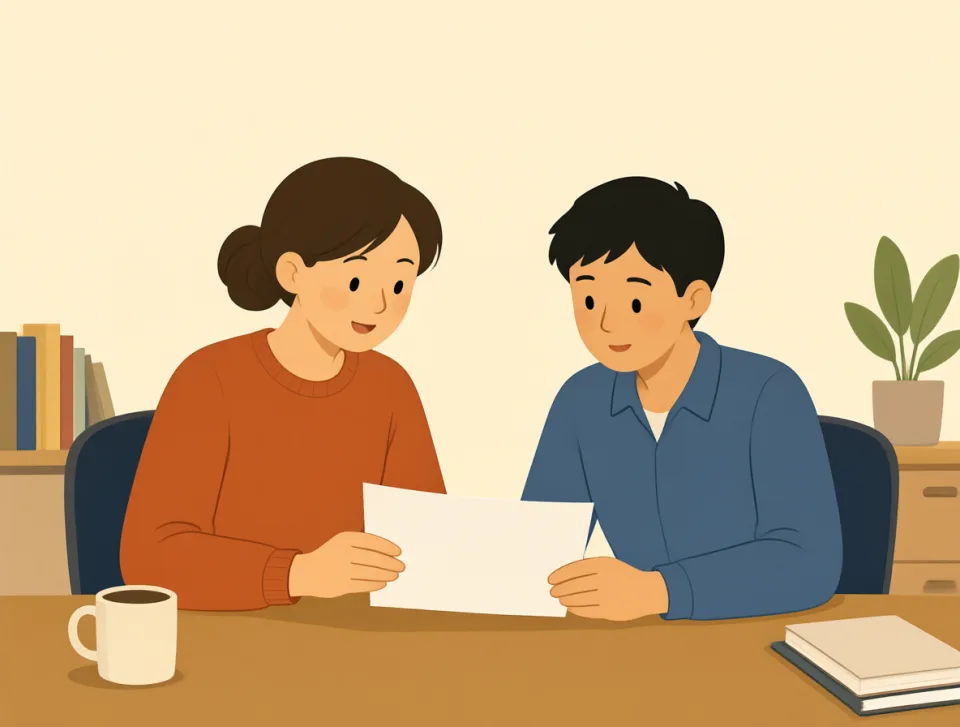
She made a helpful comment about my work.
Powiedziała coś pomocnego na temat mojej pracy.

Please leave a comment below the video.
Zostaw komentarz pod filmem.

His comment made everyone laugh.
Jego komentarz rozśmieszył wszystkich.
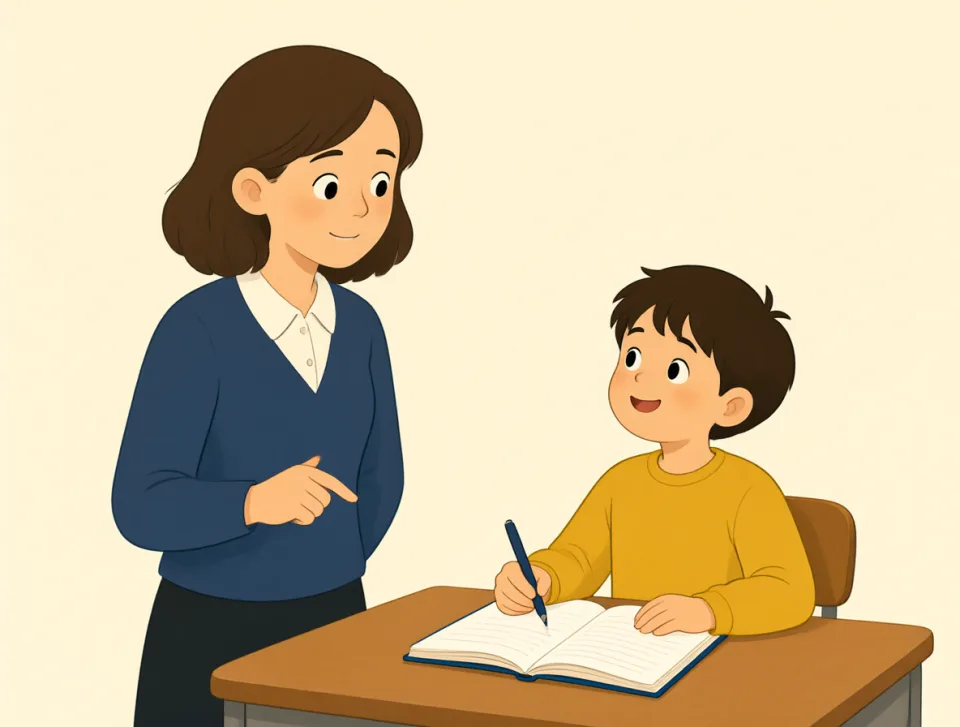
The teacher commented on my spelling.
Nauczyciel skomentował moją pisownię.

Many people commented on the new restaurant.
Wiele osób komentowało nową restaurację.
enter
#717verb
wejść
to go into a place or begin taking part in something
wejść do jakiegoś miejsca lub zacząć brać w czymś udział
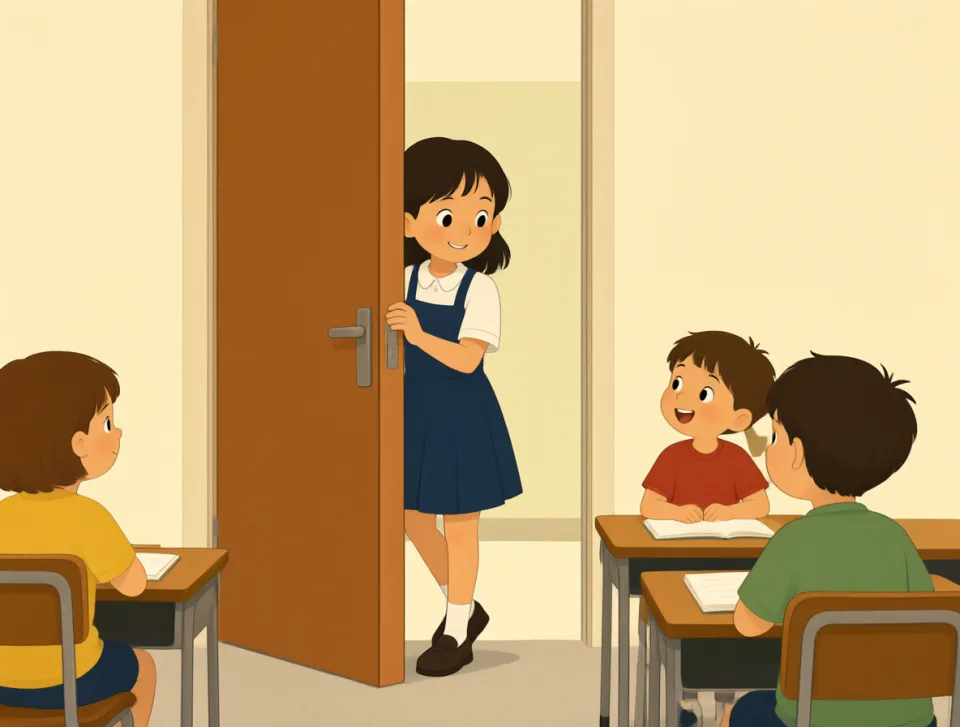
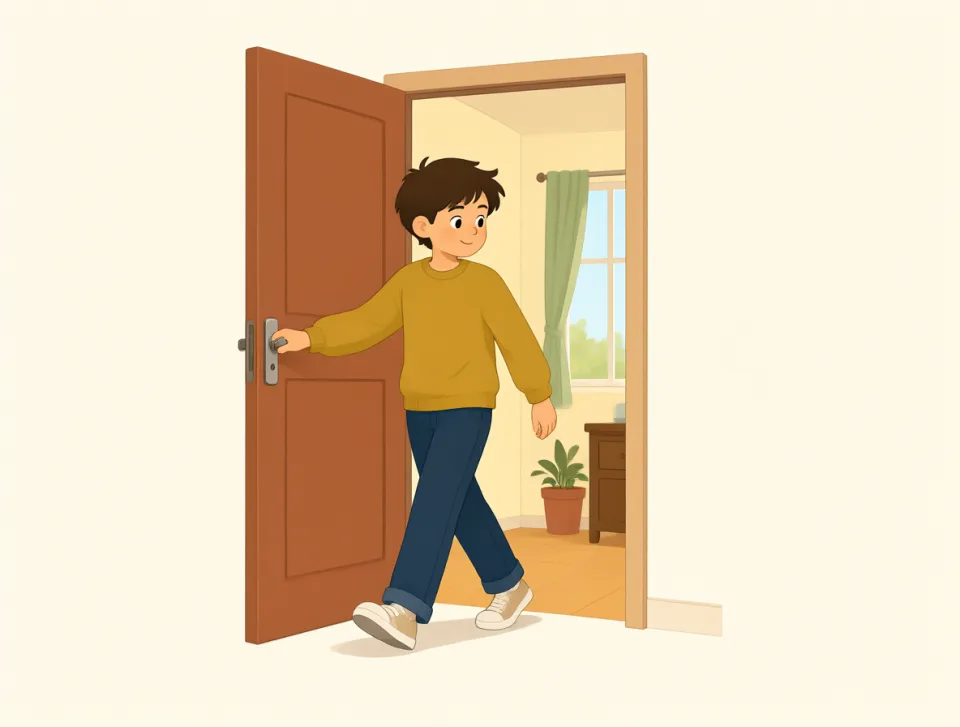
Please enter the room quietly.
Proszę wejść do pokoju po cichu.

She entered her password on the computer.
Wpisała hasło na komputerze.
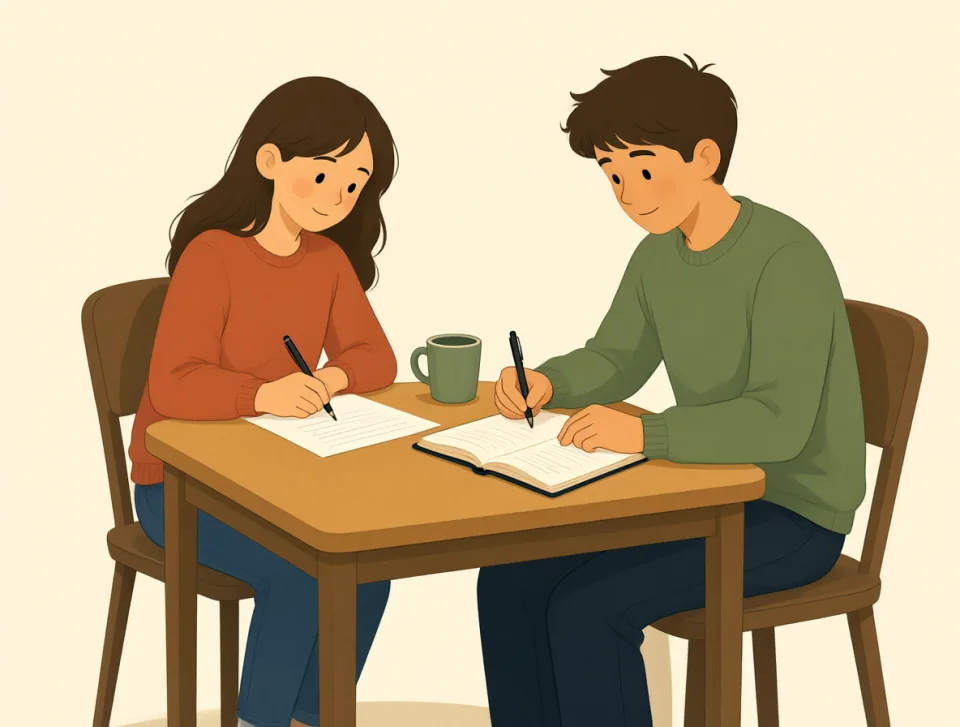
We entered the competition last week.
Zgłosiliśmy się do konkursu w zeszłym tygodniu.
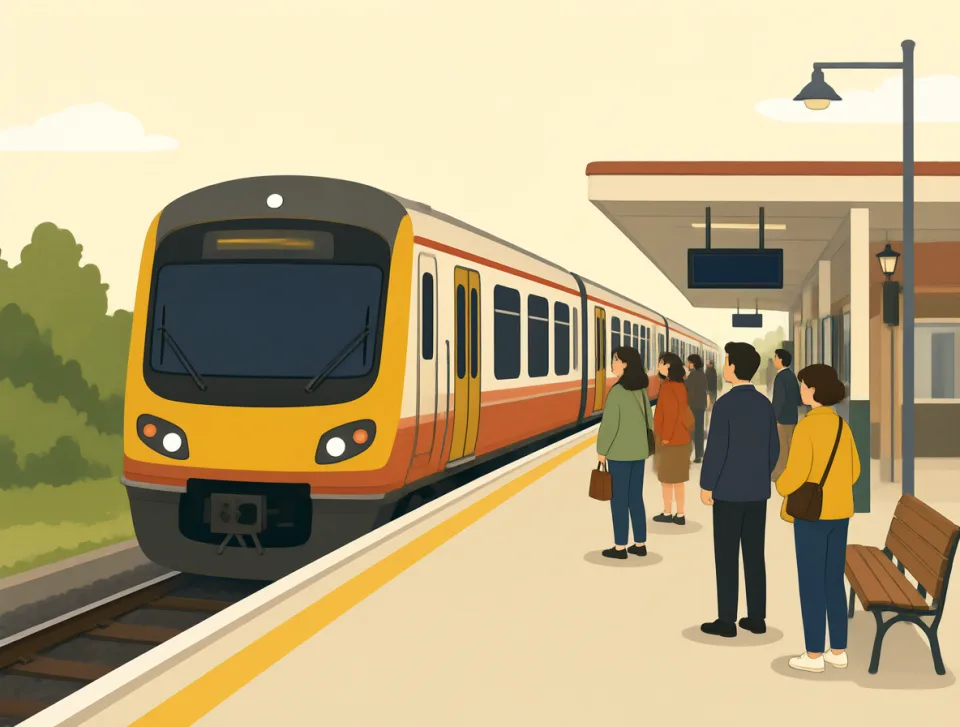
The train entered the station at noon.
Pociąg wjechał na stację w południe.
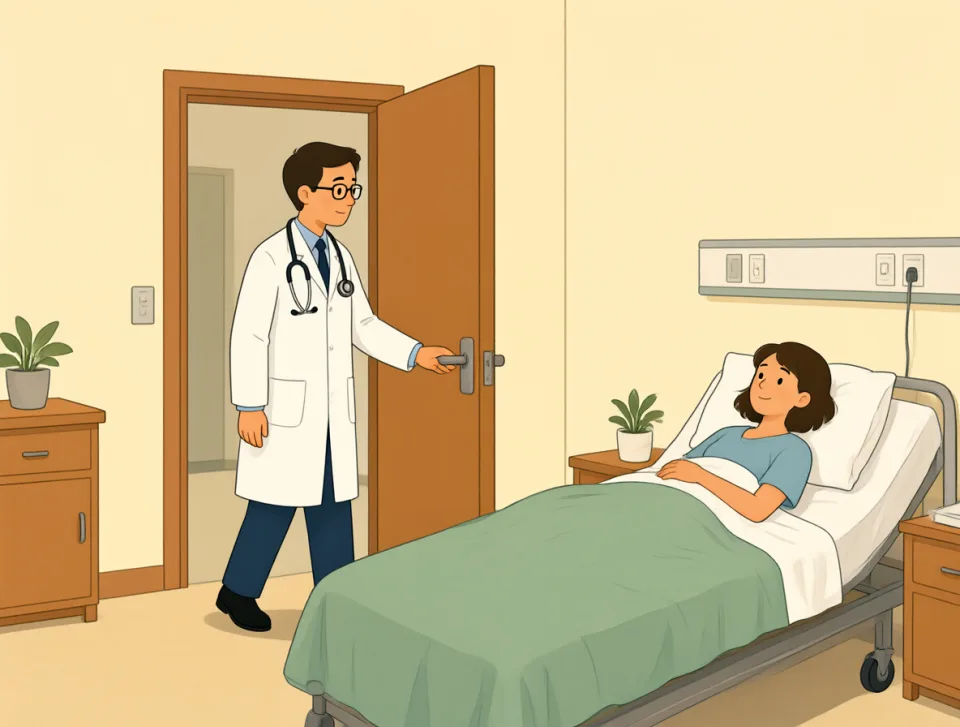
The doctor entered the patient's room.
Lekarz wszedł do pokoju pacjenta.
occur
#718verb
zdarzyć się
To happen, especially unexpectedly or at a particular time or place.
Zdarzyć się, zwłaszcza niespodziewanie albo w określonym czasie lub miejscu.
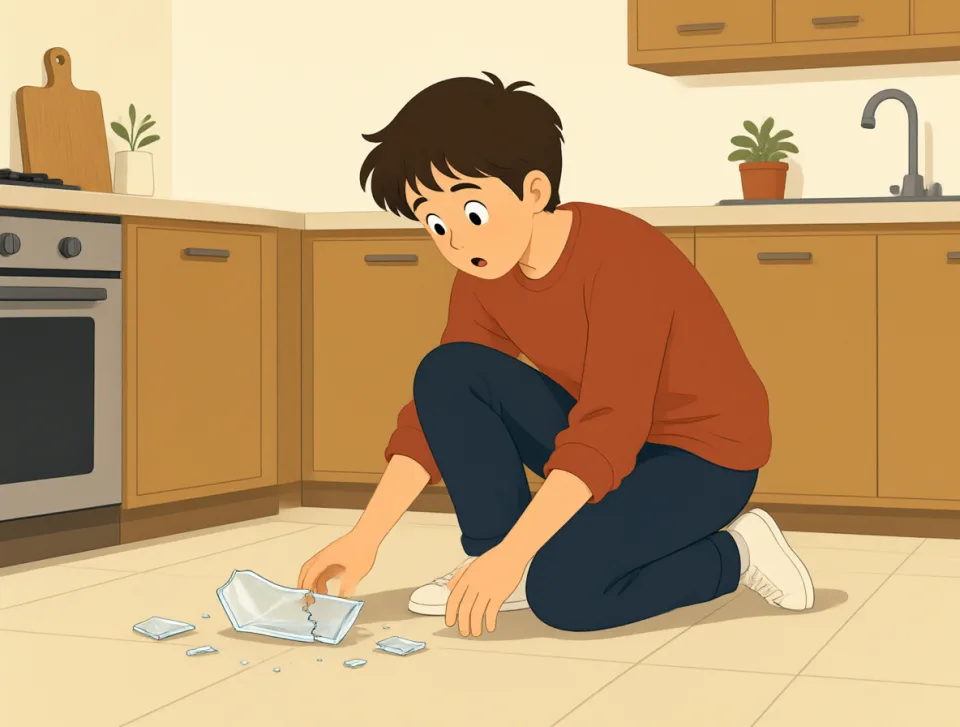
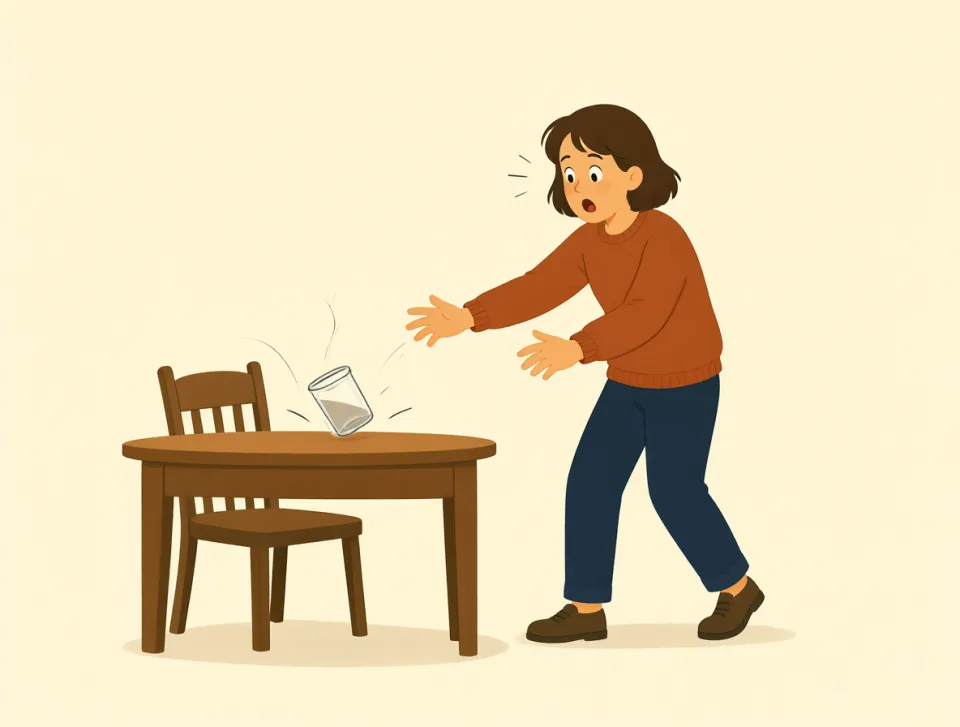
Accidents can occur at home.
Wypadki mogą zdarzyć się w domu.

The meeting occurred after lunch.
Spotkanie odbyło się po lunchu.
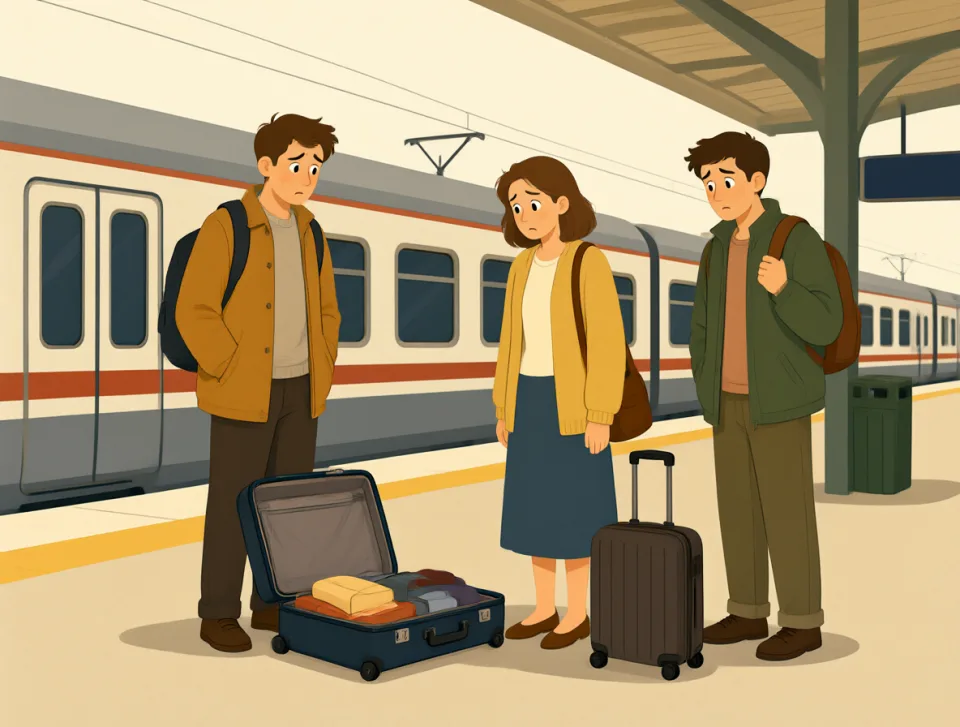
A problem occurred during the trip.
Podczas podróży pojawił się problem.
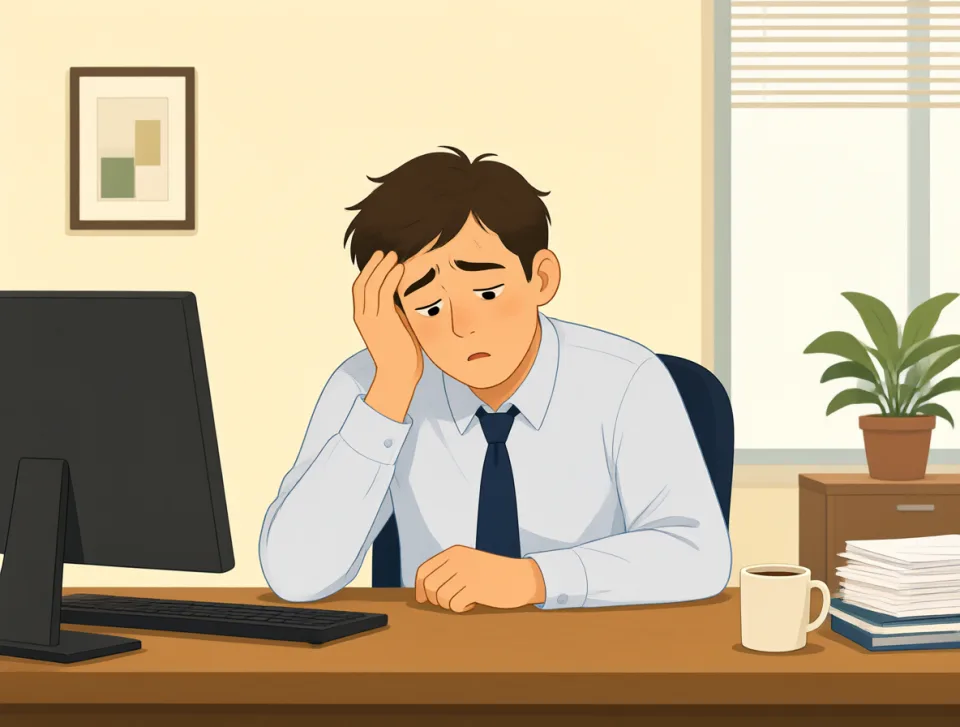
Headaches often occur after long workdays.
Bóle głowy często pojawiają się po długim dniu pracy.
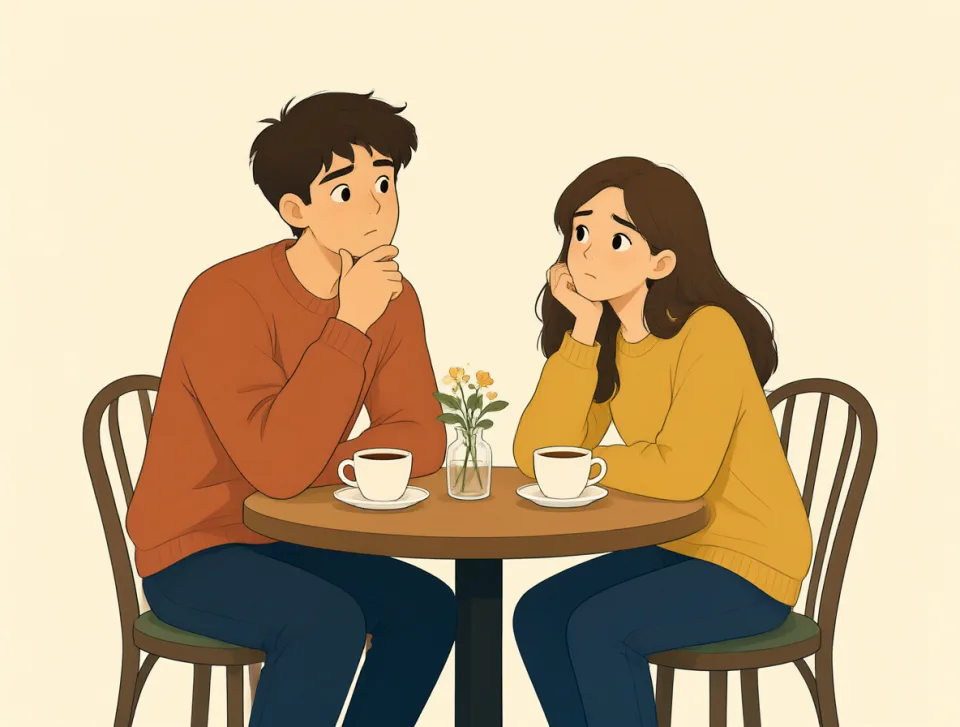
The same thought occurred to both friends.
Obojgu przyjaciołom przyszła do głowy ta sama myśl.
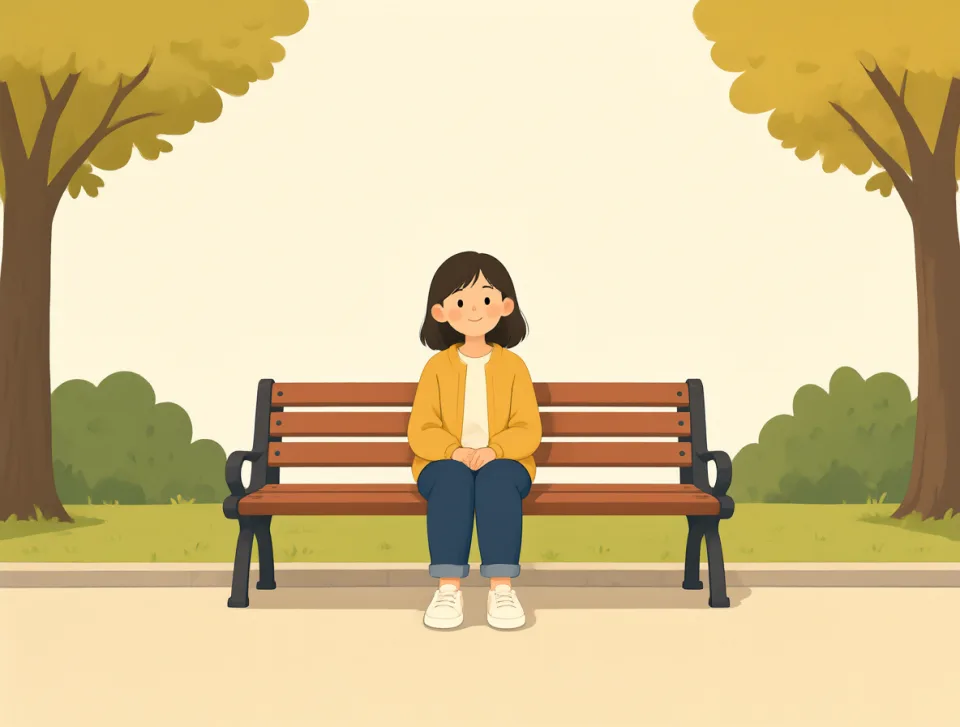
alone
#719adjective, adverb
sam; samotnie
without anyone else; separate from other people
bez nikogo innego; z dala od innych osób
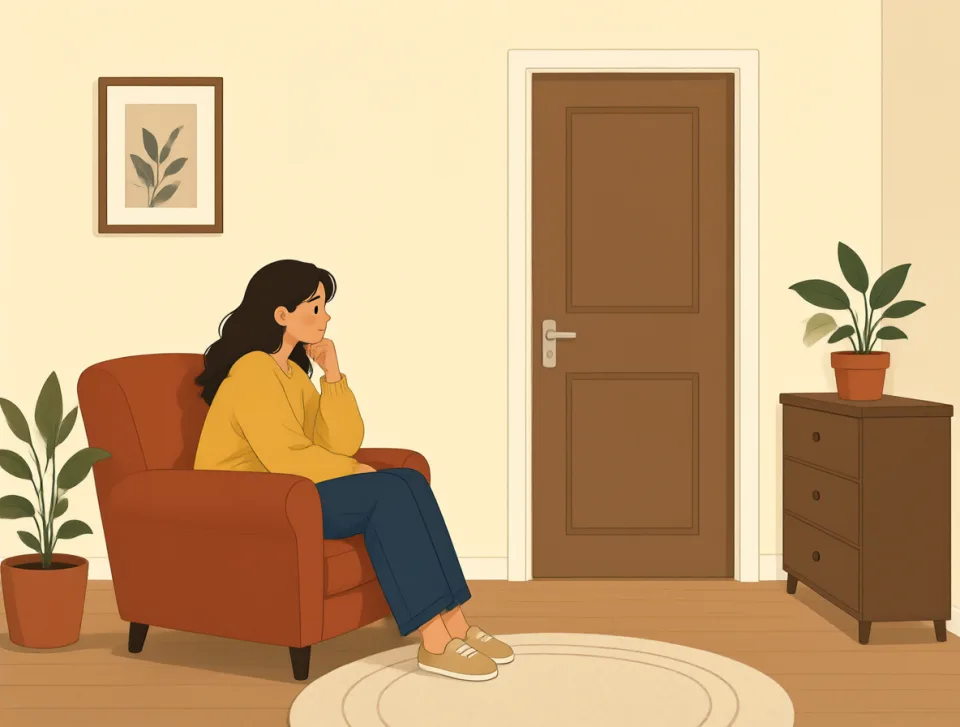
She lives alone in a small apartment.
Mieszka sama w małym mieszkaniu.
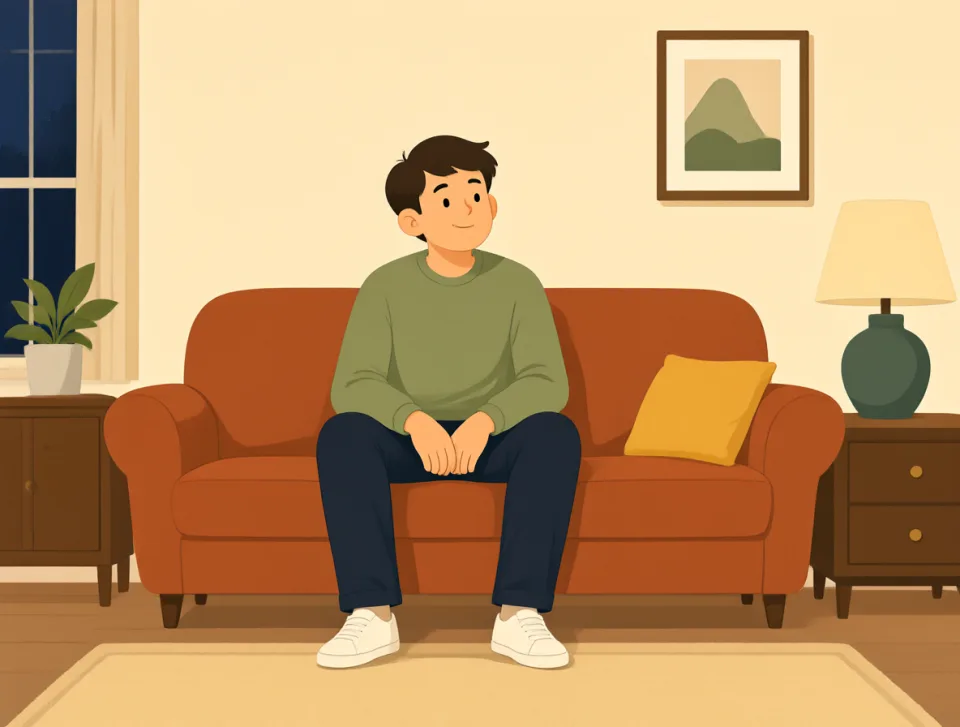
He was alone at home last night.
Wczoraj wieczorem był sam w domu.
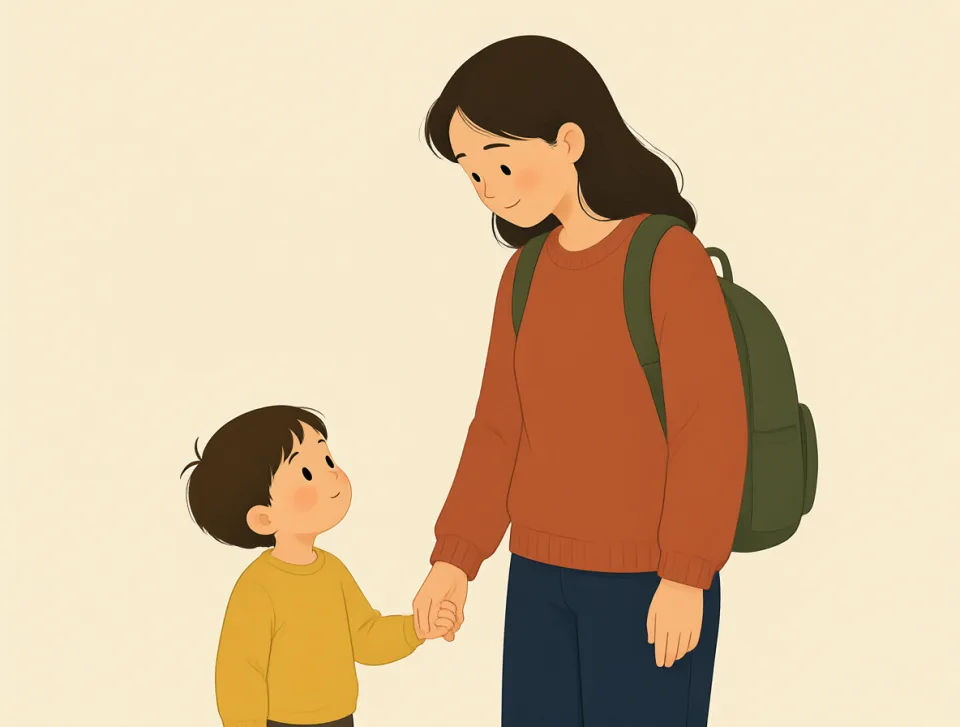
Please do not leave the child alone.
Proszę nie zostawiać dziecka samego.
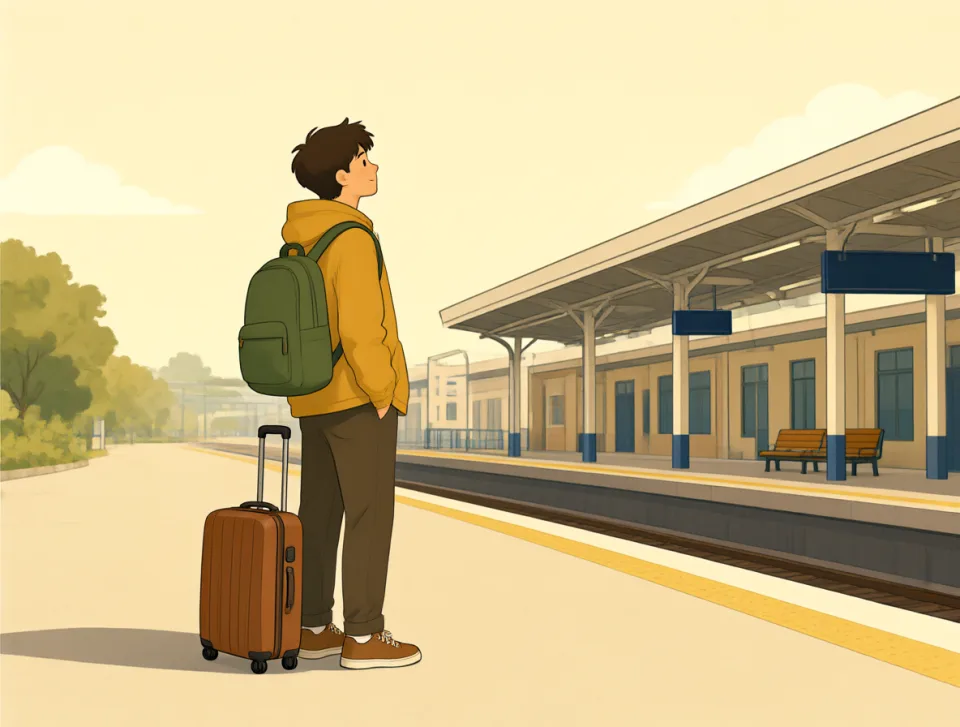
I traveled alone for the first time.
Po raz pierwszy podróżowałem sam.
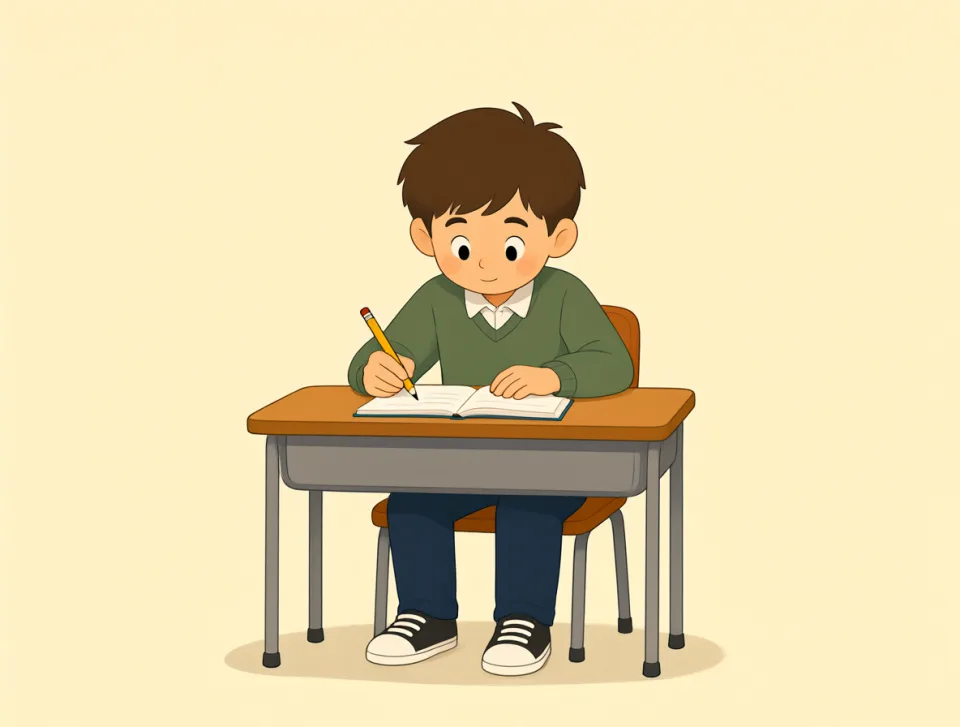
The students worked alone on the exercise.
Uczniowie pracowali nad ćwiczeniem samodzielnie.
significant
#720adjective
istotny
important or large enough to matter
ważny lub na tyle duży, by mieć znaczenie
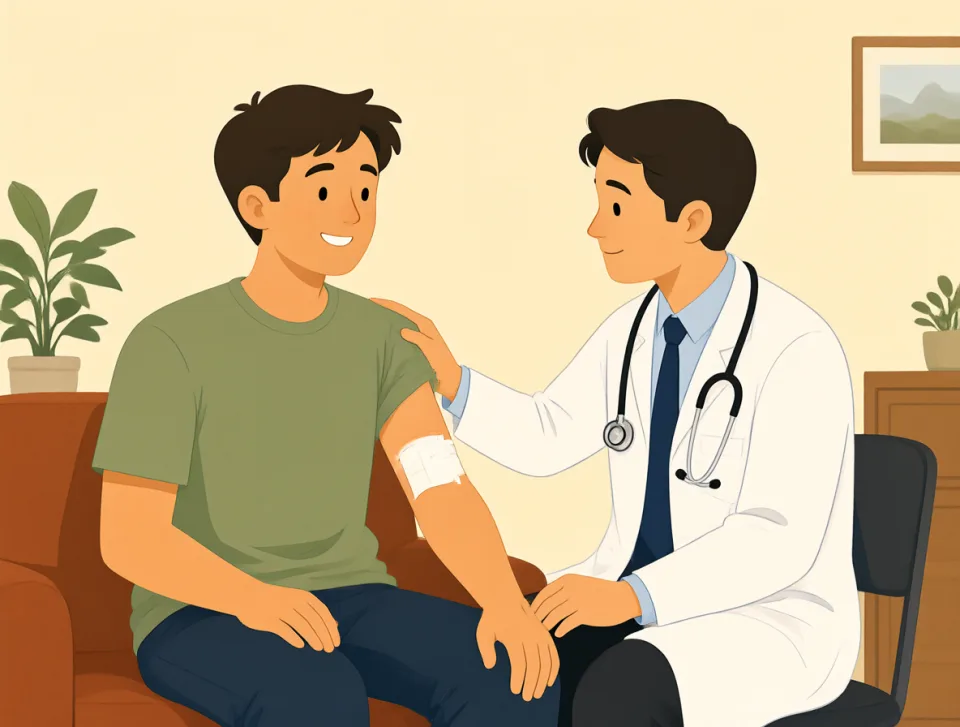
The medicine made a significant difference.
Lek zrobił dużą różnicę.
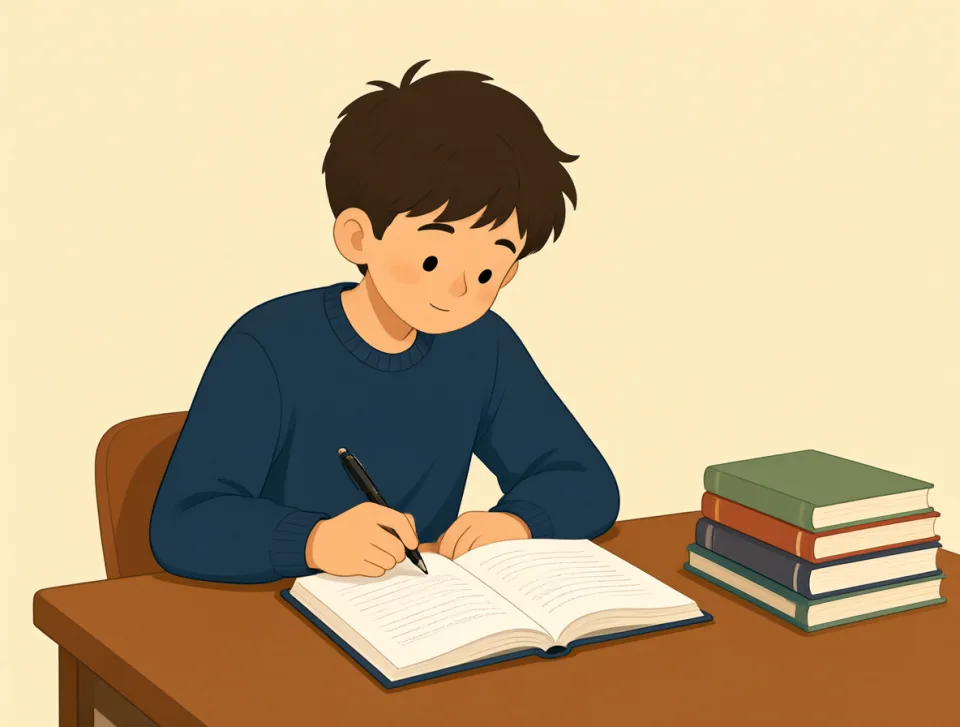
She made significant progress in English.
Zrobiła znaczne postępy w nauce angielskiego.
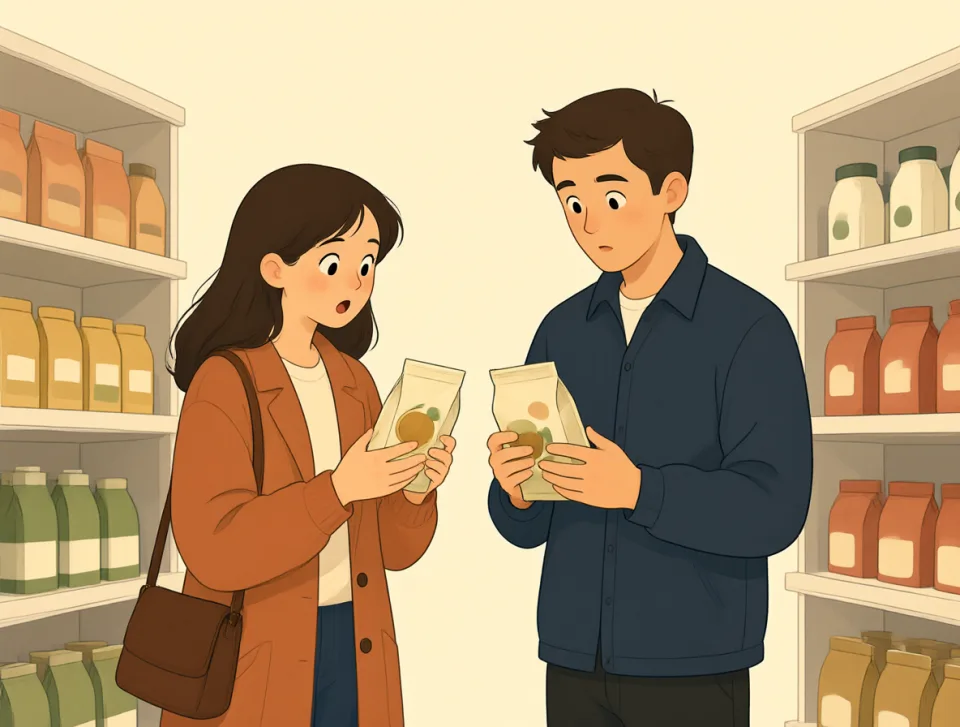
There was a significant drop in prices.
Ceny znacznie spadły.
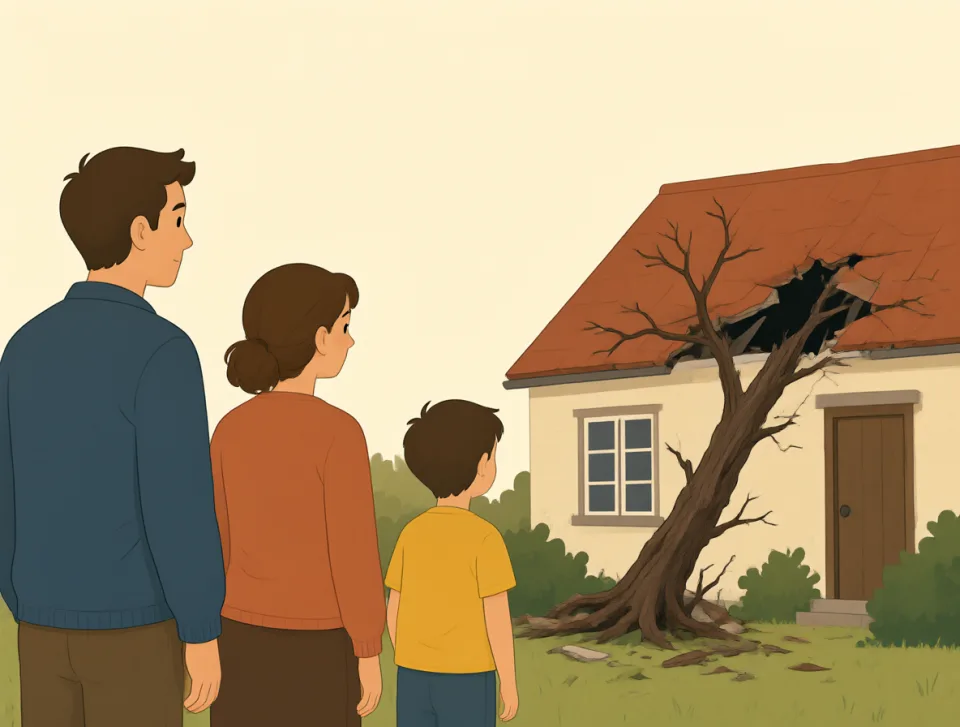
The storm caused significant damage.
Burza spowodowała poważne szkody.

He has a significant amount of work today.
Ma dziś bardzo dużo pracy.