Zestaw 33
Słowa 641–660 · recent, relate, official, financial, miss, art
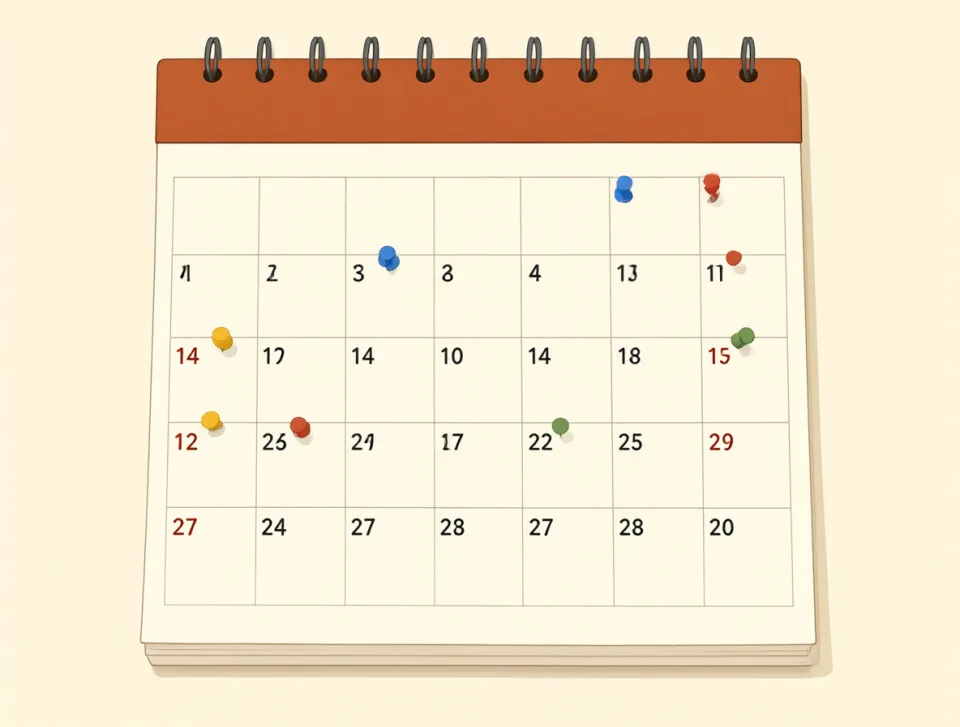
recent
#641adjective
niedawny
Happening or existing not long ago.
Coś, co wydarzyło się lub istniało niedawno.
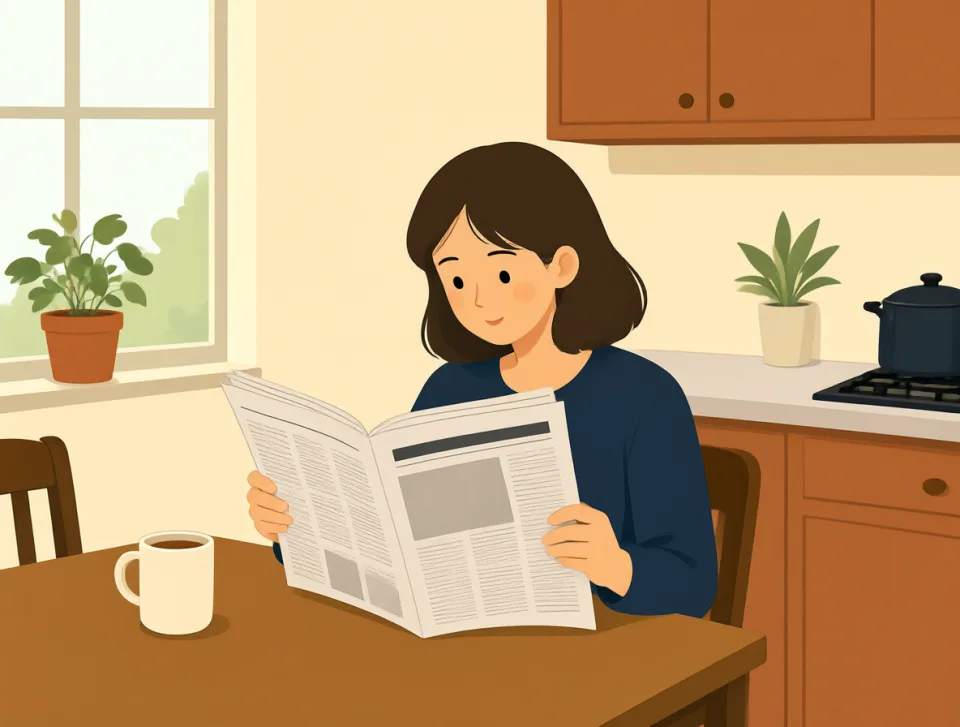
I read a recent news story.
Przeczytałem niedawny artykuł prasowy.

She bought a recent book by her favorite writer.
Kupiła niedawną książkę swojej ulubionej pisarki.

Our recent trip was very relaxing.
Nasza ostatnia podróż była bardzo relaksująca.

He talked about his recent job interview.
Opowiadał o swojej niedawnej rozmowie kwalifikacyjnej.
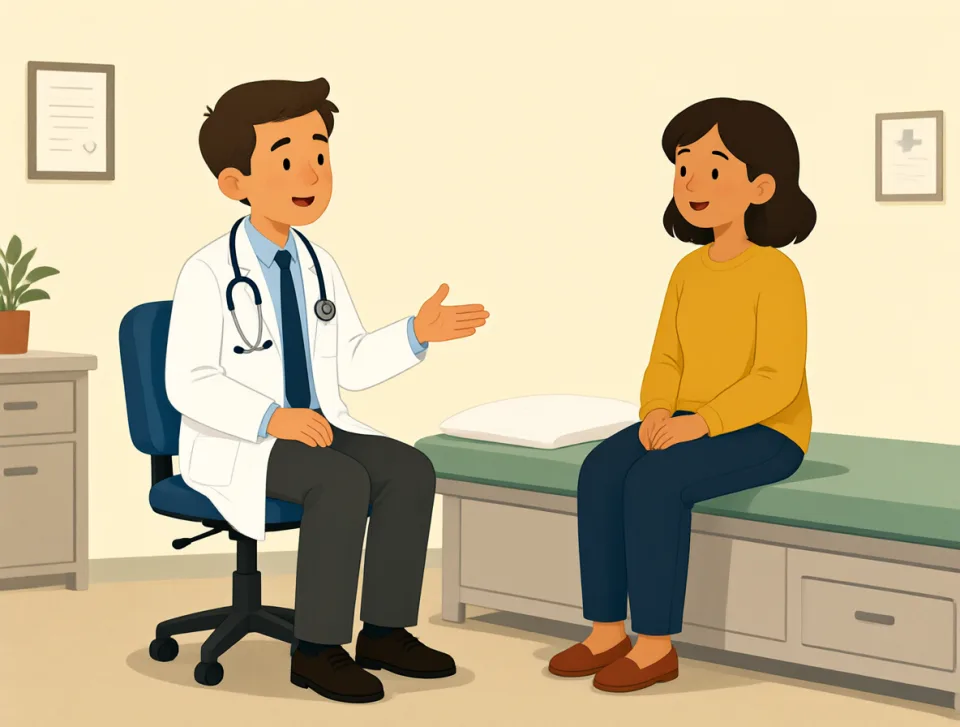
The doctor asked about my recent illness.
Lekarz zapytał o moją niedawną chorobę.

relate
#642verb
odnosić się
to understand or show how people, things, or ideas are connected
Rozumieć, jak ludzie, rzeczy lub idee są ze sobą powiązane, albo pokazywać te zależności.
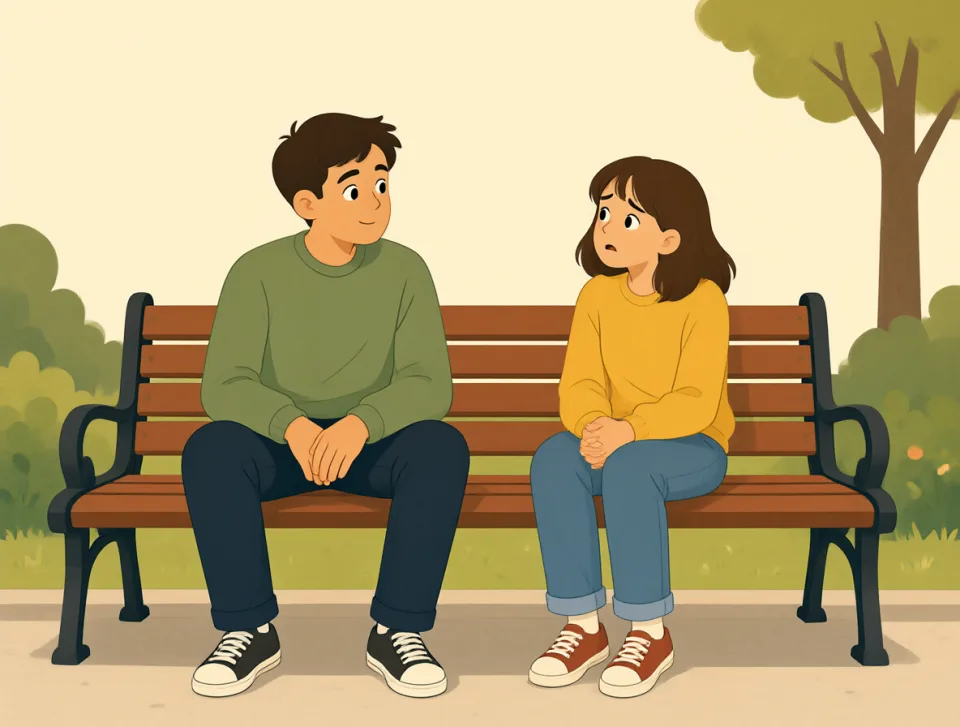
I can relate to your problem.
Rozumiem, przez co przechodzisz.
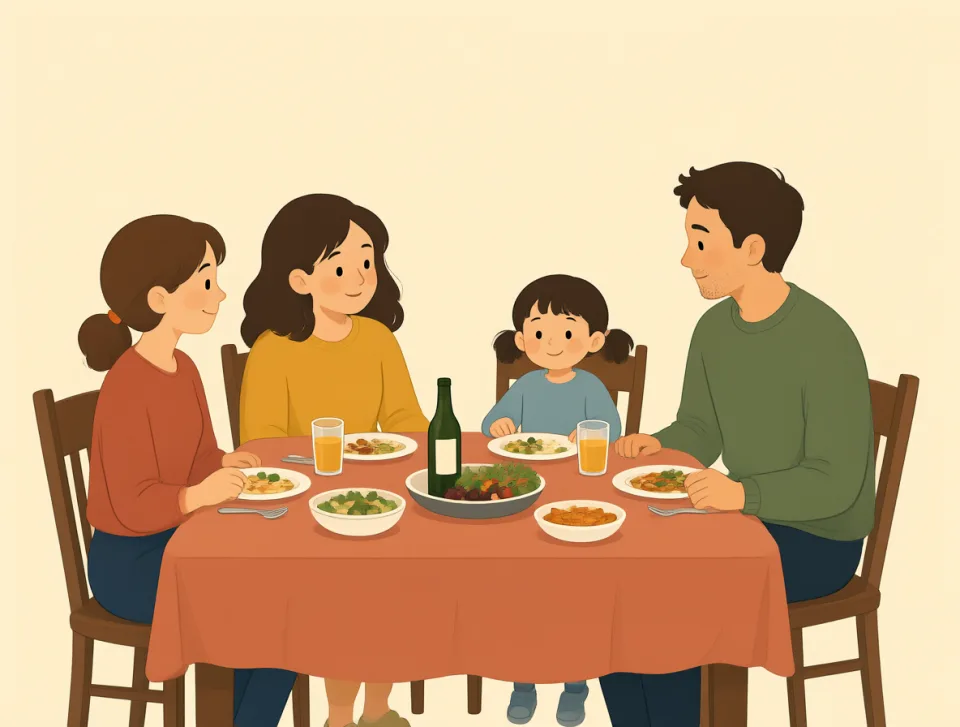
This story relates to family life.
Ta historia dotyczy życia rodzinnego.
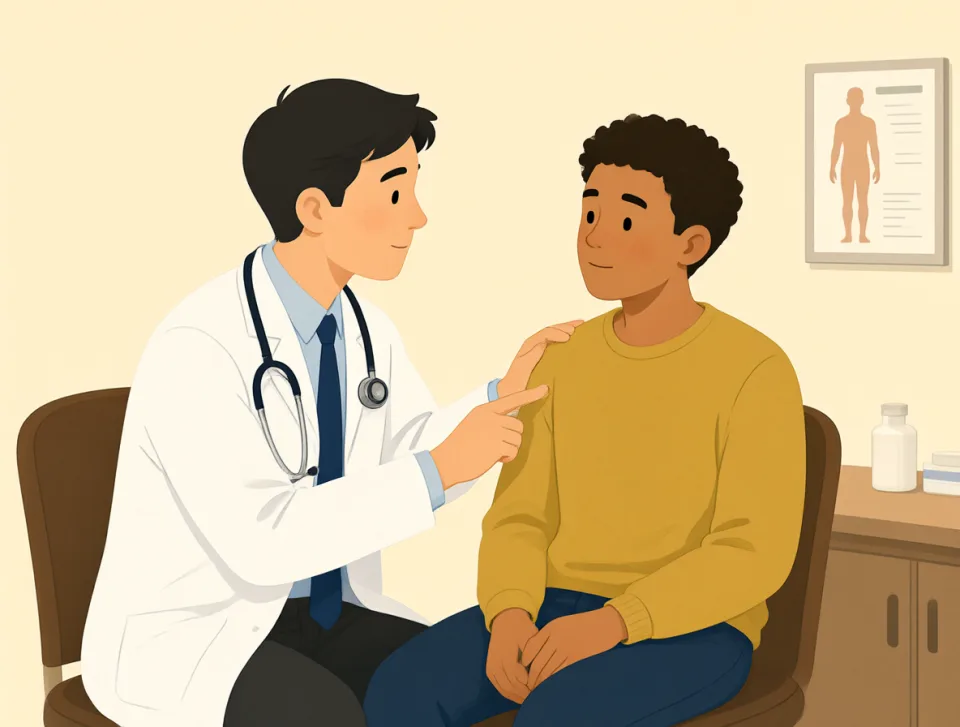
The doctor related my pain to stress.
Lekarz powiązał mój ból ze stresem.
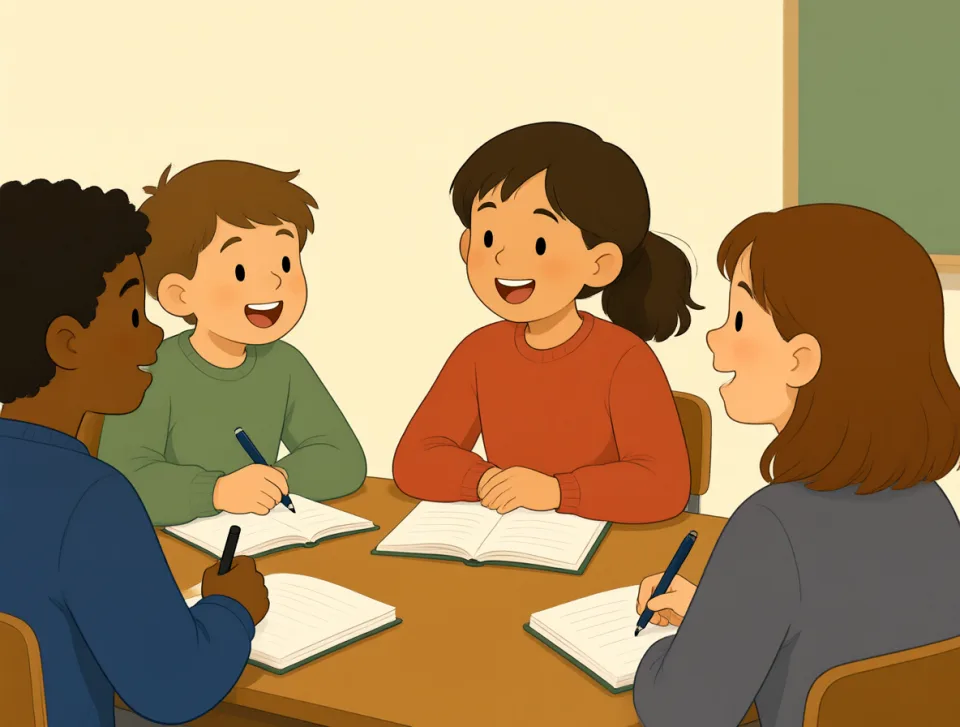
She relates well to her new classmates.
Dobrze dogaduje się z nowymi kolegami z klasy.

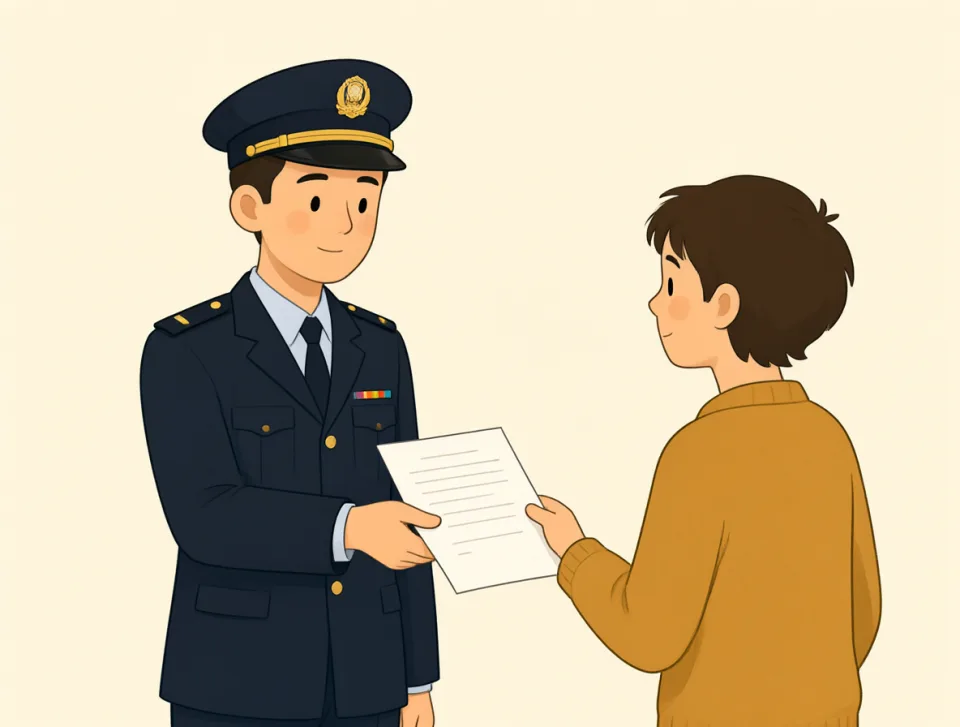
Please relate the details to your manager.
Proszę przekazać szczegóły swojemu kierownikowi.
official
#643adjective, noun
oficjalny
Approved by a government or organization, or someone who represents it.
Zatwierdzony przez rząd lub organizację albo dotyczący osoby, która je reprezentuje.

We need official permission to use this room.
Potrzebujemy oficjalnej zgody na korzystanie z tej sali.
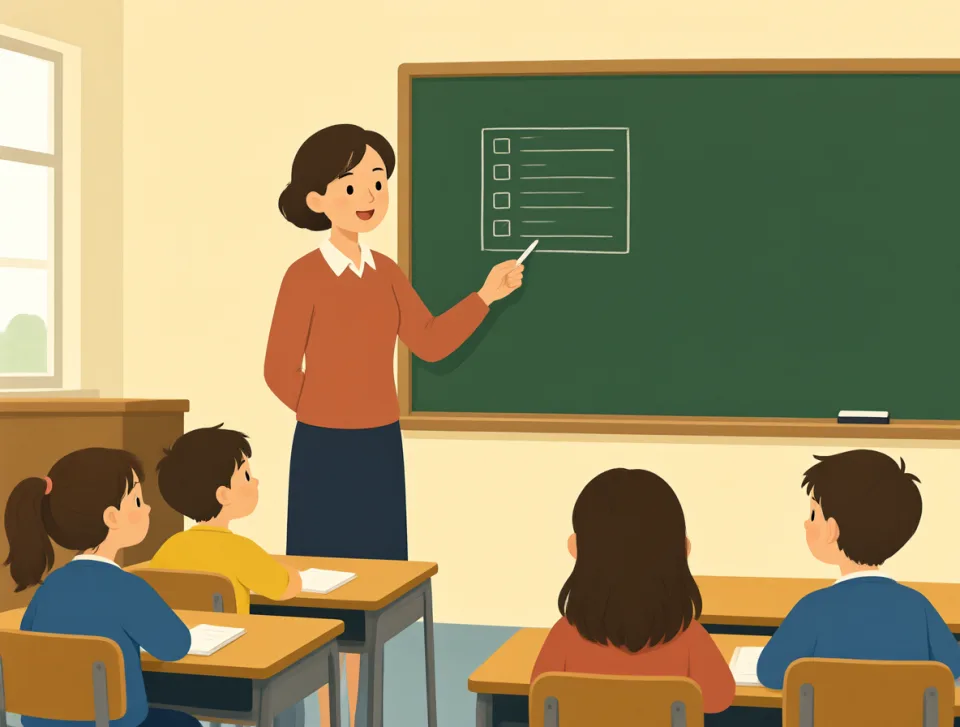
The official school rules are easy to understand.
Oficjalne zasady szkoły są łatwe do zrozumienia.
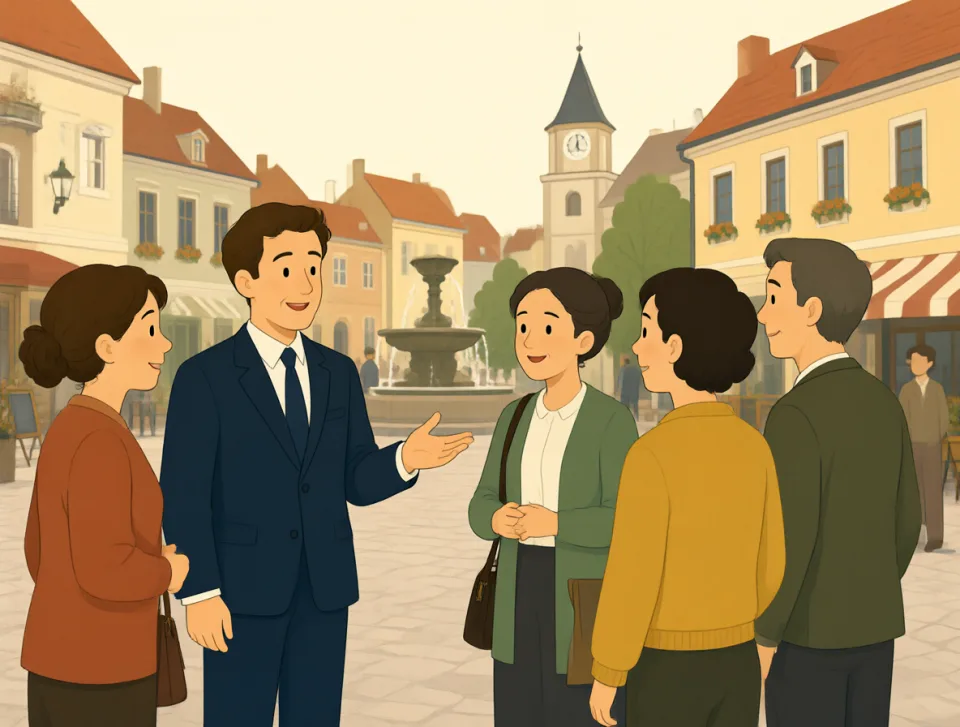
A government official visited our town yesterday.
Wczoraj nasze miasto odwiedził urzędnik państwowy.

Please check the official website before booking.
Przed dokonaniem rezerwacji proszę sprawdzić oficjalną stronę internetową.
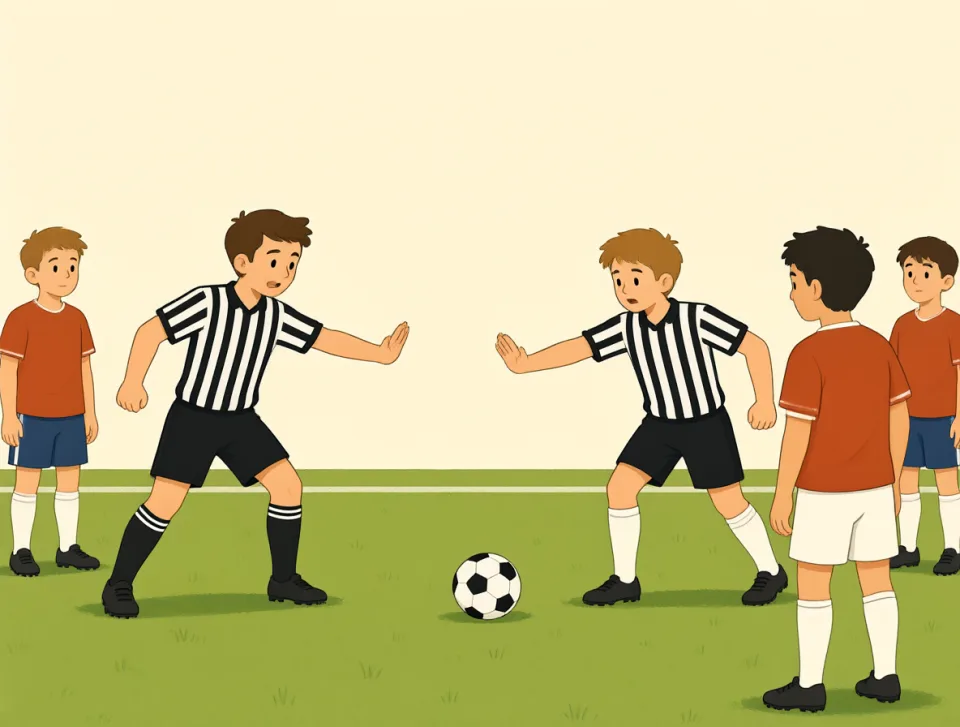
The match officials stopped the game.
Sędziowie przerwali mecz.

financial
#644adjective
finansowy
Connected with money, business, or managing money.
Związany z pieniędzmi, biznesem lub zarządzaniem pieniędzmi.
The bank offered us financial advice.
Bank udzielił nam porad finansowych.
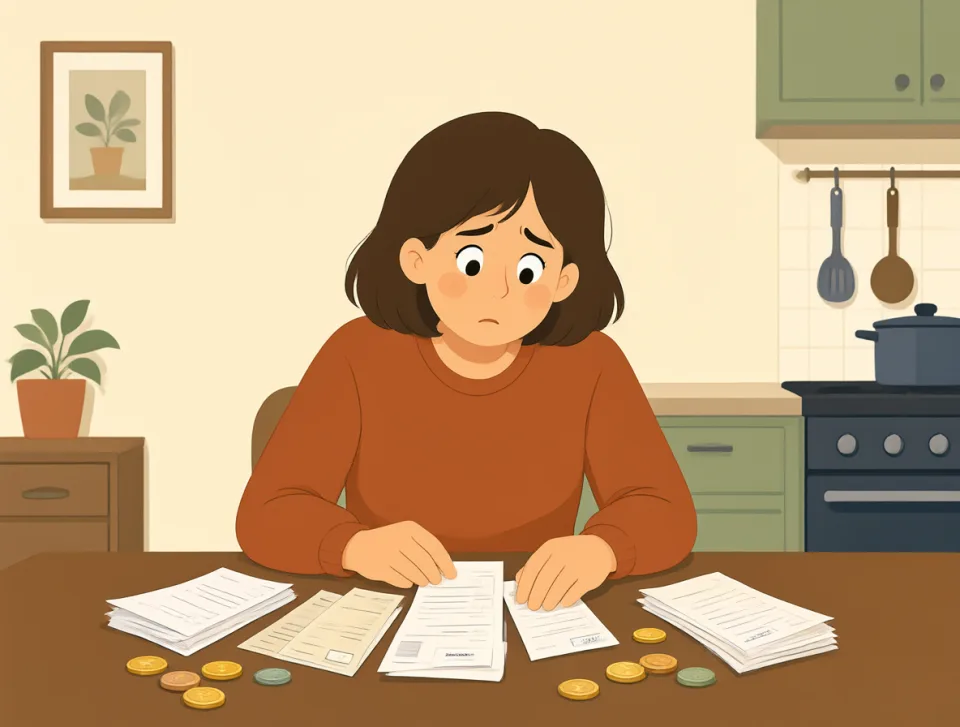
She has serious financial problems.
Ma poważne problemy finansowe.
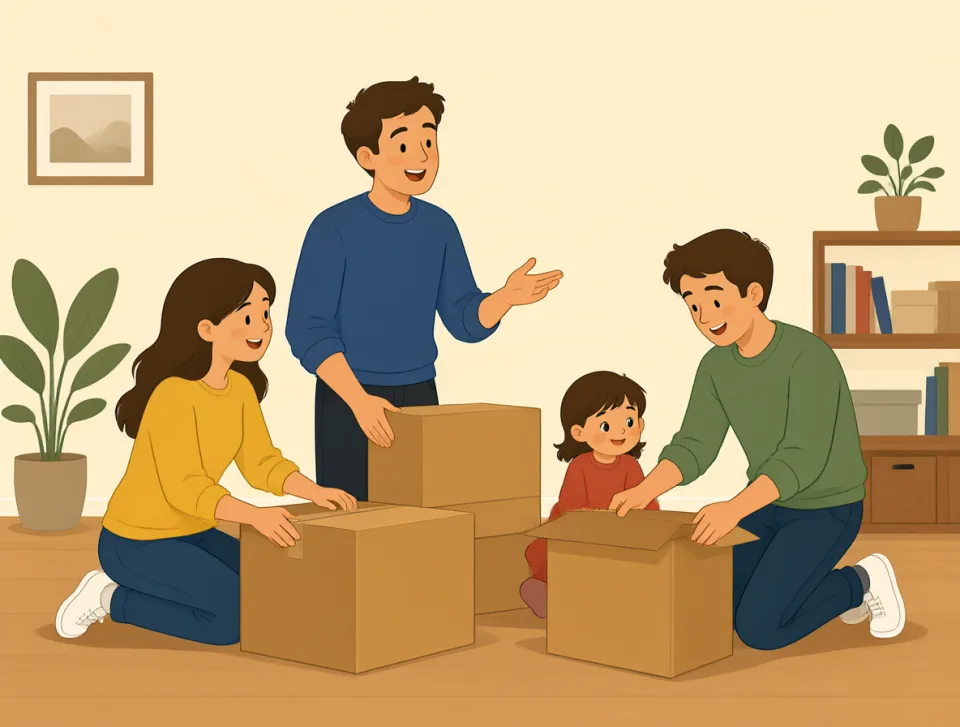
Our financial plans changed after the move.
Nasze plany finansowe zmieniły się po przeprowadzce.

The company gave financial support to workers.
Firma udzieliła pracownikom wsparcia finansowego.
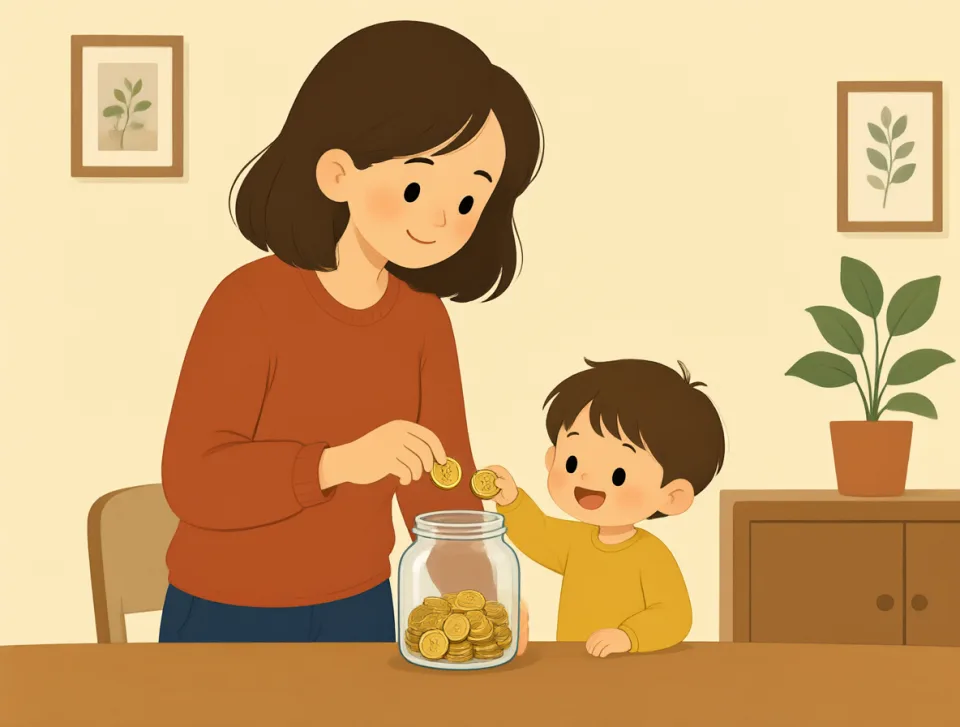
Good financial habits help you save money.
Dobre nawyki finansowe pomagają oszczędzać pieniądze.
miss
#645verb, noun
przegapić
To fail to catch, see, hear, or attend something; or to feel sad because someone is away.
Nie zdążyć czegoś złapać, zobaczyć lub usłyszeć albo w czymś nie uczestniczyć; także odczuwać smutek z powodu nieobecności kogoś bliskiego.
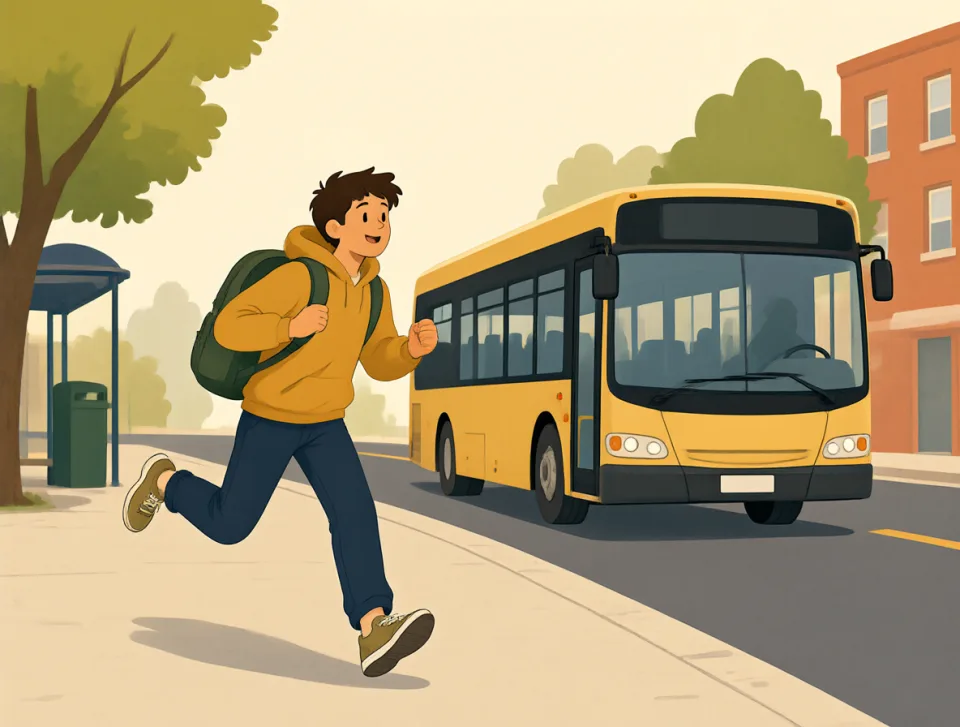
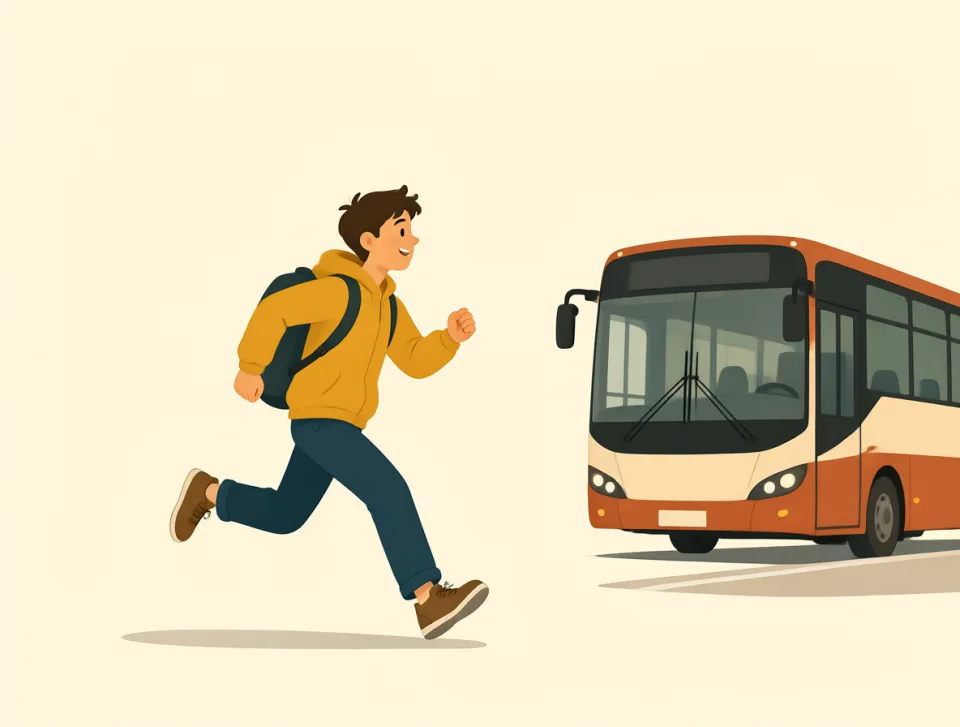
I missed the bus this morning.
Dziś rano spóźniłem się na autobus.
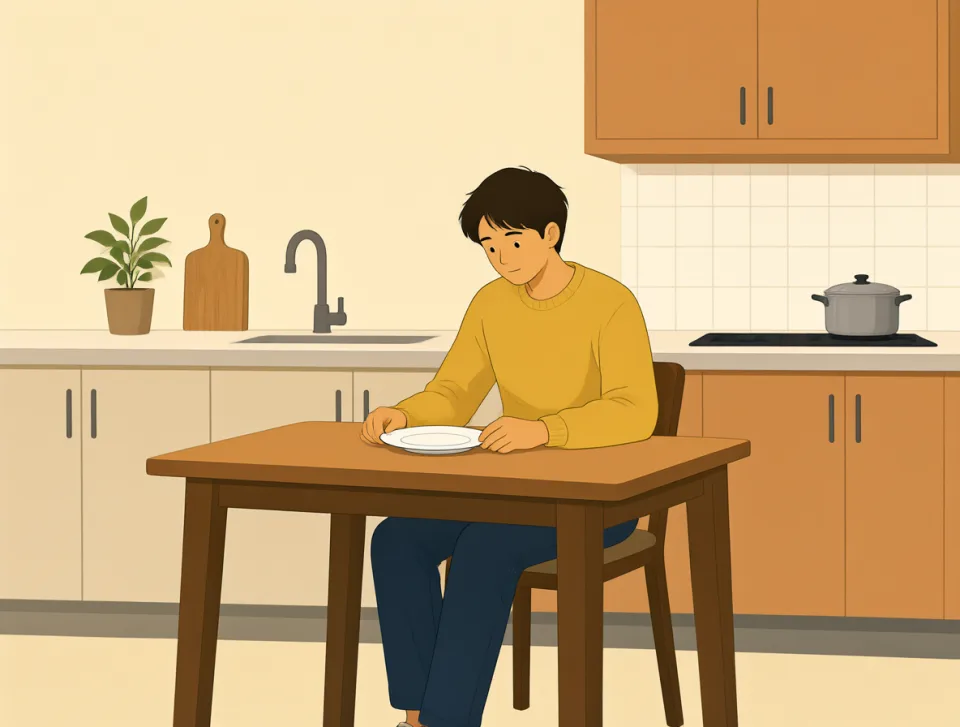
Please call me if you miss dinner.
Zadzwoń do mnie, jeśli nie zdążysz na kolację.
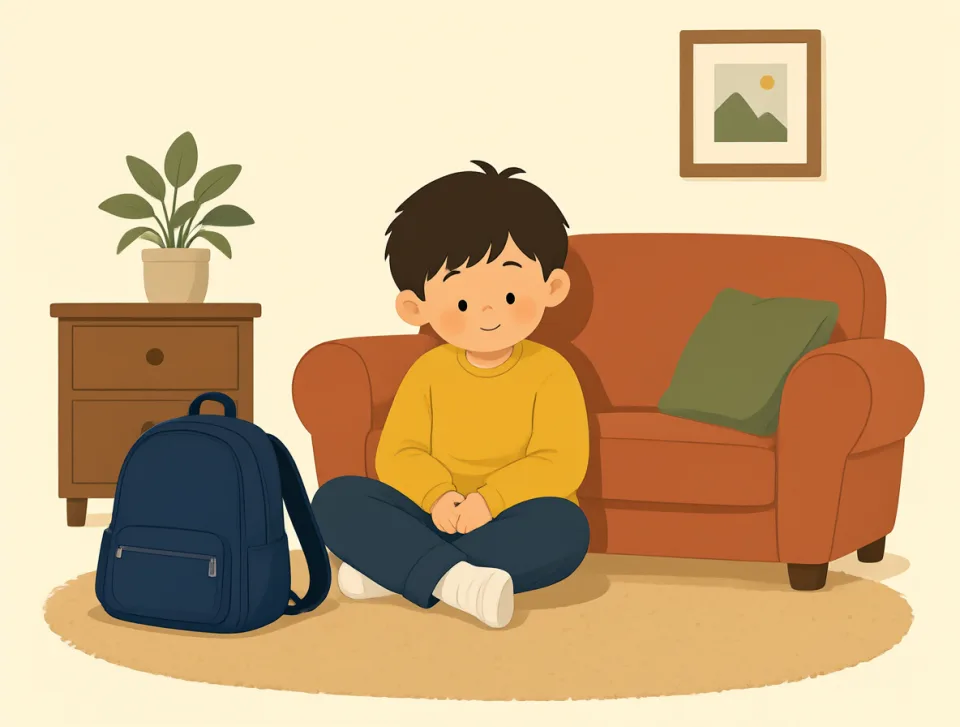
She missed two days of school.
Opuściła dwa dni zajęć w szkole.
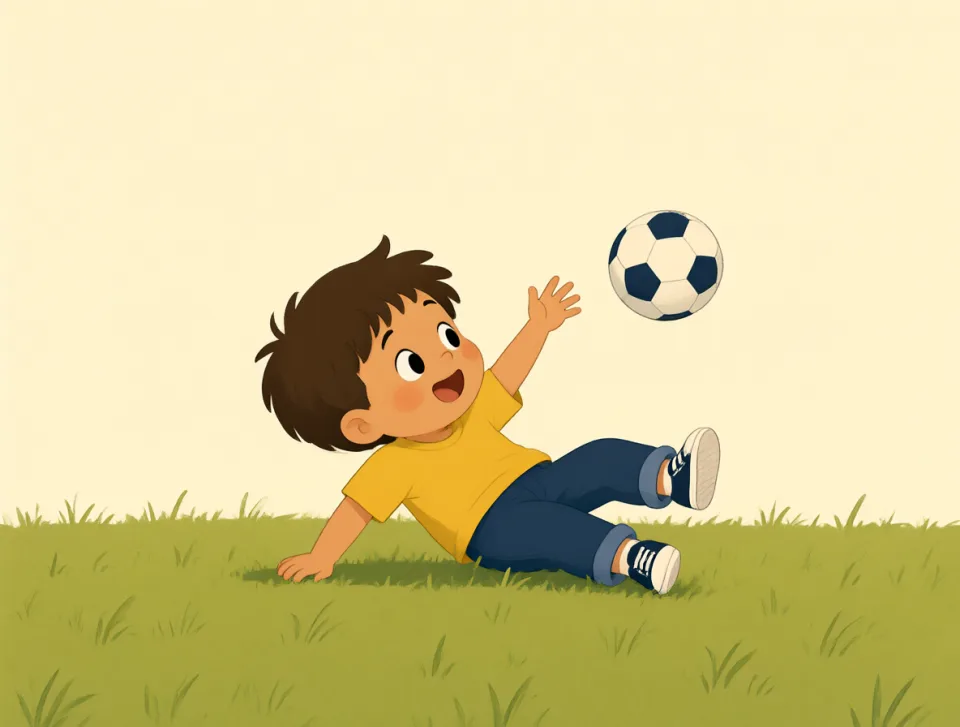
He missed the ball and fell.
Nie trafił w piłkę i upadł.

I miss my friends when I travel.
Tęsknię za przyjaciółmi, kiedy podróżuję.

art
#646noun
sztuka
Creative work such as painting, music, or sculpture.
Twórczość, na przykład malarstwo, muzyka lub rzeźba.
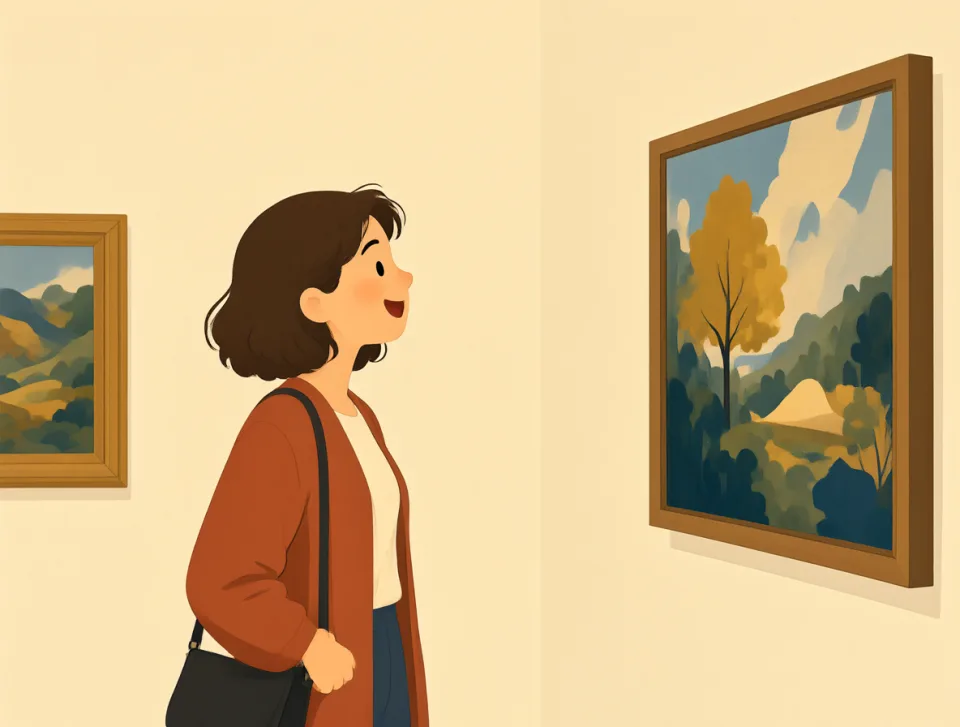
She loves art and visits museums often.
Ona kocha sztukę i często odwiedza muzea.
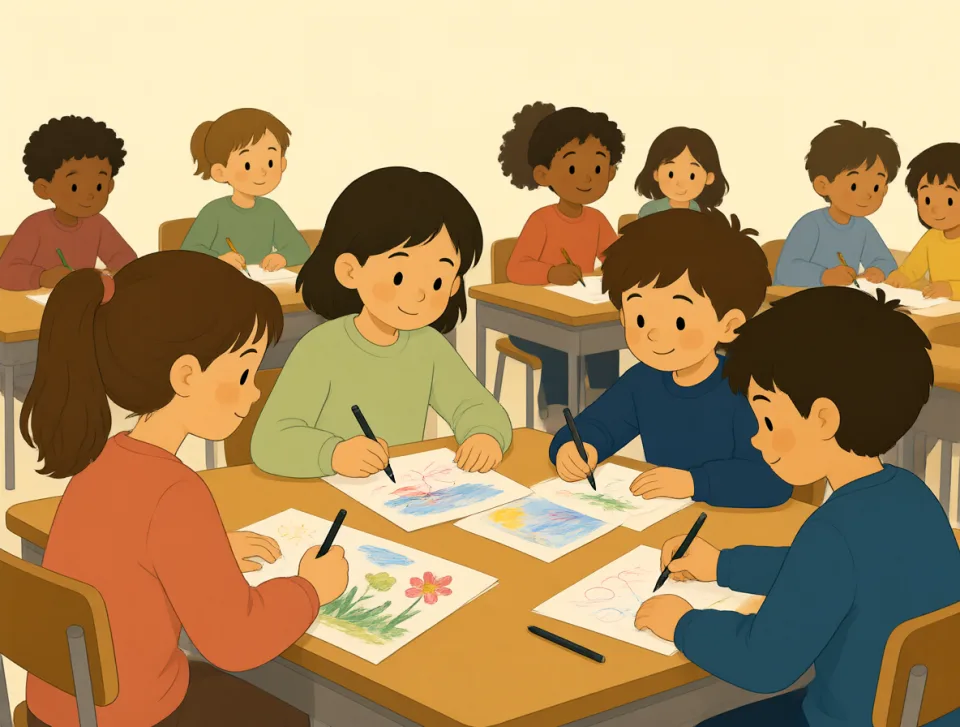
The children made art at school today.
Dzieci tworzyły dziś w szkole prace plastyczne.
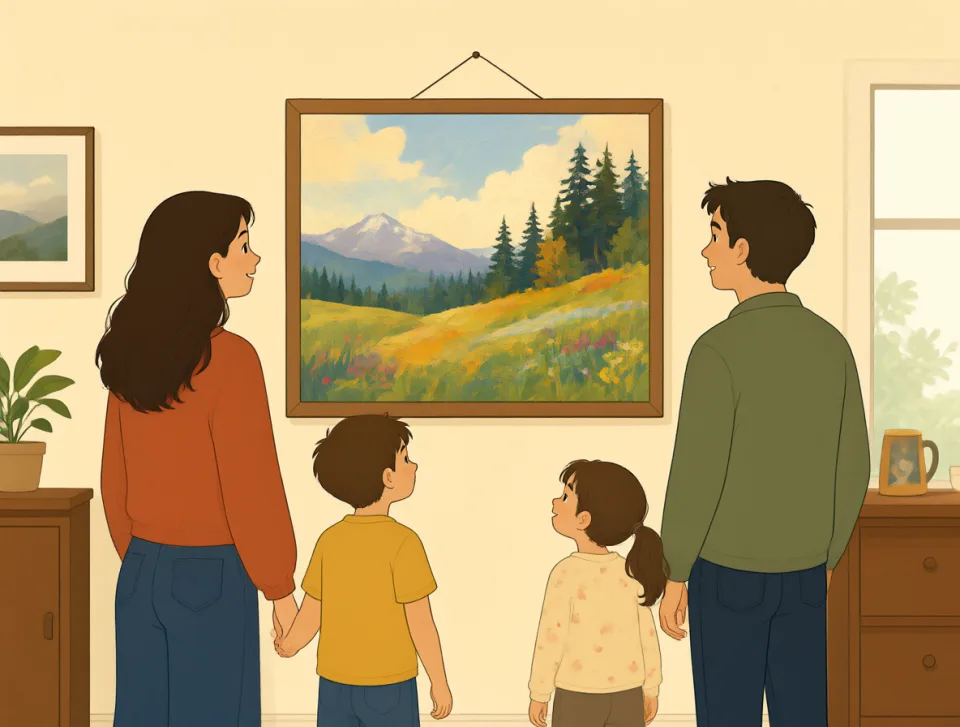
This art looks beautiful in our living room.
Ta sztuka pięknie wygląda w naszym salonie.
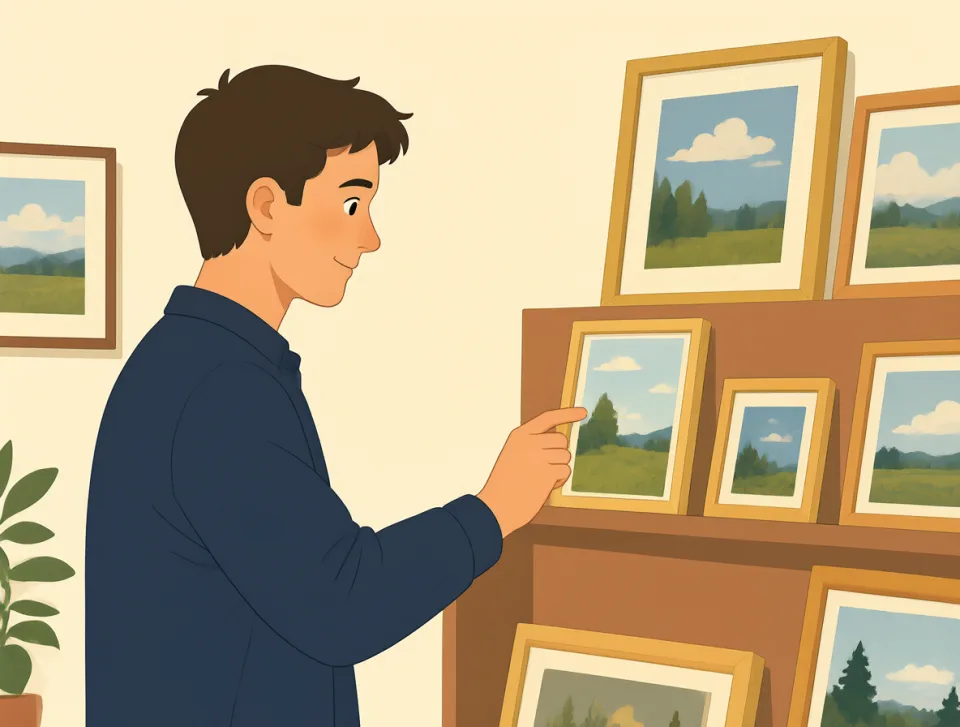
He bought a small piece of art.
Kupił małe dzieło sztuki.
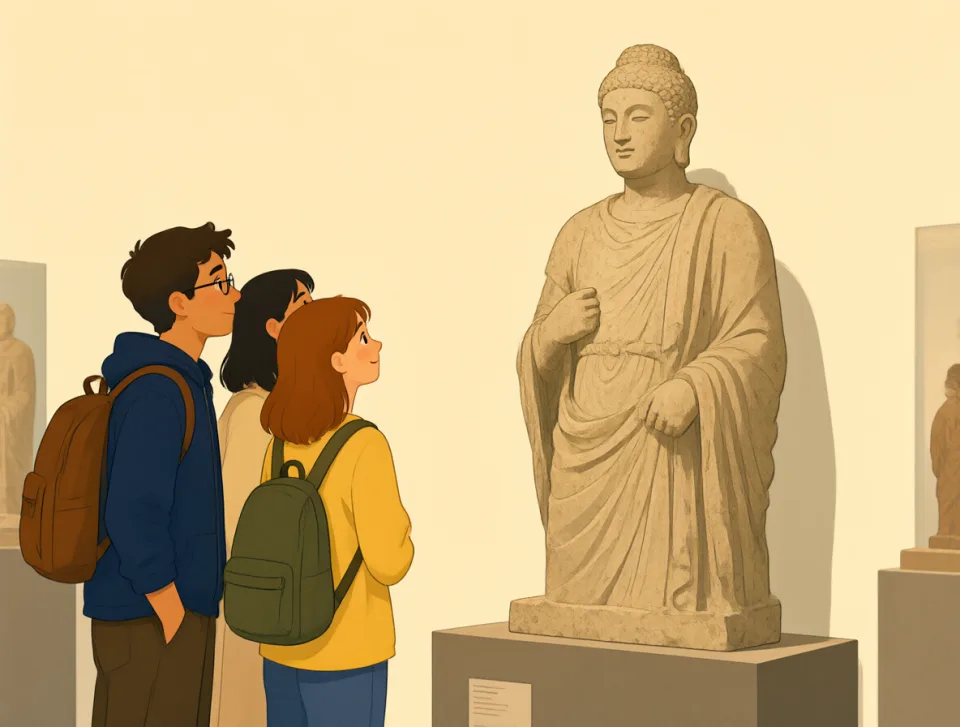
We saw ancient art during our trip.
Podczas naszej podróży oglądaliśmy starożytną sztukę.
campaign
#647noun, verb
kampania
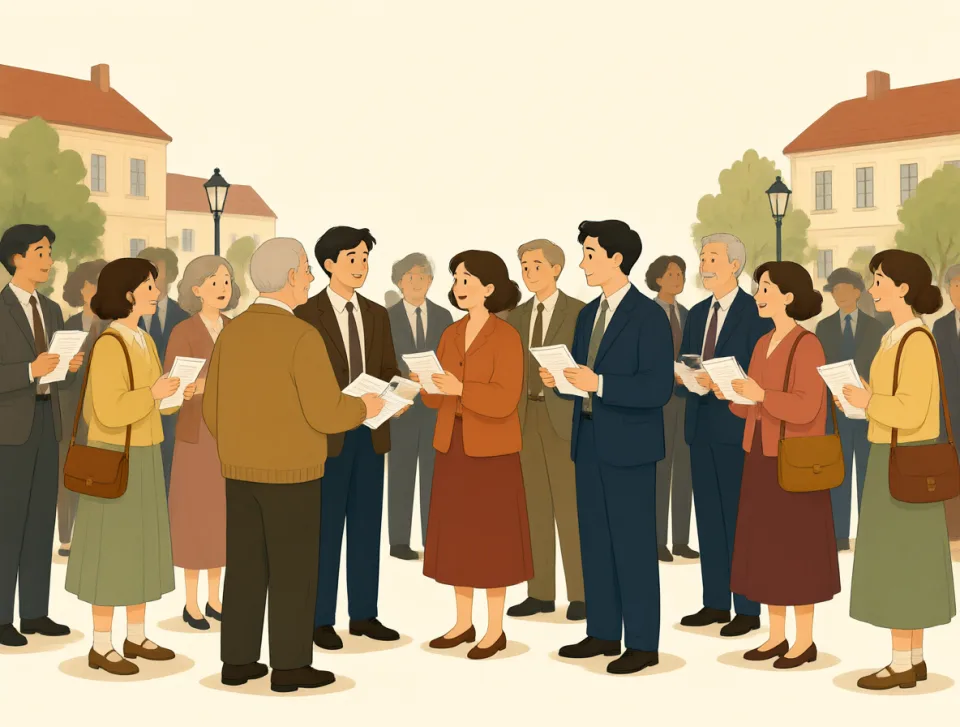
An organized effort to achieve a goal, often by advertising or asking for support.
Zorganizowane działania mające na celu osiągnięcie jakiegoś celu, często prowadzone przez reklamowanie czegoś lub zachęcanie do wsparcia.

The school started a campaign to collect books.
Szkoła rozpoczęła kampanię zbierania książek.
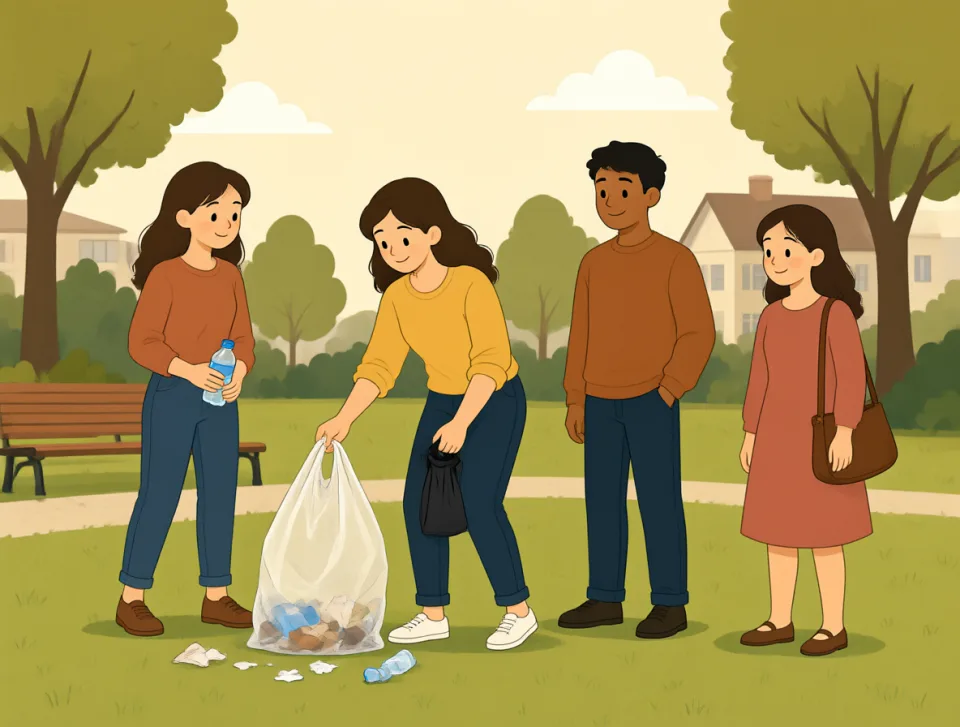
She joined a campaign for cleaner streets.
Dołączyła do kampanii na rzecz czystszych ulic.
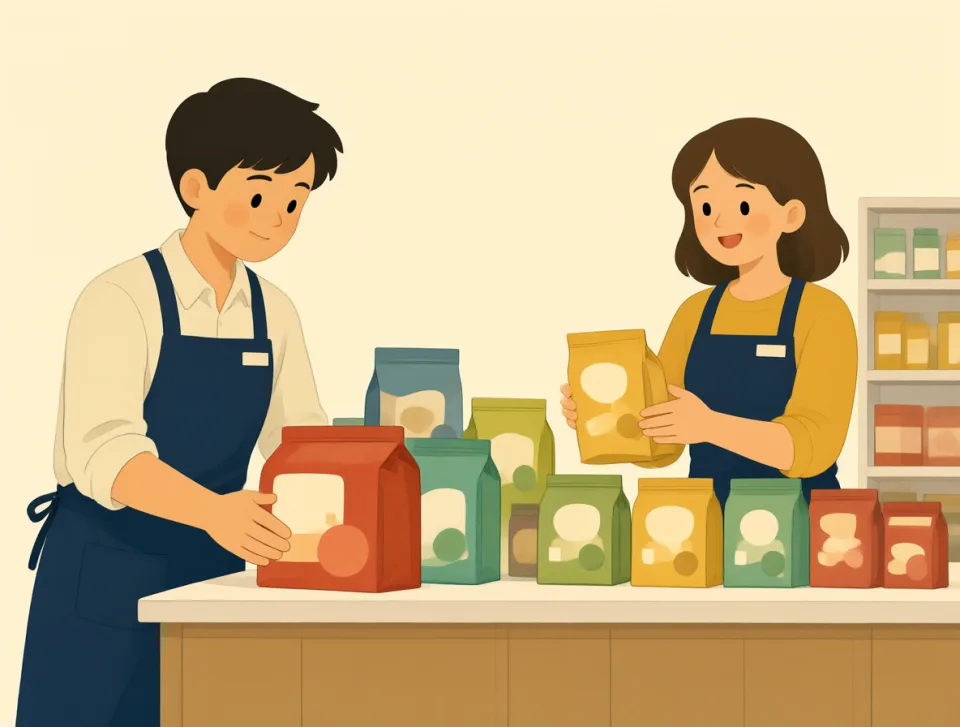
The company launched a new advertising campaign.
Firma rozpoczęła nową kampanię reklamową.
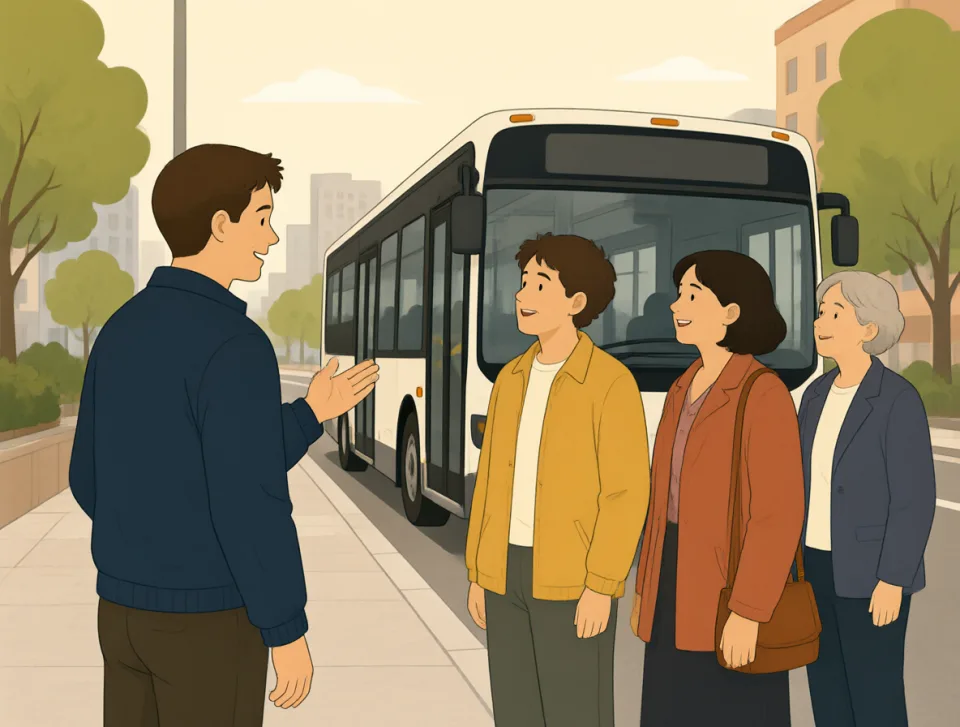
He campaigned for better bus services.
Prowadził kampanię na rzecz lepszych połączeń autobusowych.
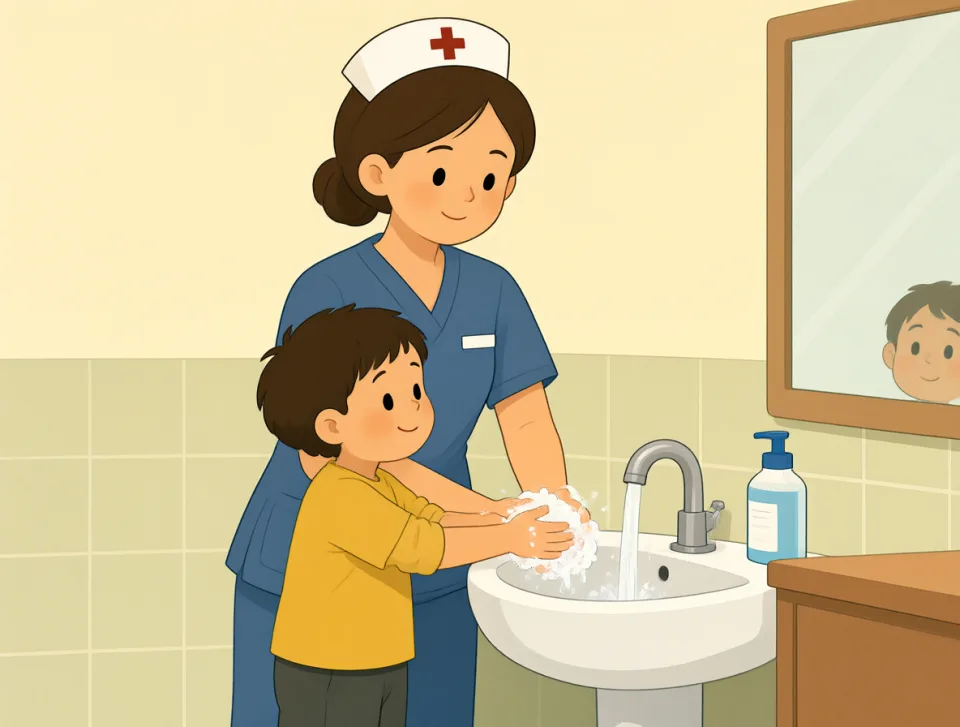
The health campaign encouraged people to wash hands.
Kampania zdrowotna zachęcała ludzi do mycia rąk.
private
#648adjective, noun
prywatny
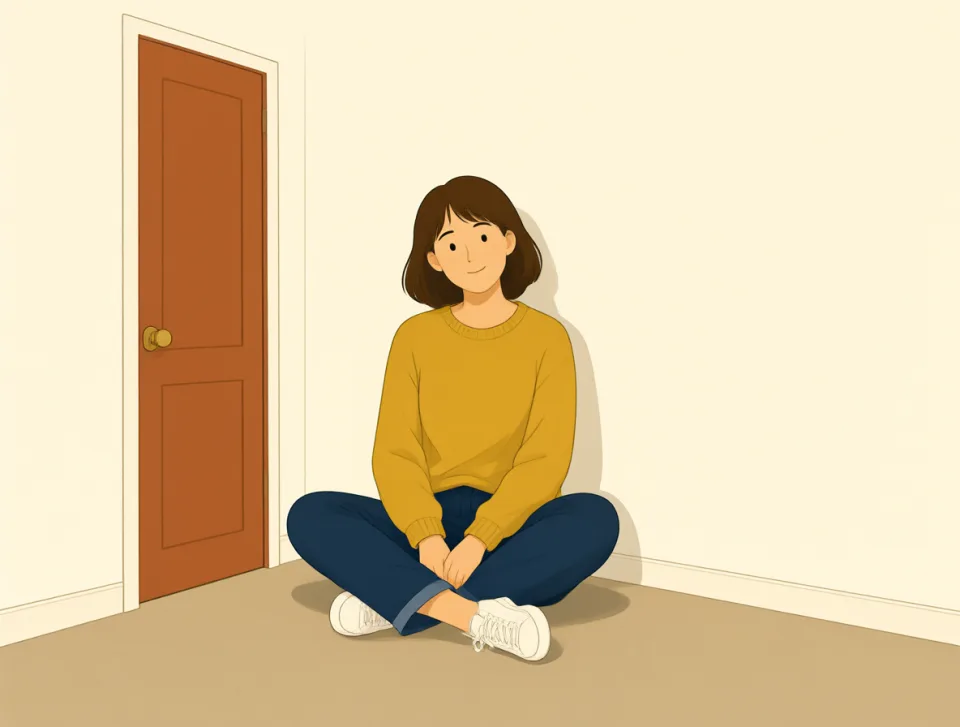
For one person or group, not for everyone; a person who is not a public worker.
Przeznaczony dla jednej osoby lub grupy, a nie dla wszystkich; także osoba, która nie pracuje w instytucji publicznej.
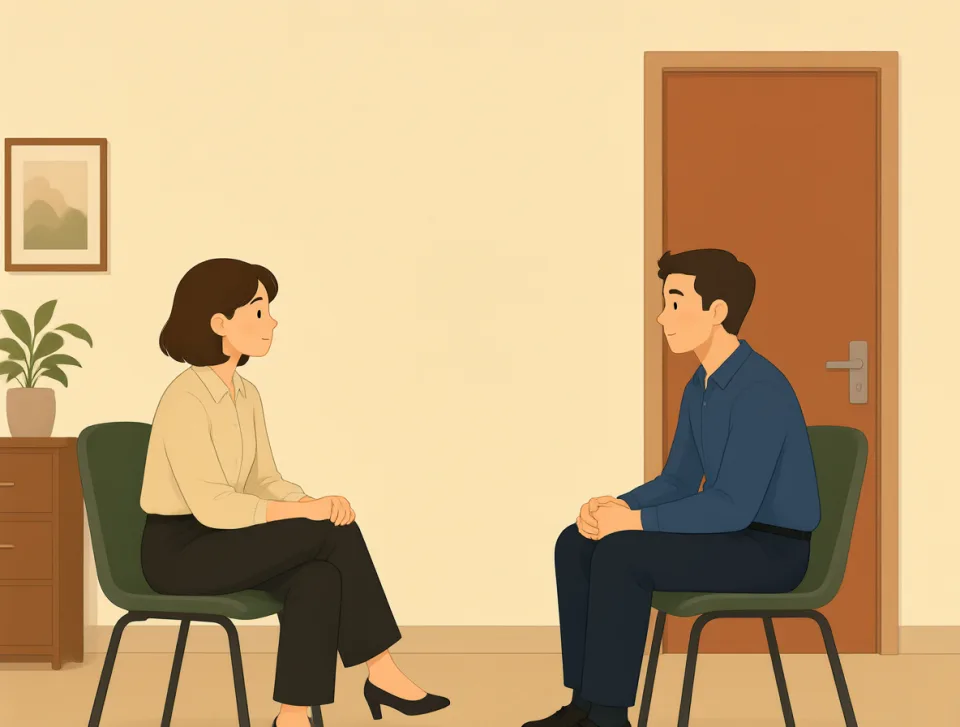
I need a private room for this meeting.
Potrzebuję prywatnego pokoju na to spotkanie.

Please keep this private between us.
Proszę, zachowaj to w tajemnicy między nami.
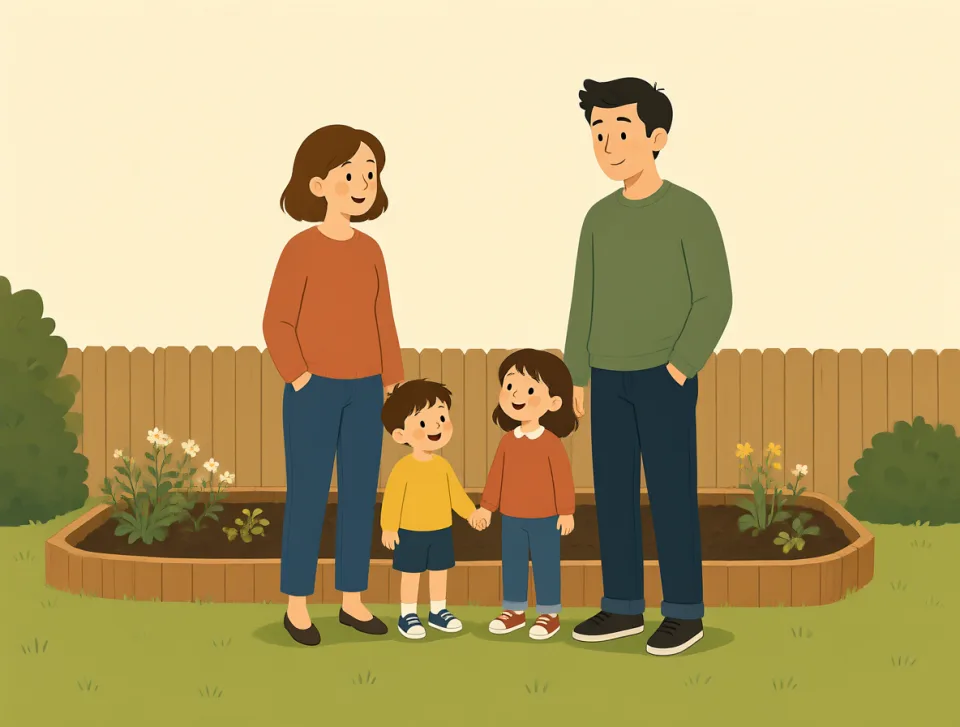
They have a private garden behind their house.
Za ich domem jest prywatny ogród.
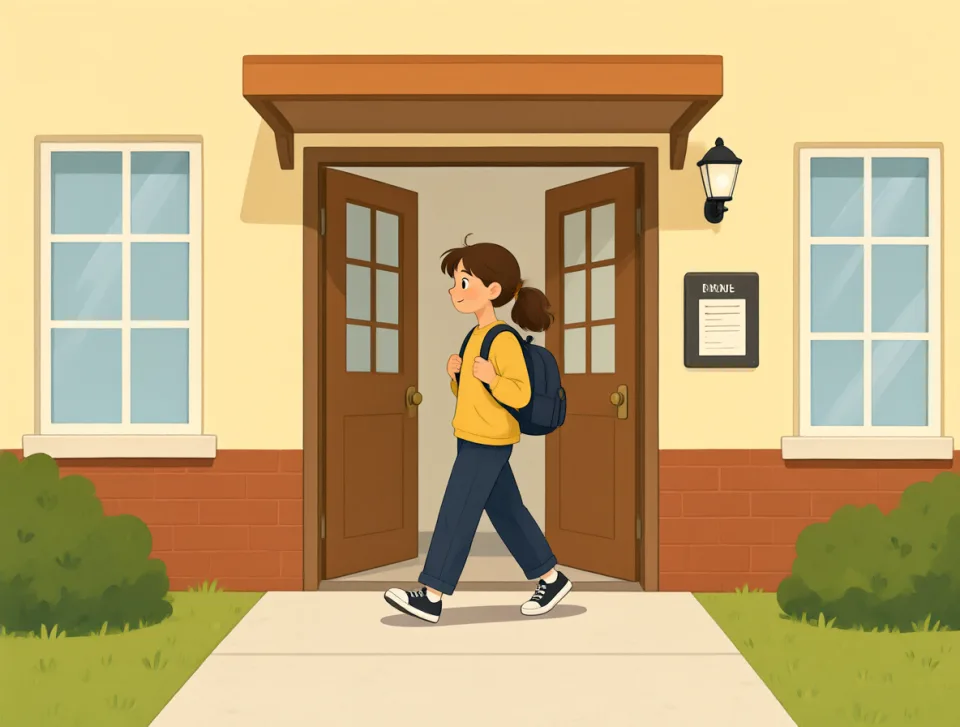
She goes to a private school nearby.
Chodzi do pobliskiej prywatnej szkoły.

He works as a private doctor.
Pracuje jako lekarz prywatny.
pause
#649noun, verb
zatrzymać się na chwilę
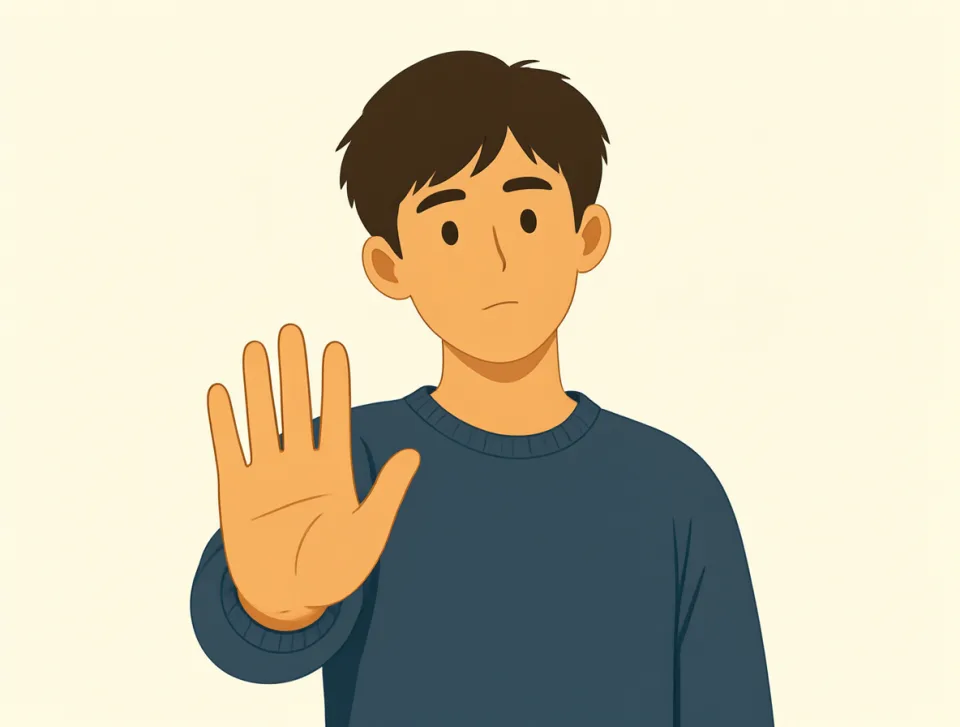
to stop for a short time before continuing
Zatrzymać się na krótko przed dalszym działaniem.
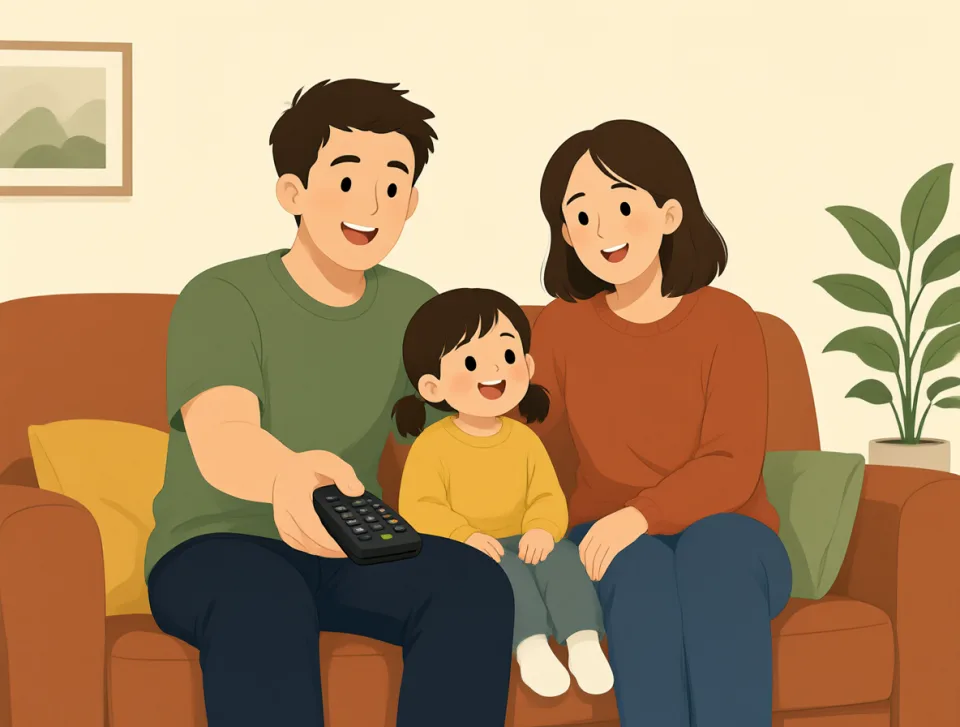
Let's pause the movie for a minute.
Zatrzymajmy film na chwilę.
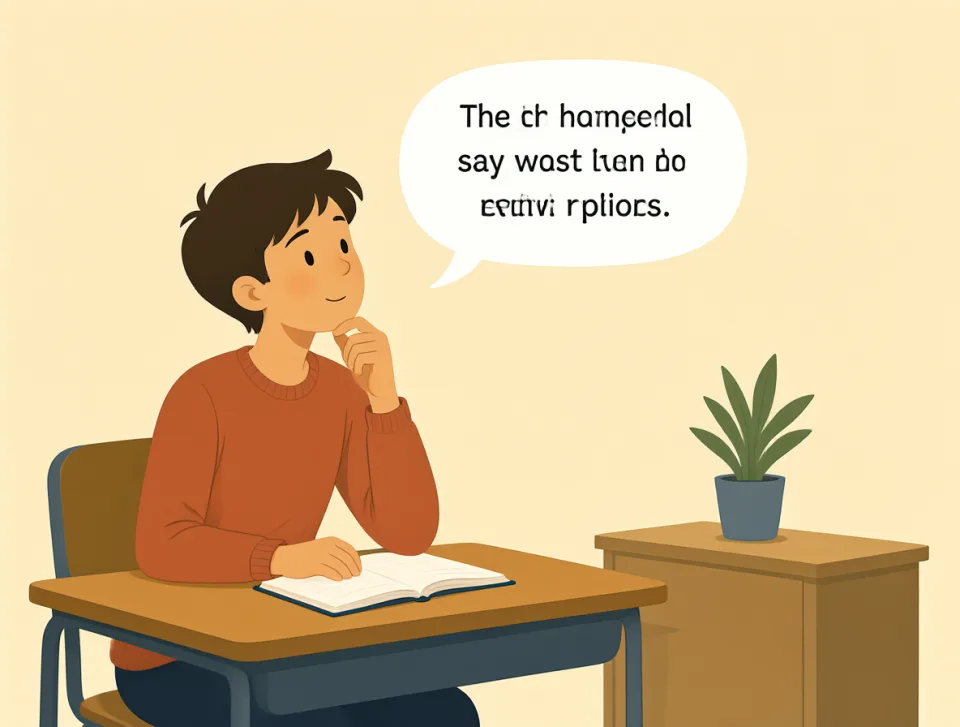
She paused before answering the question.
Zanim odpowiedziała na pytanie, zrobiła krótką pauzę.

There was a short pause during the meeting.
Podczas spotkania nastąpiła krótka przerwa.
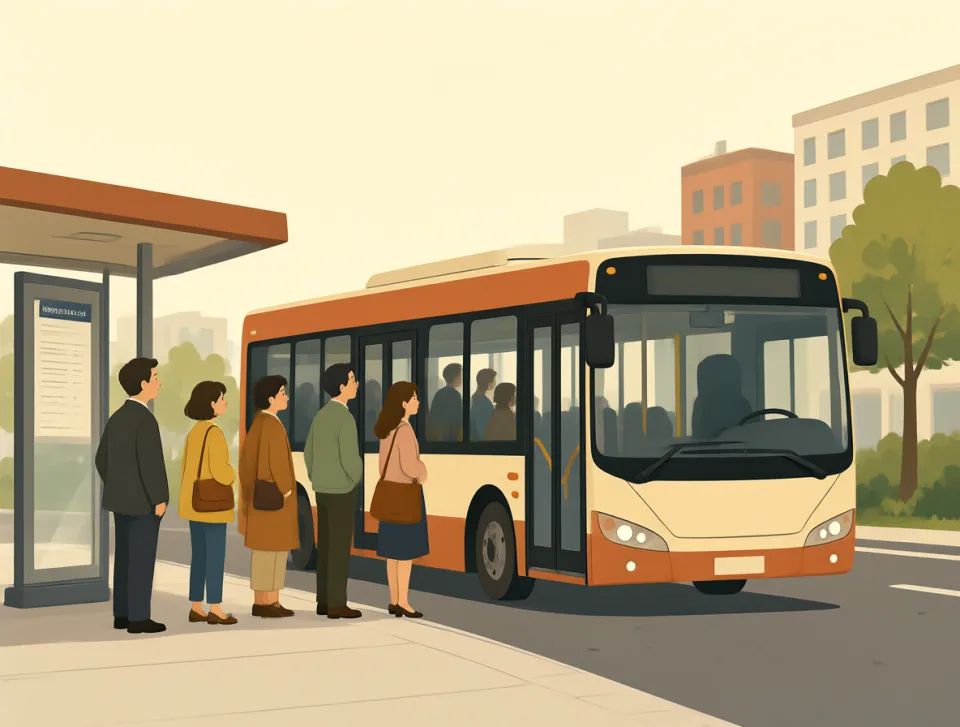
The bus made a pause near the station.
Autobus zatrzymał się na chwilę w pobliżu stacji.

Take a pause if your eyes hurt.
Zrób sobie przerwę, jeśli bolą cię oczy.

everyone
#650pronoun
wszyscy
Every person in a group or all the people in a place.
Każda osoba w grupie lub wszystkie osoby w danym miejscu.
Everyone is ready for the meeting.
Wszyscy są gotowi na spotkanie.

Everyone in class knows the answer.
Wszyscy w klasie znają odpowiedź.
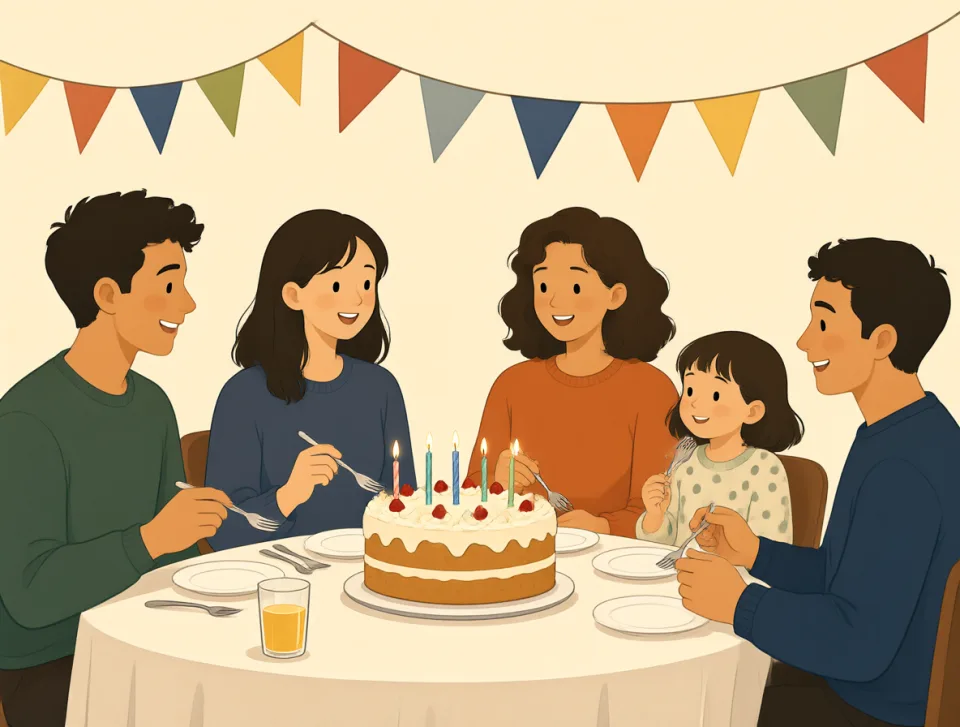
Everyone enjoyed the birthday cake.
Wszystkim smakował tort urodzinowy.

Is everyone feeling better today?
Czy wszyscy czują się dziś lepiej?

Everyone brought a bag to the market.
Wszyscy przynieśli torbę na targ.

forget
#651verb
zapominać
To fail to remember something or someone.
Nie pamiętać o czymś lub o kimś.
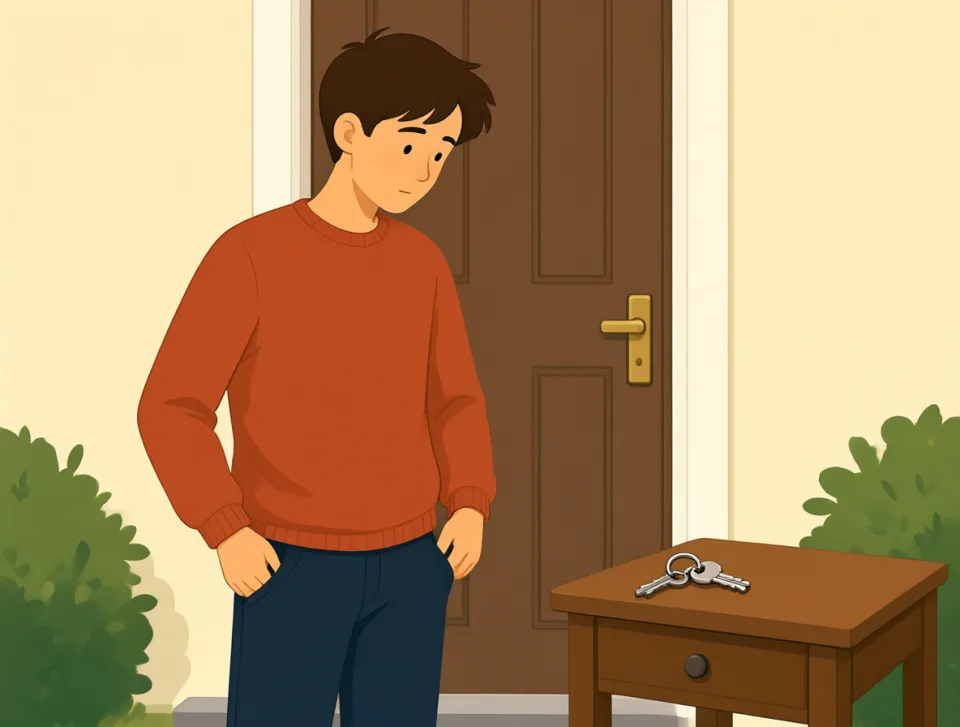
I often forget my keys at home.
Często zostawiam klucze w domu.

She forgot to call her mother yesterday.
Wczoraj zapomniała zadzwonić do mamy.
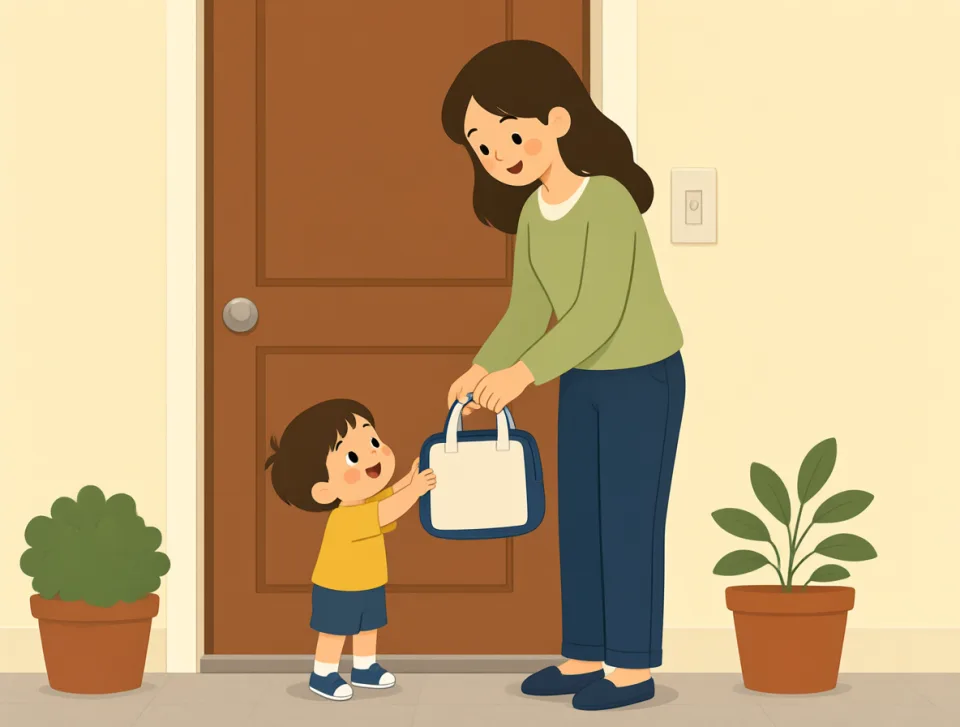
Please don't forget your lunch tomorrow.
Proszę, nie zapomnij jutro lunchu.
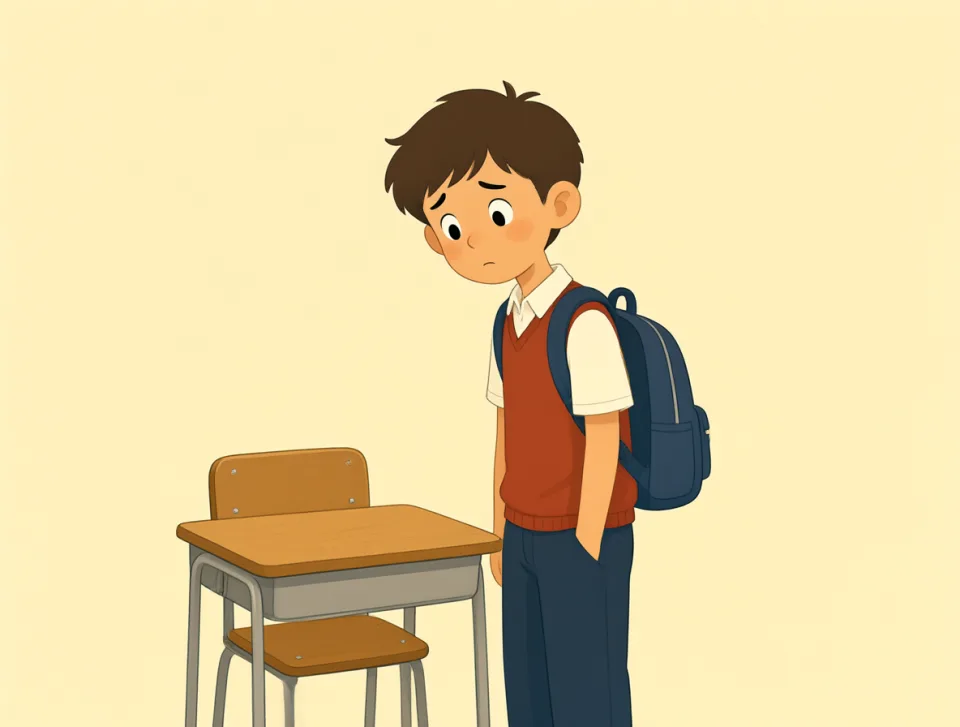
He forgot his homework at home.
Zapomniał zabrać pracy domowej z domu.

We forgot the tickets for the trip.
Zapomnieliśmy biletów na wycieczkę.

page
#652noun, verb
strona; kartkować
One side of a sheet in a book, or to turn through a book quickly.
Jedna z powierzchni kartki w książce; także szybko przeglądać książkę, przewracając jej strony.
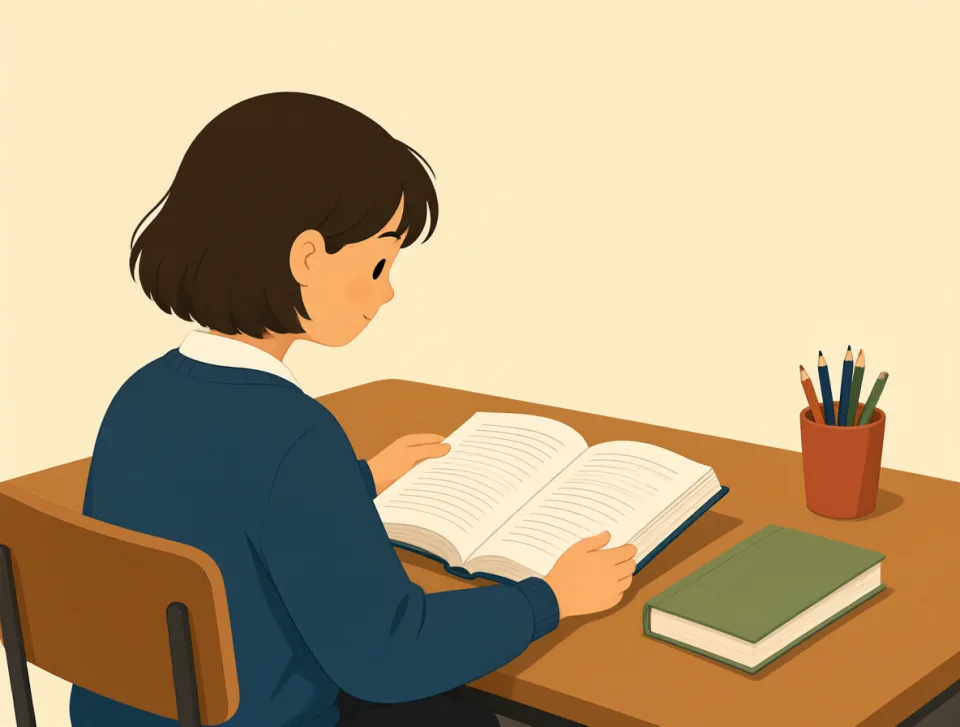
Please turn to page ten in your book.
Proszę otworzyć książkę na stronie dziesiątej.

I read three pages before going to sleep.
Przeczytałem trzy strony przed pójściem spać.
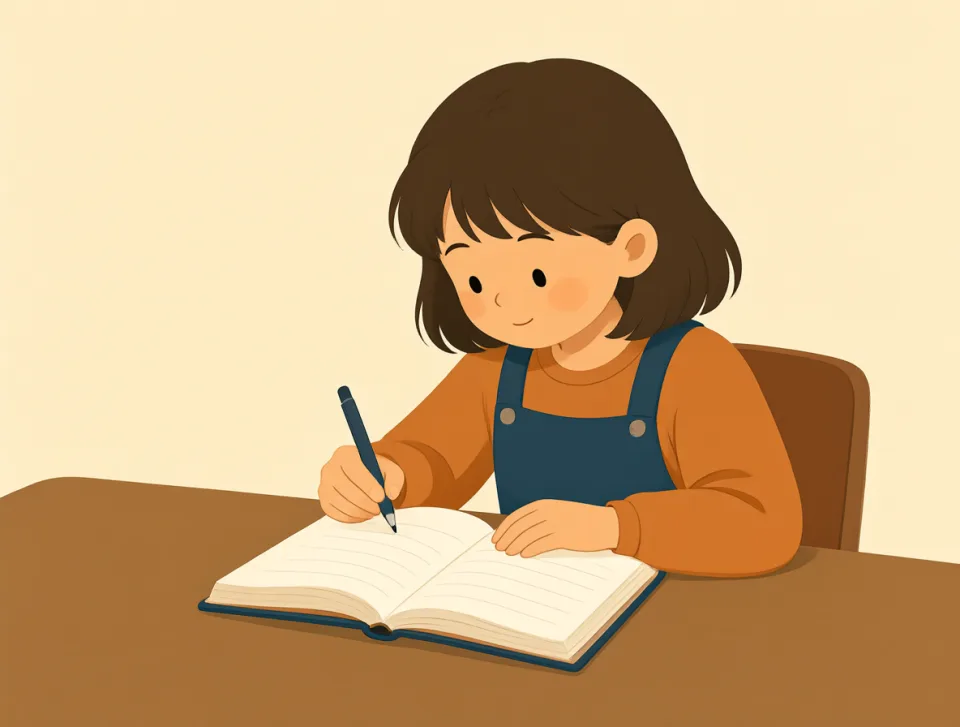
She wrote her name on the first page.
Napisała swoje imię na pierwszej stronie.
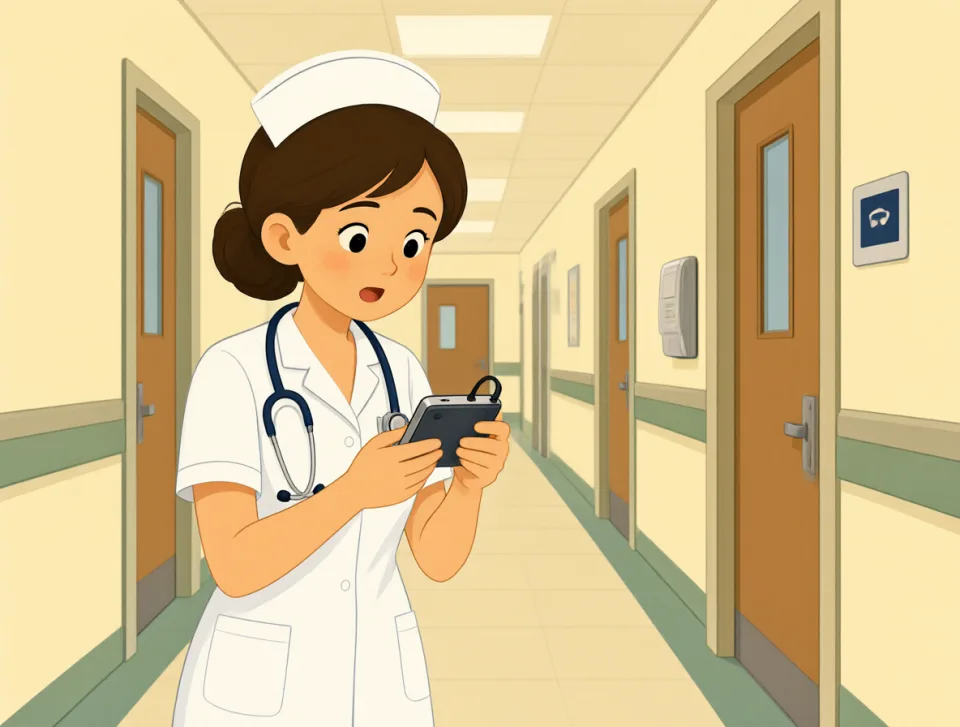
He paged the doctor after the patient felt worse.
Wezwał lekarza, gdy stan pacjenta się pogorszył.

I paged through the magazine on the train.
Przeglądałem czasopismo w pociągu.
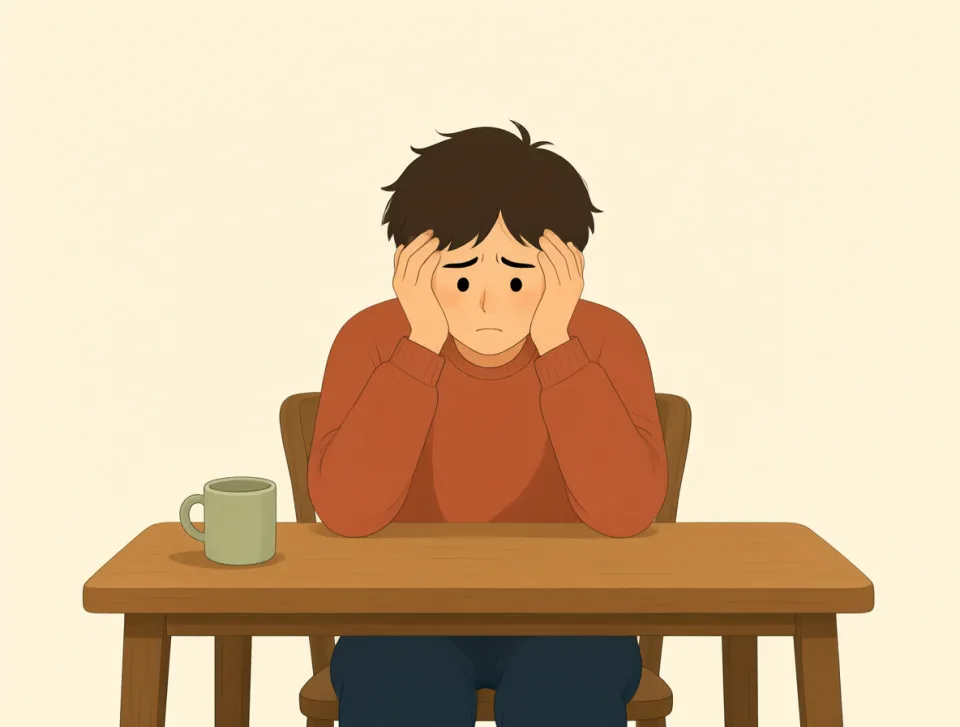
worry
#653noun, verb
martwić się
to feel nervous because something bad might happen
Odczuwać niepokój, ponieważ może się wydarzyć coś złego.
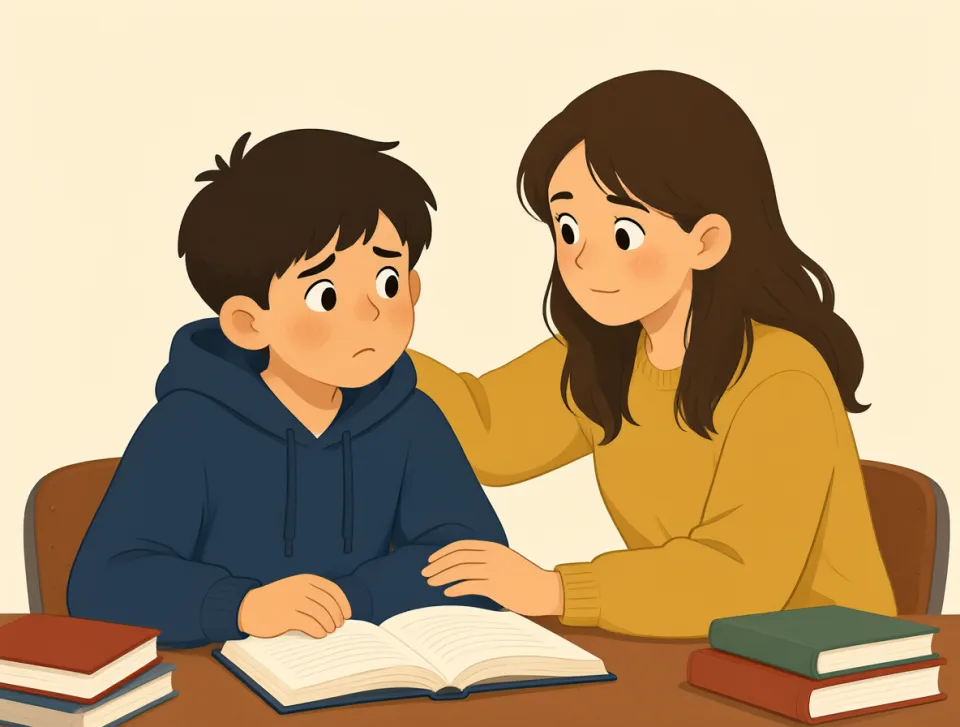
Don't worry about the test tomorrow.
Nie martw się jutrzejszym testem.
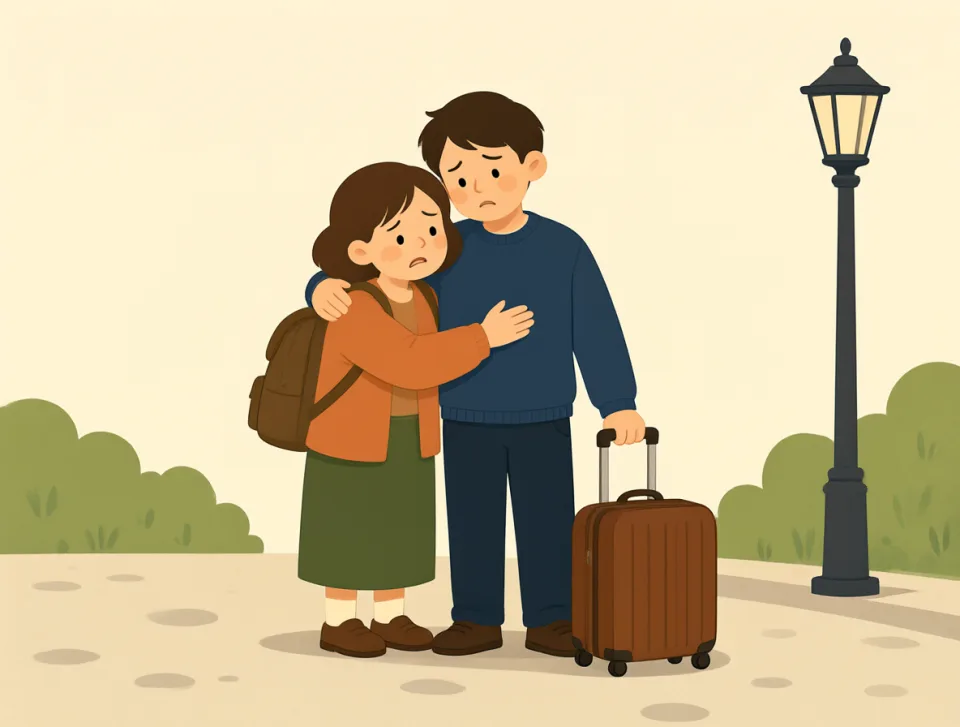
My parents worry when I travel alone.
Moi rodzice martwią się, kiedy podróżuję sam.
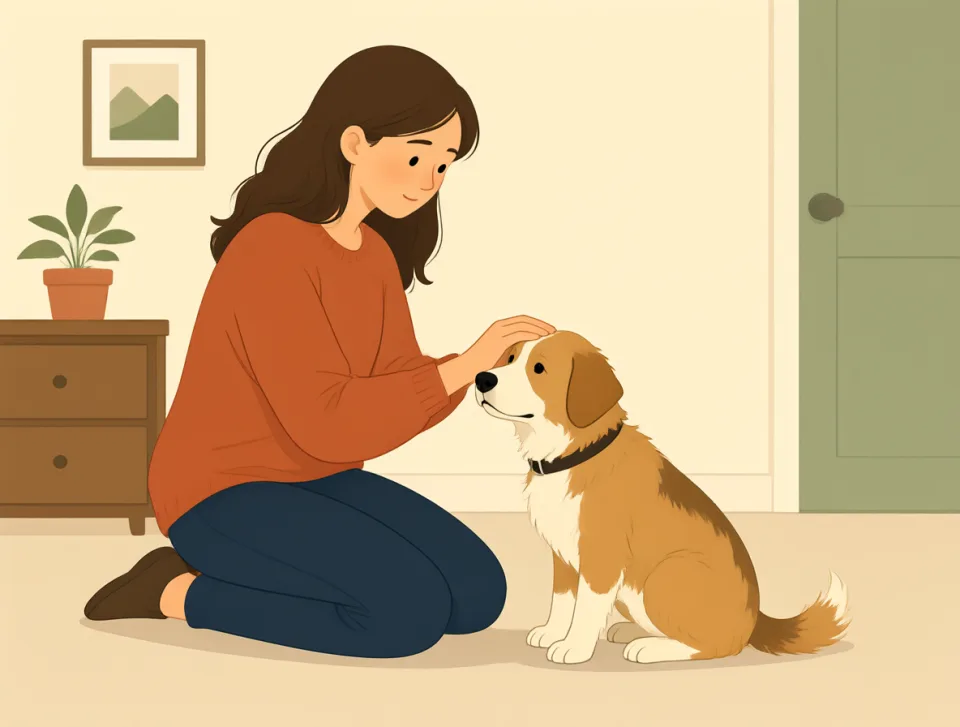
She is worried about her sick dog.
Martwi się o swojego chorego psa.
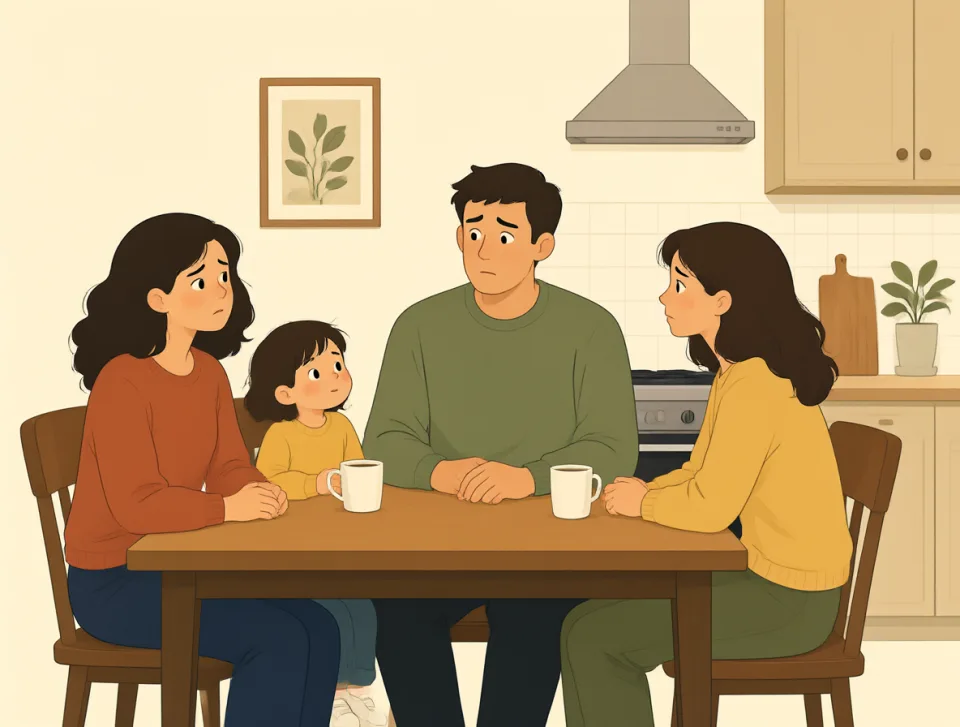
We had a lot of worries yesterday.
Wczoraj mieliśmy mnóstwo zmartwień.

His worry kept him awake all night.
Zmartwienie nie pozwoliło mu zasnąć przez całą noc.

summer
#654noun
lato
the warmest season of the year, between spring and autumn
Najcieplejsza pora roku, między wiosną a jesienią.

We usually go swimming in summer.
Latem zazwyczaj chodzimy popływać.
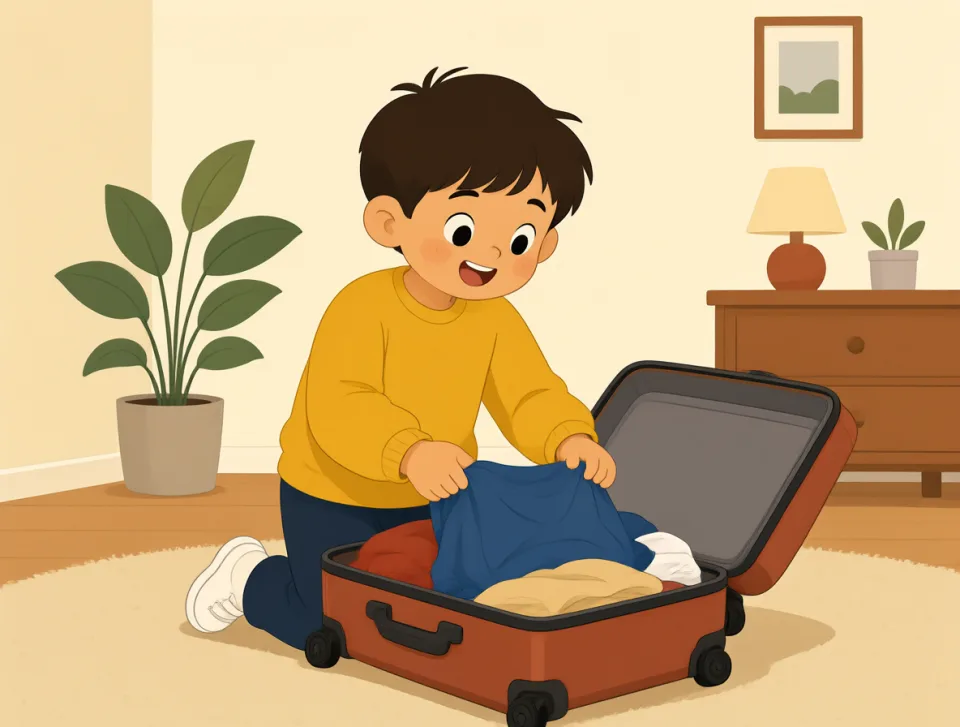
The summer holidays start next week.
Wakacje letnie zaczynają się w przyszłym tygodniu.
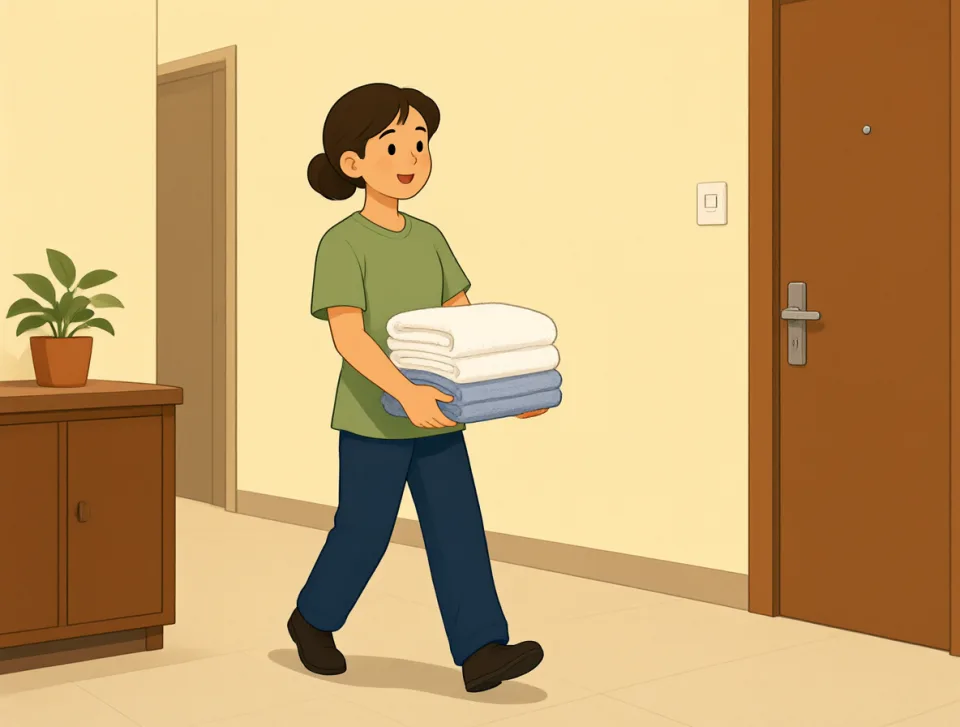
I worked at a hotel last summer.
Pracowałem w hotelu zeszłego lata.
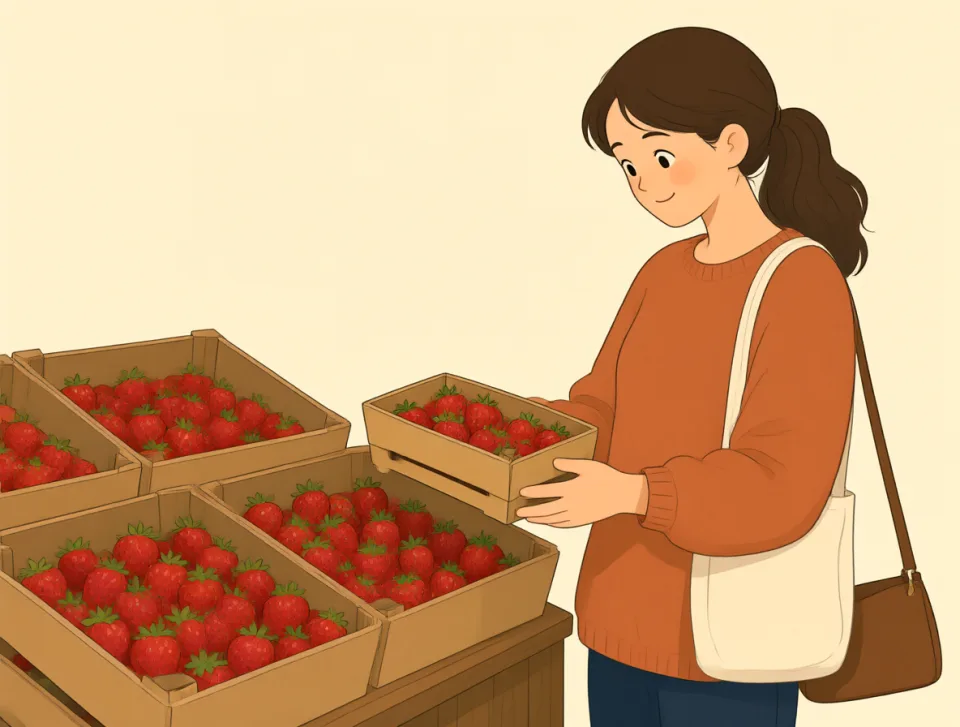
Fresh strawberries are cheap in summer.
Latem świeże truskawki są tanie.
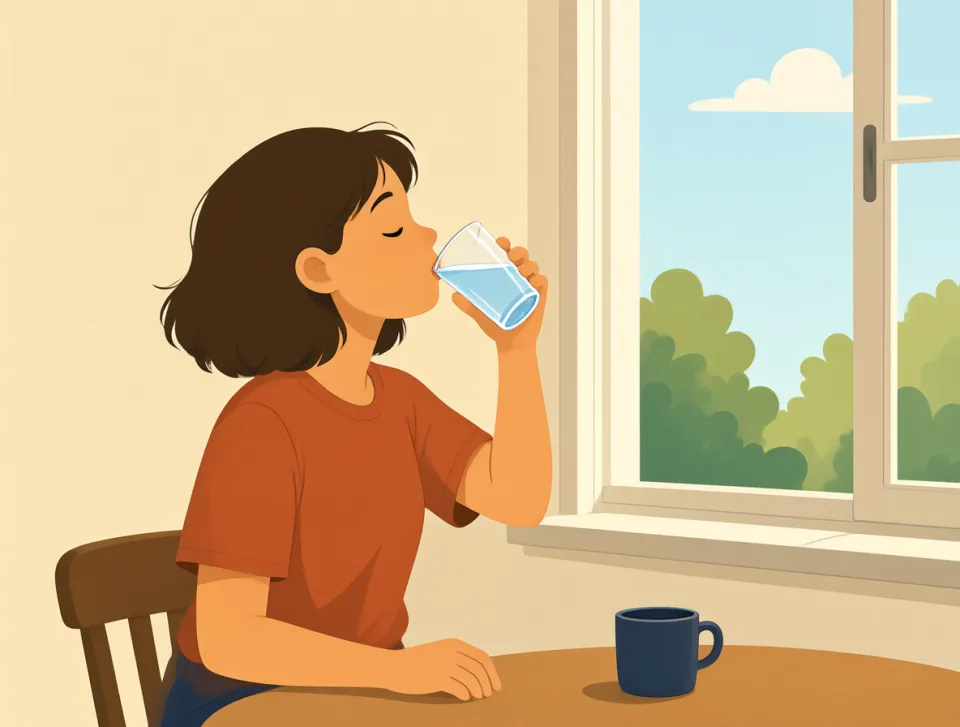
It was very hot last summer.
Zeszłego lata było bardzo gorąco.
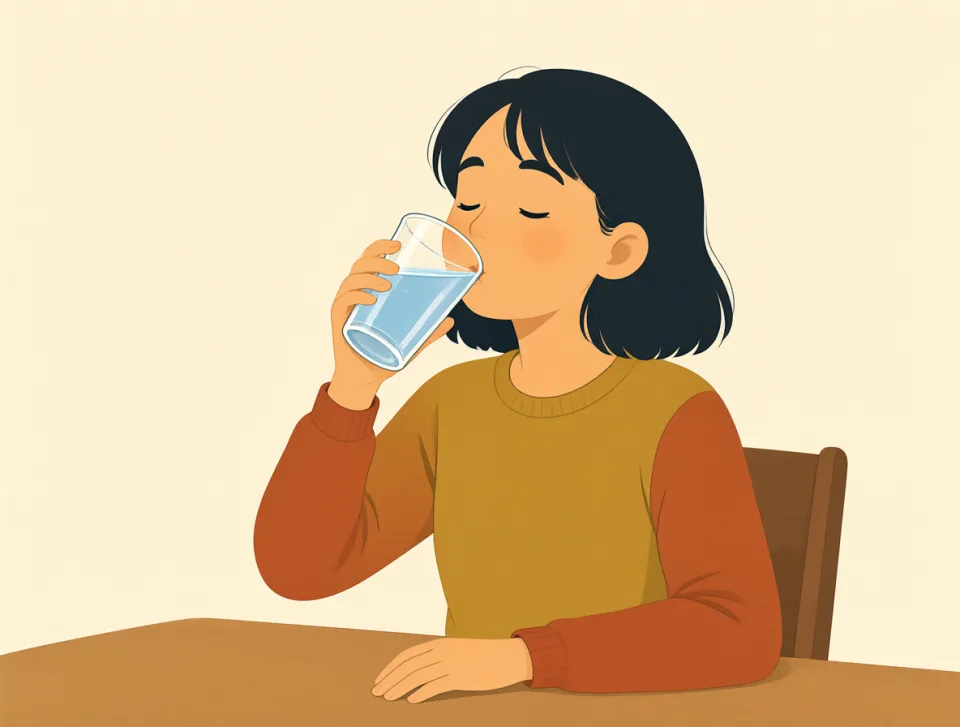
drink
#655noun, verb
pić; napój
To take liquid into your mouth and swallow it; a liquid that people drink.
Wprowadzać płyn do ust i go połykać; płyn, który ludzie piją.
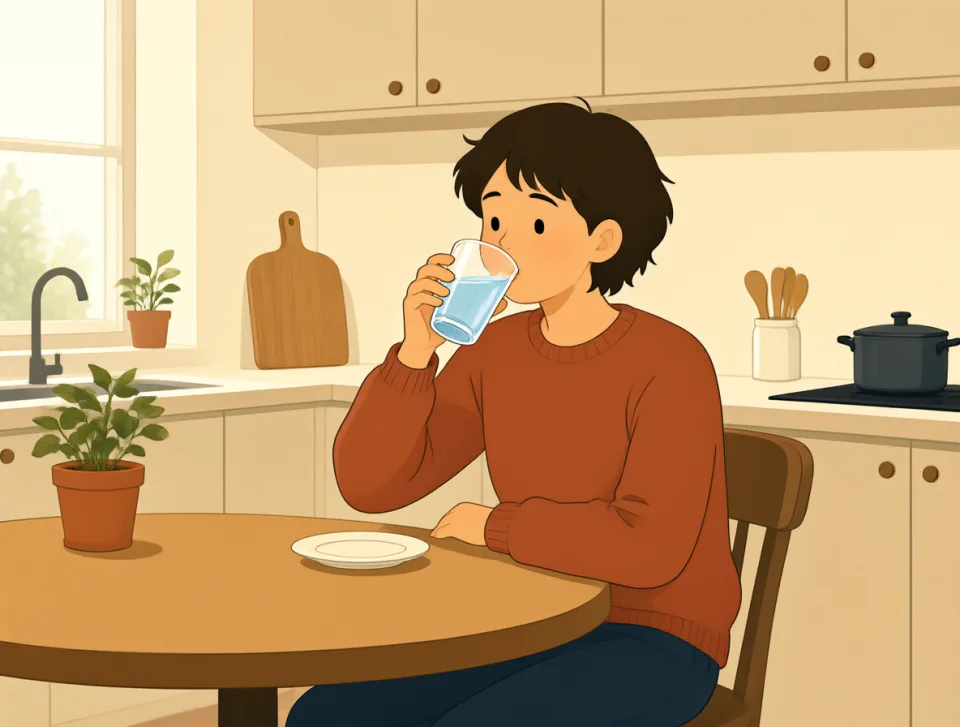
I drink water after my morning walk.
Piję wodę po porannym spacerze.
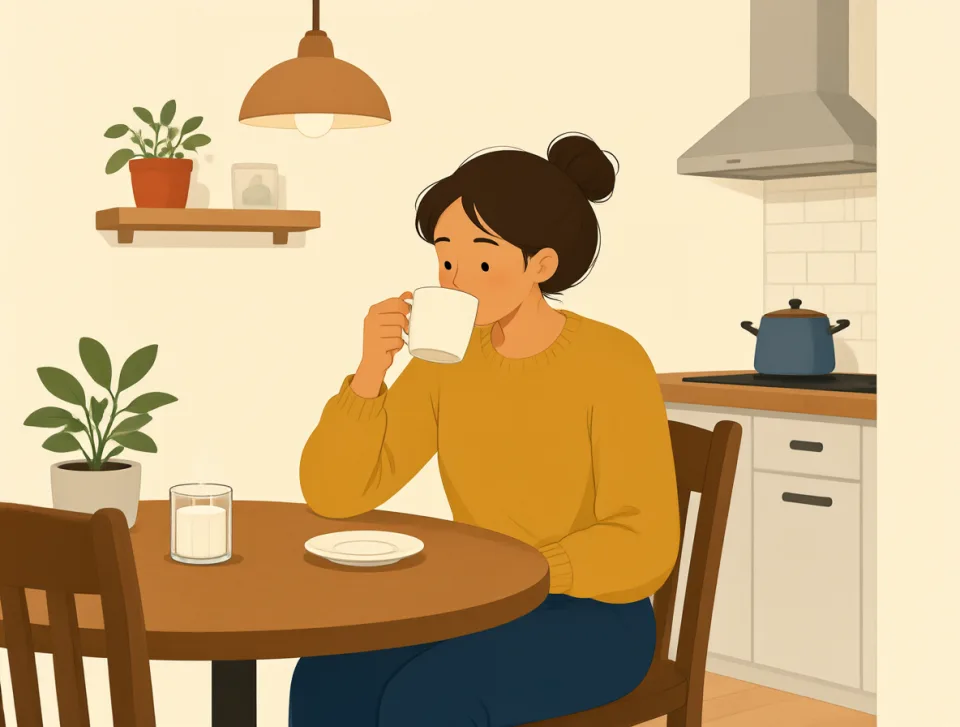
She drank coffee before work.
Wypiła kawę przed pracą.
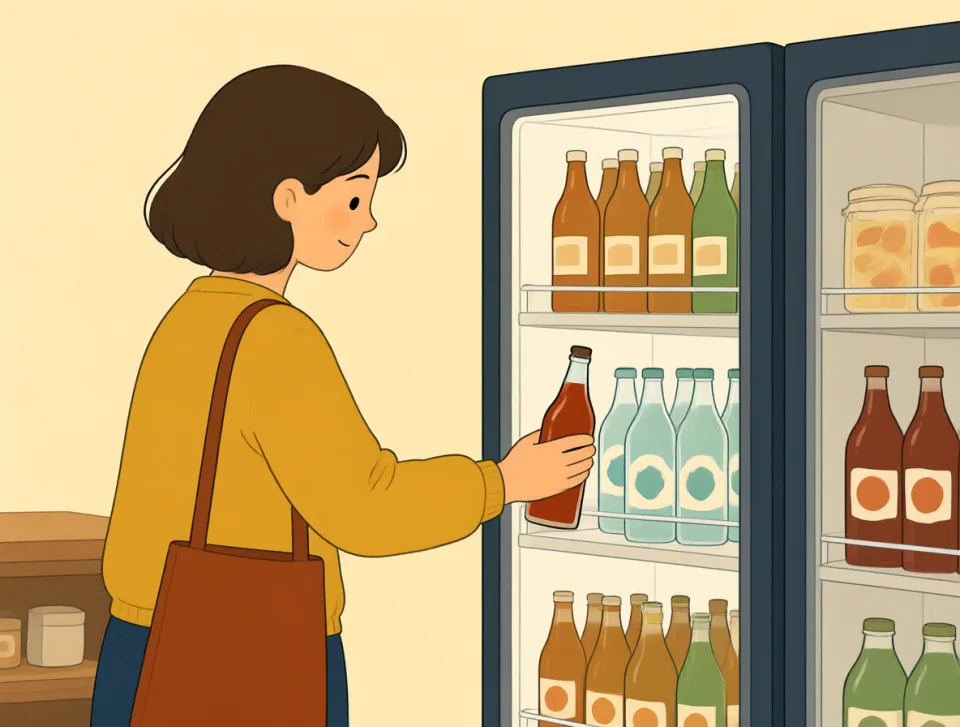
Can I have a cold drink, please?
Czy mogę prosić o zimny napój?
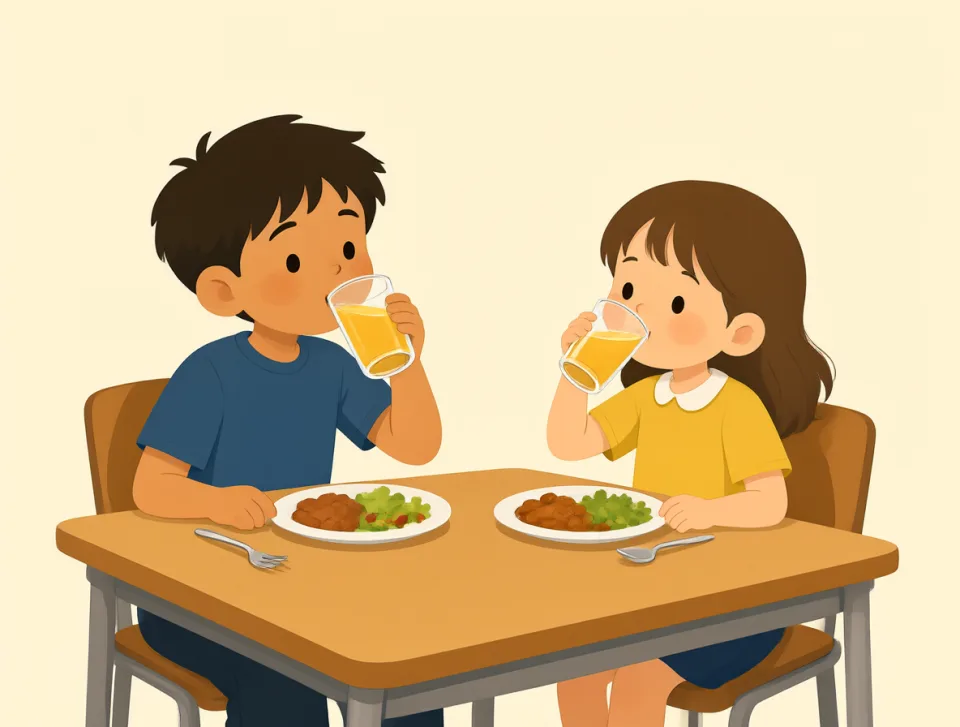
The children are drinking juice at lunch.
Dzieci piją sok podczas lunchu.

He does not drink alcohol when traveling.
Podczas podróży nie pije alkoholu.

opinion
#656noun
opinia
What you think or feel about someone or something.
To, co myślisz lub czujesz na temat kogoś albo czegoś.
What is your opinion of this movie?
Co sądzisz o tym filmie?
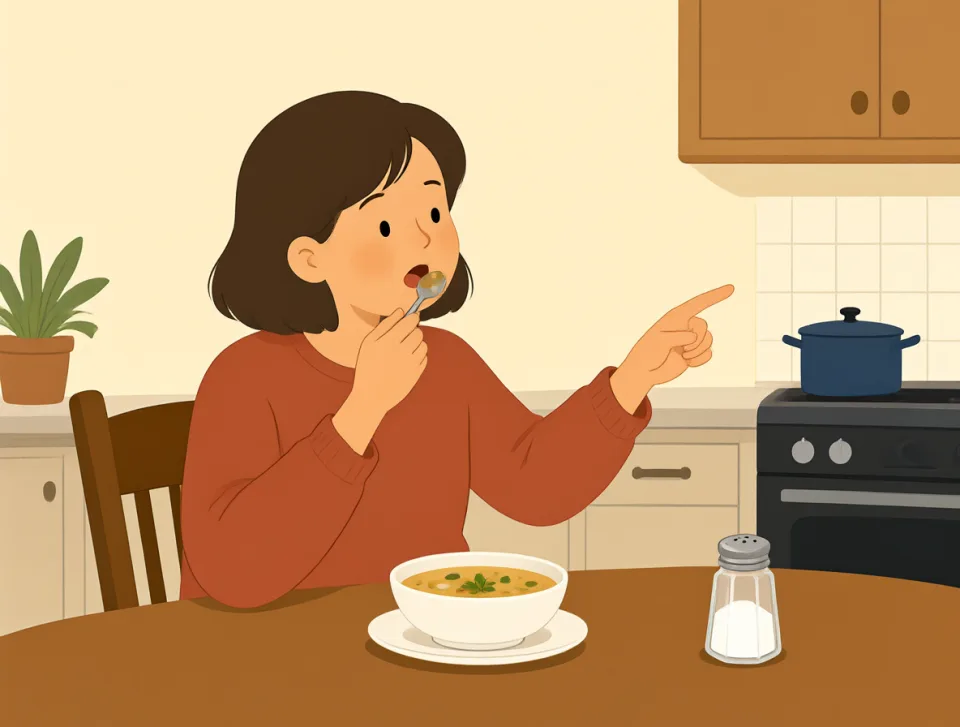
In my opinion, this soup needs more salt.
Moim zdaniem ta zupa potrzebuje więcej soli.
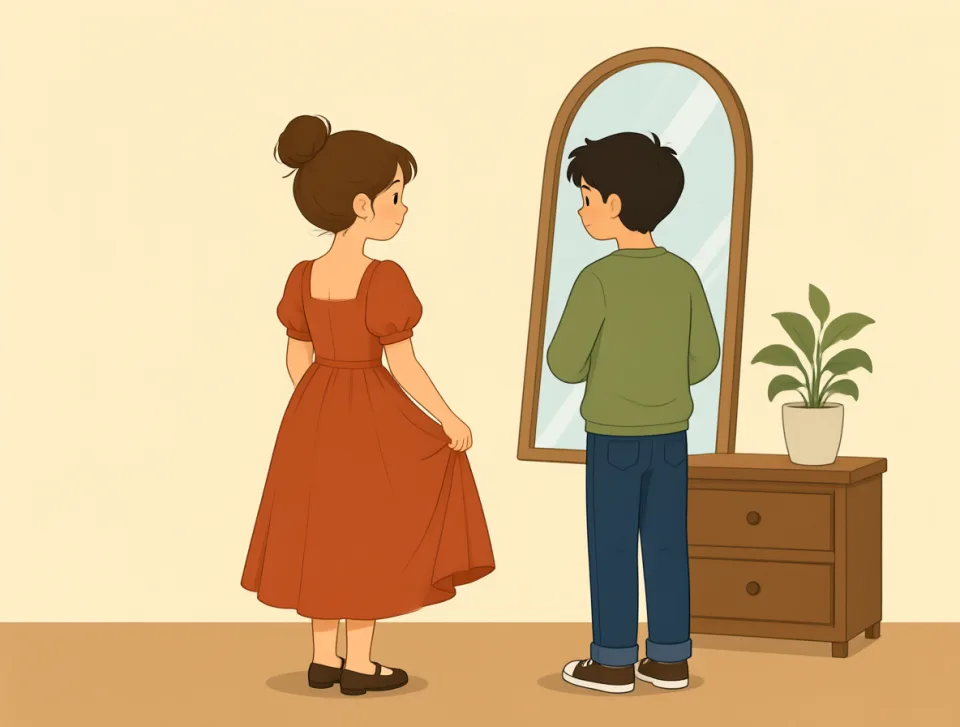
She asked for my opinion about her dress.
Zapytała mnie o zdanie na temat swojej sukienki.

Everyone shared their opinions at the meeting.
Wszyscy podzielili się swoimi opiniami na spotkaniu.

The doctor gave his opinion about my health.
Lekarz wyraził swoją opinię na temat mojego zdrowia.
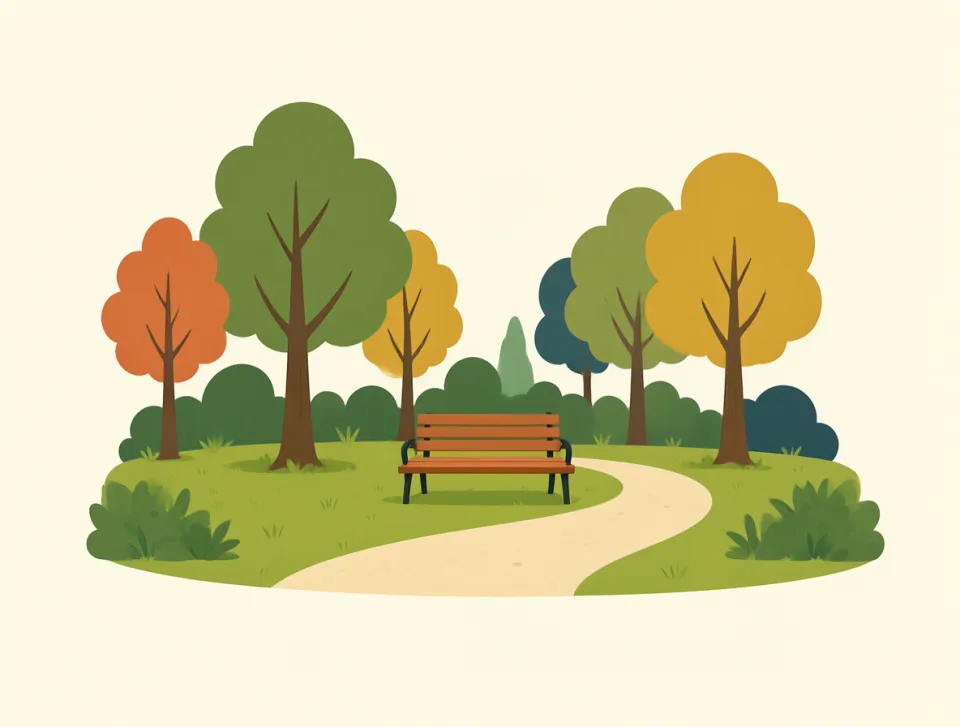
park
#657noun, verb
park; parkować
A public place with grass and trees, or to leave a vehicle in a space.
Miejsce publiczne z trawą i drzewami; także: zostawić pojazd na miejscu parkingowym.
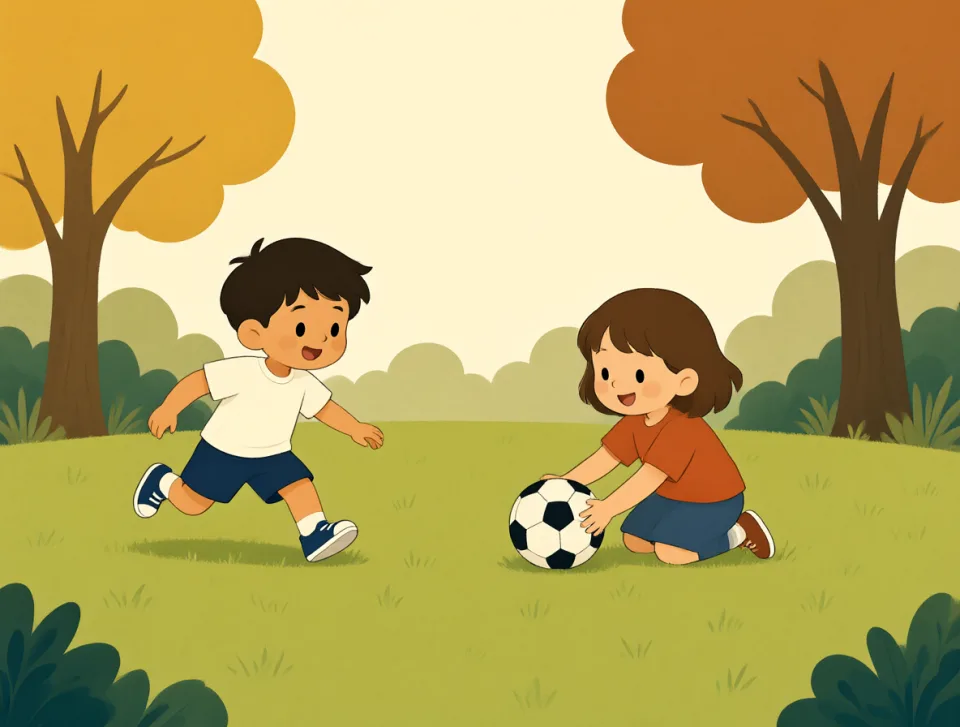
The children are playing in the park.
Dzieci bawią się w parku.

We walked through the park after lunch.
Po lunchu przeszliśmy przez park.

There is a small park near my home.
Niedaleko mojego domu jest mały park.
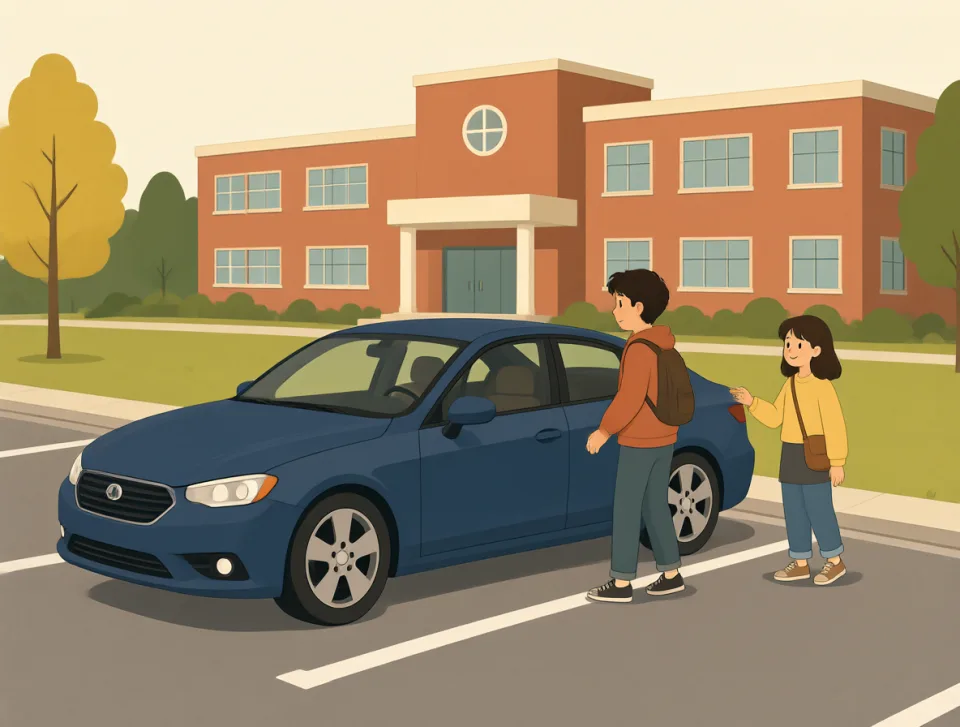
I parked my car outside the school.
Zaparkowałem samochód przed szkołą.
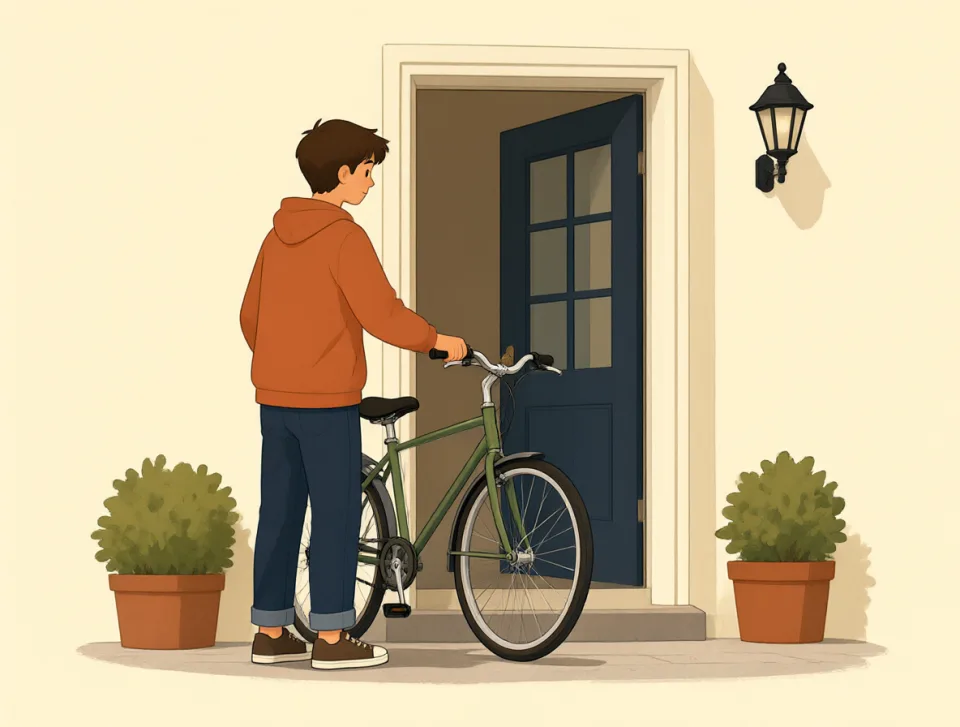
Please park your bike by the door.
Proszę zaparkować rower przy drzwiach.

represent
#658verb
reprezentować
To speak or act for a person, group, or country.
Wypowiadać się lub działać w imieniu osoby, grupy albo kraju.
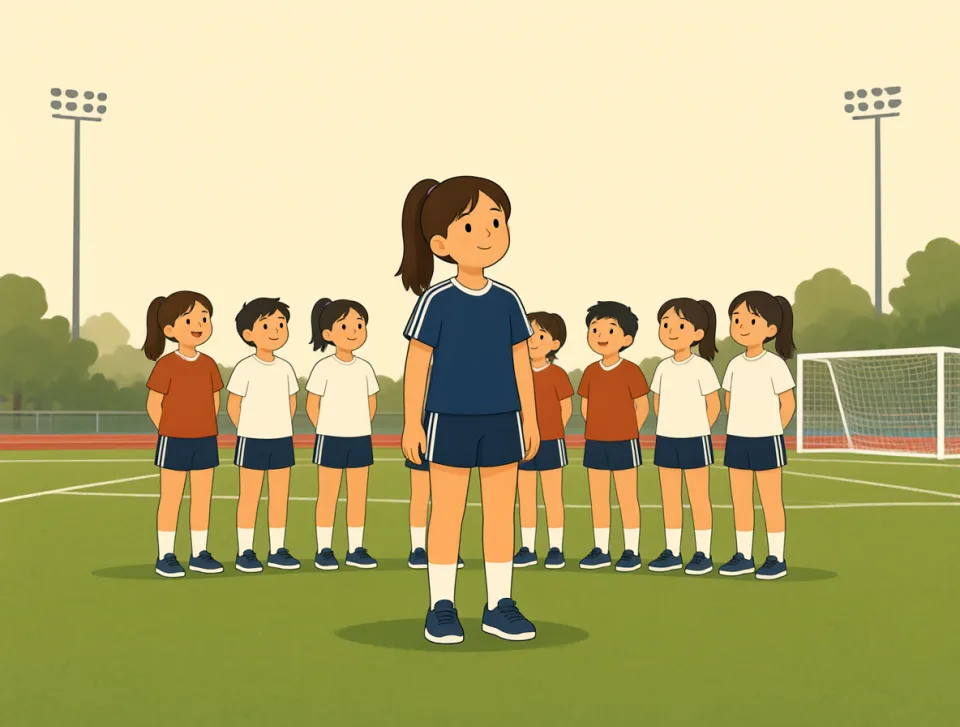
She represents our school at sports events.
Ona reprezentuje naszą szkołę podczas zawodów sportowych.
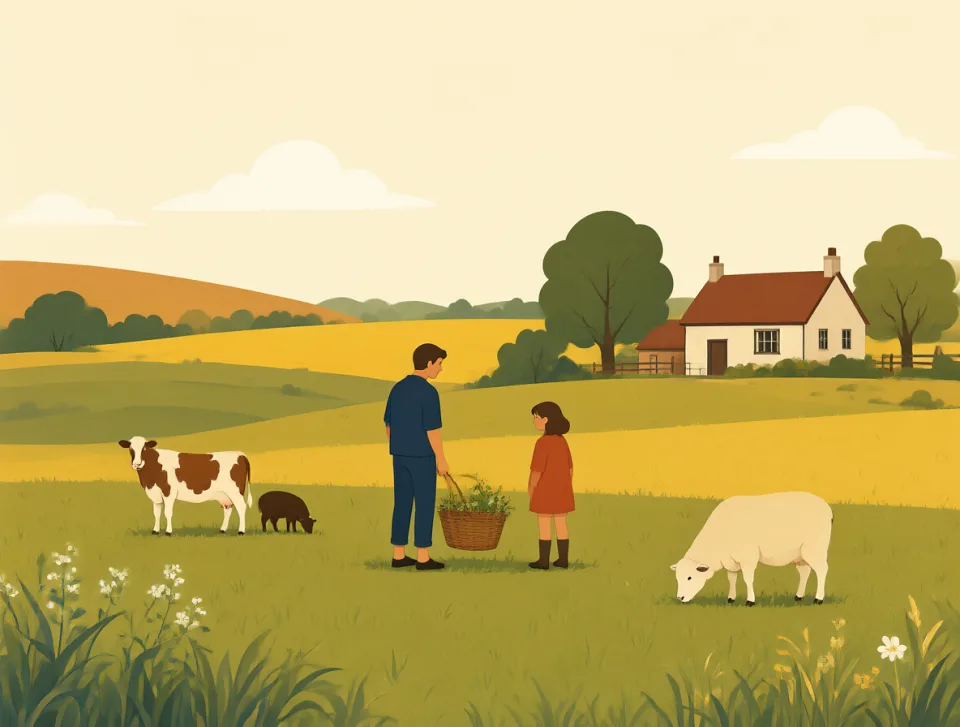
This painting represents life in the countryside.
Ten obraz przedstawia życie na wsi.
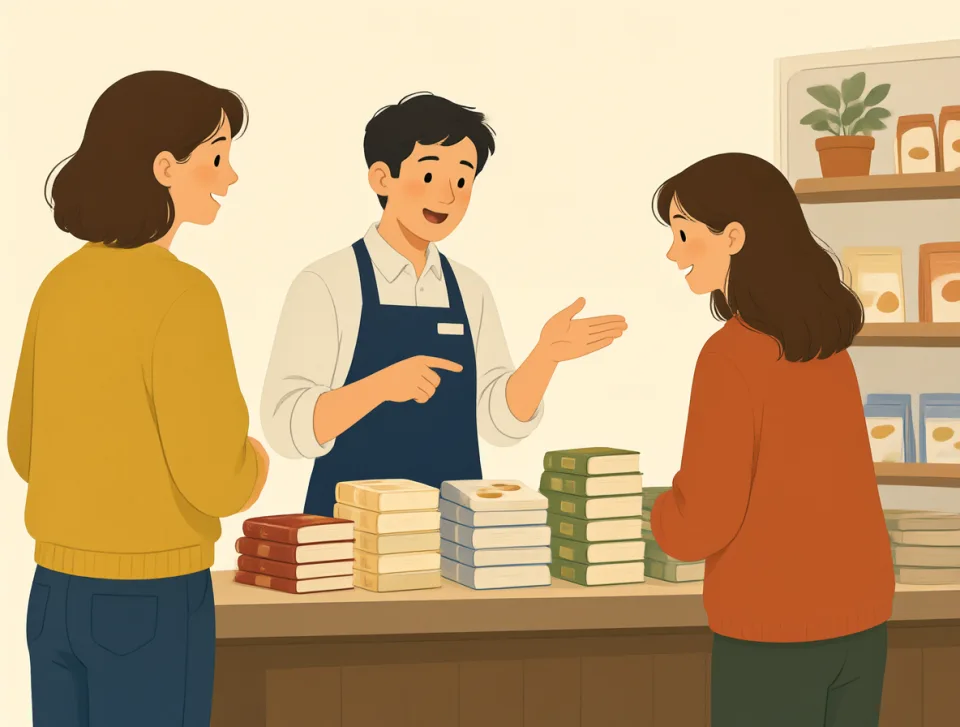
These numbers represent our sales this month.
Te liczby pokazują naszą sprzedaż w tym miesiącu.

The red heart represents love and kindness.
Czerwone serce symbolizuje miłość i dobroć.
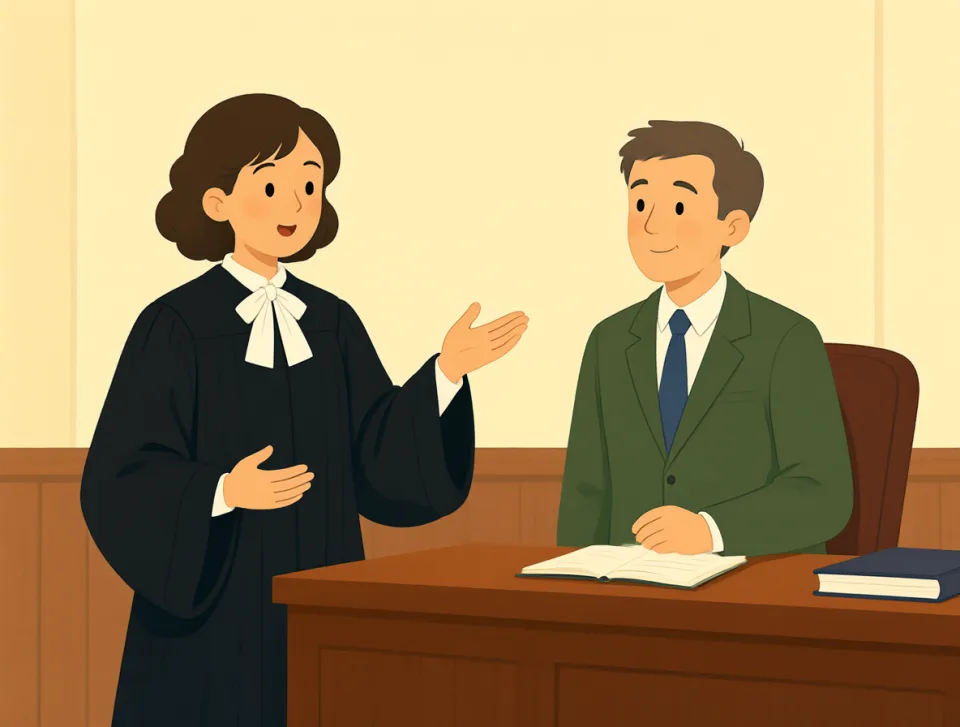
The lawyer represented him in court yesterday.
Wczoraj prawnik reprezentował go w sądzie.
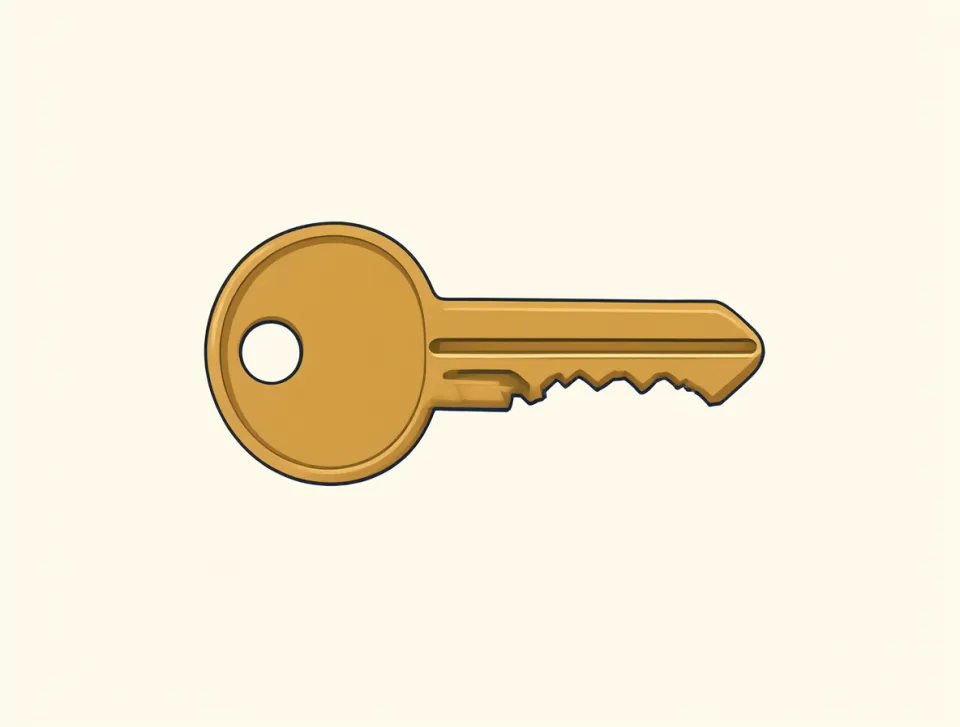
key
#659noun, adjective, verb
klucz
A small metal object that opens a lock; also very important or useful.
Niewielki metalowy przedmiot, którym otwiera się zamek; także: coś bardzo ważnego lub przydatnego.
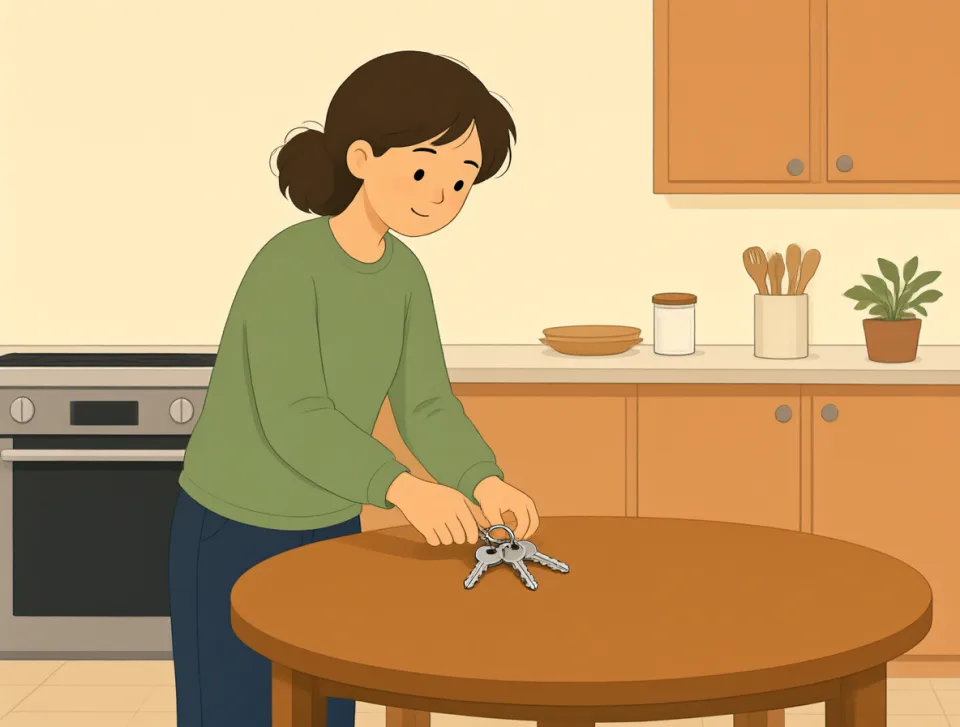
I left my keys on the kitchen table.
Zostawiłem klucze na kuchennym stole.
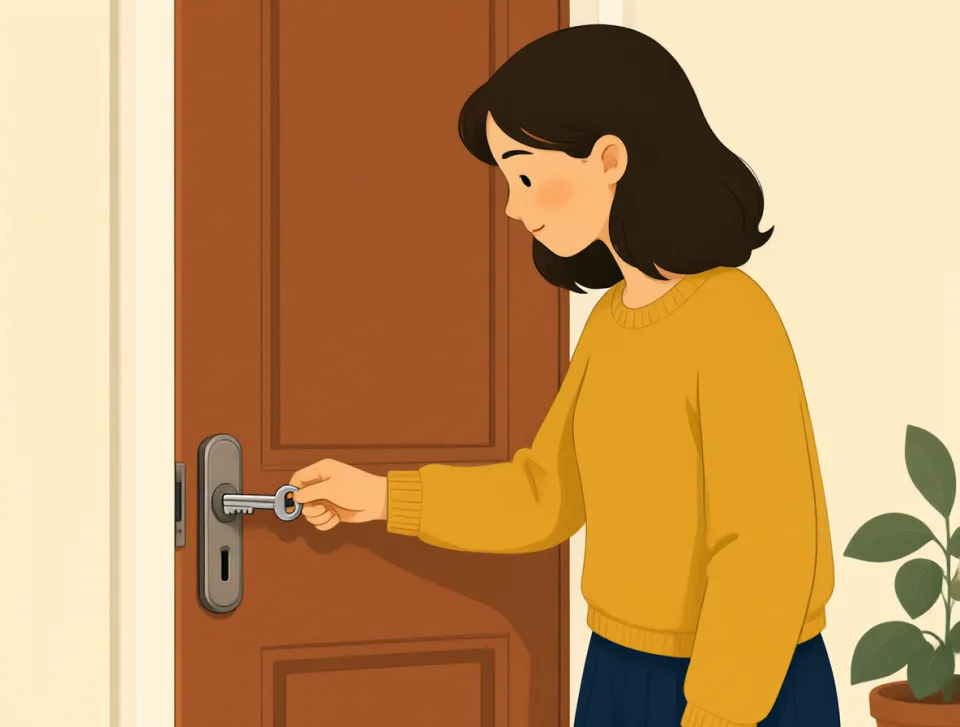
She used a key to open the door.
Użyła klucza, żeby otworzyć drzwi.

The key question is where to meet.
Kluczowe pytanie brzmi: gdzie się spotkać?
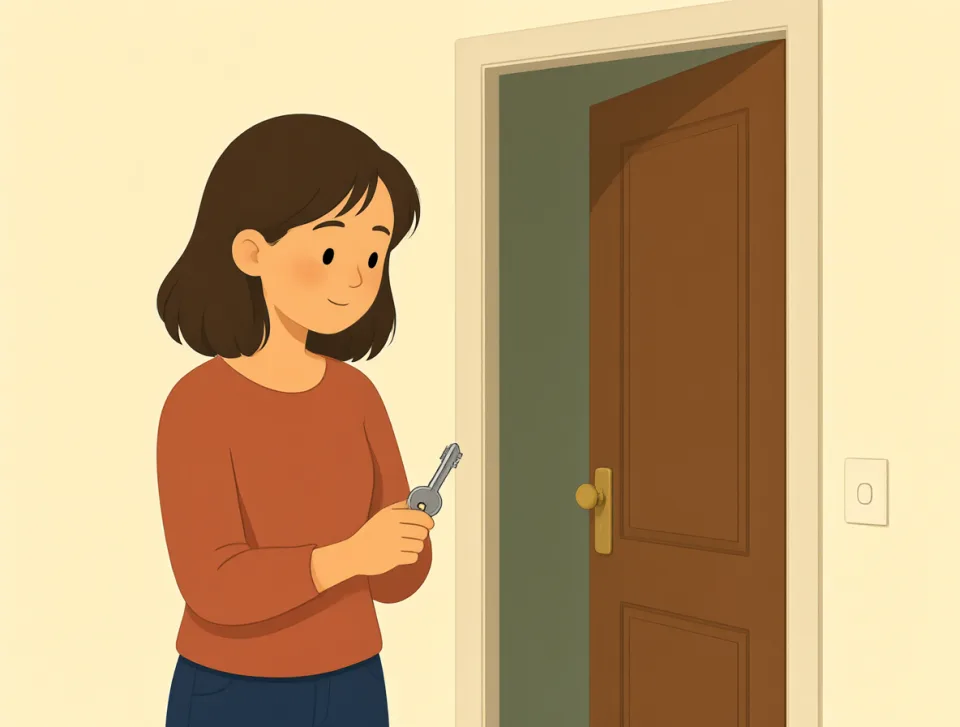
This key opens the back door.
Ten klucz otwiera tylne drzwi.

He keyed the information into the computer.
Wprowadził informacje do komputera.
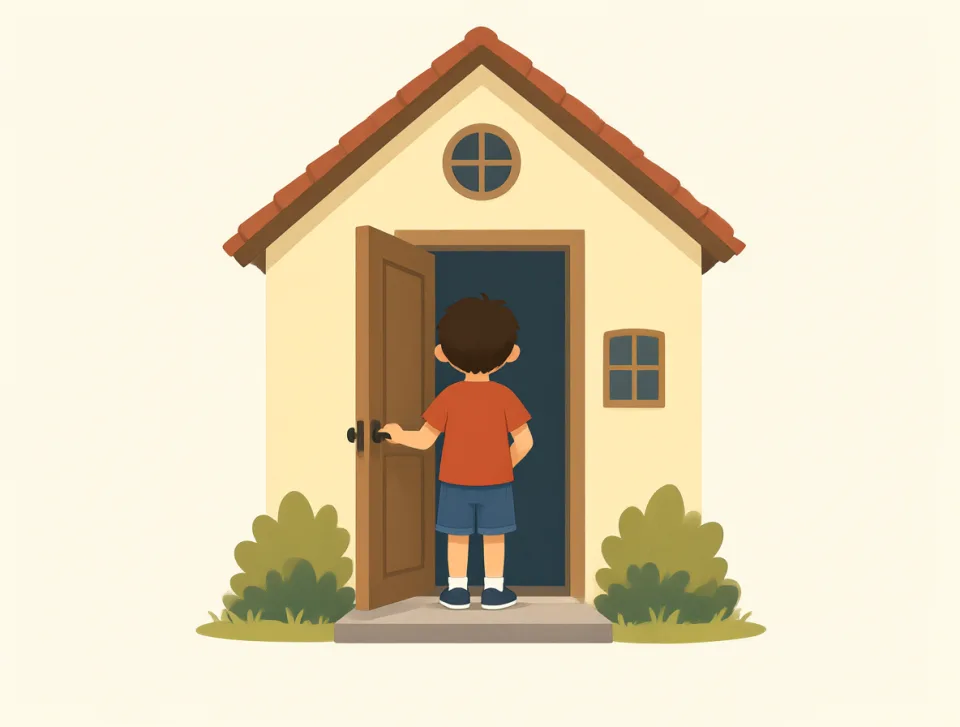
inside
#660adverb, preposition, noun
wewnątrz; do środka
in or into the inner part of a place or thing
W środku jakiegoś miejsca lub przedmiotu albo do jego wnętrza.
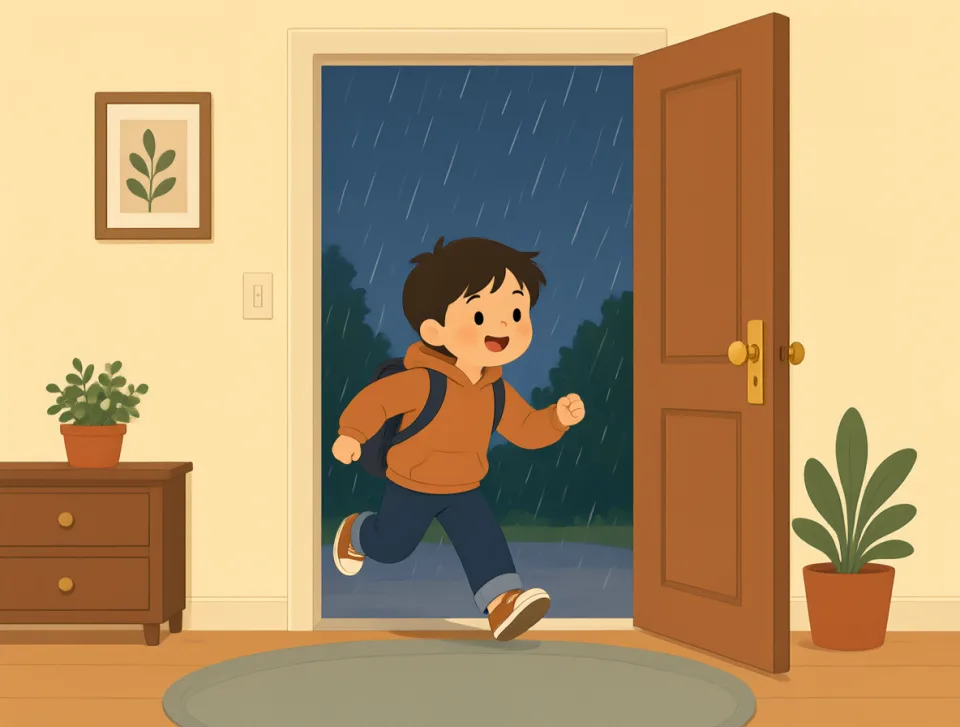
Come inside; it is raining outside.
Wejdź do środka, na dworze pada.
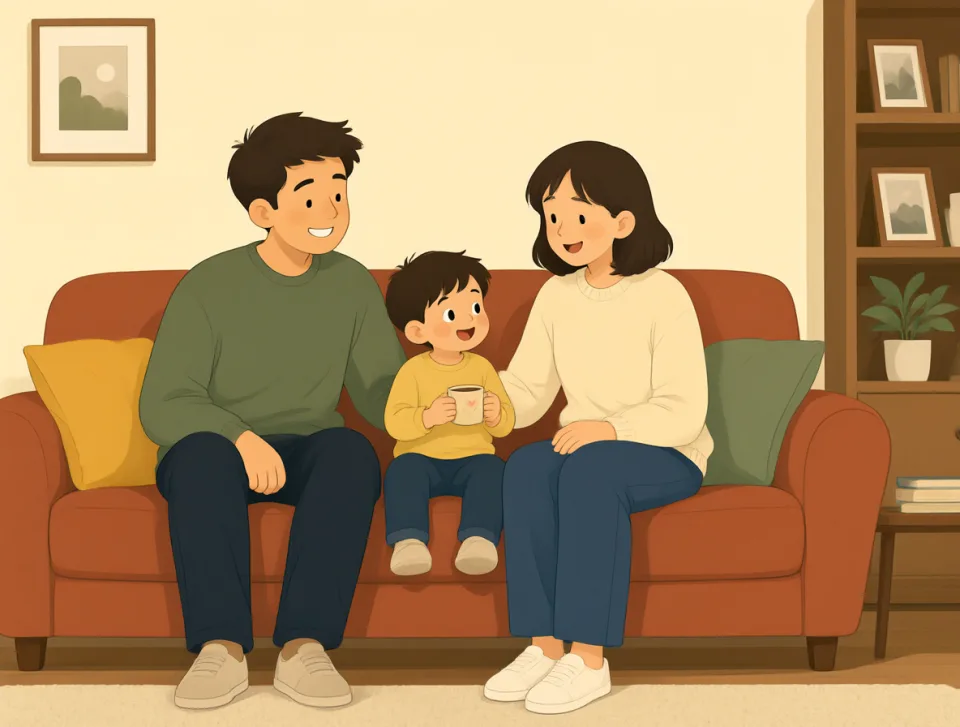
It is warm inside the house.
W domu jest ciepło.
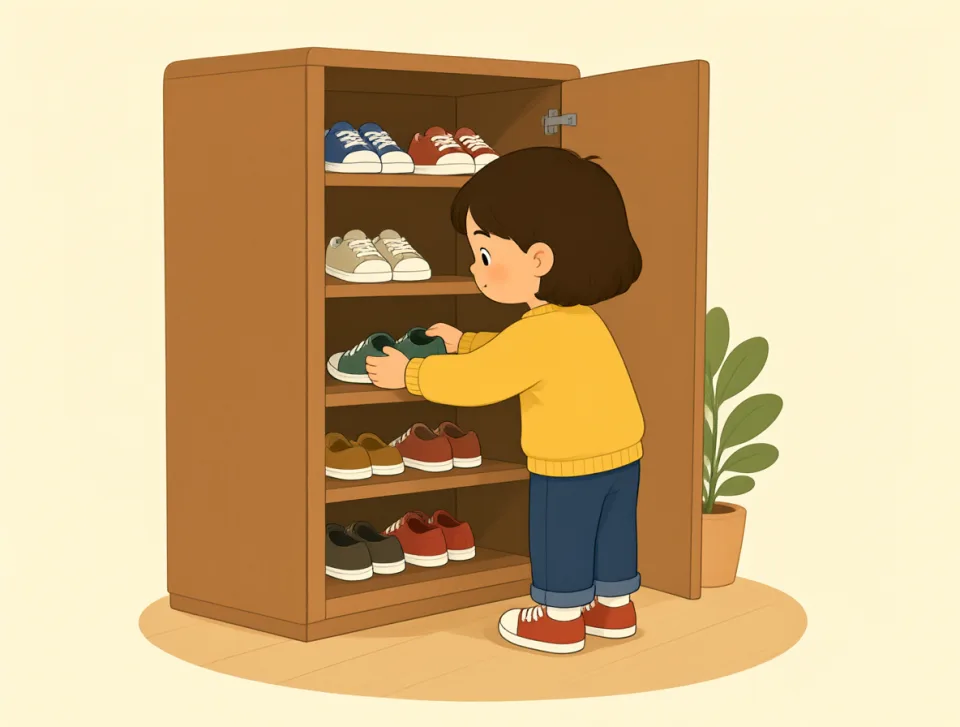
Put your shoes inside the cupboard.
Włóż buty do szafki.
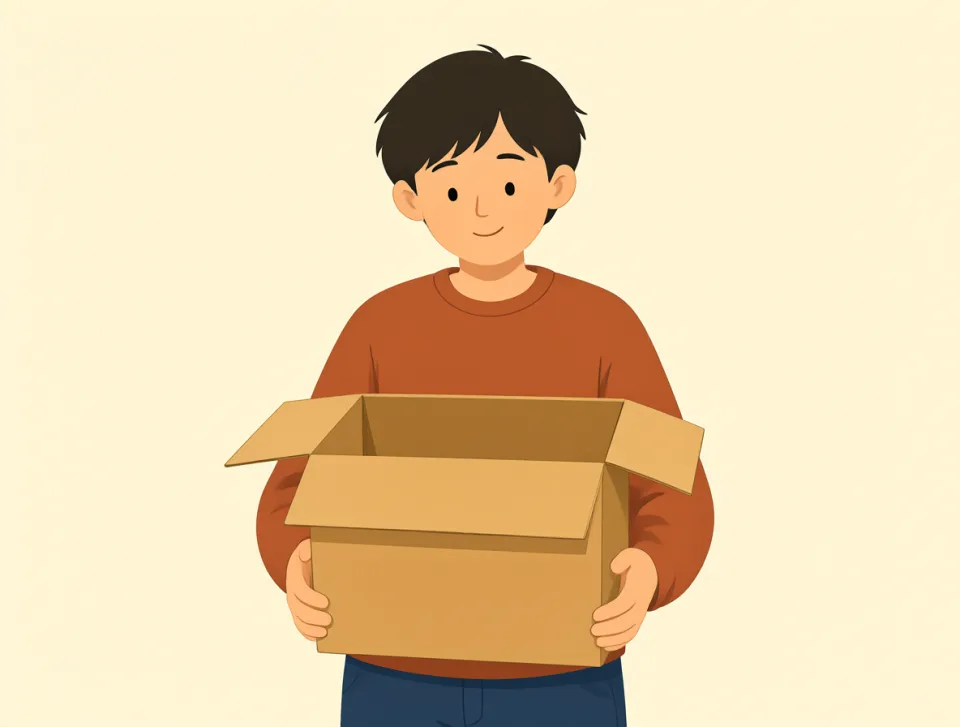
The inside of the box is empty.
Wnętrze pudełka jest puste.

We ate lunch inside the café.
Zjedliśmy lunch w kawiarni.