ইউনিট 31
শব্দ 601–620 · particularly, wife, sport, prepare, discuss, response

particularly
#601adverb
বিশেষ করে
More than usual or more than others in a particular way.
কোনো নির্দিষ্ট দিক থেকে স্বাভাবিকের চেয়ে বেশি বা অন্যদের তুলনায় বেশি।
I particularly like this warm soup.
এই গরম স্যুপটা আমার বিশেষ করে খুব পছন্দ।

She was particularly tired after work.
কাজের পর সে বিশেষ করে ক্লান্ত ছিল।

This shop is particularly busy today.
আজ এই দোকানে বিশেষ করে ভিড়।

He enjoys sports, particularly football.
সে খেলাধুলা পছন্দ করে, বিশেষ করে ফুটবল।

Please be particularly careful on these stairs.
এই সিঁড়িতে দয়া করে বিশেষভাবে সাবধানে চলুন।

wife
#602noun
স্ত্রী
A married woman, or a woman you are married to.
বিবাহিত নারী, অথবা আপনি যাঁকে বিয়ে করেছেন।

His wife is making dinner tonight.
আজ রাতে তার স্ত্রী রাতের খাবার তৈরি করছেন।
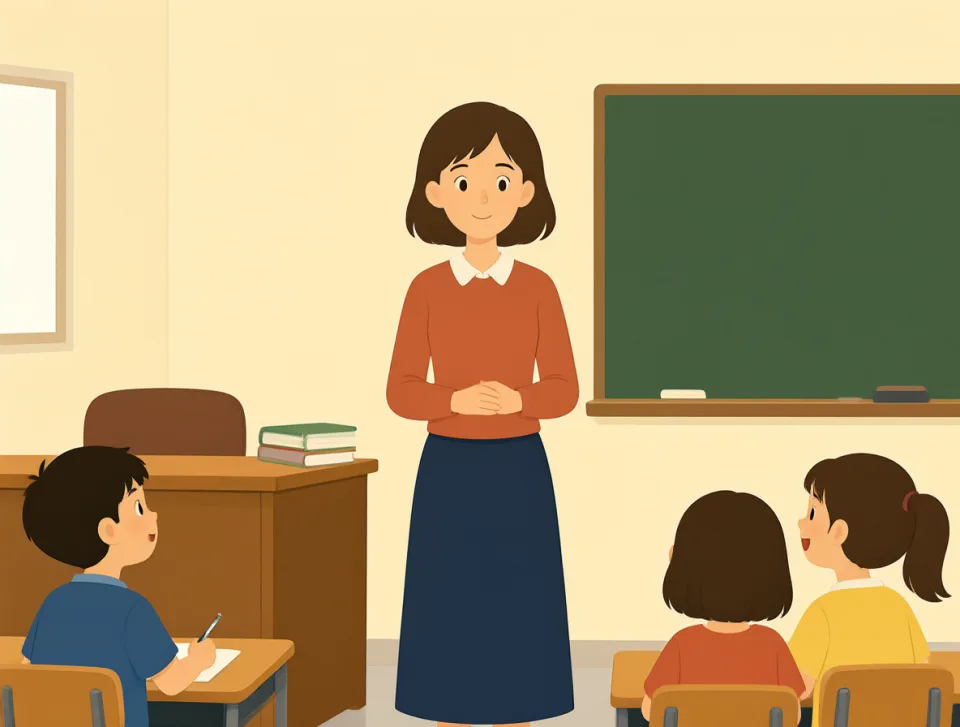
My wife works at the local school.
আমার স্ত্রী স্থানীয় স্কুলে কাজ করেন।

I bought flowers for my wife.
আমি আমার স্ত্রীর জন্য ফুল কিনেছি।

Her wife drove them to the airport.
তার স্ত্রী তাদের বিমানবন্দরে নিয়ে গাড়ি চালিয়ে গেলেন।

His wife feels better after seeing the doctor.
ডাক্তারের কাছে যাওয়ার পর তার স্ত্রী ভালো বোধ করছেন।
sport
#603noun, verb
খেলাধুলা
A game or activity that people do for exercise, fun, or competition.
ব্যায়াম, আনন্দ বা প্রতিযোগিতার জন্য করা খেলা বা কার্যকলাপ।

My favorite sport is tennis.
আমার সবচেয়ে পছন্দের খেলা টেনিস।

He plays sport after school.
সে স্কুলের পর খেলাধুলা করে।

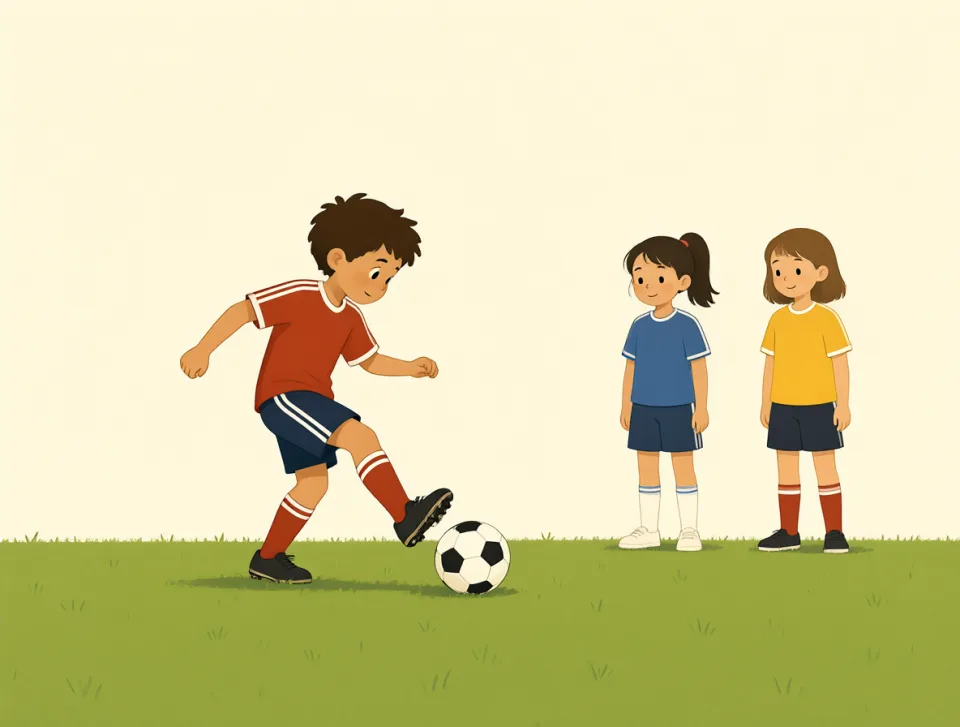
Sport can help you stay healthy.
খেলাধুলা আপনাকে সুস্থ থাকতে সাহায্য করতে পারে।

The shop sells clothes for sport.
দোকানটিতে খেলাধুলার পোশাক বিক্রি হয়।

We talked about sport on the train.
ট্রেনে আমরা খেলাধুলা নিয়ে কথা বলেছিলাম।
prepare
#604verb
প্রস্তুত করা
to get ready for something or make something ready
কোনো কিছুর জন্য প্রস্তুতি নেওয়া বা কোনো কিছুকে প্রস্তুত করা।
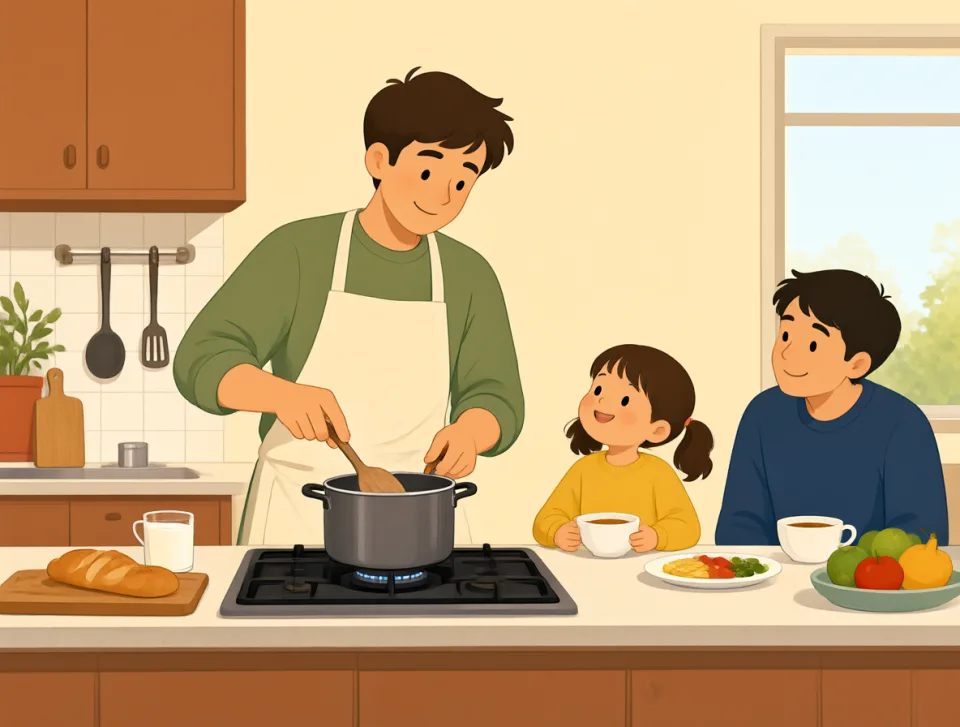
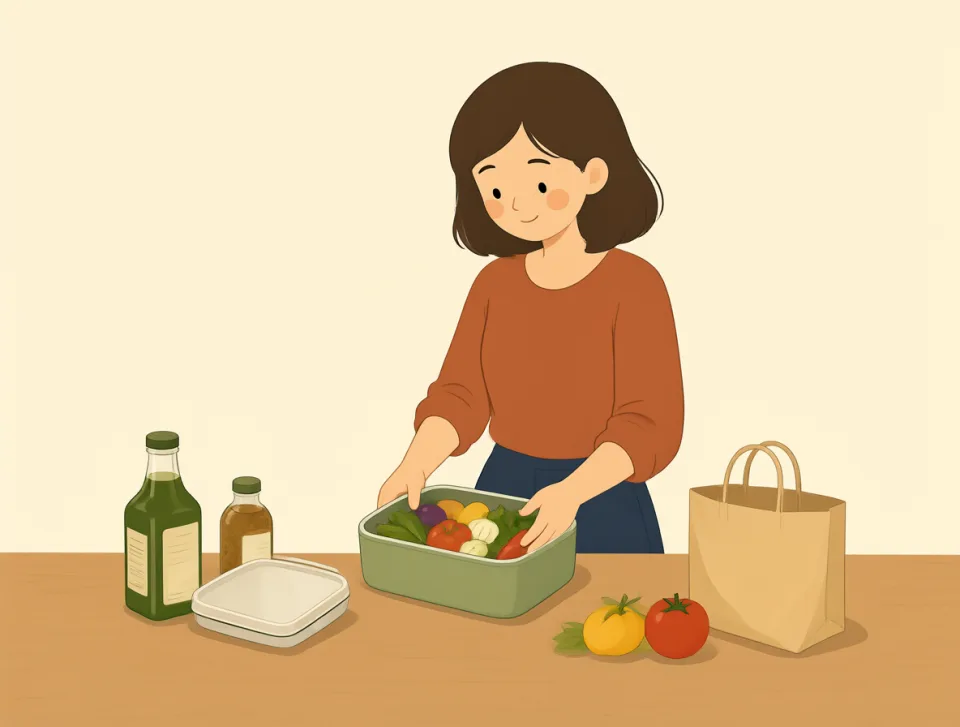
I prepare breakfast for my family every morning.
আমি প্রতিদিন সকালে পরিবারের জন্য নাশতা তৈরি করি।

We are preparing for the school test.
আমরা স্কুলের পরীক্ষার জন্য প্রস্তুতি নিচ্ছি।

She prepared a report for the meeting.
সে মিটিংয়ের জন্য একটি প্রতিবেদন তৈরি করেছিল।

He prepared his suitcase before the trip.
ভ্রমণের আগে সে তার স্যুটকেস গুছিয়ে নিয়েছিল।

The nurse prepared the patient for surgery.
নার্স অস্ত্রোপচারের জন্য রোগীকে প্রস্তুত করলেন।

discuss
#605verb
আলোচনা করা
to talk about something with another person or group
অন্য কোনো ব্যক্তি বা দলের সঙ্গে কোনো বিষয় নিয়ে কথা বলা।

We discussed our weekend plans over dinner.
রাতের খাবার খেতে খেতে আমরা ছুটির দিনের পরিকল্পনা নিয়ে আলোচনা করলাম।
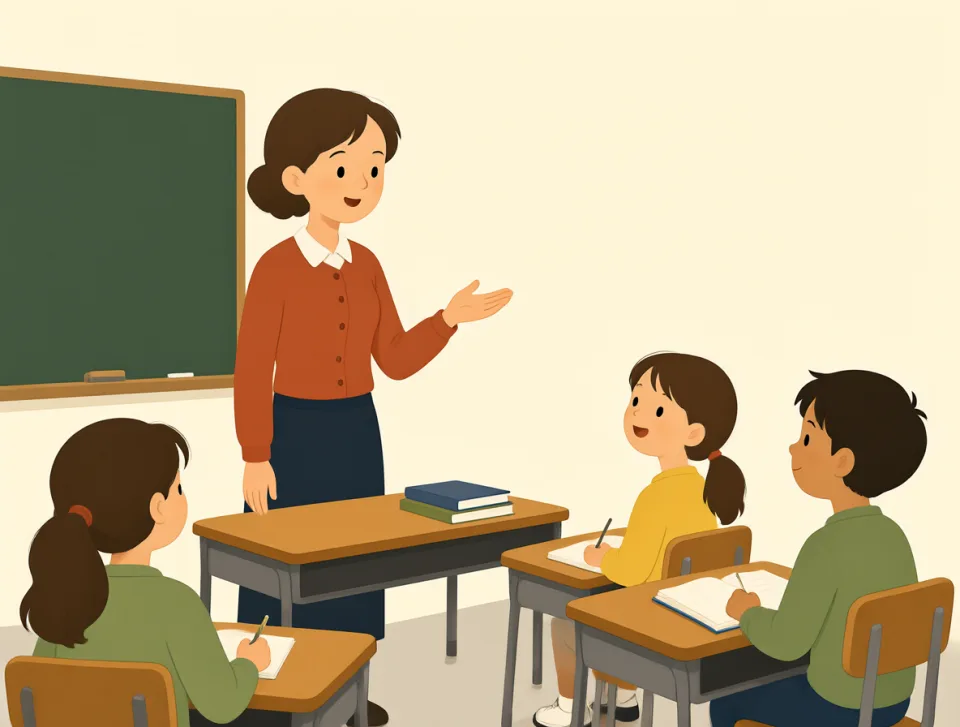
The teacher discussed the homework with us.
শিক্ষক আমাদের সঙ্গে বাড়ির কাজ নিয়ে আলোচনা করলেন।

They discussed the problem at work.
তারা কর্মস্থলে সমস্যাটি নিয়ে আলোচনা করেছিল।

We discussed which hotel to book.
কোন হোটেল বুক করব, তা নিয়ে আমরা আলোচনা করলাম।

The doctor discussed my treatment with me.
ডাক্তার আমার সঙ্গে আমার চিকিৎসা নিয়ে আলোচনা করলেন।

response
#606noun
جواب
an answer or reaction to something that someone says, asks, or does
কেউ যা বলে, জিজ্ঞেস করে বা করে, তার উত্তর বা প্রতিক্রিয়া

I am waiting for your response.
আমি তোমার উত্তরের জন্য অপেক্ষা করছি।
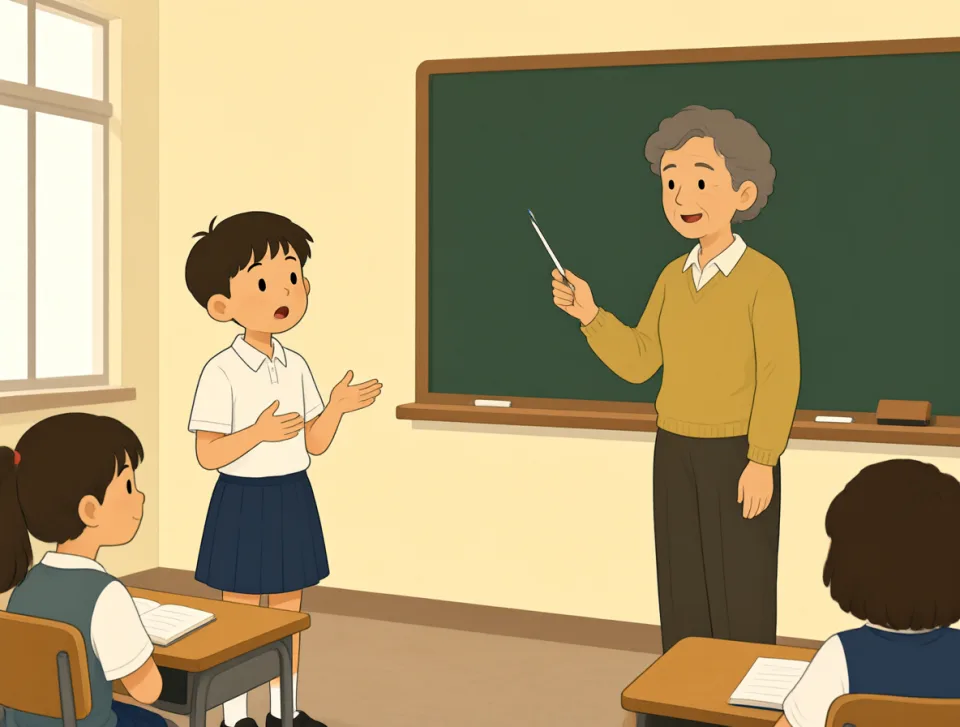
His response to the question was clear.
প্রশ্নের উত্তরে সে স্পষ্ট কথা বলেছিল।

The company sent a quick response.
কোম্পানিটি দ্রুত উত্তর দিয়েছিল।

She had a bad response to the medicine.
ওষুধটিতে তার খারাপ প্রতিক্রিয়া হয়েছিল।

The audience gave a loud response.
দর্শকরা জোরে সাড়া দিয়েছিল।

voice
#607noun, verb
কণ্ঠস্বর
The sound made when a person speaks or sings.
কেউ কথা বলার বা গান গাওয়ার সময় যে শব্দ তৈরি হয়।

I could hear her voice clearly.
আমি তার কণ্ঠস্বর স্পষ্ট শুনতে পাচ্ছিলাম।

He has a deep, friendly voice.
তার কণ্ঠস্বর গভীর ও বন্ধুত্বপূর্ণ।

Please leave a voice message.
দয়া করে একটি ভয়েস মেসেজ রেখে যান।
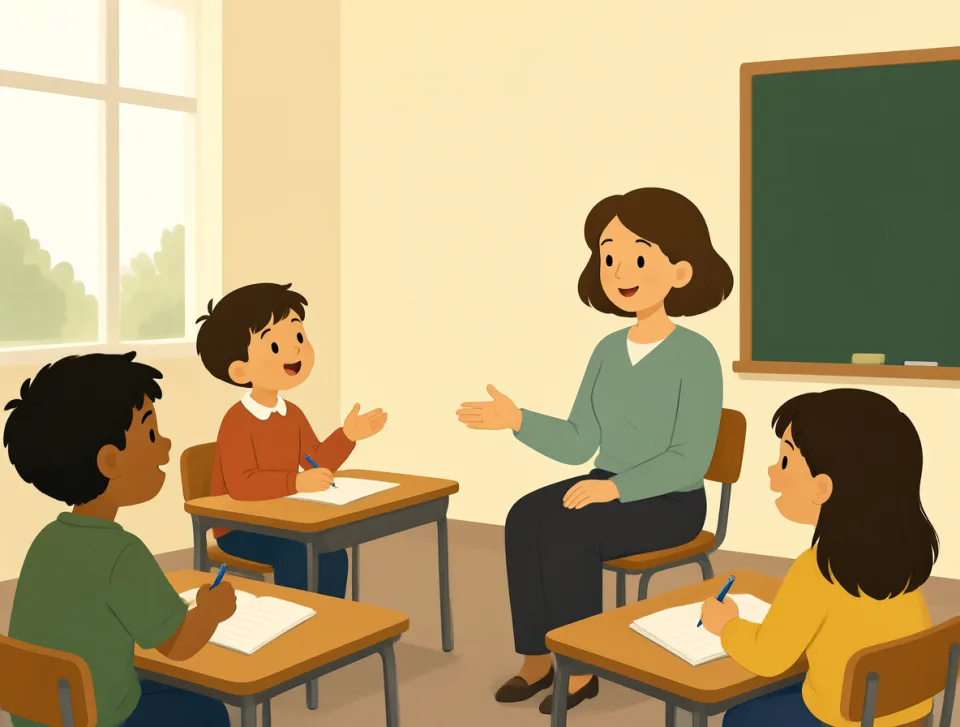
The teacher asked us to use our voices.
শিক্ষক আমাদের জোরে কথা বলতে বলেছিলেন।

She voiced her concerns about the trip.
ভ্রমণ নিয়ে সে তার উদ্বেগের কথা জানিয়েছিল।

piece
#608noun
টুকরো
a part of something, or an amount of food or information
কোনো কিছুর একটি অংশ, অথবা খাবার বা তথ্যের একটি পরিমাণ

I ate a piece of cake after dinner.
রাতের খাবারের পর আমি এক টুকরো কেক খেয়েছিলাম।
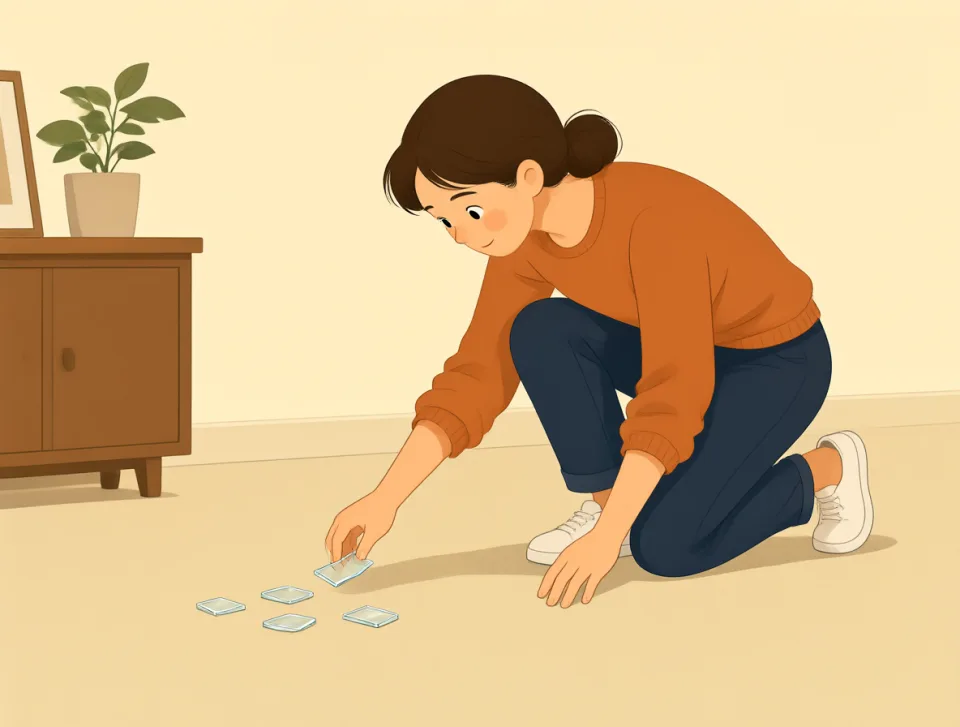
She found a piece of glass on the floor.
সে মেঝেতে কাচের একটি টুকরো পেয়েছিল।
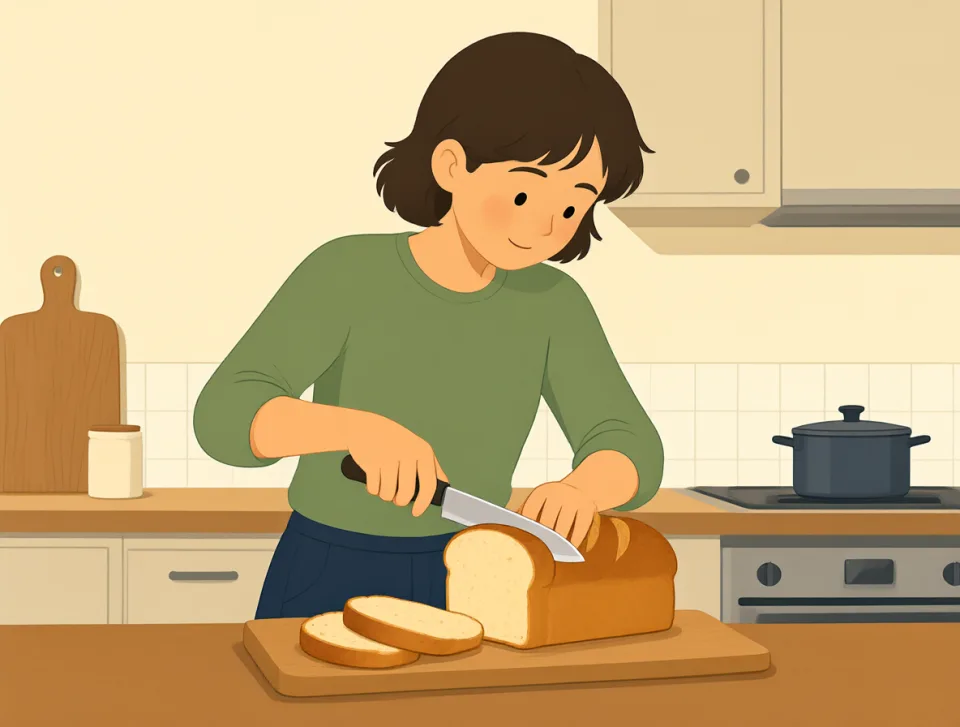
Please cut me a piece of bread.
দয়া করে আমাকে এক টুকরো রুটি কেটে দাও।
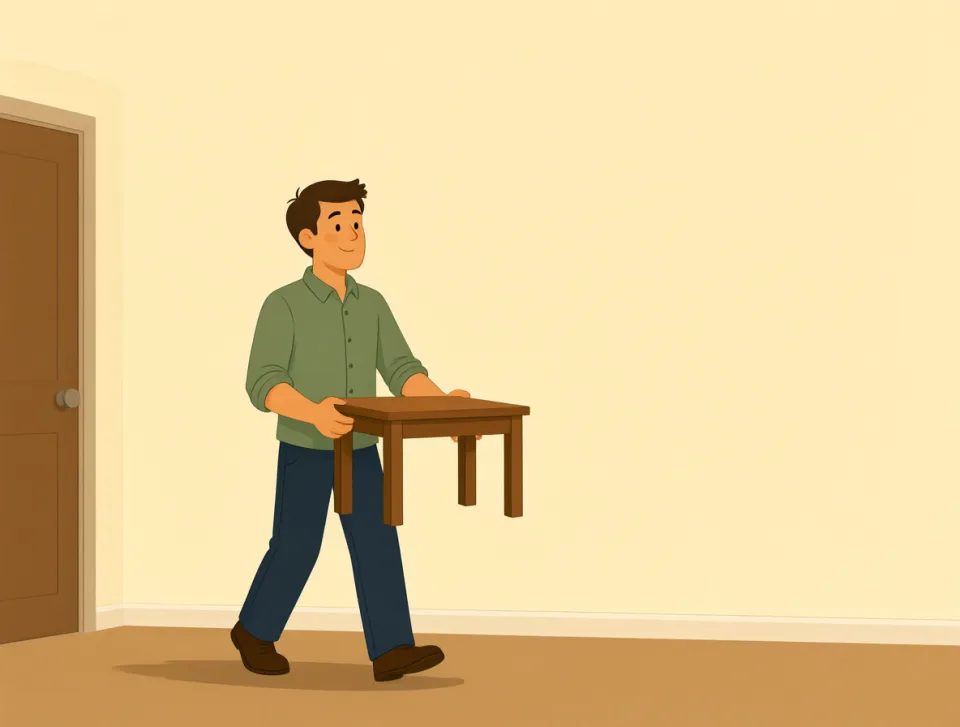
He bought a new piece of furniture.
সে নতুন একটি আসবাব কিনেছিল।

The teacher gave us a piece of advice.
শিক্ষক আমাদের একটি পরামর্শ দিয়েছিলেন।

finish
#609verb, noun
শেষ করা
To complete something or reach the end of it.
কোনো কিছু সম্পূর্ণ করা বা তার শেষ পর্যন্ত পৌঁছানো।

Please finish your homework before dinner.
রাতের খাবারের আগে দয়া করে তোমার বাড়ির কাজ শেষ করো।

She finished cleaning the kitchen.
সে রান্নাঘর পরিষ্কার করা শেষ করেছিল।

We finished our lunch and left.
আমরা দুপুরের খাবার শেষ করে চলে গিয়েছিলাম।

He finished the race in first place.
সে দৌড় প্রতিযোগিতা প্রথম হয়ে শেষ করেছিল।

The blue paint gives the table a smooth finish.
নীল রং টেবিলটিকে মসৃণ ফিনিশ দিয়েছে।

suppose
#610verb
মনে করা
to think something is probably true or to imagine a possible situation
কোনো কিছু সম্ভবত সত্য বলে মনে করা, অথবা সম্ভাব্য কোনো পরিস্থিতি কল্পনা করা
I suppose we can leave now.
আমার মনে হয়, আমরা এখন চলে যেতে পারি।

Suppose it rains during our picnic.
ধরো, আমাদের পিকনিকে বৃষ্টি হলো।

I suppose you are right about that.
আমার মনে হয়, এ ব্যাপারে তোমার কথাই ঠিক।

What do you suppose happened here?
তোমার কী মনে হয়, এখানে কী ঘটেছিল?
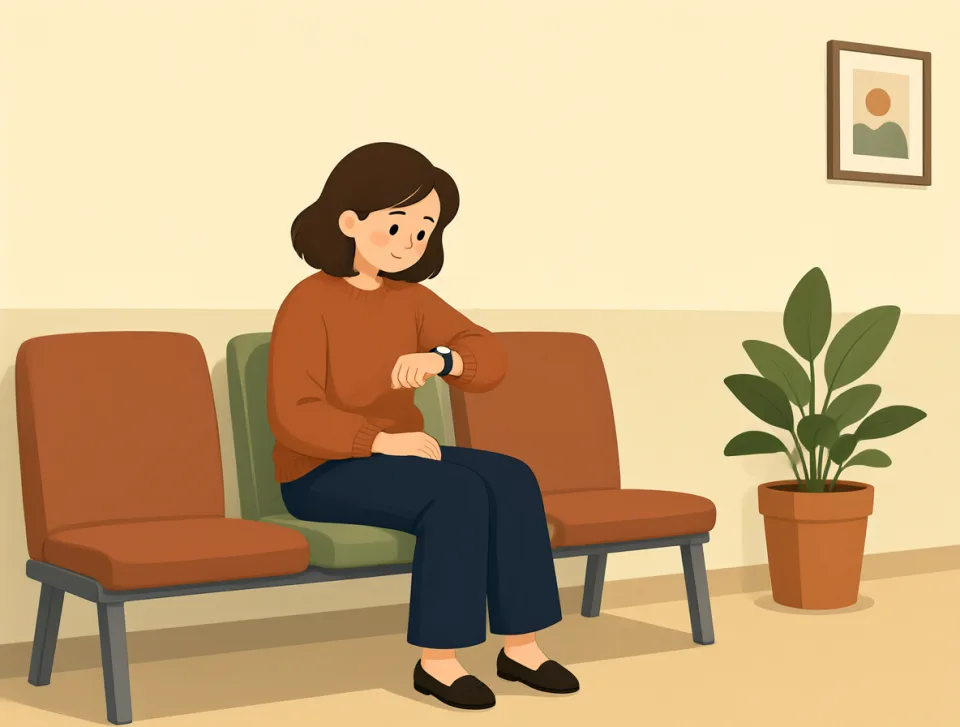
I suppose she forgot her appointment.
আমার মনে হয়, সে তার অ্যাপয়েন্টমেন্টের কথা ভুলে গিয়েছিল।

apply
#611verb
প্রয়োগ করা; আবেদন করা
to use something to a particular purpose or ask officially for something
কোনো কিছুকে নির্দিষ্ট কাজে ব্যবহার করা বা আনুষ্ঠানিকভাবে কোনো কিছুর জন্য আবেদন করা।
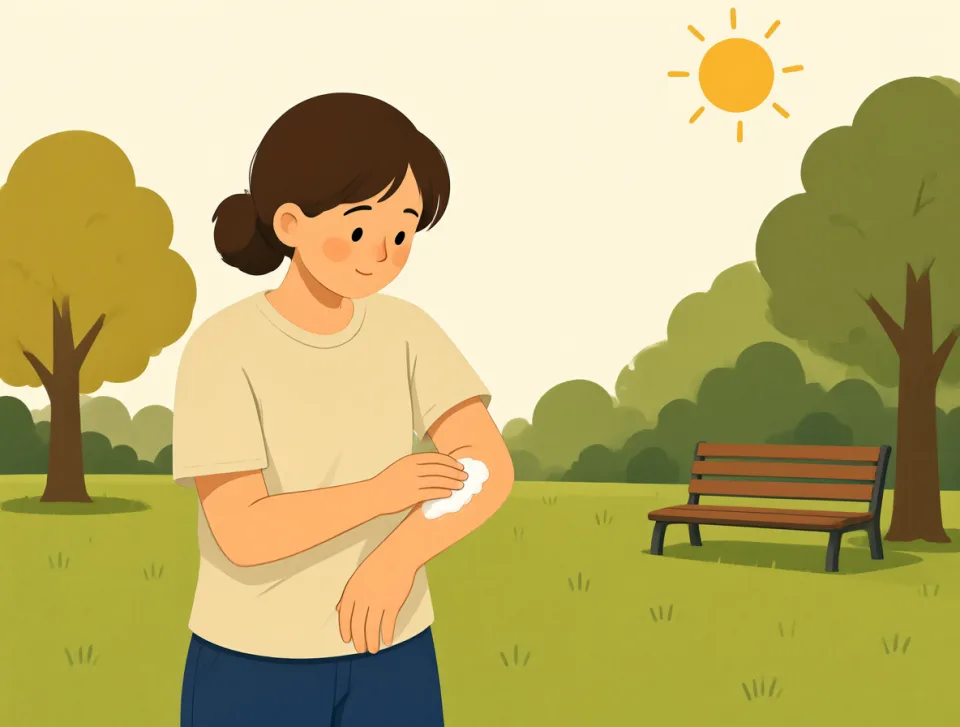
Apply sunscreen before you go outside.
বাইরে যাওয়ার আগে সানস্ক্রিন লাগাও।

She applied for a new job yesterday.
সে গতকাল নতুন চাকরির জন্য আবেদন করেছিল।

Please apply this cream twice a day.
দয়া করে এই ক্রিমটি দিনে দুবার লাগান।

The teacher applied the rule fairly.
শিক্ষক ন্যায্যভাবে নিয়মটি প্রয়োগ করেছিলেন।

This discount applies to all shoes.
এই ছাড়টি সব জুতার ক্ষেত্রে প্রযোজ্য।
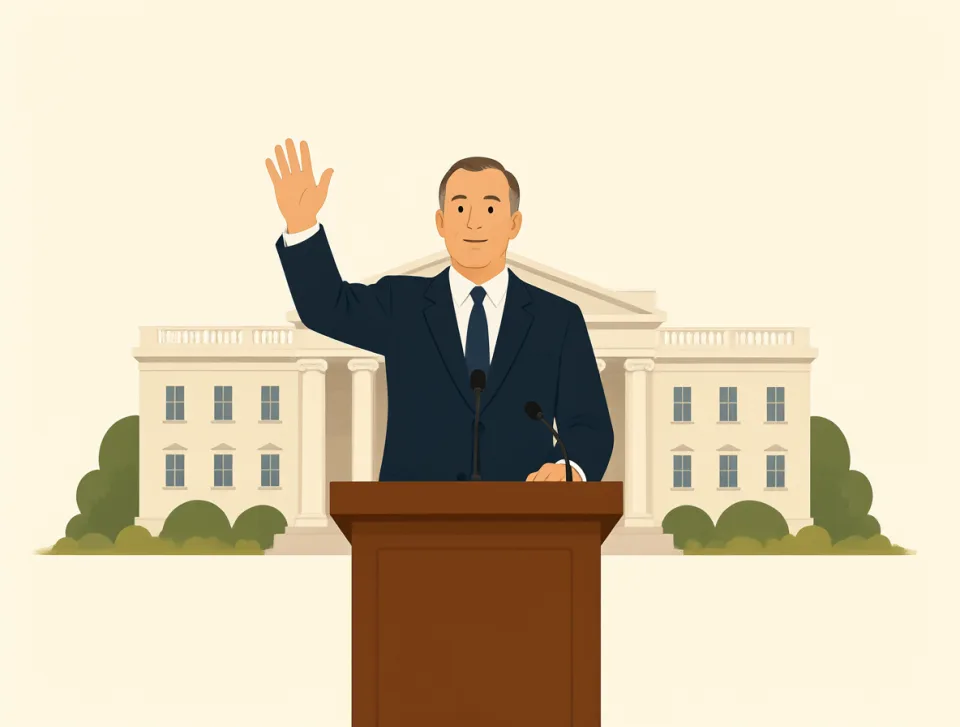
president
#612noun
সভাপতি; প্রেসিডেন্ট
The elected leader of a country or the person who leads an organization.
কোনো দেশের নির্বাচিত নেতা বা কোনো প্রতিষ্ঠানের প্রধান।
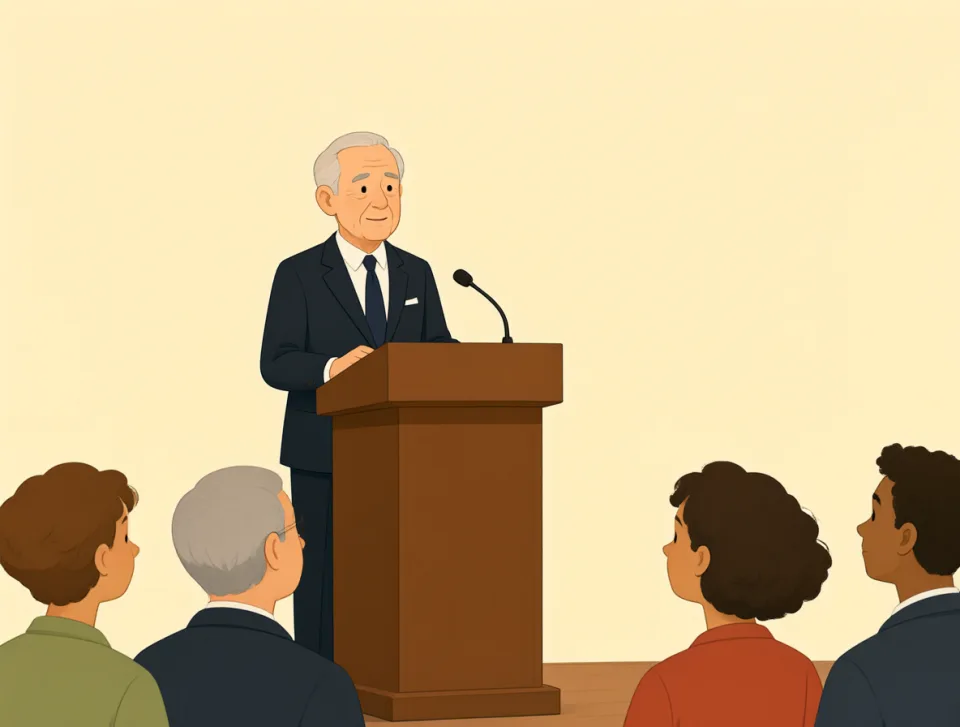
The president gave a speech yesterday.
প্রেসিডেন্ট গতকাল একটি বক্তৃতা দিয়েছিলেন।

The president met the workers this morning.
প্রেসিডেন্ট আজ সকালে কর্মীদের সঙ্গে দেখা করেছিলেন।

Our club president planned the meeting.
আমাদের ক্লাবের সভাপতি সভার পরিকল্পনা করেছিলেন।

The school president welcomed new students.
স্কুলের সভাপতি নতুন শিক্ষার্থীদের স্বাগত জানিয়েছিলেন।

The company president visited our office.
কোম্পানির প্রেসিডেন্ট আমাদের অফিসে এসেছিলেন।

fire
#613noun, verb
আগুন; বরখাস্ত করা
Fire is heat and light from burning; to fire someone means to make them leave a job.
আগুন জ্বললে তাপ ও আলো তৈরি হয়; কাউকে fire করা মানে তাকে চাকরি থেকে বরখাস্ত করা।

We sat around the fire last night.
গত রাতে আমরা আগুনের চারপাশে বসেছিলাম।
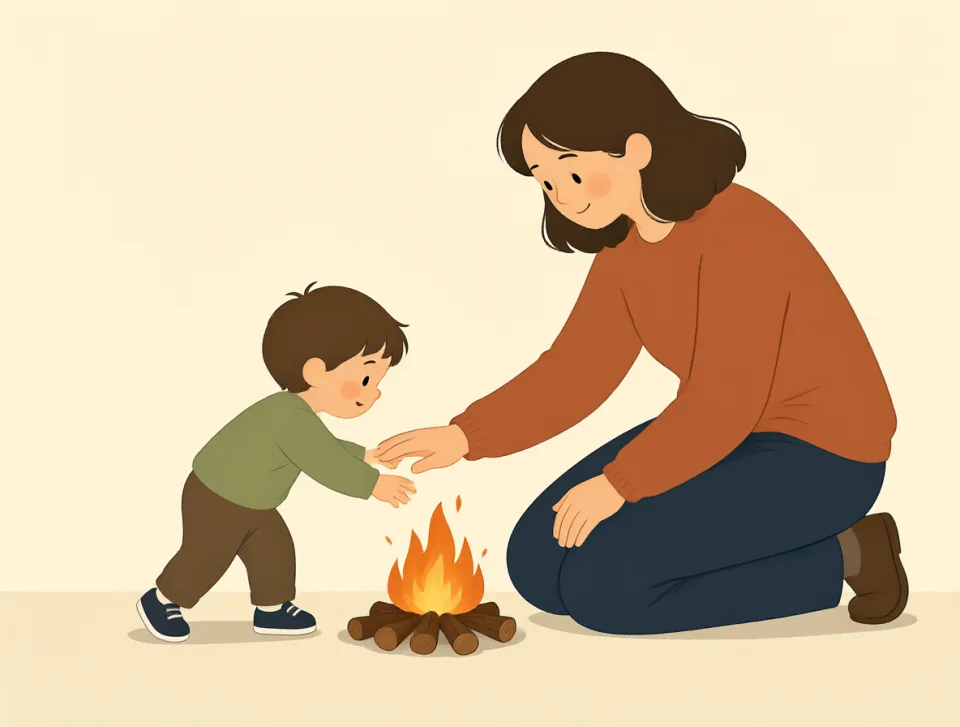
Please do not play with fire.
দয়া করে আগুন নিয়ে খেলো না।
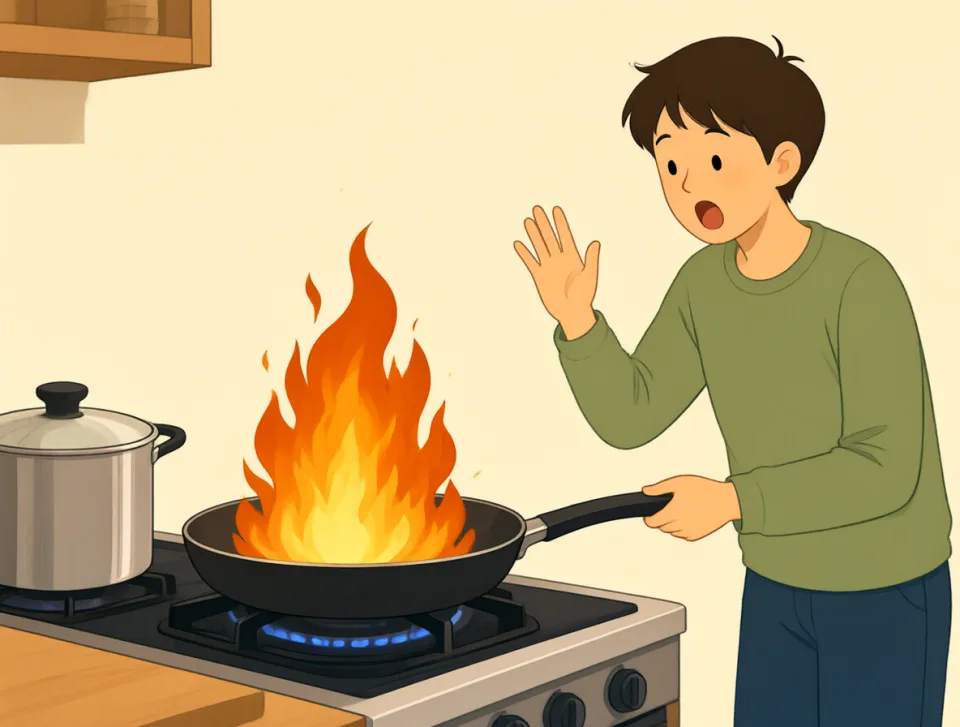
The fire started in the kitchen.
রান্নাঘরে আগুন লেগেছিল।

The manager fired him yesterday.
ম্যানেজার গতকাল তাকে চাকরি থেকে বরখাস্ত করেছিলেন।
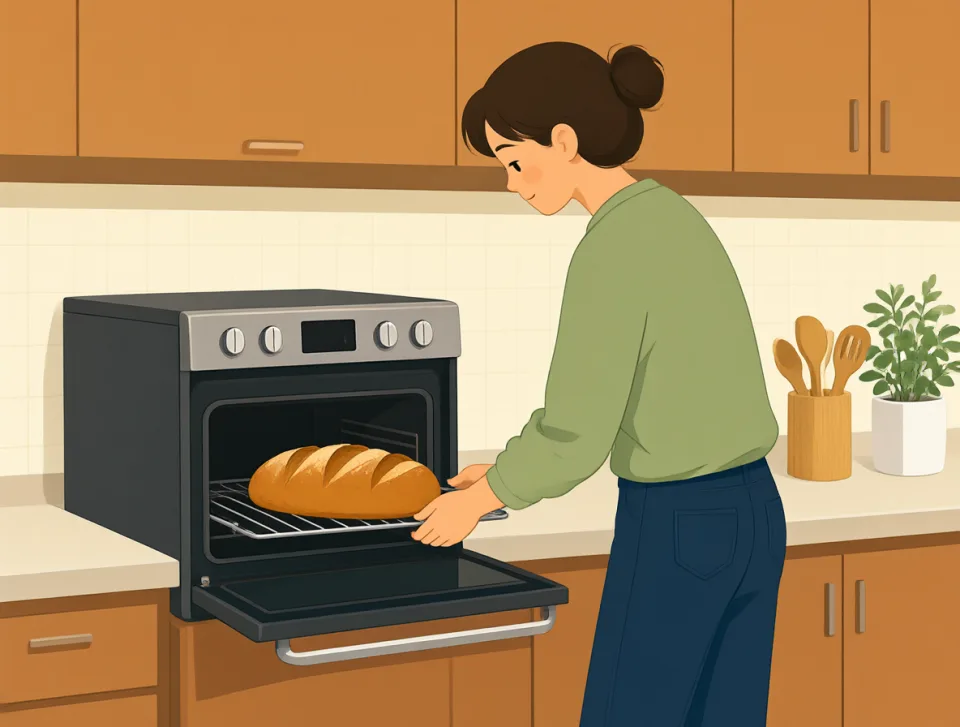
Fire the oven before baking the bread.
রুটি সেঁকার আগে ওভেনটি গরম করে নিন।

compare
#614verb
তুলনা করা
to look at two or more things and see how they are alike or different
দুই বা তার বেশি জিনিস দেখে সেগুলোর মিল বা অমিল খুঁজে বের করা।

Compare these two prices before you buy.
কেনার আগে এই দুই দামের তুলনা করো।

We compared the hotels before booking our trip.
ভ্রমণের বুকিং দেওয়ার আগে আমরা হোটেলগুলো তুলনা করেছিলাম।
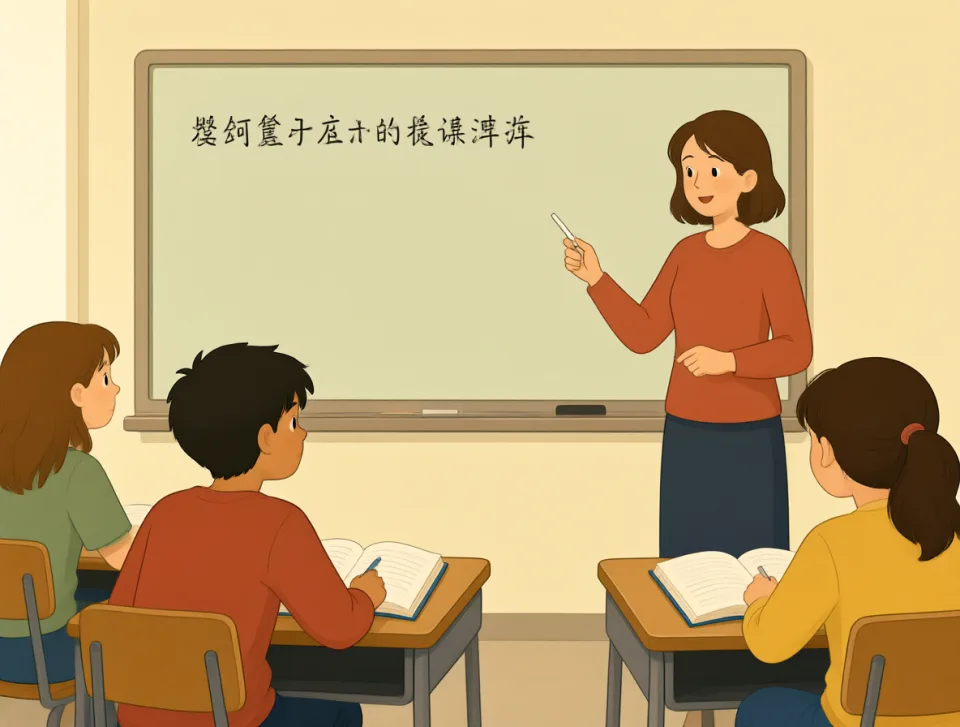
The teacher asked us to compare two stories.
শিক্ষক আমাদের দুটি গল্পের তুলনা করতে বলেছিলেন।
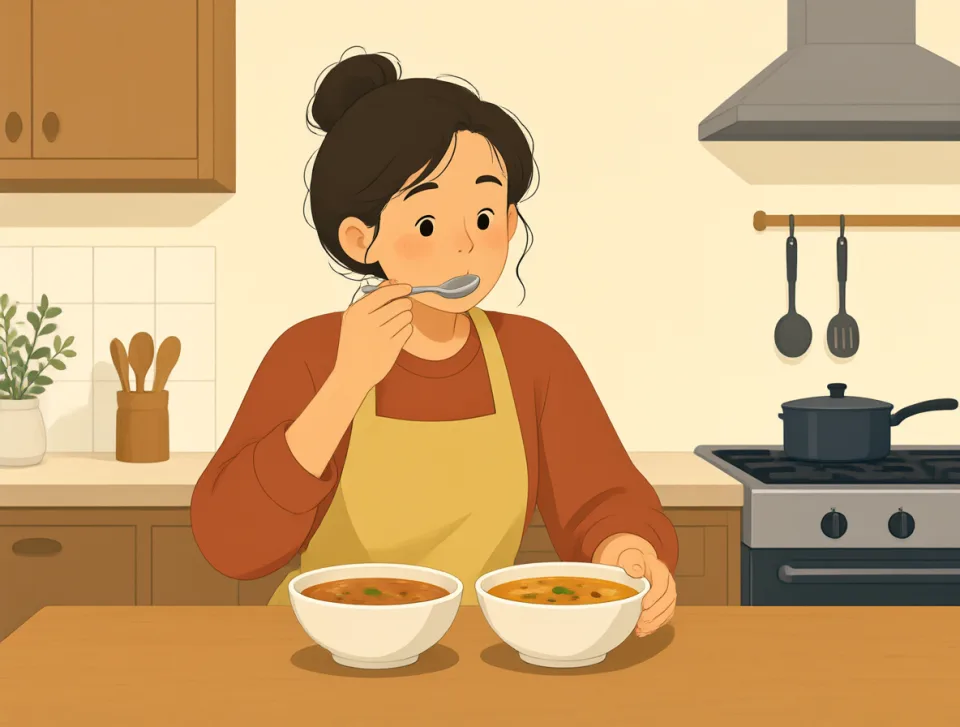
Compare this soup with yesterday’s soup.
গতকালের স্যুপের সঙ্গে এই স্যুপের তুলনা করো।

I compared my headache with my friend’s.
আমি আমার মাথাব্যথার সঙ্গে বন্ধুর মাথাব্যথার তুলনা করেছিলাম।
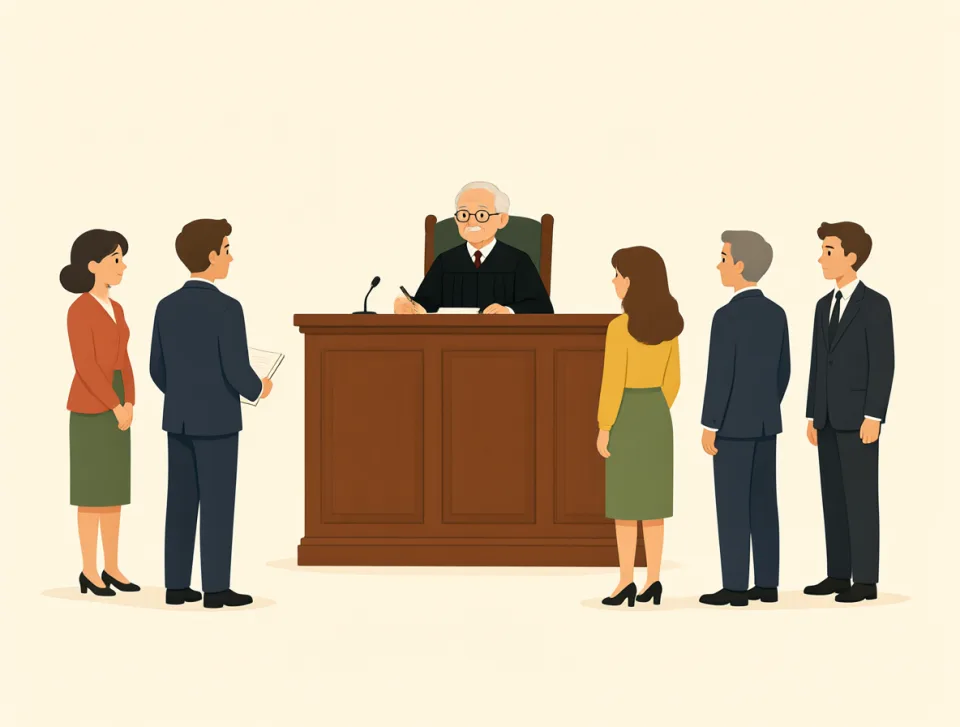
court
#615noun, verb
আদালত; সমর্থন আদায়ের চেষ্টা করা
A place where legal cases are heard, or to try hard to gain someone's support.
যে জায়গায় আইনি মামলার শুনানি হয়, অথবা কারও সমর্থন পাওয়ার জন্য জোর চেষ্টা করা।
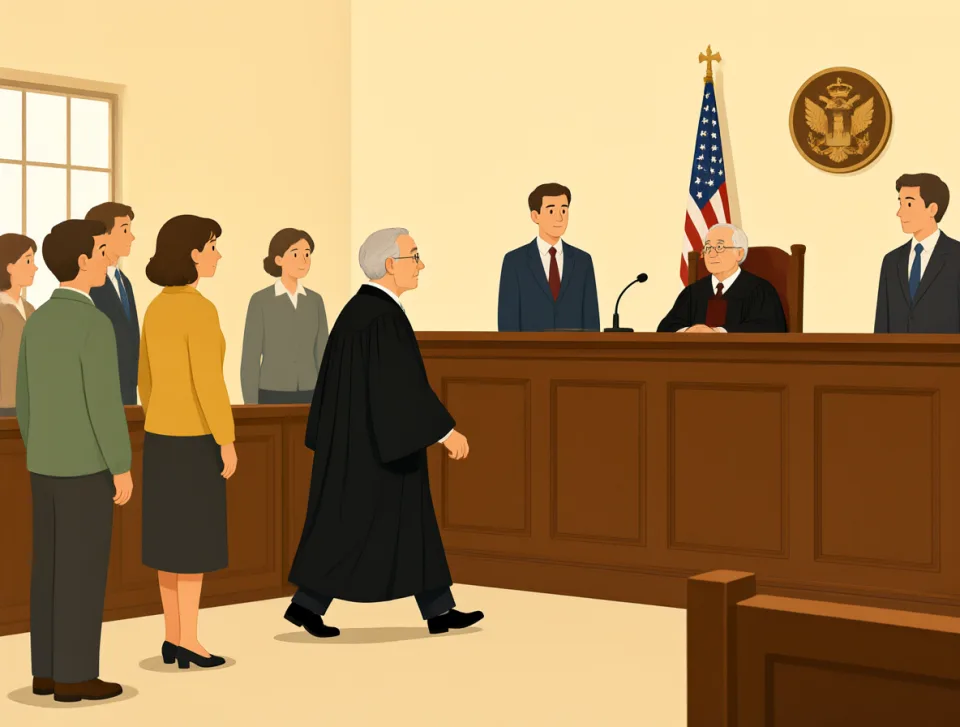
The judge entered the court quietly.
বিচারক নীরবে আদালতে প্রবেশ করলেন।

They went to court over the problem.
সমস্যাটি নিয়ে তারা আদালতে গিয়েছিল।

She courted support from her friends.
সে বন্ধুদের কাছ থেকে সমর্থন আদায়ের চেষ্টা করেছিল।
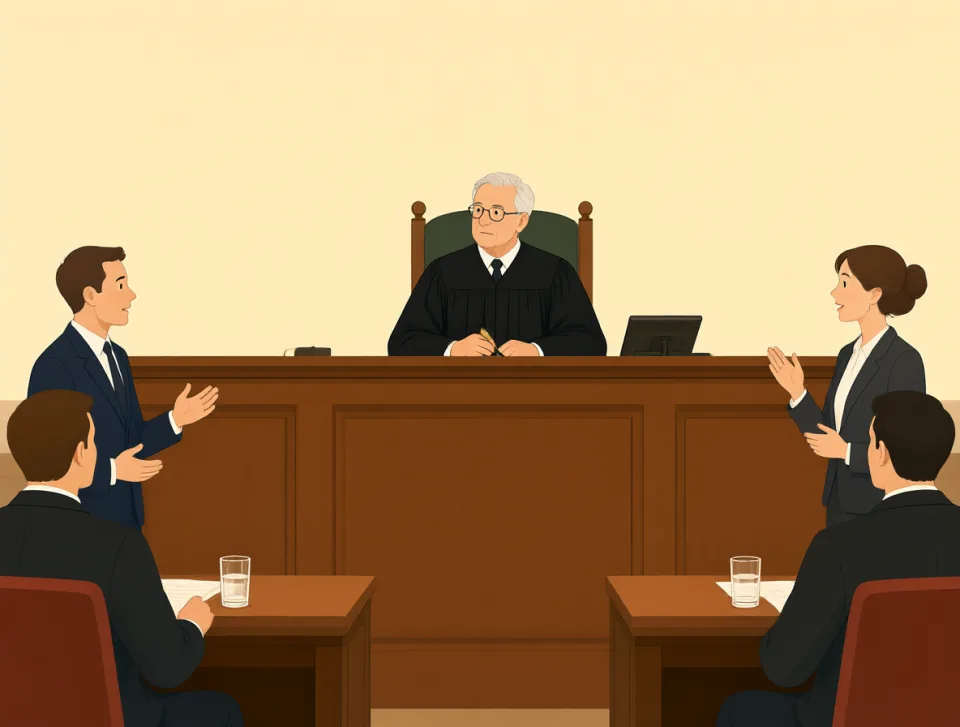
The court heard the case yesterday.
আদালত গতকাল মামলাটির শুনানি করেছিল।

We played tennis on the court.
আমরা টেনিস কোর্টে খেলেছিলাম।

police
#616noun, verb
পুলিশ
The official organization that keeps people safe and stops crime.
মানুষকে নিরাপদ রাখে এবং অপরাধ দমন করে—এমন সরকারি সংস্থা।

The police caught the thief yesterday.
পুলিশ গতকাল চোরটিকে ধরেছে।

Call the police if you see trouble.
কোনো ঝামেলা দেখলে পুলিশকে ডাকো।

The police are checking our bags.
পুলিশ আমাদের ব্যাগগুলো পরীক্ষা করছে।

She works for the police in London.
সে লন্ডনে পুলিশের চাকরি করে।

Police stopped the car near our home.
পুলিশ আমাদের বাড়ির কাছে গাড়িটিকে থামিয়েছিল।
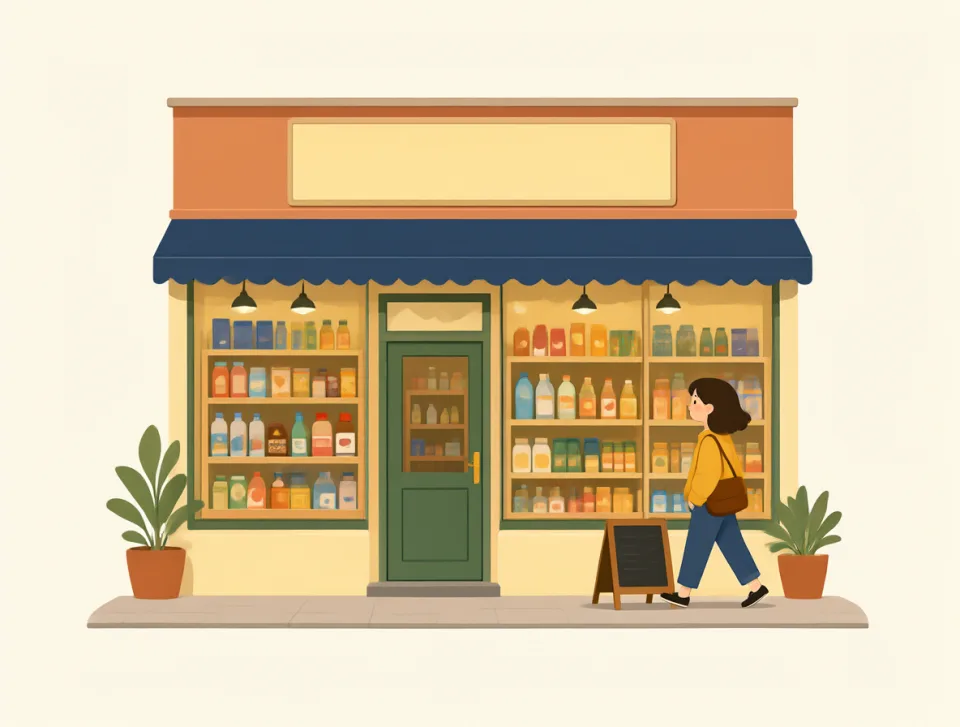
store
#617noun, verb
দোকান; সংরক্ষণ করা
A place where people buy things, or to keep something for future use.
যে জায়গায় মানুষ জিনিসপত্র কেনে, অথবা ভবিষ্যতে ব্যবহারের জন্য কিছু রেখে দেওয়া।
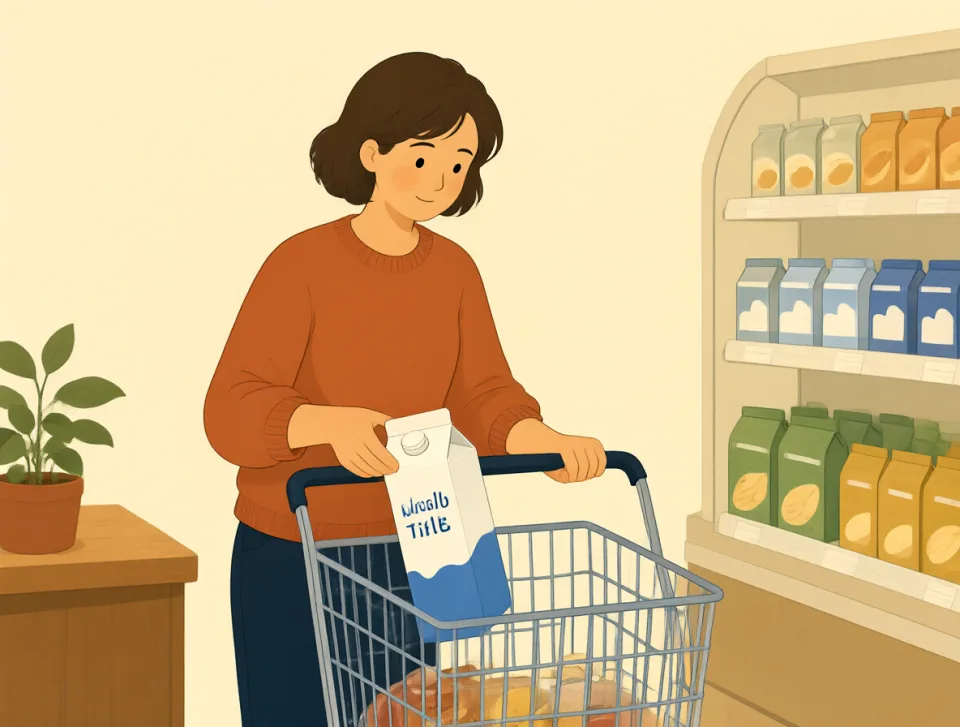
I bought milk at the store.
আমি দোকান থেকে দুধ কিনেছি।

The store closes at eight tonight.
আজ রাতে দোকানটা আটটায় বন্ধ হবে।
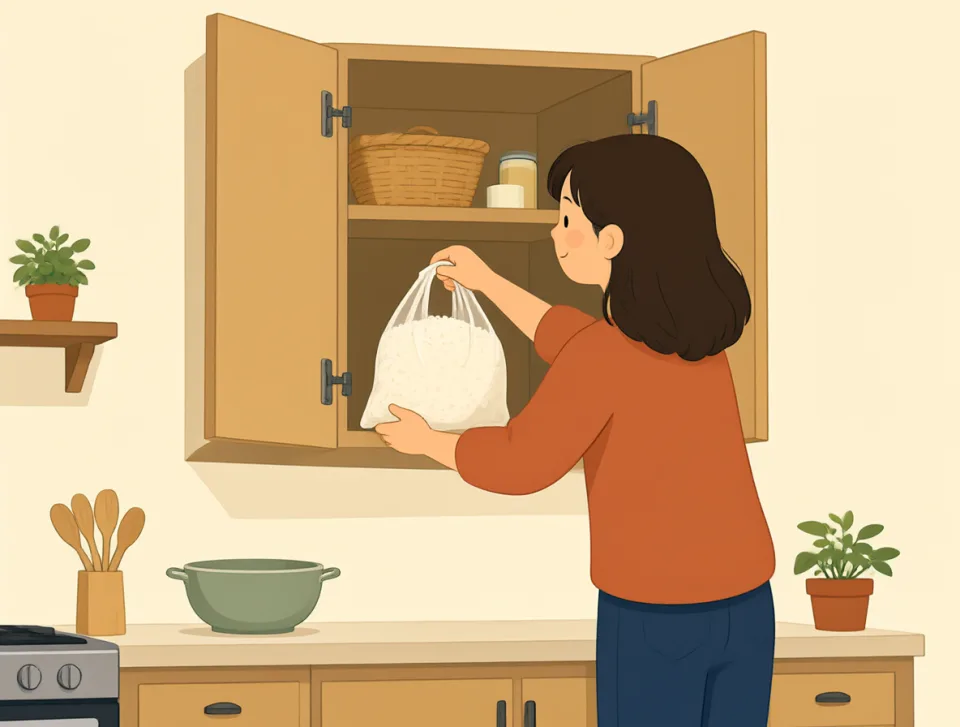
Please store the rice in a dry place.
দয়া করে চাল শুকনো জায়গায় রাখো।

We stored our bags under the bed.
আমরা আমাদের ব্যাগগুলো বিছানার নিচে রেখেছিলাম।

The store sells fresh fruit and vegetables.
দোকানটিতে তাজা ফল ও সবজি বিক্রি হয়।
poor
#618adjective, noun
দরিদ্র; নিম্নমানের
Having little money, or being of low quality.
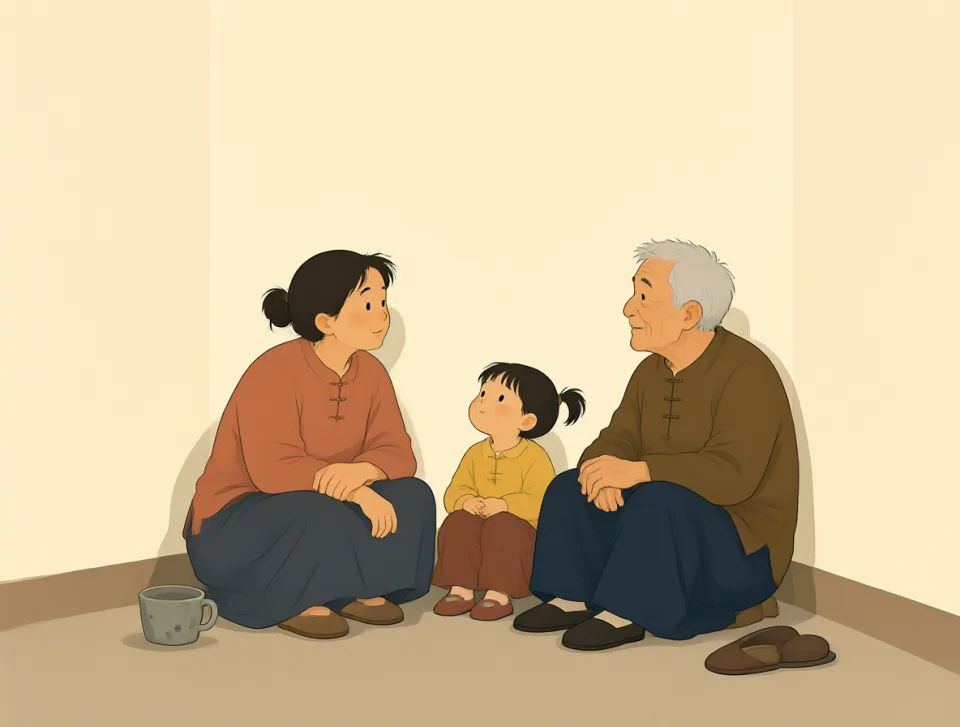
যার অর্থসম্পদ কম, অথবা যার মান খারাপ।
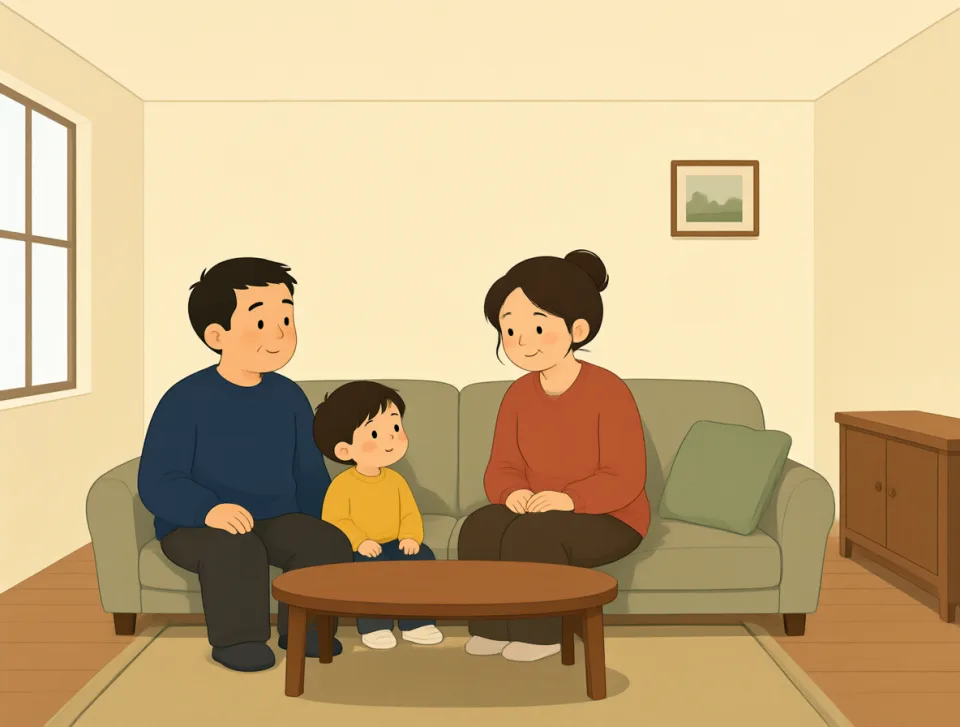
The poor family needs a warm home.
দরিদ্র পরিবারটির একটি উষ্ণ বাড়ি দরকার।
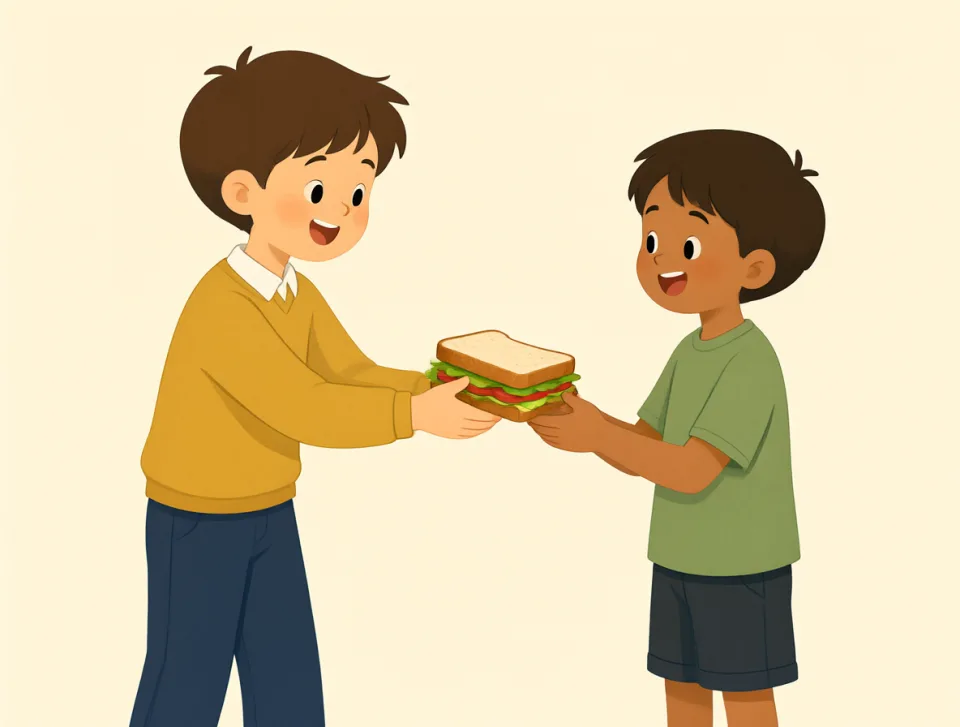
The poor boy shared his lunch.
দরিদ্র ছেলেটি তার দুপুরের খাবার ভাগ করে নিয়েছিল।
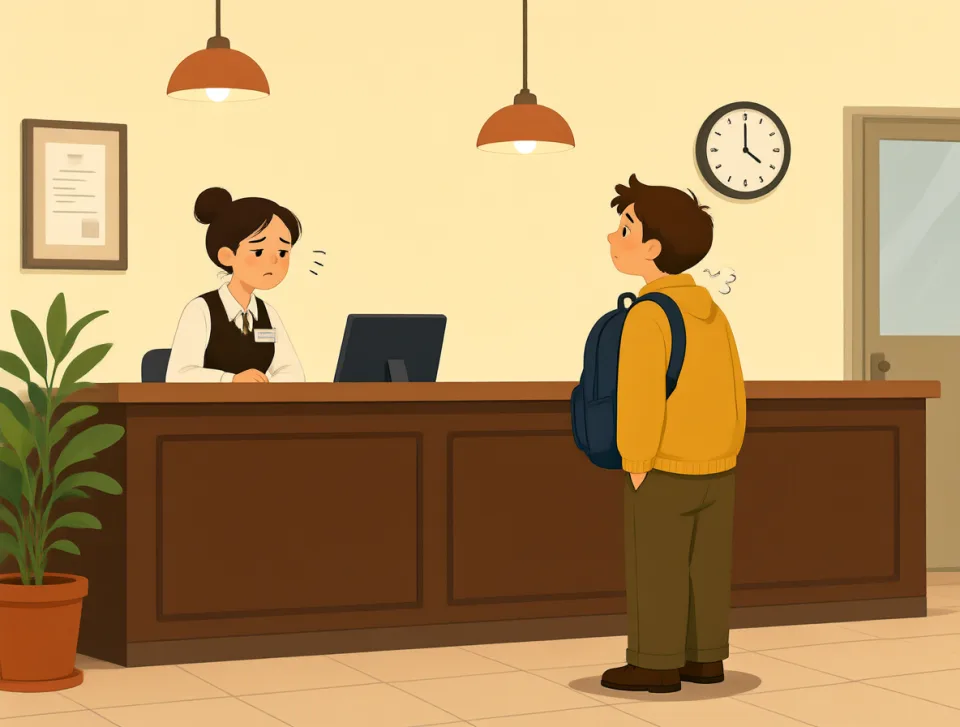
We had poor service at the hotel.
হোটেলটিতে আমরা নিম্নমানের সেবা পেয়েছিলাম।
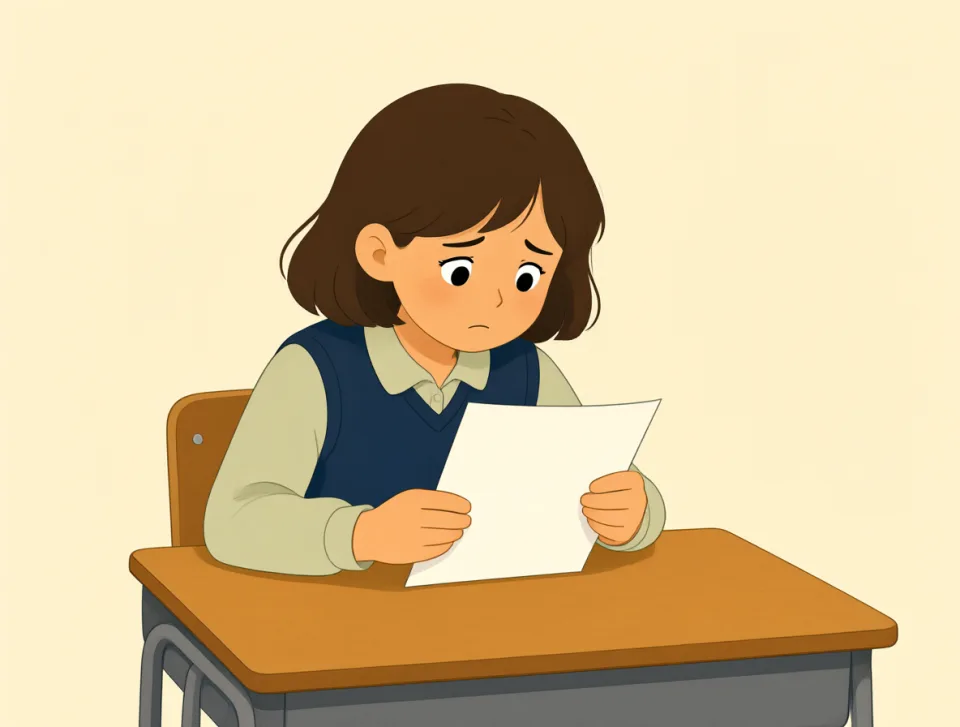
She got poor marks on the test.
পরীক্ষায় তার নম্বর খারাপ হয়েছিল।

This restaurant serves poor food.
এই রেস্তোরাঁয় নিম্নমানের খাবার পরিবেশন করা হয়।
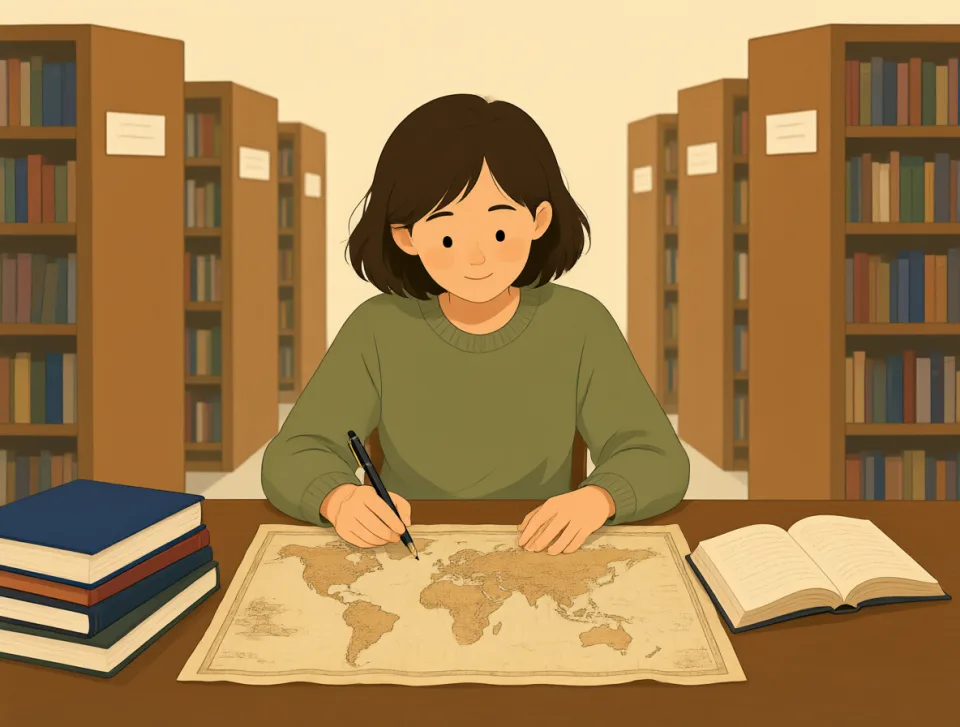
knowledge
#619noun
জ্ঞান
Facts and information that a person knows about a subject or the world.
কোনো ব্যক্তি কোনো বিষয় বা পৃথিবী সম্পর্কে যে তথ্য ও সত্য জানেন।
She has good knowledge of local history.
স্থানীয় ইতিহাস সম্পর্কে তার ভালো জ্ঞান আছে।

Knowledge of English helps at work.
কর্মক্ষেত্রে ইংরেজি জ্ঞান কাজে লাগে।
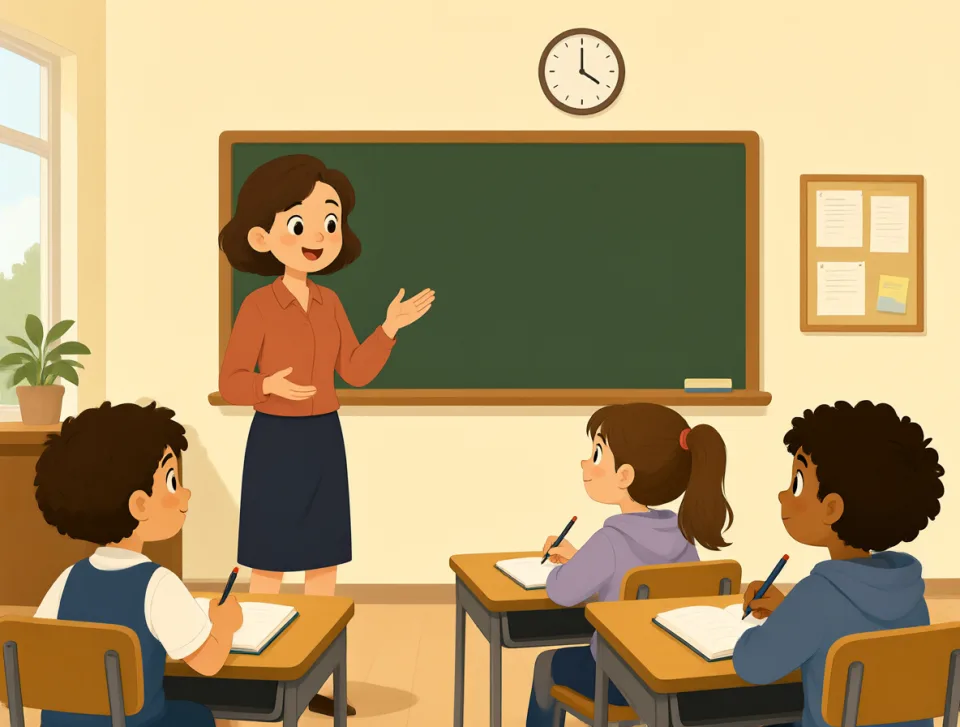
He shared his knowledge with the students.
সে শিক্ষার্থীদের সঙ্গে তার জ্ঞান ভাগ করে নিয়েছিল।
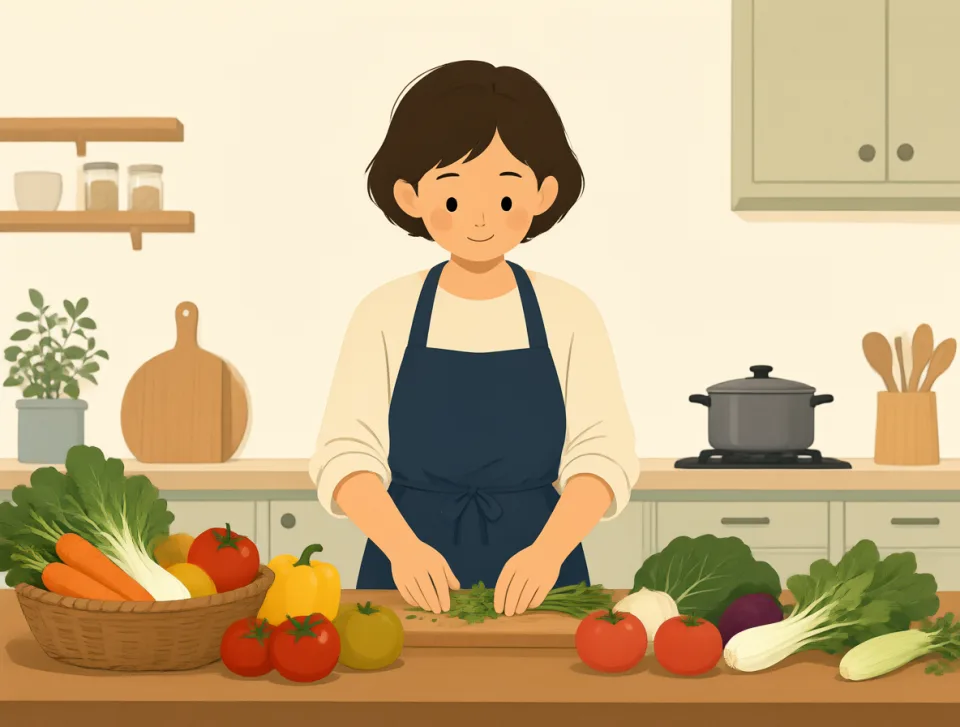
I need more knowledge about healthy food.
স্বাস্থ্যকর খাবার সম্পর্কে আমার আরও জ্ঞান দরকার।

Her medical knowledge helped the sick traveler.
তার চিকিৎসাবিষয়ক জ্ঞান অসুস্থ যাত্রীটির কাজে লেগেছিল।

laugh
#620verb, noun
হাসা; হাসি
To make a happy sound or smile because something is funny.
কোনো কিছু মজার লাগলে আনন্দের শব্দ করা বা হাসিমুখ করা।

We laughed at Dad's funny joke.
বাবার মজার কৌতুক শুনে আমরা হেসেছিলাম।

The children laughed loudly in class.
ক্লাসে বাচ্চারা জোরে হেসেছিল।
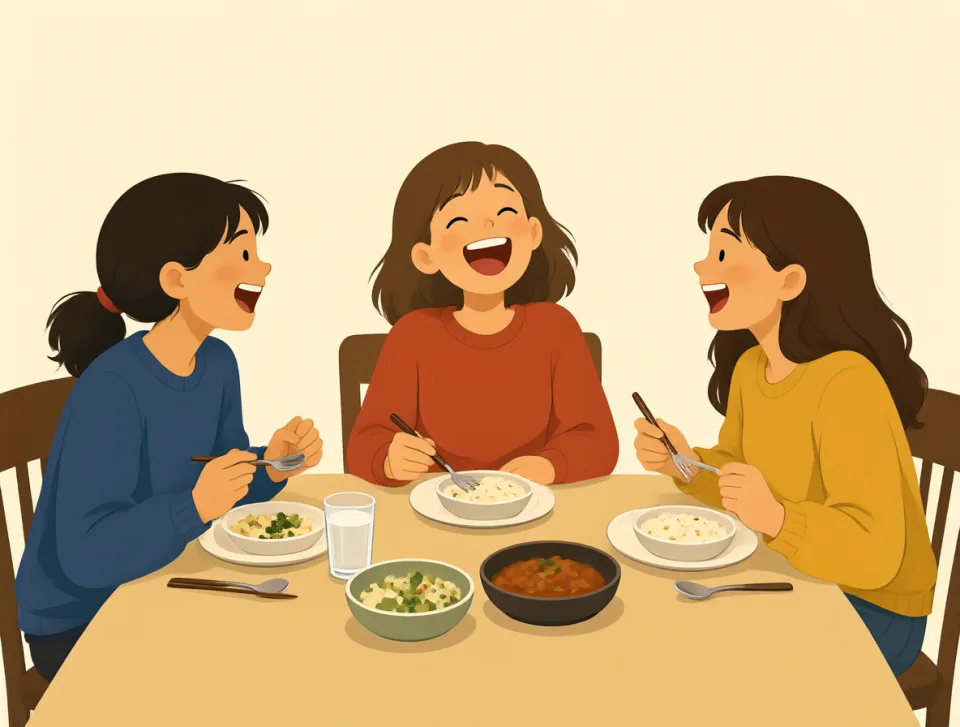
She laughed with her friends at lunch.
দুপুরের খাবারের সময় সে বন্ধুদের সঙ্গে হেসেছিল।

He laughed when he saw the silly hat.
হাস্যকর টুপিটা দেখে সে হেসেছিল।

Her laugh made everyone feel happy.
তার হাসি সবার মন ভালো করে দিয়েছিল।