單元 31
單字 601–620 · particularly, wife, sport, prepare, discuss, response

particularly
#601adverb
特別;尤其
More than usual or more than others in a particular way.
以一種特別的方式,比平時或比其他事物更多。
I particularly like this warm soup.
我特別喜歡這碗熱湯。

She was particularly tired after work.
她下班後特別累。

This shop is particularly busy today.
這家店今天特別忙。
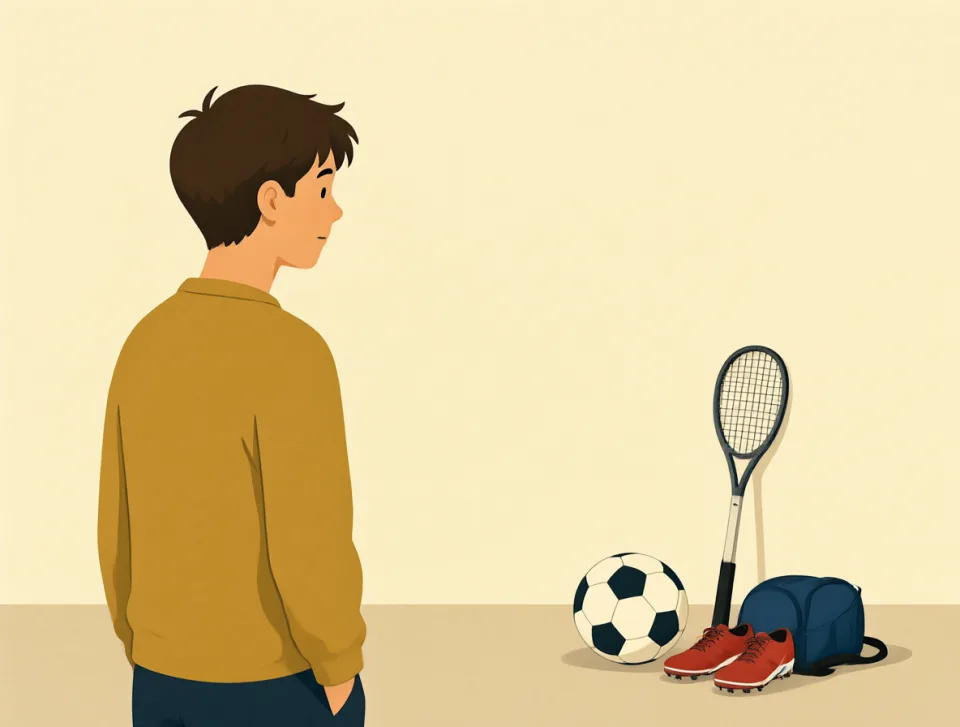
He enjoys sports, particularly football.
他喜歡運動,尤其是足球。
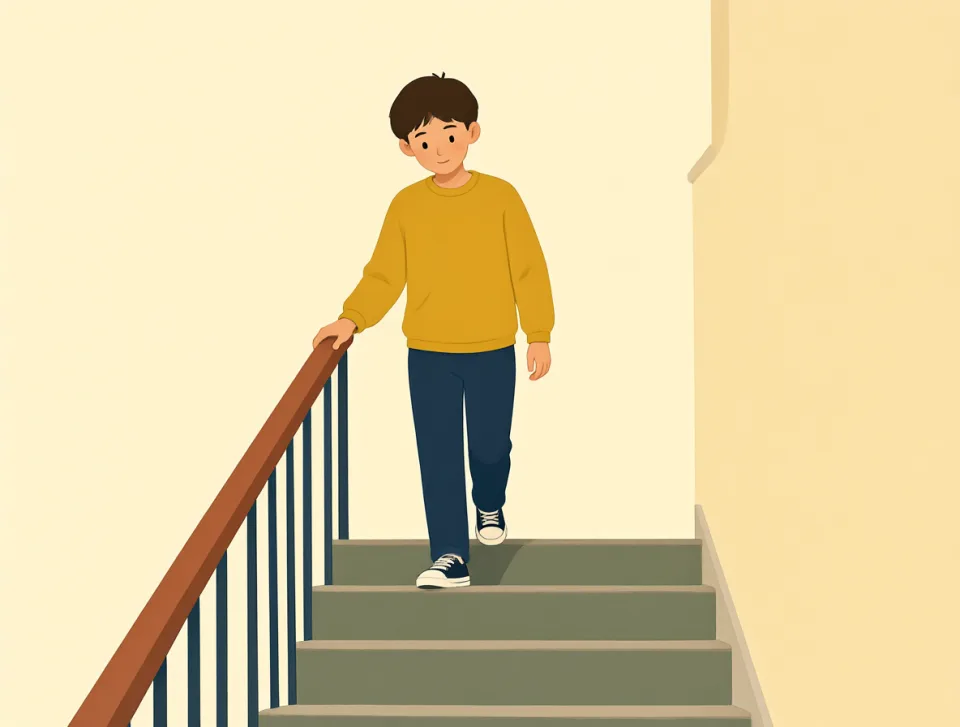
Please be particularly careful on these stairs.
請在這段樓梯上格外小心。

wife
#602noun
妻子;太太
A married woman, or a woman you are married to.
已婚女性,或與你結婚的女性。

His wife is making dinner tonight.
他妻子今晚做晚飯。
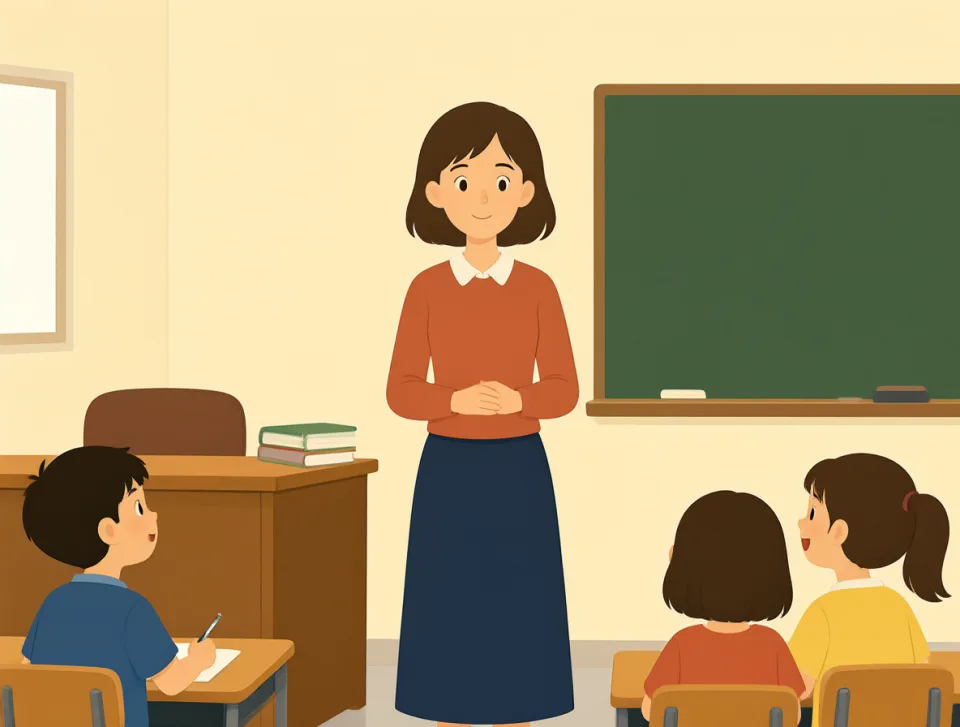
My wife works at the local school.
我妻子在當地的學校工作。

I bought flowers for my wife.
我買了些花送給妻子。
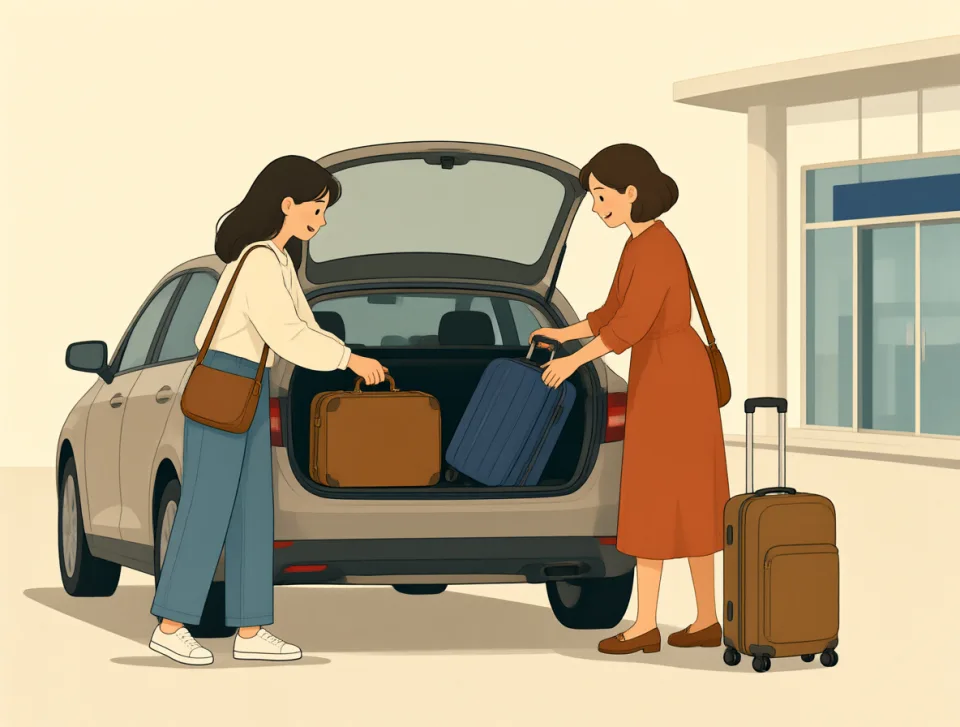
Her wife drove them to the airport.
她妻子開車送他們去了機場。

His wife feels better after seeing the doctor.
看過醫生後,他妻子感覺好多了。
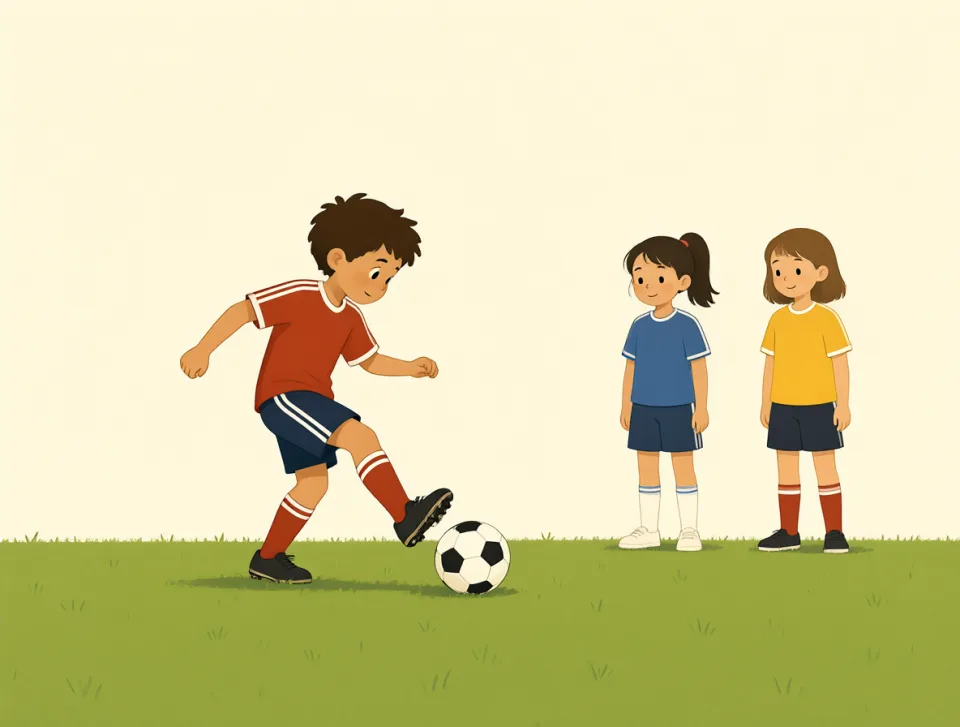
sport
#603noun, verb
運動;體育運動
A game or activity that people do for exercise, fun, or competition.
人們為了鍛鍊、娛樂或比賽而進行的遊戲或活動。
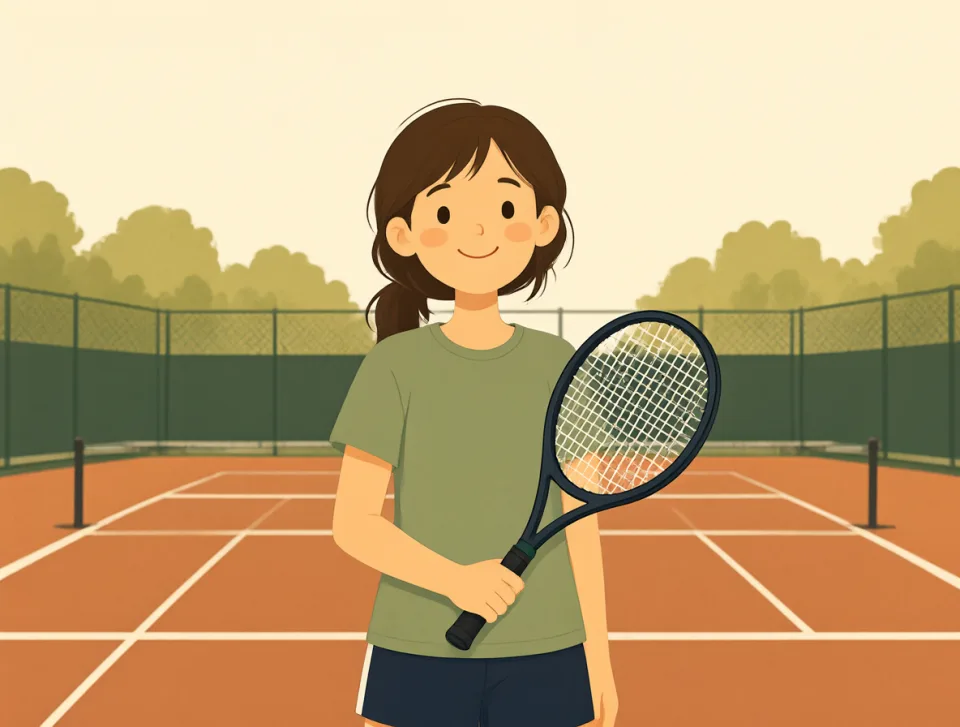
My favorite sport is tennis.
我最喜歡的運動是網球。

He plays sport after school.
他放學後做運動。

Sport can help you stay healthy.
運動可以幫助你保持健康。

The shop sells clothes for sport.
這家商店賣運動服。

We talked about sport on the train.
我們在火車上談論了體育運動。
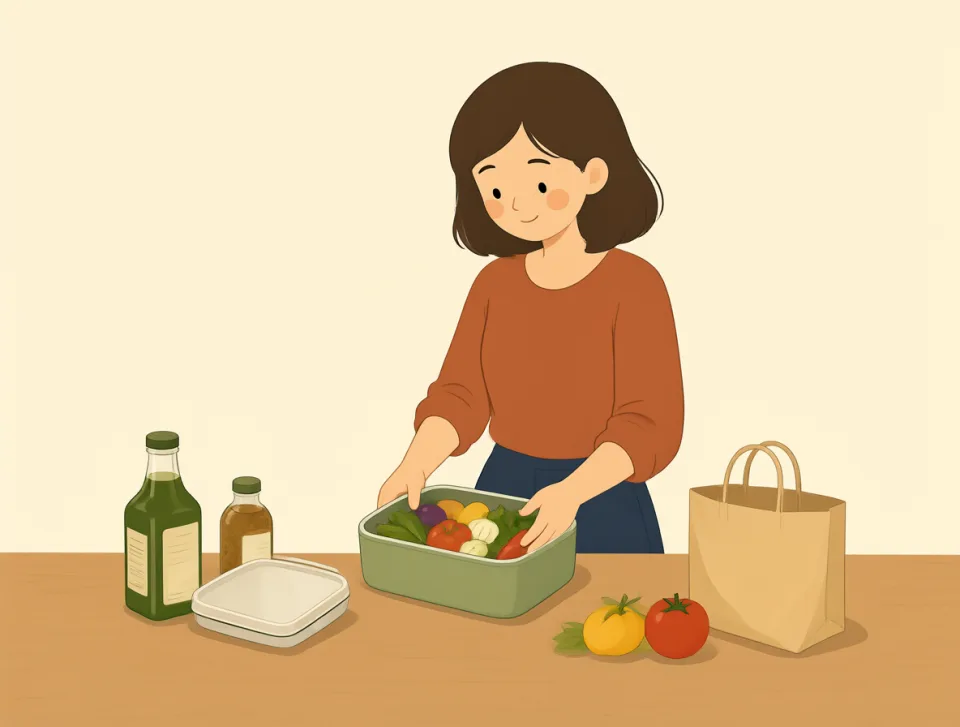
prepare
#604verb
準備;預備
to get ready for something or make something ready
為某事做好準備或把某物準備好
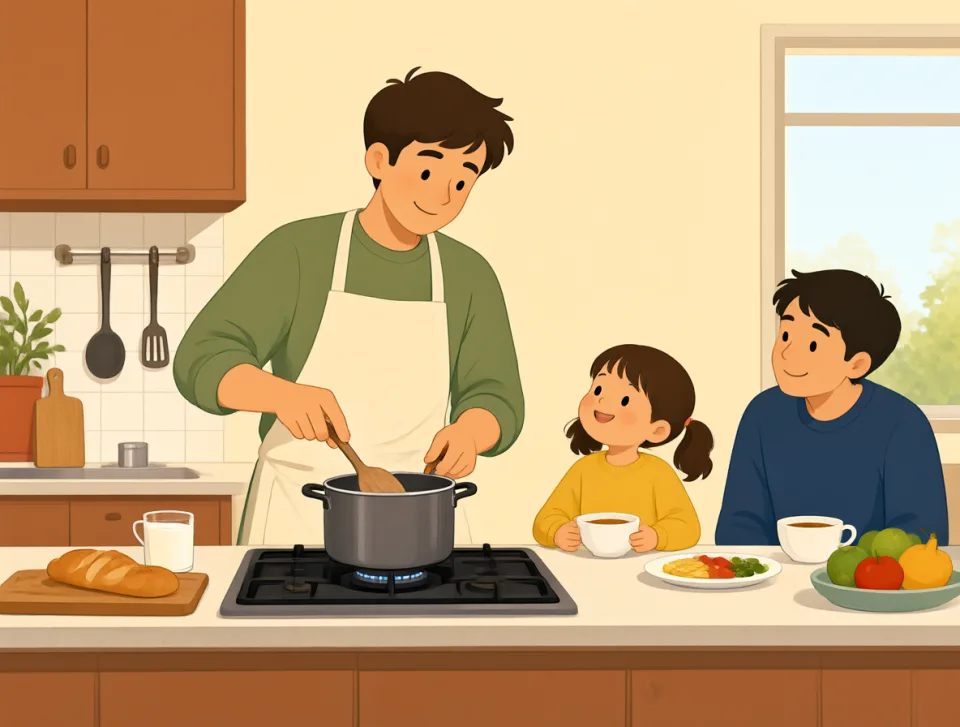
I prepare breakfast for my family every morning.
我每天早上為家人準備早餐。

We are preparing for the school test.
我們正在為學校考試做準備。

She prepared a report for the meeting.
她為會議準備了一份報告。

He prepared his suitcase before the trip.
旅行前,他收拾好了自己的行李箱。
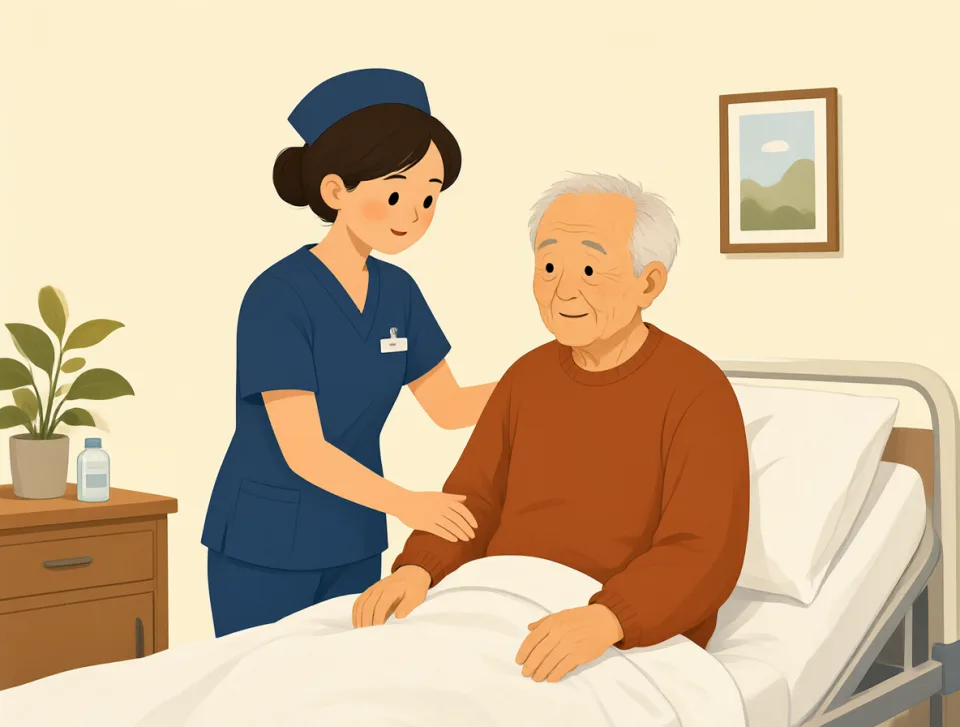
The nurse prepared the patient for surgery.
護士為病人做好了手術準備。

discuss
#605verb
討論;談論
to talk about something with another person or group
和另一個人或一群人談論某件事

We discussed our weekend plans over dinner.
我們邊吃晚飯邊討論了週末的計劃。
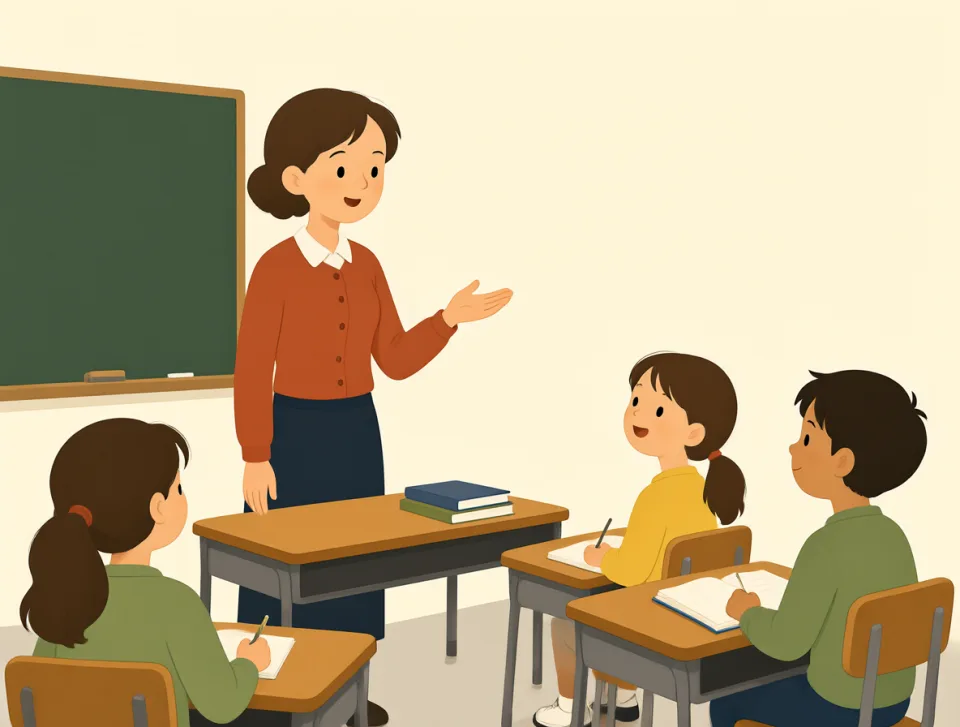
The teacher discussed the homework with us.
老師和我們討論了家庭作業。

They discussed the problem at work.
他們在工作時討論了這個問題。

We discussed which hotel to book.
我們討論了要訂哪家酒店。

The doctor discussed my treatment with me.
醫生和我討論了治療方案。

response
#606noun
回應;反應
an answer or reaction to something that someone says, asks, or does
對某人所說、所問或所做事情的回答或反應

I am waiting for your response.
我正在等你的回覆。
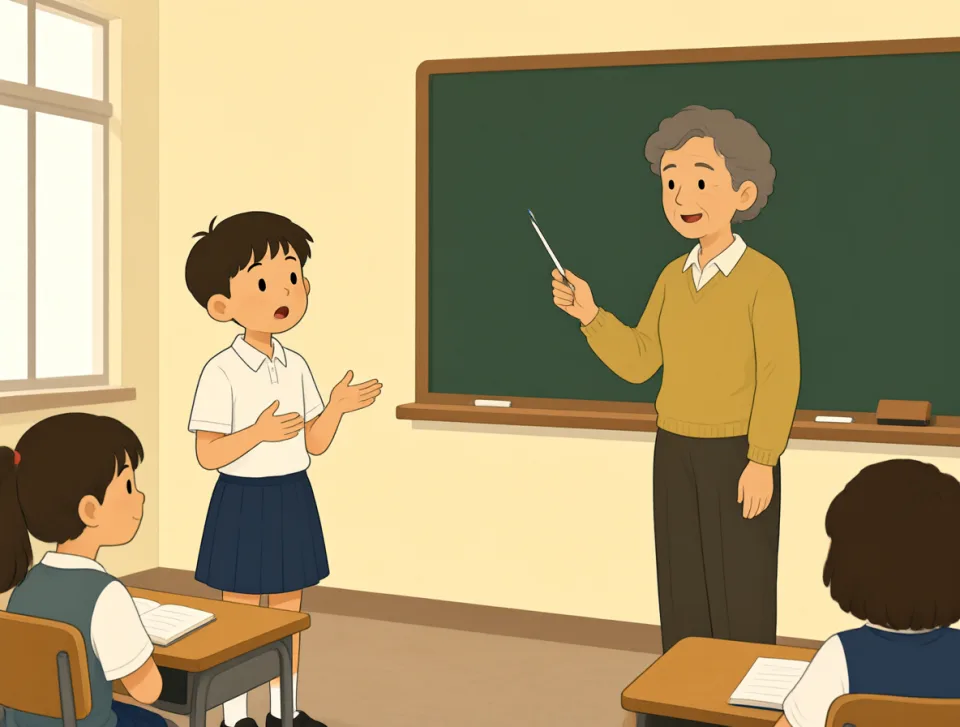
His response to the question was clear.
他對這個問題的回答很清楚。

The company sent a quick response.
公司迅速作出了回應。
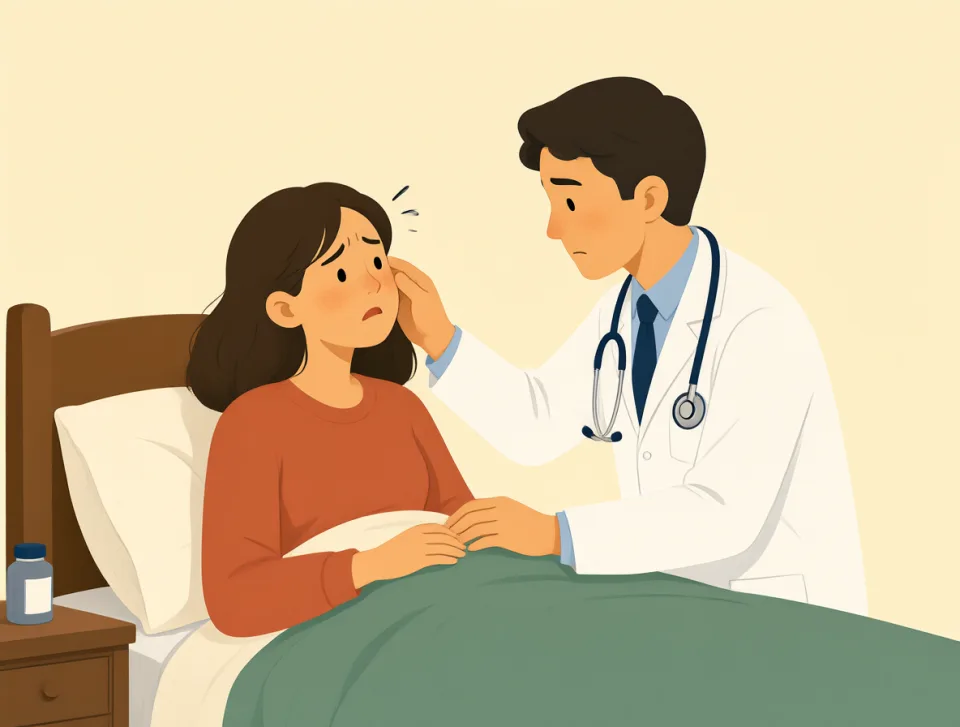
She had a bad response to the medicine.
她服藥後出現了不良反應。
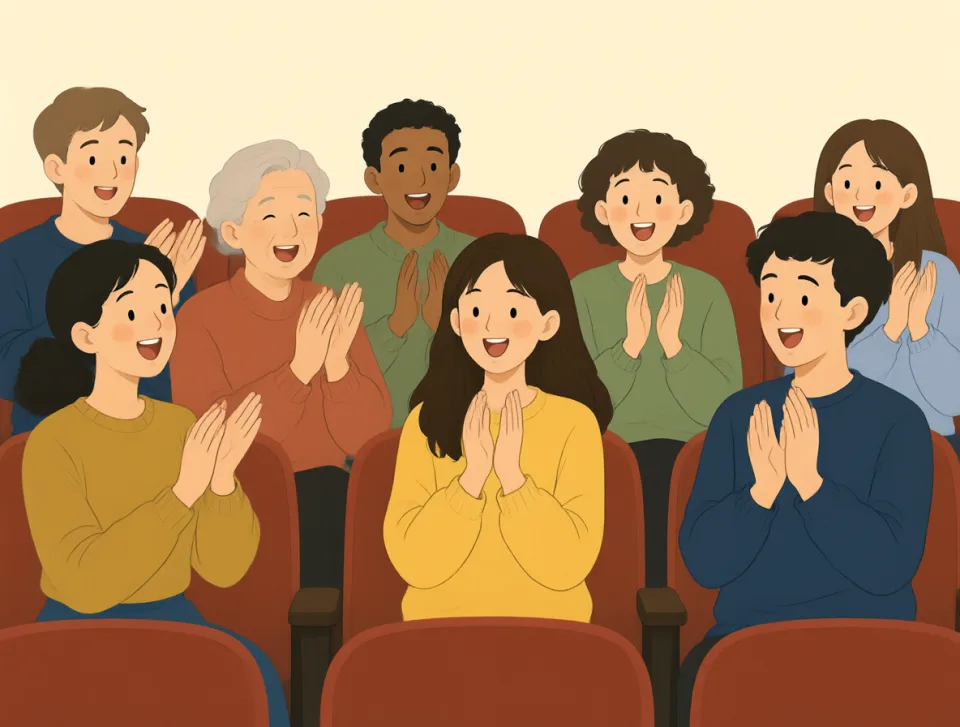
The audience gave a loud response.
觀眾反響熱烈。

voice
#607noun, verb
聲音;發聲;表達
The sound made when a person speaks or sings.
人說話或唱歌時發出的聲音。

I could hear her voice clearly.
我能清楚地聽到她的聲音。

He has a deep, friendly voice.
他的聲音低沉而友好。

Please leave a voice message.
請留言一段語音。
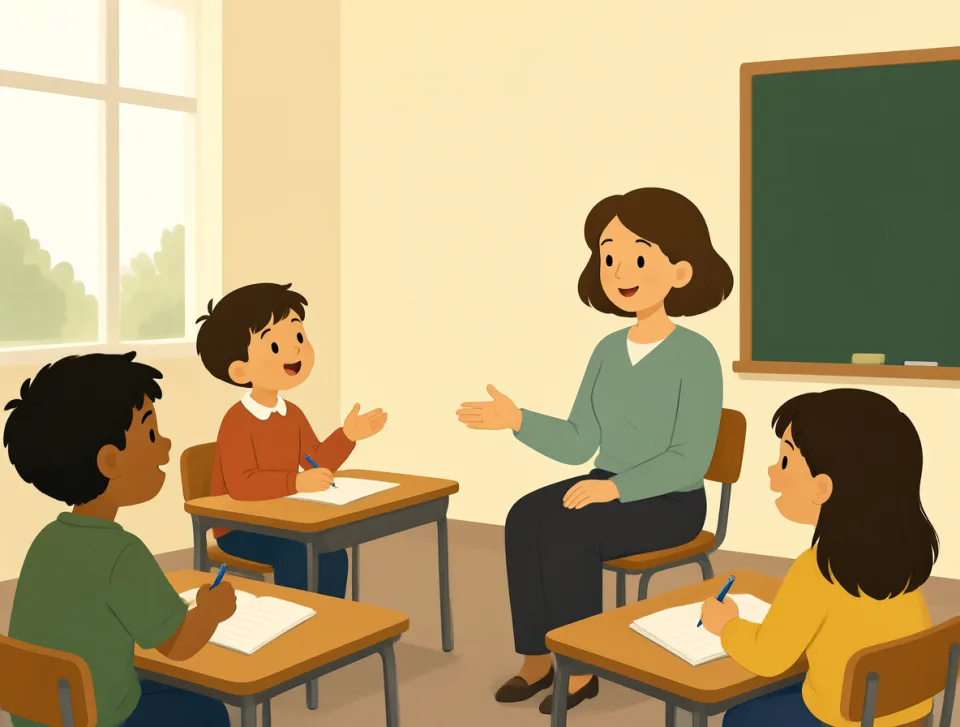
The teacher asked us to use our voices.
老師讓我們發出聲音。

She voiced her concerns about the trip.
她表達了對這次旅行的擔憂。

piece
#608noun
一塊;一片;一件;一條
a part of something, or an amount of food or information
某物的一部分,或一定量的食物或資訊

I ate a piece of cake after dinner.
晚飯後我吃了一塊蛋糕。
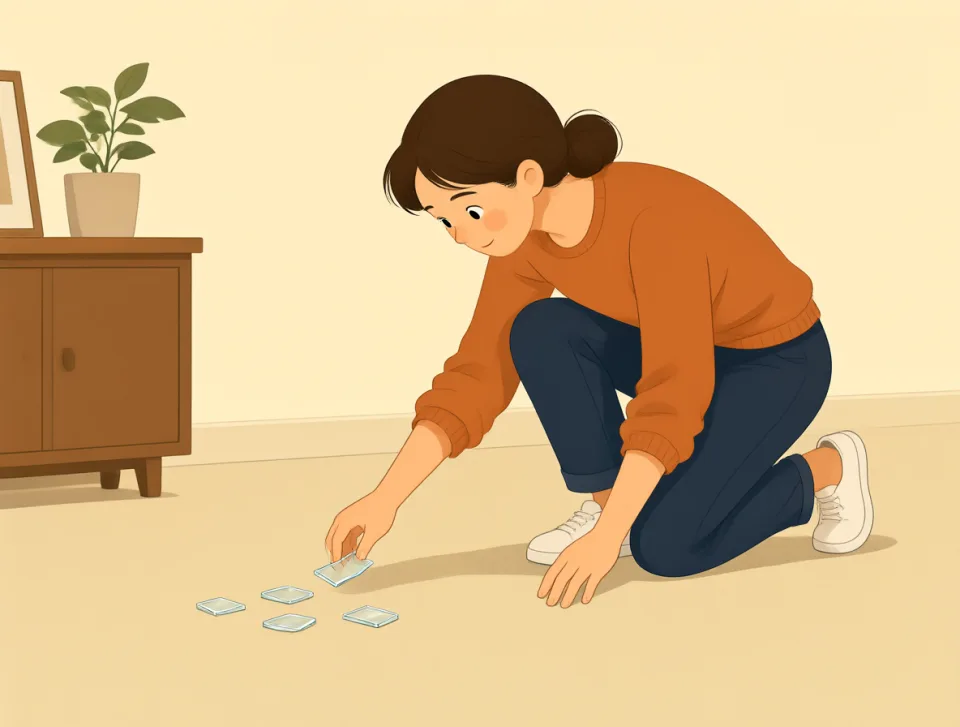
She found a piece of glass on the floor.
她在地板上發現了一塊玻璃。
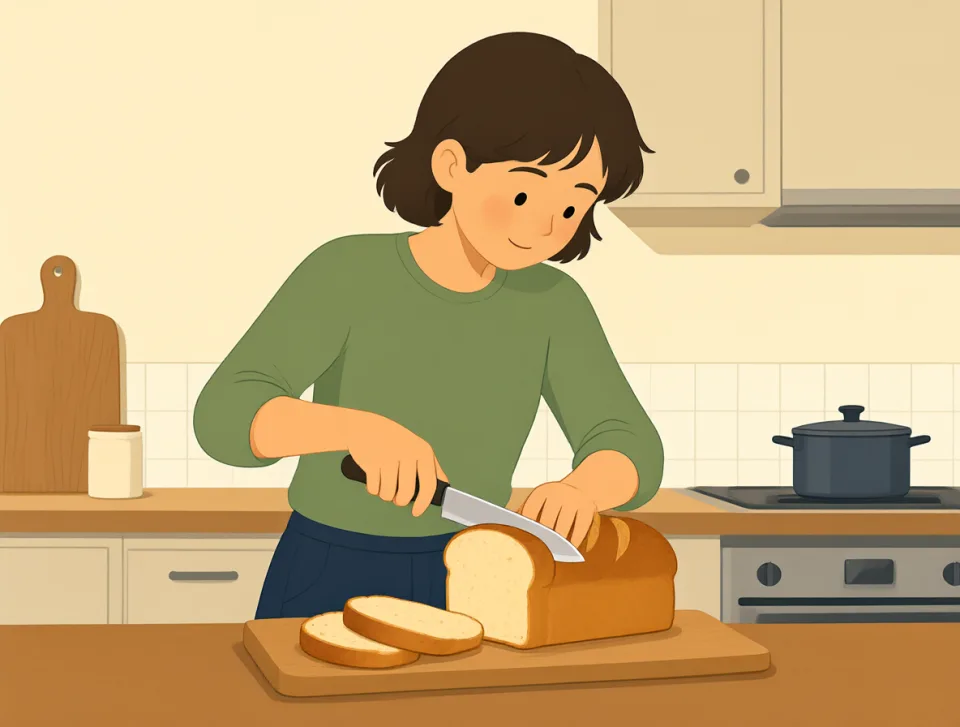
Please cut me a piece of bread.
請給我切一片面包。
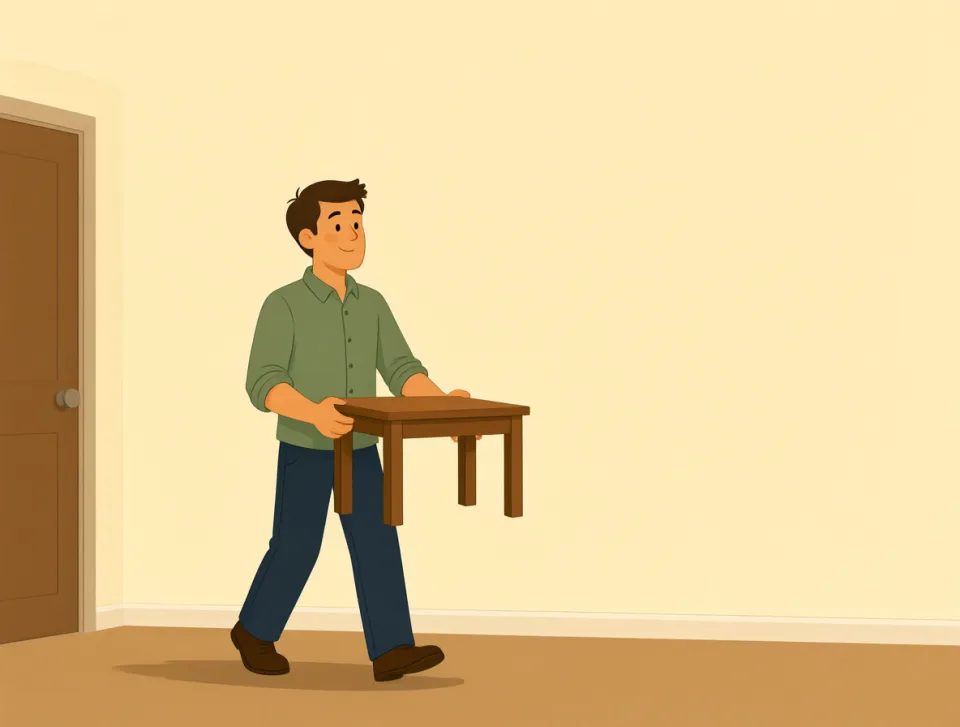
He bought a new piece of furniture.
他買了一件新傢俱。
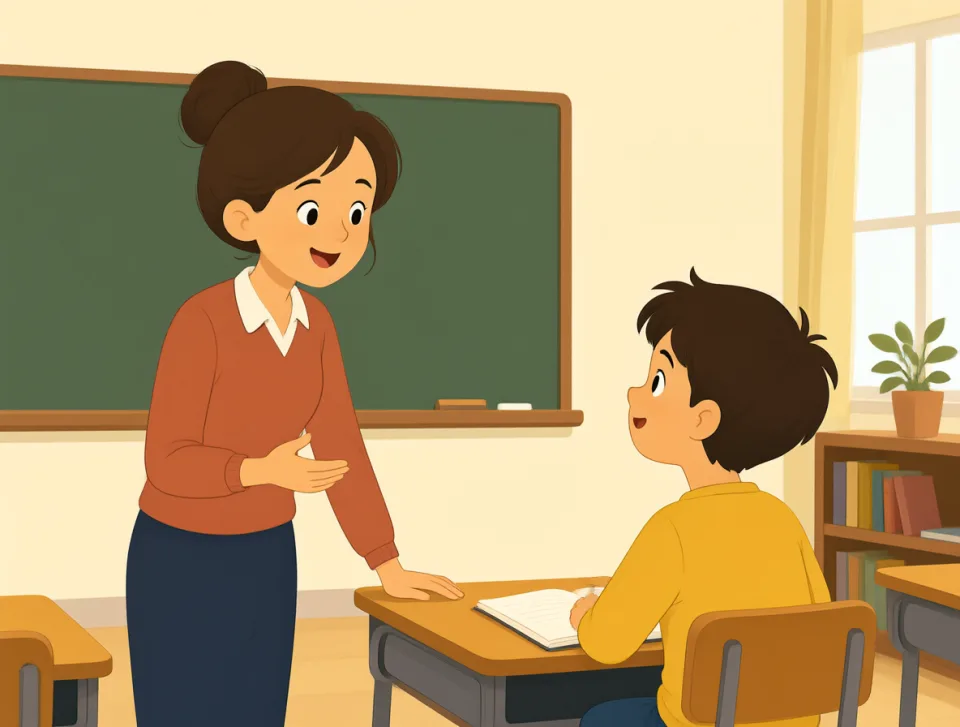
The teacher gave us a piece of advice.
老師給了我們一條建議。

finish
#609verb, noun
完成;結束;飾面
To complete something or reach the end of it.
完成某件事或達到某件事的終點。
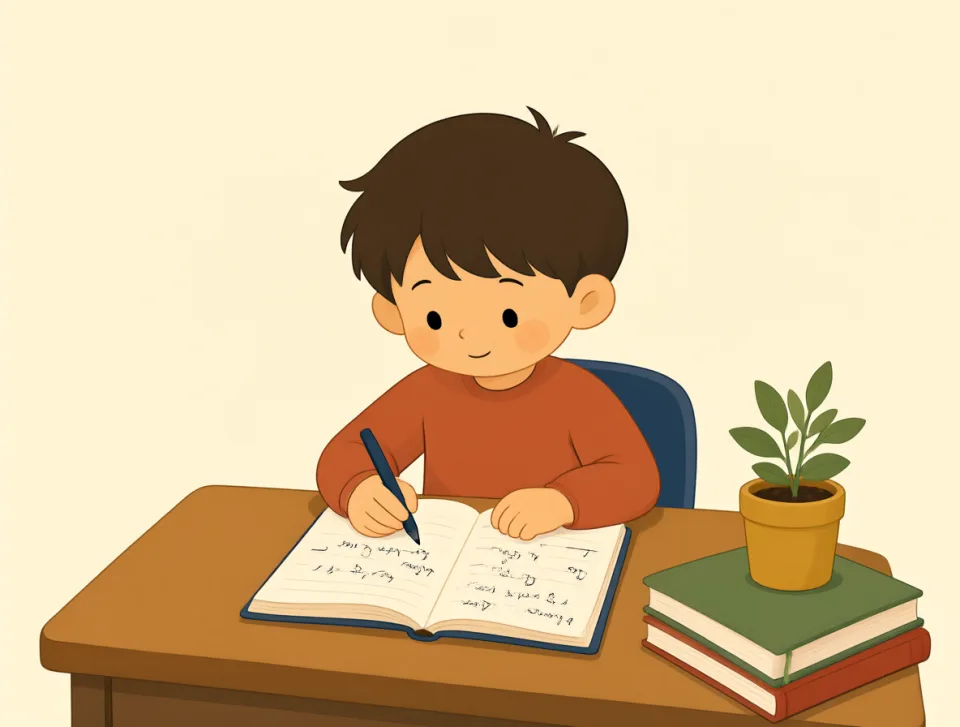
Please finish your homework before dinner.
請在晚飯前完成作業。
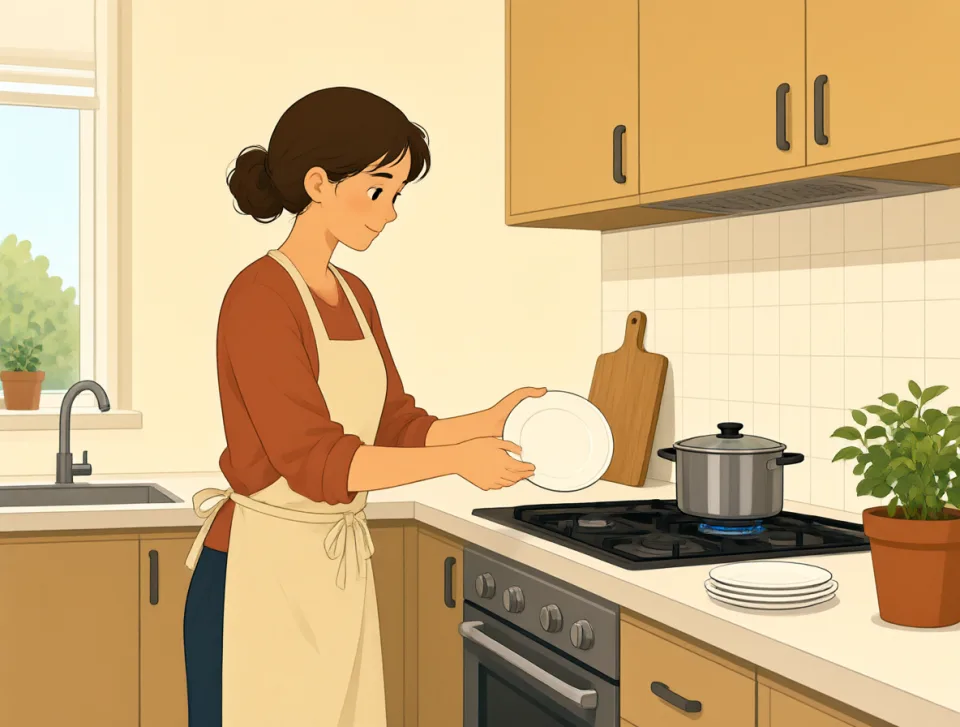
She finished cleaning the kitchen.
她打掃完了廚房。

We finished our lunch and left.
我們吃完午飯就離開了。

He finished the race in first place.
他第一個跑完了比賽。

The blue paint gives the table a smooth finish.
藍色油漆讓這張桌子的表面光滑亮麗。

suppose
#610verb
認為;假設
to think something is probably true or to imagine a possible situation
認為某件事很可能是真的,或設想一種可能的情況
I suppose we can leave now.
我想我們現在可以走了。

Suppose it rains during our picnic.
假設野餐時下雨了。

I suppose you are right about that.
我想你說得對。
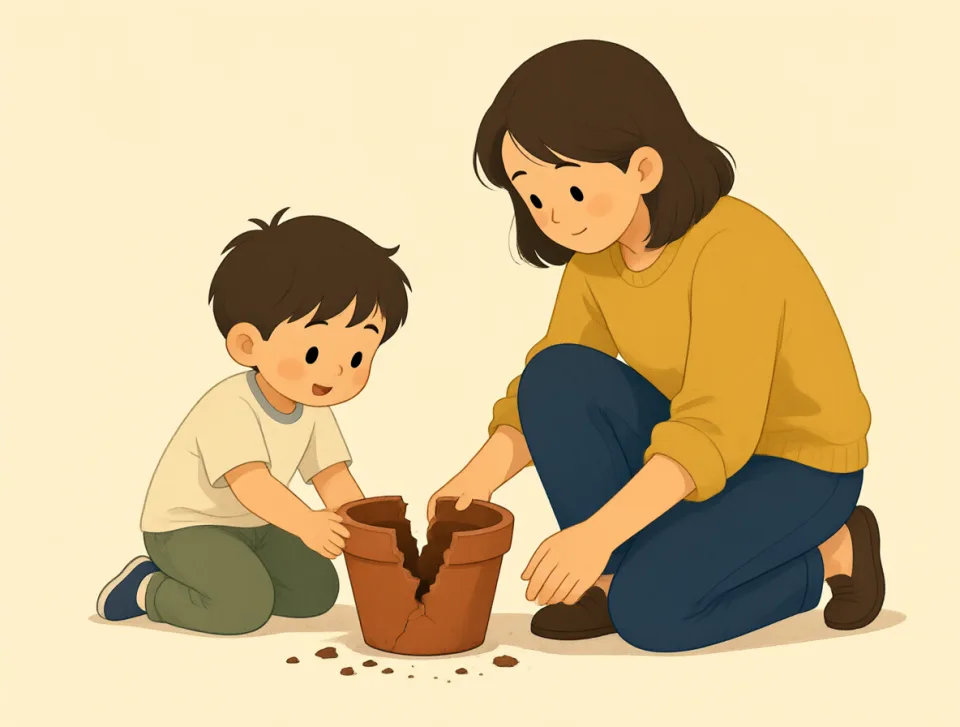
What do you suppose happened here?
你覺得這裡發生了什麼?
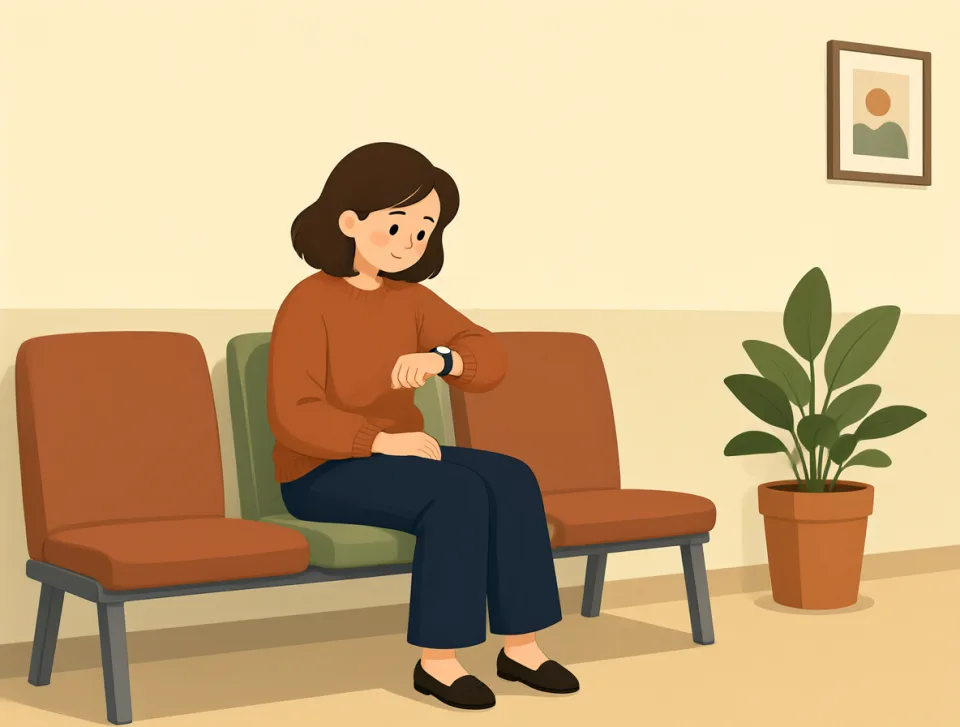
I suppose she forgot her appointment.
我想她忘了自己的預約。
apply
#611verb
使用;申請;塗抹;適用
to use something to a particular purpose or ask officially for something
將某物用於特定目的,或正式請求某事
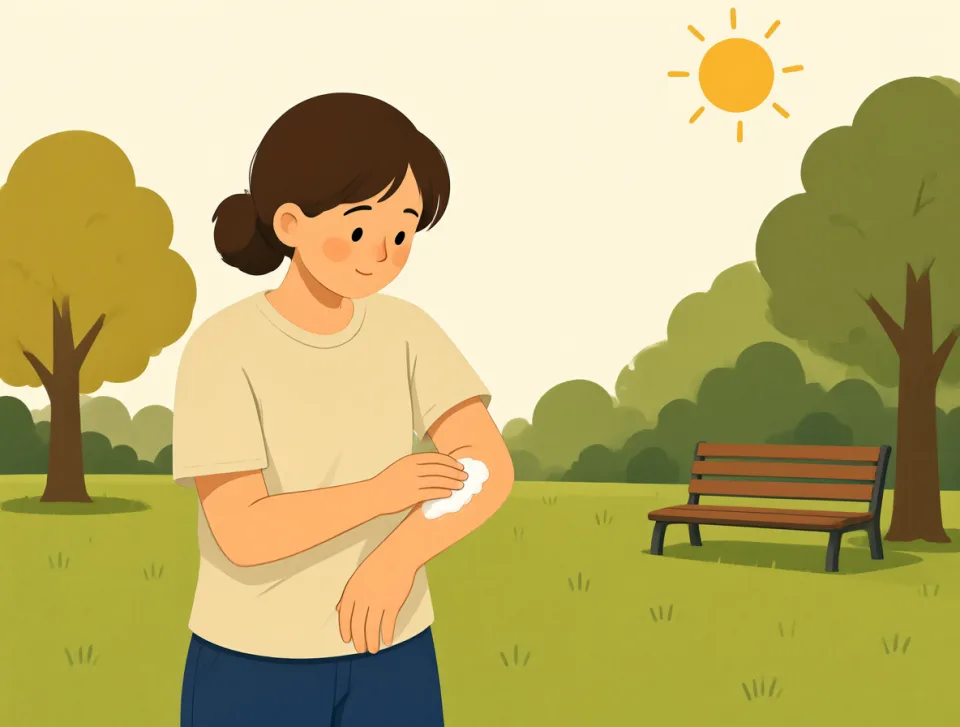
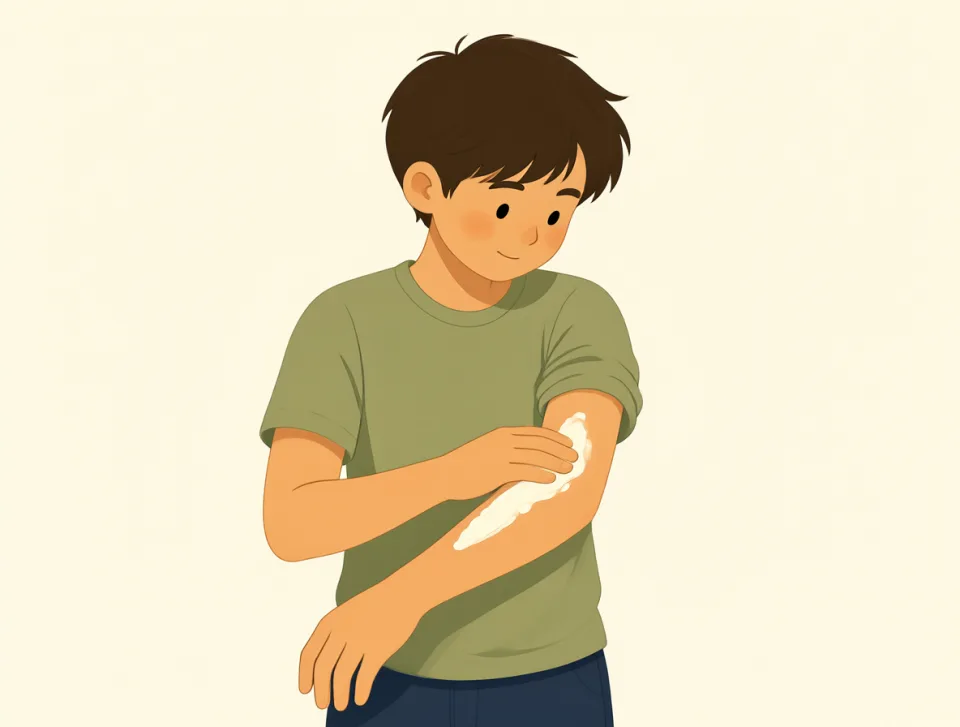
Apply sunscreen before you go outside.
出門前塗好防曬霜。

She applied for a new job yesterday.
她昨天申請了一份新工作。
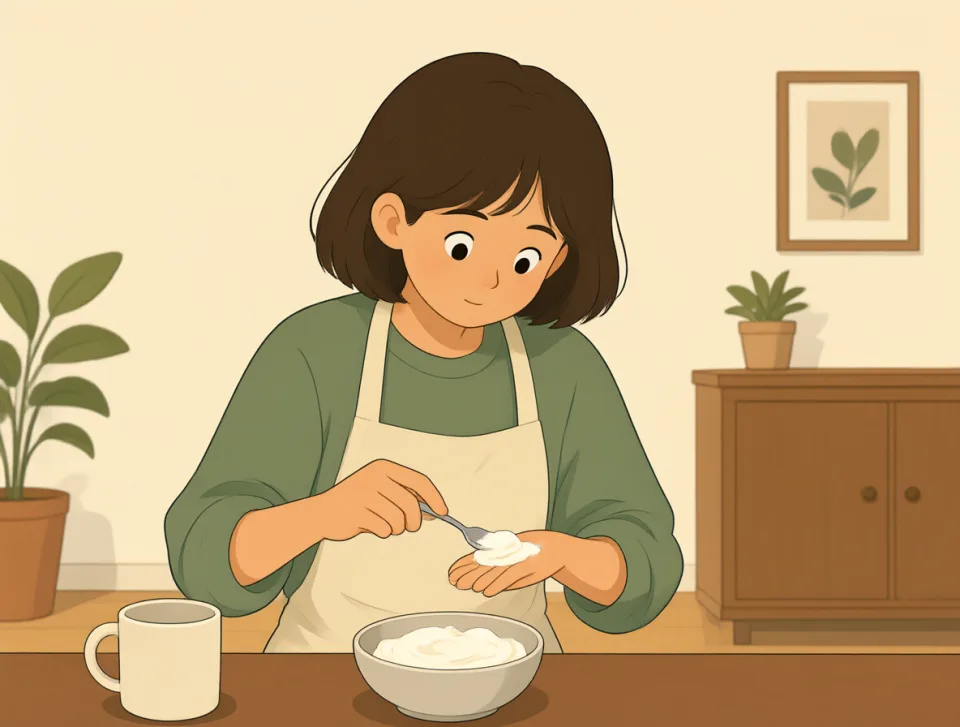
Please apply this cream twice a day.
請每天塗抹這種面霜兩次。

The teacher applied the rule fairly.
老師公平地執行了這條規定。

This discount applies to all shoes.
這項折扣適用於所有鞋子。
president
#612noun
總統;主席
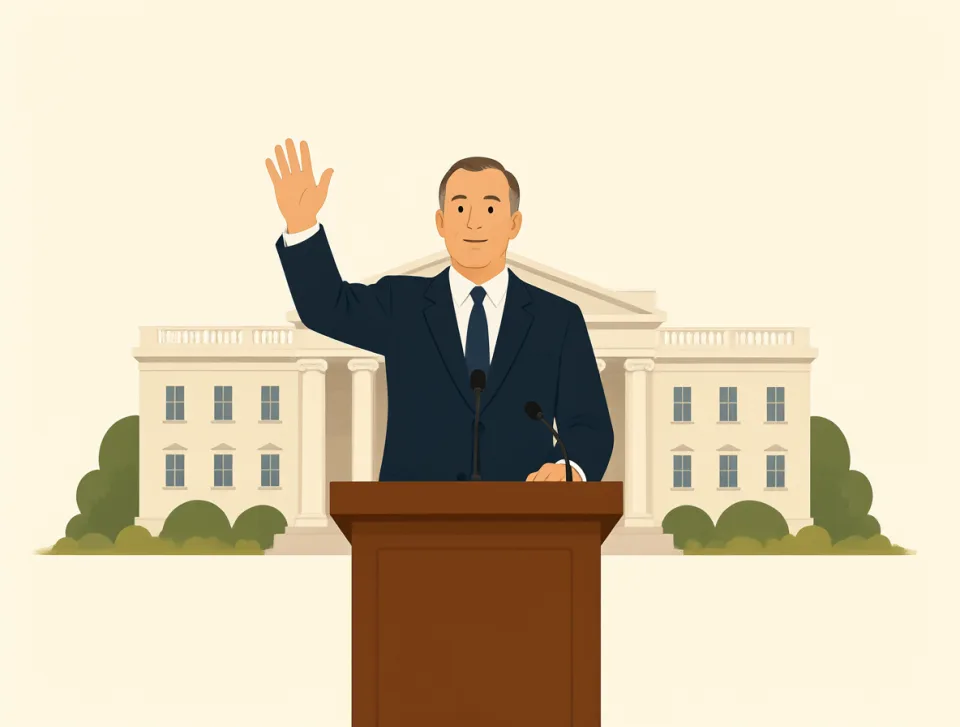
The elected leader of a country or the person who leads an organization.
一個國家經選舉產生的領導人,或領導某個組織的人。
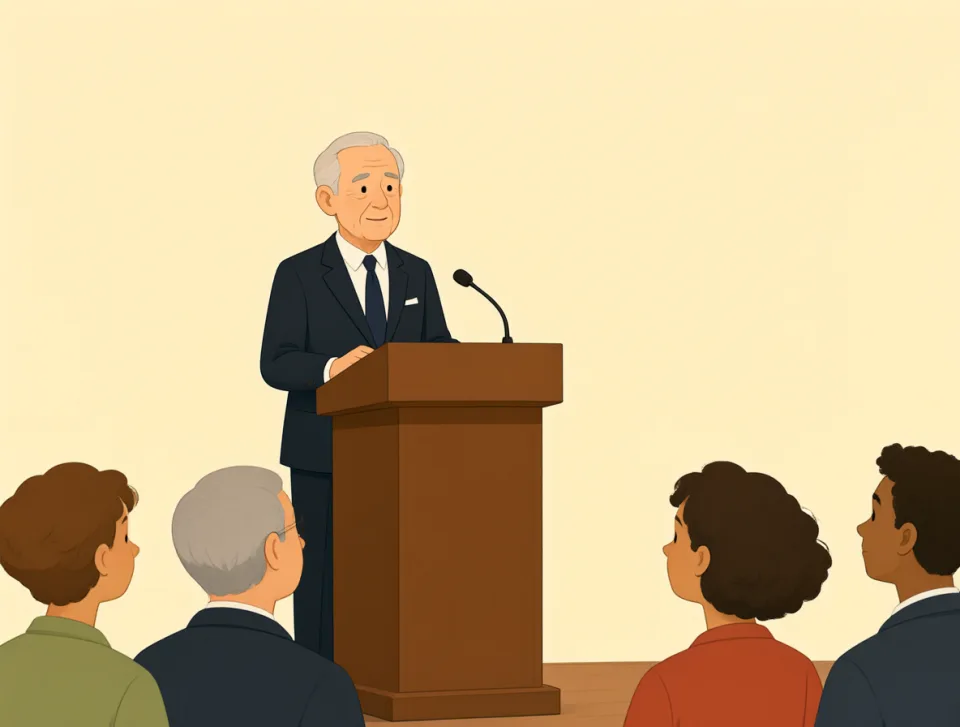
The president gave a speech yesterday.
總統昨天發表了講話。

The president met the workers this morning.
總統今天上午會見了工人們。

Our club president planned the meeting.
我們俱樂部的主席安排了這次會議。

The school president welcomed new students.
校長歡迎了新同學。

The company president visited our office.
公司總裁來我們辦公室視察了。

fire
#613noun, verb
火;解僱;點燃
Fire is heat and light from burning; to fire someone means to make them leave a job.
火是燃燒時產生的熱和光;fire someone 的意思是讓某人離開工作崗位。

We sat around the fire last night.
昨晚我們圍坐在火堆旁。
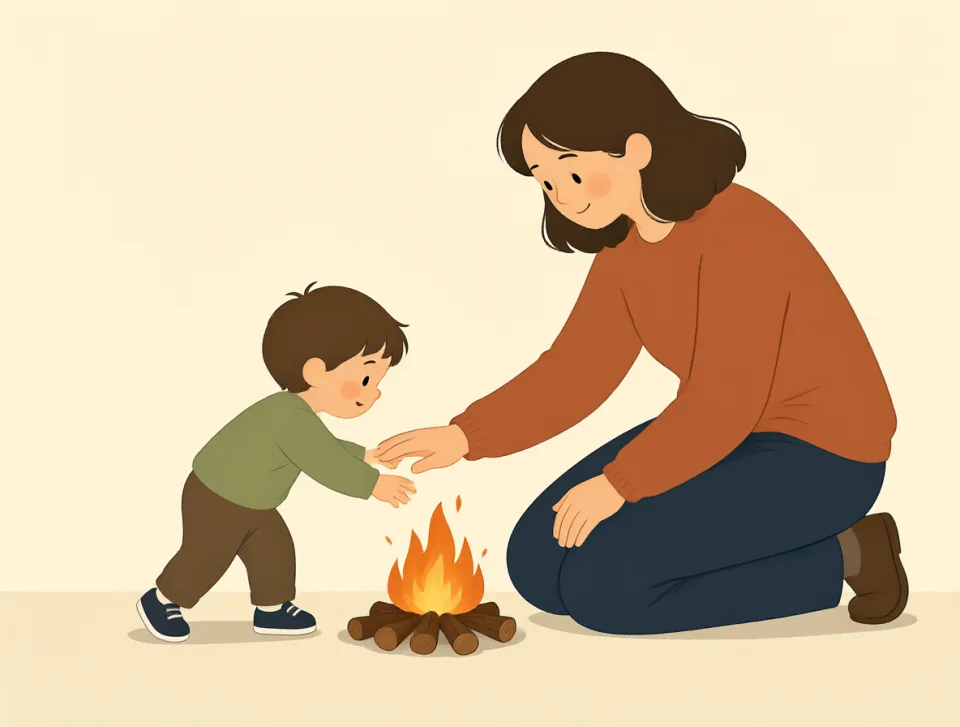
Please do not play with fire.
請不要玩火。
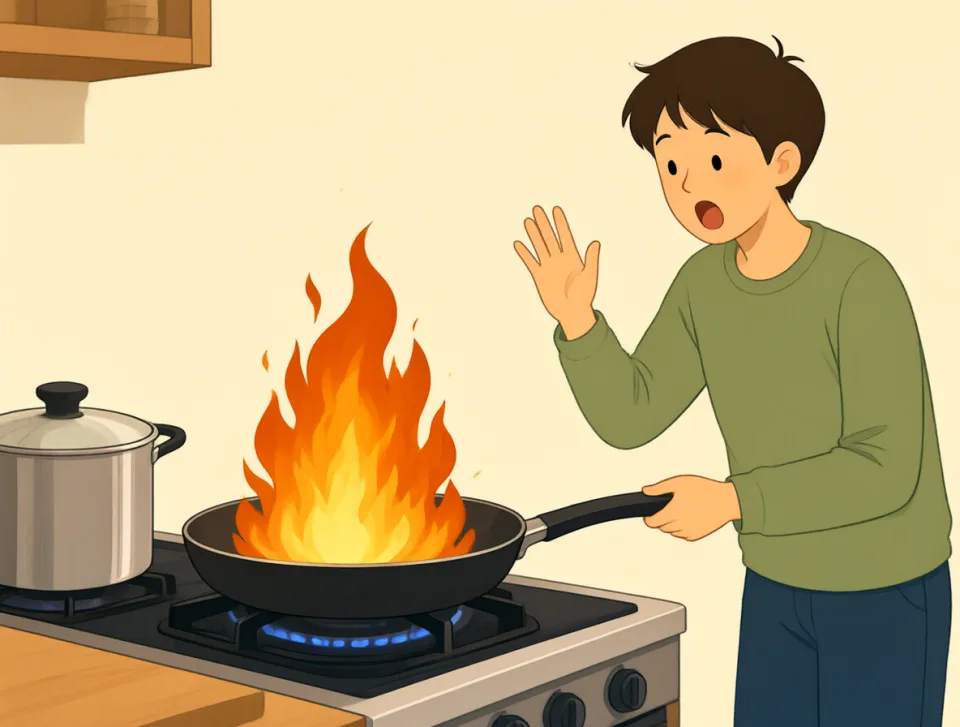
The fire started in the kitchen.
火是從廚房燒起來的。

The manager fired him yesterday.
經理昨天解僱了他。
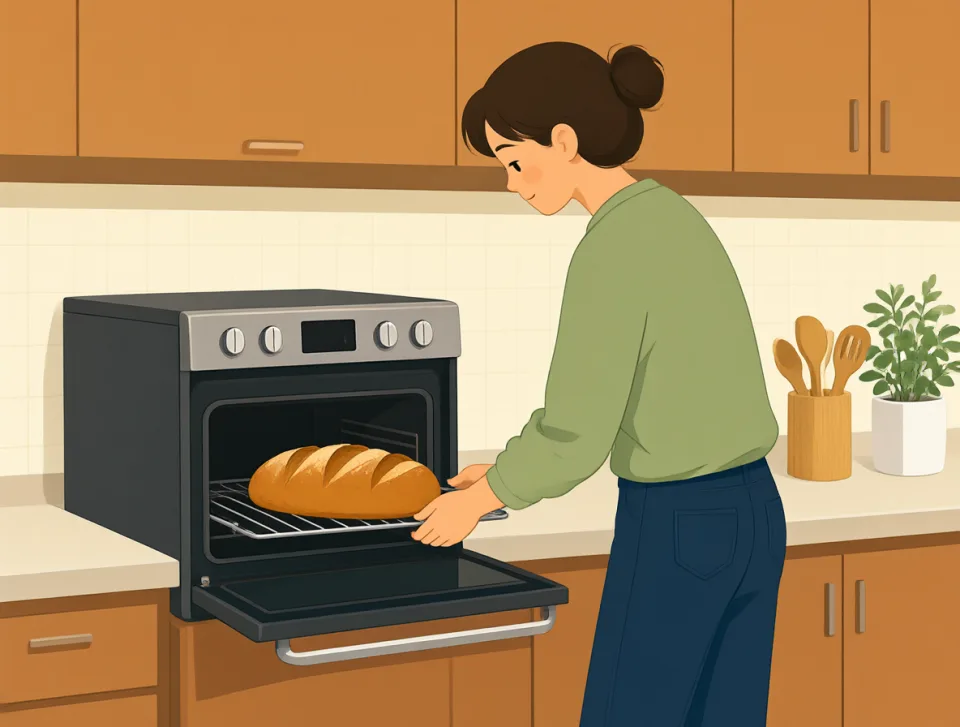
Fire the oven before baking the bread.
烤麵包前,先把烤箱預熱好。
compare
#614verb
比較;對比
to look at two or more things and see how they are alike or different
檢視兩個或更多事物,看看它們有哪些相同或不同之處

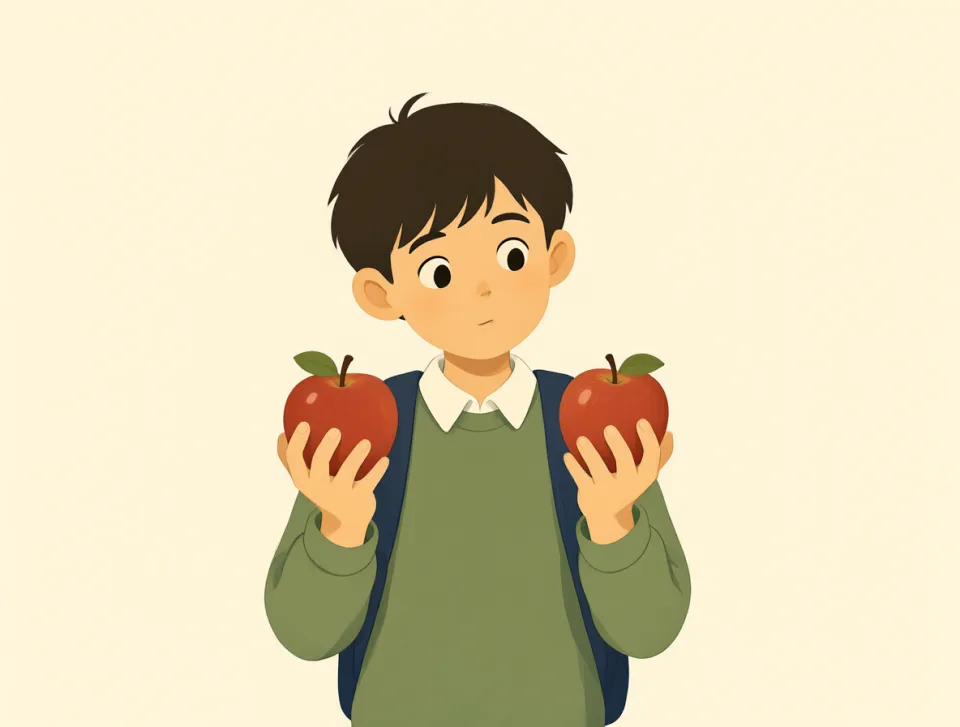
Compare these two prices before you buy.
買之前比較一下這兩個價格。
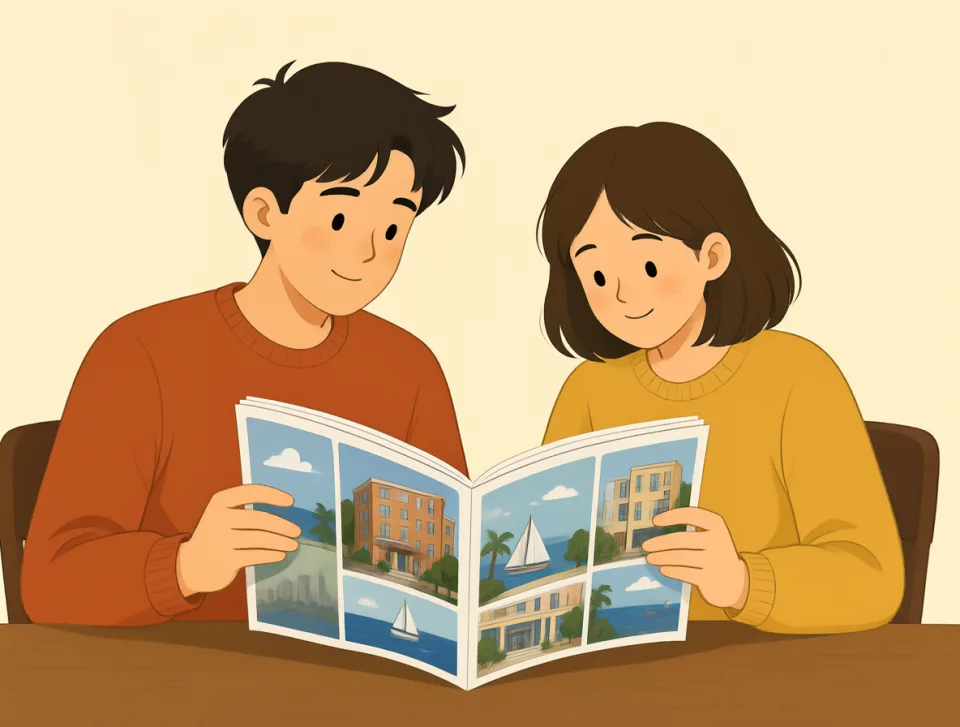
We compared the hotels before booking our trip.
預訂旅行前,我們比較了幾家酒店。
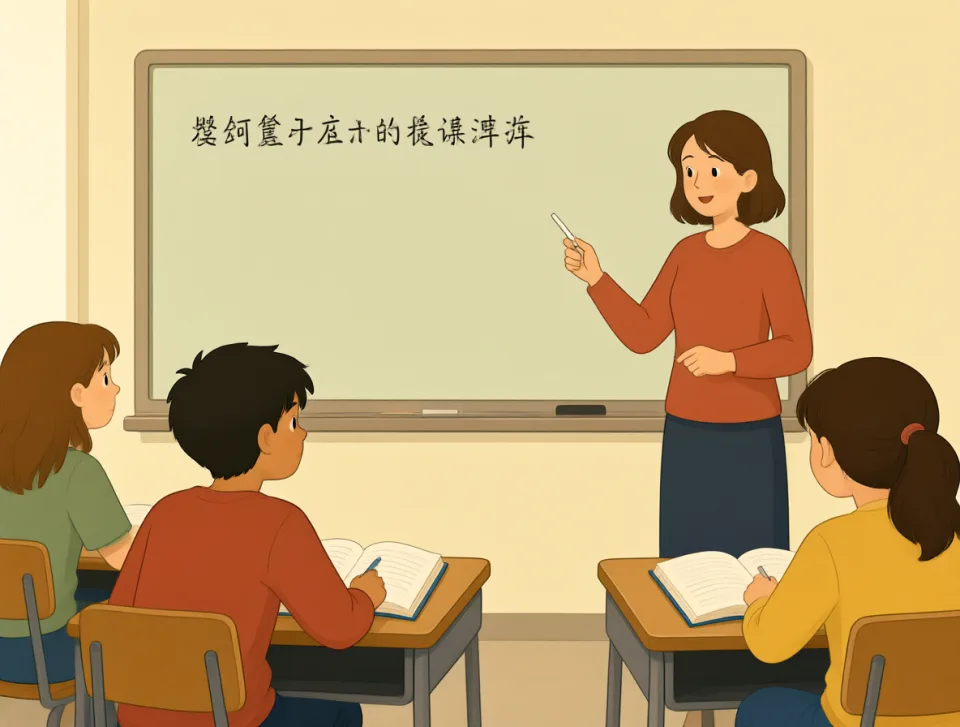
The teacher asked us to compare two stories.
老師讓我們比較兩個故事。
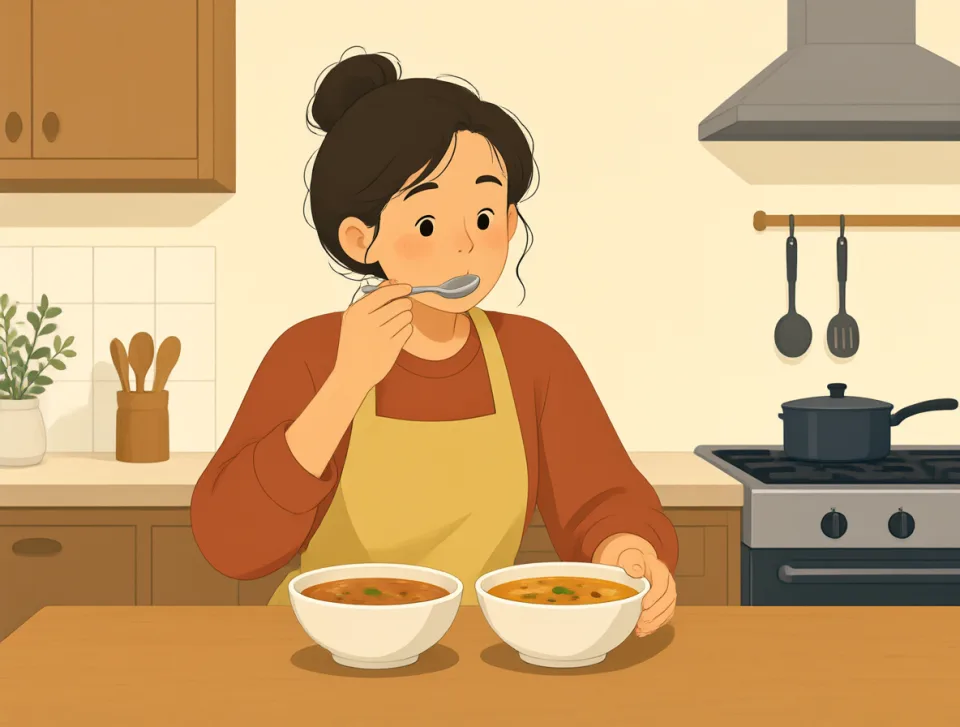
Compare this soup with yesterday’s soup.
把這碗湯和昨天的湯比較一下。

I compared my headache with my friend’s.
我把自己的頭痛和朋友的頭痛作了比較。
court
#615noun, verb
法庭;法院;球場;爭取
A place where legal cases are heard, or to try hard to gain someone's support.
審理法律案件的地方,或努力爭取某人的支援。
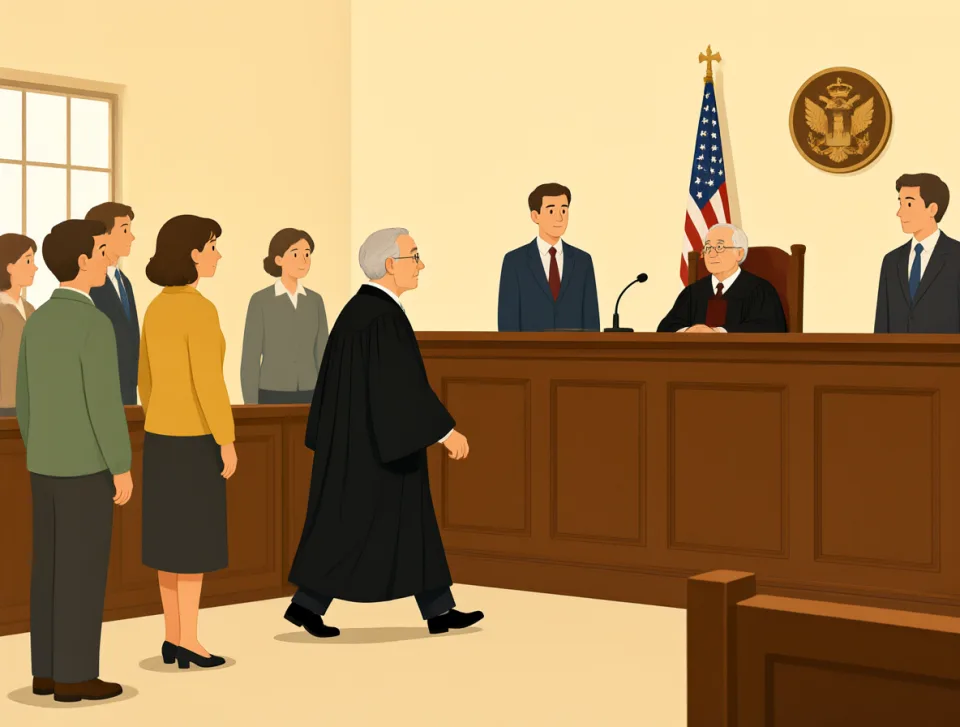
The judge entered the court quietly.
法官悄悄地走進了法庭。

They went to court over the problem.
他們因為這個問題上了法庭。

She courted support from her friends.
她努力爭取朋友們的支援。
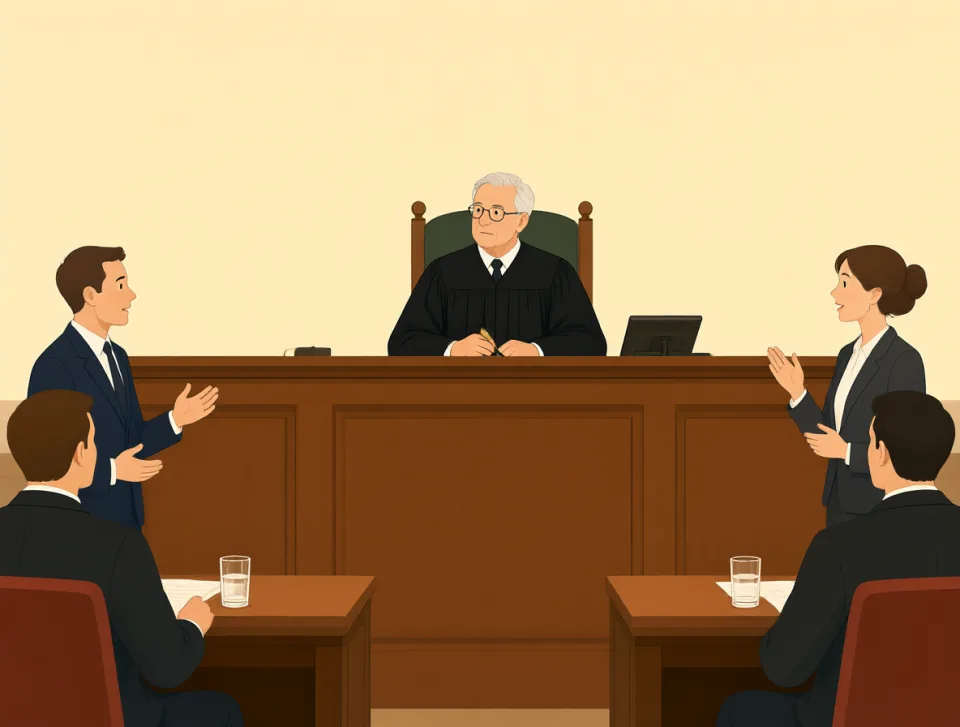
The court heard the case yesterday.
法庭昨天審理了這起案件。
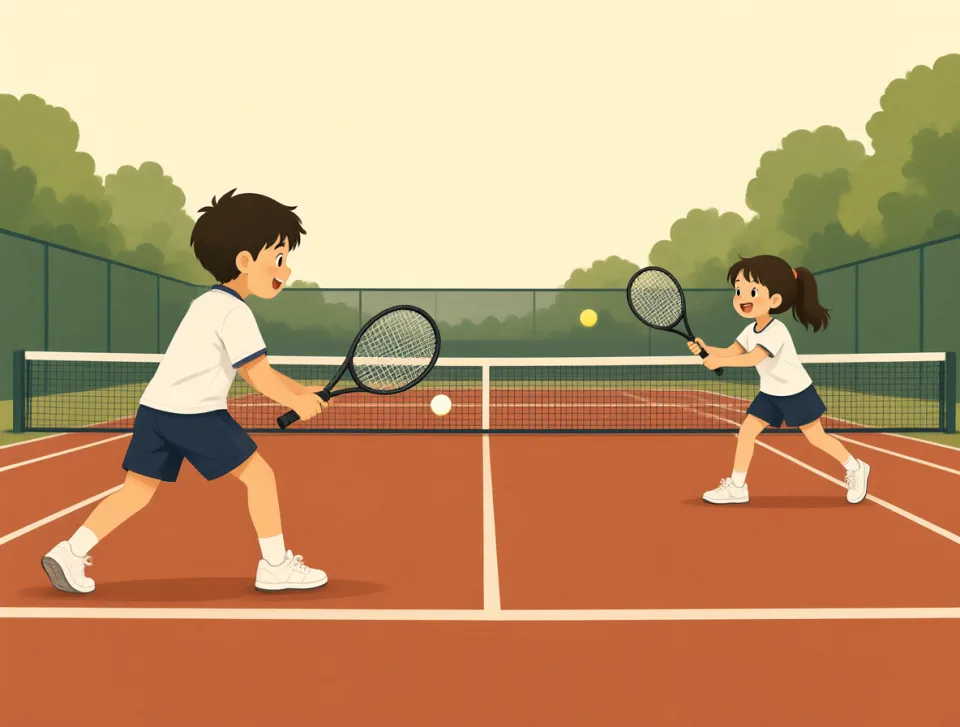
We played tennis on the court.
我們在球場上打網球。
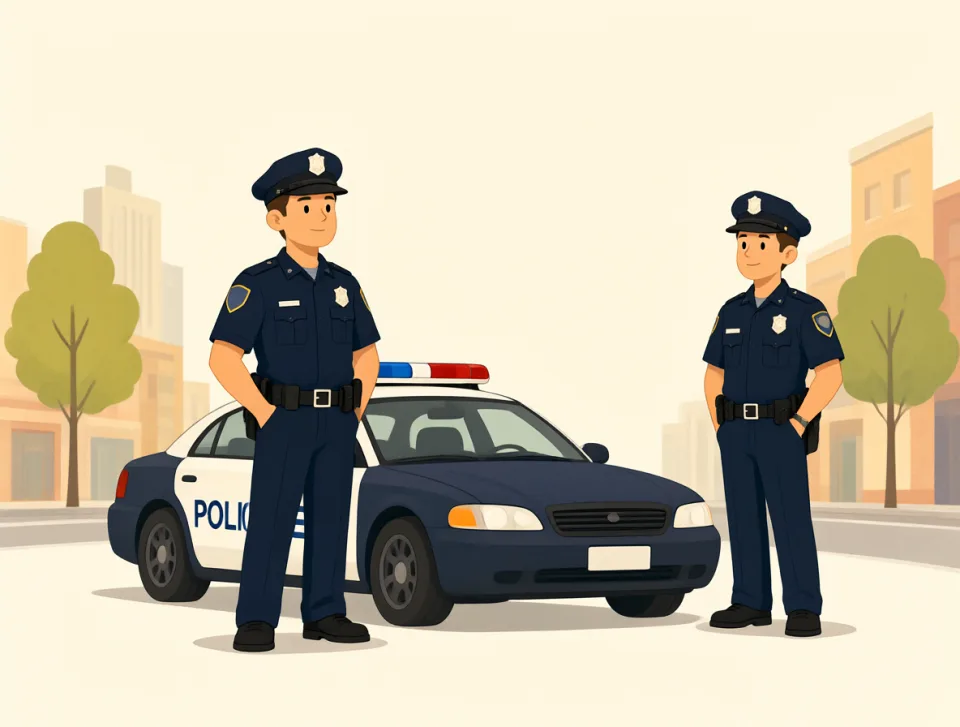
police
#616noun, verb
警察;警方
The official organization that keeps people safe and stops crime.
負責保護人們安全、制止犯罪的官方機構。

The police caught the thief yesterday.
警察昨天抓住了那個小偷。
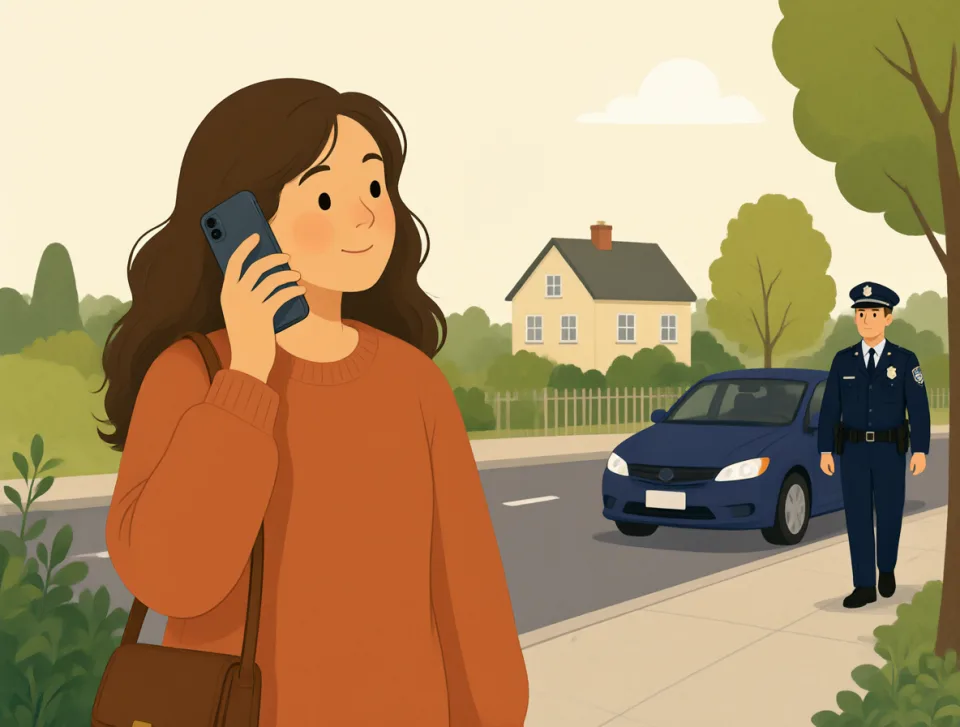
Call the police if you see trouble.
如果你看到有麻煩,就報警。
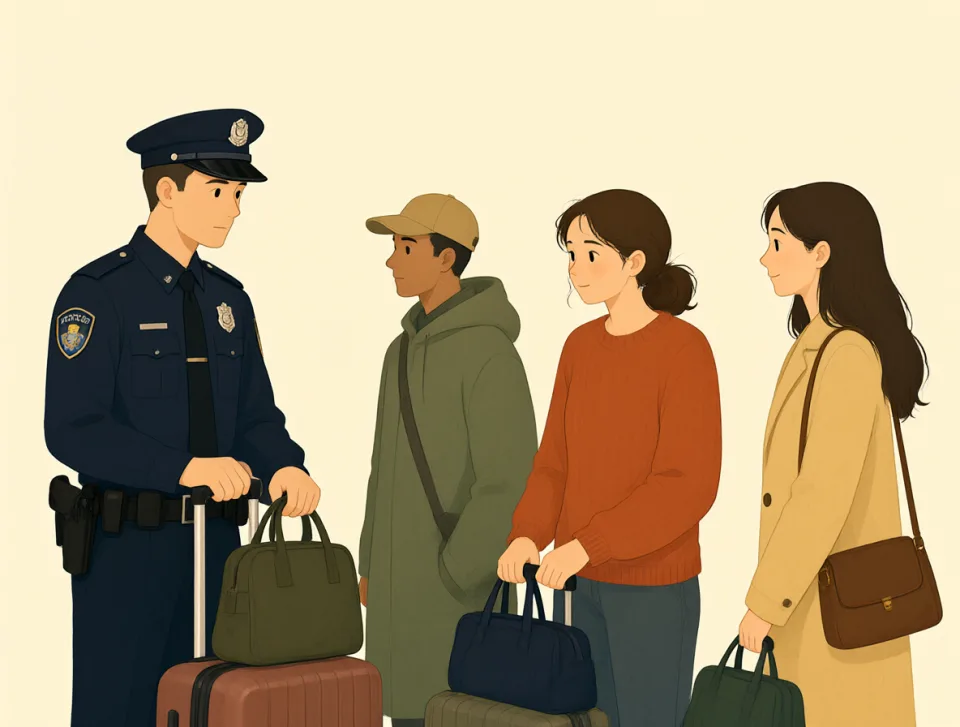
The police are checking our bags.
警察正在檢查我們的包。

She works for the police in London.
她在倫敦警察局工作。
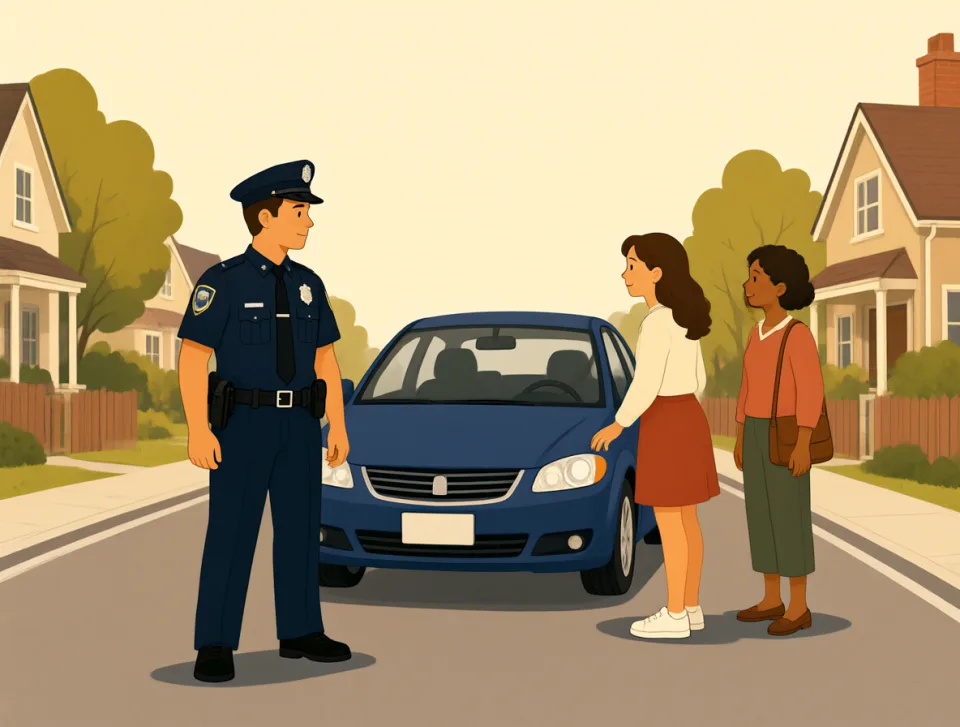
Police stopped the car near our home.
警察在我們家附近攔下了那輛車。
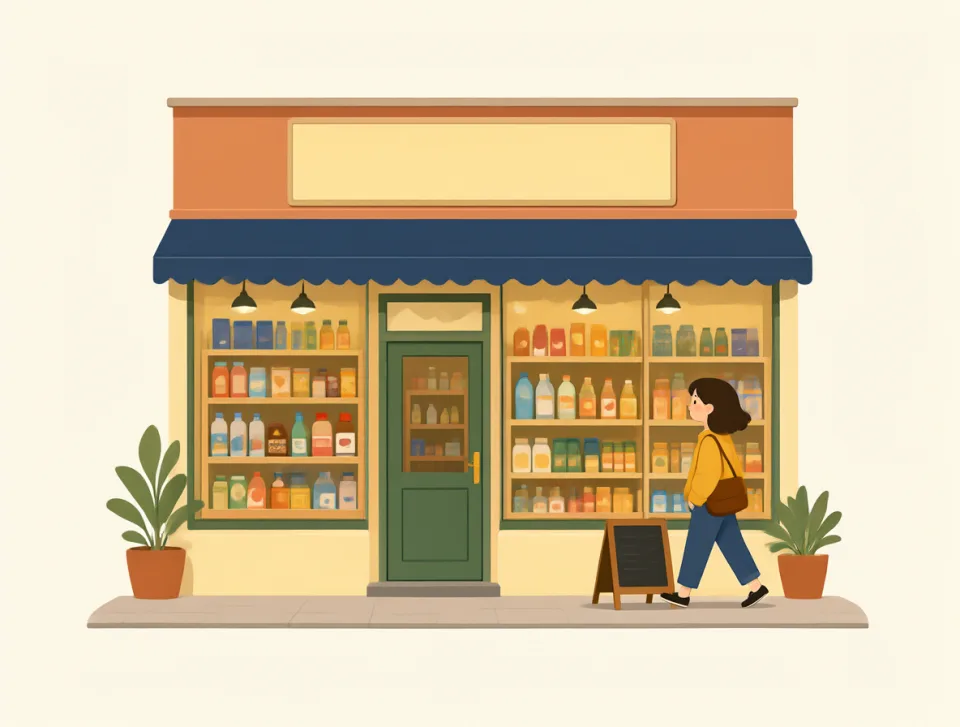
store
#617noun, verb
商店;儲存
A place where people buy things, or to keep something for future use.
人們購買東西的地方,或把某物儲存起來以備將來使用。
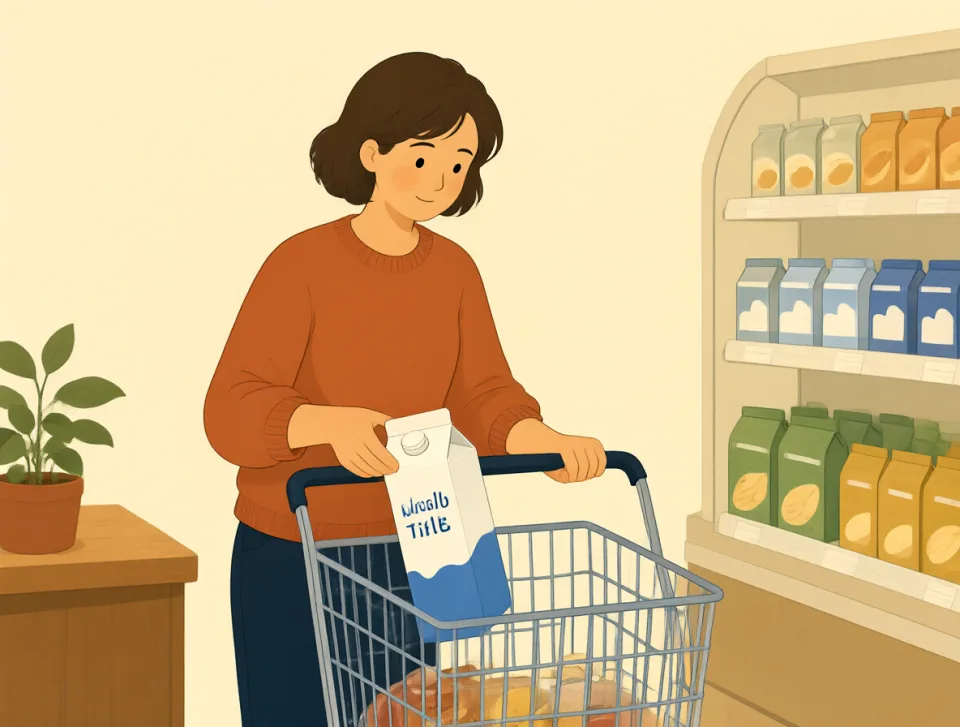
I bought milk at the store.
我在商店買了牛奶。
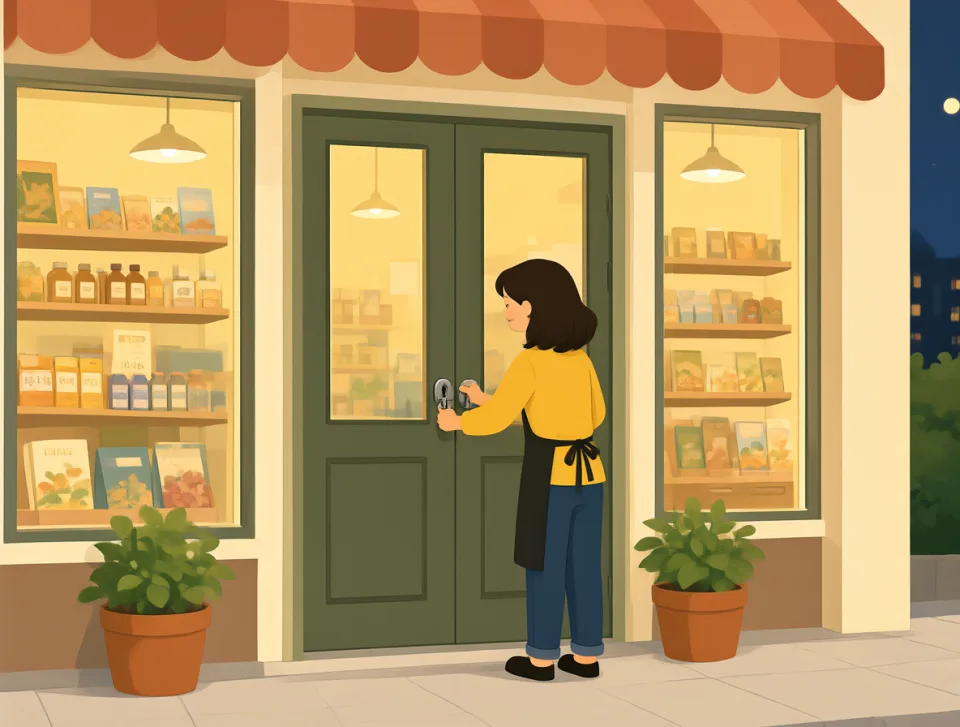
The store closes at eight tonight.
這家商店今晚八點關門。
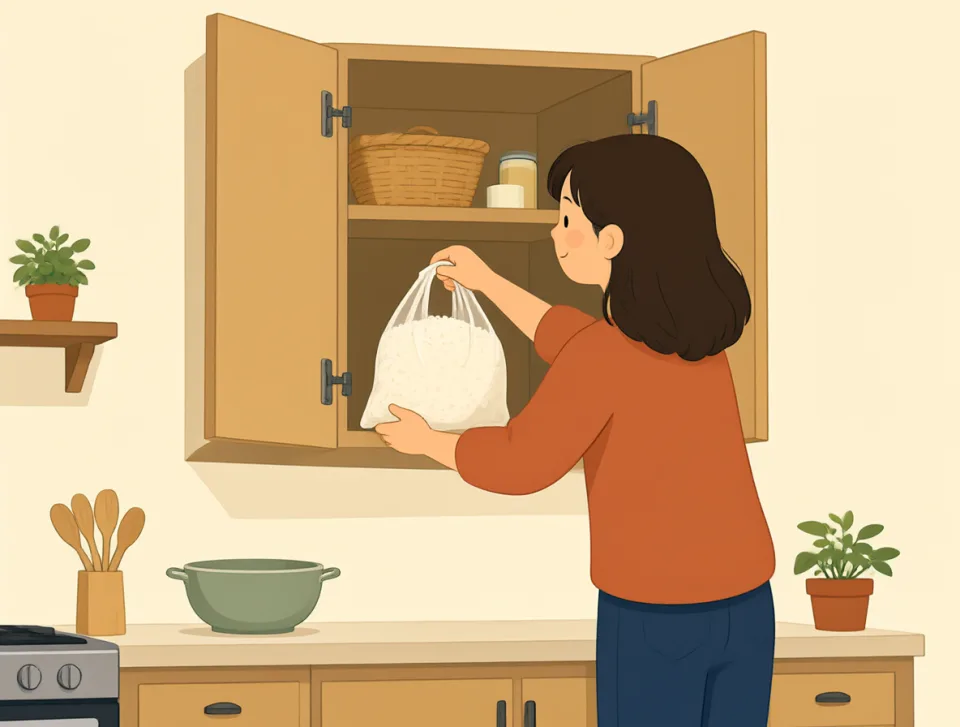
Please store the rice in a dry place.
請把米存放在乾燥的地方。

We stored our bags under the bed.
我們把包放在床底下。
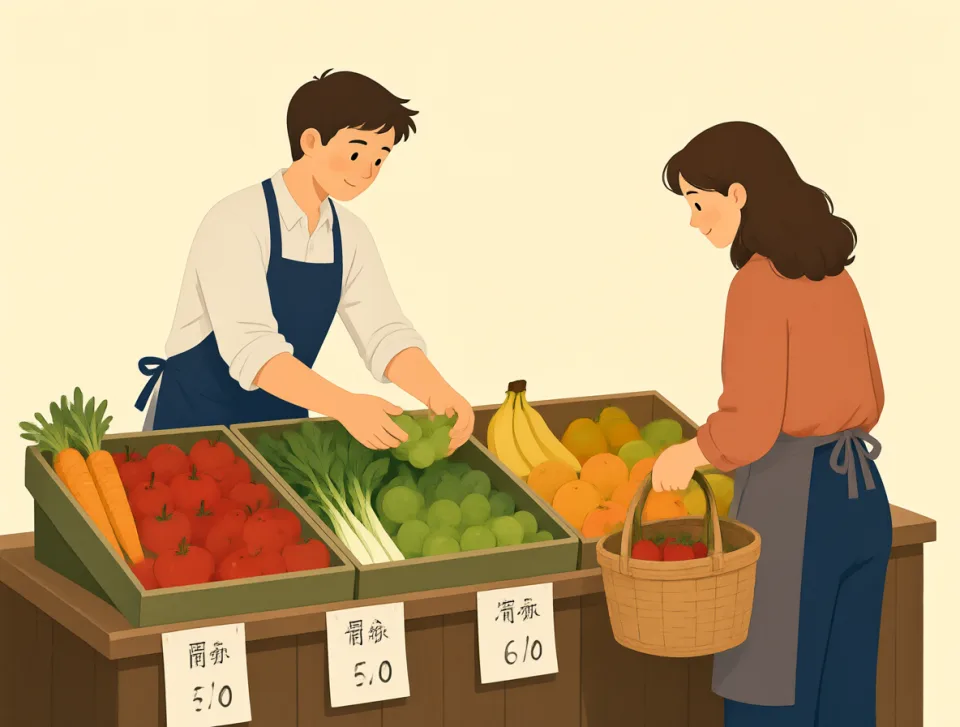
The store sells fresh fruit and vegetables.
這家商店出售新鮮的水果和蔬菜。
poor
#618adjective, noun
貧窮的;差的
Having little money, or being of low quality.
沒有多少錢,或者質量低劣。
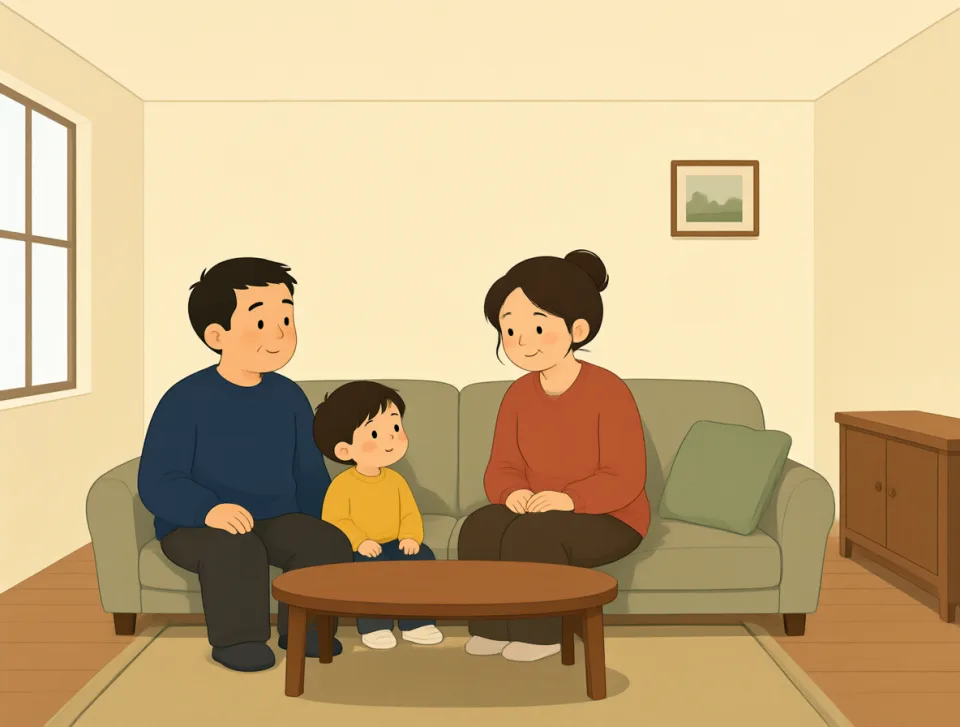
The poor family needs a warm home.
這家貧困家庭需要一個溫暖的家。
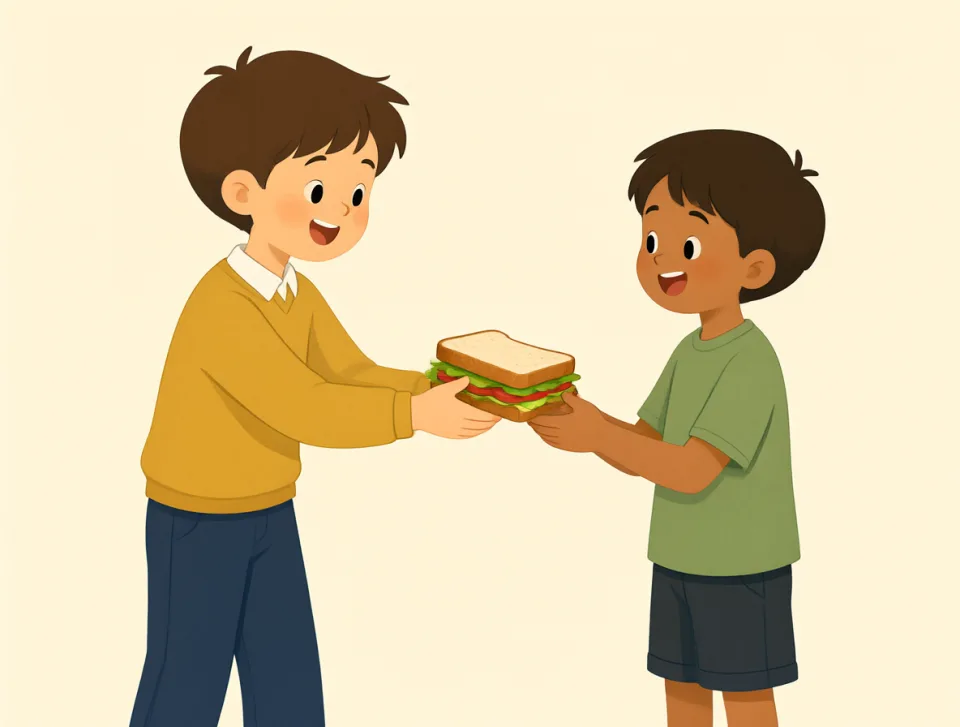
The poor boy shared his lunch.
那個貧窮的男孩分享了他的午餐。
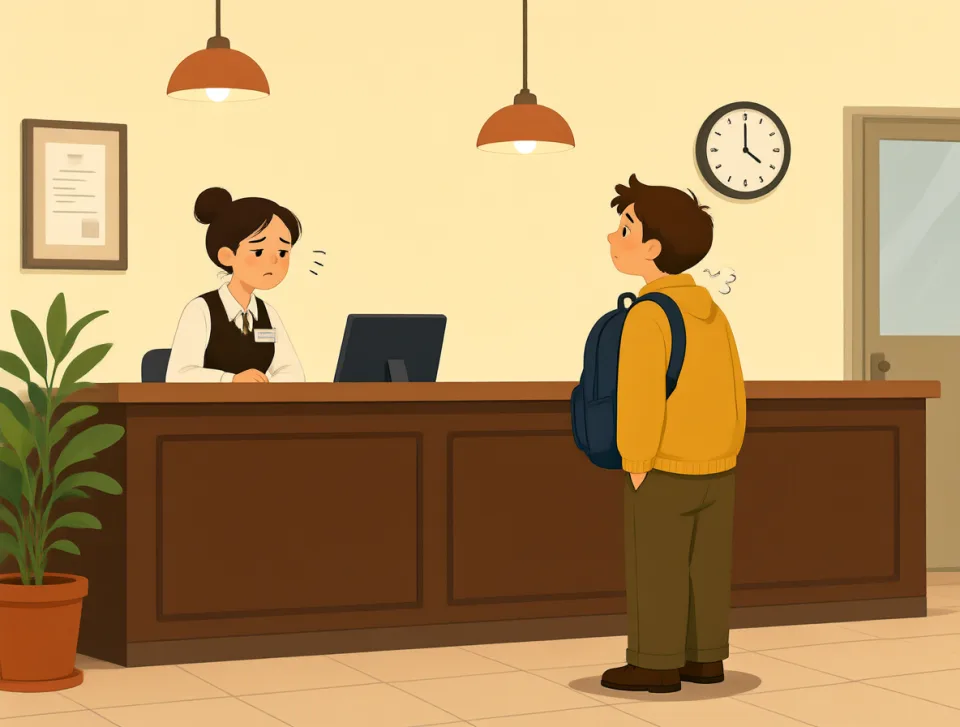
We had poor service at the hotel.
我們在那家酒店享受到了很差的服務。
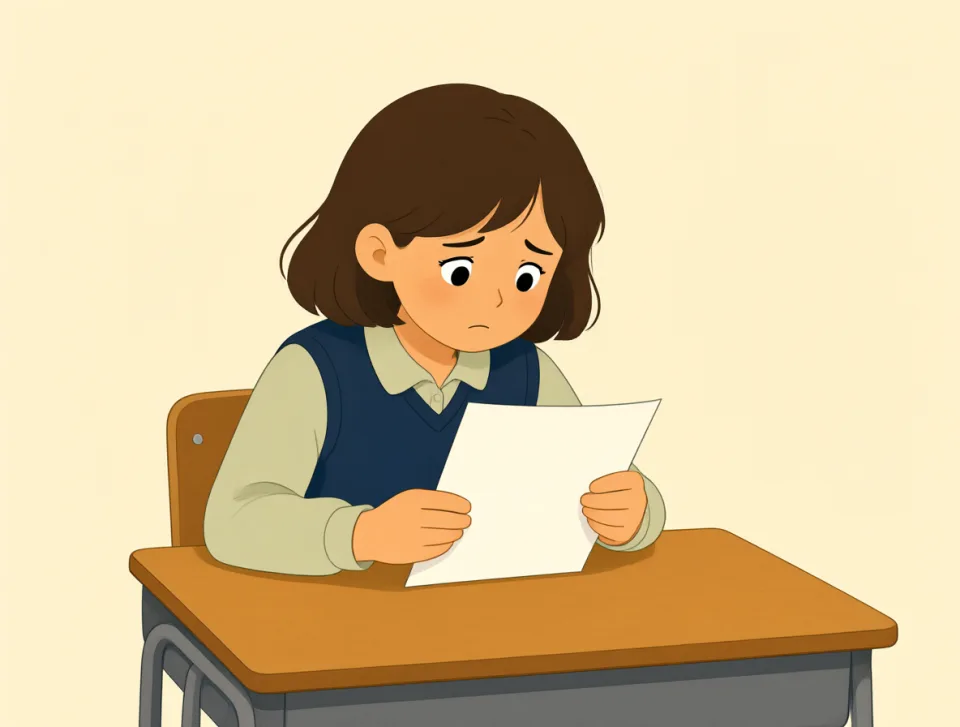
She got poor marks on the test.
她這次考試分數很低。
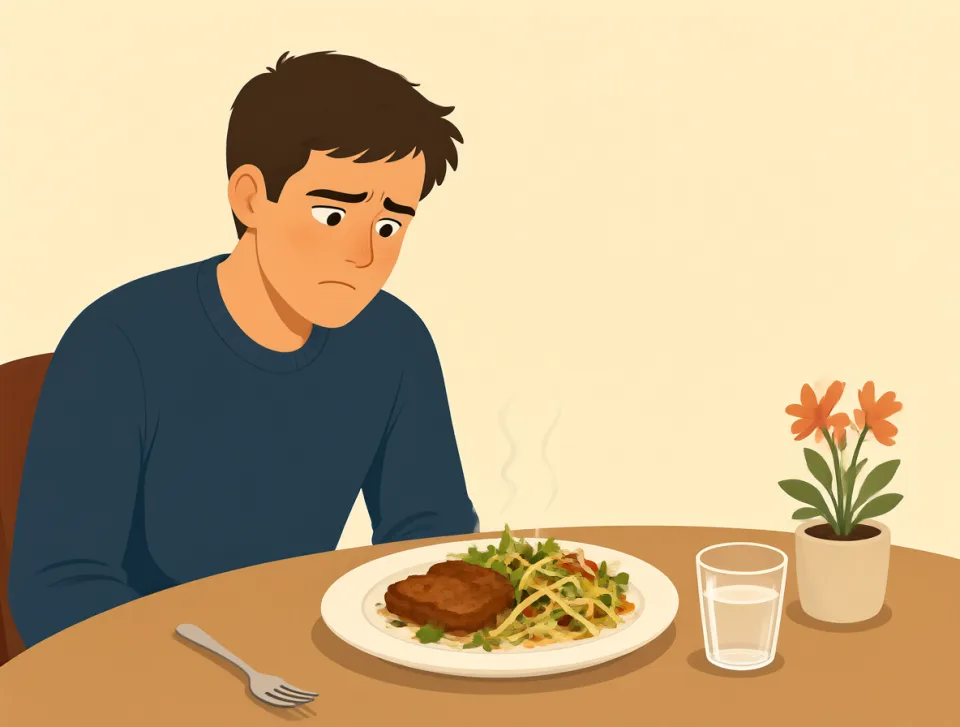
This restaurant serves poor food.
這家餐館提供的食物很差。
knowledge
#619noun
知識;瞭解
Facts and information that a person knows about a subject or the world.
一個人對某個主題或世界所瞭解的事實和資訊。
She has good knowledge of local history.
她對當地歷史很瞭解。

Knowledge of English helps at work.
懂英語對工作很有幫助。
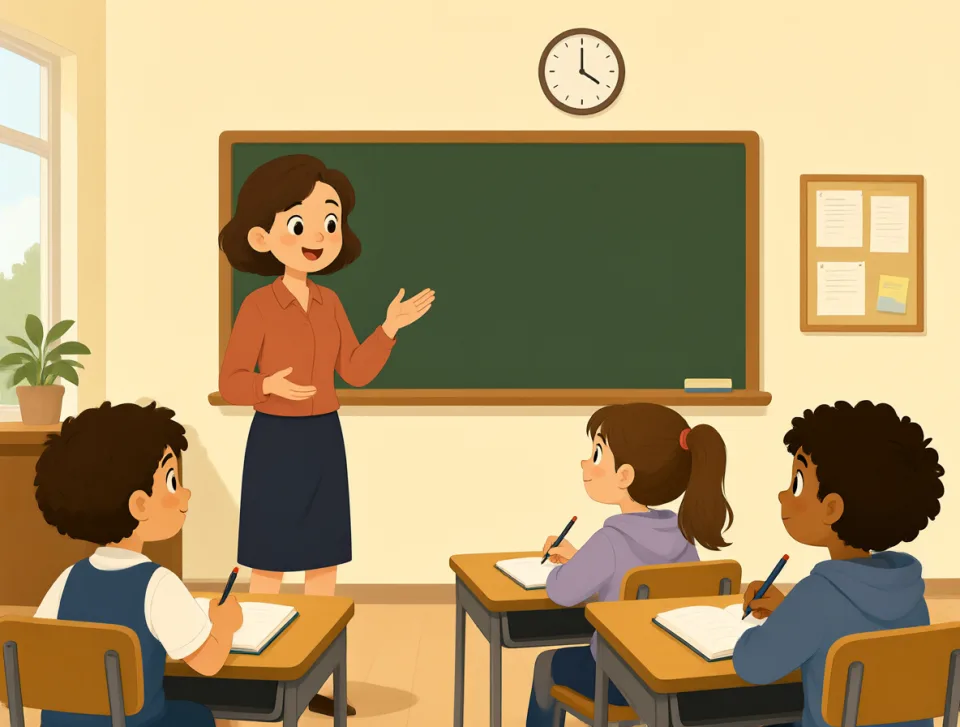
He shared his knowledge with the students.
他把自己的知識分享給了學生們。
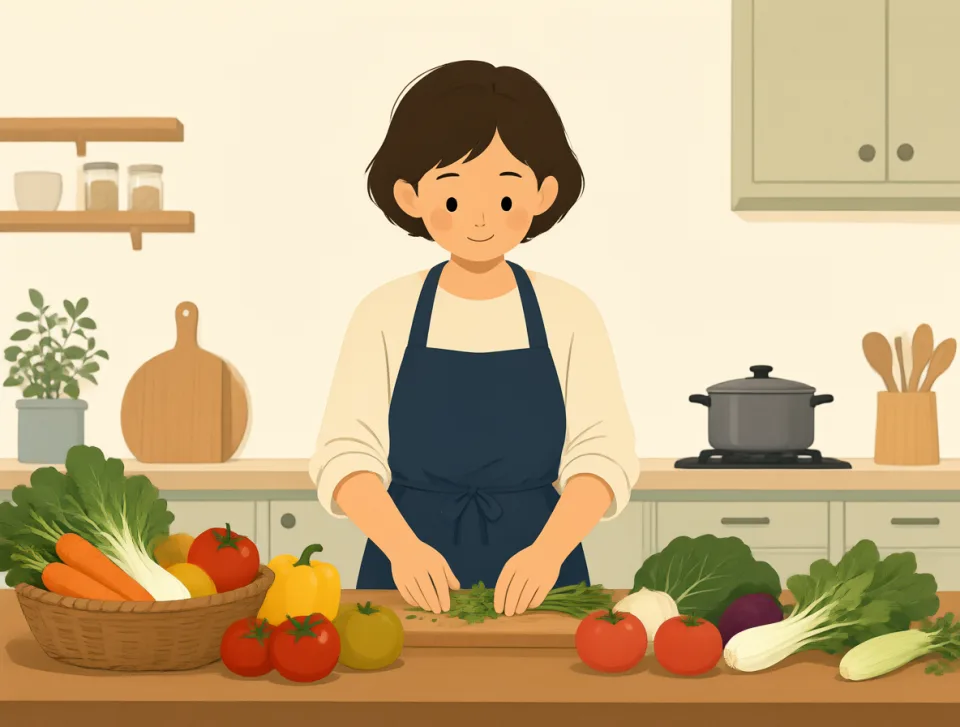
I need more knowledge about healthy food.
我需要更多關於健康飲食的知識。
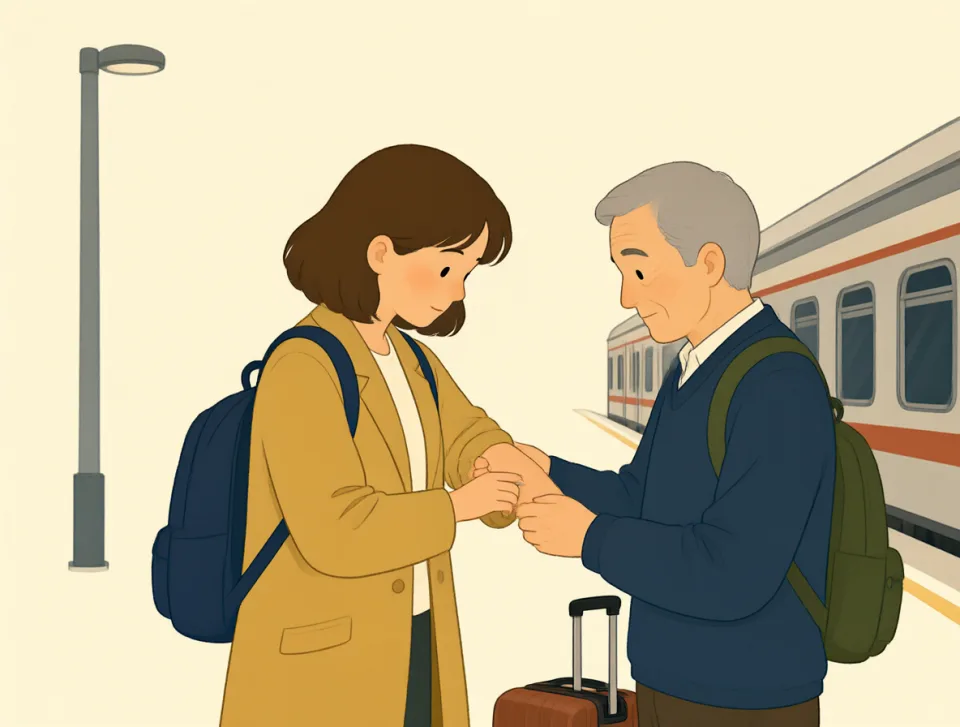
Her medical knowledge helped the sick traveler.
她的醫學知識幫助了那位生病的旅客。

laugh
#620verb, noun
笑;笑聲
To make a happy sound or smile because something is funny.
因為覺得某事好笑而發出愉快的聲音或露出笑容。

We laughed at Dad's funny joke.
爸爸講了個有趣的笑話,我們都笑了。

The children laughed loudly in class.
孩子們在課堂上大聲笑了起來。
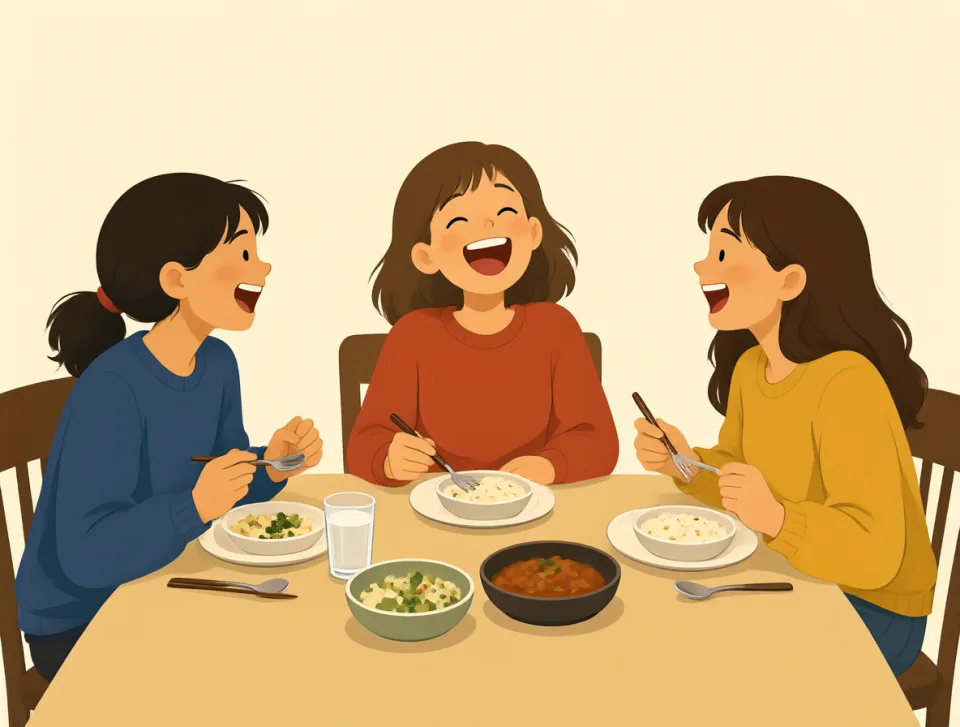
She laughed with her friends at lunch.
她和朋友們在午餐時一起笑著聊天。

He laughed when he saw the silly hat.
他看到那頂滑稽的帽子時笑了。

Her laugh made everyone feel happy.
她的笑聲讓大家都感到開心。