Блок 31
Слова 601–620 · particularly, wife, sport, prepare, discuss, response
particularly
#601adverb
особенно
More than usual or more than others in a particular way.
В большей степени, чем обычно или чем другие, в определённом отношении.
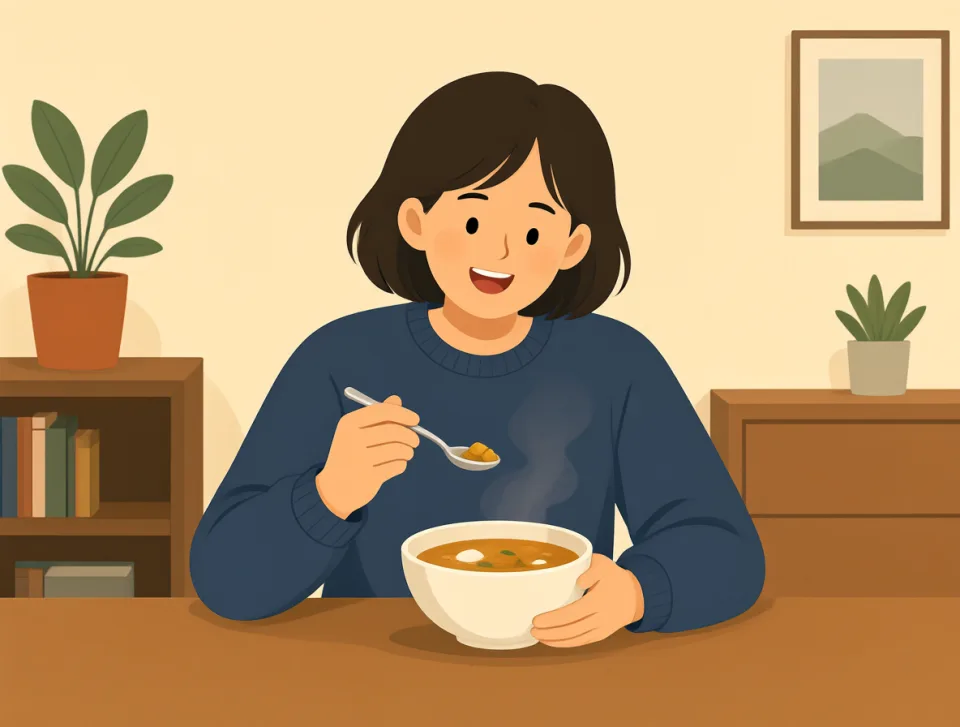
I particularly like this warm soup.
Мне особенно нравится этот горячий суп.

She was particularly tired after work.
После работы она особенно устала.

This shop is particularly busy today.
Сегодня в этом магазине особенно много посетителей.
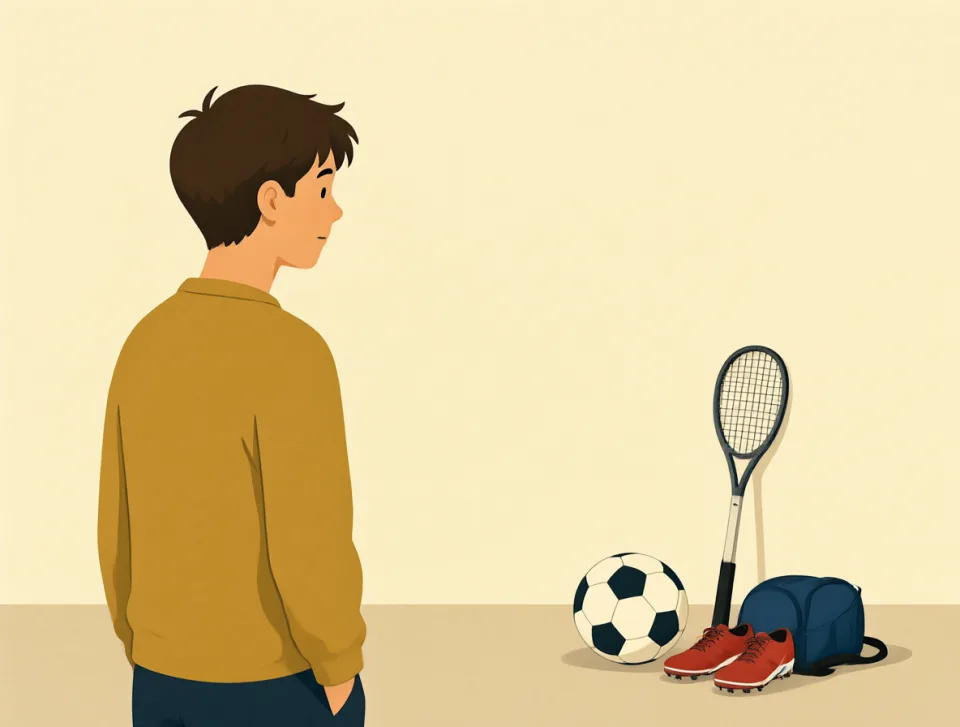
He enjoys sports, particularly football.
Ему нравятся разные виды спорта, особенно футбол.
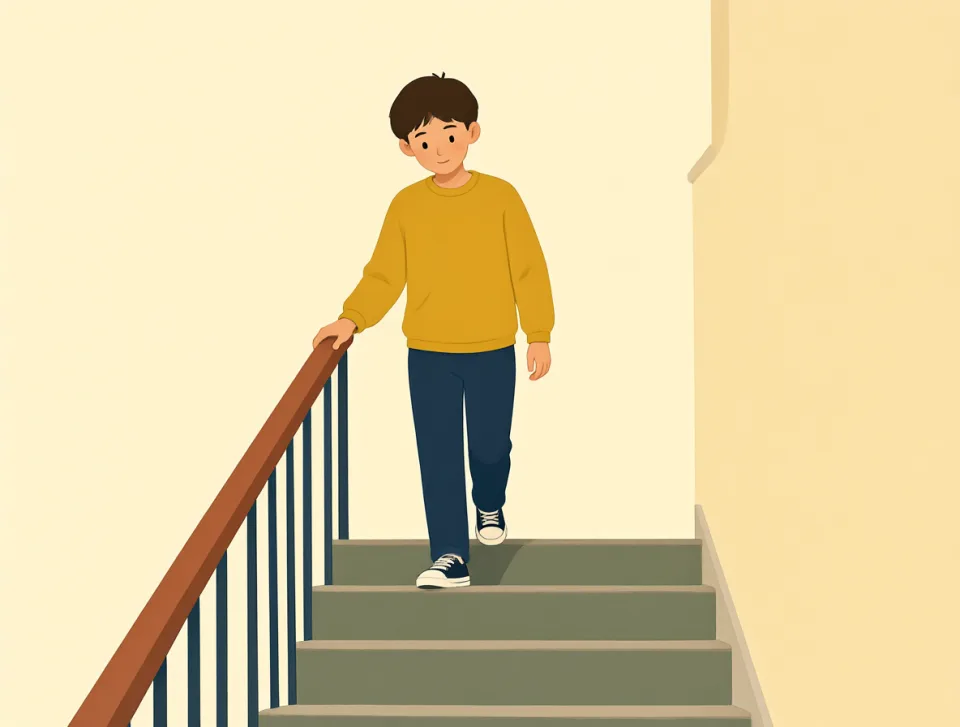
Please be particularly careful on these stairs.
Пожалуйста, будьте особенно осторожны на этой лестнице.

wife
#602noun
жена
A married woman, or a woman you are married to.
Женщина, состоящая в браке, или женщина, на которой вы женаты.

His wife is making dinner tonight.
Сегодня вечером его жена готовит ужин.
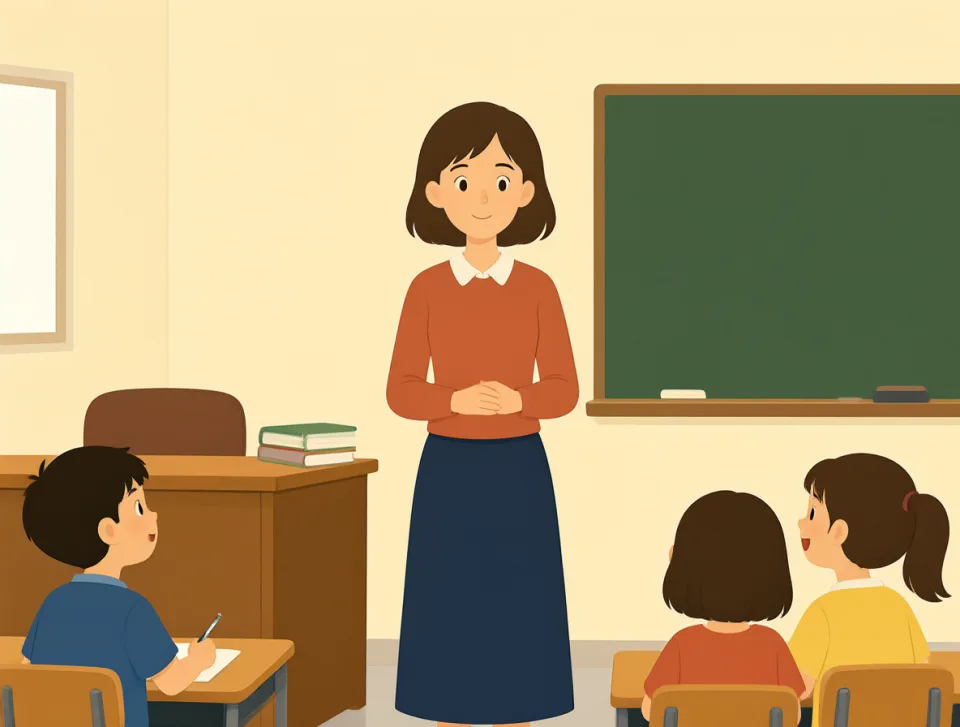
My wife works at the local school.
Моя жена работает в местной школе.

I bought flowers for my wife.
Я купил цветы для жены.
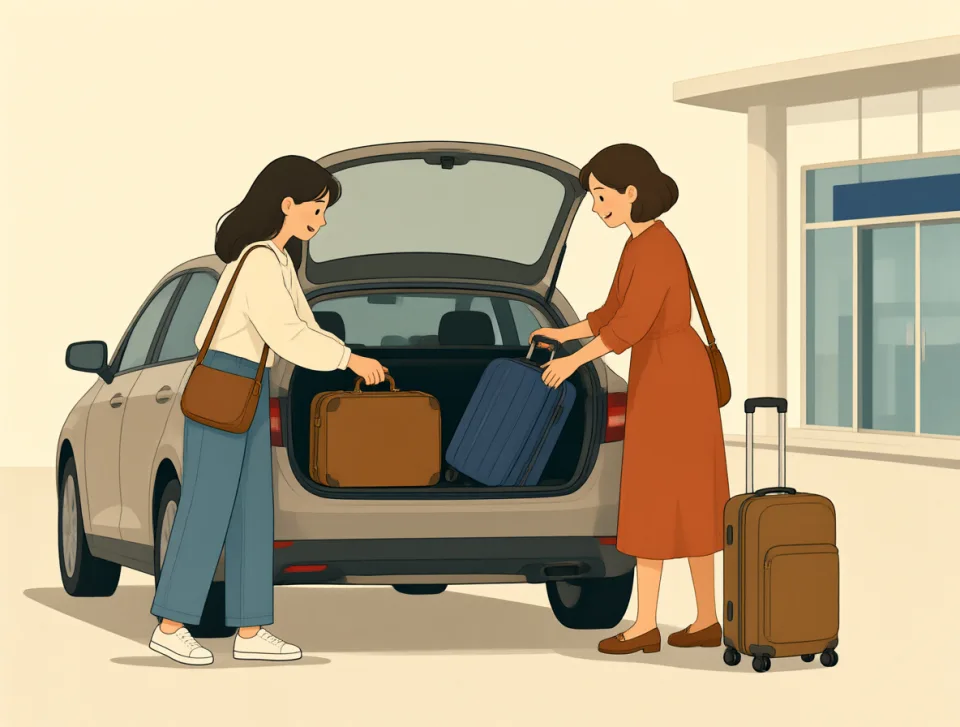
Her wife drove them to the airport.
Её жена отвезла их в аэропорт.

His wife feels better after seeing the doctor.
После визита к врачу его жене стало лучше.
sport
#603noun, verb
спорт
A game or activity that people do for exercise, fun, or competition.
Игра или занятие, которым люди занимаются ради физической нагрузки, удовольствия или соревнования.
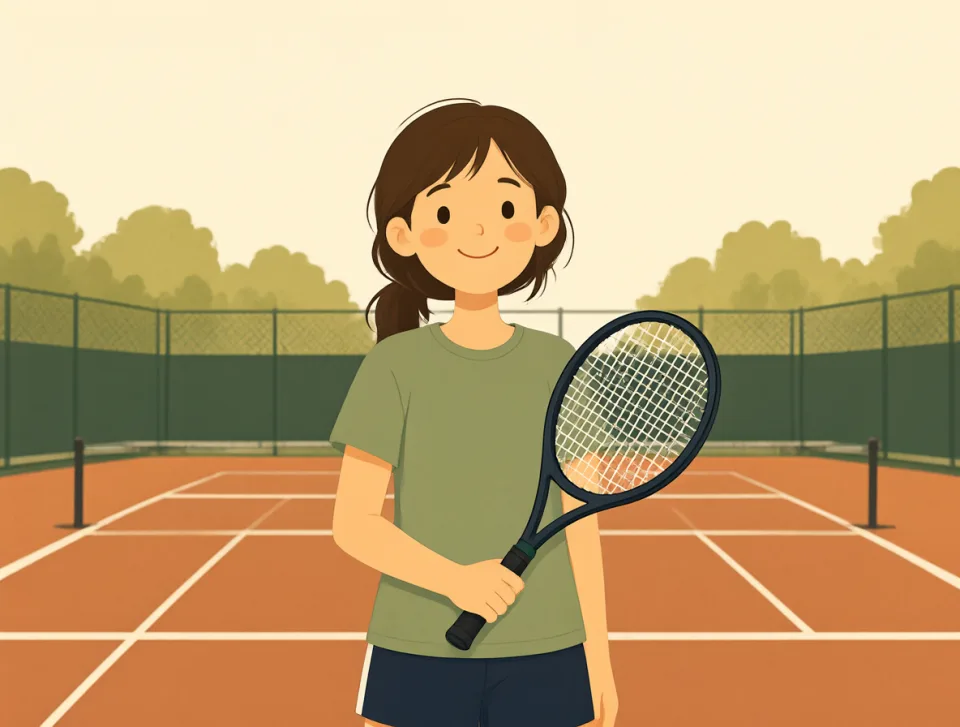
My favorite sport is tennis.
Мой любимый вид спорта — теннис.

He plays sport after school.
После школы он занимается спортом.
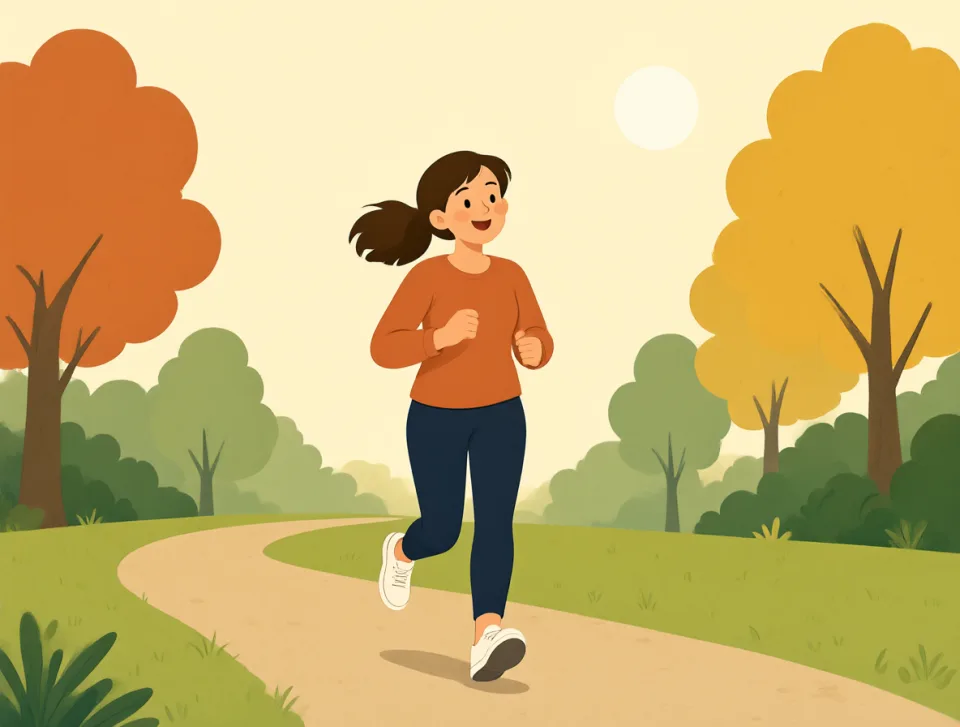
Sport can help you stay healthy.
Спорт помогает оставаться здоровым.
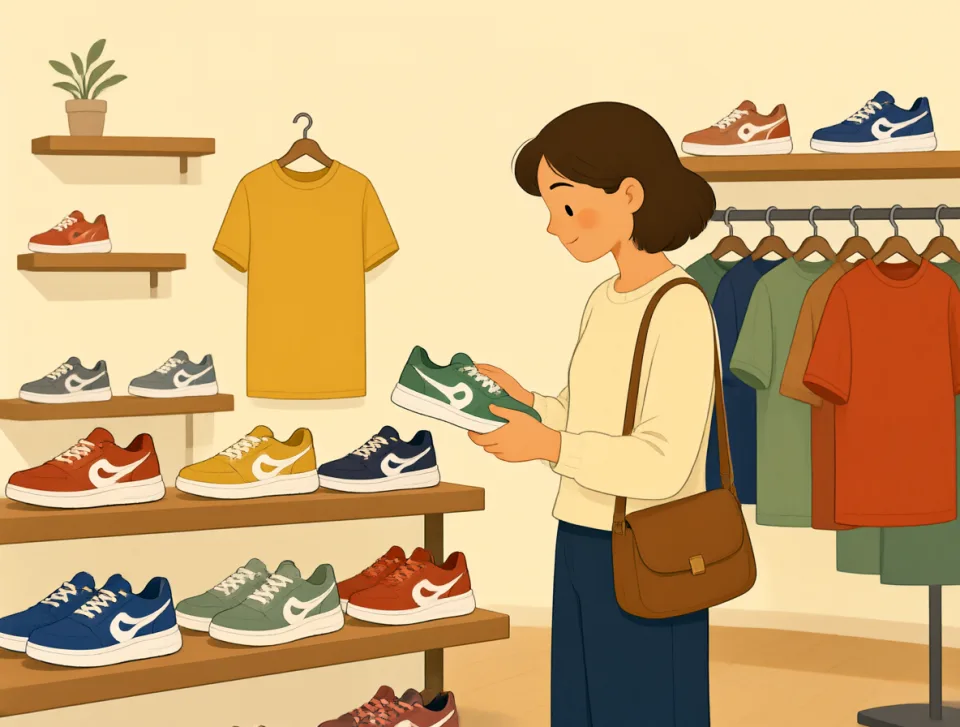
The shop sells clothes for sport.
В магазине продаётся спортивная одежда.

We talked about sport on the train.
В поезде мы говорили о спорте.
prepare
#604verb
готовить; подготавливать
to get ready for something or make something ready
Подготовиться к чему-либо или подготовить что-либо.
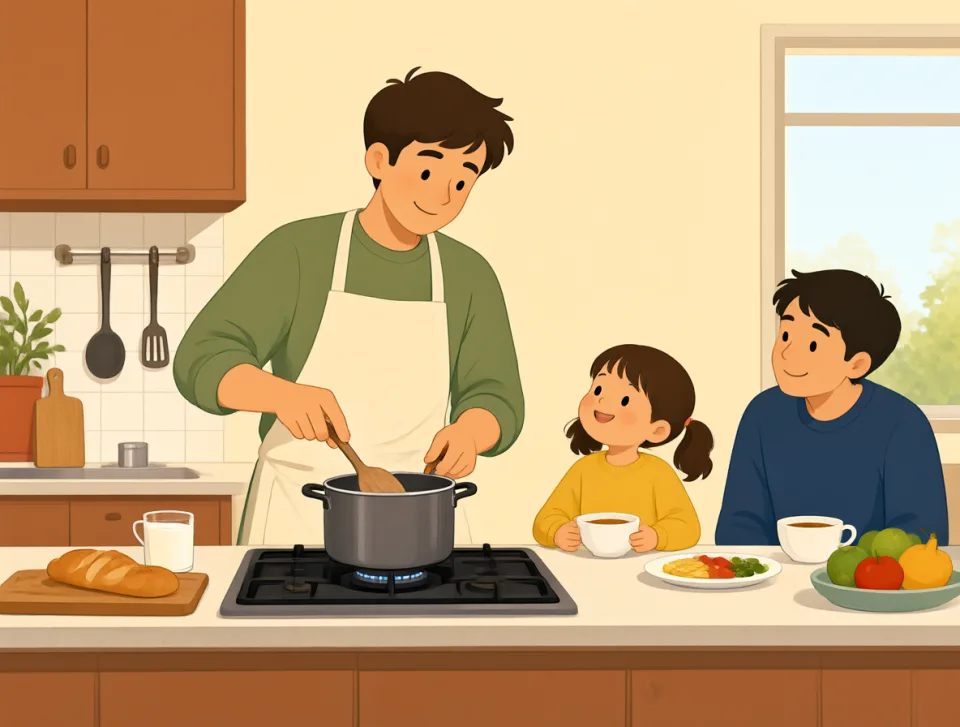
I prepare breakfast for my family every morning.
Я каждое утро готовлю завтрак для своей семьи.
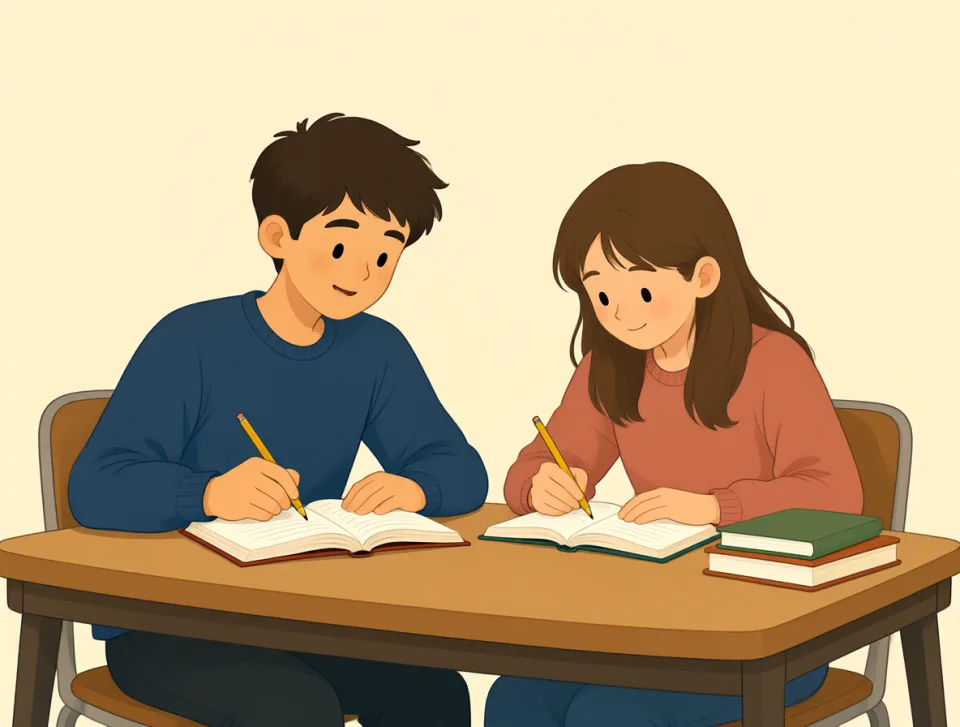
We are preparing for the school test.
Мы готовимся к школьной контрольной.

She prepared a report for the meeting.
Она подготовила доклад к встрече.
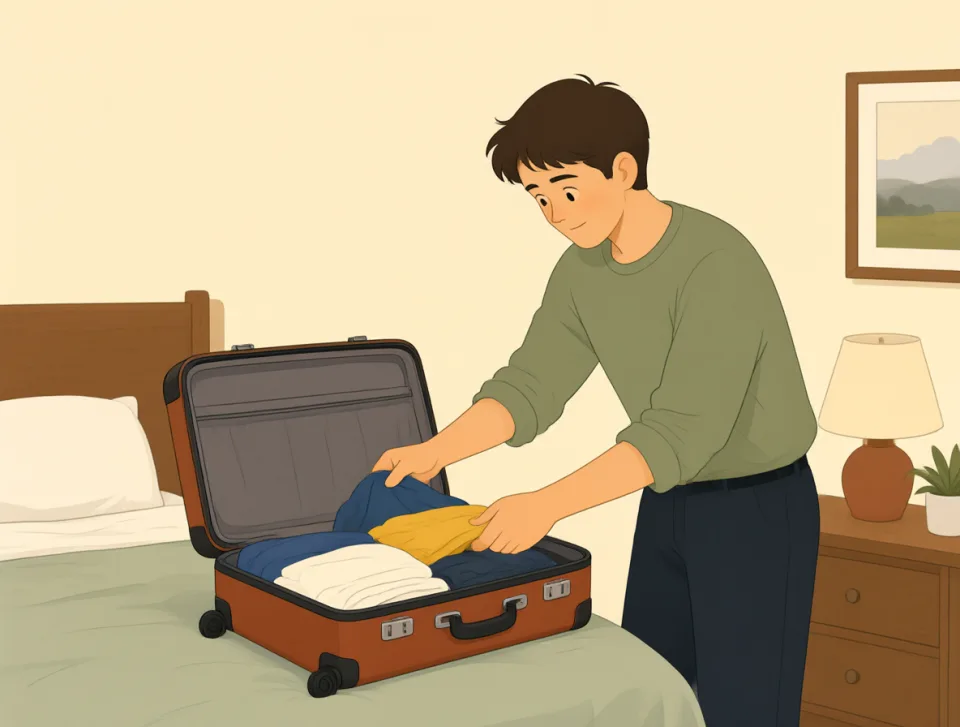
He prepared his suitcase before the trip.
Перед поездкой он собрал чемодан.
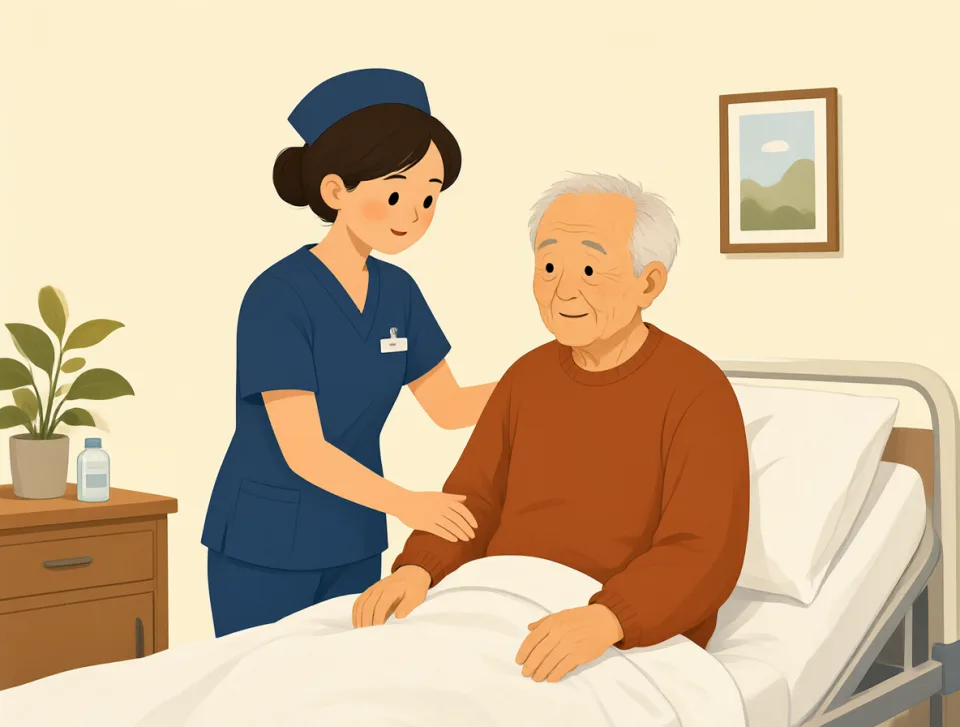
The nurse prepared the patient for surgery.
Медсестра подготовила пациента к операции.

discuss
#605verb
обсуждать
to talk about something with another person or group
Говорить о чём-либо с другим человеком или группой людей.

We discussed our weekend plans over dinner.
За ужином мы обсудили планы на выходные.
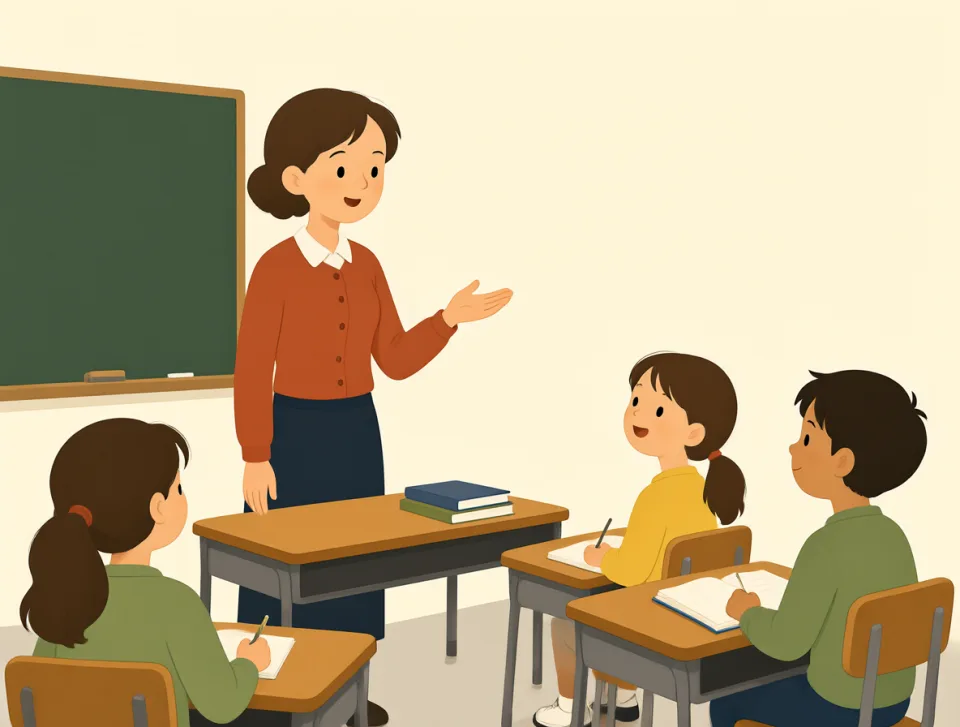
The teacher discussed the homework with us.
Учитель обсудил с нами домашнее задание.

They discussed the problem at work.
Они обсудили проблему на работе.

We discussed which hotel to book.
Мы обсудили, какой отель забронировать.
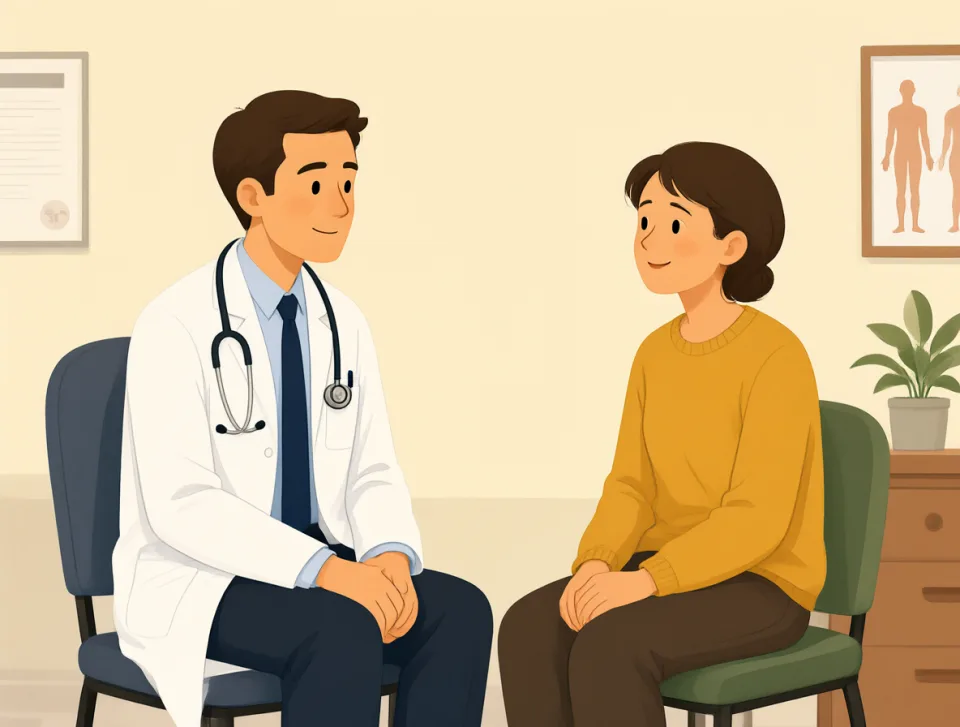
The doctor discussed my treatment with me.
Врач обсудил со мной моё лечение.

response
#606noun
ответ
an answer or reaction to something that someone says, asks, or does
ответ или реакция на то, что кто-то говорит, спрашивает или делает

I am waiting for your response.
Я жду твоего ответа.
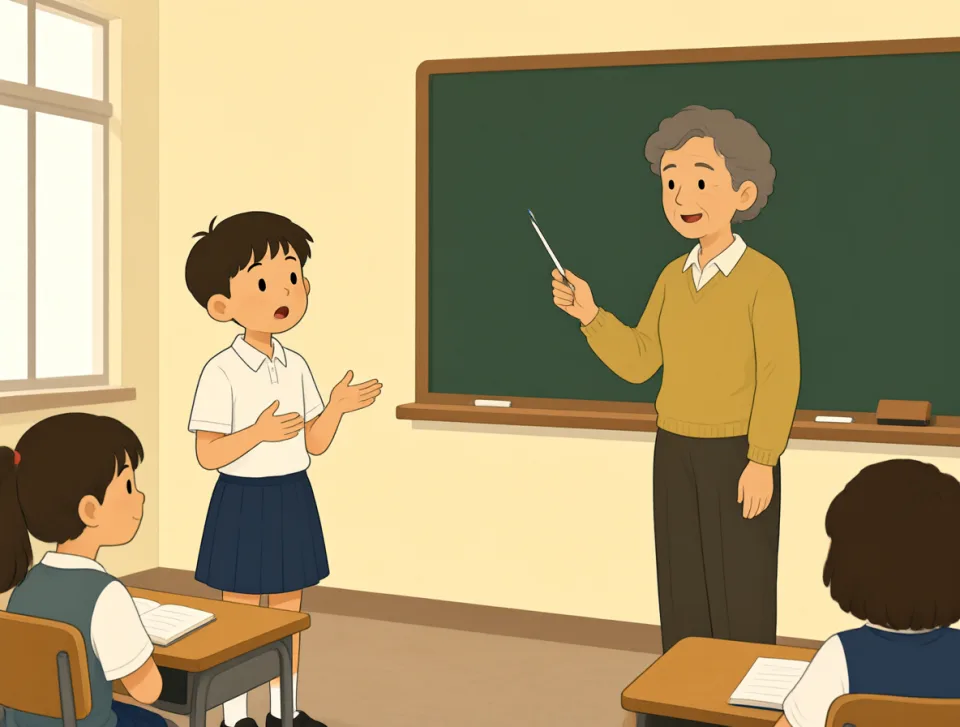
His response to the question was clear.
Он ясно ответил на вопрос.

The company sent a quick response.
Компания быстро ответила.
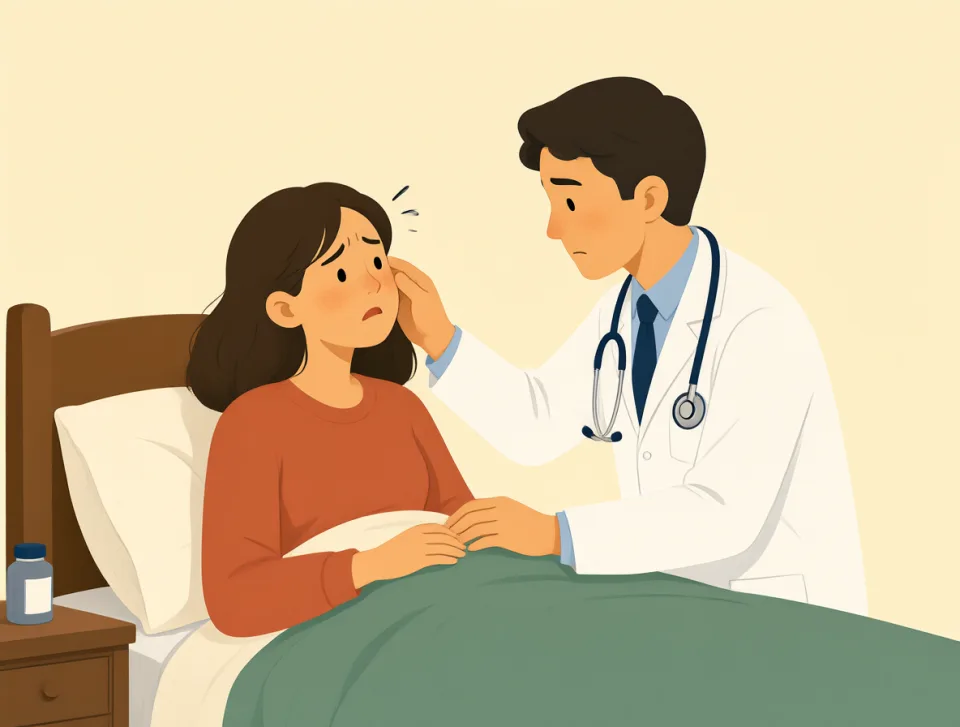
She had a bad response to the medicine.
У неё была плохая реакция на лекарство.
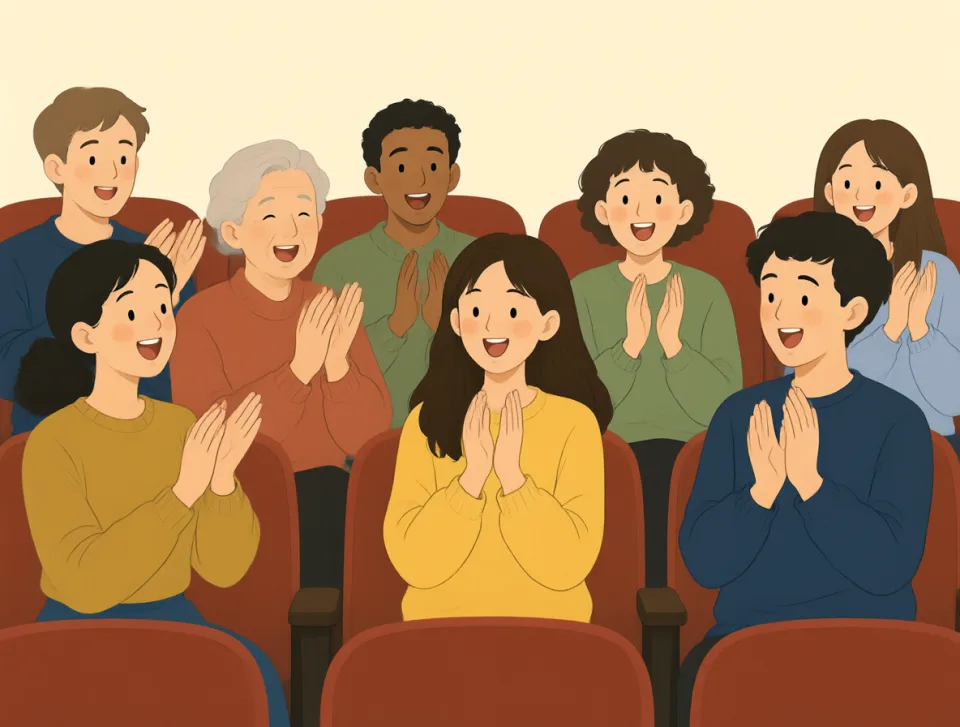
The audience gave a loud response.
Зрители громко отреагировали.

voice
#607noun, verb
голос
The sound made when a person speaks or sings.
Звук, который издаёт человек, когда говорит или поёт.

I could hear her voice clearly.
Я чётко слышал её голос.

He has a deep, friendly voice.
У него низкий, приятный голос.

Please leave a voice message.
Пожалуйста, оставьте голосовое сообщение.
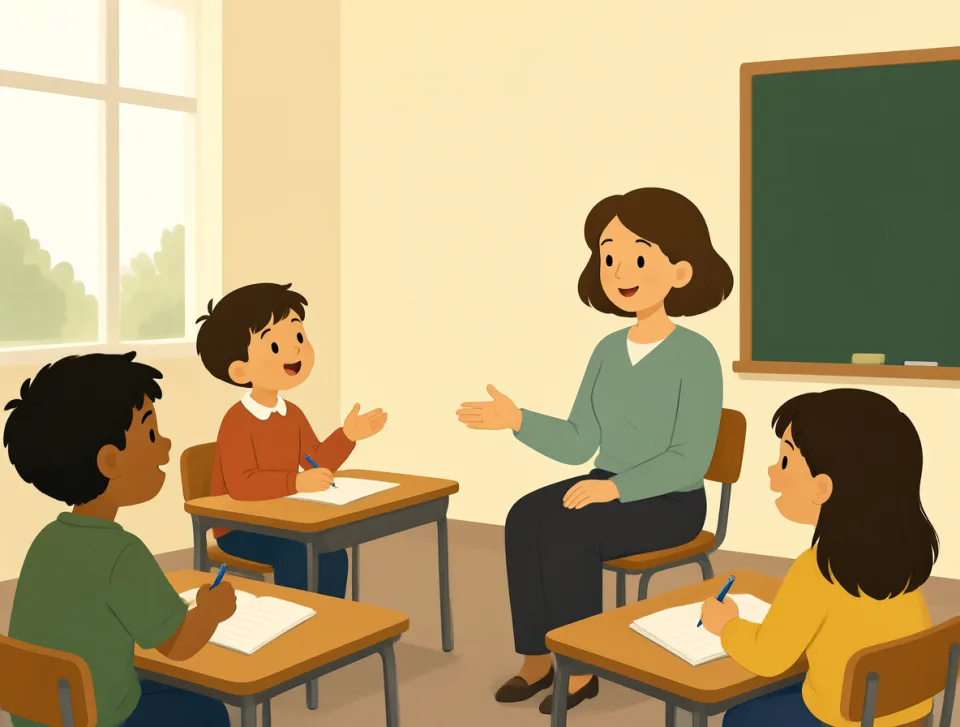
The teacher asked us to use our voices.
Учитель попросил нас пользоваться голосом.

She voiced her concerns about the trip.
Она высказала свою обеспокоенность по поводу поездки.

piece
#608noun
кусок
a part of something, or an amount of food or information
часть чего-либо или некоторое количество еды или информации

I ate a piece of cake after dinner.
После ужина я съел кусок торта.
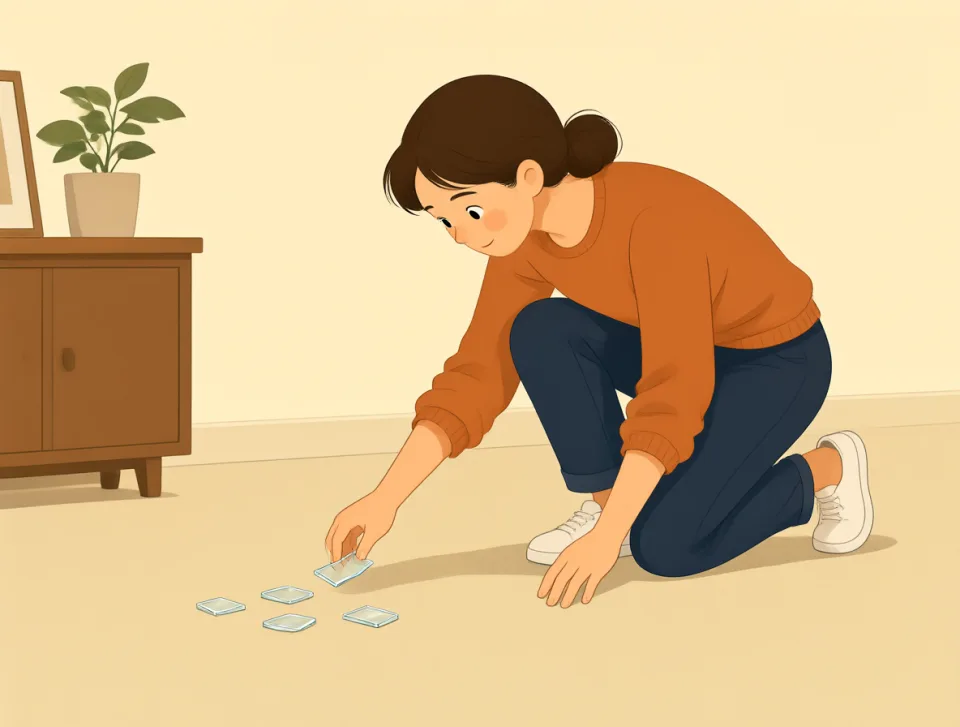
She found a piece of glass on the floor.
Она нашла на полу осколок стекла.
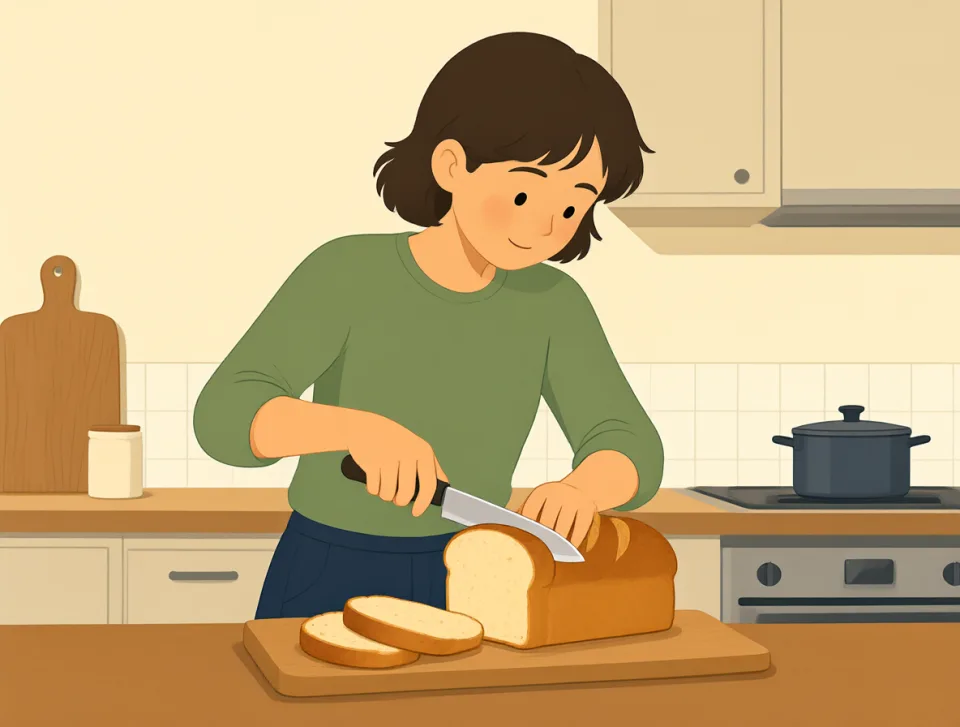
Please cut me a piece of bread.
Пожалуйста, отрежь мне кусок хлеба.
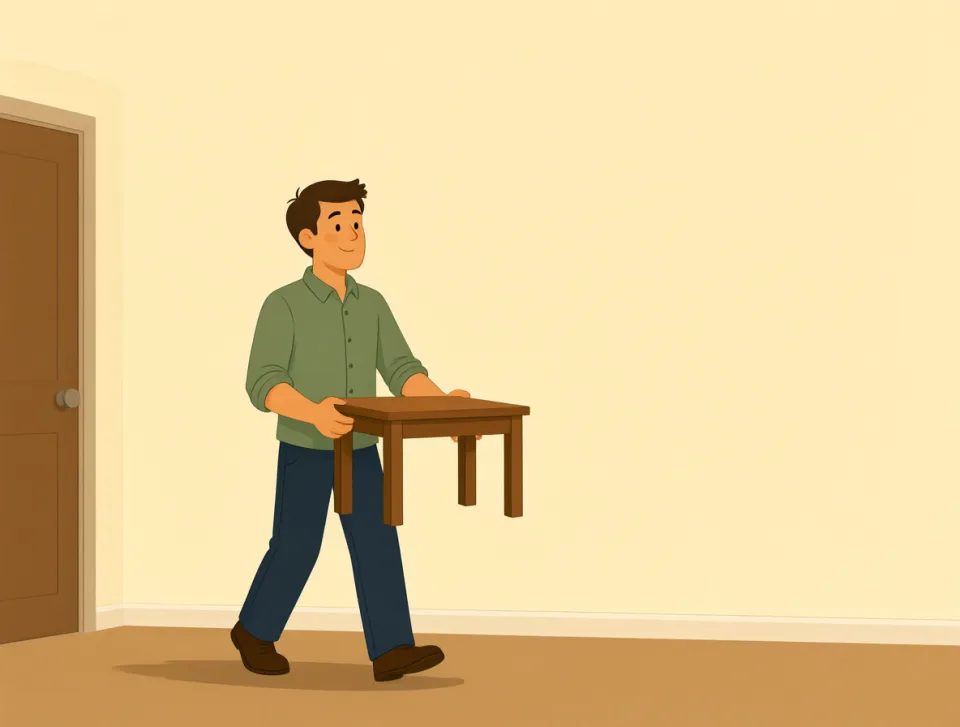
He bought a new piece of furniture.
Он купил новый предмет мебели.
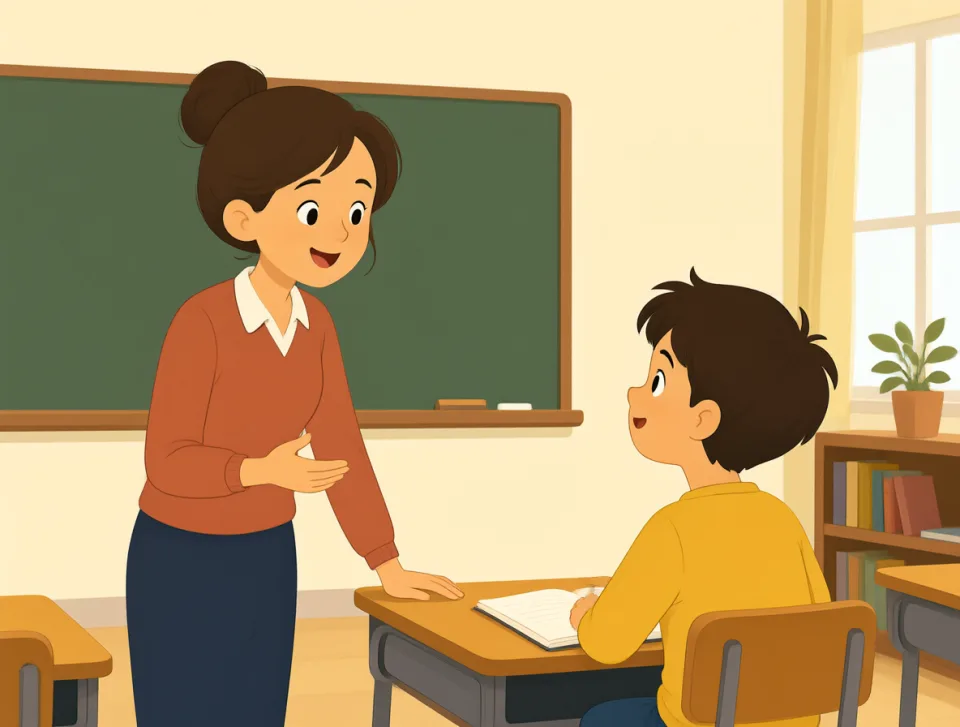
The teacher gave us a piece of advice.
Учитель дал нам один совет.

finish
#609verb, noun
заканчивать
To complete something or reach the end of it.
Завершить что-либо или довести это до конца.
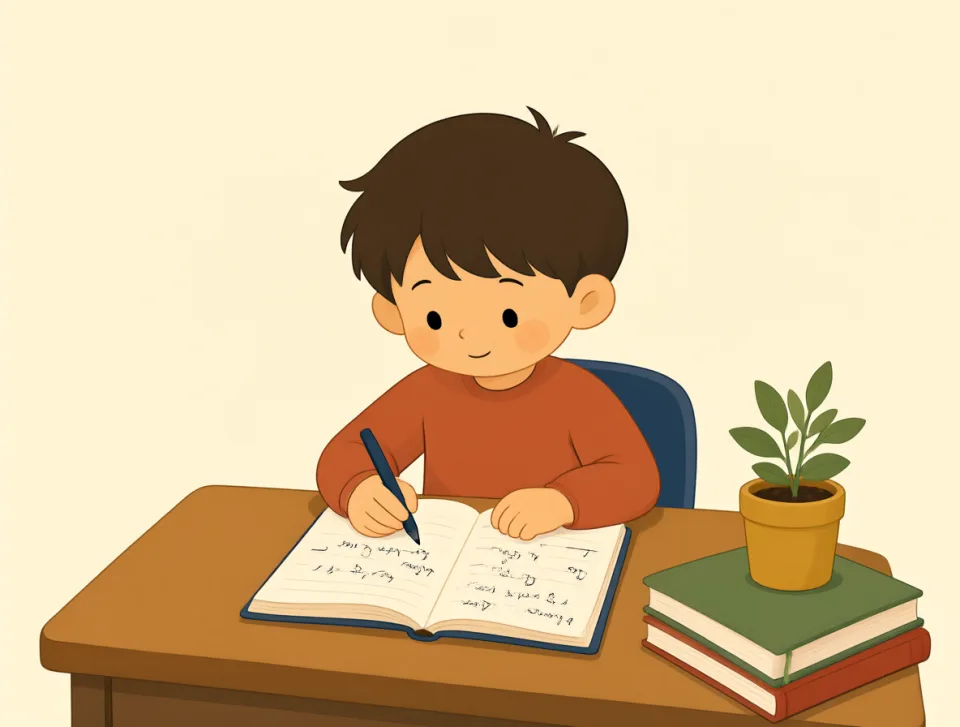
Please finish your homework before dinner.
Пожалуйста, закончи домашнее задание до ужина.

She finished cleaning the kitchen.
Она закончила убирать кухню.

We finished our lunch and left.
Мы доели обед и ушли.

He finished the race in first place.
Он финишировал первым.

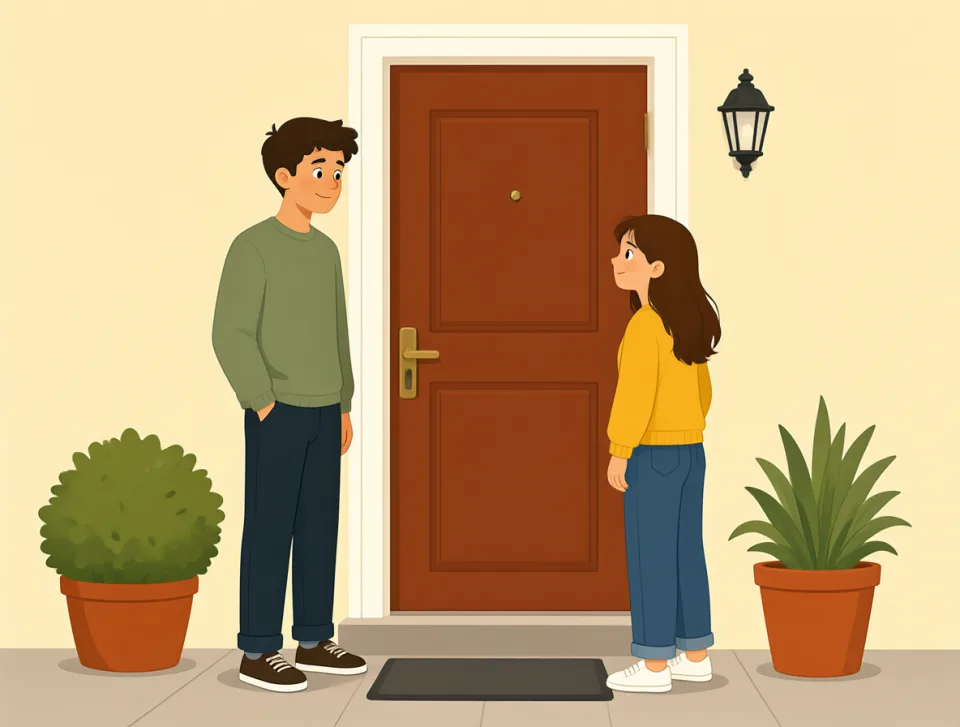
The blue paint gives the table a smooth finish.
Синяя краска придаёт столу гладкую поверхность.
suppose
#610verb
предполагать
to think something is probably true or to imagine a possible situation
считать что-либо, вероятно, верным или представлять возможную ситуацию
I suppose we can leave now.
Думаю, теперь мы можем уйти.

Suppose it rains during our picnic.
Представь, что во время нашего пикника пойдёт дождь.

I suppose you are right about that.
Думаю, ты в этом прав.
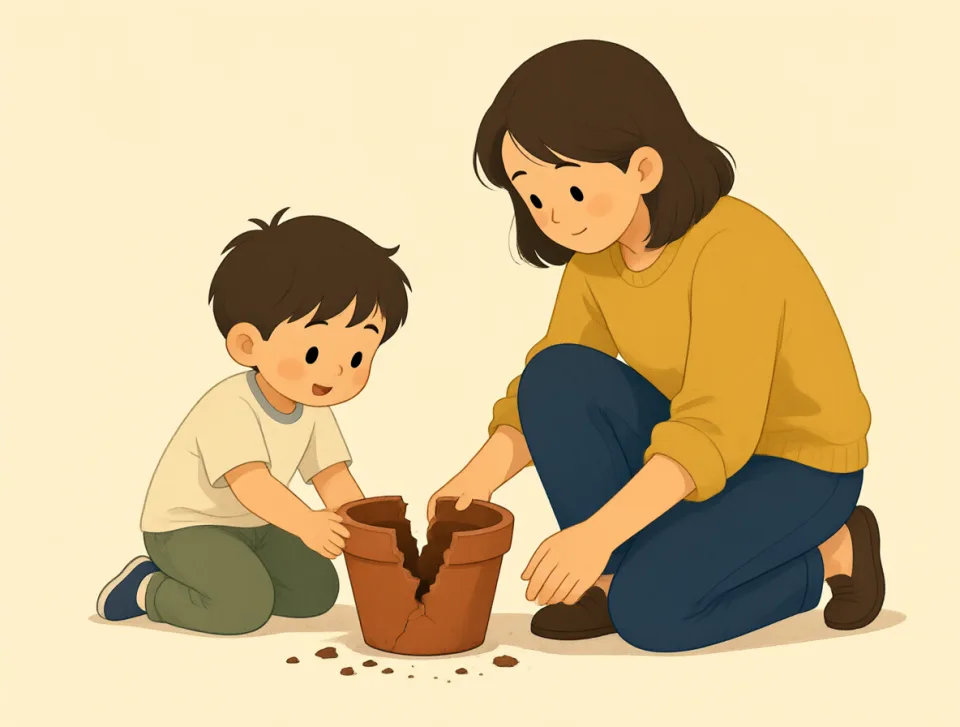
What do you suppose happened here?
Как ты думаешь, что здесь произошло?
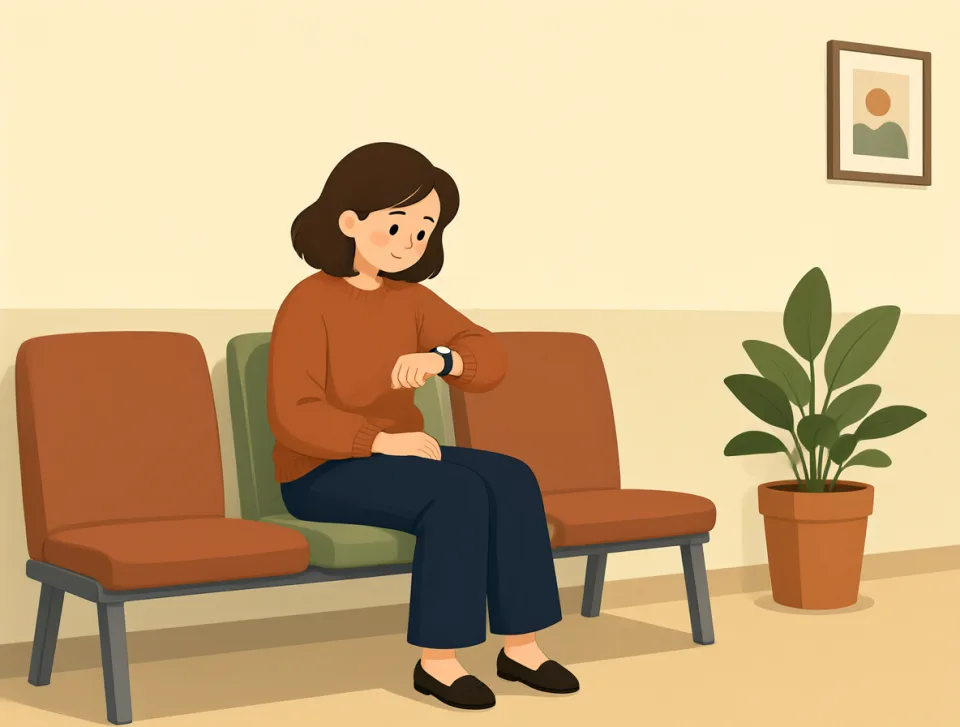
I suppose she forgot her appointment.
Думаю, она забыла о своей встрече.
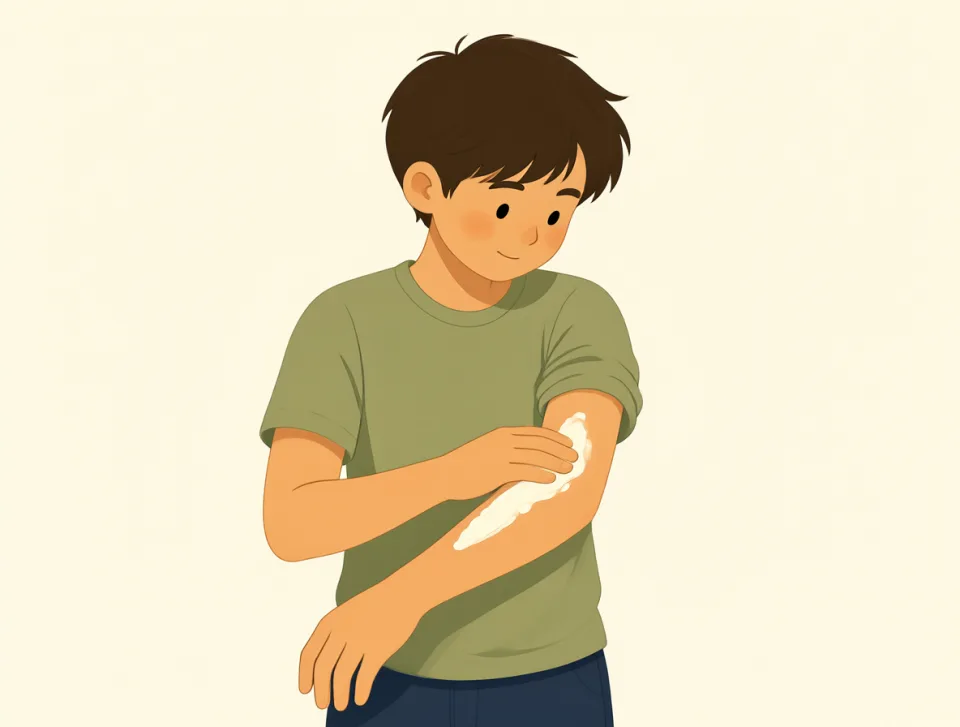
apply
#611verb
применять; подавать заявление
to use something to a particular purpose or ask officially for something
использовать что-либо для определённой цели или официально обращаться с просьбой о чём-либо
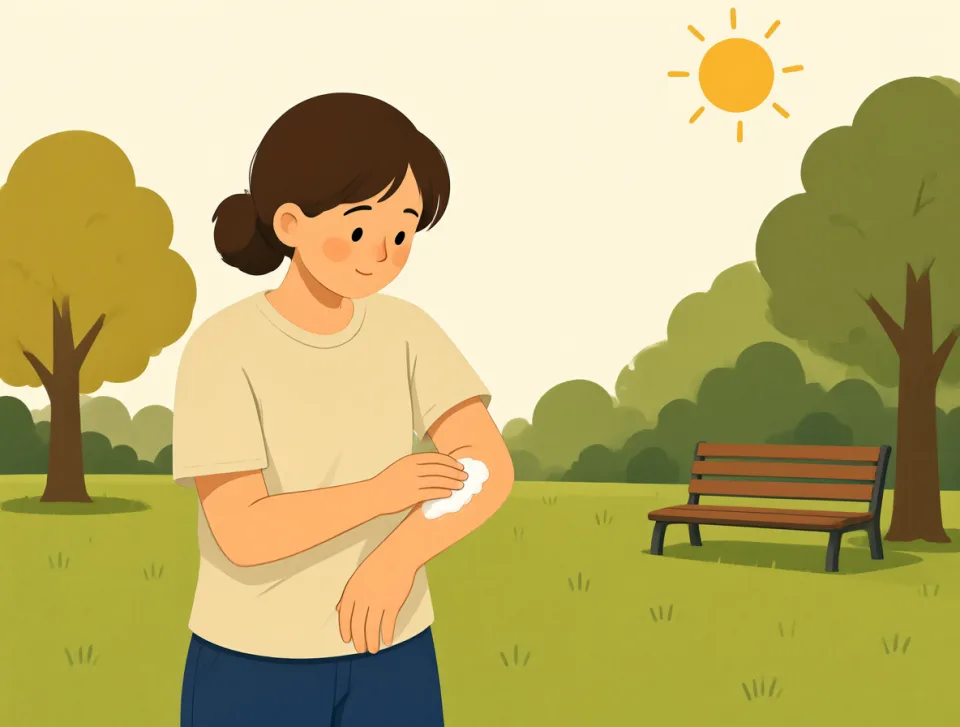
Apply sunscreen before you go outside.
Нанеси солнцезащитный крем перед выходом на улицу.

She applied for a new job yesterday.
Вчера она подала заявление на новую работу.
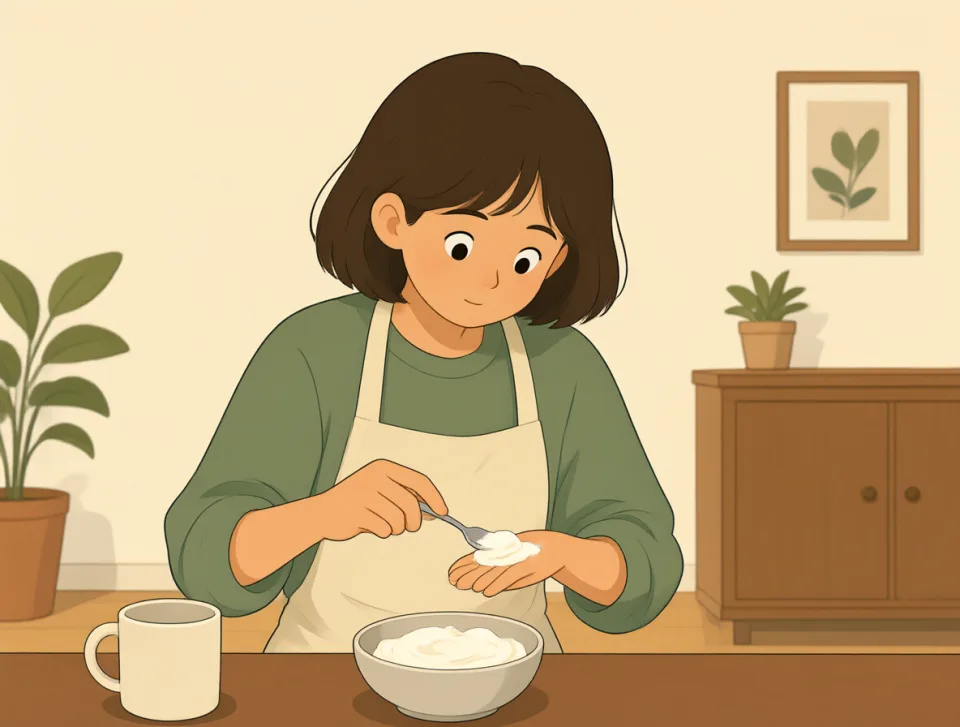
Please apply this cream twice a day.
Пожалуйста, наносите этот крем два раза в день.
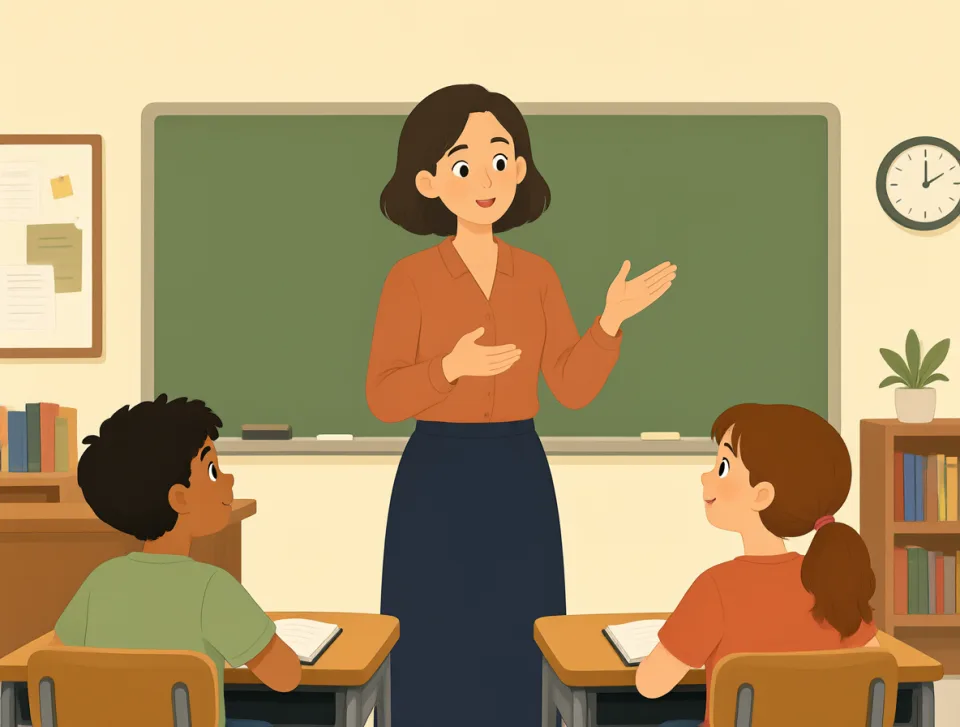
The teacher applied the rule fairly.
Учитель справедливо применил это правило.

This discount applies to all shoes.
Эта скидка распространяется на всю обувь.

president
#612noun
президент
The elected leader of a country or the person who leads an organization.
Избранный руководитель страны или человек, возглавляющий организацию.
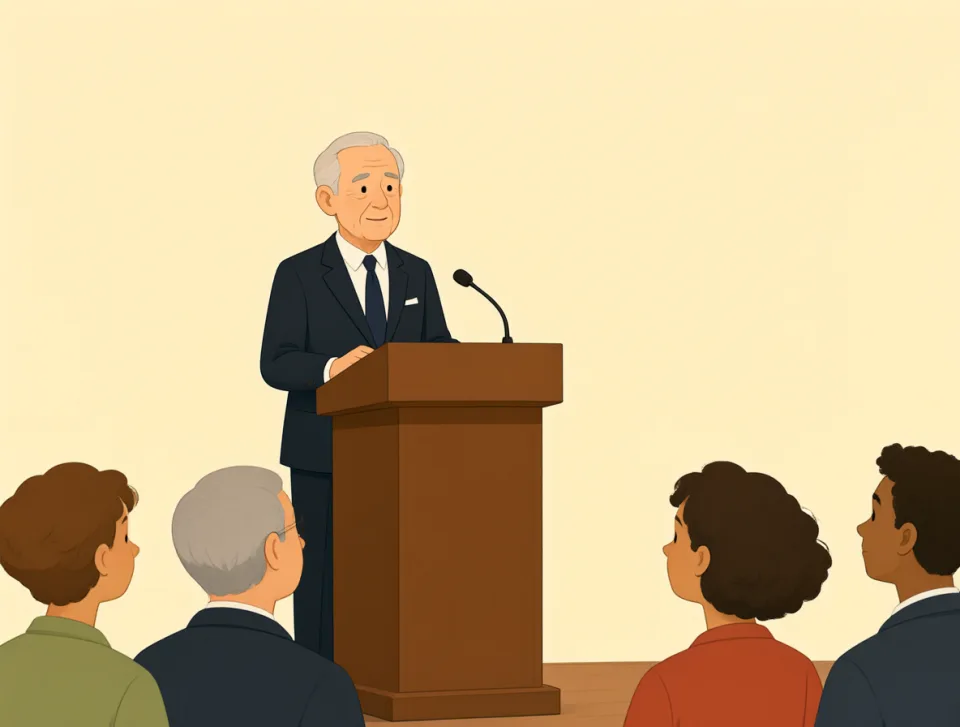
The president gave a speech yesterday.
Вчера президент выступил с речью.

The president met the workers this morning.
Сегодня утром президент встретился с рабочими.

Our club president planned the meeting.
Наш президент клуба запланировал собрание.

The school president welcomed new students.
Президент школы приветствовал новых учеников.

The company president visited our office.
Президент компании посетил наш офис.

fire
#613noun, verb
огонь; увольнять
Fire is heat and light from burning; to fire someone means to make them leave a job.
Огонь — это тепло и свет, возникающие при горении; to fire someone означает уволить кого-либо.

We sat around the fire last night.
Прошлой ночью мы сидели у костра.
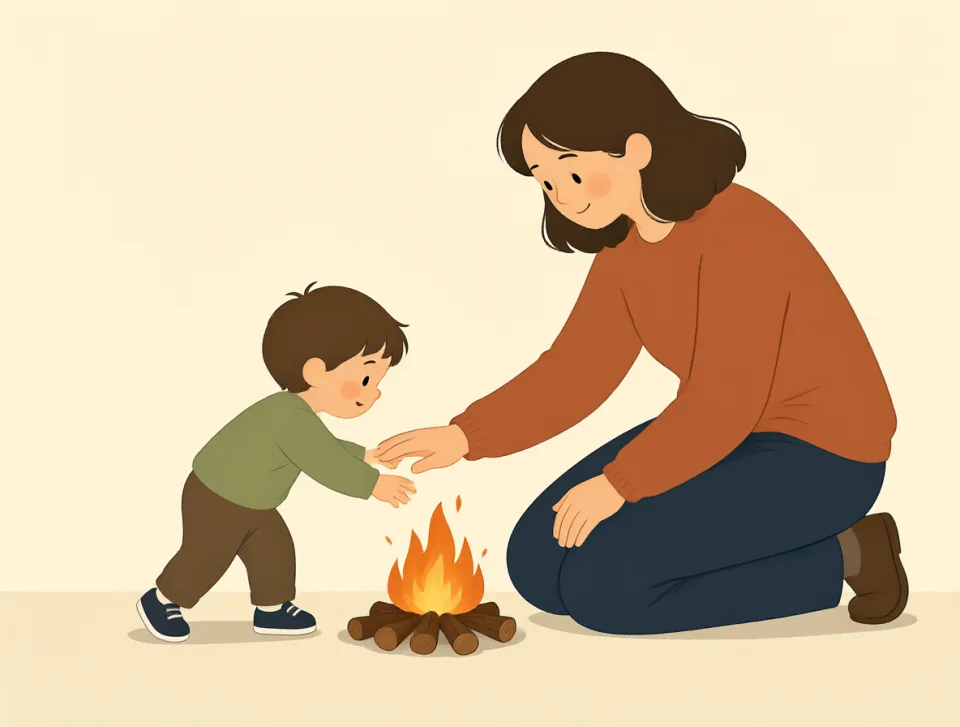
Please do not play with fire.
Пожалуйста, не играйте с огнём.
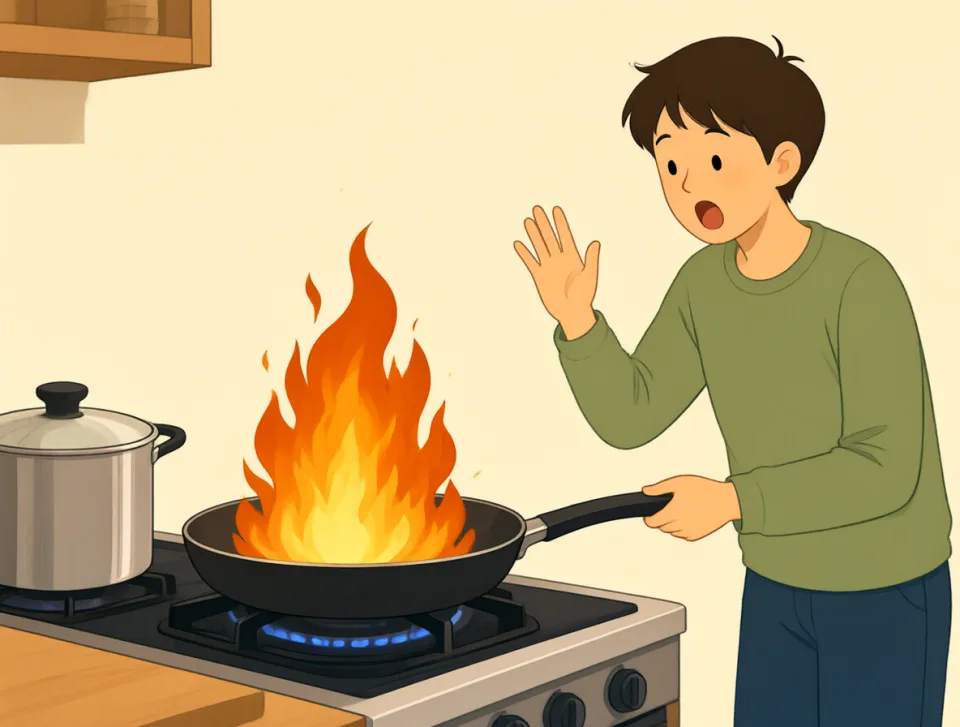
The fire started in the kitchen.
Пожар начался на кухне.

The manager fired him yesterday.
Вчера менеджер его уволил.
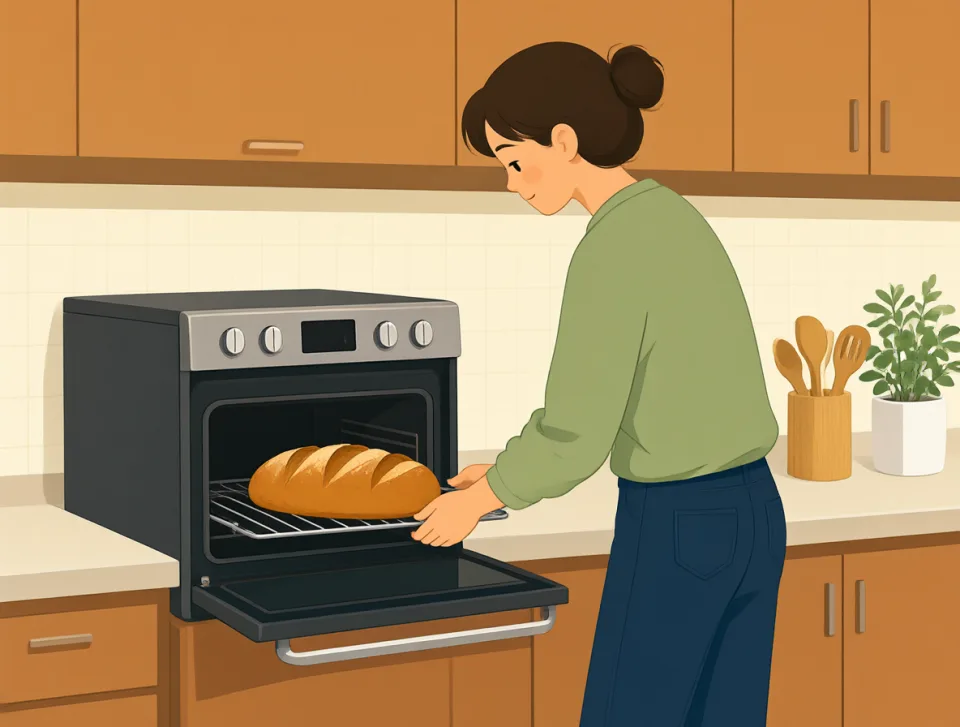
Fire the oven before baking the bread.
Разогрейте духовку перед тем, как печь хлеб.

compare
#614verb
сравнивать
to look at two or more things and see how they are alike or different
рассматривать два или более предмета и находить их сходства или различия

Compare these two prices before you buy.
Сравни эти две цены перед покупкой.
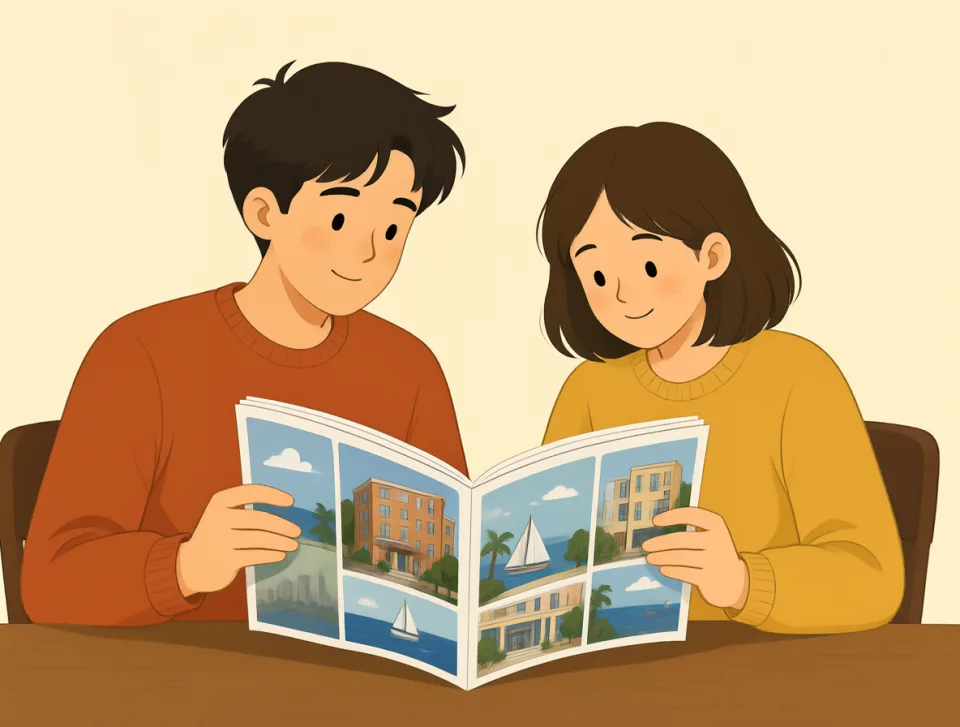
We compared the hotels before booking our trip.
Перед бронированием поездки мы сравнили отели.
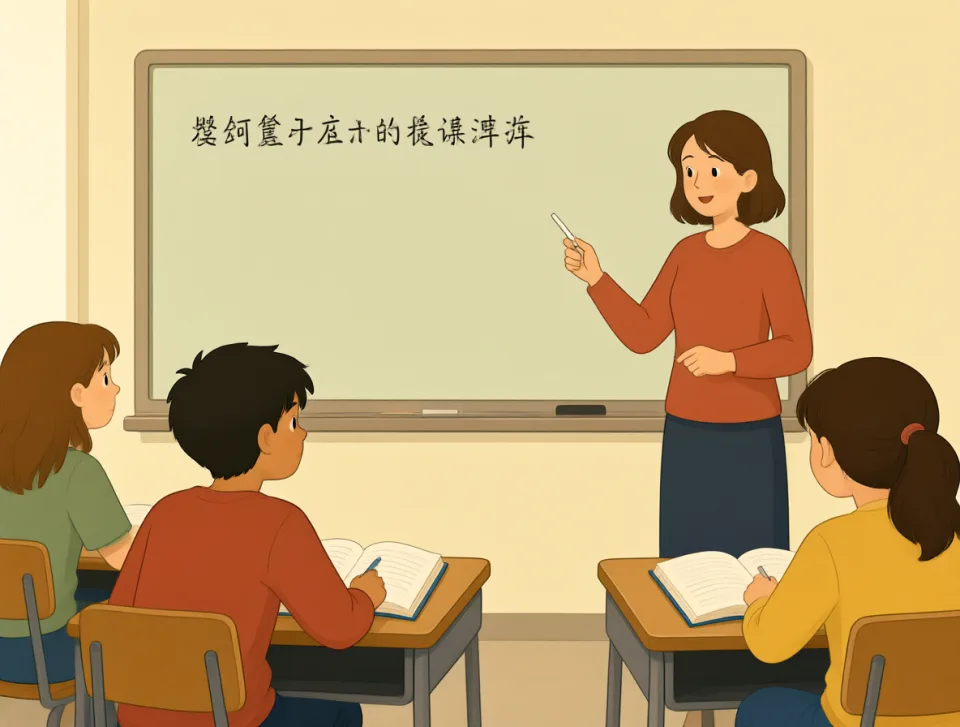
The teacher asked us to compare two stories.
Учитель попросил нас сравнить два рассказа.
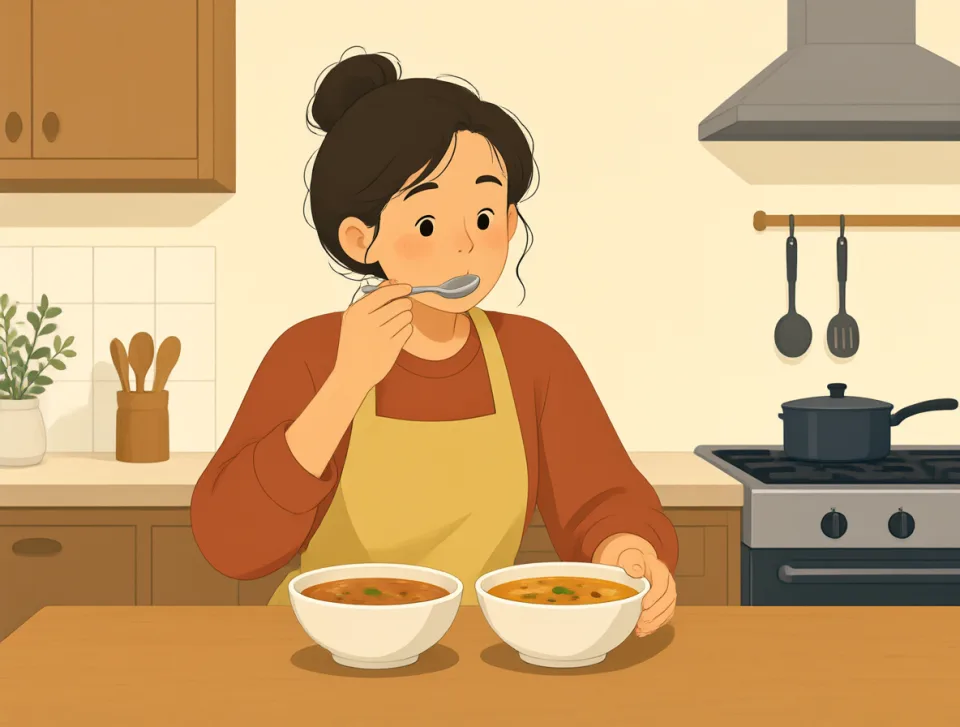
Compare this soup with yesterday’s soup.
Сравни этот суп со вчерашним.

I compared my headache with my friend’s.
Я сравнил свою головную боль с головной болью друга.
court
#615noun, verb
суд; добиваться поддержки
A place where legal cases are heard, or to try hard to gain someone's support.
Место, где рассматриваются судебные дела, или попытка всеми силами заручиться чьей-либо поддержкой.
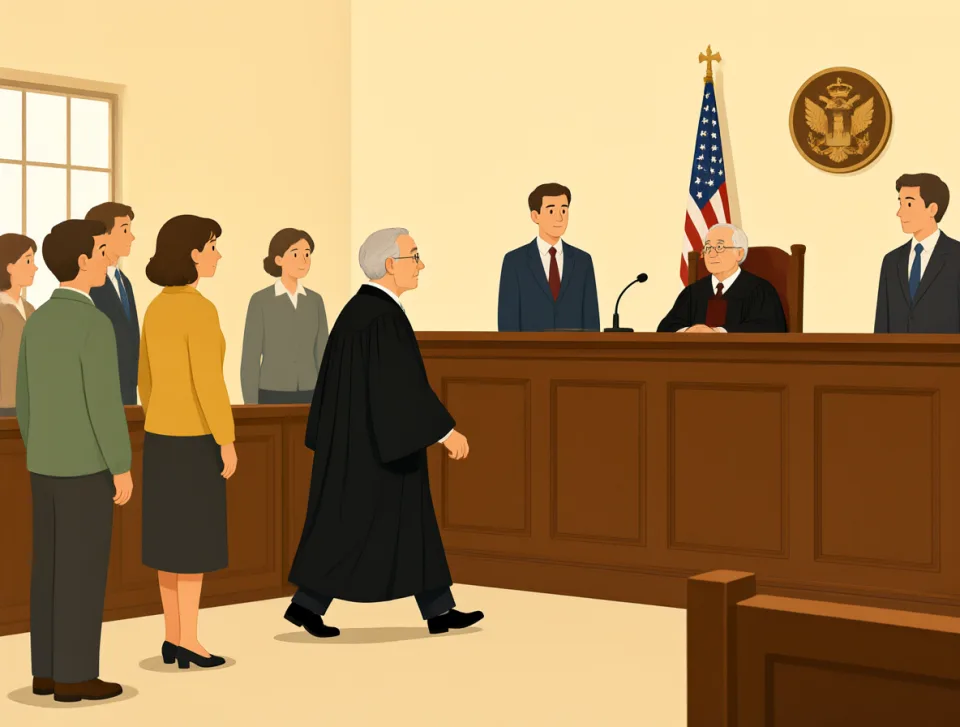
The judge entered the court quietly.
Судья тихо вошёл в зал суда.

They went to court over the problem.
Из-за этой проблемы им пришлось обратиться в суд.

She courted support from her friends.
Она старалась заручиться поддержкой друзей.
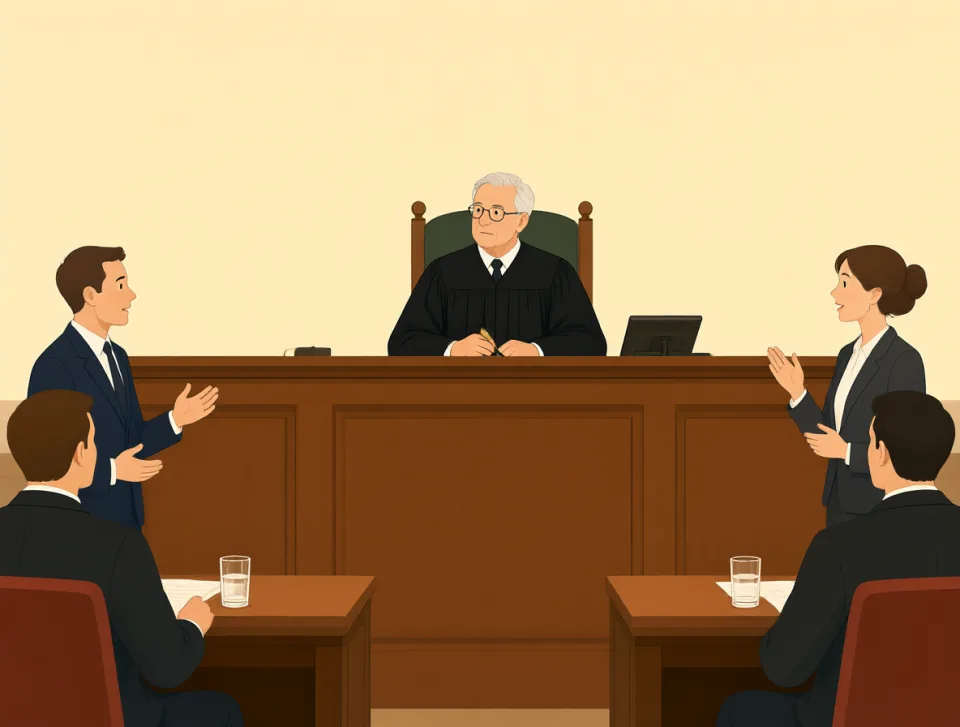
The court heard the case yesterday.
Вчера суд рассмотрел это дело.
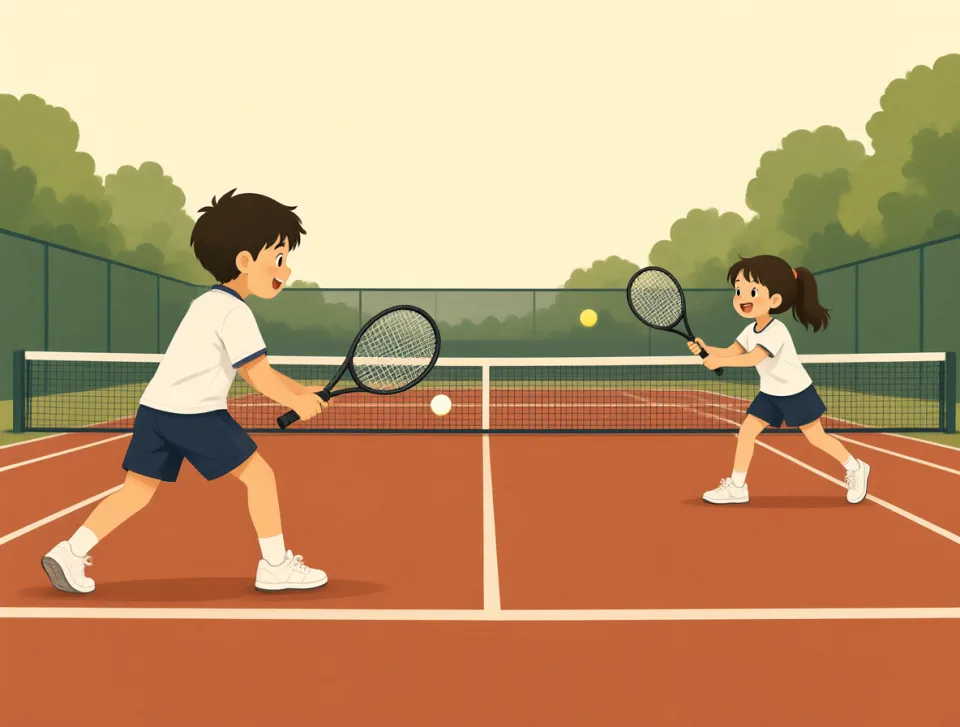
We played tennis on the court.
Мы играли в теннис на корте.
police
#616noun, verb
полиция
The official organization that keeps people safe and stops crime.
Официальная организация, которая обеспечивает безопасность людей и предотвращает преступления.
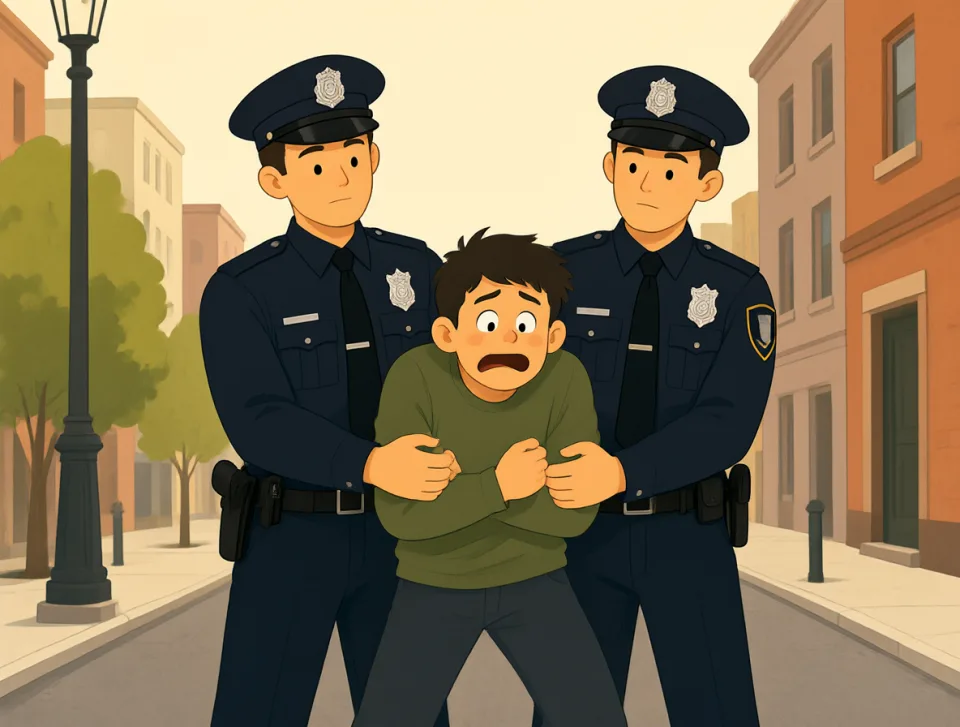
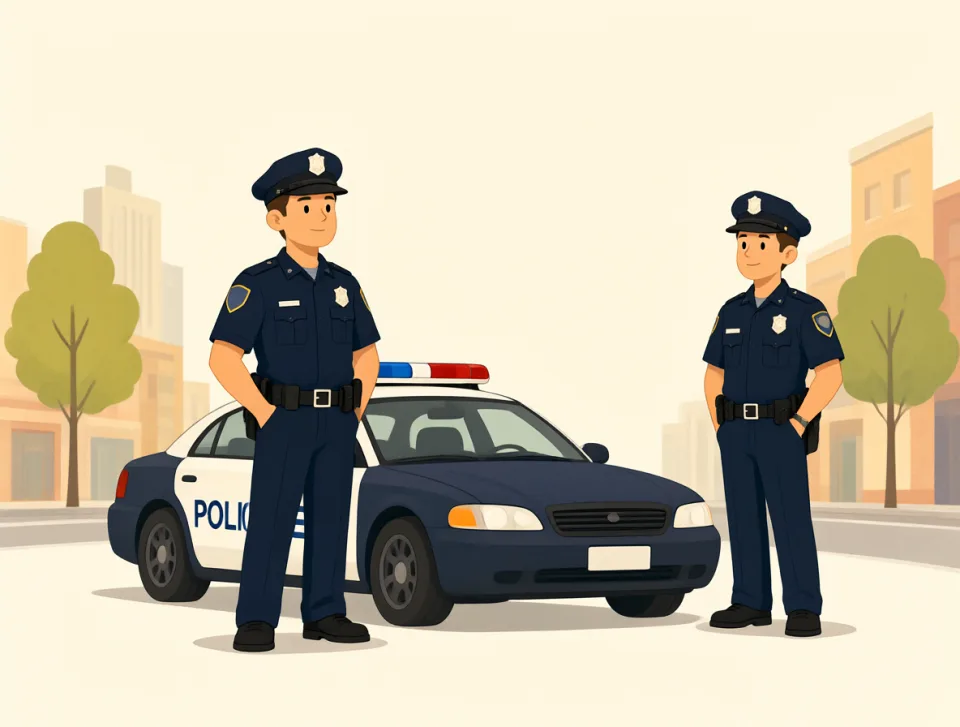
The police caught the thief yesterday.
Вчера полиция поймала вора.
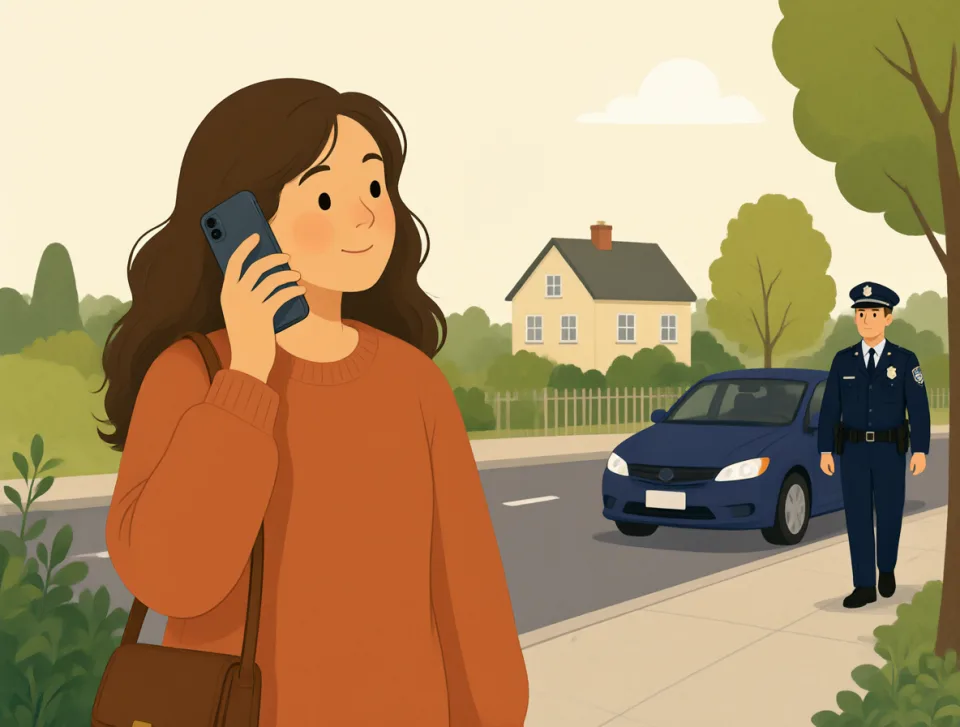
Call the police if you see trouble.
Позвони в полицию, если увидишь неприятности.
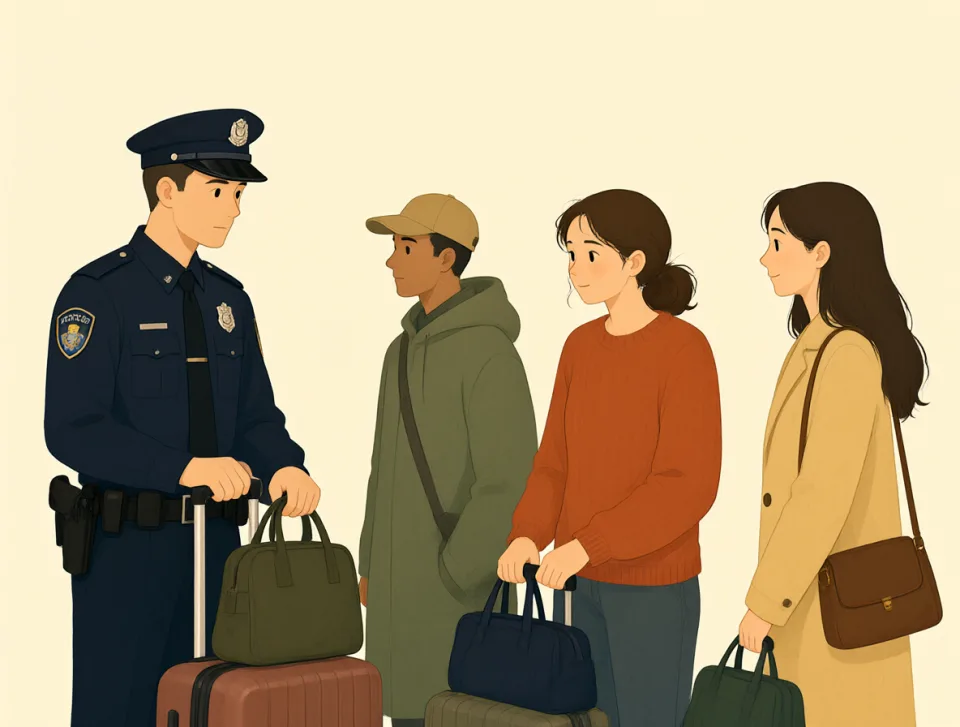
The police are checking our bags.
Полиция проверяет наши сумки.

She works for the police in London.
Она работает в лондонской полиции.
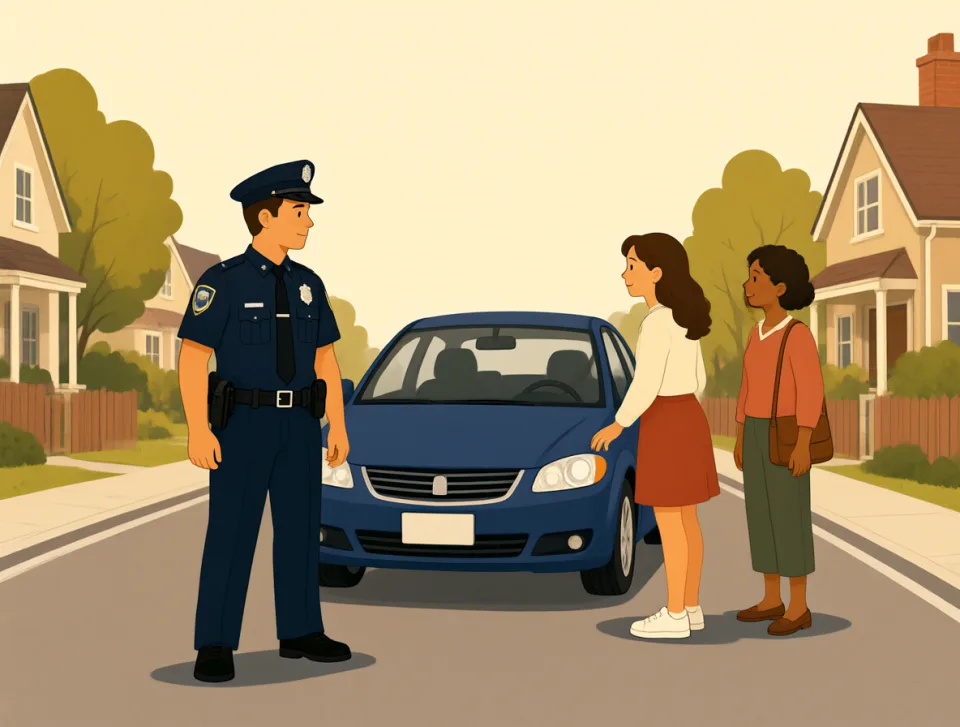
Police stopped the car near our home.
Полиция остановила машину возле нашего дома.
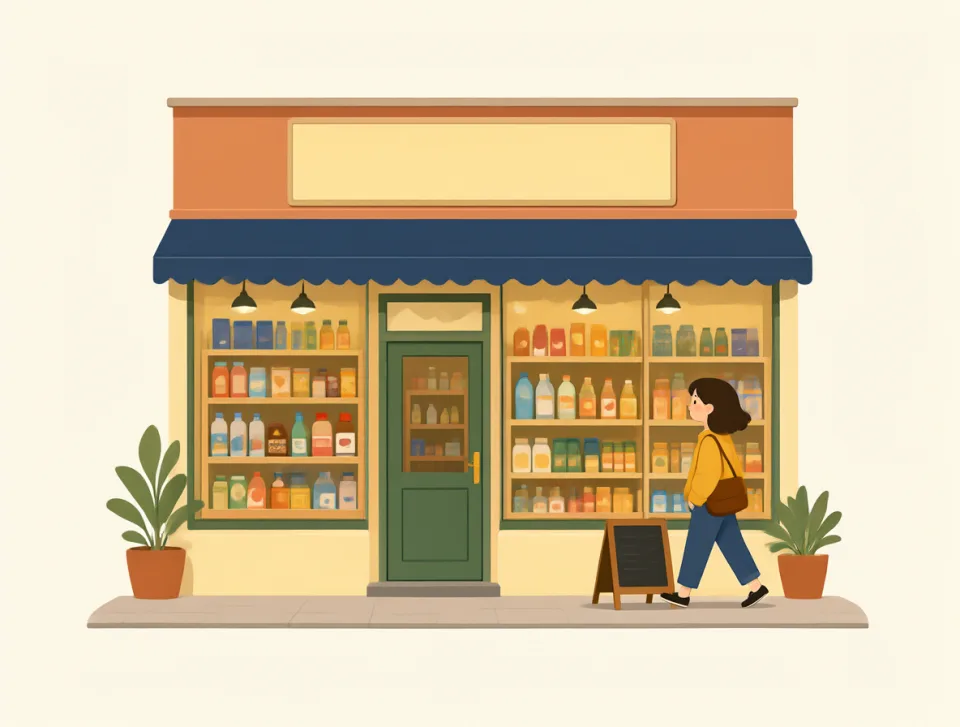
store
#617noun, verb
магазин; хранить
A place where people buy things, or to keep something for future use.
Место, где люди покупают вещи, или действие по хранению чего-либо для будущего использования.
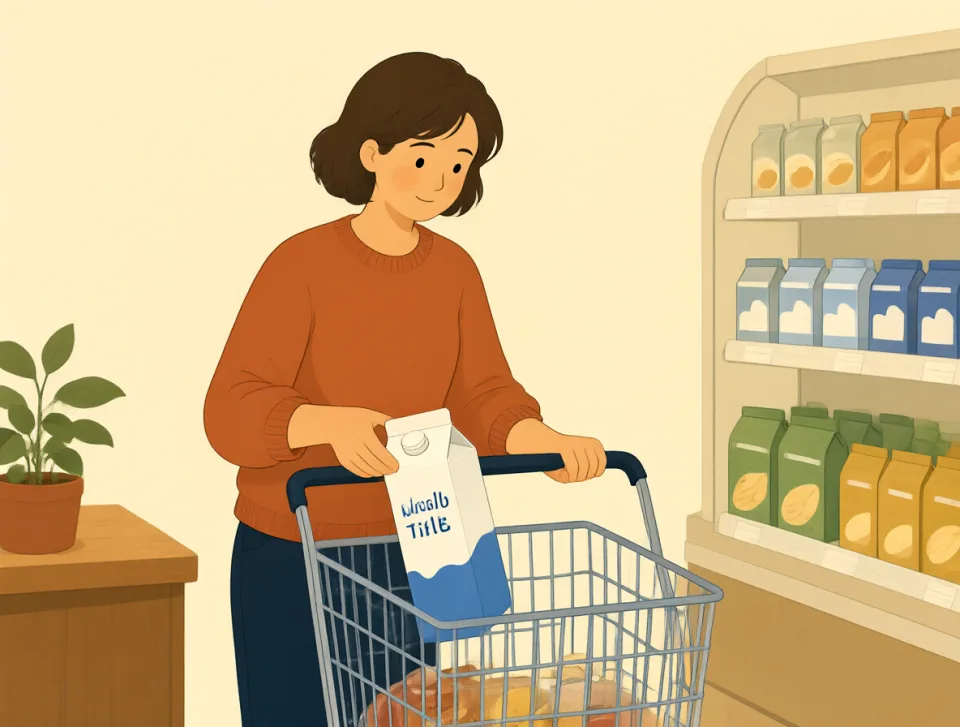
I bought milk at the store.
Я купил молоко в магазине.
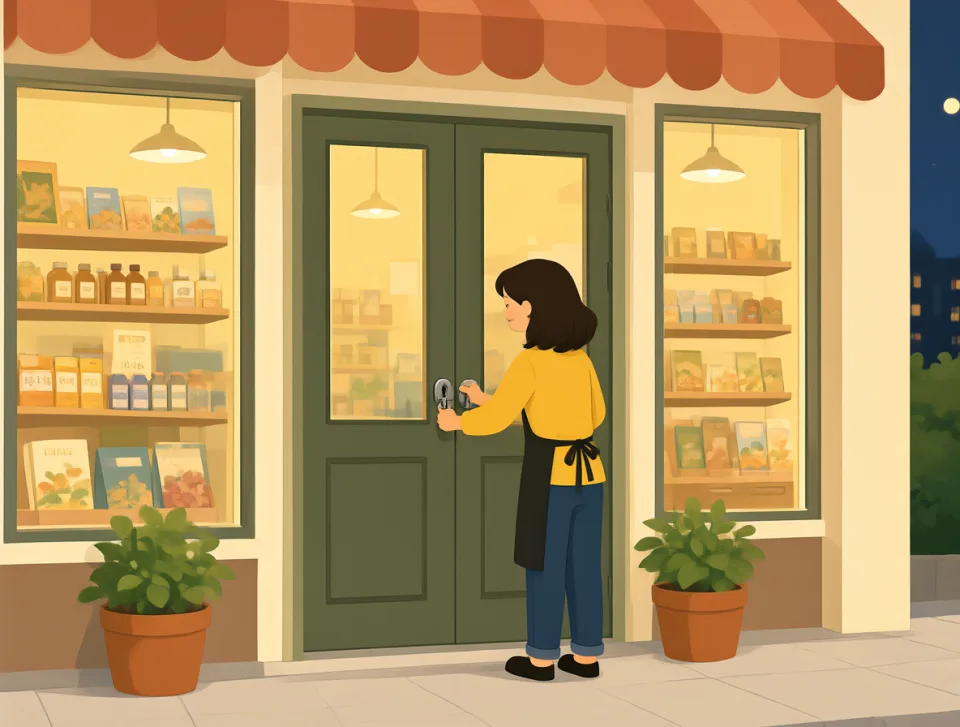
The store closes at eight tonight.
Магазин сегодня закрывается в восемь.
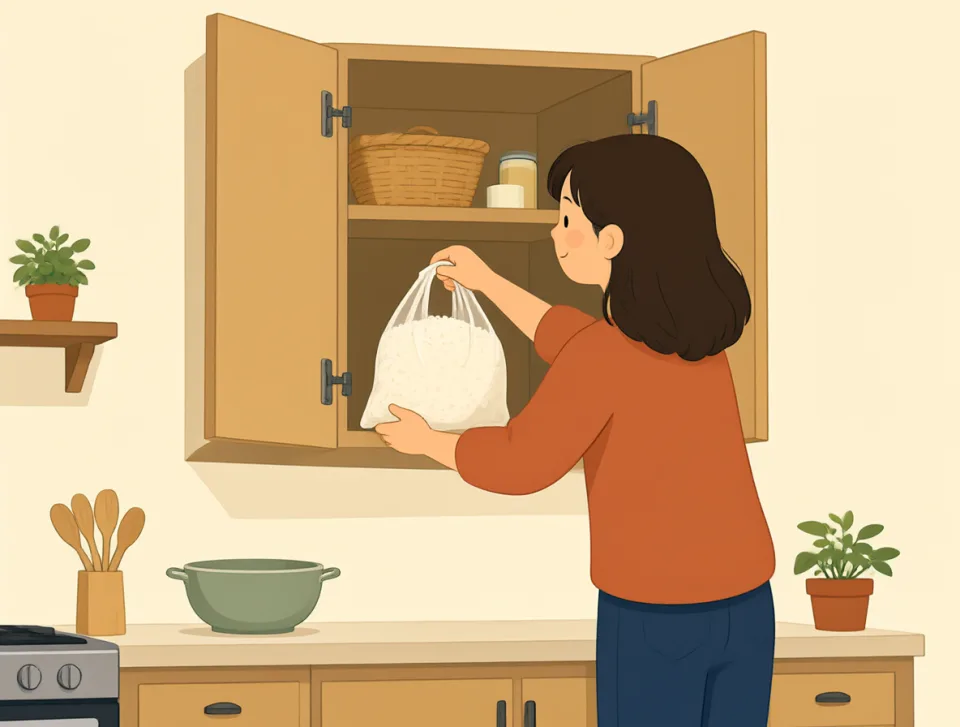
Please store the rice in a dry place.
Пожалуйста, храните рис в сухом месте.
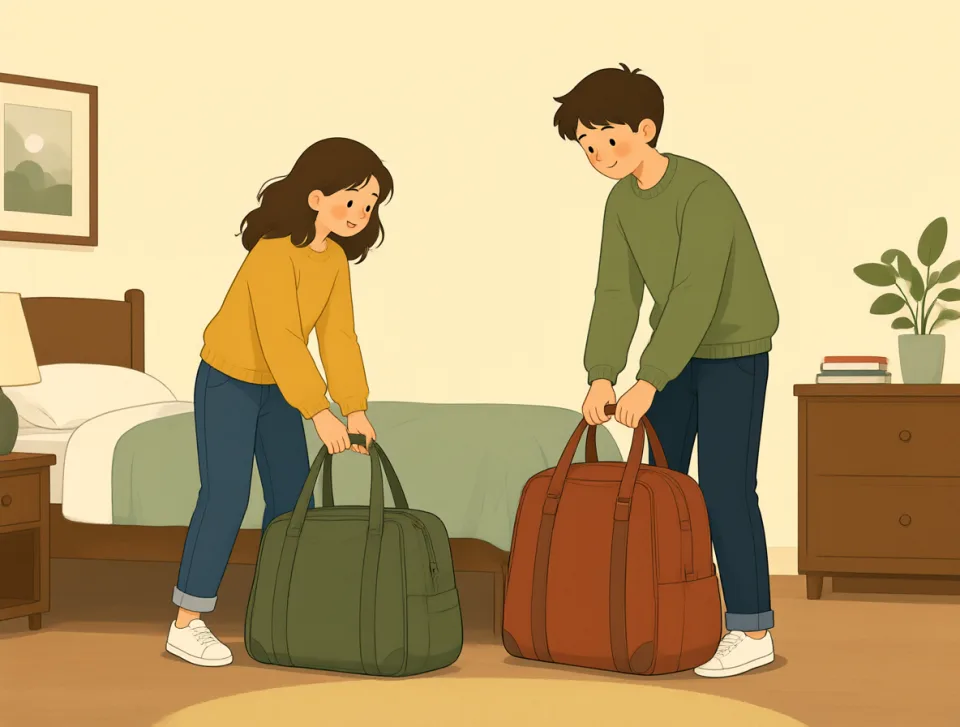
We stored our bags under the bed.
Мы хранили наши сумки под кроватью.

The store sells fresh fruit and vegetables.
В магазине продаются свежие фрукты и овощи.
poor
#618adjective, noun
бедный; плохой
Having little money, or being of low quality.
Имеющий мало денег или отличающийся низким качеством.
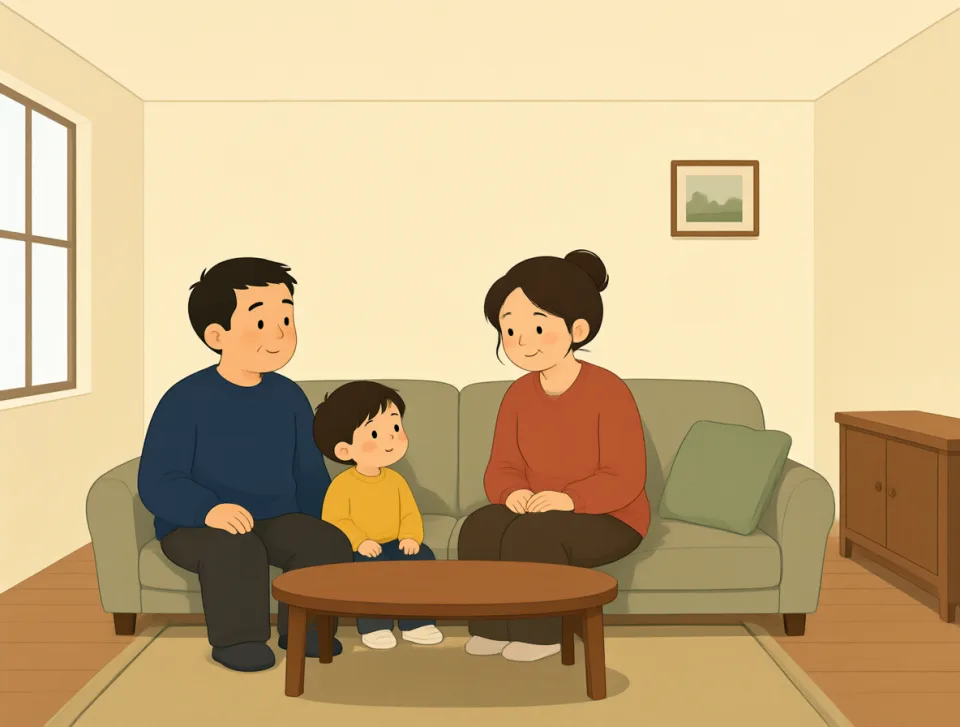
The poor family needs a warm home.
Бедной семье нужен тёплый дом.
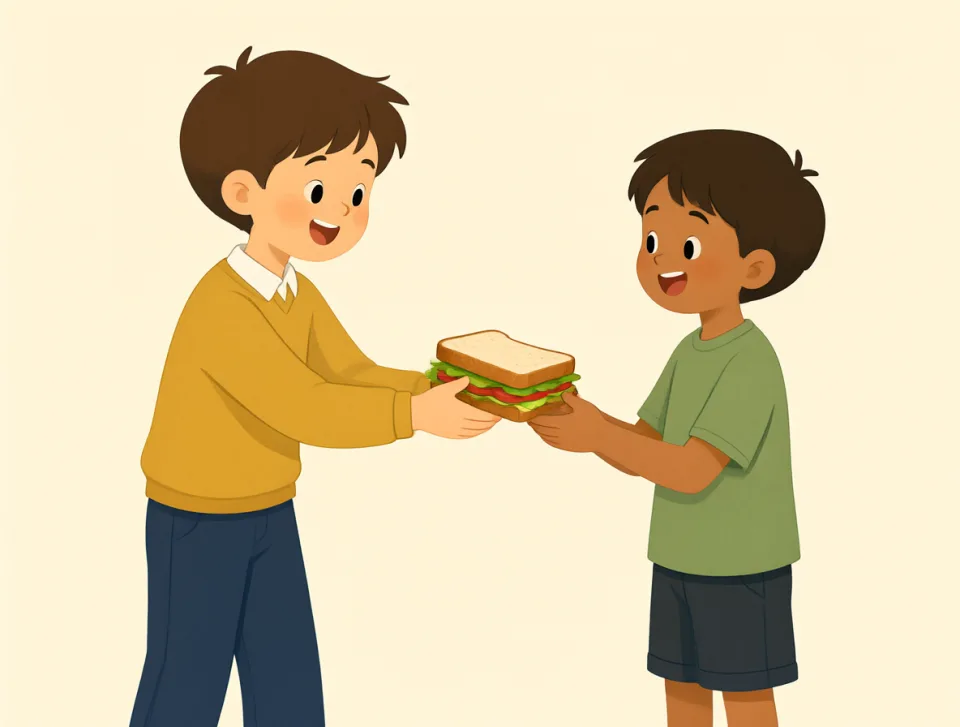
The poor boy shared his lunch.
Бедный мальчик поделился своим обедом.
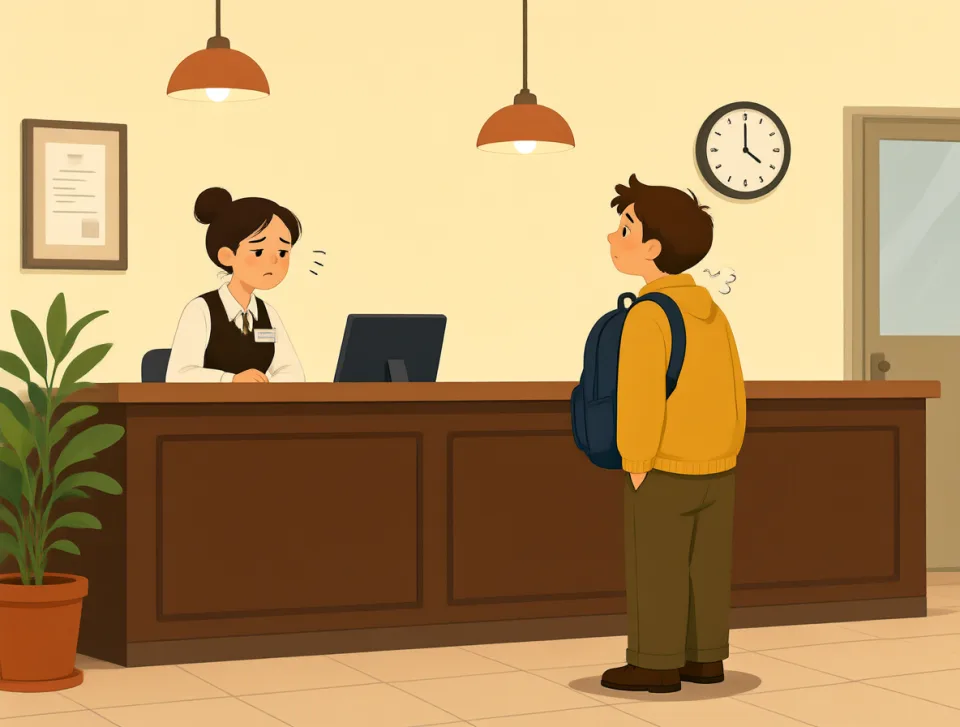
We had poor service at the hotel.
В отеле нас плохо обслужили.
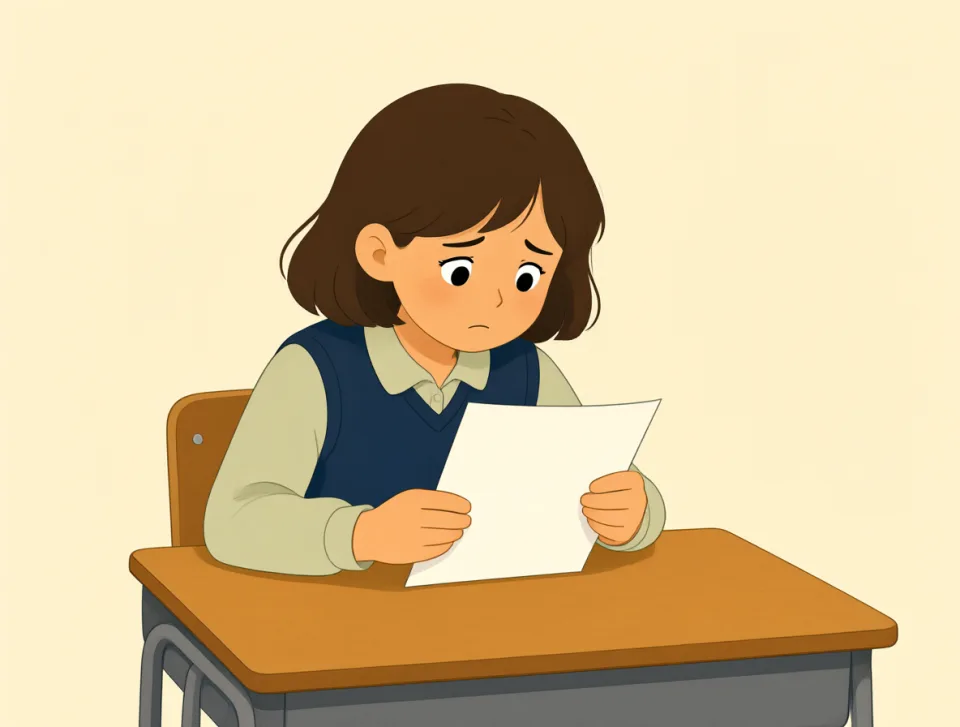
She got poor marks on the test.
Она получила плохие оценки за контрольную.
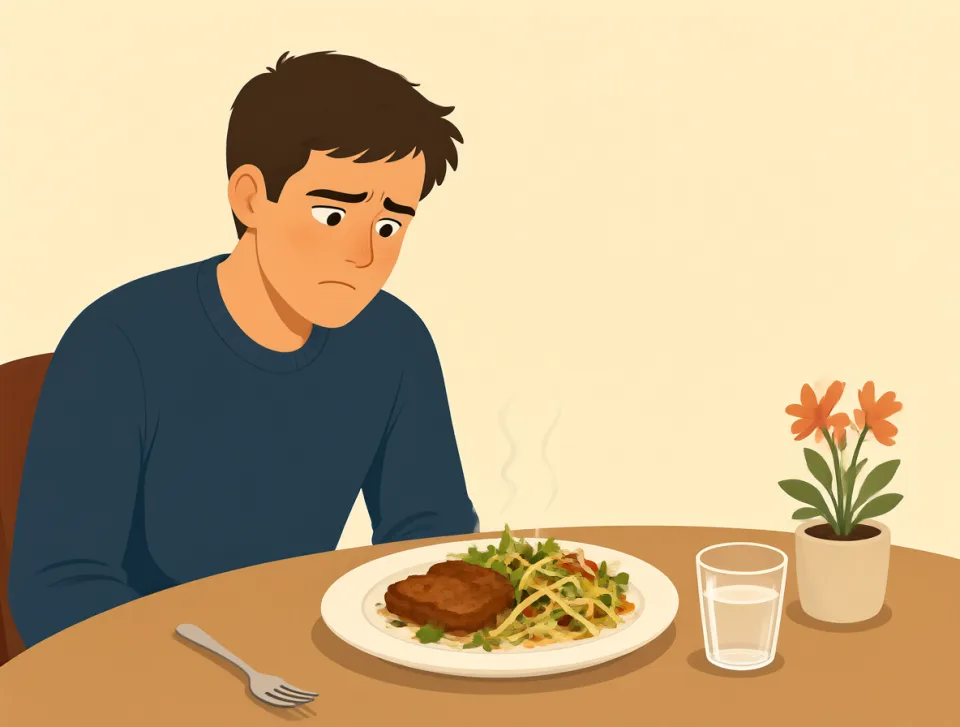
This restaurant serves poor food.
В этом ресторане подают невкусную еду.
knowledge
#619noun
знания
Facts and information that a person knows about a subject or the world.
Факты и информация, которые человек знает о каком-либо предмете или о мире.
She has good knowledge of local history.
Она хорошо знает местную историю.

Knowledge of English helps at work.
Знание английского помогает на работе.
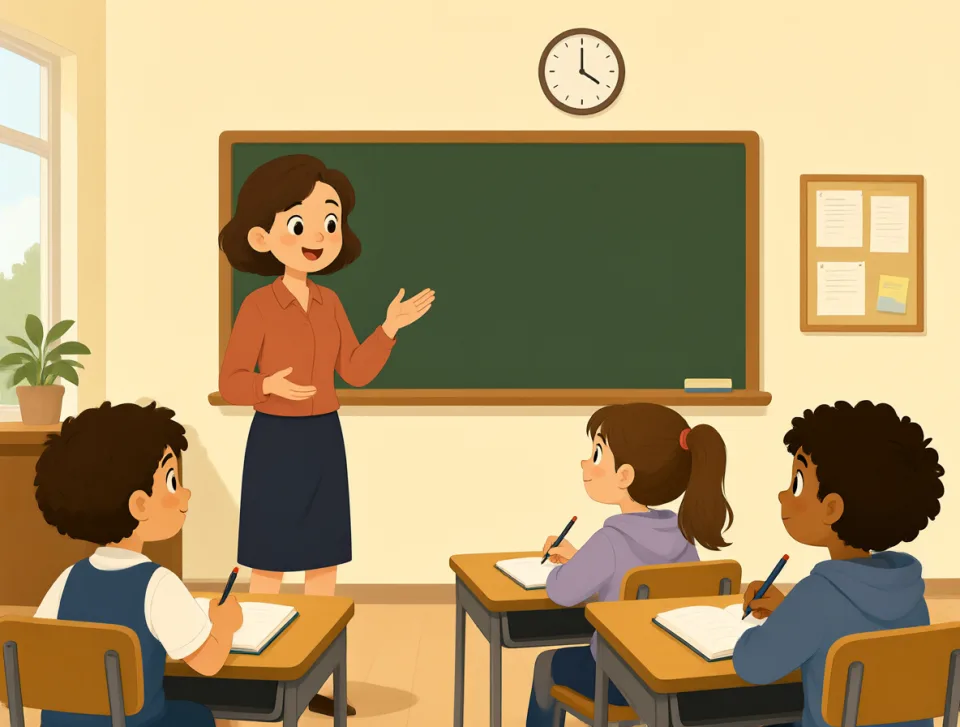
He shared his knowledge with the students.
Он поделился своими знаниями со студентами.
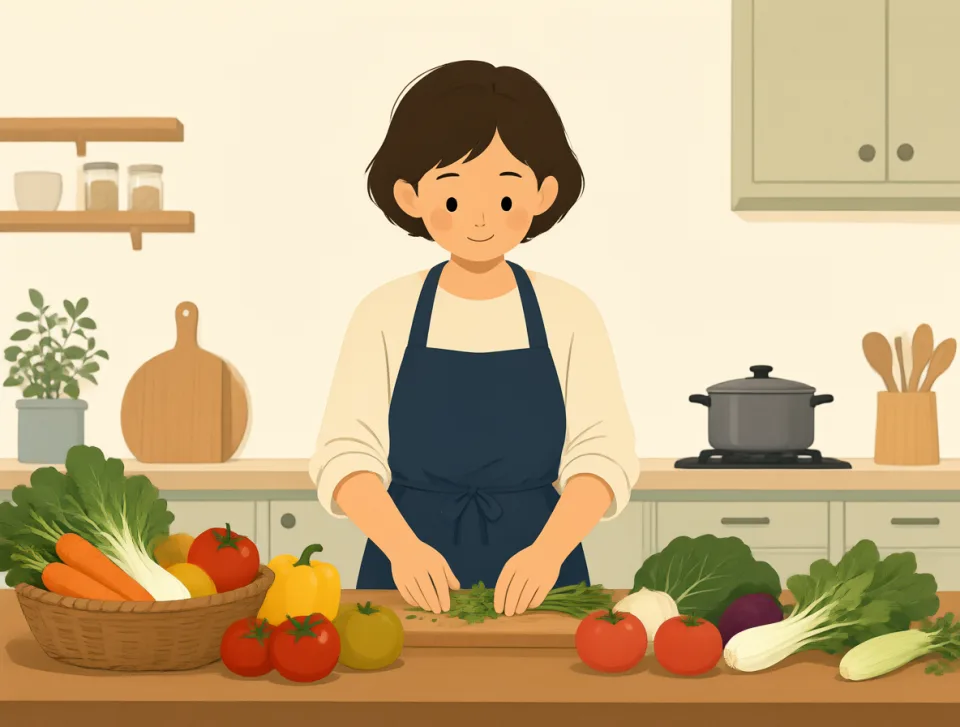
I need more knowledge about healthy food.
Мне нужно больше знаний о здоровом питании.
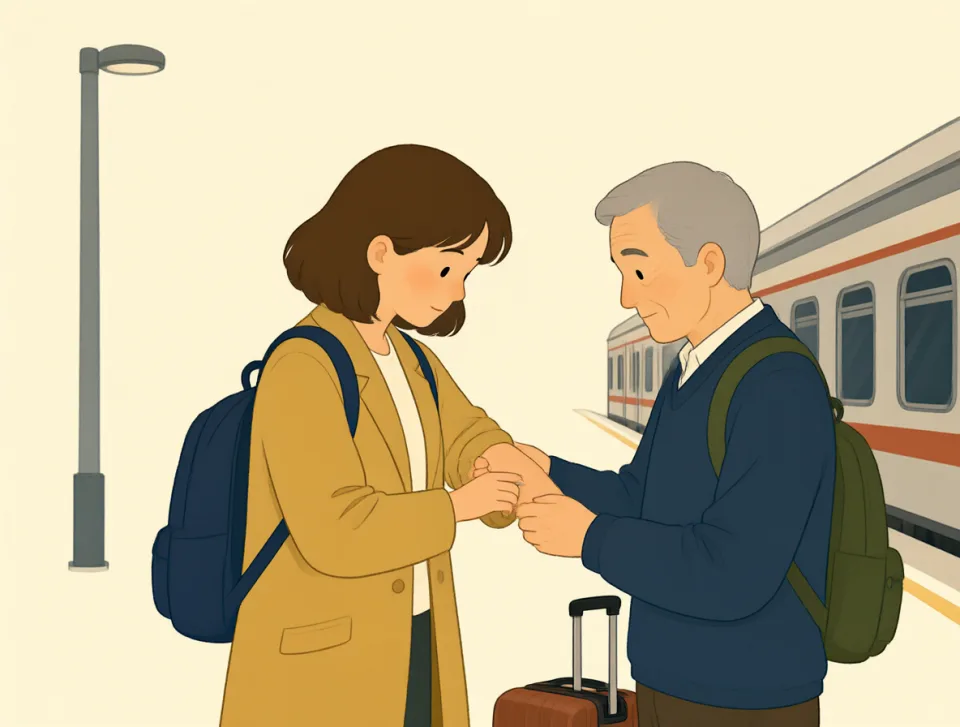
Her medical knowledge helped the sick traveler.
Её медицинские знания помогли заболевшему путешественнику.

laugh
#620verb, noun
смеяться; смех
To make a happy sound or smile because something is funny.
Издавать радостный звук или улыбаться, потому что что-то кажется смешным.
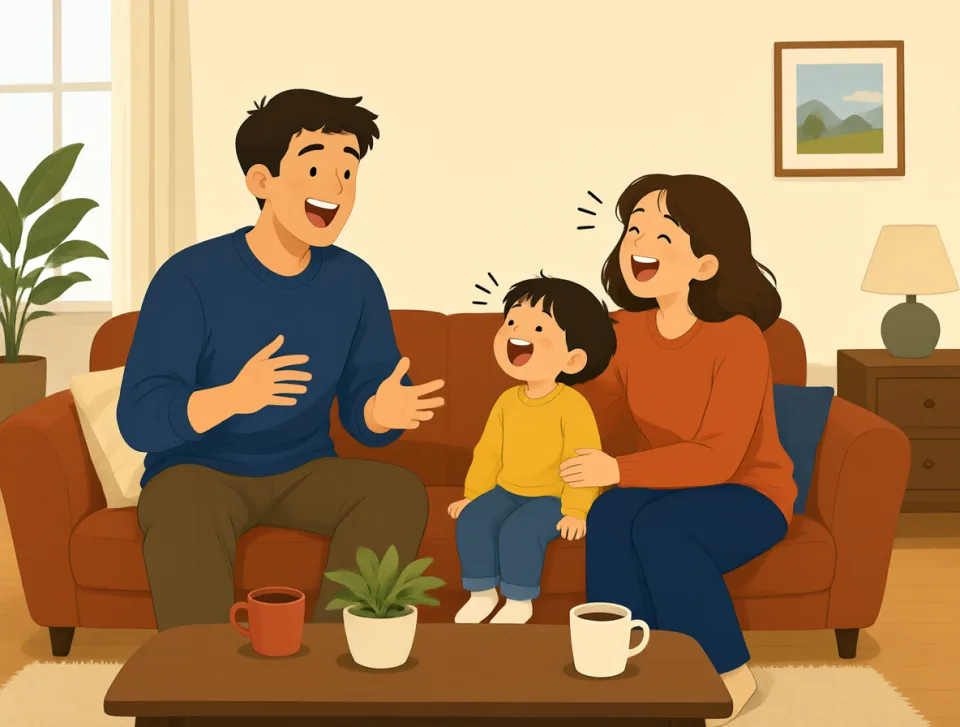
We laughed at Dad's funny joke.
Мы смеялись над смешной шуткой папы.
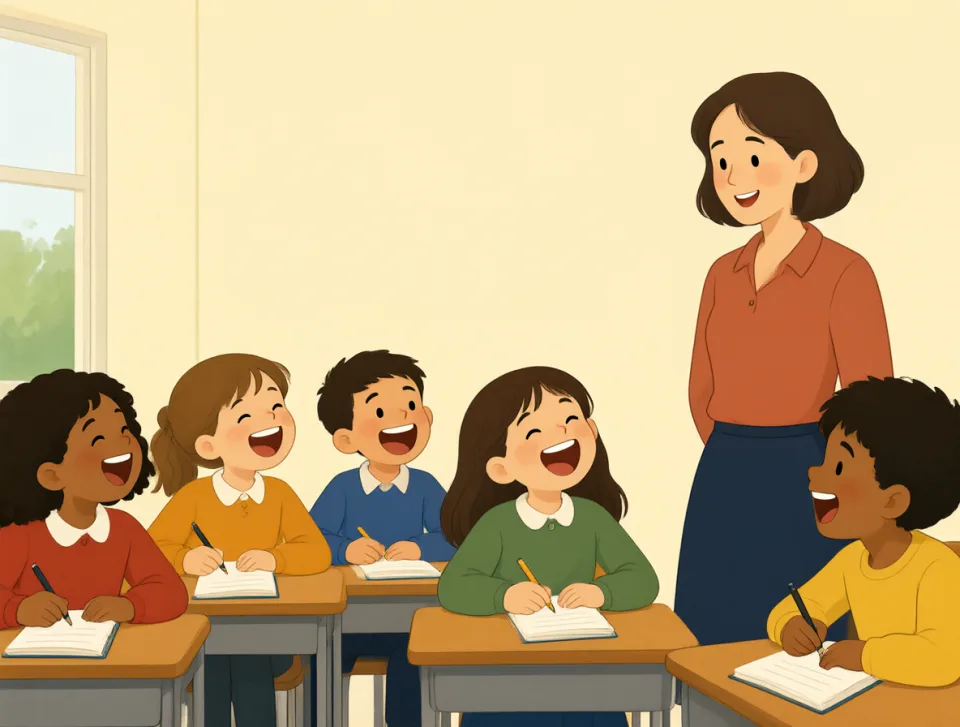
The children laughed loudly in class.
Дети громко смеялись на уроке.
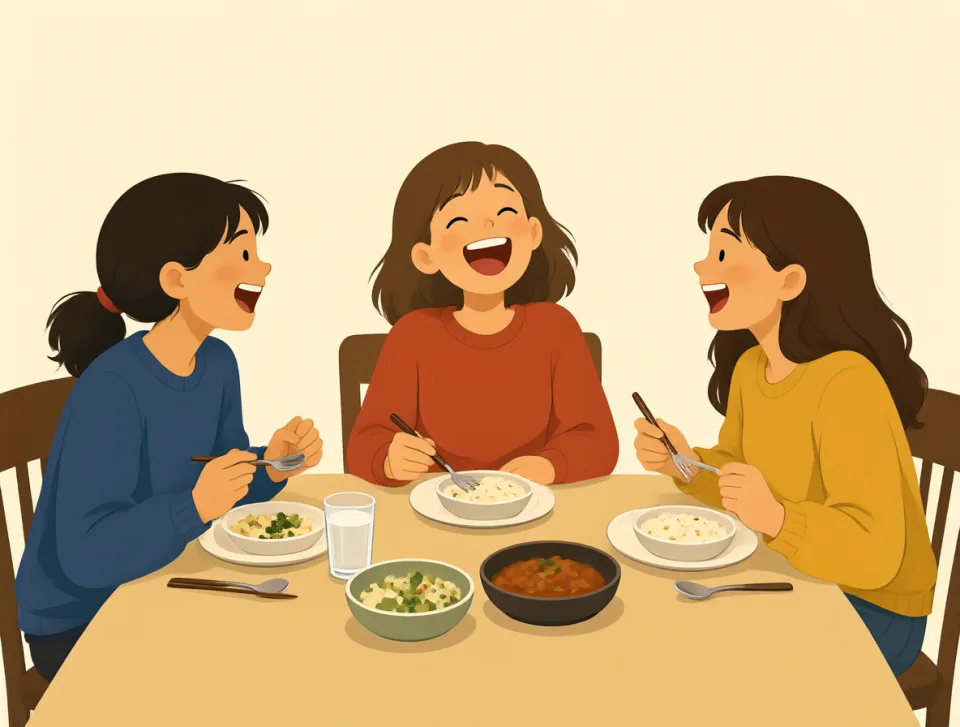
She laughed with her friends at lunch.
Она смеялась со своими друзьями за обедом.

He laughed when he saw the silly hat.
Он рассмеялся, когда увидел нелепую шляпу.

Her laugh made everyone feel happy.
Её смех поднял всем настроение.