31단원
601–620번 단어 · particularly, wife, sport, prepare, discuss, response
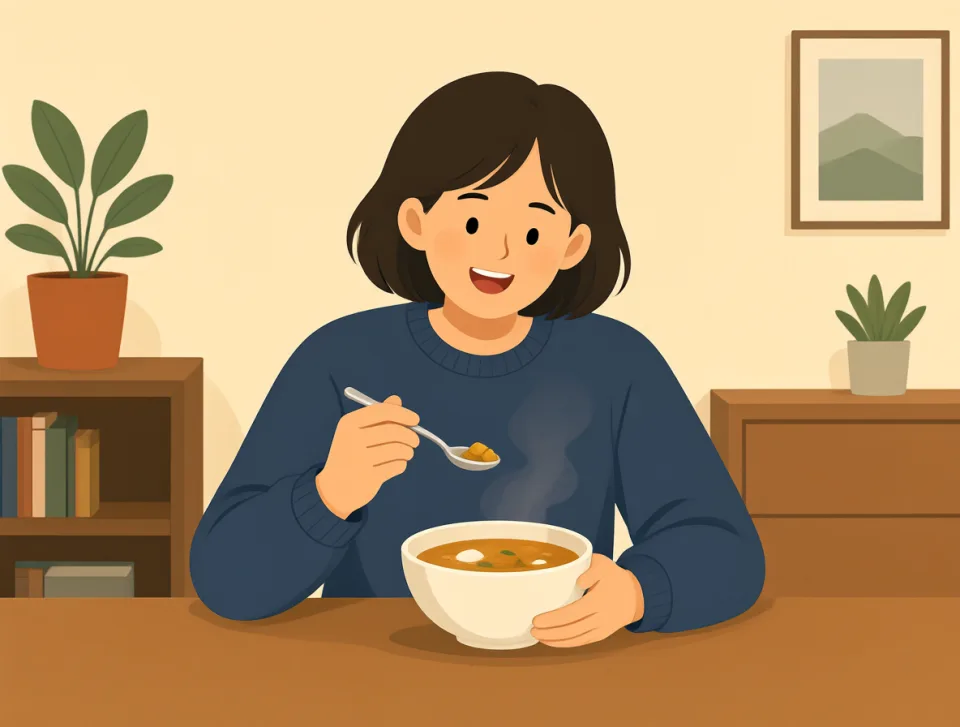
particularly
#601adverb
특히; 유난히
More than usual or more than others in a particular way.
특정한 면에서 평소보다 또는 다른 것보다 더 많이
I particularly like this warm soup.
나는 이 따뜻한 수프가 특히 좋아.
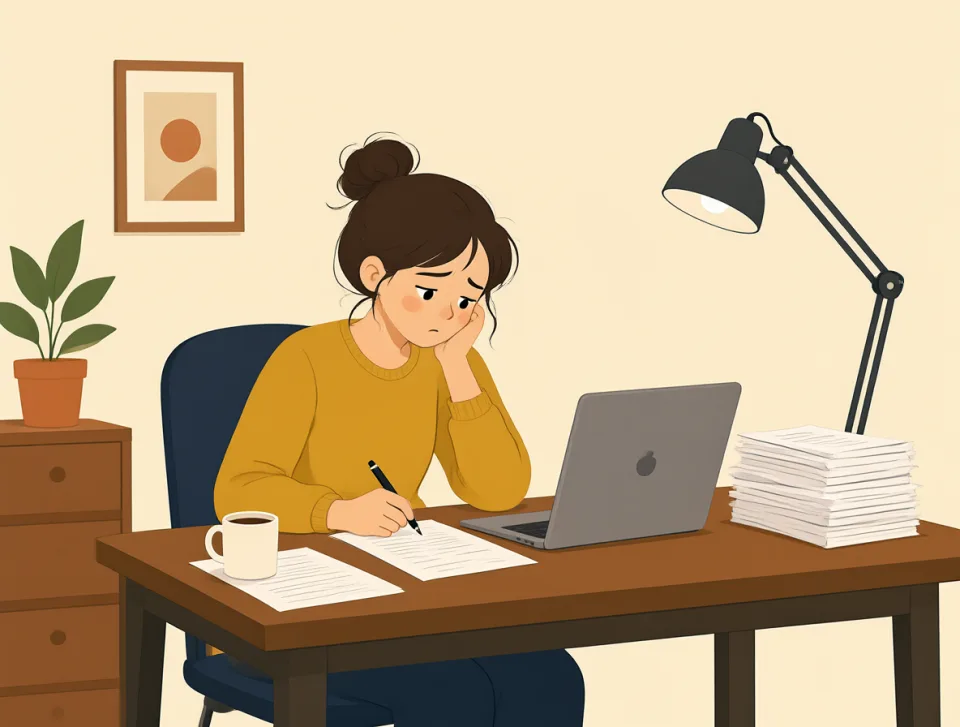
She was particularly tired after work.
그녀는 퇴근 후에 유난히 피곤해했다.
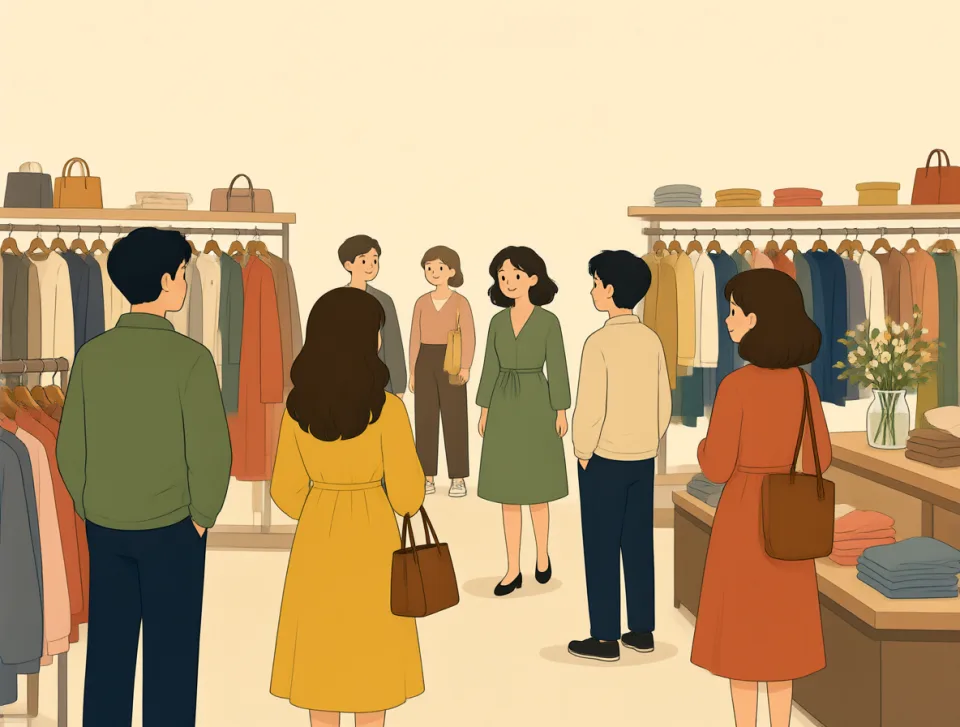
This shop is particularly busy today.
이 가게는 오늘 특히 붐빈다.
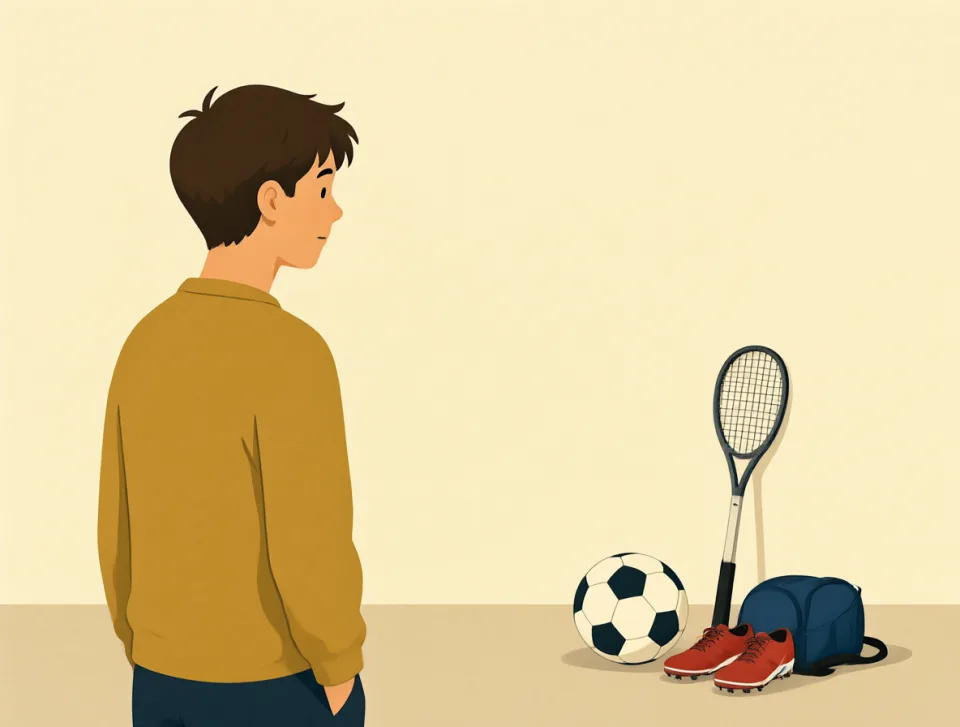
He enjoys sports, particularly football.
그는 운동을 즐기는데, 특히 축구를 좋아한다.
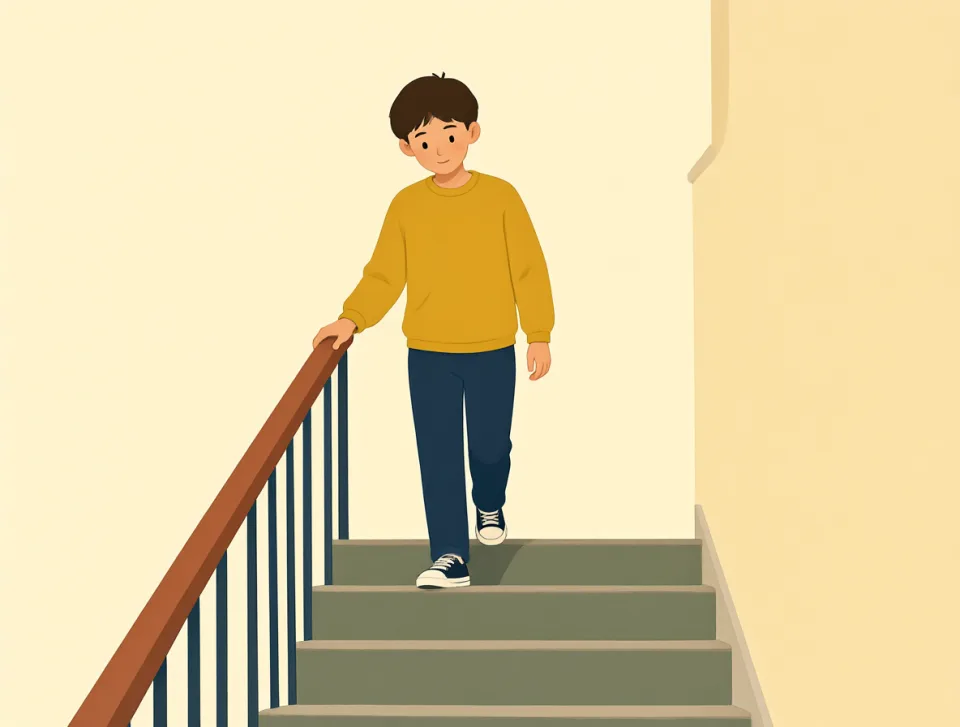
Please be particularly careful on these stairs.
이 계단에서는 특히 조심하세요.

wife
#602noun
아내; 부인
A married woman, or a woman you are married to.
결혼한 여성 또는 결혼한 상대인 여성
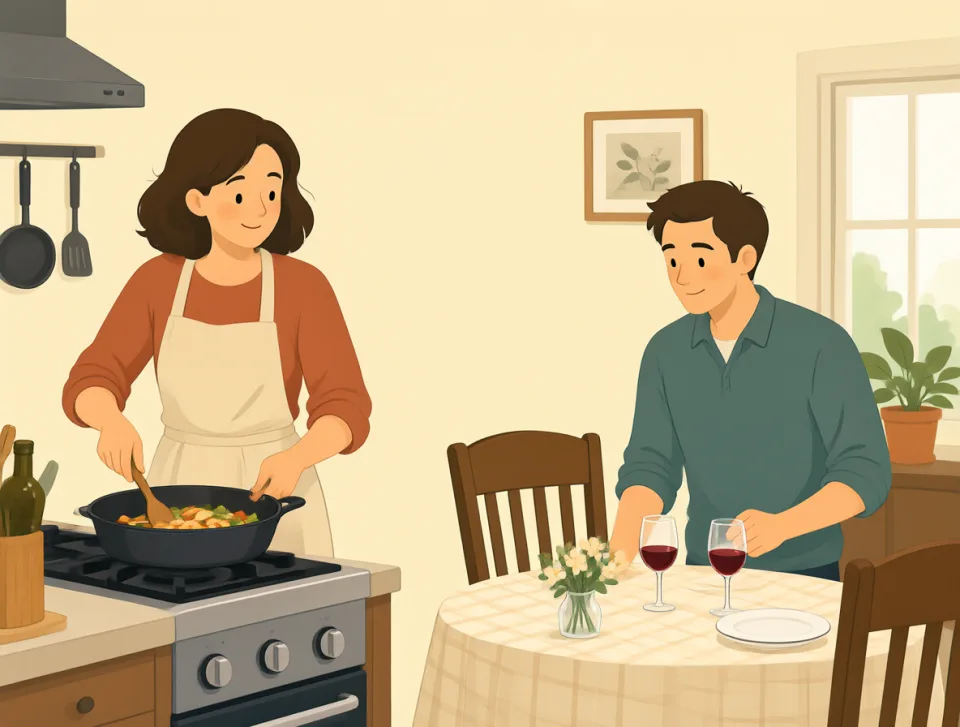
His wife is making dinner tonight.
오늘 밤에는 그의 아내가 저녁을 만들 거예요.
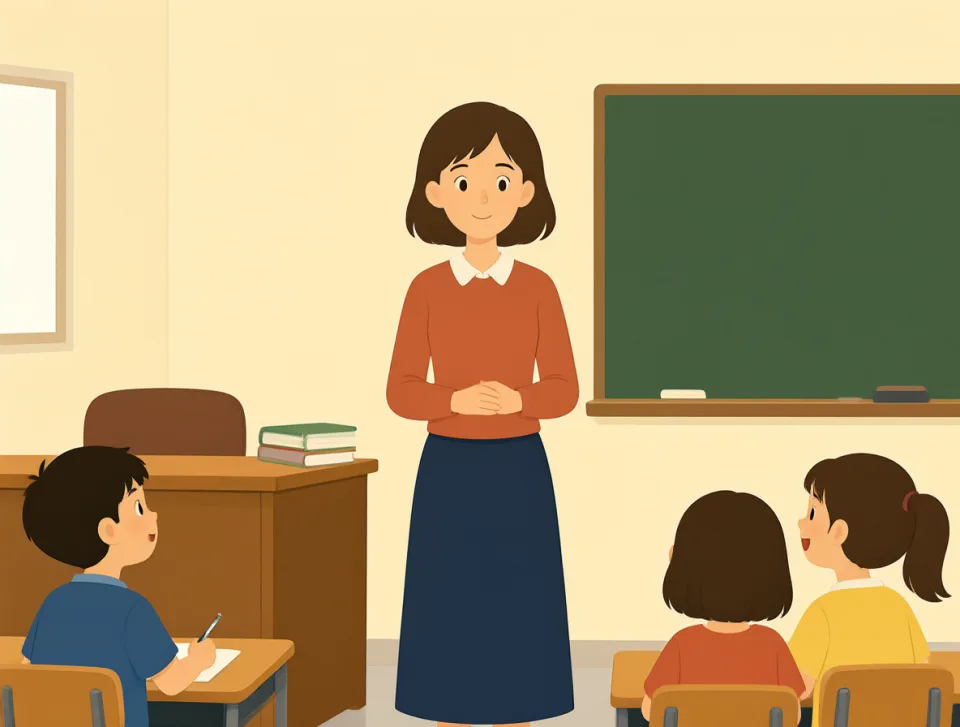
My wife works at the local school.
제 아내는 지역 학교에서 일해요.

I bought flowers for my wife.
저는 아내에게 줄 꽃을 샀어요.
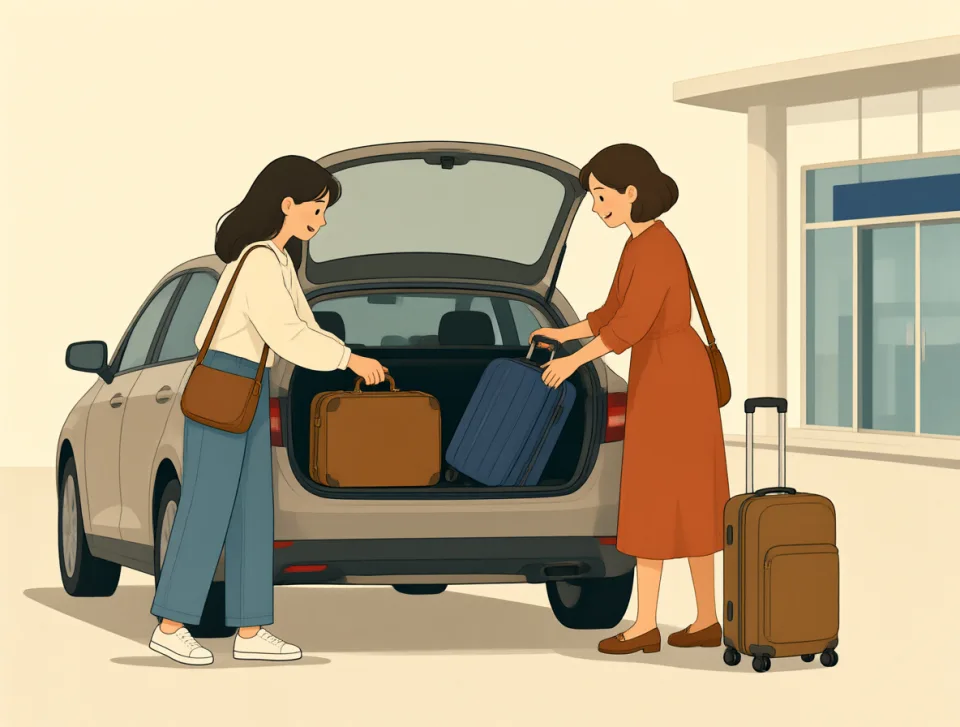
Her wife drove them to the airport.
그녀의 아내가 그들을 공항까지 태워다 줬어요.
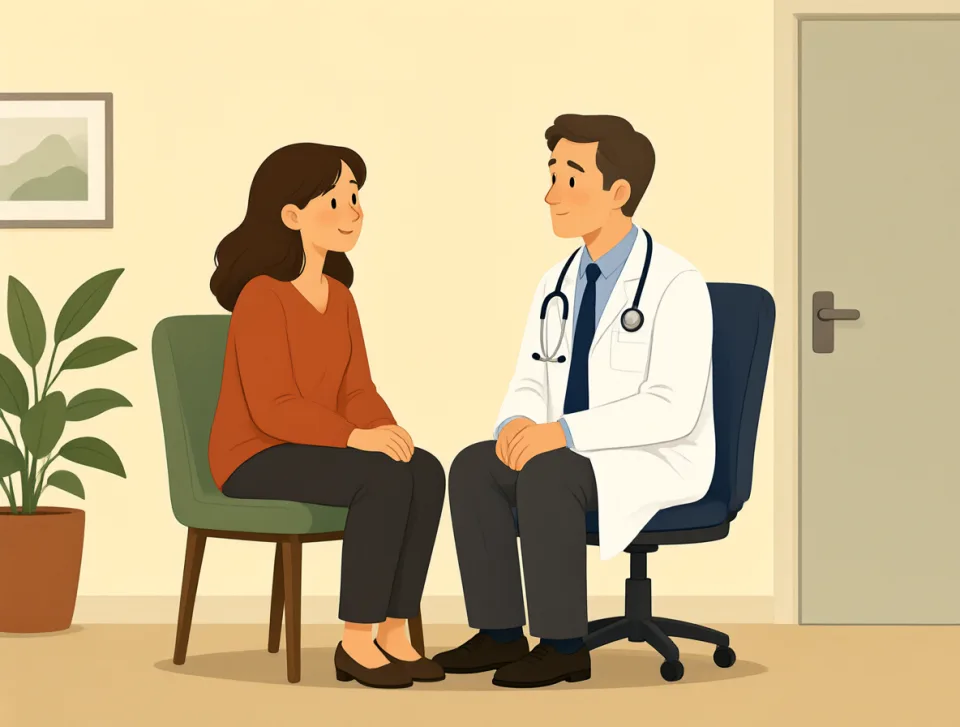
His wife feels better after seeing the doctor.
그의 아내는 의사에게 진찰을 받고 나서 상태가 좋아졌어요.
sport
#603noun, verb
스포츠; 운동
A game or activity that people do for exercise, fun, or competition.
사람들이 운동, 즐거움 또는 경쟁을 위해 하는 경기나 활동
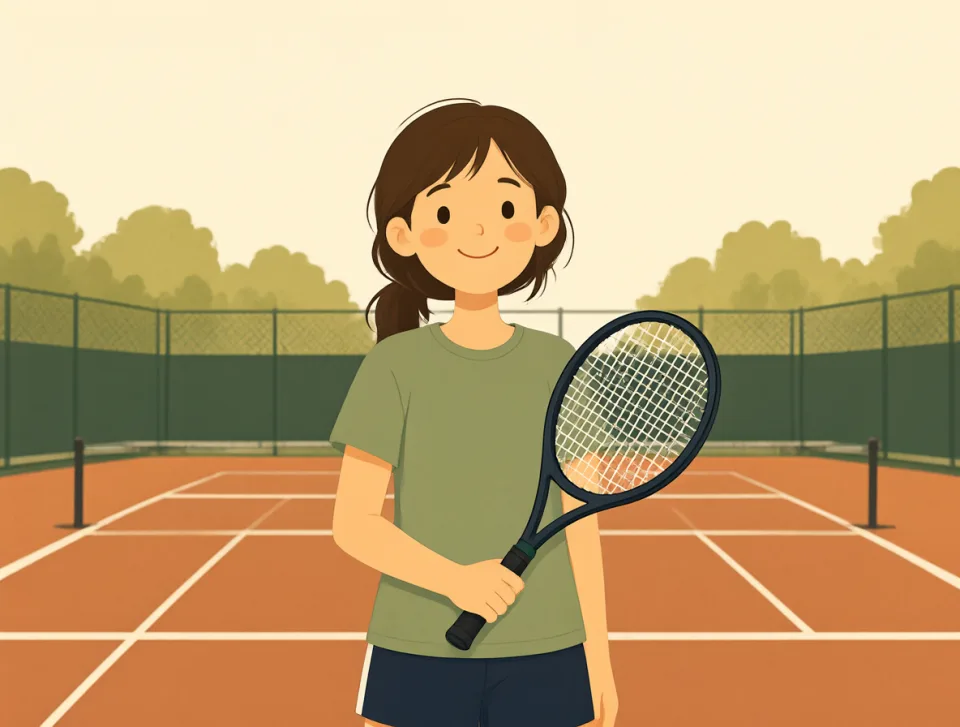
My favorite sport is tennis.
내가 가장 좋아하는 스포츠는 테니스야.

He plays sport after school.
그는 방과 후에 운동을 한다.
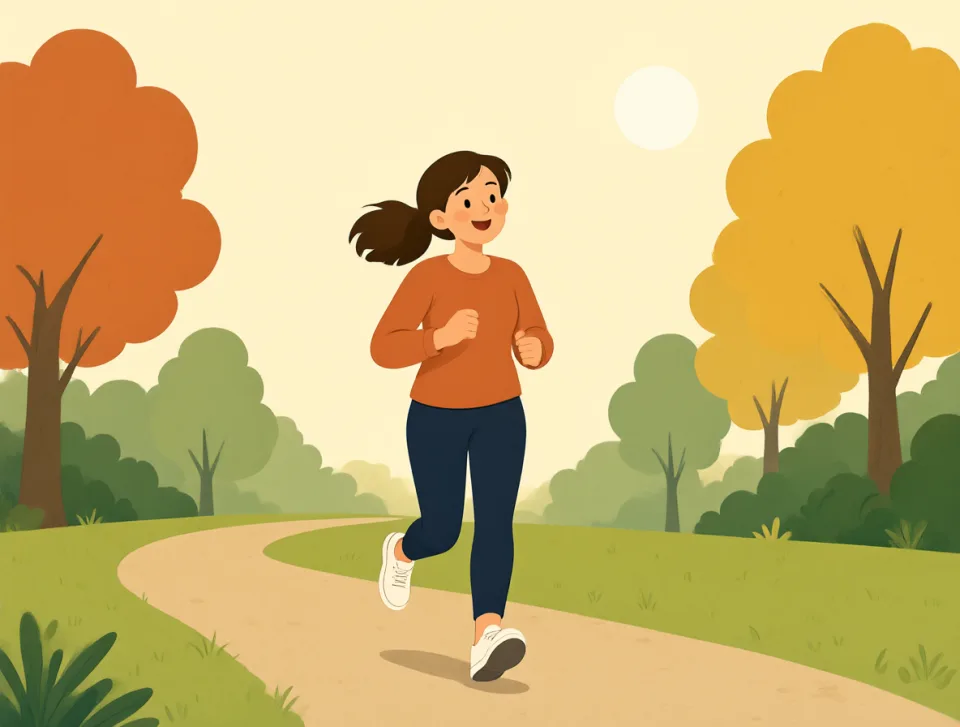
Sport can help you stay healthy.
운동은 건강을 유지하는 데 도움이 될 수 있다.
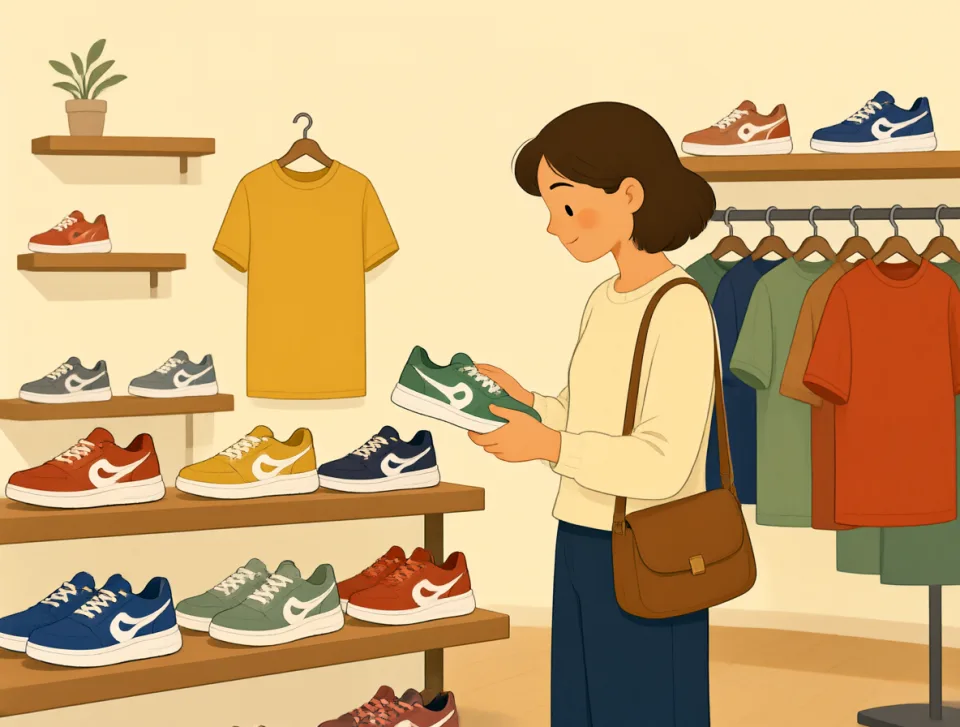
The shop sells clothes for sport.
그 가게는 운동복을 판다.

We talked about sport on the train.
우리는 기차에서 스포츠에 관해 이야기했다.
prepare
#604verb
준비하다; 마련하다
to get ready for something or make something ready
무언가를 할 준비를 하거나 무언가를 준비되게 하다
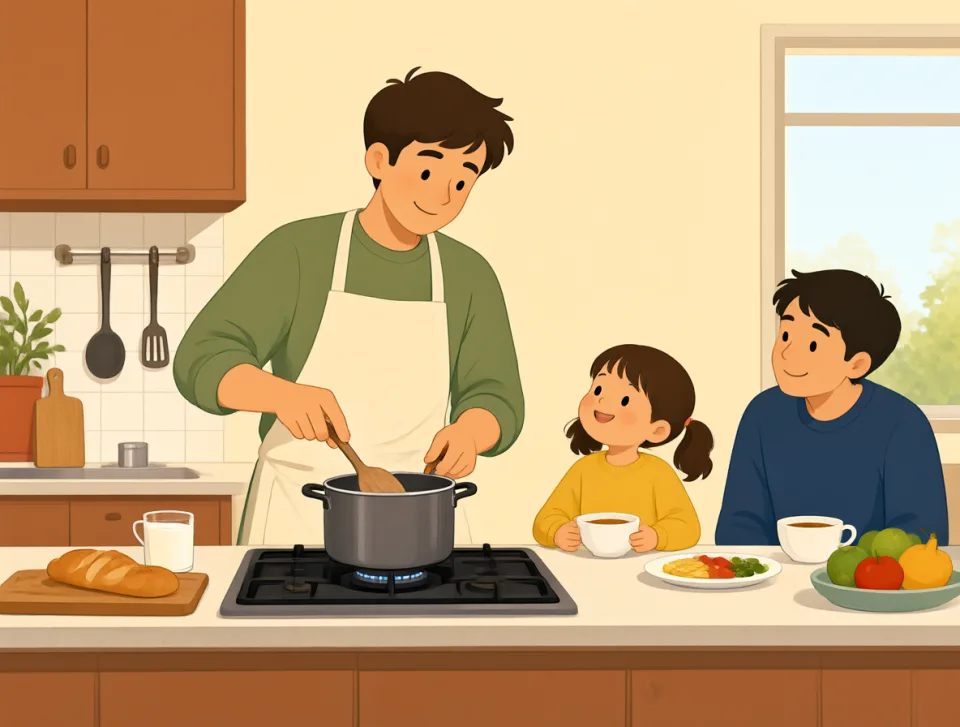
I prepare breakfast for my family every morning.
나는 매일 아침 가족을 위해 아침 식사를 준비한다.
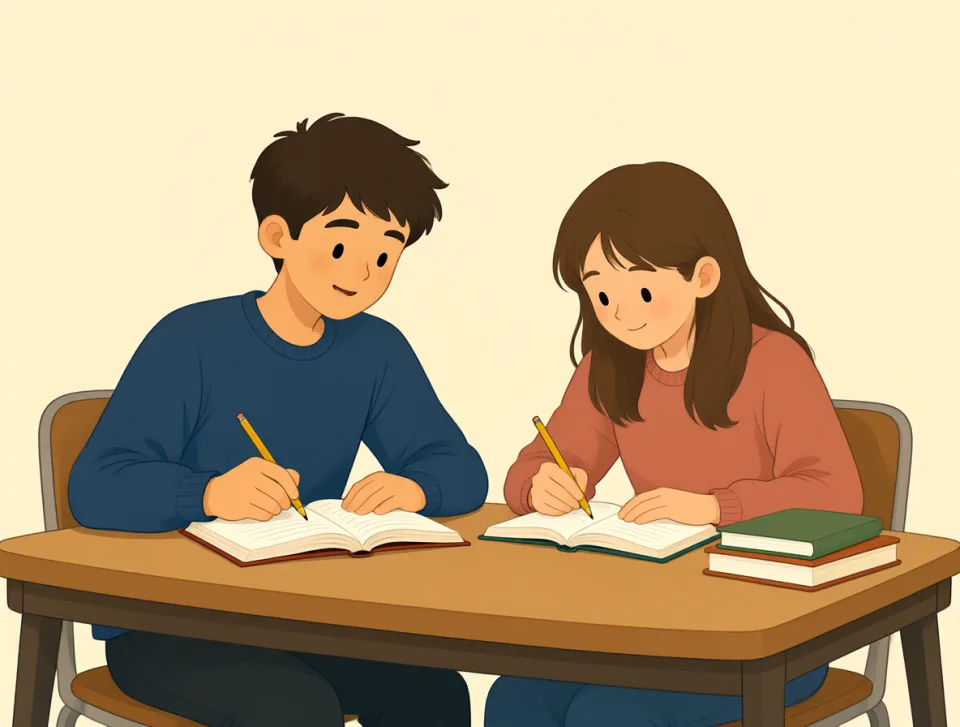
We are preparing for the school test.
우리는 학교 시험을 준비하고 있다.
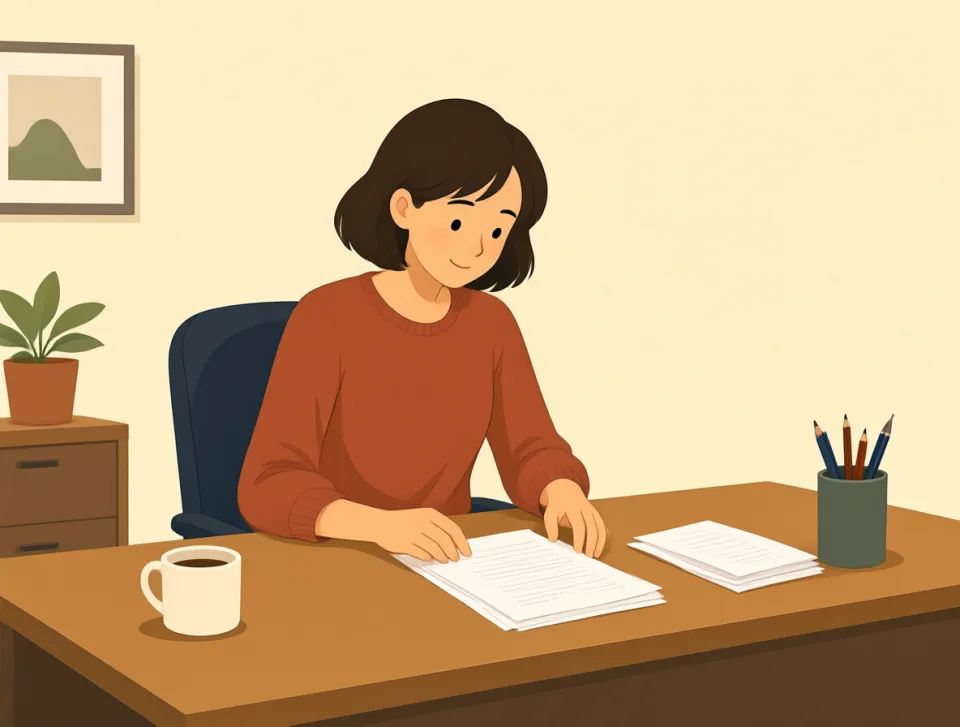
She prepared a report for the meeting.
그녀는 회의를 위해 보고서를 준비했다.
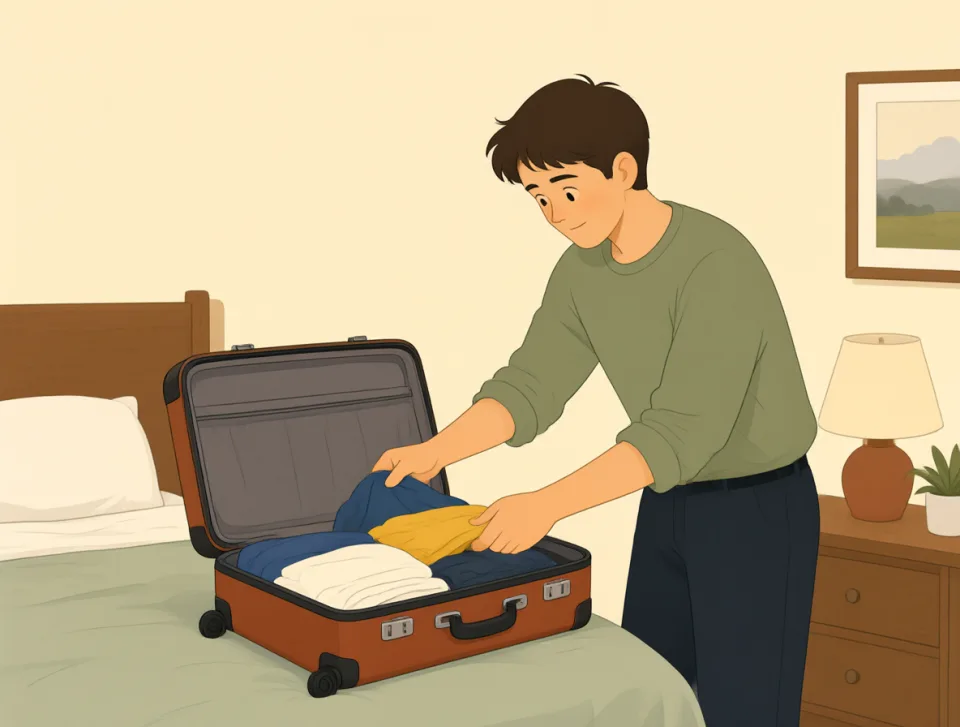
He prepared his suitcase before the trip.
그는 여행을 떠나기 전에 여행 가방을 준비했다.
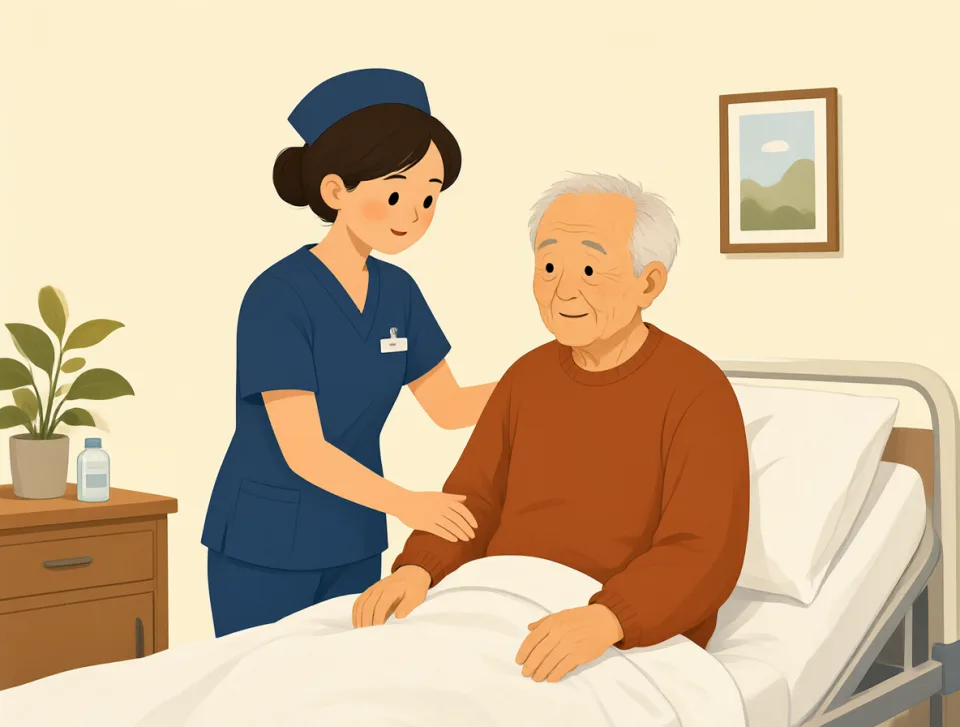
The nurse prepared the patient for surgery.
간호사는 수술을 받을 환자를 준비시켰다.
discuss
#605verb
논의하다; 의논하다
to talk about something with another person or group
다른 사람이나 집단과 어떤 것에 대해 이야기를 나누다
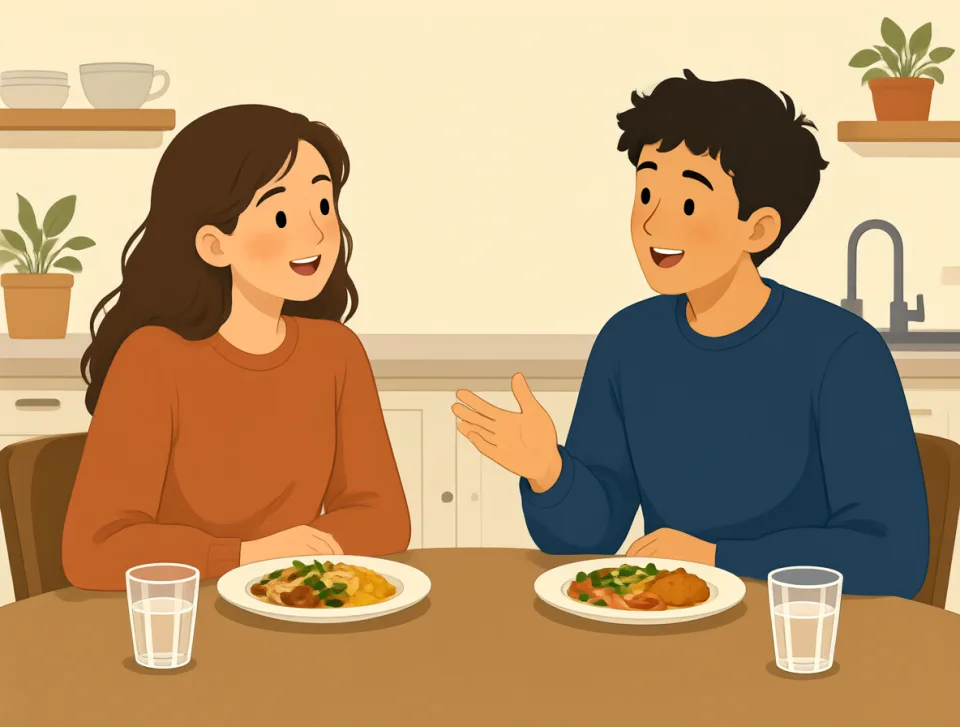
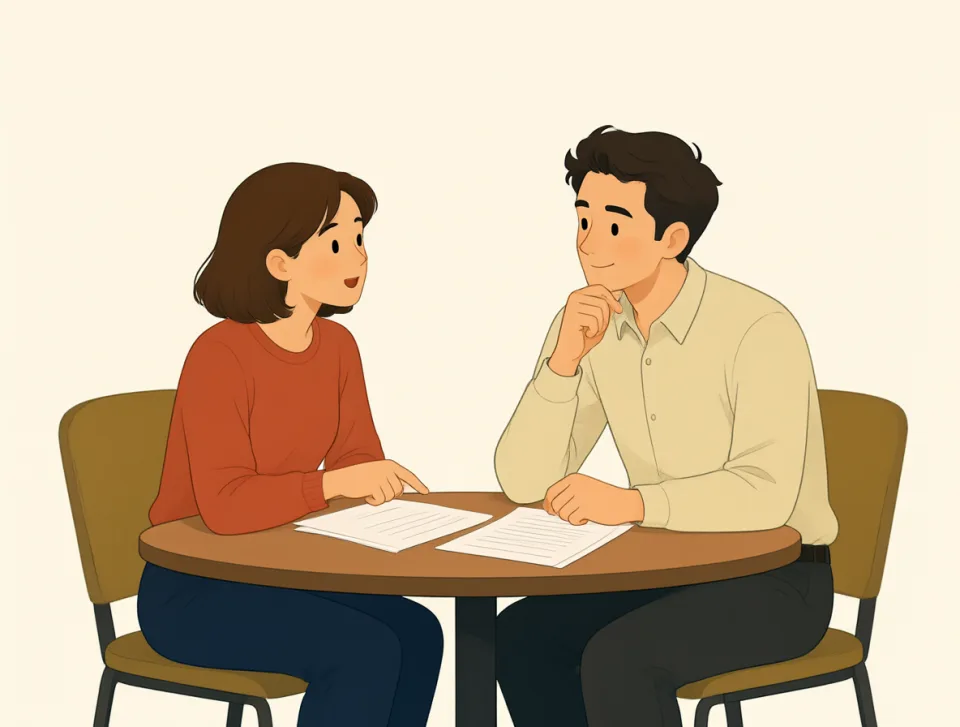
We discussed our weekend plans over dinner.
우리는 저녁을 먹으면서 주말 계획을 의논했다.
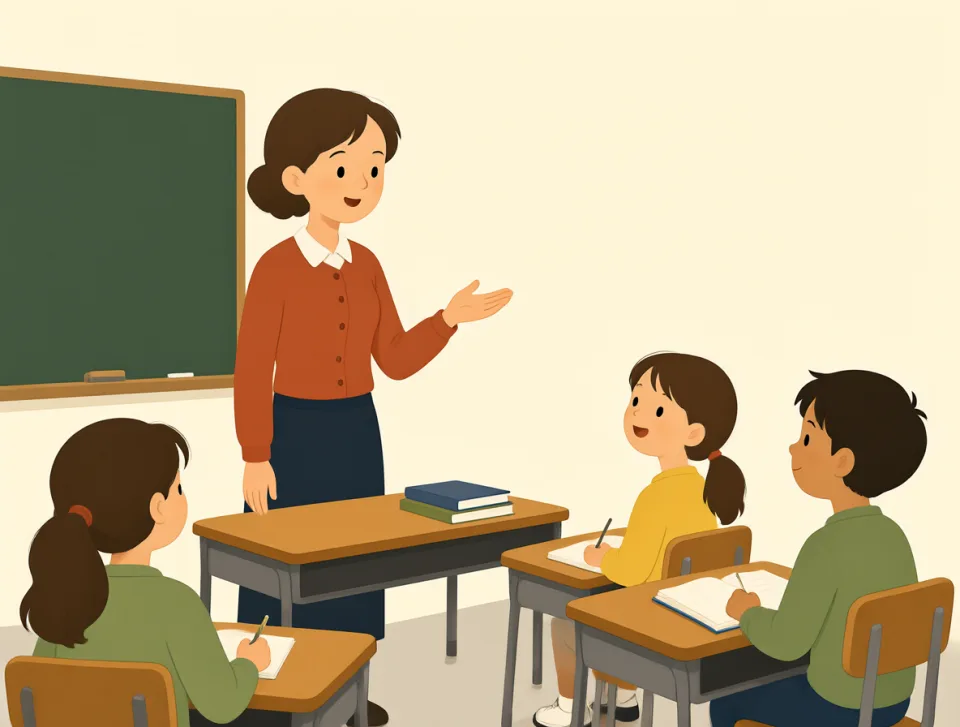
The teacher discussed the homework with us.
선생님은 우리와 숙제에 대해 이야기하셨다.
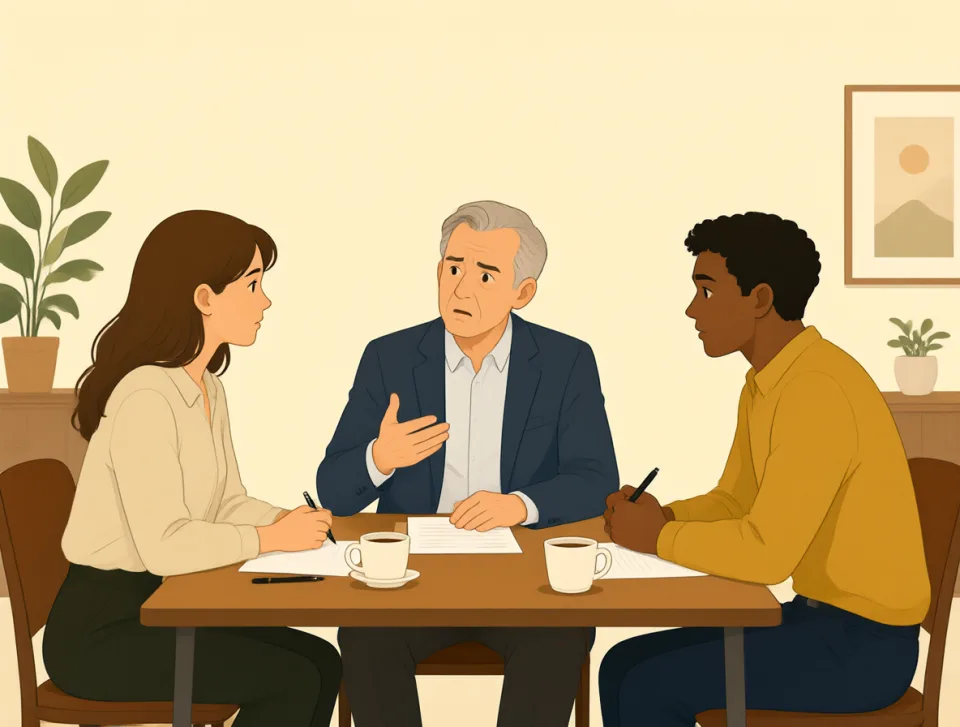
They discussed the problem at work.
그들은 직장에서 그 문제를 논의했다.

We discussed which hotel to book.
우리는 어느 호텔을 예약할지 의논했다.
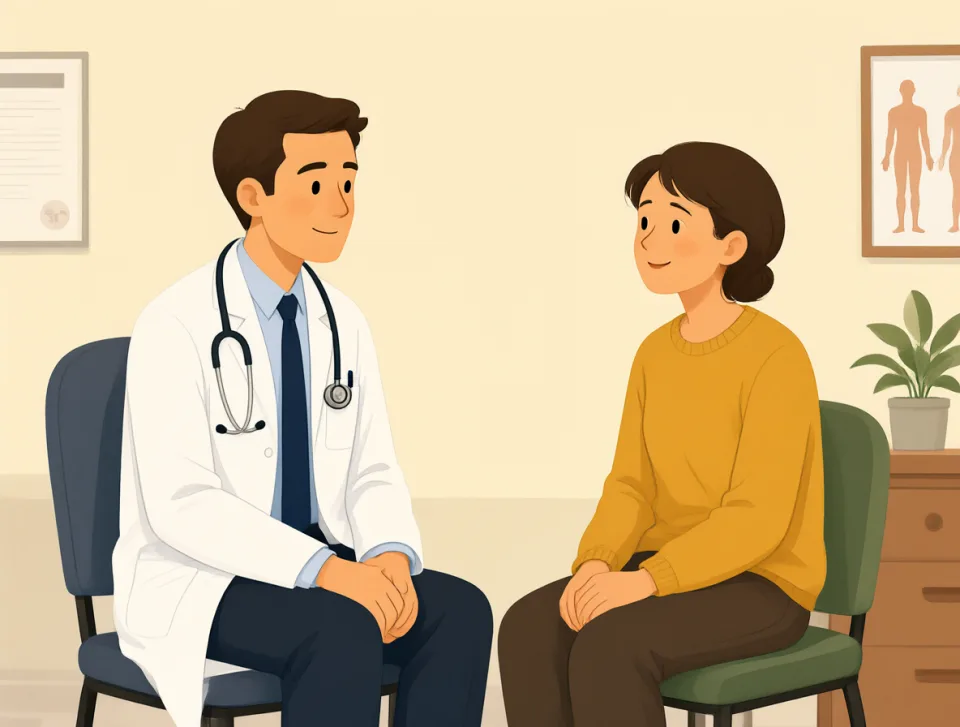
The doctor discussed my treatment with me.
의사는 나와 치료 방법에 대해 상의했다.
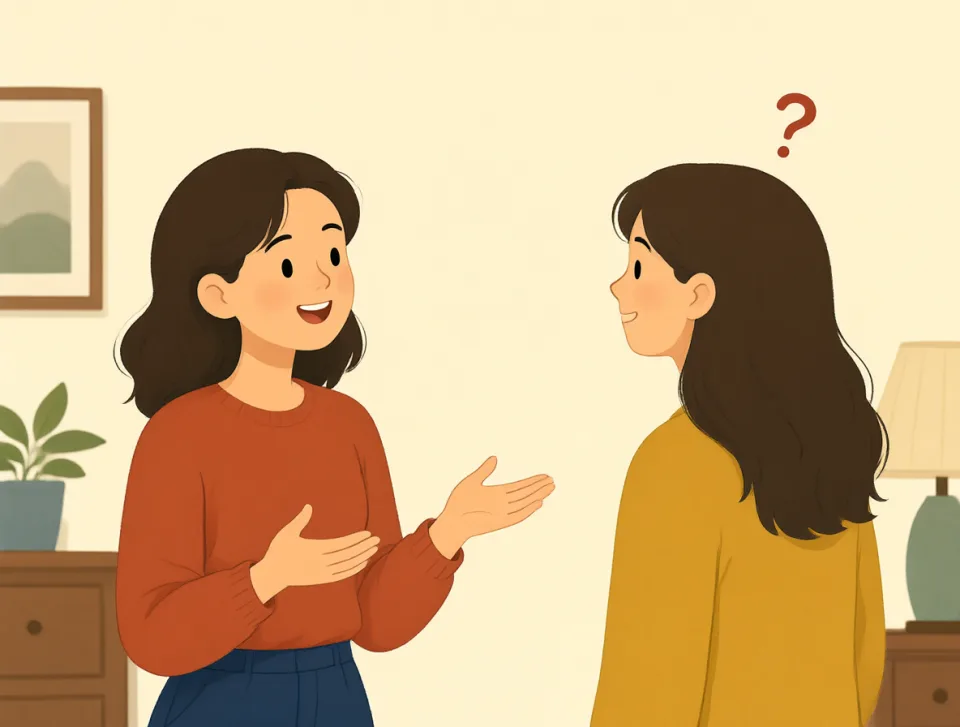
response
#606noun
응답; 반응
an answer or reaction to something that someone says, asks, or does
누군가가 말하거나 묻거나 행동한 것에 대한 대답이나 반응
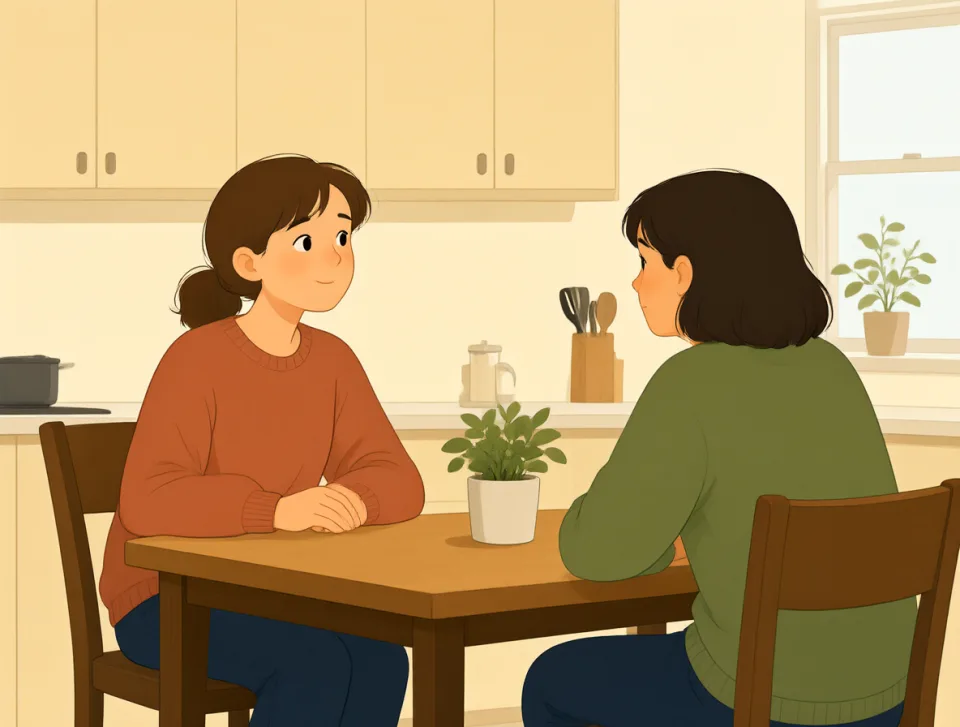
I am waiting for your response.
나는 당신의 답변을 기다리고 있어요.
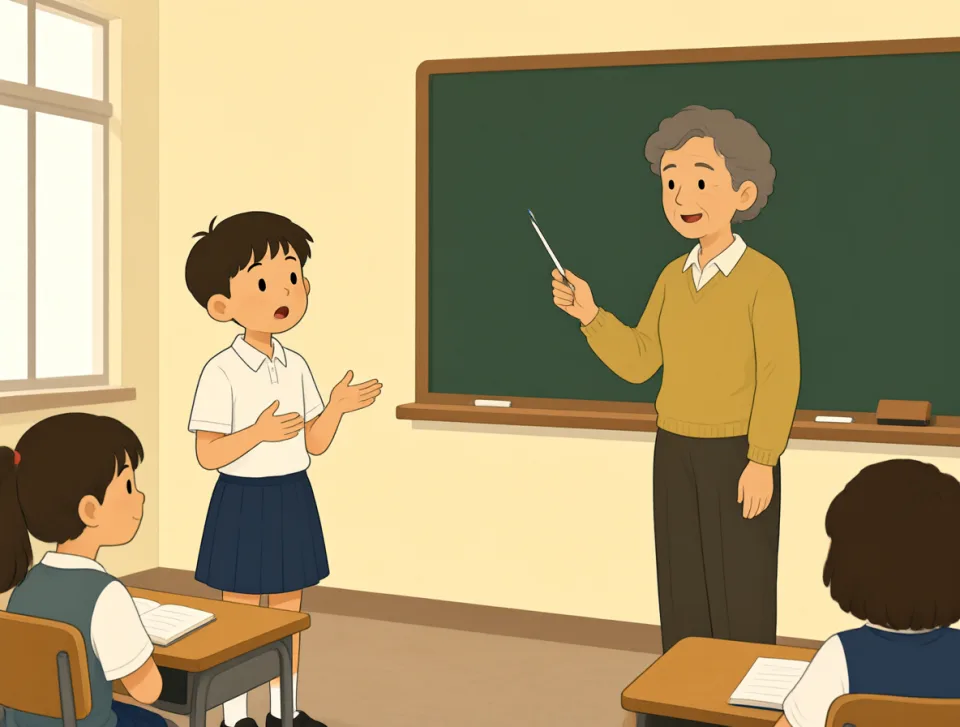
His response to the question was clear.
그 질문에 대한 그의 대답은 명확했어요.

The company sent a quick response.
회사는 신속하게 답변을 보냈어요.
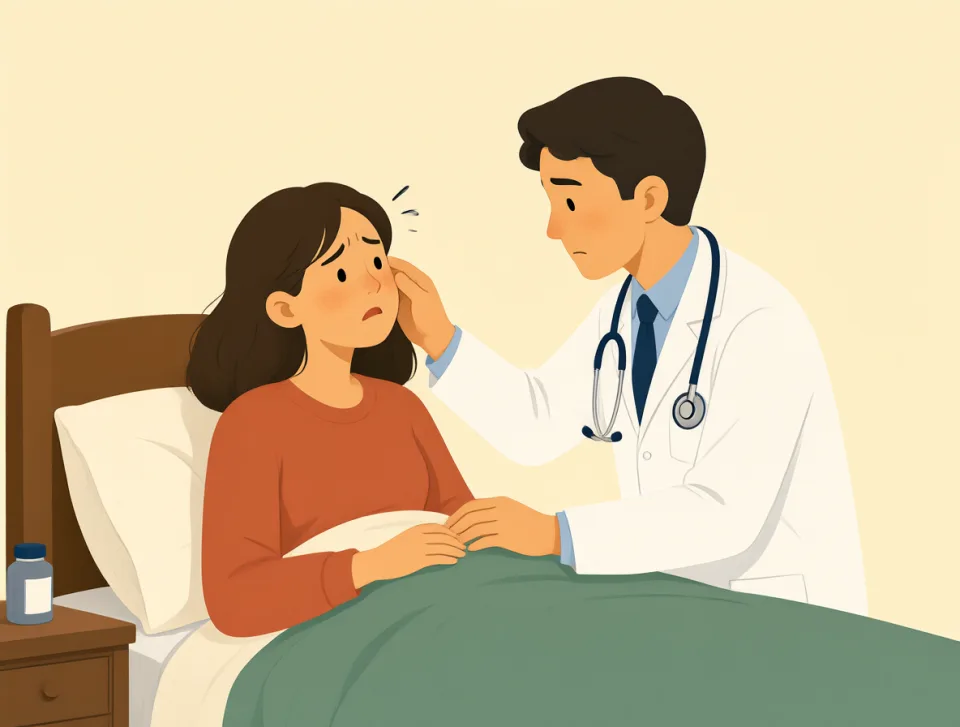
She had a bad response to the medicine.
그녀는 그 약에 부작용이 있었어요.
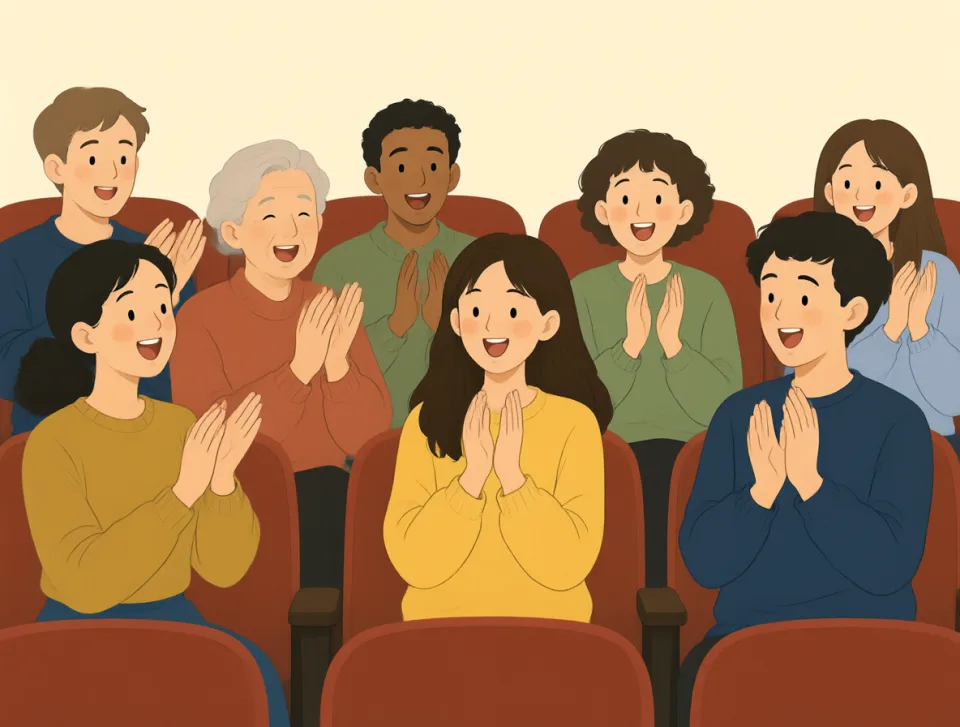
The audience gave a loud response.
관객들은 큰 환호로 반응했어요.
voice
#607noun, verb
목소리; 음성; 말하다
The sound made when a person speaks or sings.
사람이 말하거나 노래할 때 나는 소리
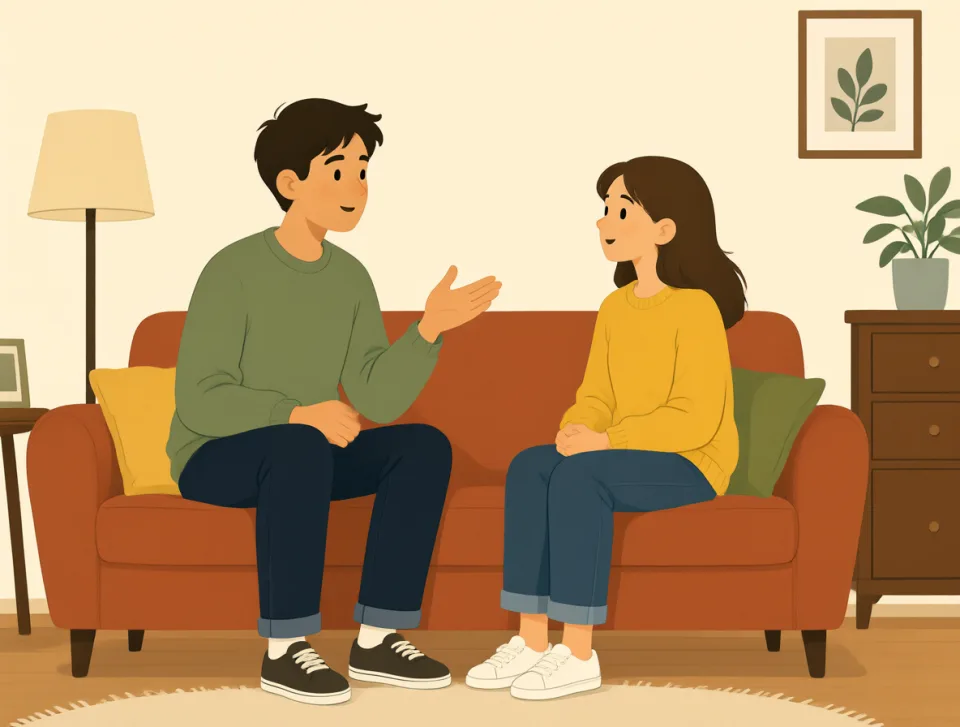
I could hear her voice clearly.
나는 그녀의 목소리를 또렷하게 들을 수 있었다.

He has a deep, friendly voice.
그는 낮고 친근한 목소리를 가지고 있다.
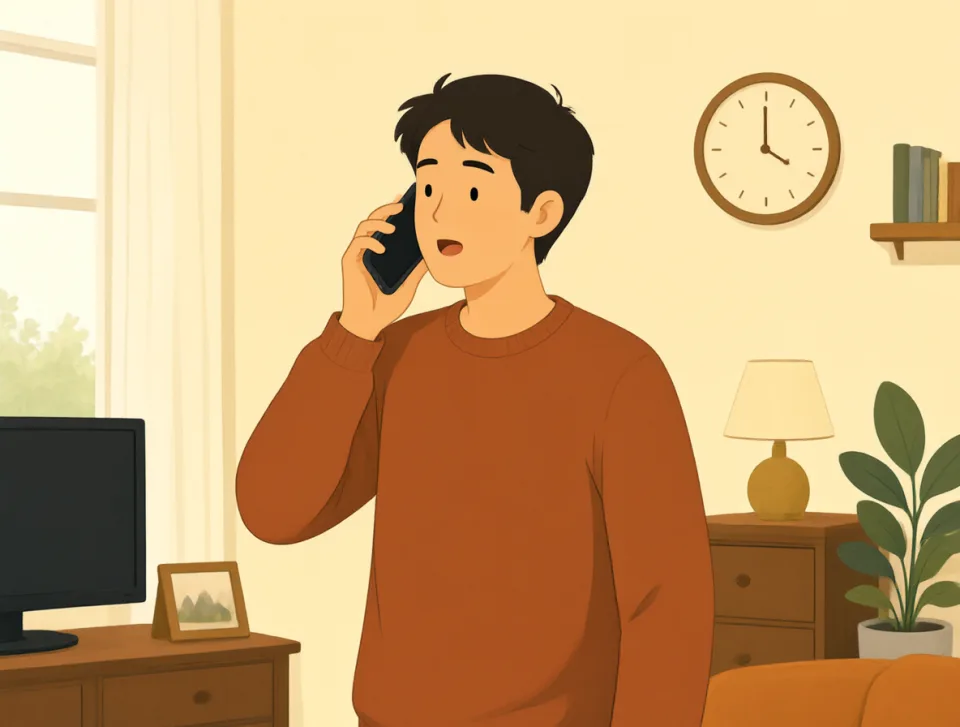
Please leave a voice message.
음성 메시지를 남겨 주세요.
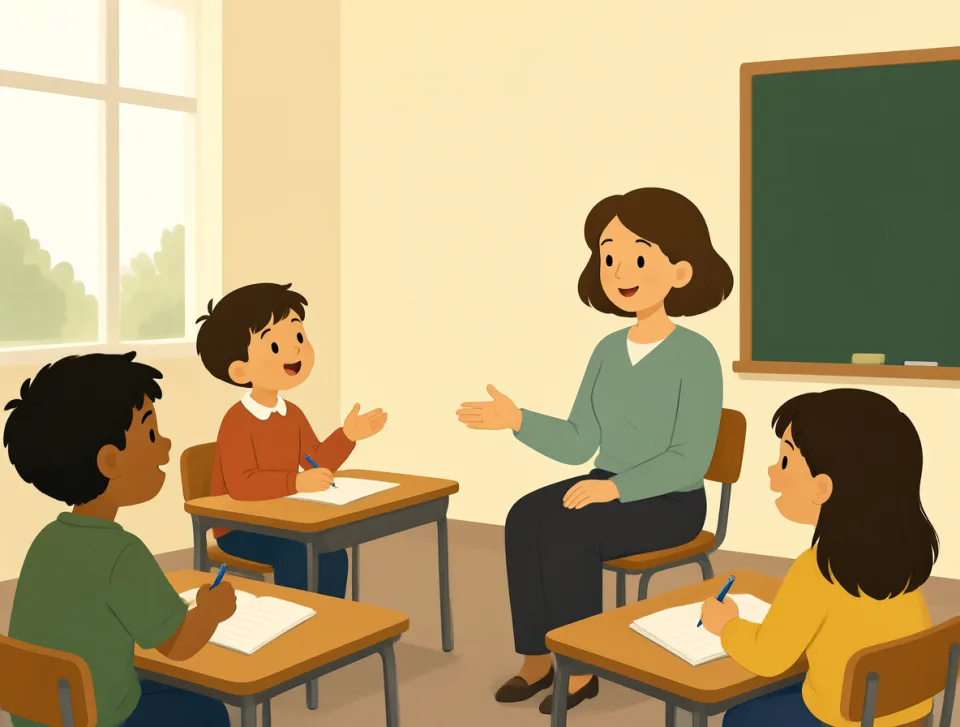
The teacher asked us to use our voices.
선생님은 우리에게 목소리를 내라고 하셨다.

She voiced her concerns about the trip.
그녀는 여행에 대한 우려를 표명했다.
piece
#608noun
조각; 부분; 한 점; 한 가지
a part of something, or an amount of food or information
어떤 것의 일부 또는 음식이나 정보의 일정한 양
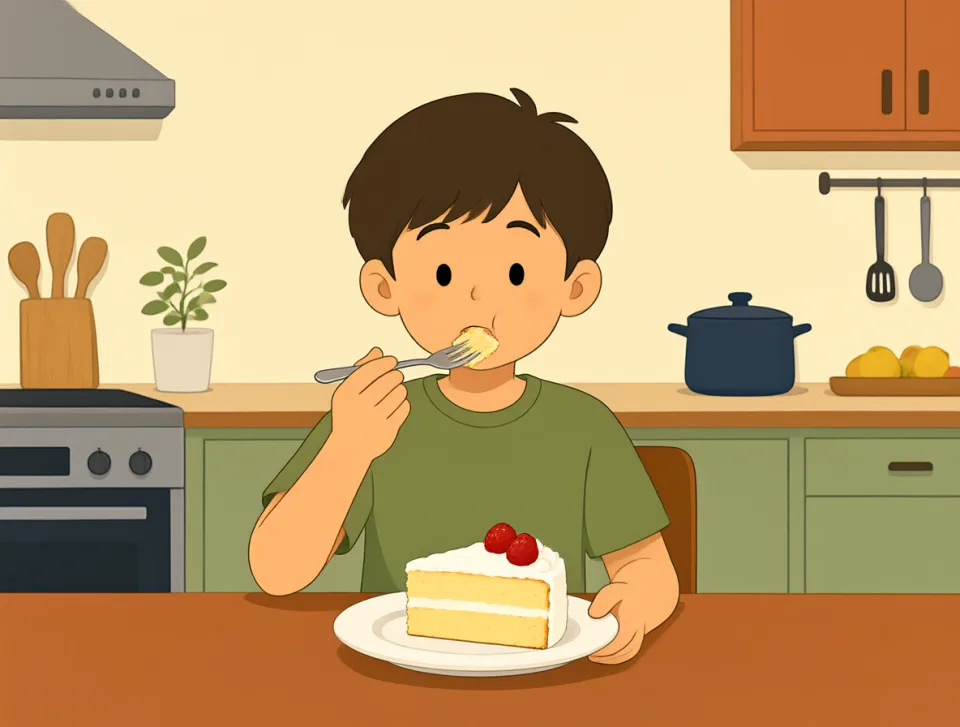
I ate a piece of cake after dinner.
저녁 식사 후에 케이크 한 조각을 먹었다.
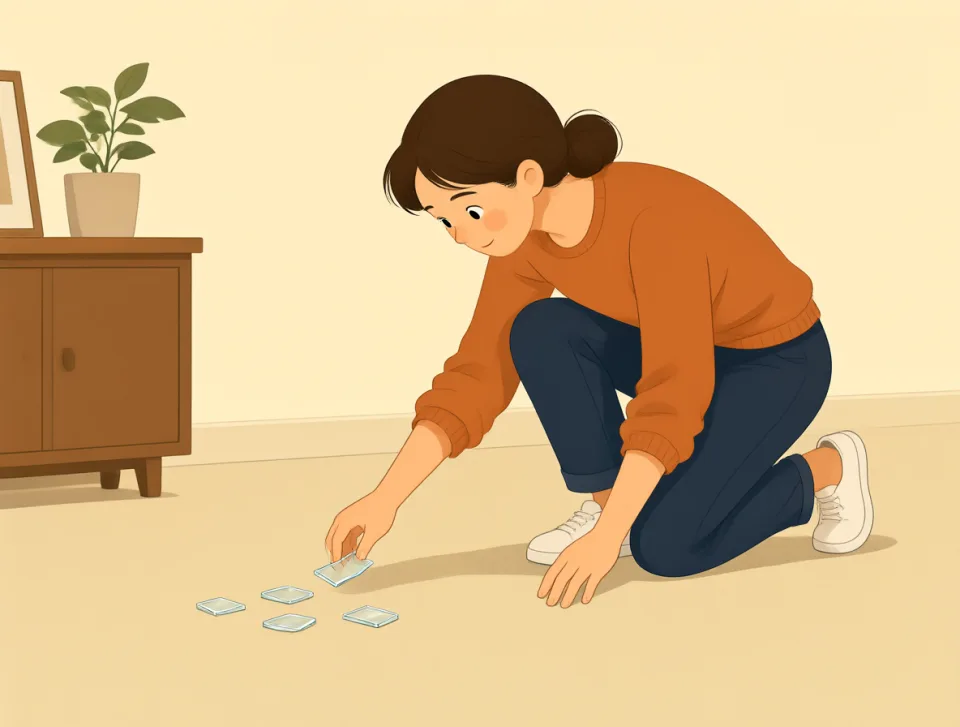
She found a piece of glass on the floor.
그녀는 바닥에서 유리 조각을 발견했다.
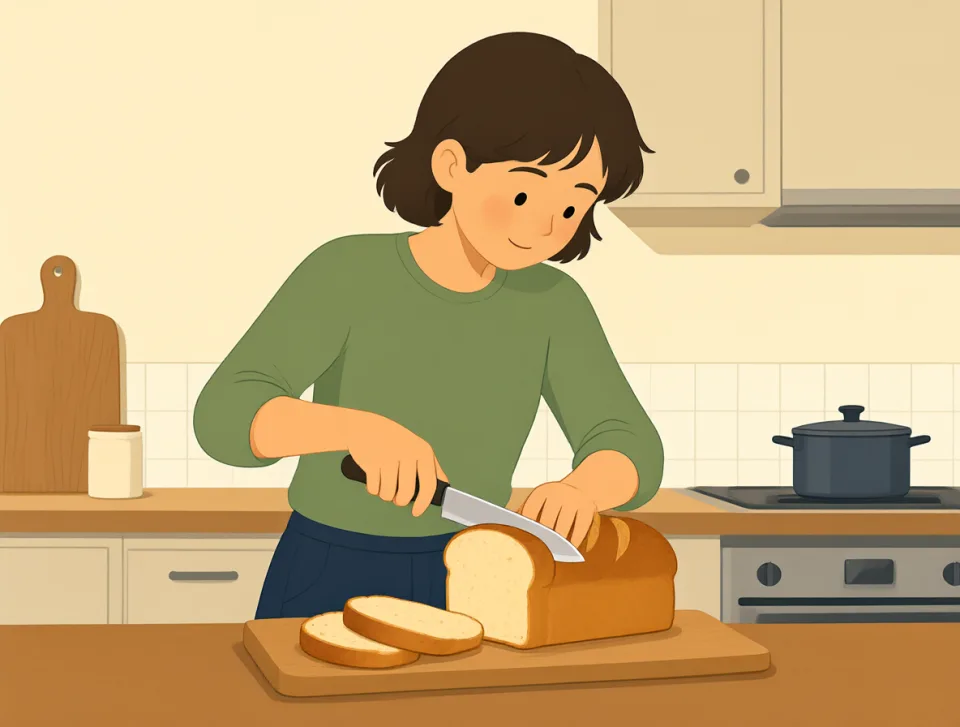
Please cut me a piece of bread.
빵 한 조각 잘라 주세요.
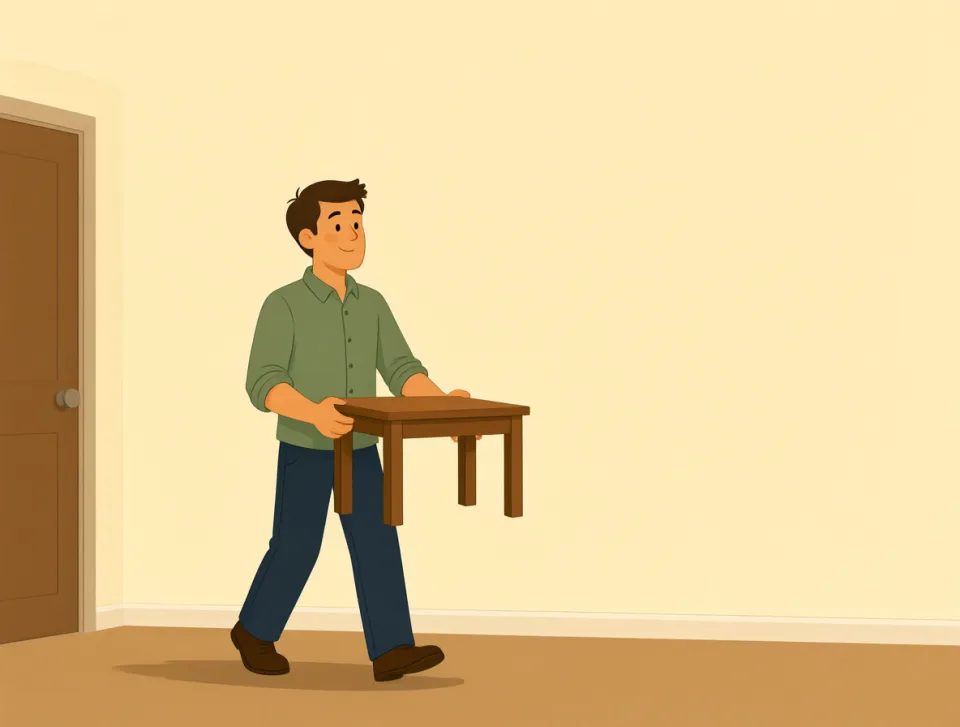
He bought a new piece of furniture.
그는 새 가구 하나를 샀다.
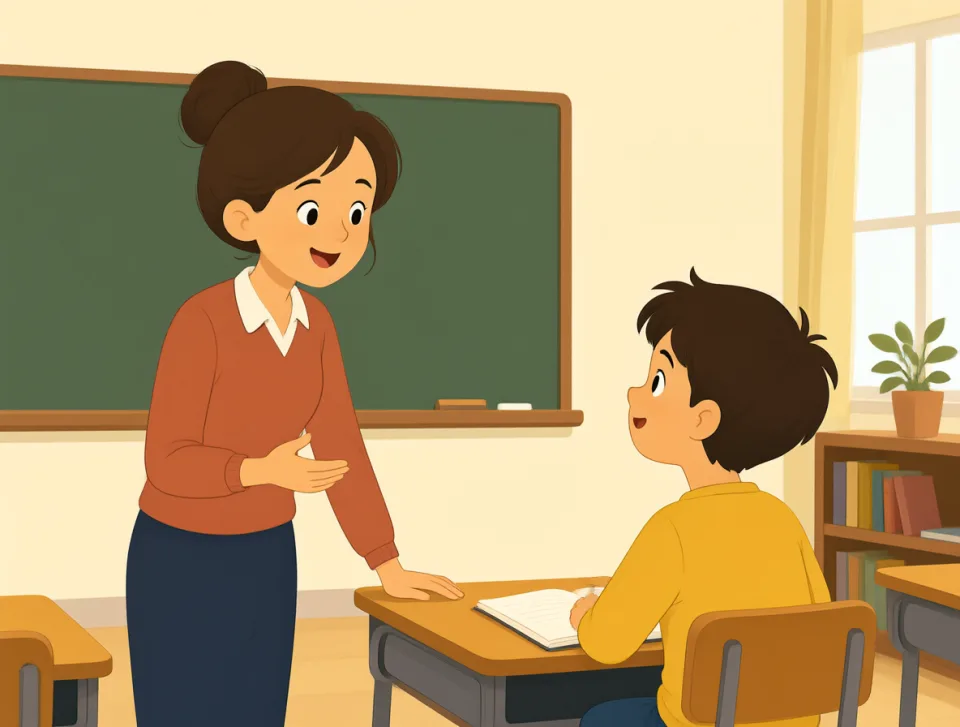
The teacher gave us a piece of advice.
선생님이 우리에게 조언을 한마디 해 주셨다.

finish
#609verb, noun
끝내다; 마치다; 완성하다; 마감
To complete something or reach the end of it.
무언가를 완성하거나 끝에 이르다.
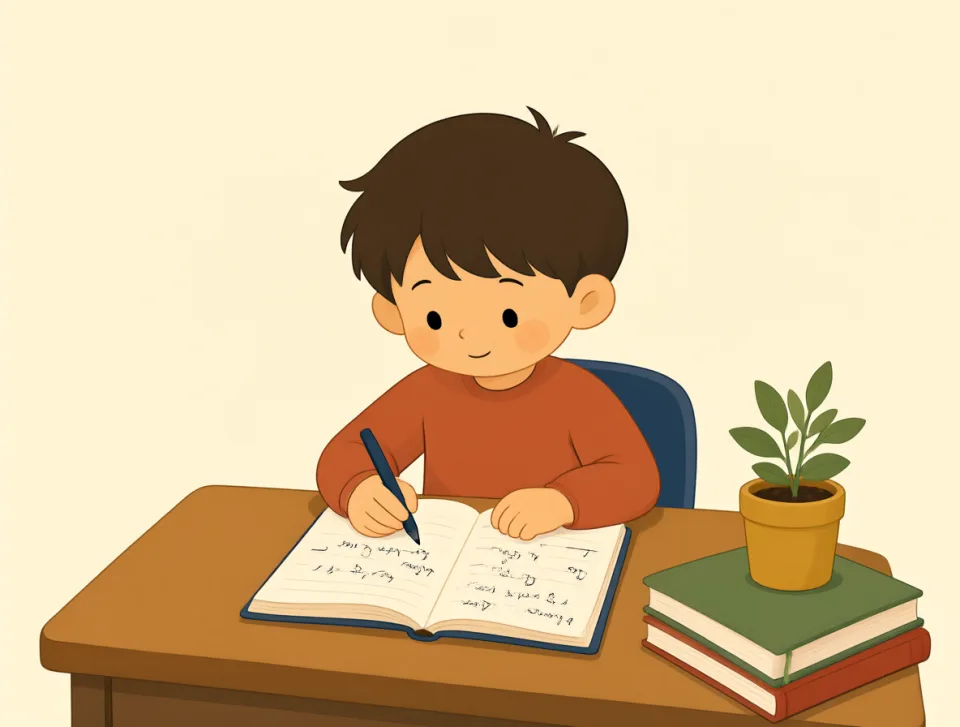
Please finish your homework before dinner.
저녁 식사 전에 숙제를 끝내세요.
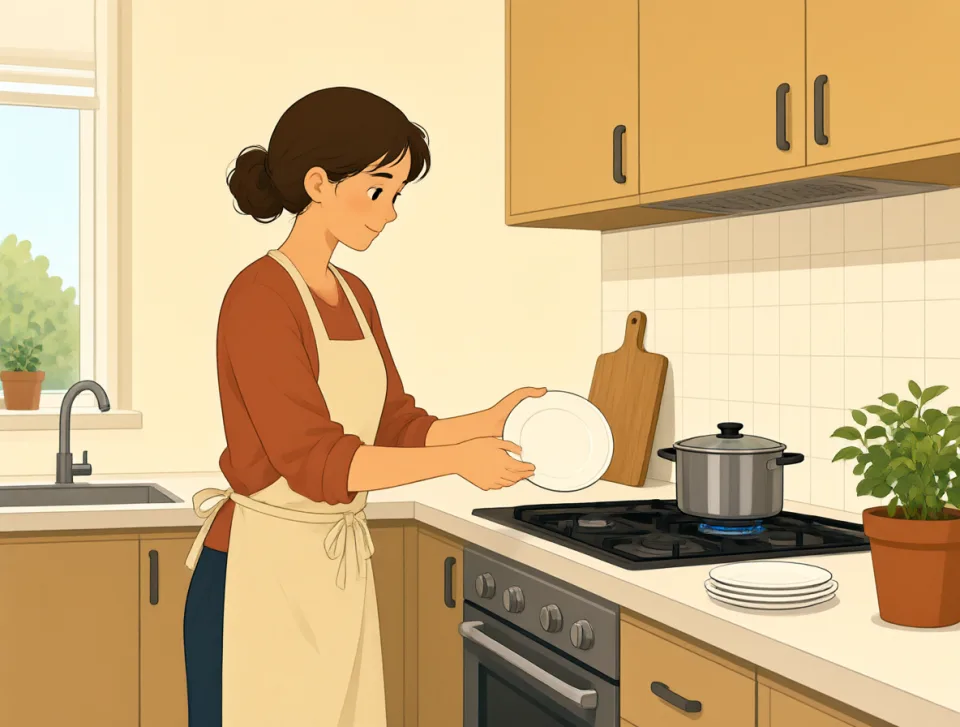
She finished cleaning the kitchen.
그녀는 부엌 청소를 끝냈다.
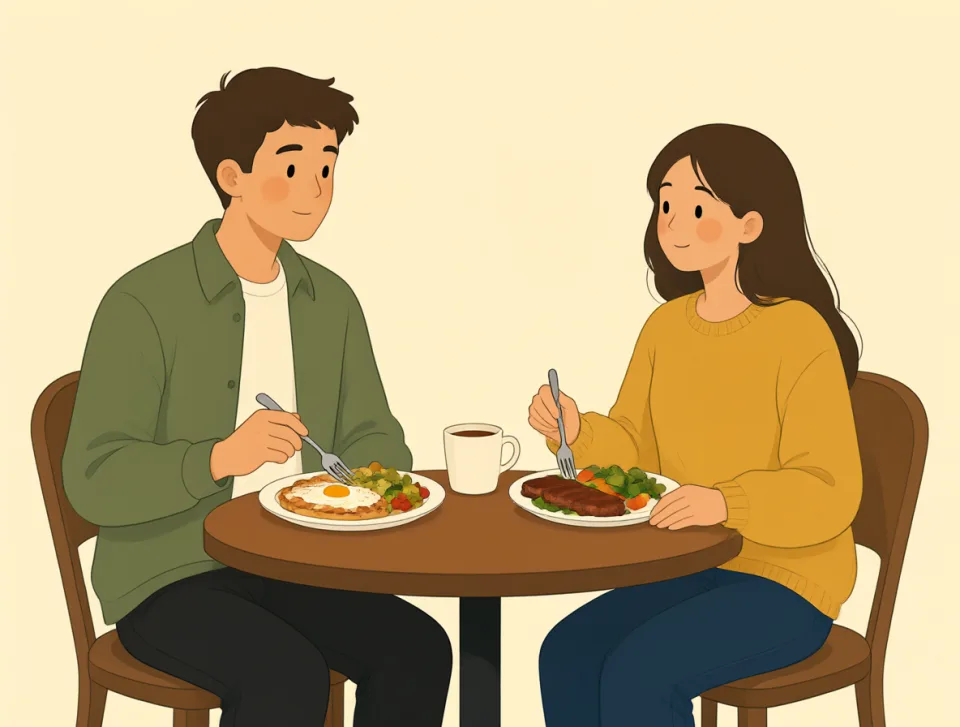
We finished our lunch and left.
우리는 점심을 다 먹고 떠났다.

He finished the race in first place.
그는 경주에서 1등으로 결승선을 통과했다.

The blue paint gives the table a smooth finish.
파란색 페인트가 탁자에 매끄러운 마감을 더해 준다.
suppose
#610verb
생각하다; 가정하다
to think something is probably true or to imagine a possible situation
어떤 일이 아마 사실일 거라고 생각하거나 가능한 상황을 상상하다
I suppose we can leave now.
이제 가도 될 것 같아요.

Suppose it rains during our picnic.
소풍 가는 날 비가 온다고 가정해 보세요.
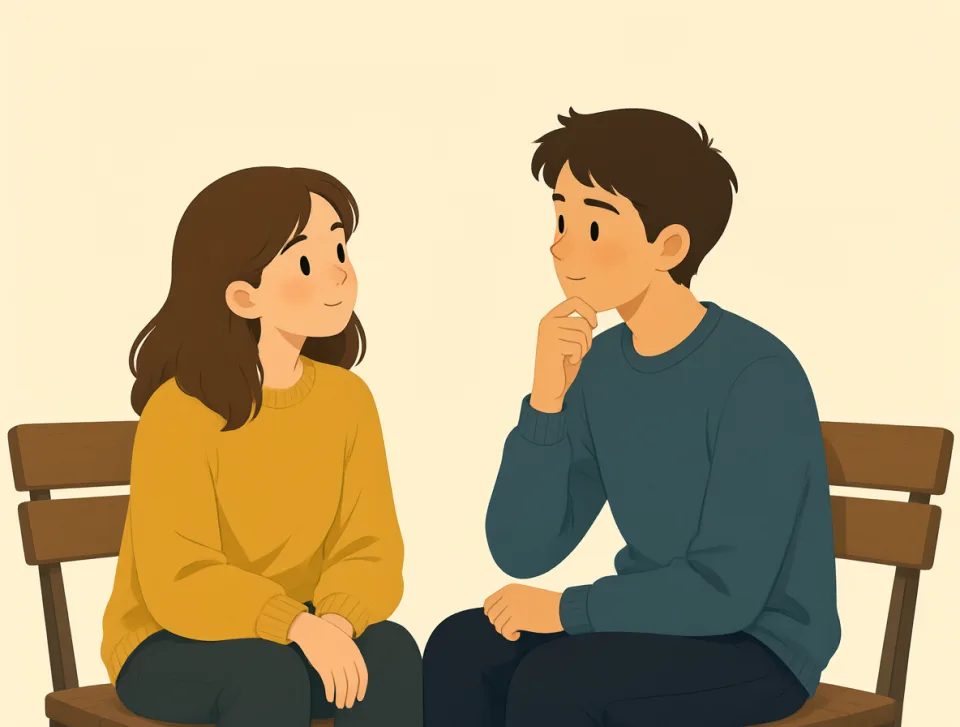
I suppose you are right about that.
그 점은 당신 말이 맞는 것 같아요.
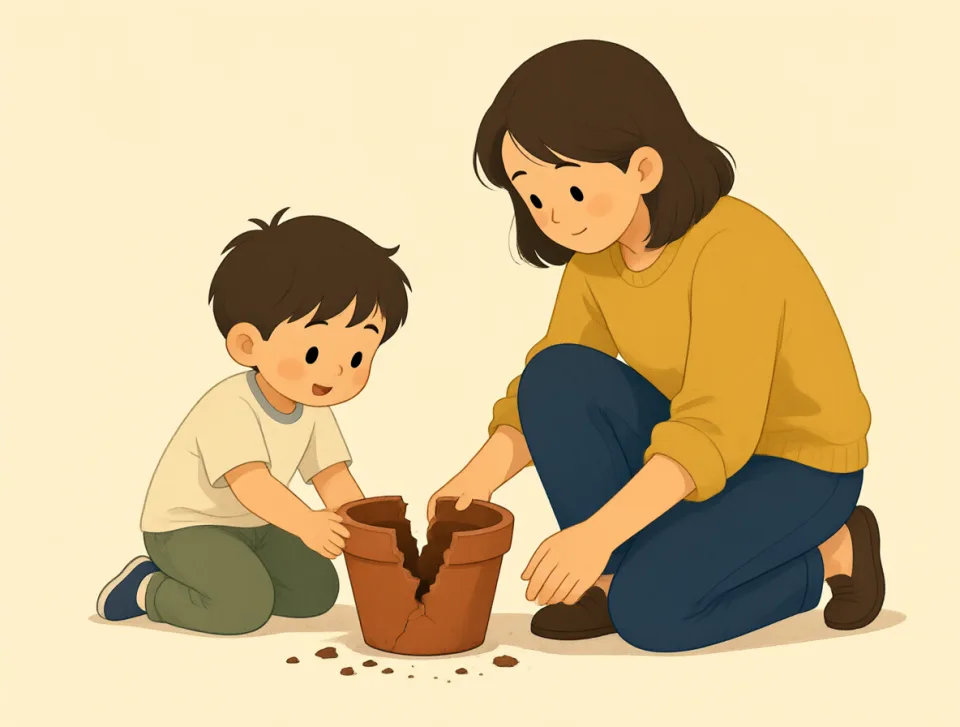
What do you suppose happened here?
여기서 무슨 일이 있었던 것 같아요?
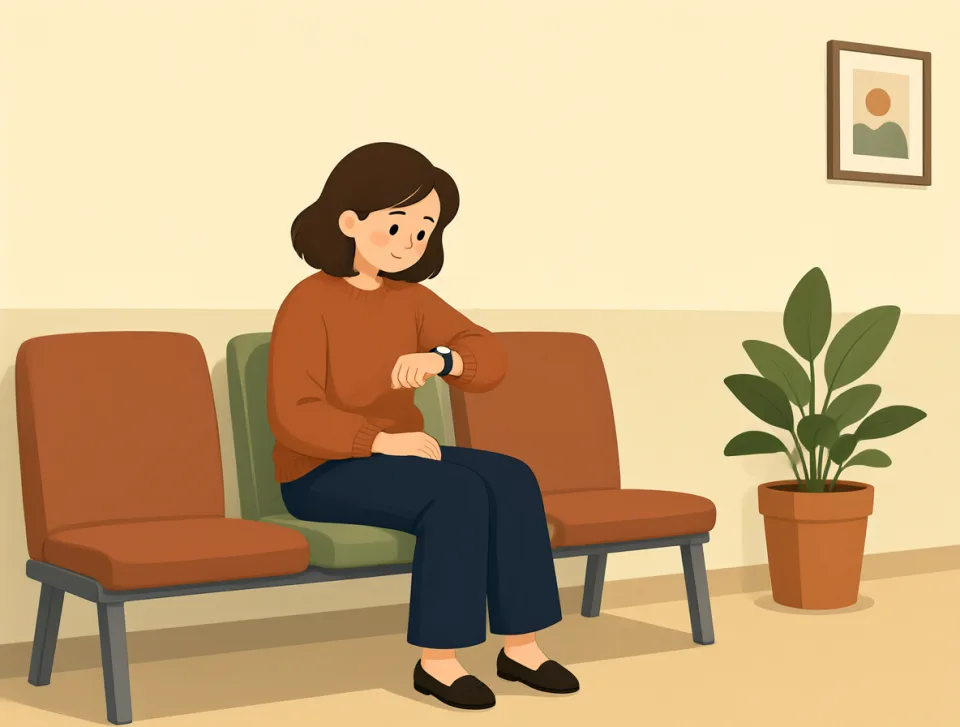
I suppose she forgot her appointment.
그녀가 약속을 잊은 것 같아요.
apply
#611verb
바르다; 지원하다; 적용하다
to use something to a particular purpose or ask officially for something
무언가를 특정한 목적에 사용하거나, 어떤 것을 공식적으로 신청하다
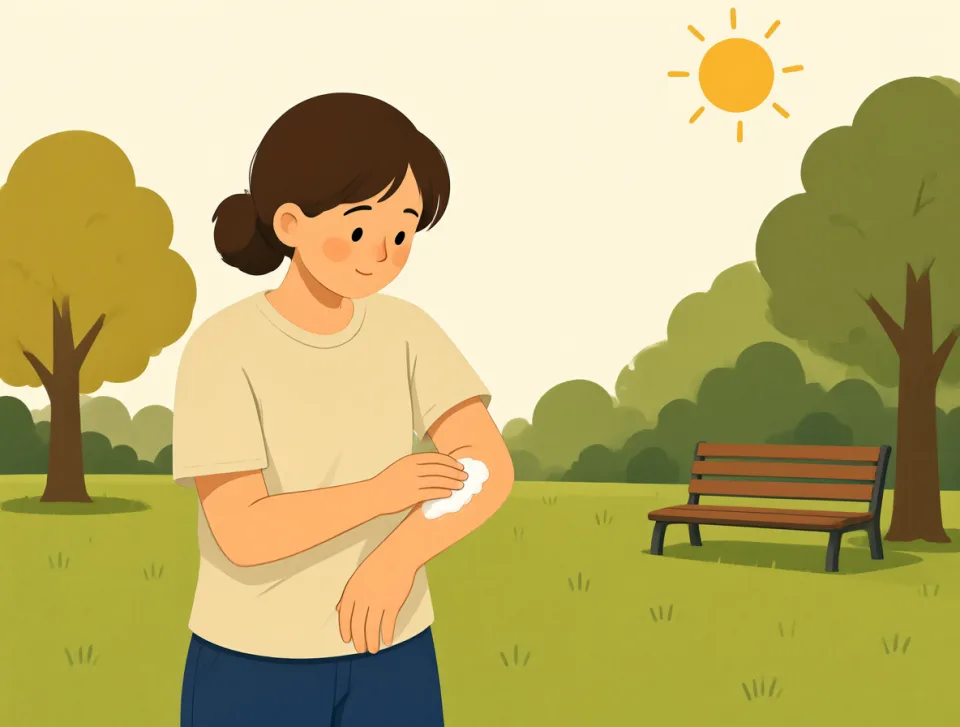
Apply sunscreen before you go outside.
밖에 나가기 전에 자외선 차단제를 바르세요.
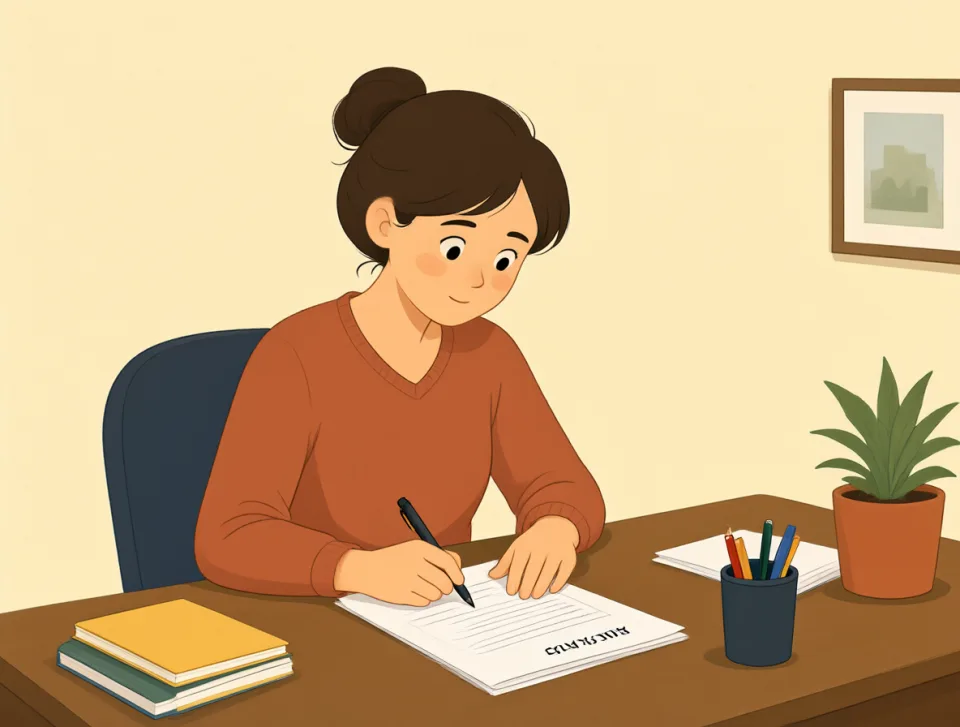
She applied for a new job yesterday.
그녀는 어제 새 직장에 지원했어요.
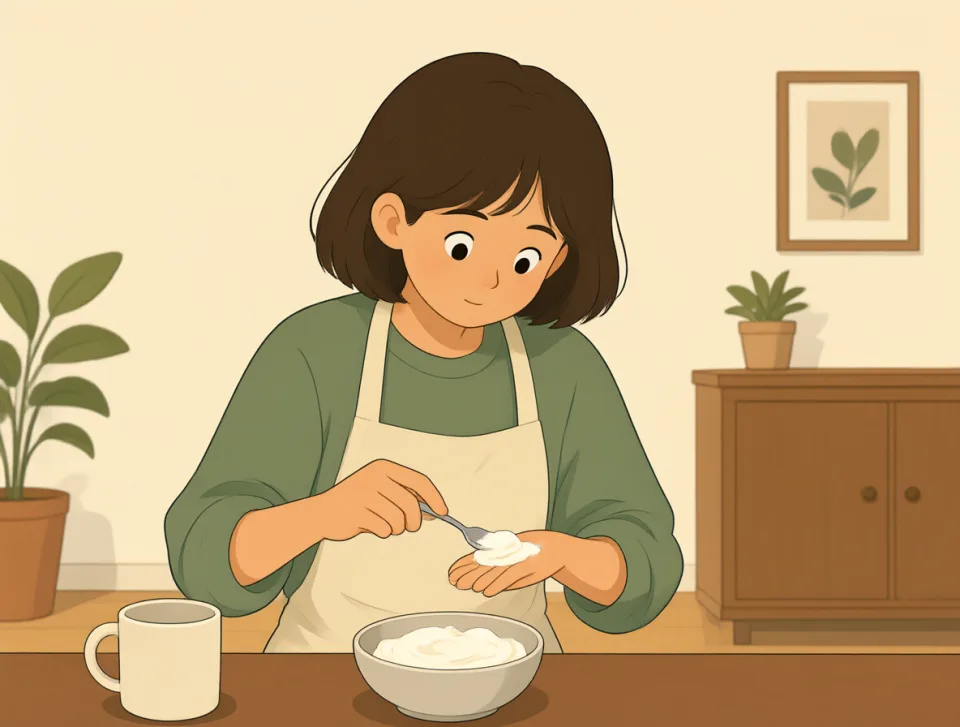
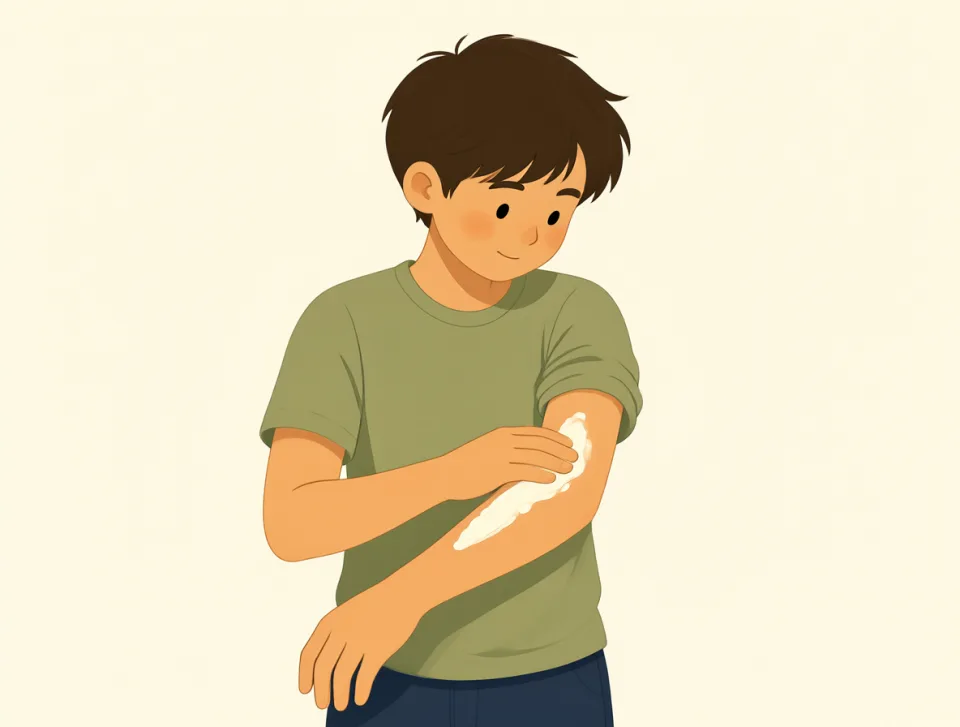
Please apply this cream twice a day.
이 크림을 하루에 두 번 바르세요.
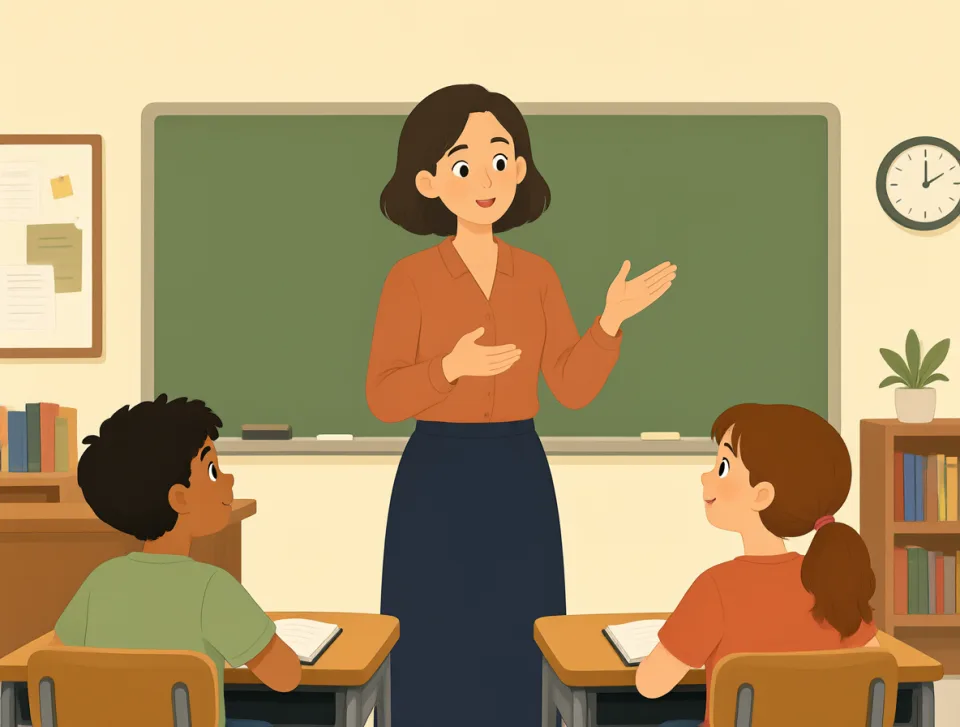
The teacher applied the rule fairly.
선생님은 그 규칙을 공정하게 적용했어요.
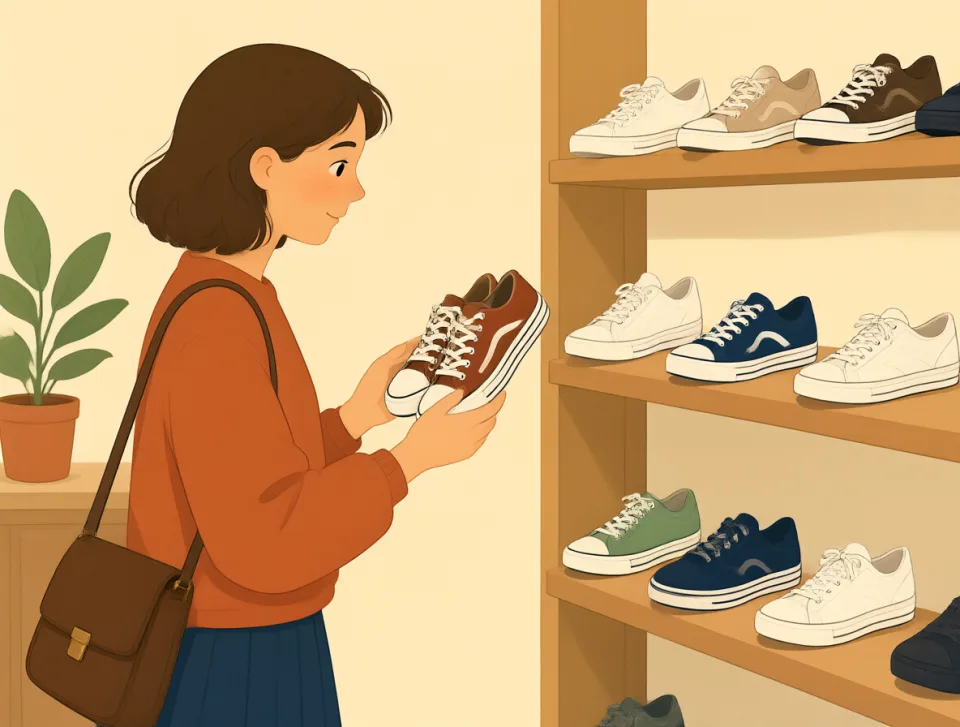
This discount applies to all shoes.
이 할인은 모든 신발에 적용됩니다.
president
#612noun
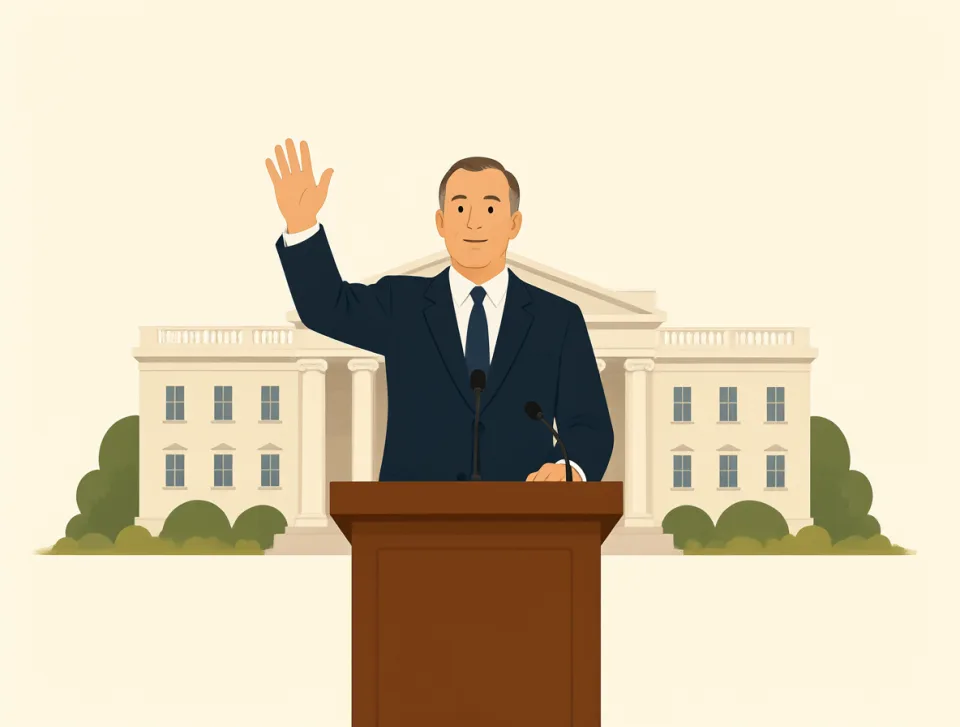
대통령; 회장
The elected leader of a country or the person who leads an organization.
선거로 뽑힌 한 나라의 지도자 또는 단체를 이끄는 사람.
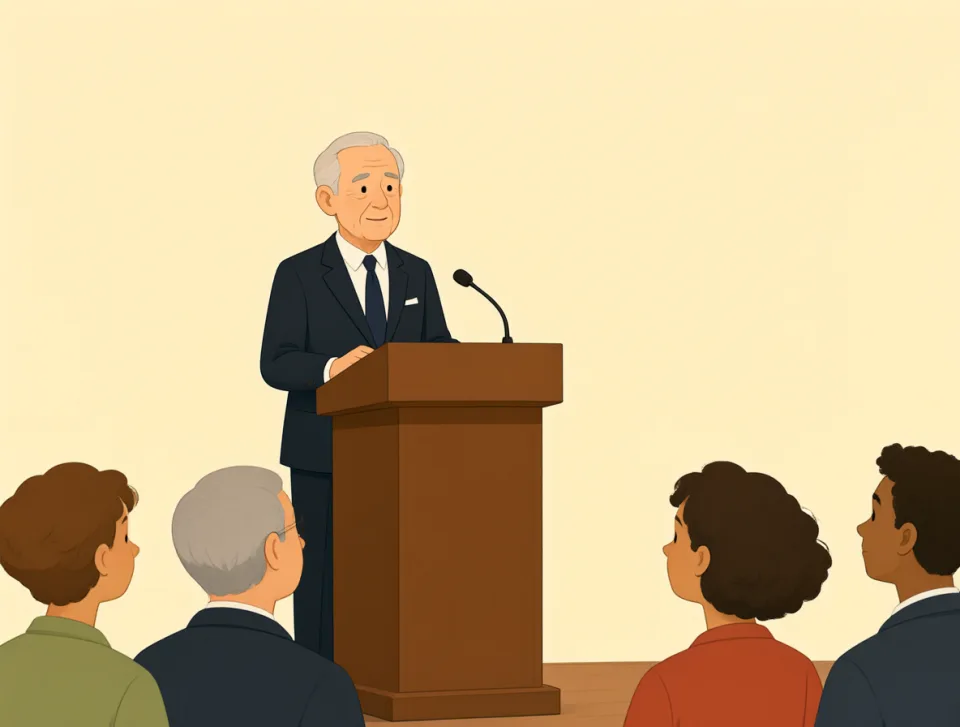
The president gave a speech yesterday.
대통령이 어제 연설을 했어요.
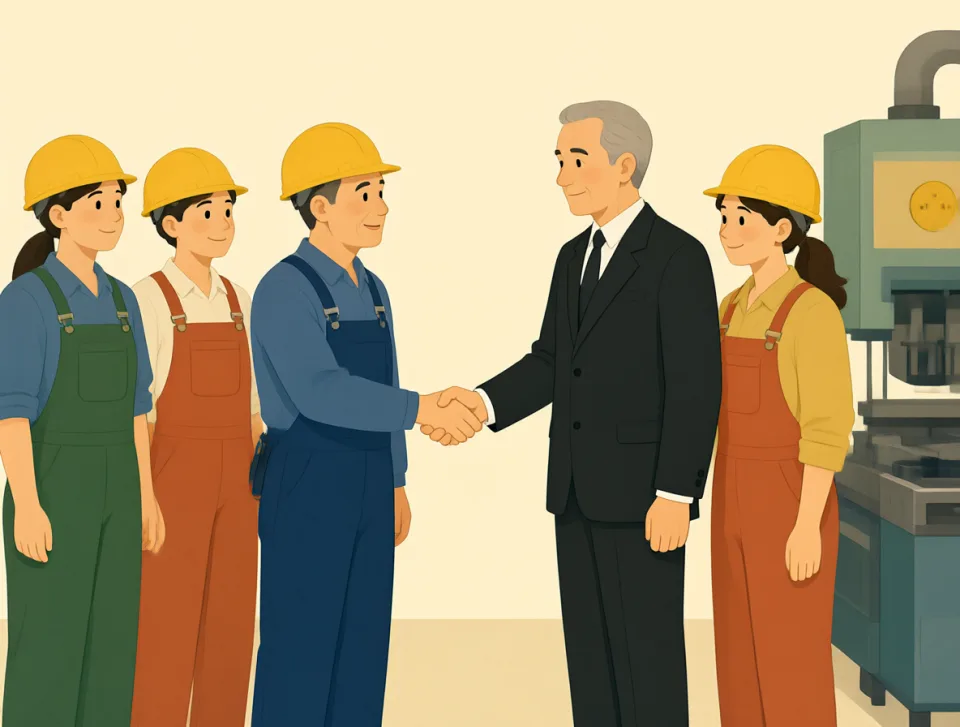
The president met the workers this morning.
대통령이 오늘 아침 노동자들을 만났어요.

Our club president planned the meeting.
우리 동아리 회장이 모임을 계획했어요.

The school president welcomed new students.
학생회장이 신입생들을 환영했어요.

The company president visited our office.
회사 사장이 우리 사무실을 방문했어요.
fire
#613noun, verb
불; 해고하다; 불을 붙이다
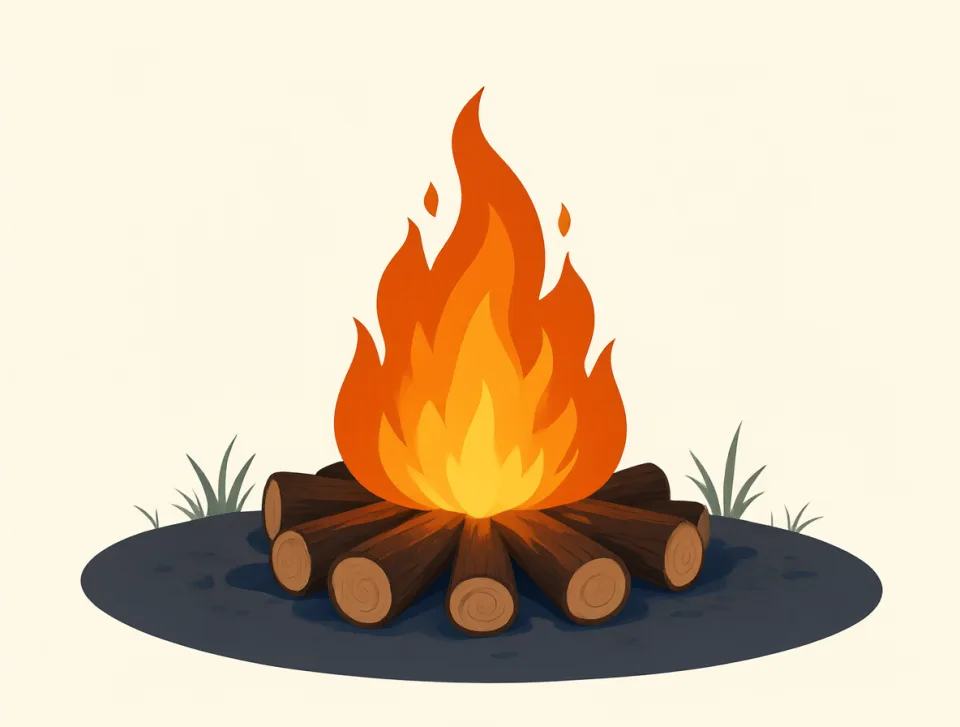
Fire is heat and light from burning; to fire someone means to make them leave a job.
불은 무언가가 타면서 나오는 열과 빛을 말하며, 사람을 해고한다는 뜻으로도 쓰입니다.
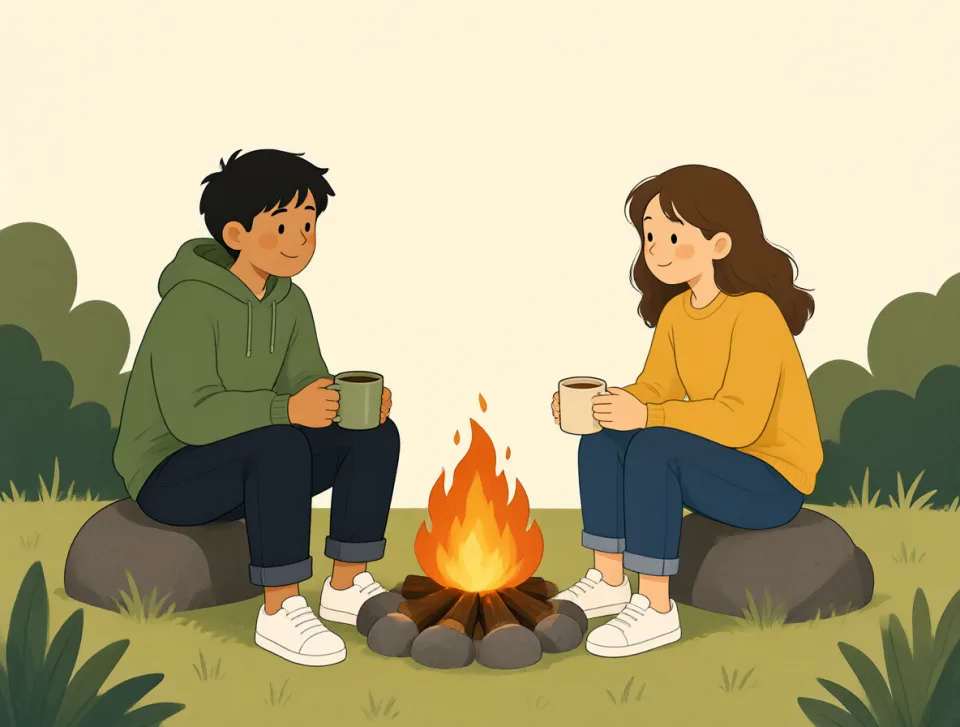
We sat around the fire last night.
우리는 어젯밤 불가에 둘러앉아 있었어요.
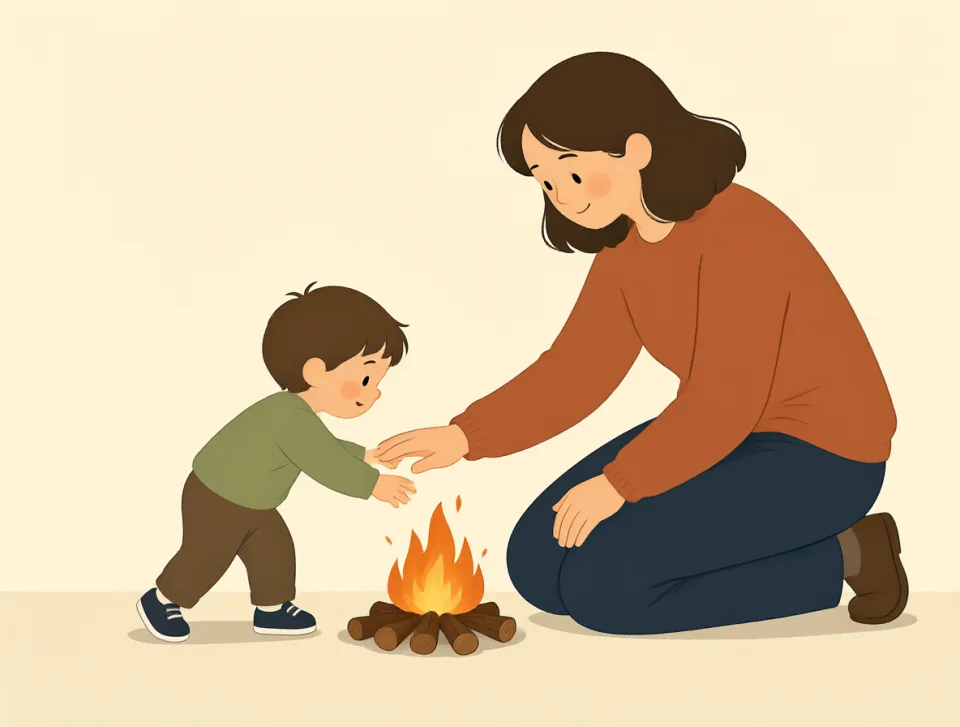
Please do not play with fire.
불장난하지 마세요.
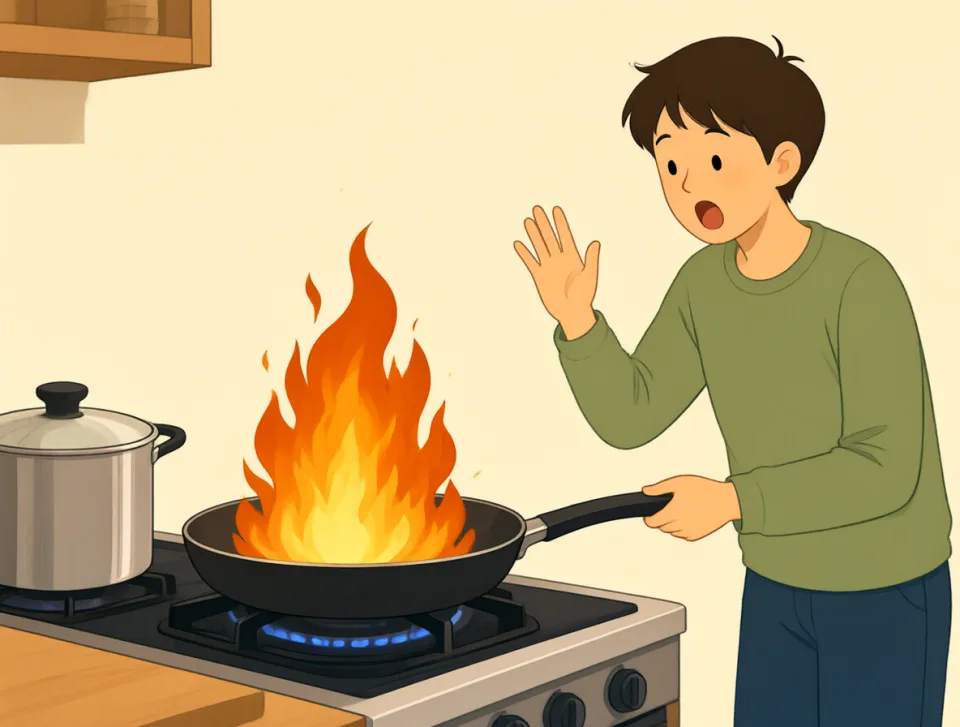
The fire started in the kitchen.
불은 부엌에서 시작됐어요.

The manager fired him yesterday.
그 관리자는 어제 그를 해고했어요.
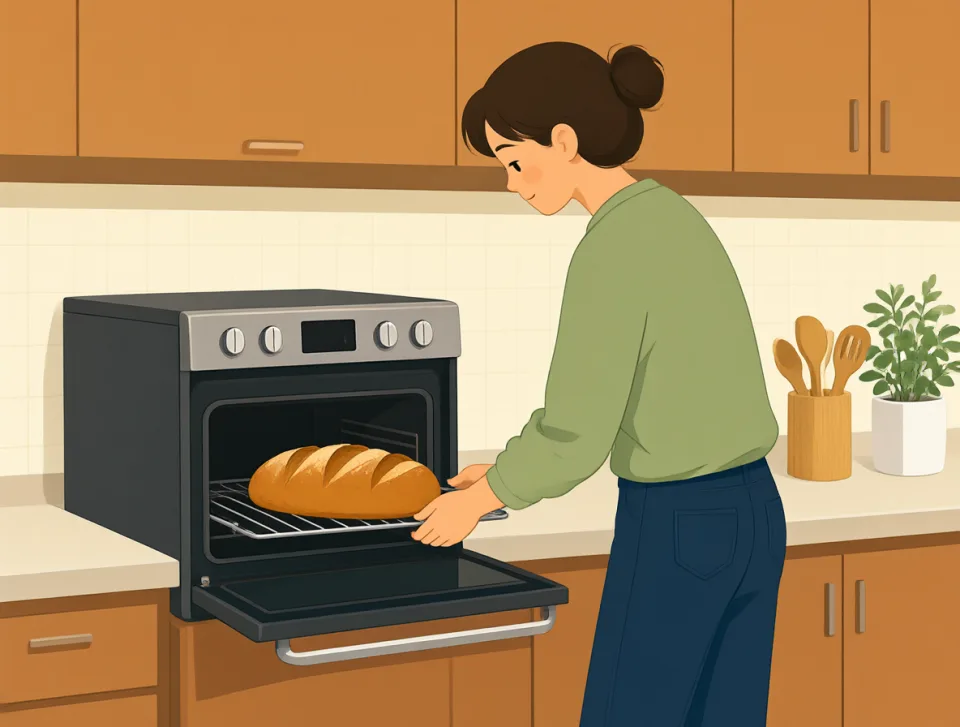
Fire the oven before baking the bread.
빵을 굽기 전에 오븐에 불을 붙이세요.
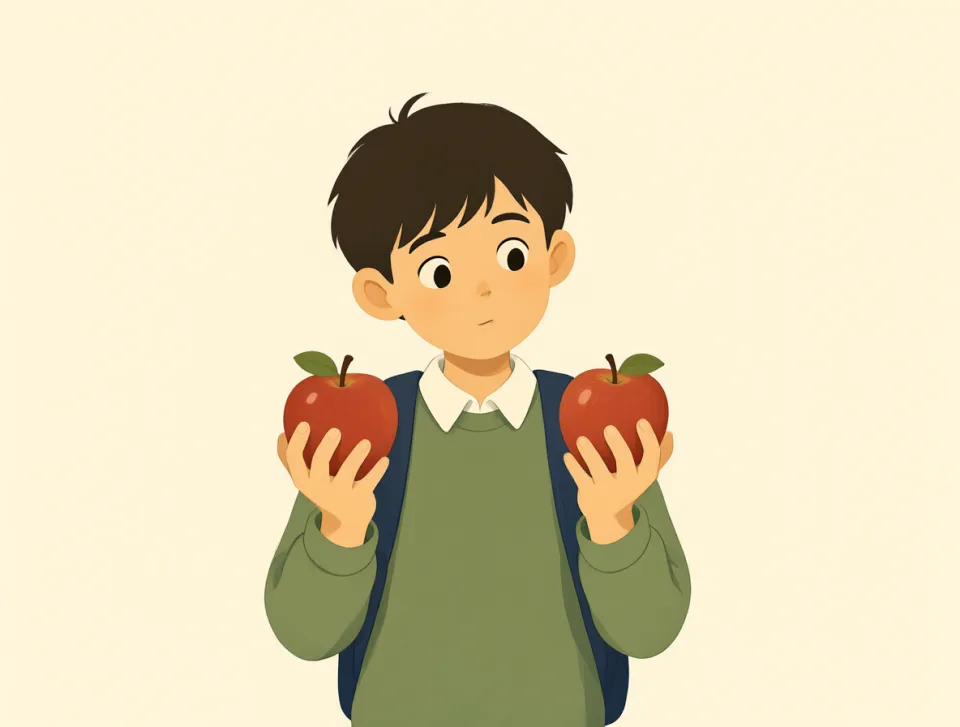
compare
#614verb
비교하다
to look at two or more things and see how they are alike or different
두 가지 이상의 것을 살펴보고 서로 어떤 점이 같거나 다른지 알아보다
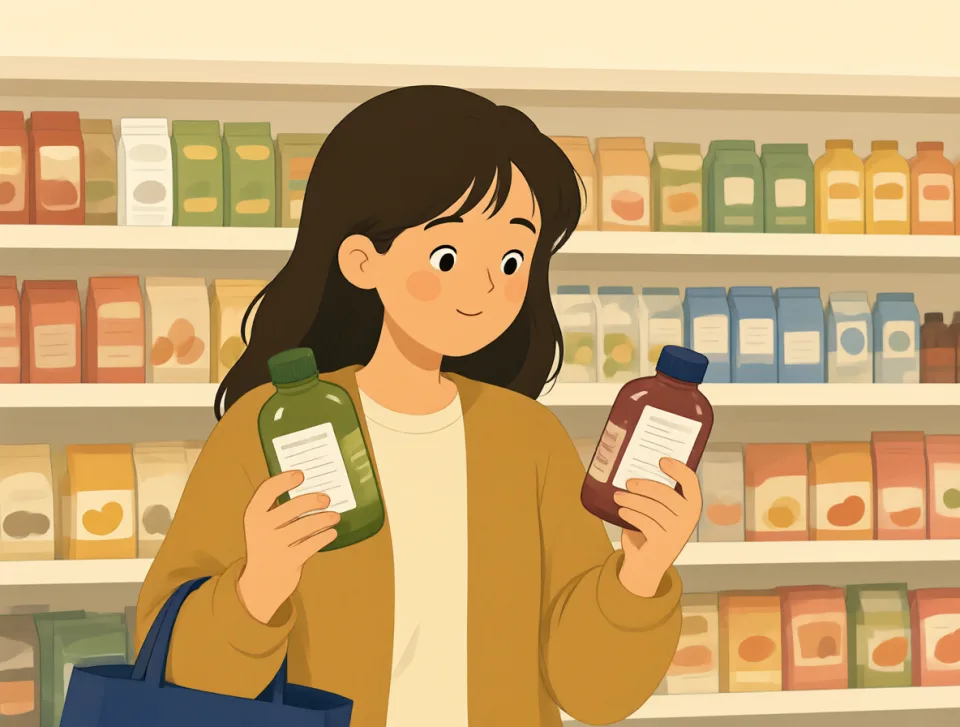
Compare these two prices before you buy.
사기 전에 이 두 가격을 비교해 보세요.
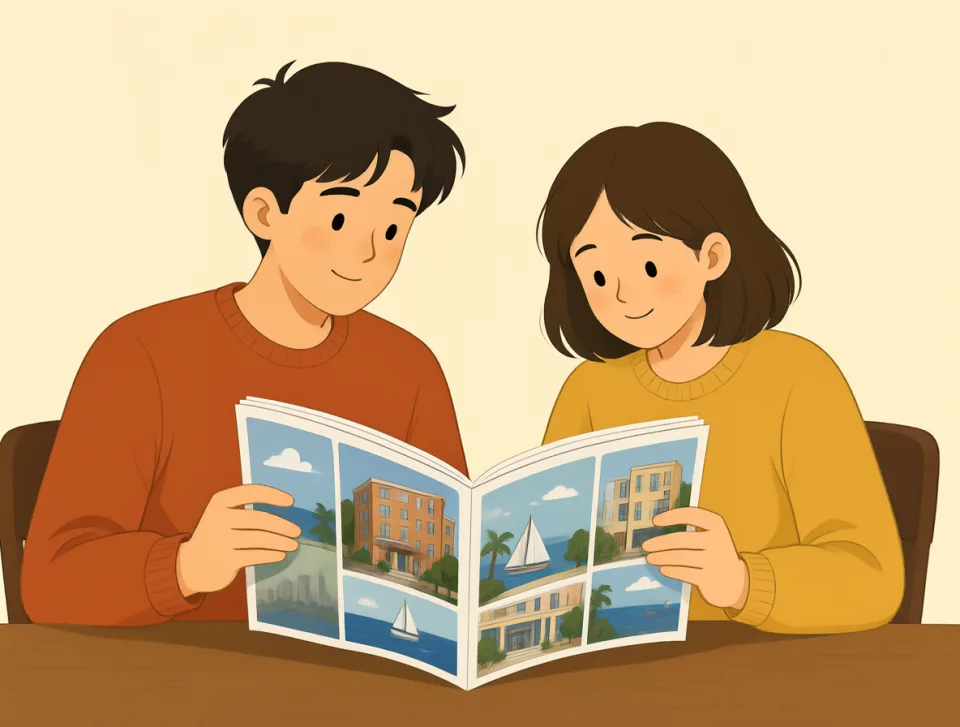
We compared the hotels before booking our trip.
우리는 여행을 예약하기 전에 호텔들을 비교해 봤어요.
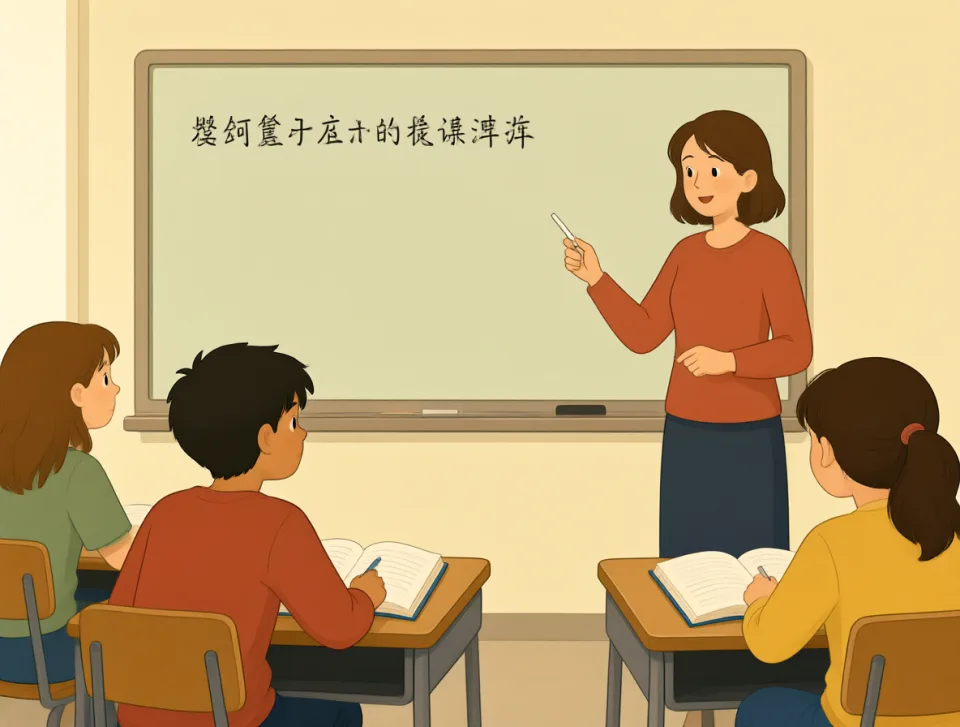
The teacher asked us to compare two stories.
선생님은 우리에게 두 이야기를 비교해 보라고 하셨어요.
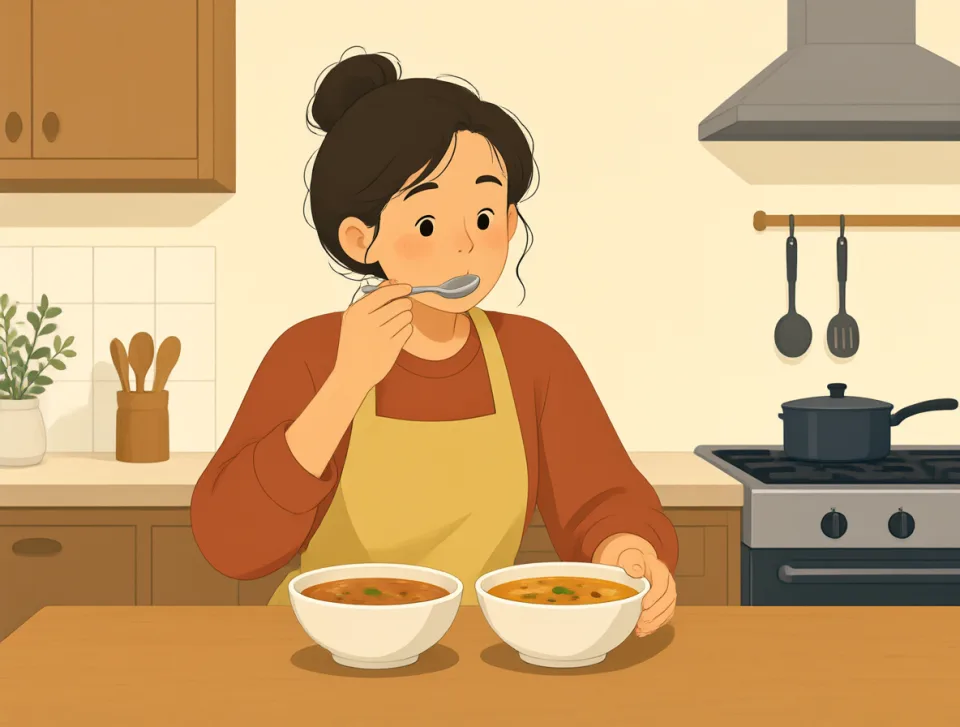
Compare this soup with yesterday’s soup.
이 수프를 어제 먹은 수프와 비교해 보세요.
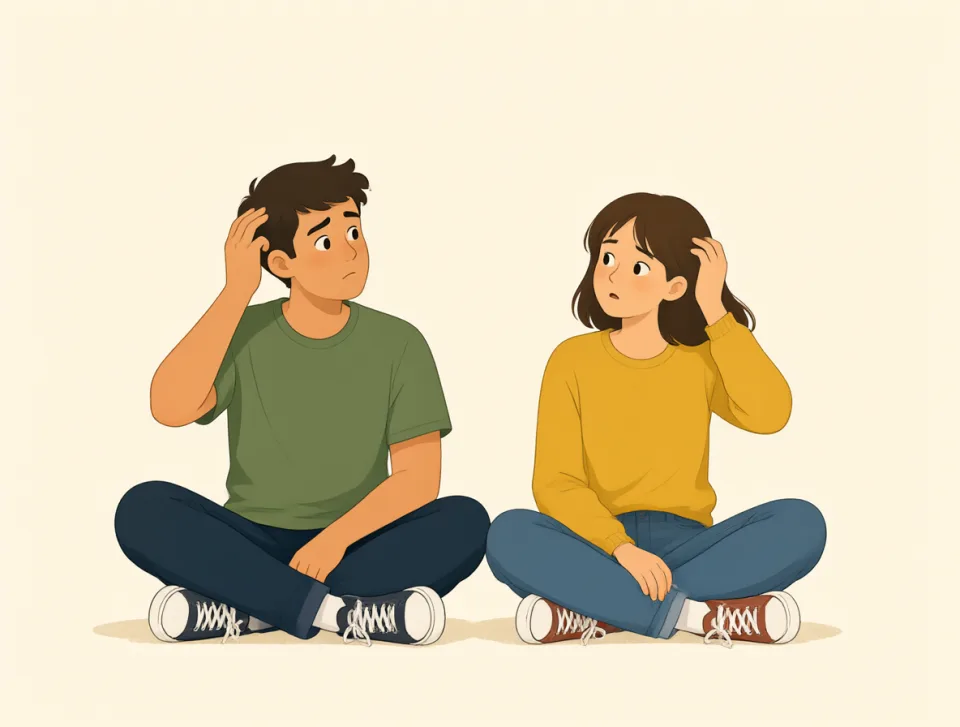
I compared my headache with my friend’s.
나는 내 두통을 친구의 두통과 비교해 봤어요.
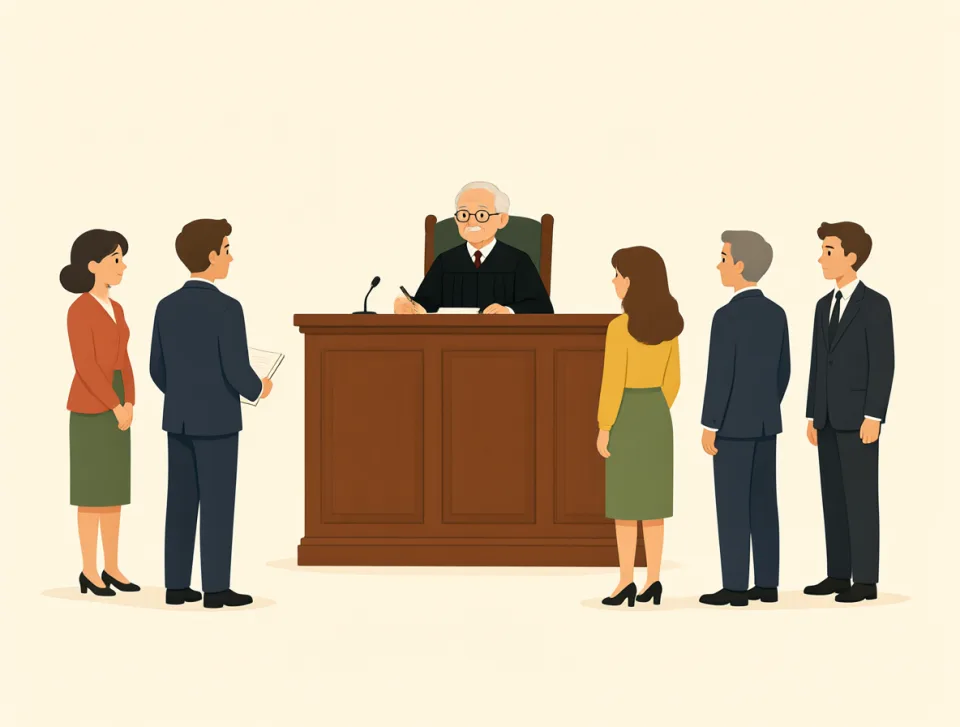
court
#615noun, verb
법정; 법원; 구애하다
A place where legal cases are heard, or to try hard to gain someone's support.
법적 사건을 심리하는 장소 또는 누군가의 지지나 호의를 얻기 위해 열심히 노력하다
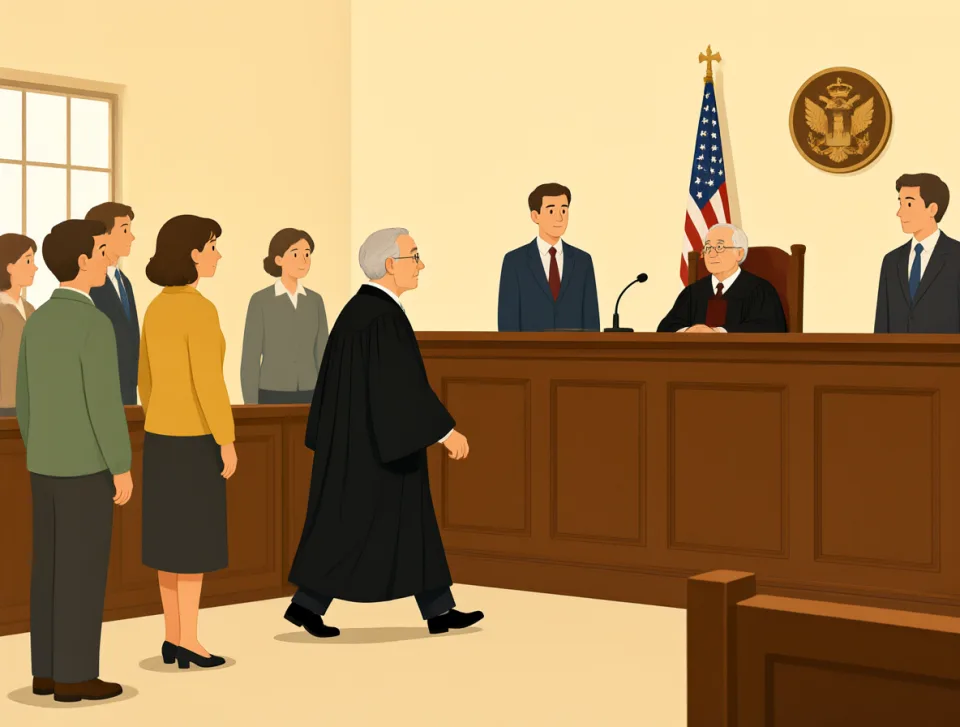
The judge entered the court quietly.
판사가 조용히 법정에 들어왔다.
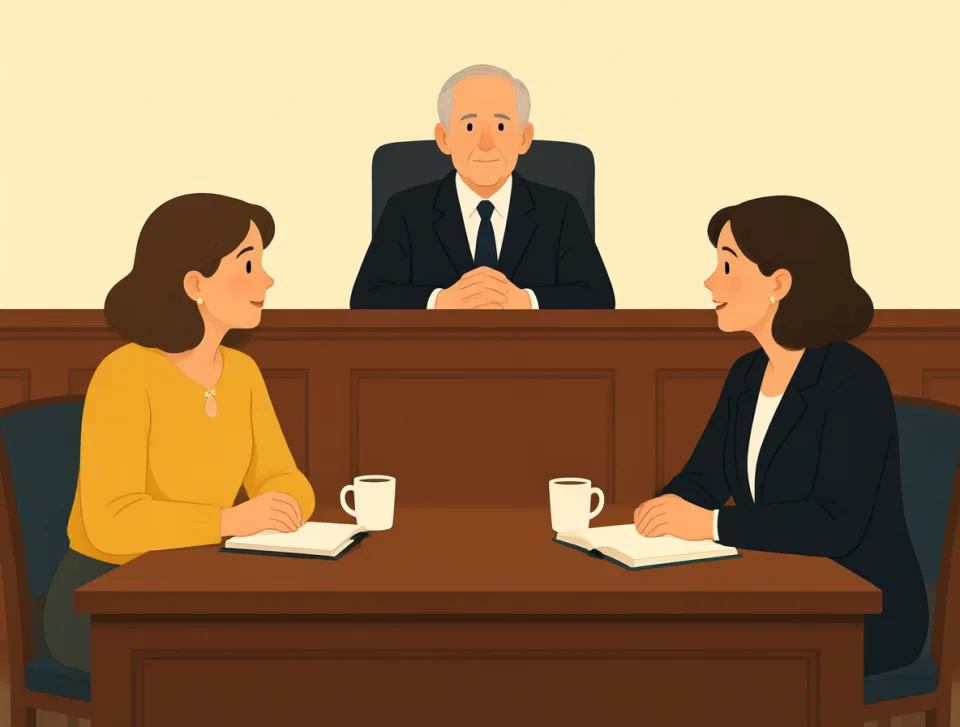
They went to court over the problem.
그들은 그 문제로 법정에 갔다.
She courted support from her friends.
그녀는 친구들의 지지를 얻으려고 애썼다.
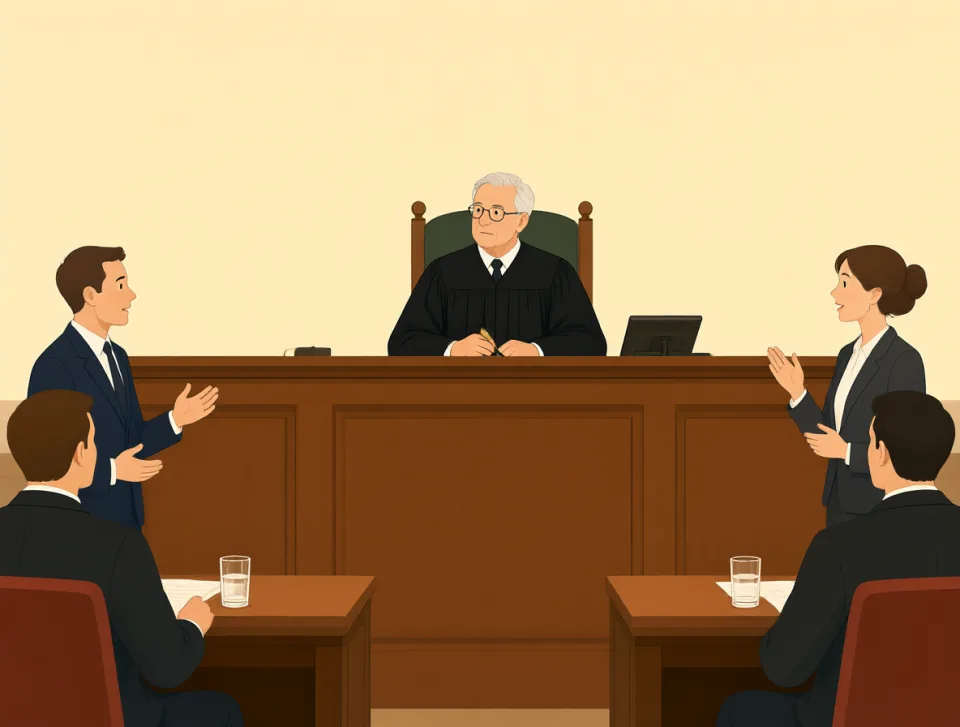
The court heard the case yesterday.
법원은 어제 그 사건을 심리했다.
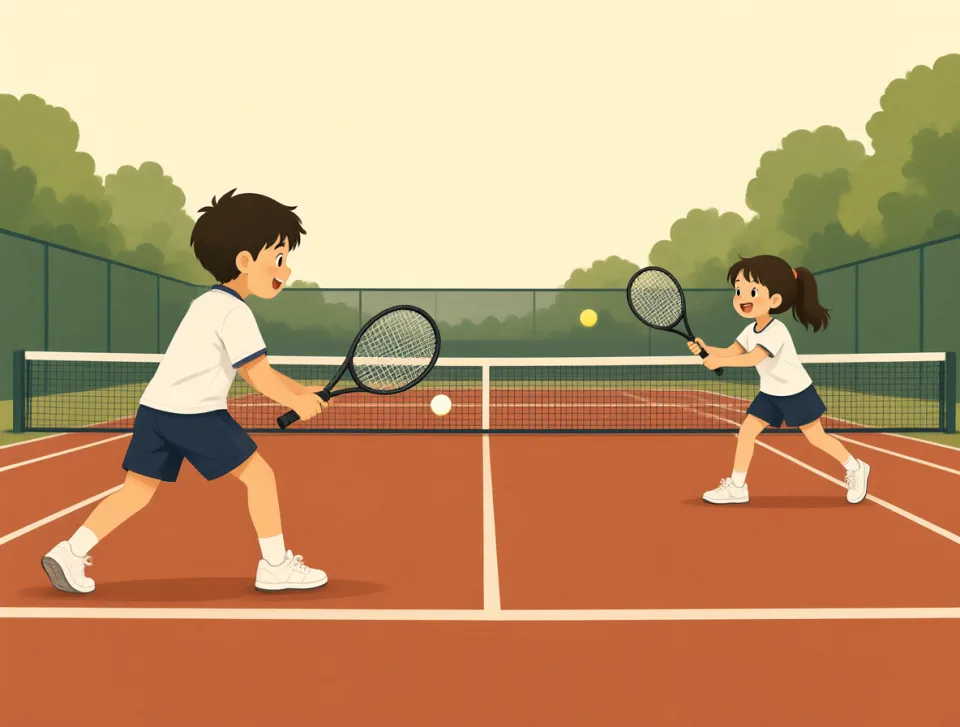
We played tennis on the court.
우리는 테니스 코트에서 경기를 했다.
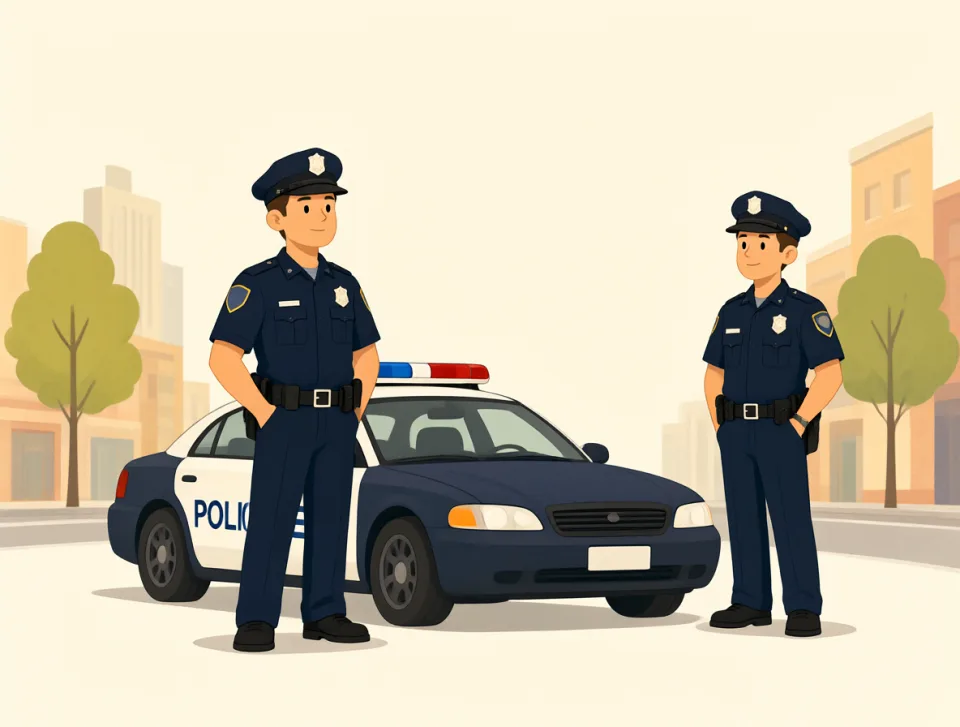
police
#616noun, verb
경찰; 경찰 기관
The official organization that keeps people safe and stops crime.
사람들을 안전하게 지키고 범죄를 막는 공식 기관
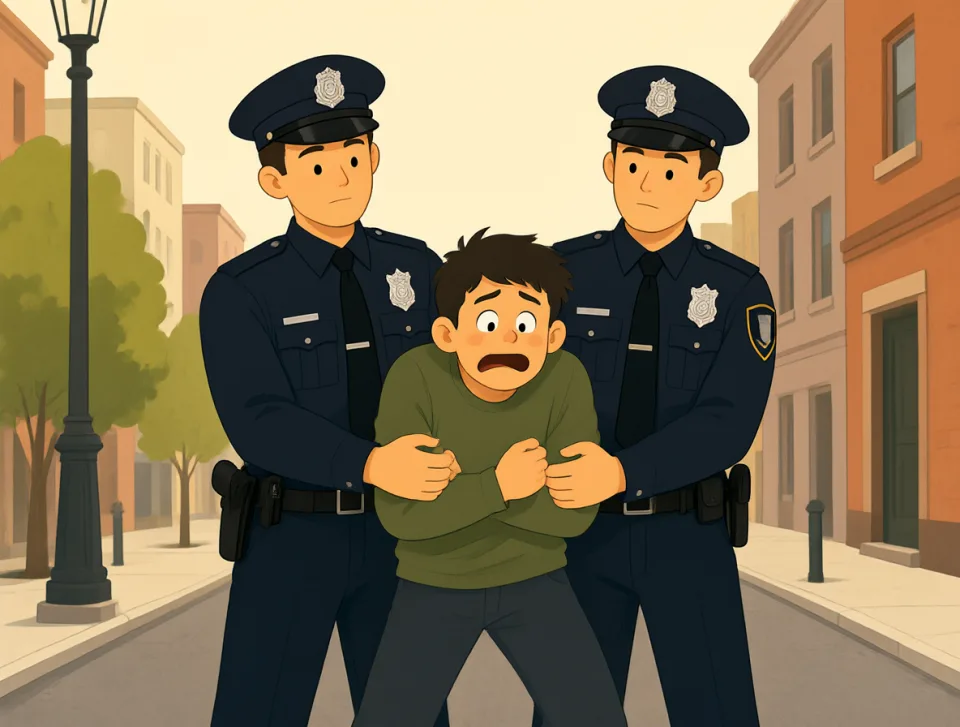
The police caught the thief yesterday.
경찰이 어제 그 도둑을 잡았다.
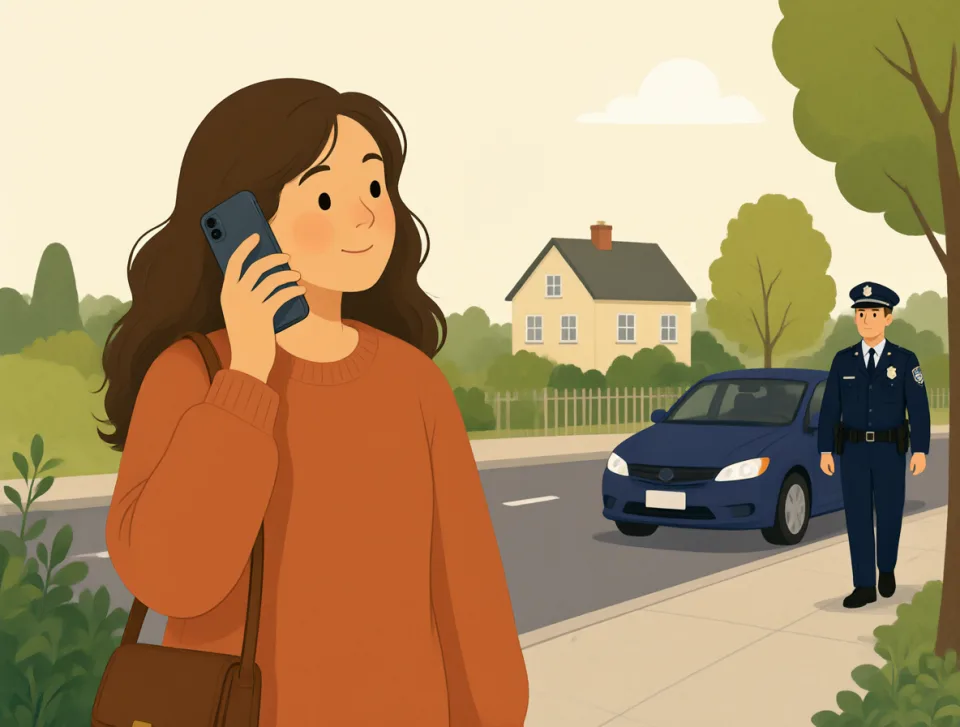
Call the police if you see trouble.
문제가 생긴 것을 보면 경찰에 신고하세요.
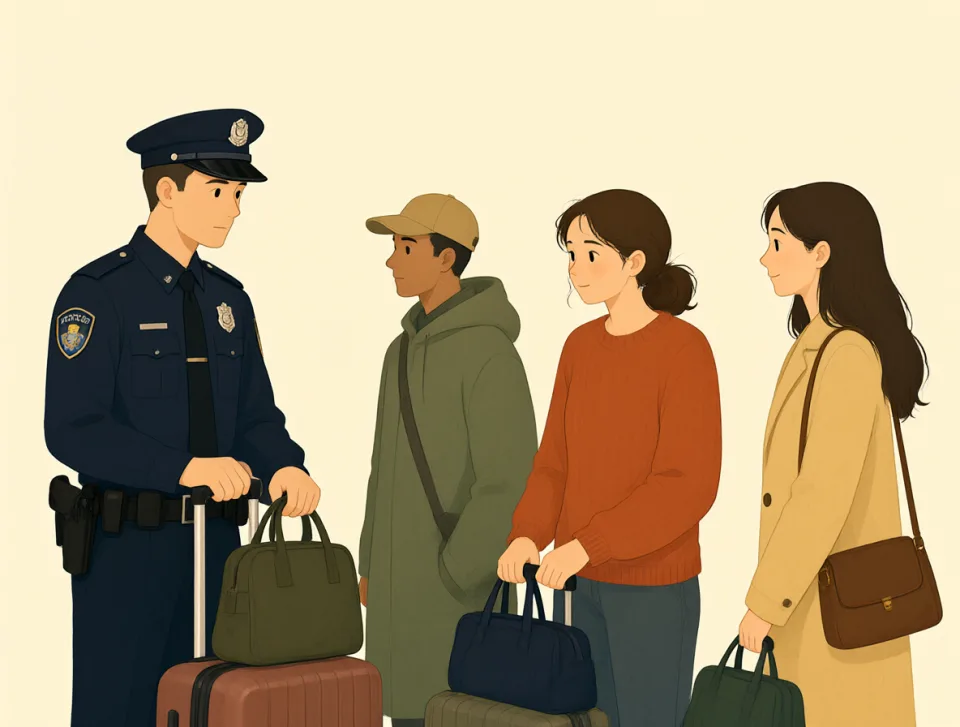
The police are checking our bags.
경찰이 우리 가방을 확인하고 있다.
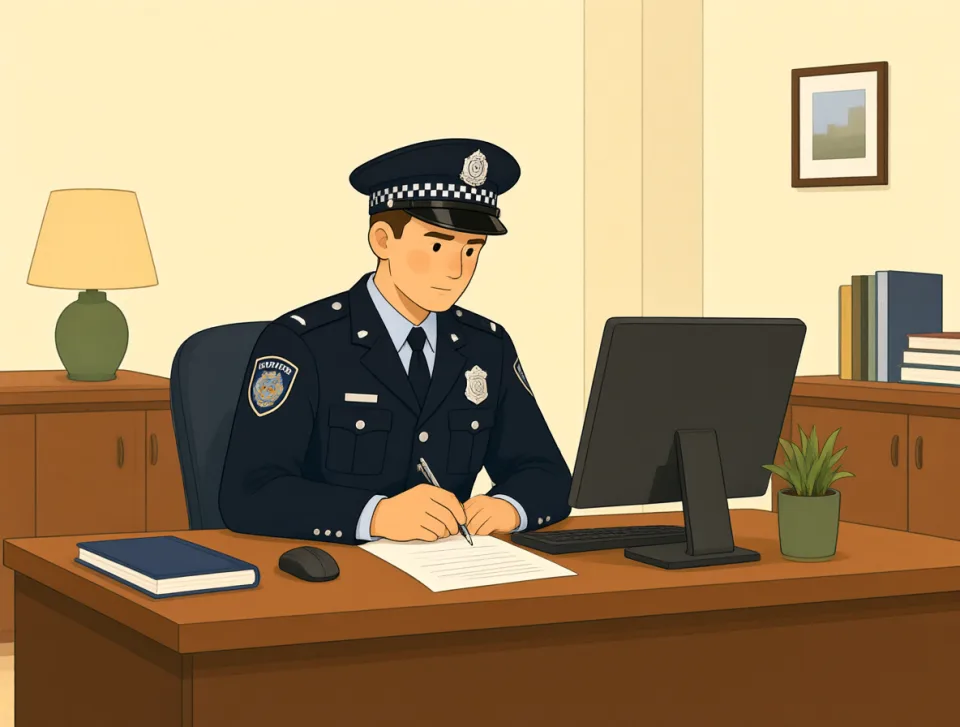
She works for the police in London.
그녀는 런던 경찰에서 일한다.
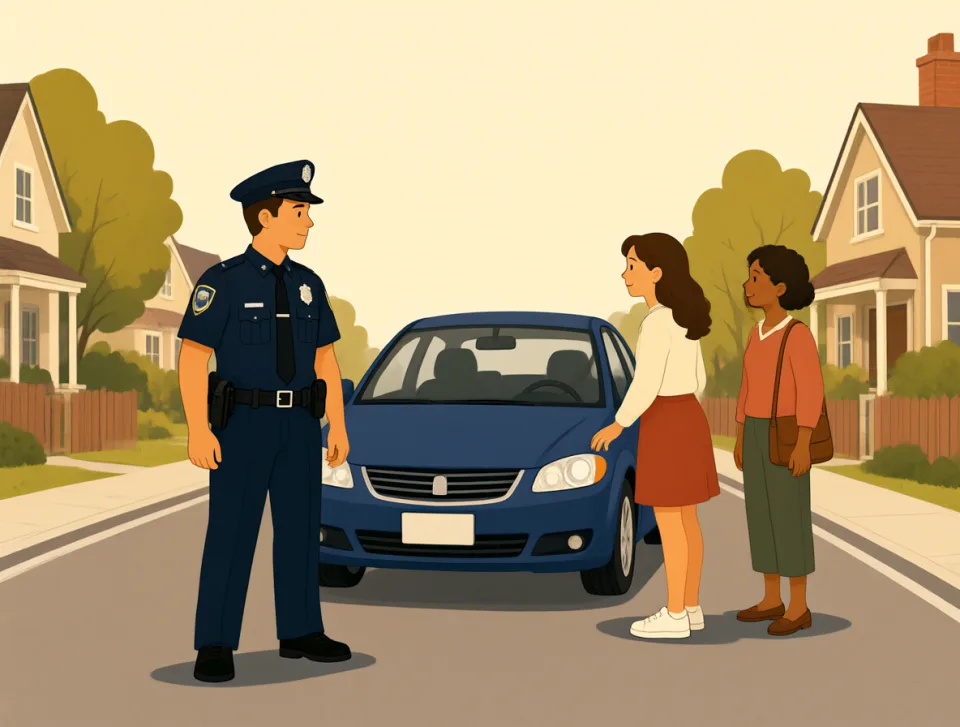
Police stopped the car near our home.
경찰이 우리 집 근처에서 차를 세웠다.
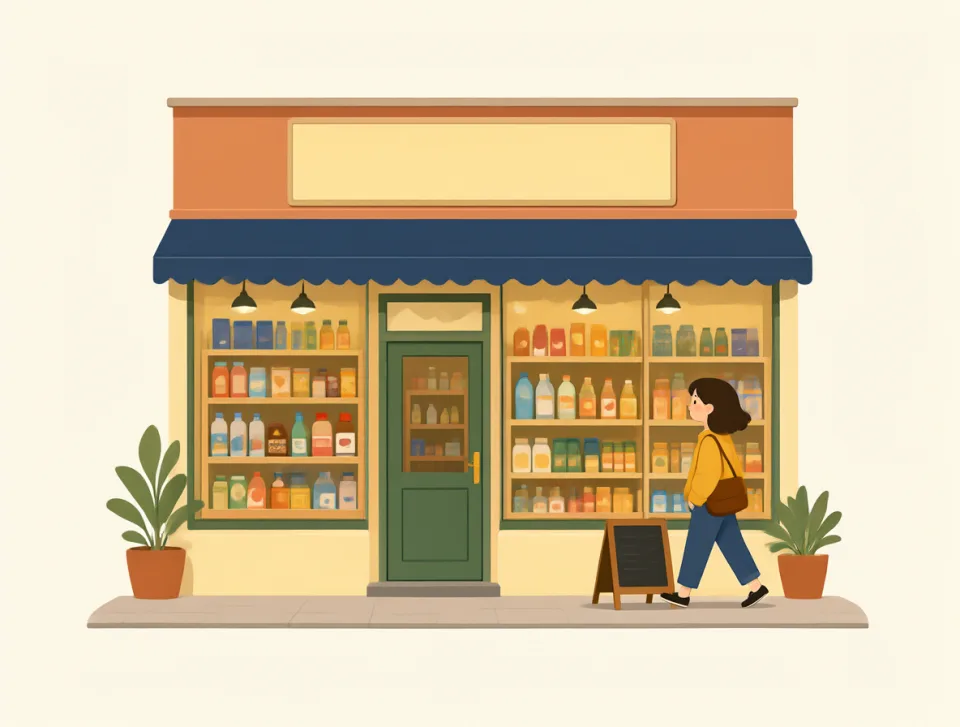
store
#617noun, verb
가게; 저장하다
A place where people buy things, or to keep something for future use.
사람들이 물건을 사는 곳 또는 나중에 사용하기 위해 무언가를 보관하는 것
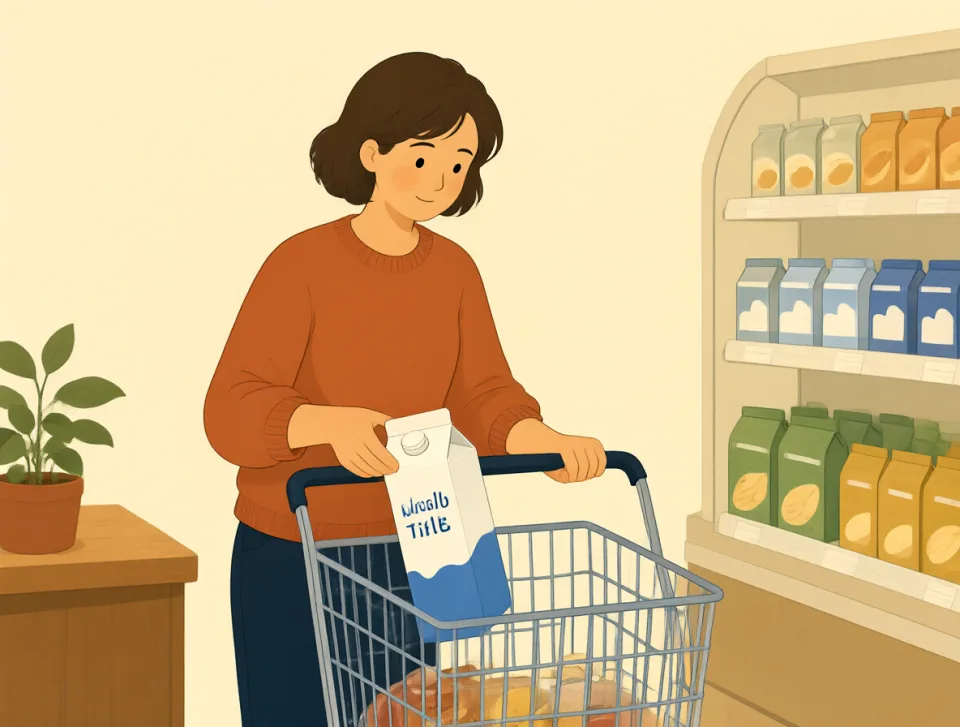
I bought milk at the store.
나는 가게에서 우유를 샀다.
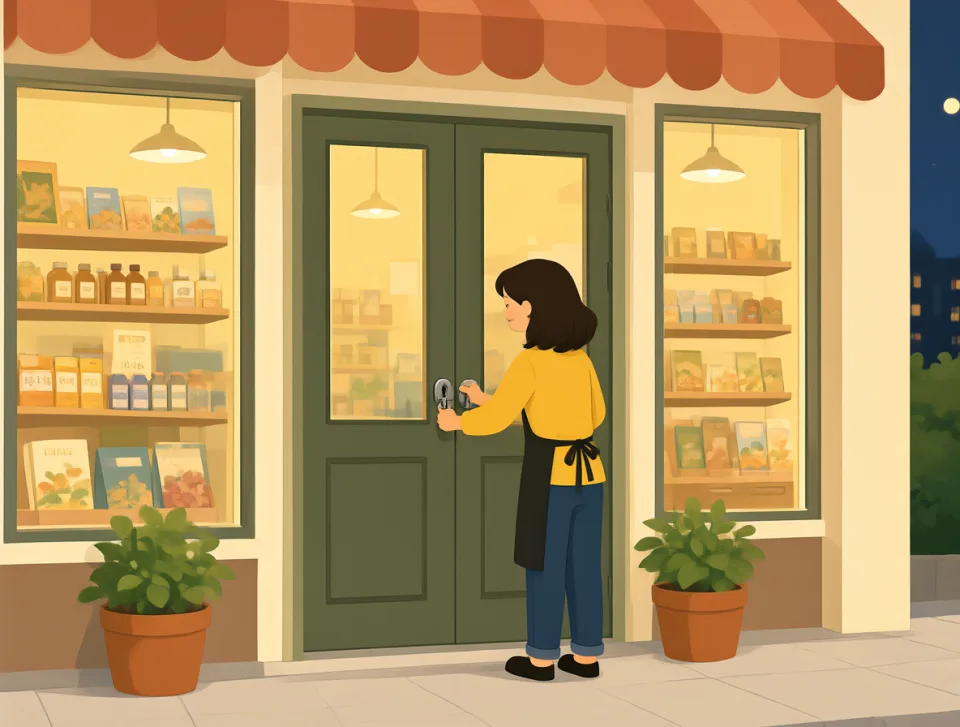
The store closes at eight tonight.
그 가게는 오늘 밤 8시에 문을 닫는다.
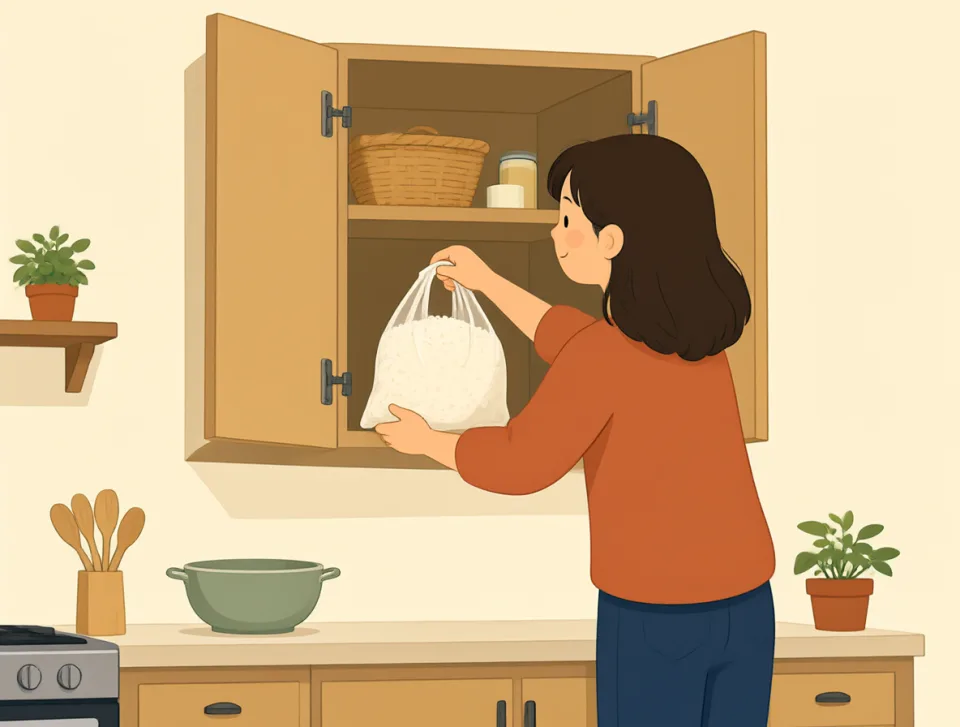
Please store the rice in a dry place.
쌀은 건조한 곳에 보관해 주세요.
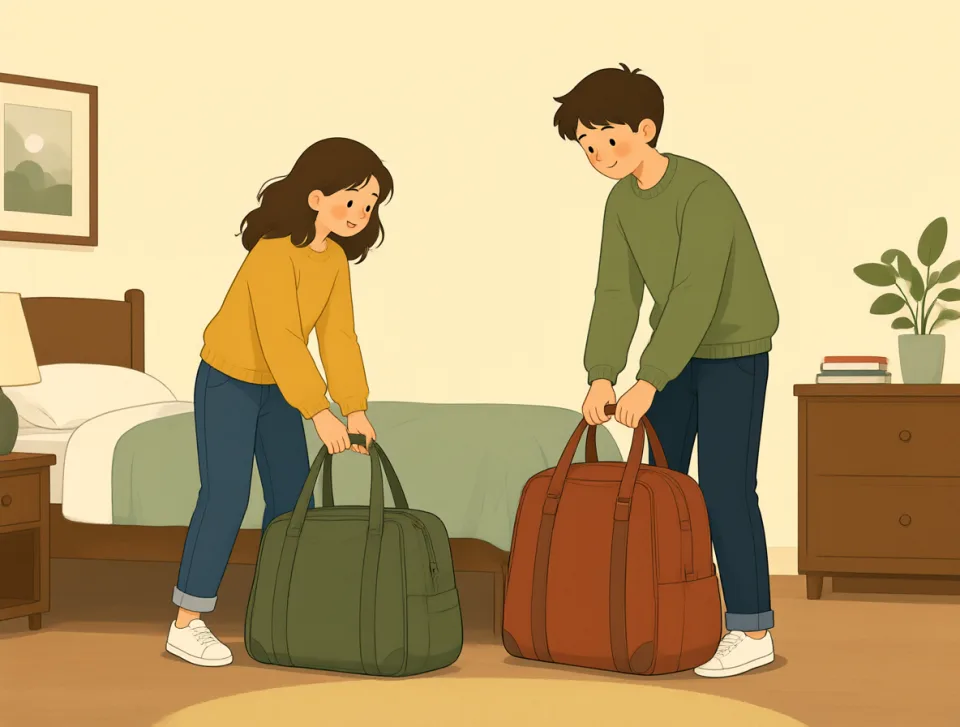
We stored our bags under the bed.
우리는 침대 밑에 가방을 보관했다.
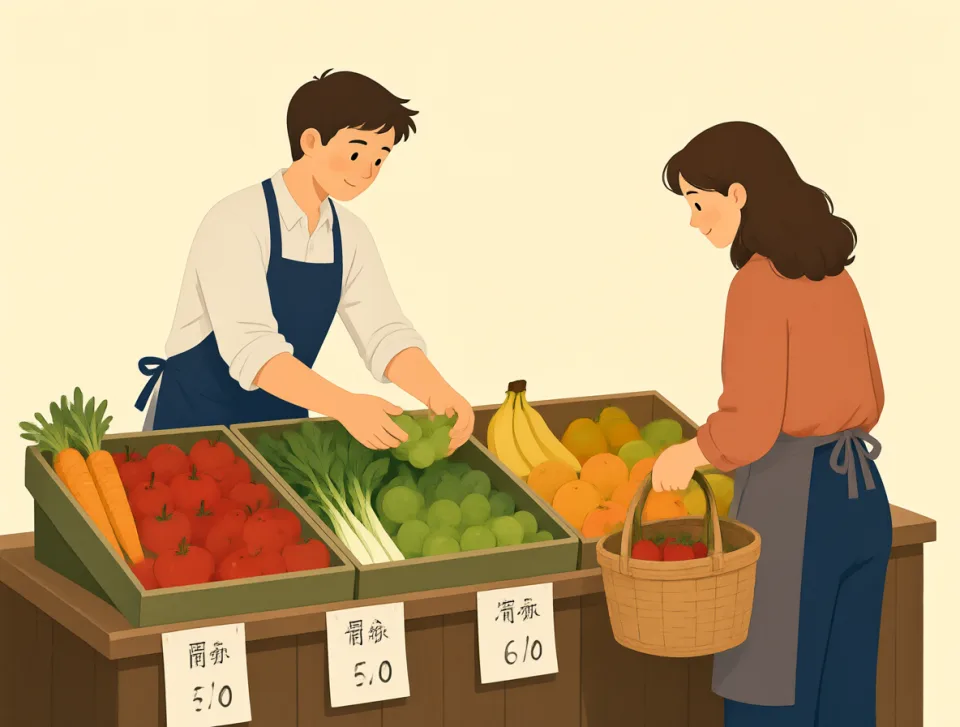
The store sells fresh fruit and vegetables.
그 가게는 신선한 과일과 채소를 판다.
poor
#618adjective, noun
가난한; 불쌍한; 형편없는
Having little money, or being of low quality.
돈이 거의 없거나 질이 낮은.
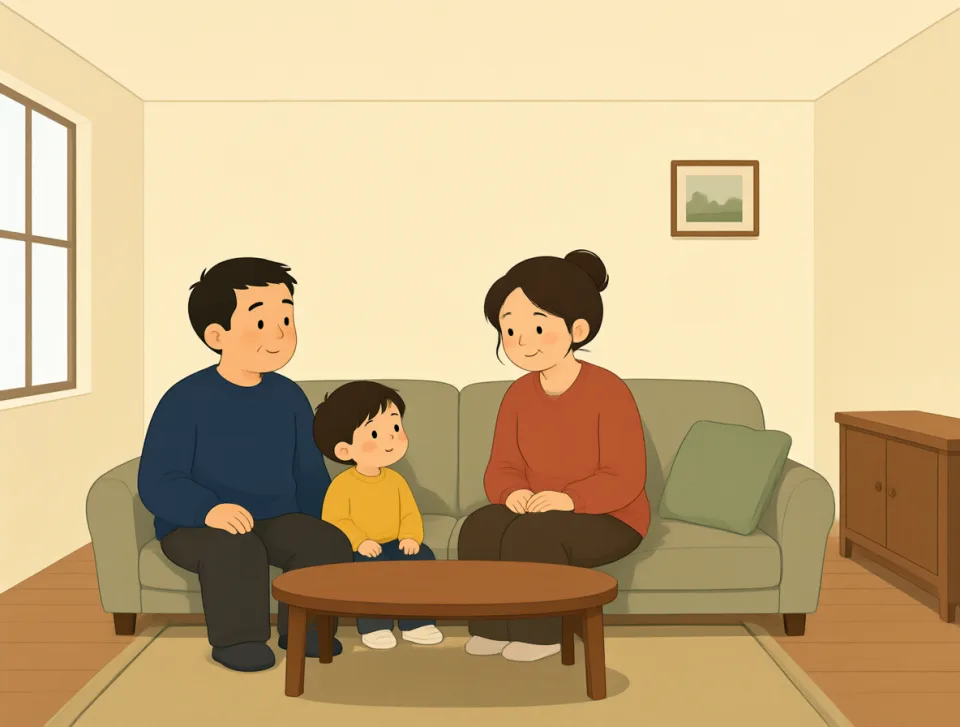
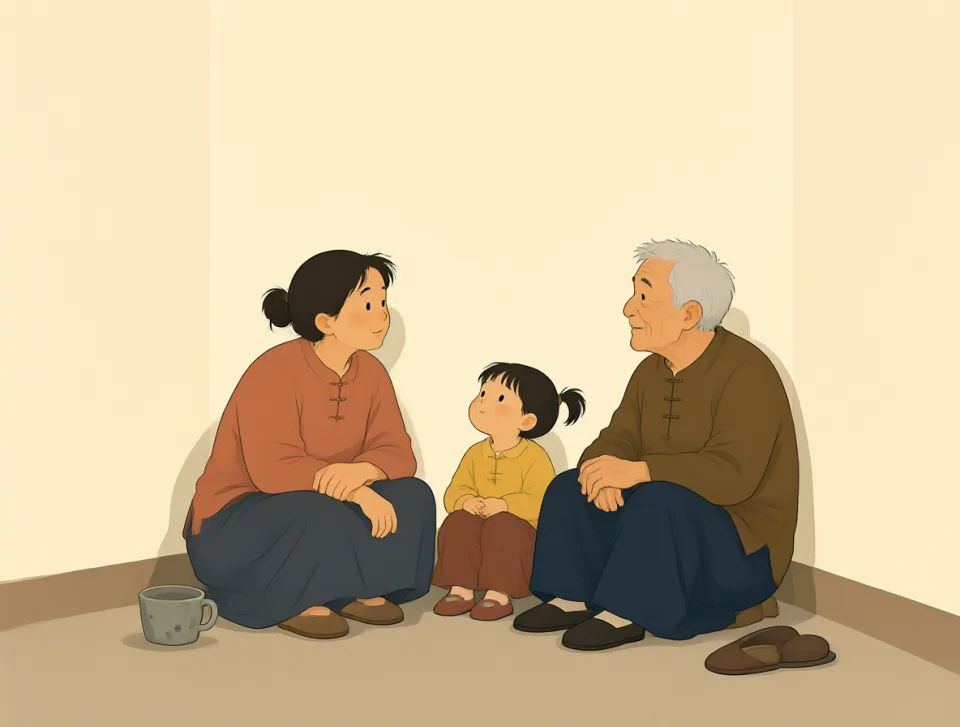
The poor family needs a warm home.
가난한 가족은 따뜻한 집이 필요하다.
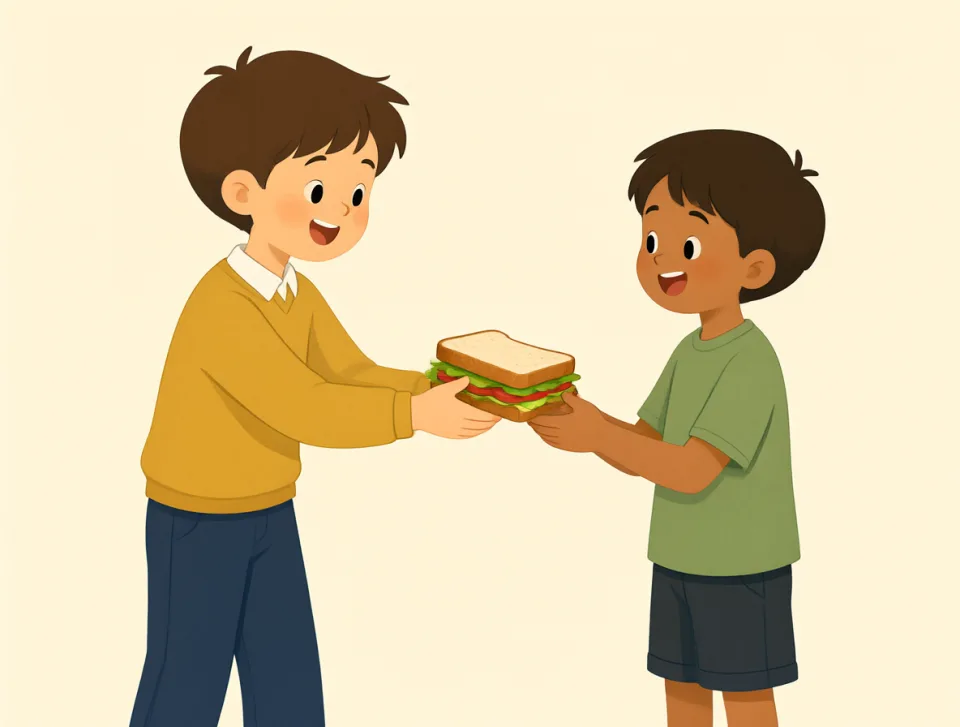
The poor boy shared his lunch.
가난한 소년은 자기 점심을 나눠 먹었다.
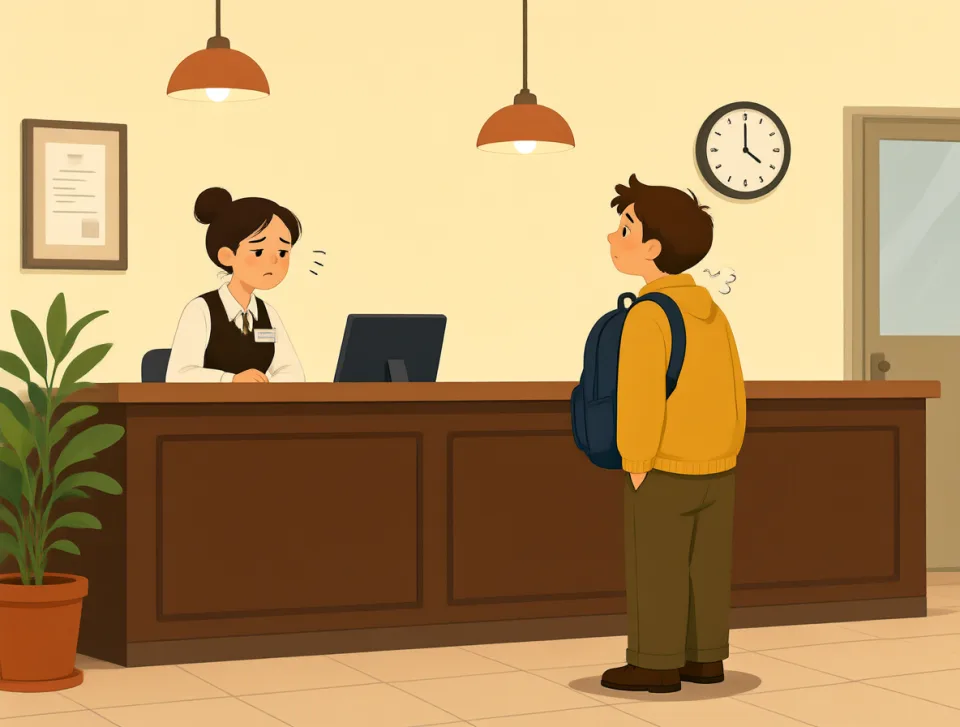
We had poor service at the hotel.
그 호텔의 서비스는 형편없었다.
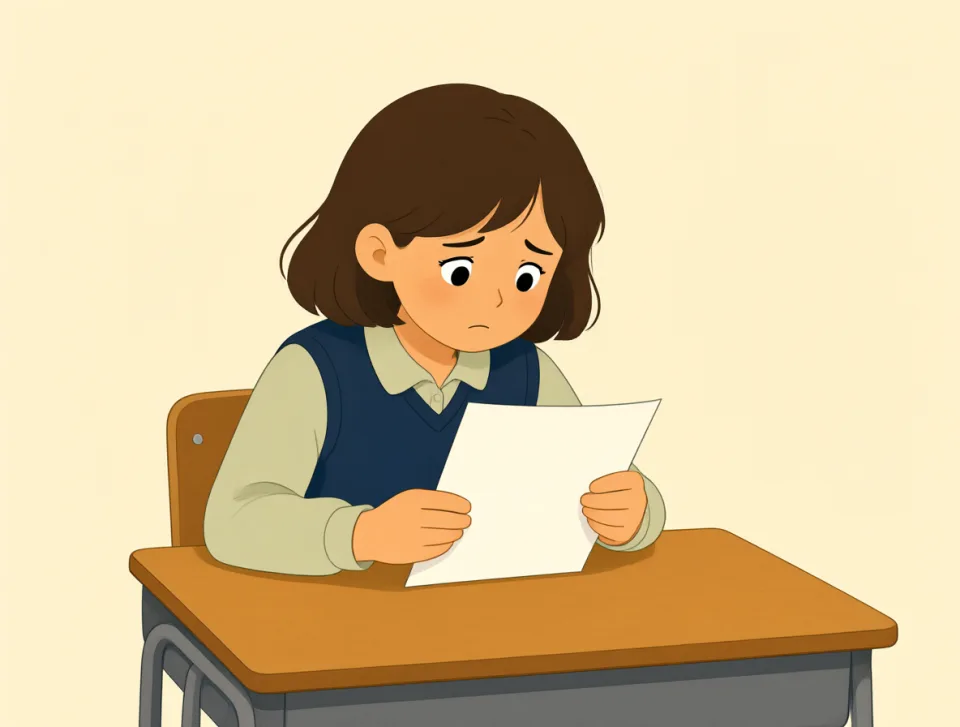
She got poor marks on the test.
그녀는 시험에서 낮은 점수를 받았다.
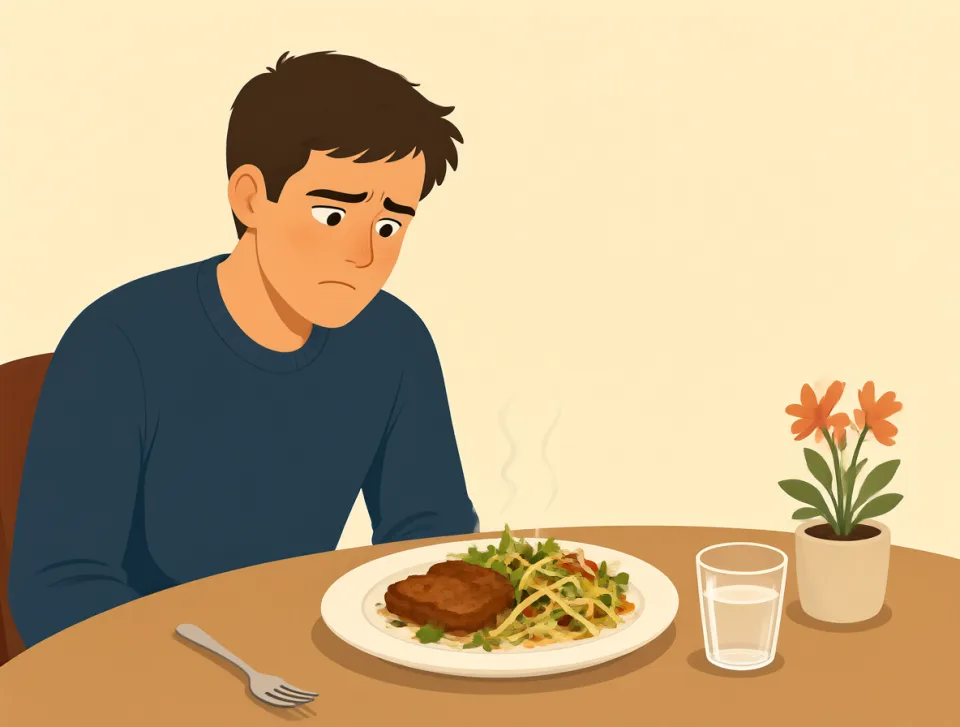
This restaurant serves poor food.
이 식당은 형편없는 음식을 내놓는다.
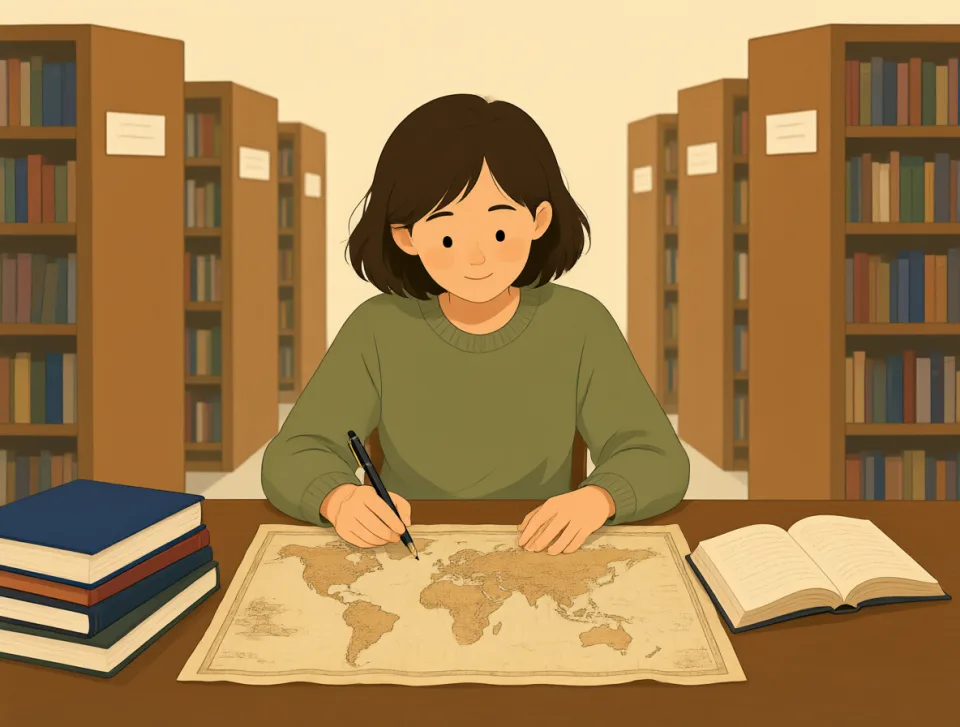
knowledge
#619noun
지식; 지식 수준
Facts and information that a person knows about a subject or the world.
어떤 주제나 세상에 대해 사람이 알고 있는 사실과 정보.
She has good knowledge of local history.
그녀는 지역 역사에 대해 잘 알고 있다.

Knowledge of English helps at work.
영어 지식은 직장에서 도움이 된다.
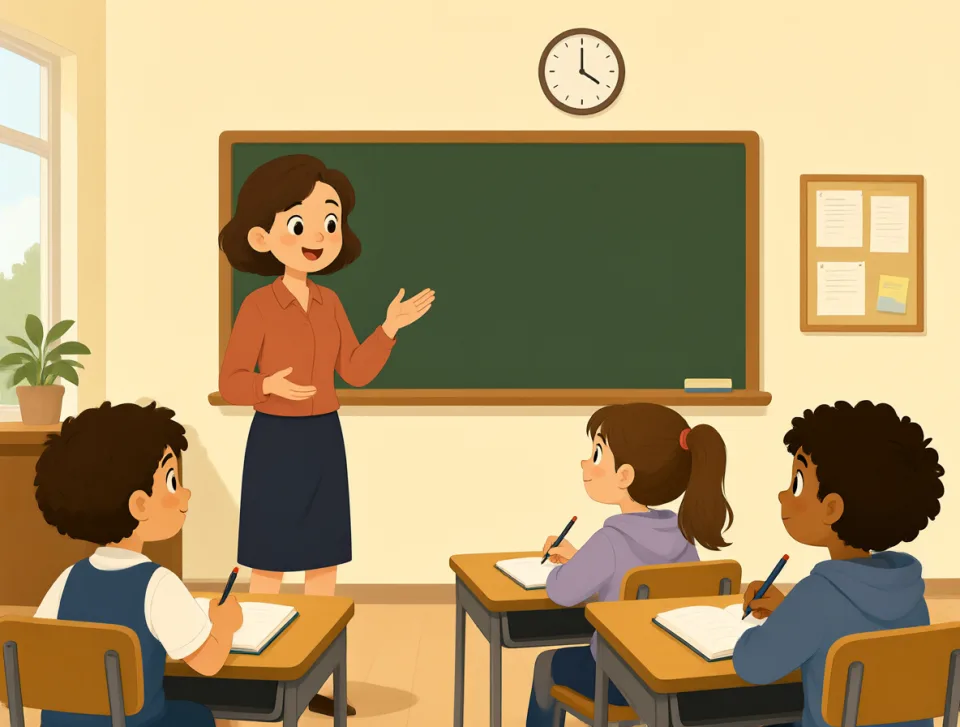
He shared his knowledge with the students.
그는 학생들과 자신이 아는 지식을 나누었다.
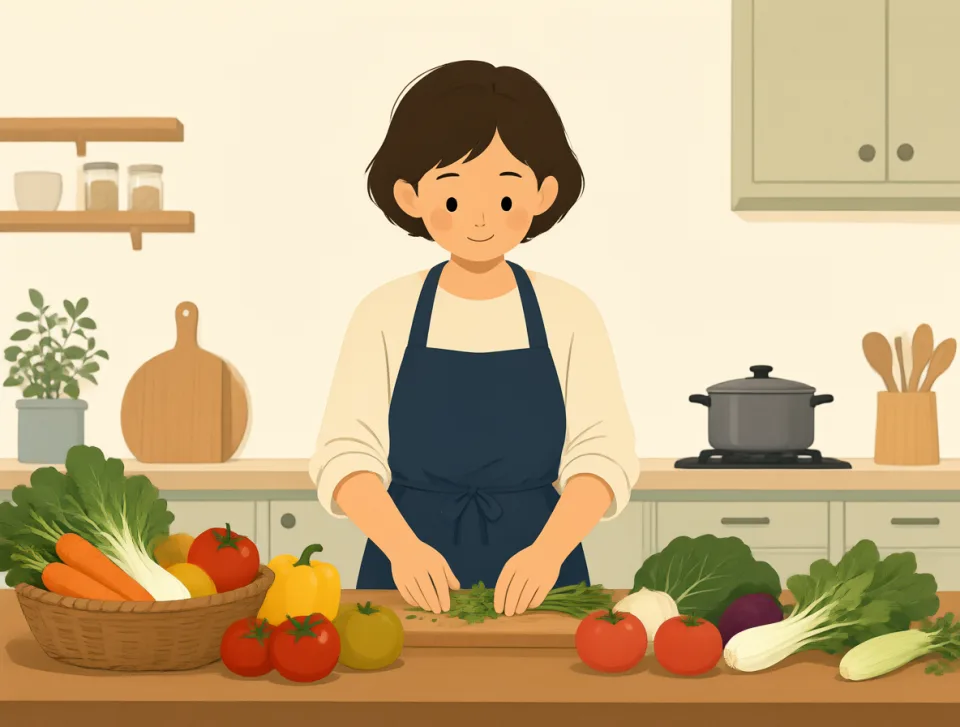
I need more knowledge about healthy food.
건강한 음식에 대해 더 많이 알아야 해요.
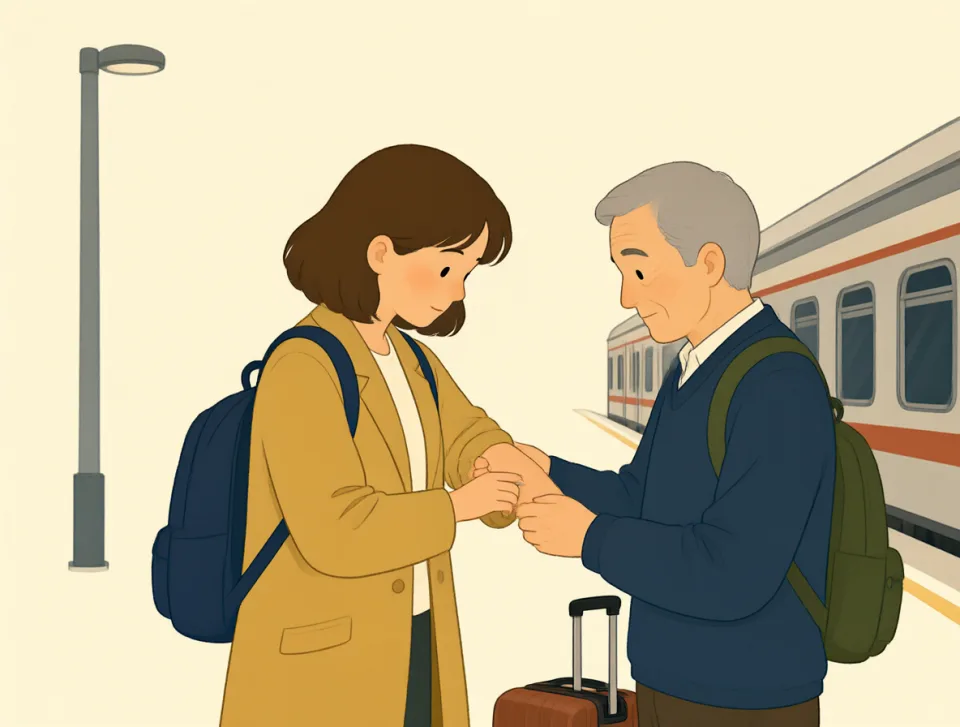
Her medical knowledge helped the sick traveler.
그녀의 의학 지식은 아픈 여행자를 돕는 데 큰 도움이 되었다.

laugh
#620verb, noun
웃다; 웃음
To make a happy sound or smile because something is funny.
재미있는 일 때문에 기쁜 소리를 내거나 미소를 짓다.
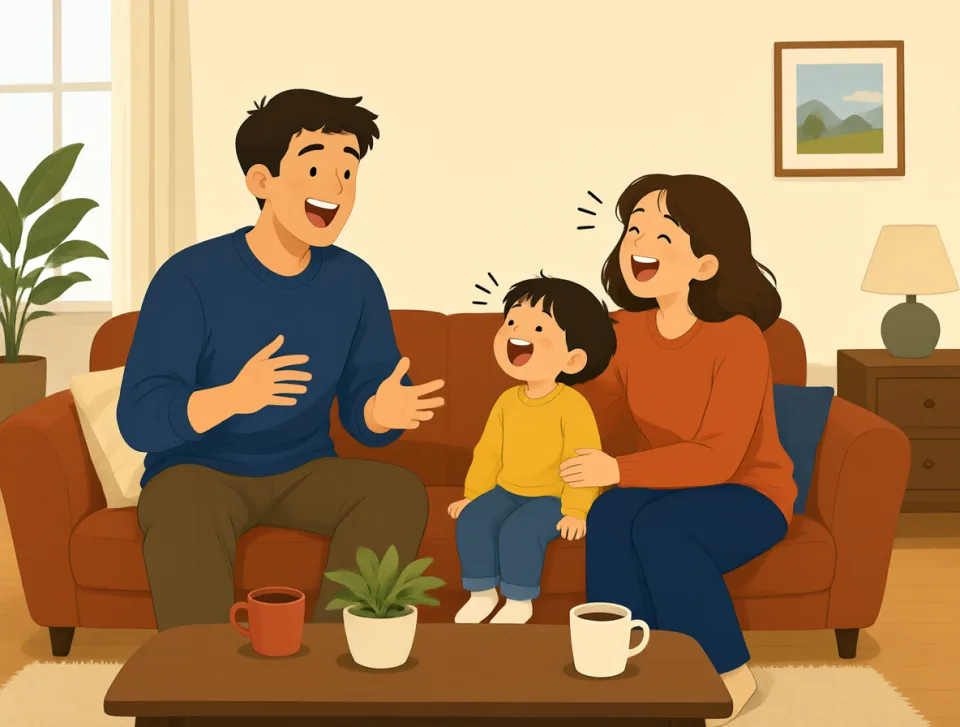
We laughed at Dad's funny joke.
우리는 아빠의 재미있는 농담에 웃었다.
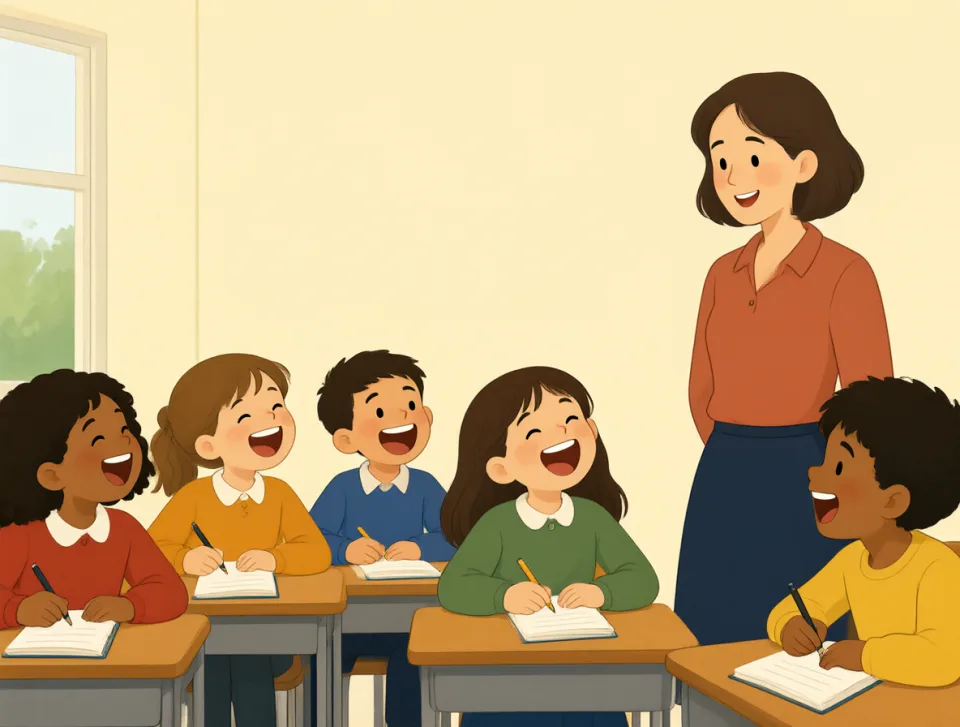
The children laughed loudly in class.
아이들은 교실에서 큰 소리로 웃었다.
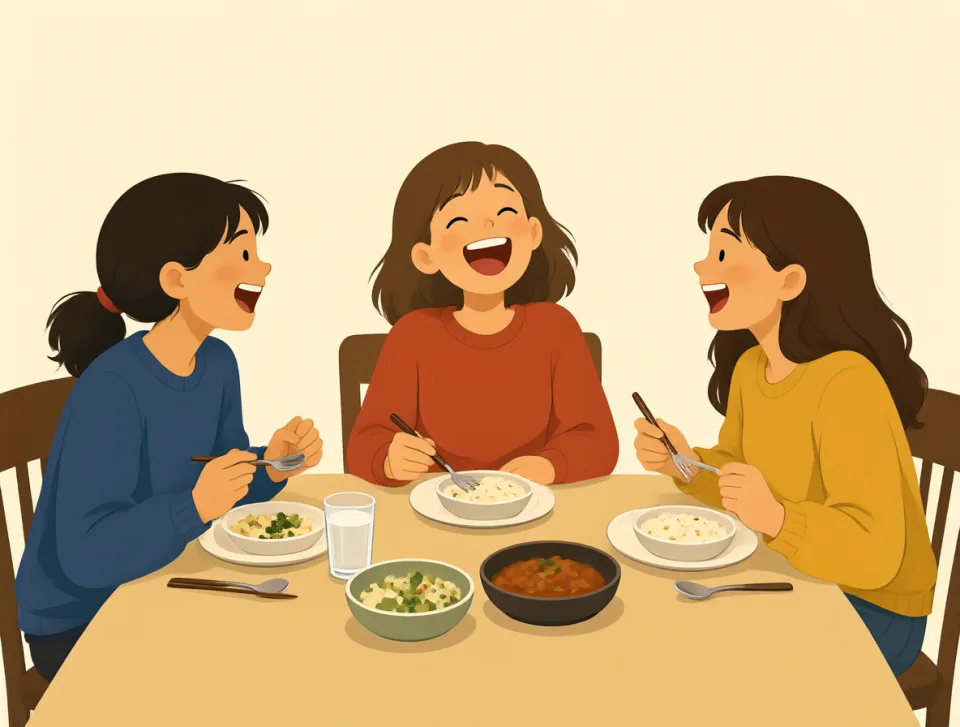
She laughed with her friends at lunch.
그녀는 점심을 먹으며 친구들과 함께 웃었다.

He laughed when he saw the silly hat.
그는 우스꽝스러운 모자를 보고 웃었다.
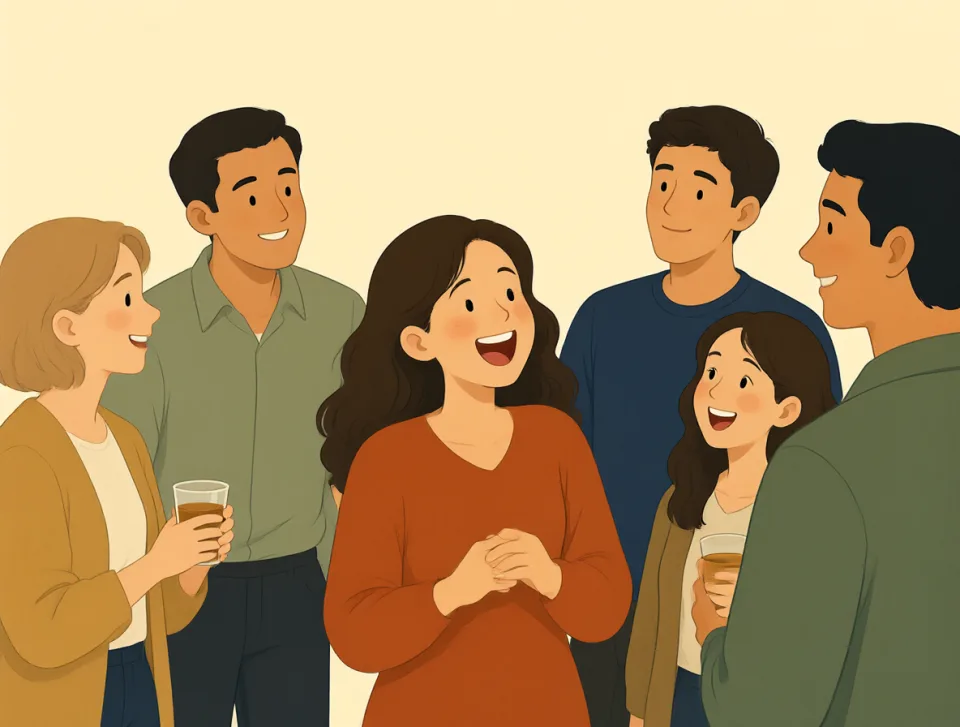
Her laugh made everyone feel happy.
그녀의 웃음은 모두를 행복하게 했다.