ユニット 31
601〜620語 · particularly, wife, sport, prepare, discuss, response
particularly
#601adverb
特に; とりわけ
More than usual or more than others in a particular way.
特定の点で、通常よりも、または他よりも多く。
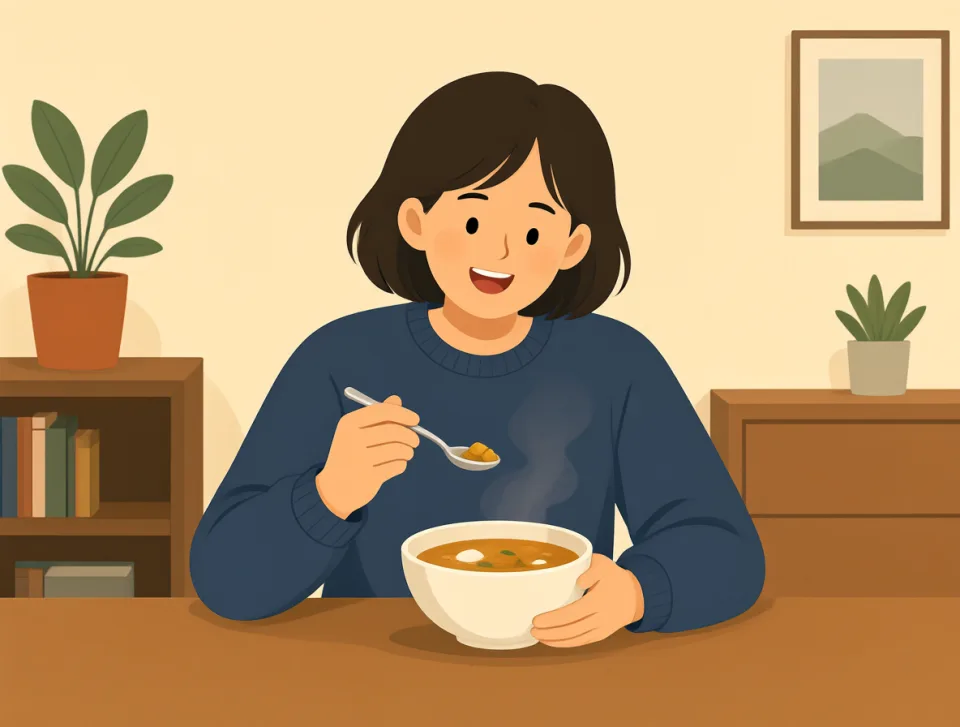
I particularly like this warm soup.
私は特にこの温かいスープが好きです。
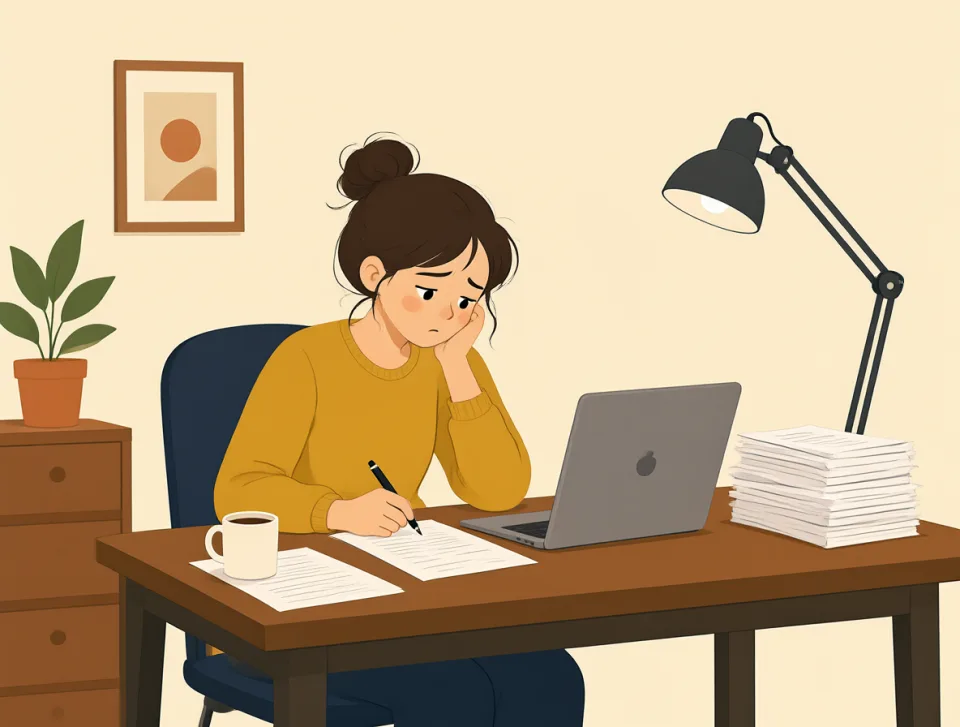
She was particularly tired after work.
彼女は仕事の後、特に疲れていました。
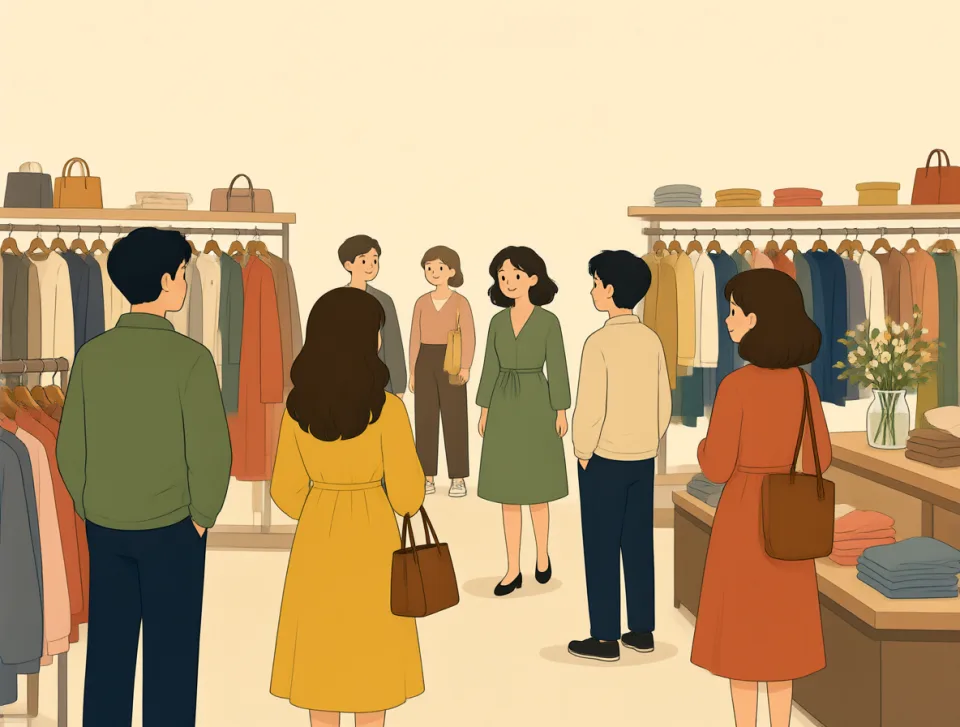
This shop is particularly busy today.
この店は今日は特に混んでいます。
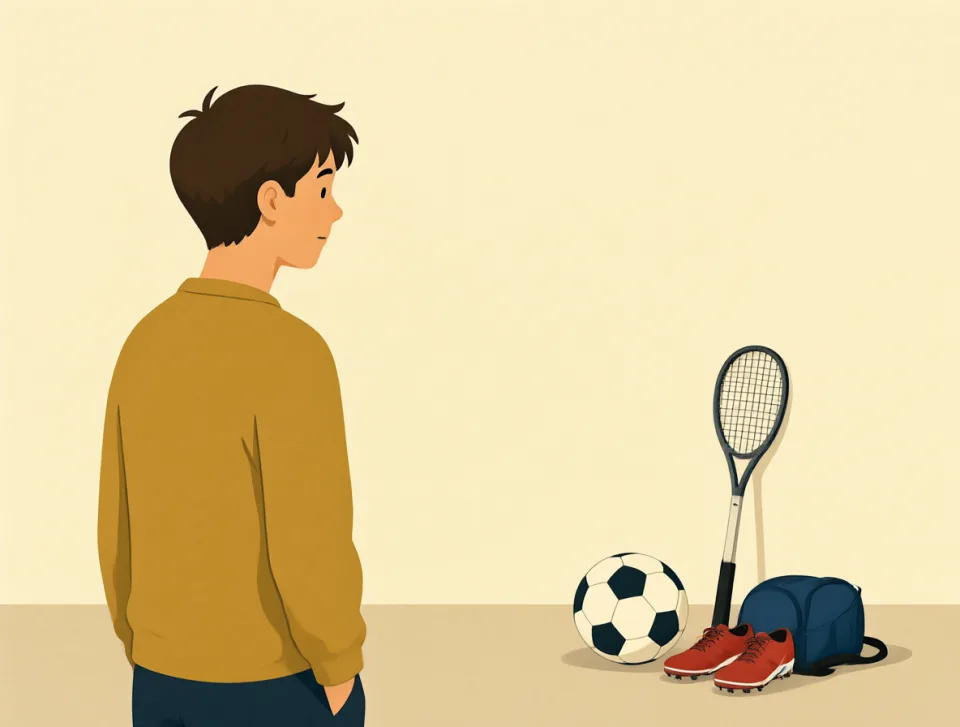
He enjoys sports, particularly football.
彼はスポーツ、特にサッカーが好きです。
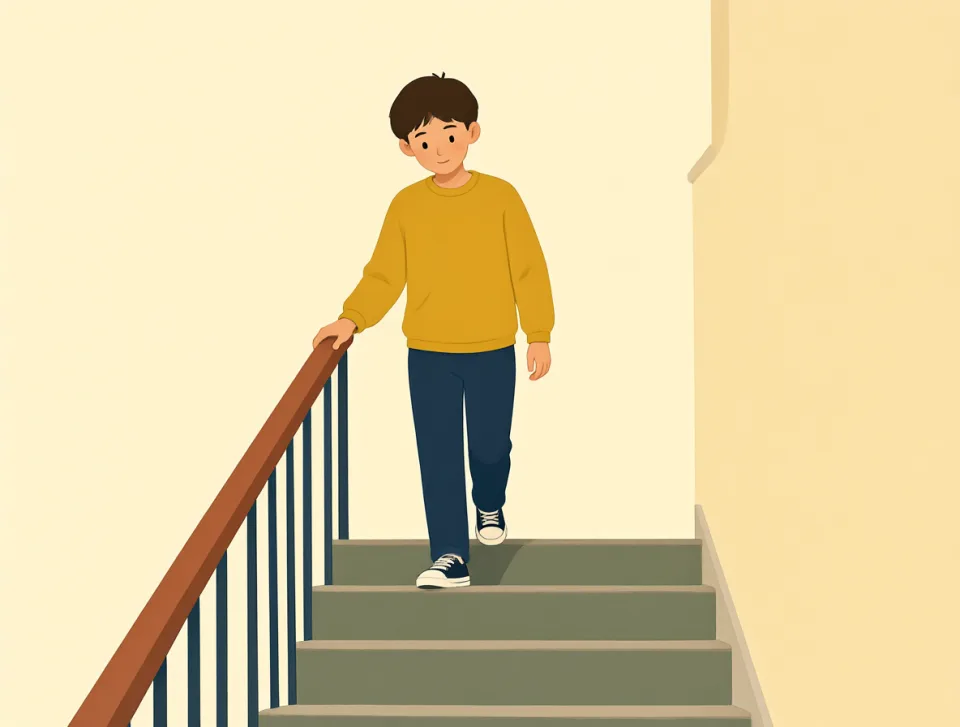
Please be particularly careful on these stairs.
この階段では、特に注意してください。

wife
#602noun
妻; 奥さん
A married woman, or a woman you are married to.
結婚している女性、または自分が結婚している女性。
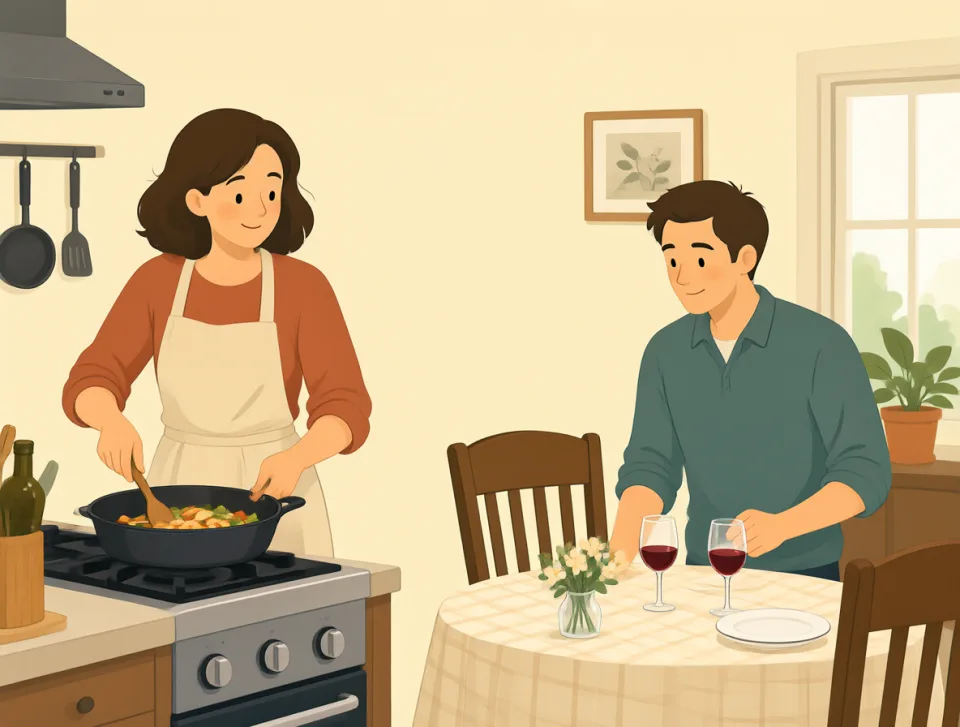
His wife is making dinner tonight.
彼の妻は今夜夕食を作っています。
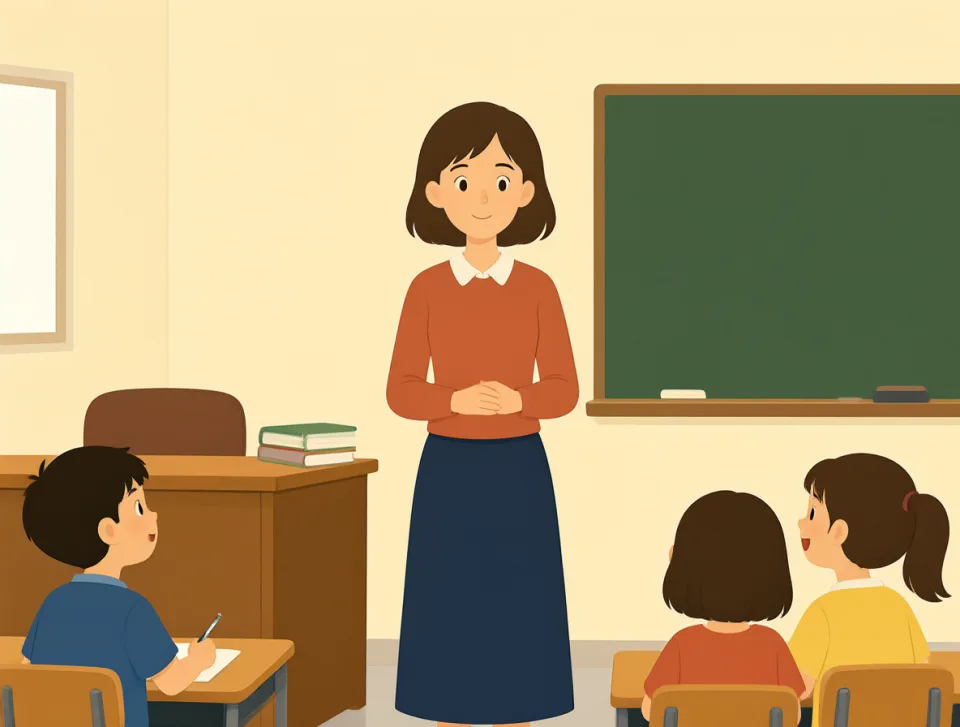
My wife works at the local school.
私の妻は地元の学校で働いています。
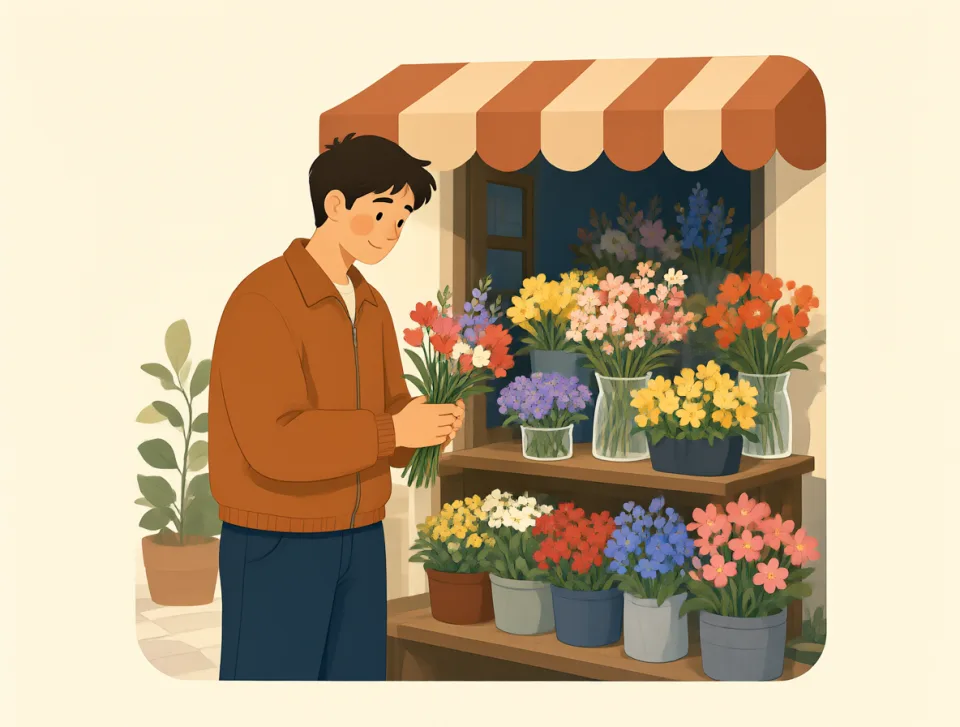
I bought flowers for my wife.
私は妻のために花を買いました。
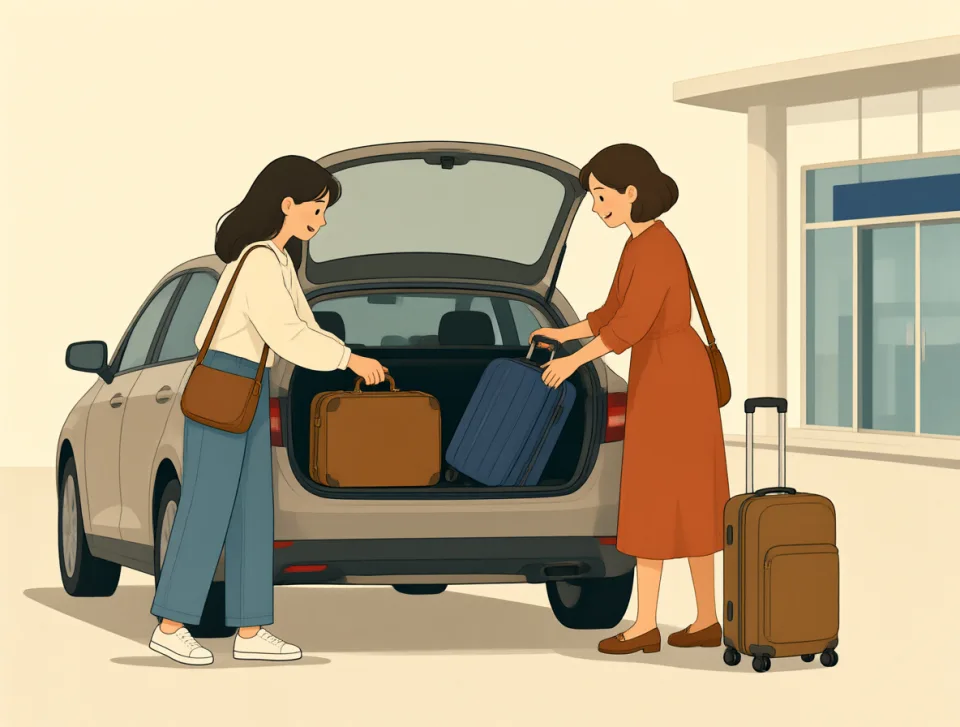
Her wife drove them to the airport.
彼女の妻が2人を空港まで車で送っていきました。
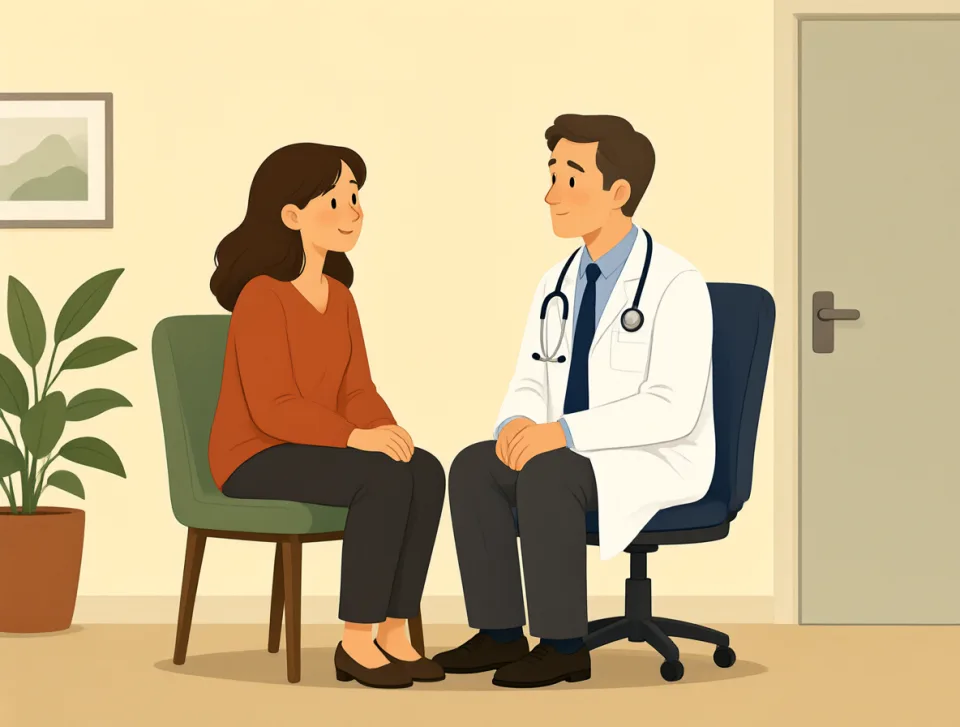
His wife feels better after seeing the doctor.
彼の妻は医者に診てもらった後、気分がよくなりました。
sport
#603noun, verb
スポーツ; 運動; 競技
A game or activity that people do for exercise, fun, or competition.
運動や楽しみ、競技のために人々が行うゲームや活動。
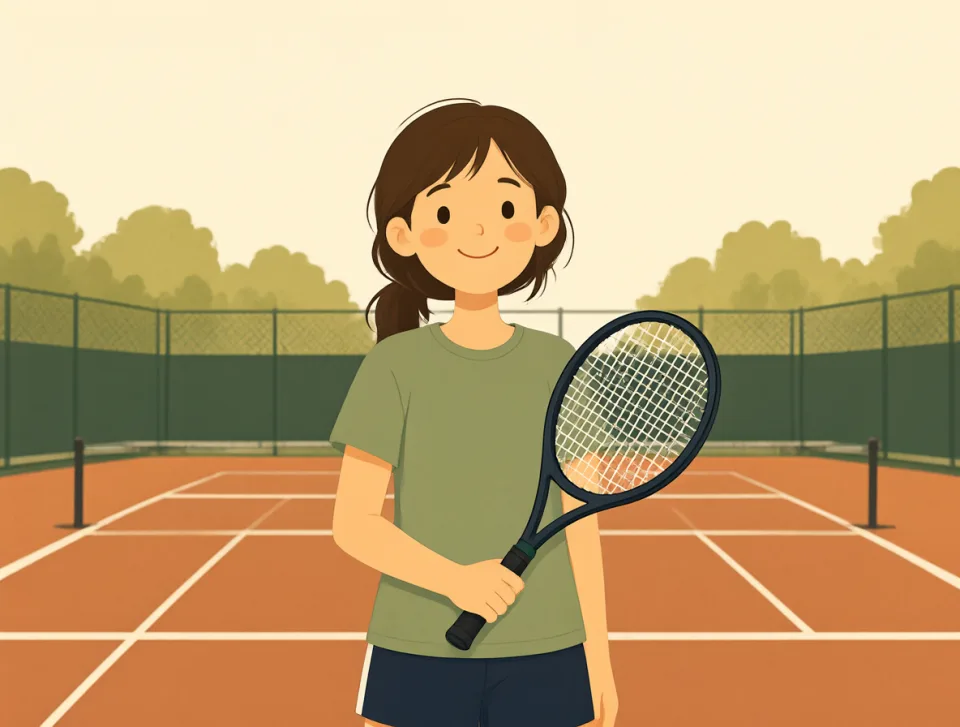
My favorite sport is tennis.
私の好きなスポーツはテニスです。
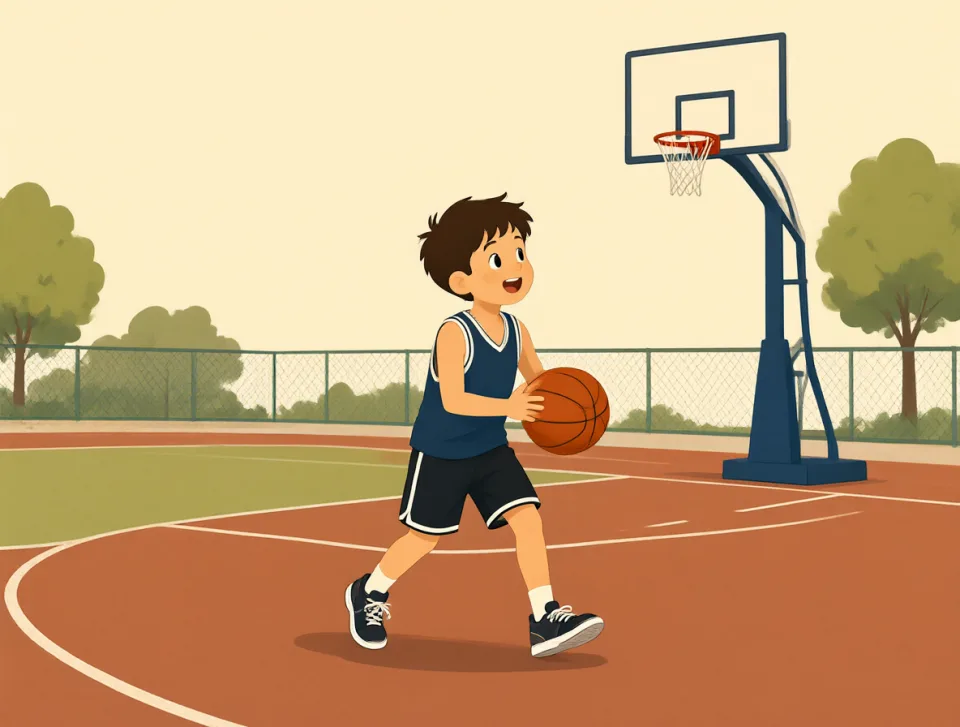
He plays sport after school.
彼は放課後にスポーツをします。
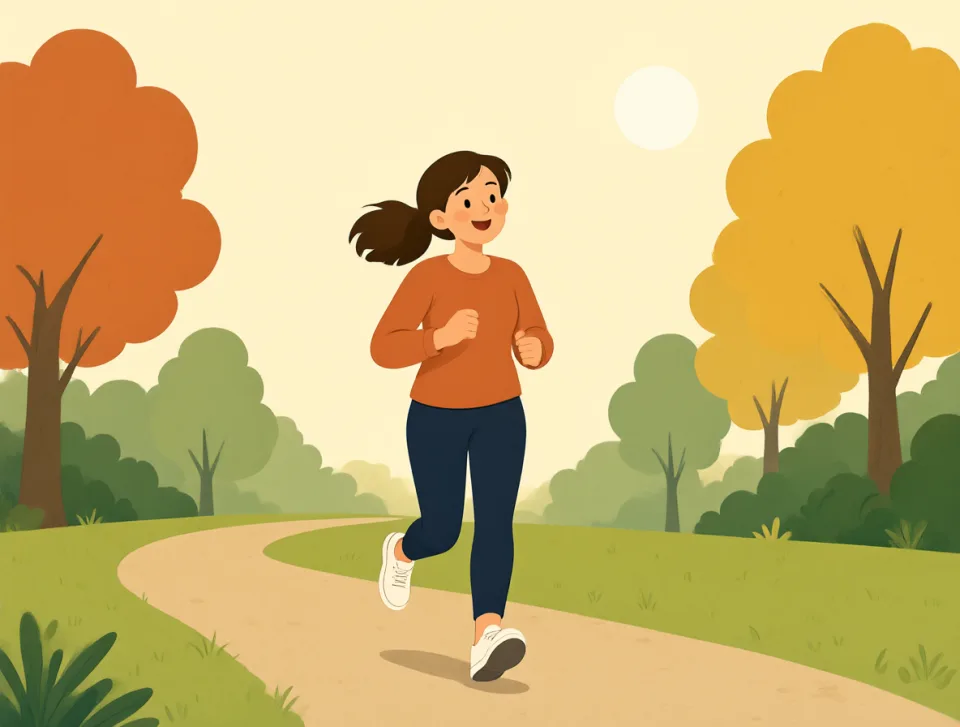
Sport can help you stay healthy.
スポーツは健康維持に役立ちます。
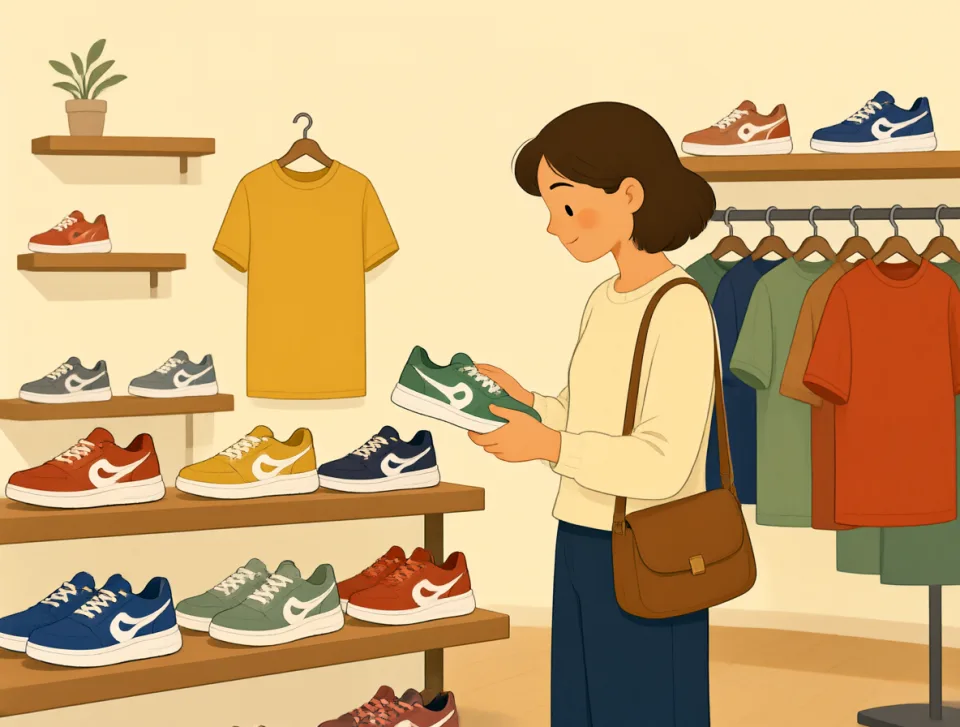
The shop sells clothes for sport.
その店ではスポーツ用の服を売っています。

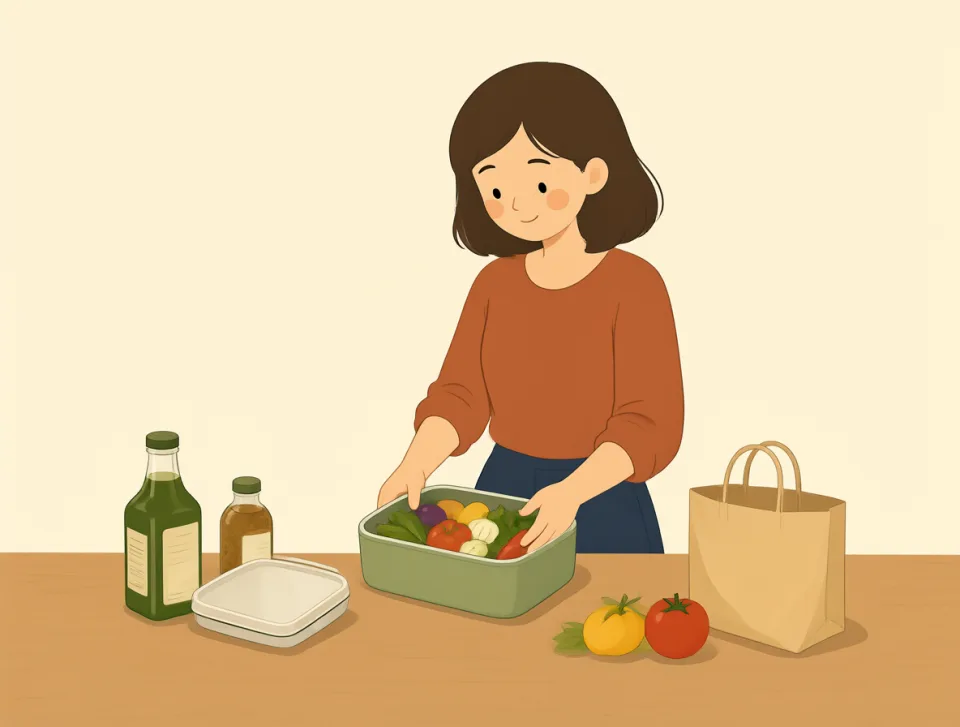
We talked about sport on the train.
私たちは電車の中でスポーツについて話しました。
prepare
#604verb
準備する; 用意する
to get ready for something or make something ready
何かのために準備をしたり、何かを使えるように整えたりすること
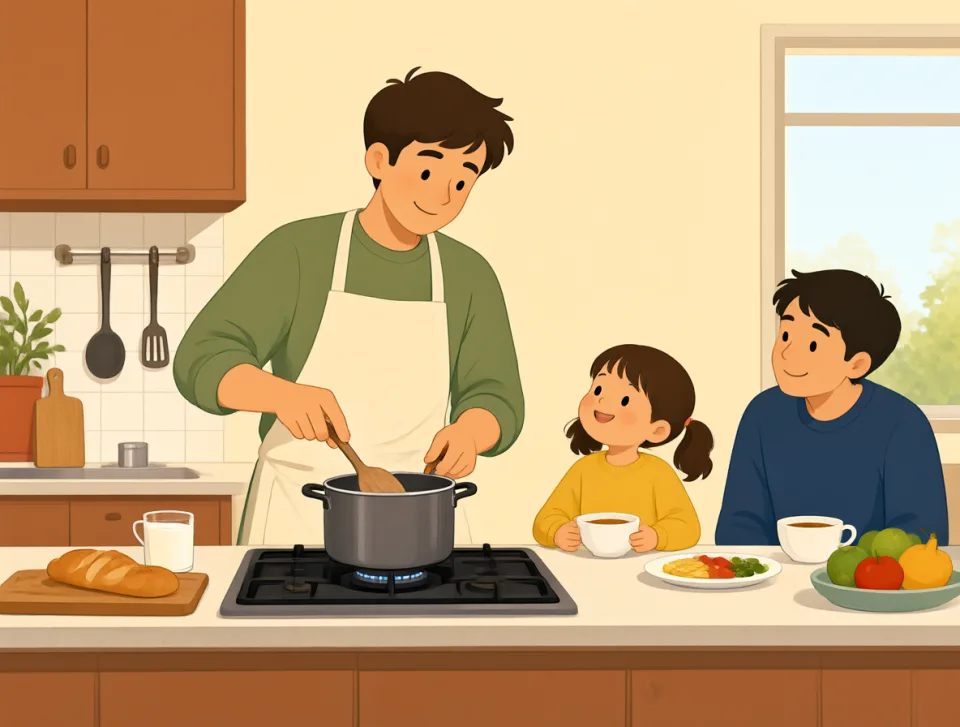
I prepare breakfast for my family every morning.
私は毎朝、家族の朝食を準備します。
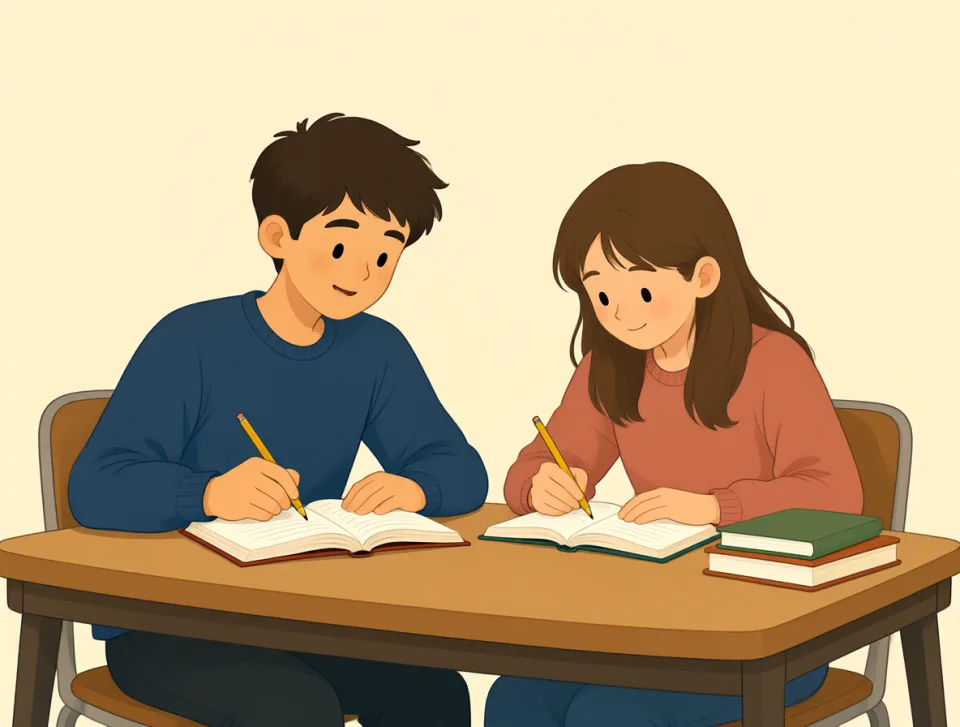
We are preparing for the school test.
私たちは学校のテストに向けて準備しています。
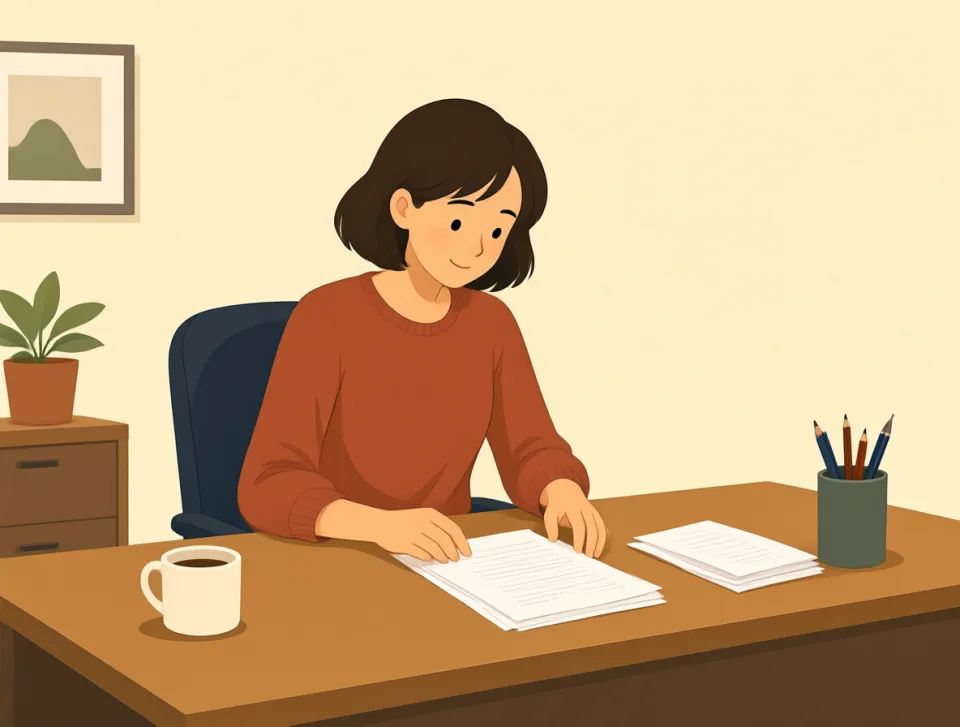
She prepared a report for the meeting.
彼女は会議のために報告書を準備しました。
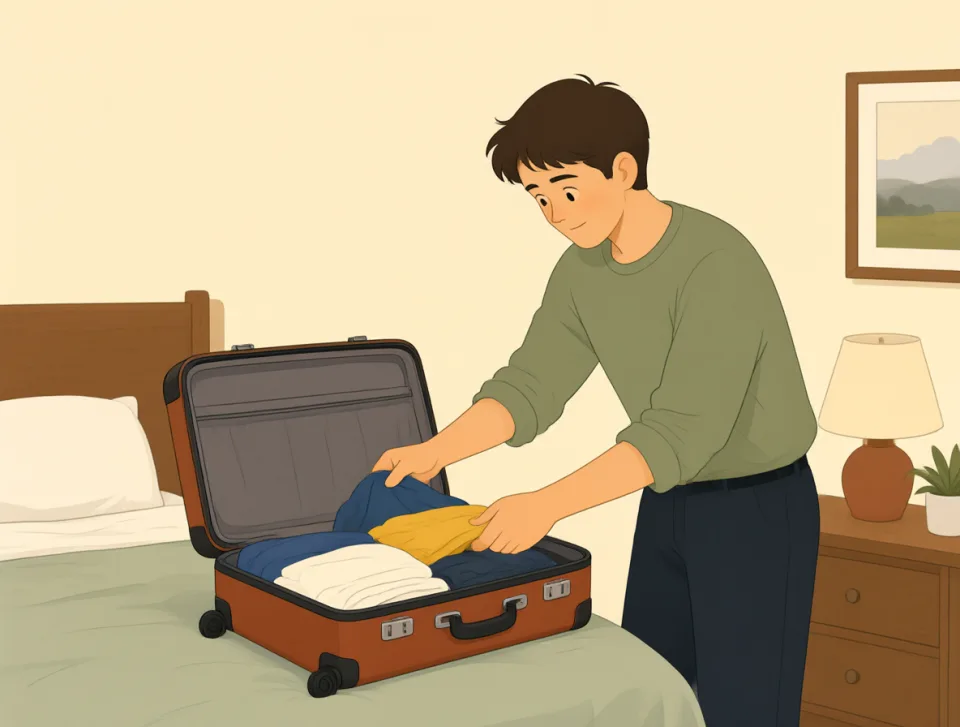
He prepared his suitcase before the trip.
彼は旅行の前にスーツケースを準備しました。
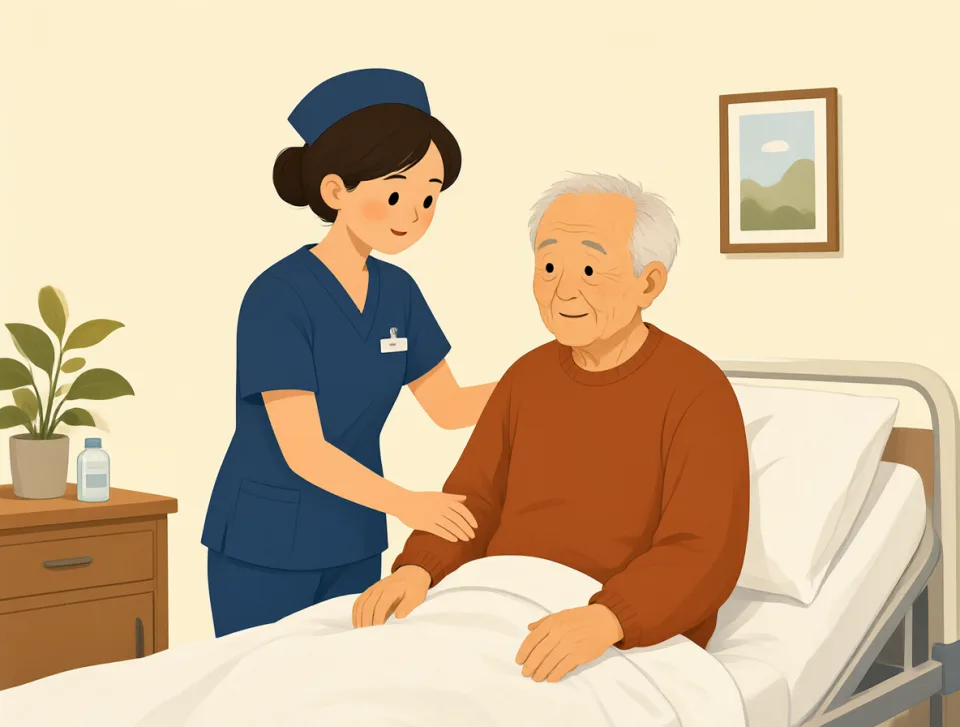
The nurse prepared the patient for surgery.
看護師は患者に手術の準備をさせました。
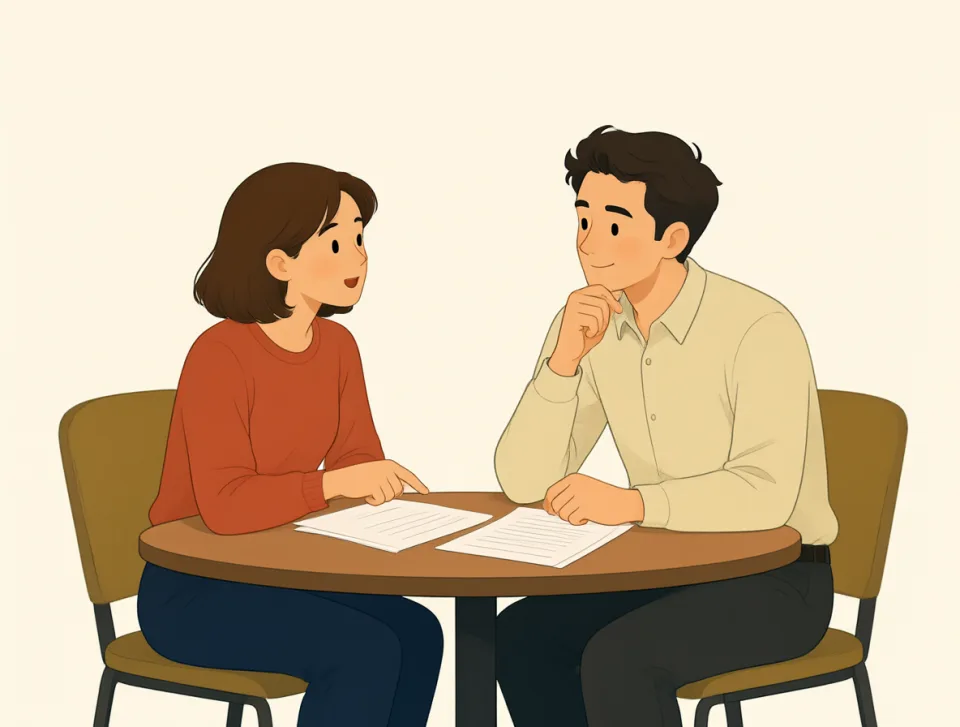
discuss
#605verb
話し合う; 議論する
to talk about something with another person or group
何かについて、別の人やグループと話す
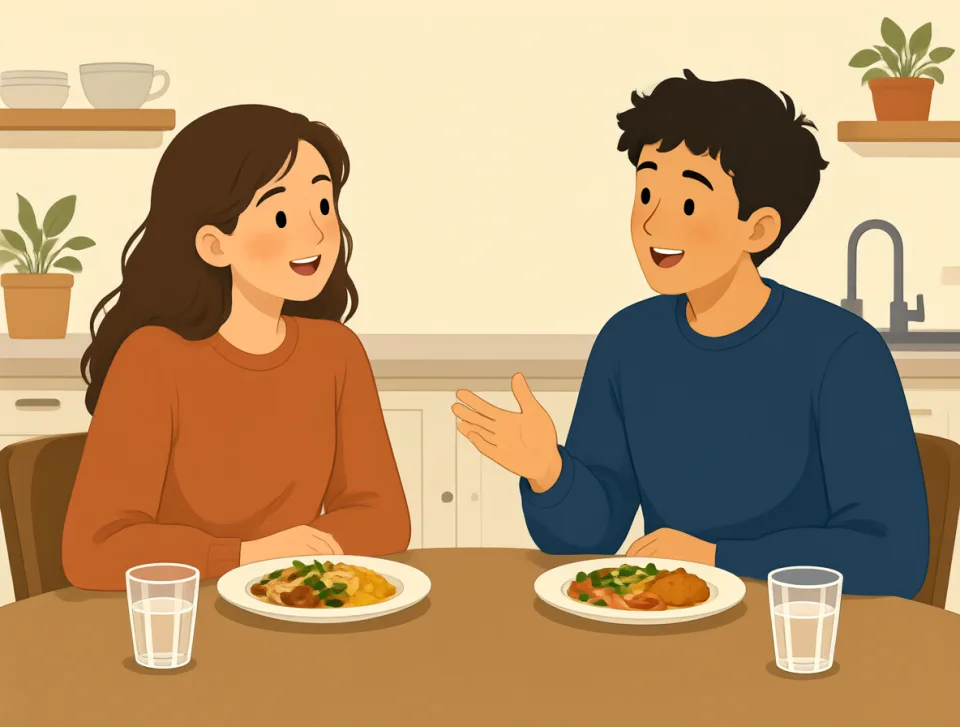
We discussed our weekend plans over dinner.
夕食をとりながら、週末の予定について話し合った。
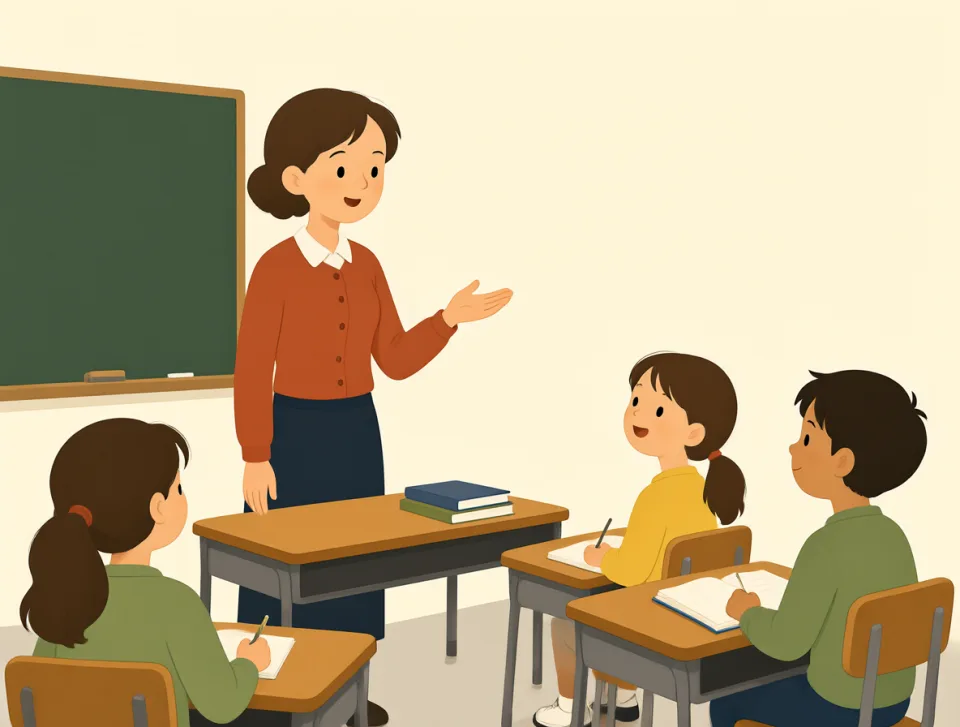
The teacher discussed the homework with us.
先生は私たちと宿題について話し合った。
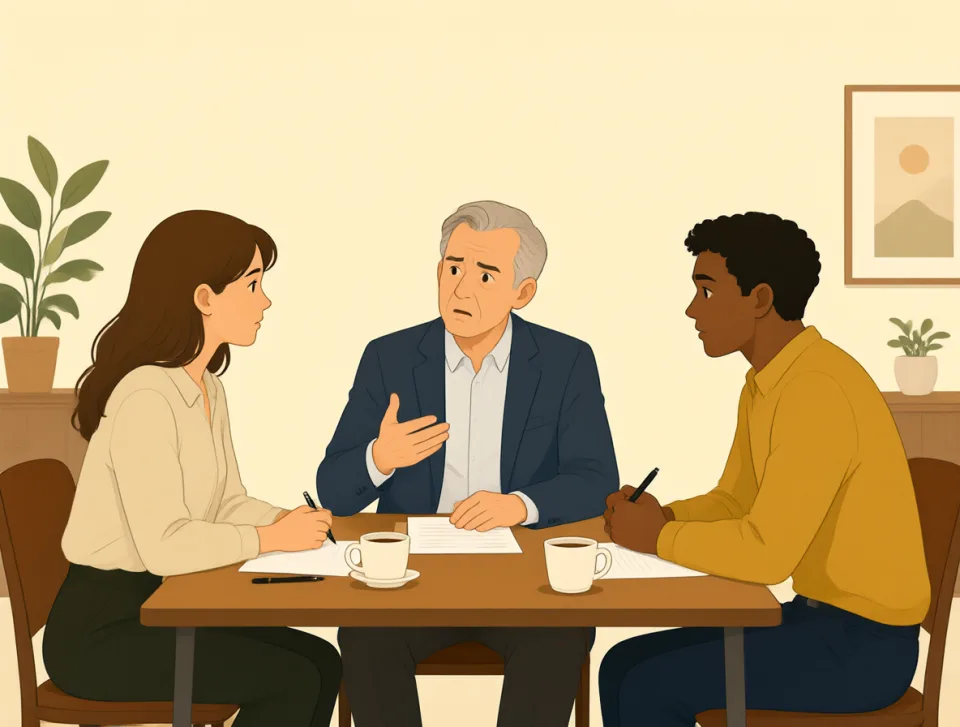
They discussed the problem at work.
彼らは職場でその問題について話し合った。

We discussed which hotel to book.
どのホテルを予約するか話し合った。
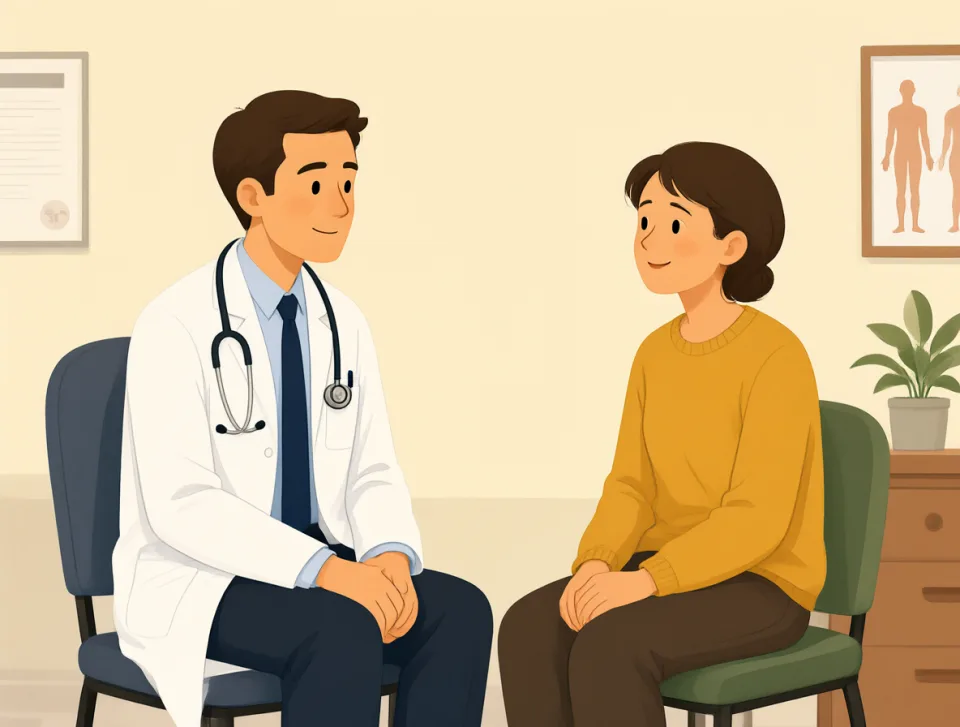
The doctor discussed my treatment with me.
医師は私に治療について説明してくれた。
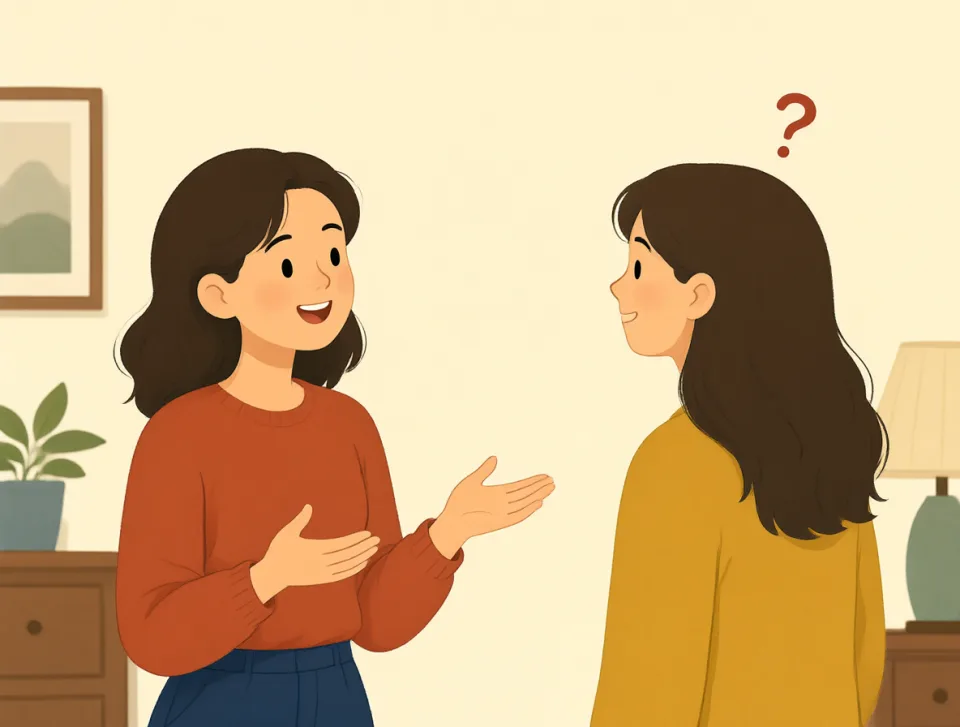
response
#606noun
返答; 反応
an answer or reaction to something that someone says, asks, or does
誰かが言ったり、尋ねたり、したりしたことに対する答えや反応
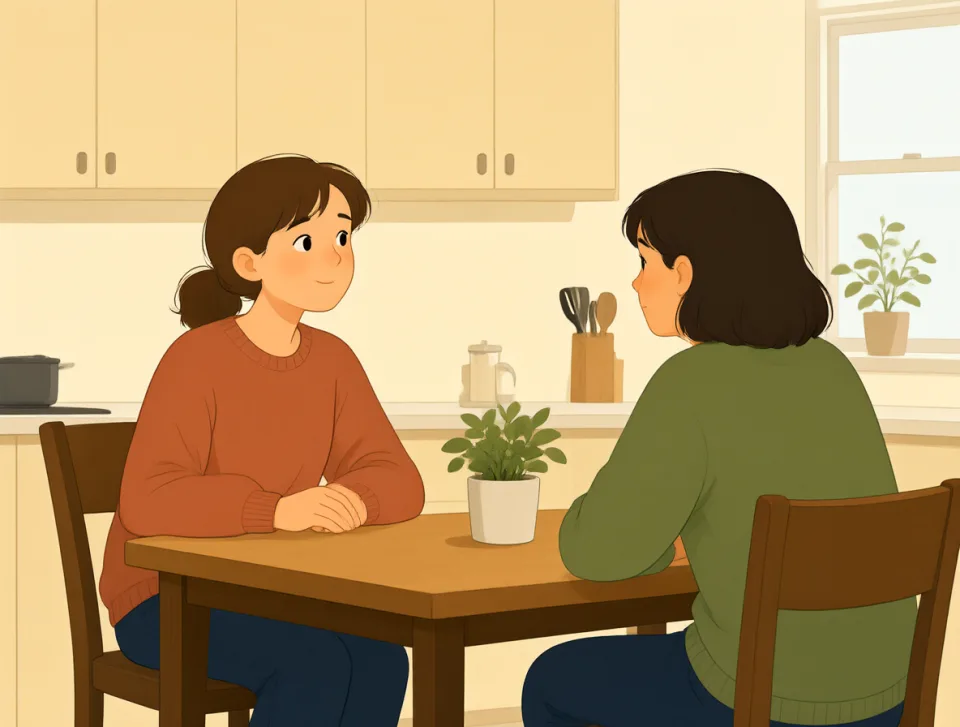
I am waiting for your response.
あなたの返事を待っています。
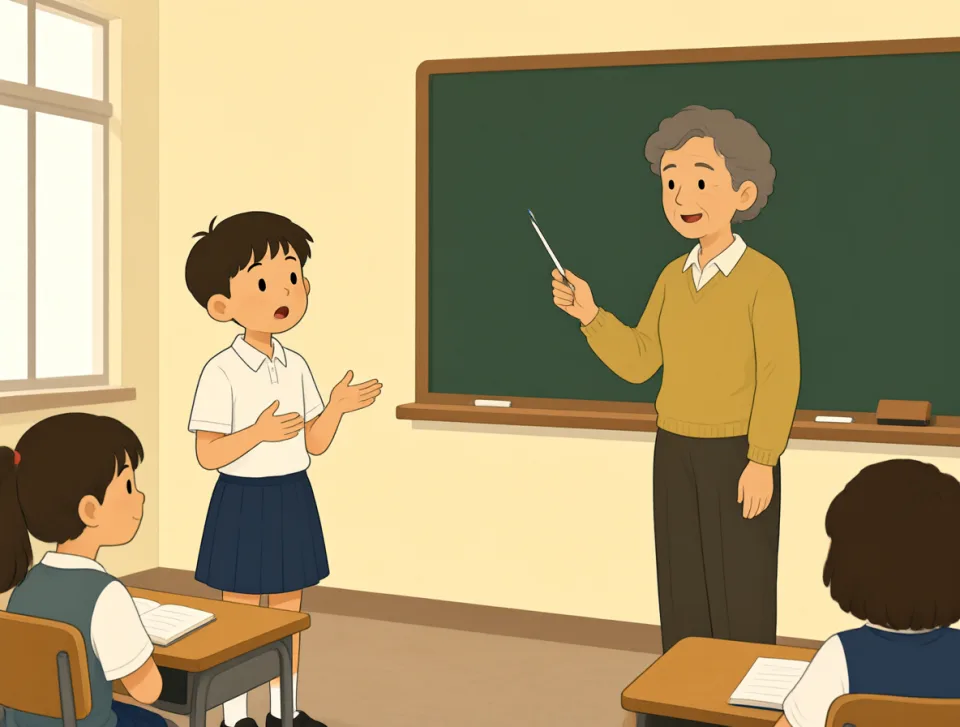
His response to the question was clear.
その質問に対する彼の答えは明確でした。

The company sent a quick response.
その会社はすぐに返答を送りました。
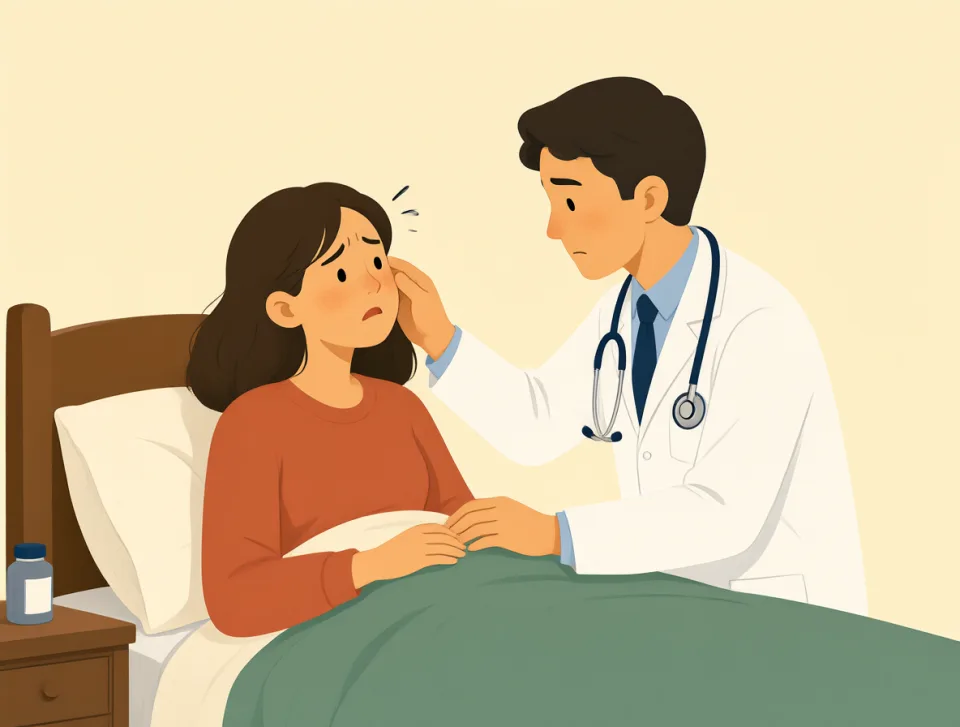
She had a bad response to the medicine.
彼女はその薬に悪い反応を示しました。
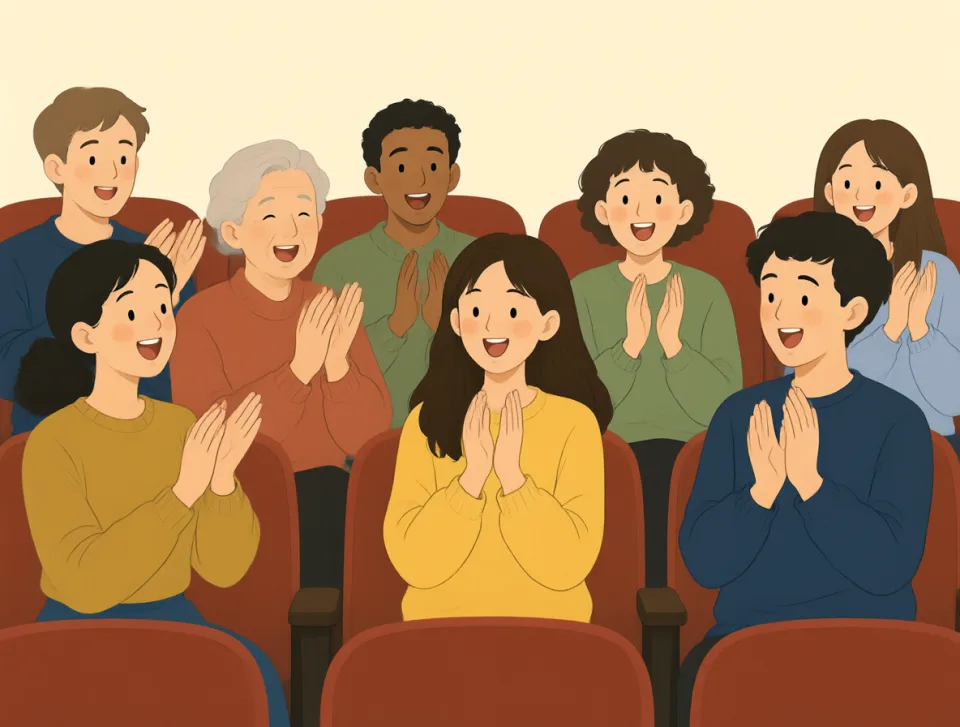
The audience gave a loud response.
観客は大きな歓声を上げました。
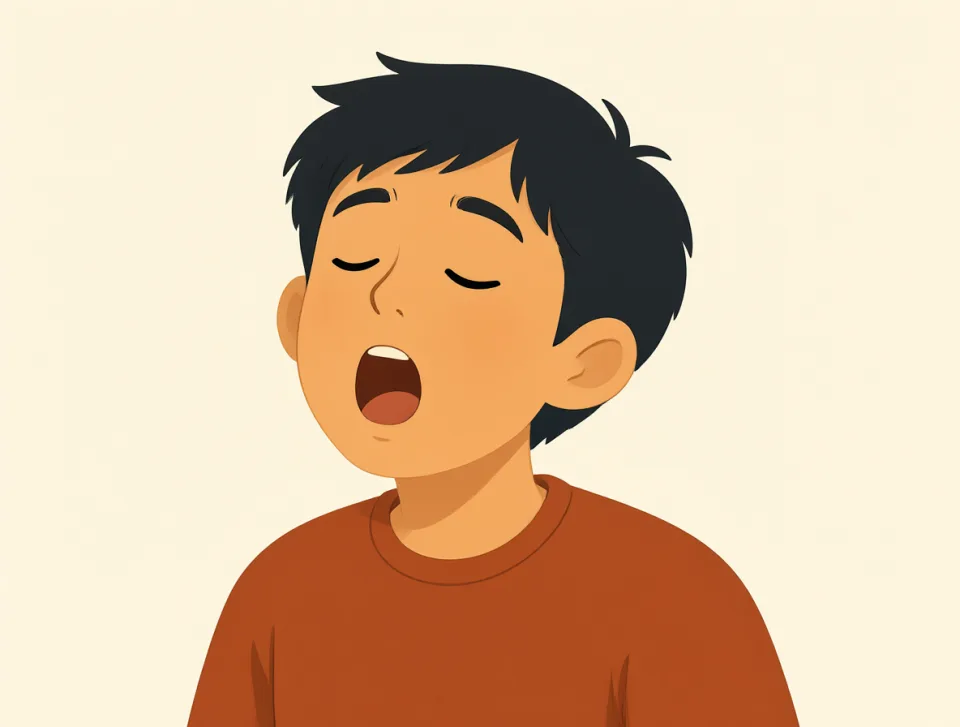
voice
#607noun, verb
声; 声を出す; 表明する
The sound made when a person speaks or sings.
人が話したり歌ったりするときに出す音。
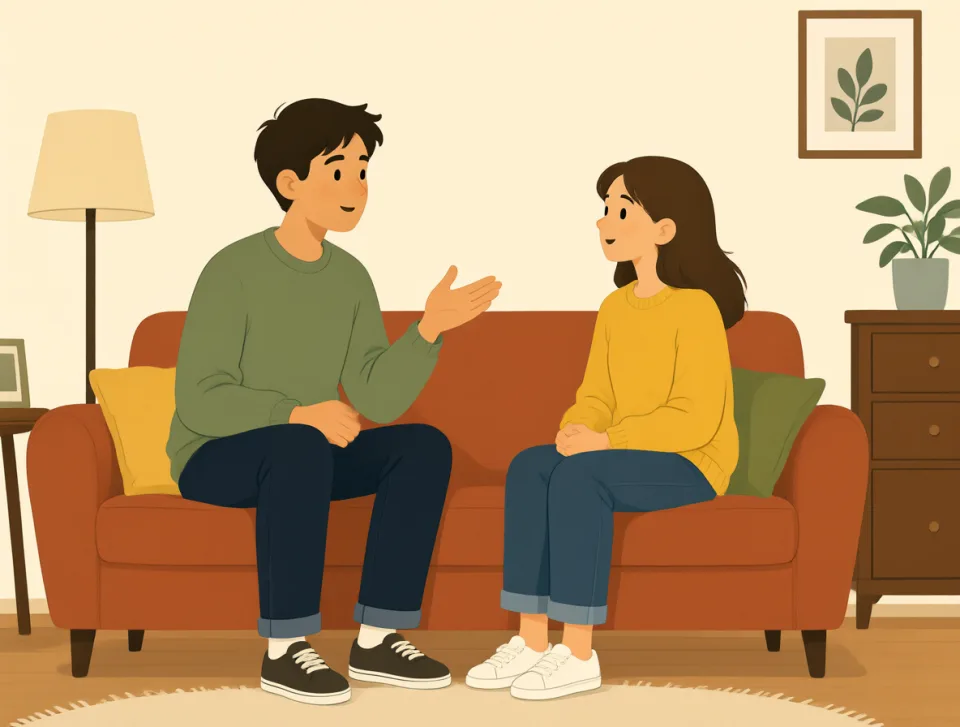
I could hear her voice clearly.
彼女の声がはっきり聞こえました。

He has a deep, friendly voice.
彼は低くて親しみやすい声をしています。
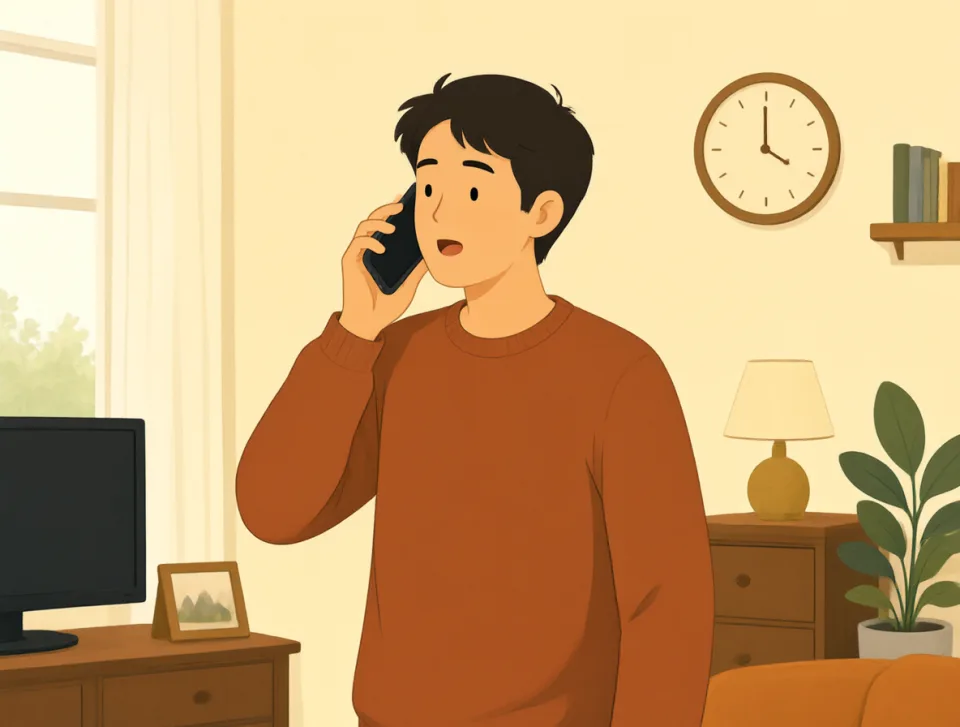
Please leave a voice message.
ボイスメッセージを残してください。
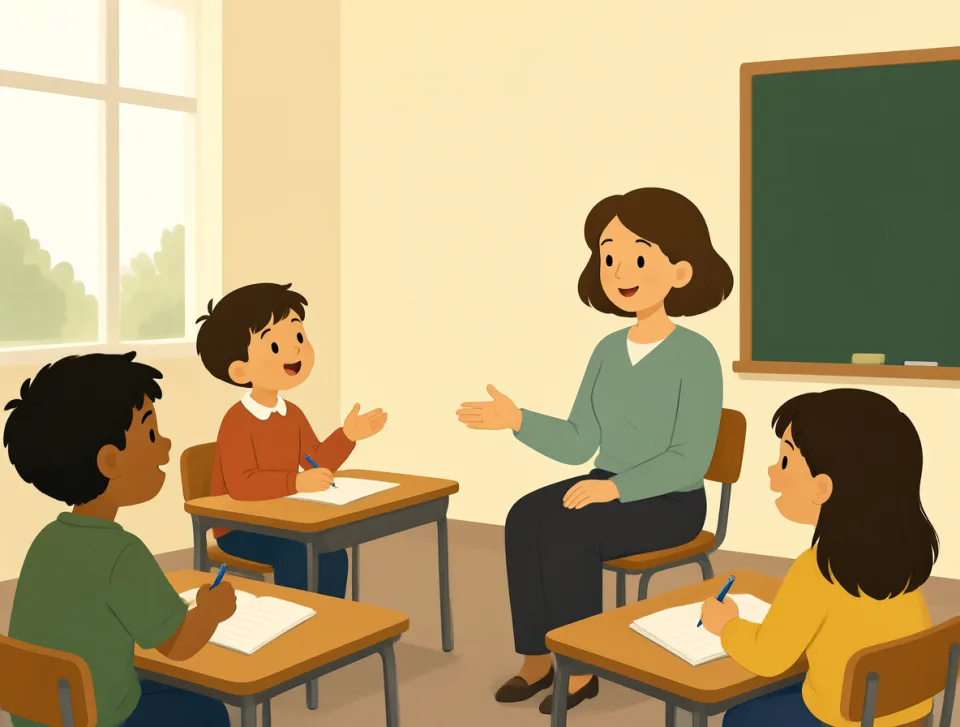
The teacher asked us to use our voices.
先生は私たちに声を出すように言いました。

She voiced her concerns about the trip.
彼女は旅行についての懸念を表明しました。
piece
#608noun
一部; ひとかけら; 一切れ; 助言
a part of something, or an amount of food or information
何かの一部、または食べ物や情報のひとまとまり
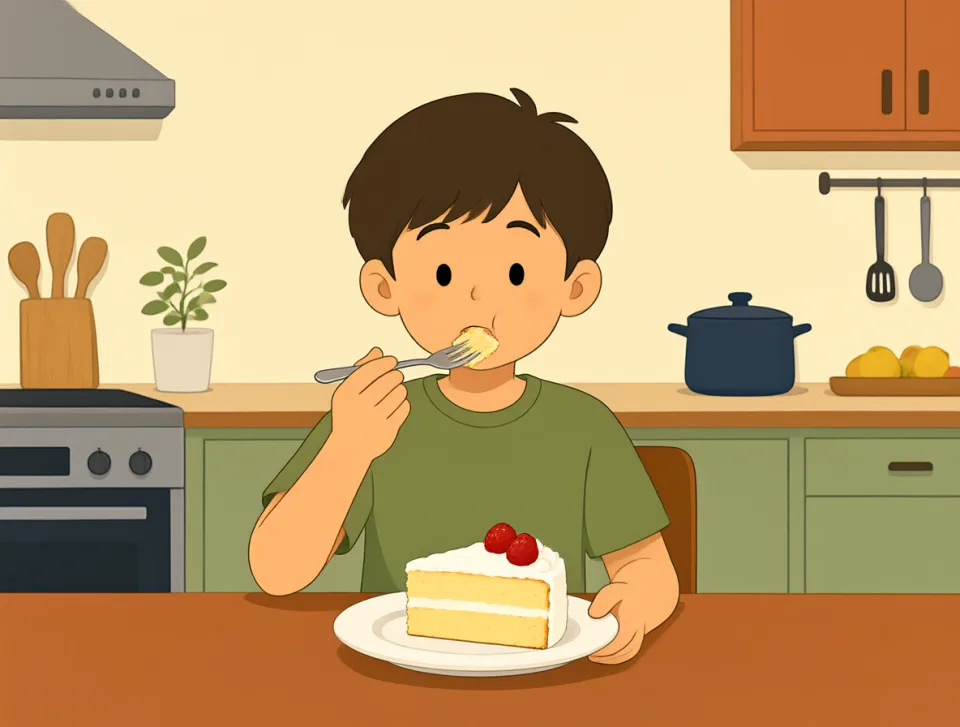
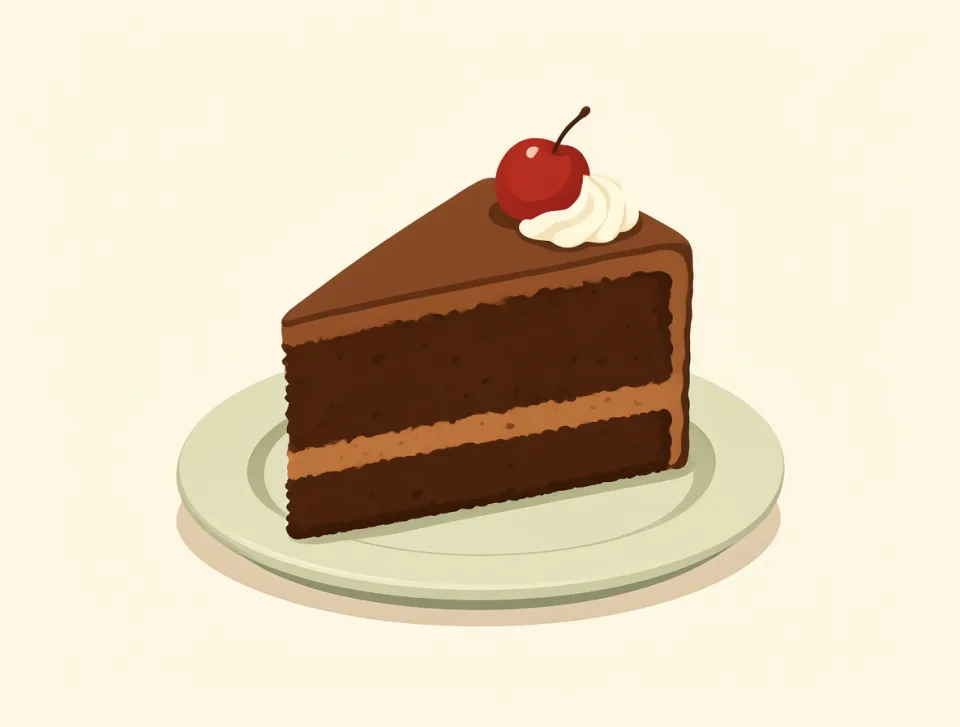
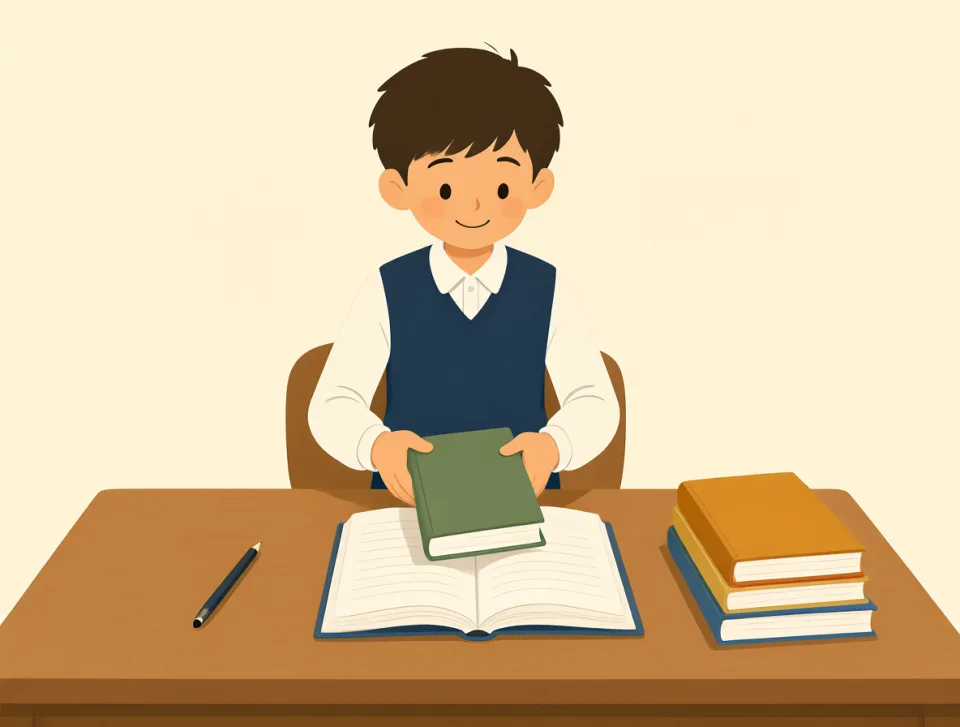
I ate a piece of cake after dinner.
夕食後にケーキを一切れ食べました。
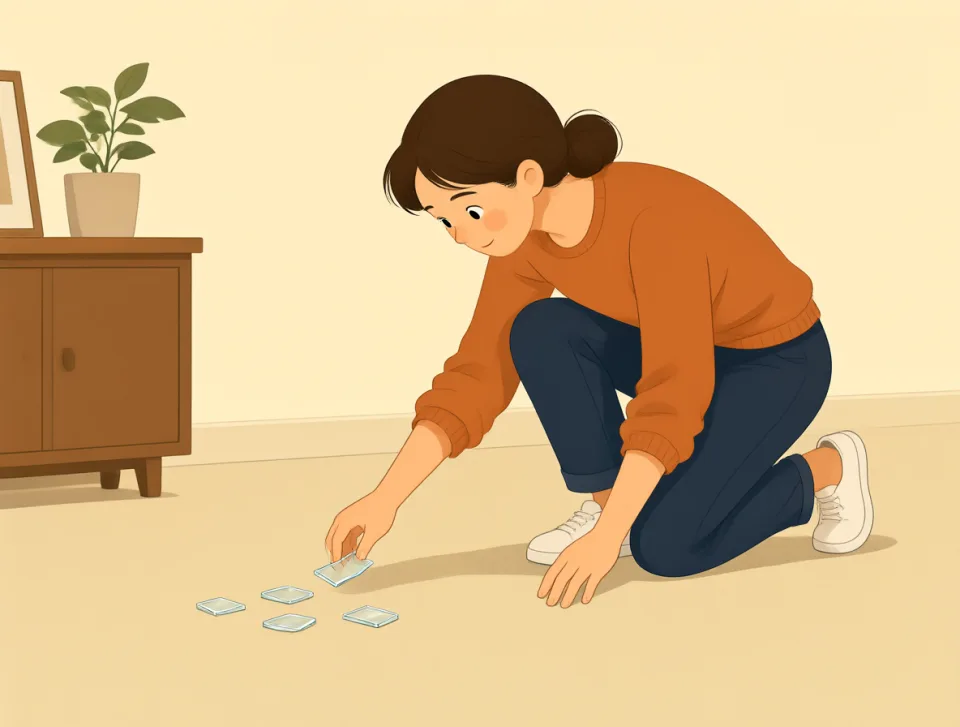
She found a piece of glass on the floor.
彼女は床に落ちているガラスの破片を見つけました。
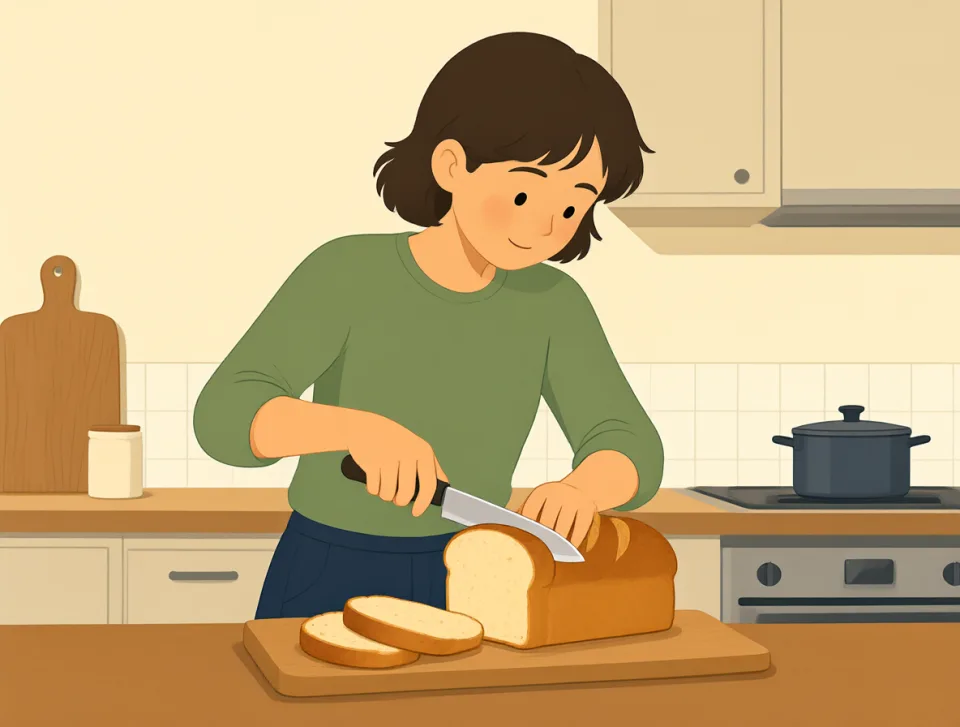
Please cut me a piece of bread.
パンを一切れ切ってください。
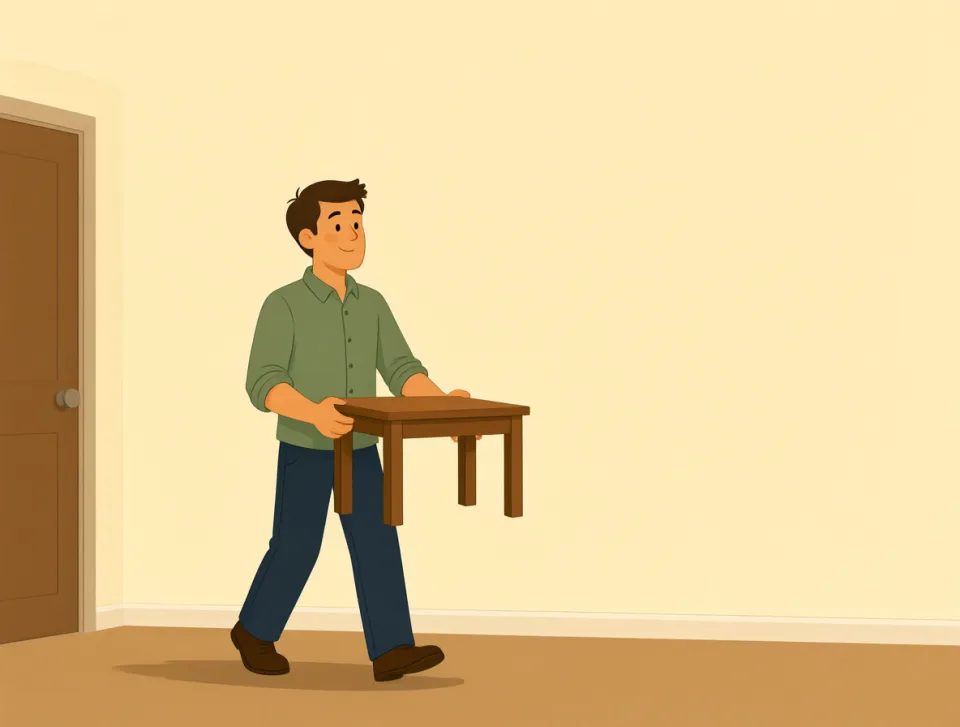
He bought a new piece of furniture.
彼は新しい家具を一つ買いました。
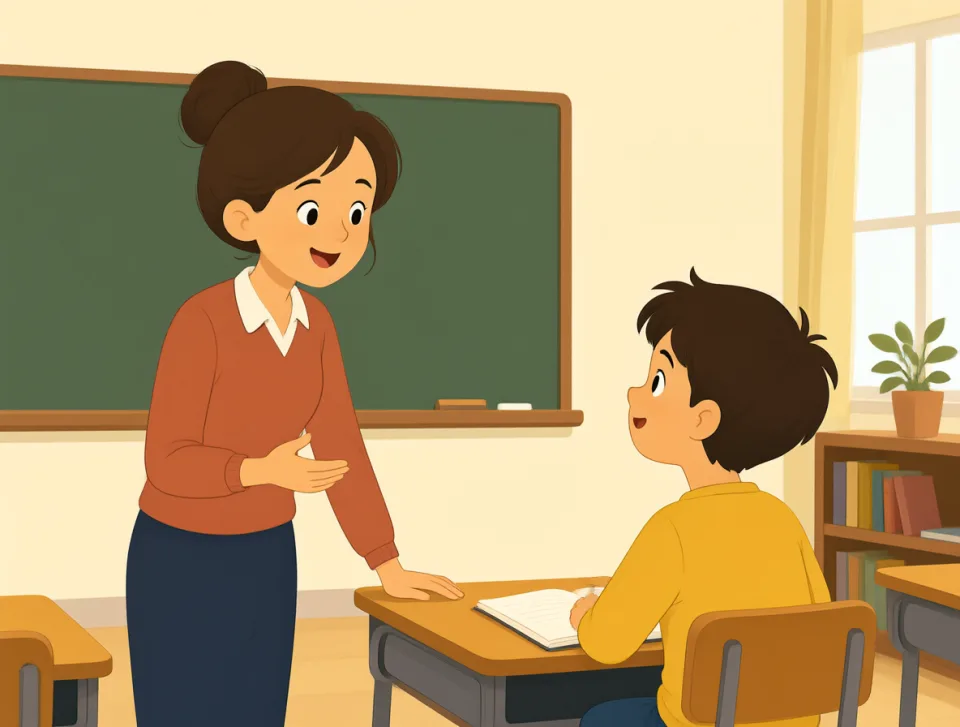
The teacher gave us a piece of advice.
先生は私たちに一つアドバイスをくれました。
finish
#609verb, noun
終える; 仕上げ; 完成
To complete something or reach the end of it.
何かを完了する、またはその終わりに達すること。
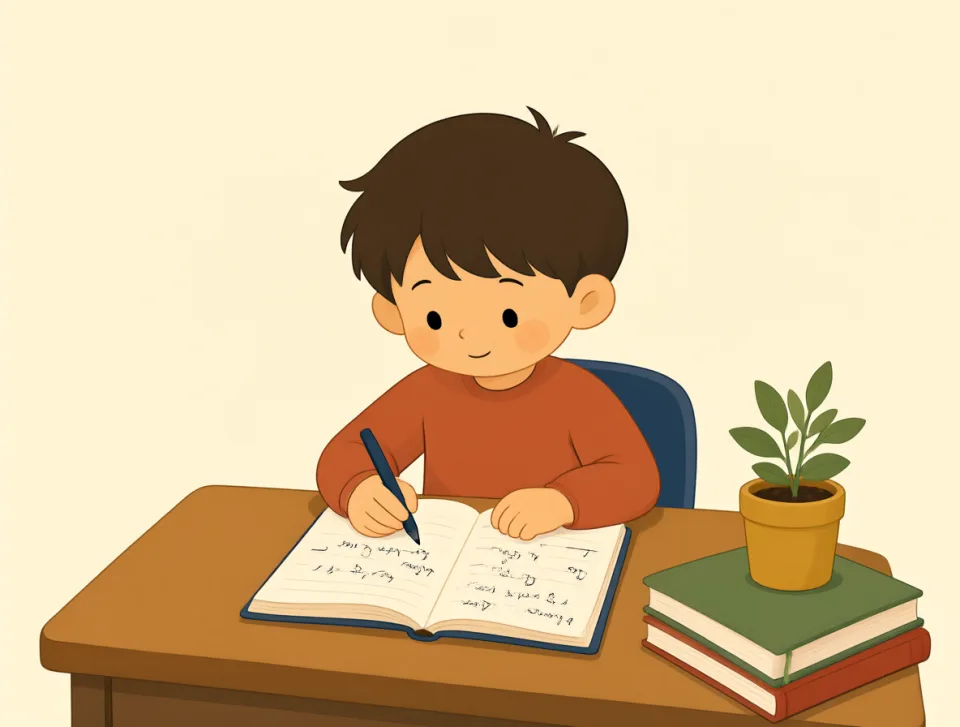
Please finish your homework before dinner.
夕食の前に宿題を終えてください。
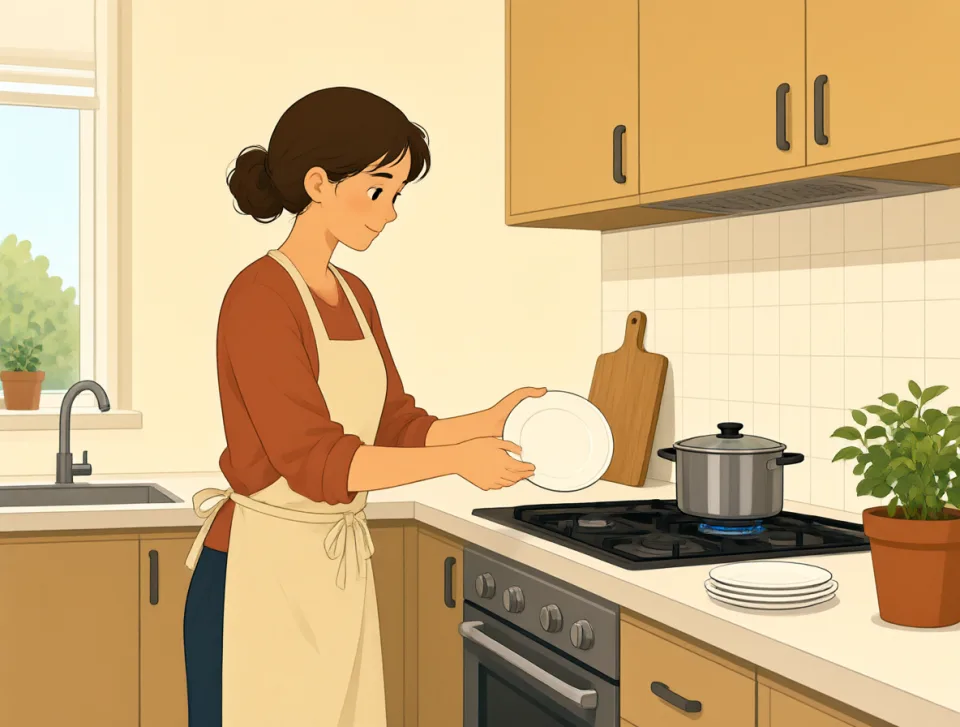
She finished cleaning the kitchen.
彼女はキッチンの掃除を終えた。
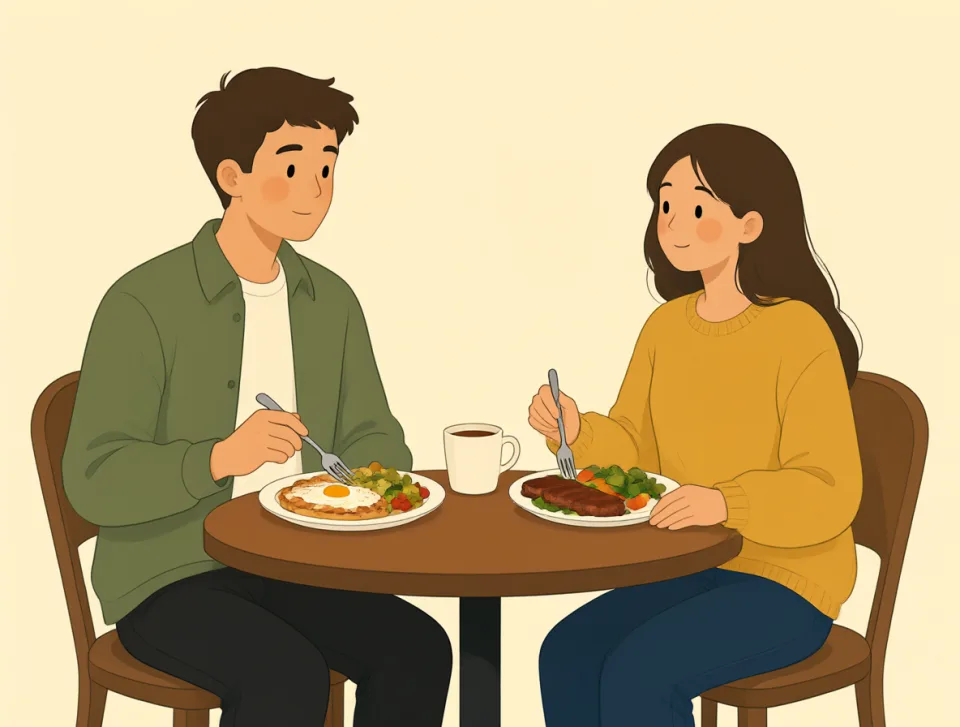
We finished our lunch and left.
私たちは昼食を食べ終えて、出発した。

He finished the race in first place.
彼はレースで1位になった。

The blue paint gives the table a smooth finish.
青いペンキがテーブルに滑らかな仕上がりを与えている。
suppose
#610verb
思う; 仮定する
to think something is probably true or to imagine a possible situation
おそらく本当だと考えること、または起こりうる状況を想像すること
I suppose we can leave now.
もう出てもいいと思う。

Suppose it rains during our picnic.
ピクニックの最中に雨が降ったとしたら。
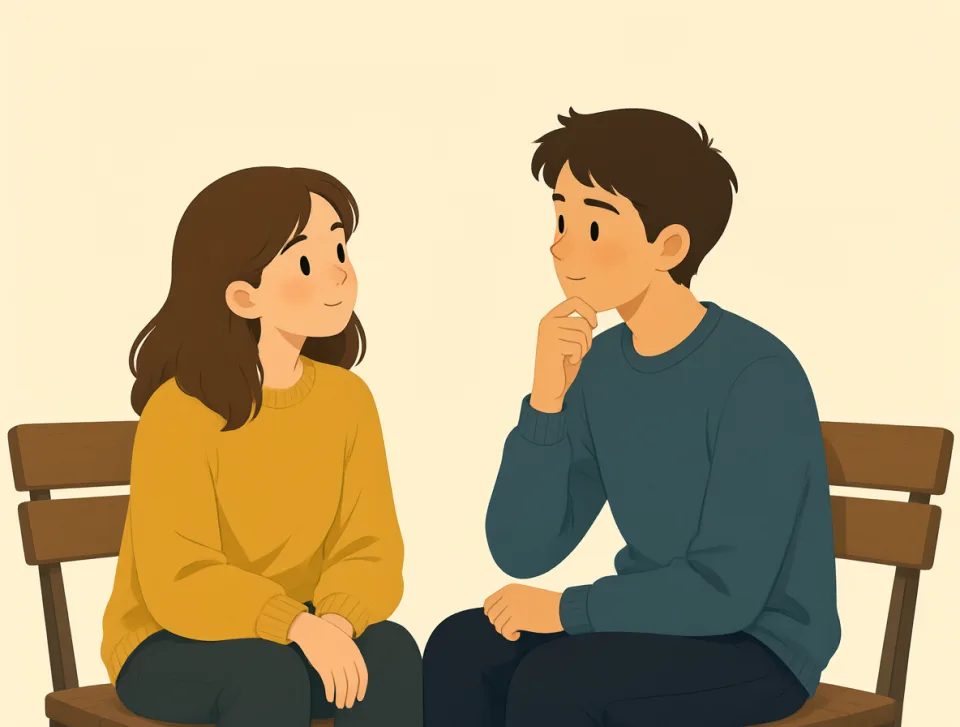
I suppose you are right about that.
その点については、あなたの言うとおりだと思います。
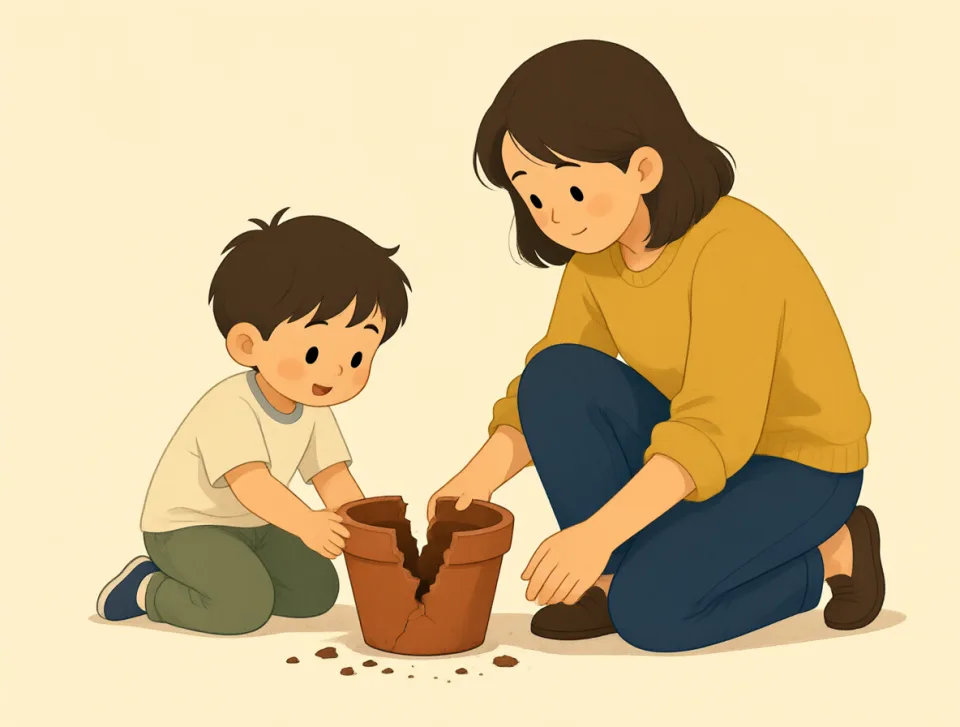
What do you suppose happened here?
ここで何が起きたと思いますか?
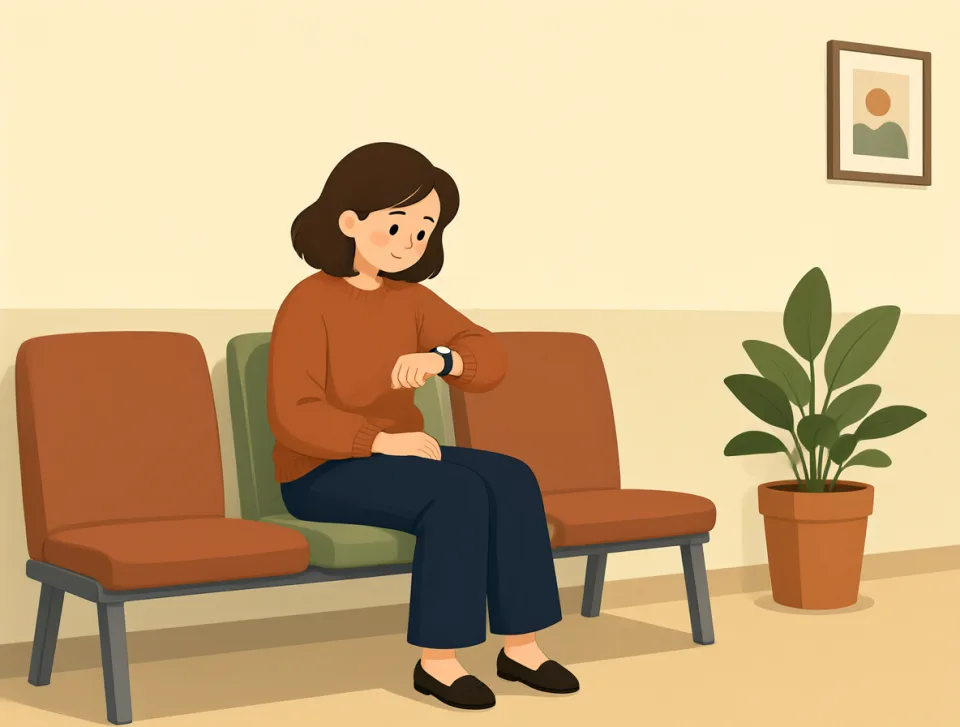
I suppose she forgot her appointment.
彼女は約束を忘れたんだと思う。
apply
#611verb
使う;申し込む;適用される
to use something to a particular purpose or ask officially for something
何かを特定の目的に使う、または何かを正式に申し込む
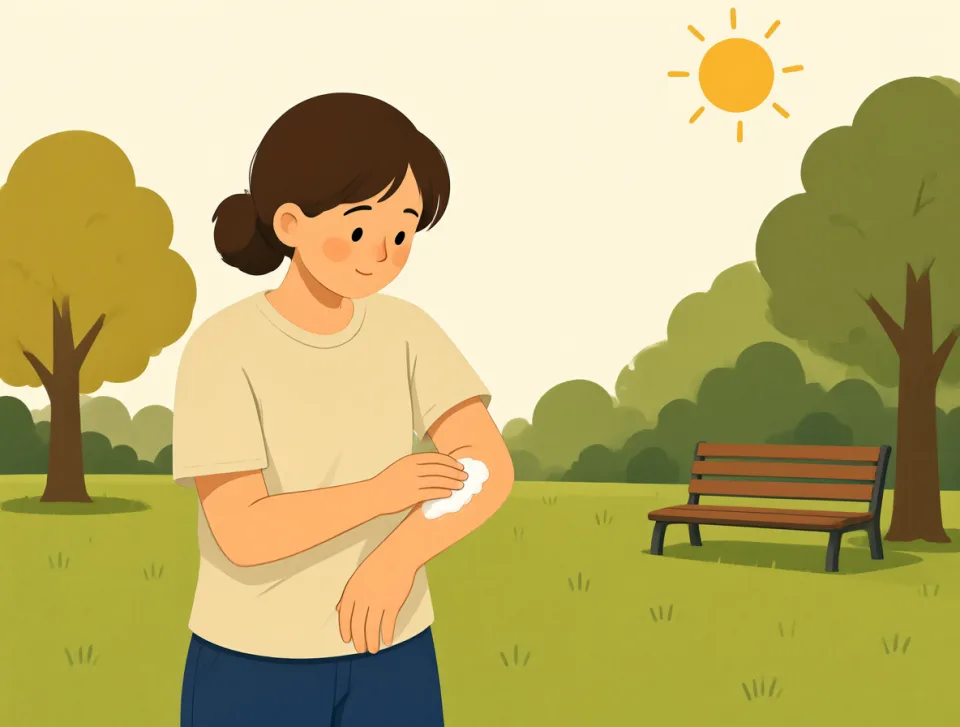
Apply sunscreen before you go outside.
外に出る前に日焼け止めを塗ってください。
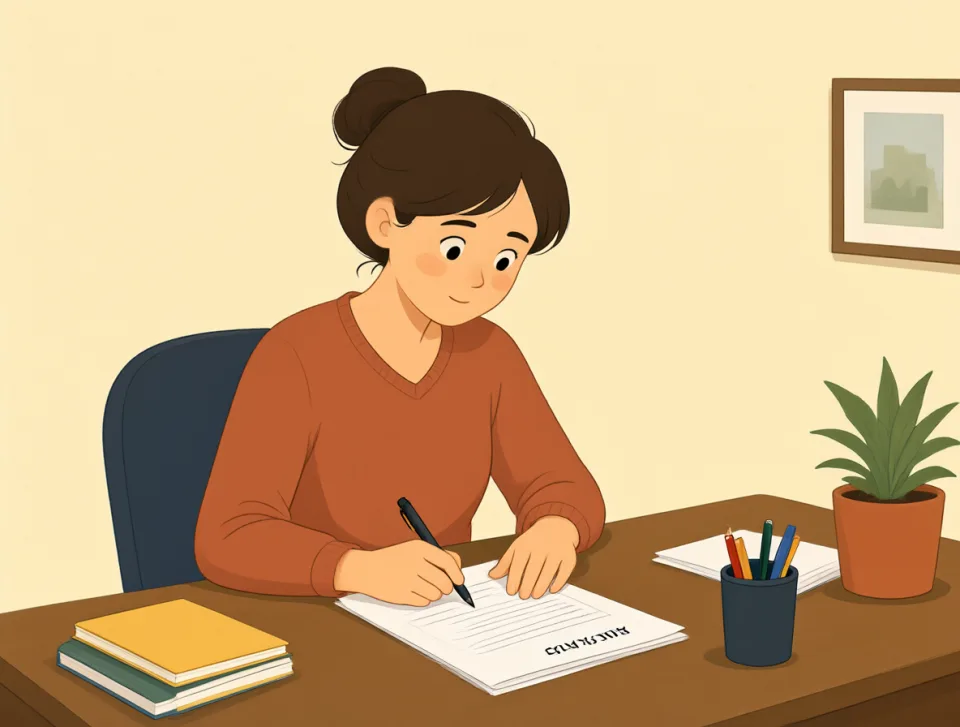
She applied for a new job yesterday.
彼女は昨日、新しい仕事に応募しました。
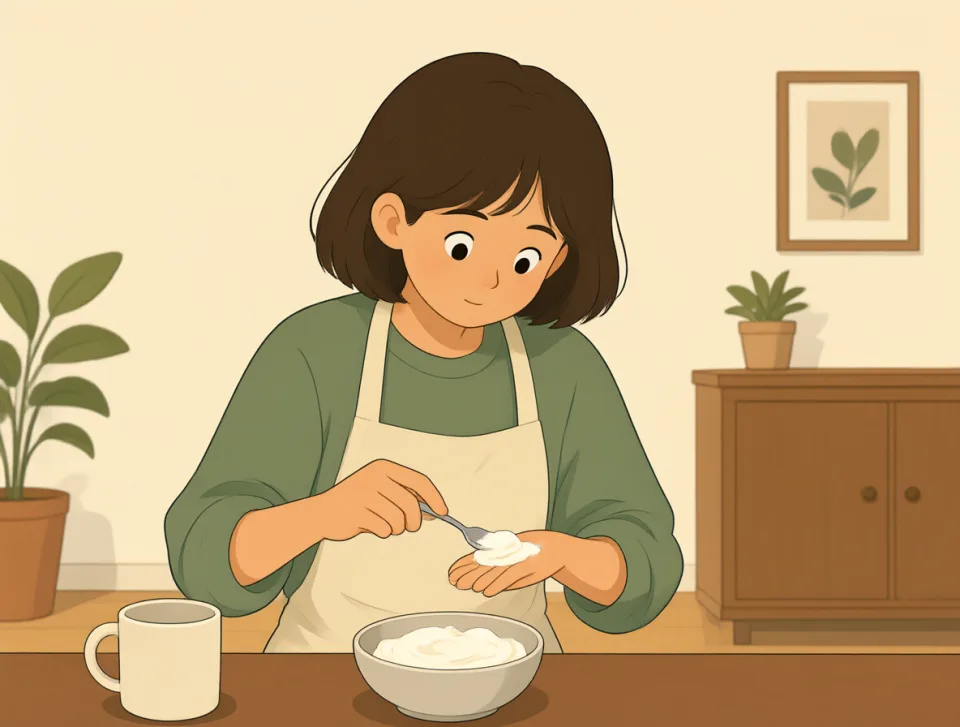
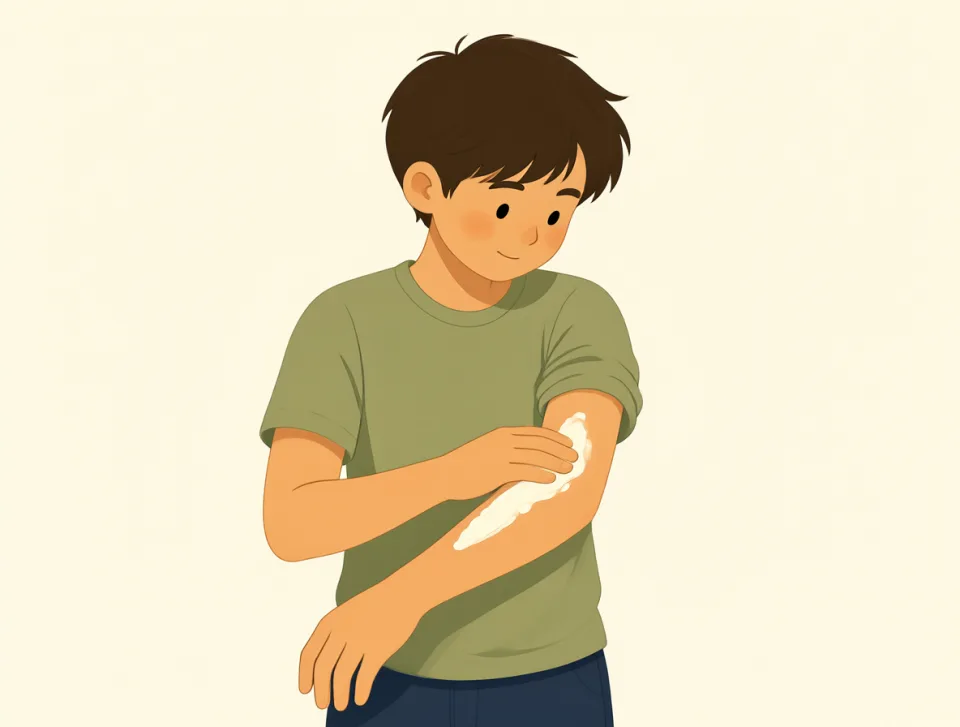
Please apply this cream twice a day.
このクリームを1日2回塗ってください。
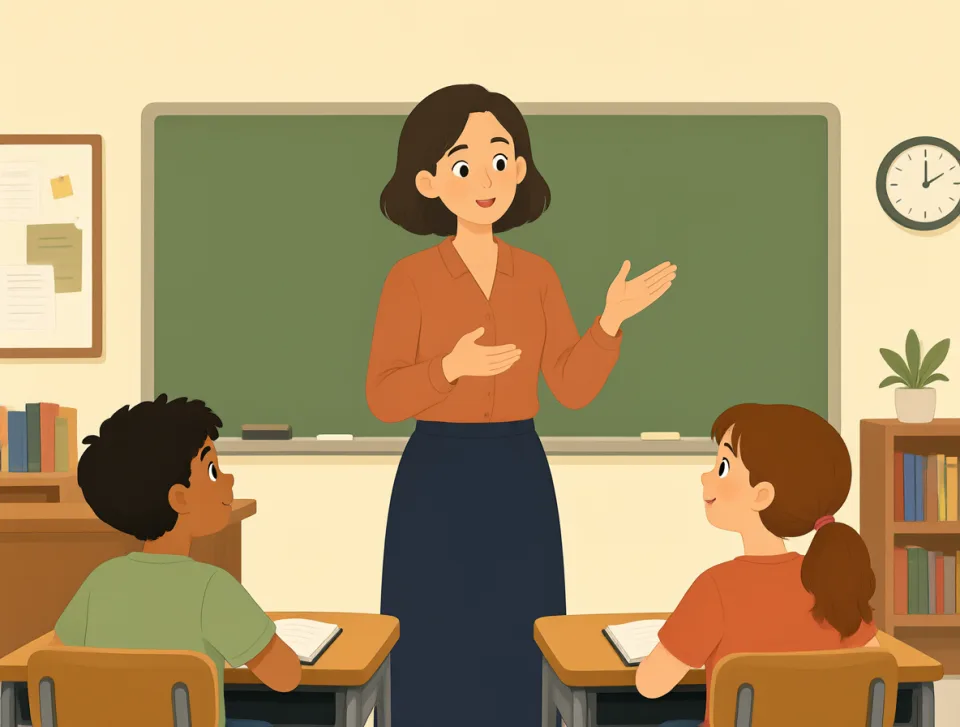
The teacher applied the rule fairly.
その先生は規則を公平に適用しました。
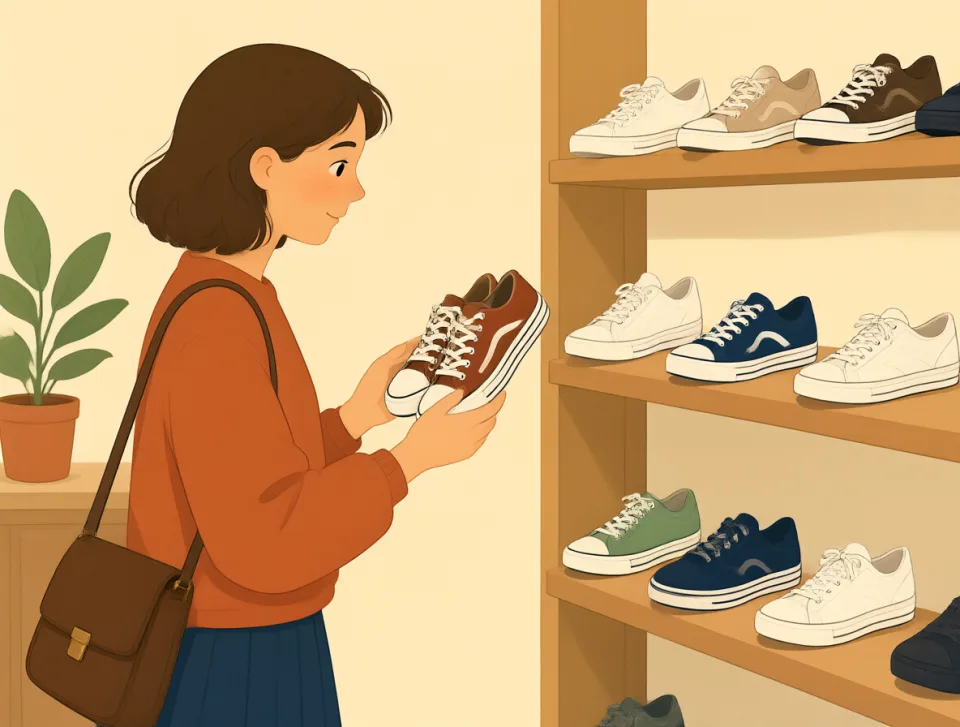
This discount applies to all shoes.
この割引はすべての靴に適用されます。
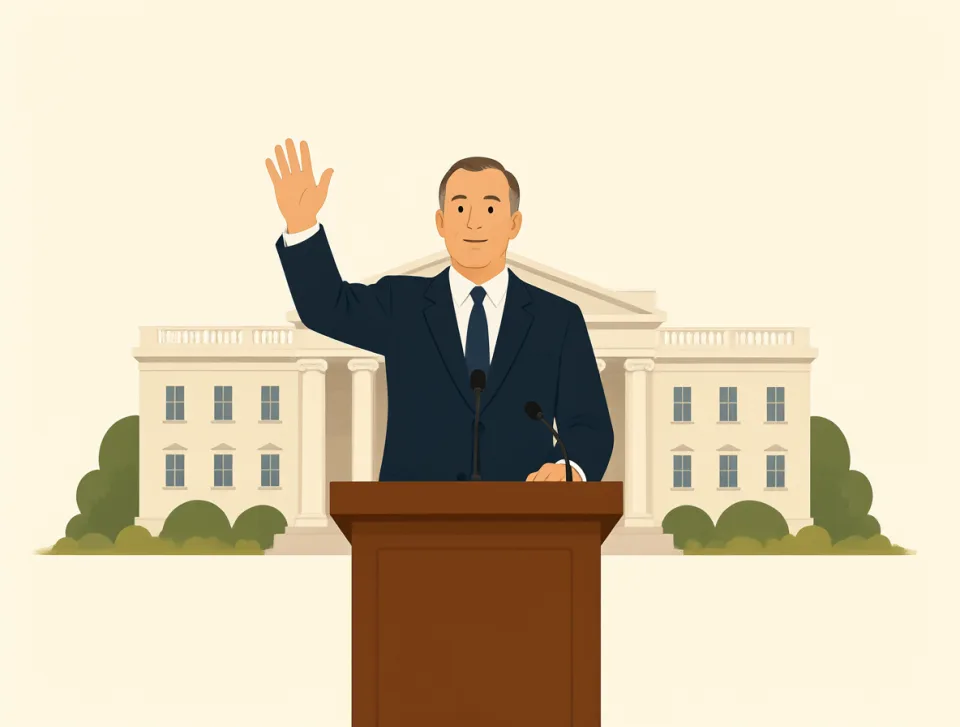
president
#612noun
大統領; 会長; 学長; 社長
The elected leader of a country or the person who leads an organization.
国民に選ばれた国の指導者、または組織を率いる人。
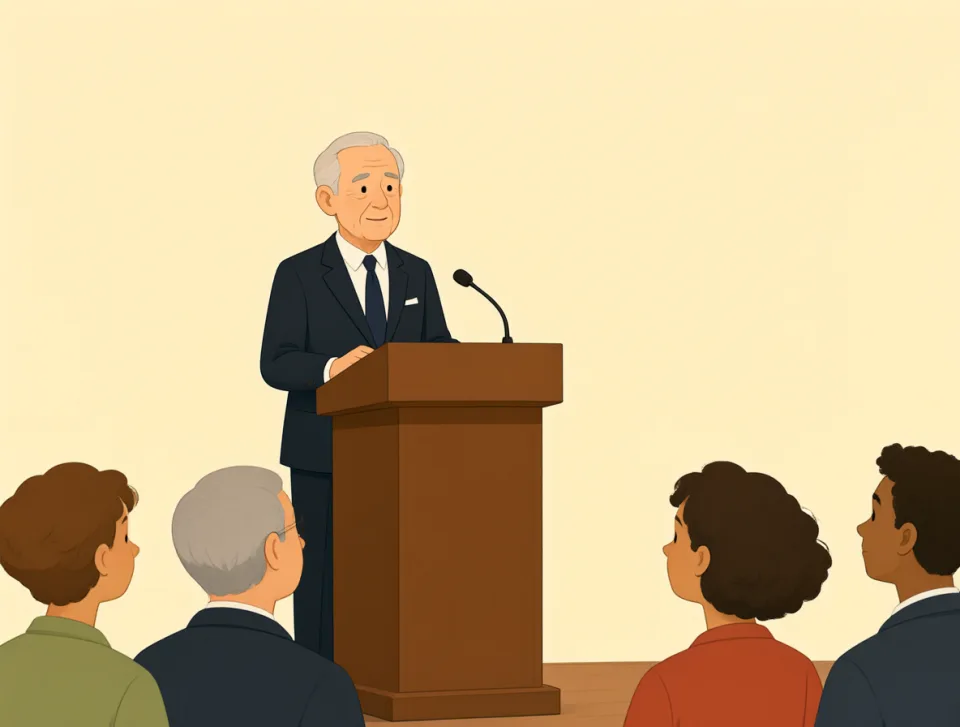
The president gave a speech yesterday.
大統領は昨日、演説を行った。
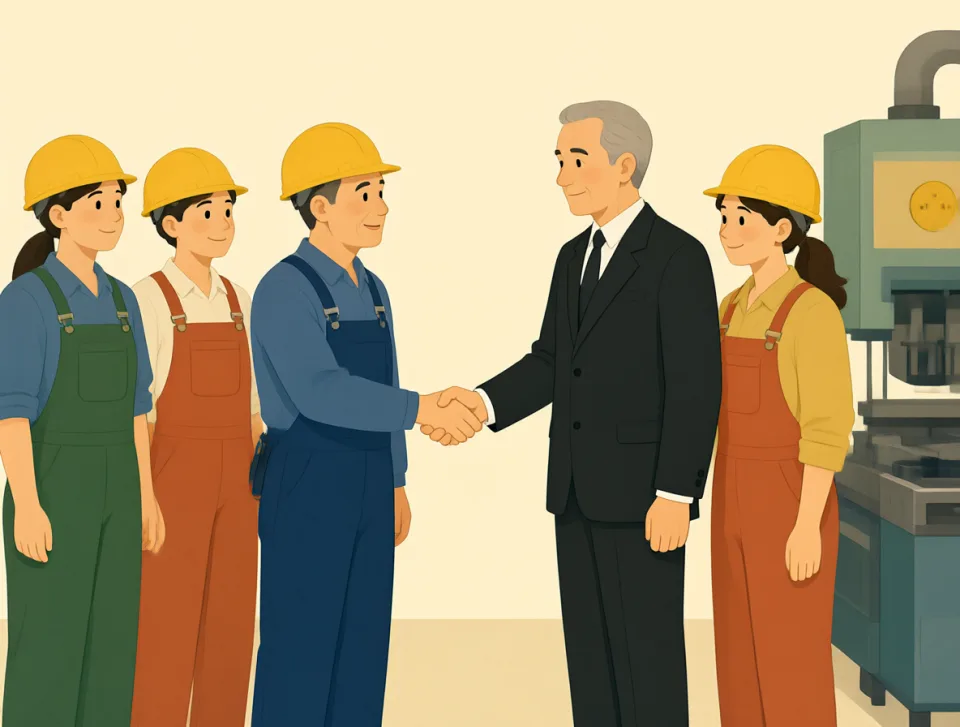
The president met the workers this morning.
大統領は今朝、労働者たちと会談した。

Our club president planned the meeting.
私たちのクラブの会長が会合を企画した。

The school president welcomed new students.
学長は新入生を歓迎した。

The company president visited our office.
社長が私たちのオフィスを訪れた。

fire
#613noun, verb
火; 解雇する; 火をつける
Fire is heat and light from burning; to fire someone means to make them leave a job.
火は、物が燃えるときに出る熱と光です。fire someoneは、その人を仕事から辞めさせるという意味です。
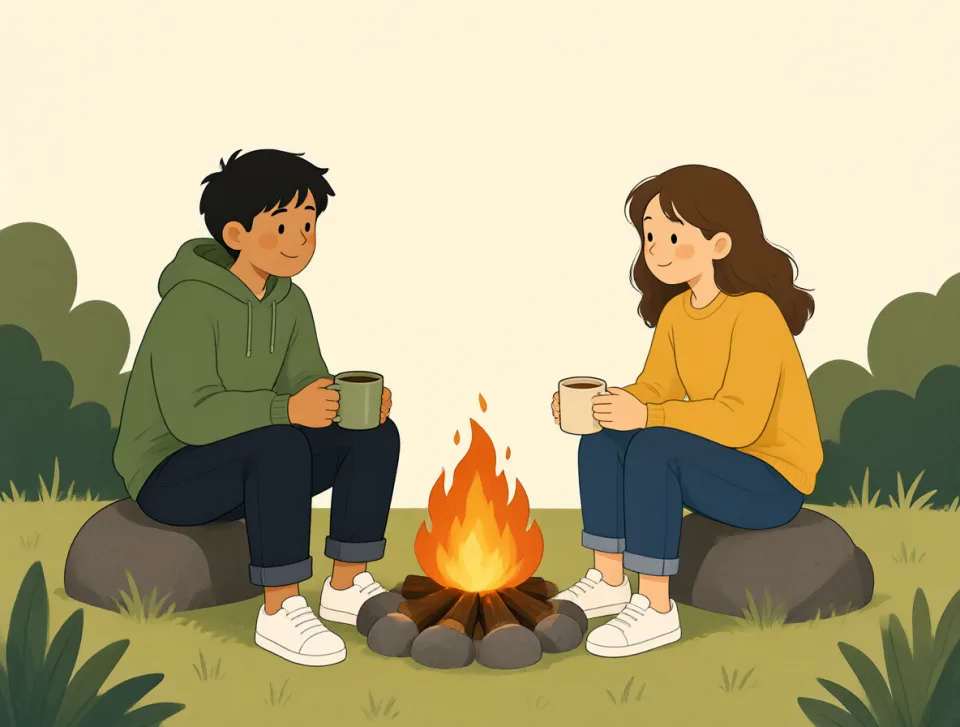
We sat around the fire last night.
昨夜、私たちは火を囲んで座りました。
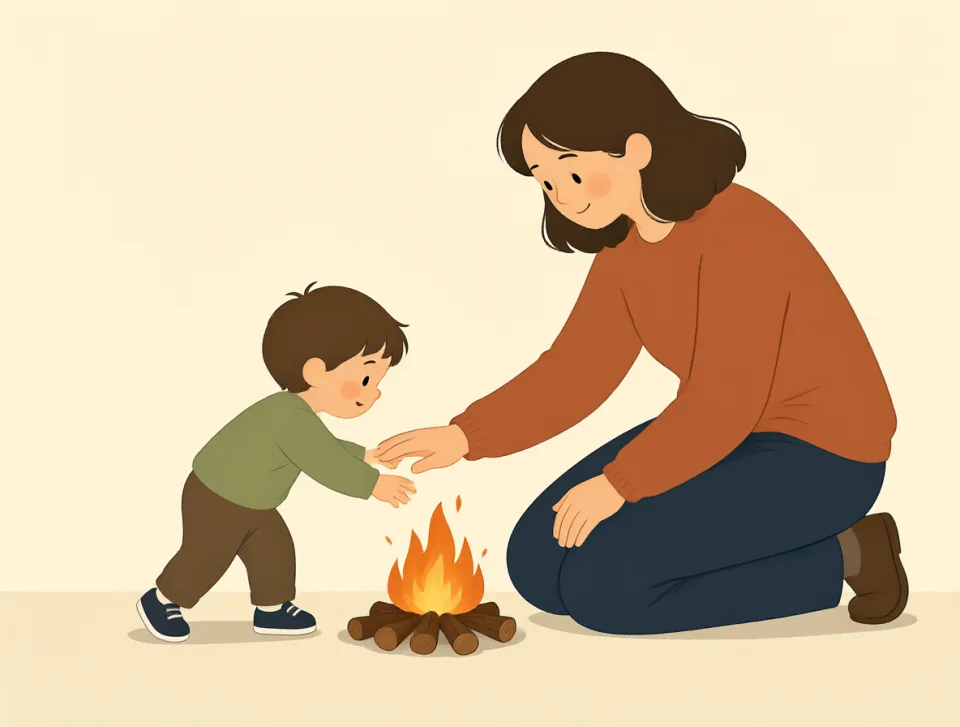
Please do not play with fire.
火で遊ばないでください。
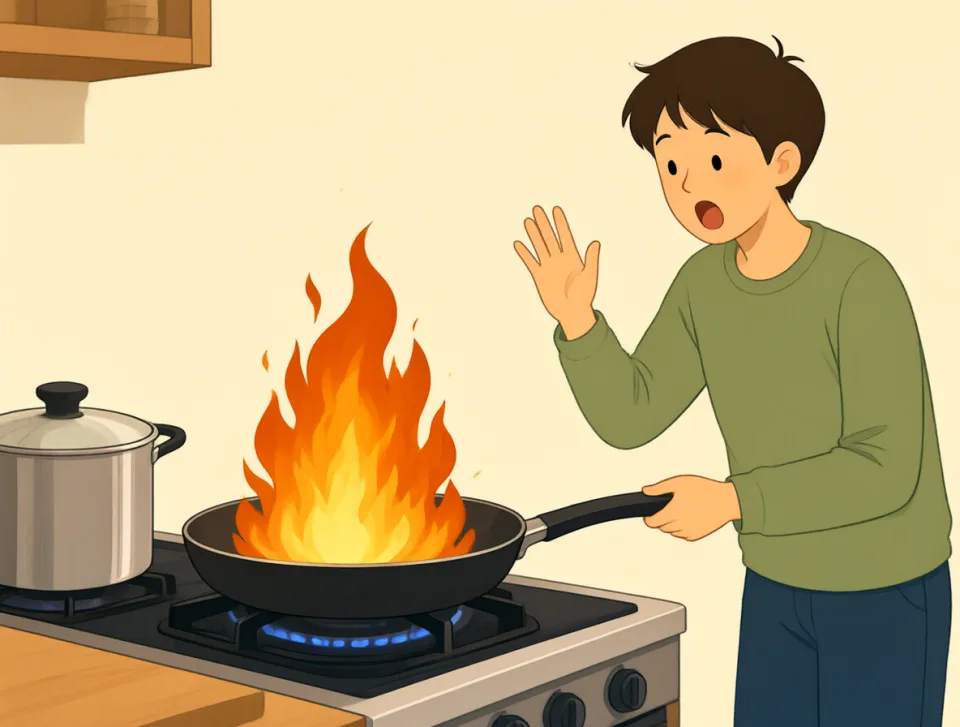
The fire started in the kitchen.
火事は台所で始まりました。

The manager fired him yesterday.
そのマネージャーは昨日、彼を解雇しました。
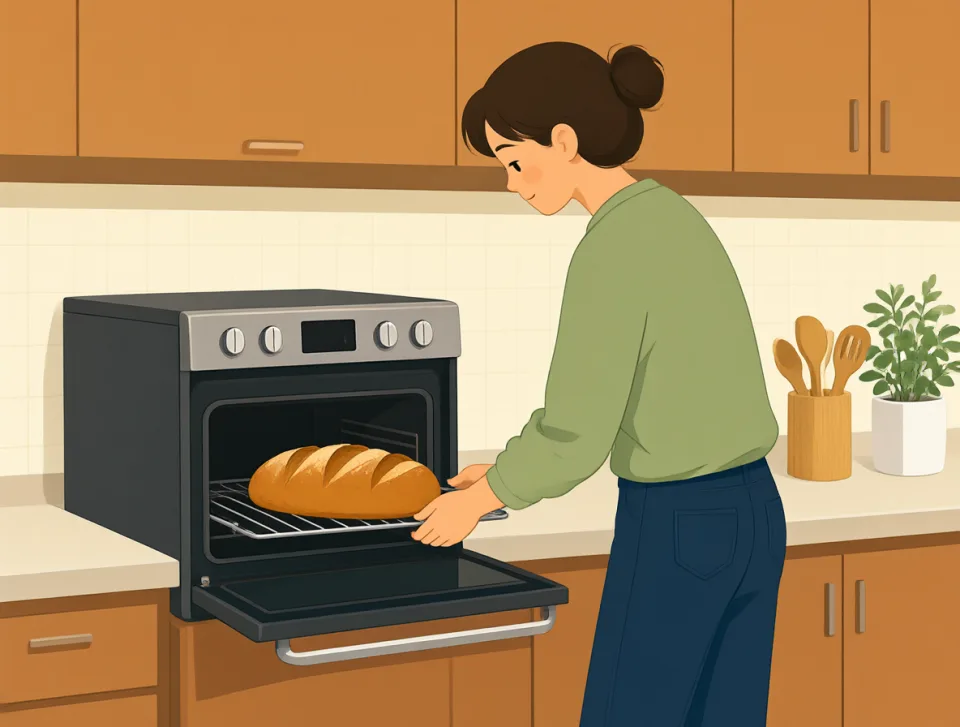
Fire the oven before baking the bread.
パンを焼く前にオーブンに火をつけてください。
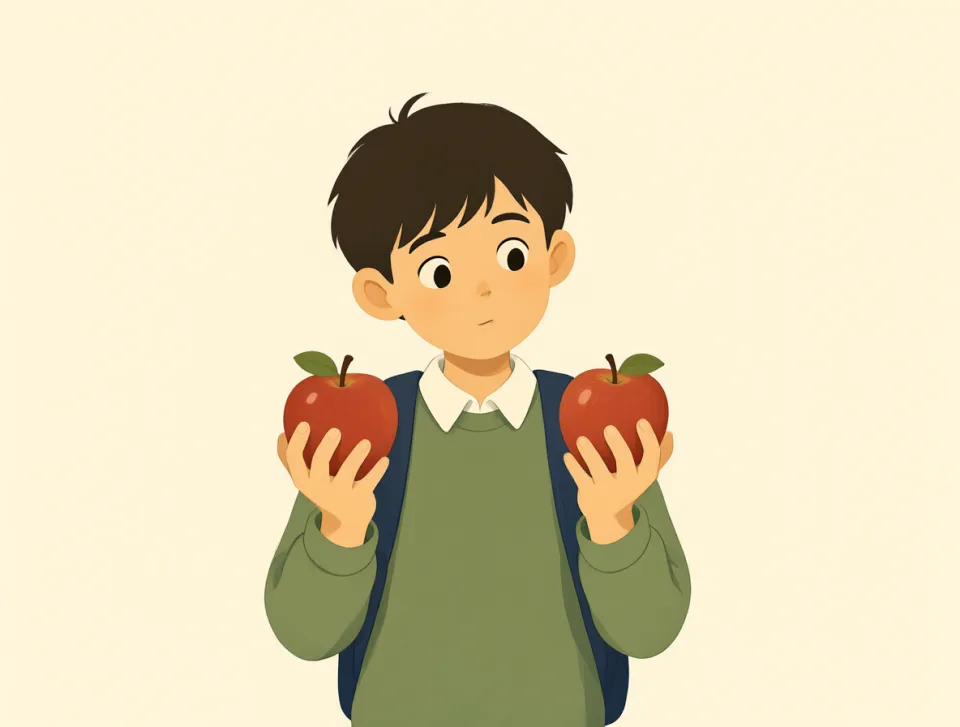
compare
#614verb
比べる; 比較する
to look at two or more things and see how they are alike or different
2つ以上のものを見て、どこが似ているか、または違っているかを確認する
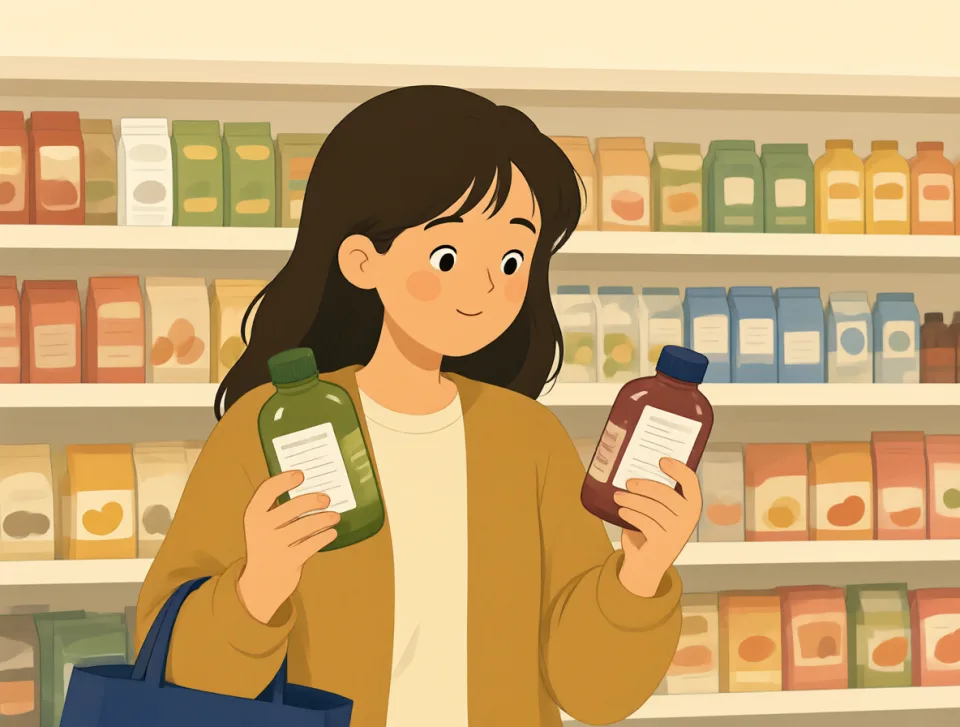
Compare these two prices before you buy.
買う前に、この2つの値段を比べてください。
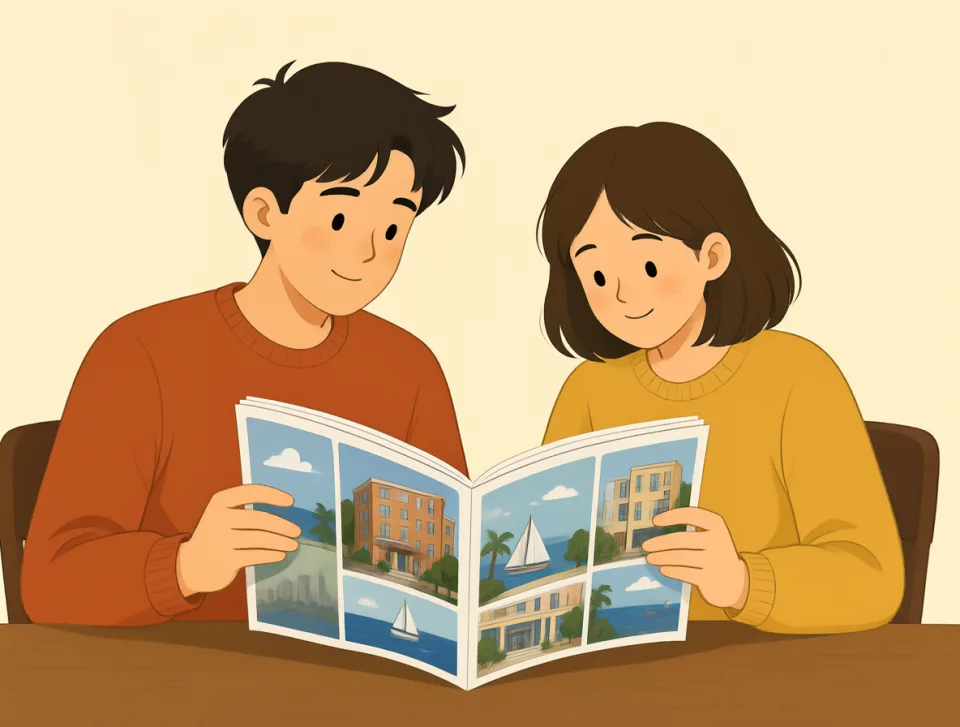
We compared the hotels before booking our trip.
旅行を予約する前に、ホテルを比較しました。
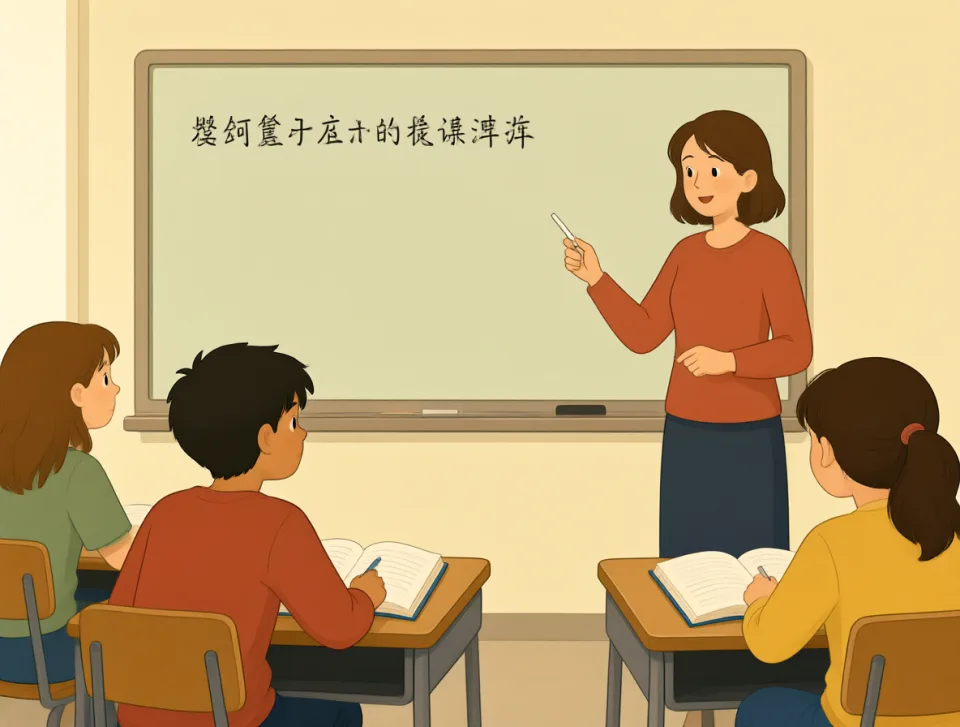
The teacher asked us to compare two stories.
先生は私たちに2つの物語を比べるように言いました。
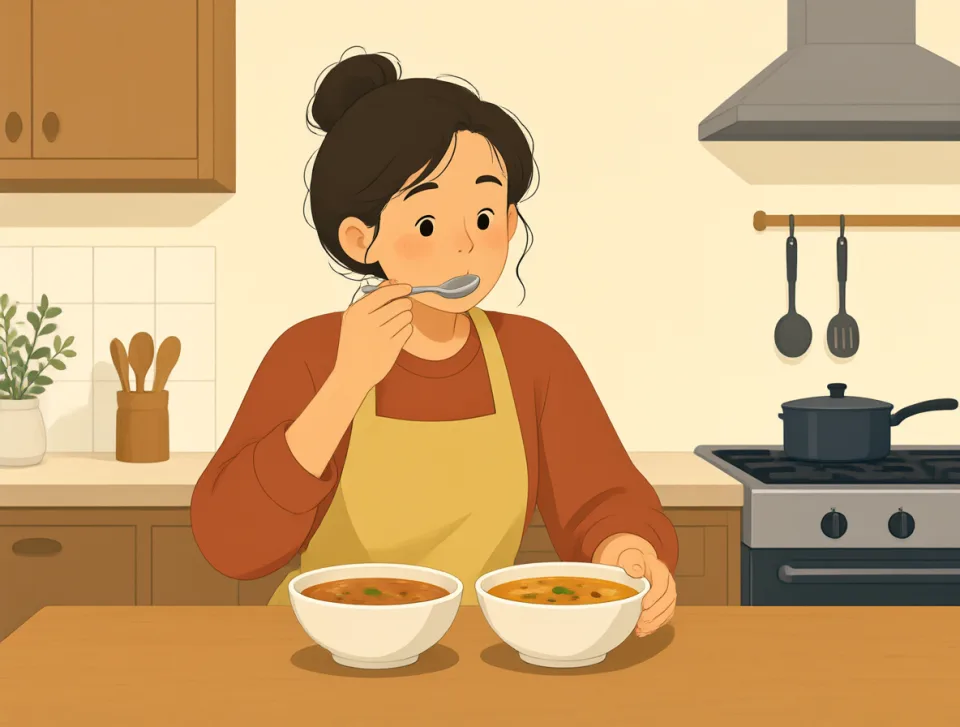
Compare this soup with yesterday’s soup.
このスープを昨日のスープと比べてみて。
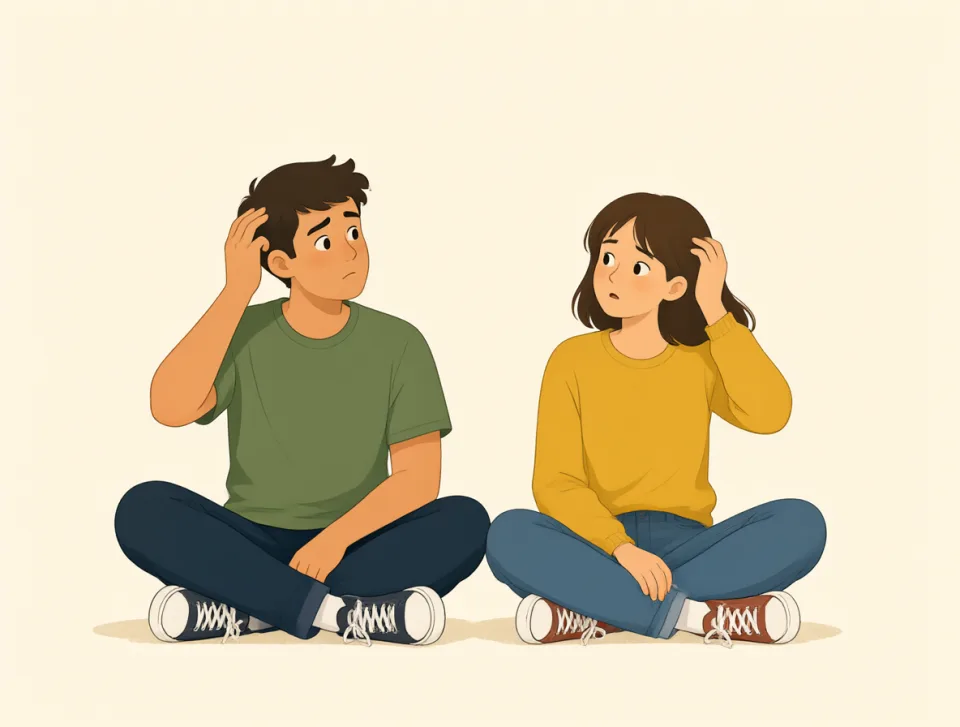
I compared my headache with my friend’s.
私は自分の頭痛を友達の頭痛と比べました。
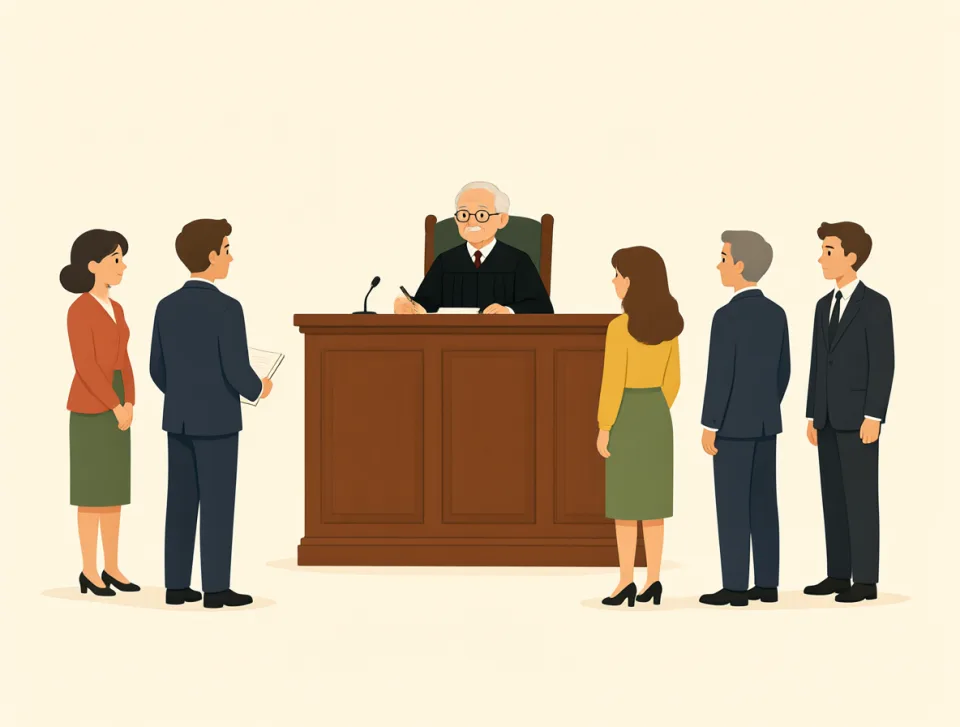
court
#615noun, verb
裁判所; 求める; テニスコート
A place where legal cases are heard, or to try hard to gain someone's support.
法律事件が審理される場所、または誰かの支持を得ようと懸命に働きかけること。
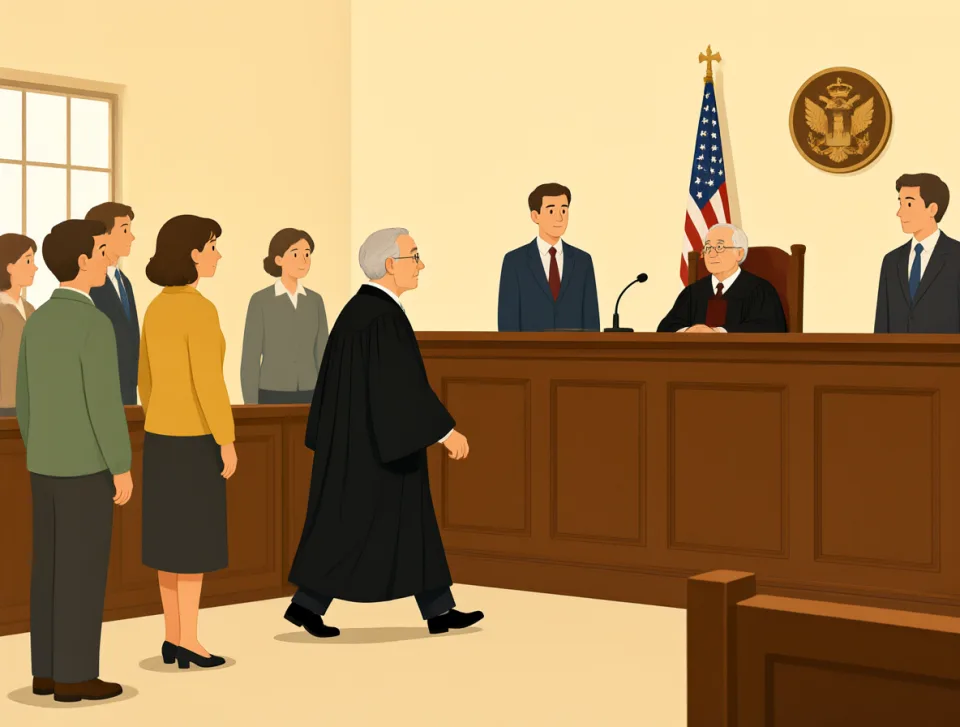
The judge entered the court quietly.
裁判官は静かに法廷に入った。
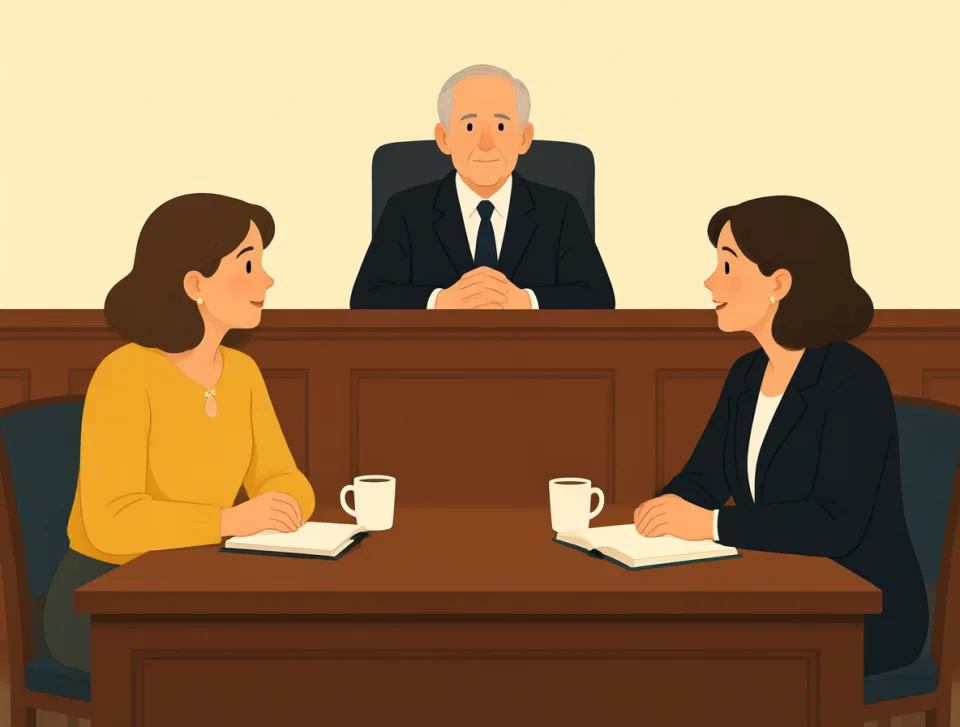
They went to court over the problem.
彼らはその問題をめぐって裁判を起こした。
She courted support from her friends.
彼女は友人たちに支持してもらおうと働きかけた。
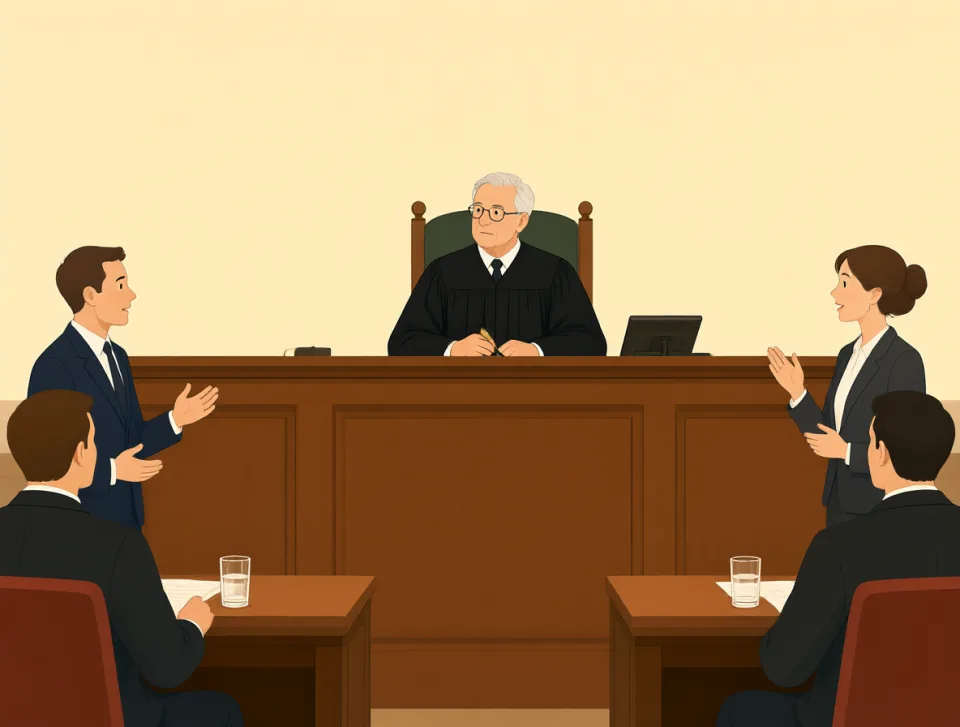
The court heard the case yesterday.
裁判所は昨日、その事件を審理した。
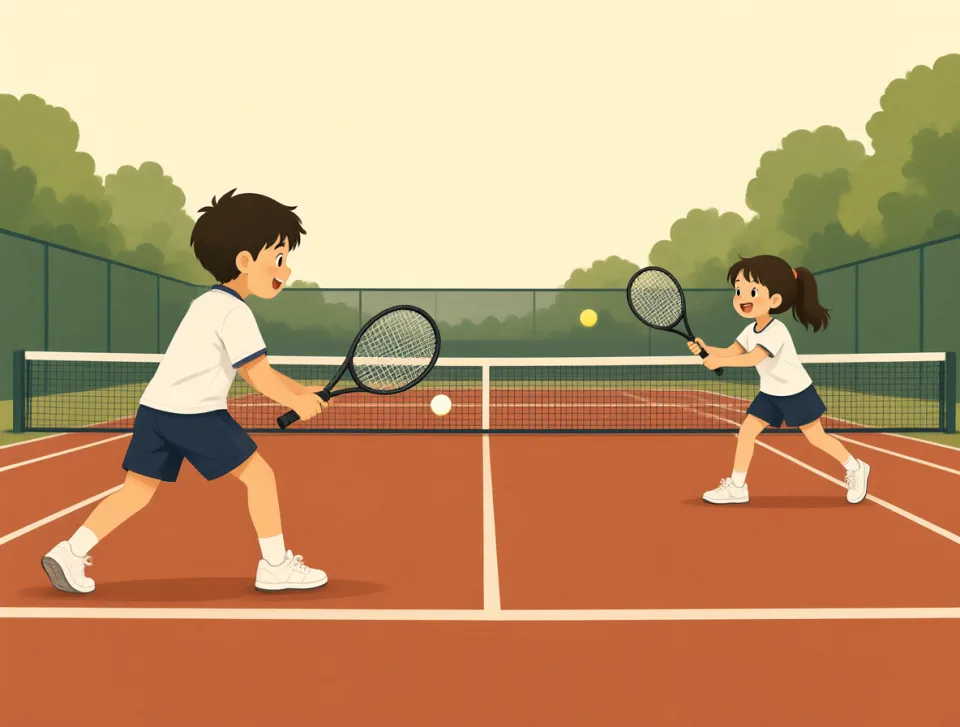
We played tennis on the court.
私たちはコートでテニスをした。
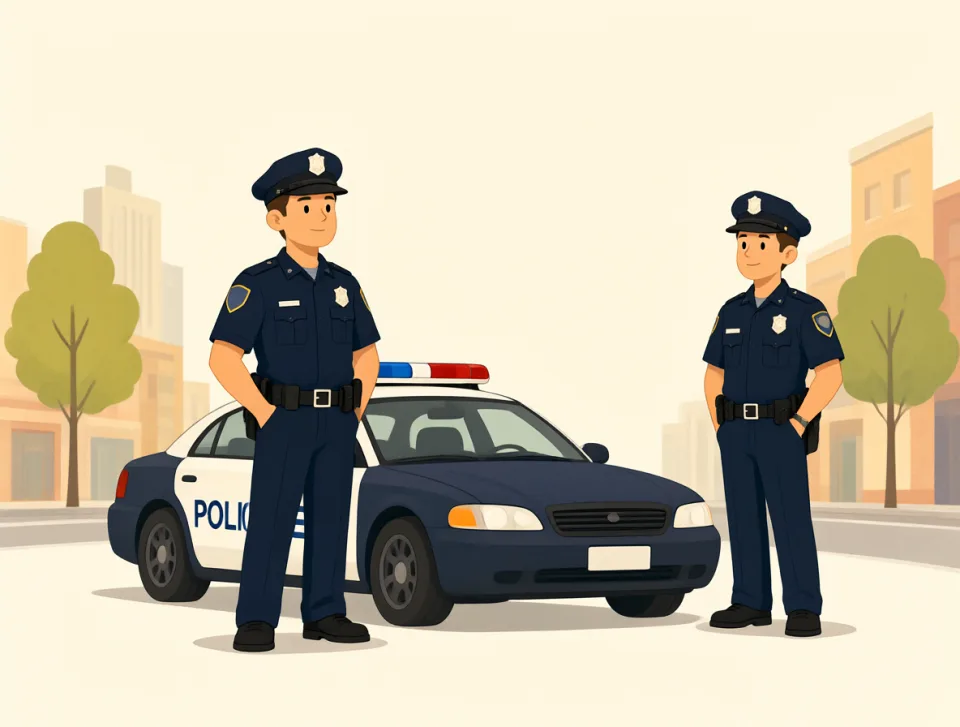
police
#616noun, verb
警察; 取り締まる
The official organization that keeps people safe and stops crime.
人々の安全を守り、犯罪を防ぐ公的な組織。
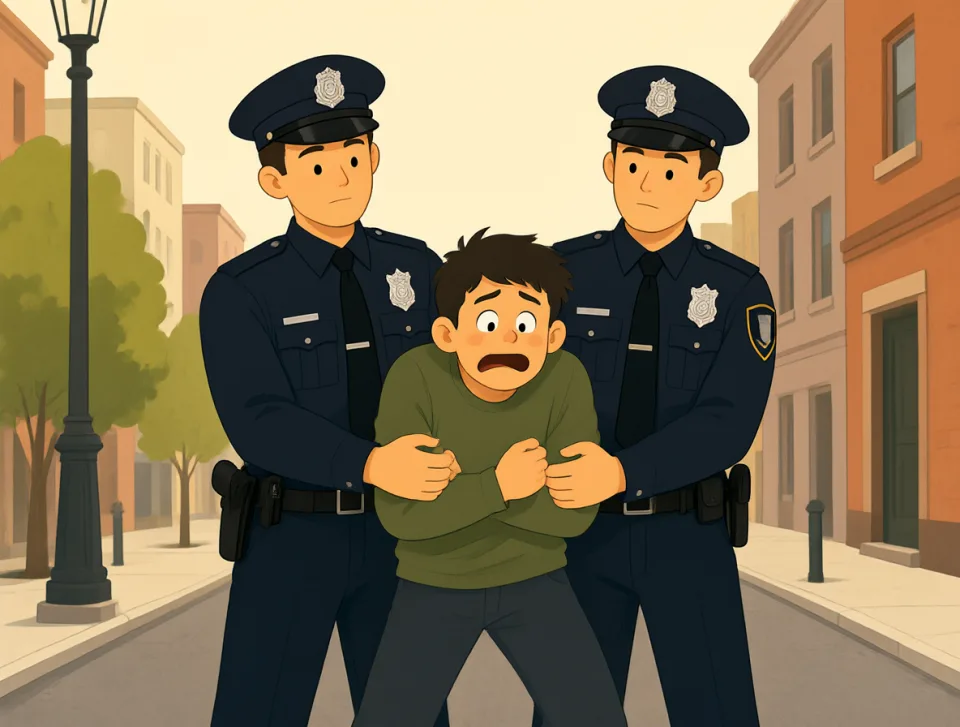
The police caught the thief yesterday.
警察は昨日、その泥棒を捕まえた。
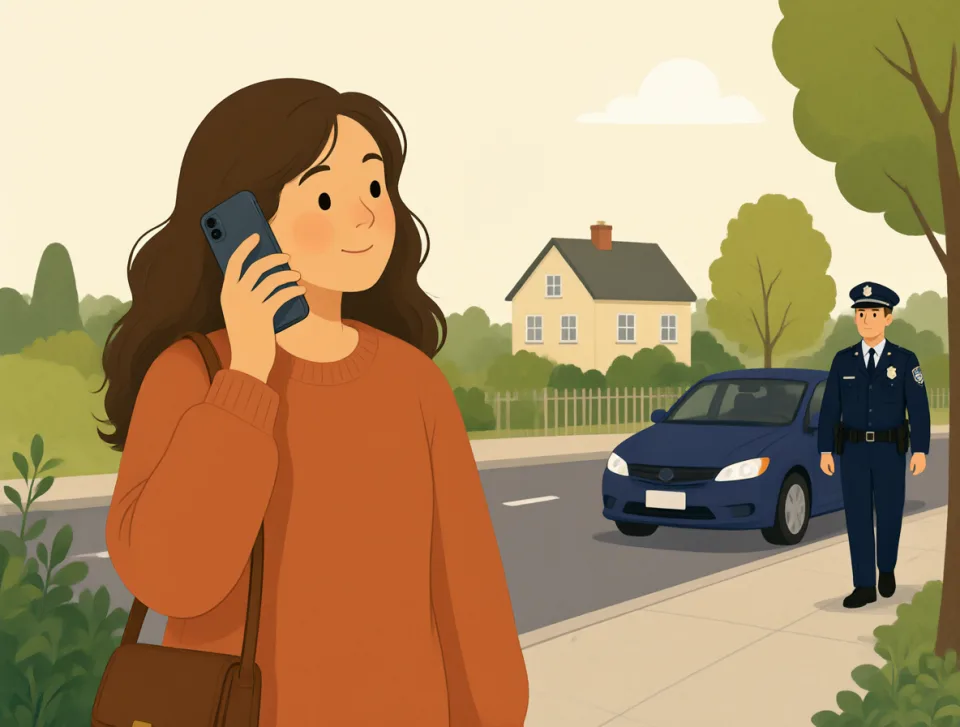
Call the police if you see trouble.
何かトラブルを見かけたら、警察に電話してください。
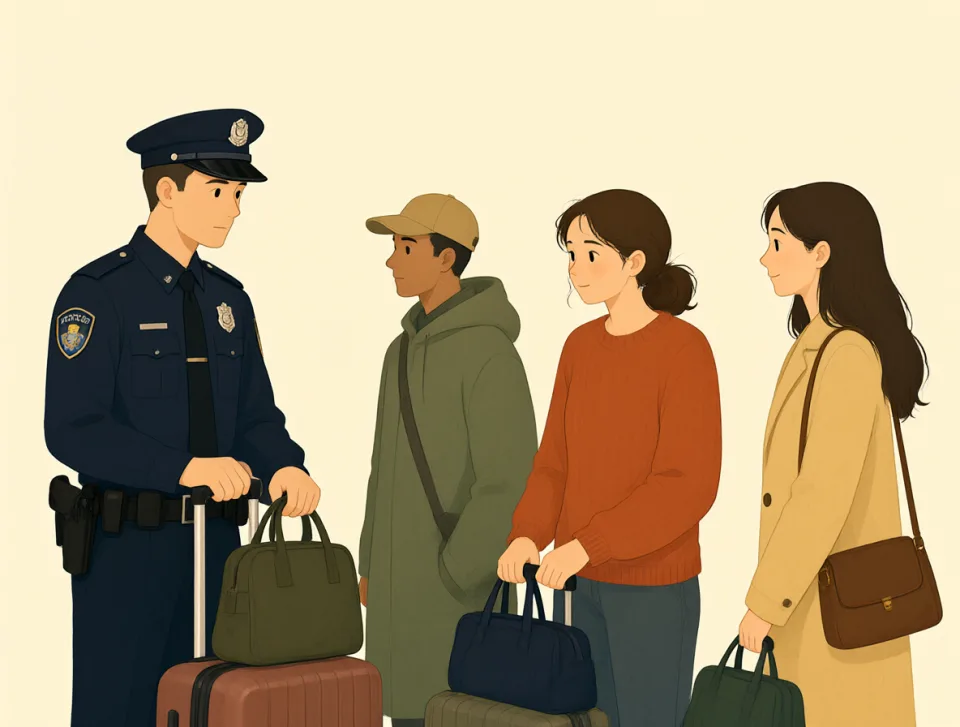
The police are checking our bags.
警察が私たちのバッグを調べています。
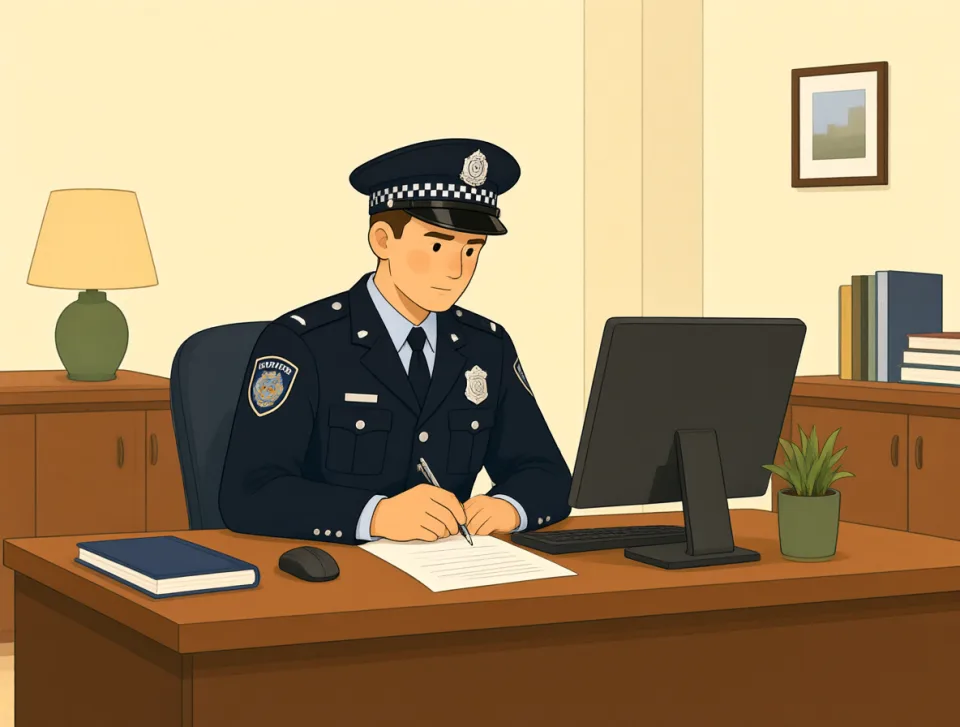
She works for the police in London.
彼女はロンドンの警察で働いています。
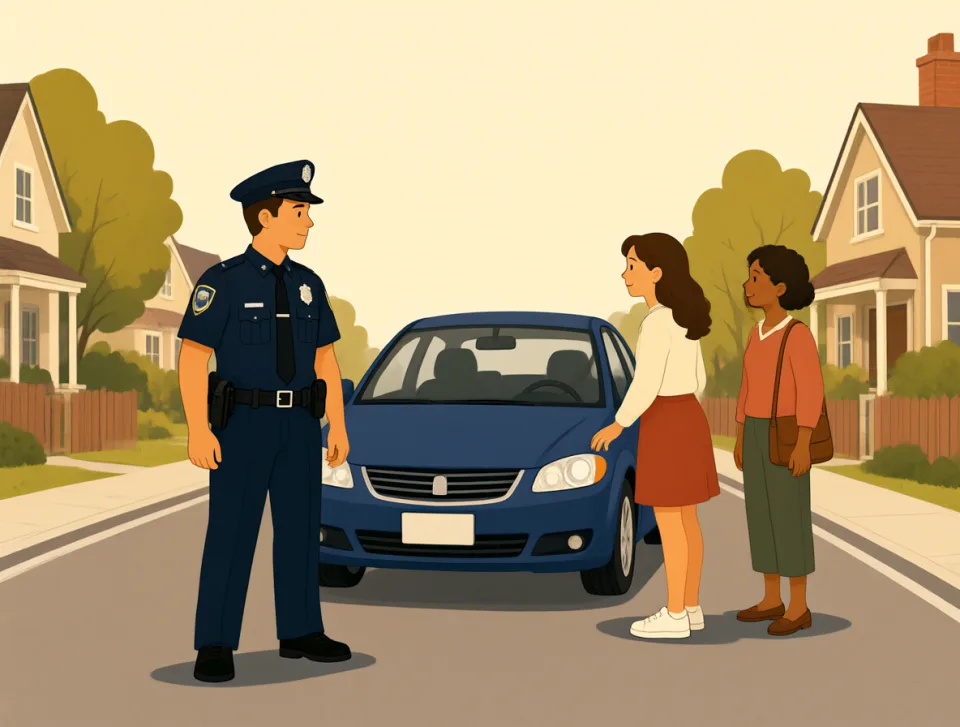
Police stopped the car near our home.
警察が私たちの家の近くでその車を止めた。
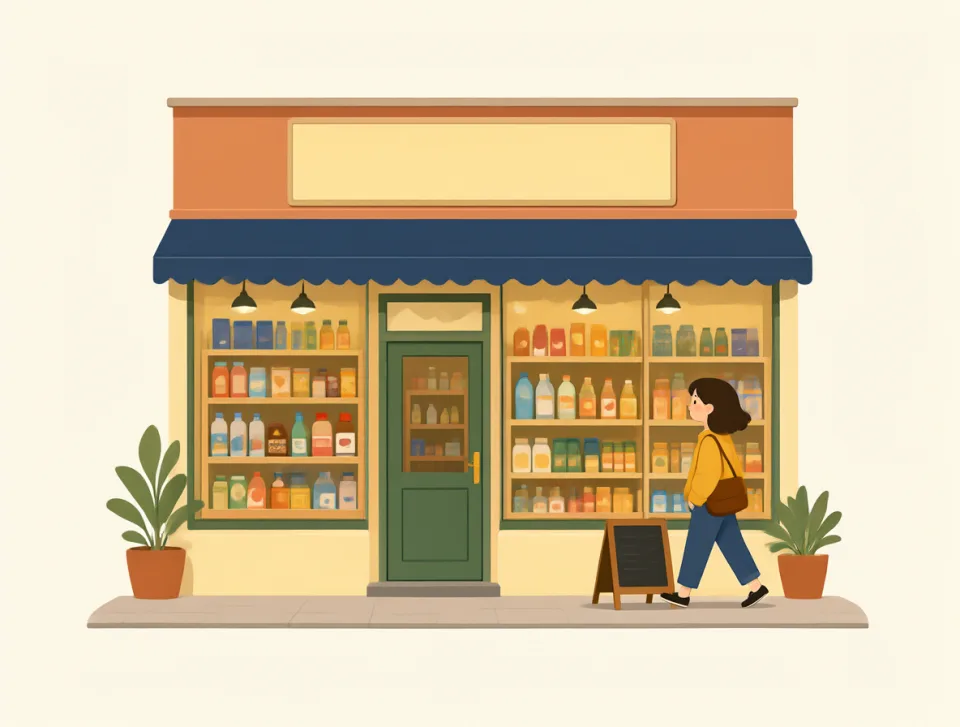
store
#617noun, verb
店; 貯蔵する
A place where people buy things, or to keep something for future use.
人が物を買う場所、または後で使うために何かを保管すること。
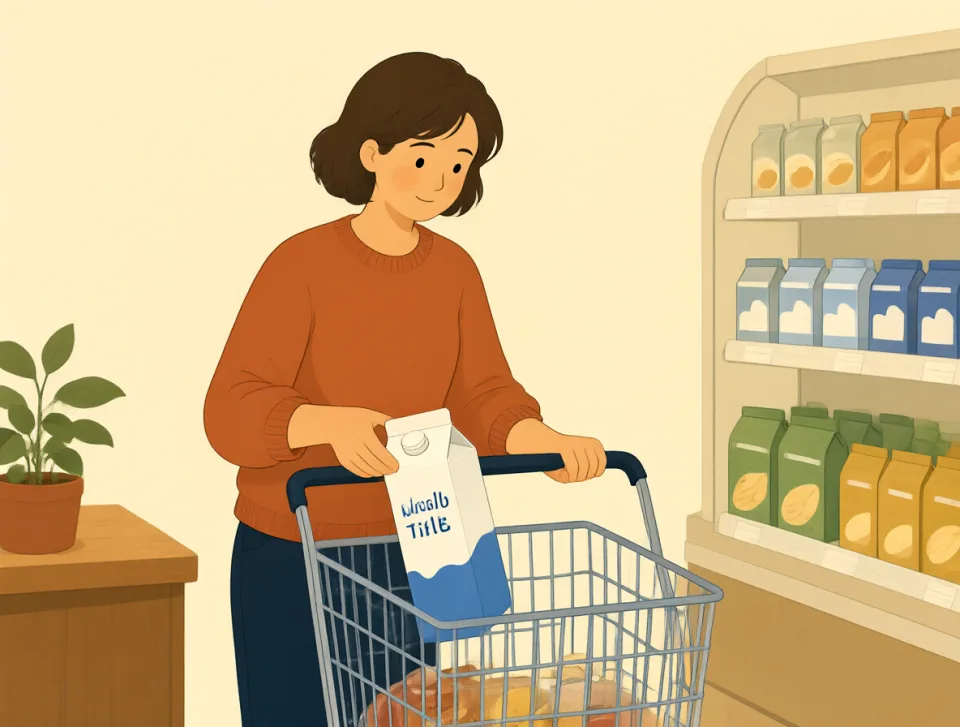
I bought milk at the store.
店で牛乳を買いました。
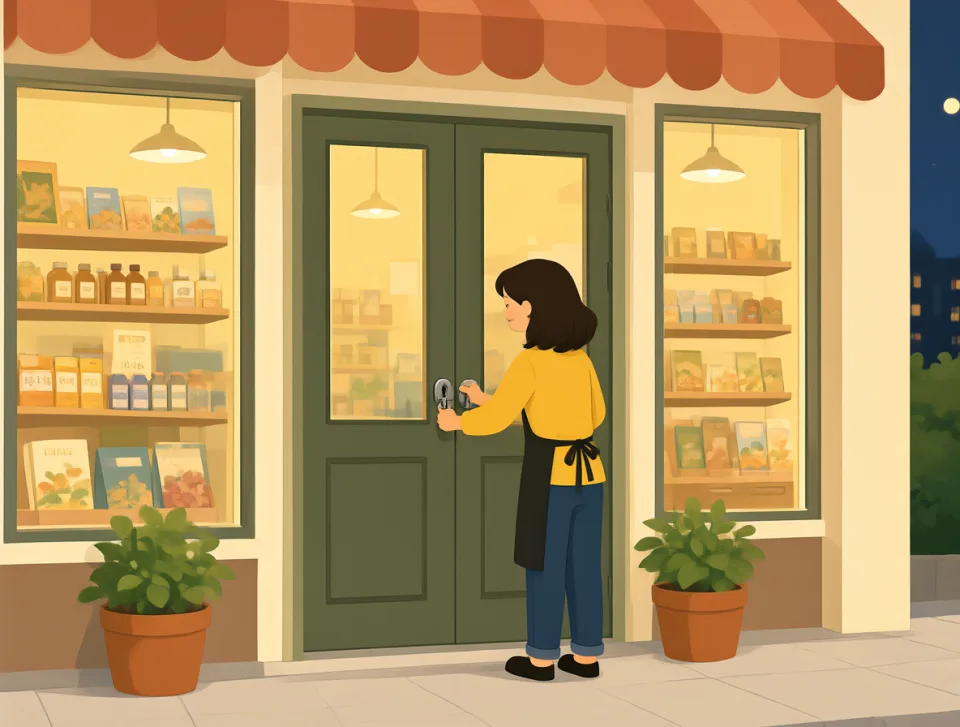
The store closes at eight tonight.
その店は今夜8時に閉まります。
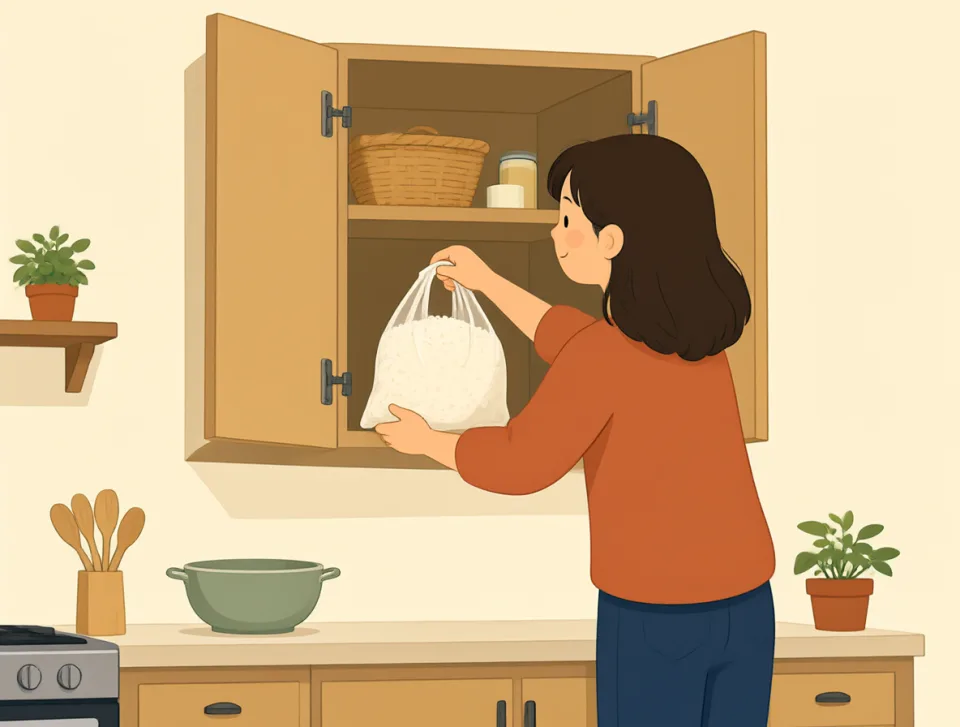
Please store the rice in a dry place.
お米は乾燥した場所で保管してください。
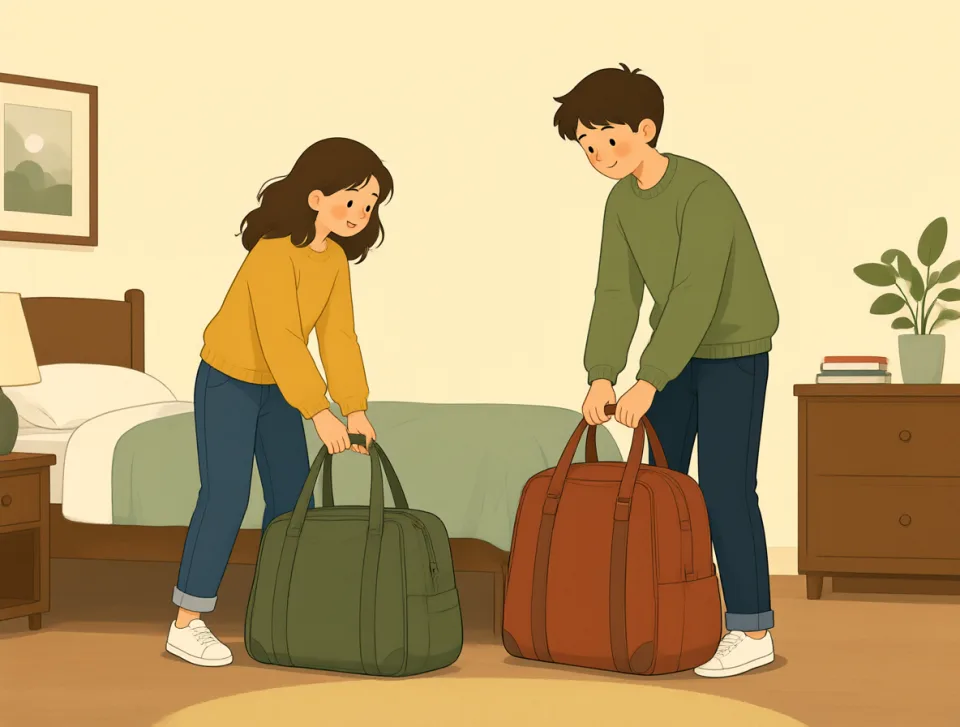
We stored our bags under the bed.
私たちはベッドの下にバッグをしまいました。
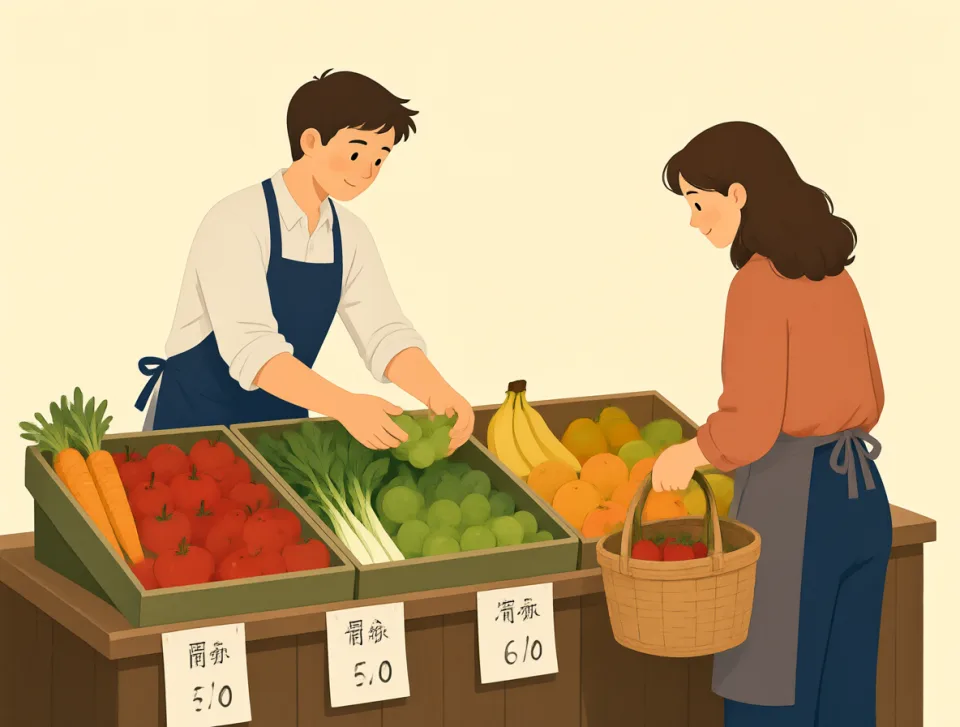
The store sells fresh fruit and vegetables.
その店では新鮮な果物や野菜を売っています。
poor
#618adjective, noun
貧しい;かわいそうな;質の悪い
Having little money, or being of low quality.
お金がほとんどない、または質が低い。
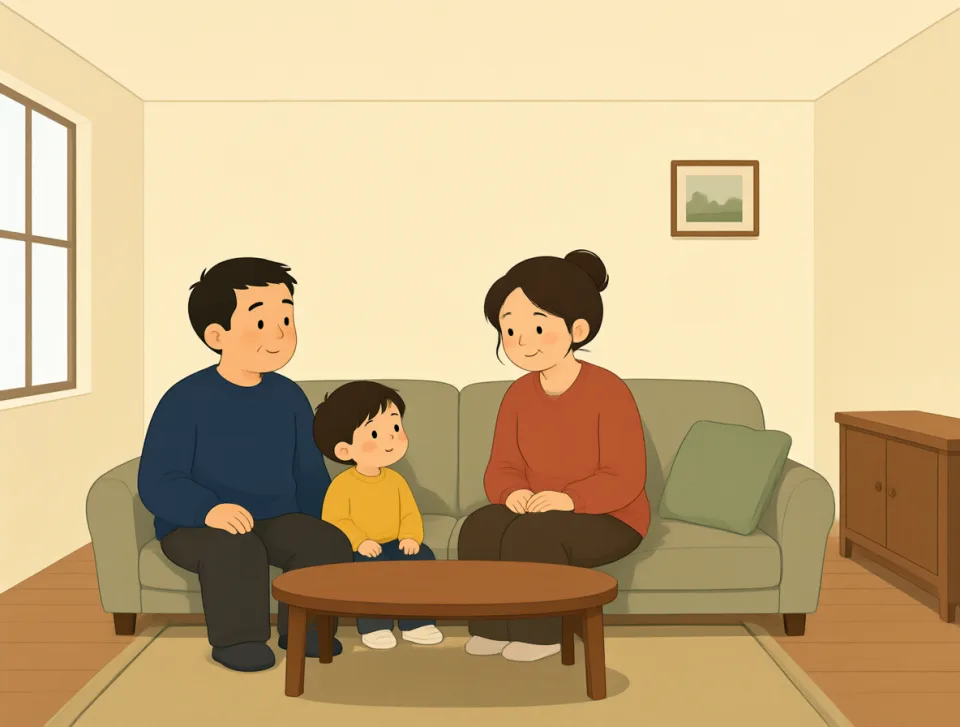
The poor family needs a warm home.
その貧しい家族は、暖かい家を必要としている。
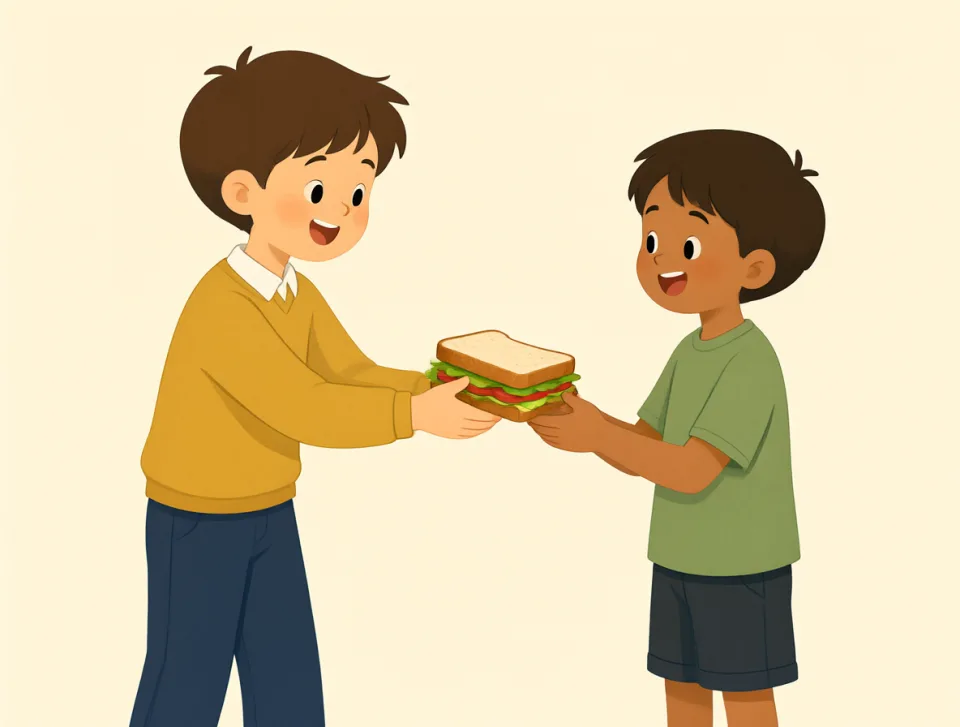
The poor boy shared his lunch.
そのかわいそうな少年は、昼食を分けてあげた。
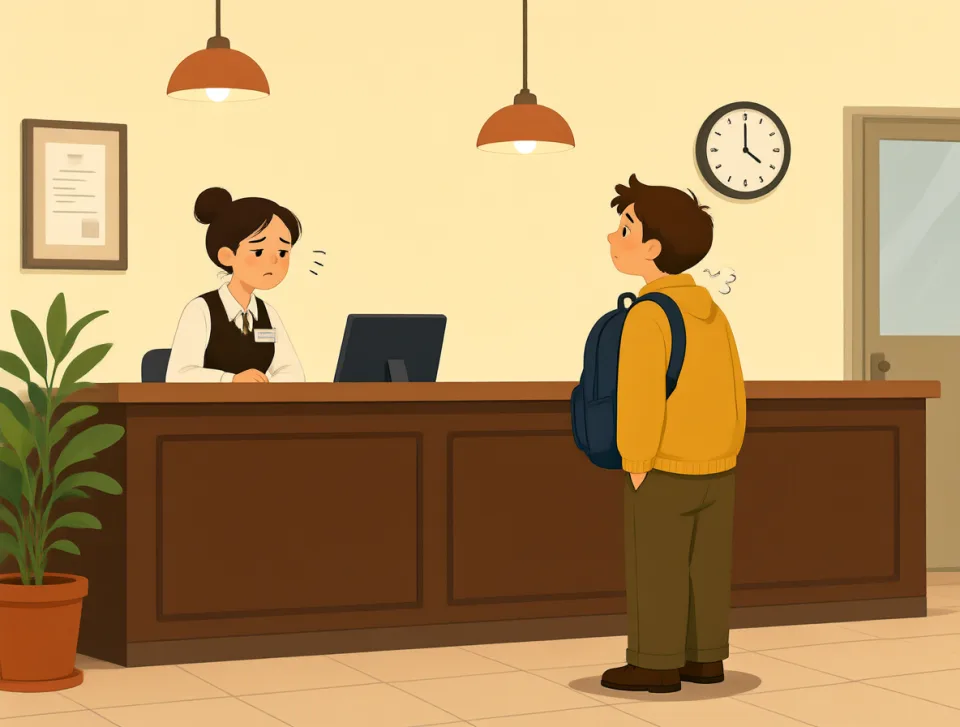
We had poor service at the hotel.
そのホテルのサービスはひどかった。
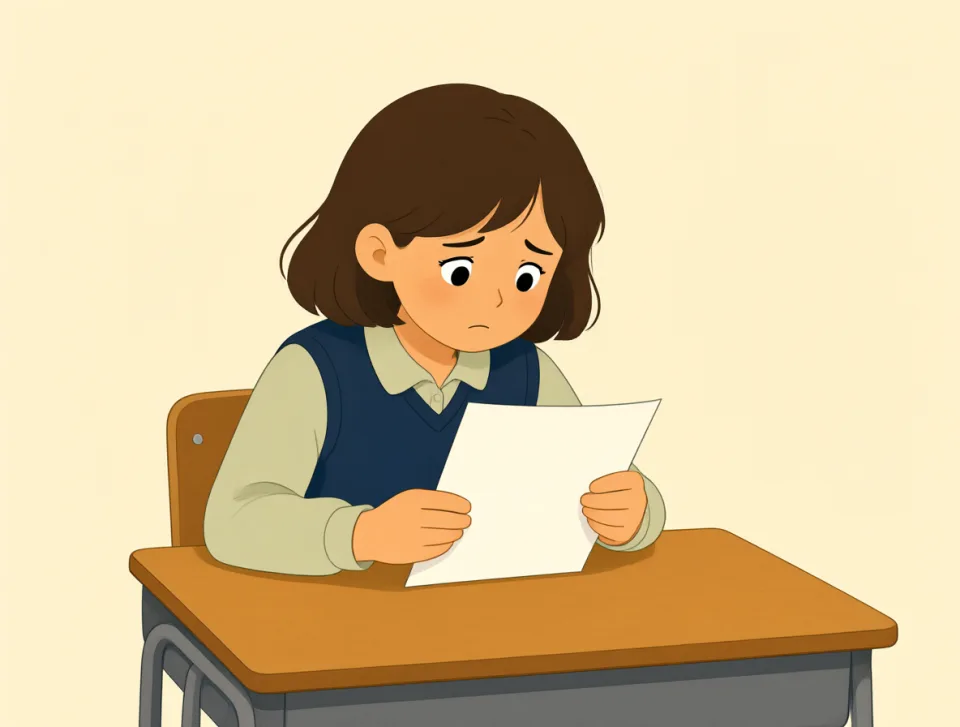
She got poor marks on the test.
彼女はテストで悪い点を取った。
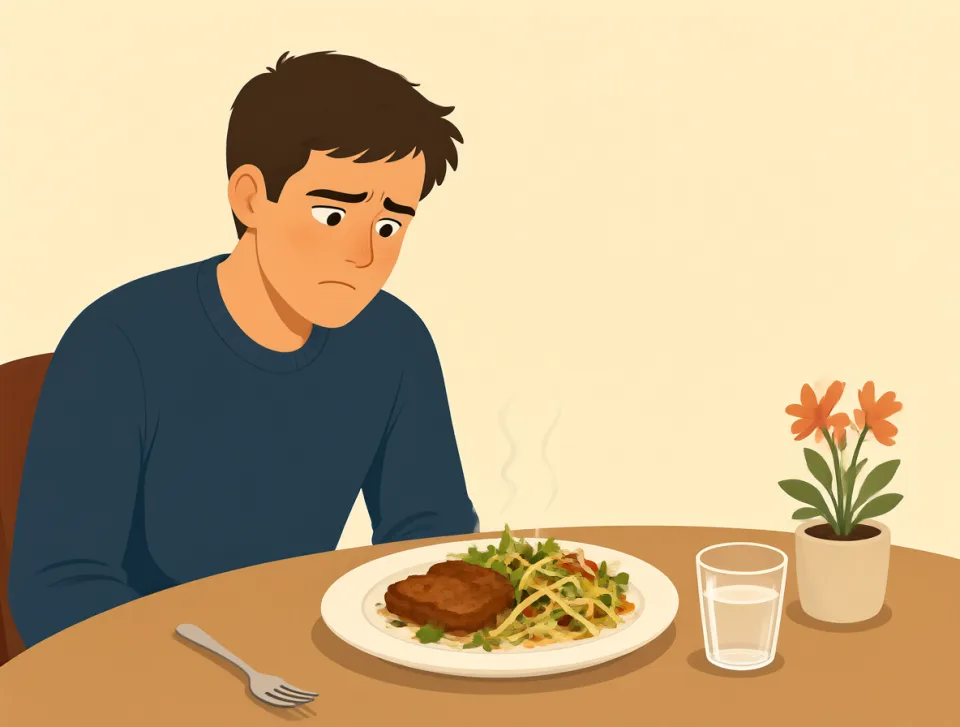
This restaurant serves poor food.
このレストランの料理はまずい。
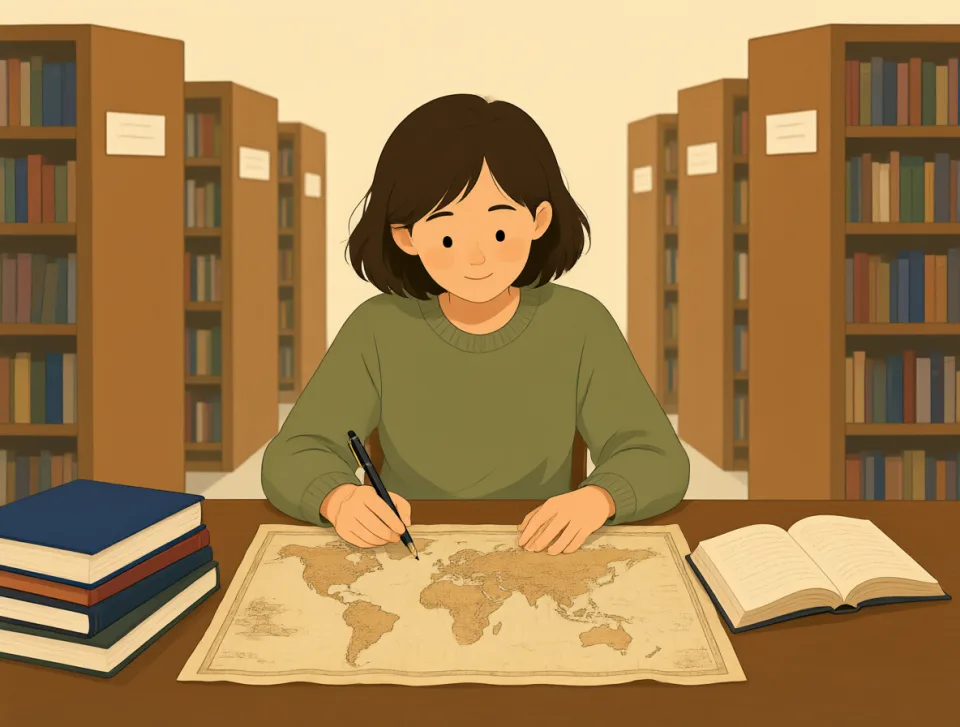
knowledge
#619noun
知識; 知見
Facts and information that a person knows about a subject or the world.
ある人が特定の विषयや世界について知っている事実や情報。
She has good knowledge of local history.
彼女は地域の歴史について豊富な知識がある。

Knowledge of English helps at work.
英語の知識があると仕事に役立つ。
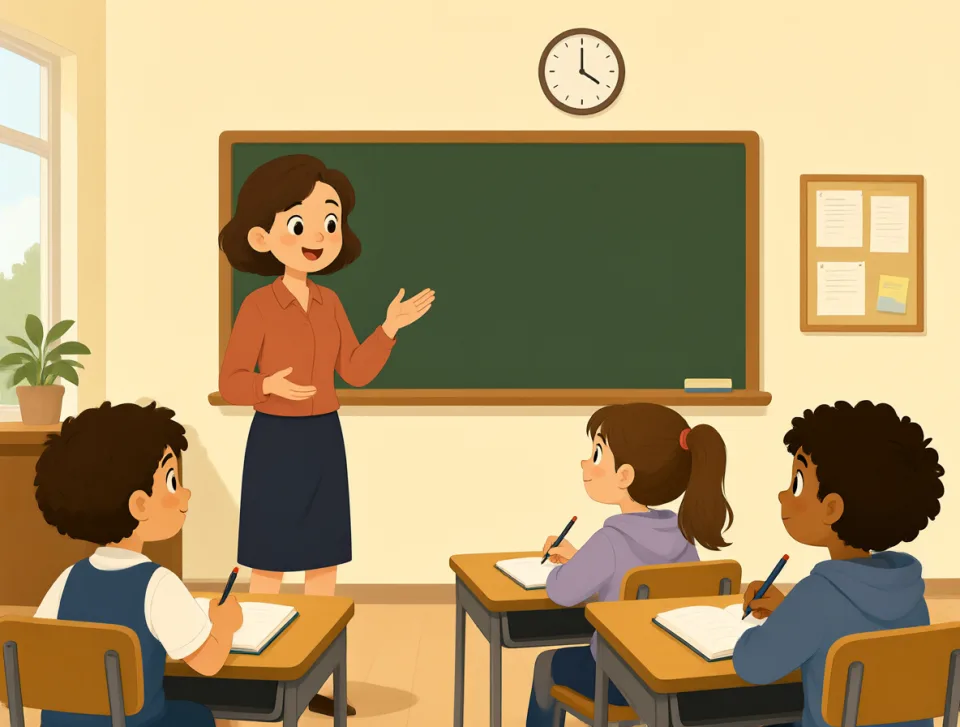
He shared his knowledge with the students.
彼は学生たちに自分の知識を共有した。
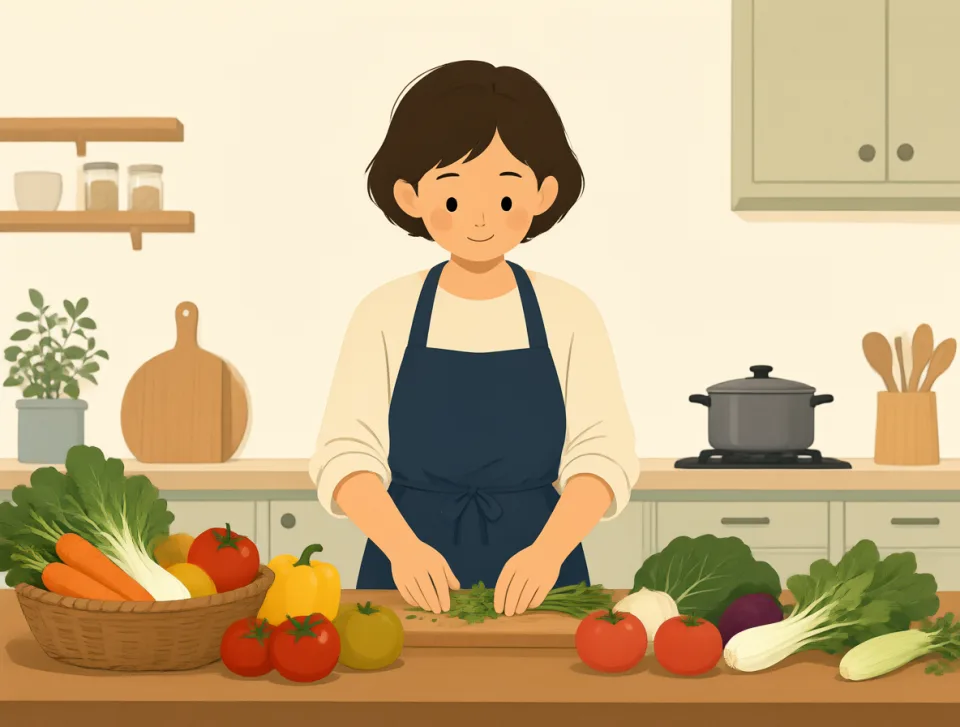
I need more knowledge about healthy food.
健康的な食事についてもっと知識が必要だ。
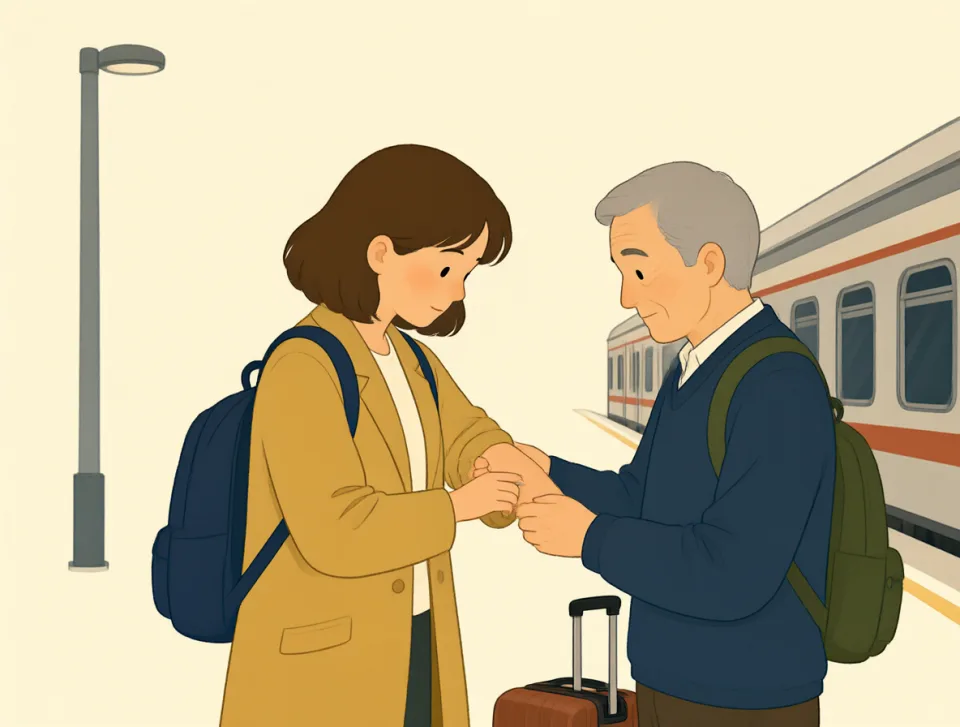
Her medical knowledge helped the sick traveler.
彼女の医学知識が、その病気の旅行者を助けた。

laugh
#620verb, noun
笑う; 笑い
To make a happy sound or smile because something is funny.
おもしろいことがあったときに、楽しそうな声を出したり、笑顔になったりすること。
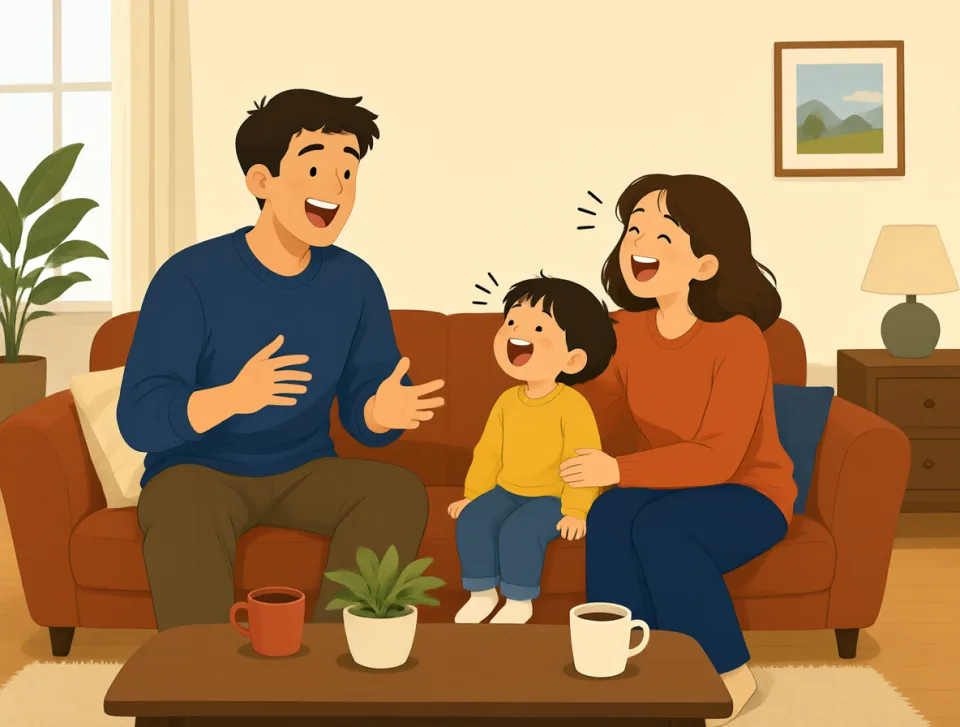
We laughed at Dad's funny joke.
私たちはDadのおもしろい冗談に笑った。
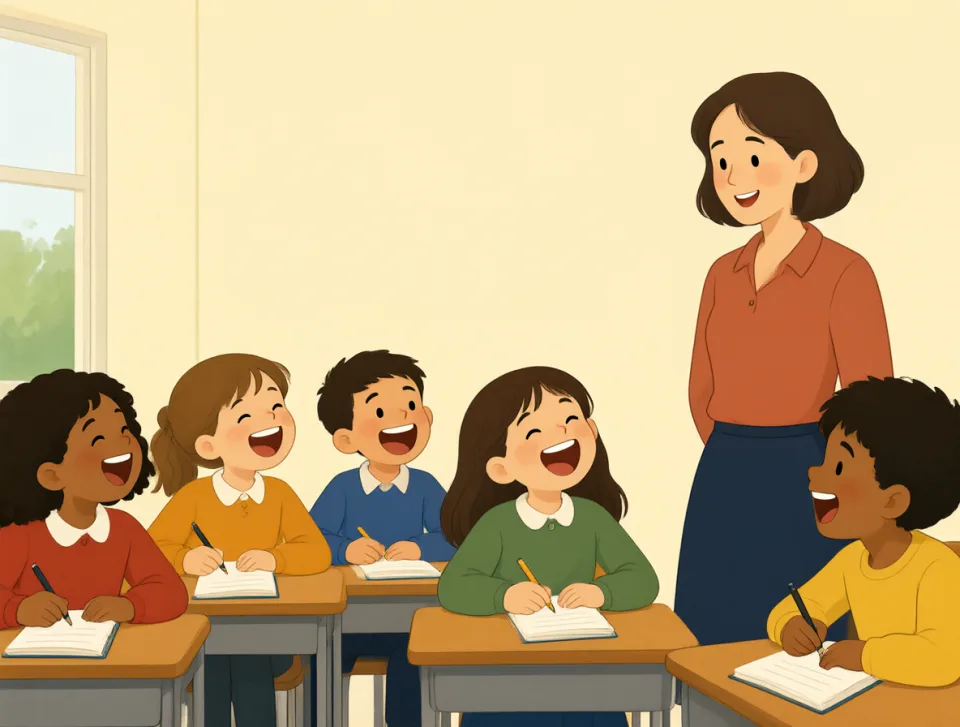
The children laughed loudly in class.
子どもたちは教室で大声で笑った。
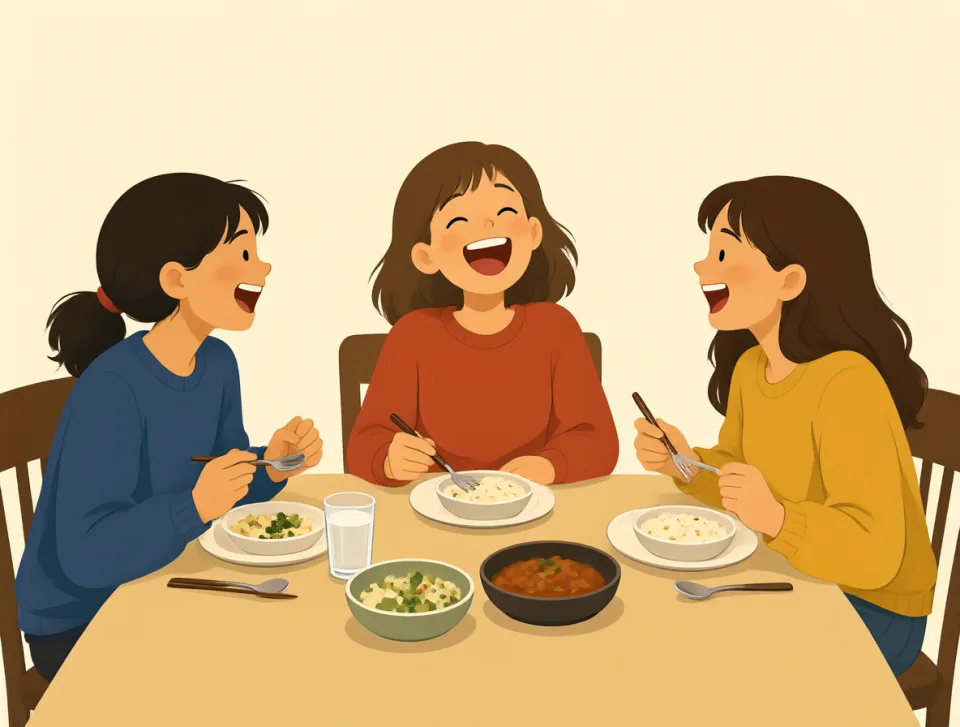
She laughed with her friends at lunch.
彼女は昼食のとき、友達と一緒に笑った。

He laughed when he saw the silly hat.
彼はそのおかしな帽子を見て笑った。
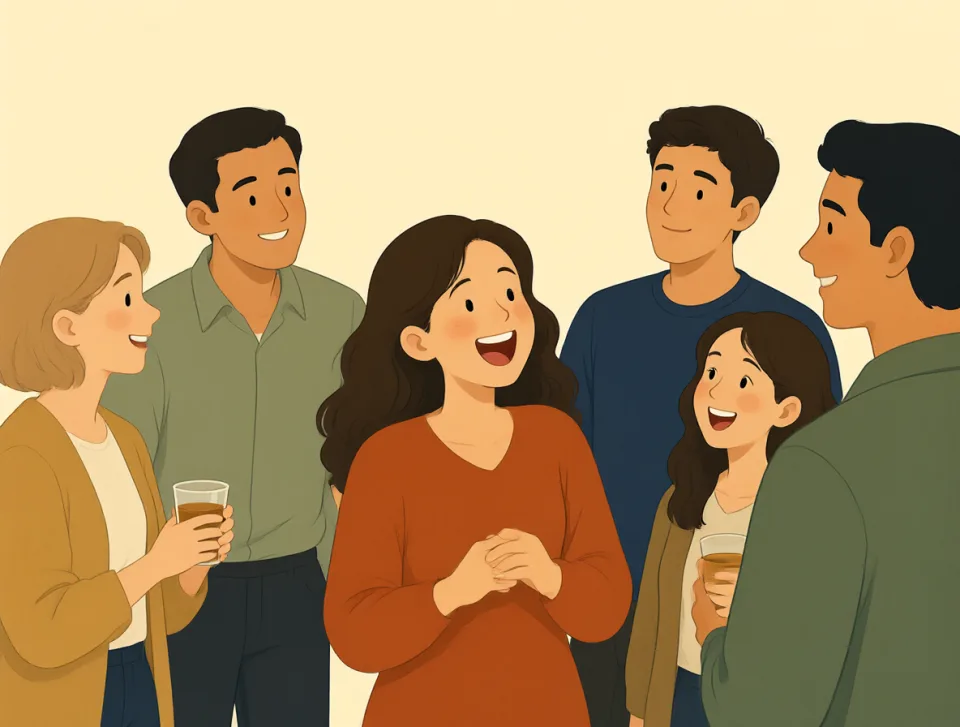
Her laugh made everyone feel happy.
彼女の笑い声は、みんなを幸せな気持ちにした。