इकाई 31
शब्द 601–620 · particularly, wife, sport, prepare, discuss, response
particularly
#601adverb
विशेष रूप से
More than usual or more than others in a particular way.
किसी खास बात में सामान्य से ज़्यादा या दूसरों से अधिक।
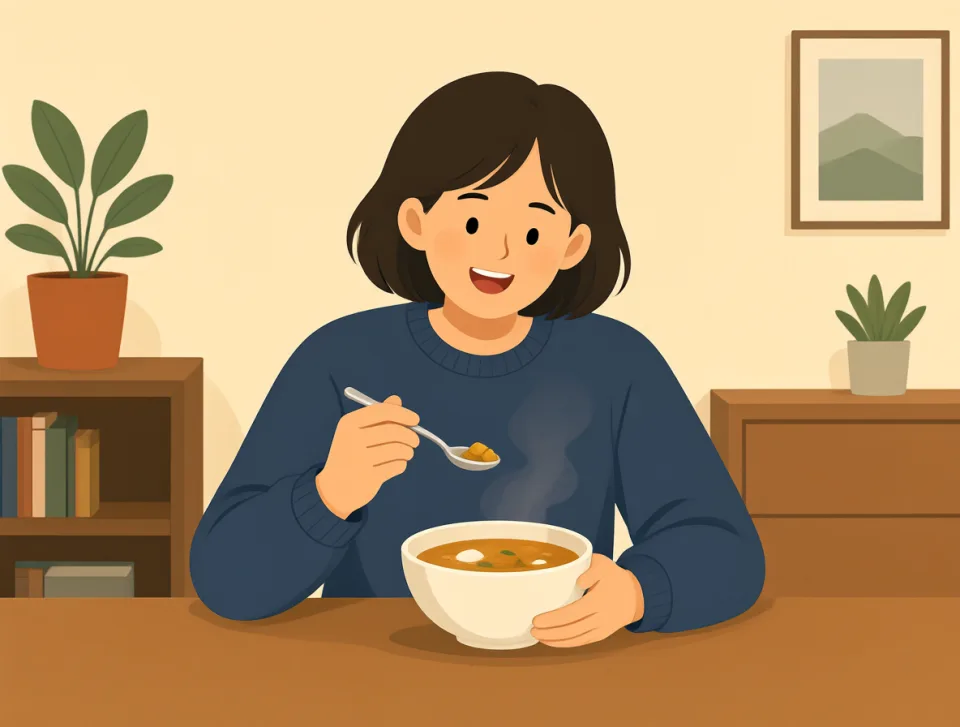
I particularly like this warm soup.
मुझे यह गरम सूप खास तौर पर पसंद है।
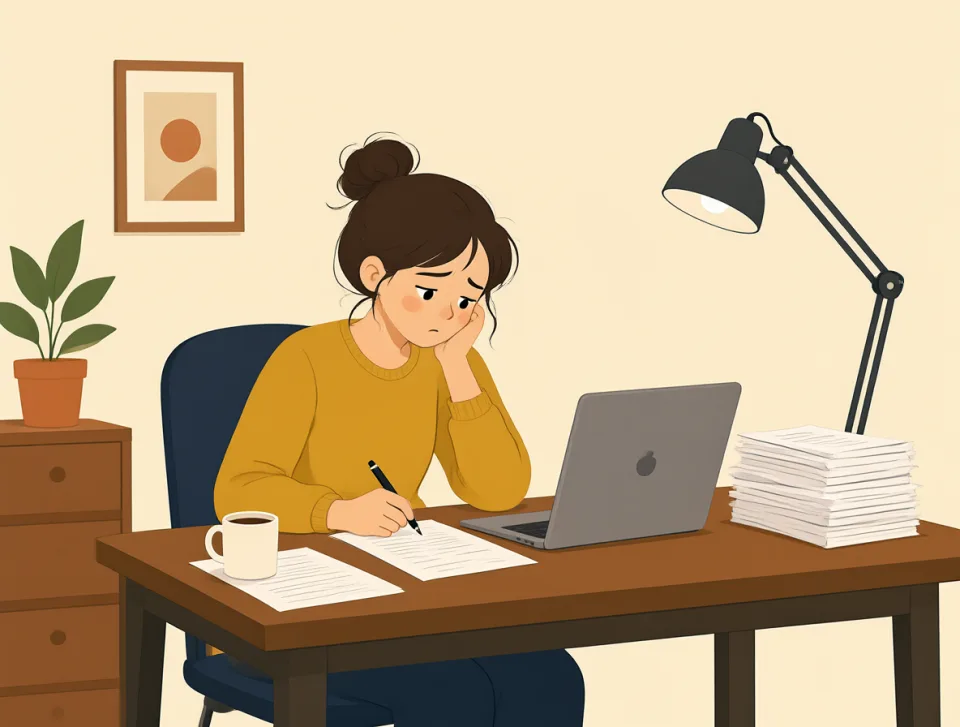
She was particularly tired after work.
काम के बाद वह खास तौर पर थकी हुई थी।

This shop is particularly busy today.
आज इस दुकान में खास तौर पर बहुत भीड़ है।
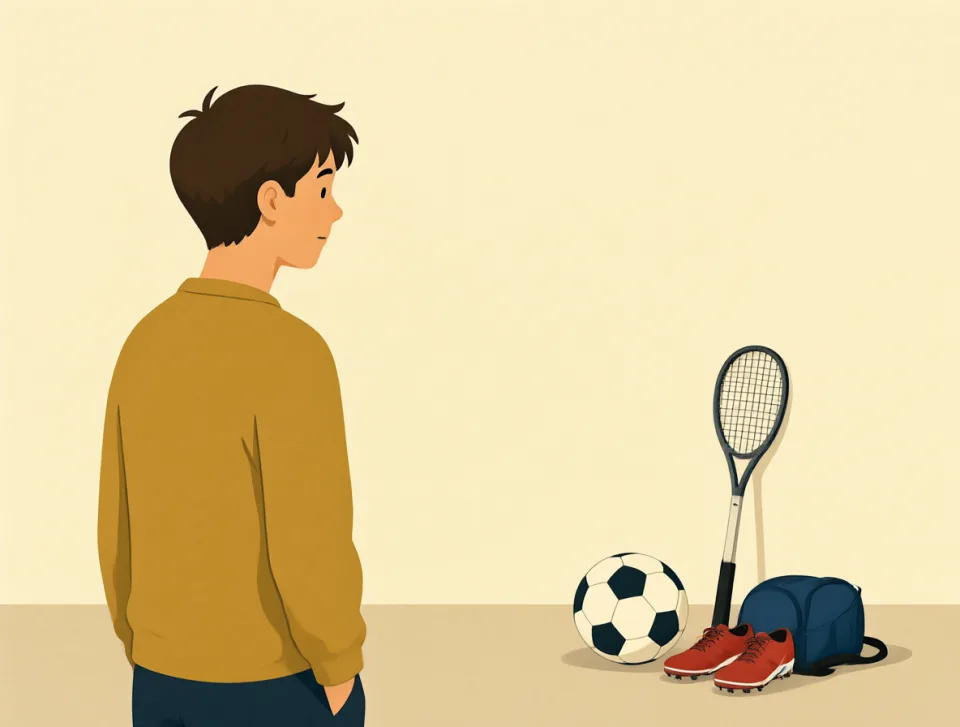
He enjoys sports, particularly football.
उसे खेल पसंद हैं, खासकर फुटबॉल।
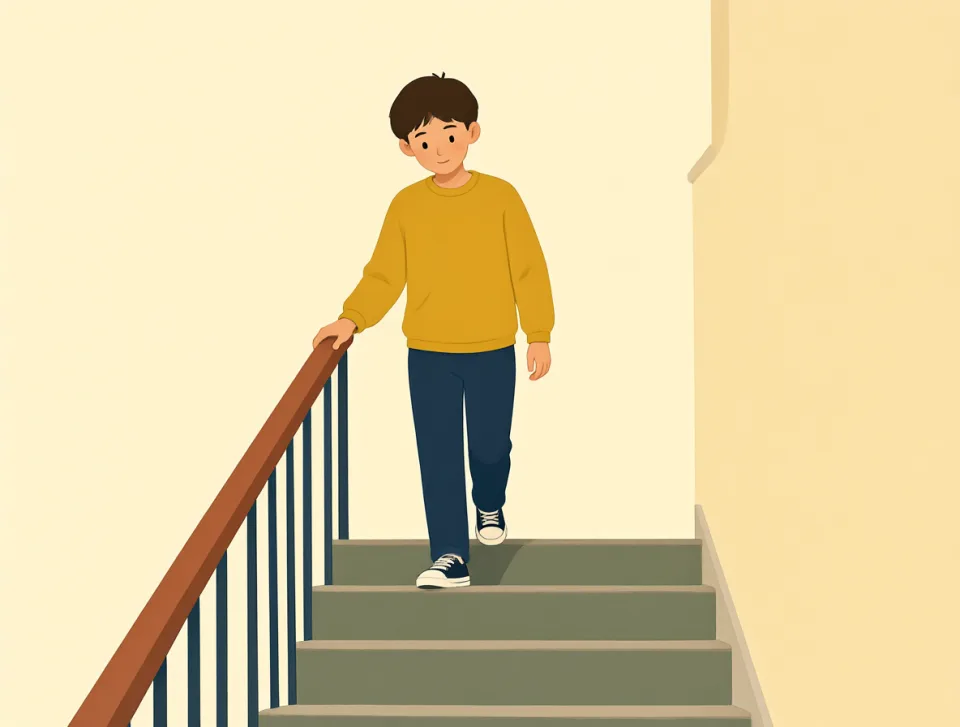
Please be particularly careful on these stairs.
कृपया इन सीढ़ियों पर खास तौर पर सावधान रहें।

wife
#602noun
पत्नी
A married woman, or a woman you are married to.
विवाहित महिला, या वह महिला जिससे आपकी शादी हुई है।
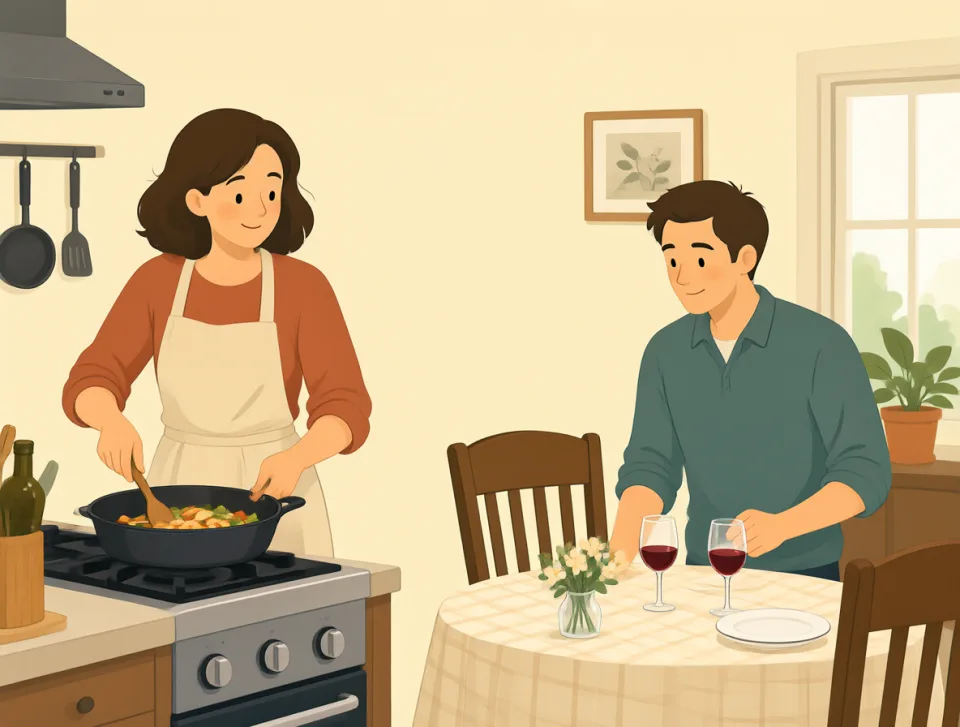
His wife is making dinner tonight.
आज रात उसकी पत्नी रात का खाना बना रही है।
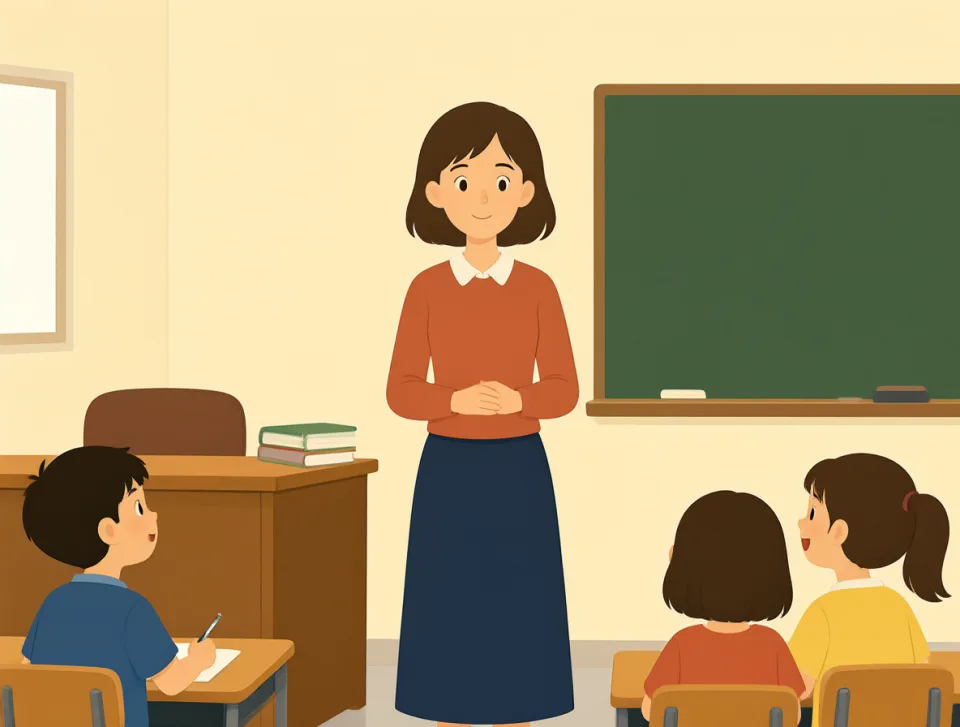
My wife works at the local school.
मेरी पत्नी पास के स्कूल में काम करती है।

I bought flowers for my wife.
मैंने अपनी पत्नी के लिए फूल खरीदे।
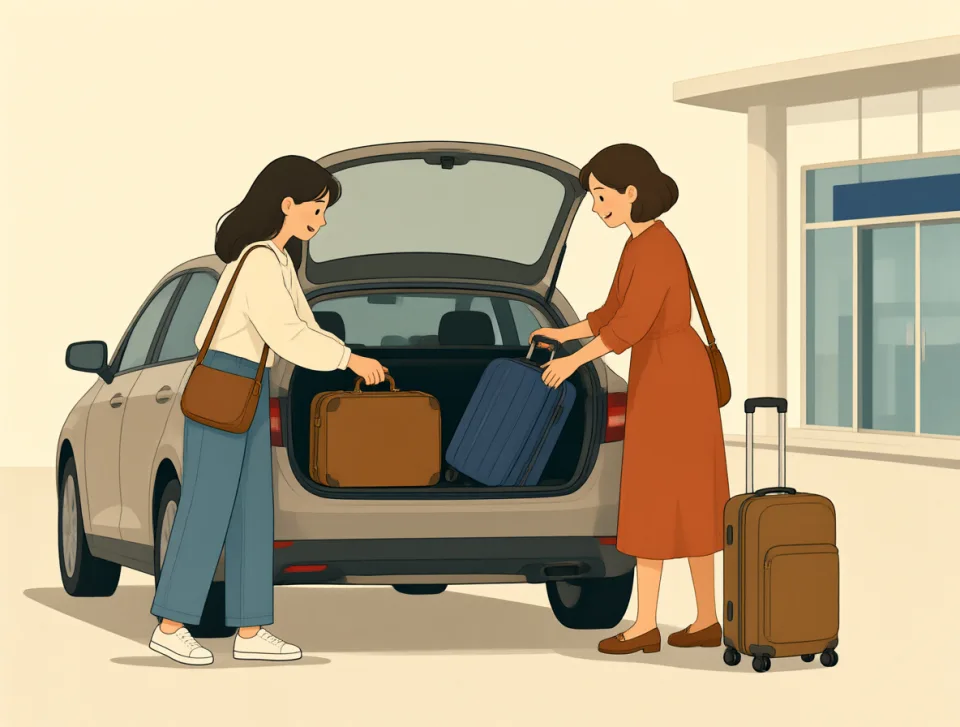
Her wife drove them to the airport.
उसकी पत्नी उन्हें गाड़ी से हवाई अड्डे ले गई।
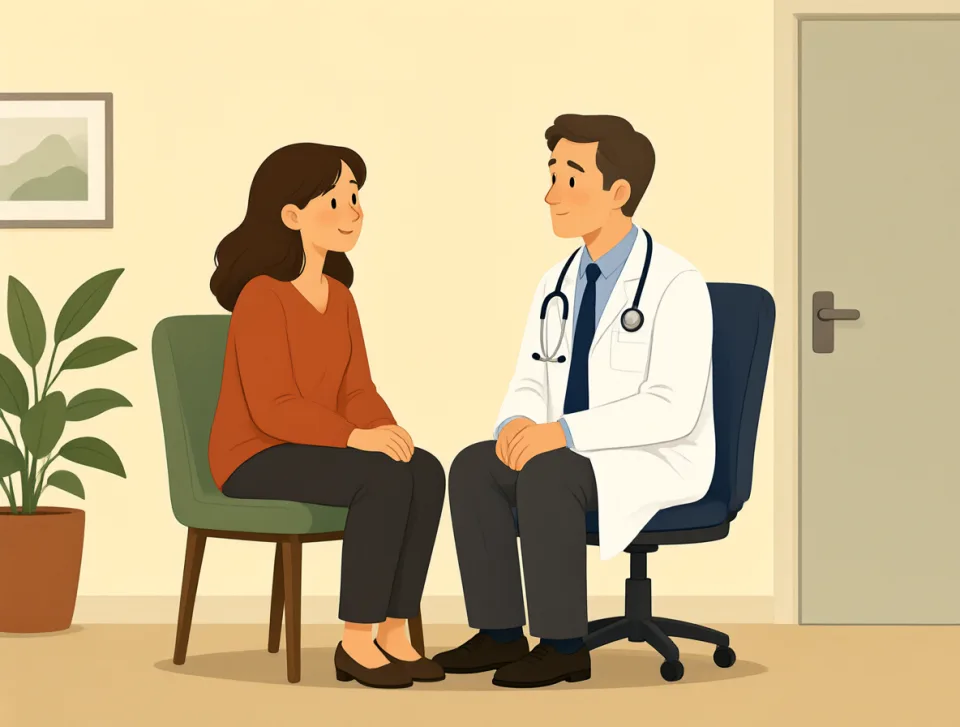
His wife feels better after seeing the doctor.
डॉक्टर को दिखाने के बाद उसकी पत्नी बेहतर महसूस कर रही है।
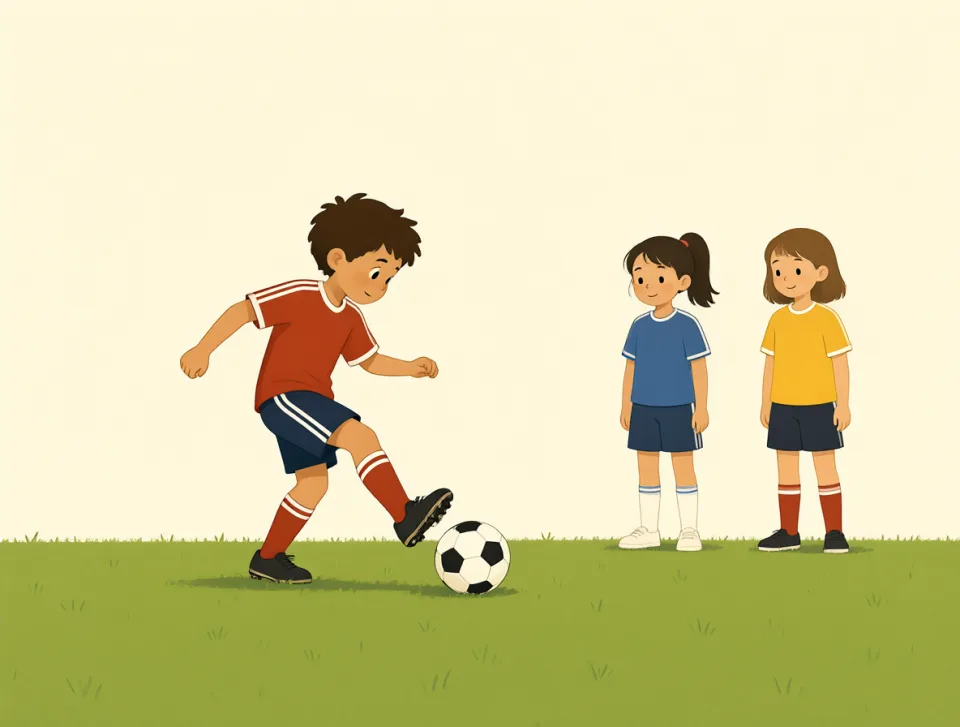
sport
#603noun, verb
खेल
A game or activity that people do for exercise, fun, or competition.
व्यायाम, मनोरंजन या प्रतियोगिता के लिए किया जाने वाला खेल या गतिविधि।
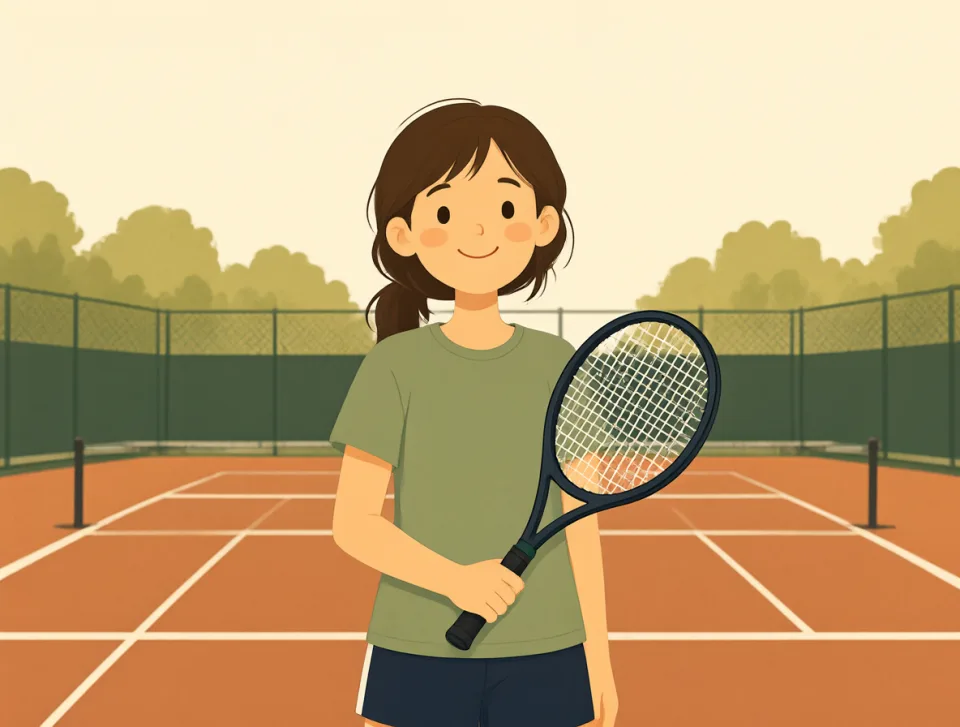
My favorite sport is tennis.
मेरा पसंदीदा खेल टेनिस है।

He plays sport after school.
वह स्कूल के बाद खेल खेलता है।
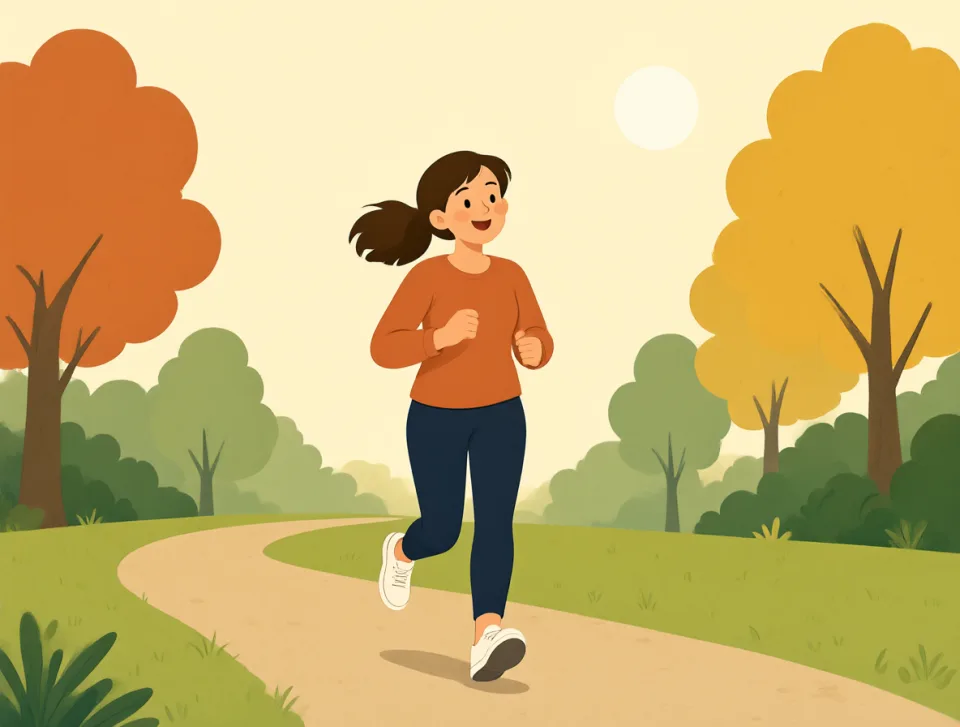
Sport can help you stay healthy.
खेलकूद से आप स्वस्थ रह सकते हैं।
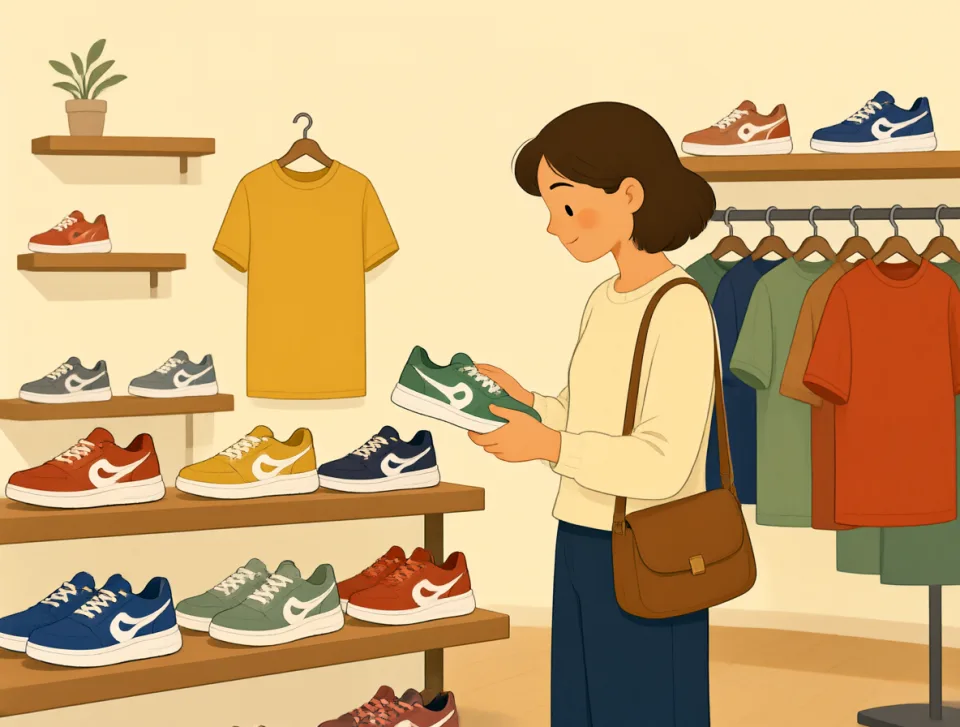
The shop sells clothes for sport.
यह दुकान खेलकूद के कपड़े बेचती है।

We talked about sport on the train.
हमने ट्रेन में खेलकूद के बारे में बात की।
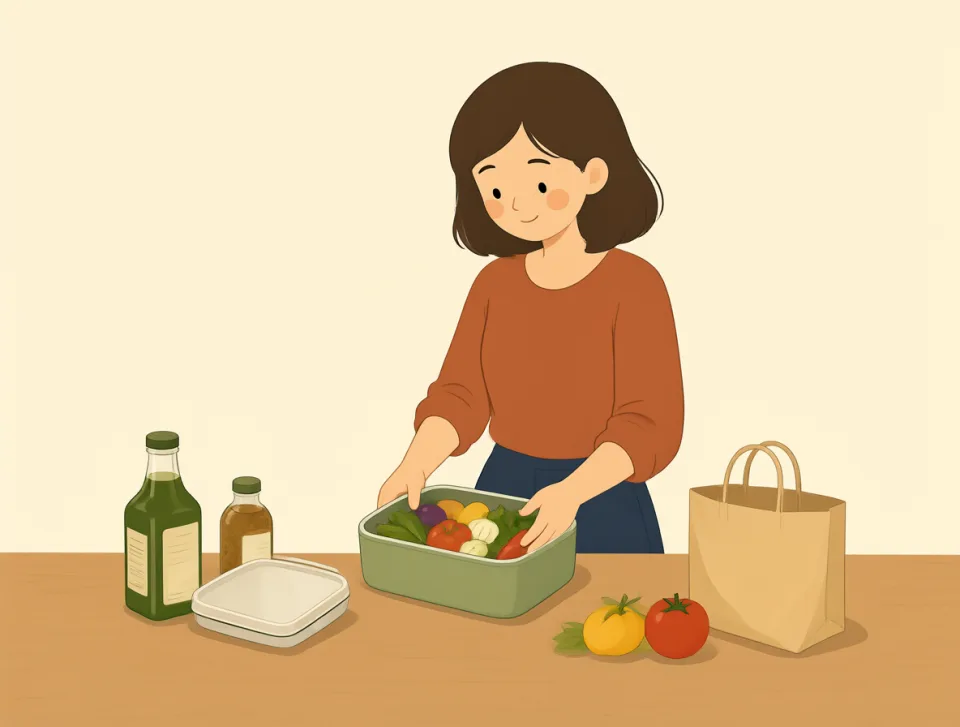
prepare
#604verb
तैयारी करना
to get ready for something or make something ready
किसी चीज़ के लिए तैयार होना या किसी चीज़ को तैयार करना।
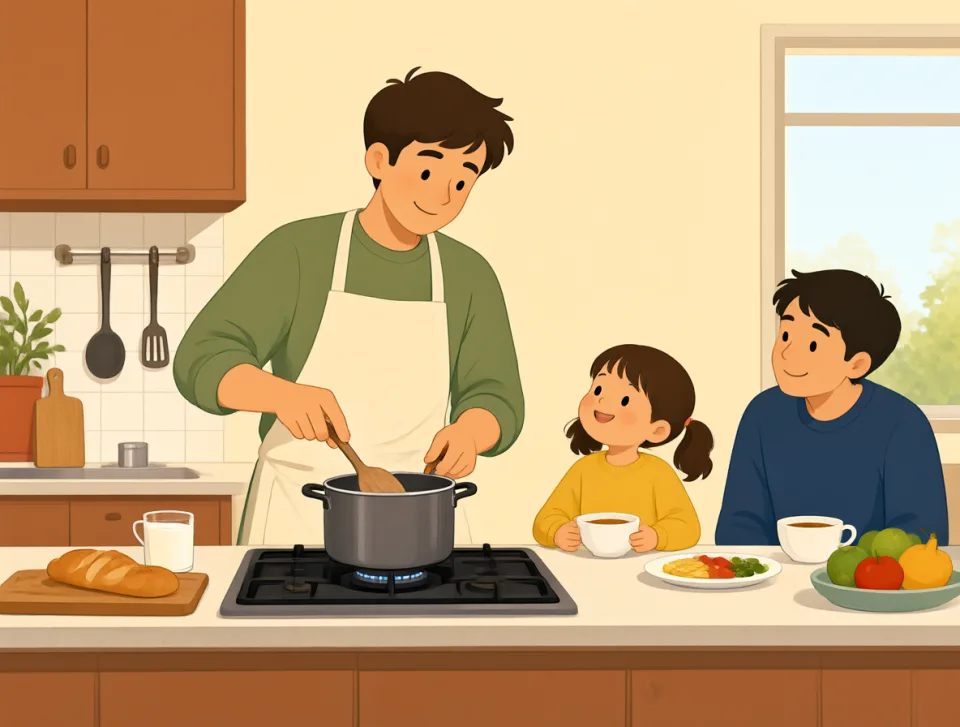
I prepare breakfast for my family every morning.
मैं हर सुबह अपने परिवार के लिए नाश्ता तैयार करता हूँ।
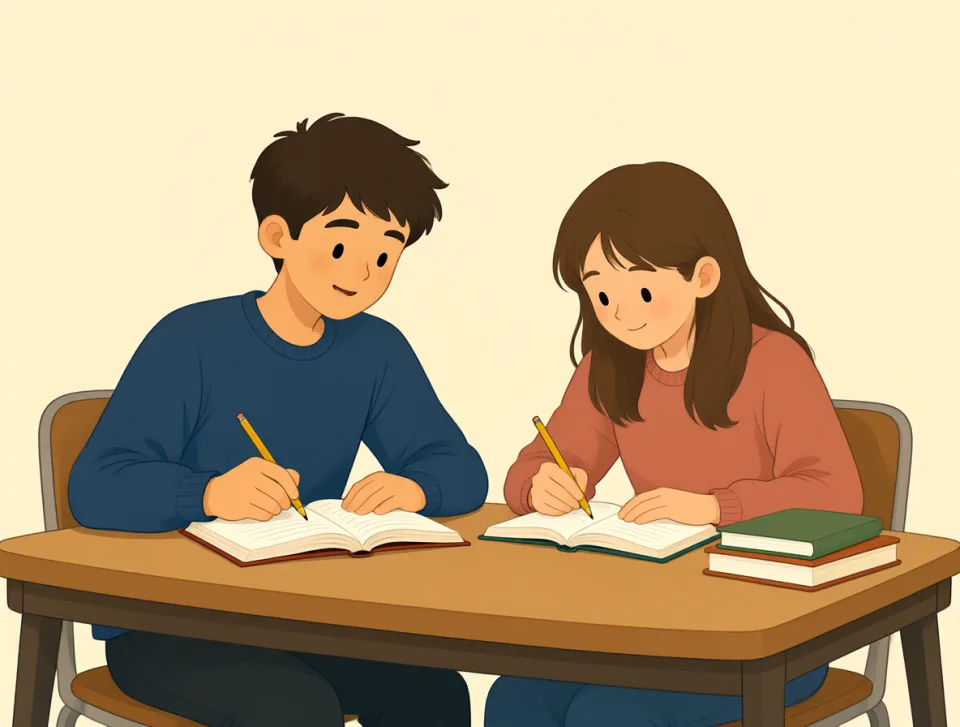
We are preparing for the school test.
हम स्कूल की परीक्षा की तैयारी कर रहे हैं।
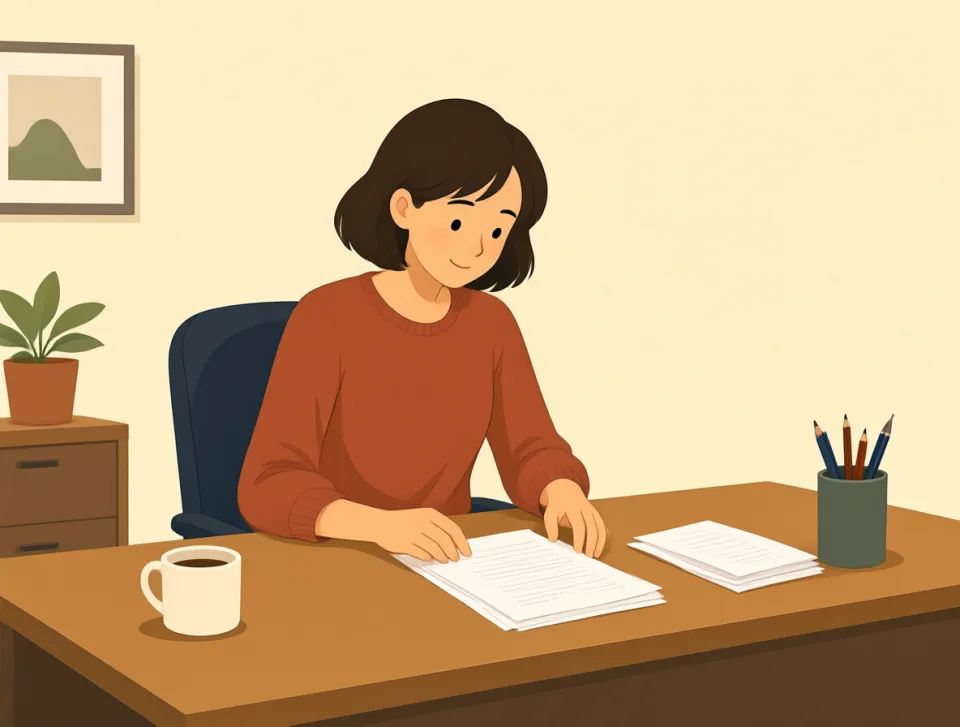
She prepared a report for the meeting.
उसने बैठक के लिए एक रिपोर्ट तैयार की।
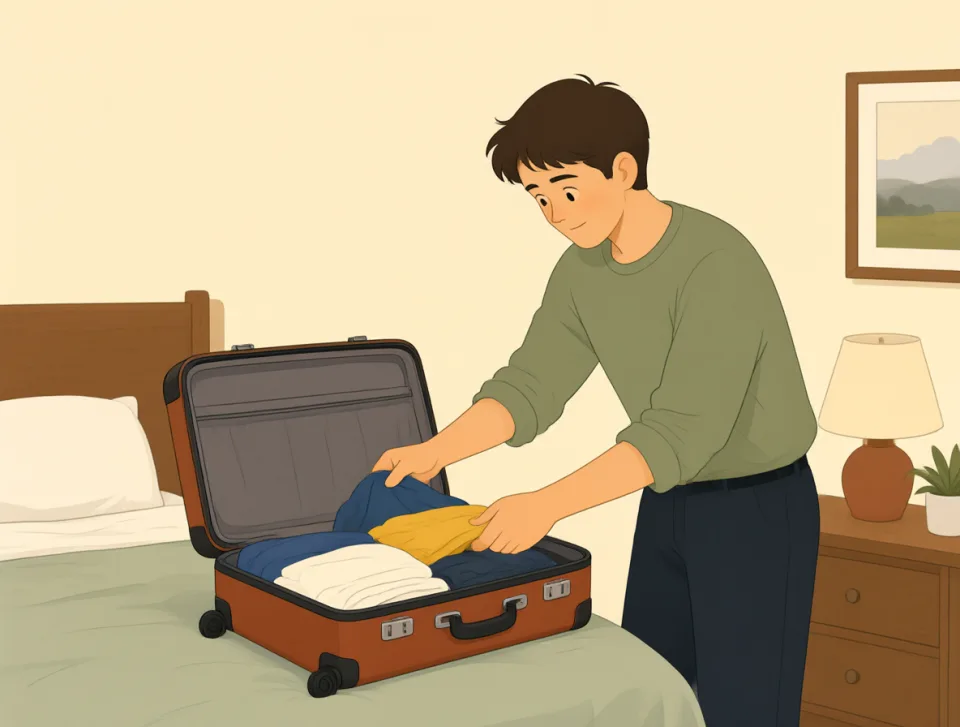
He prepared his suitcase before the trip.
उसने यात्रा से पहले अपना सूटकेस तैयार कर लिया।
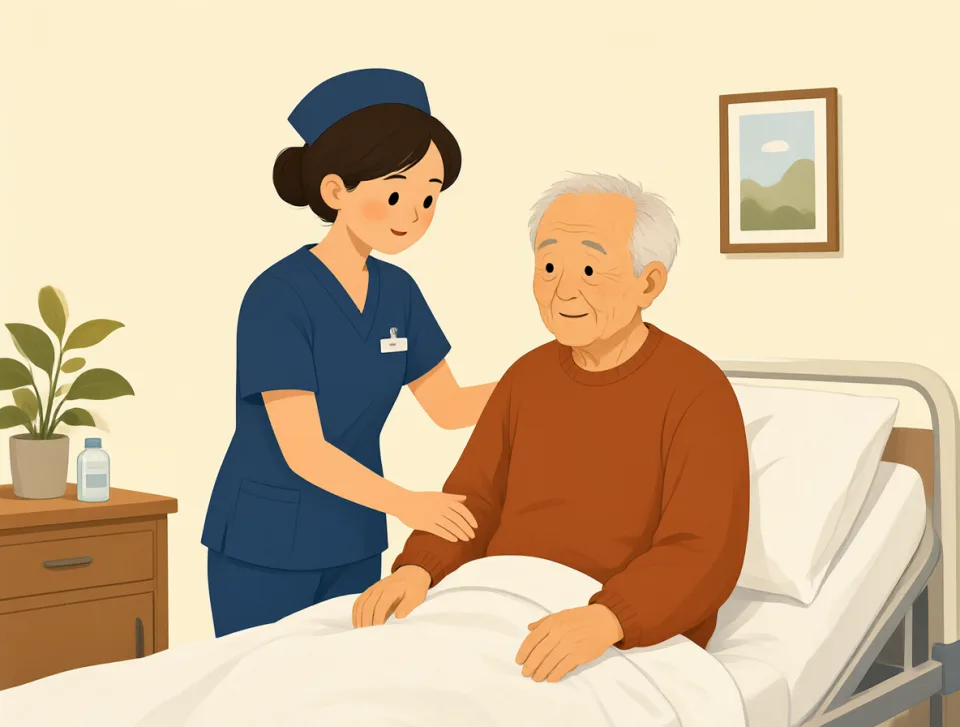
The nurse prepared the patient for surgery.
नर्स ने मरीज को सर्जरी के लिए तैयार किया।

discuss
#605verb
चर्चा करना
to talk about something with another person or group
किसी दूसरे व्यक्ति या समूह के साथ किसी बात पर बातचीत करना।

We discussed our weekend plans over dinner.
हमने रात के खाने पर सप्ताहांत की अपनी योजनाओं के बारे में चर्चा की।
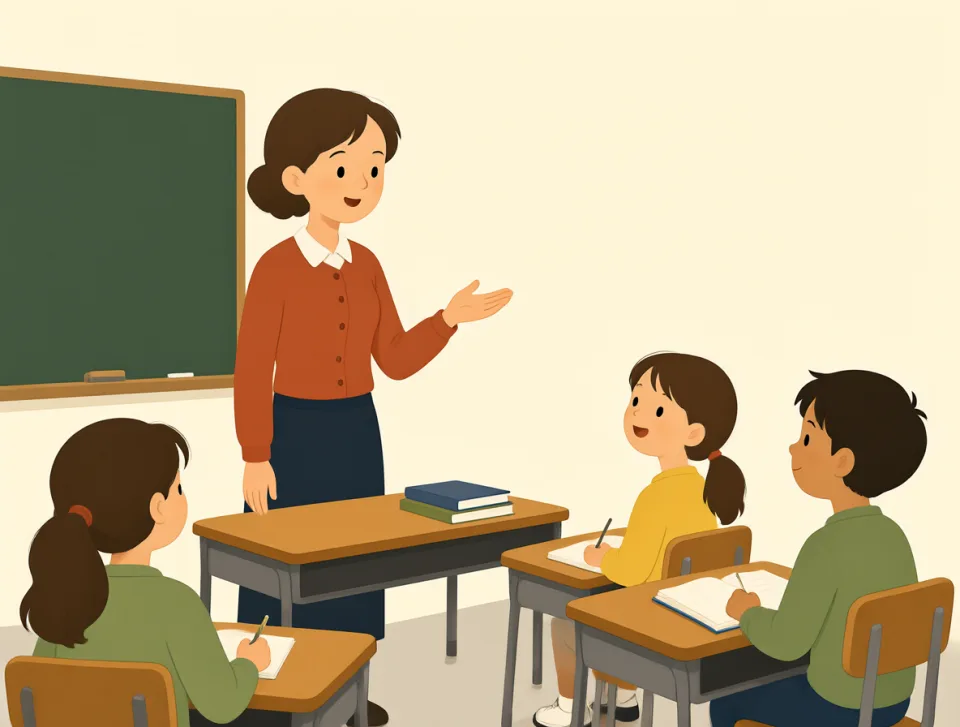
The teacher discussed the homework with us.
शिक्षक ने हमारे साथ गृहकार्य पर चर्चा की।
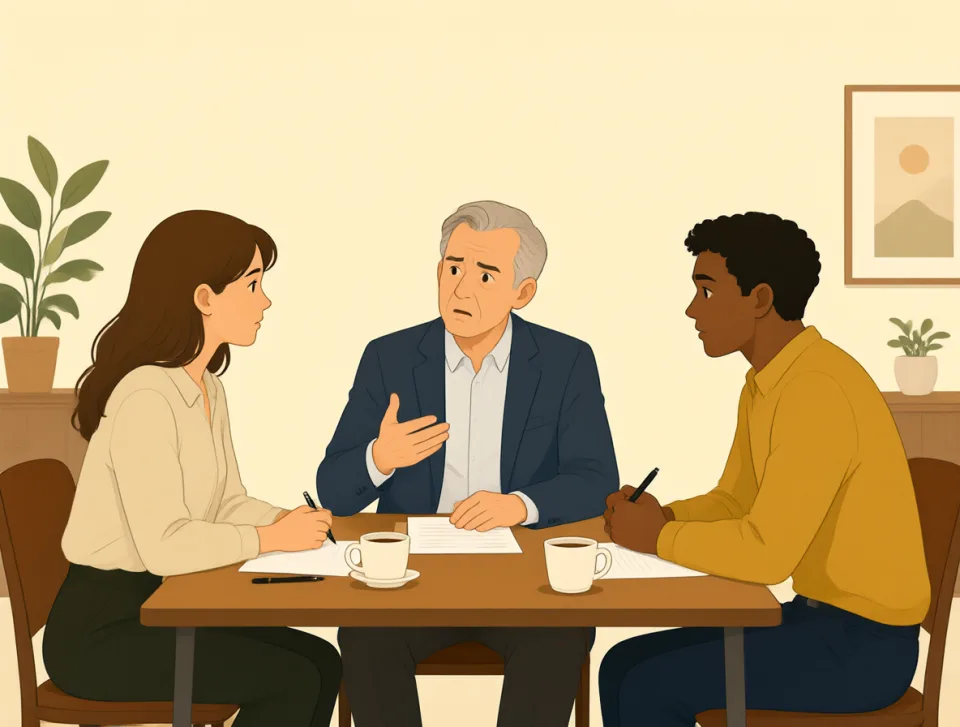
They discussed the problem at work.
उन्होंने काम पर समस्या के बारे में चर्चा की।

We discussed which hotel to book.
हमने चर्चा की कि कौन-सा होटल बुक करें।
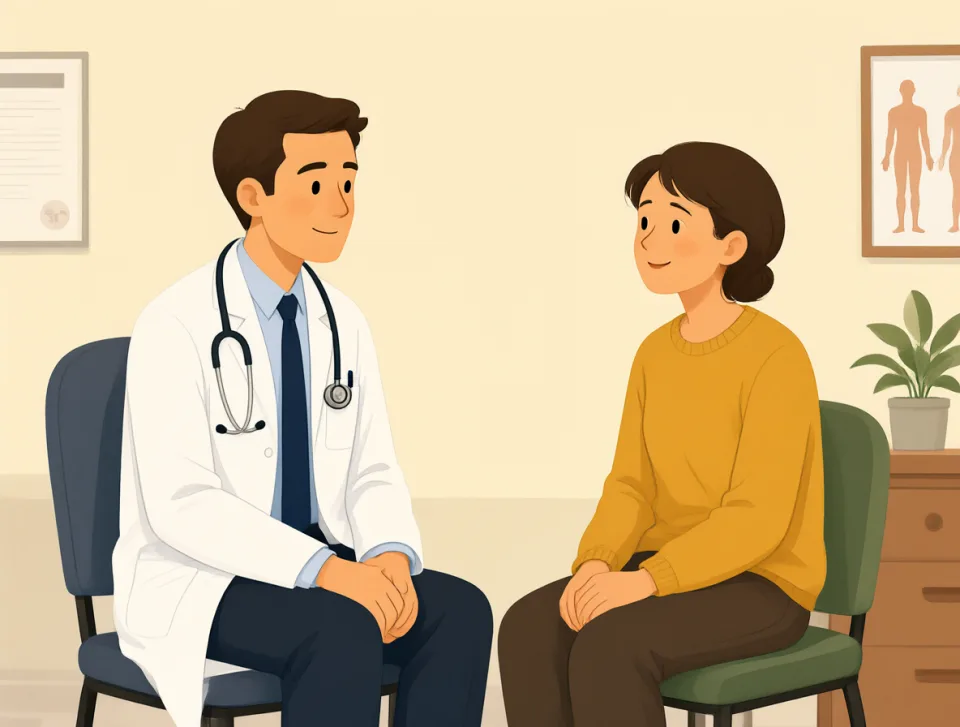
The doctor discussed my treatment with me.
डॉक्टर ने मेरे साथ मेरे इलाज के बारे में चर्चा की।
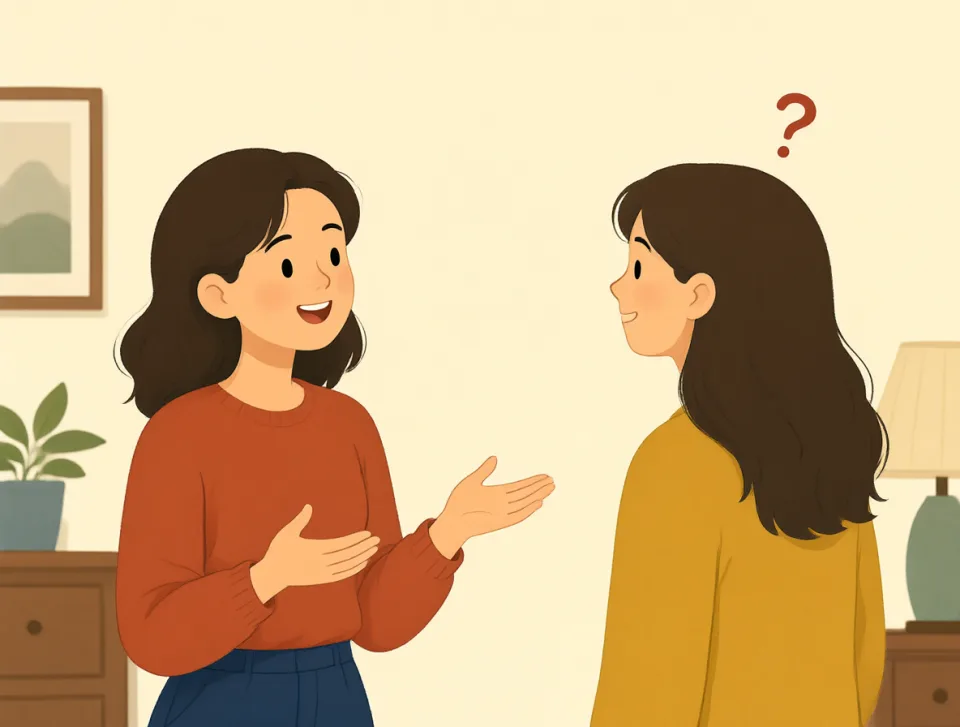
response
#606noun
जवाब
an answer or reaction to something that someone says, asks, or does
किसी के कहने, पूछने या करने पर दिया गया जवाब या प्रतिक्रिया
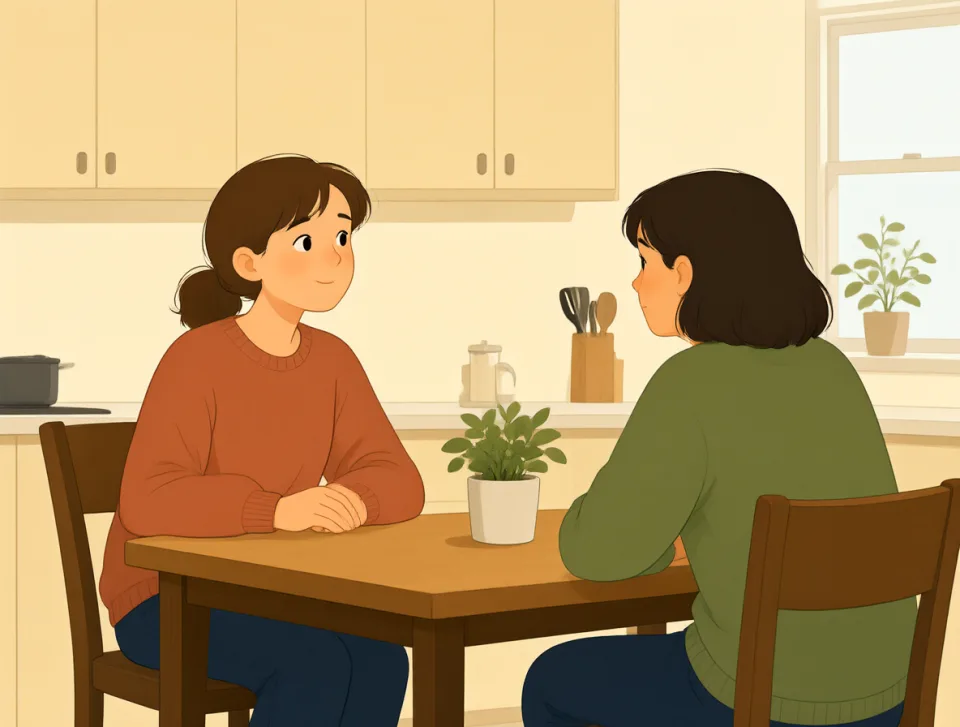
I am waiting for your response.
मैं तुम्हारे जवाब का इंतज़ार कर रहा हूँ।
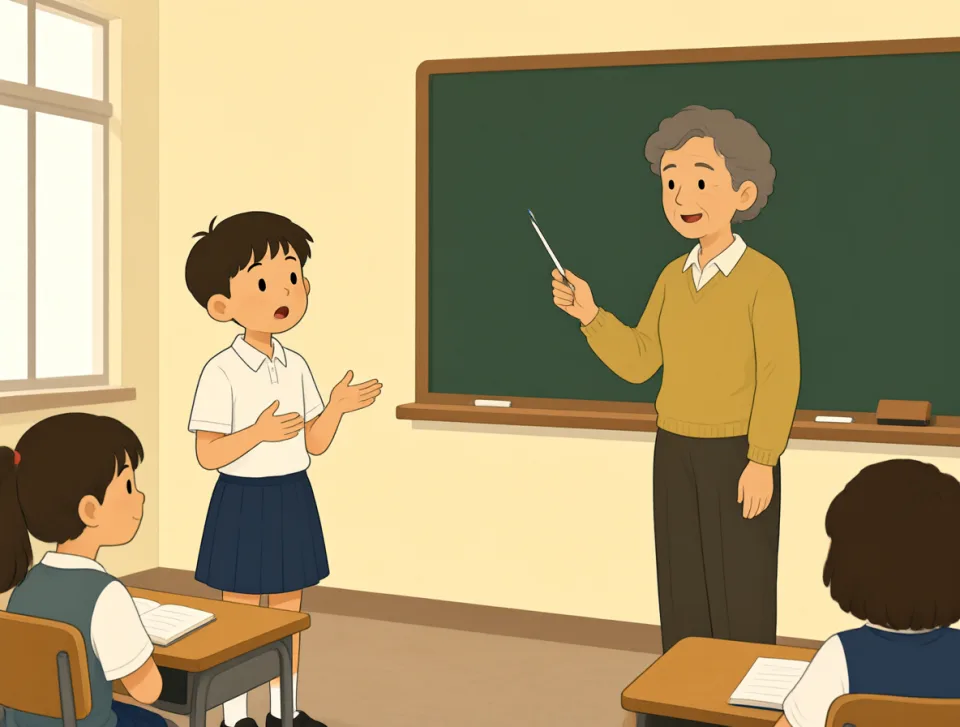
His response to the question was clear.
उसका सवाल का जवाब साफ़ था।

The company sent a quick response.
कंपनी ने तुरंत जवाब भेजा।
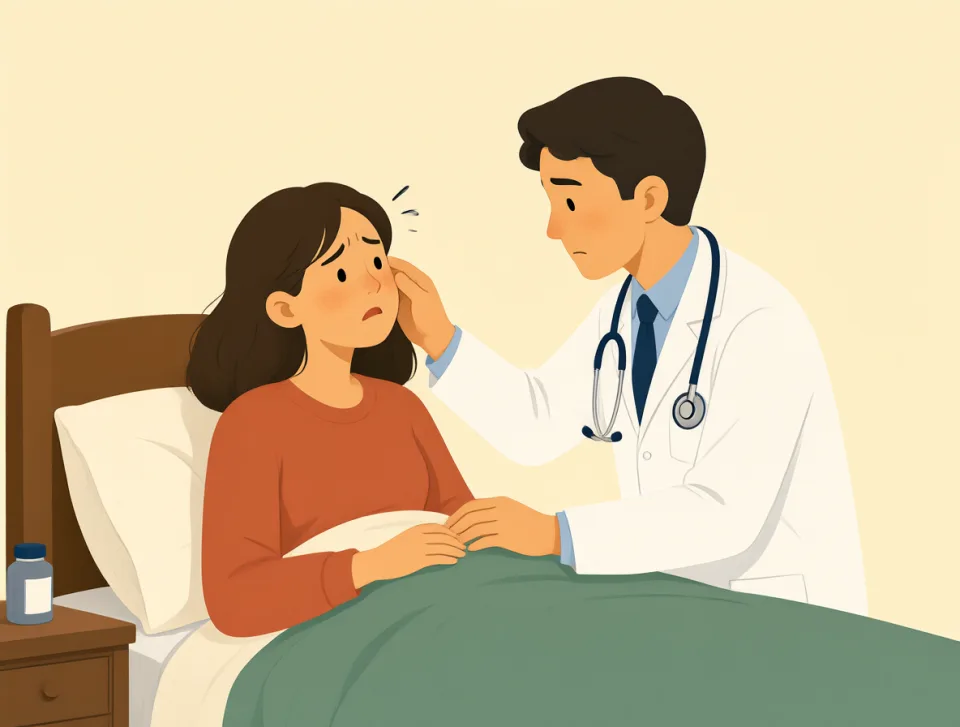
She had a bad response to the medicine.
दवा से उसे बुरा असर हुआ।
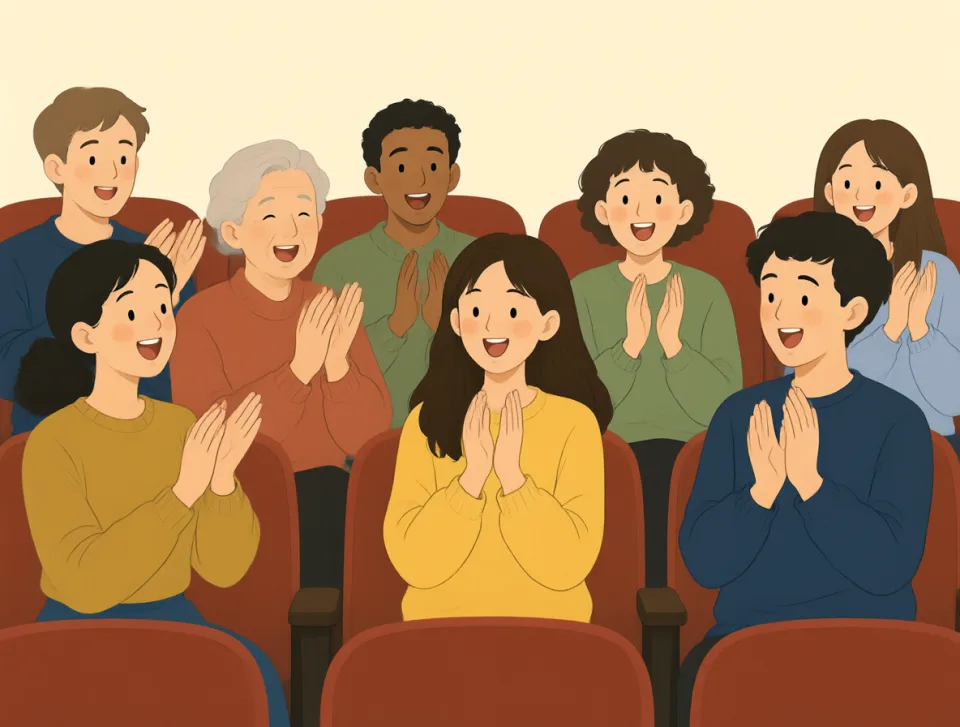
The audience gave a loud response.
दर्शकों ने ज़ोरदार प्रतिक्रिया दी।
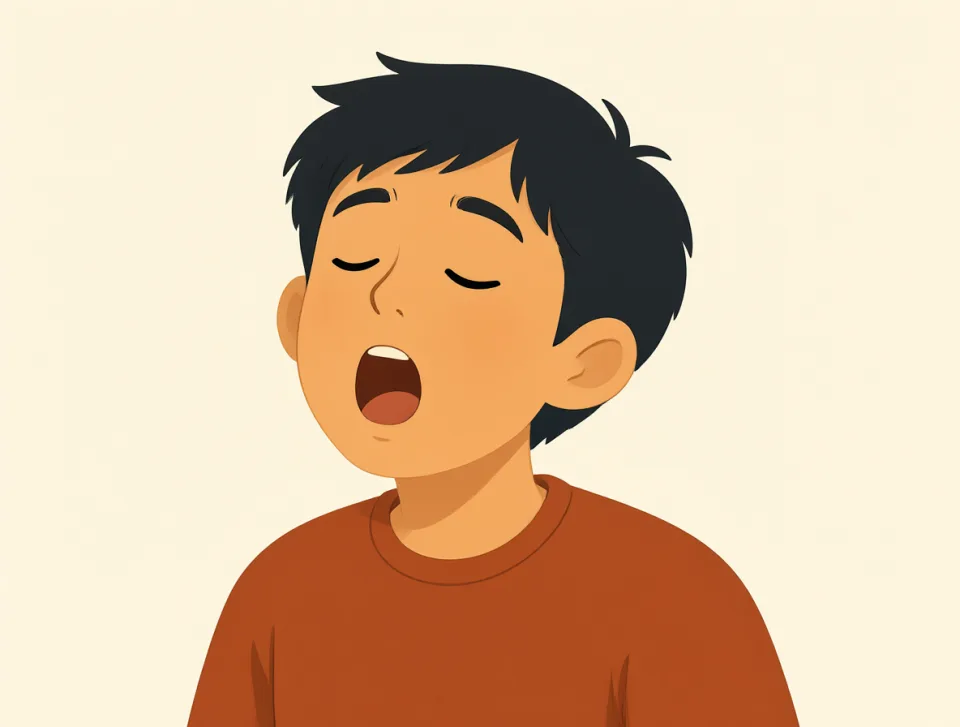
voice
#607noun, verb
आवाज़
The sound made when a person speaks or sings.
किसी व्यक्ति के बोलने या गाने से निकलने वाली ध्वनि।

I could hear her voice clearly.
मैं उसकी आवाज़ साफ़ सुन सकता था।

He has a deep, friendly voice.
उसकी आवाज़ भारी और दोस्ताना है।

Please leave a voice message.
कृपया आवाज़ में संदेश छोड़ दें।
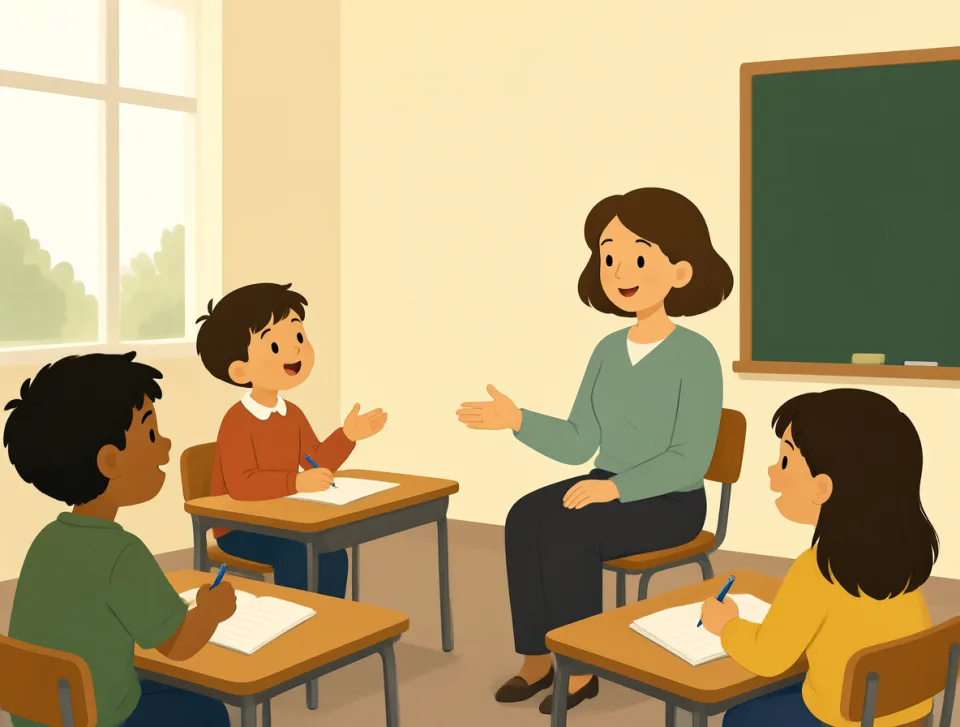
The teacher asked us to use our voices.
शिक्षक ने हमसे कहा कि हम अपनी आवाज़ का इस्तेमाल करें।

She voiced her concerns about the trip.
उसने यात्रा को लेकर अपनी चिंताएँ ज़ाहिर कीं।
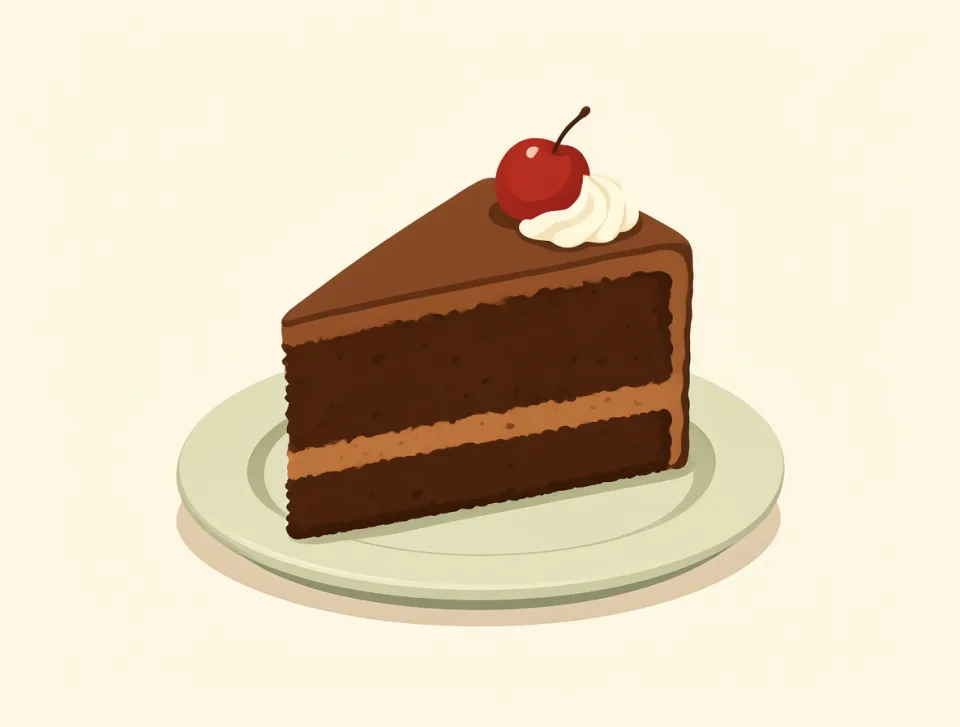
piece
#608noun
टुकड़ा
a part of something, or an amount of food or information
किसी चीज़ का हिस्सा, या खाने अथवा जानकारी की एक मात्रा
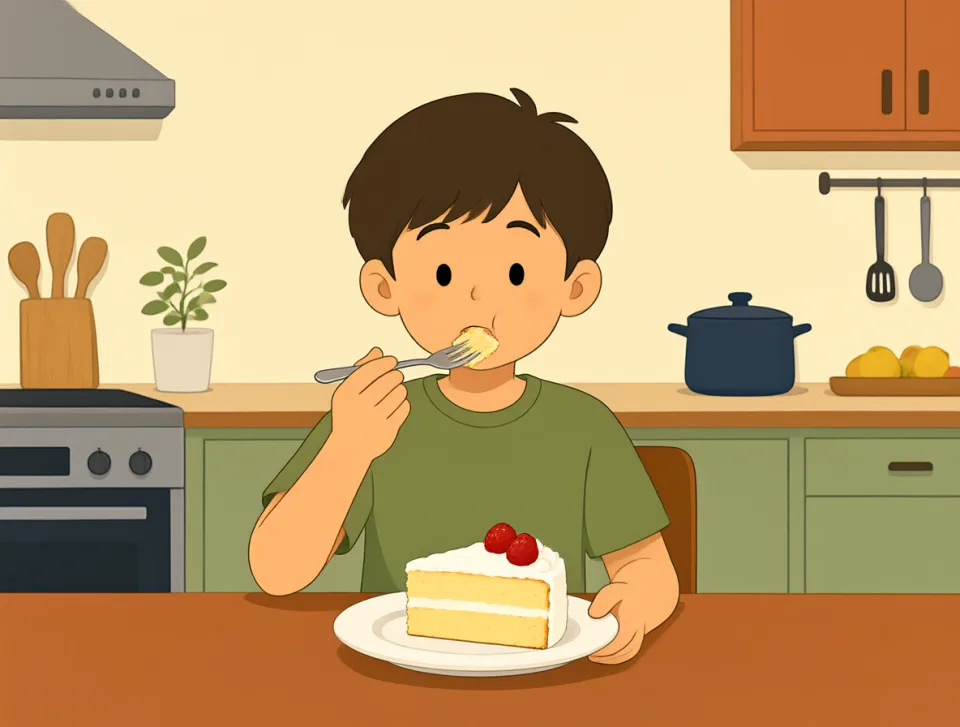
I ate a piece of cake after dinner.
रात के खाने के बाद मैंने केक का एक टुकड़ा खाया।
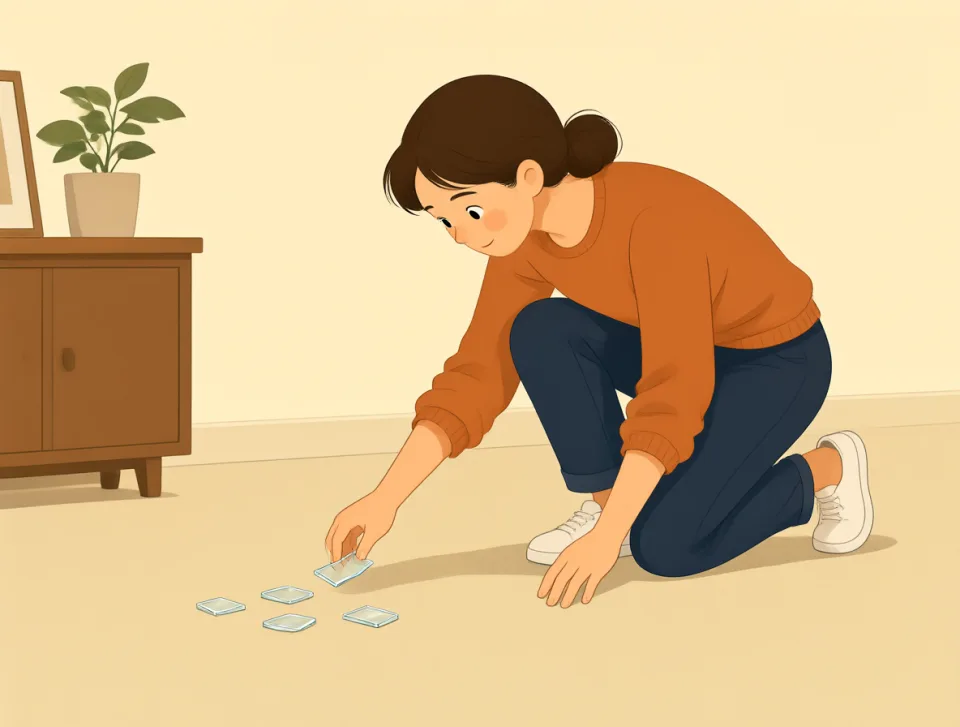
She found a piece of glass on the floor.
उसे फ़र्श पर काँच का एक टुकड़ा मिला।
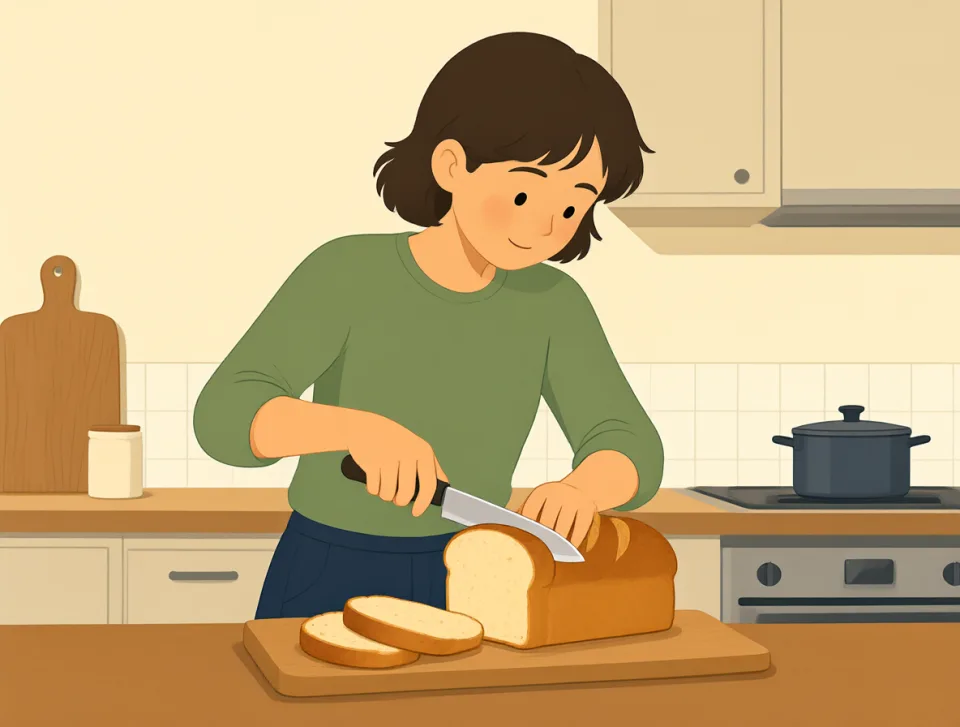
Please cut me a piece of bread.
कृपया मेरे लिए ब्रेड का एक टुकड़ा काट दो।
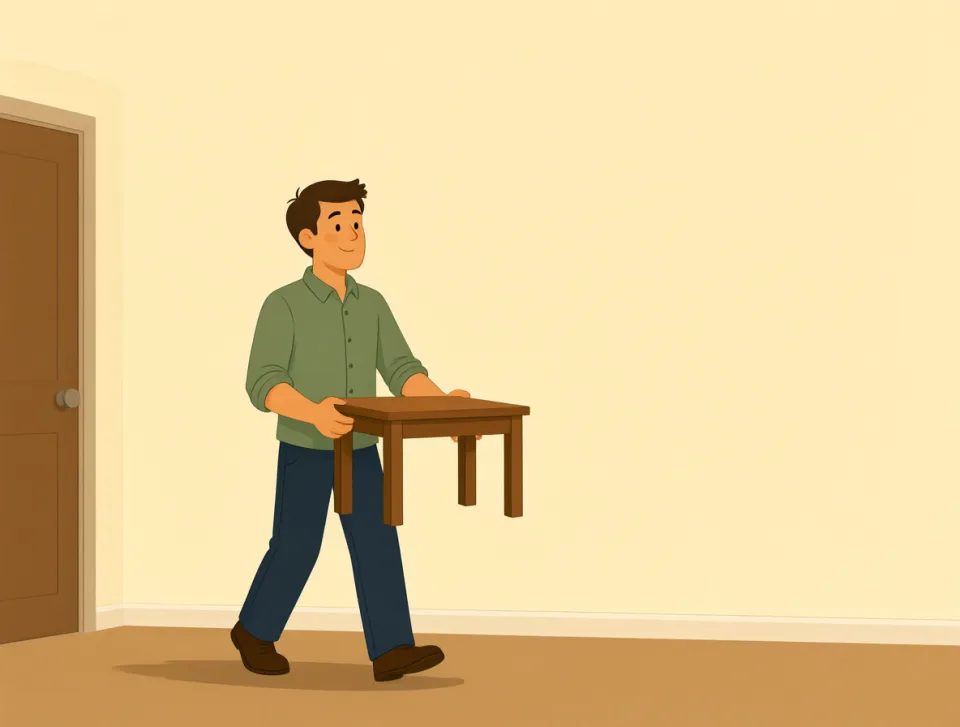
He bought a new piece of furniture.
उसने फर्नीचर का एक नया सामान खरीदा।
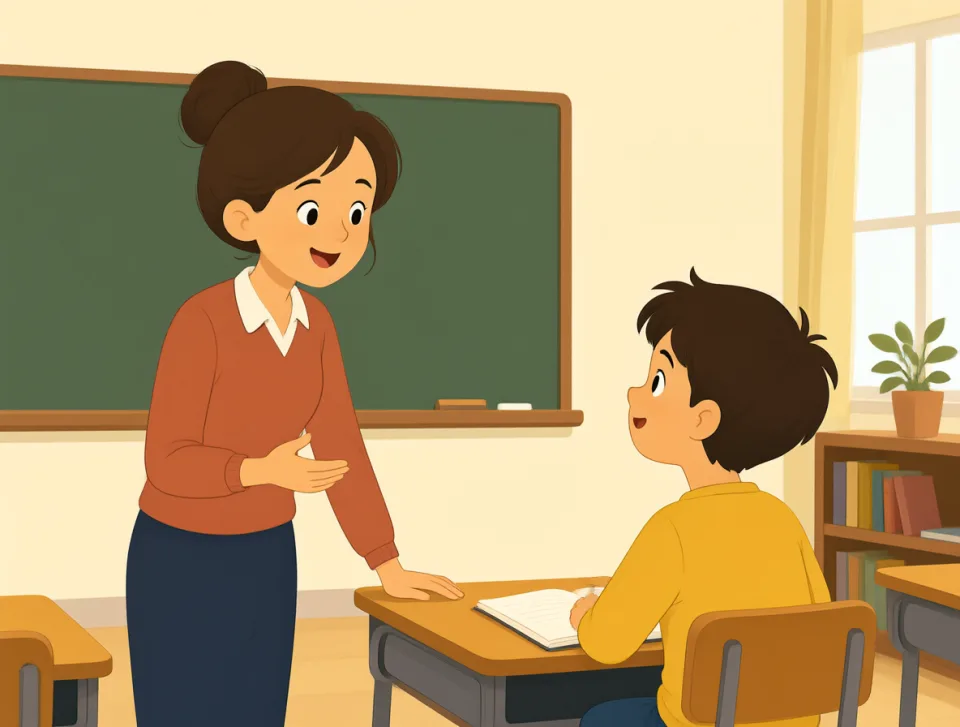
The teacher gave us a piece of advice.
शिक्षक ने हमें एक सलाह दी।

finish
#609verb, noun
पूरा करना
To complete something or reach the end of it.
किसी चीज़ को पूरा करना या उसे खत्म करना।
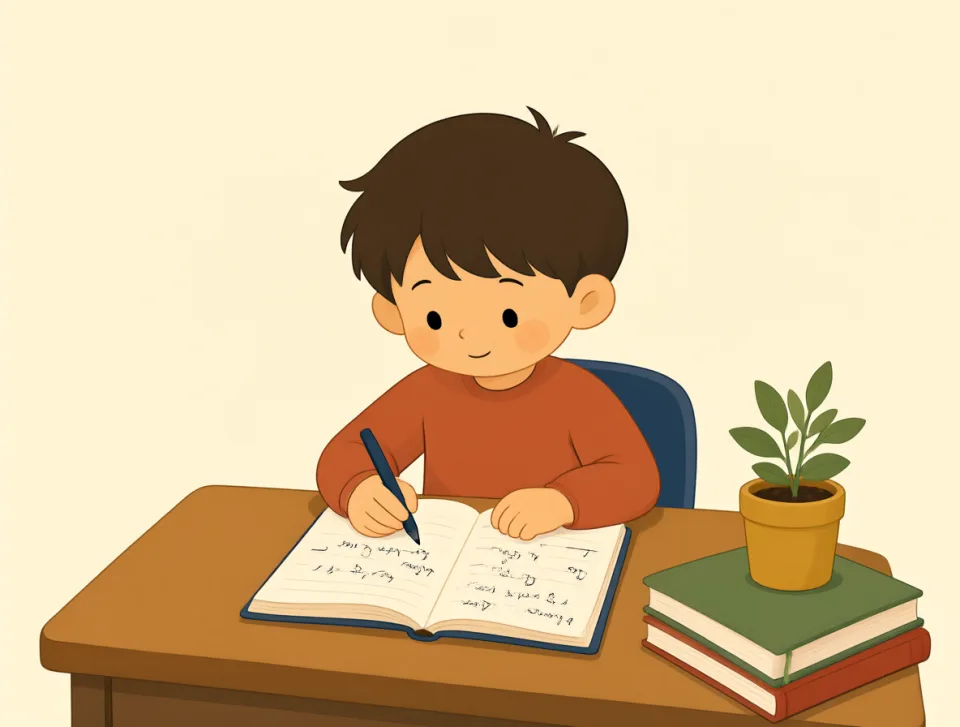
Please finish your homework before dinner.
कृपया रात के खाने से पहले अपना होमवर्क पूरा कर लो।
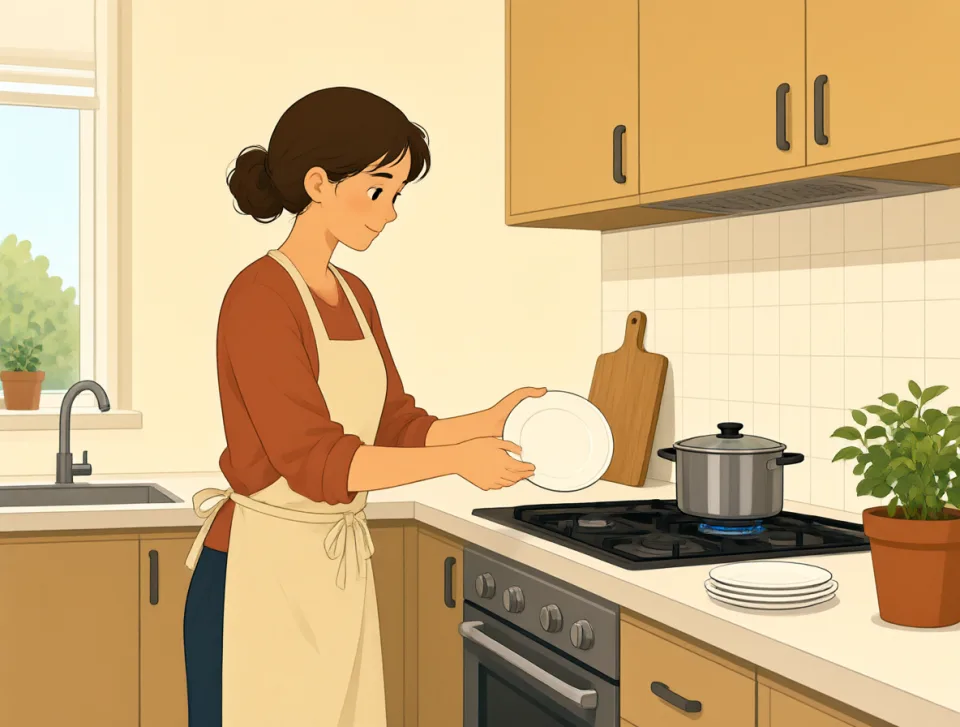
She finished cleaning the kitchen.
उसने रसोई की सफ़ाई पूरी कर ली।

We finished our lunch and left.
हमने दोपहर का खाना खत्म किया और चले गए।

He finished the race in first place.
उसने दौड़ में पहला स्थान हासिल किया।

The blue paint gives the table a smooth finish.
नीले रंग की पेंट से मेज़ की सतह चिकनी हो जाती है।
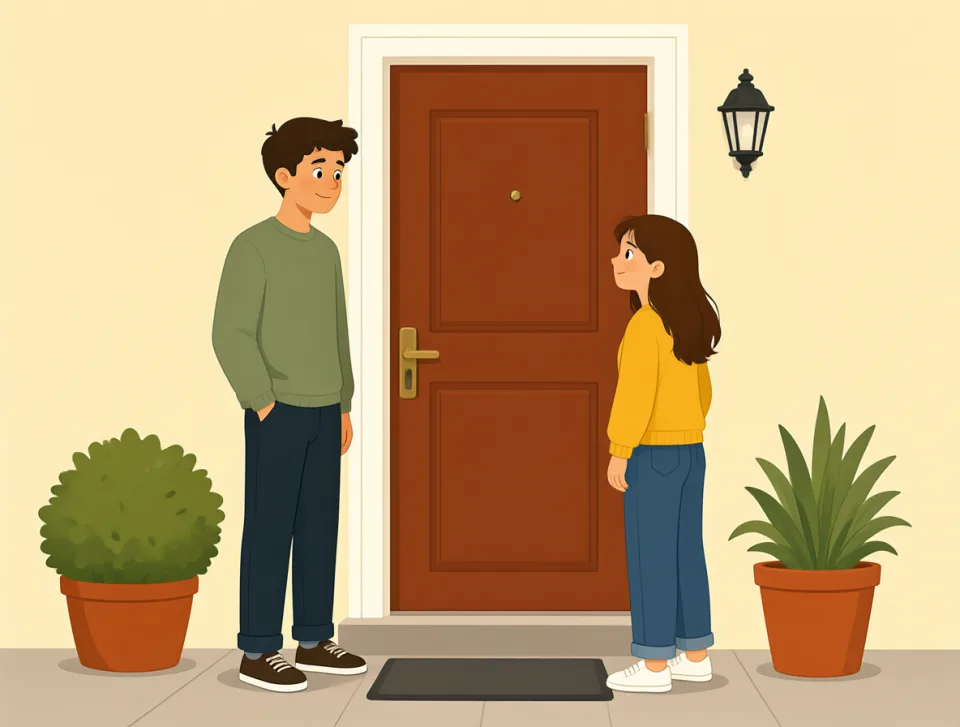
suppose
#610verb
मानना
to think something is probably true or to imagine a possible situation
यह सोचना कि कोई बात शायद सच है, या किसी संभावित स्थिति की कल्पना करना
I suppose we can leave now.
मेरा खयाल है कि हम अब जा सकते हैं।

Suppose it rains during our picnic.
मान लो कि हमारी पिकनिक के दौरान बारिश हो जाए।

I suppose you are right about that.
मेरा खयाल है कि तुम इस बारे में सही हो।
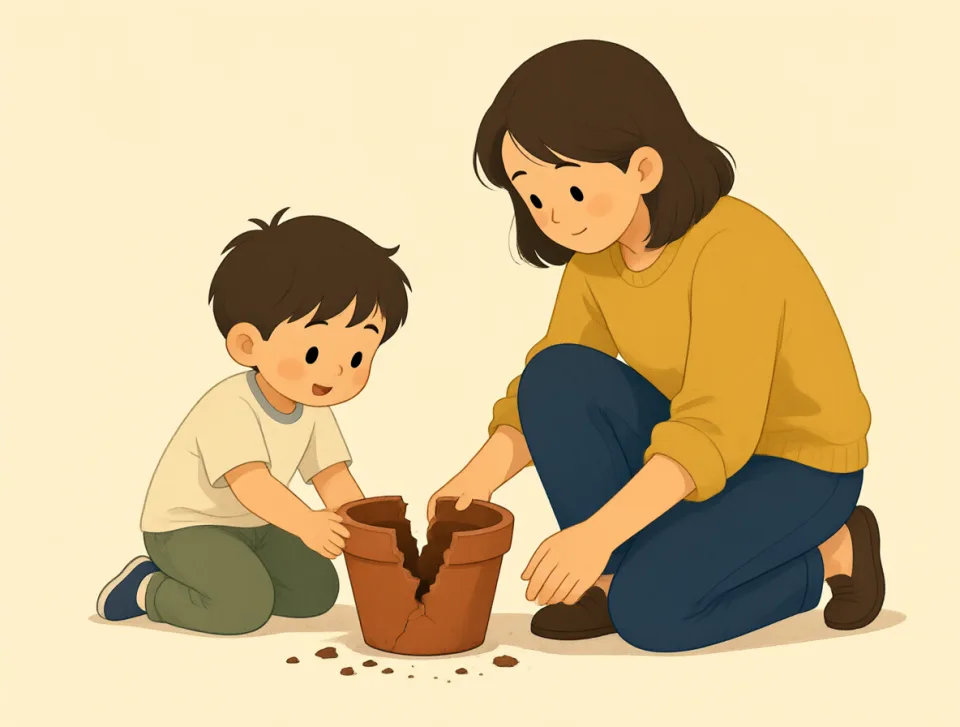
What do you suppose happened here?
तुम्हारे हिसाब से यहाँ क्या हुआ होगा?
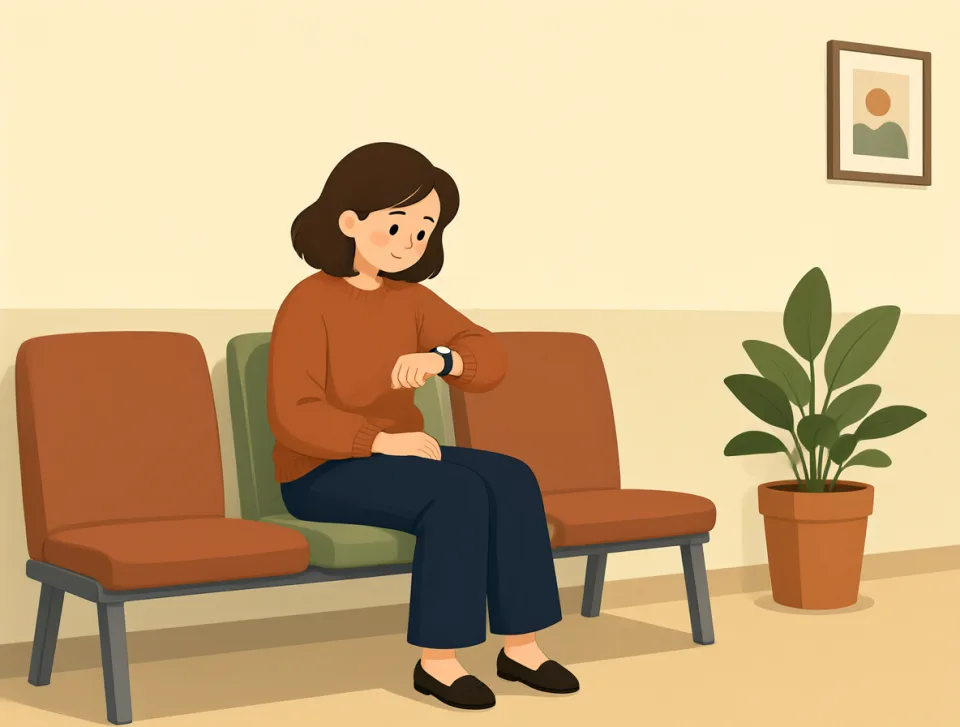
I suppose she forgot her appointment.
मेरा खयाल है कि वह अपनी मुलाक़ात भूल गई।
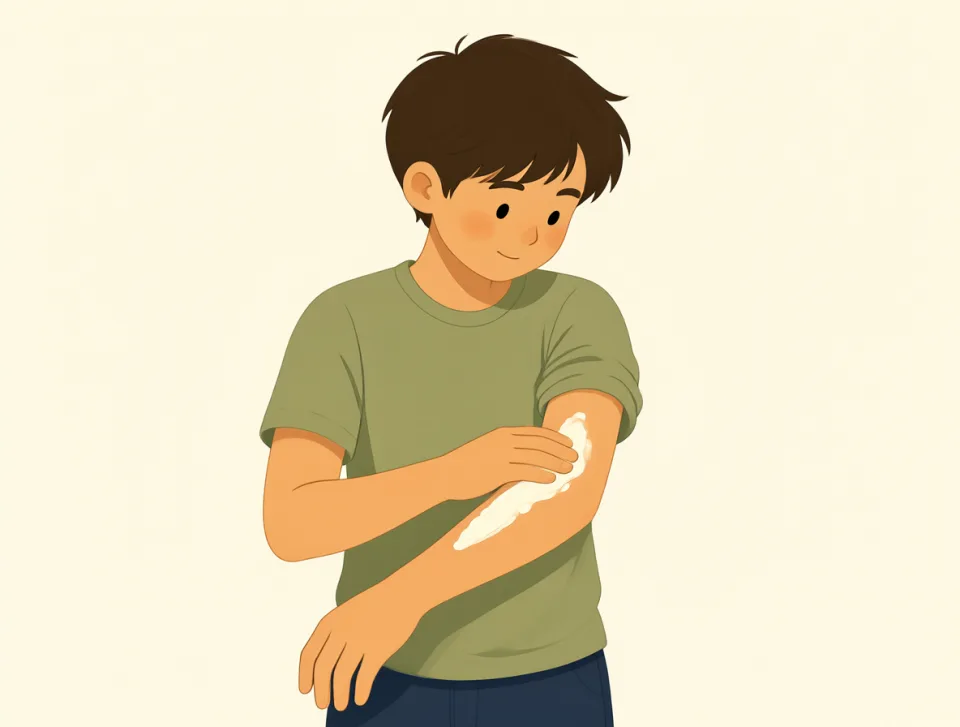
apply
#611verb
लागू करना; आवेदन करना
to use something to a particular purpose or ask officially for something
किसी चीज़ का किसी खास उद्देश्य के लिए इस्तेमाल करना या किसी चीज़ के लिए आधिकारिक तौर पर आवेदन करना
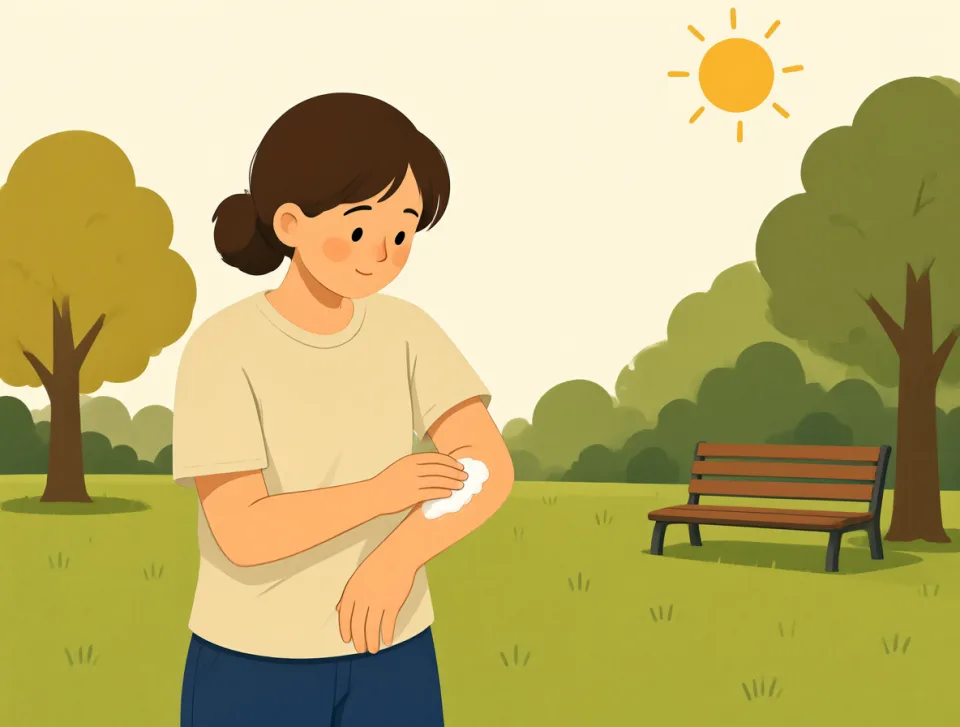
Apply sunscreen before you go outside.
बाहर जाने से पहले सनस्क्रीन लगाएँ।
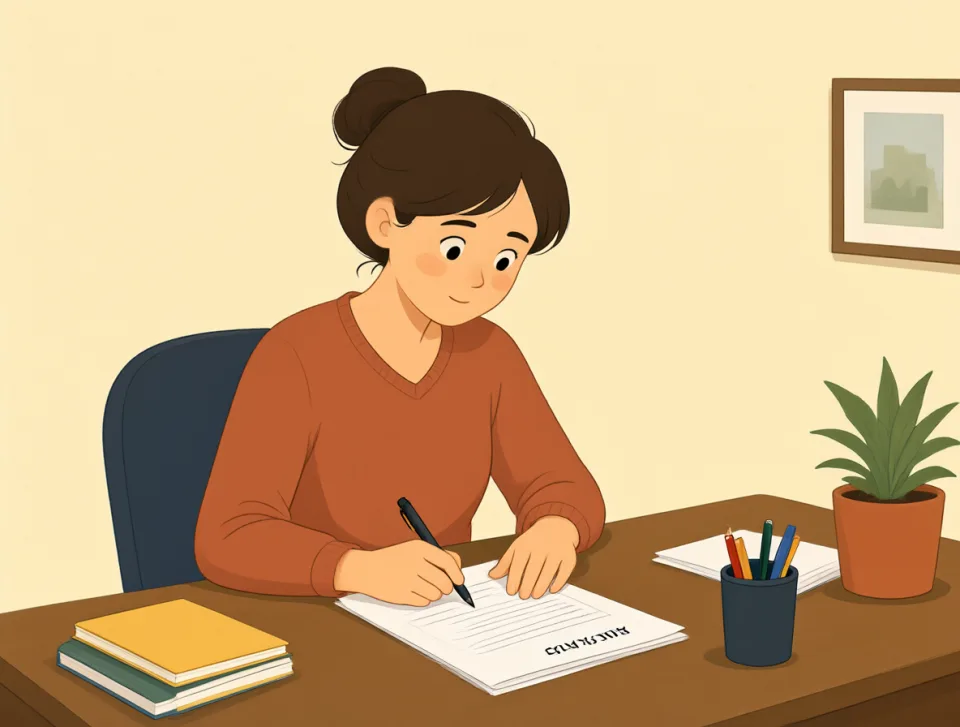
She applied for a new job yesterday.
उसने कल नई नौकरी के लिए आवेदन किया।
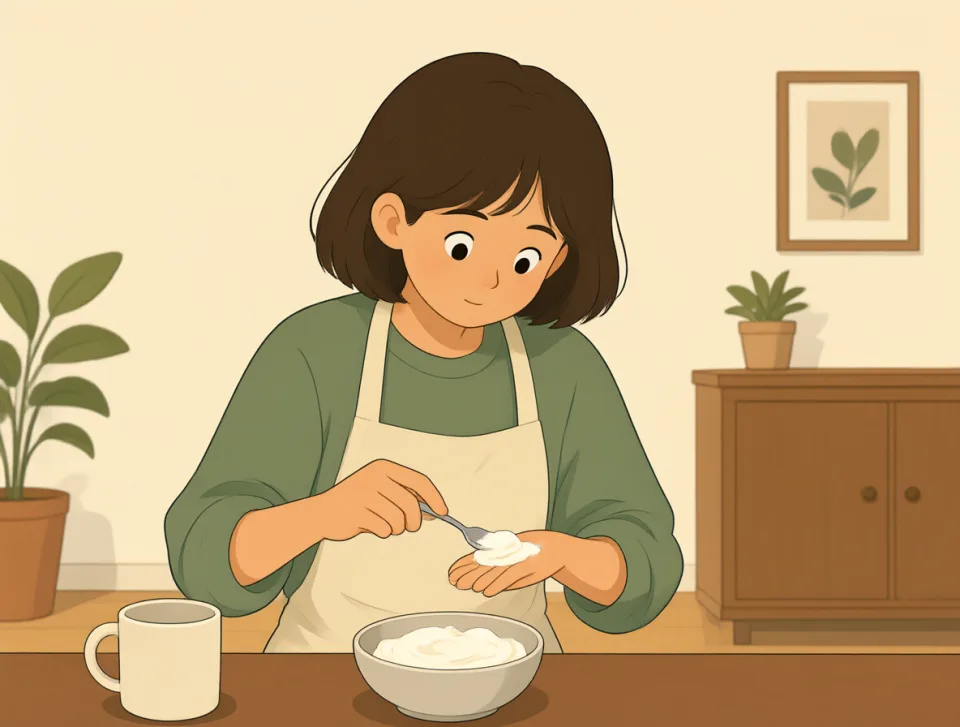
Please apply this cream twice a day.
कृपया यह क्रीम दिन में दो बार लगाएँ।
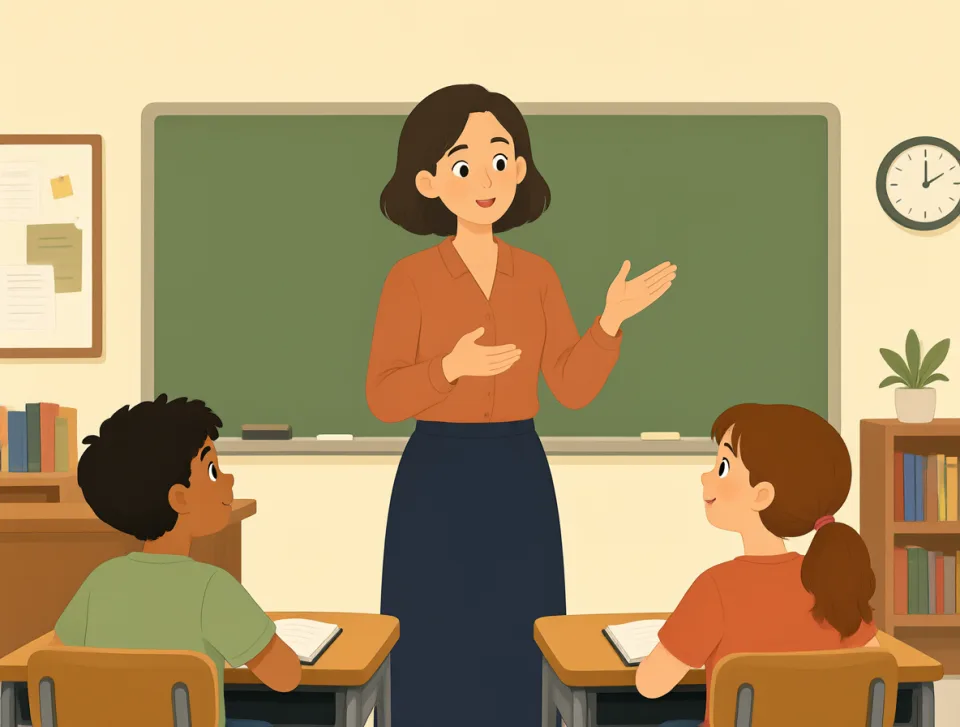
The teacher applied the rule fairly.
शिक्षक ने नियम को निष्पक्षता से लागू किया।
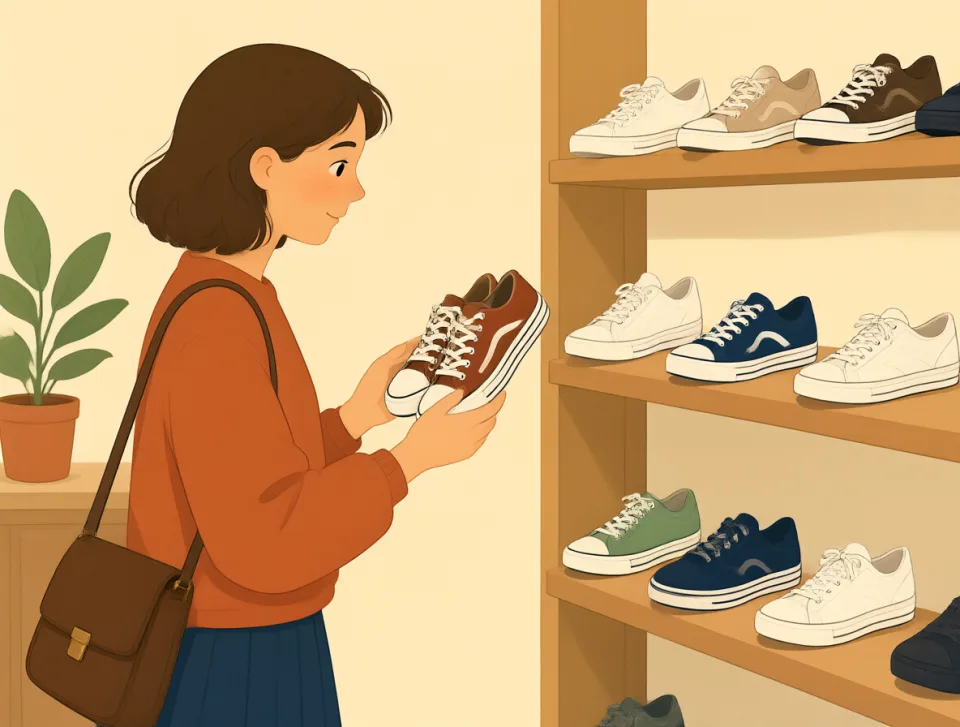
This discount applies to all shoes.
यह छूट सभी जूतों पर लागू होती है।
president
#612noun
राष्ट्रपति; अध्यक्ष
The elected leader of a country or the person who leads an organization.
किसी देश का चुना हुआ नेता या किसी संस्था का प्रमुख।
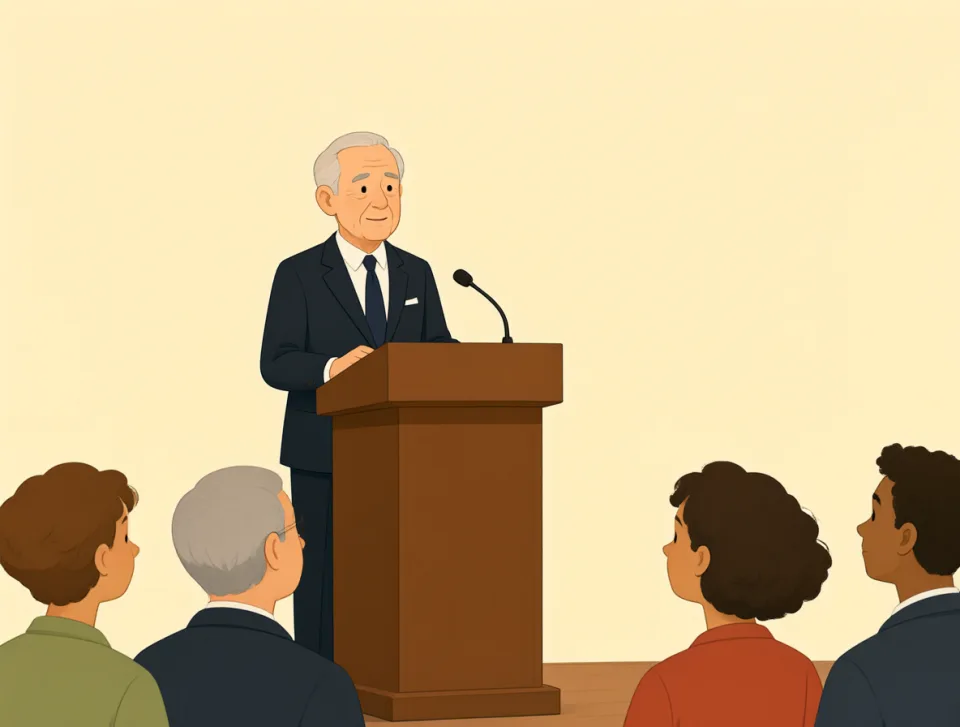
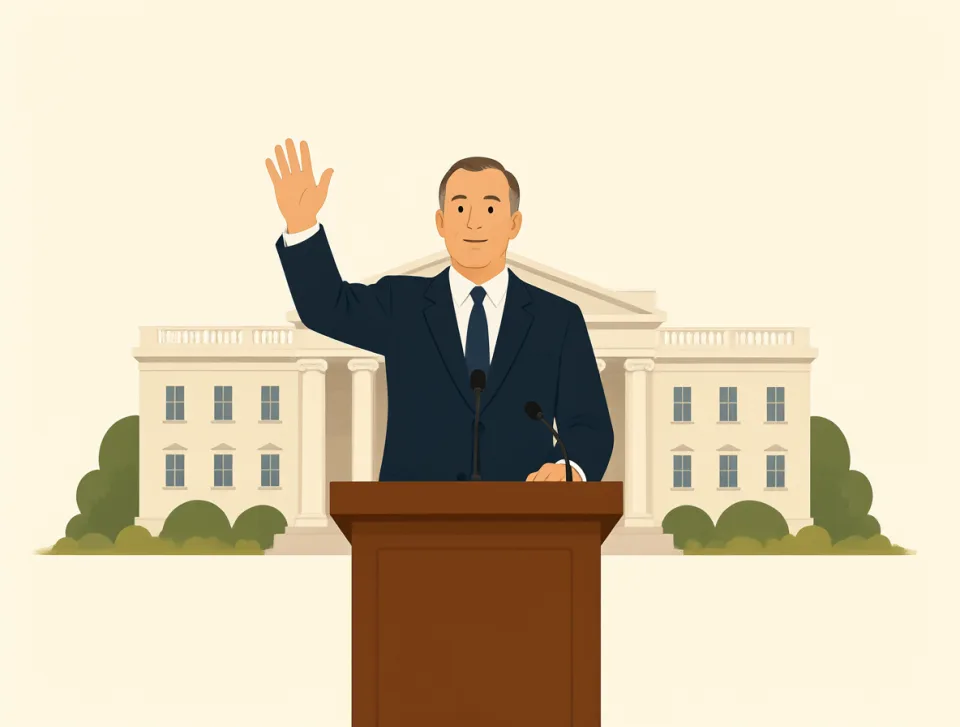
The president gave a speech yesterday.
राष्ट्रपति ने कल भाषण दिया।

The president met the workers this morning.
राष्ट्रपति आज सुबह कर्मचारियों से मिले।

Our club president planned the meeting.
हमारे क्लब के अध्यक्ष ने बैठक की योजना बनाई।

The school president welcomed new students.
स्कूल के अध्यक्ष ने नए विद्यार्थियों का स्वागत किया।

The company president visited our office.
कंपनी के अध्यक्ष ने हमारे कार्यालय का दौरा किया।
fire
#613noun, verb
आग; नौकरी से निकालना
Fire is heat and light from burning; to fire someone means to make them leave a job.
जलने से पैदा होने वाली गर्मी और रोशनी को आग कहते हैं; किसी को नौकरी से निकालने का मतलब है उसे नौकरी छोड़ने के लिए कहना।

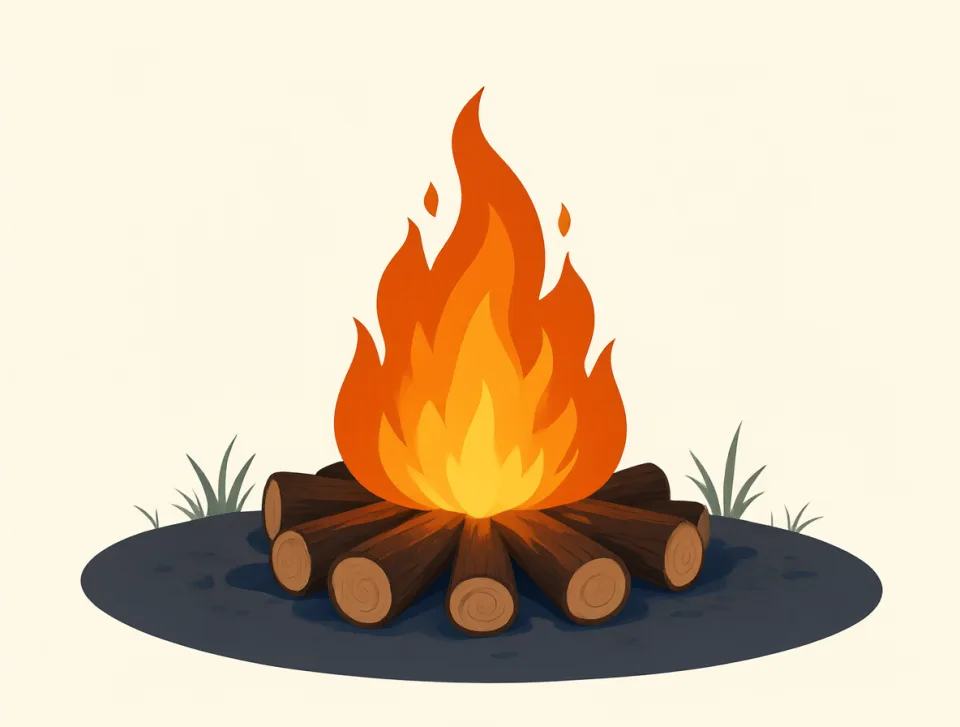
We sat around the fire last night.
हम कल रात आग के चारों ओर बैठकर बातें करते रहे।
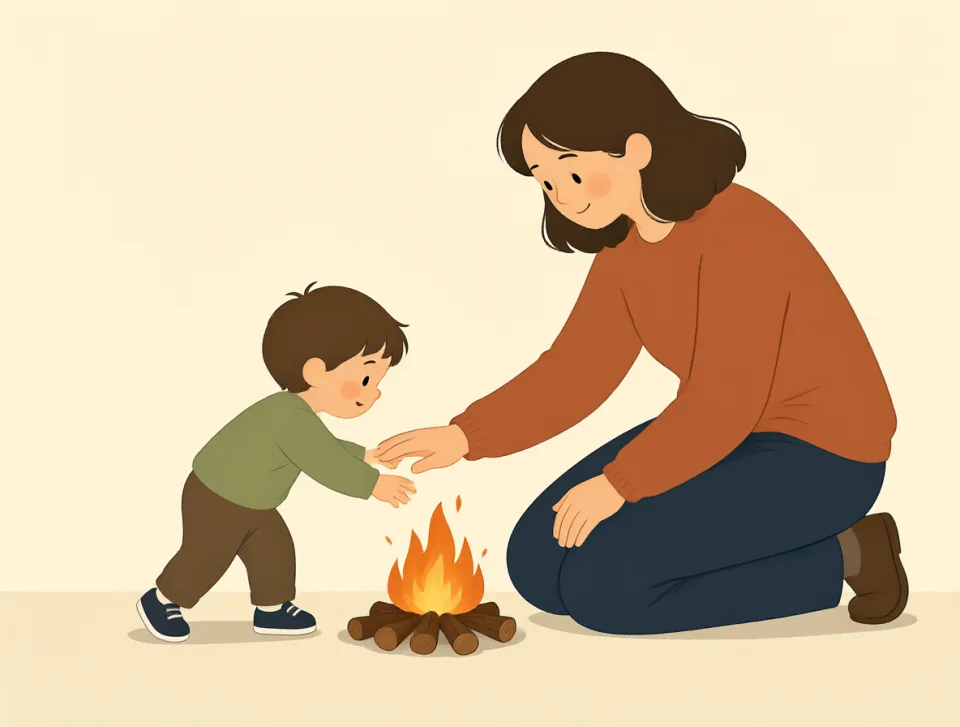
Please do not play with fire.
कृपया आग से मत खेलिए।
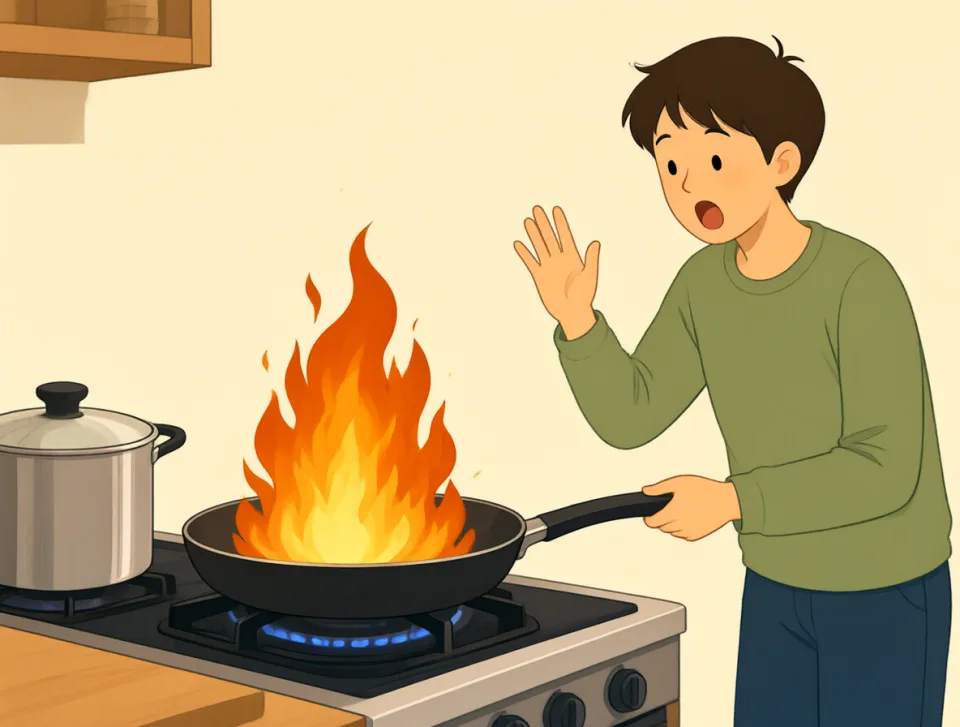
The fire started in the kitchen.
रसोई में आग लग गई।

The manager fired him yesterday.
मैनेजर ने उसे कल नौकरी से निकाल दिया।
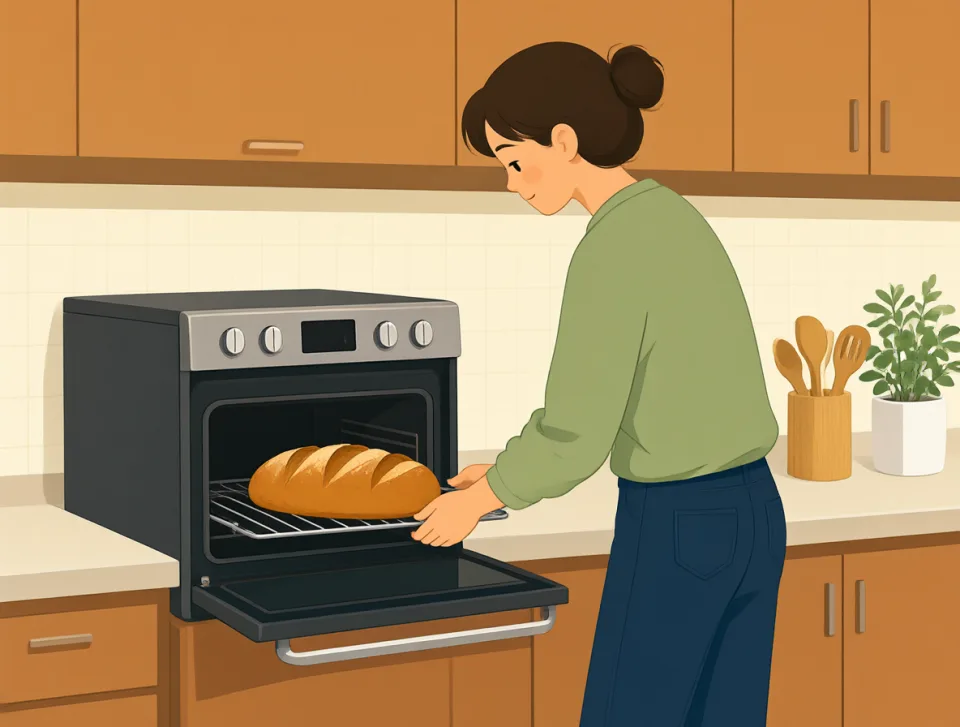
Fire the oven before baking the bread.
रोटी सेंकने से पहले ओवन गरम कर लें।
compare
#614verb
तुलना करना
to look at two or more things and see how they are alike or different
दो या दो से ज़्यादा चीज़ों को देखकर जानना कि वे एक जैसी कैसे हैं या उनमें क्या अंतर है।

Compare these two prices before you buy.
खरीदने से पहले इन दोनों कीमतों की तुलना करें।

We compared the hotels before booking our trip.
हमने यात्रा की बुकिंग करने से पहले होटलों की तुलना की।
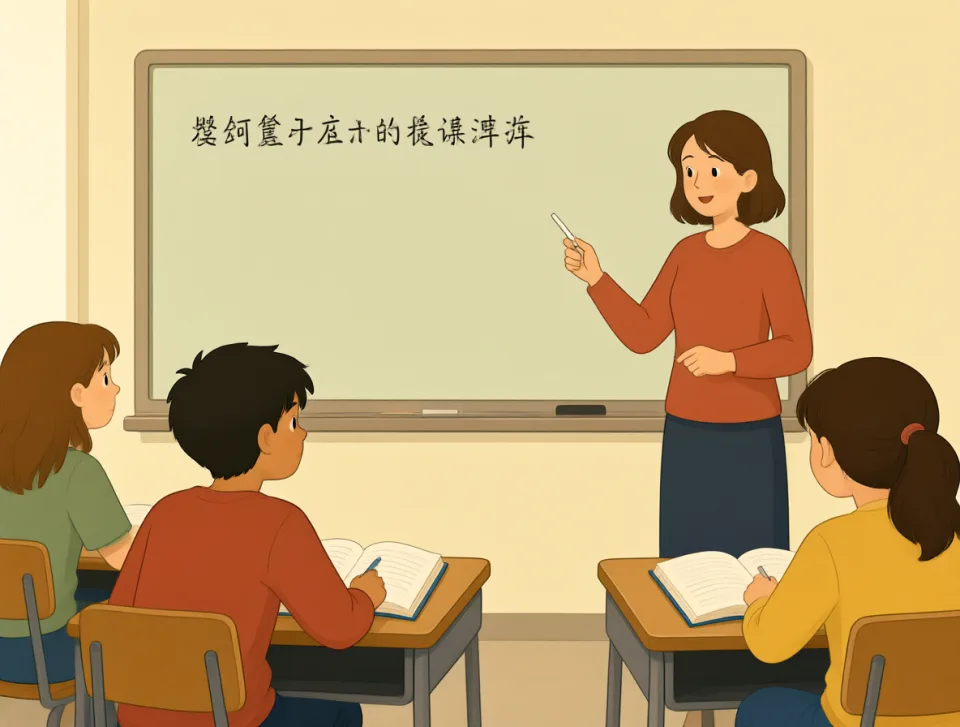
The teacher asked us to compare two stories.
शिक्षक ने हमसे दो कहानियों की तुलना करने को कहा।
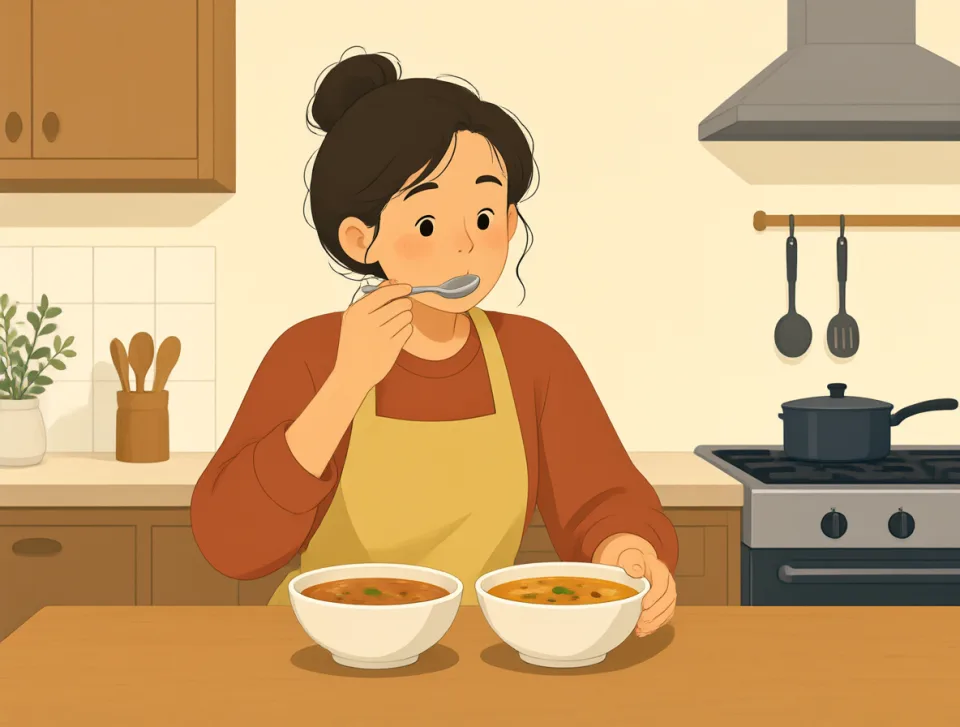
Compare this soup with yesterday’s soup.
इस सूप की कल वाले सूप से तुलना करें।
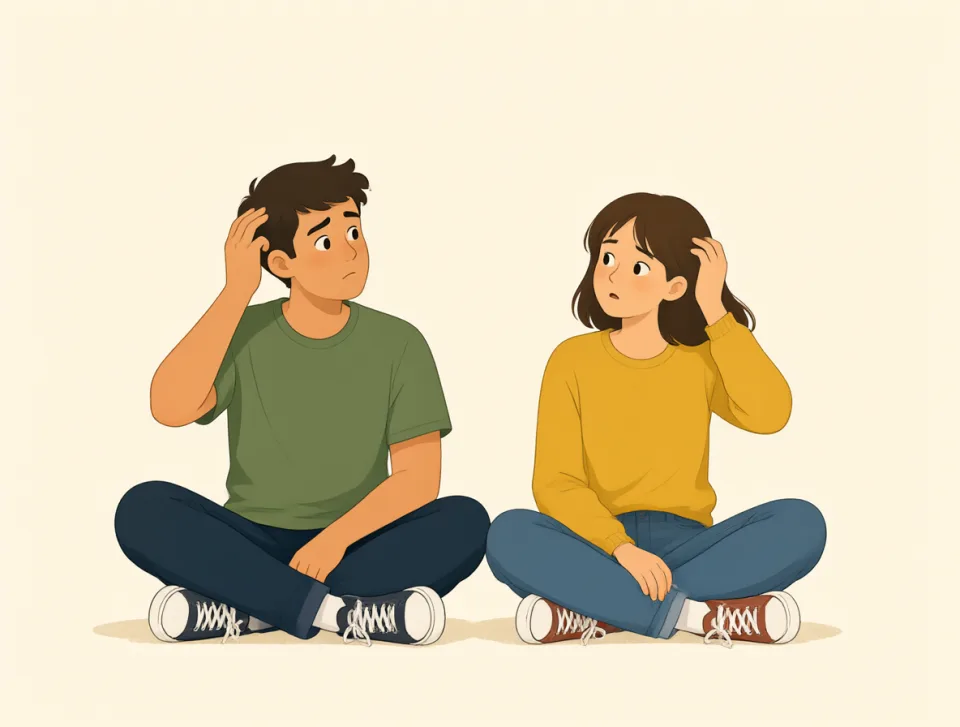
I compared my headache with my friend’s.
मैंने अपने सिरदर्द की तुलना अपने दोस्त के सिरदर्द से की।
court
#615noun, verb
अदालत; समर्थन पाने की कोशिश करना
A place where legal cases are heard, or to try hard to gain someone's support.
वह जगह जहाँ कानूनी मामलों की सुनवाई होती है, या किसी का समर्थन पाने के लिए पूरी कोशिश करना।
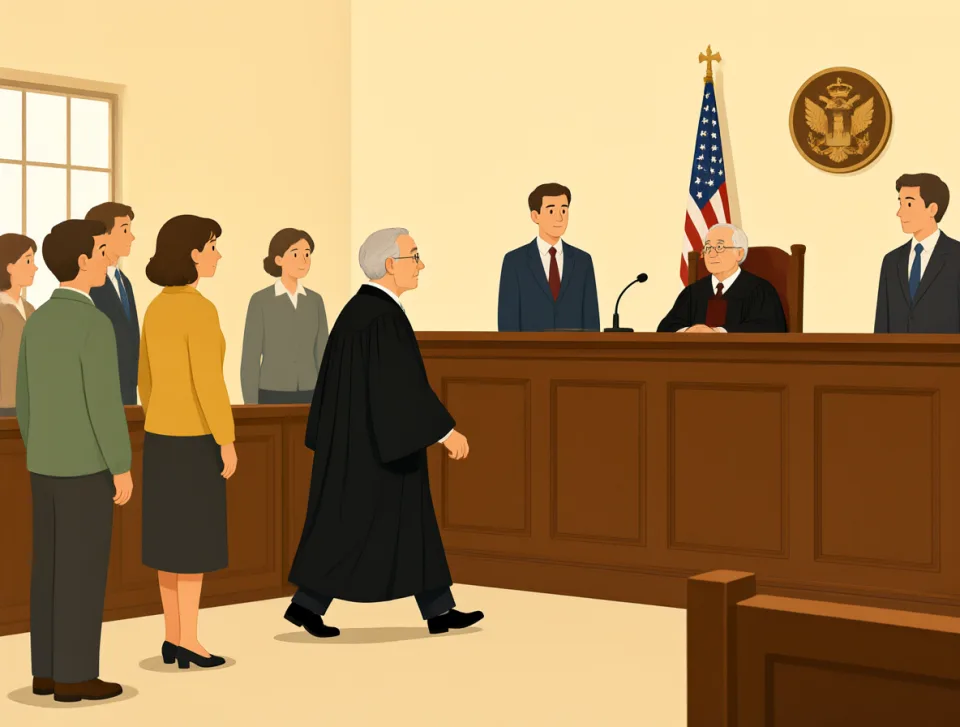
The judge entered the court quietly.
न्यायाधीश चुपचाप अदालत में दाखिल हुए।
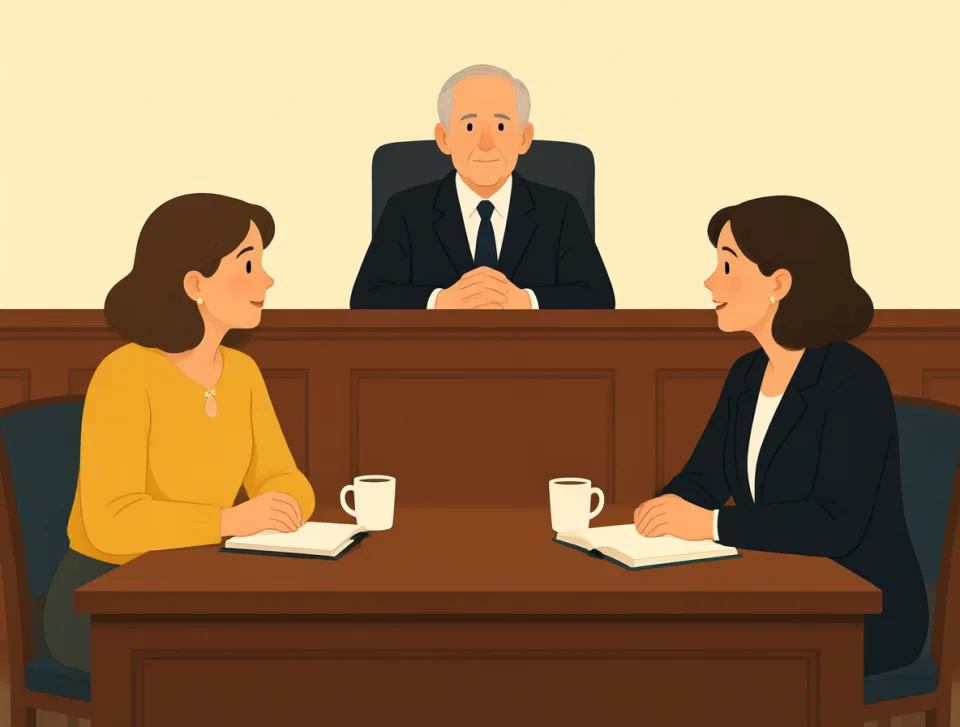
They went to court over the problem.
उस समस्या को लेकर वे अदालत गए।
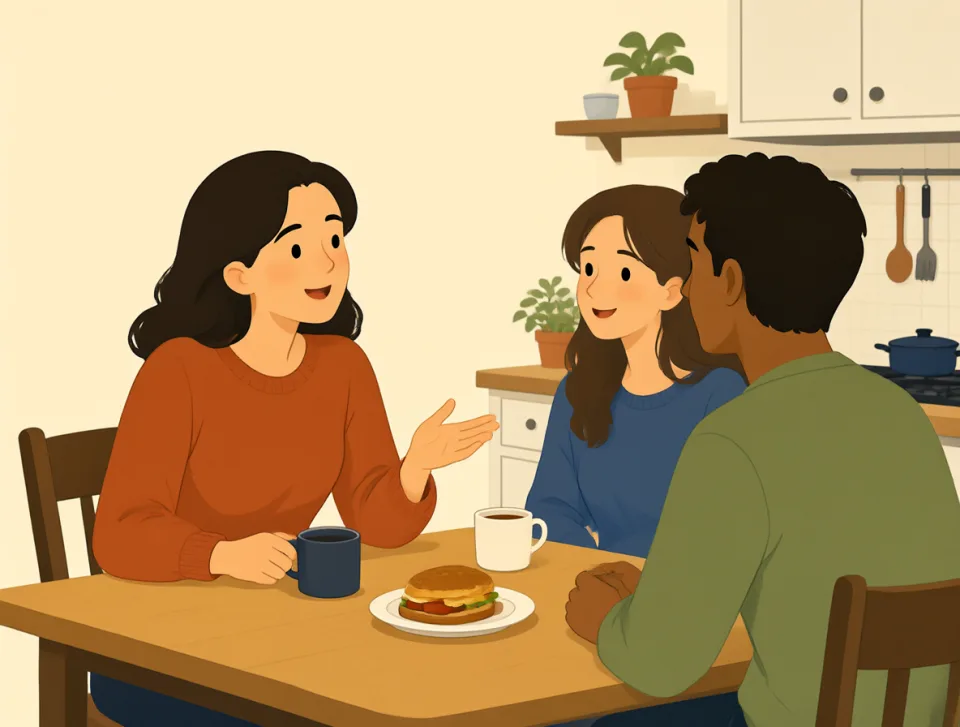
She courted support from her friends.
उसने अपने दोस्तों का समर्थन पाने की कोशिश की।
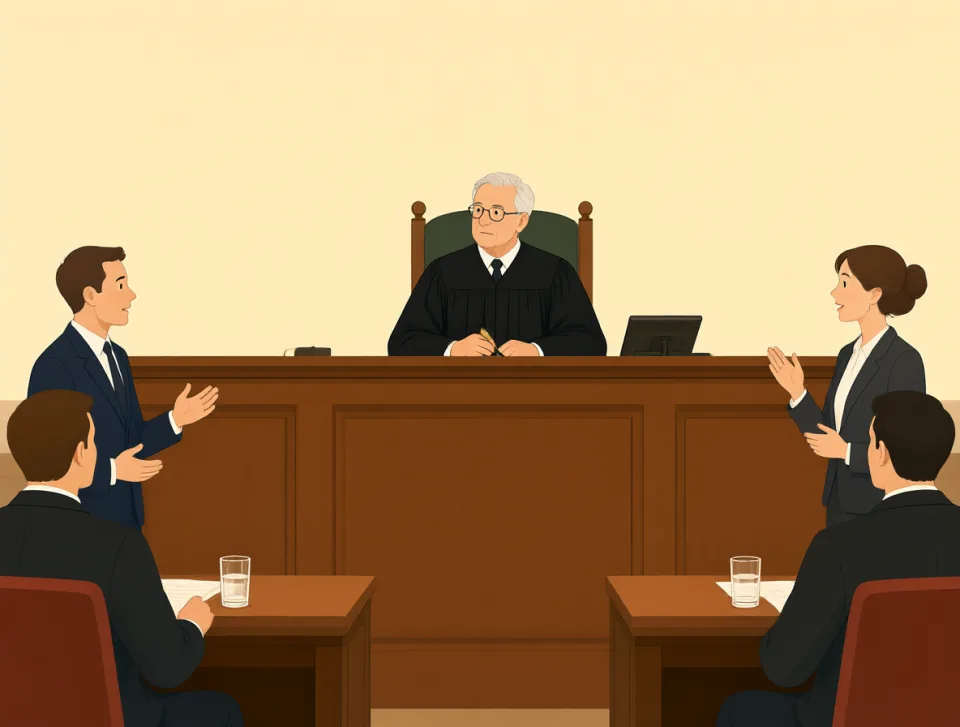
The court heard the case yesterday.
अदालत ने कल मामले की सुनवाई की।
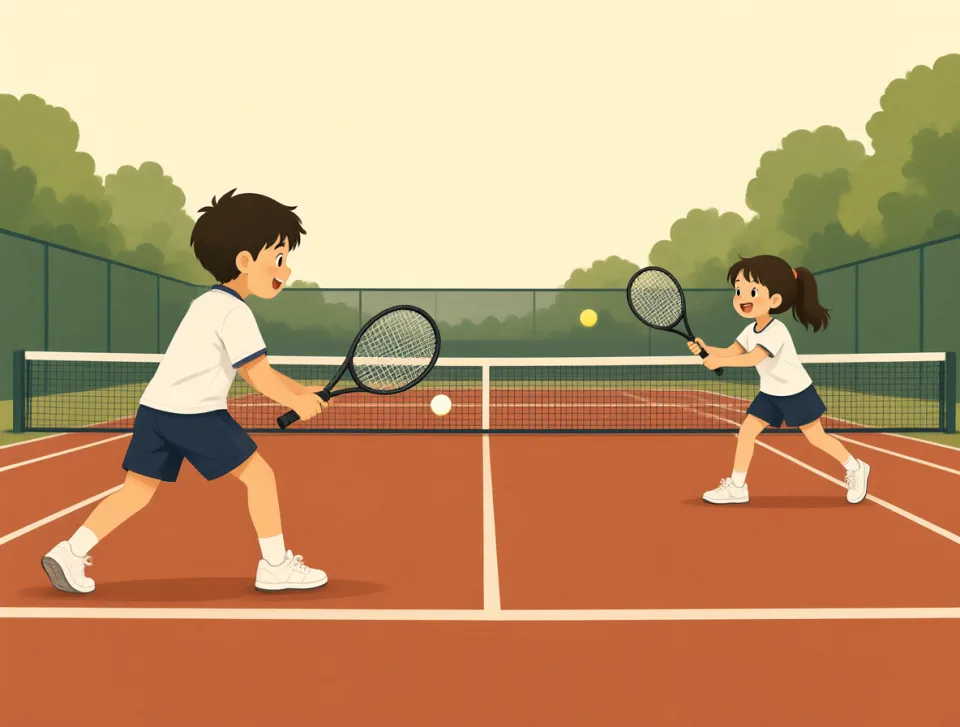
We played tennis on the court.
हमने टेनिस कोर्ट पर खेला।
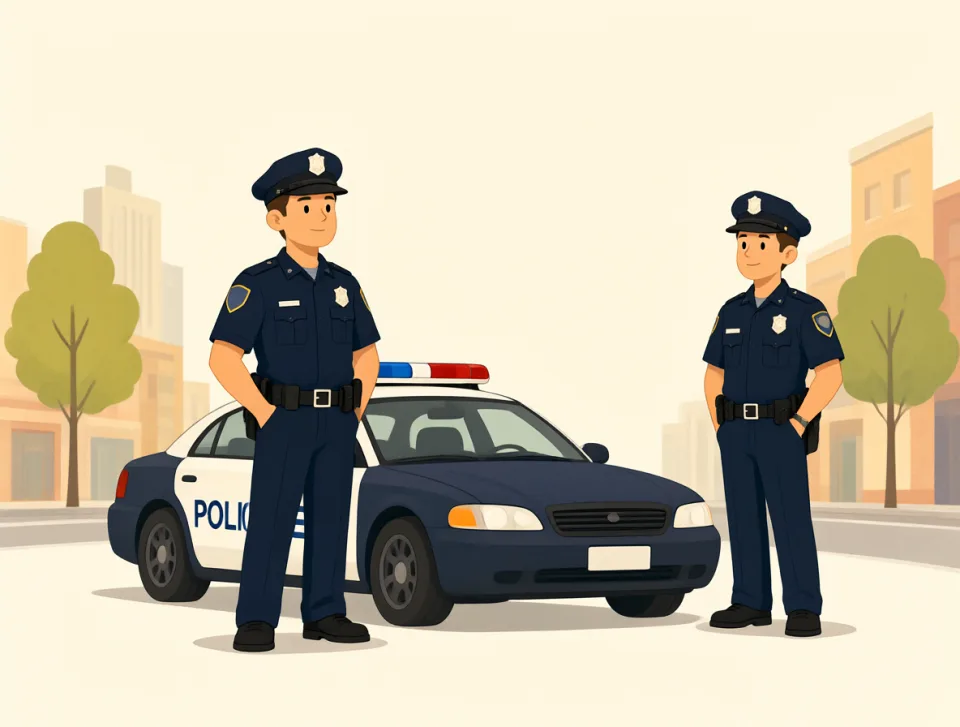
police
#616noun, verb
पुलिस
The official organization that keeps people safe and stops crime.
लोगों को सुरक्षित रखने और अपराध रोकने वाली सरकारी संस्था।
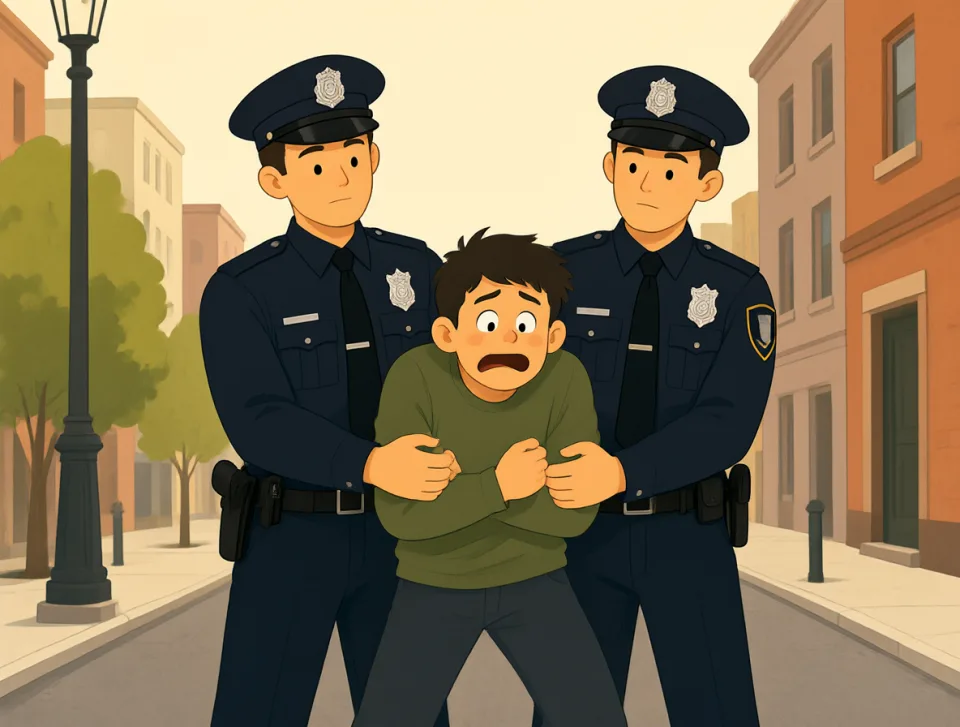
The police caught the thief yesterday.
पुलिस ने कल चोर को पकड़ लिया।
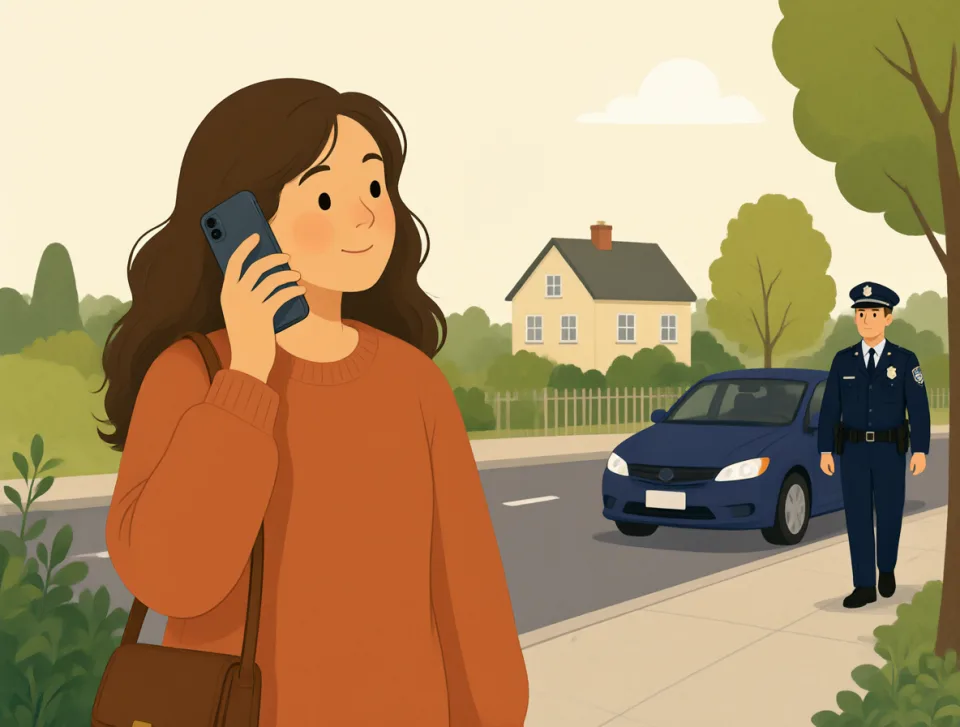
Call the police if you see trouble.
अगर तुम्हें कोई गड़बड़ दिखे, तो पुलिस को बुलाओ।
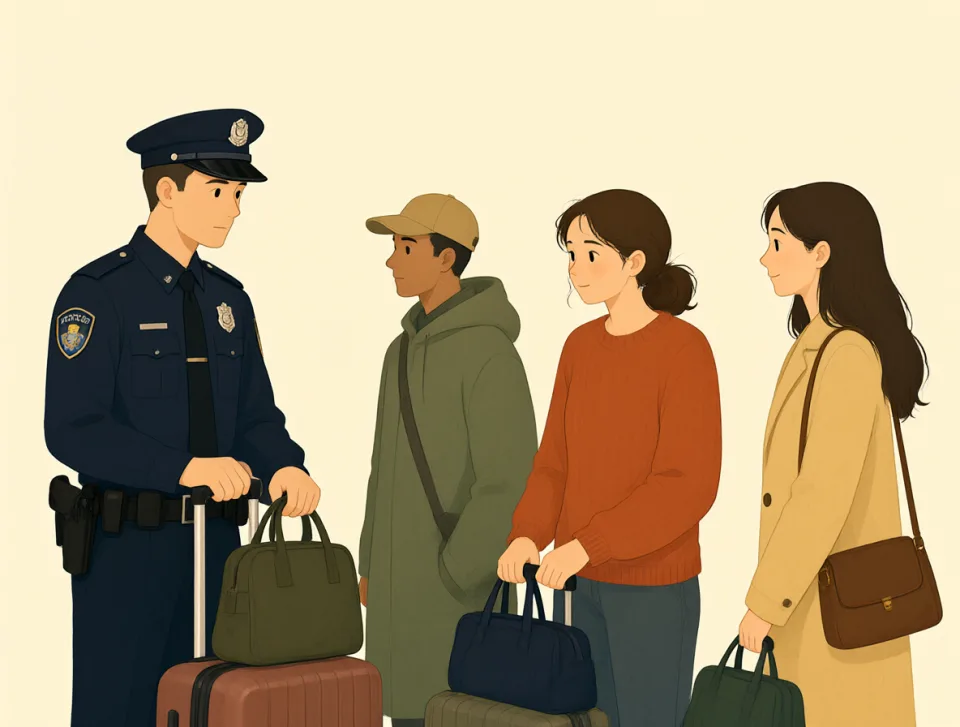
The police are checking our bags.
पुलिस हमारे बैग जाँच रही है।

She works for the police in London.
वह लंदन में पुलिस विभाग में काम करती है।
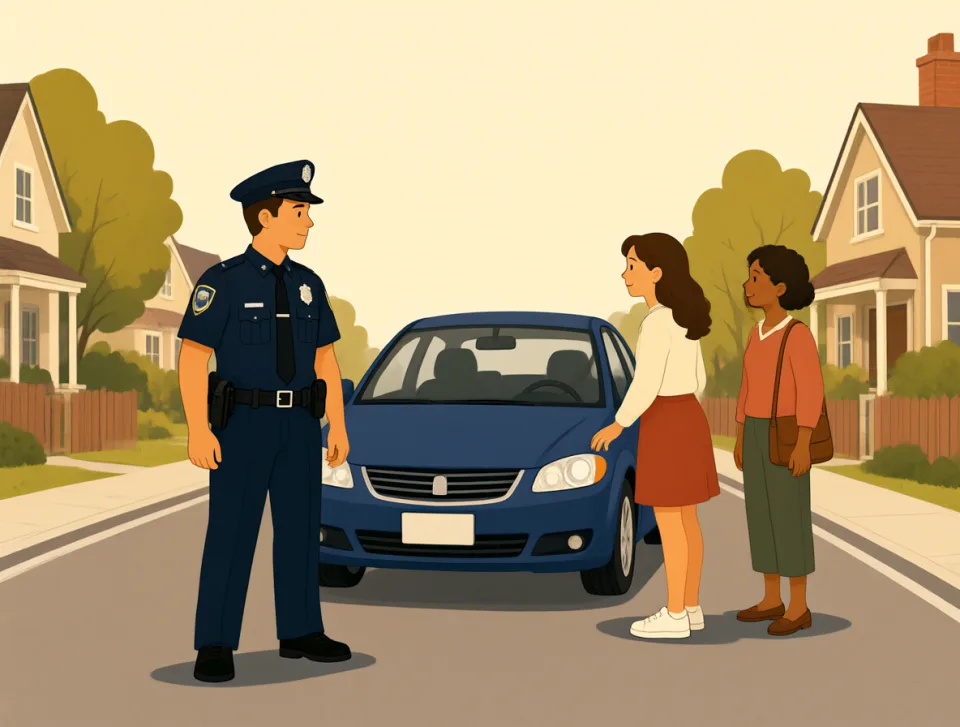
Police stopped the car near our home.
पुलिस ने हमारे घर के पास कार रोक ली।
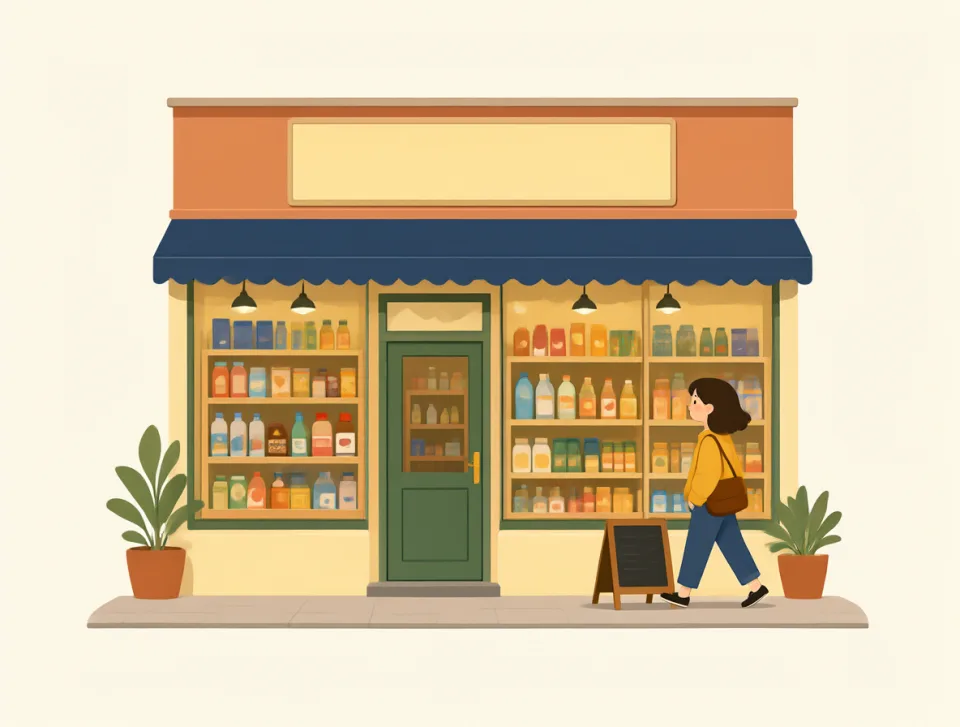
store
#617noun, verb
दुकान
A place where people buy things, or to keep something for future use.
ऐसी जगह जहाँ लोग चीज़ें खरीदते हैं; या भविष्य में इस्तेमाल के लिए किसी चीज़ को सहेजकर रखना।
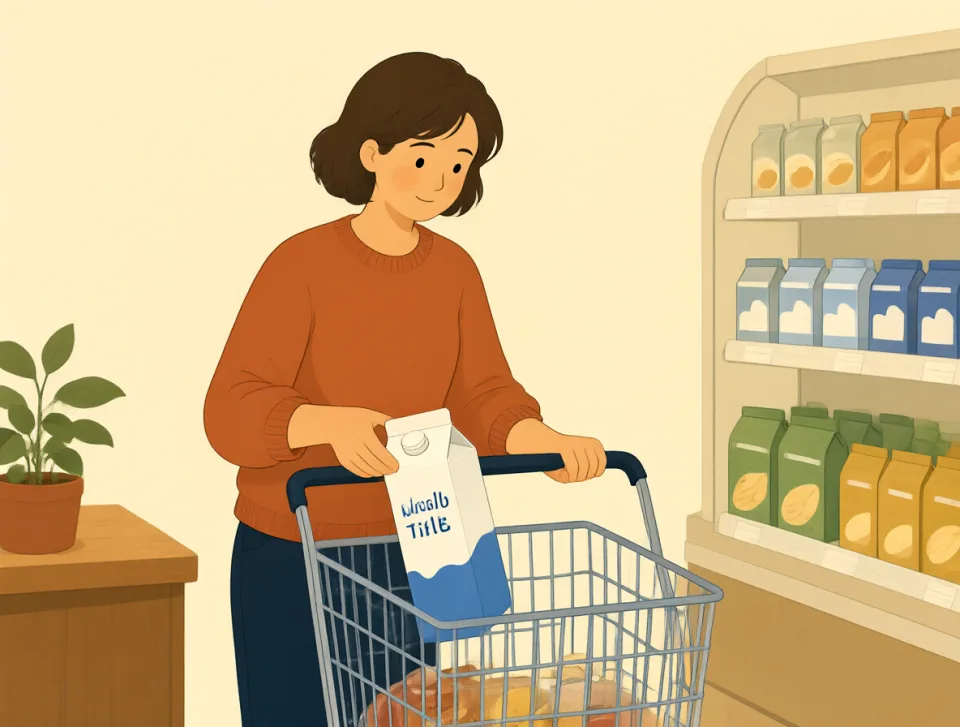
I bought milk at the store.
मैंने दुकान से दूध खरीदा।
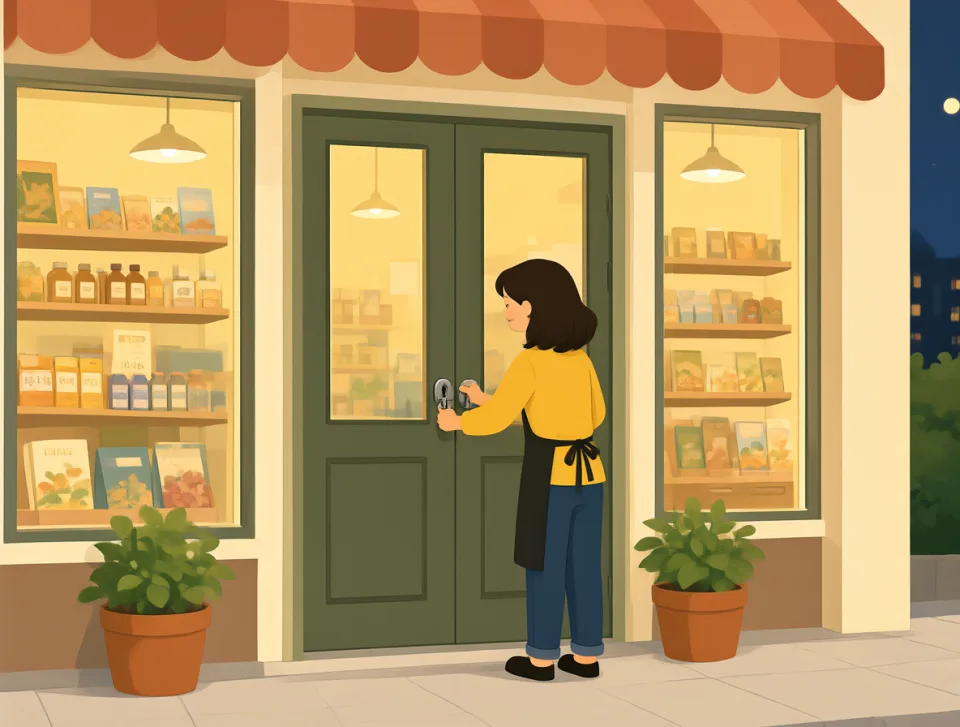
The store closes at eight tonight.
आज रात दुकान आठ बजे बंद हो जाती है।
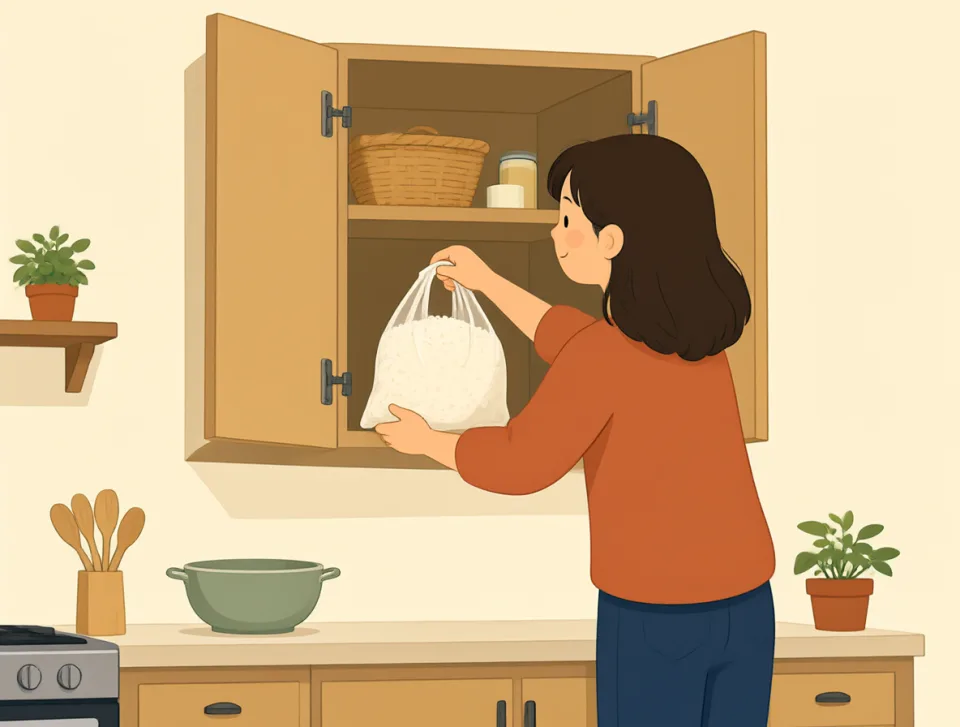
Please store the rice in a dry place.
कृपया चावल को सूखी जगह पर रखें।
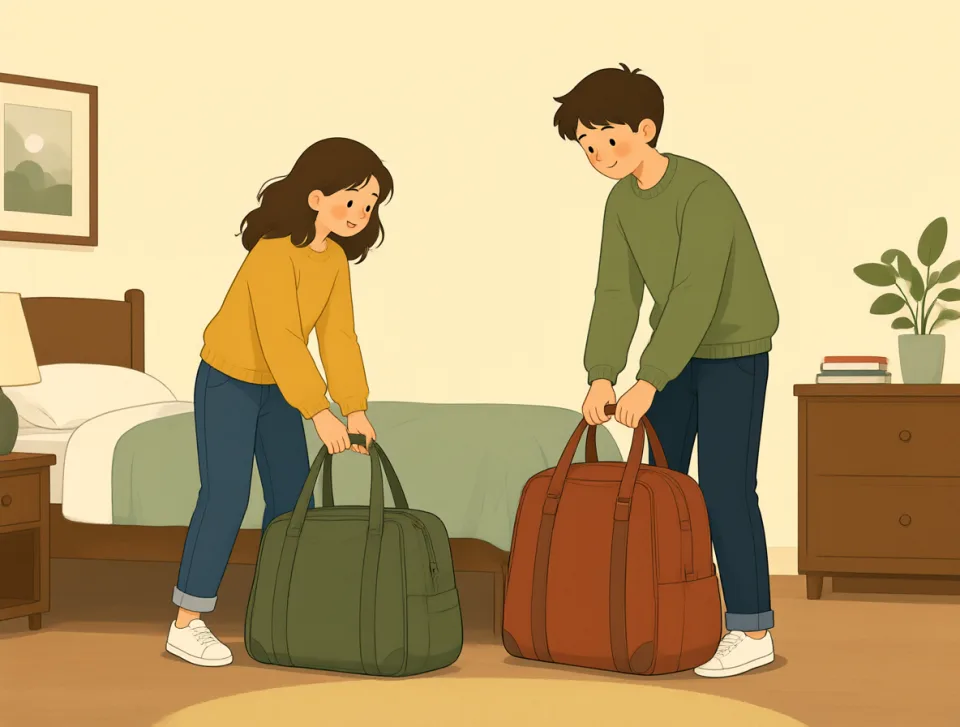
We stored our bags under the bed.
हमने अपने बैग पलंग के नीचे रख दिए।
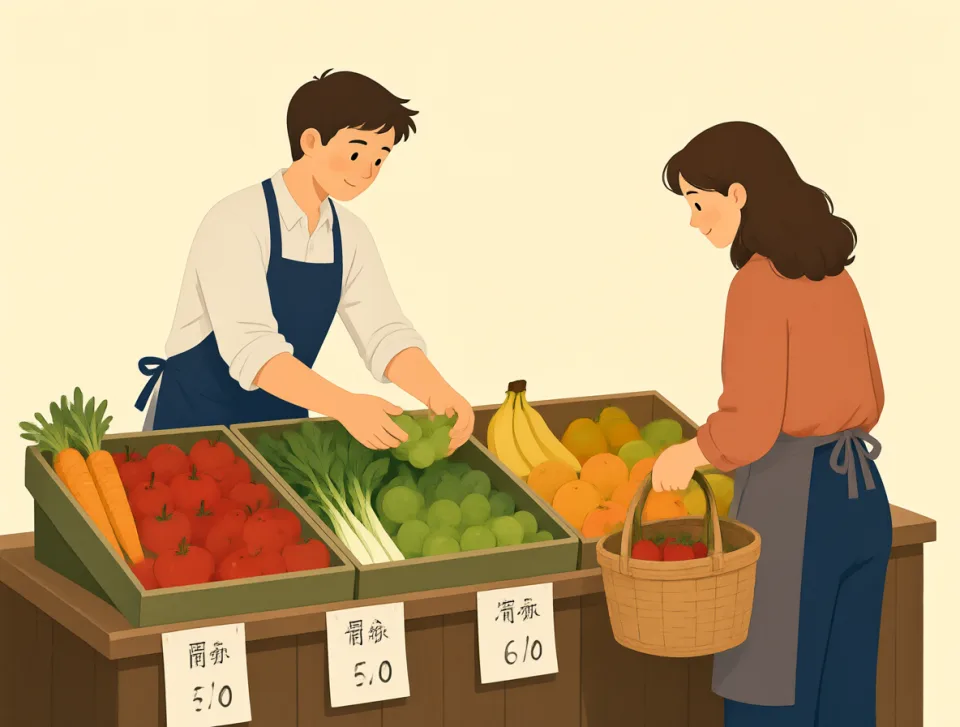
The store sells fresh fruit and vegetables.
इस दुकान में ताज़े फल और सब्ज़ियाँ मिलती हैं।
poor
#618adjective, noun
गरीब; घटिया
Having little money, or being of low quality.
जिसके पास बहुत कम पैसे हों, या जिसकी गुणवत्ता खराब हो।
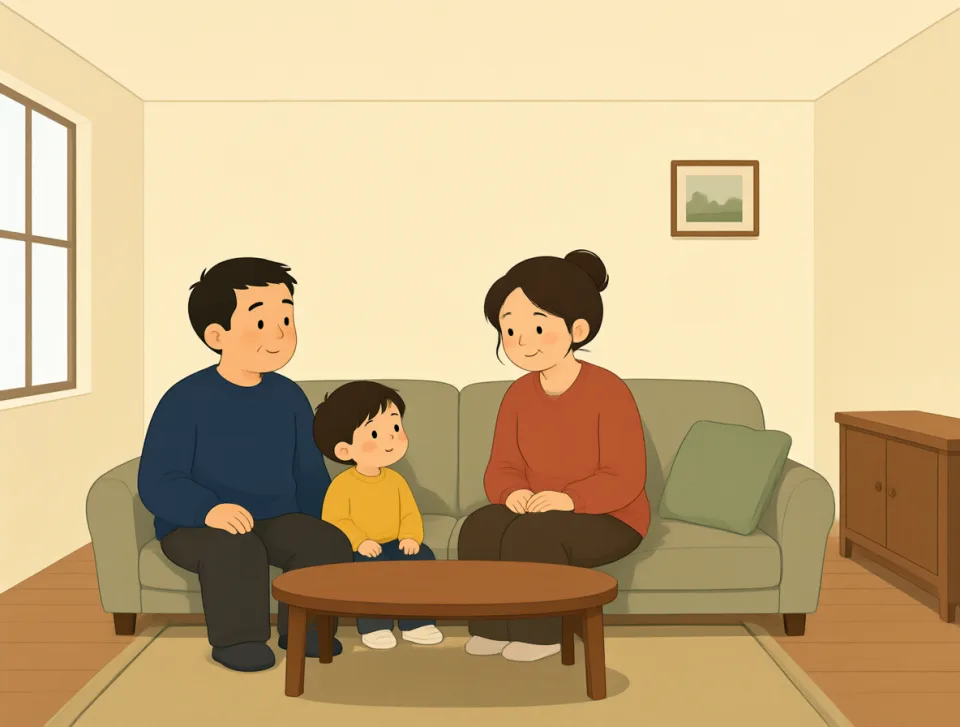
The poor family needs a warm home.
उस गरीब परिवार को गर्म और सुरक्षित घर की ज़रूरत है।
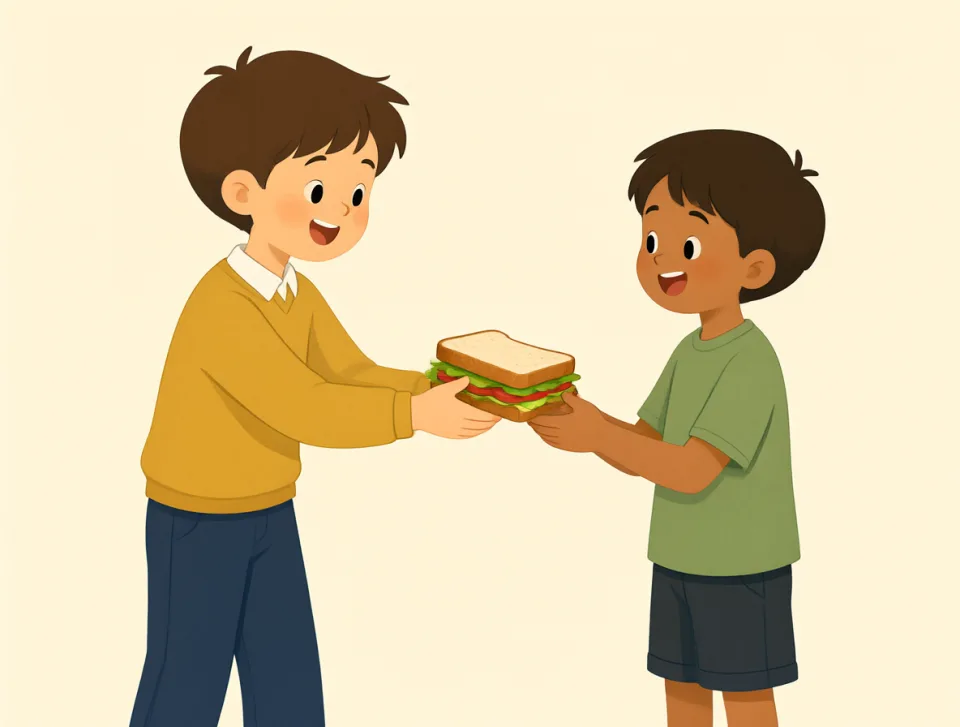
The poor boy shared his lunch.
उस गरीब लड़के ने अपना खाना बाँटा।
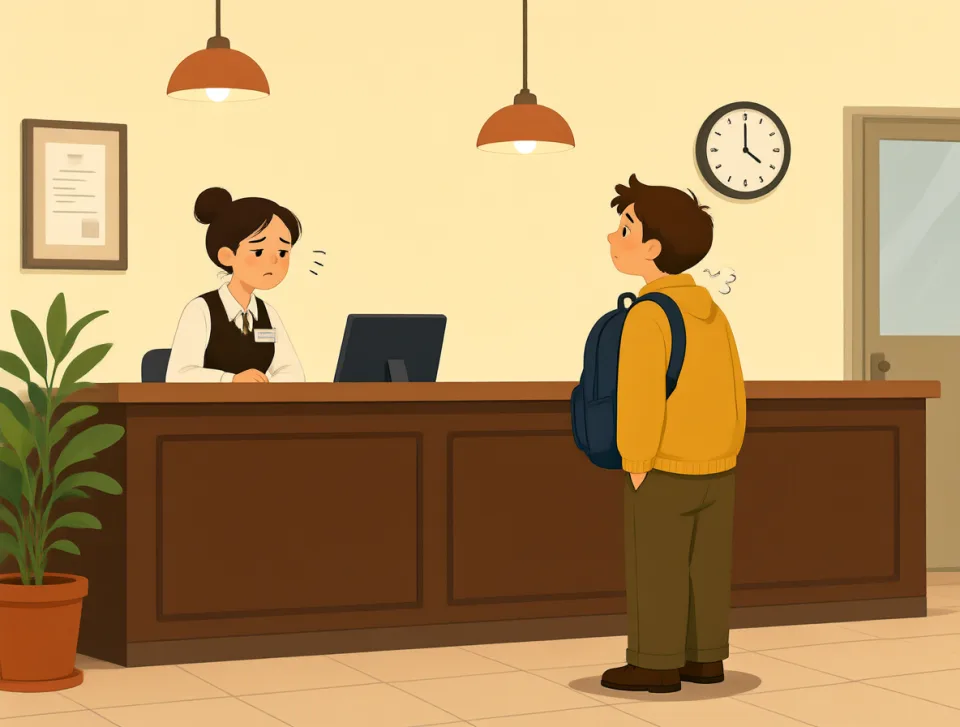
We had poor service at the hotel.
होटल में हमें खराब सेवा मिली।
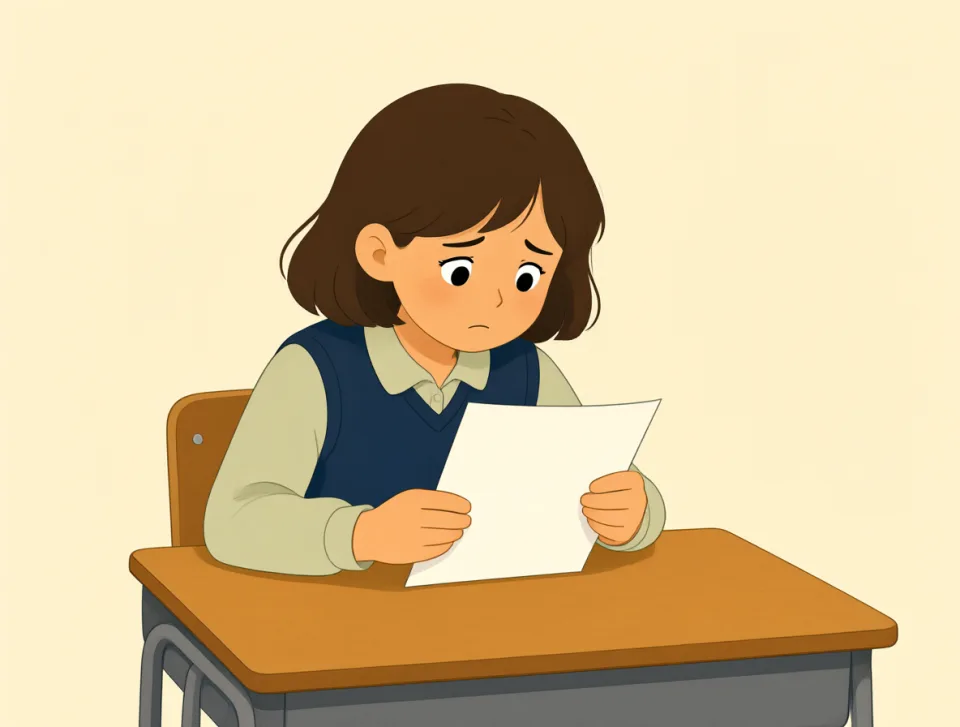
She got poor marks on the test.
परीक्षा में उसे कम अंक मिले।
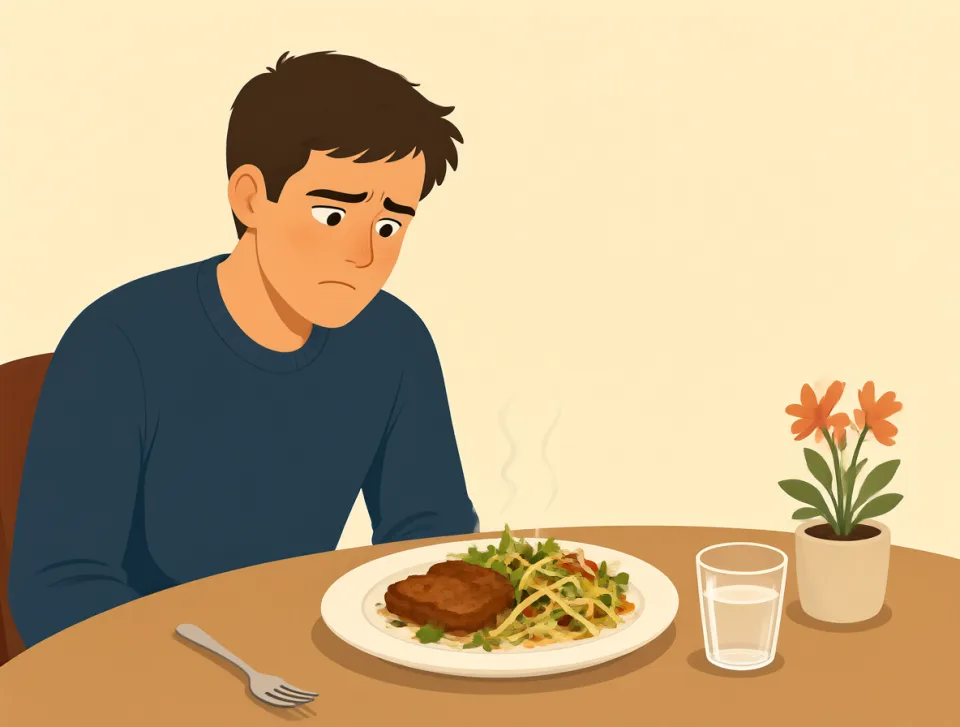
This restaurant serves poor food.
इस रेस्तराँ का खाना खराब है।
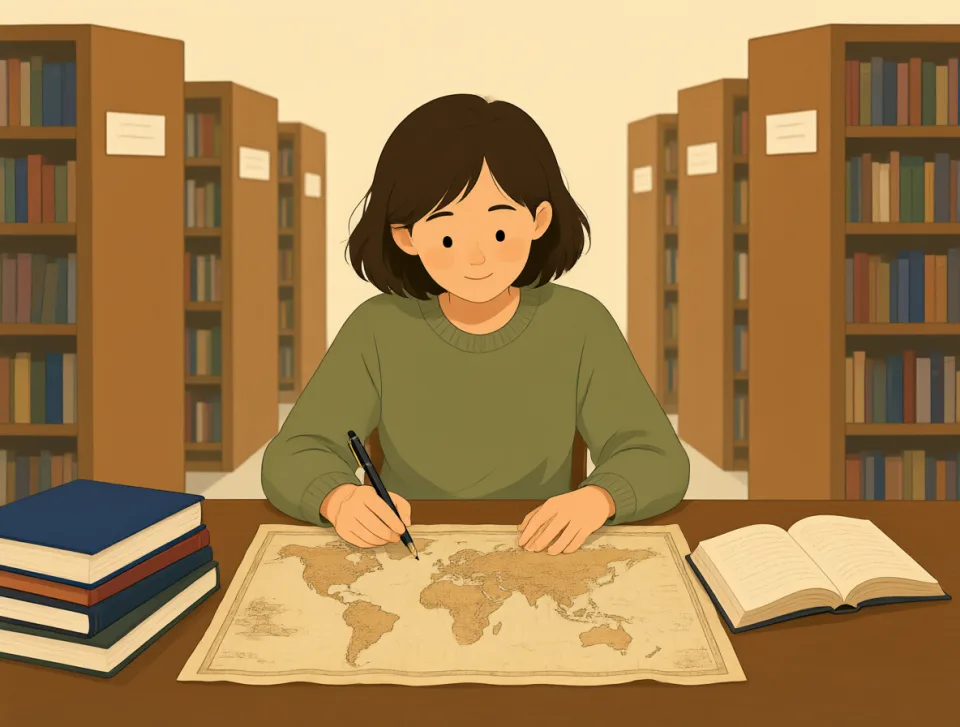
knowledge
#619noun
ज्ञान
Facts and information that a person knows about a subject or the world.
किसी व्यक्ति को किसी विषय या दुनिया के बारे में जो तथ्य और जानकारी पता हों।
She has good knowledge of local history.
उसे स्थानीय इतिहास का अच्छा ज्ञान है।

Knowledge of English helps at work.
अंग्रेज़ी का ज्ञान काम में मदद करता है।
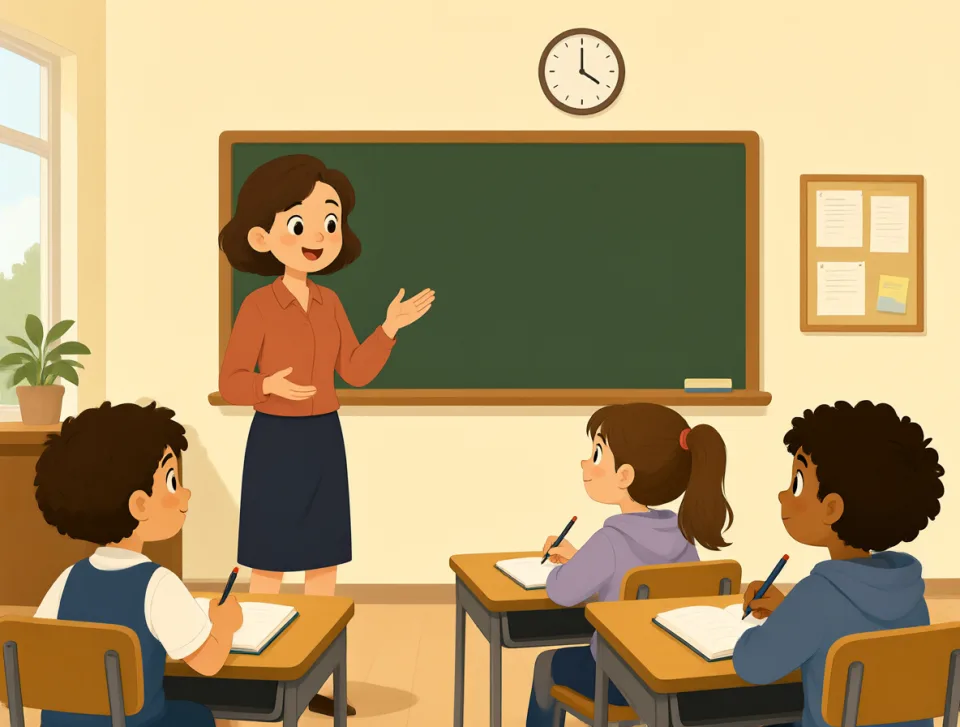
He shared his knowledge with the students.
उसने अपना ज्ञान विद्यार्थियों के साथ साझा किया।
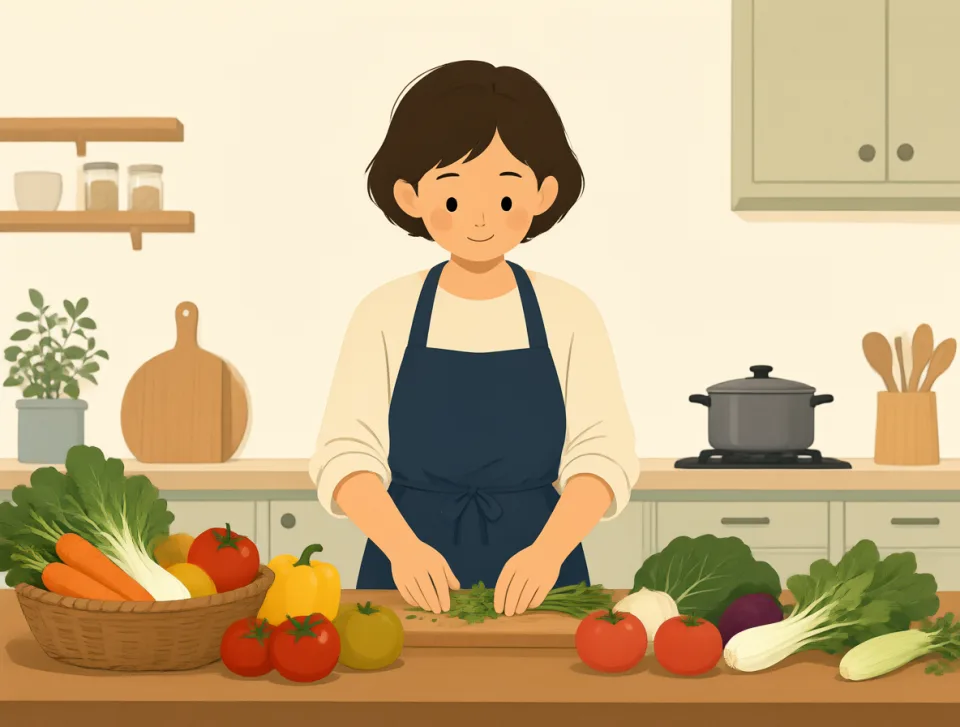
I need more knowledge about healthy food.
मुझे पौष्टिक भोजन के बारे में और जानकारी चाहिए।
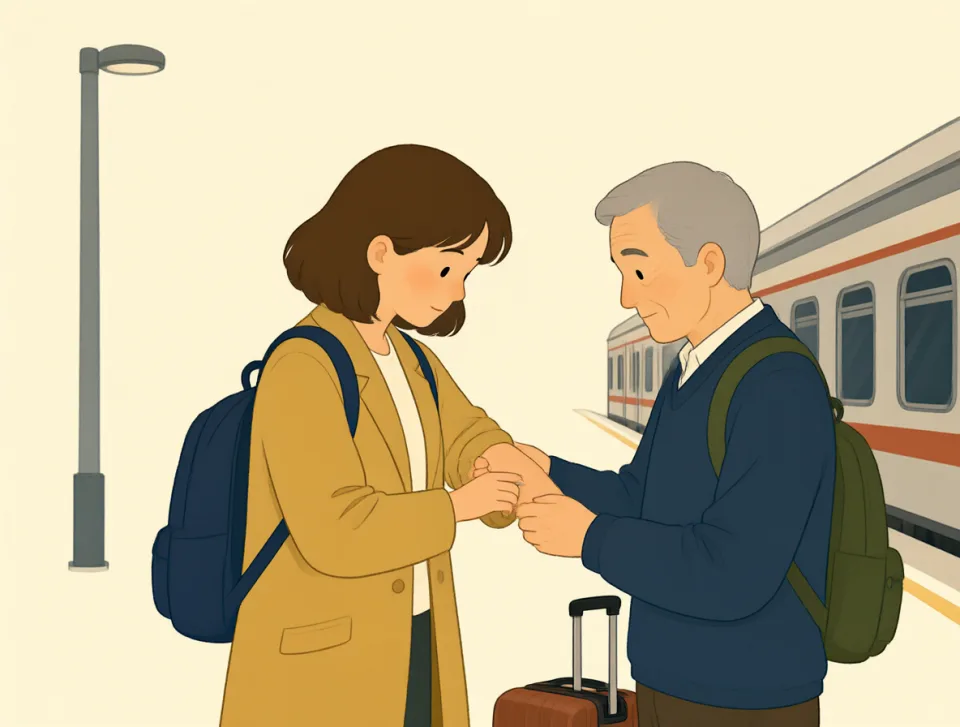
Her medical knowledge helped the sick traveler.
उसके चिकित्सा संबंधी ज्ञान ने बीमार यात्री की मदद की।

laugh
#620verb, noun
हँसना
To make a happy sound or smile because something is funny.
कोई बात मज़ेदार लगने पर खुशी से आवाज़ निकालना या मुस्कुराना।
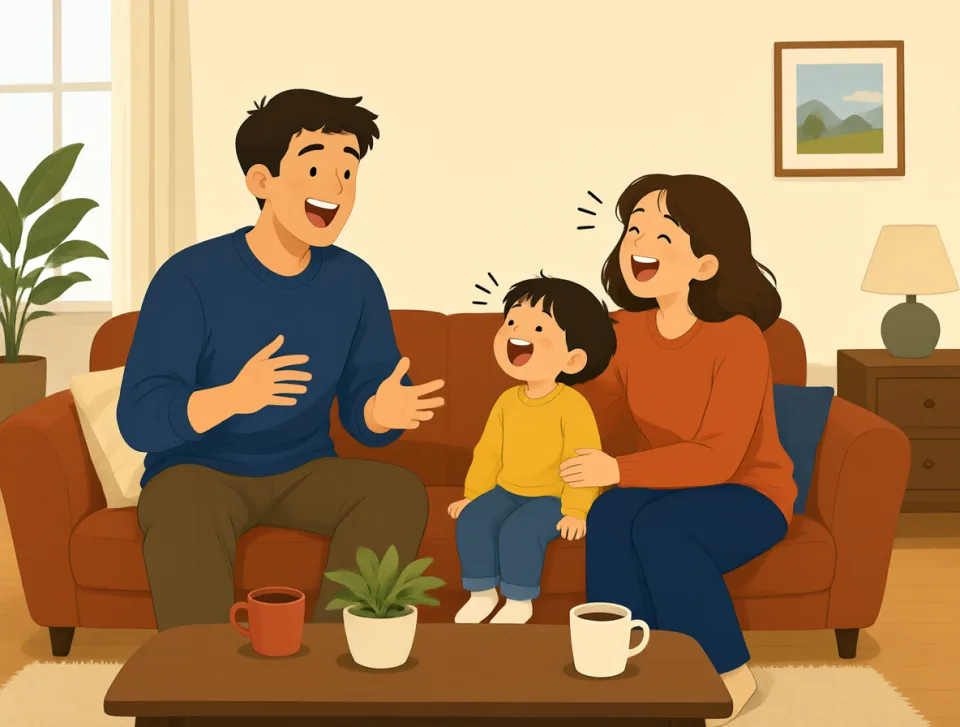
We laughed at Dad's funny joke.
पापा के मज़ेदार चुटकुले पर हम हँसे।
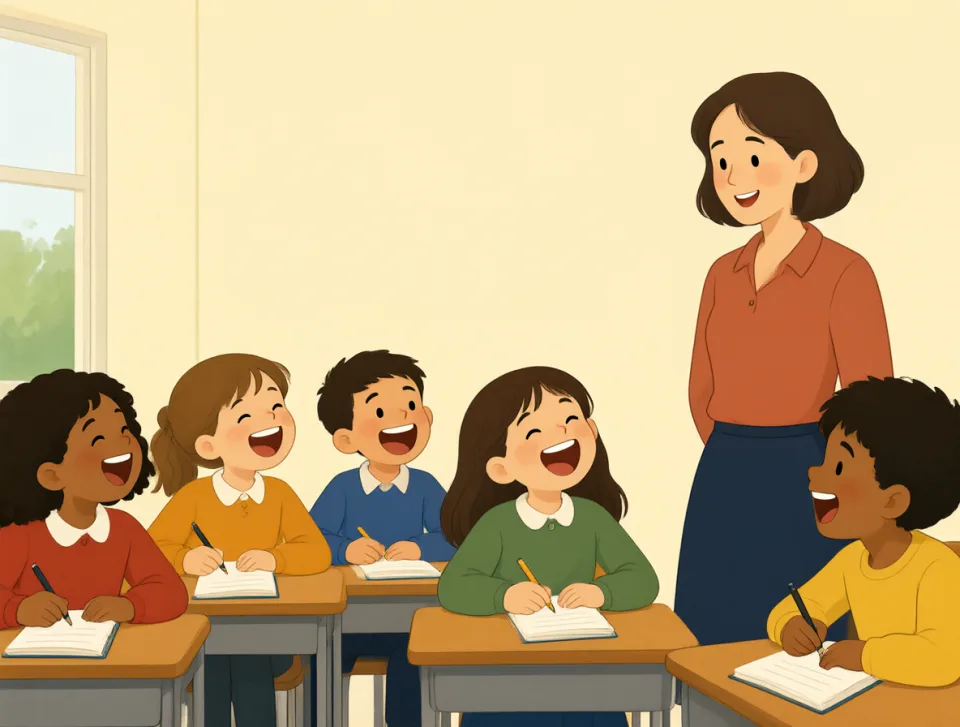
The children laughed loudly in class.
बच्चे कक्षा में ज़ोर-ज़ोर से हँसे।
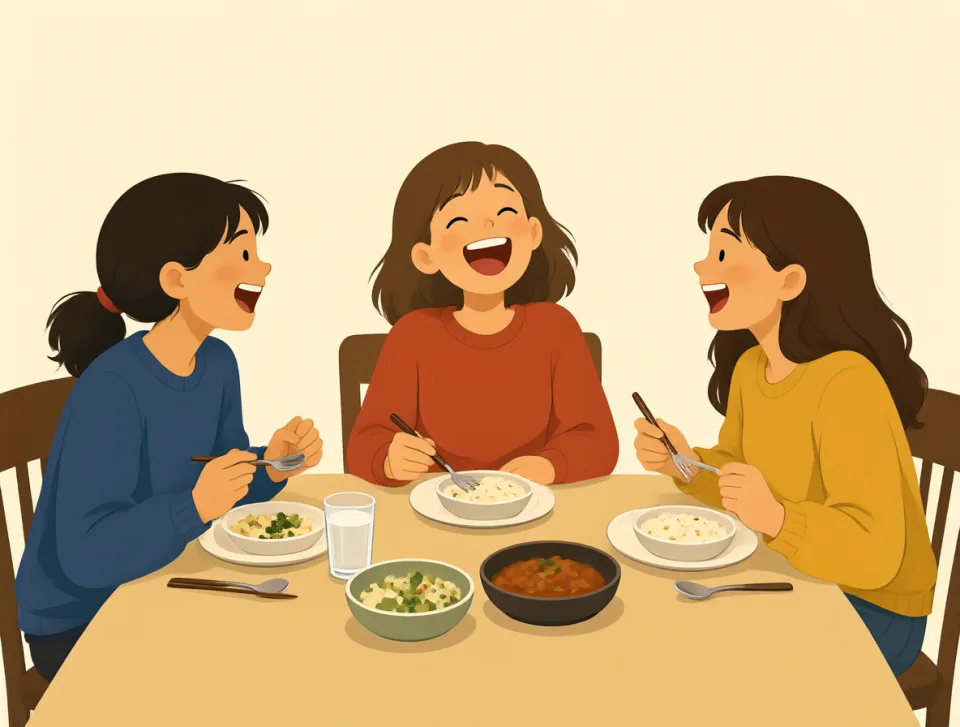
She laughed with her friends at lunch.
वह दोपहर के खाने पर अपने दोस्तों के साथ हँसी।

He laughed when he saw the silly hat.
बेवकूफ़ी भरी टोपी देखकर वह हँस पड़ा।

Her laugh made everyone feel happy.
उसकी हँसी से हर कोई खुश हो गया।