Unidad 31
Palabras 601–620 · particularly, wife, sport, prepare, discuss, response
particularly
#601adverb
particularmente; especialmente
More than usual or more than others in a particular way.
Más de lo habitual o más que otras personas o cosas, de una manera determinada.
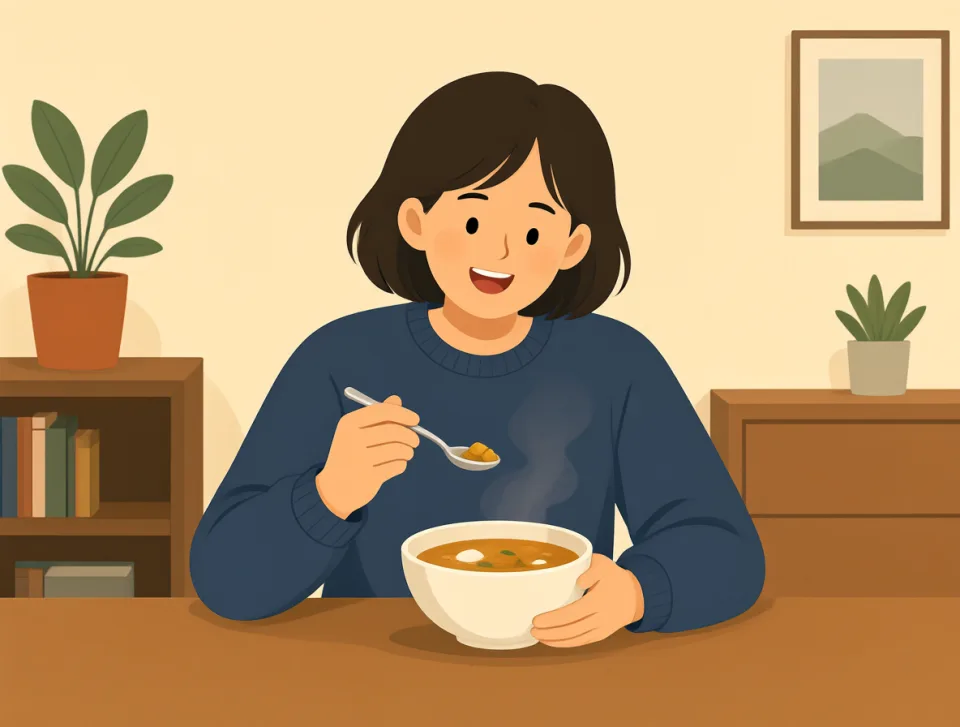
I particularly like this warm soup.
Me gusta especialmente esta sopa caliente.
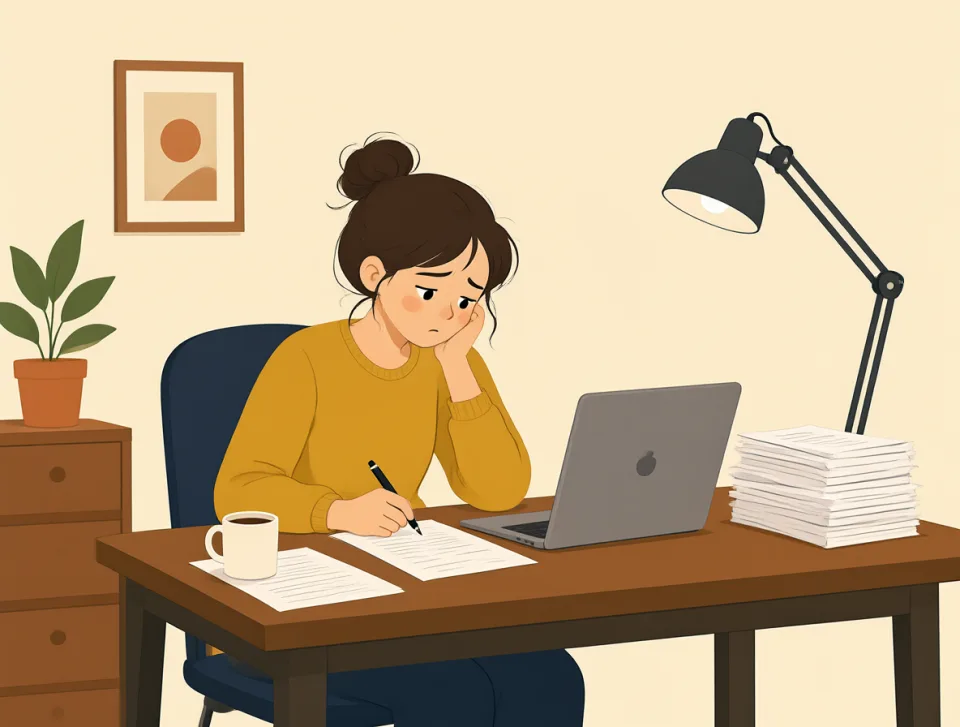
She was particularly tired after work.
Estaba particularmente cansada después del trabajo.

This shop is particularly busy today.
Hoy esta tienda está especialmente concurrida.
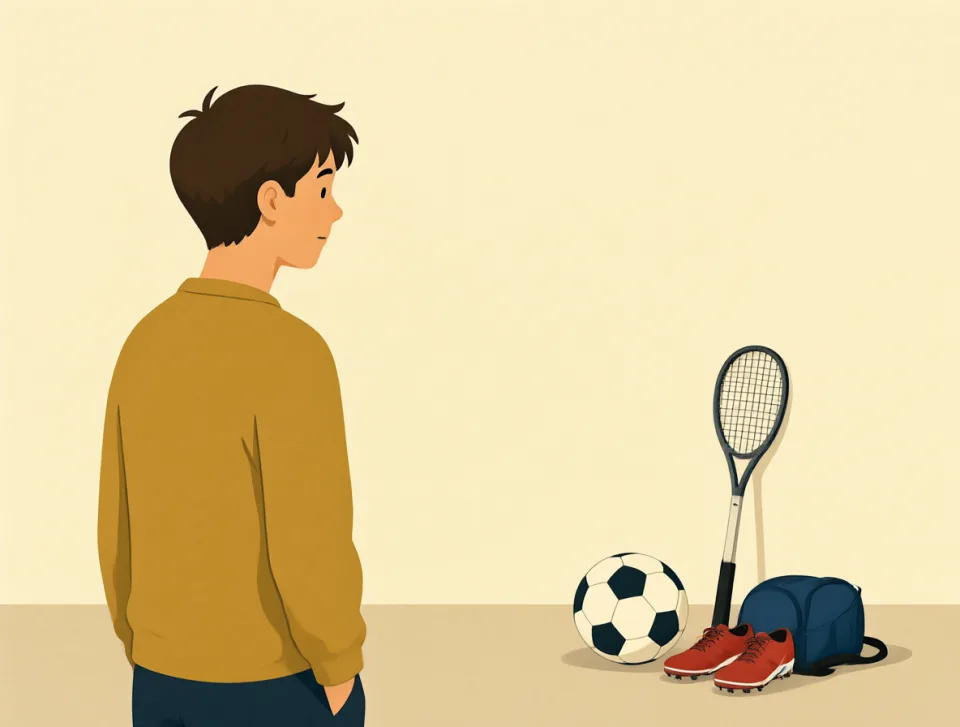
He enjoys sports, particularly football.
Le gustan los deportes, especialmente el fútbol.
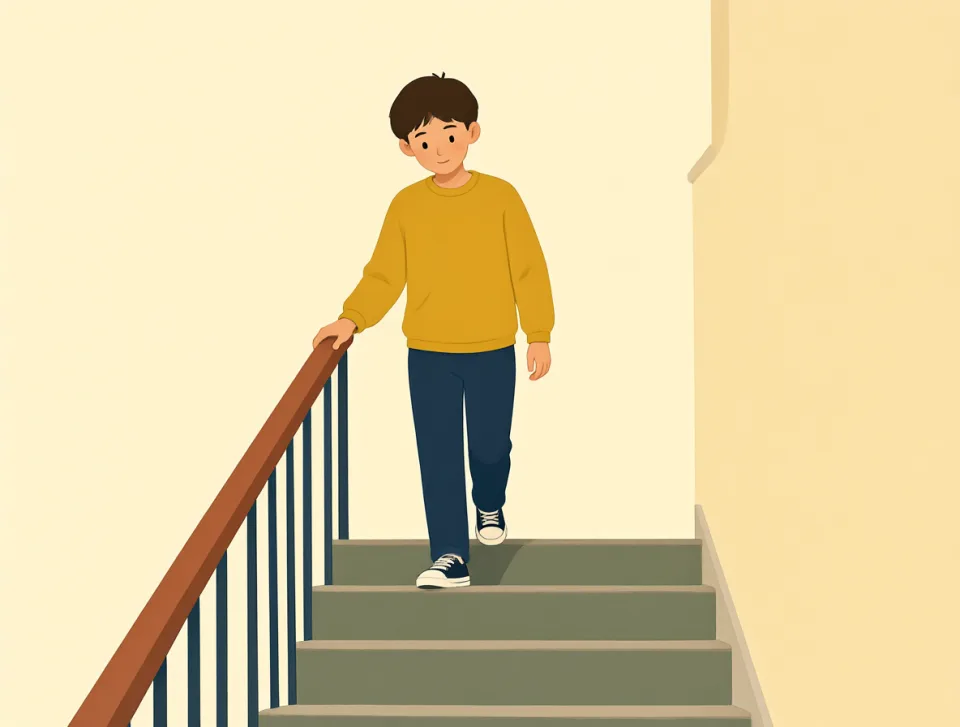
Please be particularly careful on these stairs.
Ten mucho cuidado, especialmente en estas escaleras.

wife
#602noun
esposa; mujer
A married woman, or a woman you are married to.
Una mujer casada o una mujer con la que estás casado.
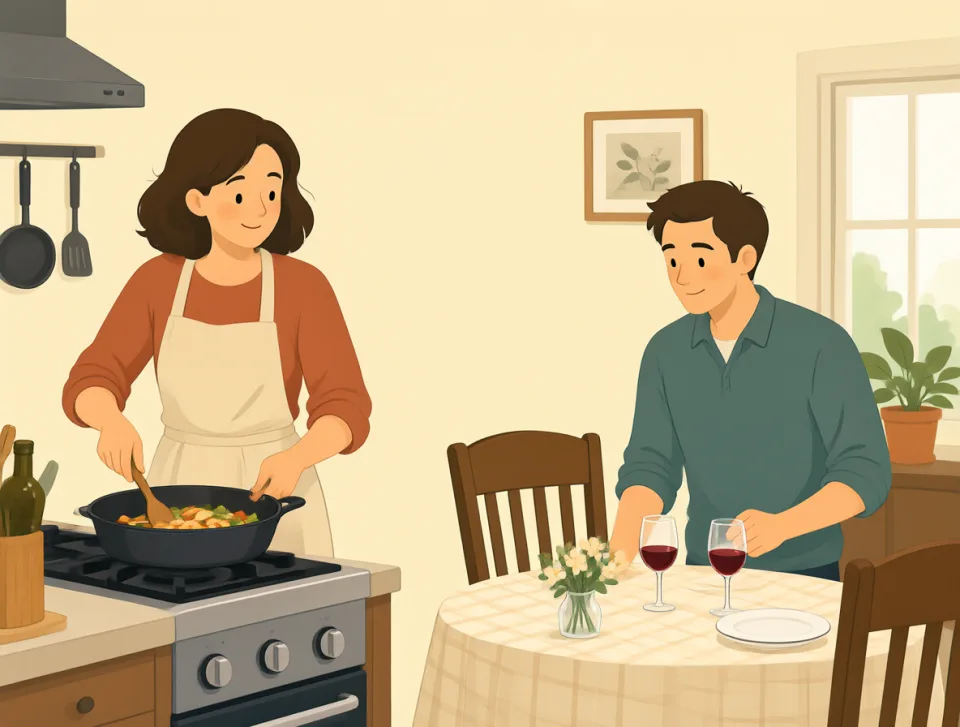
His wife is making dinner tonight.
Su esposa va a preparar la cena esta noche.
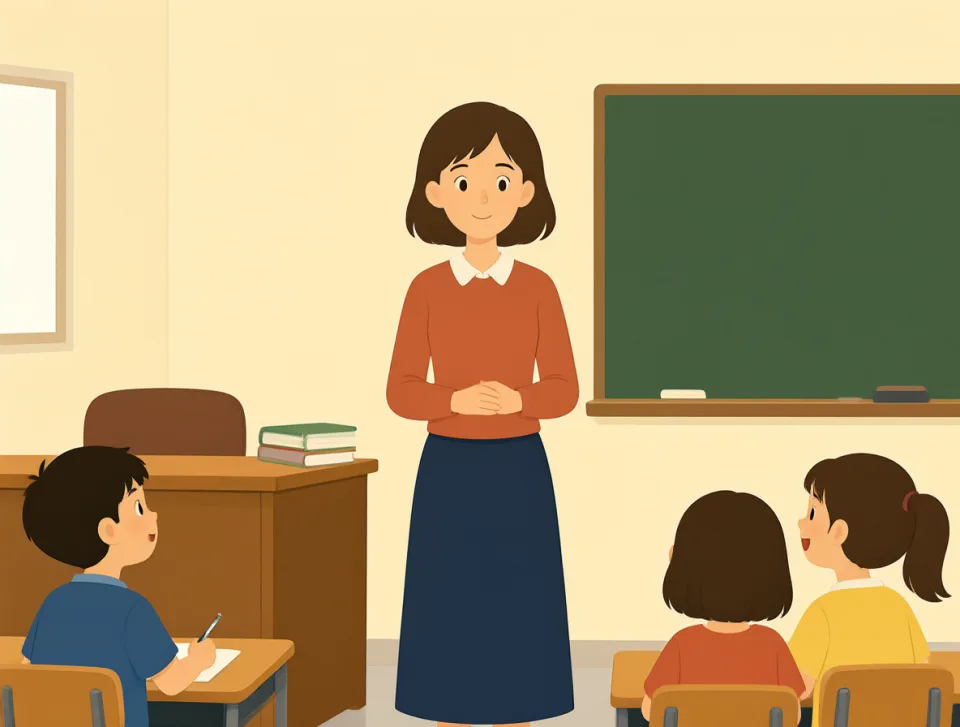
My wife works at the local school.
Mi esposa trabaja en la escuela local.

I bought flowers for my wife.
Compré flores para mi esposa.
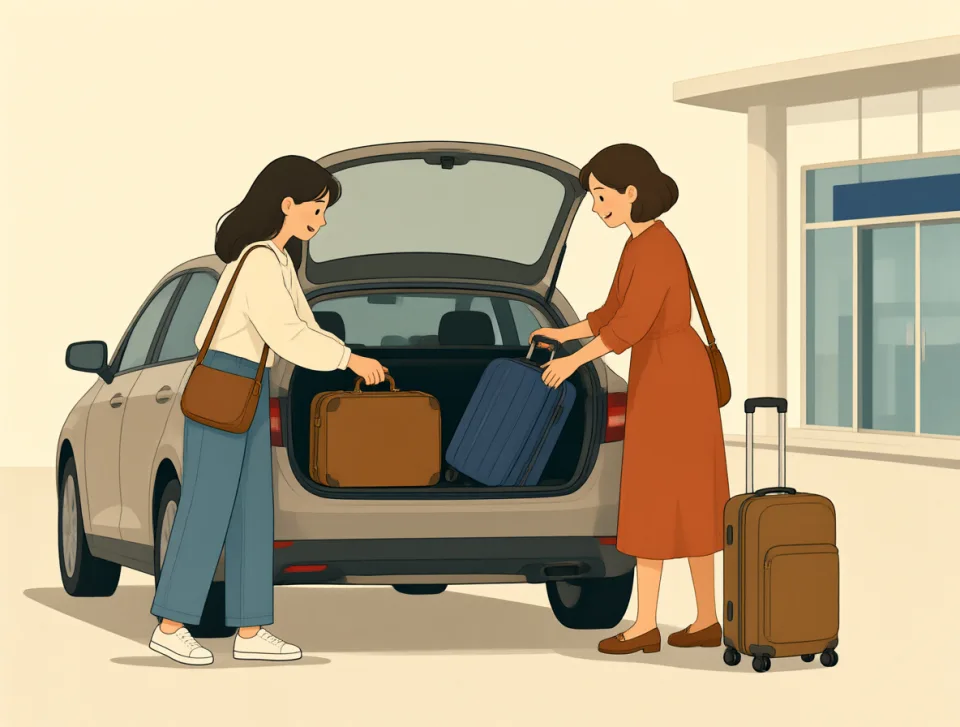
Her wife drove them to the airport.
Su esposa los llevó al aeropuerto.
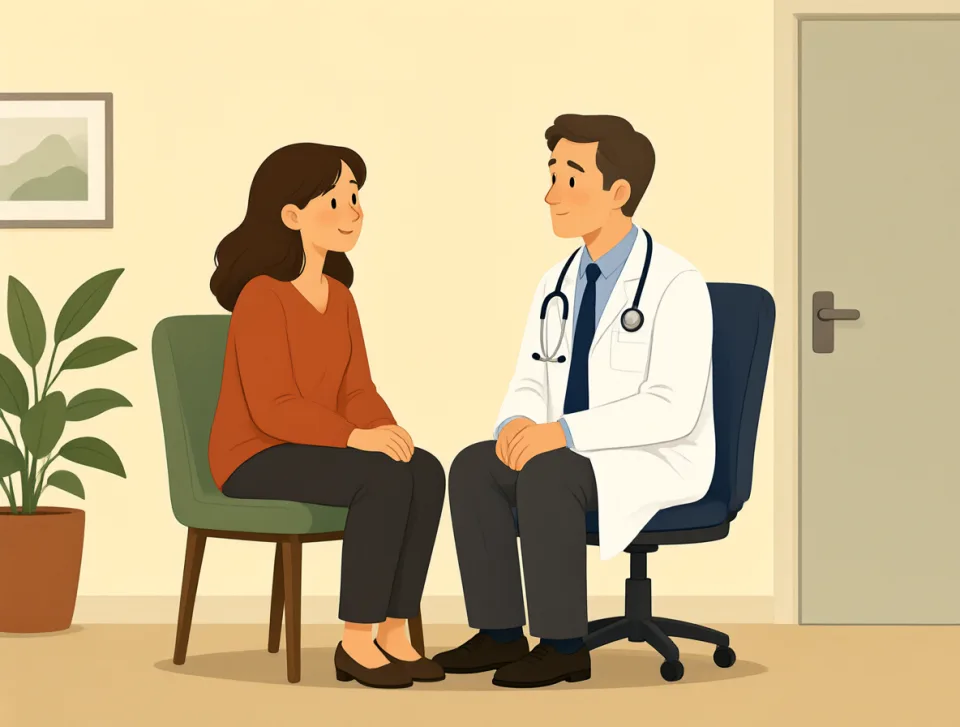
His wife feels better after seeing the doctor.
Su esposa se siente mejor después de ir al médico.
sport
#603noun, verb
deporte; practicar deporte
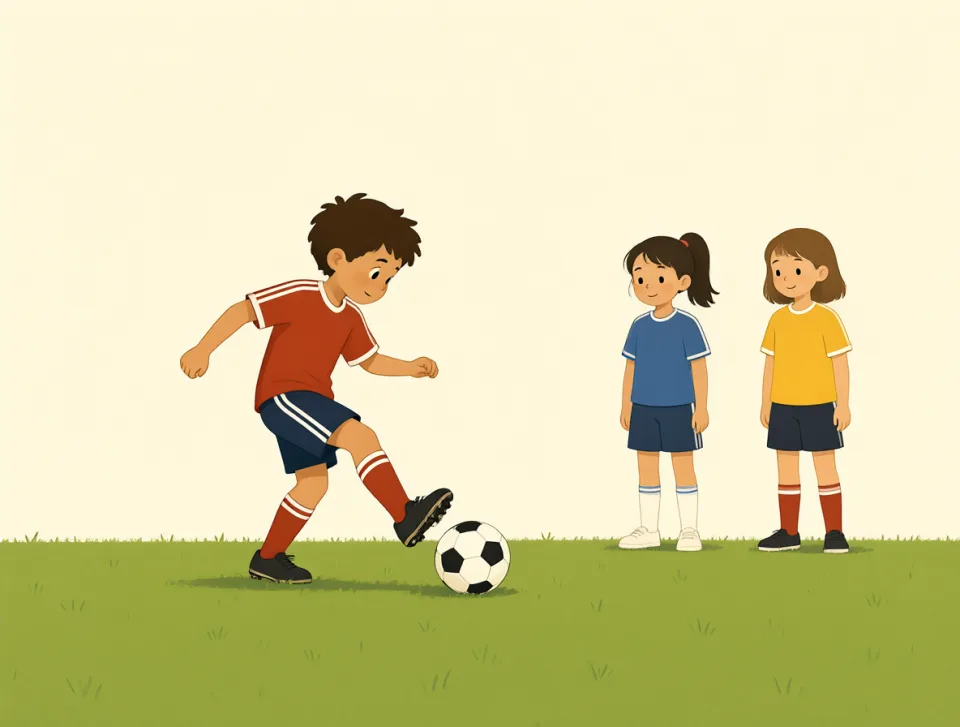
A game or activity that people do for exercise, fun, or competition.
Un juego o actividad que las personas realizan para hacer ejercicio, divertirse o competir.
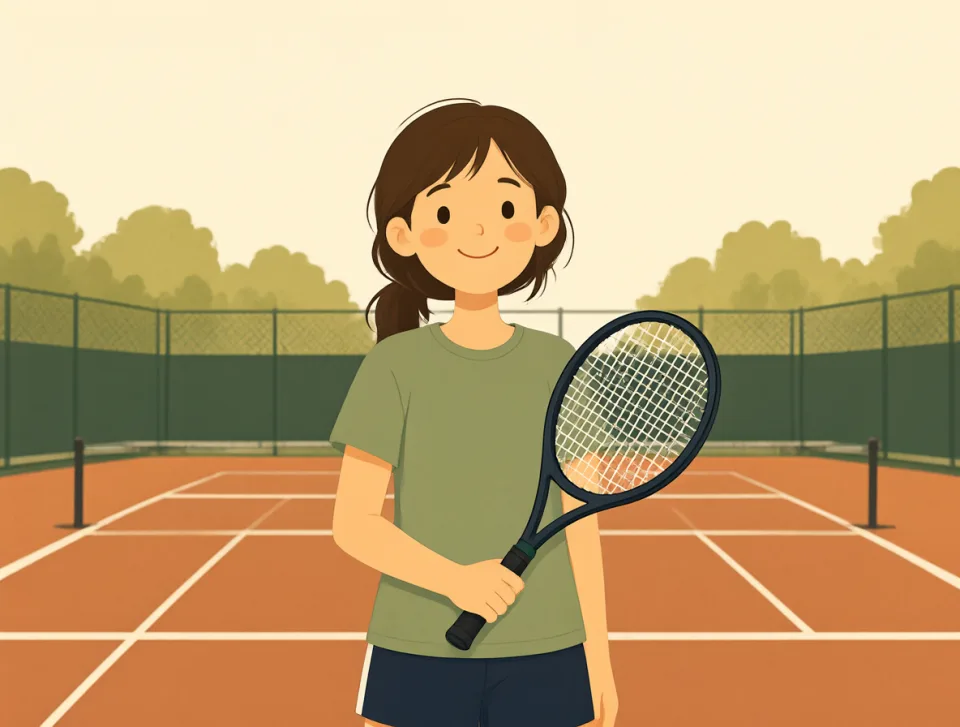
My favorite sport is tennis.
Mi deporte favorito es el tenis.

He plays sport after school.
Él practica deporte después de clase.
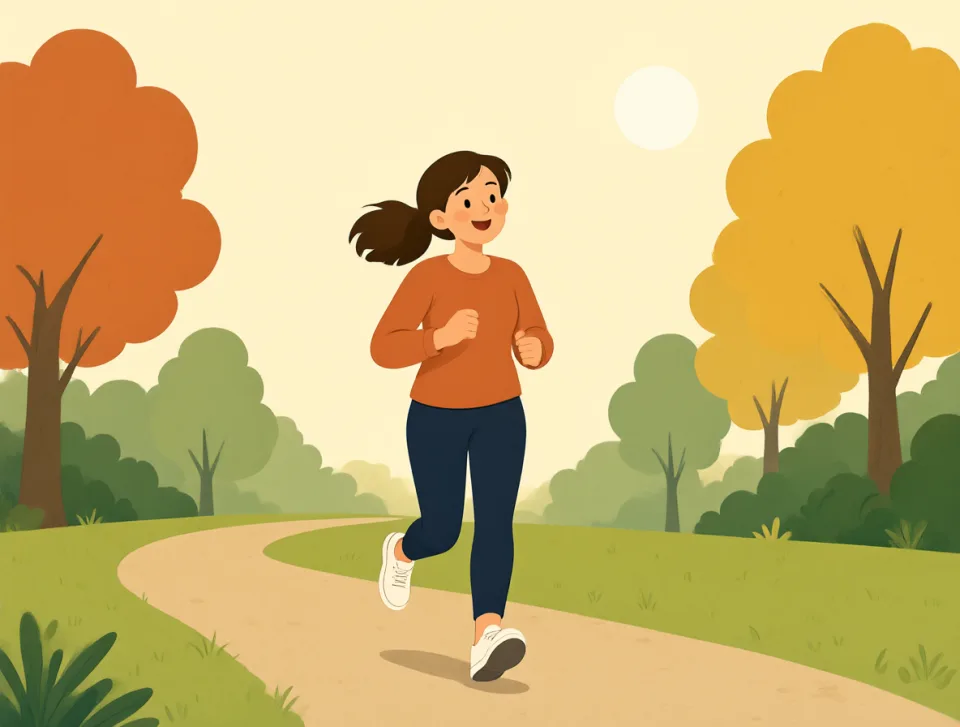
Sport can help you stay healthy.
Practicar deporte puede ayudarte a mantenerte saludable.
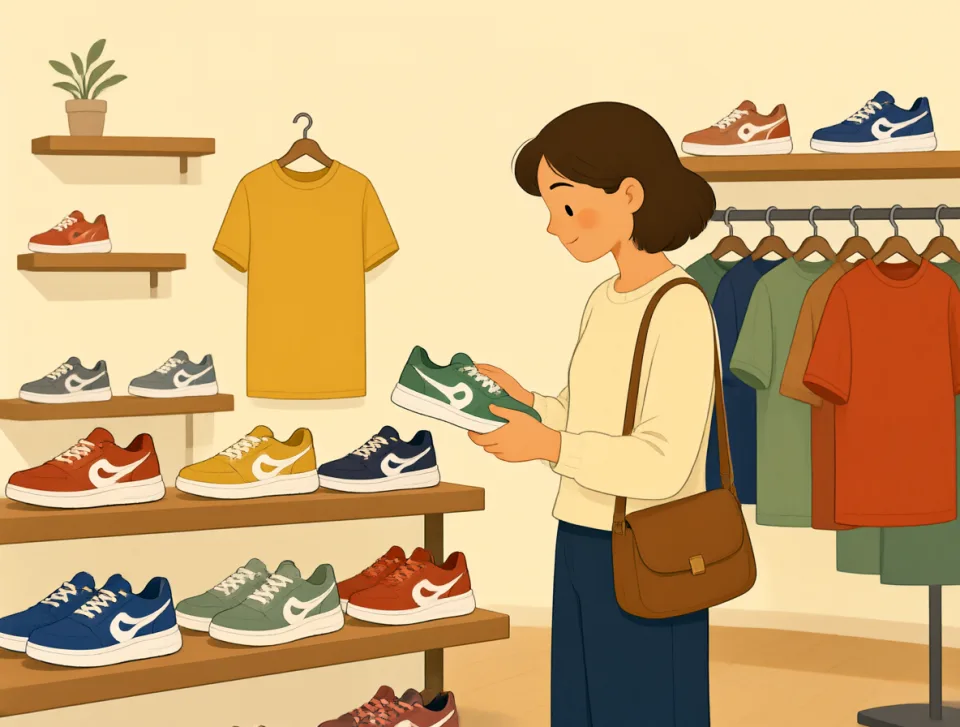
The shop sells clothes for sport.
La tienda vende ropa deportiva.

We talked about sport on the train.
Hablamos de deportes en el tren.
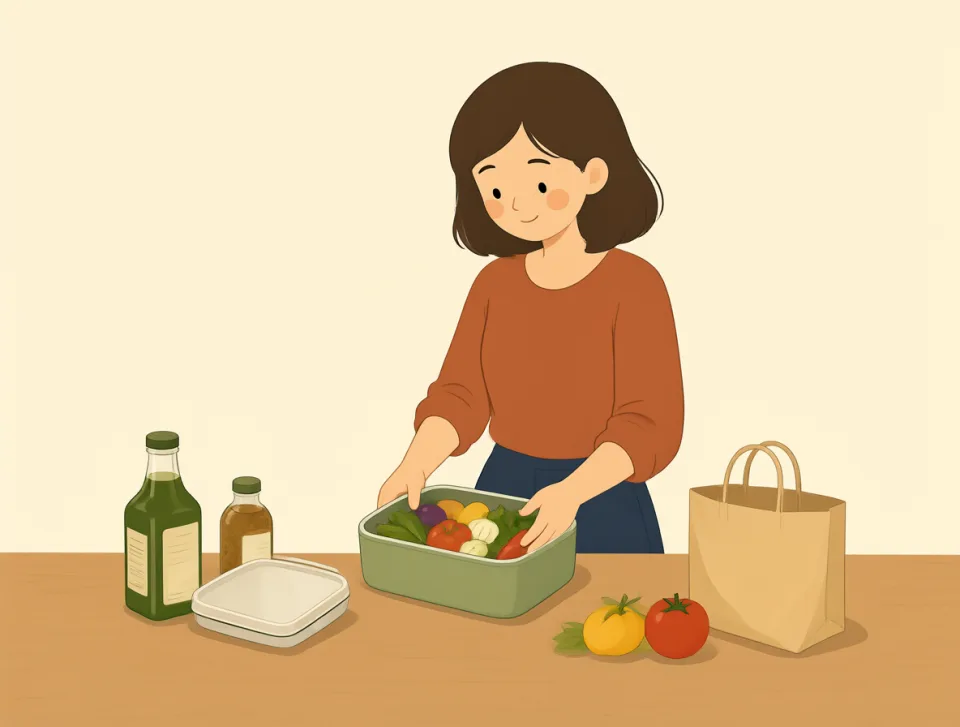
prepare
#604verb
preparar; prepararse
to get ready for something or make something ready
preparar algo o prepararse para algo
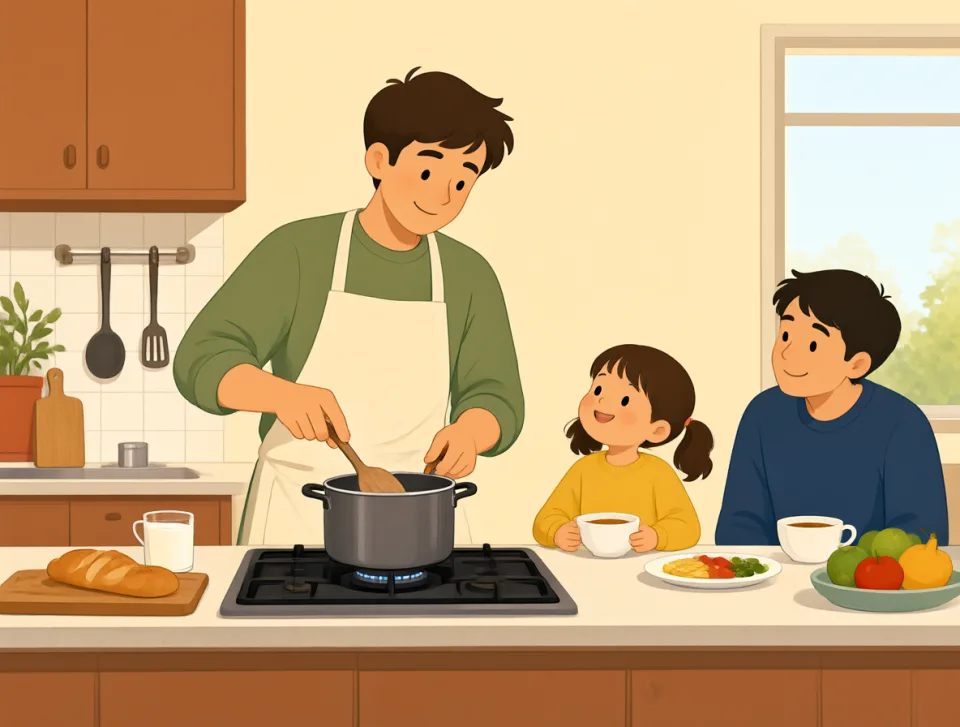
I prepare breakfast for my family every morning.
Preparo el desayuno para mi familia todas las mañanas.
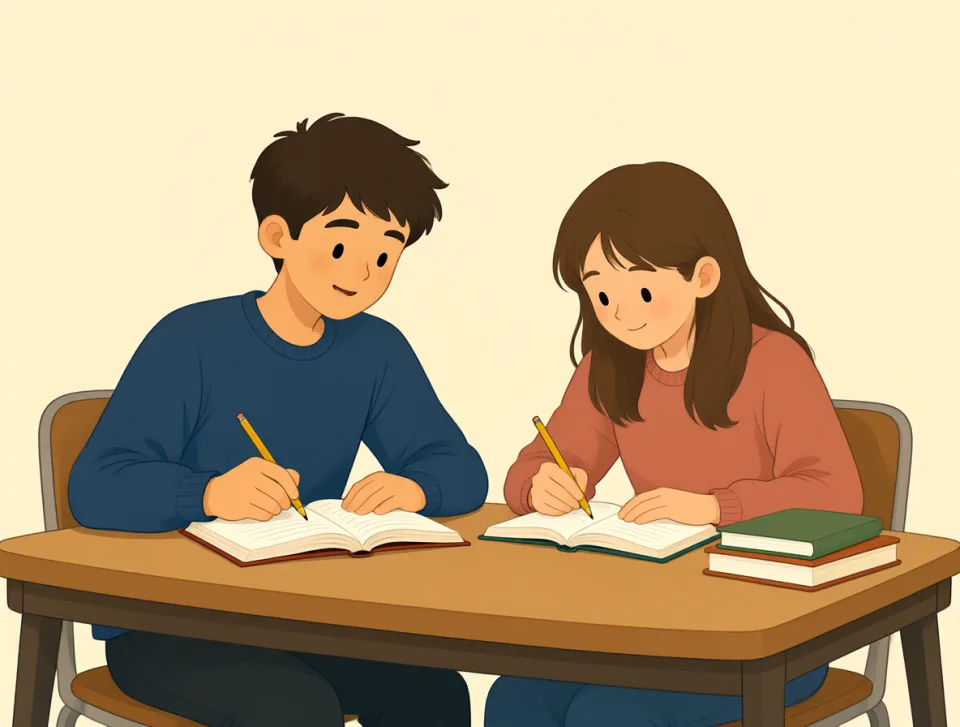
We are preparing for the school test.
Nos estamos preparando para el examen de la escuela.

She prepared a report for the meeting.
Ella preparó un informe para la reunión.
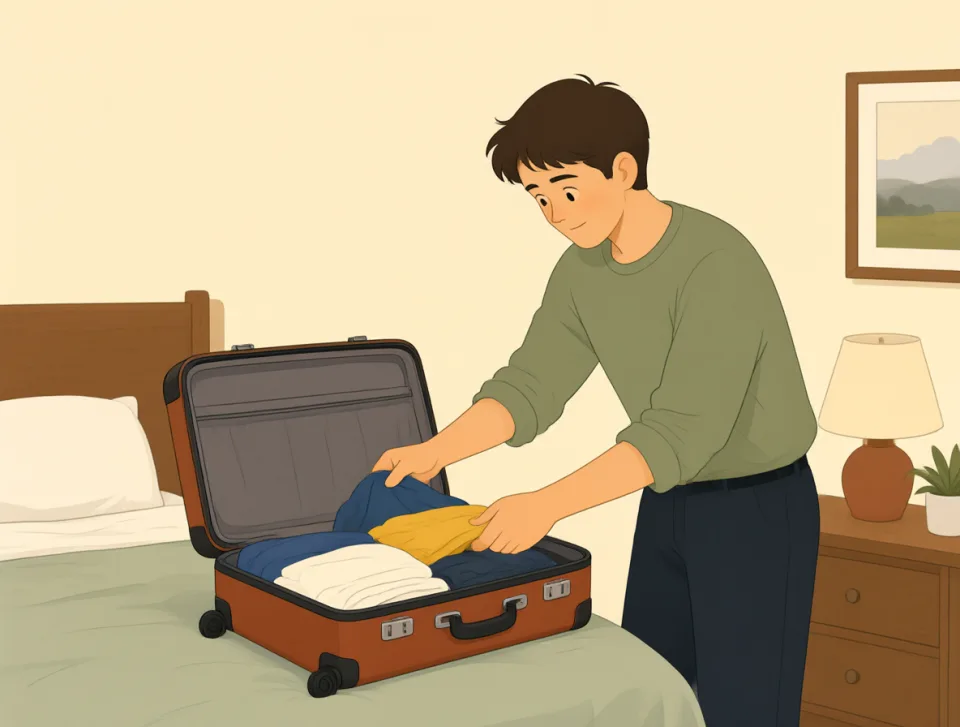
He prepared his suitcase before the trip.
Preparó su maleta antes del viaje.
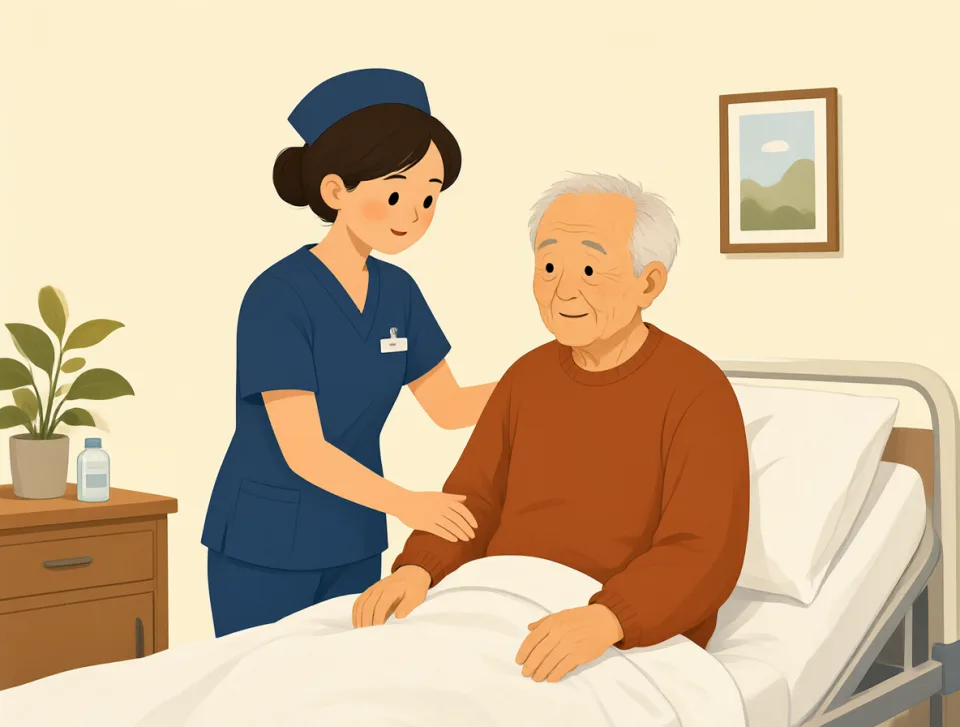
The nurse prepared the patient for surgery.
La enfermera preparó al paciente para la cirugía.

discuss
#605verb
hablar de; tratar; debatir
to talk about something with another person or group
hablar de algo con otra persona o con un grupo
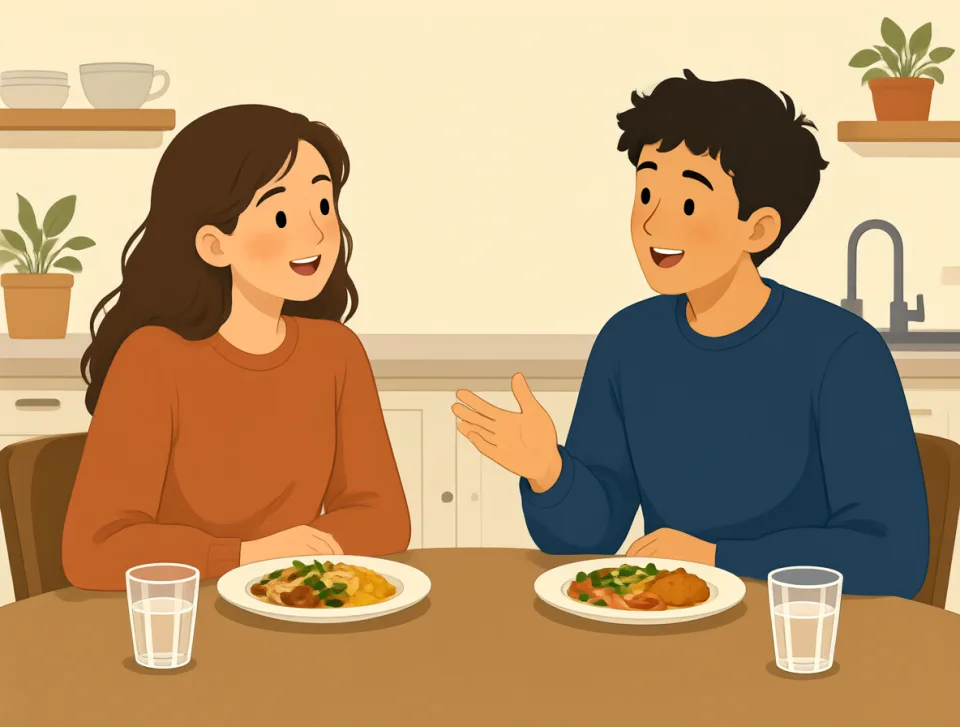
We discussed our weekend plans over dinner.
Hablamos de nuestros planes para el fin de semana durante la cena.
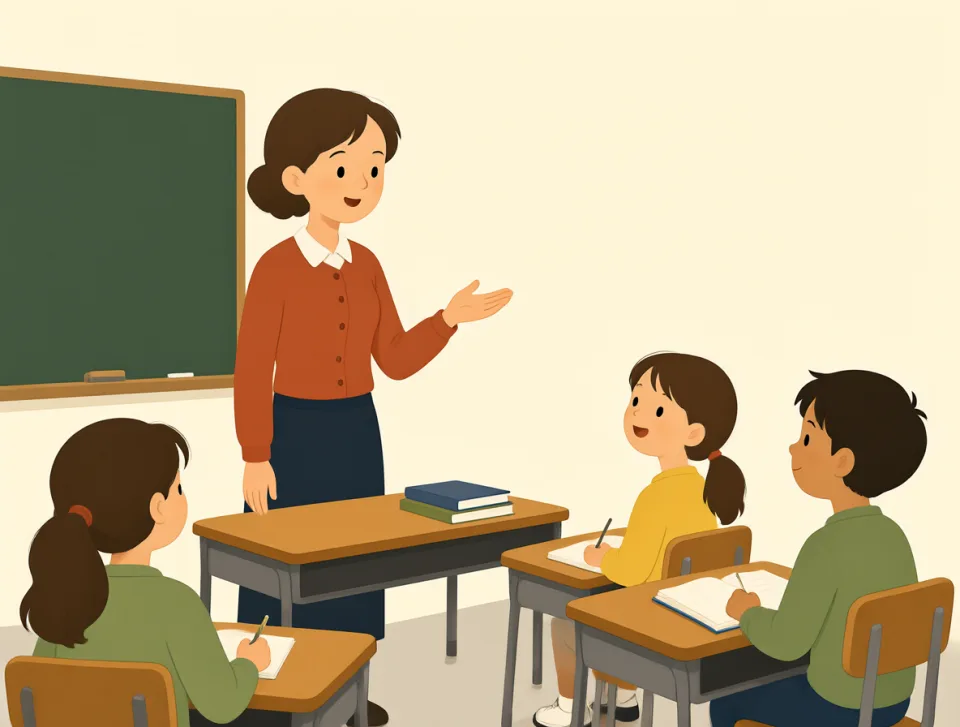
The teacher discussed the homework with us.
El profesor habló de la tarea con nosotros.
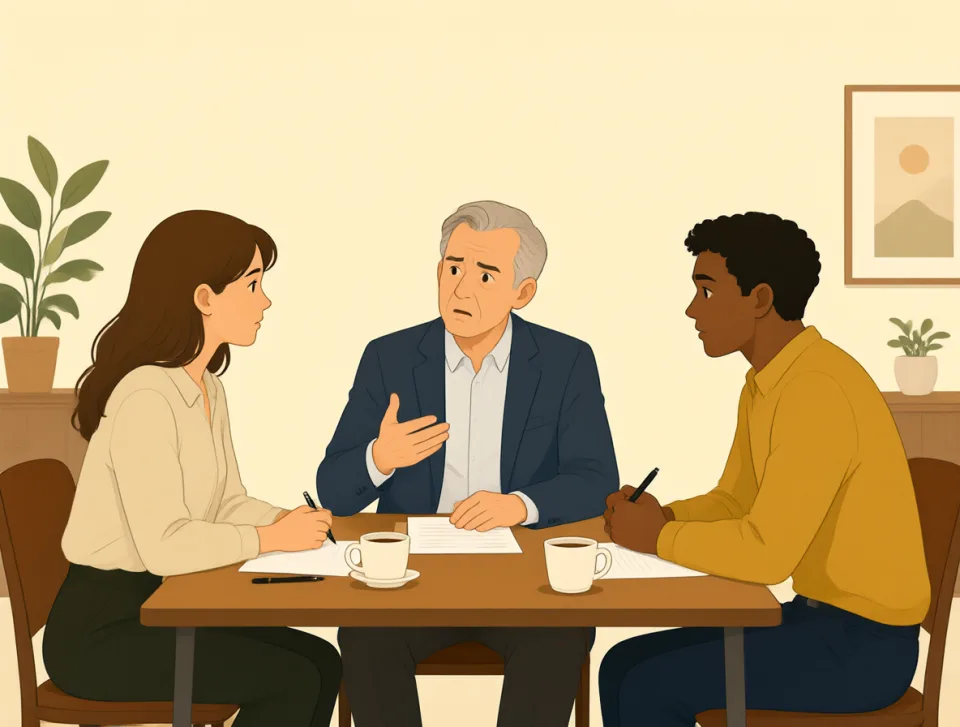
They discussed the problem at work.
Hablaron del problema en el trabajo.

We discussed which hotel to book.
Hablamos de qué hotel reservar.
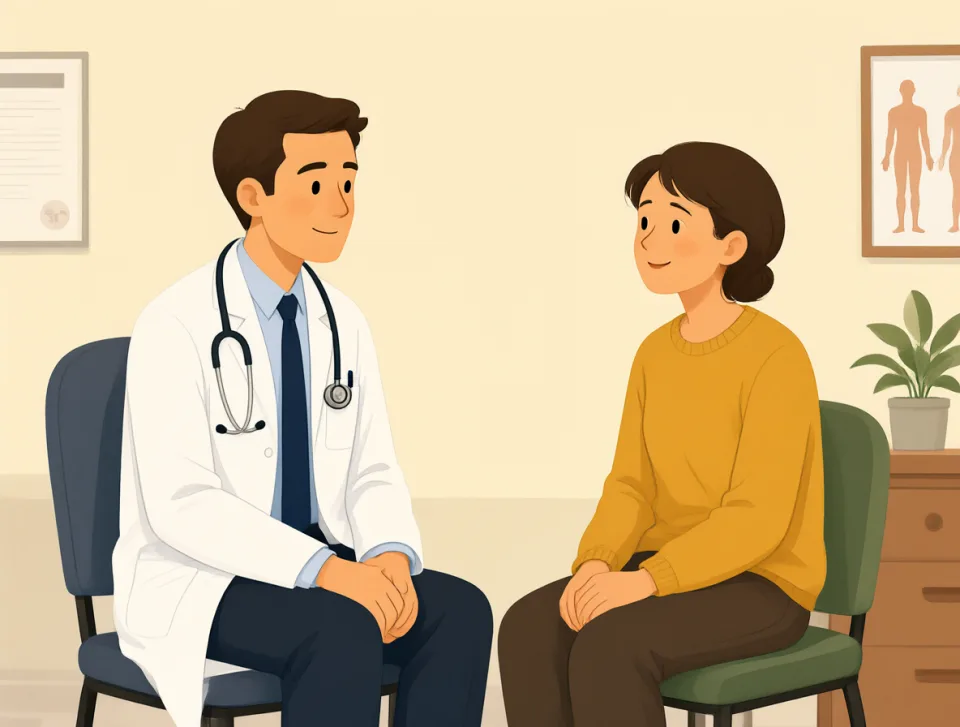
The doctor discussed my treatment with me.
El médico habló conmigo sobre mi tratamiento.
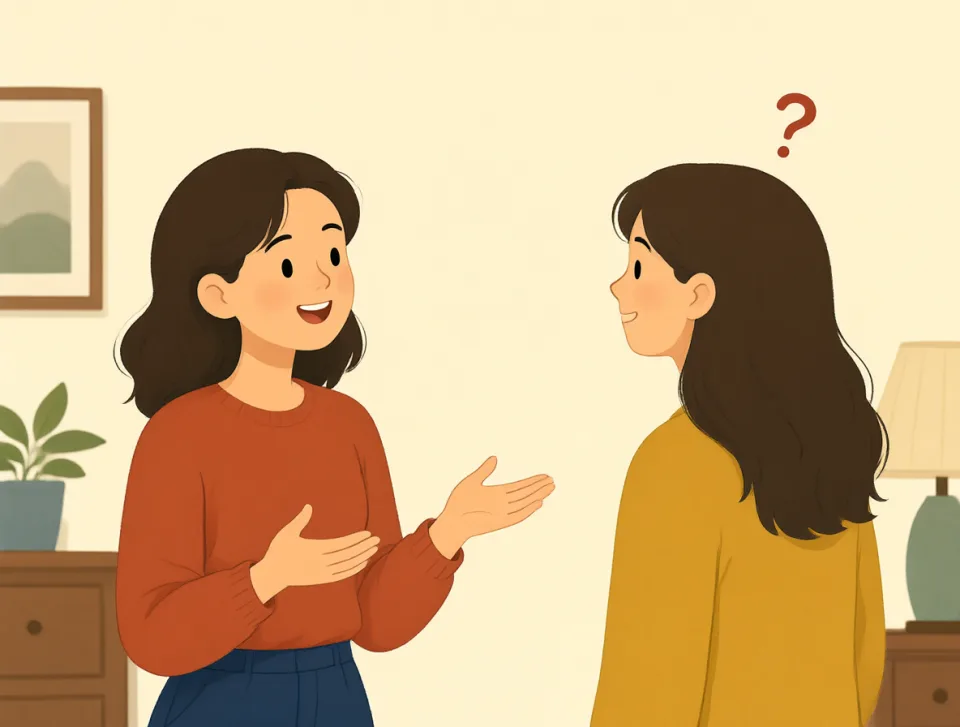
response
#606noun
respuesta; reacción
an answer or reaction to something that someone says, asks, or does
una respuesta o reacción a algo que alguien dice, pregunta o hace
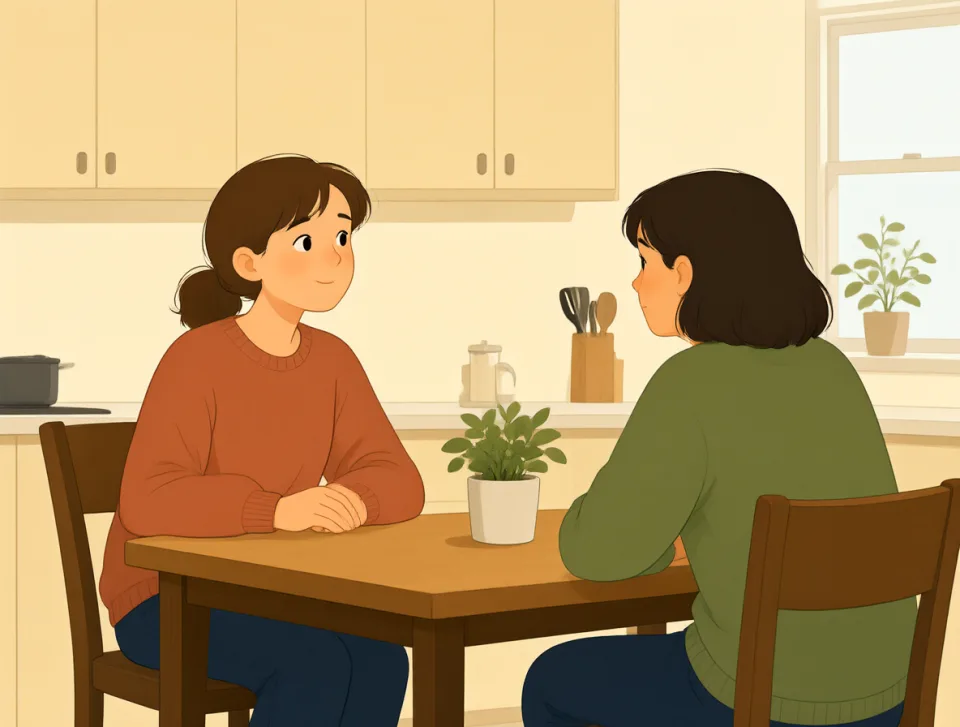
I am waiting for your response.
Estoy esperando tu respuesta.
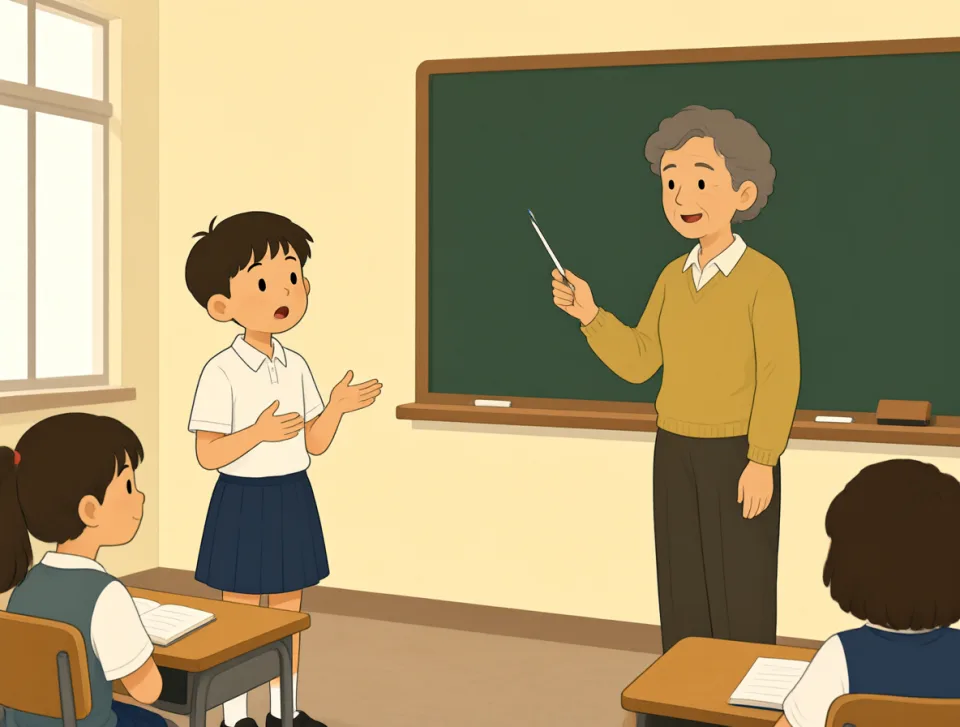
His response to the question was clear.
Su respuesta a la pregunta fue clara.

The company sent a quick response.
La empresa envió una respuesta rápida.
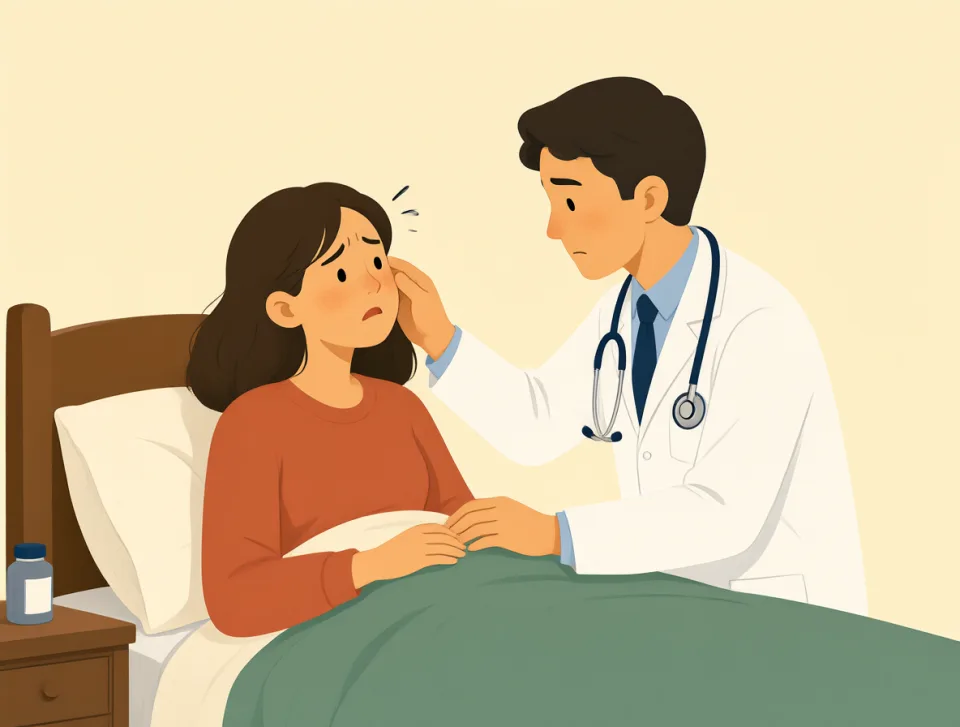
She had a bad response to the medicine.
Ella tuvo una mala reacción al medicamento.
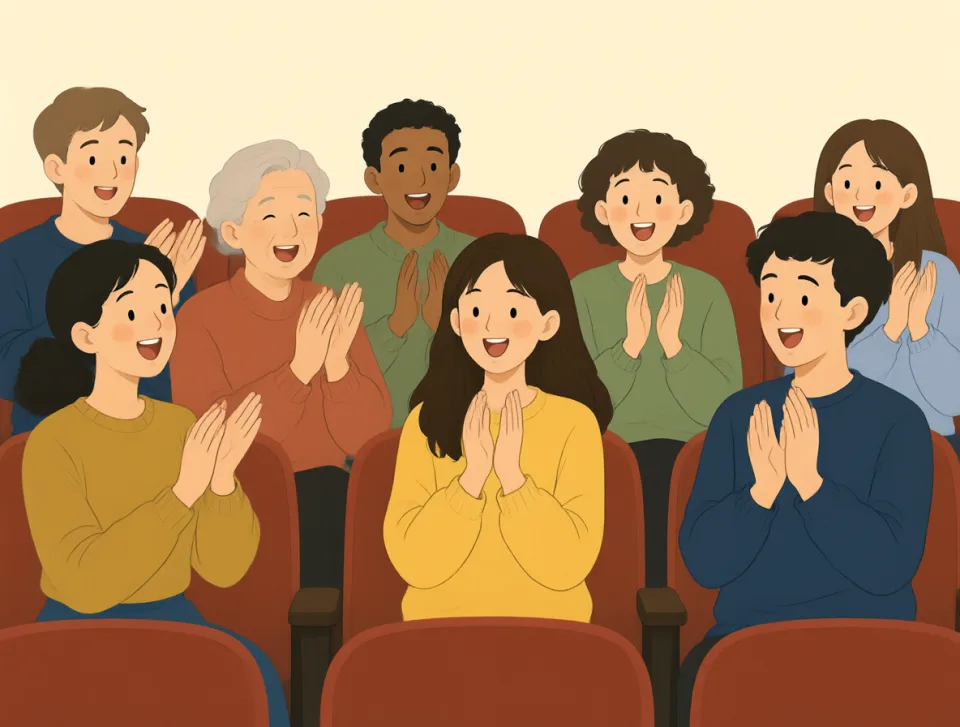
The audience gave a loud response.
El público dio una fuerte respuesta.
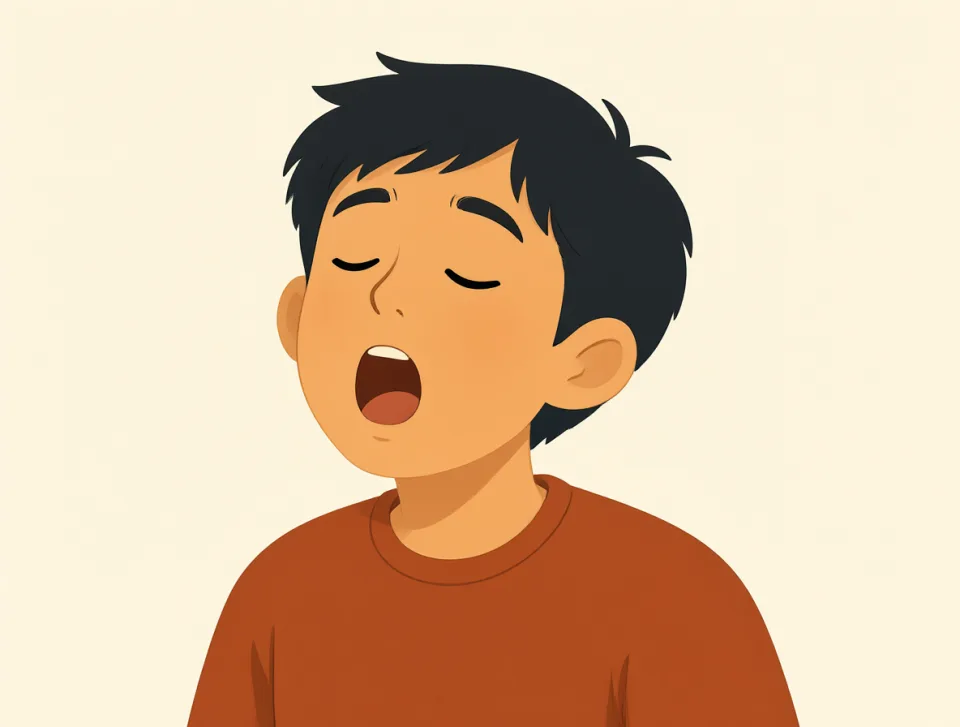
voice
#607noun, verb
voz; expresar
The sound made when a person speaks or sings.
El sonido que produce una persona al hablar o cantar.

I could hear her voice clearly.
Podía oír su voz con claridad.

He has a deep, friendly voice.
Tiene una voz grave y amable.
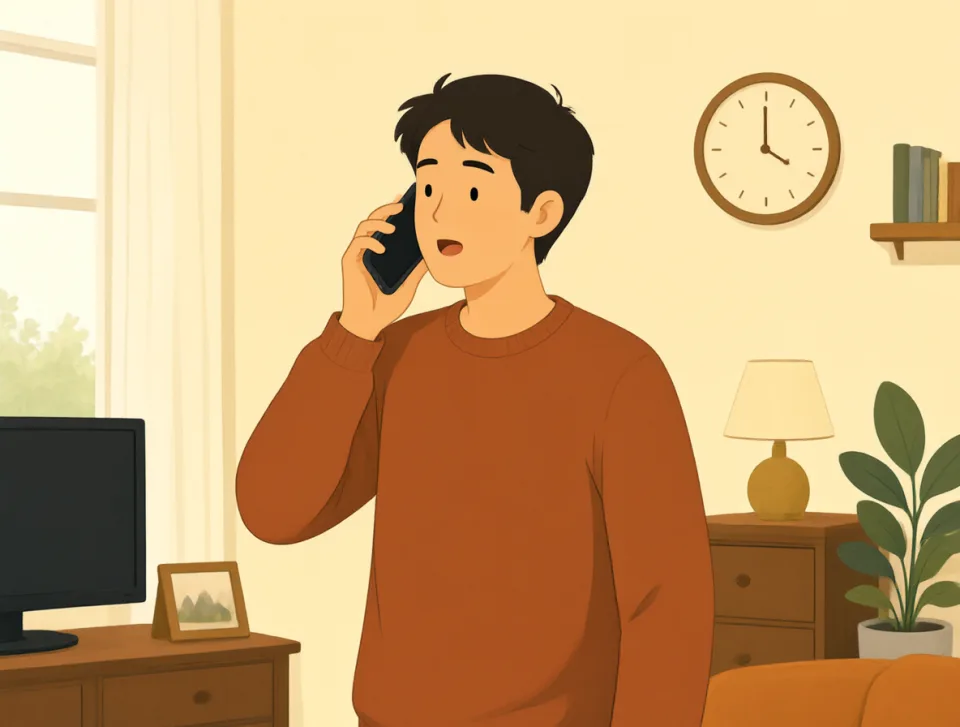
Please leave a voice message.
Por favor, deja un mensaje de voz.
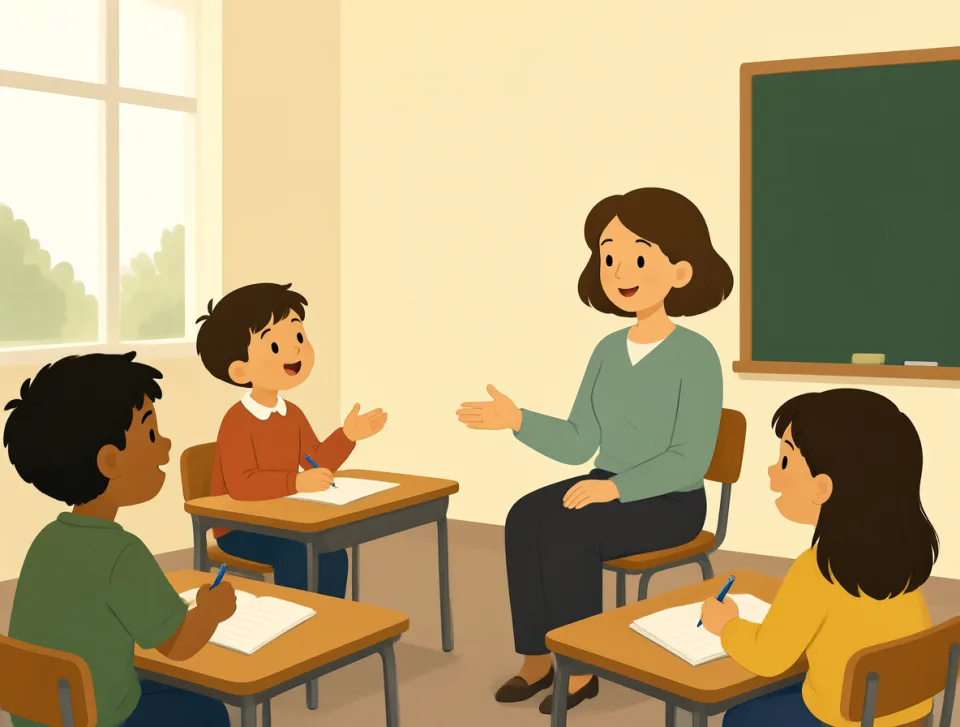
The teacher asked us to use our voices.
El profesor nos pidió que usáramos nuestras voces.

She voiced her concerns about the trip.
Ella expresó sus preocupaciones sobre el viaje.
piece
#608noun
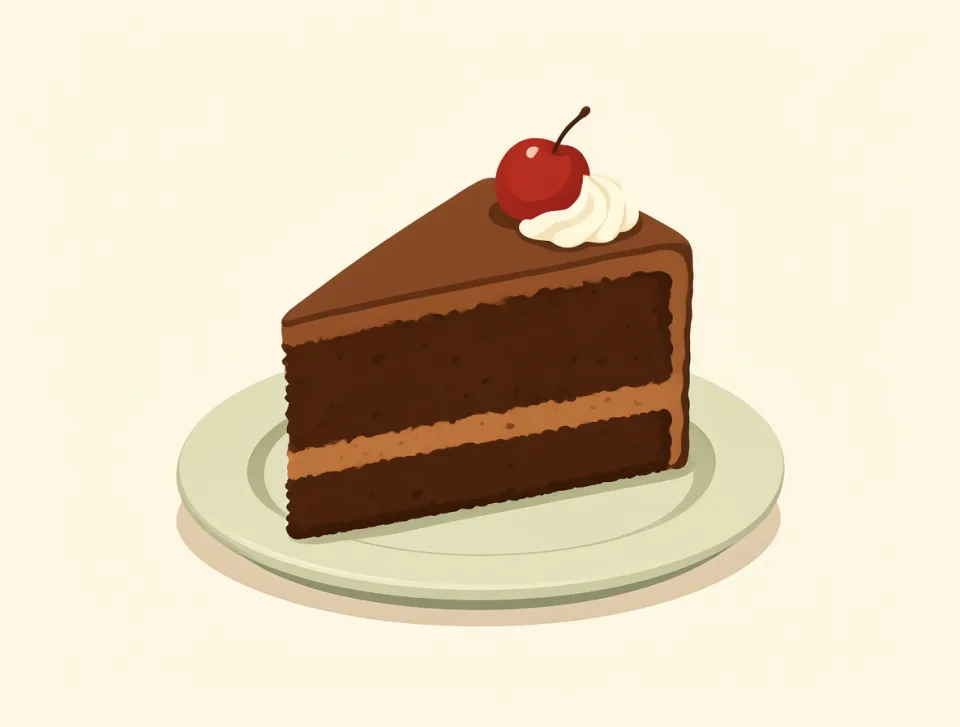
pedazo; trozo; pieza
a part of something, or an amount of food or information
una parte de algo o una cantidad de comida o información
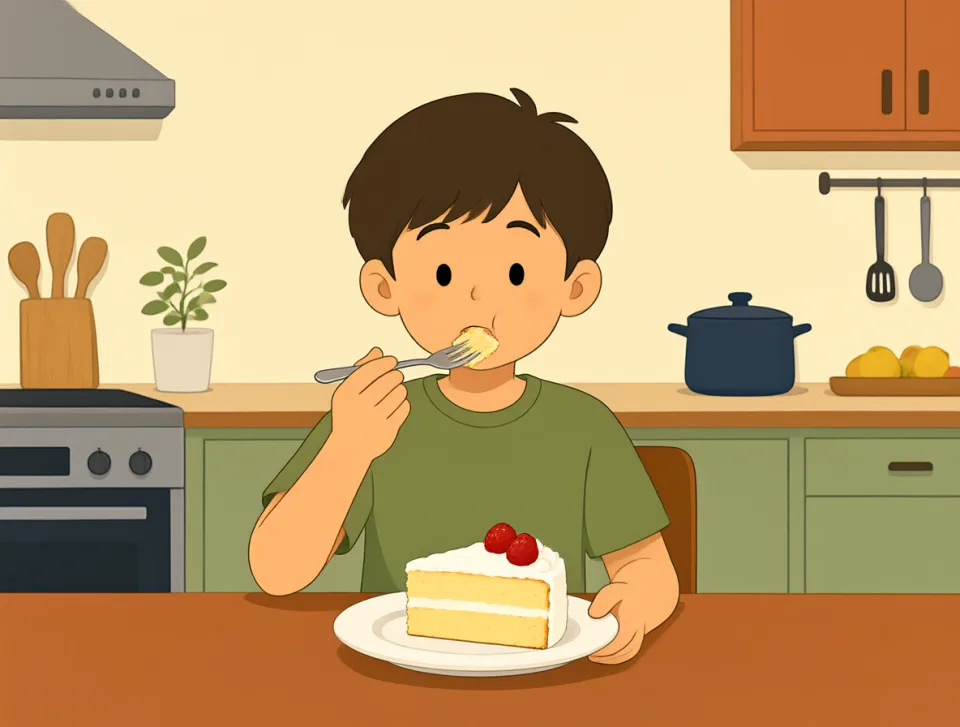
I ate a piece of cake after dinner.
Comí un pedazo de pastel después de cenar.
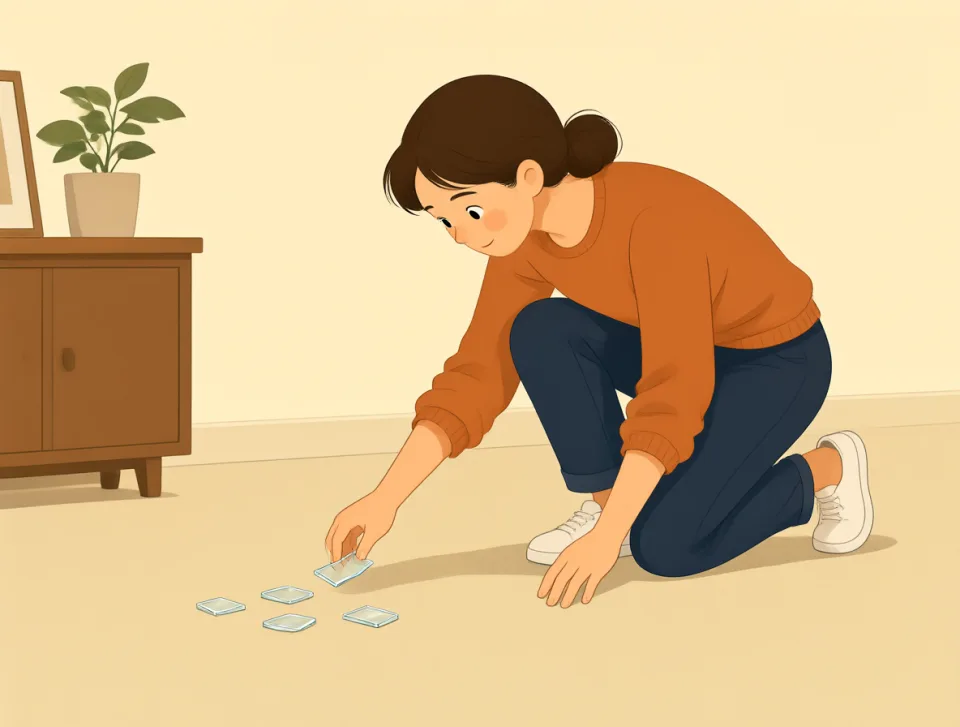
She found a piece of glass on the floor.
Encontró un trozo de vidrio en el suelo.
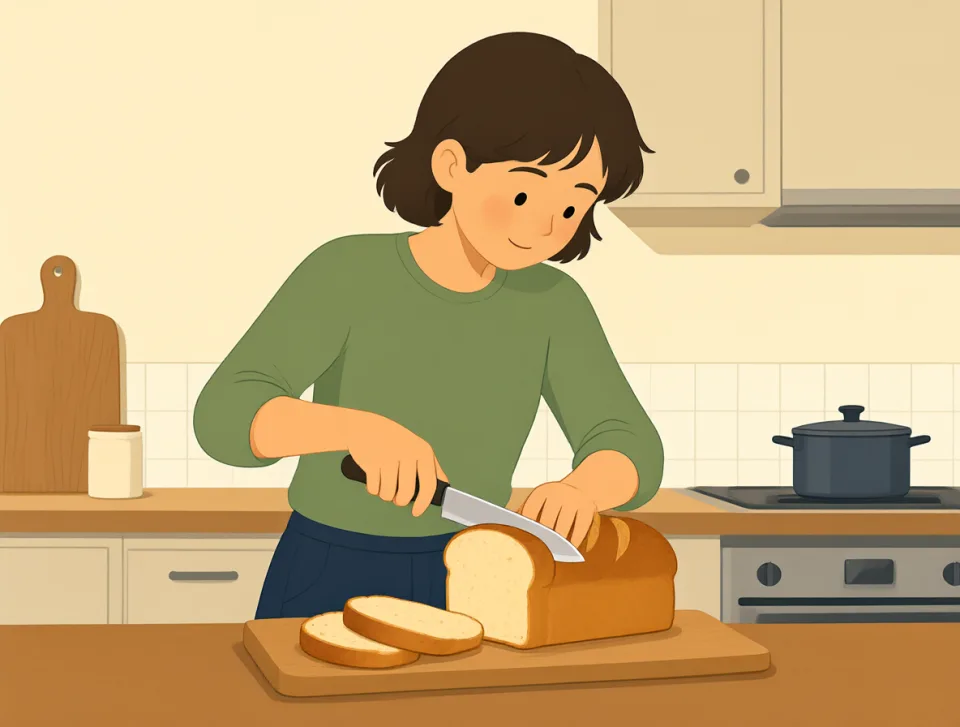
Please cut me a piece of bread.
Por favor, córtame un pedazo de pan.
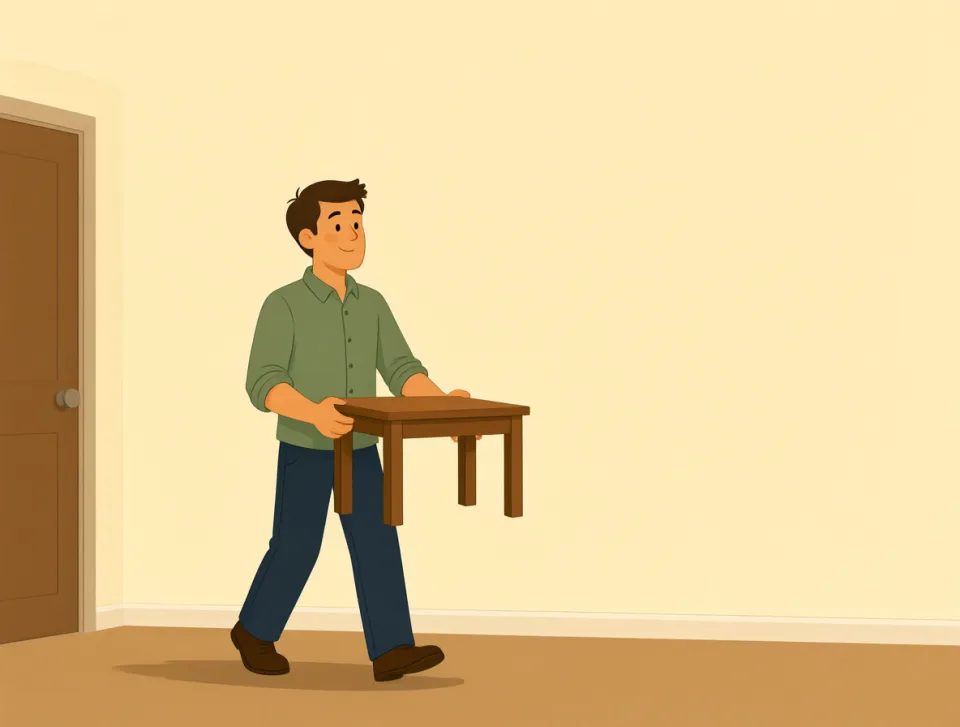
He bought a new piece of furniture.
Compró un mueble nuevo.
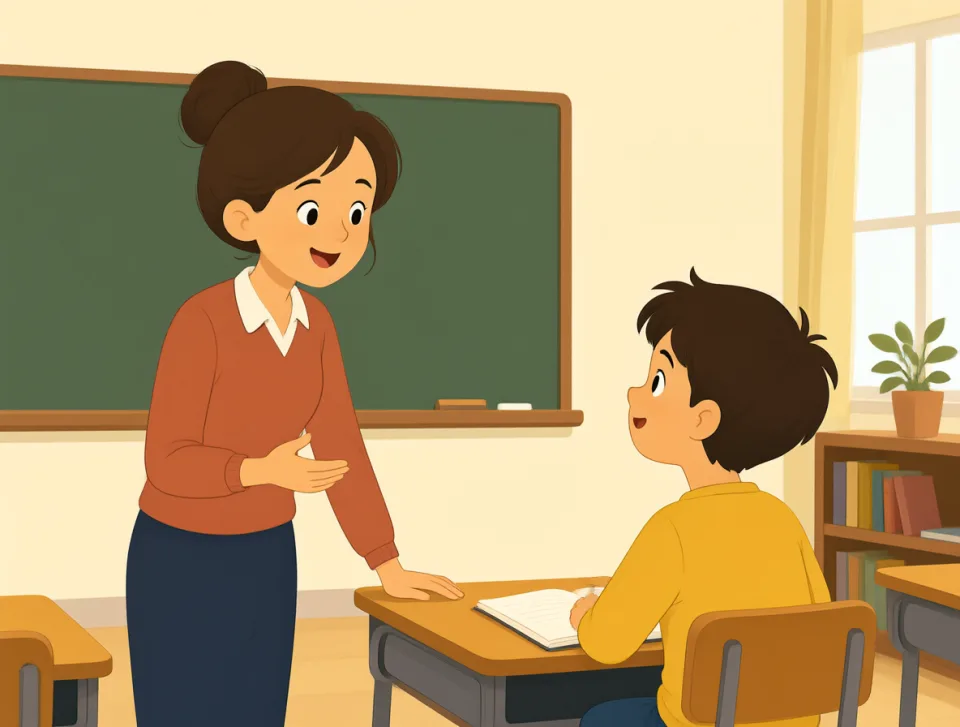
The teacher gave us a piece of advice.
El profesor nos dio un consejo.

finish
#609verb, noun
terminar; acabado
To complete something or reach the end of it.
Completar algo o llegar al final de algo.
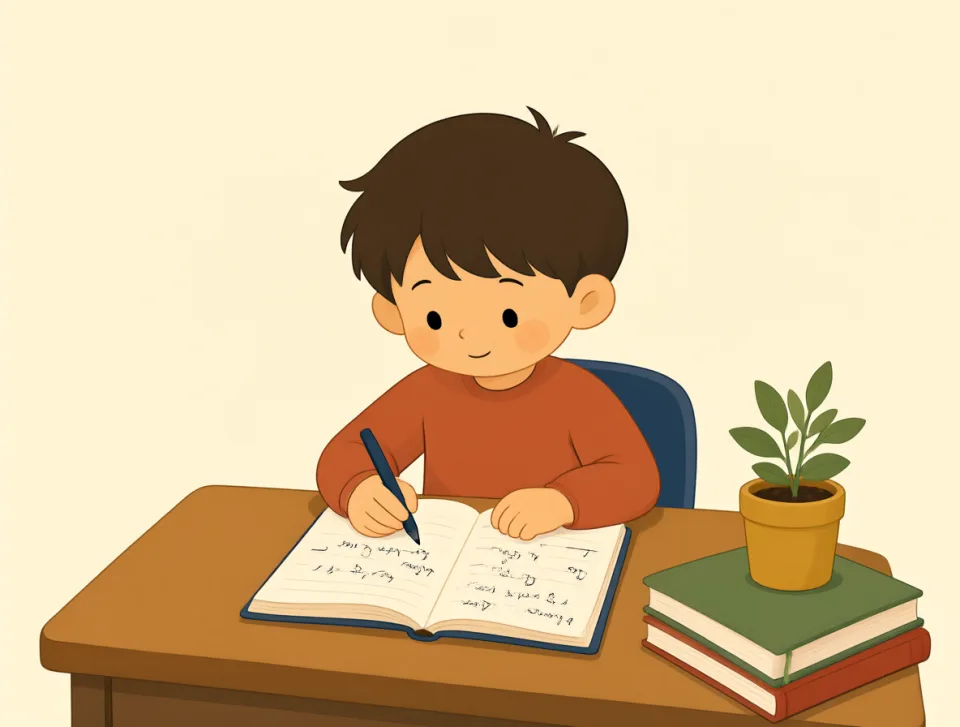
Please finish your homework before dinner.
Por favor, termina tu tarea antes de la cena.
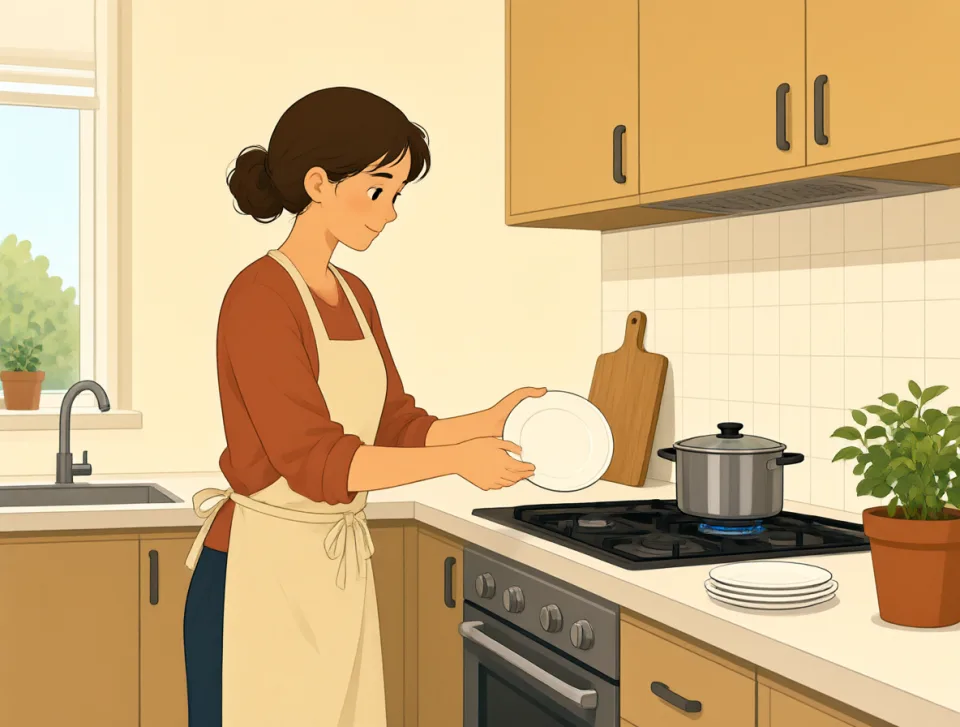
She finished cleaning the kitchen.
Terminó de limpiar la cocina.

We finished our lunch and left.
Terminamos de almorzar y nos fuimos.

He finished the race in first place.
Terminó la carrera en primer lugar.

The blue paint gives the table a smooth finish.
La pintura azul le da al acabado de la mesa una textura lisa.
suppose
#610verb
suponer; imaginar; creer
to think something is probably true or to imagine a possible situation
pensar que algo probablemente es verdad o imaginar una situación posible
I suppose we can leave now.
Supongo que ya podemos irnos.

Suppose it rains during our picnic.
Supón que llueve durante nuestro picnic.

I suppose you are right about that.
Supongo que tienes razón en eso.
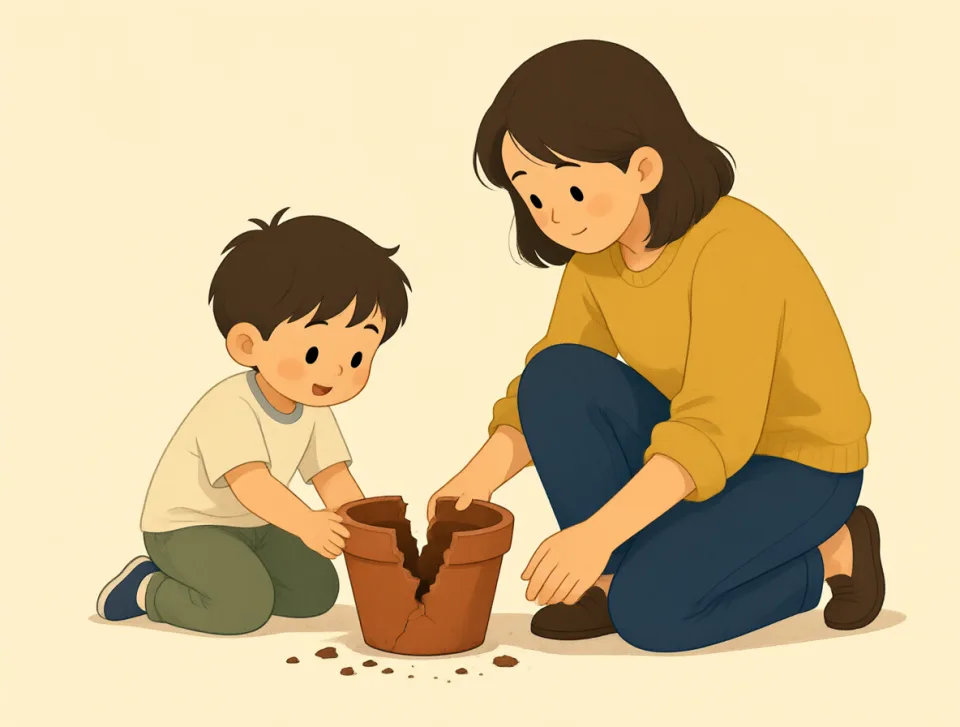
What do you suppose happened here?
¿Qué supones que pasó aquí?
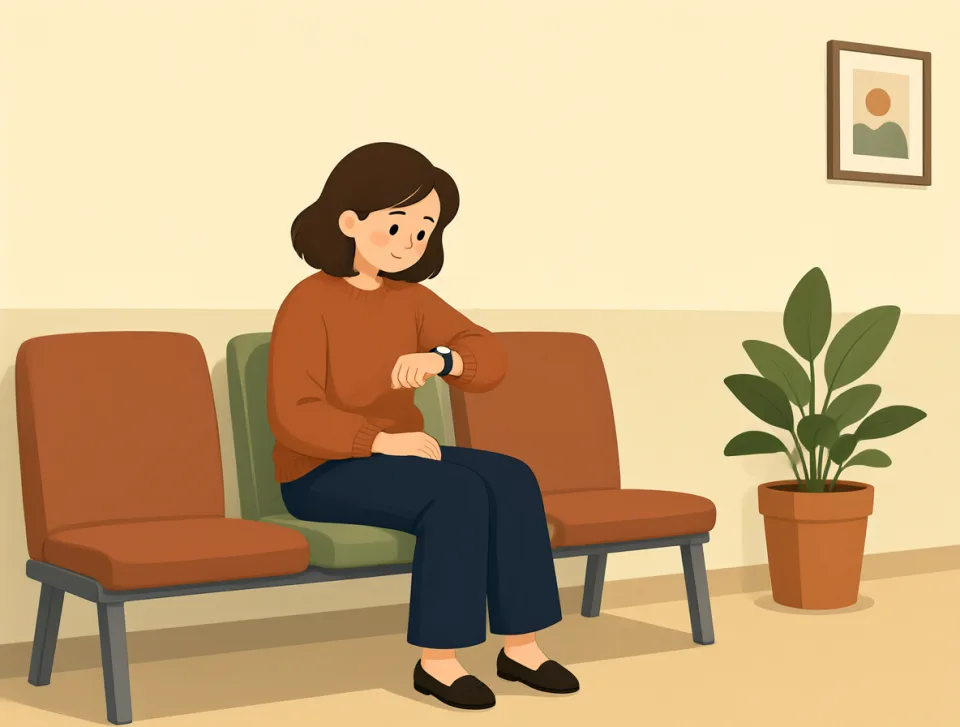
I suppose she forgot her appointment.
Supongo que se olvidó de su cita.
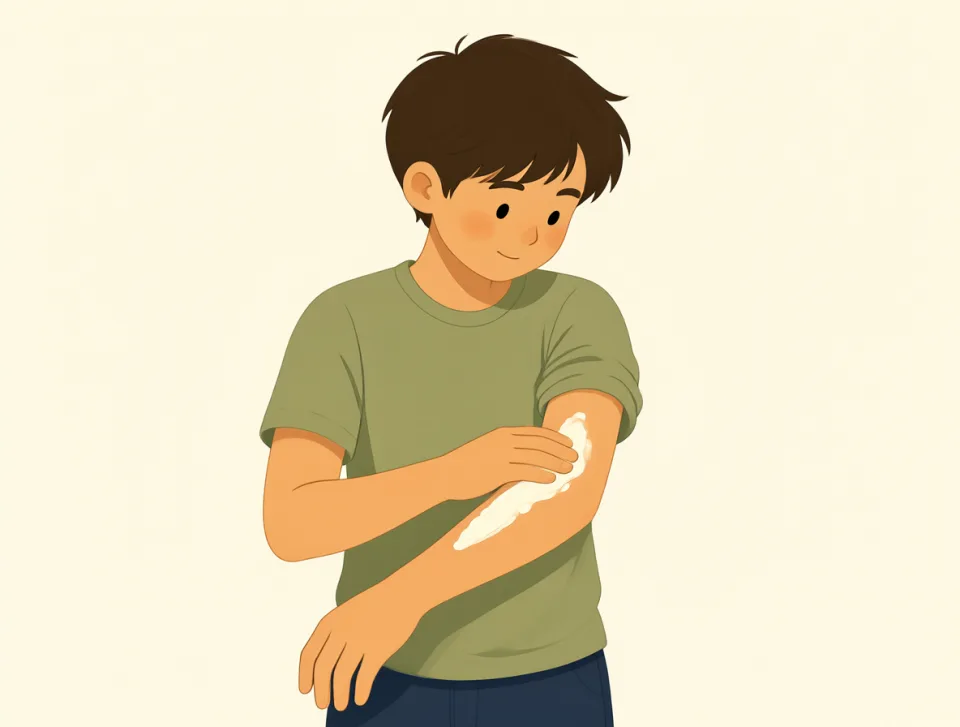
apply
#611verb
aplicar; solicitar; ser aplicable
to use something to a particular purpose or ask officially for something
usar algo para un fin determinado o solicitar algo oficialmente
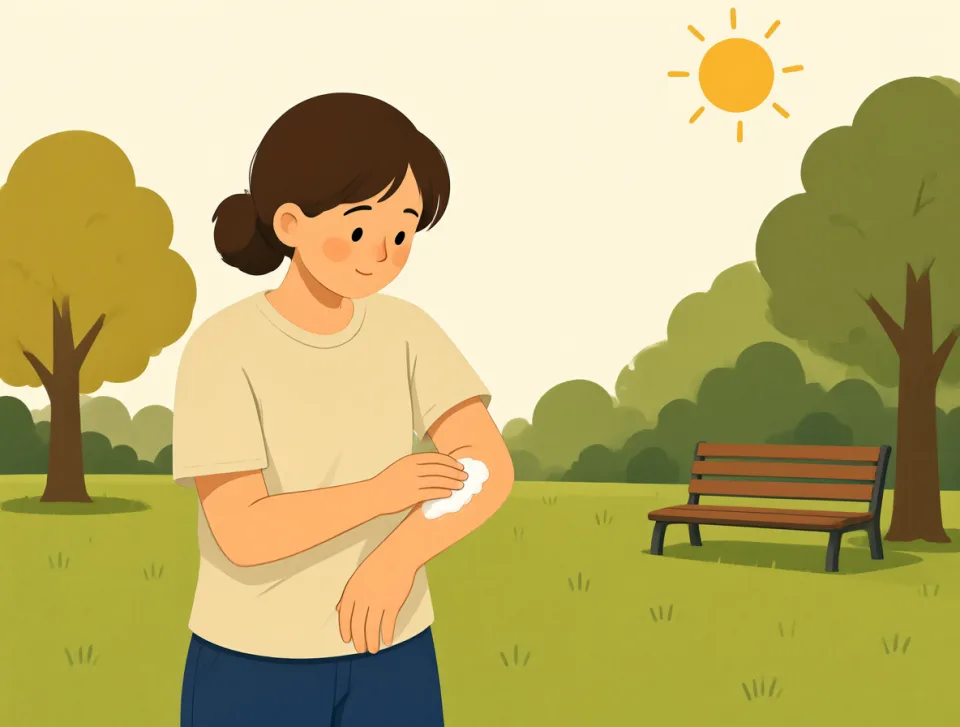
Apply sunscreen before you go outside.
Ponte protector solar antes de salir.
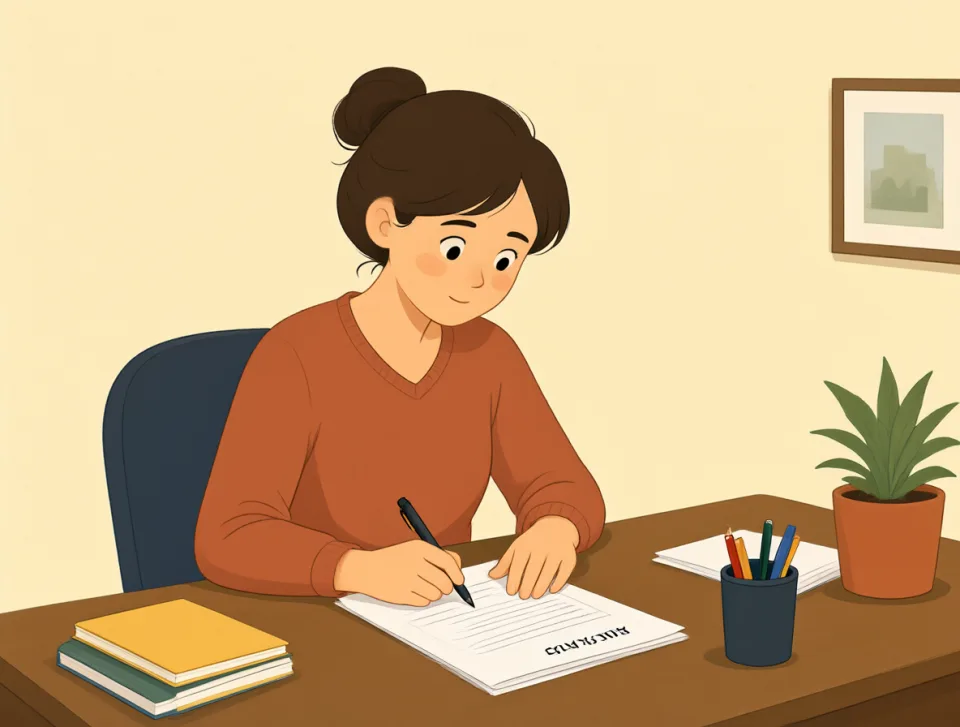
She applied for a new job yesterday.
Ayer solicitó un nuevo trabajo.
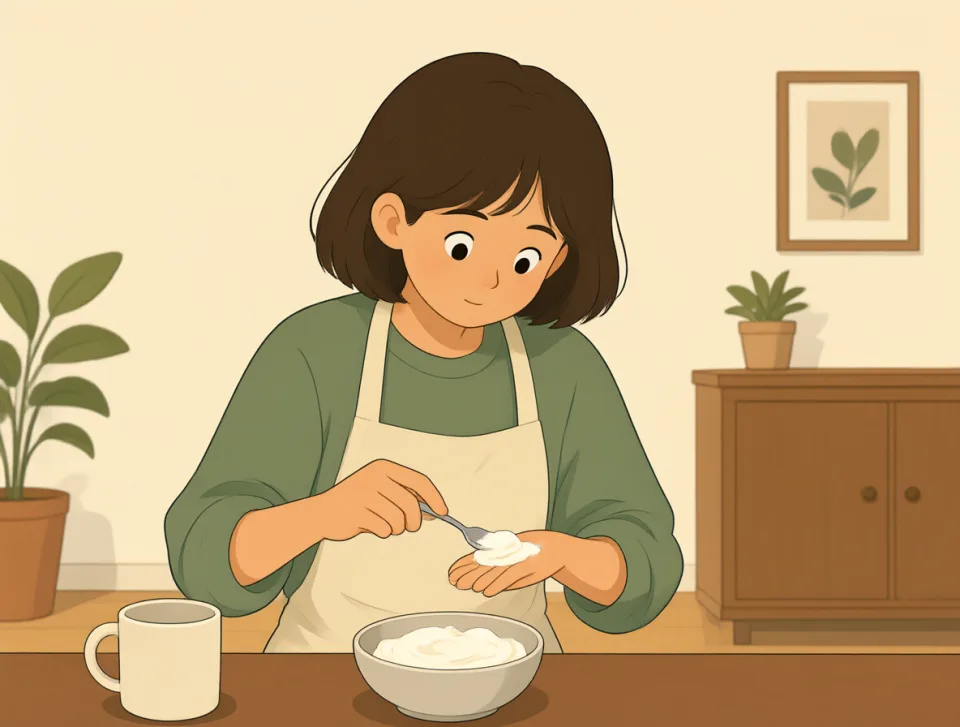
Please apply this cream twice a day.
Aplica esta crema dos veces al día, por favor.
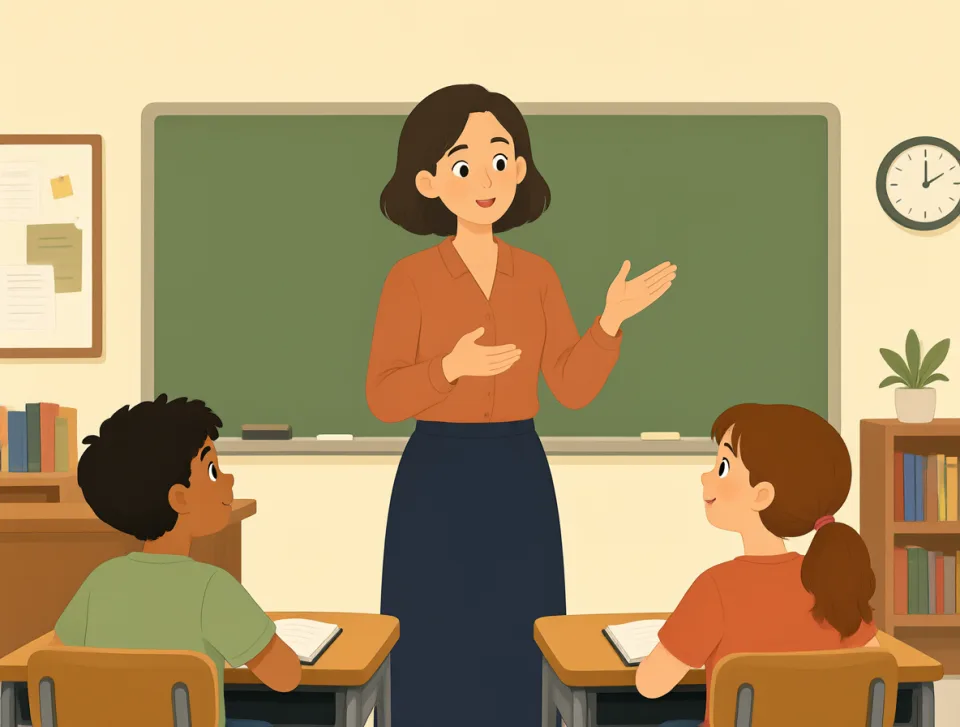
The teacher applied the rule fairly.
El profesor aplicó la regla de manera justa.
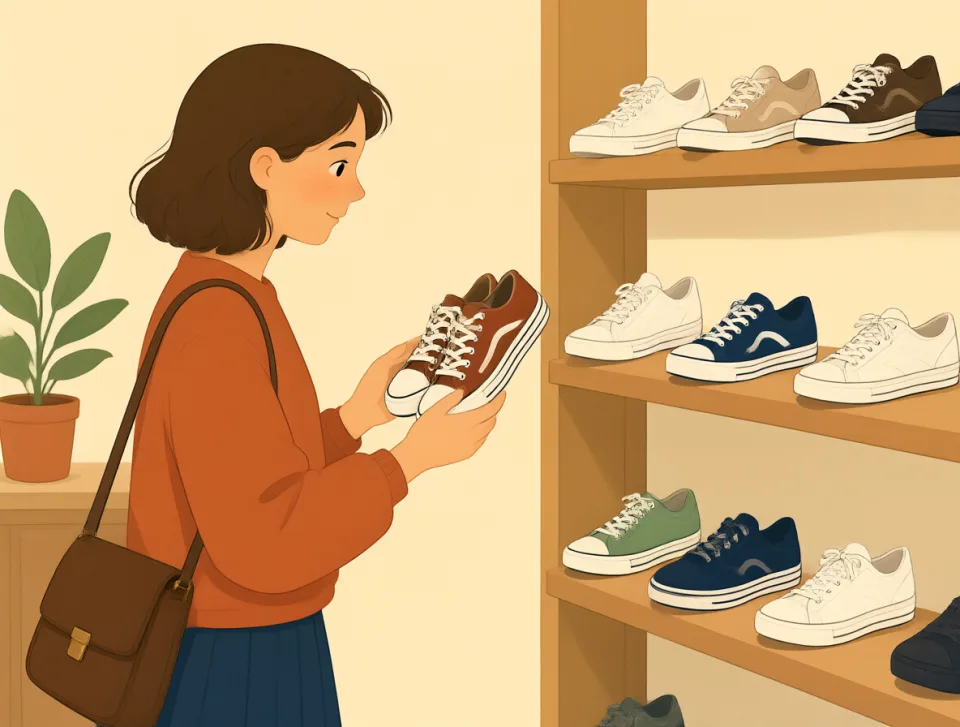
This discount applies to all shoes.
Este descuento se aplica a todos los zapatos.
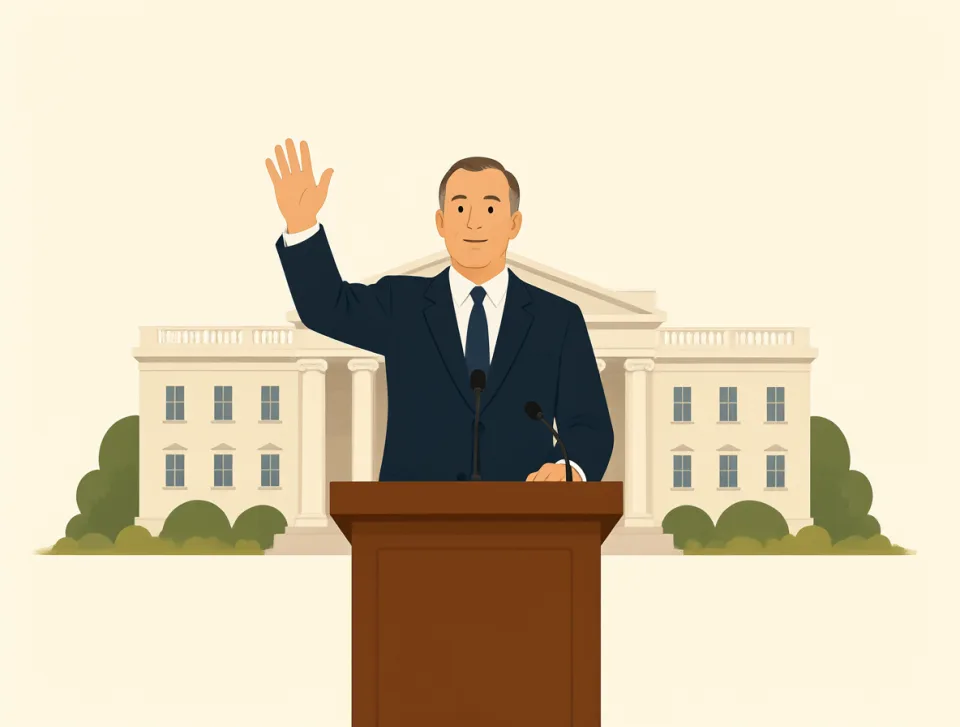
president
#612noun
presidente; presidenta
The elected leader of a country or the person who leads an organization.
La persona elegida para dirigir un país o la persona que dirige una organización.
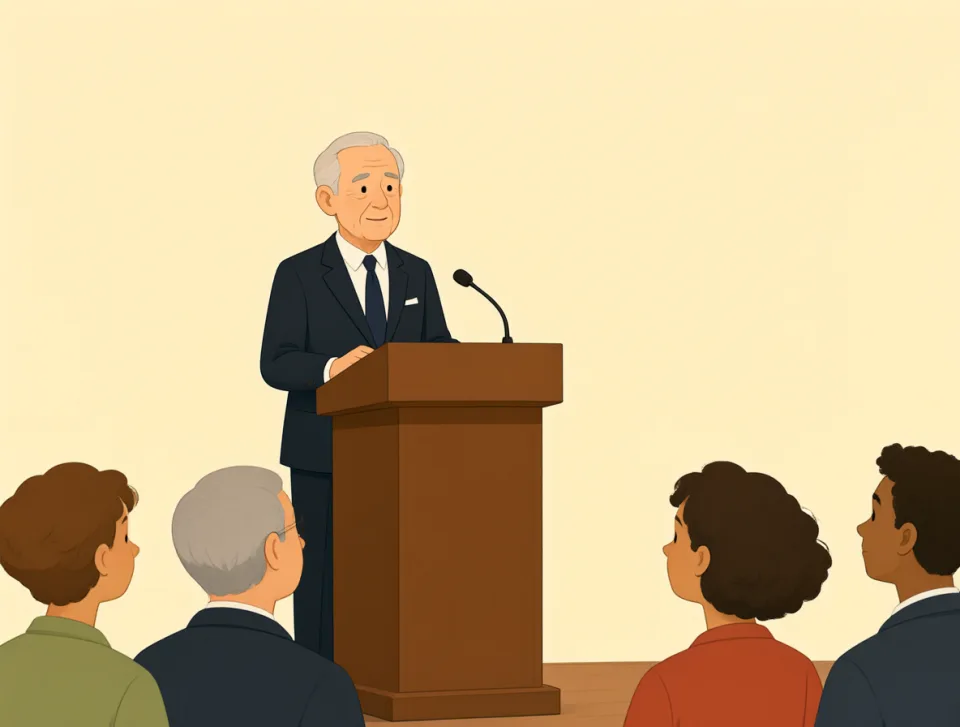
The president gave a speech yesterday.
El presidente dio un discurso ayer.

The president met the workers this morning.
El presidente se reunió con los trabajadores esta mañana.

Our club president planned the meeting.
El presidente de nuestro club organizó la reunión.

The school president welcomed new students.
El presidente de la escuela dio la bienvenida a los nuevos estudiantes.

The company president visited our office.
El presidente de la empresa visitó nuestra oficina.
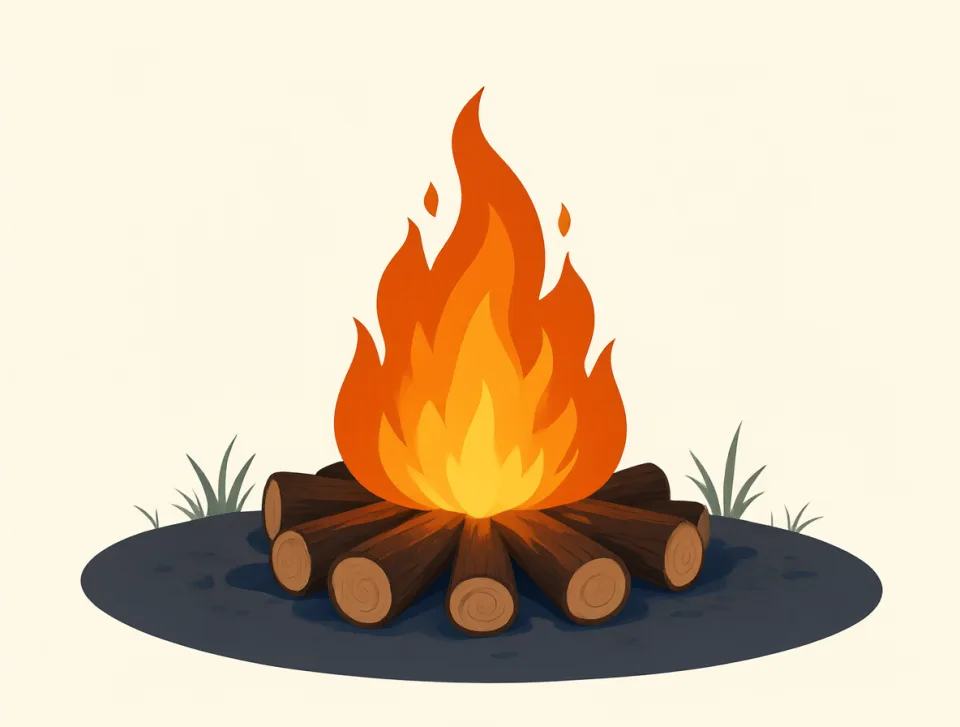
fire
#613noun, verb
fuego; despedir; encender
Fire is heat and light from burning; to fire someone means to make them leave a job.
El fuego es calor y luz producidos por algo que arde; despedir a alguien significa hacer que deje su trabajo.
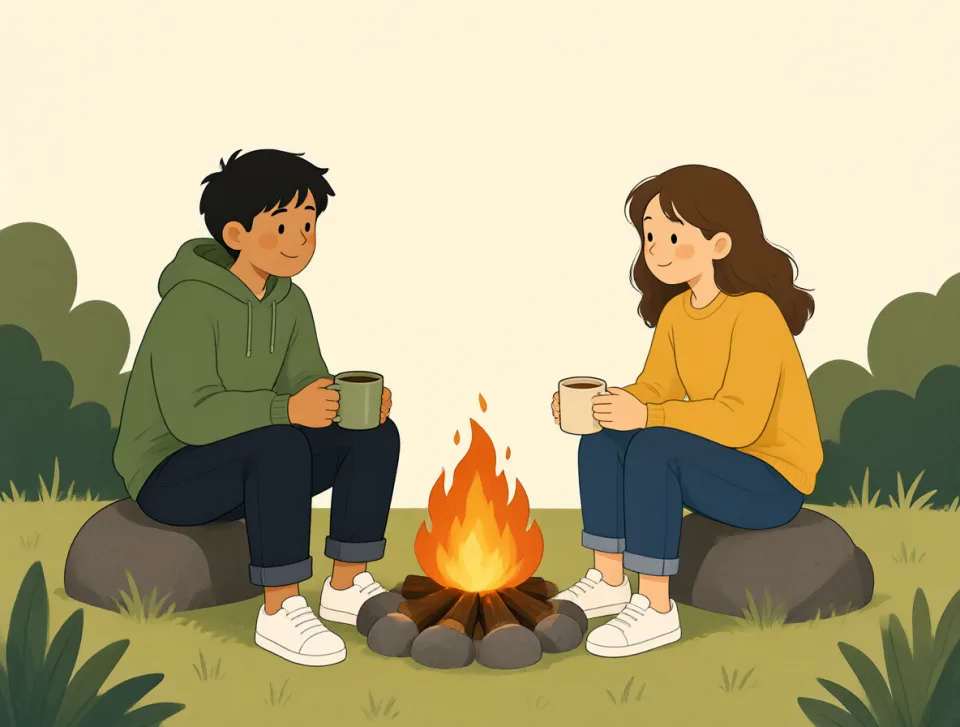
We sat around the fire last night.
Anoche nos sentamos alrededor del fuego.
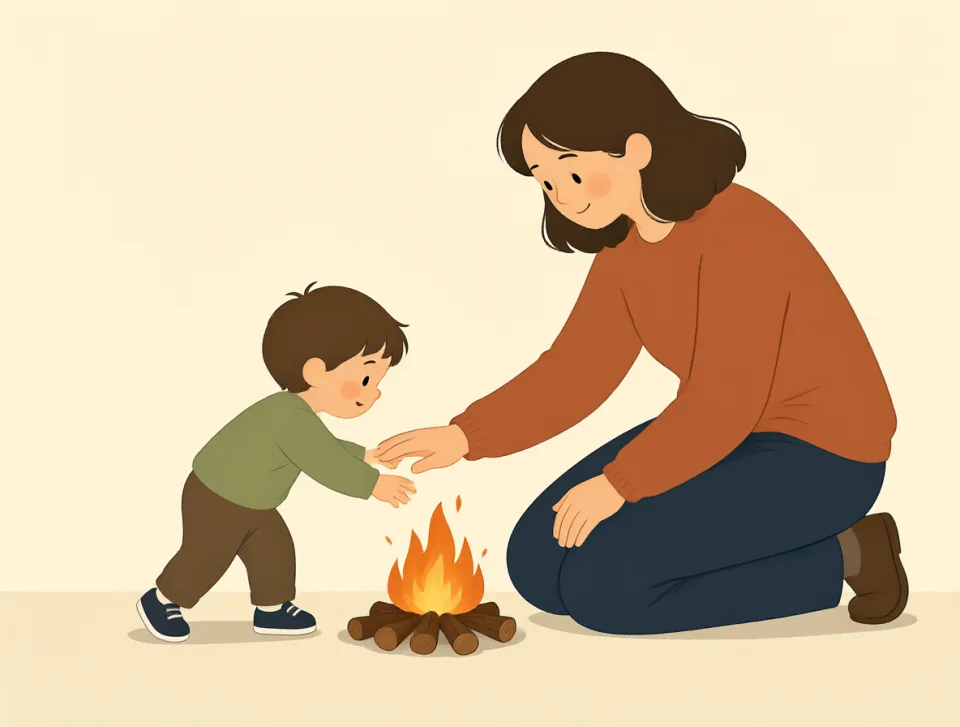
Please do not play with fire.
Por favor, no juegues con fuego.
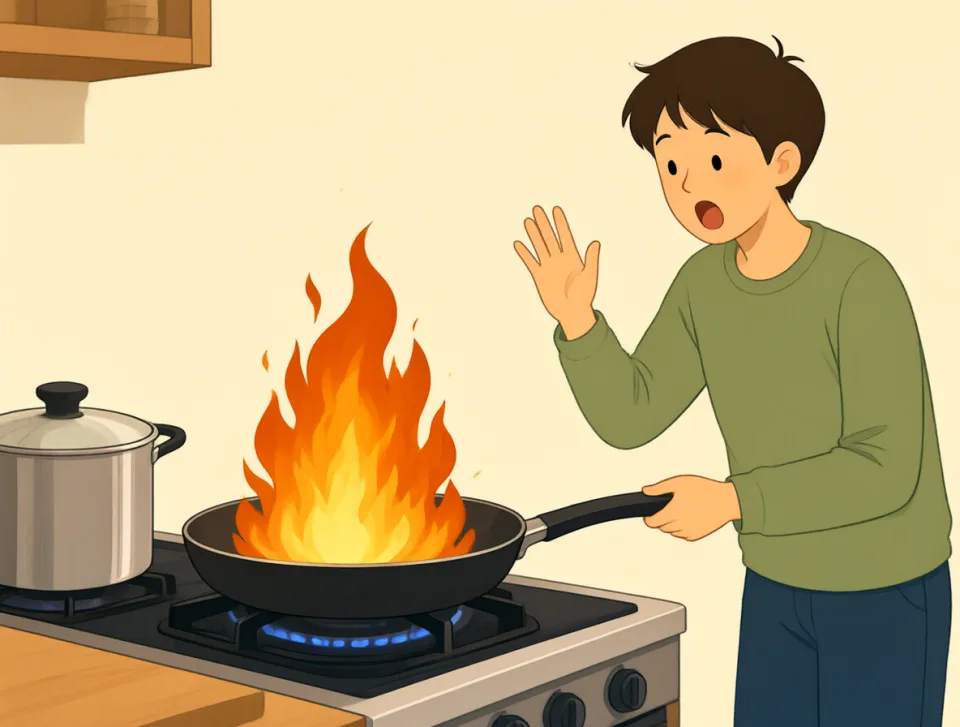
The fire started in the kitchen.
El fuego empezó en la cocina.

The manager fired him yesterday.
El gerente lo despidió ayer.
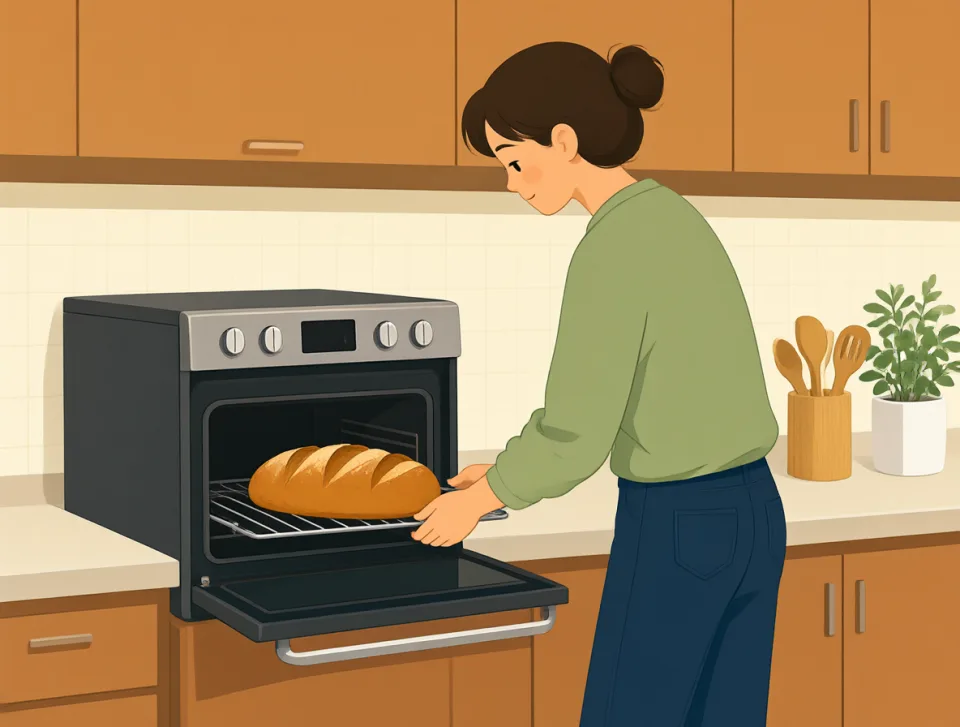
Fire the oven before baking the bread.
Enciende el horno antes de hornear el pan.
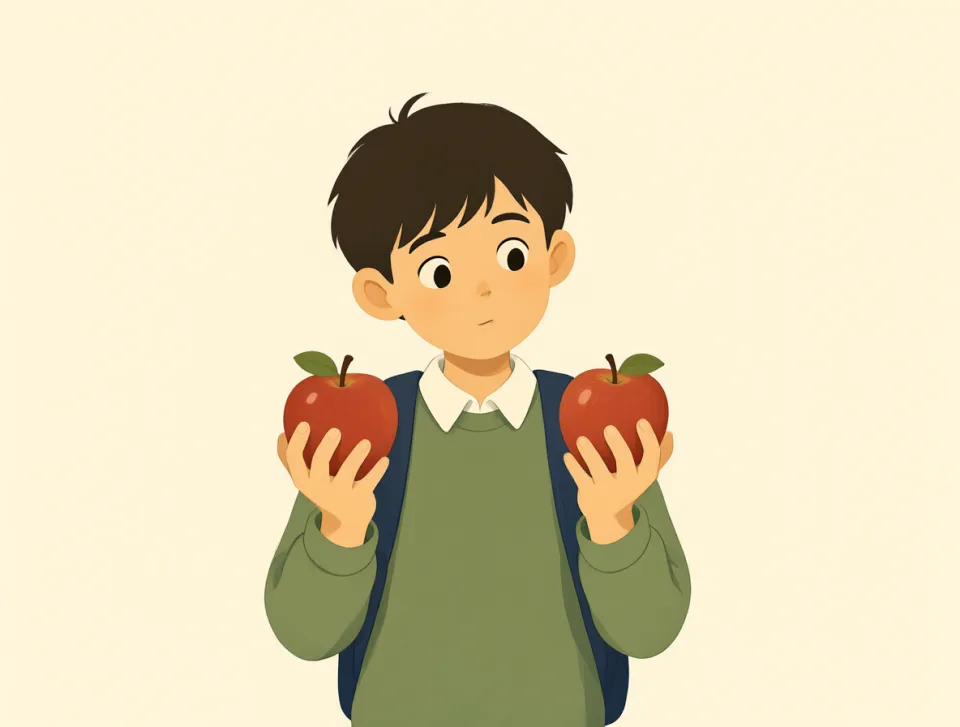
compare
#614verb
comparar
to look at two or more things and see how they are alike or different
mirar dos o más cosas y ver en qué se parecen o se diferencian
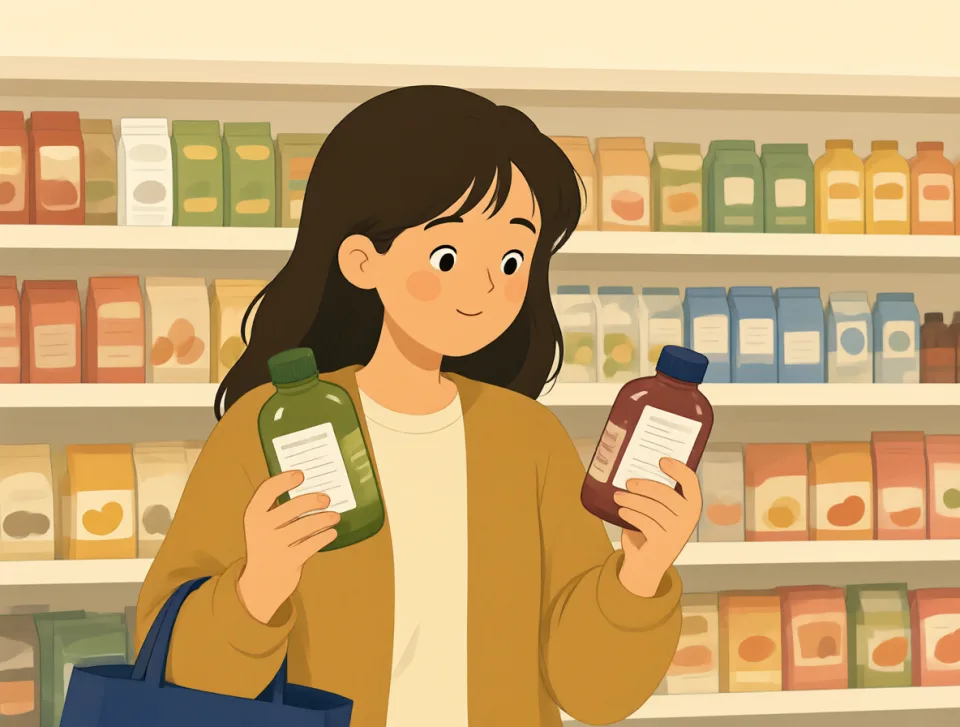
Compare these two prices before you buy.
Compara estos dos precios antes de comprar.
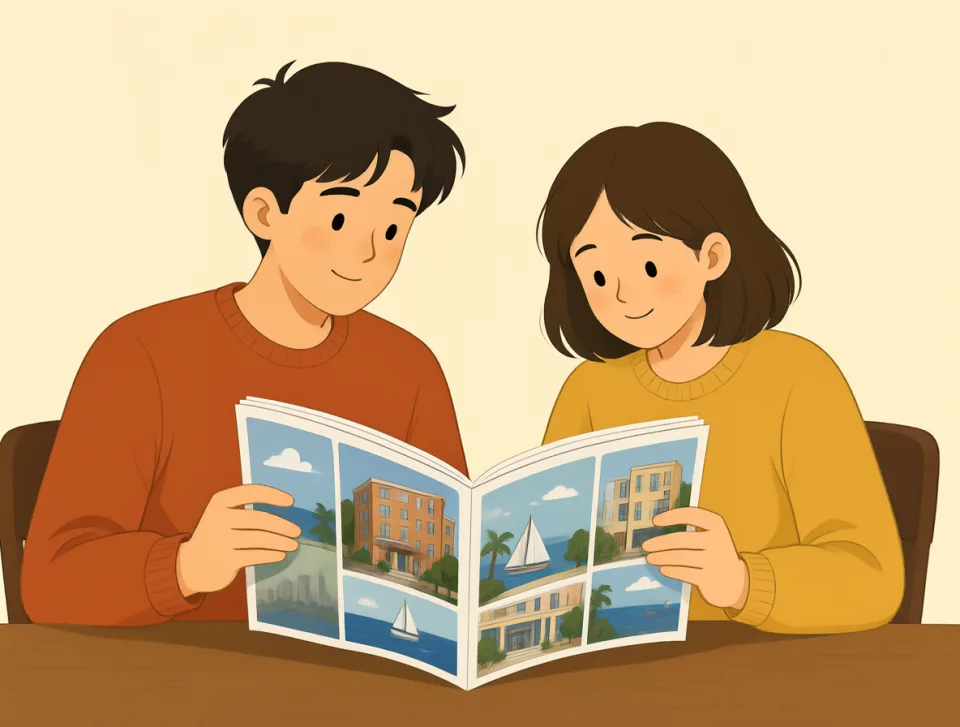
We compared the hotels before booking our trip.
Comparamos los hoteles antes de reservar el viaje.
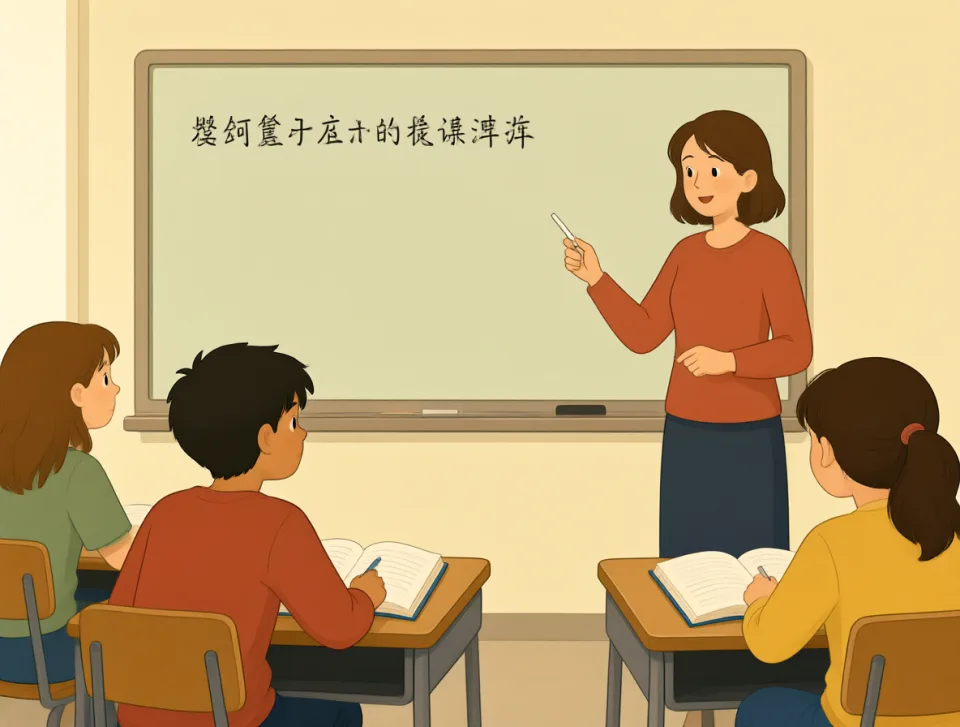
The teacher asked us to compare two stories.
El profesor nos pidió comparar dos historias.
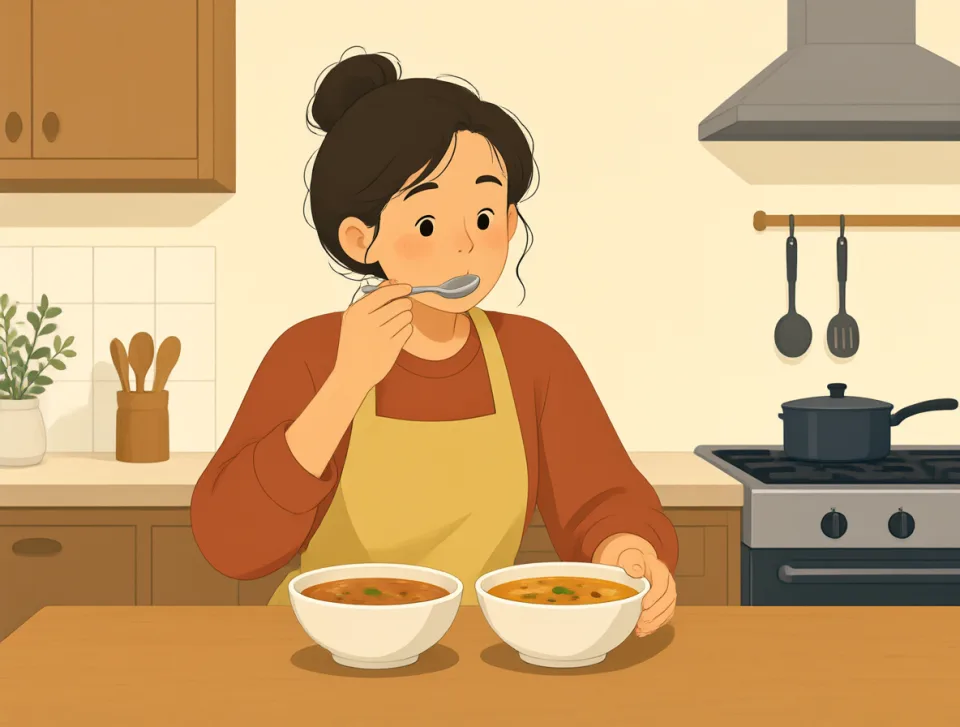
Compare this soup with yesterday’s soup.
Compara esta sopa con la de ayer.
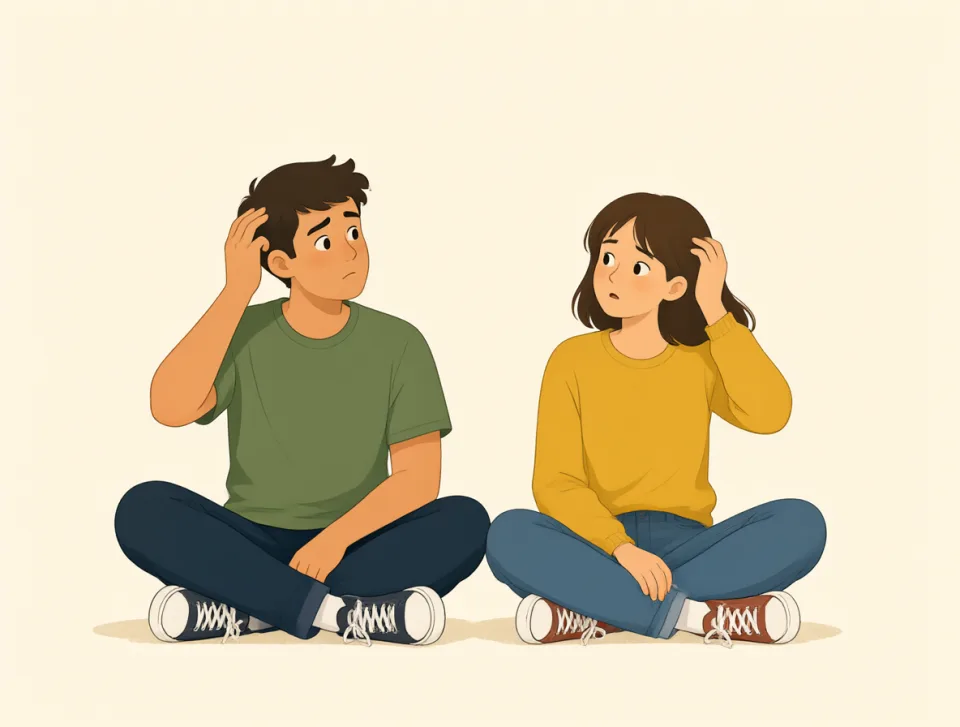
I compared my headache with my friend’s.
Comparé mi dolor de cabeza con el de mi amigo.
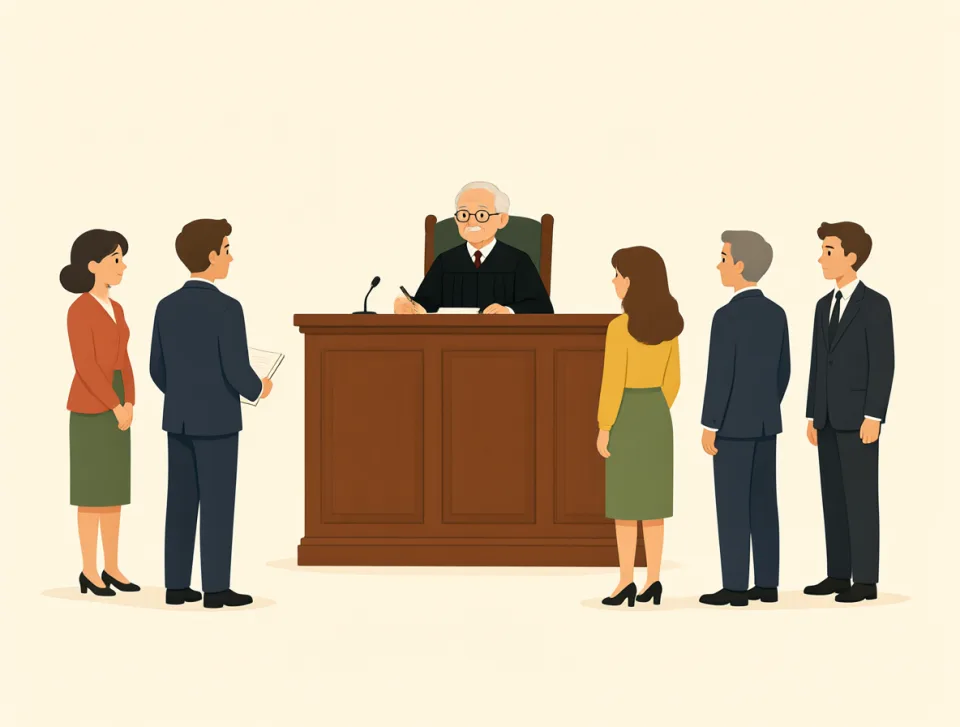
court
#615noun, verb
tribunal; corte; cortejar
A place where legal cases are heard, or to try hard to gain someone's support.
Un lugar donde se celebran casos legales, o intentar con mucho empeño ganarse el apoyo de alguien.
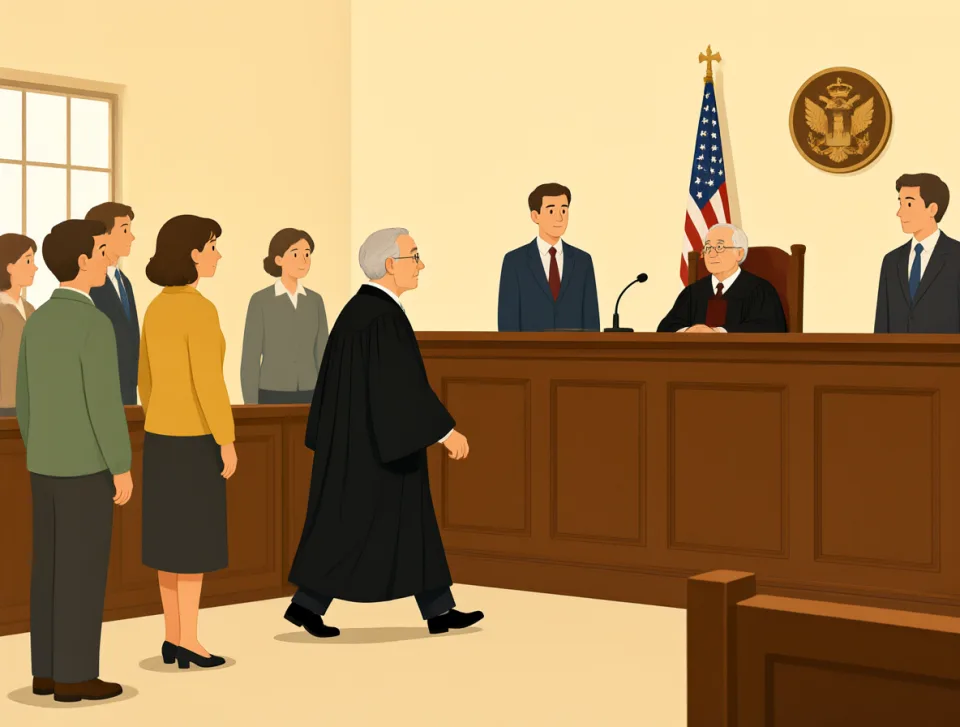
The judge entered the court quietly.
El juez entró en el tribunal en silencio.
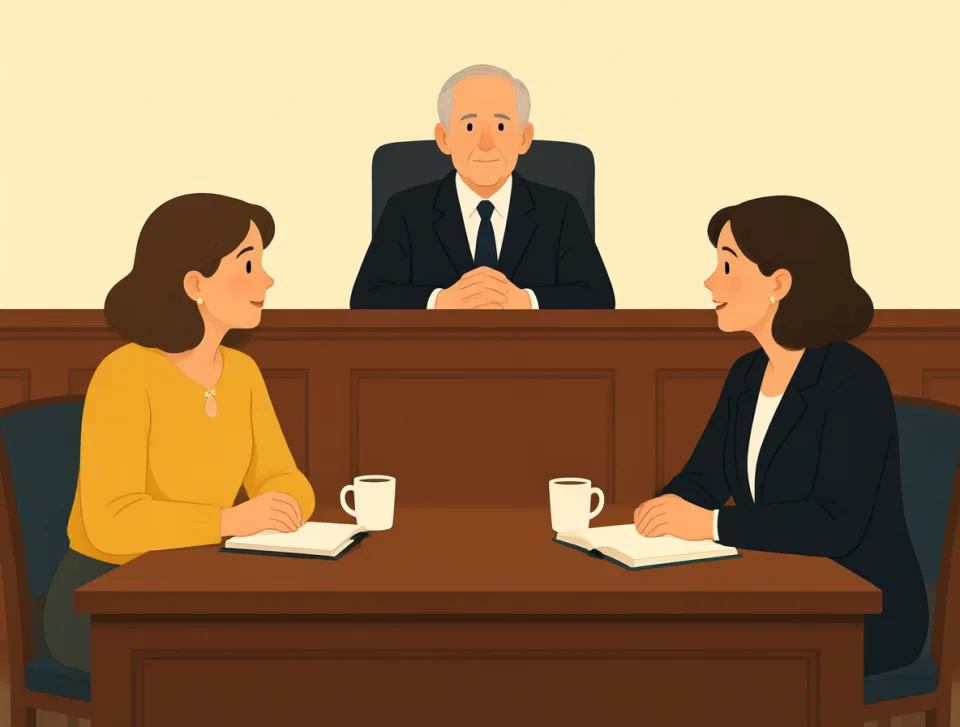
They went to court over the problem.
Fueron a los tribunales por el problema.
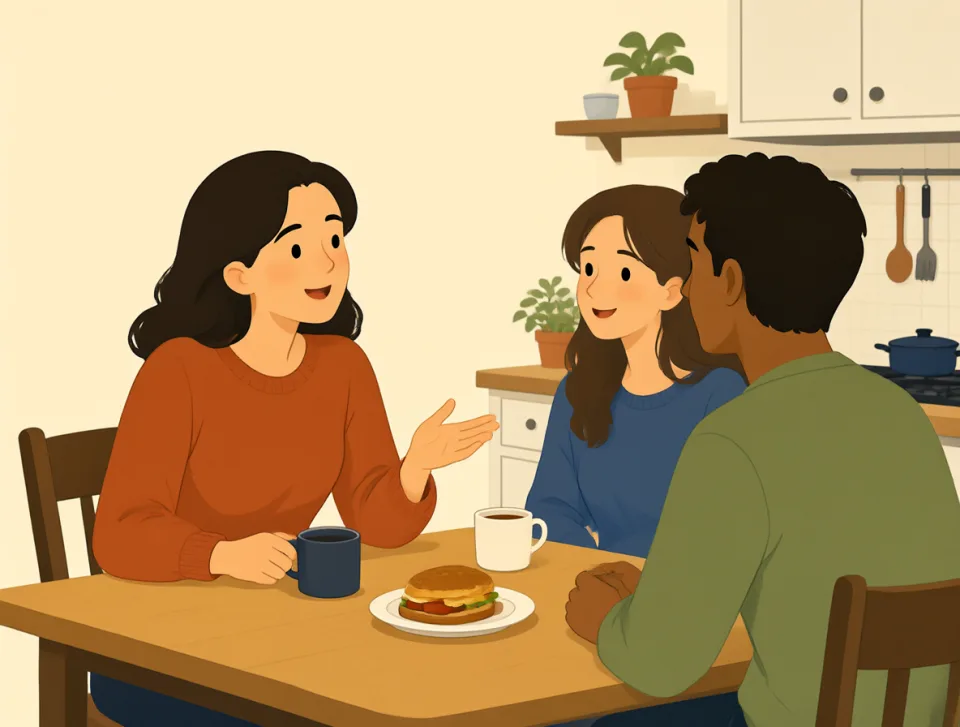
She courted support from her friends.
Ella buscó ganarse el apoyo de sus amigos.
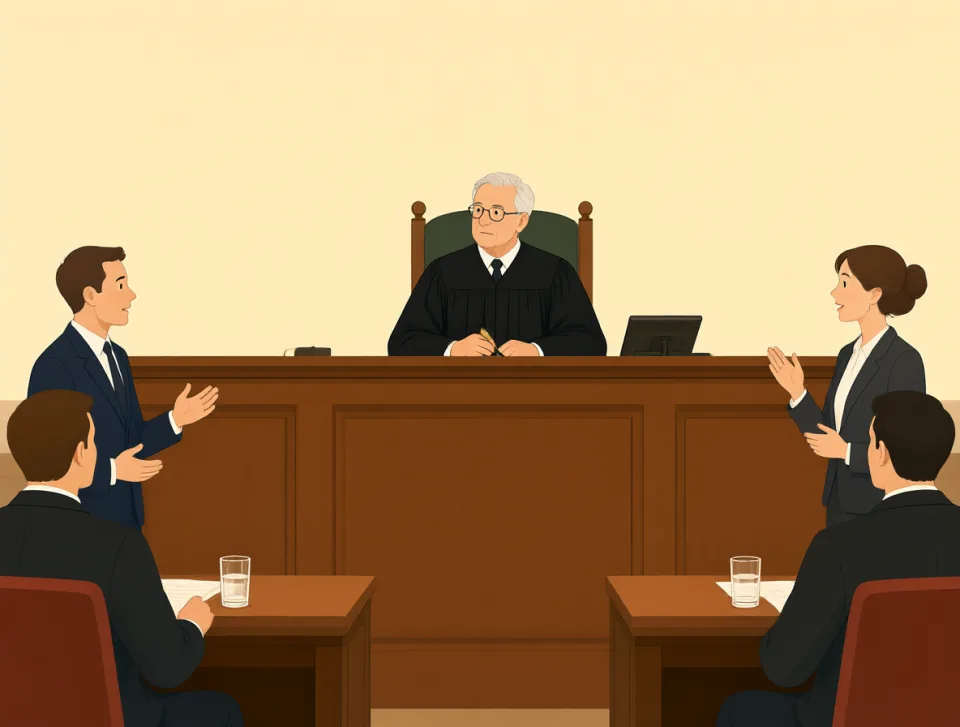
The court heard the case yesterday.
El tribunal escuchó el caso ayer.
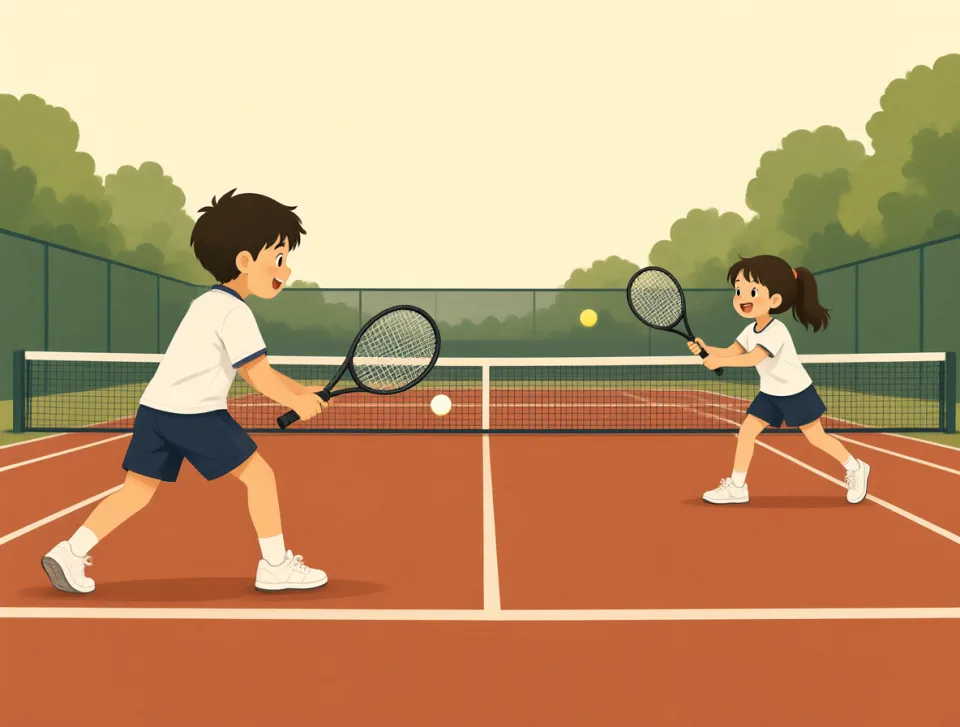
We played tennis on the court.
Jugamos al tenis en la pista.
police
#616noun, verb
policía; patrullar
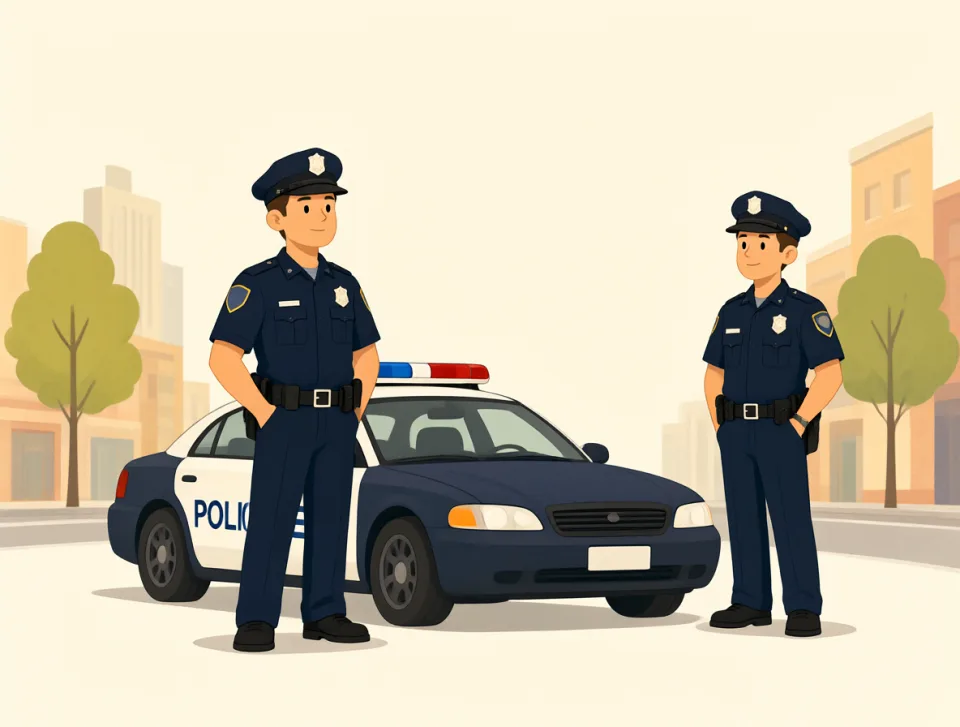
The official organization that keeps people safe and stops crime.
La organización oficial que protege a las personas y combate el delito.
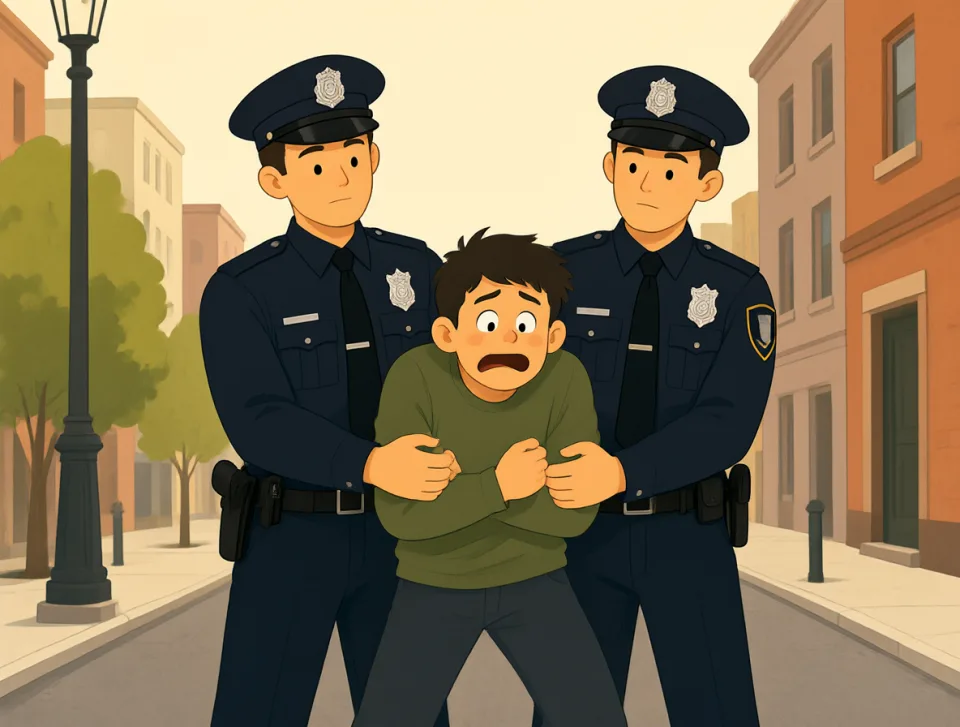
The police caught the thief yesterday.
La policía atrapó al ladrón ayer.
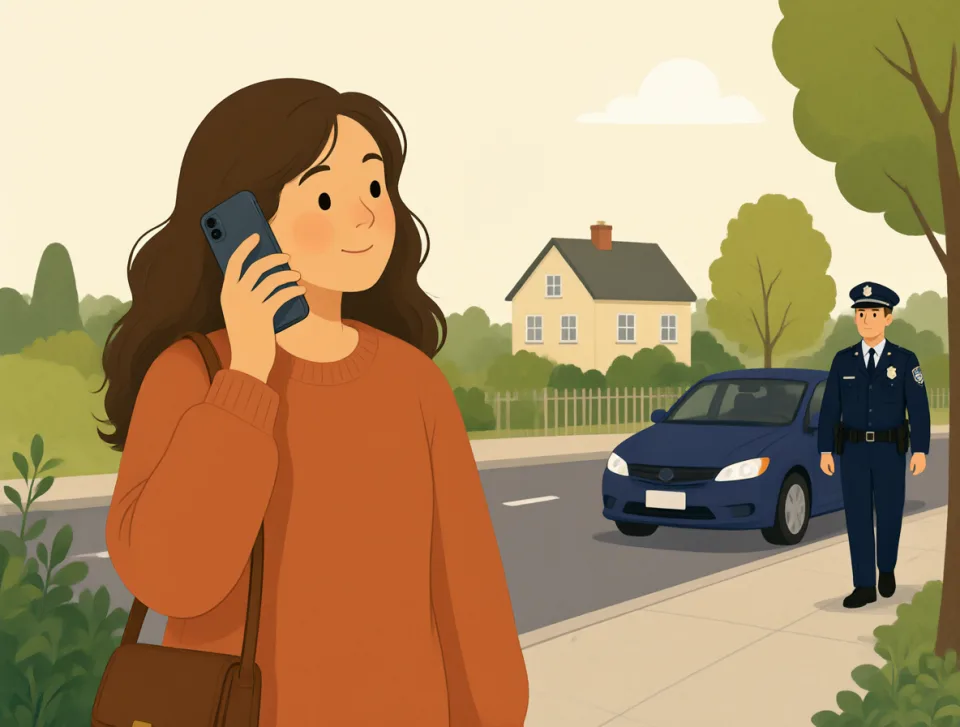
Call the police if you see trouble.
Llama a la policía si ves algún problema.
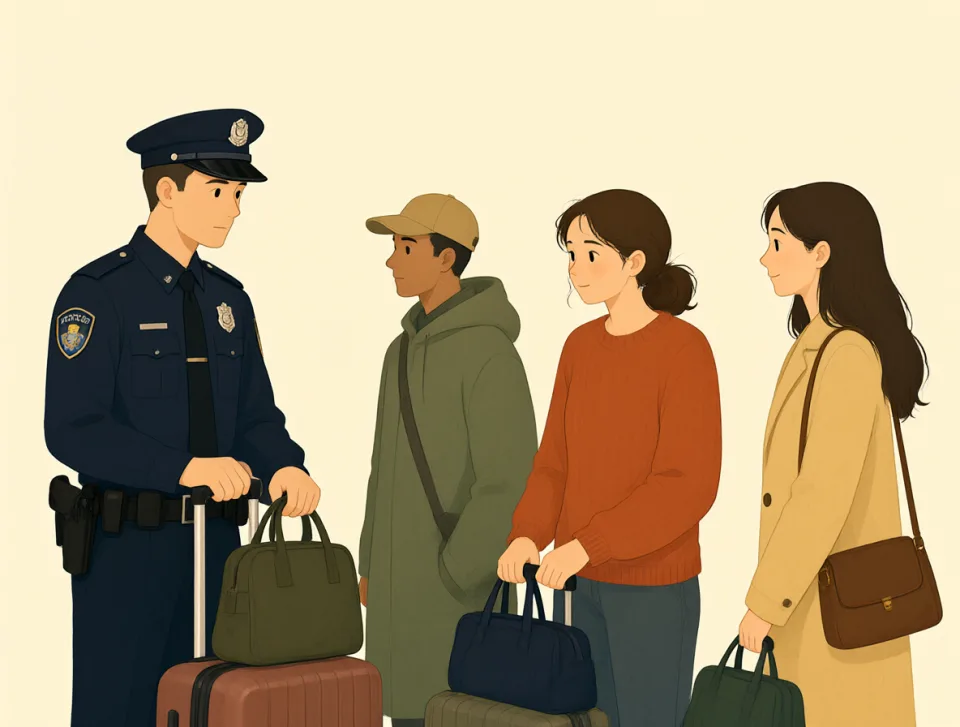
The police are checking our bags.
La policía está revisando nuestras bolsas.

She works for the police in London.
Ella trabaja para la policía en Londres.
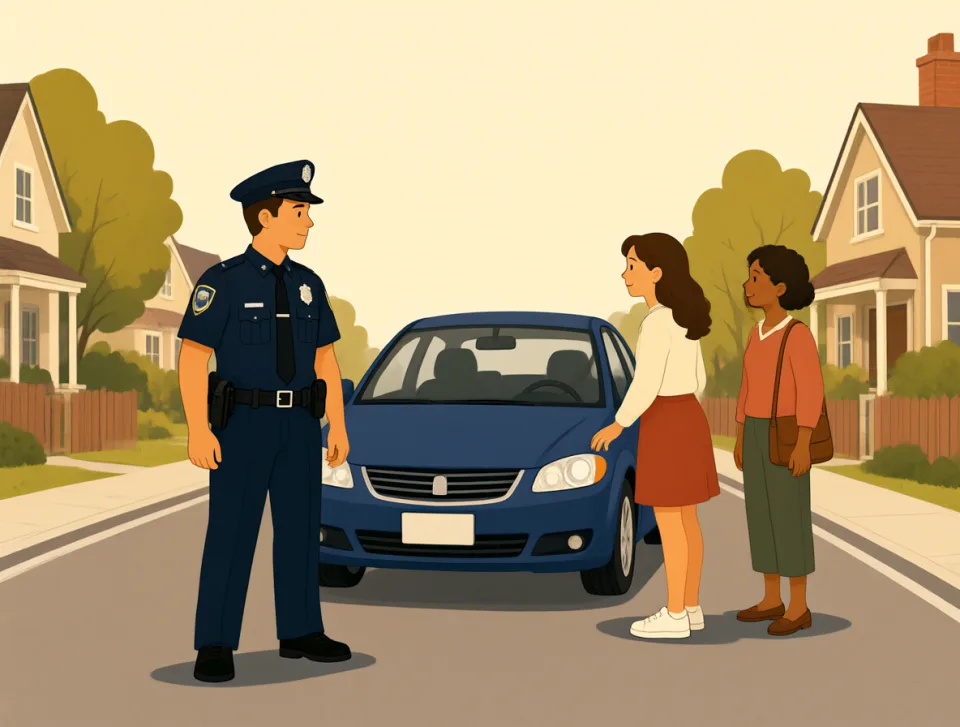
Police stopped the car near our home.
La policía detuvo el auto cerca de nuestra casa.
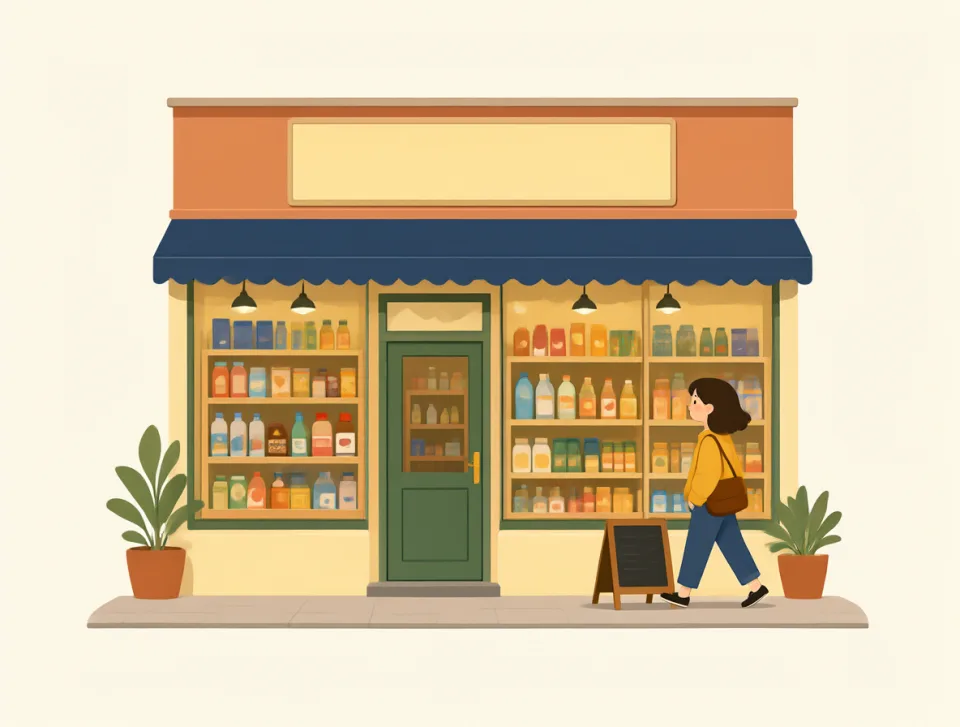
store
#617noun, verb
tienda; almacenar; guardar
A place where people buy things, or to keep something for future use.
Un lugar donde la gente compra cosas, o donde se guarda algo para usarlo en el futuro.
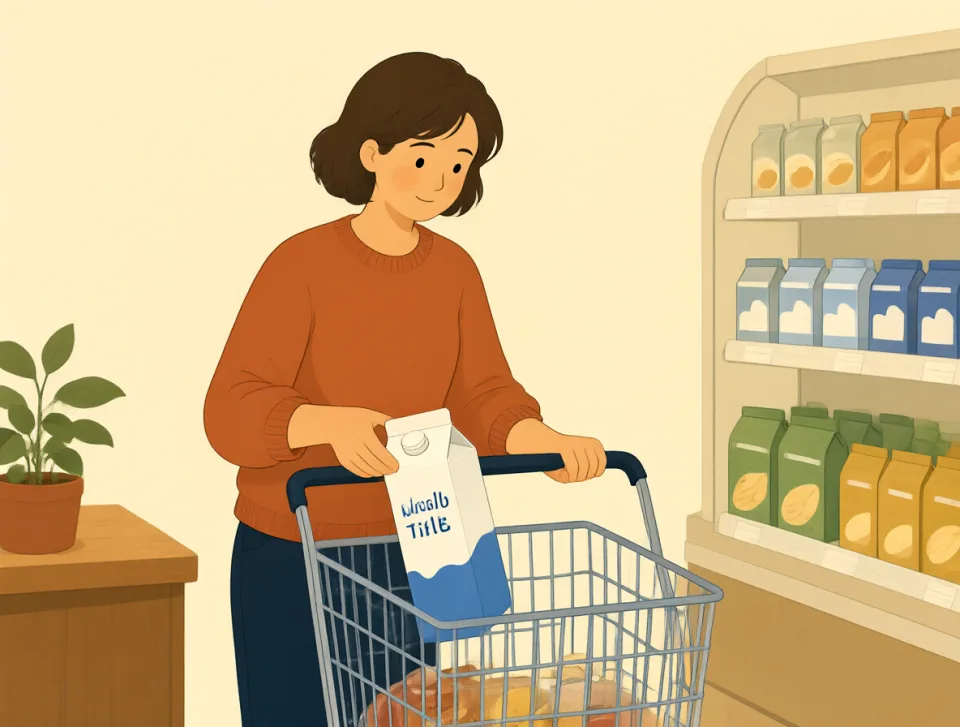
I bought milk at the store.
Compré leche en la tienda.
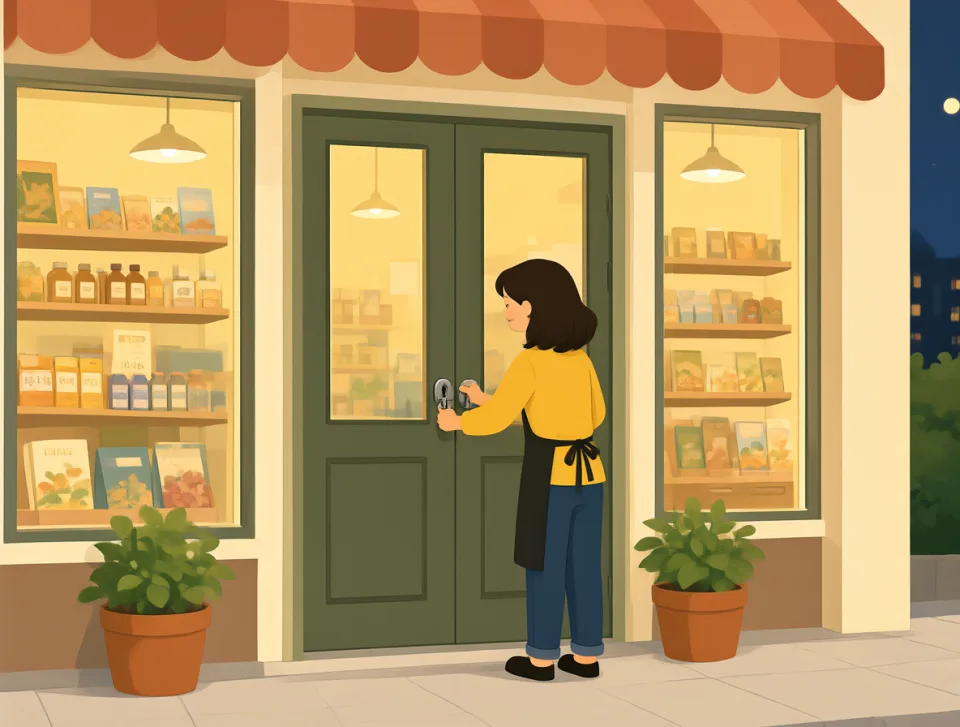
The store closes at eight tonight.
La tienda cierra a las ocho esta noche.
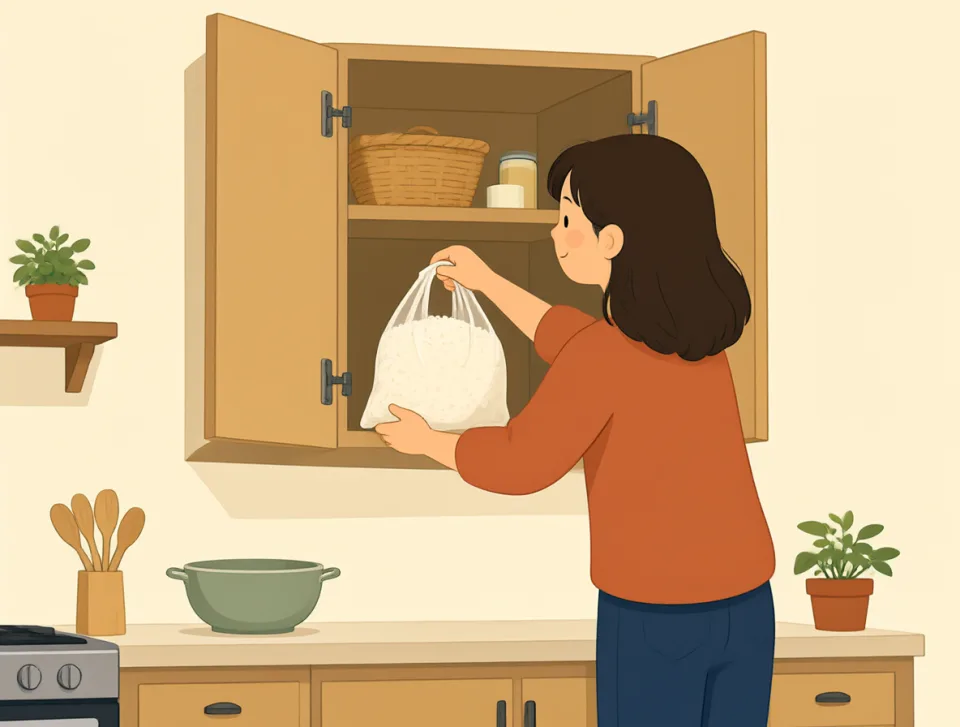
Please store the rice in a dry place.
Guarda el arroz en un lugar seco.
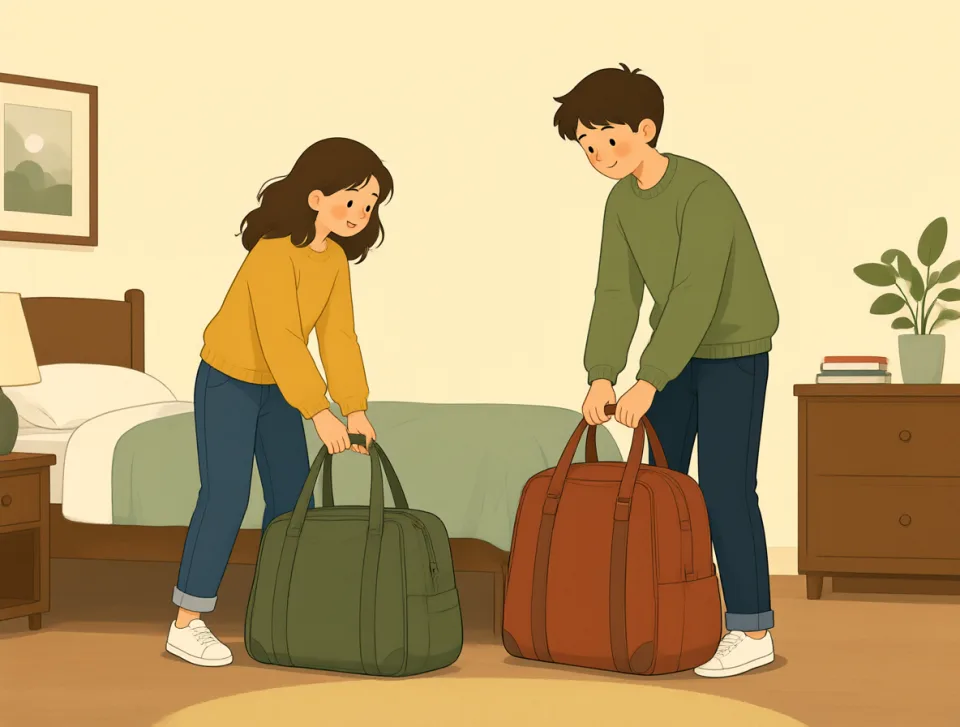
We stored our bags under the bed.
Guardamos nuestras bolsas debajo de la cama.
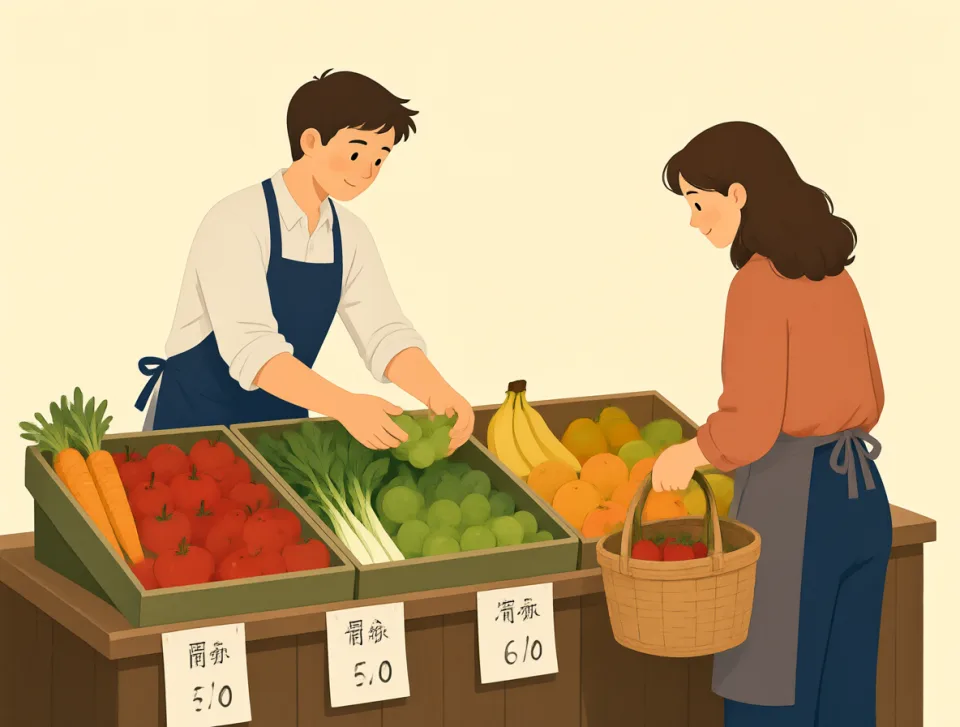
The store sells fresh fruit and vegetables.
La tienda vende frutas y verduras frescas.
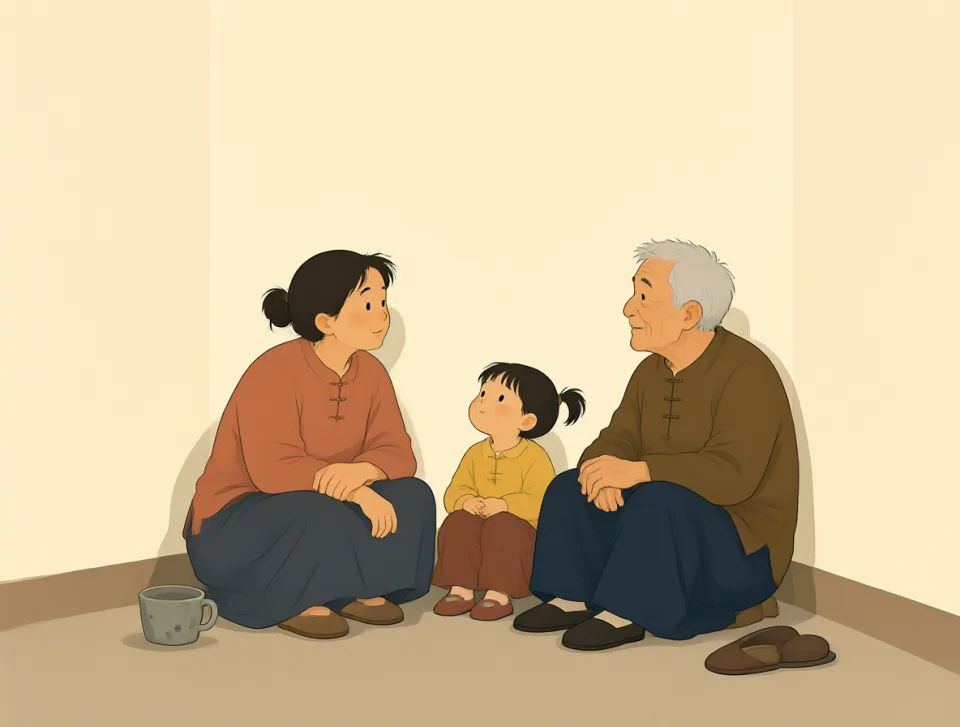
poor
#618adjective, noun
pobre; de mala calidad
Having little money, or being of low quality.
Que tiene poco dinero o que es de baja calidad.
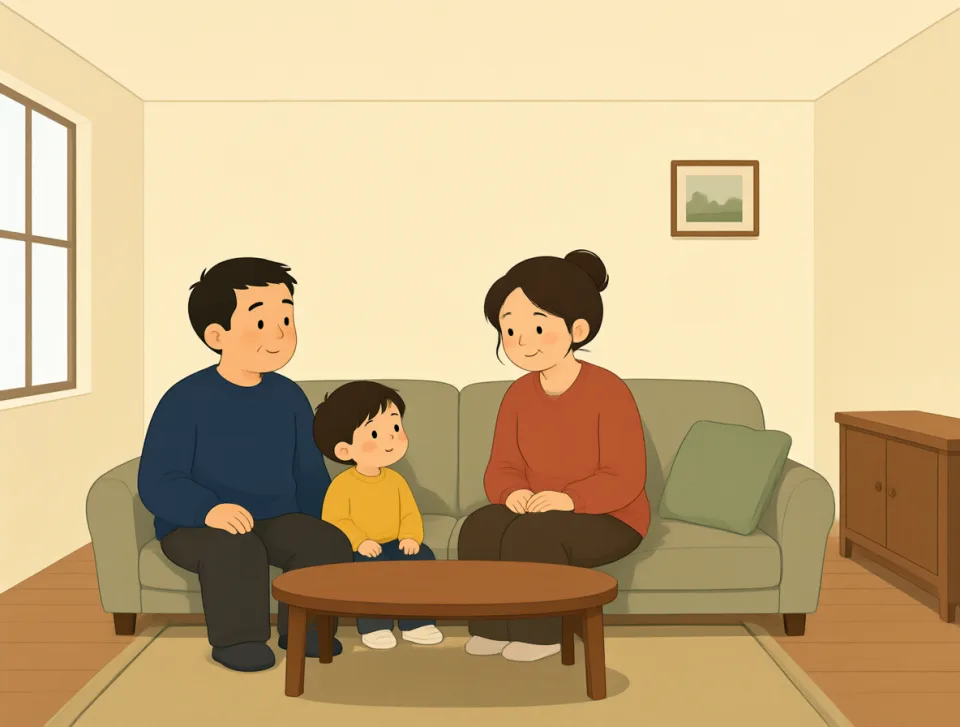
The poor family needs a warm home.
La familia pobre necesita un hogar cálido.
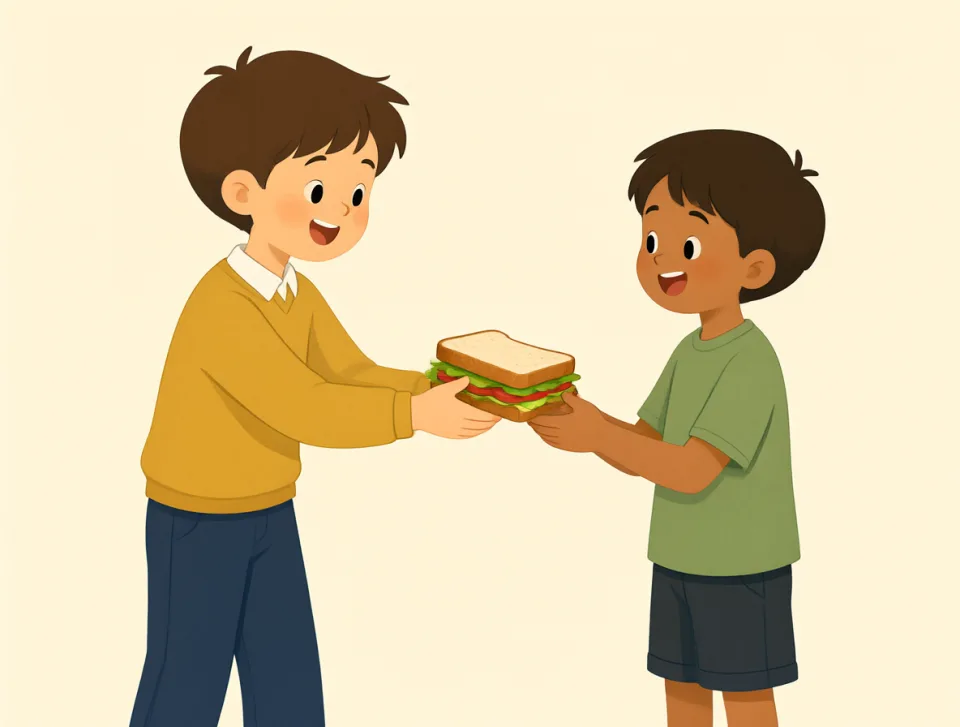
The poor boy shared his lunch.
El niño pobre compartió su almuerzo.
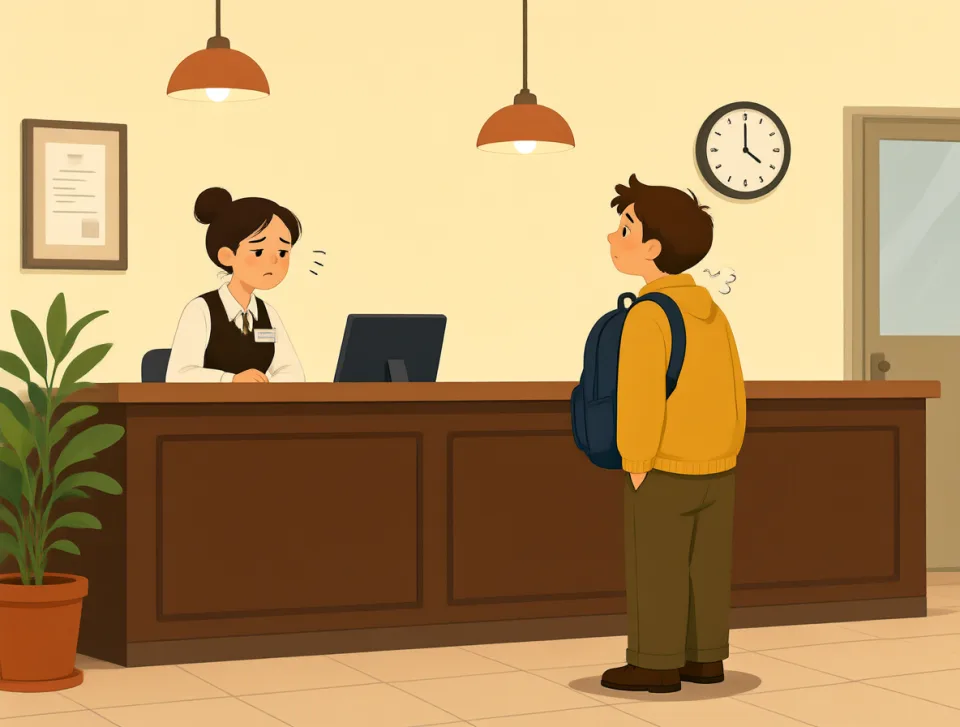
We had poor service at the hotel.
Recibimos un servicio deficiente en el hotel.
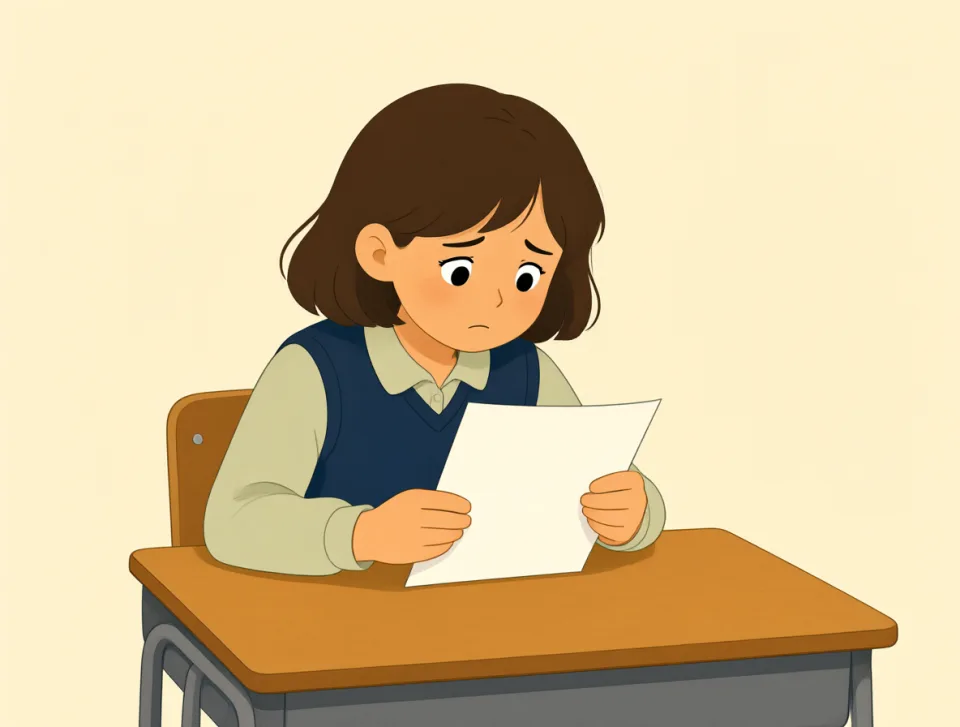
She got poor marks on the test.
Sacó malas notas en el examen.
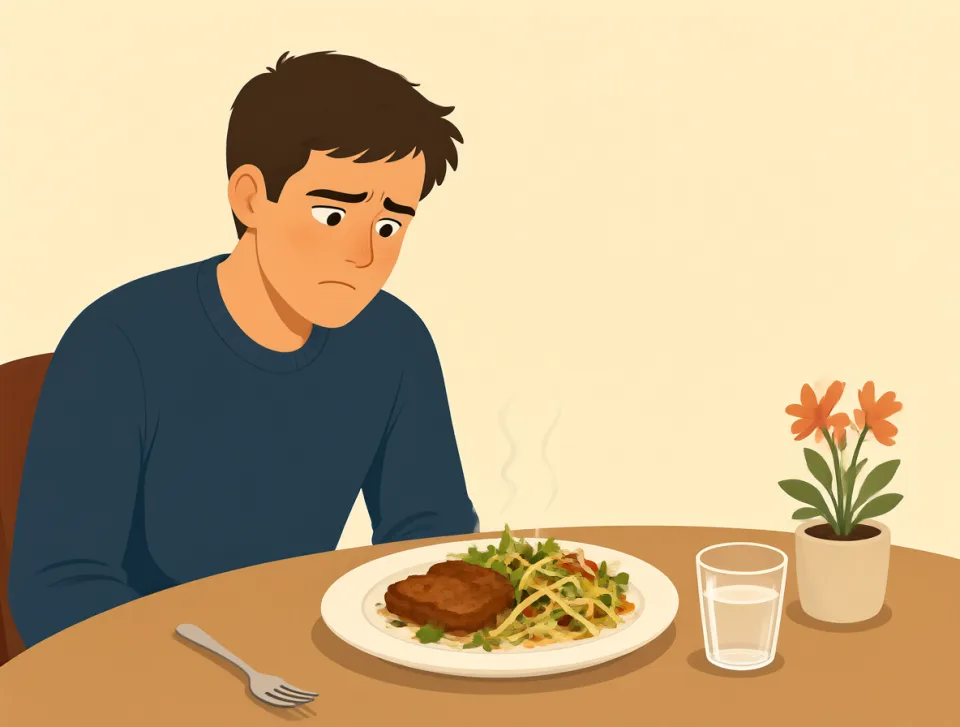
This restaurant serves poor food.
Este restaurante sirve comida de mala calidad.
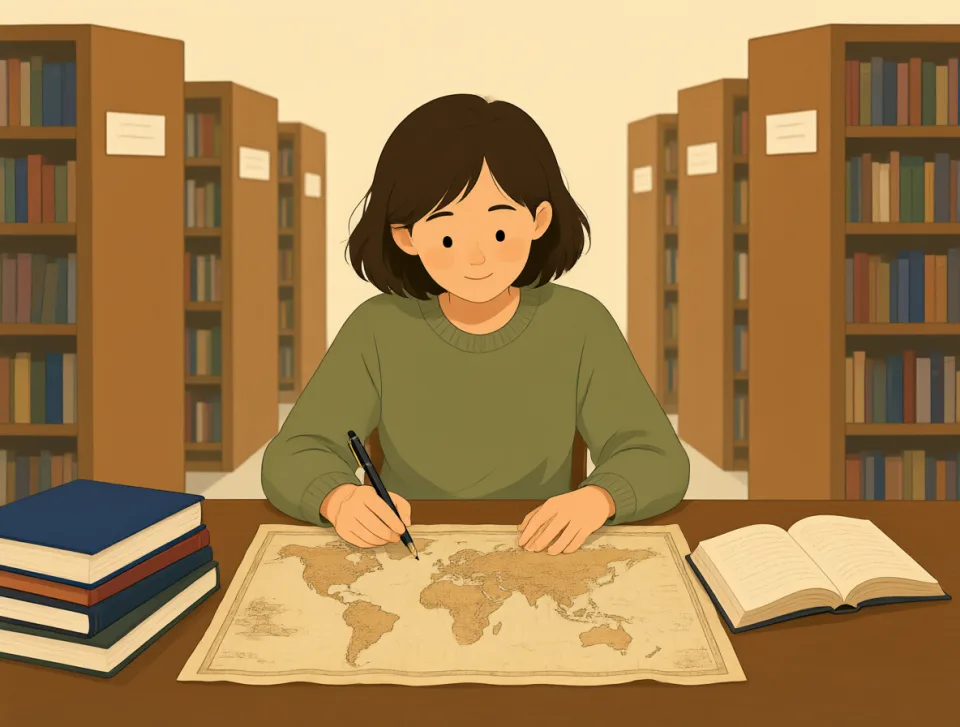
knowledge
#619noun
conocimiento; saberes
Facts and information that a person knows about a subject or the world.
Los hechos y la información que una persona conoce sobre un tema o sobre el mundo.
She has good knowledge of local history.
Tiene buenos conocimientos sobre la historia local.

Knowledge of English helps at work.
Tener conocimientos de inglés ayuda en el trabajo.
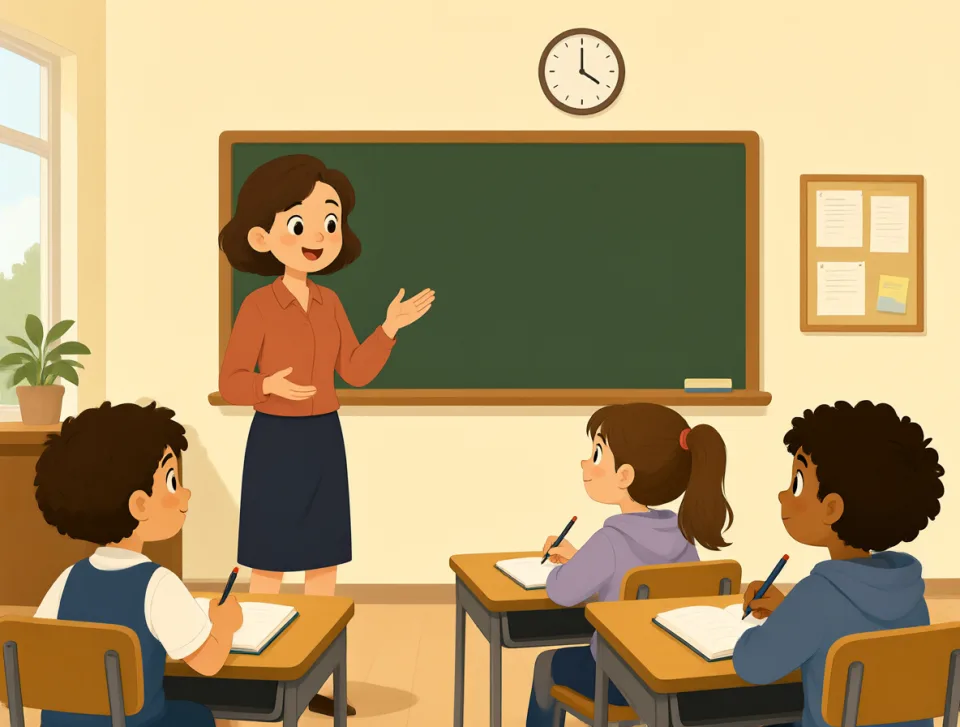
He shared his knowledge with the students.
Compartió sus conocimientos con los estudiantes.
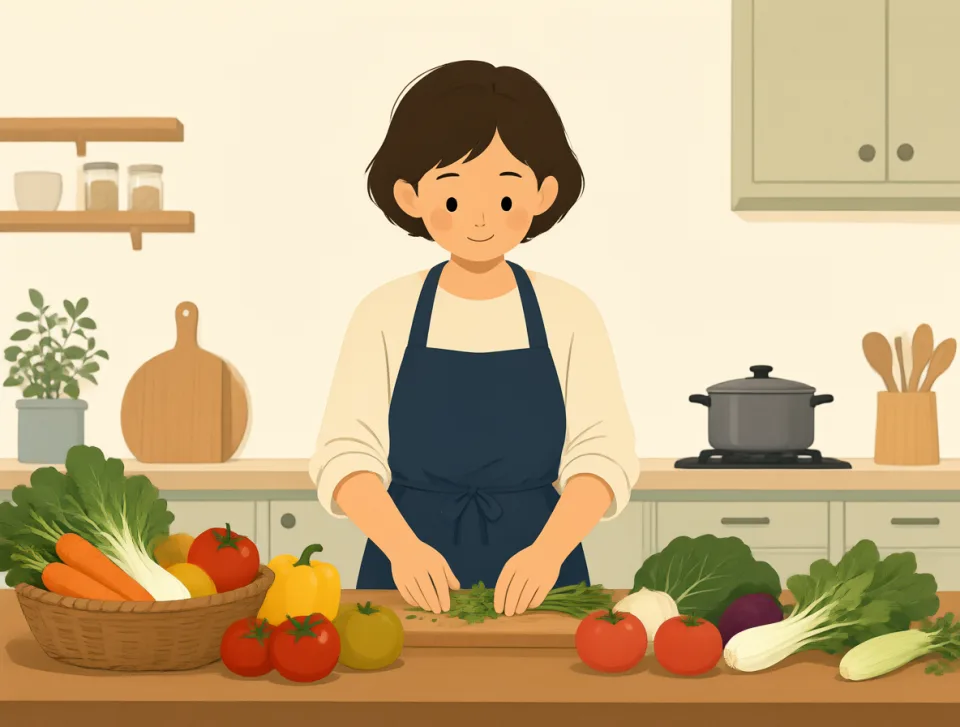
I need more knowledge about healthy food.
Necesito más información sobre la alimentación saludable.
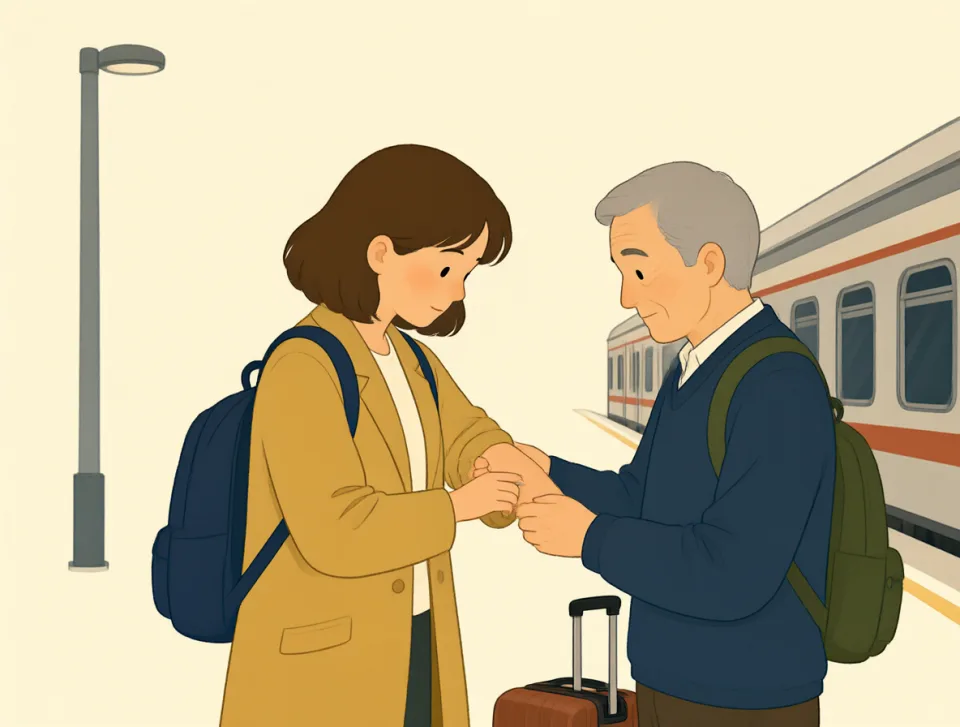
Her medical knowledge helped the sick traveler.
Sus conocimientos médicos ayudaron al viajero enfermo.

laugh
#620verb, noun
reír; risa
To make a happy sound or smile because something is funny.
Hacer un sonido alegre o sonreír porque algo es gracioso.
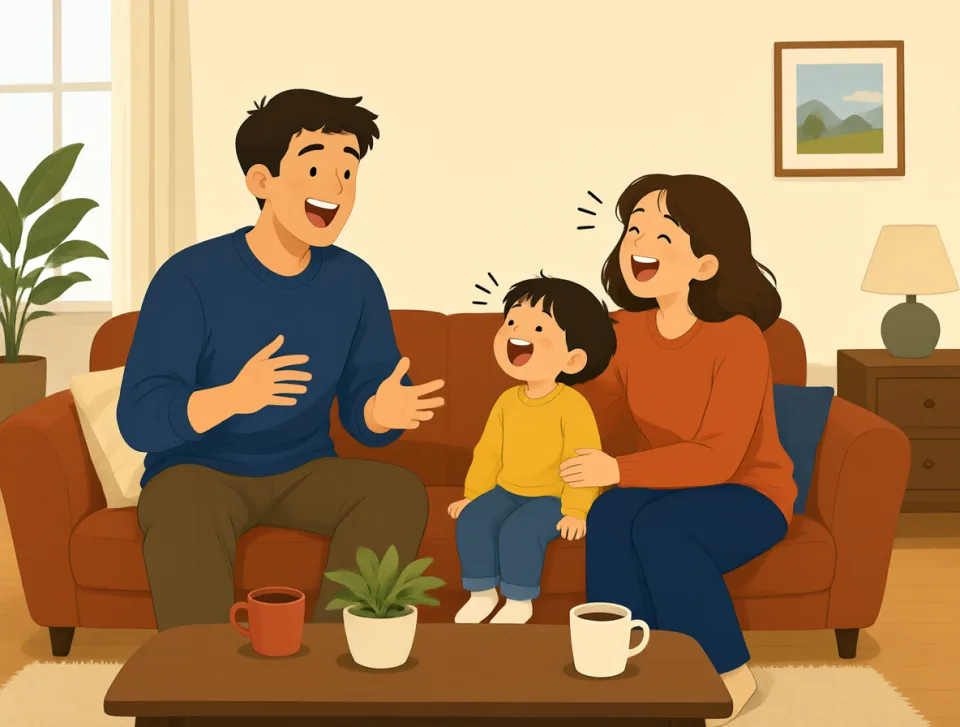
We laughed at Dad's funny joke.
Nos reímos del chiste gracioso de papá.
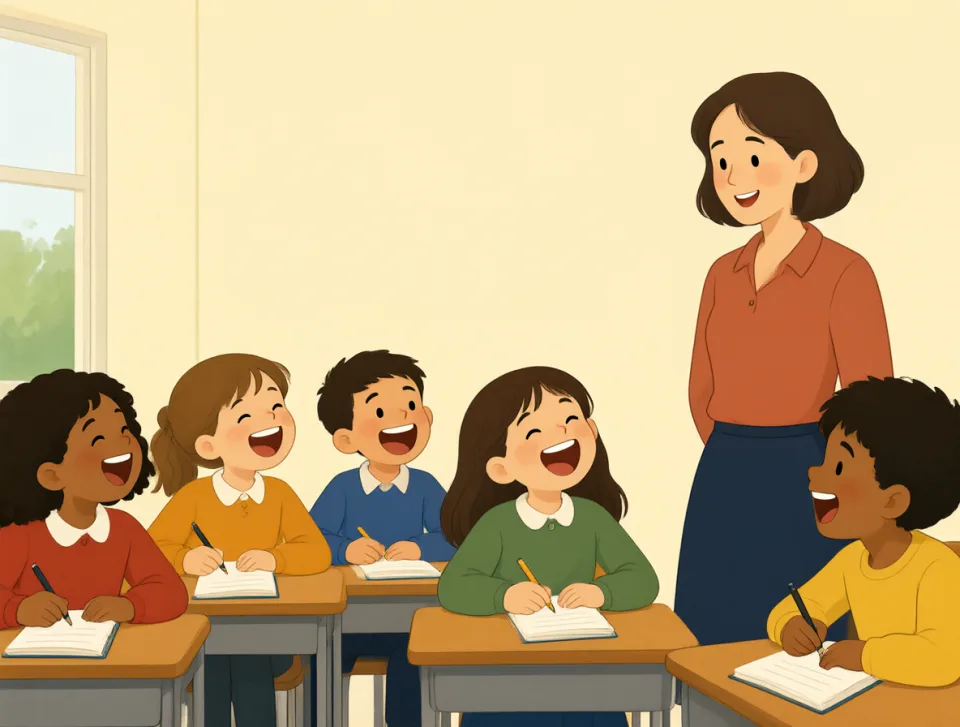
The children laughed loudly in class.
Los niños se rieron a carcajadas en clase.
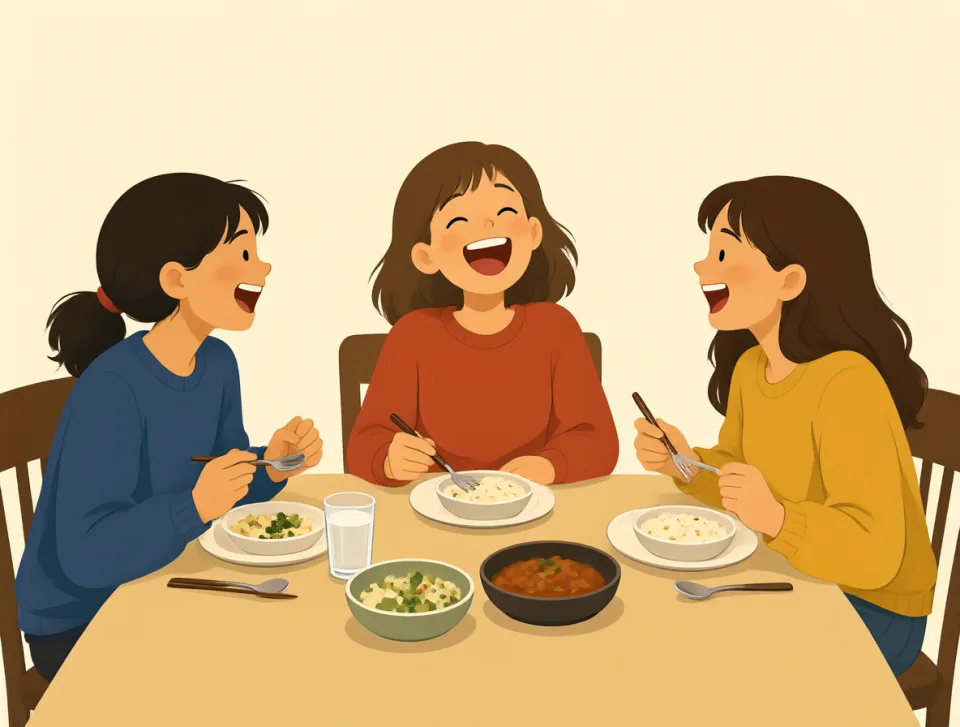
She laughed with her friends at lunch.
Ella se rio con sus amigas durante el almuerzo.

He laughed when he saw the silly hat.
Él se rio cuando vio el sombrero ridículo.

Her laugh made everyone feel happy.
Su risa hizo que todos se sintieran felices.