ユニット 17
321〜340語 · deal, water, send, allow, soon, watch
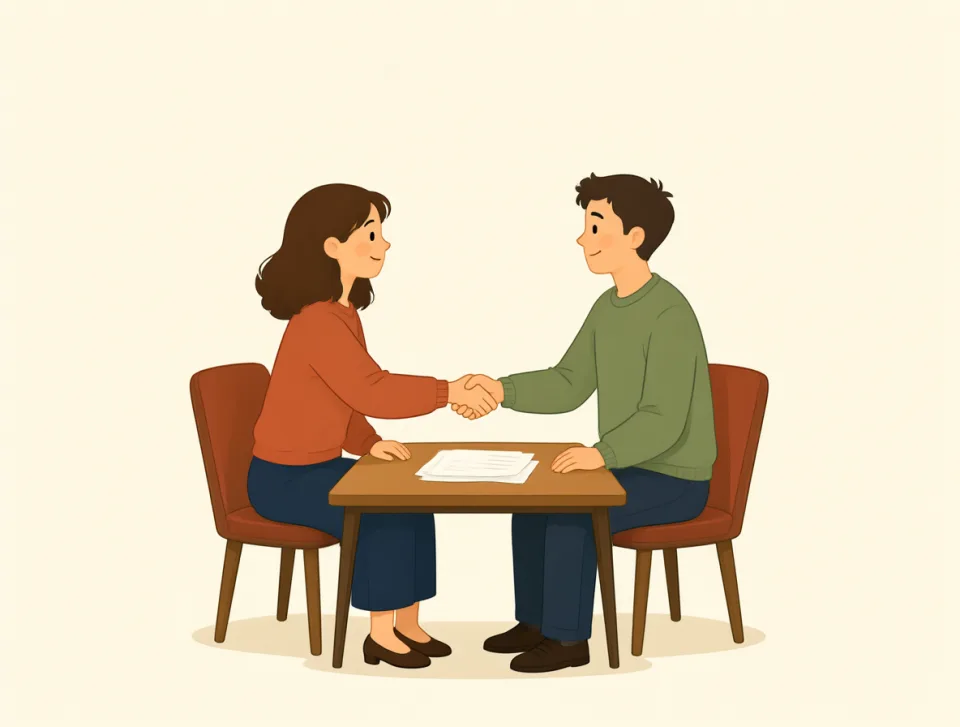
deal
#321noun, verb
取引; お買い得品; 対処する; 配る
An agreement, arrangement, or way of handling a situation; to do business or manage something.
合意や取り決め、または状況への対処法。取引をする、何かを処理・管理すること。
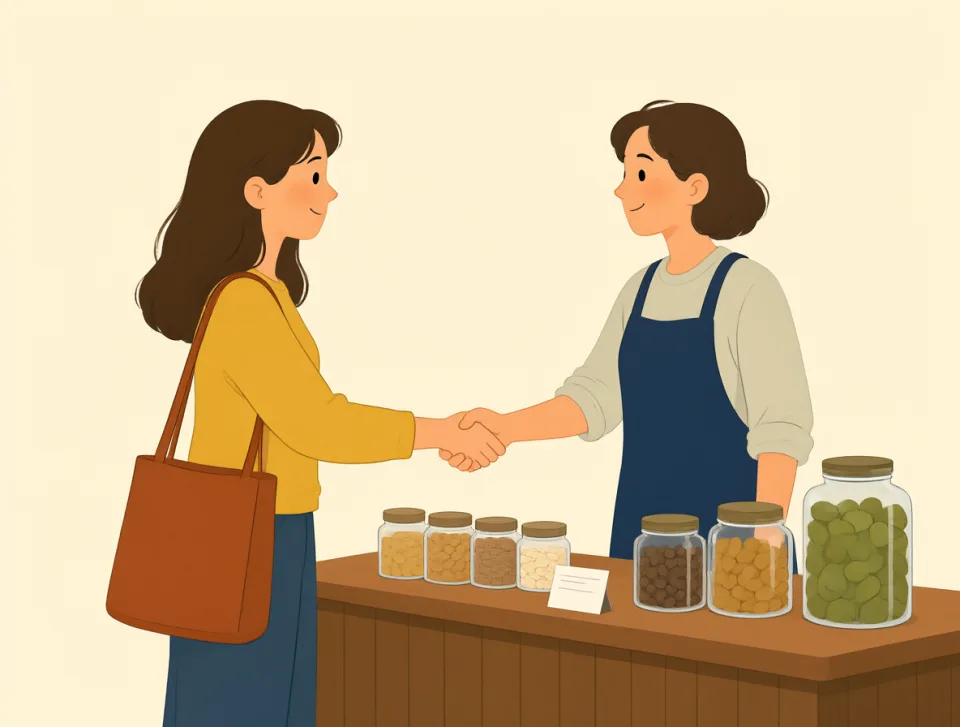
We made a deal about the price.
私たちは値段について取り決めをした。
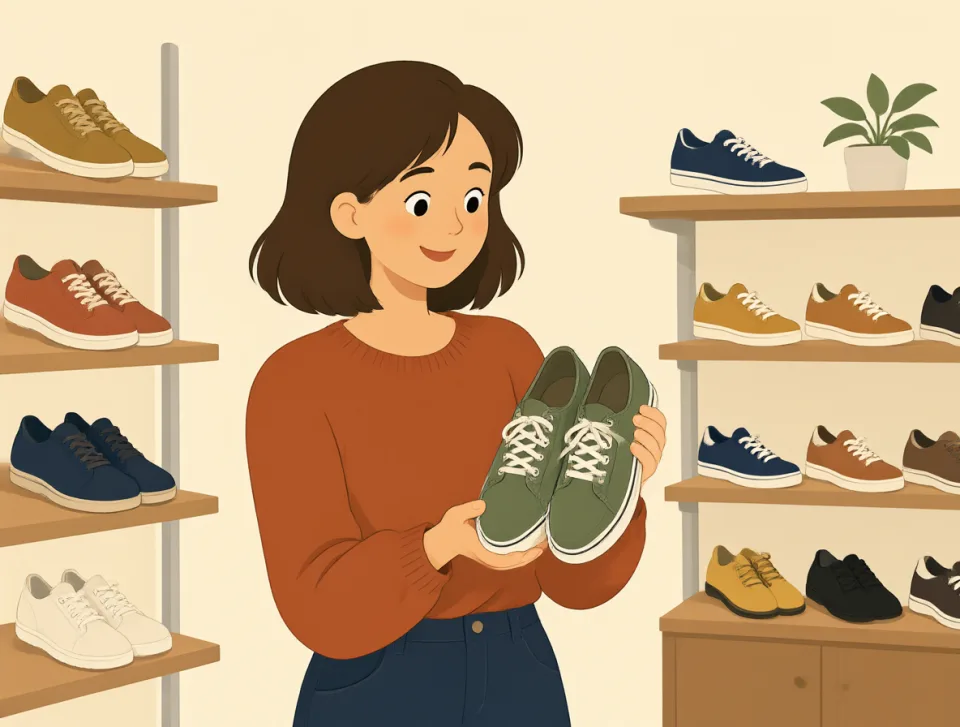
She got a great deal on shoes.
彼女は靴をとてもお得に買えた。
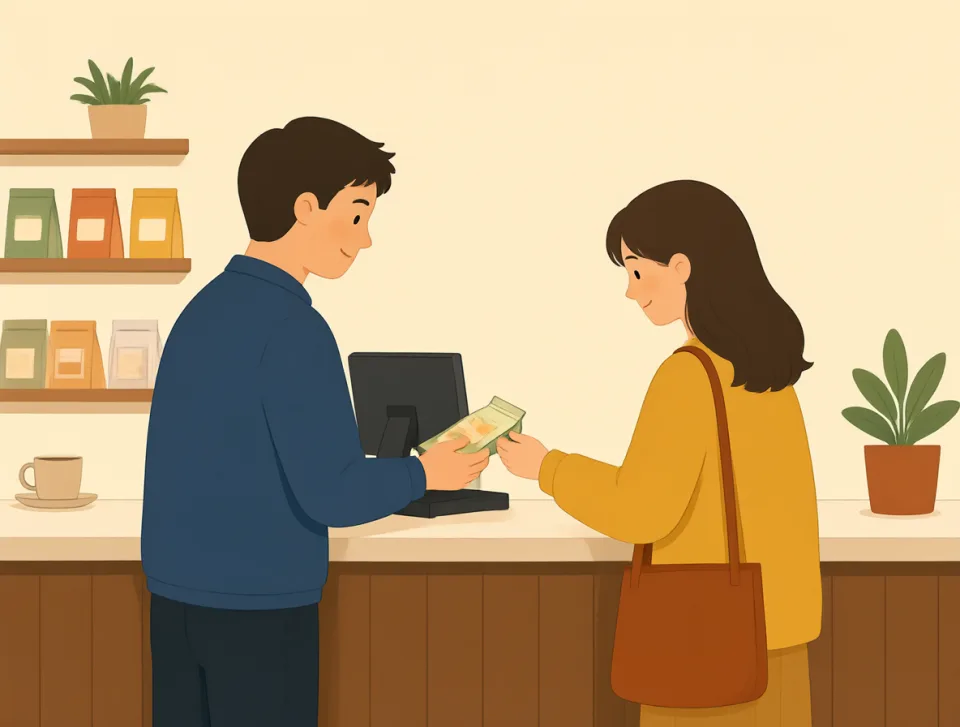
I deal with customers every day.
私は毎日お客さんに対応している。
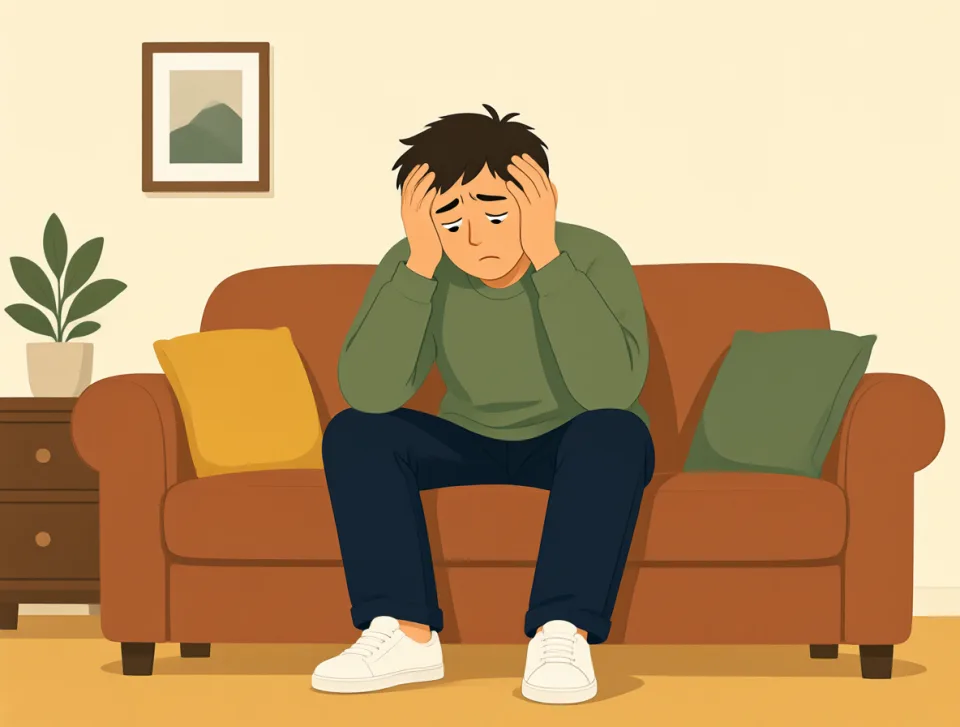
He cannot deal with the stress.
彼はそのストレスには対処できない。
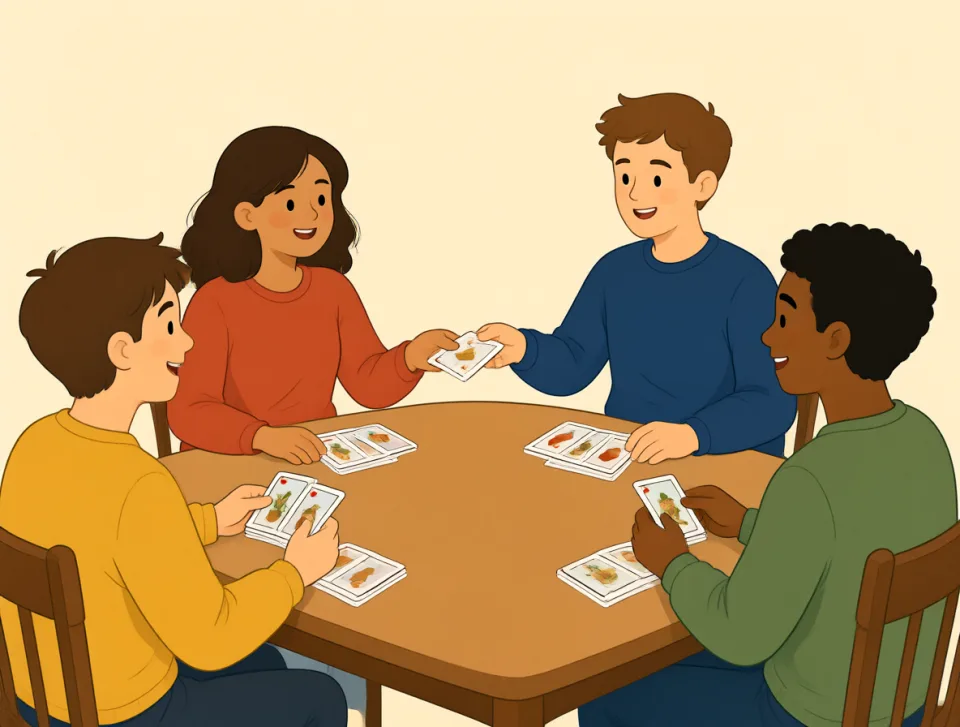
The cards were dealt to everyone.
カードは全員に配られた。
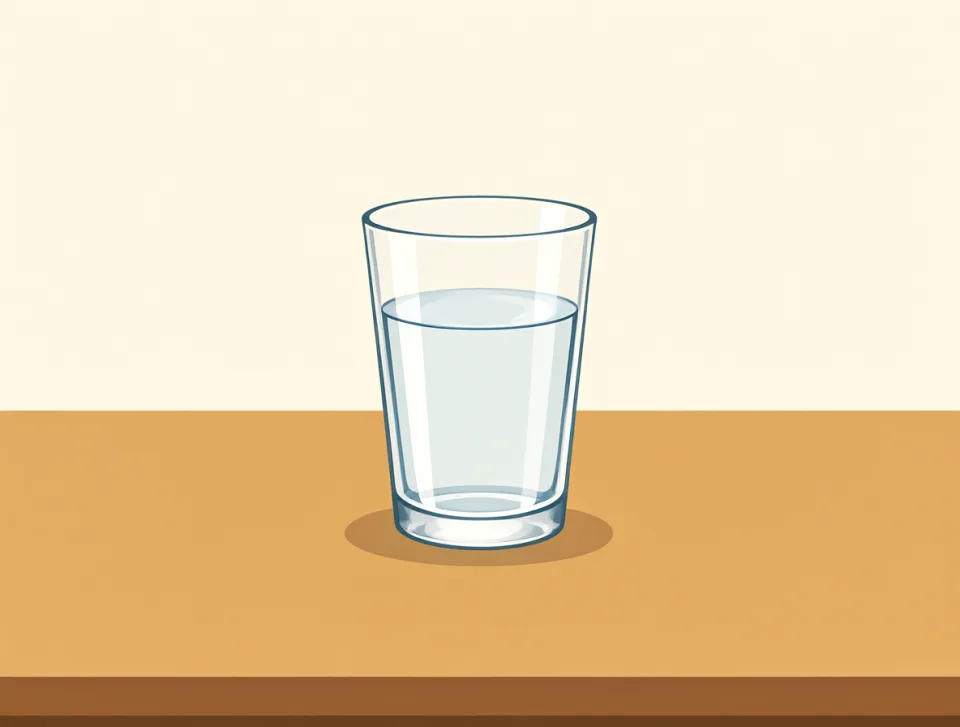
water
#322noun, verb
水; 水をやる
The clear liquid people drink and use for washing, cooking, and growing plants.
人が飲んだり、洗ったり、料理をしたり、植物を育てたりするのに使う透明な液体。
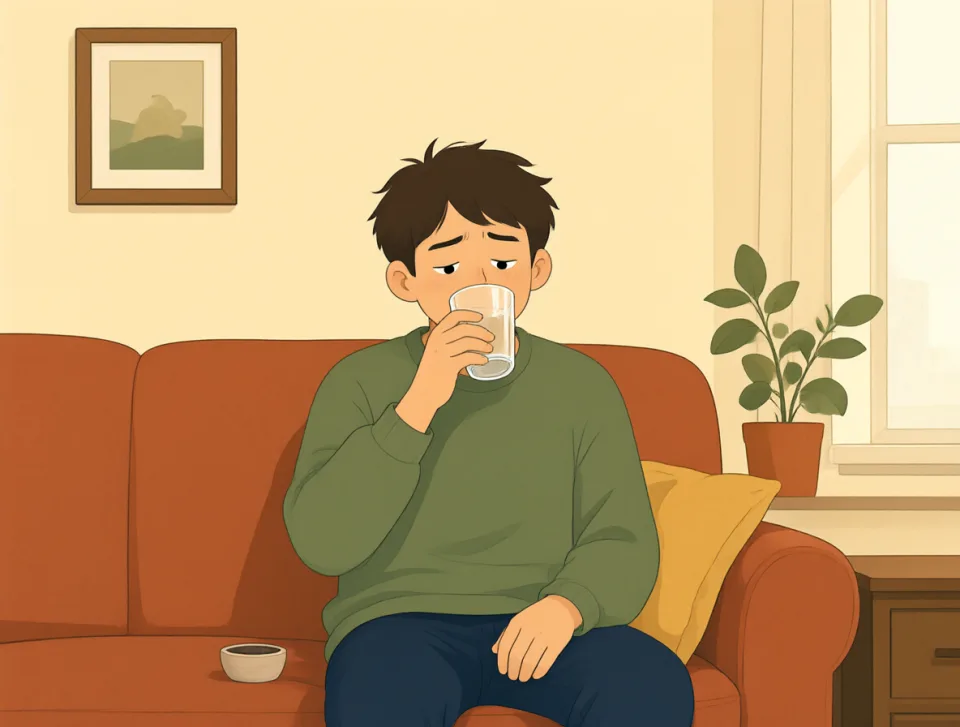
Please drink some water after your walk.
散歩のあとに水を飲んでください。
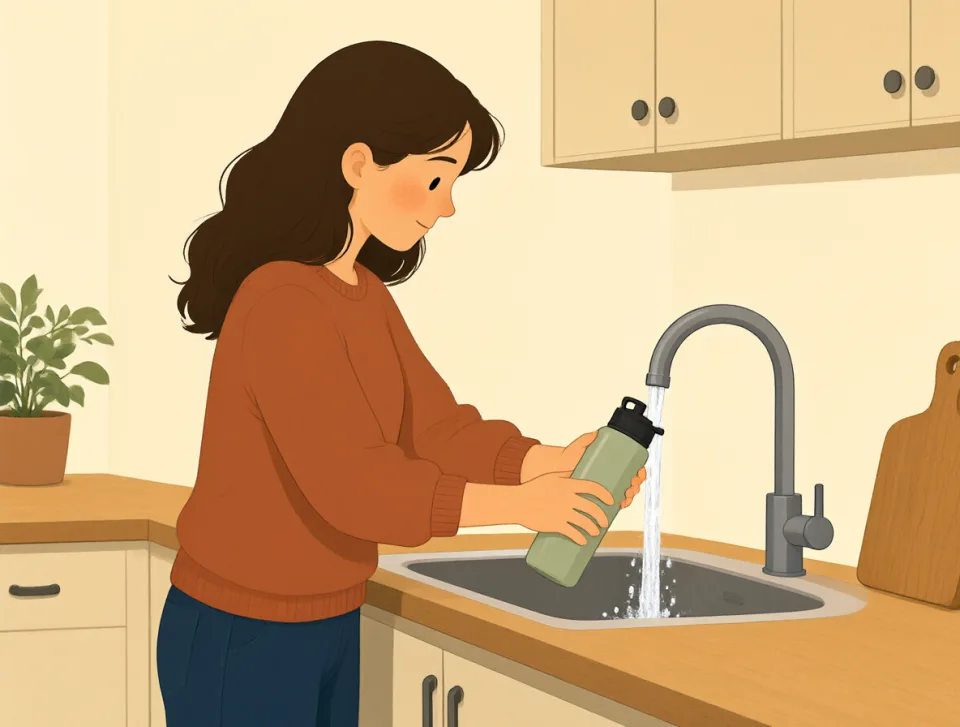
She filled the bottle with cold water.
彼女はボトルに冷たい水を入れました。
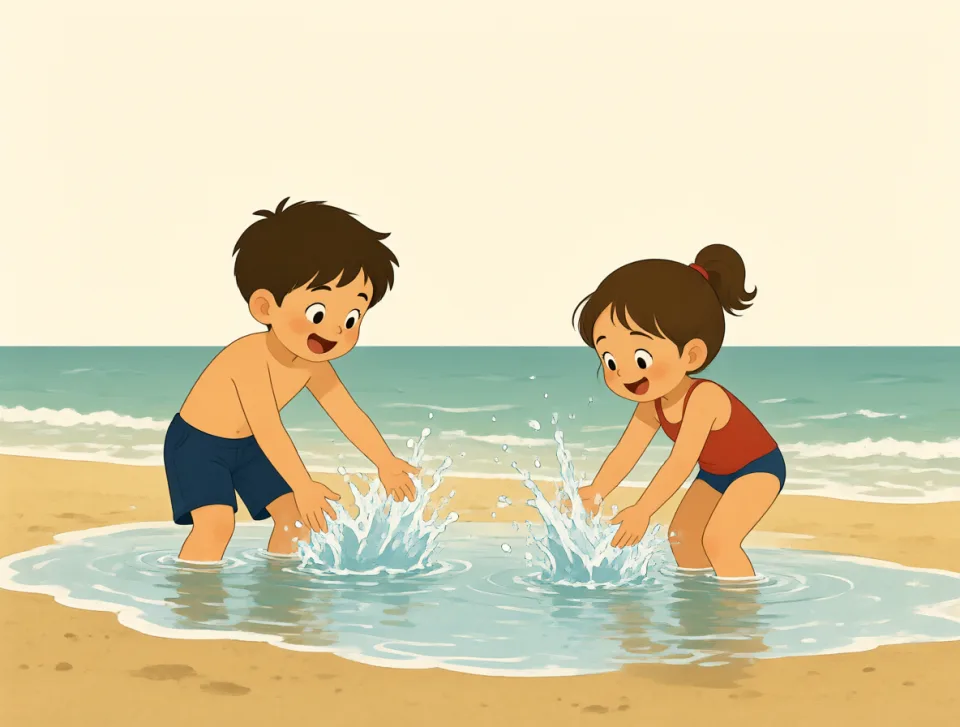
The children played in the water.
子どもたちは水の中で遊びました。
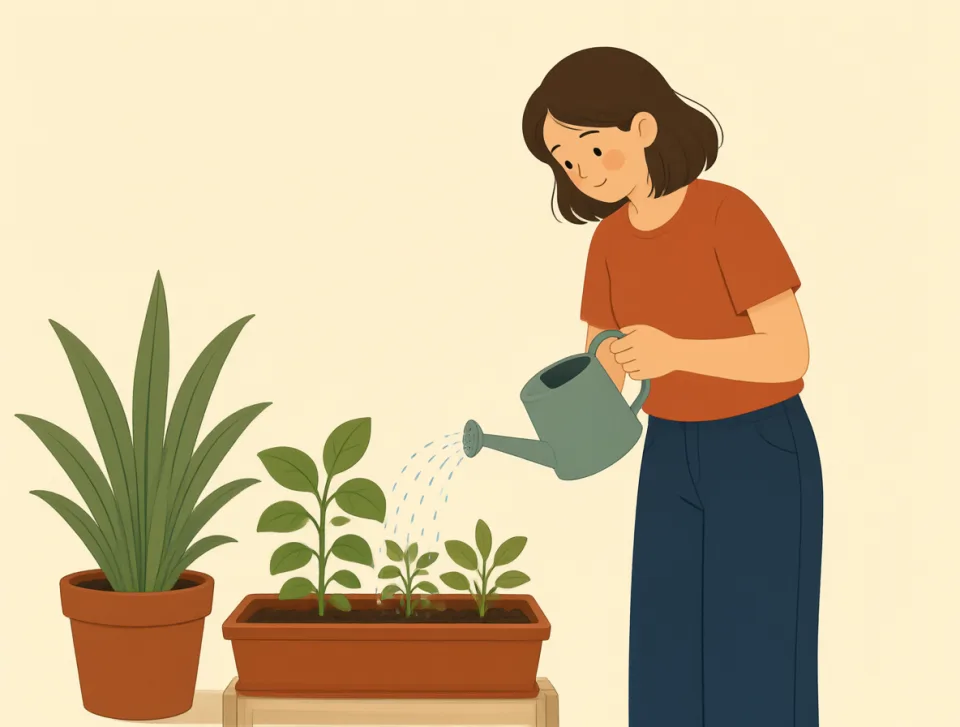
We watered the plants before leaving.
私たちは出発する前に植物に水をやりました。

The flood watered the streets overnight.
洪水で一晩のうちに通りが水浸しになりました。
send
#323verb
送る; 届ける; 行かせる
To make someone or something go from one place to another.
人や物を、ある場所から別の場所へ行かせる。
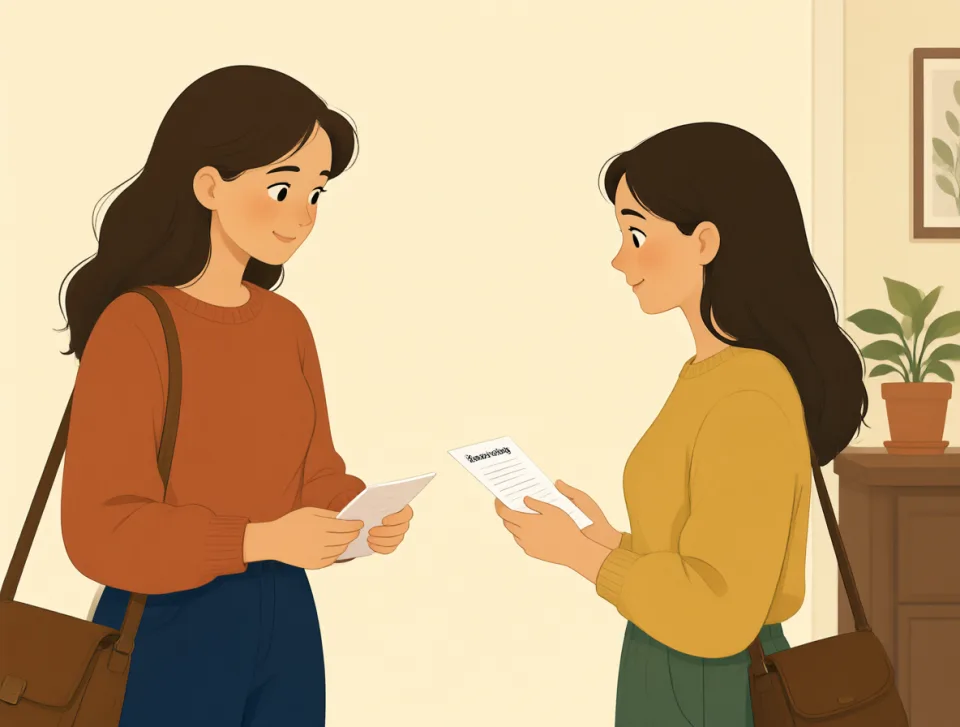
Please send me the address.
住所を私に送ってください。
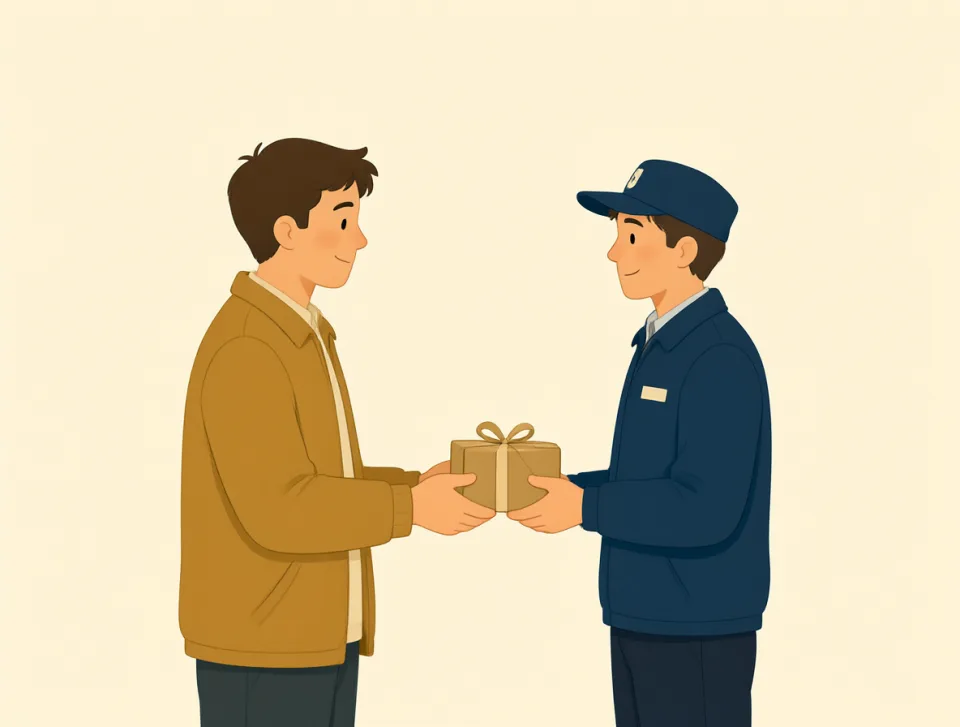
I sent the package yesterday.
私は昨日、その荷物を送りました。
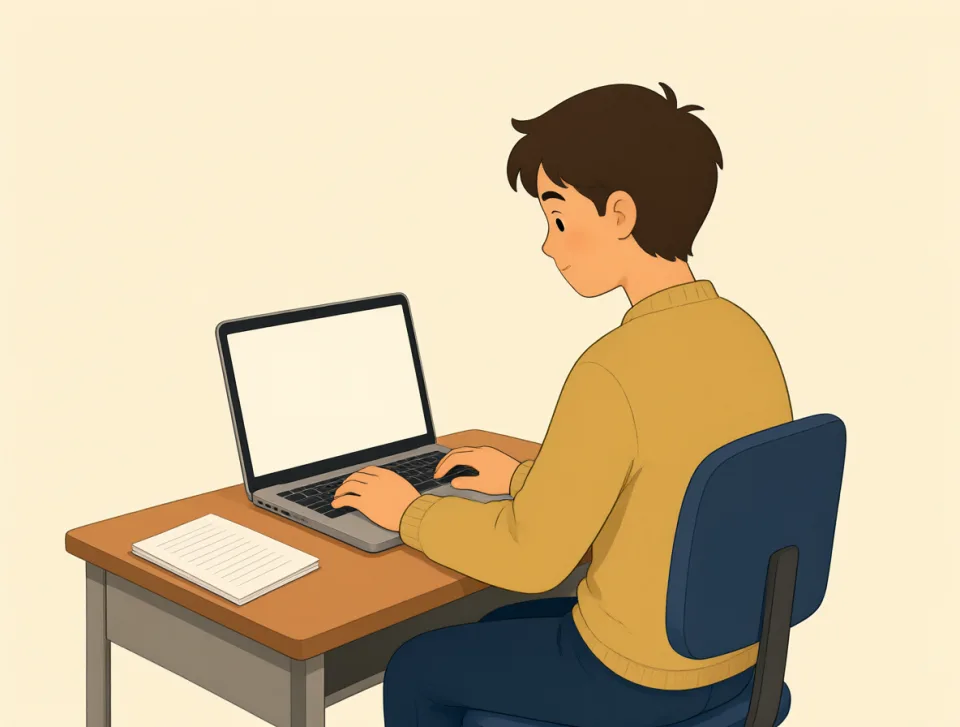
She sends emails to her teacher.
彼女は先生にメールを送ります。
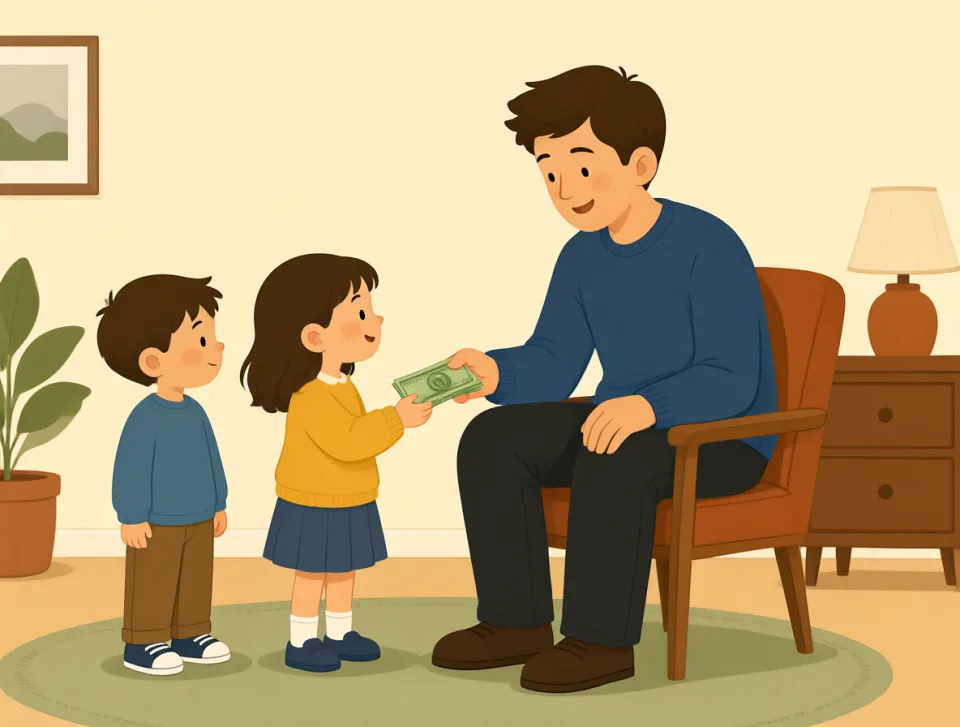
Dad sent us some money.
父は私たちにお金をいくらか送ってくれました。
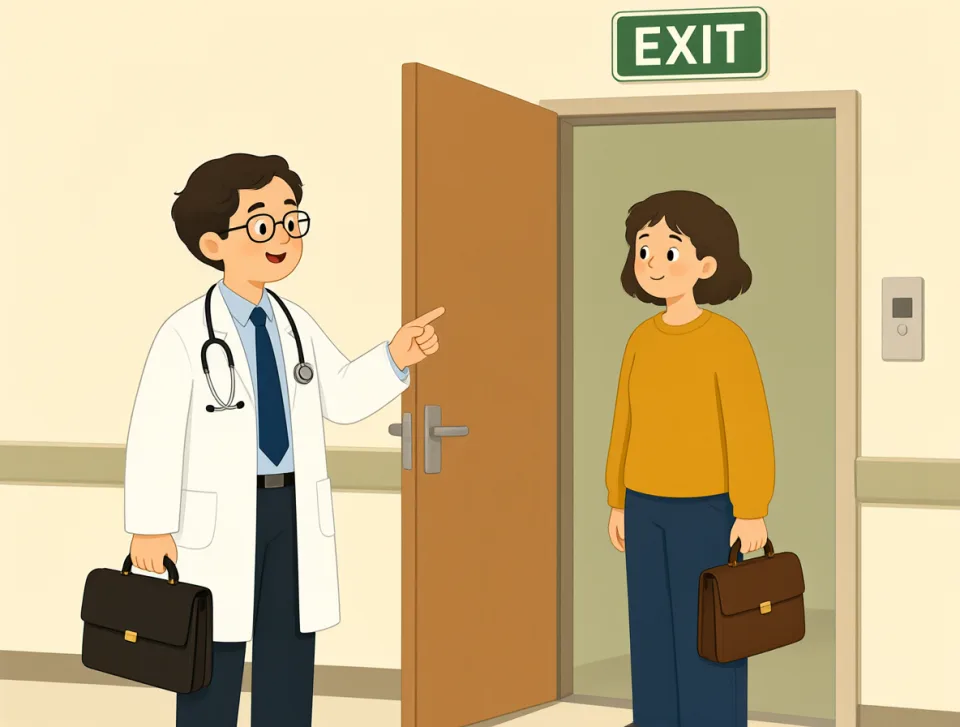
The doctor sent him home.
医者は彼を家に帰しました。
allow
#324verb
許す; 可能にする
to let someone do something or make something possible
誰かに何かをさせる、または何かを可能にする
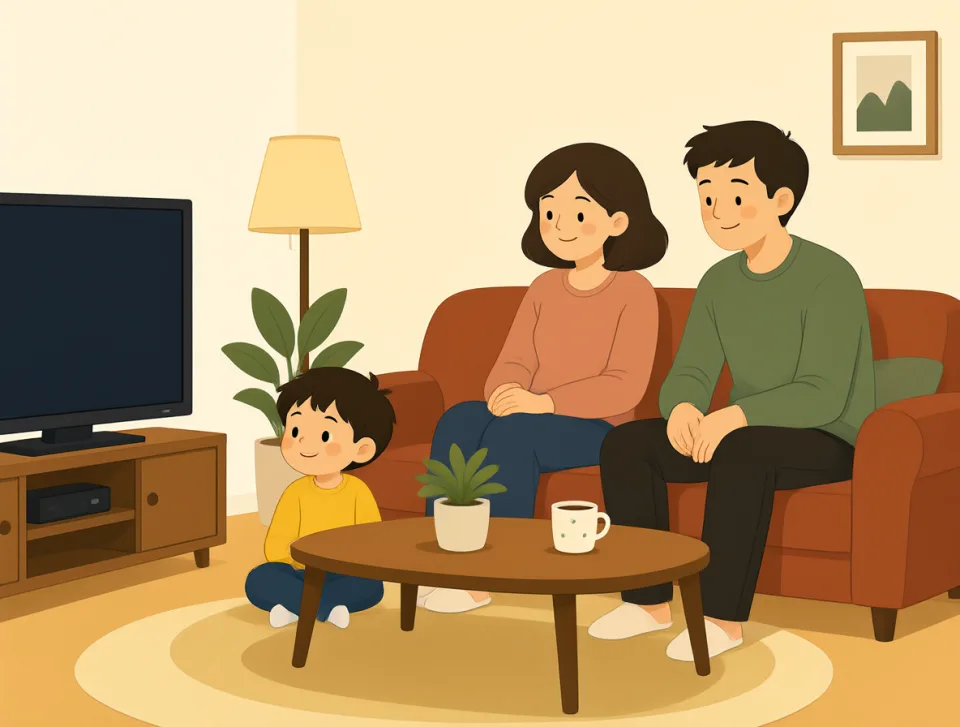
My parents allow me to watch TV.
私の両親は私にテレビを見させてくれます。
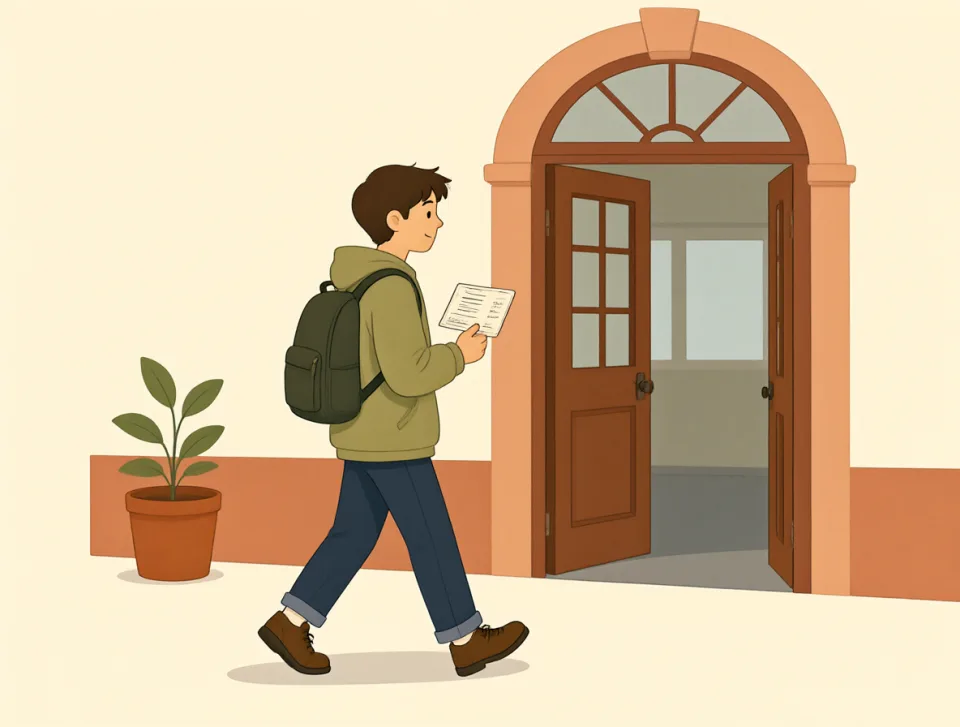
This ticket allows one person to enter.
このチケットで1人入場できます。
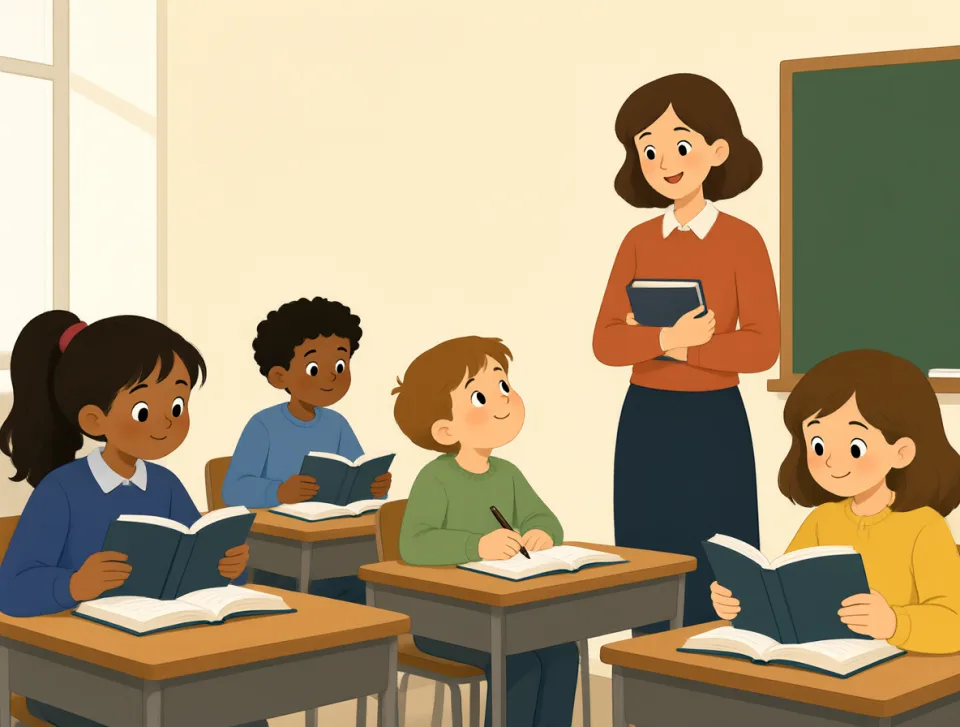
Our teacher allowed us to use dictionaries.
先生は私たちに辞書を使わせてくれました。
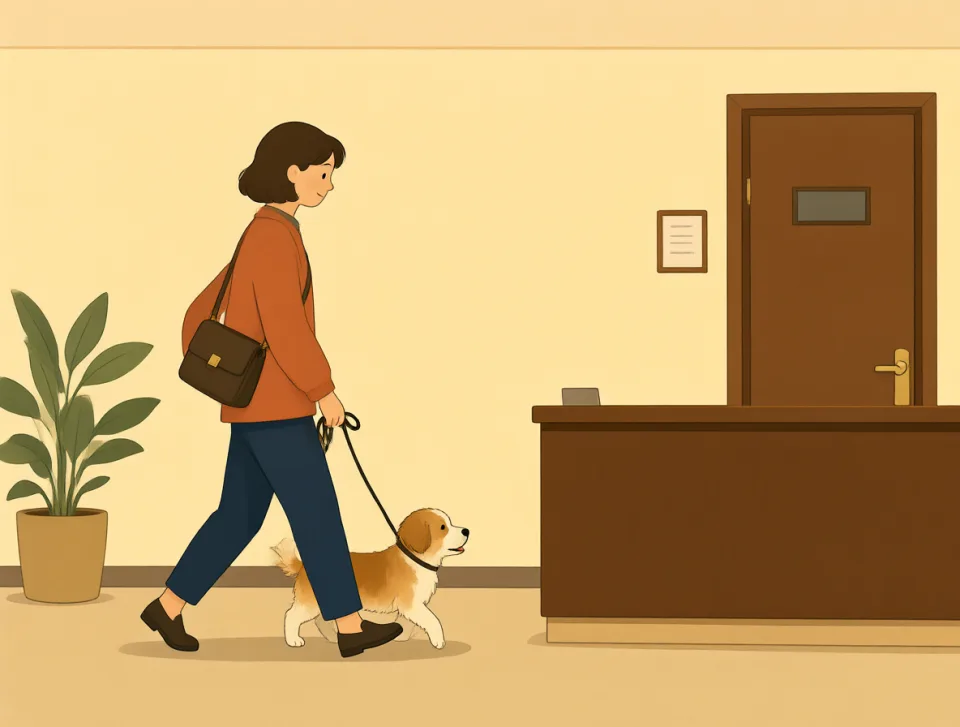
The hotel allows guests to bring pets.
そのホテルでは宿泊客がペットを連れてくることを許可しています。
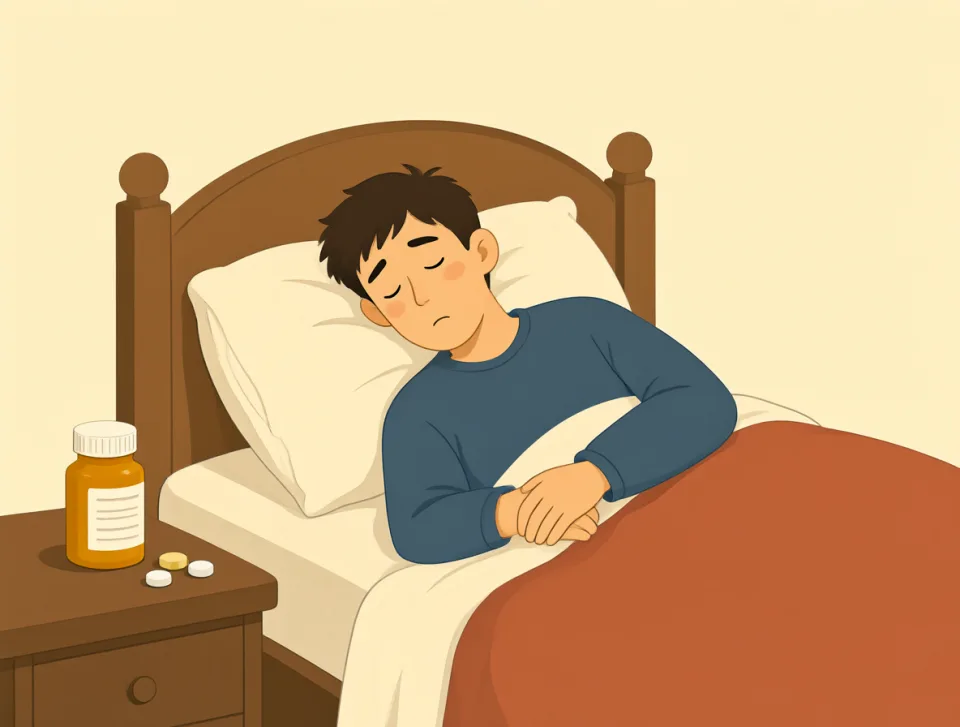
This medicine allows him to sleep better.
この薬を飲むと、彼はよく眠れるようになります。
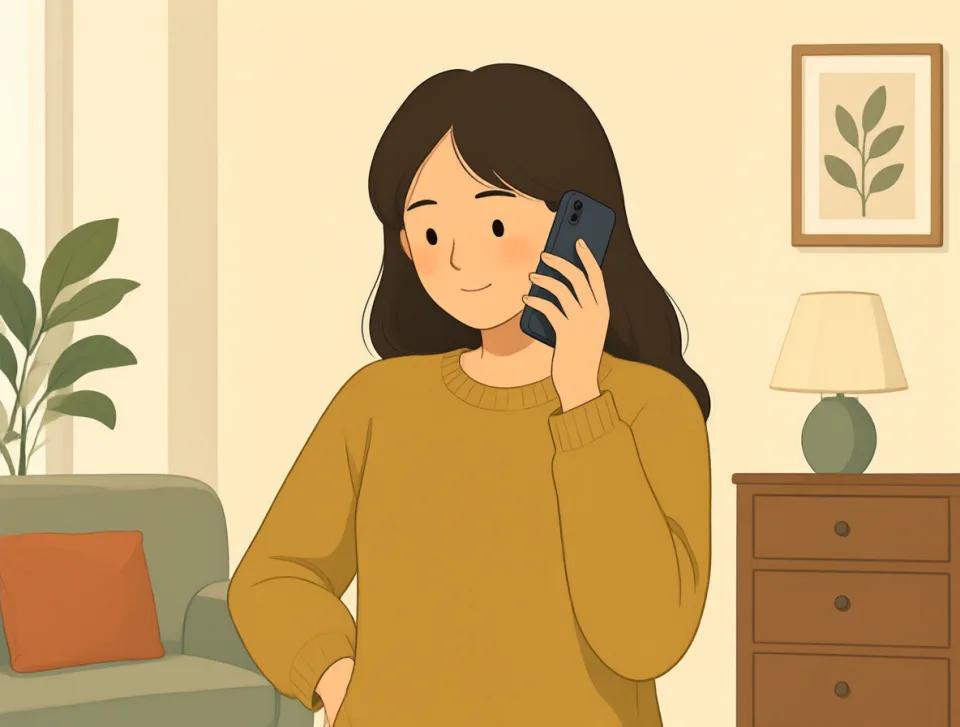
soon
#325adverb
すぐに; まもなく; 近いうちに
in a short time, or a short time after now
短い時間のうちに、または今から短い時間がたった後に
I will call you soon.
すぐに電話します。

See you soon at school.
また学校で会いましょう。
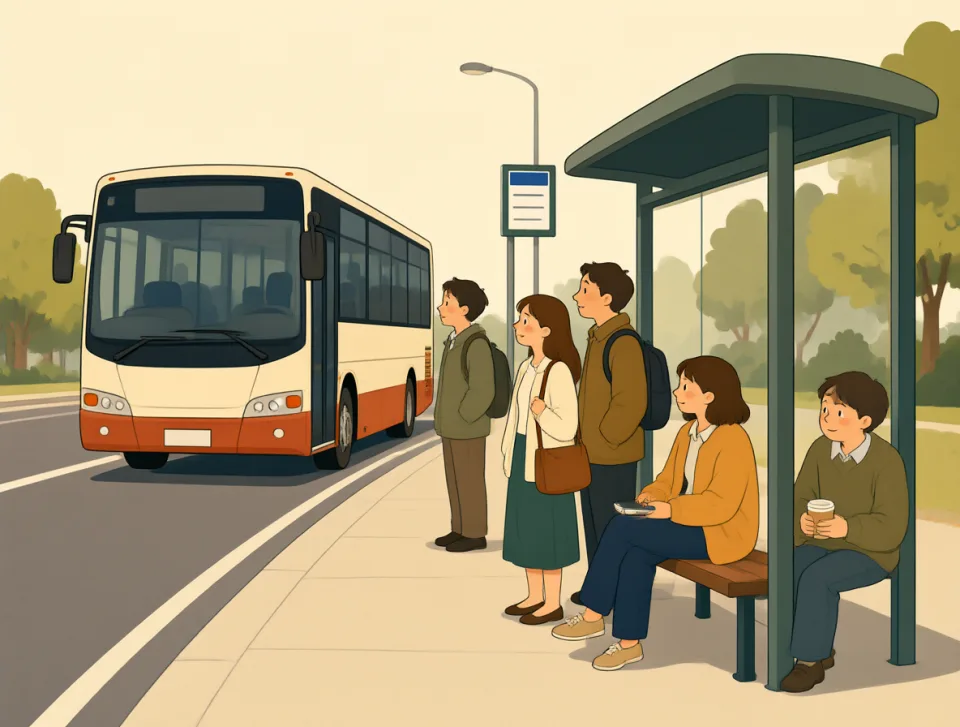
The bus will arrive soon.
バスはまもなく到着します。
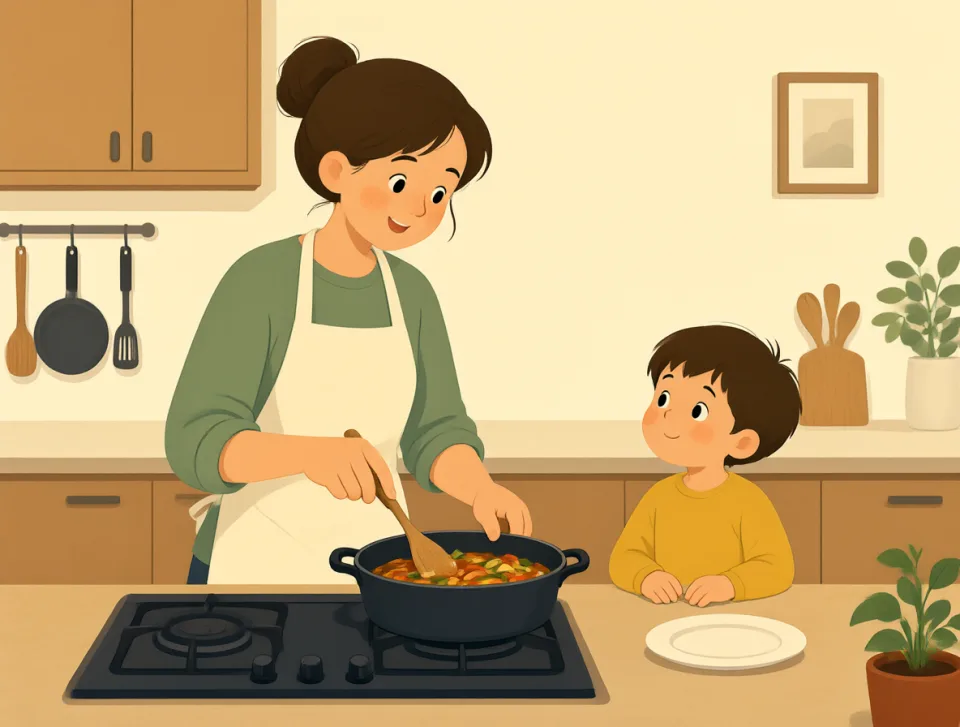
Dinner will be ready soon.
夕食はもうすぐできあがります。
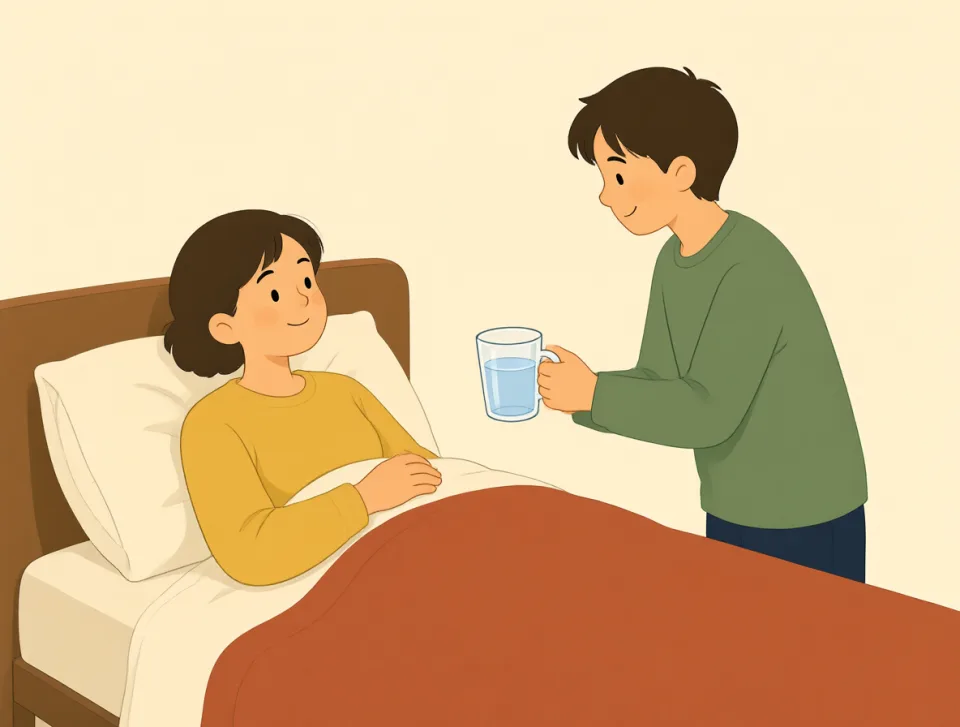
She soon felt better after resting.
休んだ後、彼女はすぐに気分がよくなりました。
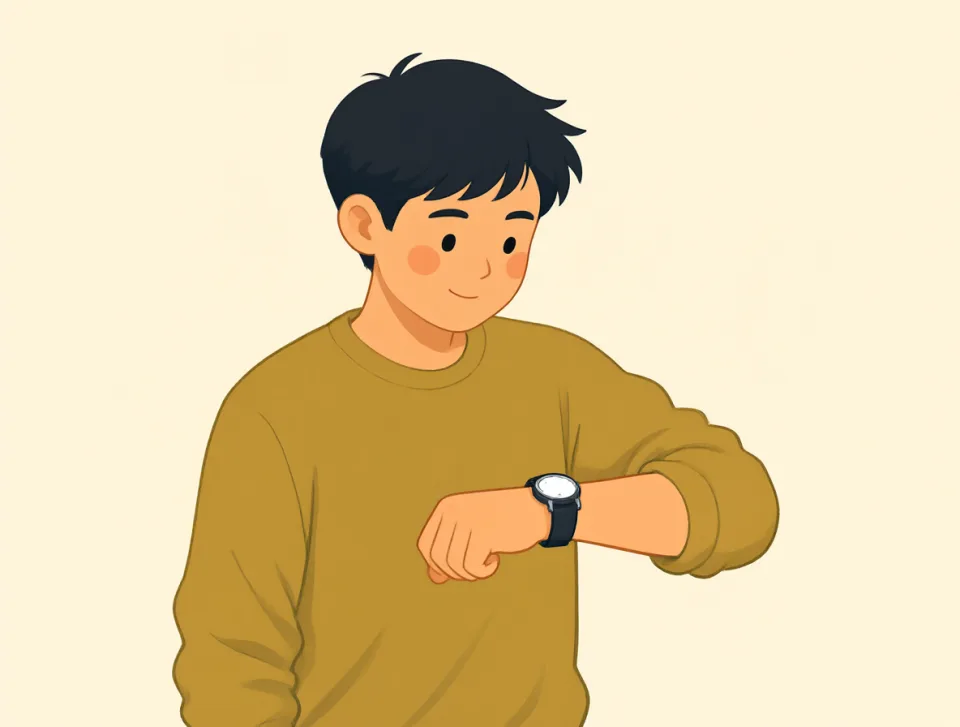
watch
#326verb, noun
見る; 見守る; 腕時計
To look at something carefully, or a small clock worn on your wrist.
何かを注意深く見ること、または手首につける小さな時計。
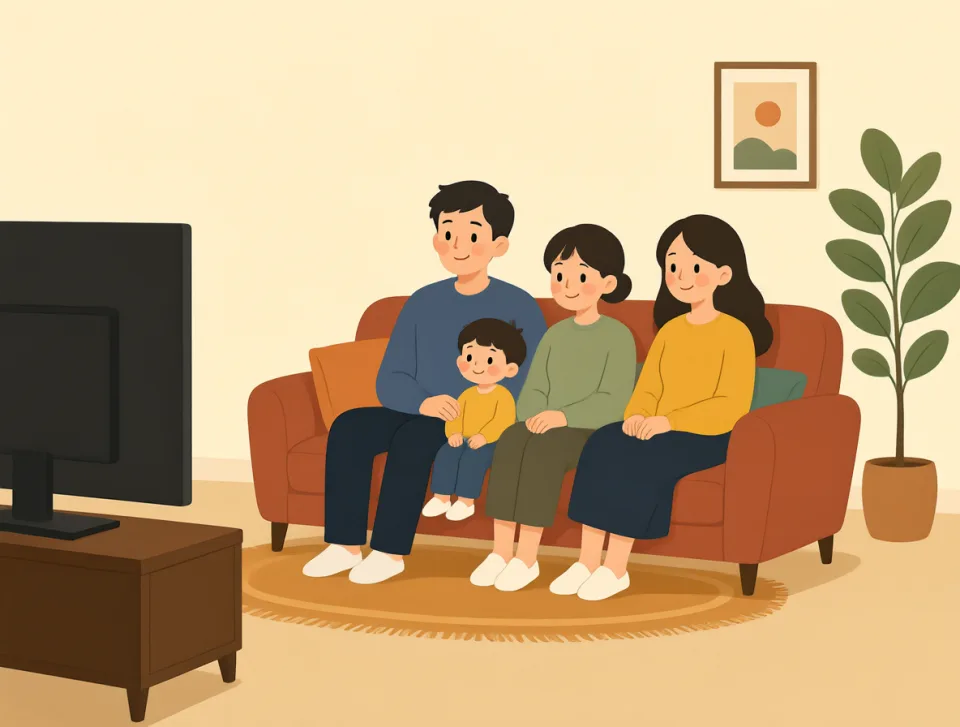
We watch television after dinner.
夕食のあと、私たちはテレビを見ます。
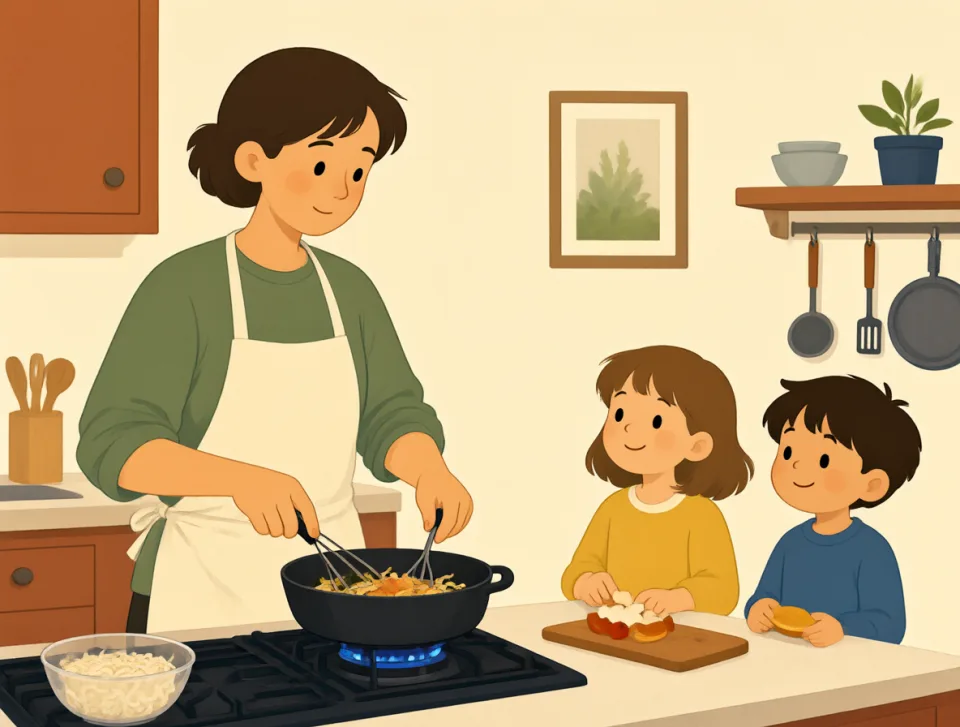
Watch the children while I cook.
私が料理をしている間、子どもたちを見ていてください。

I watched a movie with my friends.
友達と映画を見ました。
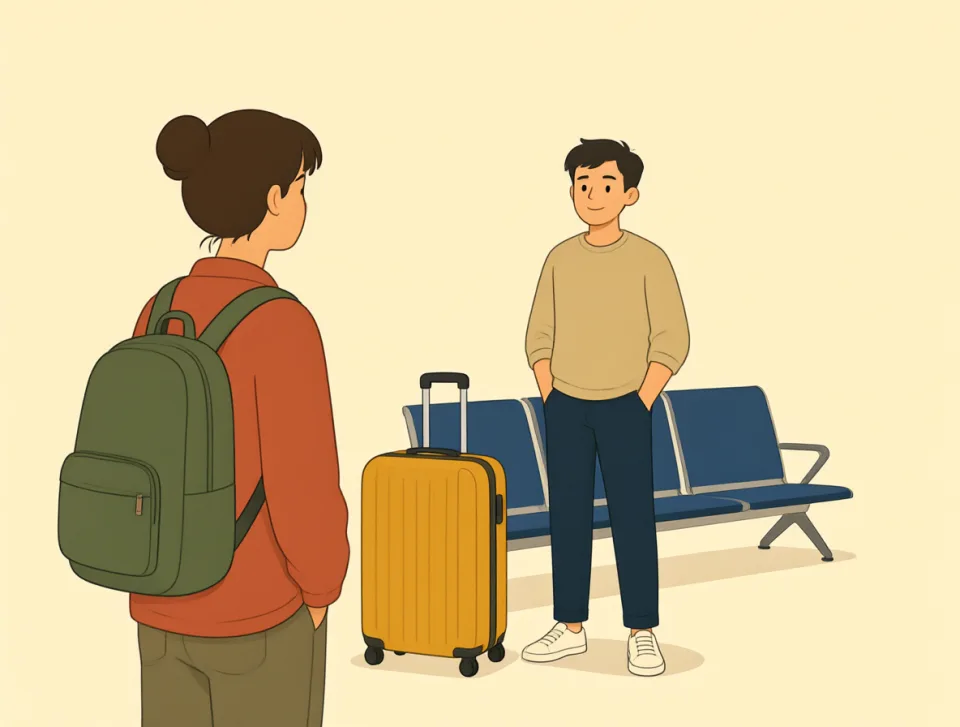
Please watch your bag at the airport.
空港ではバッグから目を離さないでください。
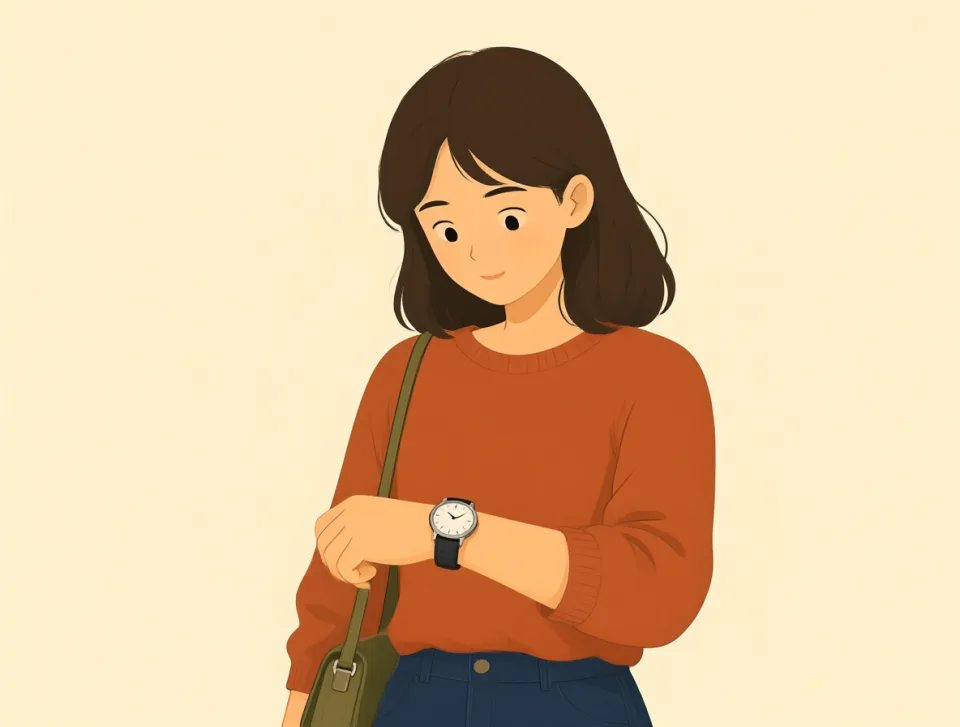
Her watch stopped this morning.
彼女の腕時計は今朝止まりました。

base
#327noun, verb
基礎; 土台; 拠点; 基づく
The bottom part supporting something, or the place used for a special purpose.
何かを支える底の部分、または特別な目的のために使われる場所。
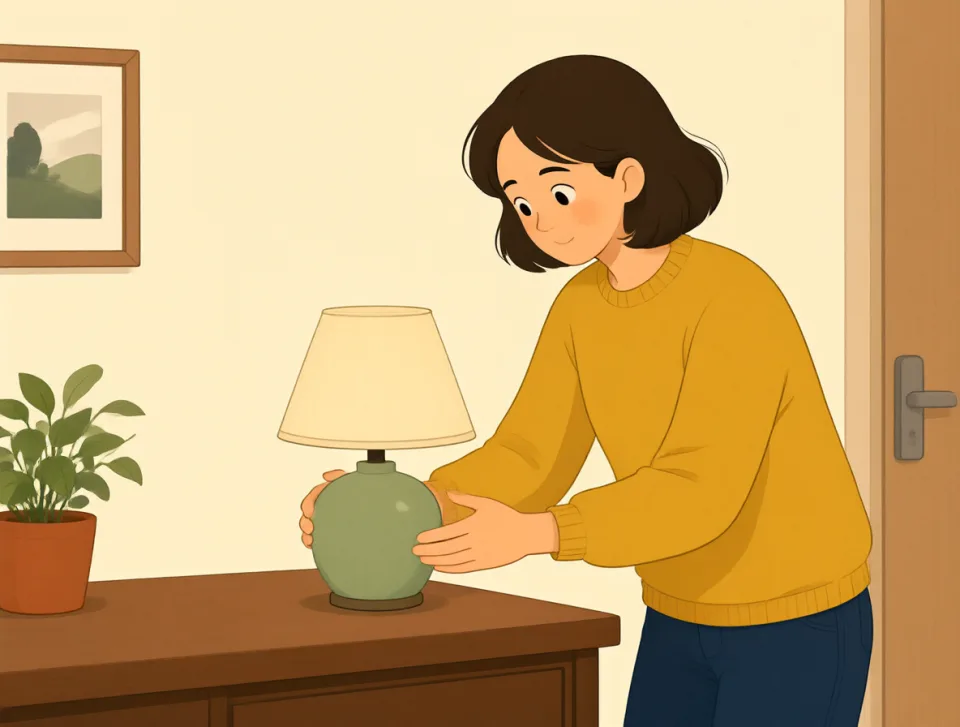
The lamp has a heavy base.
そのランプには重い台座がある。
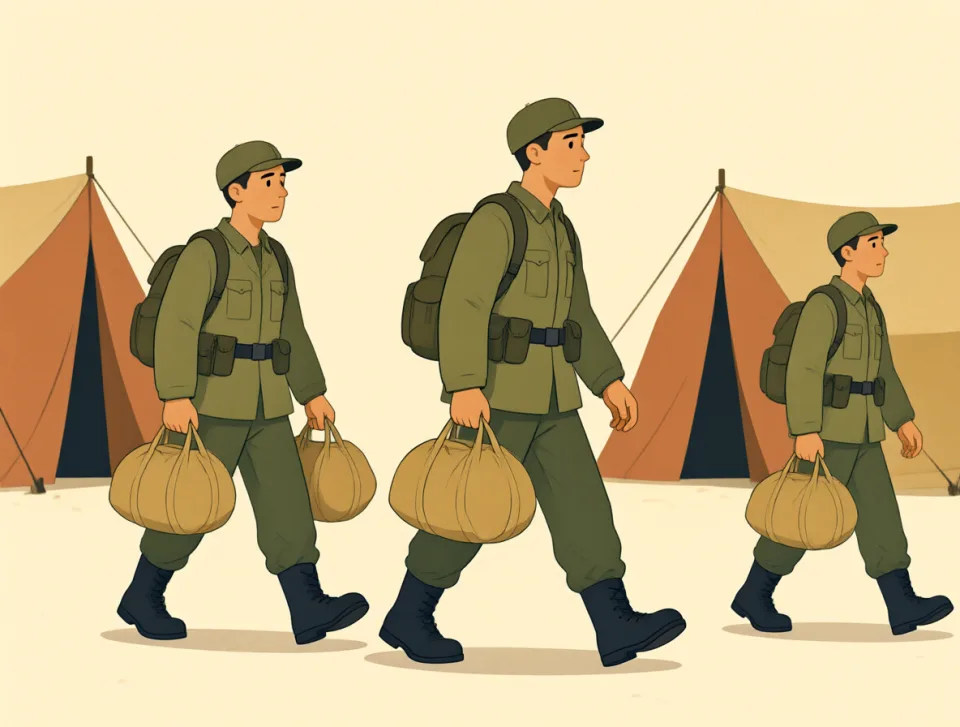
The soldiers returned to their base.
兵士たちは基地に戻った。
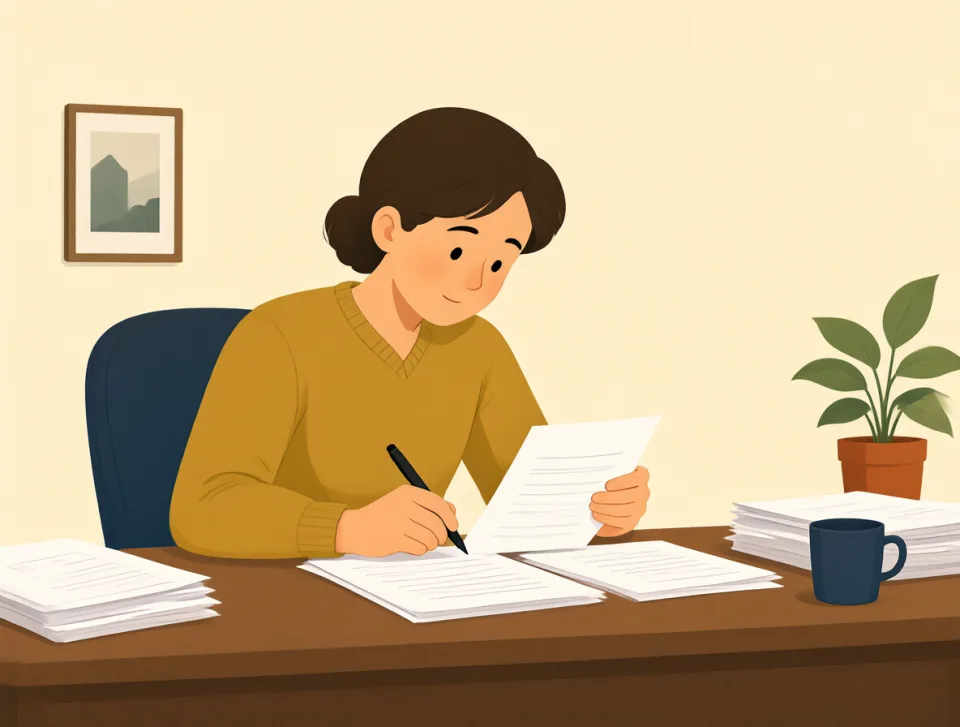
The report is based on recent research.
その報告書は最近の研究に基づいている。
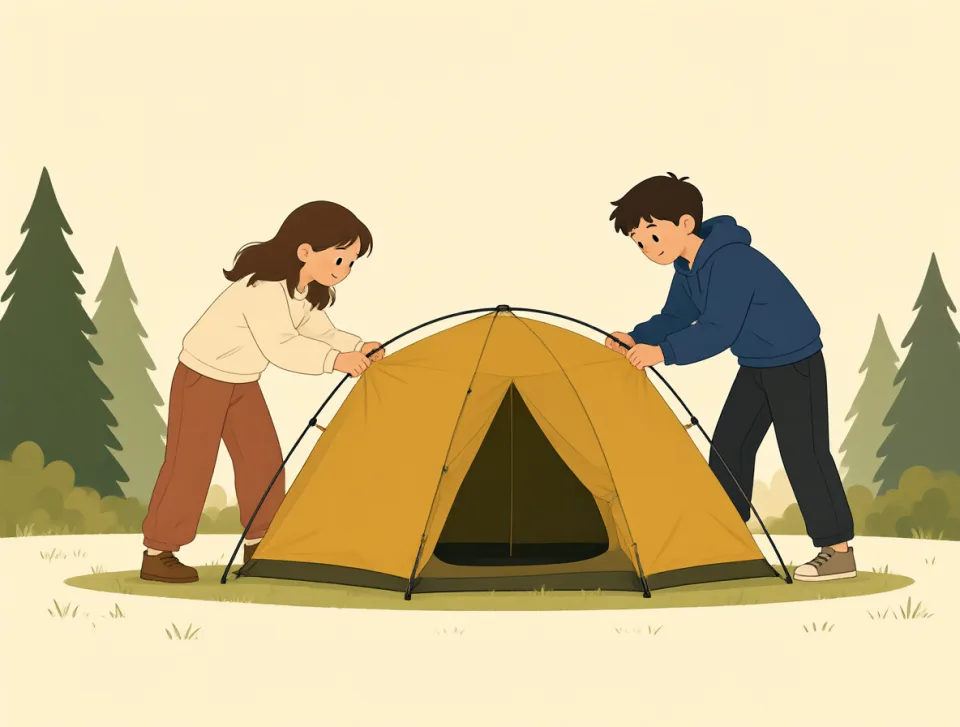
We need a strong base for the tent.
テントを張るには、しっかりした土台が必要だ。
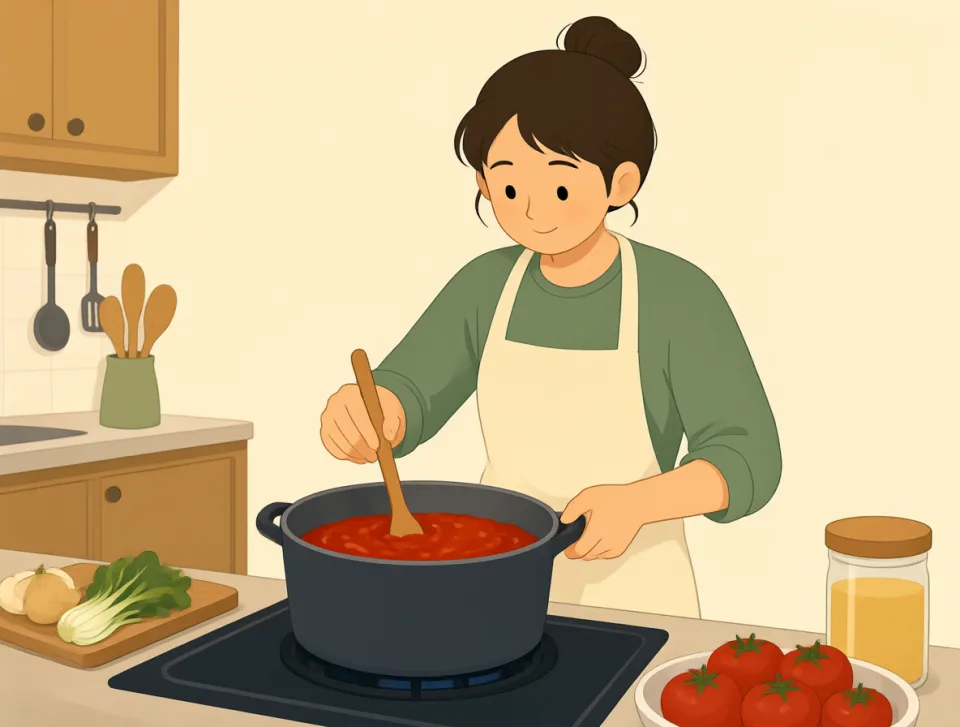
The sauce has a tomato base.
そのソースはトマトベースだ。
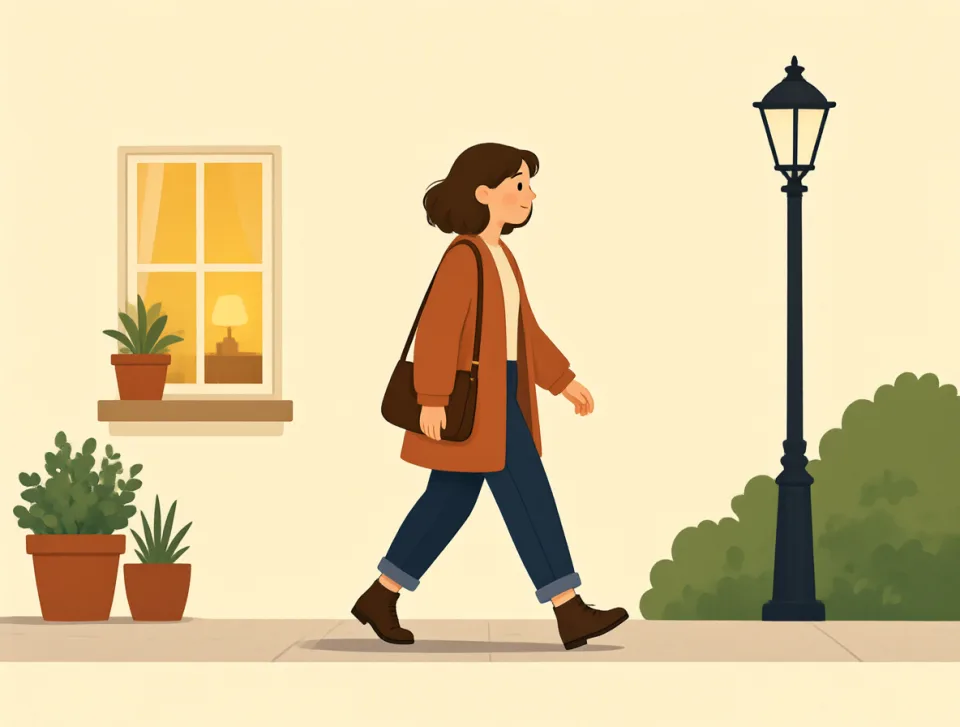
probably
#328adverb
おそらく; たぶん
Used to say that something is likely to happen or be true.
何かが起こる、または本当である可能性が高いことを表す。
She will probably come home late.
彼女はたぶん遅く帰ってくるでしょう。
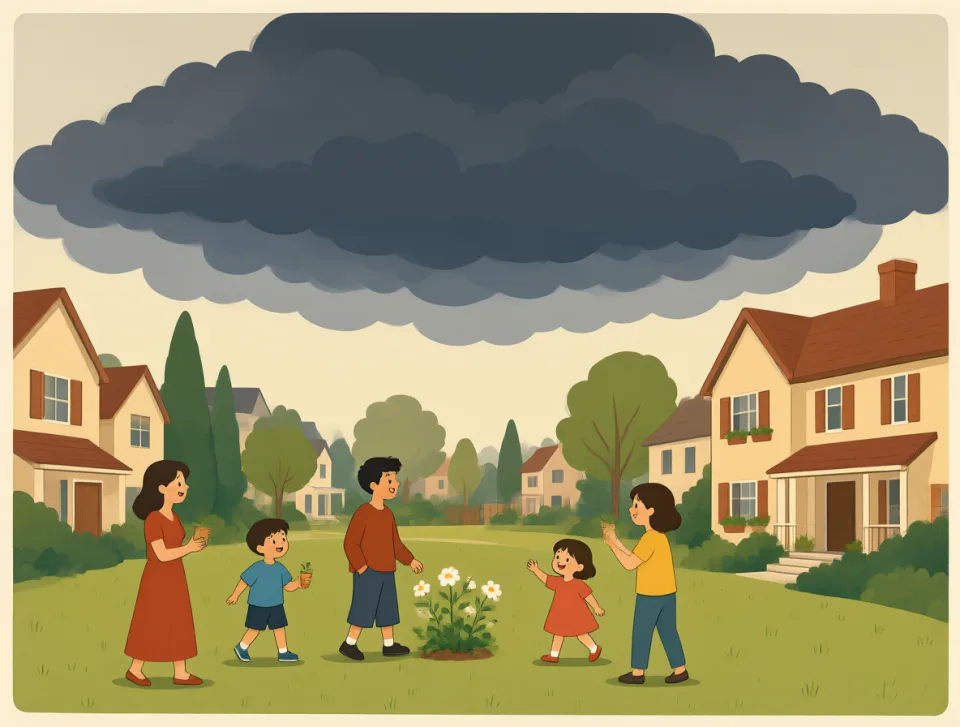
It will probably rain this afternoon.
今日の午後はたぶん雨が降るでしょう。
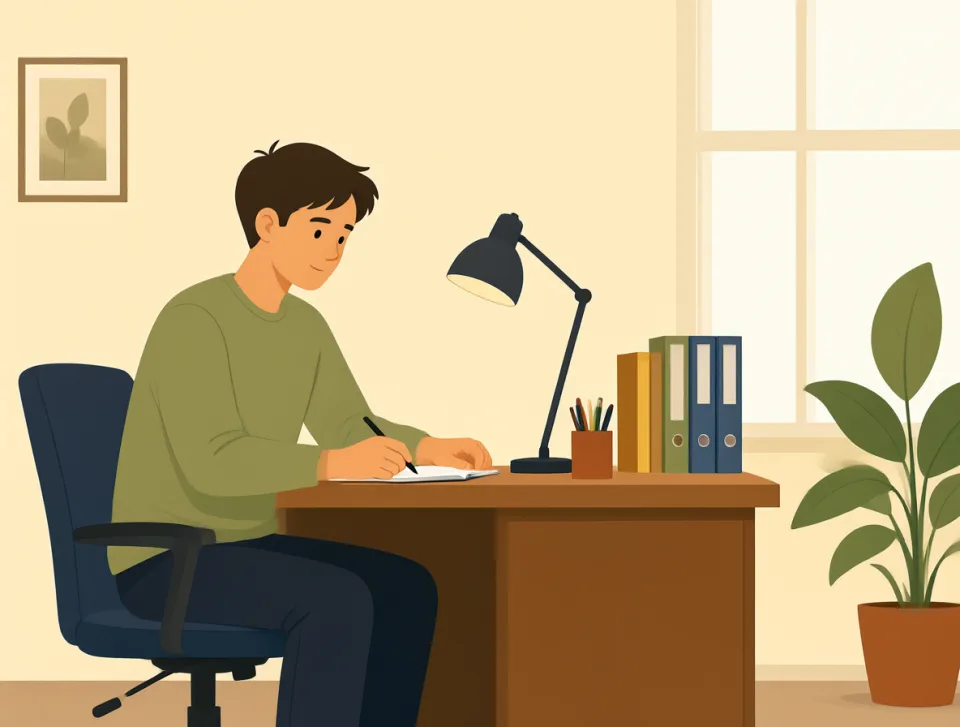
He is probably at work now.
彼は今、おそらく仕事中です。
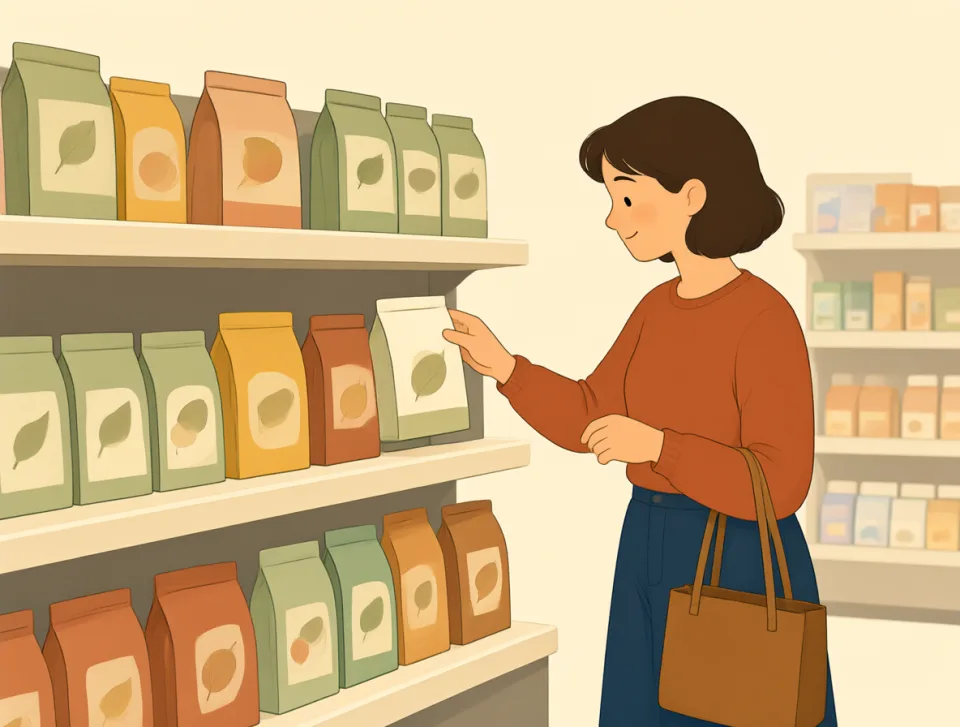
This is probably the best choice.
これはおそらく最善の選択です。
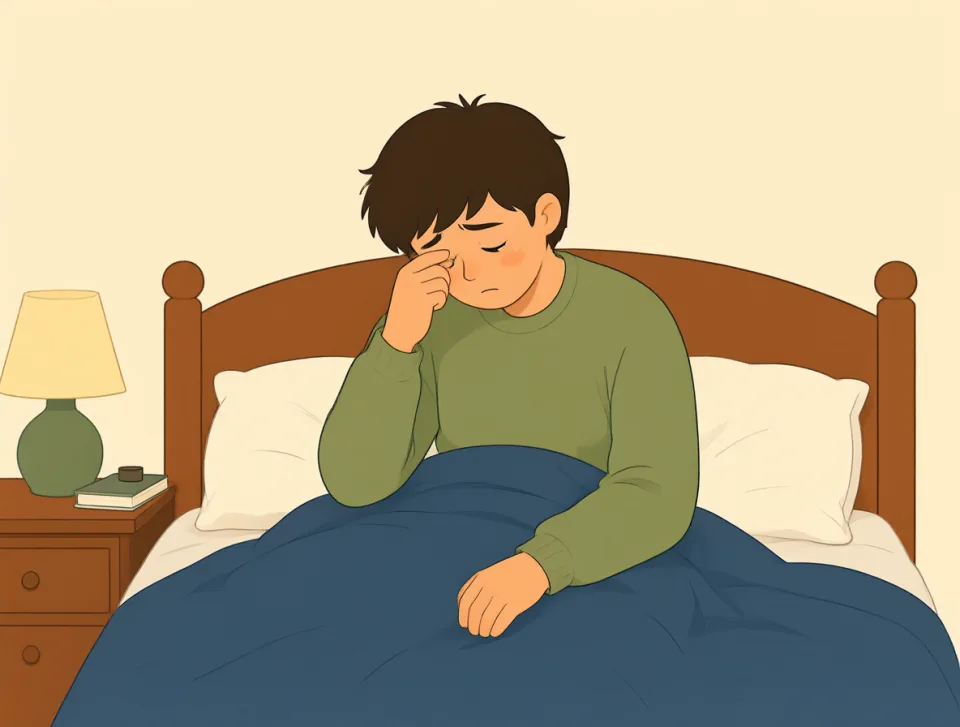
You probably need more sleep.
あなたはたぶんもっと睡眠が必要です。
suggest
#329verb
提案する; 勧める
To give an idea or plan for someone to think about or use.
考えたり使ったりするために、アイデアや計画を提案すること。
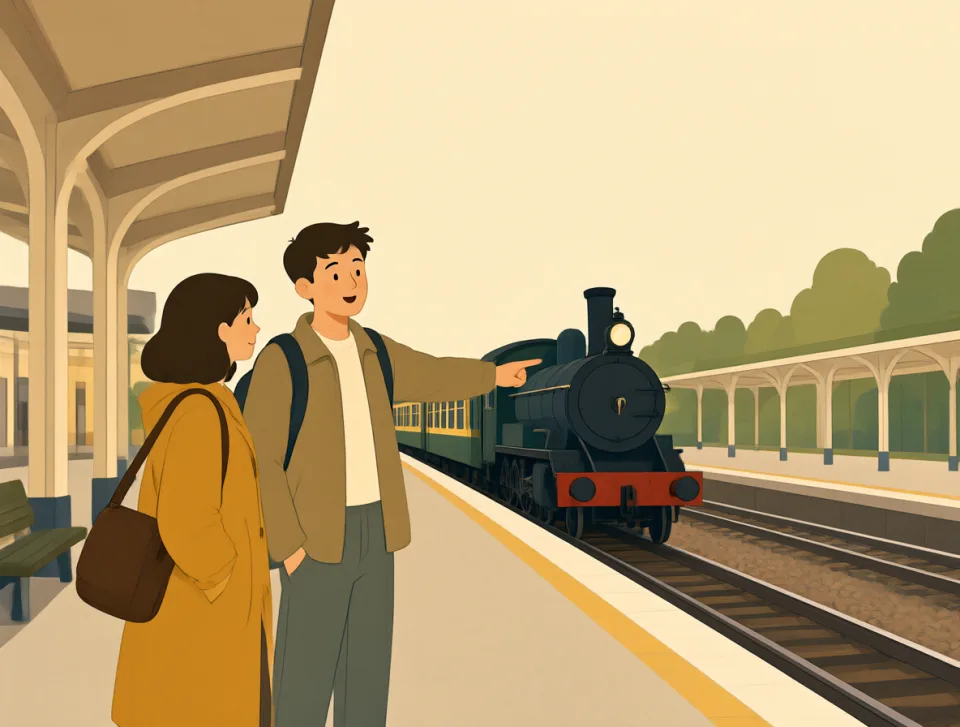
I suggest taking the early train.
早い電車に乗ることを提案します。
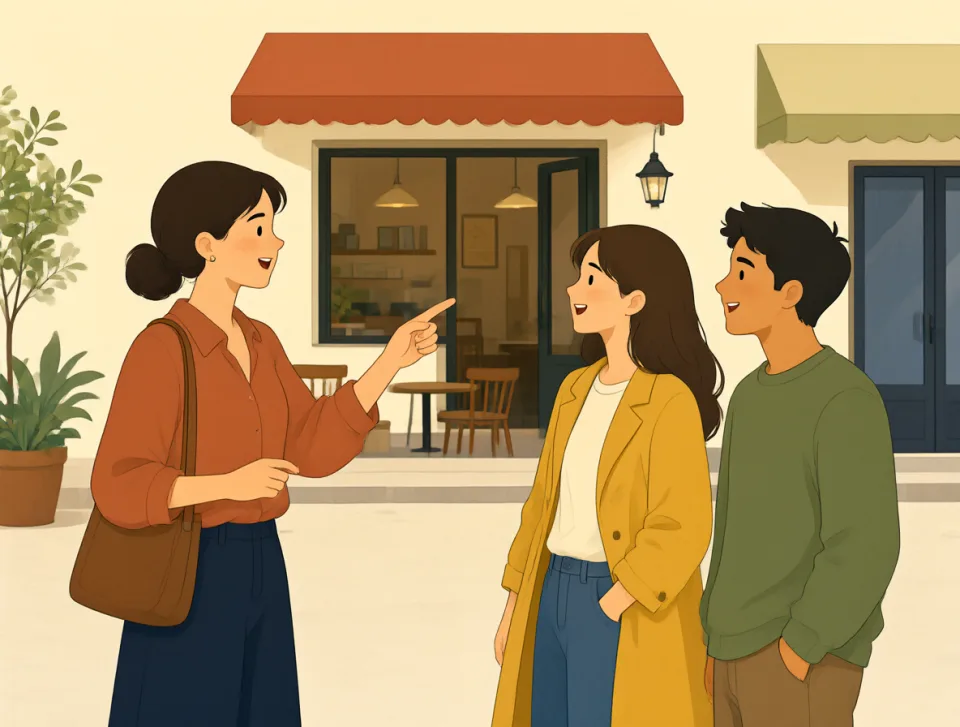
She suggested a new restaurant for dinner.
彼女は夕食に新しいレストランを勧めました。
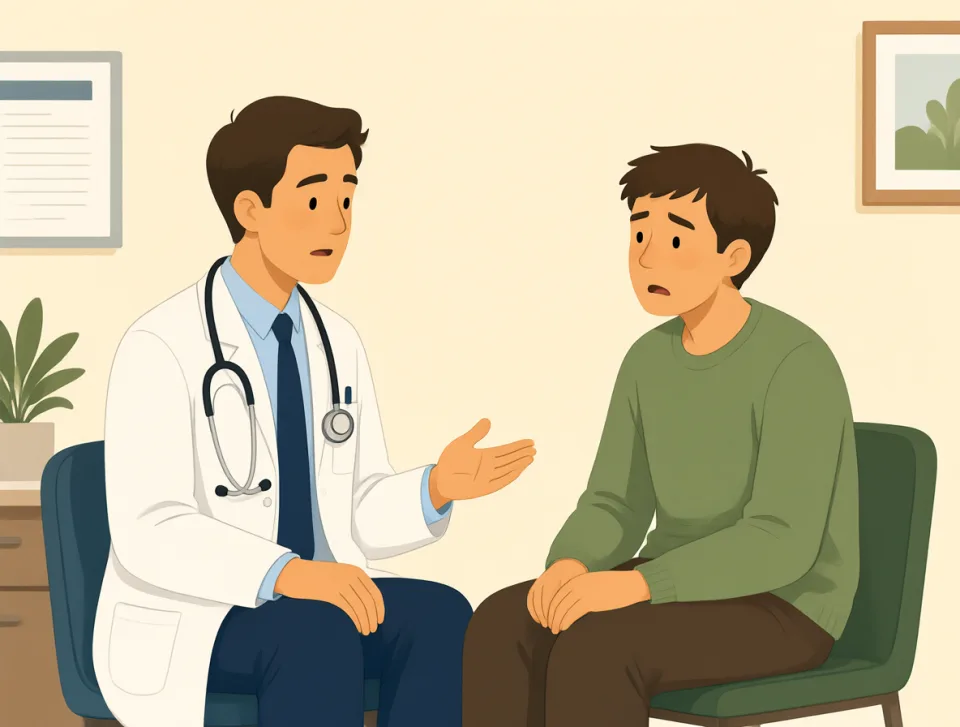
The doctor suggested getting more sleep.
医師はもっと睡眠を取るよう勧めました。
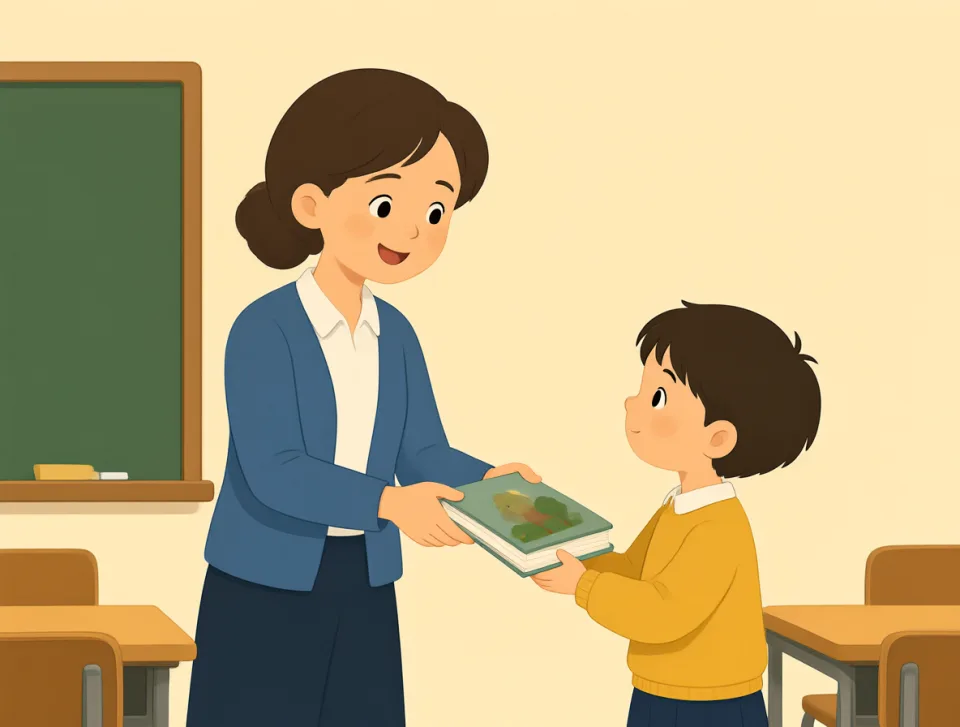
My teacher suggested reading this book.
先生はこの本を読むよう勧めました。
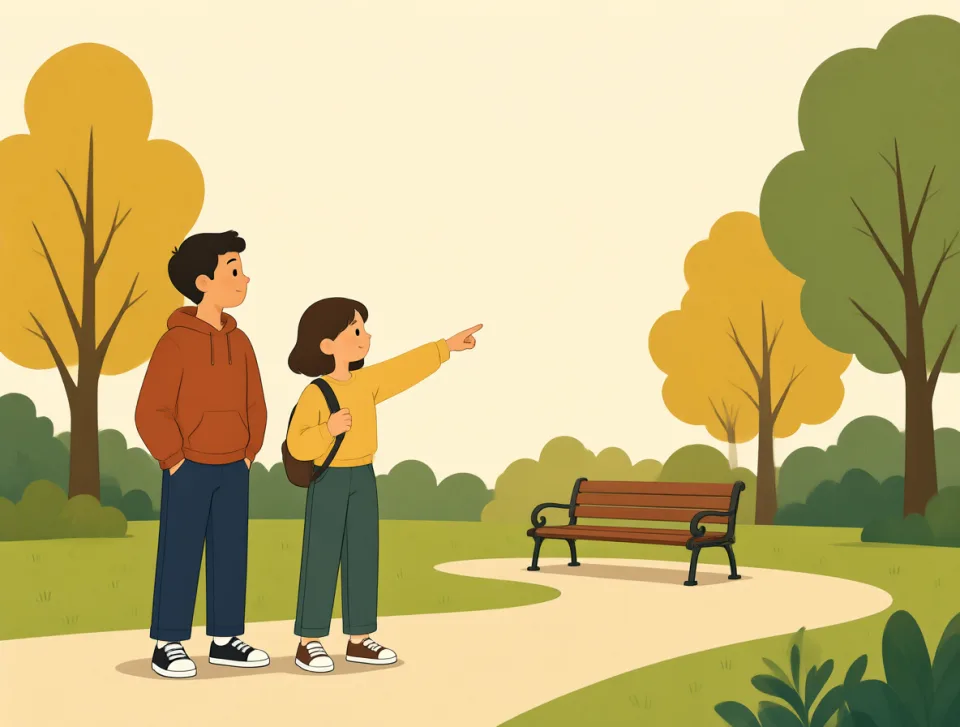
They suggested meeting at the park.
彼らは公園で会うことを提案しました。
past
#330noun, adjective, adverb, preposition
過去; 通り過ぎて; 〜を過ぎて
The time before now, or moving from one place to another.
今より前の時間、またはある場所を通り過ぎて移動すること。
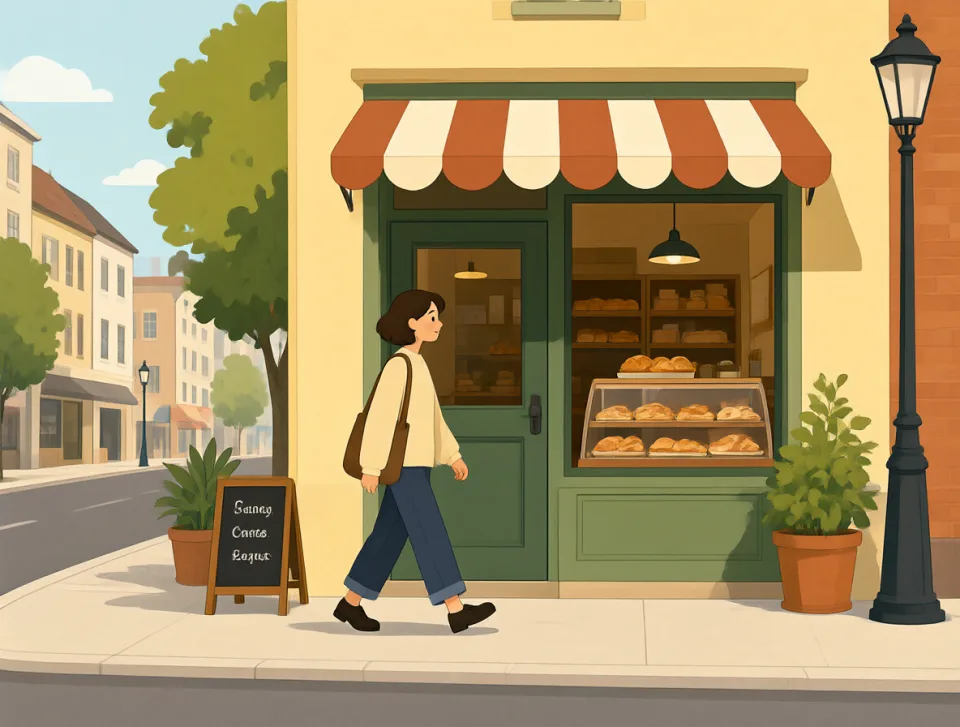
I walked past the bakery this morning.
今朝、パン屋の前を通り過ぎた。
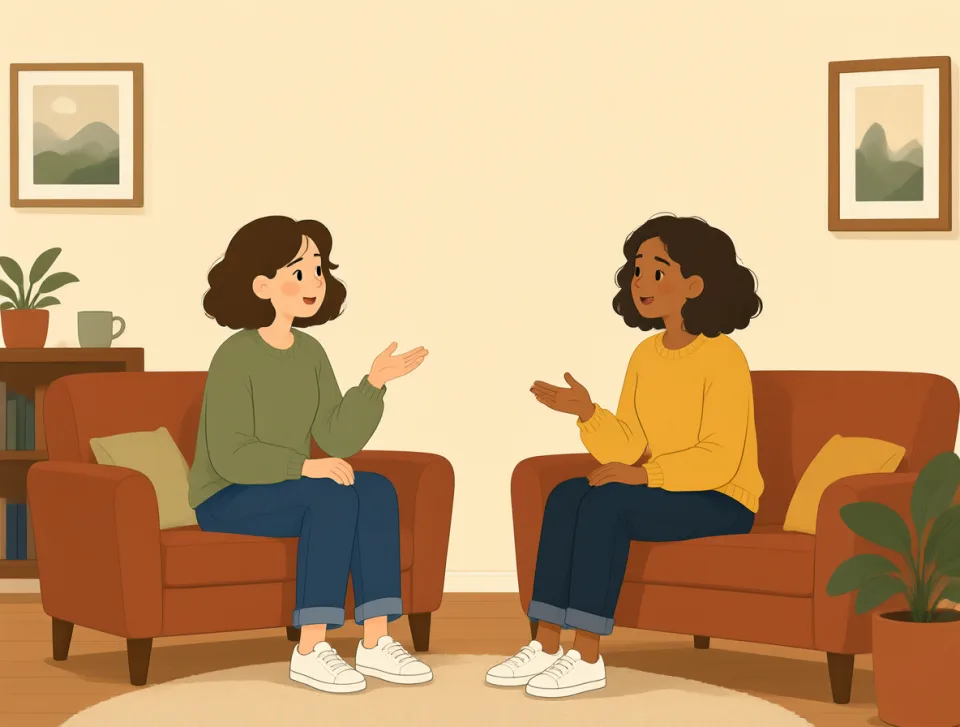
She told us about her past.
彼女は私たちに自分の過去について話した。
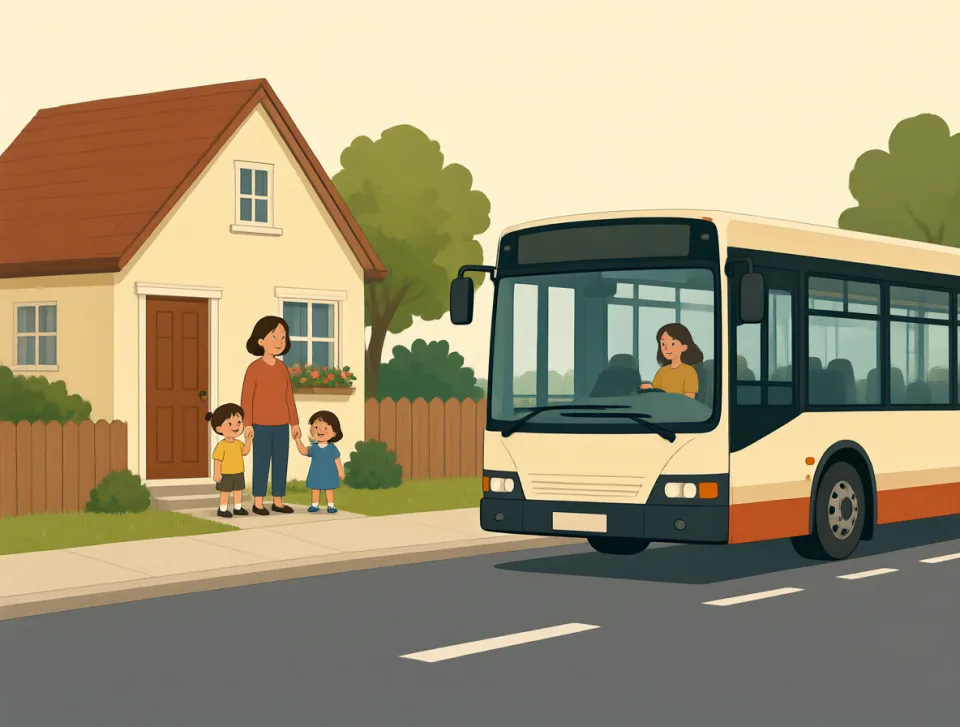
The bus drove past our house.
バスは私たちの家の前を通り過ぎた。
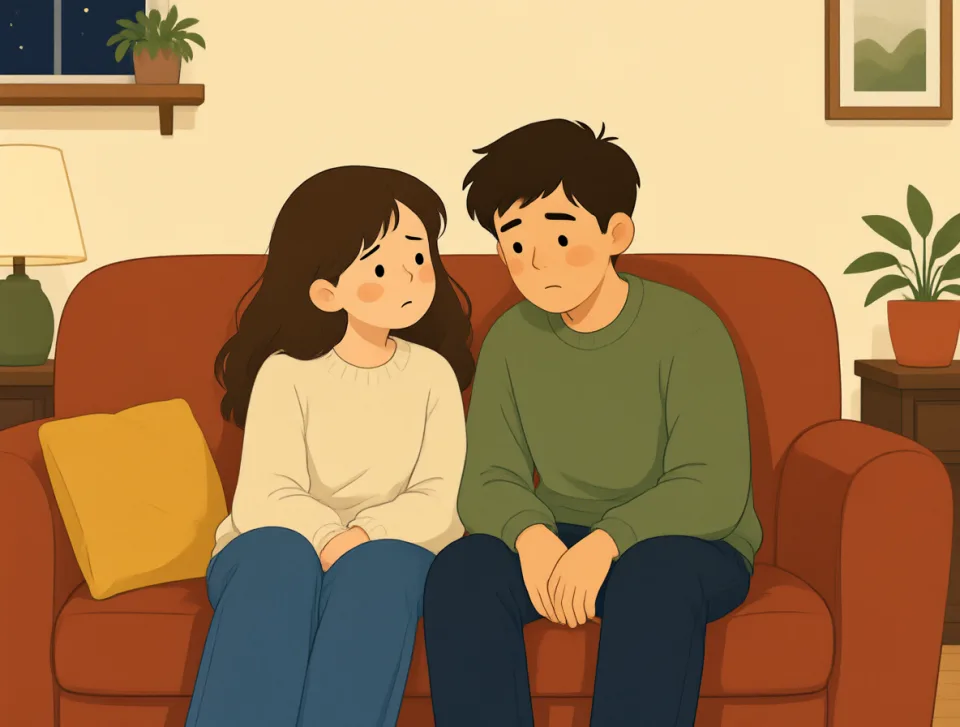
We stayed up past midnight.
私たちは真夜中を過ぎても起きていた。
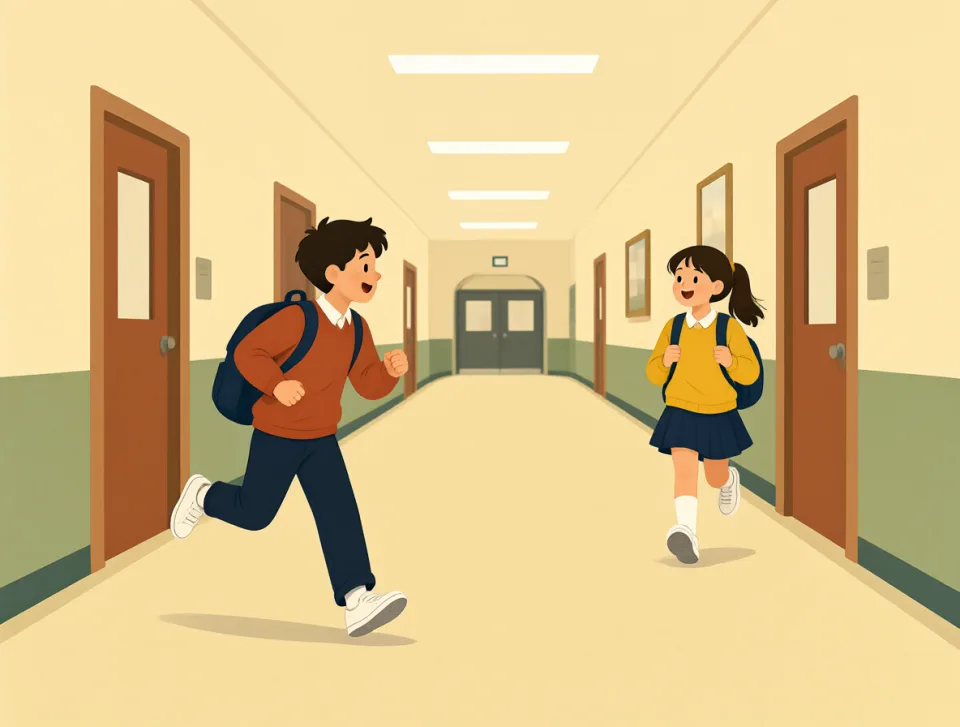
He ran past me at school.
彼は学校で私の横を走り過ぎていった。
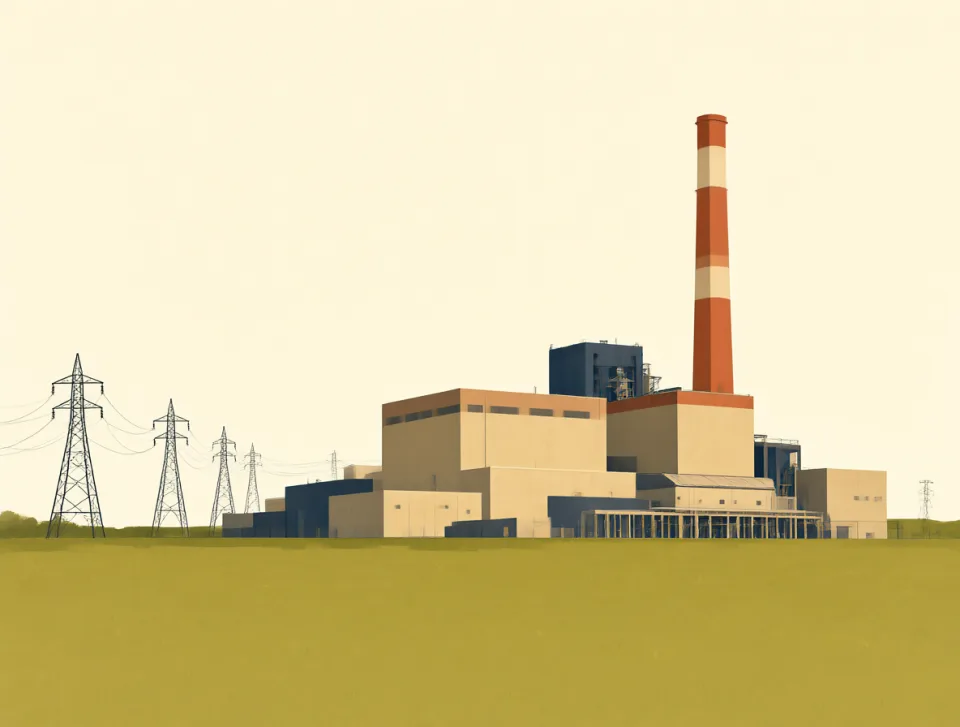
power
#331noun, verb
電力; 力; 権力; 動力を供給する
The ability or energy to control people or make things happen.
人を支配したり、物事を起こしたりする能力やエネルギー。
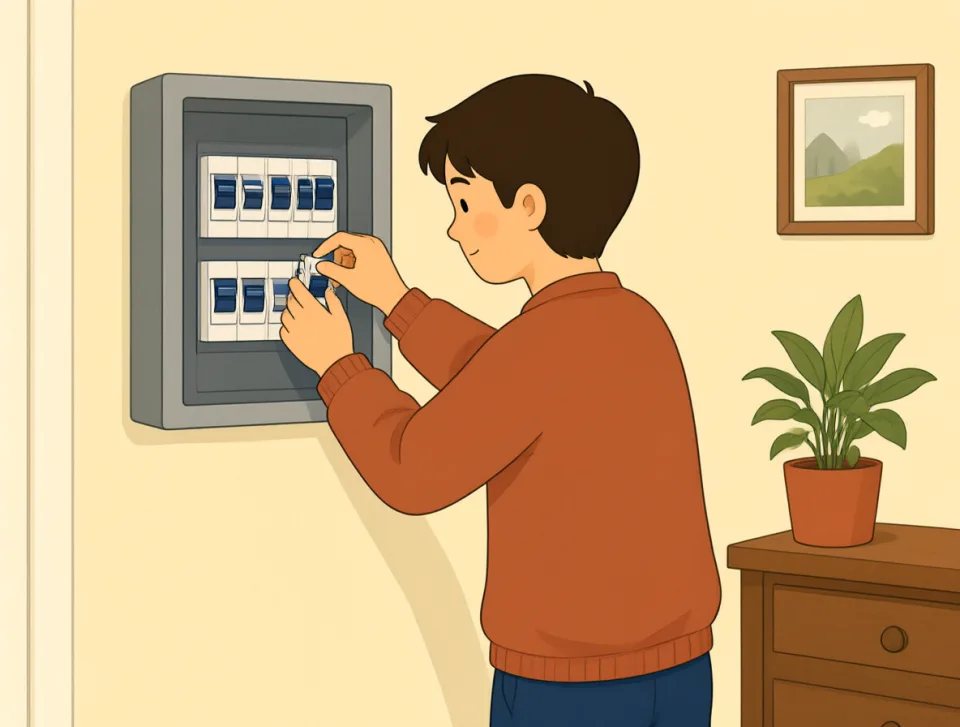
Please turn off the power before repairs.
修理の前に電源を切ってください。
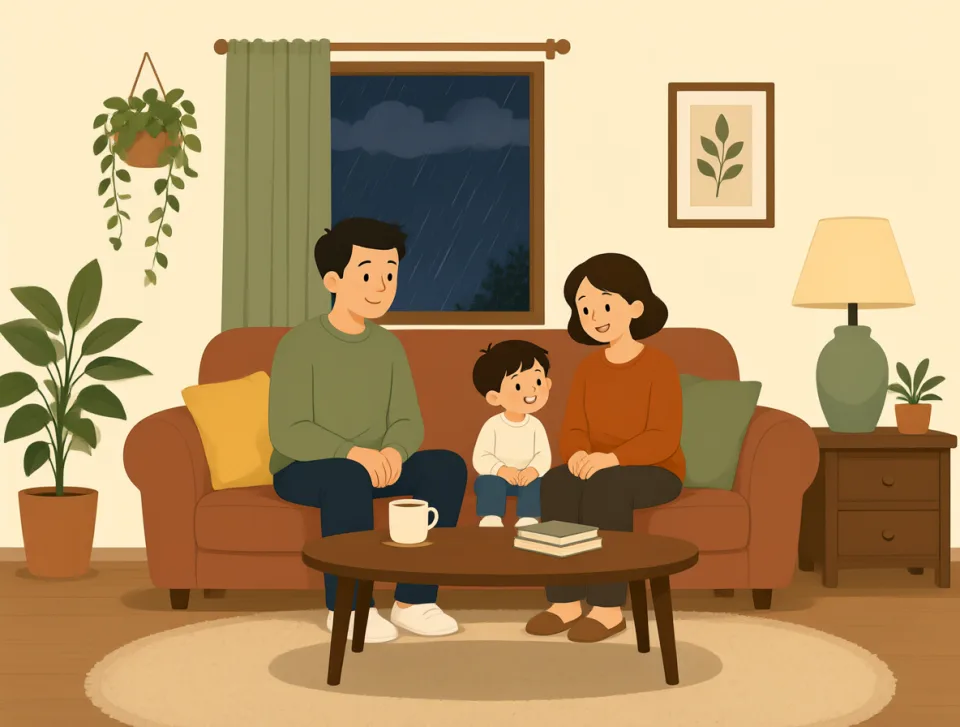
The storm knocked out power yesterday.
昨日は嵐で停電した。
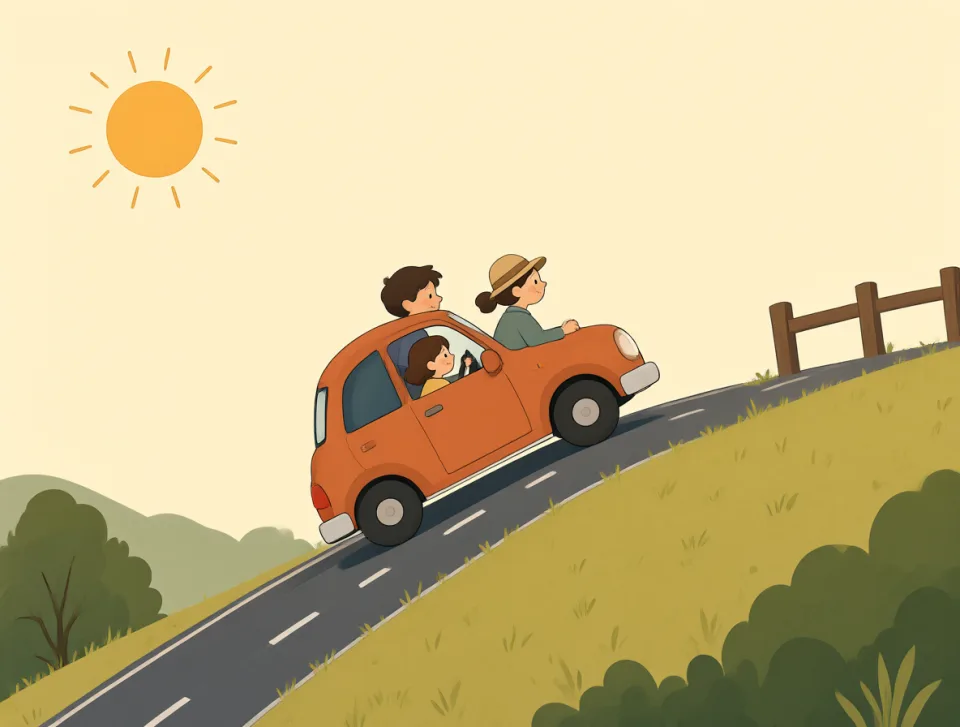
This engine has enough power for hills.
このエンジンは坂道を上るのに十分な力がある。
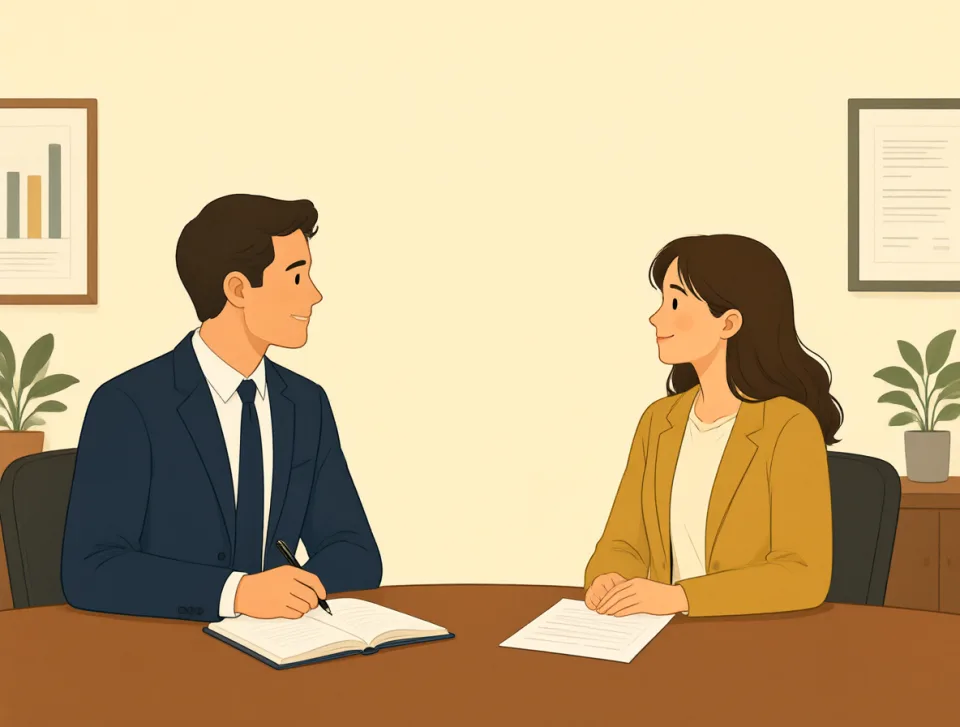
The new manager has power over hiring.
新しいマネージャーには採用を決める権限がある。
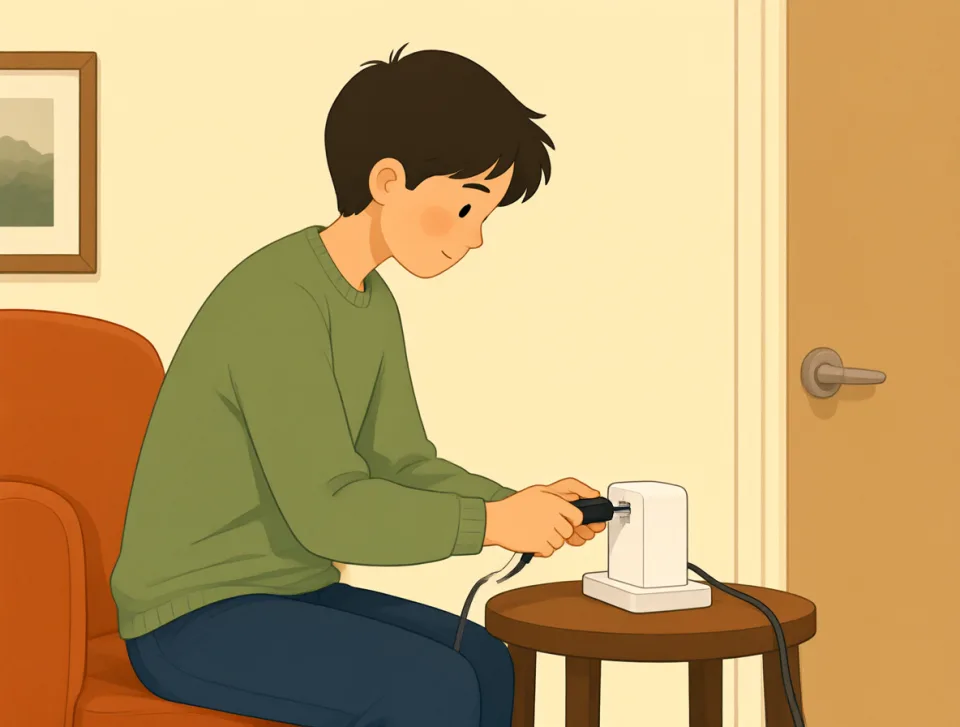
I power my phone with this small charger.
この小さな充電器でスマホを充電しています。
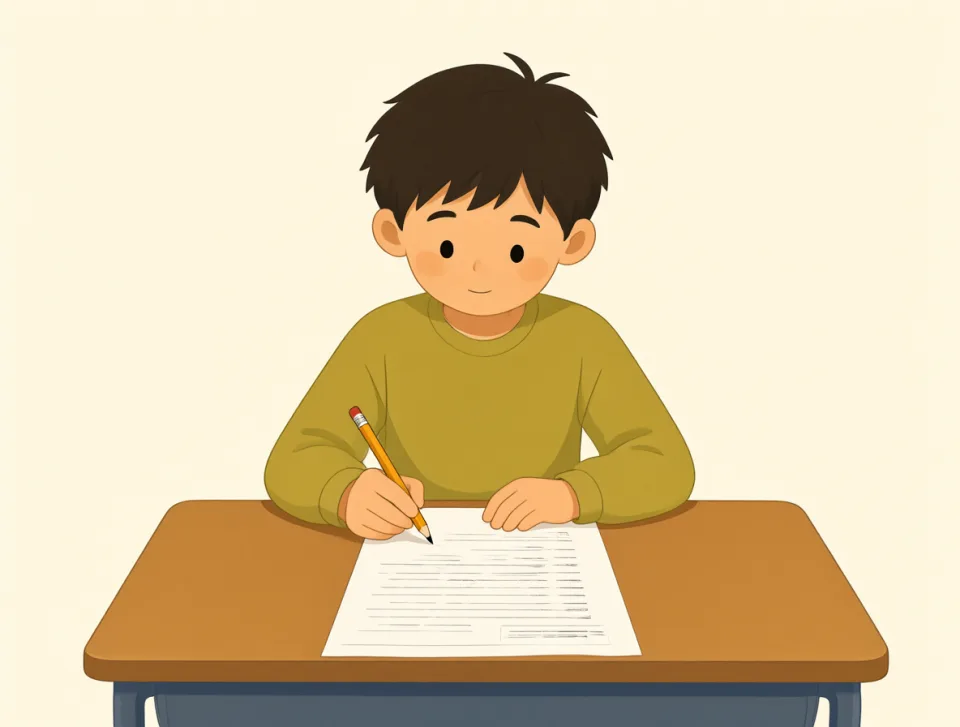
test
#332noun, verb
テスト; 試験; 検査; 試す
an examination or trial used to check knowledge, ability, quality, or health
知識、能力、品質、健康状態を確認するための試験や検査
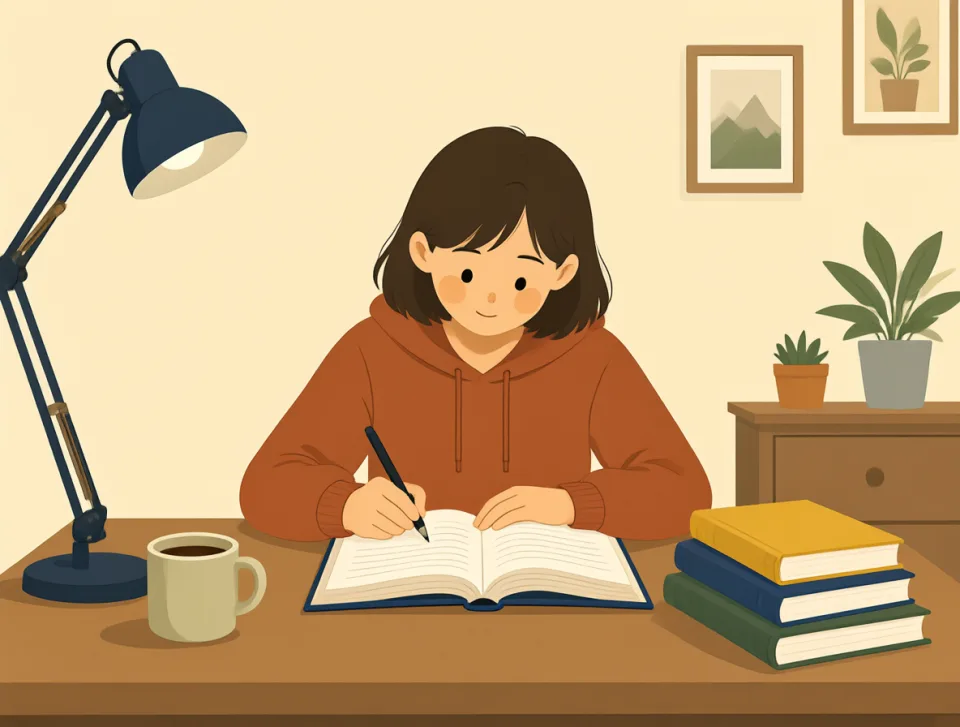
I have a math test tomorrow.
明日は数学のテストがあります。
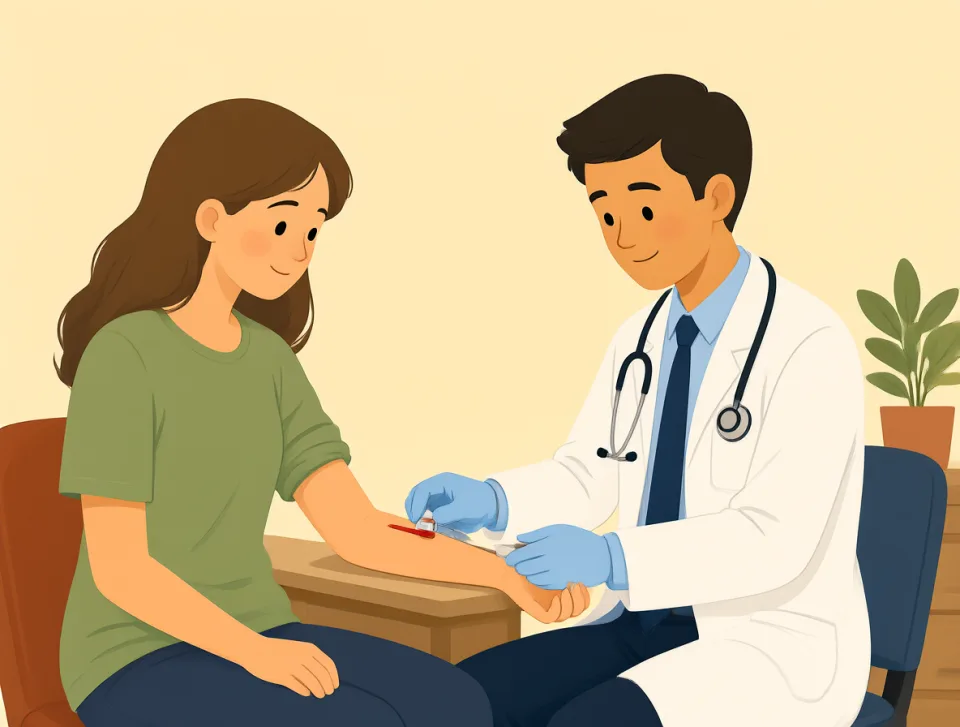
The doctor ordered a blood test.
医師は血液検査を指示しました。
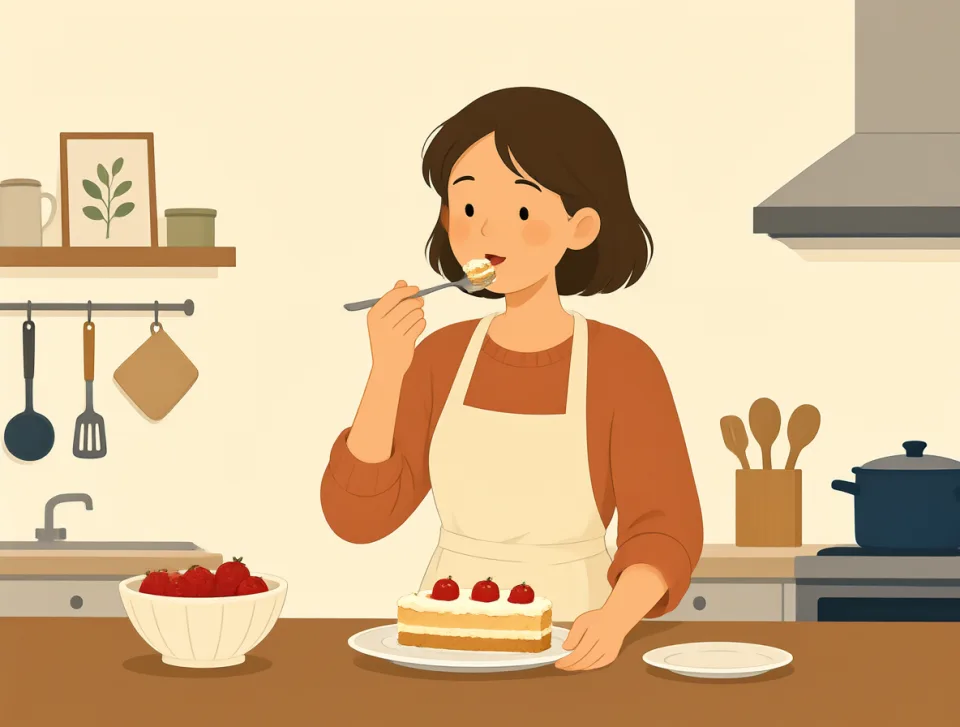
We tested the cake before serving it.
私たちはケーキを出す前に味見をしました。
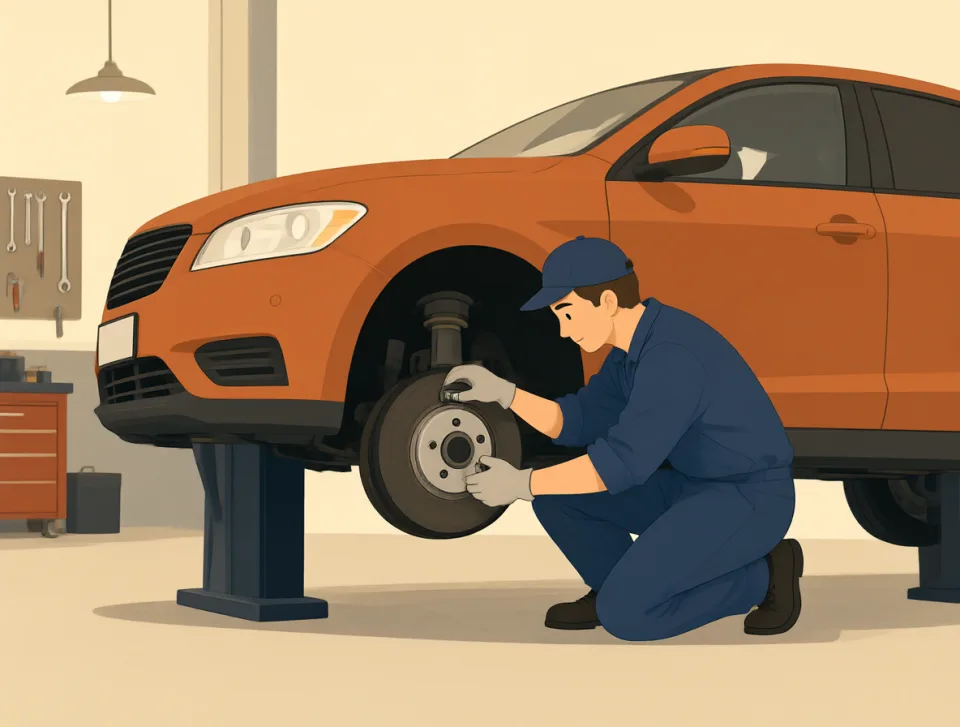
The mechanic tested my car's brakes.
整備士は私の車のブレーキを点検しました。
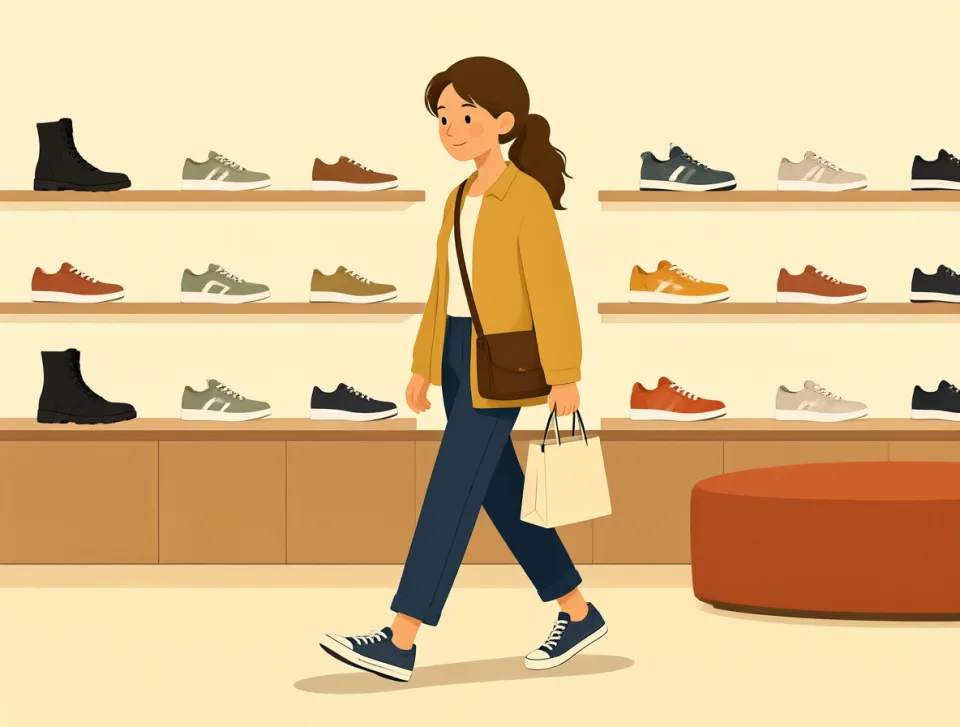
They test the new shoes in the store.
彼らは店で新しい靴を試します。
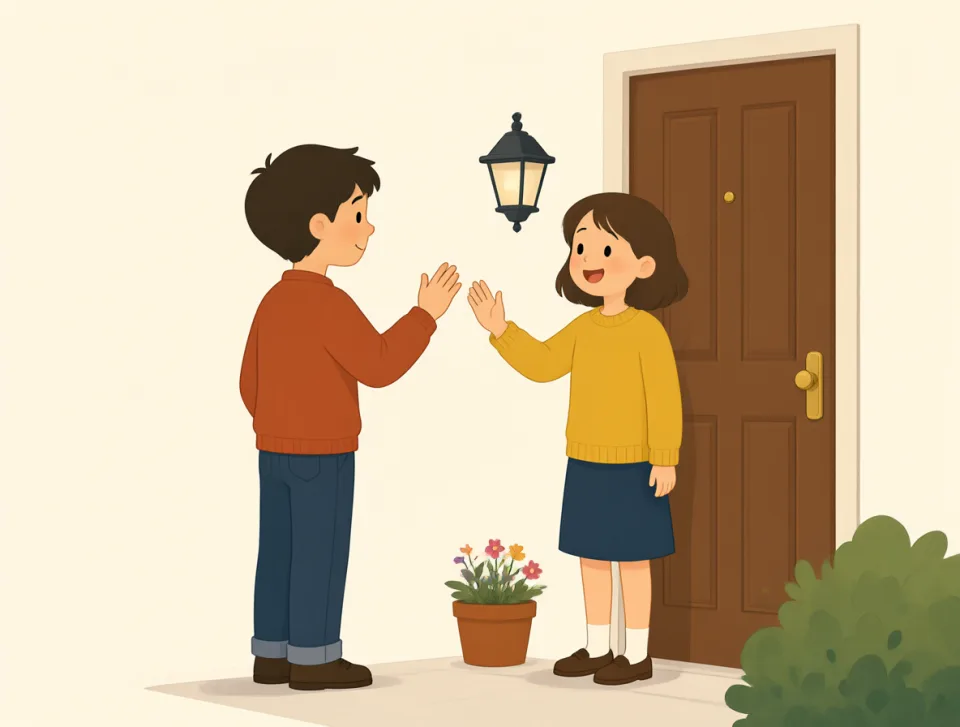
visit
#333verb, noun
訪問する; 訪れる; 訪問
to go to a person or place for a short time
人や場所を短時間訪れること
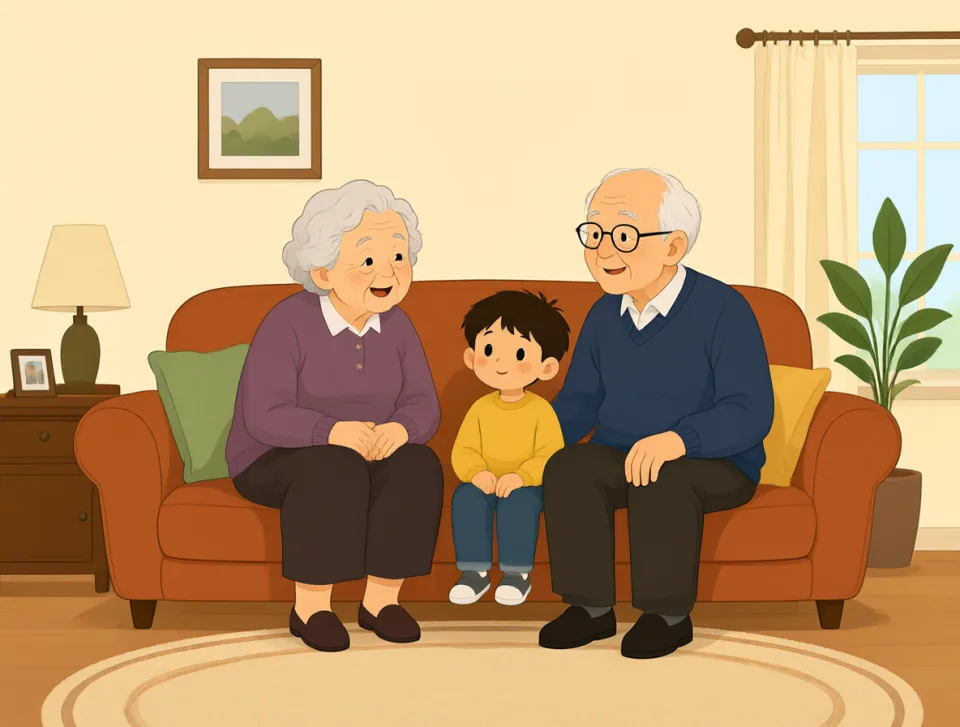
We visit our grandparents every Sunday.
私たちは毎週日曜日に祖父母を訪ねます。
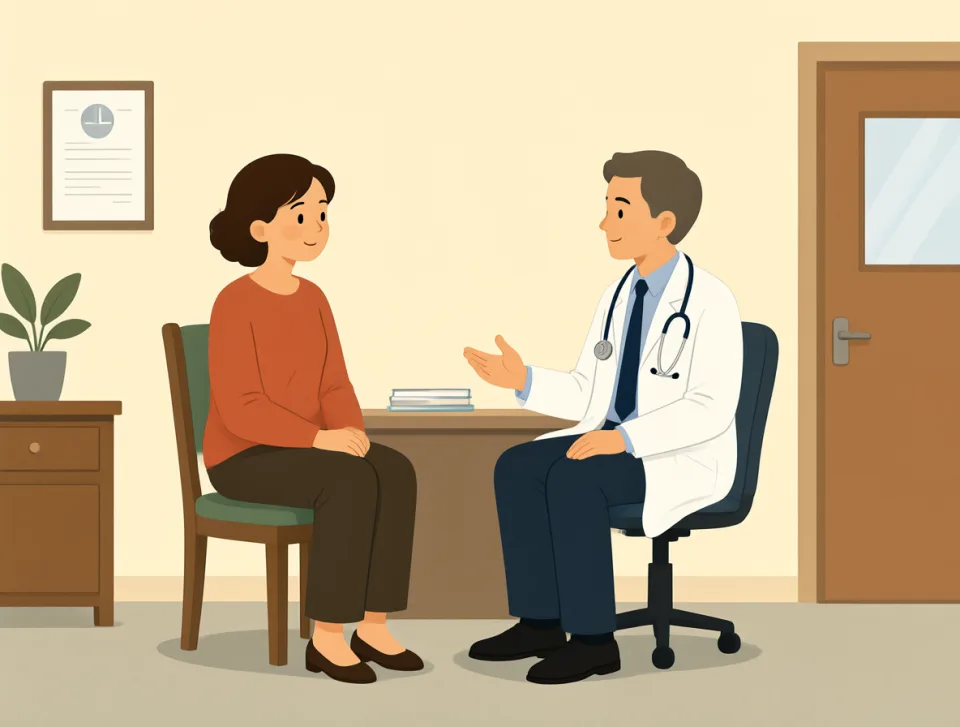
I visited the doctor yesterday.
私は昨日、医者に行きました。

Many tourists visit London each year.
毎年、多くの観光客がロンドンを訪れます。
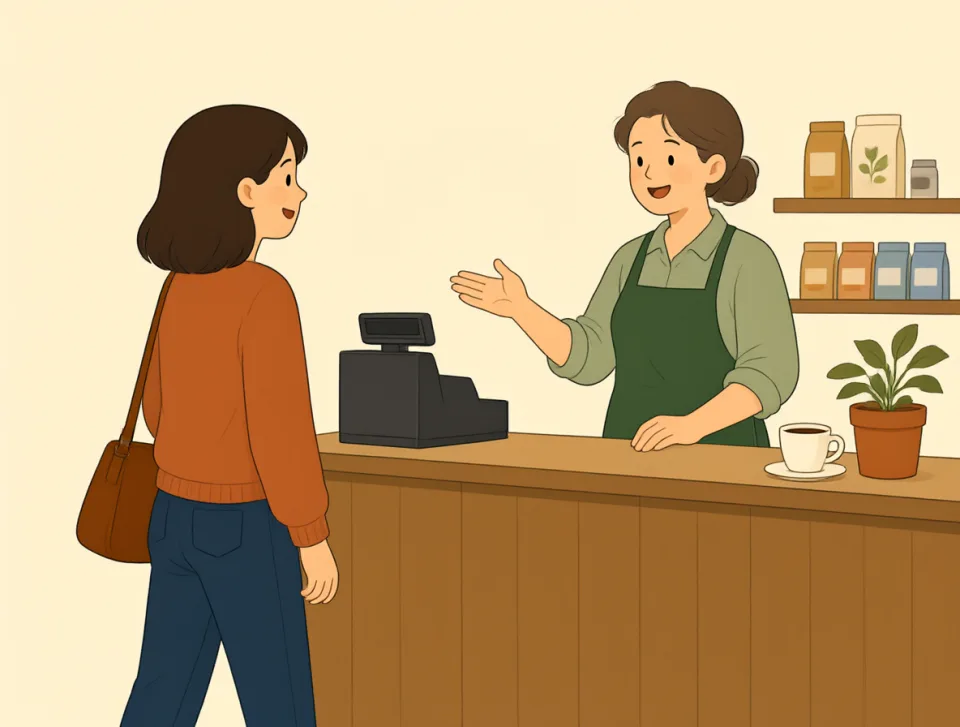
Please visit our shop this weekend.
今週末、ぜひ私たちの店にお越しください。
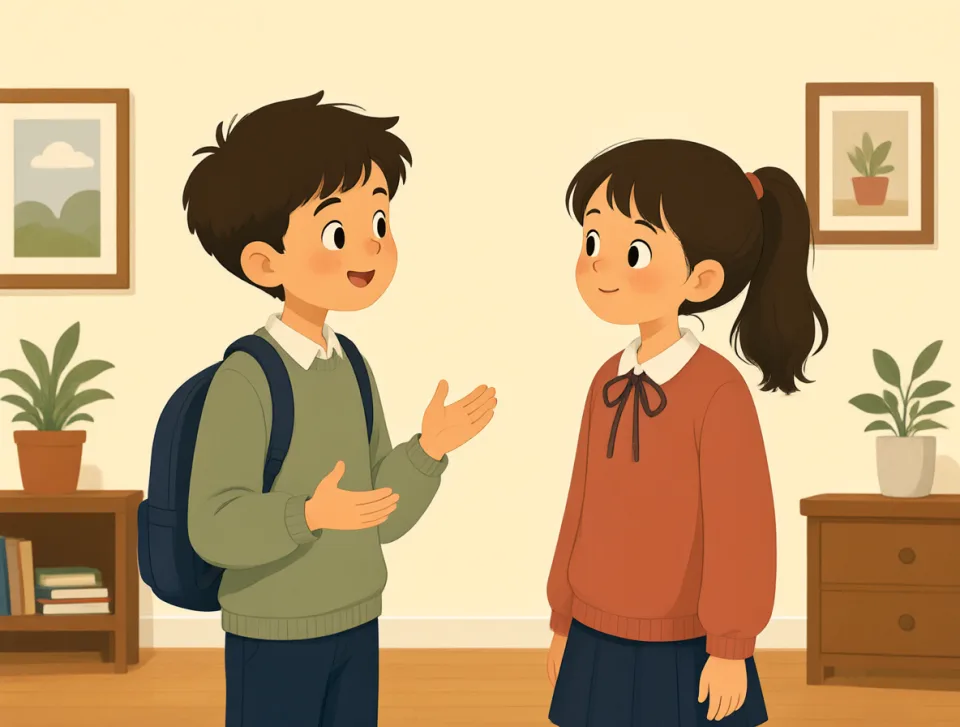
She is visiting her friend after school.
彼女は放課後、友達を訪ねます。
center
#334noun, verb
中心; センター; 中央に置く
The middle of a place or the main point of an activity; to put something in the middle.
場所の中央や、活動の主な場所。また、物を中央に置くこと。

Meet me in the center of town.
町の中心で会おう。
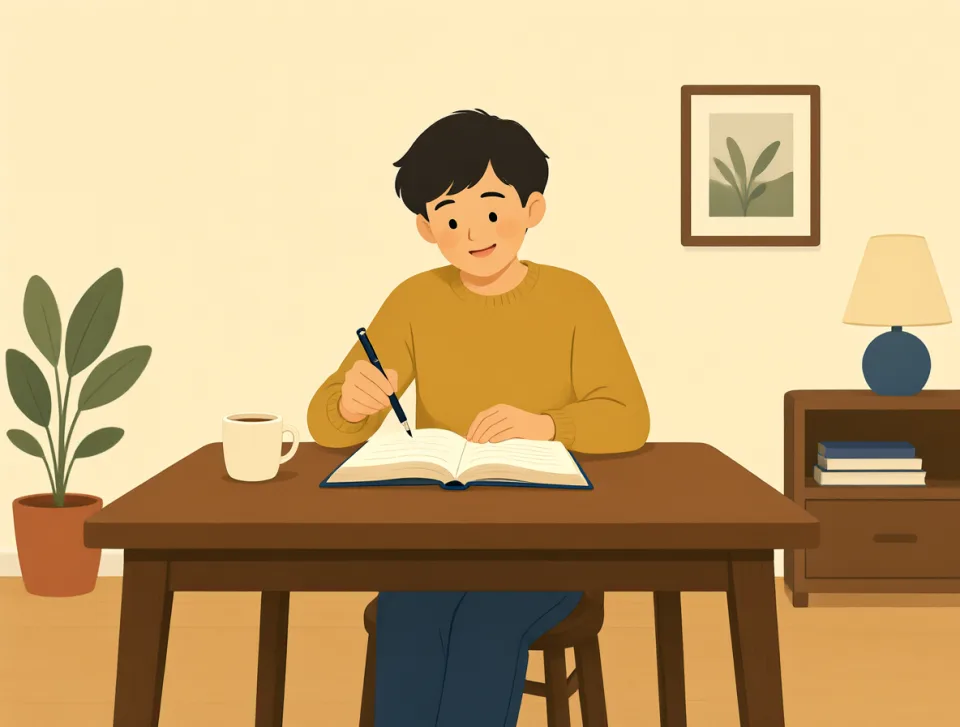
The table is in the center of the room.
そのテーブルは部屋の中央にあります。

She works at a shopping center.
彼女はショッピングセンターで働いています。
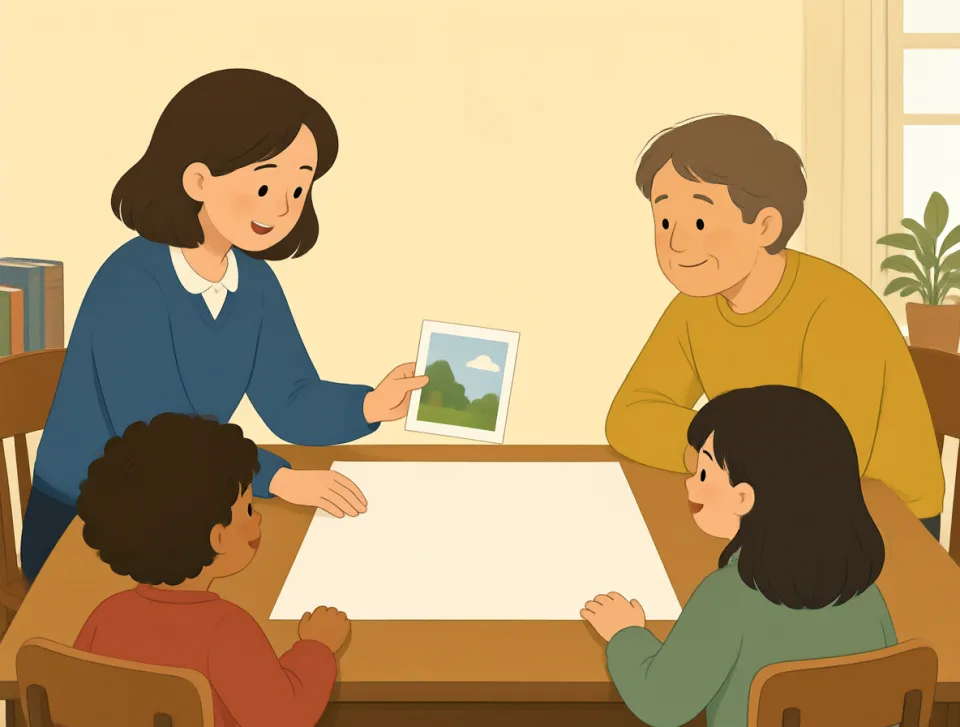
The teacher centered the picture on the page.
先生はページの中央に絵を配置しました。
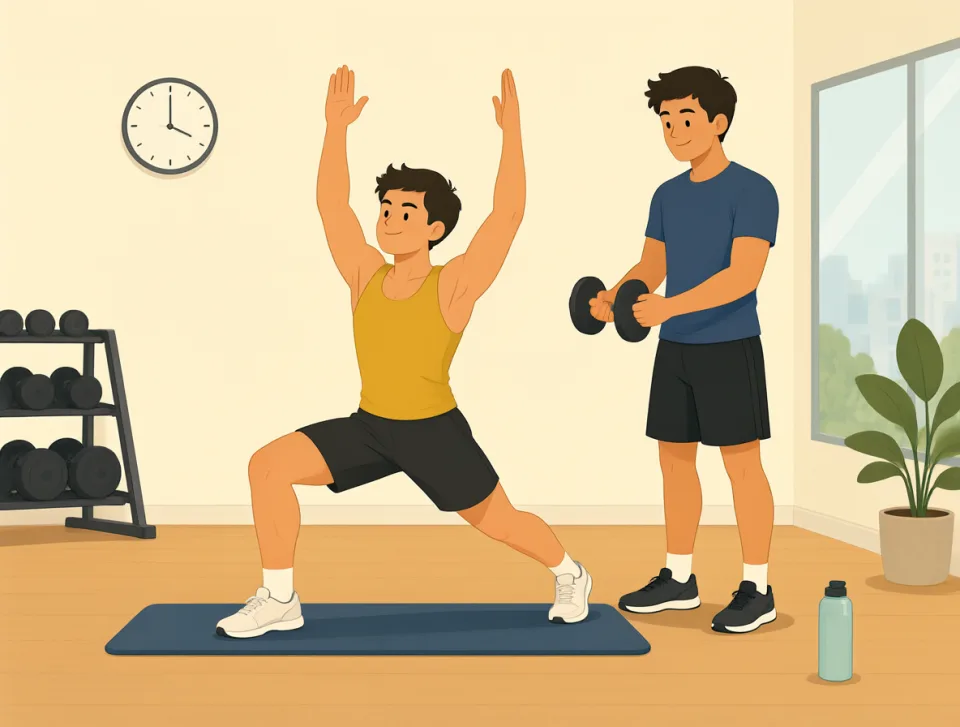
He exercises at the health center.
彼はヘルスセンターで運動しています。
grow
#335verb
成長する; 育てる; 育つ; 〜になる
to become bigger, taller, older, or more developed
より大きく、高く、年を取り、または発達するようになること
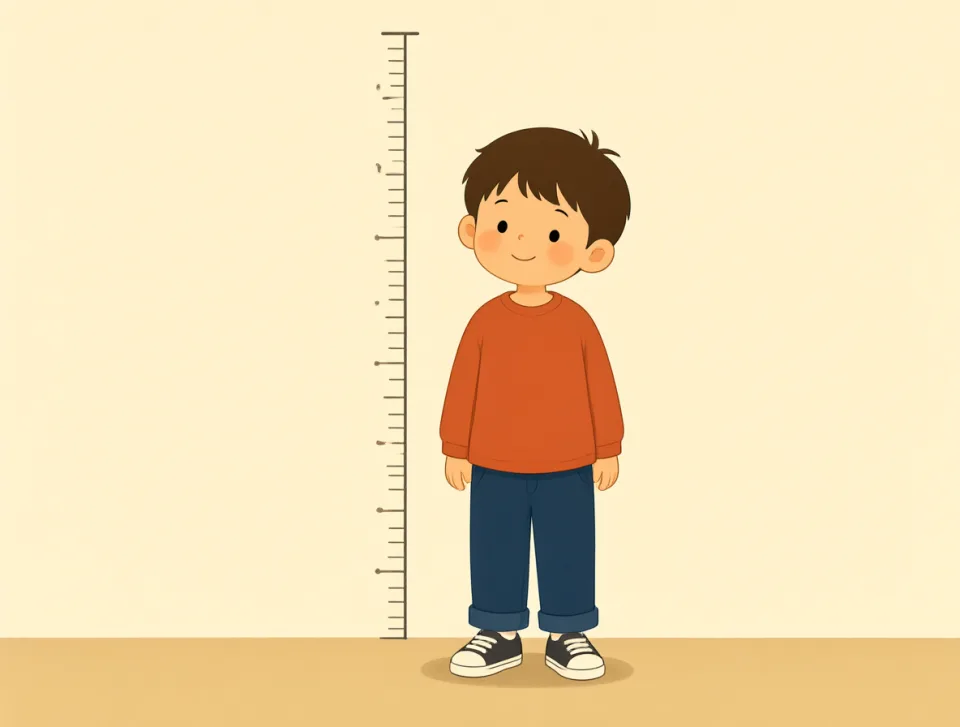
Children grow quickly in their first years.
子どもたちは最初の数年間で急速に成長します。
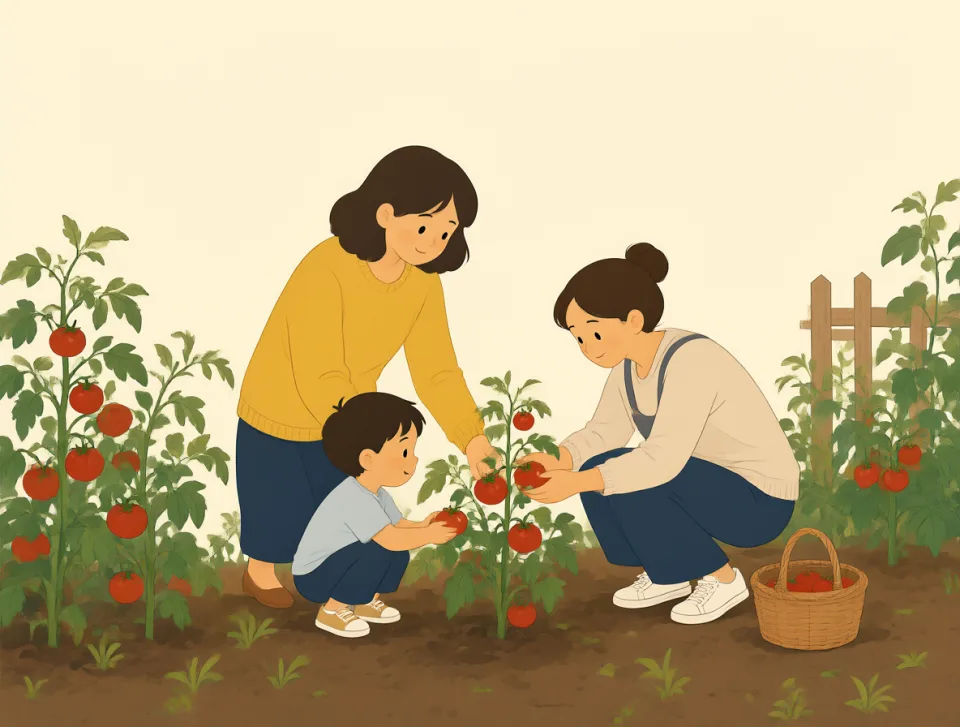
We grow tomatoes in our garden.
私たちは庭でトマトを育てています。
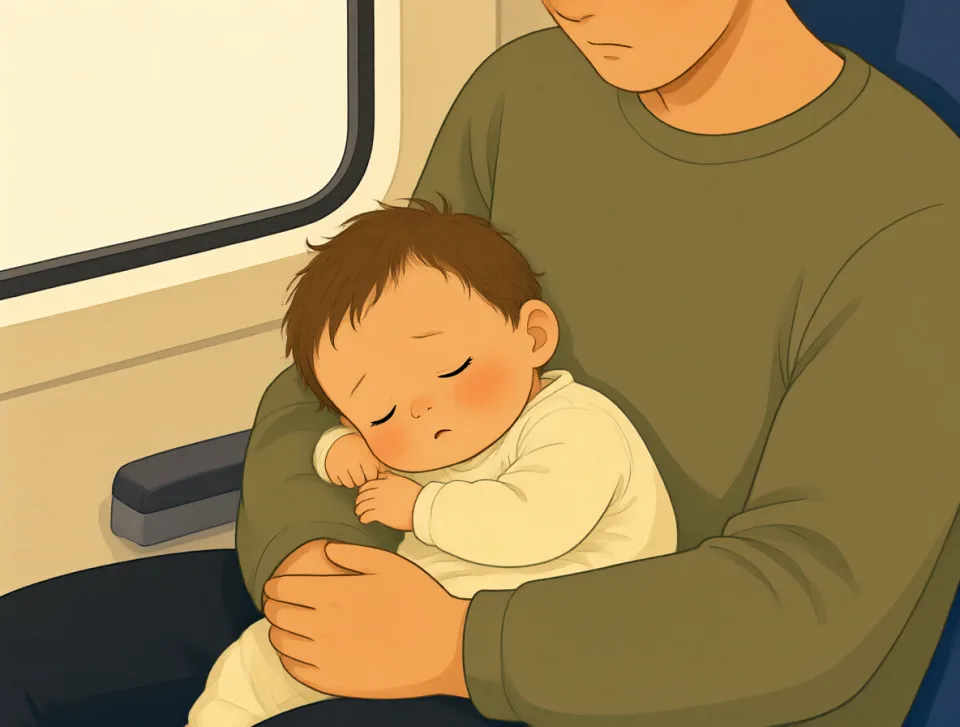
The baby grew tired after the long trip.
長旅の後、赤ちゃんは疲れてきました。
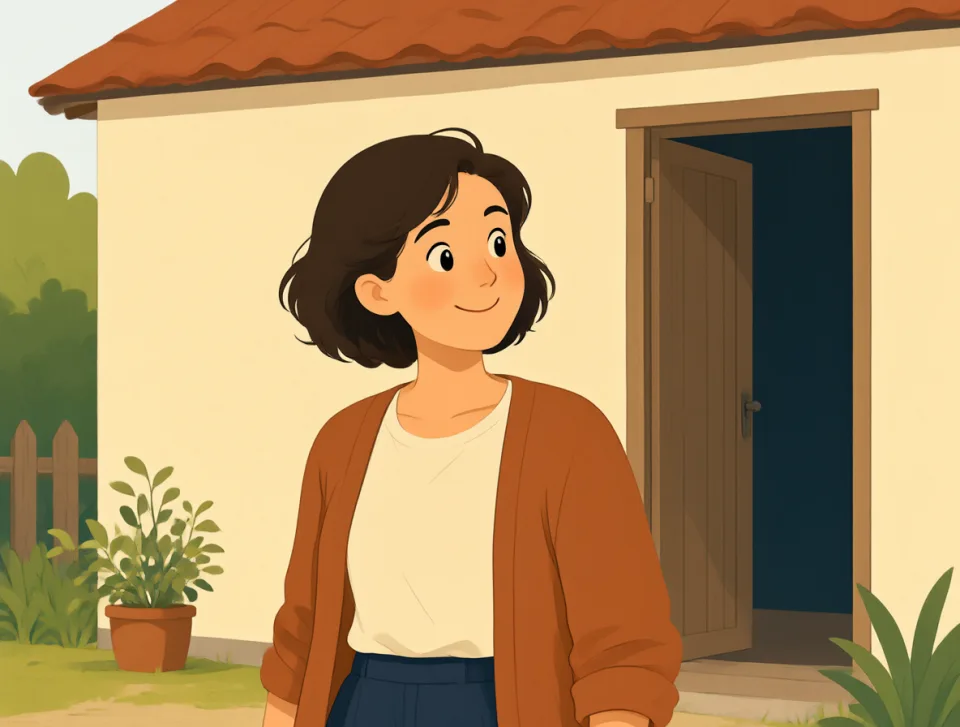
She grew up in a small village.
彼女は小さな村で育ちました。
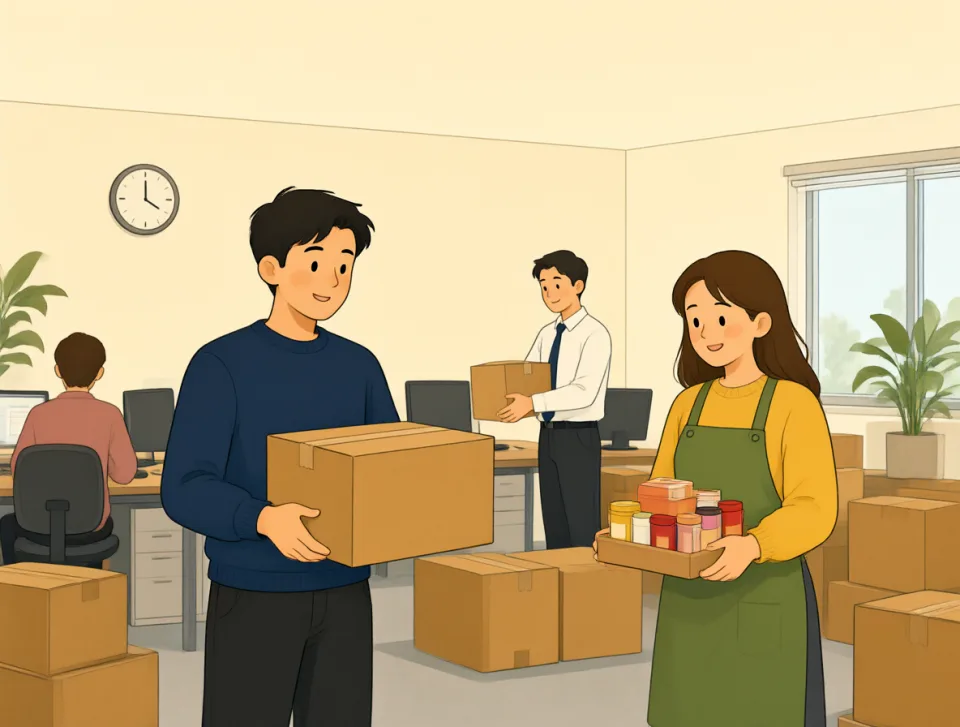
The company is growing every year.
その会社は毎年成長しています。
nothing
#336pronoun, determiner
何もない; 何も; 何一つ
not anything; no thing or things
何もないこと、何一つないこと
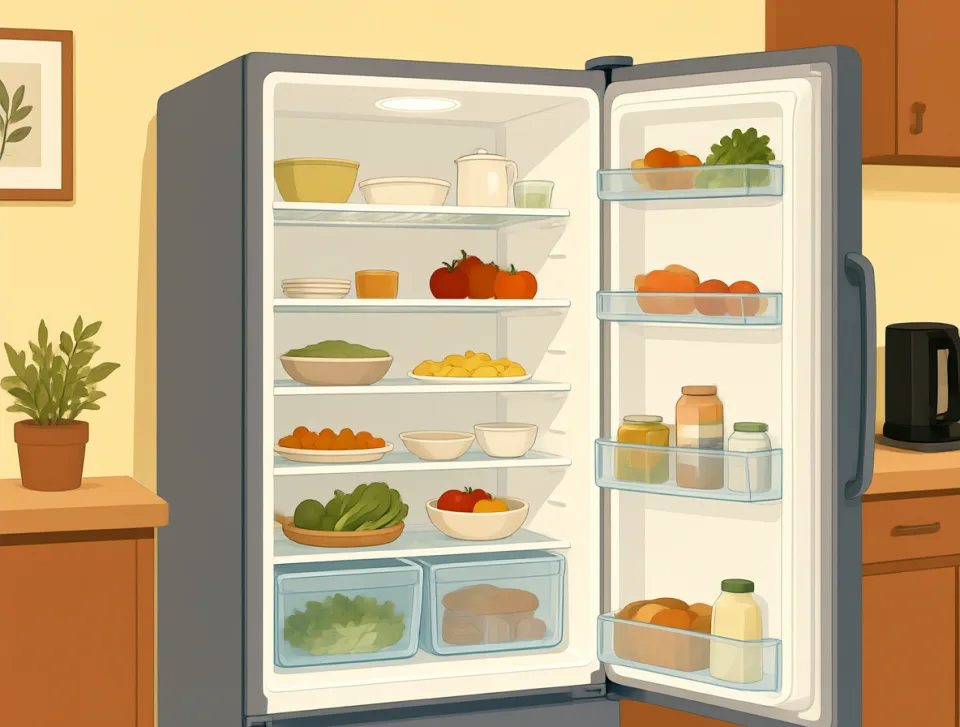
There is nothing in the fridge.
冷蔵庫には何もない。
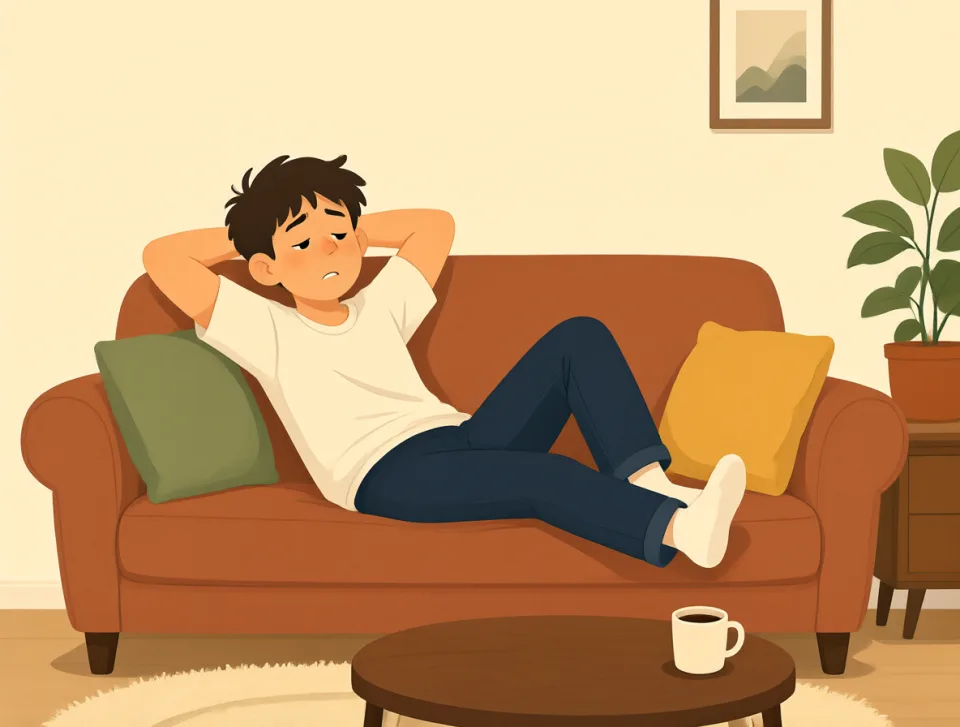
I did nothing after work.
仕事の後は何もしなかった。

Nothing can stop us now.
今や、私たちを止められるものは何もない。
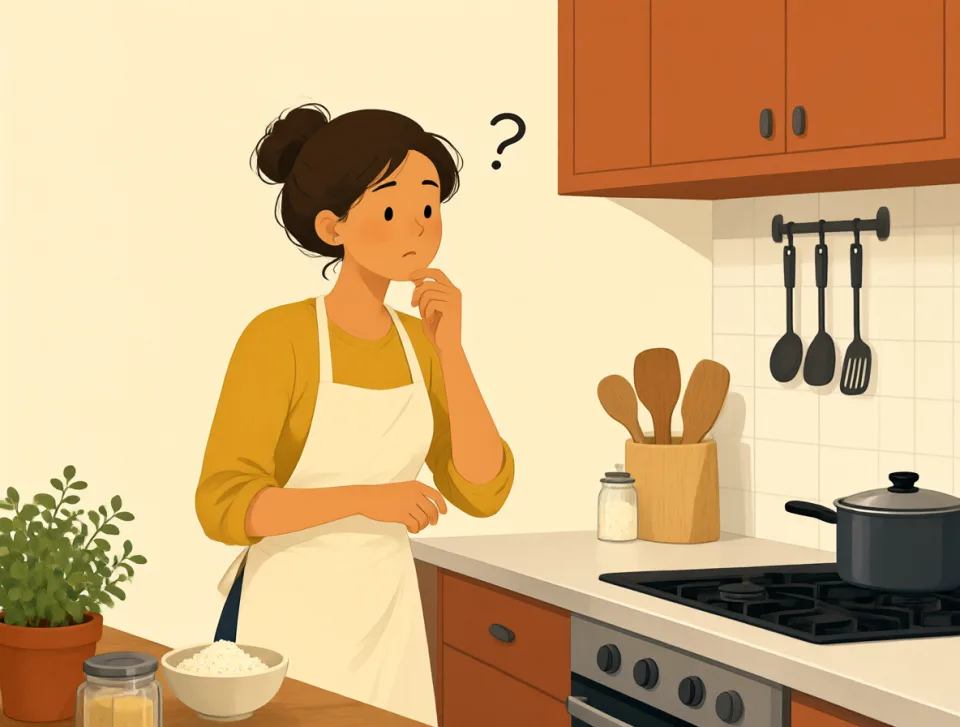
She knows nothing about cooking.
彼女は料理について何も知らない。
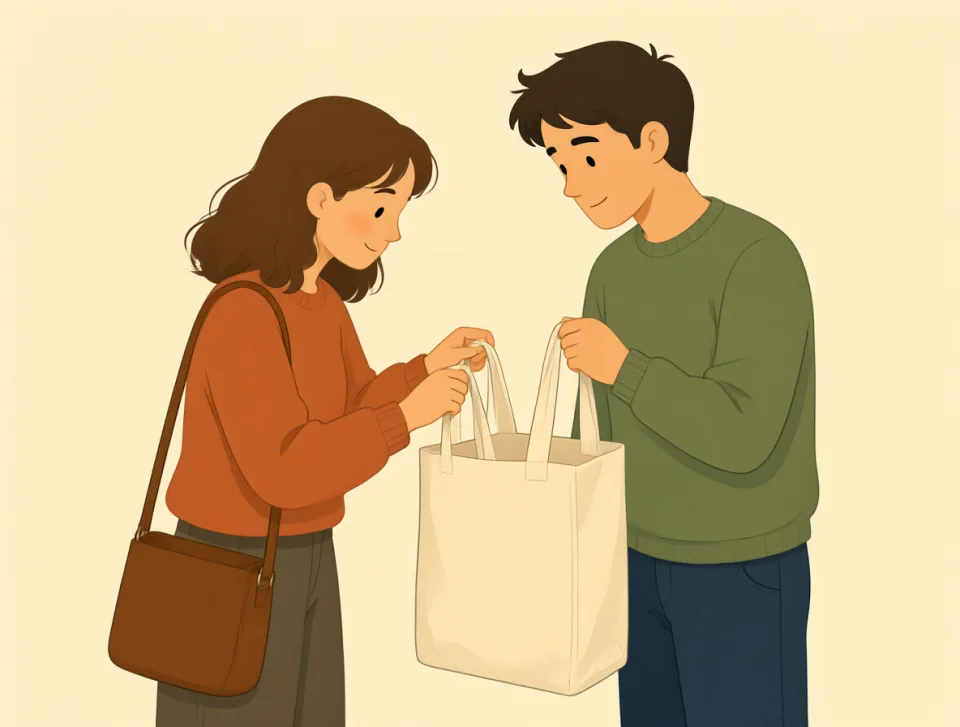
I found nothing in my shopping bag.
買い物袋の中には何も入っていなかった。
return
#337verb, noun
戻る; 返す; 帰る; 返品
to go back, give something back, or come back to a place
元の場所に戻る、何かを返す、またはある場所に戻ってくること
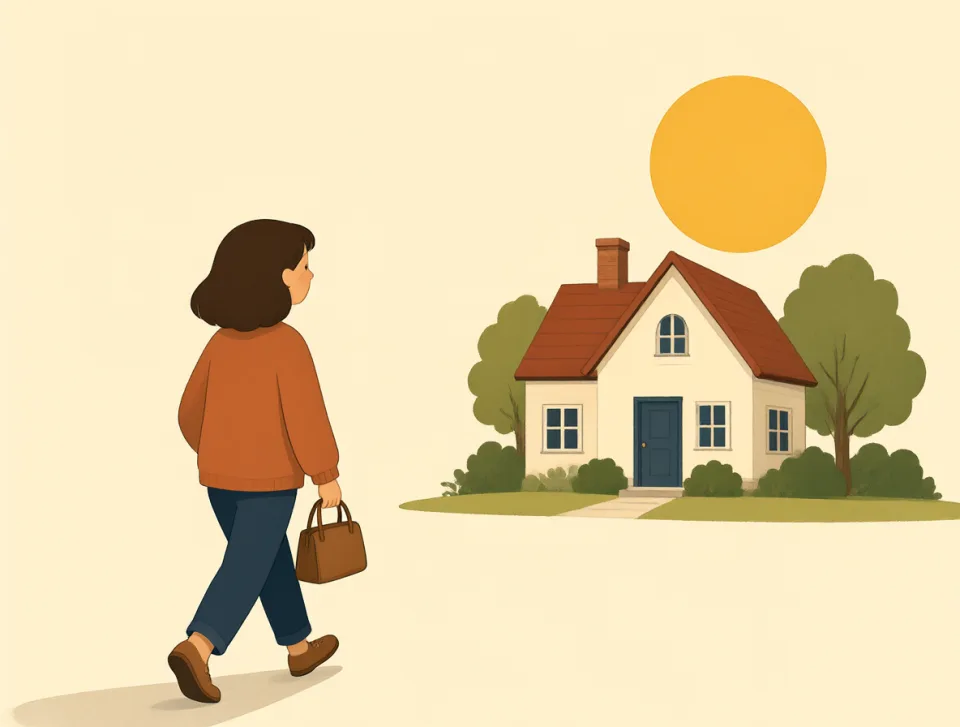
I will return home after dinner.
夕食後に家に戻ります。
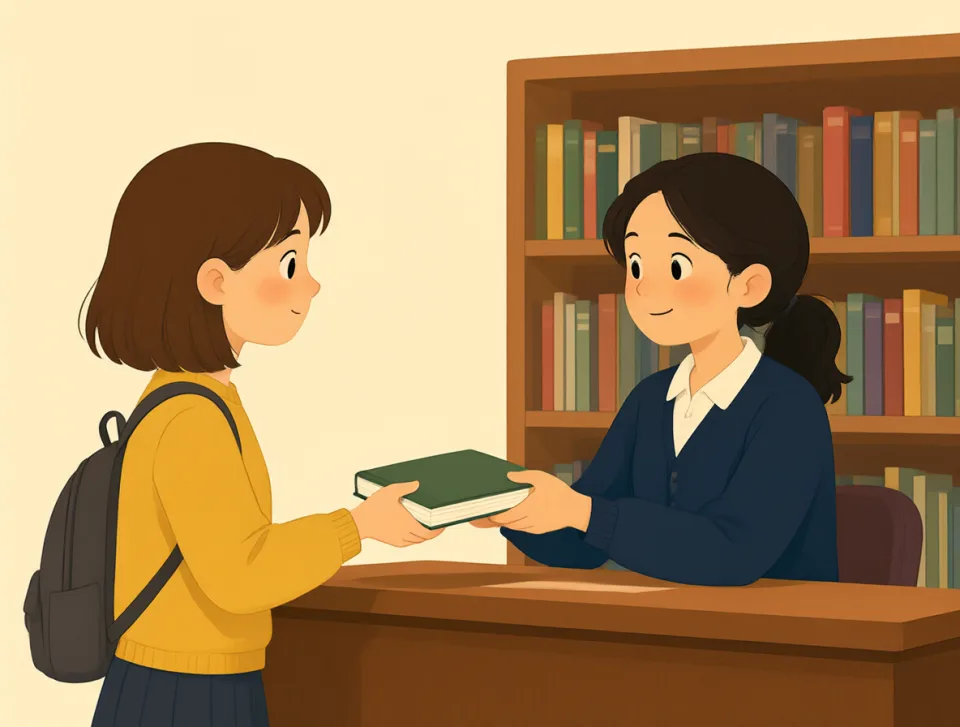
Please return the library book tomorrow.
明日、図書館の本を返してください。
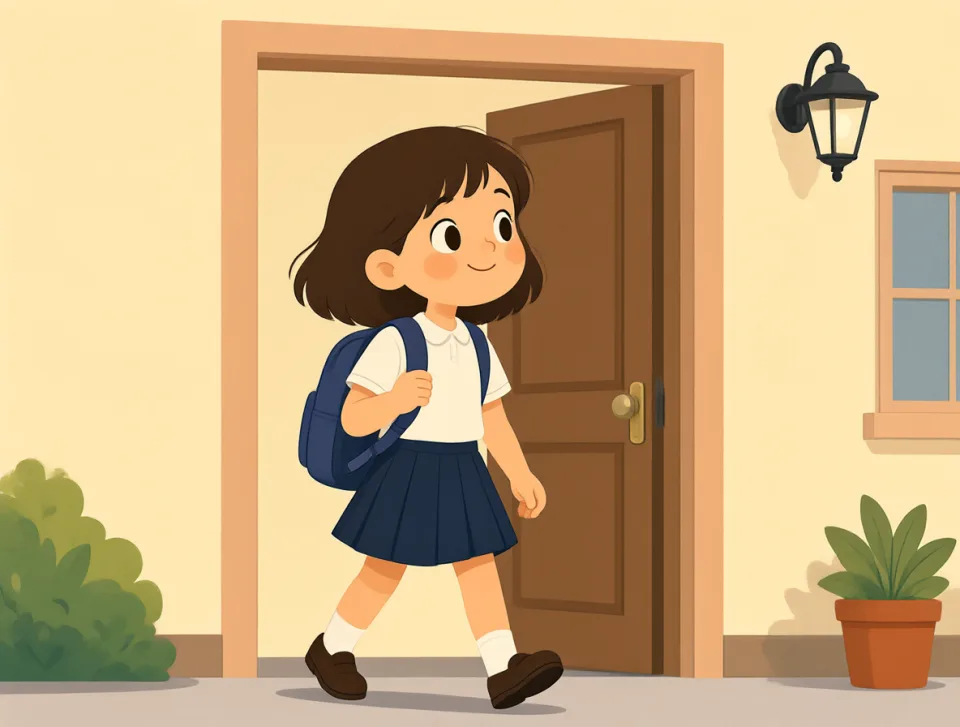
She returned from school at four.
彼女は4時に学校から帰ってきました。
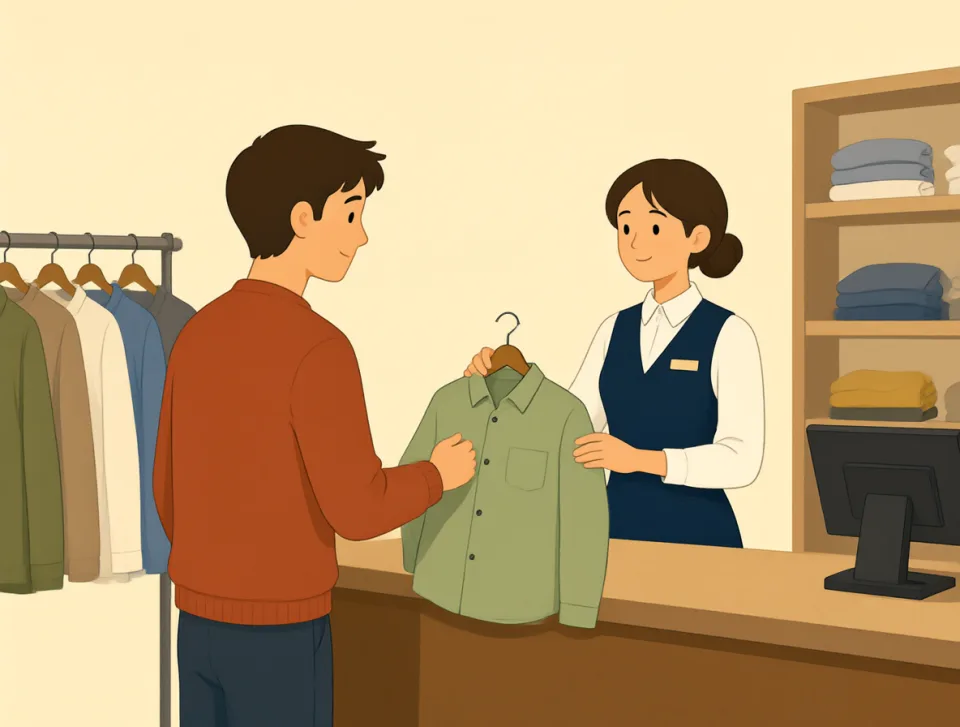
The shop accepted my return.
その店は返品を受け付けました。
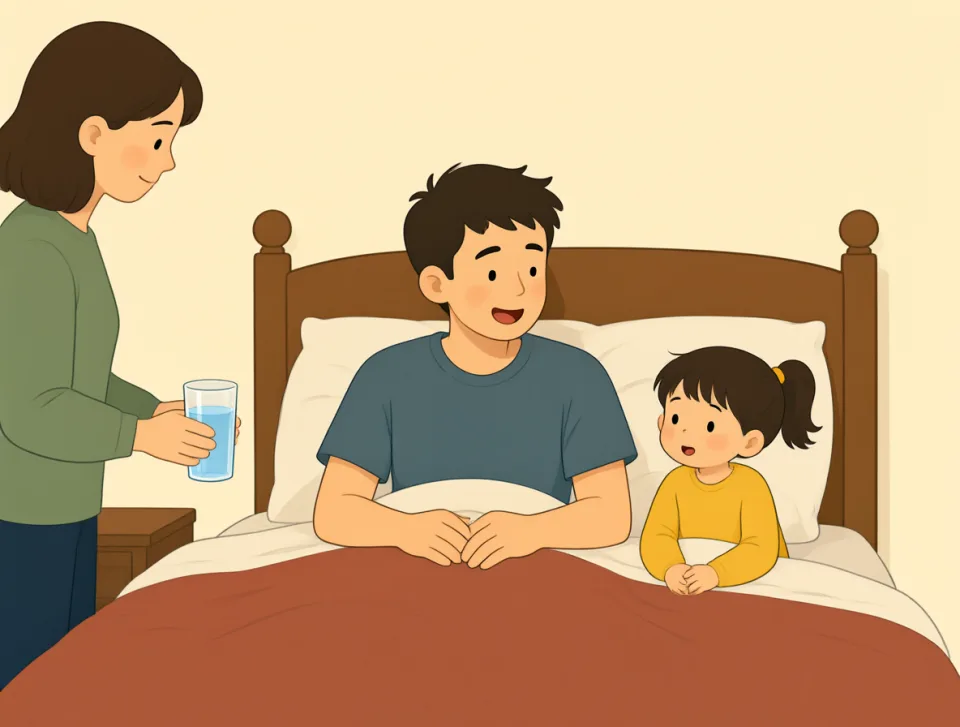
His health is slowly returning.
彼の健康は少しずつ回復しています。
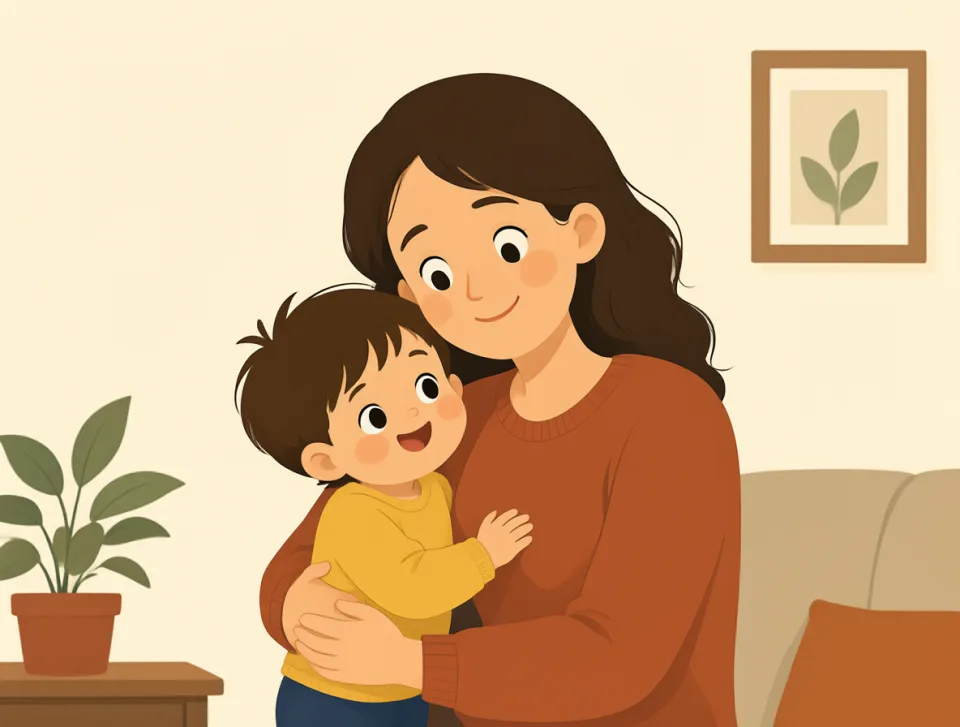
mother
#338noun
母親; お母さん
a female parent; a woman who has a child
女性の親、子どもがいる女性
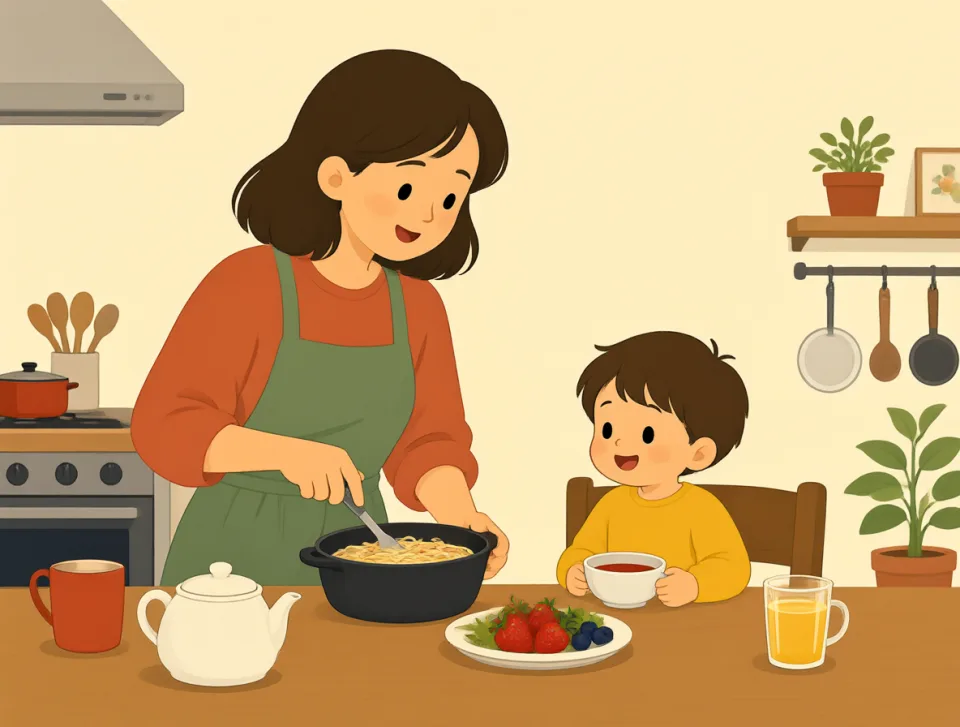
My mother makes breakfast every morning.
私の母は毎朝、朝食を作ります。
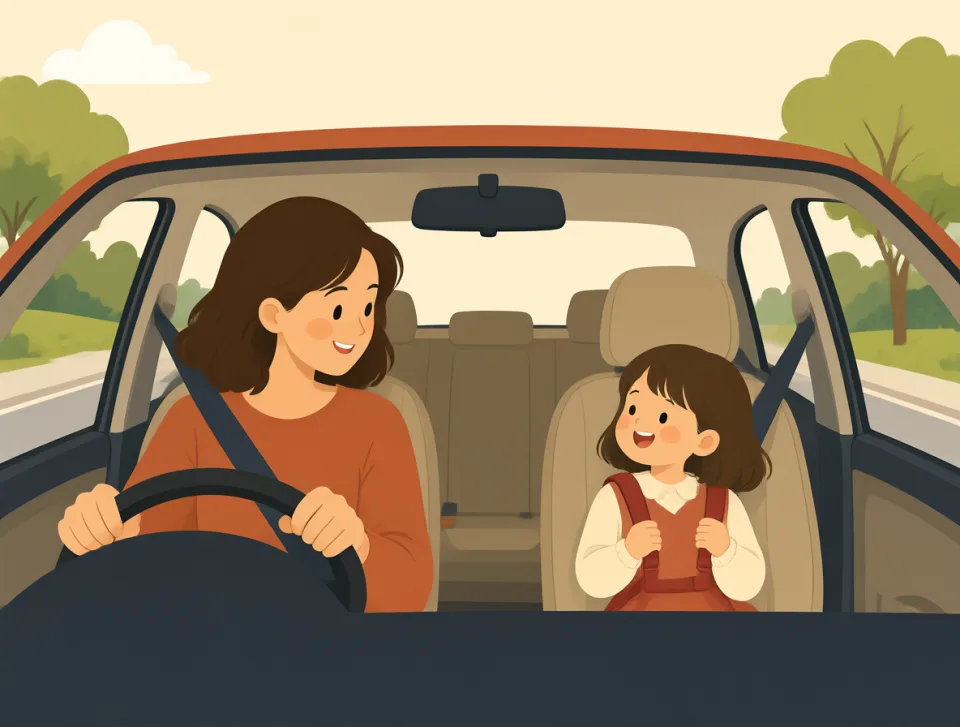
Her mother drove her to school.
彼女の母親は彼女を学校まで車で送っていきました。
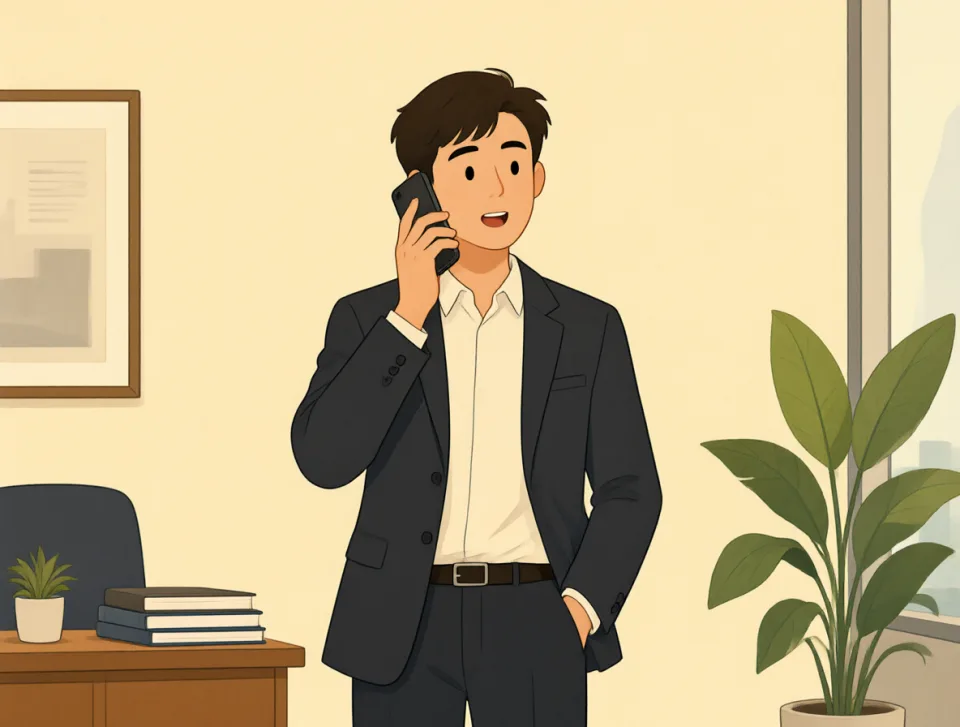
I called my mother after work.
私は仕事の後、母に電話しました。
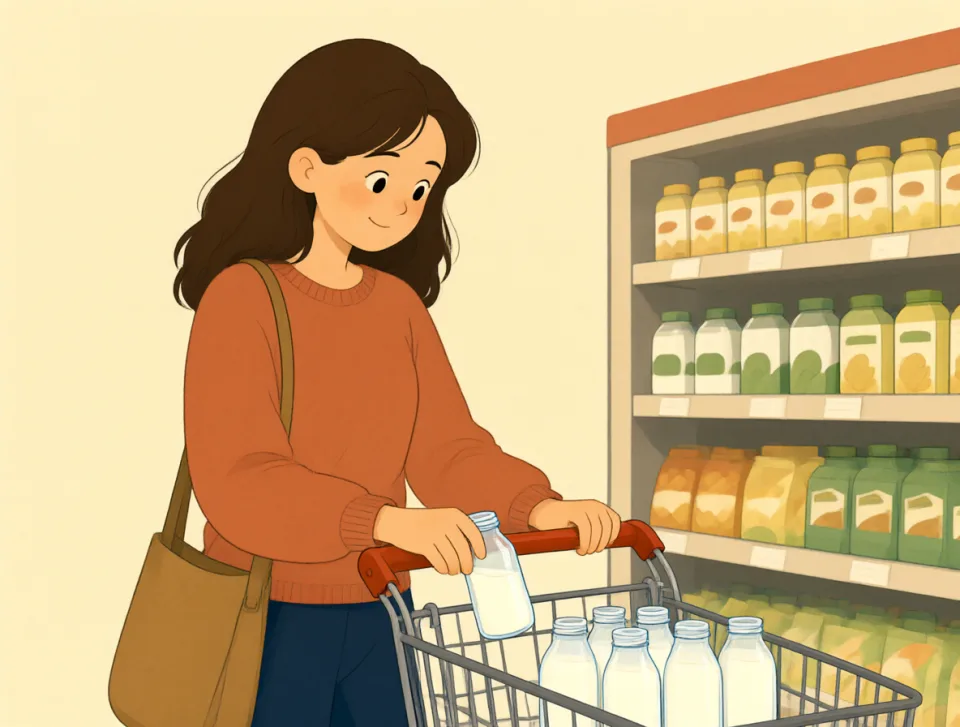
The mother bought milk at the store.
その母親は店で牛乳を買いました。
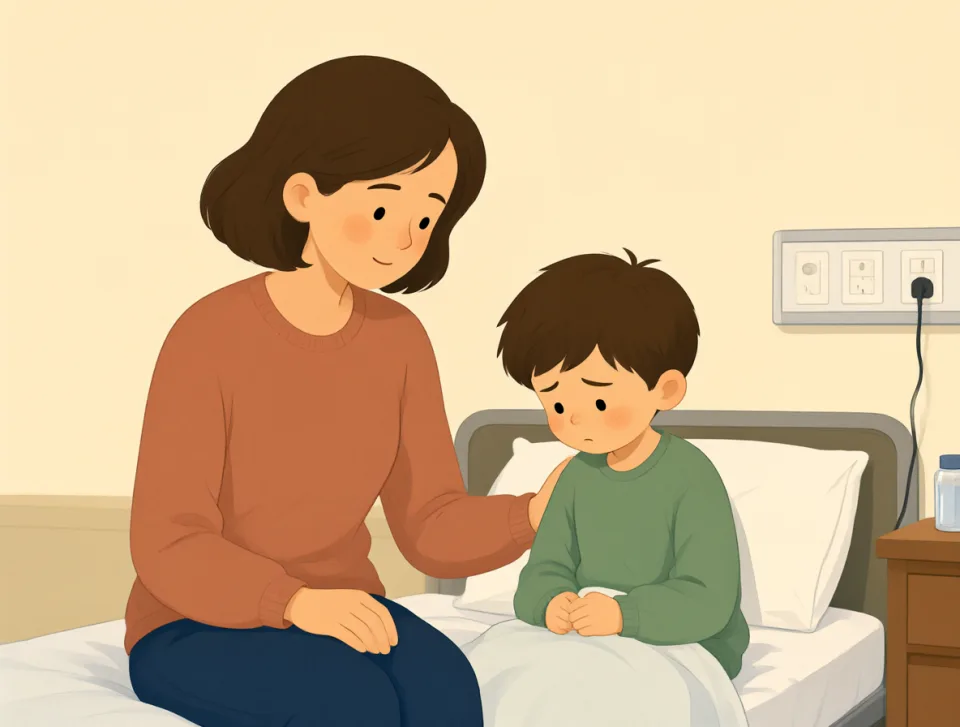
His mother stayed with him in hospital.
彼の母親は病院で彼に付き添いました。
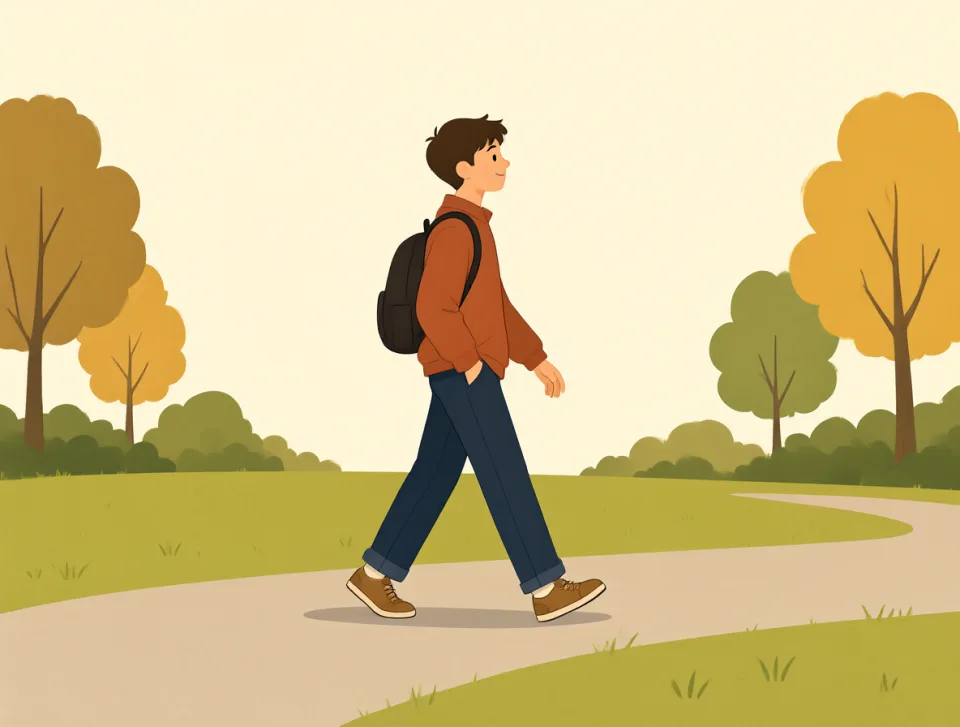
walk
#339verb, noun
歩く; 散歩
to move on foot, or a short journey made by walking
歩いて移動すること、または歩いてする短い旅
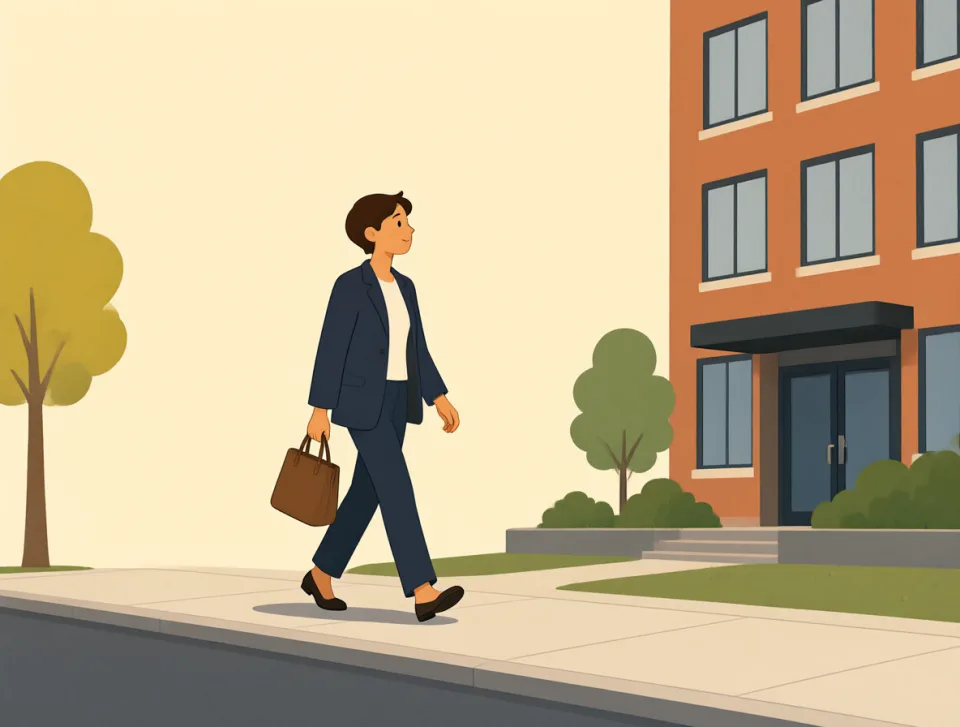
I walk to work every morning.
私は毎朝歩いて職場に行きます。
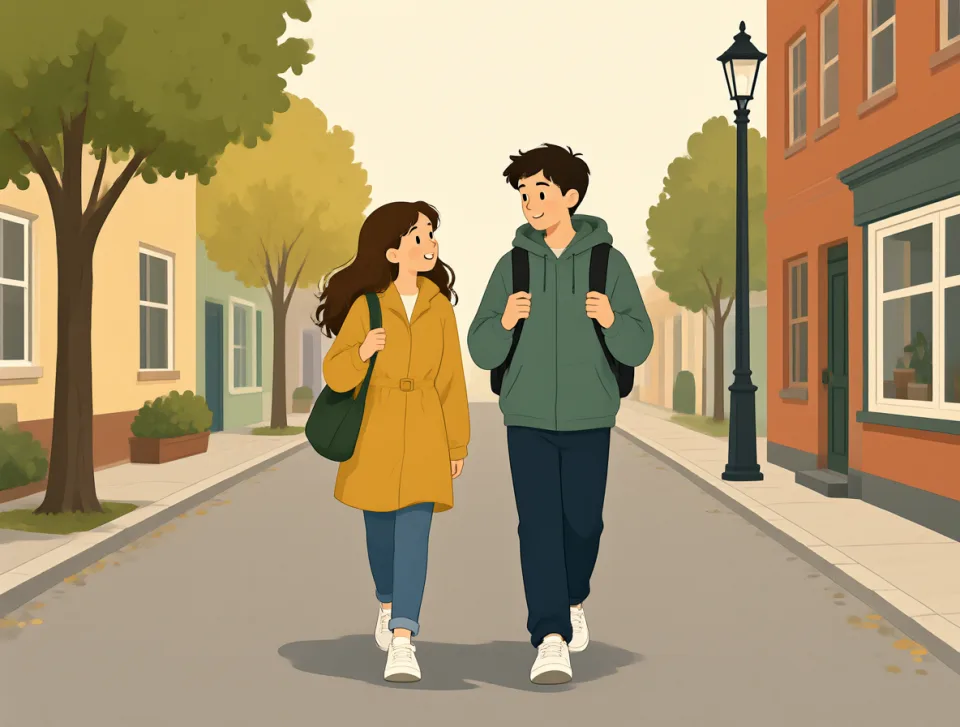
We walked home after dinner.
夕食後、私たちは歩いて家に帰りました。
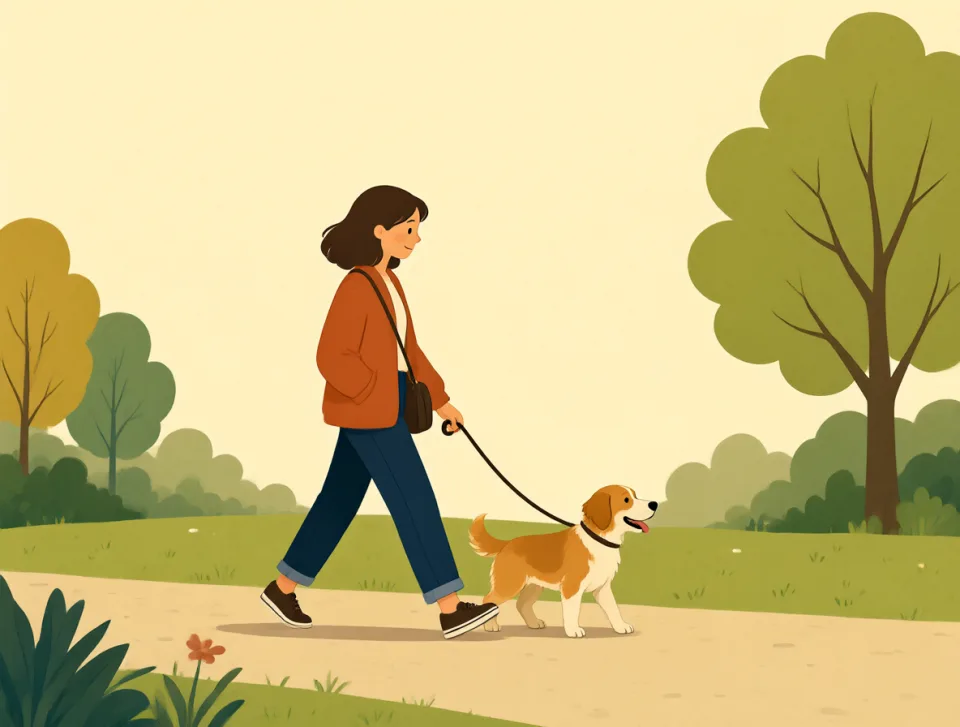
She walks her dog in the park.
彼女は公園で犬の散歩をします。
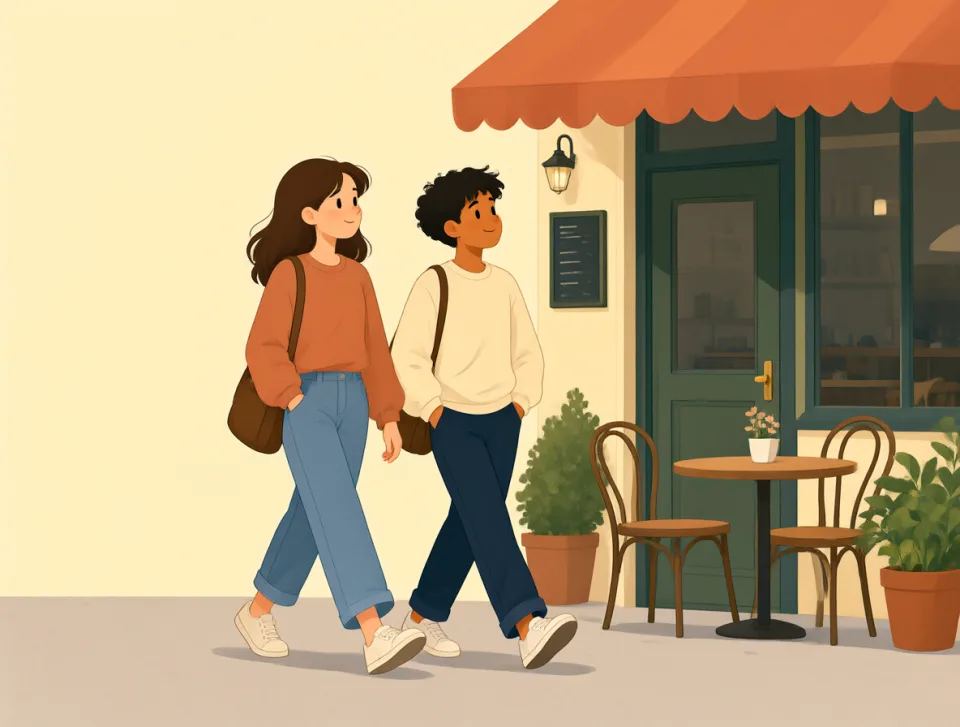
Let's take a walk after lunch.
昼食後に散歩しましょう。
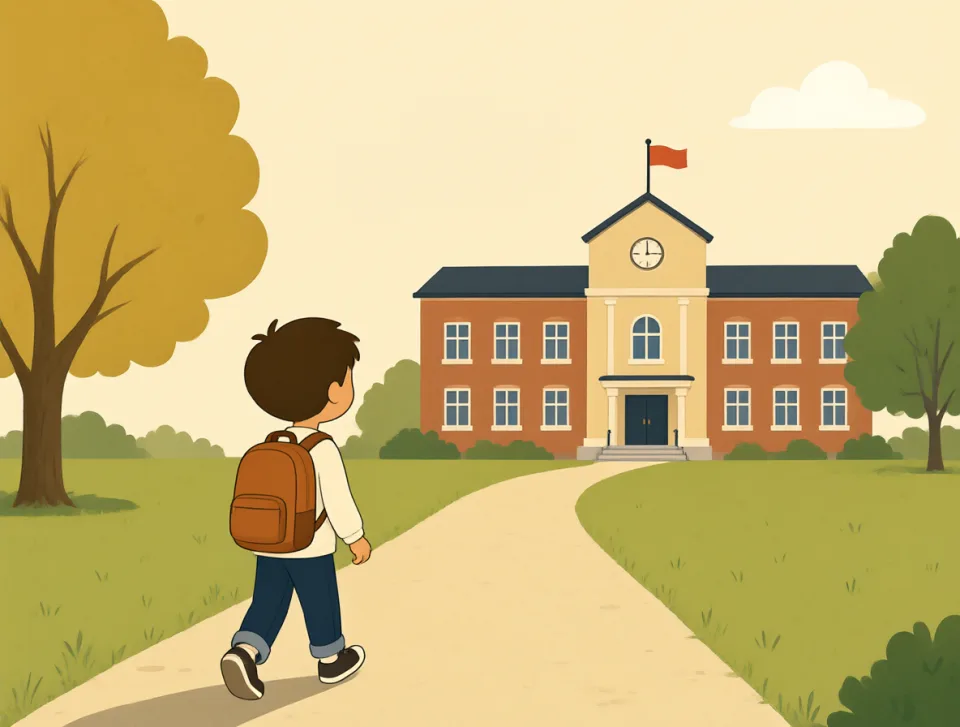
The walk to school takes ten minutes.
学校まで歩いて10分かかります。
matter
#340noun, verb
問題; 重要である
A subject or situation that is important, or to be important.
重要な事柄や状況。または、重要であること。
It does not matter what time we leave.
何時に出発してもかまいません。
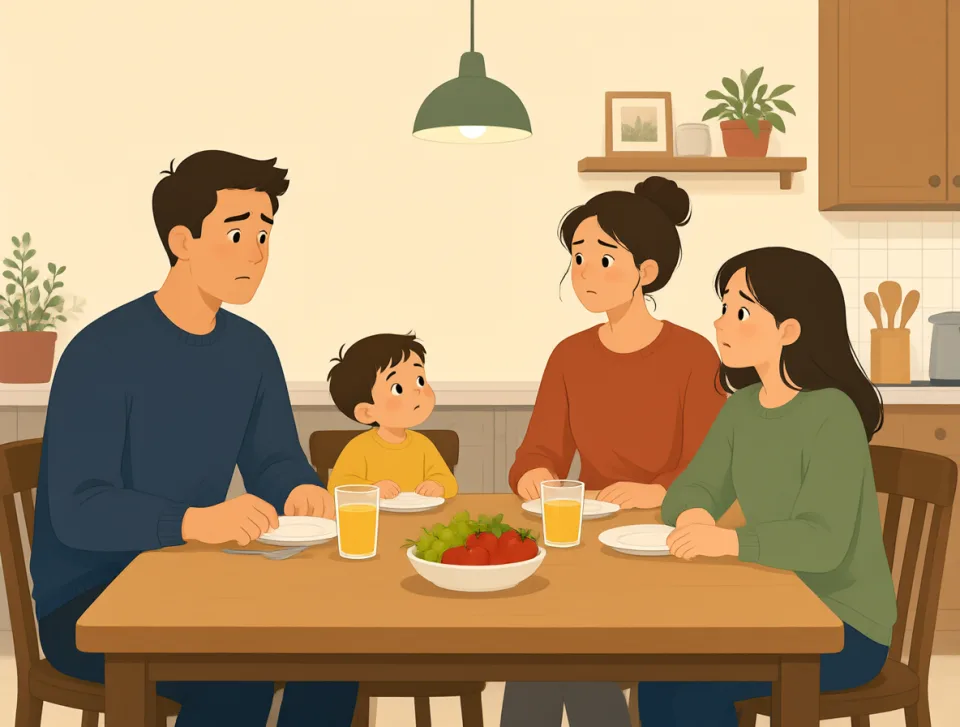
This matter is important to our family.
この問題は私たち家族にとって重要です。
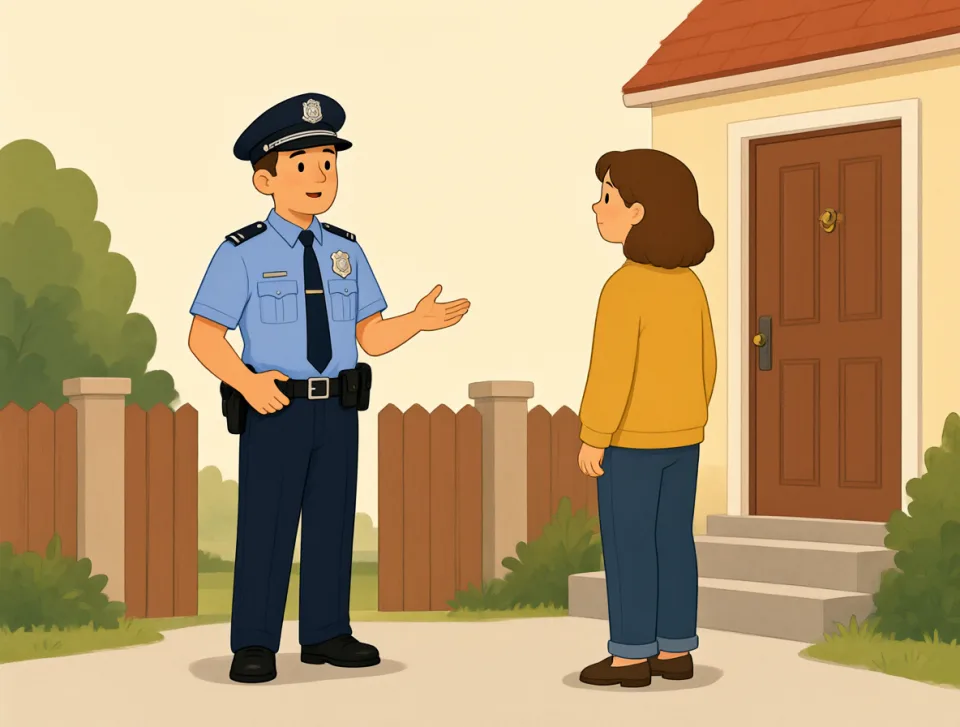
The police are looking into the matter.
警察はその問題を調べています。
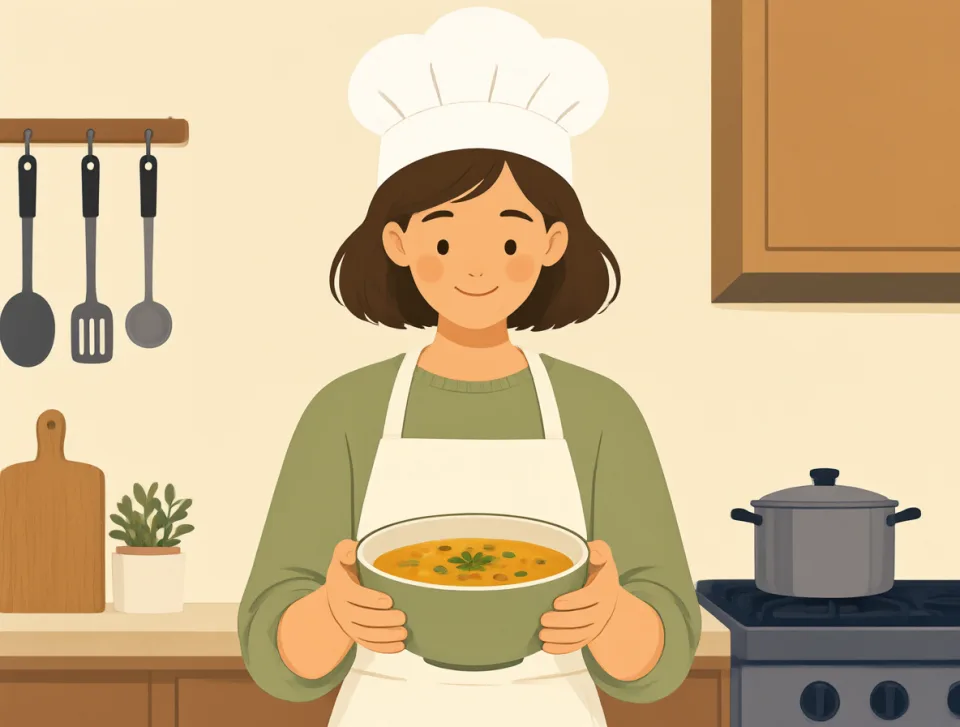
The soup matters more than the bowl.
器よりもスープのほうが大事です。
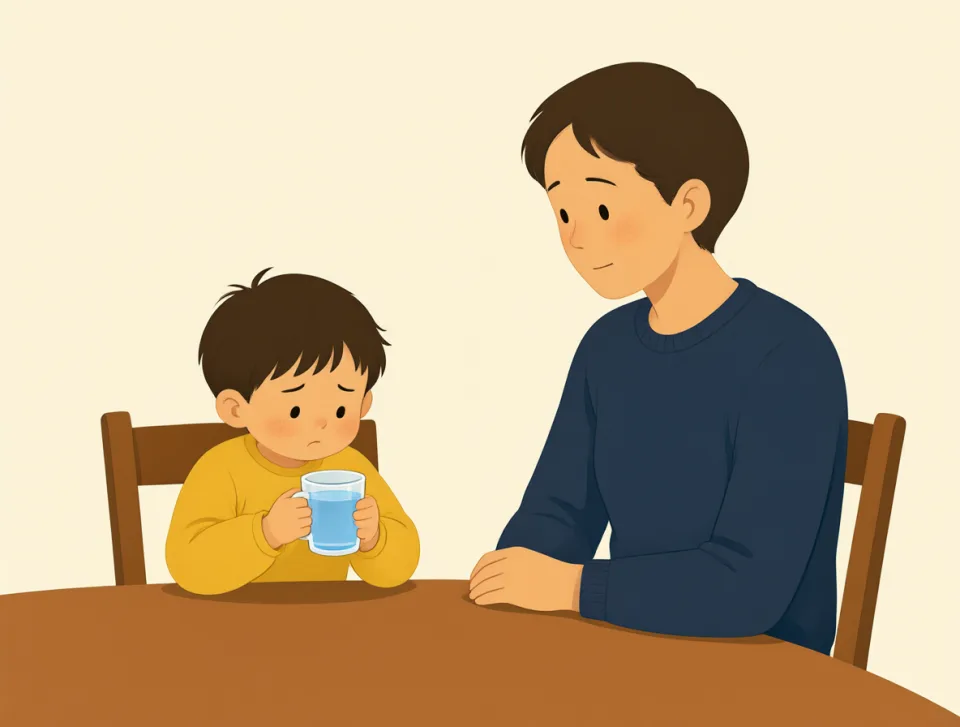
Water matters when you feel sick.
具合が悪いときは、水分が大切です。