Unidad 17
Palabras 321–340 · deal, water, send, allow, soon, watch
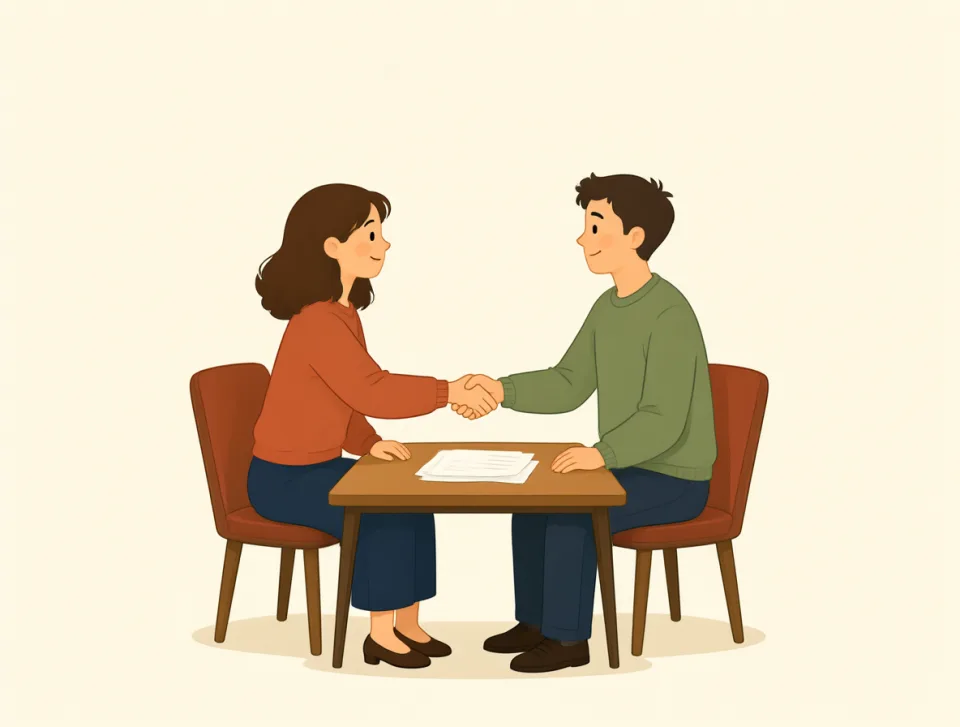
deal
#321noun, verb
trato; oferta; tratar; repartir
An agreement, arrangement, or way of handling a situation; to do business or manage something.
Un acuerdo, arreglo o manera de manejar una situación; hacer negocios o encargarse de algo.
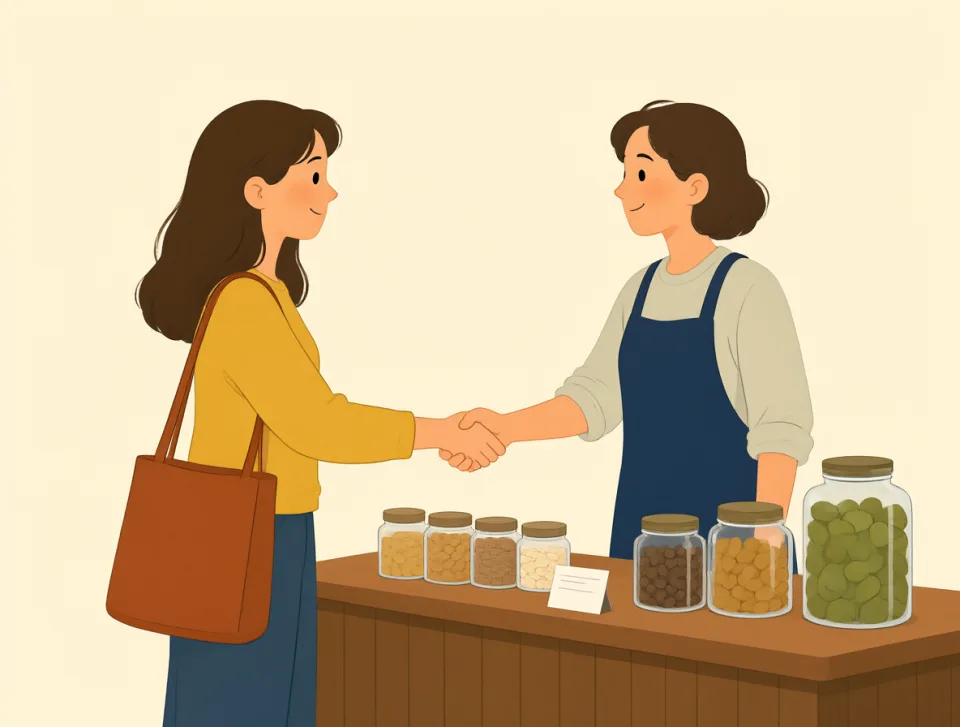
We made a deal about the price.
Hicimos un trato sobre el precio.
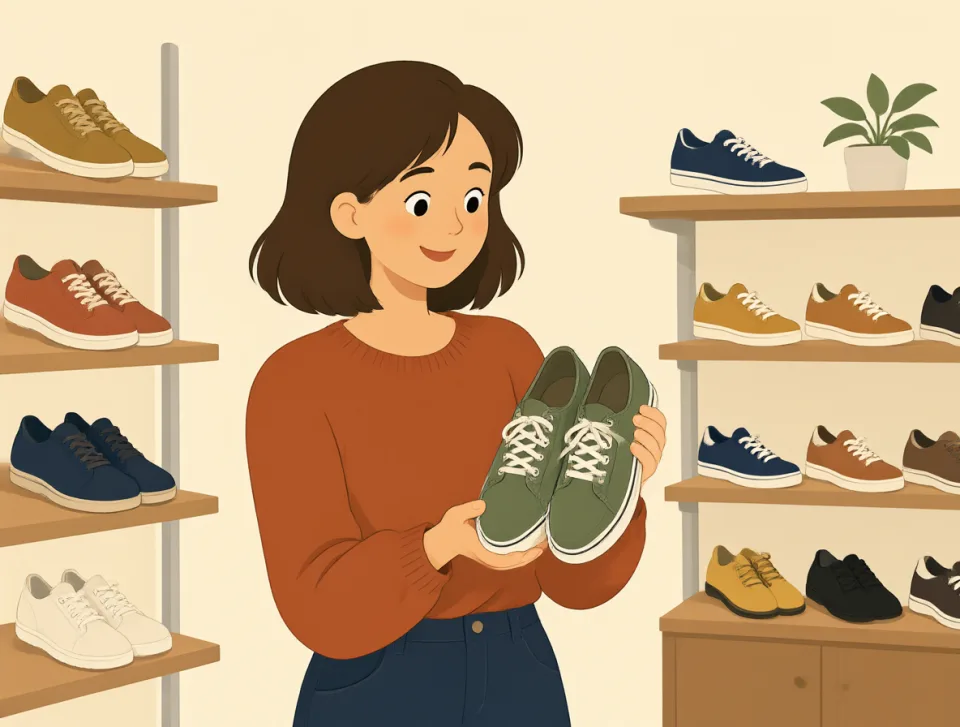
She got a great deal on shoes.
Consiguió una oferta excelente en unos zapatos.
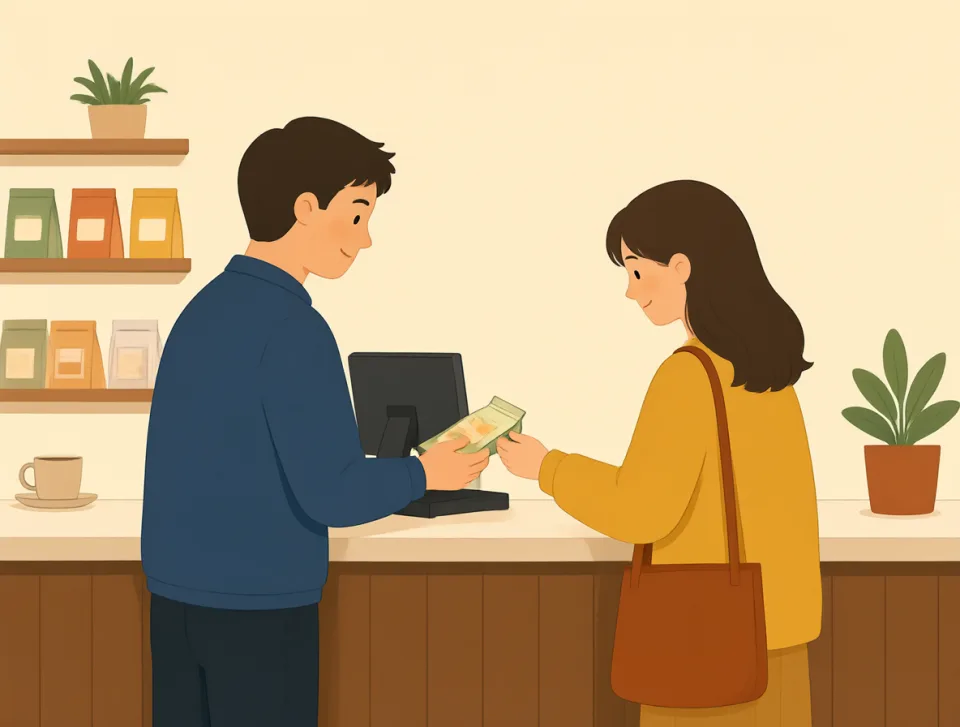
I deal with customers every day.
Trato con clientes todos los días.
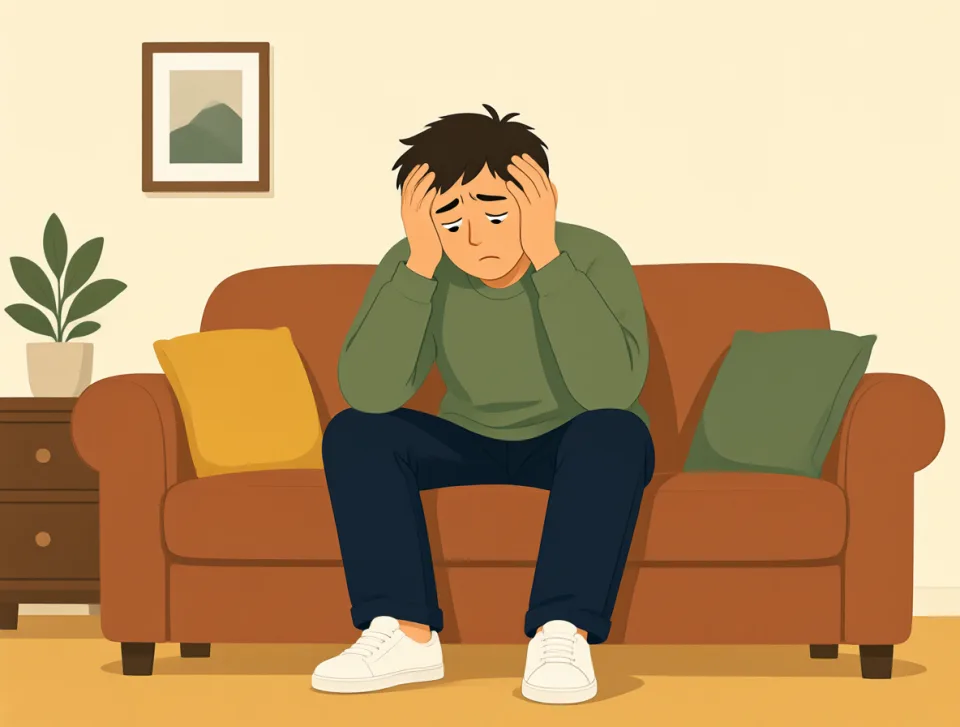
He cannot deal with the stress.
No puede lidiar con el estrés.
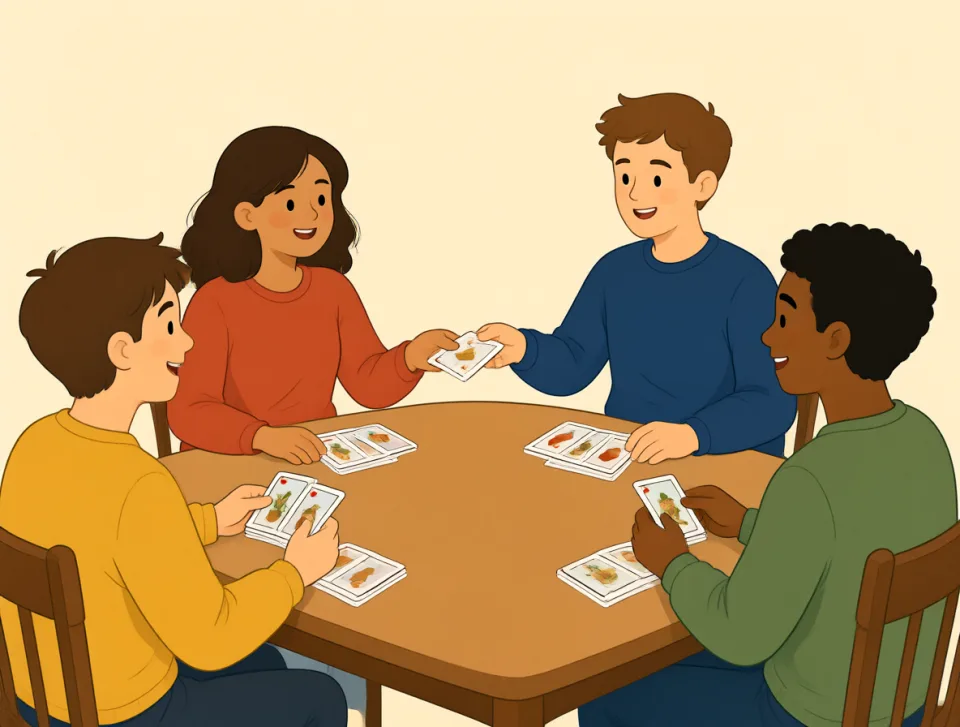
The cards were dealt to everyone.
Repartieron las cartas entre todos.
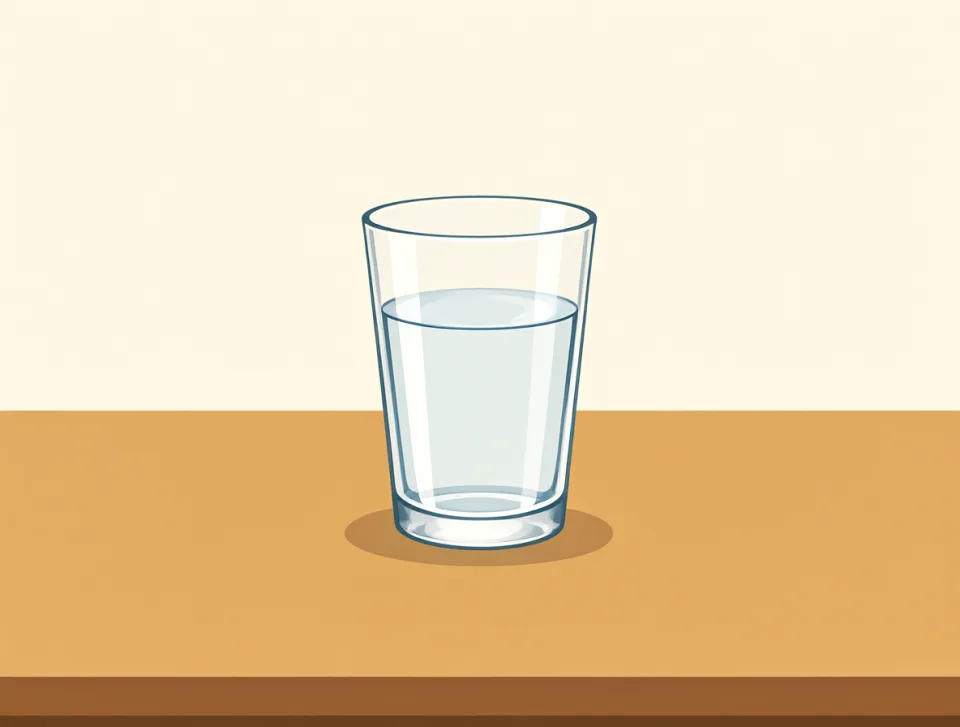
water
#322noun, verb
agua; regar
The clear liquid people drink and use for washing, cooking, and growing plants.
El líquido transparente que la gente bebe y usa para lavarse, cocinar y hacer crecer las plantas.
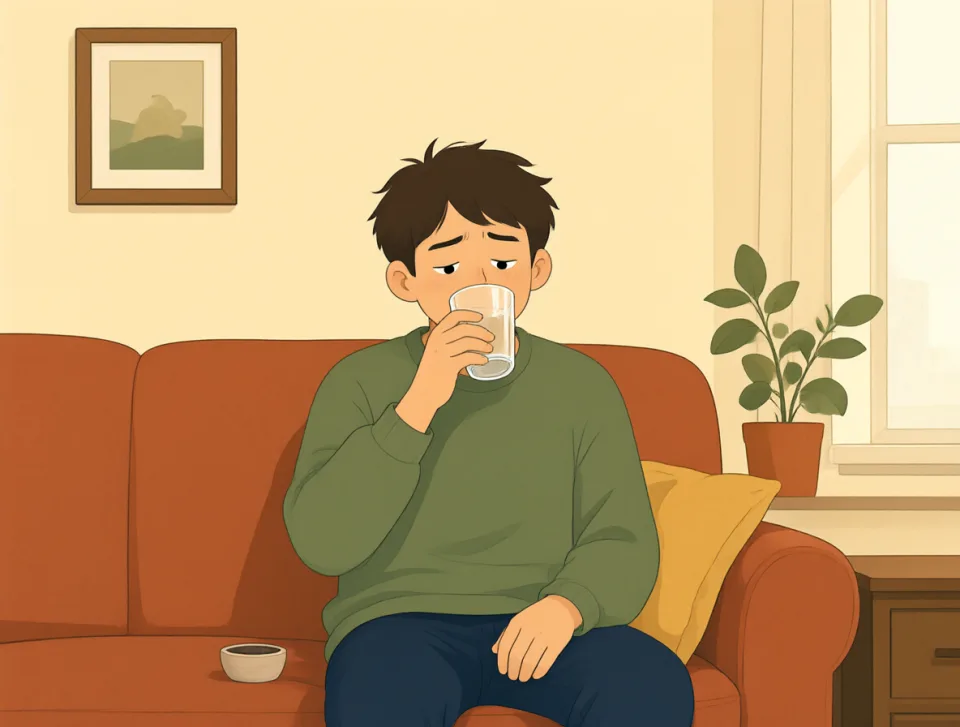
Please drink some water after your walk.
Bebe un poco de agua después de caminar.
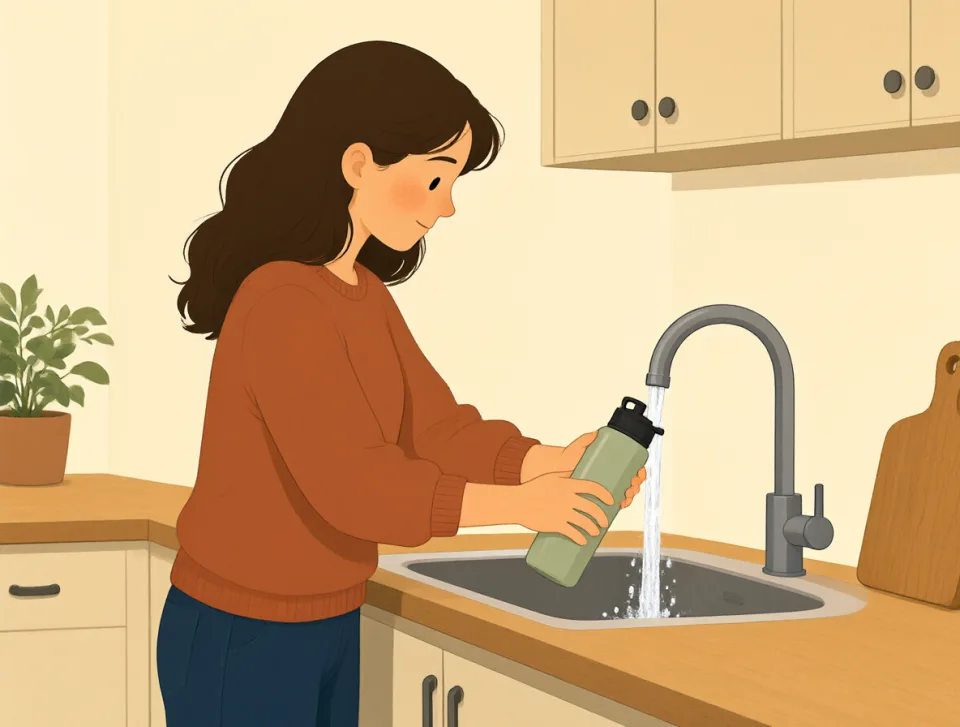
She filled the bottle with cold water.
Llenó la botella con agua fría.
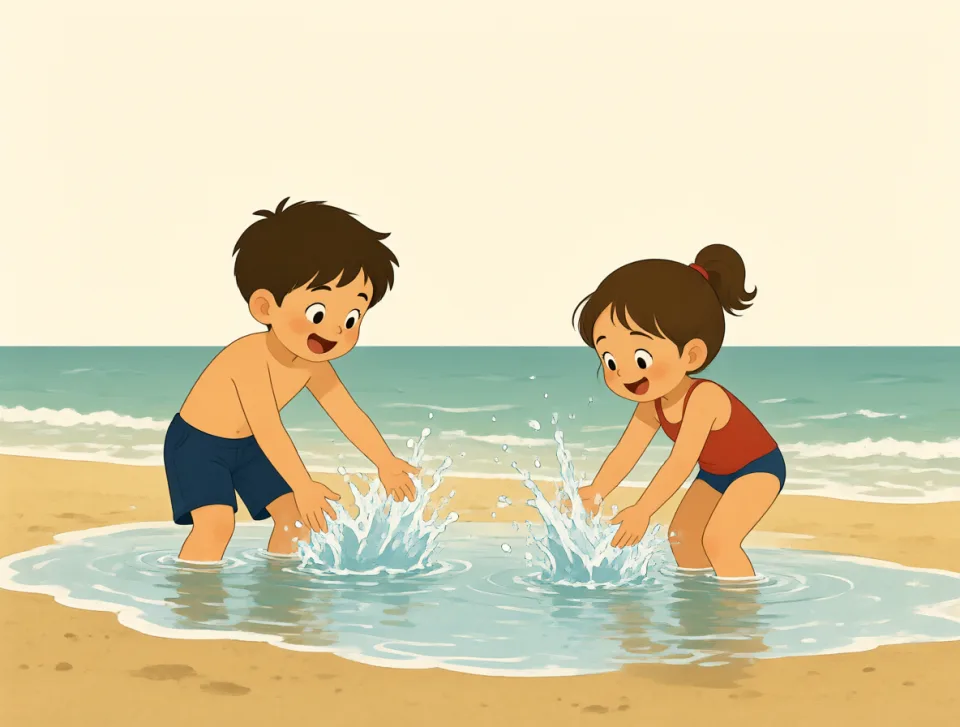
The children played in the water.
Los niños jugaron en el agua.
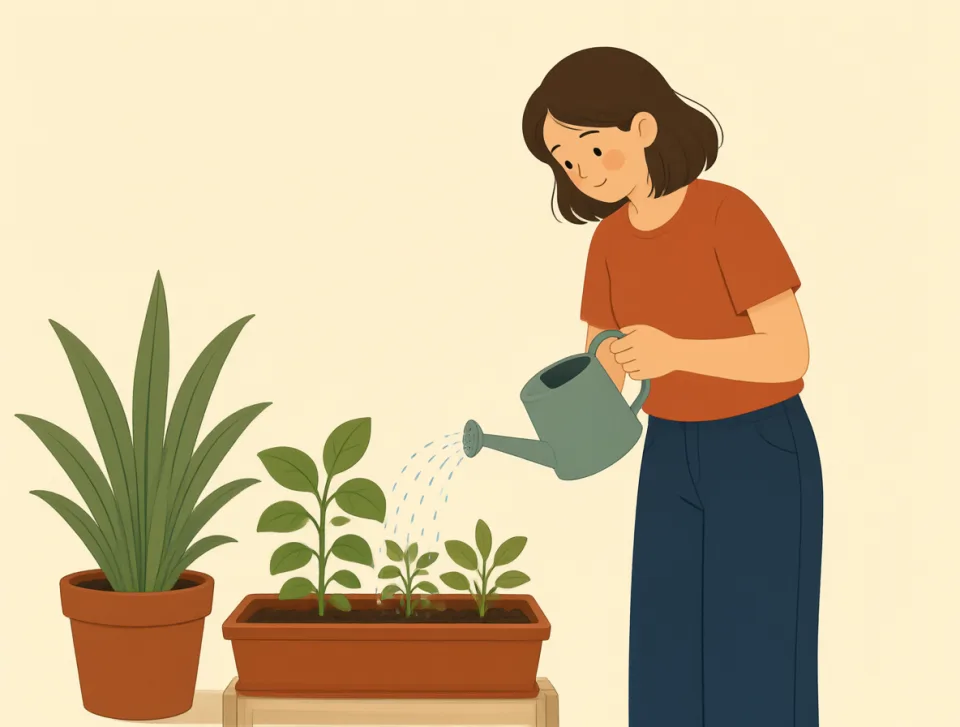
We watered the plants before leaving.
Regamos las plantas antes de irnos.
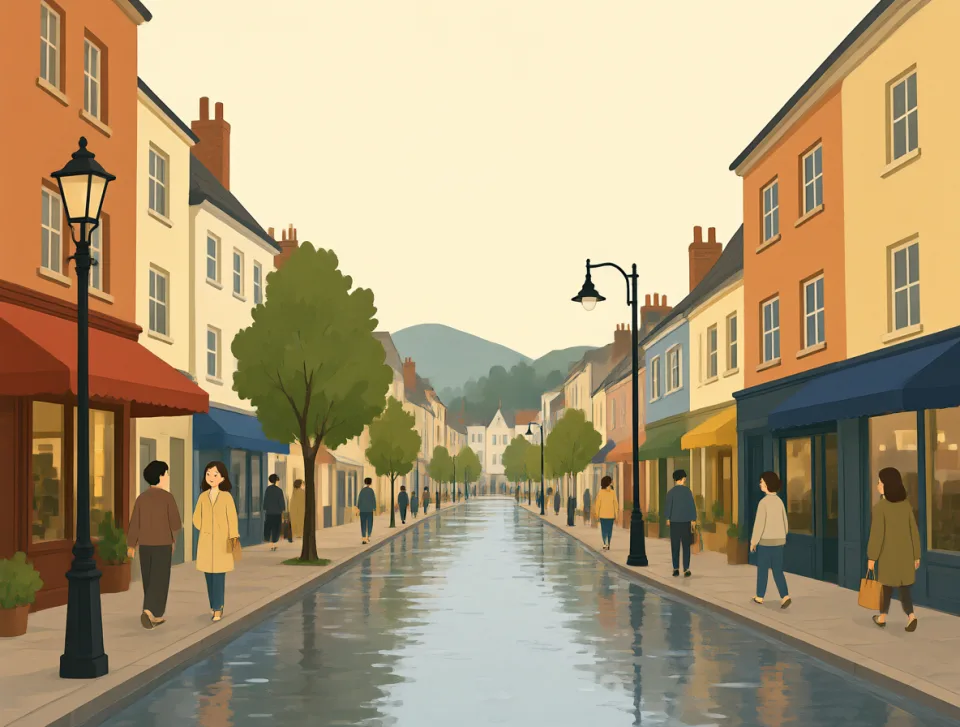
The flood watered the streets overnight.
La inundación dejó las calles mojadas durante la noche.
send
#323verb
enviar; mandar
To make someone or something go from one place to another.
Hacer que alguien o algo vaya de un lugar a otro.
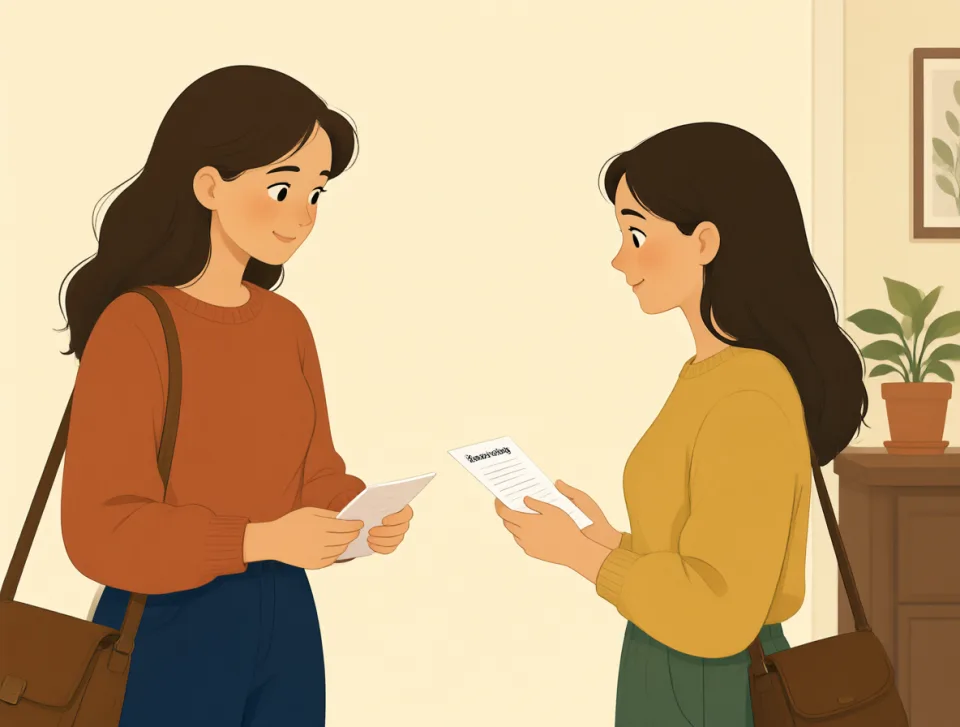
Please send me the address.
Por favor, envíame la dirección.
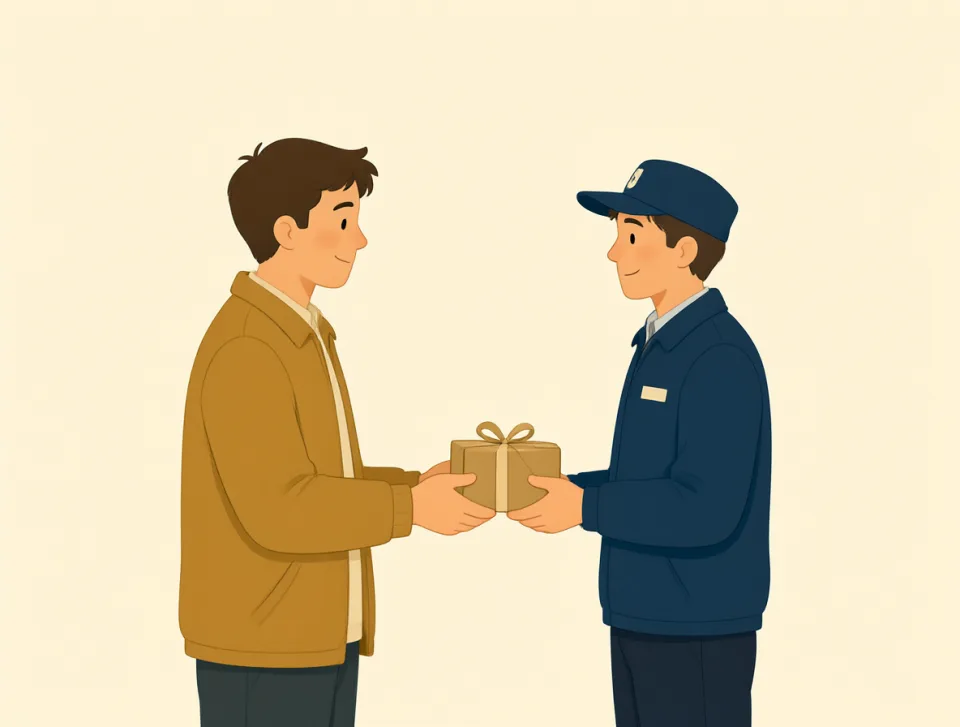
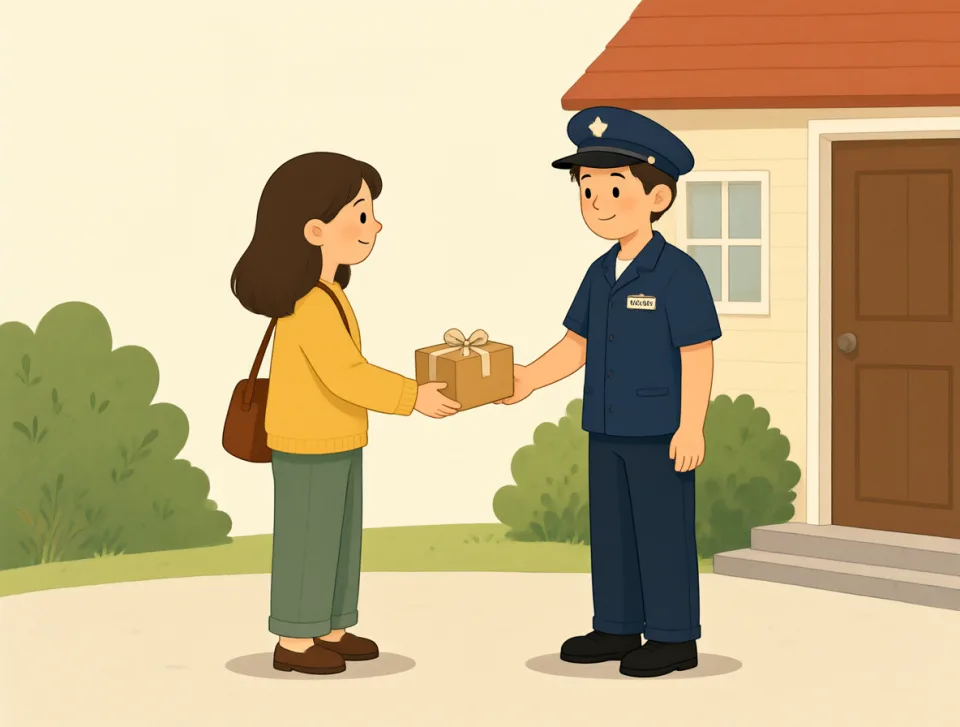
I sent the package yesterday.
Ayer envié el paquete.
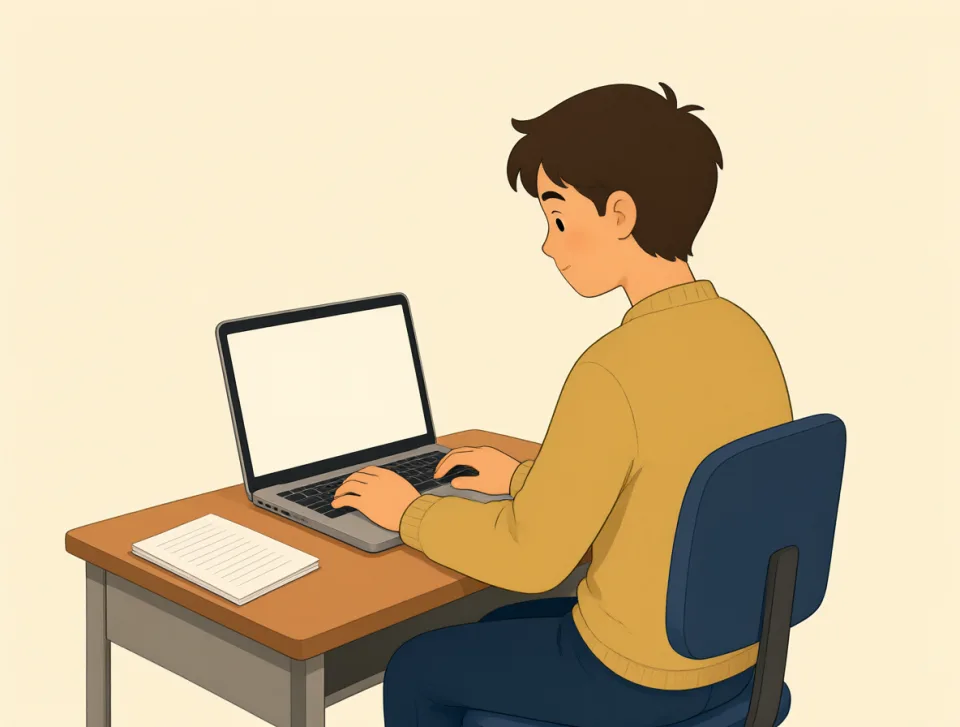
She sends emails to her teacher.
Ella le envía correos electrónicos a su profesor.
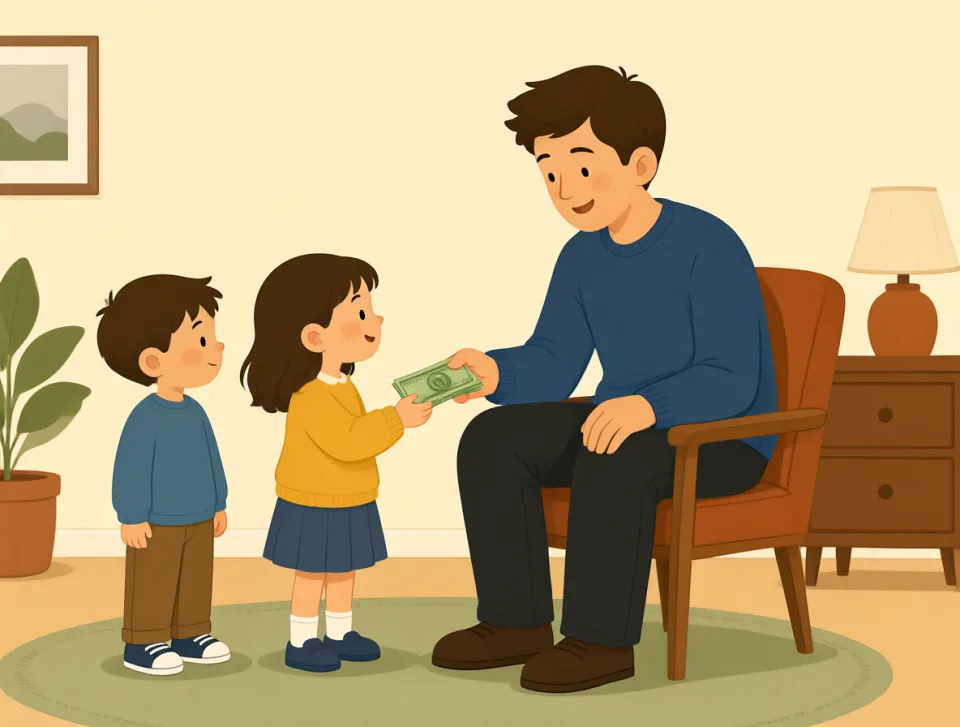
Dad sent us some money.
Papá nos envió algo de dinero.
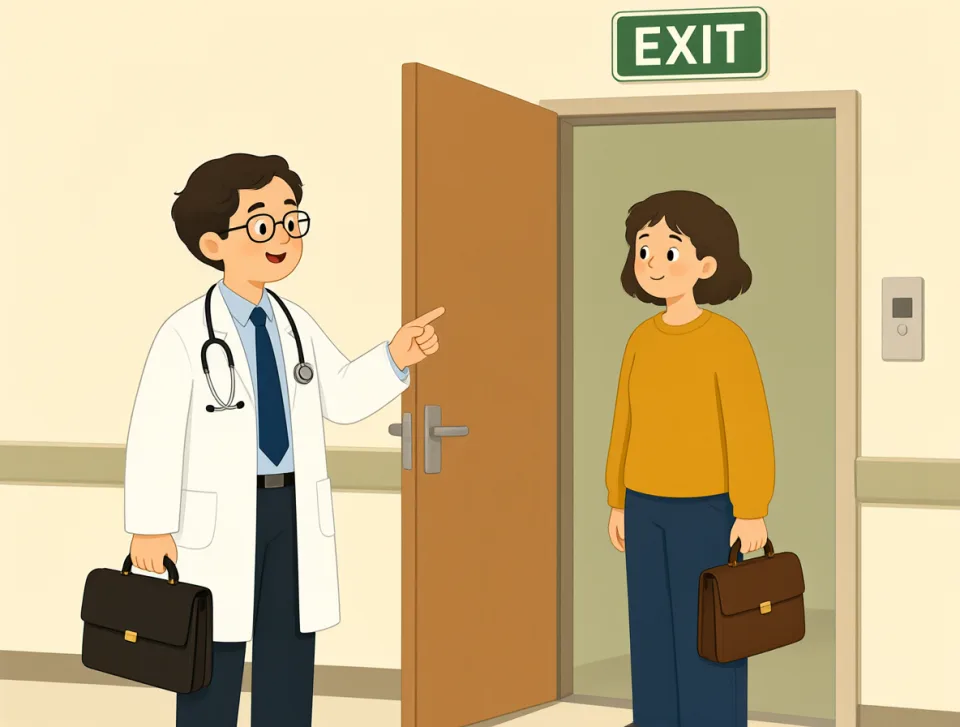
The doctor sent him home.
El médico lo mandó a casa.
allow
#324verb
permitir; dejar
to let someone do something or make something possible
dejar que alguien haga algo o hacer posible algo
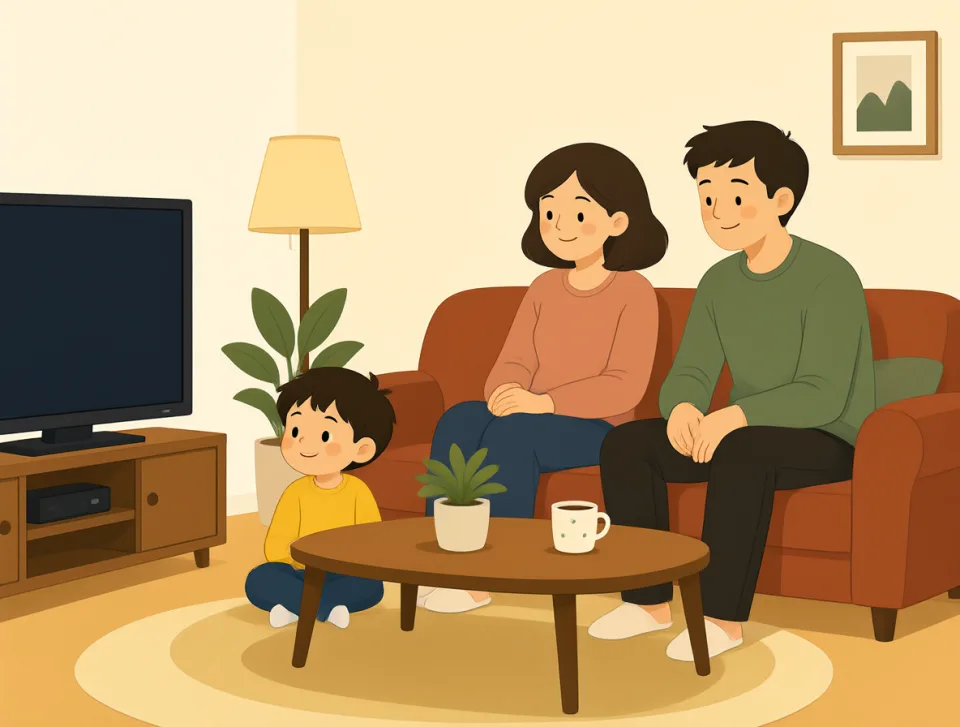
My parents allow me to watch TV.
Mis padres me permiten ver la televisión.
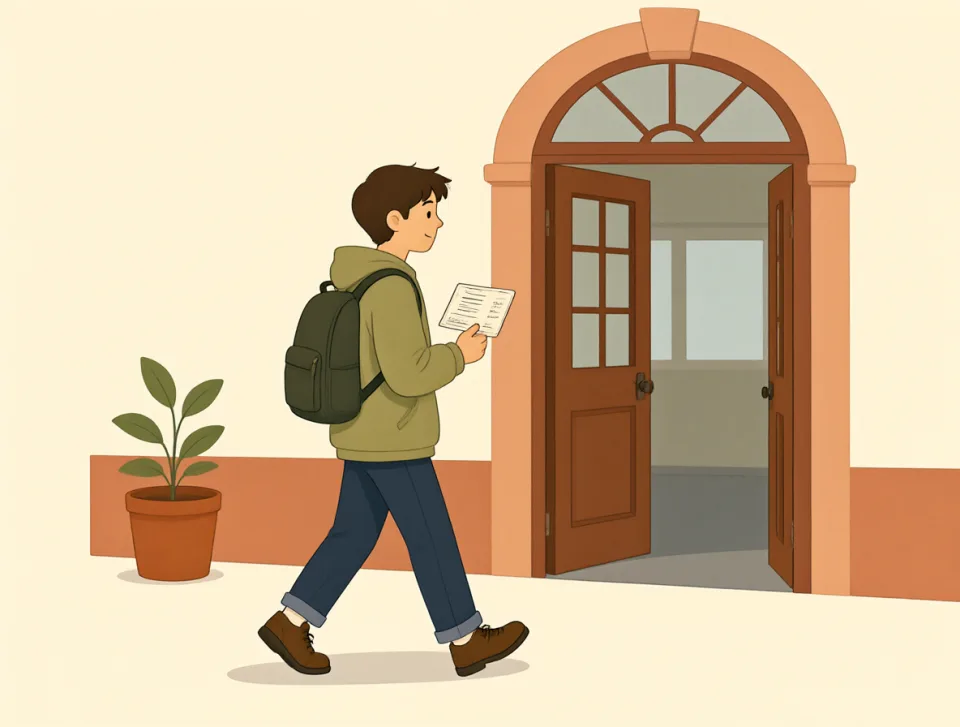
This ticket allows one person to enter.
Esta entrada permite la entrada de una persona.
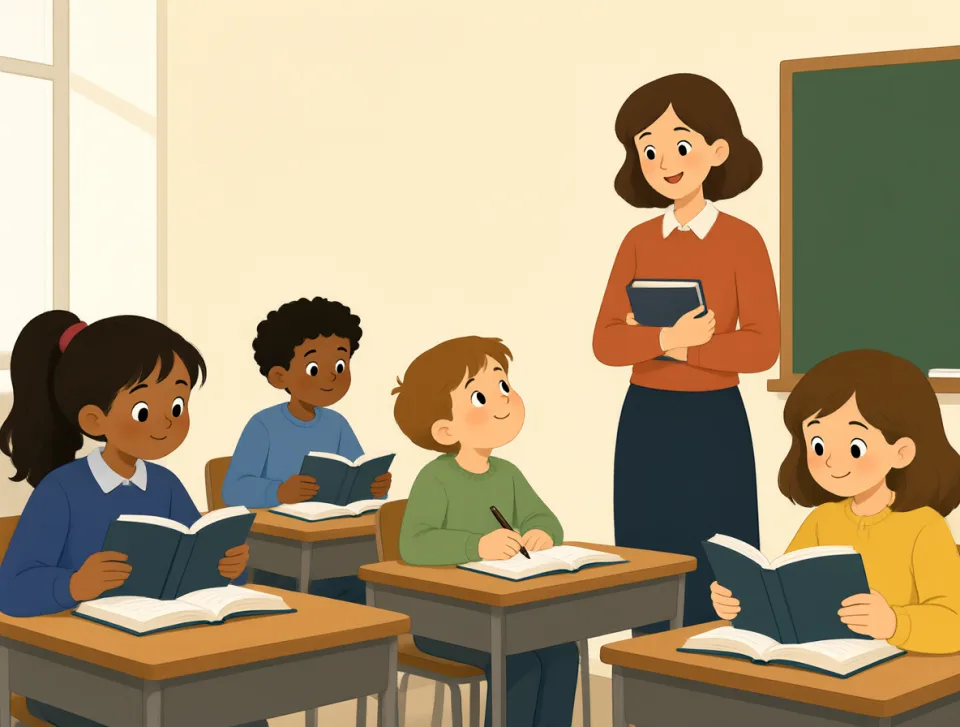
Our teacher allowed us to use dictionaries.
Nuestro profesor nos permitió usar diccionarios.
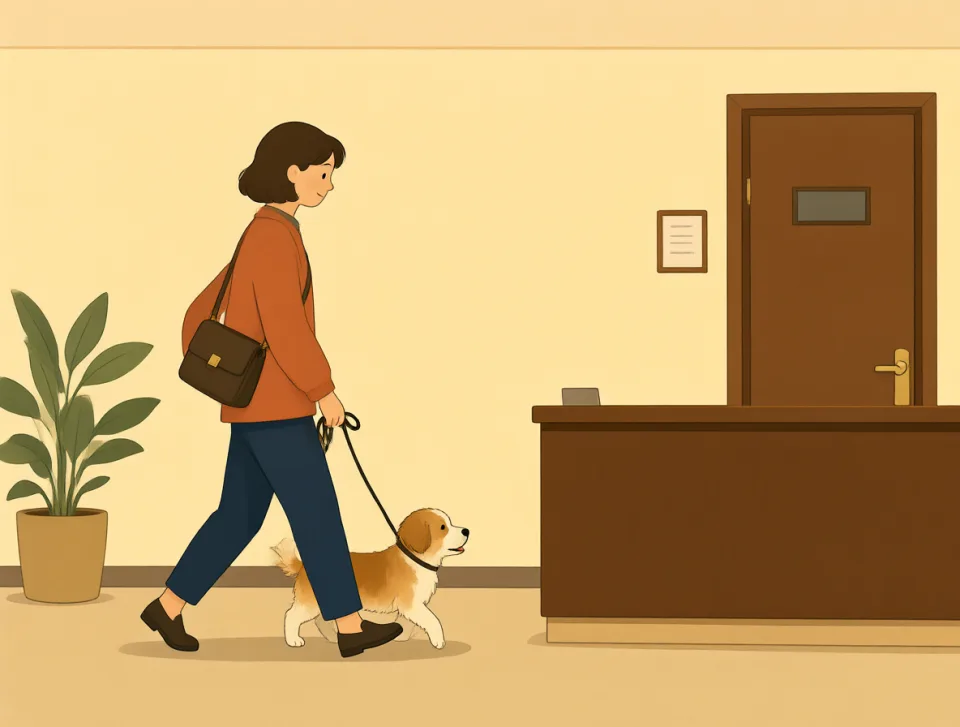
The hotel allows guests to bring pets.
El hotel permite que los huéspedes traigan mascotas.
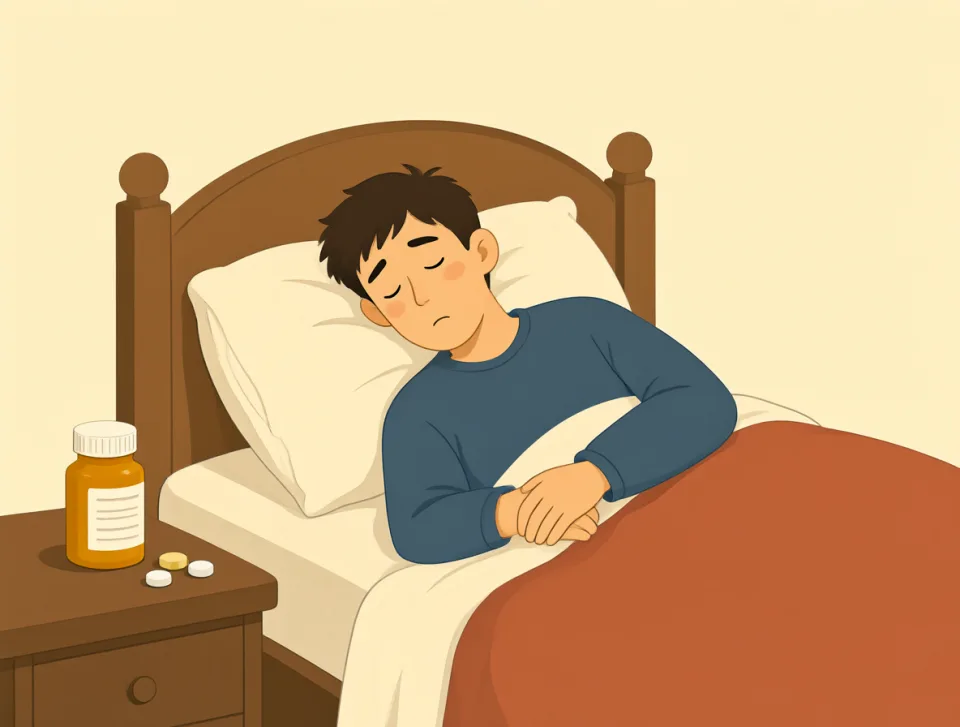
This medicine allows him to sleep better.
Este medicamento le permite dormir mejor.
soon
#325adverb
pronto; dentro de poco
in a short time, or a short time after now
en poco tiempo o poco tiempo después de ahora
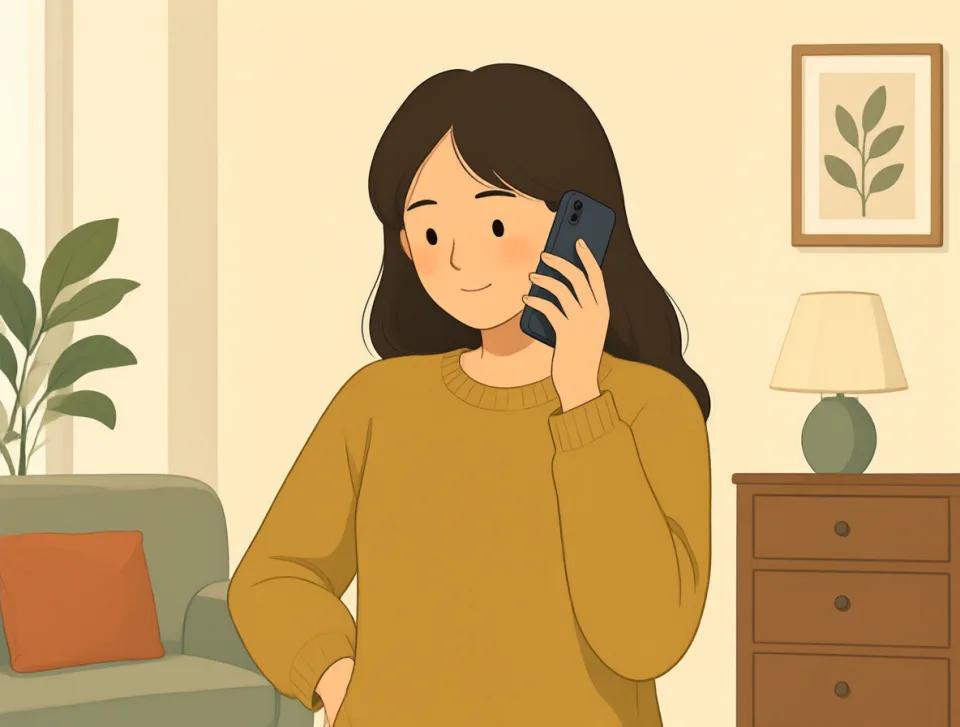
I will call you soon.
Te llamaré pronto.
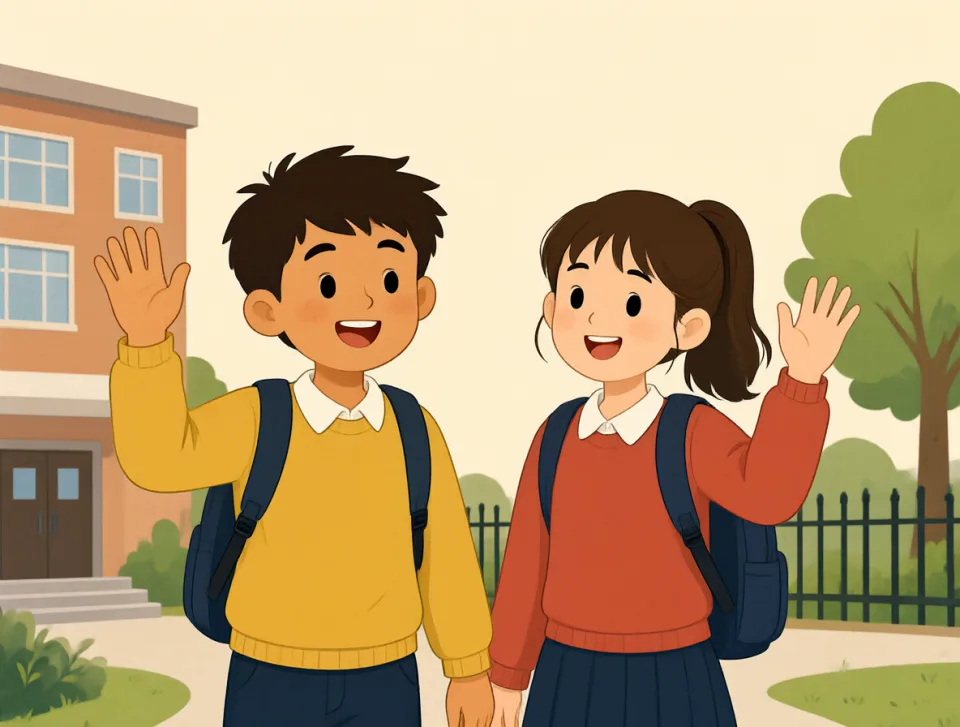
See you soon at school.
Nos vemos pronto en la escuela.
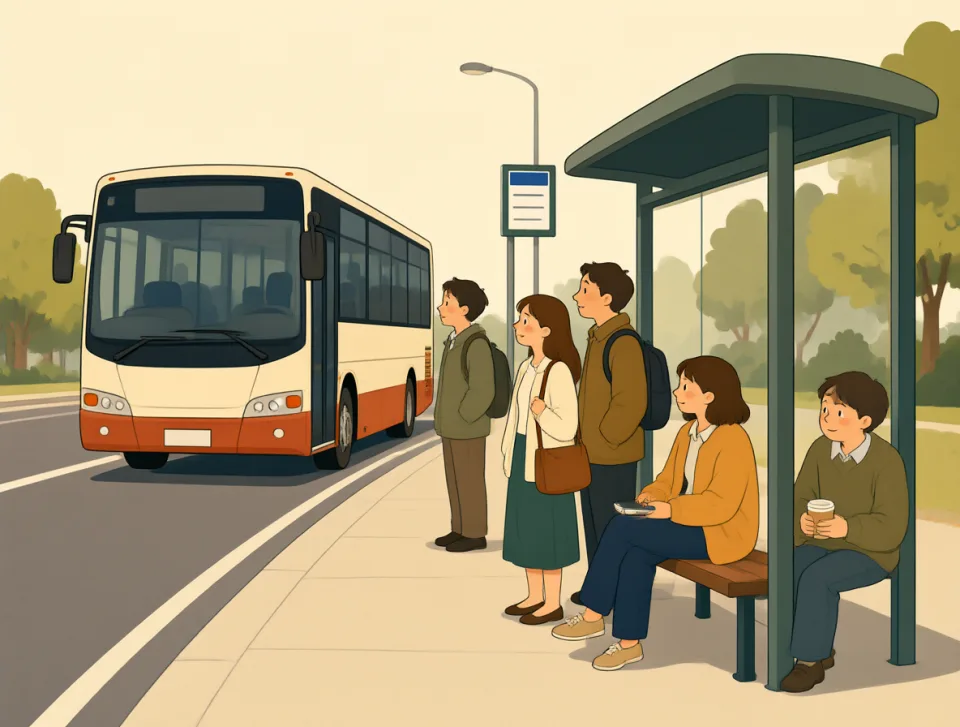
The bus will arrive soon.
El autobús llegará pronto.
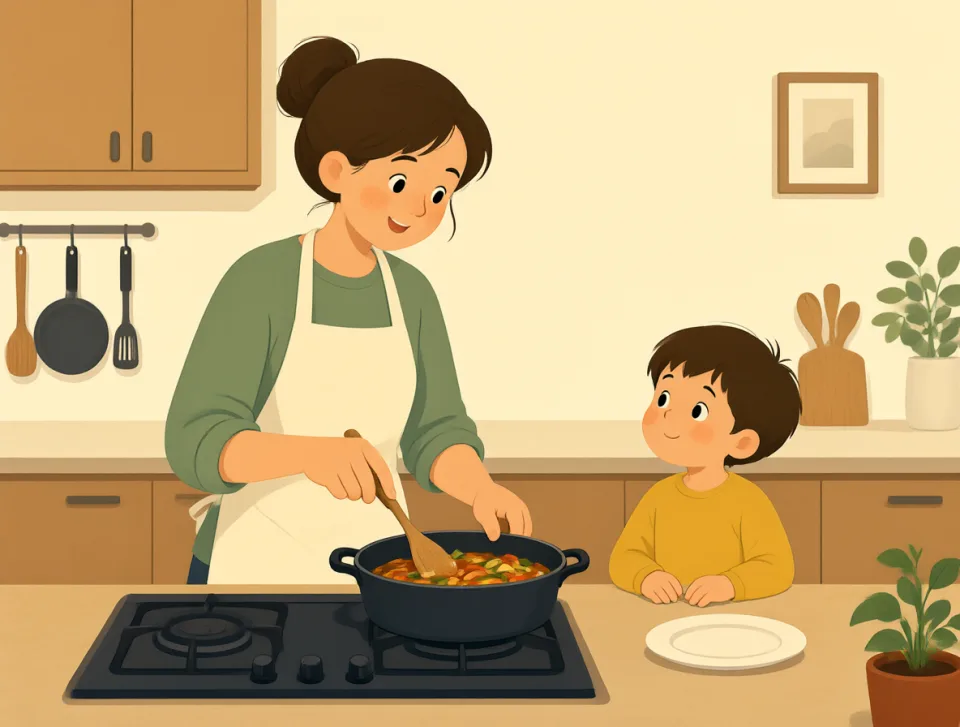
Dinner will be ready soon.
La cena estará lista pronto.
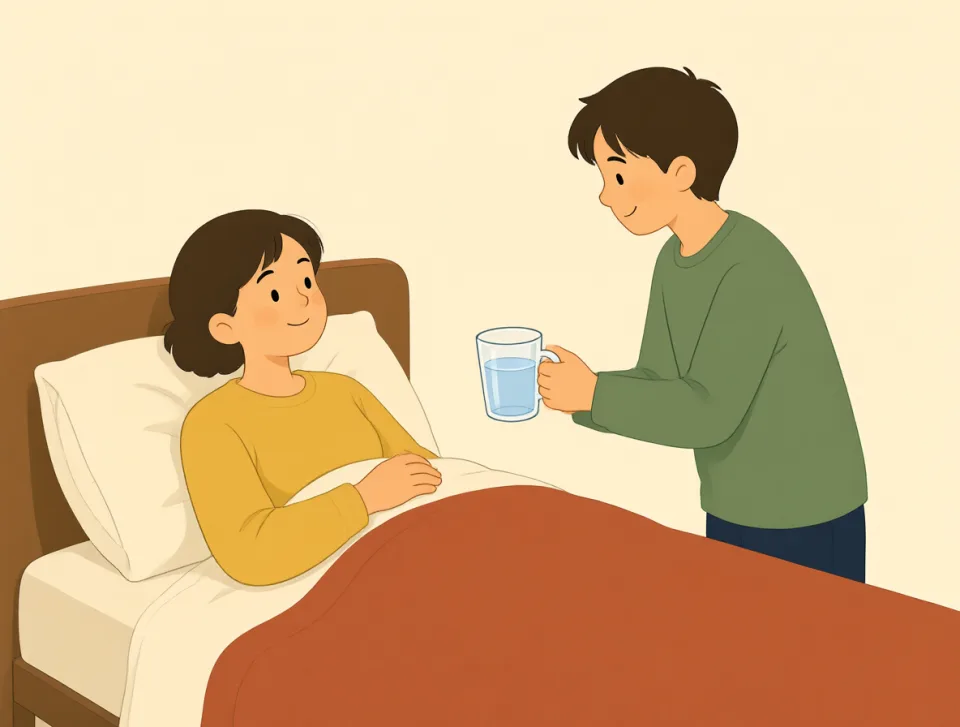
She soon felt better after resting.
Pronto se sintió mejor después de descansar.
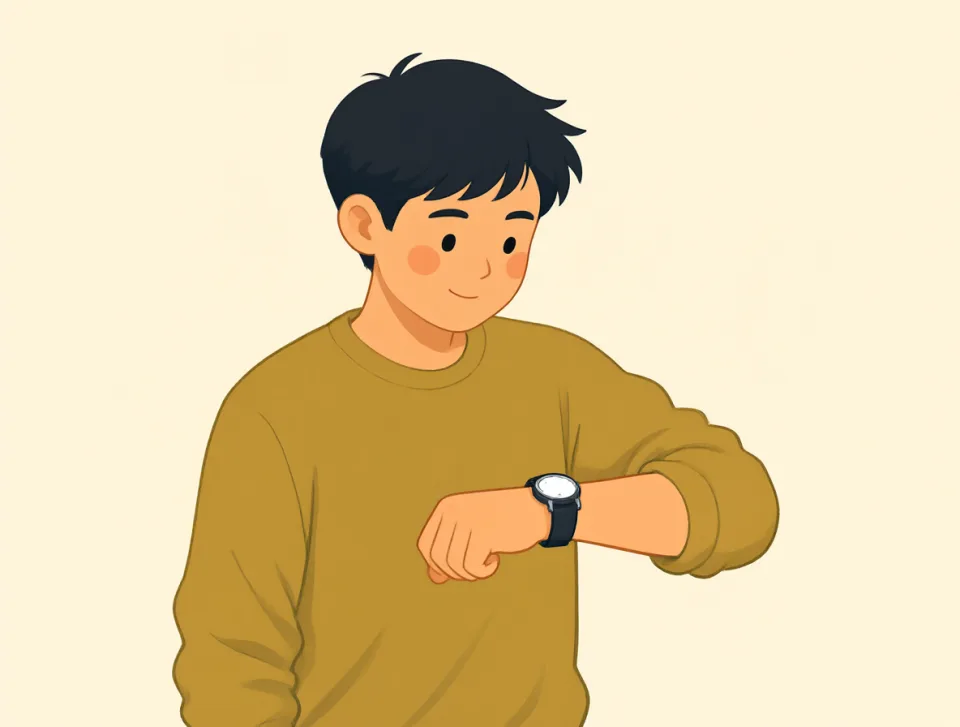
watch
#326verb, noun
mirar; reloj
To look at something carefully, or a small clock worn on your wrist.
Mirar algo con atención, o un pequeño reloj que se lleva en la muñeca.
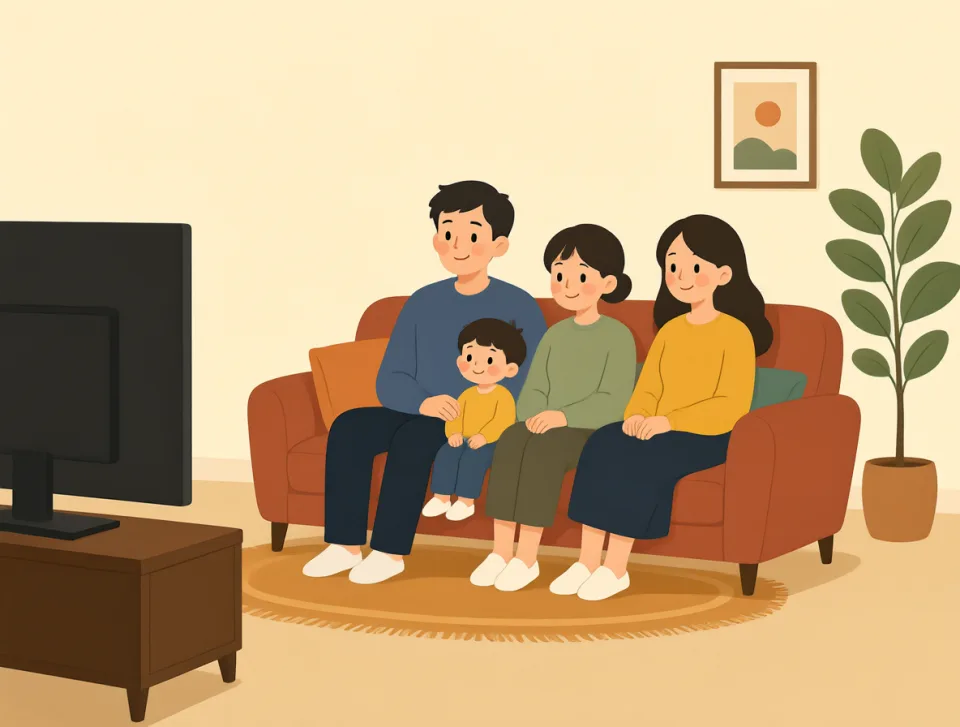
We watch television after dinner.
Vemos la televisión después de cenar.
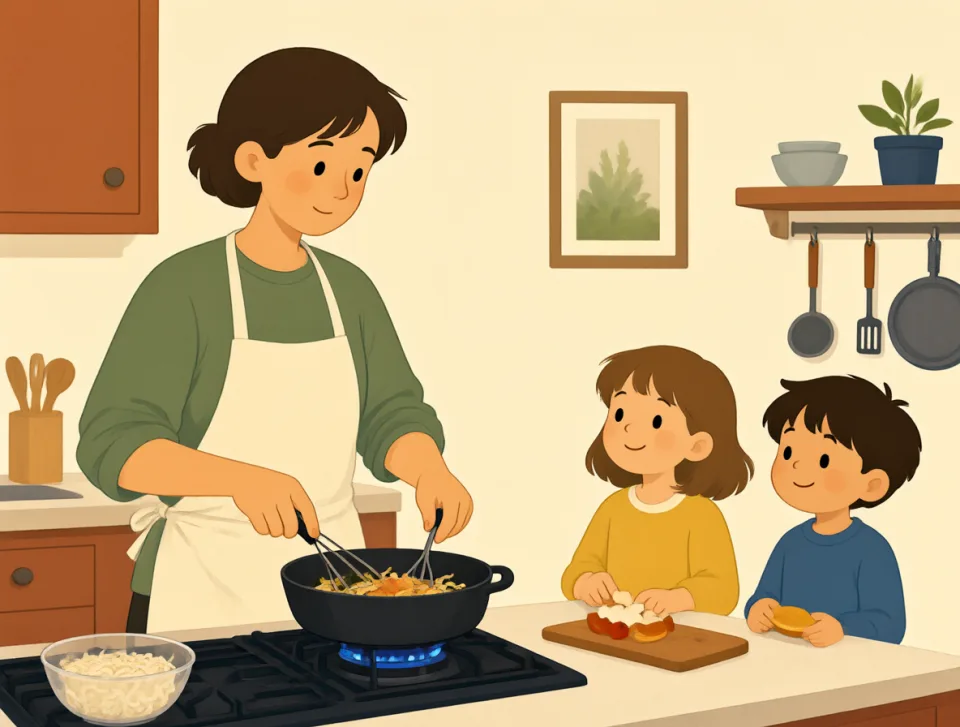
Watch the children while I cook.
Vigila a los niños mientras cocino.
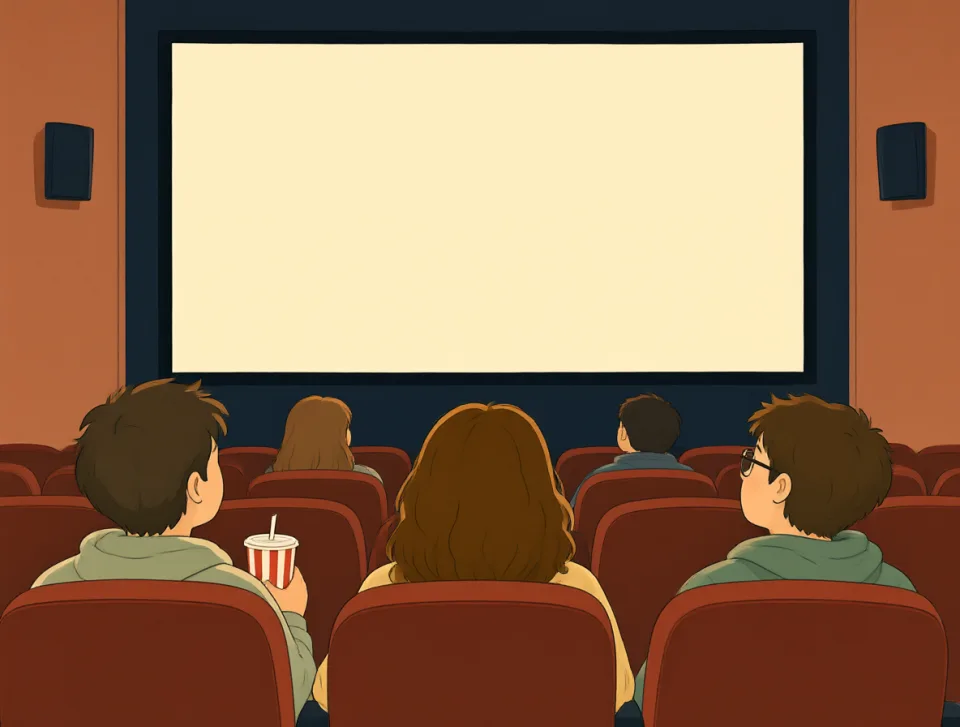
I watched a movie with my friends.
Vi una película con mis amigos.
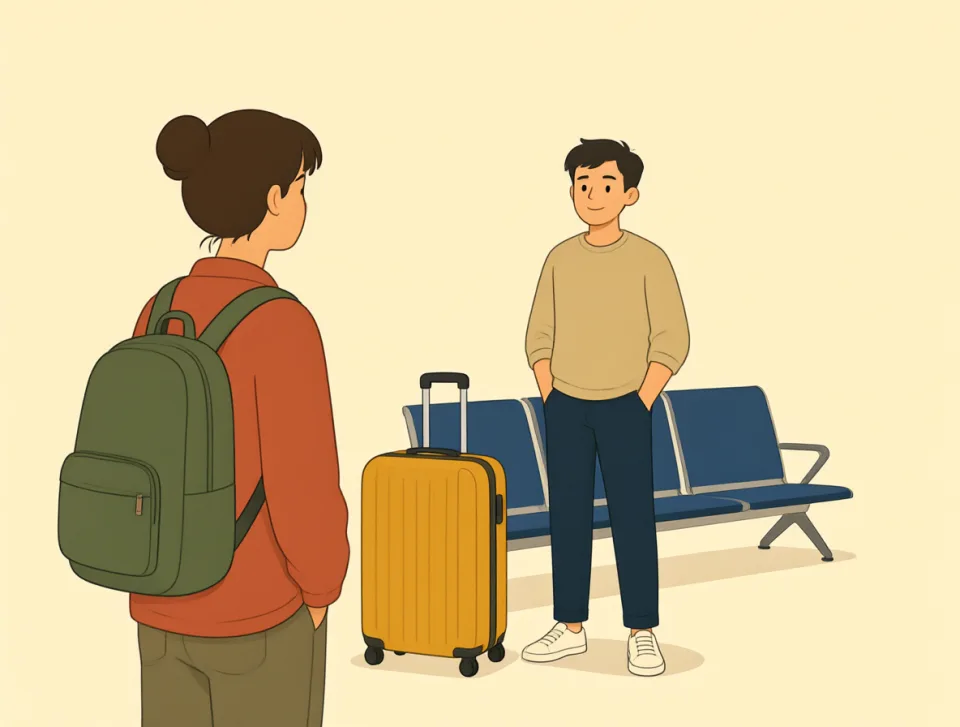
Please watch your bag at the airport.
Por favor, vigila tu bolso en el aeropuerto.
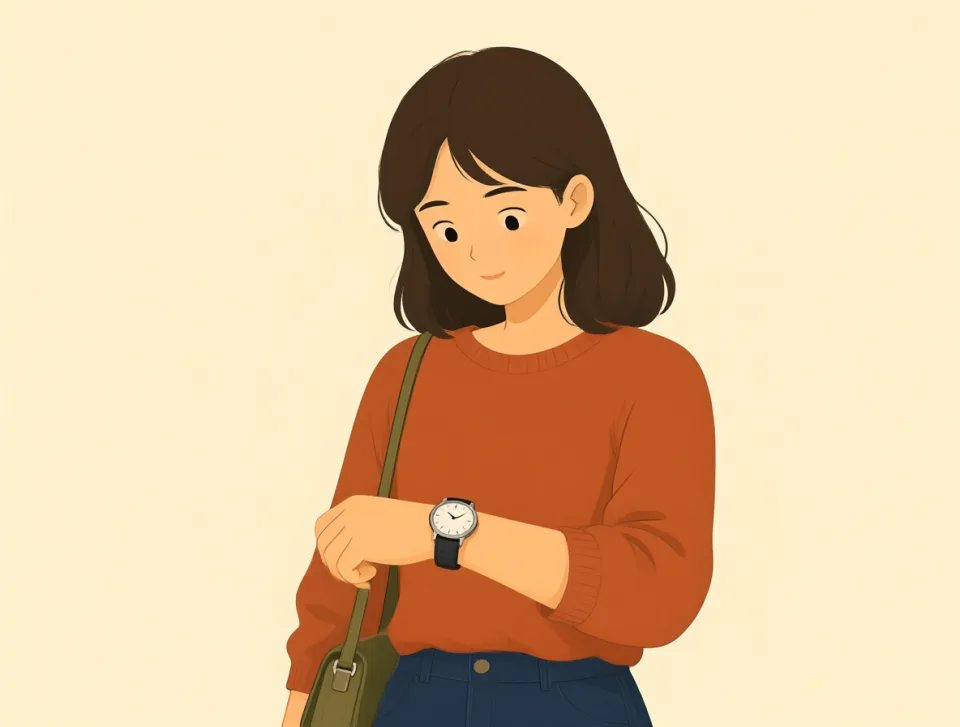
Her watch stopped this morning.
Su reloj se paró esta mañana.
base
#327noun, verb
base; basar
The bottom part supporting something, or the place used for a special purpose.
La parte inferior que sostiene algo, o el lugar utilizado para un fin específico.
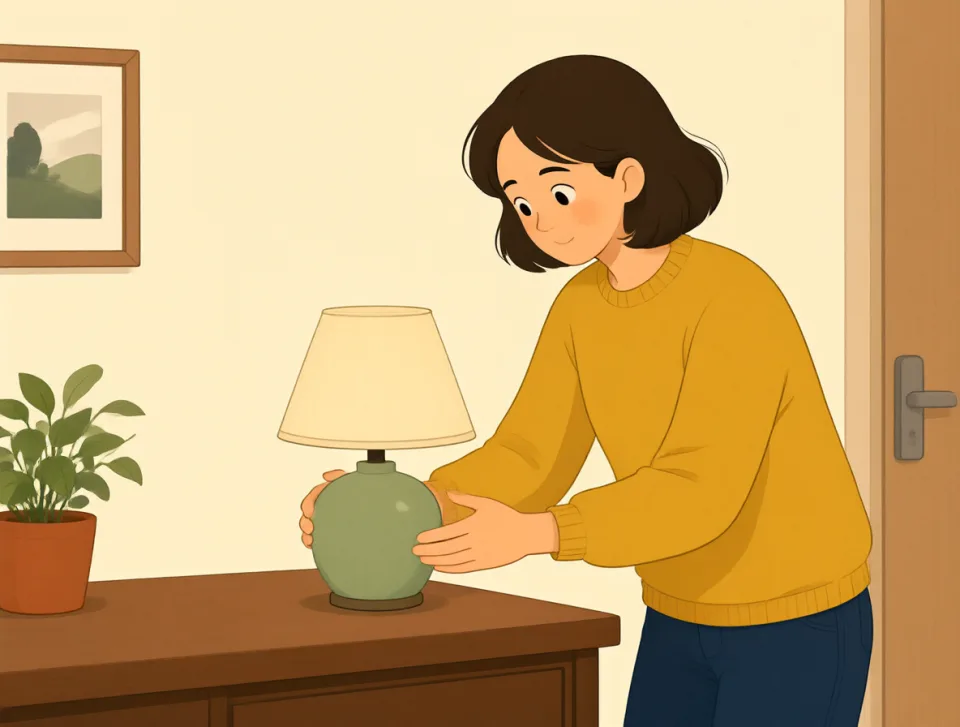
The lamp has a heavy base.
La lámpara tiene una base pesada.
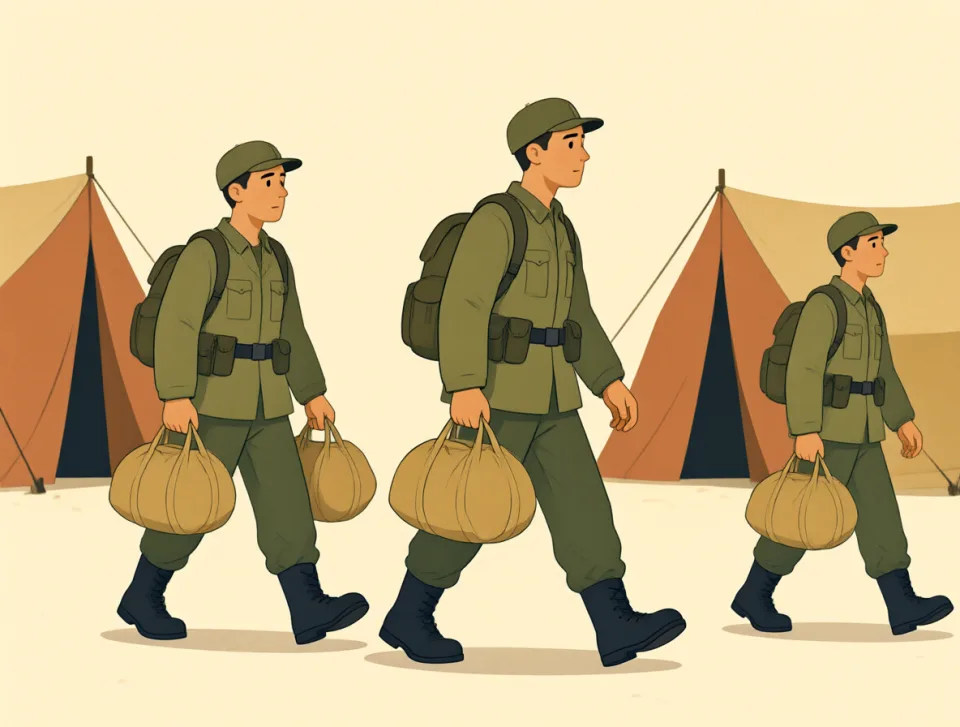
The soldiers returned to their base.
Los soldados regresaron a su base.
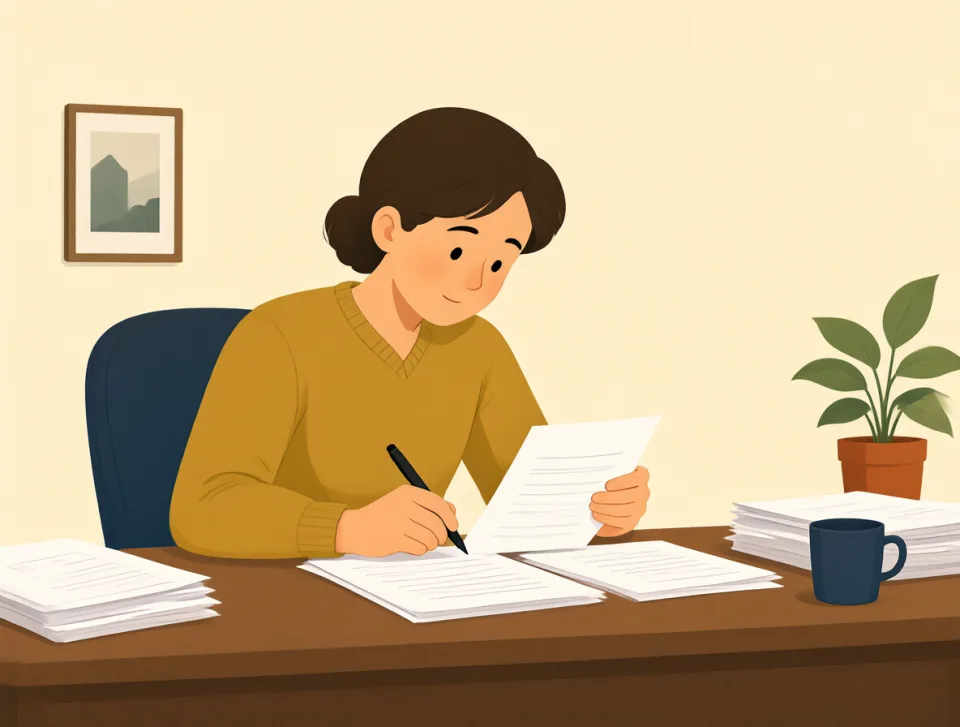
The report is based on recent research.
El informe se basa en investigaciones recientes.
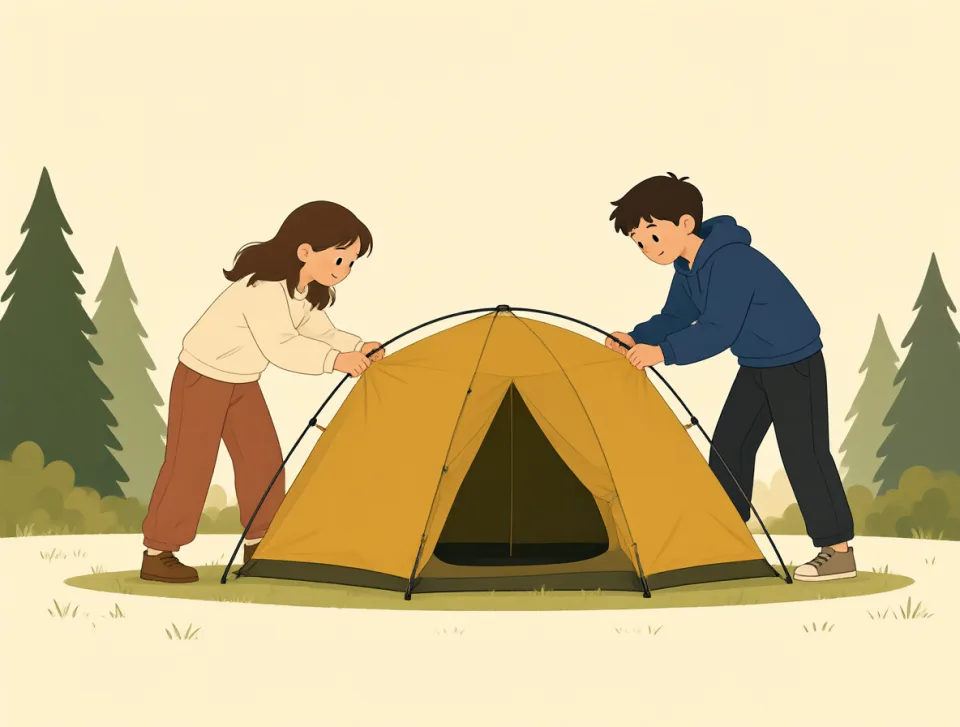
We need a strong base for the tent.
Necesitamos una base firme para la tienda de campaña.
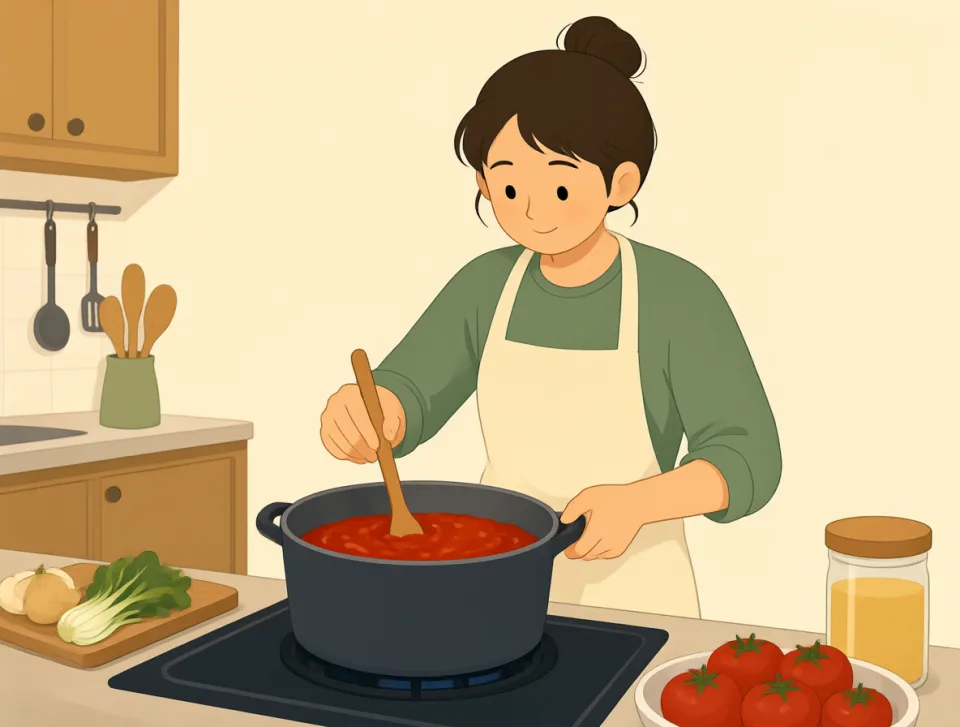
The sauce has a tomato base.
La salsa tiene una base de tomate.
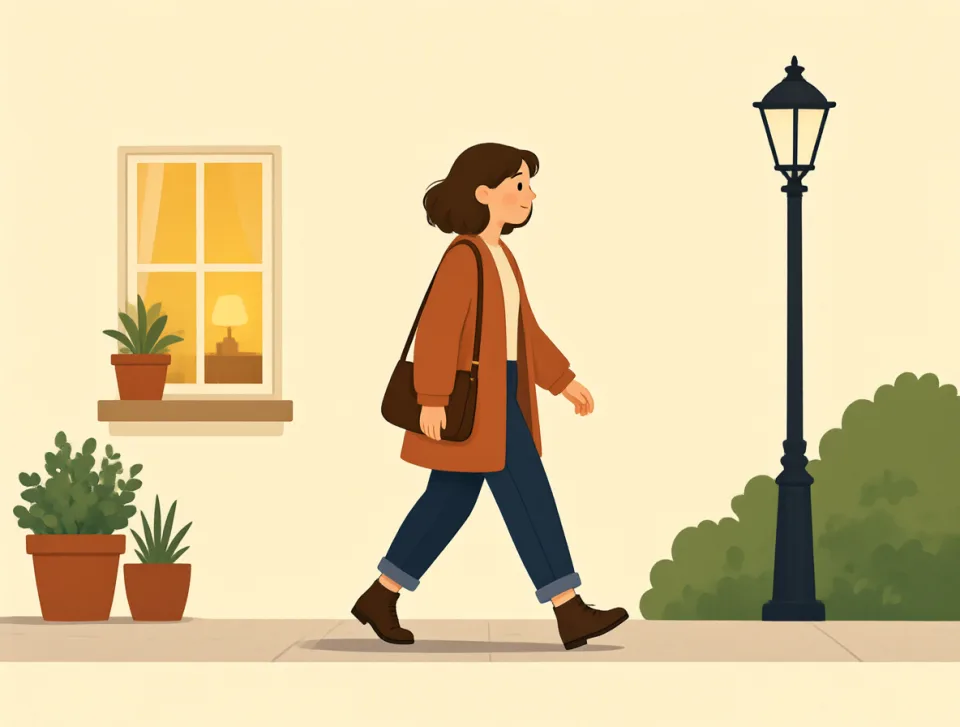
probably
#328adverb
probablemente; seguramente
Used to say that something is likely to happen or be true.
Se usa para decir que es probable que algo ocurra o sea cierto.
She will probably come home late.
Probablemente llegará tarde a casa.
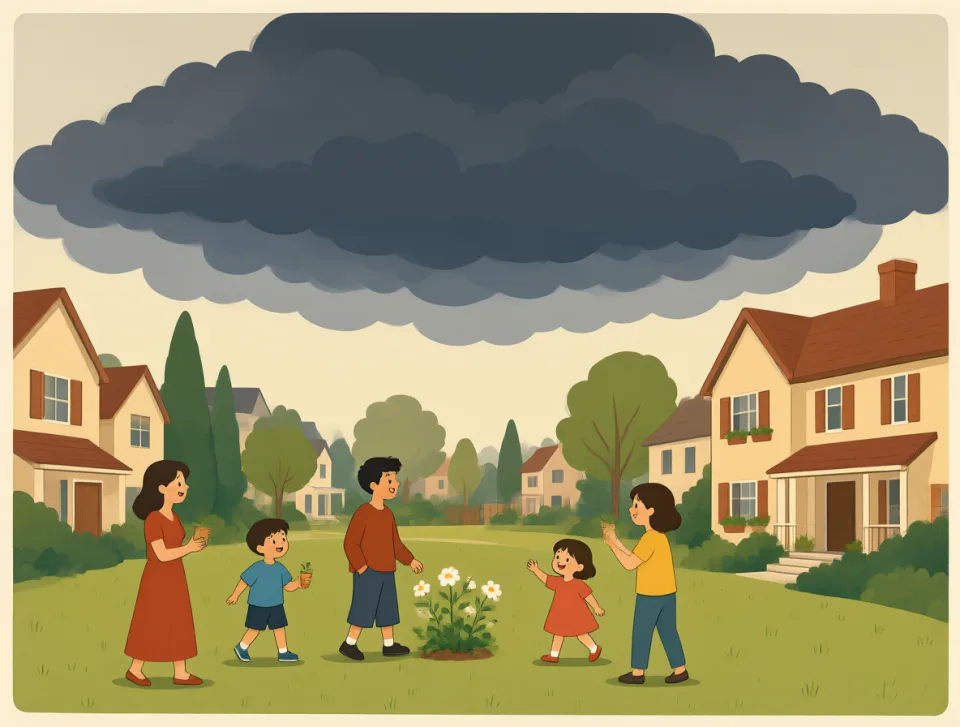
It will probably rain this afternoon.
Probablemente lloverá esta tarde.
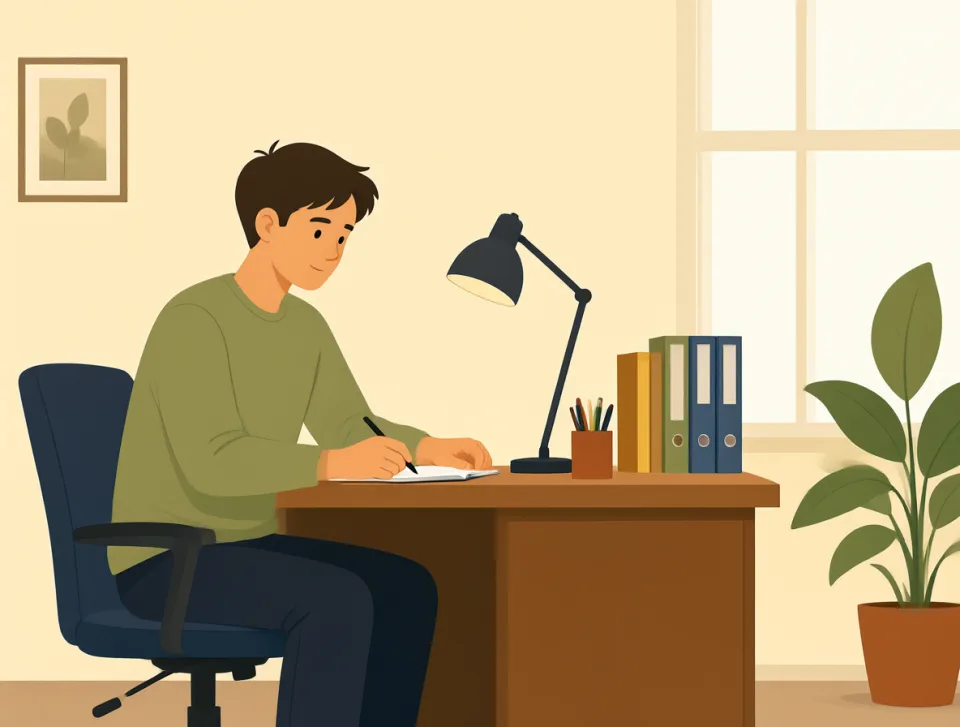
He is probably at work now.
Probablemente está trabajando ahora.
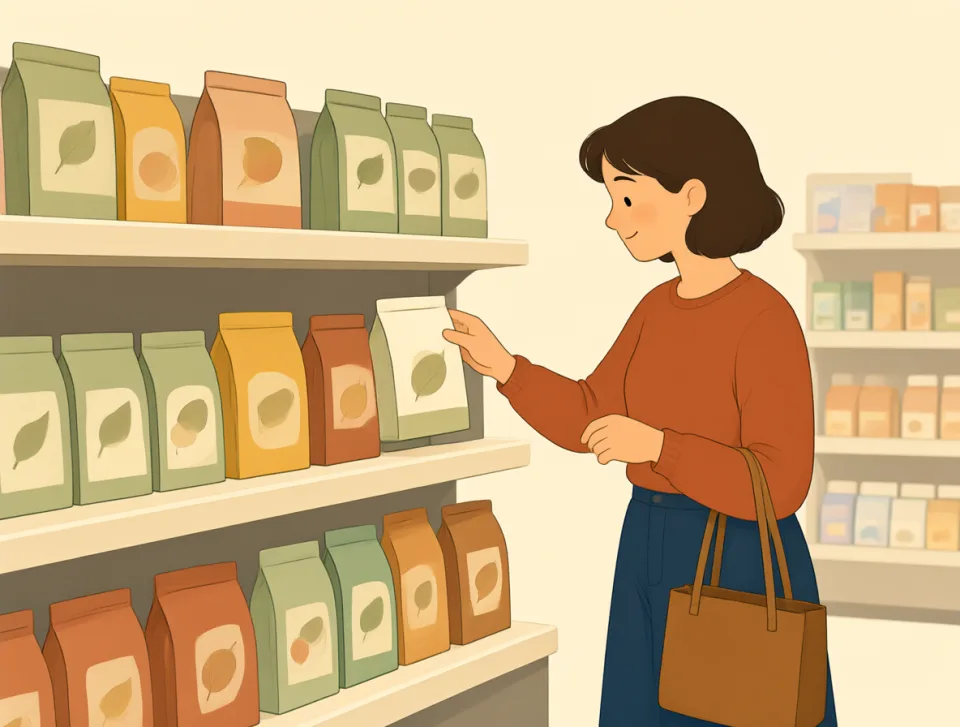
This is probably the best choice.
Esta probablemente sea la mejor opción.
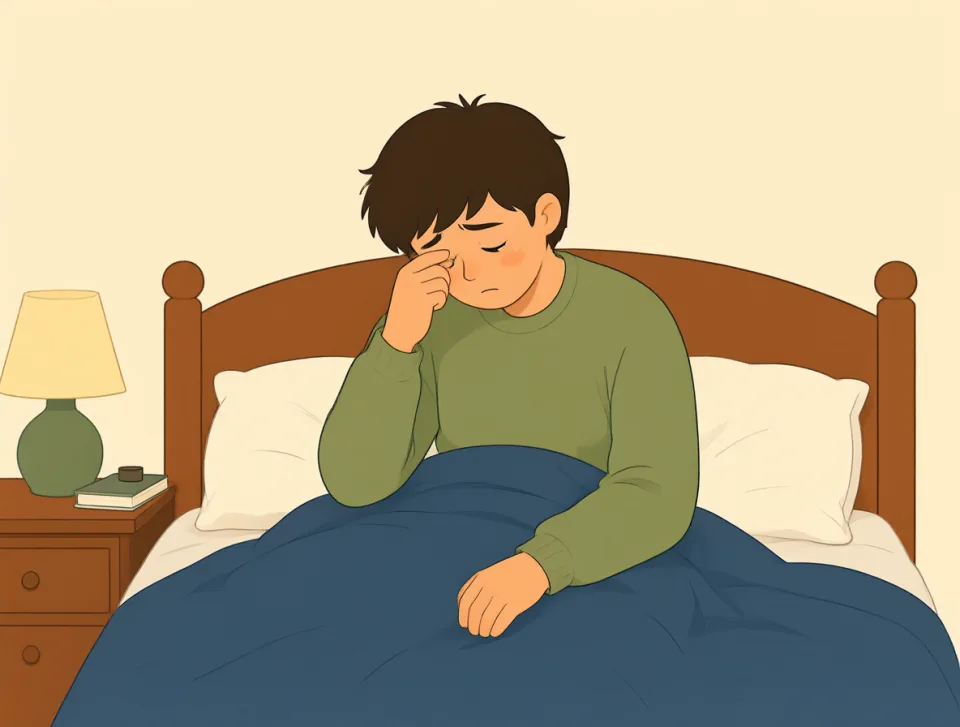
You probably need more sleep.
Probablemente necesitas dormir más.
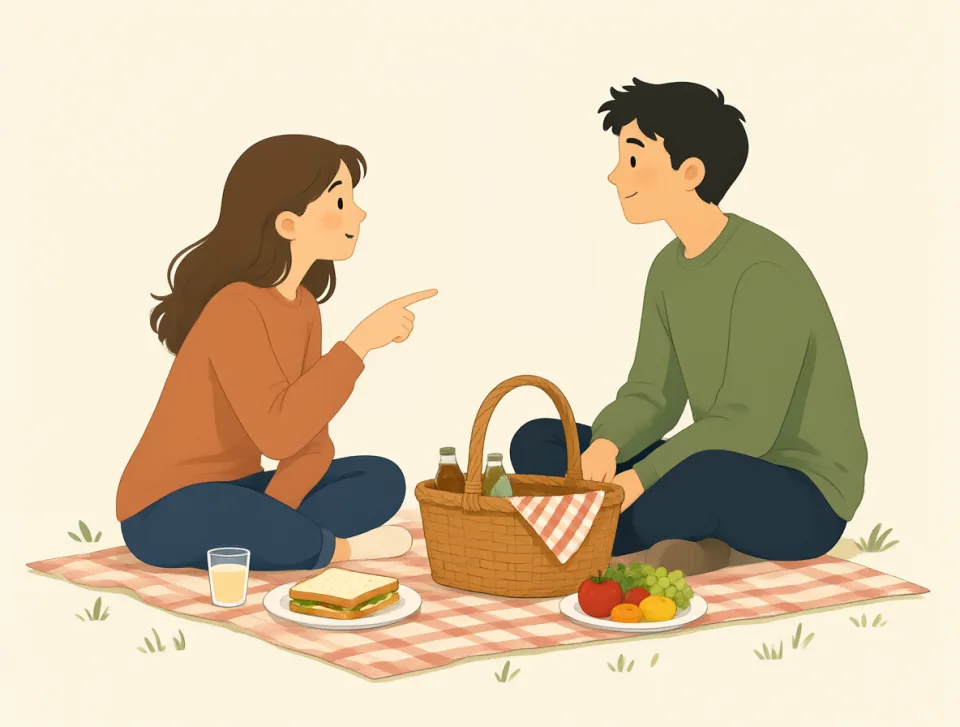
suggest
#329verb
sugerir; proponer
To give an idea or plan for someone to think about or use.
Dar una idea o un plan para que alguien lo considere o lo lleve a cabo.
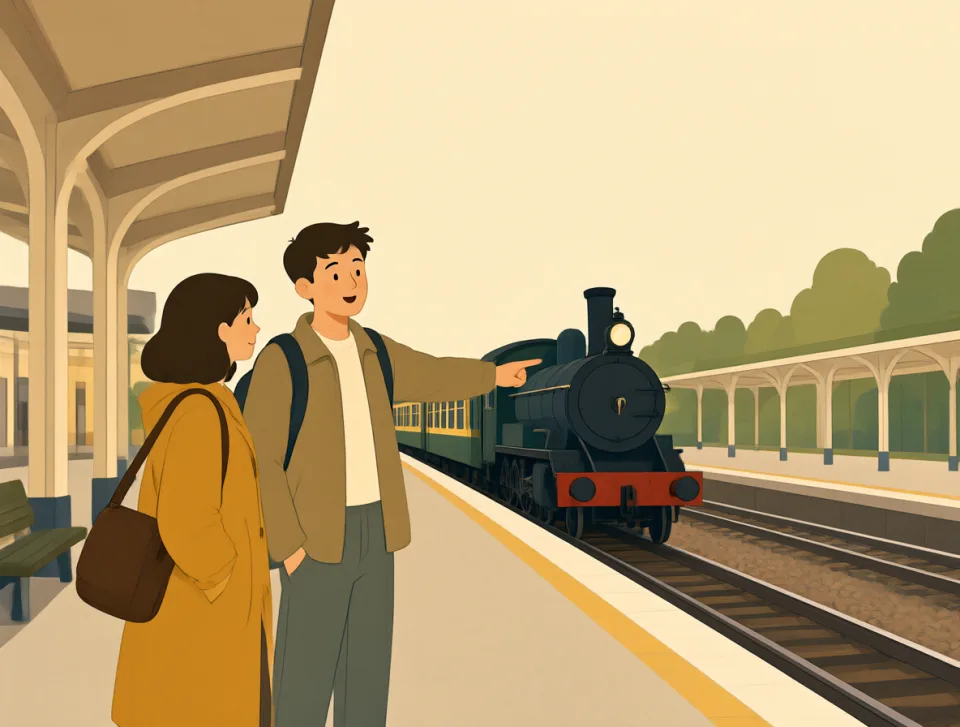
I suggest taking the early train.
Sugiero tomar el tren temprano.
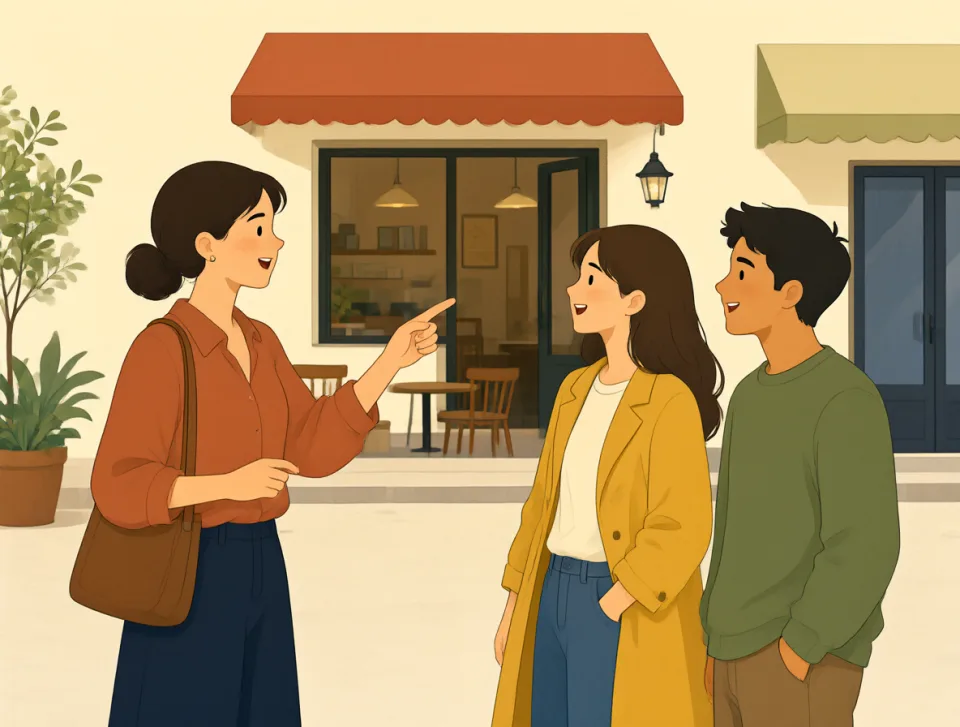
She suggested a new restaurant for dinner.
Ella sugirió un restaurante nuevo para cenar.
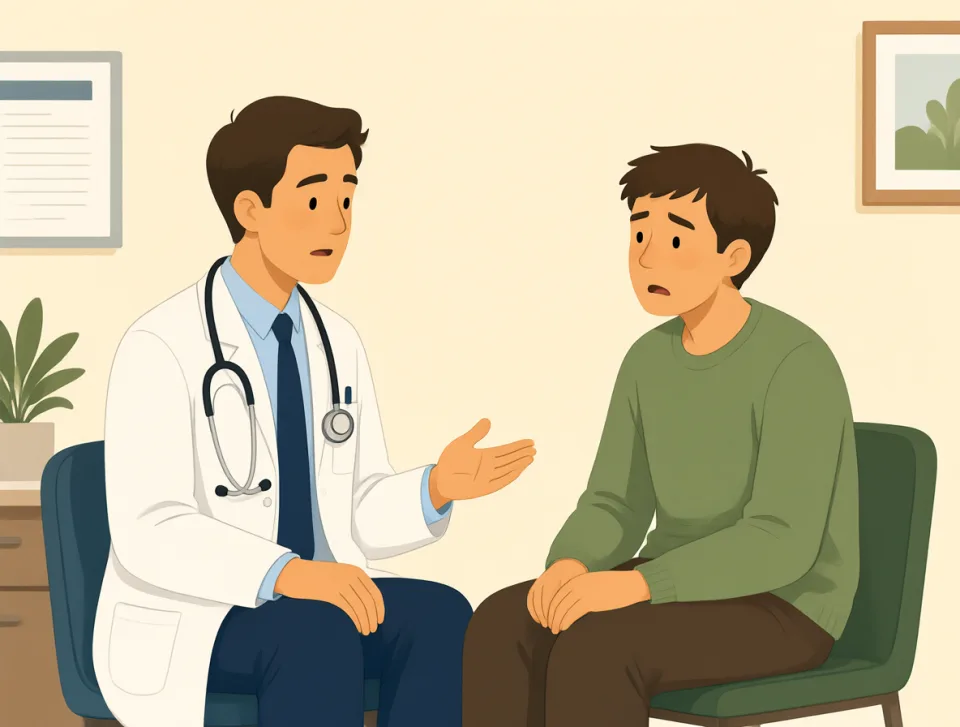
The doctor suggested getting more sleep.
El médico sugirió dormir más.
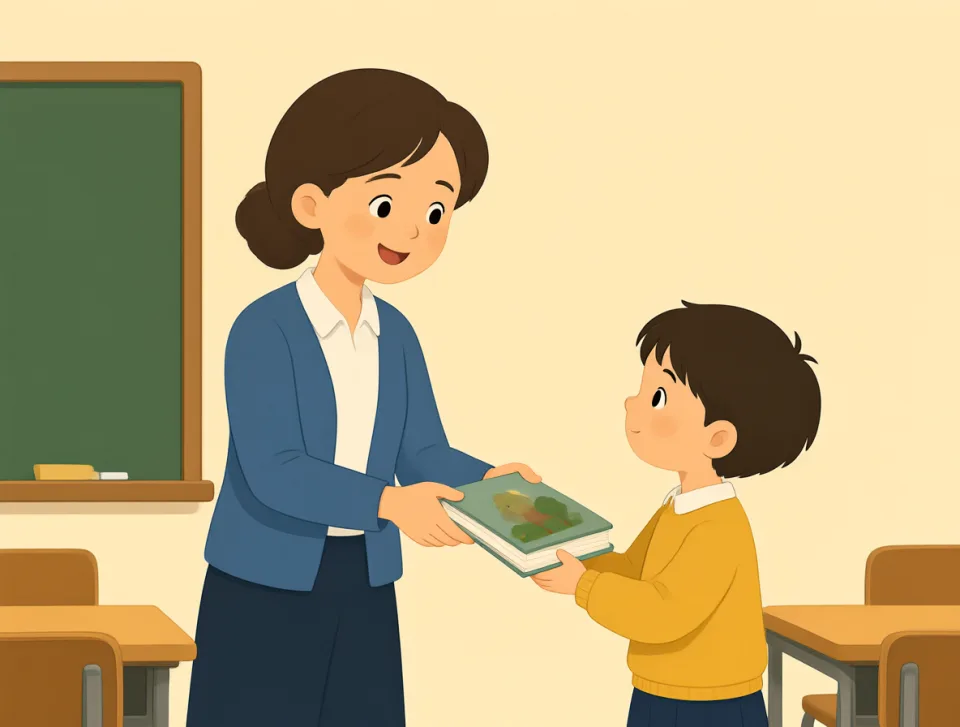
My teacher suggested reading this book.
Mi profesor sugirió leer este libro.
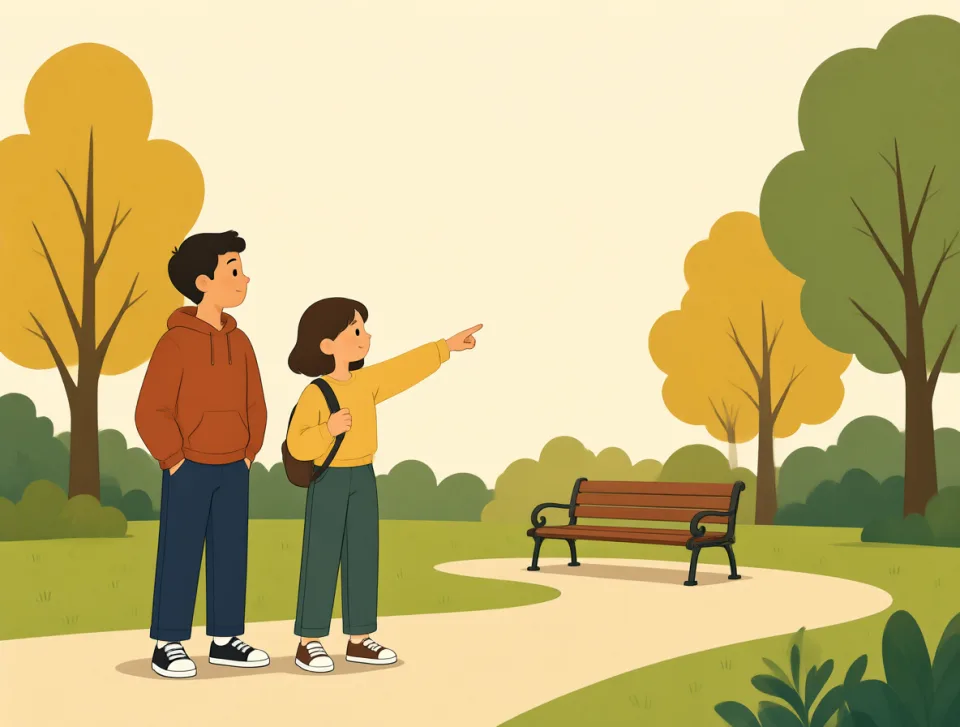
They suggested meeting at the park.
Sugirieron reunirnos en el parque.
past
#330noun, adjective, adverb, preposition
pasado; por delante de; después de; más allá de
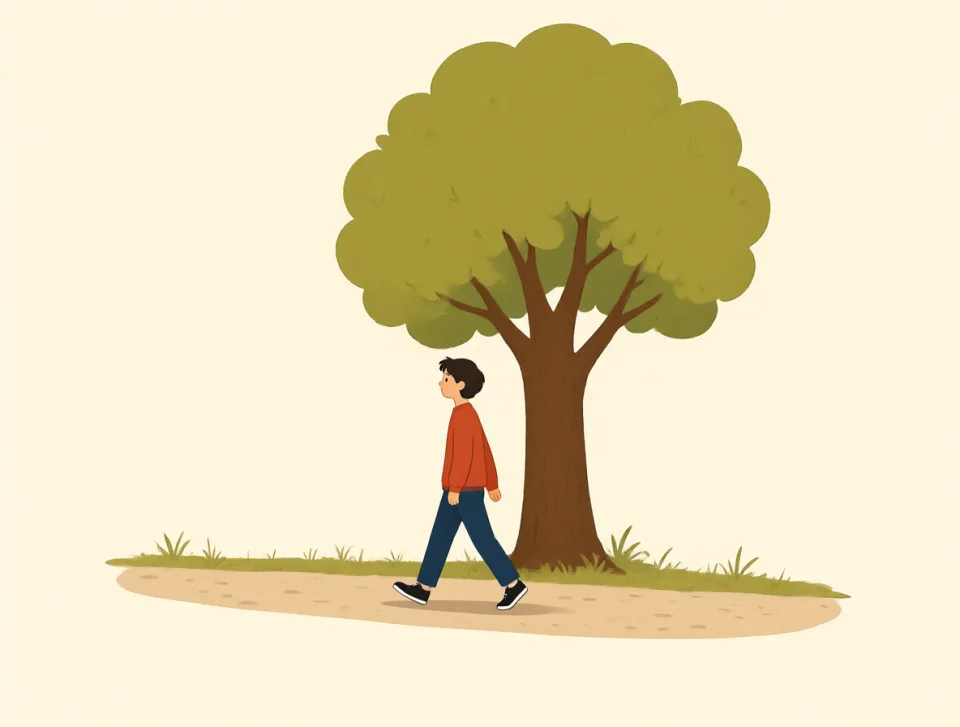
The time before now, or moving from one place to another.
El tiempo anterior al presente o el movimiento de un lugar a otro.
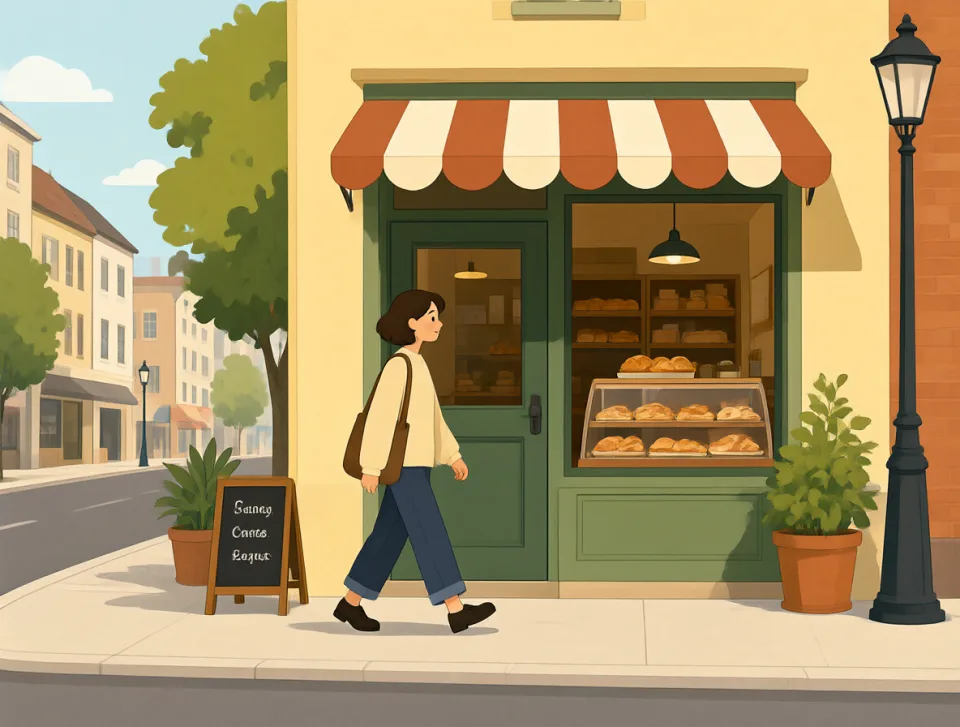
I walked past the bakery this morning.
Pasé por delante de la panadería esta mañana.
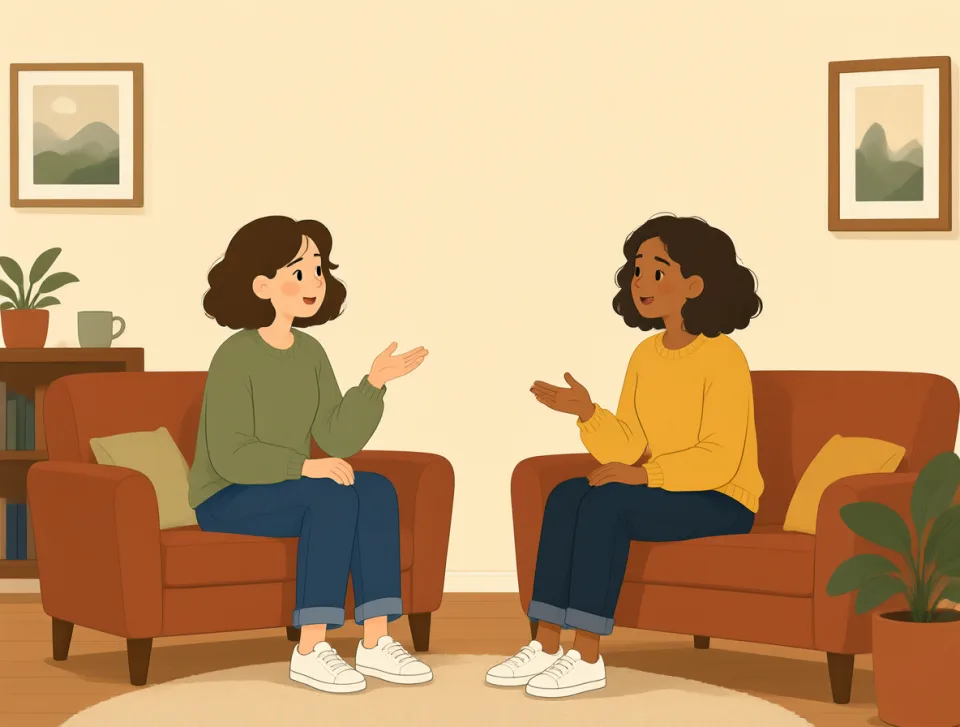
She told us about her past.
Ella nos habló de su pasado.
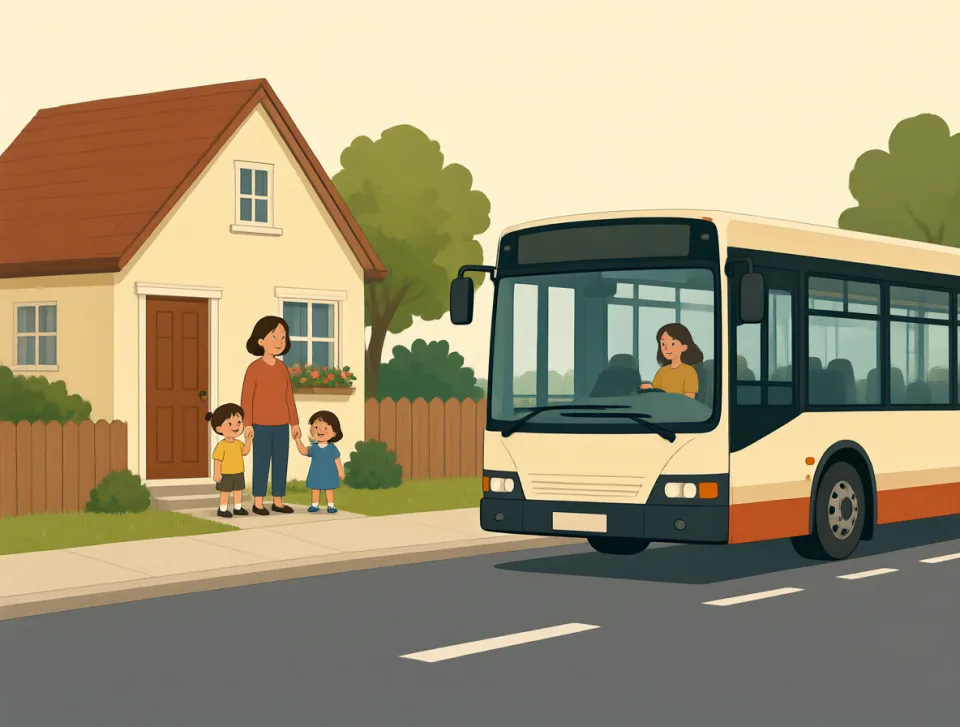
The bus drove past our house.
El autobús pasó por delante de nuestra casa.
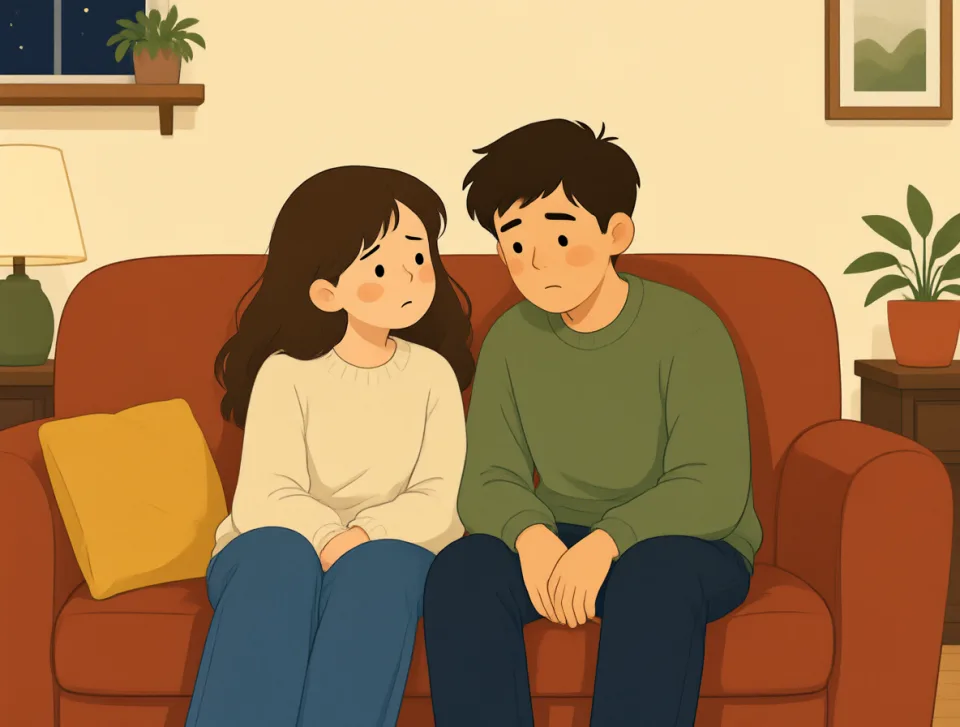
We stayed up past midnight.
Nos quedamos despiertos hasta después de medianoche.
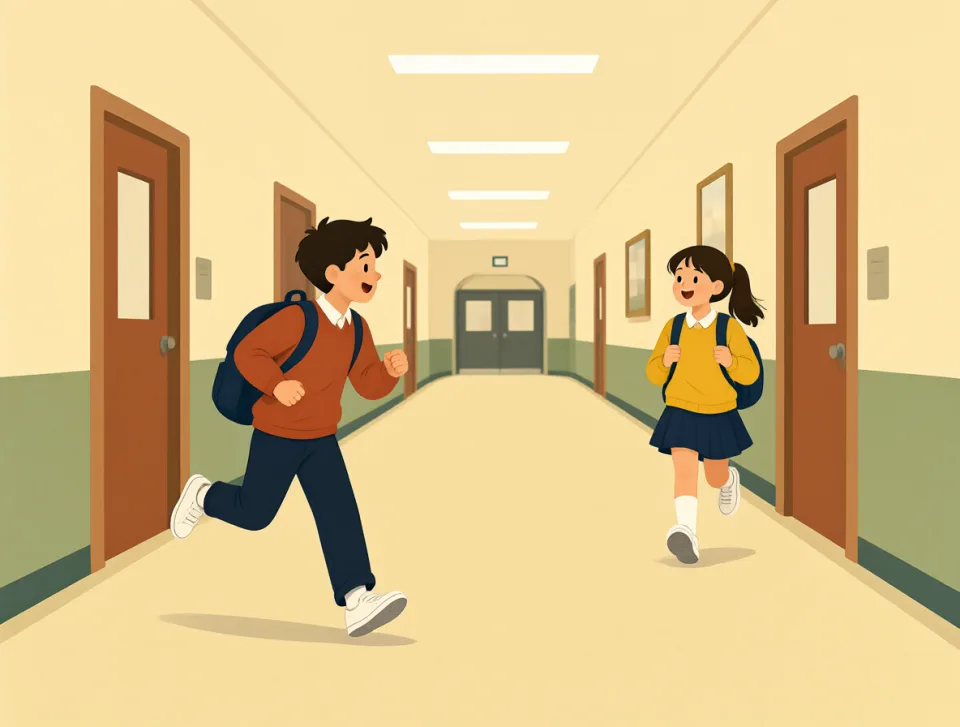
He ran past me at school.
Pasó corriendo junto a mí en la escuela.
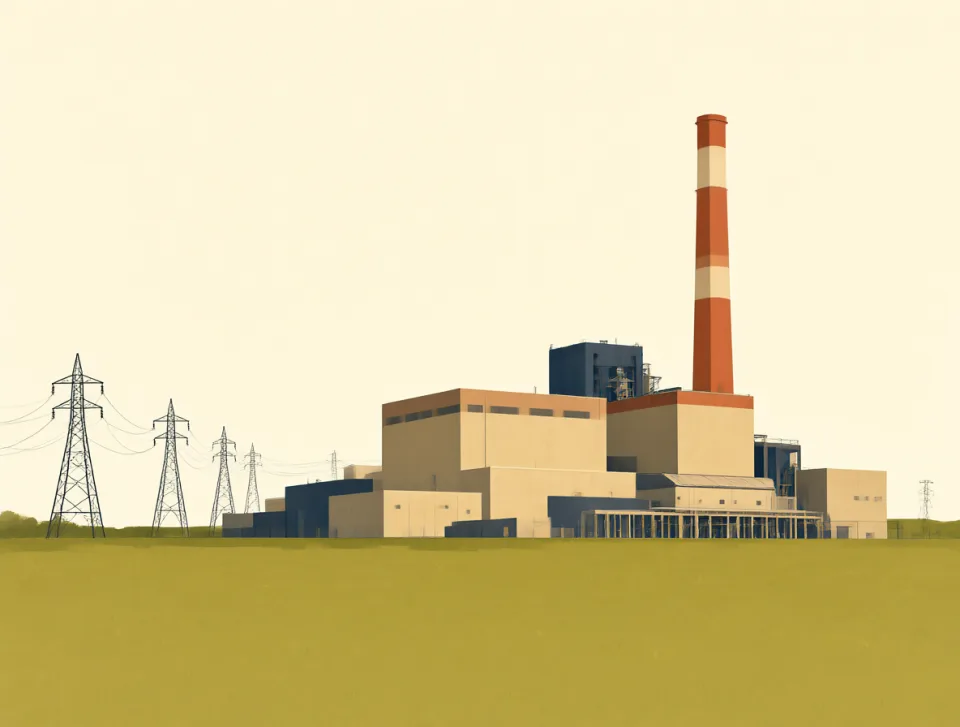
power
#331noun, verb
poder; electricidad; potencia; alimentar
The ability or energy to control people or make things happen.
La capacidad o la energía para controlar a las personas o hacer que sucedan cosas.
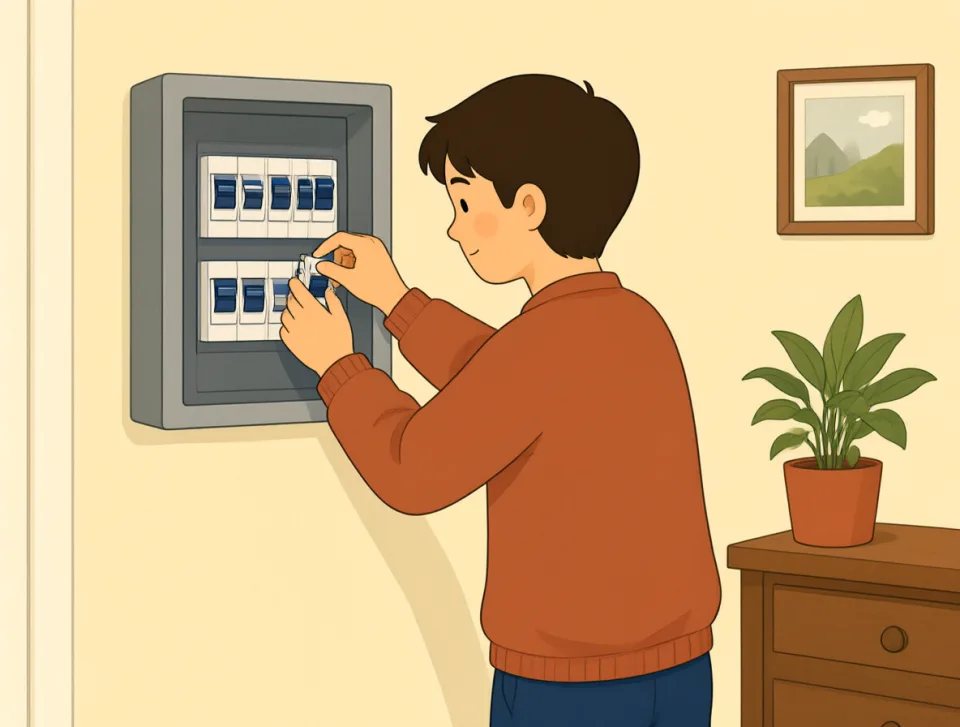
Please turn off the power before repairs.
Corta la corriente antes de hacer las reparaciones.
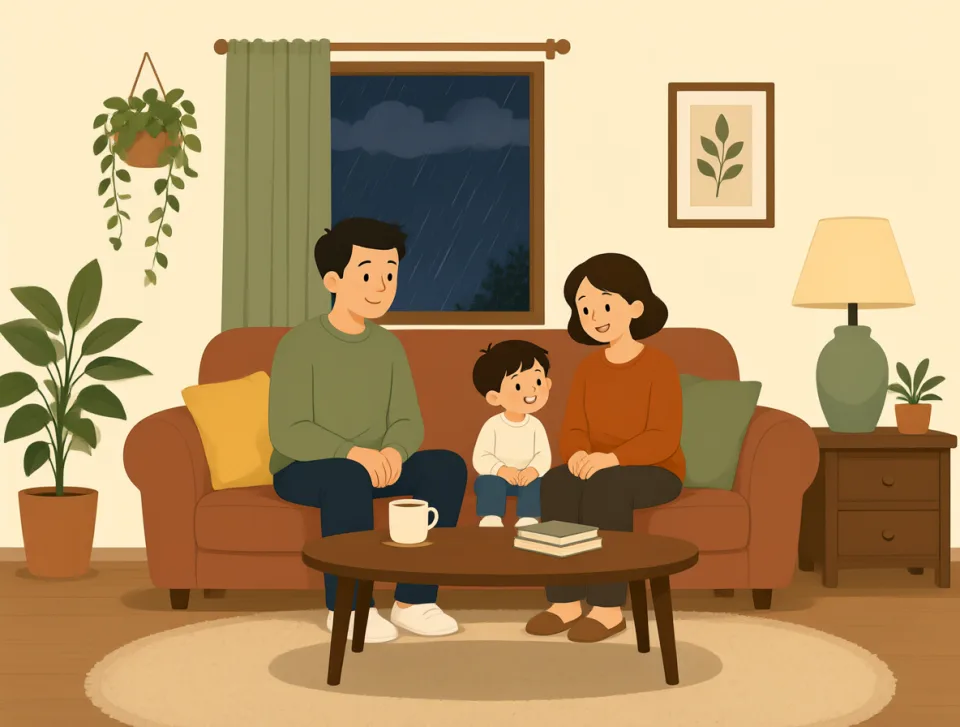
The storm knocked out power yesterday.
La tormenta dejó sin electricidad a la zona ayer.
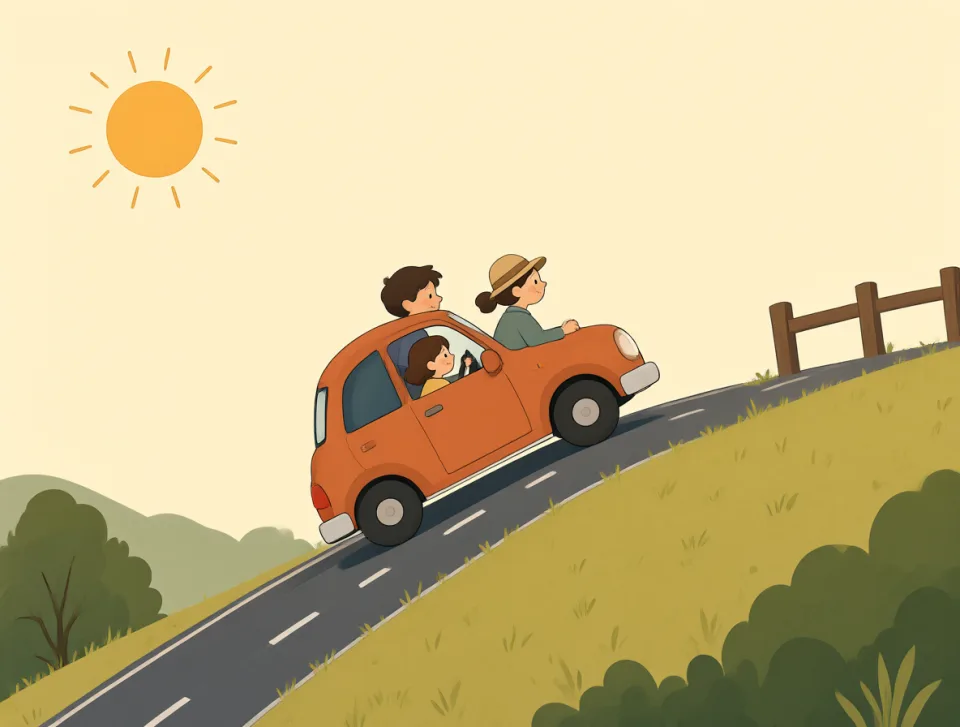
This engine has enough power for hills.
Este motor tiene suficiente potencia para subir cuestas.

The new manager has power over hiring.
El nuevo gerente tiene autoridad sobre las contrataciones.
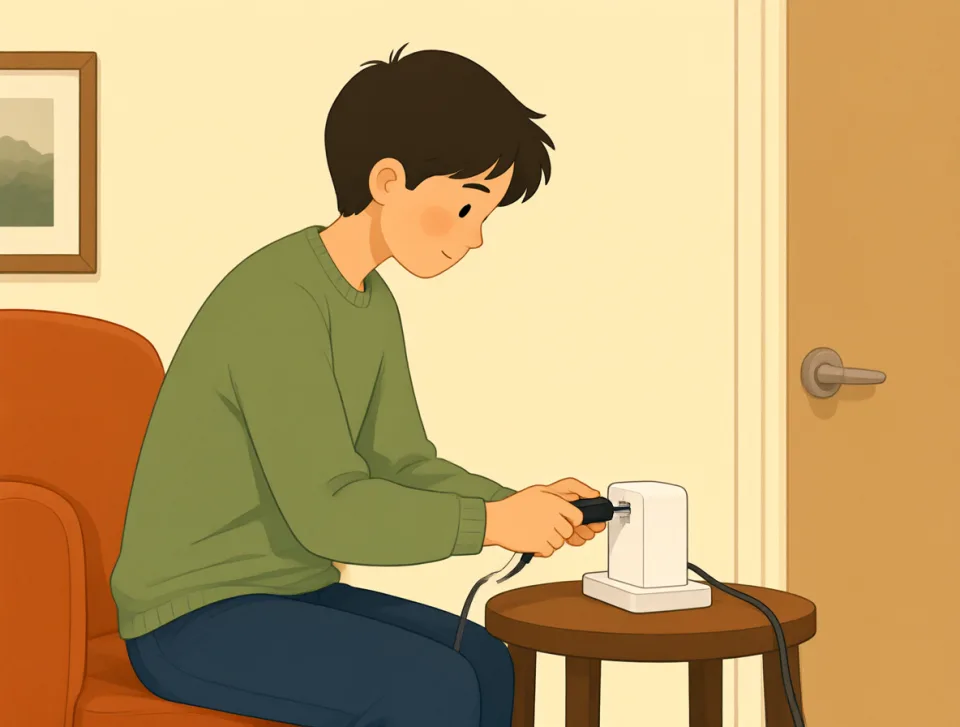
I power my phone with this small charger.
Cargo mi teléfono con este pequeño cargador.
test
#332noun, verb
prueba; examen; análisis; probar
an examination or trial used to check knowledge, ability, quality, or health
un examen o ensayo que se utiliza para comprobar los conocimientos, la capacidad, la calidad o el estado de salud
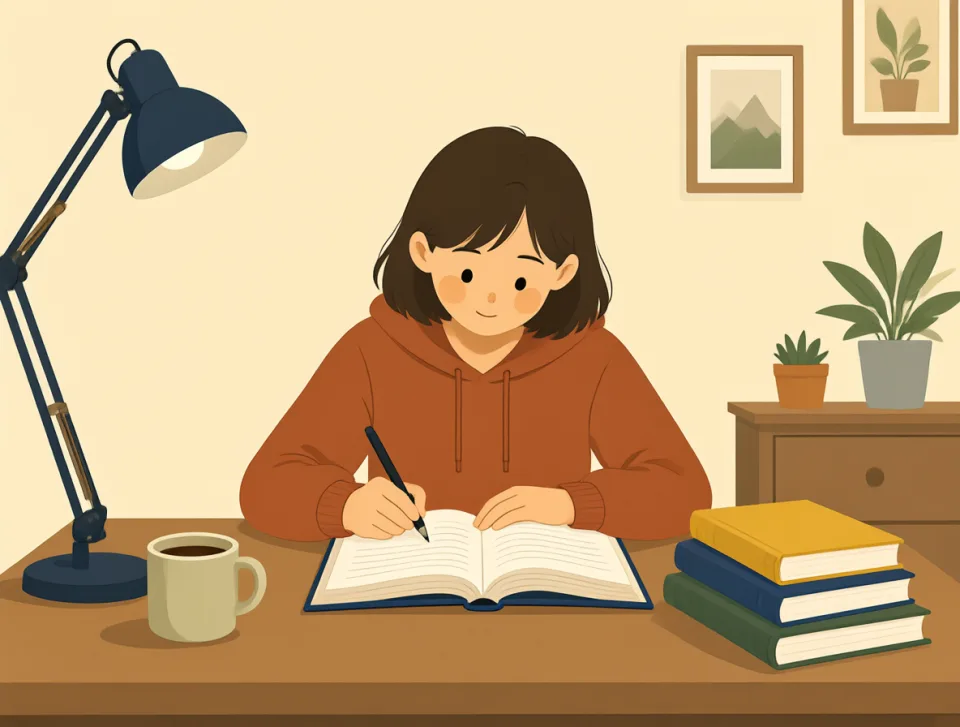
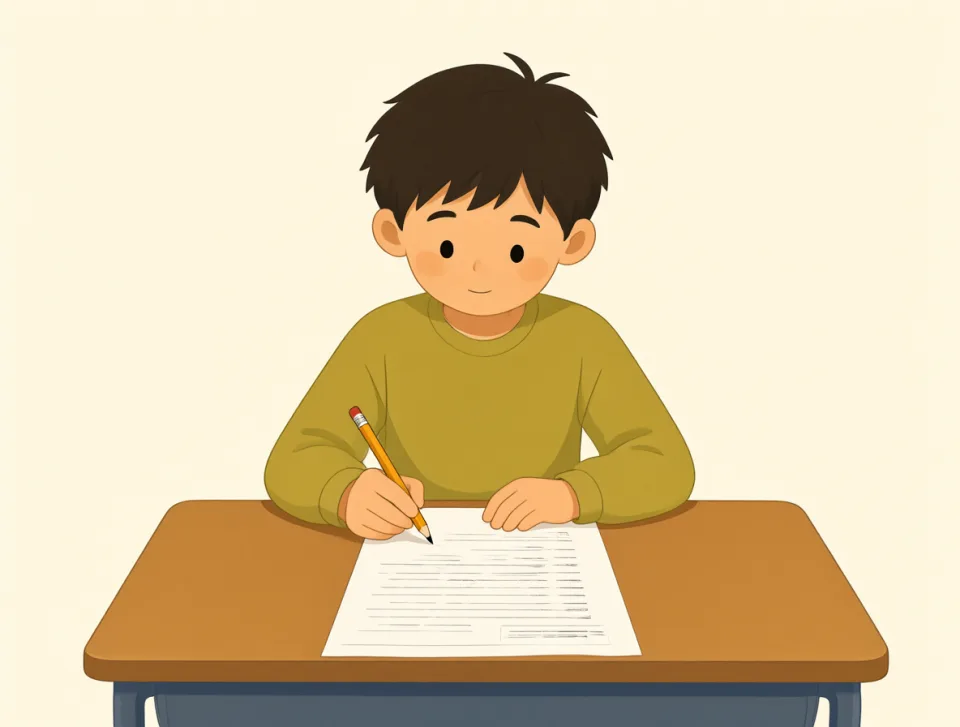
I have a math test tomorrow.
Tengo un examen de matemáticas mañana.
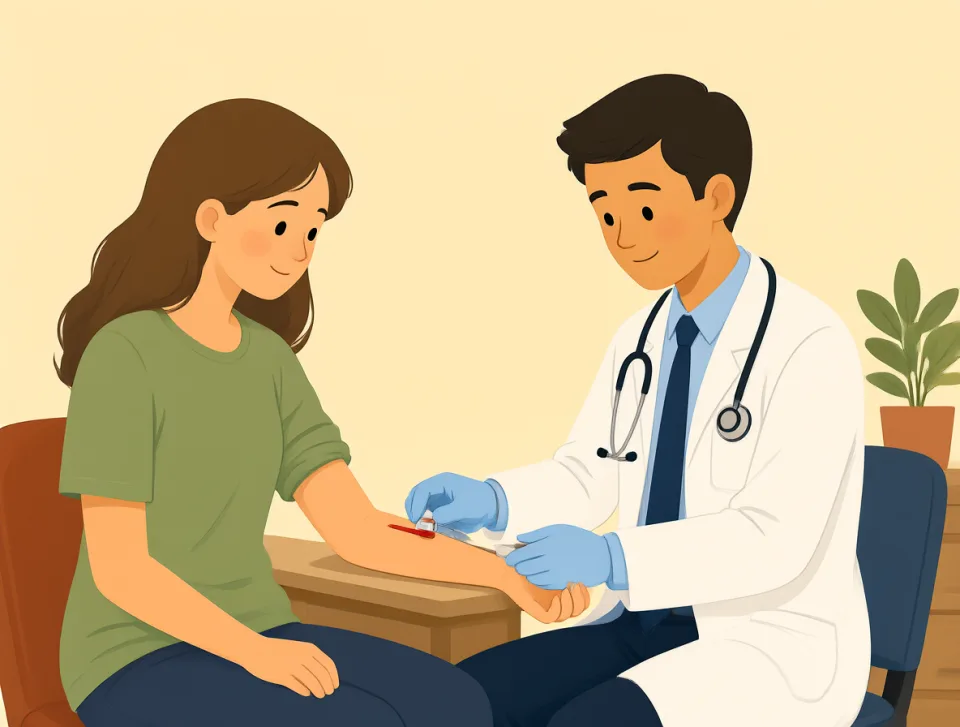
The doctor ordered a blood test.
El médico pidió un análisis de sangre.
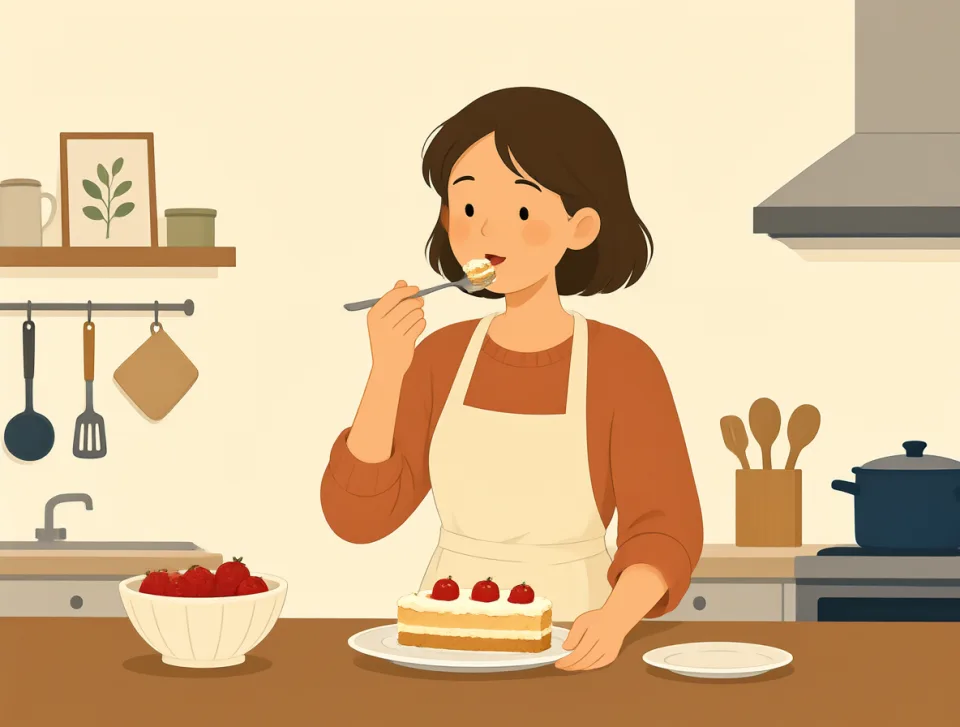
We tested the cake before serving it.
Probamos el pastel antes de servirlo.
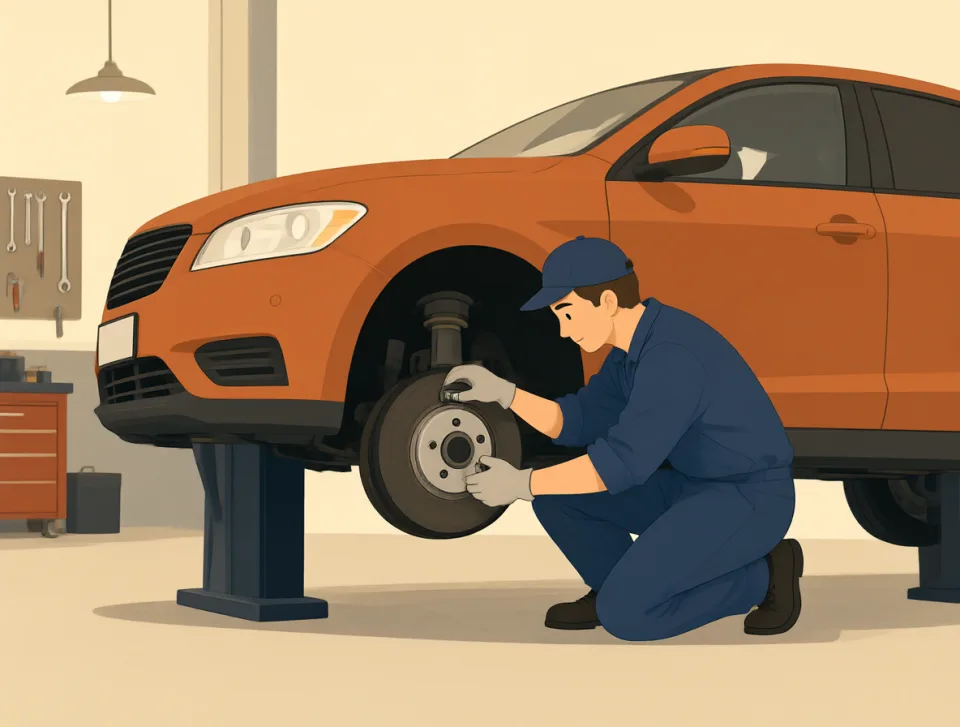
The mechanic tested my car's brakes.
El mecánico comprobó los frenos de mi coche.
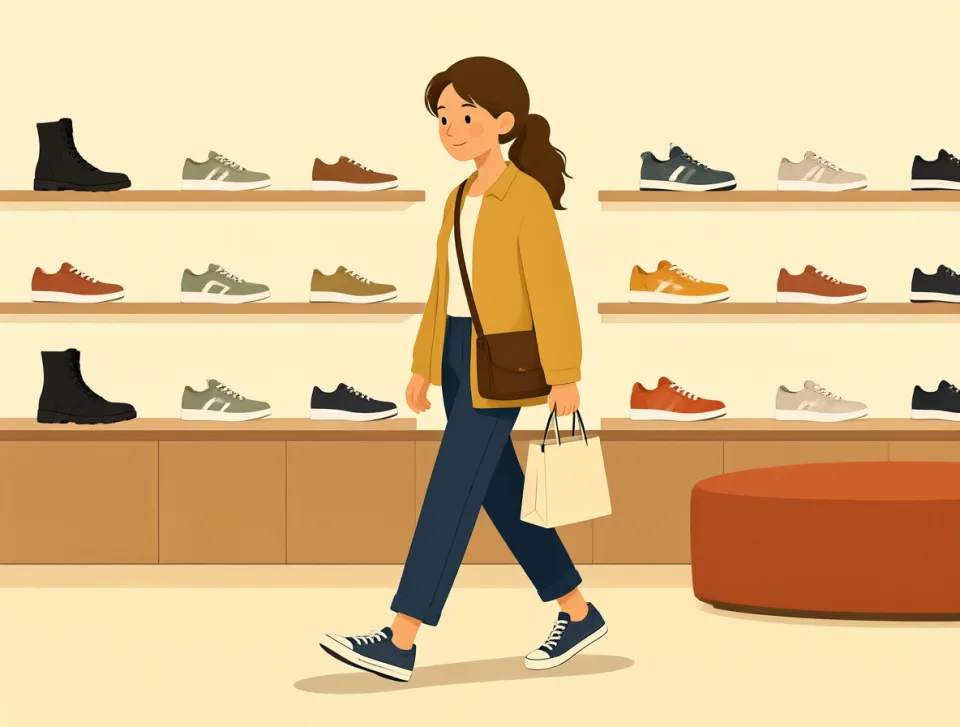
They test the new shoes in the store.
Prueban los zapatos nuevos en la tienda.
visit
#333verb, noun
visitar
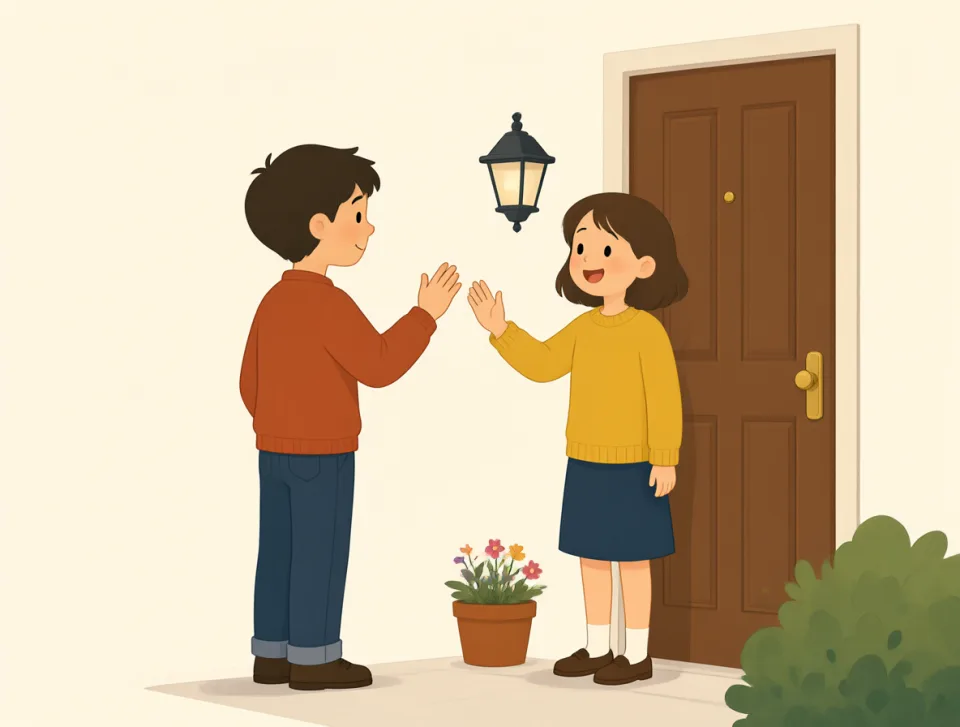
to go to a person or place for a short time
ir a ver a una persona o visitar un lugar por un tiempo corto
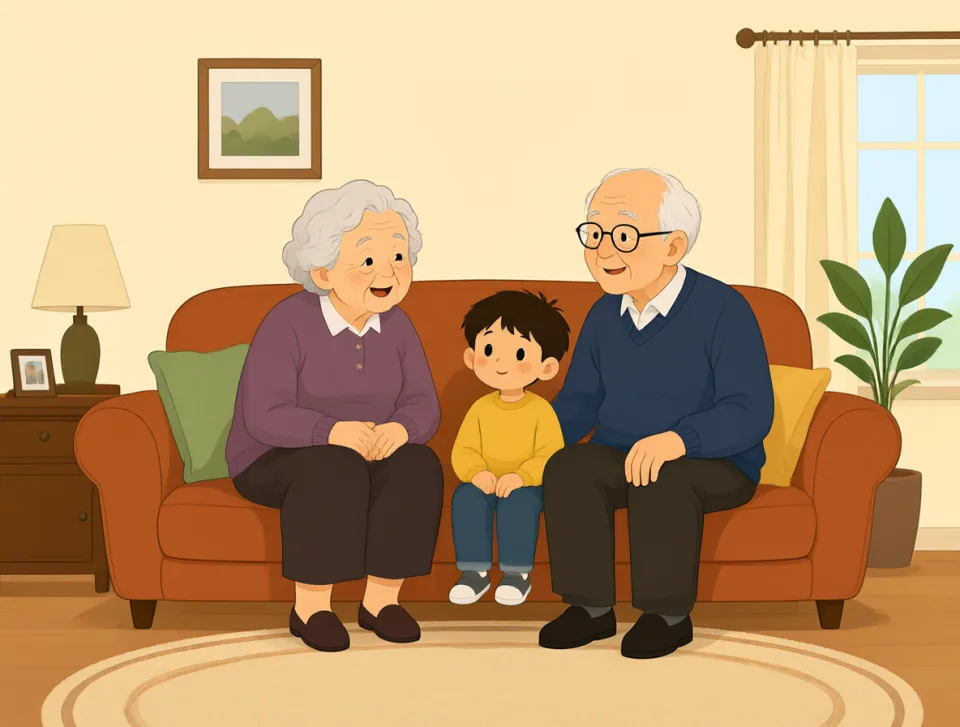
We visit our grandparents every Sunday.
Visitamos a nuestros abuelos todos los domingos.
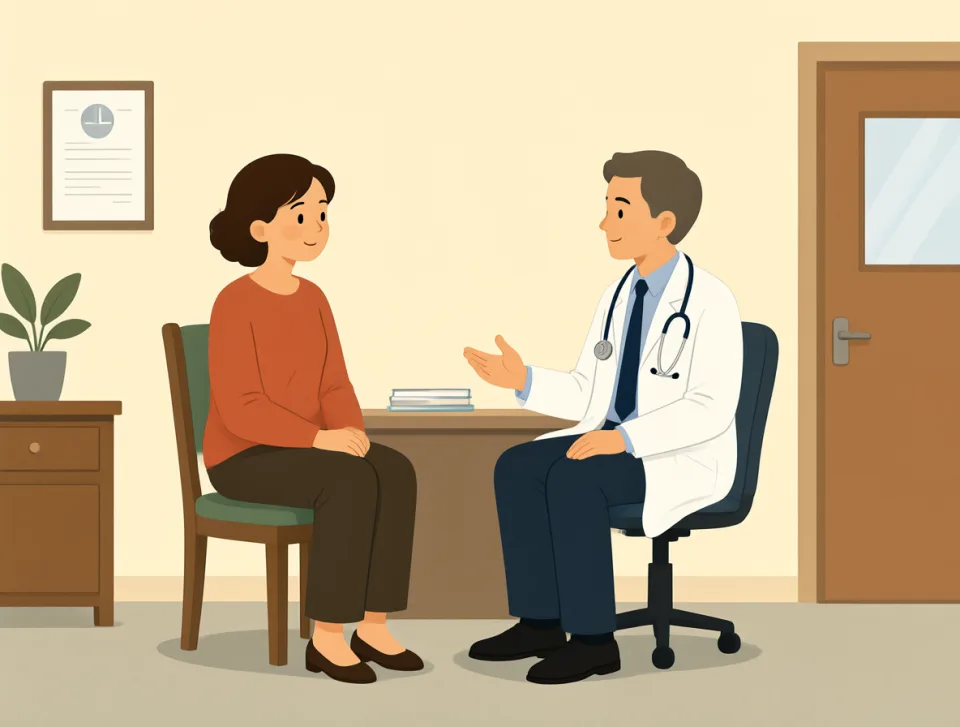
I visited the doctor yesterday.
Ayer fui al médico.

Many tourists visit London each year.
Muchos turistas visitan Londres cada año.
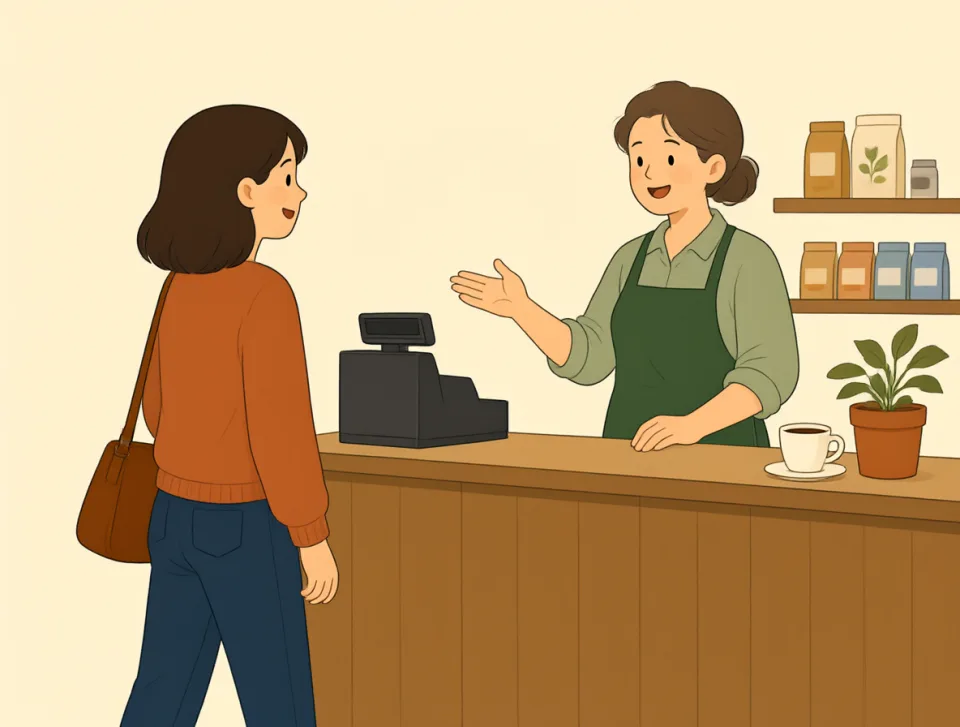
Please visit our shop this weekend.
Visita nuestra tienda este fin de semana, por favor.
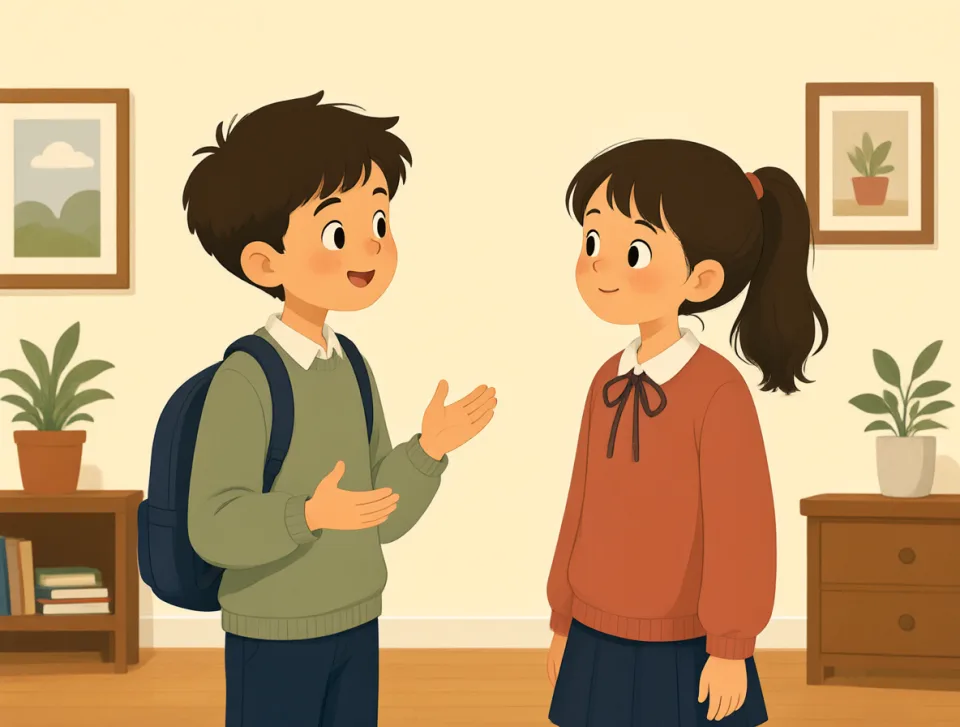
She is visiting her friend after school.
Va a visitar a su amiga después de clases.
center
#334noun, verb
centro; centrar
The middle of a place or the main point of an activity; to put something in the middle.
La parte central de un lugar o el punto principal de una actividad; poner algo en el centro.

Meet me in the center of town.
Encuéntrate conmigo en el centro de la ciudad.
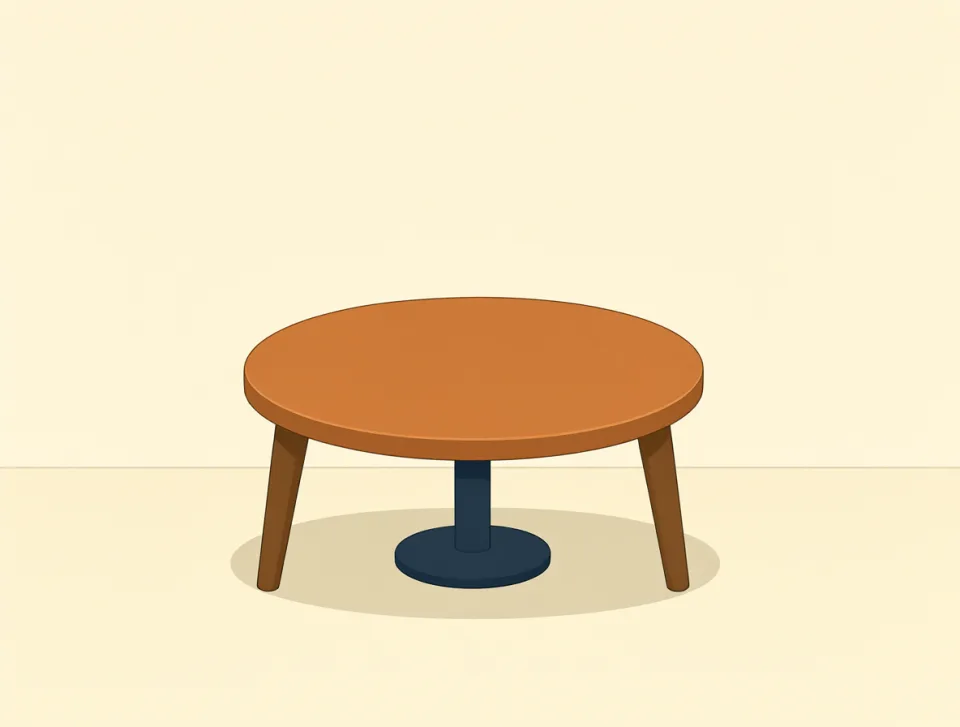
The table is in the center of the room.
La mesa está en el centro de la habitación.

She works at a shopping center.
Ella trabaja en un centro comercial.
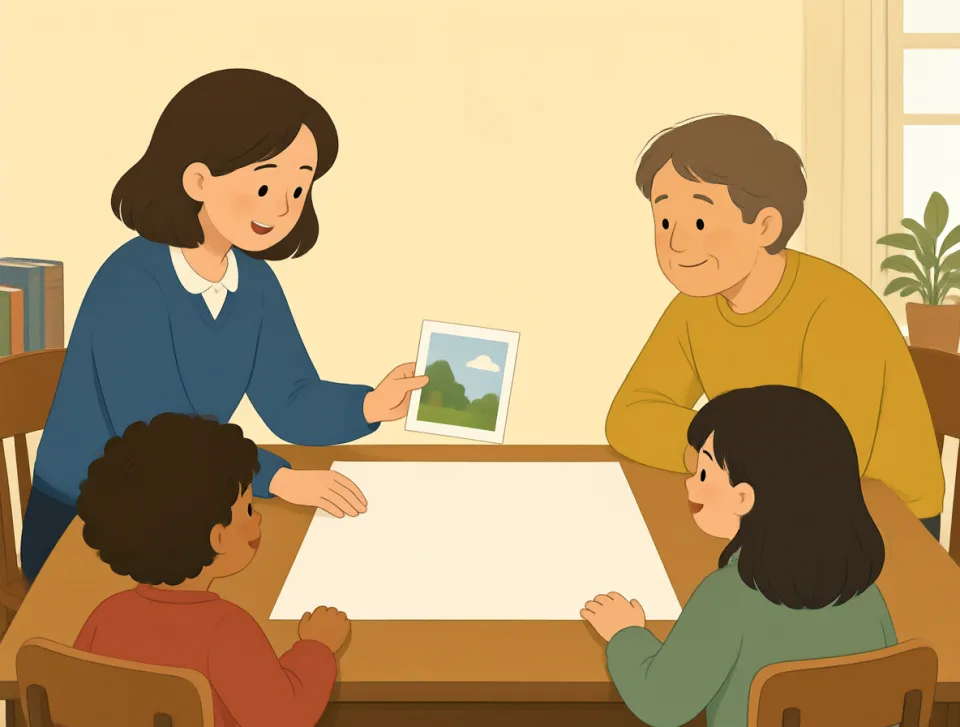
The teacher centered the picture on the page.
La profesora centró la imagen en la página.
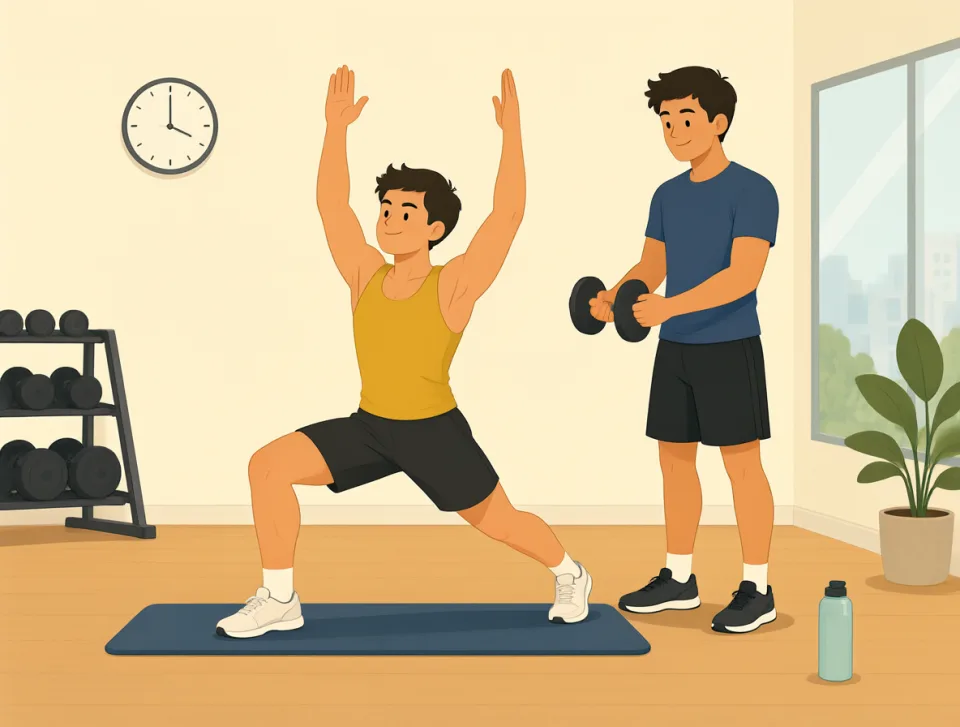
He exercises at the health center.
Él hace ejercicio en el centro de salud.
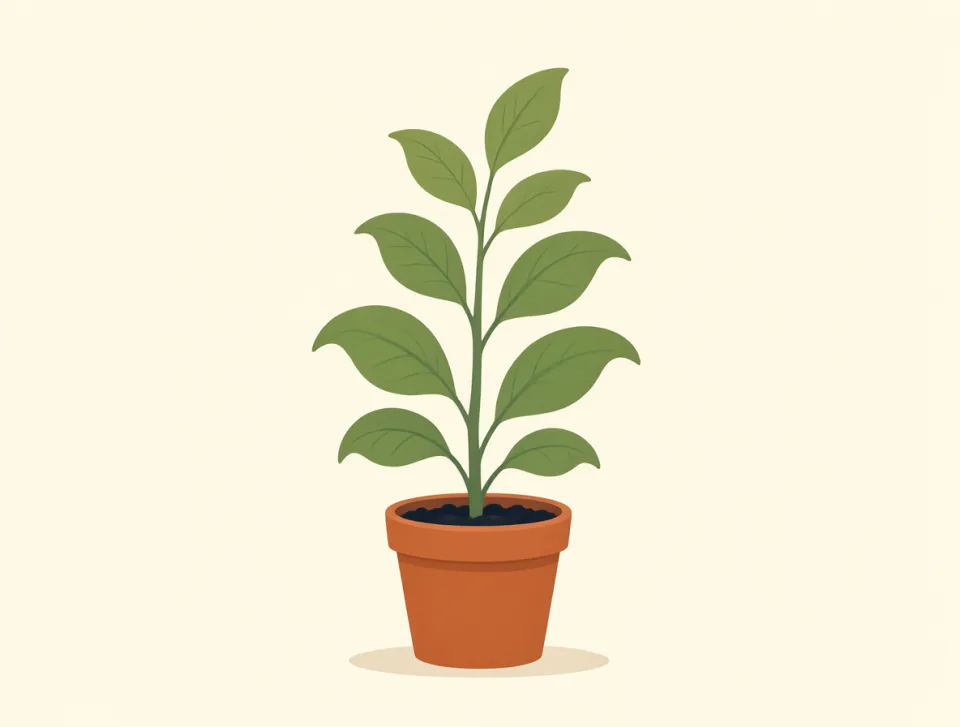
grow
#335verb
crecer; cultivar; ponerse
to become bigger, taller, older, or more developed
hacerse más grande, más alto, mayor o desarrollarse más
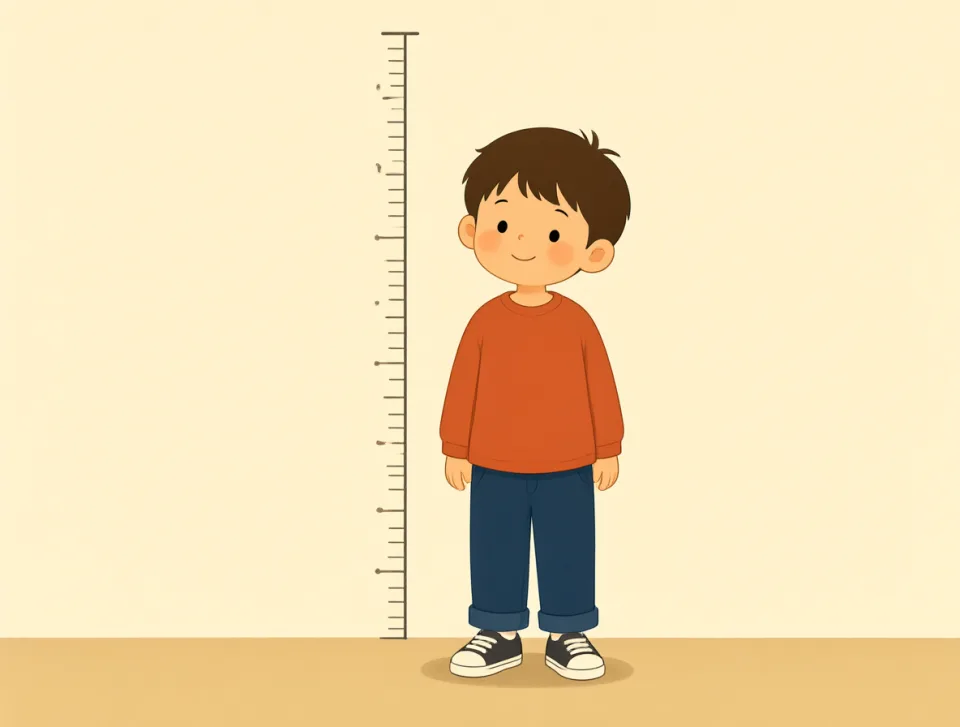
Children grow quickly in their first years.
Los niños crecen rápidamente durante sus primeros años.
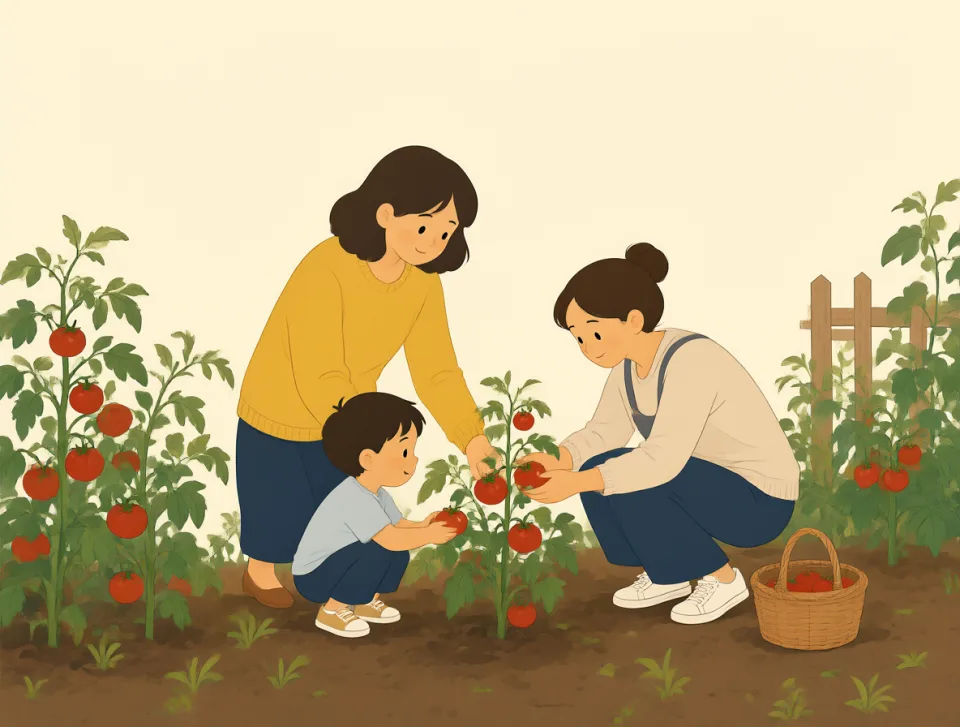
We grow tomatoes in our garden.
Cultivamos tomates en nuestro huerto.
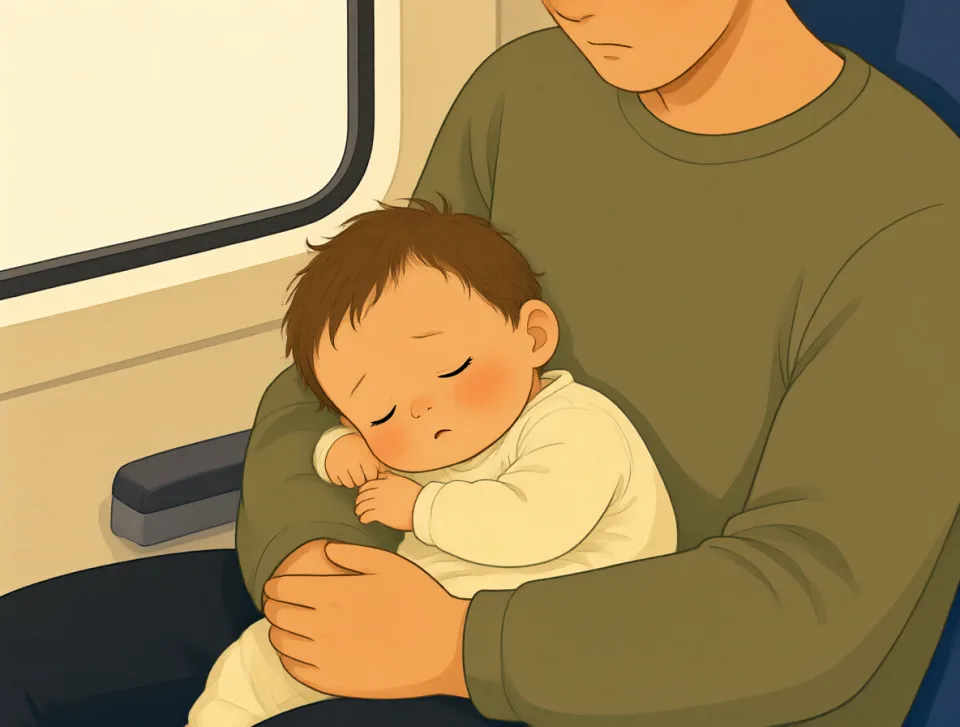
The baby grew tired after the long trip.
El bebé se cansó después del largo viaje.
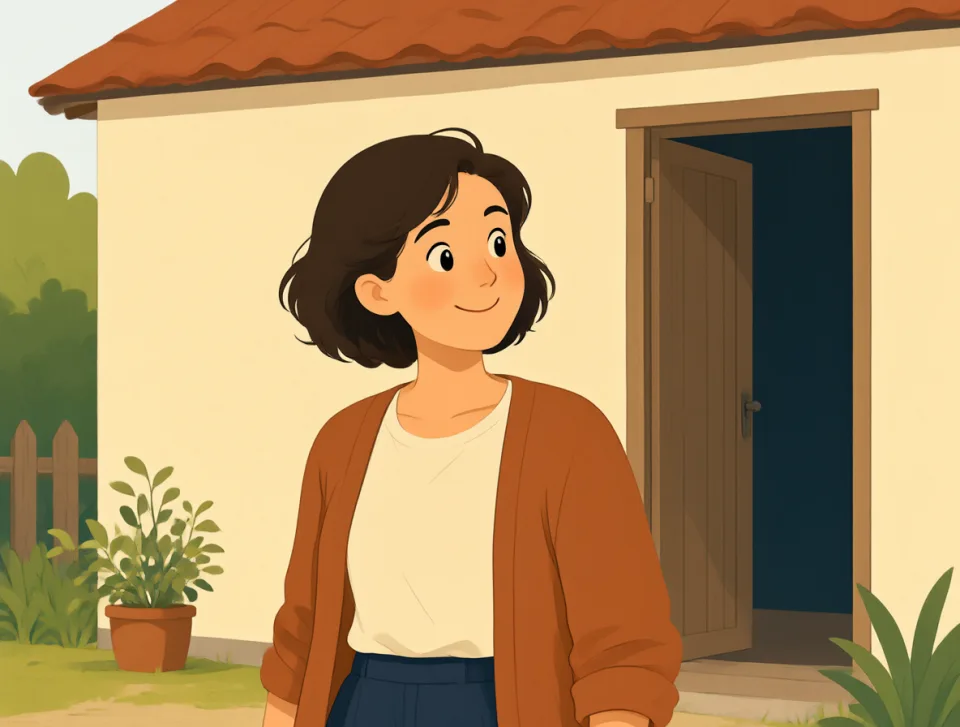
She grew up in a small village.
Ella creció en un pequeño pueblo.
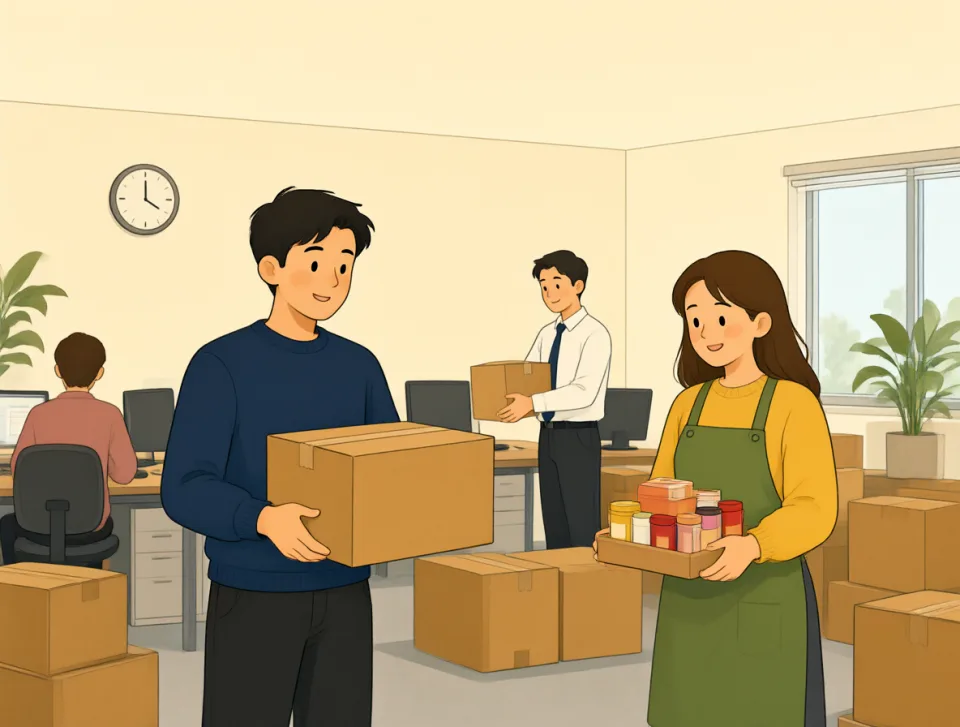
The company is growing every year.
La empresa crece cada año.
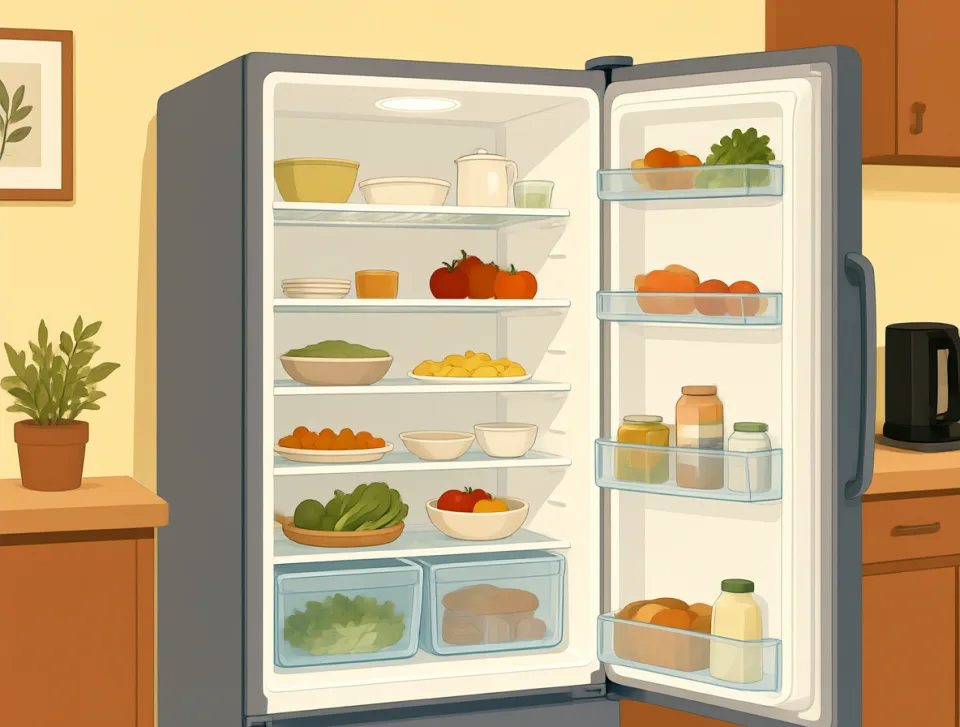
nothing
#336pronoun, determiner
nada
not anything; no thing or things
nada; ninguna cosa
There is nothing in the fridge.
No hay nada en el frigorífico.
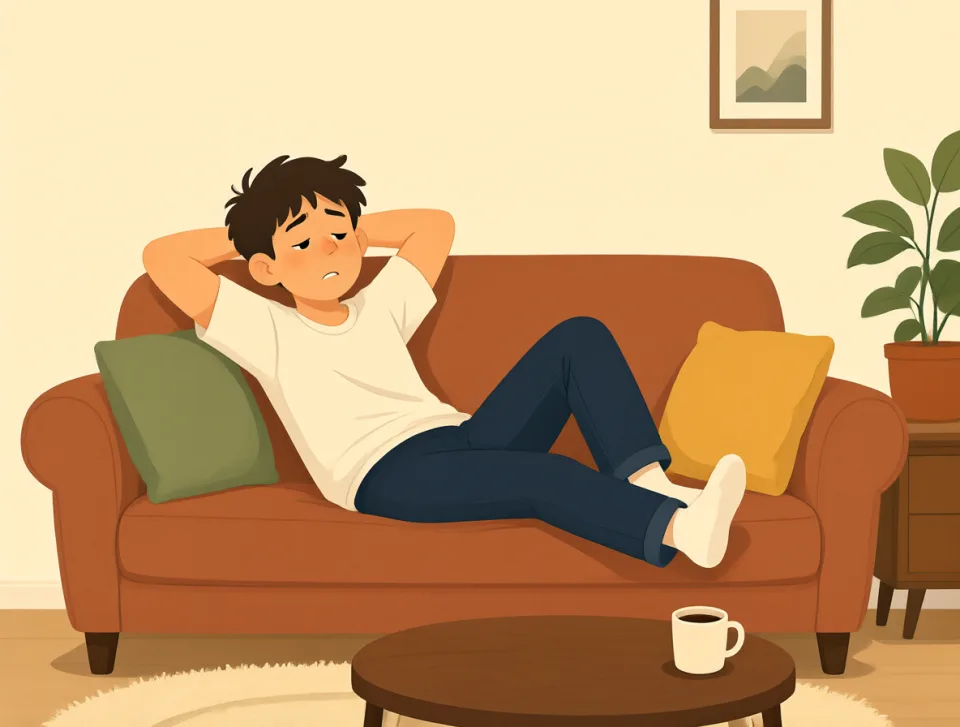
I did nothing after work.
No hice nada después del trabajo.
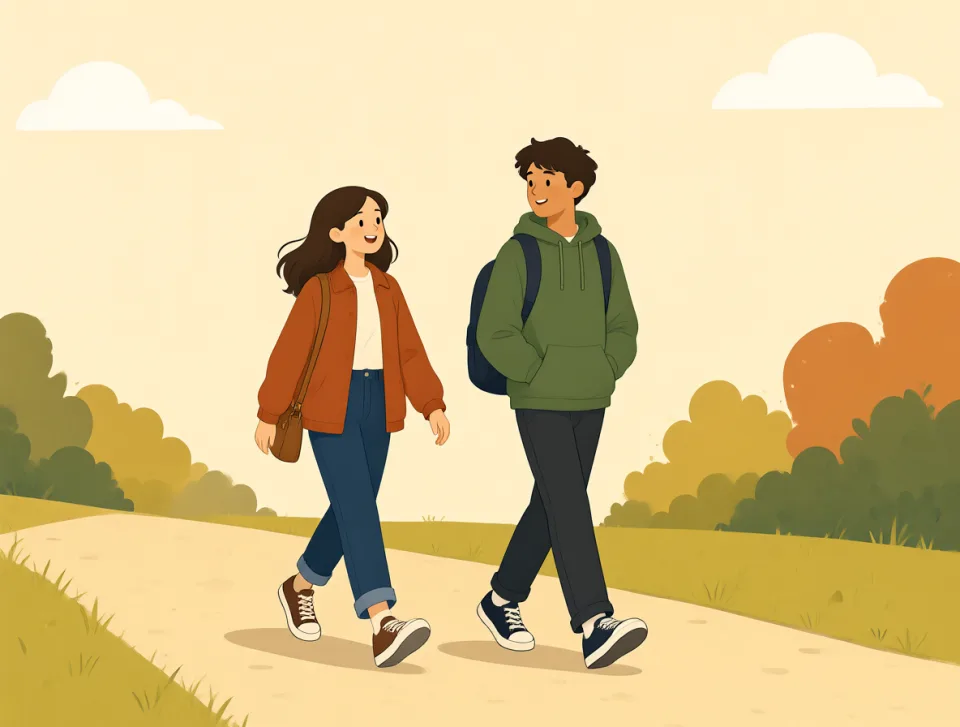
Nothing can stop us now.
Ahora nada puede detenernos.
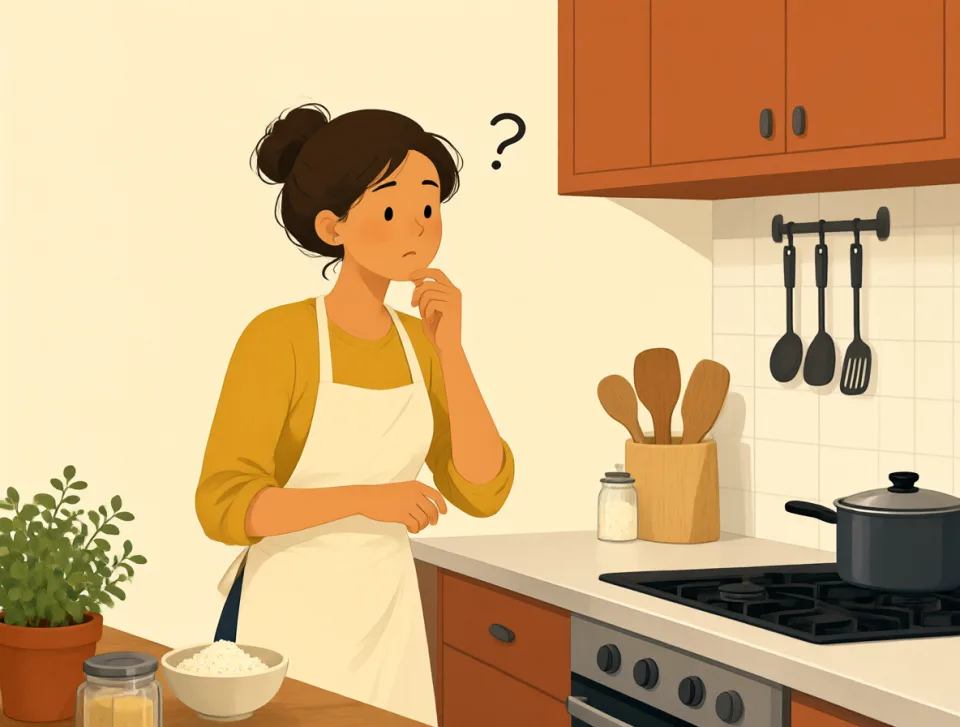
She knows nothing about cooking.
Ella no sabe nada de cocina.
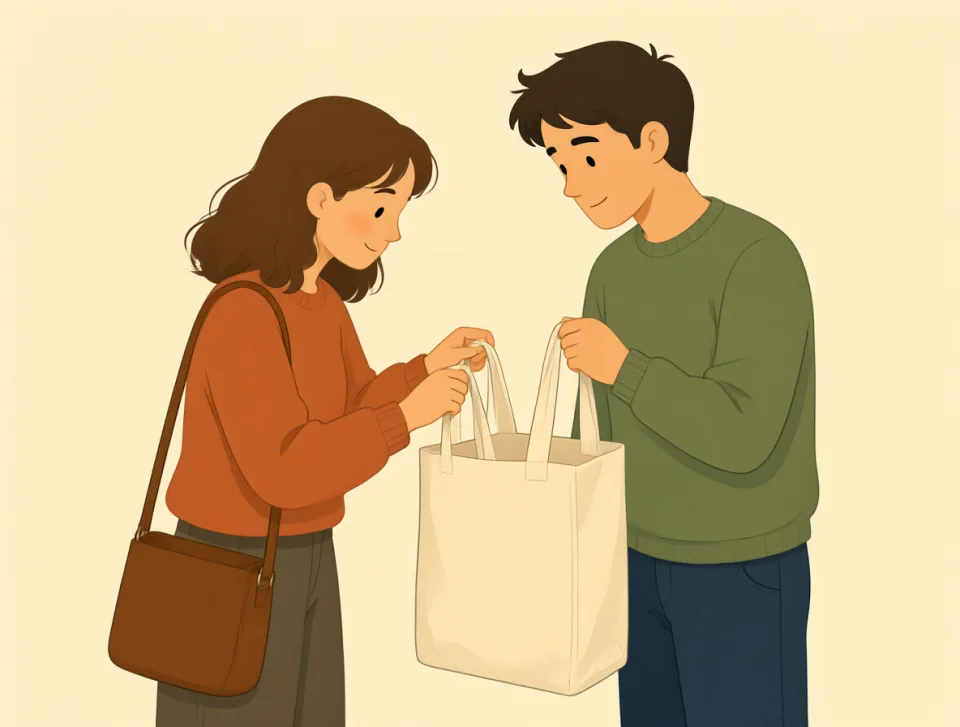
I found nothing in my shopping bag.
No encontré nada en mi bolsa de compras.
return
#337verb, noun
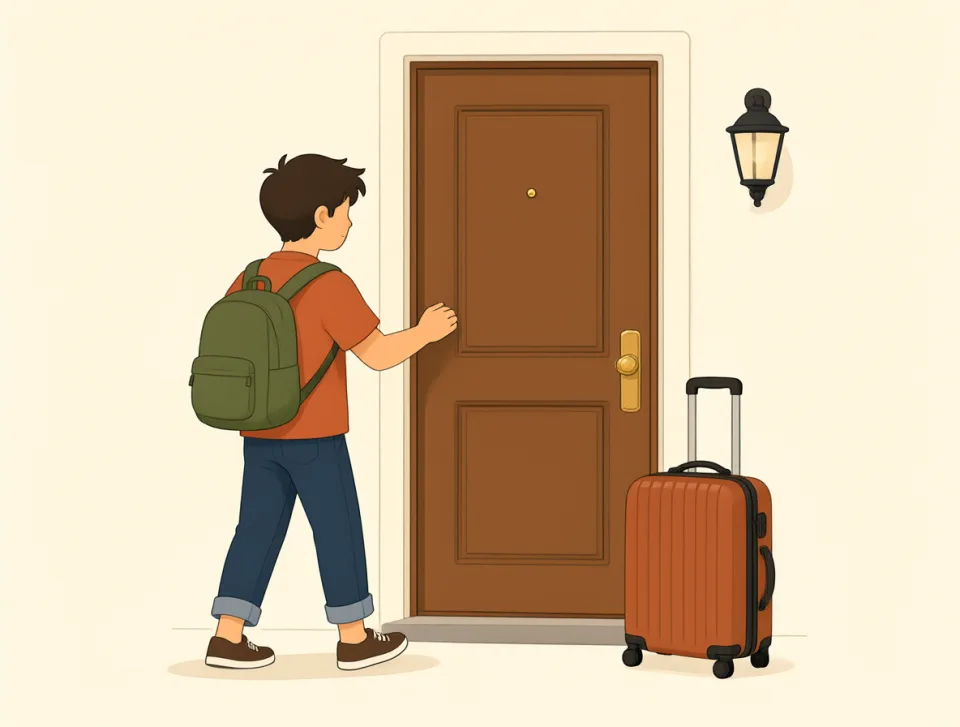
volver; regresar; devolver; retorno
to go back, give something back, or come back to a place
volver a un lugar, devolver algo o regresar a un sitio
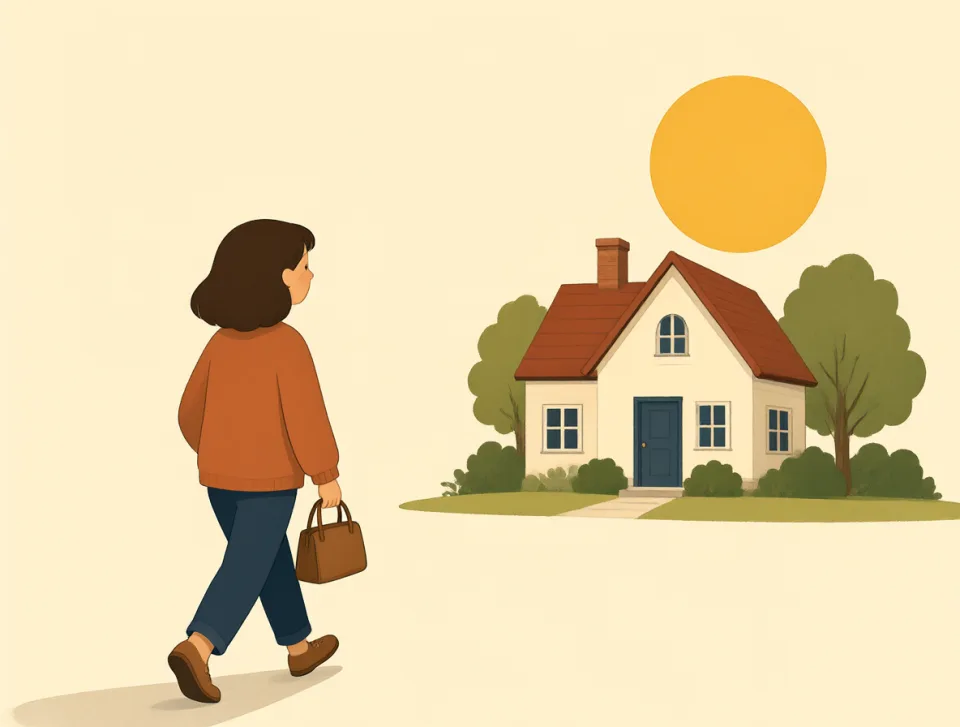
I will return home after dinner.
Volveré a casa después de cenar.
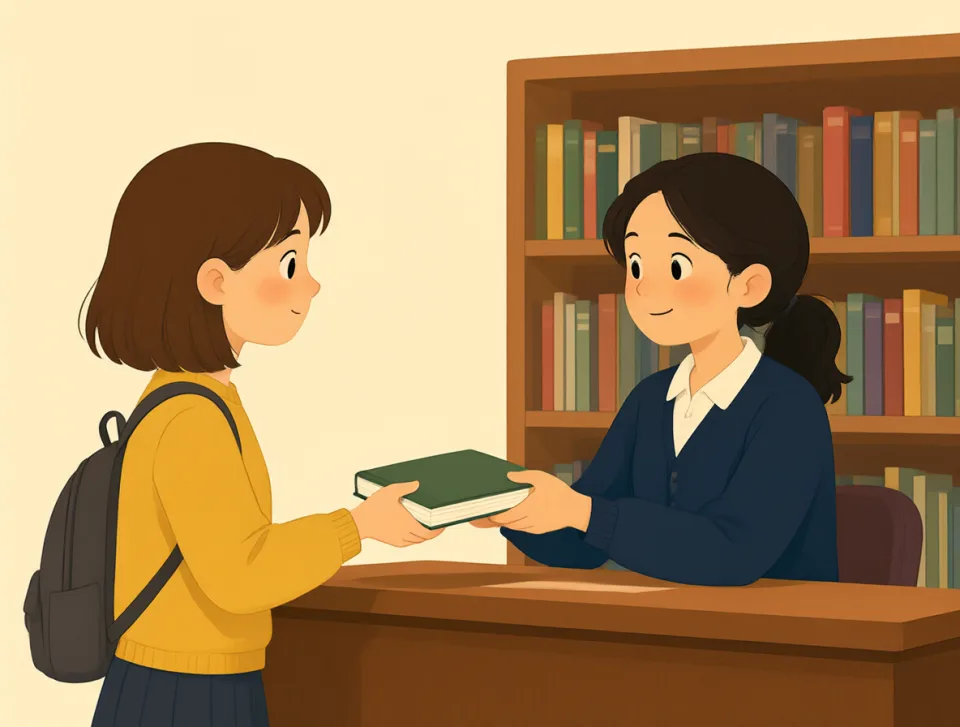
Please return the library book tomorrow.
Por favor, devuelve el libro de la biblioteca mañana.
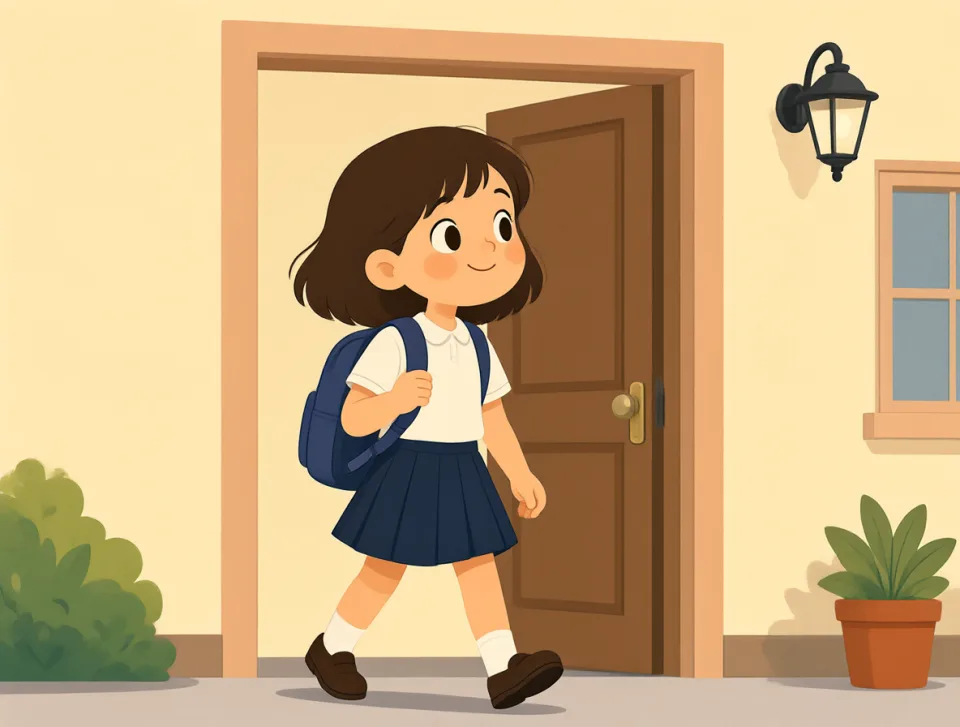
She returned from school at four.
Ella regresó de la escuela a las cuatro.
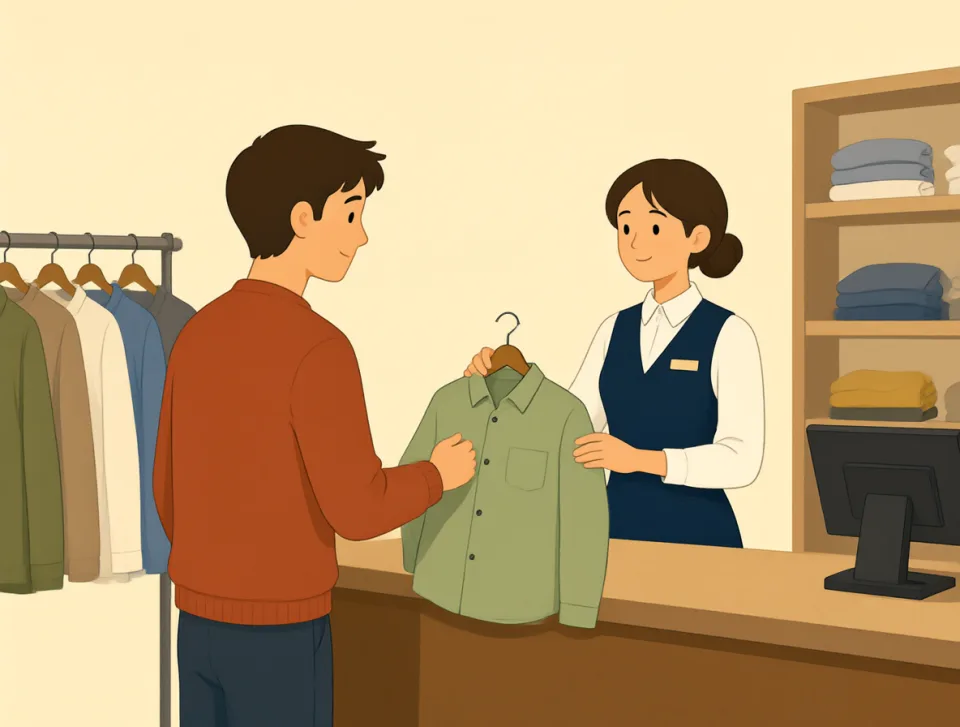
The shop accepted my return.
La tienda aceptó mi devolución.
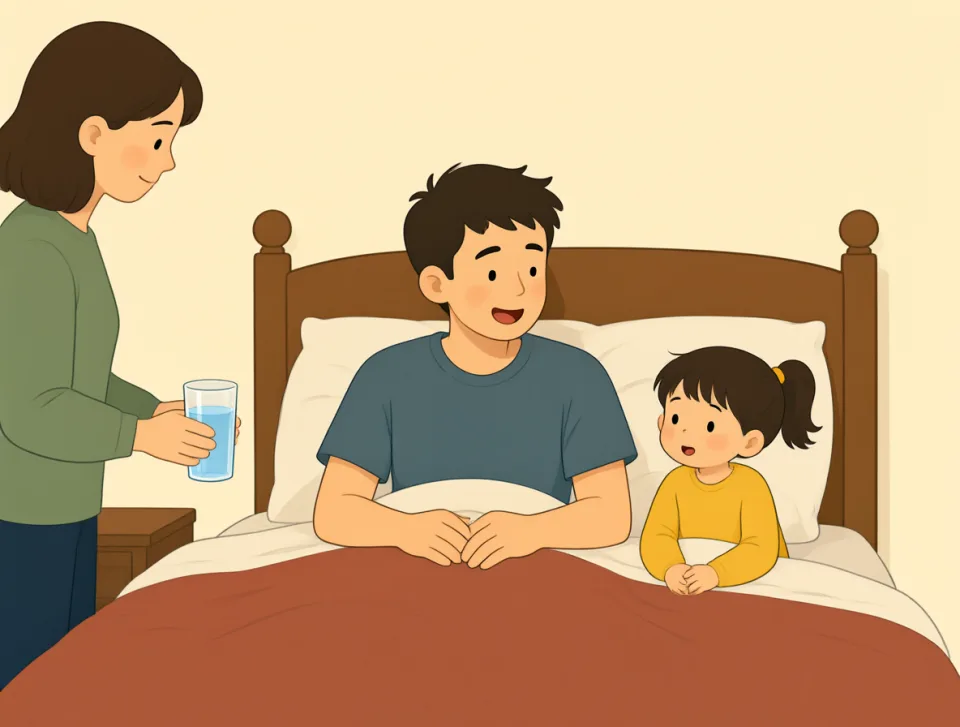
His health is slowly returning.
Su salud está volviendo poco a poco.
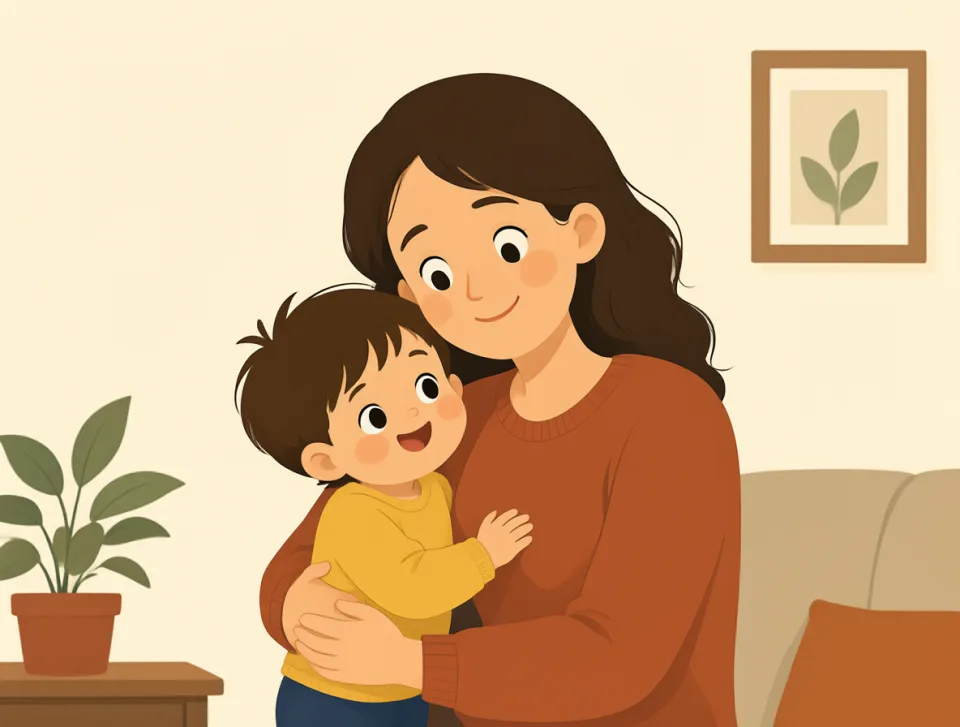
mother
#338noun
madre
a female parent; a woman who has a child
una progenitora; una mujer que tiene un hijo
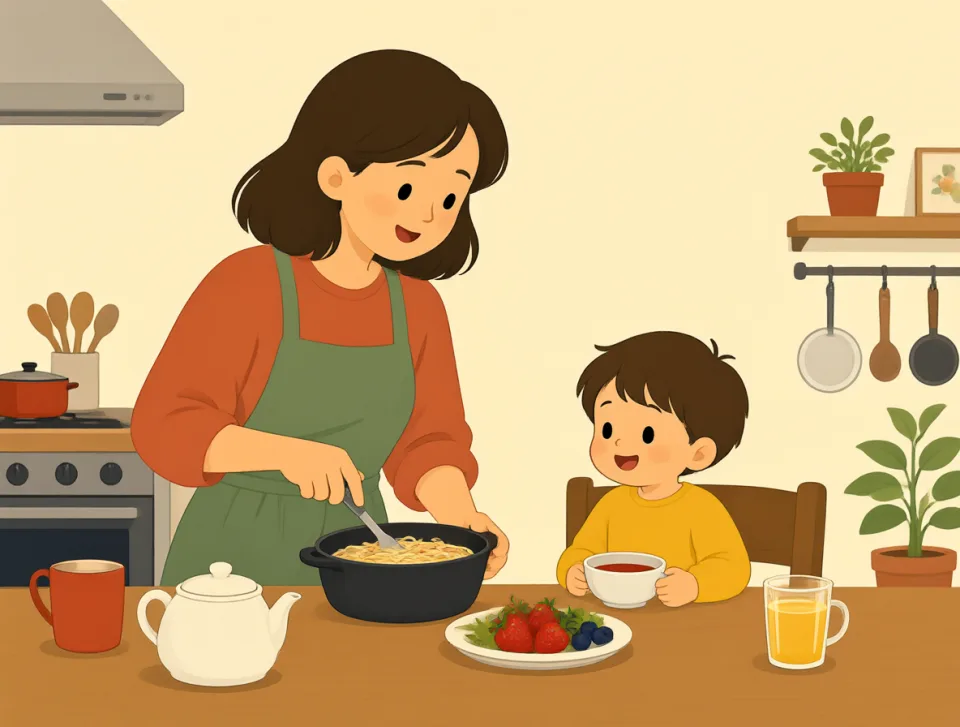
My mother makes breakfast every morning.
Mi madre prepara el desayuno todas las mañanas.
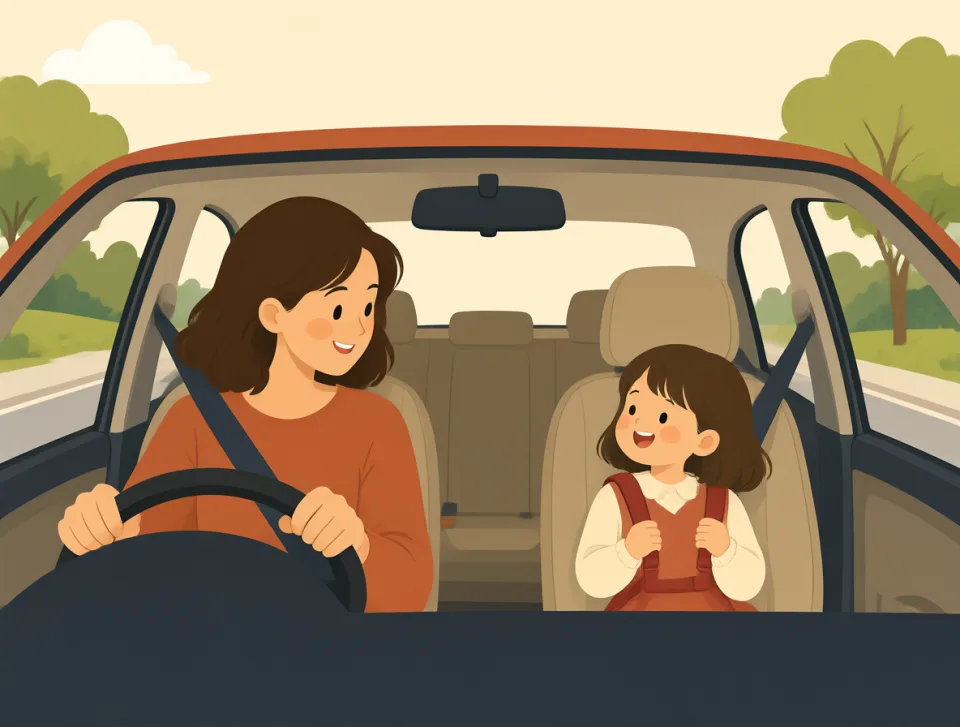
Her mother drove her to school.
Su madre la llevó a la escuela en coche.

I called my mother after work.
Llamé a mi madre después del trabajo.
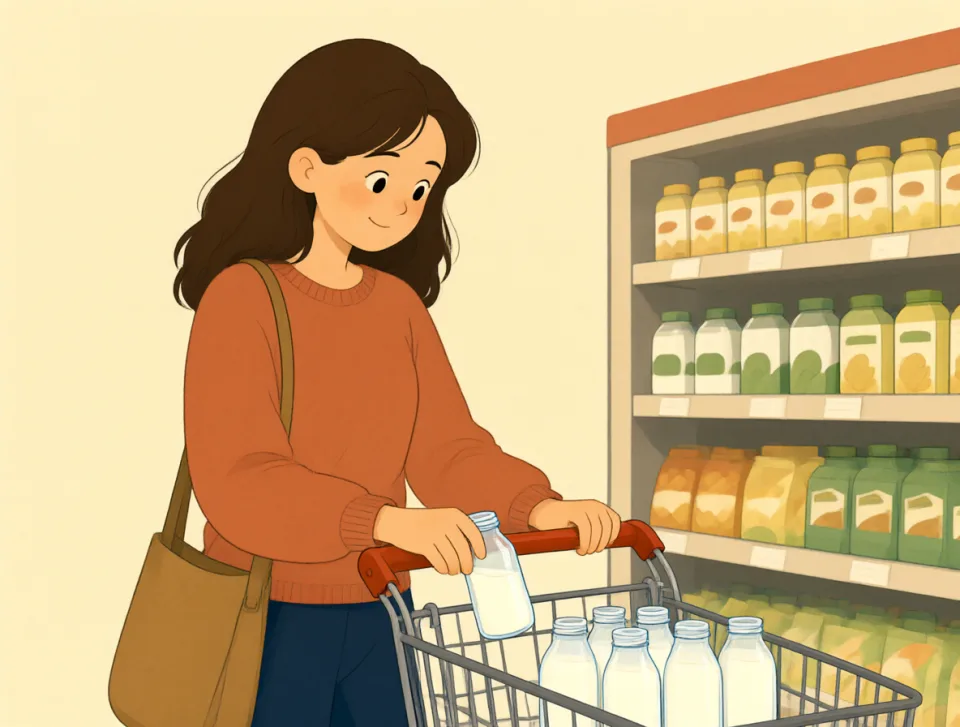
The mother bought milk at the store.
La madre compró leche en la tienda.
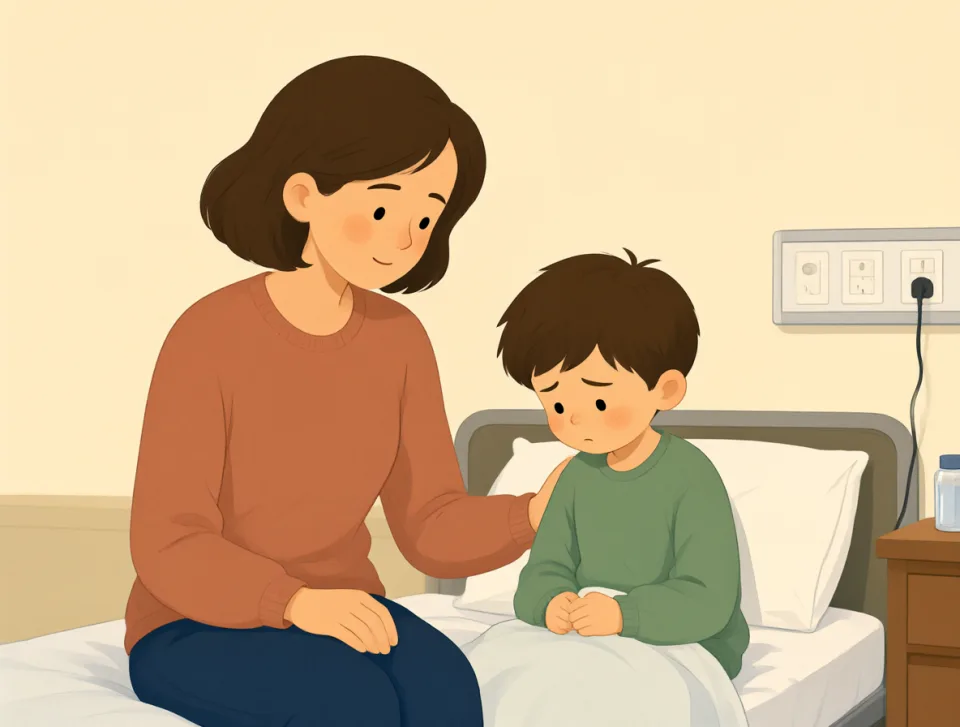
His mother stayed with him in hospital.
Su madre se quedó con él en el hospital.
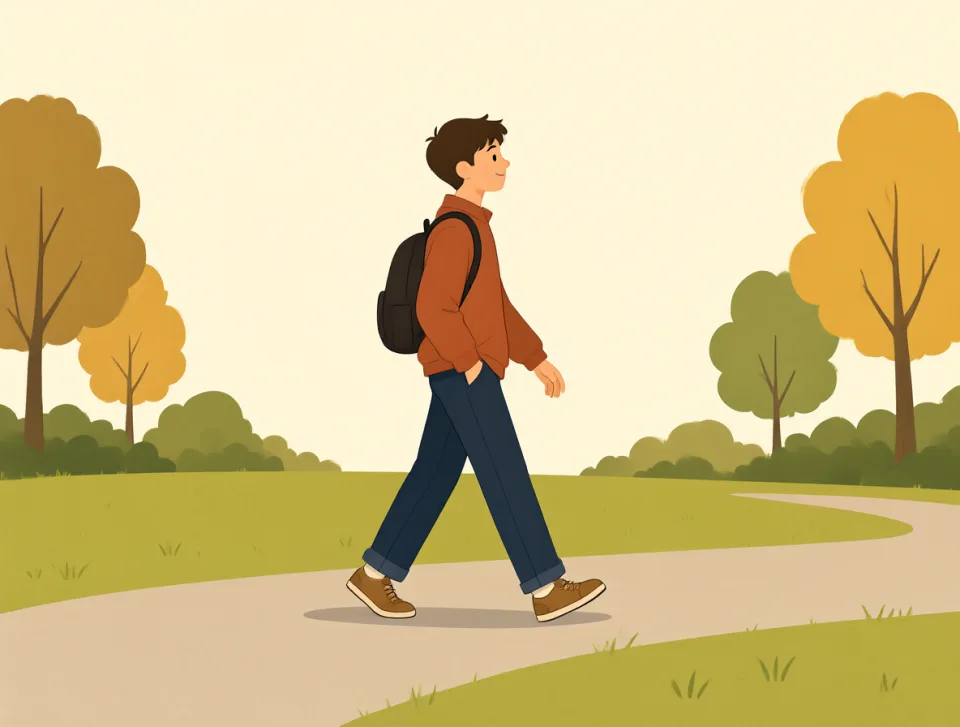
walk
#339verb, noun
caminar; paseo
to move on foot, or a short journey made by walking
moverse a pie o hacer un trayecto corto caminando
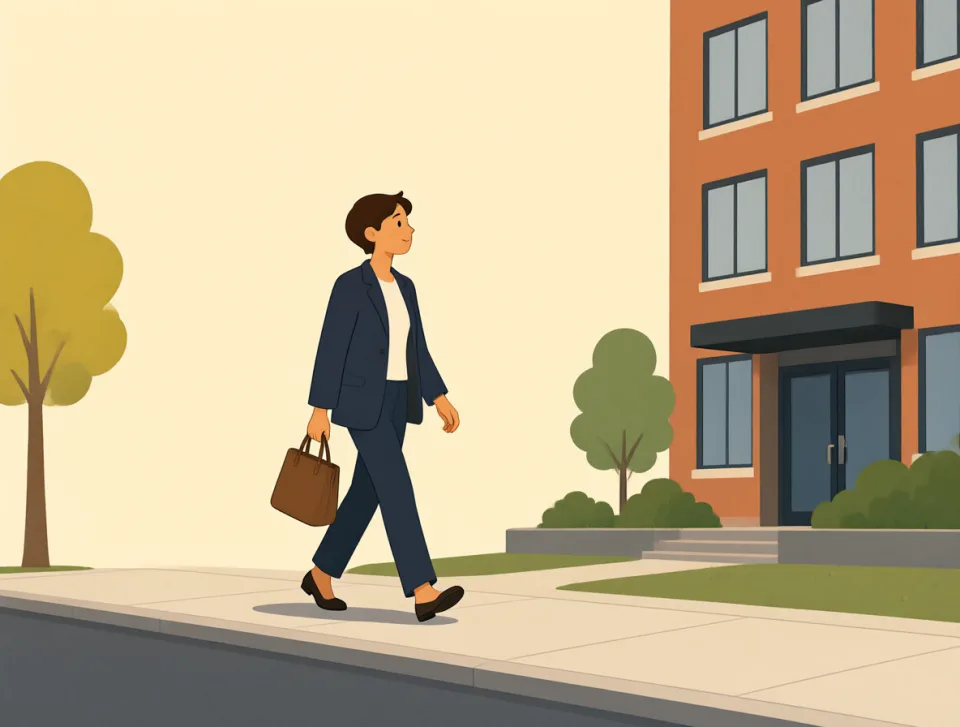
I walk to work every morning.
Camino al trabajo todas las mañanas.
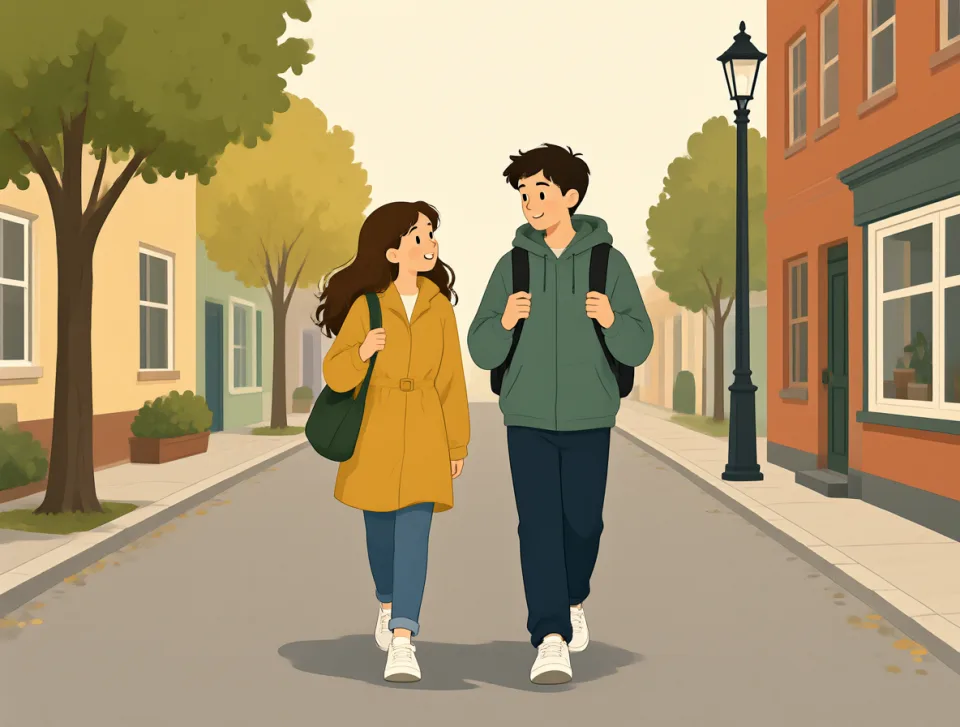
We walked home after dinner.
Volvimos caminando a casa después de cenar.
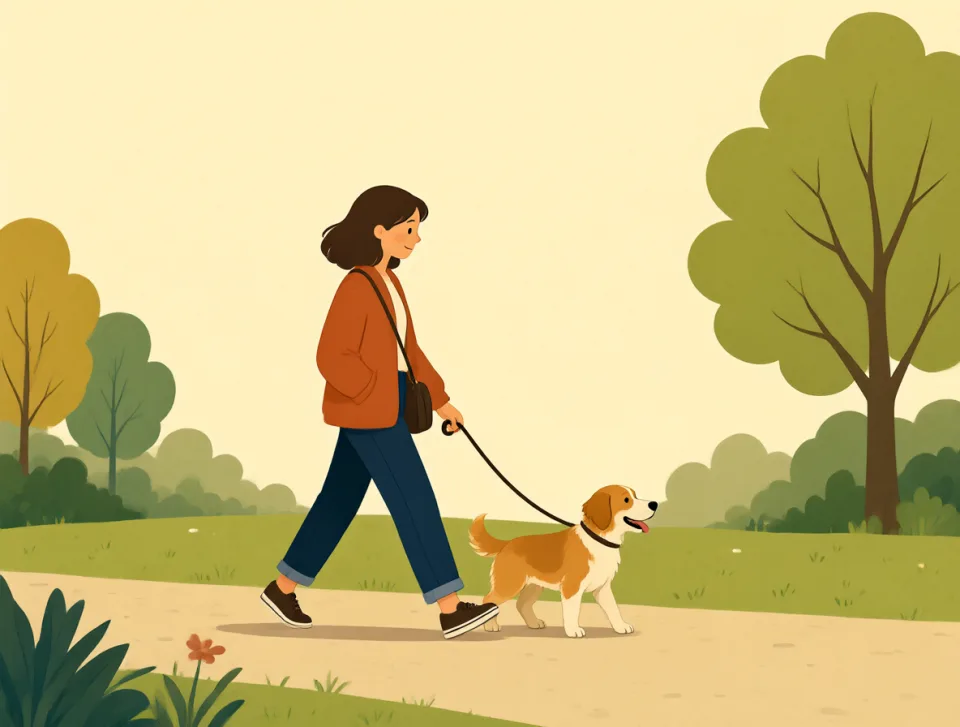
She walks her dog in the park.
Ella pasea a su perro en el parque.
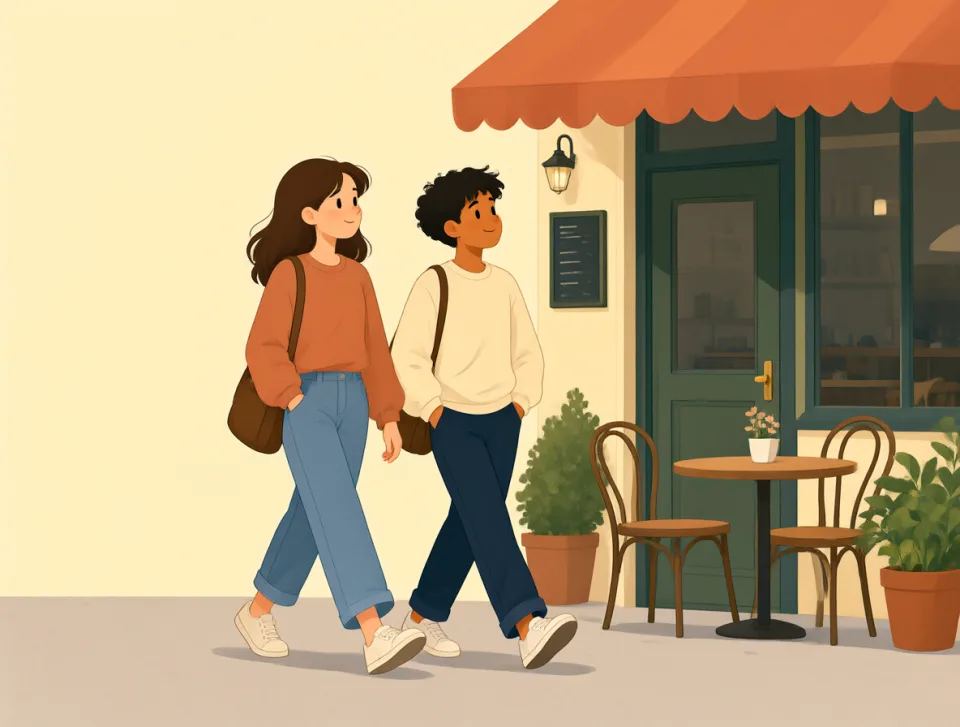
Let's take a walk after lunch.
Demos un paseo después de comer.
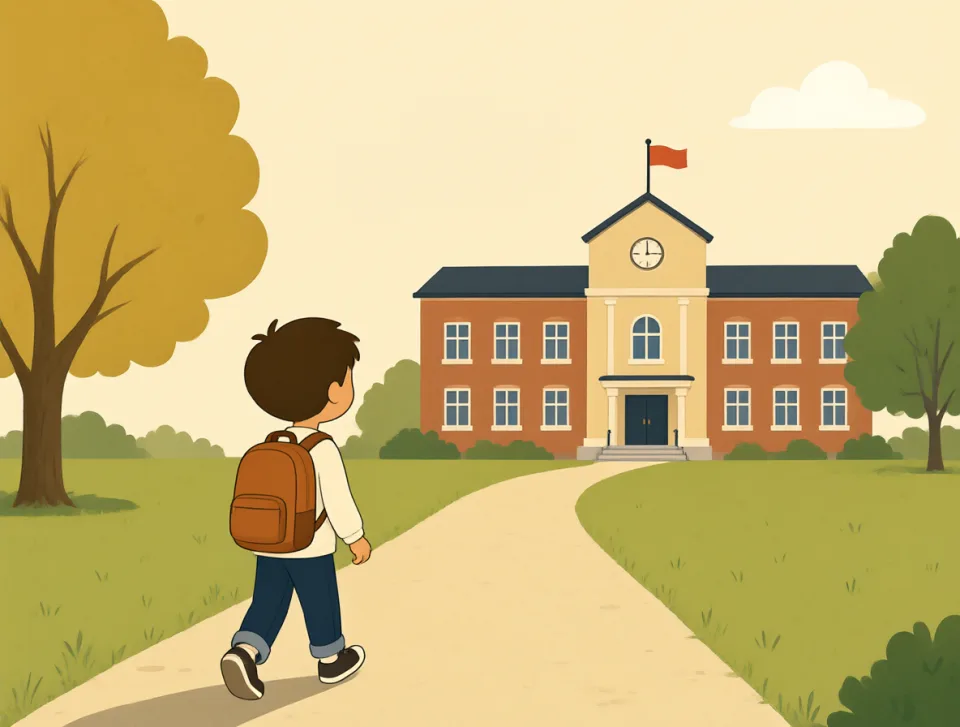
The walk to school takes ten minutes.
Se tarda diez minutos en ir caminando a la escuela.
matter
#340noun, verb
importar; asunto; cuestión
A subject or situation that is important, or to be important.
Un asunto o situación que es importante, o tener importancia.
It does not matter what time we leave.
No importa a qué hora nos vayamos.
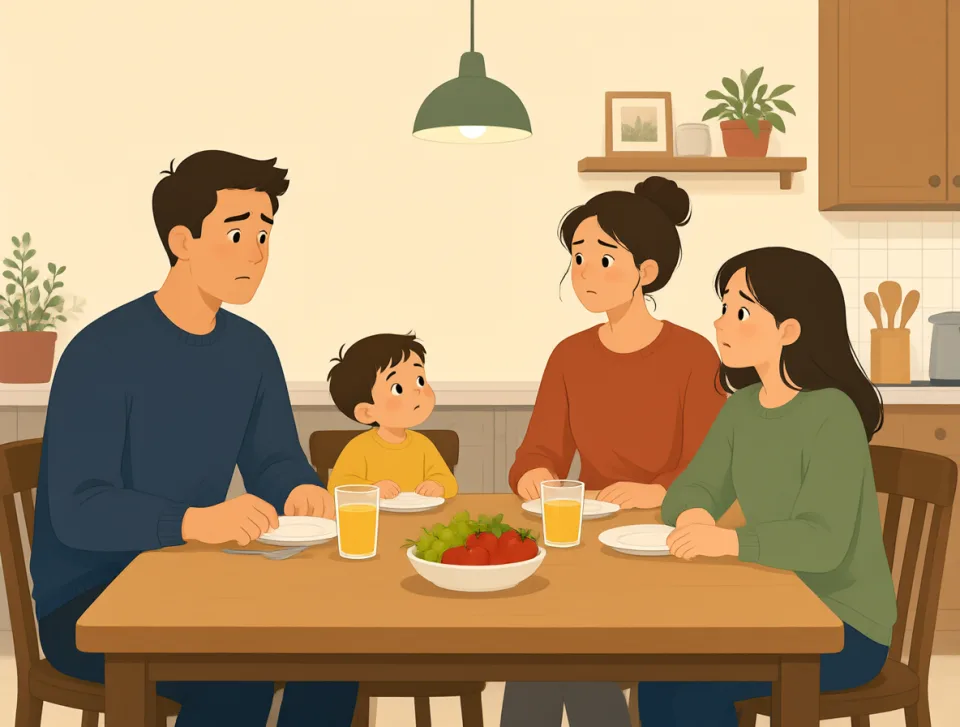
This matter is important to our family.
Este asunto es importante para nuestra familia.
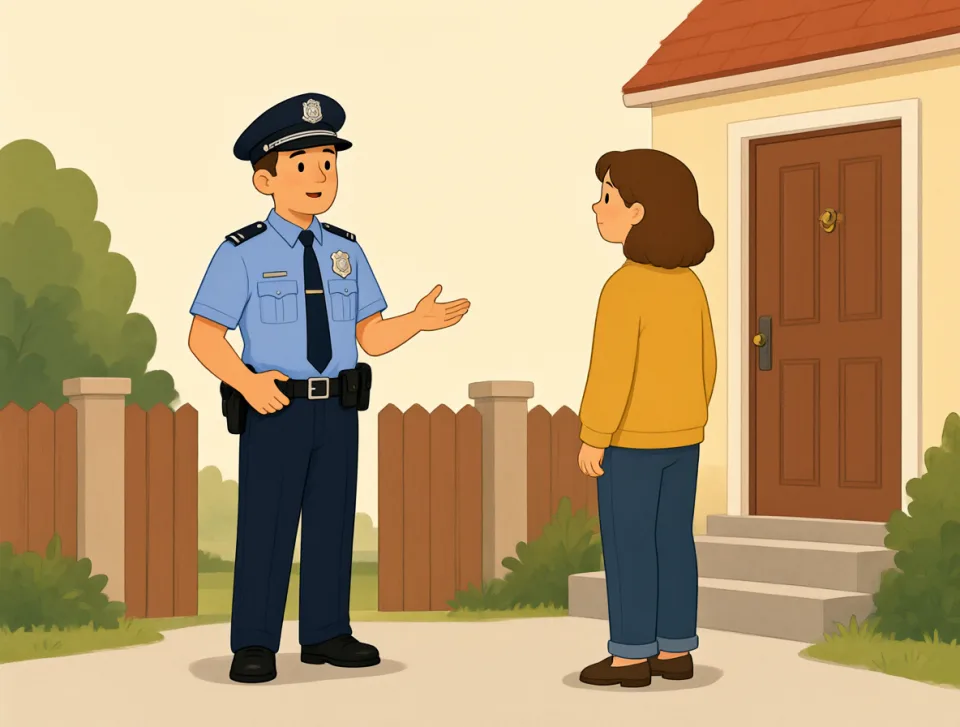
The police are looking into the matter.
La policía está investigando el asunto.
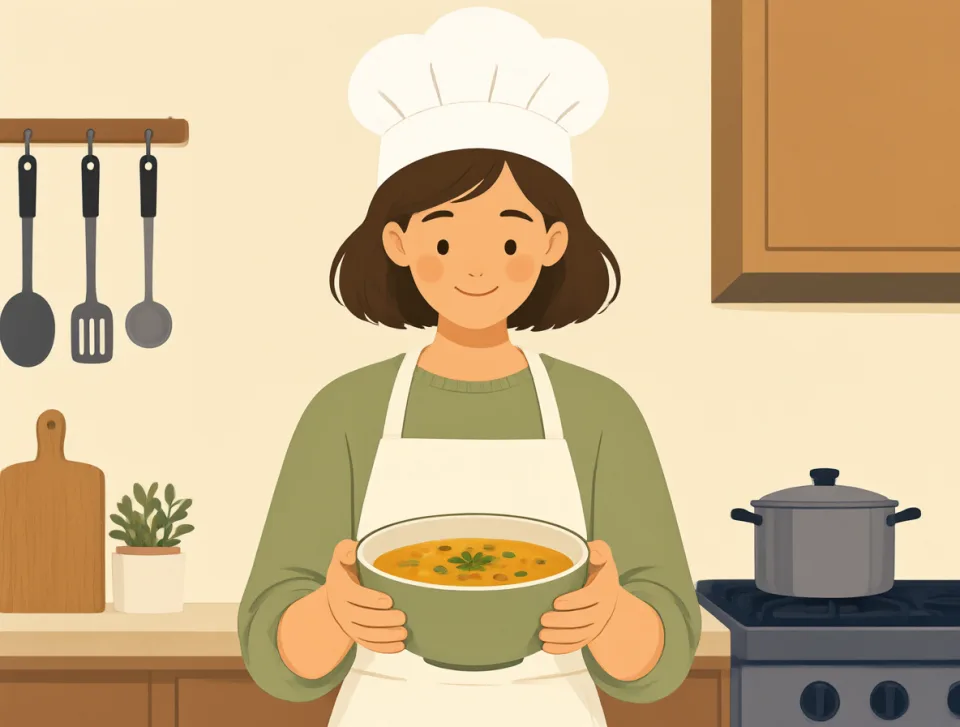
The soup matters more than the bowl.
La sopa importa más que el tazón.
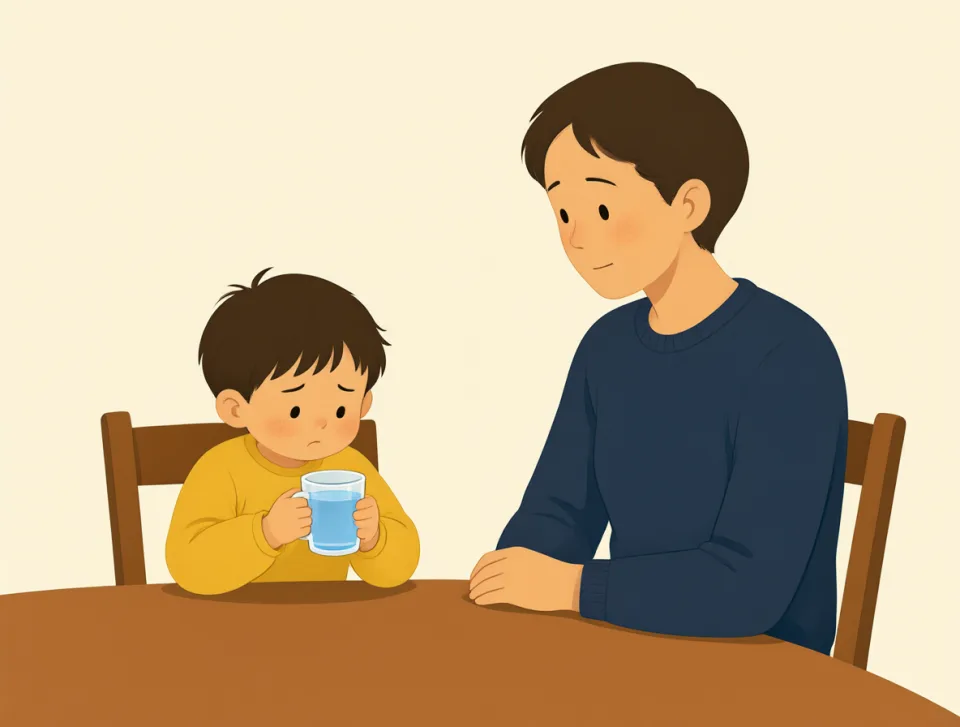
Water matters when you feel sick.
El agua importa cuando te sientes mal.