الوحدة 9
الكلمات من 161 إلى 180 · home, never, include, course, house, report
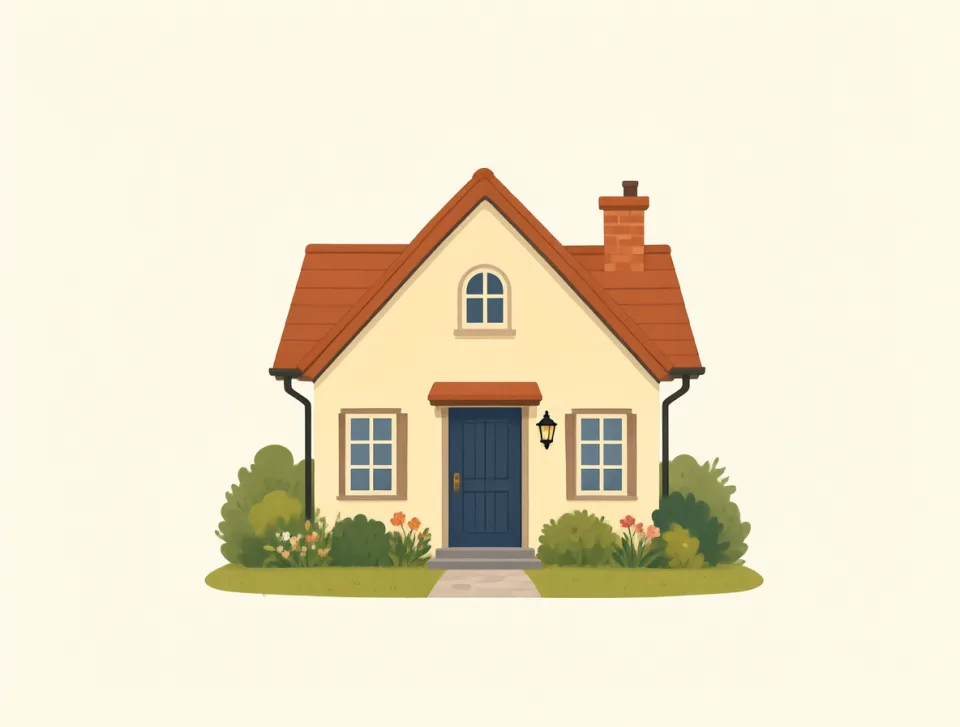
home
#161noun, adverb, adjective
المنزل
The place where you live, or to or at that place.
المكان الذي تعيش فيه، أو الذهاب إلى ذلك المكان أو الوجود فيه.
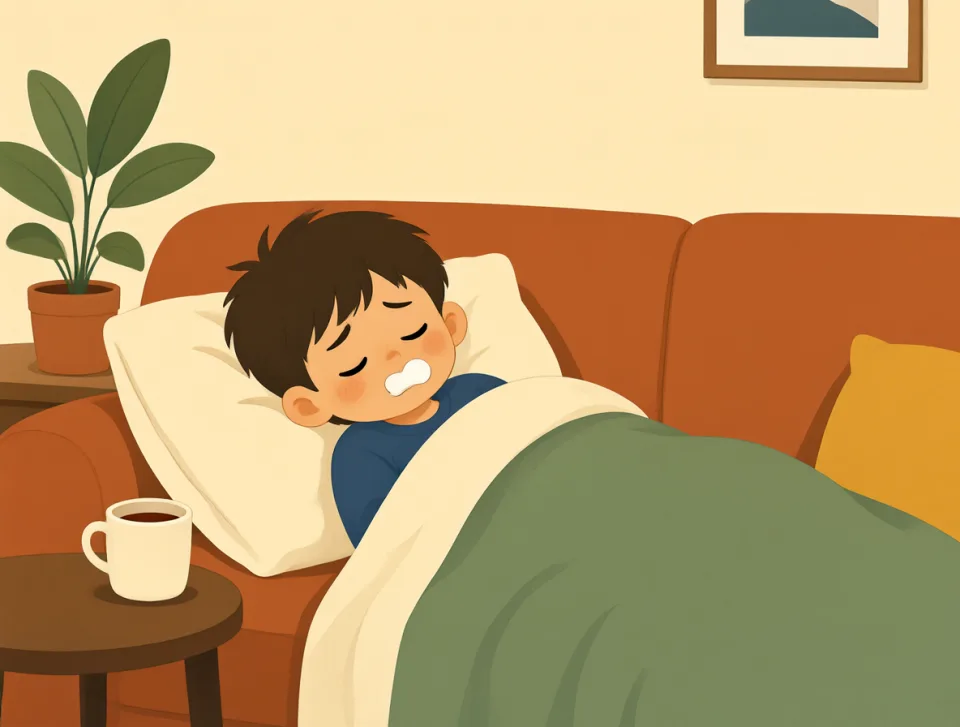
I stayed home because I felt sick.
بقيت في المنزل لأنني شعرت بالمرض.
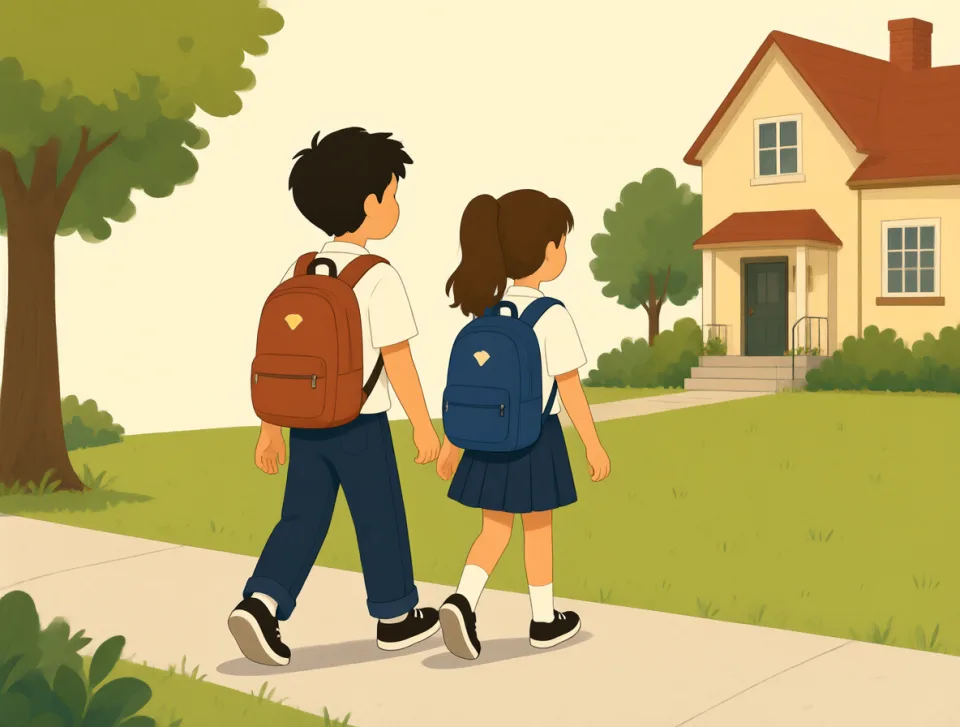
We walked home after school.
مشينا إلى المنزل بعد المدرسة.
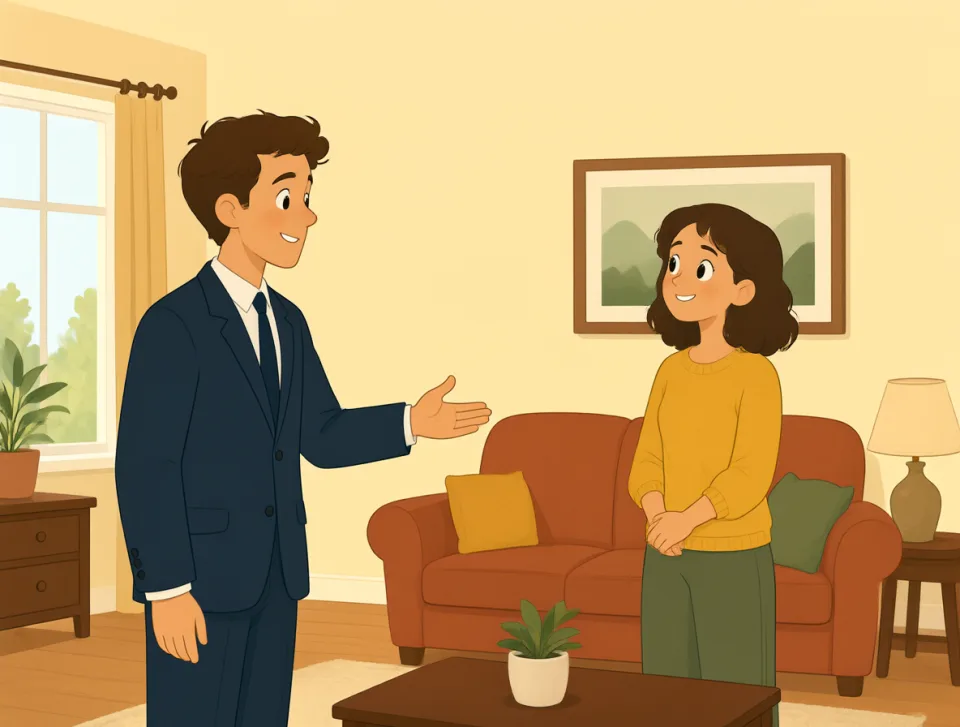
Please make yourself at home.
تصرّف وكأنك في منزلك.
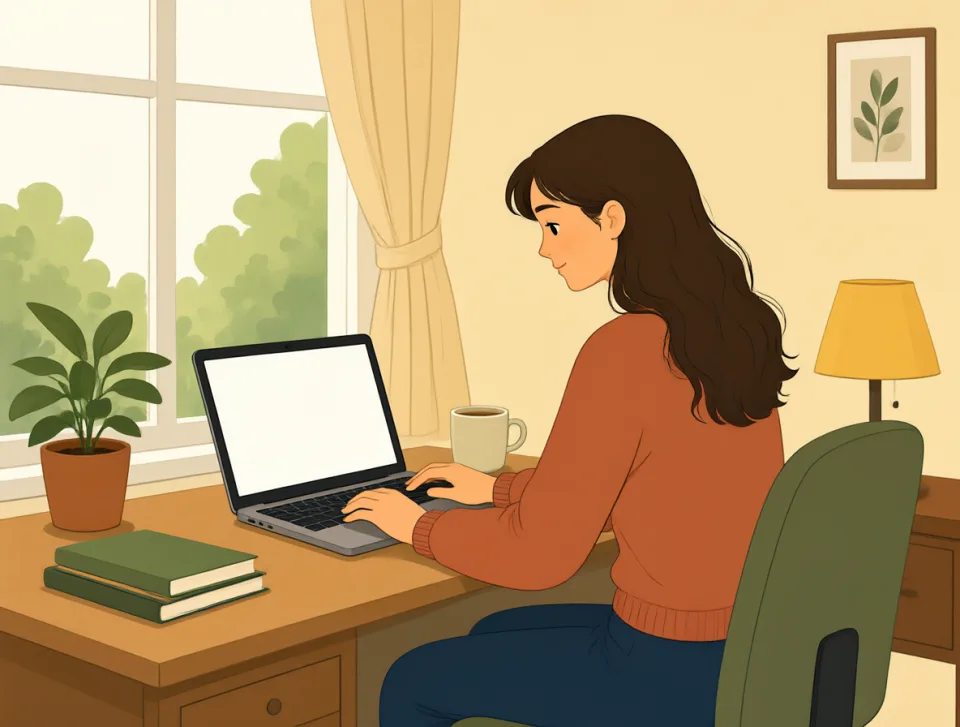
She works from home on Fridays.
تعمل من المنزل أيام الجمعة.
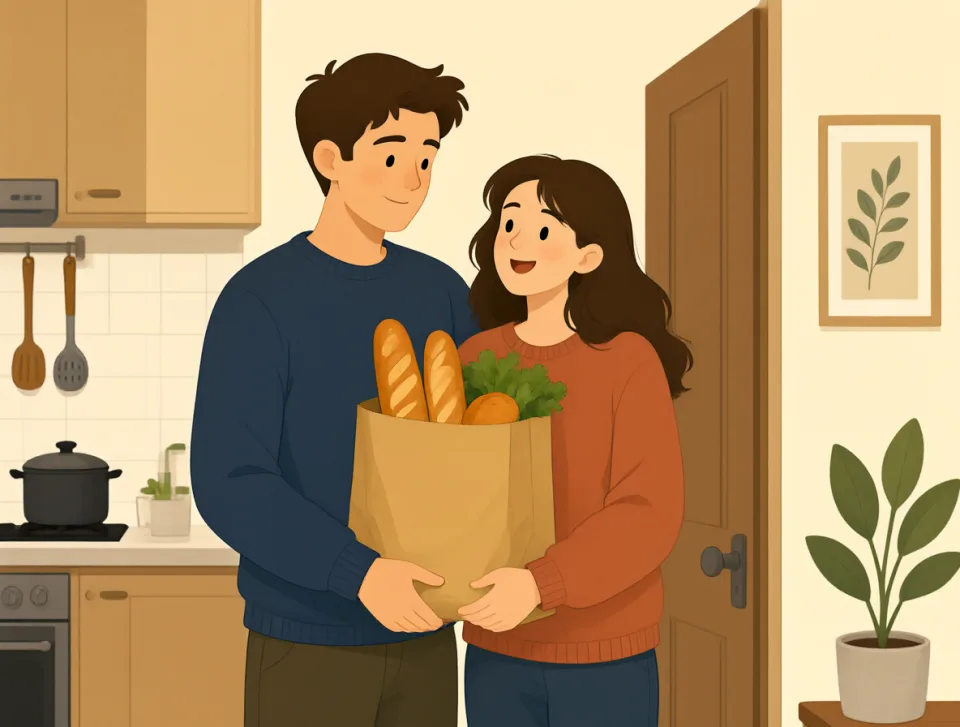
They brought home fresh bread.
أحضروا خبزًا طازجًا إلى المنزل.
never
#162adverb
أبدًا
At no time; not ever.
في أي وقت؛ مطلقًا.
I never drink coffee after dinner.
لا أشرب القهوة أبدًا بعد العشاء.
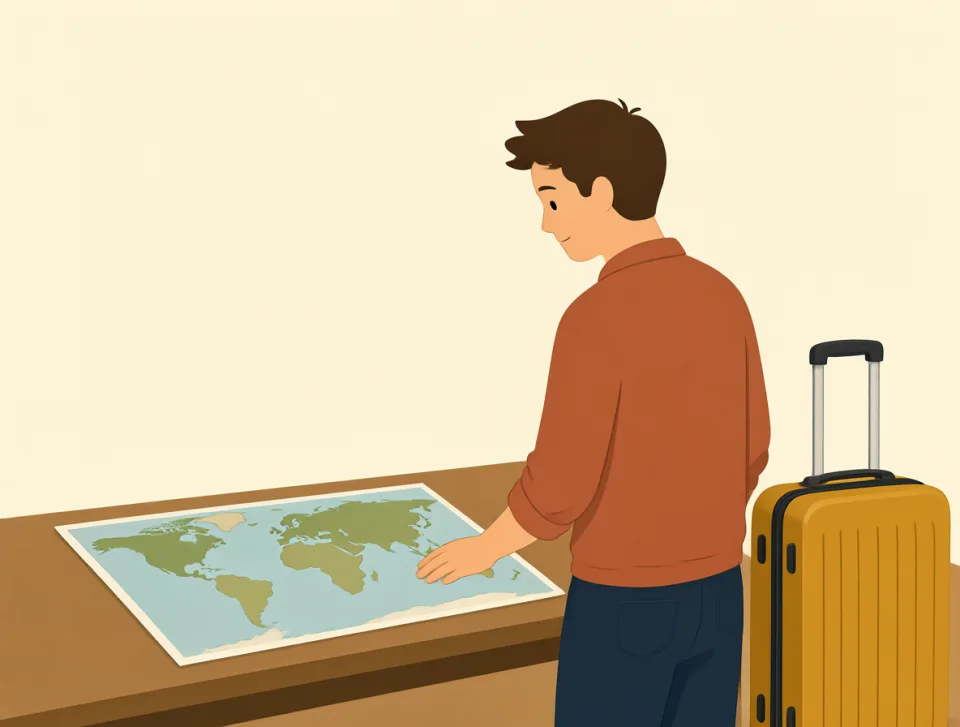
He has never visited another country.
لم يسبق له أن زار بلدًا آخر.
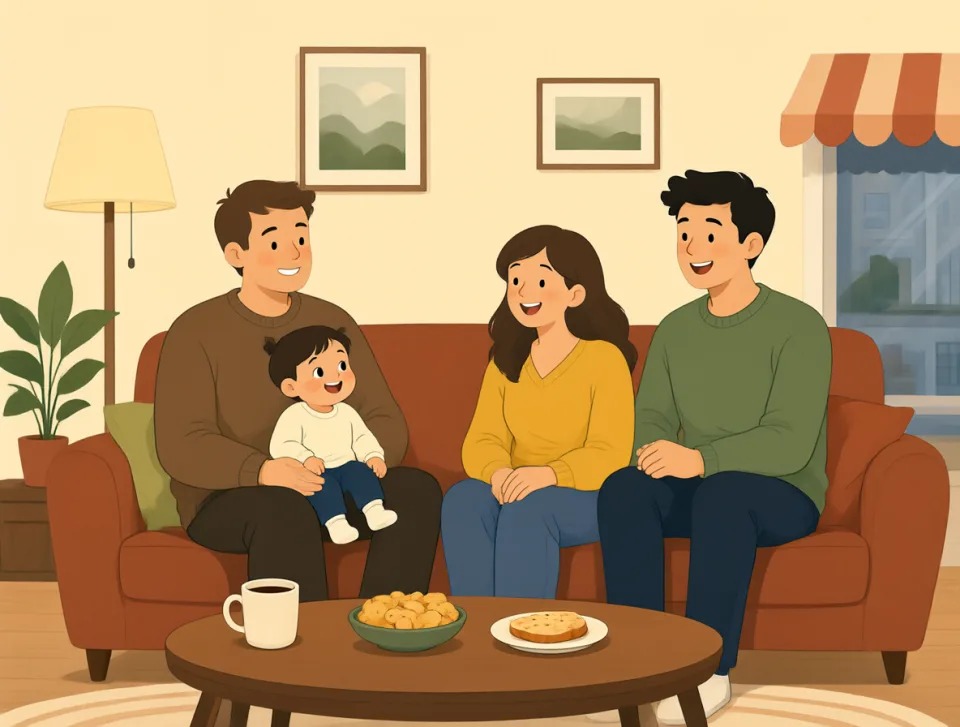
We never go shopping on Sundays.
لا نذهب للتسوق أبدًا أيام الأحد.
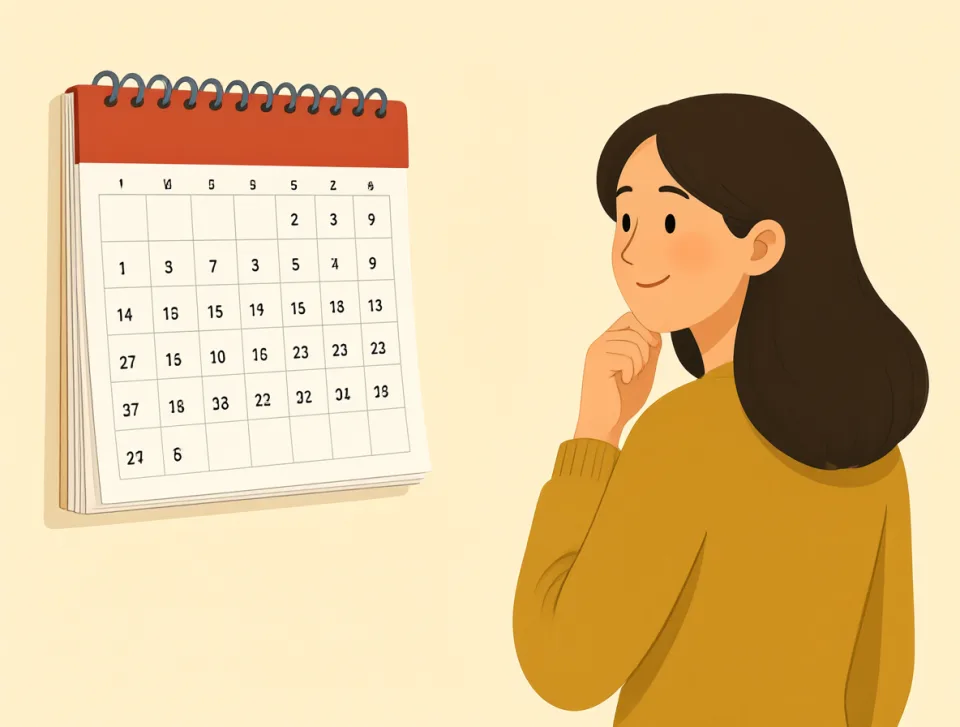
She never forgets her friends' birthdays.
لا تنسى أبدًا أعياد ميلاد أصدقائها.
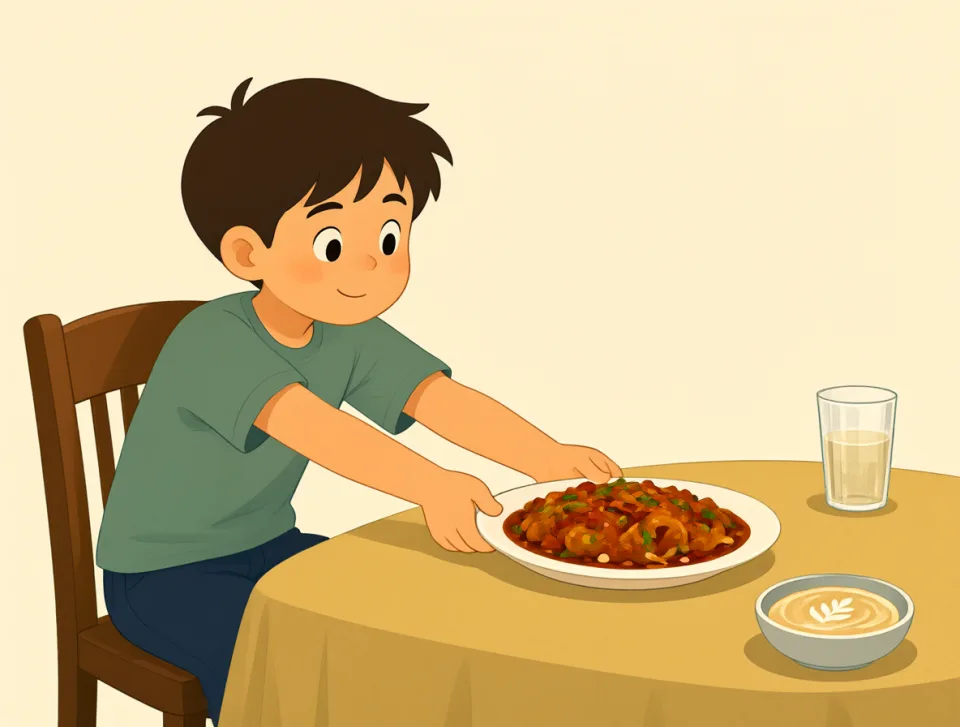
My brother never eats spicy food.
لا يأكل أخي الطعام الحار أبدًا.
include
#163verb
يشمل
to have someone or something as part of a group or whole
أن يكون شخص أو شيء جزءًا من مجموعة أو كلٍّ.
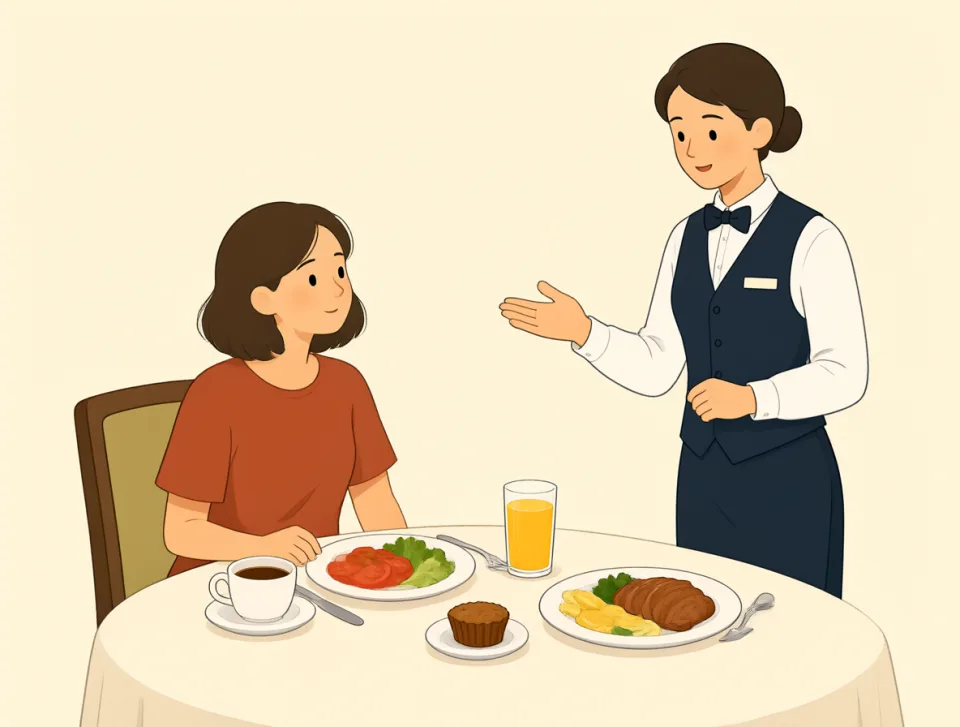
The price includes breakfast and dinner.
يشمل السعر وجبتي الإفطار والعشاء.
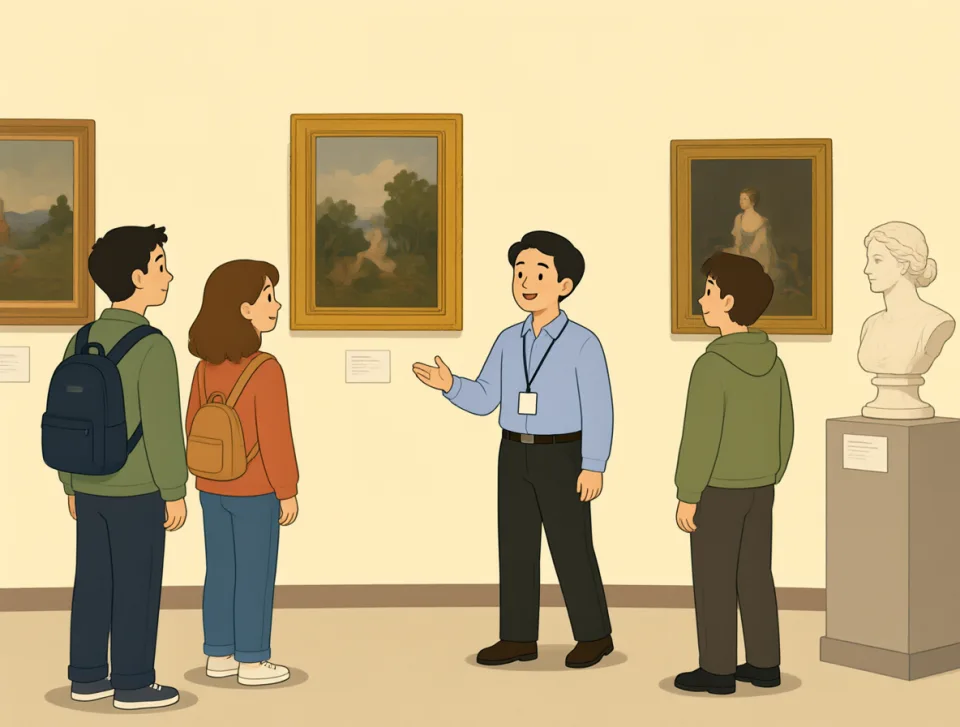
The tour includes a visit to the museum.
تشمل الجولة زيارةً إلى المتحف.
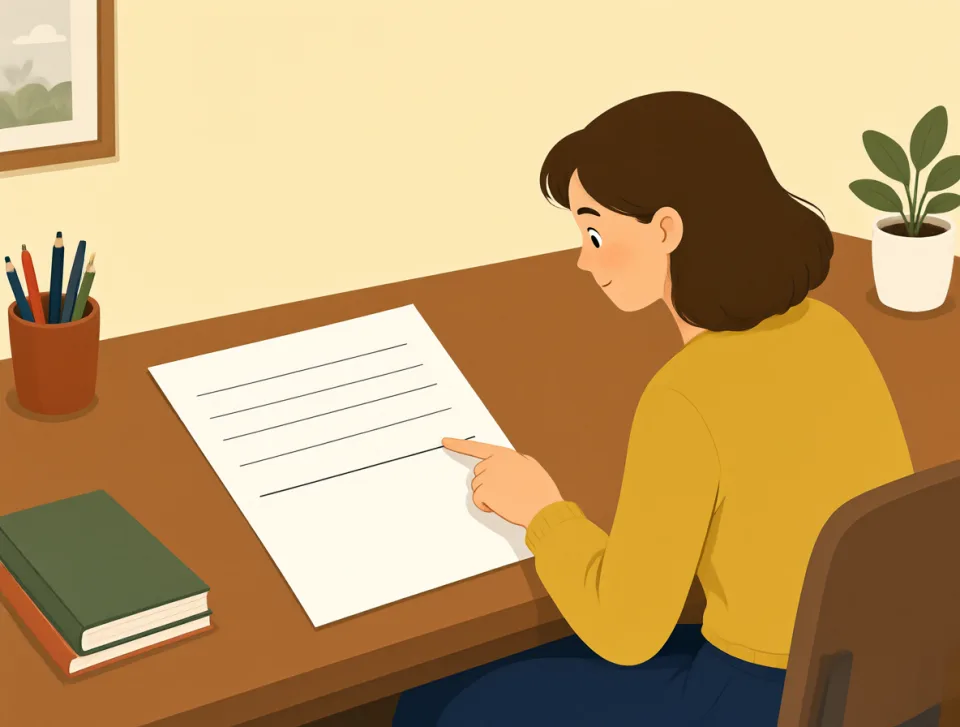
Please include your phone number on the form.
يُرجى إدراج رقم هاتفك في الاستمارة.
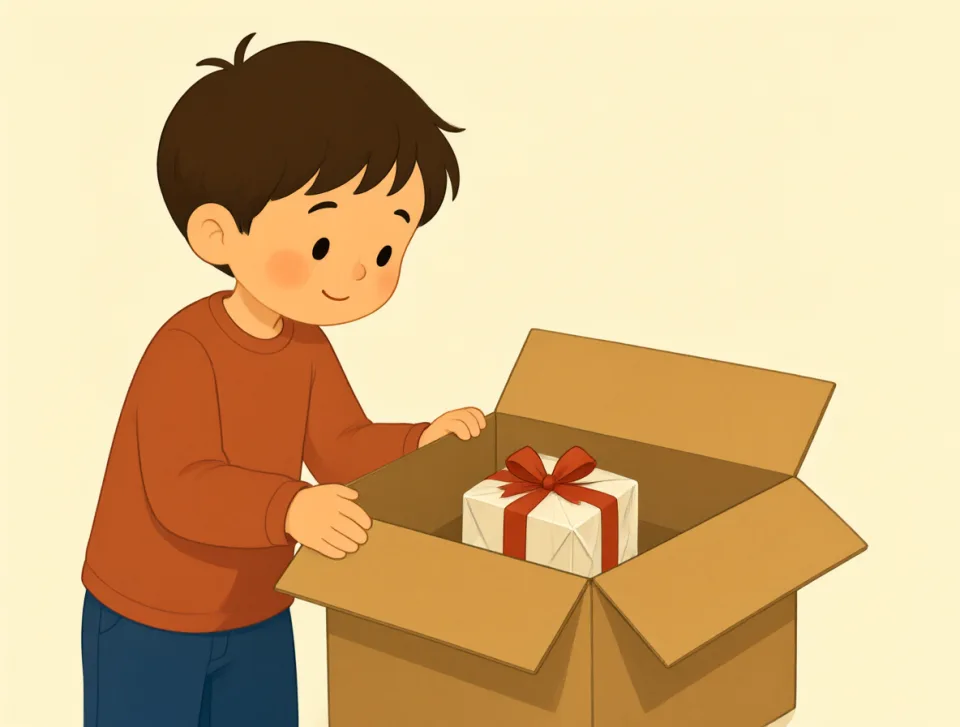
The box included a small gift.
احتوى الصندوق على هدية صغيرة.
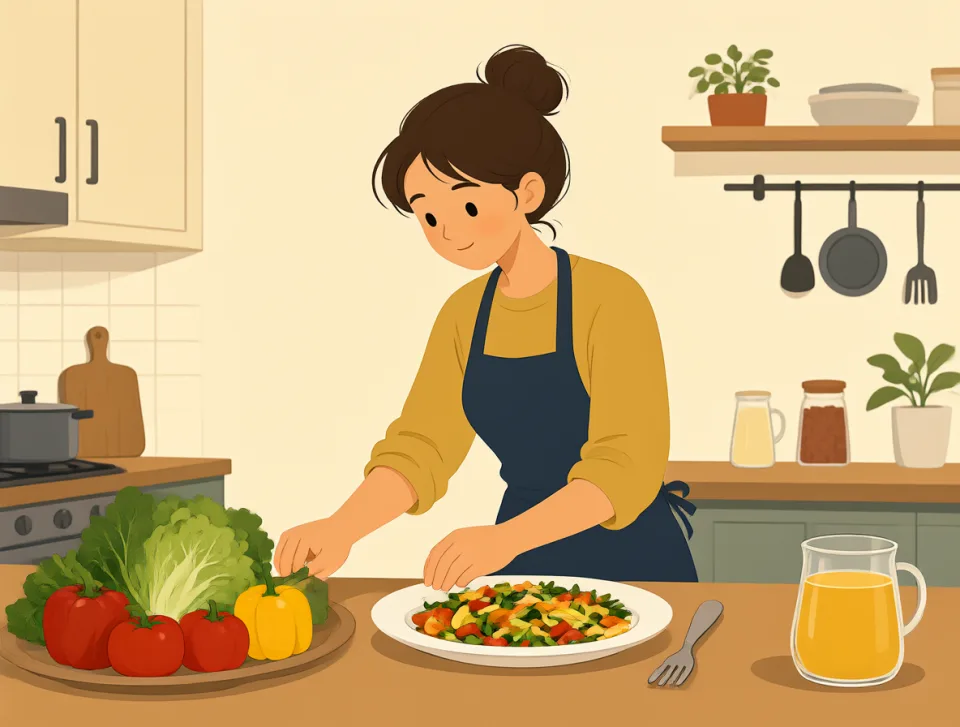
The healthy meal includes fresh vegetables.
تحتوي الوجبة الصحية على خضراوات طازجة.
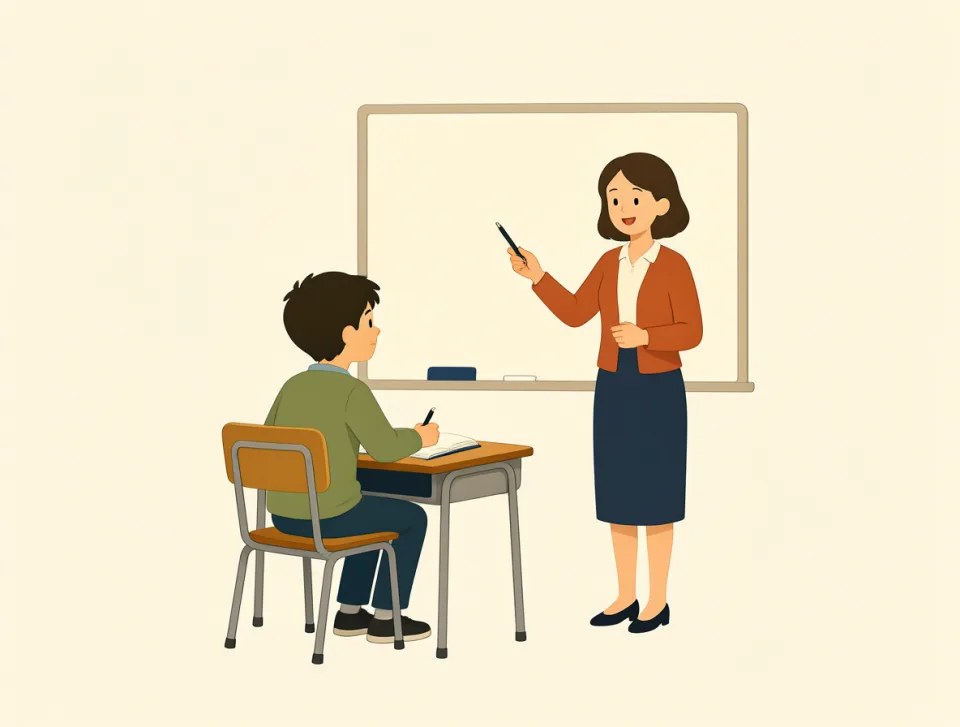
course
#164noun, verb
دورة
A series of lessons, or the direction something moves.
سلسلة من الدروس، أو المسار الذي يسلكه شيء ما.
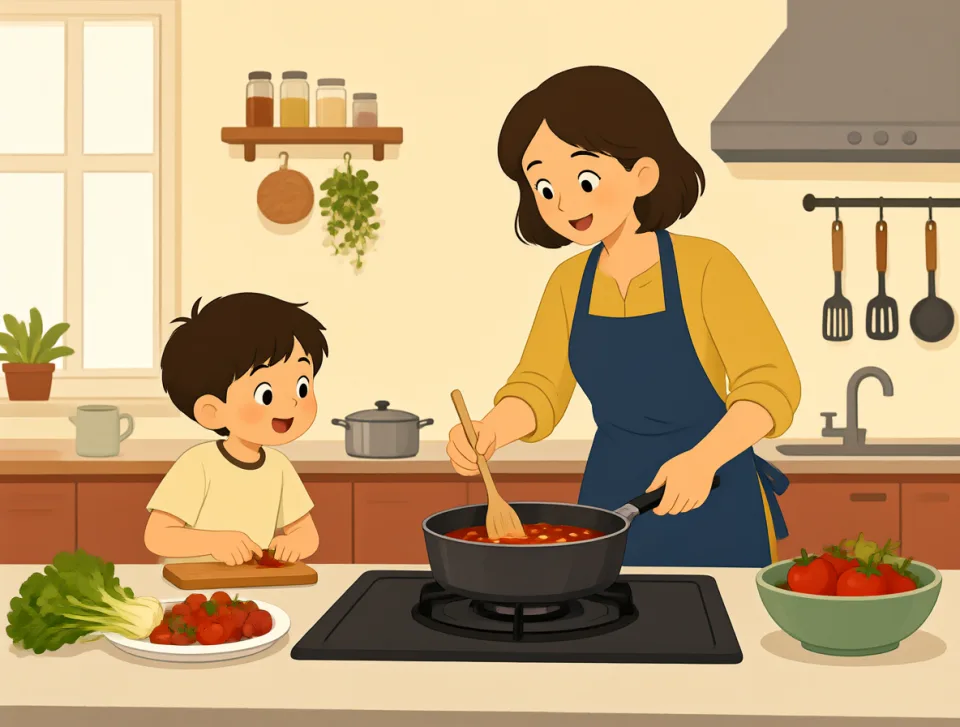
I am taking a cooking course this year.
سألتحق بدورة في الطهي هذا العام.
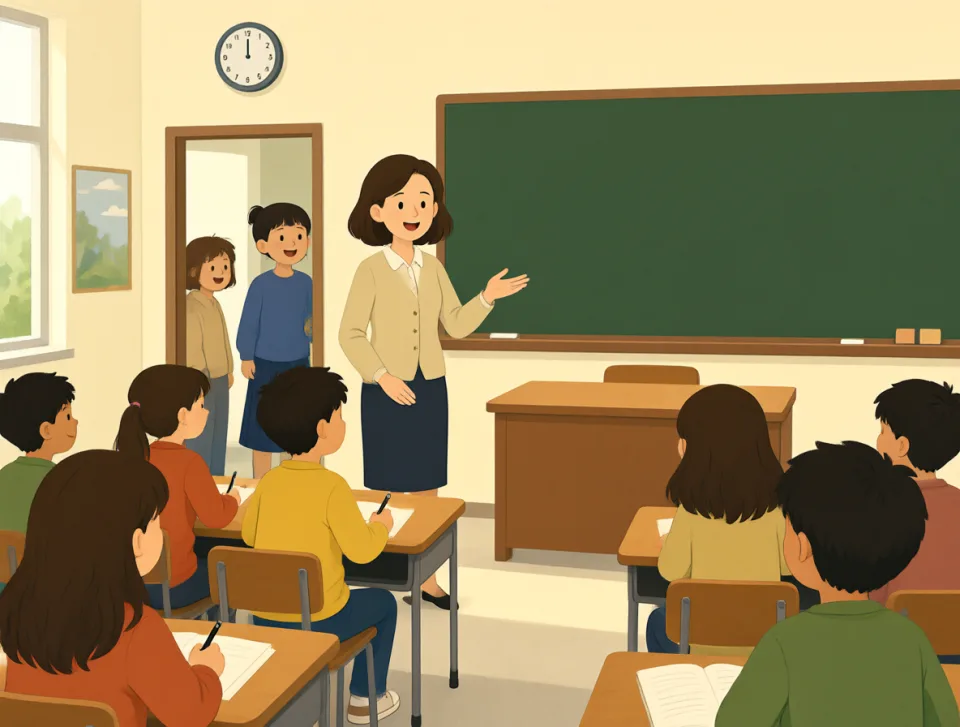
The course starts next Monday morning.
تبدأ الدورة صباح الاثنين المقبل.
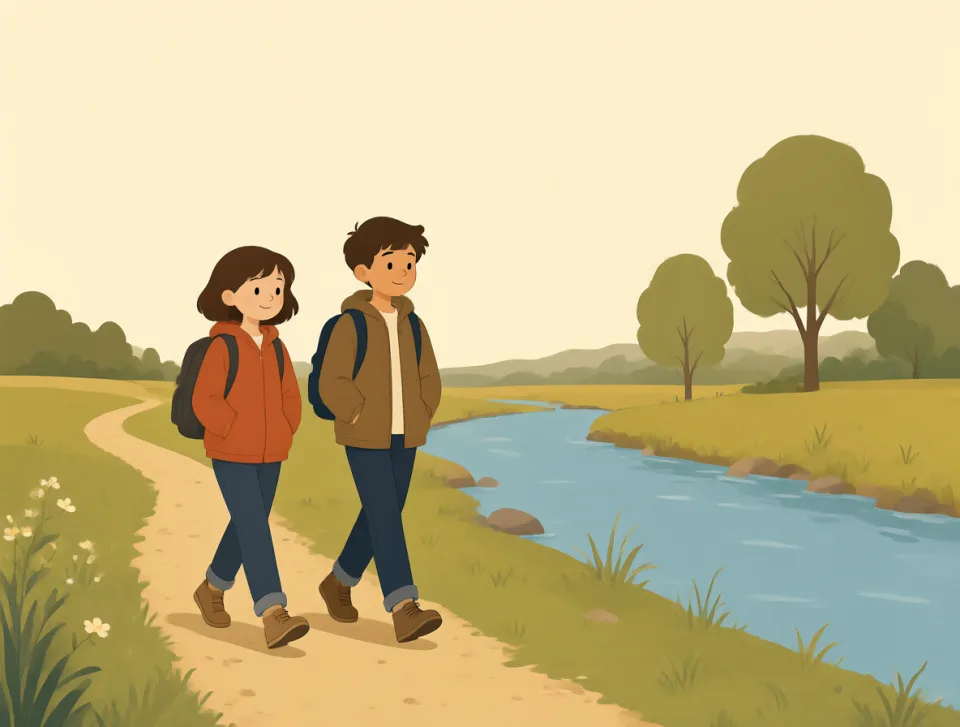
We walked along the course of the river.
مشينا بمحاذاة مجرى النهر.

The ship changed course during the storm.
غيّرت السفينة مسارها أثناء العاصفة.
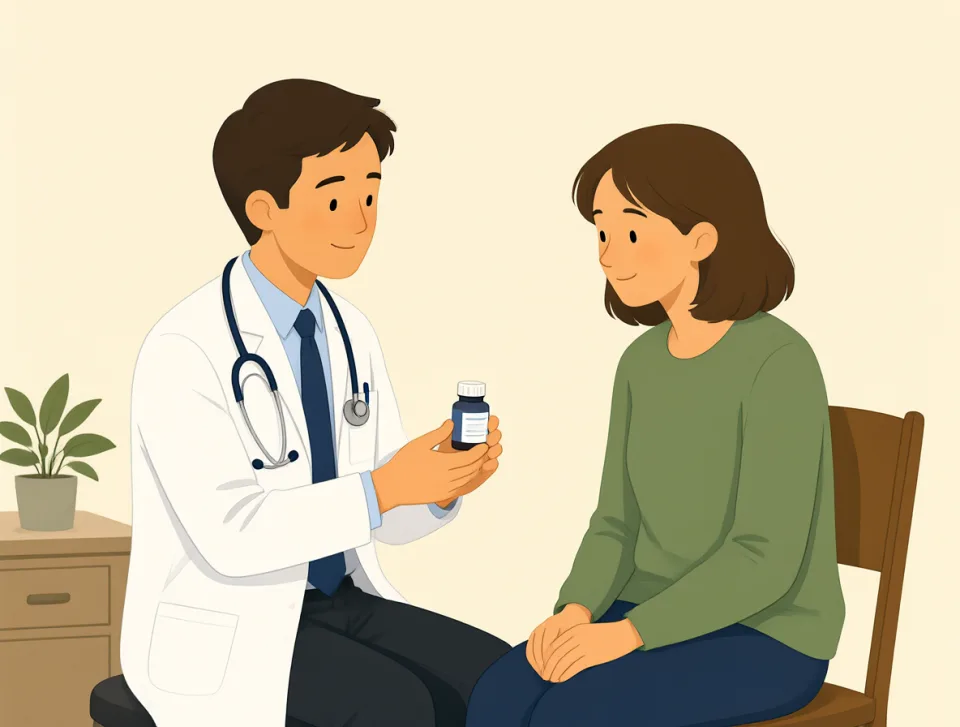
The doctor prescribed a course of antibiotics.
وصف الطبيب دورة علاجية من المضادات الحيوية.
house
#165noun
منزل
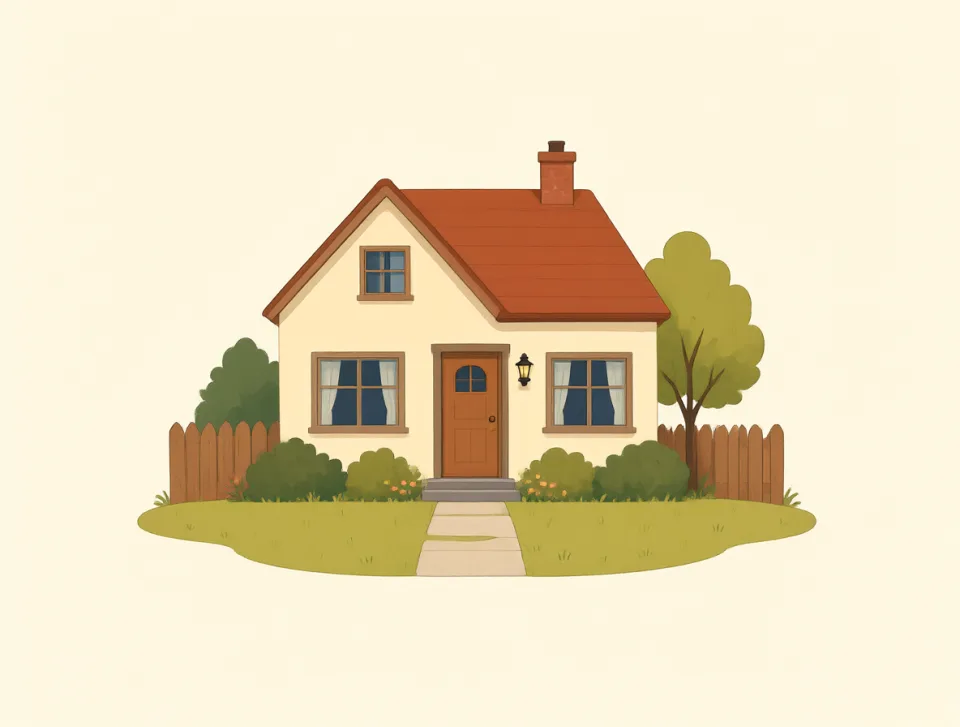
A building where people live.
مبنى يسكنه الناس.
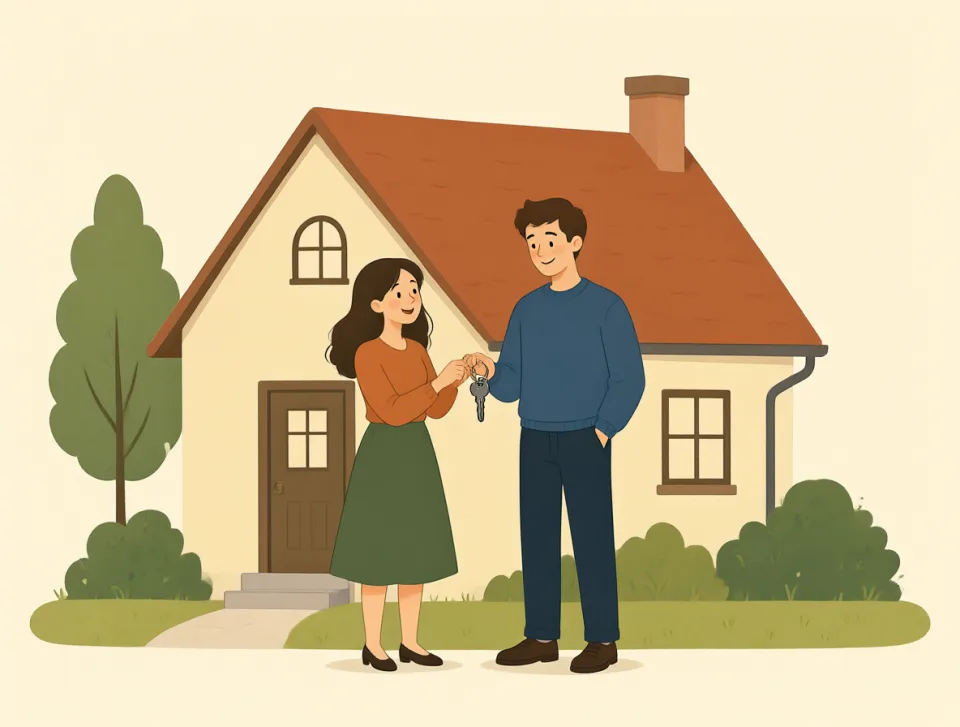
We bought a small house near the school.
اشترينا منزلًا صغيرًا بالقرب من المدرسة.
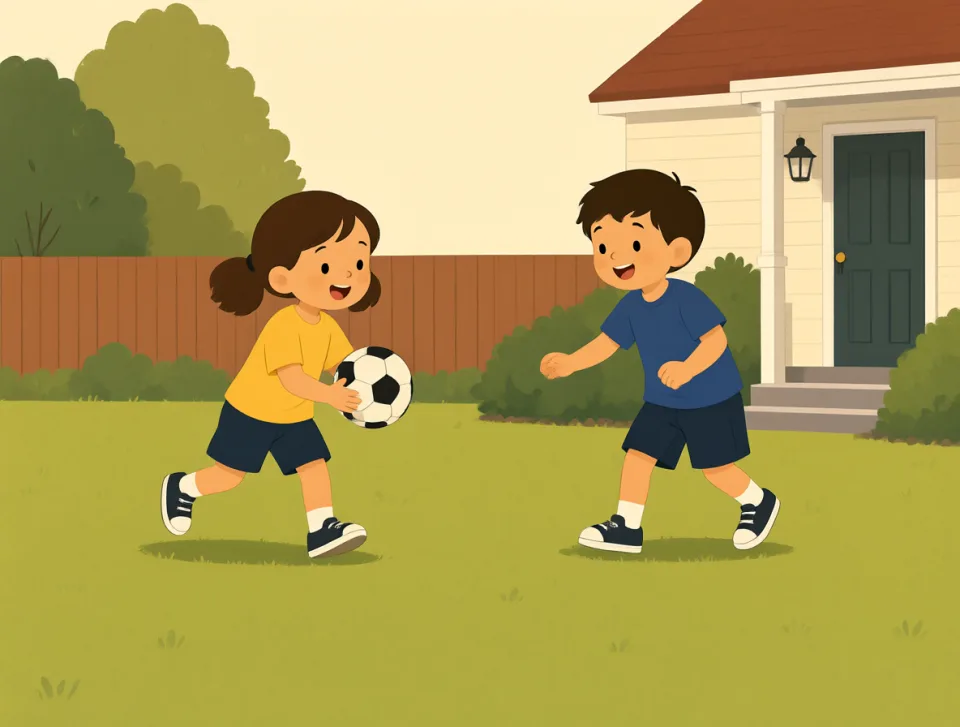
The children are playing outside the house.
يلعب الأطفال خارج المنزل.
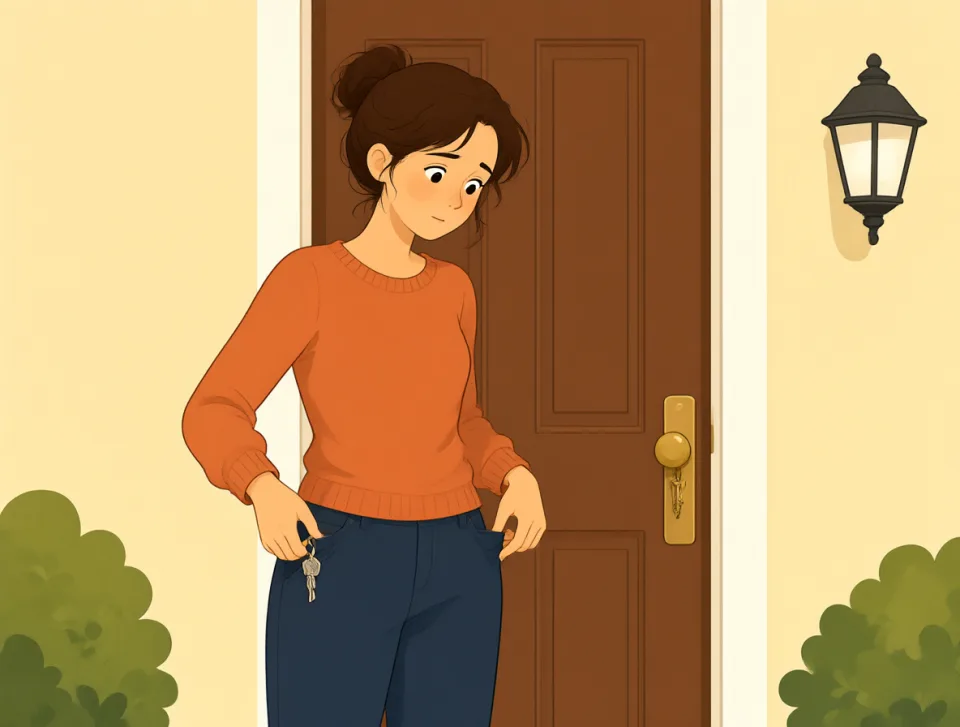
She left her keys inside the house.
تركت مفاتيحها داخل المنزل.
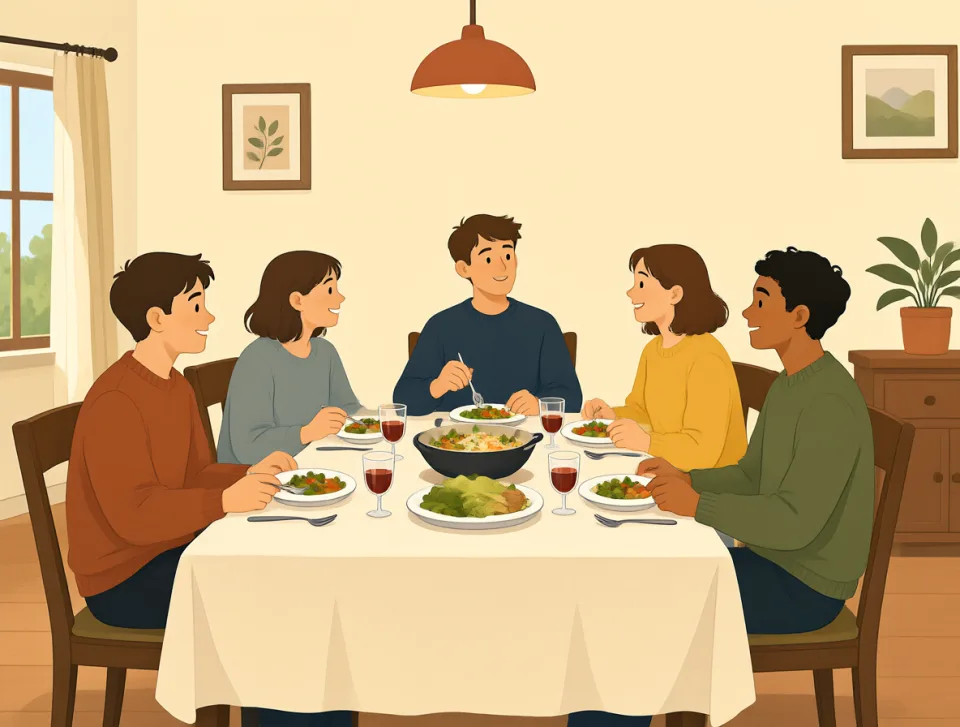
They invited us to their house for dinner.
دعونا إلى منزلهم لتناول العشاء.
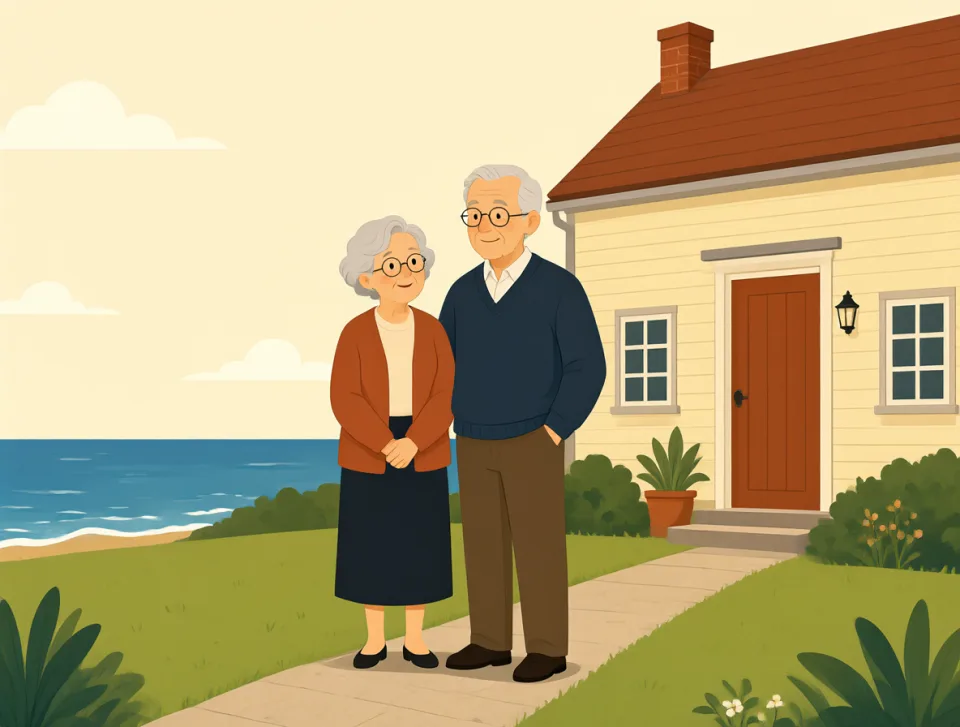
My grandparents live in a house by the sea.
يعيش أجدادي في منزل على شاطئ البحر.

report
#166noun, verb
تقرير
A report is information about something, usually written or spoken.
التقرير معلومات عن شيء ما، تُقدَّم عادةً كتابةً أو شفهيًا.
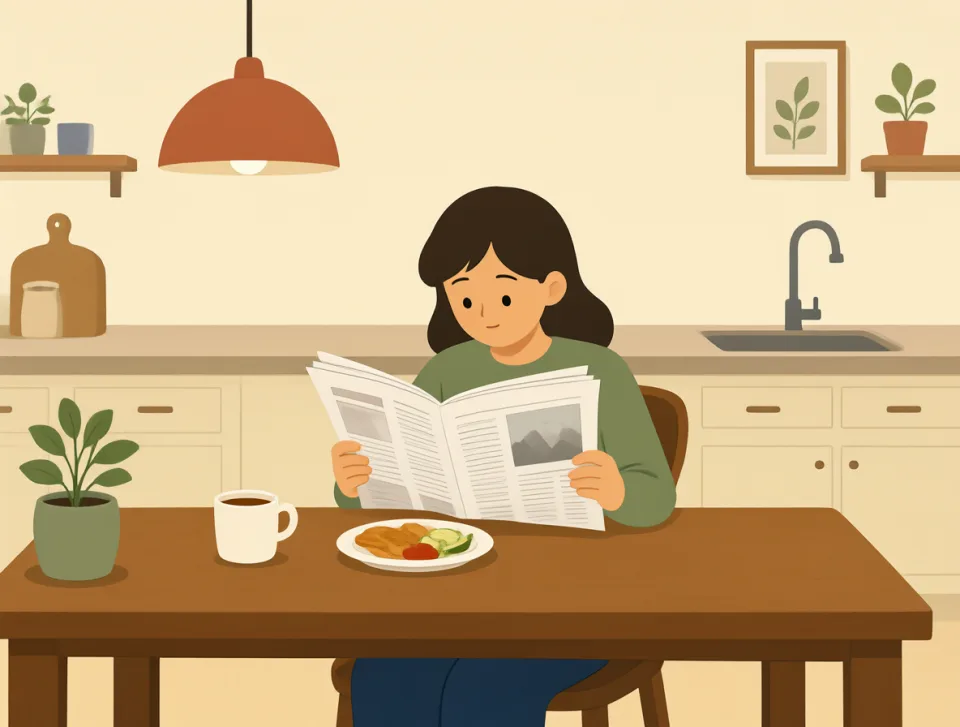
I read the news report this morning.
قرأت التقرير الإخباري هذا الصباح.
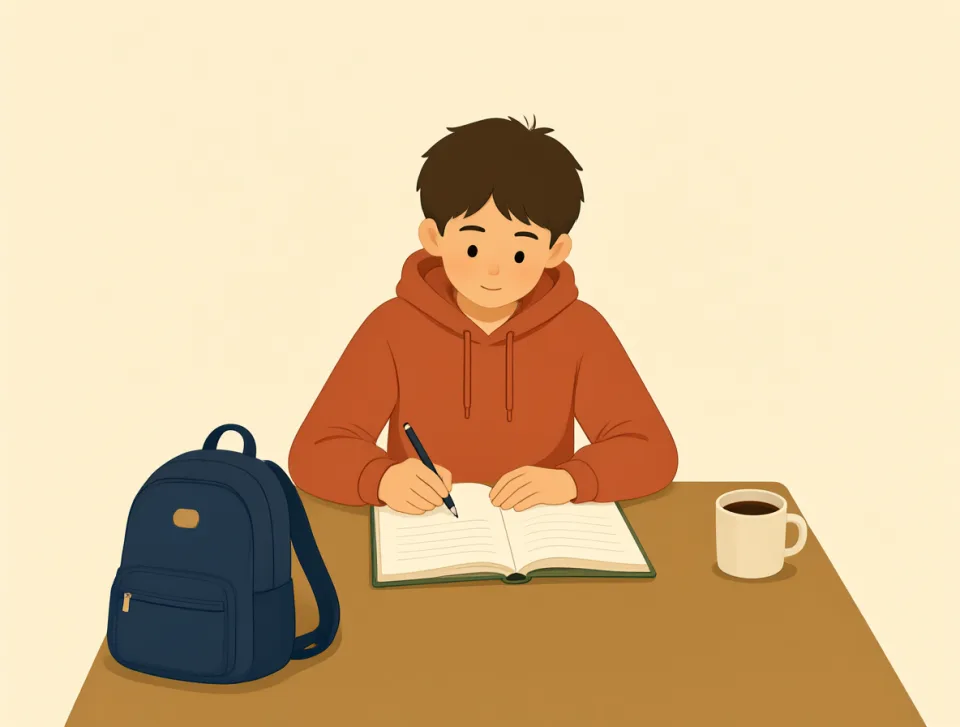
She wrote a report about her school trip.
كتبت تقريرًا عن رحلتها المدرسية.

Please report the broken window to the manager.
يُرجى إبلاغ المدير بالنافذة المكسورة.
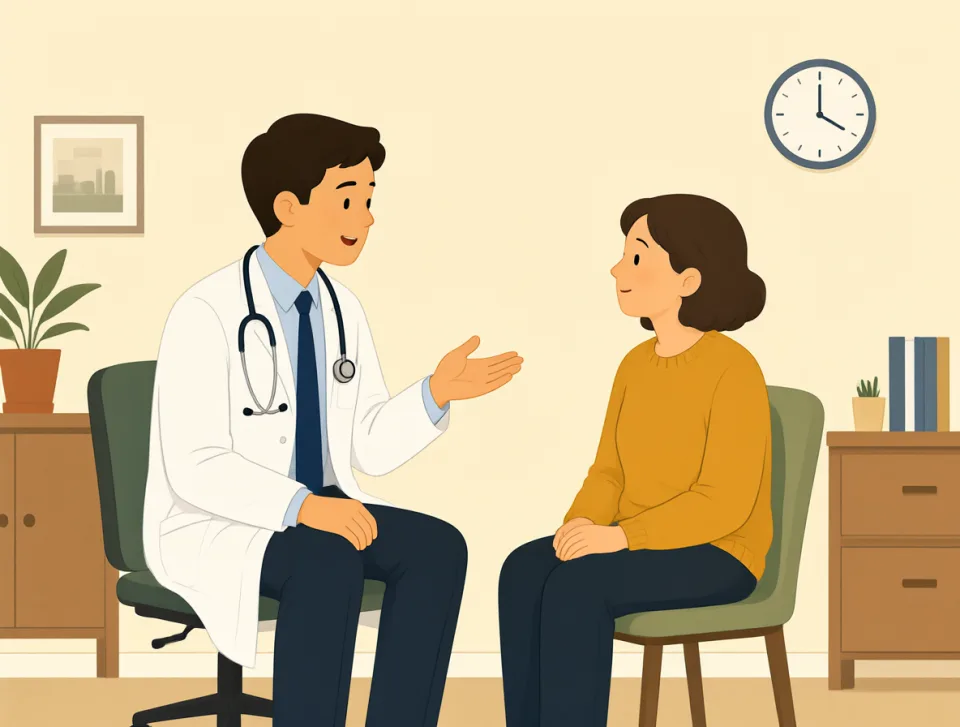
The doctor reported that my heart was healthy.
أفاد الطبيب بأن قلبي سليم.
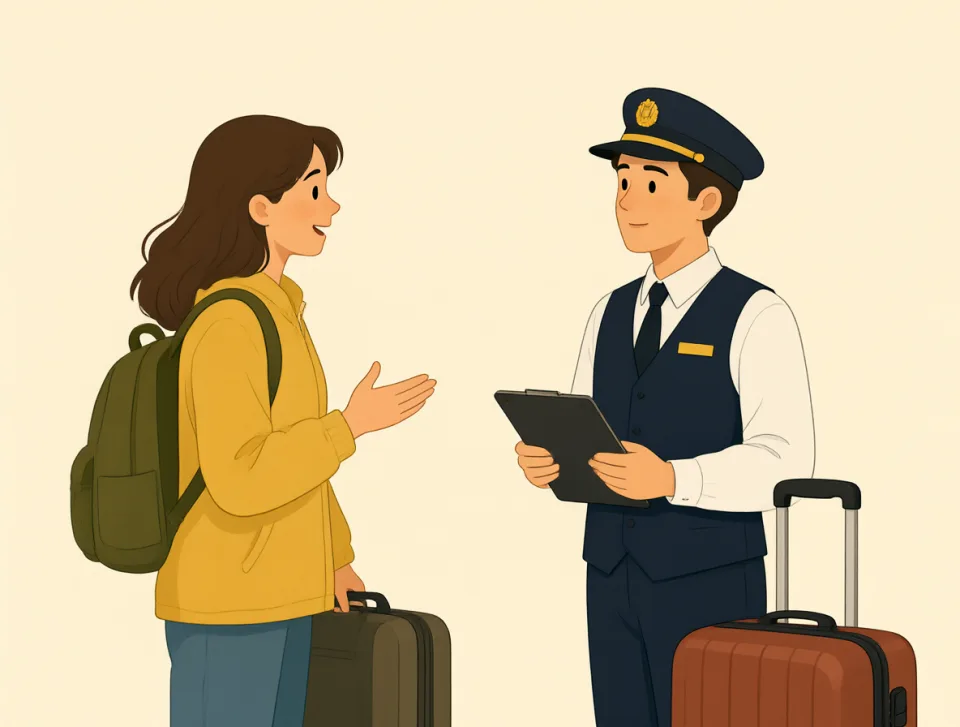
We reported our lost bags at the airport.
أبلغنا عن حقائبنا المفقودة في المطار.
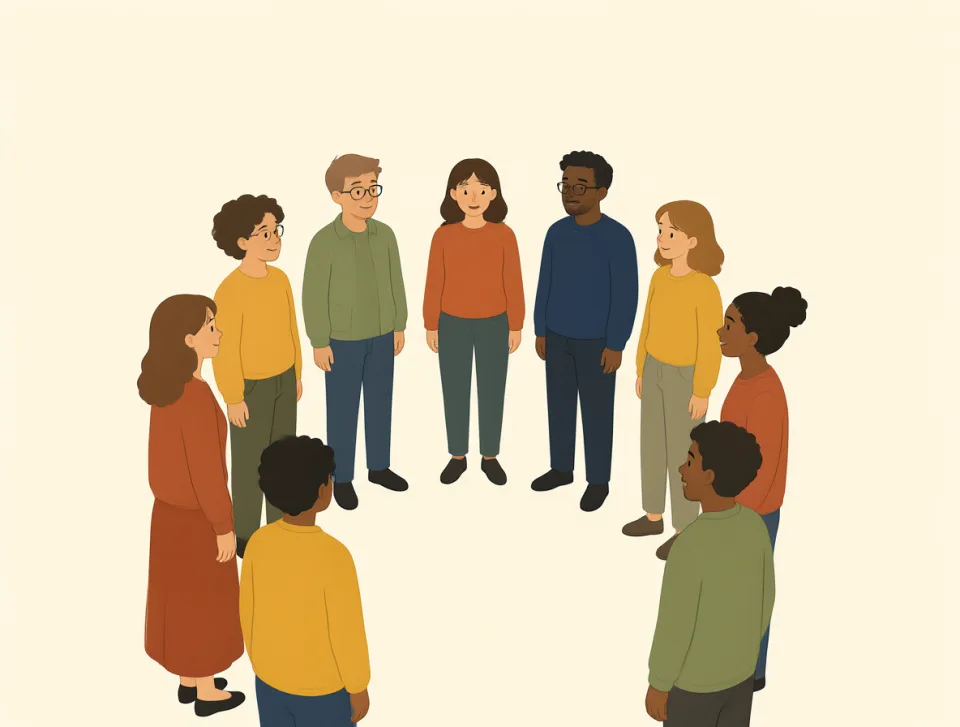
group
#167noun, verb
مجموعة
A number of people or things together; to put people or things together.
عدد من الأشخاص أو الأشياء مجتمعة؛ أو جمع أشخاص أو أشياء معًا.
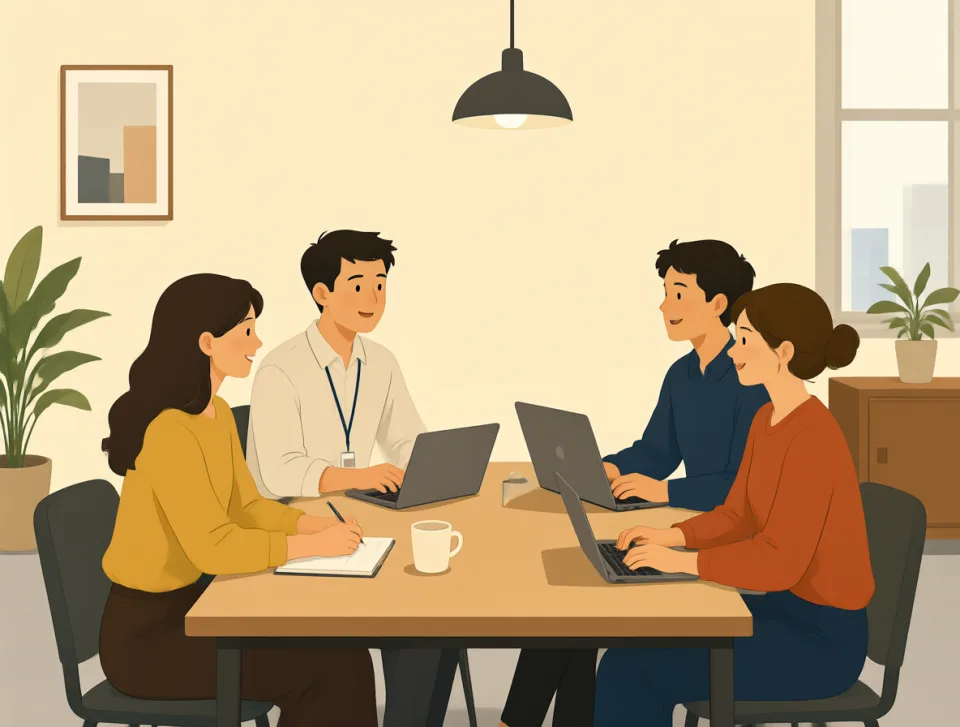
Our group meets every Friday after work.
تجتمع مجموعتنا كل يوم جمعة بعد العمل.
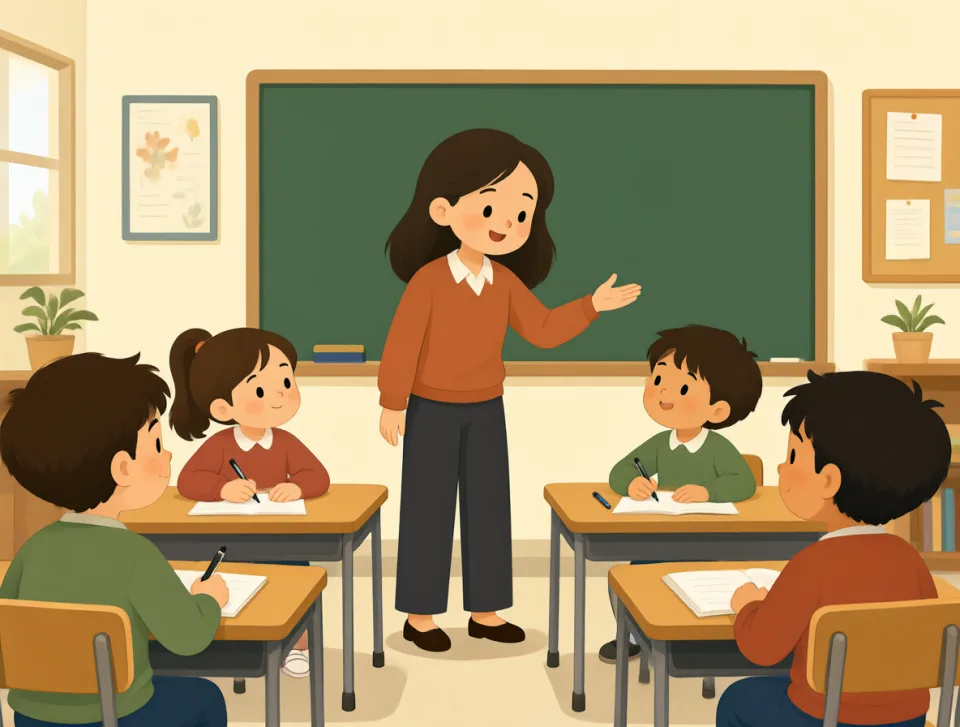
The teacher divided the class into groups.
قسّم المعلم الصف إلى مجموعات.
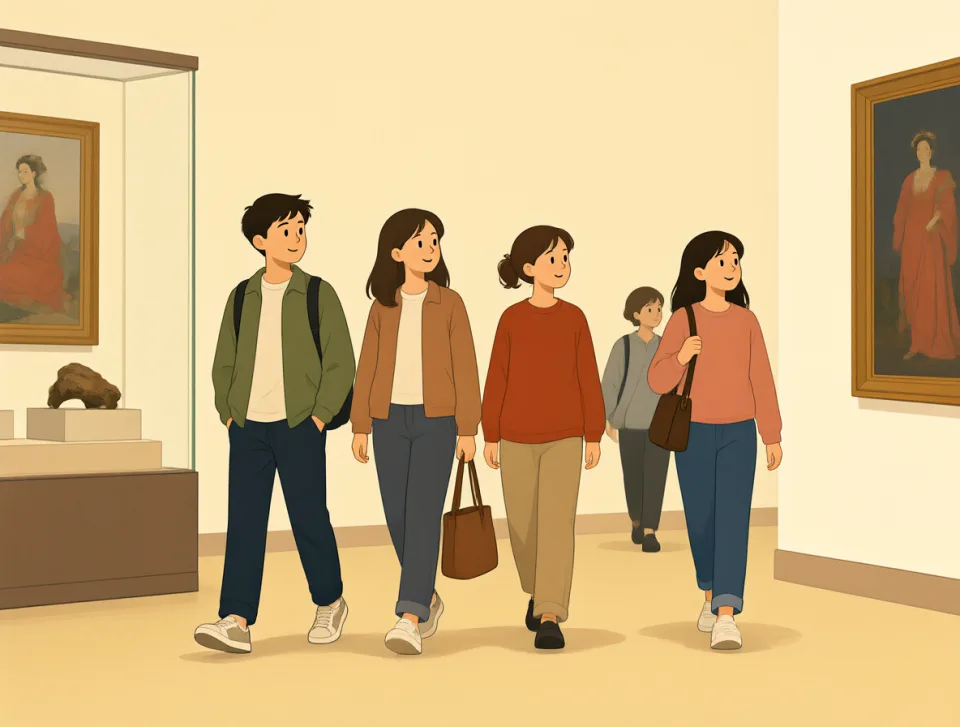
A group of tourists visited the museum.
زارت مجموعة من السياح المتحف.
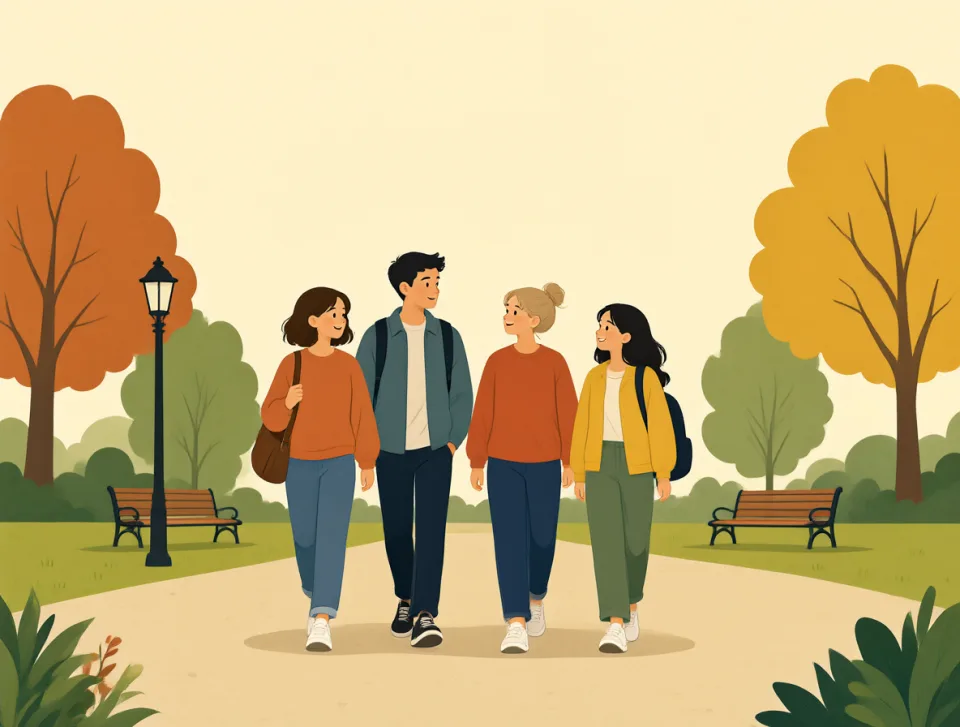
I joined a walking group last month.
انضممت إلى مجموعة للمشي الشهر الماضي.
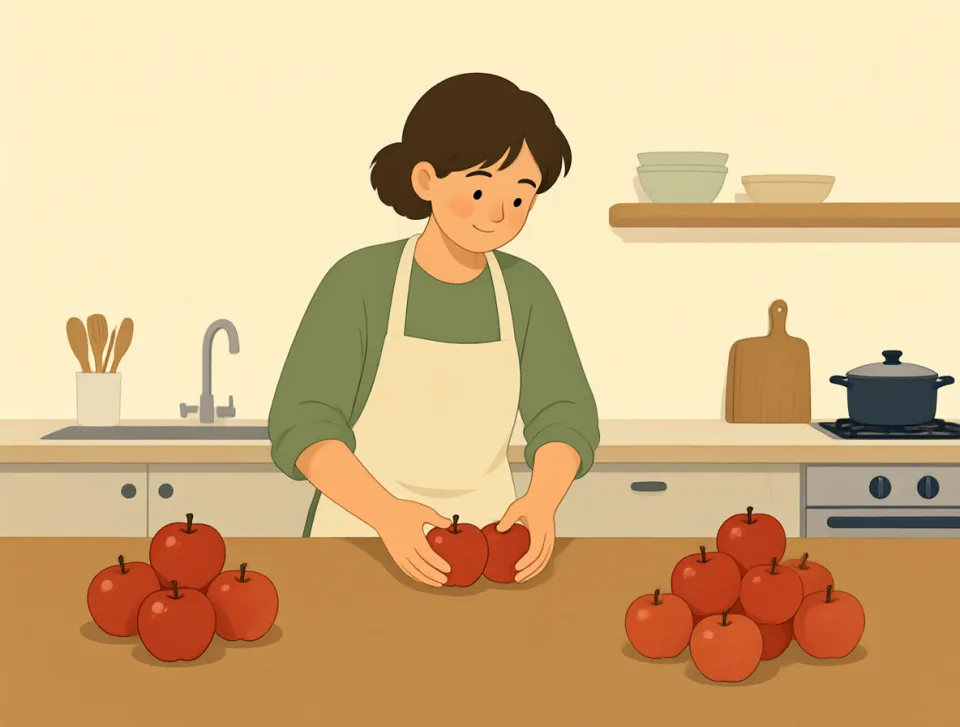
Please group the apples by color.
يُرجى تصنيف التفاح حسب لونه.
case
#168noun, verb
حالة؛ غلاف
a particular situation, or a container that protects or holds something
وضع محدد، أو حاوية تحمي شيئًا أو تحفظه.
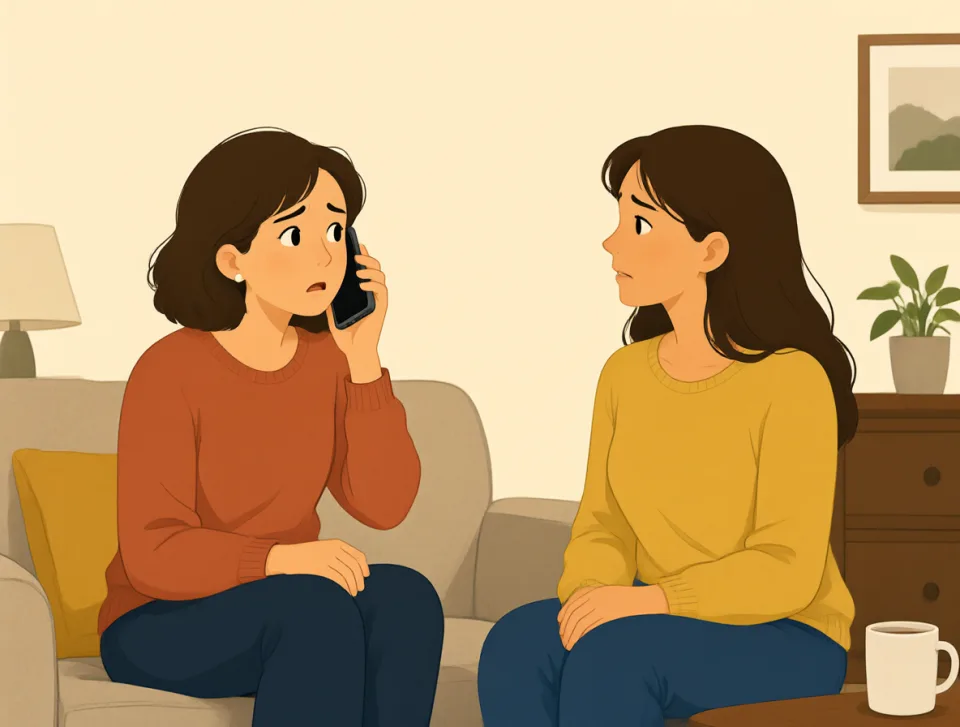
In this case, we should call the doctor.
في هذه الحالة، ينبغي أن نتصل بالطبيب.
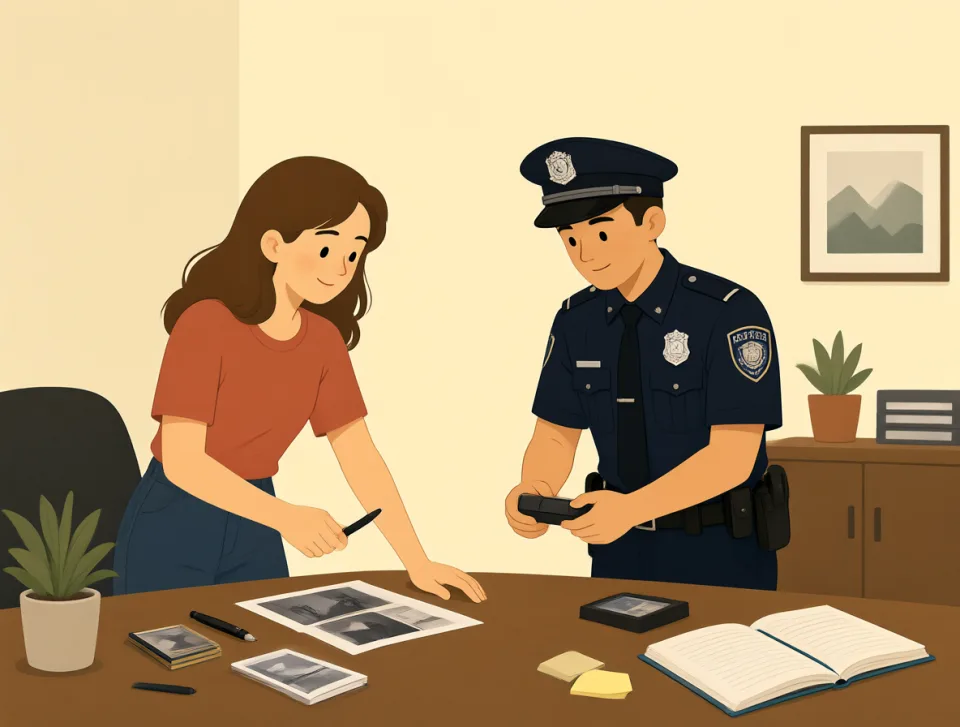
The police are investigating the case.
تحقق الشرطة في القضية.
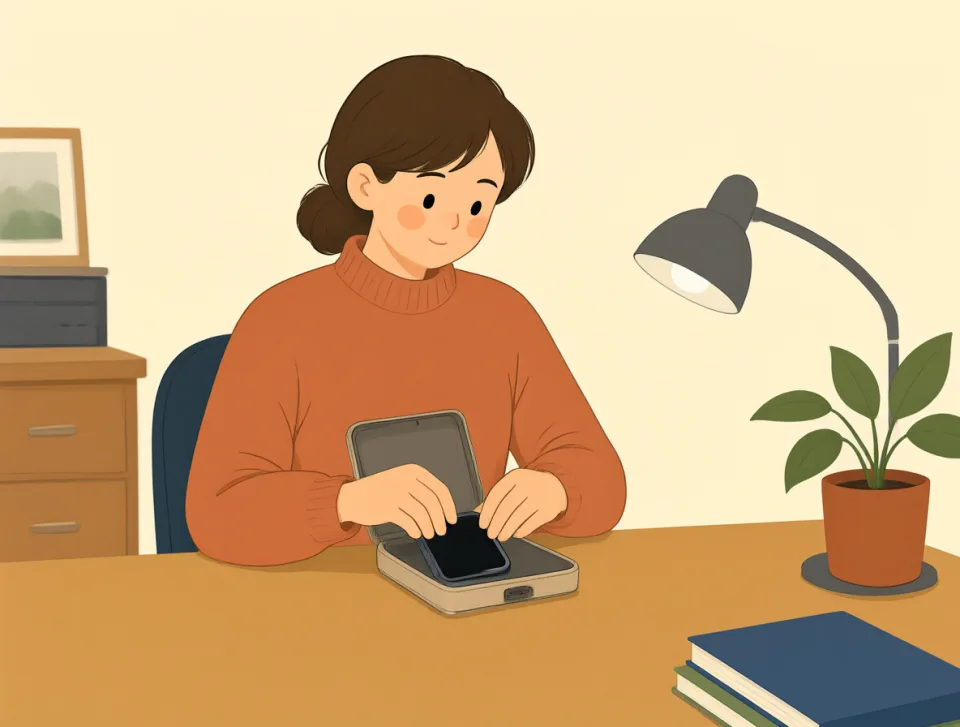
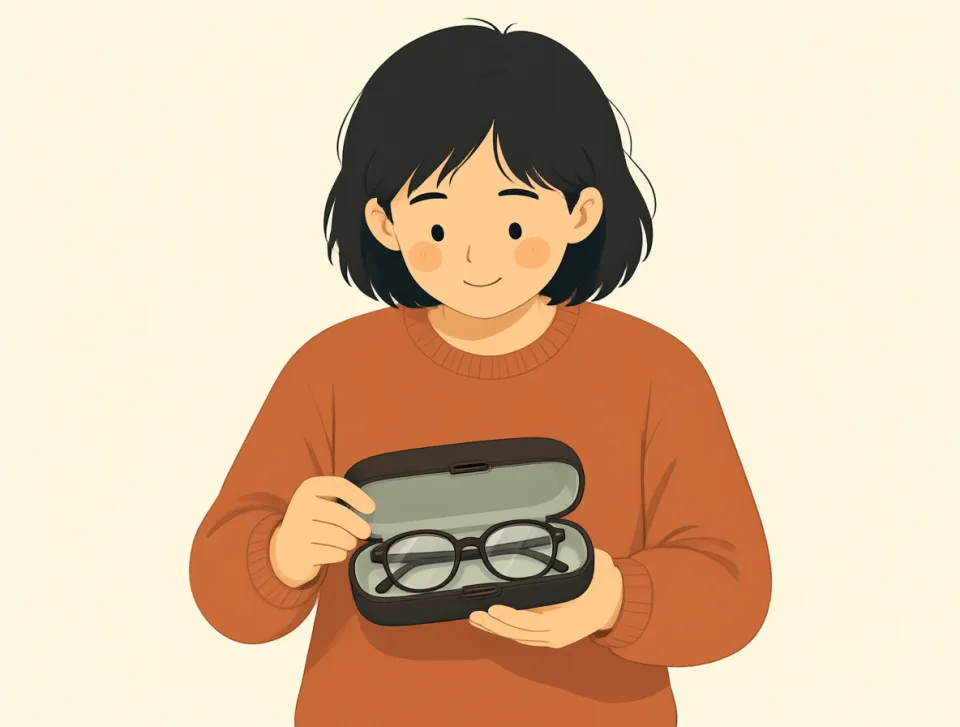
Please put your phone in its case.
يُرجى وضع هاتفك في غلافه.
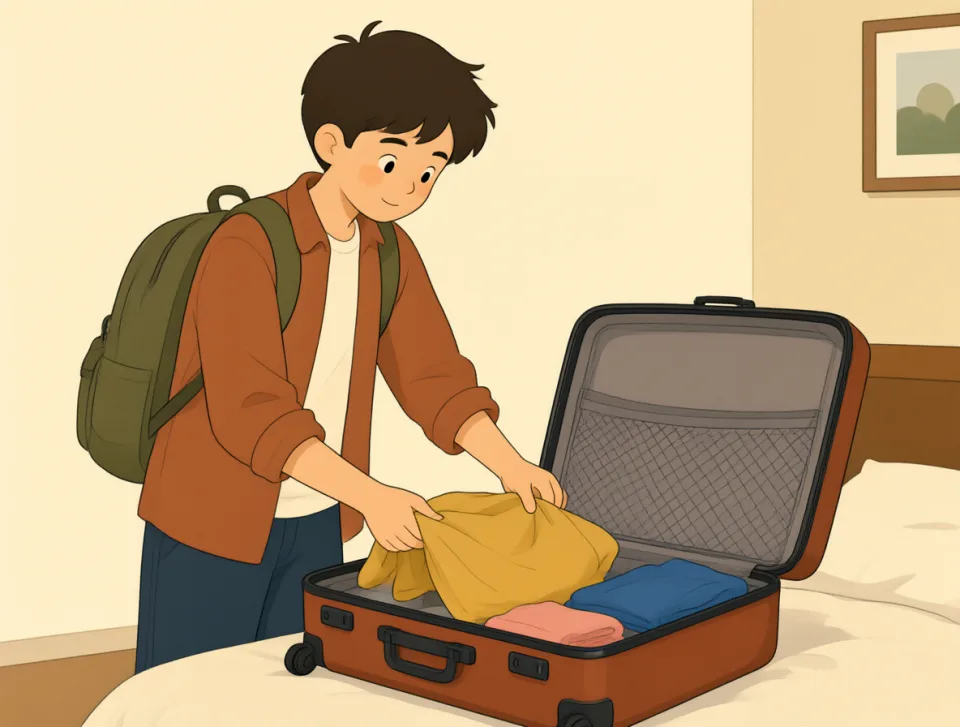
She packed her clothes in a suitcase.
وضعت ملابسها في حقيبة سفر.
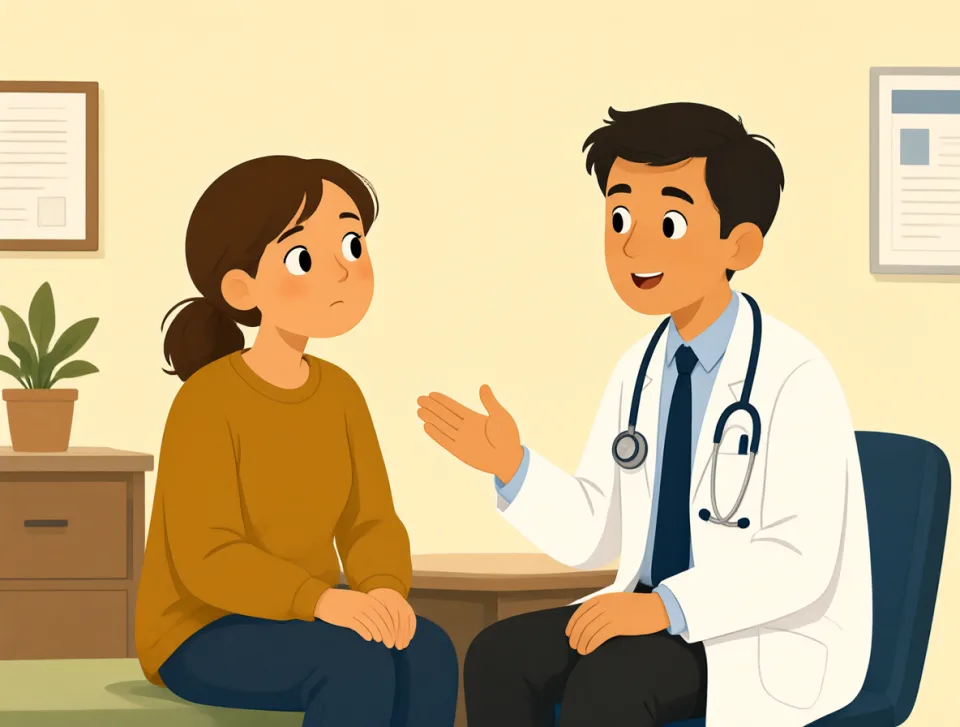
The doctor saw three cases of flu today.
عالج الطبيب اليوم ثلاث حالات إنفلونزا.
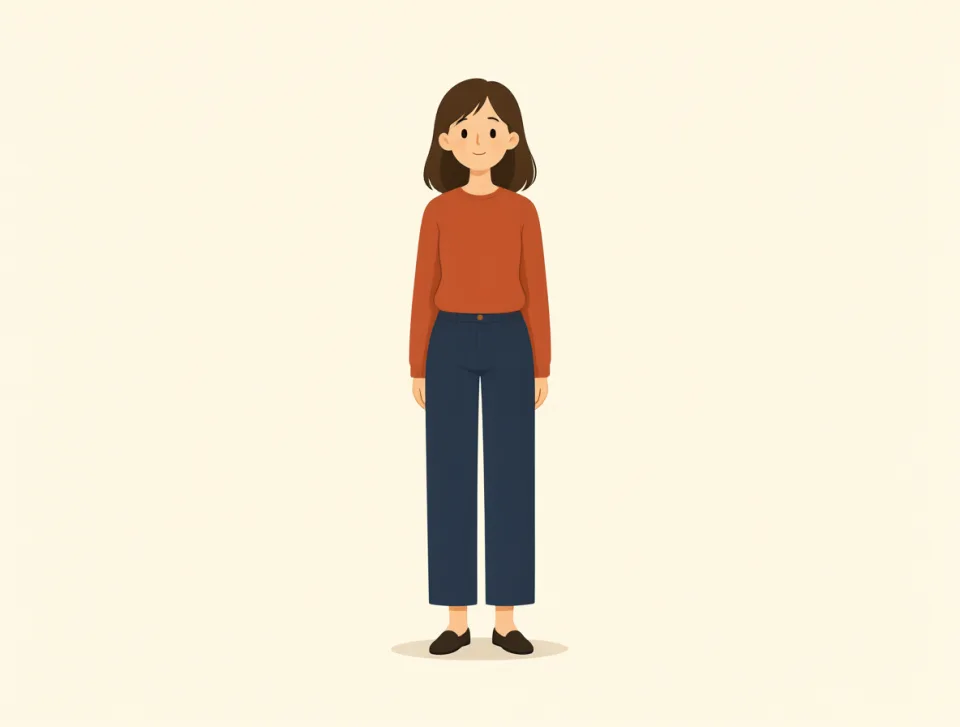
woman
#169noun
امرأة
An adult female person.
شخص بالغ من الإناث.
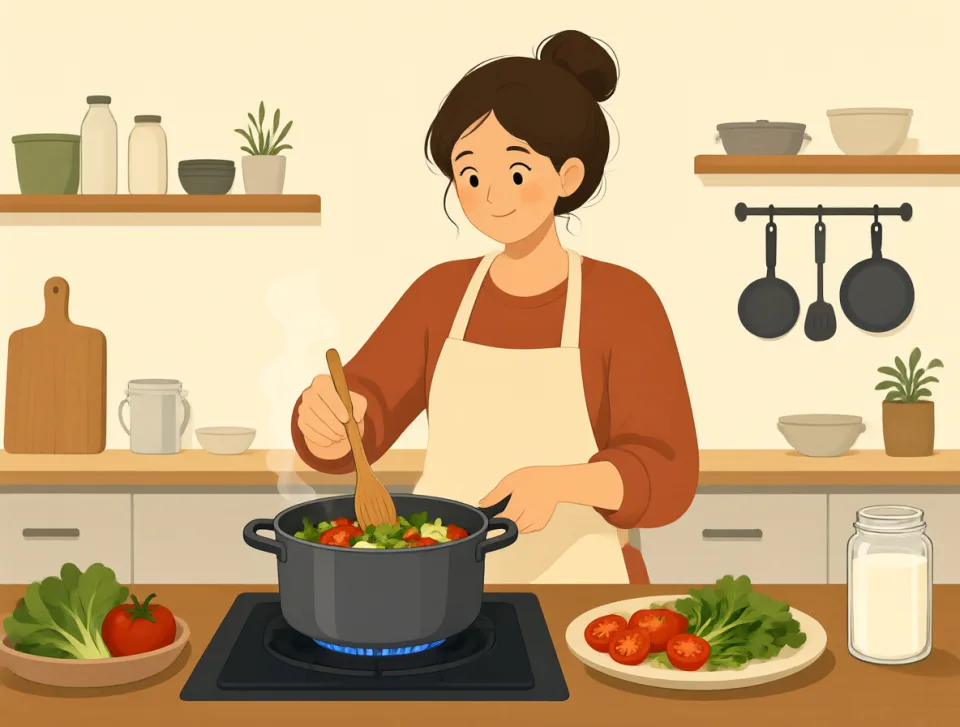
The woman is cooking dinner at home.
المرأة تُعِدّ العشاء في المنزل.
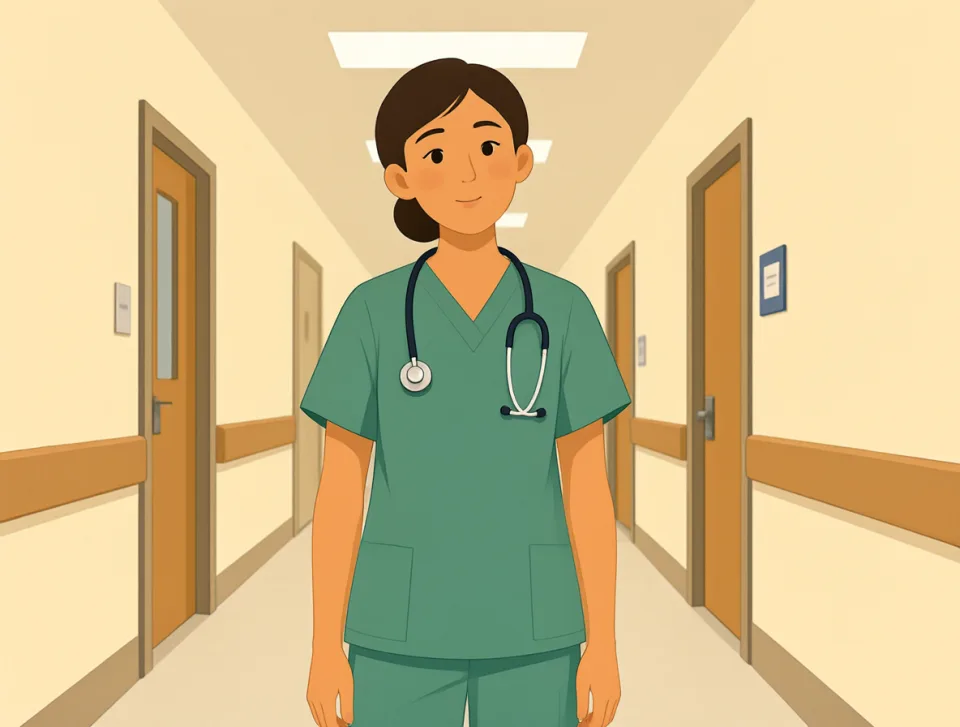
That woman works at the hospital.
تعمل تلك المرأة في المستشفى.
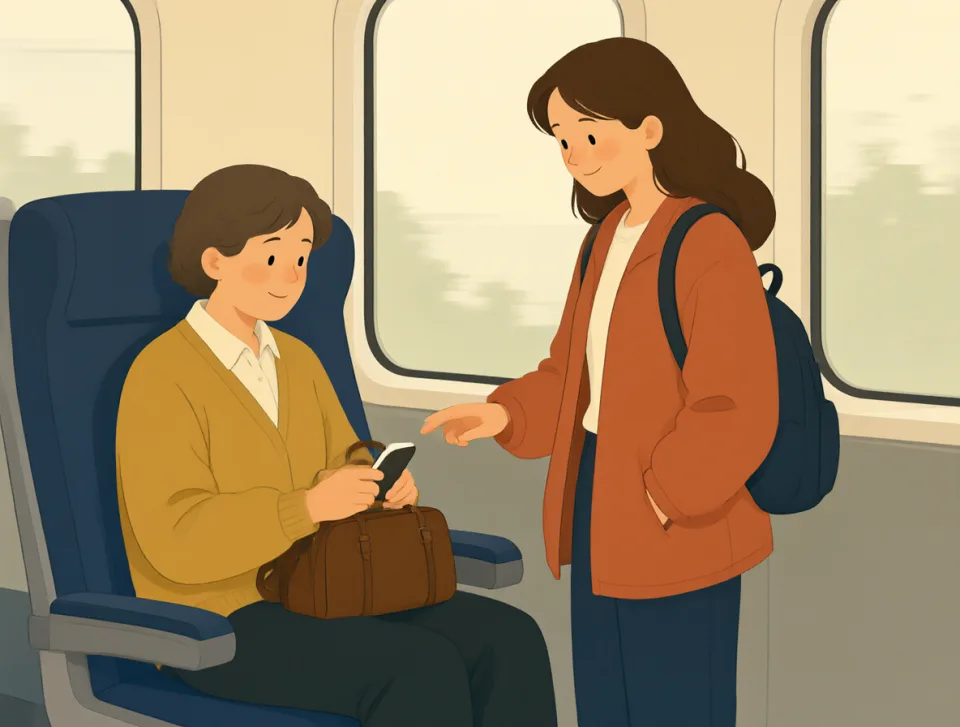
A woman helped me find my seat.
ساعدتني امرأة في العثور على مقعدي.
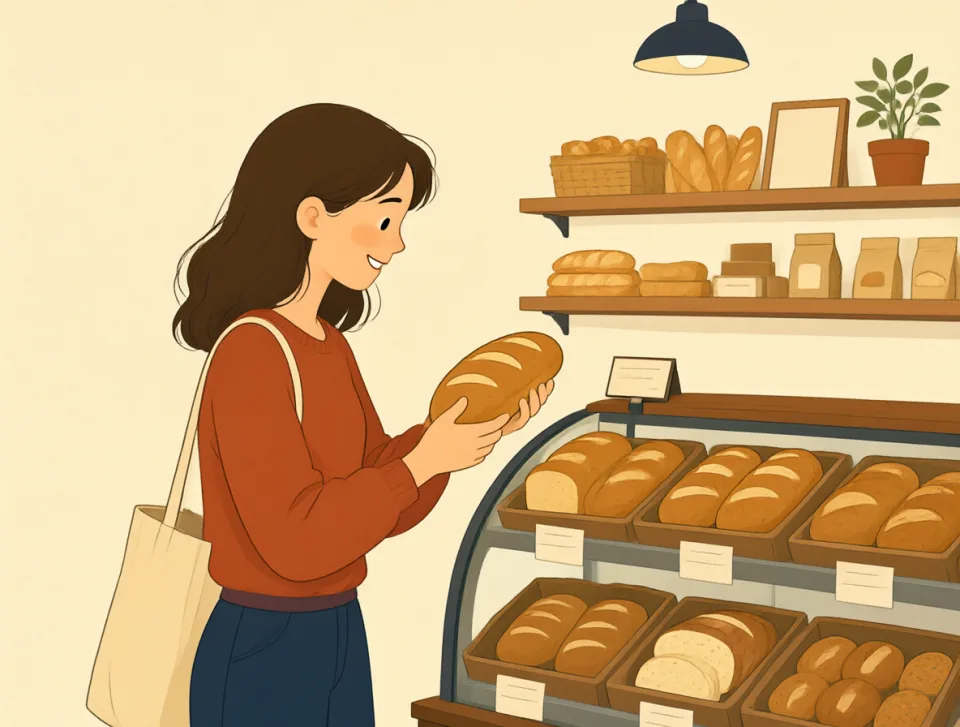
The woman bought fresh bread at the shop.
اشترت المرأة خبزًا طازجًا من المتجر.
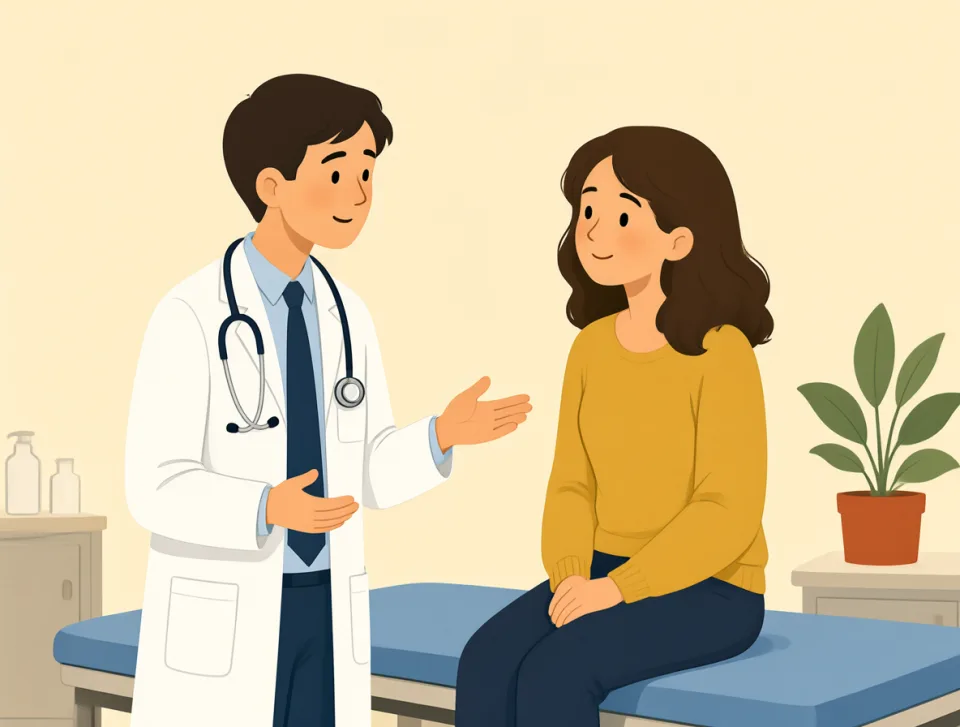
The doctor told the woman to rest.
طلب الطبيب من المرأة أن تستريح.
around
#170adverb, preposition, adjective
حول؛ تقريبًا
in or to many places; surrounding someone or something; approximately a number or time
في أماكن كثيرة أو إليها؛ محيطًا بشخص أو شيء؛ أو ما يقارب عددًا أو وقتًا.

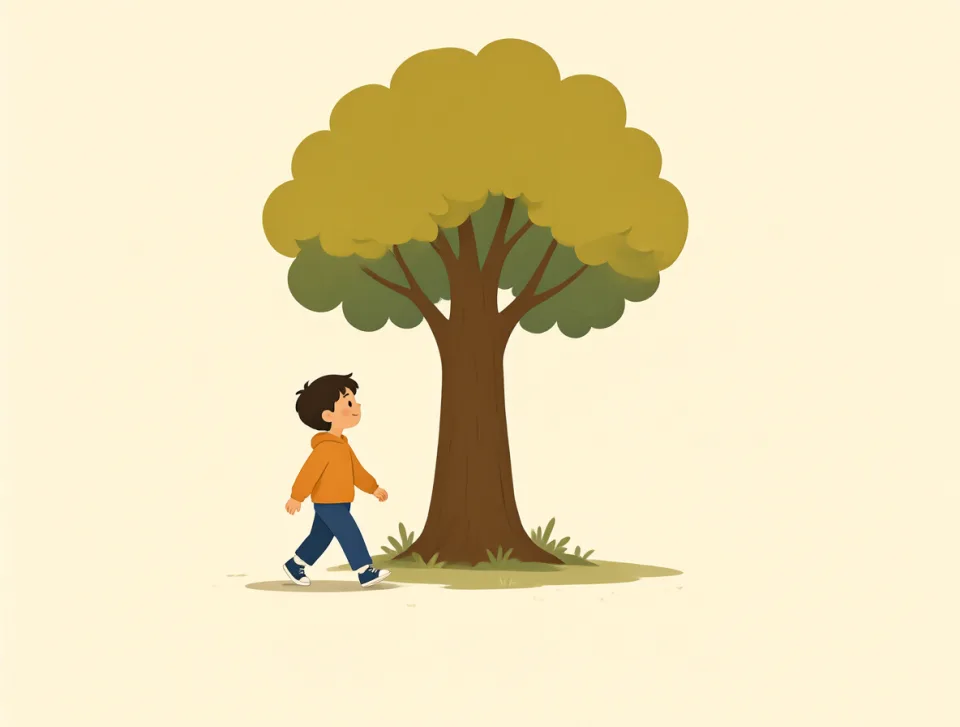
We walked around the lake after lunch.
تمشّينا حول البحيرة بعد الغداء.
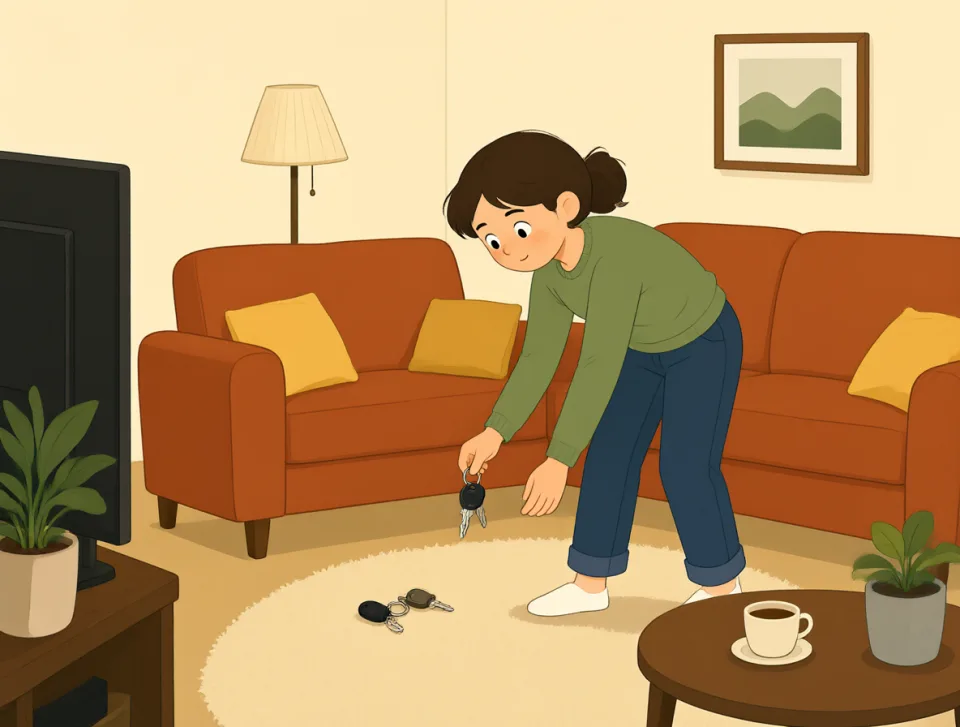
Please look around the room for your keys.
يُرجى البحث في أرجاء الغرفة عن مفاتيحك.
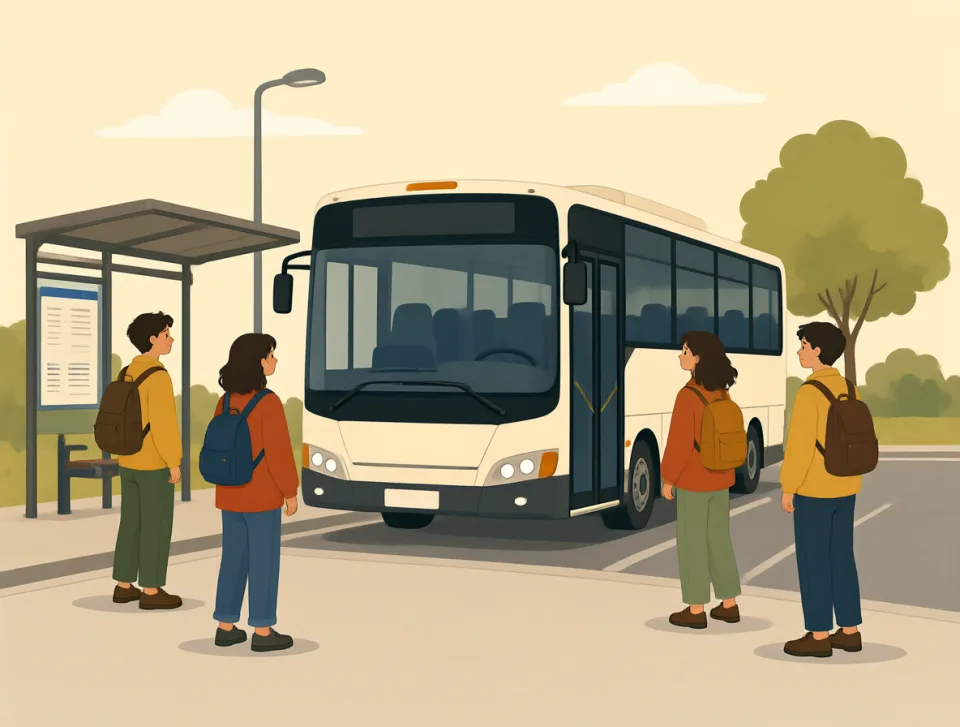
There were people standing around the bus.
كان هناك أناس يقفون حول الحافلة.
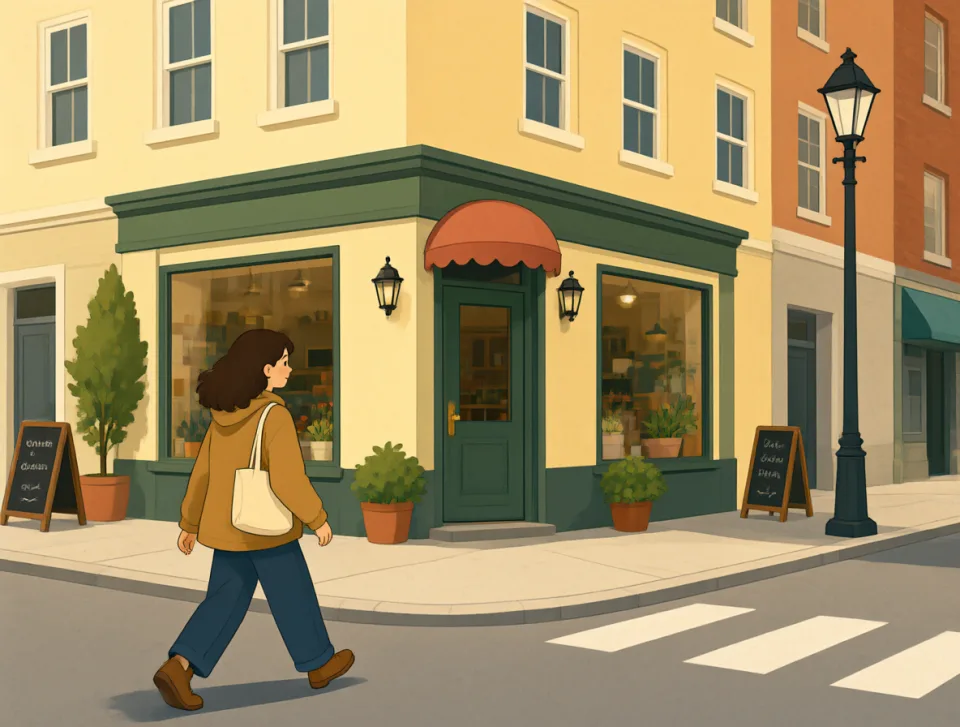
The shop is around the corner.
يقع المتجر عند ناصية الشارع.
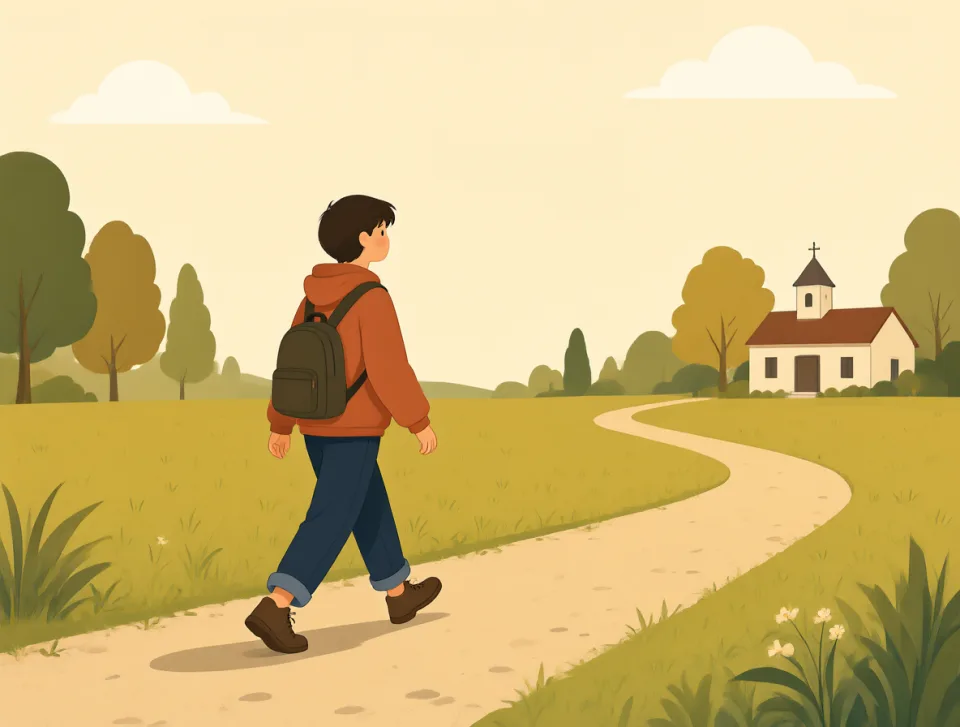
It takes around ten minutes to walk there.
يستغرق الوصول إلى هناك مشيًا نحو عشر دقائق.
book
#171noun, verb
كتاب؛ يحجز
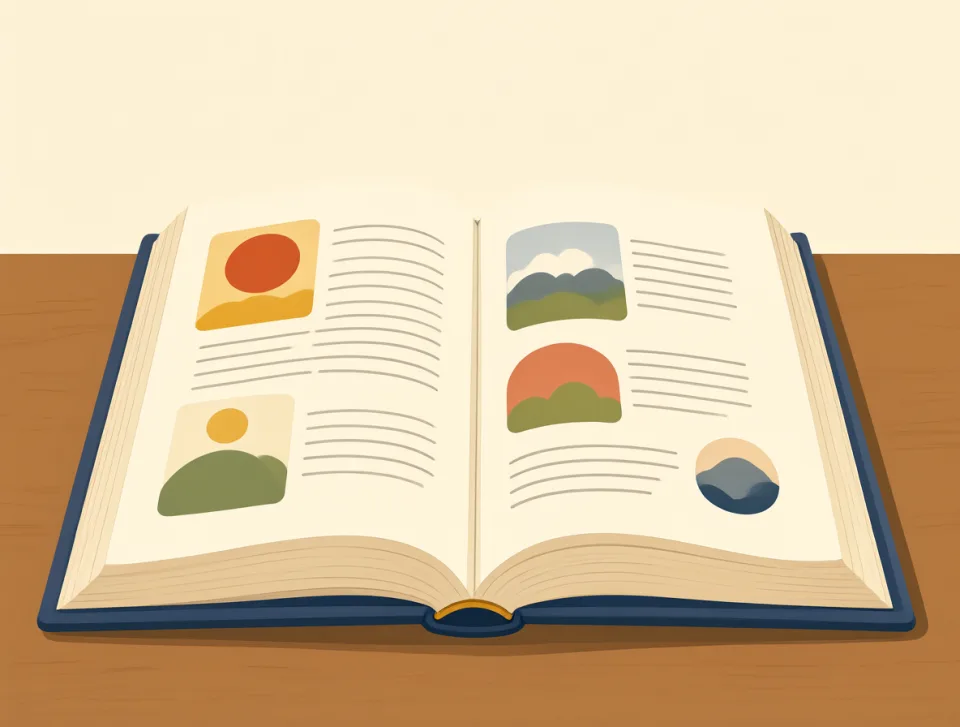
A set of pages with stories or information; to reserve something for a future time.
مجموعة من الصفحات تحتوي على قصص أو معلومات؛ أو أن يحجز شيئًا لوقت لاحق.
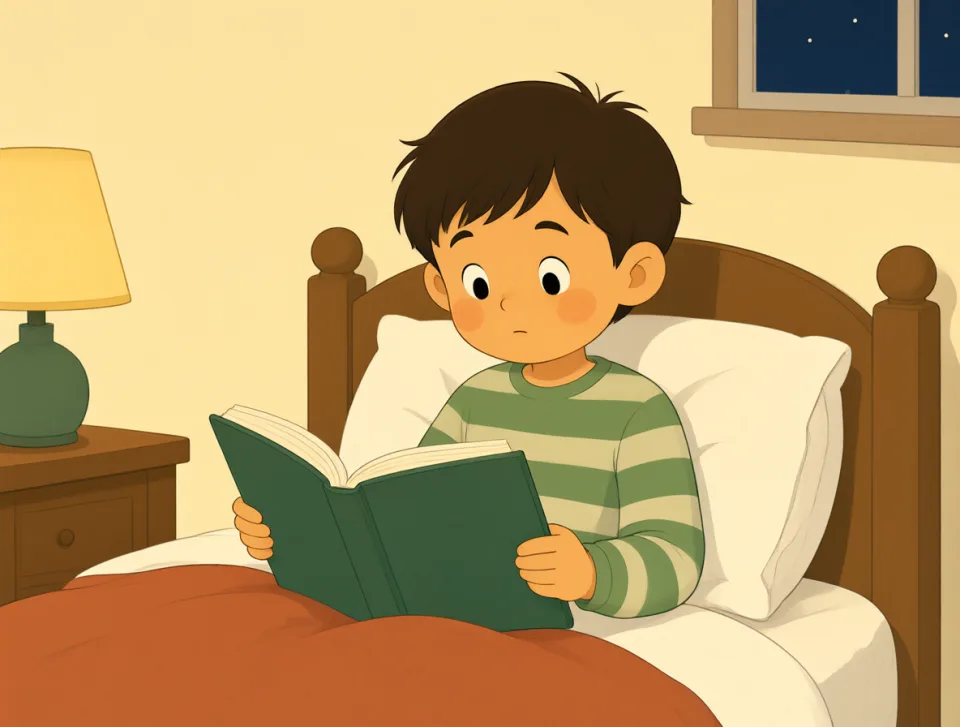
I read a book before bed.
أقرأ كتابًا قبل النوم.
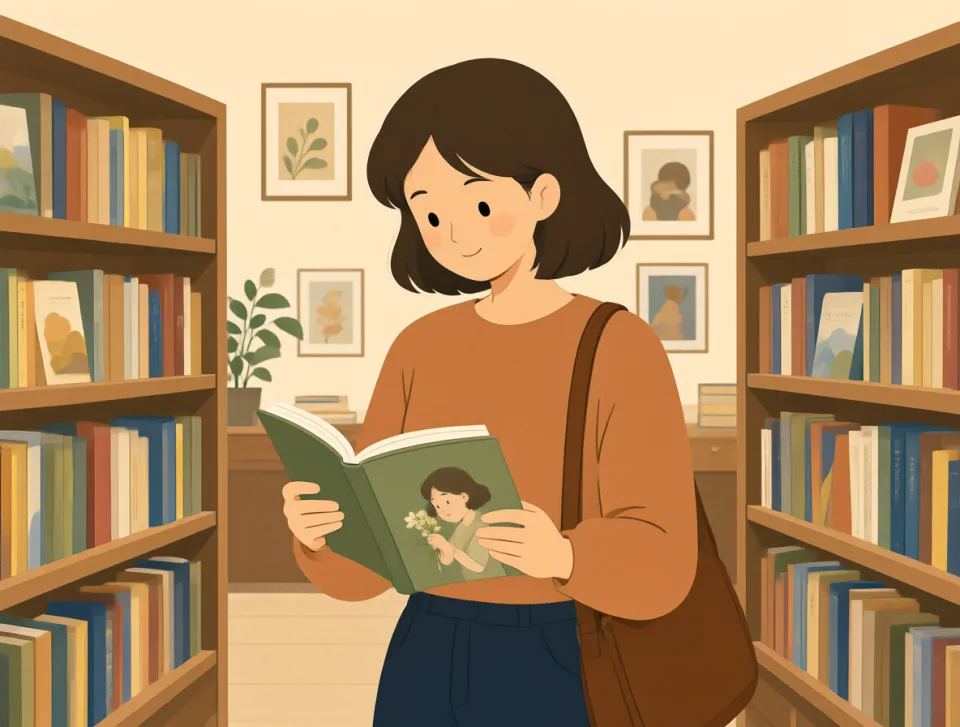
She bought a new book yesterday.
اشترت كتابًا جديدًا أمس.
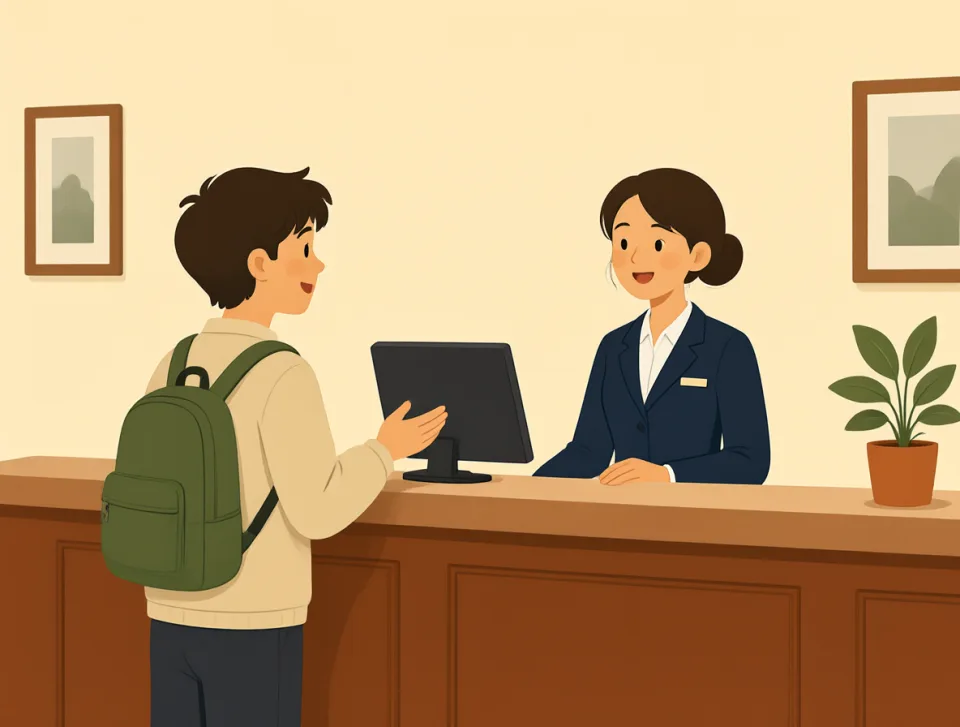
Please book a room for two nights.
يُرجى حجز غرفة لليلتين.
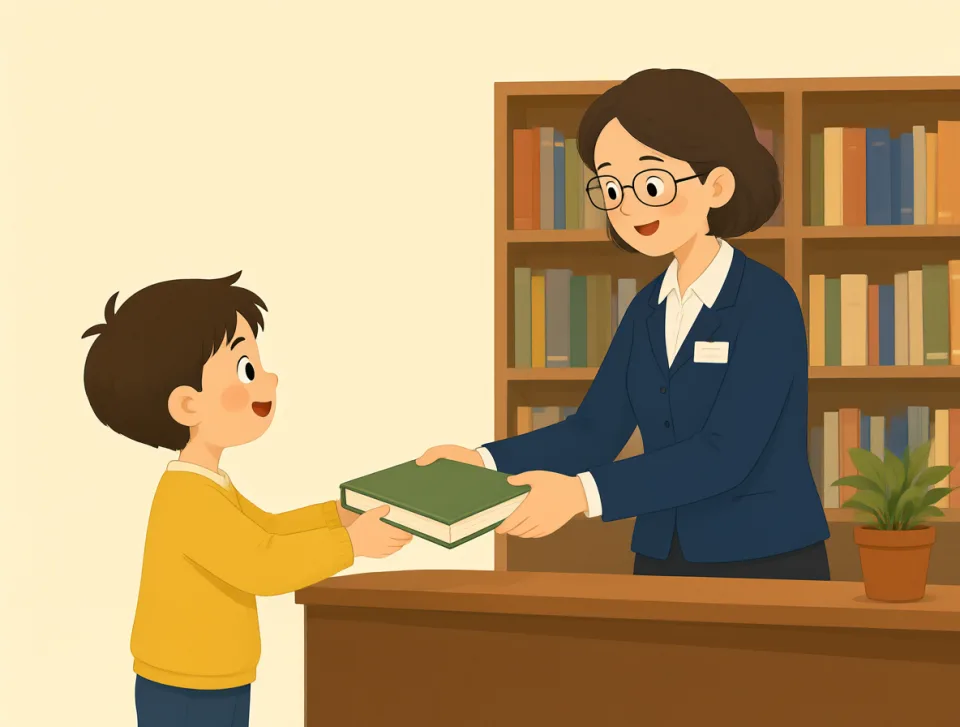
He borrowed a book from the library.
استعار كتابًا من المكتبة.
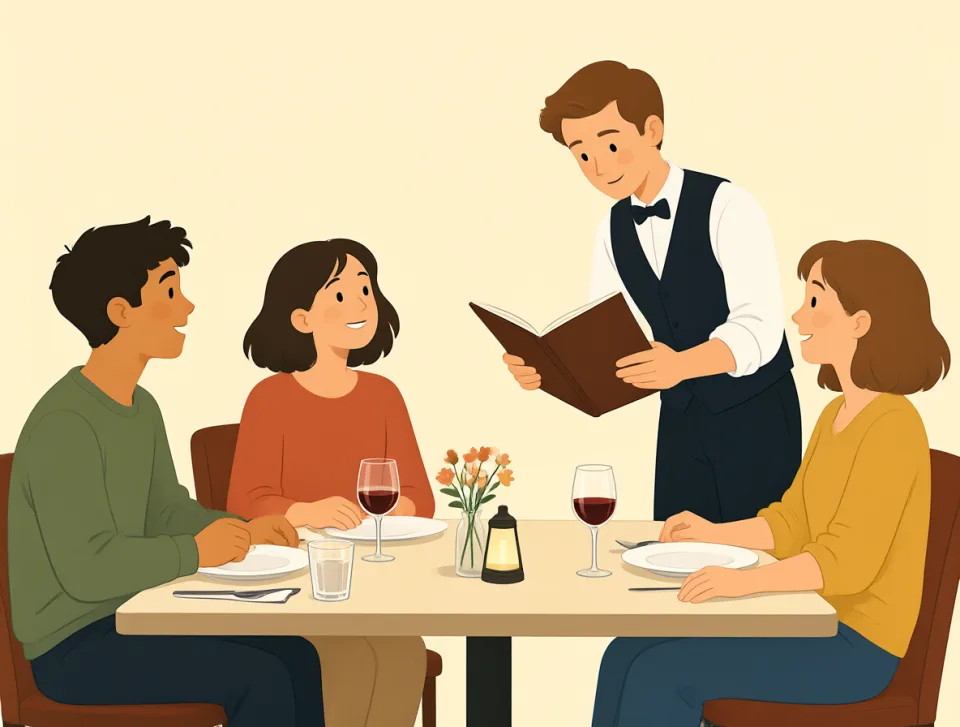
We booked a table for six people.
حجزنا طاولة لستة أشخاص.
family
#172noun
عائلة
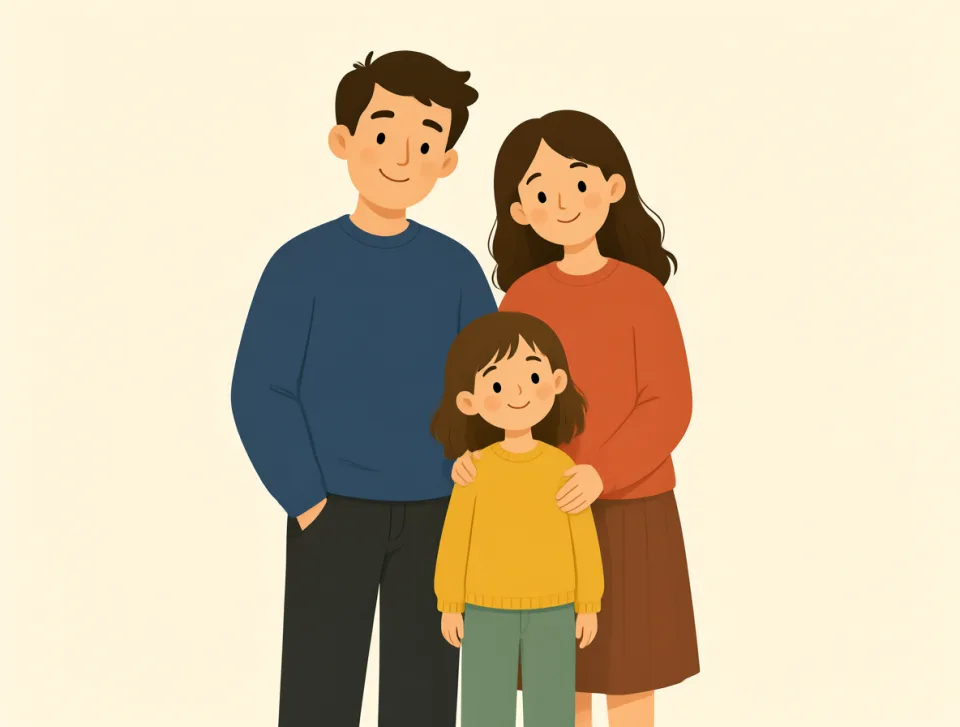
A group of parents, children, and other relatives who live together or are related.
مجموعة من الوالدين والأطفال وأقارب آخرين يعيشون معًا أو تربطهم صلة قرابة.
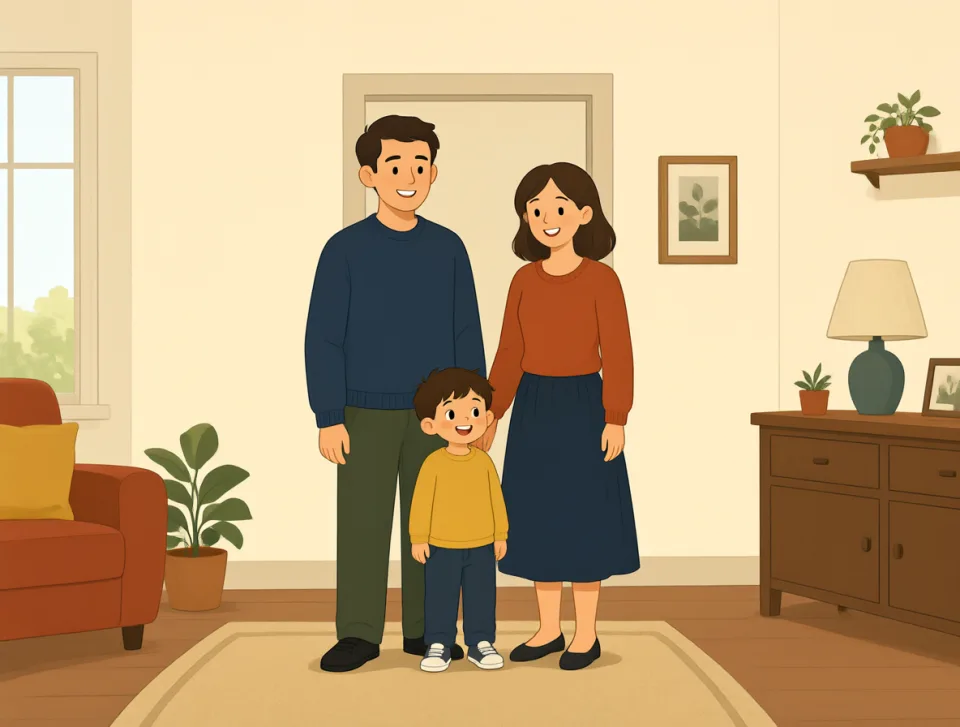
My family lives in a small house.
تعيش عائلتي في منزل صغير.
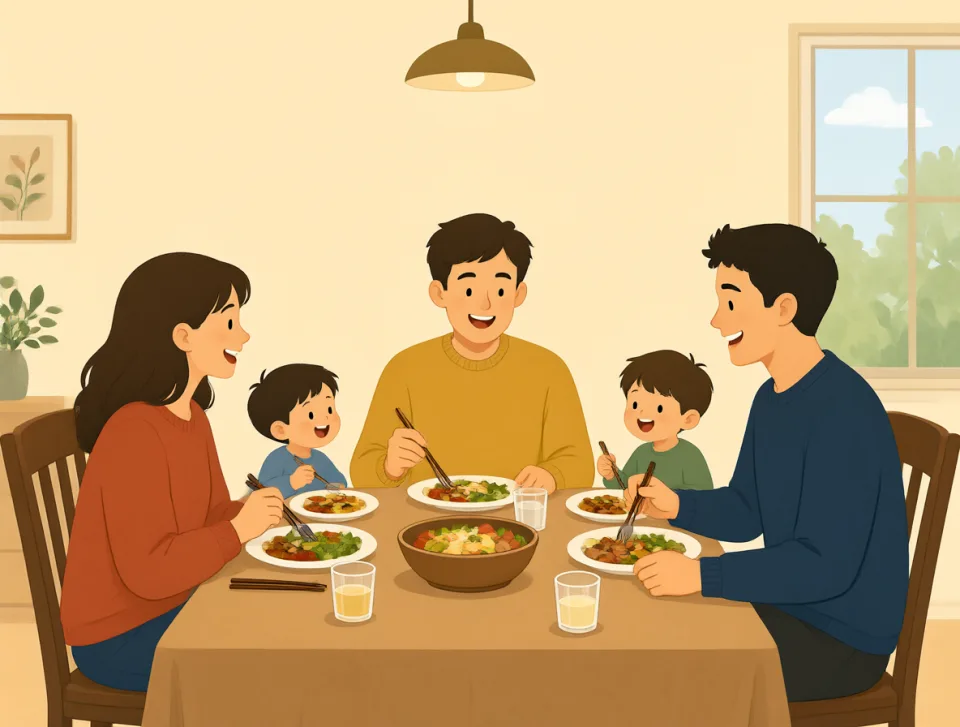
We have dinner with our family every Sunday.
نتناول العشاء مع عائلتنا كل يوم أحد.
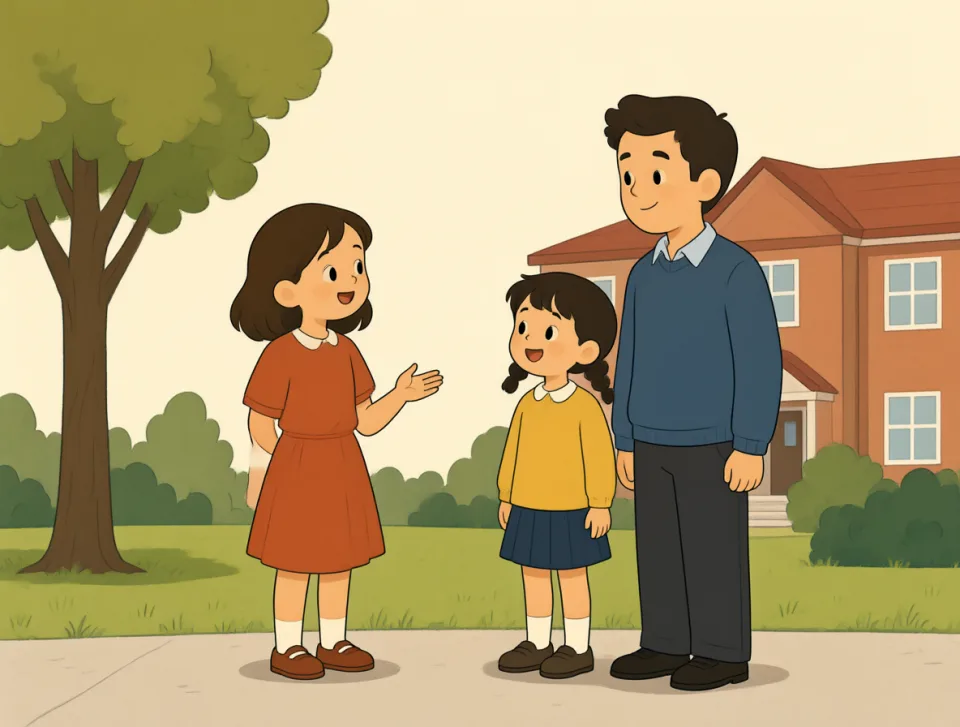
Her family visited her at school.
زارتها عائلتها في المدرسة.
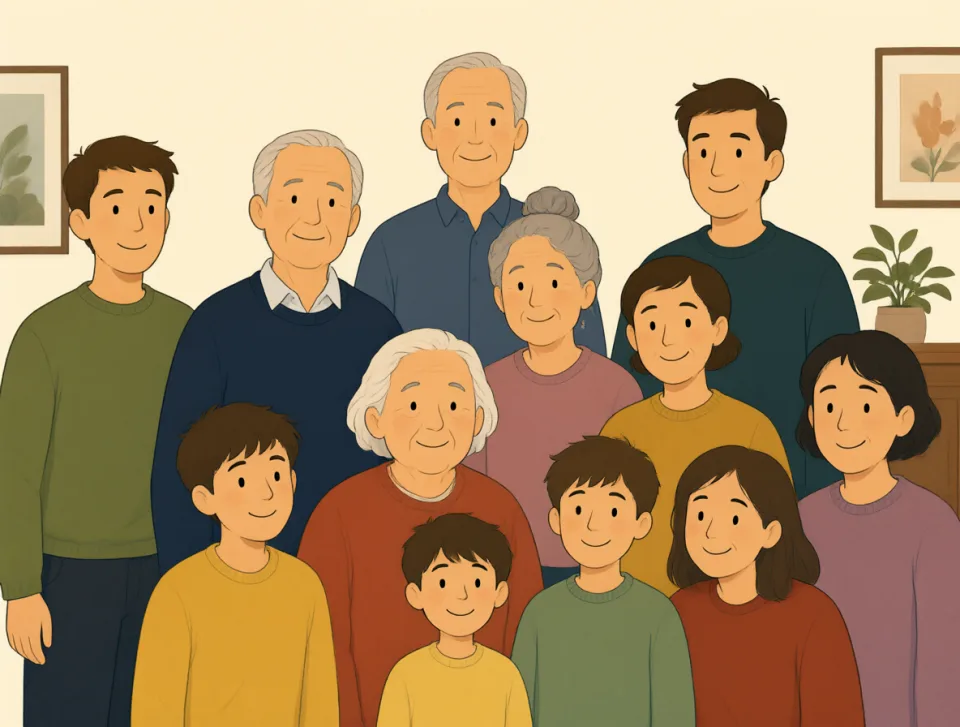
He comes from a large family.
ينحدر من عائلة كبيرة.
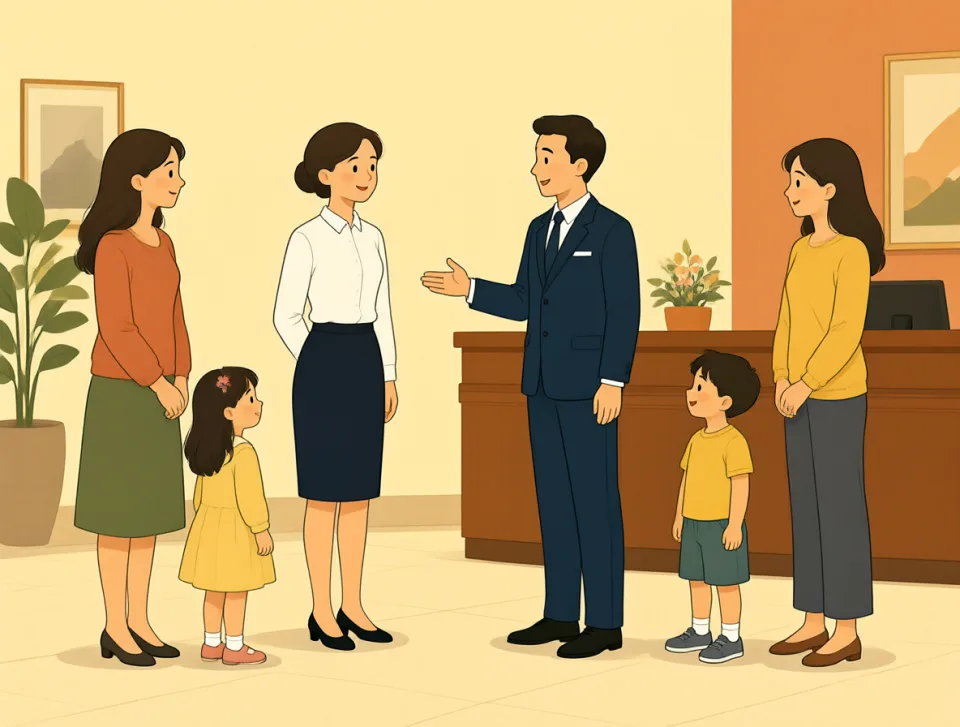
The hotel welcomed families with children.
رحّب الفندق بالعائلات التي لديها أطفال.
seem
#173verb
يبدو
To appear to be true or have a particular quality.
أن يظهر أن شيئًا ما صحيح أو أن له صفة معينة.
You seem tired today.
تبدو متعبًا اليوم.
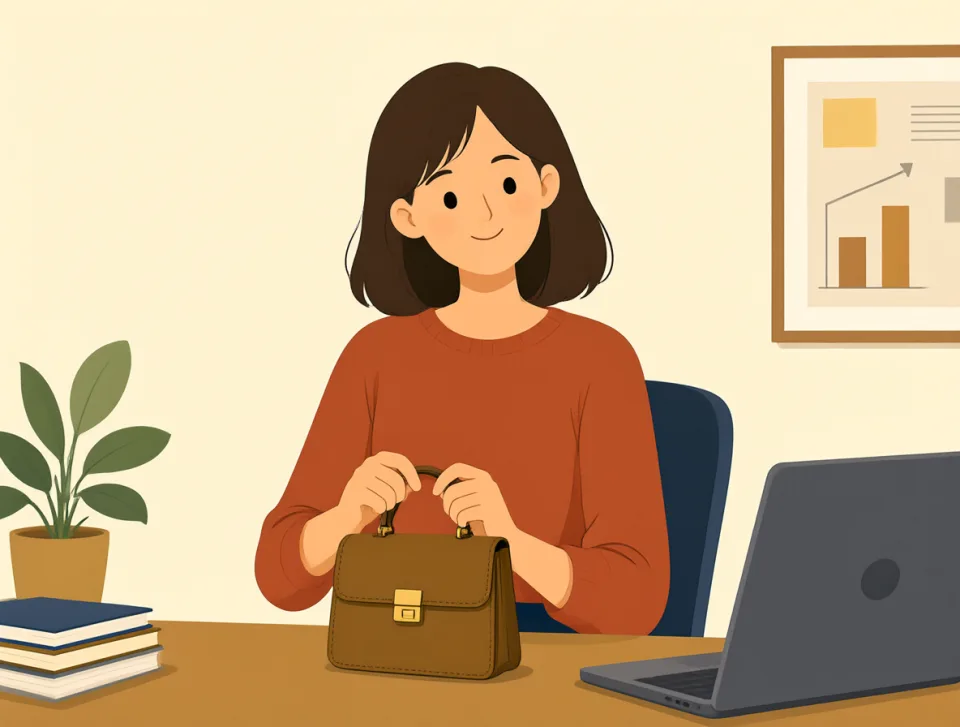
She seems happy with her new job.
تبدو سعيدة بعملها الجديد.
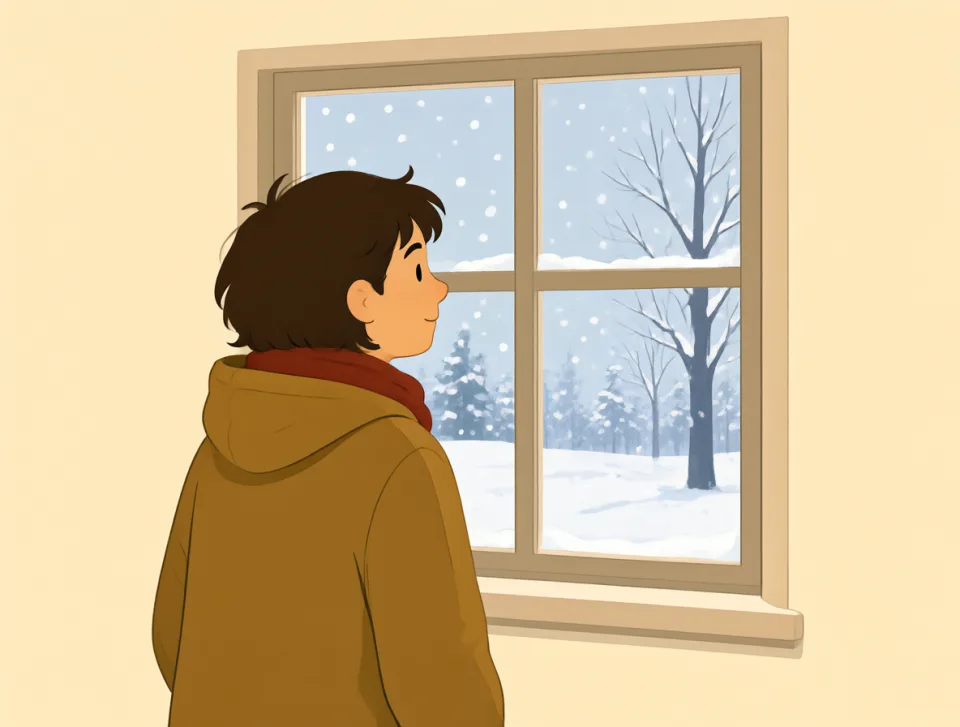
It seems cold outside.
يبدو الجو باردًا في الخارج.
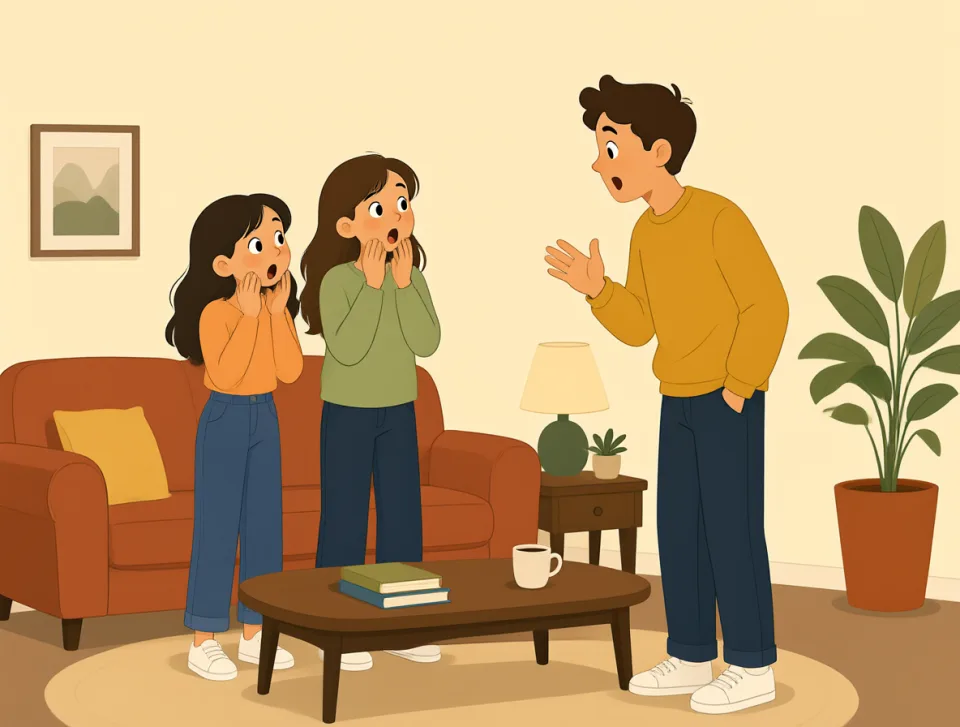
They seemed surprised by the news.
بدا عليهم الذهول من الخبر.
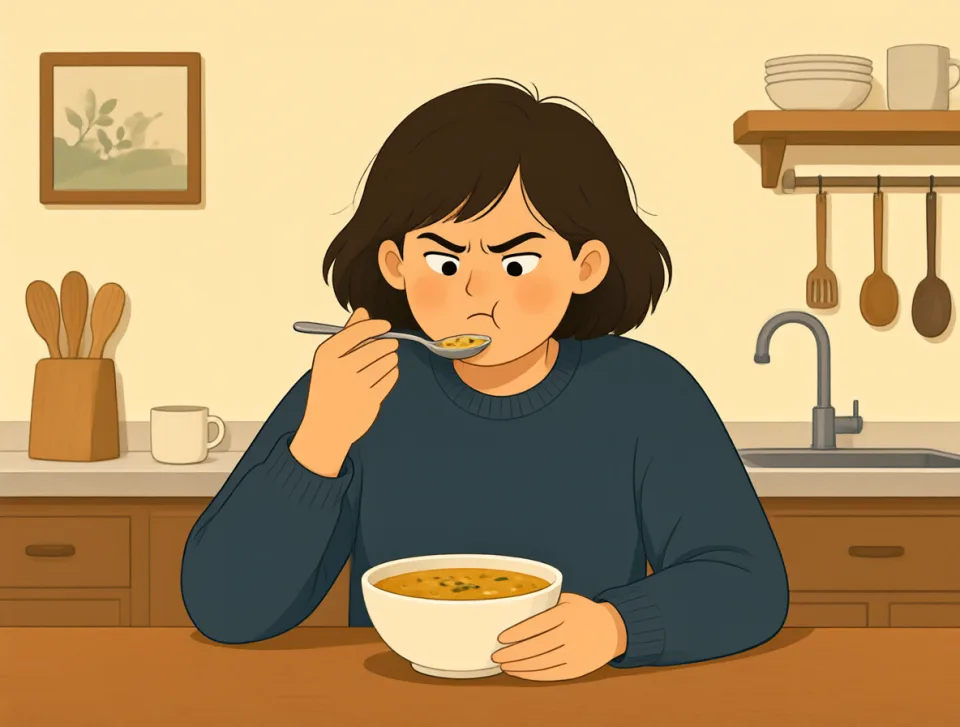
This soup seems too salty.
يبدو هذا الحساء مالحًا أكثر من اللازم.
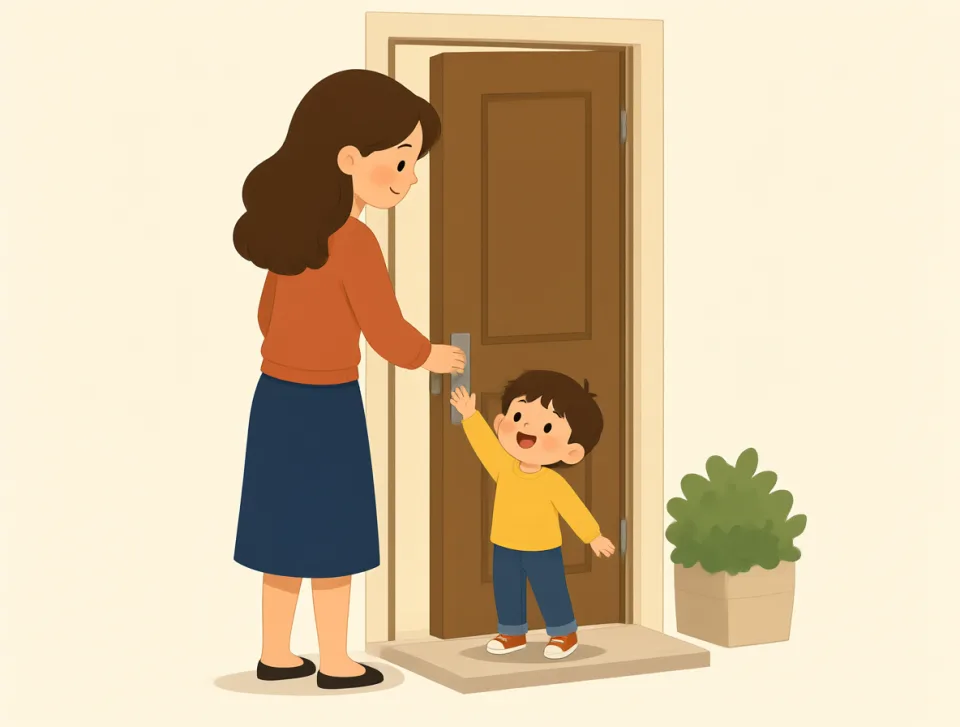
let
#174verb
يسمح؛ يجعل
To allow someone to do something or to cause something to happen.
أن يسمح لشخص بفعل شيء، أو أن يتسبب في حدوث شيء.
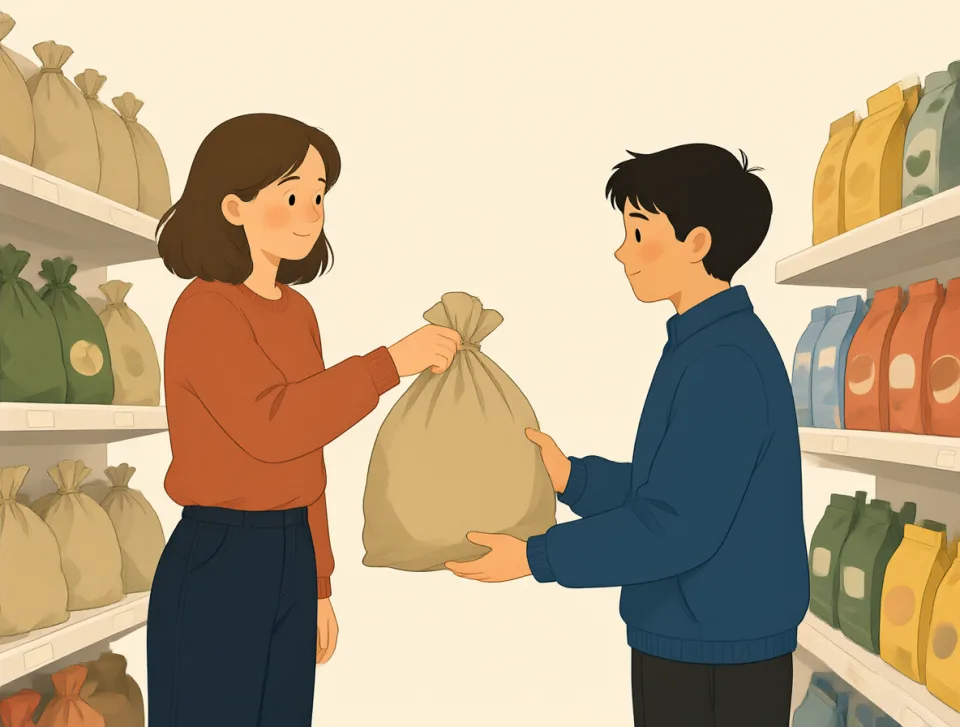
Please let me help you with that bag.
يُرجى أن تدعني أساعدك في حمل تلك الحقيبة.
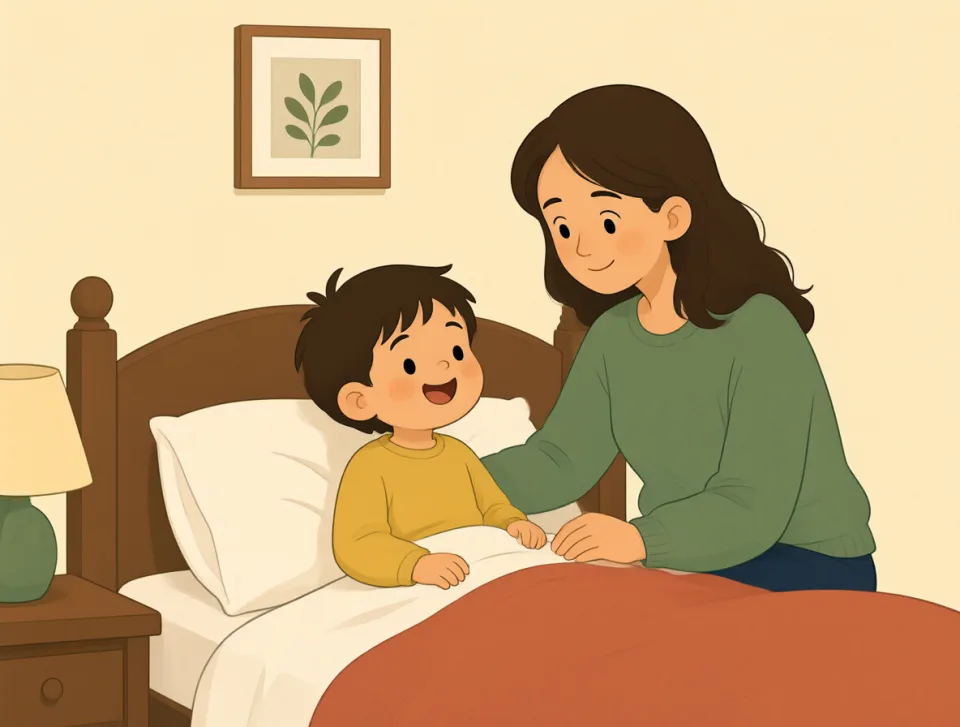
My parents let me stay up late.
سمح لي والداي بالسهر حتى وقت متأخر.
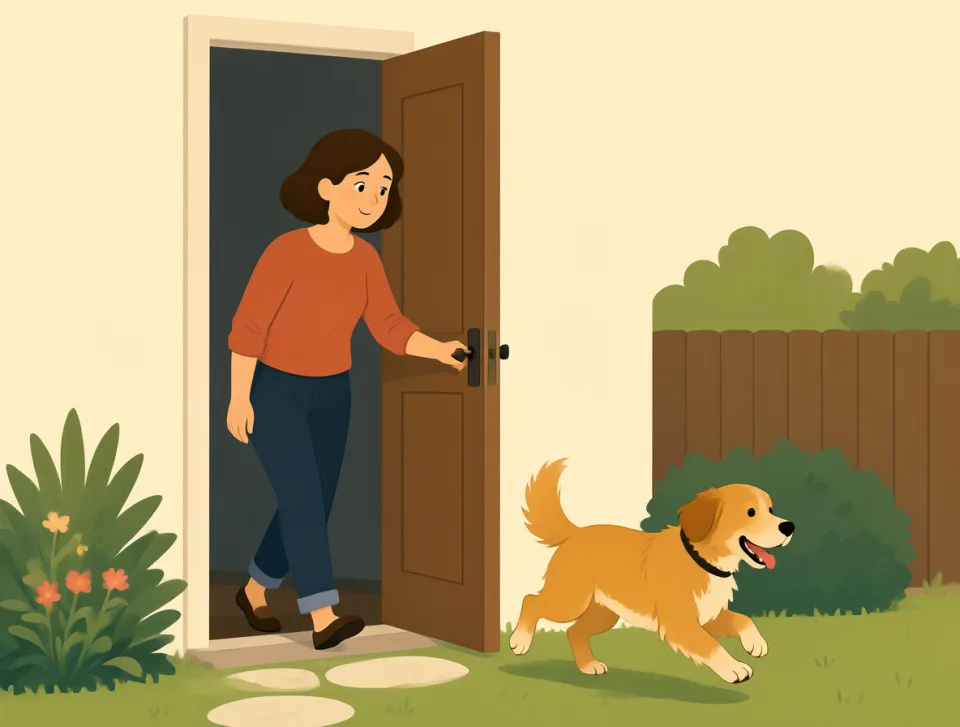
She let the dog out before dinner.
أخرجت الكلبة قبل العشاء.
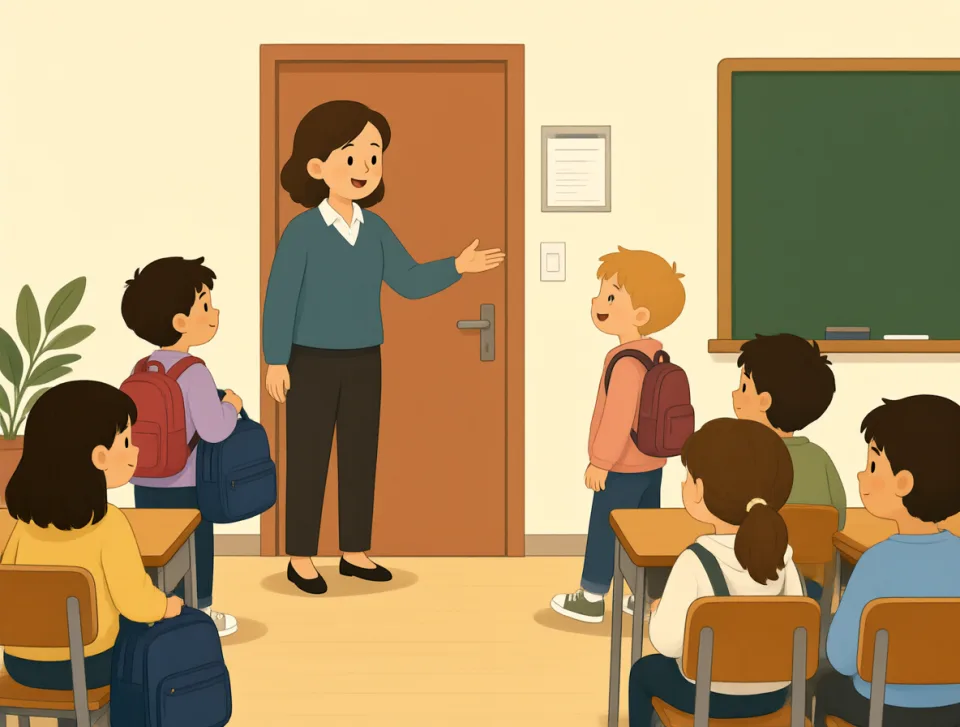
The teacher let us leave early.
سمح لنا المعلم بالمغادرة مبكرًا.
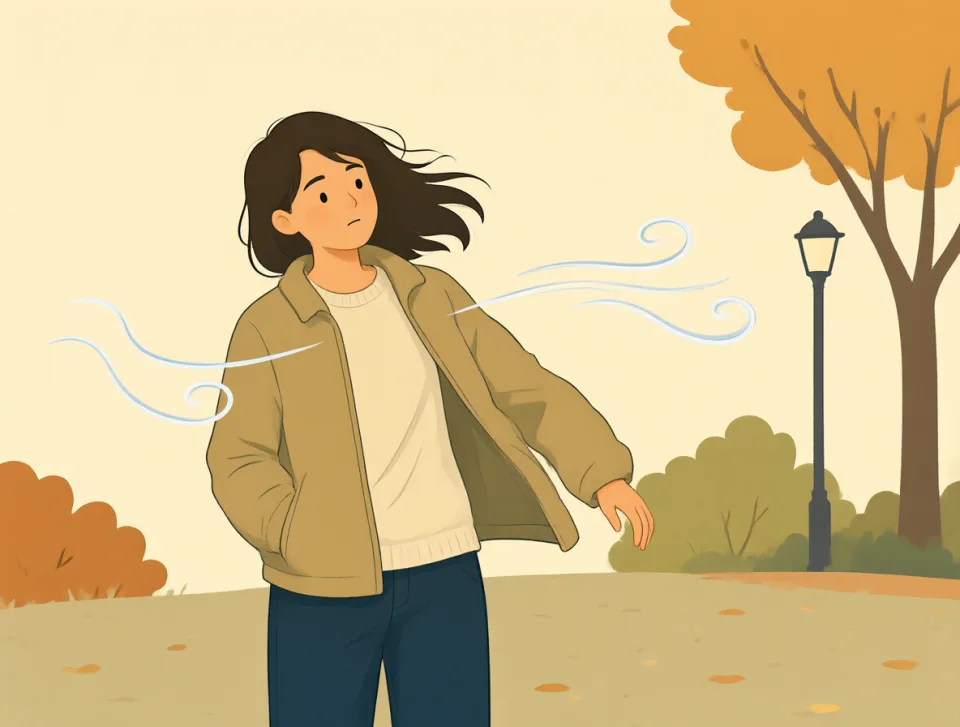
This jacket lets warm air in.
تسمح هذه السترة بدخول الهواء الدافئ.
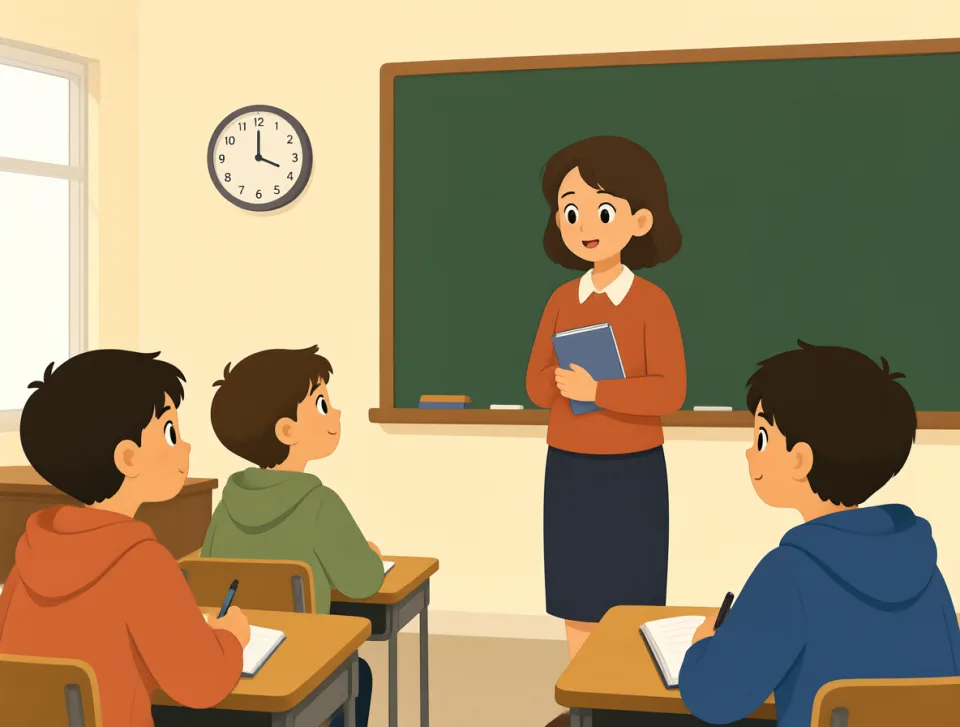
again
#175adverb
مرة أخرى
one more time, or back to the same place or situation
مرة إضافية، أو عودة إلى المكان أو الحالة نفسها.
Please say that again.
يُرجى أن تقول ذلك مرة أخرى.
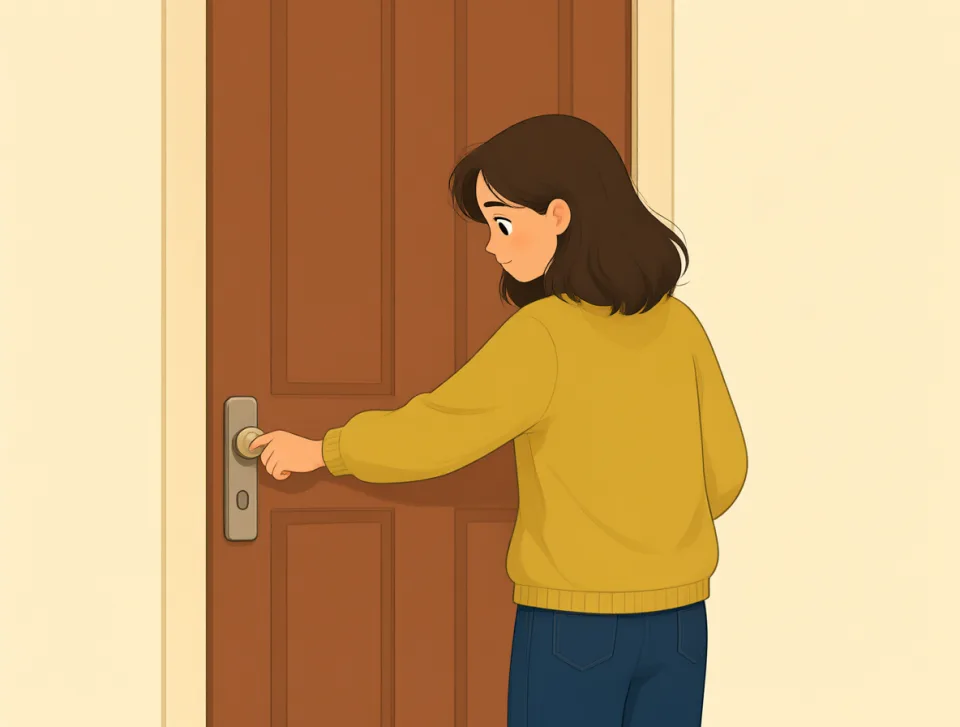
I forgot my keys again.
نسيت مفاتيحي مرة أخرى.
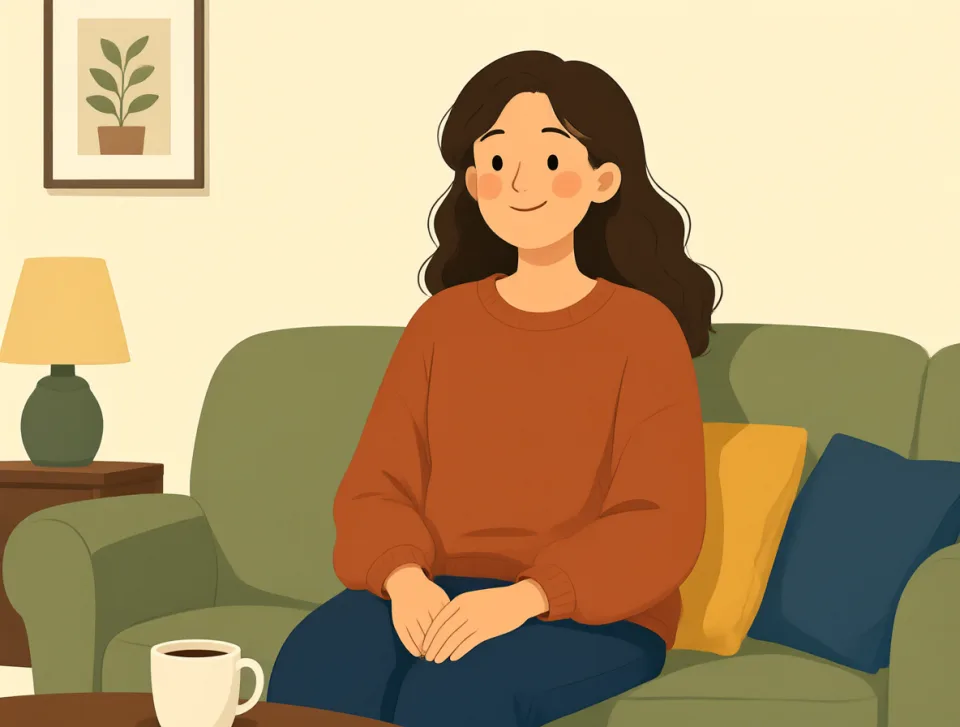
She is feeling better again.
بدأت تشعر بتحسن مرة أخرى.
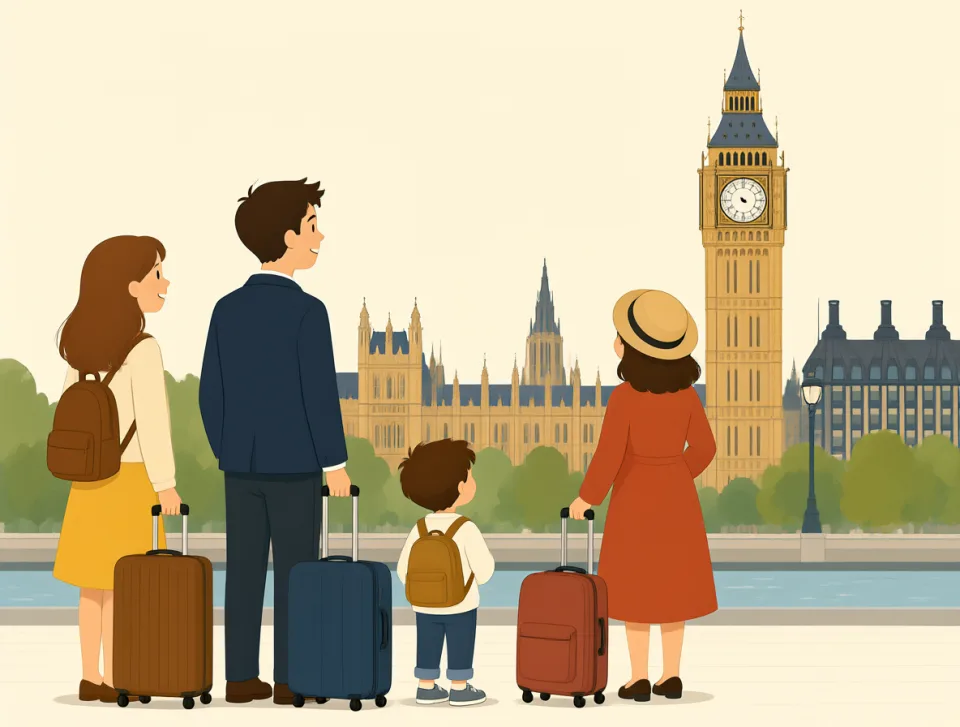
We visited London again last summer.
زرنا لندن مرة أخرى في الصيف الماضي.
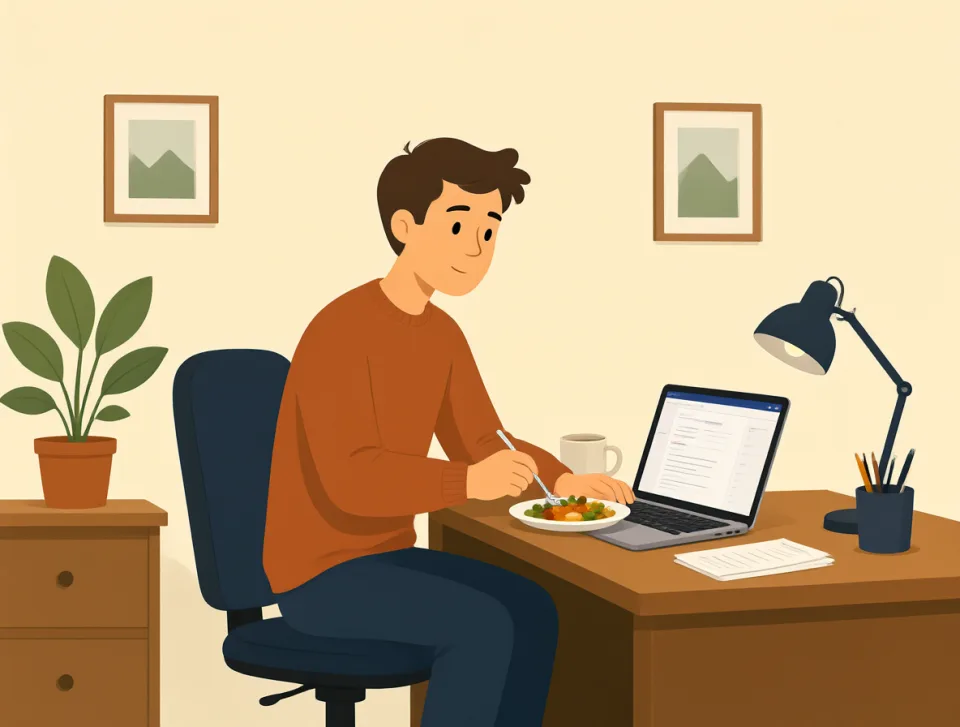
He started working again after lunch.
عاد إلى العمل بعد الغداء.
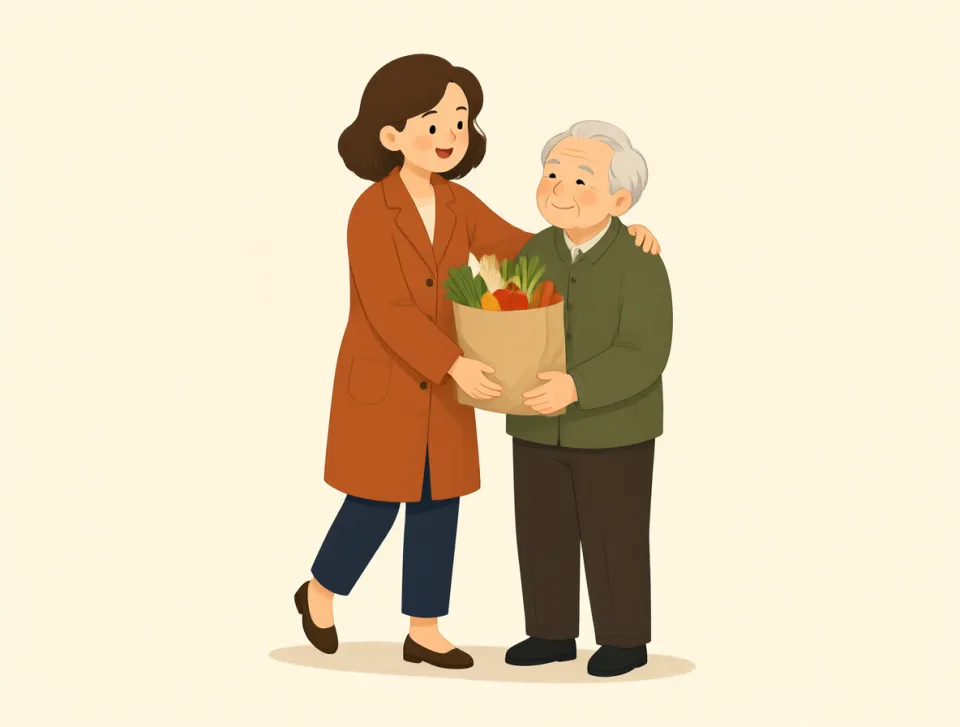
kind
#176noun, adjective
لطيف
Friendly and caring; also, a group of similar things.
ودود ومحبّ؛ وتُستخدم أيضًا للدلالة على مجموعة من الأشياء المتشابهة.
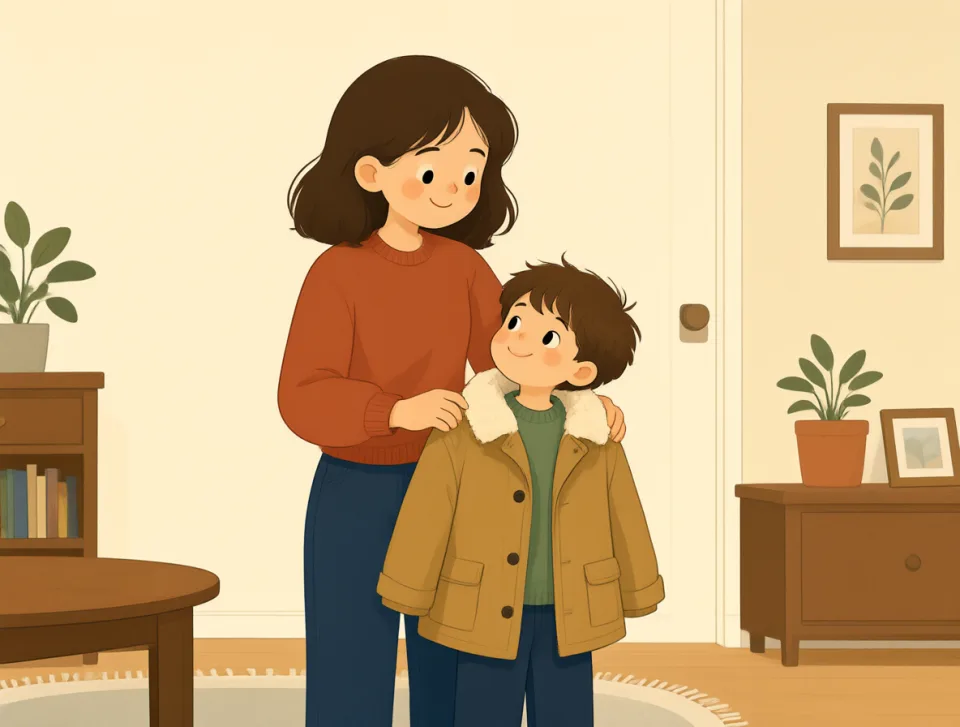
She is always kind to her little brother.
هي دائمًا لطيفة مع أخيها الصغير.
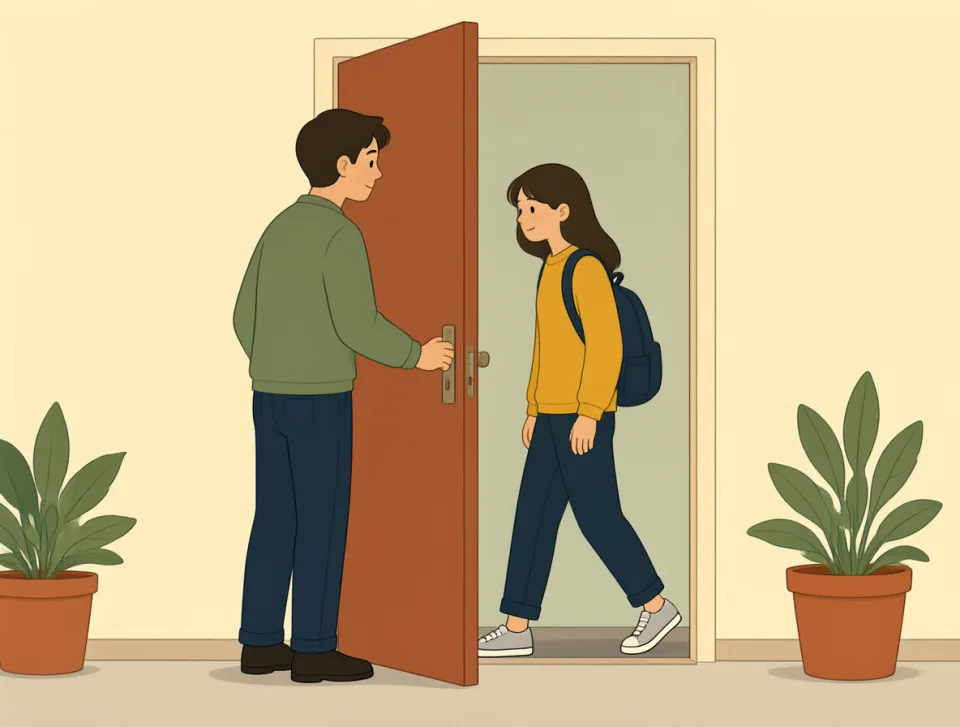
That was very kind of you.
كان ذلك لطفًا كبيرًا منك.
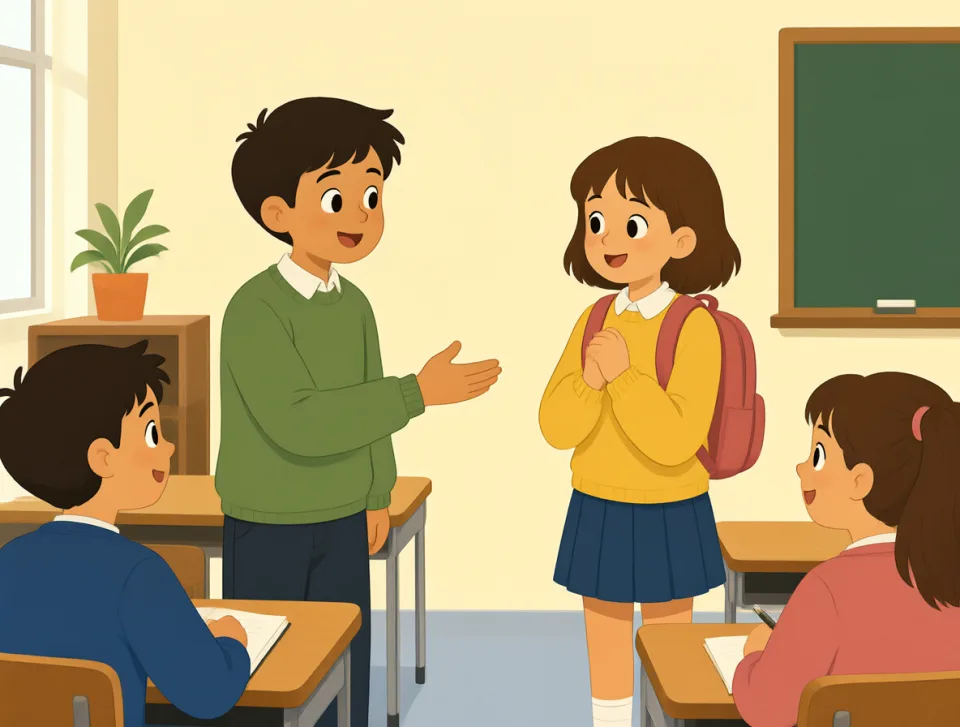
Please be kind to the new student.
من فضلك، كن لطيفًا مع الطالب الجديد.
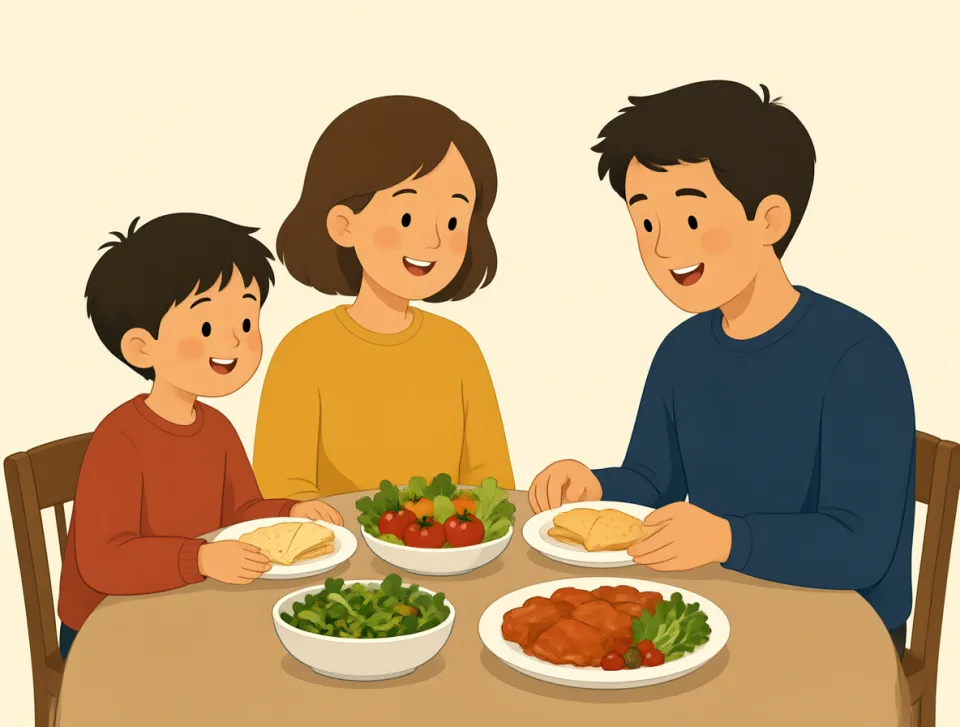
What kind of food do you like?
ما نوع الطعام الذي تحبه؟

This kind of shoe is good for walking.
هذا النوع من الأحذية مناسب للمشي.

keep
#177verb, noun
يُبقي
To continue having something or make something stay in a particular place or condition.
يواصل الاحتفاظ بشيء أو يجعله يبقى في مكان أو حالة معينة.
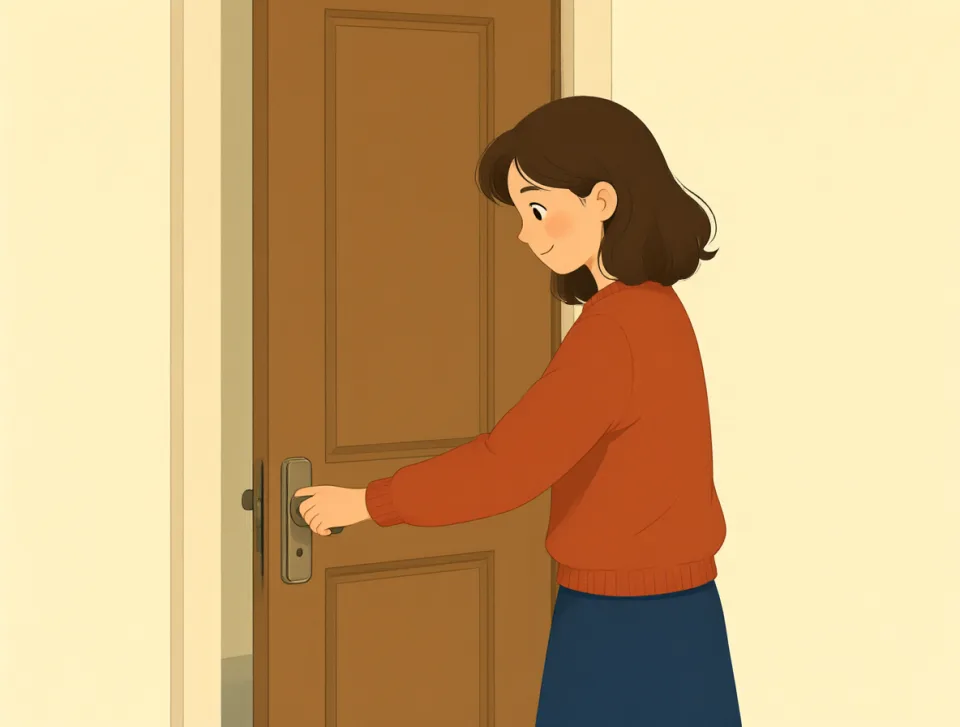
Please keep the door closed.
من فضلك، أبقِ الباب مغلقًا.
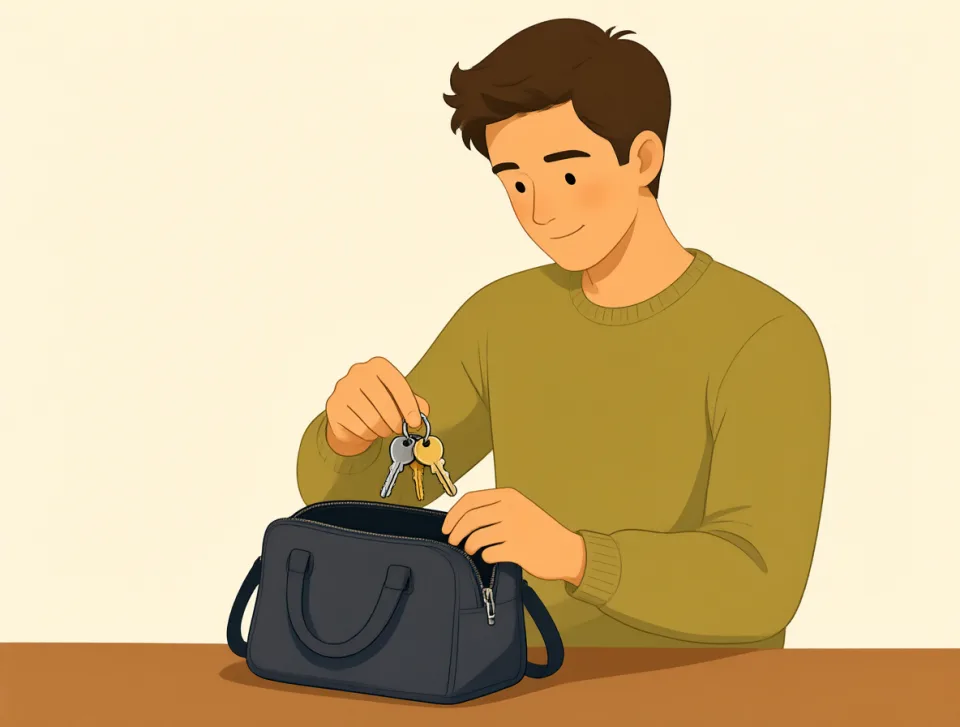
Keep your keys in your bag.
احتفظ بمفاتيحك في حقيبتك.
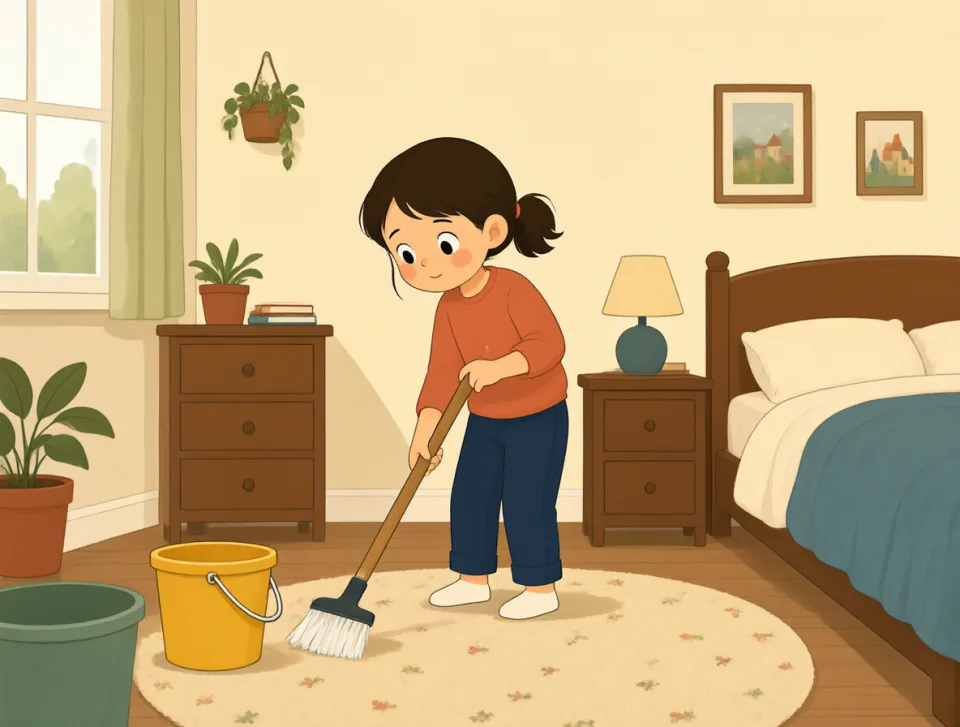
She keeps her room very clean.
تحافظ على نظافة غرفتها كثيرًا.
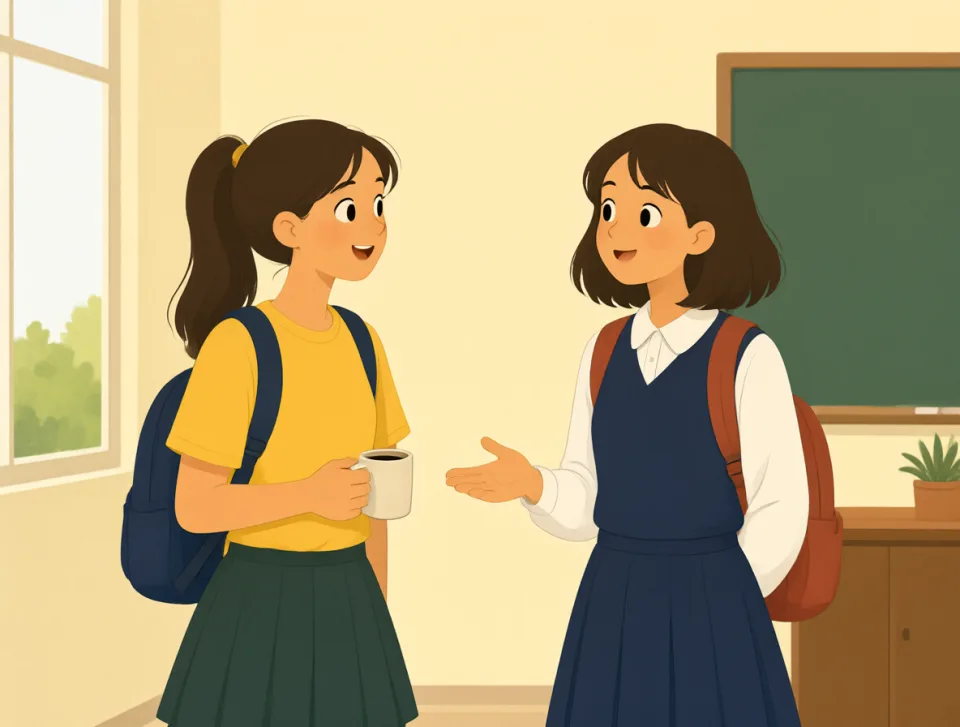
We kept talking after class.
واصلنا الحديث بعد انتهاء الحصة.
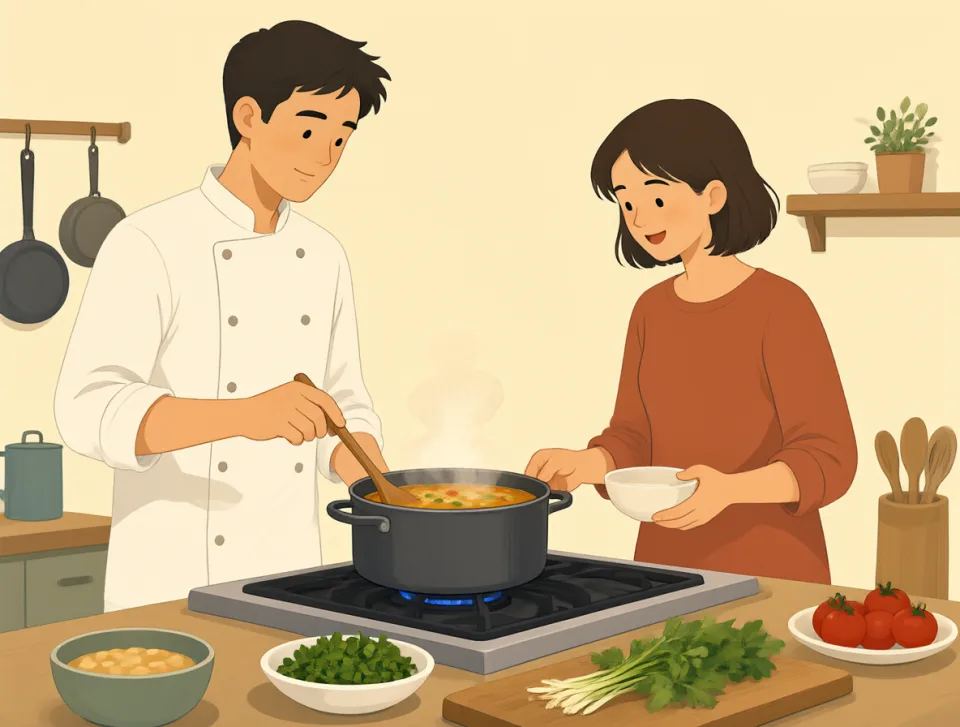
Keep the soup warm for dinner.
أبقِ الحساء دافئًا حتى العشاء.
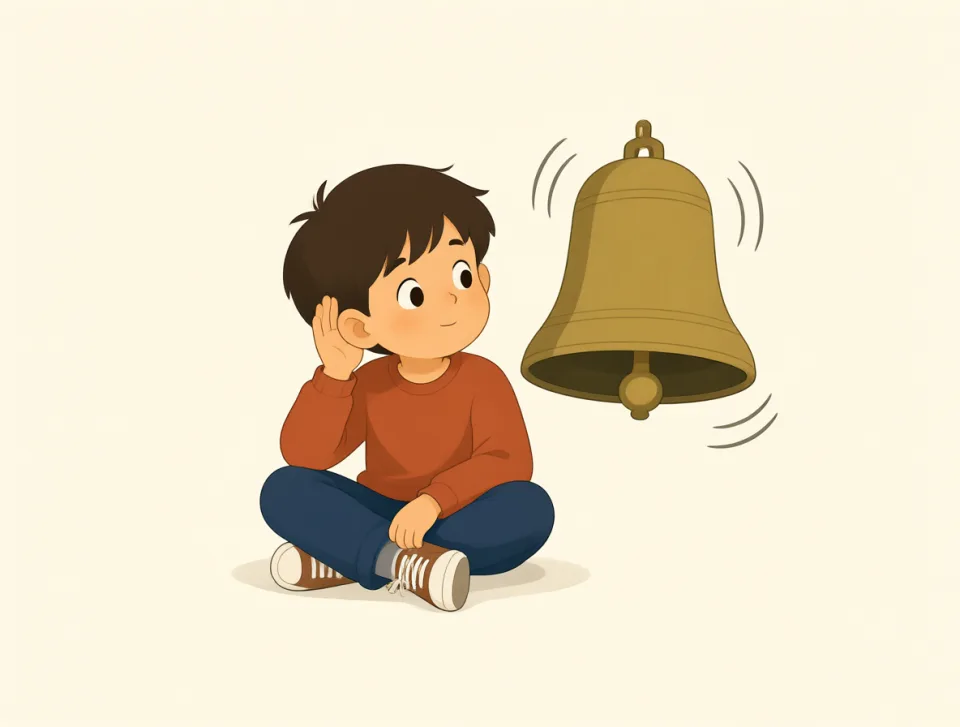
hear
#178verb
يسمع
To notice a sound with your ears.
يدرك صوتًا بأذنيه.
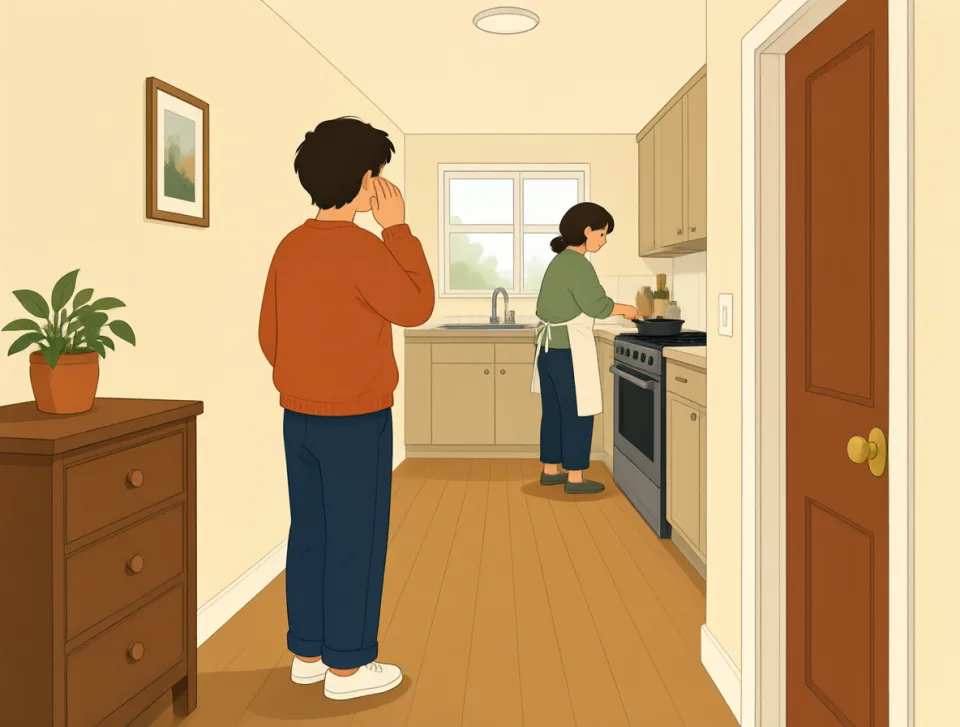
I can hear music from the kitchen.
أستطيع سماع الموسيقى من المطبخ.
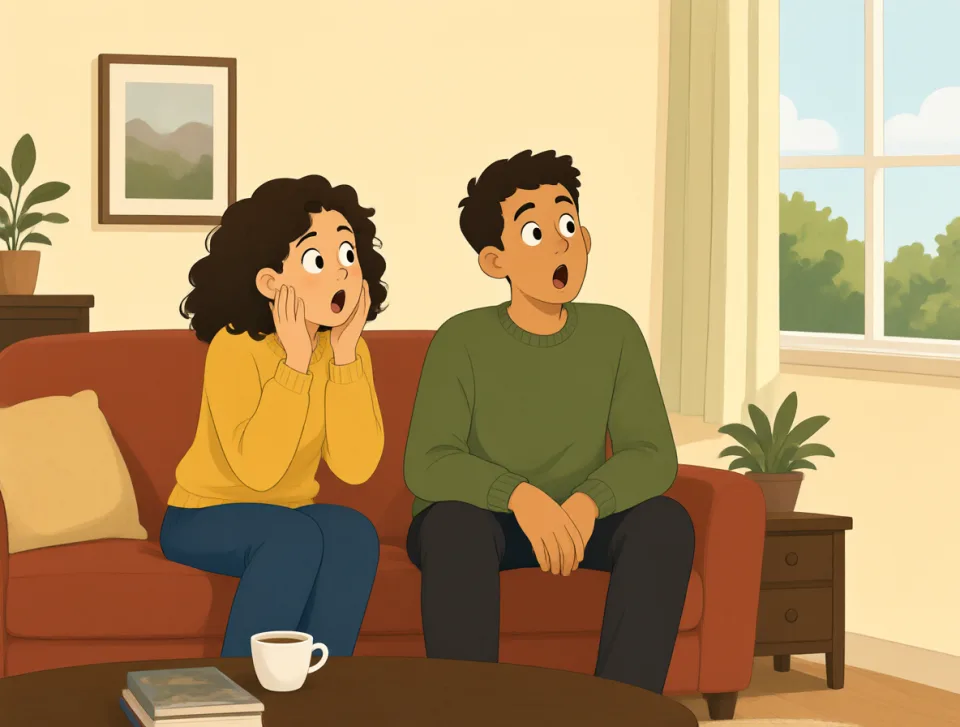
Did you hear that loud noise?
هل سمعت ذلك الصوت العالي؟
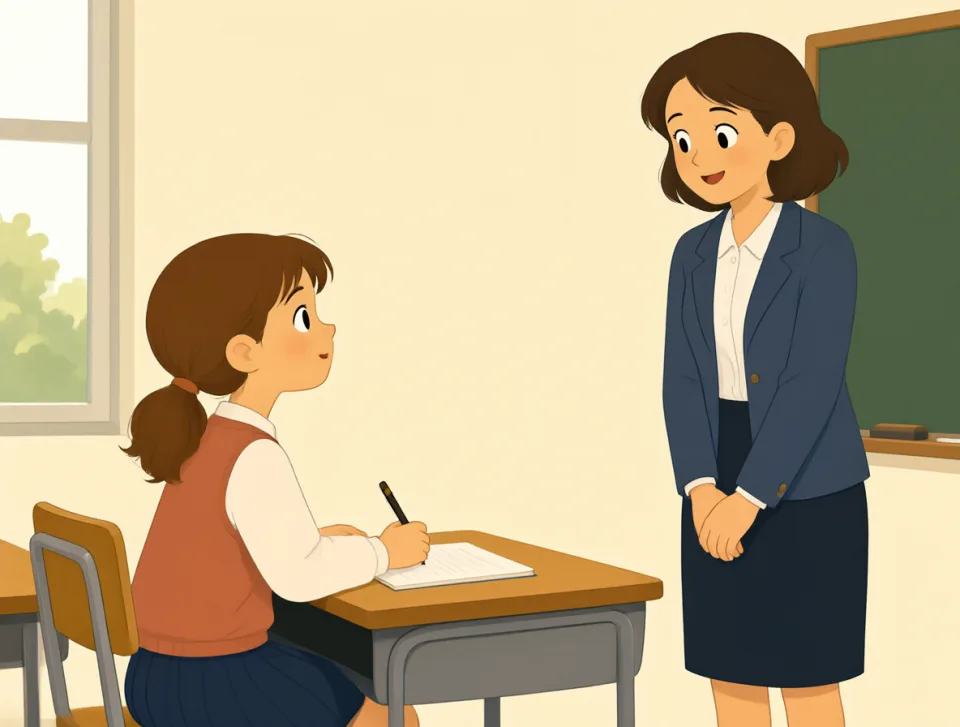
She heard her name at school.
سمعت اسمها في المدرسة.
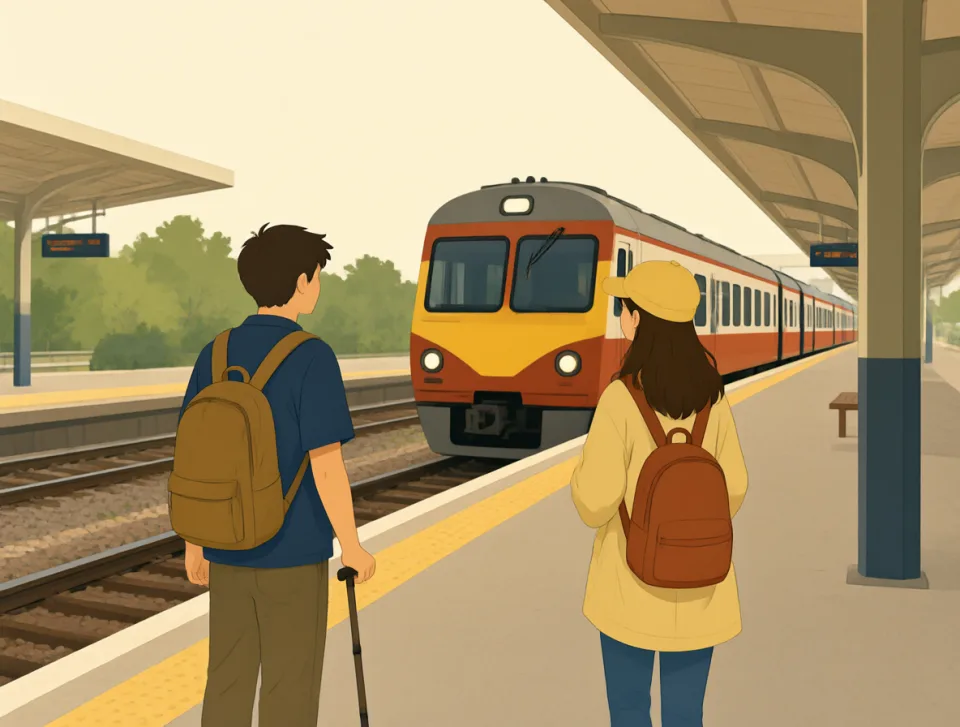
We heard the train arrive.
سمعنا القطار وهو يصل.
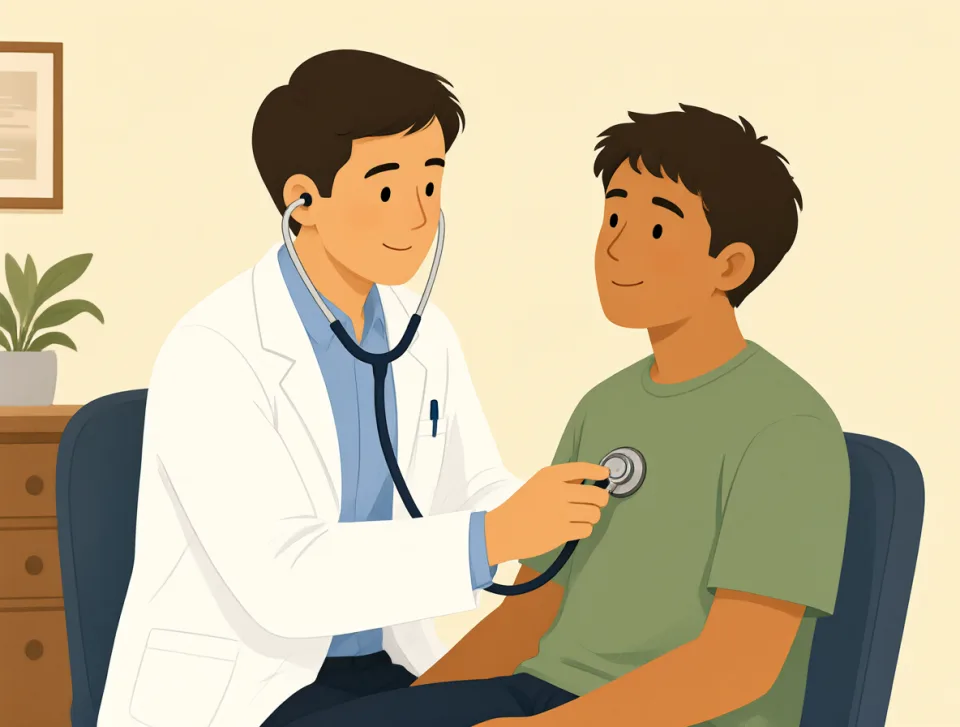
The doctor heard my lungs.
فحص الطبيب رئتي بالسماعة.
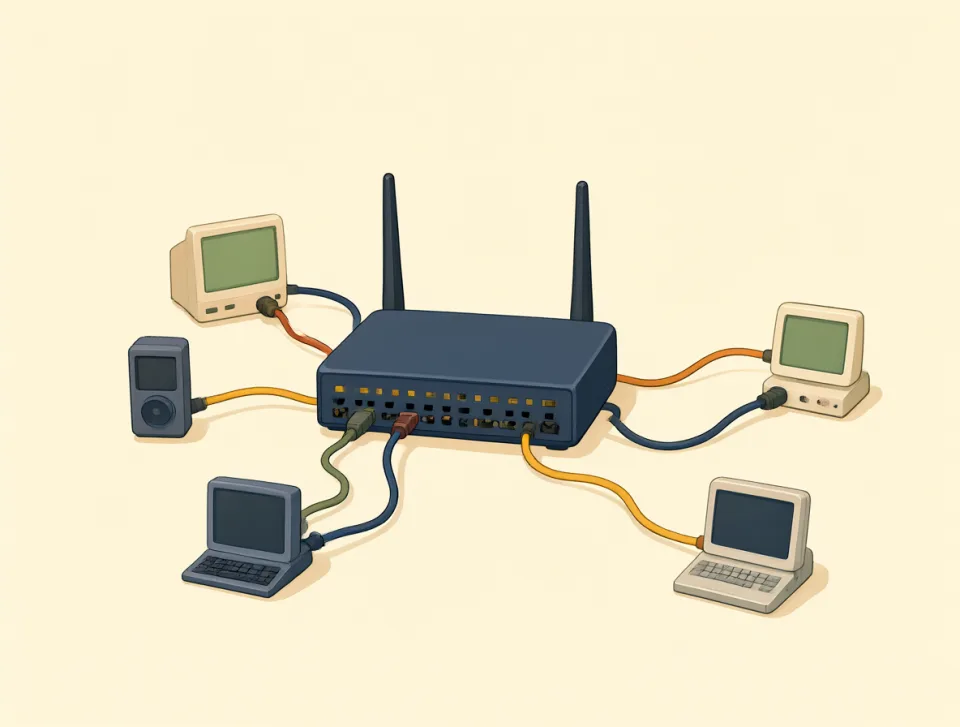
system
#179noun
نظام
A set of connected parts that work together for a particular purpose.
مجموعة من الأجزاء المترابطة التي تعمل معًا لتحقيق غرض معين.
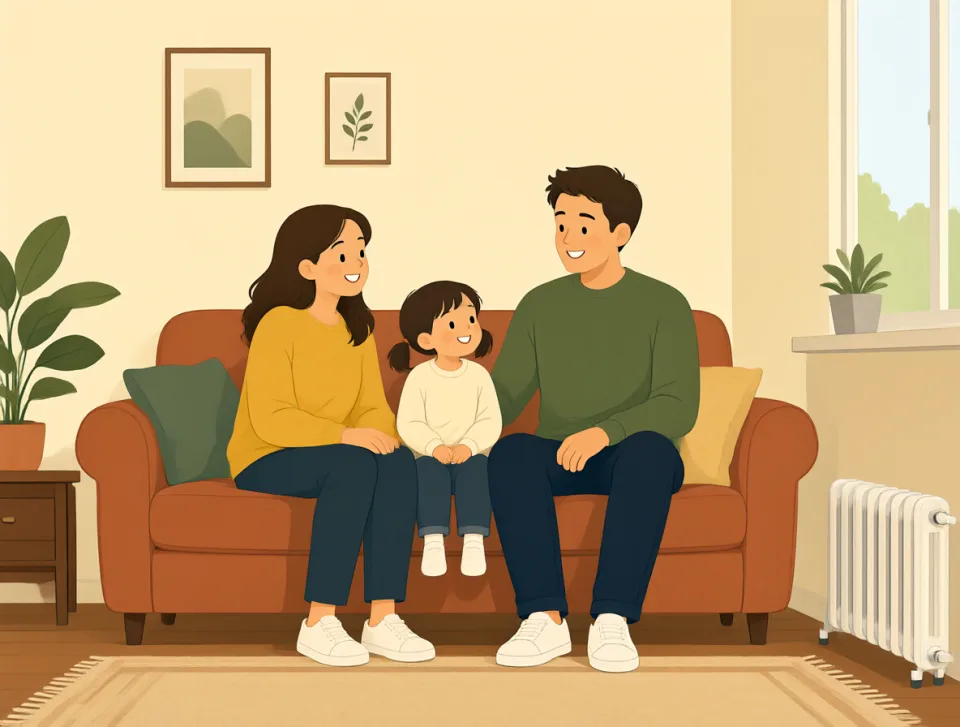
The heating system keeps our house warm.
يُبقي نظام التدفئة منزلنا دافئًا.
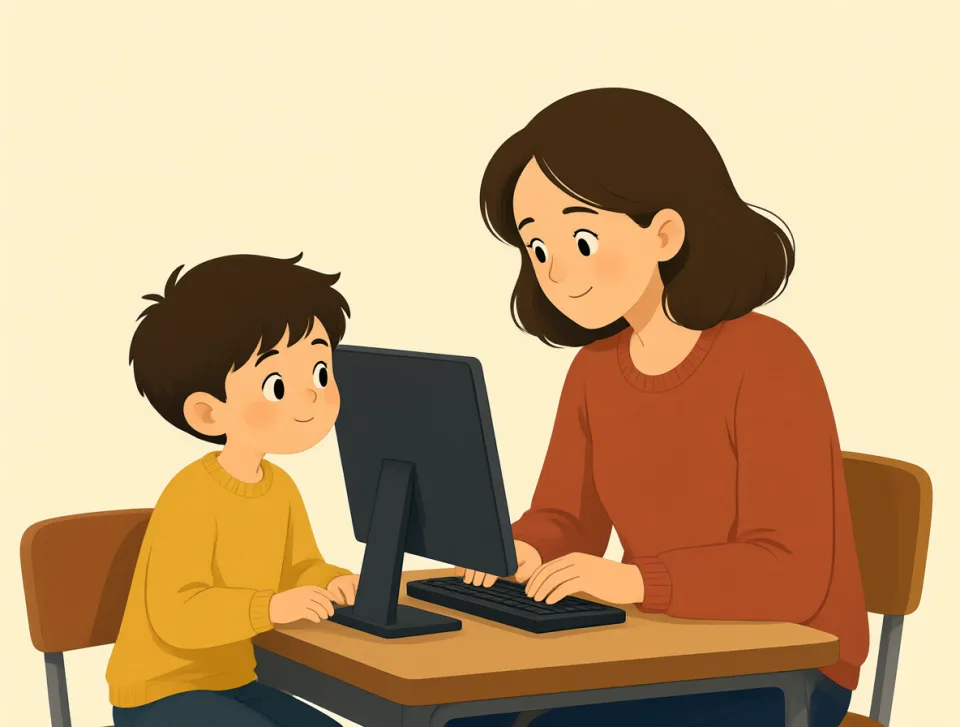
The school has a new computer system.
لدى المدرسة نظام حاسوبي جديد.
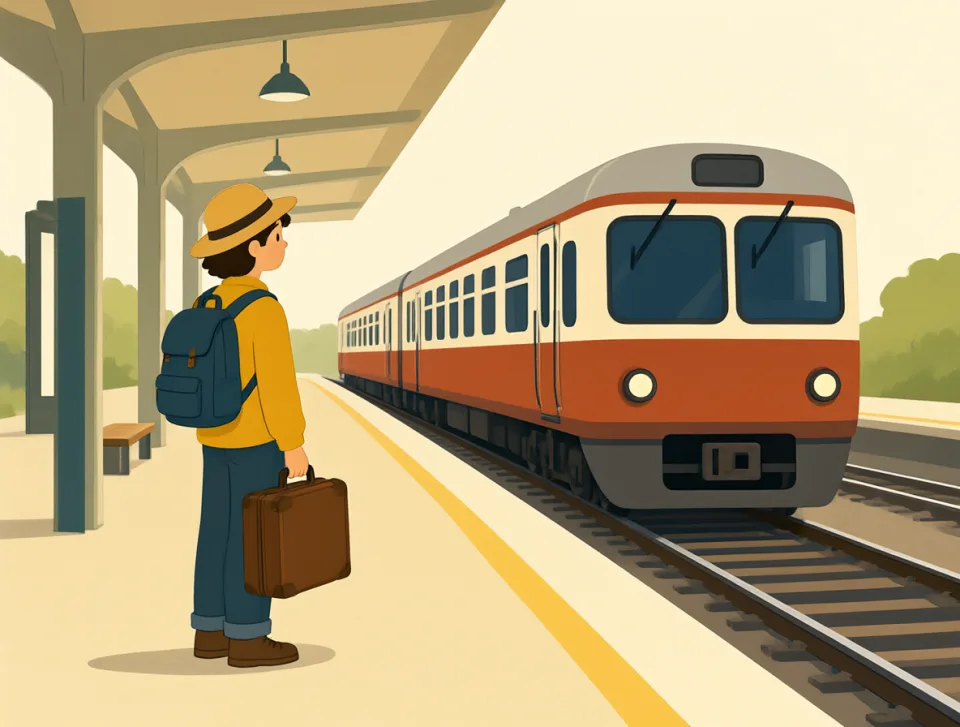
The train system is easy to use.
نظام القطارات سهل الاستخدام.
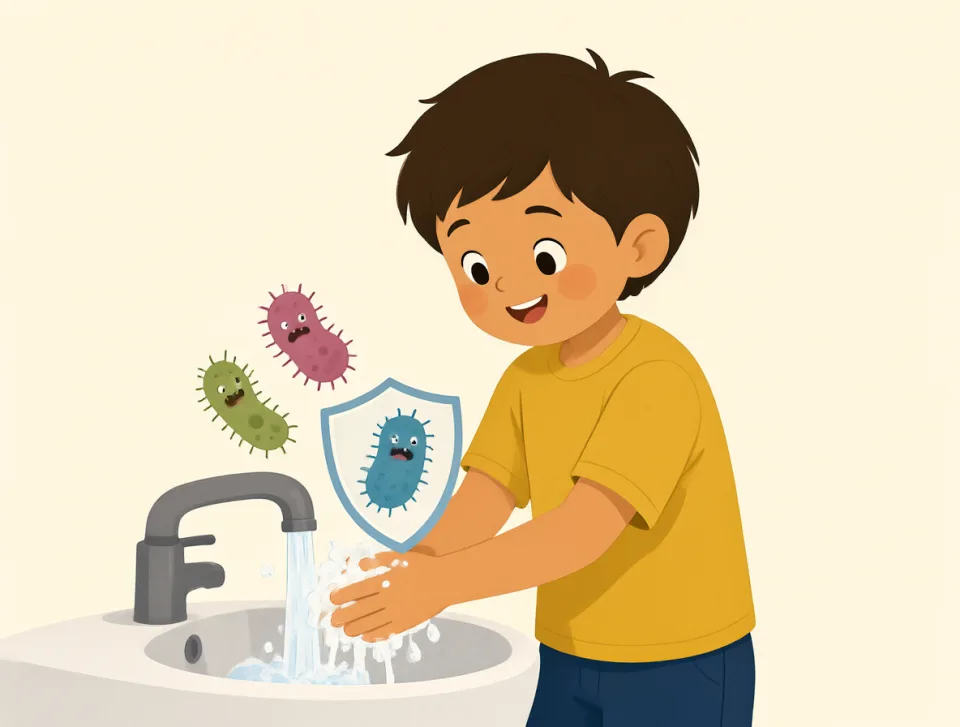
The body’s immune system fights germs.
يحارب الجهاز المناعي في الجسم الجراثيم.
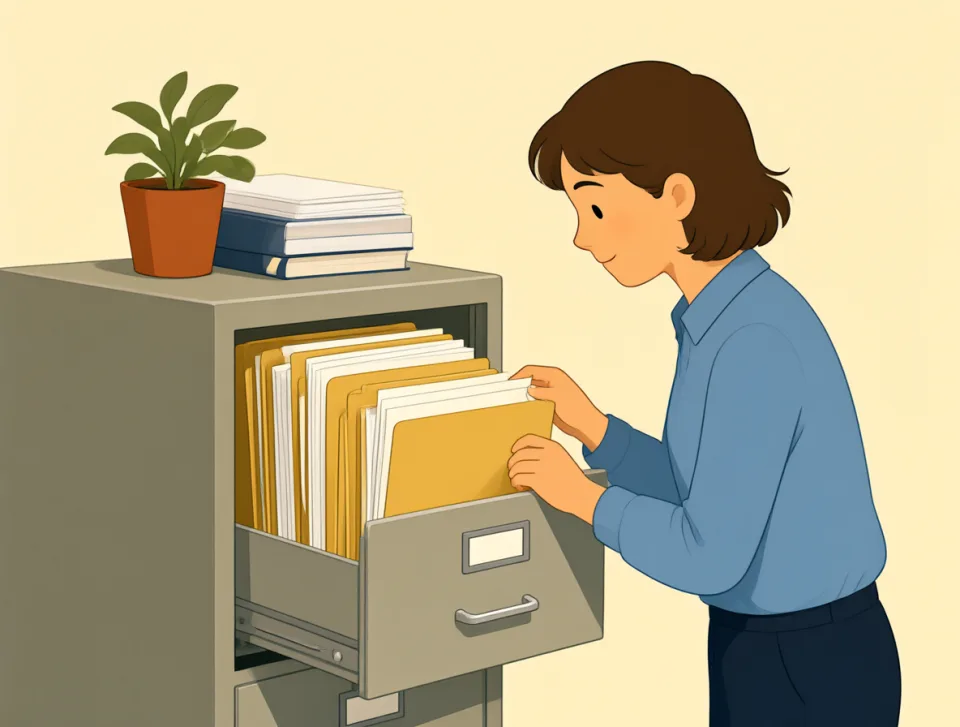
Our filing system helps us find papers.
يساعدنا نظام حفظ الملفات على العثور على الأوراق.
every
#180determiner, pronoun
كلّ
Each person or thing in a group, without exception.
كل شخص أو شيء في مجموعة، بلا استثناء.
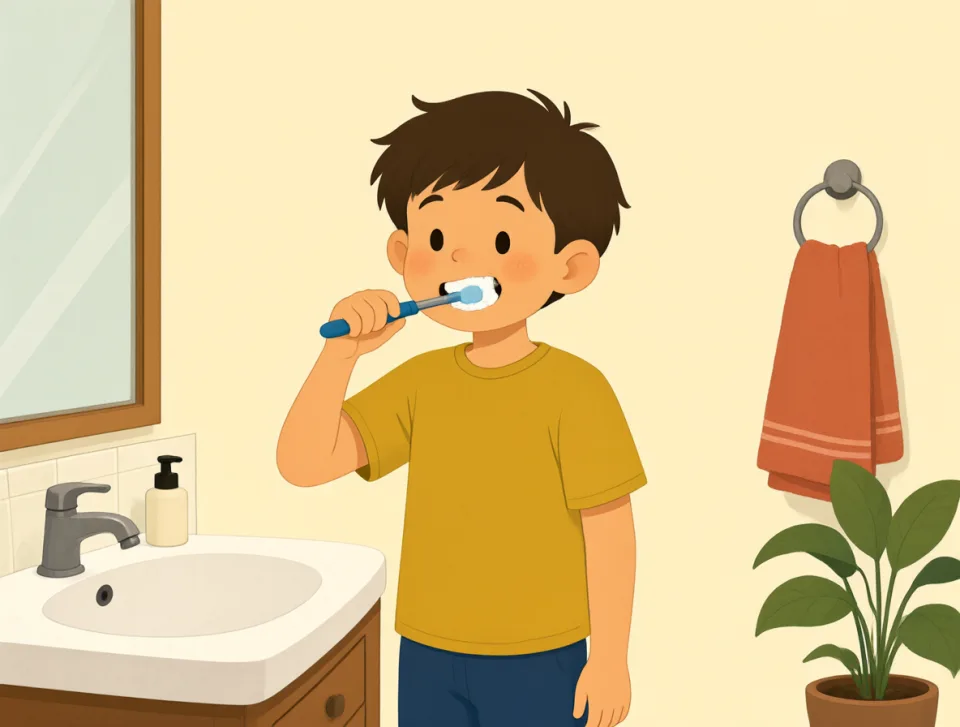
I brush my teeth every morning.
أفرّش أسناني كل صباح.
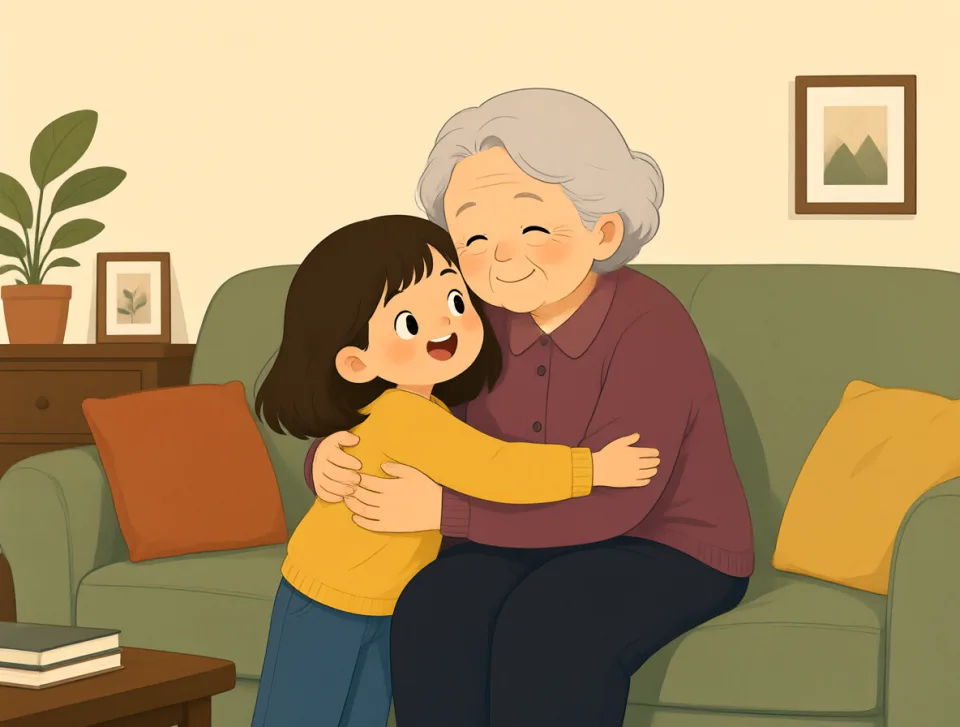
She visits her grandmother every Sunday.
تزور جدتها كل يوم أحد.
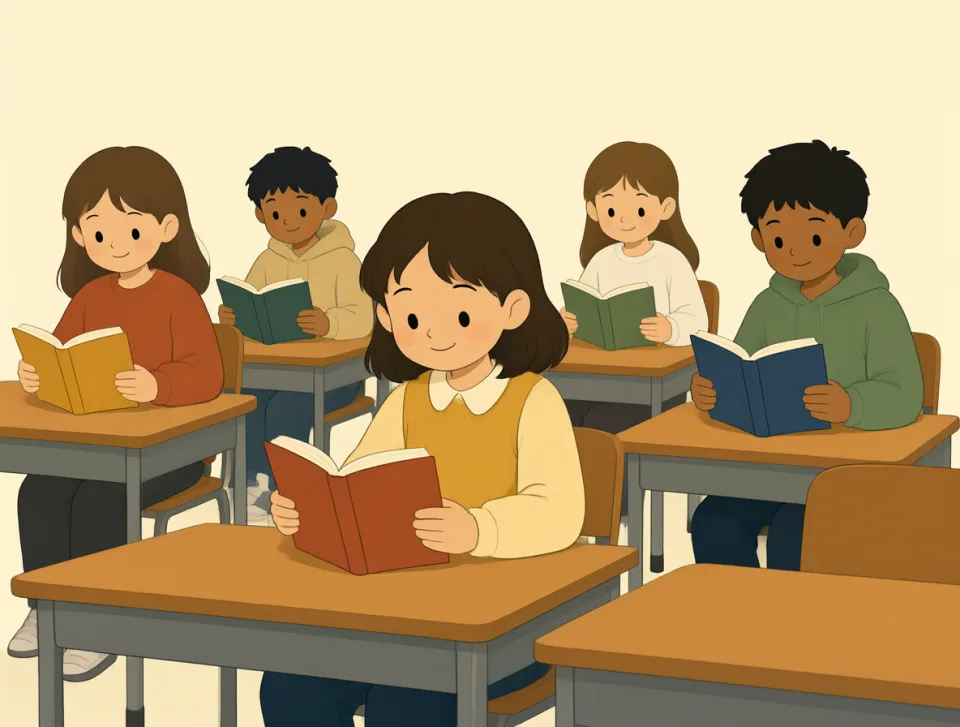
Every student has a book.
لكل طالب كتاب.
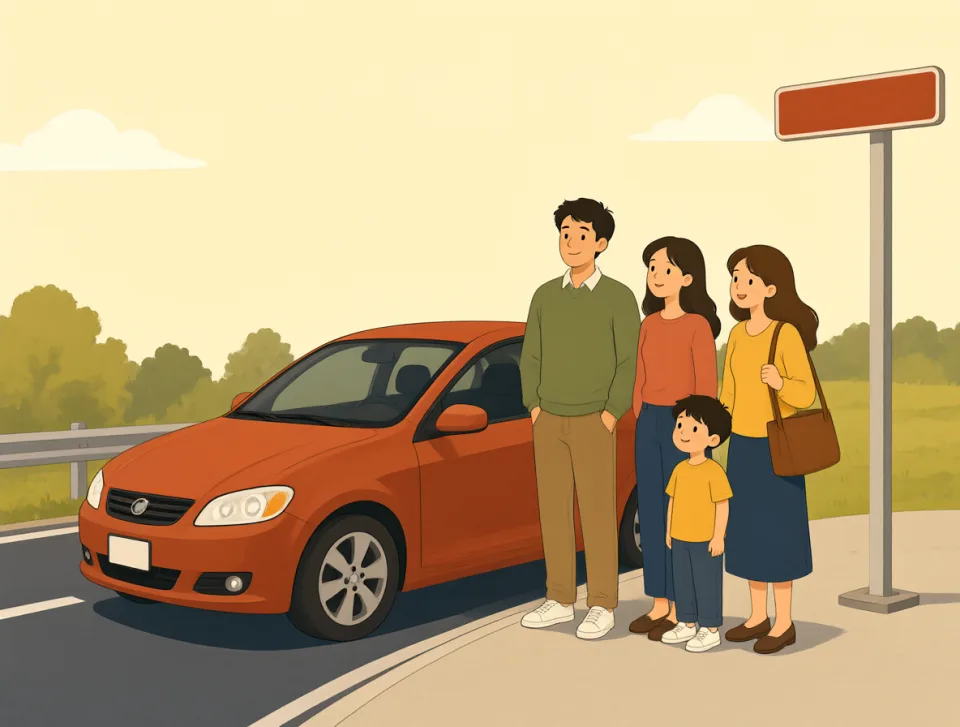
We stopped every hour during the trip.
توقفنا كل ساعة خلال الرحلة.
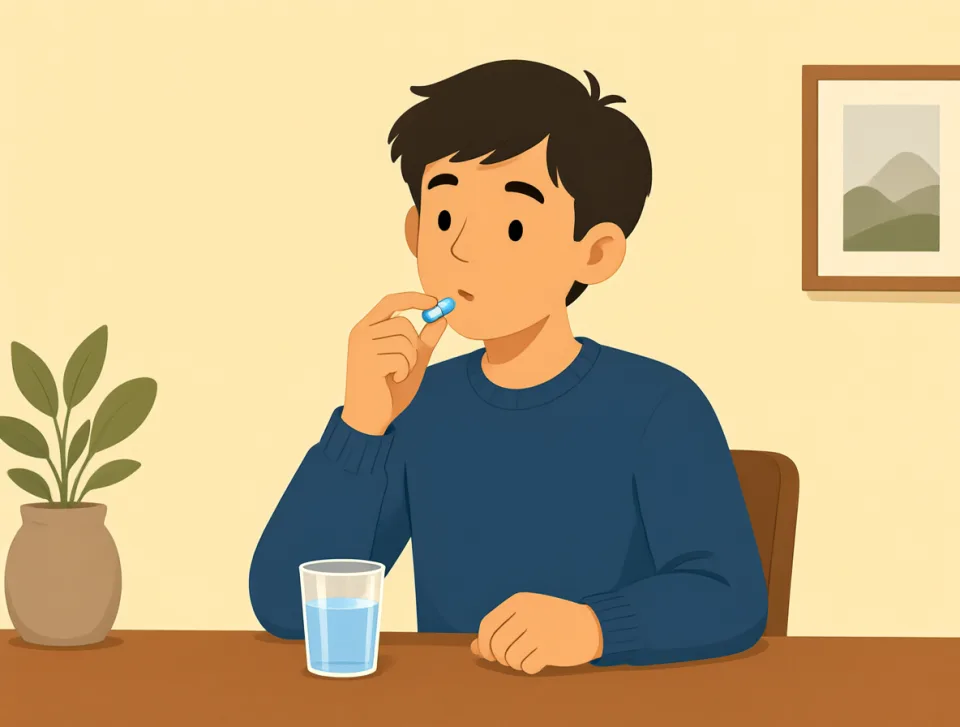
He takes medicine every day.
يتناول الدواء كل يوم.