इकाई 50
शब्द 981–1000 · version, conversation, somebody, pound, magazine, shape
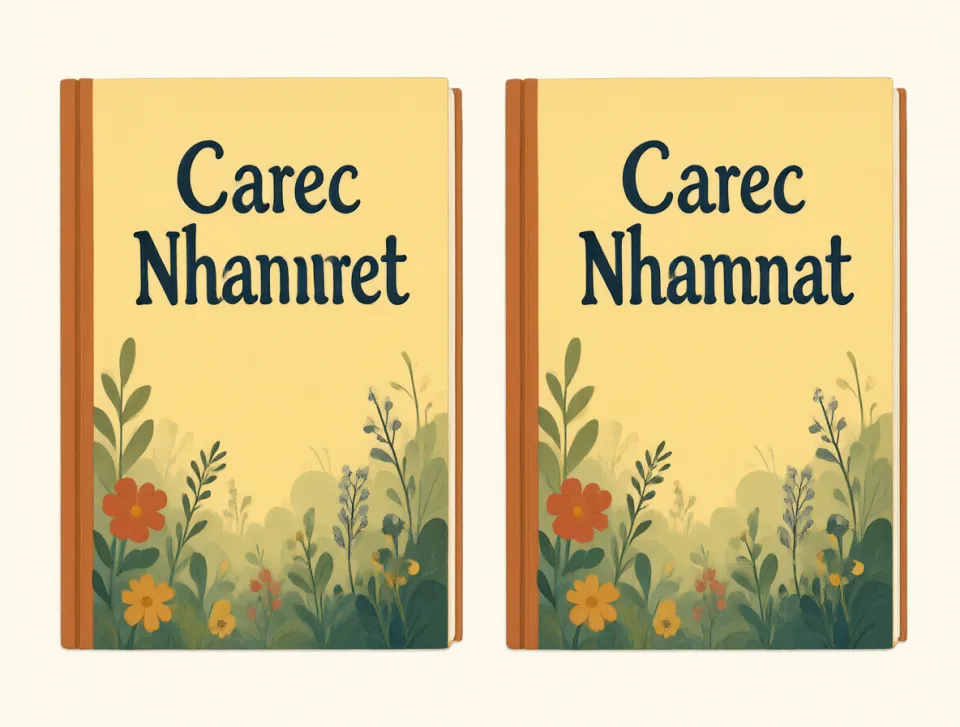
version
#981noun
संस्करण
A form of something that is different from another form.
किसी चीज़ का ऐसा रूप जो उसके दूसरे रूप से अलग हो।
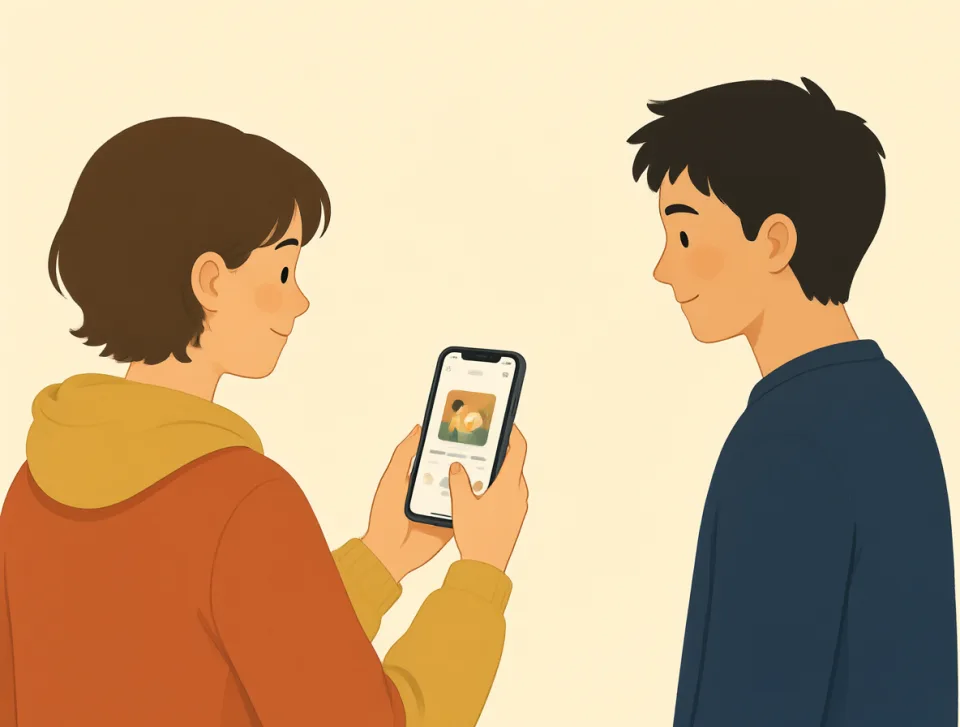
I have the latest version of this app.
मेरे पास इस ऐप का नवीनतम संस्करण है।
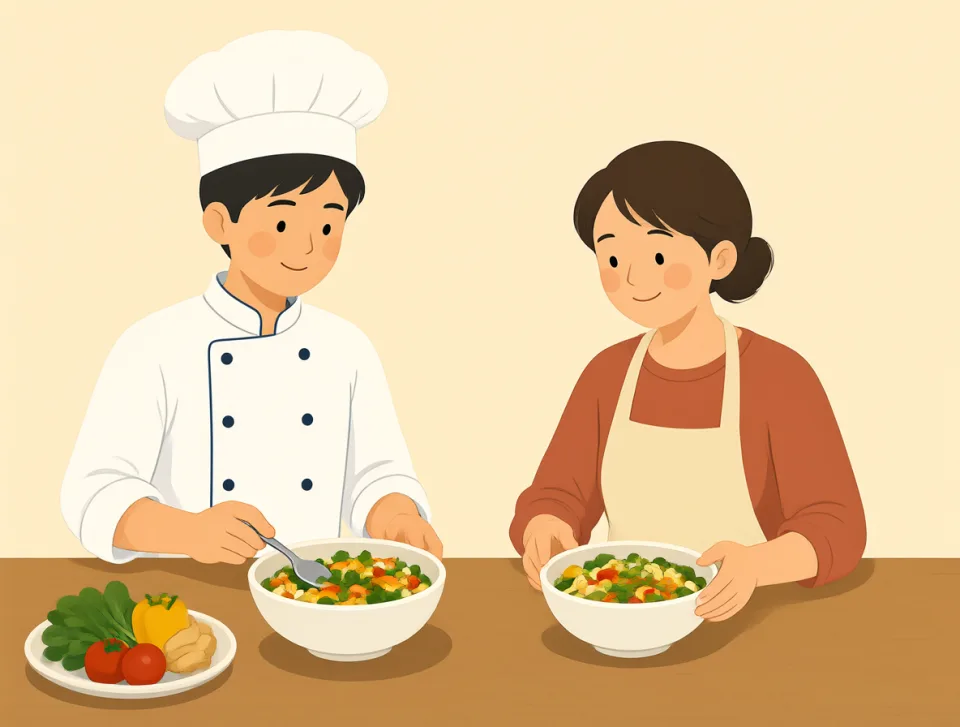
This recipe has a healthier version.
इस रेसिपी का एक ज़्यादा सेहतमंद संस्करण भी है।

We watched the movie version last night.
हमने कल रात फ़िल्म वाला संस्करण देखा।

Please send me the final version tomorrow.
कृपया मुझे कल अंतिम संस्करण भेज दीजिए।

She bought a smaller version of the suitcase.
उसने सूटकेस का एक छोटा संस्करण खरीदा।

conversation
#982noun
बातचीत
A talk between two or more people.
दो या दो से अधिक लोगों के बीच होने वाली बातचीत।

We had a friendly conversation after dinner.
रात के खाने के बाद हमारी दोस्ताना बातचीत हुई।

I enjoyed our conversation about travel.
मुझे यात्रा के बारे में हमारी बातचीत बहुत अच्छी लगी।
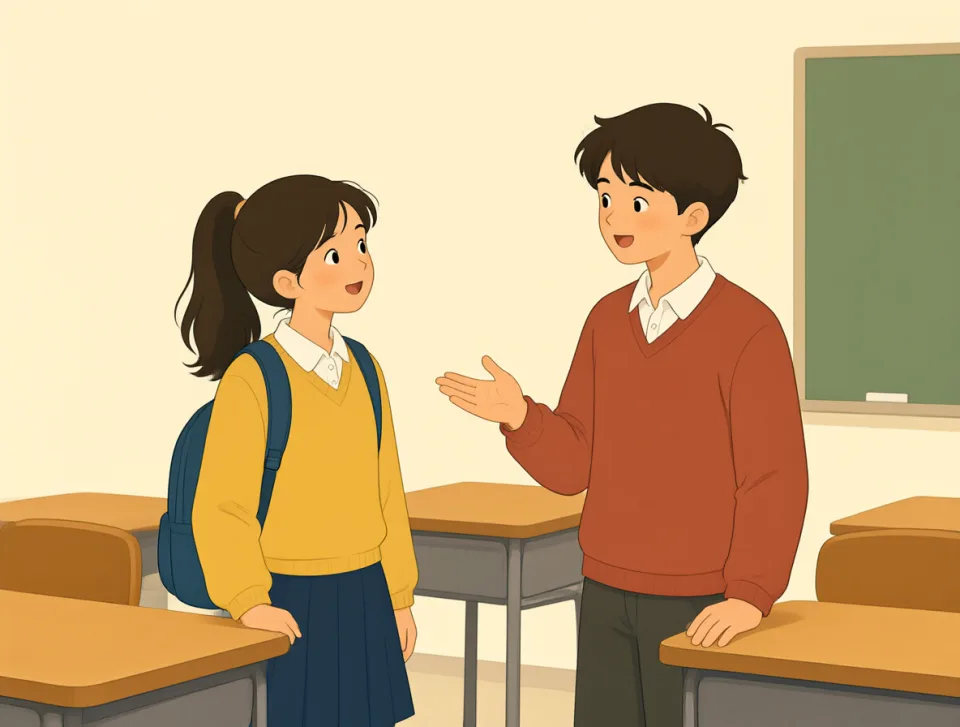
She started a conversation with her new classmate.
उसने अपने नए सहपाठी से बातचीत शुरू की।

The manager had a conversation with my colleague.
मैनेजर ने मेरे सहकर्मी से बातचीत की।

The doctor and patient had a quiet conversation.
डॉक्टर और मरीज़ ने धीमी आवाज़ में बातचीत की।

somebody
#983pronoun
कोई
an unknown or unnamed person
कोई अनजान या अनाम व्यक्ति।
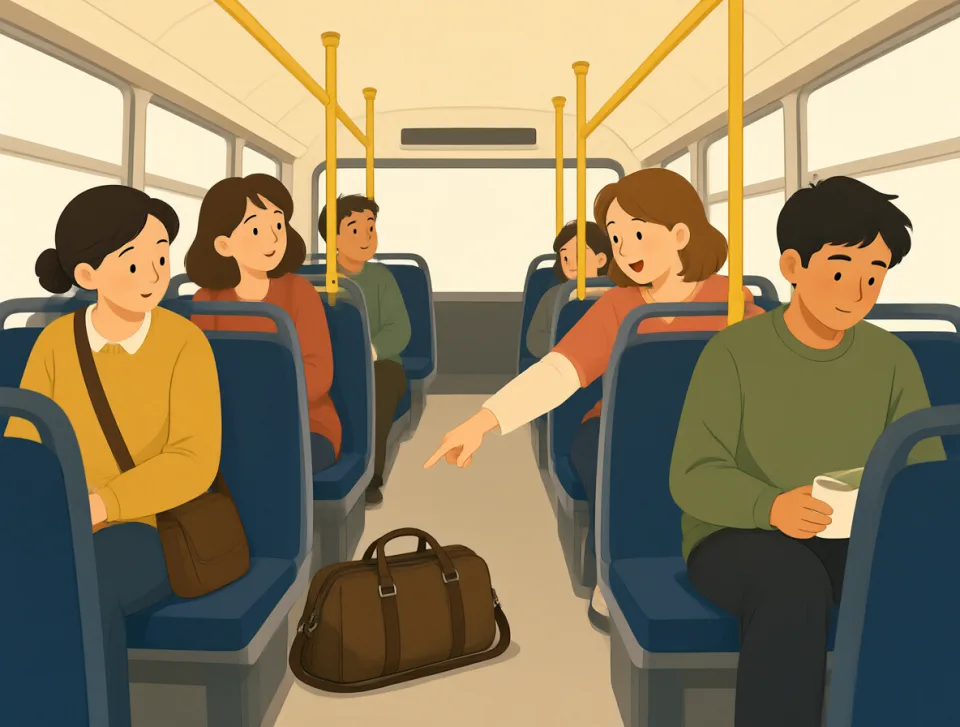
Somebody left their bag on the bus.
कोई बस में अपना बैग छोड़ गया।
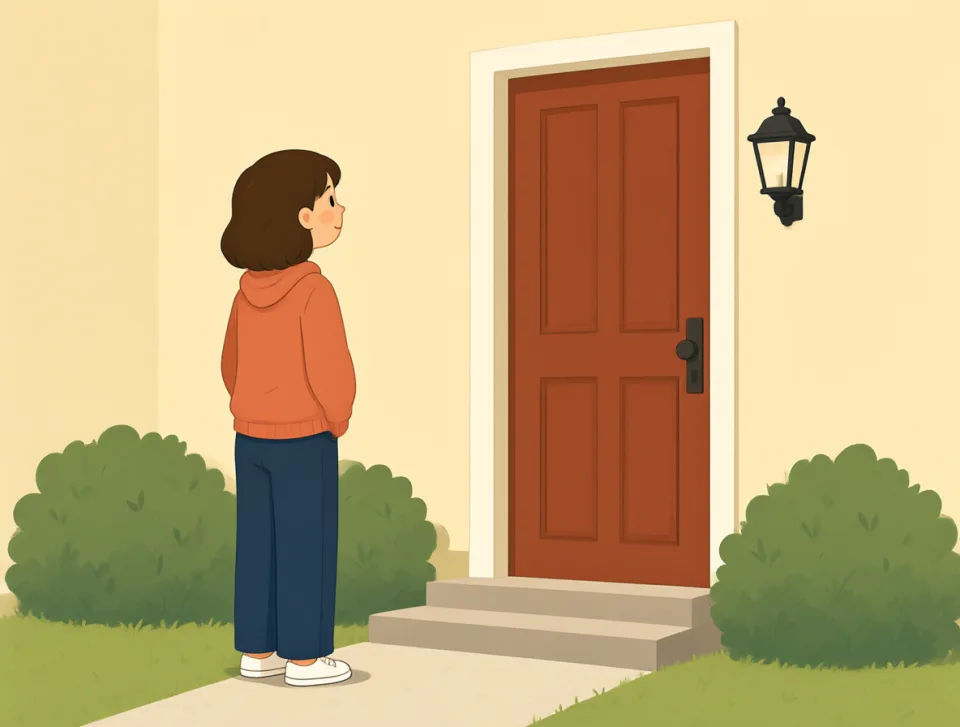
Somebody is waiting outside the door.
दरवाज़े के बाहर कोई इंतज़ार कर रहा है।
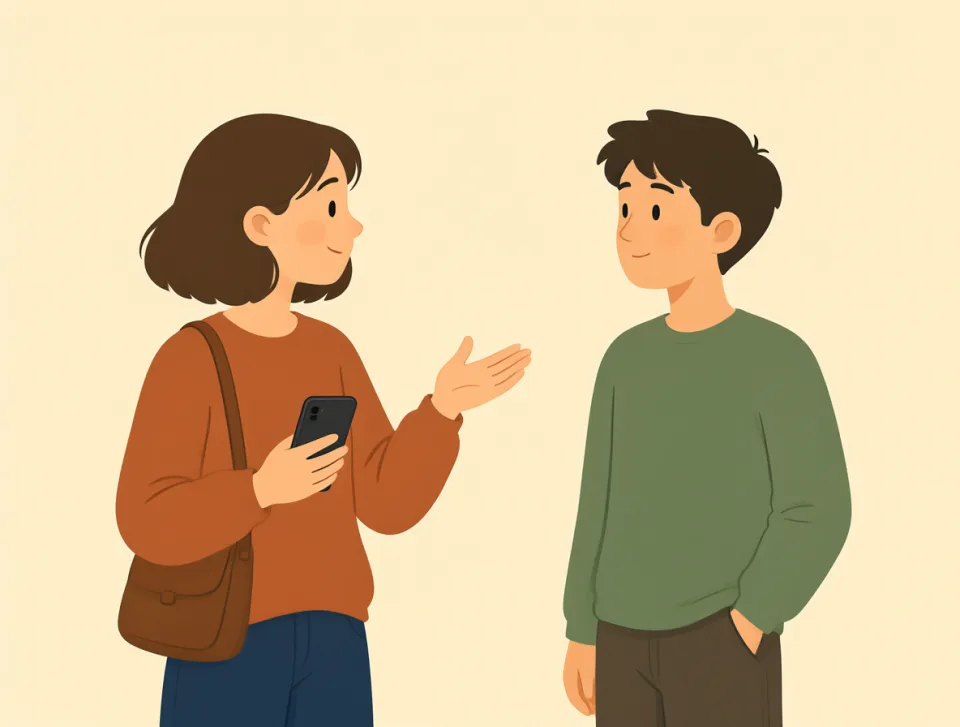
Somebody called you while you were away.
तुम्हारे बाहर रहने के दौरान किसी ने तुम्हें फ़ोन किया था।

Somebody helped me carry the boxes.
किसी ने डिब्बे उठाने में मेरी मदद की।
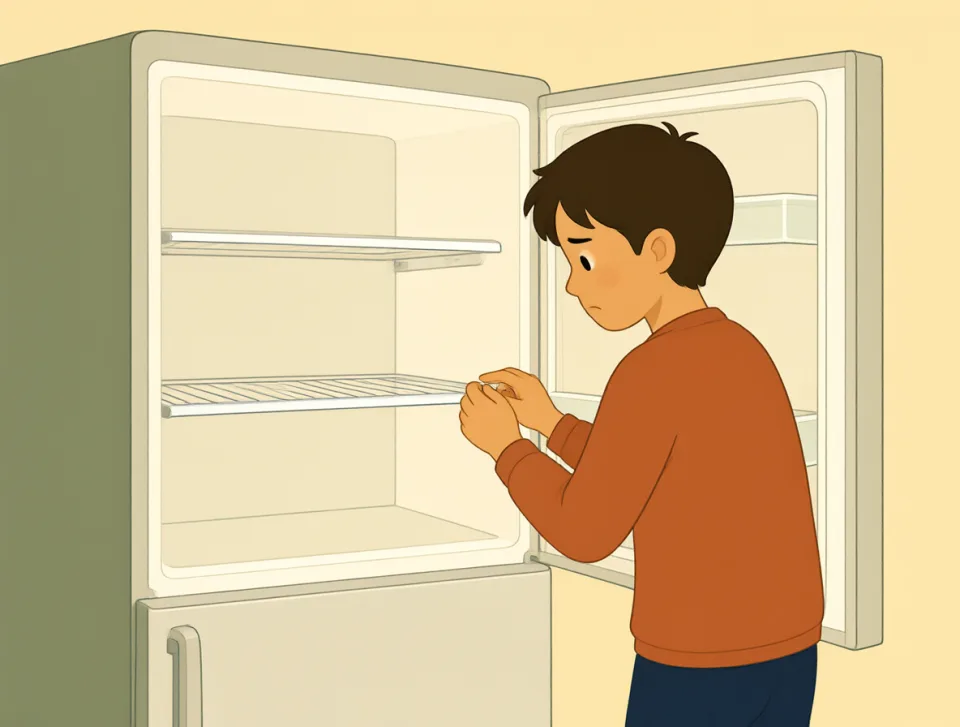
Somebody took my sandwich from the fridge.
किसी ने फ्रिज से मेरा सैंडविच निकाल लिया।
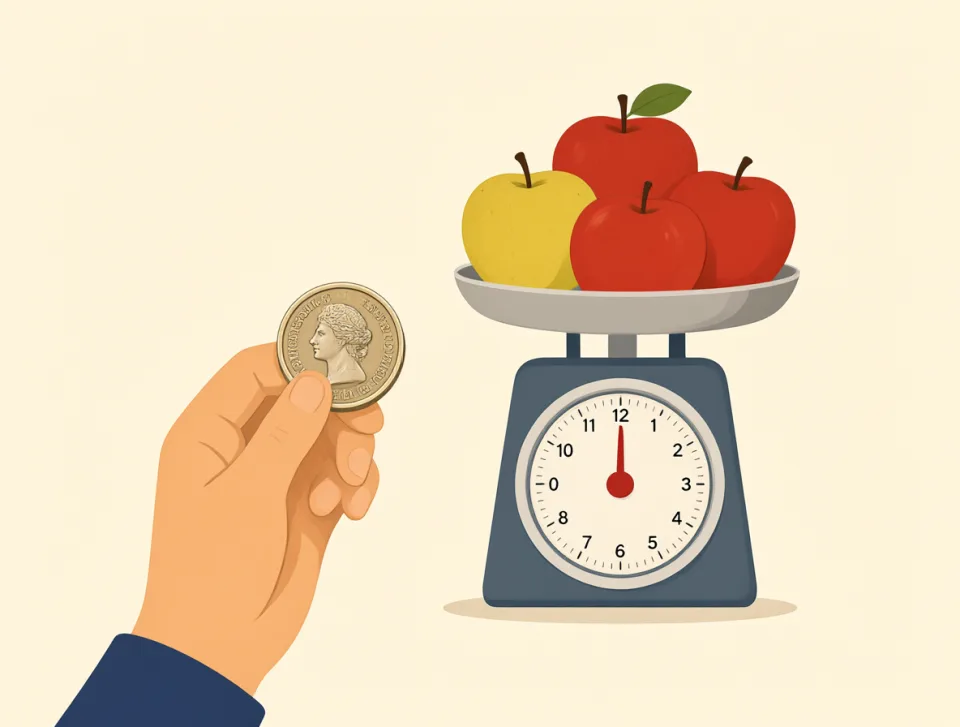
pound
#984noun, verb
पाउंड
A pound is a unit of money or weight; to pound means to hit hard.
पाउंड मुद्रा या वज़न की एक इकाई है; क्रिया के रूप में, pound का अर्थ ज़ोर से मारना होता है।
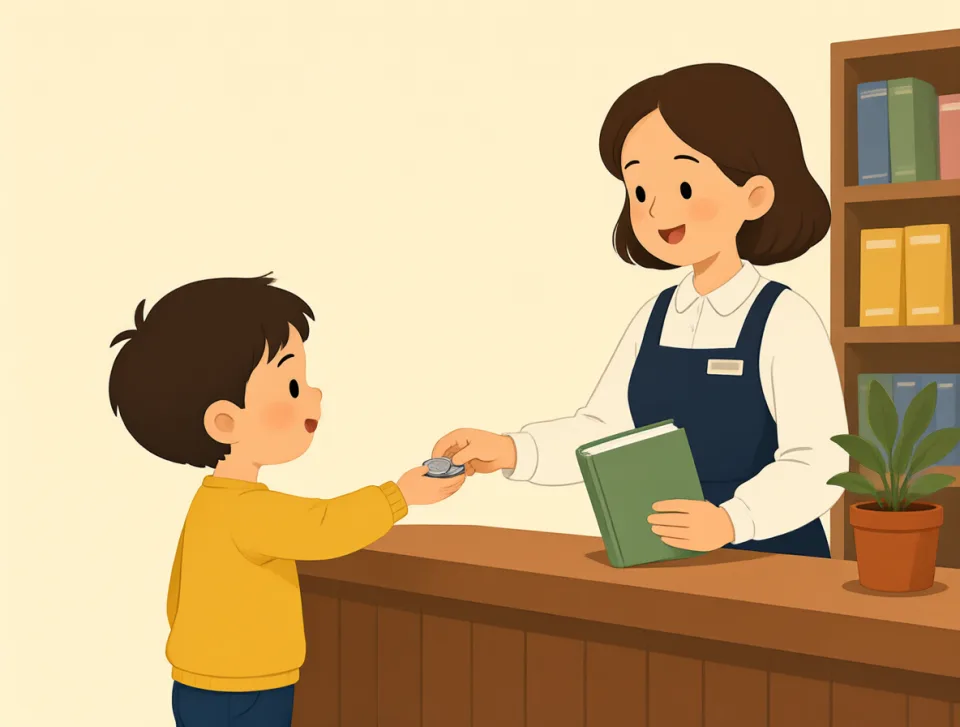
This book costs five pounds.
इस किताब की कीमत पाँच पाउंड है।
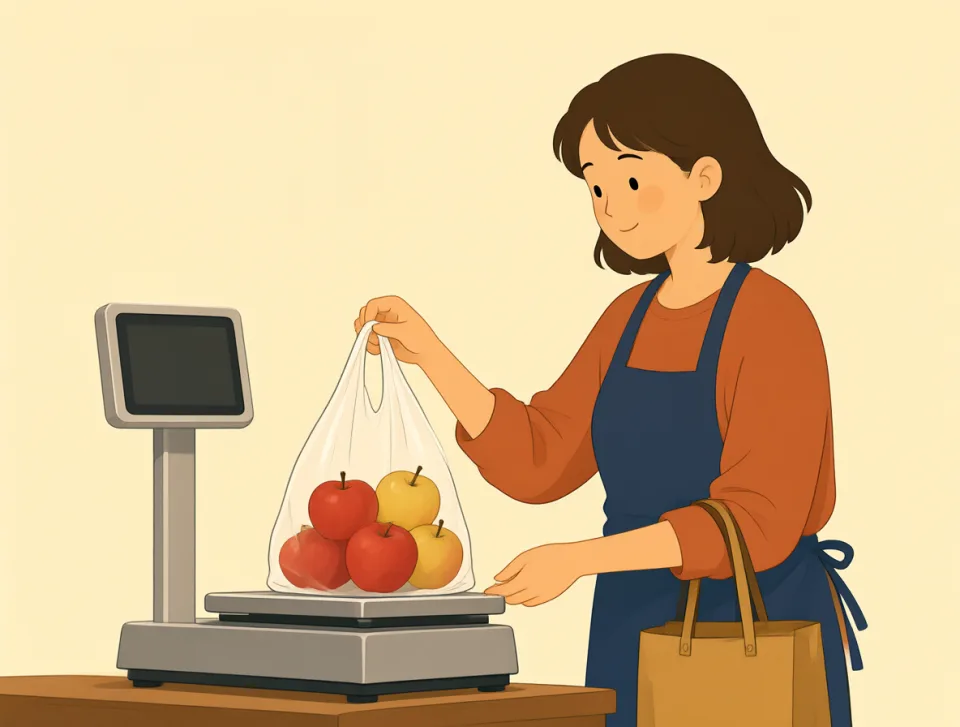
I bought a pound of apples.
मैंने एक पाउंड सेब खरीदे।
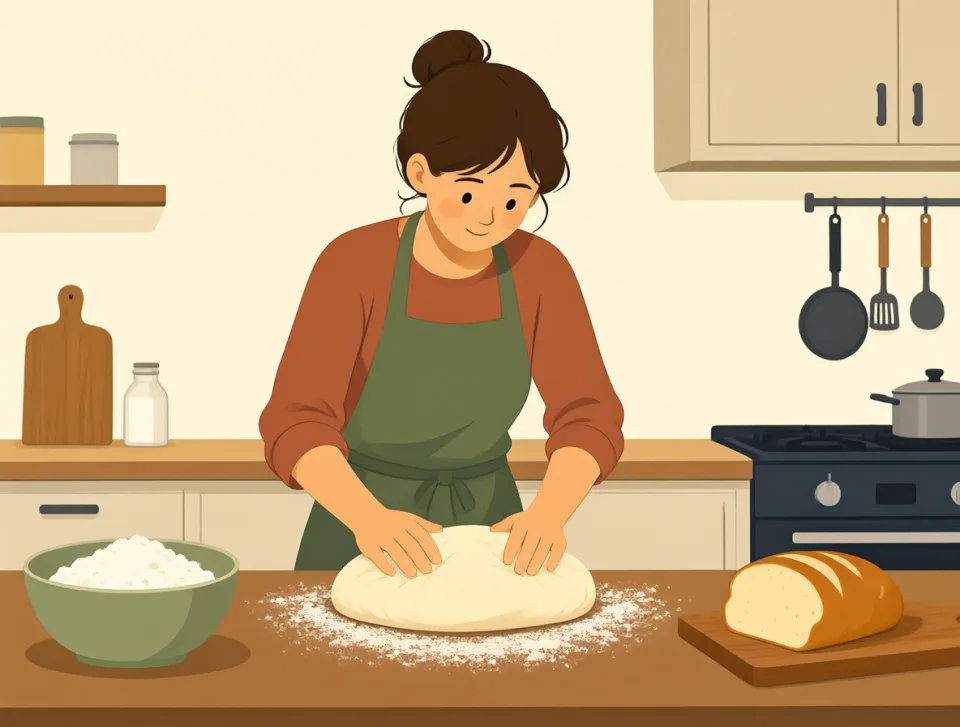
She pounded the dough with her hands.
उसने अपने हाथों से आटे को ज़ोर-ज़ोर से गूँधा।
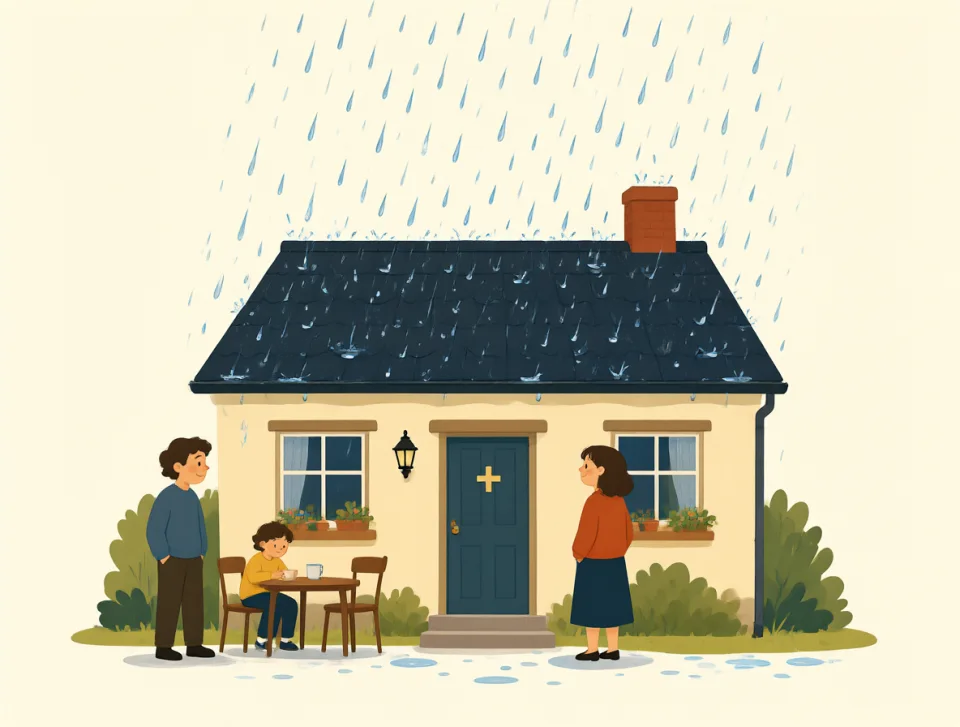
The rain pounded on the roof.
बारिश छत पर ज़ोर-ज़ोर से पड़ रही थी।
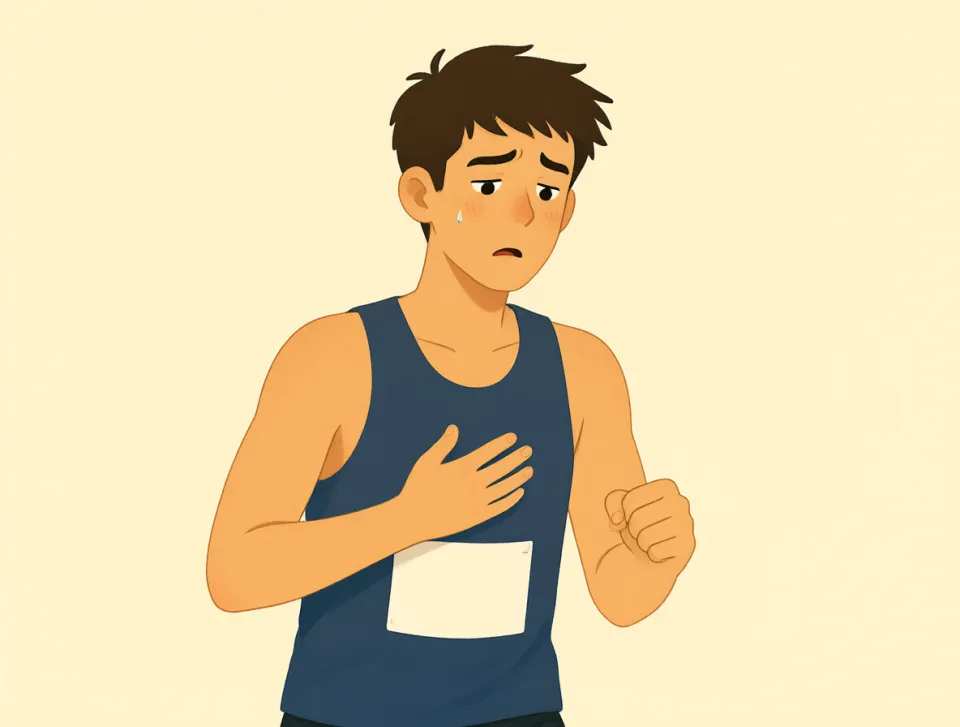
My heart was pounding after the race.
दौड़ के बाद मेरा दिल ज़ोर-ज़ोर से धड़क रहा था।
magazine
#985noun
पत्रिका
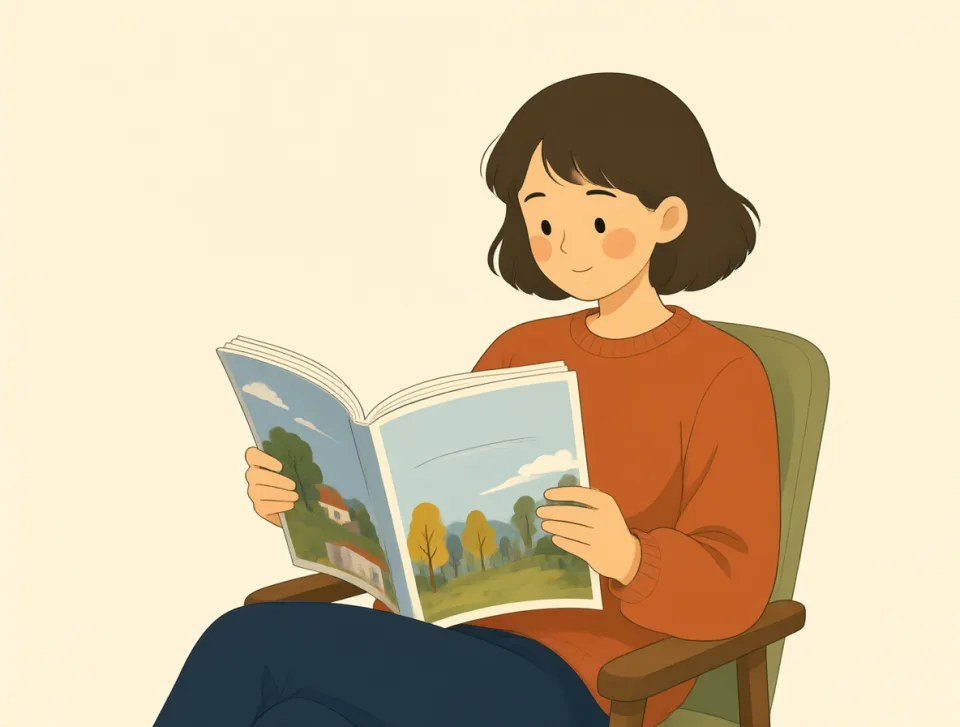
A thin book published regularly with articles, stories, and pictures.
लेखों, कहानियों और तस्वीरों वाली पतली किताब, जो नियमित रूप से प्रकाशित होती है।
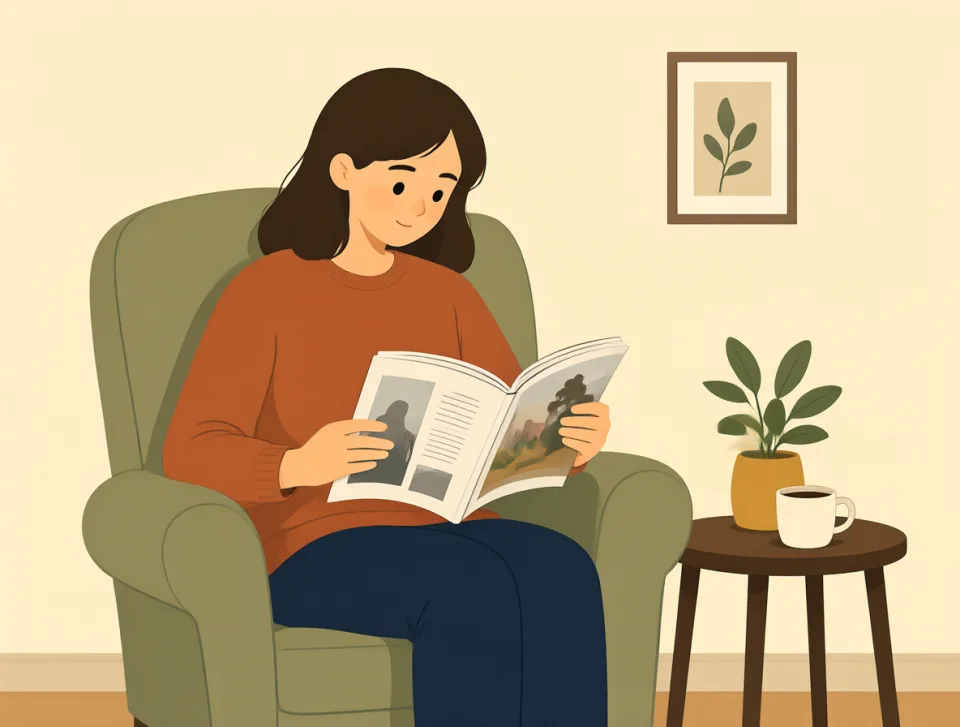
She reads a magazine every Sunday morning.
वह हर रविवार सुबह एक पत्रिका पढ़ती है।

I bought a travel magazine at the airport.
मैंने हवाई अड्डे पर यात्रा से जुड़ी एक पत्रिका खरीदी।

This magazine has many beautiful food pictures.
इस पत्रिका में खाने की कई खूबसूरत तस्वीरें हैं।
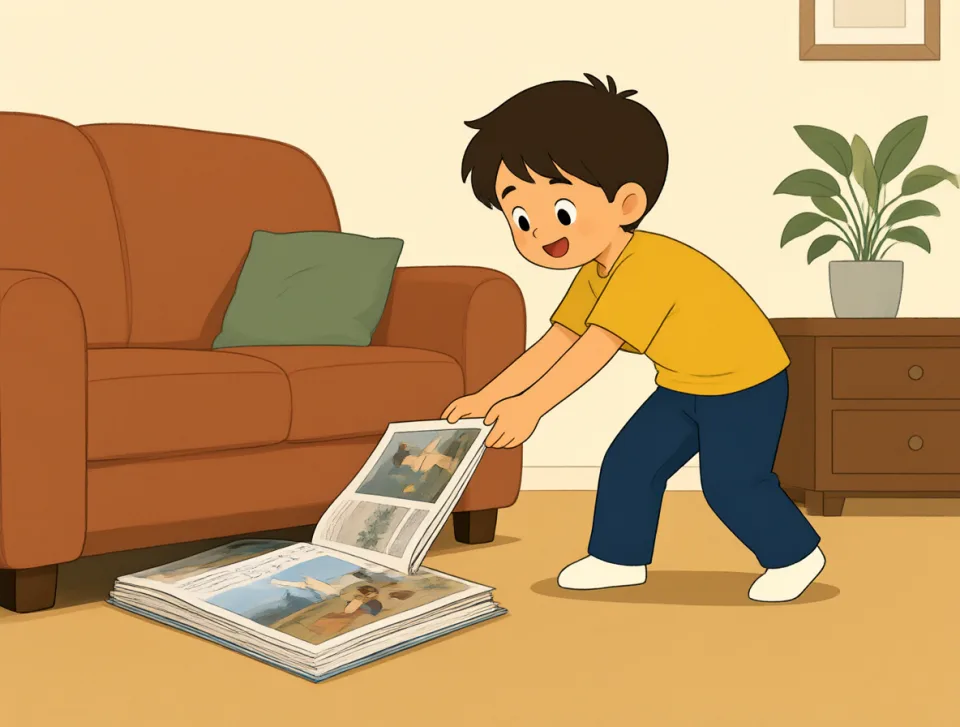
He found an old magazine under the sofa.
उसे सोफ़े के नीचे एक पुरानी पत्रिका मिली।
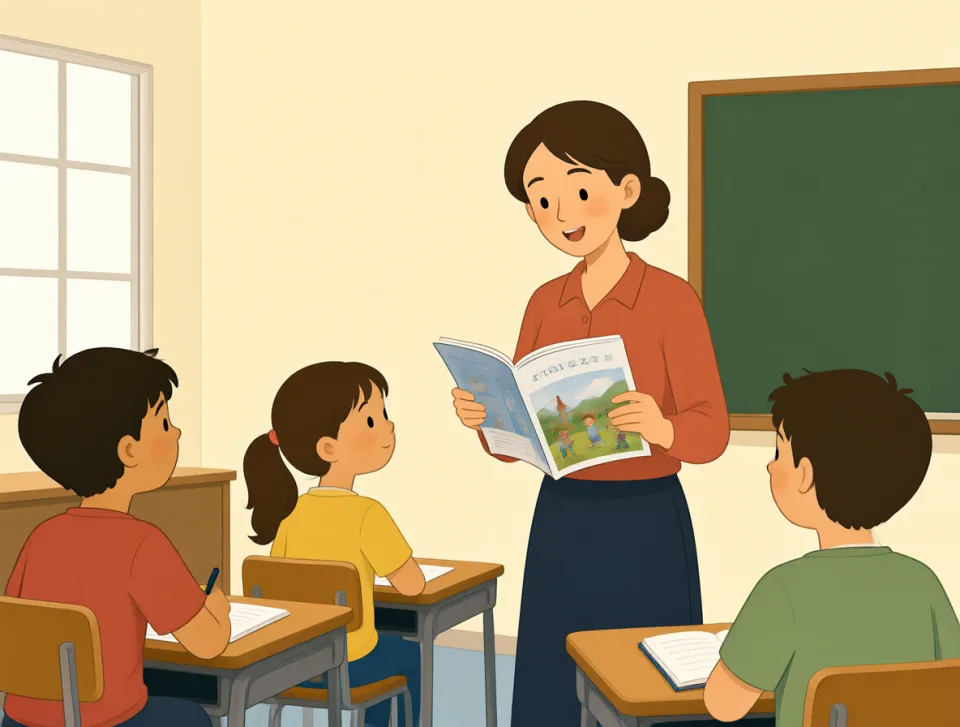
Our teacher brought a science magazine to class.
हमारे शिक्षक कक्षा में विज्ञान की एक पत्रिका लाए।

shape
#986noun, verb
आकार
the form of something; to make something have a particular form
किसी चीज़ का रूप; किसी चीज़ को एक खास रूप देना
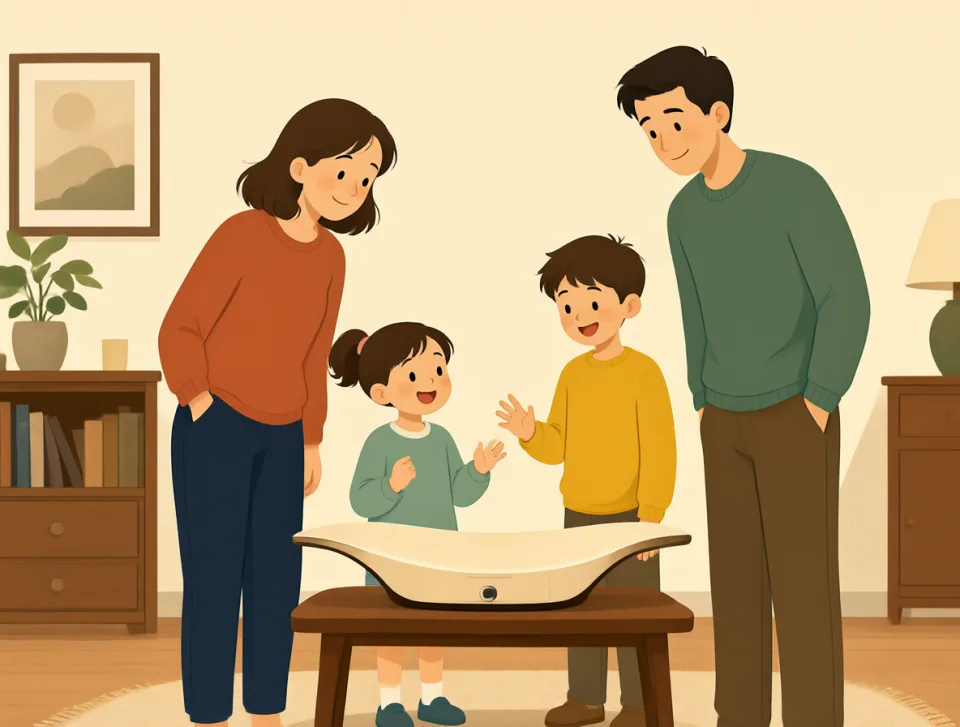
The table has a strange shape.
मेज़ का आकार अजीब है।
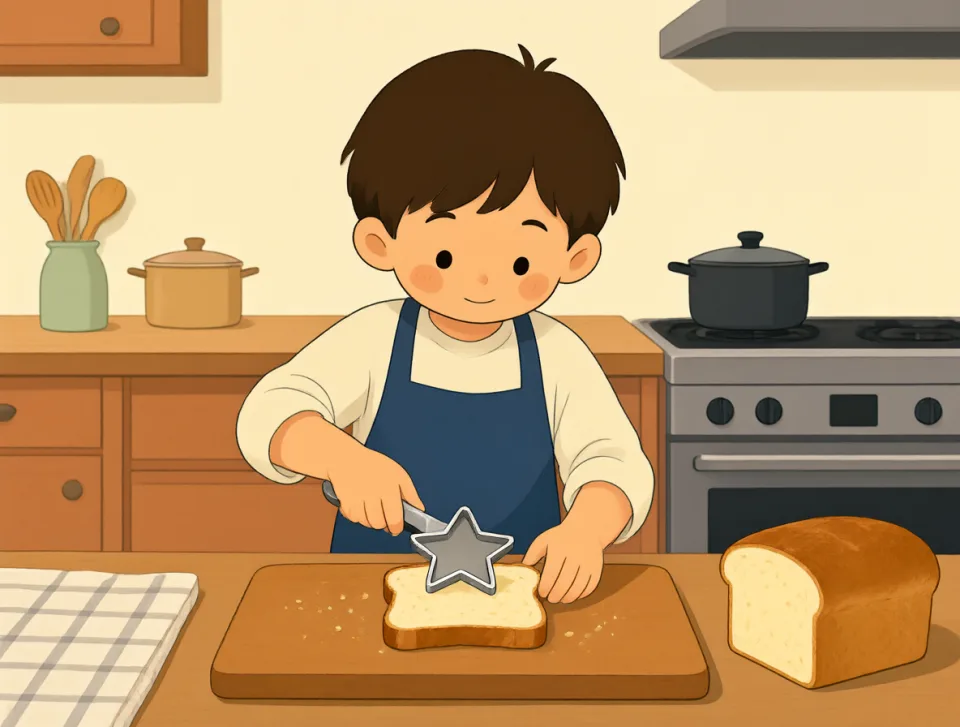
Cut the bread into star shapes.
ब्रेड को तारों के आकार में काटो।

The box was shaped like a heart.
डिब्बा दिल के आकार का था।
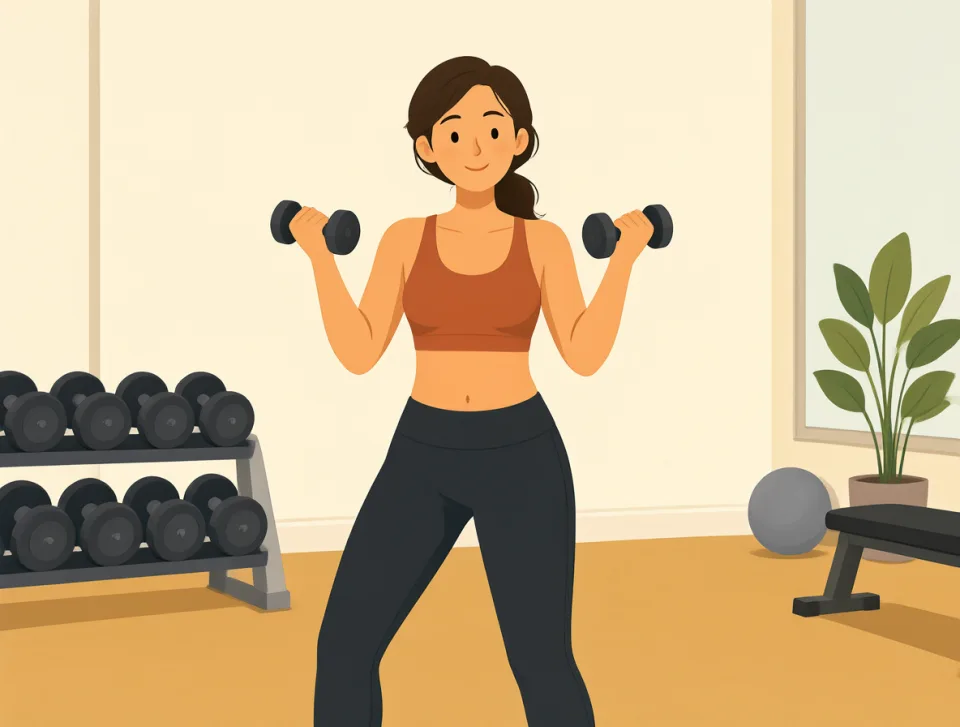
Exercise helps shape your body.
व्यायाम से तुम्हारे शरीर का आकार बेहतर होता है।
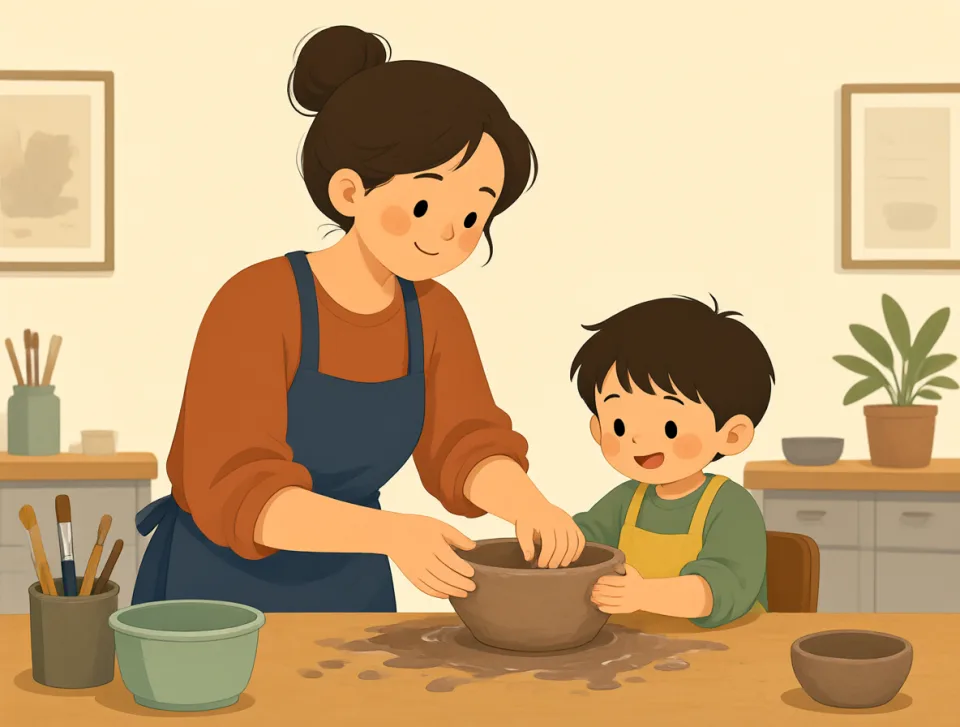
The teacher shaped the clay into a bowl.
शिक्षक ने मिट्टी को कटोरे का आकार दिया।

sea
#987noun
समुद्र
A large area of salty water, usually partly surrounded by land.
खारे पानी का एक बड़ा क्षेत्र, जो आम तौर पर कुछ हिस्सों में ज़मीन से घिरा होता है।

We swam in the sea during our holiday.
छुट्टियों के दौरान हमने समुद्र में तैराकी की।

The sea was calm this morning.
आज सुबह समुद्र शांत था।
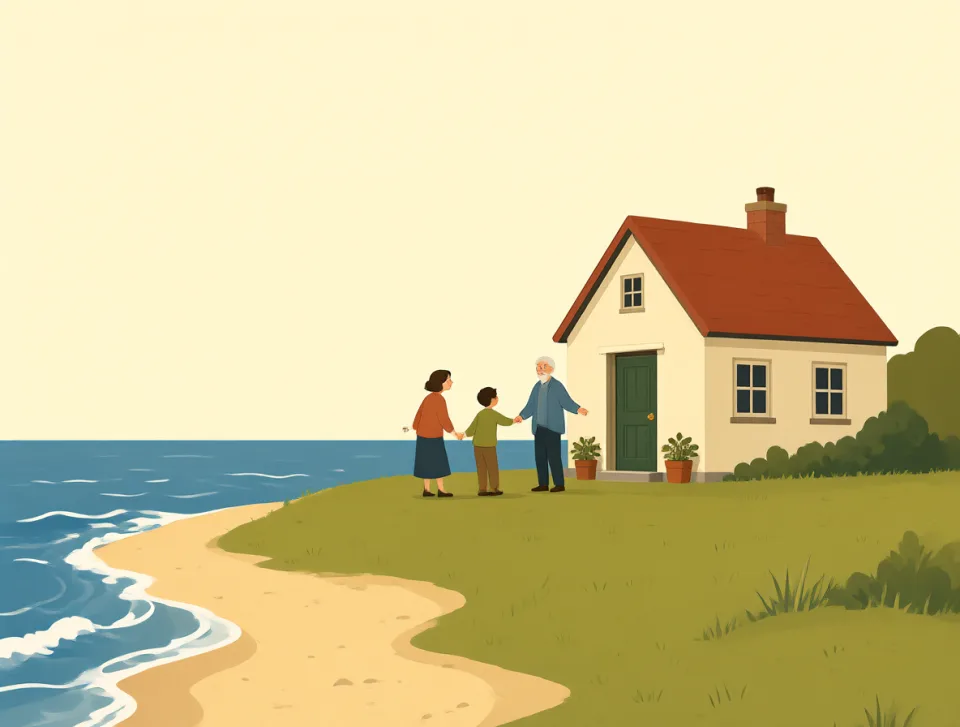
They live in a small house by the sea.
वे समुद्र के किनारे एक छोटे से घर में रहते हैं।

The boat crossed the sea in two days.
नाव ने दो दिनों में समुद्र पार किया।
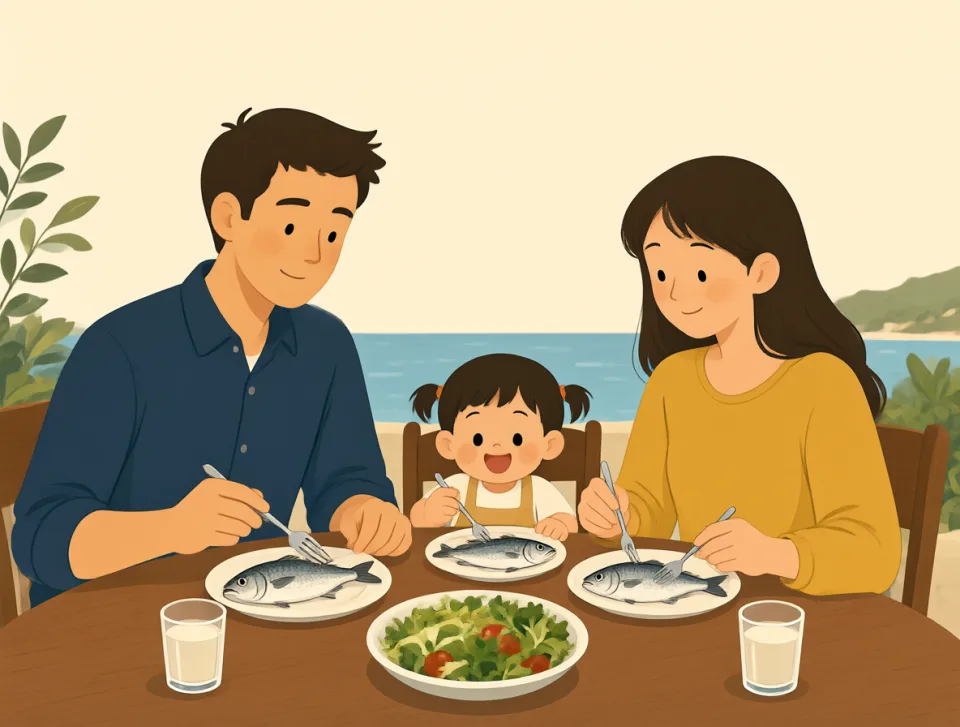
We ate fresh fish from the sea.
हमने समुद्र से पकड़ी गई ताज़ी मछली खाई।
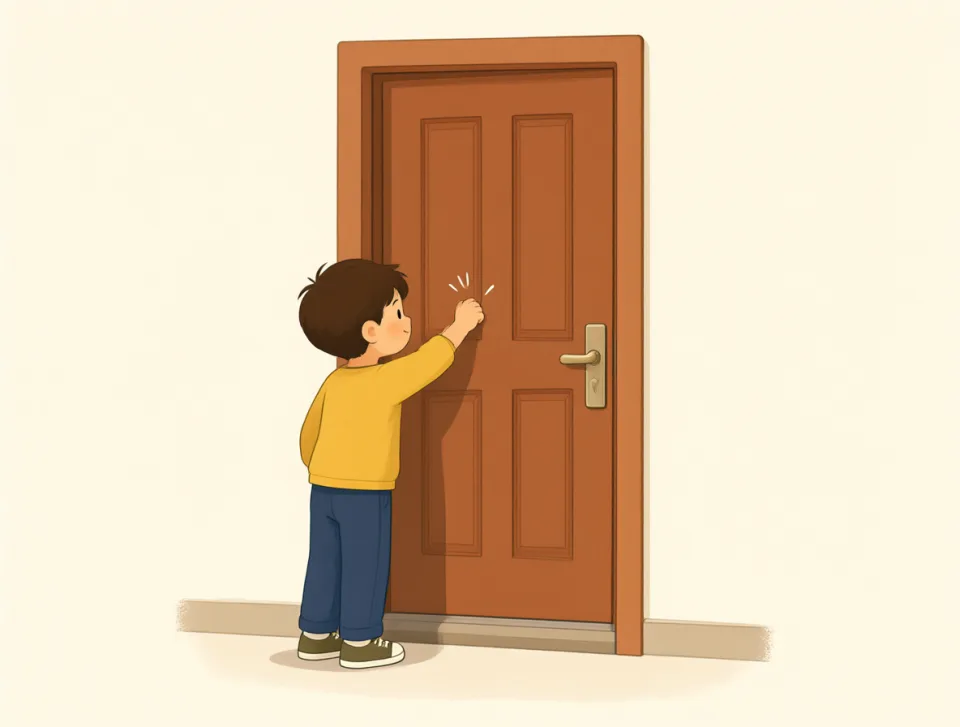
immediately
#988adverb
तुरंत
At once, without waiting or delay.
बिना इंतज़ार या देरी किए, उसी समय।
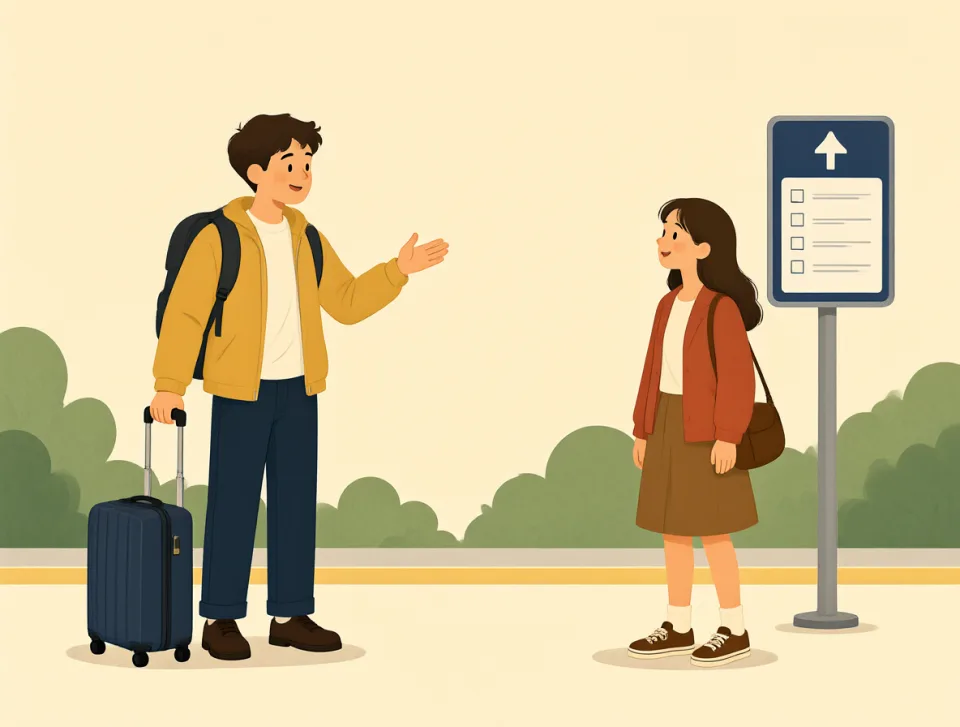
Please call me immediately after you arrive.
पहुँचते ही कृपया मुझे फ़ोन करना।
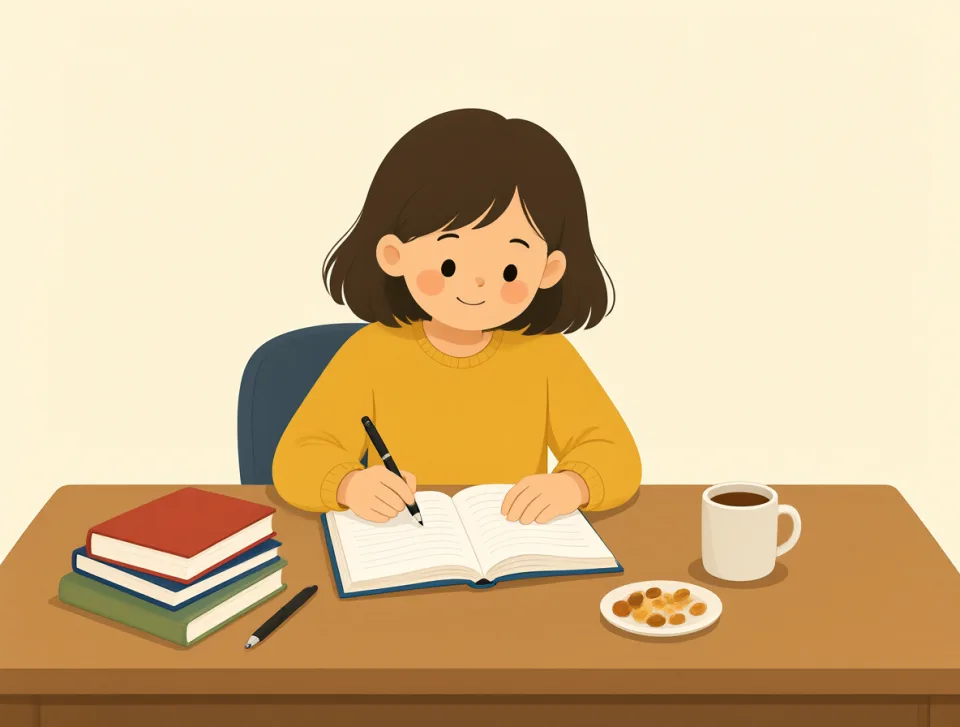
She immediately started her homework after dinner.
उसने रात के खाने के तुरंत बाद अपना होमवर्क शुरू कर दिया।
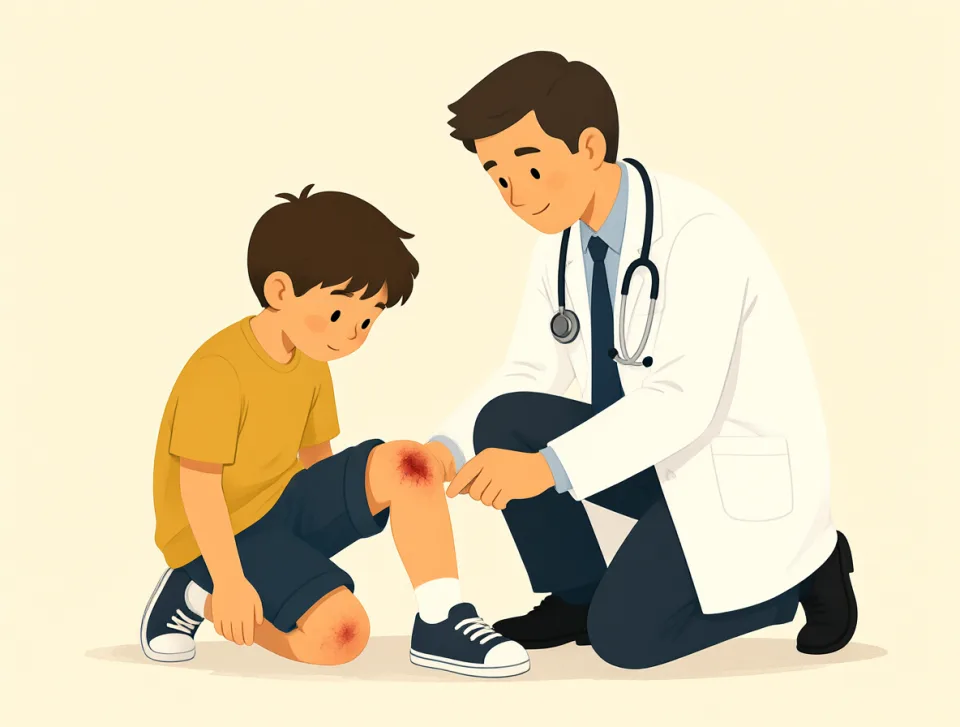
The doctor immediately helped the injured boy.
डॉक्टर ने घायल लड़के की तुरंत मदद की।

He immediately paid for the groceries.
उसने तुरंत किराने के सामान के पैसे चुका दिए।

We immediately left the hotel when the alarm rang.
अलार्म बजते ही हम तुरंत होटल से निकल गए।

welcome
#989verb, adjective, noun
स्वागत करना
to greet someone warmly or make them feel happy to be in a place
किसी का गर्मजोशी से अभिवादन करना या उसे किसी जगह पर अच्छा महसूस कराना।

We welcomed our new neighbors with fresh bread.
हमने अपने नए पड़ोसियों का ताज़ी ब्रेड से स्वागत किया।
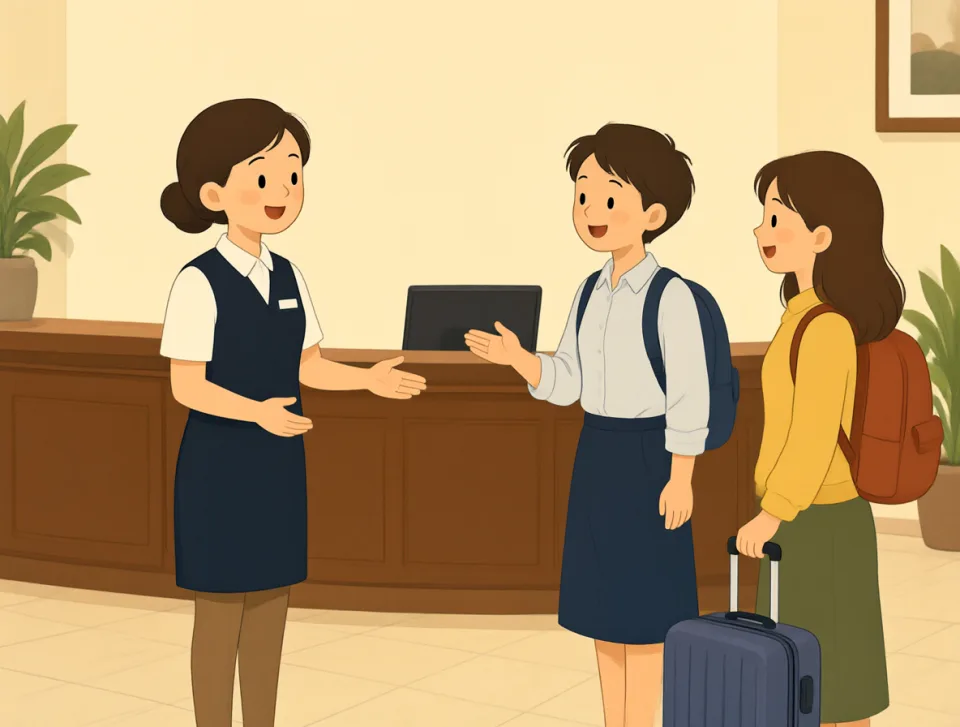
The hotel welcomes guests from around the world.
यह होटल दुनिया भर से आए मेहमानों का स्वागत करता है।
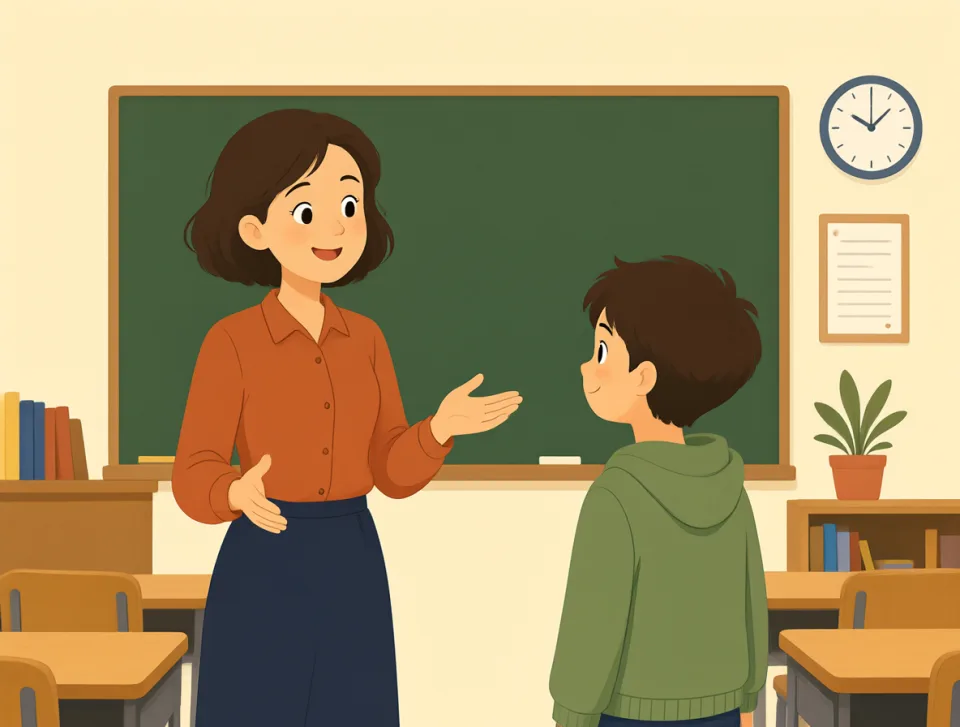
Her teacher welcomed her back to school.
उसकी शिक्षिका ने स्कूल लौटने पर उसका स्वागत किया।

You are always welcome at our house.
तुम्हारा हमारे घर में हमेशा स्वागत है।
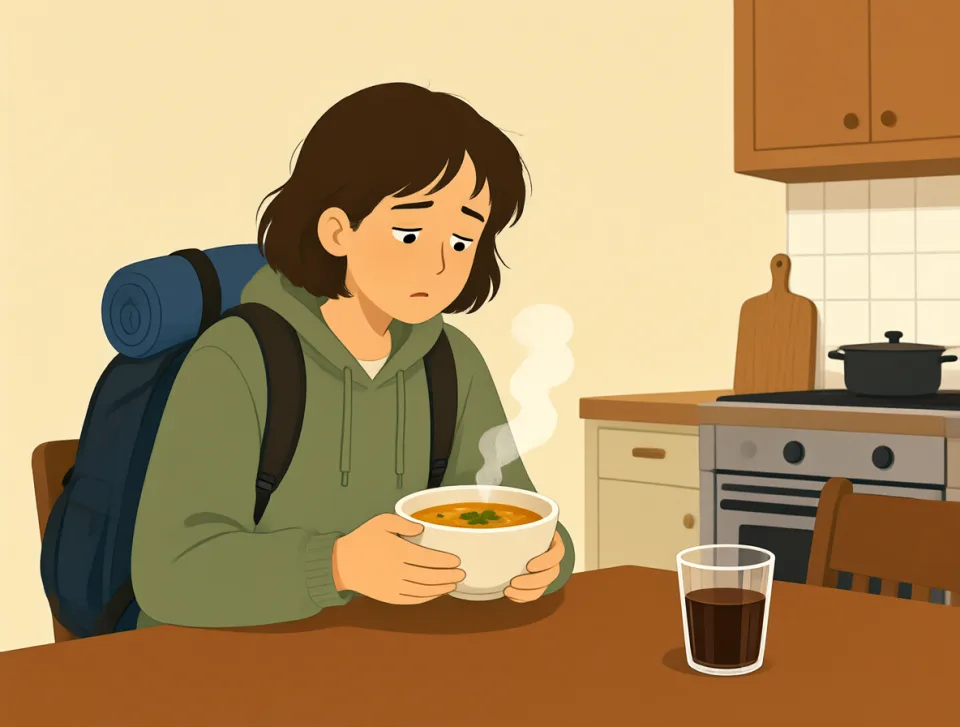
The warm soup was welcome after the long walk.
लंबी सैर के बाद गरम सूप बहुत अच्छा लगा।

smile
#990noun, verb
मुस्कान
To make a happy expression with your mouth, or the expression itself.
खुशी में मुँह से खास भाव बनाना, या वह भाव।

She smiled at me on the train.
उसने ट्रेन में मेरी ओर देखकर मुस्कुराया।

He gave me a warm smile.
उसने मुझे एक गर्मजोशी भरी मुस्कान दी।
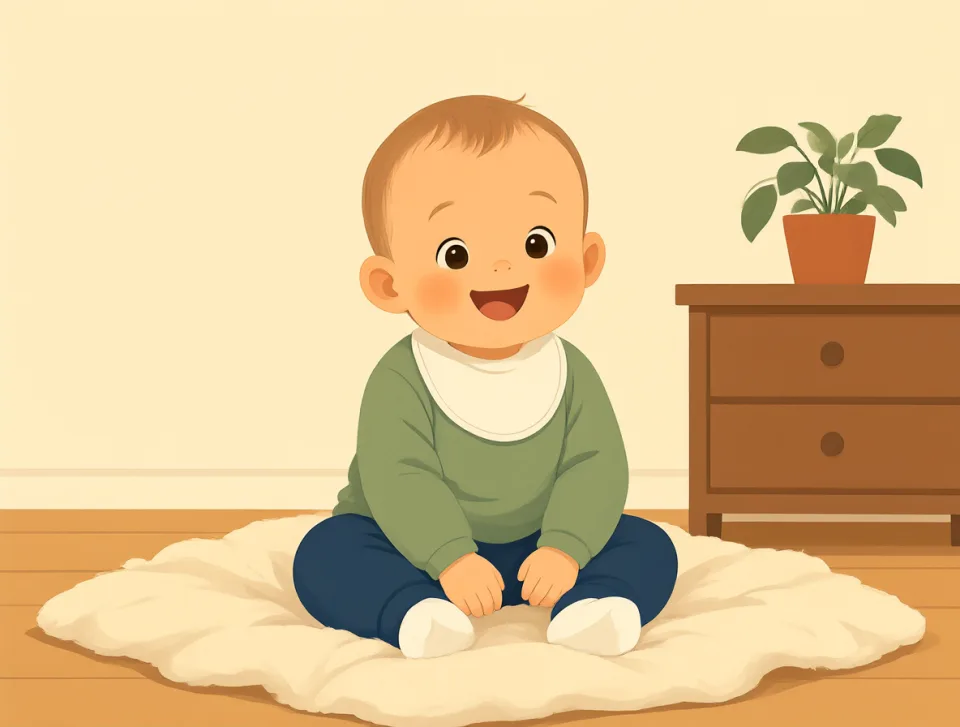
The baby smiled for the first time.
बच्चा पहली बार मुस्कुराया।
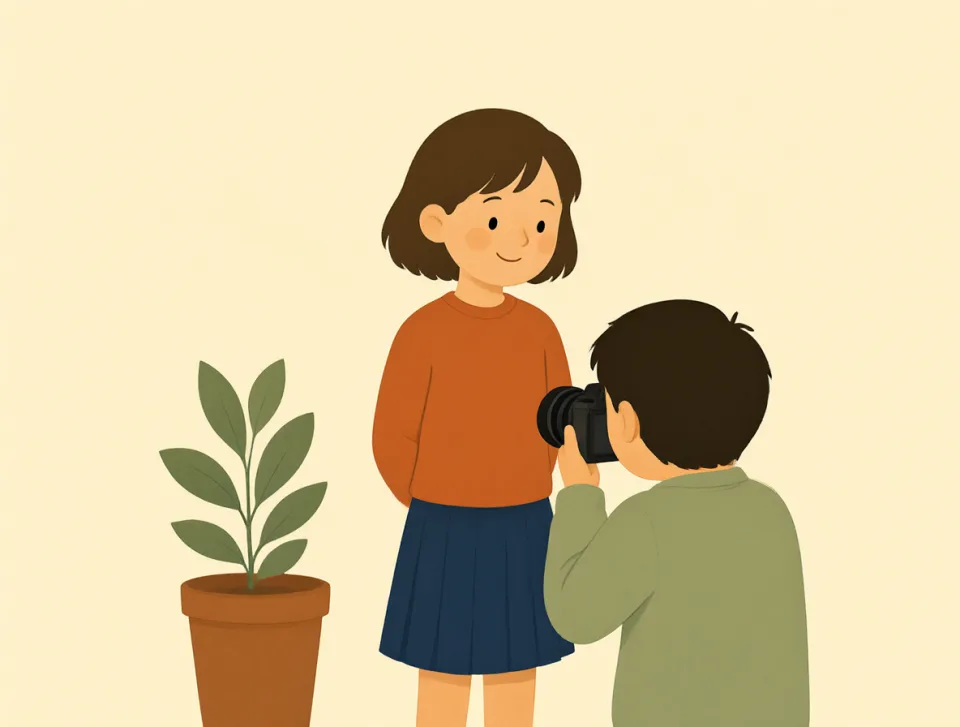
Please smile for the school photo.
कृपया स्कूल की तस्वीर के लिए मुस्कुराइए।

The shop assistant smiled and helped me.
दुकान के कर्मचारी ने मुस्कुराकर मेरी मदद की।
communication
#991noun
संचार
The sharing of information, thoughts, or feelings with other people.
दूसरों के साथ जानकारी, विचार या भावनाएँ साझा करना।
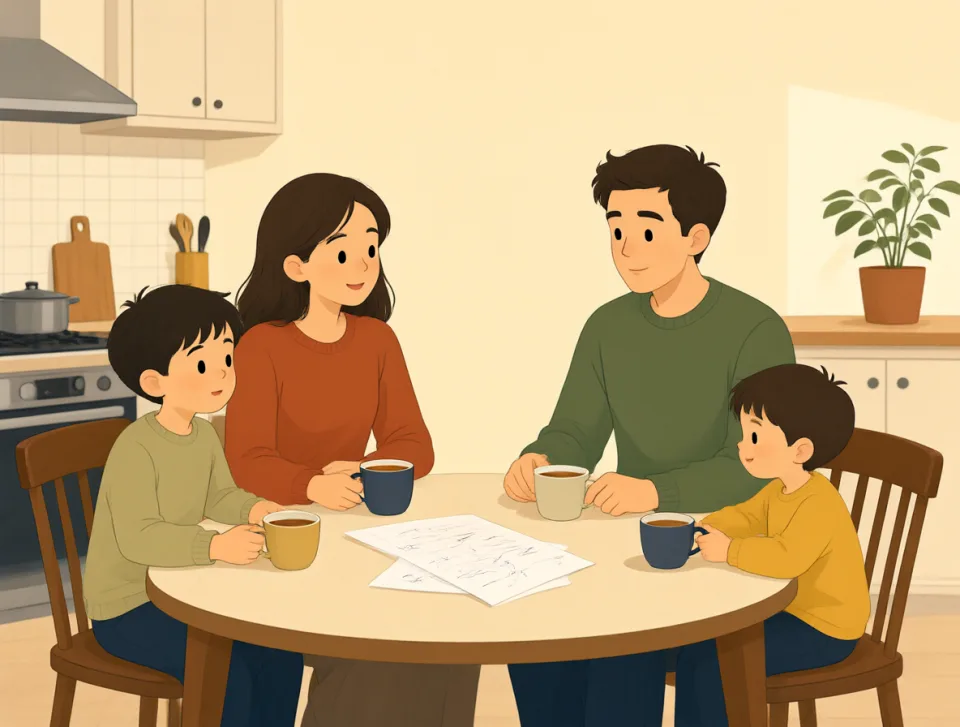
Good communication helps families solve problems.
अच्छा संवाद परिवारों को समस्याएँ सुलझाने में मदद करता है।

Clear communication is important at work.
काम की जगह पर स्पष्ट संवाद ज़रूरी है।
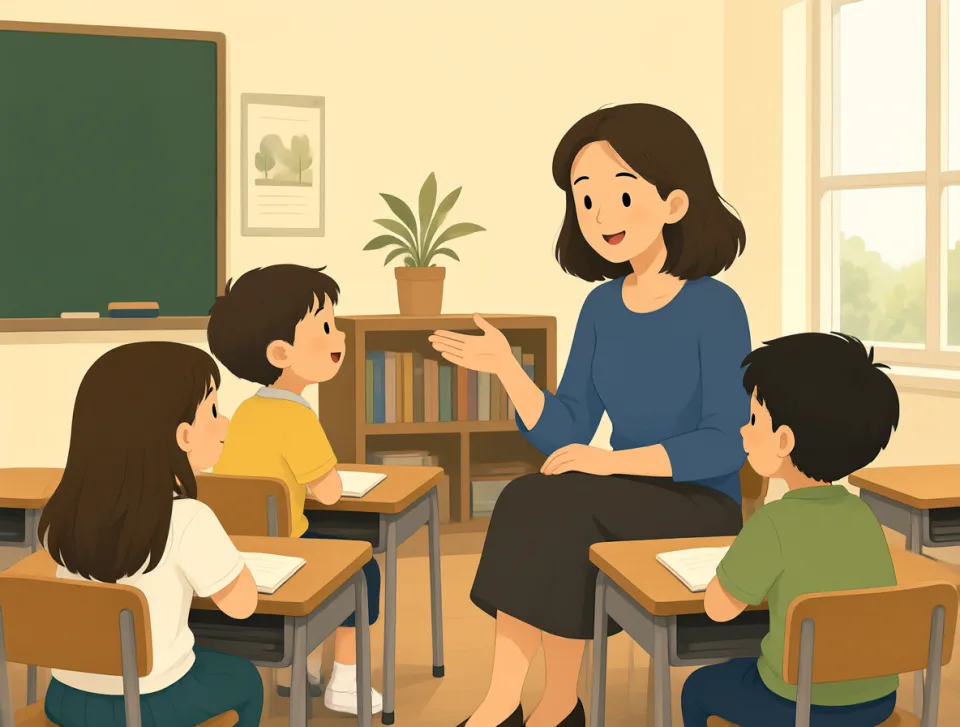
We use communication to learn in class.
हम कक्षा में सीखने के लिए संवाद करते हैं।

The doctor asked about communication problems.
डॉक्टर ने संवाद से जुड़ी समस्याओं के बारे में पूछा।

They had communication problems during the trip.
यात्रा के दौरान उन्हें संवाद करने में दिक्कतें हुईं।

agent
#992noun
एजेंट
A person or company that acts for another person or helps arrange something.
ऐसा व्यक्ति या कंपनी जो किसी दूसरे की ओर से काम करे या किसी काम की व्यवस्था करने में मदद करे।

The travel agent booked our hotel.
ट्रैवल एजेंट ने हमारे होटल की बुकिंग की।

Call your insurance agent after the accident.
दुर्घटना के बाद अपने बीमा एजेंट को फ़ोन करें।

The secret agent followed the man.
गुप्त एजेंट उस आदमी का पीछा करता रहा।
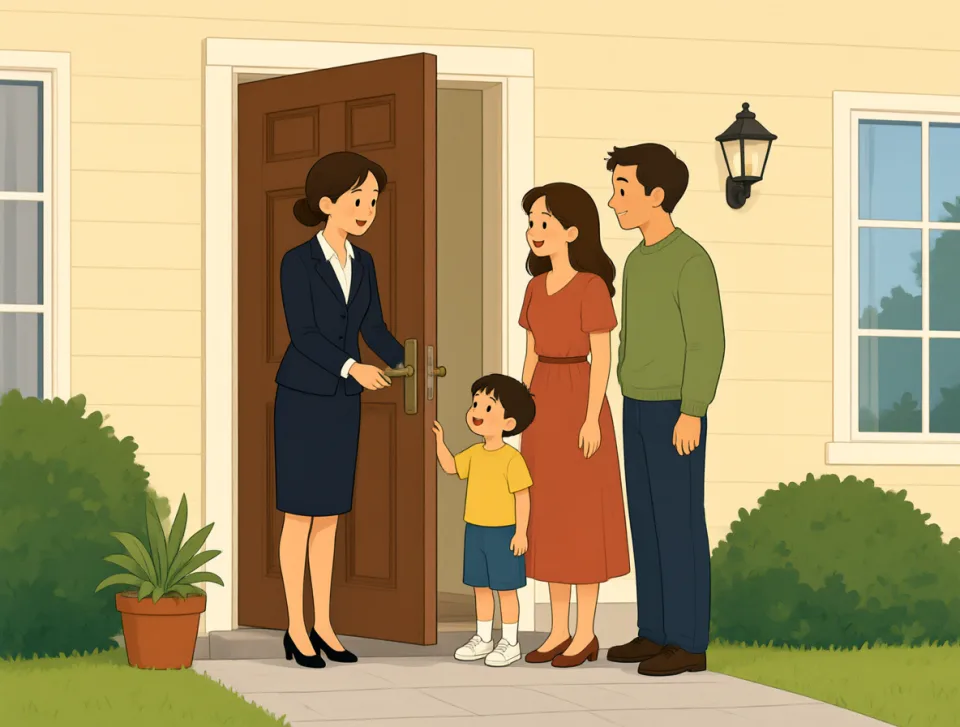
Our real estate agent showed us the house.
हमारे रियल एस्टेट एजेंट ने हमें घर दिखाया।

The cleaning agent removed the stain.
सफ़ाई करने वाले पदार्थ ने दाग़ हटा दिया।
traditional
#993adjective
पारंपरिक
Following old customs, beliefs, or ways of doing things.
पुराने रीति-रिवाजों, मान्यताओं या काम करने के तरीकों का पालन करने वाला।

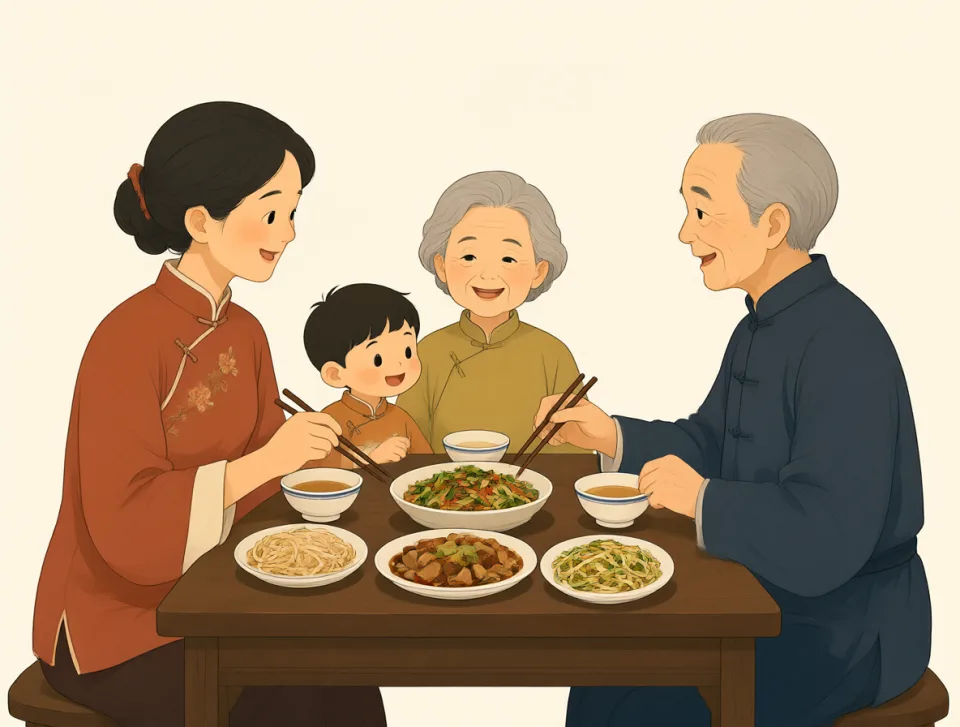
They wore traditional clothes at the festival.
उन्होंने त्योहार में पारंपरिक कपड़े पहने।

We ate a traditional meal at home.
हमने घर पर पारंपरिक भोजन किया।
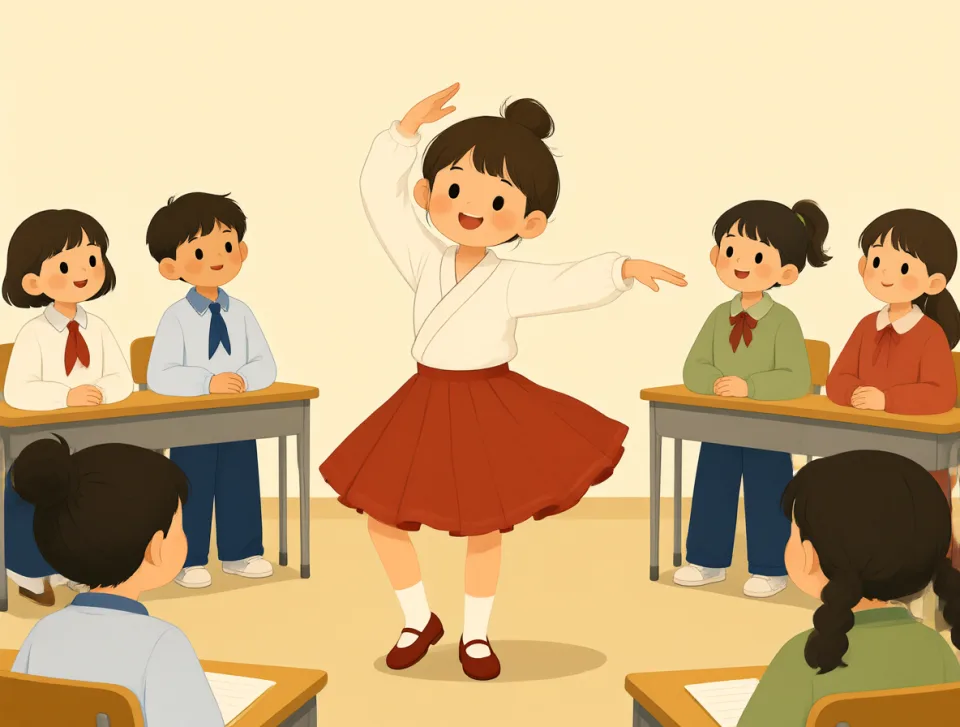
She learned traditional dances at school.
उसने स्कूल में पारंपरिक नृत्य सीखे।

This shop sells traditional local food.
यह दुकान पारंपरिक स्थानीय खाना बेचती है।

He chose a traditional hotel near the village.
उसने गाँव के पास एक पारंपरिक होटल चुना।
replace
#994verb
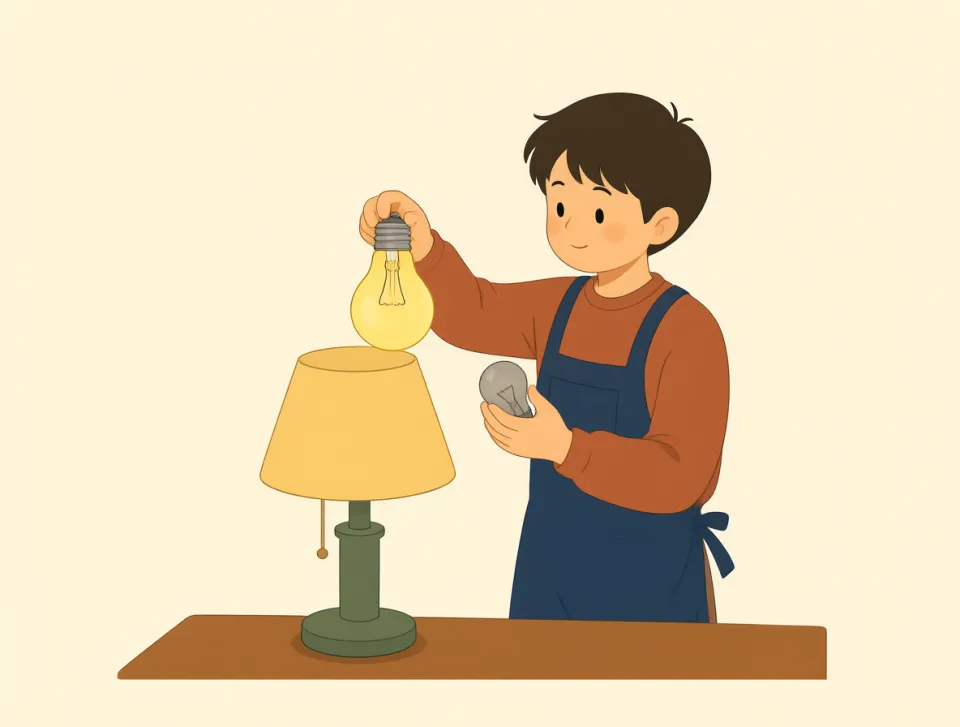
की जगह दूसरा रखना
to put a new thing or person in the place of another
किसी चीज़ या व्यक्ति की जगह नई चीज़ या व्यक्ति रखना।
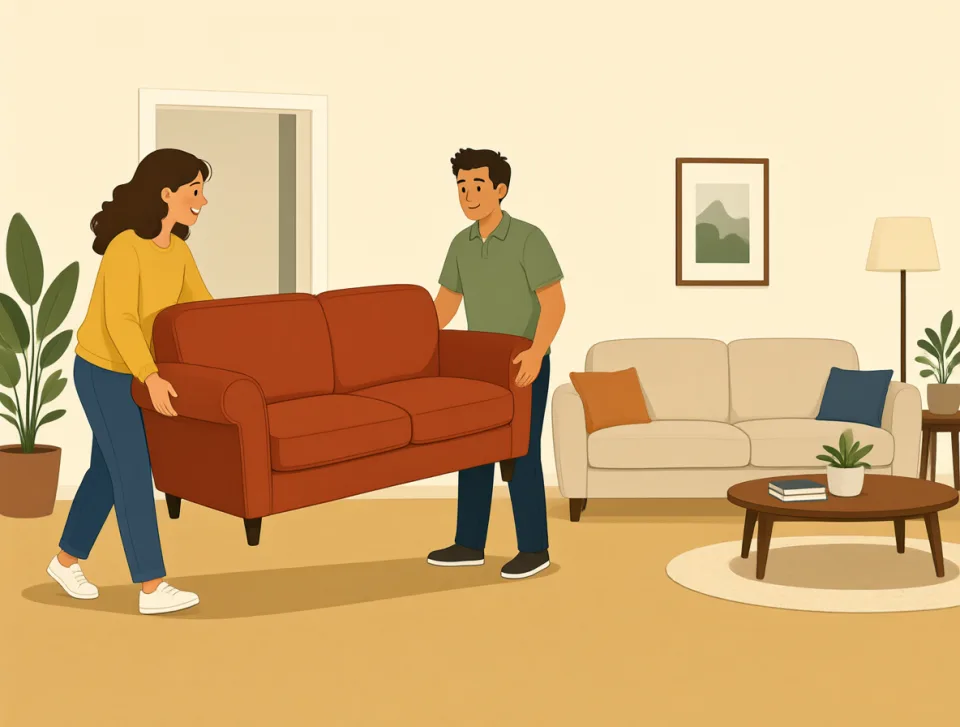
We need to replace the old sofa.
हमें पुराना सोफ़ा बदलना होगा।
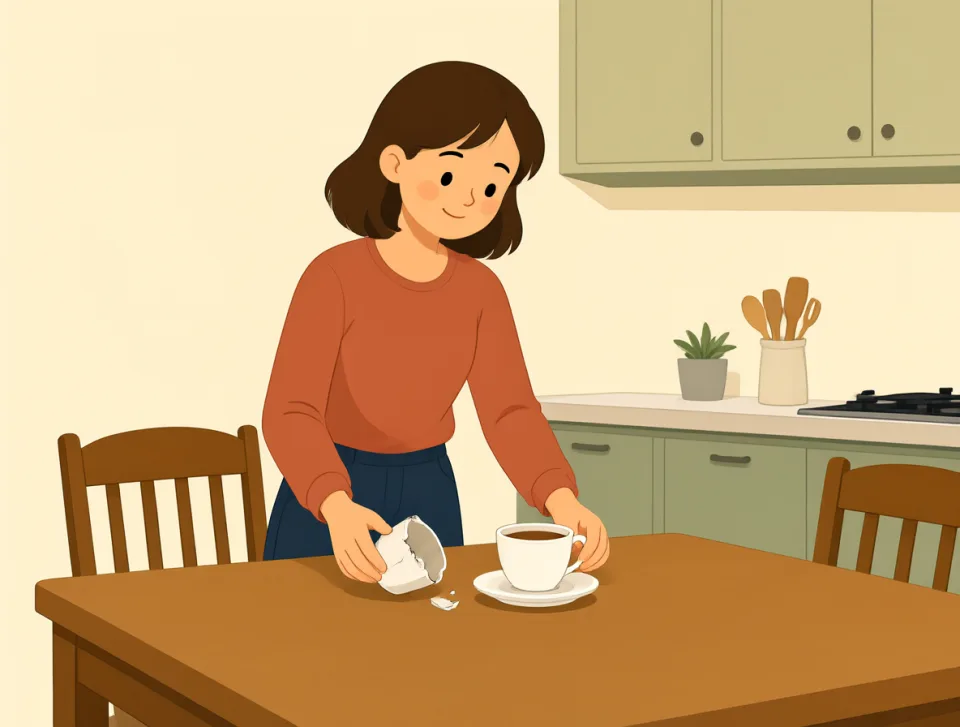
She replaced the broken cup with a new one.
उसने टूटा हुआ कप हटाकर उसकी जगह नया कप रख दिया।
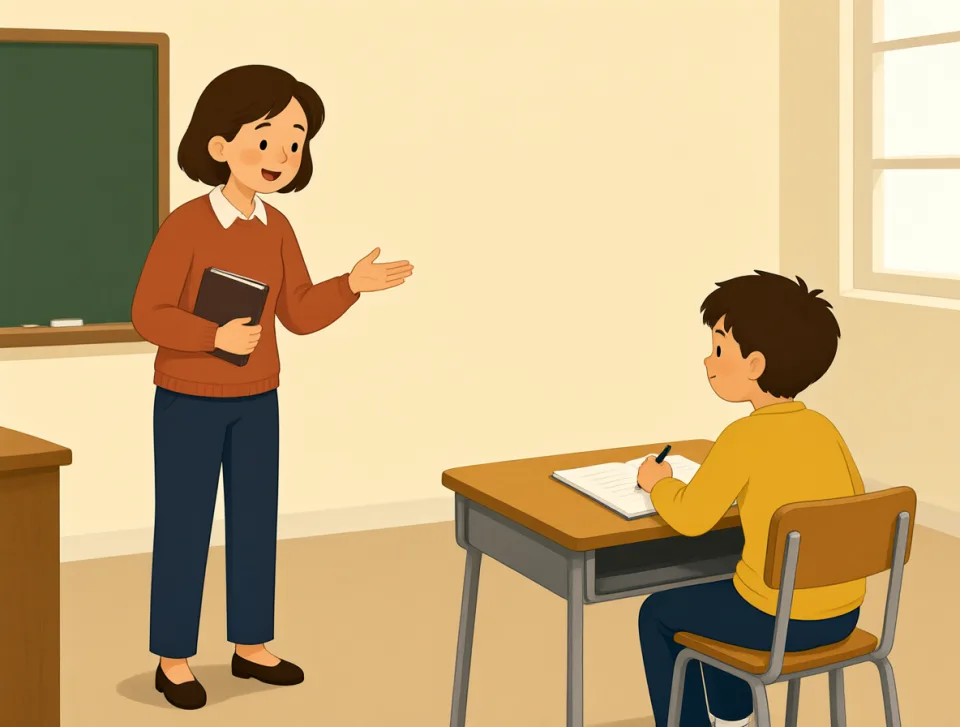
The teacher replaced the missing student today.
आज शिक्षक ने अनुपस्थित छात्र की जगह किसी और को रखा।
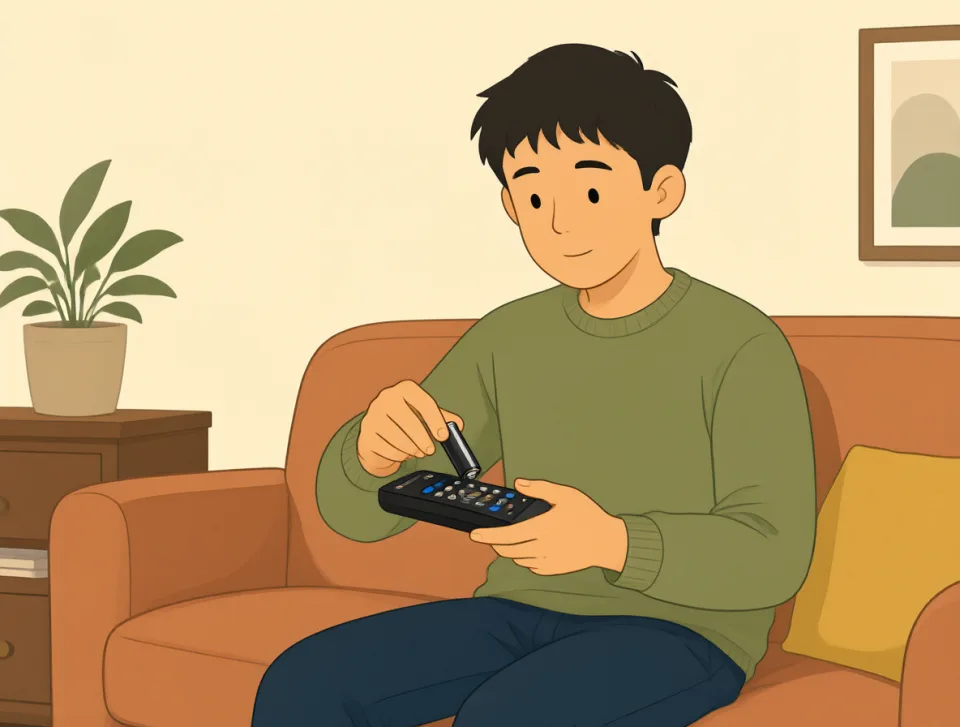
Please replace the batteries in the remote.
कृपया रिमोट की बैटरियाँ बदल दें।

They replaced our canceled flight with another.
उन्होंने हमारी रद्द हुई उड़ान की जगह दूसरी उड़ान दे दी।
judge
#995noun, verb
निर्णय करना
To form an opinion about someone or something, or decide who wins a competition.
किसी व्यक्ति या चीज़ के बारे में राय बनाना, या यह तय करना कि किसी प्रतियोगिता में कौन जीता।

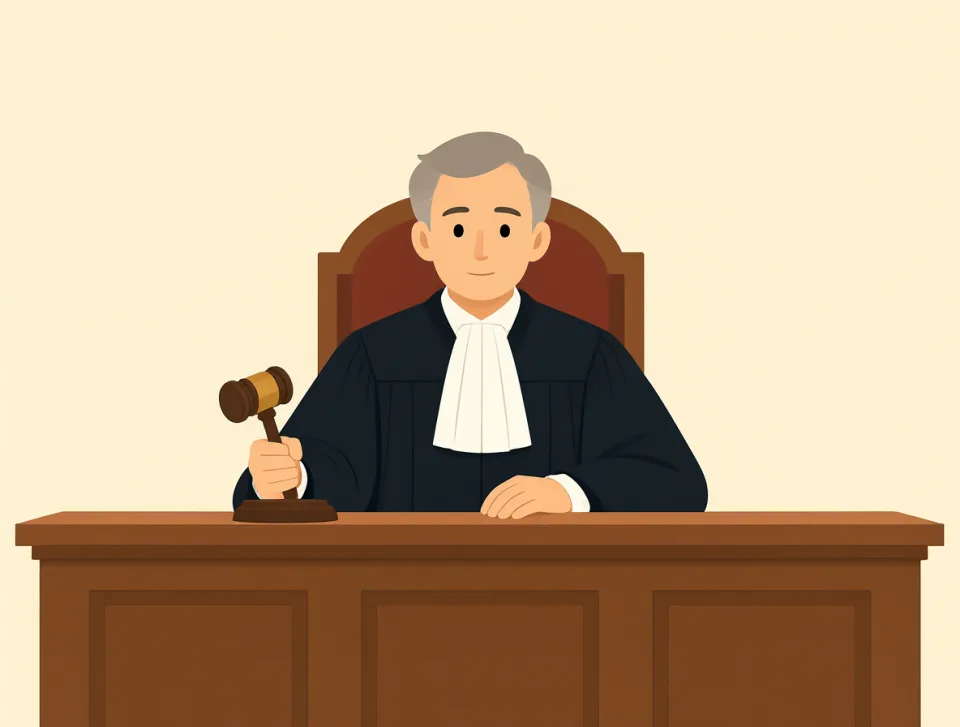
The judge listened carefully to both lawyers.
न्यायाधीश ने दोनों वकीलों की बातें ध्यान से सुनीं।
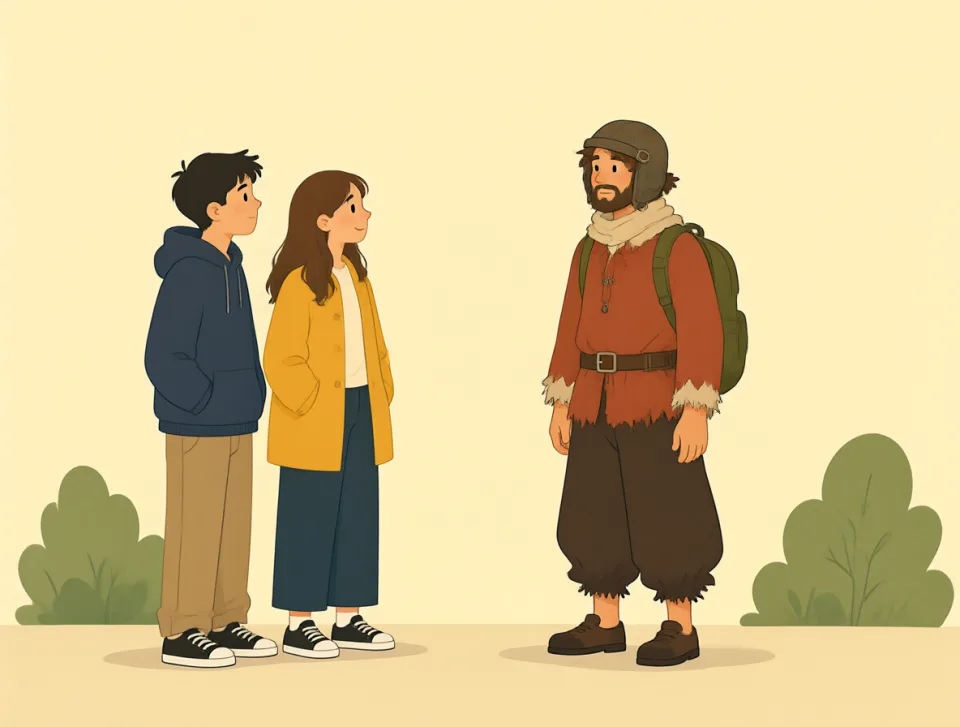
Do not judge people by their clothes.
लोगों को उनके कपड़ों से मत परखो।
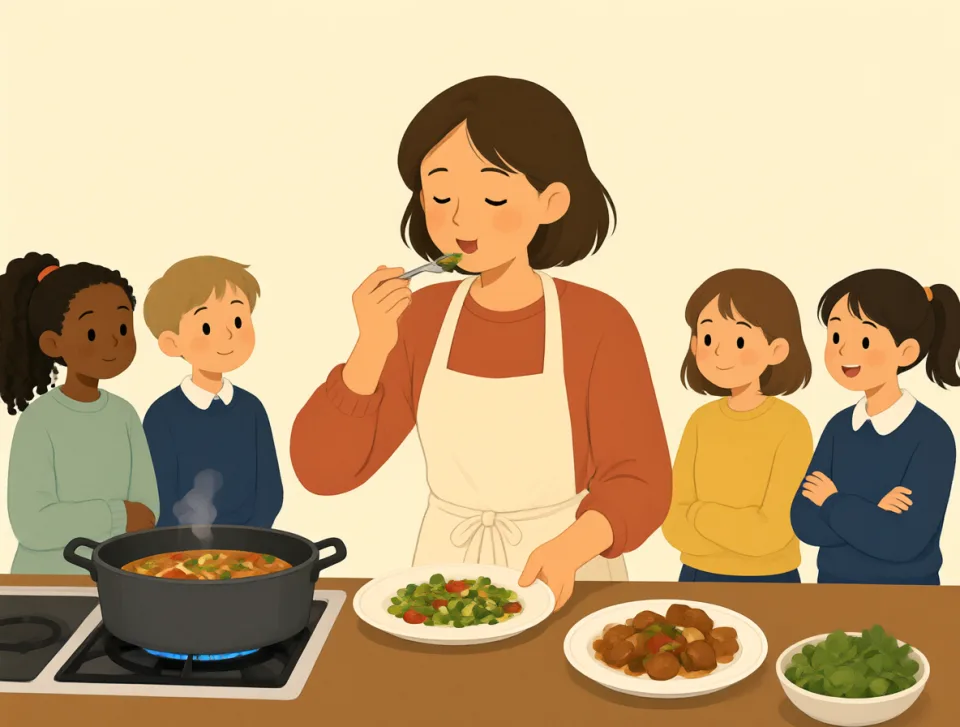
She judged the cooking contest at school.
उसने स्कूल की पाककला प्रतियोगिता में निर्णायक की भूमिका निभाई।
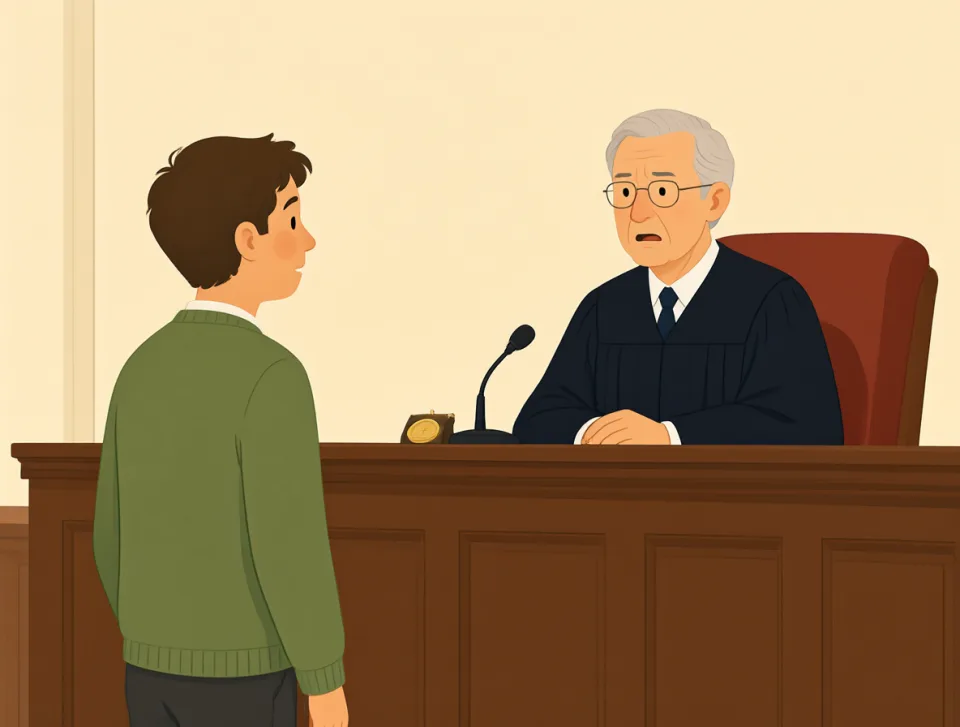
The judge gave him a fair sentence.
न्यायाधीश ने उसे निष्पक्ष सज़ा सुनाई।
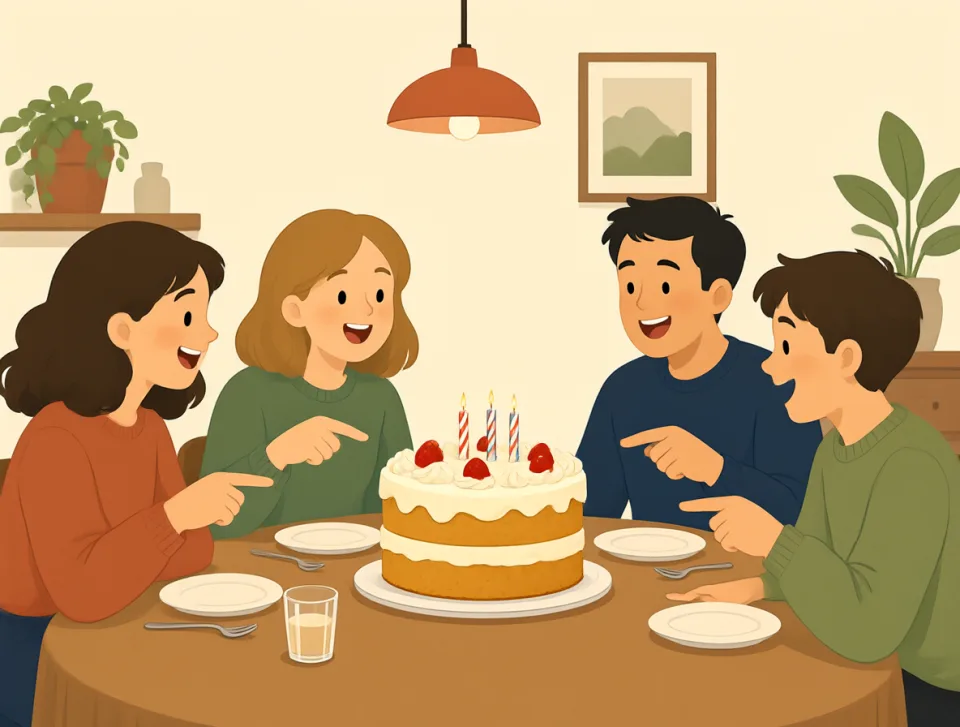
We judged the cake the best one.
हमने तय किया कि केक सबसे अच्छा था।
herself
#996pronoun
स्वयं
Used to refer to a female person or girl already mentioned.
किसी ऐसी महिला या लड़की के लिए इस्तेमाल होता है जिसका पहले ज़िक्र किया जा चुका हो।
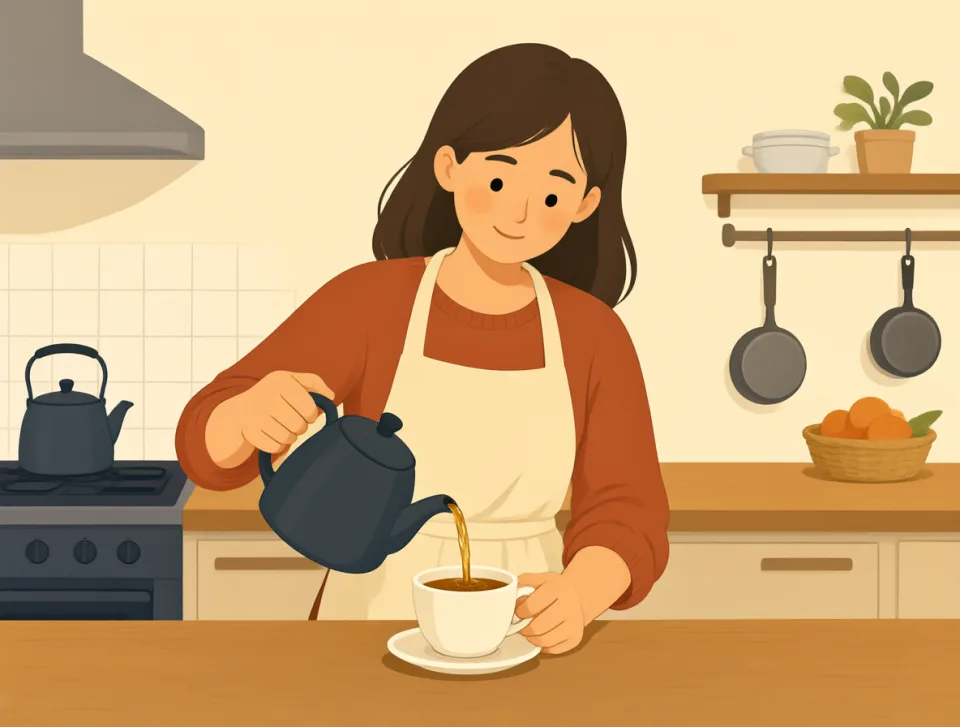
She made herself a cup of tea.
उसने अपने लिए एक कप चाय बनाई।
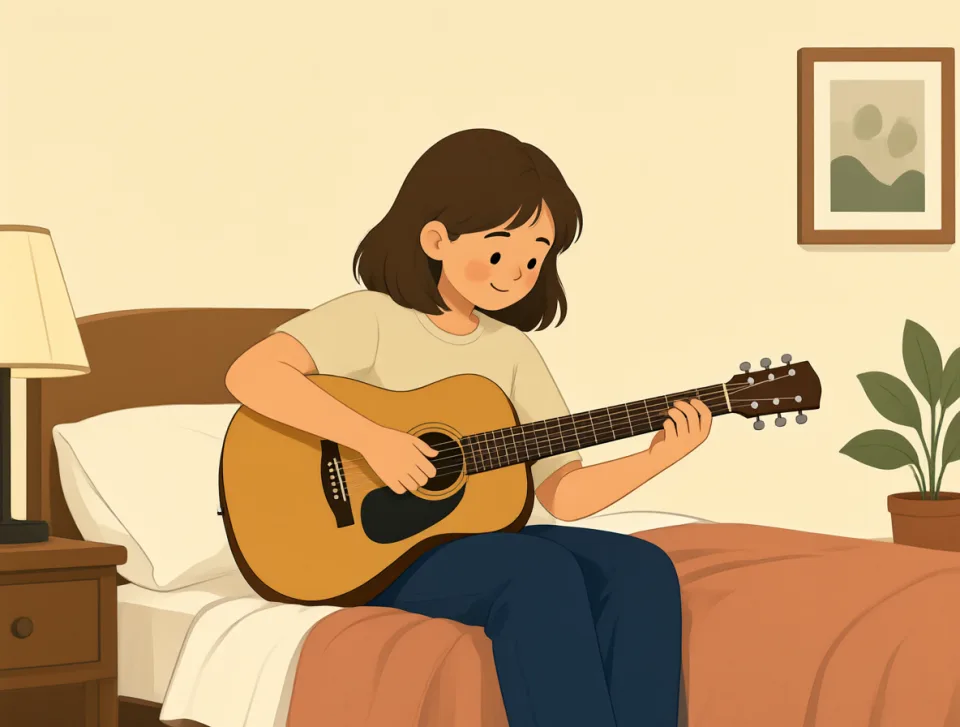
Maya taught herself to play guitar.
माया ने खुद ही गिटार बजाना सीखा।
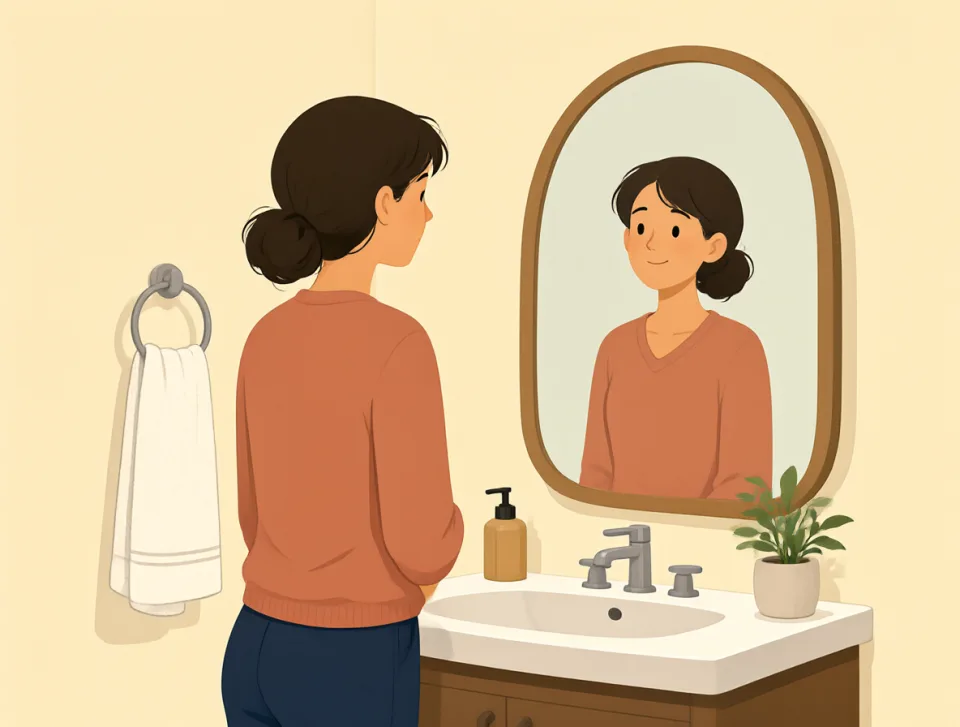
She looked at herself in the mirror.
उसने आईने में खुद को देखा।
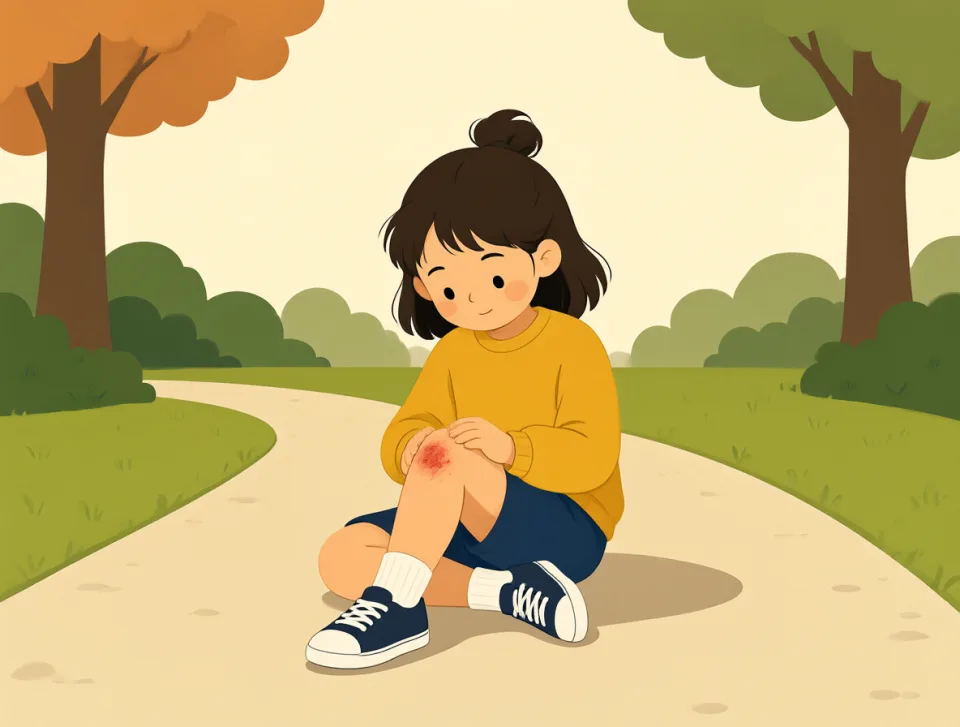
The girl hurt herself while running.
दौड़ते समय लड़की को चोट लग गई।

Anna bought herself a new coat.
अन्ना ने अपने लिए एक नया कोट खरीदा।
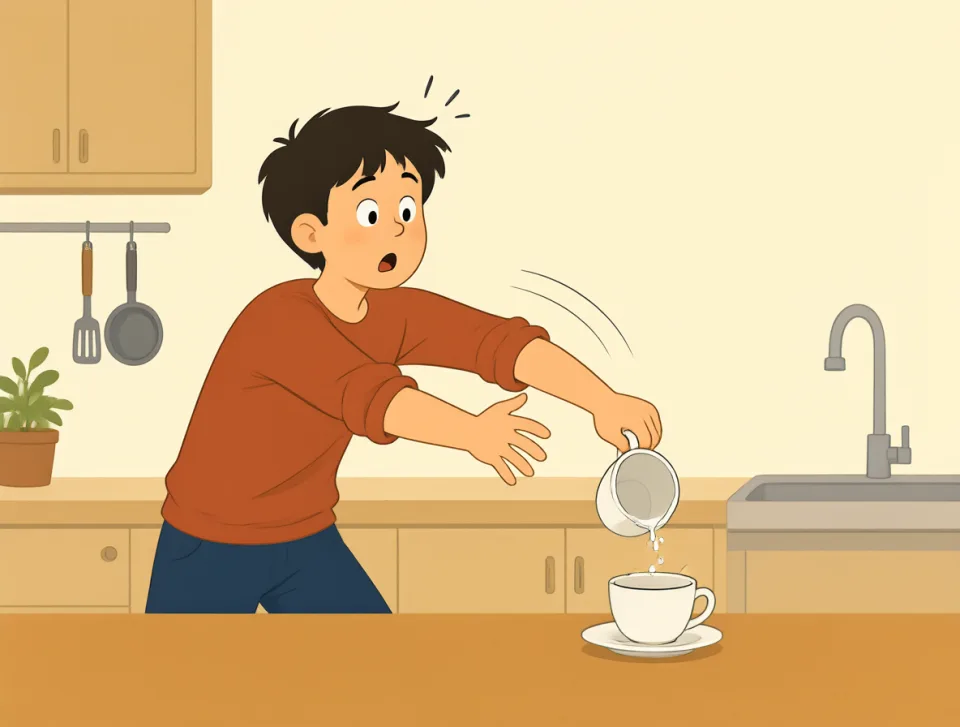
suddenly
#997adverb
अचानक
In a quick and unexpected way.
तेज़ी से और बिना किसी पूर्व संकेत के।
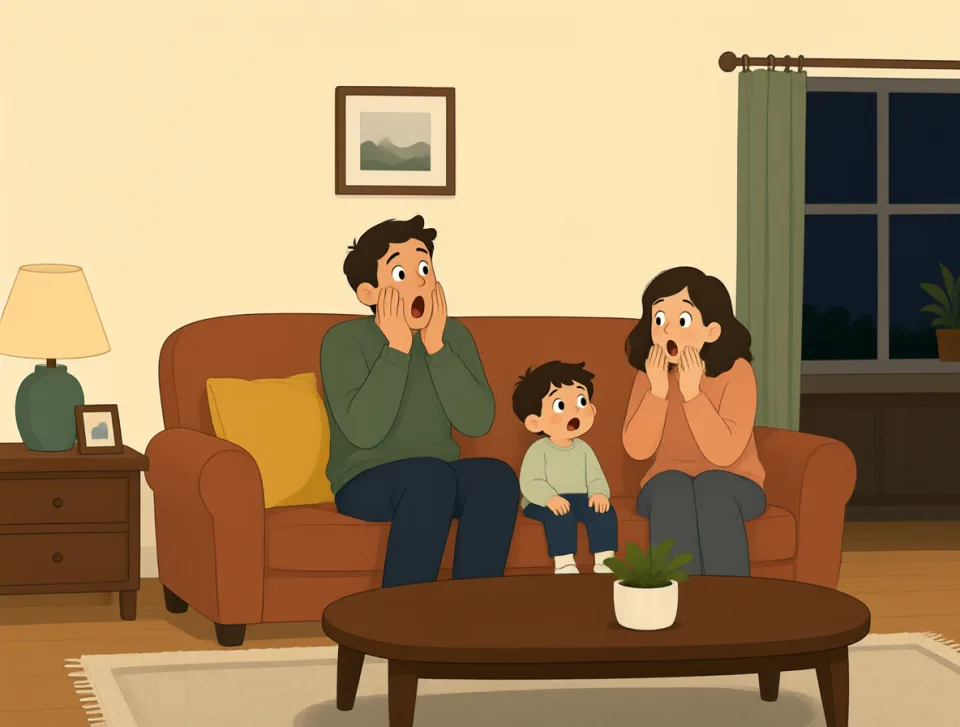
The lights suddenly went out.
अचानक बत्तियाँ बुझ गईं।
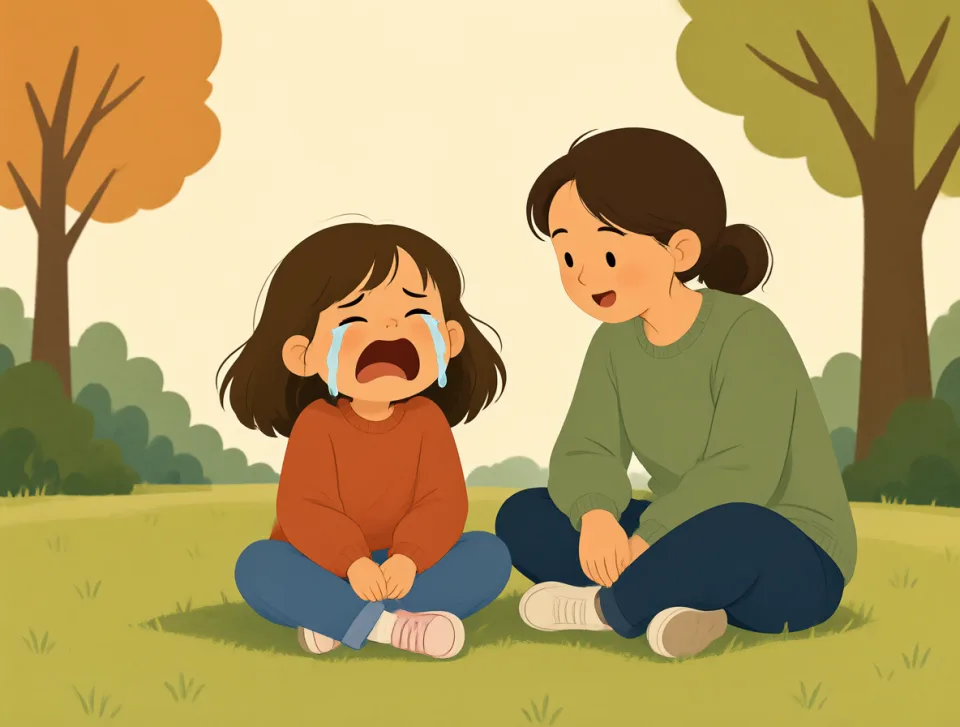
She suddenly started to cry.
वह अचानक रोने लगी।

Suddenly, it began to rain.
अचानक बारिश शुरू हो गई।
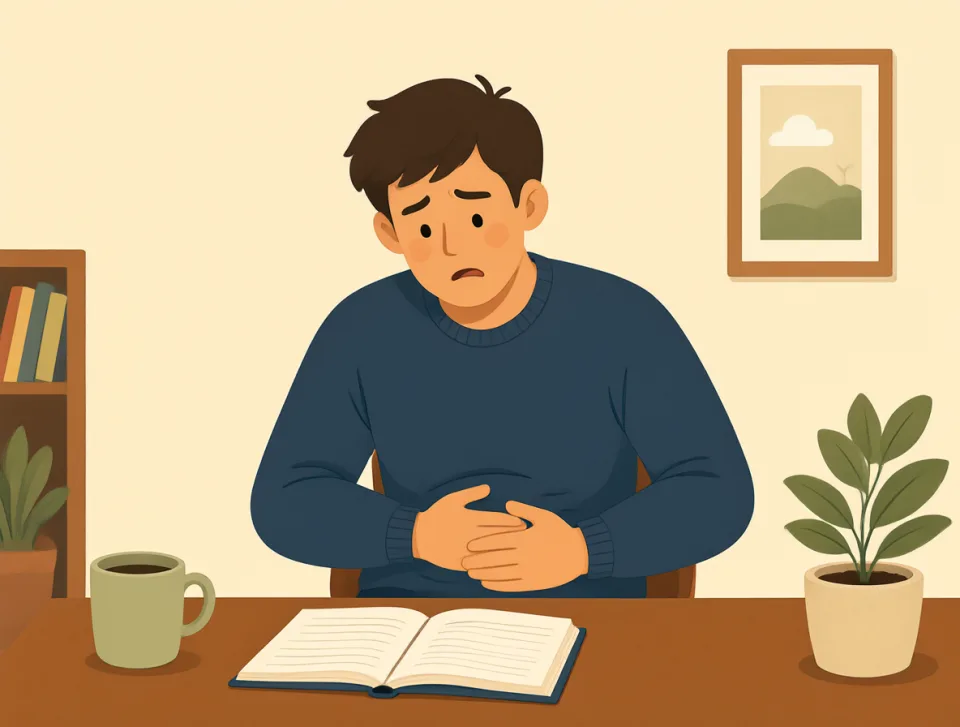
He suddenly felt sick at work.
काम पर उसे अचानक तबीयत खराब महसूस हुई।
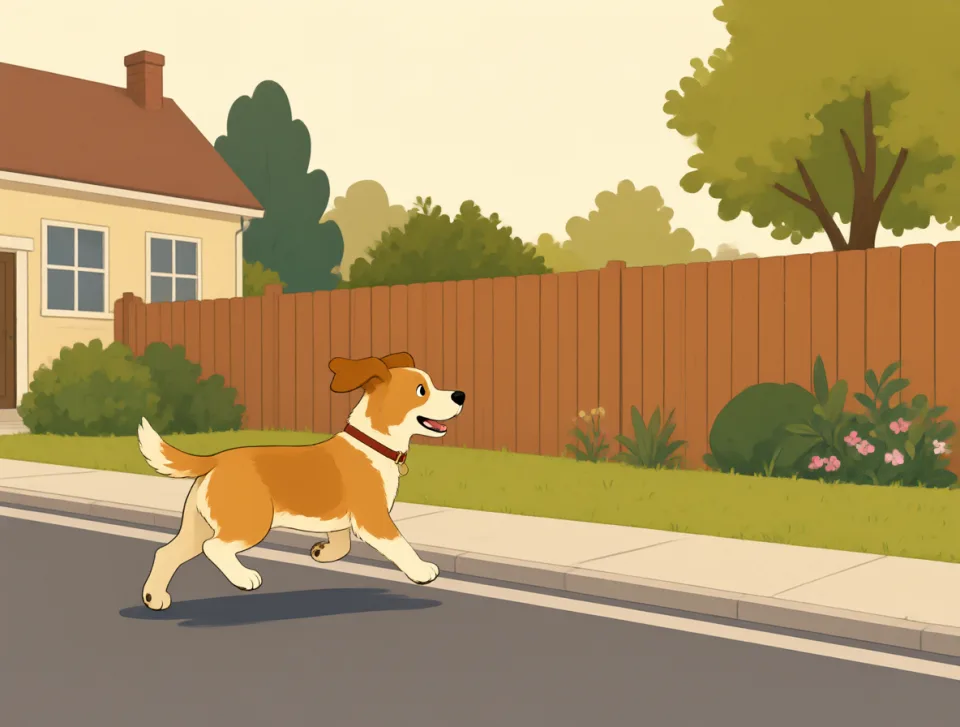
The dog suddenly ran into the street.
कुत्ता अचानक दौड़कर सड़क पर आ गया।
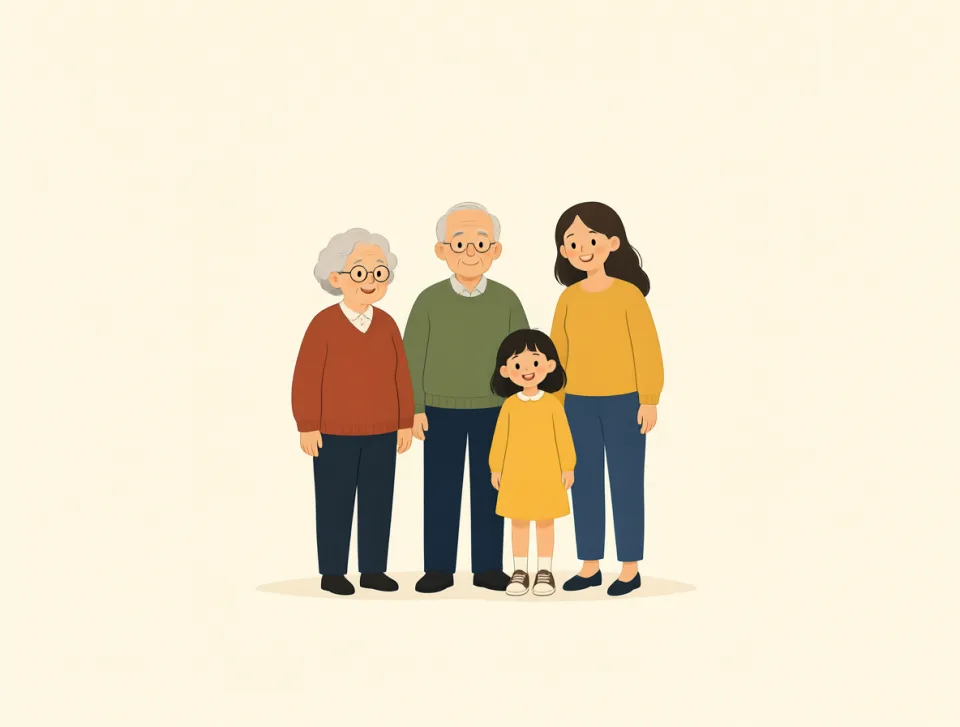
generation
#998noun
पीढ़ी
All the people born and living at about the same time.
लगभग एक ही समय में जन्मे और रहने वाले सभी लोग।
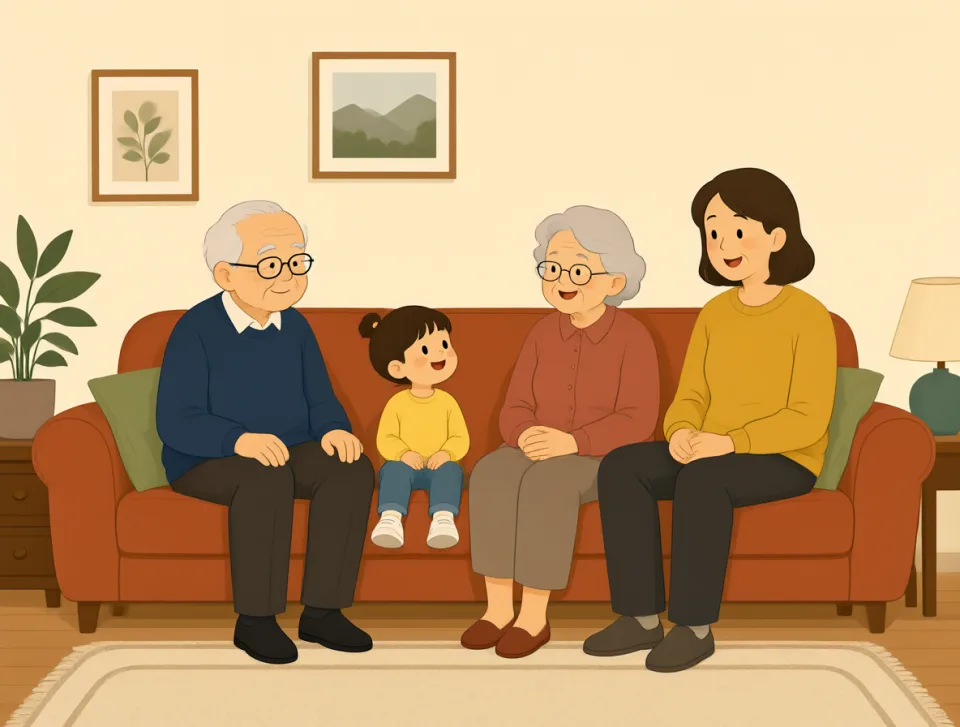
Three generations live in this family home.
इस पारिवारिक घर में तीन पीढ़ियाँ रहती हैं।
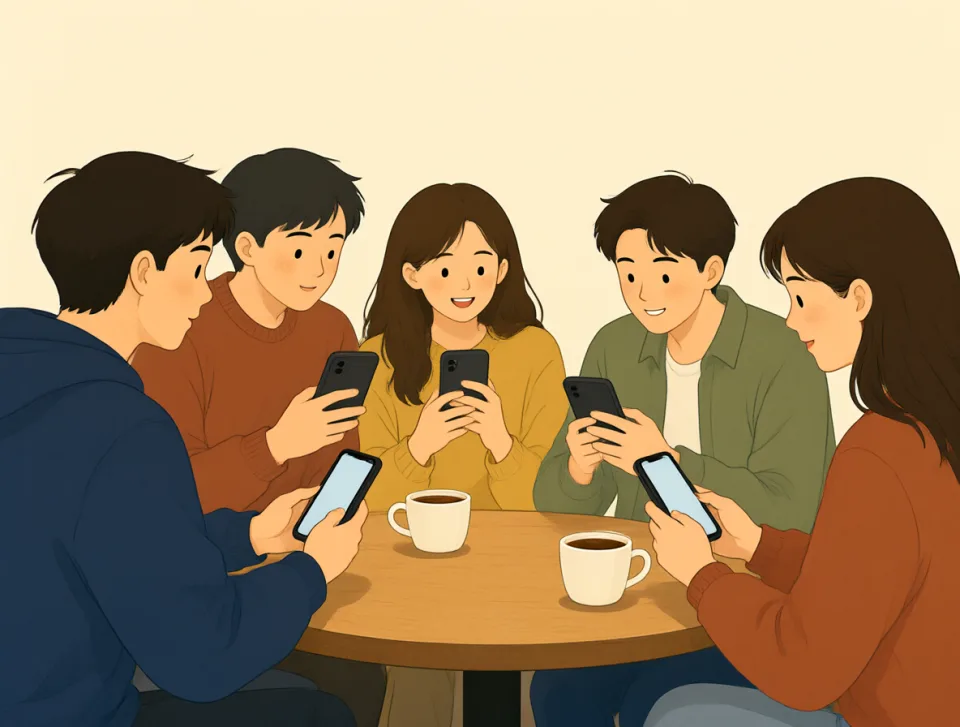
This generation uses phones every day.
यह पीढ़ी हर दिन फ़ोन इस्तेमाल करती है।

My parents' generation liked different music.
मेरे माता-पिता की पीढ़ी को अलग तरह का संगीत पसंद था।
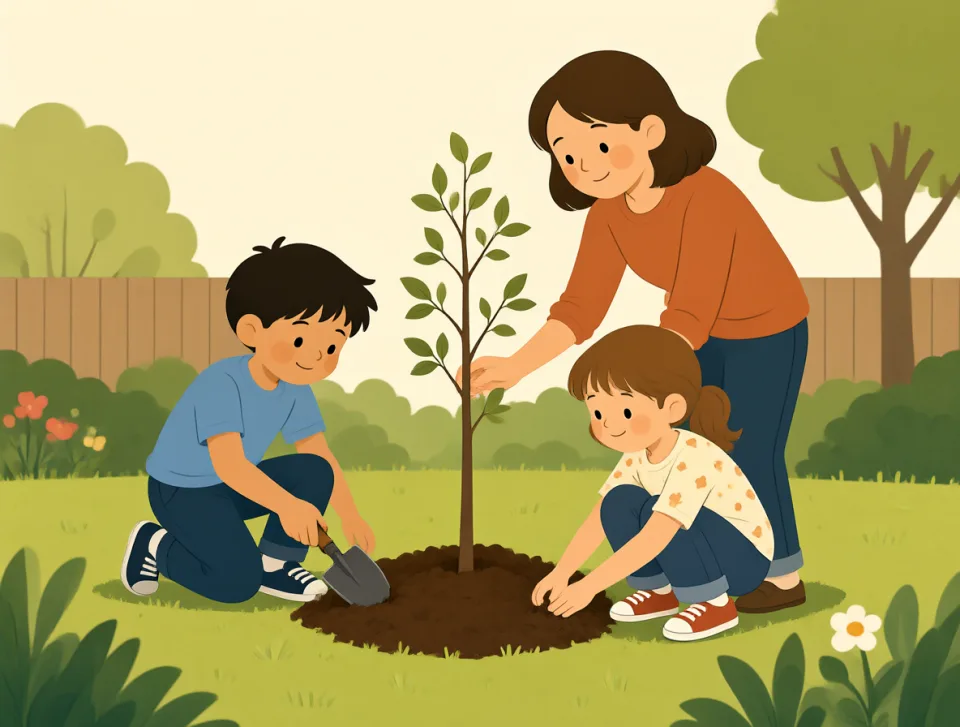
The new generation wants cleaner energy.
नई पीढ़ी स्वच्छ ऊर्जा चाहती है।

The machine needs a new battery generation system.
इस मशीन को बैटरी बनाने की नई प्रणाली चाहिए।
estimate
#999noun, verb
अनुमान
A number that is close to the real amount, or to guess this number.
वास्तविक मात्रा के करीब की संख्या, या ऐसी संख्या का अंदाज़ा लगाना।

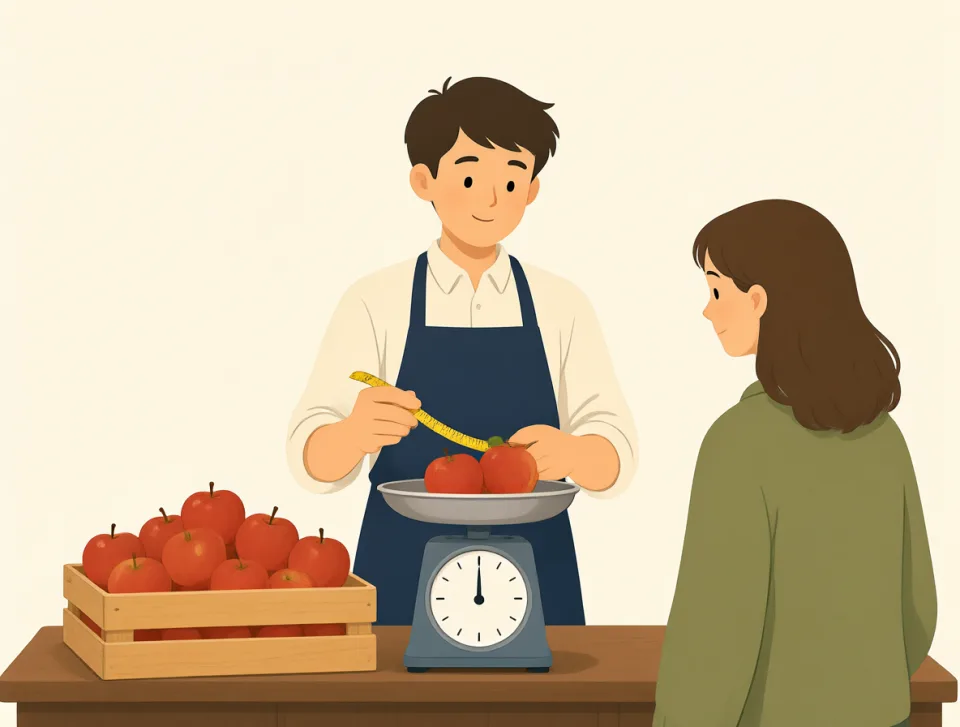
The builder gave us an estimate for repairs.
निर्माणकर्ता ने हमें मरम्मत का खर्च बताया।
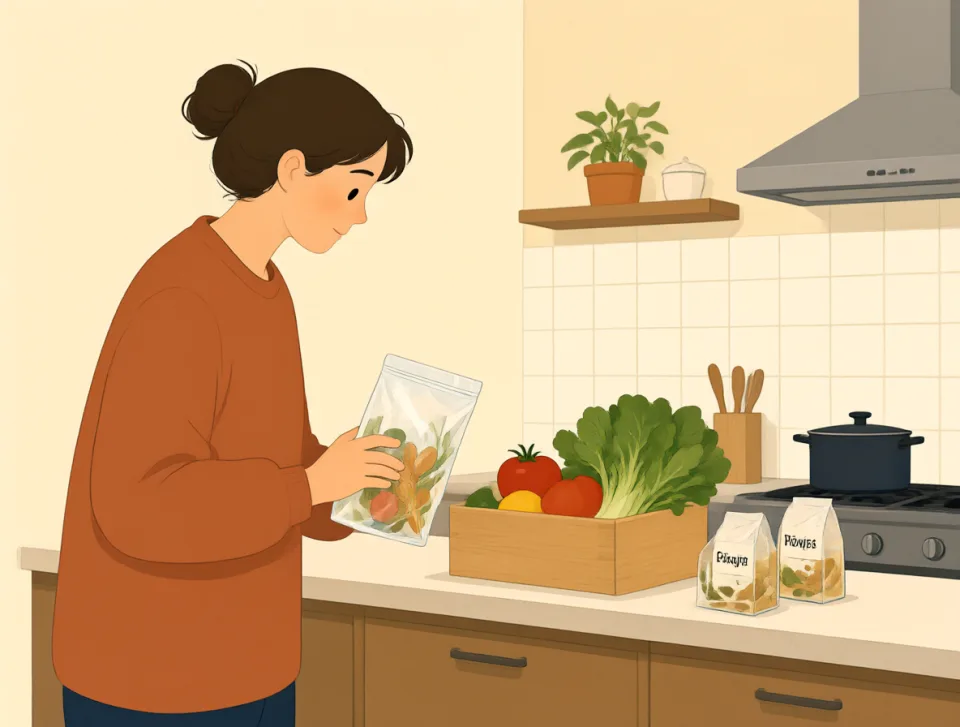
Can you estimate the cost of dinner?
क्या तुम रात के खाने का खर्च बता सकते हो?
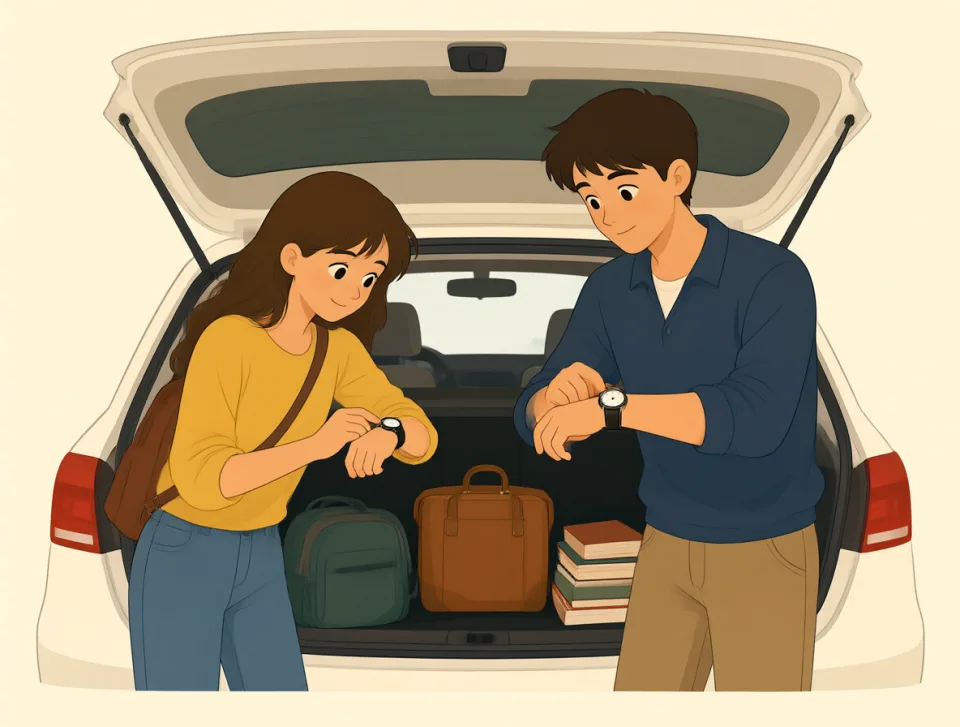
The trip will take an estimated two hours.
यात्रा में अनुमानित रूप से दो घंटे लगेंगे।
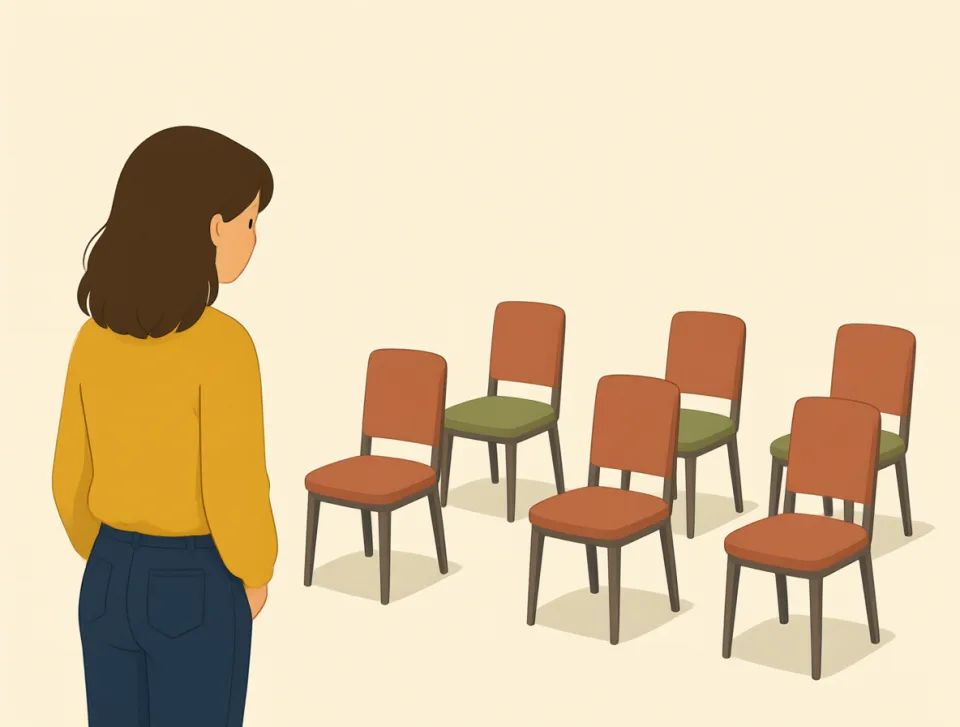
I estimate that ten people will come.
मेरा अनुमान है कि दस लोग आएँगे।
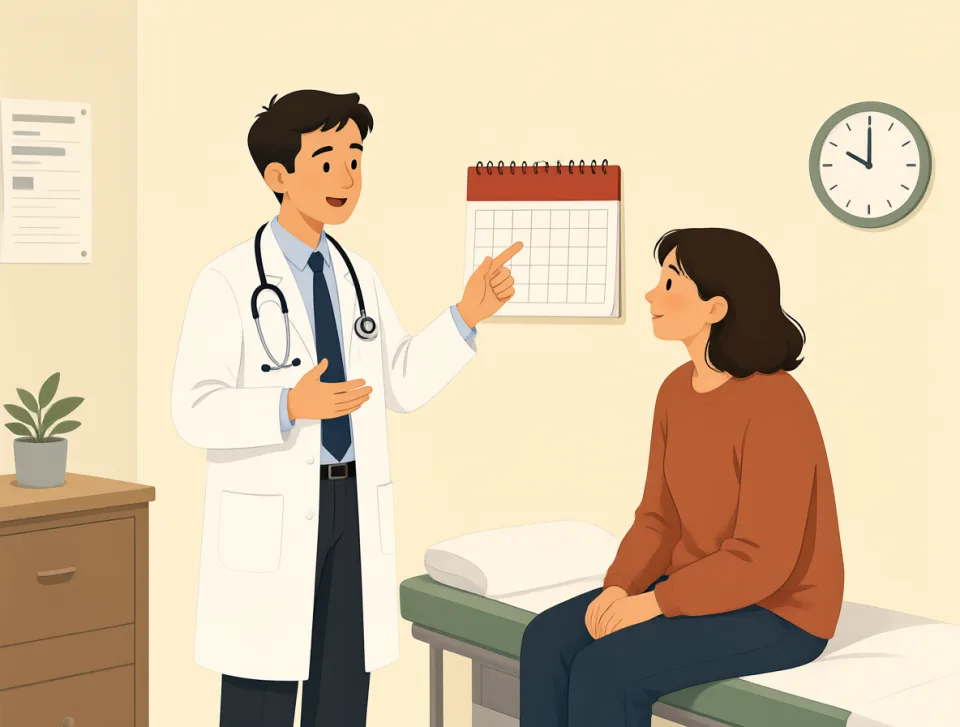
The doctor estimated my recovery time.
डॉक्टर ने मेरे ठीक होने में लगने वाले समय का अनुमान लगाया।
favorite
#1000adjective, noun
पसंदीदा
liked more than all the others
जो बाकी सभी चीज़ों से ज़्यादा पसंद हो।
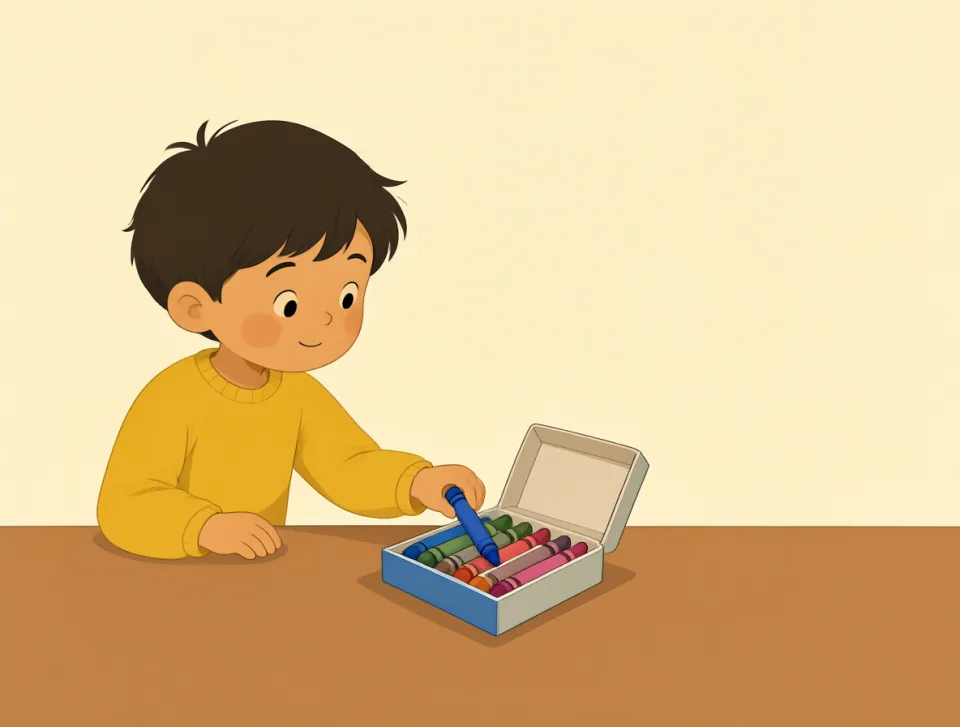
Blue is my favorite color.
नीला मेरा पसंदीदा रंग है।

What is your favorite food?
तुम्हारा पसंदीदा खाना क्या है?
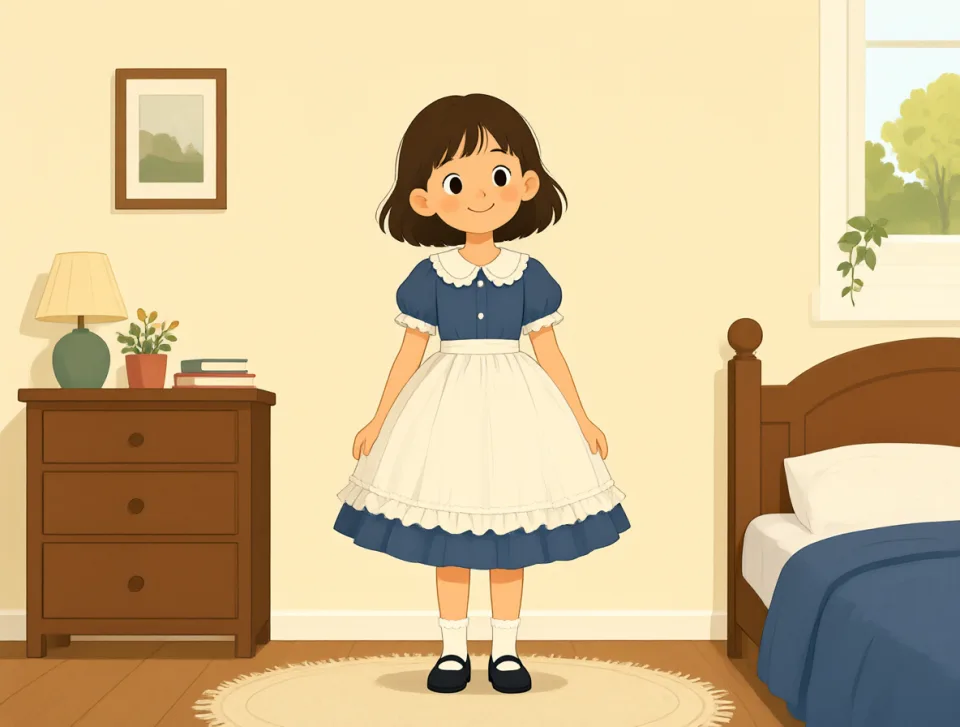
She wore her favorite dress yesterday.
उसने कल अपनी पसंदीदा पोशाक पहनी थी।

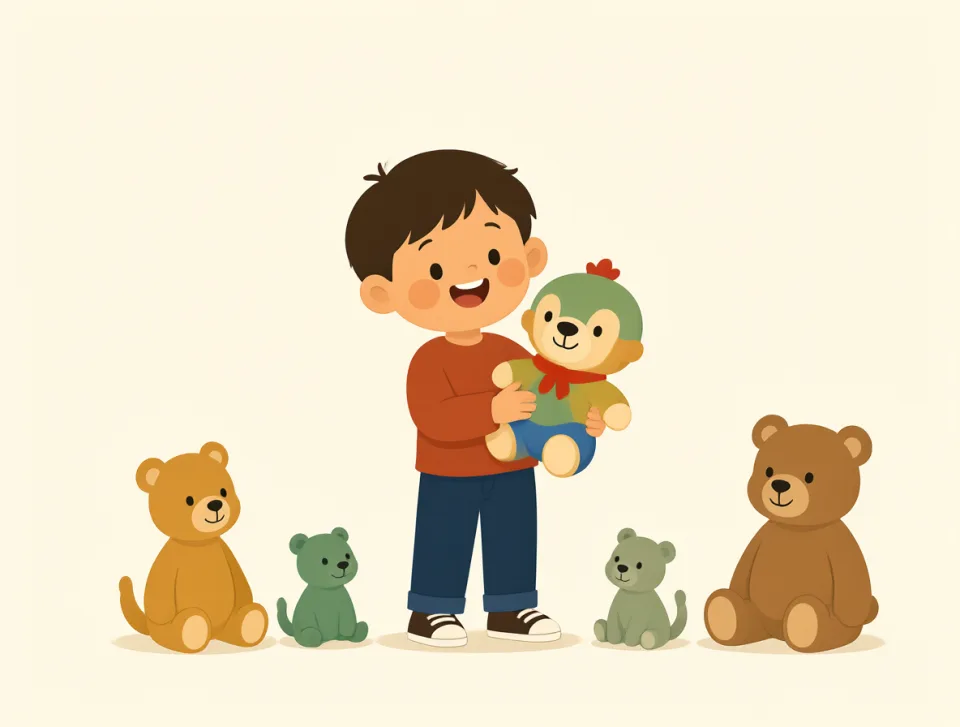
This song is my favorite.
यह मेरा पसंदीदा गाना है।
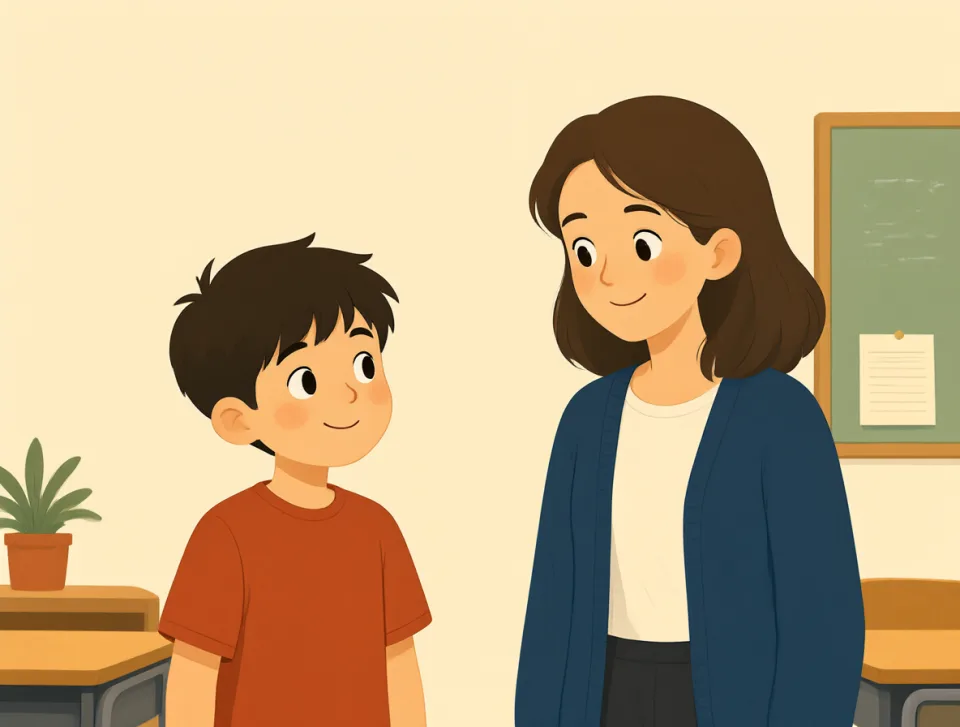
Tom is my favorite teacher.
टॉम मेरे पसंदीदा शिक्षक हैं।