Zestaw 51
Słowa 1001–1020 · difficulty, purchase, shoot, announce, unless, independent
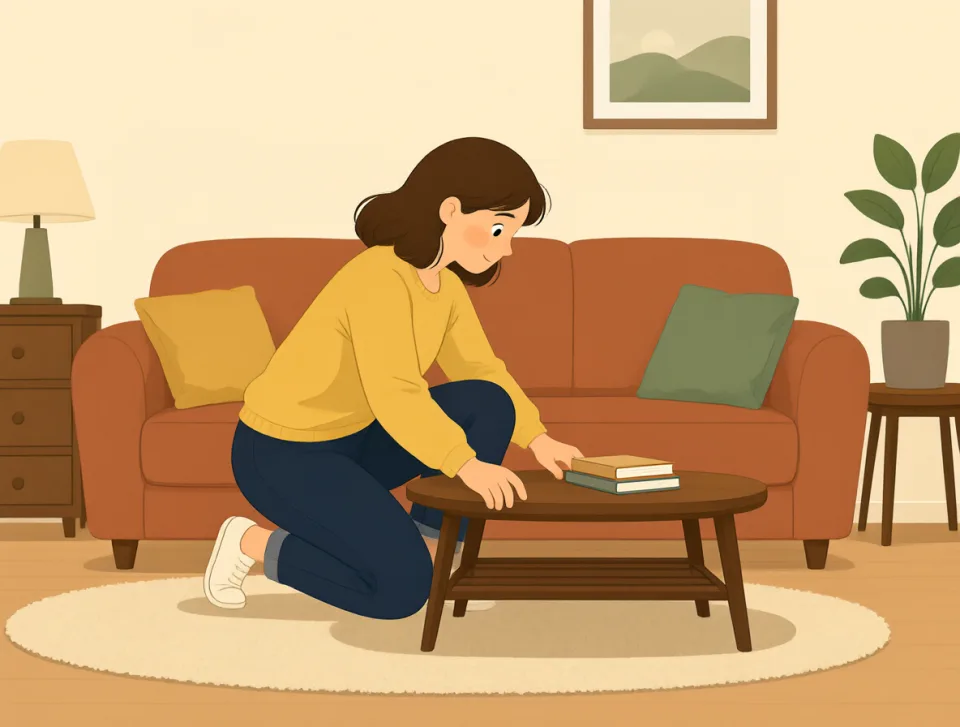
difficulty
#1001noun
trudność
A problem or situation that makes something hard to do or understand.
Problem lub sytuacja, które utrudniają wykonanie czegoś albo zrozumienie czegoś.
She had difficulty finding her keys this morning.
Dziś rano miała trudności ze znalezieniem kluczy.
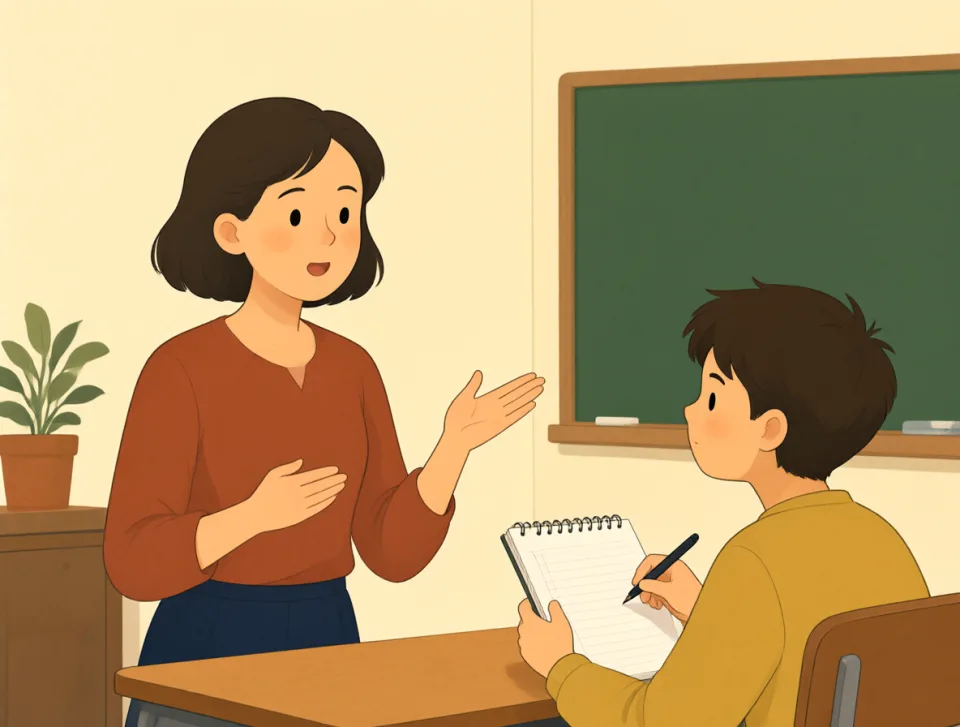
Many students have difficulty understanding this grammar rule.
Wielu uczniów ma trudności ze zrozumieniem tej zasady gramatycznej.
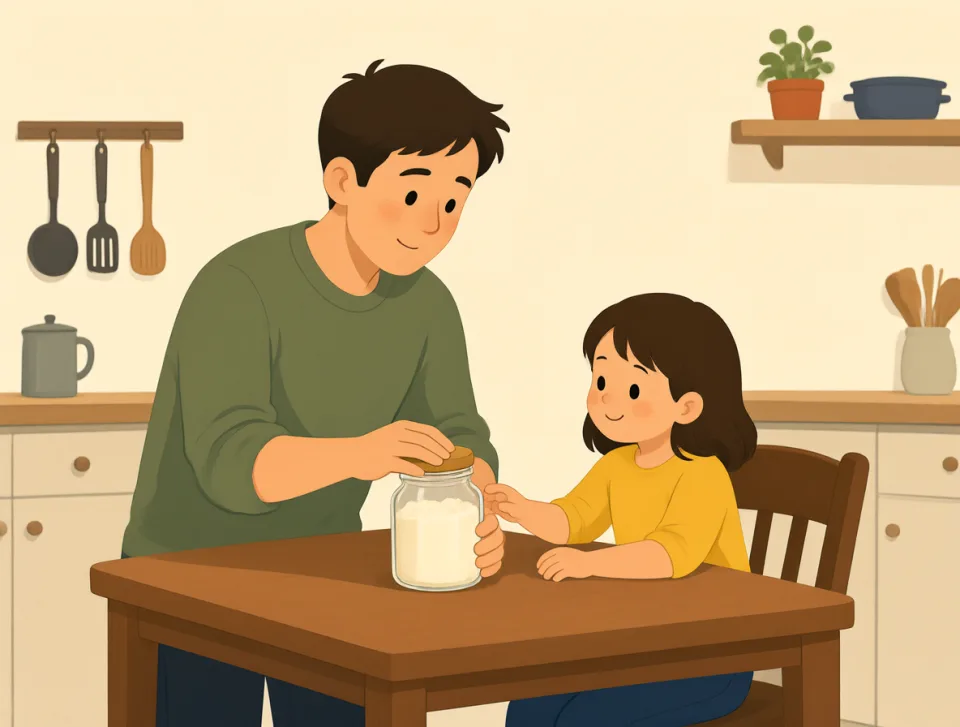
We had difficulty opening the jar, so Dad helped us.
Mieliśmy trudności z otwarciem słoika, więc tata nam pomógł.
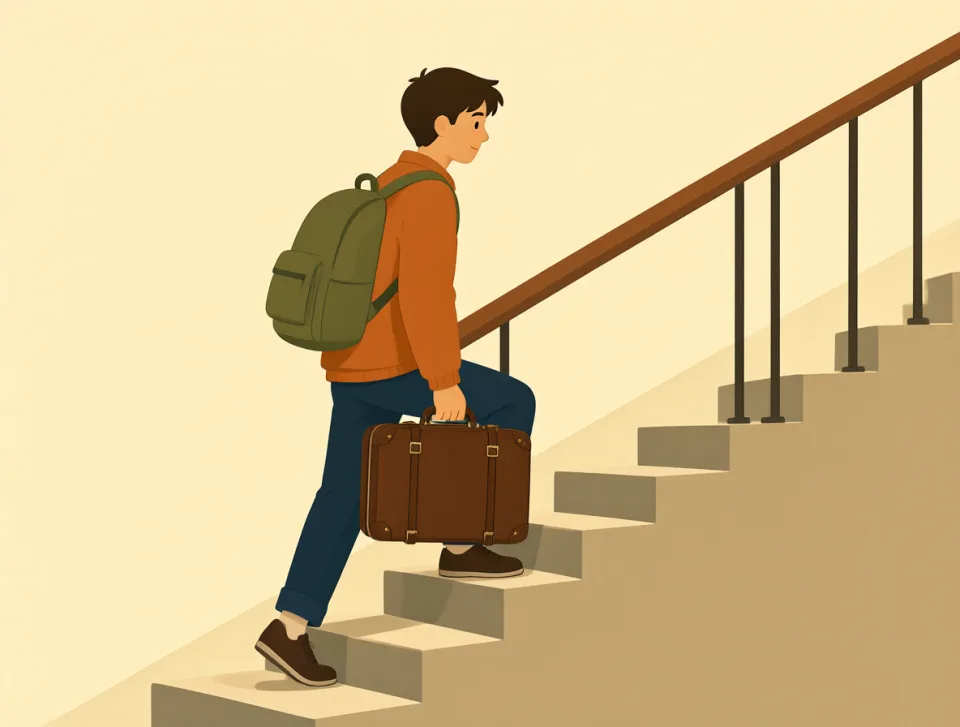
The traveler had difficulty carrying her heavy suitcase upstairs.
Podróżna miała trudności z wniesieniem ciężkiej walizki po schodach.
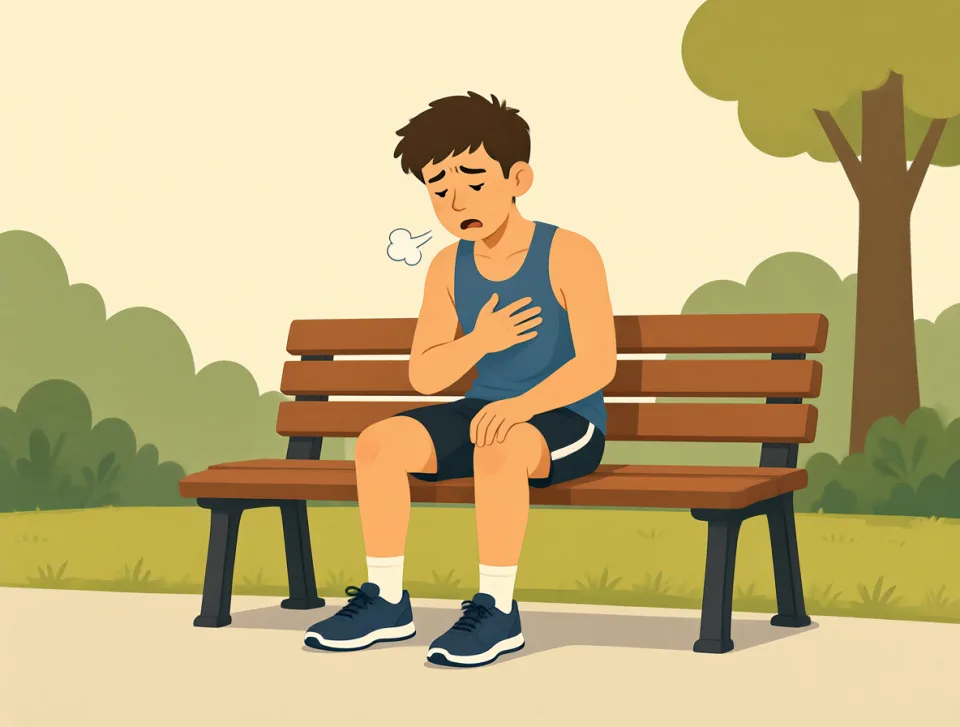
He is having difficulty breathing after running too far.
Po zbyt długim biegu ma trudności z oddychaniem.
purchase
#1002noun, verb
zakup; kupować
to buy something, or something that you buy
Kupić coś albo coś, co się kupuje.
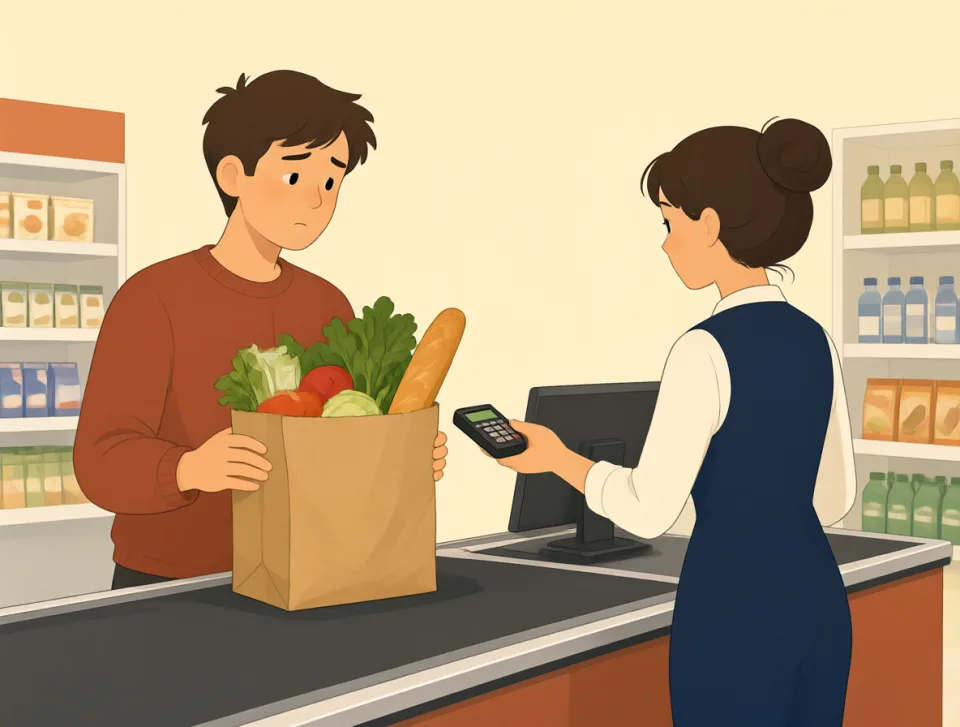
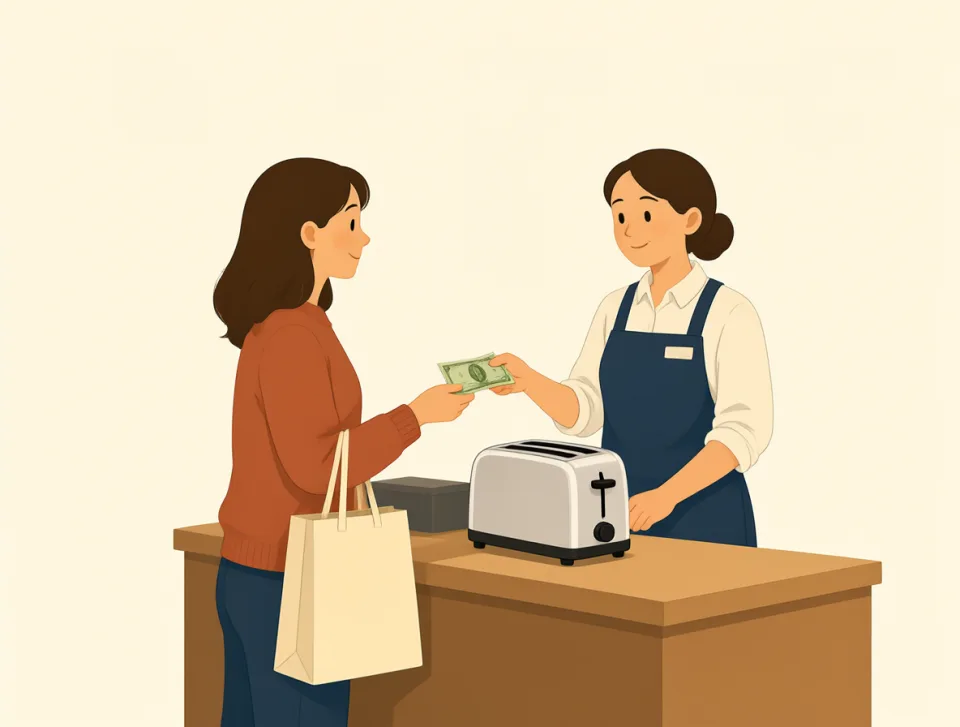
I made a purchase at the supermarket after work.
Po pracy zrobiłem zakupy w supermarkecie.

You can purchase a train ticket at the station.
Bilet na pociąg można kupić na stacji.

The company purchased new computers for the office.
Firma kupiła nowe komputery do biura.
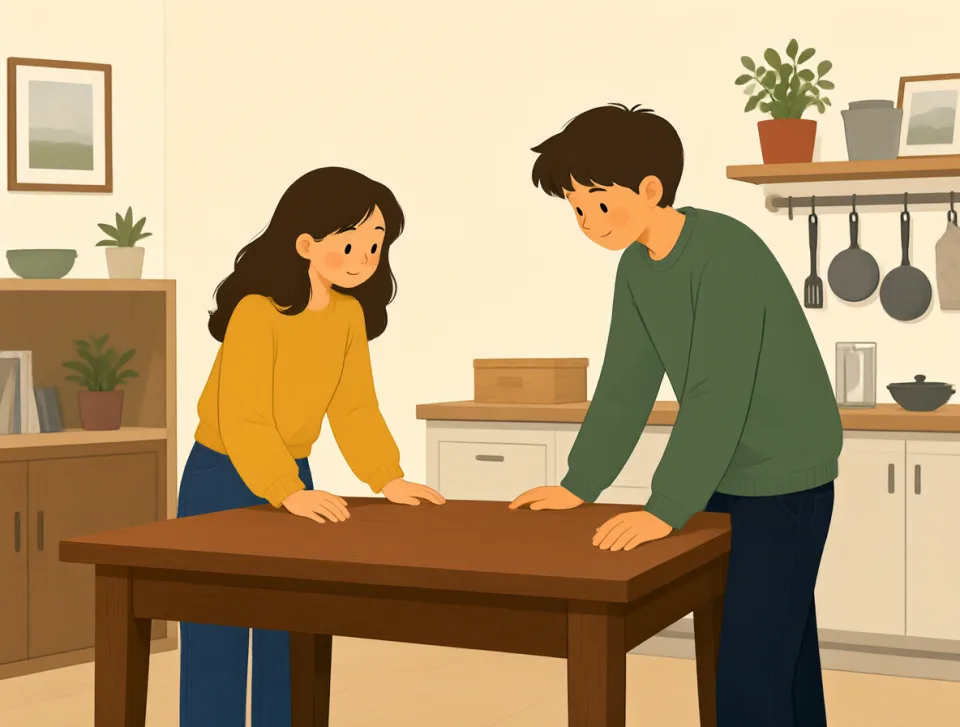
We compared prices before purchasing a kitchen table.
Porównaliśmy ceny, zanim kupiliśmy stół kuchenny.
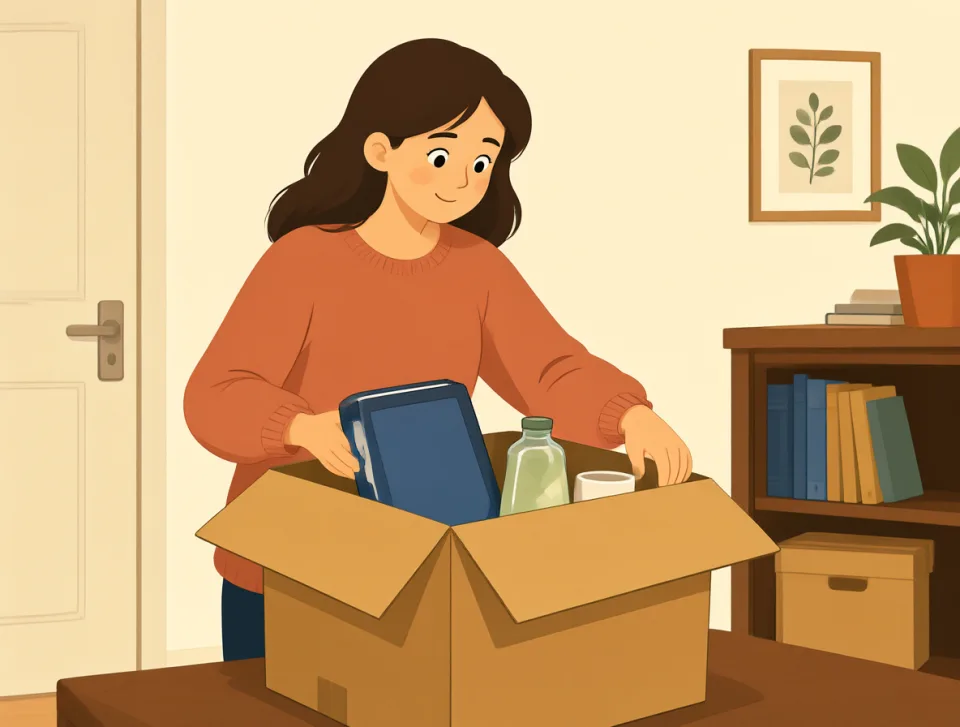
Her online purchases arrived in one large box.
Jej zakupy online dotarły w jednym dużym pudełku.
shoot
#1003verb, noun
strzelać; robić zdjęcia
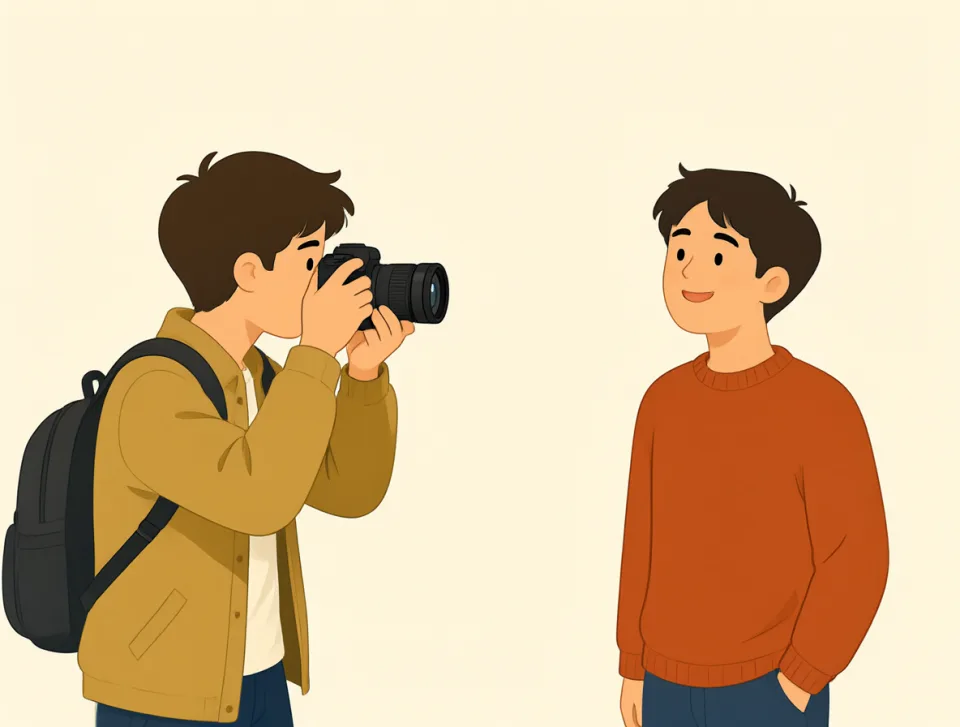
To fire a gun or weapon, or to take a photograph with a camera.
Strzelać z broni albo robić zdjęcie aparatem.
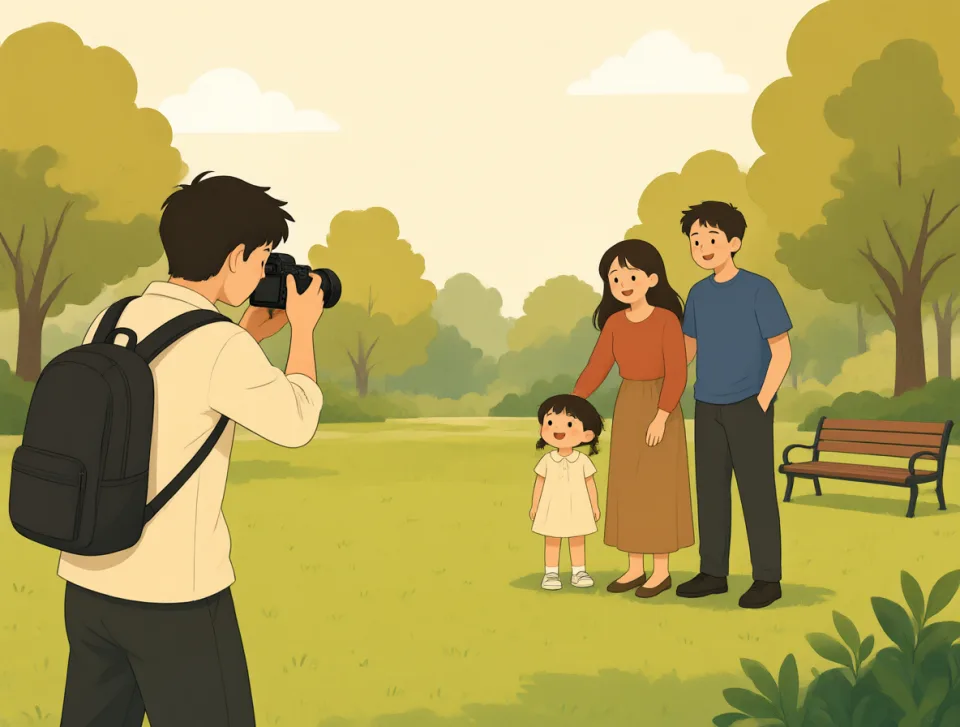
The photographer will shoot our family pictures in the park.
Fotograf zrobi nam rodzinne zdjęcia w parku.

The police officer told the man not to shoot.
Policjant powiedział mężczyźnie, żeby nie strzelał.
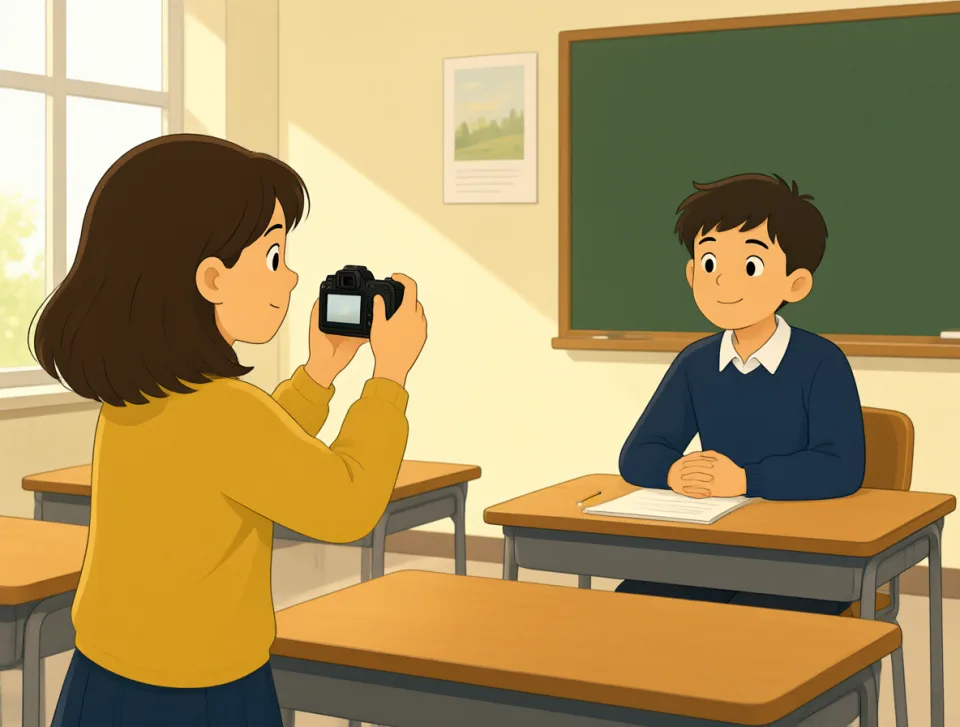
She shot a short video for her school project.
Nakręciła krótki film na szkolny projekt.
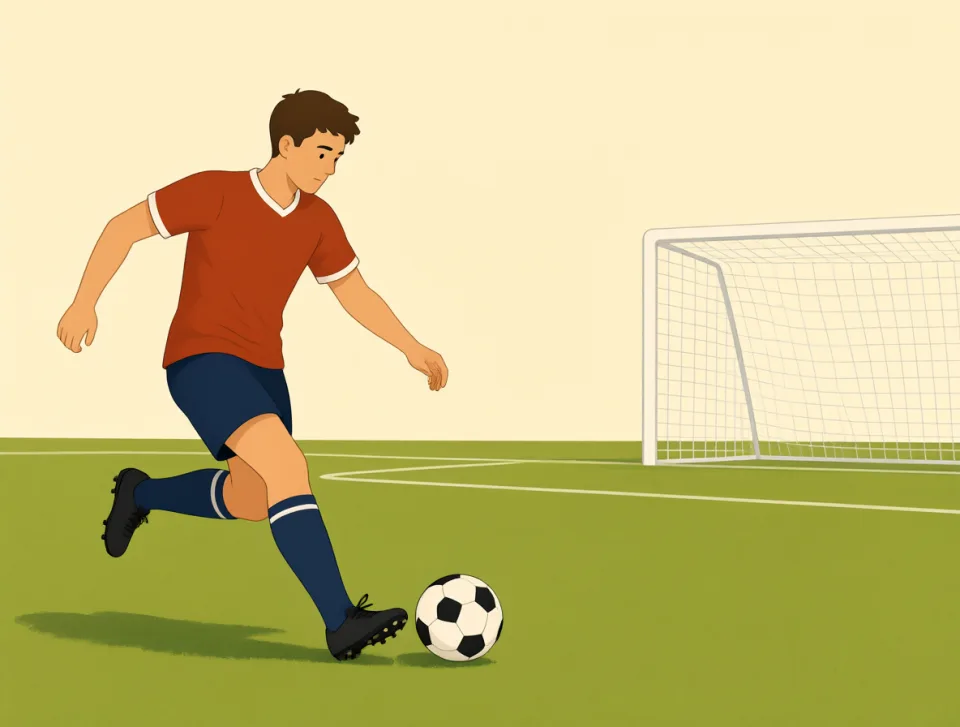
The soccer player shot the ball into the goal.
Piłkarz strzelił piłkę do bramki.
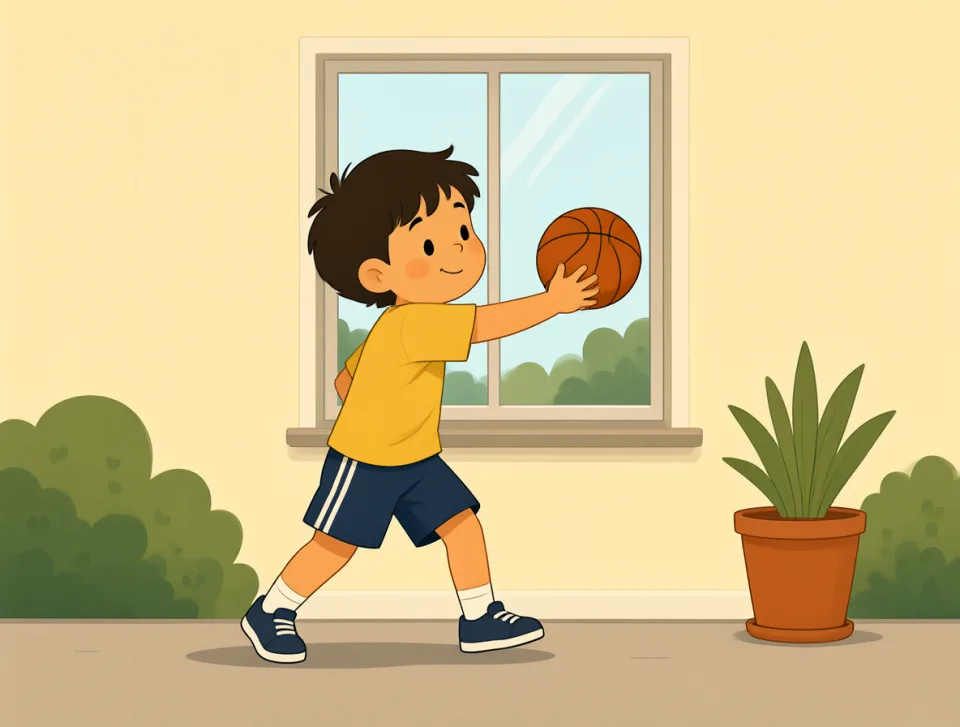
Be careful when you shoot the basketball near the window.
Uważaj, kiedy rzucasz do kosza blisko okna.
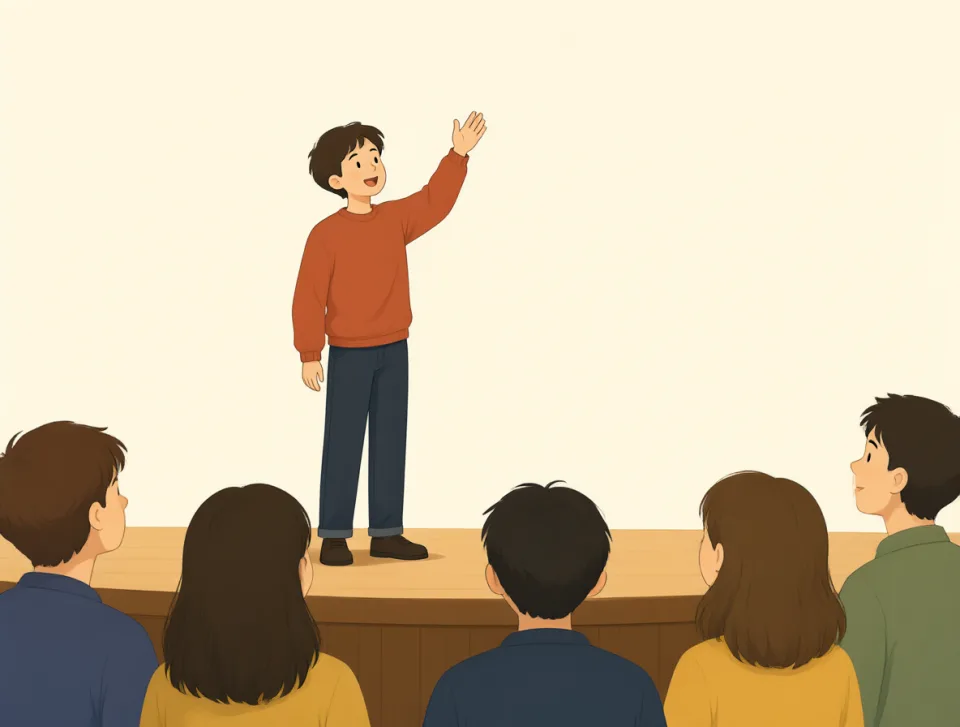
announce
#1004verb
ogłaszać
to tell people officially or publicly about something
Oficjalnie lub publicznie informować ludzi o czymś.
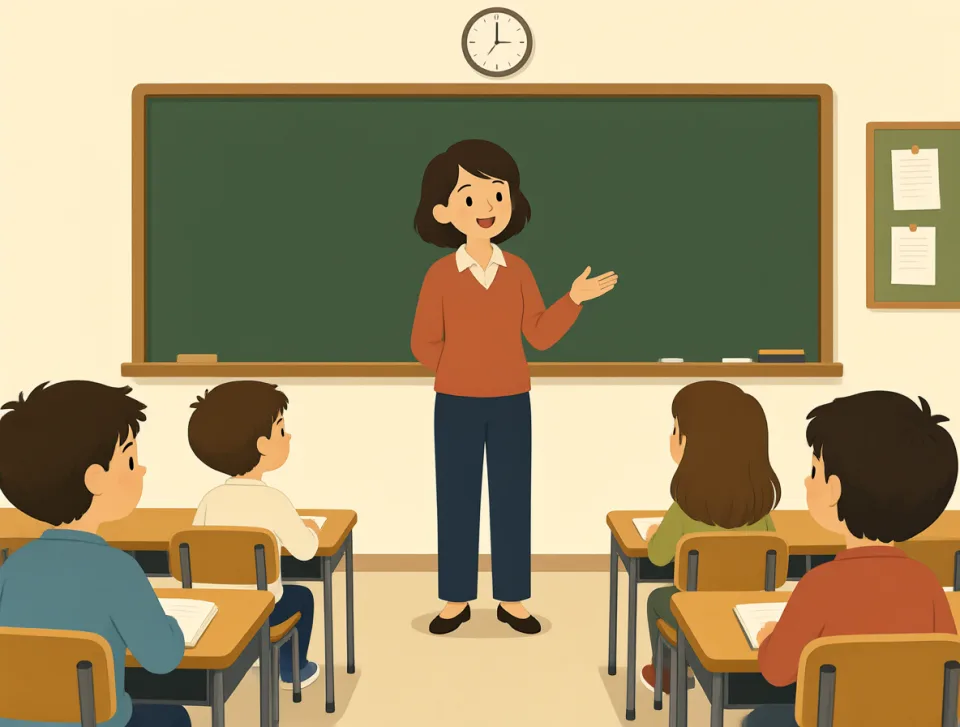
The teacher announced the test date to the class.
Nauczyciel ogłosił klasie datę sprawdzianu.
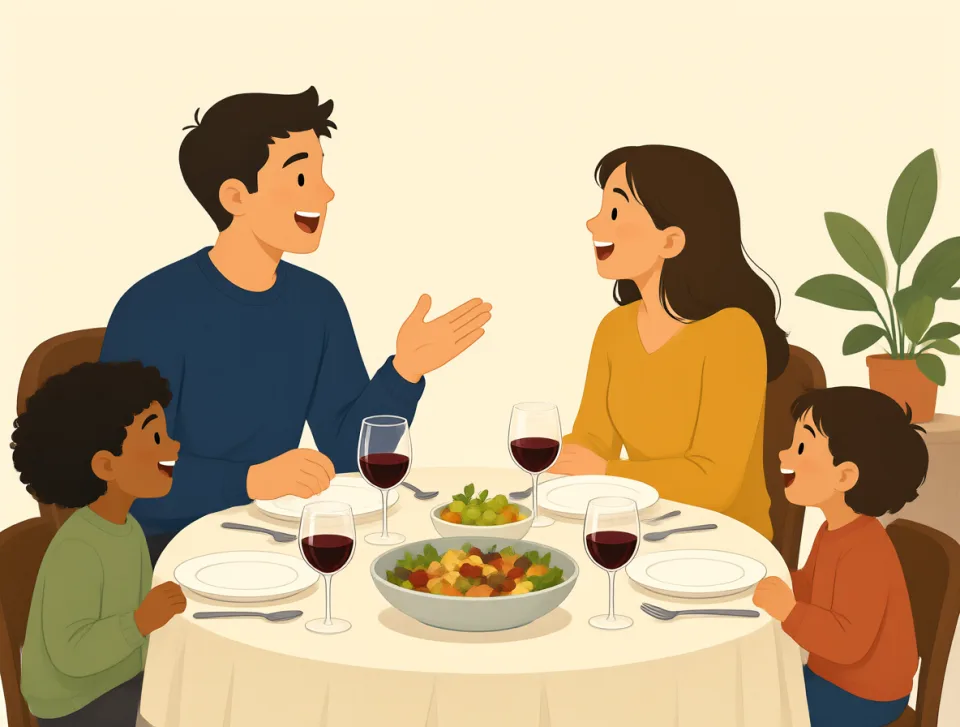
They announced their wedding plans to their families.
Ogłosili rodzinom swoje plany dotyczące ślubu.

The airline announced that our flight was delayed.
Linia lotnicza ogłosiła, że nasz lot jest opóźniony.

The shop announced a special discount for students.
Sklep ogłosił specjalny rabat dla studentów.
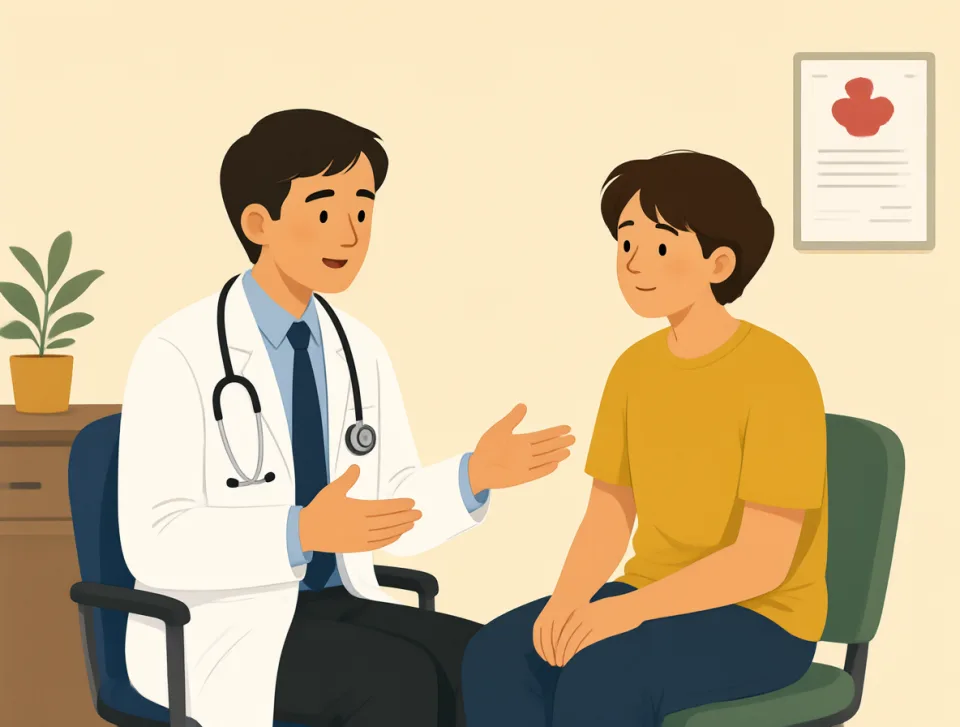
The doctor announced that my test results were normal.
Lekarz poinformował mnie, że wyniki moich badań są prawidłowe.

unless
#1005conjunction
chyba że
Used to say that something will happen or be true only if something else does not happen.
Używane, by powiedzieć, że coś się wydarzy lub będzie prawdą tylko wtedy, gdy coś innego się nie wydarzy.
I won't go outside unless the rain stops.
Nie wyjdę na zewnątrz, chyba że przestanie padać.
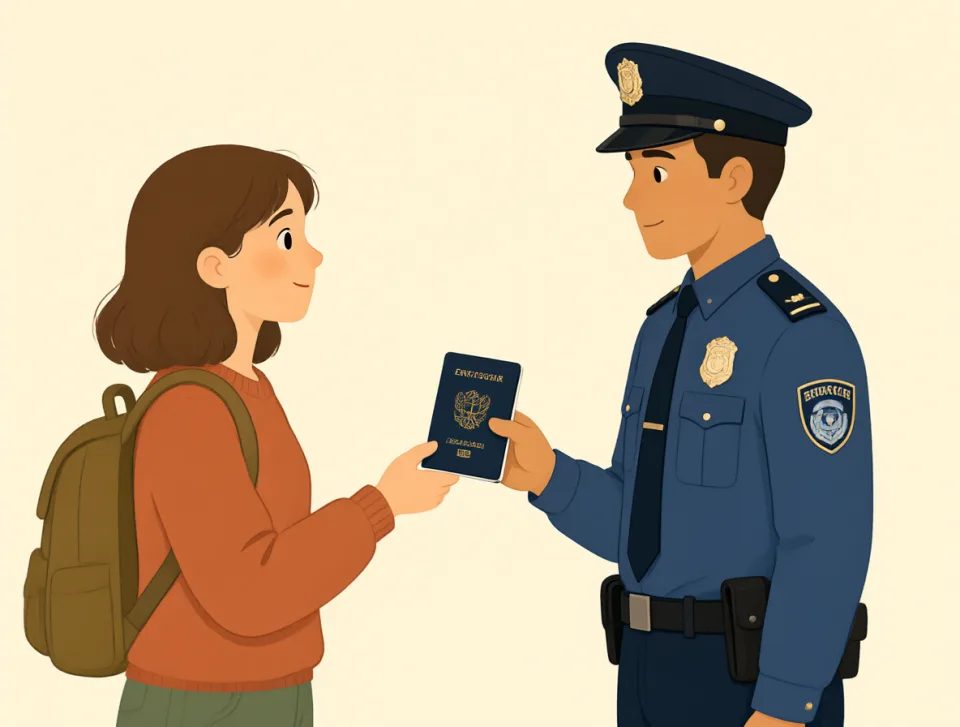
You cannot enter unless you show your passport.
Nie możesz wejść, chyba że pokażesz paszport.
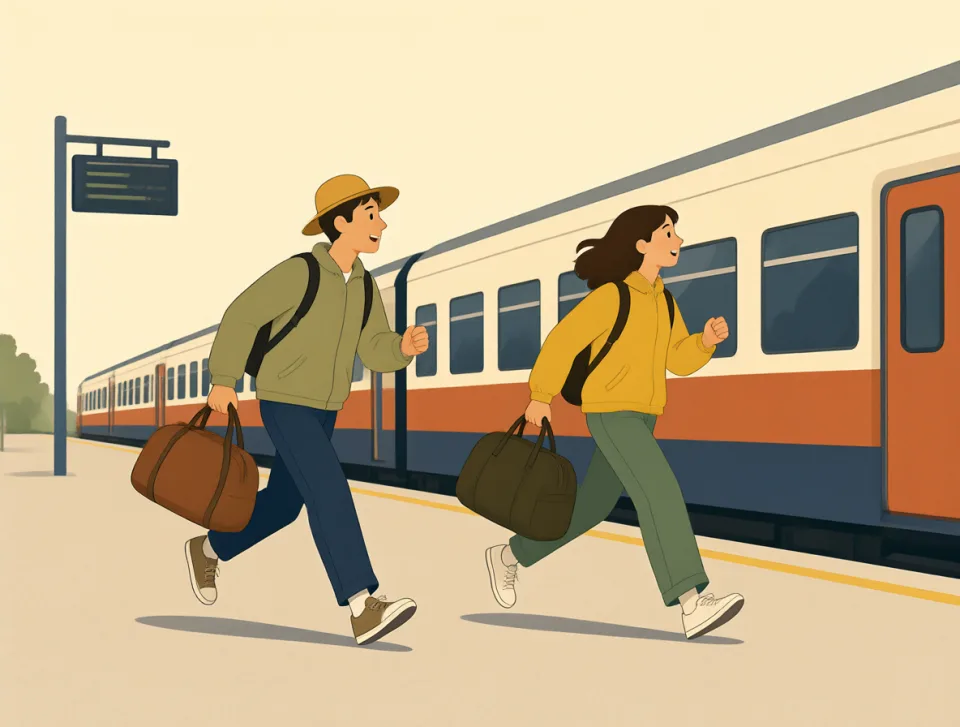
We will miss the train unless we leave now.
Spóźnimy się na pociąg, chyba że wyjdziemy teraz.
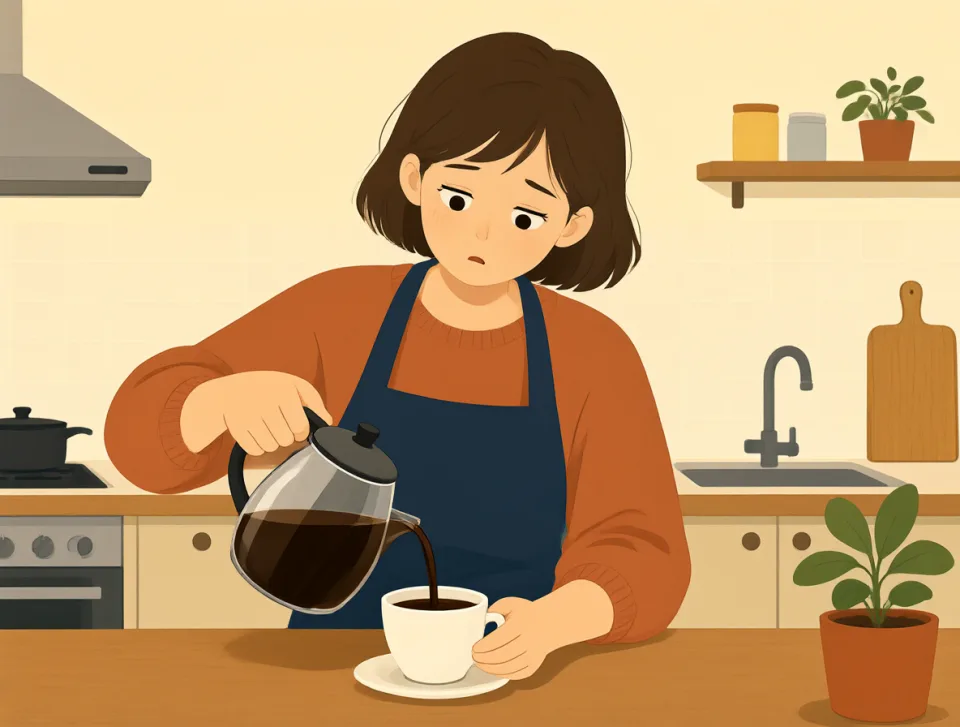
She never drinks coffee unless she feels very tired.
Nigdy nie pije kawy, chyba że jest bardzo zmęczona.
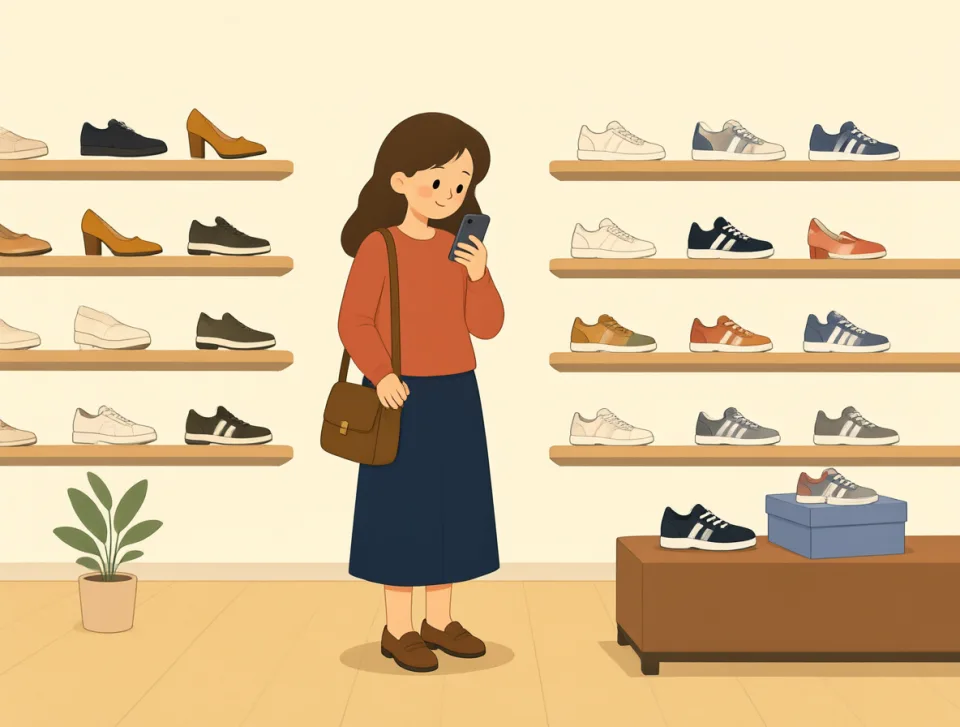
Don't buy the shoes unless they feel comfortable.
Nie kupuj tych butów, chyba że są wygodne.
independent
#1006adjective
niezależny
able to live, work, or act without help from other people
zdolny do życia, pracy lub działania bez pomocy innych osób
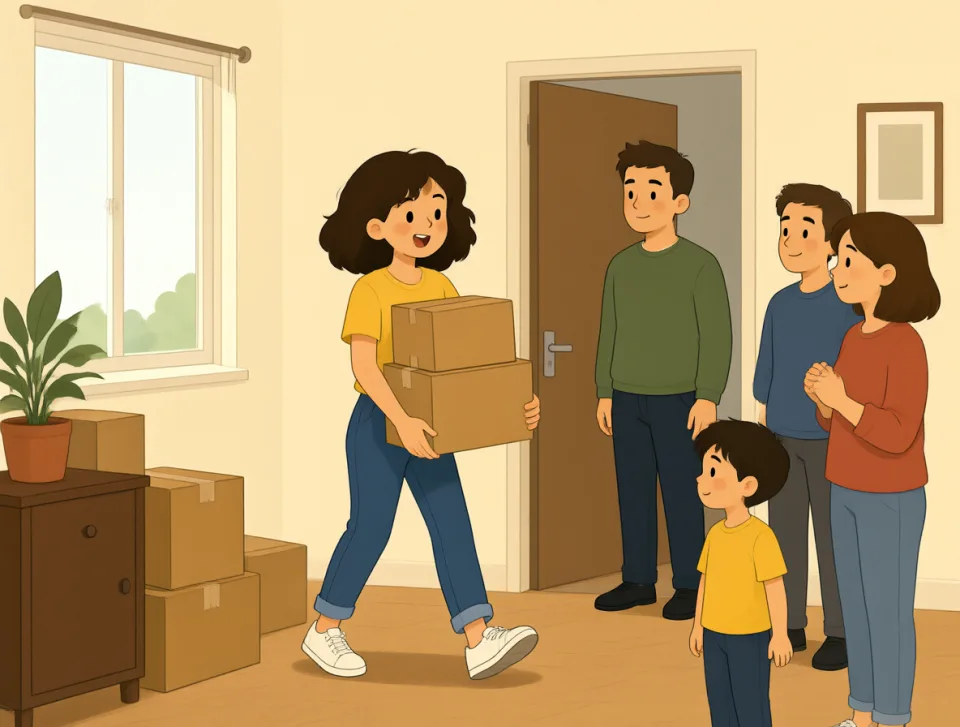
She became independent when she moved into her own apartment.
Stała się niezależna, gdy przeprowadziła się do własnego mieszkania.
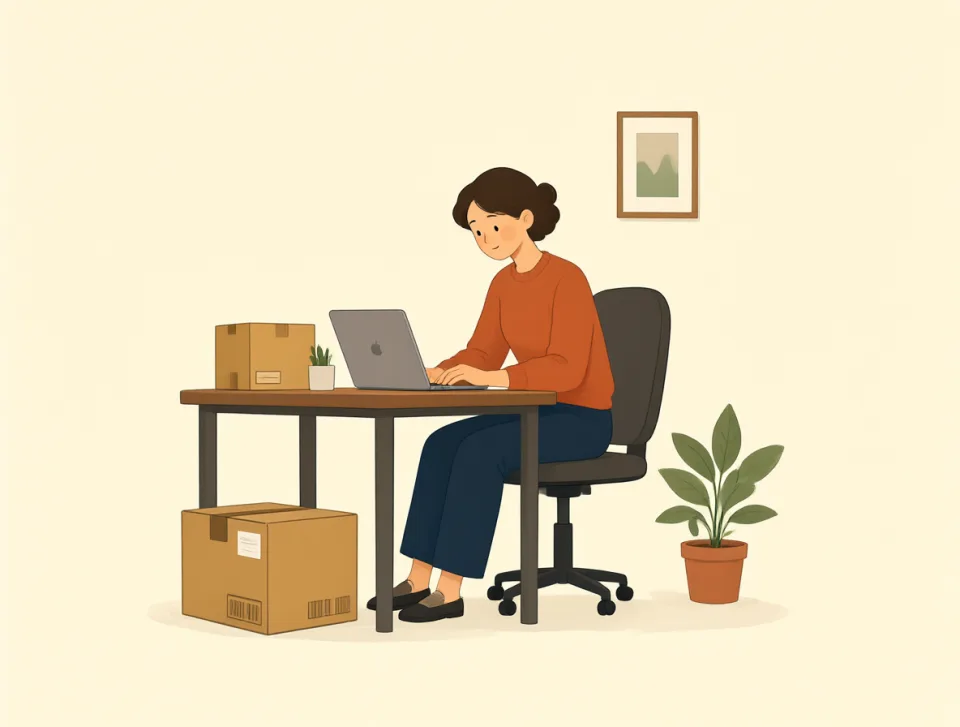
Our company is independent and does not belong to a larger group.
Nasza firma jest niezależna i nie należy do większej grupy.

The teacher wants students to become independent learners.
Nauczyciel chce, żeby uczniowie stali się samodzielni w nauce.
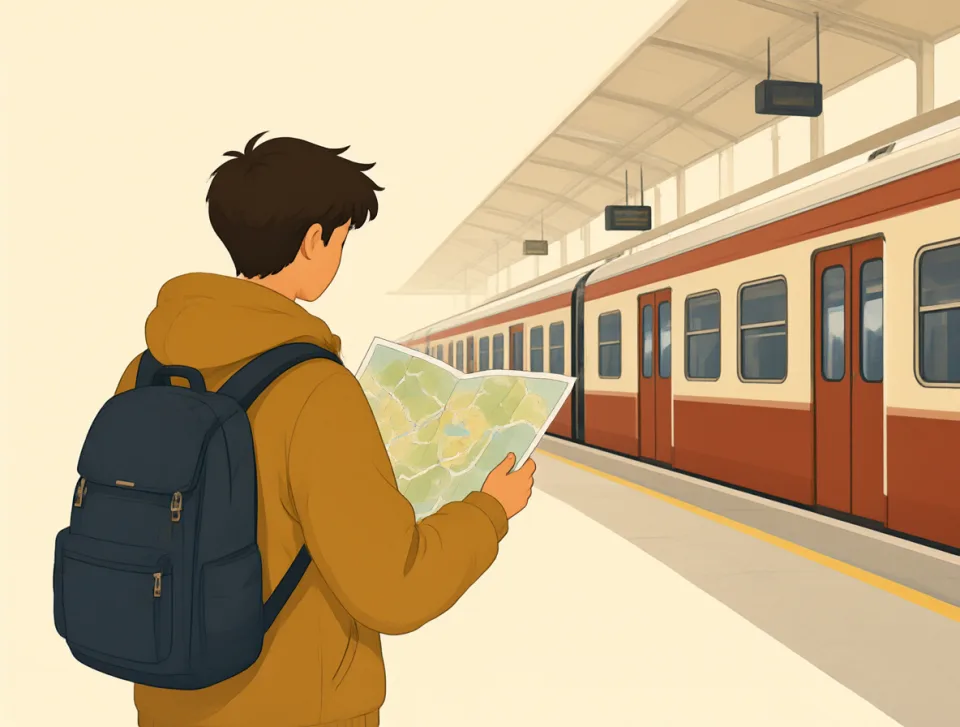
He enjoys traveling independently and choosing his own schedule.
Lubi podróżować samodzielnie i samemu układać sobie plan.
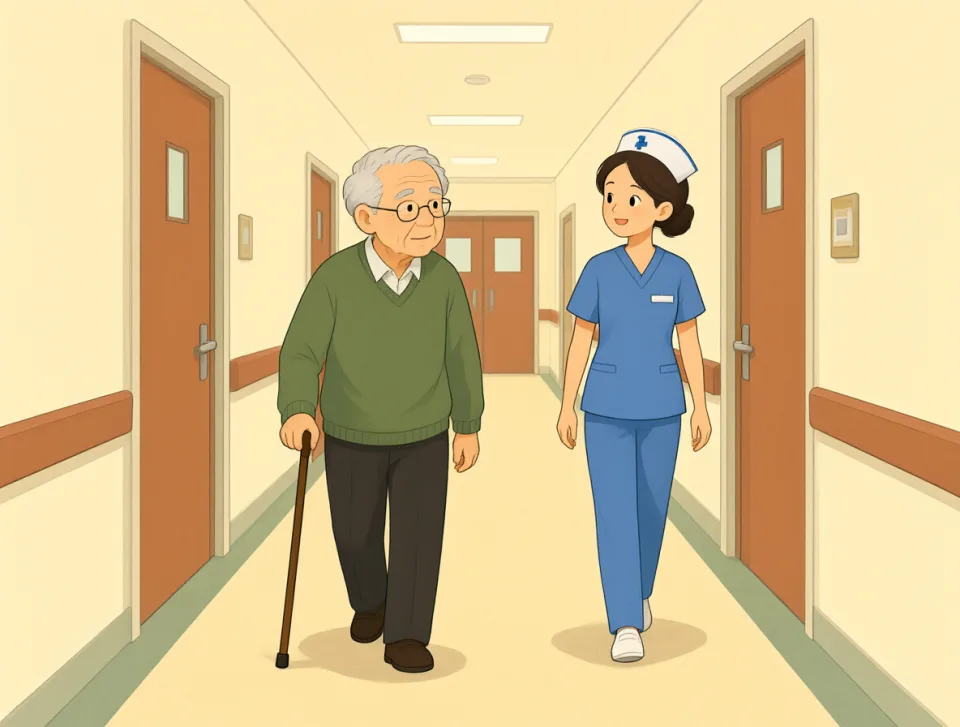
The patient is now independent enough to walk without help.
Pacjent jest już na tyle samodzielny, że może chodzić bez pomocy.

recommend
#1007verb
polecać
To suggest something as a good choice or suitable for someone.
Zaproponować coś jako dobry wybór lub coś odpowiedniego dla kogoś.

Can you recommend a good restaurant near the hotel?
Czy może mi Pan polecić dobrą restaurację w pobliżu hotelu?

My doctor recommended drinking more water every day.
Mój lekarz zalecił mi codziennie pić więcej wody.
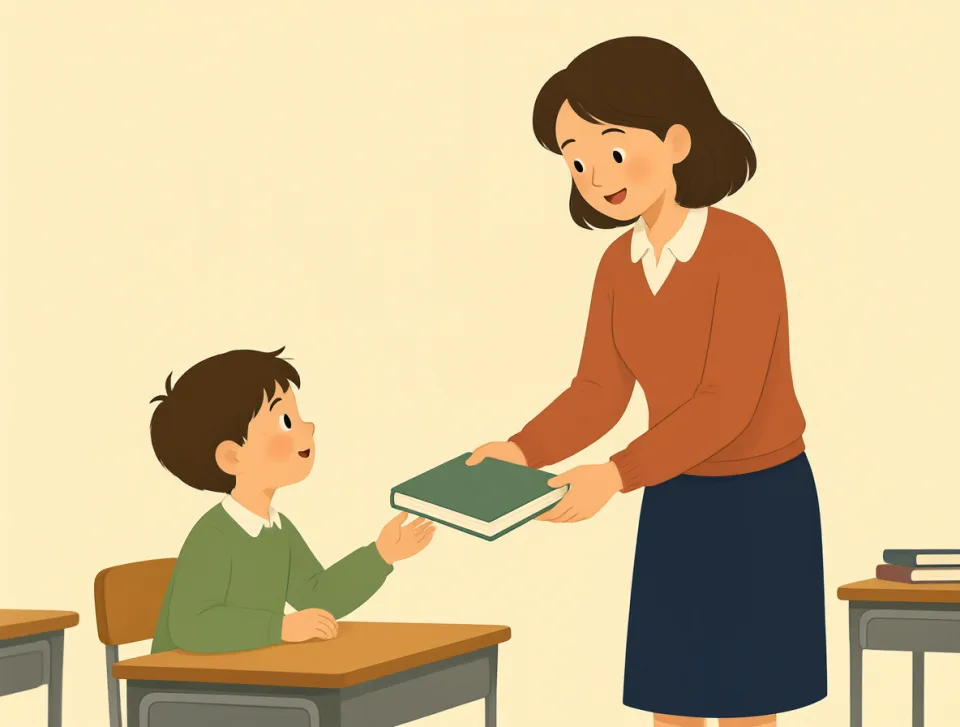
The teacher recommended this book for our English class.
Nauczyciel polecił tę książkę na nasze zajęcia z angielskiego.
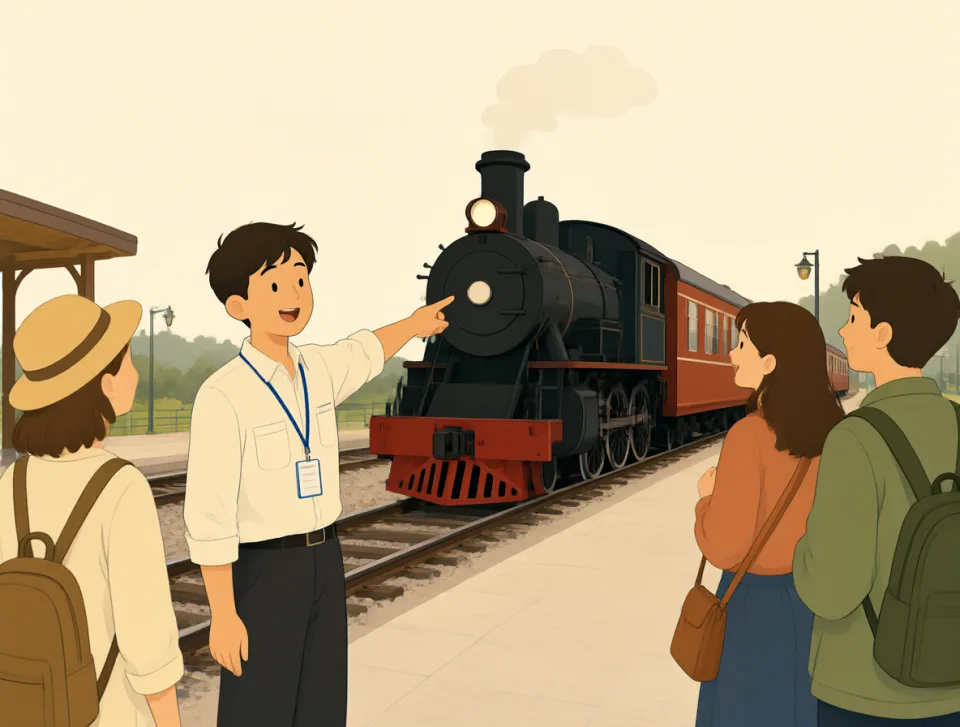
Our guide recommended taking the train to the city center.
Nasz przewodnik polecił nam pojechać pociągiem do centrum miasta.
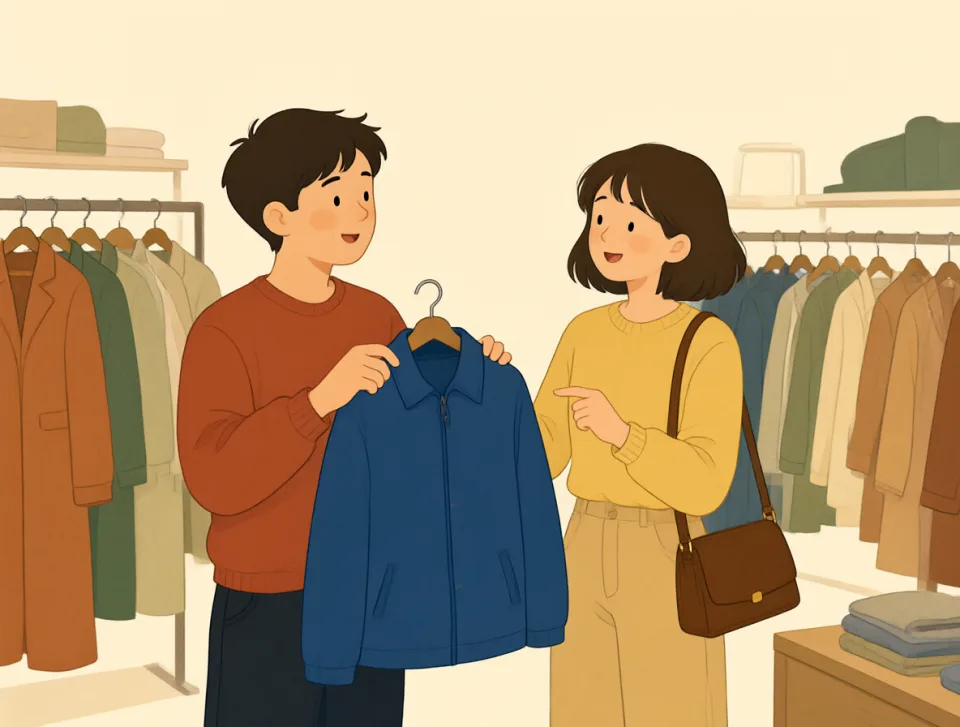
She recommended the blue jacket because it fits me well.
Poleciła niebieską kurtkę, bo dobrze na mnie leży.
survey
#1008noun, verb
ankieta
A set of questions used to learn what people think or do.
Zestaw pytań, który służy do poznania opinii lub zachowań ludzi.
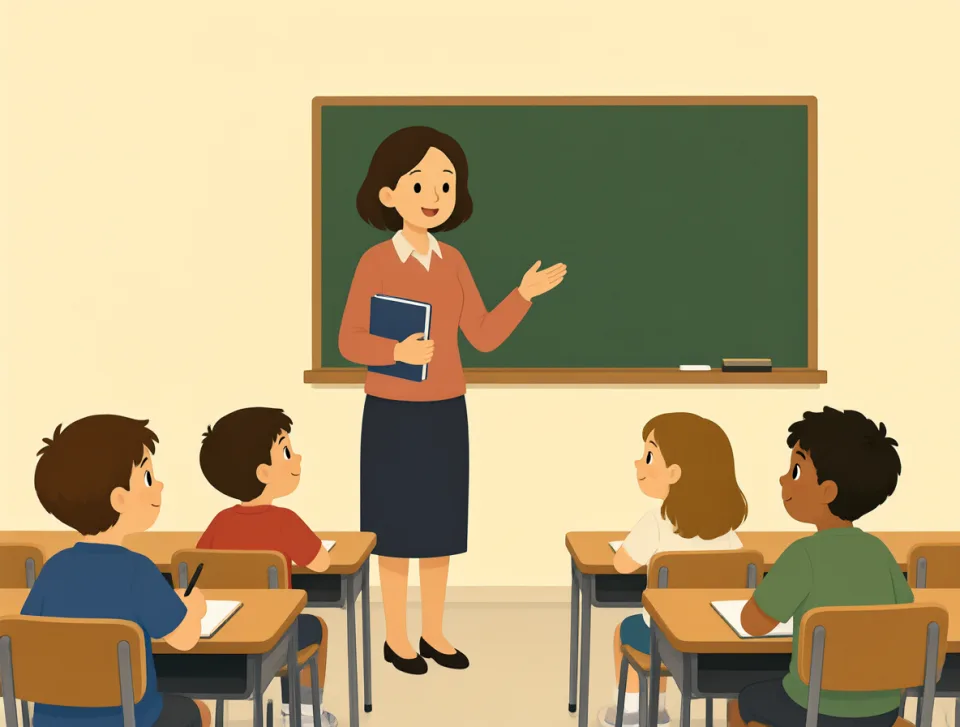
The school conducted a survey about students' favorite foods.
Szkoła przeprowadziła ankietę na temat ulubionych potraw uczniów.
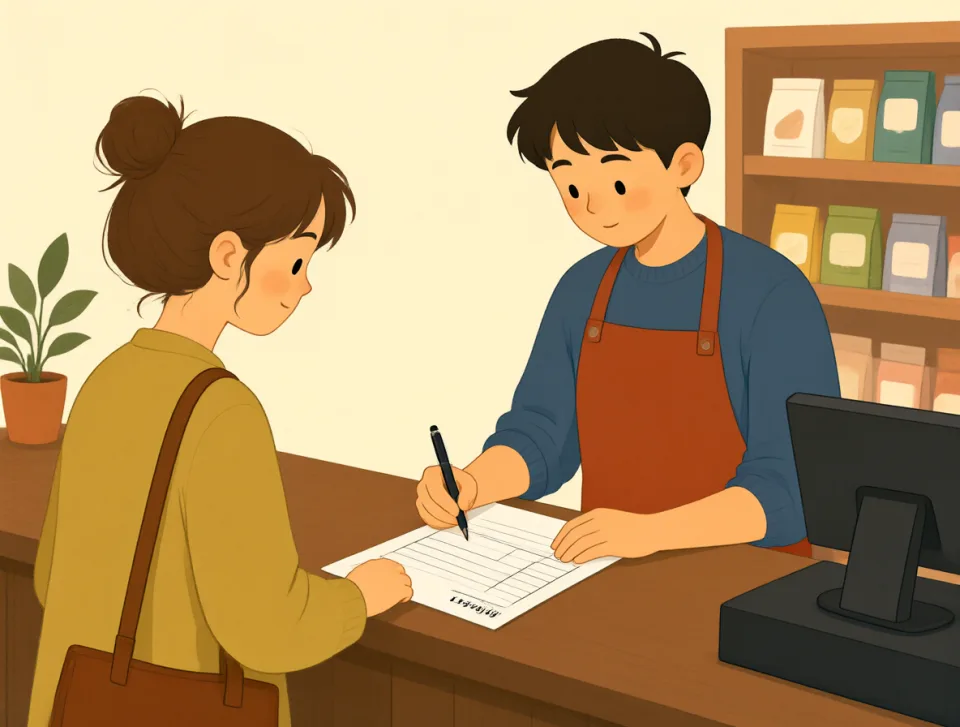
Please complete this short survey after your visit.
Proszę wypełnić tę krótką ankietę po wizycie.

The survey showed that most customers wanted cheaper prices.
Z ankiety wynikało, że większość klientów chciała niższych cen.
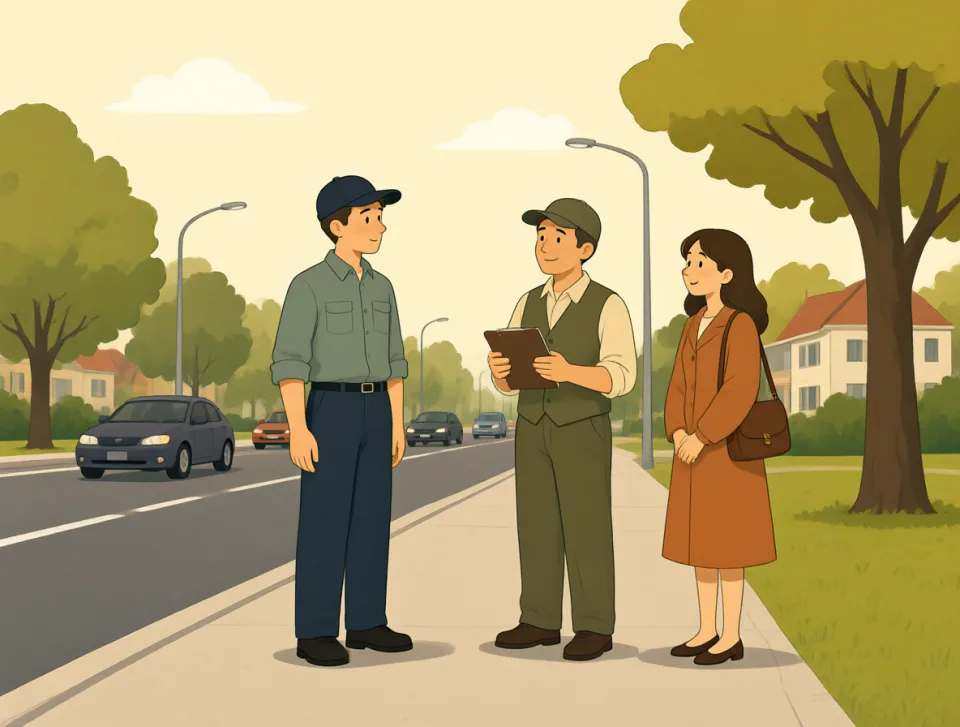
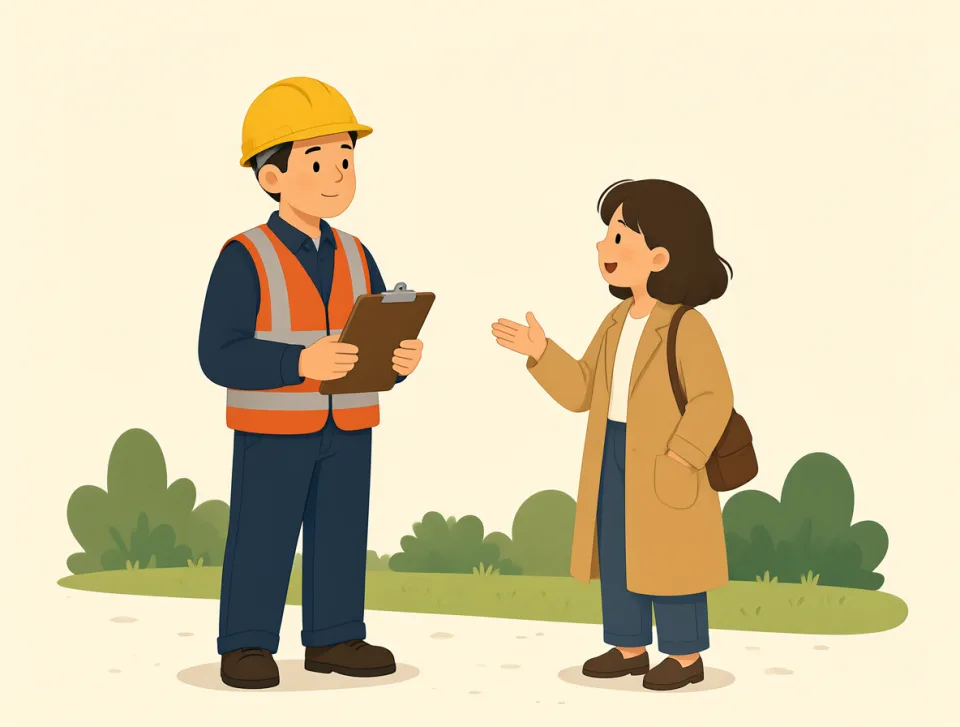
Workers surveyed local residents about traffic near the new factory.
Pracownicy przeprowadzili wśród okolicznych mieszkańców ankietę na temat ruchu drogowego w pobliżu nowej fabryki.

Engineers surveyed the land before building the new road.
Inżynierowie zbadali teren przed budową nowej drogi.

majority
#1009noun
większość
Most of the people or things in a group or situation.
Większa część osób lub rzeczy w danej grupie albo sytuacji.
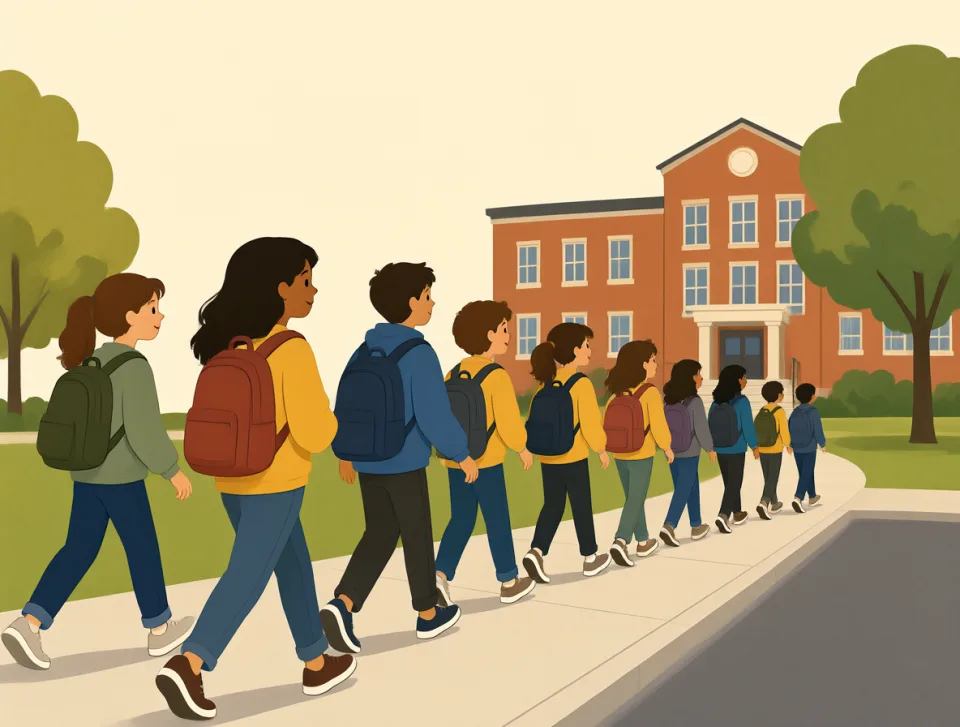
The majority of students walk to school every day.
Większość uczniów codziennie chodzi do szkoły pieszo.
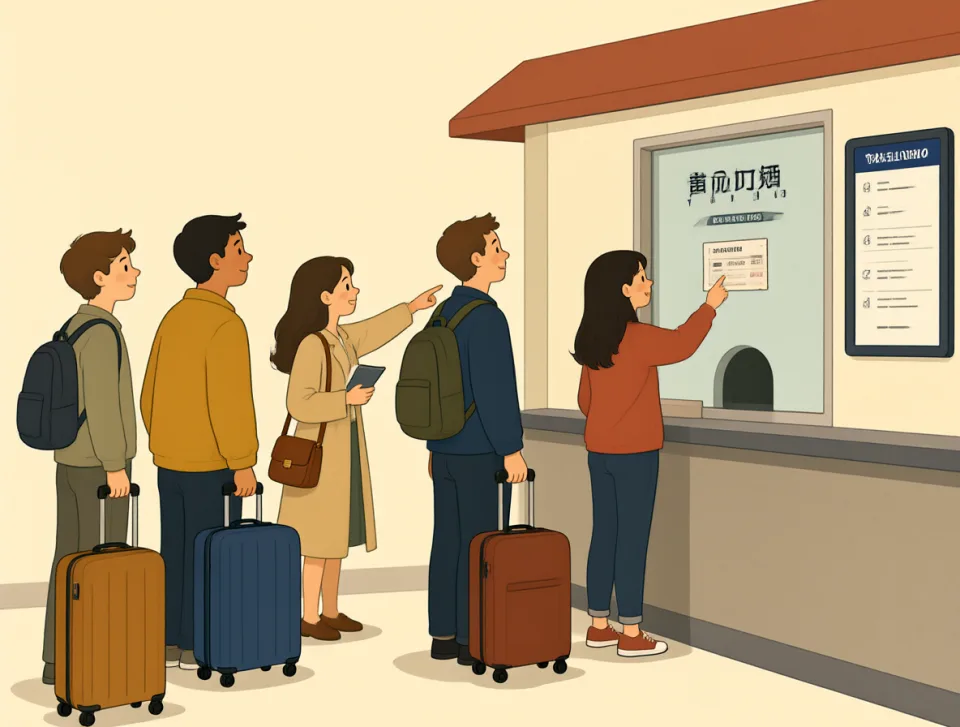
The majority of people chose the cheaper train ticket.
Większość ludzi wybrała tańszy bilet na pociąg.

A majority of workers wanted shorter hours on Fridays.
Większość pracowników chciała krótszego dnia pracy w piątki.

The majority of guests ate the vegetarian meal at the wedding.
Większość gości na weselu zjadła danie wegetariańskie.
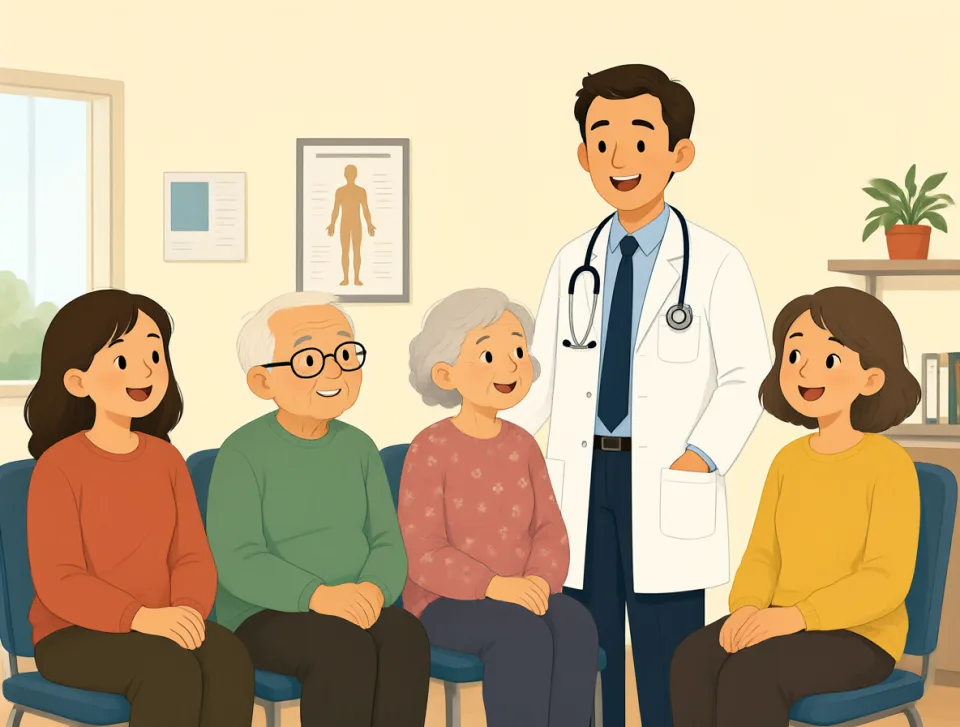
The doctor said the majority of patients recovered quickly.
Lekarz powiedział, że większość pacjentów szybko wyzdrowiała.
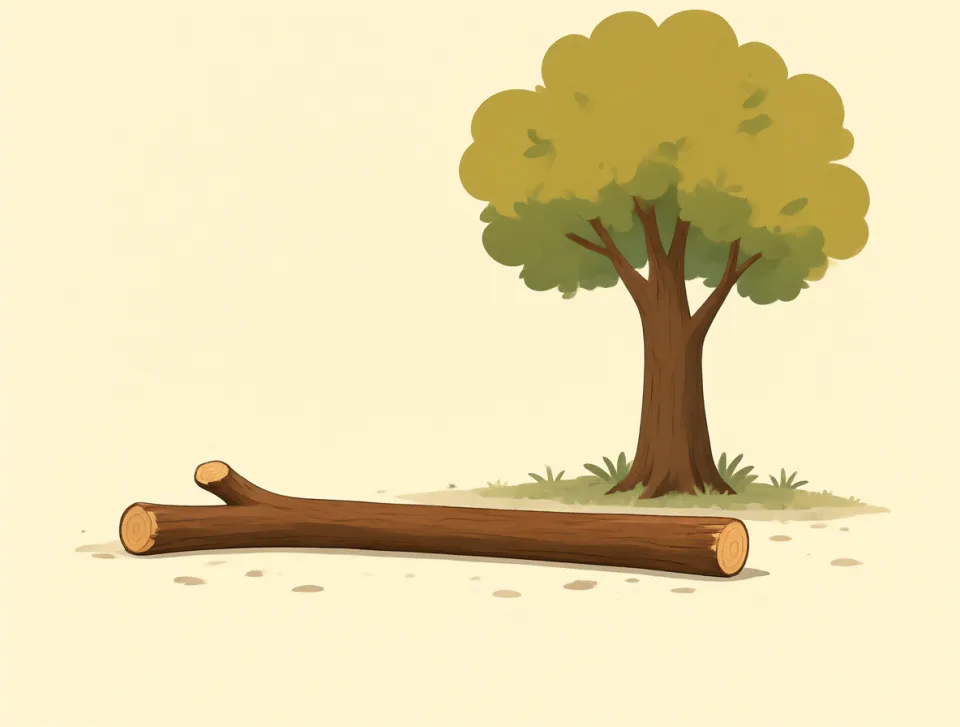
stick
#1010noun, verb
patyk; przyklejać, pozostawać, trzymać się
a thin piece of wood; to attach, remain, or follow something
Cienki kawałek drewna; przymocować coś, pozostać gdzieś lub trzymać się czegoś.
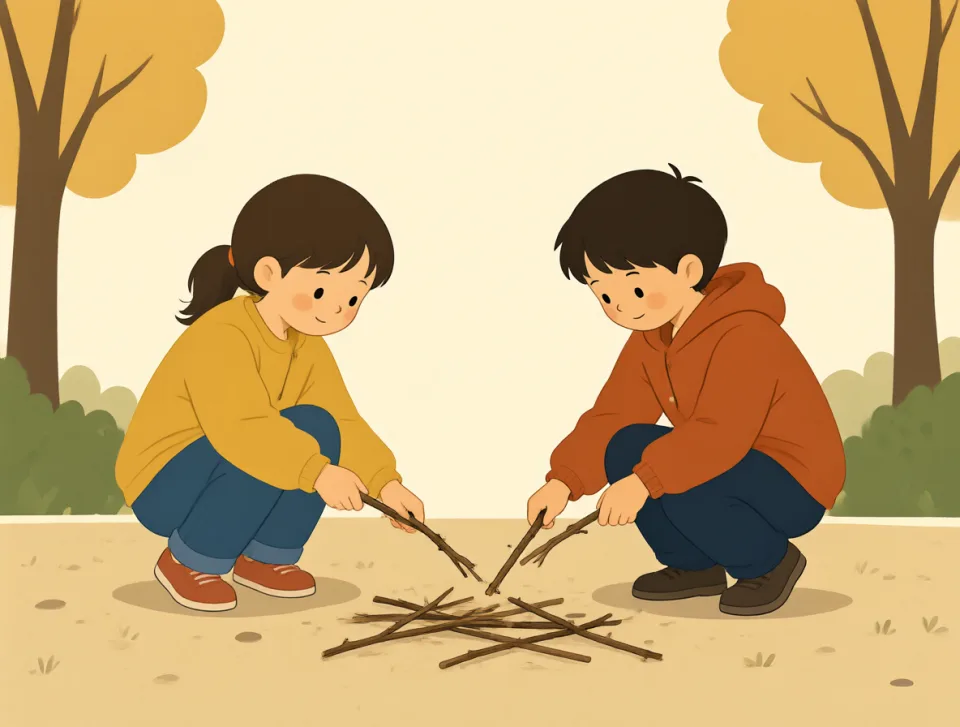
The children collected sticks in the park for a small fire.
Dzieci zbierały w parku patyki na małe ognisko.
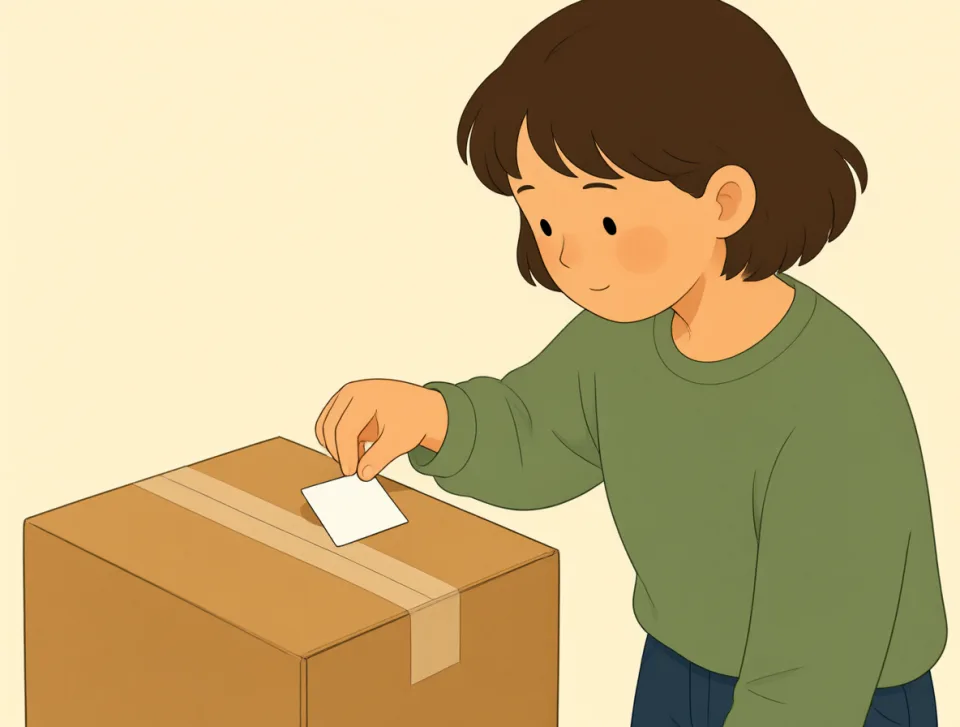
Please stick the label on the front of the box.
Proszę przykleić etykietę z przodu pudełka.
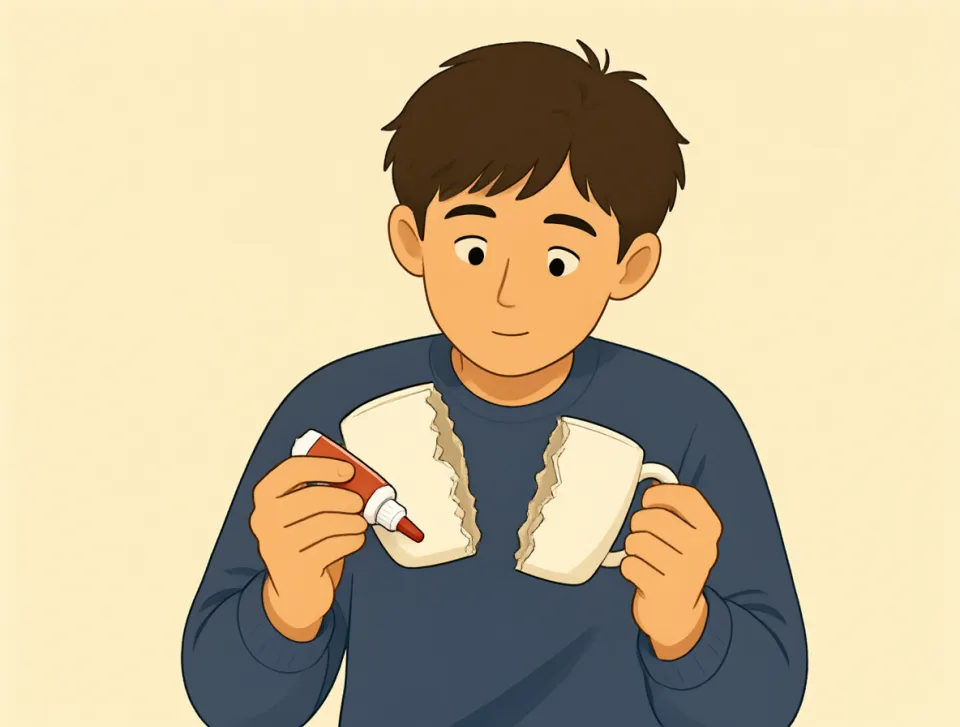
This glue will stick the broken pieces together.
Ten klej sklei połamane kawałki.
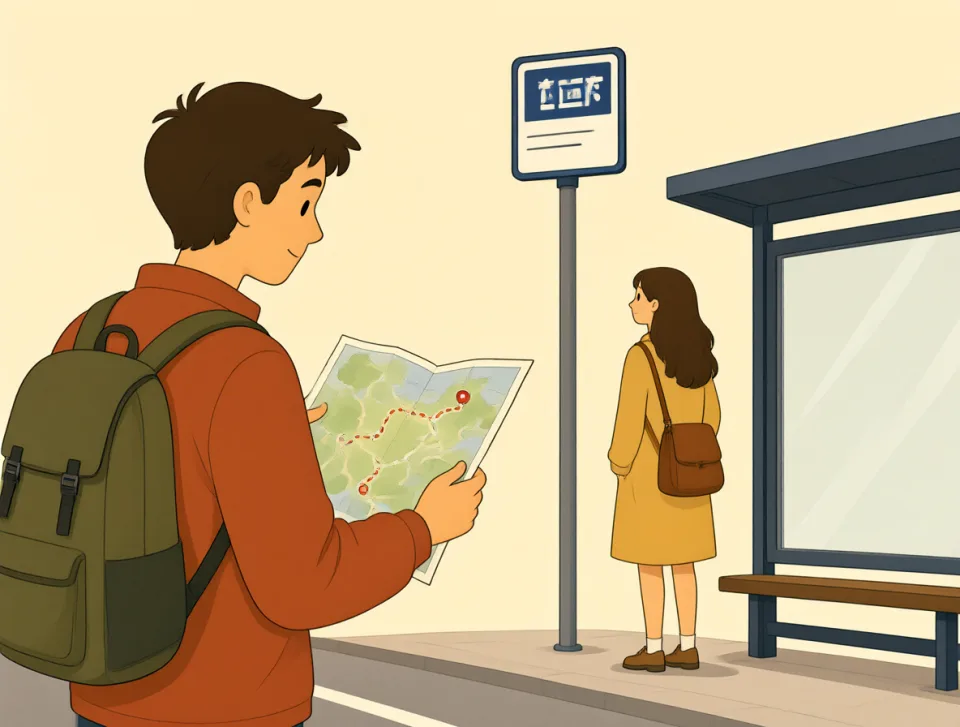
I missed the bus, so I stuck to my original travel plan.
Spóźniłem się na autobus, więc trzymałem się pierwotnego planu podróży.
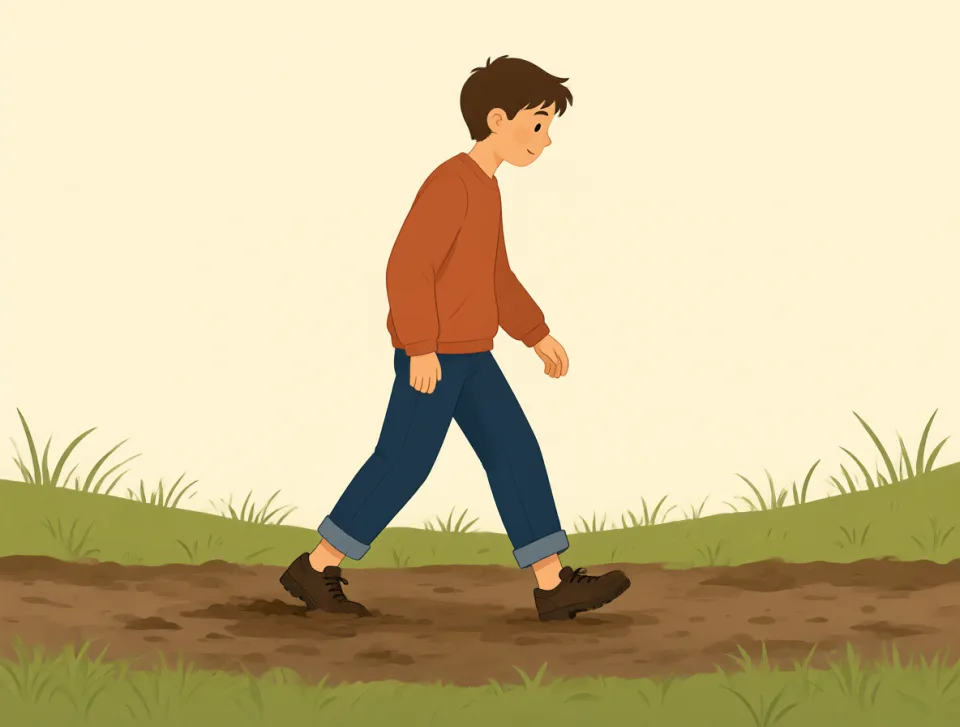
The muddy path made my shoes stick to the ground.
Błotnista ścieżka sprawiła, że moje buty przyklejały się do podłoża.

request
#1011noun, verb
prośba
a polite or formal ask for something, or to ask for something
uprzejma lub formalna prośba o coś albo poprosić o coś
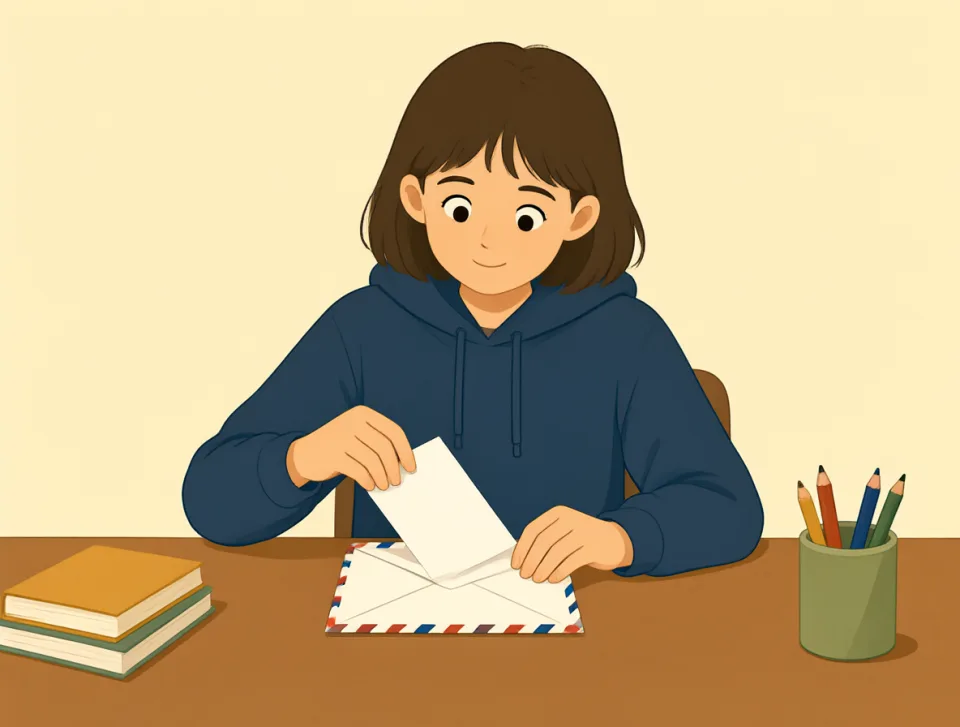
I sent a request for more information about the course.
Wysłałem prośbę o więcej informacji na temat kursu.
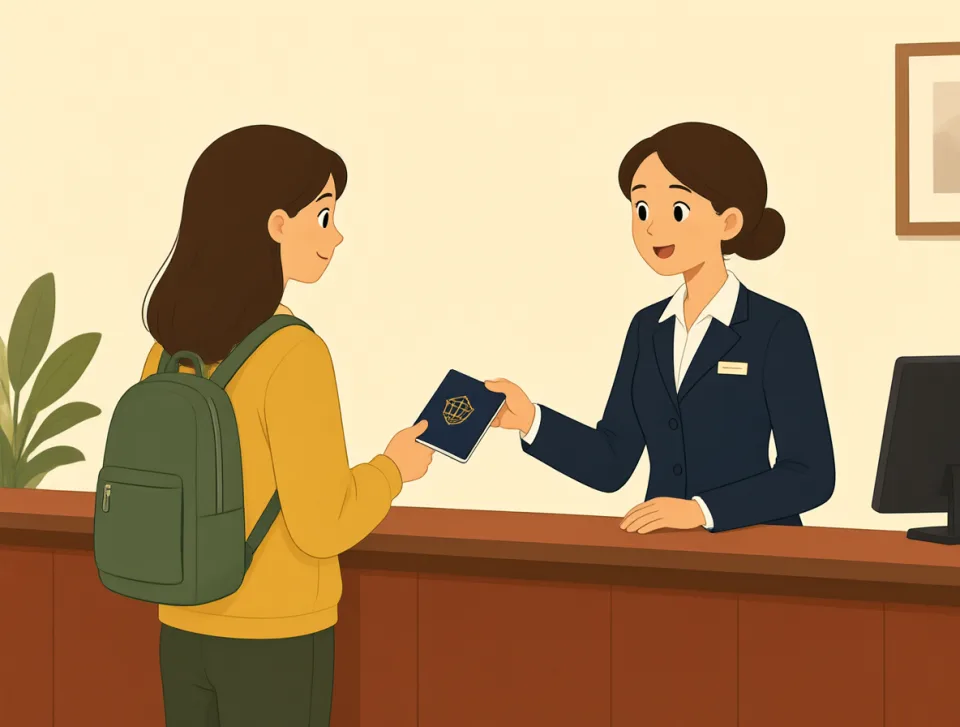
The hotel requested our passports at check-in.
Przy zameldowaniu w hotelu poproszono nas o paszporty.

She requested a glass of water with her meal.
Poprosiła do posiłku o szklankę wody.

Our teacher asked us to request permission before leaving.
Nauczyciel poprosił nas, żebyśmy przed wyjściem poprosili o pozwolenie.
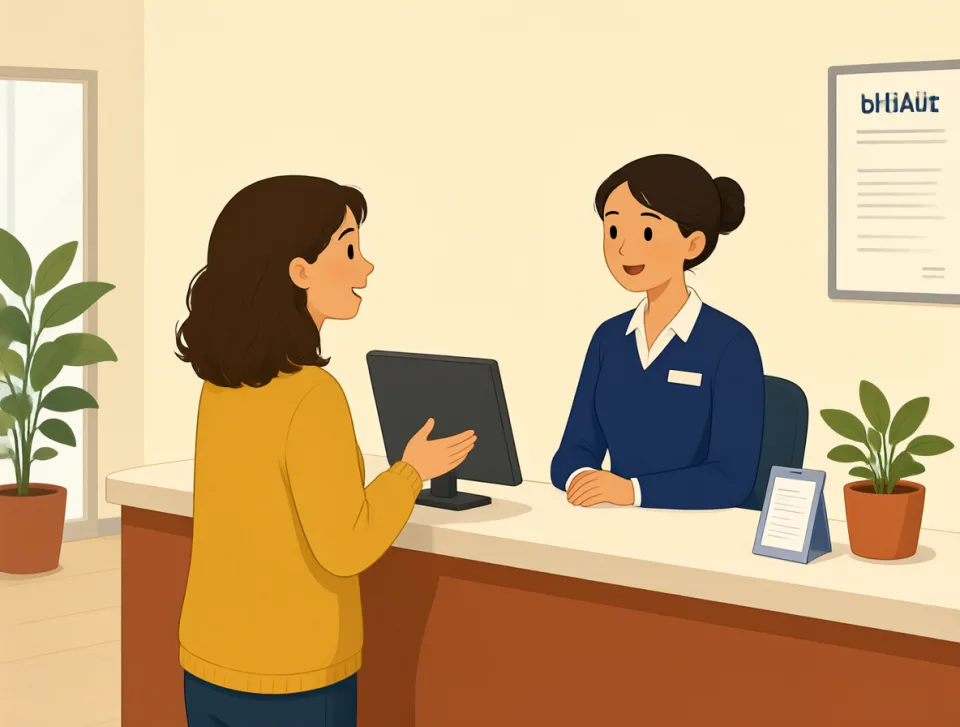
The patient requested an appointment with the doctor next week.
Pacjent poprosił o wizytę u lekarza w przyszłym tygodniu.
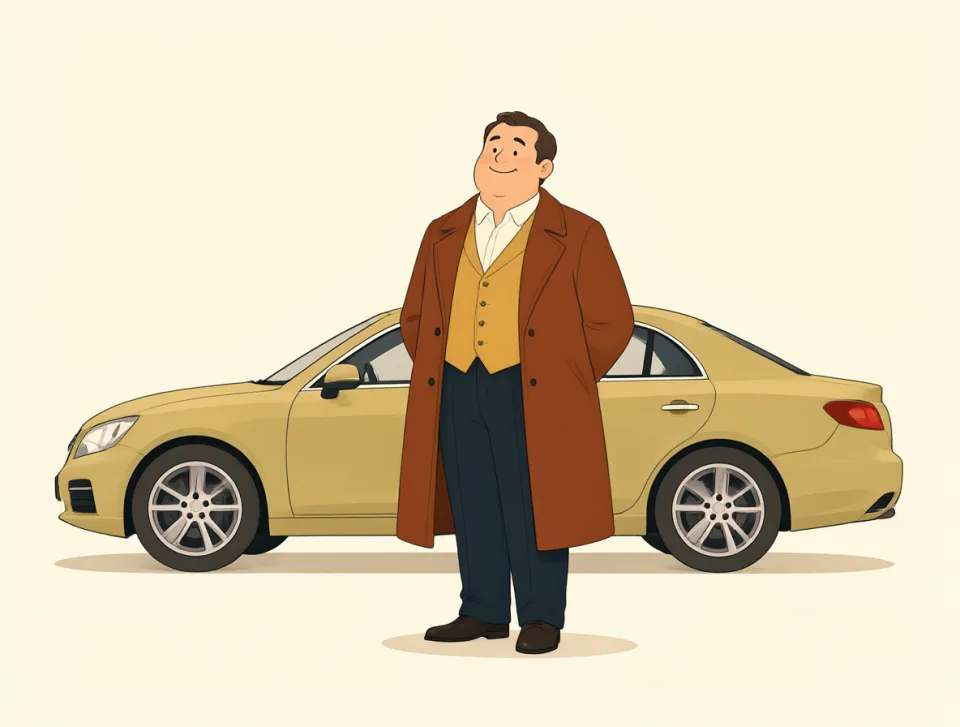
rich
#1012adjective, noun
bogaty
Having a lot of money, or containing a lot of a valuable or pleasant quality.
Mający dużo pieniędzy albo zawierający dużo cennej lub przyjemnej cechy.

She grew up in a rich family near the city.
Dorastała w zamożnej rodzinie niedaleko miasta.
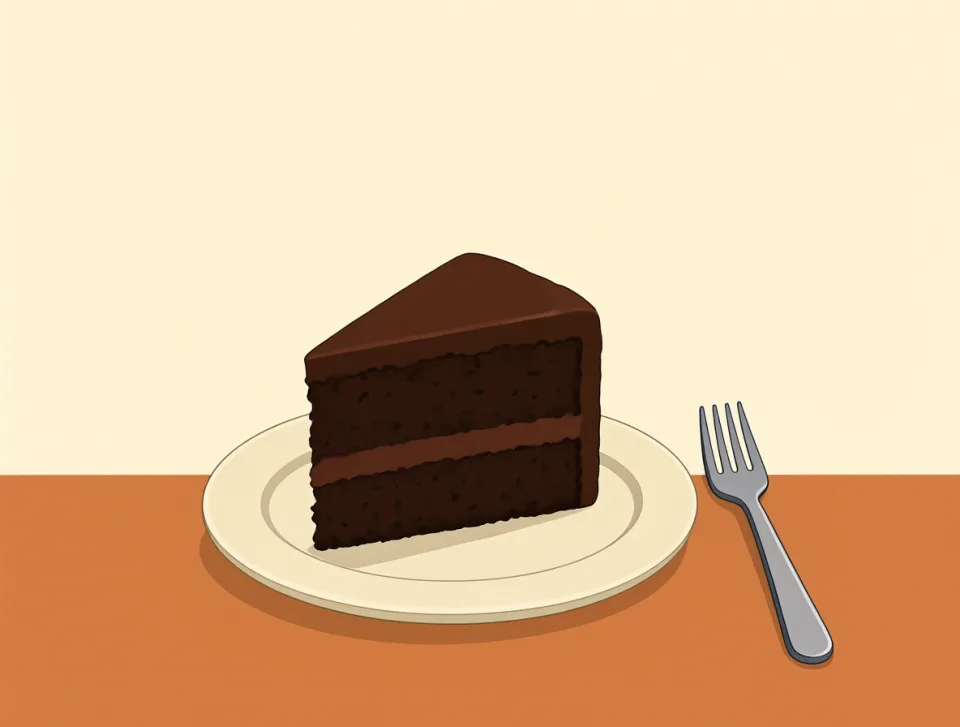
This chocolate cake is rich and very filling.
To ciasto czekoladowe jest bardzo sycące i ciężkie.
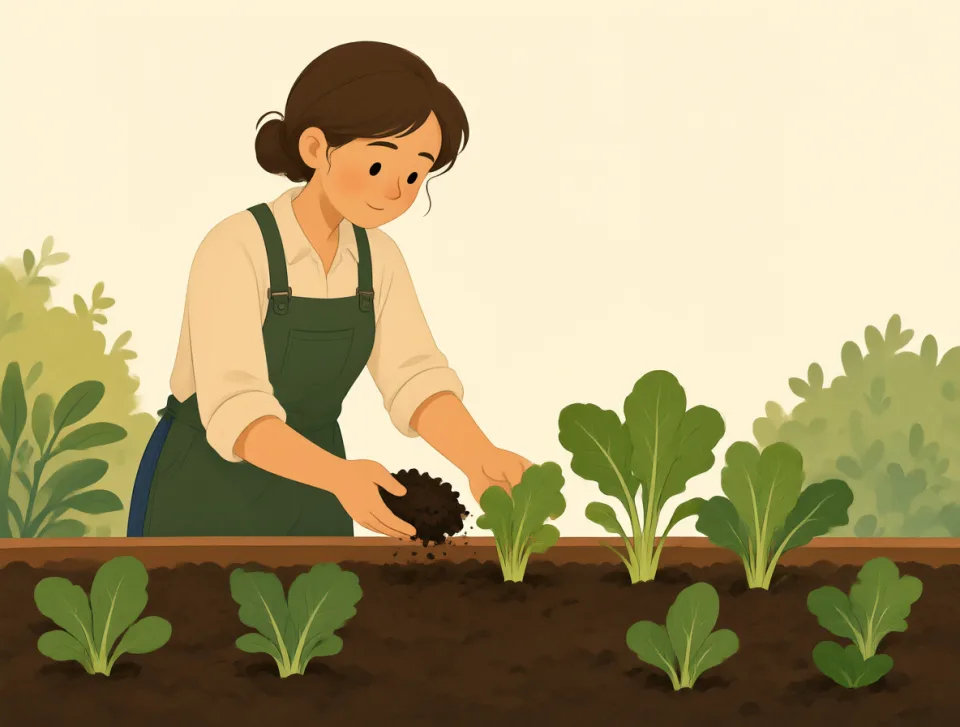
The soil here is rich, so vegetables grow quickly.
Gleba jest tu żyzna, więc warzywa szybko rosną.

The country is rich in natural resources.
Ten kraj jest bogaty w zasoby naturalne.
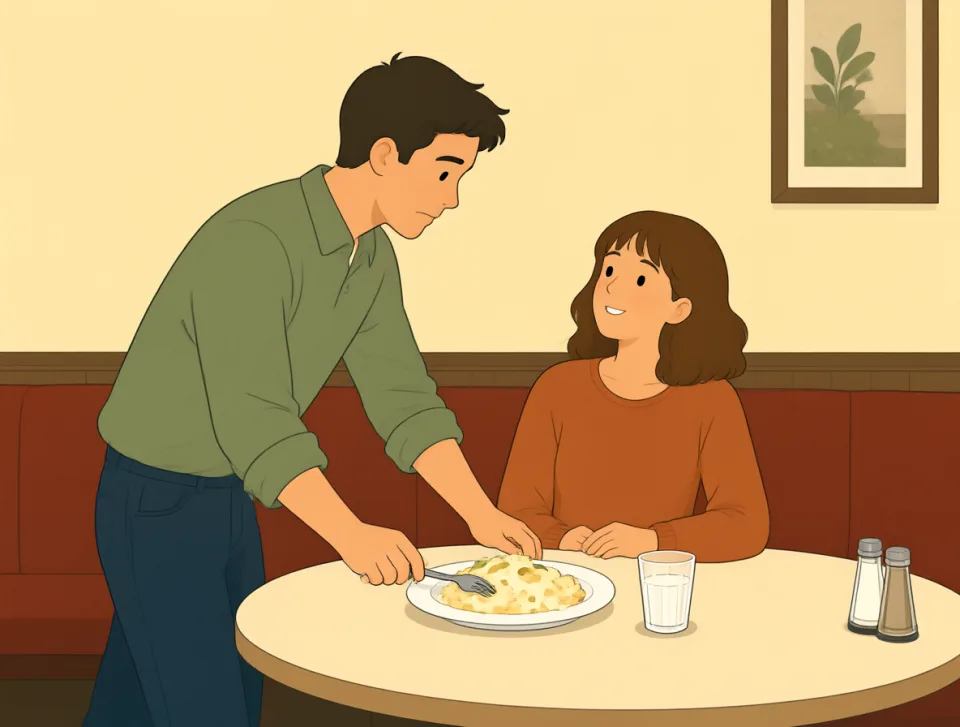
The sauce tastes too rich for me after a large meal.
Po obfitym posiłku ten sos jest dla mnie zbyt ciężki.
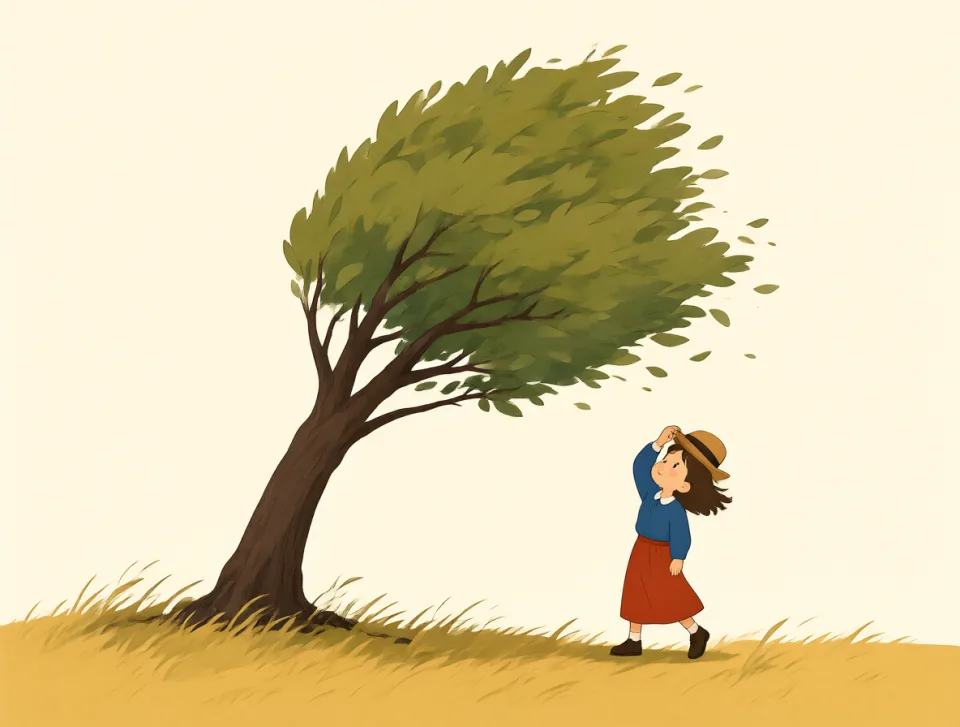
wind
#1013noun, verb
wiatr
Moving air, or to turn something around and around.
Poruszające się powietrze albo owijać coś wokół czegoś.
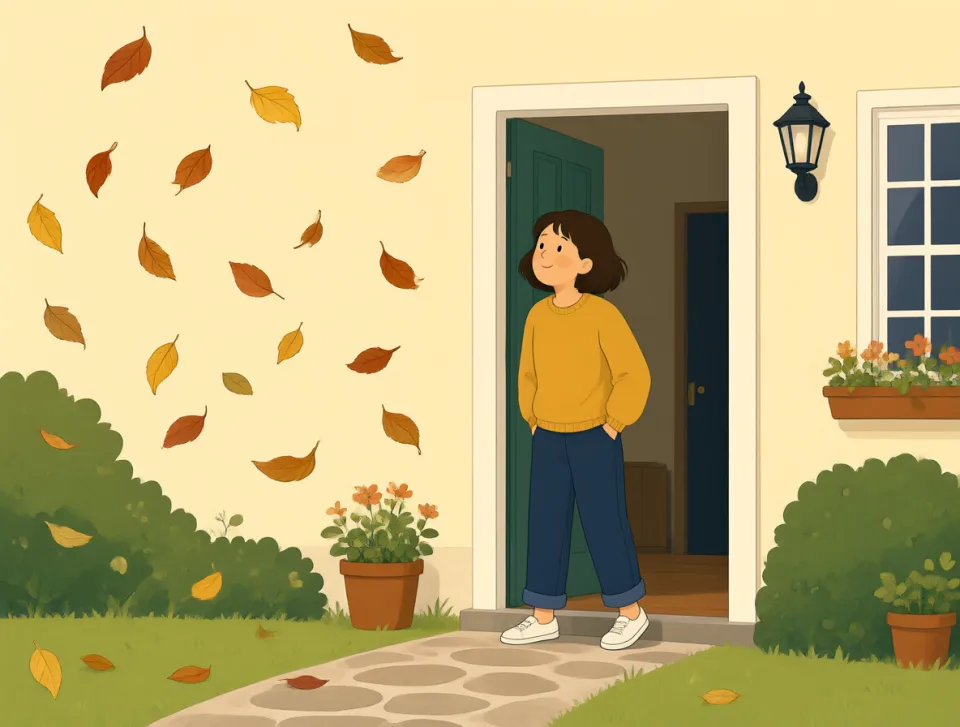
The strong wind blew leaves across the garden.
Silny wiatr rozwiewał liście po ogrodzie.

Please close the window because the wind is cold.
Proszę zamknąć okno, bo wieje zimny wiatr.

We walked along the beach in the warm evening wind.
Spacerowaliśmy wzdłuż plaży w ciepłym wieczornym wietrze.
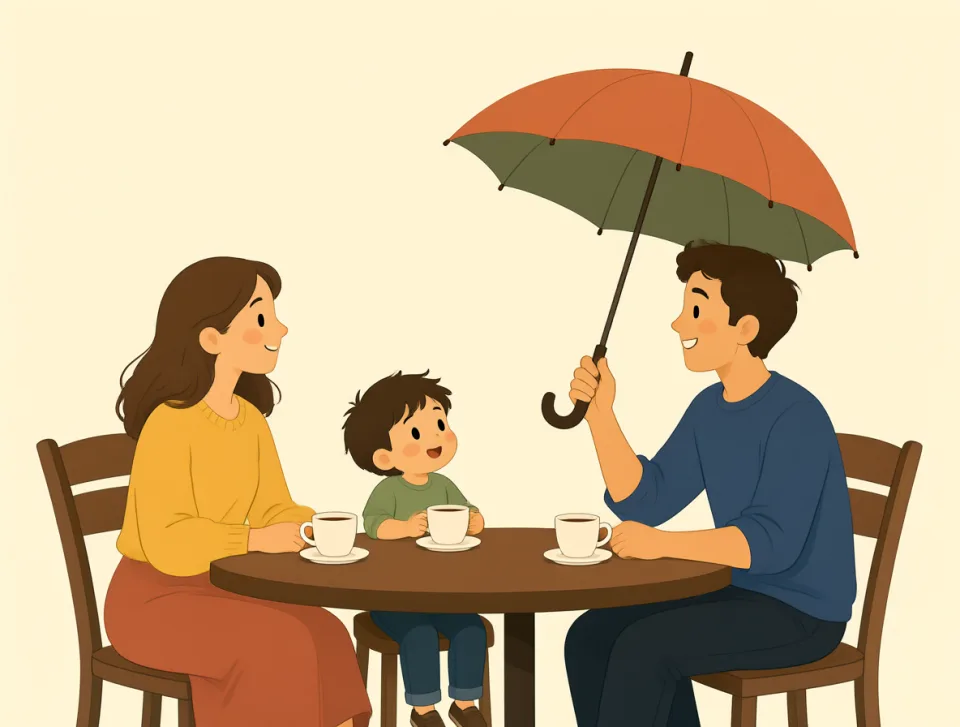
The wind knocked over our umbrella during lunch.
Podczas lunchu wiatr przewrócił nasz parasol.
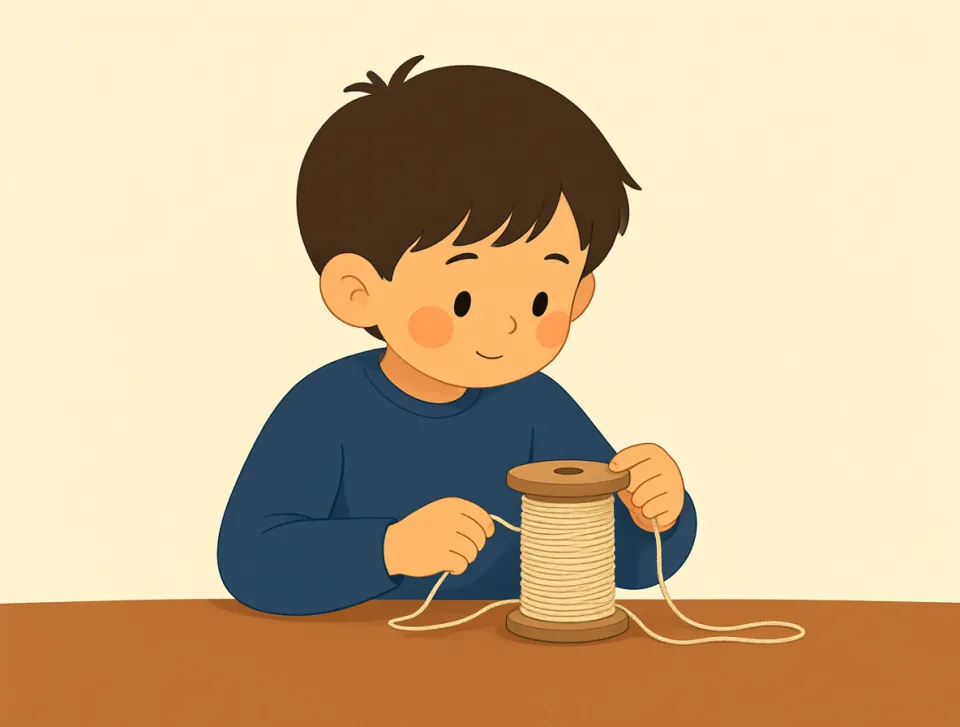
Wind the string around the wooden spool carefully.
Ostrożnie nawiń sznurek na drewnianą szpulkę.
none
#1014pronoun, determiner
żaden
Not any person or thing; not one of a group.
Żadna osoba ani żadna rzecz; ani jedna z grupy.
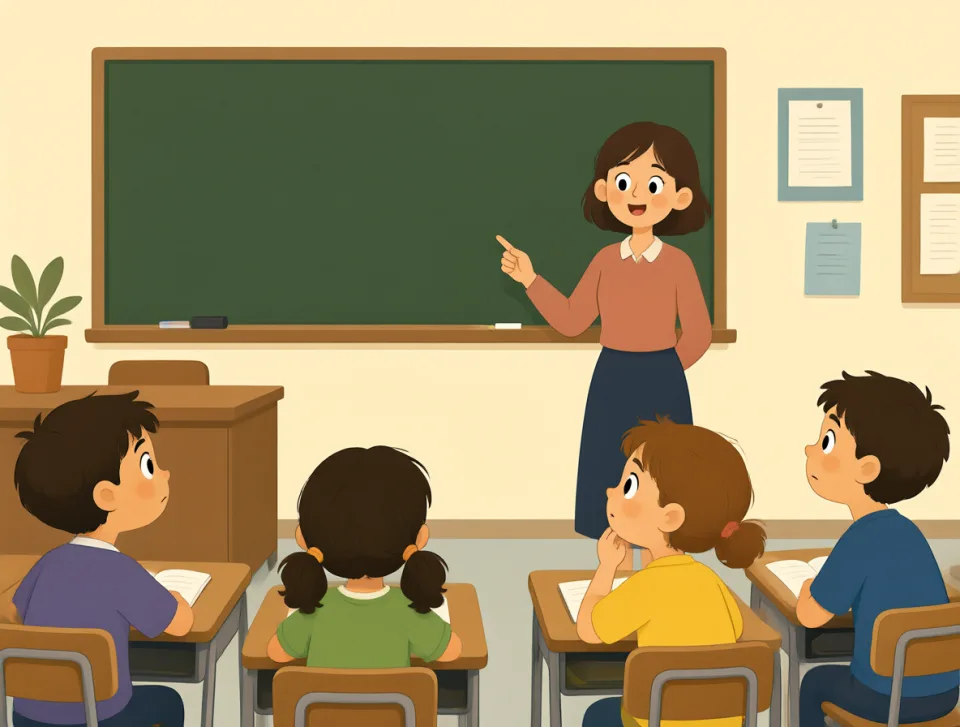
None of the students knew the answer.
Żaden z uczniów nie znał odpowiedzi.
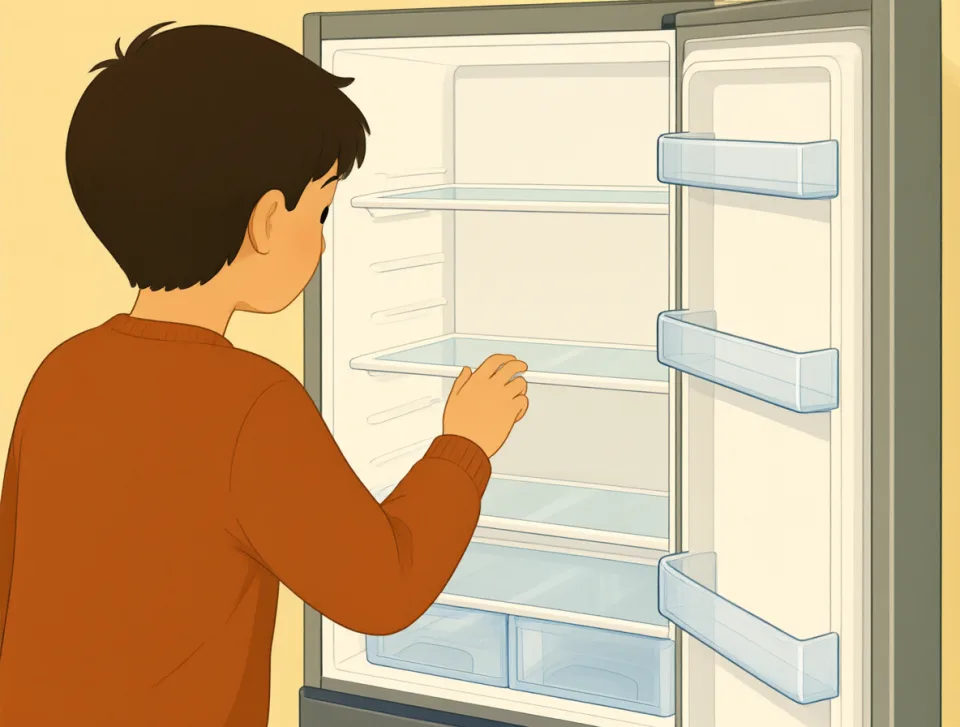
There is none left in the refrigerator.
W lodówce nic już nie zostało.
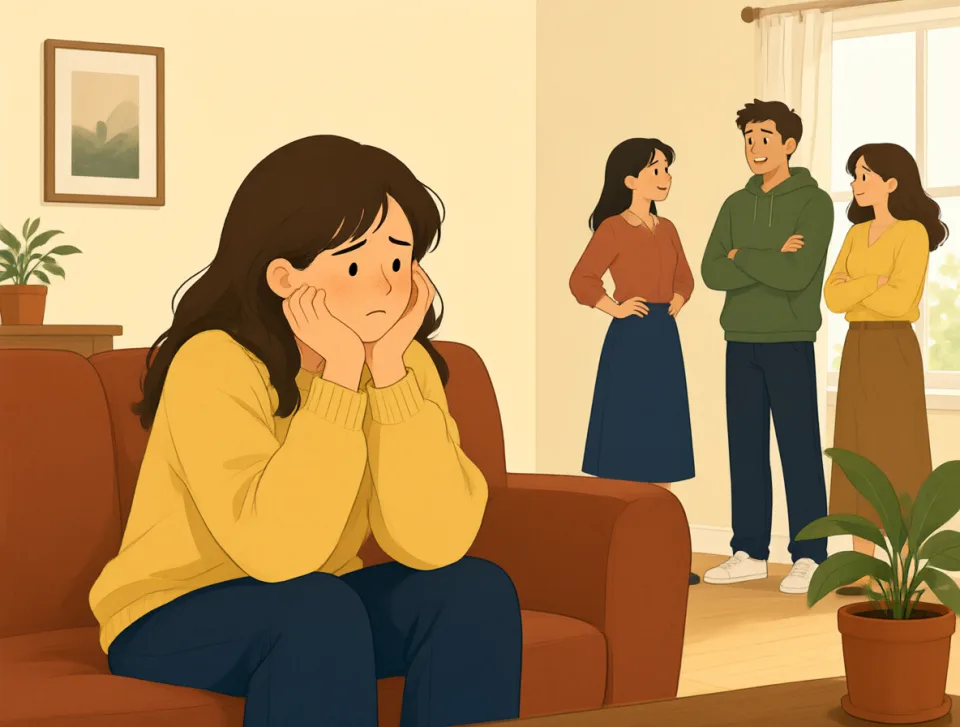
None of my friends can come tonight.
Żaden z moich znajomych nie może dziś wieczorem przyjść.
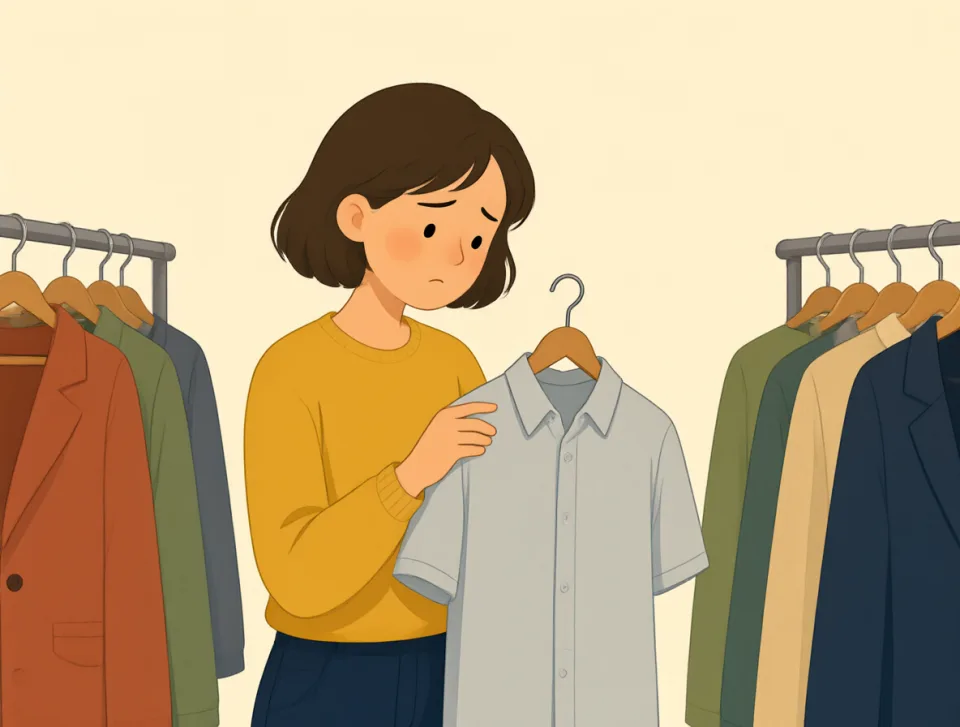
I checked three shops, but none had my size.
Sprawdziłem trzy sklepy, ale w żadnym nie było mojego rozmiaru.
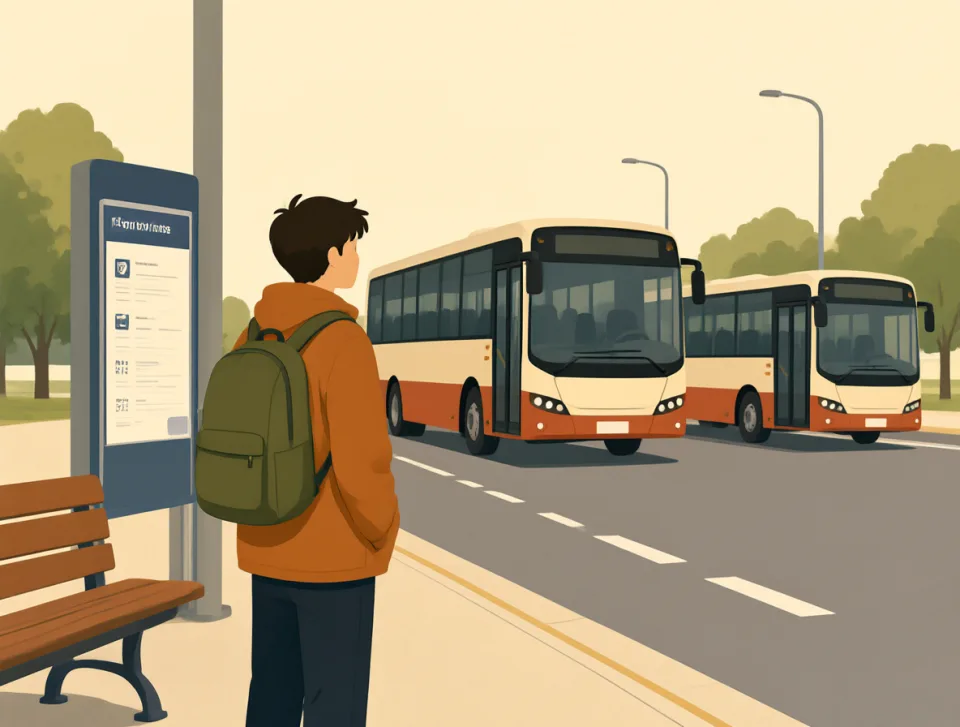
None of the buses stopped at the station.
Żaden z autobusów nie zatrzymał się na stacji.
exchange
#1015noun, verb
wymieniać
To give something and receive something similar in return.
Dać coś i otrzymać w zamian coś podobnego.
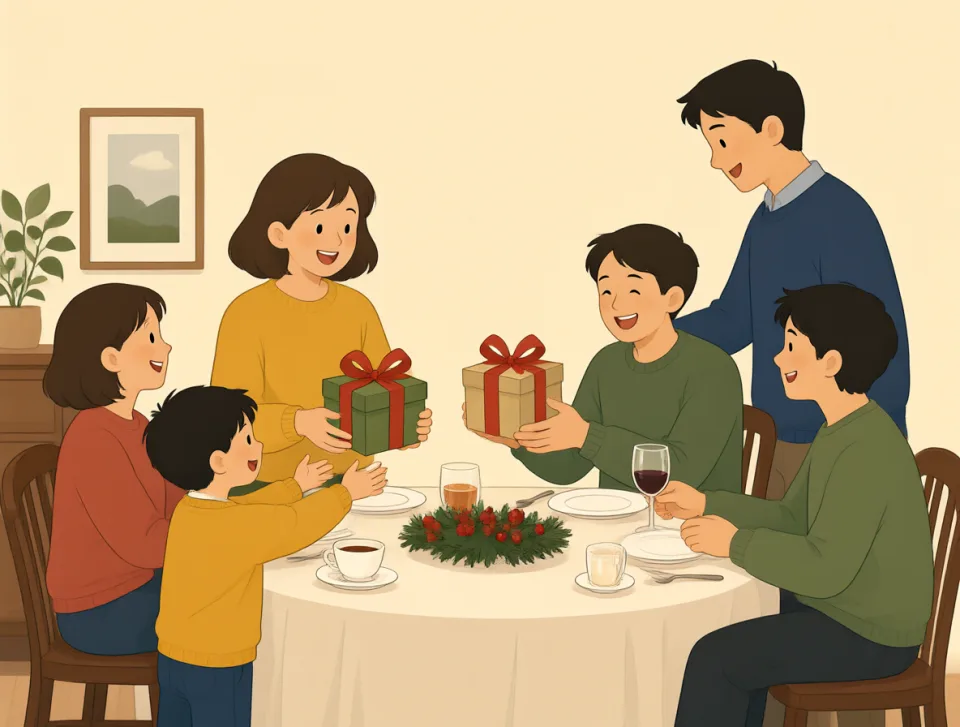
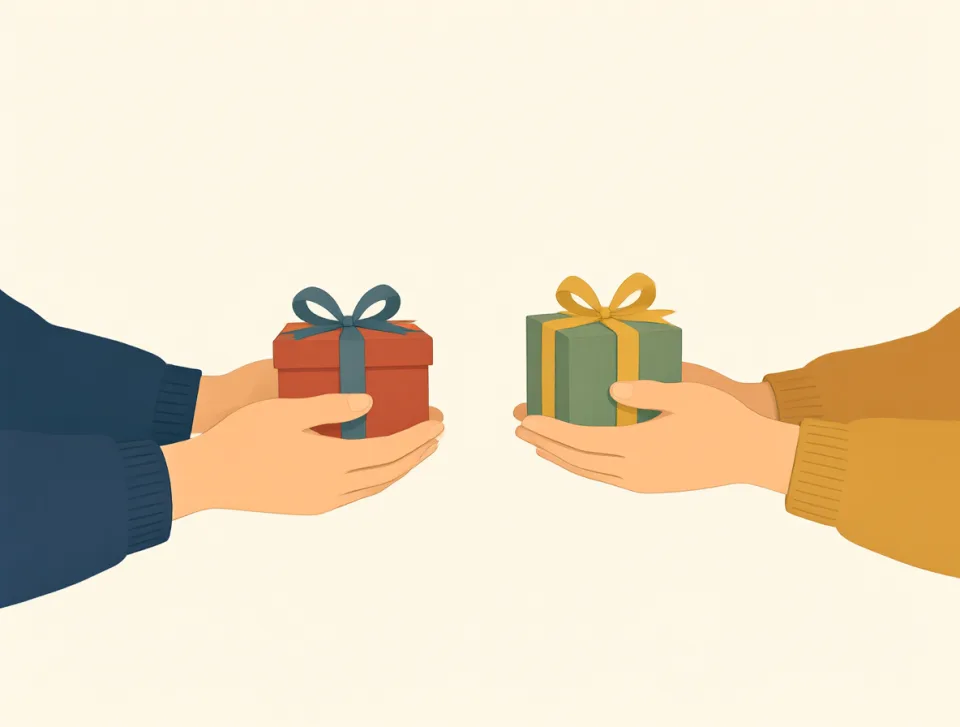
We exchanged gifts after dinner with our family.
Po kolacji wymieniliśmy się prezentami z rodziną.
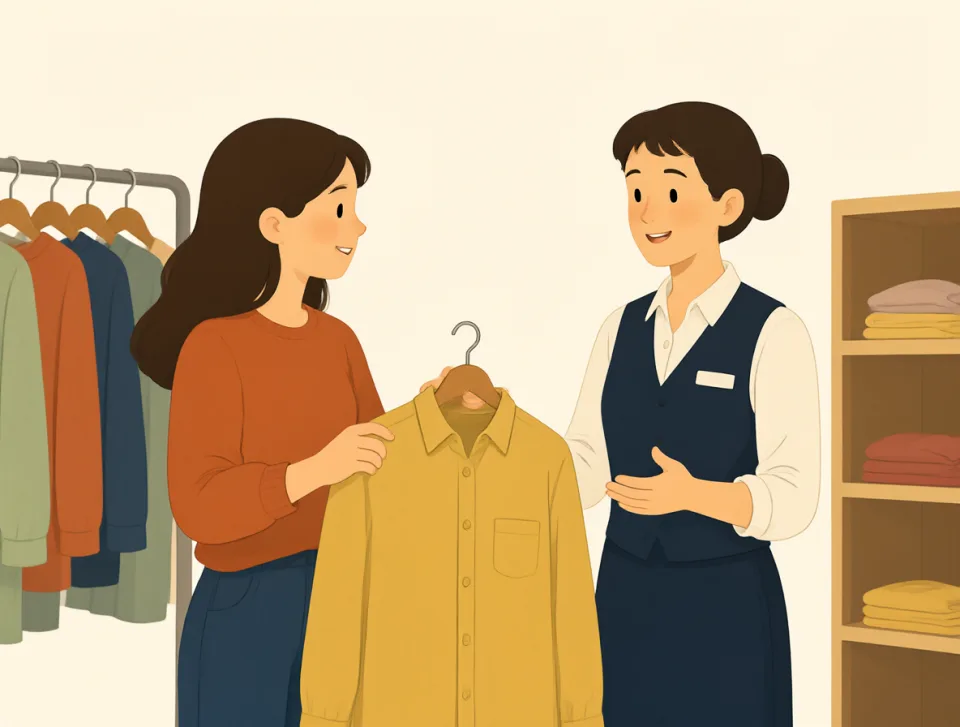
Can I exchange this shirt for a larger size?
Czy mogę wymienić tę koszulę na większy rozmiar?
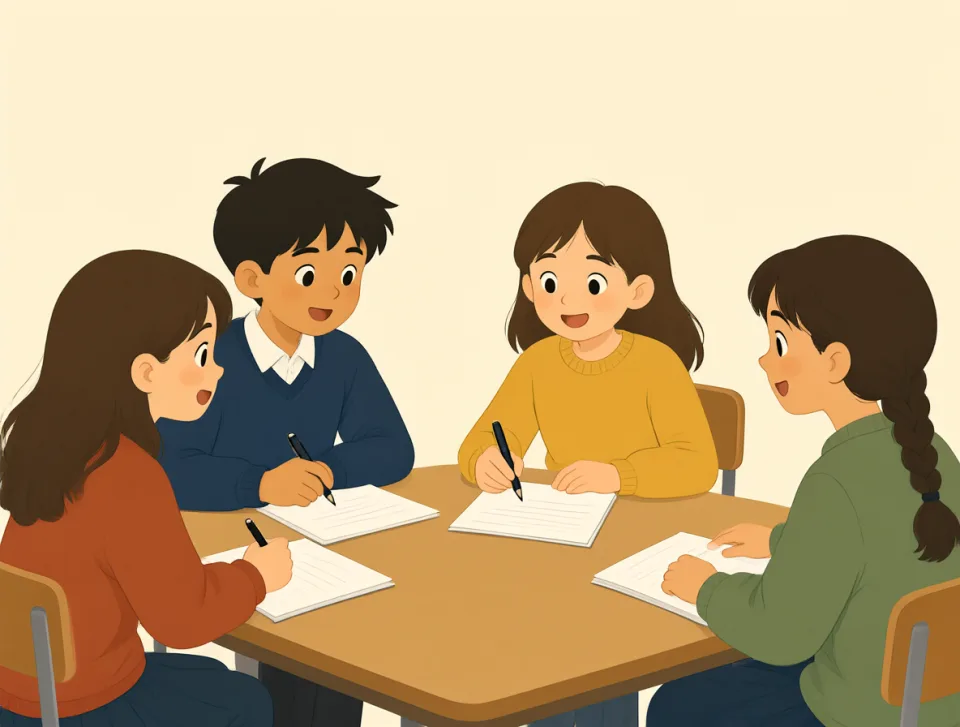
The students exchanged ideas during the group project.
Uczniowie wymieniali się pomysłami podczas pracy grupowej.
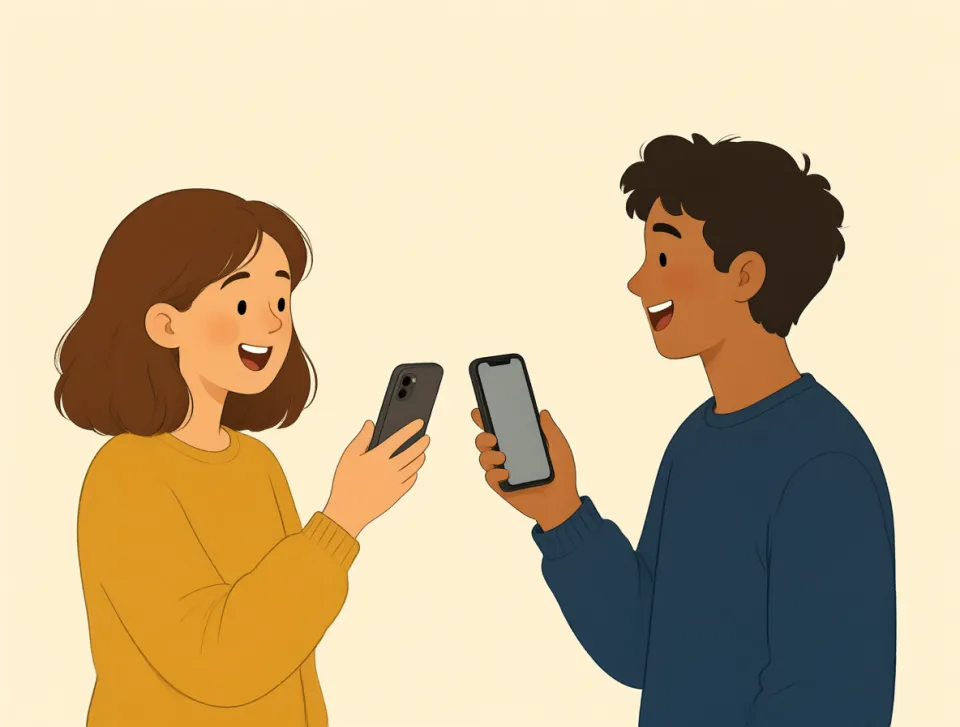
They exchanged phone numbers before leaving the party.
Przed wyjściem z imprezy wymienili się numerami telefonów.
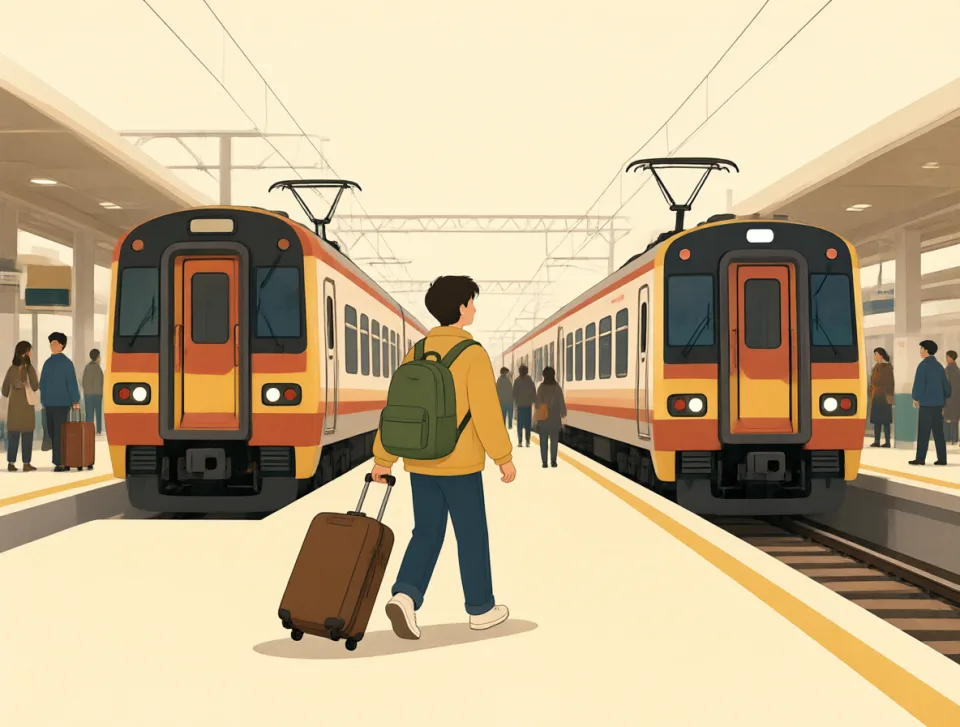
Our train changed at the exchange station in the city.
W mieście przesiadaliśmy się na stacji przesiadkowej.
budget
#1016noun, verb
budżet
A plan for spending limited money; to plan how to spend limited money.
Plan wydawania ograniczonych środków; planować, jak wydać ograniczone środki.
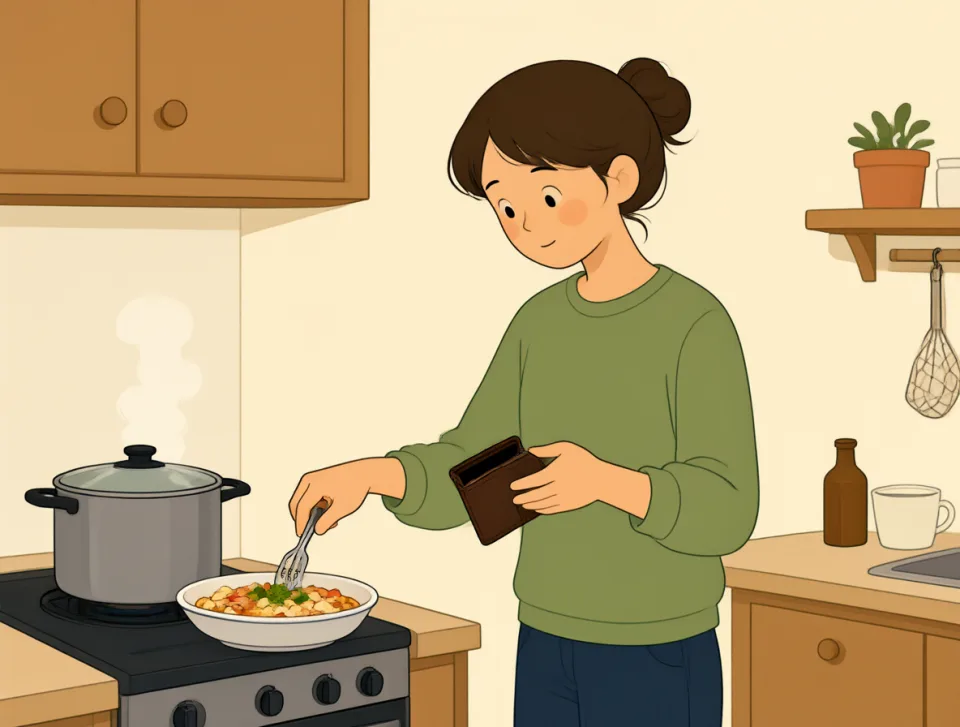
I am on a tight budget, so I cook at home.
Mam ograniczony budżet, więc gotuję w domu.
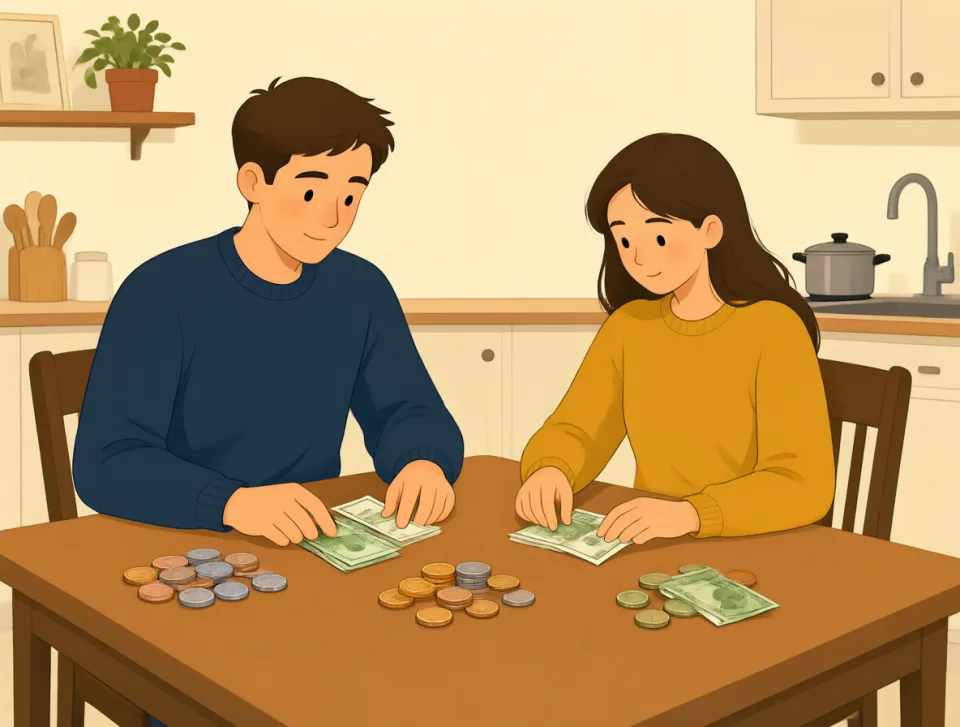
We need to make a budget for next month.
Musimy przygotować budżet na przyszły miesiąc.
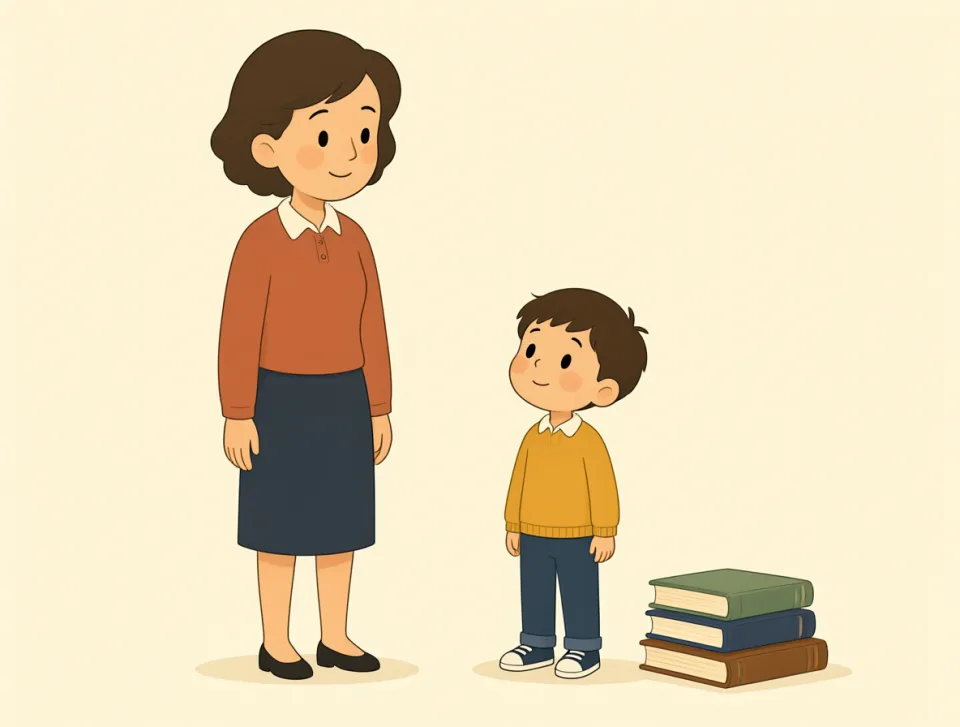
The school has a small budget for new books.
Szkoła ma niewielki budżet na nowe książki.

This hotel is perfect for travelers on a budget.
Ten hotel jest idealny dla osób podróżujących z ograniczonym budżetem.
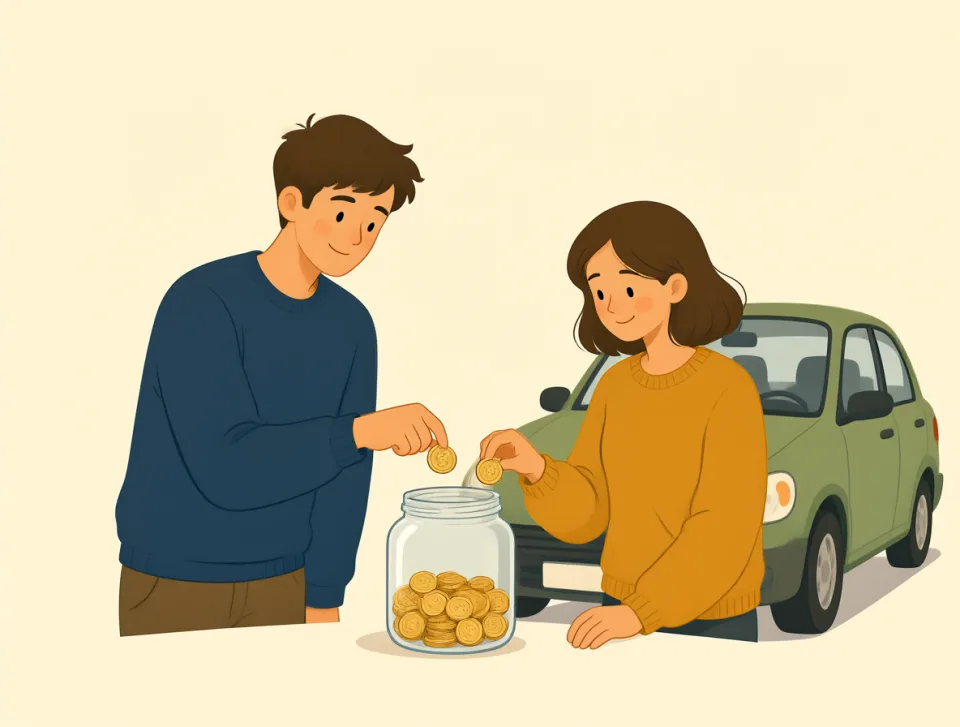
We are budgeting carefully to save for a new car.
Oszczędnie planujemy wydatki, żeby zaoszczędzić na nowy samochód.

famous
#1017adjective
sławny
Known by many people because of great success, talent, or importance.
Znany wielu osobom dzięki dużym osiągnięciom, talentowi lub znaczeniu.

She became famous after singing on a television show.
Stała się sławna po występie w programie telewizyjnym.
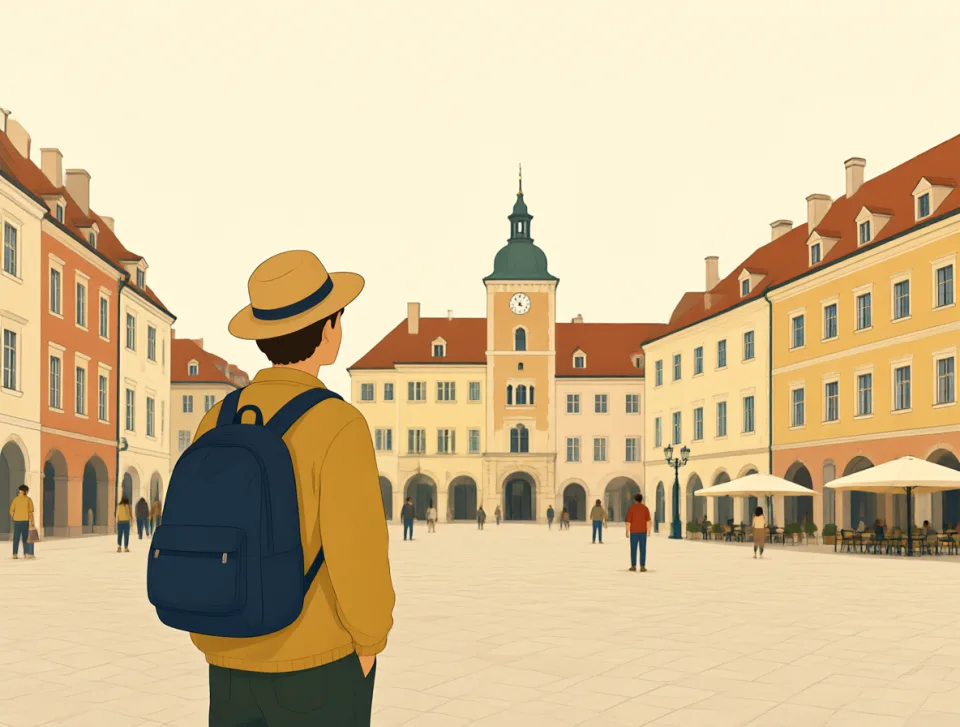
This city is famous for its beautiful old buildings.
To miasto słynie z pięknych, starych budynków.
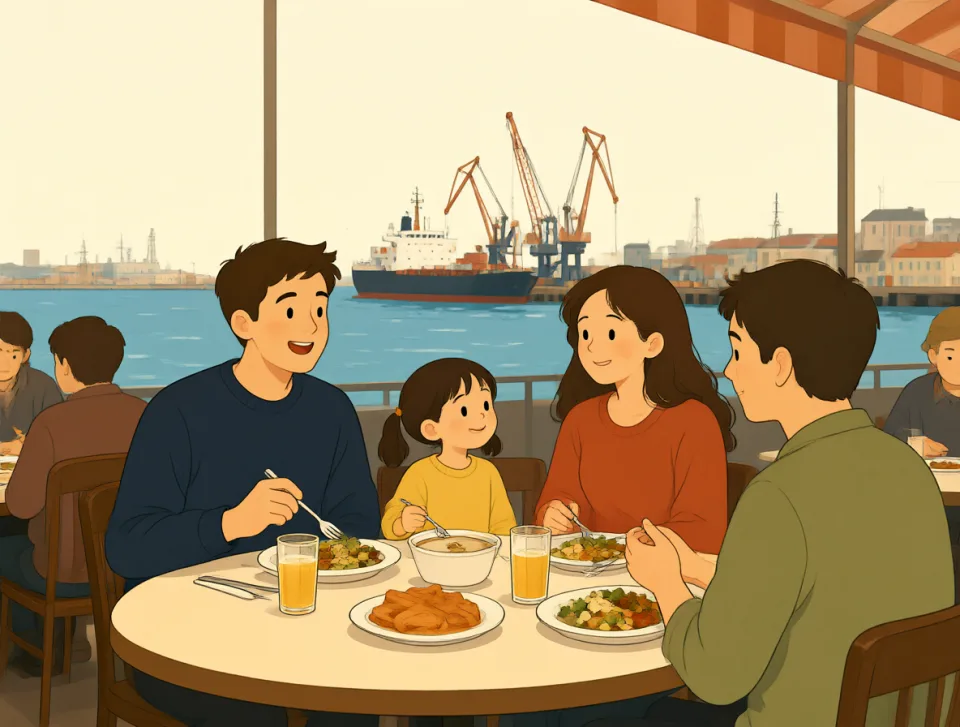
We ate at a famous restaurant near the harbor.
Zjedliśmy posiłek w słynnej restauracji niedaleko portu.
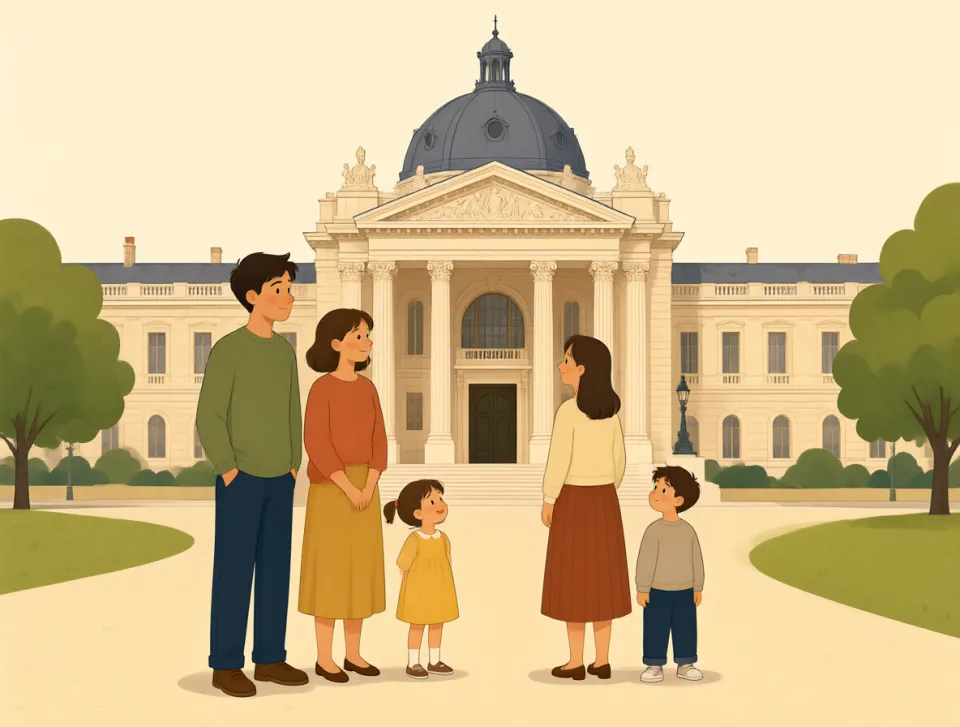
My brother wants to visit the famous museum in Paris.
Mój brat chce odwiedzić słynne muzeum w Paryżu.
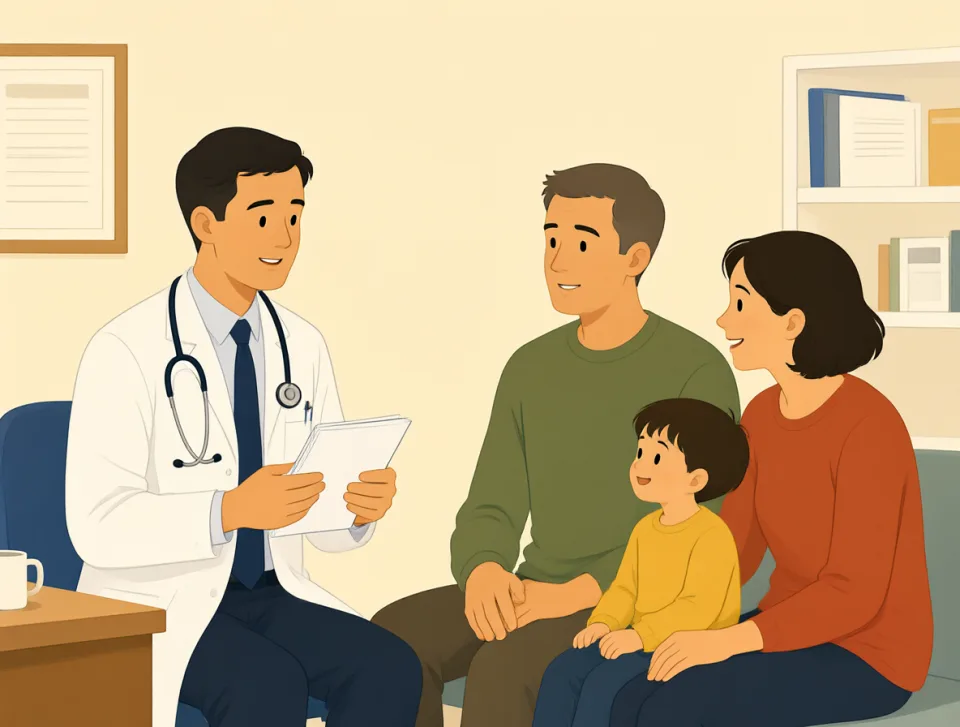
The doctor gave us advice from a famous health expert.
Lekarz udzielił nam porady znanego eksperta ds. zdrowia.
blood
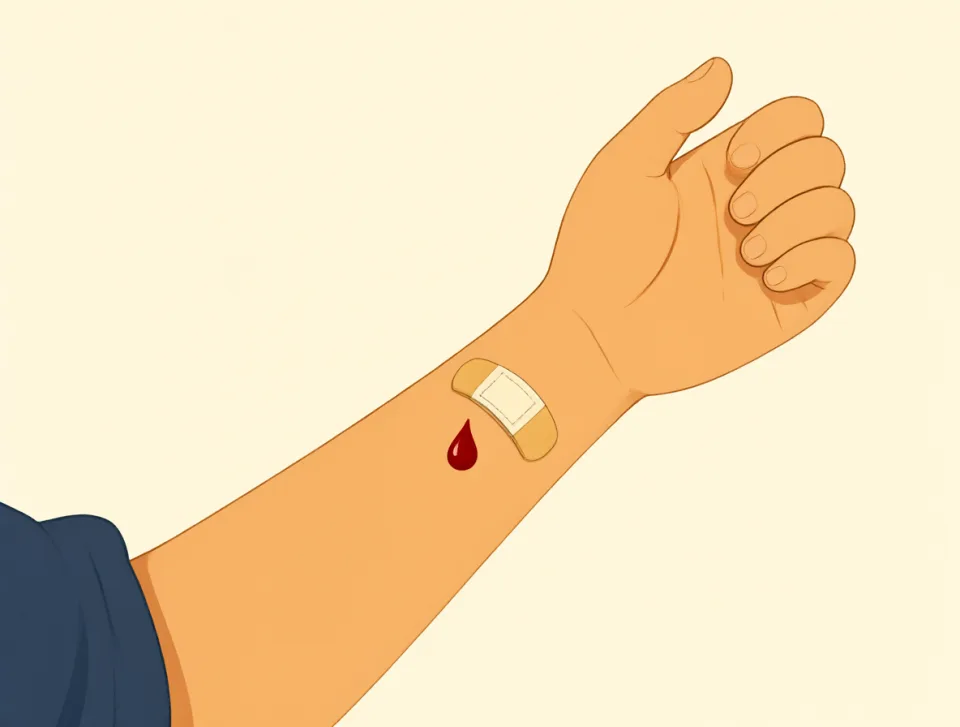
#1018noun
krew
The red liquid that flows through your body and carries oxygen.
Czerwony płyn, który krąży w organizmie i transportuje tlen.
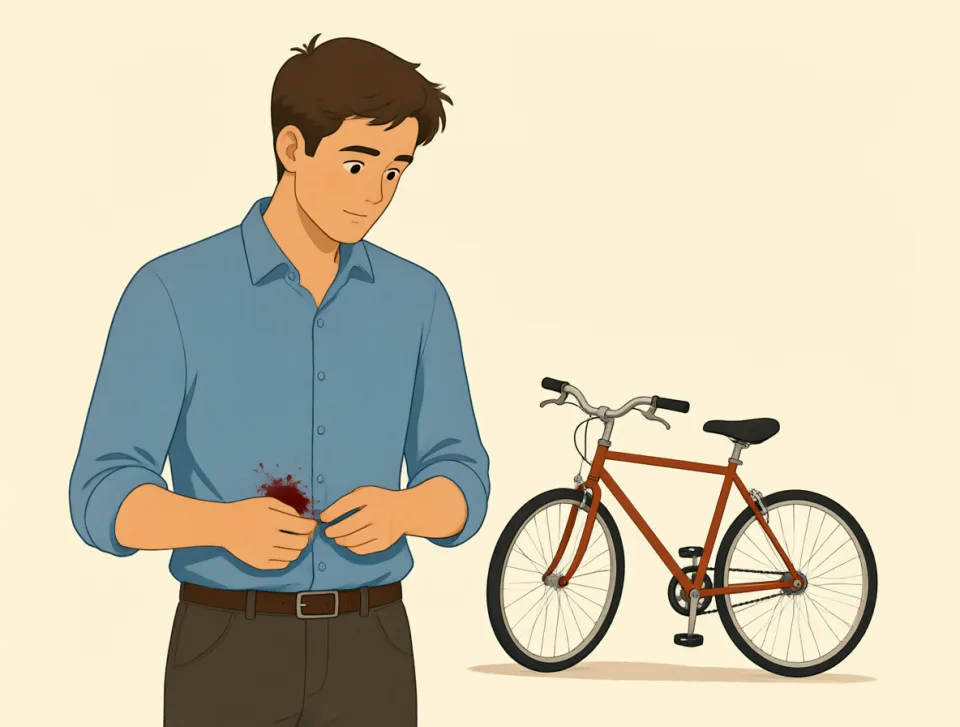
There was blood on his shirt after the accident.
Po wypadku na jego koszuli była krew.
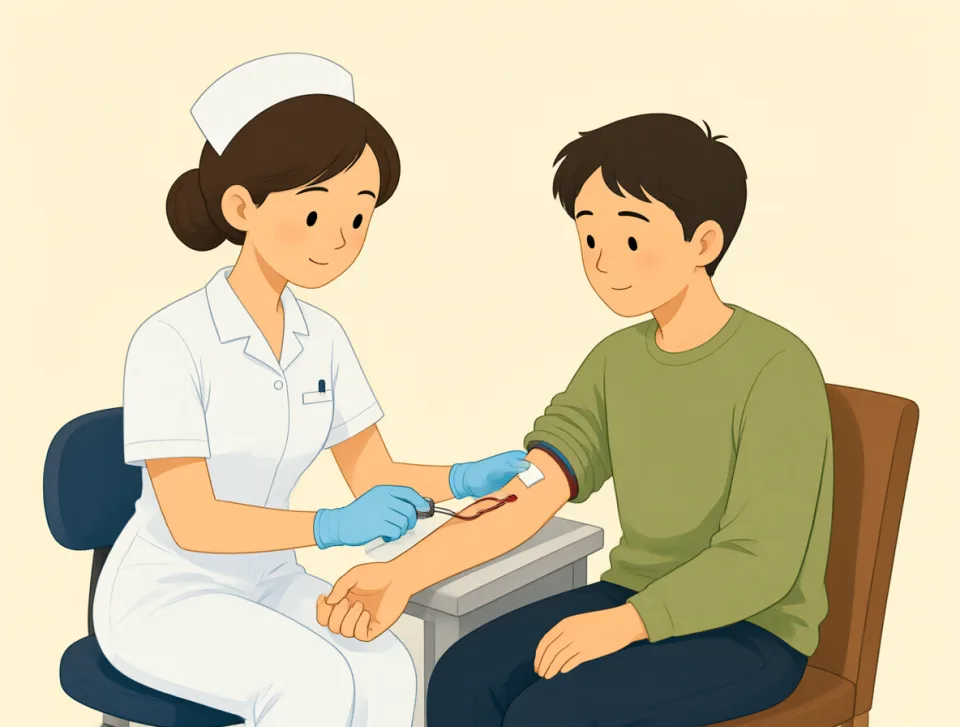
The nurse took a blood sample from my arm.
Pielęgniarka pobrała mi próbkę krwi z ramienia.
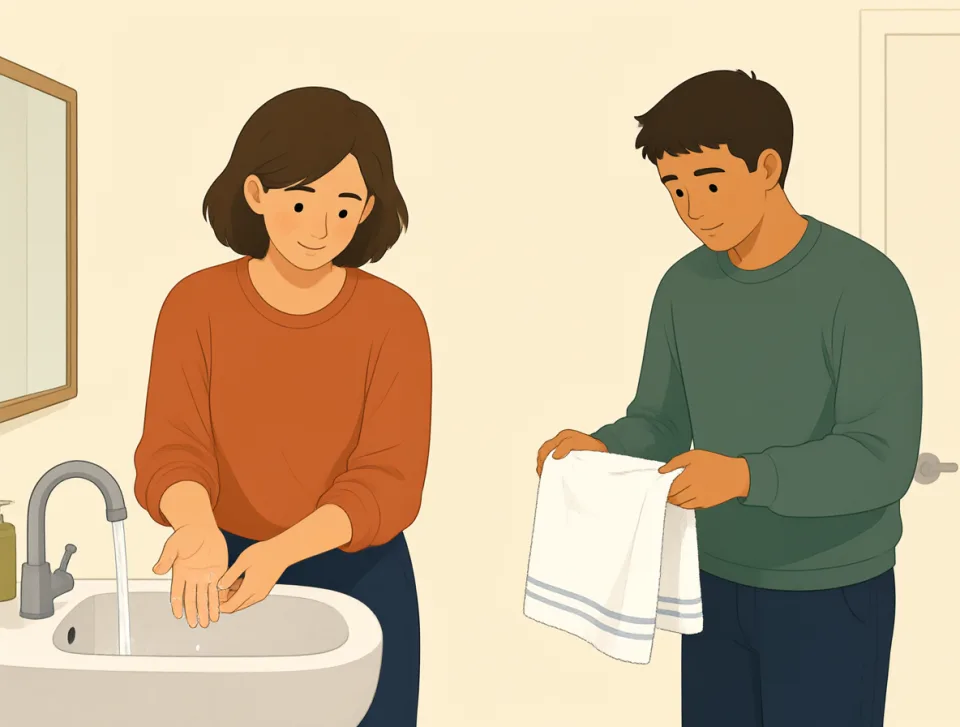
She lost a lot of blood after cutting her hand.
Po skaleczeniu dłoni straciła dużo krwi.

Blood relatives often share similar eyes and hair.
Krewni często mają podobne oczy i włosy.
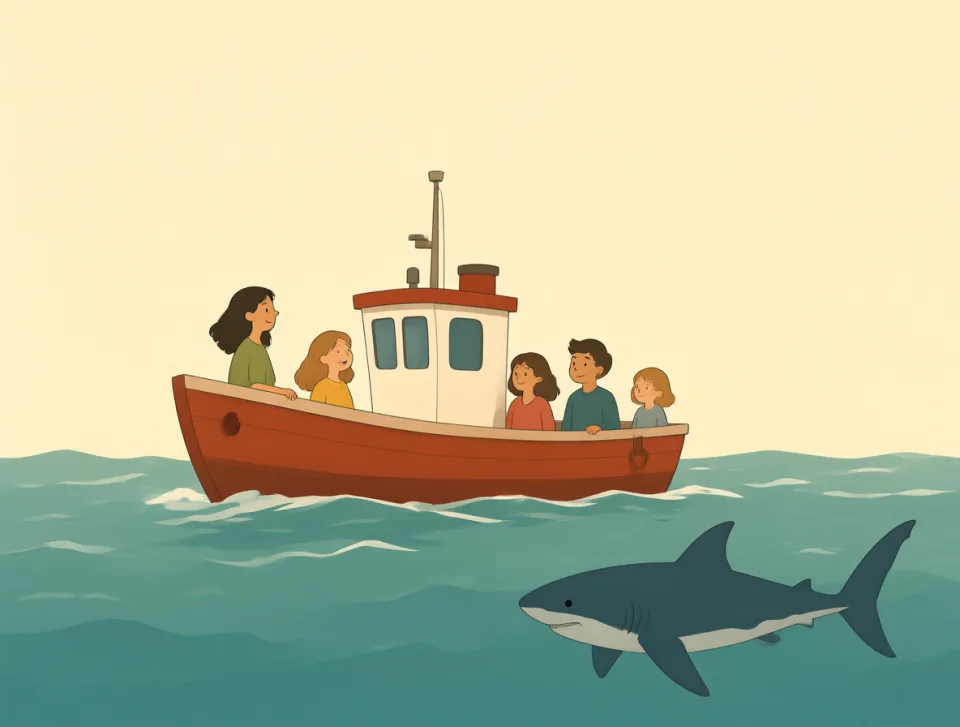
The smell of blood attracted a shark near the boat.
Zapach krwi zwabił rekina w pobliże łodzi.
appropriate
#1019adjective
odpowiedni
Suitable or right for a particular person, place, situation, or purpose.
Pasujący do danej osoby, miejsca, sytuacji lub celu.
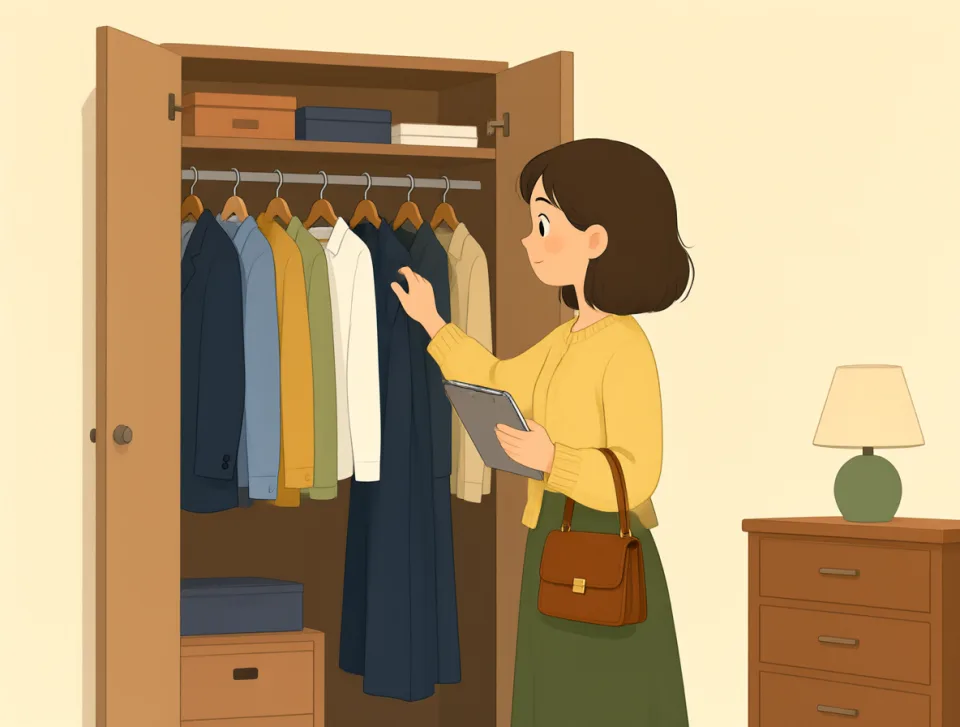
Please wear appropriate clothes for the job interview.
Proszę założyć odpowiedni strój na rozmowę kwalifikacyjną.
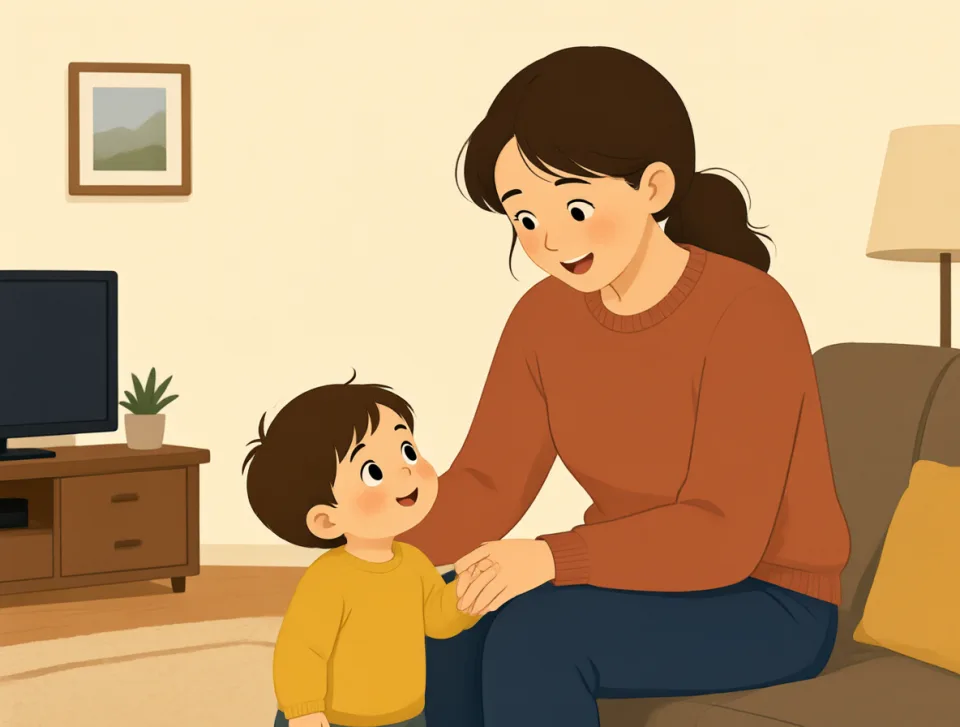
This movie is not appropriate for young children.
Ten film nie jest odpowiedni dla małych dzieci.
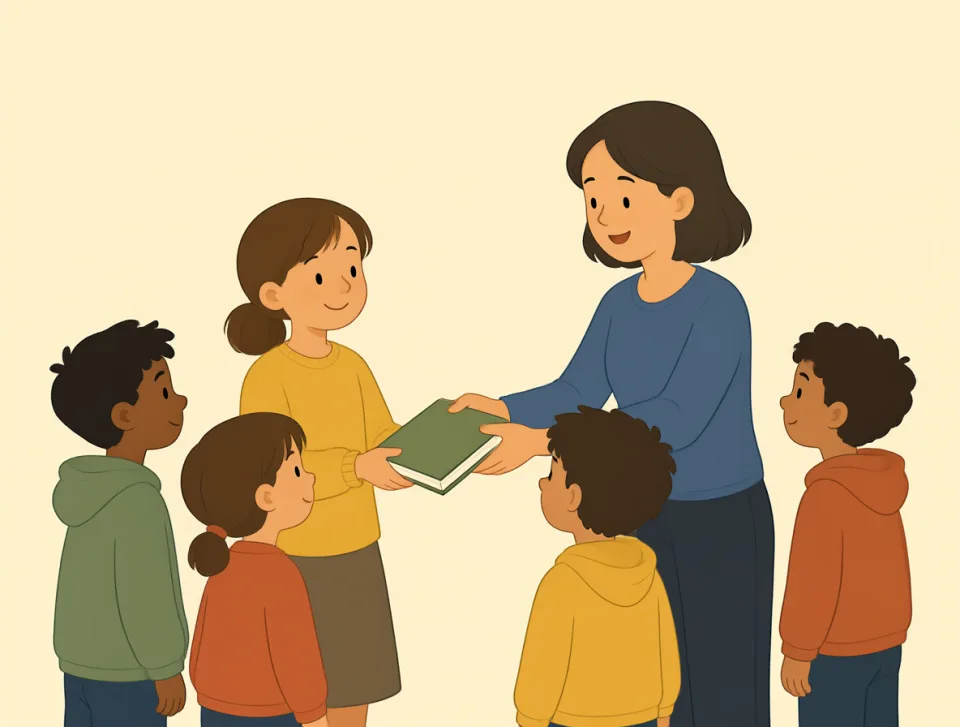
The teacher chose an appropriate book for the class.
Nauczyciel wybrał odpowiednią książkę dla klasy.
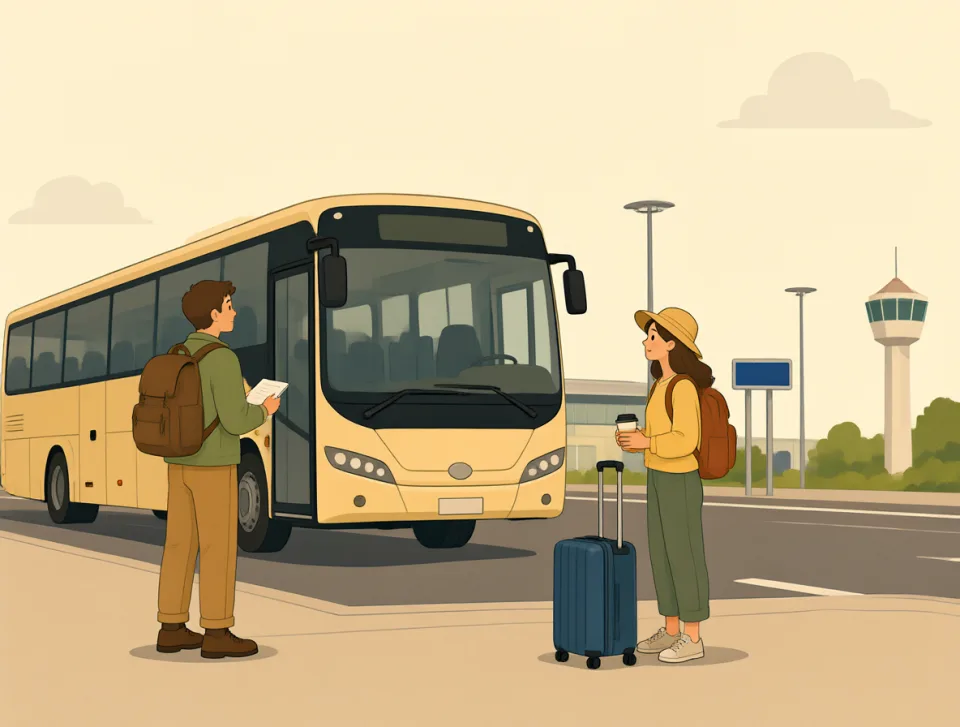
Is this the appropriate bus for the airport?
Czy to właściwy autobus na lotnisko?
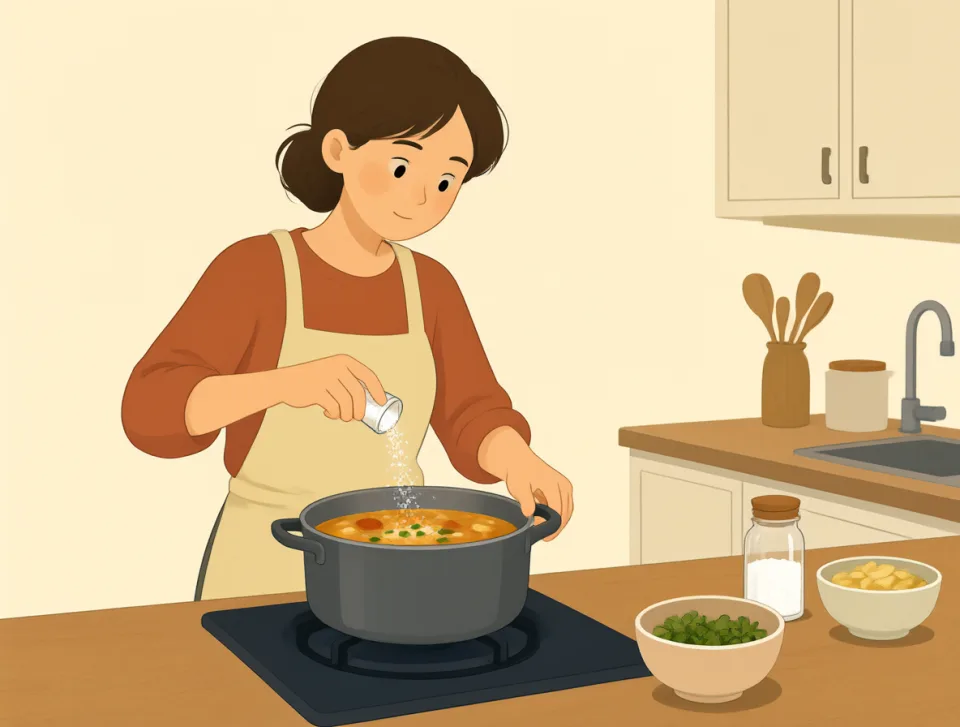
She used an appropriate amount of salt in the soup.
Dodała do zupy odpowiednią ilość soli.
block
#1020noun, verb
blokować; blok
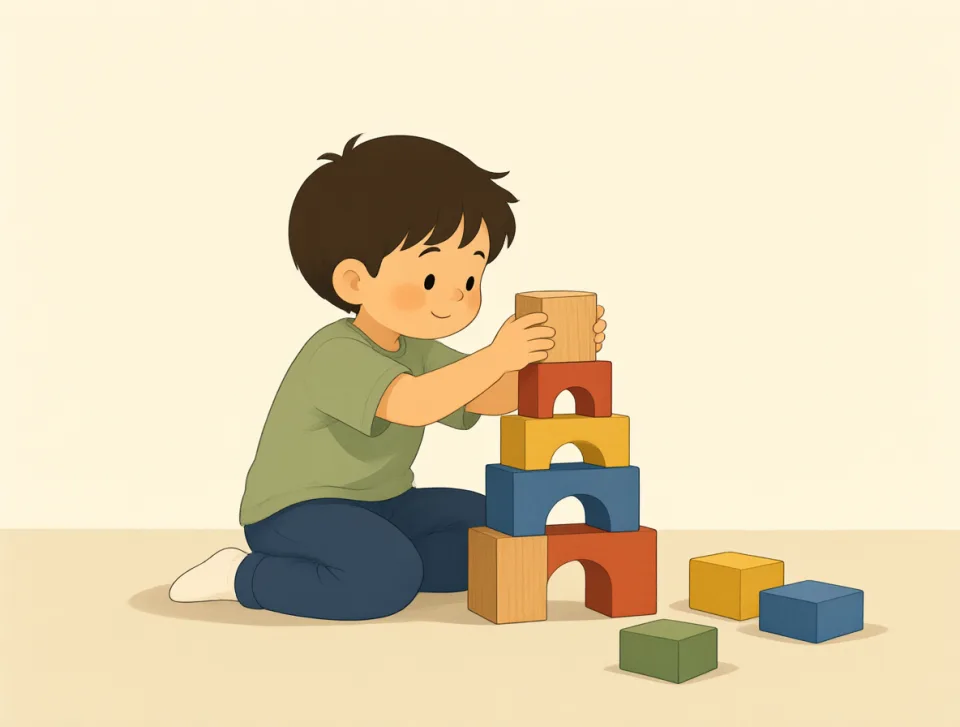
A block is a solid piece or an area that stops movement or action.
Blok to solidny kawałek materiału albo obszar, który uniemożliwia ruch lub działanie.
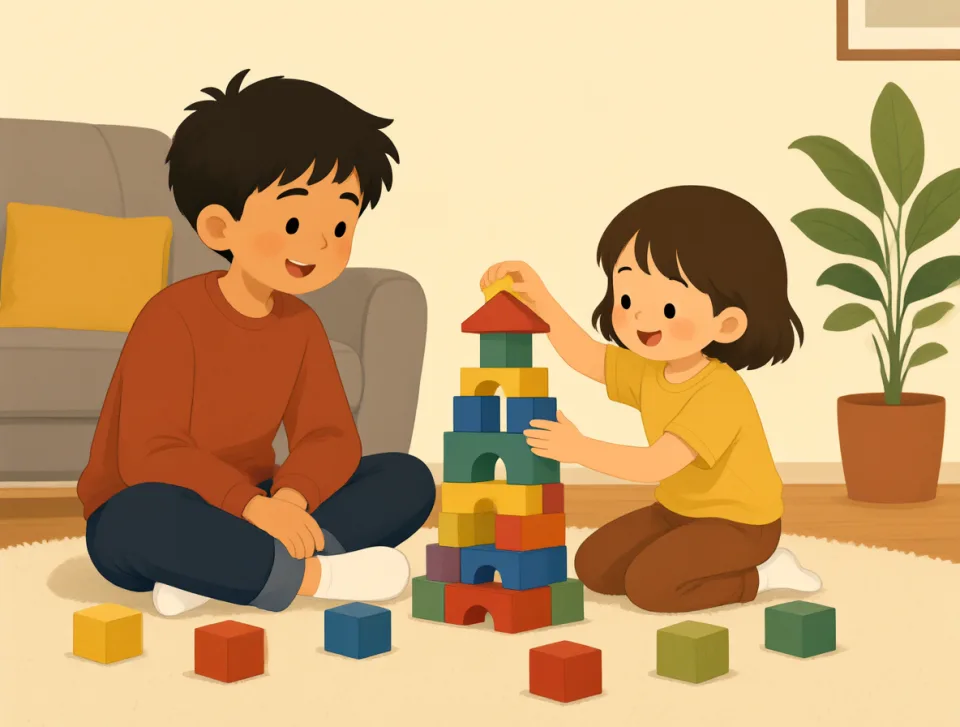
The children built a tower from wooden blocks.
Dzieci zbudowały wieżę z drewnianych klocków.

A fallen tree blocked the road after the storm.
Po burzy powalone drzewo zablokowało drogę.
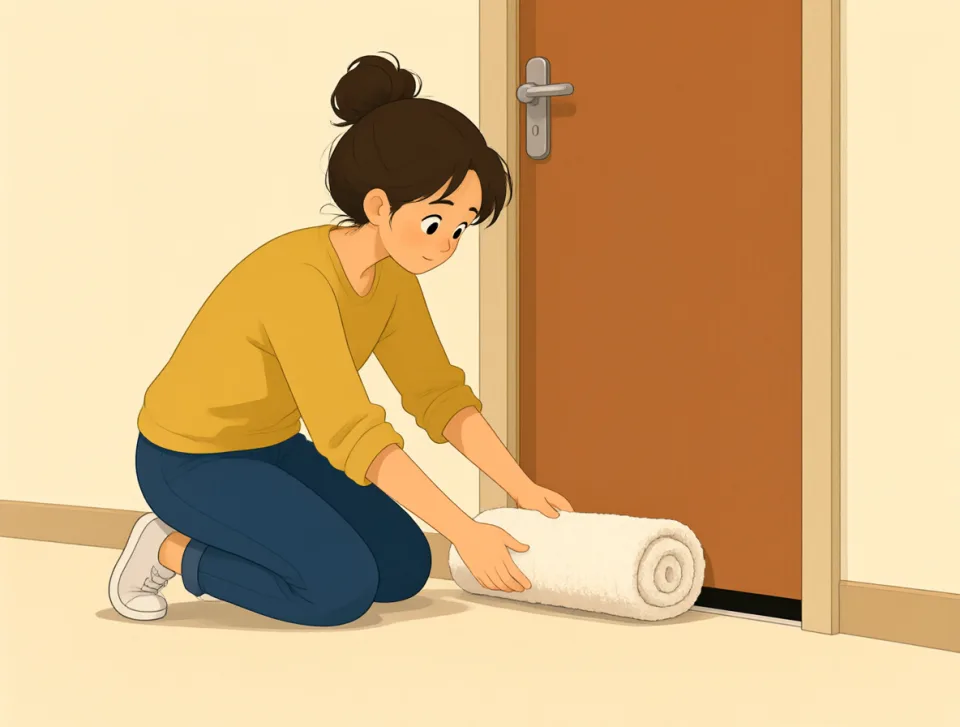
Please block the cold air under the door.
Proszę zablokować dopływ zimnego powietrza pod drzwiami.
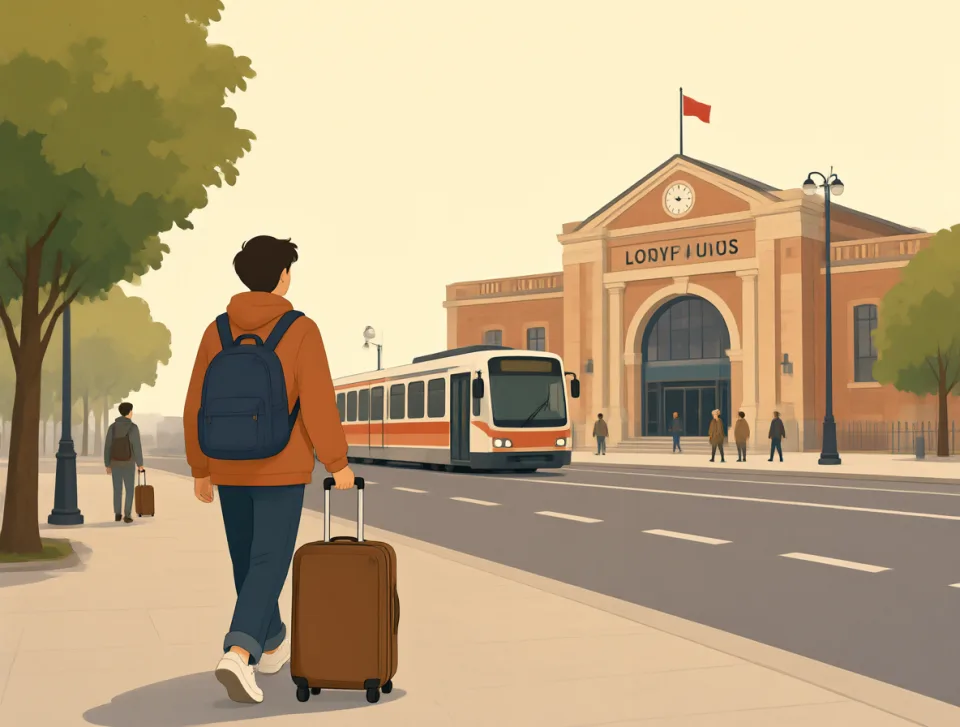
Our hotel is only two blocks from the train station.
Nasz hotel znajduje się zaledwie dwie przecznice od dworca kolejowego.
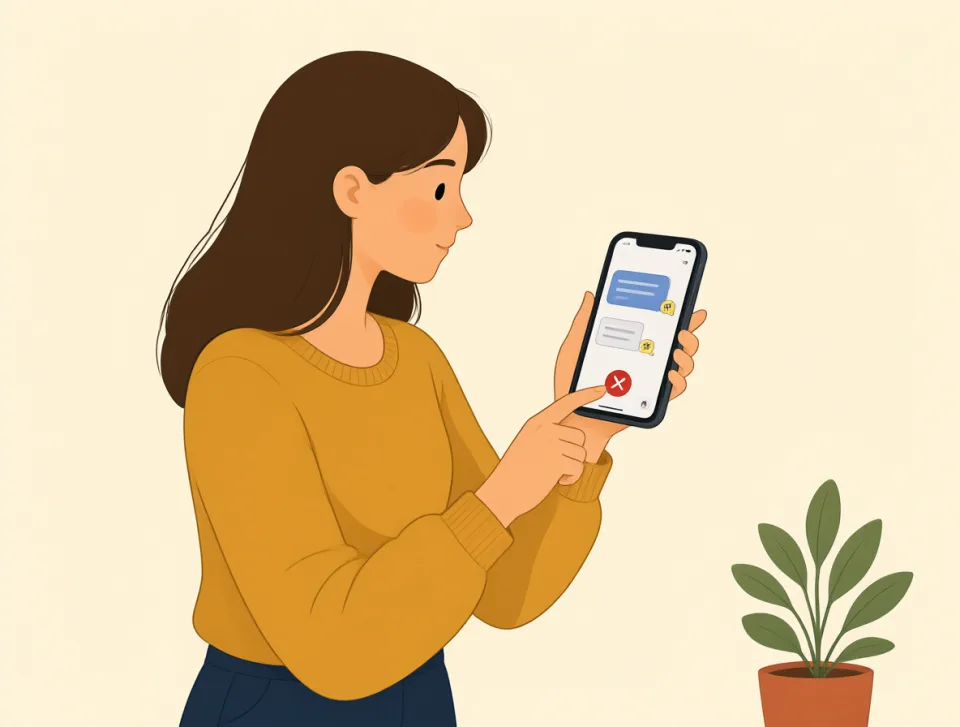
She blocked the rude messages from her phone.
Zablokowała w telefonie niegrzeczne wiadomości.