單元 50
單字 981–1000 · version, conversation, somebody, pound, magazine, shape
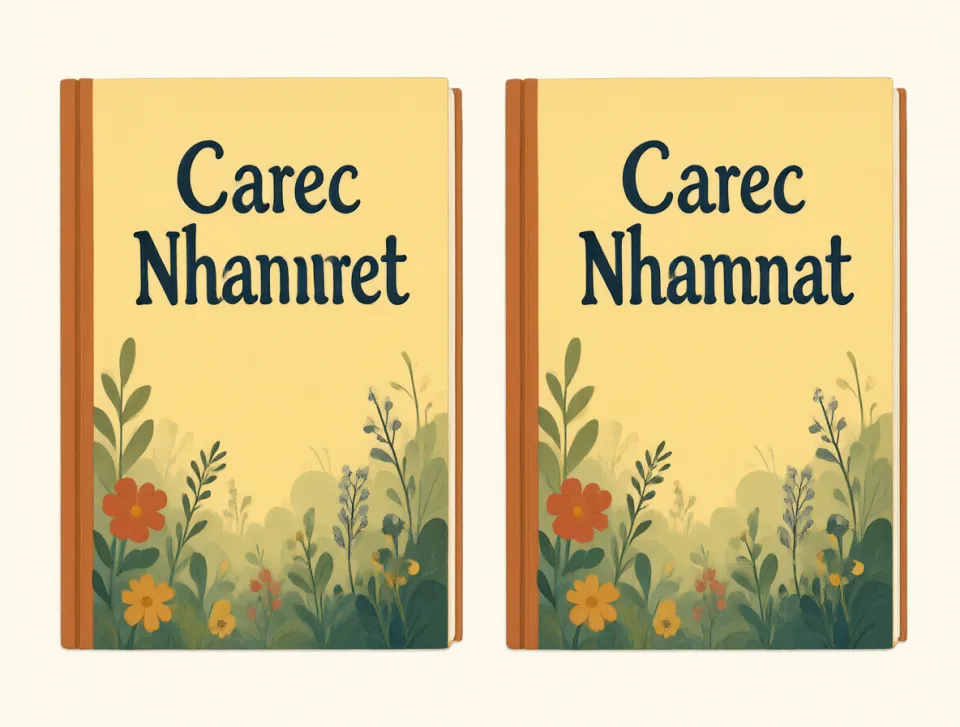
version
#981noun
版本
A form of something that is different from another form.
一種與另一種形式不同的形式。
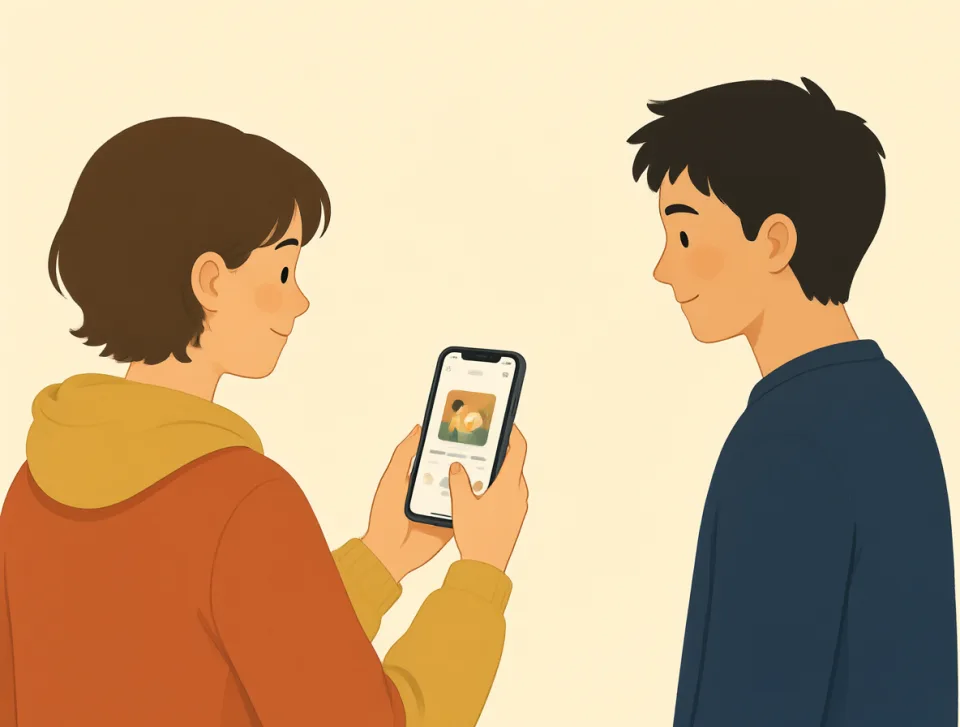
I have the latest version of this app.
我有這個應用的最新版本。
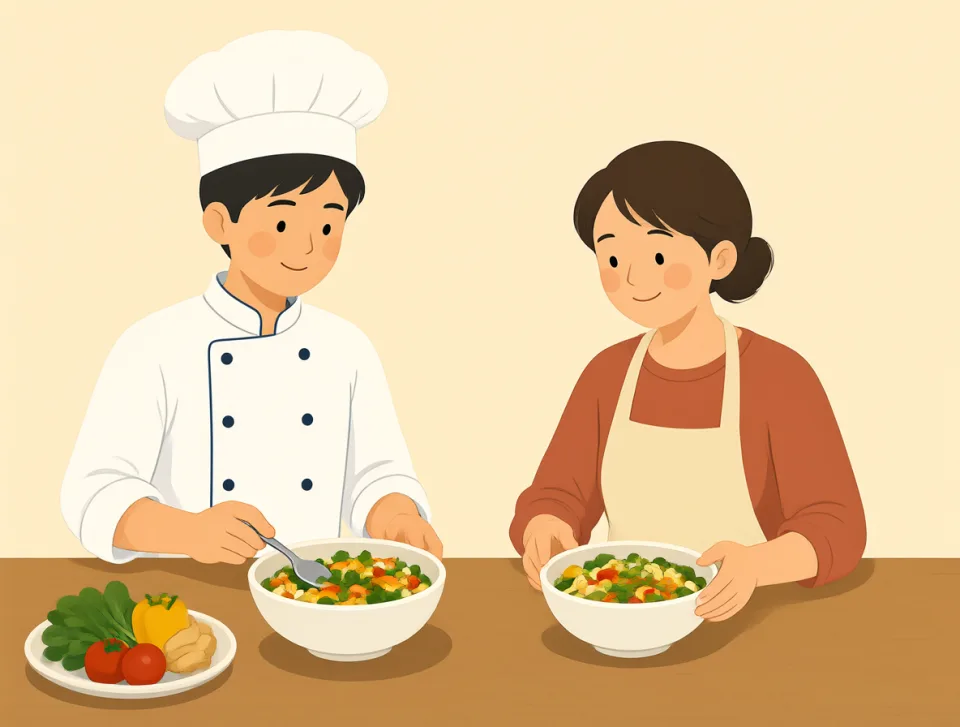
This recipe has a healthier version.
這個食譜有更健康的版本。

We watched the movie version last night.
我們昨晚看了電影版。
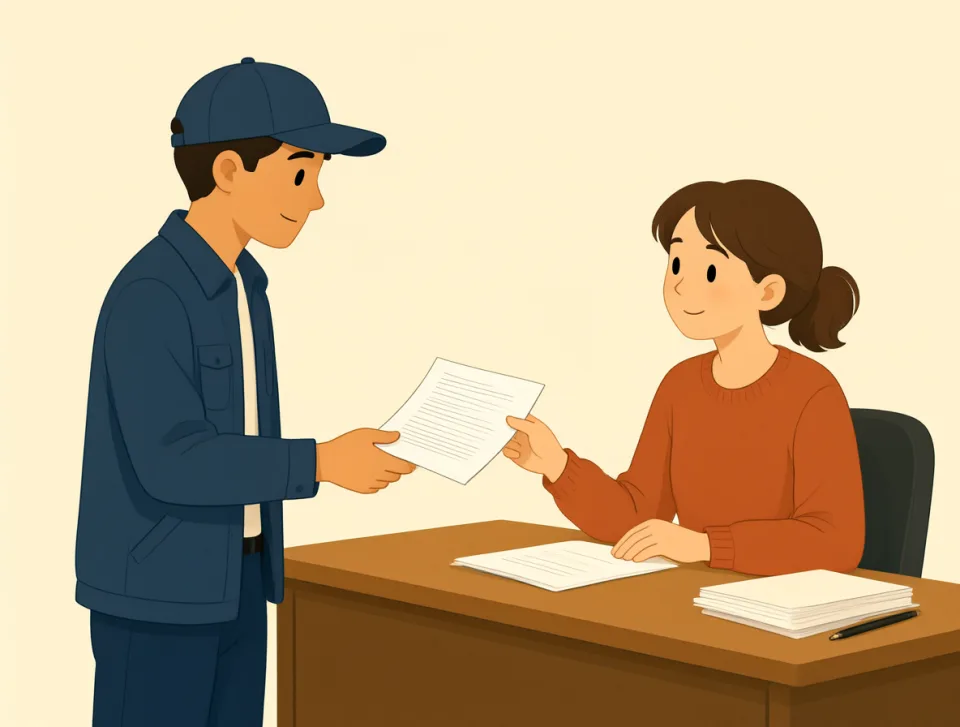
Please send me the final version tomorrow.
請明天把最終版本發給我。

She bought a smaller version of the suitcase.
她買了一個小一號的行李箱。

conversation
#982noun
談話; 交談; 對話
A talk between two or more people.
兩個或更多人之間的交談。

We had a friendly conversation after dinner.
晚飯後,我們愉快地聊了一會兒。

I enjoyed our conversation about travel.
我很喜歡我們關於旅行的談話。
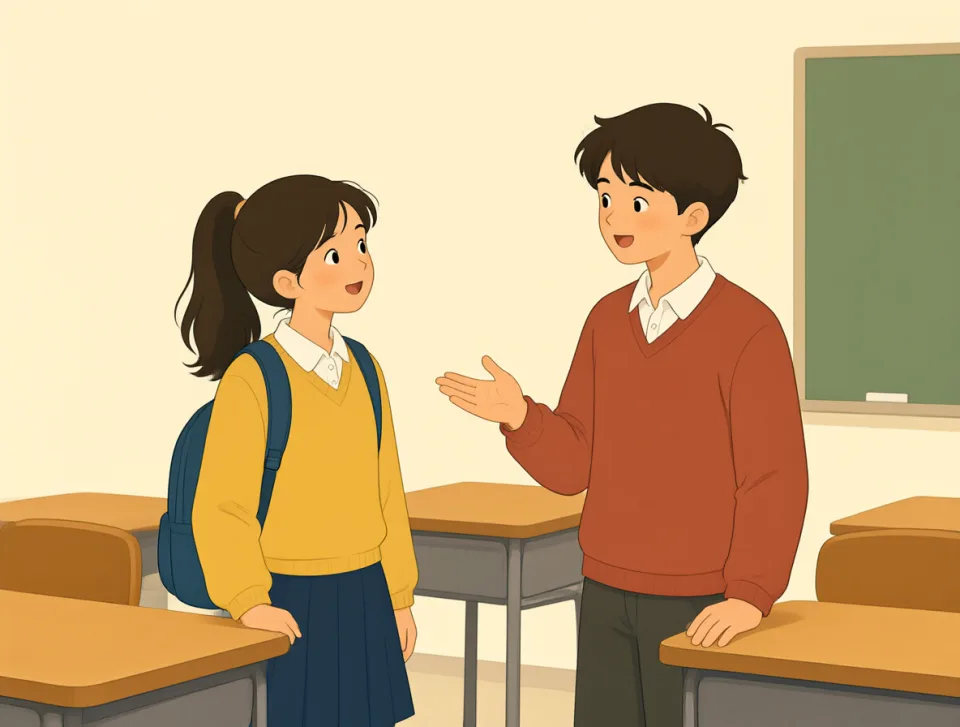
She started a conversation with her new classmate.
她和新同學開始交談起來。

The manager had a conversation with my colleague.
經理和我的同事談了一次話。

The doctor and patient had a quiet conversation.
醫生和病人安靜地交談著。

somebody
#983pronoun
有人; 某人
an unknown or unnamed person
一個不知名或未指明的人
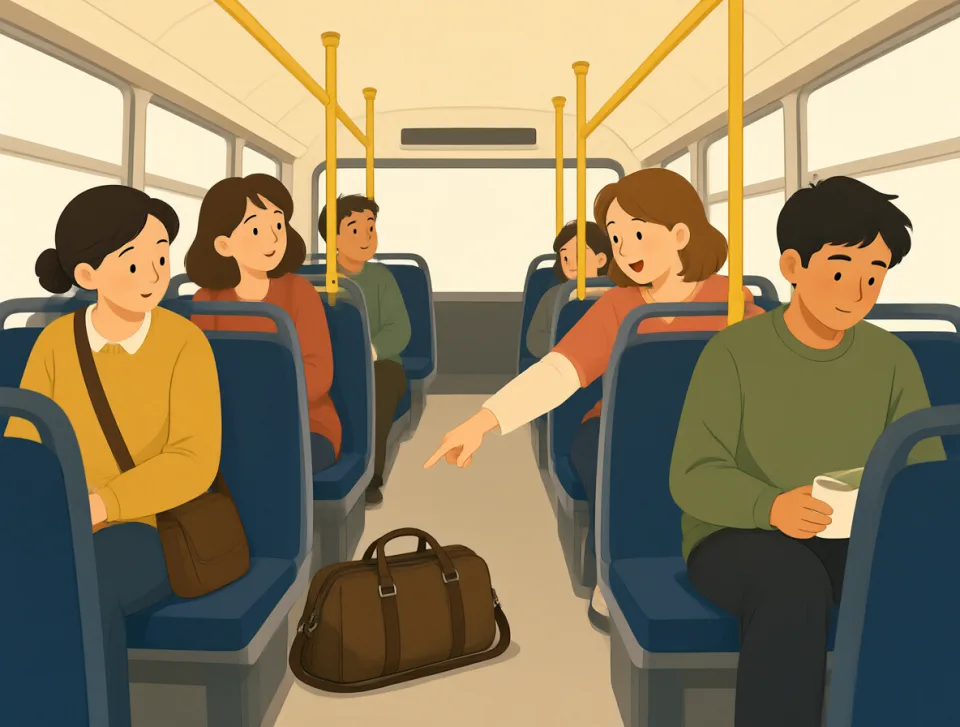
Somebody left their bag on the bus.
有人把包落在公交車上了。
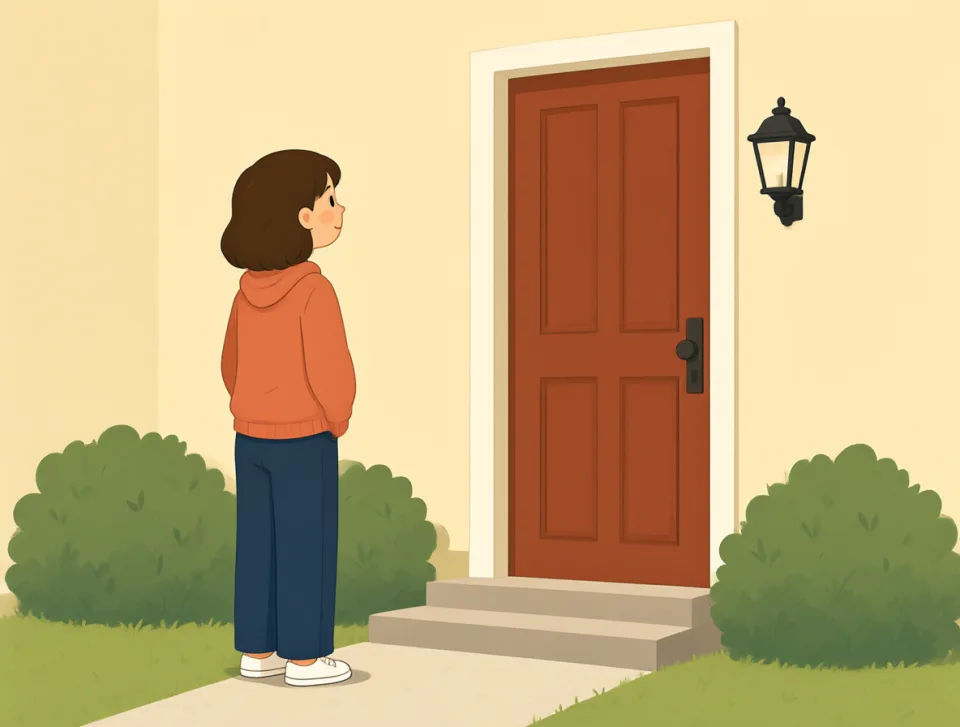
Somebody is waiting outside the door.
有人在門外等著。
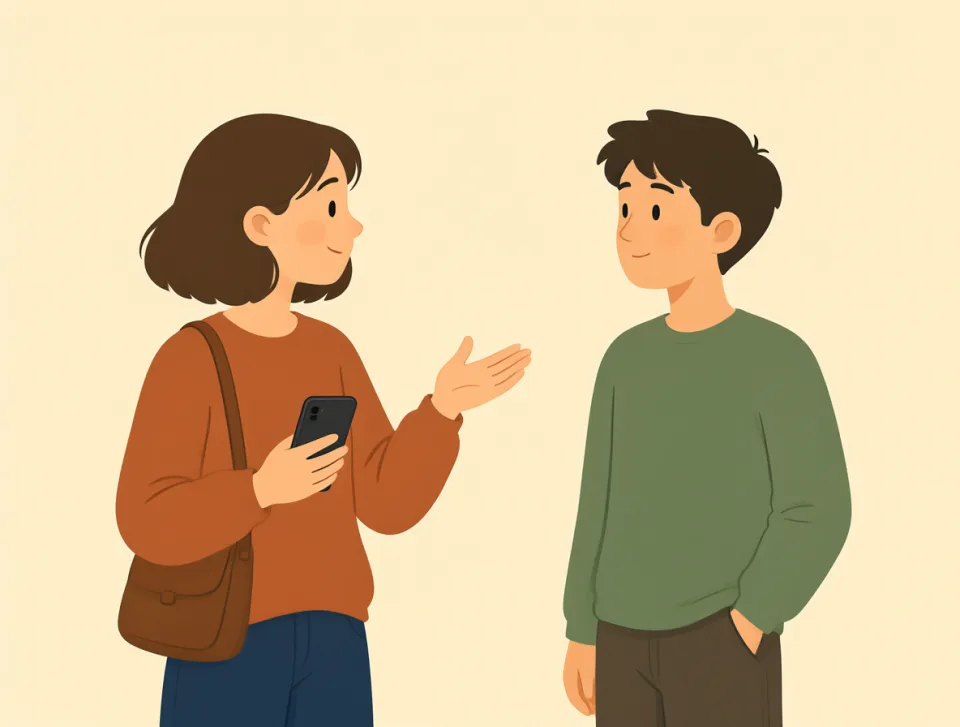
Somebody called you while you were away.
你不在的時候有人給你打過電話。

Somebody helped me carry the boxes.
有人幫我搬箱子。
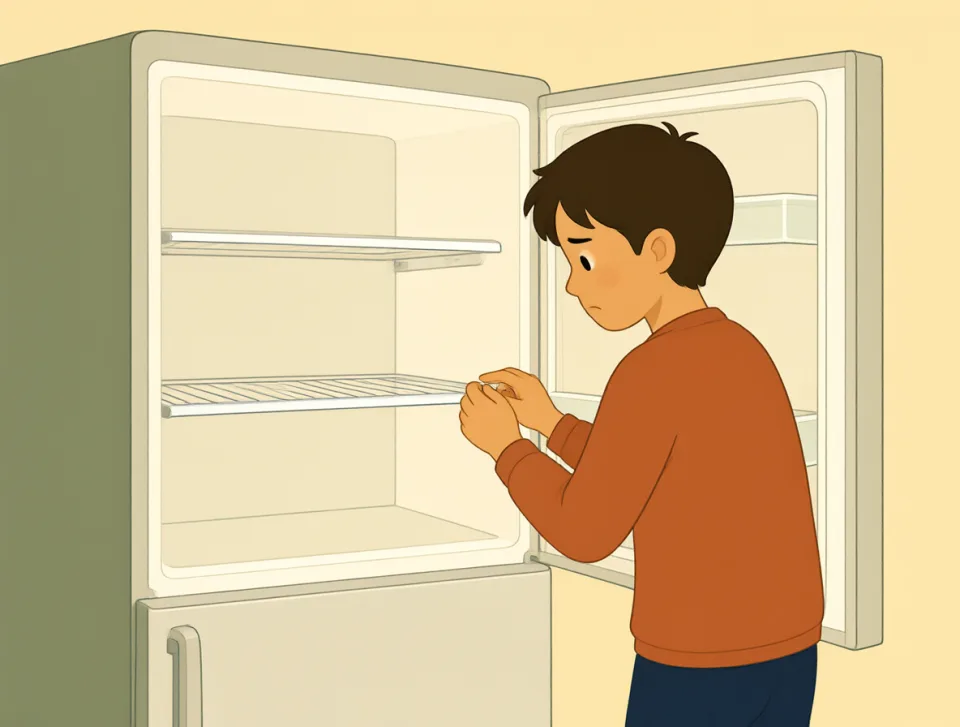
Somebody took my sandwich from the fridge.
有人從冰箱裡拿走了我的三明治。
pound
#984noun, verb
英鎊; 磅; 猛擊
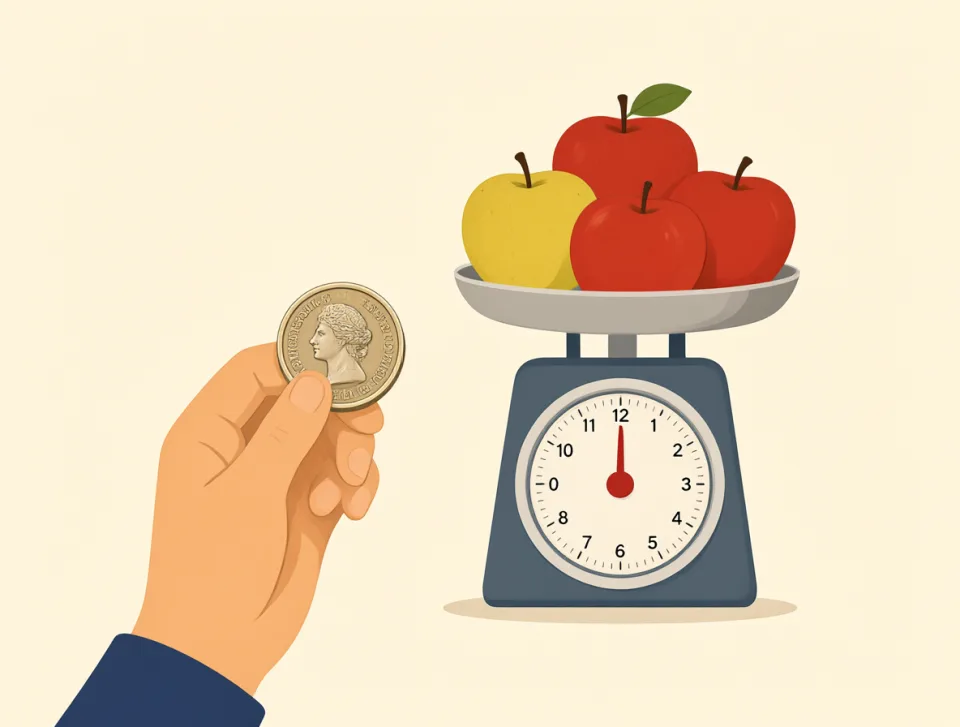
A pound is a unit of money or weight; to pound means to hit hard.
英鎊是貨幣單位,磅是重量單位;pound作動詞時表示用力敲打。
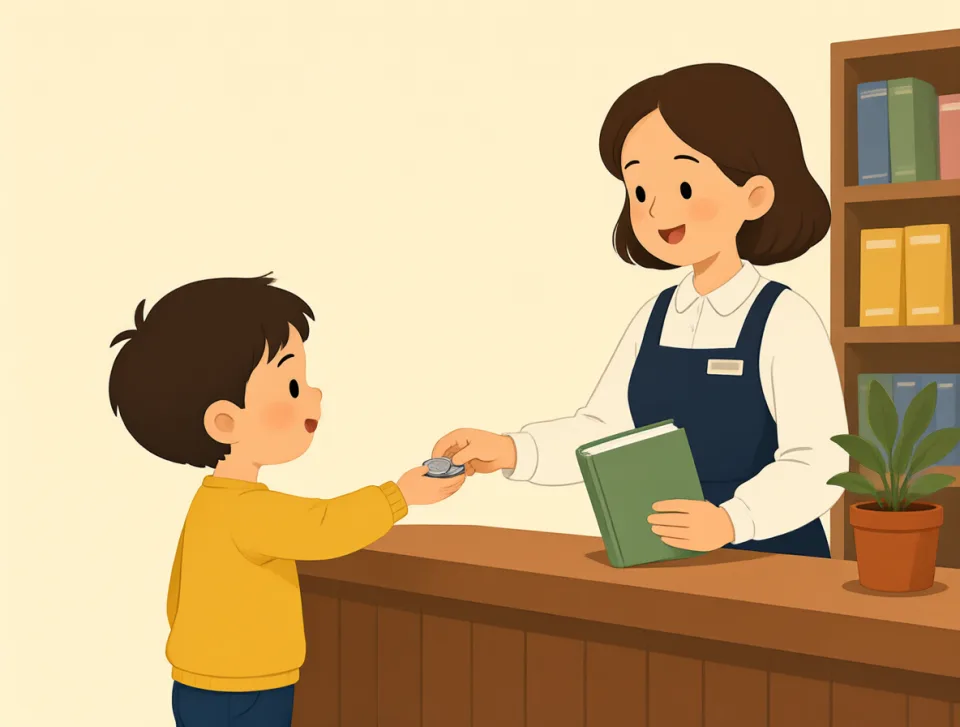
This book costs five pounds.
這本書要五英鎊。
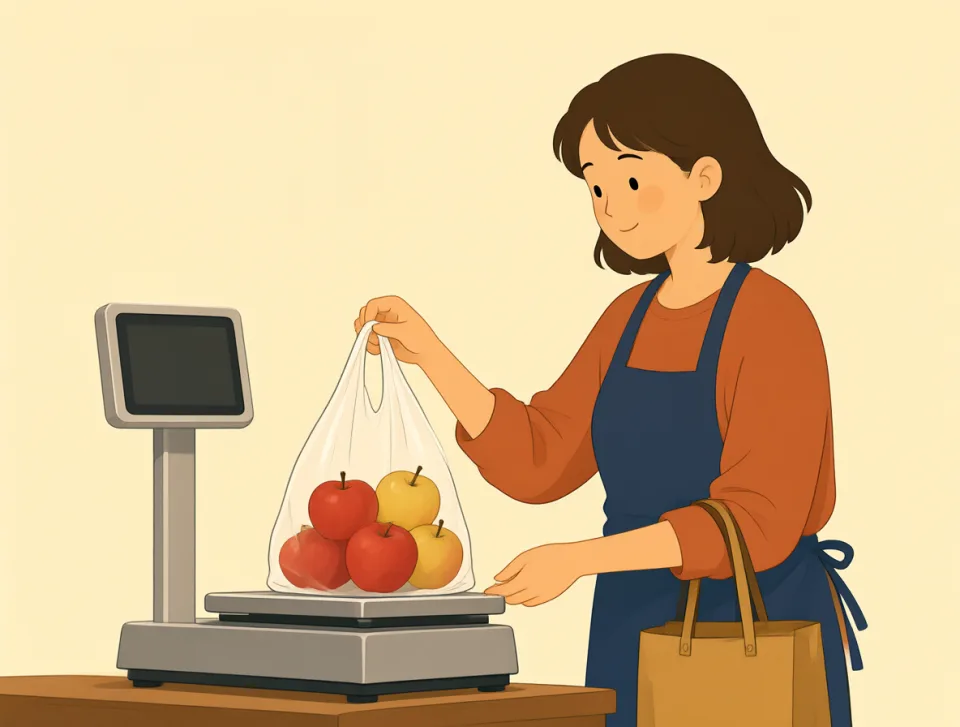
I bought a pound of apples.
我買了一磅蘋果。
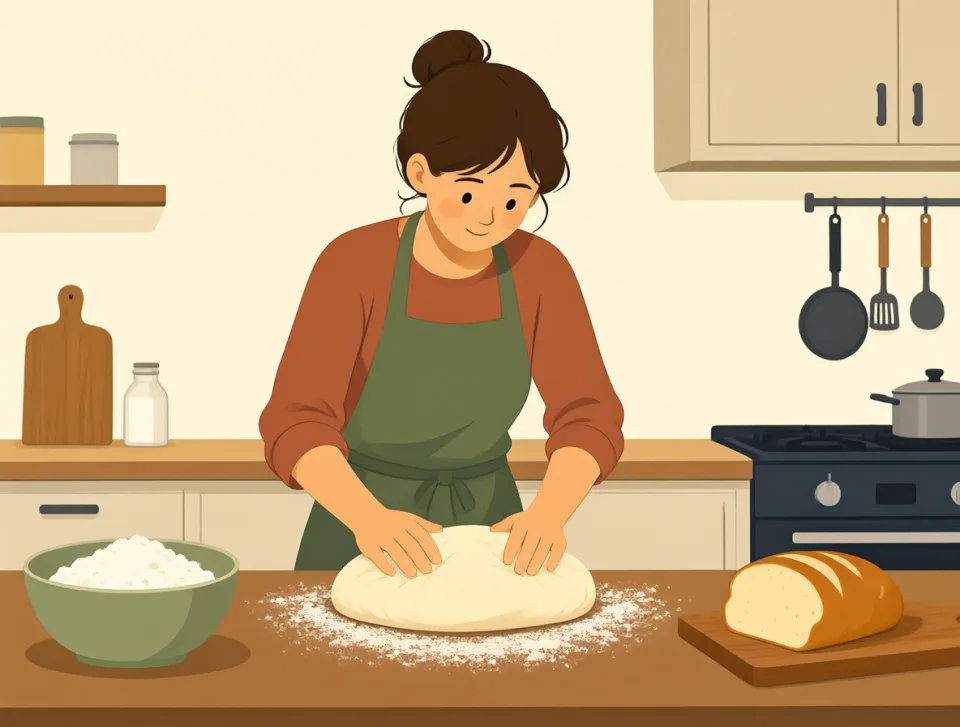
She pounded the dough with her hands.
她用手使勁捶麵糰。

The rain pounded on the roof.
雨水猛烈地敲打著屋頂。
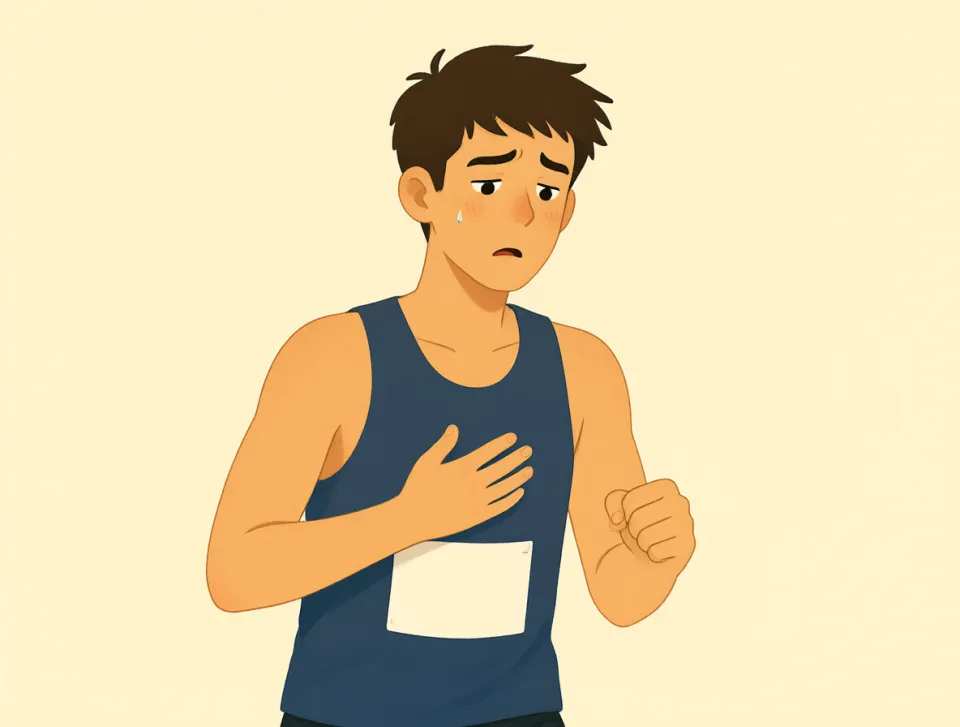
My heart was pounding after the race.
跑完步後,我的心怦怦直跳。
magazine
#985noun
雜誌
A thin book published regularly with articles, stories, and pictures.
一本定期出版的薄冊子,裡面有文章、故事和圖片。
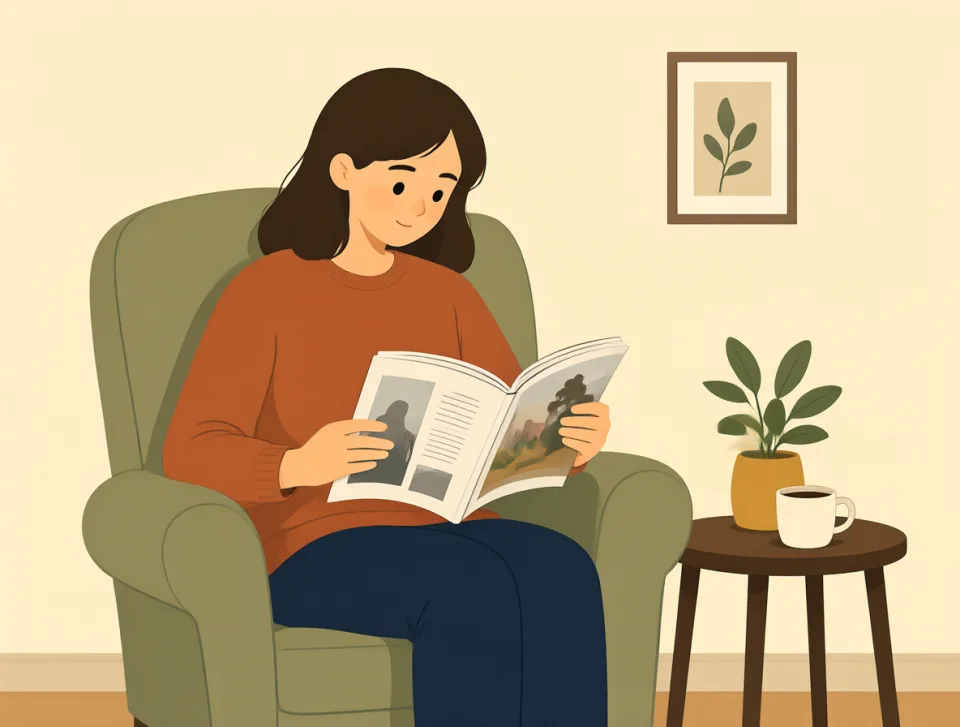
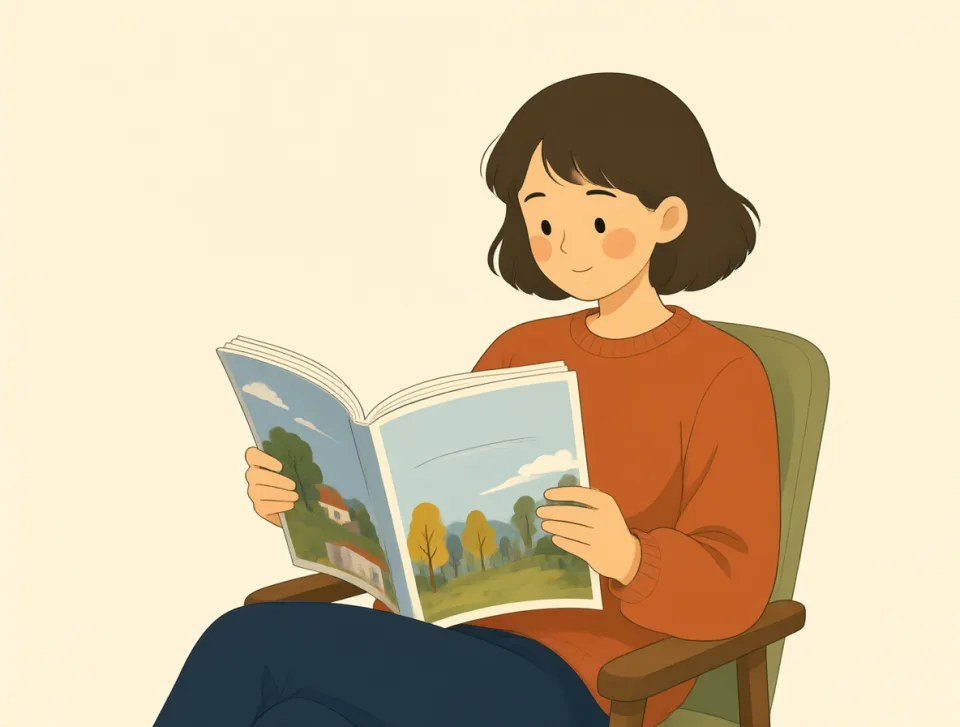
She reads a magazine every Sunday morning.
她每個星期天早上都看雜誌。
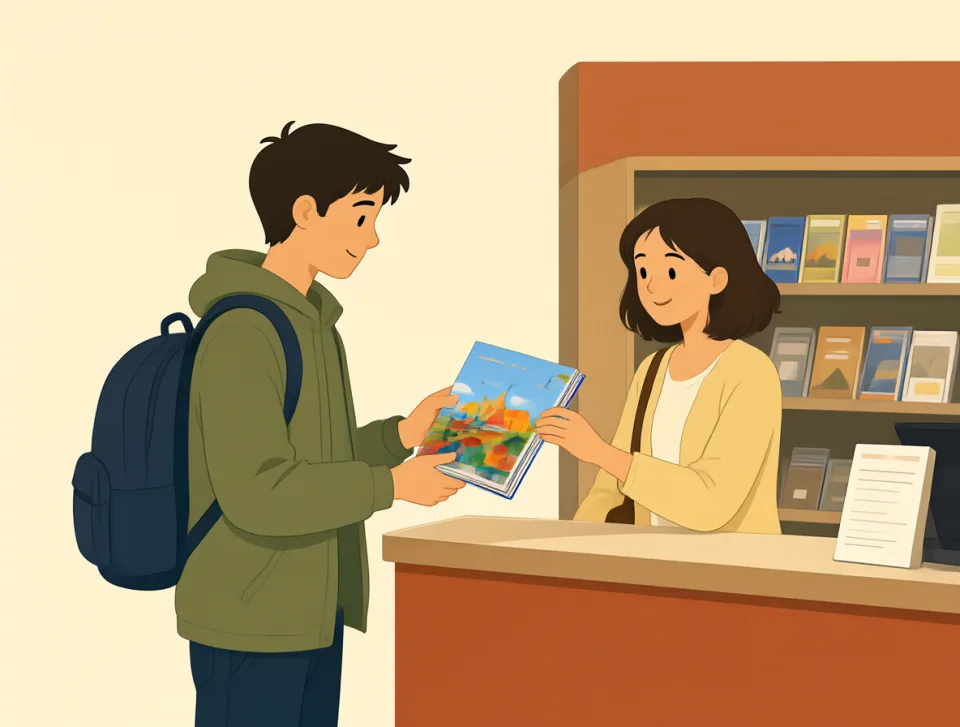
I bought a travel magazine at the airport.
我在機場買了一本旅遊雜誌。

This magazine has many beautiful food pictures.
這本雜誌裡有很多漂亮的美食圖片。
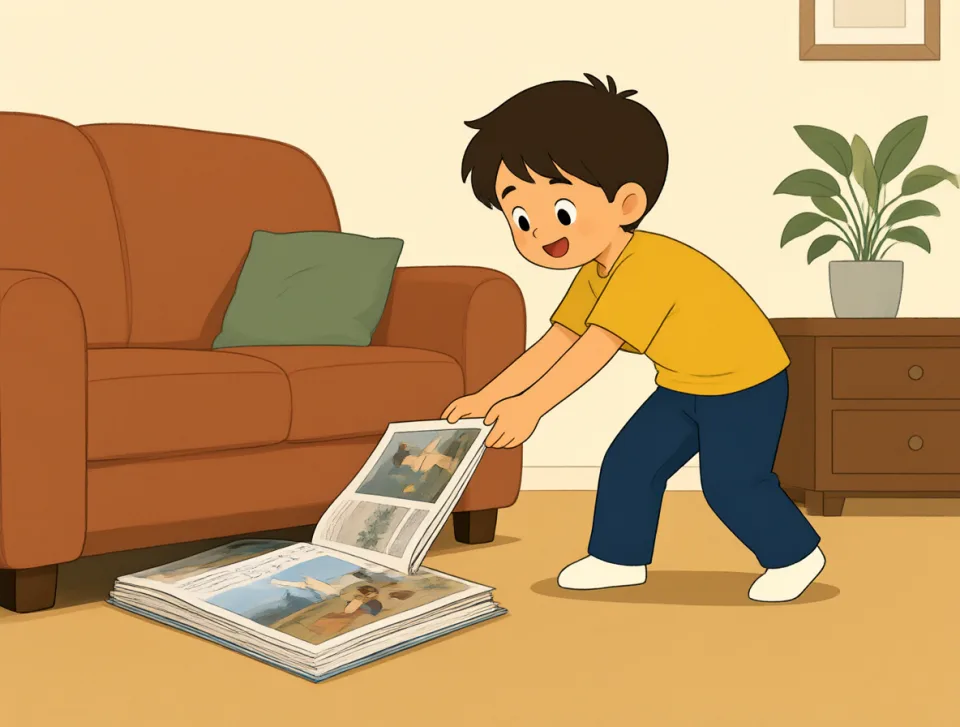
He found an old magazine under the sofa.
他在沙發底下發現了一本舊雜誌。
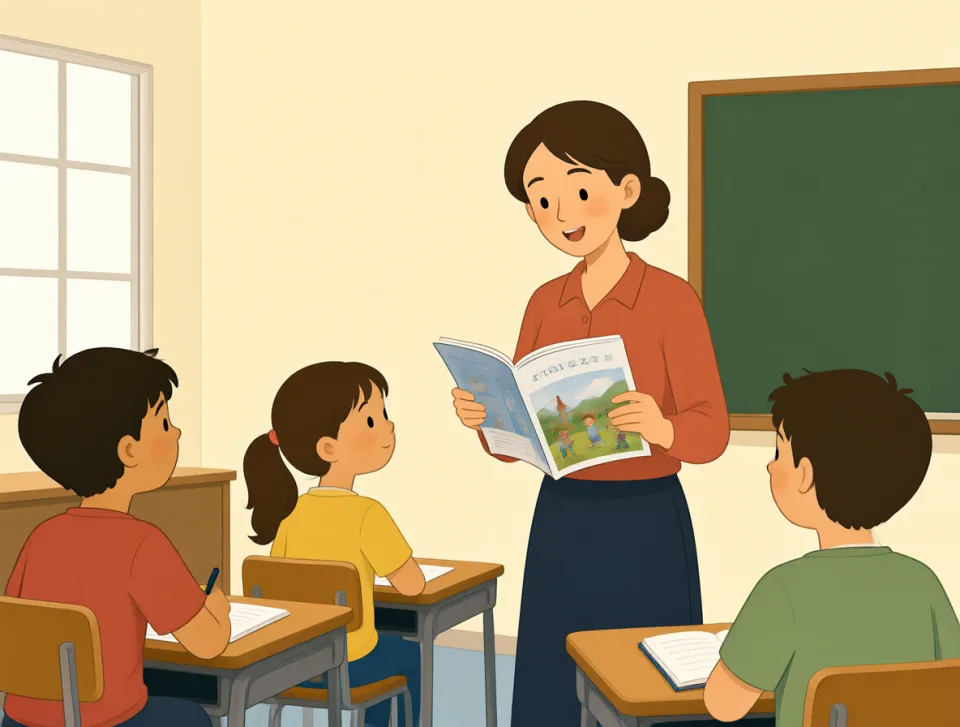
Our teacher brought a science magazine to class.
我們的老師帶了一本科學雜誌來上課。

shape
#986noun, verb
形狀;塑造
the form of something; to make something have a particular form
某物的外形;使某物具有特定的形狀
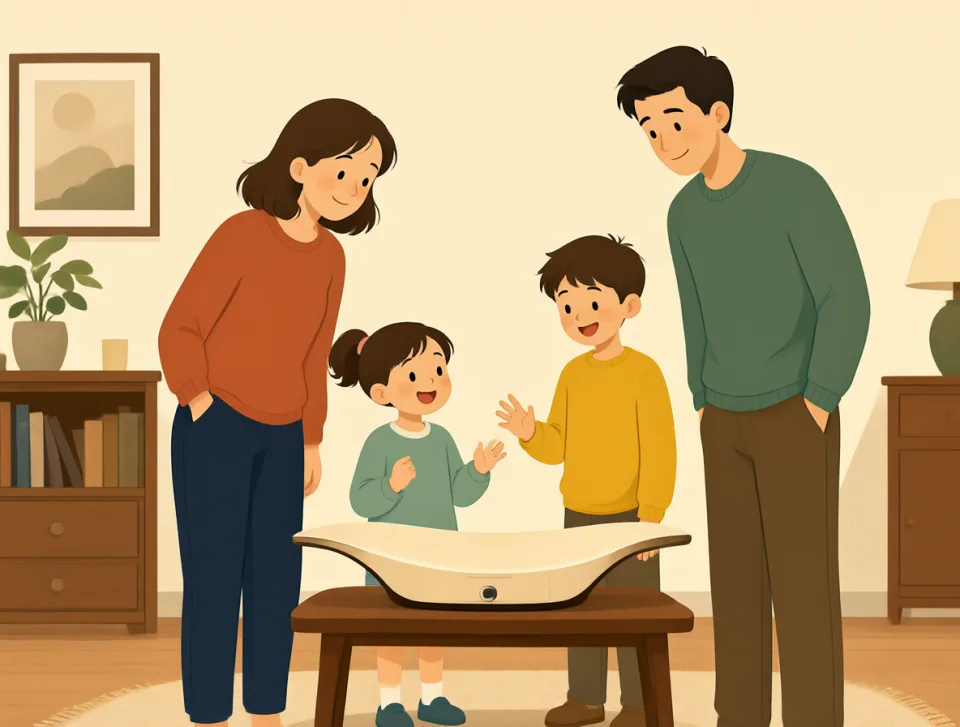
The table has a strange shape.
這張桌子的形狀很奇怪。
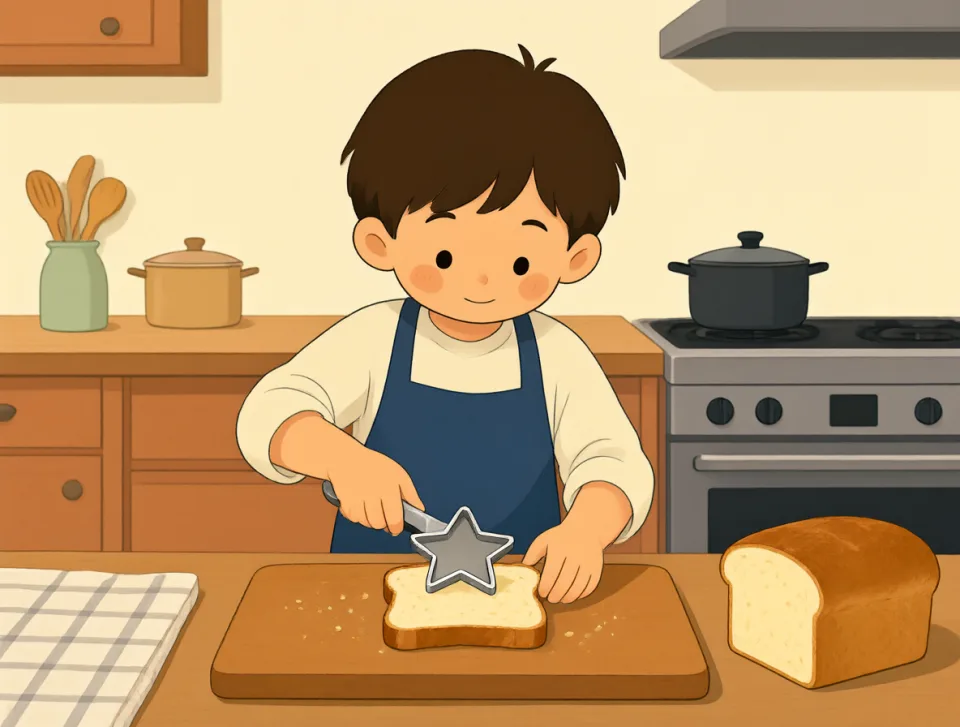
Cut the bread into star shapes.
把麵包切成星形。

The box was shaped like a heart.
這個盒子是心形的。
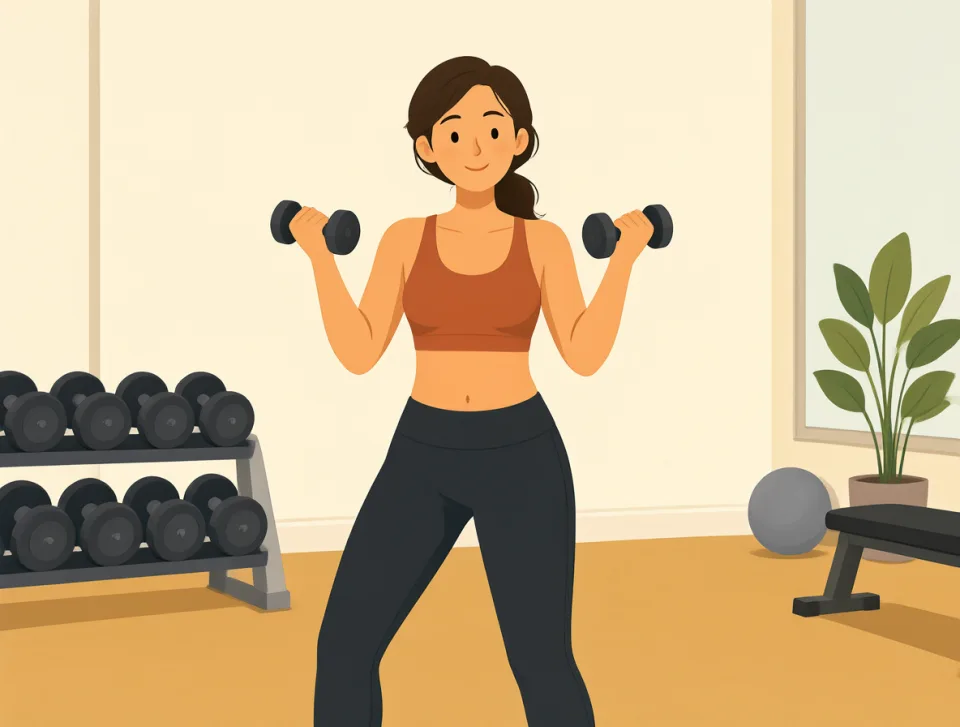
Exercise helps shape your body.
鍛鍊有助於塑造你的體形。
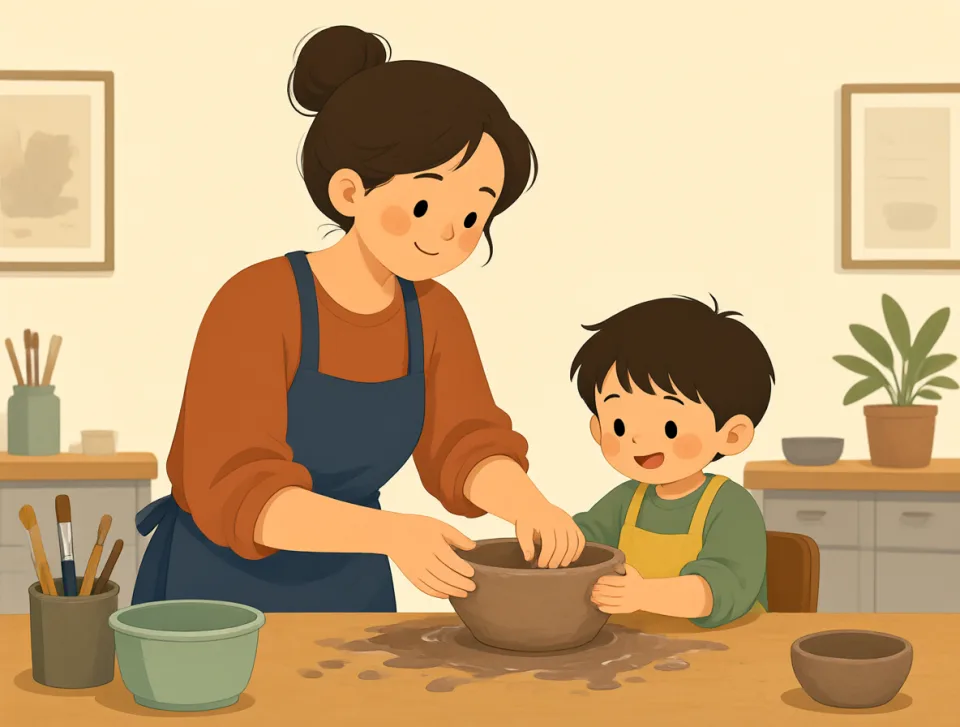
The teacher shaped the clay into a bowl.
老師把黏土捏成了一個碗。

sea
#987noun
海;海洋
A large area of salty water, usually partly surrounded by land.
一大片鹹水水域,通常部分被陸地包圍。

We swam in the sea during our holiday.
我們假期裡在海里游泳。

The sea was calm this morning.
今天早上海面很平靜。
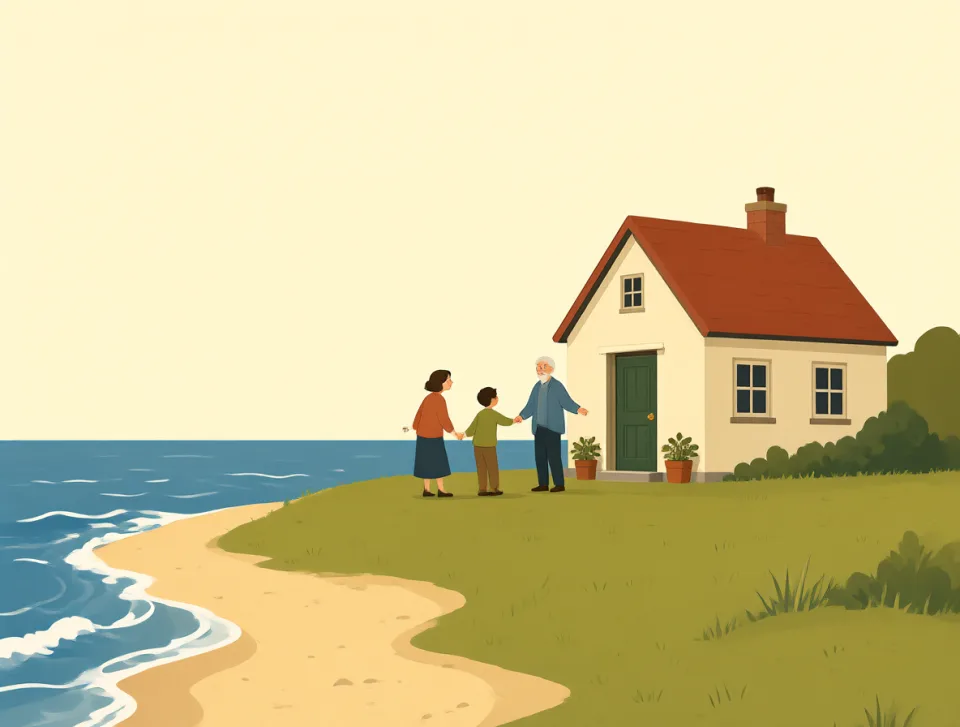
They live in a small house by the sea.
他們住在海邊的一所小房子裡。
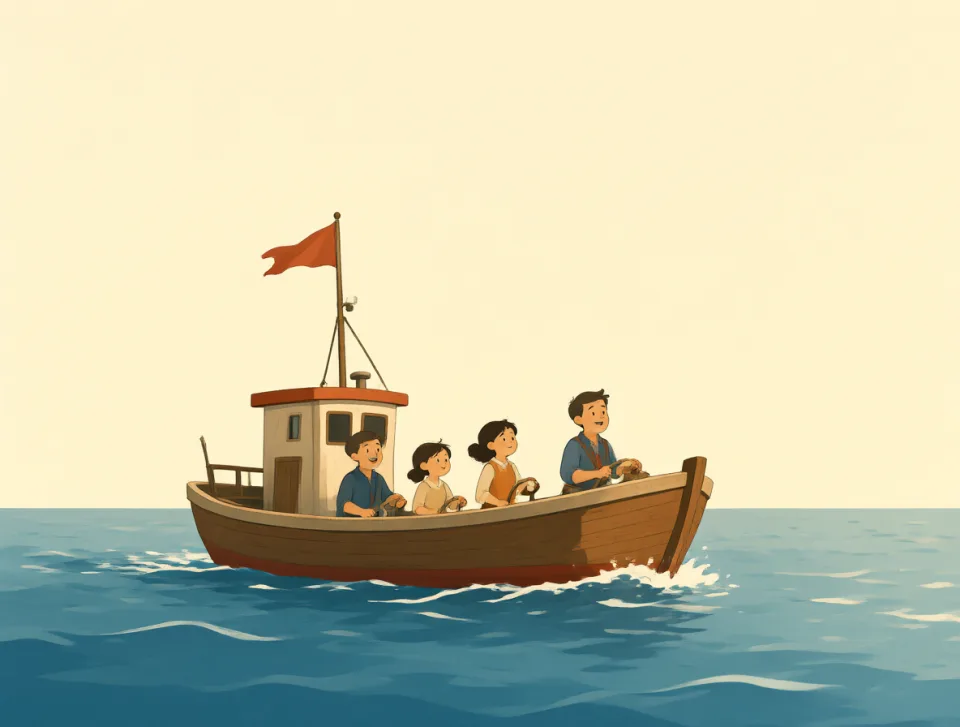
The boat crossed the sea in two days.
這艘船兩天就橫渡了大海。
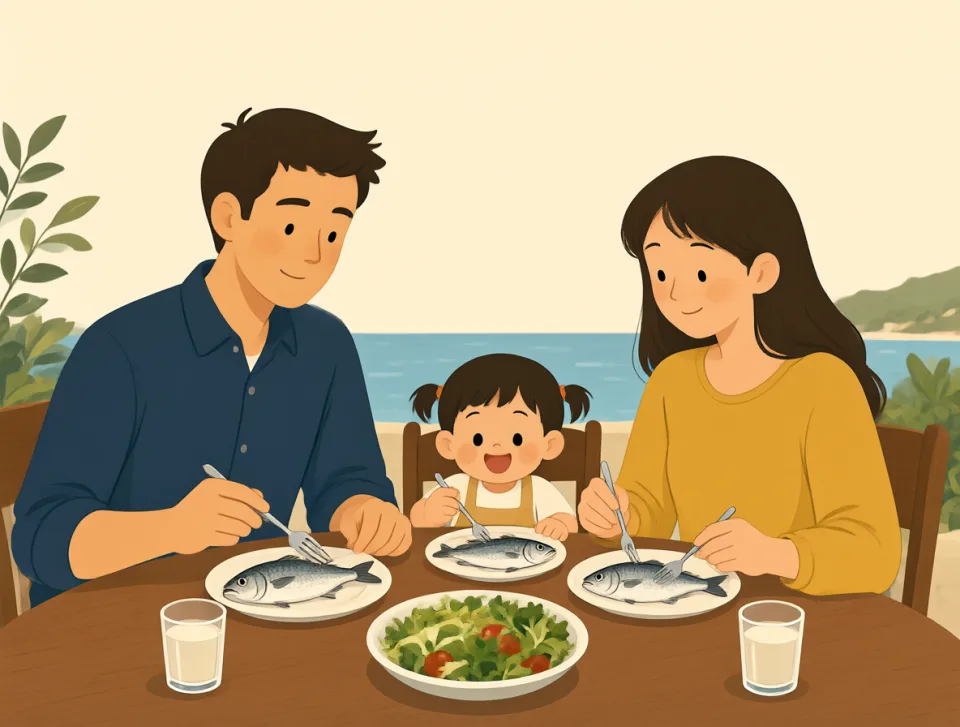
We ate fresh fish from the sea.
我們吃了來自大海的新鮮魚。
immediately
#988adverb
立即;馬上
At once, without waiting or delay.
立刻,不等待或拖延。
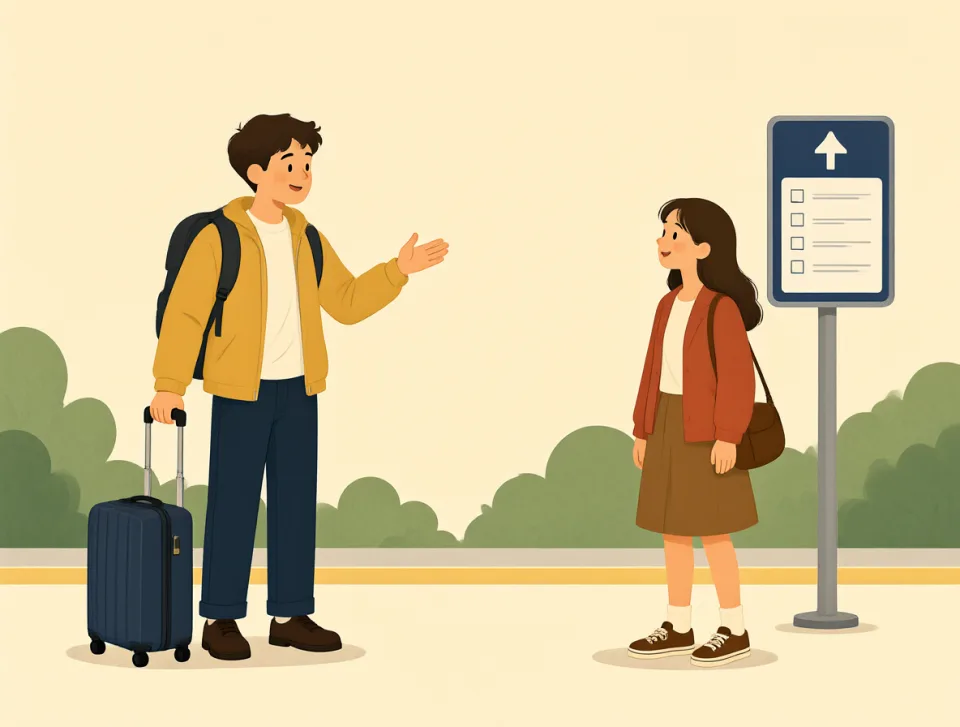
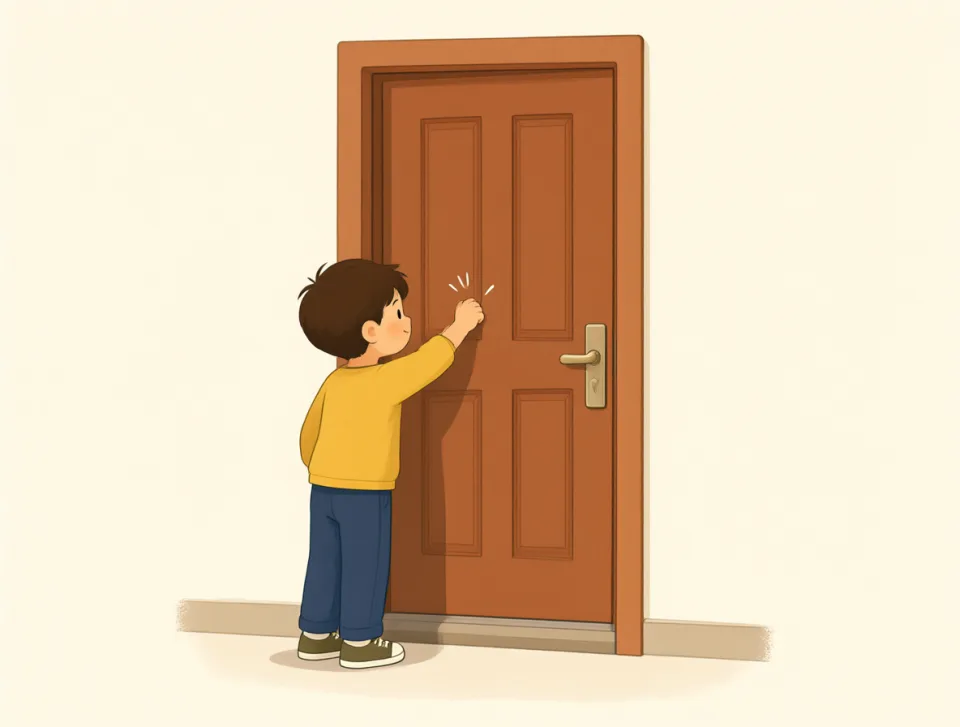
Please call me immediately after you arrive.
你到了以後請立即給我打電話。
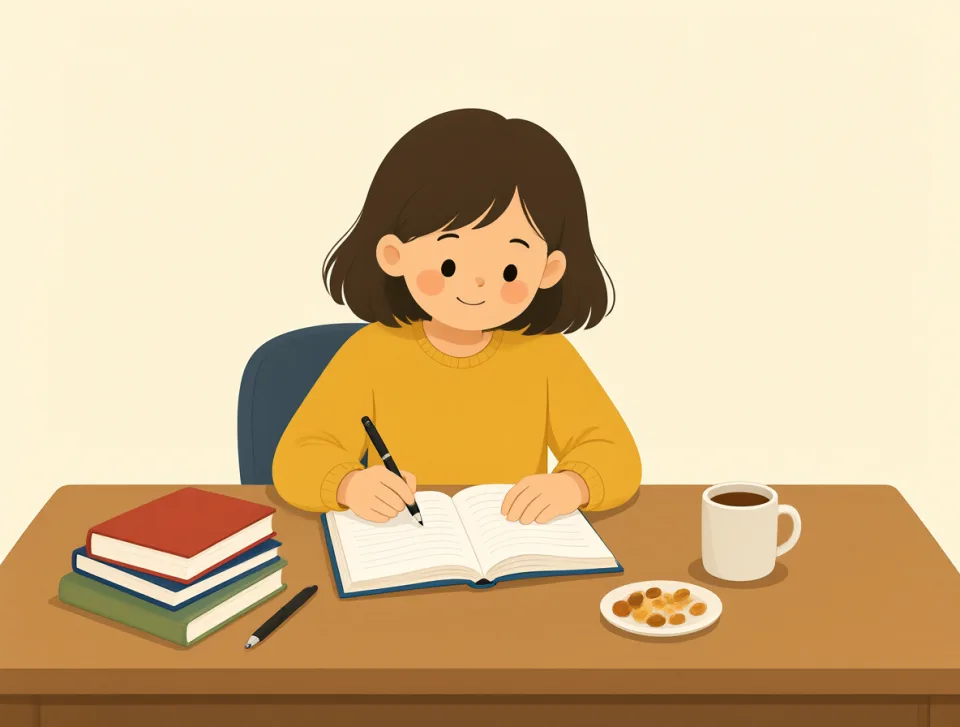
She immediately started her homework after dinner.
晚飯後,她馬上開始做作業。
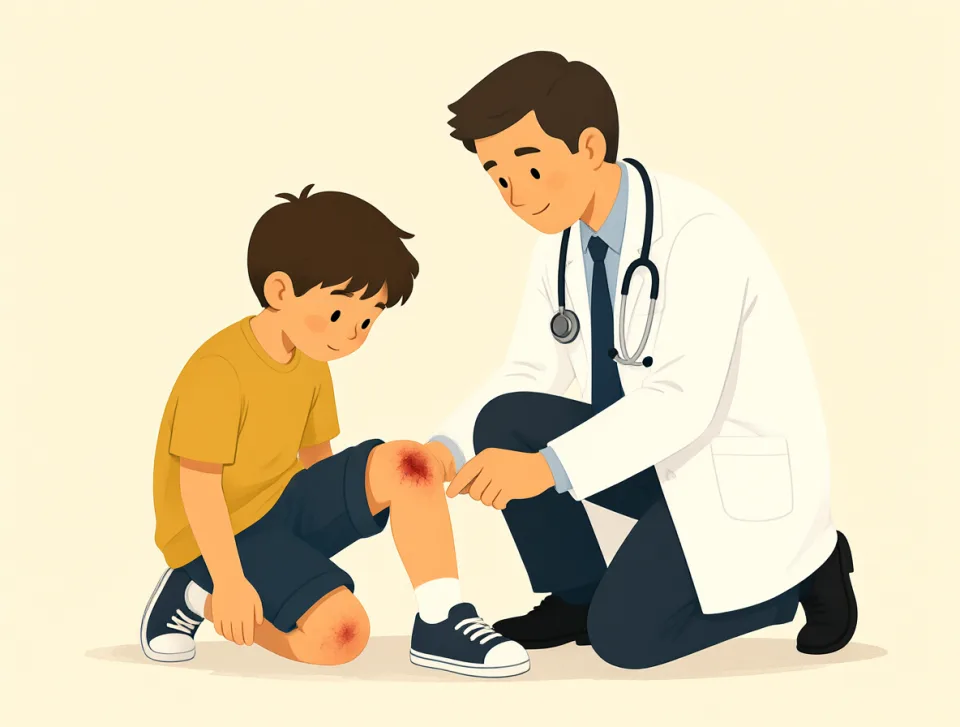
The doctor immediately helped the injured boy.
醫生立即幫助了受傷的男孩。

He immediately paid for the groceries.
他馬上付了雜貨的錢。

We immediately left the hotel when the alarm rang.
警報響起後,我們立即離開了酒店。

welcome
#989verb, adjective, noun
歡迎; 受歡迎; 令人欣慰
to greet someone warmly or make them feel happy to be in a place
熱情地迎接某人,或讓他們感到來到某個地方很開心

We welcomed our new neighbors with fresh bread.
我們用新鮮麵包歡迎新鄰居。
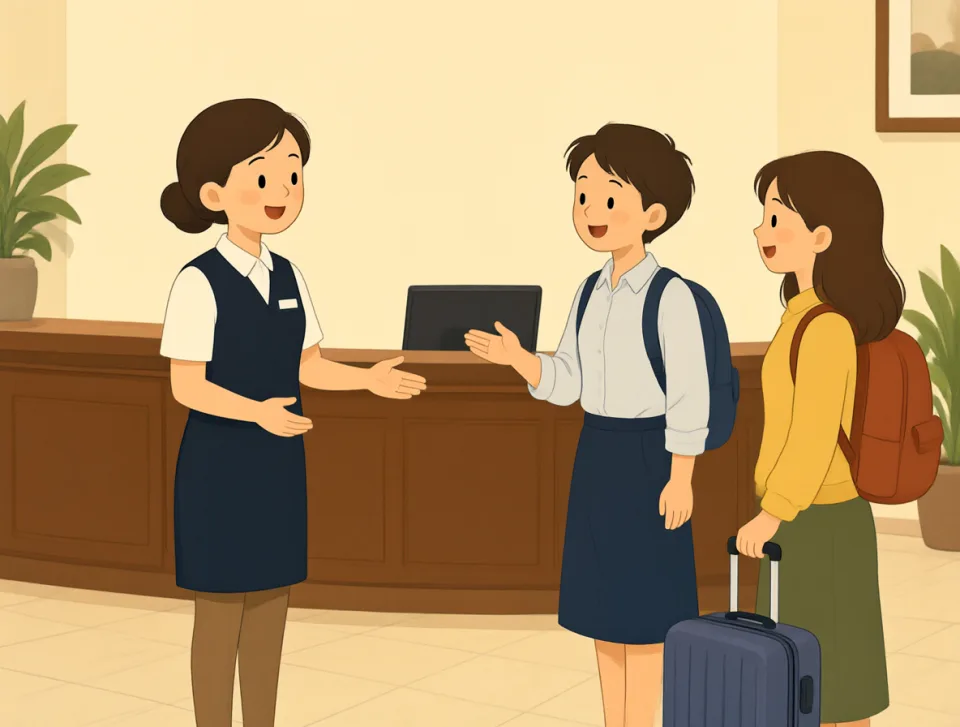
The hotel welcomes guests from around the world.
這家酒店歡迎來自世界各地的客人。
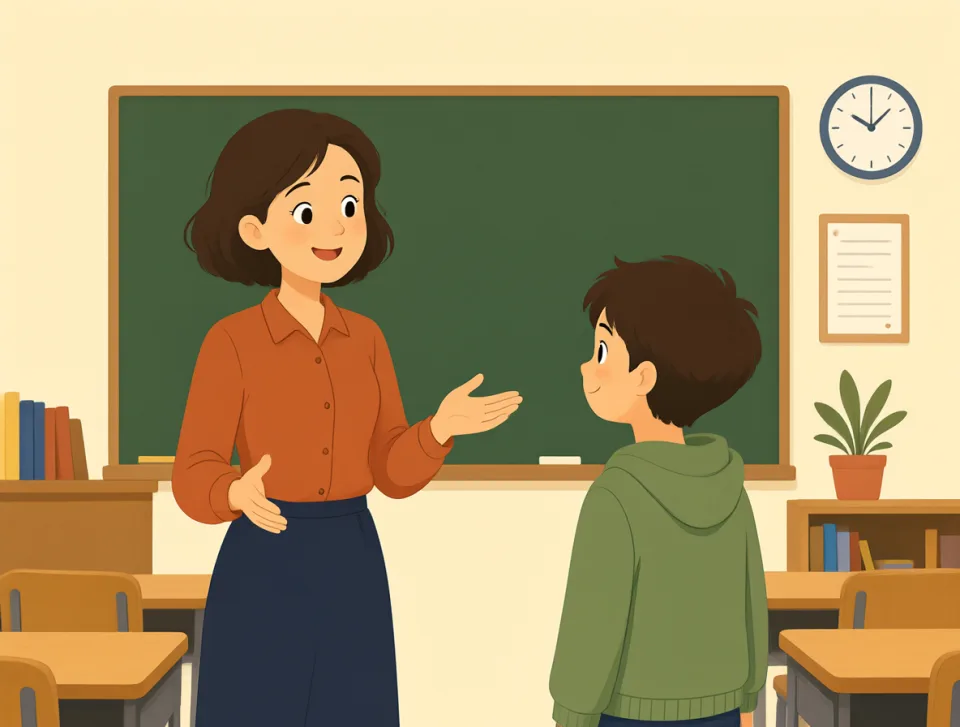
Her teacher welcomed her back to school.
她的老師歡迎她回到學校。

You are always welcome at our house.
我們家隨時歡迎你。
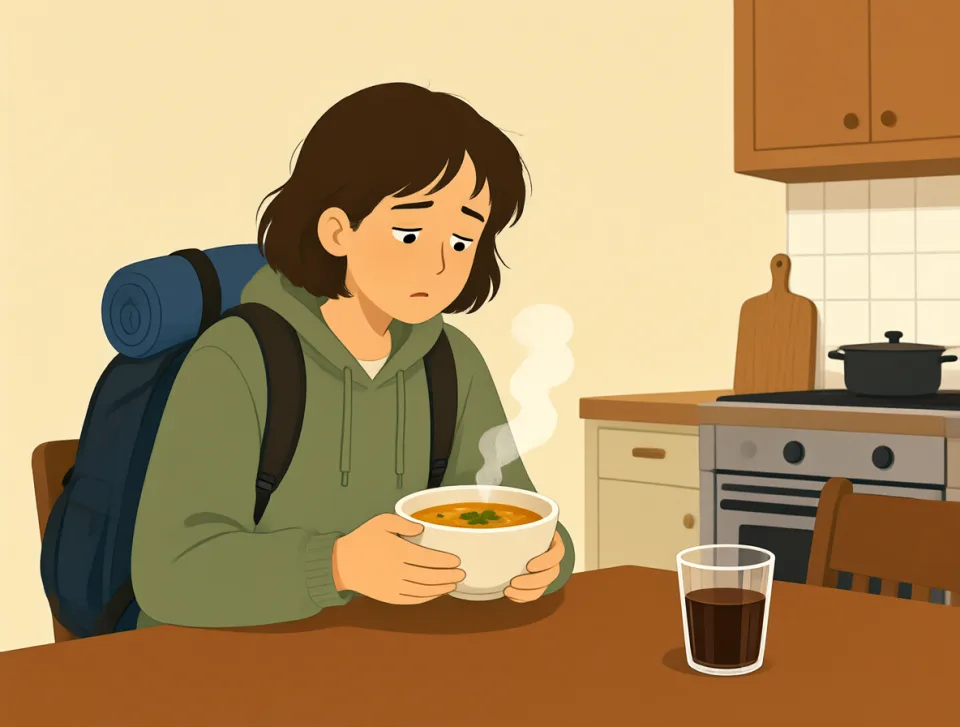
The warm soup was welcome after the long walk.
走了很長一段路後,這碗熱湯來得正是時候。

smile
#990noun, verb
微笑; 笑容
To make a happy expression with your mouth, or the expression itself.
用嘴做出開心的表情,或指這種表情本身。

She smiled at me on the train.
她在火車上對我笑了笑。

He gave me a warm smile.
他給了我一個溫暖的笑容。

The baby smiled for the first time.
寶寶第一次笑了。
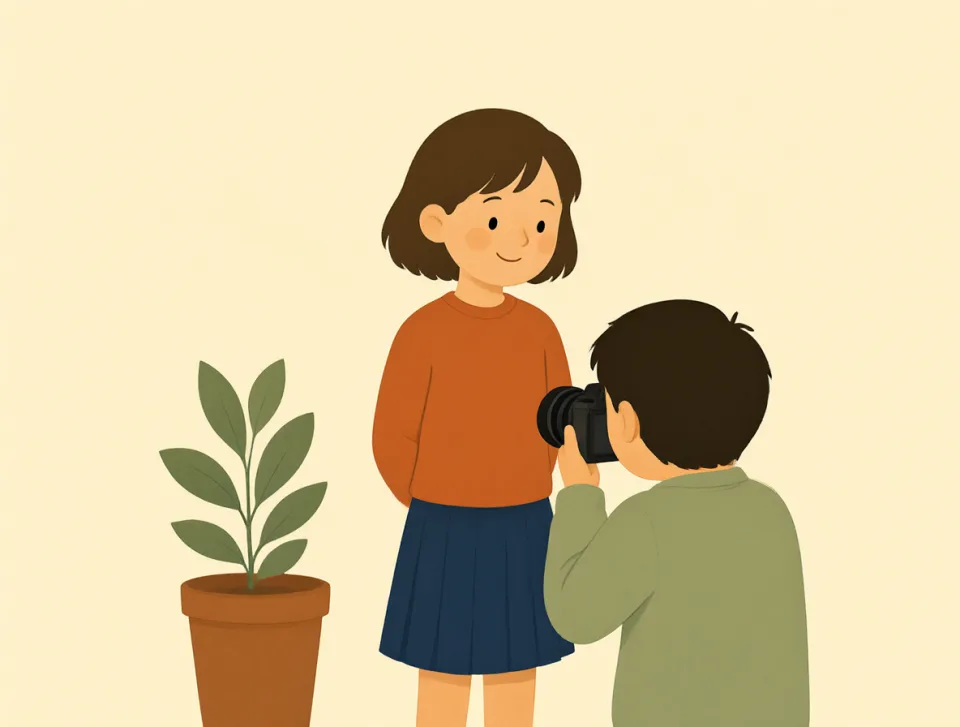
Please smile for the school photo.
請為學校照片笑一個。

The shop assistant smiled and helped me.
店員微笑著幫助了我。
communication
#991noun
溝通; 交流
The sharing of information, thoughts, or feelings with other people.
與他人分享資訊、想法或感受。
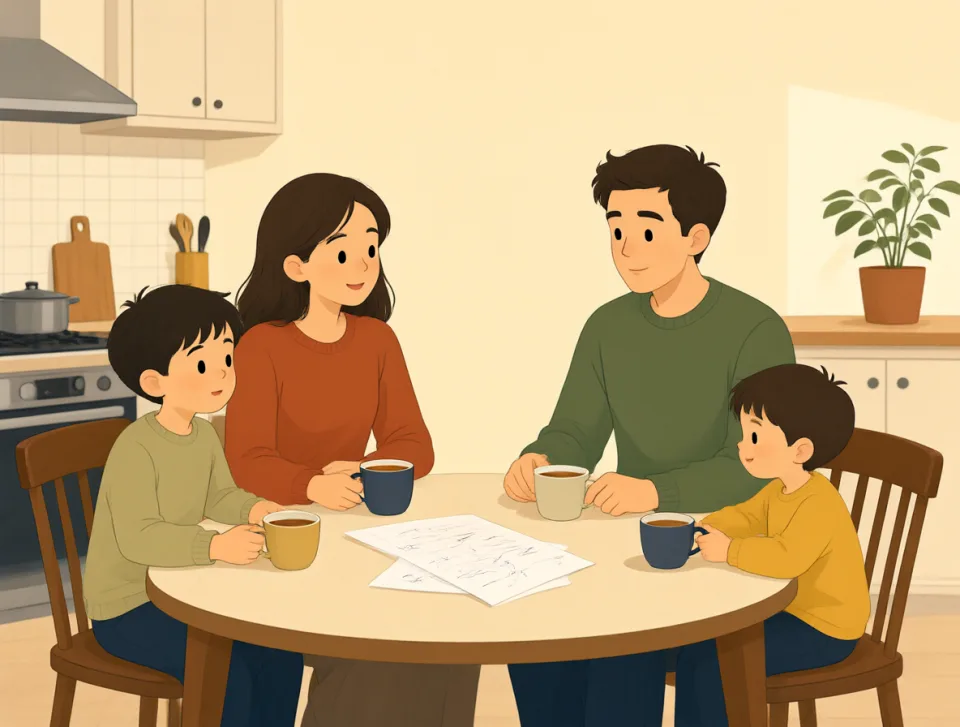
Good communication helps families solve problems.
良好的溝通有助於家人解決問題。

Clear communication is important at work.
在工作中,清晰的溝通很重要。

We use communication to learn in class.
我們透過交流在課堂上學習。

The doctor asked about communication problems.
醫生詢問了溝通方面的問題。

They had communication problems during the trip.
他們在旅行期間遇到了溝通問題。

agent
#992noun
代理人; 經紀人; 特工; 清潔劑
A person or company that acts for another person or helps arrange something.
代表他人行事或幫助安排某件事的個人或公司。

The travel agent booked our hotel.
旅行社代理人幫我們訂好了酒店。

Call your insurance agent after the accident.
事故發生後,給你的保險代理人打電話。

The secret agent followed the man.
那個特工跟蹤著那名男子。

Our real estate agent showed us the house.
我們的房產經紀人帶我們看了那棟房子。

The cleaning agent removed the stain.
這種清潔劑去除了汙漬。
traditional
#993adjective
傳統的
Following old customs, beliefs, or ways of doing things.
遵循古老的習俗、信仰或做事方式。
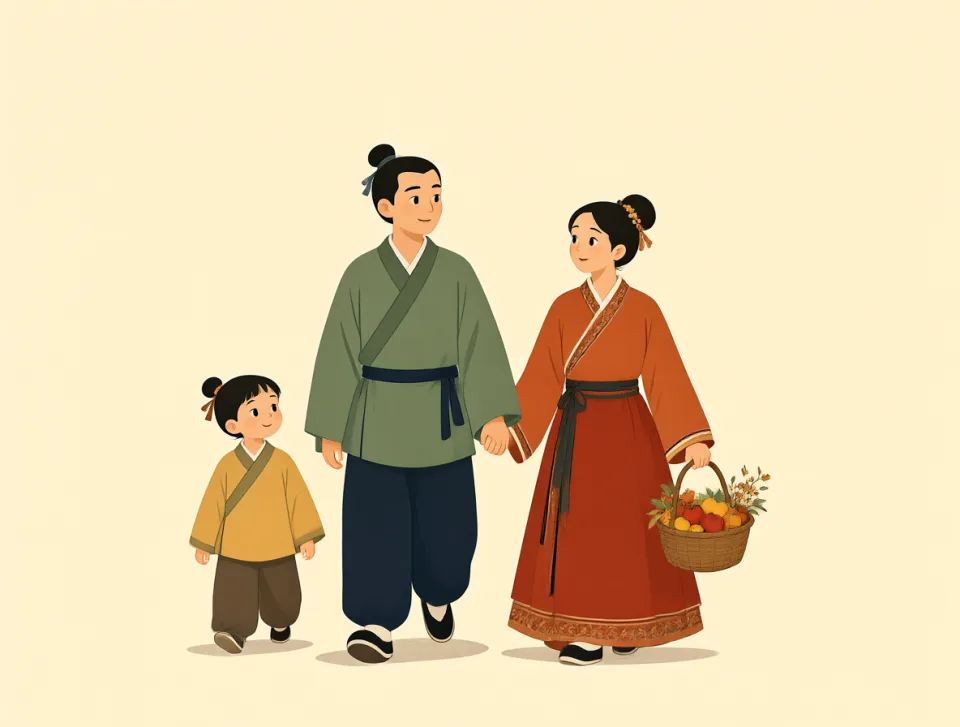
They wore traditional clothes at the festival.
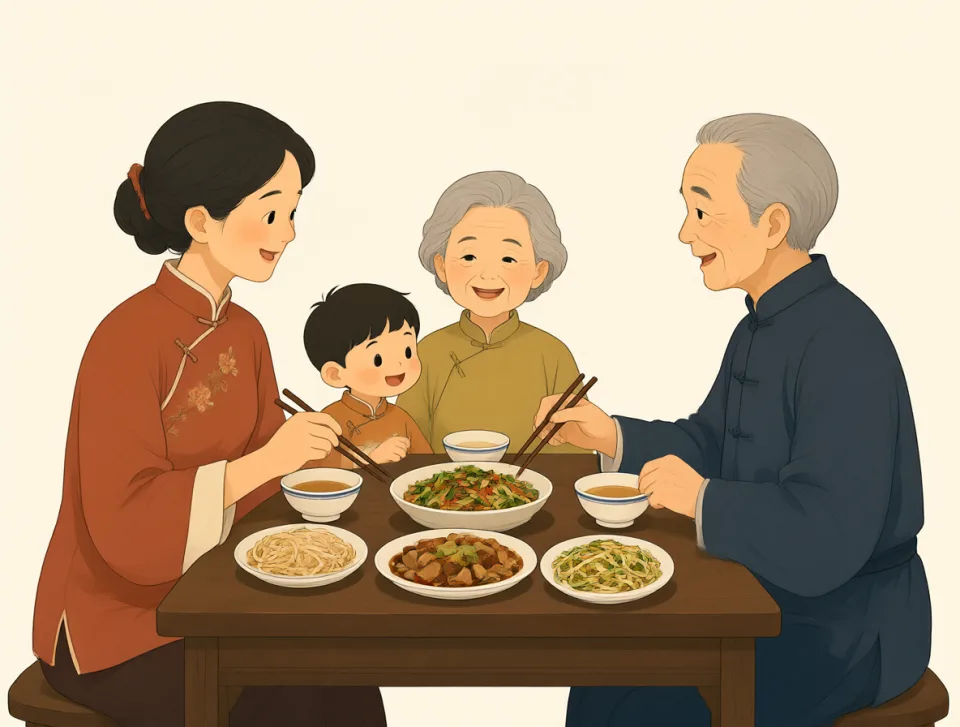
他們在節日裡穿著傳統服裝。

We ate a traditional meal at home.
我們在家吃了一頓傳統餐。
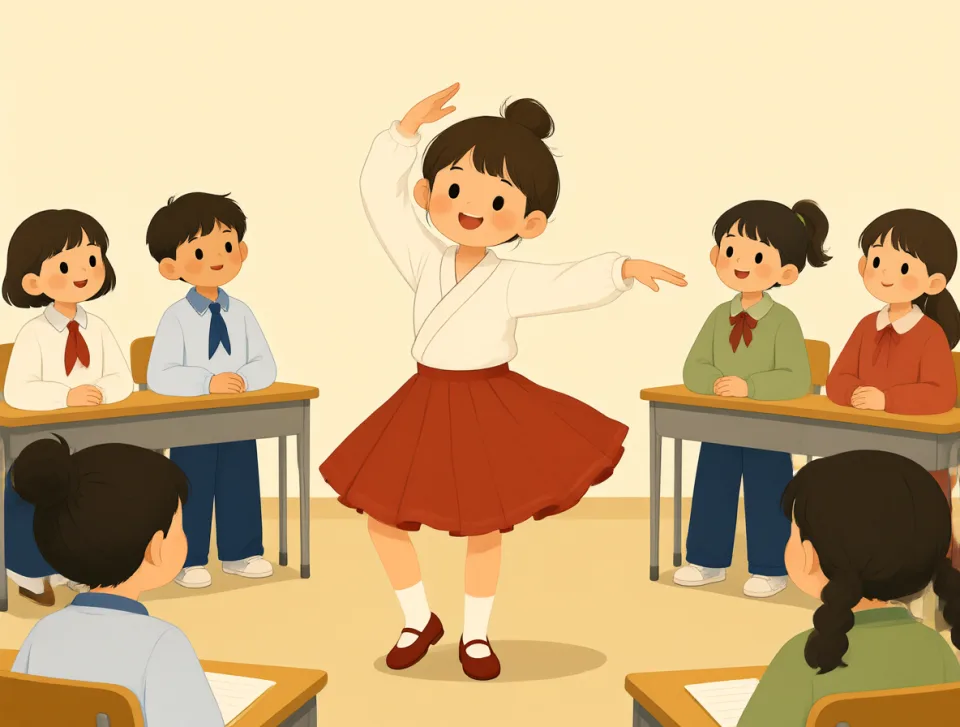
She learned traditional dances at school.
她在學校學習了傳統舞蹈。

This shop sells traditional local food.
這家店出售當地傳統食品。

He chose a traditional hotel near the village.
他選擇了村子附近的一家傳統酒店。
replace
#994verb
替換; 更換; 取代; 代替
to put a new thing or person in the place of another
用新的人或物來代替另一個人或物
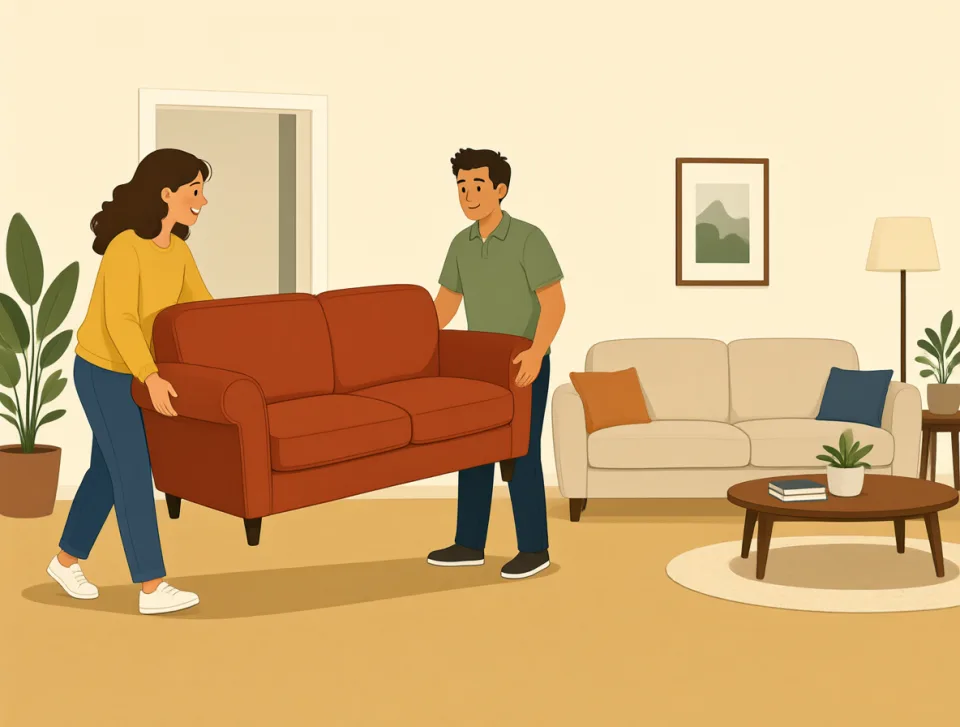
We need to replace the old sofa.
我們需要換掉那張舊沙發。
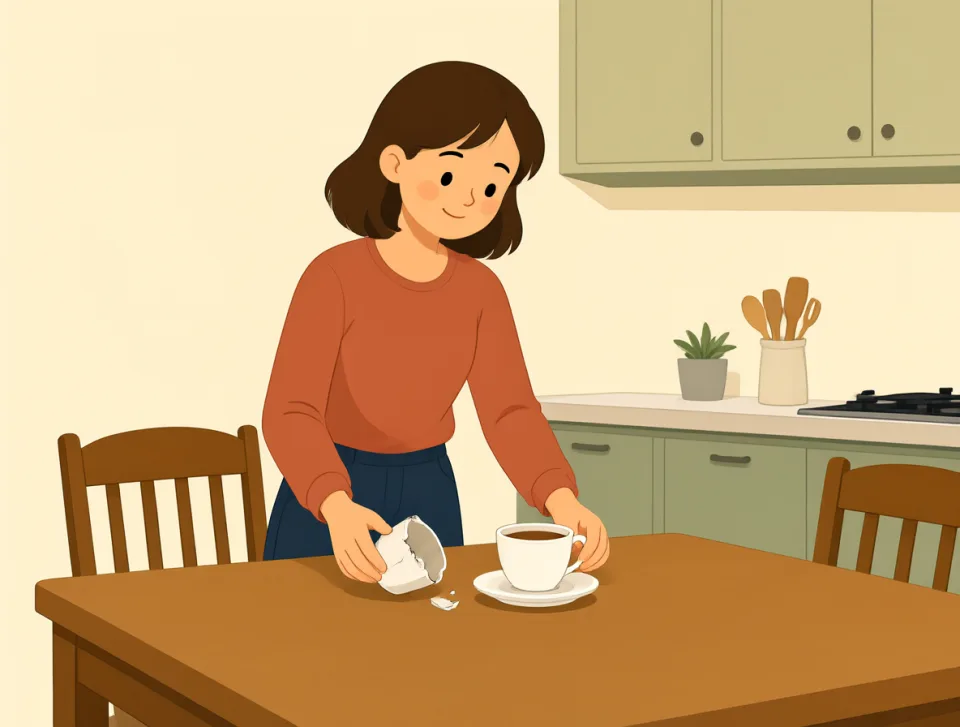
She replaced the broken cup with a new one.
她把壞杯子換成了一個新的。
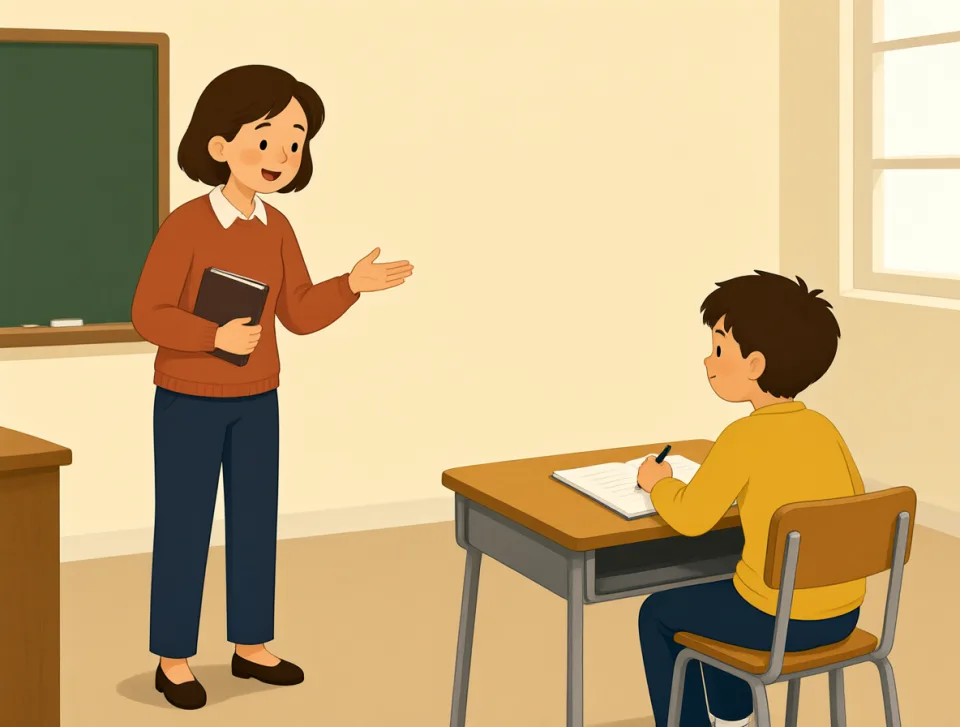
The teacher replaced the missing student today.
老師今天頂替了缺席的學生。
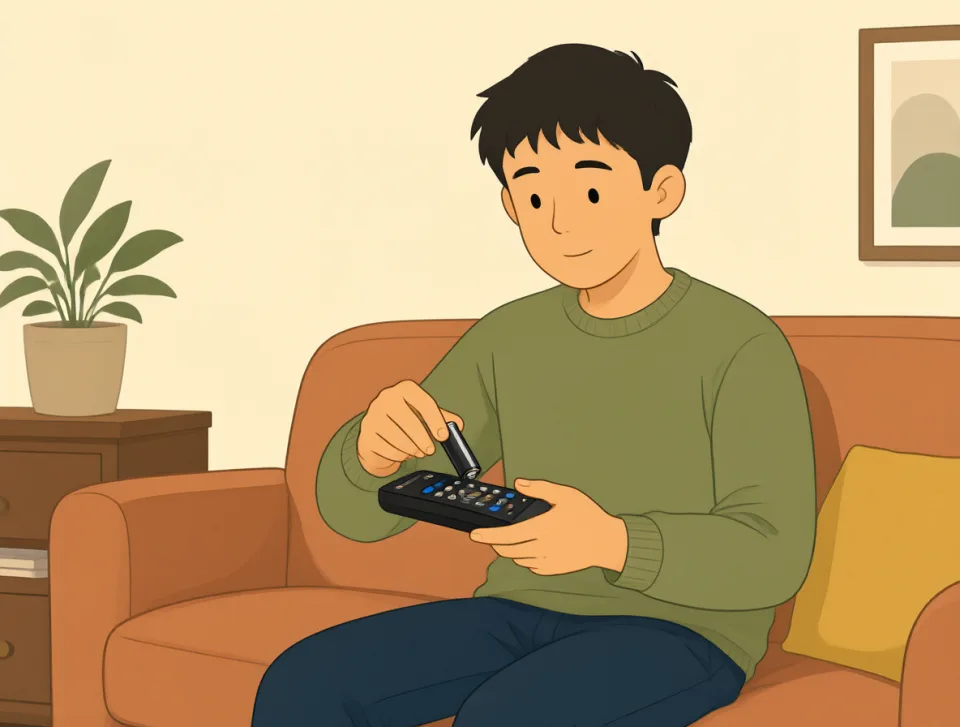
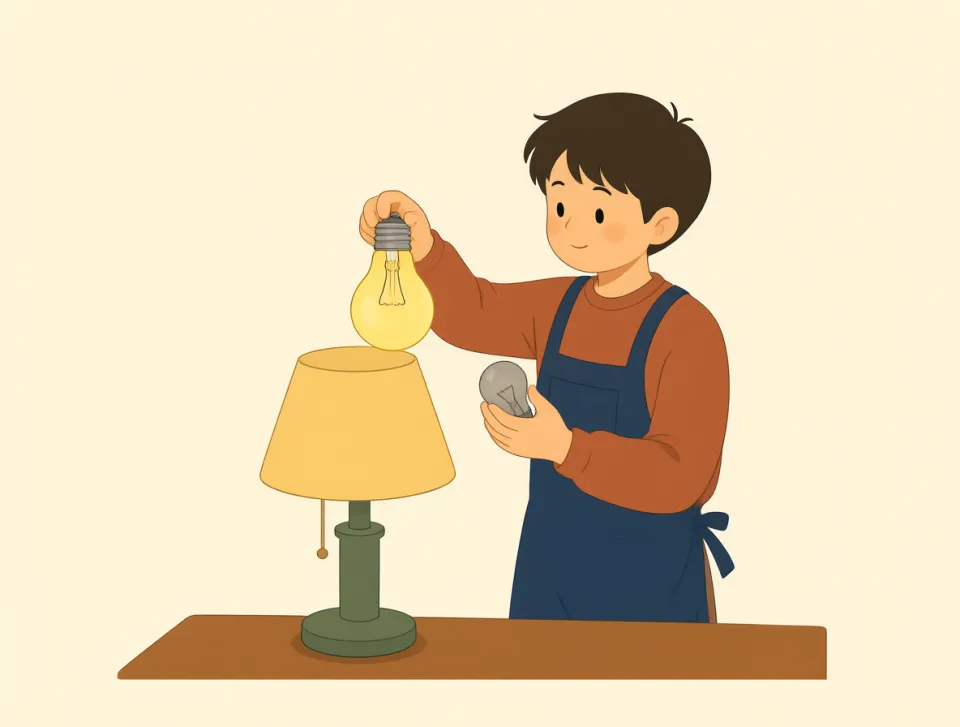
Please replace the batteries in the remote.
請更換遙控器裡的電池。

They replaced our canceled flight with another.
他們給我們換了另一趟航班,因為原來的航班被取消了。
judge
#995noun, verb
法官; 判斷; 評判
To form an opinion about someone or something, or decide who wins a competition.
對某人或某事形成看法,或決定比賽誰獲勝。

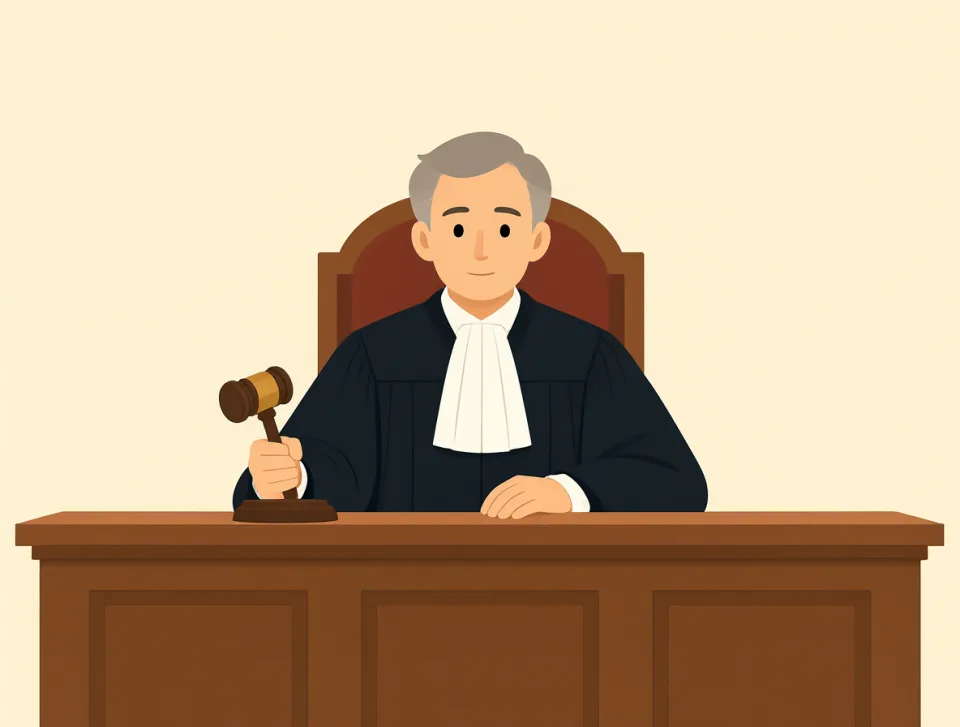
The judge listened carefully to both lawyers.
法官認真聽取了兩位律師的陳述。
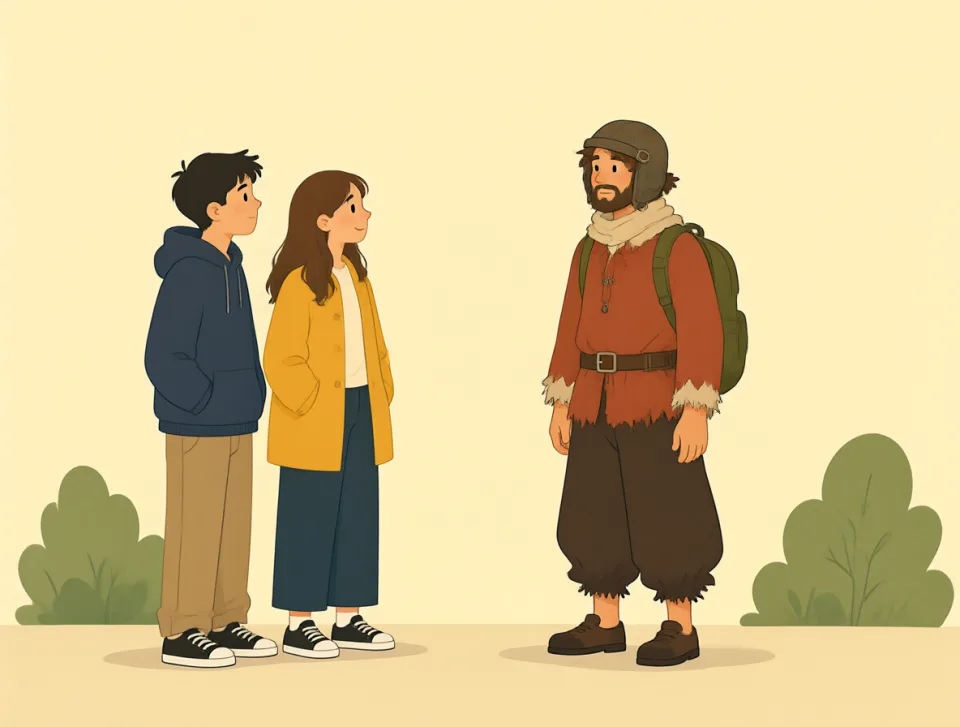
Do not judge people by their clothes.
不要以衣著來評判別人。
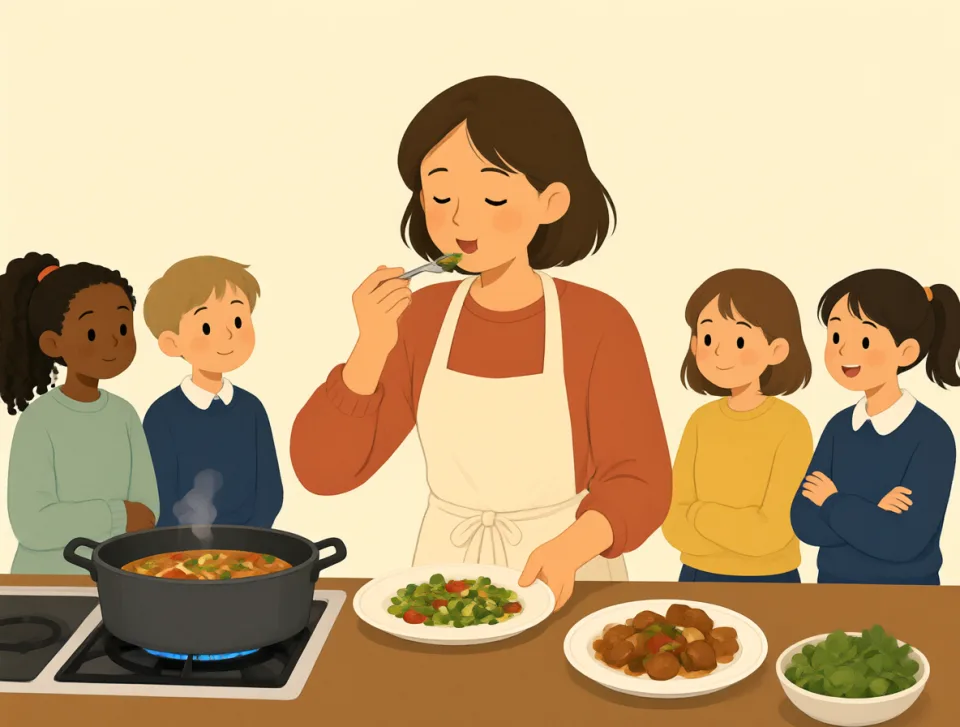
She judged the cooking contest at school.
她擔任了學校烹飪比賽的評委。

The judge gave him a fair sentence.
法官公正地判了他的刑。
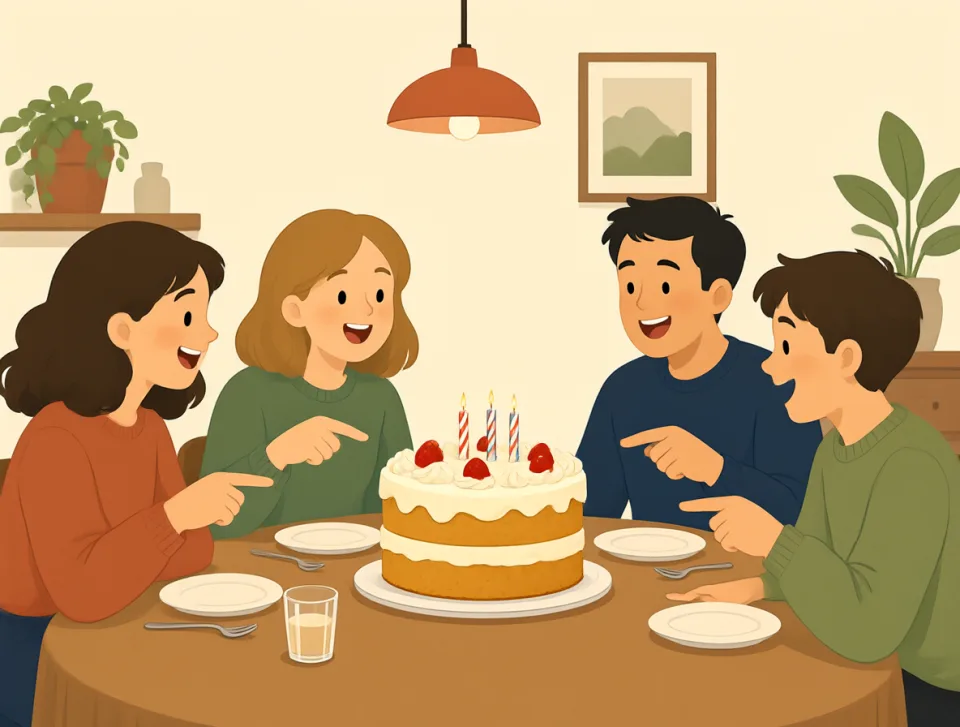
We judged the cake the best one.
我們評定這塊蛋糕是最好的。

herself
#996pronoun
她自己
Used to refer to a female person or girl already mentioned.
用於指代前面提到的女性或女孩。
She made herself a cup of tea.
她給自己泡了一杯茶。
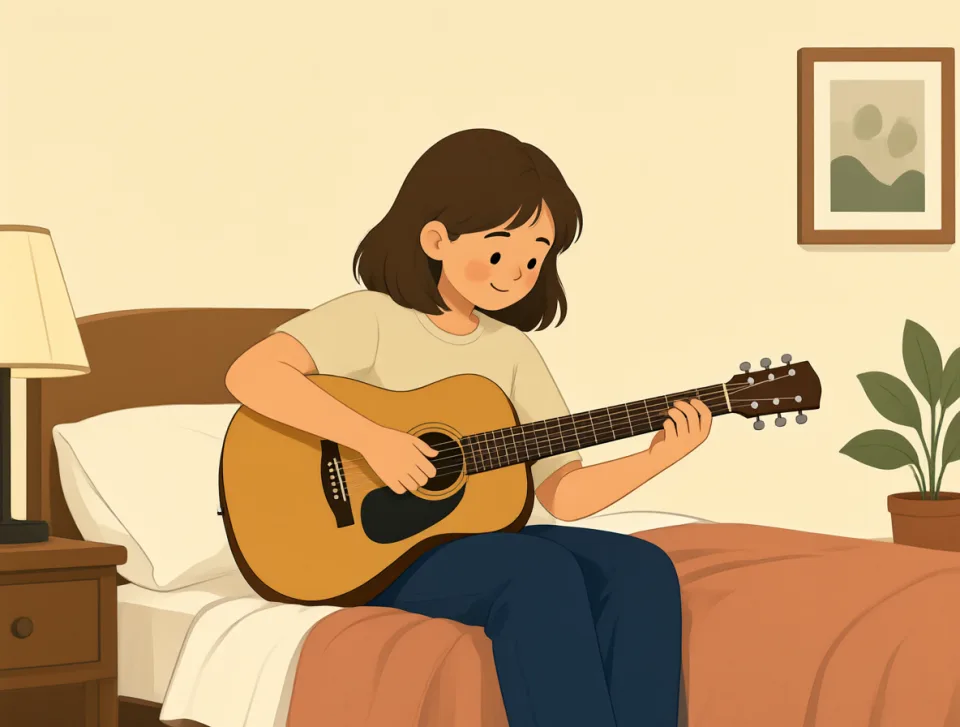
Maya taught herself to play guitar.
Maya自學會了彈吉他。
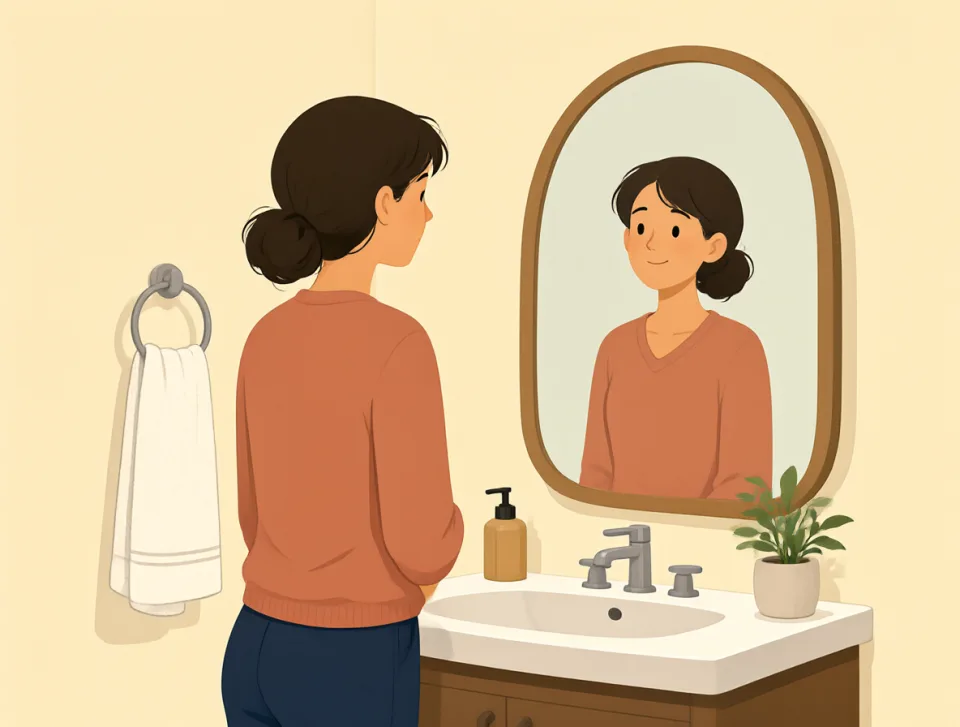
She looked at herself in the mirror.
她看著鏡子裡的自己。
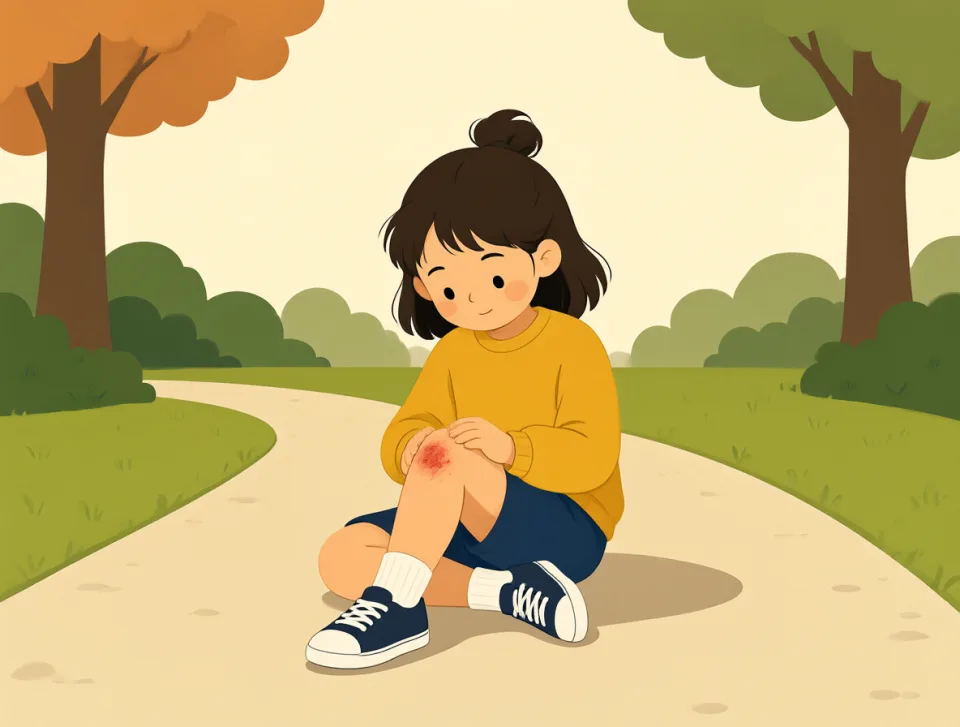
The girl hurt herself while running.
那個女孩跑步時弄傷了自己。

Anna bought herself a new coat.
Anna給自己買了一件新外套。
suddenly
#997adverb
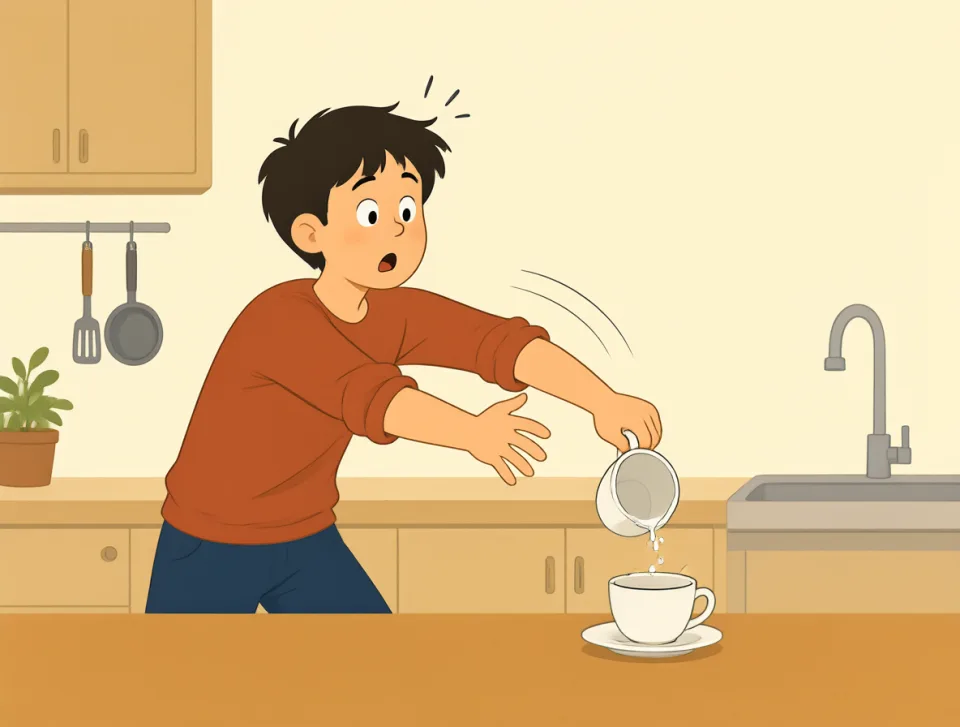
突然;忽然
In a quick and unexpected way.
以快速且出人意料的方式。
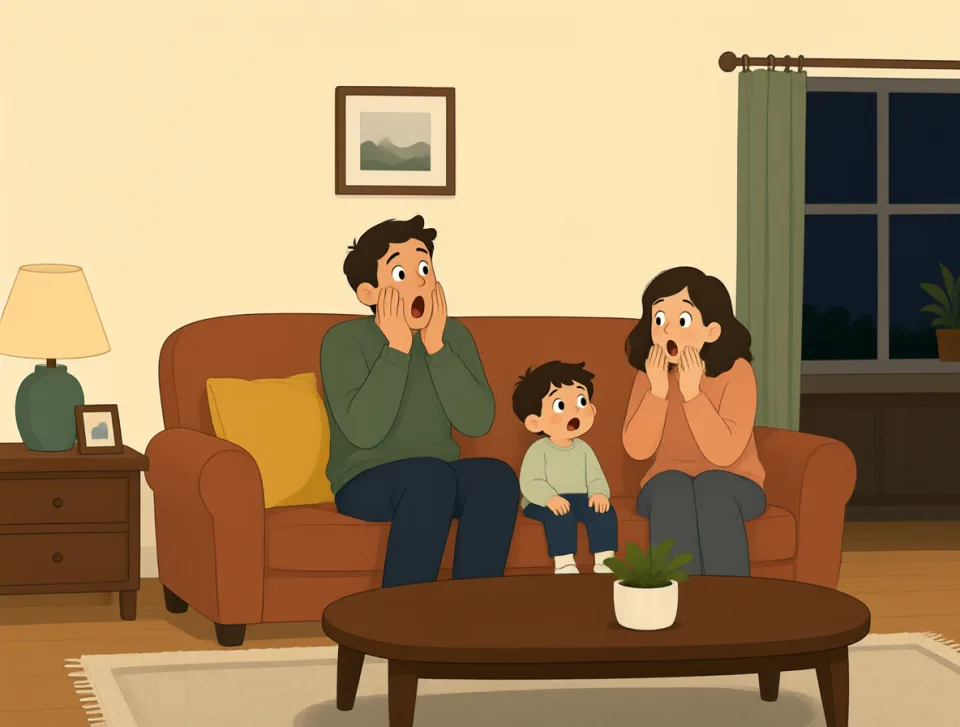
The lights suddenly went out.
燈突然熄滅了。
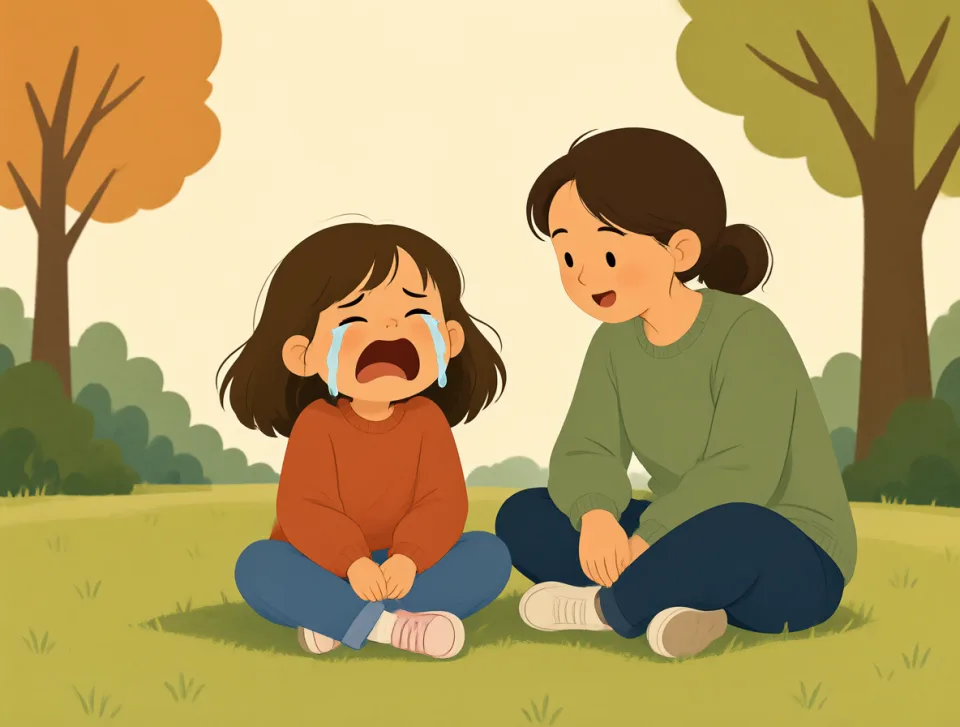
She suddenly started to cry.
她突然哭了起來。

Suddenly, it began to rain.
突然,天開始下雨了。
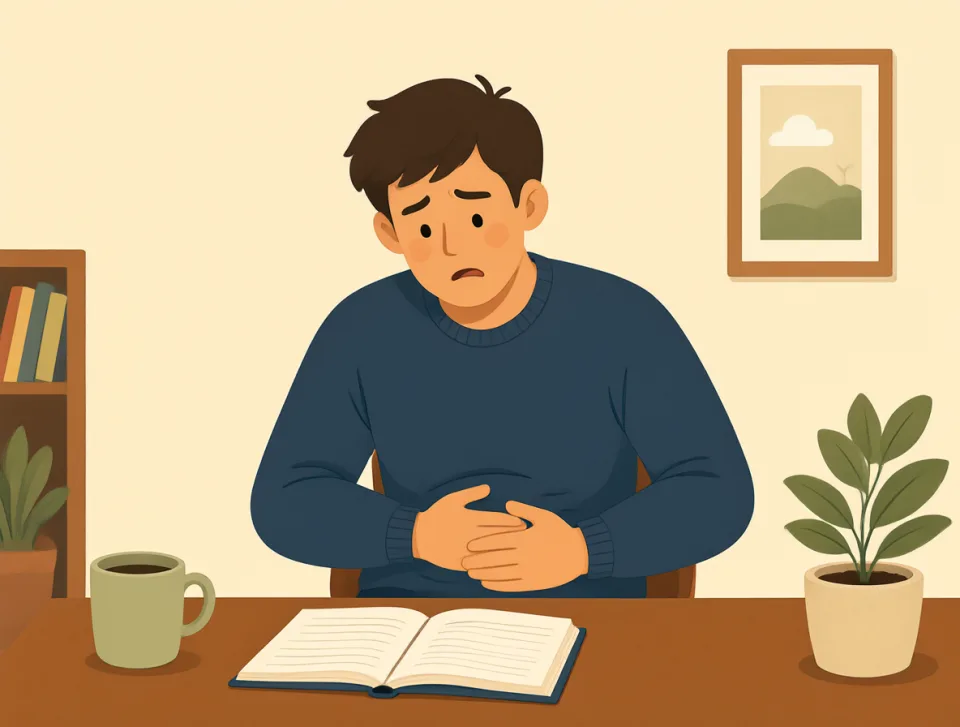
He suddenly felt sick at work.
他在工作時突然感到不舒服。

The dog suddenly ran into the street.
狗突然跑到街上去了。
generation
#998noun
一代;世代;發電
All the people born and living at about the same time.
在大約同一時期出生並生活的所有人。
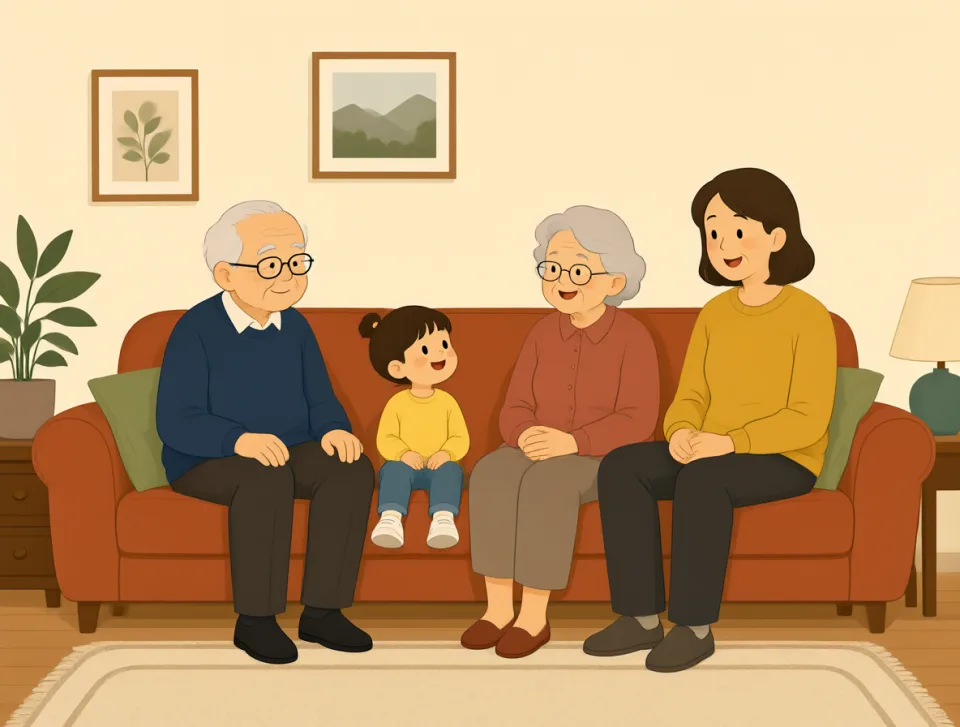
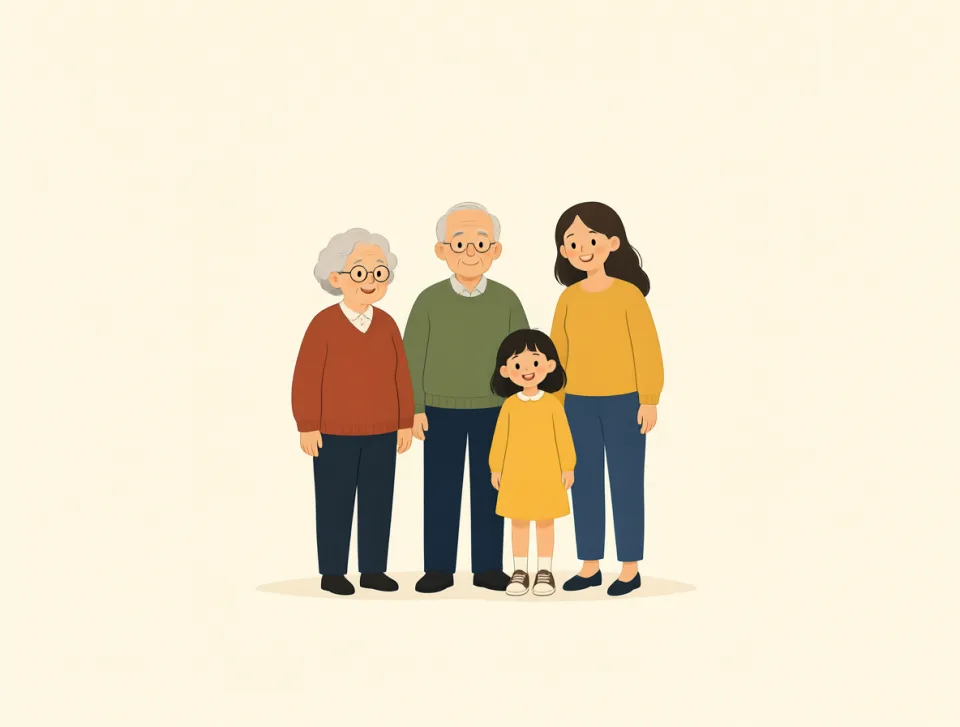
Three generations live in this family home.
這個家裡住著三代人。
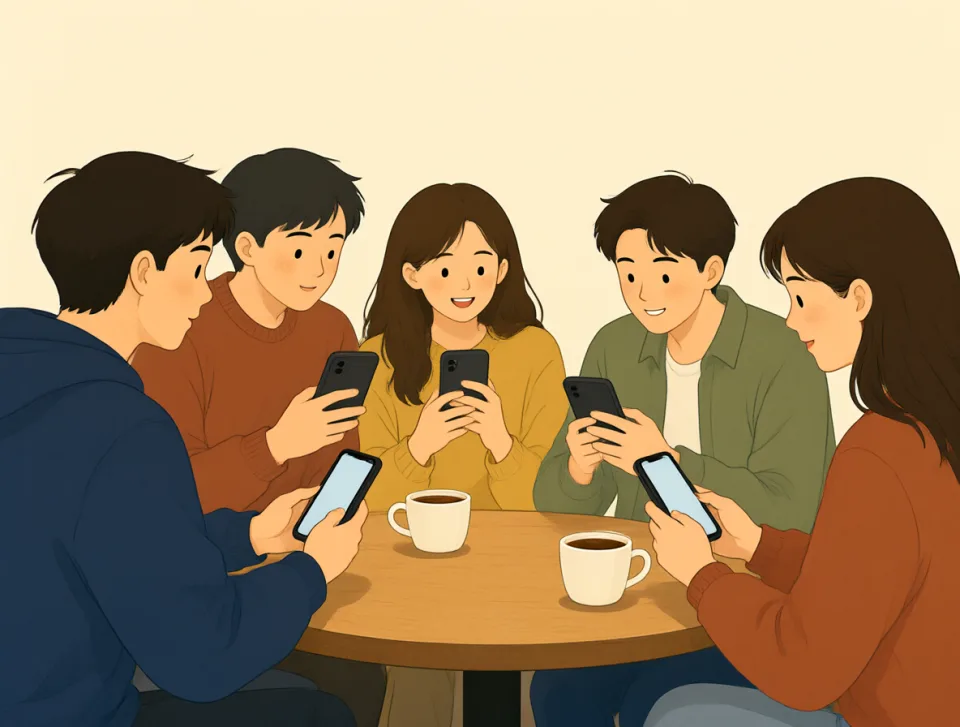
This generation uses phones every day.
這一代人每天都使用手機。

My parents' generation liked different music.
我父母那一代人喜歡不同的音樂。
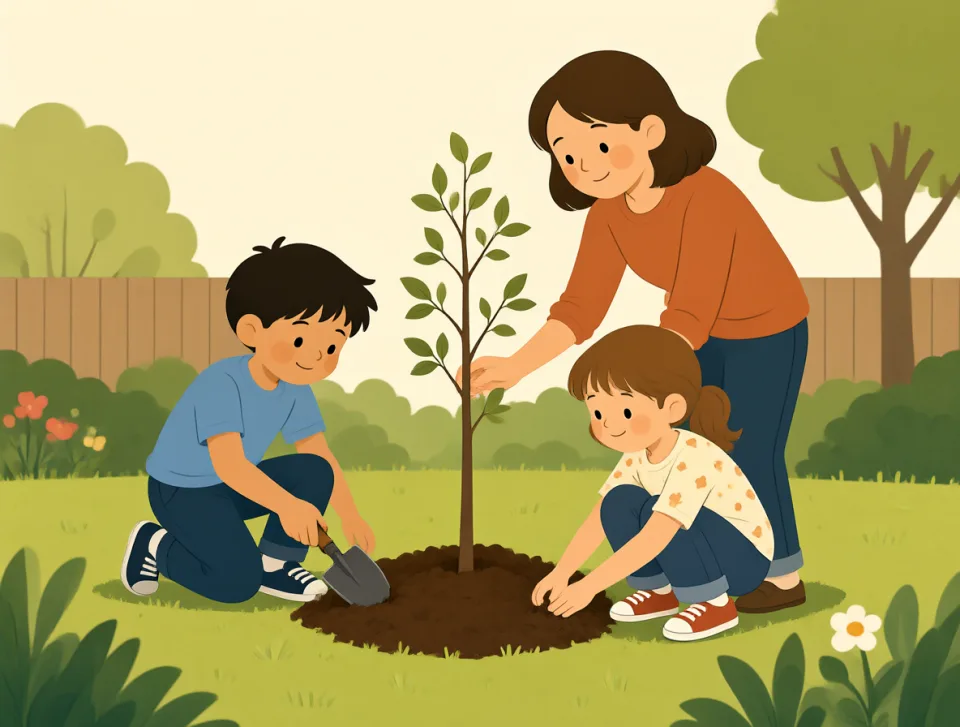
The new generation wants cleaner energy.
新一代人希望使用更清潔的能源。

The machine needs a new battery generation system.
這臺機器需要一套新的電池發電系統。
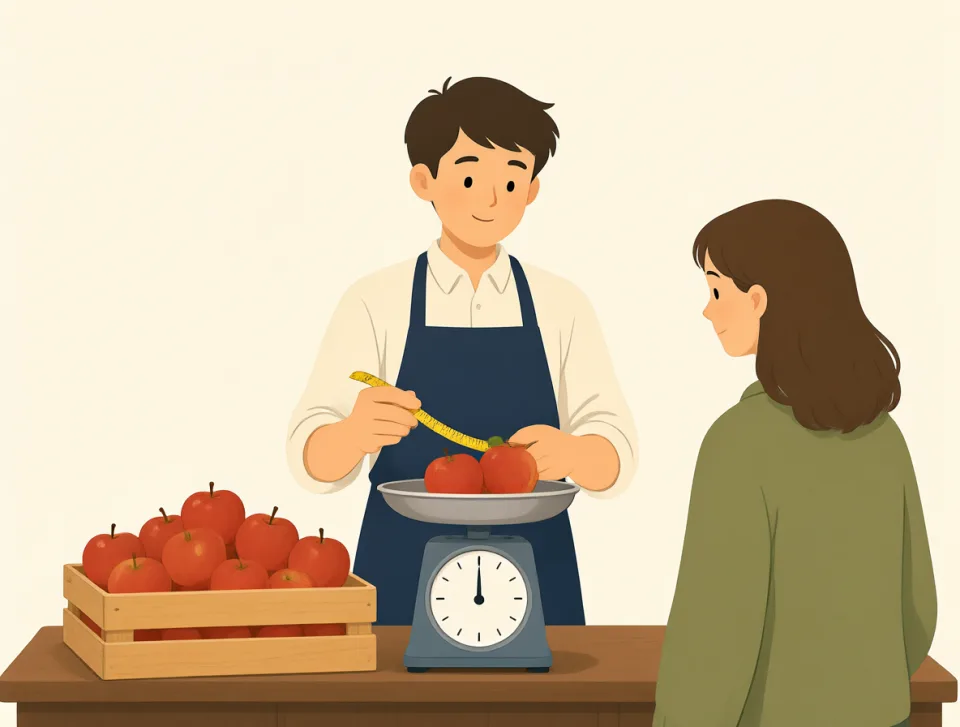
estimate
#999noun, verb
估計;估價
A number that is close to the real amount, or to guess this number.
接近實際數額的數字,或對這個數字的猜測。

The builder gave us an estimate for repairs.
建築商給了我們一份維修估價。
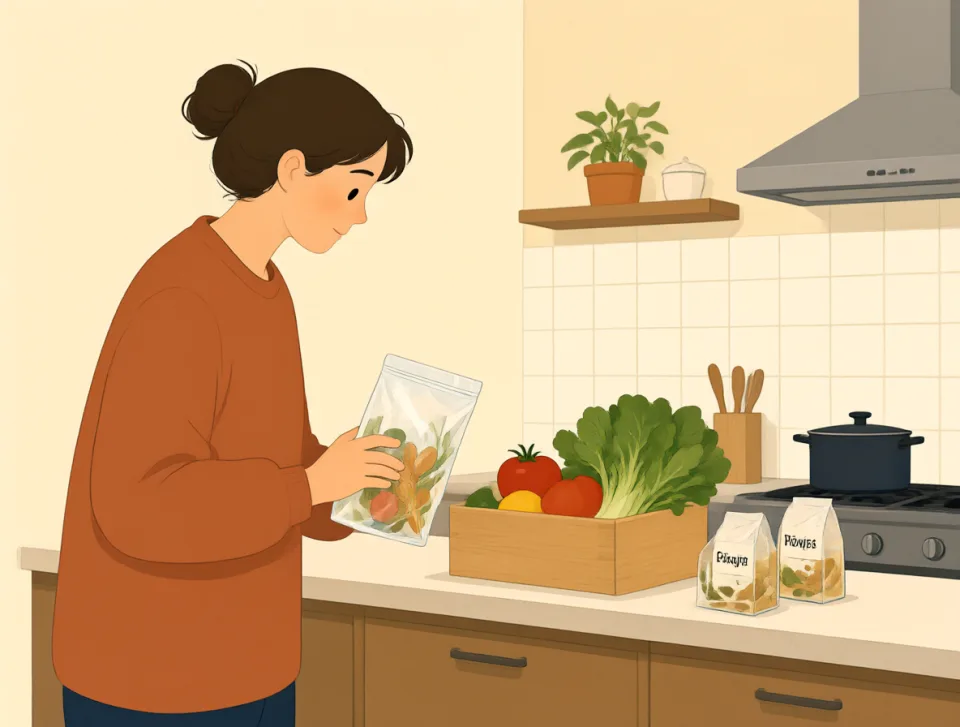
Can you estimate the cost of dinner?
你能估算一下晚餐要花多少錢嗎?
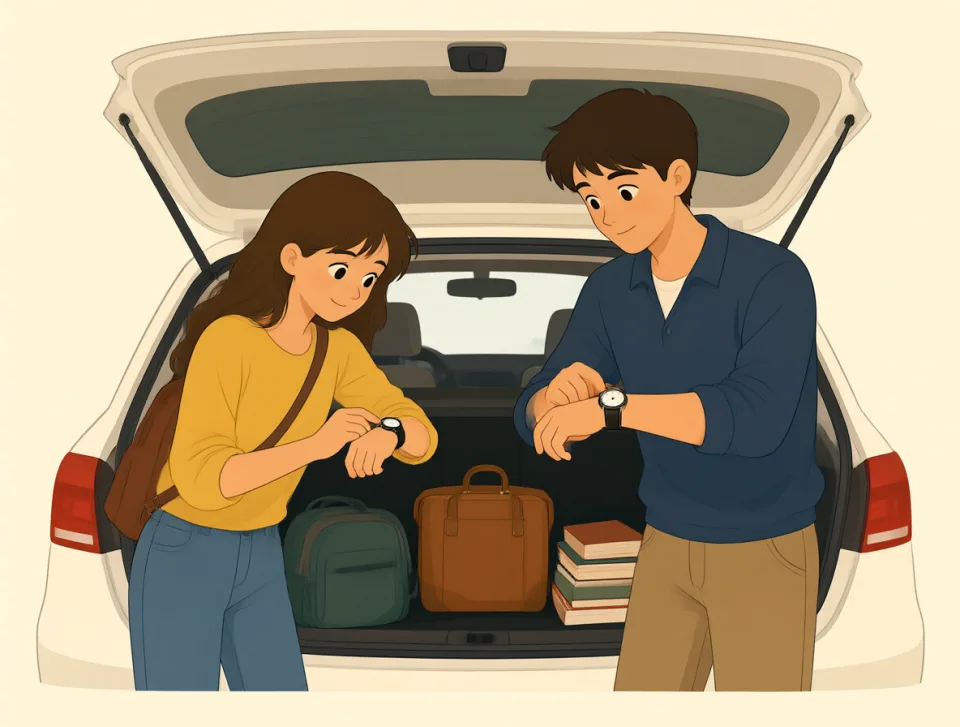
The trip will take an estimated two hours.
這次旅行預計需要兩個小時。
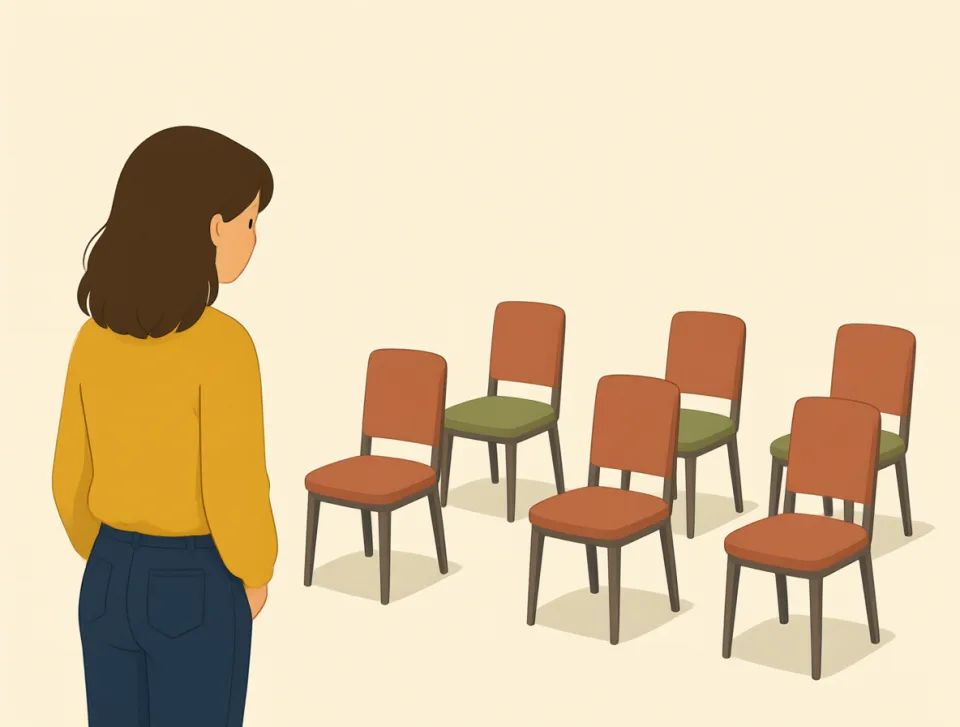
I estimate that ten people will come.
我估計會有十個人來。

The doctor estimated my recovery time.
醫生估計了我的恢復時間。
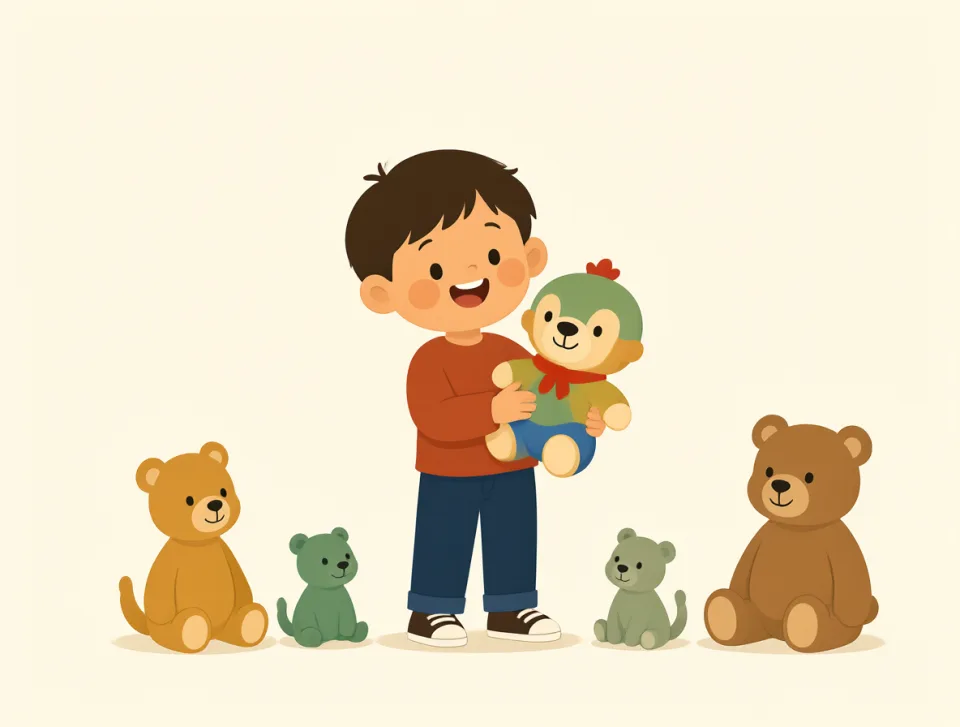
favorite
#1000adjective, noun
最喜歡的;最喜愛的人或事物
liked more than all the others
比其他所有的都更喜歡
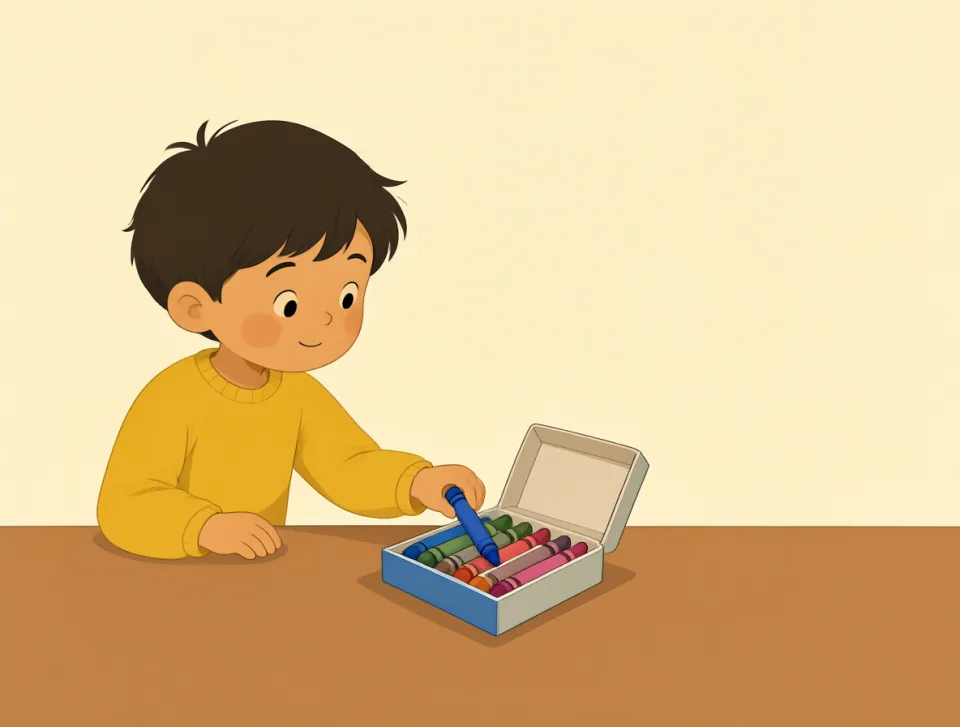
Blue is my favorite color.
藍色是我最喜歡的顏色。

What is your favorite food?
你最喜歡吃什麼?
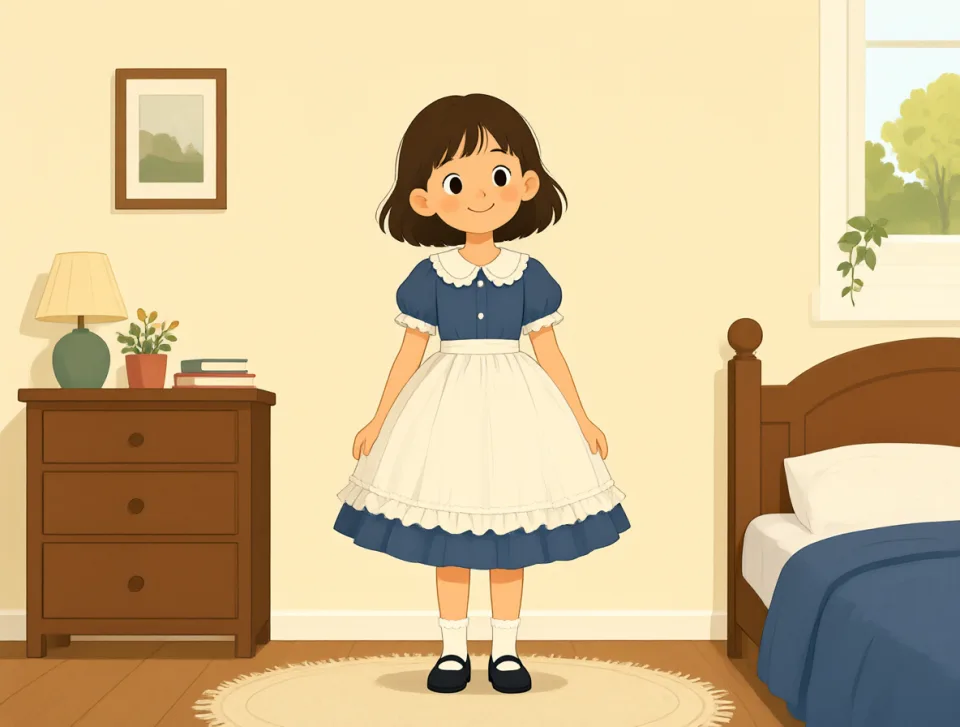
She wore her favorite dress yesterday.
她昨天穿了自己最喜歡的連衣裙。

This song is my favorite.
這首歌是我的最愛。
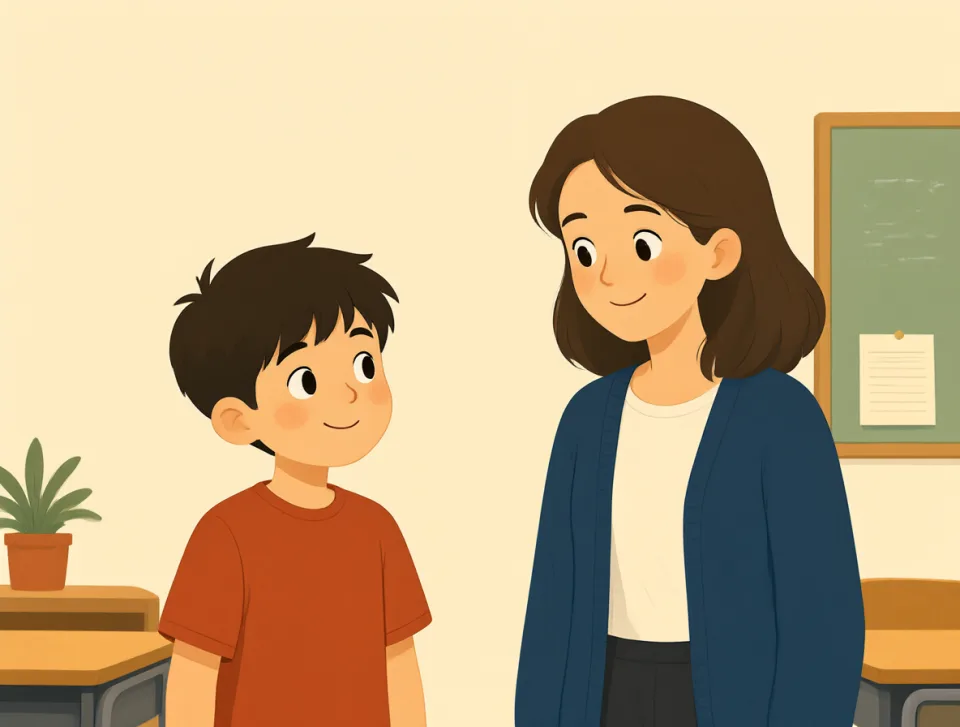
Tom is my favorite teacher.
湯姆是我最喜歡的老師。