بخش 46
واژههای 901 تا 920 · guess, fun, protect, resource, science, disease
guess
#901noun, verb
حدس زدن
To give an answer without being sure, or an answer made without being sure.
پاسخی دادن بدون اطمینان، یا پاسخی که بدون اطمینان داده شده است.
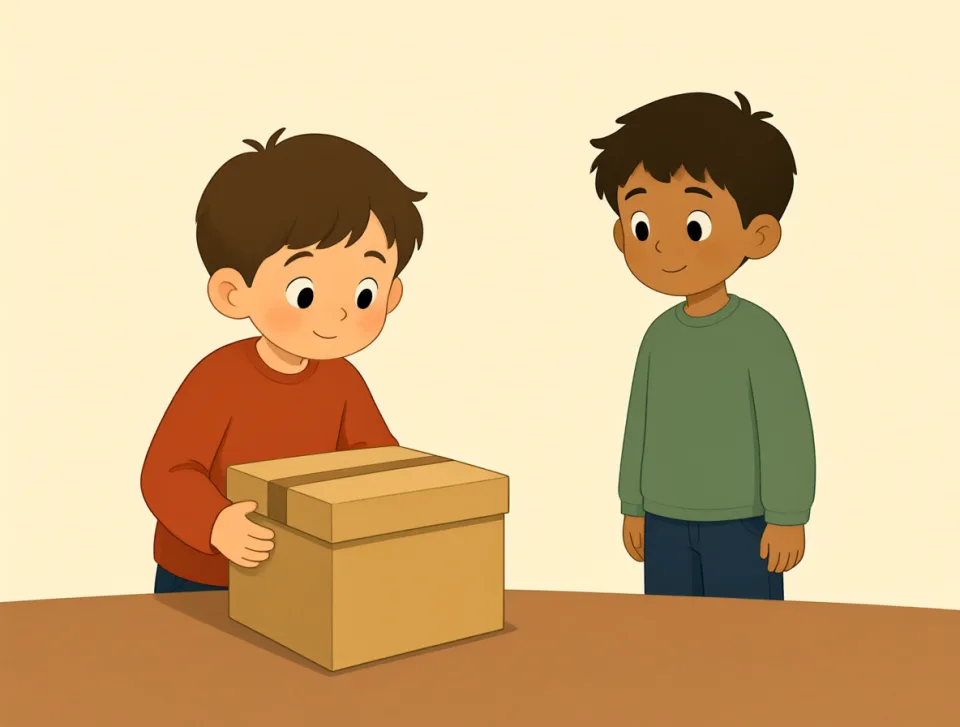
Can you guess what is in the box?
میتوانی حدس بزنی داخل جعبه چیست؟
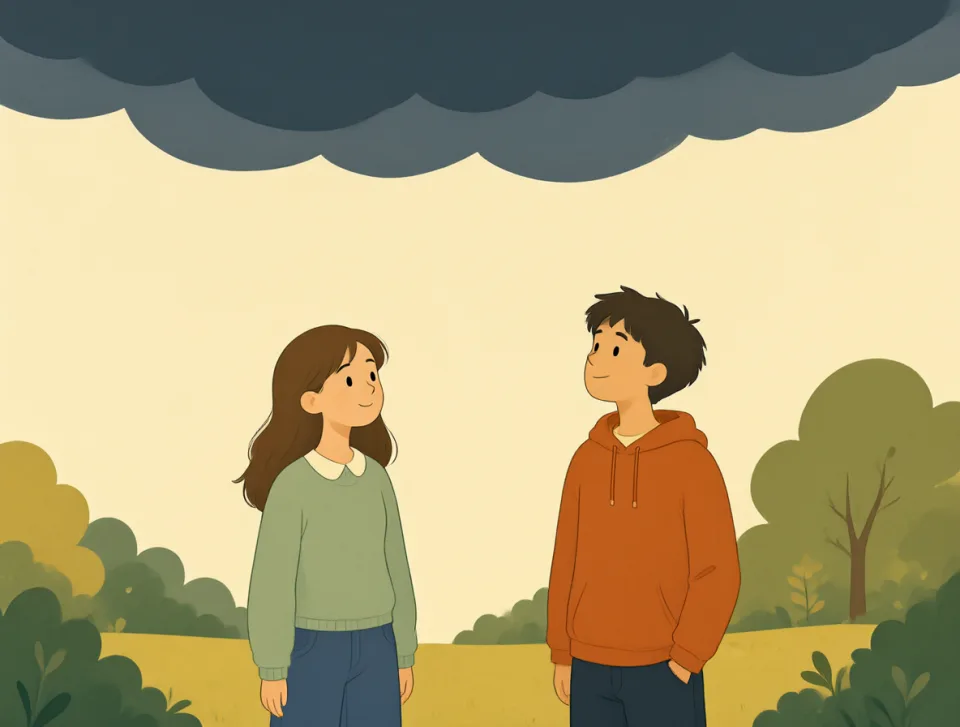
I guess we should leave before it rains.
فکر میکنم بهتر است قبل از باران برویم.
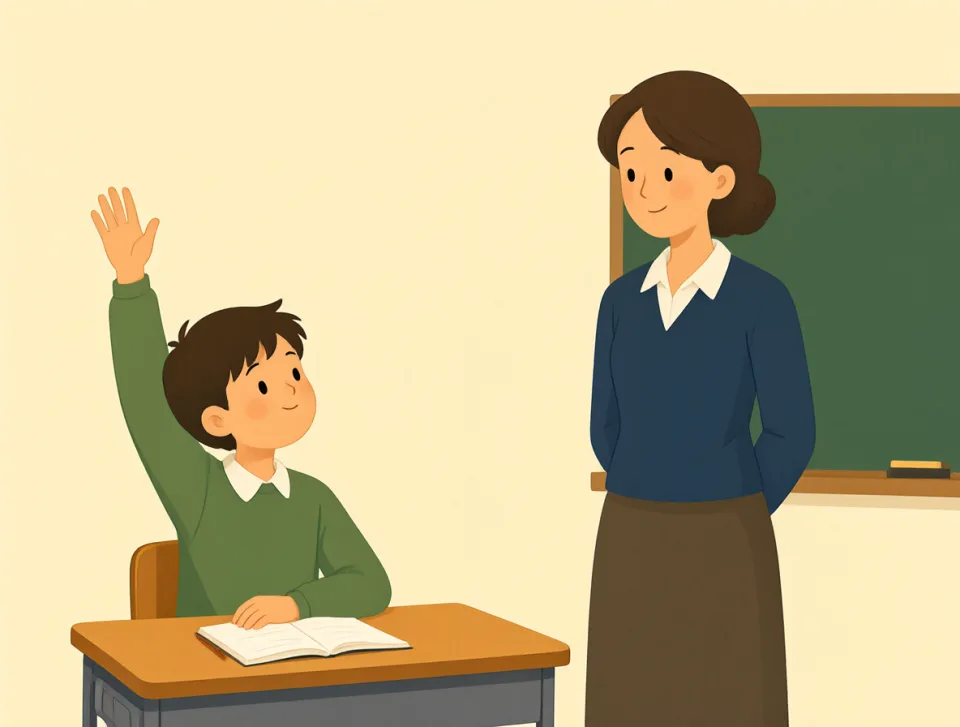
She guessed the answer in class.
او جواب را در کلاس حدس زد.
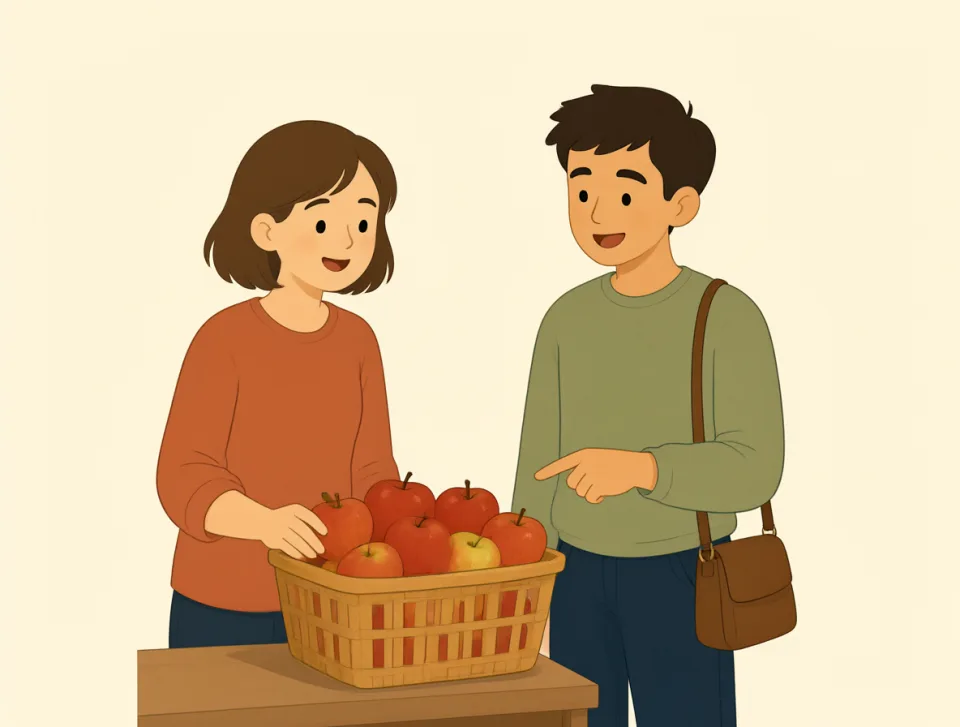
Take a guess: how many apples are here?
یک حدس بزن: اینجا چند سیب هست؟

My guess is that he is still at work.
حدس من این است که او هنوز سرِ کار است.
fun
#902noun, adjective
سرگرمی؛ لذت
Enjoyment or pleasure; enjoyable and amusing.
لذت یا خوشی؛ چیزی لذتبخش و سرگرمکننده.

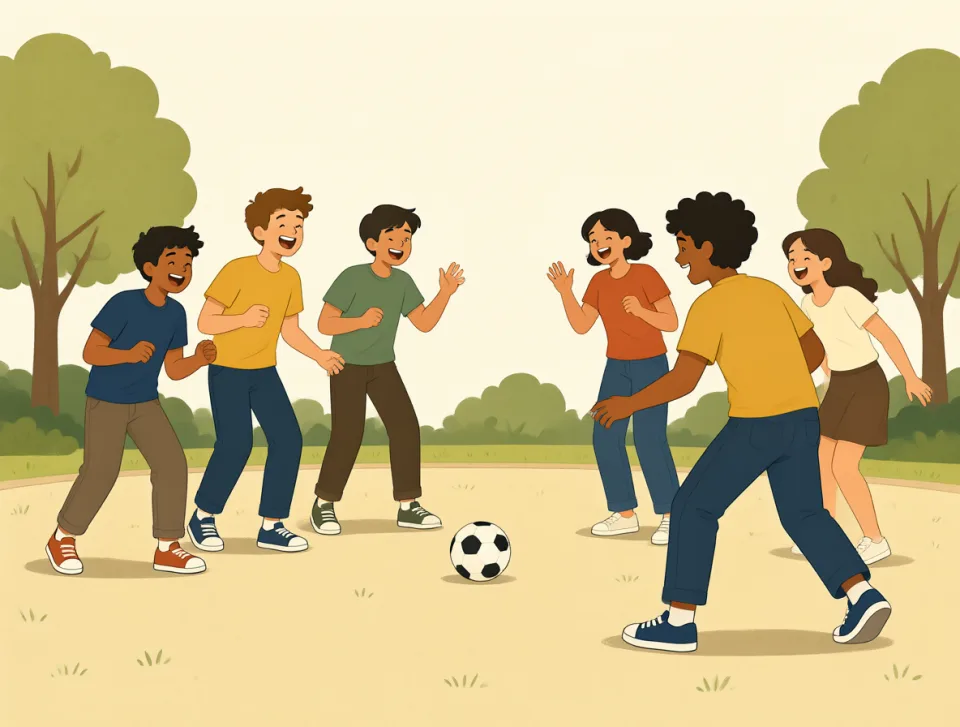
We had fun at the beach yesterday.
دیروز در ساحل خیلی خوش گذشت.
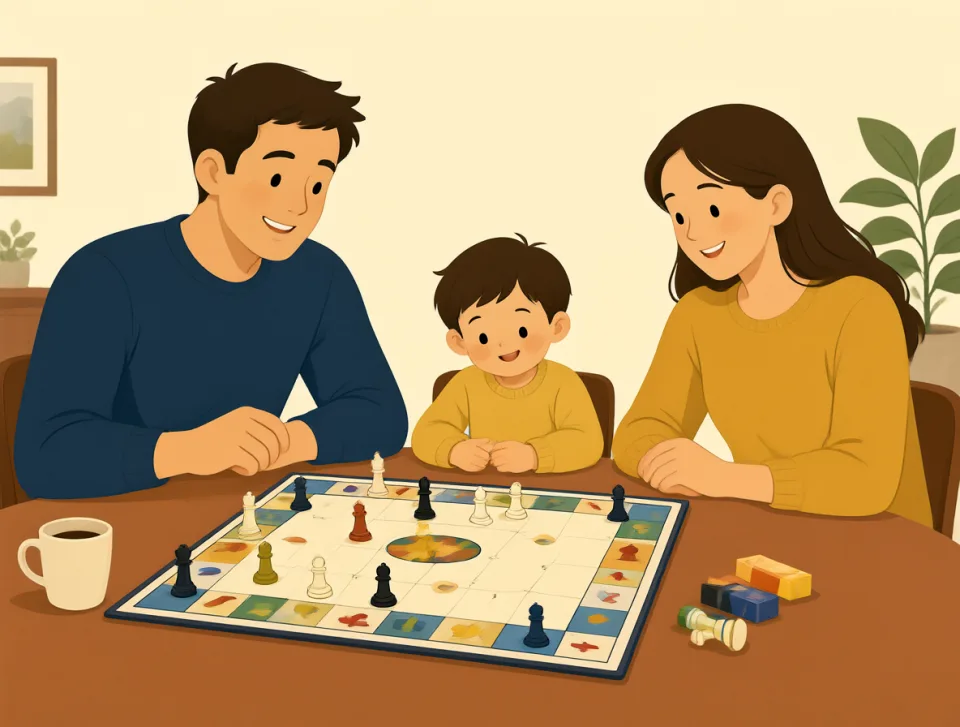
The game was fun for everyone.
این بازی برای همه سرگرمکننده بود.
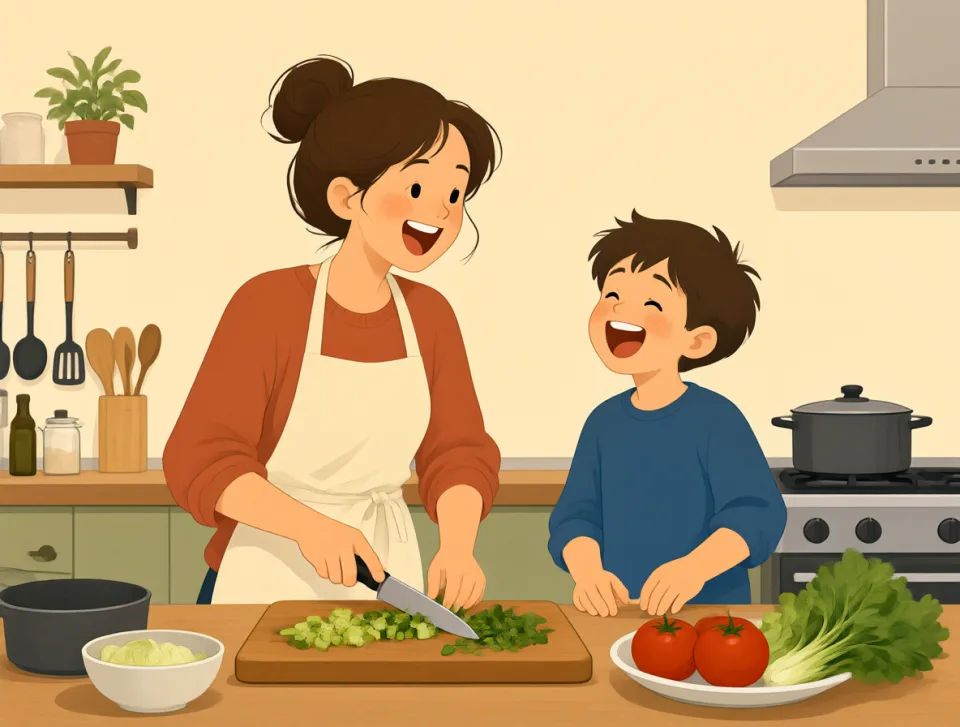
She has fun cooking dinner with her brother.
او از آشپزی کردن با برادرش لذت میبرد.

The children had fun on the school trip.
بچهها در اردوی مدرسه خیلی خوش گذراندند.

Let's find something fun to do tonight.
بیایید امشب کاری سرگرمکننده برای انجام دادن پیدا کنیم.
protect
#903verb
محافظت کردن
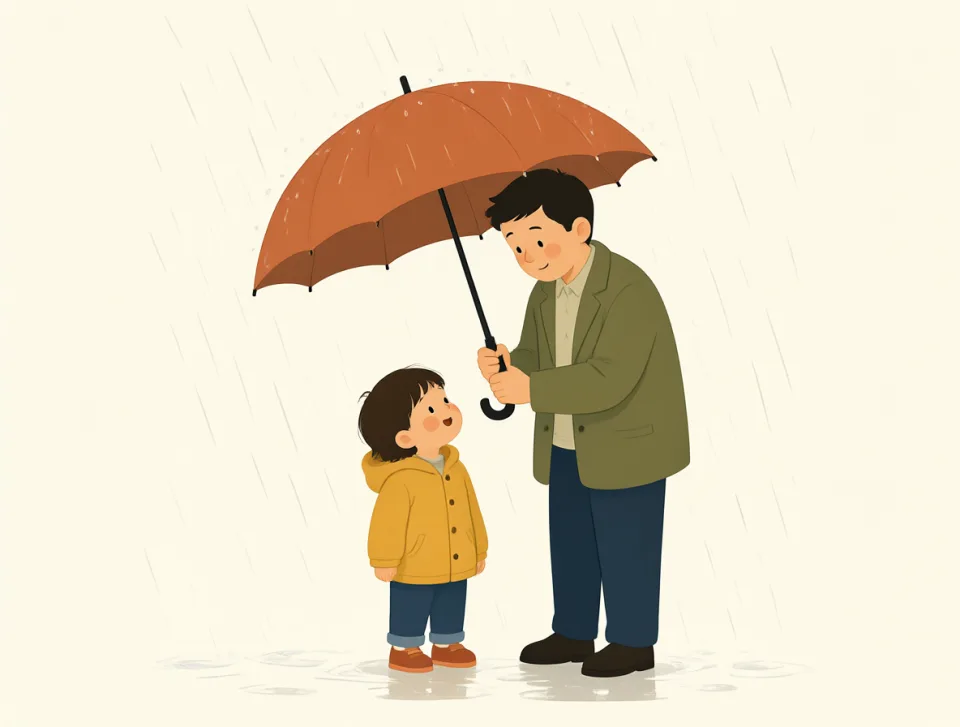
to keep someone or something safe from harm or danger
کسی یا چیزی را از آسیب یا خطر در امان نگه داشتن.

Sunscreen protects your skin from the sun.
ضدآفتاب از پوست شما در برابر آفتاب محافظت میکند.
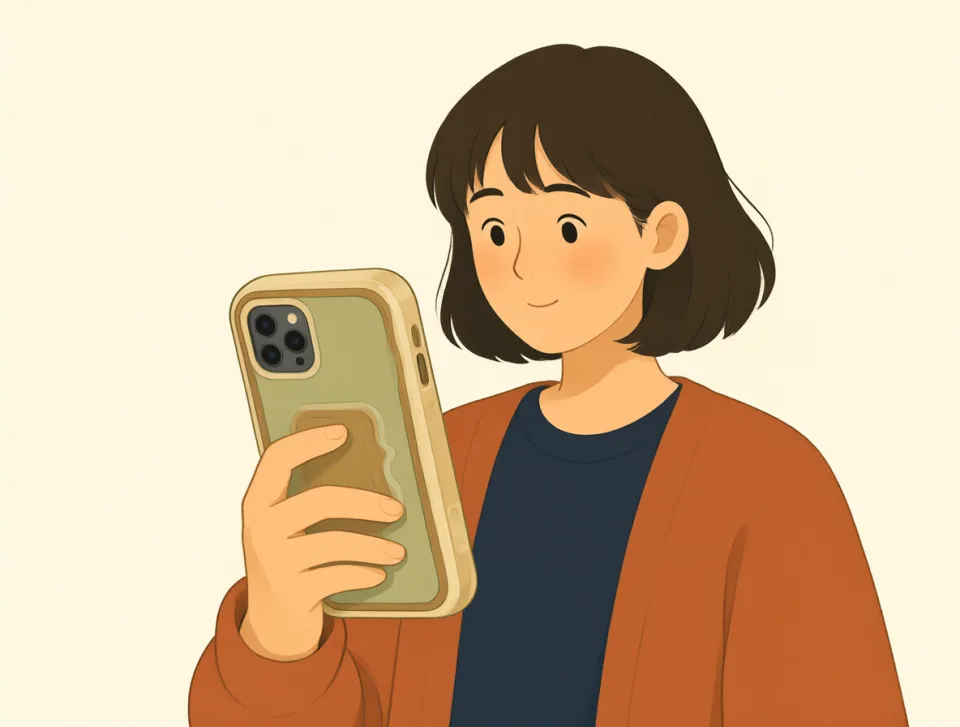
This case protects my phone from drops.
این قاب از گوشیام در برابر افتادن محافظت میکند.

Workers wear helmets to protect their heads.
کارگران برای محافظت از سرشان کلاه ایمنی میپوشند.
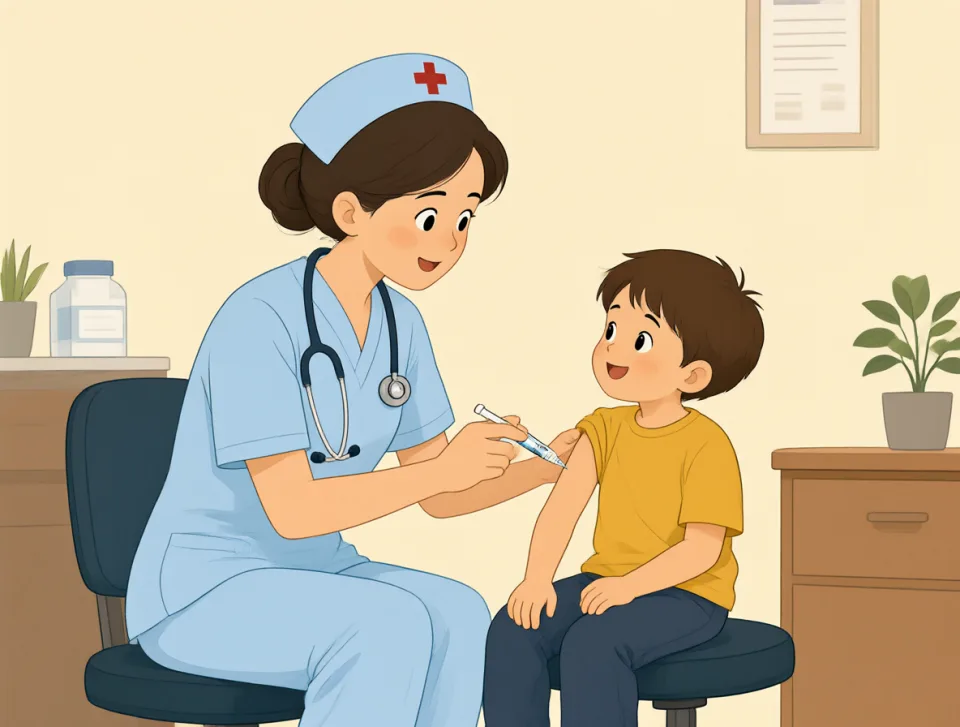
The vaccine protects children from serious illness.
واکسن از کودکان در برابر بیماریهای جدی محافظت میکند.
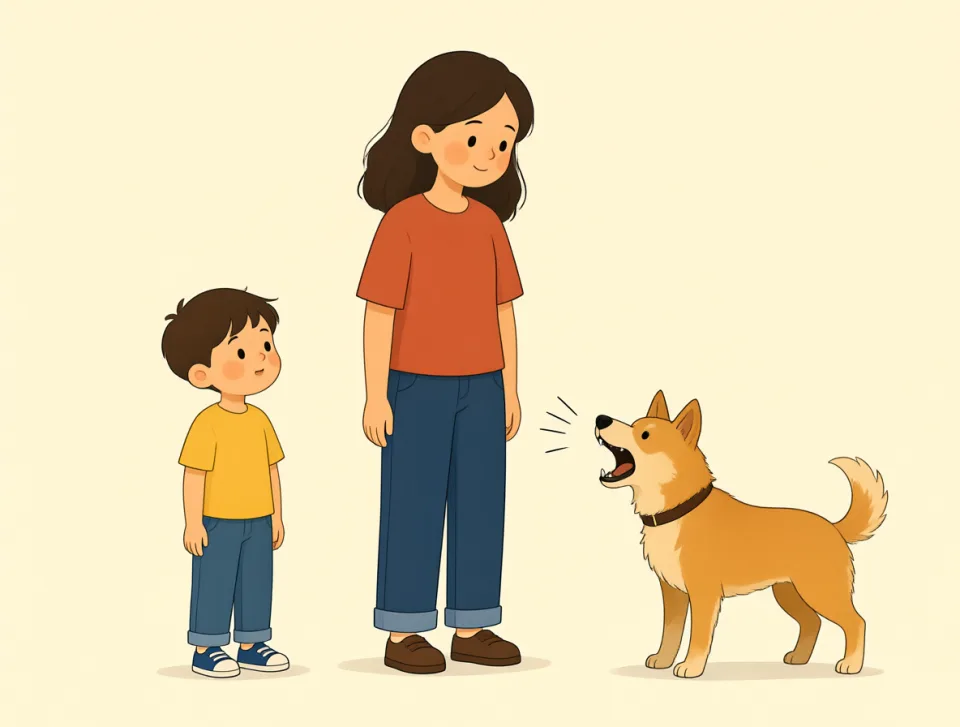
She protected her little brother from the dog.
او از برادر کوچکترش در برابر سگ محافظت کرد.
resource
#904noun
منبع
A useful supply of money, materials, time, or information.
مقدار قابلاستفادهای از پول، مواد، زمان یا اطلاعات.
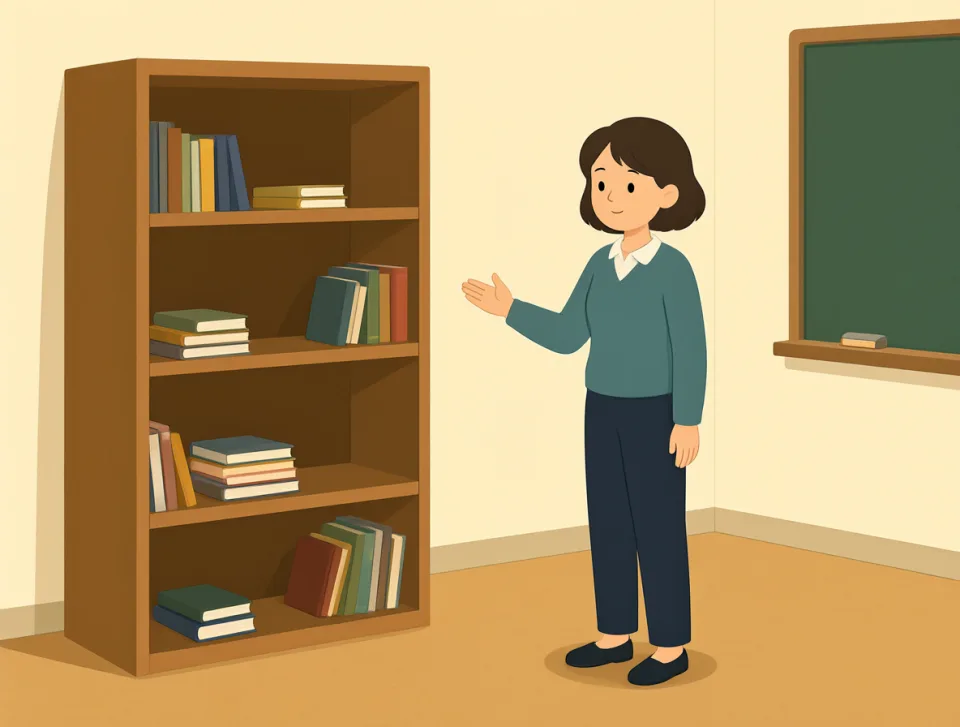
The school has few resources for new books.
مدرسه برای تهیهٔ کتابهای جدید منابع کمی دارد.
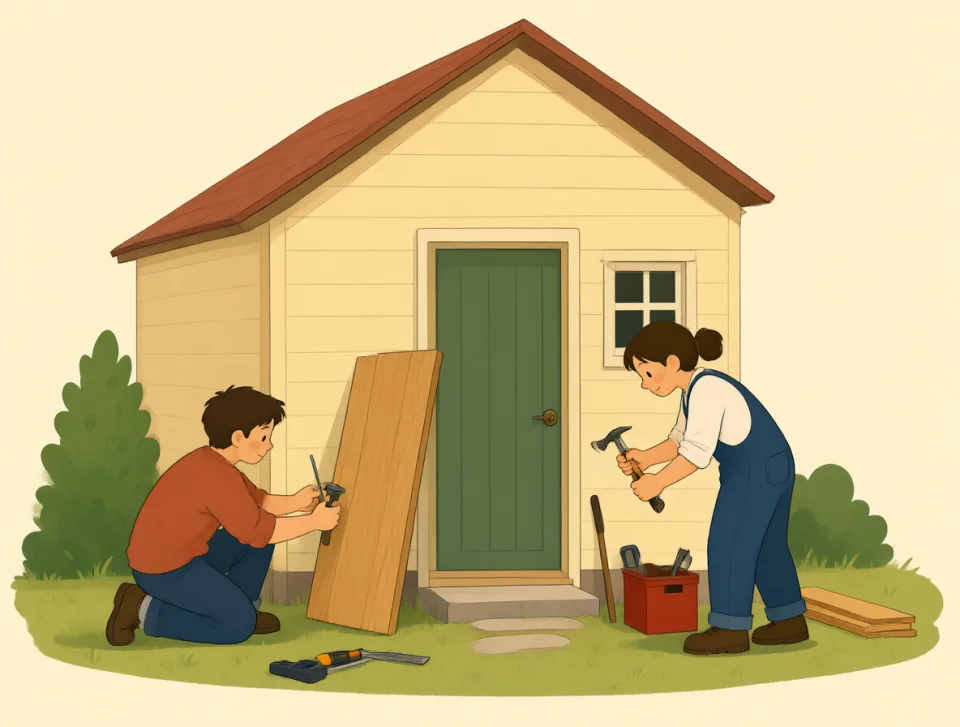
We used local resources to fix the house.
ما برای تعمیر خانه از منابع محلی استفاده کردیم.

The library is a useful resource for students.
کتابخانه منبعی مفید برای دانشآموزان است.
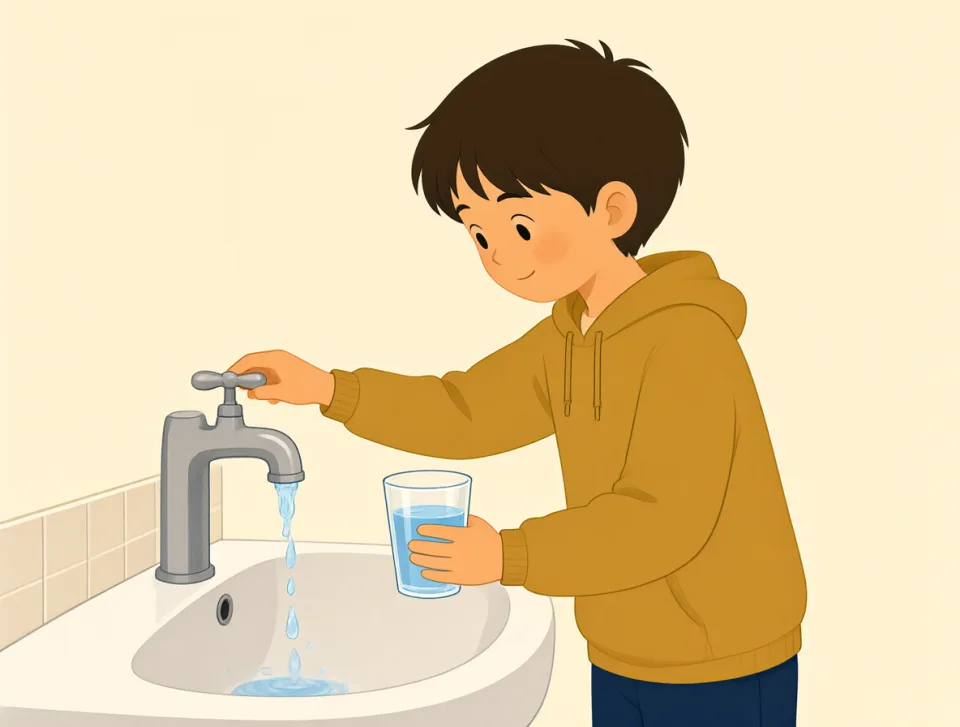
Save water because it is a valuable resource.
در مصرف آب صرفهجویی کنید، چون منبعی ارزشمند است.
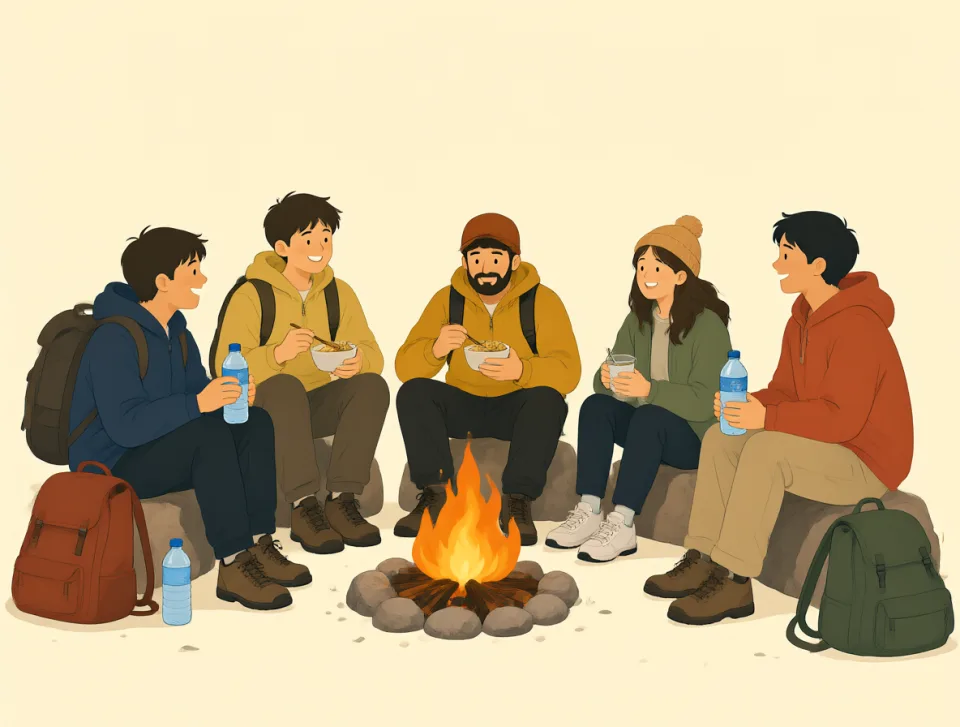
The team shared resources during the difficult trip.
اعضای گروه در طول سفر دشوار منابعشان را با هم به اشتراک گذاشتند.
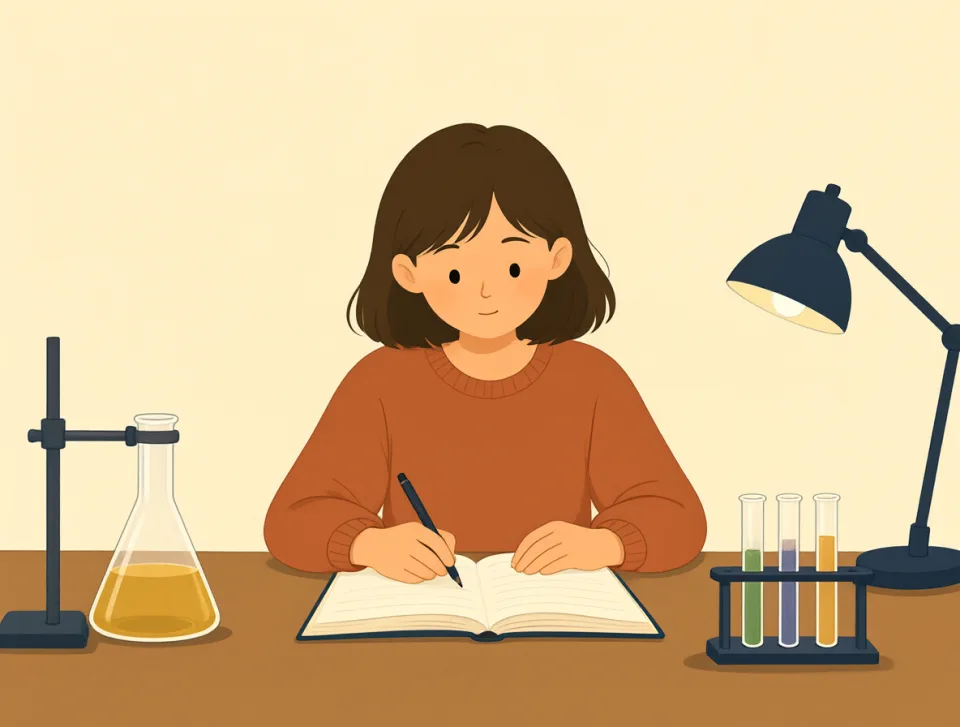
science
#905noun
علوم
The study of the natural world through experiments and careful observation.
مطالعهٔ جهان طبیعی از طریق آزمایش و مشاهدهٔ دقیق.
She wants to study science at university.
او میخواهد در دانشگاه علوم بخواند.
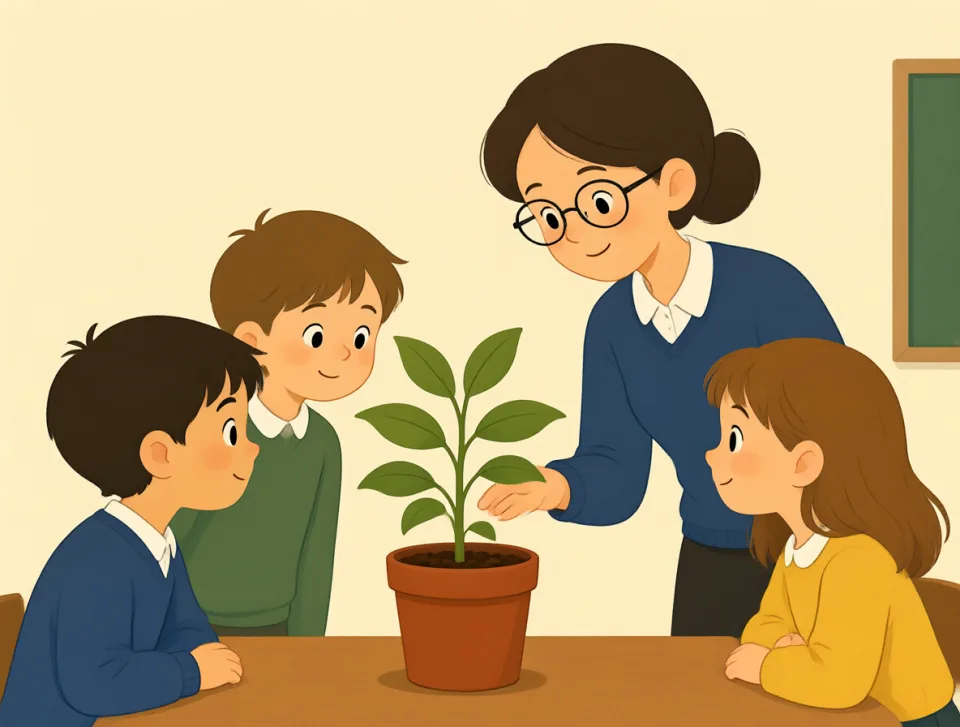
We learned about plants in science class.
ما در کلاس علوم دربارهٔ گیاهان یاد گرفتیم.
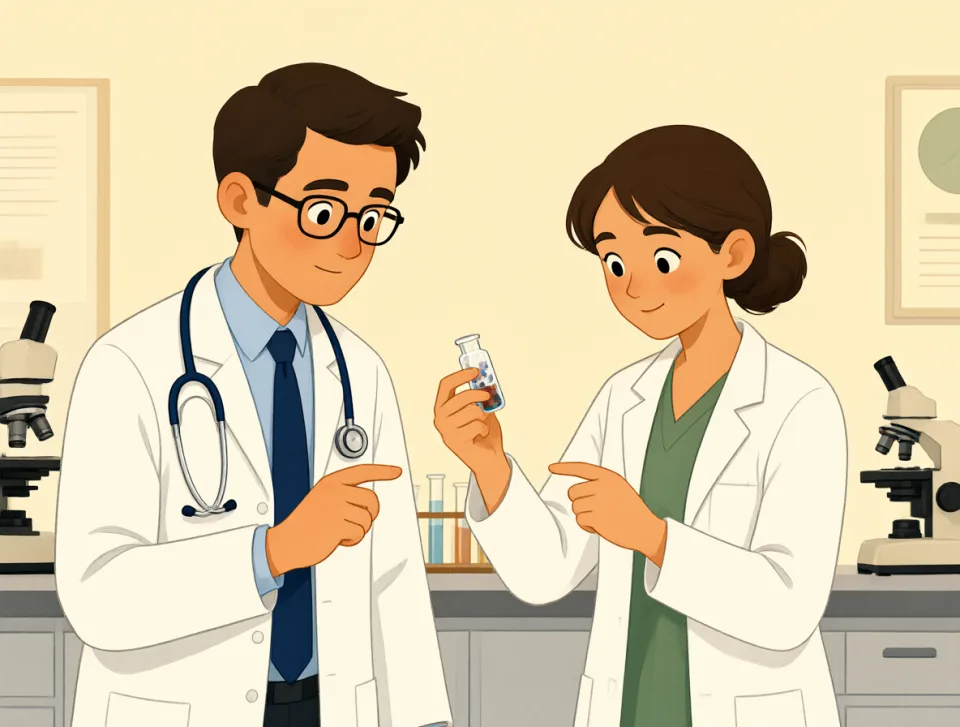
Science helps doctors find new treatments.
علم به پزشکان کمک میکند درمانهای جدید پیدا کنند.

He reads science books before bed.
او قبل از خواب کتابهای علمی میخواند.
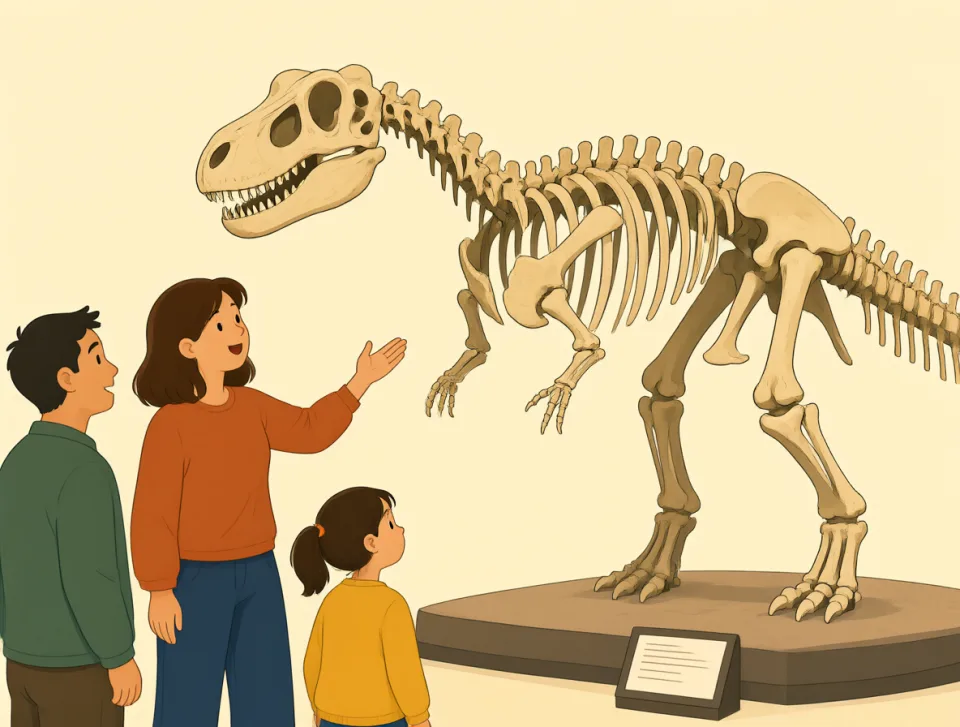
My sister works at a science museum.
خواهرم در یک موزهٔ علوم کار میکند.

disease
#906noun
بیماری
An illness that affects a person, animal, or plant.
بیماریای که انسان، حیوان یا گیاه را مبتلا میکند.
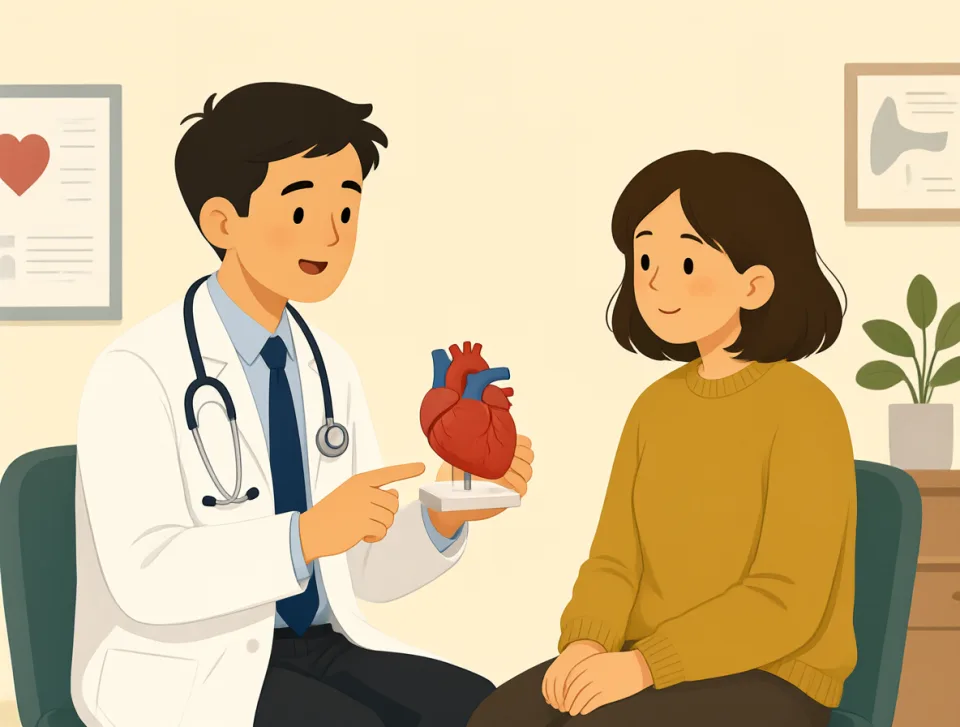
Heart disease runs in my family.
بیماری قلبی در خانوادهٔ ما ارثی است.
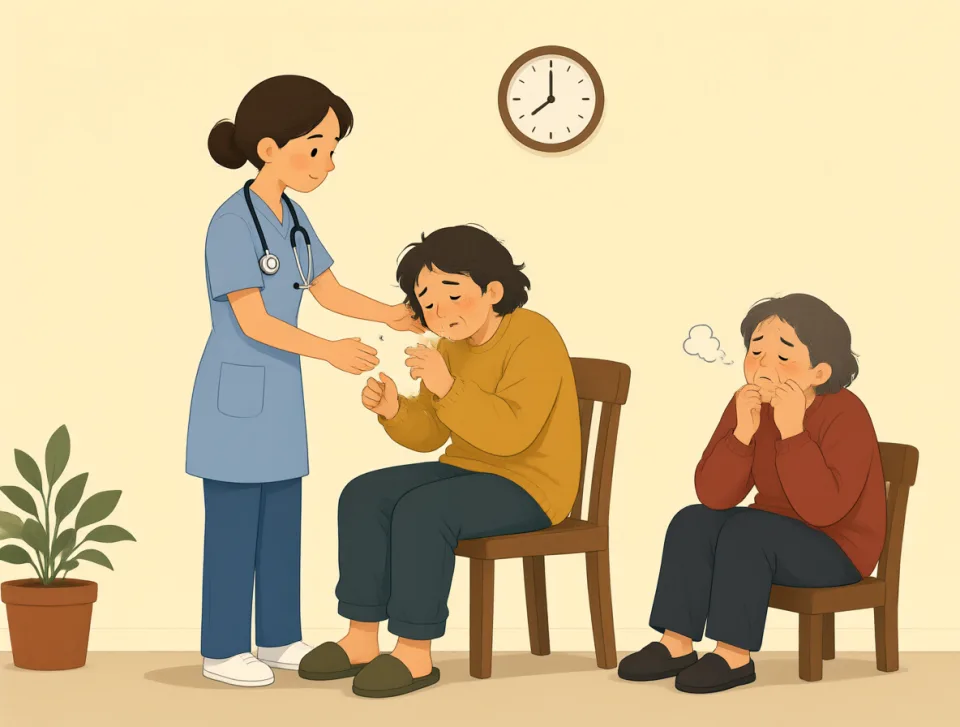
The disease spread quickly through the village.
بیماری بهسرعت در روستا گسترش یافت.
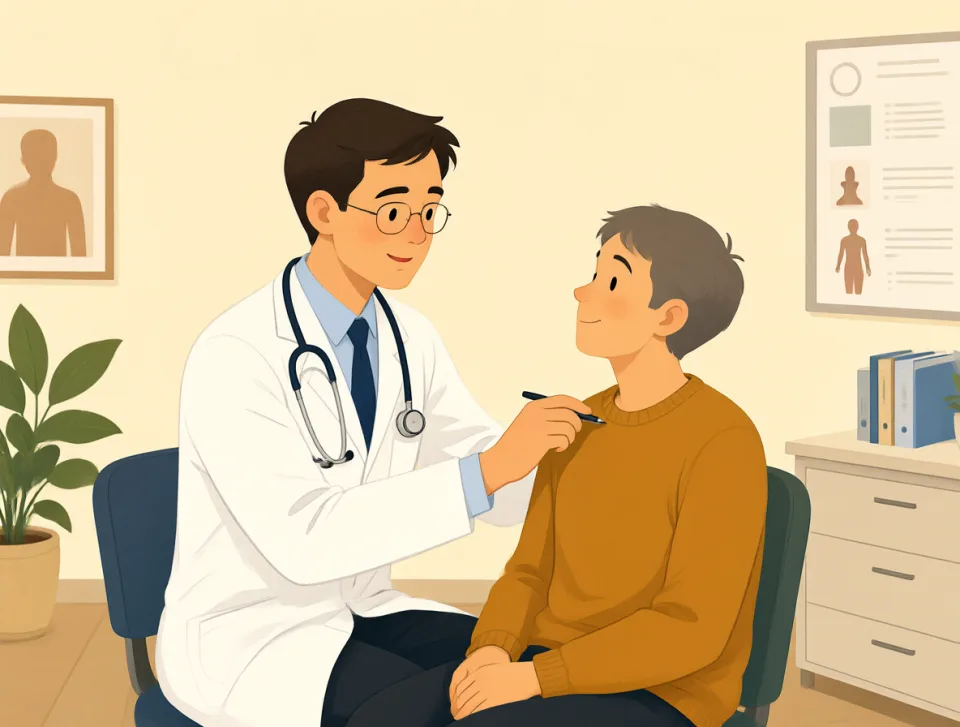
Doctors found the disease early.
پزشکان بیماری را زود تشخیص دادند.
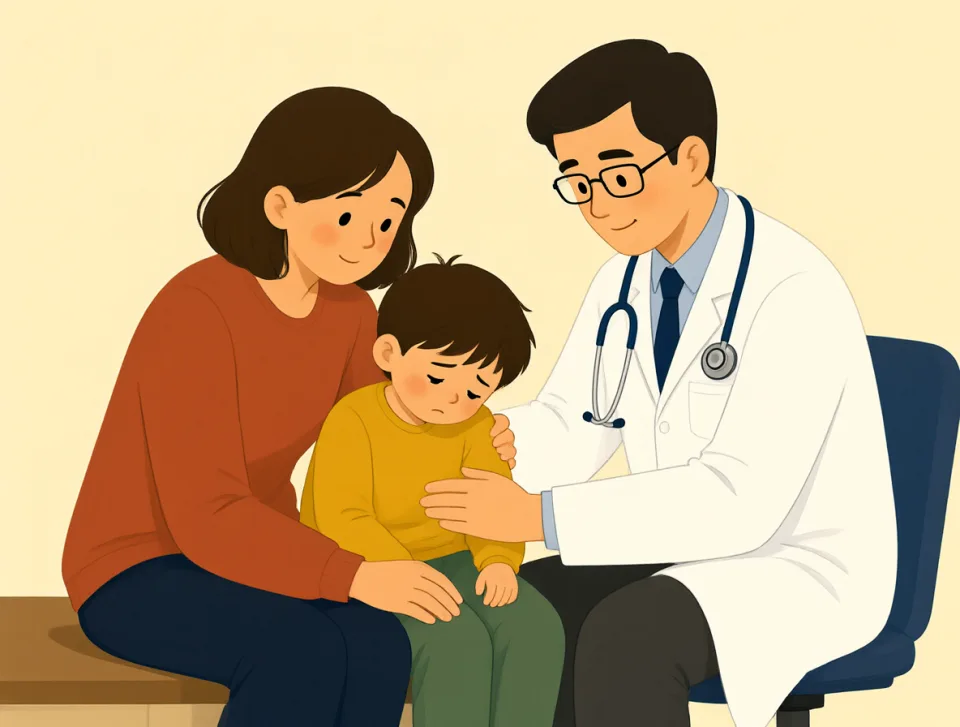
This disease can affect young children.
این بیماری میتواند کودکان خردسال را مبتلا کند.
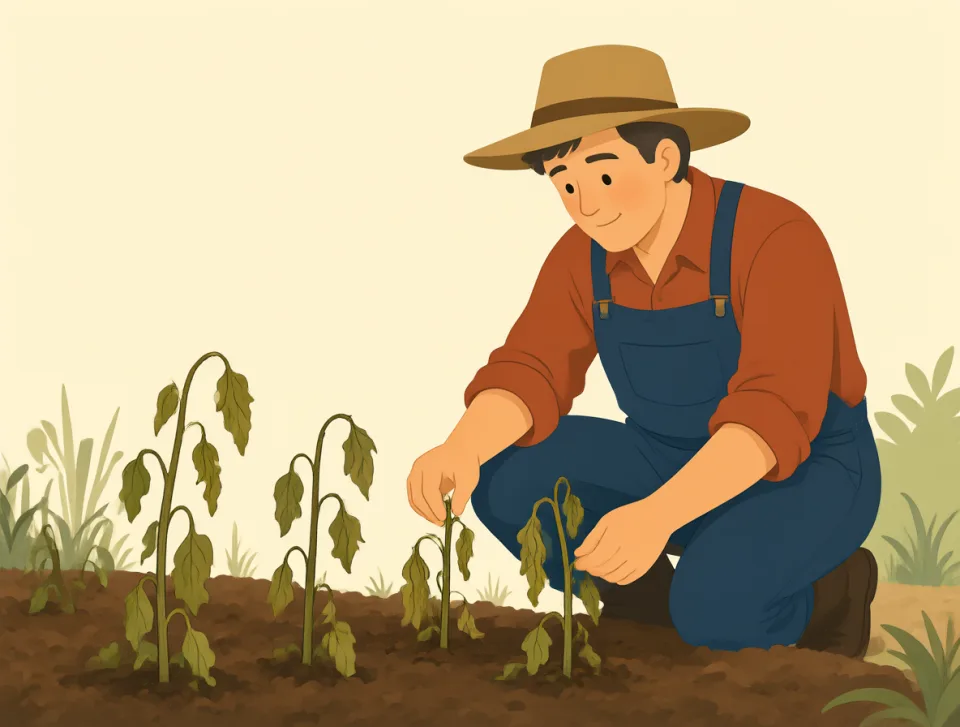
The farmer lost plants to disease.
کشاورز محصولش را بهخاطر بیماری از دست داد.

balance
#907noun, verb
تعادل؛ موجودی حساب
a steady state, or the amount left in an account; to keep something steady or equal
حالت پایدار یا مبلغ باقیمانده در یک حساب؛ ثابت یا برابر نگهداشتن چیزی.
She checked the balance in her bank account.
او موجودی حساب بانکیاش را بررسی کرد.

He lost his balance on the icy path.
او در مسیر یخزده تعادلش را از دست داد.
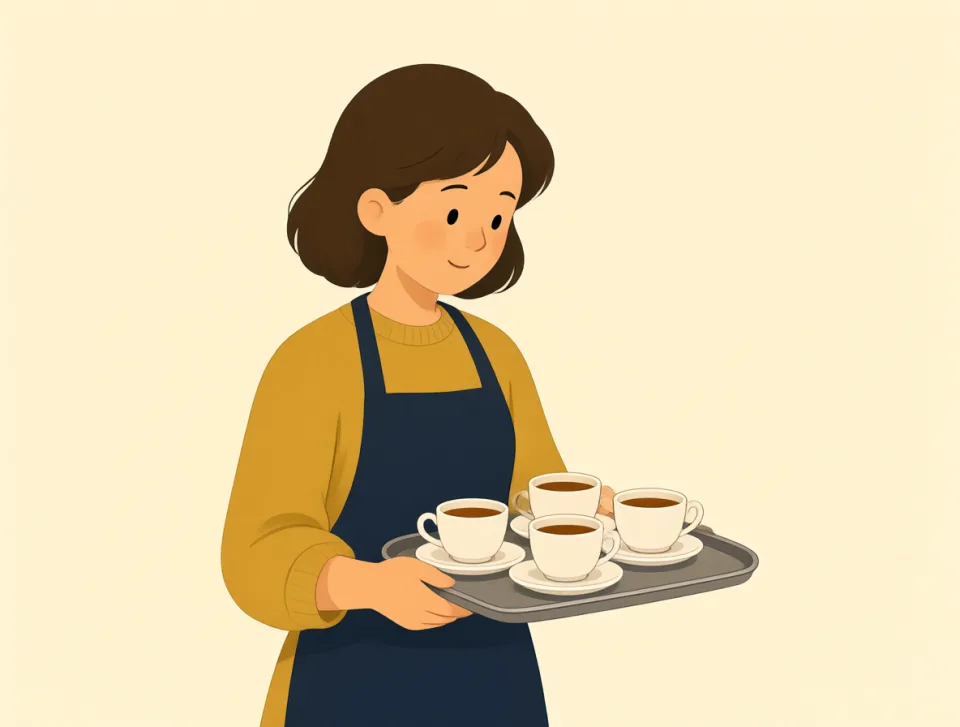
Try to balance the tray with both hands.
سعی کن سینی را با هر دو دست متعادل نگه داری.

I need a better balance between work and rest.
به تعادل بهتری بین کار و استراحت نیاز دارم.
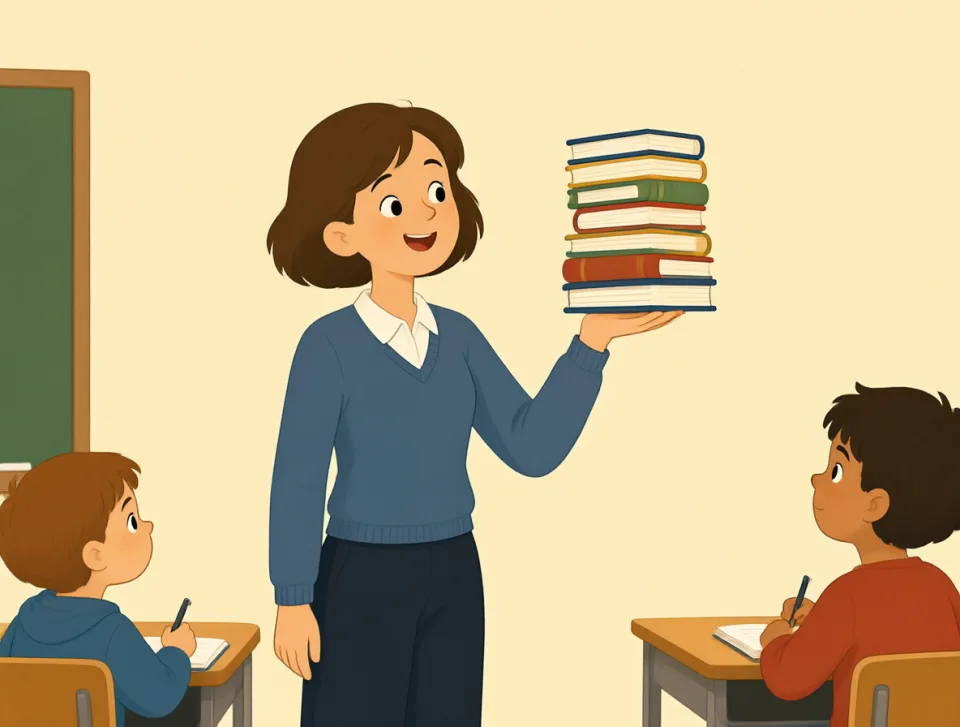
The teacher balanced the books on one hand.
معلم کتابها را با یک دست متعادل نگه داشت.

damage
#908noun, verb
آسیب
harm that makes something less useful, attractive, or strong
آسیبی که باعث میشود چیزی کمتر مفید، زیبا یا محکم باشد.

The storm caused damage to our roof.
طوفان به سقف خانهمان آسیب زد.
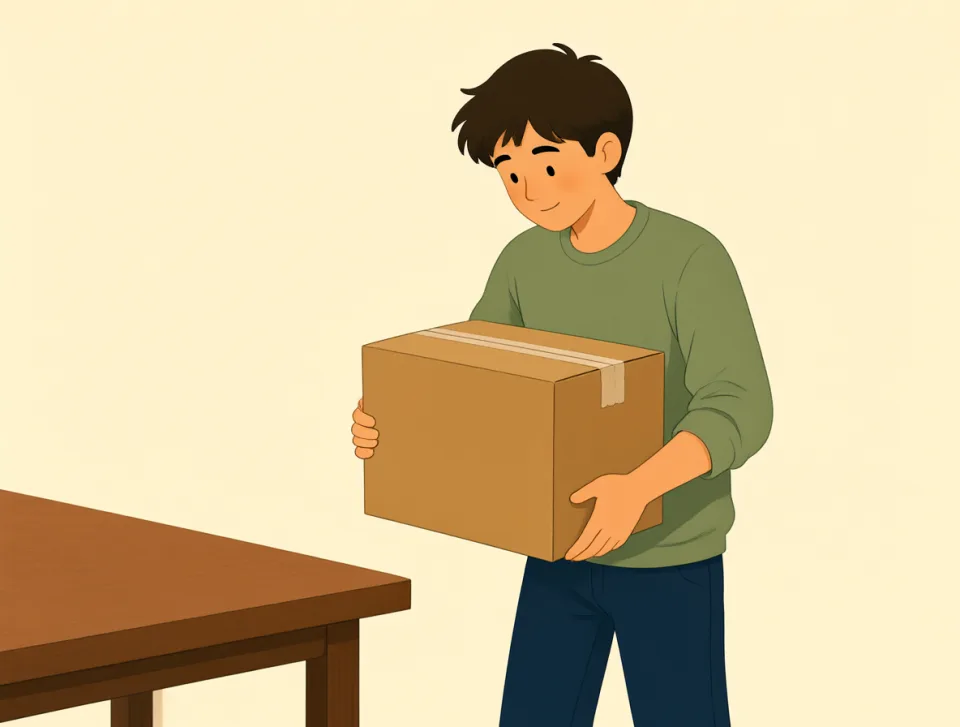
Be careful not to damage the table.
مراقب باش به میز آسیب نزنی.
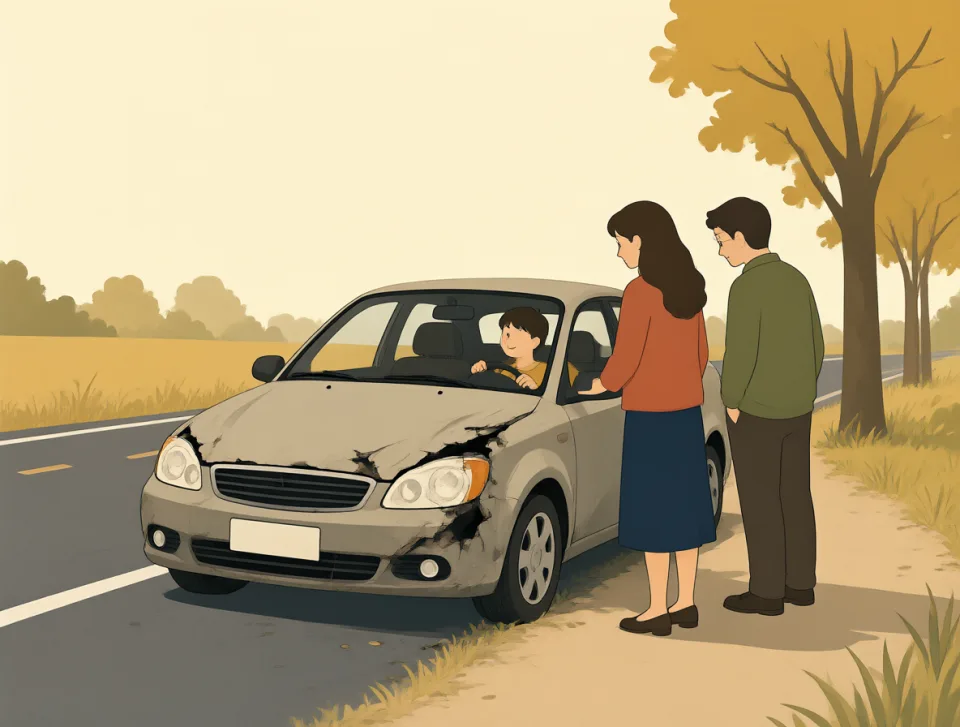
The car has serious damage after the crash.
ماشین بعد از تصادف آسیب جدی دیده است.

Water damage ruined the kitchen wall.
آسیب ناشی از آب، دیوار آشپزخانه را خراب کرد.
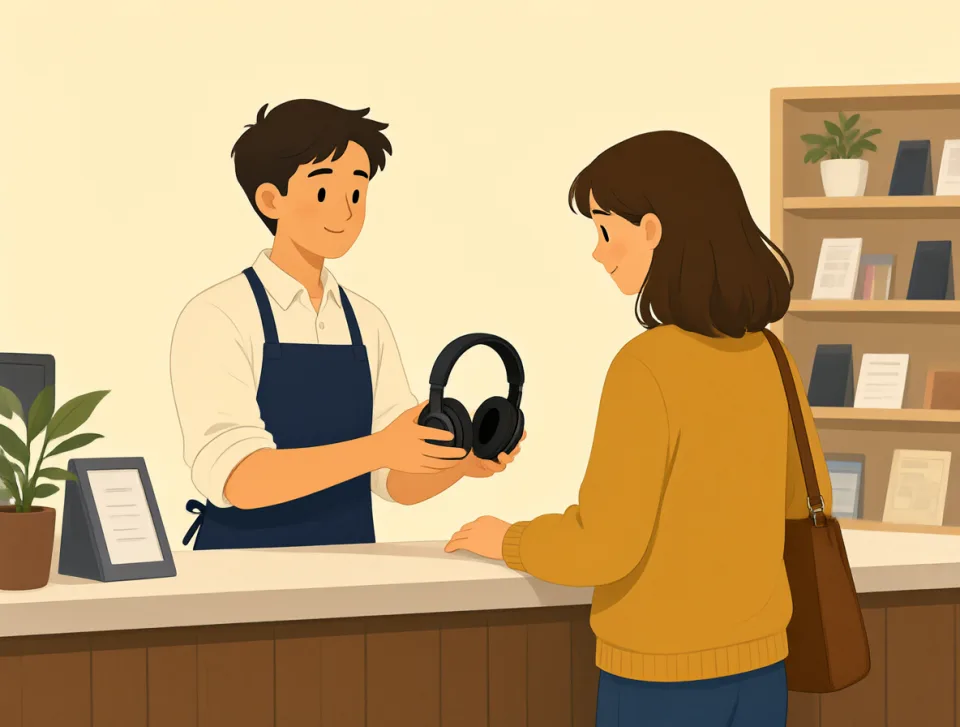
The shop replaced my damaged headphones.
فروشگاه هدفونهای آسیبدیدهام را عوض کرد.

basis
#909noun
مبنا
the main reason, fact, or rule used to support something
دلیل، واقعیت یا قاعدهٔ اصلیای که برای پشتیبانی از چیزی به کار میرود.
We meet on a regular basis.
ما مرتب همدیگر را میبینیم.

The school hired staff on a temporary basis.
مدرسه بهطور موقت نیرو استخدام کرد.
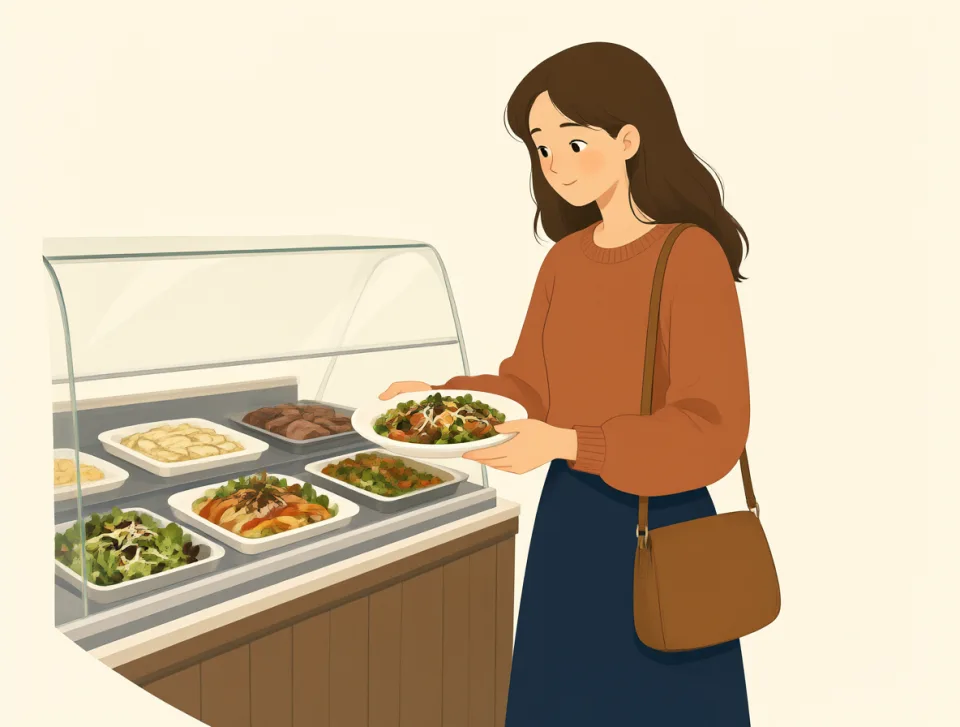
She chose the meal on the basis of price.
او غذا را بر اساس قیمت انتخاب کرد.

The doctor treated him on the basis of his symptoms.
پزشک بر اساس علائمش او را درمان کرد.

Trust is the basis of our friendship.
اعتماد، پایهٔ دوستی ماست.

author
#910noun
نویسنده
A person who writes books, stories, or articles.
کسی که کتاب، داستان یا مقاله مینویسد.

The author wrote a popular mystery novel.
نویسنده یک رمان معماییِ پرطرفدار نوشت.

I met the author at the bookshop.
در کتابفروشی با نویسنده دیدار کردم.

The author signed my new book.
نویسنده کتاب تازهام را امضا کرد.
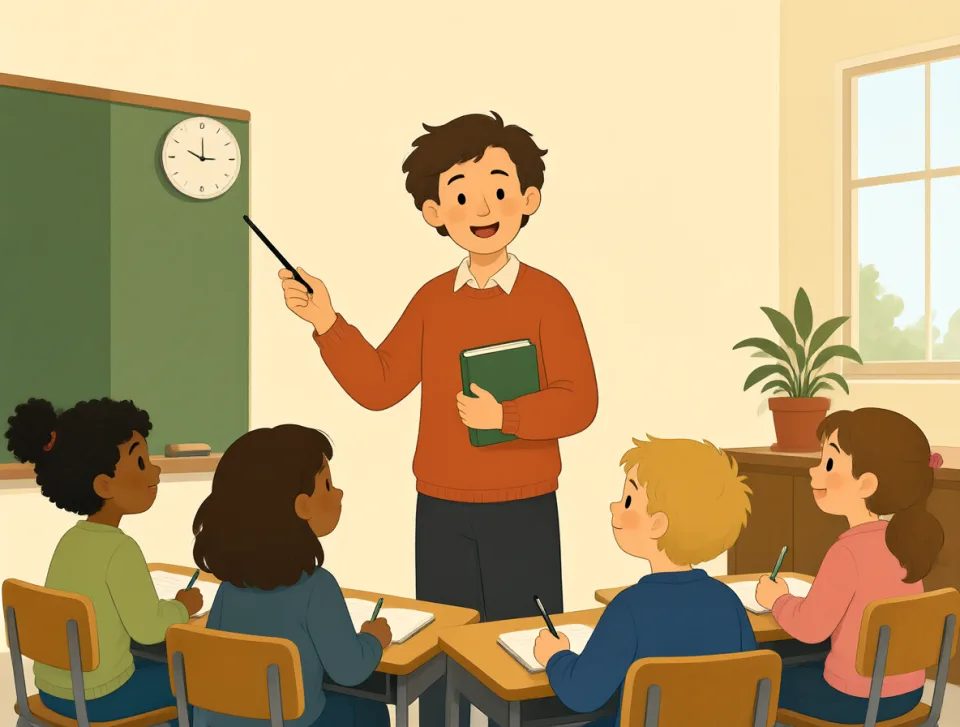
Our teacher invited a children's author.
معلممان یک نویسندهٔ کتاب کودک را دعوت کرد.
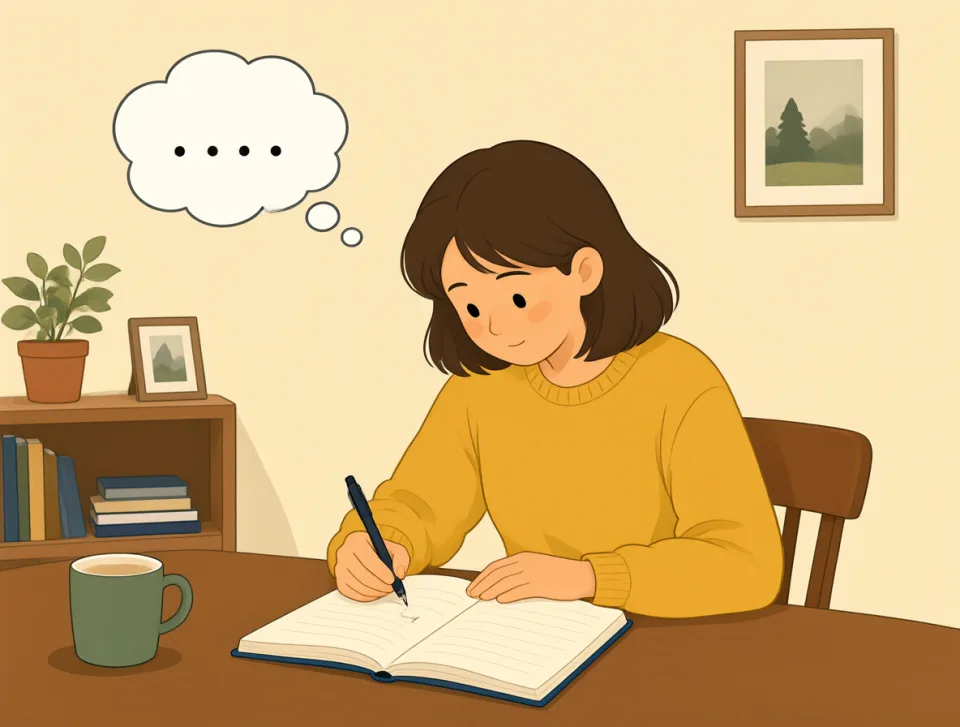
She wants to become an author someday.
او میخواهد روزی نویسنده شود.

basic
#911adjective, noun
اساسی
simple and necessary, without extra features or details
ساده و ضروری، بدون ویژگیها یا جزئیات اضافی
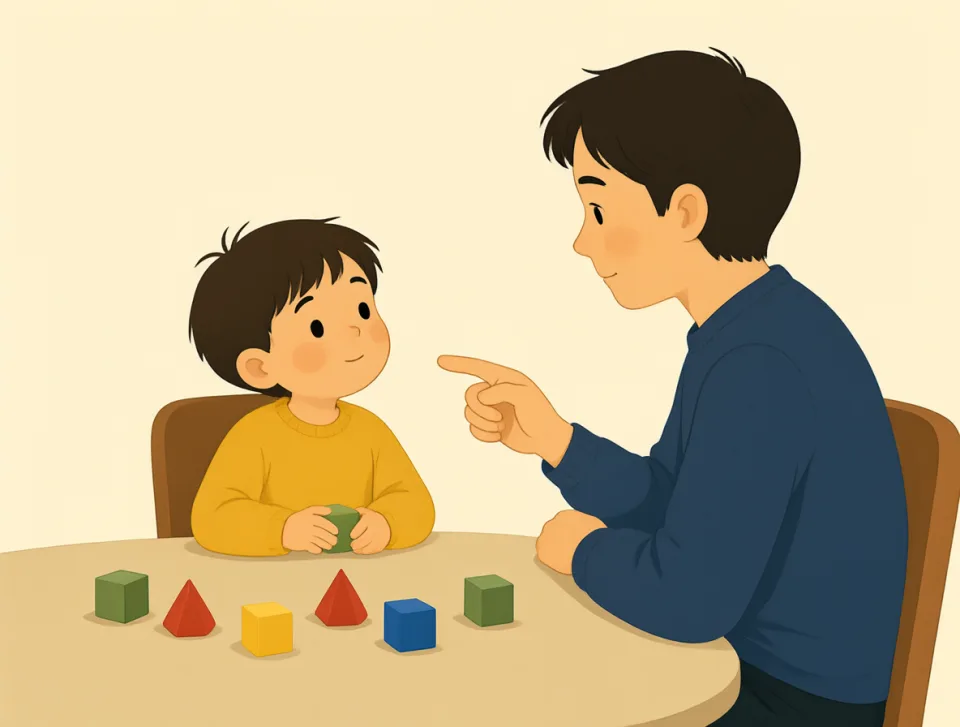
I know the basic rules of the game.
قوانین اساسی بازی را میدانم.
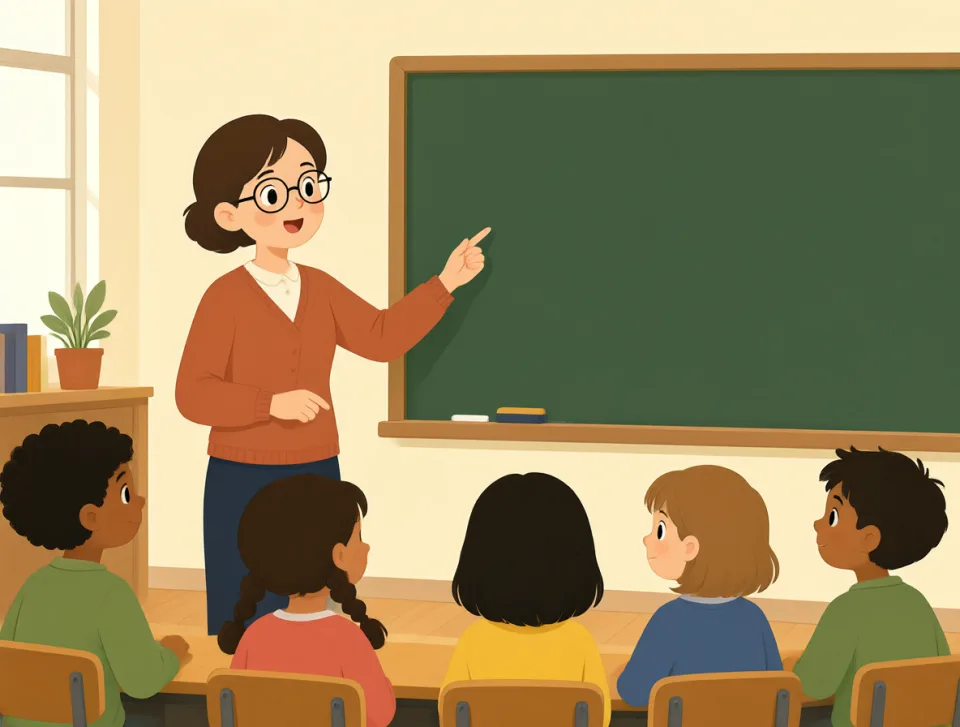
We learned basic English at school.
ما در مدرسه انگلیسی مقدماتی یاد گرفتیم.
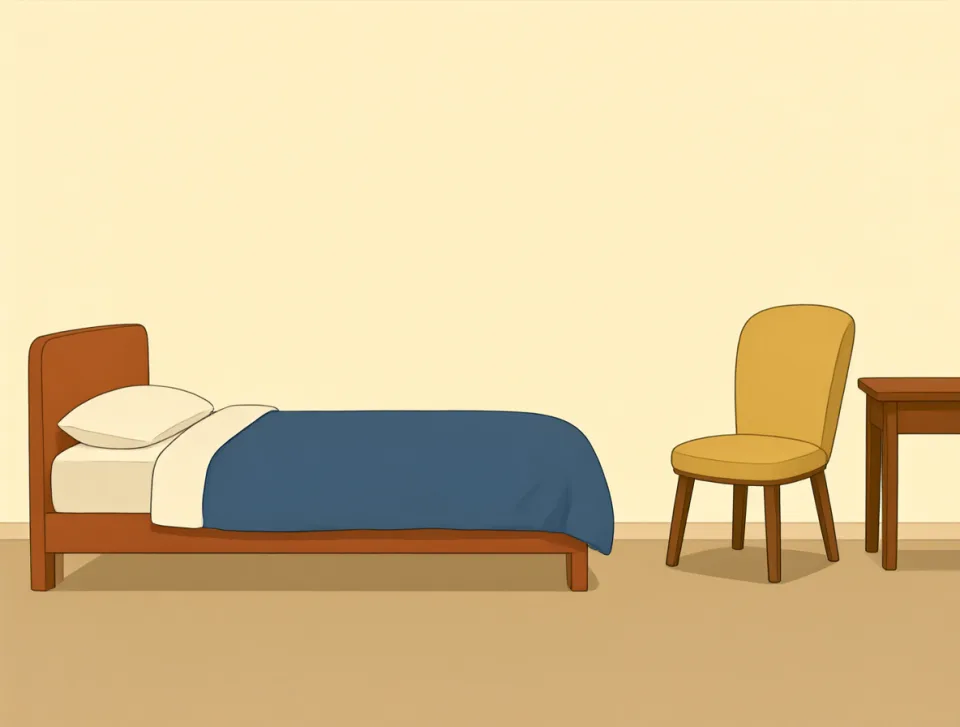
This room has only basic furniture.
این اتاق فقط وسایل ضروری دارد.

The hotel offers basic rooms at low prices.
این هتل اتاقهای سادهای را با قیمتهای پایین ارائه میدهد.
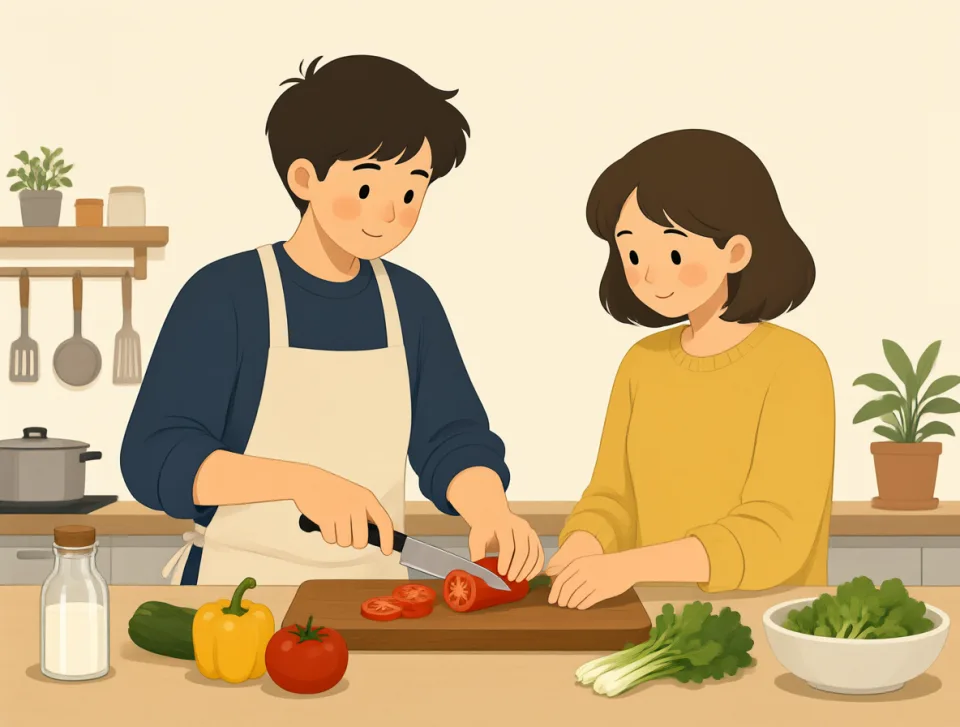
She taught me the basics of cooking.
او اصول اولیه آشپزی را به من یاد داد.
encourage
#912verb
تشویق کردن
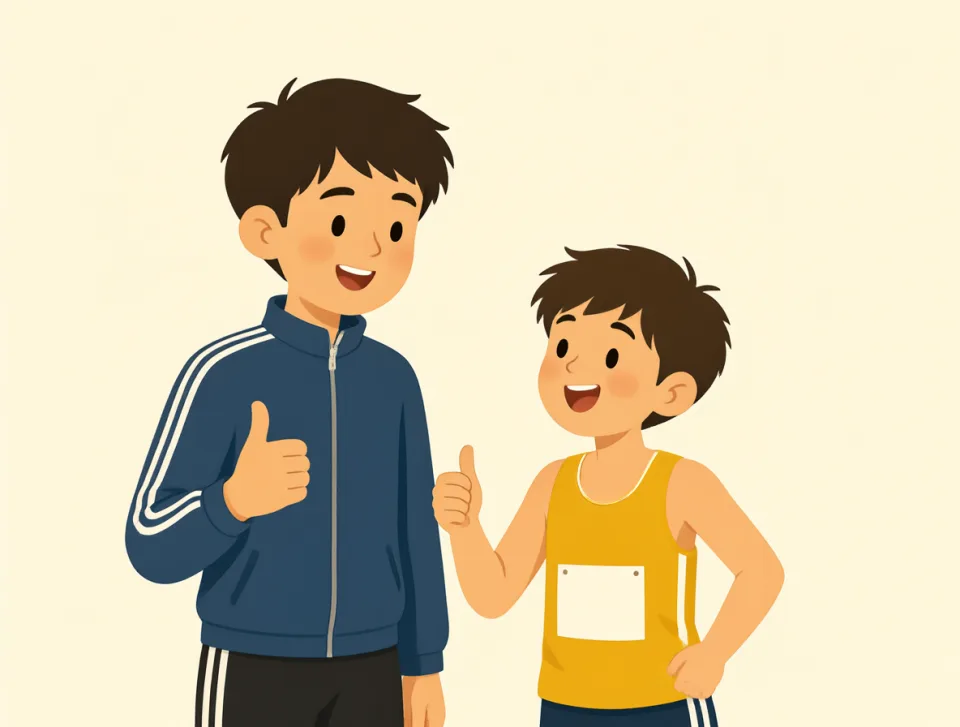
to give someone support or confidence to do something
به کسی حمایت یا اعتمادبهنفس دادن تا کاری را انجام دهد

My parents encourage me to study hard.
پدر و مادرم تشویقم میکنند که سخت درس بخوانم.
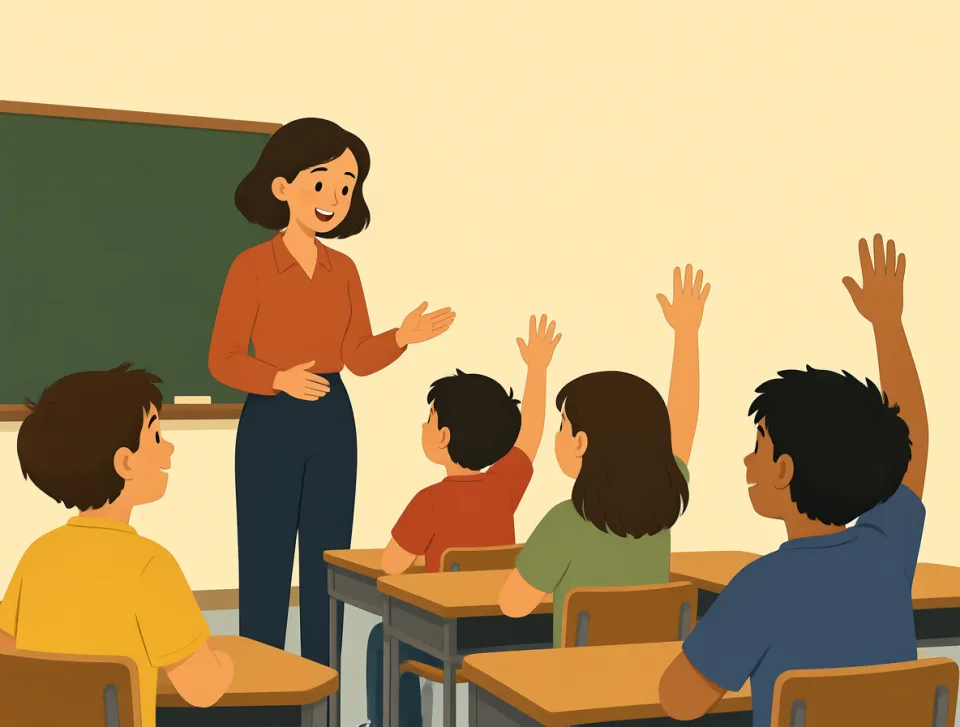
The teacher encouraged us to ask questions.
معلم ما را تشویق کرد که سؤال بپرسیم.

Friends encouraged him after he lost the game.
دوستانش بعد از باخت در بازی به او دلگرمی دادند.
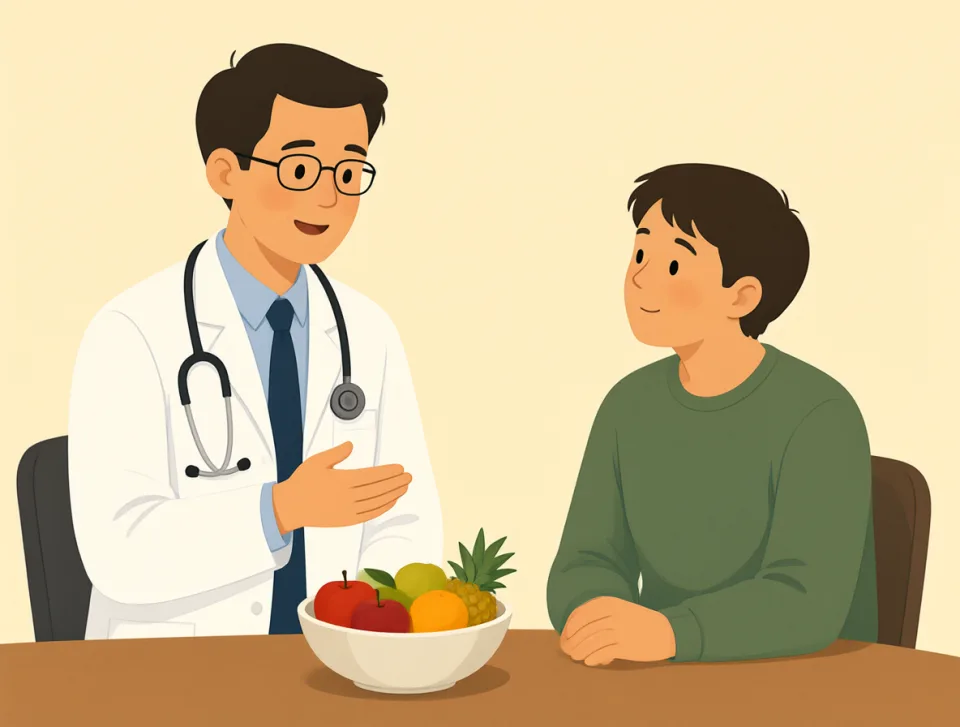
Doctors encourage patients to eat healthy food.
پزشکان بیماران را به خوردن غذای سالم تشویق میکنند.

Her manager encouraged her to apply for the job.
مدیرش او را تشویق کرد برای آن شغل درخواست بدهد.

hair
#913noun
مو
The thin strands that grow on a person's head or body.
رشتههای نازکی که روی سر یا بدن انسان رشد میکنند.

She has long, dark hair.
موهای بلند و تیرهای دارد.
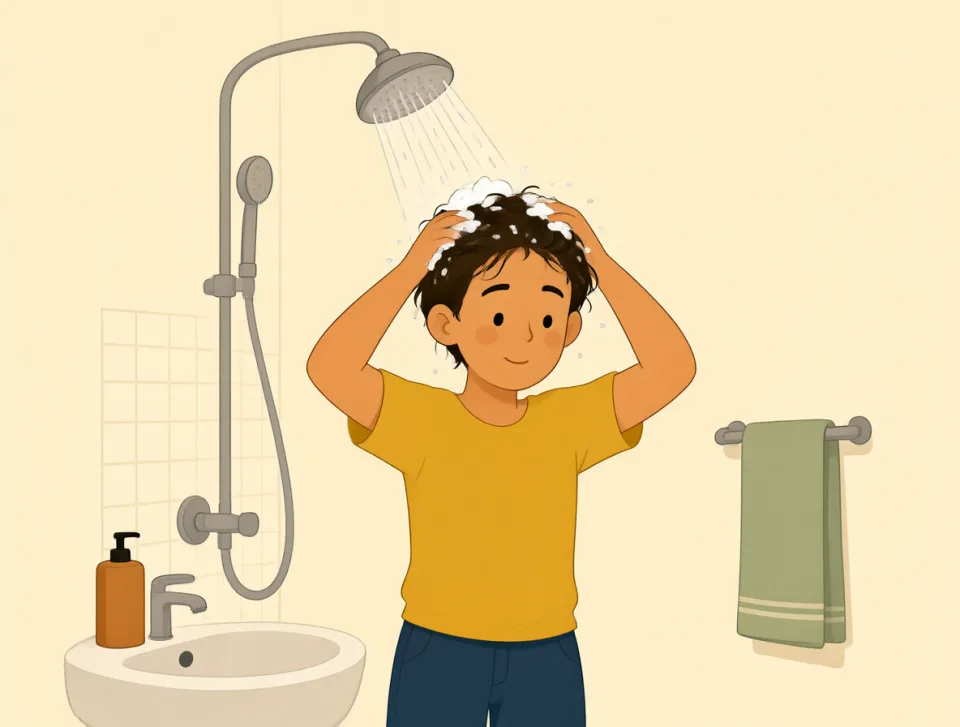
I washed my hair this morning.
امروز صبح موهایم را شستم.

He got a haircut yesterday.
او دیروز موهایش را کوتاه کرد.
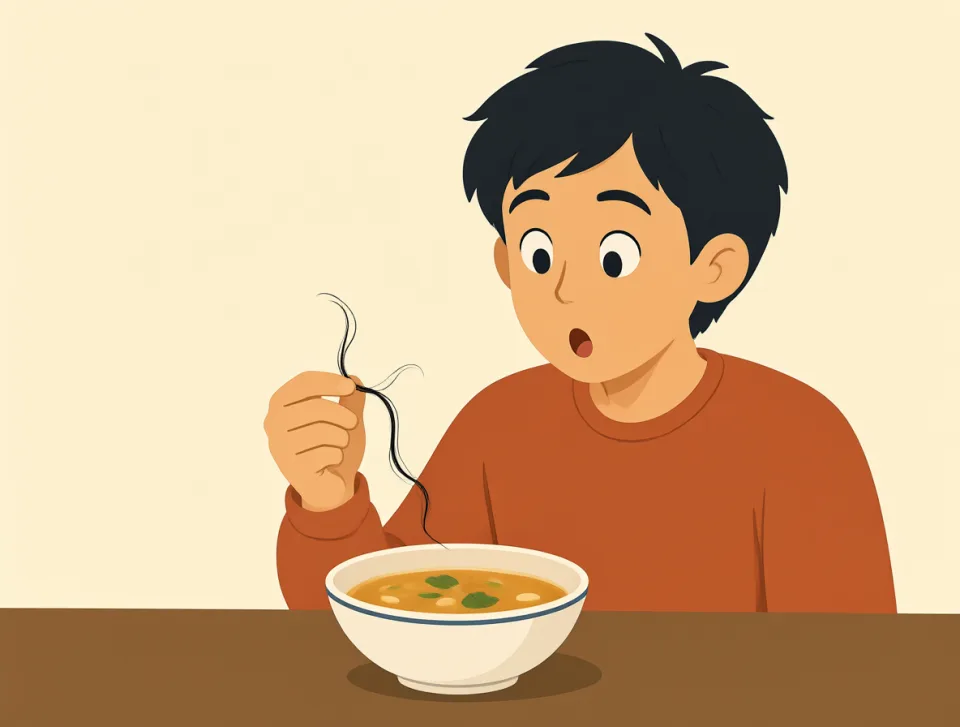
There was hair in my soup.
توی سوپم مو بود.
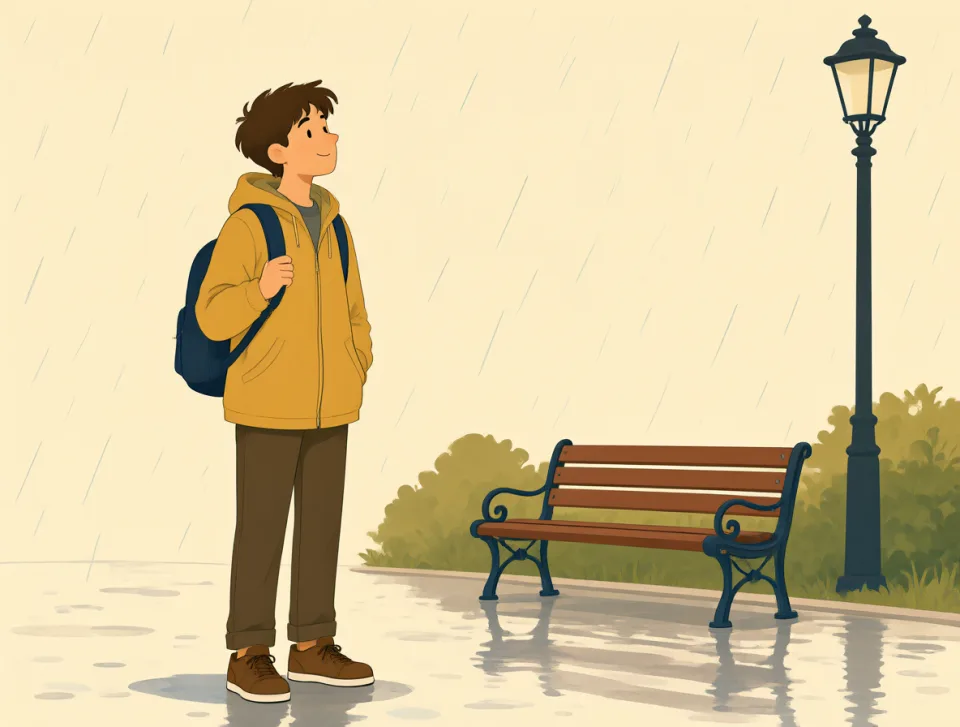
My hair gets wet in the rain.
وقتی باران میبارد موهایم خیس میشود.

male
#914noun, adjective
مذکر
A boy, man, or animal that is not female.
پسر، مرد یا حیوانی که ماده نیست.

The male lion protects his family.
شیر نر از خانوادهاش محافظت میکند.
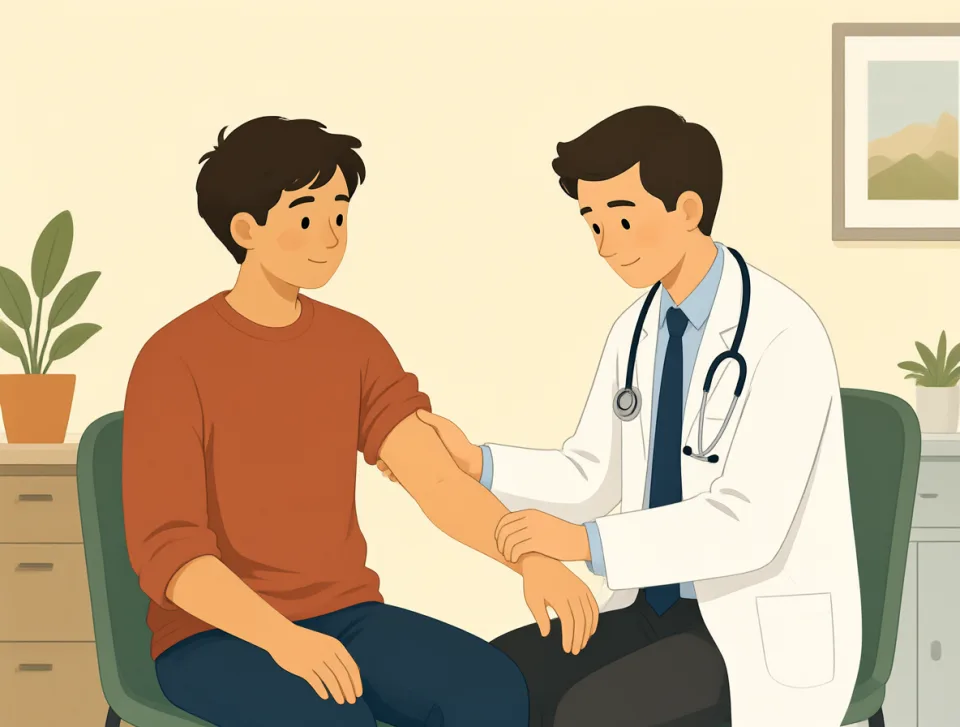
The doctor examined the male patient.
پزشک بیمار مرد را معاینه کرد.
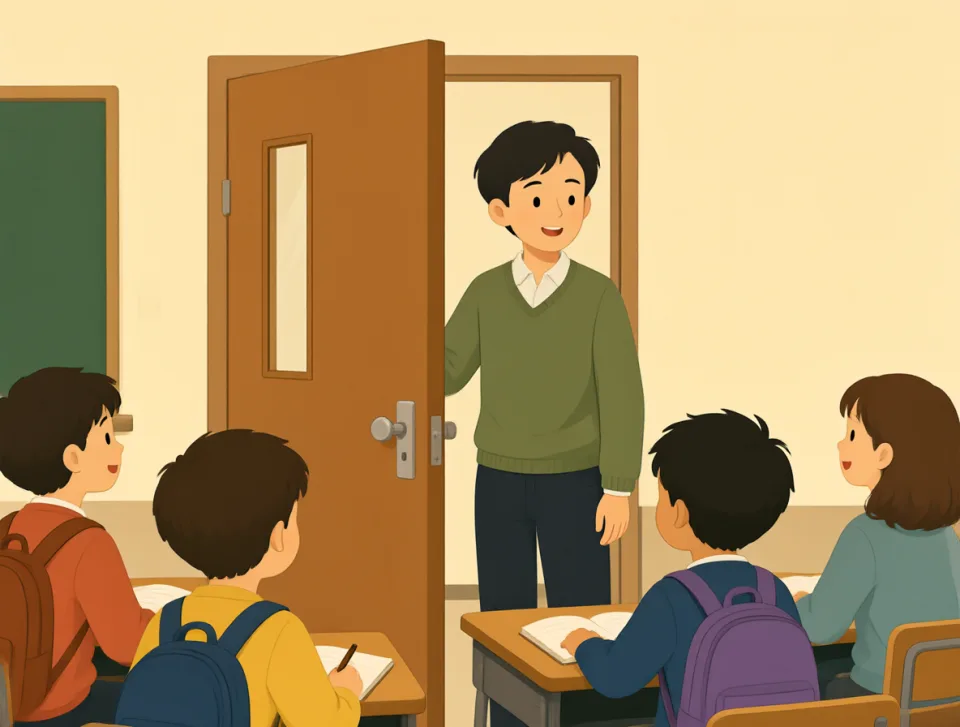
A male teacher opened the classroom door.
یک معلم مرد درِ کلاس را باز کرد.
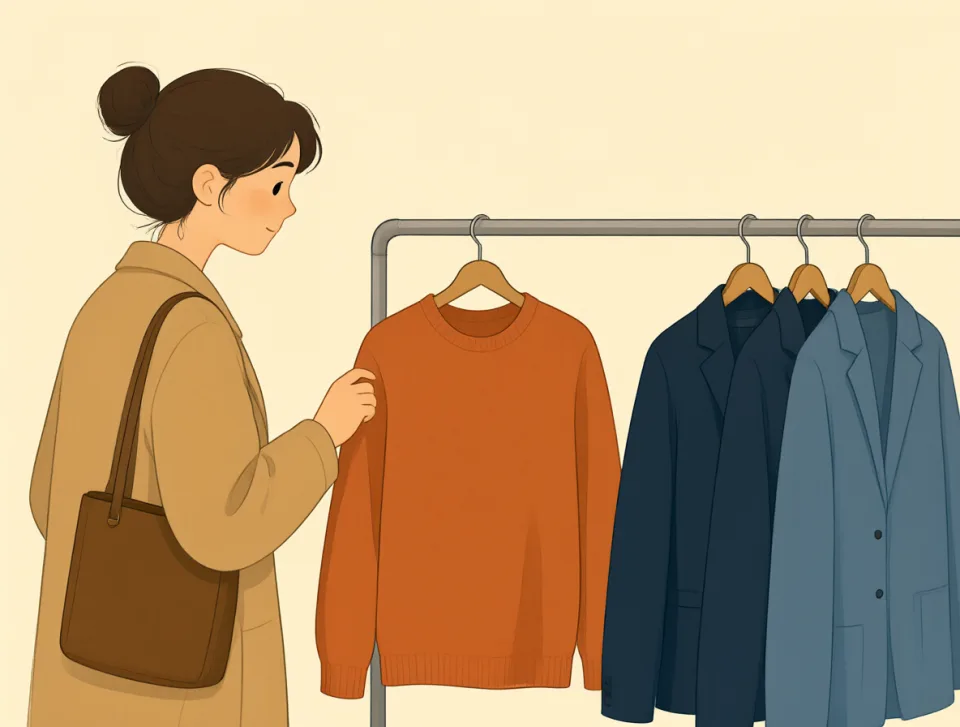
The shop sells male and female shirts.
این مغازه پیراهنهای مردانه و زنانه میفروشد.

The male dog is friendly with children.
سگ نر با بچهها مهربان است.
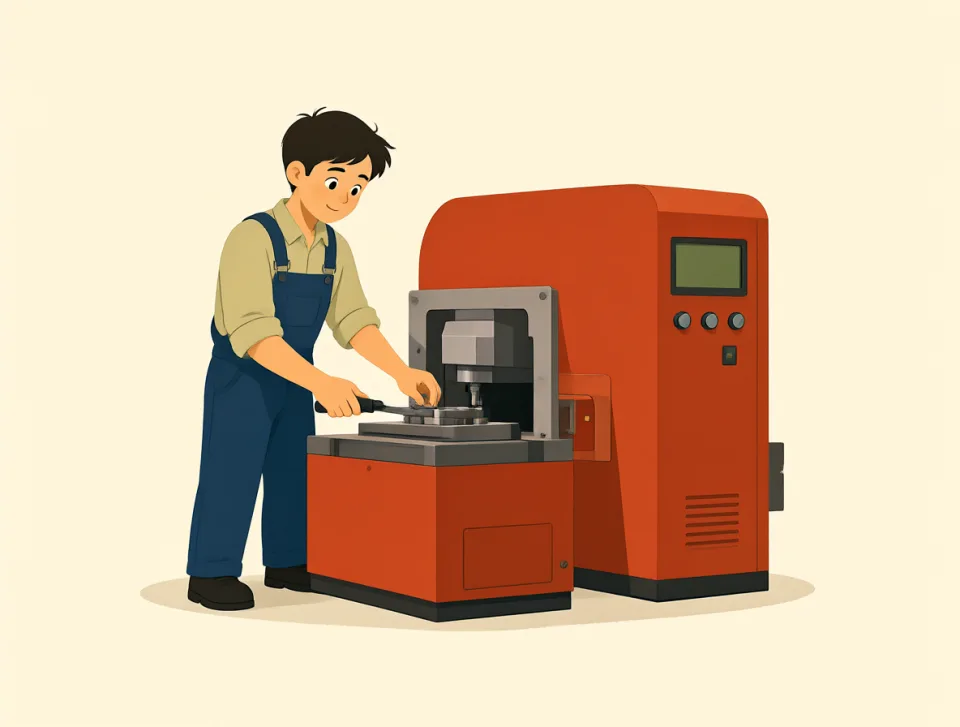
operate
#915verb
بهکار انداختن
to control, use, or make a machine or system work
کنترل کردن، استفاده کردن از یا بهکار انداختن یک دستگاه یا سامانه
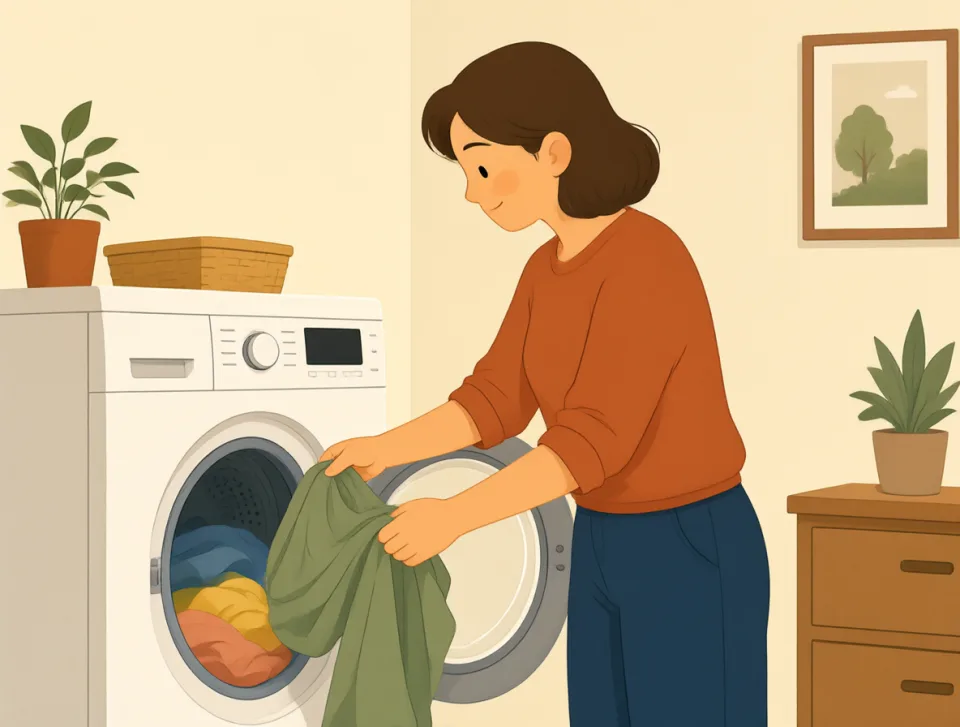
She operates the washing machine every Saturday.
او هر شنبه از ماشین لباسشویی استفاده میکند.
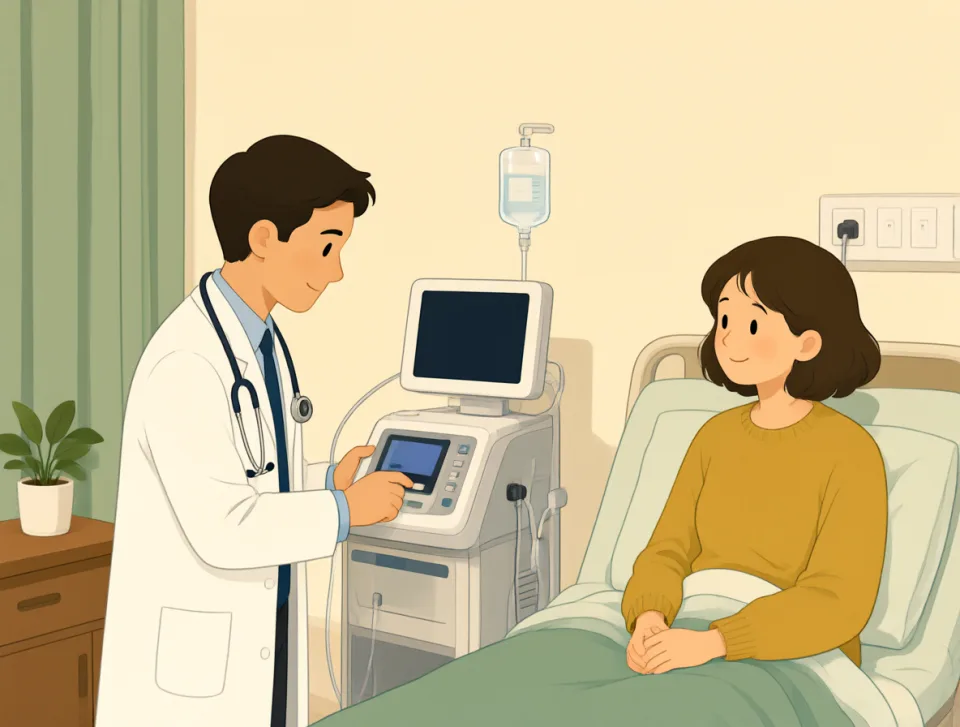
Only trained doctors can operate this machine.
فقط پزشکان آموزشدیده میتوانند با این دستگاه کار کنند.
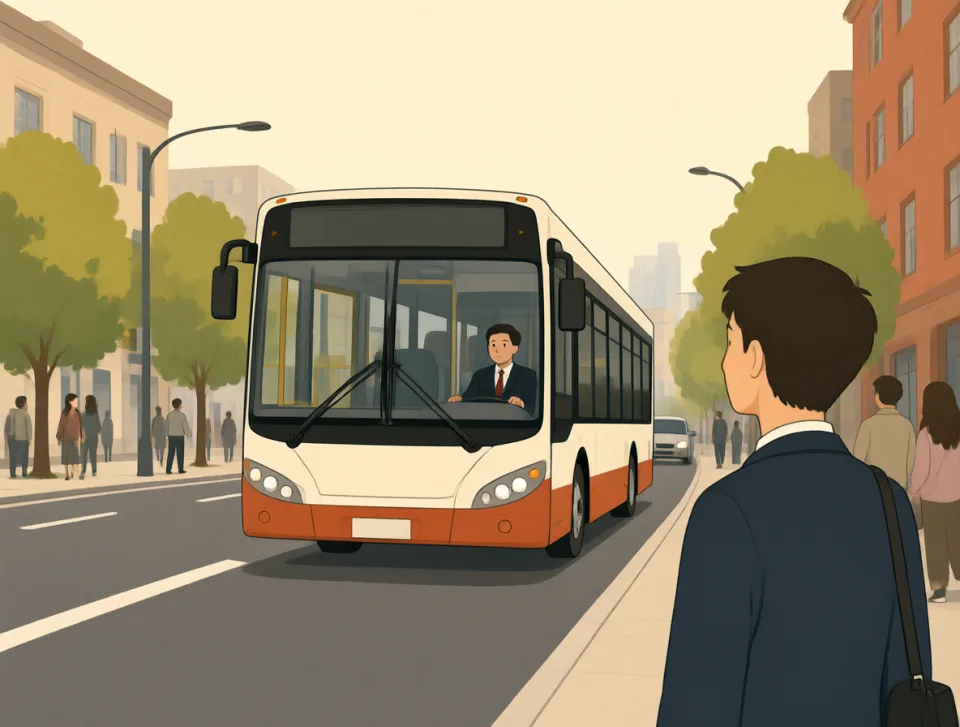
The company operates buses across the city.
این شرکت در سراسر شهر اتوبوسرانی میکند.
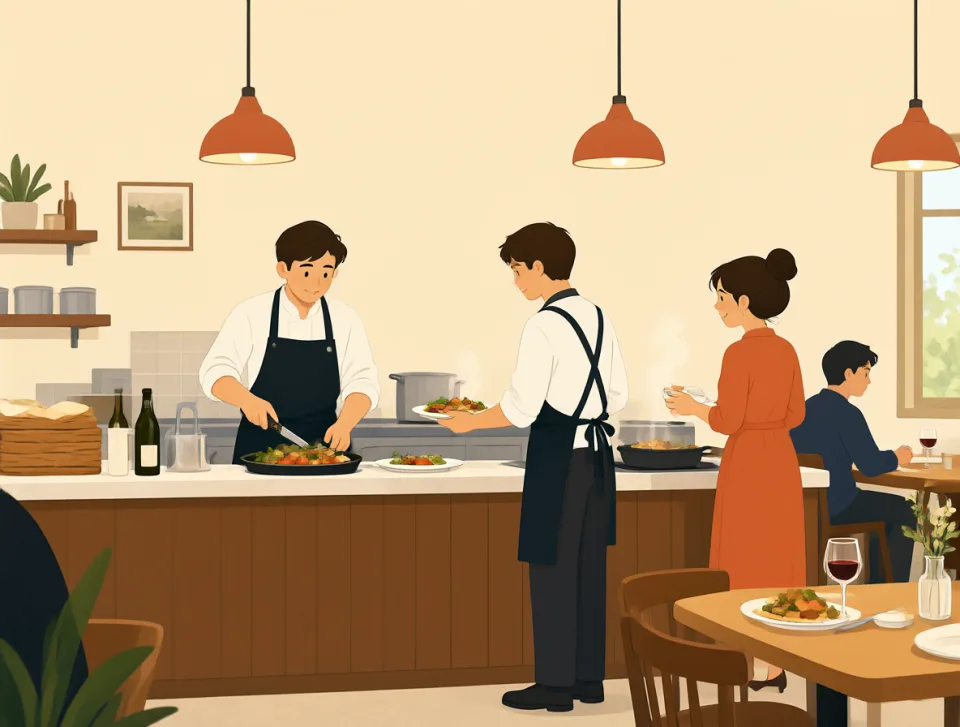
The restaurant operates from ten until nine.
این رستوران از ساعت ده تا نه فعالیت میکند.
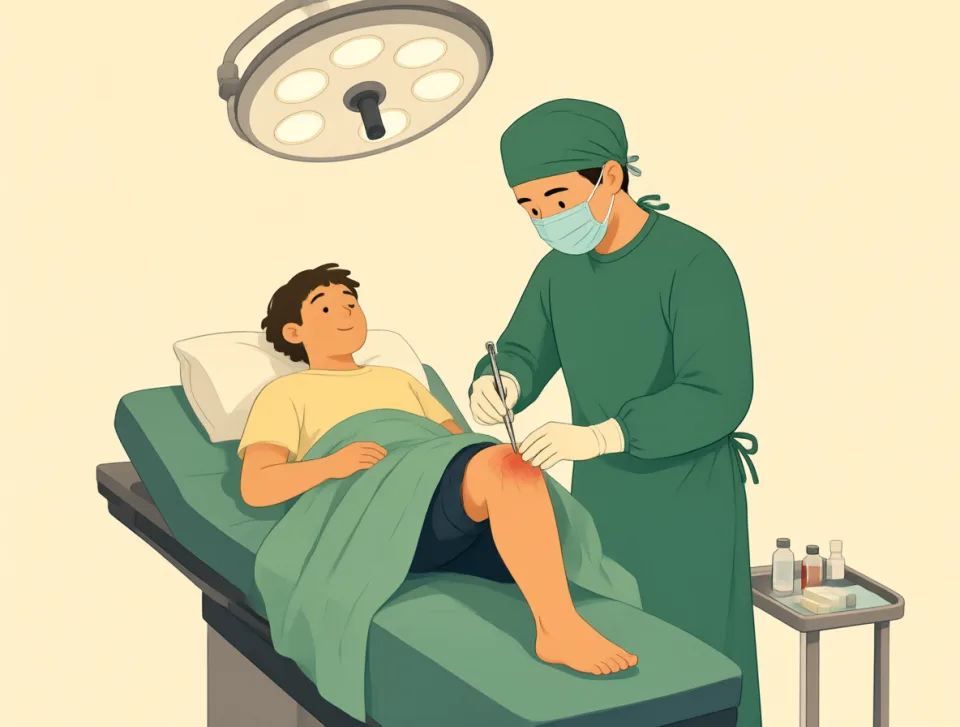
He had surgery to operate on his knee.
او برای جراحی زانویش عمل جراحی کرد.
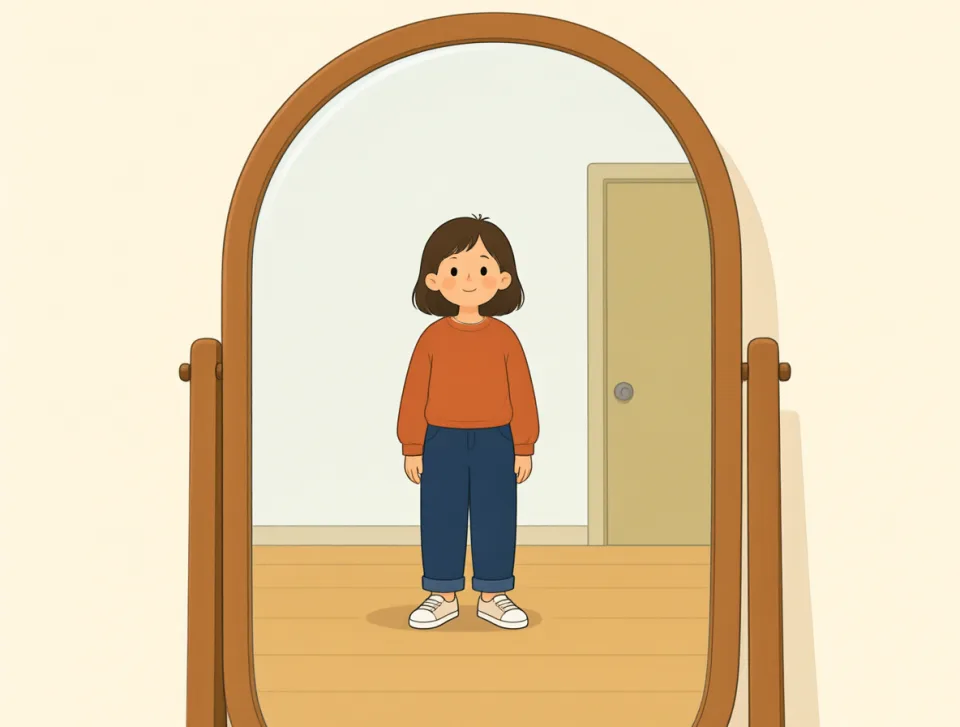
reflect
#916verb
بازتاباندن؛ منعکس کردن
To send back light, heat, or sound, or to show a quality or feeling.
نور، گرما یا صدا را بازتاباندن، یا نشاندهندهٔ یک ویژگی یا احساس بودن.

The lake reflects the mountains in the morning.
دریاچه صبحها کوهها را بازتاب میدهد.

Her face reflected the light from the window.
صورتش نور پنجره را بازتاب میداد.

The clean floor reflects the kitchen lights.
کف تمیز، نور چراغهای آشپزخانه را بازتاب میدهد.

His smile reflects how happy he feels.
لبخندش نشان میدهد که چقدر احساس خوشحالی میکند.

The report reflects what students told us.
این گزارش بازتابدهندهٔ چیزهایی است که دانشآموزان به ما گفتند.

exercise
#917noun, verb
ورزش؛ ورزش کردن
Physical activity that keeps your body healthy, or to use your body this way.
فعالیت بدنیای که بدن را سالم نگه میدارد، یا انجام دادن چنین فعالیتی.
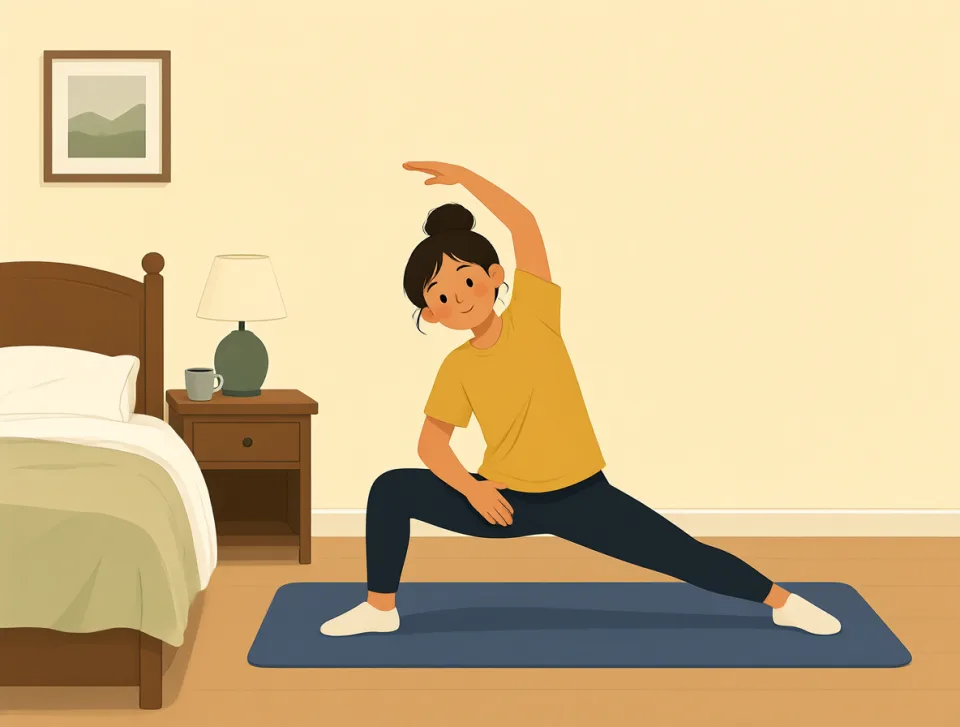
I exercise every morning before breakfast.
هر روز صبح، پیش از صبحانه ورزش میکنم.
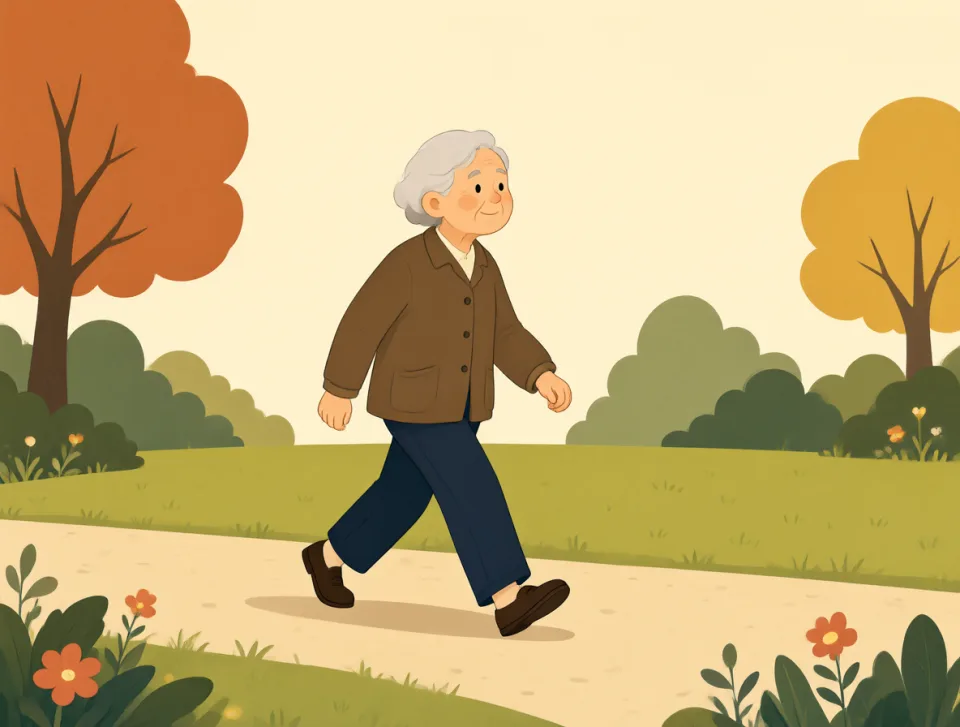
Walking is good exercise for your heart.
پیادهروی برای قلبت ورزش خوبی است.
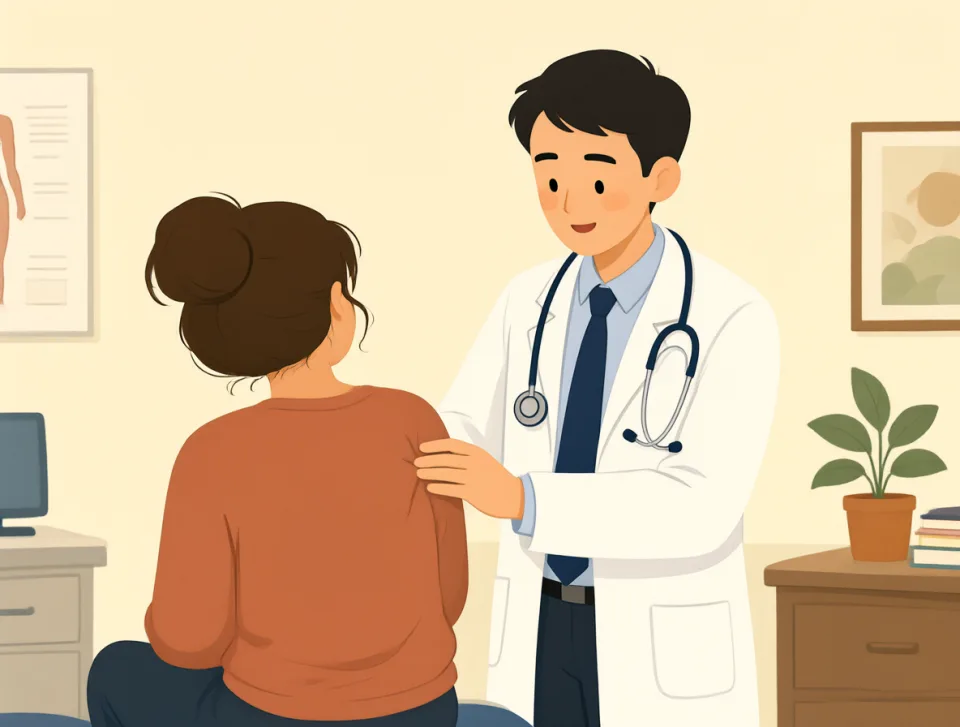
The doctor gave me exercises for my back.
دکتر چند حرکت ورزشی برای کمرم به من داد.
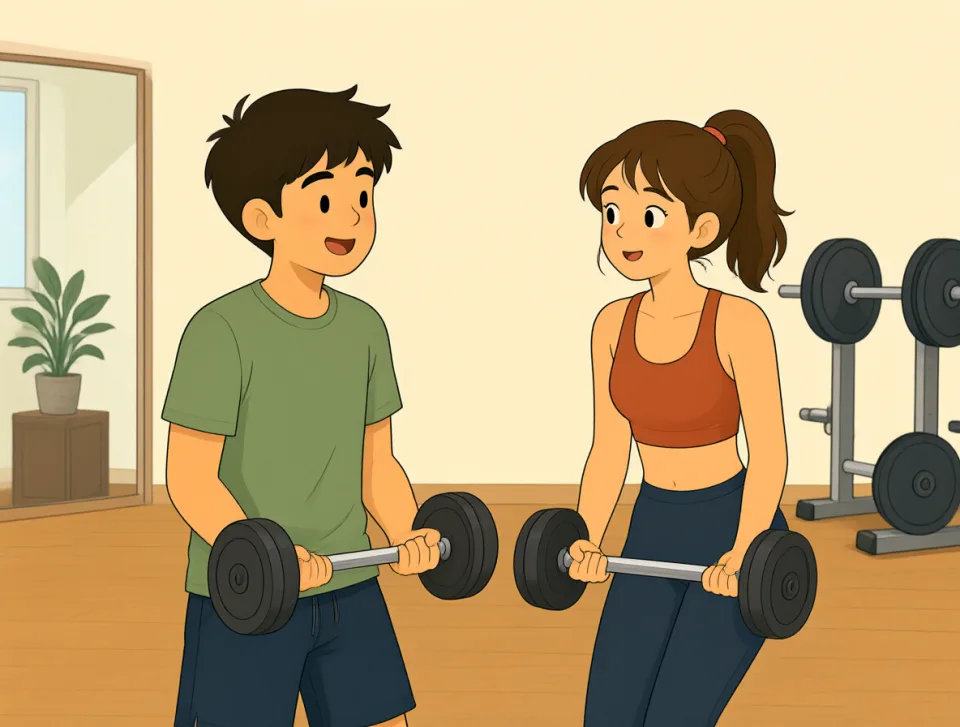
We exercised at the gym after work.
بعد از کار در باشگاه ورزش کردیم.
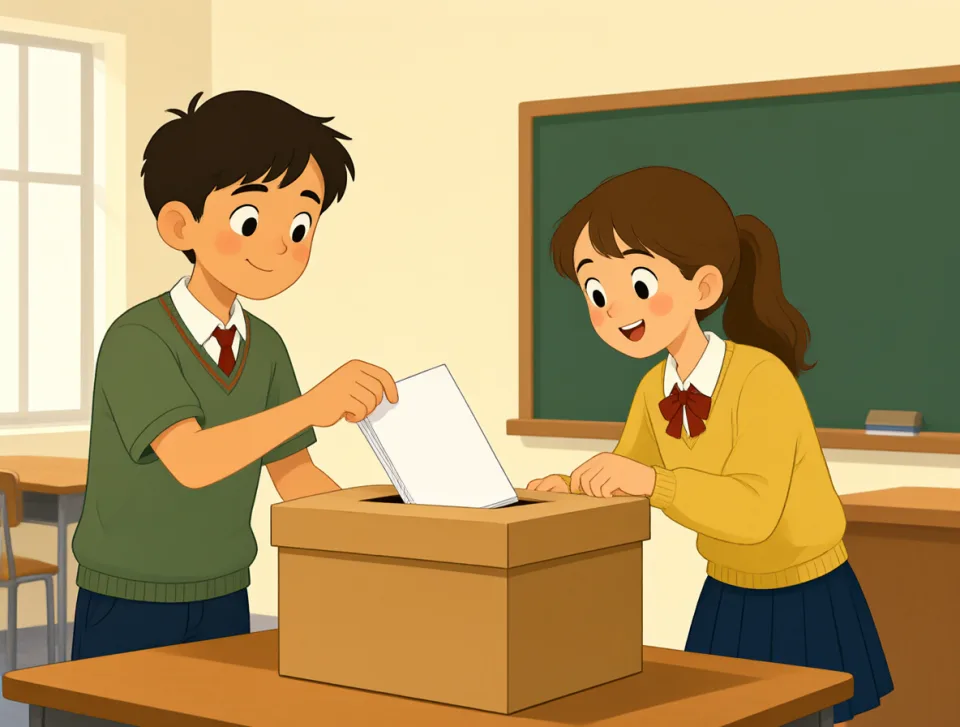
Students exercised their right to vote.
دانشآموزان از حق رأی خود استفاده کردند.
useful
#918adjective
مفید
Helpful or good for a particular purpose or situation.
برای هدف یا موقعیتی خاص سودمند یا مناسب.
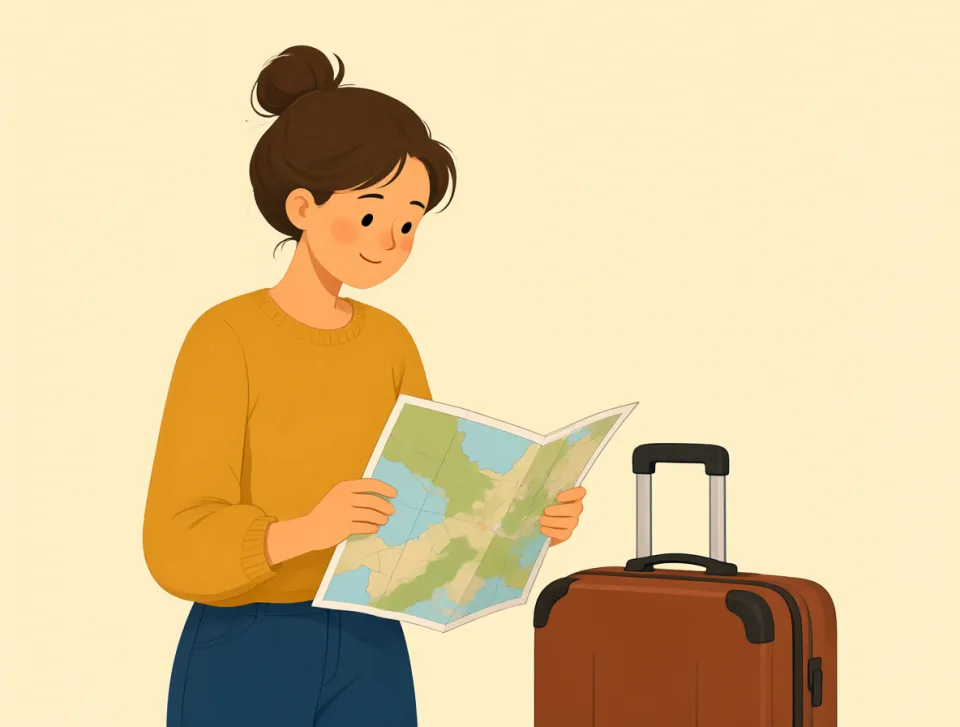
This map is useful when we travel.
این نقشه وقتی سفر میکنیم مفید است.

A warm coat is useful in winter.
یک پالتوی گرم در زمستان بهدرد میخورد.
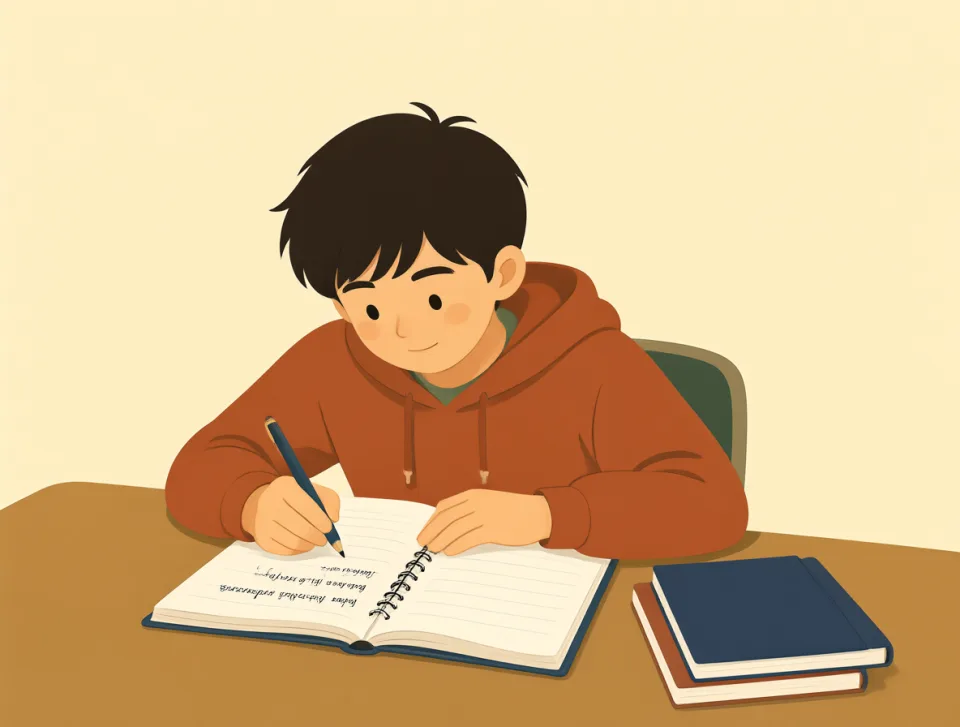
These notes are useful for my test.
این یادداشتها برای امتحانم مفیدند.
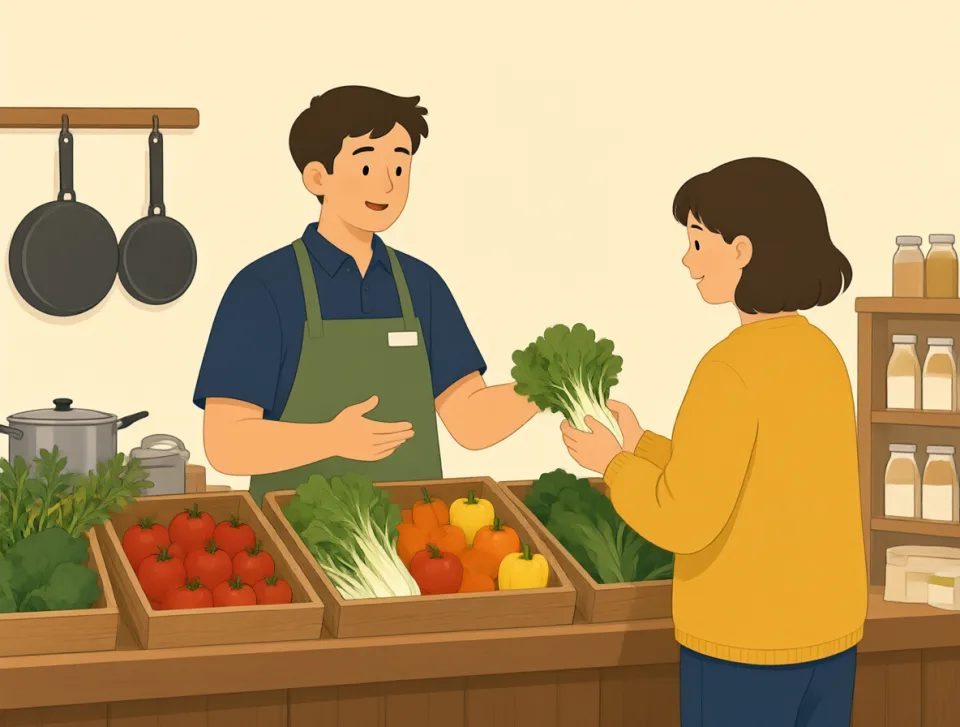
The shop gave us useful cooking advice.
فروشگاه توصیههای مفیدی دربارهٔ آشپزی به ما داد.
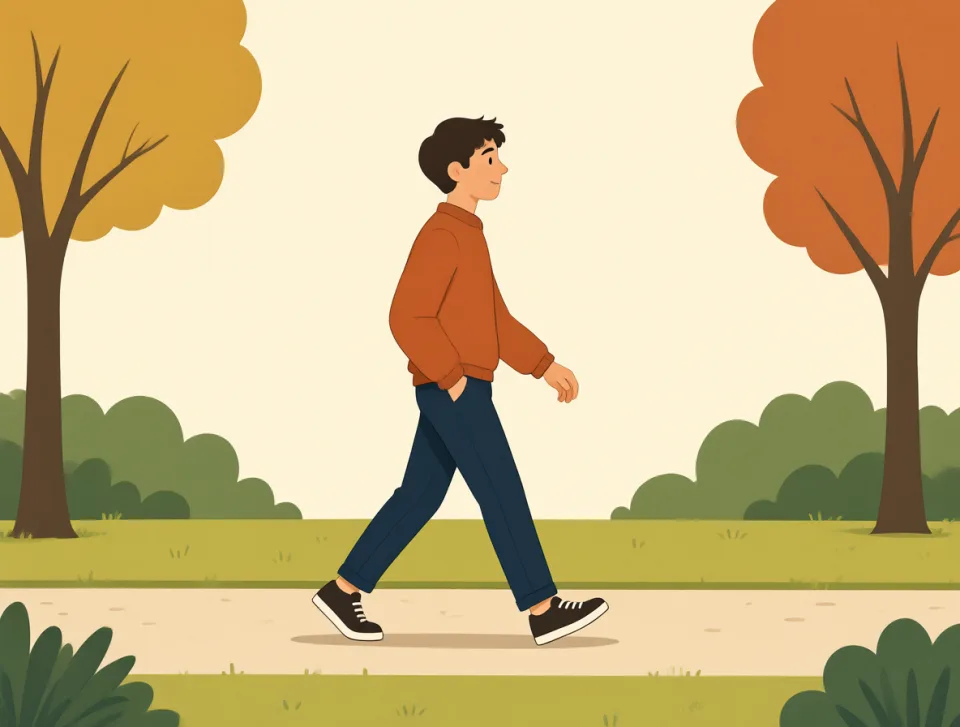
Walking is useful for keeping healthy.
پیادهروی برای حفظ سلامتی مفید است.
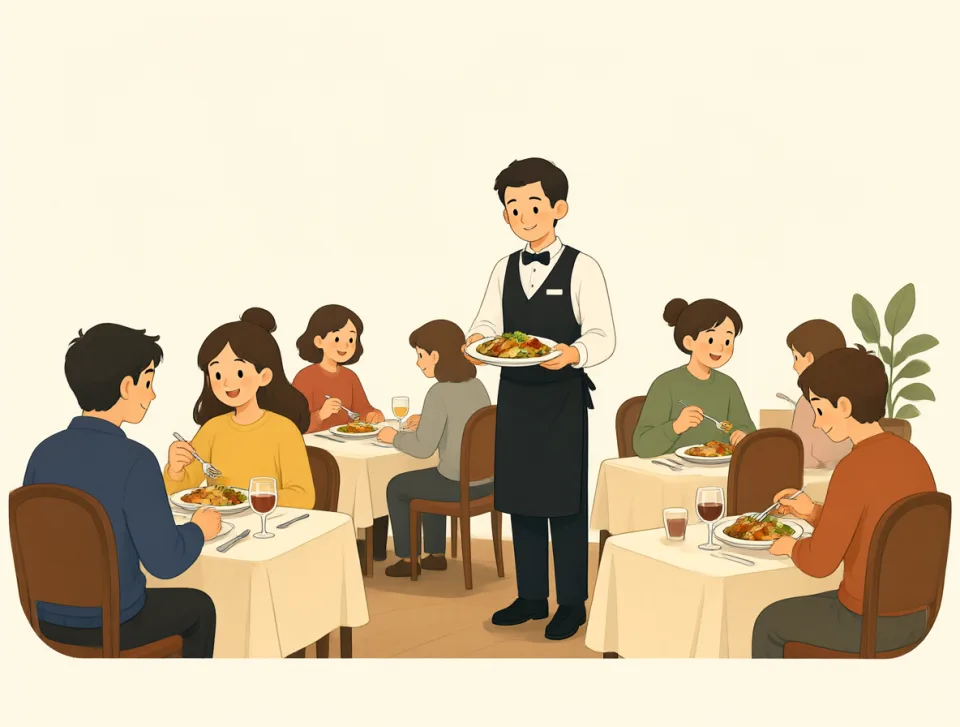
restaurant
#919noun
رستوران
A place where people pay to sit and eat meals.
مکانی که مردم در آن پول میدهند تا بنشینند و غذا بخورند.
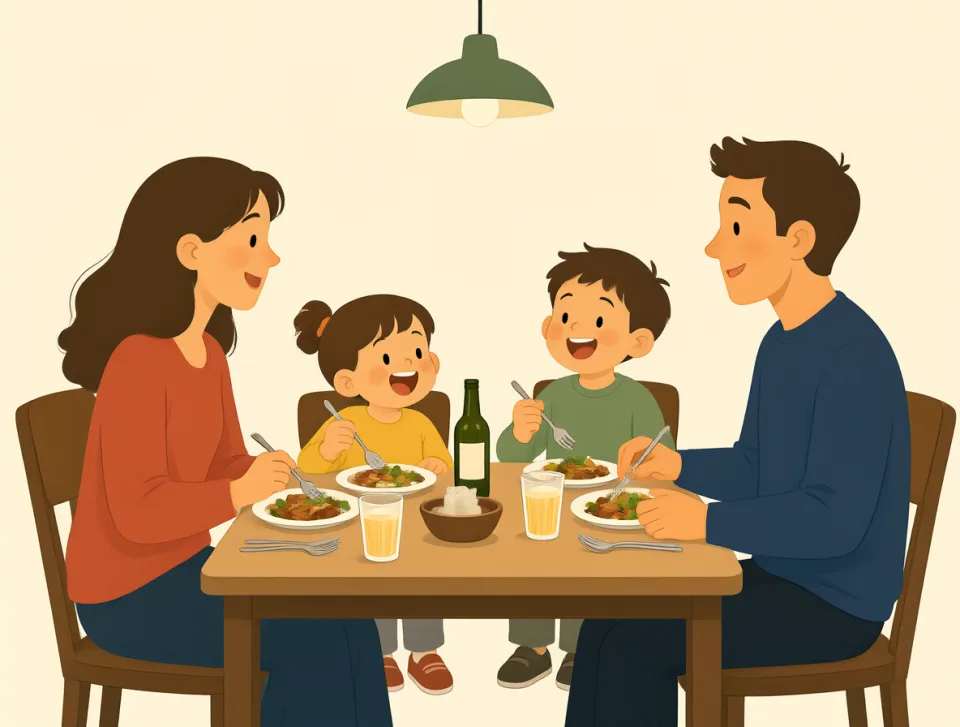
We had dinner at a small restaurant.
در یک رستوران کوچک شام خوردیم.
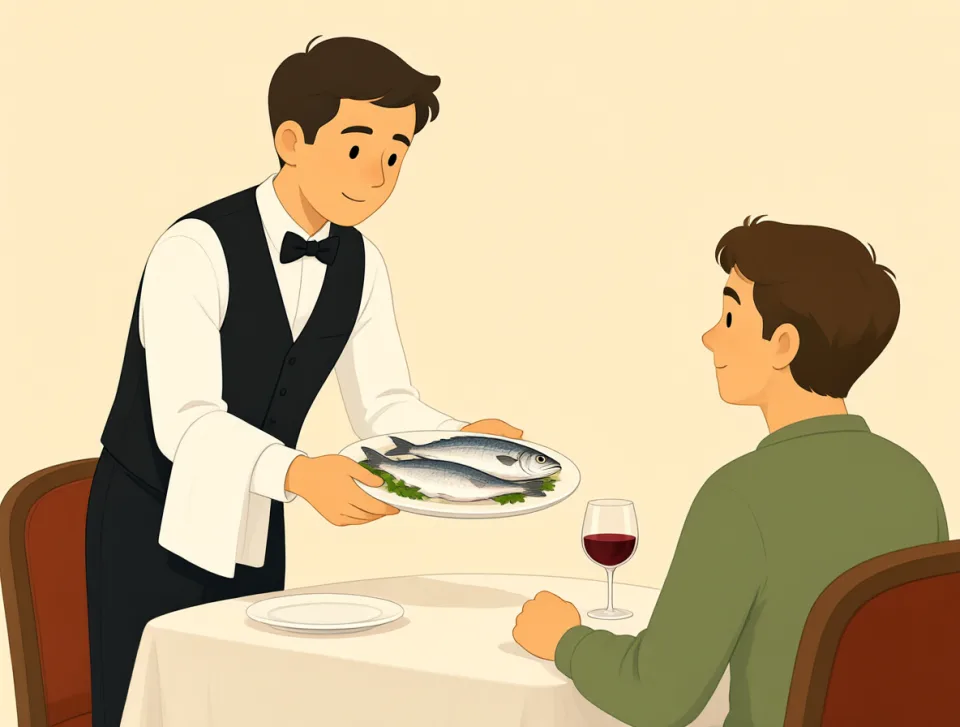
That restaurant serves fresh fish every day.
آن رستوران هر روز ماهی تازه سرو میکند.

The restaurant was full after work.
رستوران بعد از ساعت کاری پر بود.
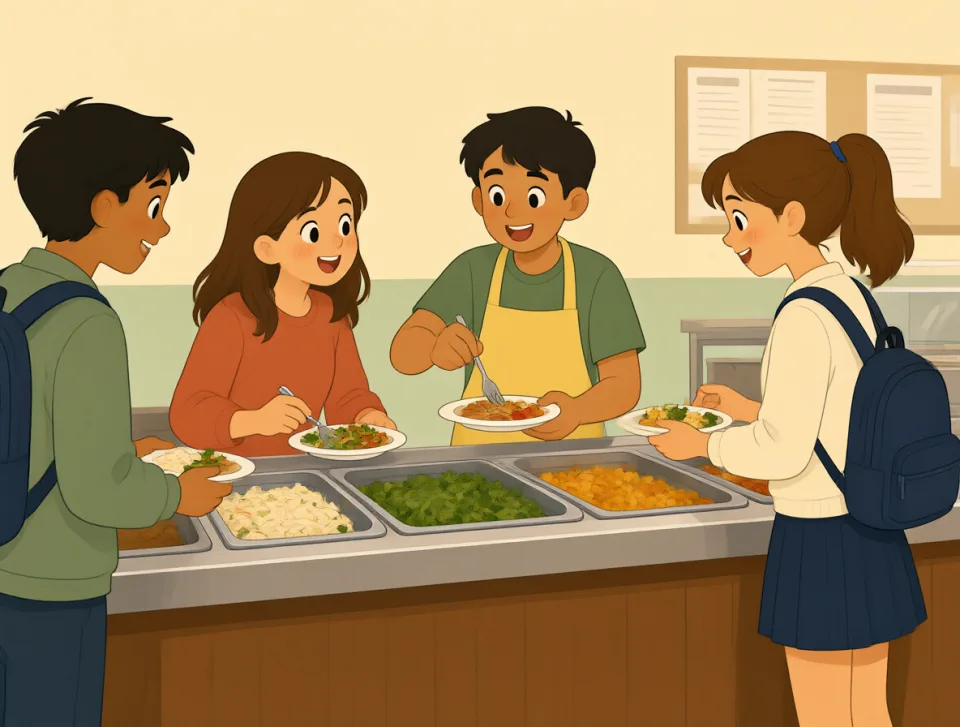
Our school restaurant sells cheap lunches.
سلف مدرسهٔ ما ناهارهای ارزانی میفروشد.
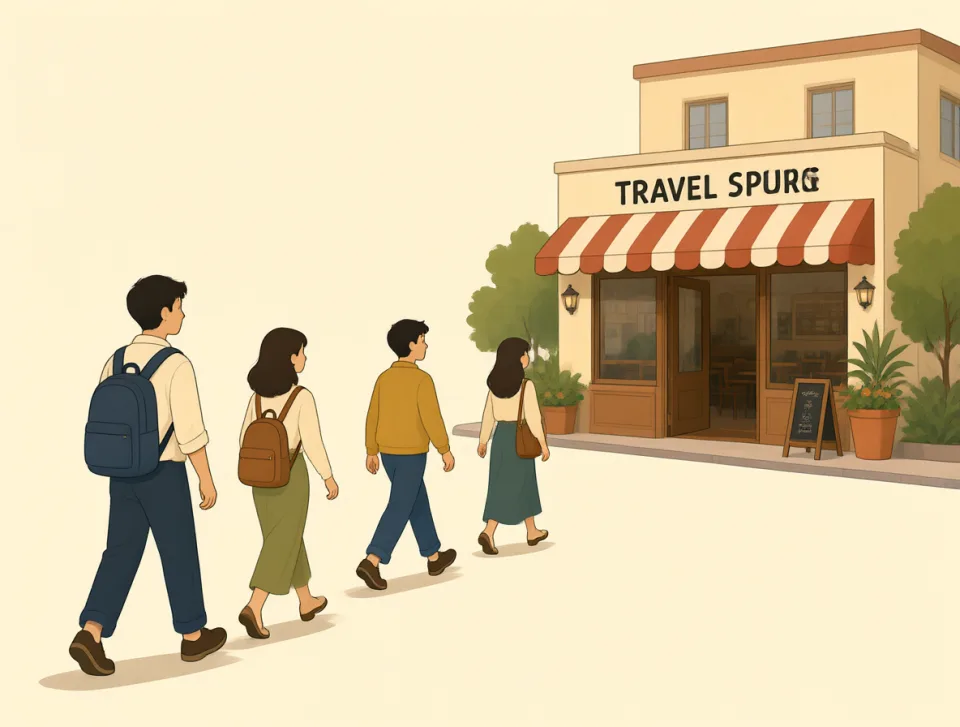
We found a nice restaurant near the hotel.
نزدیک هتل یک رستوران خوب پیدا کردیم.

income
#920noun
درآمد
Money that a person or business regularly receives from work or other sources.
پولی که فرد یا کسبوکار بهطور منظم از کار یا منابع دیگر دریافت میکند.
Her monthly income comes from her job.
درآمد ماهانهٔ او از شغلش تأمین میشود.

His income is high enough to buy a house.
درآمدش آنقدر زیاد است که بتواند خانه بخرد.

The shop lost income during the winter.
فروشگاه در طول زمستان درآمدش را از دست داد.

They need extra income for school costs.
آنها برای هزینههای مدرسه به درآمد بیشتری نیاز دارند.
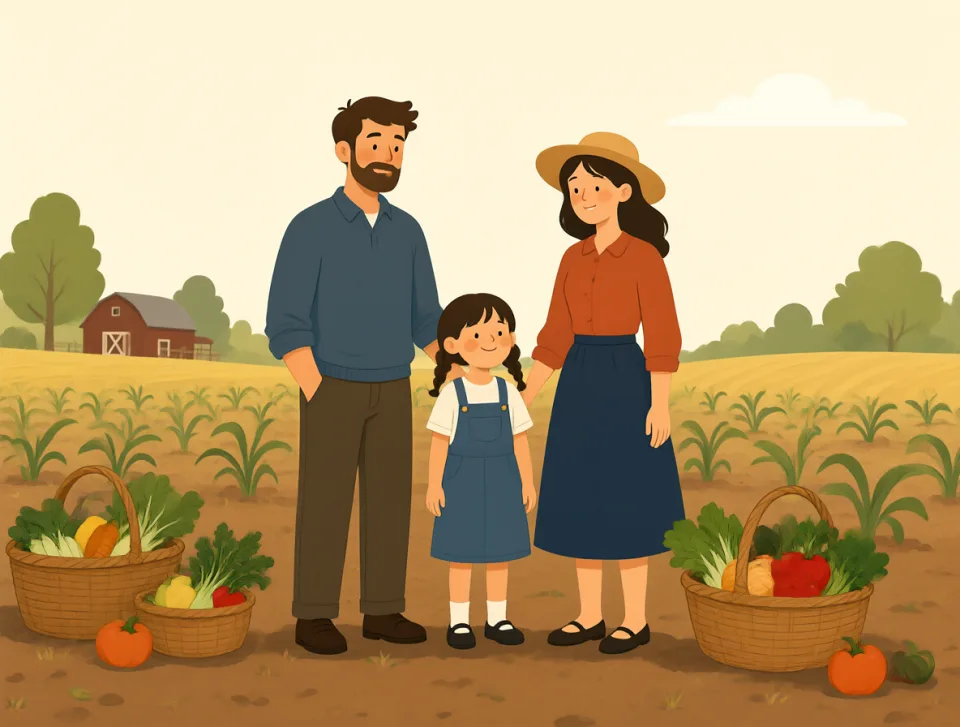
The farm provides income for our family.
این مزرعه برای خانوادهٔ ما درآمد فراهم میکند.