Đơn vị 46
Từ 901–920 · guess, fun, protect, resource, science, disease
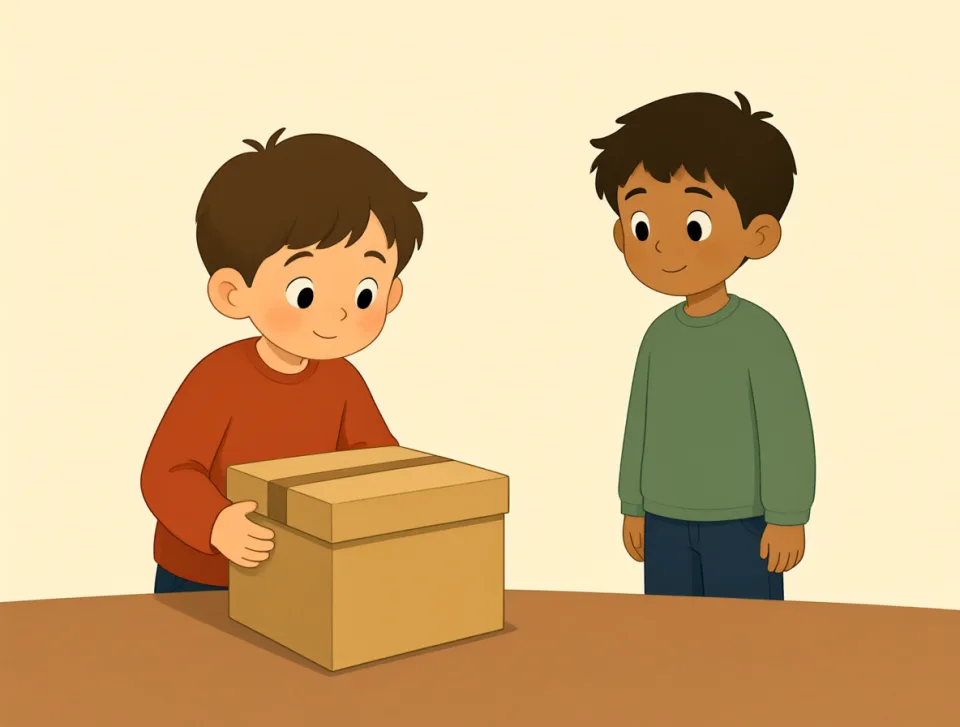
guess
#901noun, verb
đoán
To give an answer without being sure, or an answer made without being sure.
Đưa ra câu trả lời khi chưa chắc chắn, hoặc câu trả lời được đưa ra khi chưa chắc chắn.
Can you guess what is in the box?
Bạn đoán xem trong hộp có gì được không?

I guess we should leave before it rains.
Tớ nghĩ chúng ta nên đi trước khi trời mưa.
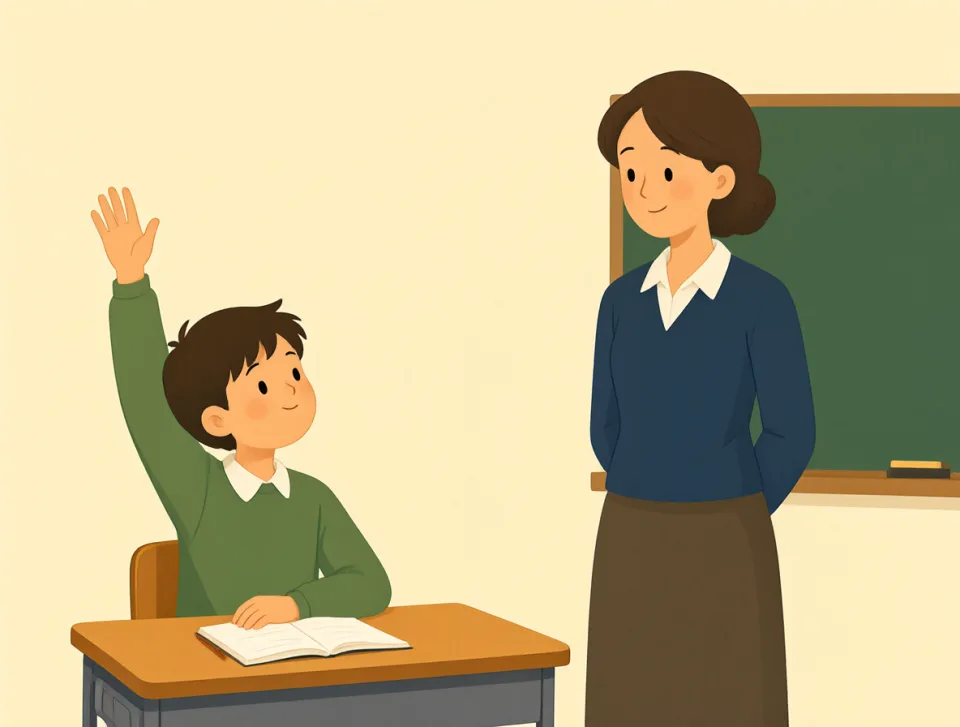
She guessed the answer in class.
Cô ấy đoán được câu trả lời trong giờ học.
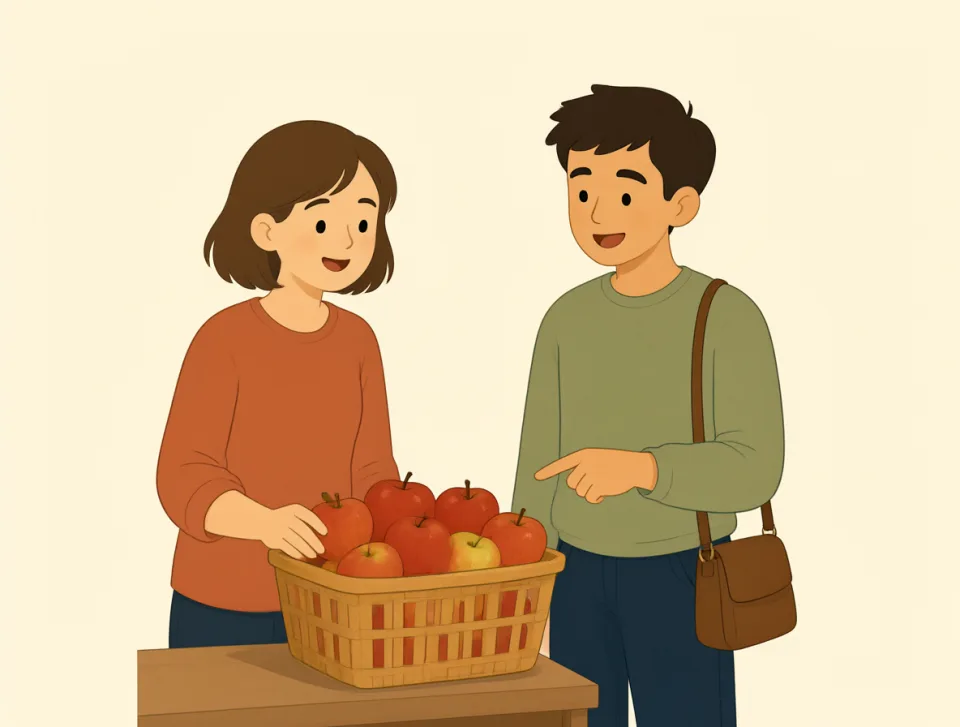
Take a guess: how many apples are here?
Thử đoán xem: ở đây có bao nhiêu quả táo?

My guess is that he is still at work.
Tớ đoán là anh ấy vẫn đang ở chỗ làm.

fun
#902noun, adjective
niềm vui; vui
Enjoyment or pleasure; enjoyable and amusing.
Sự vui thích, niềm vui; mang lại niềm vui và sự thích thú.

We had fun at the beach yesterday.
Hôm qua chúng tôi đã có một ngày vui ở bãi biển.
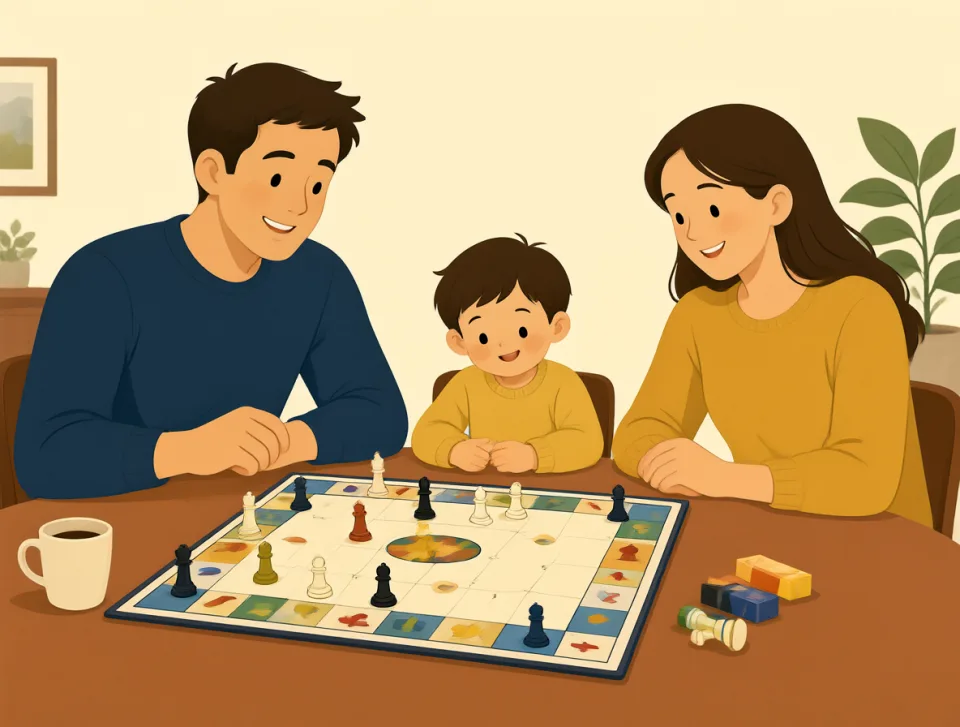
The game was fun for everyone.
Trò chơi này vui với tất cả mọi người.
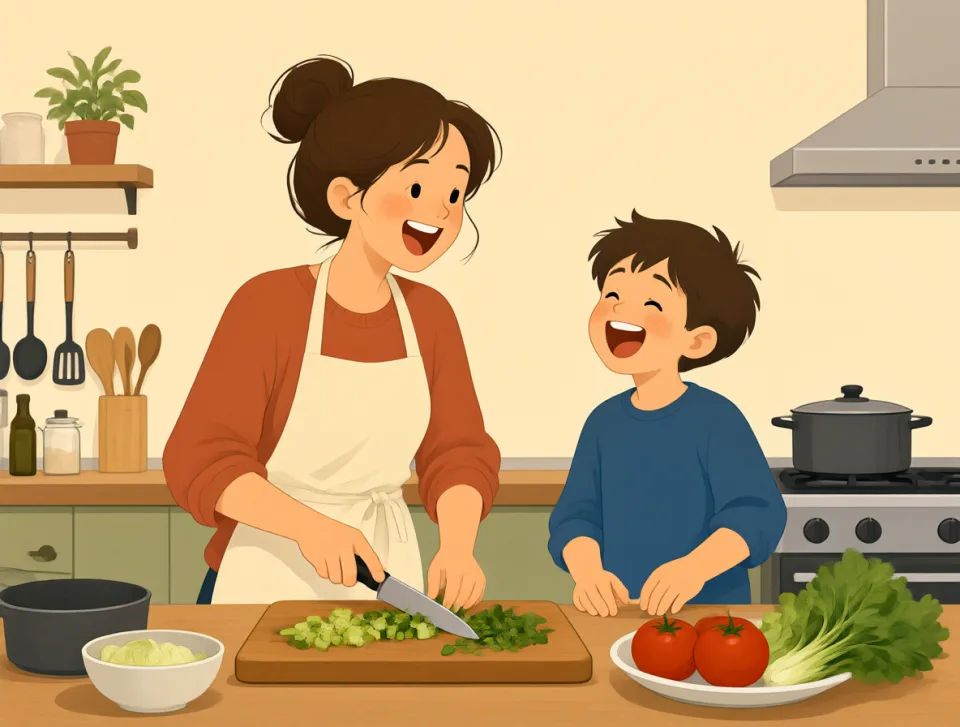
She has fun cooking dinner with her brother.
Cô ấy thích thú nấu bữa tối cùng anh trai.

The children had fun on the school trip.
Bọn trẻ đã có một chuyến đi dã ngoại ở trường rất vui.

Let's find something fun to do tonight.
Tối nay mình tìm gì đó vui vui để làm nhé.
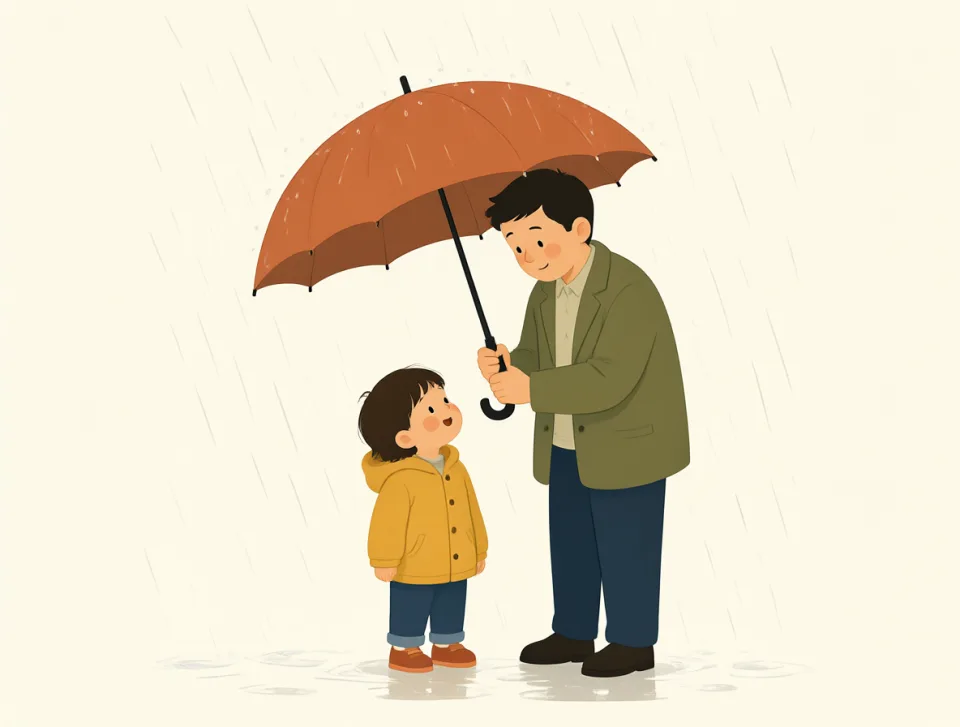
protect
#903verb
bảo vệ
to keep someone or something safe from harm or danger
Giữ cho ai đó hoặc thứ gì đó an toàn, tránh bị tổn hại hoặc gặp nguy hiểm.

Sunscreen protects your skin from the sun.
Kem chống nắng bảo vệ da bạn khỏi ánh nắng mặt trời.

This case protects my phone from drops.
Chiếc ốp này bảo vệ điện thoại của tôi khỏi bị rơi.

Workers wear helmets to protect their heads.
Công nhân đội mũ bảo hộ để bảo vệ đầu.
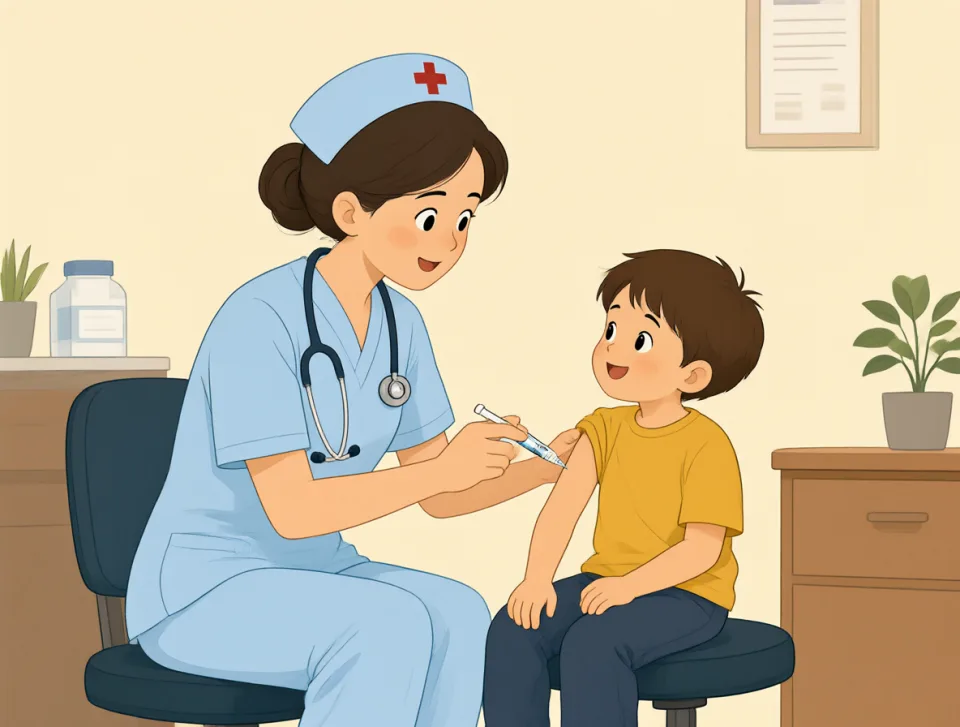
The vaccine protects children from serious illness.
Vắc-xin bảo vệ trẻ em khỏi những căn bệnh nghiêm trọng.
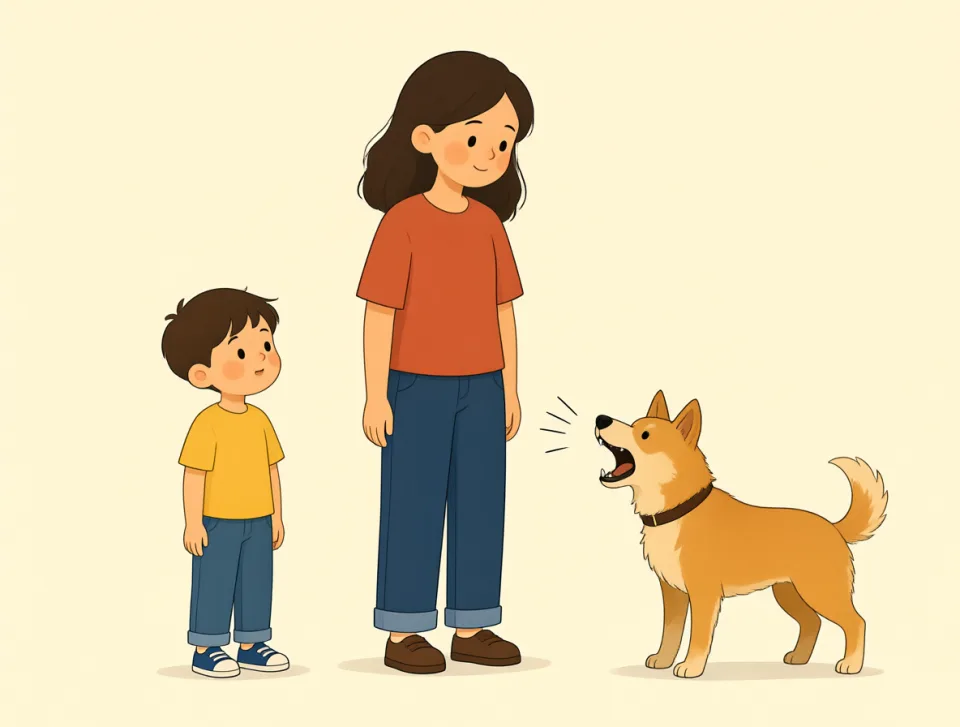
She protected her little brother from the dog.
Cô ấy bảo vệ em trai khỏi con chó.
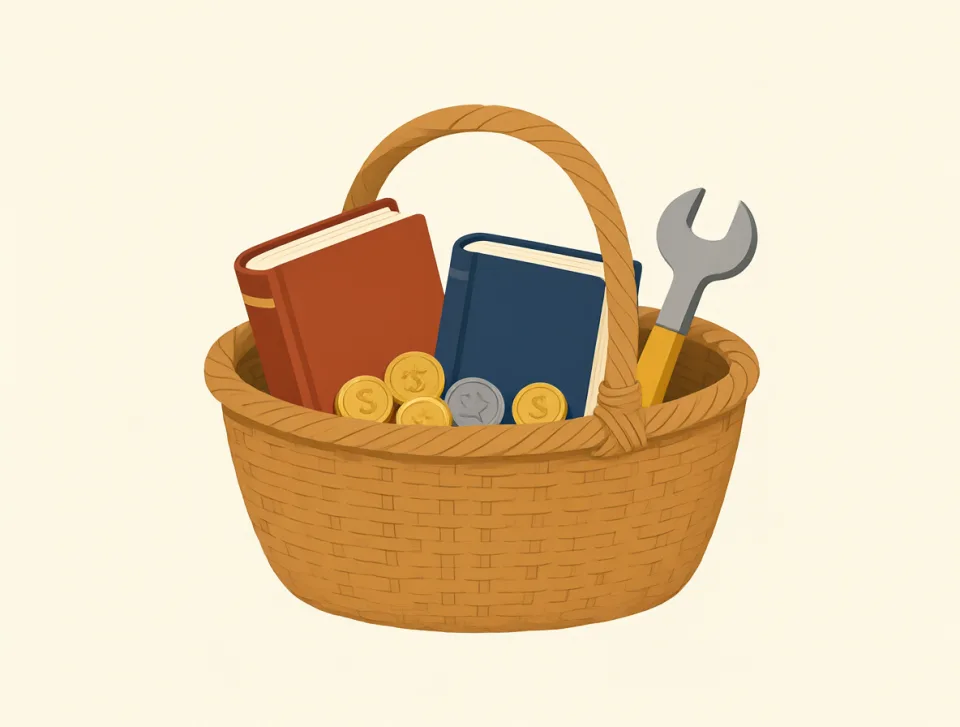
resource
#904noun
nguồn lực
A useful supply of money, materials, time, or information.
Nguồn cung hữu ích về tiền bạc, vật liệu, thời gian hoặc thông tin.
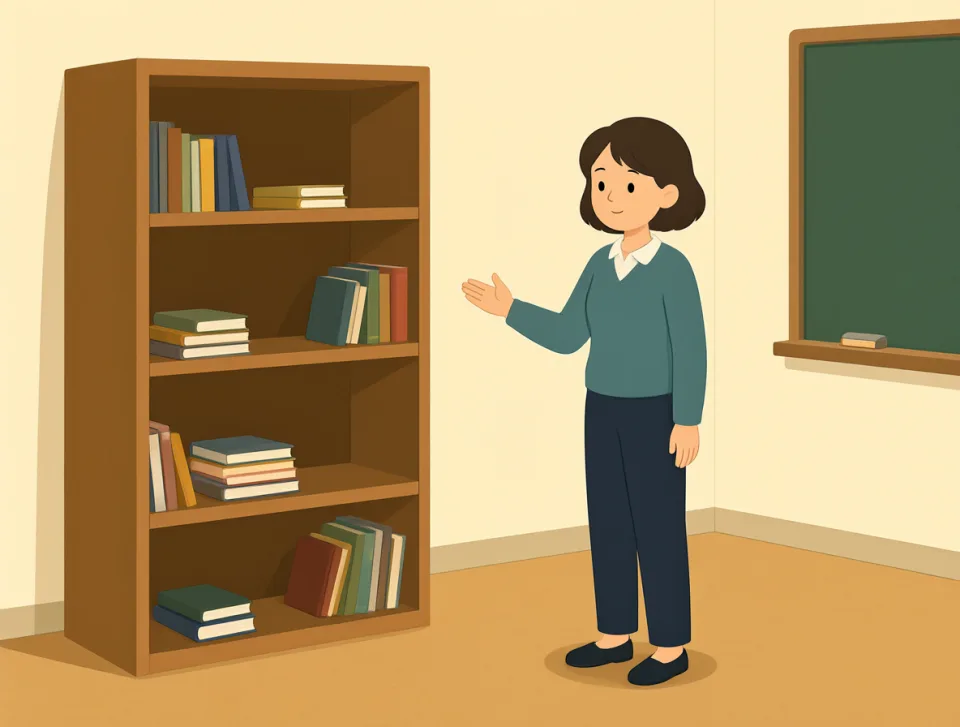
The school has few resources for new books.
Trường có ít nguồn lực để mua sách mới.
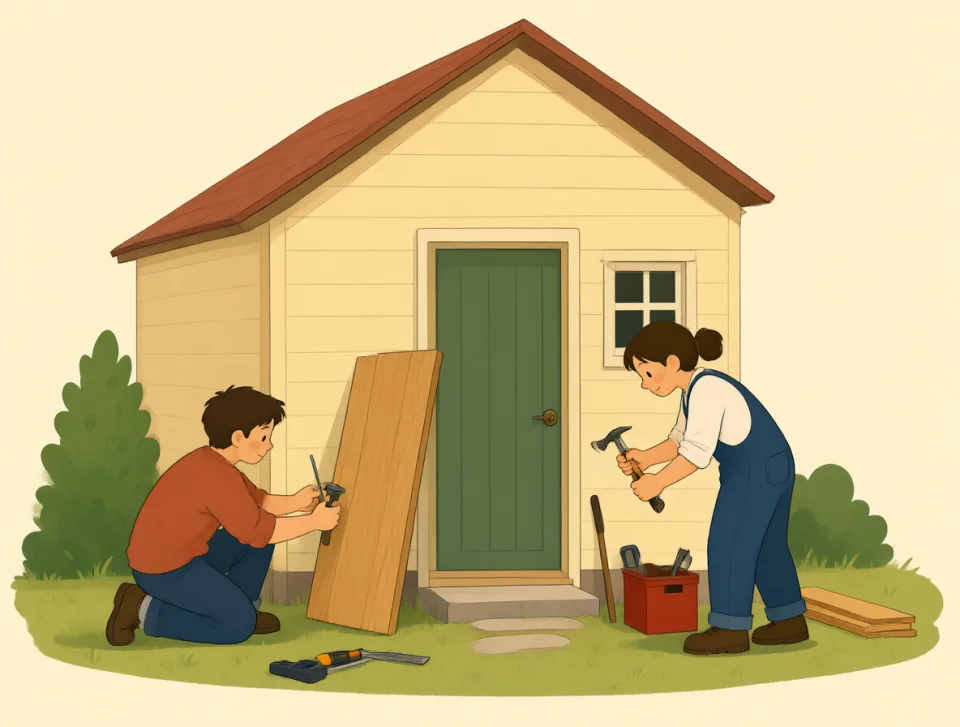
We used local resources to fix the house.
Chúng tôi đã dùng các nguồn lực tại địa phương để sửa nhà.

The library is a useful resource for students.
Thư viện là một nguồn tài liệu hữu ích cho học sinh.
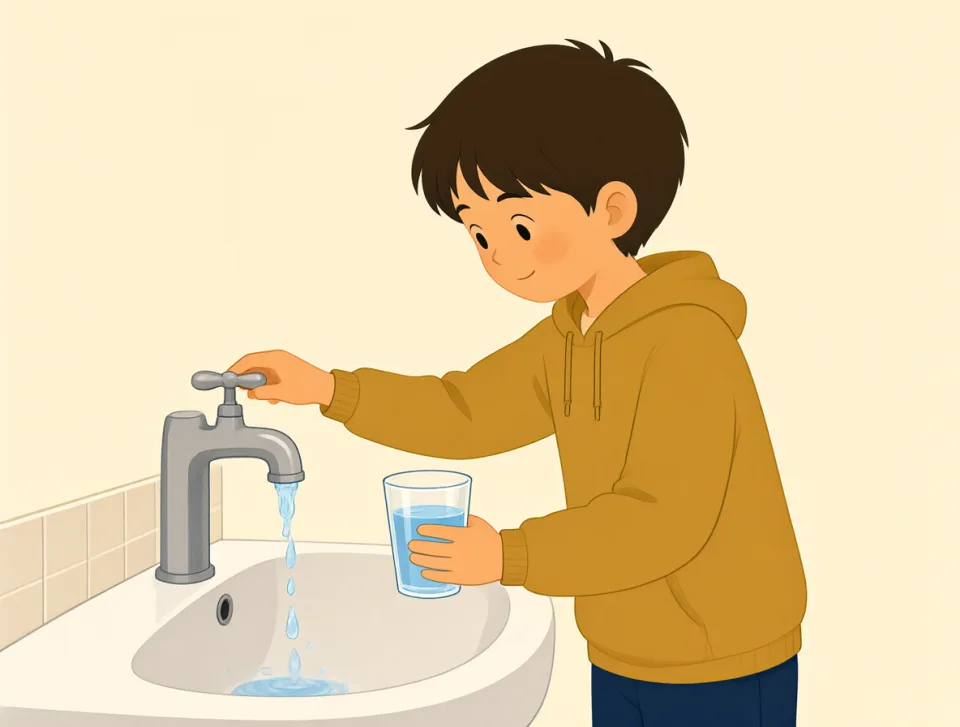
Save water because it is a valuable resource.
Hãy tiết kiệm nước vì nước là một nguồn tài nguyên quý giá.
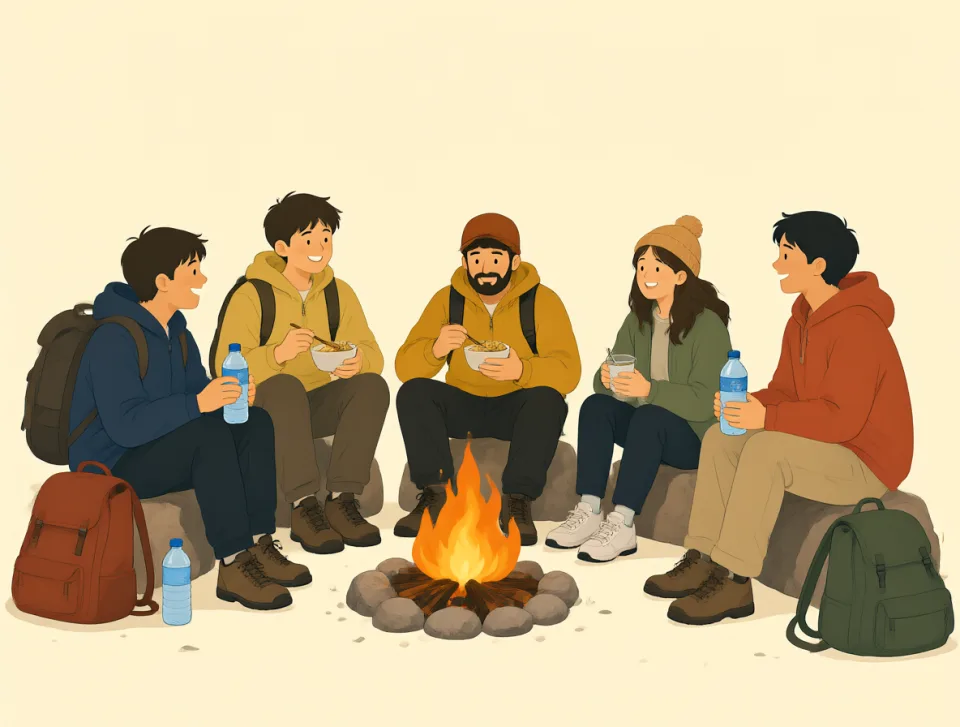
The team shared resources during the difficult trip.
Cả nhóm chia sẻ nguồn lực trong chuyến đi đầy khó khăn.
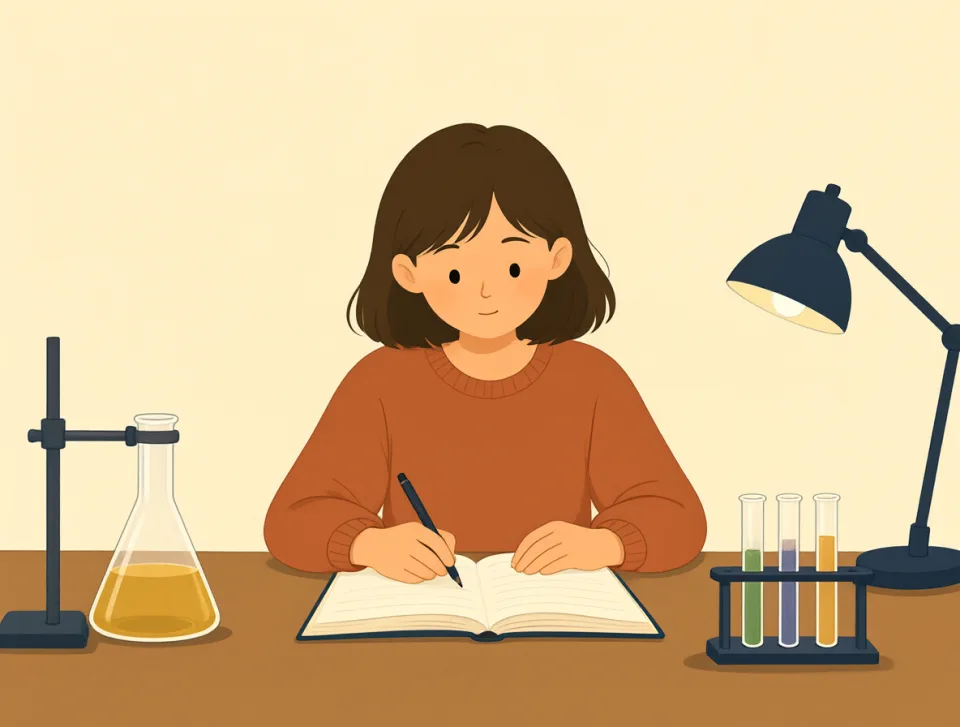
science
#905noun
khoa học
The study of the natural world through experiments and careful observation.
Việc nghiên cứu thế giới tự nhiên thông qua thí nghiệm và quan sát cẩn thận.
She wants to study science at university.
Cô ấy muốn học khoa học ở đại học.
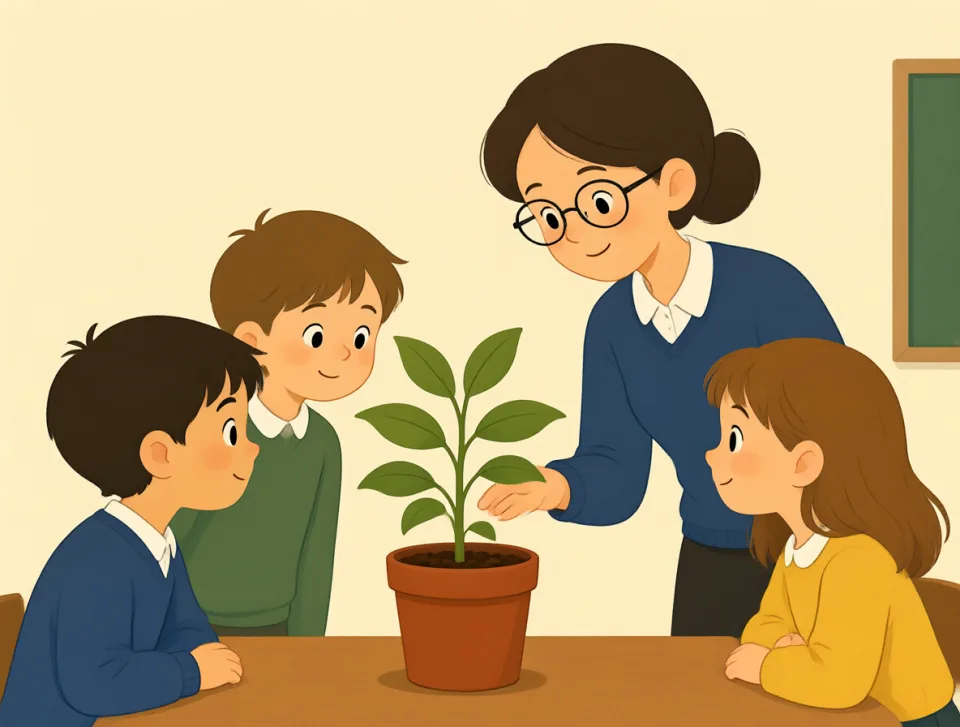
We learned about plants in science class.
Chúng tôi đã học về thực vật trong giờ khoa học.

Science helps doctors find new treatments.
Khoa học giúp các bác sĩ tìm ra những phương pháp điều trị mới.

He reads science books before bed.
Anh ấy đọc sách khoa học trước khi đi ngủ.
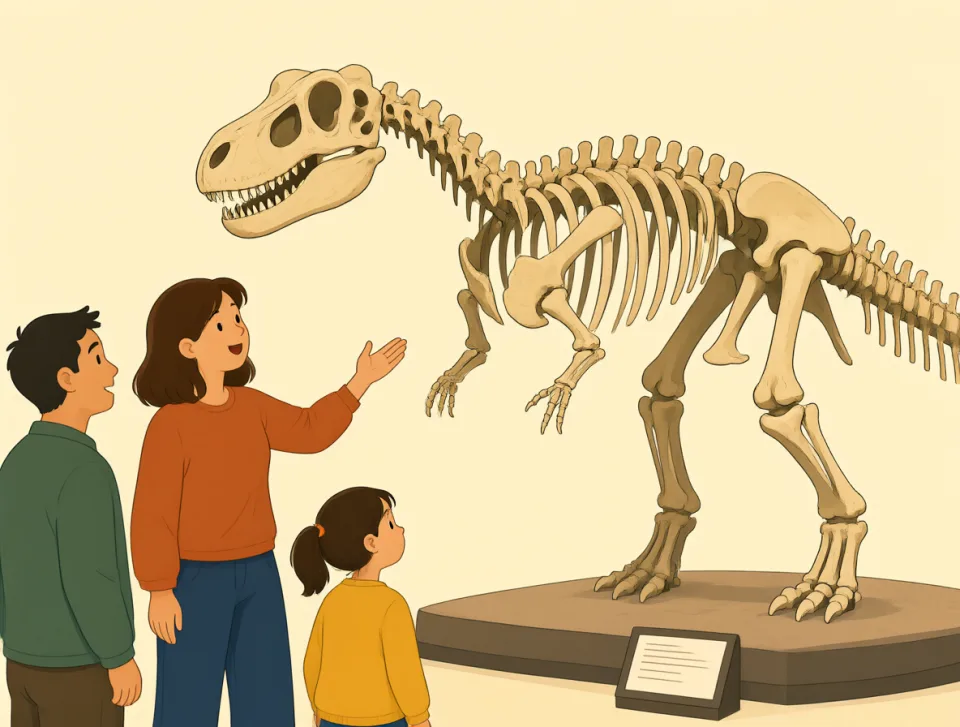
My sister works at a science museum.
Chị gái tôi làm việc ở một bảo tàng khoa học.

disease
#906noun
bệnh
An illness that affects a person, animal, or plant.
Một căn bệnh ảnh hưởng đến người, động vật hoặc thực vật.
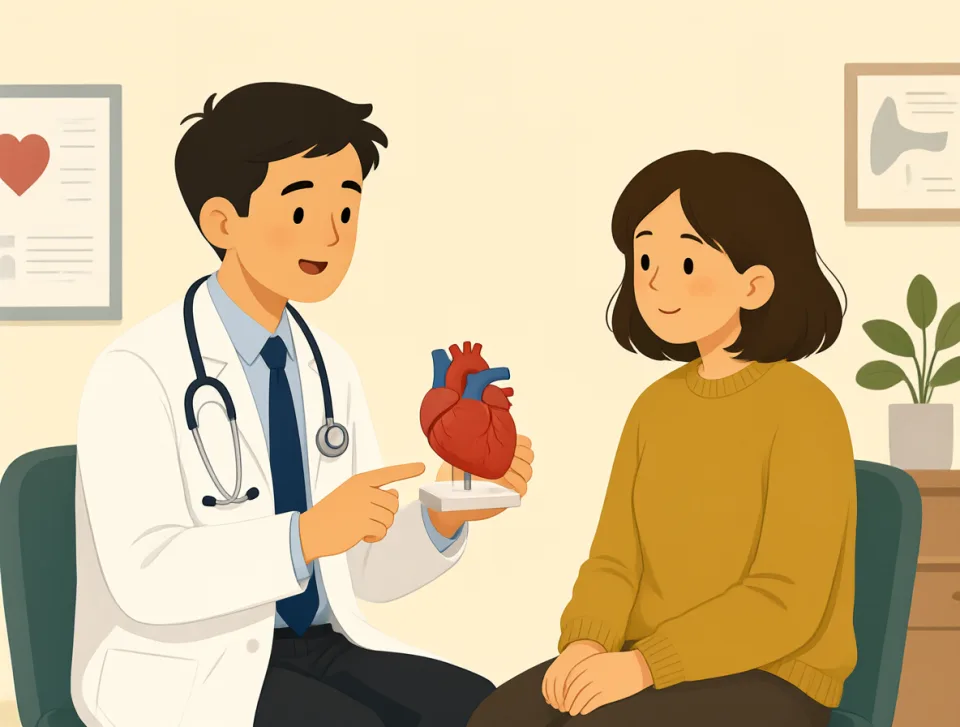
Heart disease runs in my family.
Gia đình tôi có tiền sử mắc bệnh tim.
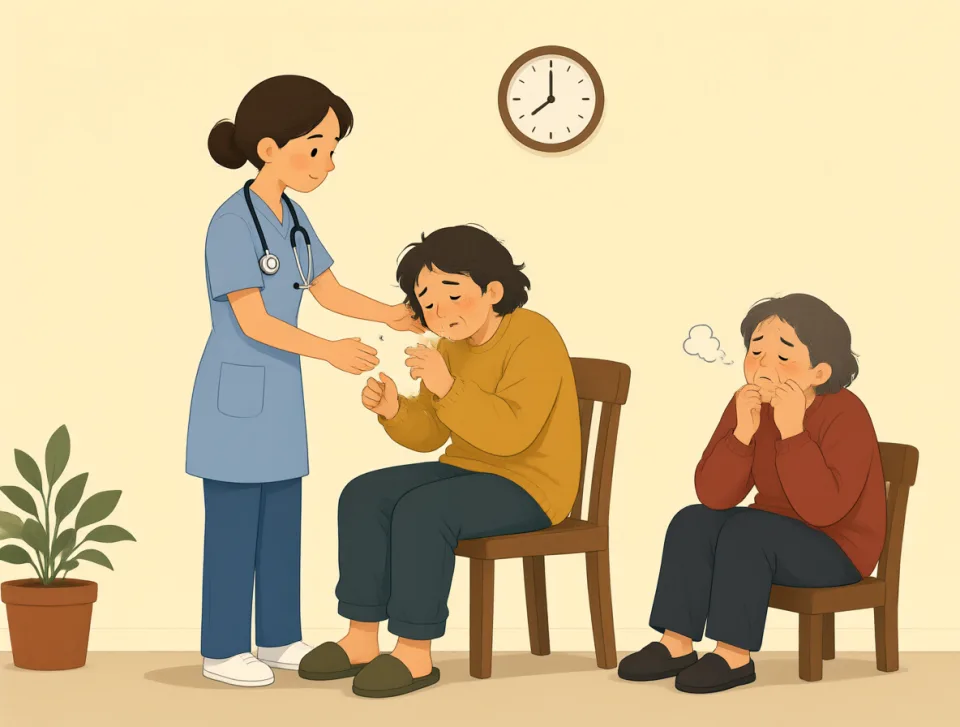
The disease spread quickly through the village.
Căn bệnh lây lan nhanh chóng khắp ngôi làng.

Doctors found the disease early.
Các bác sĩ phát hiện bệnh từ sớm.
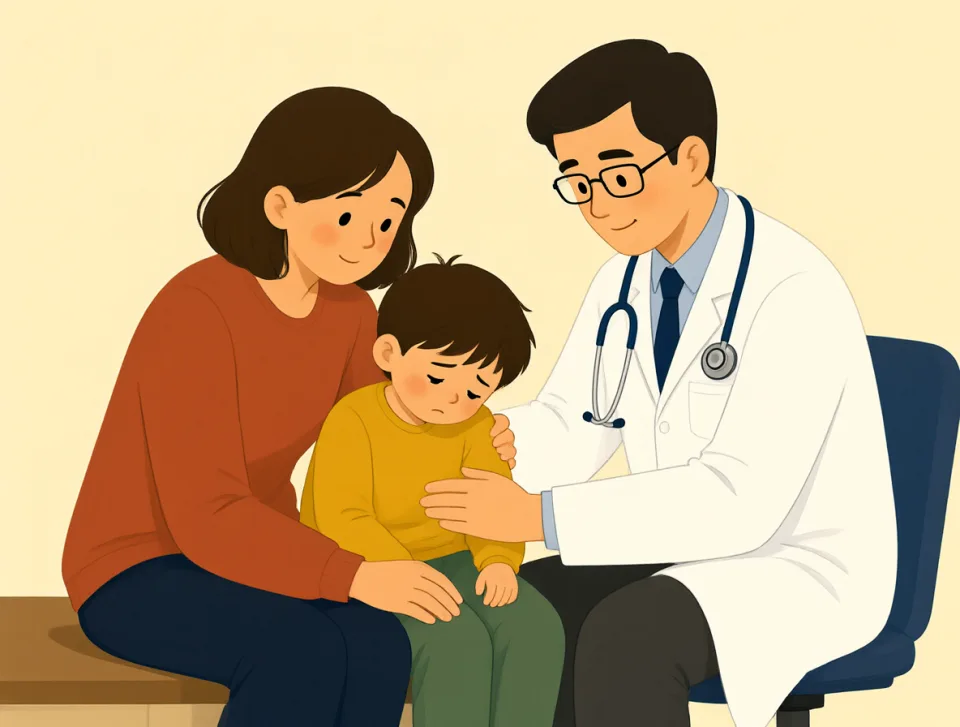
This disease can affect young children.
Căn bệnh này có thể ảnh hưởng đến trẻ nhỏ.
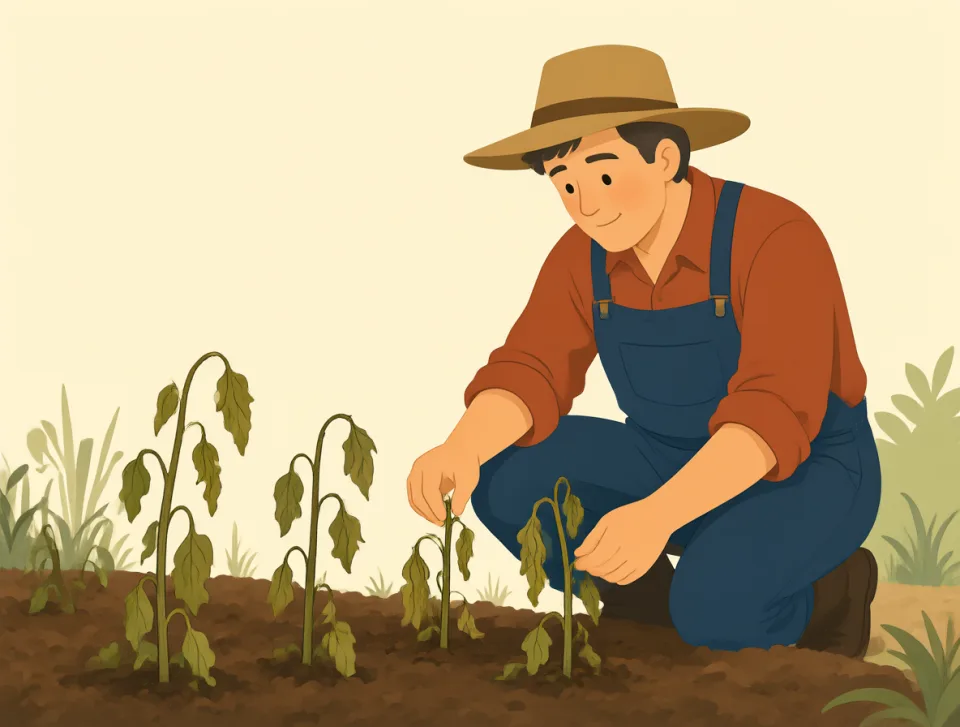
The farmer lost plants to disease.
Người nông dân mất nhiều cây trồng vì dịch bệnh.

balance
#907noun, verb
sự cân bằng; số dư
a steady state, or the amount left in an account; to keep something steady or equal
Trạng thái ổn định hoặc số tiền còn lại trong tài khoản; giữ cho vật gì đó ổn định hoặc cân bằng.
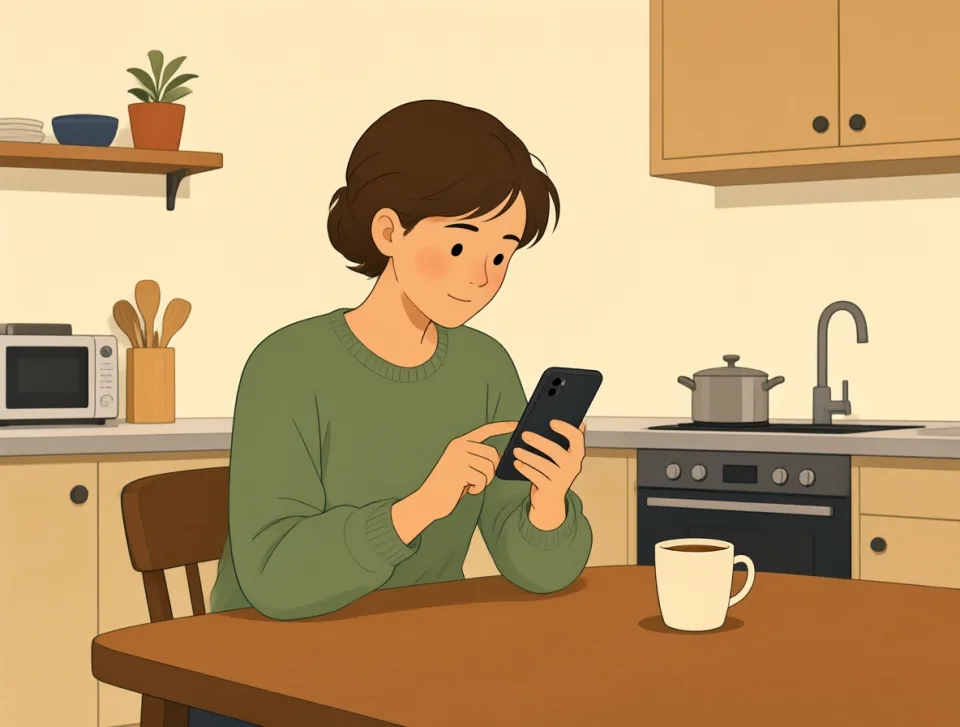
She checked the balance in her bank account.
Cô ấy kiểm tra số dư trong tài khoản ngân hàng.

He lost his balance on the icy path.
Anh ấy mất thăng bằng trên con đường phủ băng.
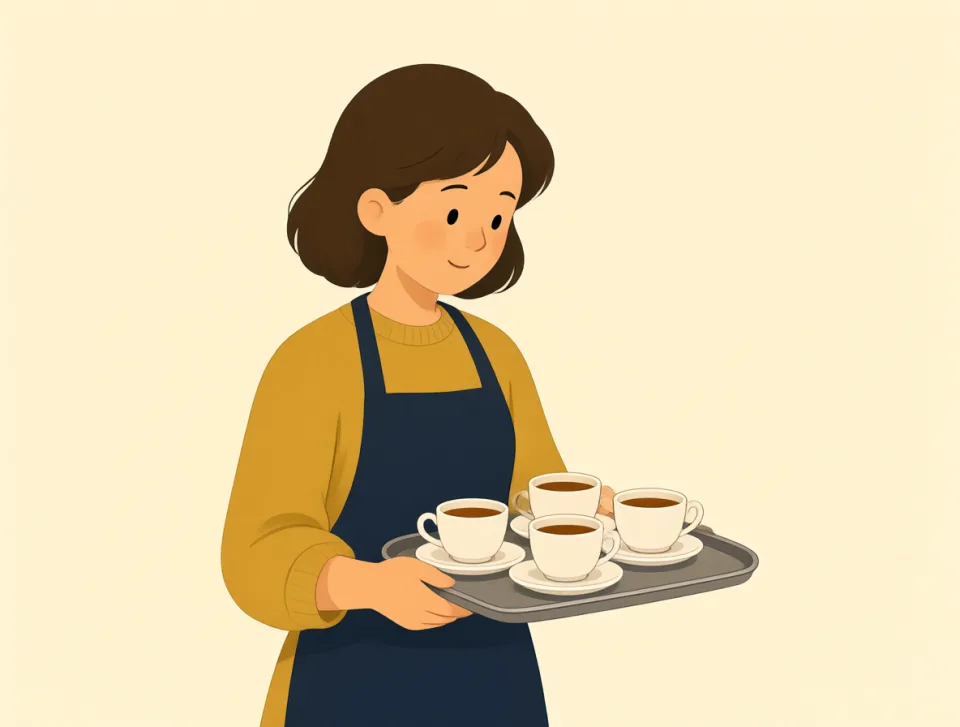
Try to balance the tray with both hands.
Hãy thử giữ khay thăng bằng bằng cả hai tay.

I need a better balance between work and rest.
Tôi cần cân bằng tốt hơn giữa công việc và nghỉ ngơi.
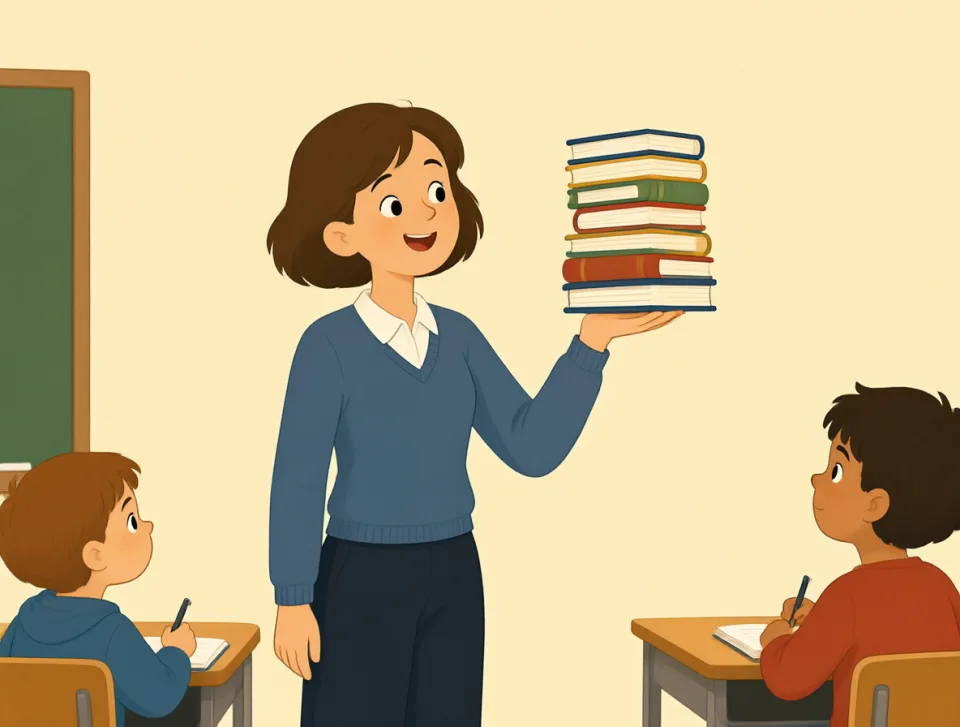
The teacher balanced the books on one hand.
Thầy giáo giữ cho chồng sách thăng bằng trên một tay.

damage
#908noun, verb
thiệt hại; làm hư hại
harm that makes something less useful, attractive, or strong
Tổn hại khiến một vật kém hữu dụng, kém đẹp hoặc kém bền chắc hơn.

The storm caused damage to our roof.
Cơn bão làm hư hại mái nhà chúng tôi.

Be careful not to damage the table.
Cẩn thận đừng làm hỏng cái bàn nhé.
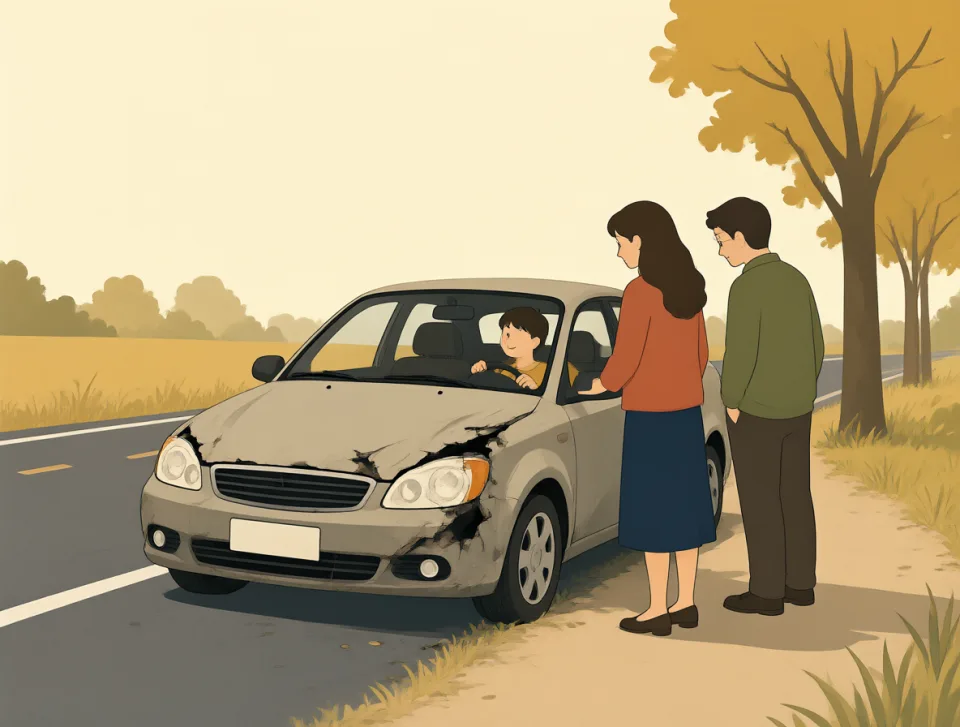
The car has serious damage after the crash.
Chiếc xe bị hư hại nghiêm trọng sau vụ va chạm.

Water damage ruined the kitchen wall.
Nước làm hỏng bức tường nhà bếp.
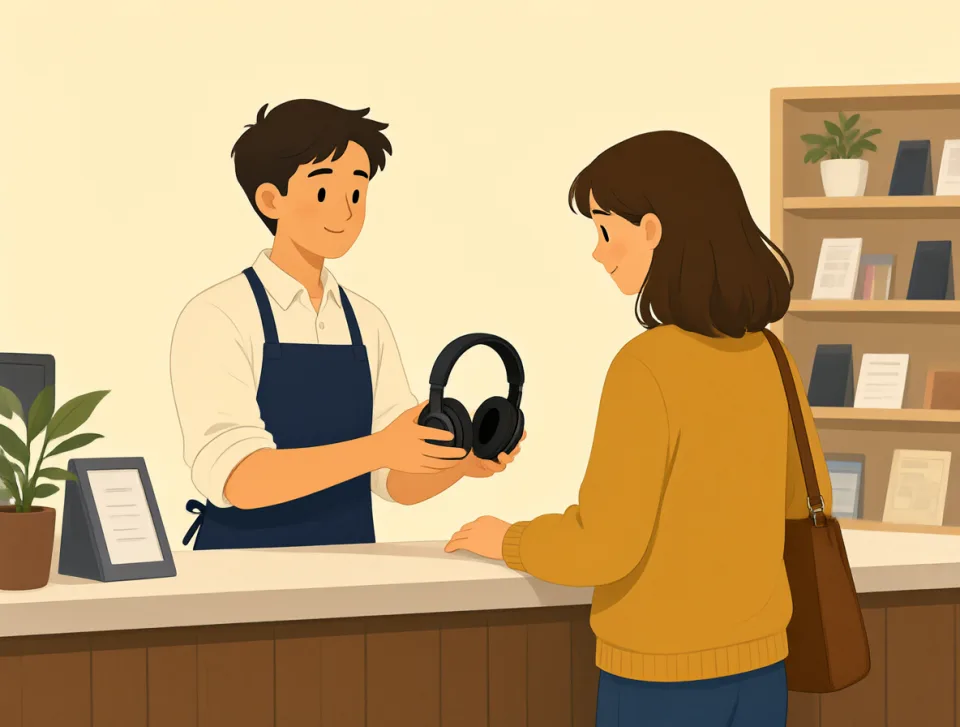
The shop replaced my damaged headphones.
Cửa hàng đã đổi cho tôi chiếc tai nghe bị hỏng.

basis
#909noun
cơ sở; căn cứ
the main reason, fact, or rule used to support something
Lý do, sự thật hoặc quy tắc chính được dùng để làm cơ sở cho điều gì đó.
We meet on a regular basis.
Chúng tôi gặp nhau thường xuyên.

The school hired staff on a temporary basis.
Nhà trường tuyển nhân viên theo hợp đồng tạm thời.
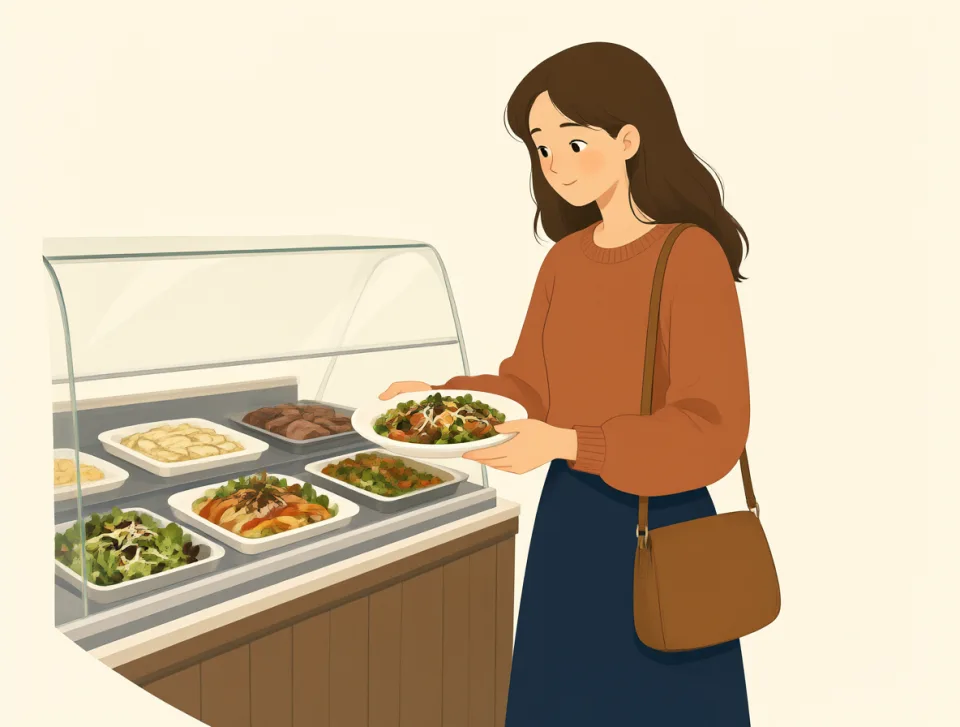
She chose the meal on the basis of price.
Cô ấy chọn món ăn dựa trên giá cả.

The doctor treated him on the basis of his symptoms.
Bác sĩ điều trị cho anh ấy dựa trên các triệu chứng.

Trust is the basis of our friendship.
Lòng tin là nền tảng của tình bạn chúng tôi.

author
#910noun
tác giả
A person who writes books, stories, or articles.
Người viết sách, truyện hoặc bài báo.

The author wrote a popular mystery novel.
Tác giả đã viết một cuốn tiểu thuyết trinh thám nổi tiếng.

I met the author at the bookshop.
Tôi đã gặp tác giả ở hiệu sách.

The author signed my new book.
Tác giả đã ký tặng cuốn sách mới của tôi.

Our teacher invited a children's author.
Giáo viên của chúng tôi đã mời một tác giả viết sách thiếu nhi.

She wants to become an author someday.
Một ngày nào đó cô ấy muốn trở thành nhà văn.

basic
#911adjective, noun
cơ bản
simple and necessary, without extra features or details
đơn giản và cần thiết, không có thêm tính năng hay chi tiết nào
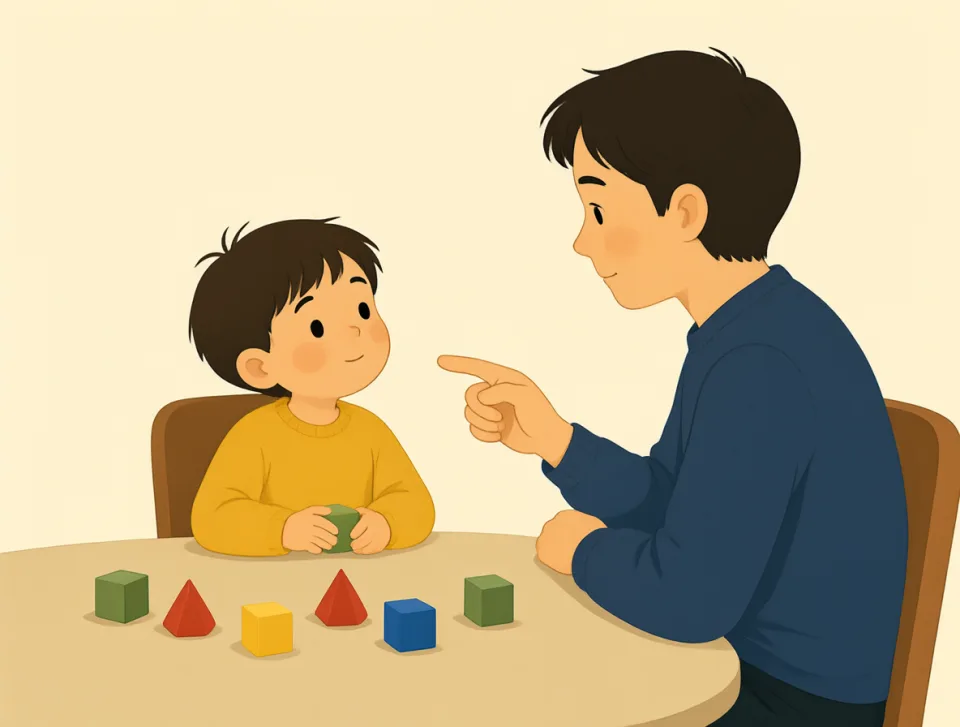
I know the basic rules of the game.
Tôi biết những luật cơ bản của trò chơi.
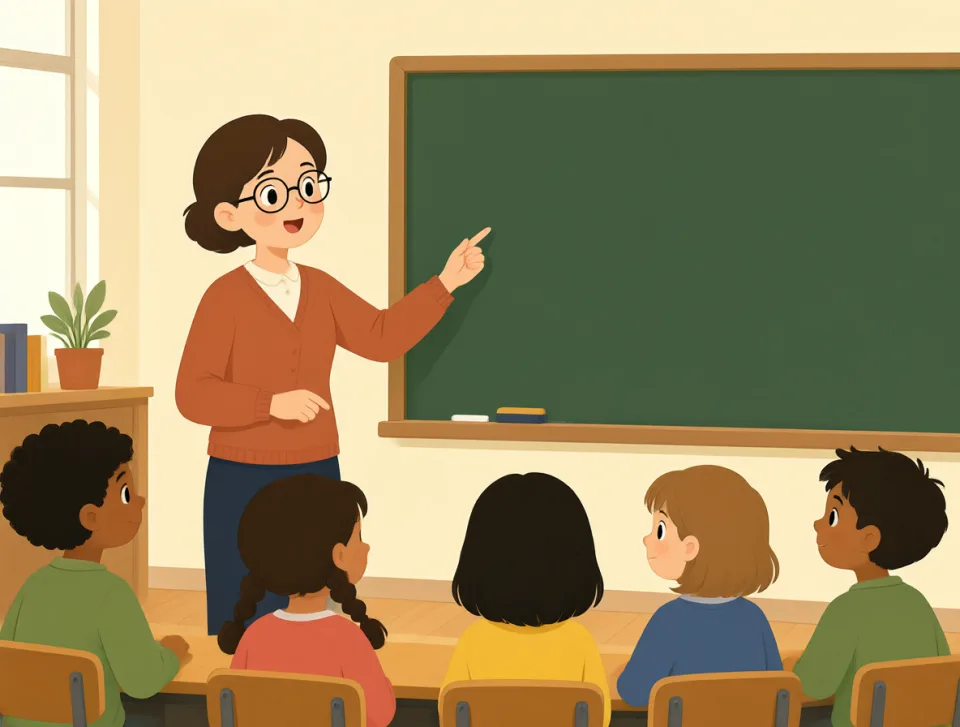
We learned basic English at school.
Chúng tôi đã học tiếng Anh cơ bản ở trường.

This room has only basic furniture.
Phòng này chỉ có những món đồ nội thất cơ bản.

The hotel offers basic rooms at low prices.
Khách sạn có những phòng cơ bản với giá thấp.
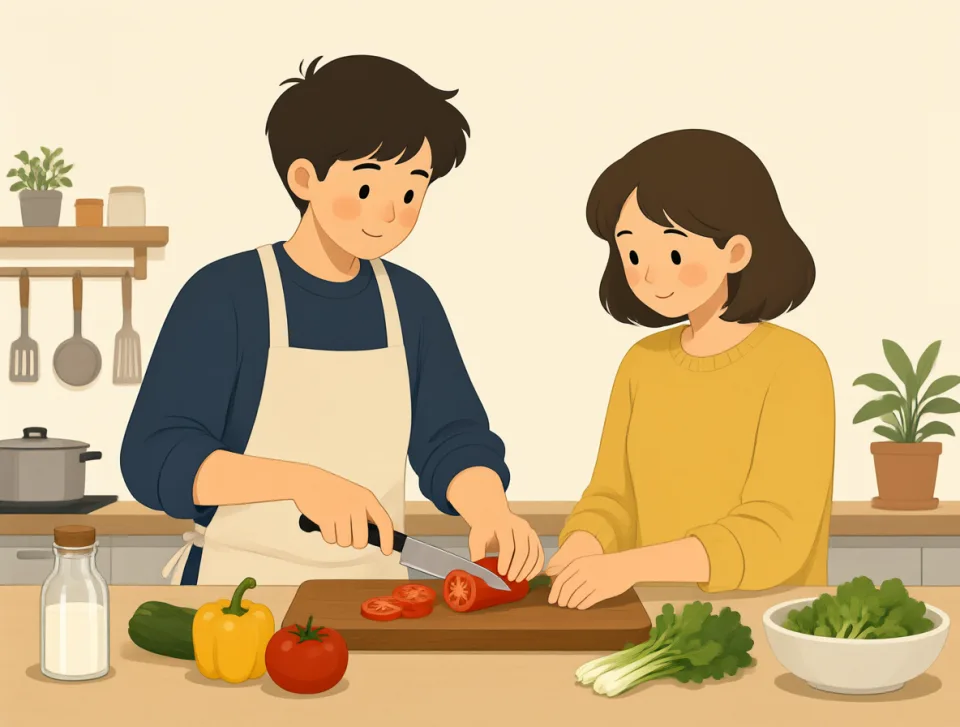
She taught me the basics of cooking.
Cô ấy đã dạy tôi những kiến thức cơ bản về nấu ăn.

encourage
#912verb
khuyến khích
to give someone support or confidence to do something
ủng hộ hoặc tiếp thêm tự tin để ai đó làm việc gì

My parents encourage me to study hard.
Bố mẹ khuyến khích tôi chăm chỉ học tập.

The teacher encouraged us to ask questions.
Giáo viên khuyến khích chúng tôi đặt câu hỏi.

Friends encouraged him after he lost the game.
Bạn bè động viên anh ấy sau khi anh ấy thua trận.

Doctors encourage patients to eat healthy food.
Bác sĩ khuyến khích bệnh nhân ăn uống lành mạnh.

Her manager encouraged her to apply for the job.
Quản lý khuyến khích cô ấy ứng tuyển vào vị trí đó.

hair
#913noun
tóc
The thin strands that grow on a person's head or body.
Những sợi mảnh mọc trên đầu hoặc cơ thể của người.

She has long, dark hair.
Cô ấy có mái tóc dài, sẫm màu.
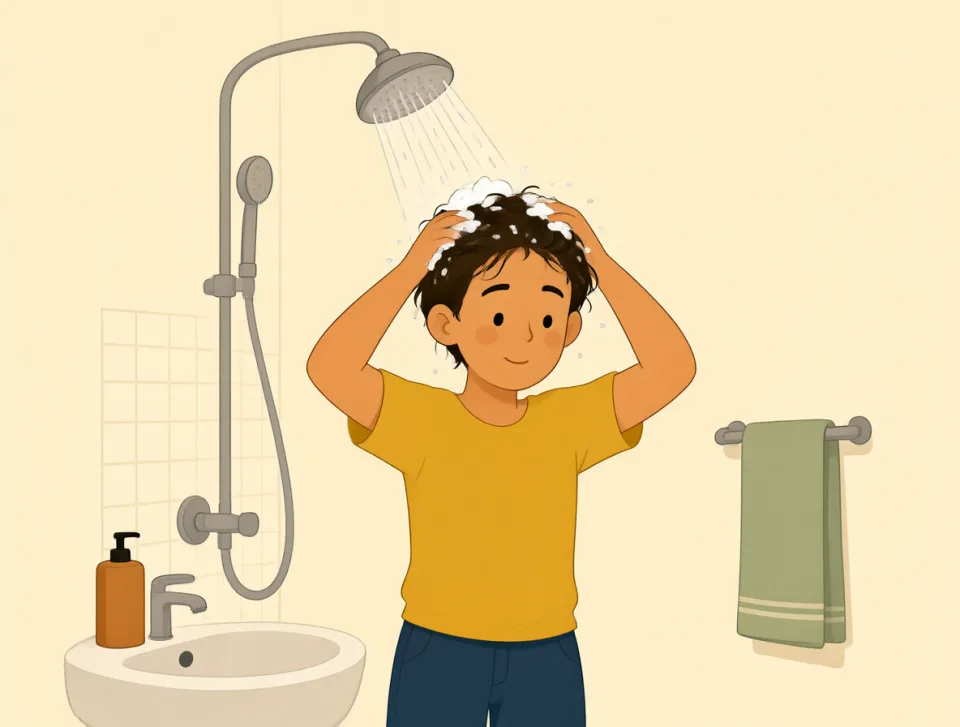
I washed my hair this morning.
Sáng nay tôi đã gội đầu.

He got a haircut yesterday.
Hôm qua anh ấy đi cắt tóc.
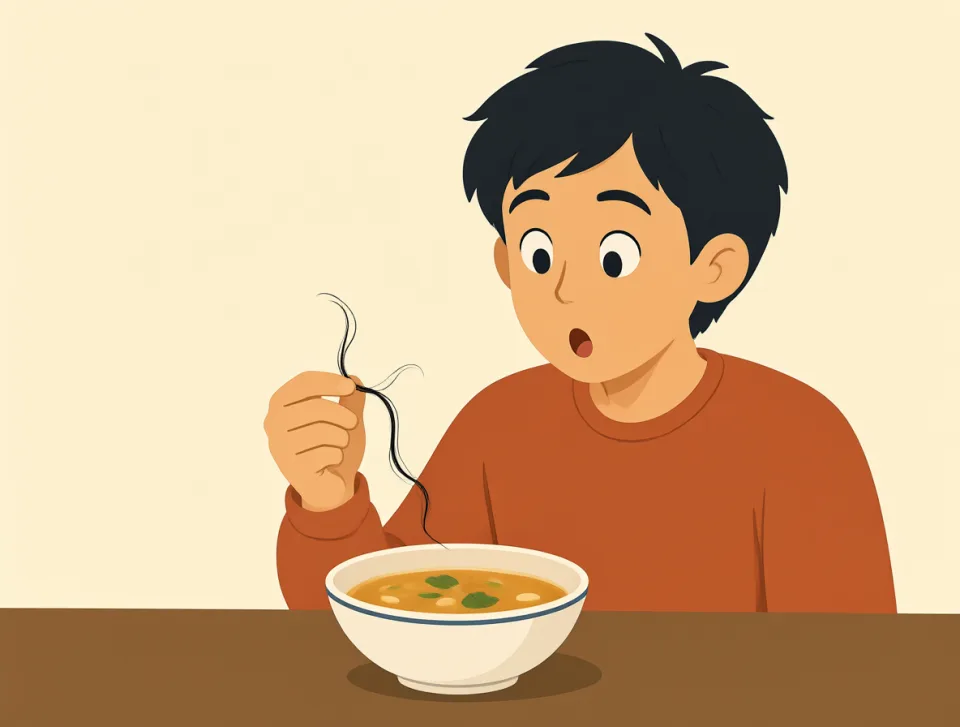
There was hair in my soup.
Có một sợi tóc trong bát súp của tôi.

My hair gets wet in the rain.
Tóc tôi bị ướt khi trời mưa.

male
#914noun, adjective
nam; giống đực
A boy, man, or animal that is not female.
Người hoặc động vật thuộc giới tính nam, không phải nữ.

The male lion protects his family.
Sư tử đực bảo vệ gia đình mình.

The doctor examined the male patient.
Bác sĩ đã khám cho bệnh nhân nam.
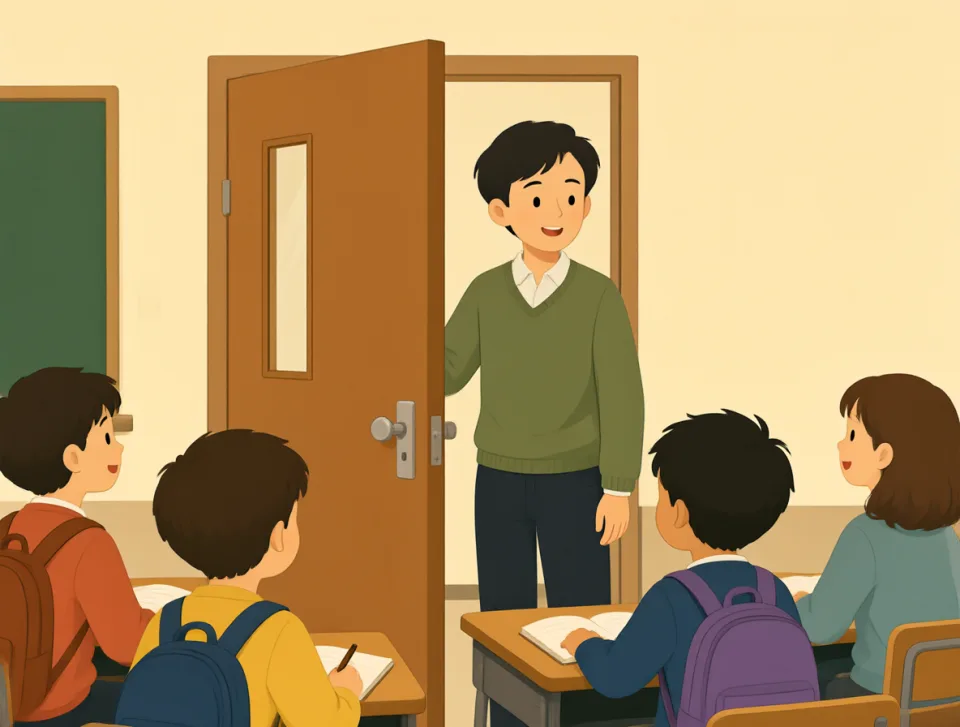
A male teacher opened the classroom door.
Một giáo viên nam mở cửa lớp học.

The shop sells male and female shirts.
Cửa hàng bán áo sơ mi nam và nữ.

The male dog is friendly with children.
Chú chó đực rất thân thiện với trẻ em.
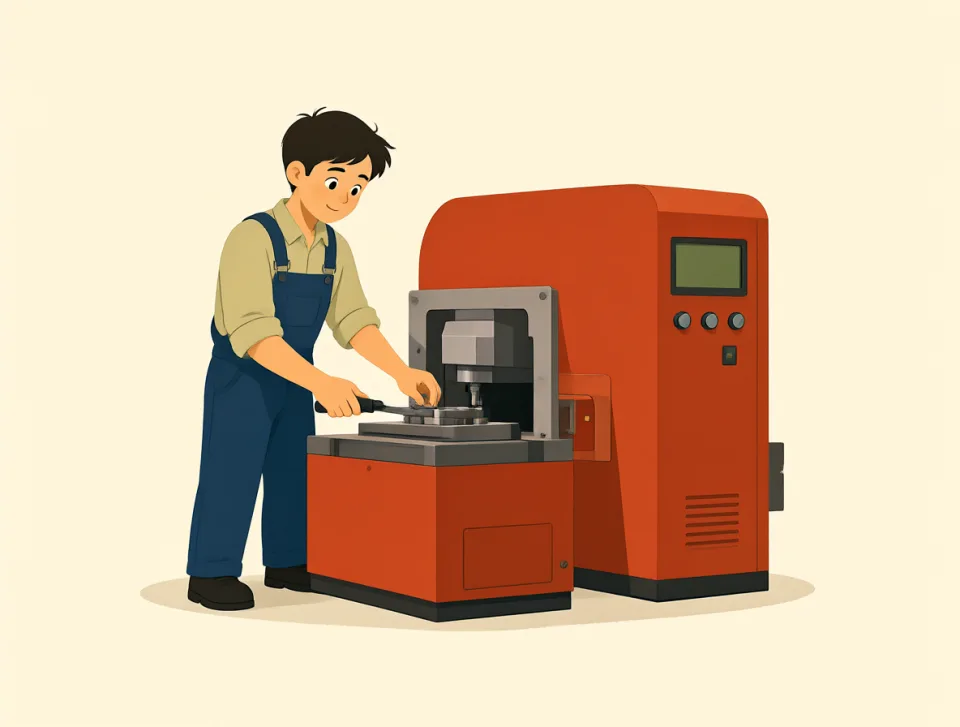
operate
#915verb
vận hành
to control, use, or make a machine or system work
điều khiển, sử dụng hoặc làm cho máy móc hay hệ thống hoạt động
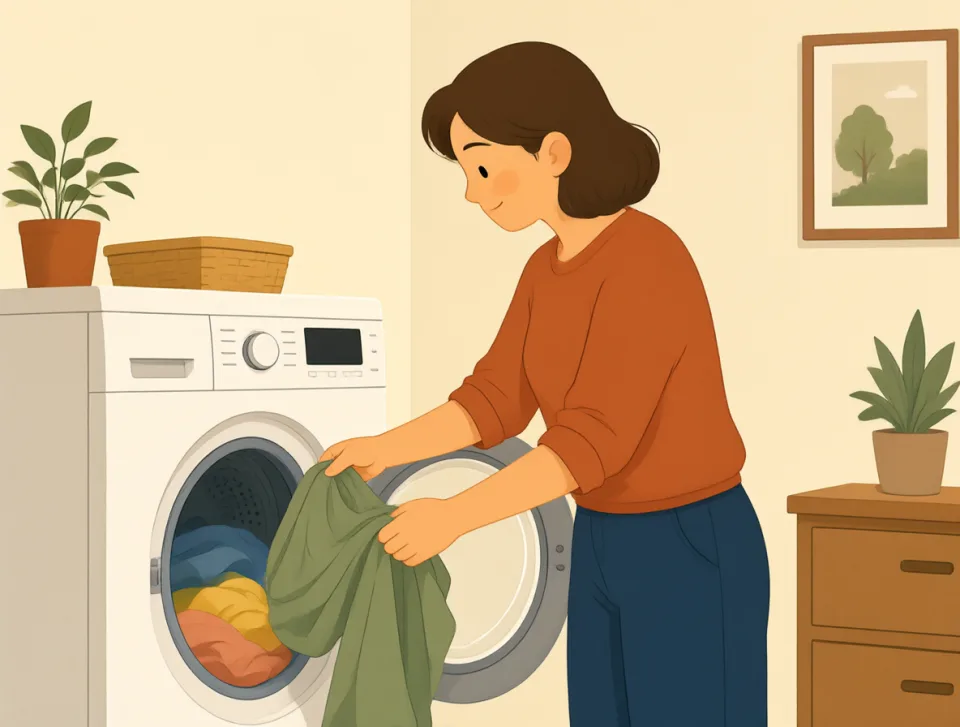
She operates the washing machine every Saturday.
Cô ấy vận hành máy giặt vào mỗi thứ Bảy.
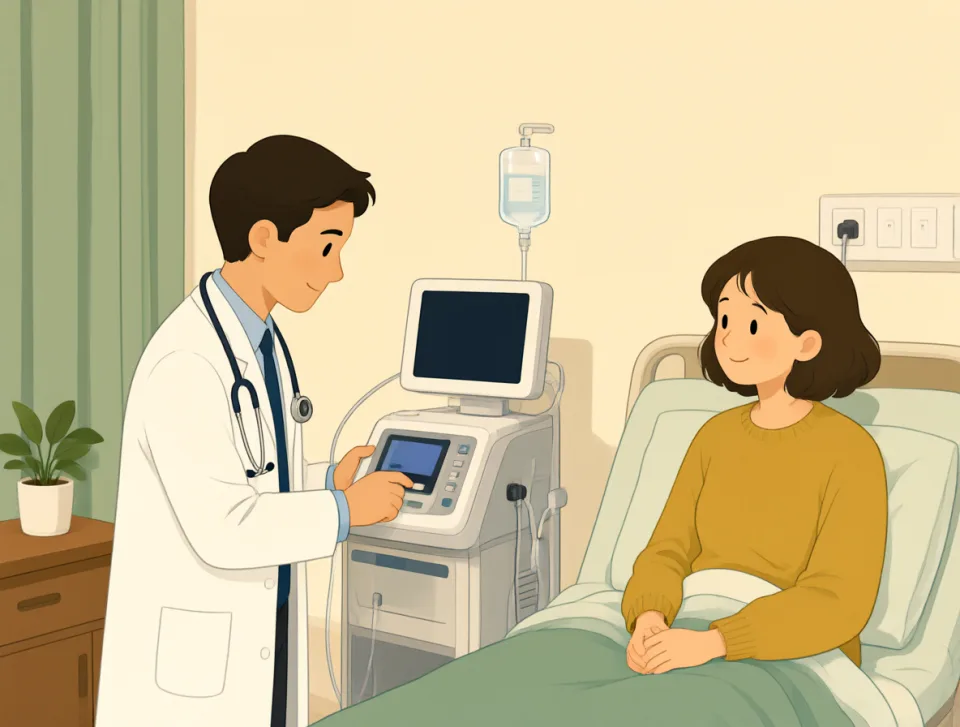
Only trained doctors can operate this machine.
Chỉ bác sĩ được đào tạo mới được vận hành chiếc máy này.
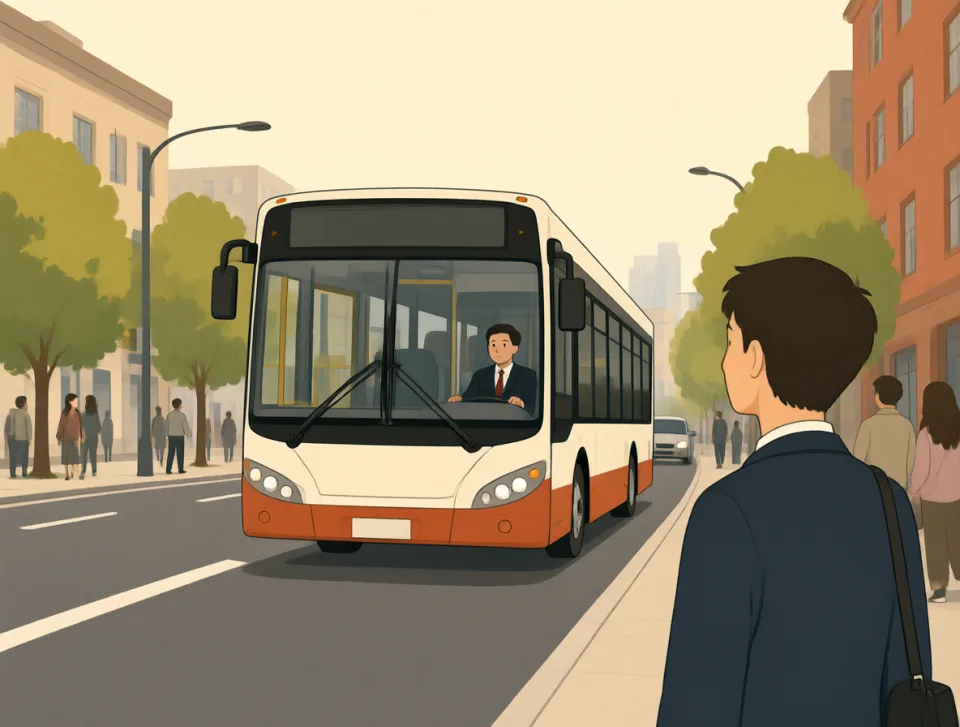
The company operates buses across the city.
Công ty vận hành các tuyến xe buýt khắp thành phố.

The restaurant operates from ten until nine.
Nhà hàng mở cửa từ mười giờ đến chín giờ.
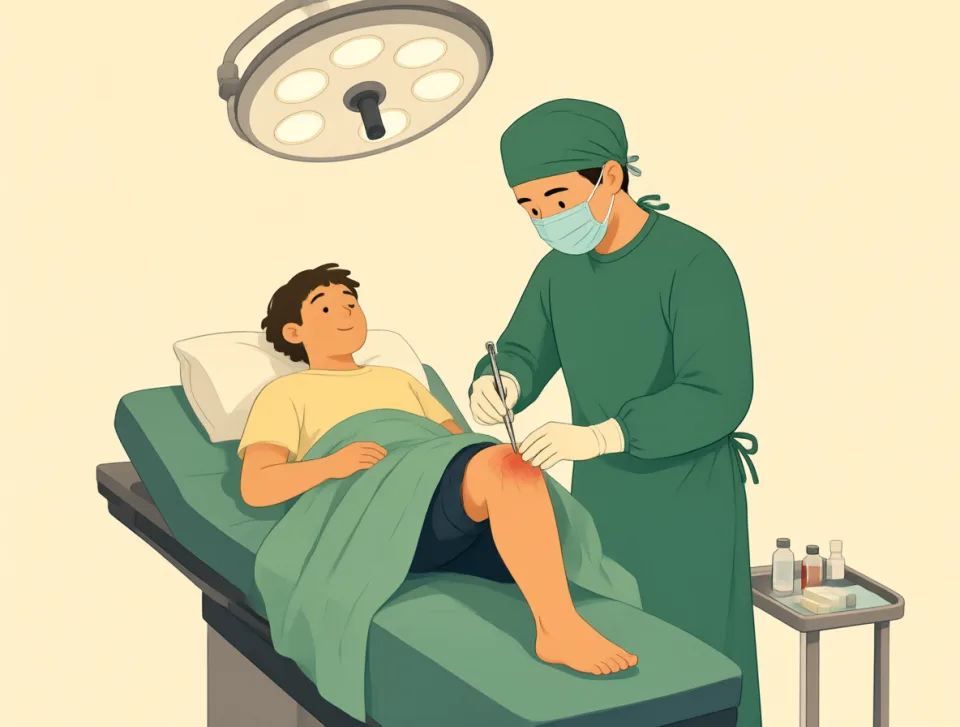
He had surgery to operate on his knee.
Anh ấy đã phẫu thuật đầu gối.
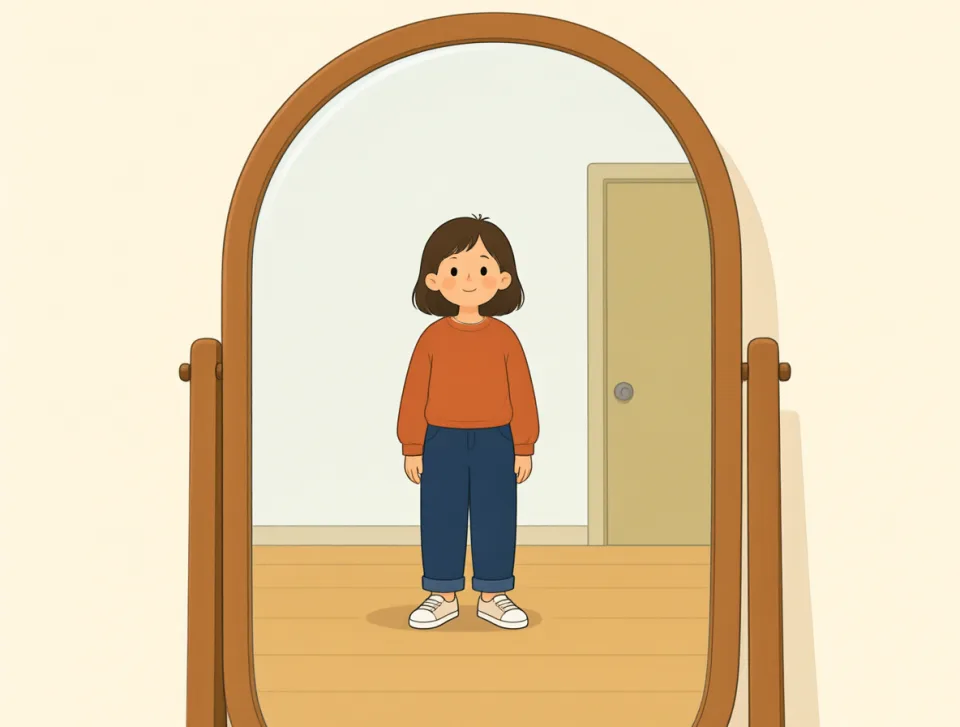
reflect
#916verb
phản chiếu; thể hiện
To send back light, heat, or sound, or to show a quality or feeling.
Phản chiếu ánh sáng, nhiệt hoặc âm thanh; hoặc thể hiện một phẩm chất hay cảm xúc.

The lake reflects the mountains in the morning.
Buổi sáng, mặt hồ phản chiếu những ngọn núi.

Her face reflected the light from the window.
Khuôn mặt cô ấy phản chiếu ánh sáng từ cửa sổ.

The clean floor reflects the kitchen lights.
Sàn nhà sạch bóng phản chiếu ánh đèn trong bếp.

His smile reflects how happy he feels.
Nụ cười của anh ấy thể hiện anh ấy cảm thấy hạnh phúc thế nào.

The report reflects what students told us.
Bản báo cáo phản ánh những điều học sinh đã nói với chúng tôi.

exercise
#917noun, verb
tập thể dục; bài tập
Physical activity that keeps your body healthy, or to use your body this way.
Hoạt động thể chất giúp cơ thể khỏe mạnh, hoặc việc vận động cơ thể theo cách này.
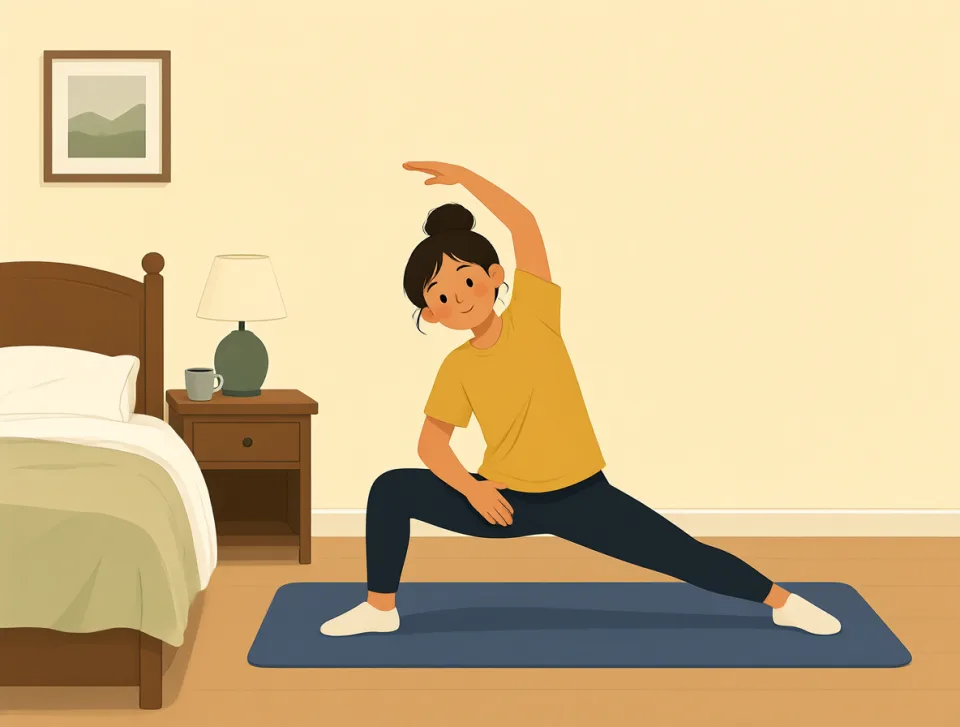
I exercise every morning before breakfast.
Tôi tập thể dục mỗi sáng trước bữa sáng.
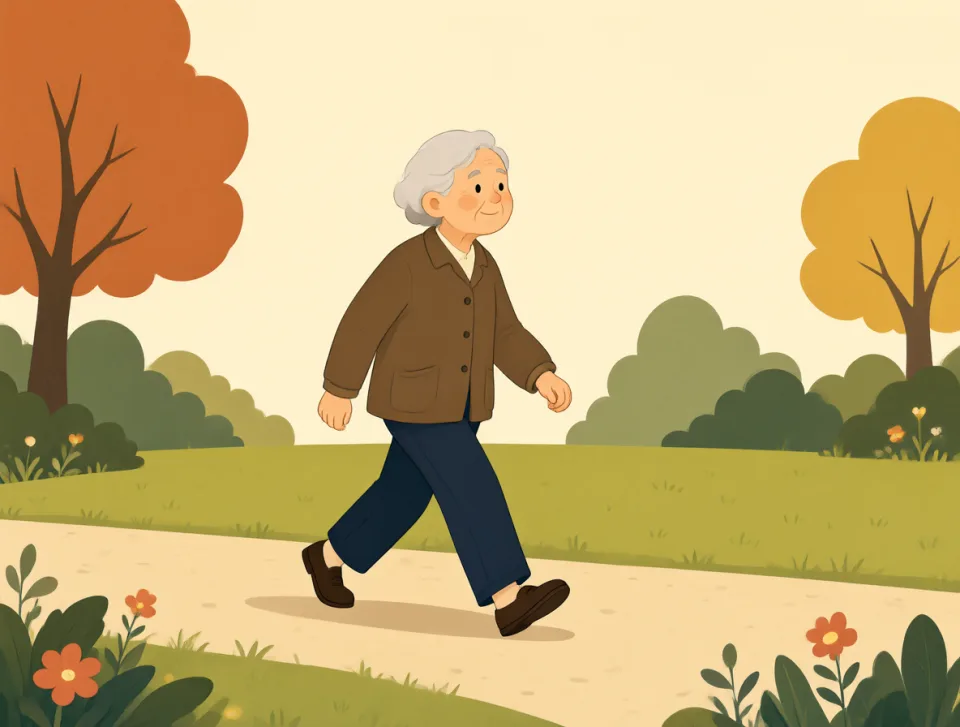
Walking is good exercise for your heart.
Đi bộ là bài tập tốt cho tim.

The doctor gave me exercises for my back.
Bác sĩ giao cho tôi một số bài tập cho lưng.
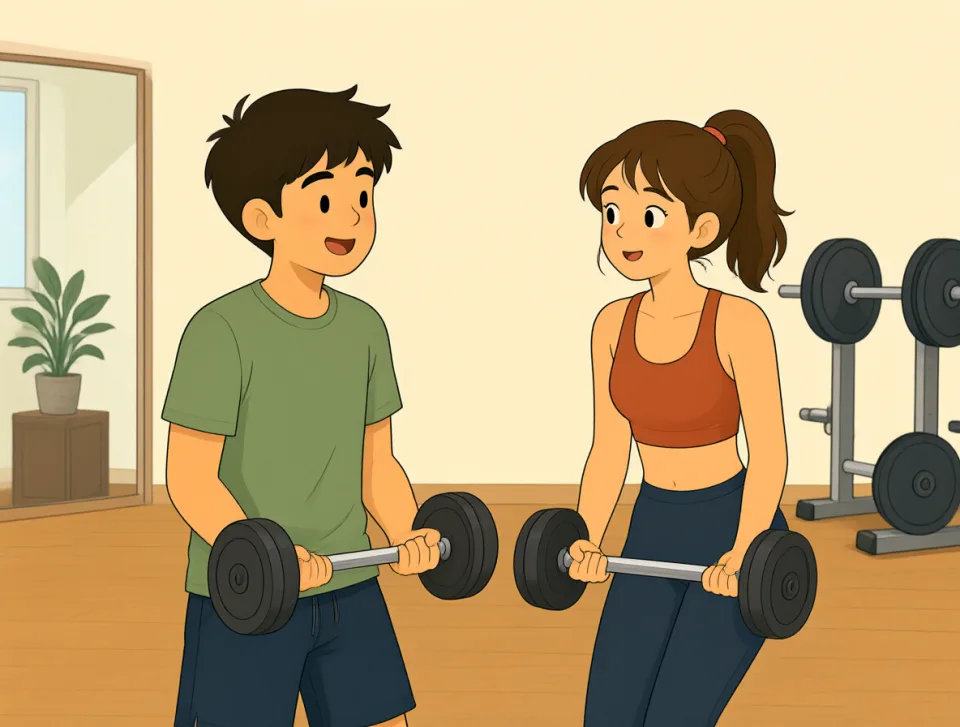
We exercised at the gym after work.
Chúng tôi tập thể dục ở phòng gym sau giờ làm.
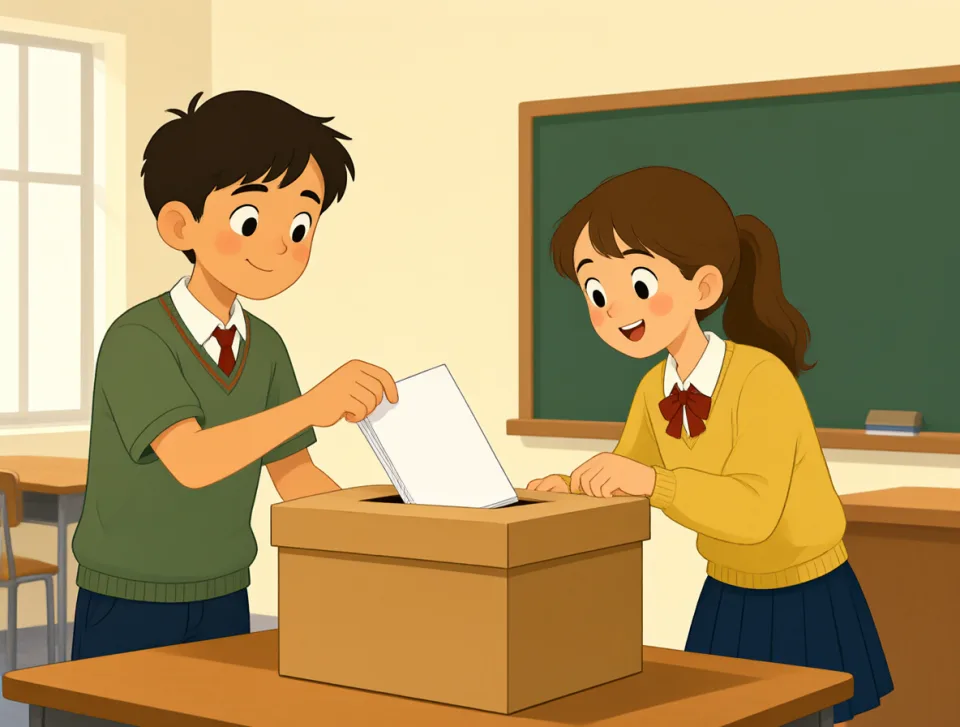
Students exercised their right to vote.
Học sinh đã thực hiện quyền bỏ phiếu của mình.
useful
#918adjective
hữu ích
Helpful or good for a particular purpose or situation.
Có ích hoặc phù hợp với một mục đích hay tình huống cụ thể.

This map is useful when we travel.
Bản đồ này rất hữu ích khi chúng tôi đi du lịch.

A warm coat is useful in winter.
Áo khoác ấm rất hữu ích vào mùa đông.

These notes are useful for my test.
Những ghi chú này rất hữu ích cho bài kiểm tra của tôi.
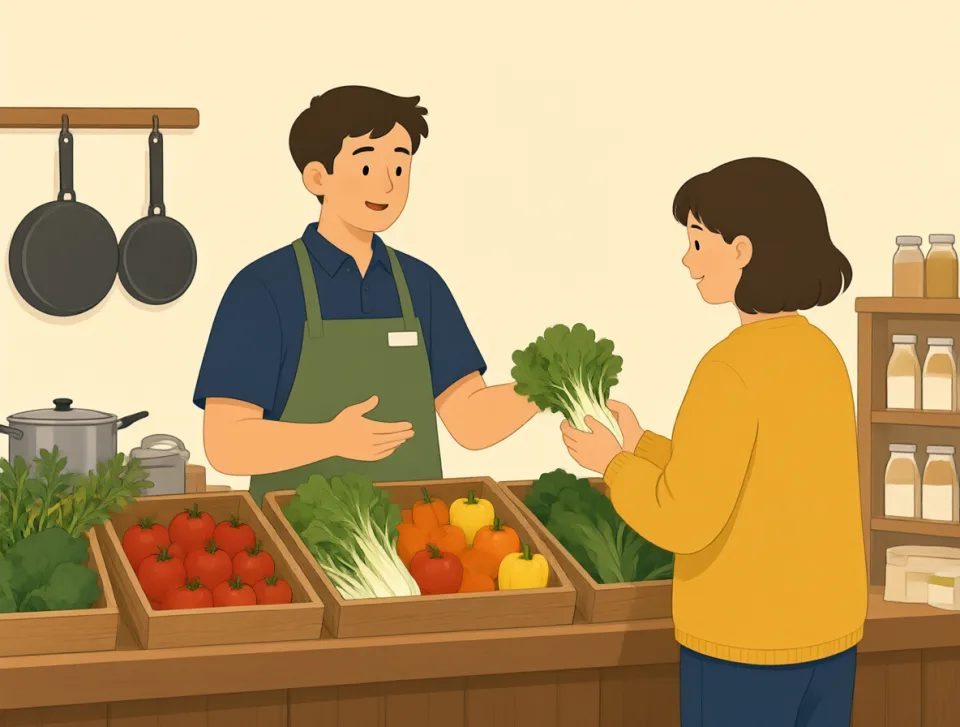
The shop gave us useful cooking advice.
Cửa hàng đã cho chúng tôi lời khuyên nấu ăn hữu ích.

Walking is useful for keeping healthy.
Đi bộ có ích cho việc giữ gìn sức khỏe.
restaurant
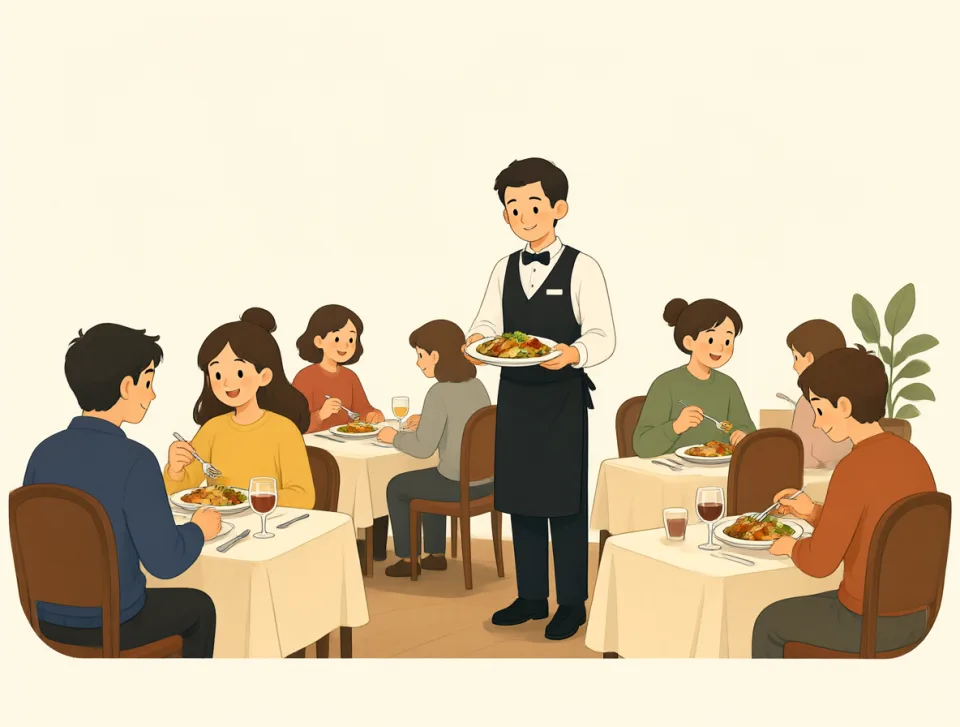
#919noun
nhà hàng
A place where people pay to sit and eat meals.
Nơi mọi người trả tiền để ngồi ăn các bữa ăn.

We had dinner at a small restaurant.
Chúng tôi đã ăn tối ở một nhà hàng nhỏ.

That restaurant serves fresh fish every day.
Nhà hàng đó phục vụ cá tươi mỗi ngày.

The restaurant was full after work.
Nhà hàng đã kín chỗ sau giờ làm.

Our school restaurant sells cheap lunches.
Nhà ăn trường chúng tôi bán những bữa trưa giá rẻ.
We found a nice restaurant near the hotel.
Chúng tôi tìm được một nhà hàng đẹp gần khách sạn.

income
#920noun
thu nhập
Money that a person or business regularly receives from work or other sources.
Số tiền mà một cá nhân hoặc doanh nghiệp thường xuyên nhận được từ công việc hoặc các nguồn khác.
Her monthly income comes from her job.
Thu nhập hằng tháng của cô ấy đến từ công việc.

His income is high enough to buy a house.
Thu nhập của anh ấy đủ cao để mua nhà.

The shop lost income during the winter.
Cửa hàng bị giảm thu nhập trong mùa đông.

They need extra income for school costs.
Họ cần thêm thu nhập để trang trải chi phí học tập.
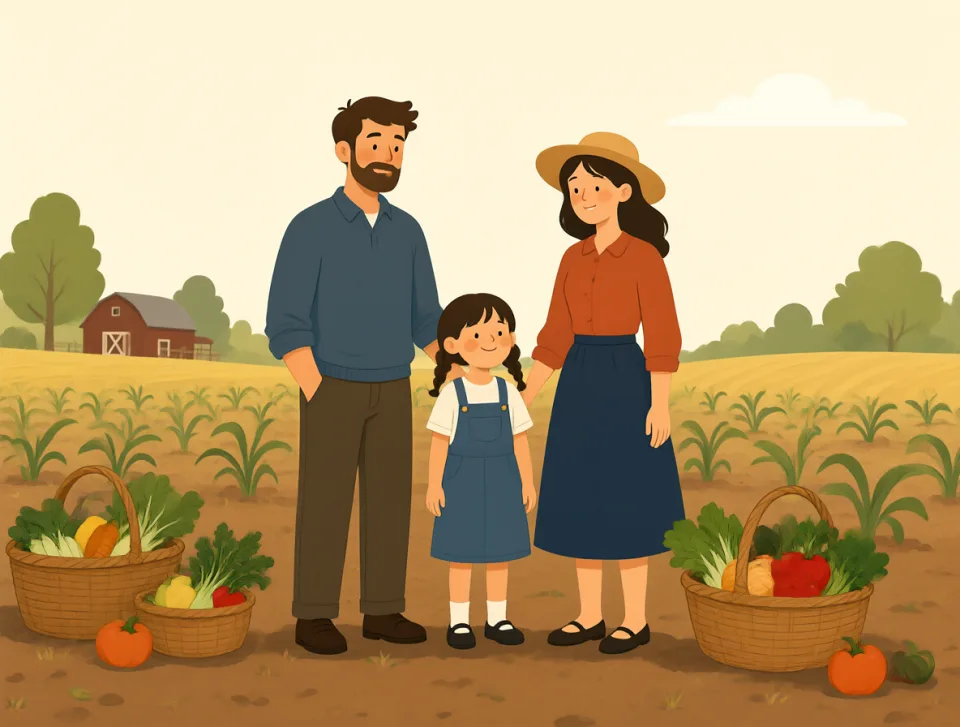
The farm provides income for our family.
Trang trại mang lại thu nhập cho gia đình chúng tôi.