หน่วย 46
คำที่ 901–920 · guess, fun, protect, resource, science, disease
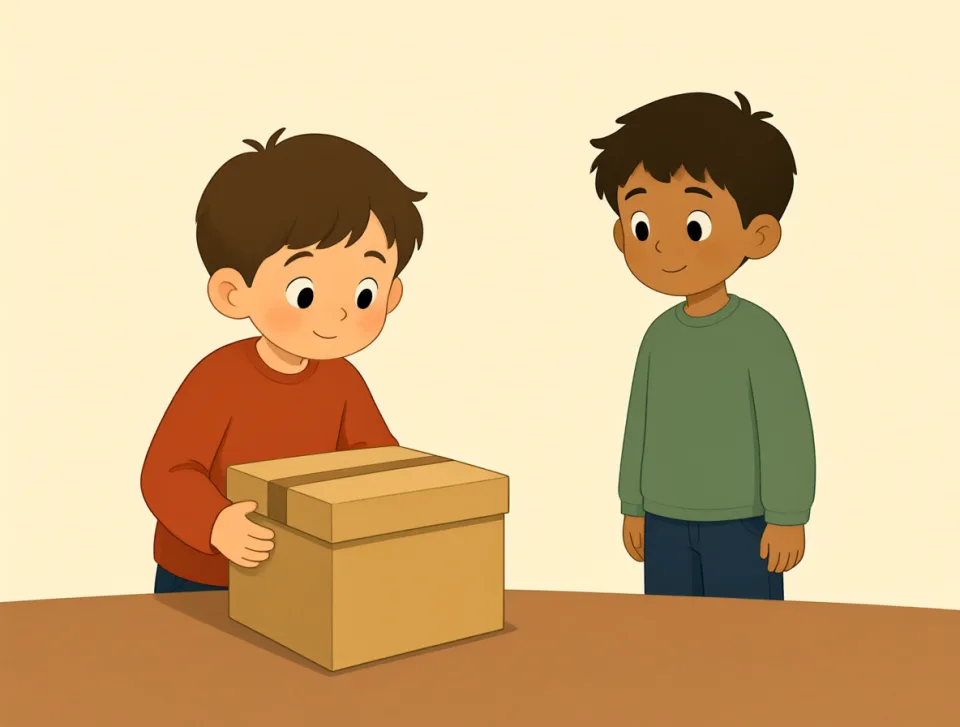
guess
#901noun, verb
เดา
To give an answer without being sure, or an answer made without being sure.
การตอบโดยไม่แน่ใจ หรือคำตอบที่ให้โดยไม่แน่ใจ
Can you guess what is in the box?
เดาได้ไหมว่ามีอะไรอยู่ในกล่อง

I guess we should leave before it rains.
ฉันว่าเราควรไปก่อนฝนตก

She guessed the answer in class.
เธอเดาคำตอบในห้องเรียนได้

Take a guess: how many apples are here?
ลองเดาดูสิว่ามีแอปเปิลอยู่กี่ลูก

My guess is that he is still at work.
ฉันคิดว่าเขายังอยู่ที่ทำงาน

fun
#902noun, adjective
ความสนุก
Enjoyment or pleasure; enjoyable and amusing.
ความเพลิดเพลินหรือความสนุกสนาน; น่าสนุกและบันเทิง

We had fun at the beach yesterday.
เมื่อวานพวกเราสนุกกันที่ชายหาด

The game was fun for everyone.
เกมนี้สนุกสำหรับทุกคน
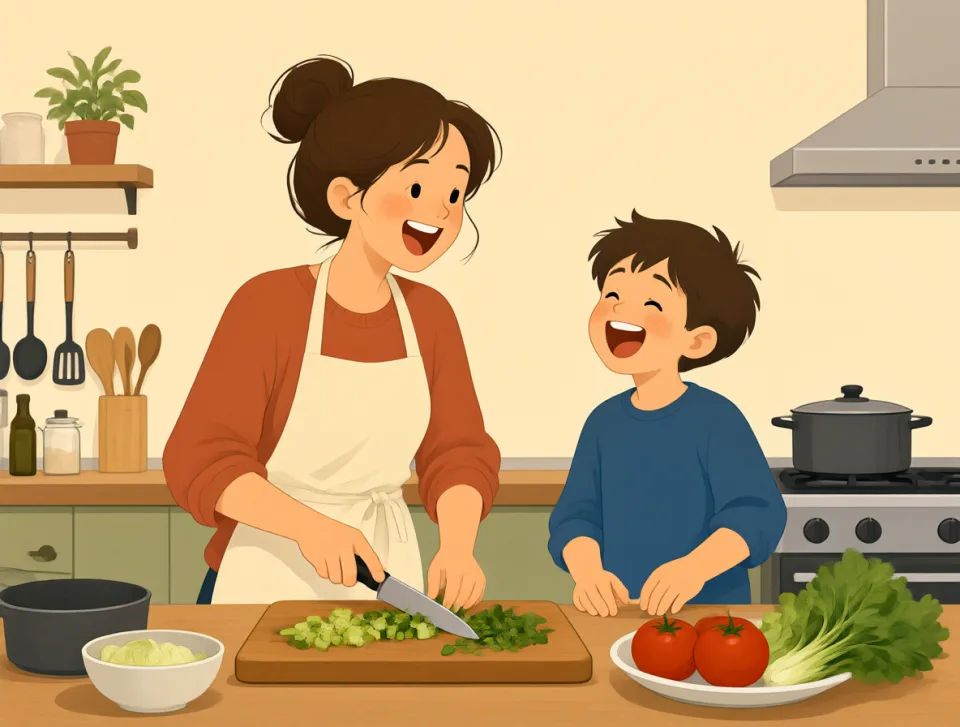
She has fun cooking dinner with her brother.
เธอสนุกกับการทำอาหารเย็นกับพี่ชาย

The children had fun on the school trip.
เด็ก ๆ สนุกกันตอนทัศนศึกษาของโรงเรียน

Let's find something fun to do tonight.
คืนนี้หาอะไรสนุก ๆ ทำกันเถอะ
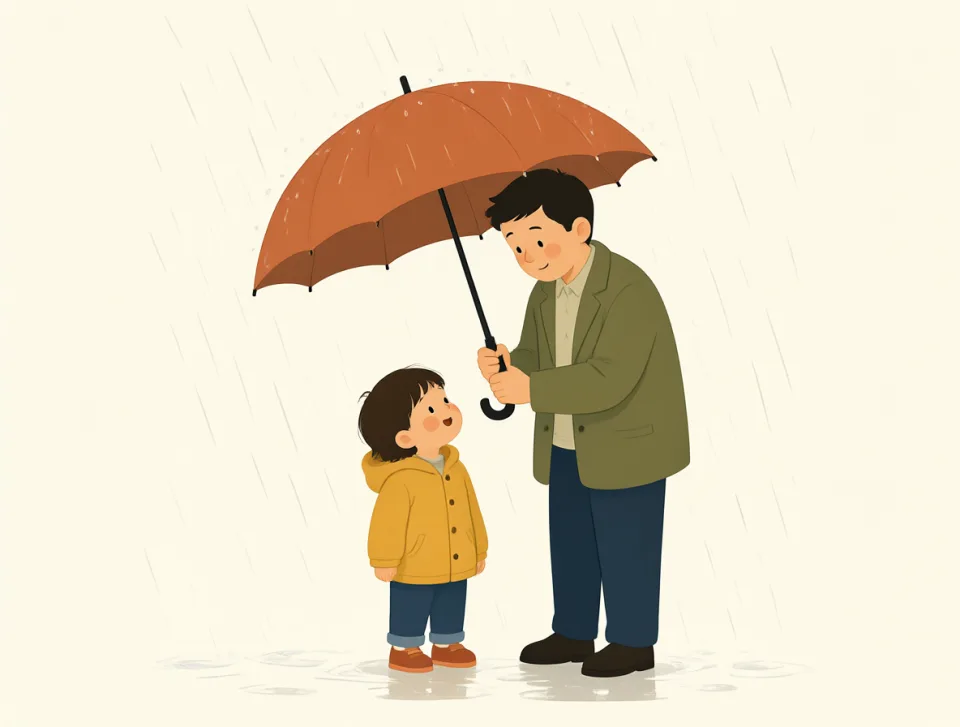
protect
#903verb
ปกป้อง
to keep someone or something safe from harm or danger
ทำให้ใครบางคนหรือบางสิ่งปลอดภัยจากอันตรายหรือภัยคุกคาม

Sunscreen protects your skin from the sun.
ครีมกันแดดช่วยปกป้องผิวจากแสงแดด

This case protects my phone from drops.
เคสนี้ช่วยปกป้องโทรศัพท์ของฉันเวลาทำตก

Workers wear helmets to protect their heads.
คนงานสวมหมวกนิรภัยเพื่อปกป้องศีรษะ
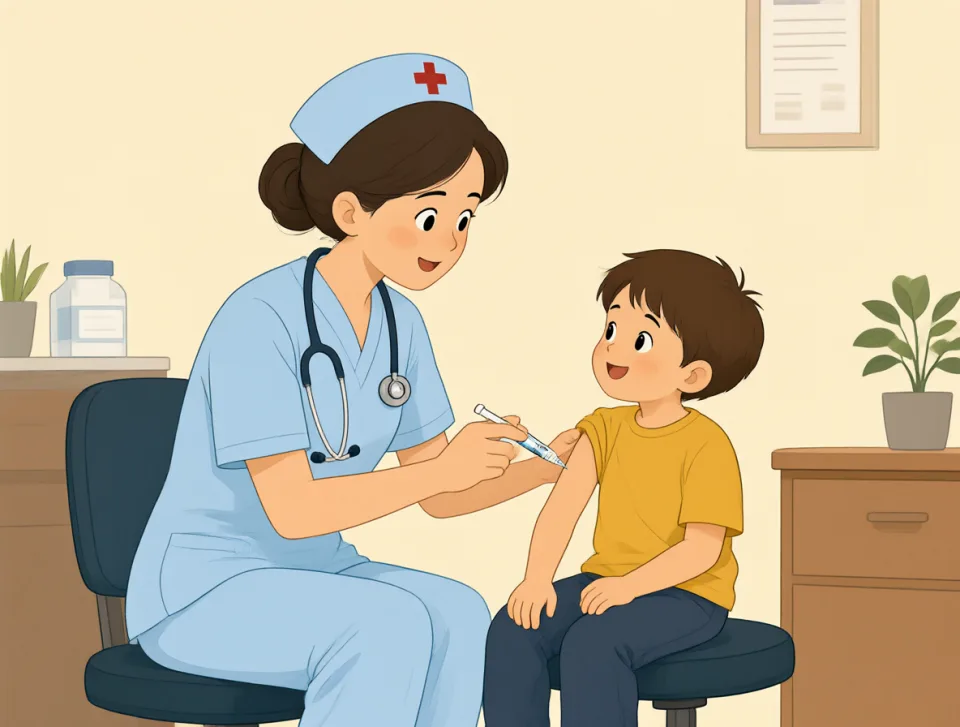
The vaccine protects children from serious illness.
วัคซีนช่วยปกป้องเด็ก ๆ จากการเจ็บป่วยรุนแรง
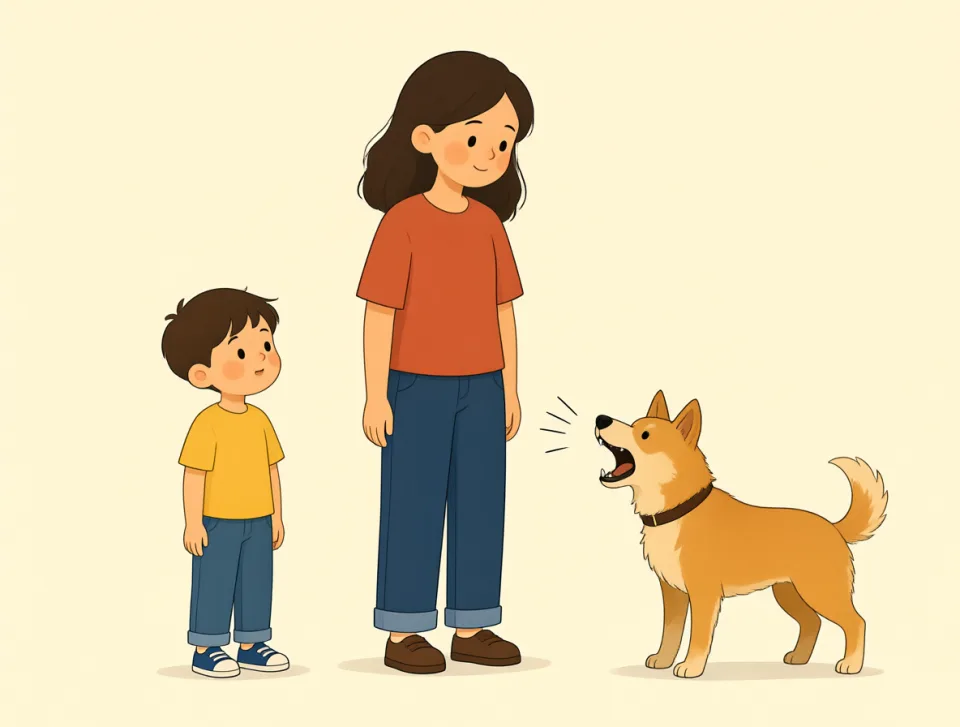
She protected her little brother from the dog.
เธอปกป้องน้องชายตัวเล็กจากสุนัข
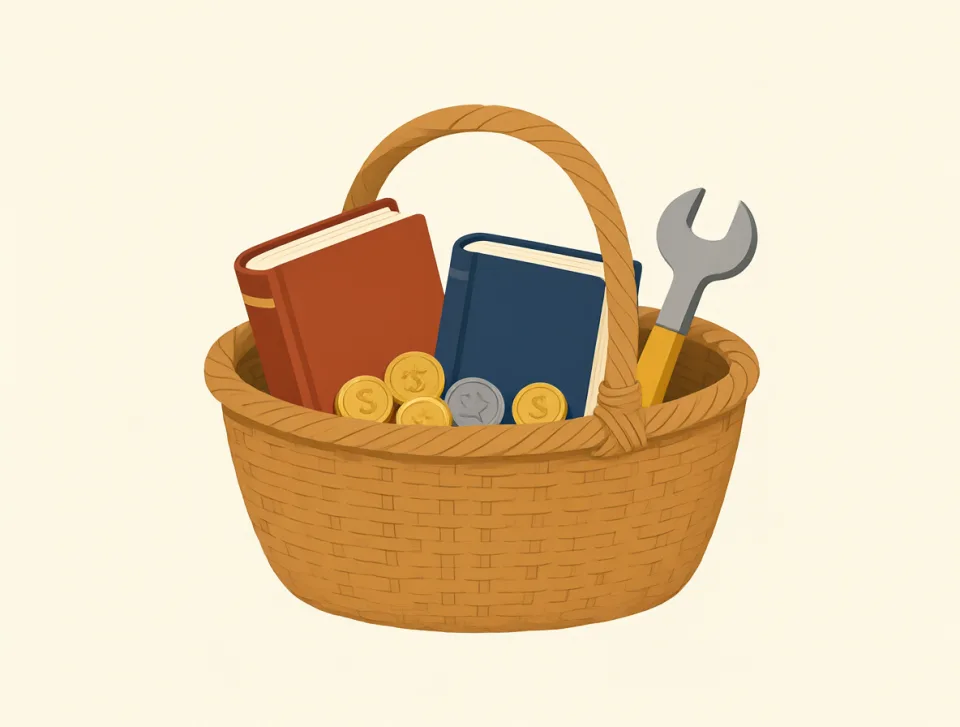
resource
#904noun
ทรัพยากร
A useful supply of money, materials, time, or information.
เงิน วัสดุ เวลา หรือข้อมูลที่มีประโยชน์และมีอยู่ให้ใช้
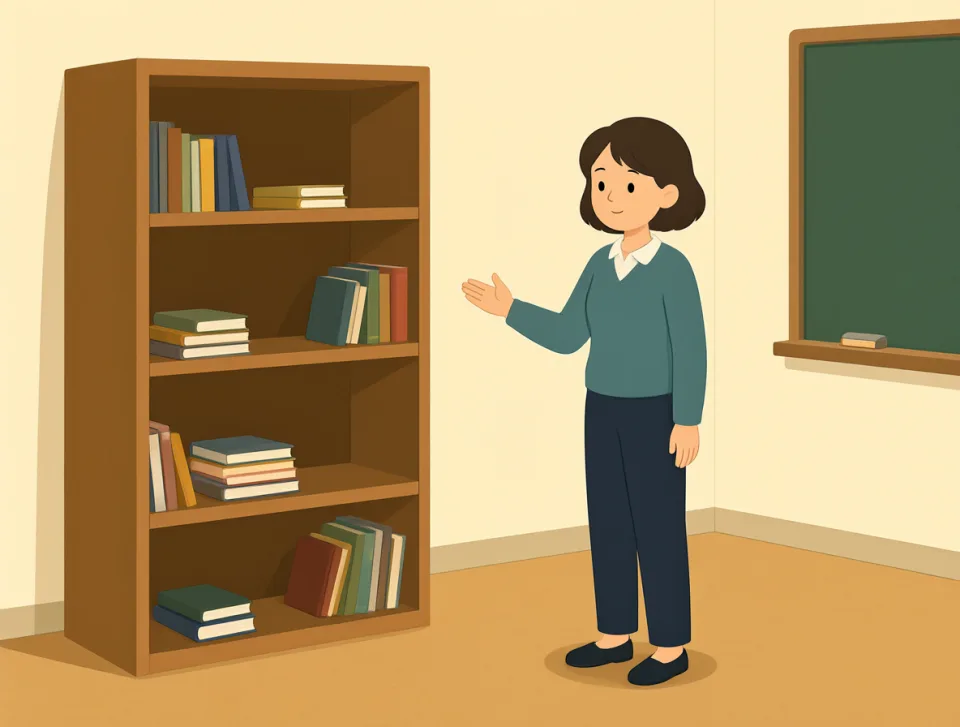
The school has few resources for new books.
โรงเรียนมีทรัพยากรสำหรับหนังสือเล่มใหม่ไม่มากนัก

We used local resources to fix the house.
พวกเราใช้ทรัพยากรในท้องถิ่นซ่อมบ้าน

The library is a useful resource for students.
ห้องสมุดเป็นแหล่งข้อมูลที่มีประโยชน์สำหรับนักเรียน
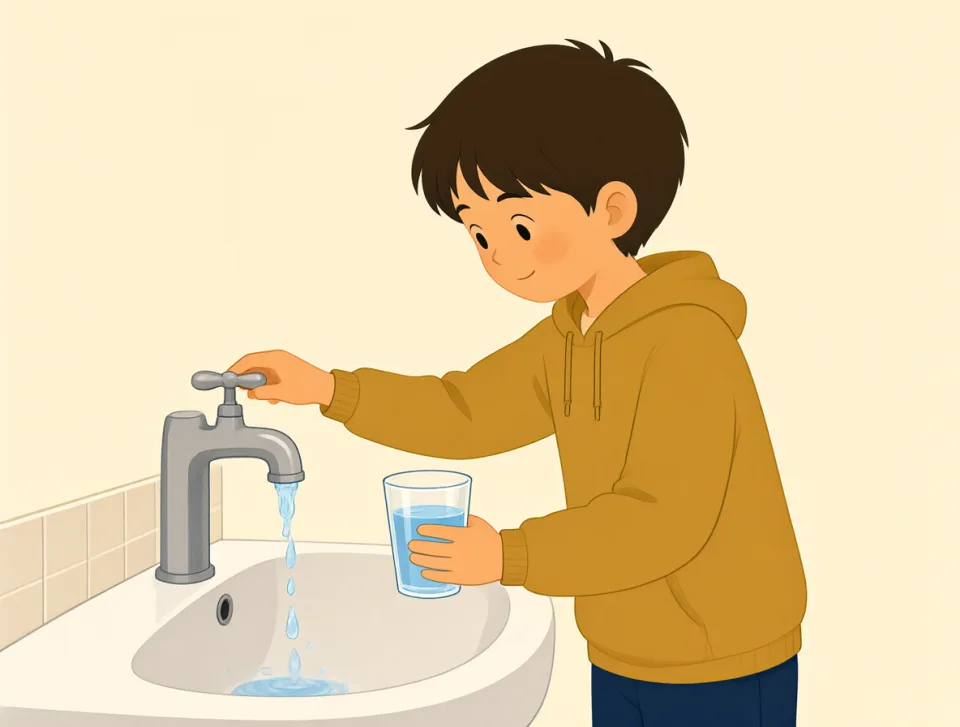
Save water because it is a valuable resource.
ประหยัดน้ำไว้ เพราะน้ำเป็นทรัพยากรที่มีค่า

The team shared resources during the difficult trip.
ทีมแบ่งปันทรัพยากรกันระหว่างการเดินทางที่ยากลำบาก
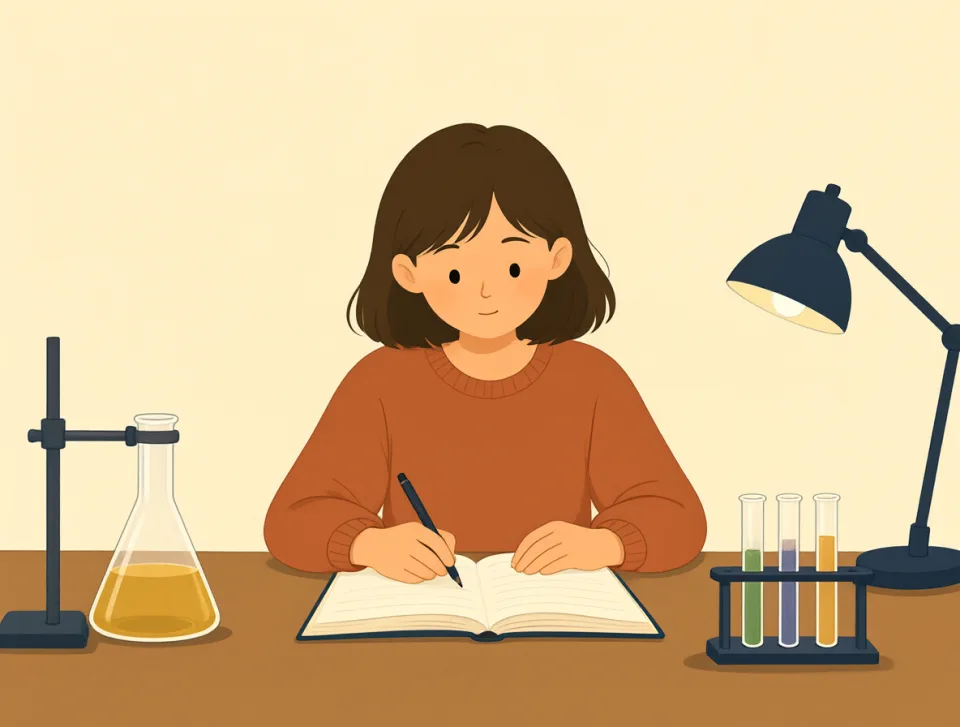
science
#905noun
วิทยาศาสตร์
The study of the natural world through experiments and careful observation.
การศึกษาธรรมชาติผ่านการทดลองและการสังเกตอย่างรอบคอบ
She wants to study science at university.
เธออยากเรียนวิทยาศาสตร์ที่มหาวิทยาลัย
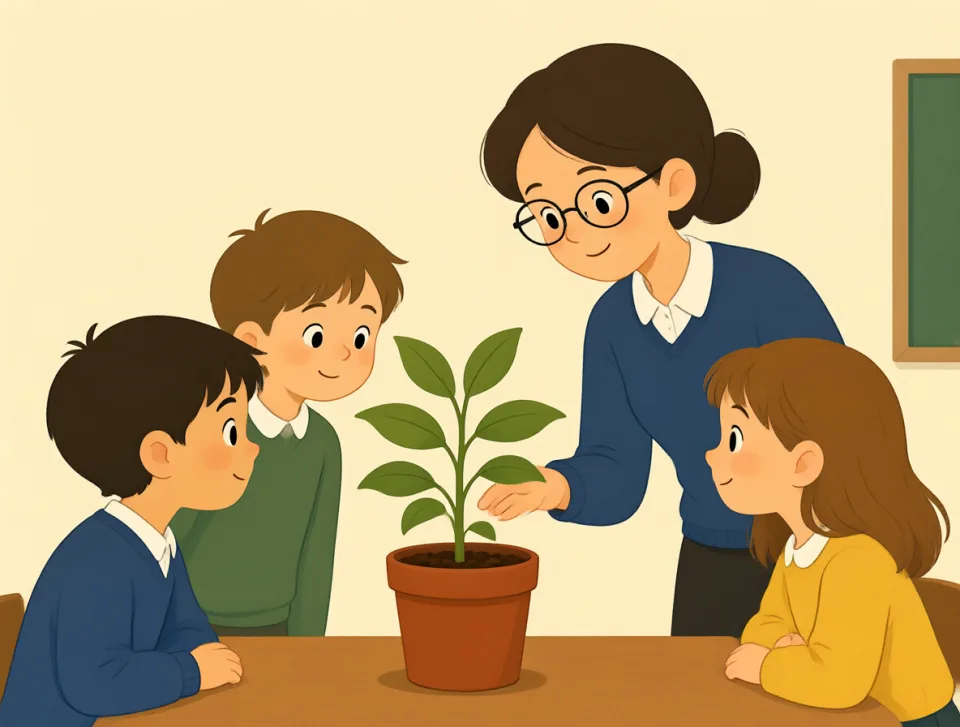
We learned about plants in science class.
พวกเราเรียนรู้เรื่องพืชในชั้นเรียนวิทยาศาสตร์

Science helps doctors find new treatments.
วิทยาศาสตร์ช่วยให้แพทย์ค้นพบวิธีรักษาใหม่ ๆ

He reads science books before bed.
เขาอ่านหนังสือวิทยาศาสตร์ก่อนนอน
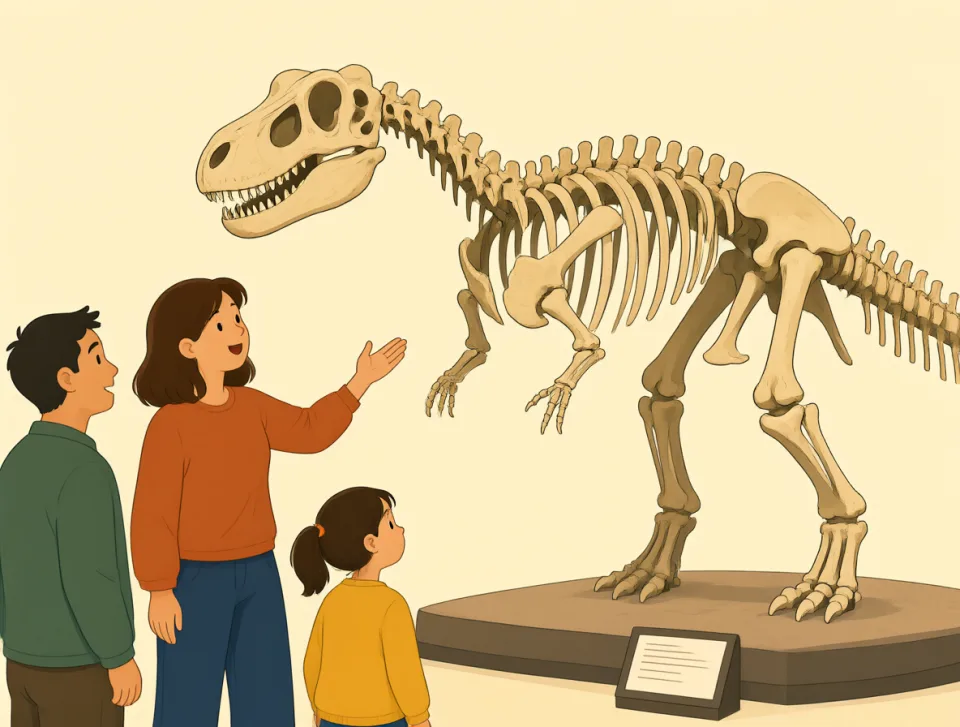
My sister works at a science museum.
พี่สาวของฉันทำงานที่พิพิธภัณฑ์วิทยาศาสตร์

disease
#906noun
โรค
An illness that affects a person, animal, or plant.
ความเจ็บป่วยที่ส่งผลกระทบต่อคน สัตว์ หรือพืช
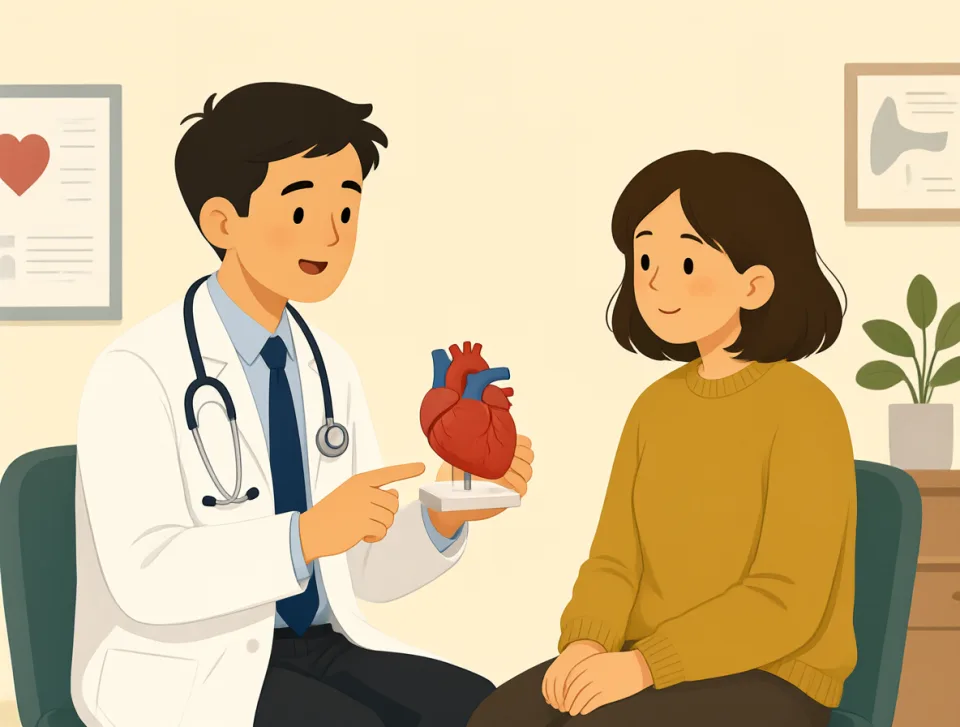
Heart disease runs in my family.
โรคหัวใจถ่ายทอดทางพันธุกรรมในครอบครัวของฉัน
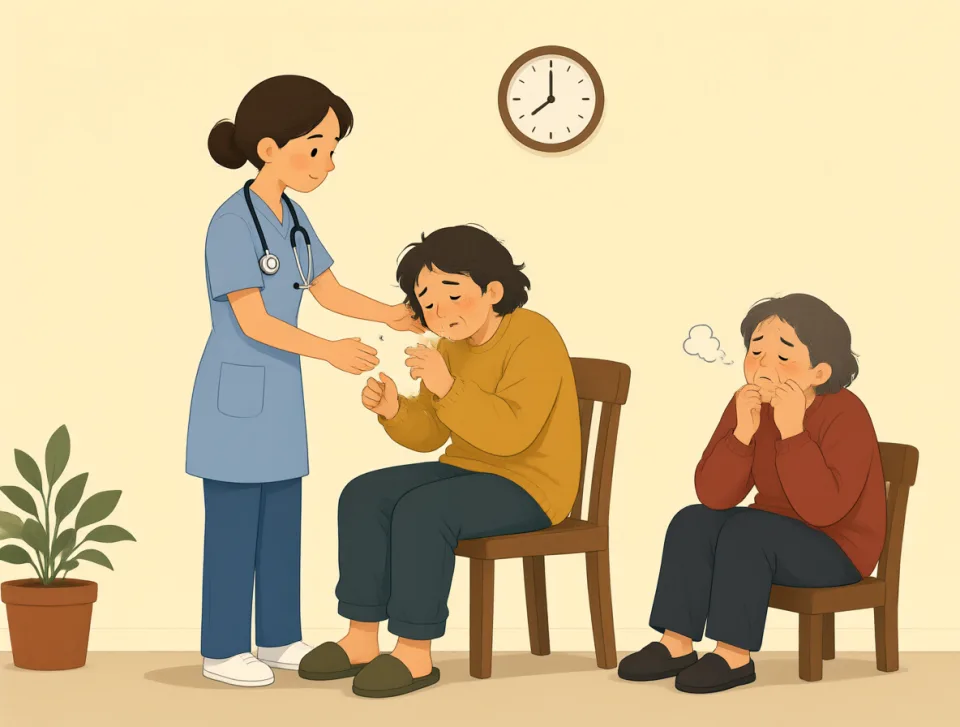
The disease spread quickly through the village.
โรคนี้แพร่ระบาดไปทั่วหมู่บ้านอย่างรวดเร็ว

Doctors found the disease early.
แพทย์พบโรคนี้ตั้งแต่ระยะแรก
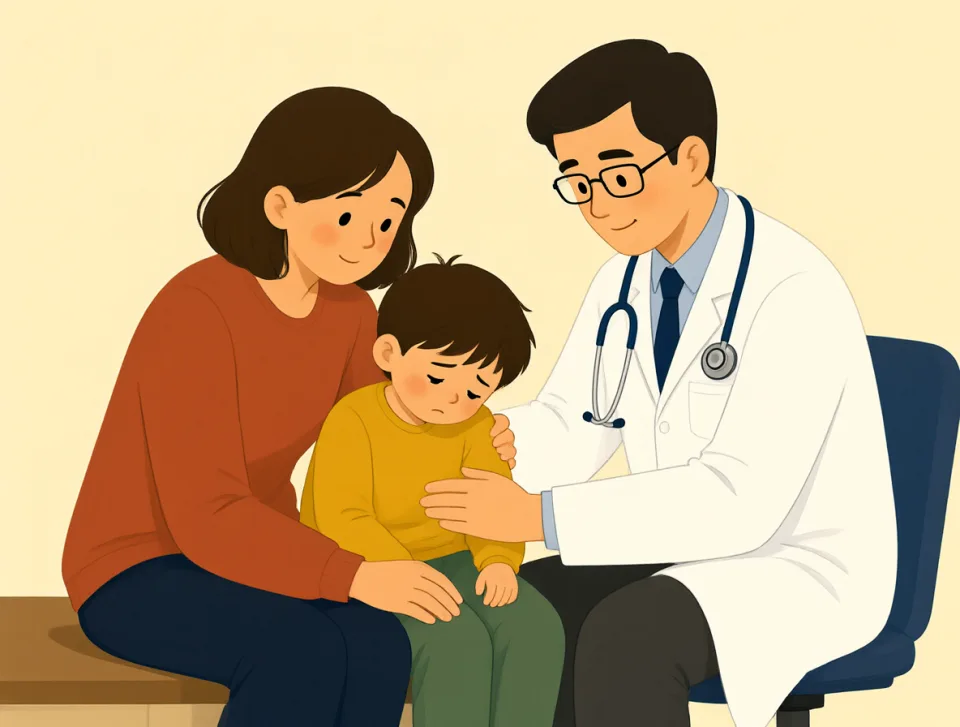
This disease can affect young children.
โรคนี้ส่งผลกระทบต่อเด็กเล็กได้

The farmer lost plants to disease.
ชาวนาสูญเสียพืชผลเพราะโรค

balance
#907noun, verb
สมดุล; ยอดคงเหลือ
a steady state, or the amount left in an account; to keep something steady or equal
สภาวะที่มั่นคง หรือจำนวนเงินที่เหลืออยู่ในบัญชี; ทำให้สิ่งใดสิ่งหนึ่งมั่นคงหรือเท่ากัน

She checked the balance in her bank account.
เธอตรวจสอบยอดคงเหลือในบัญชีธนาคารของเธอ

He lost his balance on the icy path.
เขาเสียการทรงตัวบนทางเดินที่มีน้ำแข็ง

Try to balance the tray with both hands.
พยายามถือถาดให้สมดุลด้วยมือทั้งสองข้าง

I need a better balance between work and rest.
ฉันต้องการความสมดุลระหว่างการทำงานกับการพักผ่อนที่ดีกว่านี้
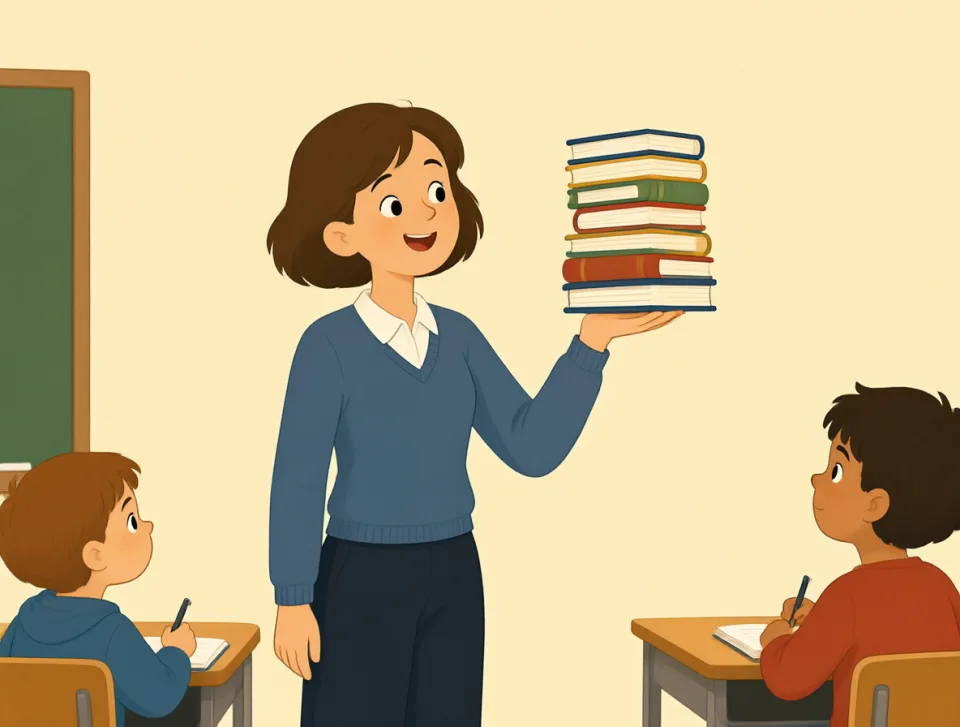
The teacher balanced the books on one hand.
ครูวางหนังสือให้สมดุลบนมือข้างหนึ่ง

damage
#908noun, verb
ความเสียหาย; ทำให้เสียหาย
harm that makes something less useful, attractive, or strong
ความเสียหายที่ทำให้สิ่งใดสิ่งหนึ่งมีประโยชน์น้อยลง ไม่น่าดู หรือไม่แข็งแรงเหมือนเดิม

The storm caused damage to our roof.
พายุทำให้หลังคาบ้านของเราเสียหาย

Be careful not to damage the table.
ระวังอย่าทำโต๊ะเสียหาย
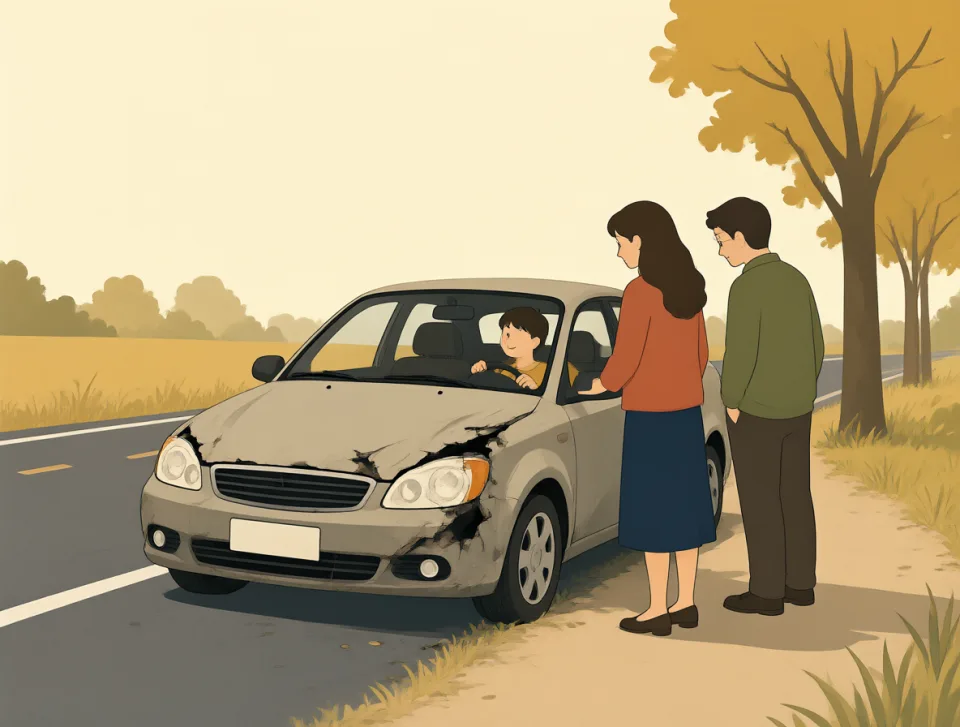
The car has serious damage after the crash.
รถคันนี้ได้รับความเสียหายอย่างหนักหลังจากเกิดอุบัติเหตุ

Water damage ruined the kitchen wall.
ความเสียหายจากน้ำทำให้ผนังห้องครัวพัง

The shop replaced my damaged headphones.
ร้านเปลี่ยนหูฟังที่เสียหายของฉันให้ใหม่

basis
#909noun
พื้นฐาน; หลักเกณฑ์
the main reason, fact, or rule used to support something
เหตุผล ข้อเท็จจริง หรือกฎหลักที่ใช้สนับสนุนบางสิ่ง
We meet on a regular basis.
เราพบกันเป็นประจำ

The school hired staff on a temporary basis.
โรงเรียนจ้างพนักงานชั่วคราว

She chose the meal on the basis of price.
เธอเลือกอาหารโดยพิจารณาจากราคา

The doctor treated him on the basis of his symptoms.
แพทย์รักษาเขาโดยพิจารณาจากอาการของเขา

Trust is the basis of our friendship.
ความไว้วางใจเป็นพื้นฐานของมิตรภาพของเรา

author
#910noun
นักเขียน; ผู้แต่ง
A person who writes books, stories, or articles.
บุคคลที่เขียนหนังสือ เรื่องราว หรือบทความ

The author wrote a popular mystery novel.
นักเขียนคนนั้นเขียนนวนิยายสืบสวนที่ได้รับความนิยม

I met the author at the bookshop.
ฉันพบกับนักเขียนคนนั้นที่ร้านหนังสือ

The author signed my new book.
นักเขียนคนนั้นเซ็นหนังสือเล่มใหม่ของฉัน

Our teacher invited a children's author.
ครูของเราเชิญนักเขียนหนังสือสำหรับเด็กมา

She wants to become an author someday.
สักวันหนึ่งเธออยากเป็นนักเขียน

basic
#911adjective, noun
พื้นฐาน
simple and necessary, without extra features or details
เรียบง่ายและจำเป็น ไม่มีคุณสมบัติหรือรายละเอียดเพิ่มเติม
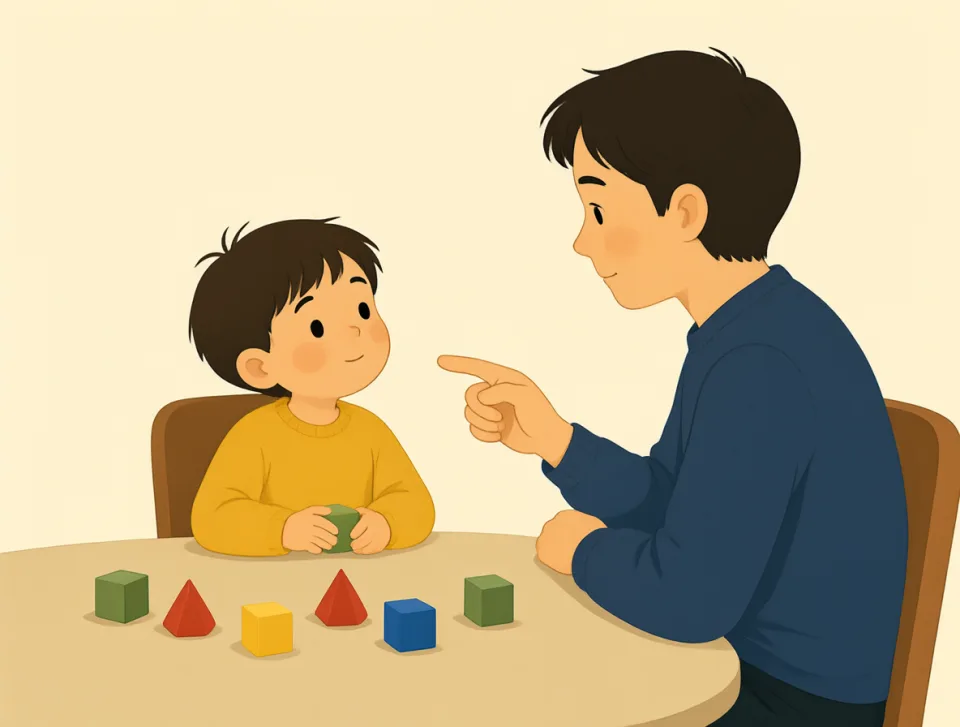
I know the basic rules of the game.
ฉันรู้กฎพื้นฐานของเกม
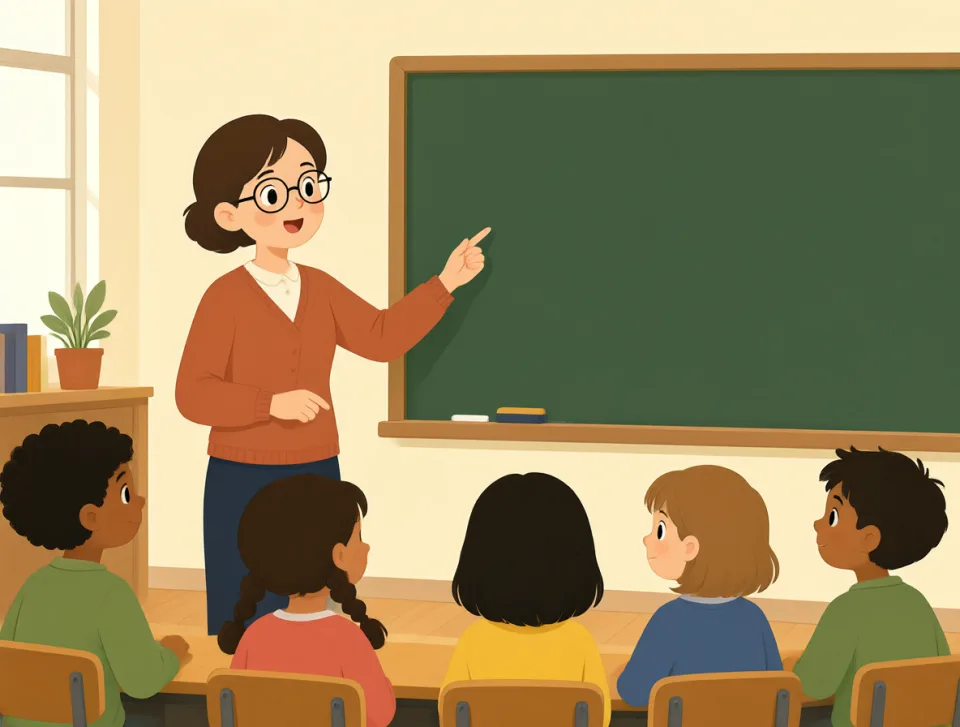
We learned basic English at school.
เราเรียนภาษาอังกฤษพื้นฐานที่โรงเรียน

This room has only basic furniture.
ห้องนี้มีเฟอร์นิเจอร์พื้นฐานเท่านั้น

The hotel offers basic rooms at low prices.
โรงแรมมีห้องพักแบบพื้นฐานในราคาถูก

She taught me the basics of cooking.
เธอสอนพื้นฐานการทำอาหารให้ฉัน

encourage
#912verb
ให้กำลังใจ
to give someone support or confidence to do something
ให้การสนับสนุนหรือความมั่นใจแก่ใครบางคนในการทำสิ่งใดสิ่งหนึ่ง

My parents encourage me to study hard.
พ่อแม่ให้กำลังใจฉันให้ตั้งใจเรียน

The teacher encouraged us to ask questions.
ครูให้กำลังใจพวกเราให้ถามคำถาม

Friends encouraged him after he lost the game.
เพื่อน ๆ ให้กำลังใจเขาหลังจากที่เขาแพ้เกม
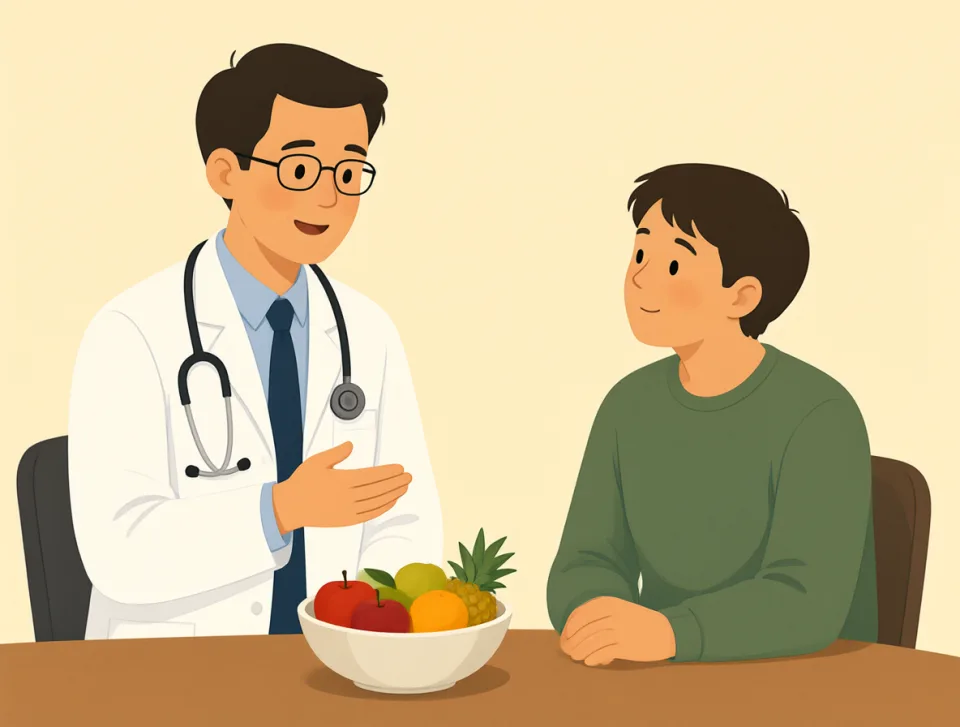
Doctors encourage patients to eat healthy food.
แพทย์สนับสนุนให้ผู้ป่วยกินอาหารที่มีประโยชน์

Her manager encouraged her to apply for the job.
ผู้จัดการของเธอสนับสนุนให้เธอสมัครงานตำแหน่งนั้น

hair
#913noun
ผม
The thin strands that grow on a person's head or body.
เส้นเล็ก ๆ ที่งอกขึ้นบนศีรษะหรือร่างกายของคน

She has long, dark hair.
เธอมีผมยาวสีเข้ม
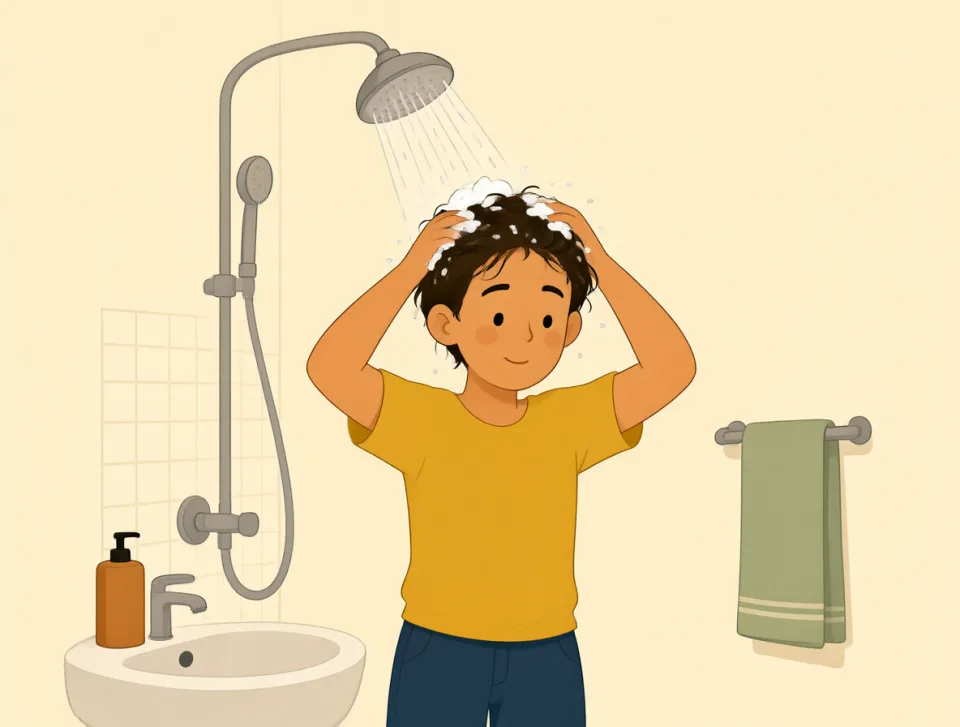
I washed my hair this morning.
ฉันสระผมเมื่อเช้านี้

He got a haircut yesterday.
เขาไปตัดผมมาเมื่อวาน
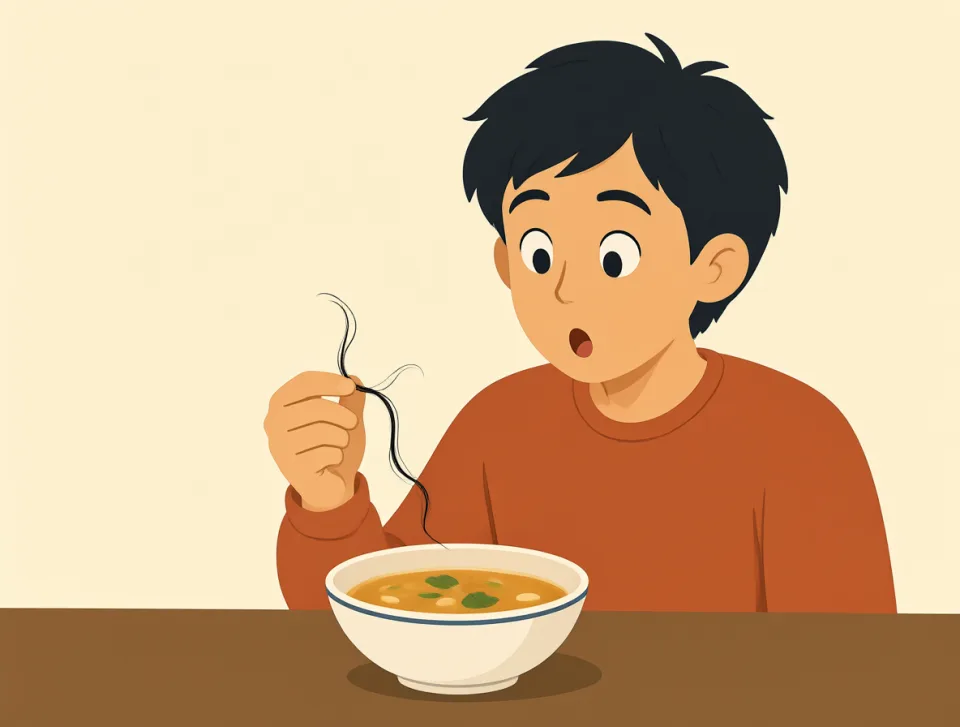
There was hair in my soup.
มีเส้นผมอยู่ในซุปของฉัน

My hair gets wet in the rain.
ผมของฉันเปียกเวลาโดนฝน

male
#914noun, adjective
เพศชาย
A boy, man, or animal that is not female.
เด็กผู้ชาย ผู้ชาย หรือสัตว์ที่ไม่ใช่เพศเมีย

The male lion protects his family.
สิงโตตัวผู้ปกป้องครอบครัวของมัน

The doctor examined the male patient.
แพทย์ตรวจผู้ป่วยชาย
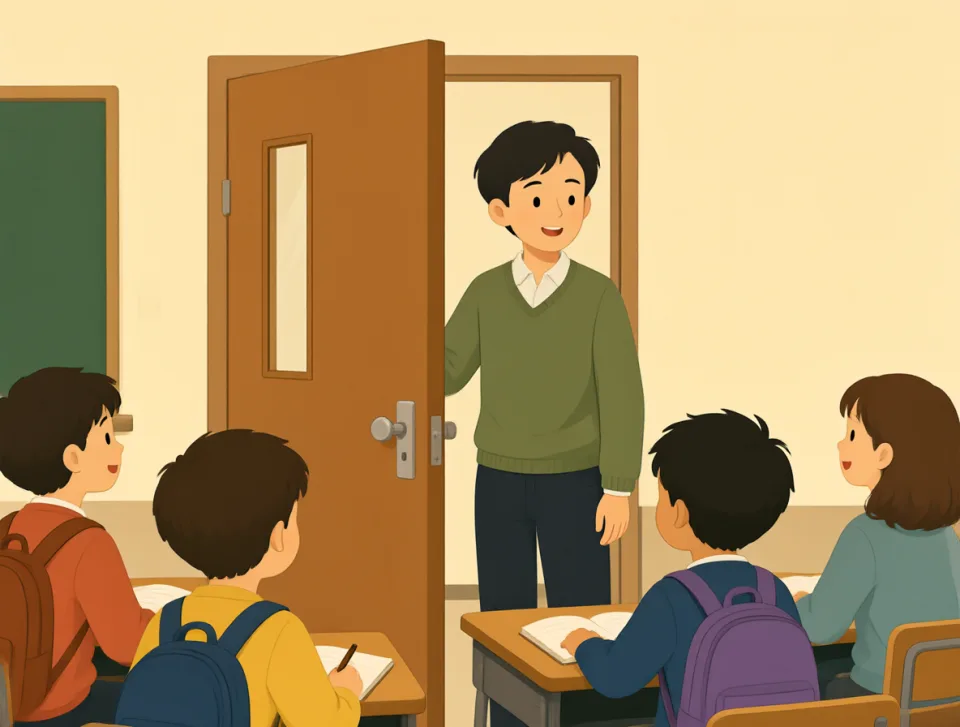
A male teacher opened the classroom door.
ครูผู้ชายเปิดประตูห้องเรียน

The shop sells male and female shirts.
ร้านขายเสื้อสำหรับผู้ชายและผู้หญิง

The male dog is friendly with children.
สุนัขตัวผู้เป็นมิตรกับเด็ก ๆ
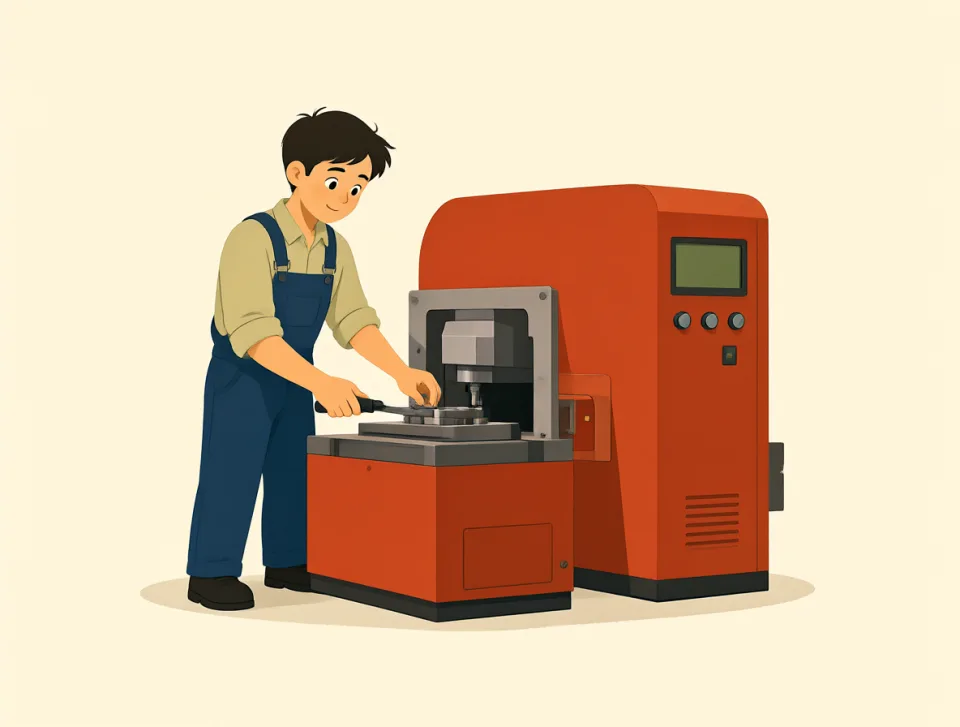
operate
#915verb
ใช้งาน
to control, use, or make a machine or system work
ควบคุม ใช้ หรือทำให้เครื่องจักรหรือระบบทำงาน

She operates the washing machine every Saturday.
เธอใช้เครื่องซักผ้าทุกวันเสาร์
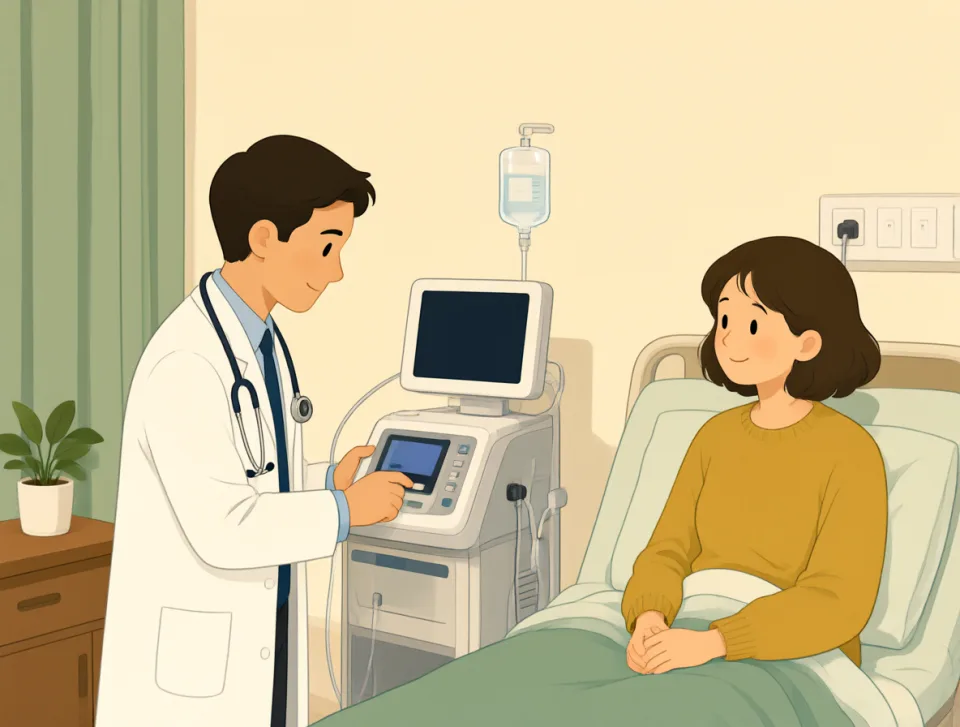
Only trained doctors can operate this machine.
มีเพียงแพทย์ที่ผ่านการฝึกอบรมเท่านั้นที่ใช้เครื่องนี้ได้

The company operates buses across the city.
บริษัทให้บริการรถโดยสารทั่วเมือง

The restaurant operates from ten until nine.
ร้านอาหารเปิดให้บริการตั้งแต่สิบโมงถึงสามทุ่ม
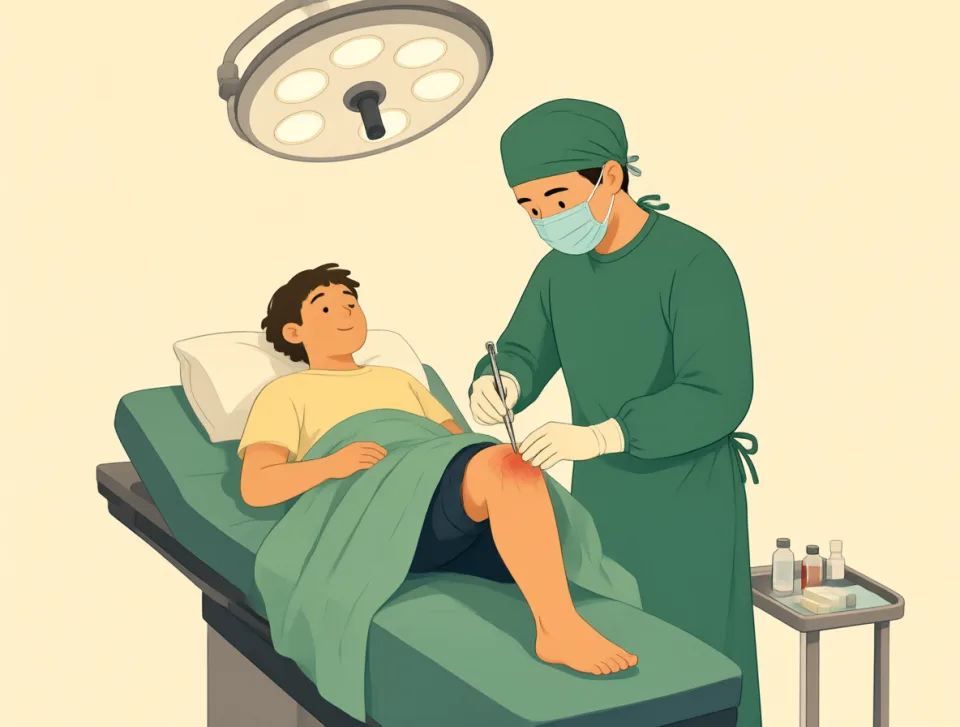
He had surgery to operate on his knee.
เขาเข้ารับการผ่าตัดที่หัวเข่า
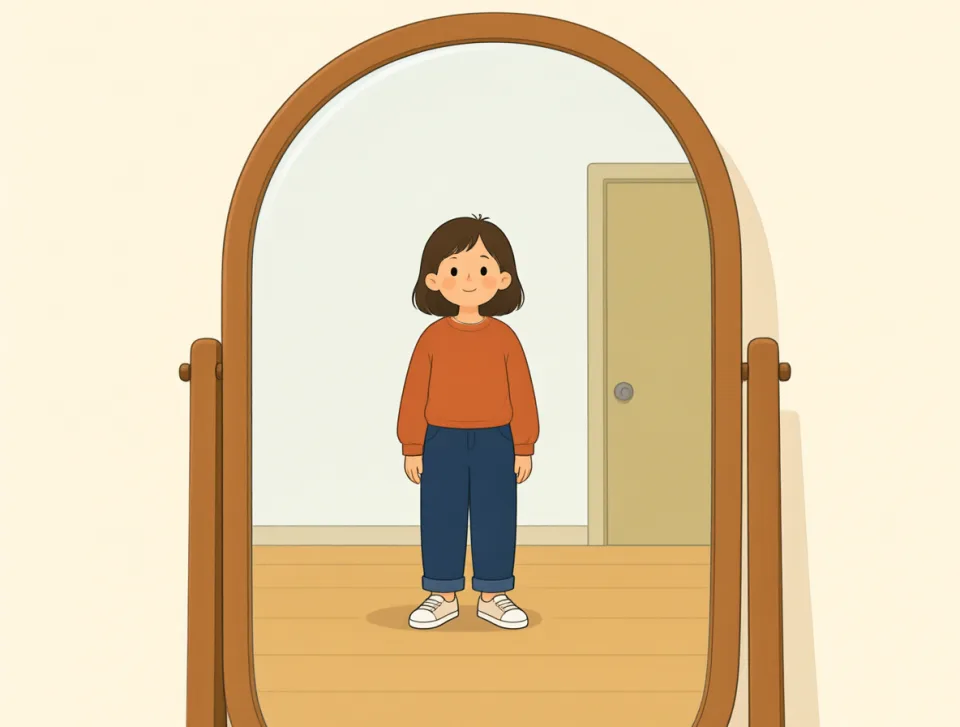
reflect
#916verb
สะท้อน
To send back light, heat, or sound, or to show a quality or feeling.
ส่งแสง ความร้อน หรือเสียงกลับมา หรือแสดงให้เห็นคุณสมบัติหรือความรู้สึกบางอย่าง

The lake reflects the mountains in the morning.
ทะเลสาบสะท้อนภาพภูเขาในยามเช้า

Her face reflected the light from the window.
ใบหน้าของเธอสะท้อนแสงจากหน้าต่าง

The clean floor reflects the kitchen lights.
พื้นสะอาดสะท้อนแสงไฟในครัว

His smile reflects how happy he feels.
รอยยิ้มของเขาสะท้อนให้เห็นว่าเขามีความสุขแค่ไหน

The report reflects what students told us.
รายงานสะท้อนสิ่งที่นักเรียนบอกเรา

exercise
#917noun, verb
ออกกำลังกาย
Physical activity that keeps your body healthy, or to use your body this way.
กิจกรรมทางกายที่ช่วยให้ร่างกายแข็งแรง หรือการใช้ร่างกายทำกิจกรรมเช่นนี้
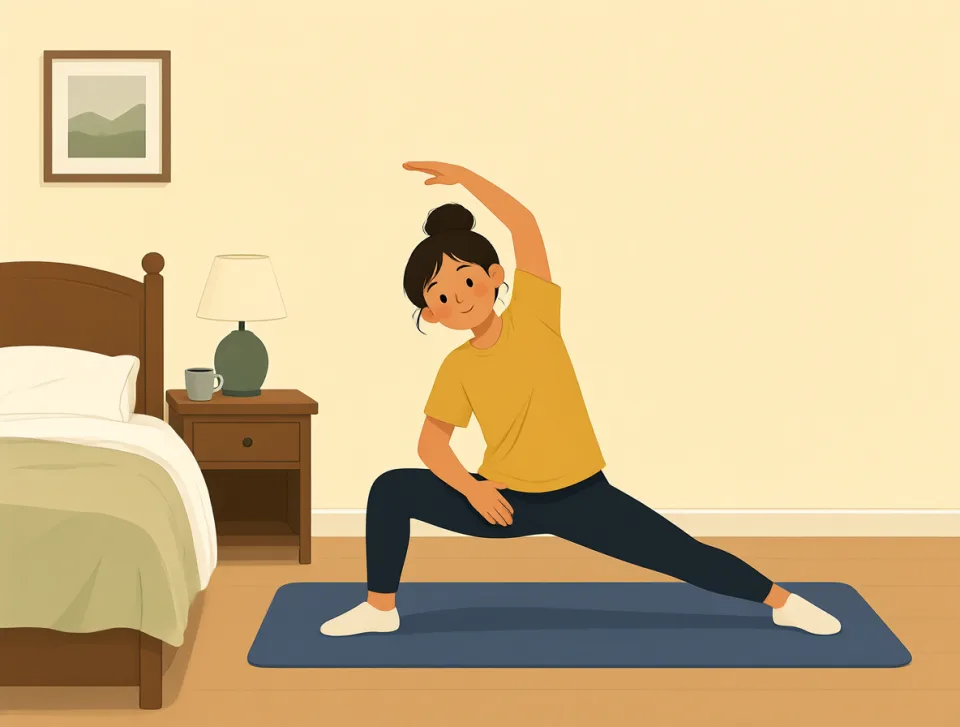
I exercise every morning before breakfast.
ฉันออกกำลังกายทุกเช้าก่อนกินอาหารเช้า
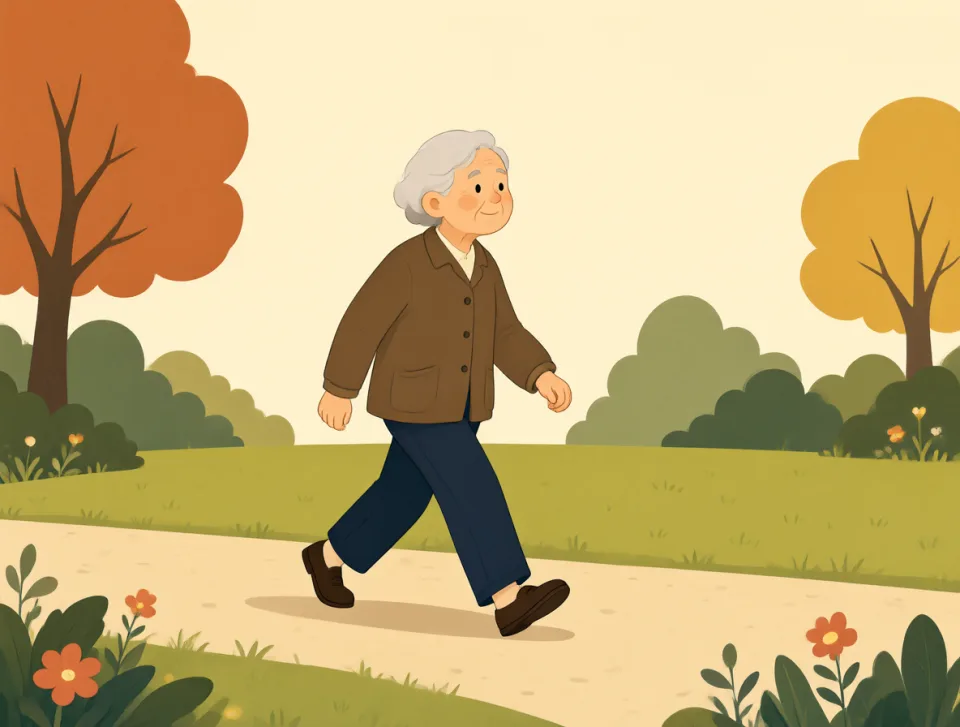
Walking is good exercise for your heart.
การเดินเป็นการออกกำลังกายที่ดีต่อหัวใจ

The doctor gave me exercises for my back.
หมอให้ท่าออกกำลังกายสำหรับหลังมาให้ฉัน

We exercised at the gym after work.
พวกเราไปออกกำลังกายที่ยิมหลังเลิกงาน

Students exercised their right to vote.
นักเรียนใช้สิทธิ์ลงคะแนนเสียงของตน
useful
#918adjective
มีประโยชน์
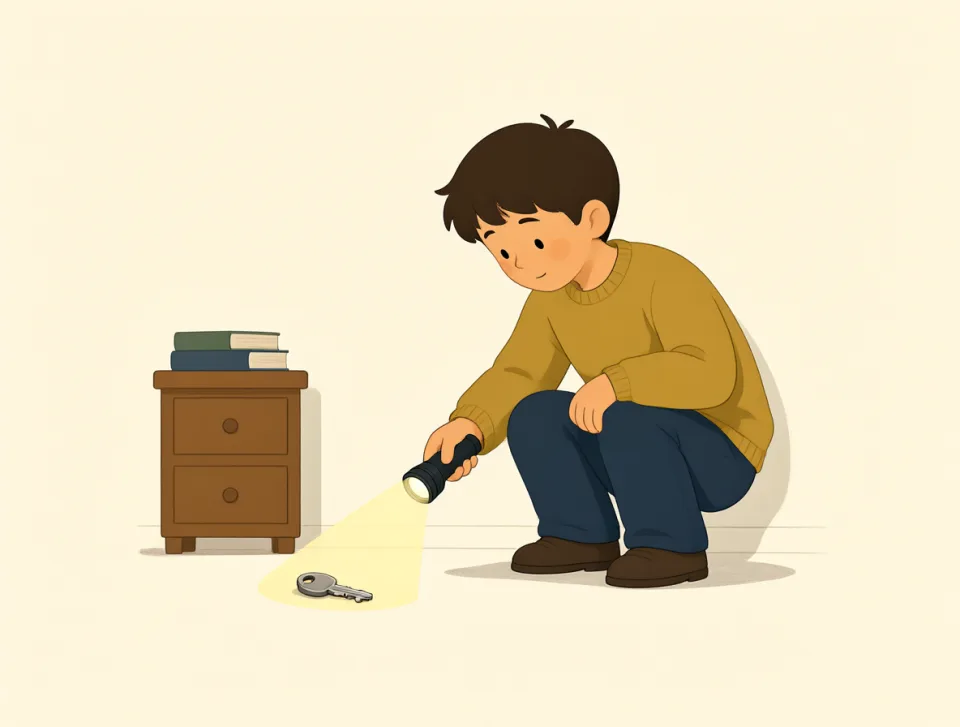
Helpful or good for a particular purpose or situation.
เป็นประโยชน์หรือเหมาะกับจุดประสงค์หรือสถานการณ์ใดสถานการณ์หนึ่ง

This map is useful when we travel.
แผนที่นี้มีประโยชน์เวลาเราเดินทาง

A warm coat is useful in winter.
เสื้อโค้ตอุ่น ๆ มีประโยชน์ในฤดูหนาว

These notes are useful for my test.
บันทึกเหล่านี้มีประโยชน์สำหรับการสอบของฉัน

The shop gave us useful cooking advice.
ร้านให้คำแนะนำเรื่องทำอาหารที่มีประโยชน์แก่เรา

Walking is useful for keeping healthy.
การเดินมีประโยชน์ต่อการรักษาสุขภาพให้แข็งแรง
restaurant
#919noun
ร้านอาหาร
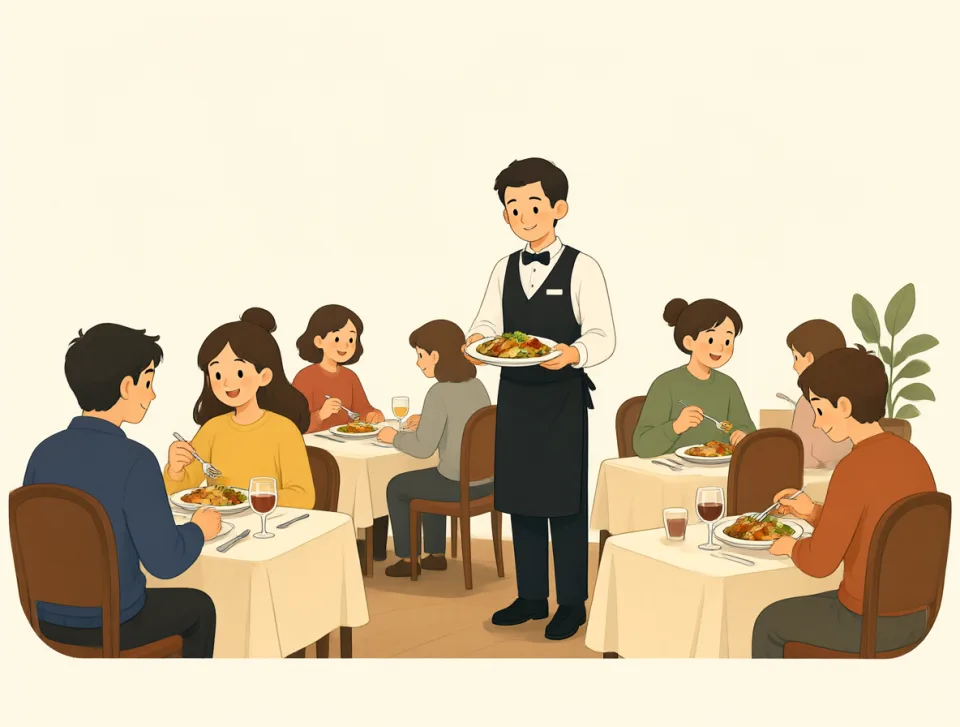
A place where people pay to sit and eat meals.
สถานที่ที่ผู้คนจ่ายเงินเพื่อเข้าไปนั่งรับประทานอาหาร

We had dinner at a small restaurant.
พวกเรากินมื้อค่ำที่ร้านอาหารเล็ก ๆ แห่งหนึ่ง

That restaurant serves fresh fish every day.
ร้านอาหารนั้นเสิร์ฟปลาสดทุกวัน

The restaurant was full after work.
ร้านอาหารเต็มหลังเลิกงาน
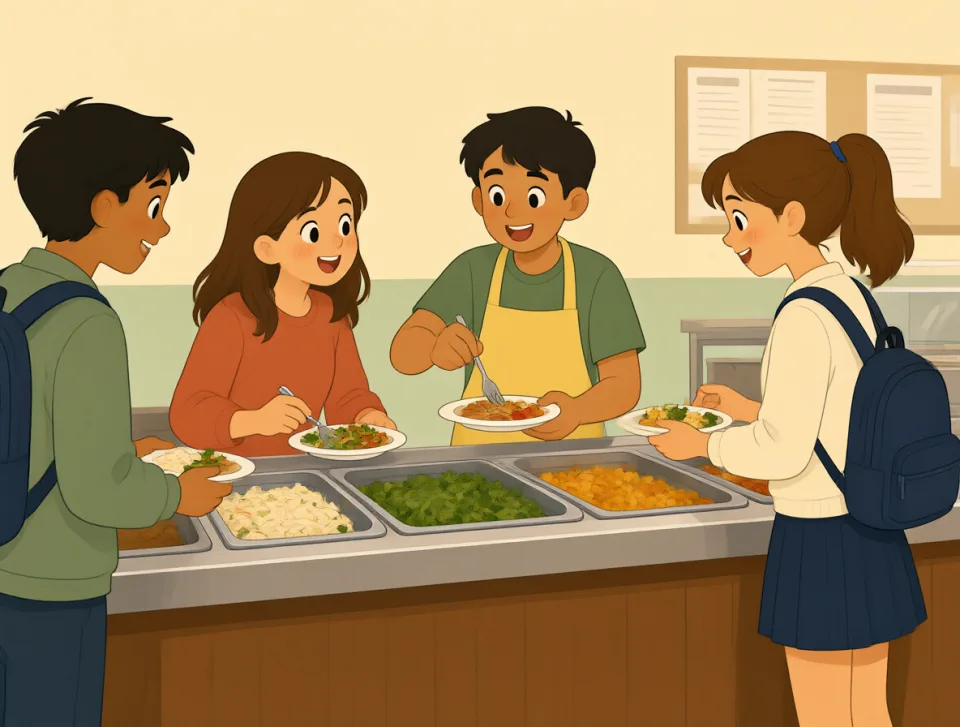
Our school restaurant sells cheap lunches.
โรงอาหารของโรงเรียนเราขายอาหารกลางวันราคาถูก

We found a nice restaurant near the hotel.
พวกเราเจอร้านอาหารดี ๆ ใกล้โรงแรม

income
#920noun
รายได้
Money that a person or business regularly receives from work or other sources.
เงินที่บุคคลหรือธุรกิจได้รับเป็นประจำจากการทำงานหรือแหล่งอื่น ๆ
Her monthly income comes from her job.
รายได้ต่อเดือนของเธอมาจากงานที่ทำ

His income is high enough to buy a house.
รายได้ของเขาสูงพอที่จะซื้อบ้านได้

The shop lost income during the winter.
ร้านมีรายได้ลดลงในช่วงฤดูหนาว

They need extra income for school costs.
พวกเขาต้องการรายได้เสริมเพื่อเป็นค่าใช้จ่ายด้านการเรียน

The farm provides income for our family.
ฟาร์มสร้างรายได้ให้ครอบครัวของเรา