इकाई 46
शब्द 901–920 · guess, fun, protect, resource, science, disease
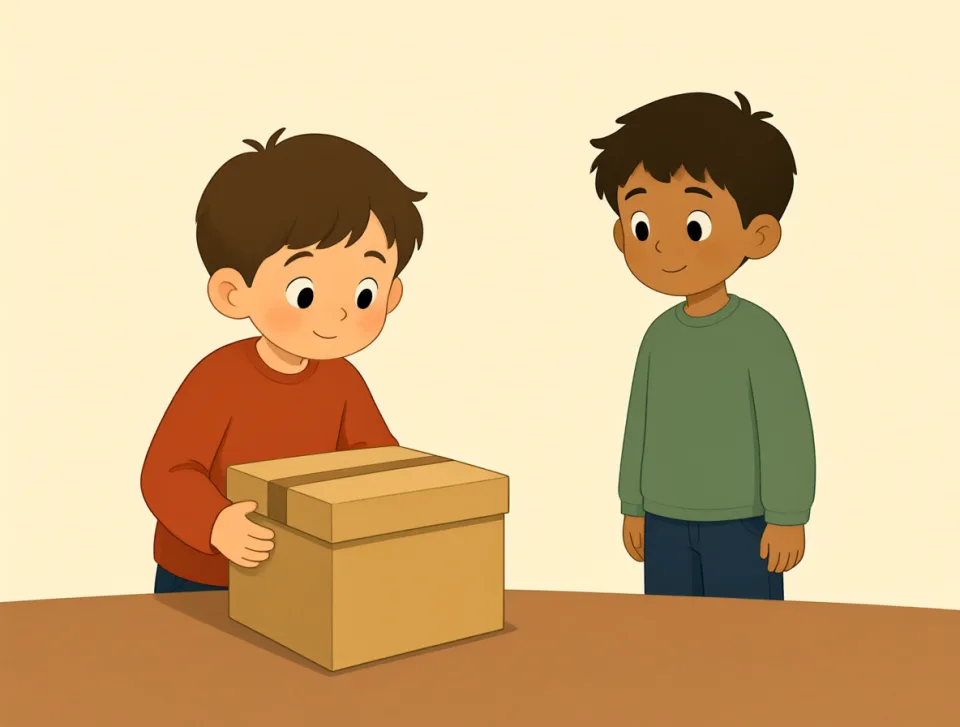
guess
#901noun, verb
अनुमान लगाना
To give an answer without being sure, or an answer made without being sure.
बिना पक्का जाने जवाब देना, या ऐसा जवाब जो बिना पक्का जाने दिया गया हो।
Can you guess what is in the box?
क्या तुम अंदाज़ा लगा सकते हो कि डिब्बे में क्या है?

I guess we should leave before it rains.
मेरा ख़याल है कि बारिश होने से पहले हमें निकल जाना चाहिए।

She guessed the answer in class.
उसने कक्षा में जवाब का अनुमान लगा लिया।
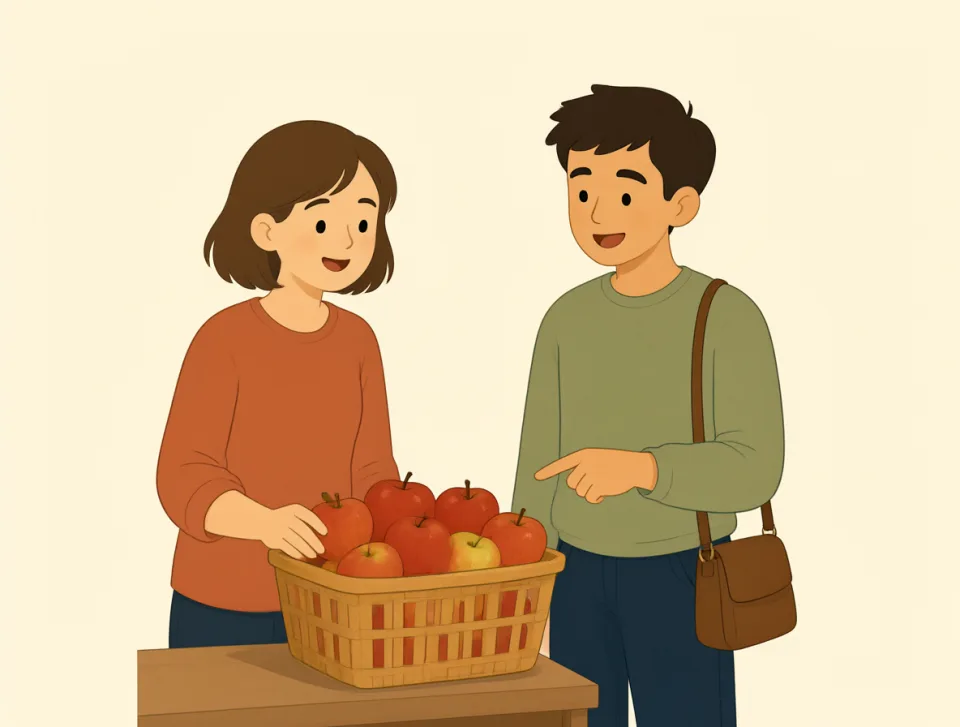
Take a guess: how many apples are here?
एक अंदाज़ा लगाओ: यहाँ कितने सेब हैं?

My guess is that he is still at work.
मेरा अंदाज़ा है कि वह अभी भी काम पर है।

fun
#902noun, adjective
मज़ा; मज़ेदार
Enjoyment or pleasure; enjoyable and amusing.
आनंद या खुशी; जो आनंददायक और मनोरंजक हो।

We had fun at the beach yesterday.
हमने कल समुद्र तट पर खूब मज़ा किया।

The game was fun for everyone.
यह खेल सबके लिए मज़ेदार था।
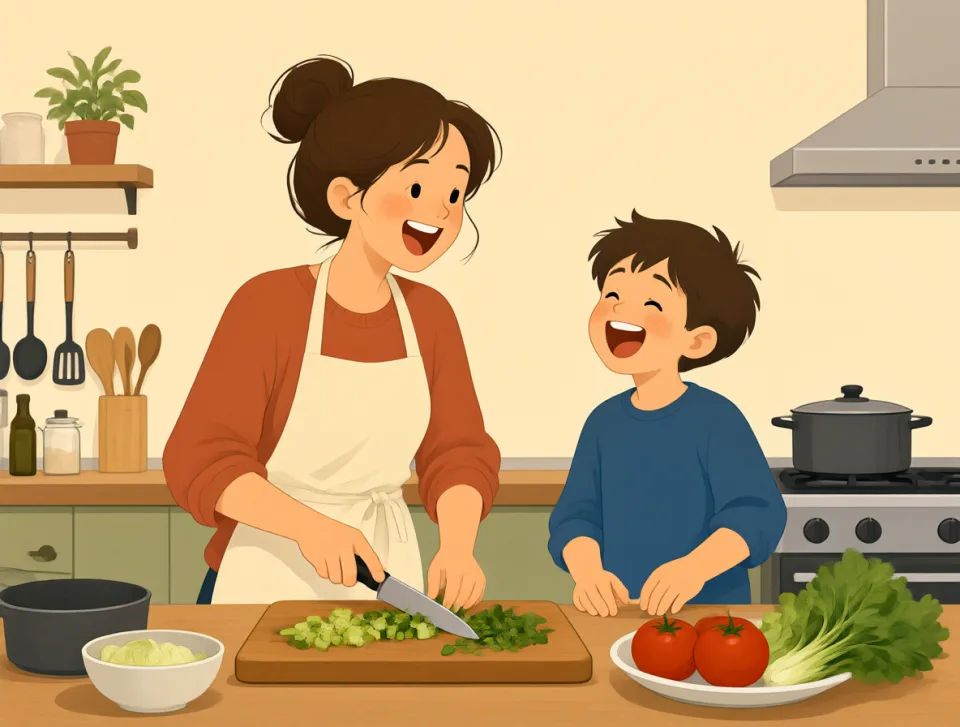
She has fun cooking dinner with her brother.
उसे अपने भाई के साथ रात का खाना बनाने में मज़ा आता है।

The children had fun on the school trip.
बच्चों ने स्कूल की सैर पर खूब मज़ा किया।

Let's find something fun to do tonight.
चलो, आज रात करने के लिए कुछ मज़ेदार ढूँढ़ते हैं।

protect
#903verb
बचाना; सुरक्षा करना
to keep someone or something safe from harm or danger
किसी व्यक्ति या चीज़ को नुकसान या खतरे से सुरक्षित रखना।

Sunscreen protects your skin from the sun.
सनस्क्रीन त्वचा को धूप से बचाती है।

This case protects my phone from drops.
यह केस मेरे फ़ोन को गिरने से बचाता है।

Workers wear helmets to protect their heads.
कामगार अपने सिर की सुरक्षा के लिए हेलमेट पहनते हैं।
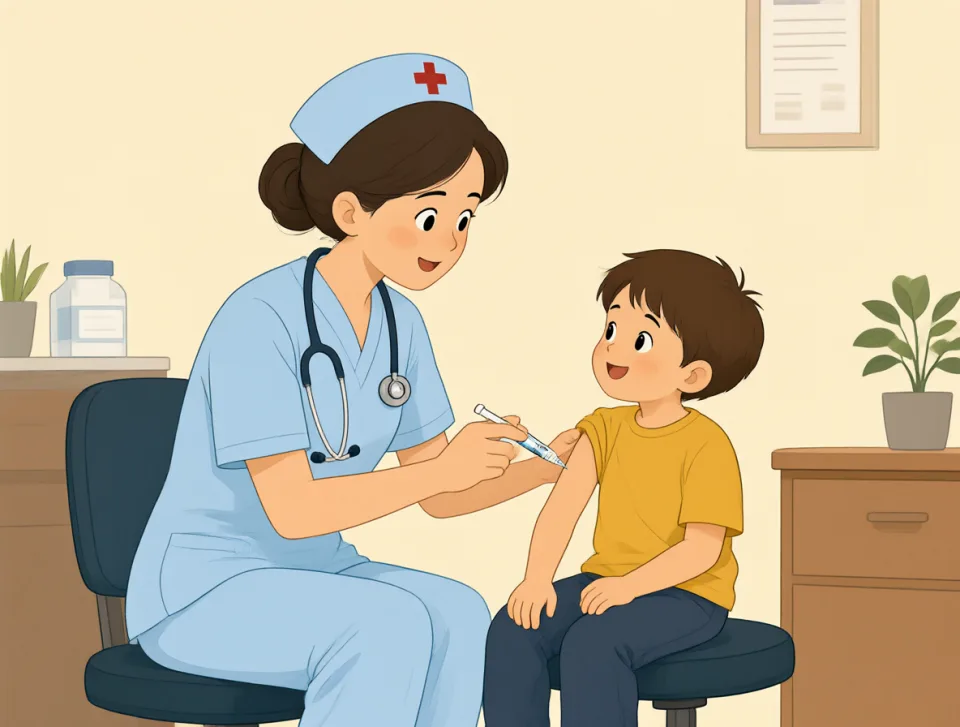
The vaccine protects children from serious illness.
टीका बच्चों को गंभीर बीमारी से बचाता है।
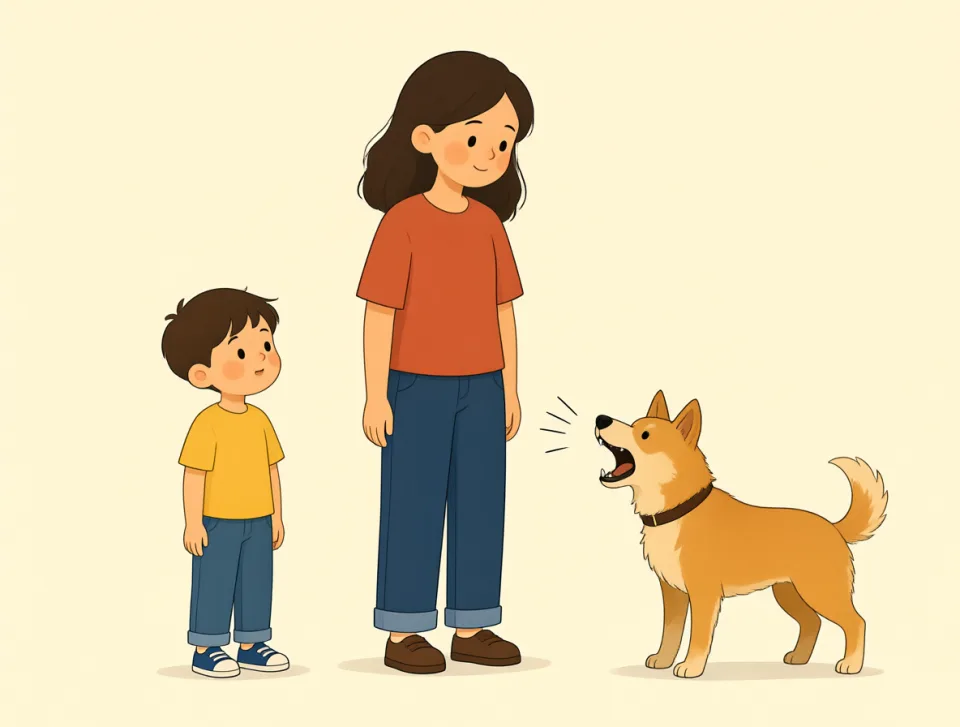
She protected her little brother from the dog.
उसने अपने छोटे भाई को कुत्ते से बचाया।

resource
#904noun
संसाधन
A useful supply of money, materials, time, or information.
पैसे, सामग्री, समय या जानकारी का उपयोगी भंडार।
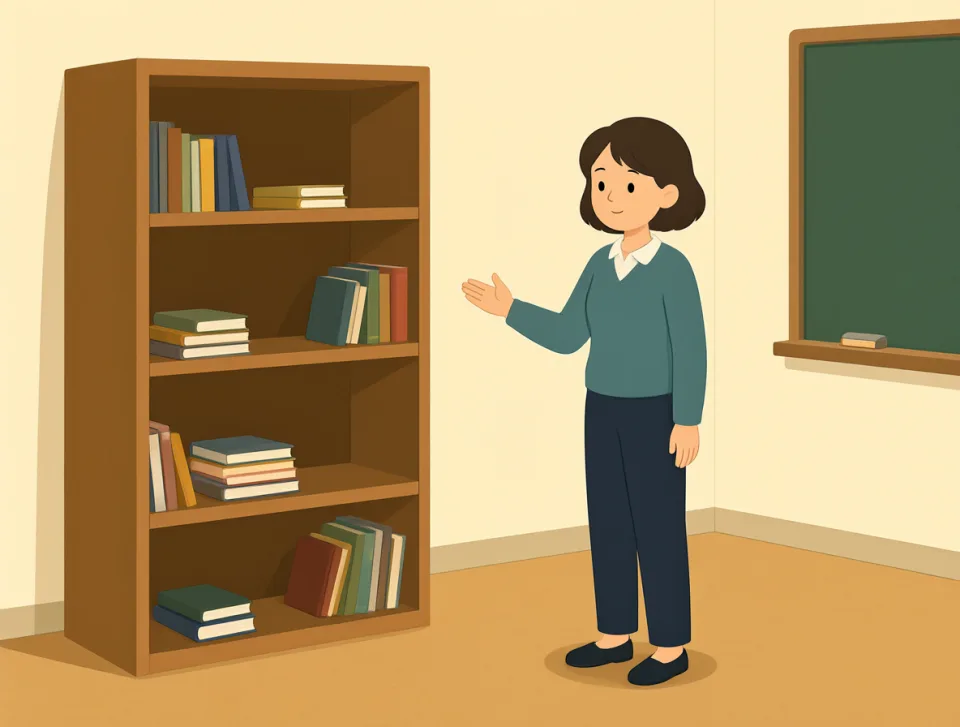
The school has few resources for new books.
स्कूल के पास नई किताबों के लिए बहुत कम संसाधन हैं।
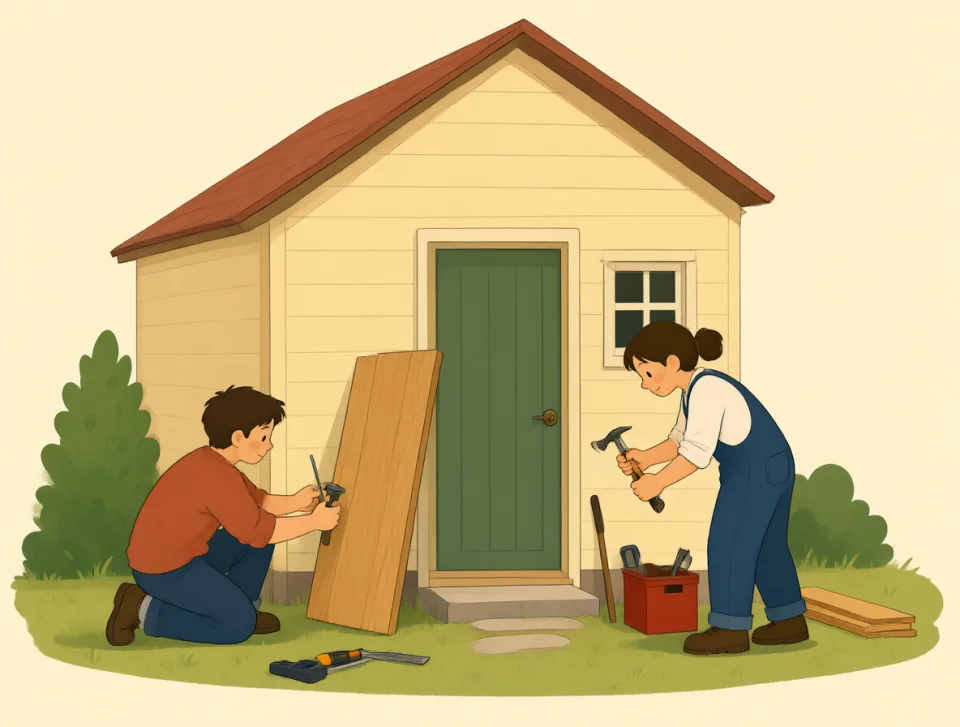
We used local resources to fix the house.
हमने घर की मरम्मत के लिए स्थानीय संसाधनों का इस्तेमाल किया।

The library is a useful resource for students.
पुस्तकालय छात्रों के लिए एक उपयोगी संसाधन है।
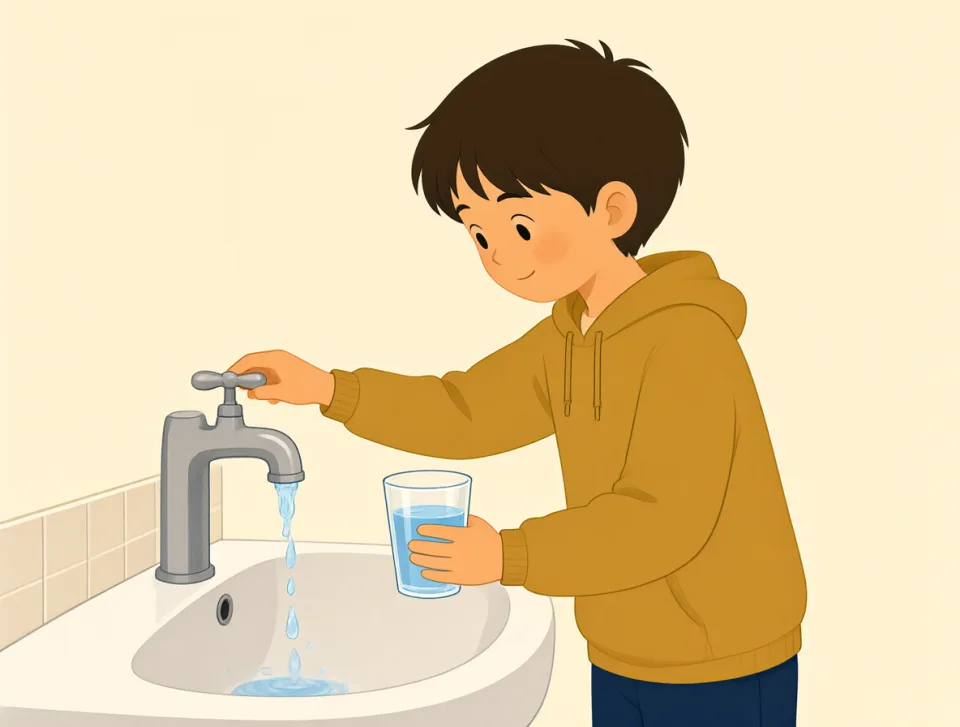
Save water because it is a valuable resource.
पानी बचाओ, क्योंकि यह एक मूल्यवान संसाधन है।
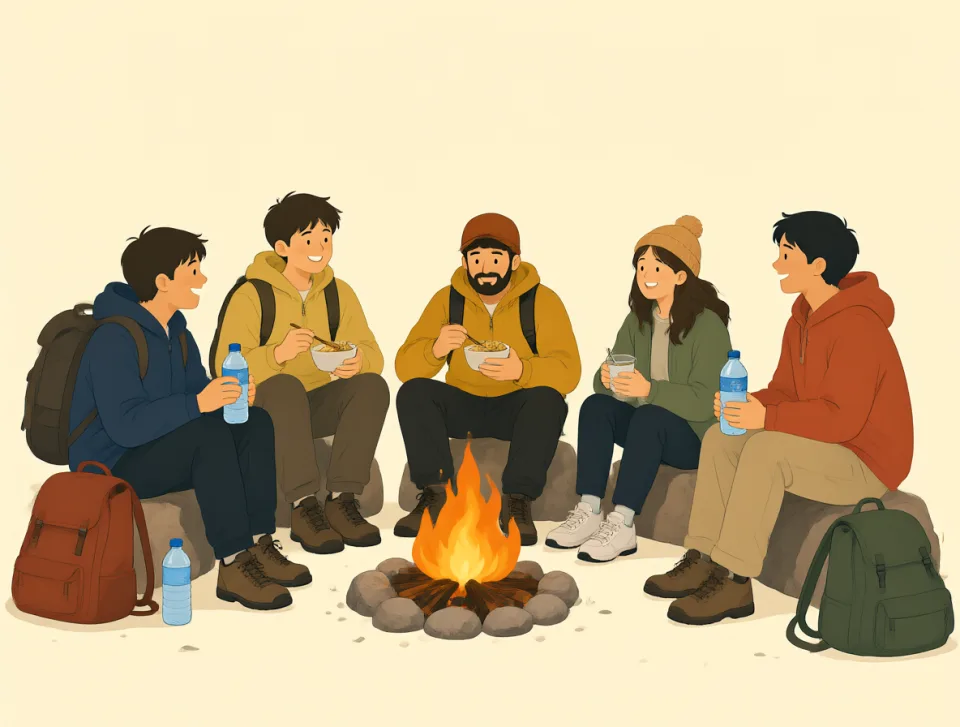
The team shared resources during the difficult trip.
मुश्किल यात्रा के दौरान टीम ने संसाधन आपस में बाँटे।
science
#905noun
विज्ञान
The study of the natural world through experiments and careful observation.
प्रयोगों और सावधानीपूर्वक अवलोकन के ज़रिए प्राकृतिक दुनिया का अध्ययन।
She wants to study science at university.
वह विश्वविद्यालय में विज्ञान पढ़ना चाहती है।
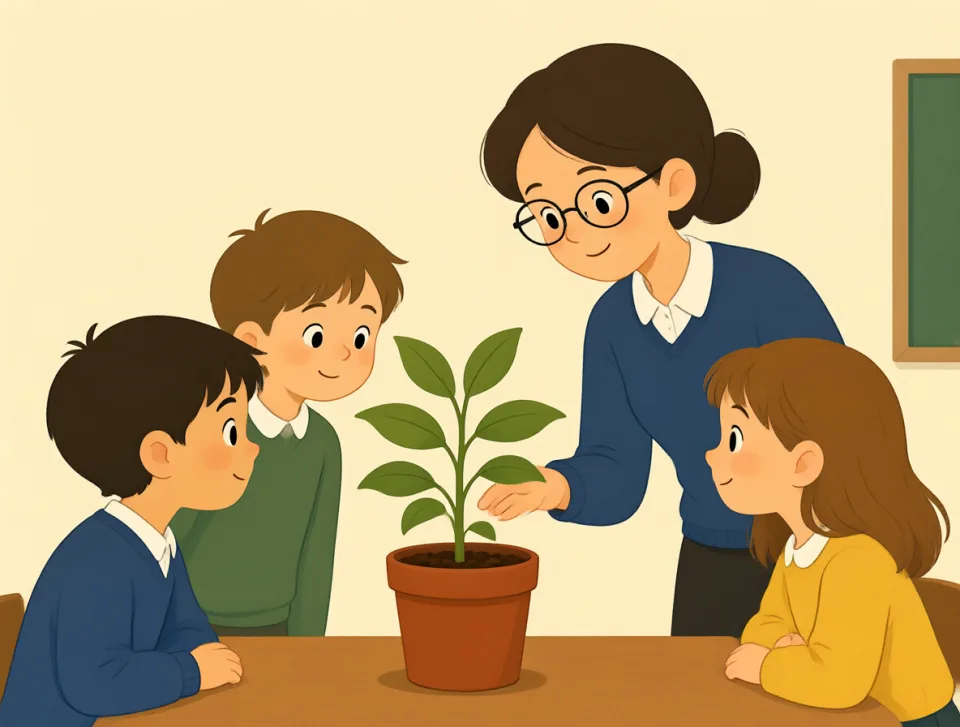
We learned about plants in science class.
हमने विज्ञान की कक्षा में पौधों के बारे में सीखा।
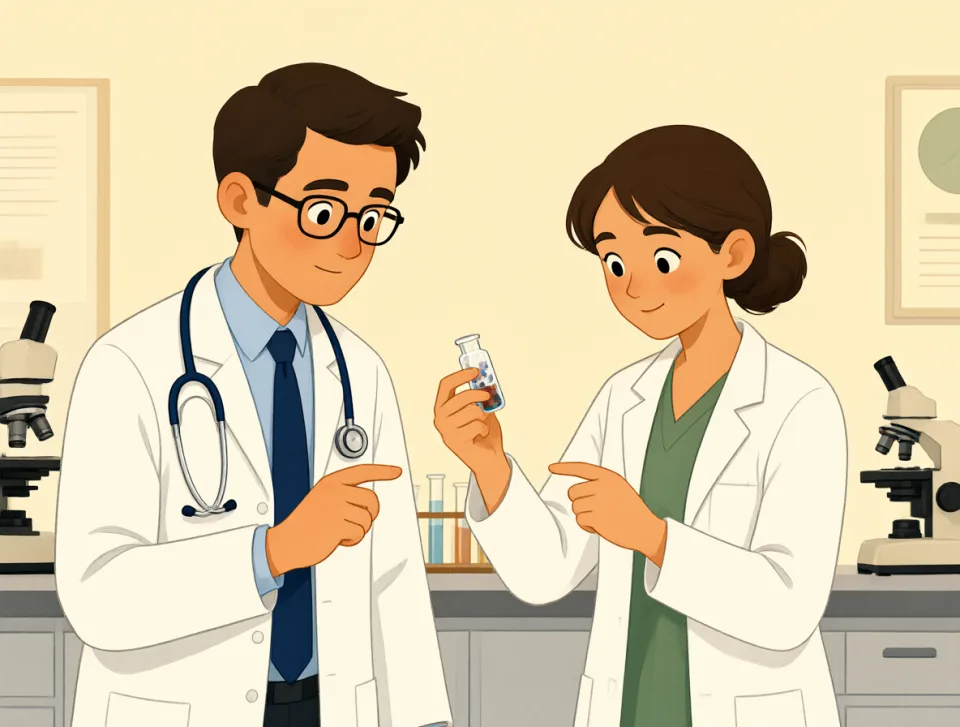
Science helps doctors find new treatments.
विज्ञान डॉक्टरों को नए इलाज खोजने में मदद करता है।

He reads science books before bed.
वह सोने से पहले विज्ञान की किताबें पढ़ता है।
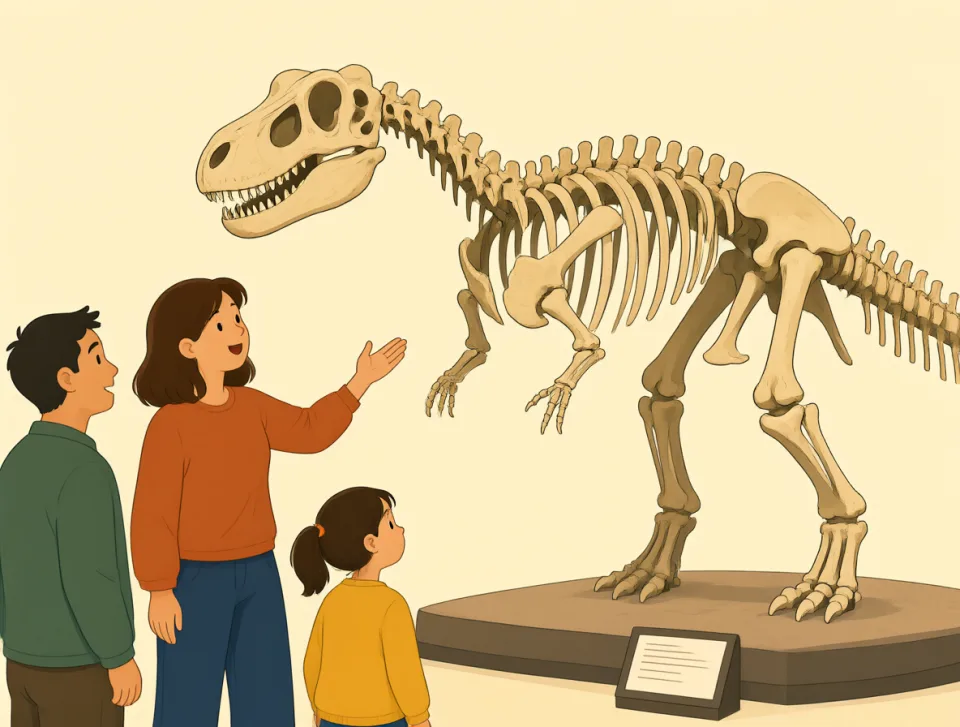
My sister works at a science museum.
मेरी बहन एक विज्ञान संग्रहालय में काम करती है।

disease
#906noun
रोग
An illness that affects a person, animal, or plant.
ऐसी बीमारी जो किसी व्यक्ति, जानवर या पौधे को प्रभावित करती है।
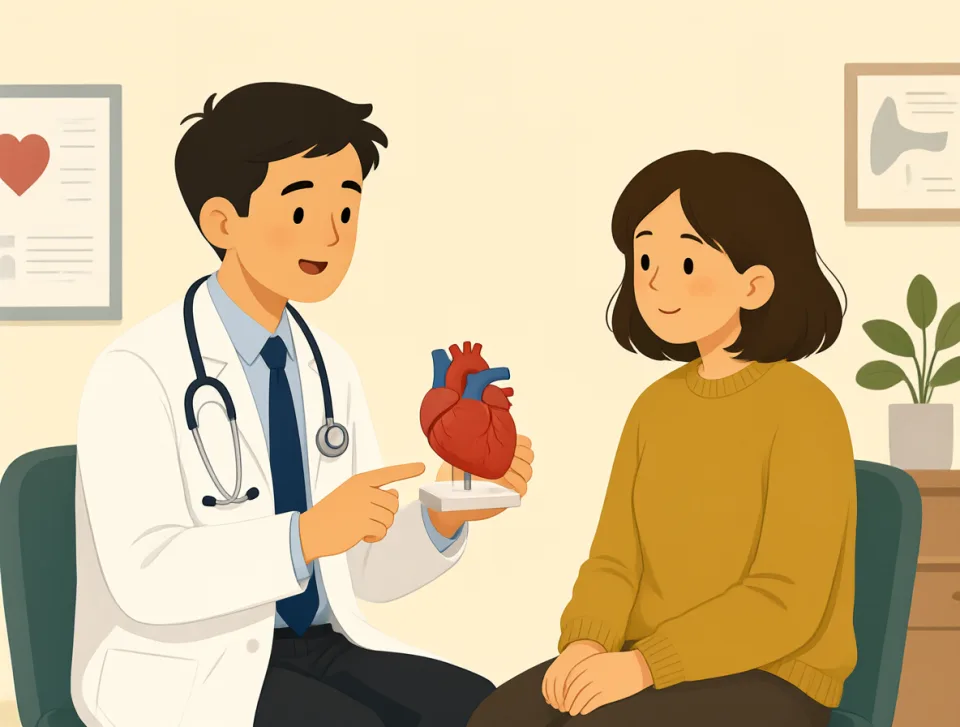
Heart disease runs in my family.
हृदय रोग मेरे परिवार में चलता आ रहा है।
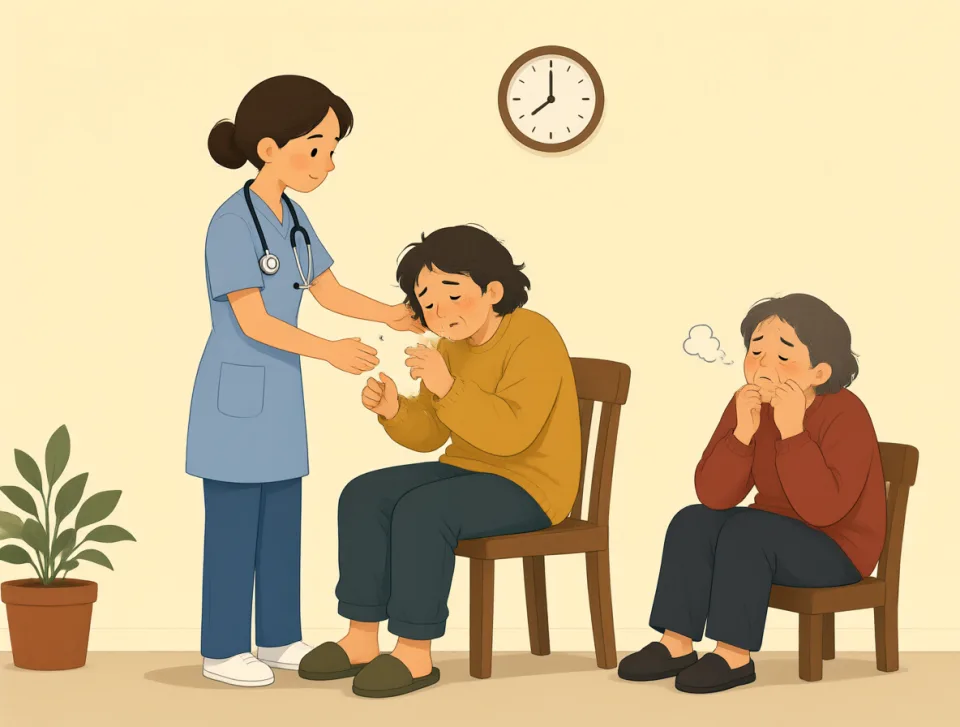
The disease spread quickly through the village.
यह रोग गाँव में तेज़ी से फैल गया।

Doctors found the disease early.
डॉक्टरों ने रोग का जल्दी पता लगा लिया।
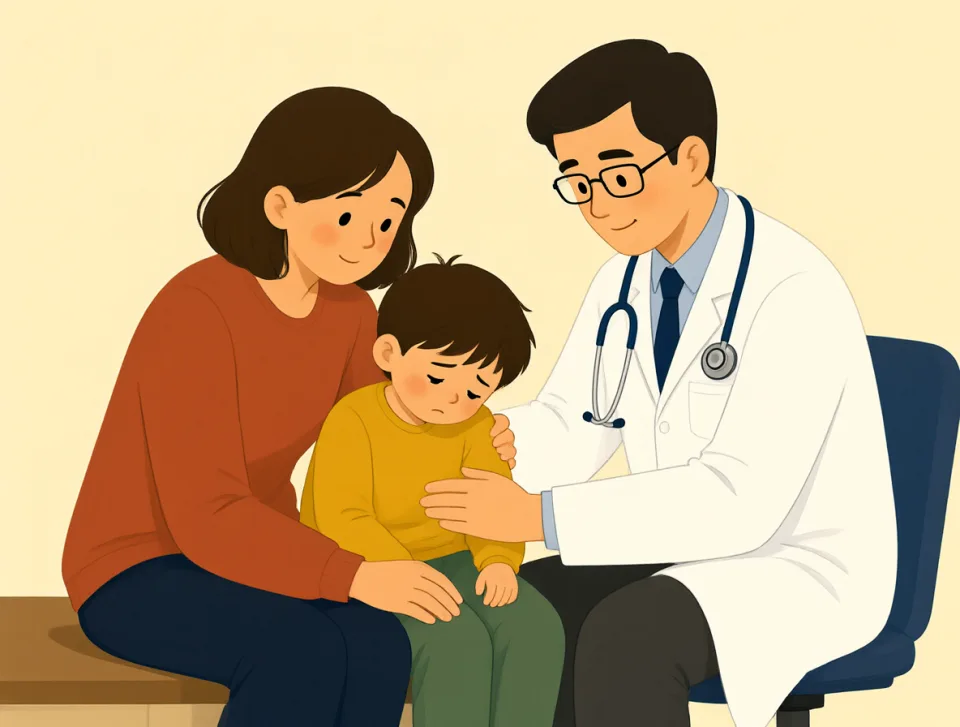
This disease can affect young children.
यह रोग छोटे बच्चों को प्रभावित कर सकता है।

The farmer lost plants to disease.
किसान की फसल रोग के कारण बर्बाद हो गई।

balance
#907noun, verb
संतुलन
a steady state, or the amount left in an account; to keep something steady or equal
एक स्थिर अवस्था, खाते में बची हुई राशि; किसी चीज़ को स्थिर या बराबर बनाए रखना।
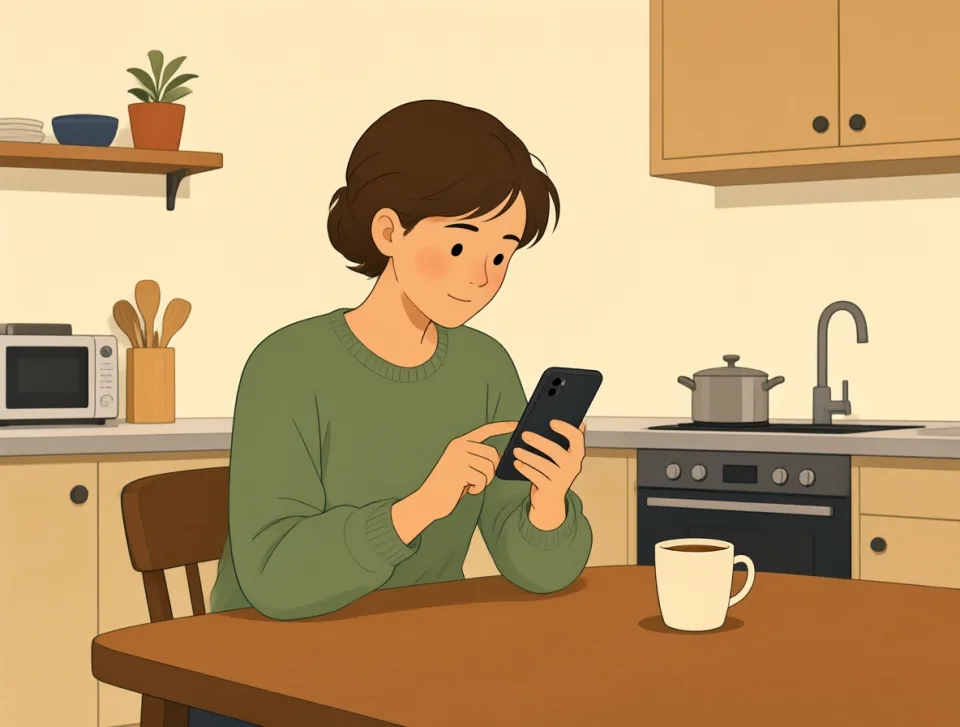
She checked the balance in her bank account.
उसने अपने बैंक खाते का बैलेंस देखा।

He lost his balance on the icy path.
बर्फ़ीली राह पर उसका संतुलन बिगड़ गया।
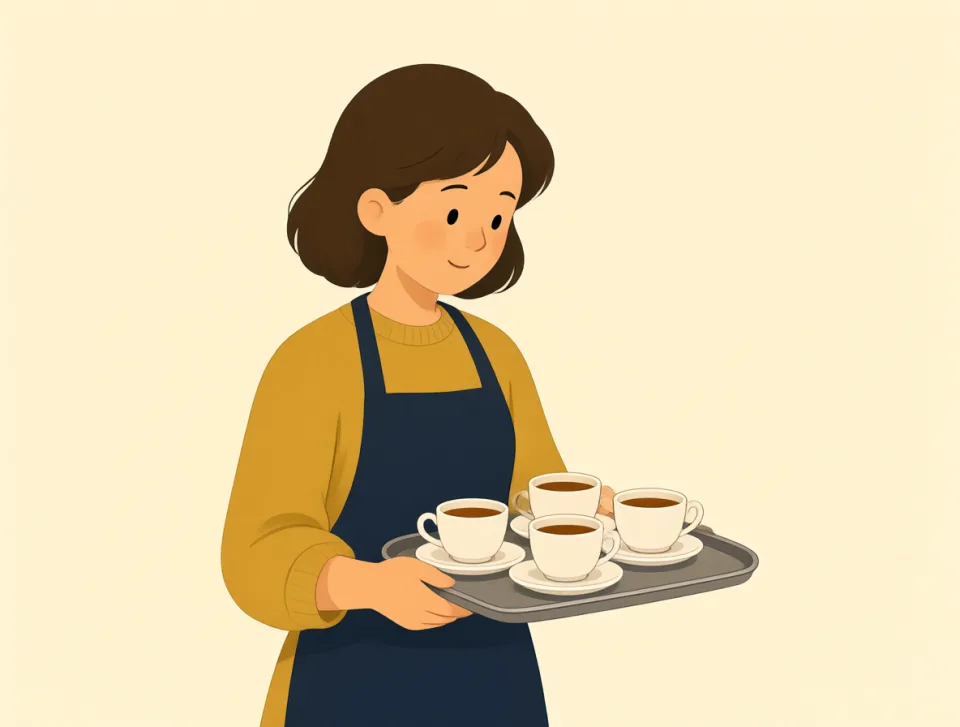
Try to balance the tray with both hands.
ट्रे को दोनों हाथों से संतुलित रखने की कोशिश करो।

I need a better balance between work and rest.
मुझे काम और आराम के बीच बेहतर संतुलन चाहिए।

The teacher balanced the books on one hand.
शिक्षक ने एक हाथ पर किताबों को संतुलित कर रखा था।

damage
#908noun, verb
नुकसान
harm that makes something less useful, attractive, or strong
ऐसी क्षति जिससे कोई चीज़ कम उपयोगी, कम आकर्षक या कम मज़बूत हो जाती है।

The storm caused damage to our roof.
तूफ़ान से हमारी छत को नुकसान पहुँचा।

Be careful not to damage the table.
सावधान रहो, मेज़ को नुकसान मत पहुँचाना।
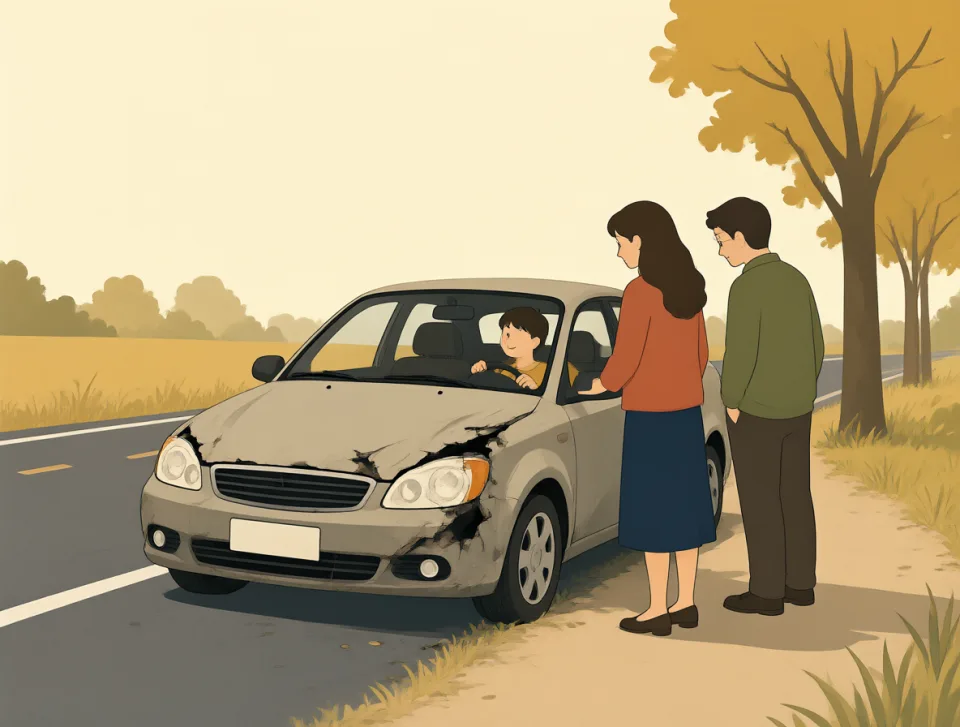
The car has serious damage after the crash.
दुर्घटना के बाद कार को काफ़ी गंभीर नुकसान हुआ है।

Water damage ruined the kitchen wall.
पानी से हुए नुकसान ने रसोई की दीवार बर्बाद कर दी।

The shop replaced my damaged headphones.
दुकान ने मेरे खराब हुए हेडफ़ोन बदल दिए।

basis
#909noun
आधार
the main reason, fact, or rule used to support something
किसी बात का समर्थन करने के लिए इस्तेमाल किया जाने वाला मुख्य कारण, तथ्य या नियम।
We meet on a regular basis.
हम नियमित आधार पर मिलते हैं।

The school hired staff on a temporary basis.
स्कूल ने अस्थायी आधार पर कर्मचारियों को नियुक्त किया।

She chose the meal on the basis of price.
उसने कीमत के आधार पर भोजन चुना।

The doctor treated him on the basis of his symptoms.
डॉक्टर ने उसके लक्षणों के आधार पर उसका इलाज किया।

Trust is the basis of our friendship.
विश्वास हमारी दोस्ती का आधार है।

author
#910noun
लेखक
A person who writes books, stories, or articles.
किताबें, कहानियाँ या लेख लिखने वाला व्यक्ति।

The author wrote a popular mystery novel.
लेखक ने एक लोकप्रिय रहस्य उपन्यास लिखा।

I met the author at the bookshop.
मैं किताबों की दुकान पर लेखक से मिला।

The author signed my new book.
लेखक ने मेरी नई किताब पर हस्ताक्षर किए।

Our teacher invited a children's author.
हमारे शिक्षक ने बच्चों की किताबों के एक लेखक को आमंत्रित किया।

She wants to become an author someday.
वह किसी दिन लेखिका बनना चाहती है।

basic
#911adjective, noun
बुनियादी
simple and necessary, without extra features or details
सरल और ज़रूरी, जिसमें कोई अतिरिक्त सुविधा या जानकारी न हो
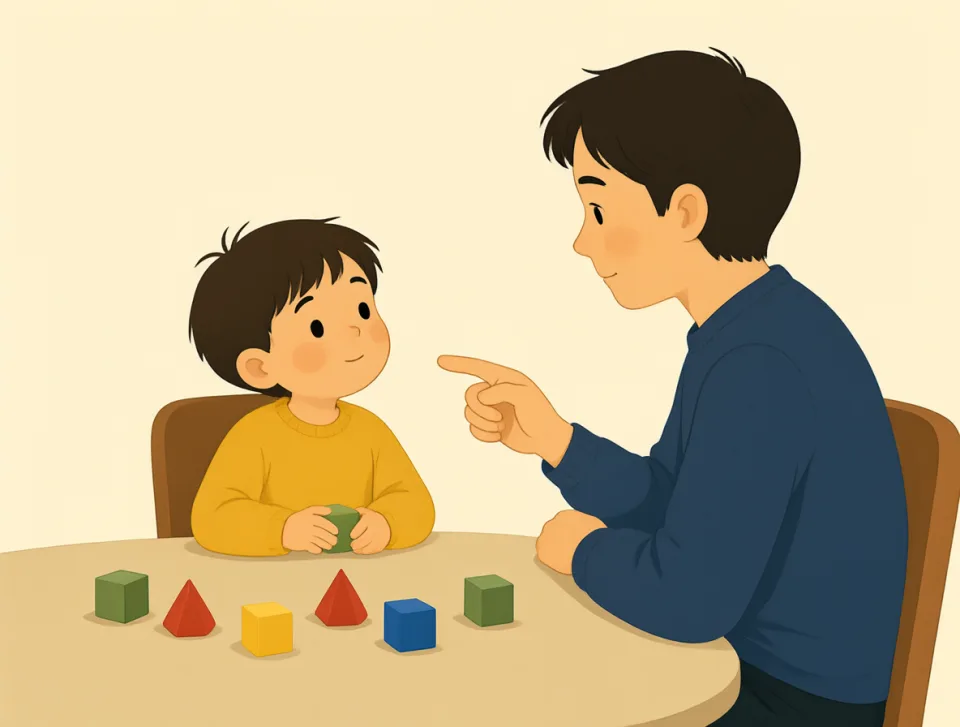
I know the basic rules of the game.
मुझे खेल के बुनियादी नियम पता हैं।
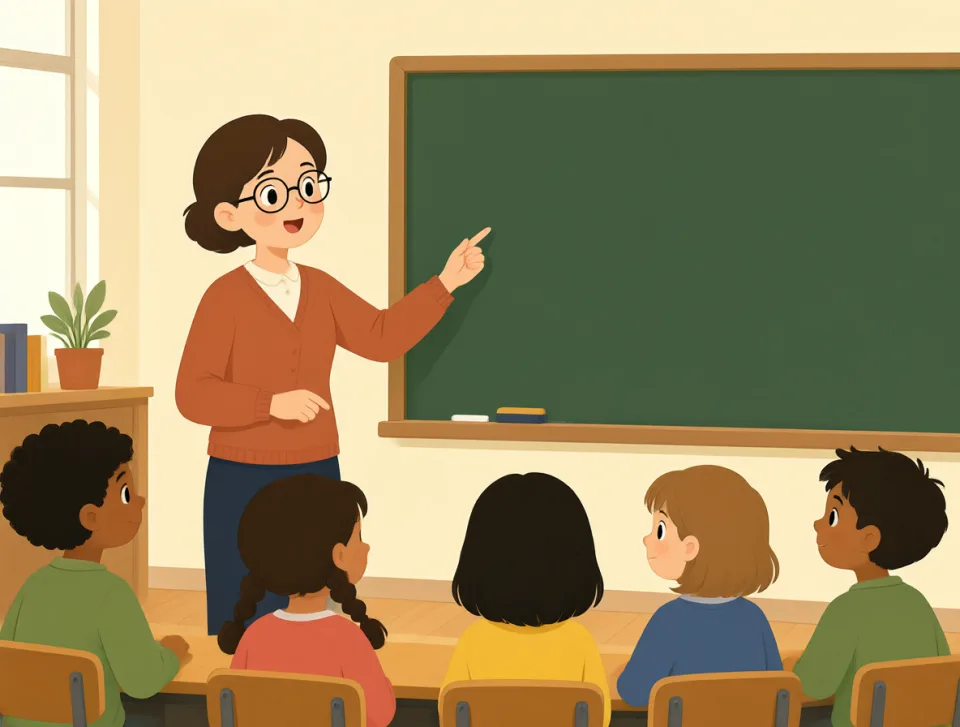
We learned basic English at school.
हमने स्कूल में बुनियादी अंग्रेज़ी सीखी।
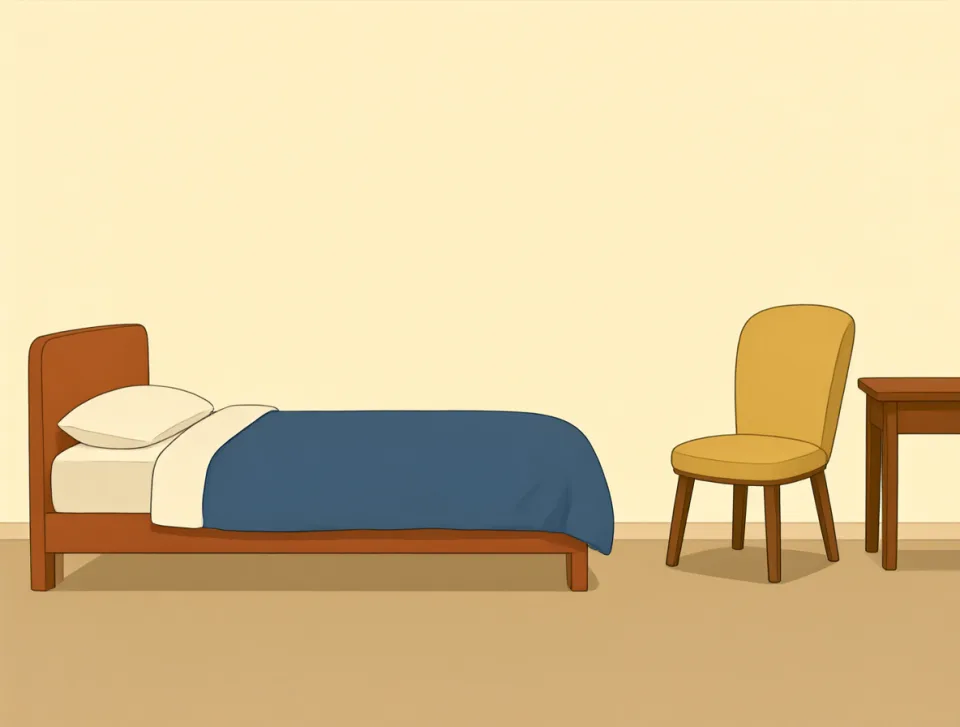
This room has only basic furniture.
इस कमरे में सिर्फ़ ज़रूरी फर्नीचर है।

The hotel offers basic rooms at low prices.
होटल में कम कीमत पर साधारण कमरे मिलते हैं।
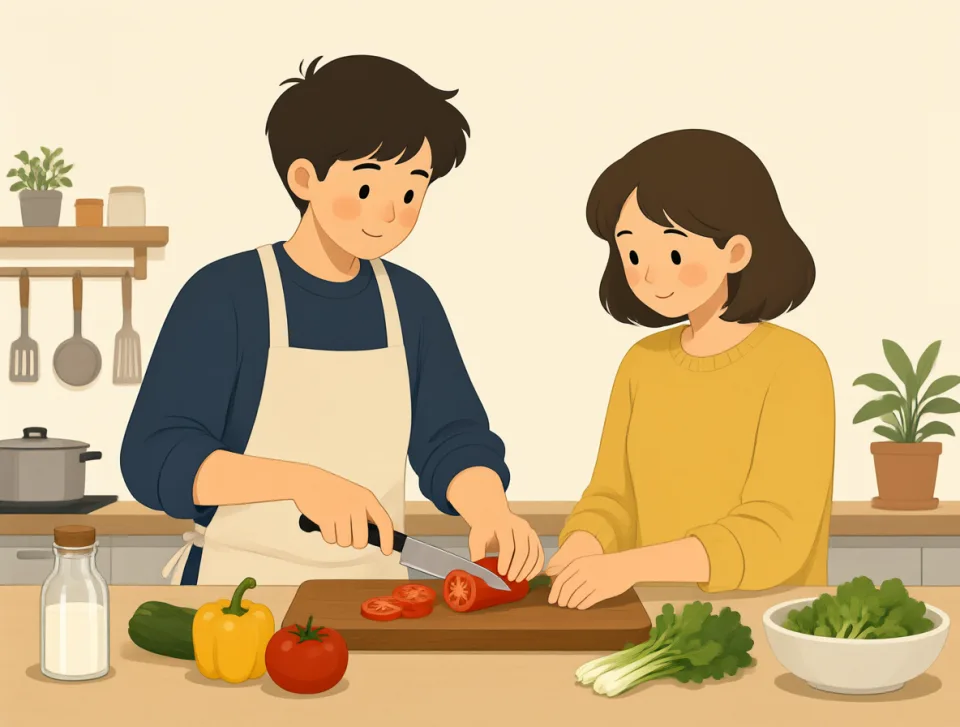
She taught me the basics of cooking.
उसने मुझे खाना पकाने की बुनियादी बातें सिखाईं।

encourage
#912verb
प्रोत्साहित करना
to give someone support or confidence to do something
किसी को कुछ करने के लिए सहारा या आत्मविश्वास देना

My parents encourage me to study hard.
मेरे माता-पिता मुझे मन लगाकर पढ़ाई करने के लिए प्रोत्साहित करते हैं।

The teacher encouraged us to ask questions.
शिक्षक ने हमें सवाल पूछने के लिए प्रोत्साहित किया।

Friends encouraged him after he lost the game.
खेल हारने के बाद उसके दोस्तों ने उसका हौसला बढ़ाया।
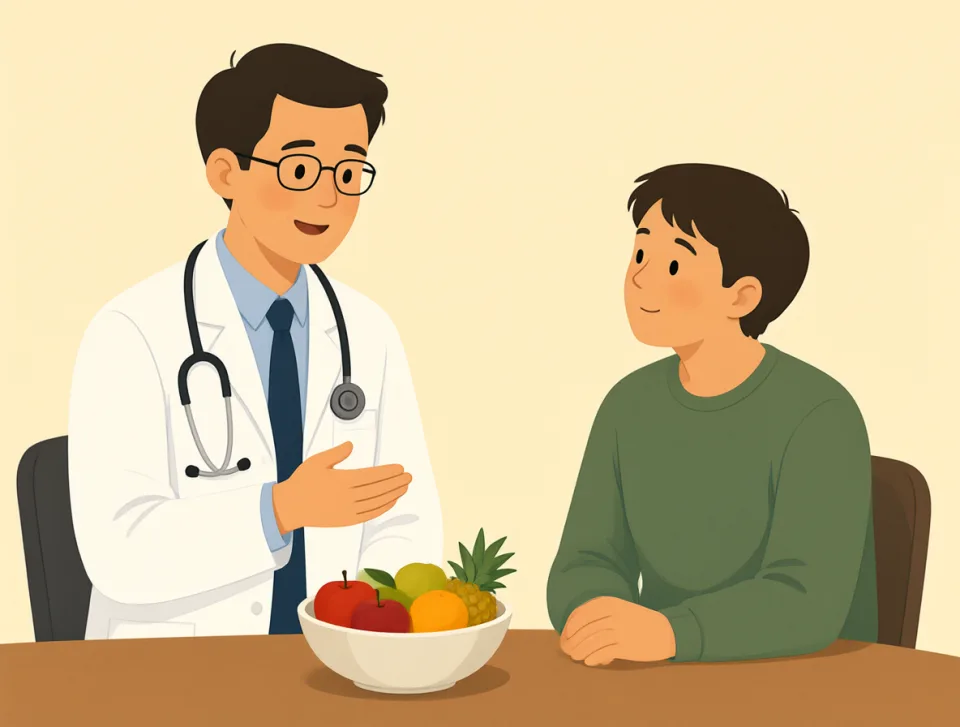
Doctors encourage patients to eat healthy food.
डॉक्टर मरीज़ों को सेहतमंद खाना खाने के लिए प्रोत्साहित करते हैं।

Her manager encouraged her to apply for the job.
उसके मैनेजर ने उसे नौकरी के लिए आवेदन करने को प्रोत्साहित किया।

hair
#913noun
बाल
The thin strands that grow on a person's head or body.
सिर या शरीर पर उगने वाले पतले रेशे।

She has long, dark hair.
उसके बाल लंबे और काले हैं।
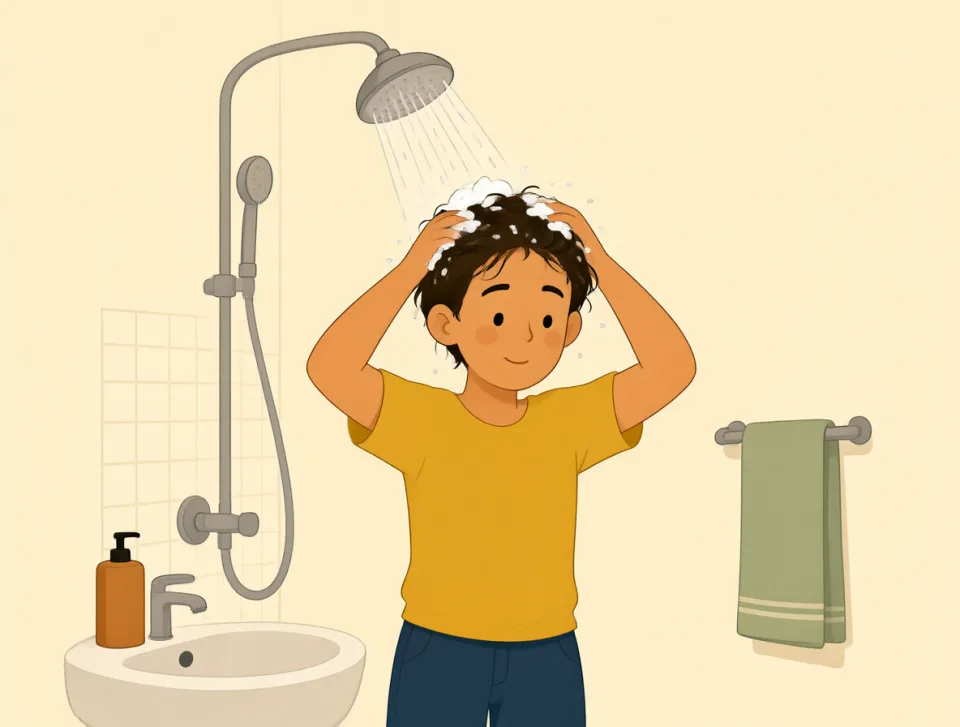
I washed my hair this morning.
मैंने आज सुबह अपने बाल धोए।

He got a haircut yesterday.
उसने कल बाल कटवाए।

There was hair in my soup.
मेरे सूप में एक बाल था।

My hair gets wet in the rain.
बारिश में मेरे बाल भीग जाते हैं।

male
#914noun, adjective
नर
A boy, man, or animal that is not female.
ऐसा लड़का, पुरुष या जानवर जो मादा न हो।

The male lion protects his family.
नर शेर अपने परिवार की रक्षा करता है।

The doctor examined the male patient.
डॉक्टर ने पुरुष मरीज़ की जाँच की।

A male teacher opened the classroom door.
एक पुरुष शिक्षक ने कक्षा का दरवाज़ा खोला।

The shop sells male and female shirts.
दुकान में पुरुषों और महिलाओं की कमीज़ें बिकती हैं।

The male dog is friendly with children.
नर कुत्ता बच्चों के साथ दोस्ताना व्यवहार करता है।
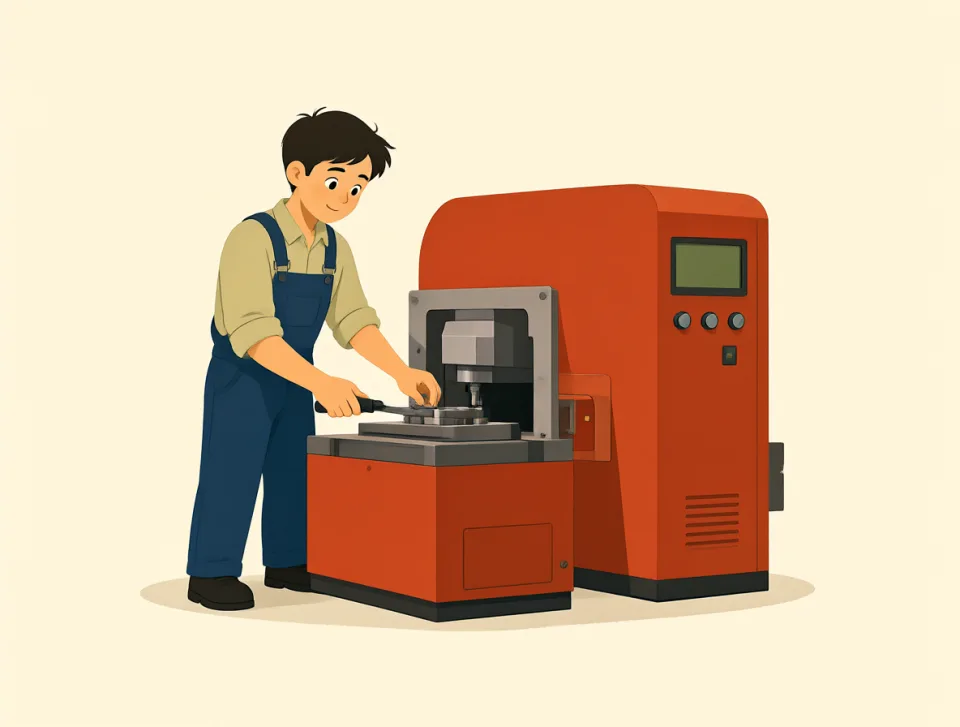
operate
#915verb
चलाना
to control, use, or make a machine or system work
किसी मशीन या प्रणाली को नियंत्रित करना, इस्तेमाल करना या काम करने लायक बनाना
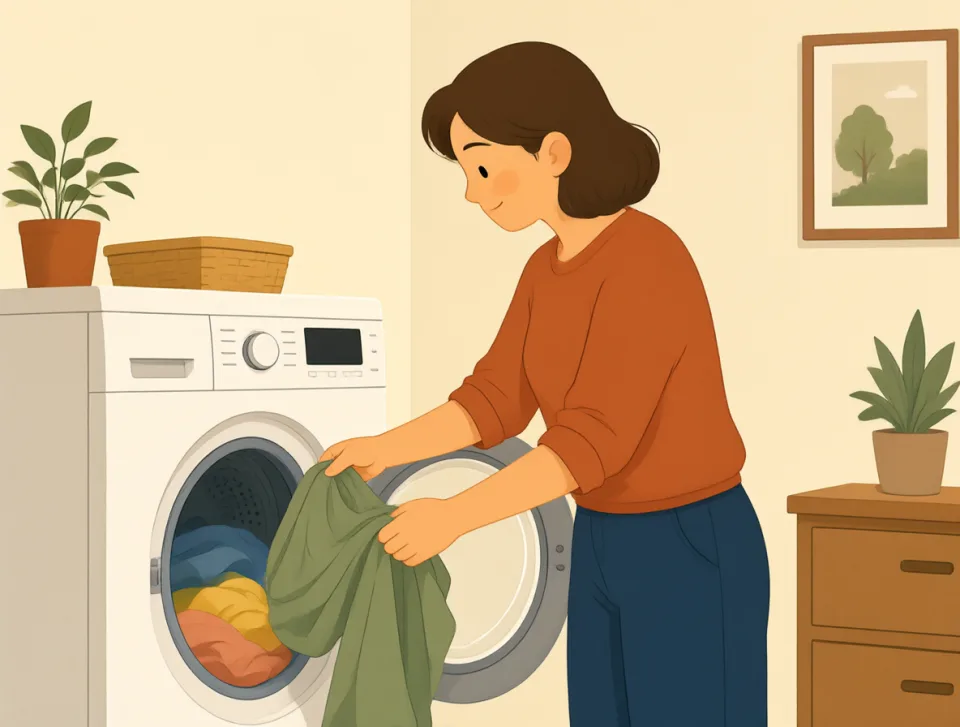
She operates the washing machine every Saturday.
वह हर शनिवार वॉशिंग मशीन चलाती है।
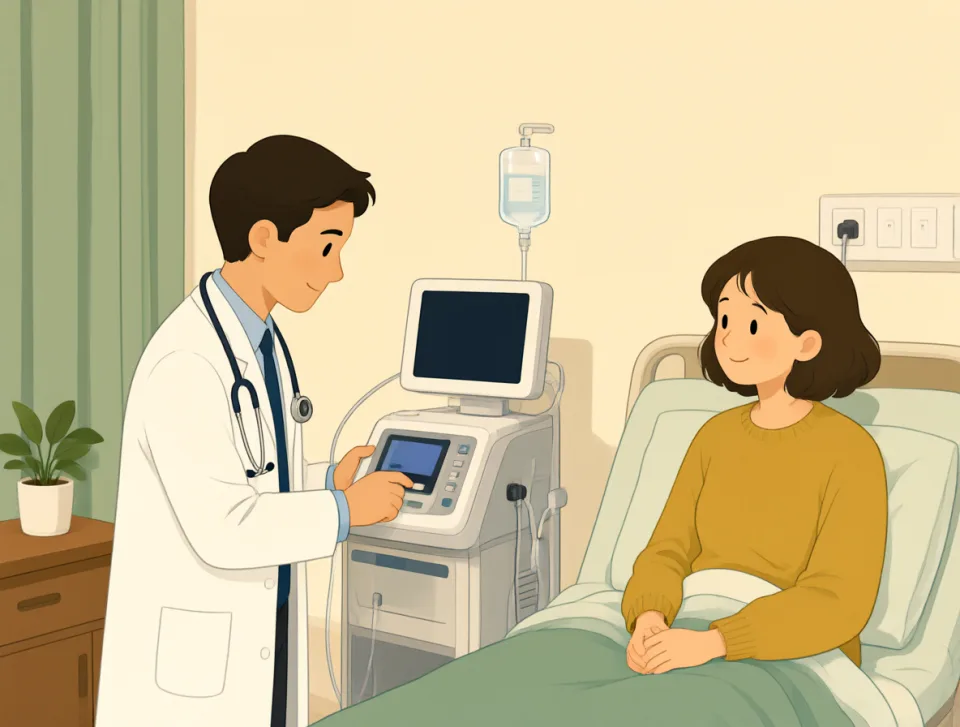
Only trained doctors can operate this machine.
इस मशीन को केवल प्रशिक्षित डॉक्टर ही चला सकते हैं।

The company operates buses across the city.
कंपनी पूरे शहर में बसें चलाती है।

The restaurant operates from ten until nine.
रेस्तराँ सुबह दस बजे से रात नौ बजे तक खुला रहता है।
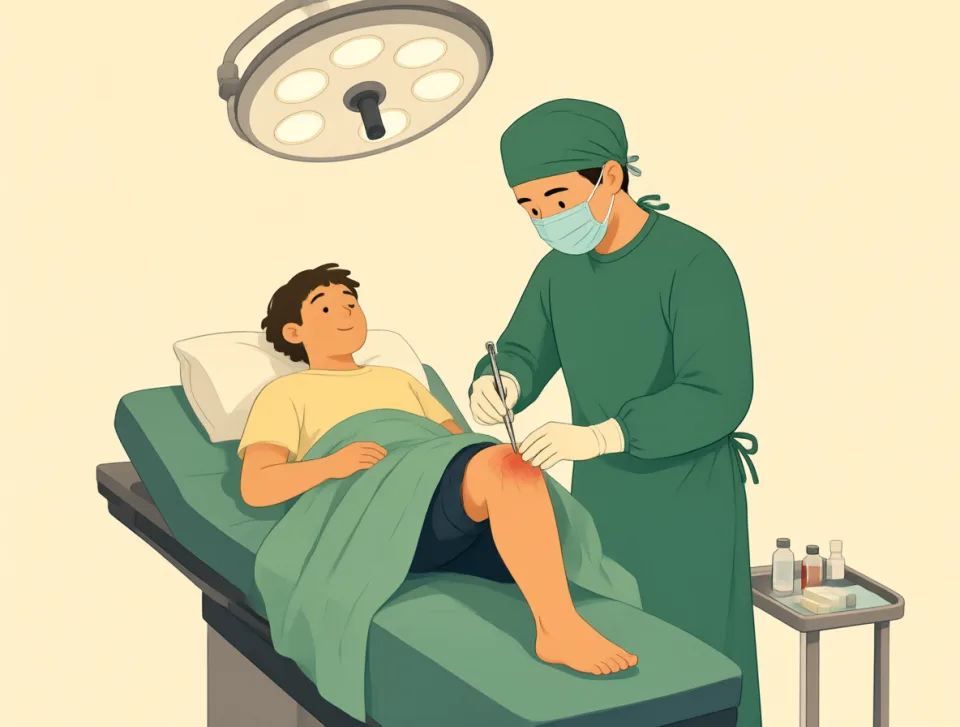
He had surgery to operate on his knee.
उसके घुटने का ऑपरेशन किया गया।
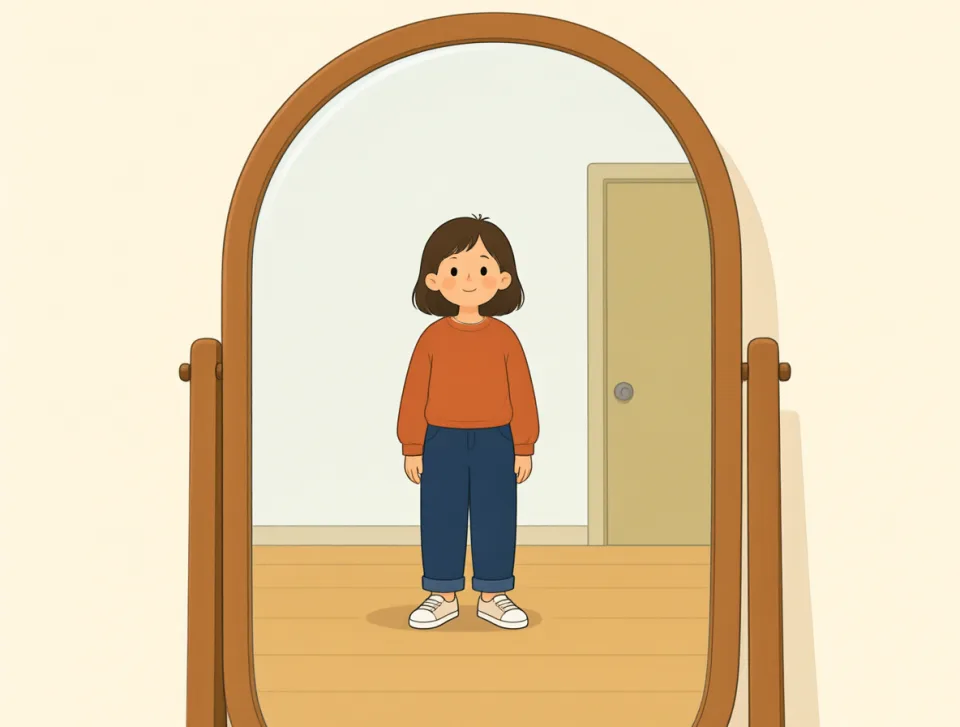
reflect
#916verb
प्रतिबिंबित करना
To send back light, heat, or sound, or to show a quality or feeling.
प्रकाश, गर्मी या ध्वनि को वापस लौटाना, या किसी गुण या भावना को दर्शाना।

The lake reflects the mountains in the morning.
सुबह झील में पहाड़ों का प्रतिबिंब दिखाई देता है।

Her face reflected the light from the window.
उसके चेहरे ने खिड़की से आ रही रोशनी को प्रतिबिंबित किया।

The clean floor reflects the kitchen lights.
साफ़ फ़र्श पर रसोई की बत्तियों की रोशनी झलकती है।

His smile reflects how happy he feels.
उसकी मुस्कान से पता चलता है कि वह कितना खुश है।

The report reflects what students told us.
रिपोर्ट में वही बात दिखाई देती है जो छात्रों ने हमें बताई।

exercise
#917noun, verb
व्यायाम
Physical activity that keeps your body healthy, or to use your body this way.
शरीर को स्वस्थ रखने वाली शारीरिक गतिविधि, या इस तरह शरीर को सक्रिय रखना।
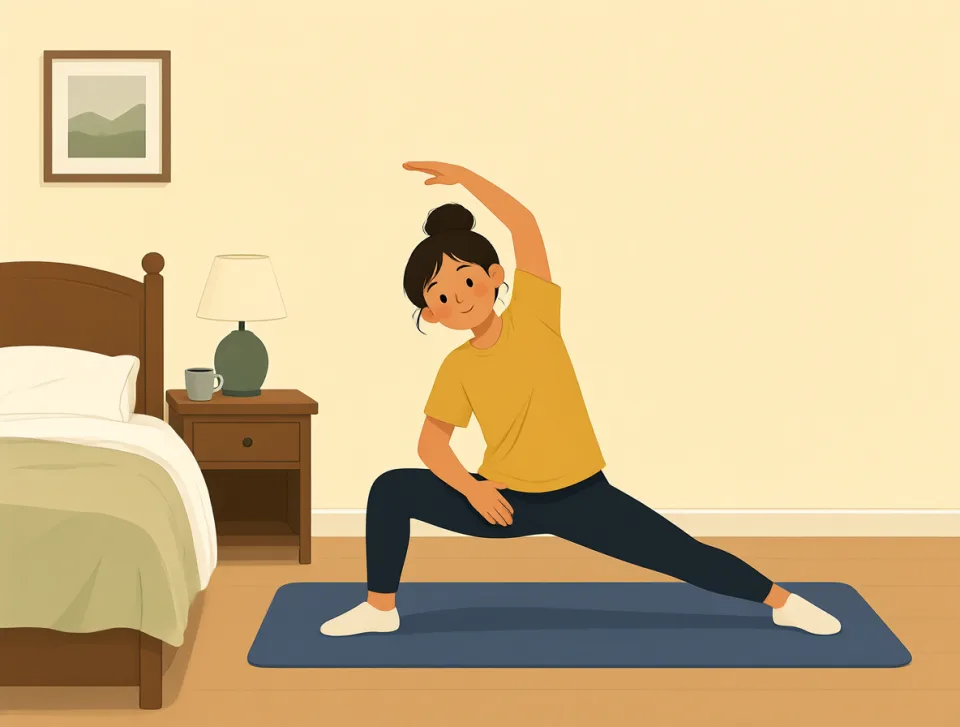
I exercise every morning before breakfast.
मैं हर सुबह नाश्ते से पहले व्यायाम करता हूँ।
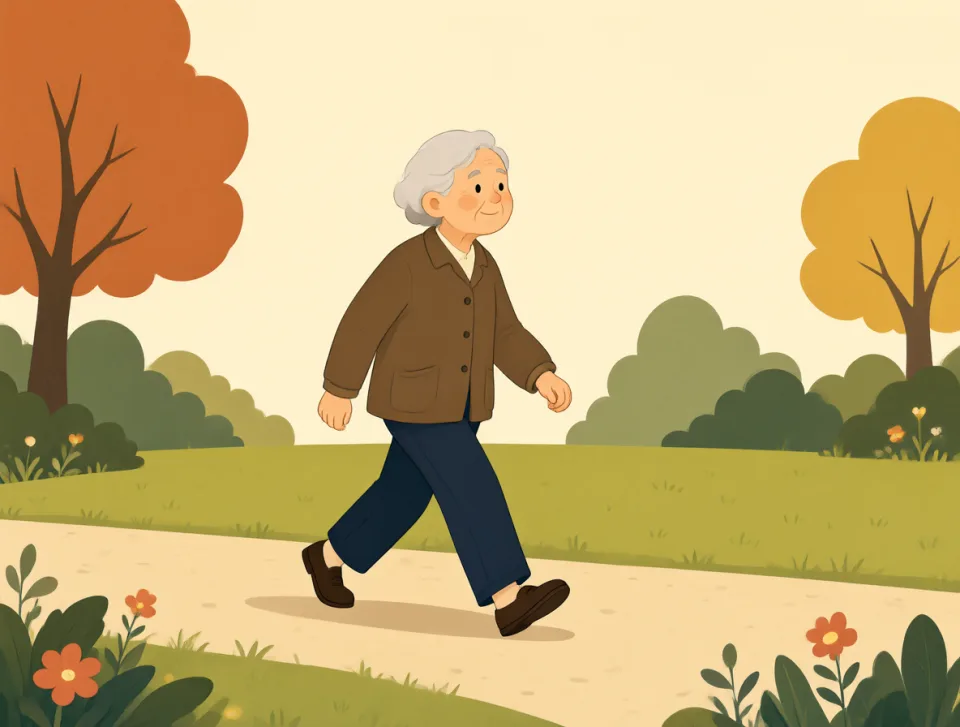
Walking is good exercise for your heart.
चलना आपके दिल के लिए अच्छा व्यायाम है।

The doctor gave me exercises for my back.
डॉक्टर ने मुझे पीठ के लिए कुछ व्यायाम बताए।

We exercised at the gym after work.
हमने काम के बाद जिम में व्यायाम किया।
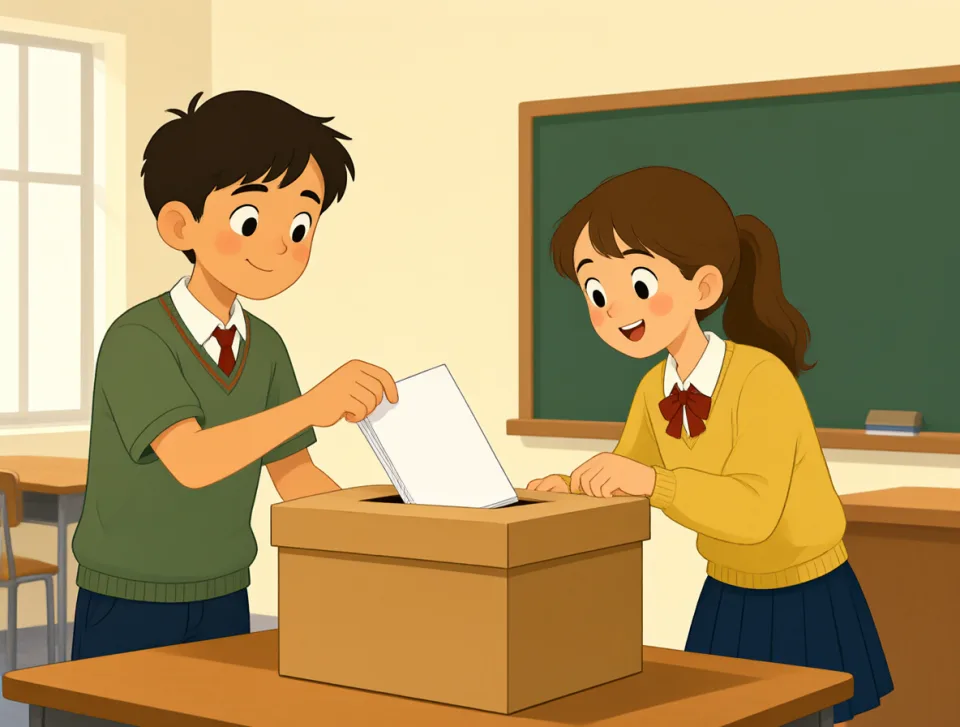
Students exercised their right to vote.
छात्रों ने वोट देने के अपने अधिकार का इस्तेमाल किया।
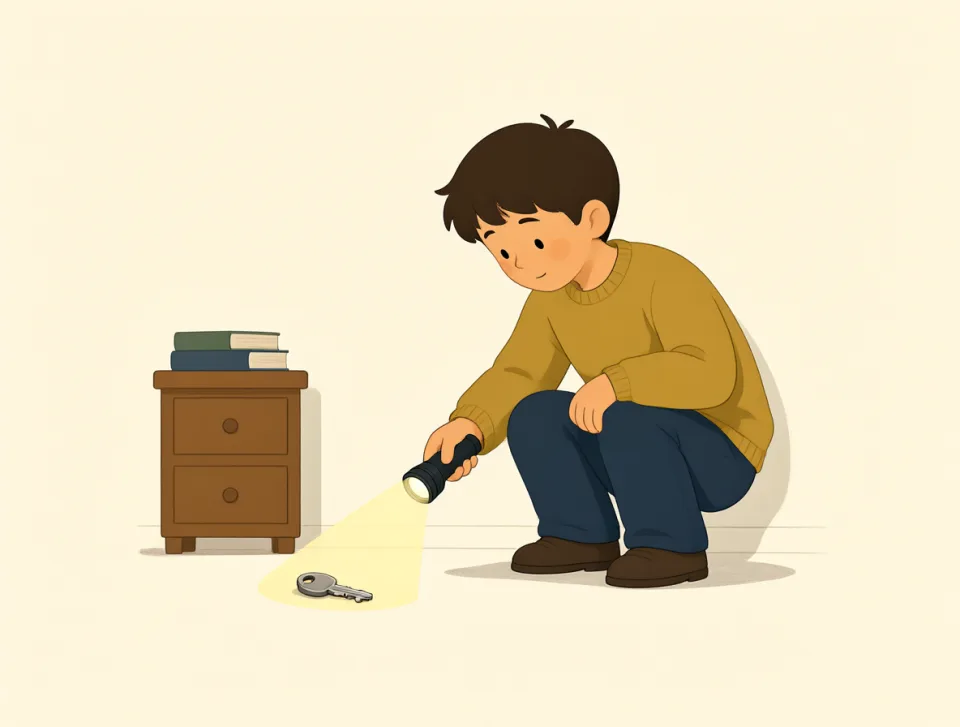
useful
#918adjective
उपयोगी
Helpful or good for a particular purpose or situation.
किसी खास उद्देश्य या परिस्थिति में मददगार या काम आने वाला।

This map is useful when we travel.
यात्रा के दौरान यह नक्शा काम आता है।

A warm coat is useful in winter.
सर्दियों में गर्म कोट काम आता है।

These notes are useful for my test.
मेरी परीक्षा के लिए ये नोट्स उपयोगी हैं।

The shop gave us useful cooking advice.
दुकान ने हमें खाना पकाने के उपयोगी सुझाव दिए।

Walking is useful for keeping healthy.
स्वस्थ रहने के लिए चलना उपयोगी है।
restaurant
#919noun
रेस्तराँ
A place where people pay to sit and eat meals.
ऐसी जगह जहाँ लोग पैसे देकर बैठकर खाना खाते हैं।

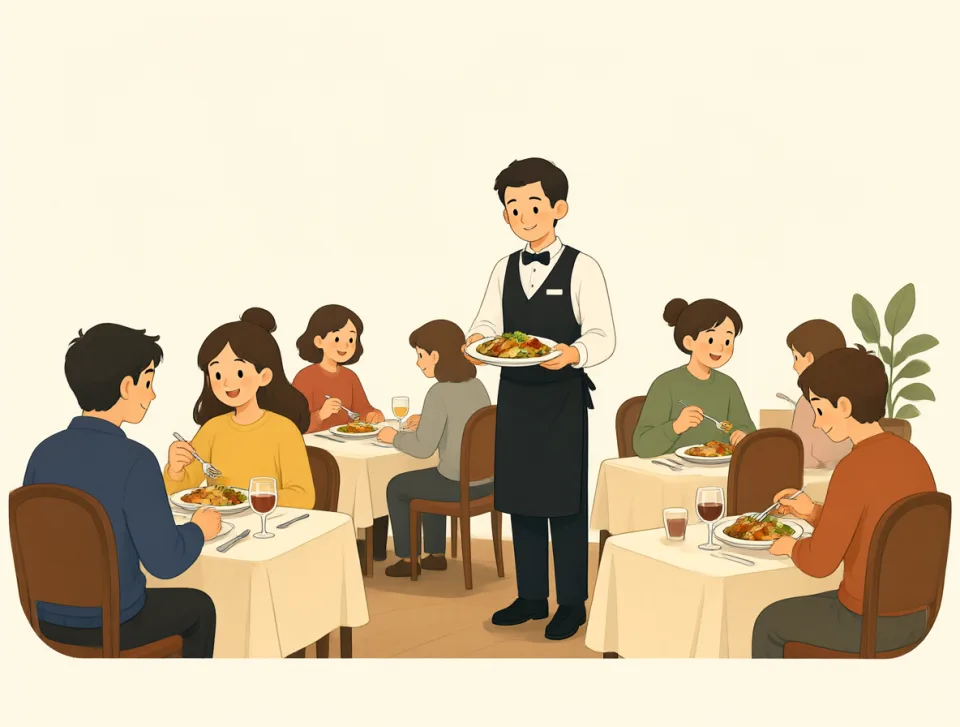
We had dinner at a small restaurant.
हमने एक छोटे-से रेस्तराँ में रात का खाना खाया।

That restaurant serves fresh fish every day.
उस रेस्तराँ में हर दिन ताज़ी मछली मिलती है।

The restaurant was full after work.
काम के बाद रेस्तराँ में बहुत भीड़ थी।
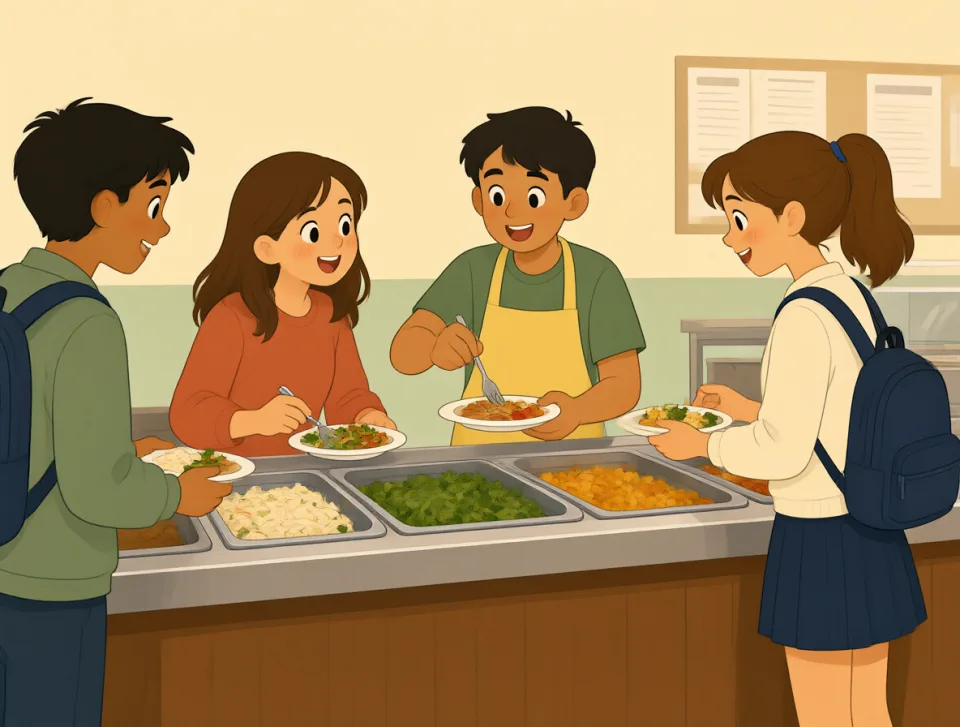
Our school restaurant sells cheap lunches.
हमारे स्कूल की कैंटीन में सस्ता दोपहर का खाना मिलता है।

We found a nice restaurant near the hotel.
हमें होटल के पास एक अच्छा रेस्तराँ मिला।

income
#920noun
आय
Money that a person or business regularly receives from work or other sources.
वह पैसा जो किसी व्यक्ति या व्यवसाय को काम या अन्य स्रोतों से नियमित रूप से मिलता है।
Her monthly income comes from her job.
उसकी मासिक आय उसकी नौकरी से आती है।

His income is high enough to buy a house.
उसकी आय इतनी ज़्यादा है कि वह घर खरीद सकता है।

The shop lost income during the winter.
सर्दियों के दौरान दुकान की आय घट गई।

They need extra income for school costs.
उन्हें स्कूल के खर्चों के लिए अतिरिक्त आय की ज़रूरत है।

The farm provides income for our family.
खेत से हमारे परिवार को आय होती है।