單元 46
單字 901–920 · guess, fun, protect, resource, science, disease
guess
#901noun, verb
猜;猜測
To give an answer without being sure, or an answer made without being sure.
在沒有把握的情況下給出答案,或在沒有把握的情況下作出的答案。
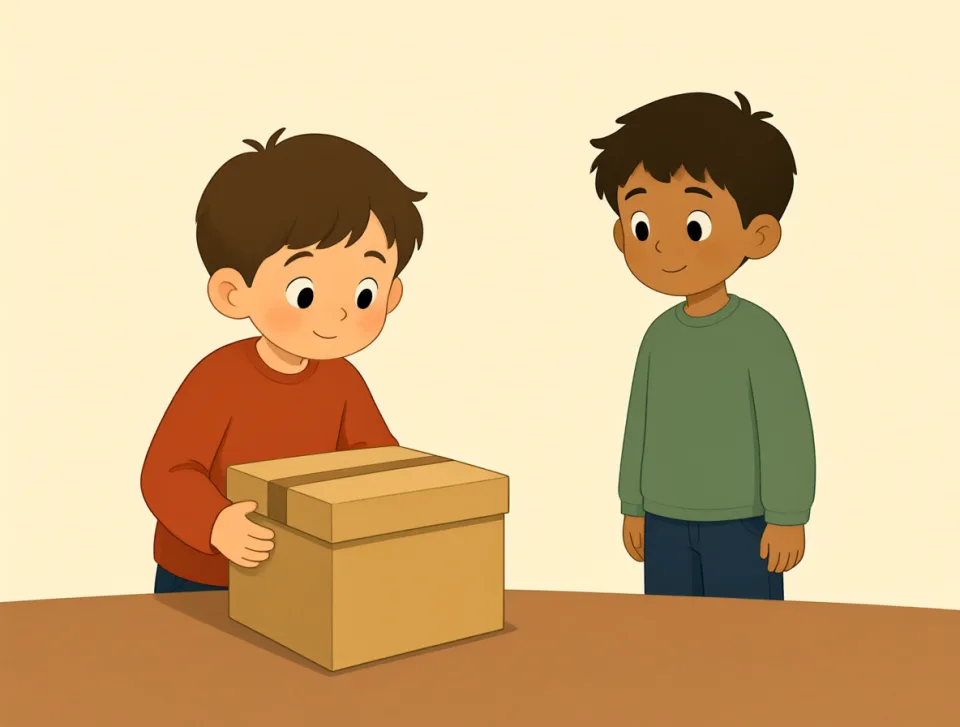
Can you guess what is in the box?
你能猜猜盒子裡是什麼嗎?

I guess we should leave before it rains.
我想我們應該在下雨前離開。
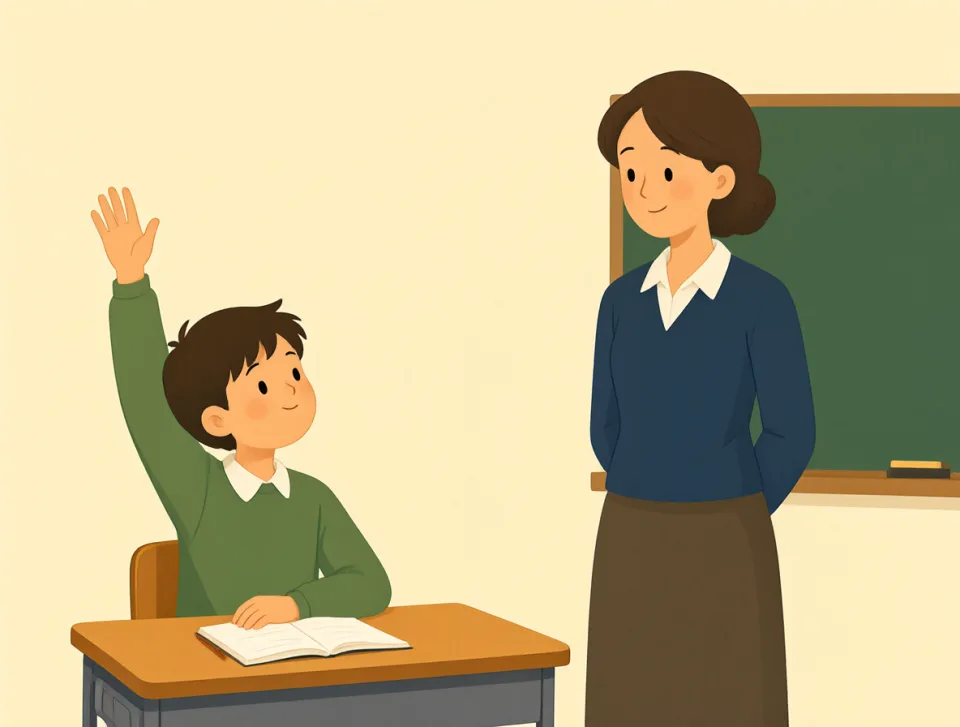
She guessed the answer in class.
她在課堂上猜出了答案。
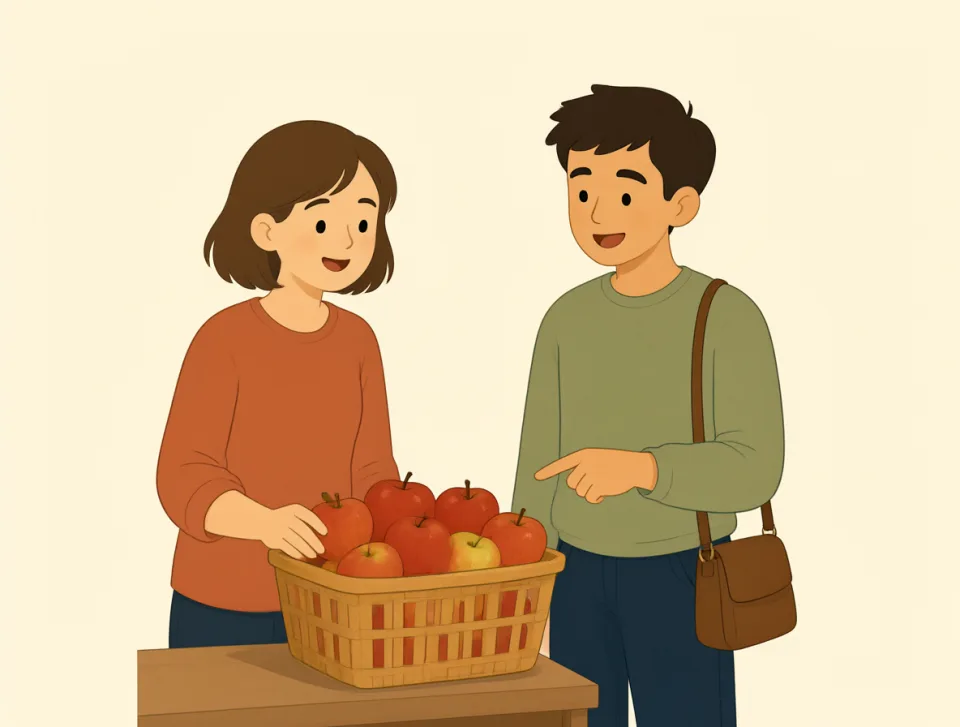
Take a guess: how many apples are here?
猜猜看:這裡有多少個蘋果?

My guess is that he is still at work.
我猜他還在上班。

fun
#902noun, adjective
樂趣; 有趣的
Enjoyment or pleasure; enjoyable and amusing.
享受或快樂;令人愉快且有趣的。

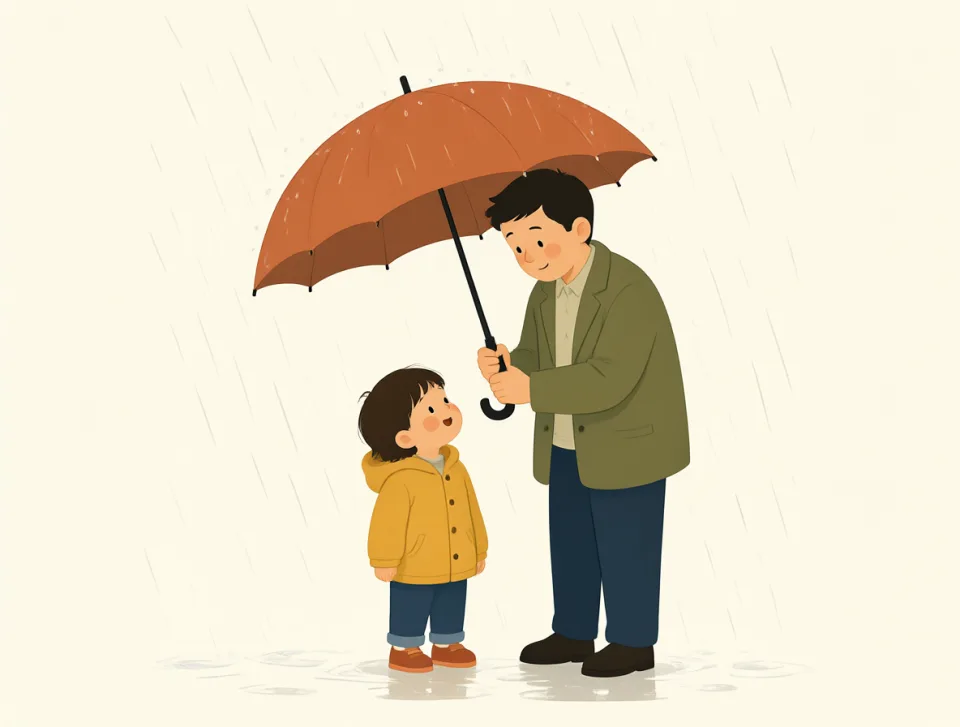
We had fun at the beach yesterday.
我們昨天在海灘上玩得很開心。
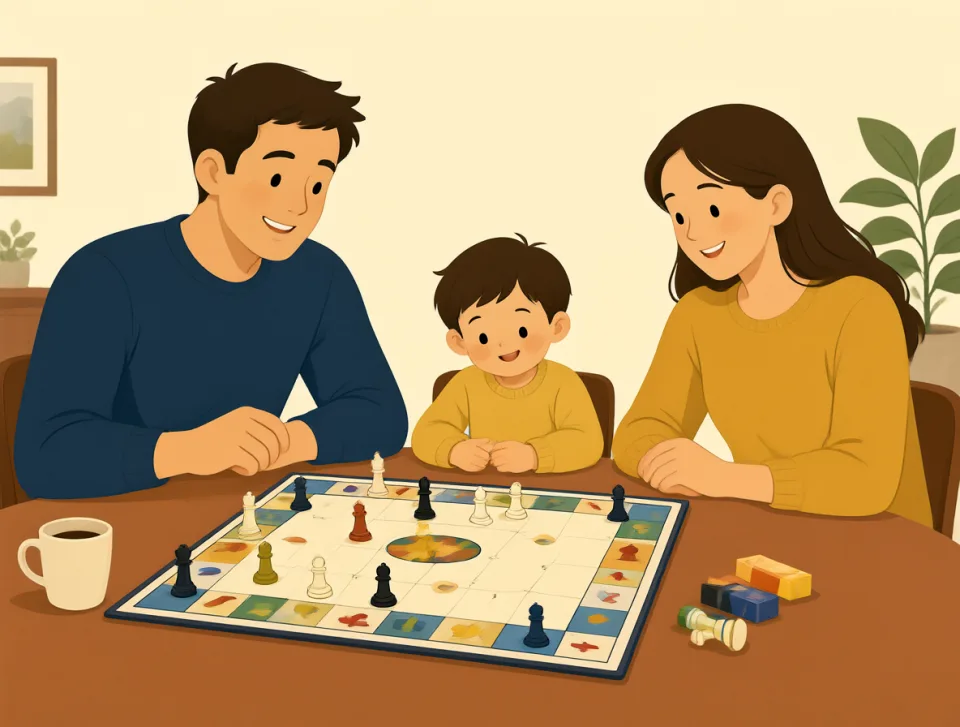
The game was fun for everyone.
這個遊戲對每個人來說都很有趣。
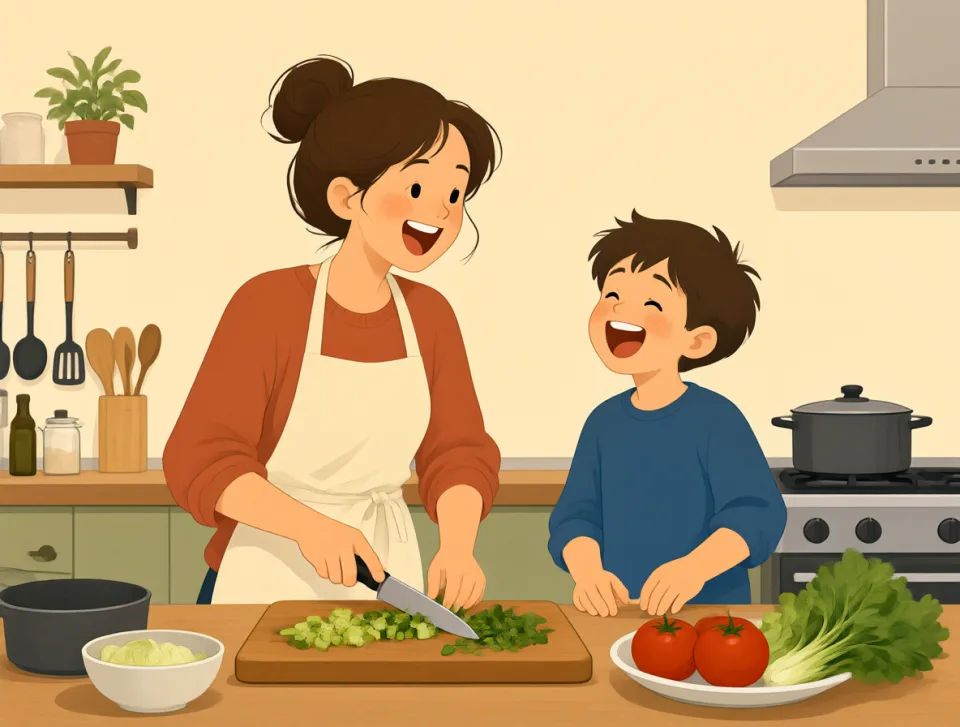
She has fun cooking dinner with her brother.
她喜歡和哥哥一起做晚飯。

The children had fun on the school trip.
孩子們在學校旅行中玩得很開心。

Let's find something fun to do tonight.
我們今晚找點有趣的事情做吧。
protect
#903verb
保護; 防護
to keep someone or something safe from harm or danger
保護某人或某物免受傷害或危險

Sunscreen protects your skin from the sun.
防曬霜可以保護你的皮膚免受陽光傷害。
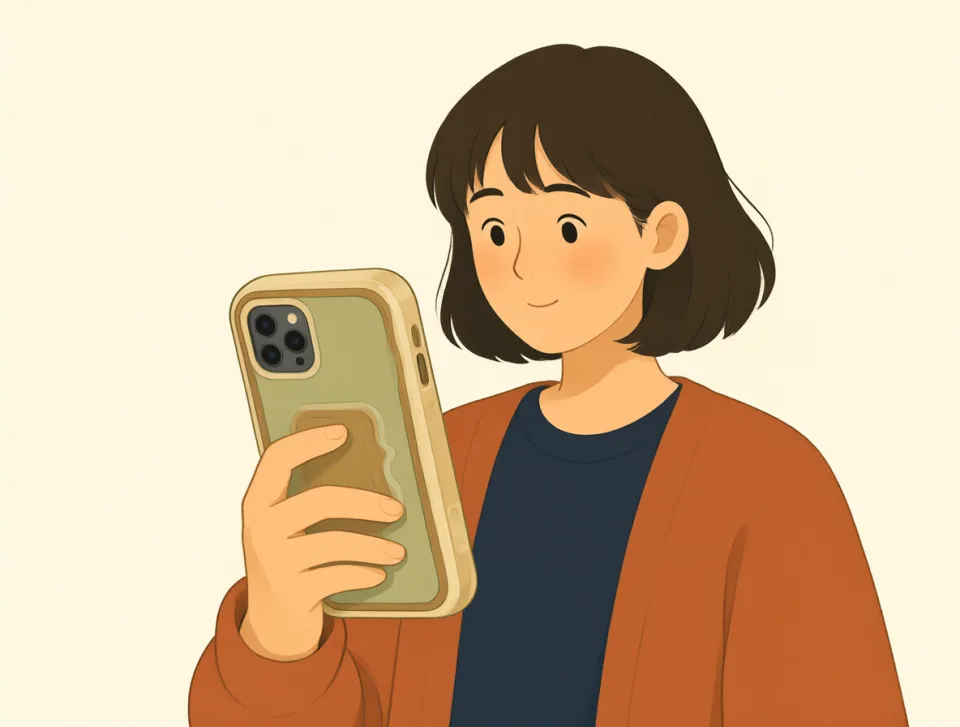
This case protects my phone from drops.
這個手機殼能保護我的手機,防止摔壞。

Workers wear helmets to protect their heads.
工人們戴頭盔來保護頭部。
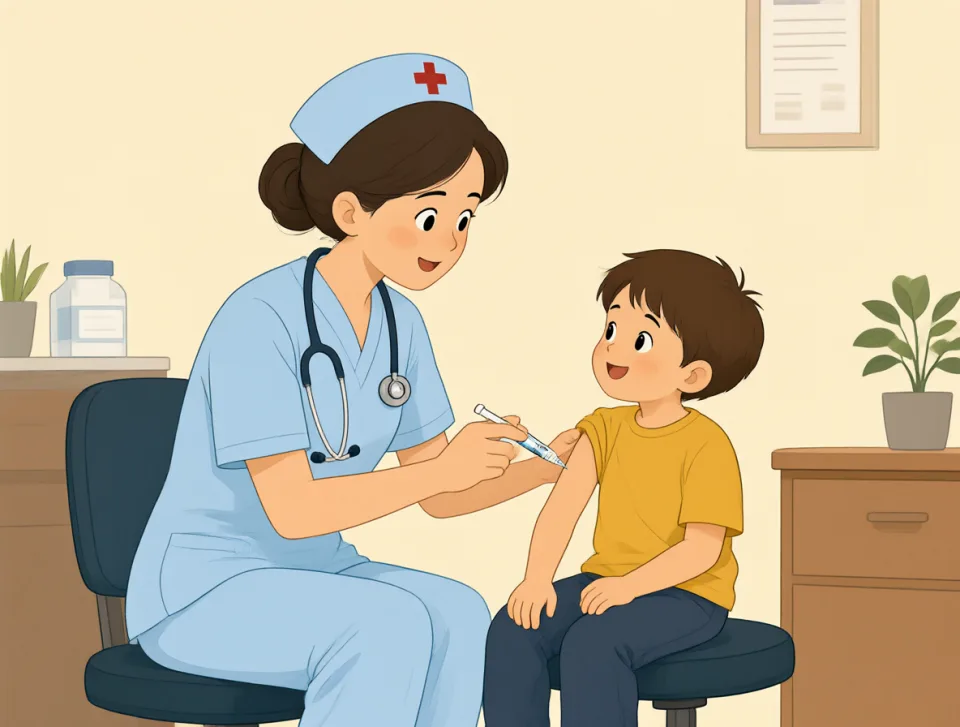
The vaccine protects children from serious illness.
疫苗可以保護兒童免受嚴重疾病的侵襲。
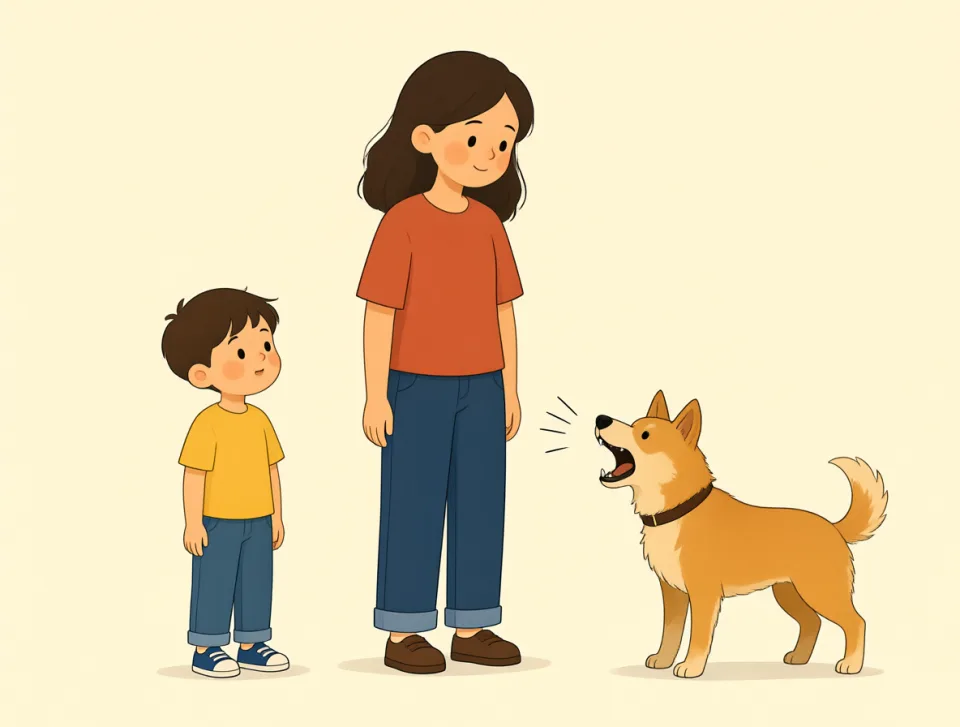
She protected her little brother from the dog.
她保護弟弟,免受那條狗的傷害。

resource
#904noun
資源
A useful supply of money, materials, time, or information.
有用的資金、物資、時間或資訊供給。
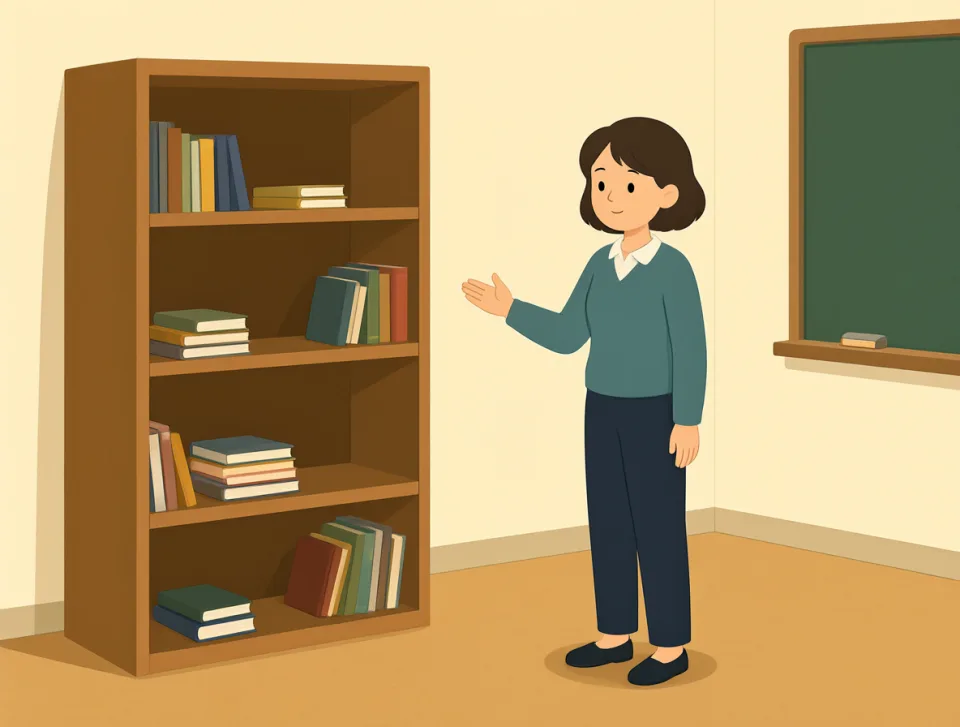
The school has few resources for new books.
這所學校沒有多少資源用於購買新書。

We used local resources to fix the house.
我們利用當地的資源修好了房子。

The library is a useful resource for students.
圖書館是對學生很有用的資源。
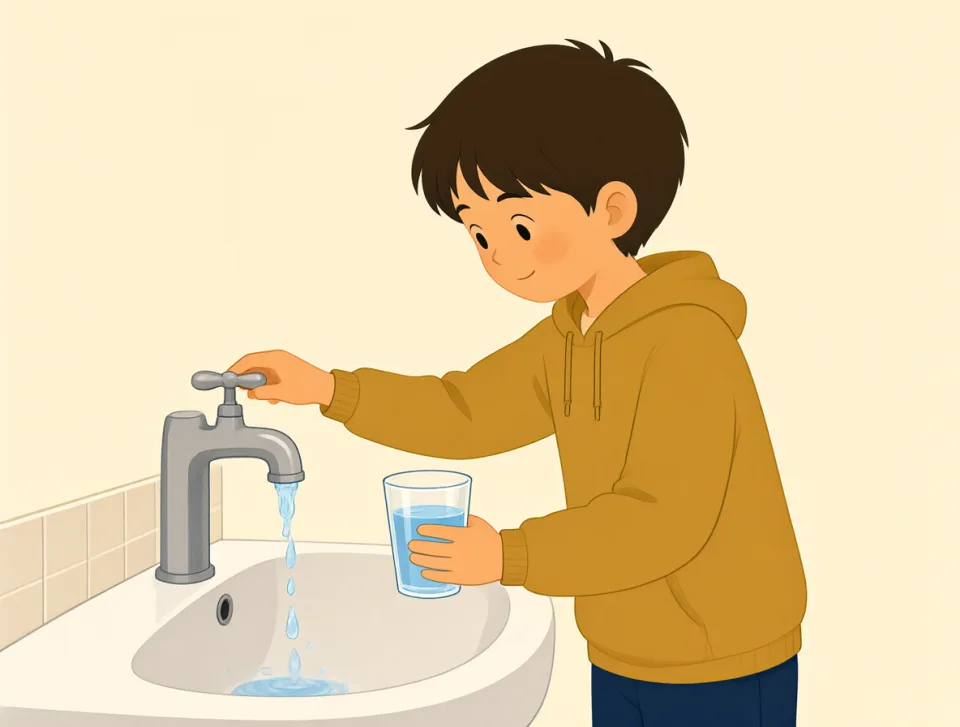
Save water because it is a valuable resource.
請節約用水,因為水是一種寶貴的資源。
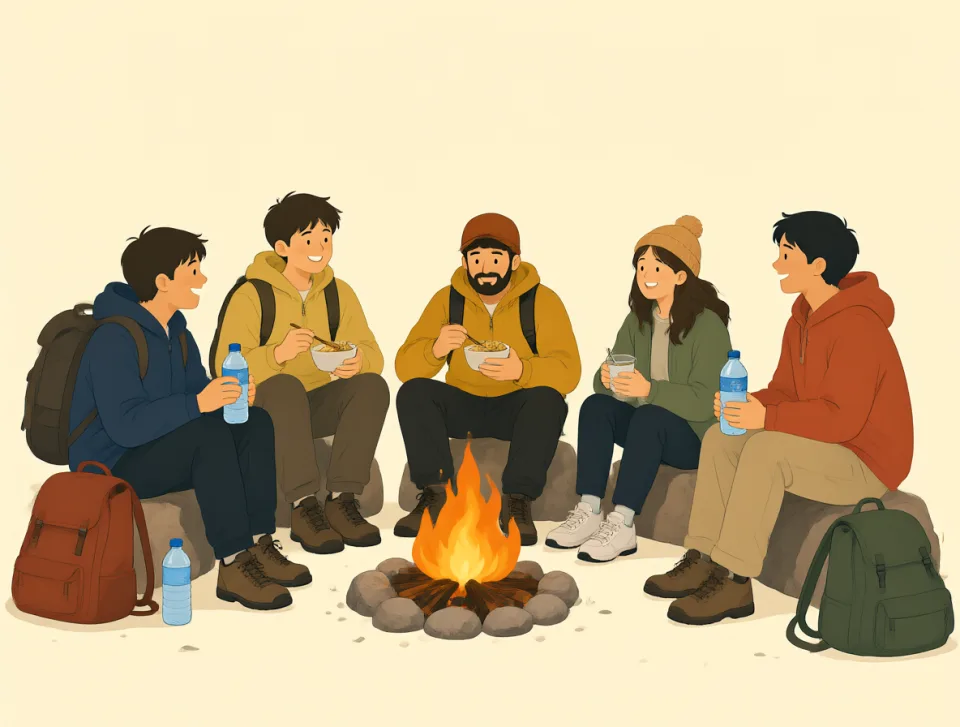
The team shared resources during the difficult trip.
在艱難的旅途中,團隊成員共享資源。
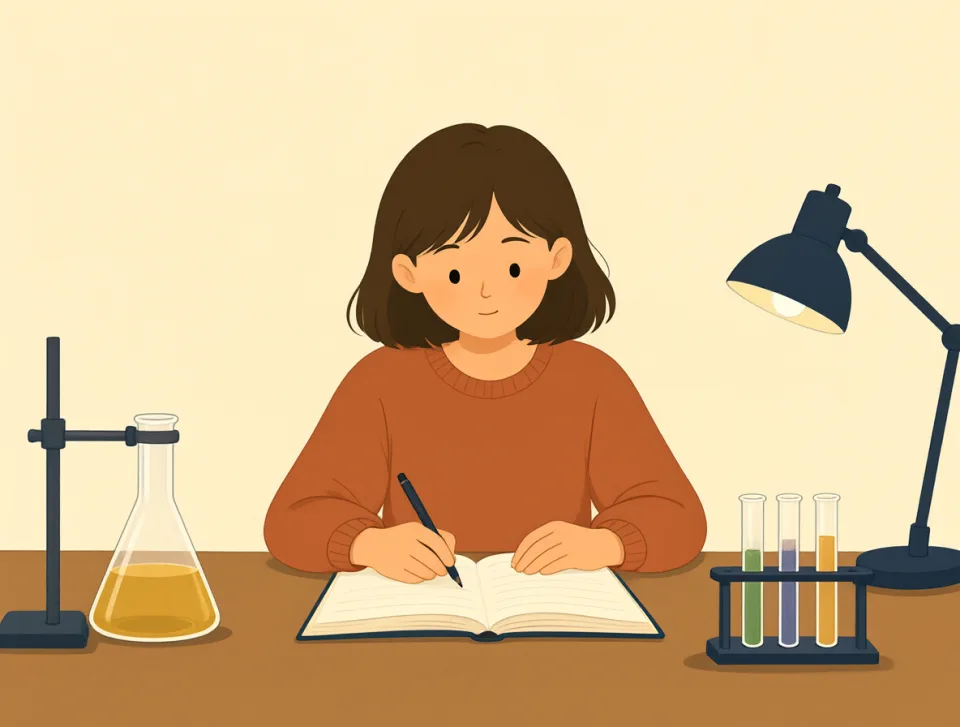
science
#905noun
科學
The study of the natural world through experiments and careful observation.
透過實驗和仔細觀察來研究自然界。
She wants to study science at university.
她想在大學學習科學。
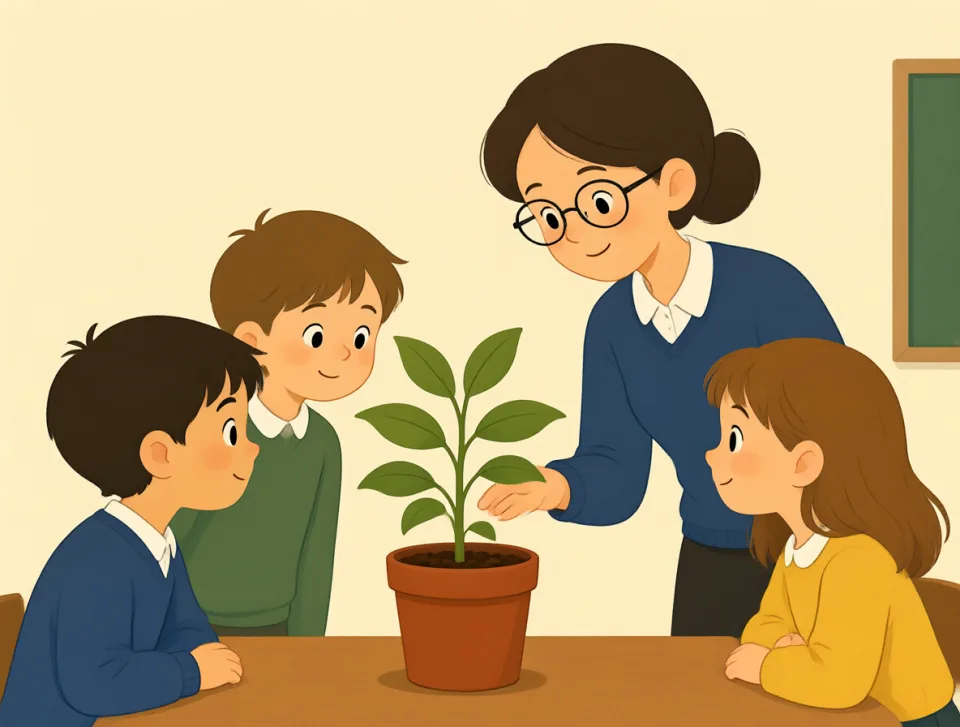
We learned about plants in science class.
我們在科學課上學習了植物。
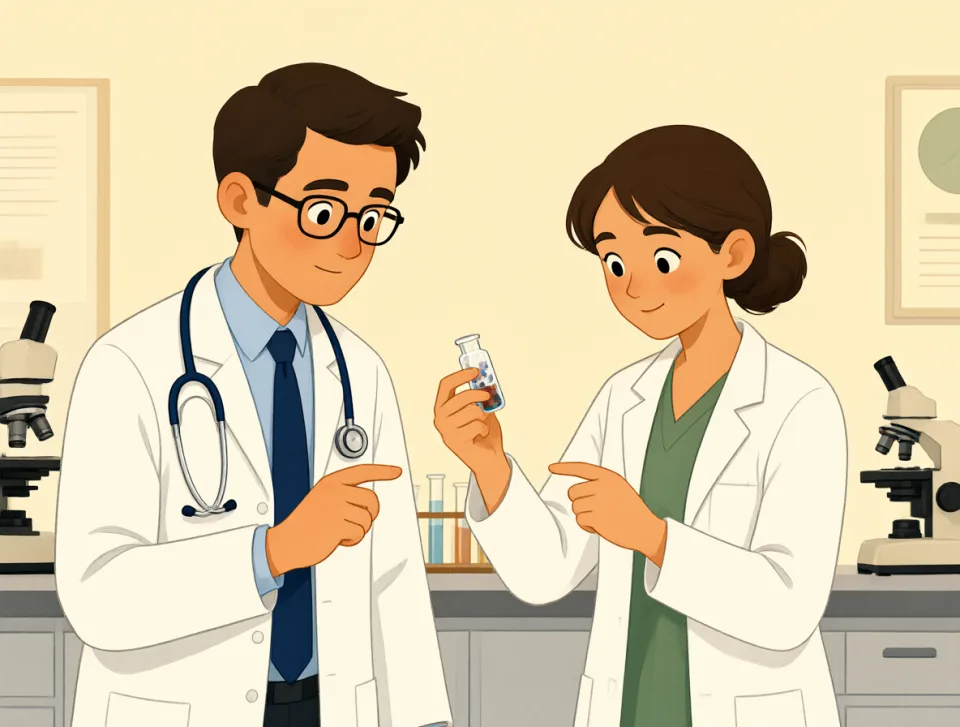
Science helps doctors find new treatments.
科學幫助醫生找到新的治療方法。

He reads science books before bed.
他睡覺前讀科學書籍。
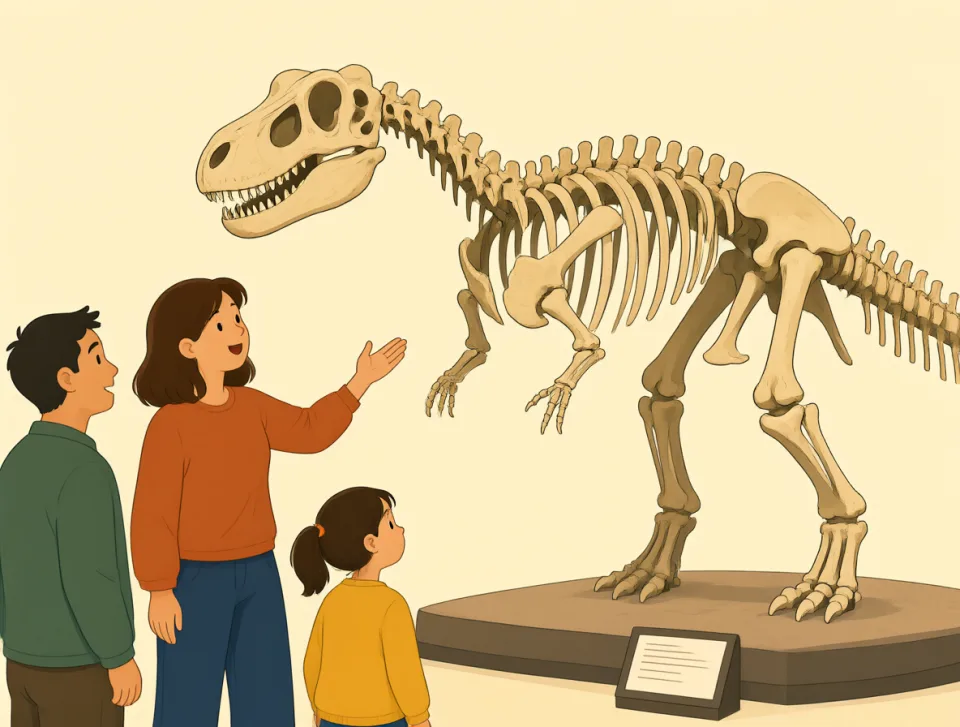
My sister works at a science museum.
我姐姐在一家科學博物館工作。
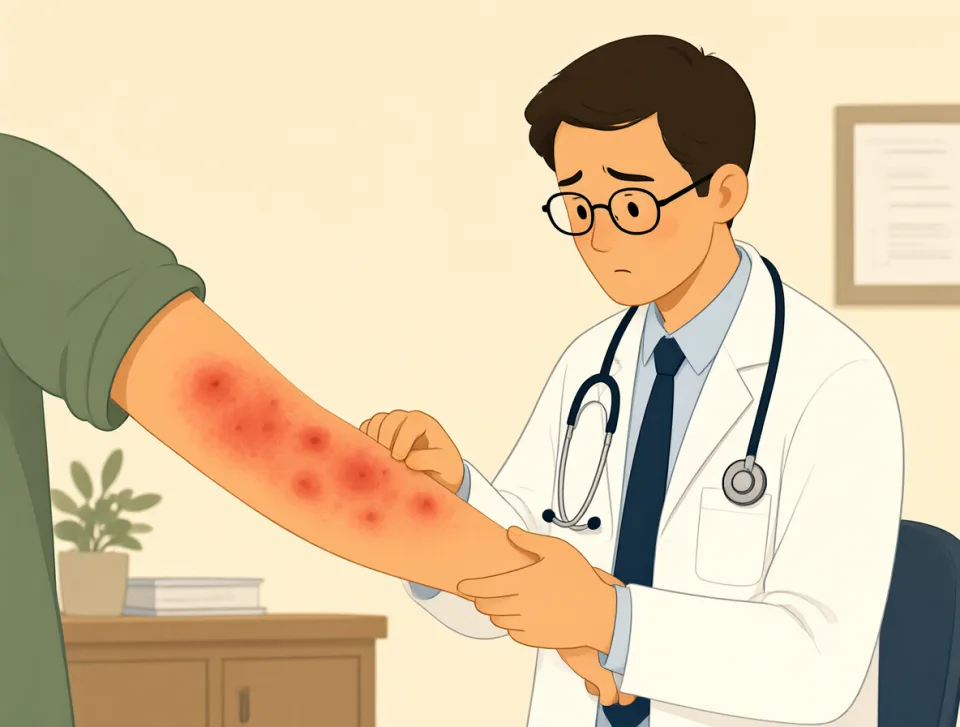
disease
#906noun
疾病; 病
An illness that affects a person, animal, or plant.
影響人、動物或植物的一種疾病。
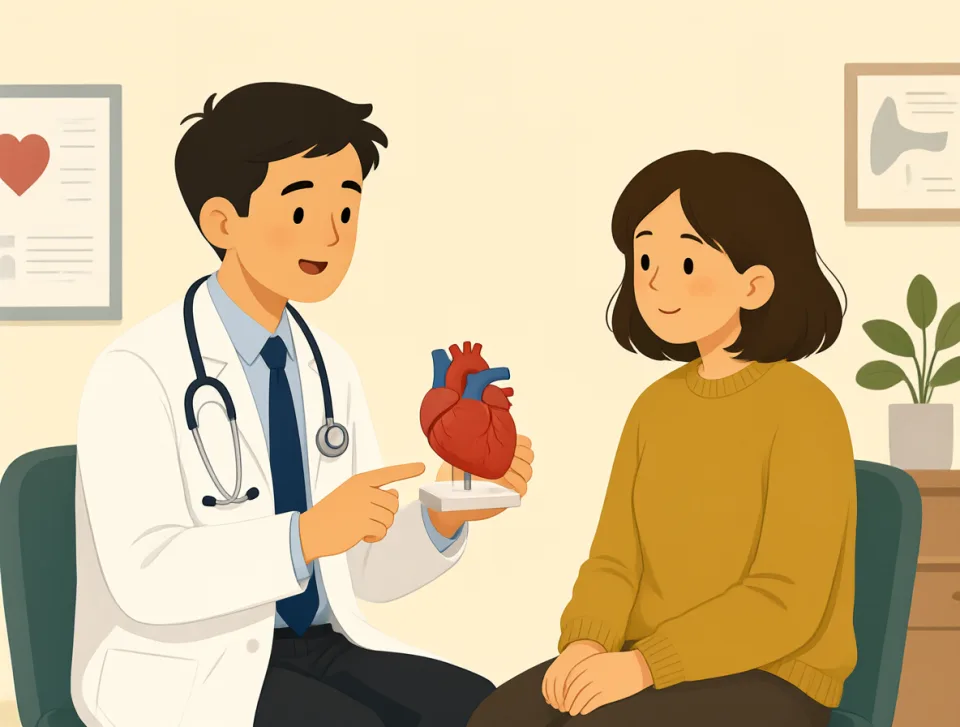
Heart disease runs in my family.
心臟病在我們家有遺傳傾向。
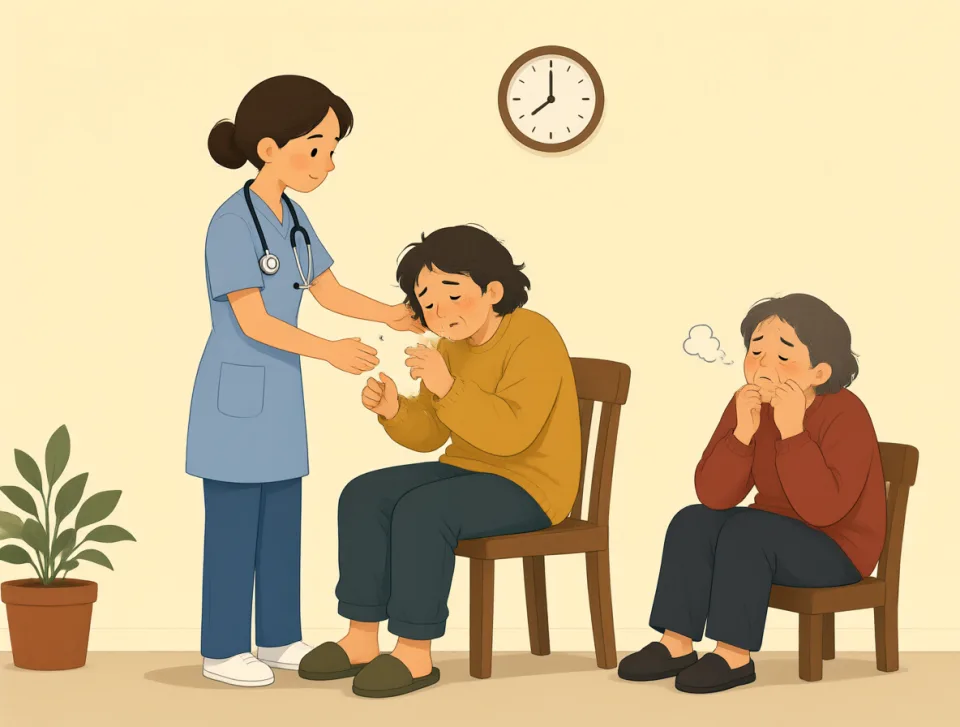
The disease spread quickly through the village.
這種疾病很快在村子裡傳播開來。

Doctors found the disease early.
醫生很早就發現了這種疾病。
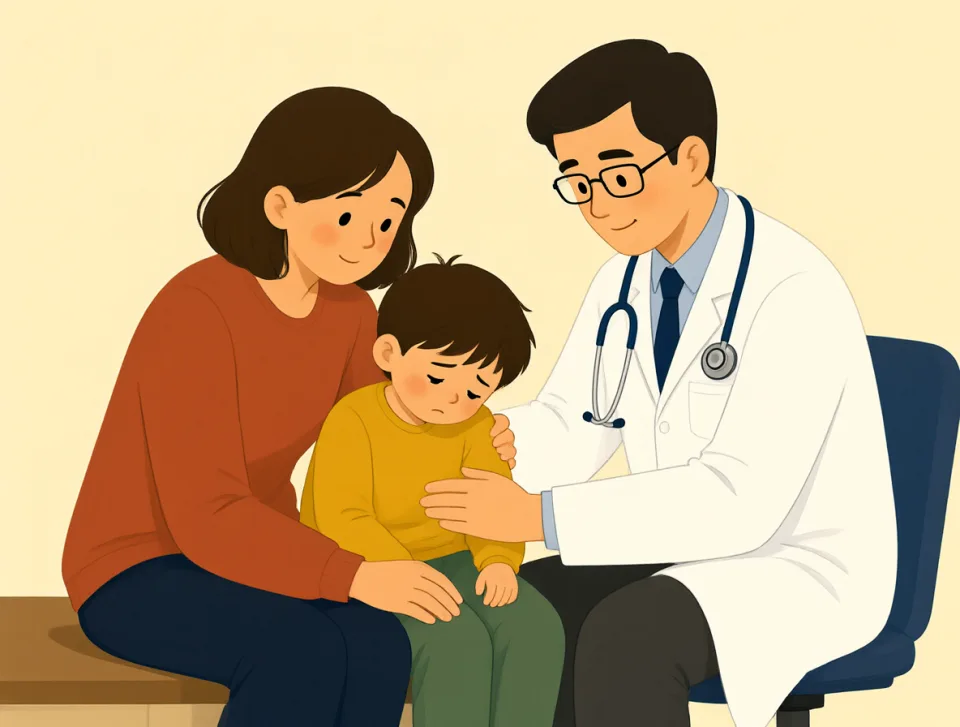
This disease can affect young children.
這種疾病會影響年幼的兒童。

The farmer lost plants to disease.
這種疾病使農民損失了很多植物。

balance
#907noun, verb
平衡; 餘額
a steady state, or the amount left in an account; to keep something steady or equal
穩定的狀態,或賬戶中剩餘的金額;使某物保持穩定或相等

She checked the balance in her bank account.
她檢視了銀行賬戶裡的餘額。

He lost his balance on the icy path.
他在結冰的小路上失去了平衡。

Try to balance the tray with both hands.
試著用雙手保持托盤平衡。

I need a better balance between work and rest.
我需要在工作和休息之間取得更好的平衡。
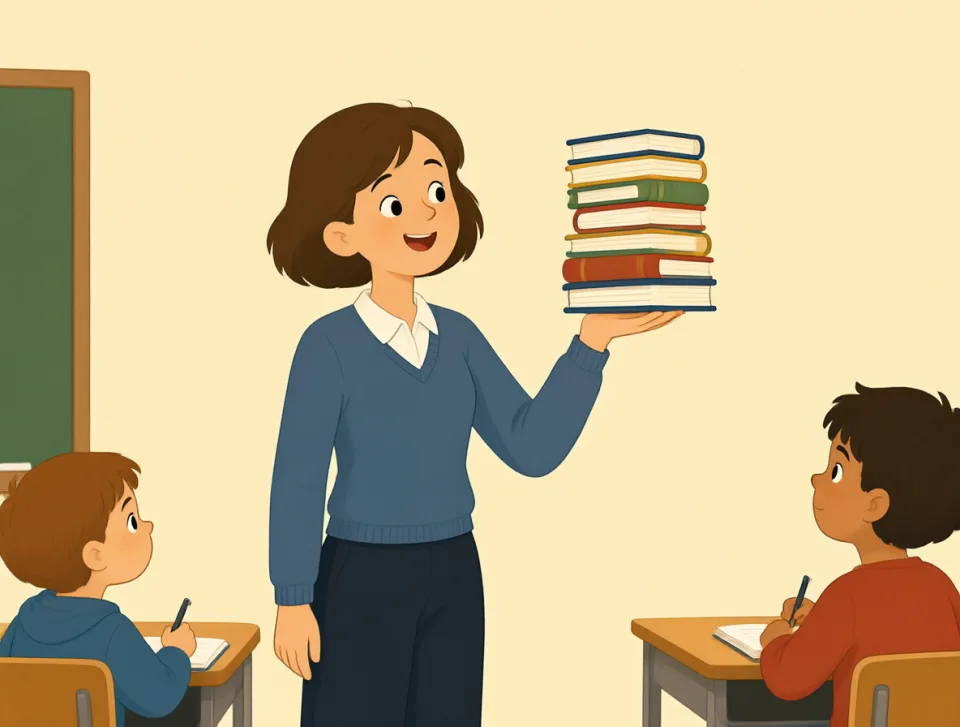
The teacher balanced the books on one hand.
老師用一隻手把那些書摞得保持平衡。

damage
#908noun, verb
損壞;損害;破壞
harm that makes something less useful, attractive, or strong
使某物變得不那麼有用、美觀或堅固的損害

The storm caused damage to our roof.
暴風雨損壞了我們的屋頂。

Be careful not to damage the table.
小心別把桌子弄壞了。
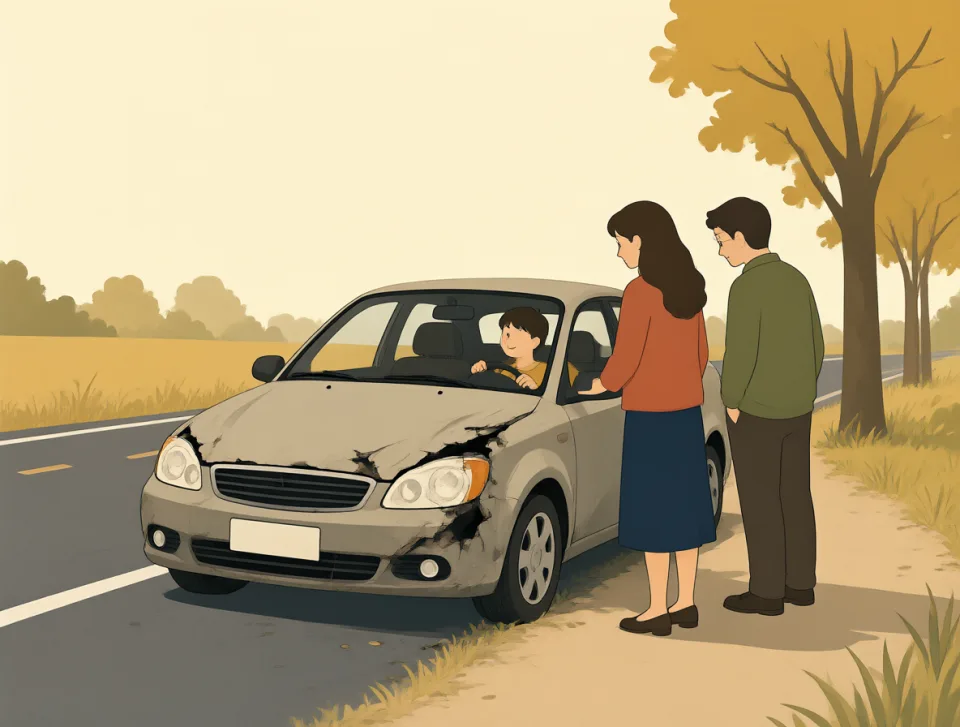
The car has serious damage after the crash.
這輛車在撞車後受損嚴重。

Water damage ruined the kitchen wall.
水災損壞了廚房的牆。

The shop replaced my damaged headphones.
商店給我換了一副損壞的耳機。

basis
#909noun
基礎; 依據; 根據
the main reason, fact, or rule used to support something
用來支援某件事的主要理由、事實或規則
We meet on a regular basis.
我們定期見面。

The school hired staff on a temporary basis.
學校臨時招聘了員工。

She chose the meal on the basis of price.
她根據價格選擇了這道菜。

The doctor treated him on the basis of his symptoms.
醫生根據他的症狀給他進行了治療。

Trust is the basis of our friendship.
信任是我們友誼的基礎。

author
#910noun
作者; 作家
A person who writes books, stories, or articles.
寫書、故事或文章的人。

The author wrote a popular mystery novel.
這位作者寫了一部很受歡迎的懸疑小說。

I met the author at the bookshop.
我在書店見到了這位作者。

The author signed my new book.
這位作者在我的新書上籤了名。

Our teacher invited a children's author.
我們的老師邀請了一位兒童文學作家。

She wants to become an author someday.
她希望有一天能成為一名作家。

basic
#911adjective, noun
基本的;基礎的;基礎知識
simple and necessary, without extra features or details
簡單且必要的,沒有額外的功能或細節
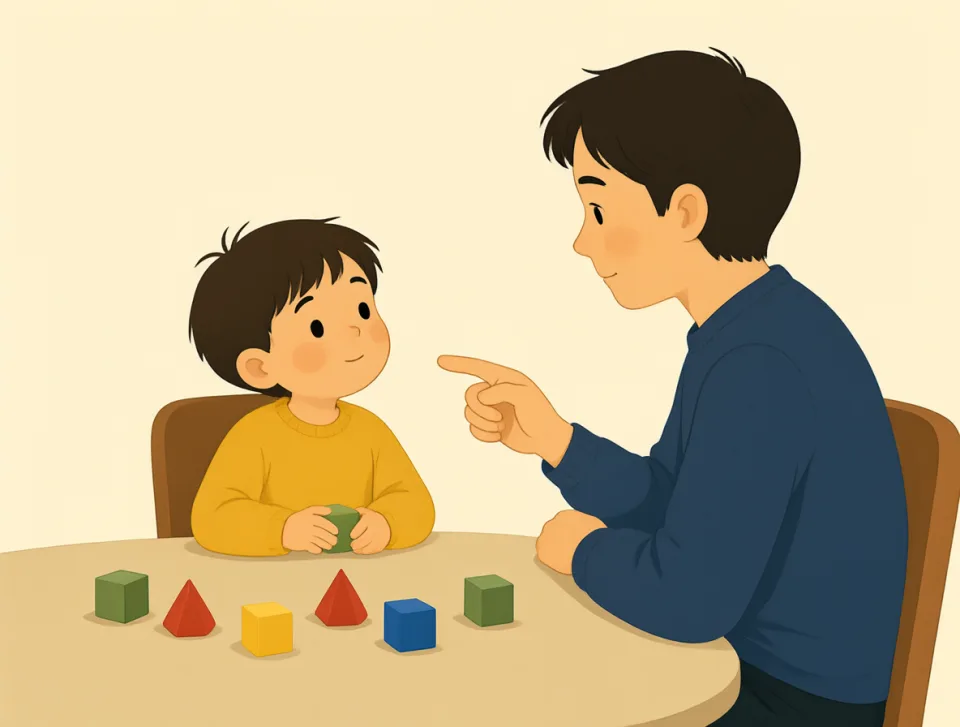
I know the basic rules of the game.
我知道這場比賽的基本規則。
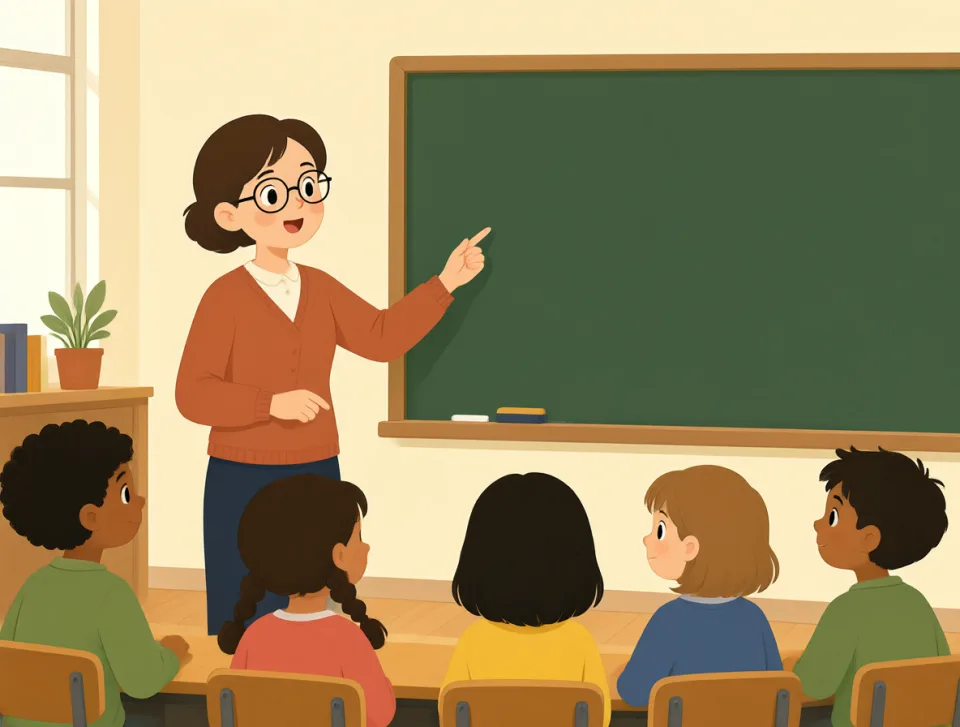
We learned basic English at school.
我們在學校學了基礎英語。

This room has only basic furniture.
這個房間裡只有基本的傢俱。

The hotel offers basic rooms at low prices.
這家酒店以低價提供基本客房。
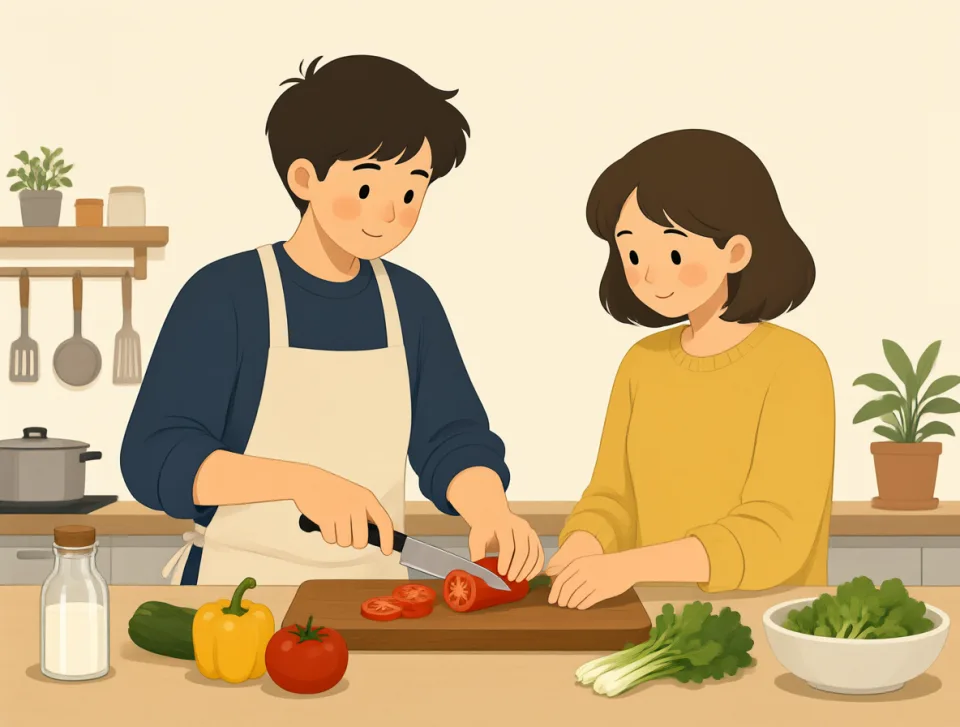
She taught me the basics of cooking.
她教我烹飪的基礎知識。

encourage
#912verb
鼓勵
to give someone support or confidence to do something
給予某人支援或信心去做某事

My parents encourage me to study hard.
我的父母鼓勵我努力學習。

The teacher encouraged us to ask questions.
老師鼓勵我們提問。

Friends encouraged him after he lost the game.
他輸掉比賽後,朋友們鼓勵他。
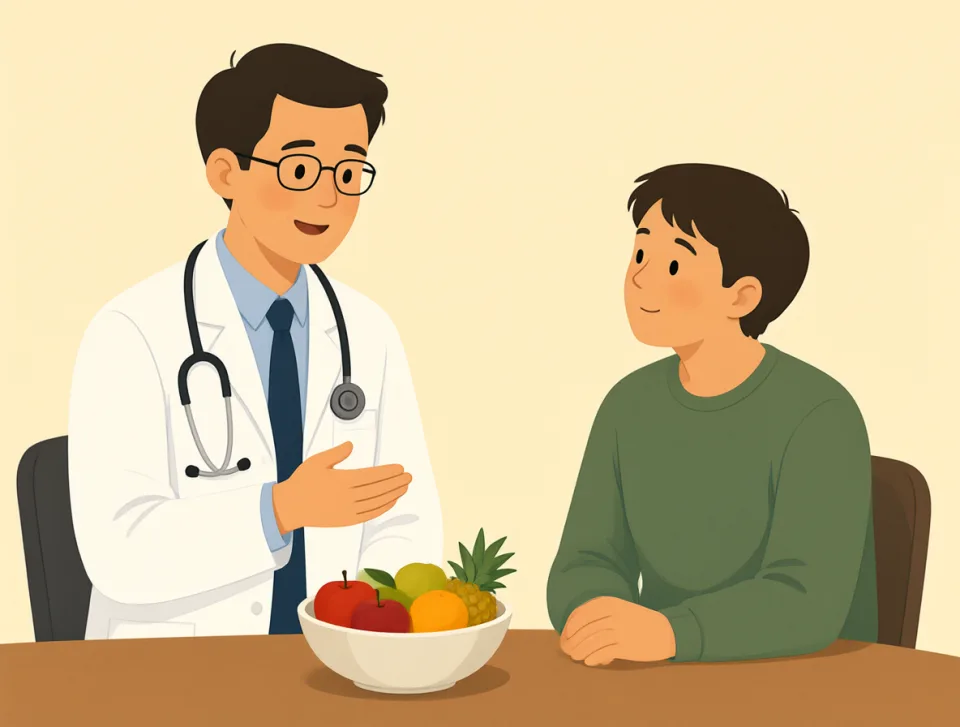
Doctors encourage patients to eat healthy food.
醫生鼓勵患者吃健康的食物。

Her manager encouraged her to apply for the job.
她的經理鼓勵她申請這份工作。

hair
#913noun
頭髮;毛髮
The thin strands that grow on a person's head or body.
長在人的頭部或身體上的細絲。

She has long, dark hair.
她有一頭又長又黑的頭髮。
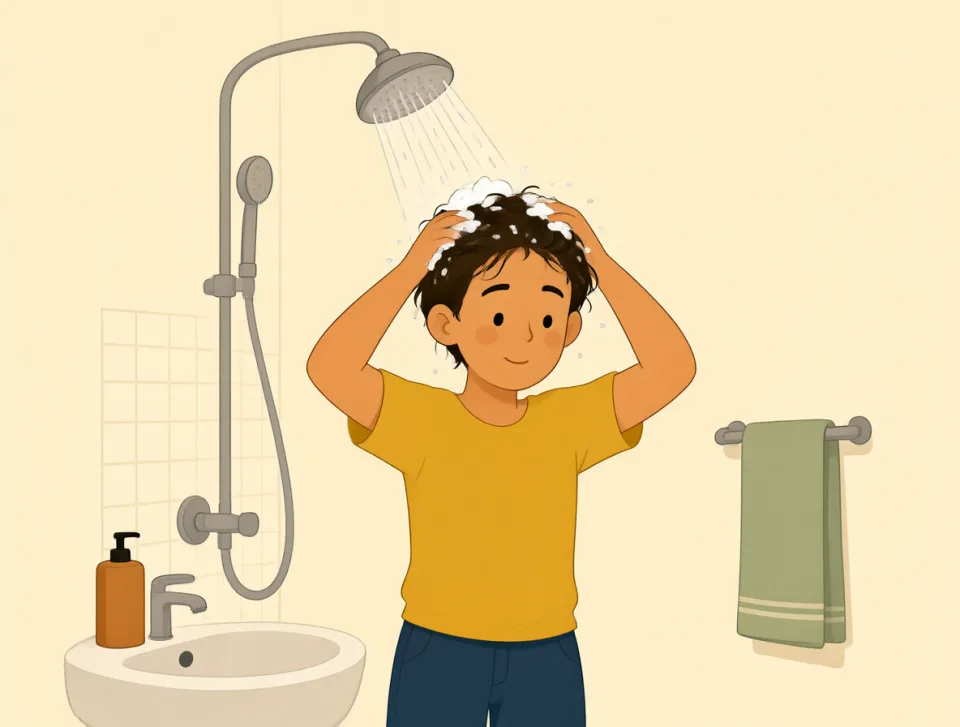
I washed my hair this morning.
我今天早上洗了頭髮。

He got a haircut yesterday.
他昨天理了發。
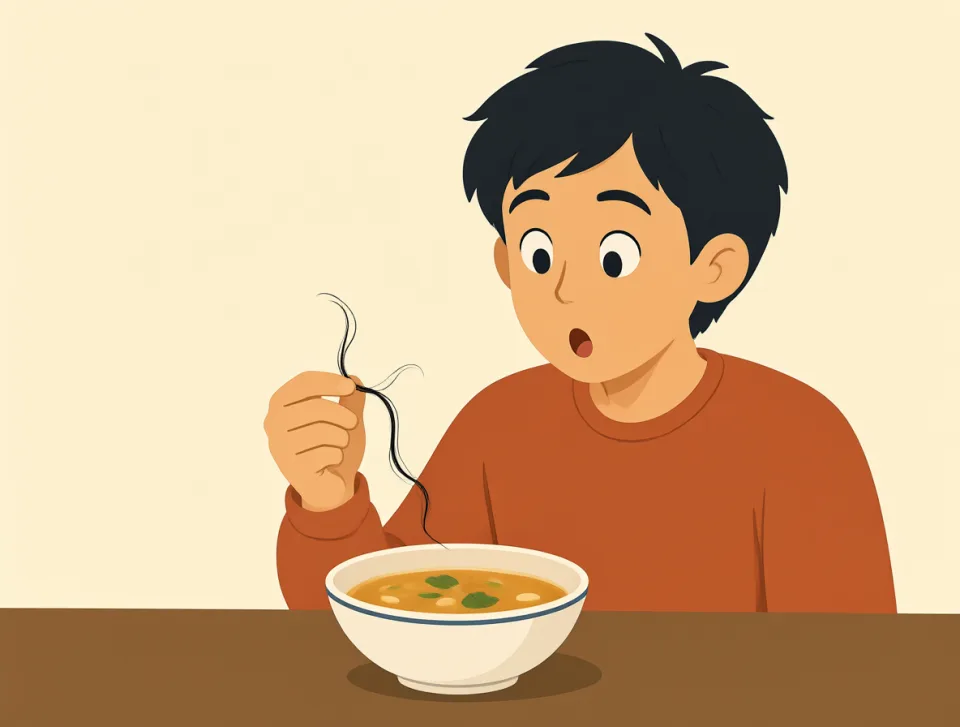
There was hair in my soup.
我的湯裡有根頭髮。

My hair gets wet in the rain.
下雨時我的頭髮會被淋溼。

male
#914noun, adjective
男性;雄性
A boy, man, or animal that is not female.
不是雌性的男孩、男人或動物。

The male lion protects his family.
雄獅保護著自己的家人。

The doctor examined the male patient.
醫生檢查了這名男性患者。
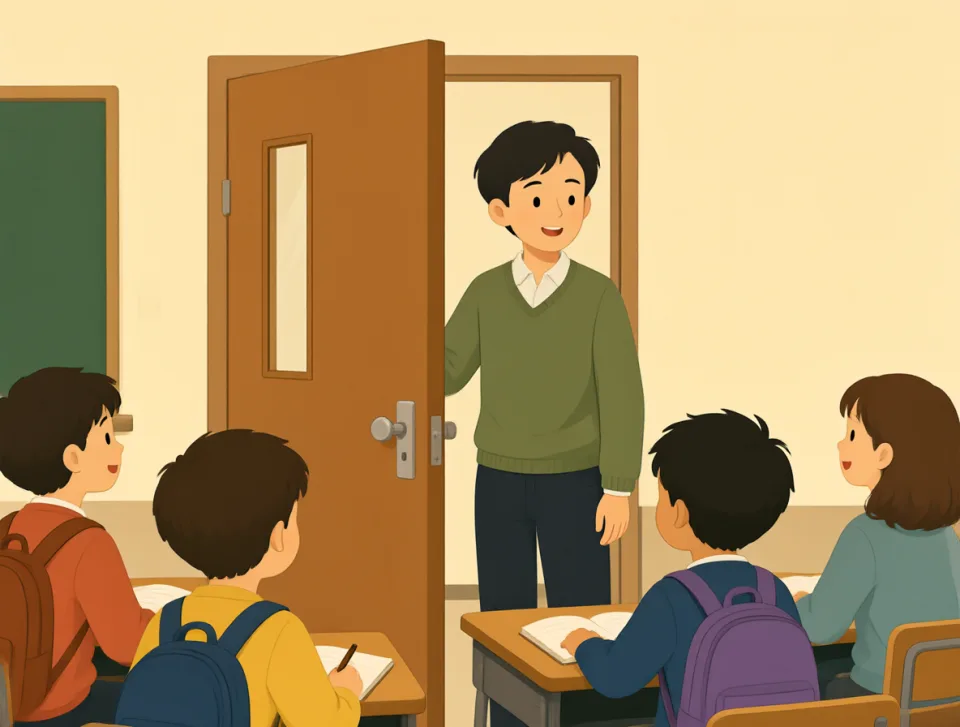
A male teacher opened the classroom door.
一位男老師開啟了教室的門。

The shop sells male and female shirts.
這家商店出售男款和女款襯衫。

The male dog is friendly with children.
這隻公狗對孩子們很友好。
operate
#915verb
操作;運營;營業;做手術
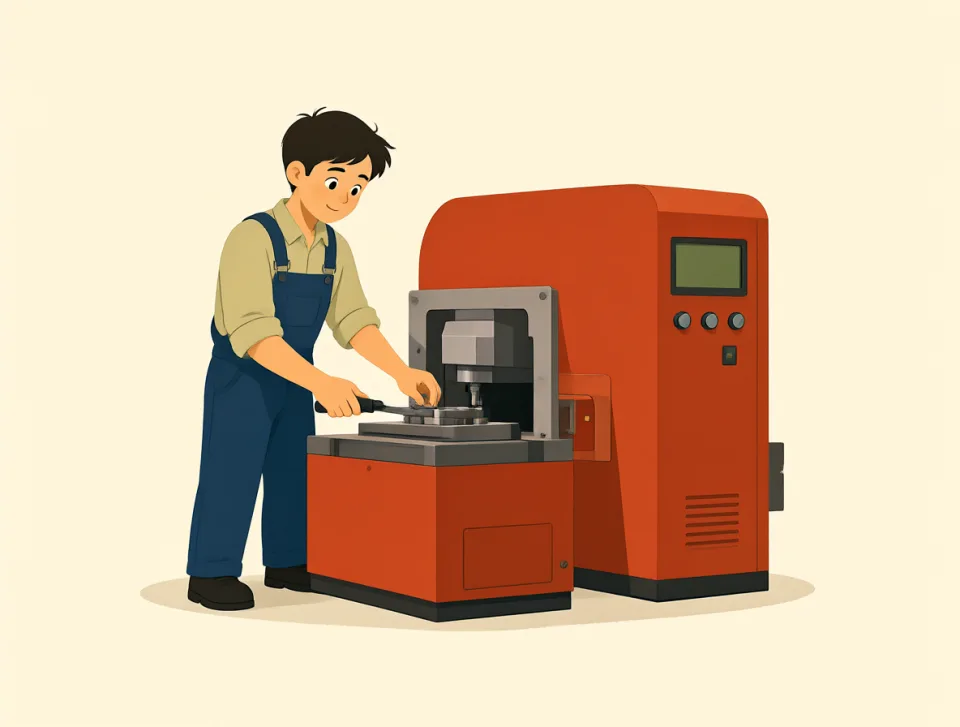
to control, use, or make a machine or system work
控制、使用機器或系統,或使其執行
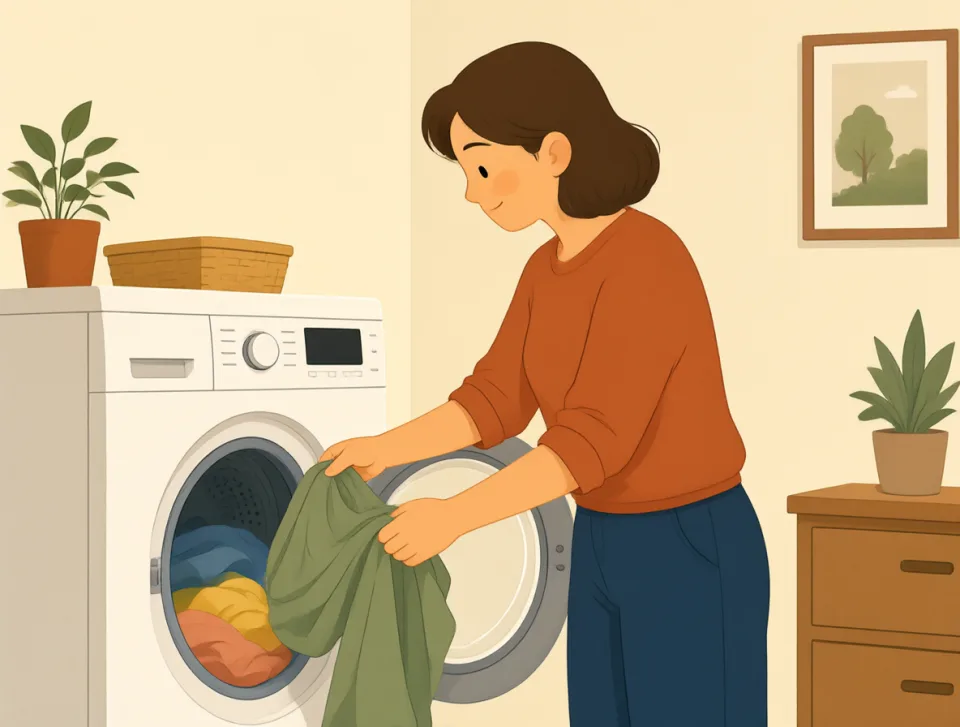
She operates the washing machine every Saturday.
她每週六都操作洗衣機。
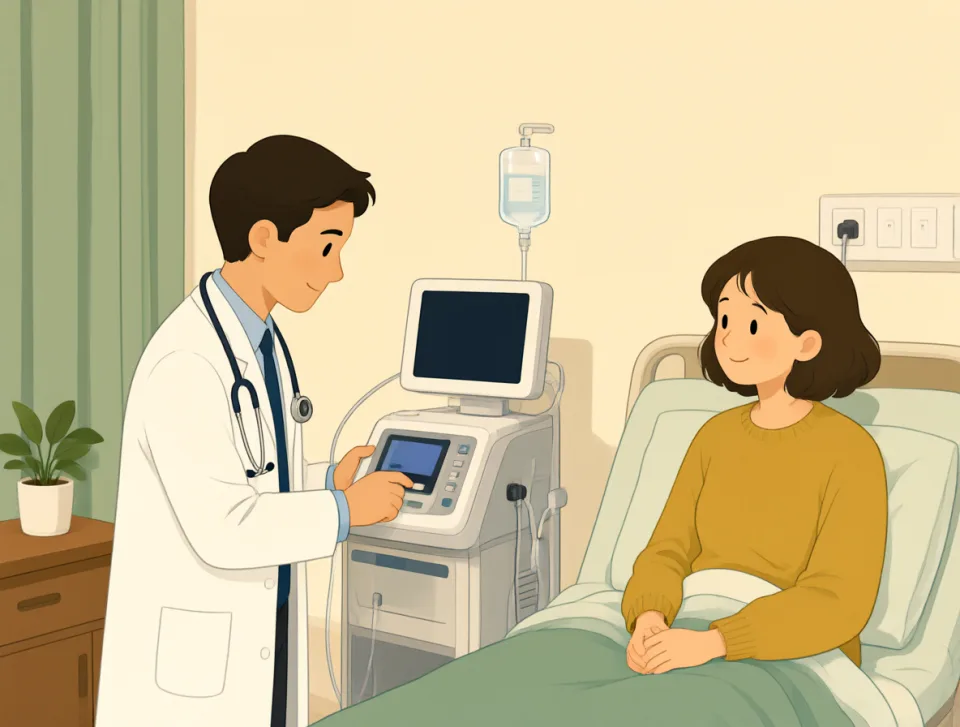
Only trained doctors can operate this machine.
只有受過培訓的醫生才能操作這臺機器。
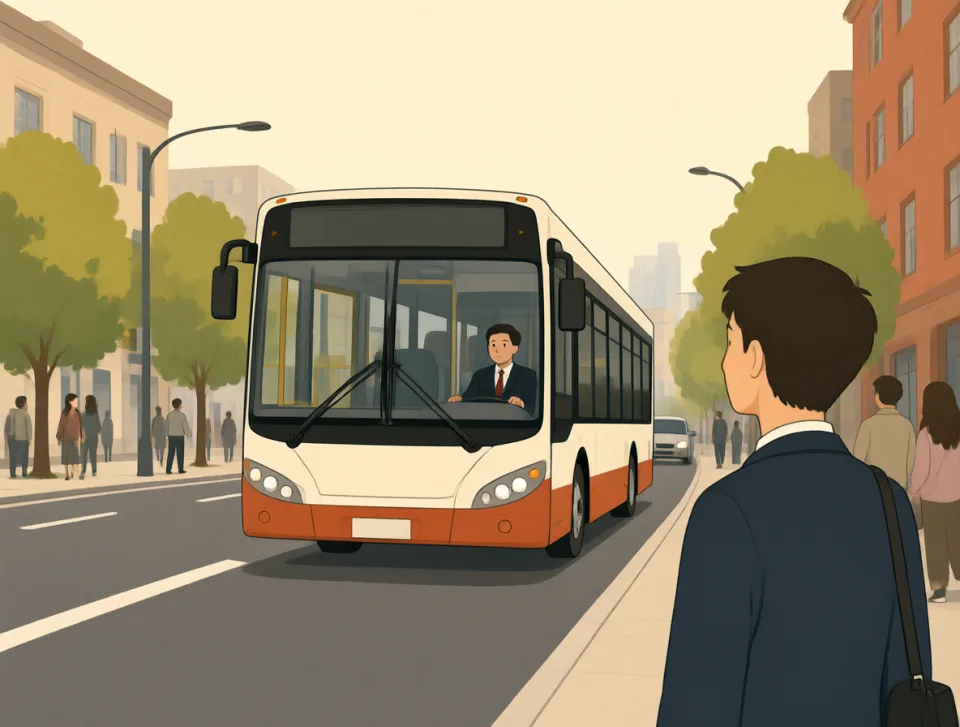
The company operates buses across the city.
這家公司在全市運營公交車。

The restaurant operates from ten until nine.
這家餐廳從上午十點營業到晚上九點。
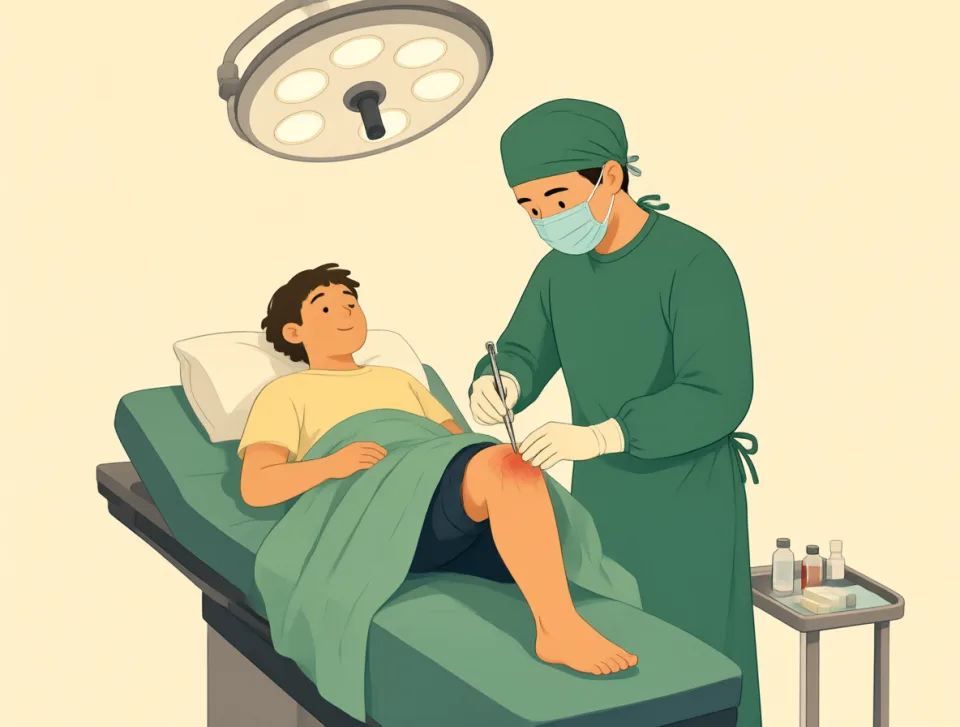
He had surgery to operate on his knee.
他做了膝蓋手術。
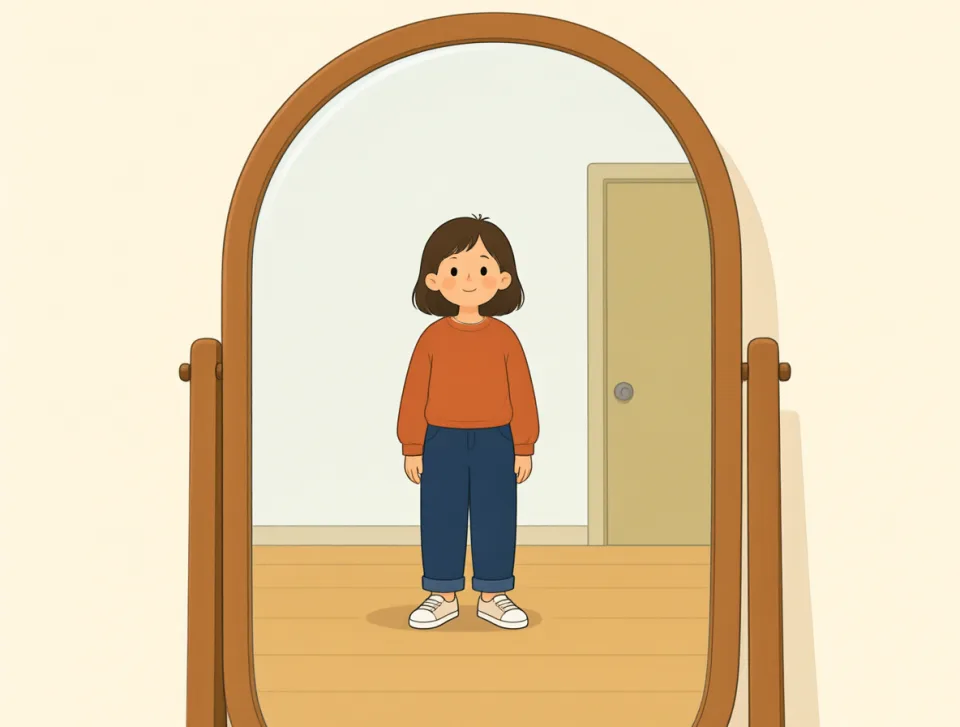
reflect
#916verb
反射; 反映
To send back light, heat, or sound, or to show a quality or feeling.
反射光、熱或聲音,或表現出某種特質或情感。

The lake reflects the mountains in the morning.
清晨,湖面倒映著群山。

Her face reflected the light from the window.
她的臉反射著窗戶照進來的光。

The clean floor reflects the kitchen lights.
乾淨的地板反射著廚房的燈光。

His smile reflects how happy he feels.
他的笑容反映出他有多開心。

The report reflects what students told us.
這份報告反映了學生們告訴我們的情況。

exercise
#917noun, verb
鍛鍊;運動;練習;行使
Physical activity that keeps your body healthy, or to use your body this way.
保持身體健康的體育活動,或進行這種活動。
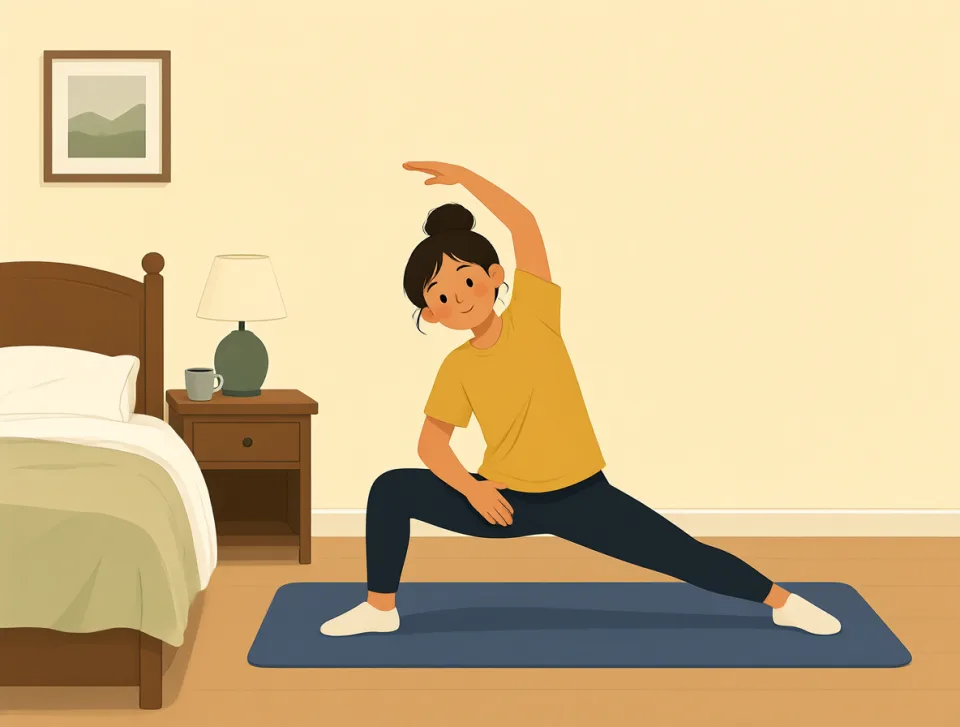
I exercise every morning before breakfast.
我每天早飯前鍛鍊。
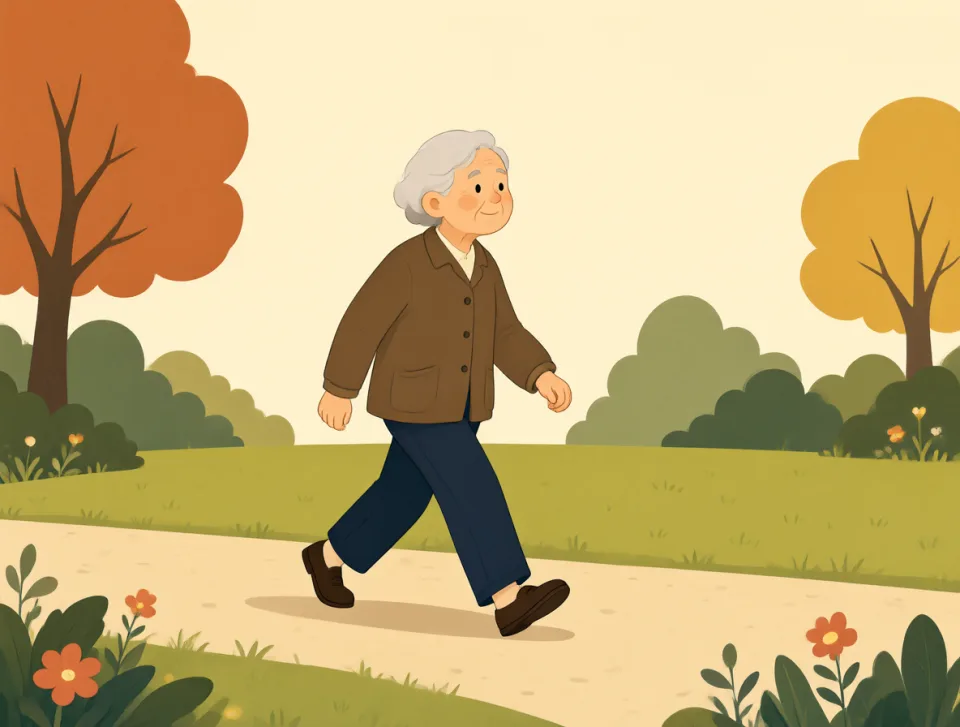
Walking is good exercise for your heart.
步行對心臟很有好處。

The doctor gave me exercises for my back.
醫生給我安排了一些背部鍛鍊。

We exercised at the gym after work.
我們下班後在健身房鍛鍊。

Students exercised their right to vote.
學生們行使了投票權。
useful
#918adjective
有用的; 有幫助的
Helpful or good for a particular purpose or situation.
對特定目的或情況有幫助或有益。

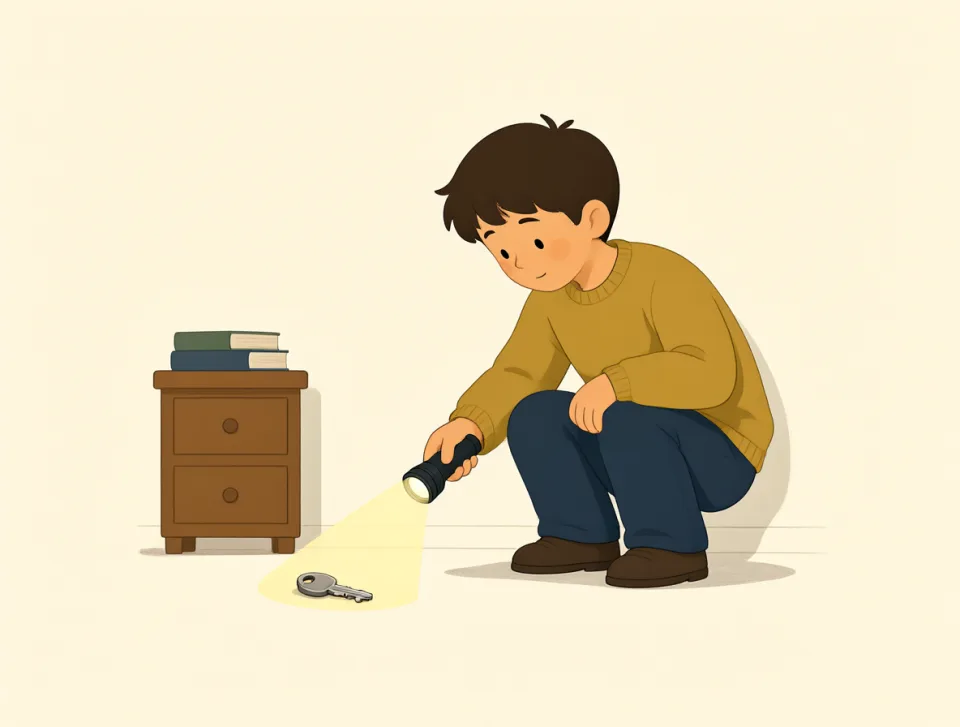
This map is useful when we travel.
旅行時,這張地圖很有用。

A warm coat is useful in winter.
保暖的外套在冬天很有用。

These notes are useful for my test.
這些筆記對我的考試很有用。

The shop gave us useful cooking advice.
商店給了我們一些有用的烹飪建議。
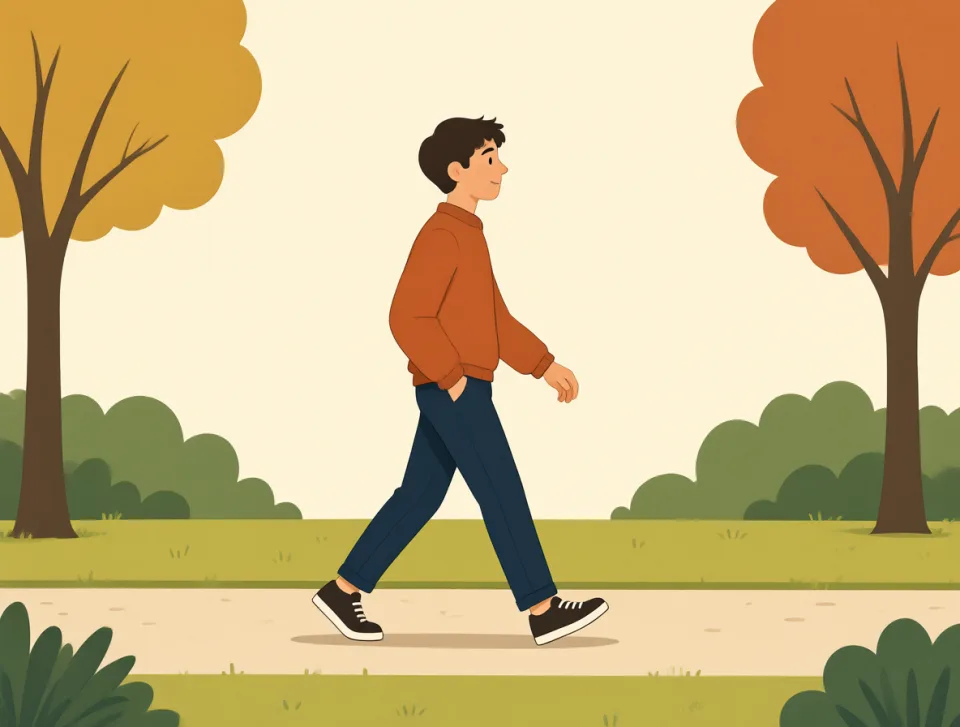
Walking is useful for keeping healthy.
走路有助於保持健康。
restaurant
#919noun
餐廳; 飯店; 餐館
A place where people pay to sit and eat meals.
人們付費坐下來吃飯的地方。

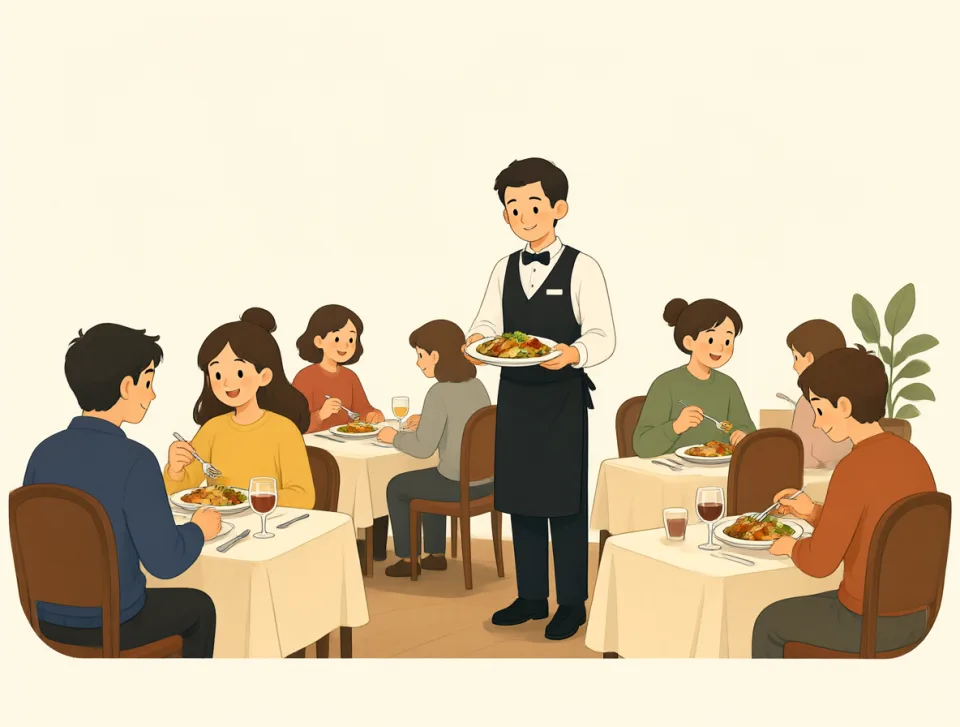
We had dinner at a small restaurant.
我們在一家小餐廳吃了晚飯。

That restaurant serves fresh fish every day.
那家餐廳每天供應新鮮的魚。

The restaurant was full after work.
下班後,餐廳裡坐滿了人。

Our school restaurant sells cheap lunches.
我們學校的餐廳賣很便宜的午餐。

We found a nice restaurant near the hotel.
我們在酒店附近找到了一家不錯的餐廳。

income
#920noun
收入
Money that a person or business regularly receives from work or other sources.
個人或企業透過工作或其他來源定期獲得的錢。
Her monthly income comes from her job.
她每月的收入來自她的工作。

His income is high enough to buy a house.
他的收入足夠高,可以買得起一套房子。

The shop lost income during the winter.
這家商店在冬季收入減少了。

They need extra income for school costs.
他們需要額外的收入來支付學校的費用。

The farm provides income for our family.
這個農場為我們一家人提供收入。