ইউনিট 43
শব্দ 841–860 · except, clean, tend, advance, fill, star

except
#841preposition, conjunction, determiner, pronoun
ছাড়া
Not including a person or thing; apart from someone or something.
কোনো ব্যক্তি বা জিনিসকে অন্তর্ভুক্ত না করে; কারও বা কিছুর বাইরে।
Everyone came except Tom.
টম ছাড়া সবাই এসেছিল।

The shop is open every day except Sunday.
রবিবার ছাড়া দোকানটি প্রতিদিন খোলা থাকে।
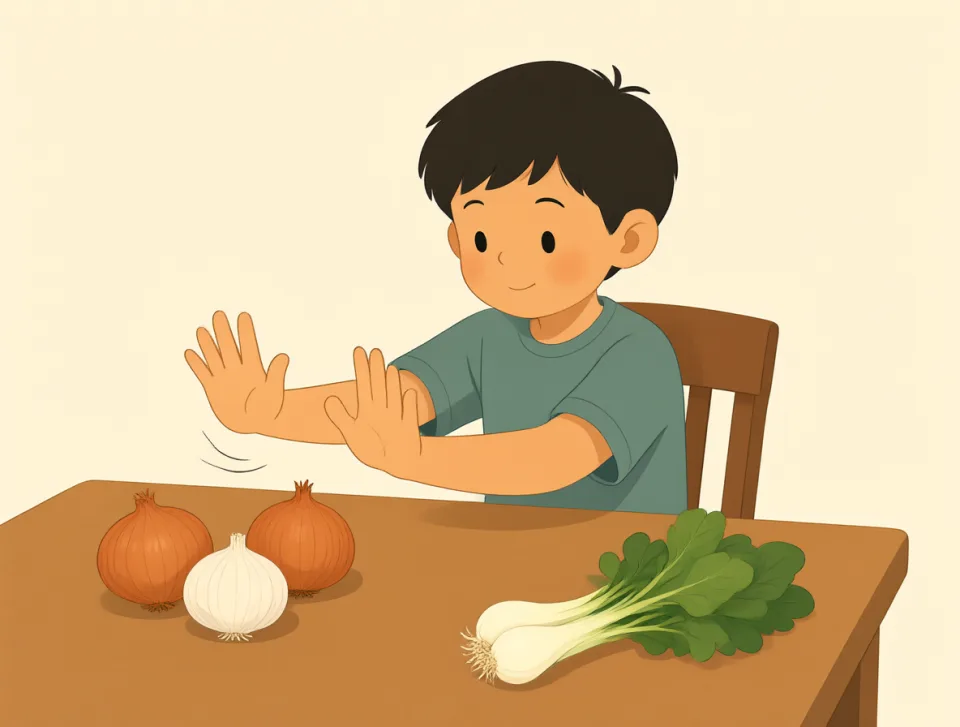
I like all vegetables except onions.
পেঁয়াজ ছাড়া আমি সবজি পছন্দ করি।

She finished the test except for one question.
একটি প্রশ্ন ছাড়া সে পরীক্ষাটি শেষ করেছে।

We found nothing except an old map.
একটি পুরোনো মানচিত্র ছাড়া আমরা আর কিছুই পাইনি।

clean
#842adjective, verb, noun
পরিষ্কার
Free from dirt, or to remove dirt from something.
ময়লামুক্ত; অথবা কোনো কিছু থেকে ময়লা সরানো।

Please clean your room before dinner.
রাতের খাবারের আগে দয়া করে তোমার ঘরটা পরিষ্কার করো।

She cleaned the kitchen after breakfast.
নাশতার পর সে রান্নাঘর পরিষ্কার করেছিল।

The doctor cleaned the cut carefully.
ডাক্তার ক্ষতটা সাবধানে পরিষ্কার করলেন।
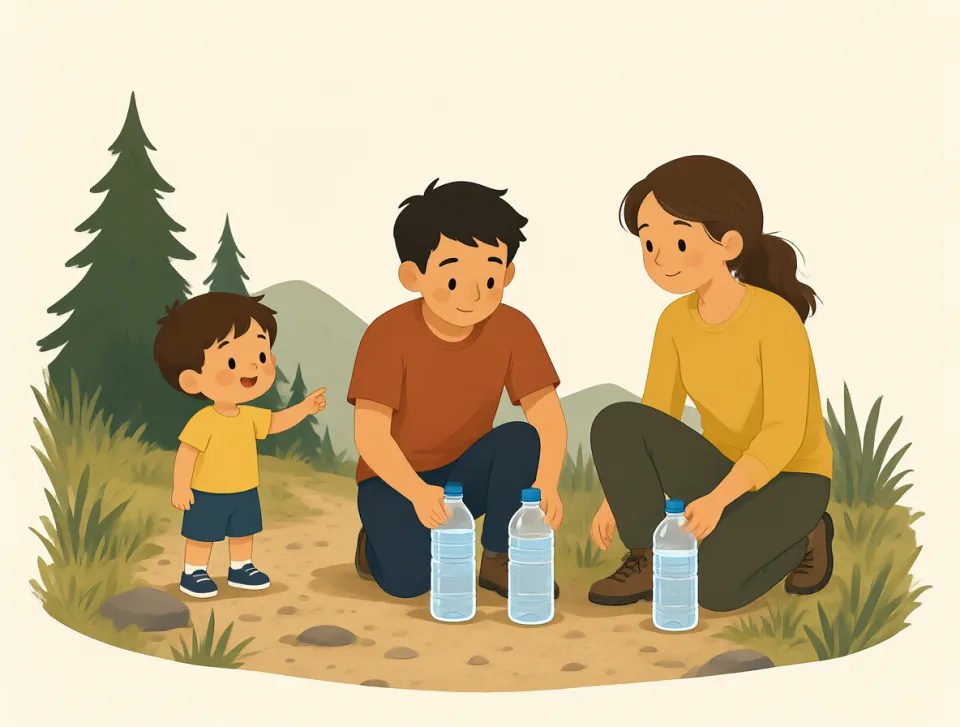
We need clean water for the trip.
ভ্রমণের জন্য আমাদের বিশুদ্ধ পানি দরকার।

He always wears a clean shirt to work.
সে কাজের সময় সবসময় পরিষ্কার শার্ট পরে।

tend
#843verb
সাধারণত করা; প্রবণ থাকা
to usually do something or be likely to behave in a particular way
সাধারণত কোনো কাজ করা বা বিশেষভাবে আচরণ করার প্রবণতা থাকা।
Children tend to enjoy sweet foods.
শিশুরা সাধারণত মিষ্টি খাবার খেতে পছন্দ করে।

I tend to walk home after work.
কাজের পর আমি সাধারণত হেঁটে বাড়ি ফিরি।

People tend to feel tired after long trips.
দীর্ঘ ভ্রমণের পর মানুষ সাধারণত ক্লান্ত বোধ করে।
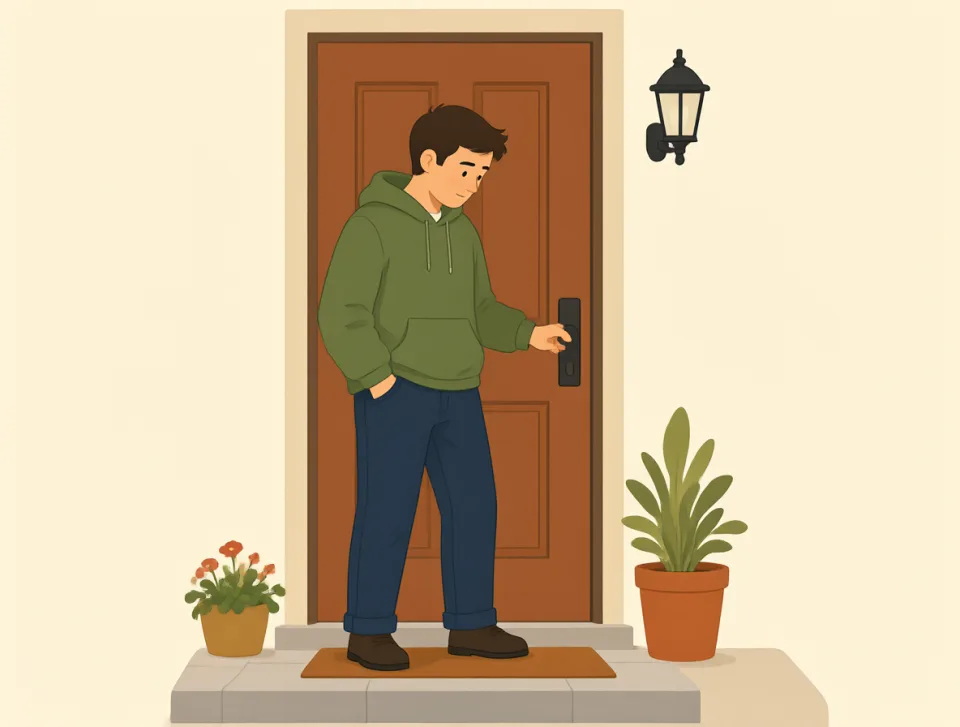
My brother tends to forget his keys.
আমার ভাই সাধারণত তার চাবি ভুলে যায়।

These shoes tend to get dirty quickly.
এই জুতাগুলো সাধারণত দ্রুত নোংরা হয়ে যায়।

advance
#844verb, noun
এগোনো; অগ্রিম
to move forward or make progress; progress or a payment made before it is due
সামনের দিকে এগোনো বা উন্নতি করা; অথবা নির্ধারিত সময়ের আগে দেওয়া অগ্রগতি বা অর্থপ্রদান।

The team advanced toward the final round.
দলটি ফাইনাল পর্বের দিকে এগিয়ে গেল।

She advanced quickly in her new job.
নতুন চাকরিতে সে দ্রুত উন্নতি করেছে।

We paid an advance for the hotel room.
হোটেল কক্ষের জন্য আমরা অগ্রিম টাকা দিয়েছিলাম।
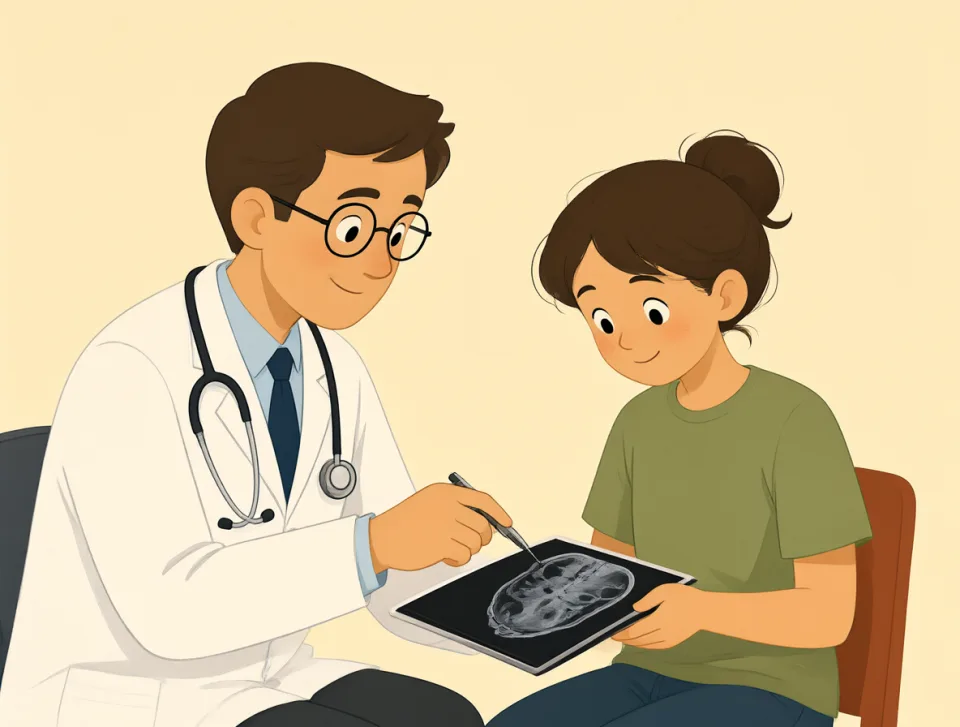
The doctor said the illness was advancing.
ডাক্তার বললেন, রোগটি বাড়ছে।

The soldiers advanced through the snowy forest.
সৈন্যরা তুষারঢাকা বনের মধ্য দিয়ে এগিয়ে গেল।

fill
#845verb, noun
ভরা
To put something into a container until it is full, or the amount needed to make it full.
কোনো পাত্র পূর্ণ হওয়া পর্যন্ত তাতে কিছু ঢালা, অথবা সেটি পূর্ণ করতে প্রয়োজনীয় পরিমাণ।

Please fill the glass with water.
দয়া করে গ্লাসটি পানি দিয়ে ভরো।

She filled the bag with fresh apples.
সে ব্যাগটি টাটকা আপেল দিয়ে ভরেছিল।

Fill out this form before the lesson.
পাঠের আগে এই ফর্মটি পূরণ করো।

The hotel filled up during the holiday.
ছুটির সময় হোটেলটি পুরোপুরি ভরে গিয়েছিল।
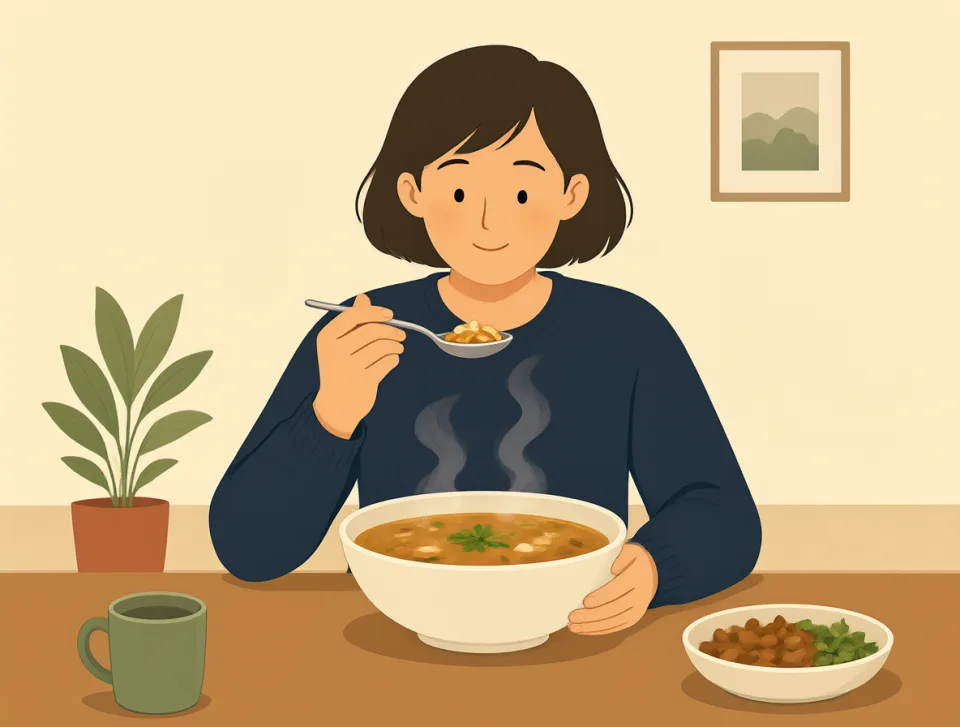
This soup will fill you up quickly.
এই স্যুপ খেলে তুমি তাড়াতাড়ি পেট ভরে ফেলবে।

star
#846noun, verb
তারা
A bright point in the night sky, or to perform very well in a film or show.
রাতের আকাশে উজ্জ্বল বিন্দু; অথবা কোনো চলচ্চিত্র বা অনুষ্ঠানে খুব ভালো অভিনয় করা।

We saw many stars last night.
গত রাতে আমরা অনেক তারা দেখেছি।

The movie star arrived at the hotel.
চলচ্চিত্রের তারকাটি হোটেলে এসে পৌঁছালেন।

She starred in a popular TV show.
সে একটি জনপ্রিয় টিভি অনুষ্ঠানে অভিনয় করেছে।

A star player scored the winning goal.
একজন তারকা খেলোয়াড় জয়সূচক গোলটি করল।

The children made a star for school.
বাচ্চারা স্কুলের জন্য একটি তারা বানিয়েছিল।
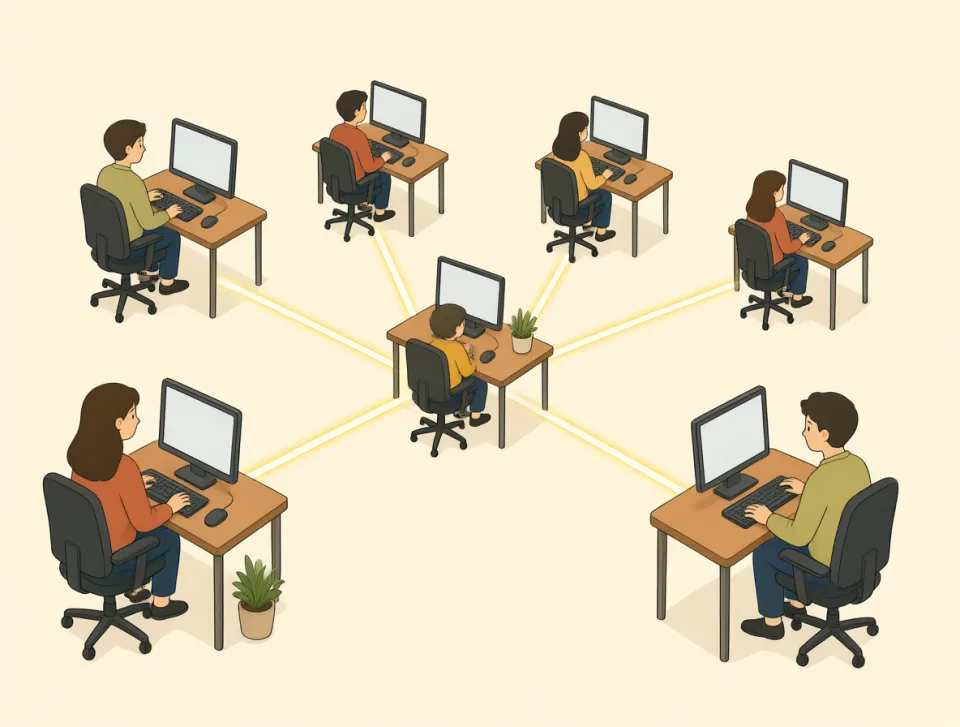
network
#847noun, verb
নেটওয়ার্ক
A group of connected people, computers, or places that work together.
পরস্পরের সঙ্গে যুক্ত মানুষ, কম্পিউটার বা স্থানের একটি দল, যারা একসঙ্গে কাজ করে।

Our office network is very fast.
আমাদের অফিসের নেটওয়ার্ক খুব দ্রুত।

She built a network of helpful friends.
সে সহায়ক বন্ধুদের নিয়ে একটি নেটওয়ার্ক গড়ে তুলেছিল।

The school network stopped working yesterday.
গতকাল স্কুলের নেটওয়ার্ক কাজ করা বন্ধ করে দিয়েছিল।

We watched the news on the television network.
আমরা টেলিভিশন নেটওয়ার্কে খবর দেখেছিলাম।
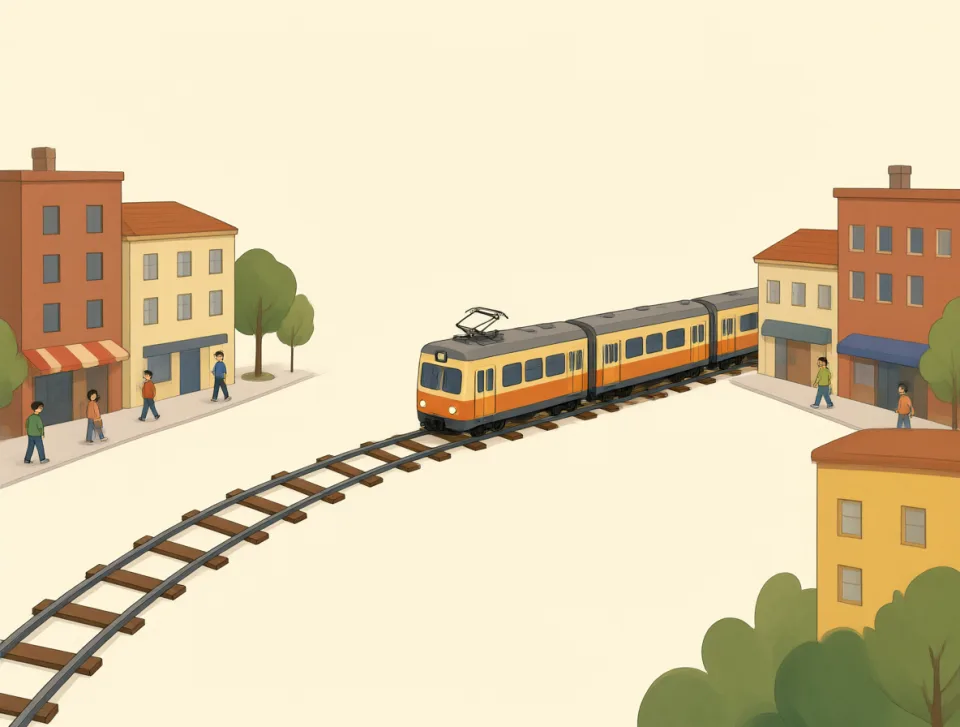
The train network connects many cities.
রেল নেটওয়ার্কটি অনেক শহরকে যুক্ত করেছে।

generally
#848adverb
সাধারণত
In most cases or situations, but not always.
বেশিরভাগ ক্ষেত্রে বা পরিস্থিতিতে, তবে সব সময় নয়।
I generally walk to work.
আমি সাধারণত হেঁটে কাজে যাই।
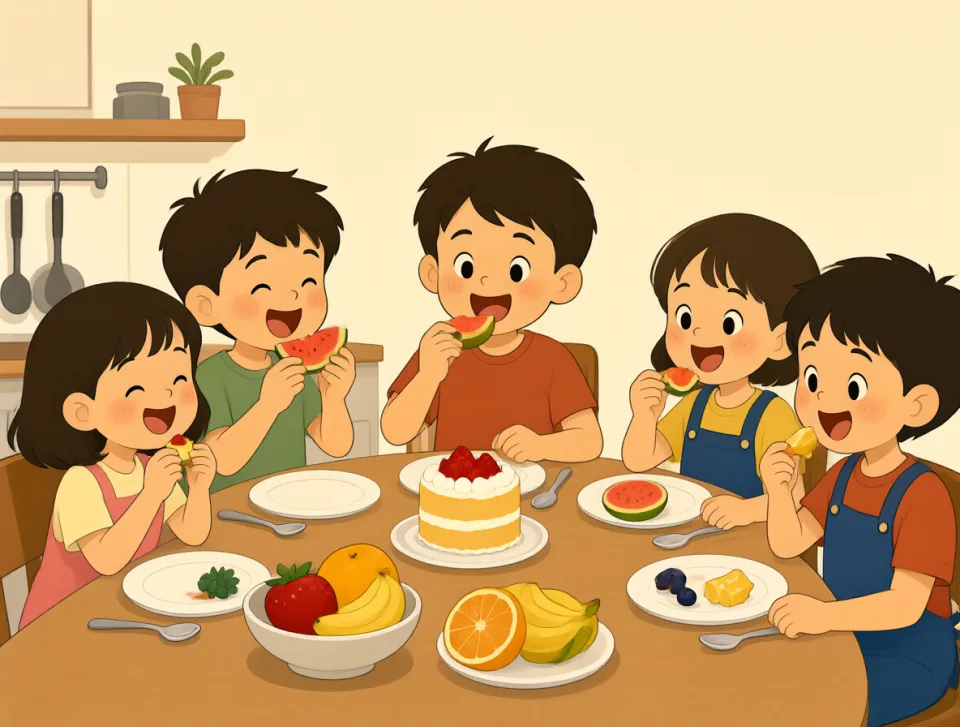
Children generally enjoy sweet food.
শিশুরা সাধারণত মিষ্টি খাবার পছন্দ করে।
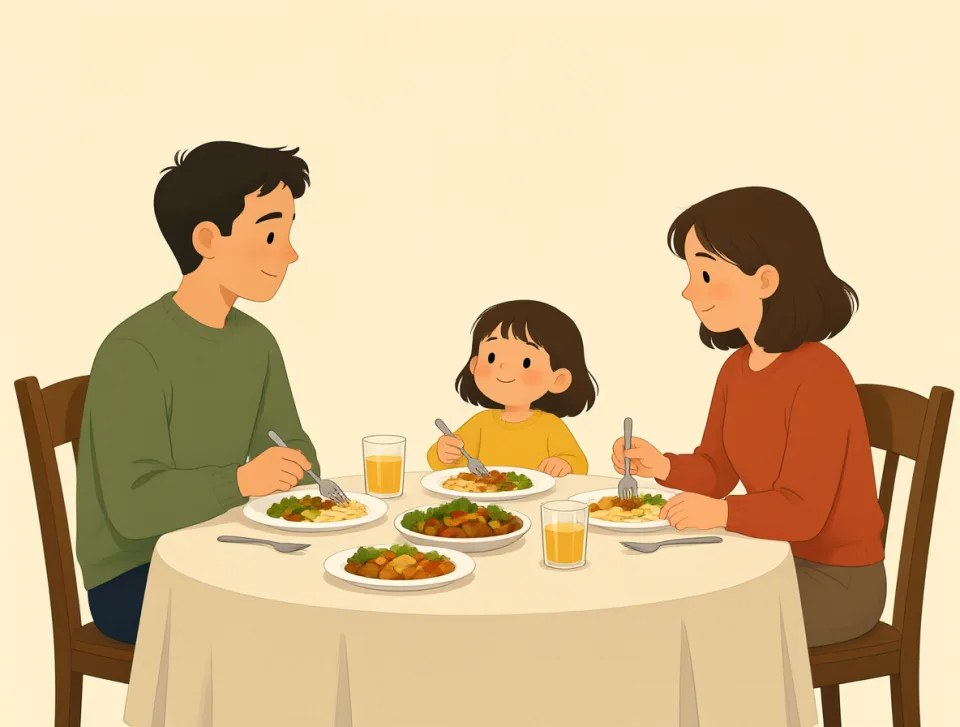
We generally eat dinner at seven.
আমরা সাধারণত সাতটায় রাতের খাবার খাই।

The shop is generally busy on Saturdays.
শনিবারে দোকানটিতে সাধারণত বেশ ভিড় থাকে।

People generally feel better after rest.
বিশ্রামের পর মানুষ সাধারণত ভালো বোধ করে।
operation
#849noun
কার্যক্রম
A planned activity, a way a machine works, or a medical procedure.
পরিকল্পিত কোনো কাজ, কোনো যন্ত্রের কাজ করার পদ্ধতি, অথবা চিকিৎসার কোনো প্রক্রিয়া।

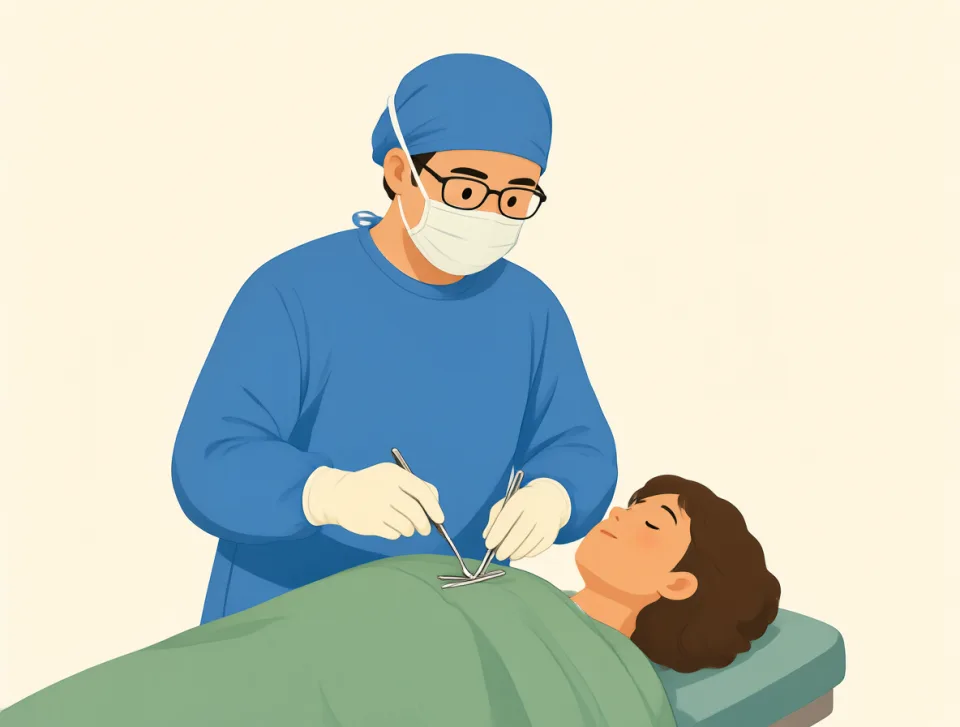
The operation lasted three hours.
অস্ত্রোপচারটি তিন ঘণ্টা ধরে চলেছিল।

The shop began operation at eight.
দোকানটি আটটায় কাজ শুরু করেছিল।

The machine is easy to operate.
যন্ত্রটি চালানো সহজ।

The police operation took all night.
পুলিশের অভিযানটি সারা রাত ধরে চলেছিল।
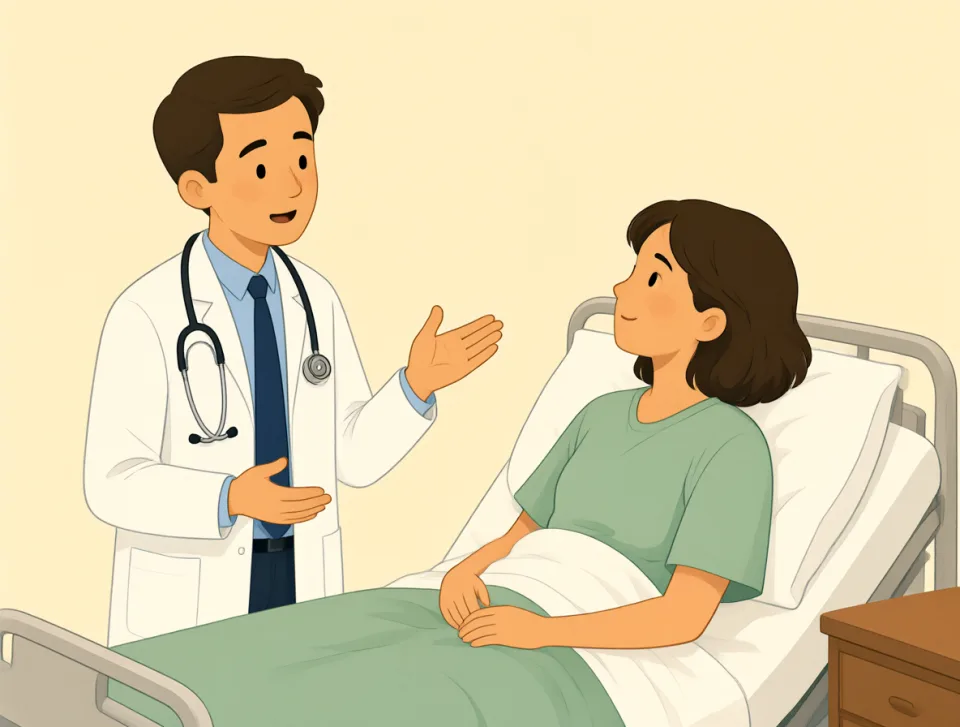
The operation on her knee went well.
তার হাঁটুতে অস্ত্রোপচারটি ভালোভাবে সম্পন্ন হয়েছিল।

match
#850noun, verb
মিল
A match is a small stick that makes fire, or something that is the same or goes well together.
একটি ছোট কাঠি, যা দিয়ে আগুন জ্বালানো যায়; অথবা এমন কিছু, যা একই রকম বা অন্য কিছুর সঙ্গে মানানসই।

She lit the candle with a match.
সে একটি দিয়াশলাই দিয়ে মোমবাতিটি জ্বালিয়েছিল।

The blue shirt matches your jeans.
নীল শার্টটি তোমার জিন্সের সঙ্গে মানিয়েছে।

Our team won the football match.
আমাদের দল ফুটবল ম্যাচে জিতেছে।

I found a match for this sock.
এই মোজাটির সঙ্গে মেলে এমন একটি মোজা আমি খুঁজে পেয়েছি।

The doctor found a matching donor.
ডাক্তার একজন উপযুক্ত দাতা খুঁজে পেয়েছেন।

avoid
#851verb
এড়ানো
To stay away from someone or something, or stop something from happening.
কারও বা কোনো কিছুর কাছ থেকে দূরে থাকা, অথবা কোনো কিছু ঘটতে না দেওয়া।

Please avoid the wet floor.
দয়া করে ভেজা মেঝে এড়িয়ে চলুন।

She avoids eating too much sugar.
সে অতিরিক্ত চিনি খাওয়া এড়িয়ে চলে।
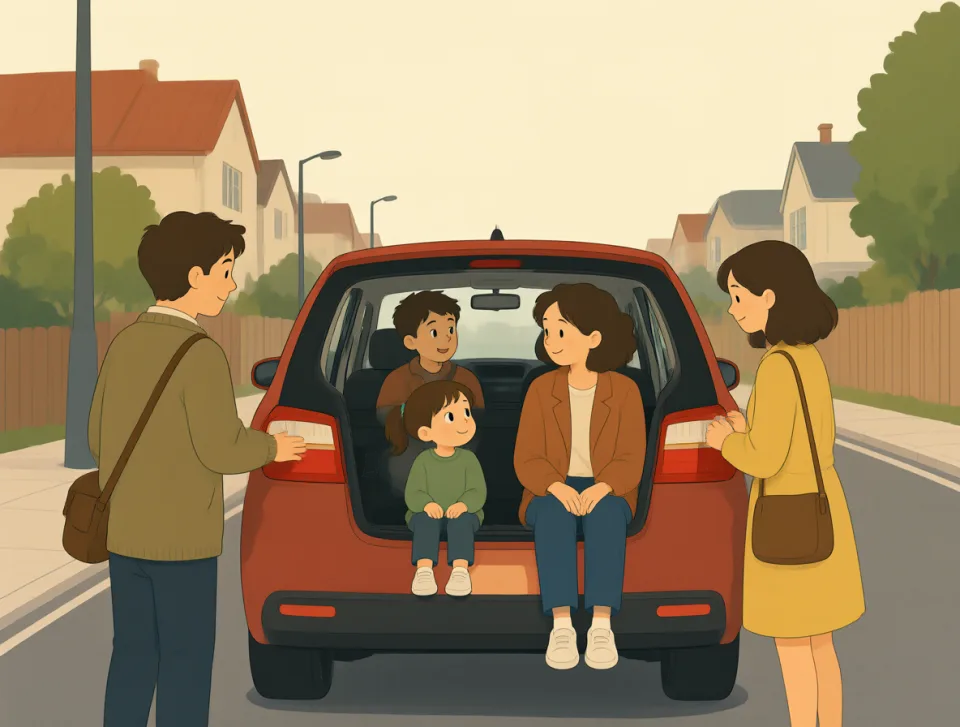
We left early to avoid traffic.
যানজট এড়াতে আমরা তাড়াতাড়ি বেরিয়ে পড়েছিলাম।

Try to avoid making the same mistake.
একই ভুল আবার করা এড়ানোর চেষ্টা করুন।

He avoided talking about his health.
সে তার স্বাস্থ্য নিয়ে কথা বলা এড়িয়ে গেল।

seat
#852noun, verb
আসন
A place where someone can sit, or to put someone in a place to sit.
বসার জায়গা, অথবা কাউকে বসার জন্য কোনো জায়গায় বসানো।

Please take a seat here.
দয়া করে এখানে বসুন।

We found two seats on the bus.
বাসে আমরা বসার জন্য দুটি আসন পেয়েছিলাম।

My seat is next to the window.
আমার আসনটি জানালার পাশে।

The doctor seated the patient carefully.
ডাক্তার রোগীকে সাবধানে বসালেন।

This restaurant seats fifty people.
এই রেস্তোরাঁয় পঞ্চাশজন বসতে পারেন।

throw
#853verb, noun
ছোড়া; চাদর
To send something through the air using your hand; a light cover for a bed or sofa.
হাত দিয়ে কোনো কিছু বাতাসে ছুড়ে পাঠানো; বিছানা বা সোফার ওপর দেওয়ার হালকা চাদর।

Please throw me the ball.
দয়া করে বলটা আমার দিকে ছুড়ে দাও।

He threw the old papers away.
সে পুরোনো কাগজগুলো ফেলে দিল।

She threw a stone into the lake.
সে হ্রদে একটা পাথর ছুড়ে মারল।

The chef threw the vegetables into the pan.
রাঁধুনি সবজিগুলো কড়াইয়ে ছুড়ে দিলেন।

We bought a warm throw for the sofa.
আমরা সোফার জন্য একটা উষ্ণ চাদর কিনেছিলাম।

task
#854noun
কাজ
A piece of work that you need to do.
যে কাজটি আপনাকে করতে হবে।

I finished my homework task before dinner.
রাতের খাবারের আগে বাড়ির কাজের কাজটা শেষ করেছিলাম।

My first task at work is checking emails.
কাজে আমার প্রথম কাজ হলো ইমেইল দেখা।

The teacher gave us a difficult task.
শিক্ষক আমাদের একটি কঠিন কাজ দিয়েছিলেন।

Our task was to find the train station.
আমাদের কাজ ছিল ট্রেন স্টেশন খুঁজে বের করা।

We shared the cooking tasks with our friends.
আমরা বন্ধুদের সঙ্গে রান্নার কাজগুলো ভাগ করে নিয়েছিলাম।

normal
#855adjective, noun
স্বাভাবিক
usual, expected, or healthy; a usual condition or way of doing things
স্বাভাবিক, প্রত্যাশিত বা সুস্থ; কোনো কিছুর স্বাভাবিক অবস্থা বা তা করার প্রচলিত পদ্ধতি।

Everything is normal at home today.
আজ বাড়িতে সবকিছু স্বাভাবিক আছে।

She returned to her normal routine.
সে তার স্বাভাবিক রুটিনে ফিরে গেল।

Is it normal to feel tired after work?
কাজের পর ক্লান্ত লাগা কি স্বাভাবিক?
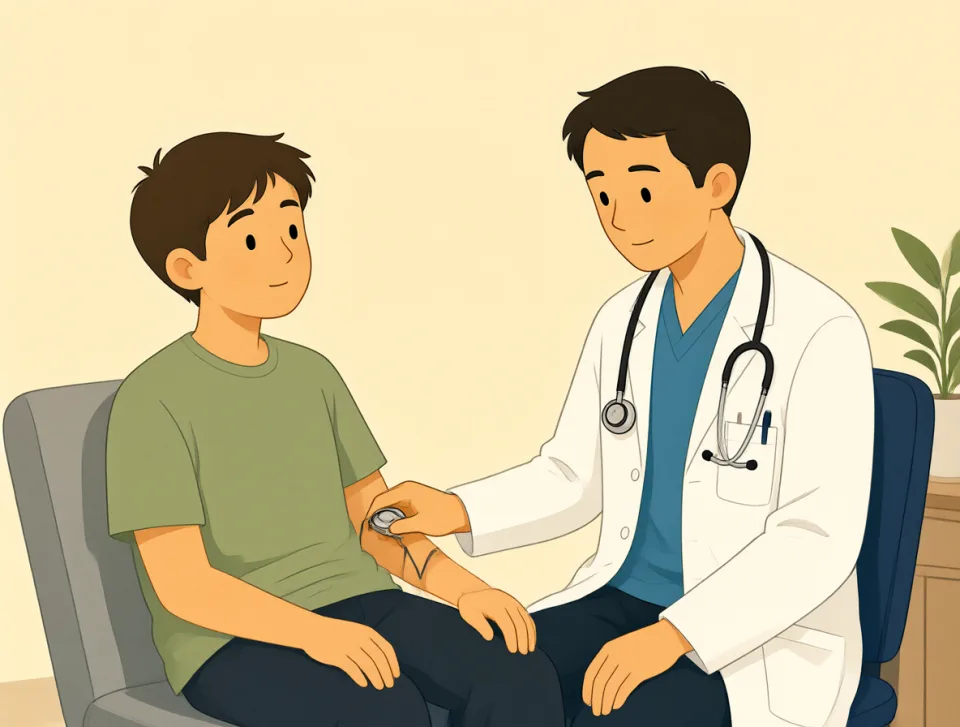
The doctor said my heartbeat was normal.
ডাক্তার বলেছিলেন আমার হৃদ্স্পন্দন স্বাভাবিক।

We took the normal train to the city.
আমরা শহরে যাওয়ার জন্য স্বাভাবিক ট্রেনেই উঠেছিলাম।

goal
#856noun
লক্ষ্য
Something you want to achieve, or a point scored in a game.
আপনি যা অর্জন করতে চান, অথবা খেলায় করা একটি গোল।

My goal is to save money for college.
কলেজে পড়ার জন্য টাকা জমানোই আমার লক্ষ্য।

She set a goal to run five kilometers.
সে পাঁচ কিলোমিটার দৌড়ানোর লক্ষ্য ঠিক করল।

The goal of this lesson is to teach new words.
এই পাঠের লক্ষ্য হলো নতুন শব্দ শেখানো।

Our team scored the winning goal yesterday.
গতকাল আমাদের দল জয়সূচক গোলটি করেছিল।

The player kicked the ball into the goal.
খেলোয়াড়টি বলটি গোলে লাথি মেরে পাঠাল।

associate
#857verb, noun
সম্পর্কিত করা
to connect someone or something with a person, idea, or group
কোনো ব্যক্তি বা জিনিসকে কোনো মানুষ, ধারণা বা গোষ্ঠীর সঙ্গে যুক্ত করা।

I associate this song with my first trip.
এই গানটির সঙ্গে আমার প্রথম ভ্রমণের স্মৃতি জড়িয়ে আছে।

People often associate dark clouds with rain.
মানুষ প্রায়ই কালো মেঘের সঙ্গে বৃষ্টির সম্পর্ক করে।

She associates with friendly people at work.
কর্মস্থলে সে বন্ধুত্বপূর্ণ মানুষের সঙ্গে মেলামেশা করে।

My father is a sales associate at the store.
আমার বাবা দোকানে বিক্রয়কর্মী হিসেবে কাজ করেন।

He became an associate after two years.
দুই বছর পর সে সহযোগী পদে উন্নীত হলো।

blue
#858adjective, noun
নীল
Having the color of a clear sky; a color between green and violet.
পরিষ্কার আকাশের মতো রঙের; সবুজ ও বেগুনির মাঝামাঝি একটি রং।

She wore a blue dress to work.
সে কাজে নীল পোশাক পরে গিয়েছিল।

The blue car stopped outside our house.
নীল গাড়িটি আমাদের বাড়ির বাইরে এসে থামল।

Please bring me the blue cup.
দয়া করে আমাকে নীল কাপটা এনে দাও।

He felt blue after his team lost.
তার দল হেরে যাওয়ার পর তার মন খারাপ হয়ে গেল।

The blue whale is the largest animal.
নীল তিমি পৃথিবীর সবচেয়ে বড় প্রাণী।

positive
#859adjective, noun
ইতিবাচক
Good, hopeful, or showing that something is likely to succeed.
ভালো বা আশাবাদী, অথবা কোনো কিছু সফল হওয়ার সম্ভাবনা আছে—এমনটা বোঝায়।

She has a positive attitude every day.
প্রতিদিনই তার মনোভাব ইতিবাচক থাকে।

The test results were positive.
পরীক্ষার ফল ইতিবাচক ছিল।

We received positive feedback from our teacher.
আমরা শিক্ষকের কাছ থেকে ইতিবাচক মতামত পেয়েছি।
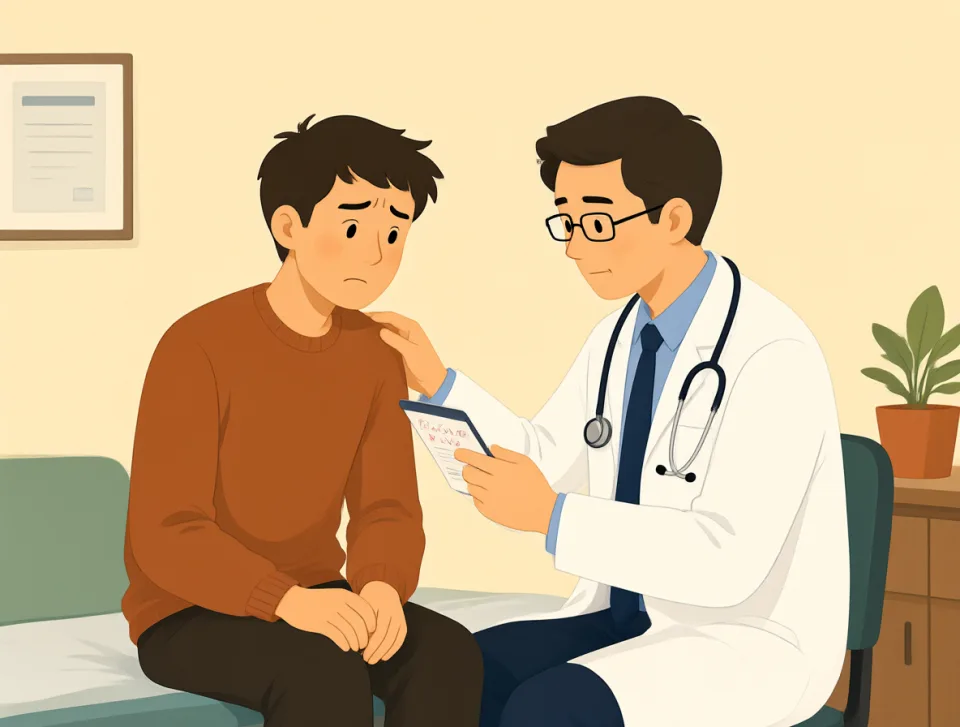
He tested positive for the flu.
তার পরীক্ষায় ফ্লু ধরা পড়েছে।

Try to stay positive during the difficult trip.
কঠিন যাত্রার সময় আশাবাদী থাকার চেষ্টা করো।

option
#860noun
বিকল্প
One of the choices you can make.
যে কয়েকটি পছন্দের মধ্যে থেকে আপনি একটি বেছে নিতে পারেন, তার একটি।

You have the option to pay by card.
কার্ড দিয়ে টাকা দেওয়ার সুযোগ আছে।

We chose the cheaper option for dinner.
রাতের খাবারের জন্য আমরা কম দামি বিকল্পটি বেছে নিয়েছিলাম।

Is there another option for getting there?
সেখানে যাওয়ার আর কোনো উপায় আছে কি?

The doctor gave me an option for treatment.
চিকিৎসার জন্য ডাক্তার আমাকে একটি বিকল্প দিয়েছিলেন।
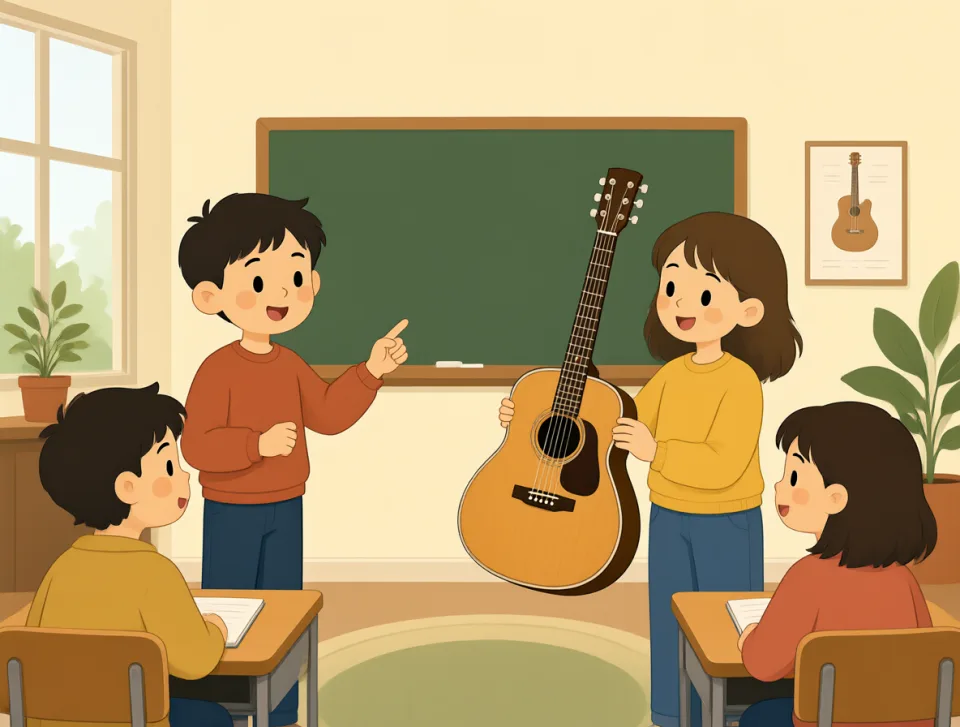
Students can choose the music option for class.
শিক্ষার্থীরা ক্লাসের জন্য সংগীতের বিকল্পটি বেছে নিতে পারে।