इकाई 43
शब्द 841–860 · except, clean, tend, advance, fill, star

except
#841preposition, conjunction, determiner, pronoun
को छोड़कर
Not including a person or thing; apart from someone or something.
किसी व्यक्ति या चीज़ को शामिल न करना; किसी के या किसी चीज़ के अलावा।
Everyone came except Tom.
टॉम को छोड़कर सभी आए।

The shop is open every day except Sunday.
दुकान रविवार को छोड़कर हर दिन खुली रहती है।
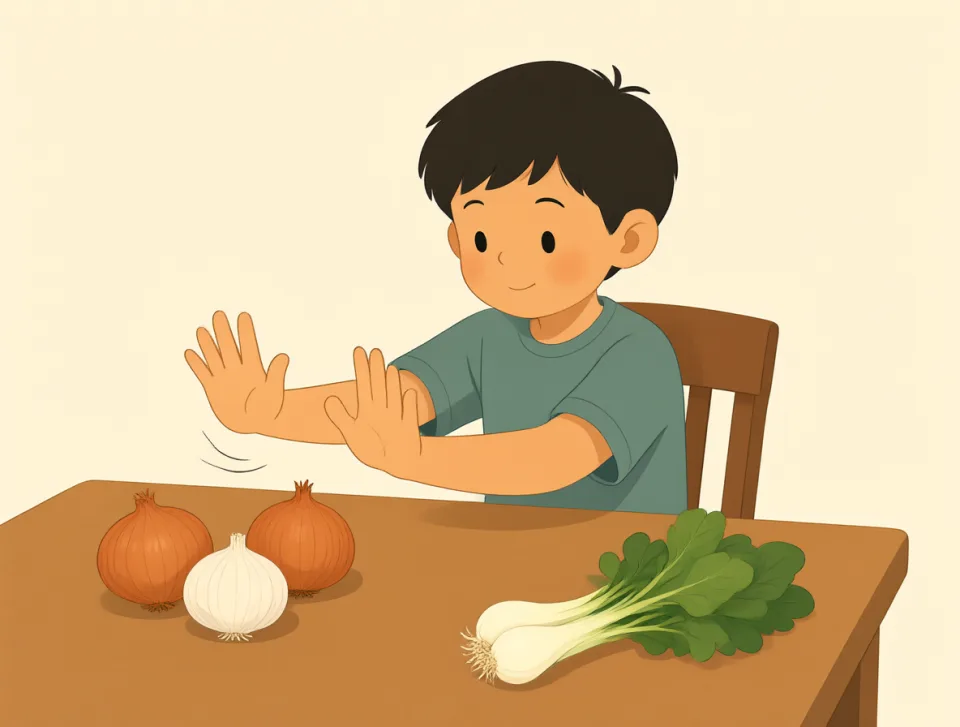
I like all vegetables except onions.
मुझे प्याज़ को छोड़कर सभी सब्ज़ियाँ पसंद हैं।

She finished the test except for one question.
उसने एक सवाल को छोड़कर पूरा टेस्ट कर लिया।

We found nothing except an old map.
हमें एक पुराने नक्शे के अलावा कुछ नहीं मिला।
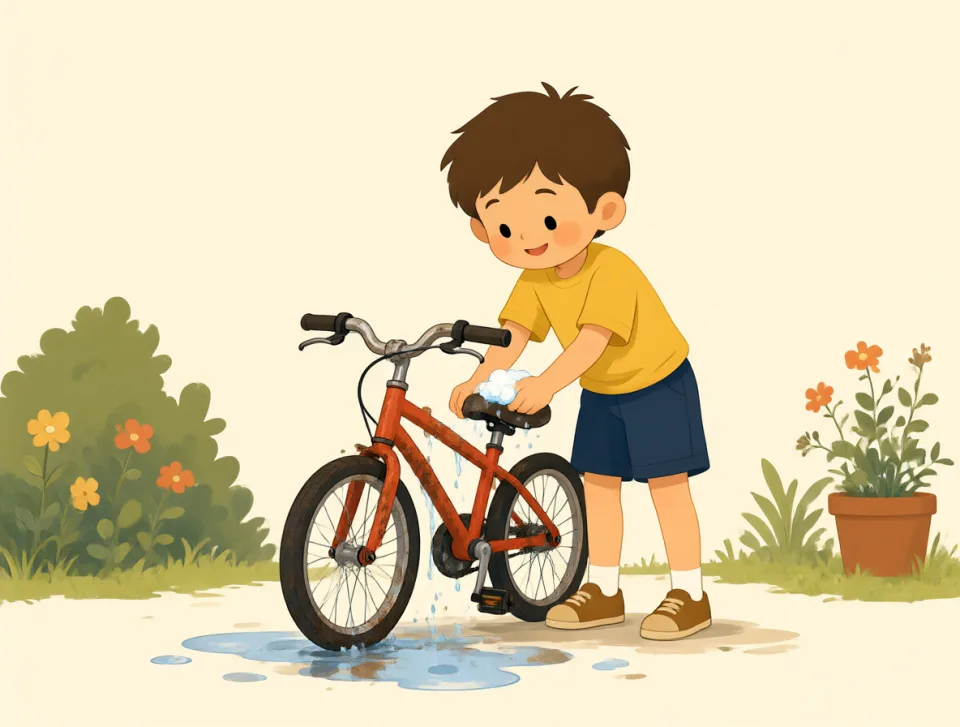
clean
#842adjective, verb, noun
साफ़; साफ़ करना
Free from dirt, or to remove dirt from something.
गंदगी से मुक्त; या किसी चीज़ से गंदगी हटाना।
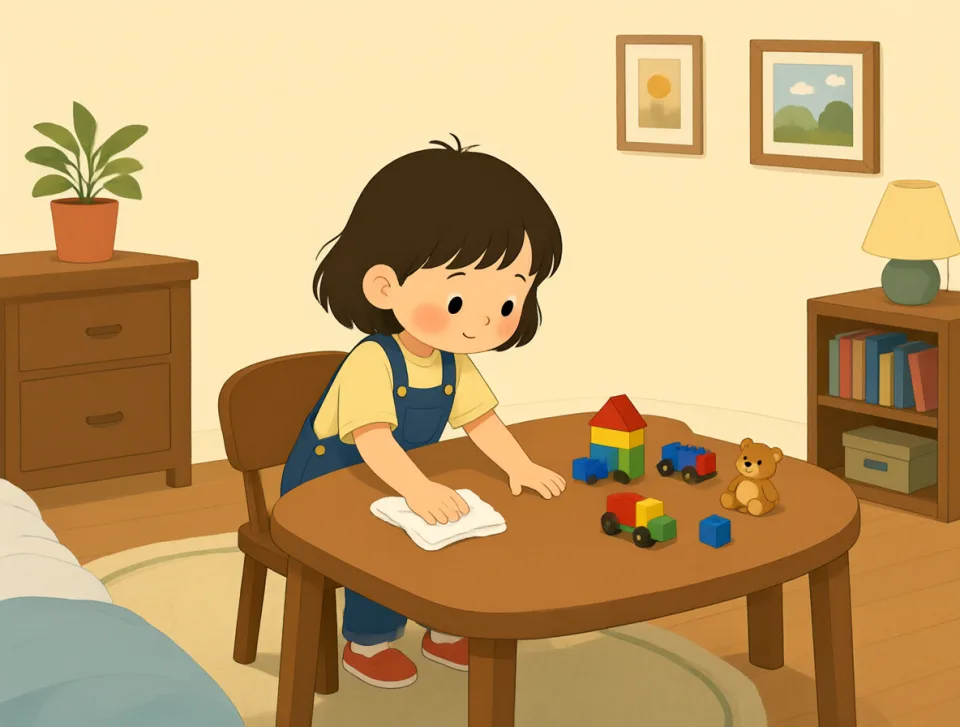
Please clean your room before dinner.
कृपया रात के खाने से पहले अपना कमरा साफ़ कर लो।
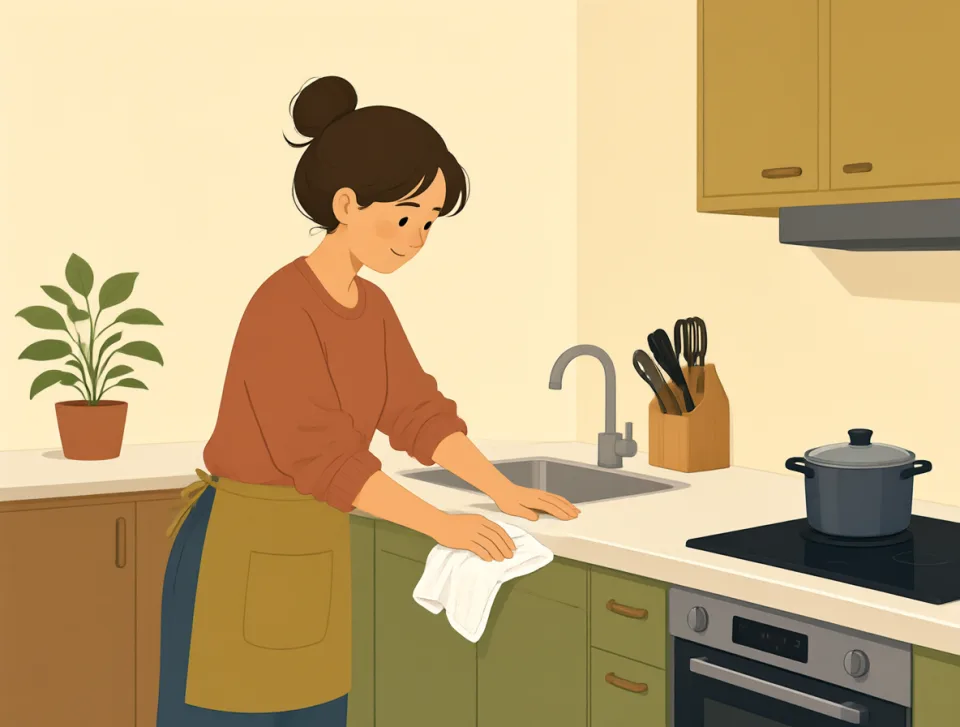
She cleaned the kitchen after breakfast.
उसने नाश्ते के बाद रसोई साफ़ की।
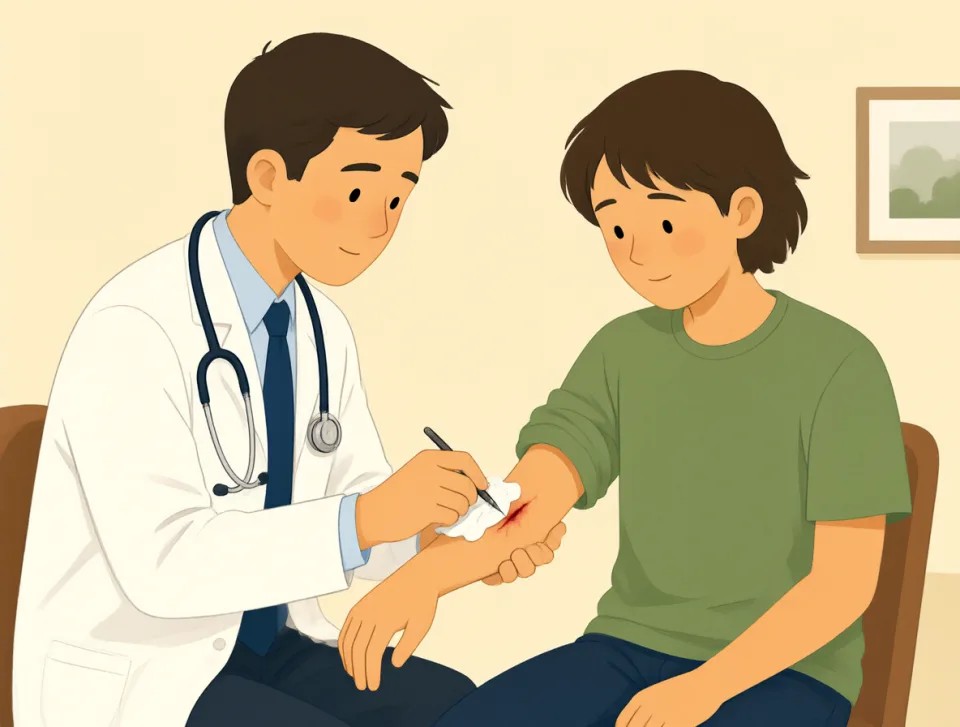
The doctor cleaned the cut carefully.
डॉक्टर ने घाव को सावधानी से साफ़ किया।
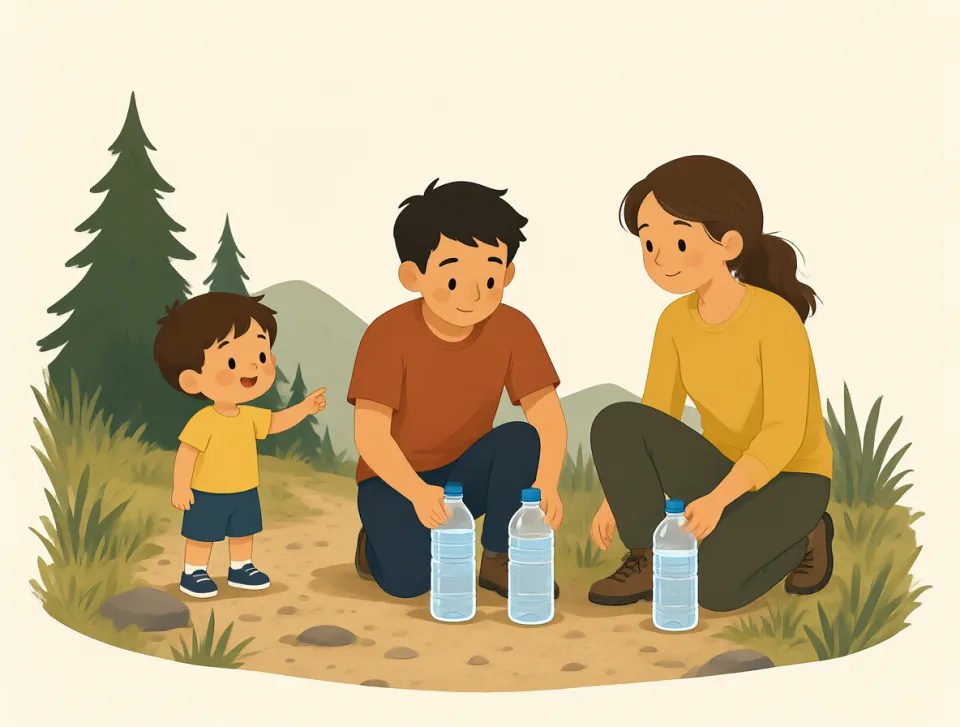
We need clean water for the trip.
यात्रा के लिए हमें साफ़ पानी चाहिए।

He always wears a clean shirt to work.
वह काम पर हमेशा साफ़ कमीज़ पहनता है।

tend
#843verb
अक्सर करना; प्रवृत्त होना
to usually do something or be likely to behave in a particular way
आमतौर पर कुछ करना या किसी खास तरीके से व्यवहार करने की संभावना होना।
Children tend to enjoy sweet foods.
बच्चों को मीठी चीज़ें पसंद आती हैं।
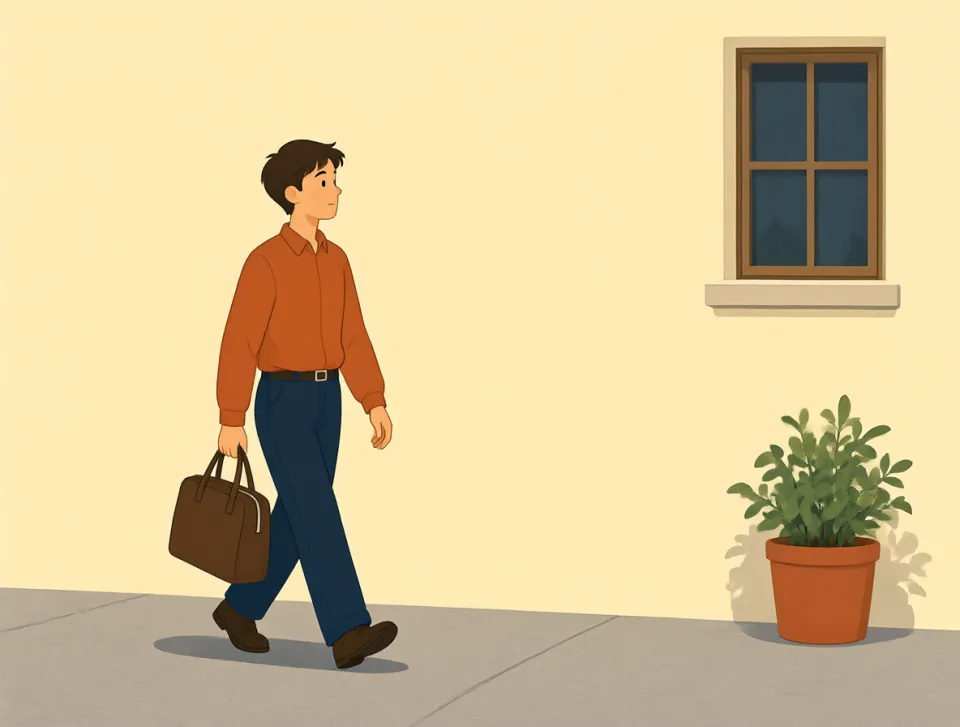
I tend to walk home after work.
मैं काम के बाद अक्सर पैदल घर जाता हूँ।

People tend to feel tired after long trips.
लंबी यात्राओं के बाद लोग अक्सर थका हुआ महसूस करते हैं।
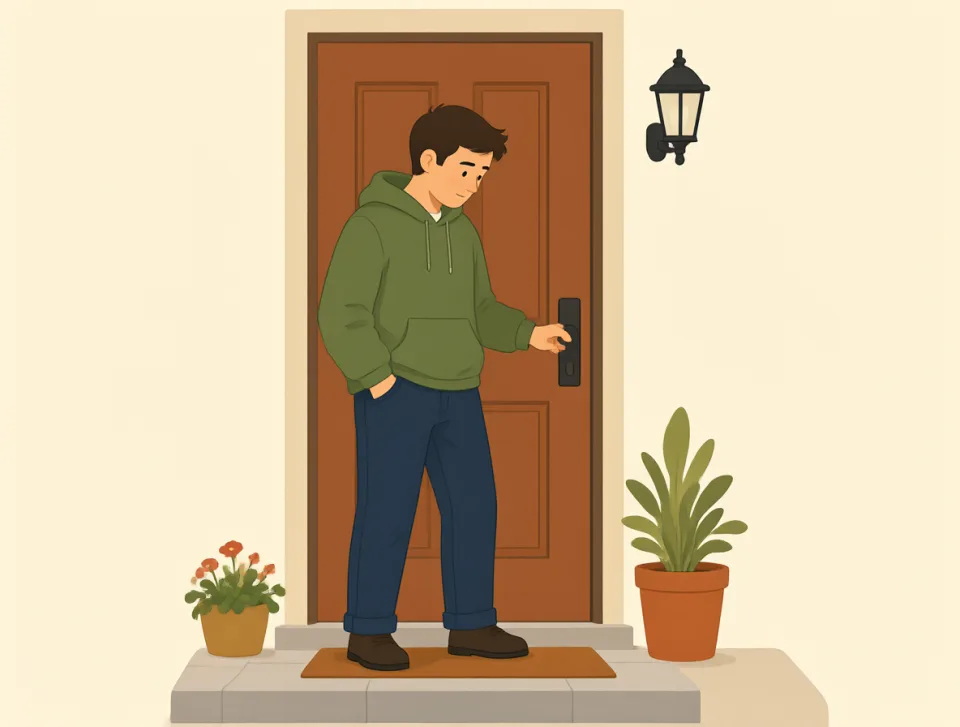
My brother tends to forget his keys.
मेरा भाई अक्सर अपनी चाबियाँ भूल जाता है।

These shoes tend to get dirty quickly.
ये जूते जल्दी गंदे हो जाते हैं।

advance
#844verb, noun
आगे बढ़ना; प्रगति; अग्रिम भुगतान
to move forward or make progress; progress or a payment made before it is due
आगे बढ़ना या तरक्की करना; प्रगति, या देय तारीख से पहले किया गया भुगतान।
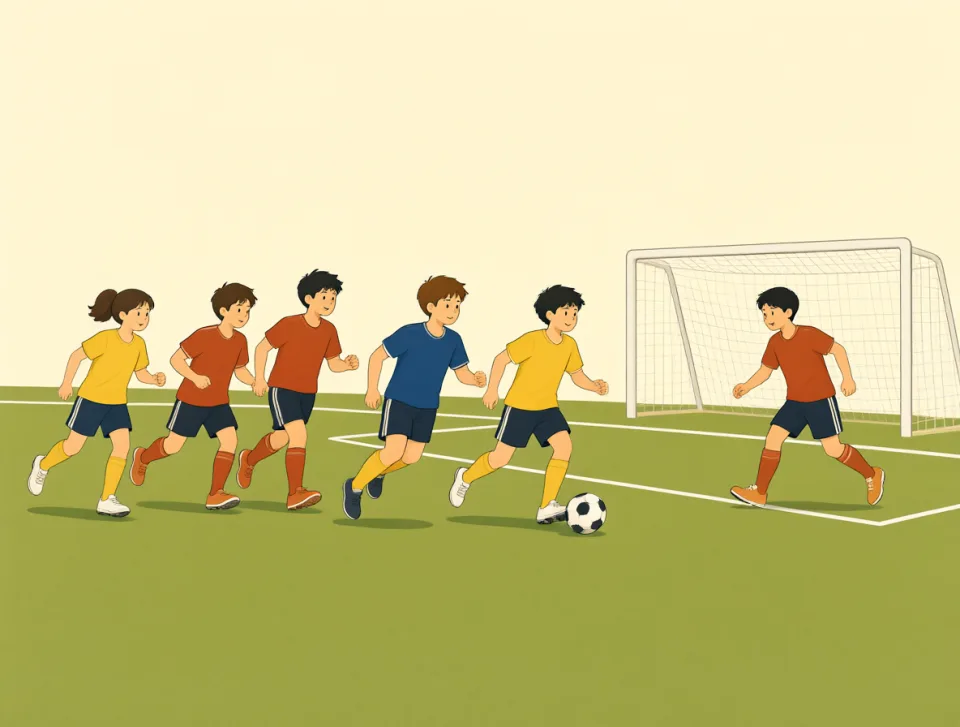
The team advanced toward the final round.
टीम फाइनल राउंड की ओर आगे बढ़ी।

She advanced quickly in her new job.
उसने अपनी नई नौकरी में तेज़ी से तरक्की की।

We paid an advance for the hotel room.
हमने होटल के कमरे के लिए अग्रिम भुगतान किया।
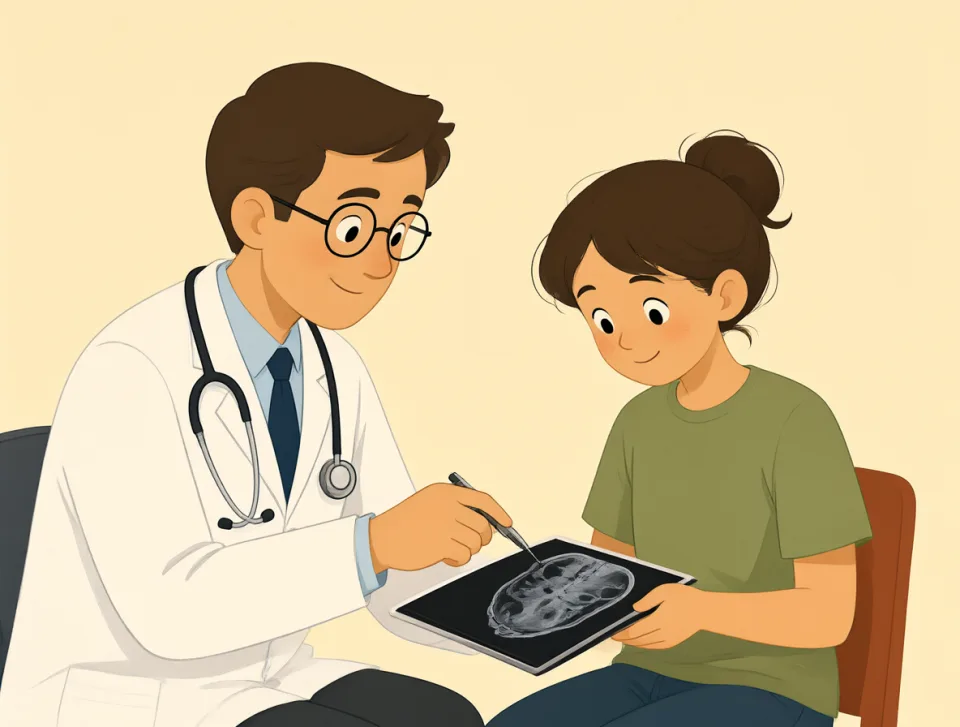
The doctor said the illness was advancing.
डॉक्टर ने कहा कि बीमारी बढ़ रही थी।

The soldiers advanced through the snowy forest.
सैनिक बर्फ़ से ढके जंगल से आगे बढ़े।
fill
#845verb, noun
भरना; भरने के लिए आवश्यक मात्रा
To put something into a container until it is full, or the amount needed to make it full.
किसी बर्तन को पूरा भरने तक उसमें कुछ डालना, या उसे भरने के लिए आवश्यक मात्रा।

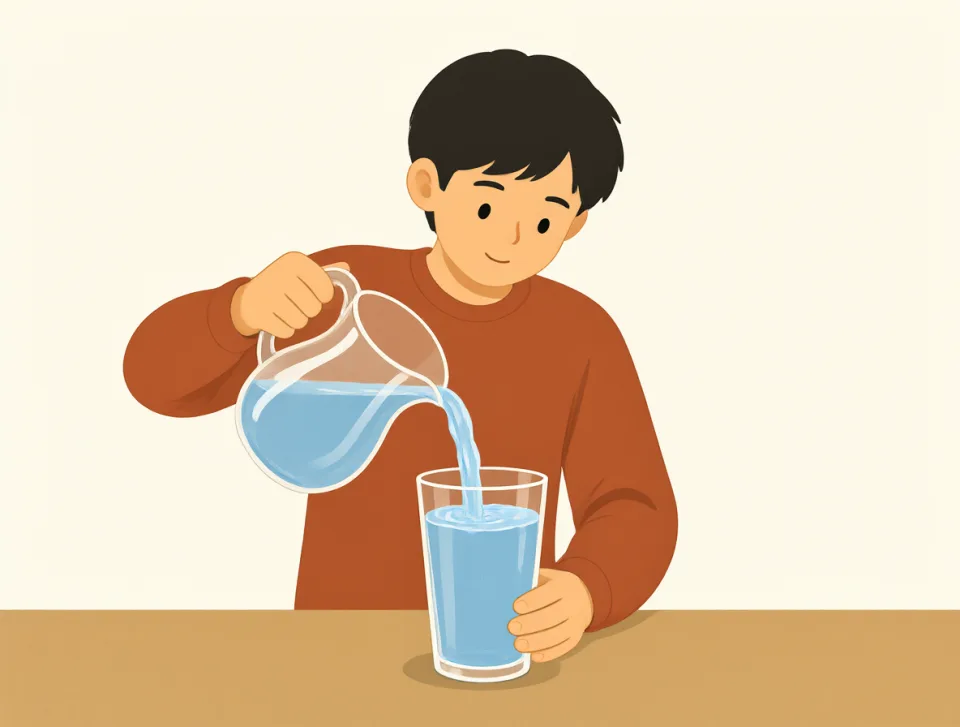
Please fill the glass with water.
कृपया गिलास में पानी भर दीजिए।

She filled the bag with fresh apples.
उसने थैले में ताज़े सेब भर दिए।
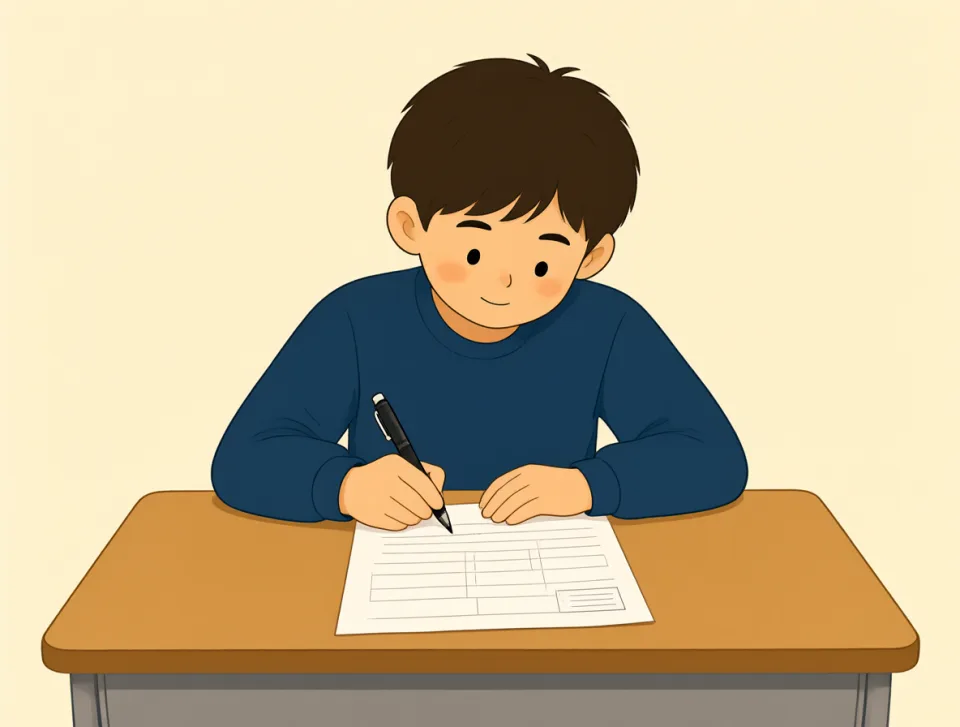
Fill out this form before the lesson.
पाठ से पहले यह फ़ॉर्म भरें।

The hotel filled up during the holiday.
छुट्टियों के दौरान होटल पूरी तरह भर गया।
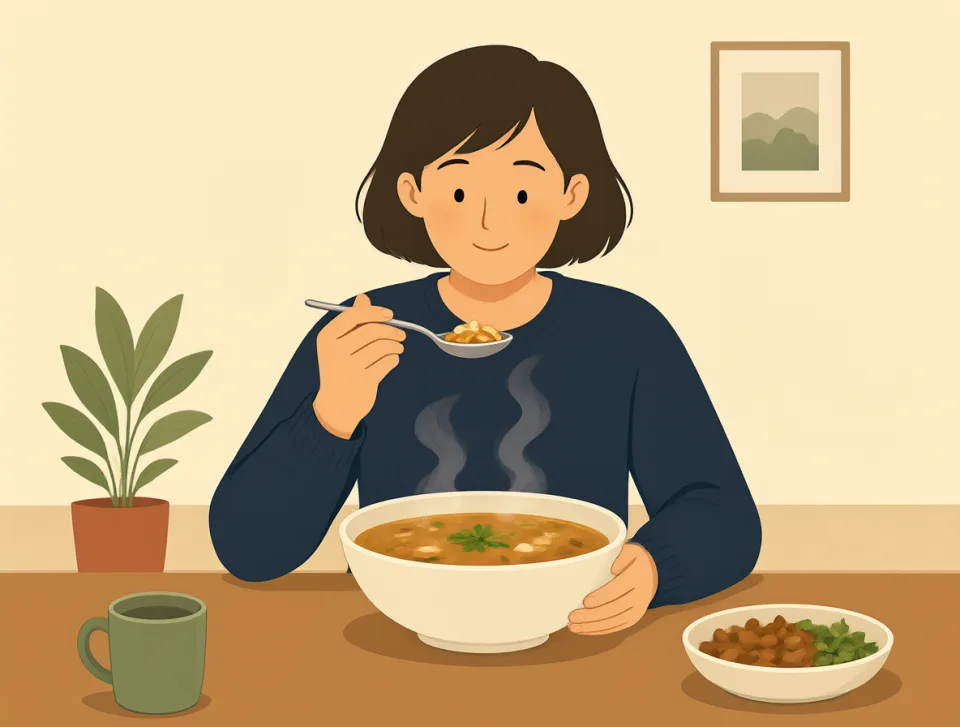
This soup will fill you up quickly.
यह सूप तुम्हारा पेट जल्दी भर देगा।

star
#846noun, verb
तारा
A bright point in the night sky, or to perform very well in a film or show.
रात के आसमान में चमकता हुआ बिंदु, या किसी फ़िल्म या शो में बहुत अच्छा प्रदर्शन करना।

We saw many stars last night.
हमने कल रात कई तारे देखे।

The movie star arrived at the hotel.
फ़िल्म का सितारा होटल पहुँचा।
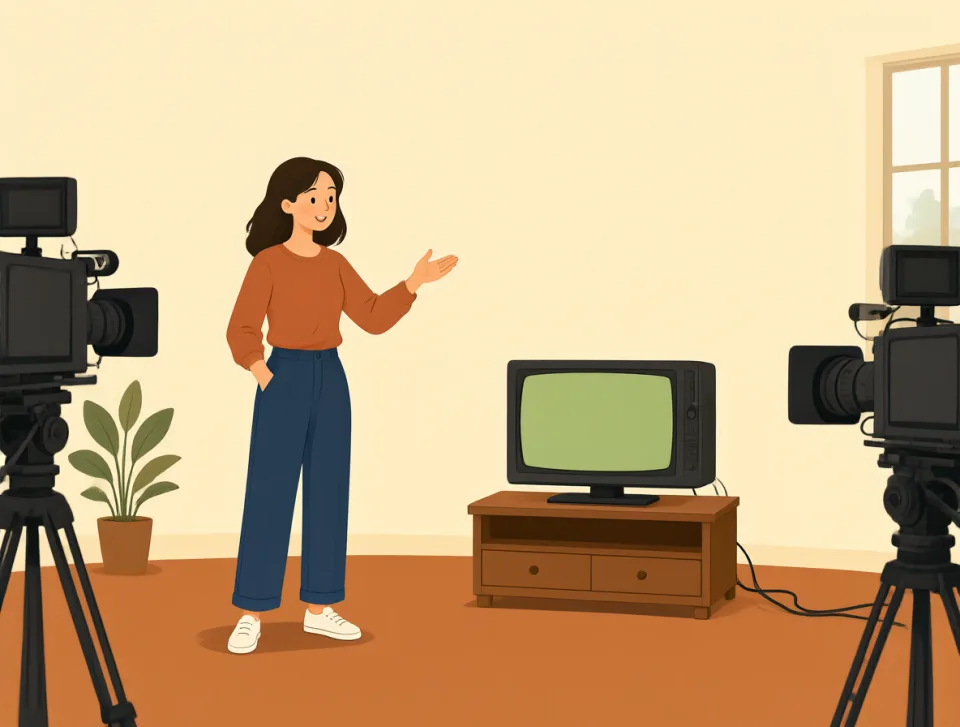
She starred in a popular TV show.
उसने एक लोकप्रिय टीवी शो में अभिनय किया।

A star player scored the winning goal.
एक स्टार खिलाड़ी ने जीत का गोल किया।

The children made a star for school.
बच्चों ने स्कूल के लिए एक तारा बनाया।
network
#847noun, verb
नेटवर्क
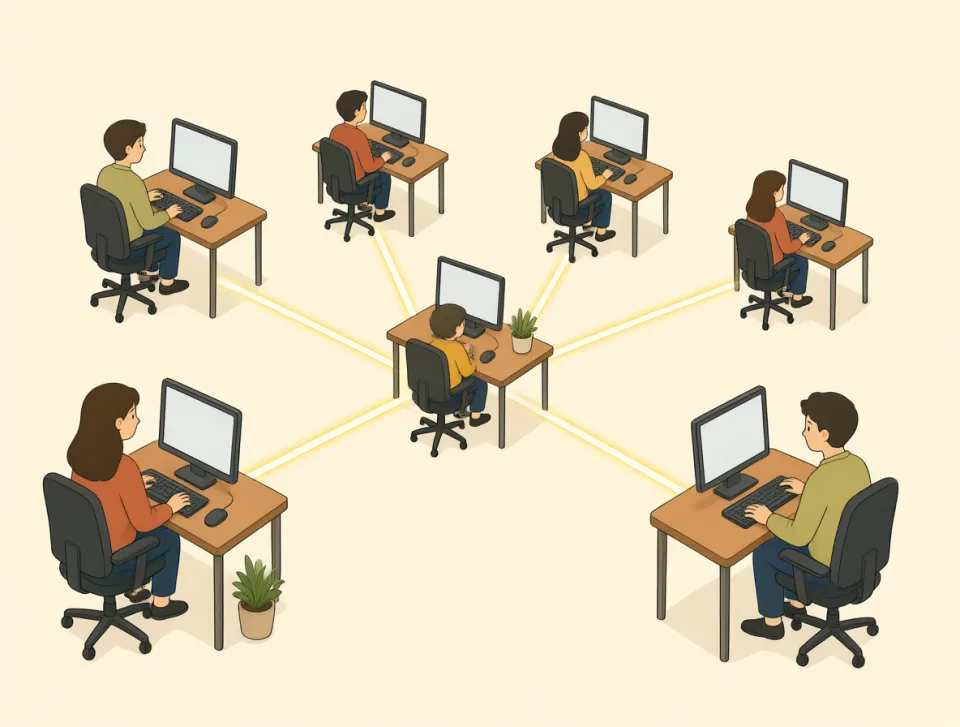
A group of connected people, computers, or places that work together.
आपस में जुड़े लोगों, कंप्यूटरों या जगहों का समूह, जो मिलकर काम करता है।
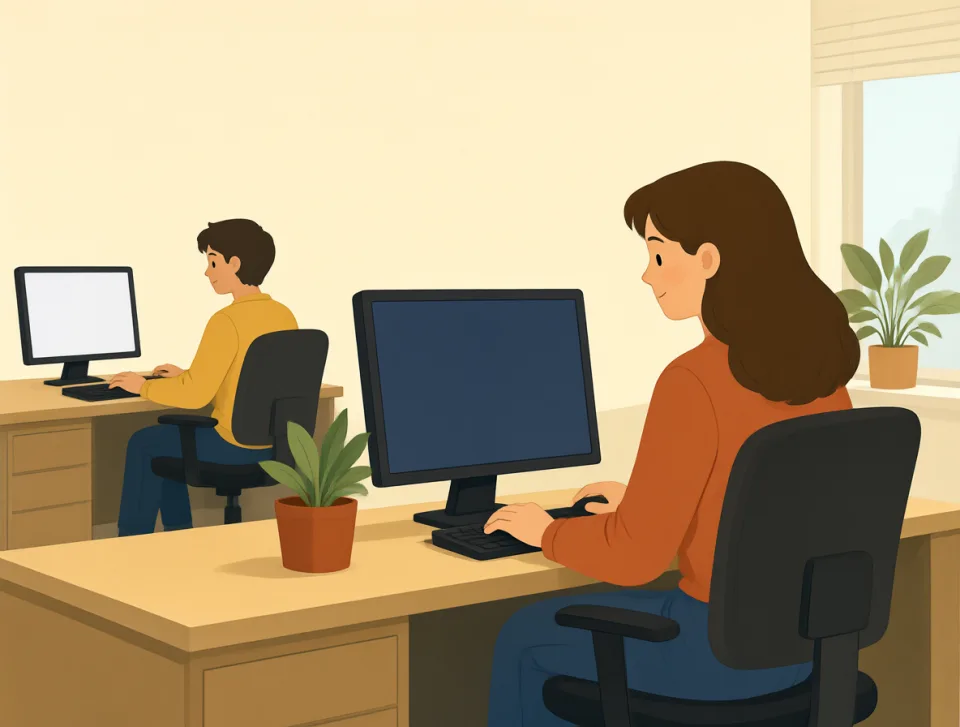
Our office network is very fast.
हमारे दफ़्तर का नेटवर्क बहुत तेज़ है।
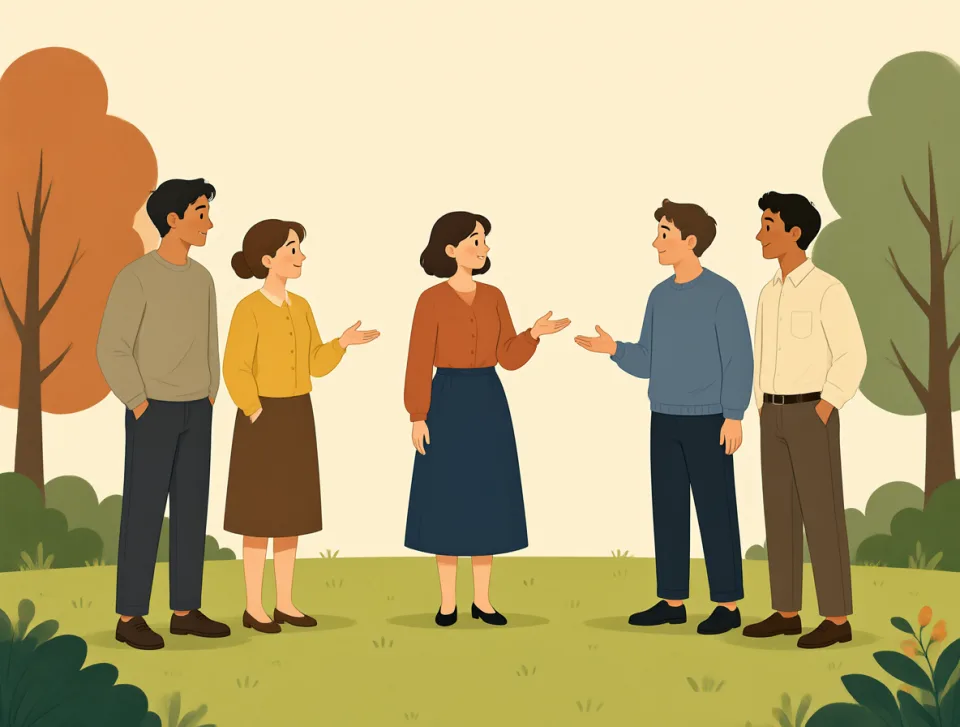
She built a network of helpful friends.
उसने मददगार दोस्तों का एक नेटवर्क बनाया।
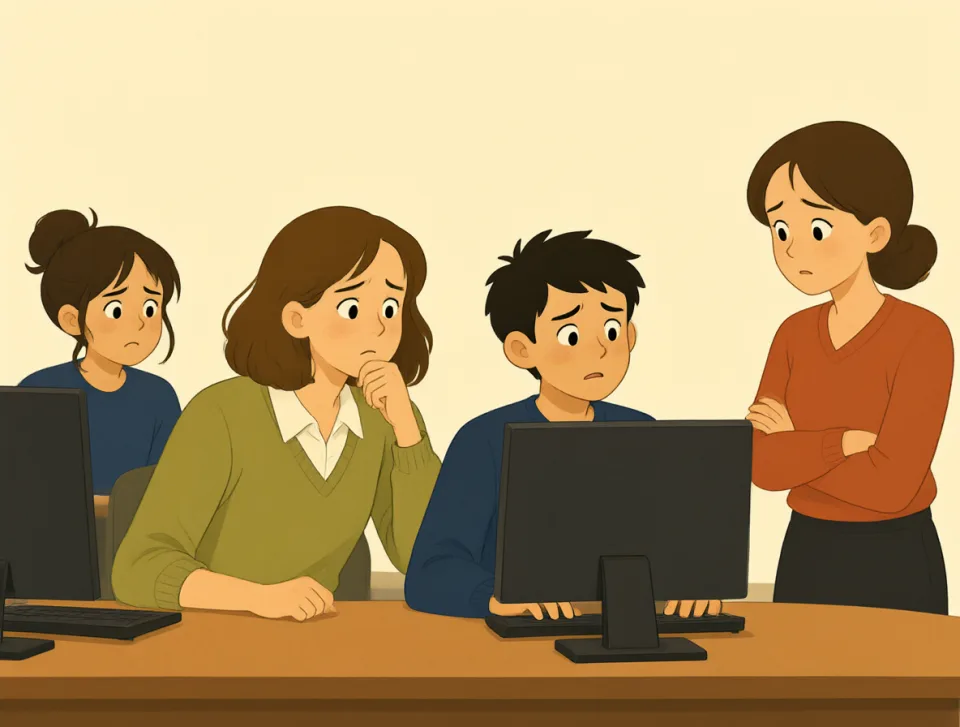
The school network stopped working yesterday.
स्कूल का नेटवर्क कल काम करना बंद कर गया।
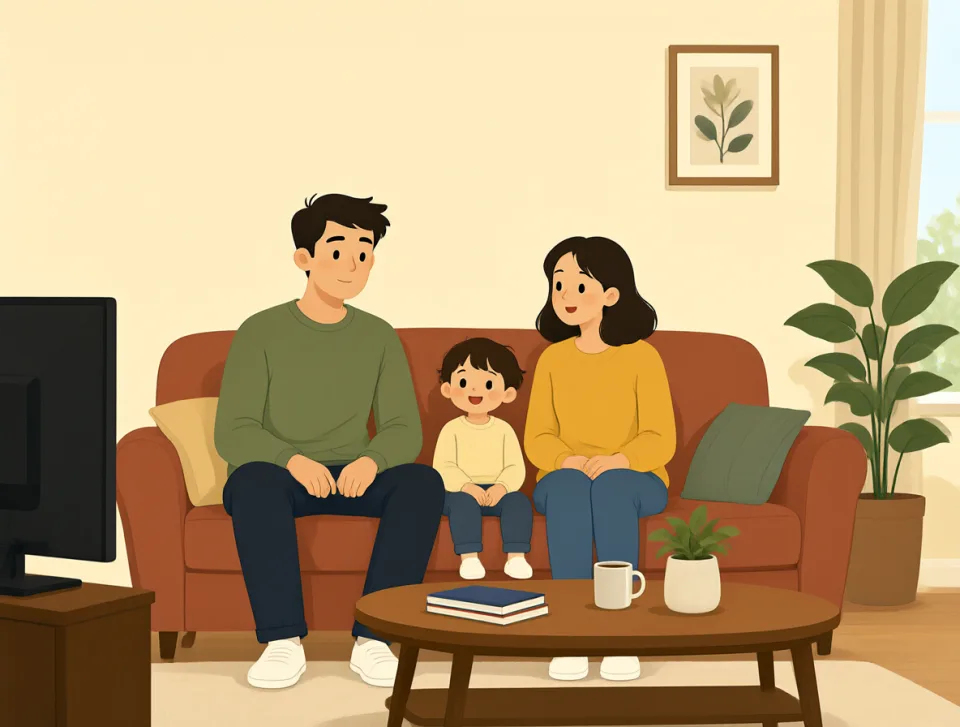
We watched the news on the television network.
हमने टेलीविज़न नेटवर्क पर समाचार देखा।
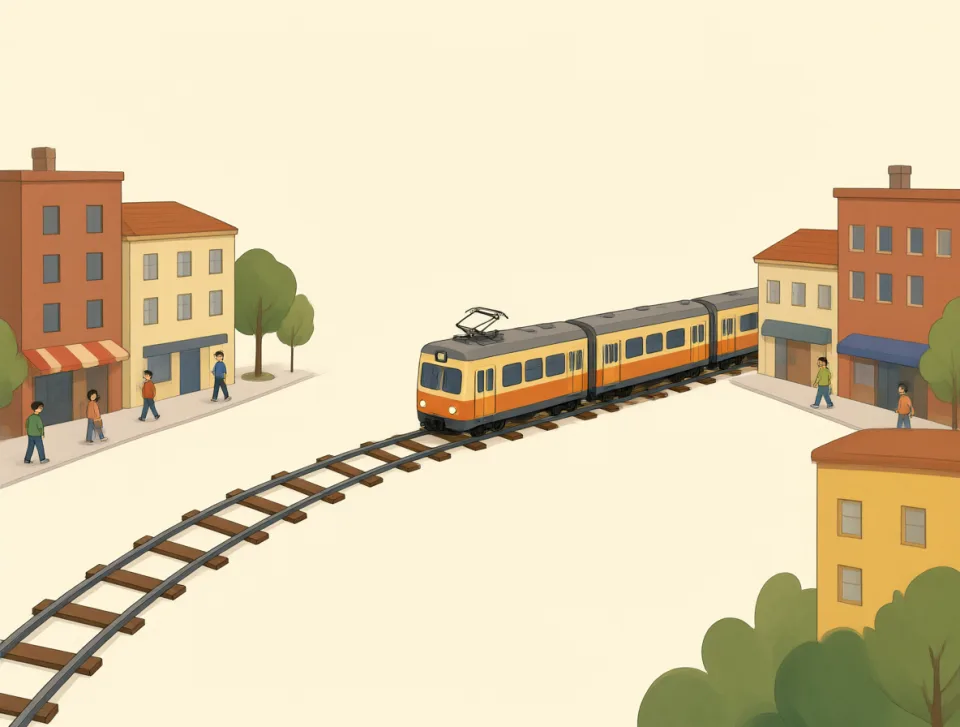
The train network connects many cities.
रेल नेटवर्क कई शहरों को जोड़ता है।
generally
#848adverb
आमतौर पर
In most cases or situations, but not always.
ज़्यादातर मामलों या परिस्थितियों में, लेकिन हमेशा नहीं।
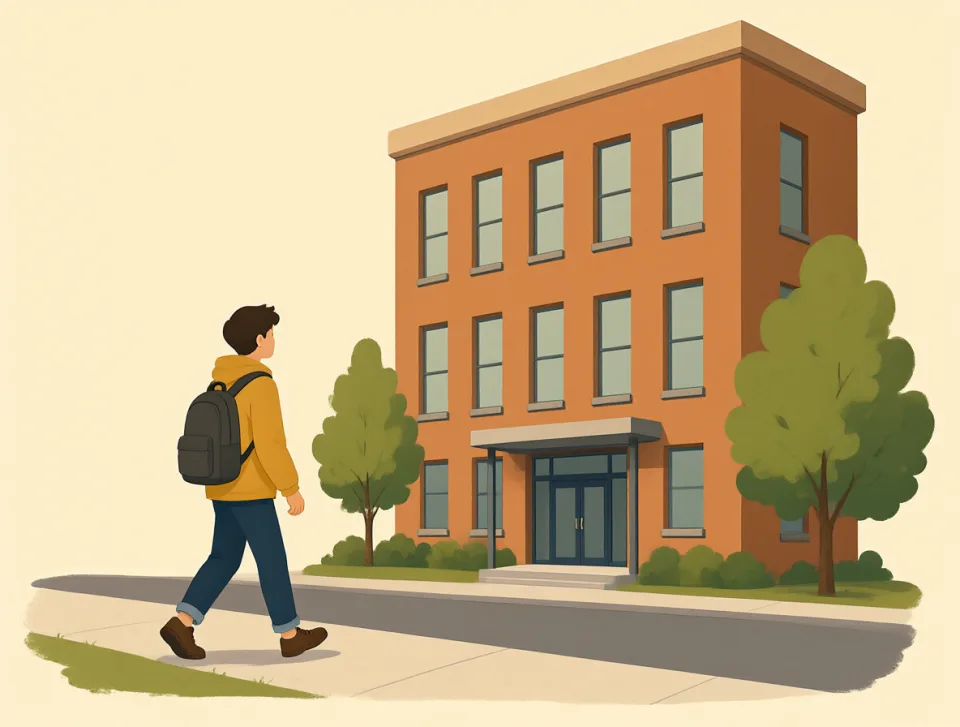
I generally walk to work.
मैं आमतौर पर पैदल काम पर जाता हूँ।
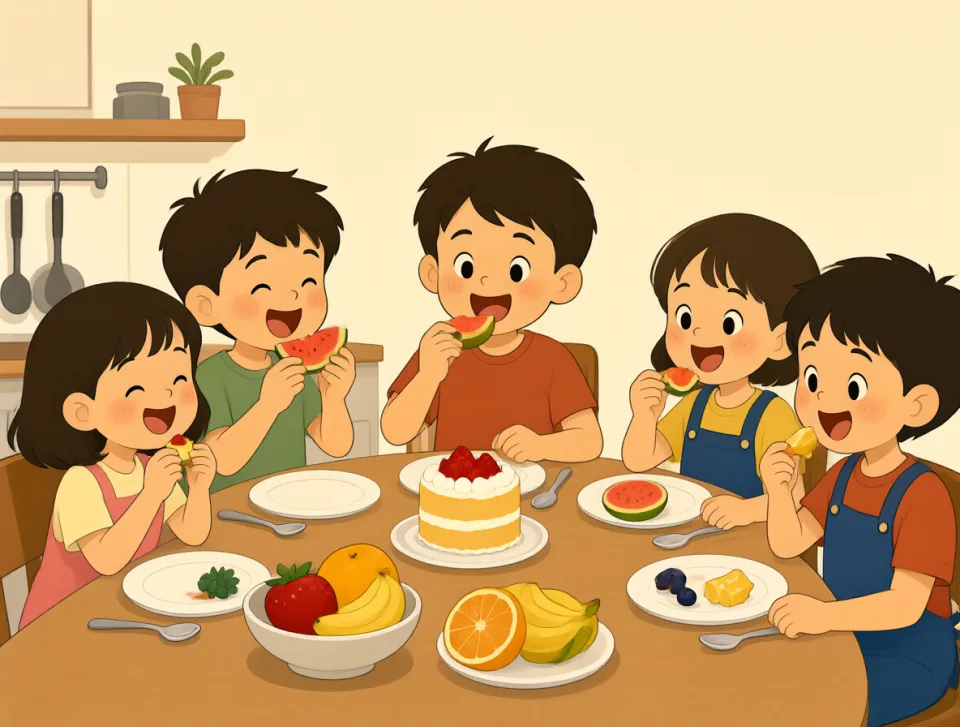
Children generally enjoy sweet food.
बच्चों को आमतौर पर मीठा खाना पसंद होता है।
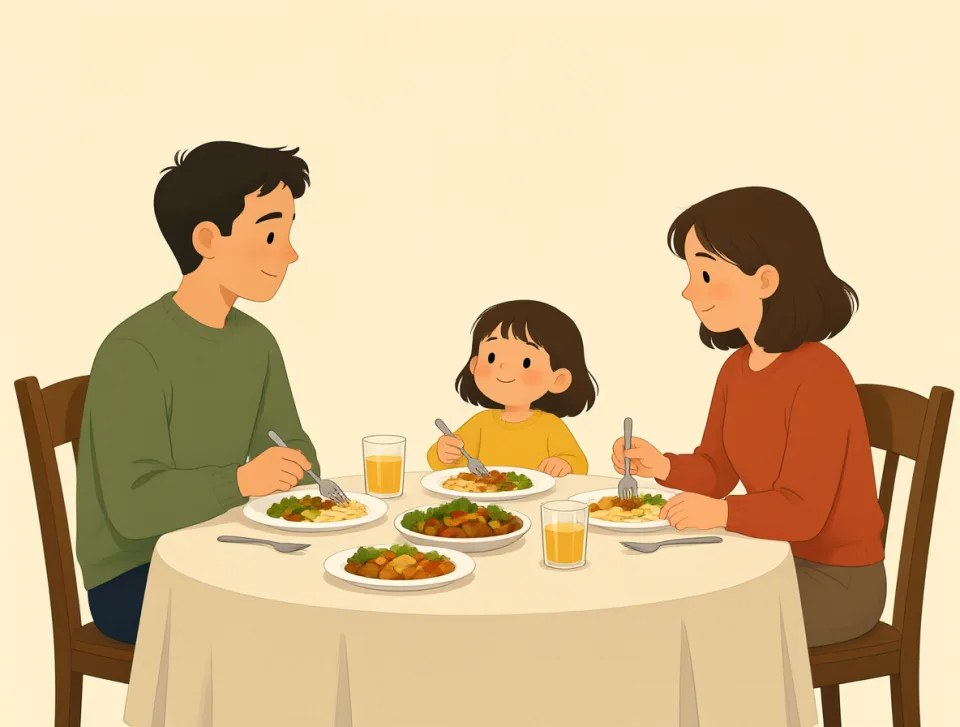
We generally eat dinner at seven.
हम आमतौर पर सात बजे रात का खाना खाते हैं।

The shop is generally busy on Saturdays.
शनिवार को दुकान में आमतौर पर काफ़ी भीड़ रहती है।

People generally feel better after rest.
आराम करने के बाद आमतौर पर लोगों को बेहतर महसूस होता है।
operation
#849noun
प्रक्रिया
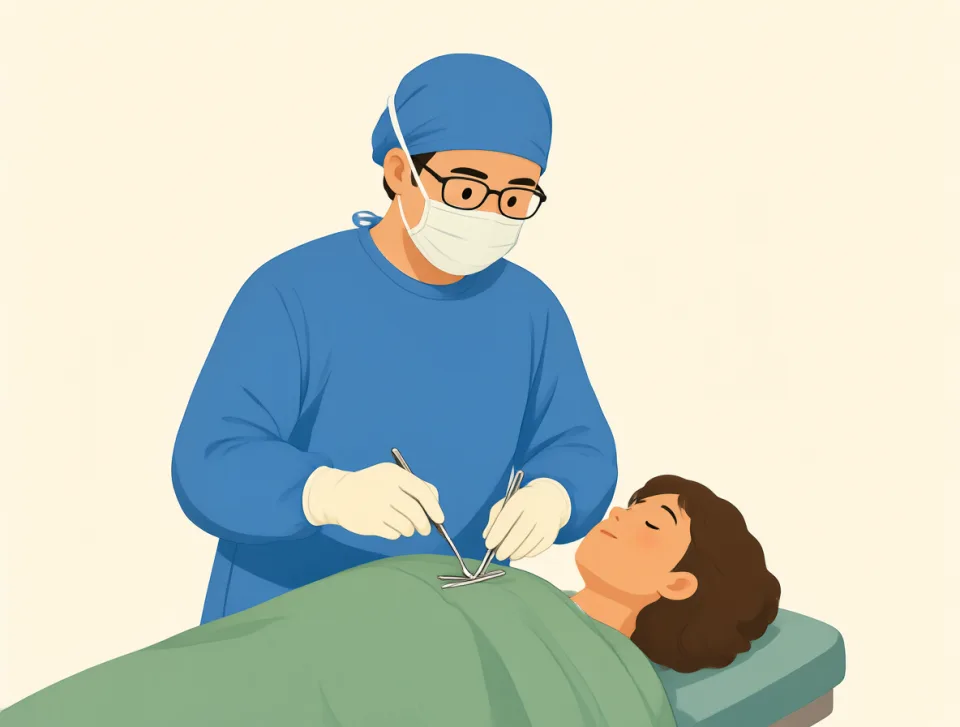
A planned activity, a way a machine works, or a medical procedure.
कोई नियोजित गतिविधि, मशीन के काम करने का तरीका या चिकित्सा की कोई शल्य-प्रक्रिया।
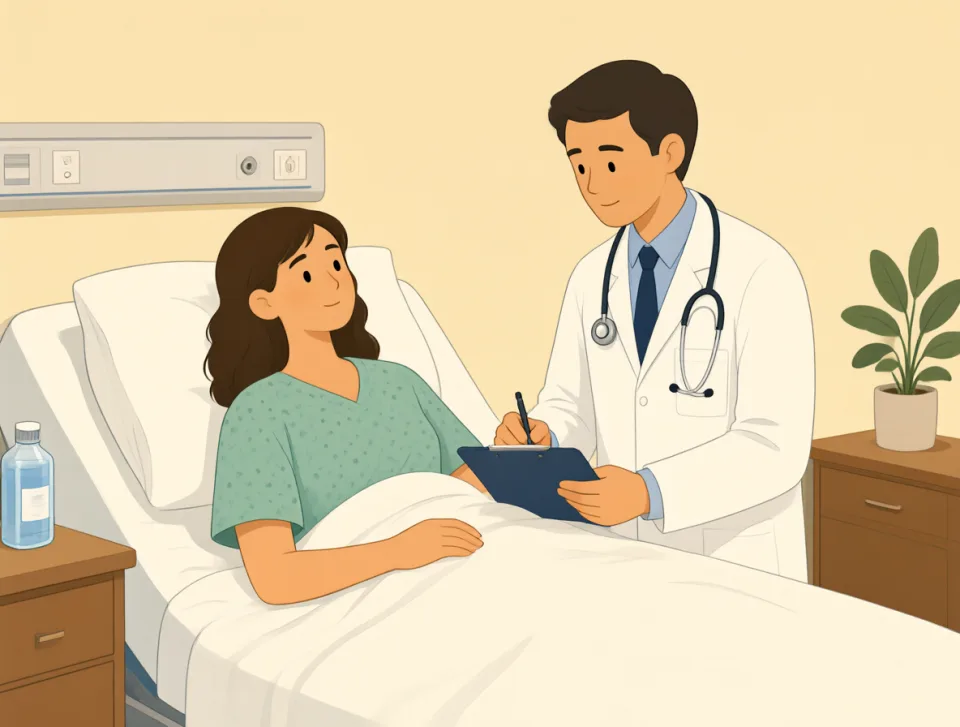
The operation lasted three hours.
ऑपरेशन तीन घंटे चला।

The shop began operation at eight.
दुकान ने आठ बजे काम करना शुरू किया।
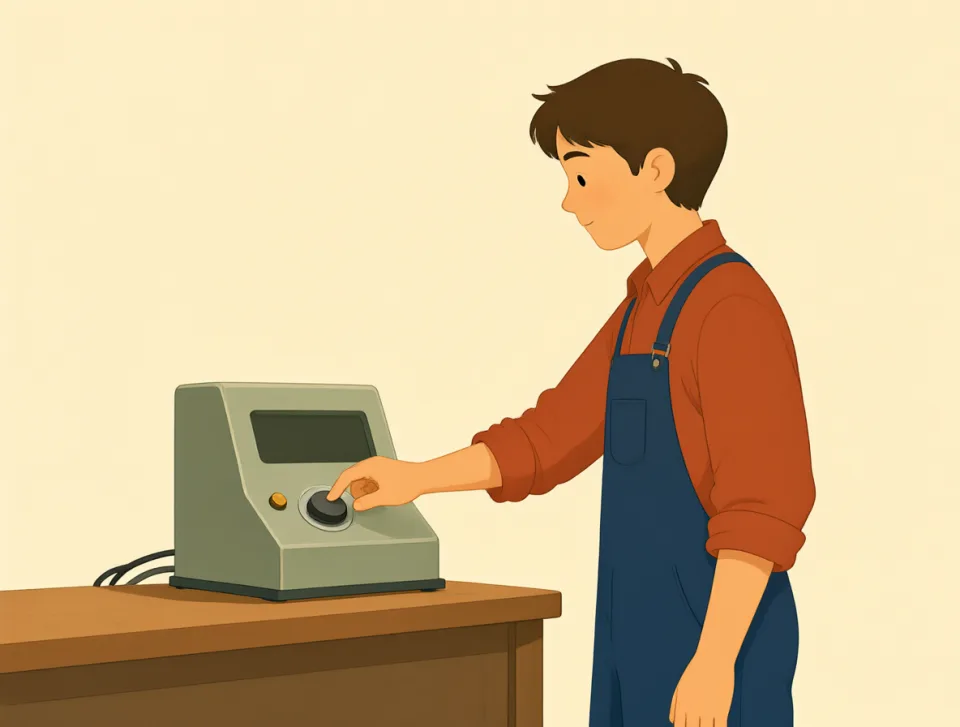
The machine is easy to operate.
इस मशीन को चलाना आसान है।

The police operation took all night.
पुलिस का अभियान पूरी रात चला।
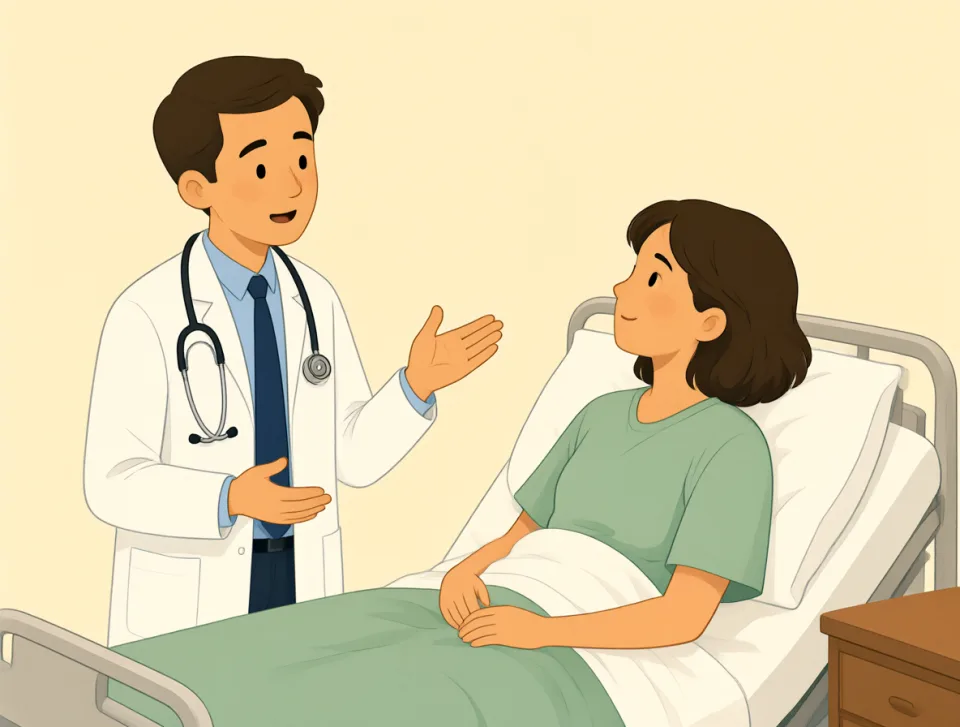
The operation on her knee went well.
उसके घुटने का ऑपरेशन अच्छी तरह हुआ।

match
#850noun, verb
माचिस की तीली; मेल
A match is a small stick that makes fire, or something that is the same or goes well together.
माचिस एक छोटी तीली होती है जिससे आग जलाई जाती है। इसका अर्थ ऐसी चीज़ भी है जो किसी दूसरी चीज़ जैसी हो या उसके साथ अच्छी लगे।
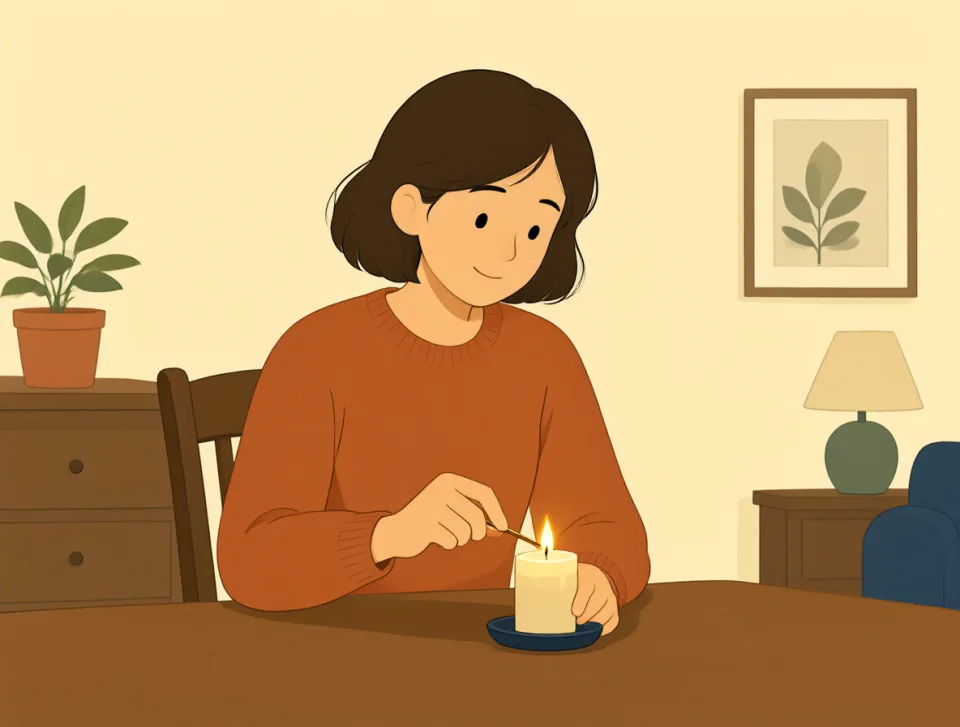
She lit the candle with a match.
उसने माचिस की तीली से मोमबत्ती जलाई।

The blue shirt matches your jeans.
नीली कमीज़ तुम्हारी जींस के साथ अच्छी लगती है।

Our team won the football match.
हमारी टीम ने फ़ुटबॉल का मैच जीत लिया।

I found a match for this sock.
मुझे इस मोज़े की जोड़ी का दूसरा मोज़ा मिल गया।
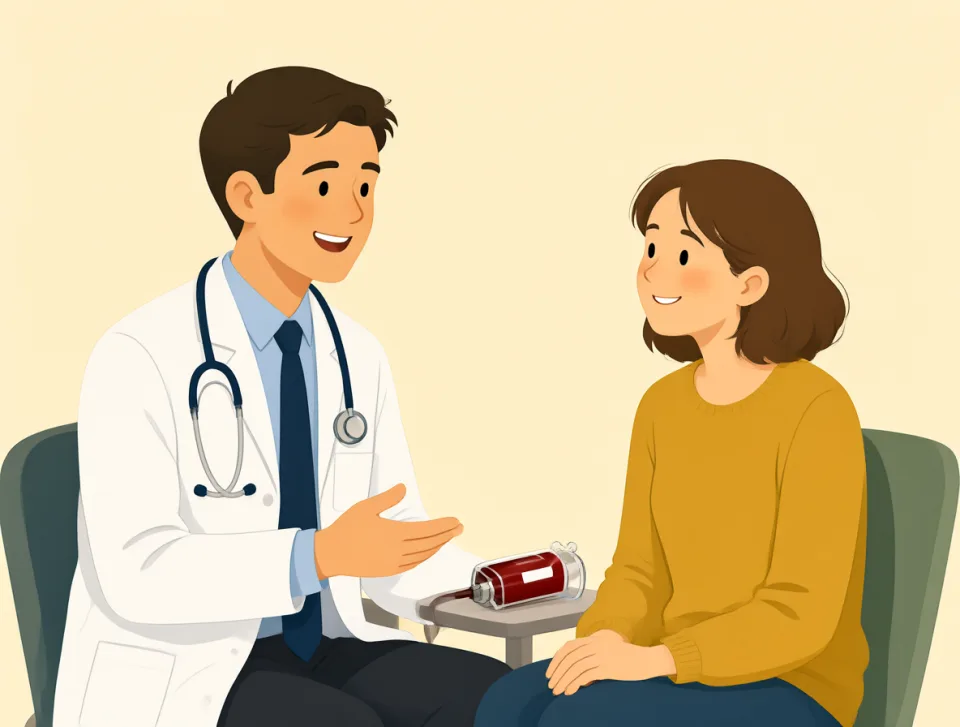
The doctor found a matching donor.
डॉक्टर को एक उपयुक्त दाता मिल गया।

avoid
#851verb
बचना
To stay away from someone or something, or stop something from happening.
किसी व्यक्ति या चीज़ से दूर रहना, या किसी घटना को होने से रोकना।

Please avoid the wet floor.
कृपया गीले फ़र्श से बचें।

She avoids eating too much sugar.
वह बहुत ज़्यादा चीनी खाने से बचती है।
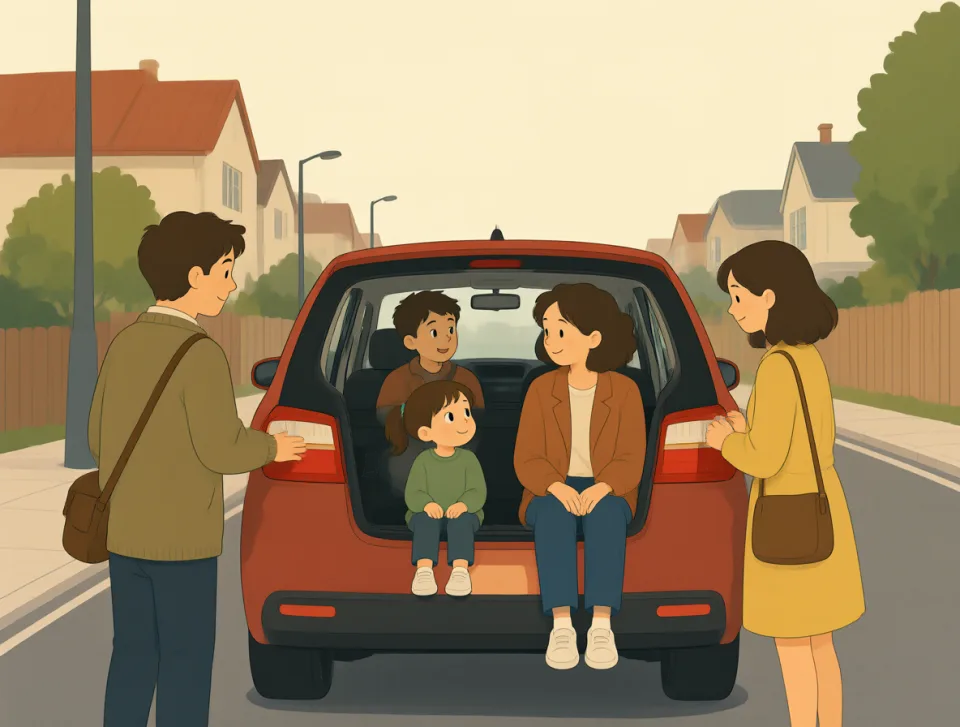
We left early to avoid traffic.
हमने ट्रैफ़िक से बचने के लिए जल्दी निकलने का फ़ैसला किया।

Try to avoid making the same mistake.
वही गलती दोबारा करने से बचने की कोशिश करो।

He avoided talking about his health.
उसने अपनी सेहत के बारे में बात करने से परहेज़ किया।

seat
#852noun, verb
बैठने की जगह; बैठाना
A place where someone can sit, or to put someone in a place to sit.
बैठने की जगह, या किसी को बैठने के लिए किसी जगह पर बिठाना।
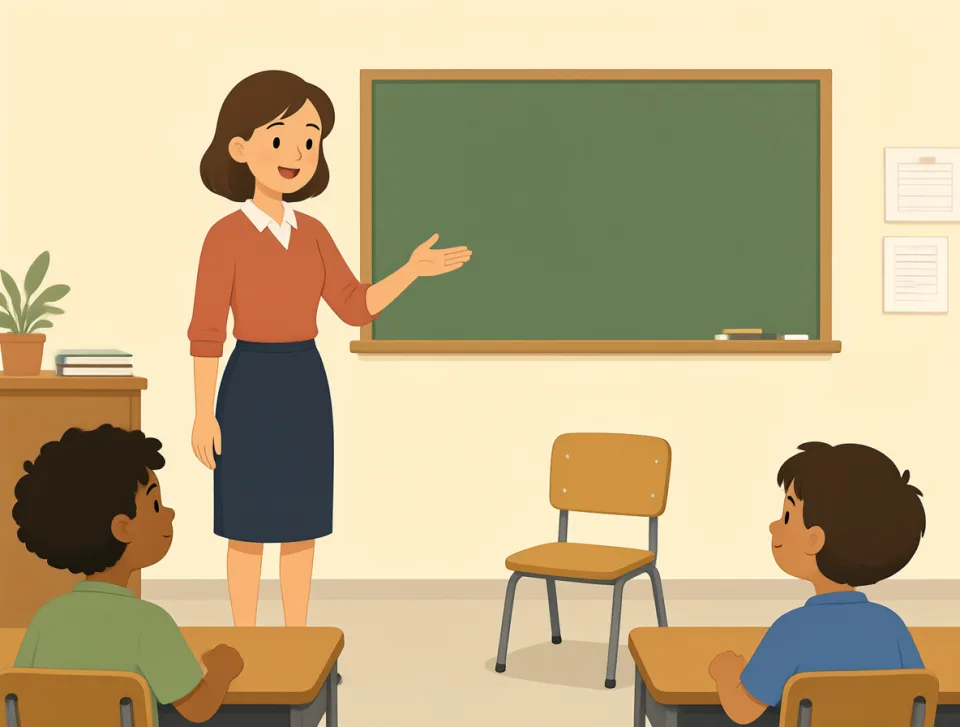
Please take a seat here.
कृपया यहाँ बैठिए।

We found two seats on the bus.
हमें बस में दो सीटें मिल गईं।

My seat is next to the window.
मेरी सीट खिड़की के पास है।
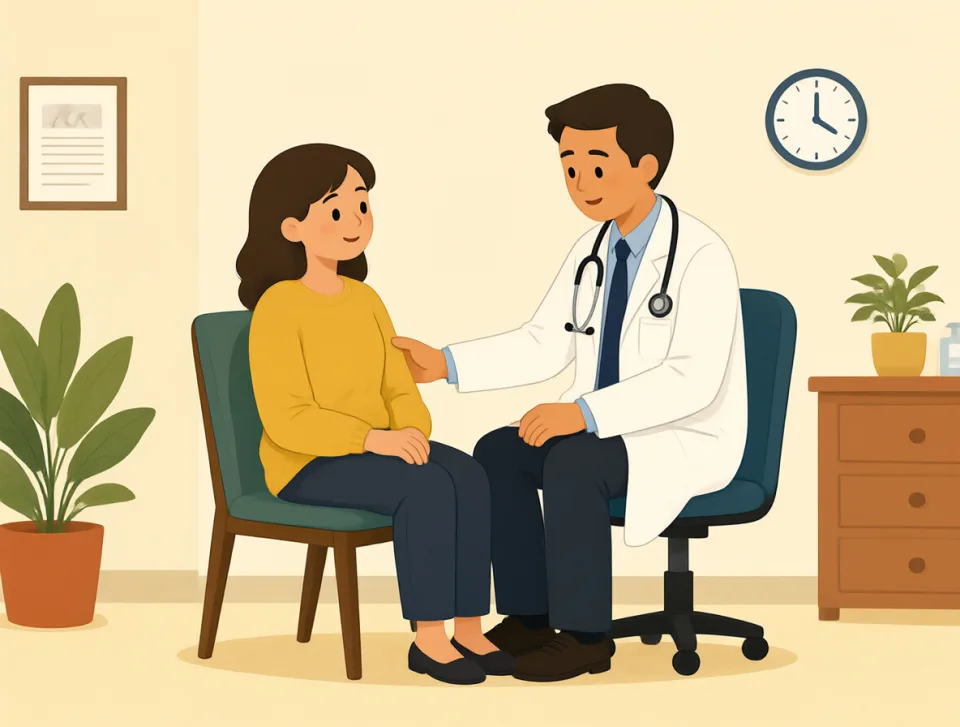
The doctor seated the patient carefully.
डॉक्टर ने मरीज़ को सावधानी से बिठाया।

This restaurant seats fifty people.
इस रेस्तराँ में पचास लोग बैठ सकते हैं।
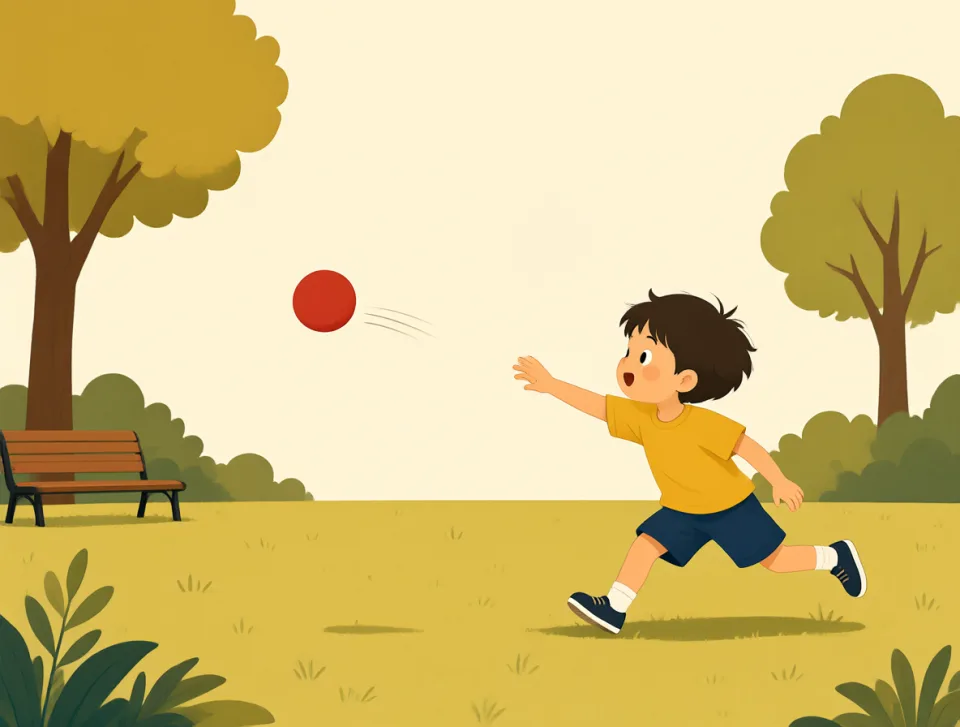
throw
#853verb, noun
फेंकना; हल्का कंबल
To send something through the air using your hand; a light cover for a bed or sofa.
हाथ से किसी चीज़ को हवा में उछालना; बिस्तर या सोफ़े पर ओढ़ने या डालने वाला हल्का कंबल।

Please throw me the ball.
कृपया मुझे गेंद फेंको।
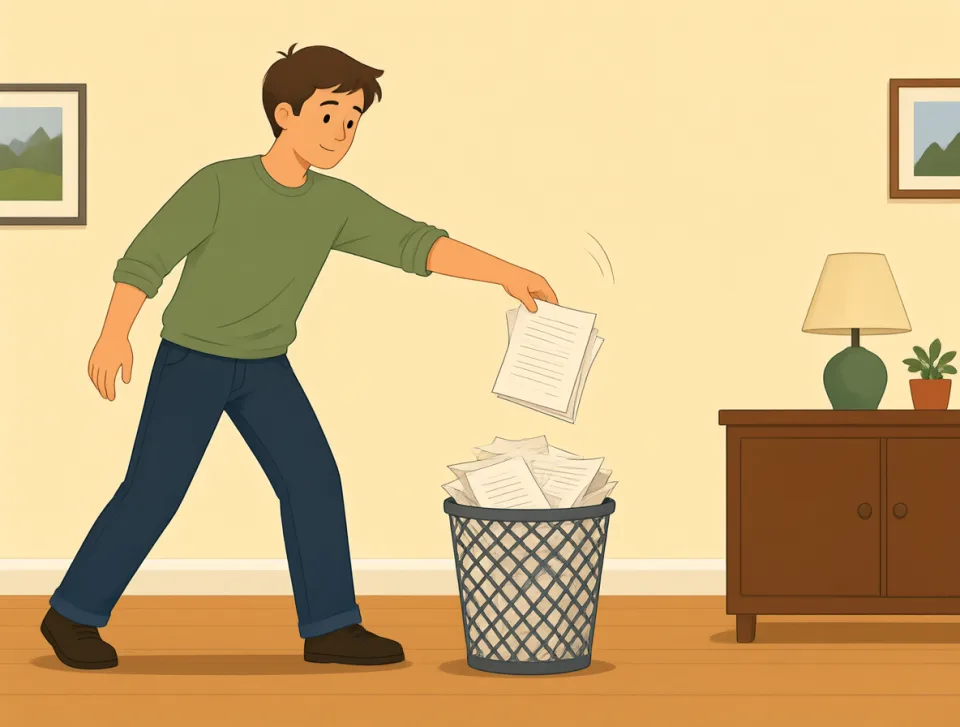
He threw the old papers away.
उसने पुराने कागज़ फेंक दिए।

She threw a stone into the lake.
उसने झील में एक पत्थर फेंका।

The chef threw the vegetables into the pan.
शेफ़ ने सब्ज़ियाँ पैन में डाल दीं।

We bought a warm throw for the sofa.
हमने सोफ़े के लिए एक गर्माहट देने वाला हल्का कंबल खरीदा।
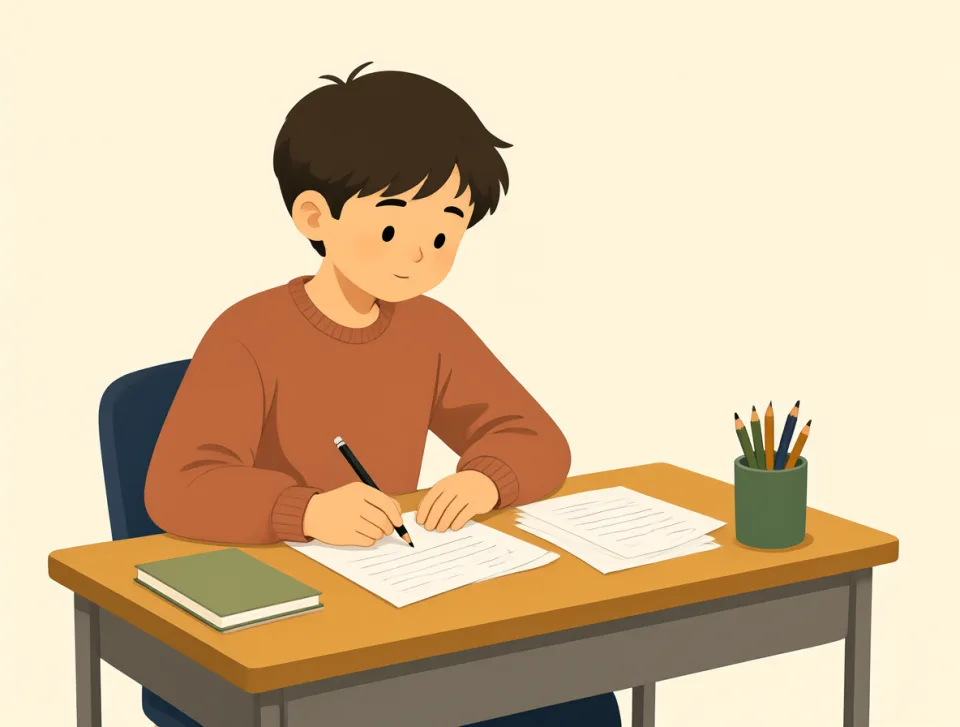
task
#854noun
काम
A piece of work that you need to do.
ऐसा काम जिसे आपको करना हो।

I finished my homework task before dinner.
मैंने रात के खाने से पहले होमवर्क का काम पूरा कर लिया।

My first task at work is checking emails.
काम पर मेरा पहला काम ईमेल देखना है।
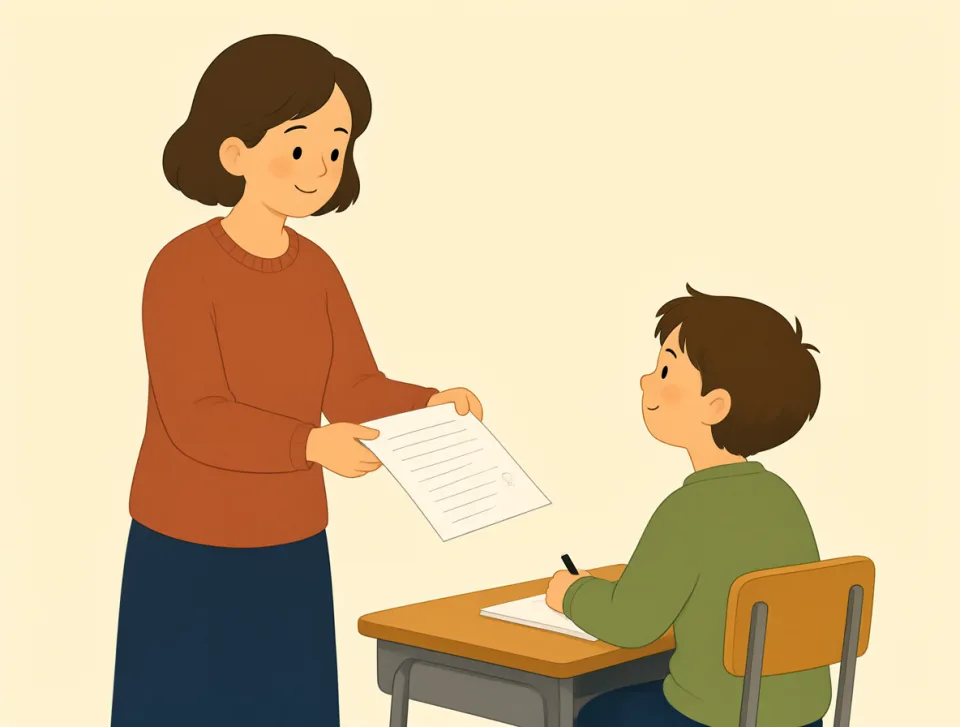
The teacher gave us a difficult task.
शिक्षक ने हमें एक मुश्किल काम दिया।

Our task was to find the train station.
हमारा काम रेलवे स्टेशन ढूँढ़ना था।
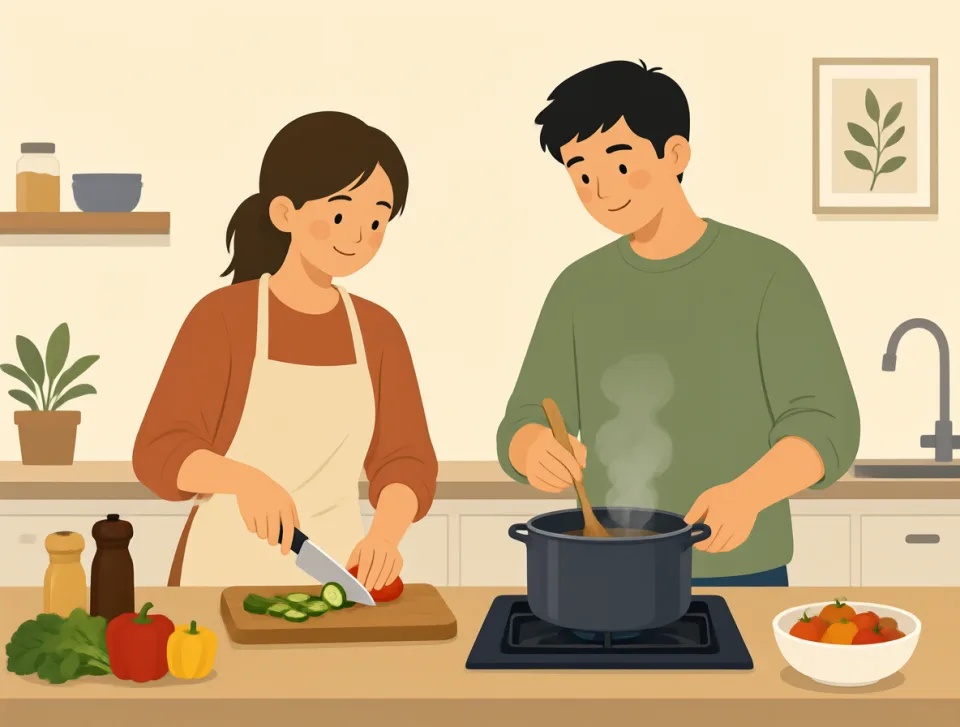
We shared the cooking tasks with our friends.
हमने अपने दोस्तों के साथ खाना पकाने के काम बाँट लिए।

normal
#855adjective, noun
सामान्य
usual, expected, or healthy; a usual condition or way of doing things
आम, अपेक्षित या स्वस्थ; चीज़ों की आम स्थिति या उन्हें करने का आम तरीका।
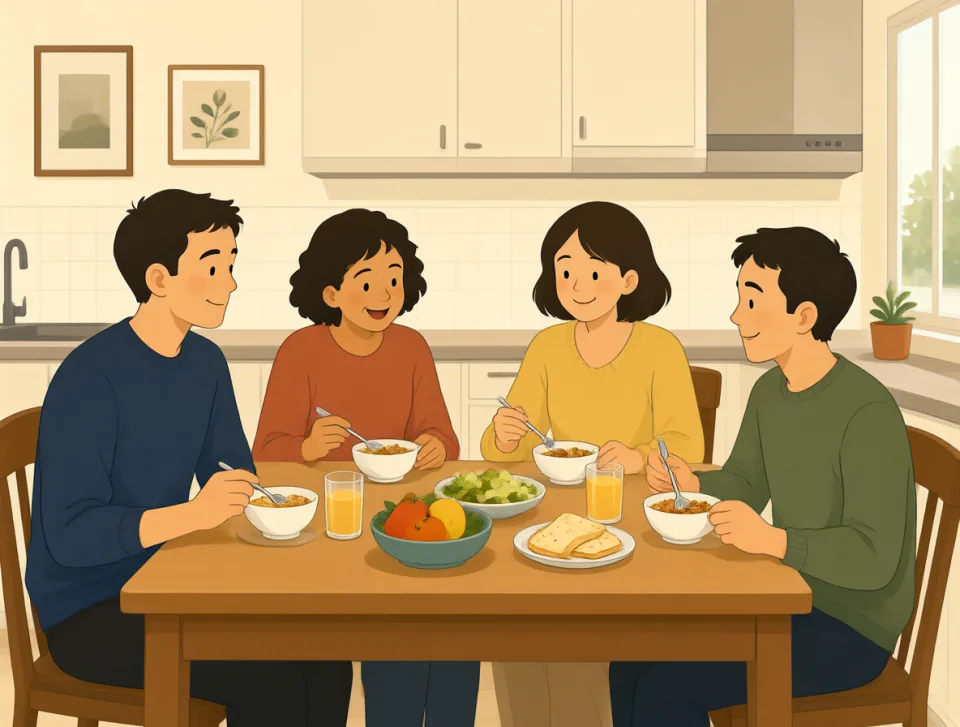
Everything is normal at home today.
आज घर पर सब कुछ सामान्य है।

She returned to her normal routine.
वह अपनी सामान्य दिनचर्या पर लौट आई।

Is it normal to feel tired after work?
क्या काम के बाद थकान महसूस करना सामान्य है?
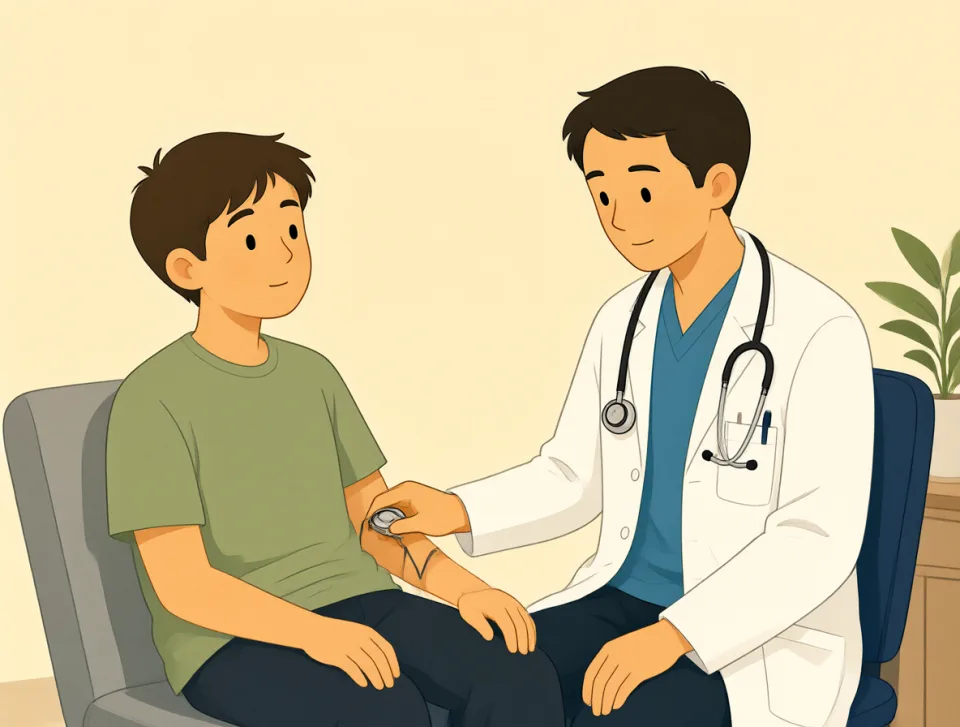
The doctor said my heartbeat was normal.
डॉक्टर ने कहा कि मेरी धड़कन सामान्य थी।
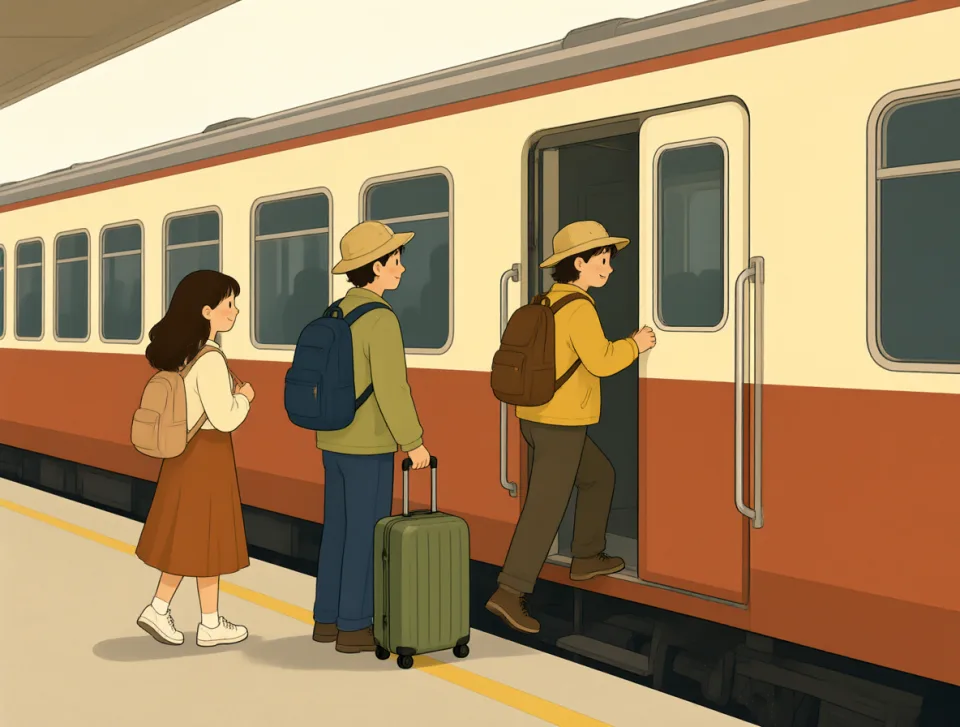
We took the normal train to the city.
हम शहर जाने के लिए आम ट्रेन से गए।
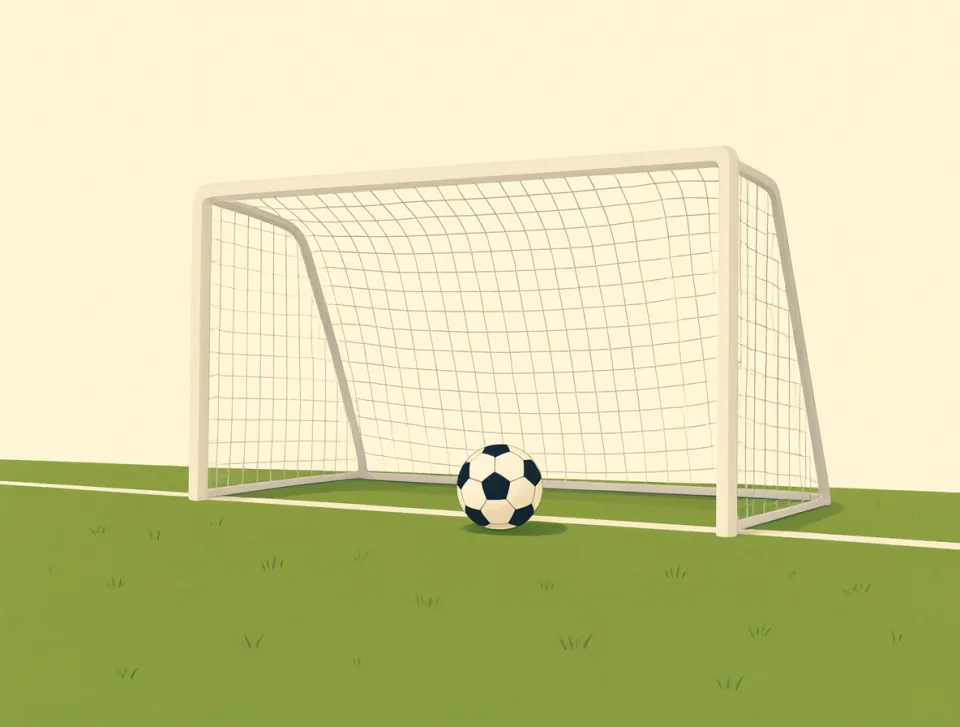
goal
#856noun
लक्ष्य
Something you want to achieve, or a point scored in a game.
वह चीज़ जिसे आप हासिल करना चाहते हैं, या खेल में किया गया गोल।
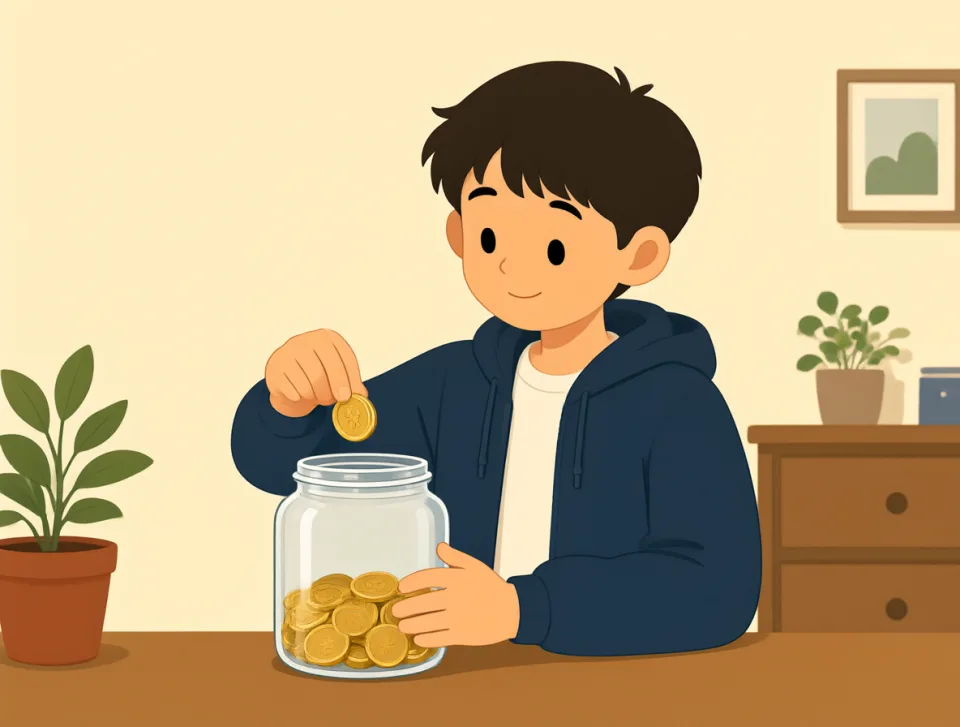
My goal is to save money for college.
मेरा लक्ष्य कॉलेज के लिए पैसे बचाना है।
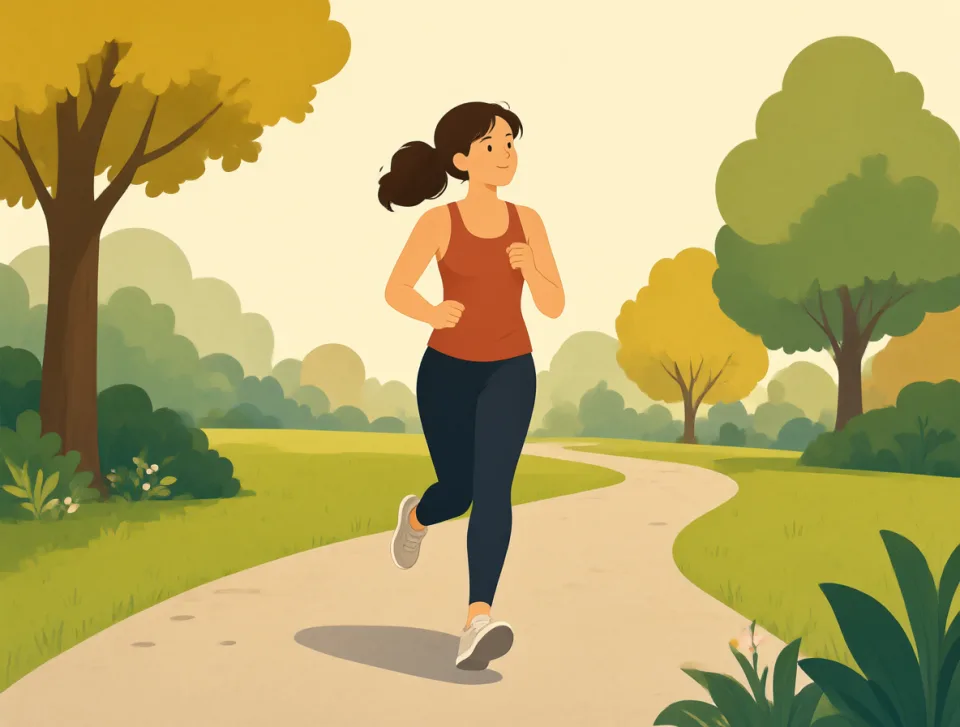
She set a goal to run five kilometers.
उसने पाँच किलोमीटर दौड़ने का लक्ष्य तय किया।
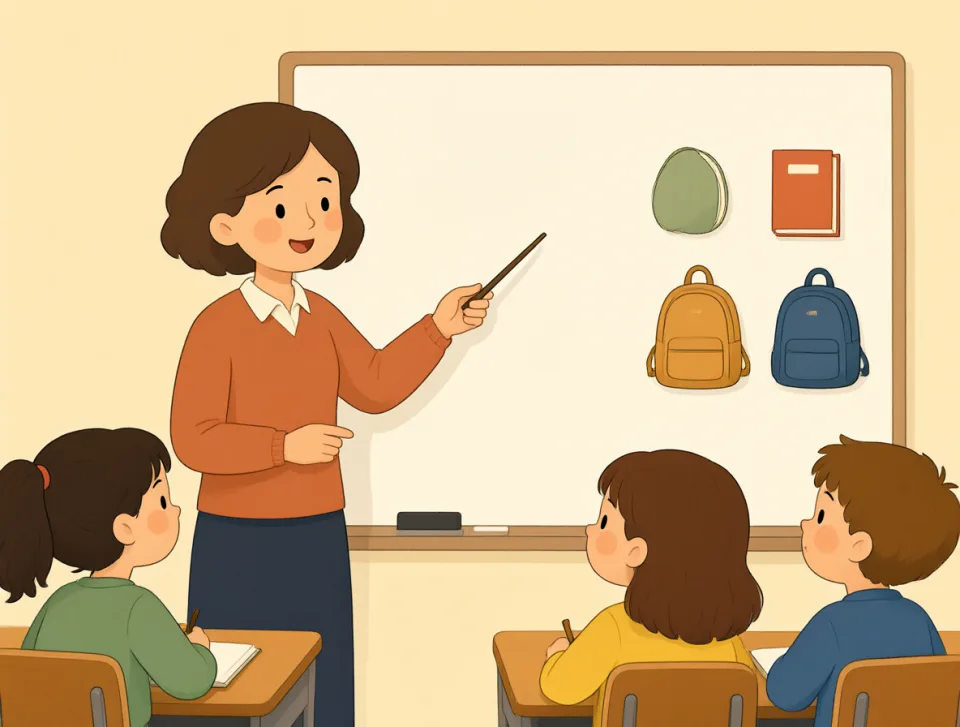
The goal of this lesson is to teach new words.
इस पाठ का लक्ष्य नए शब्द सिखाना है।
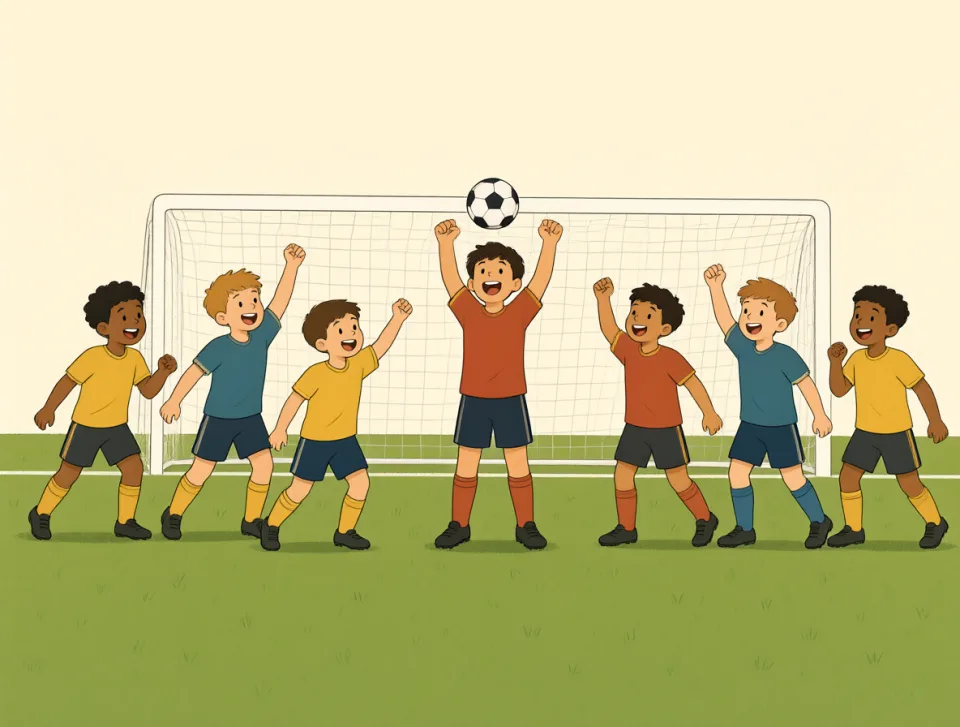
Our team scored the winning goal yesterday.
कल हमारी टीम ने जीत का गोल किया।
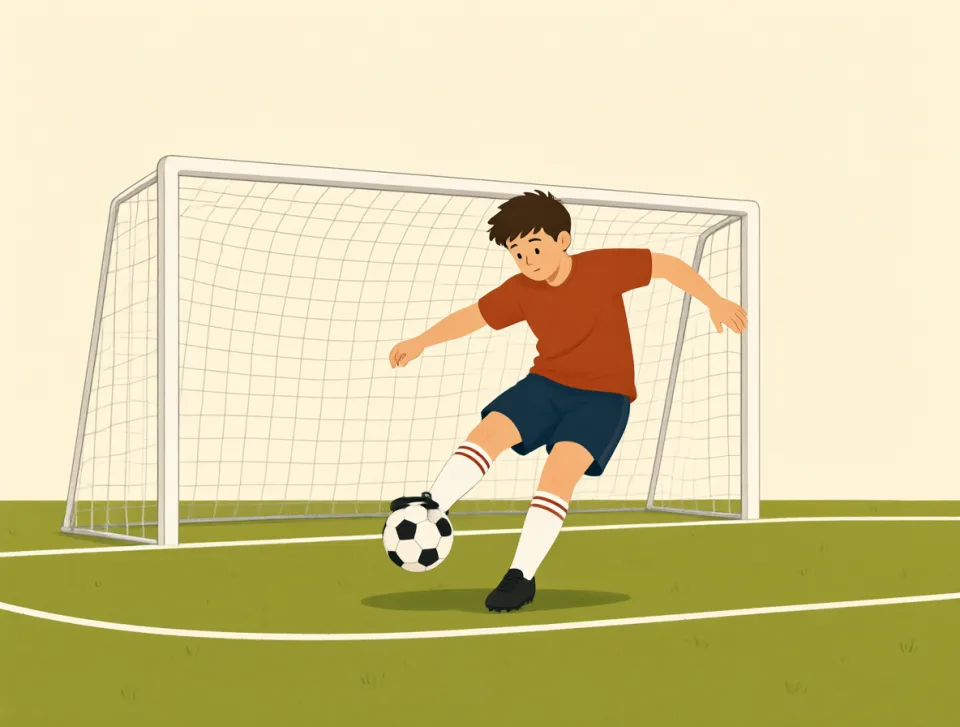
The player kicked the ball into the goal.
खिलाड़ी ने गेंद को गोल में मार दिया।

associate
#857verb, noun
जोड़ना
to connect someone or something with a person, idea, or group
किसी व्यक्ति या चीज़ का किसी व्यक्ति, विचार या समूह से संबंध जोड़ना।

I associate this song with my first trip.
मैं इस गाने को अपनी पहली यात्रा से जोड़ता हूँ।

People often associate dark clouds with rain.
लोग अक्सर काले बादलों को बारिश से जोड़ते हैं।

She associates with friendly people at work.
वह काम पर मिलनसार लोगों के साथ रहती है।

My father is a sales associate at the store.
मेरे पिता उस दुकान में बिक्री सहायक हैं।

He became an associate after two years.
वह दो साल बाद सहयोगी बन गया।

blue
#858adjective, noun
नीला
Having the color of a clear sky; a color between green and violet.
जिसका रंग साफ़ आसमान जैसा हो; हरे और बैंगनी के बीच का रंग।

She wore a blue dress to work.
उसने काम पर नीली पोशाक पहनी थी।
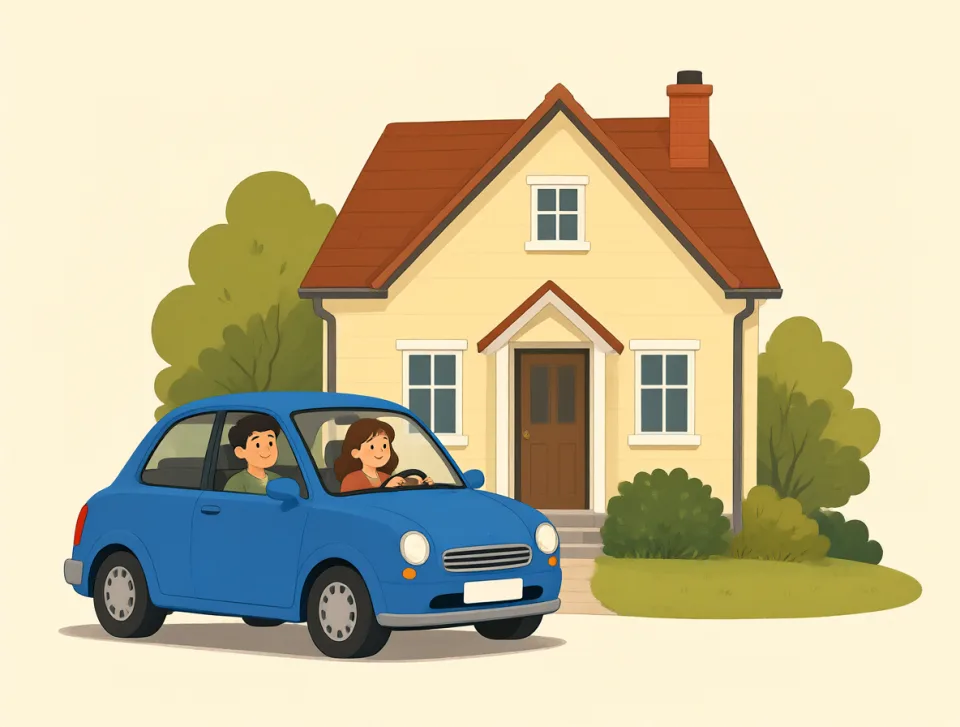
The blue car stopped outside our house.
नीली कार हमारे घर के बाहर आकर रुकी।

Please bring me the blue cup.
कृपया मुझे नीला कप दे दीजिए।
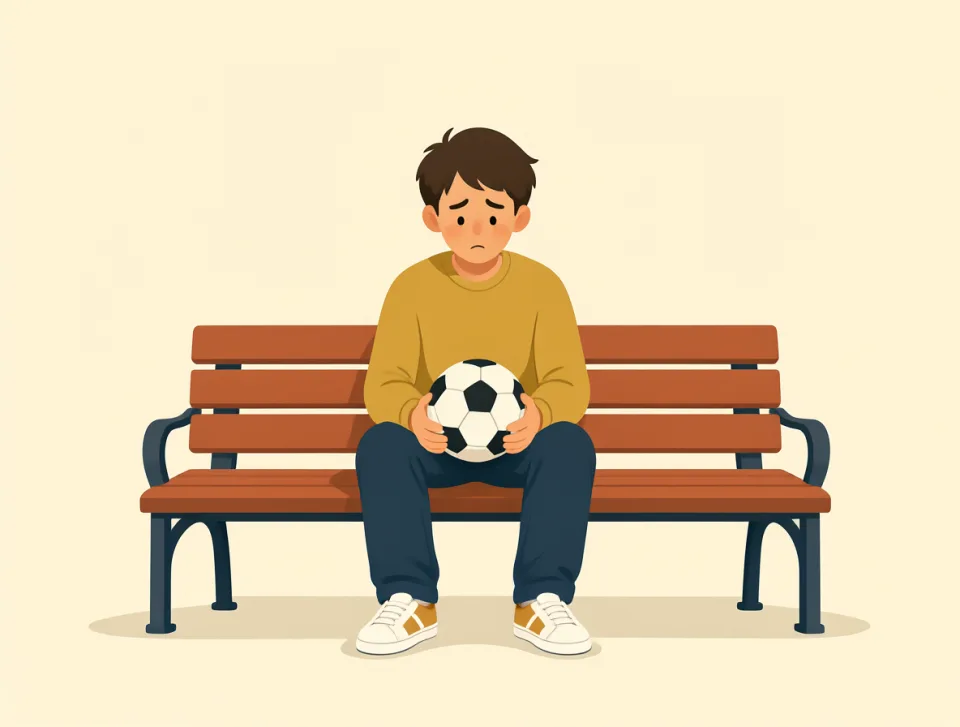
He felt blue after his team lost.
उसकी टीम के हारने के बाद वह उदास था।

The blue whale is the largest animal.
नीली व्हेल सबसे बड़ा जानवर है।

positive
#859adjective, noun
सकारात्मक
Good, hopeful, or showing that something is likely to succeed.
अच्छा, आशावादी या यह दिखाने वाला कि किसी चीज़ के सफल होने की संभावना है।

She has a positive attitude every day.
हर दिन उसका रवैया सकारात्मक रहता है।

The test results were positive.
जाँच के नतीजे सकारात्मक थे।

We received positive feedback from our teacher.
हमें अपने शिक्षक से अच्छी प्रतिक्रिया मिली।
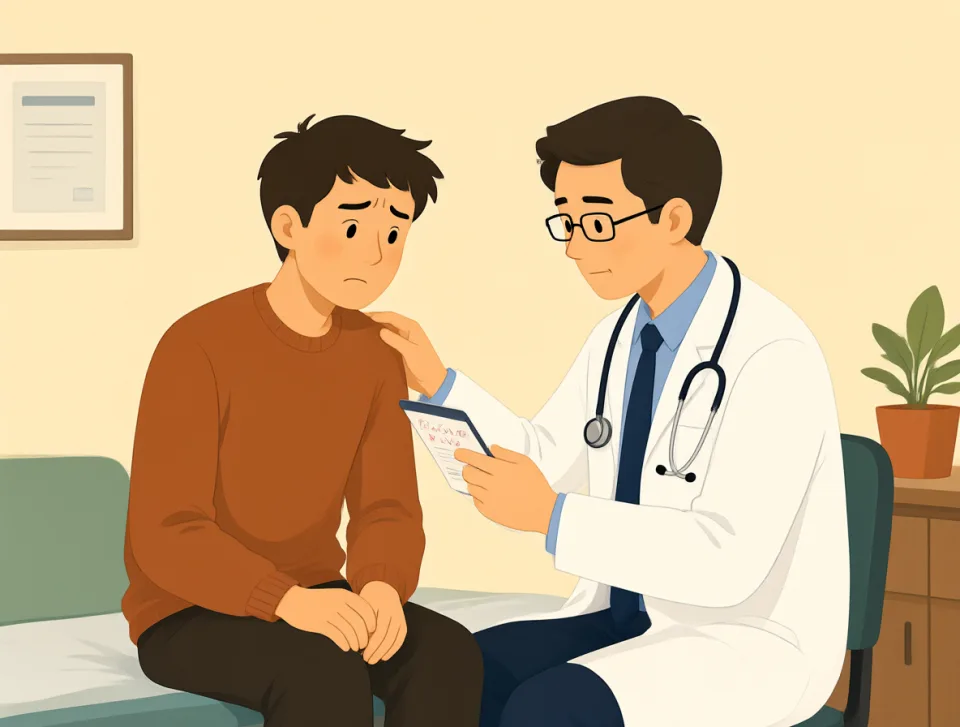
He tested positive for the flu.
जाँच में उसे फ्लू पॉज़िटिव पाया गया।

Try to stay positive during the difficult trip.
मुश्किल यात्रा के दौरान सकारात्मक बने रहने की कोशिश करो।

option
#860noun
विकल्प
One of the choices you can make.
उनमें से एक चुनाव जो आप कर सकते हैं।

You have the option to pay by card.
आपके पास कार्ड से भुगतान करने का विकल्प है।

We chose the cheaper option for dinner.
हमने रात के खाने के लिए सस्ता विकल्प चुना।

Is there another option for getting there?
वहाँ पहुँचने का कोई दूसरा रास्ता है?
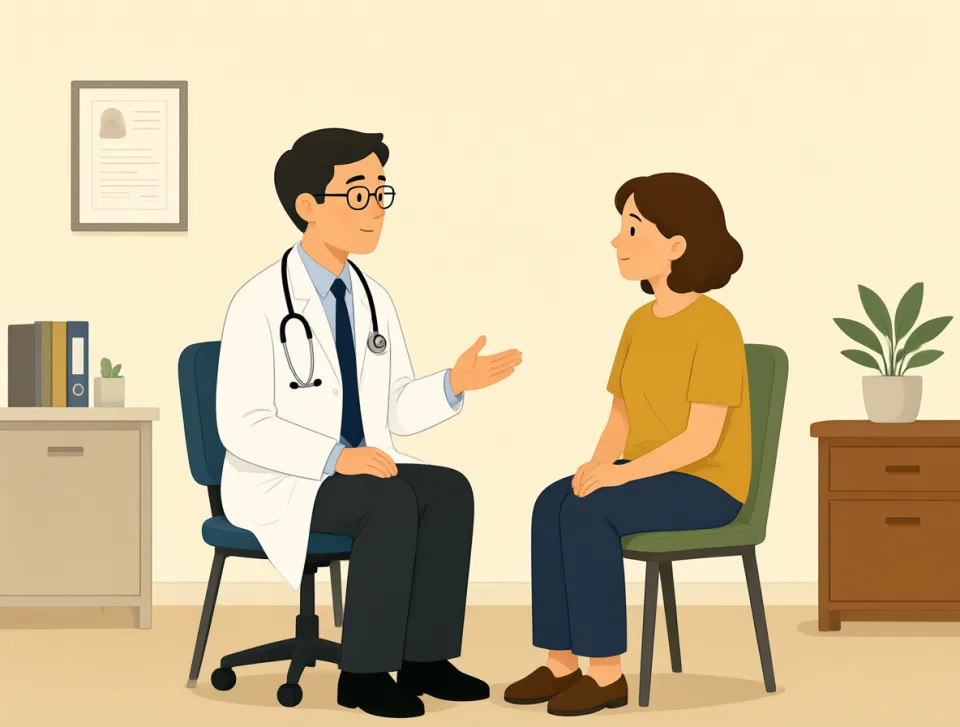
The doctor gave me an option for treatment.
डॉक्टर ने मुझे इलाज का एक विकल्प दिया।
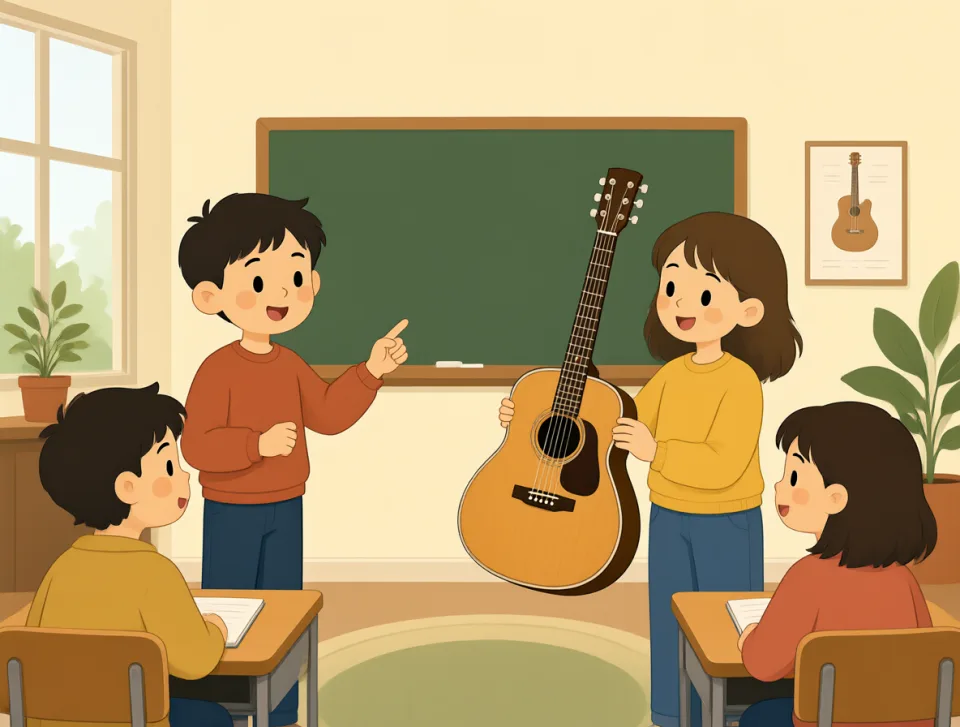
Students can choose the music option for class.
विद्यार्थी कक्षा के लिए संगीत का विकल्प चुन सकते हैं।