Блок 43
Слова 841–860 · except, clean, tend, advance, fill, star

except
#841preposition, conjunction, determiner, pronoun
кроме
Not including a person or thing; apart from someone or something.
Не включая какого-либо человека или предмет; за исключением кого-либо или чего-либо.
Everyone came except Tom.
Все пришли, кроме Тома.

The shop is open every day except Sunday.
Магазин открыт каждый день, кроме воскресенья.
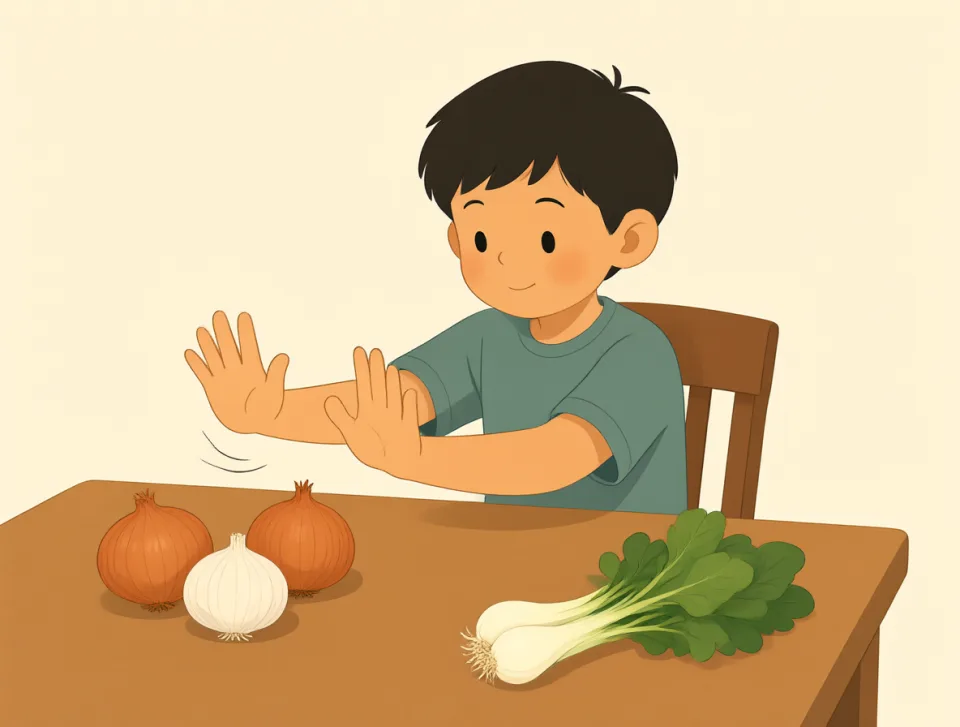
I like all vegetables except onions.
Я люблю все овощи, кроме лука.

She finished the test except for one question.
Она ответила на все вопросы теста, кроме одного.

We found nothing except an old map.
Мы не нашли ничего, кроме старой карты.
clean
#842adjective, verb, noun
чистый; чистить
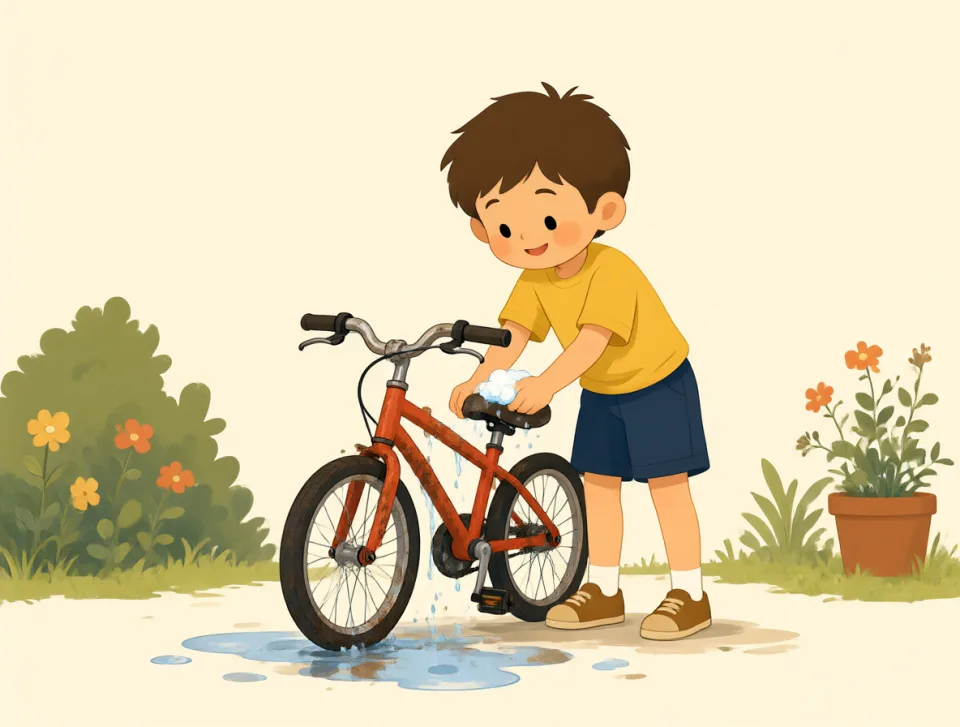
Free from dirt, or to remove dirt from something.
Не загрязнённый; удалять грязь с чего-либо.
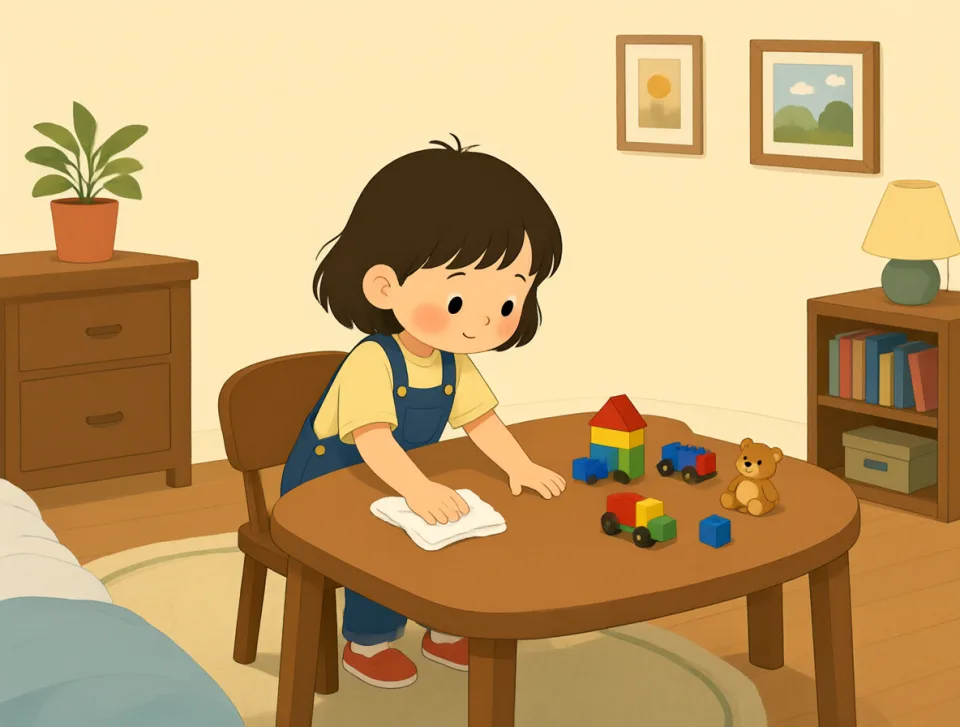
Please clean your room before dinner.
Пожалуйста, убери свою комнату до ужина.

She cleaned the kitchen after breakfast.
Она убрала на кухне после завтрака.

The doctor cleaned the cut carefully.
Врач тщательно очистил порез.
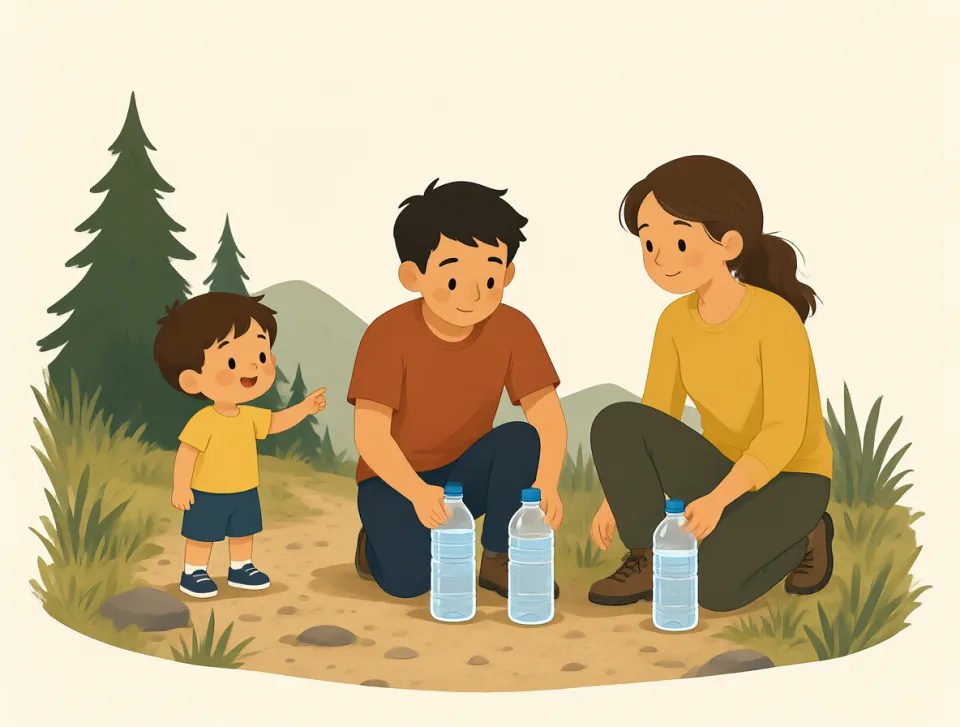
We need clean water for the trip.
Для поездки нам нужна чистая вода.

He always wears a clean shirt to work.
На работу он всегда надевает чистую рубашку.

tend
#843verb
иметь обыкновение
to usually do something or be likely to behave in a particular way
Обычно делать что-либо или иметь склонность вести себя определённым образом.
Children tend to enjoy sweet foods.
Дети обычно любят сладкое.

I tend to walk home after work.
Я обычно возвращаюсь домой пешком после работы.

People tend to feel tired after long trips.
После долгих поездок люди обычно чувствуют усталость.
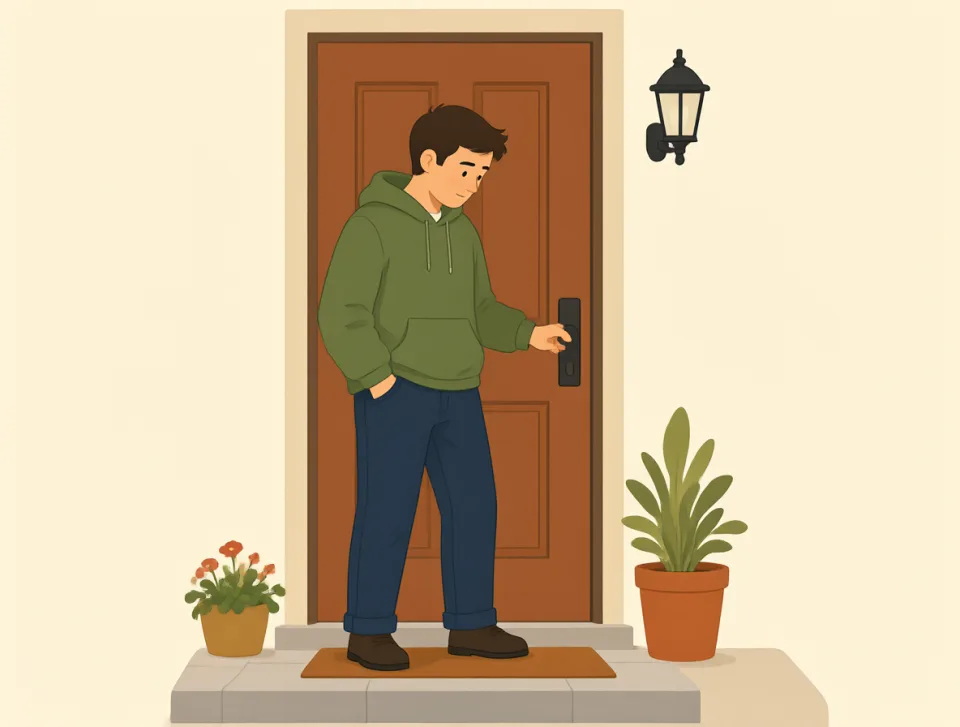
My brother tends to forget his keys.
Мой брат обычно забывает ключи.

These shoes tend to get dirty quickly.
Эти туфли обычно быстро пачкаются.

advance
#844verb, noun
продвигаться; аванс
to move forward or make progress; progress or a payment made before it is due
Двигаться вперёд или добиваться прогресса; прогресс или платёж, внесённый до установленного срока.
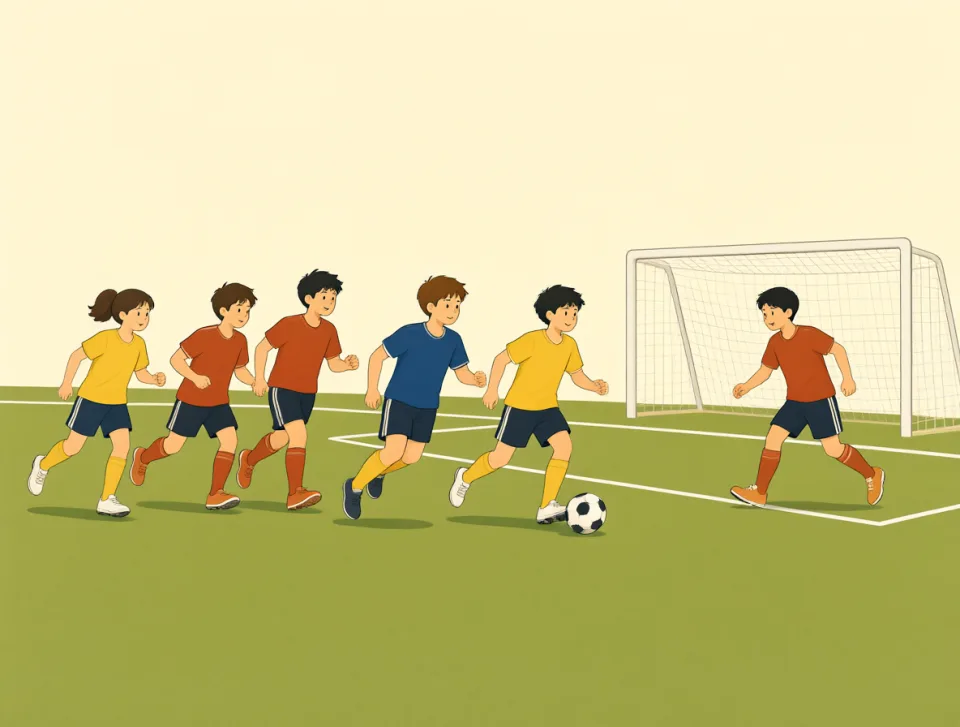
The team advanced toward the final round.
Команда прошла в финальный раунд.

She advanced quickly in her new job.
Она быстро продвигалась по службе на новой работе.

We paid an advance for the hotel room.
Мы внесли аванс за номер в отеле.
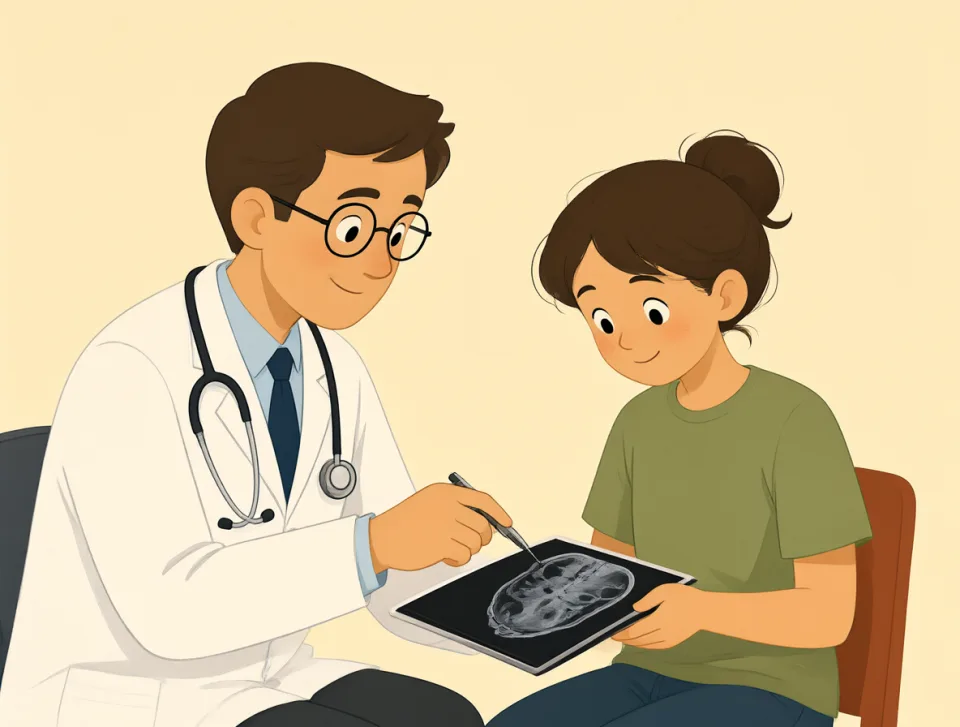
The doctor said the illness was advancing.
Врач сказал, что болезнь прогрессирует.

The soldiers advanced through the snowy forest.
Солдаты продвигались через заснеженный лес.

fill
#845verb, noun
наполнять; заполнить
To put something into a container until it is full, or the amount needed to make it full.
Помещать что-либо в ёмкость, пока она не наполнится, или количество, необходимое, чтобы её наполнить.

Please fill the glass with water.
Пожалуйста, налейте воды в стакан.

She filled the bag with fresh apples.
Она наполнила сумку свежими яблоками.

Fill out this form before the lesson.
Заполните эту форму до начала урока.

The hotel filled up during the holiday.
На время праздников отель был полностью заполнен.

This soup will fill you up quickly.
Этот суп быстро насытит вас.

star
#846noun, verb
звезда
A bright point in the night sky, or to perform very well in a film or show.
Яркая точка на ночном небе; также — сыграть главную роль в фильме или шоу.

We saw many stars last night.
Прошлой ночью мы увидели много звёзд.

The movie star arrived at the hotel.
Звезда кино приехала в отель.

She starred in a popular TV show.
Она сыграла главную роль в популярном телешоу.

A star player scored the winning goal.
Игрок-звезда забил победный гол.

The children made a star for school.
Дети сделали звезду для школы.
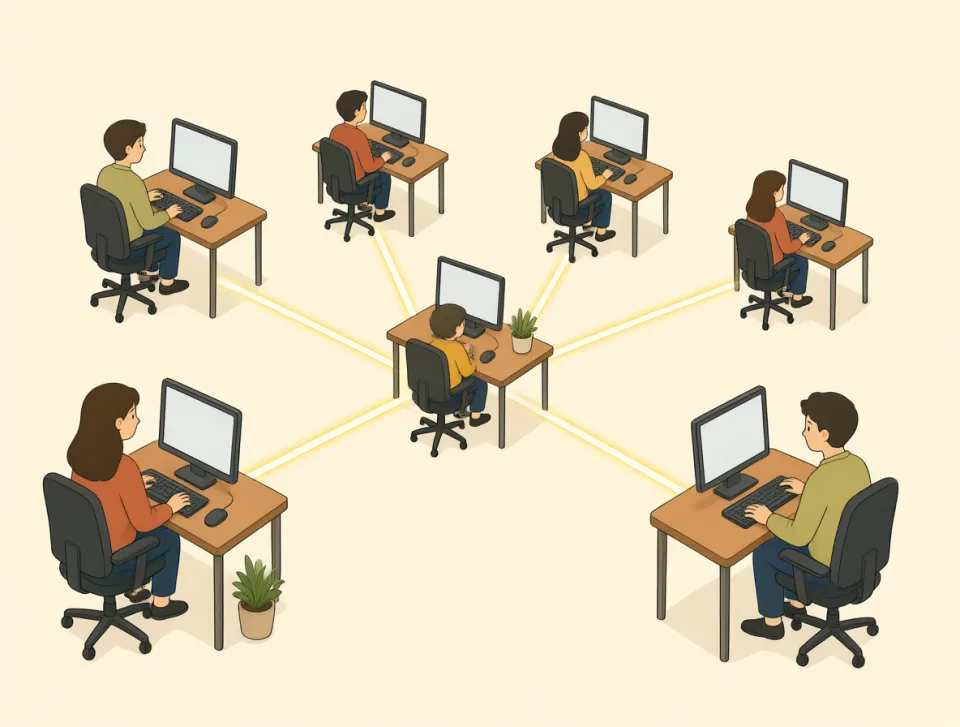
network
#847noun, verb
сеть
A group of connected people, computers, or places that work together.
Группа связанных между собой людей, компьютеров или мест, которые работают вместе.

Our office network is very fast.
Наша офисная сеть работает очень быстро.

She built a network of helpful friends.
Она создала сеть отзывчивых друзей.

The school network stopped working yesterday.
Вчера школьная сеть перестала работать.

We watched the news on the television network.
Мы смотрели новости по телеканалу.

The train network connects many cities.
Железнодорожная сеть соединяет многие города.

generally
#848adverb
обычно
In most cases or situations, but not always.
В большинстве случаев или ситуаций, но не всегда.
I generally walk to work.
Я обычно хожу на работу пешком.

Children generally enjoy sweet food.
Дети обычно любят сладкую еду.

We generally eat dinner at seven.
Мы обычно ужинаем в семь.

The shop is generally busy on Saturdays.
По субботам в магазине обычно много посетителей.

People generally feel better after rest.
После отдыха люди обычно чувствуют себя лучше.
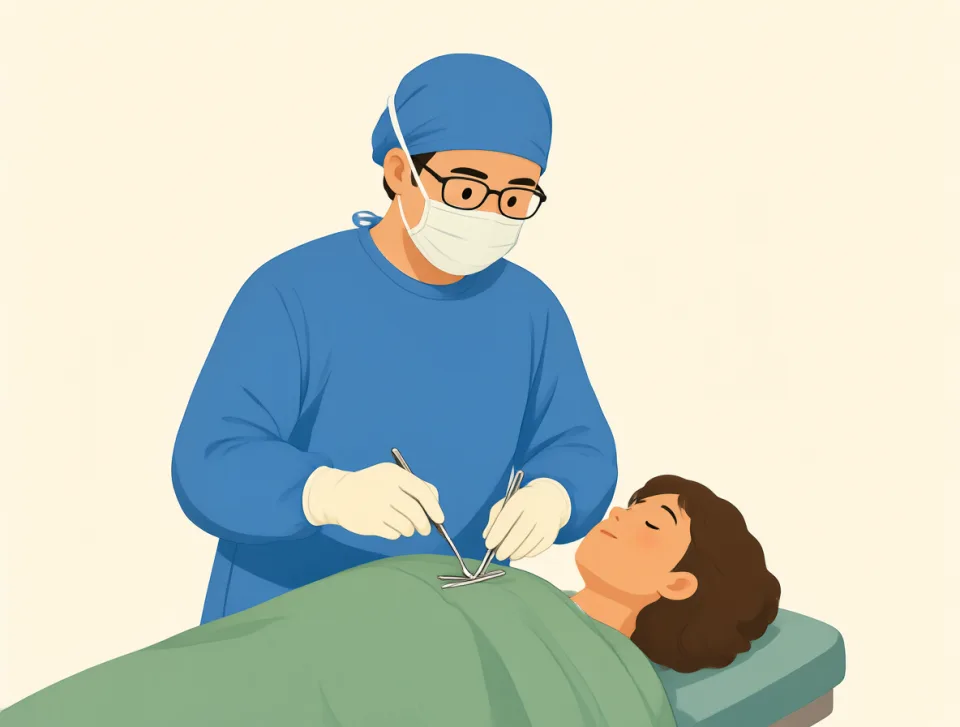
operation
#849noun
операция
A planned activity, a way a machine works, or a medical procedure.
Запланированное действие, принцип работы машины или медицинская процедура.

The operation lasted three hours.
Операция длилась три часа.

The shop began operation at eight.
Магазин начал работать в восемь.

The machine is easy to operate.
Этой машиной легко управлять.

The police operation took all night.
Полицейская операция продолжалась всю ночь.

The operation on her knee went well.
Операция на её колене прошла успешно.

match
#850noun, verb
спичка; соответствие
A match is a small stick that makes fire, or something that is the same or goes well together.
Спичка — это небольшая палочка, с помощью которой можно разжечь огонь; также match — это то, что совпадает с чем-либо или хорошо сочетается.

She lit the candle with a match.
Она зажгла свечу спичкой.

The blue shirt matches your jeans.
Синяя рубашка подходит к твоим джинсам.
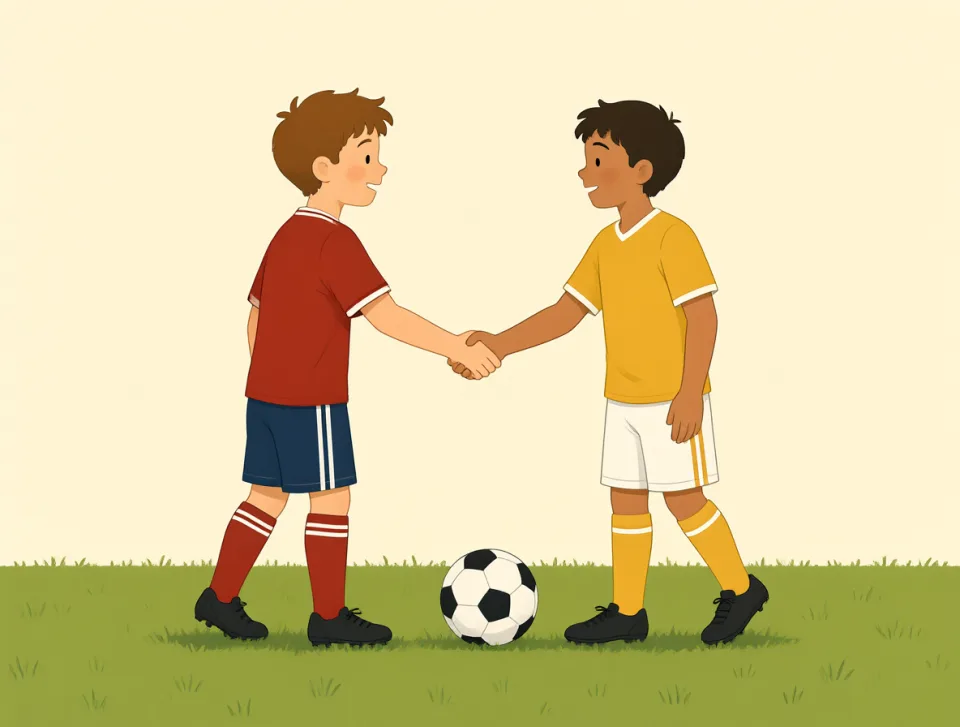
Our team won the football match.
Наша команда выиграла футбольный матч.

I found a match for this sock.
Я нашёл пару к этому носку.

The doctor found a matching donor.
Врач нашёл подходящего донора.

avoid
#851verb
избегать
To stay away from someone or something, or stop something from happening.
Держаться подальше от кого-либо или чего-либо либо не допускать, чтобы что-то произошло.

Please avoid the wet floor.
Пожалуйста, не ходите по мокрому полу.

She avoids eating too much sugar.
Она старается не есть слишком много сахара.
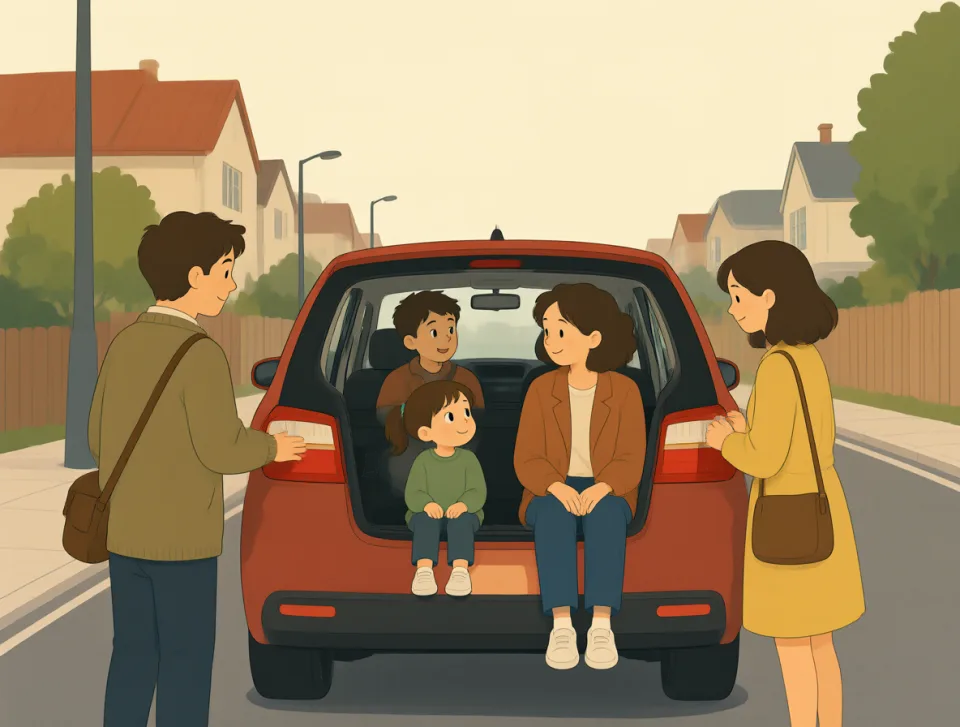
We left early to avoid traffic.
Мы выехали пораньше, чтобы избежать пробок.

Try to avoid making the same mistake.
Постарайся не повторять ту же ошибку.

He avoided talking about his health.
Он избегал разговоров о своём здоровье.

seat
#852noun, verb
место; сажать
A place where someone can sit, or to put someone in a place to sit.
Место, на котором можно сидеть, или действие, при котором кого-либо усаживают.

Please take a seat here.
Пожалуйста, присаживайтесь сюда.

We found two seats on the bus.
В автобусе нашлось два свободных места.

My seat is next to the window.
Моё место рядом с окном.

The doctor seated the patient carefully.
Врач осторожно усадил пациента.

This restaurant seats fifty people.
В этом ресторане пятьдесят посадочных мест.
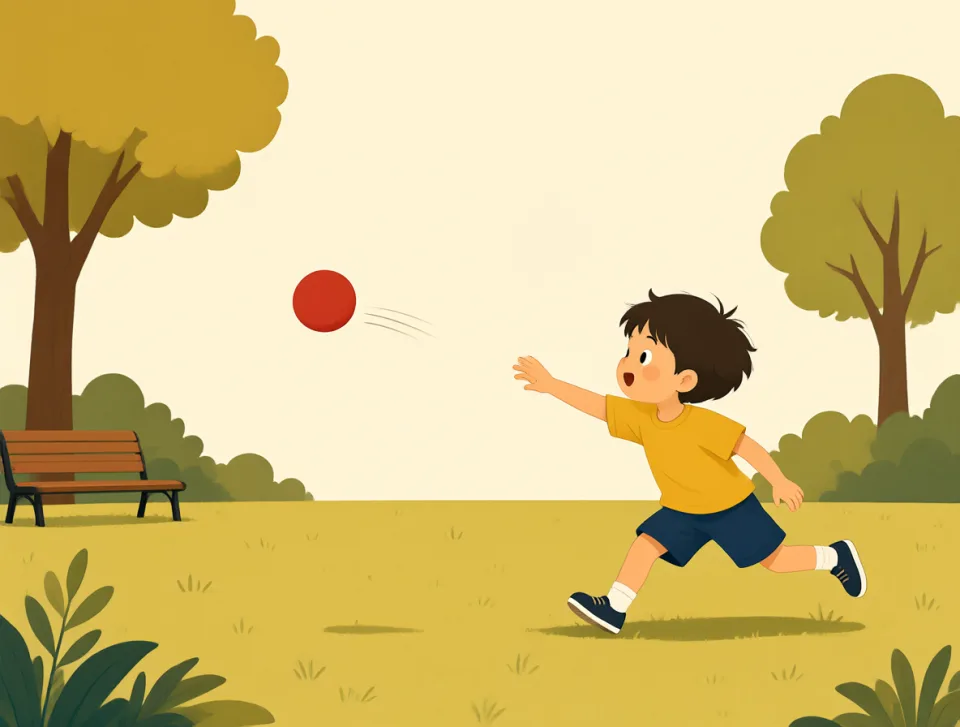
throw
#853verb, noun
бросать; плед
To send something through the air using your hand; a light cover for a bed or sofa.
Отправить что-либо по воздуху движением руки; лёгкое покрывало для кровати или дивана.

Please throw me the ball.
Пожалуйста, брось мне мяч.

He threw the old papers away.
Он выбросил старые бумаги.

She threw a stone into the lake.
Она бросила камень в озеро.

The chef threw the vegetables into the pan.
Повар бросил овощи на сковороду.

We bought a warm throw for the sofa.
Мы купили тёплый плед для дивана.

task
#854noun
задача
A piece of work that you need to do.
Работа, которую необходимо выполнить.

I finished my homework task before dinner.
Я выполнил задание по домашней работе до ужина.

My first task at work is checking emails.
Моя первая задача на работе — проверять электронную почту.
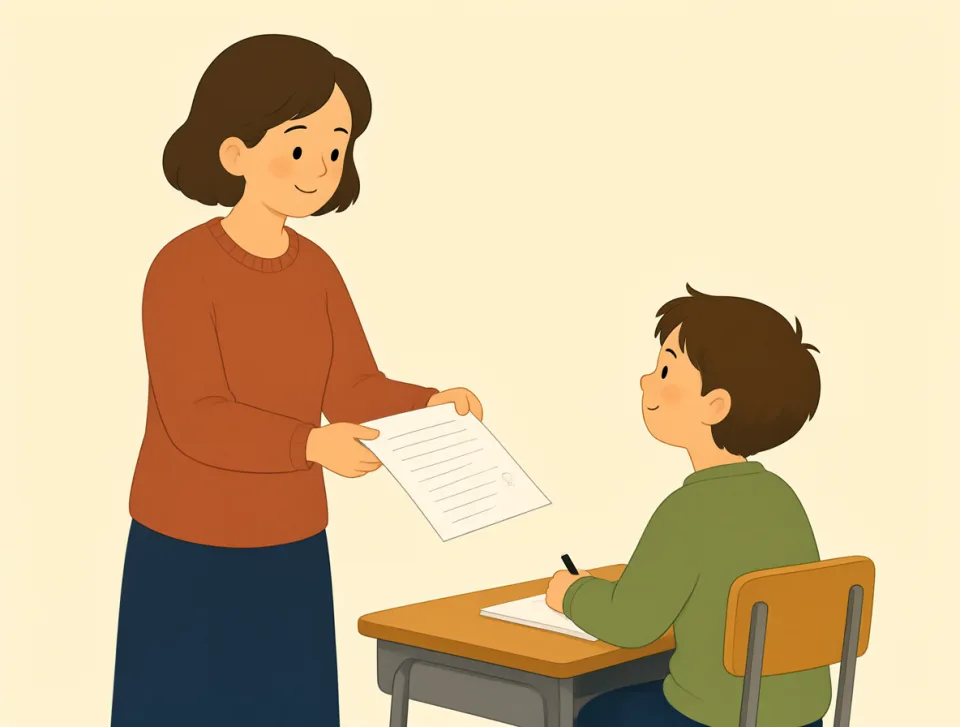
The teacher gave us a difficult task.
Учитель дал нам сложное задание.

Our task was to find the train station.
Наша задача заключалась в том, чтобы найти железнодорожную станцию.

We shared the cooking tasks with our friends.
Мы разделили обязанности по готовке с друзьями.

normal
#855adjective, noun
обычный; нормальный
usual, expected, or healthy; a usual condition or way of doing things
Обычный, ожидаемый или здоровый; обычное состояние или способ что-либо делать.

Everything is normal at home today.
Сегодня дома всё как обычно.

She returned to her normal routine.
Она вернулась к своему обычному распорядку.

Is it normal to feel tired after work?
Нормально ли чувствовать усталость после работы?
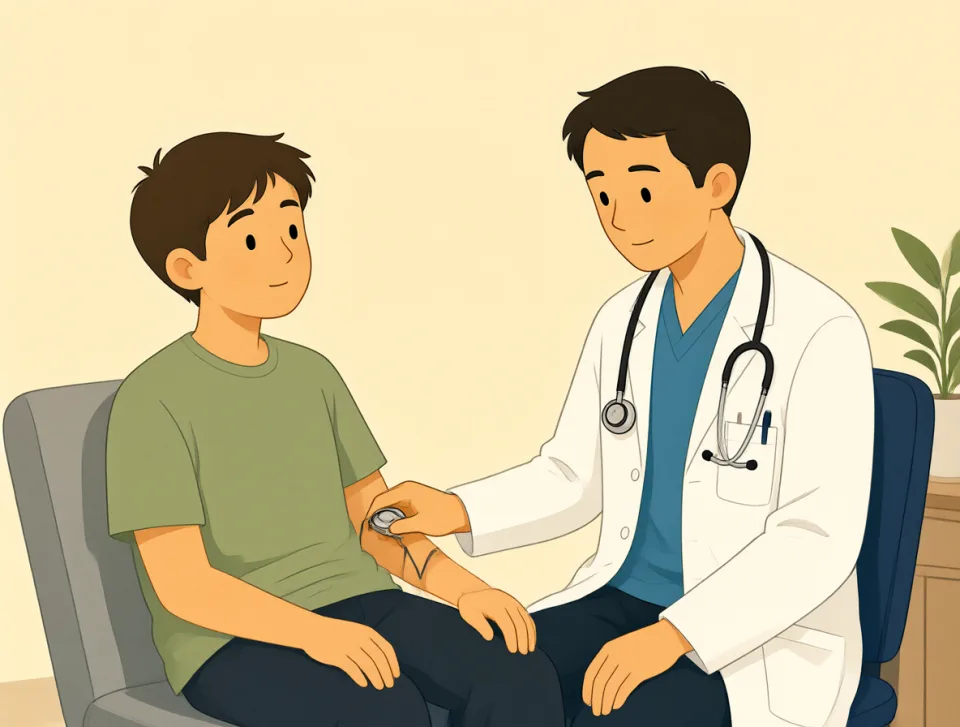
The doctor said my heartbeat was normal.
Врач сказал, что у меня нормальный пульс.

We took the normal train to the city.
Мы поехали в город на обычном поезде.

goal
#856noun
цель
Something you want to achieve, or a point scored in a game.
То, чего вы хотите достичь, или очко, забитое в игре.

My goal is to save money for college.
Моя цель — накопить на учёбу в колледже.

She set a goal to run five kilometers.
Она поставила себе цель пробежать пять километров.
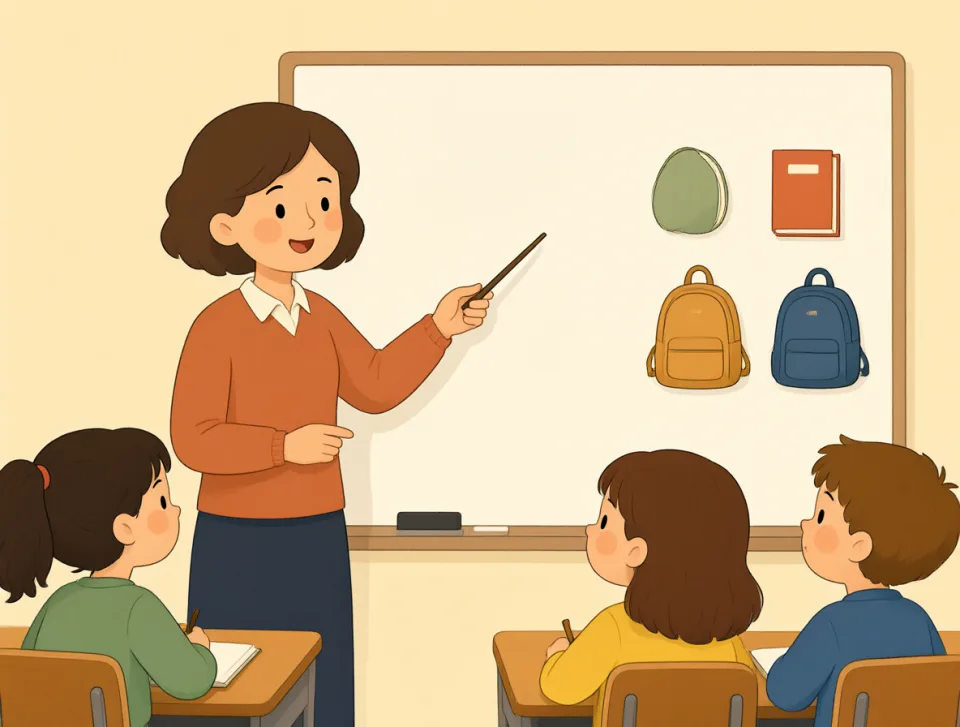
The goal of this lesson is to teach new words.
Цель этого урока — научить новым словам.
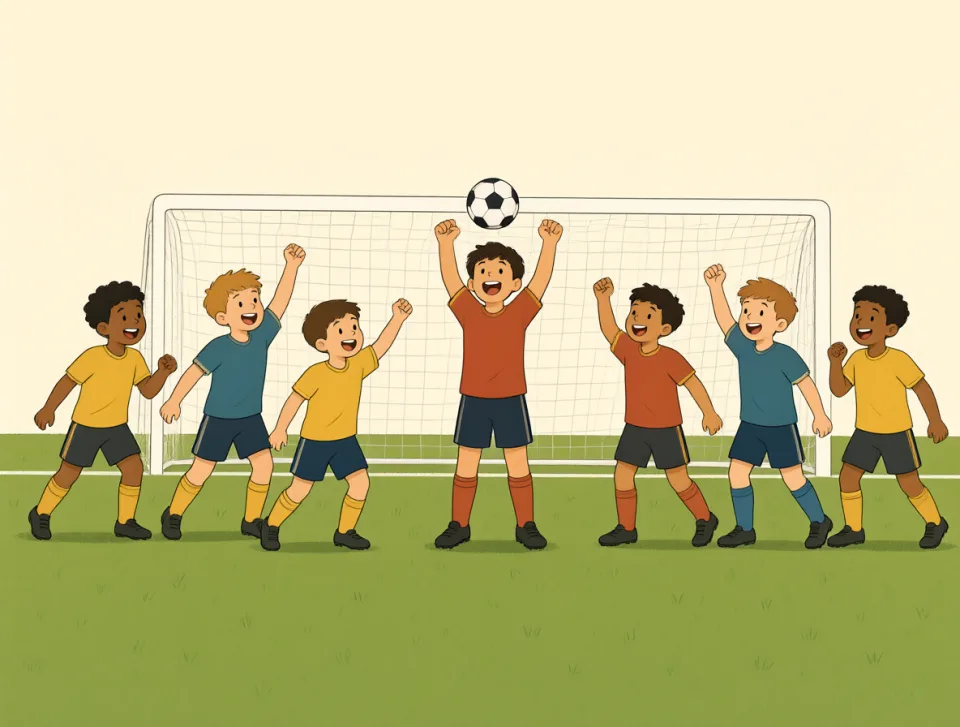
Our team scored the winning goal yesterday.
Вчера наша команда забила победный гол.
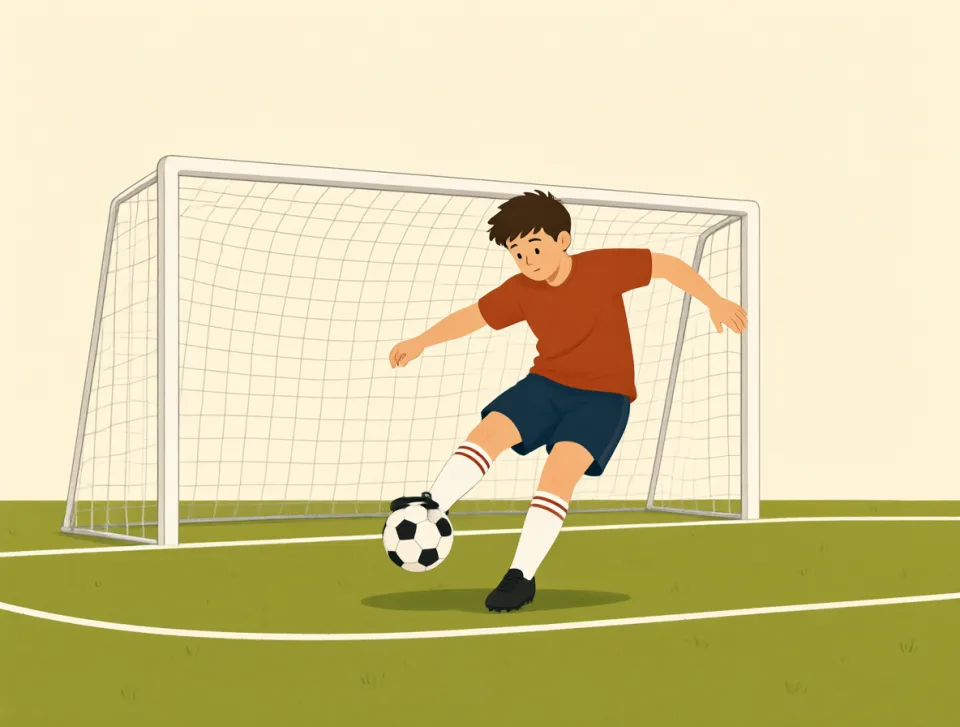
The player kicked the ball into the goal.
Игрок забил мяч в ворота.

associate
#857verb, noun
связывать
to connect someone or something with a person, idea, or group
Связывать кого-либо или что-либо с человеком, идеей или группой.

I associate this song with my first trip.
Эта песня у меня ассоциируется с моей первой поездкой.

People often associate dark clouds with rain.
Люди часто связывают тёмные тучи с дождём.

She associates with friendly people at work.
На работе она общается с дружелюбными людьми.

My father is a sales associate at the store.
Мой отец работает продавцом в магазине.

He became an associate after two years.
Через два года он стал младшим сотрудником.

blue
#858adjective, noun
синий
Having the color of a clear sky; a color between green and violet.
Имеющий цвет ясного неба; цвет между зелёным и фиолетовым.

She wore a blue dress to work.
На работу она надела синее платье.

The blue car stopped outside our house.
Синяя машина остановилась у нашего дома.

Please bring me the blue cup.
Пожалуйста, принесите мне синюю чашку.
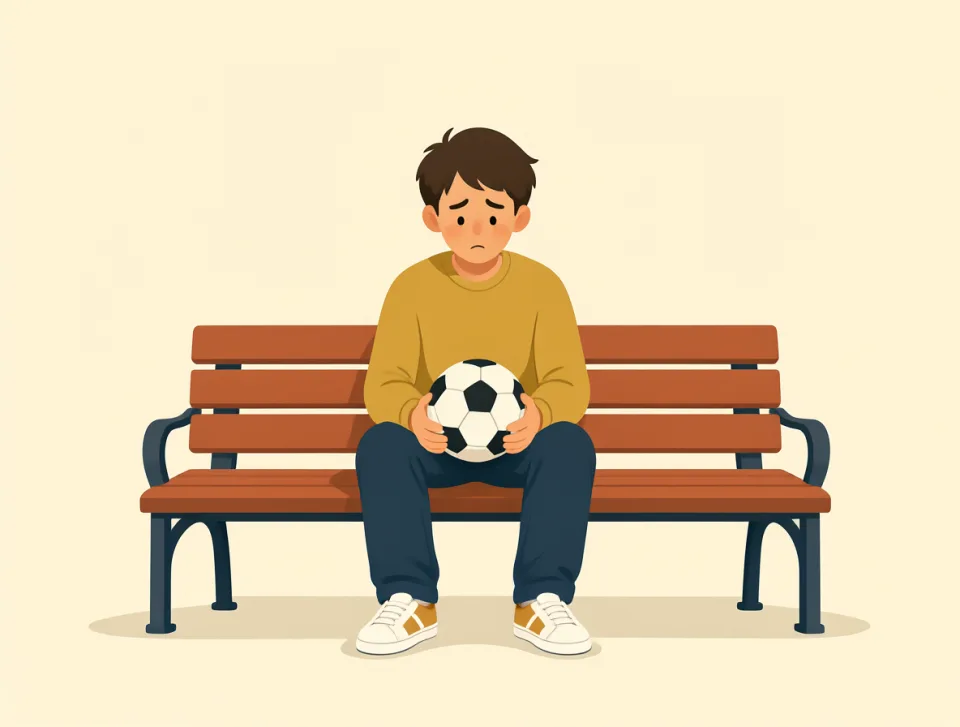
He felt blue after his team lost.
После поражения команды ему было грустно.

The blue whale is the largest animal.
Синий кит — самое крупное животное.

positive
#859adjective, noun
положительный
Good, hopeful, or showing that something is likely to succeed.
Хороший, обнадёживающий или показывающий, что что-то, вероятно, удастся.

She has a positive attitude every day.
У неё каждый день позитивный настрой.

The test results were positive.
Результаты теста оказались положительными.

We received positive feedback from our teacher.
Мы получили положительный отзыв от учителя.

He tested positive for the flu.
У него обнаружили грипп.

Try to stay positive during the difficult trip.
Постарайся сохранять оптимизм во время трудной поездки.

option
#860noun
вариант
One of the choices you can make.
Один из вариантов, которые вы можете выбрать.

You have the option to pay by card.
Вы можете оплатить картой.

We chose the cheaper option for dinner.
На ужин мы выбрали вариант подешевле.

Is there another option for getting there?
Есть другой способ туда добраться?

The doctor gave me an option for treatment.
Врач предложил мне вариант лечения.
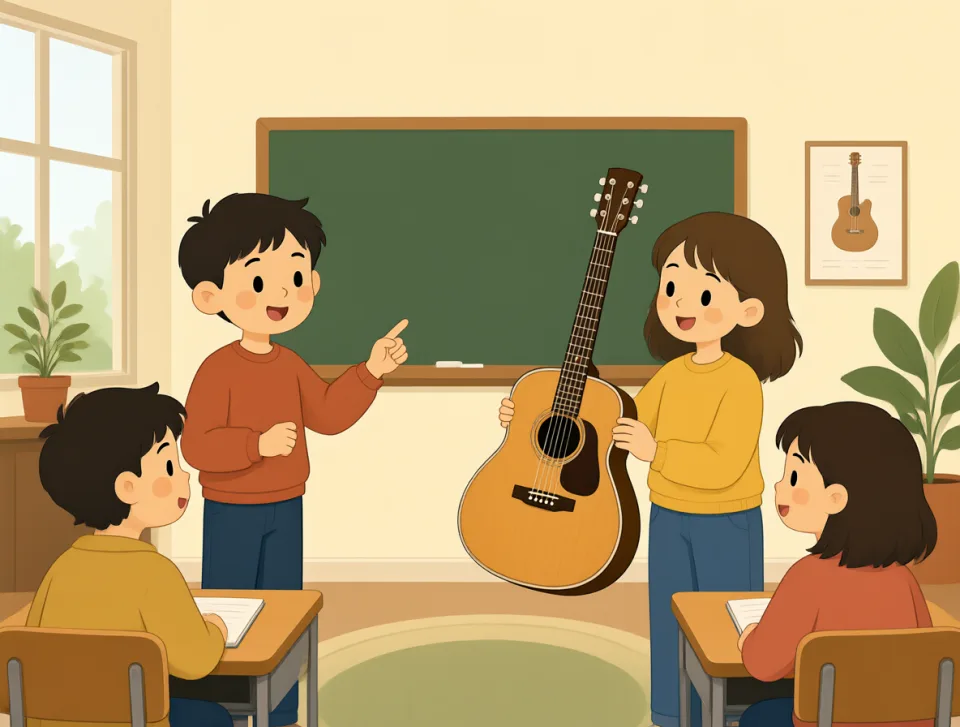
Students can choose the music option for class.
Ученики могут выбрать музыку как вариант для занятия.