بخش 42
واژههای 821 تا 840 · brother, investment, score, organize, trip, beyond
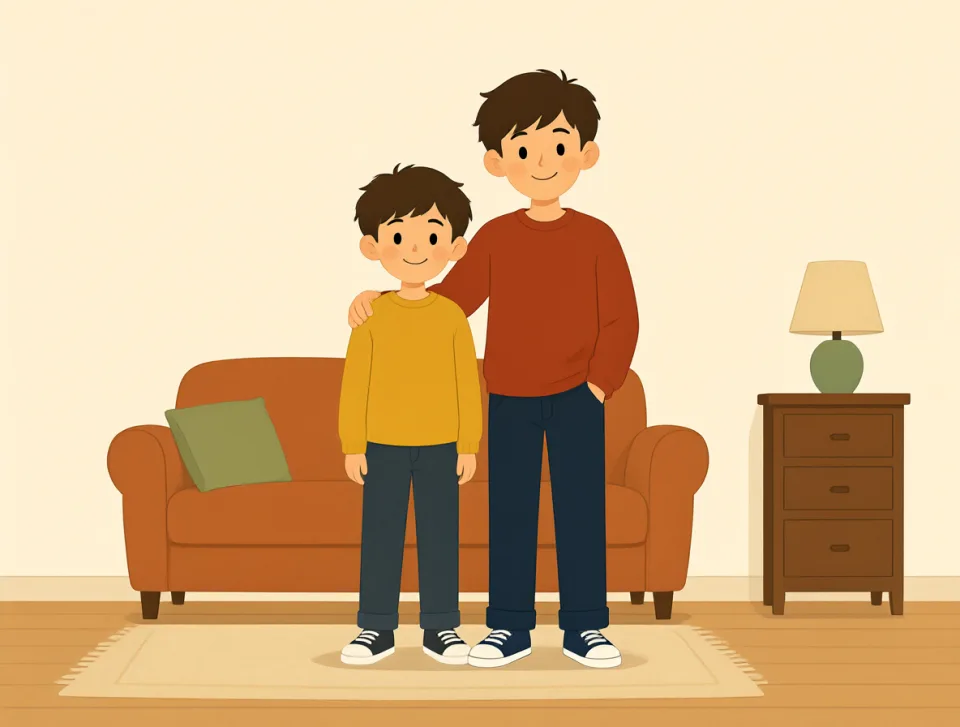
brother
#821noun
برادر
A boy or man who has the same parents as you.
پسر یا مردی که پدر و مادرش با شما یکی هستند.
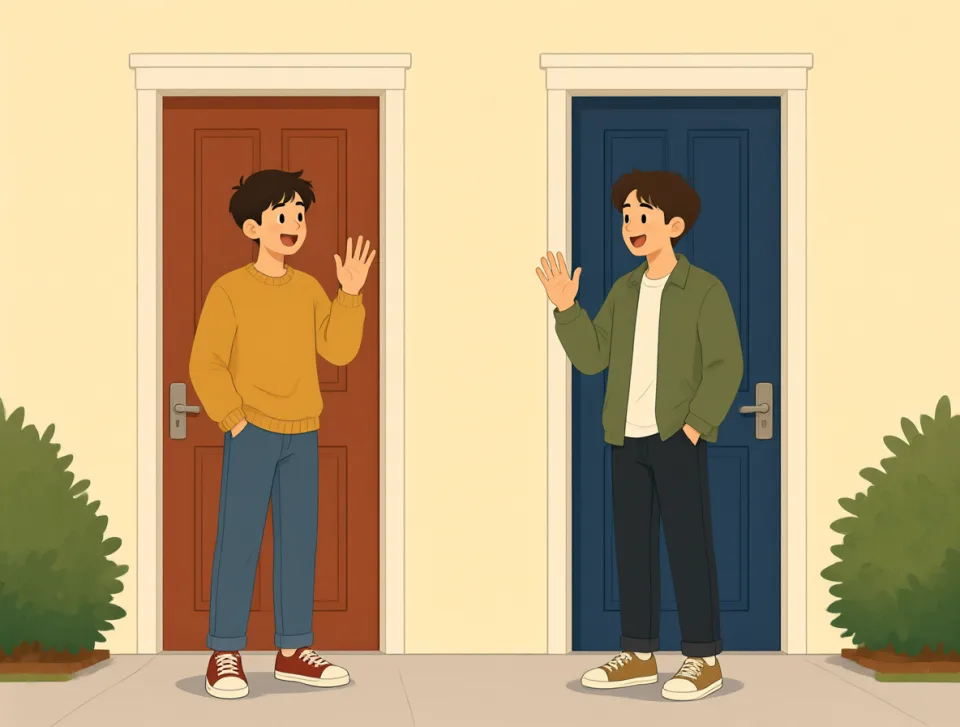
My brother lives in the next apartment.
برادرم در آپارتمان کناری زندگی میکند.
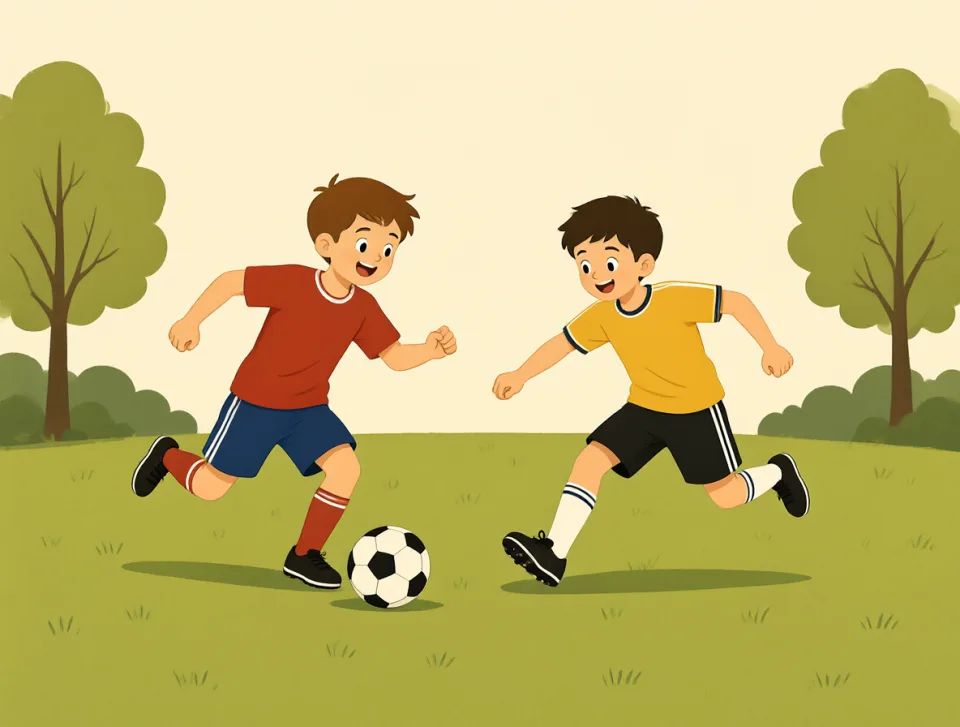
I played football with my little brother.
با برادر کوچکم فوتبال بازی کردم.

Her brother works at a local restaurant.
برادرش در یک رستوران محلی کار میکند.
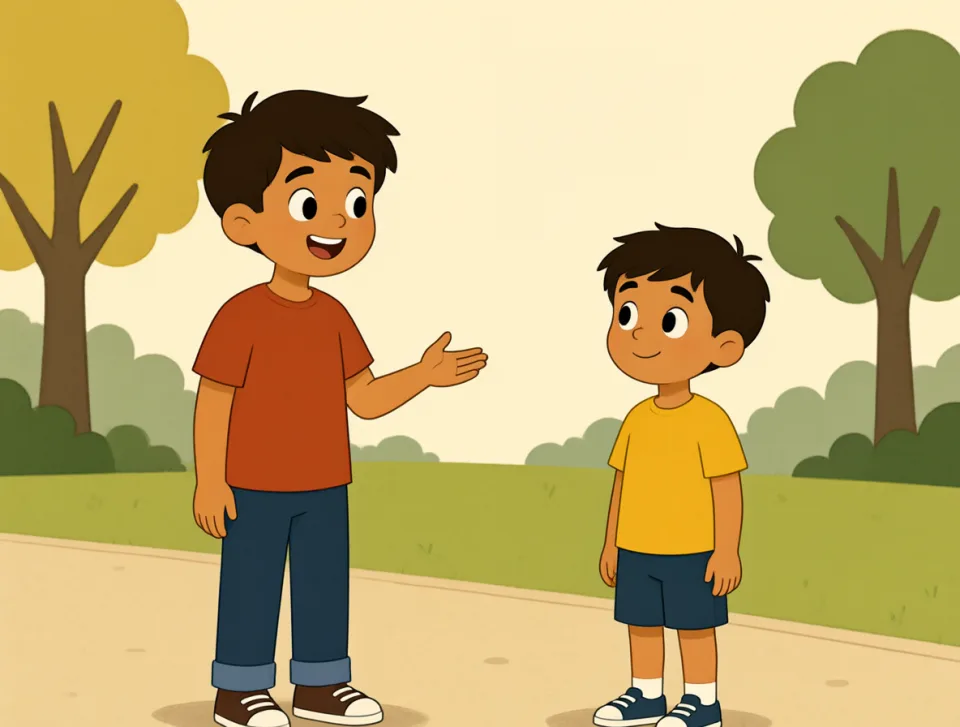
Tom is my brother's best friend.
تام بهترین دوست برادر من است.

My brother helped me carry the shopping.
برادرم کمکم کرد خریدها را حمل کنم.
investment
#822noun
سرمایهگذاری
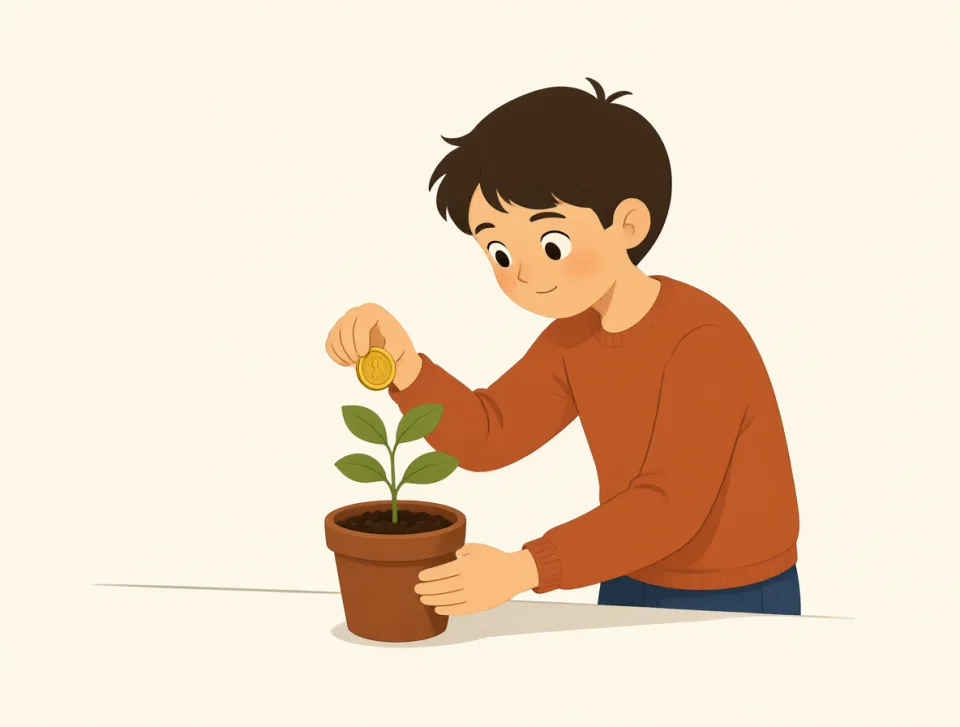
Money, time, or effort put into something to gain a useful result later.
پول، زمان یا تلاشی که صرف چیزی میشود تا بعداً نتیجهٔ مفیدی به دست آید.

The house was a good investment.
آن خانه سرمایهگذاری خوبی بود.

She made an investment in the company.
او در آن شرکت سرمایهگذاری کرد.
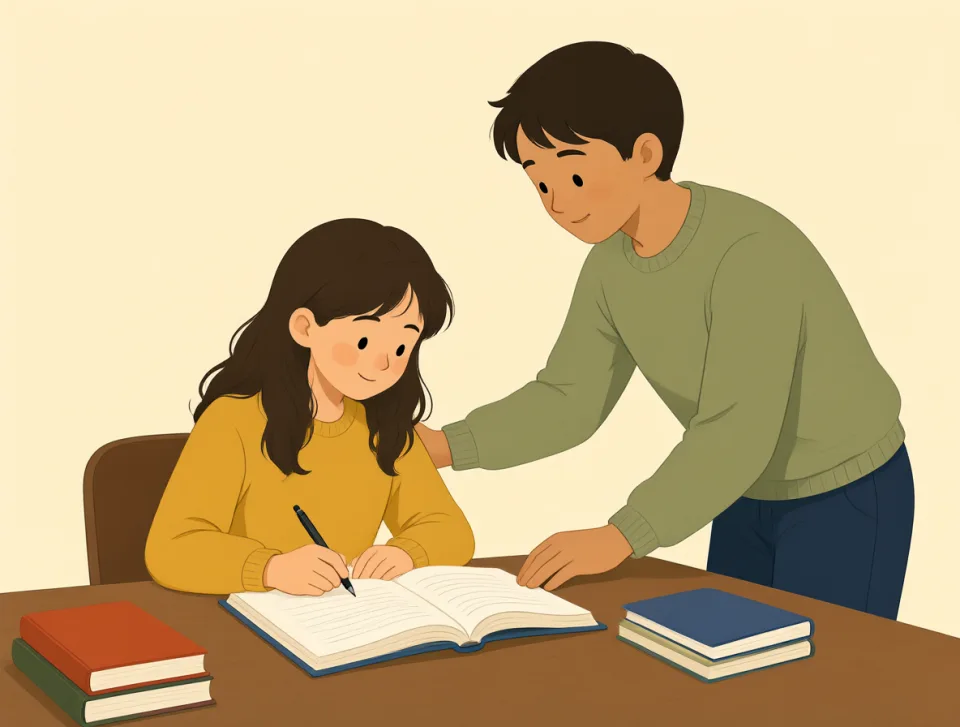
Education is an investment in your future.
آموزش سرمایهگذاری روی آیندهٔ شماست.
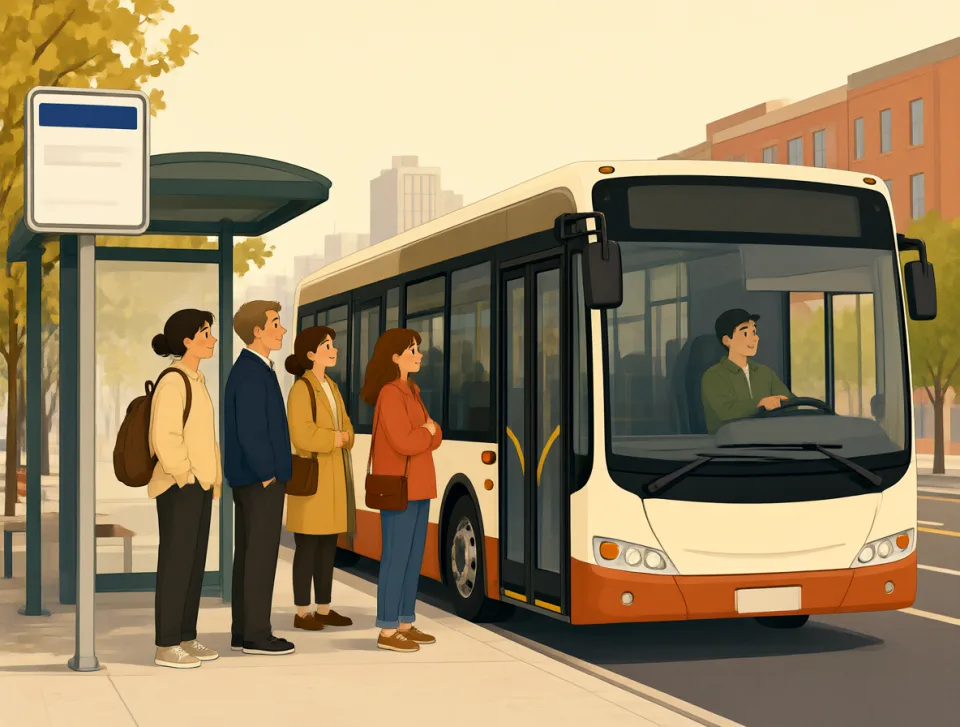
We need more investment in public transport.
باید سرمایهگذاری بیشتری در حملونقل عمومی انجام دهیم.

This camera is a useful investment.
این دوربین سرمایهگذاری مفیدی است.
score
#823noun, verb
امتیاز
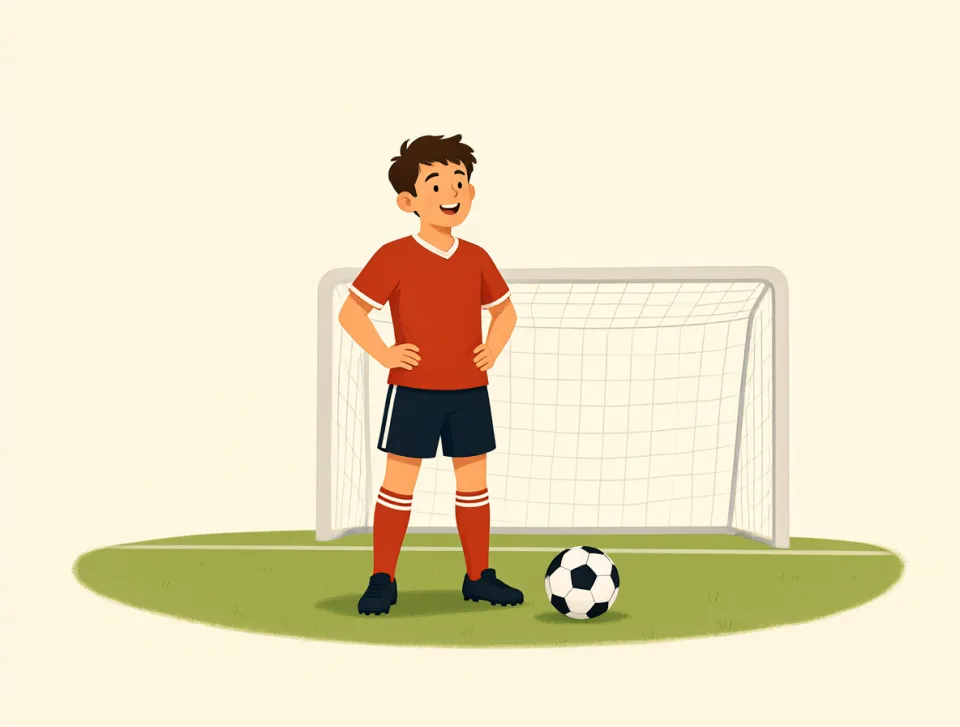
The number of points someone gets in a game, or to get points in a game.
تعداد امتیازهایی که کسی در یک بازی میگیرد، یا امتیاز گرفتن در یک بازی.
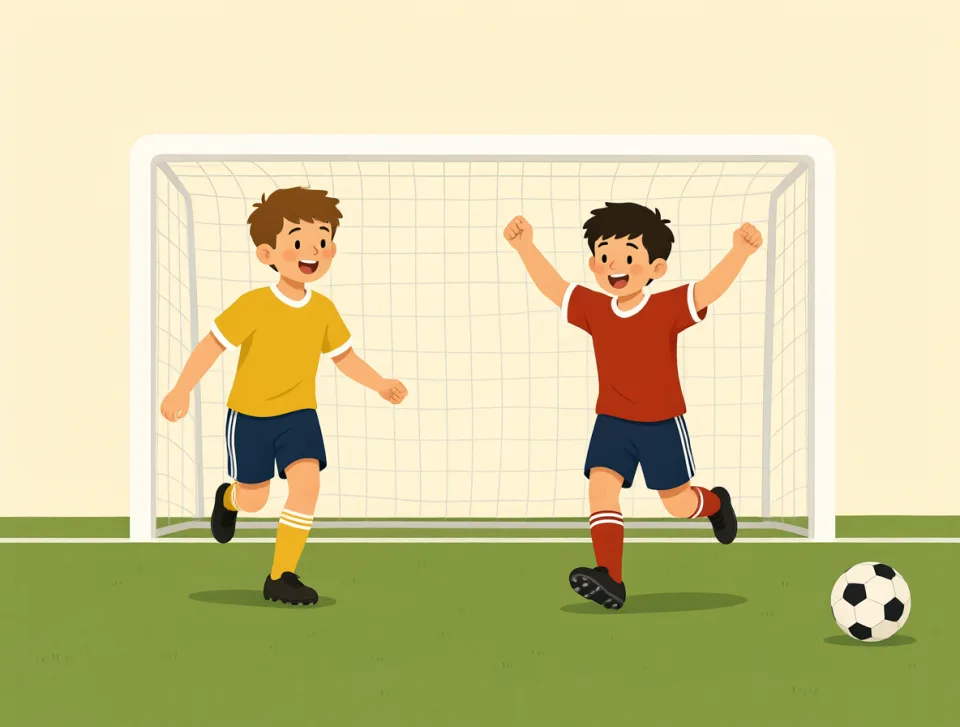
Our team scored three goals today.
تیم ما امروز سه گل زد.

She scored ten points in the game.
او در بازی ده امتیاز گرفت.
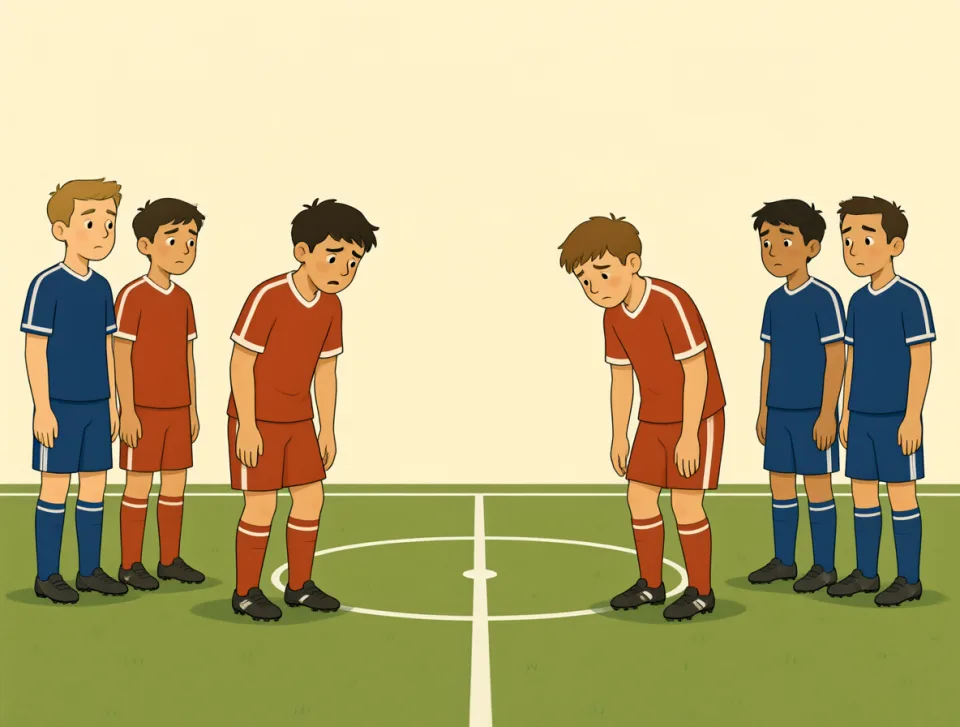
The final score was two to one.
نتیجهٔ نهایی دو بر یک بود.
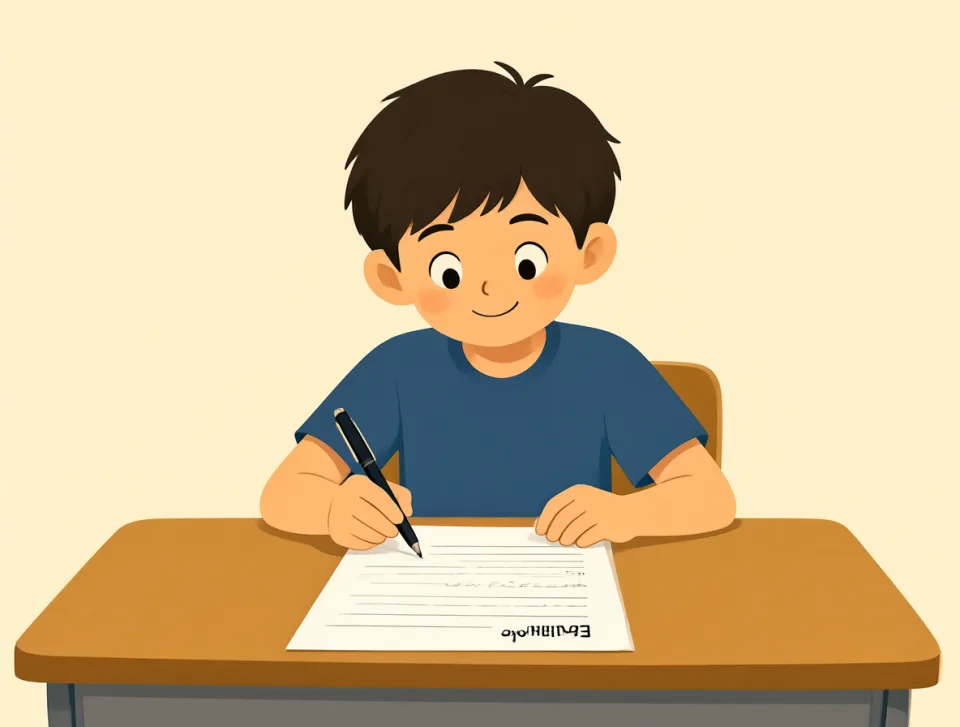
He scored well on his English test.
او در آزمون انگلیسیاش نمرهٔ خوبی گرفت.
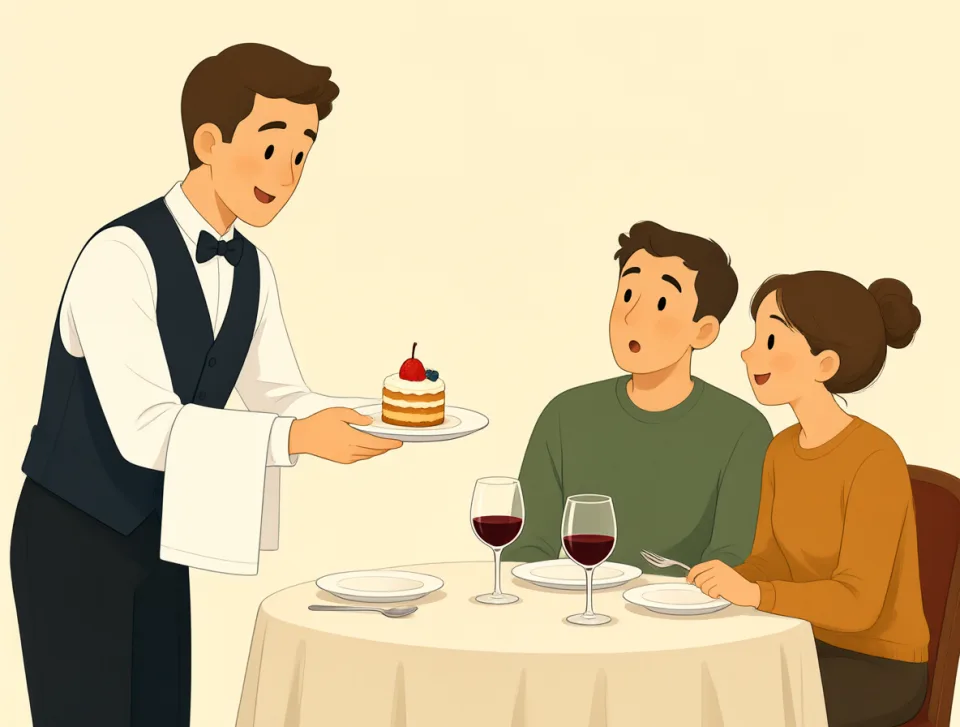
The waiter scored us a free dessert.
پیشخدمت برایمان یک دسر رایگان جور کرد.
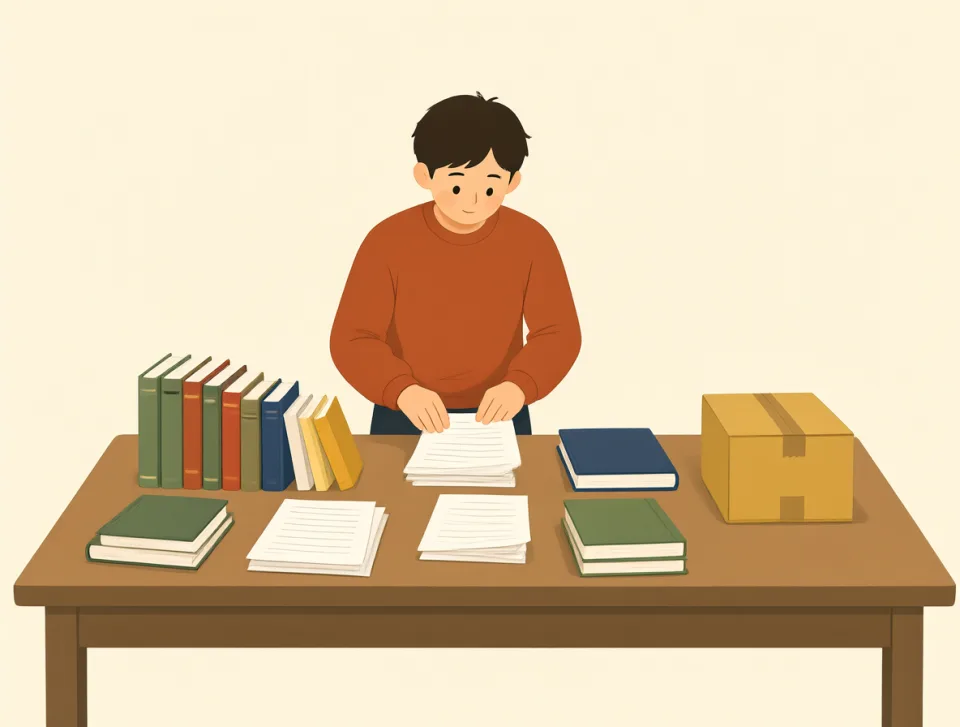
organize
#824verb
سازماندهی کردن
to plan and arrange people or things in a clear, useful way
برنامهریزی کردن و مرتب چیدن افراد یا چیزها به شکلی روشن و کاربردی
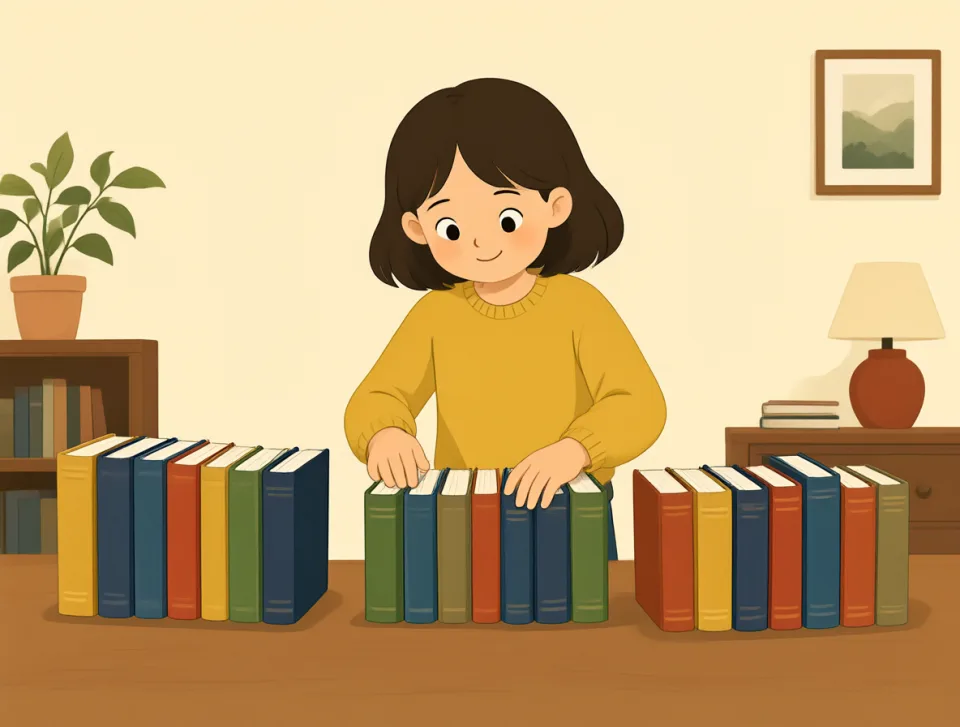
She organized the books by subject.
او کتابها را بر اساس موضوع مرتب کرد.
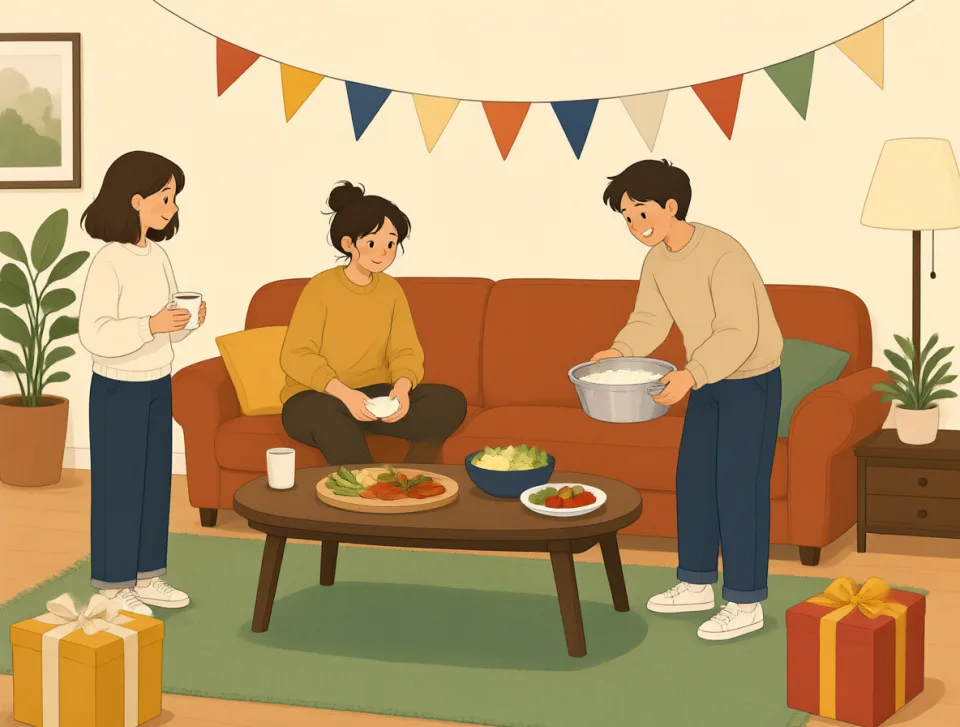
We organized a party for our friend.
برای دوستمون یک مهمانی ترتیب دادیم.
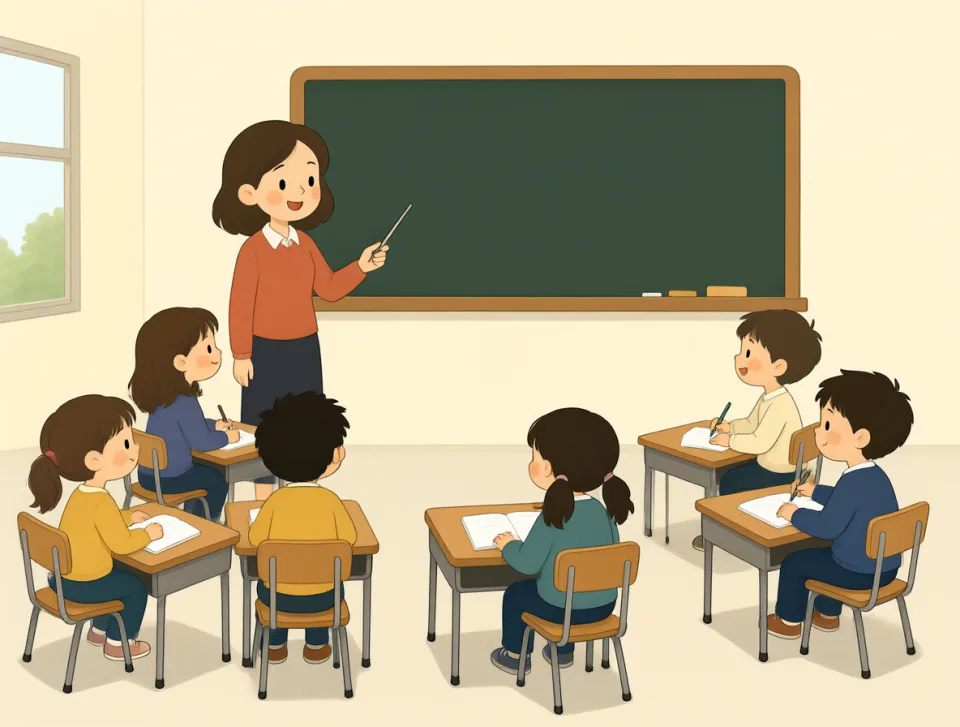
The teacher organized the students into groups.
معلم دانشآموزان را در گروههایی سازماندهی کرد.

He organized his desk before work.
او پیش از شروع کار میزش را مرتب کرد.
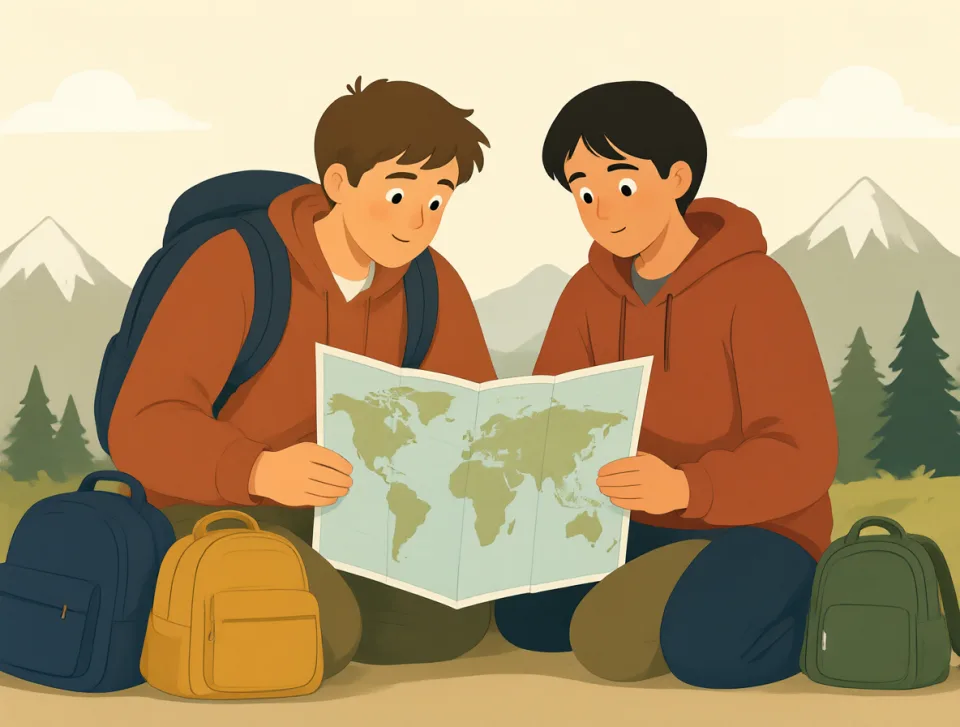
They organized a trip to the mountains.
آنها سفری به کوهستان ترتیب دادند.
trip
#825noun, verb
سفر؛ تلوتلو خوردن
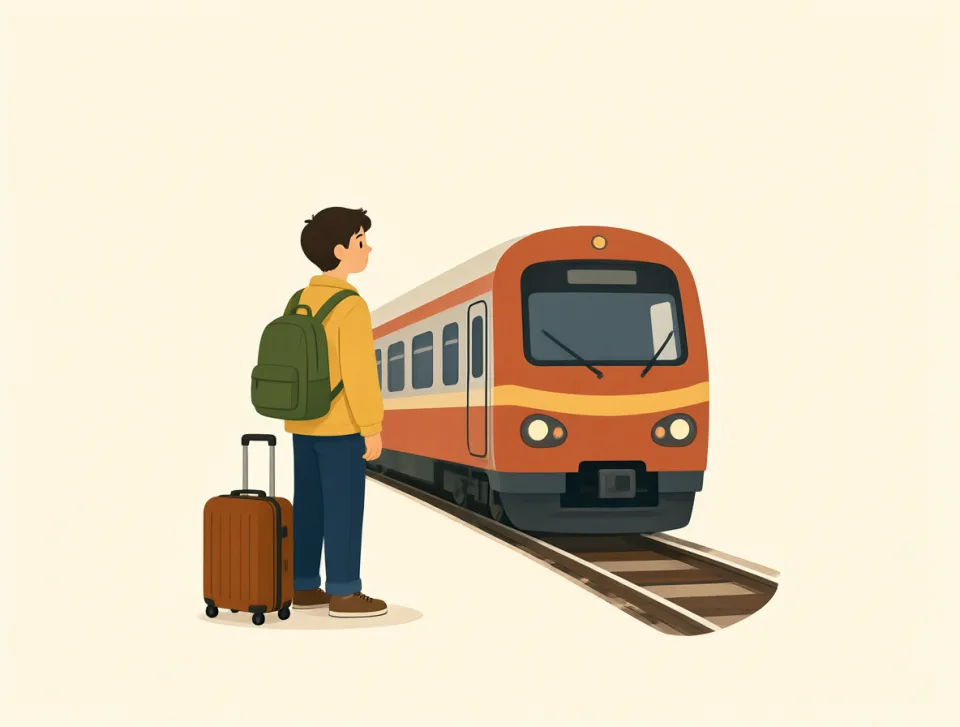
A journey to a place, or to fall and lose your balance while walking.
سفر به جایی، یا هنگام راه رفتن پای کسی به چیزی گیر کردن و تعادلش را از دست دادن.
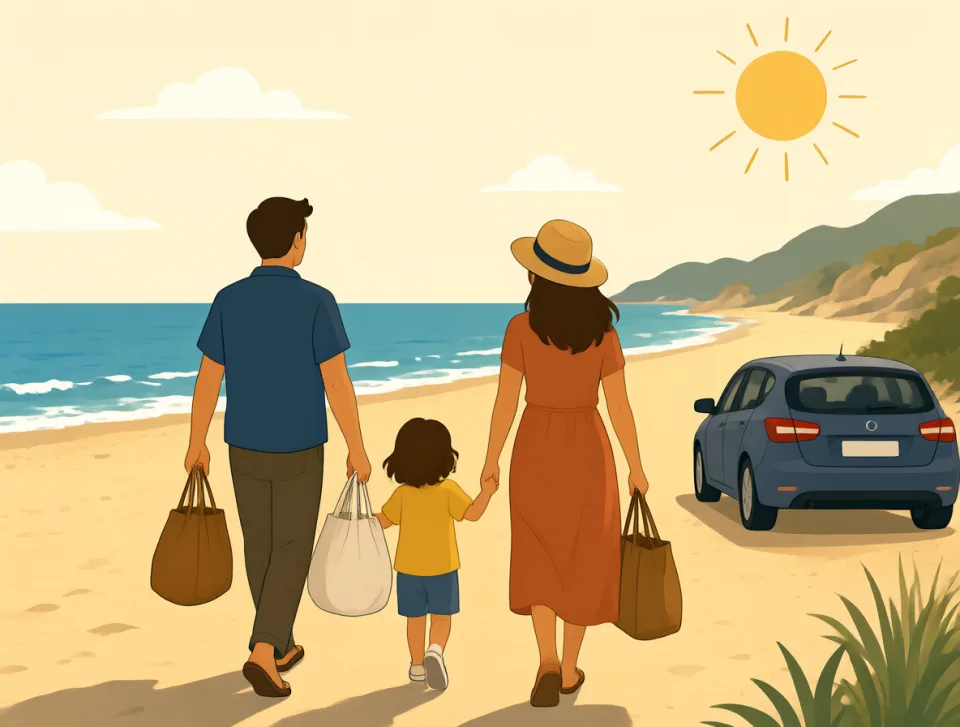
We took a trip to the beach.
به ساحل سفر کردیم.
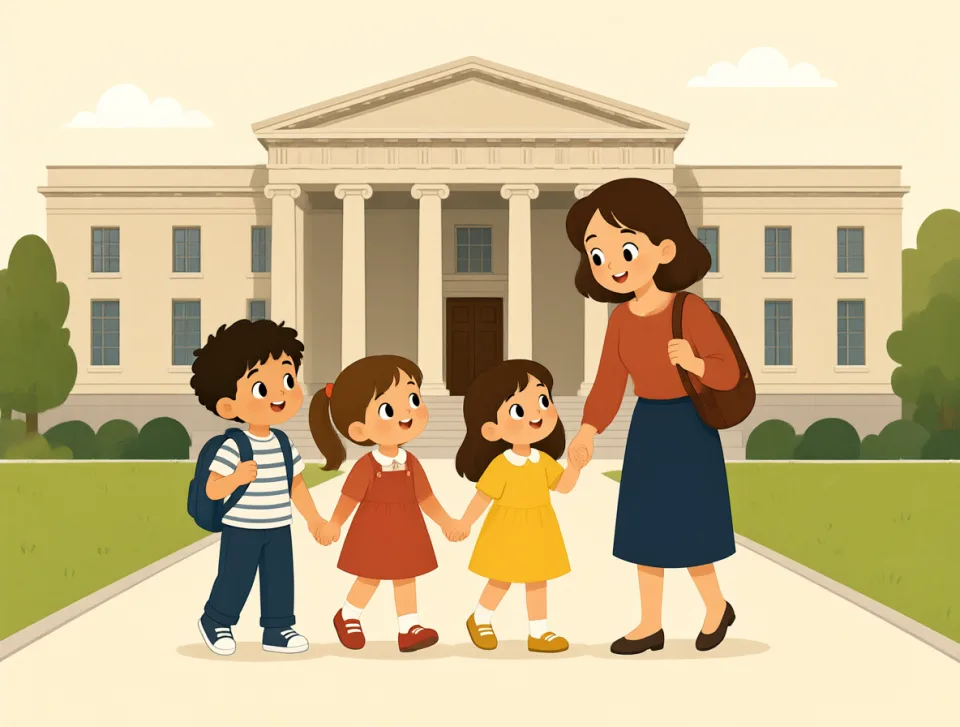
Our school trip was fun.
اردوی مدرسهمان خوش گذشت.
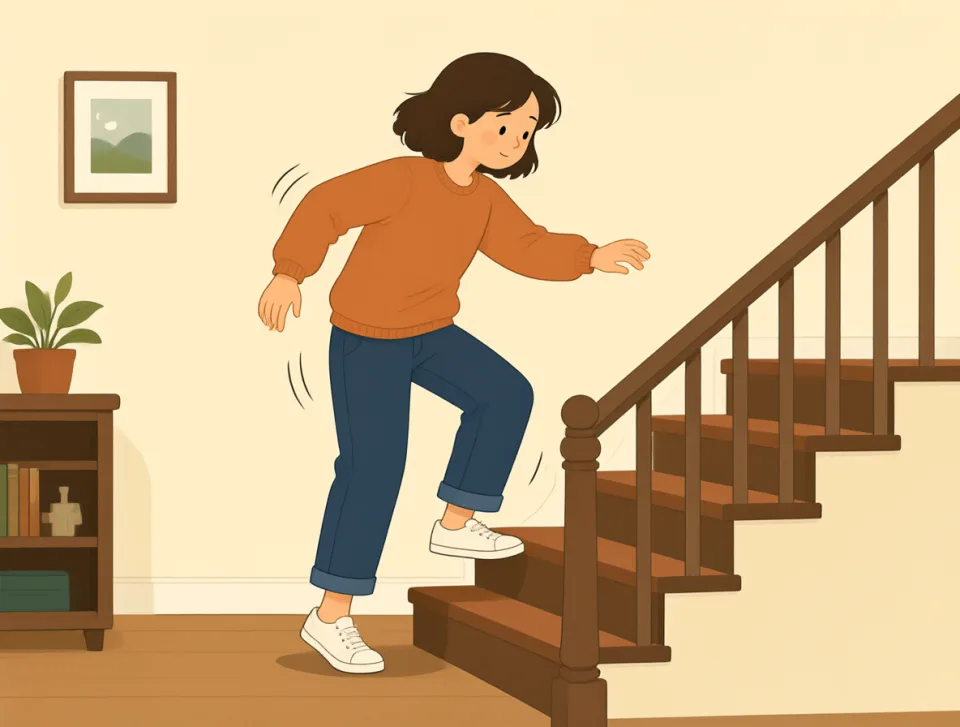
I tripped on the stairs this morning.
امروز صبح پایم به پلهها گیر کرد.
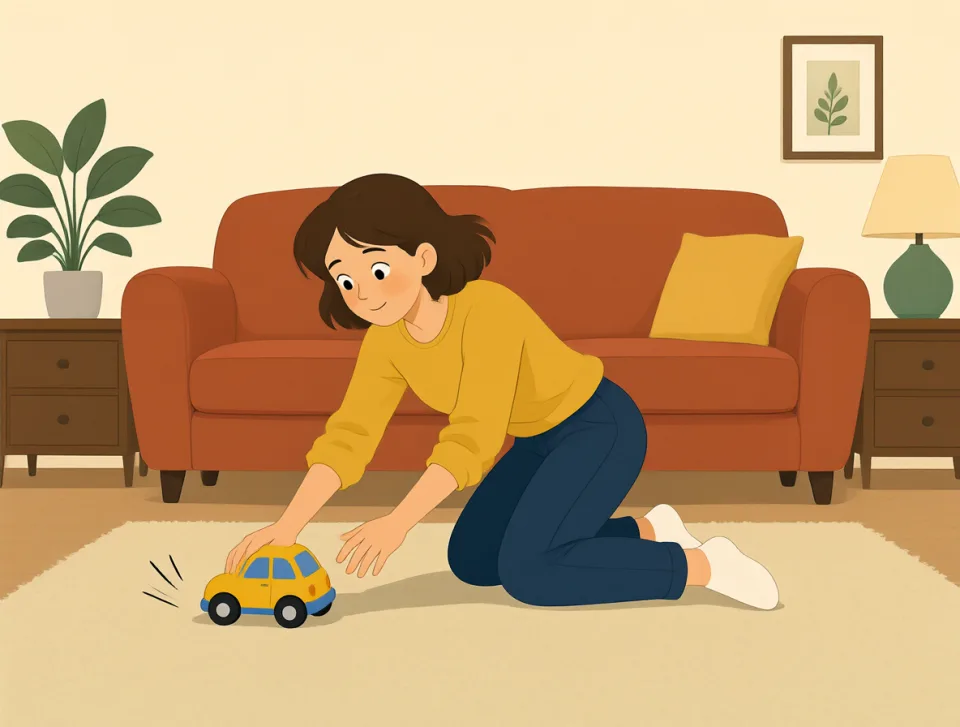
She tripped over the toy.
پایش به اسباببازی گیر کرد.

He took a business trip to London.
او برای کار به لندن سفر کرد.

beyond
#826adverb, preposition, noun
فراتر از
farther away or outside a limit, range, or place
دورتر یا بیرون از یک حد، محدوده یا مکان

The village is beyond the mountains.
روستا آنسوی کوههاست.
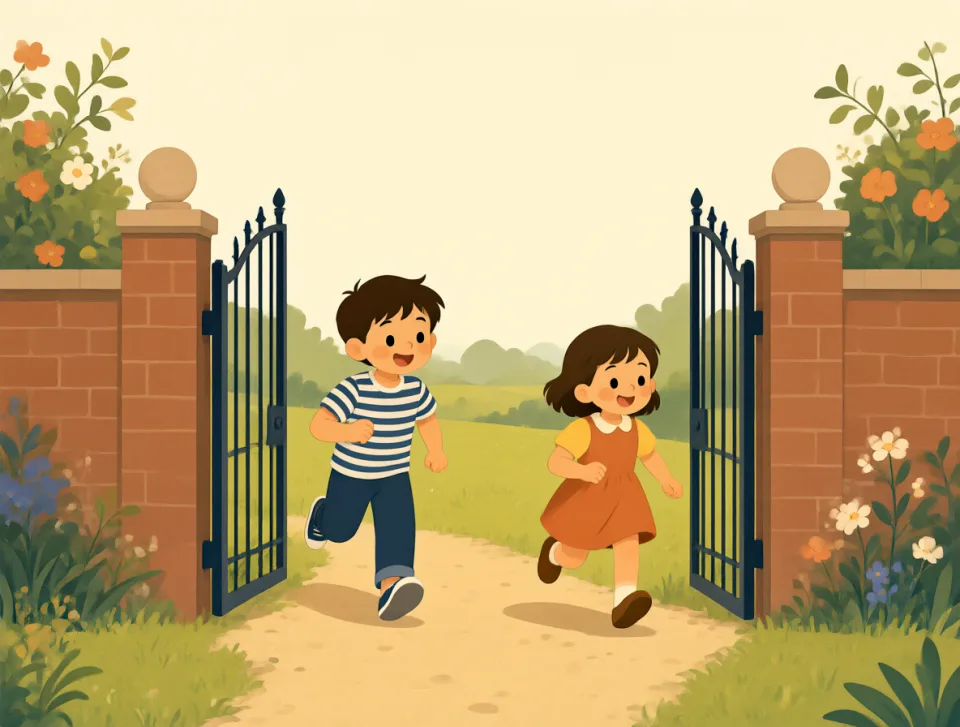
The children ran beyond the garden gate.
بچهها از دروازهٔ باغ گذشتند و دویدند.
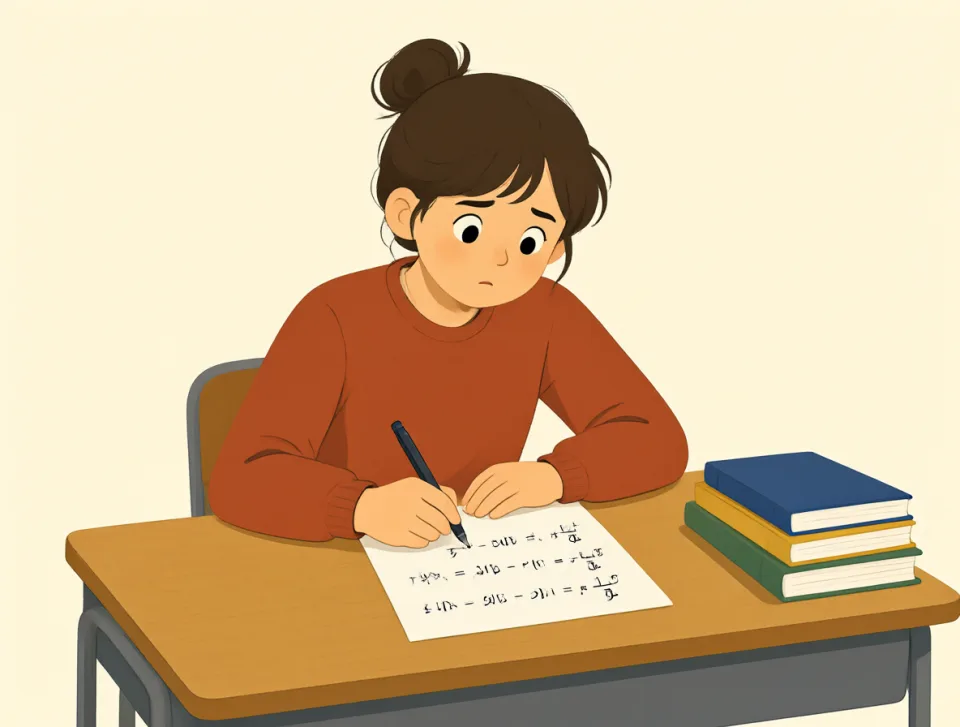
This problem is beyond my understanding.
این مسئله فراتر از درک من است.
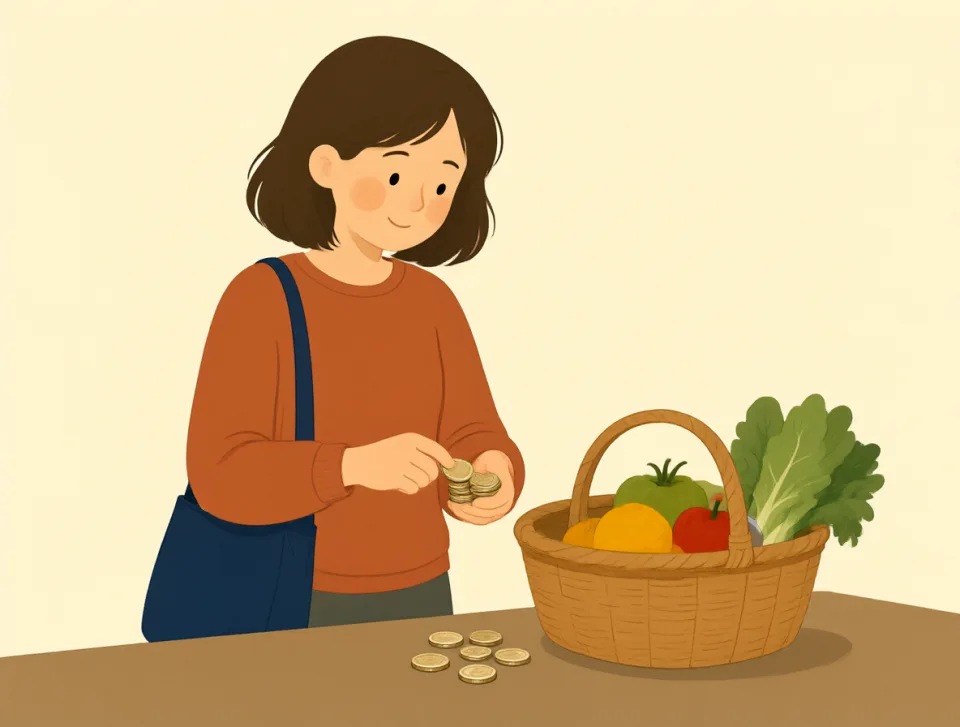
We cannot spend beyond our budget.
نمیتوانیم بیشتر از بودجهمان خرج کنیم.

The doctor said the pain was beyond normal.
دکتر گفت درد فراتر از حد معمول بود.

sleep
#827noun, verb
خوابیدن
To rest with your eyes closed and your body inactive, usually at night.
استراحت کردن با چشمهای بسته و بدن بیحرکت، معمولاً در شب.

I sleep for eight hours every night.
من هر شب هشت ساعت میخوابم.

The baby is sleeping in her crib.
نوزاد در گهوارهاش خوابیده است.
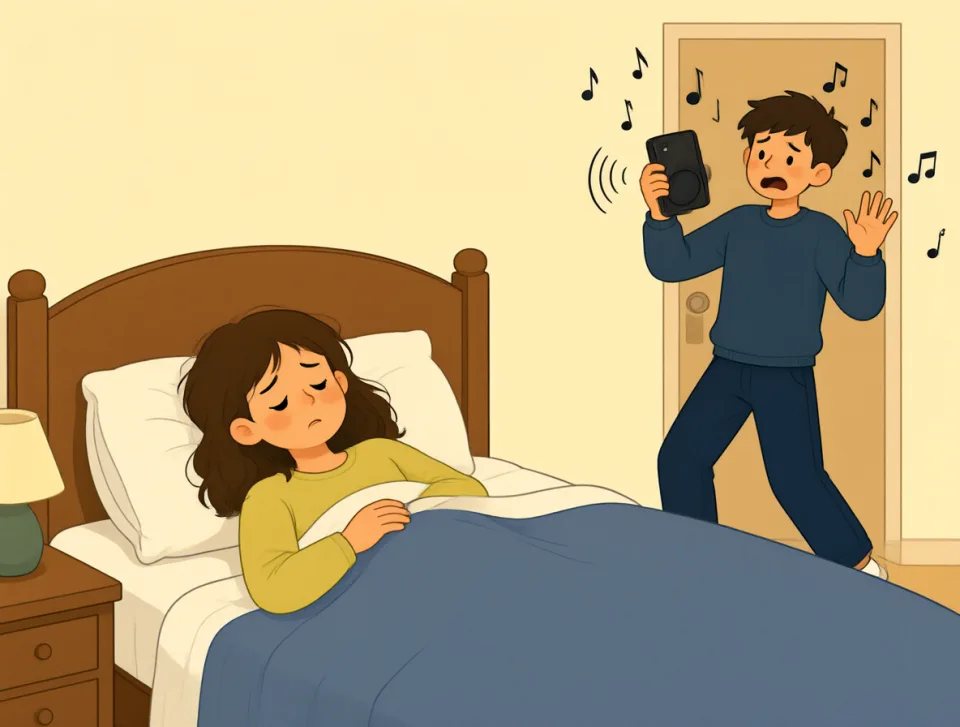
I slept badly because of the noise.
بهخاطر سر و صدا بد خوابیدم.

We need a hotel where four people can sleep.
به هتلی نیاز داریم که چهار نفر بتوانند در آن بخوابند.

I always feel better after a good sleep.
من همیشه بعد از یک خواب خوب حالم بهتر میشود.
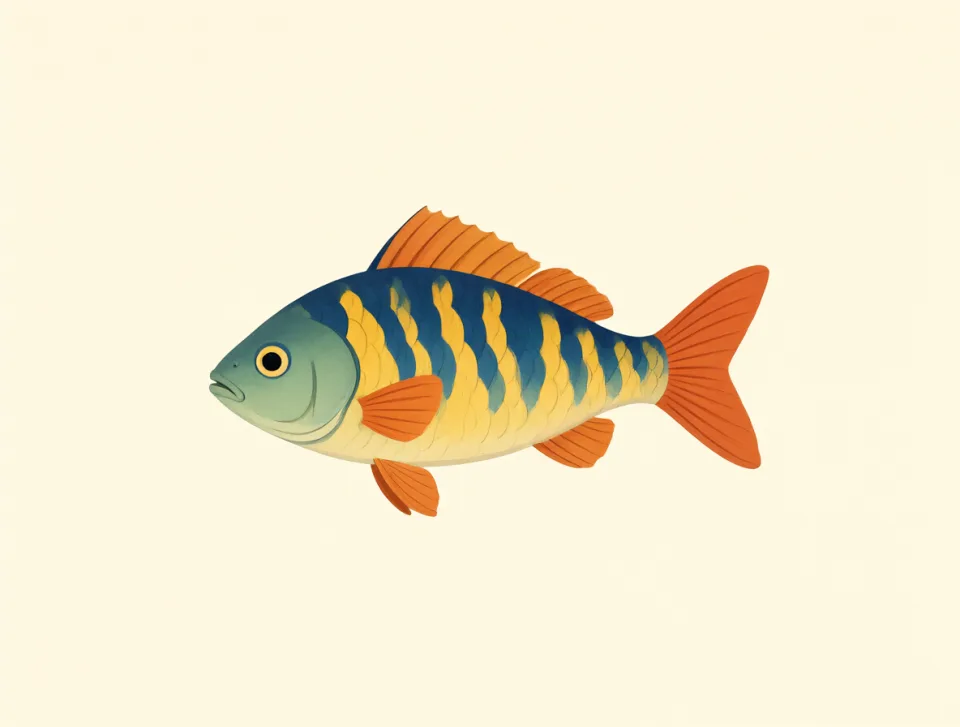
fish
#828noun, verb
ماهی
an animal that lives in water, or to catch or cook fish
حیوانی که در آب زندگی میکند، یا صید کردن یا پختن ماهی
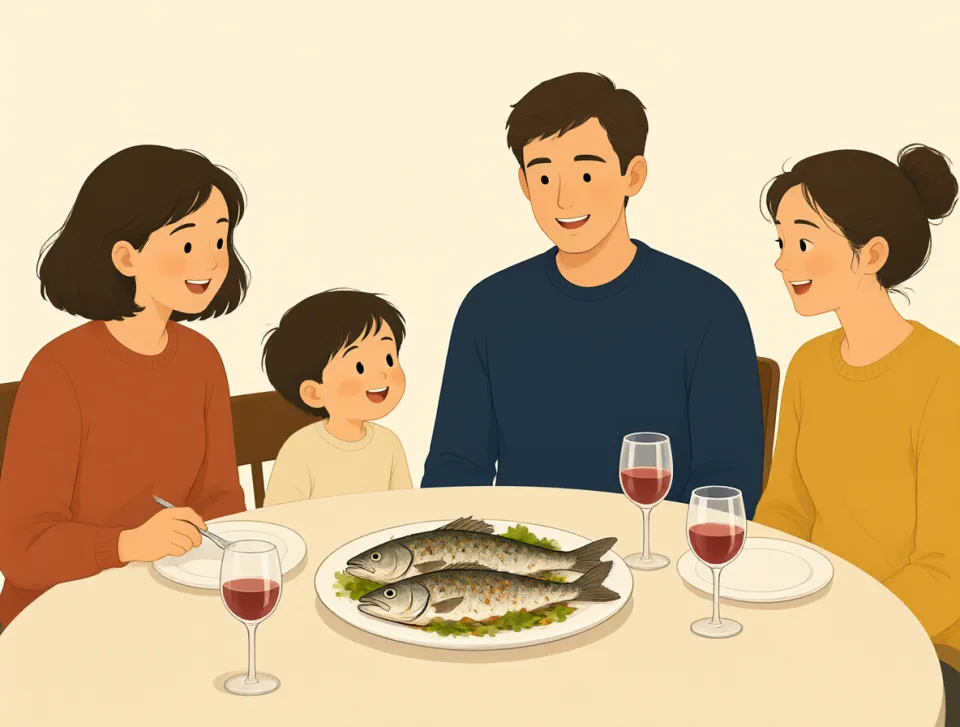
We had fish for dinner last night.
دیشب برای شام ماهی خوردیم.
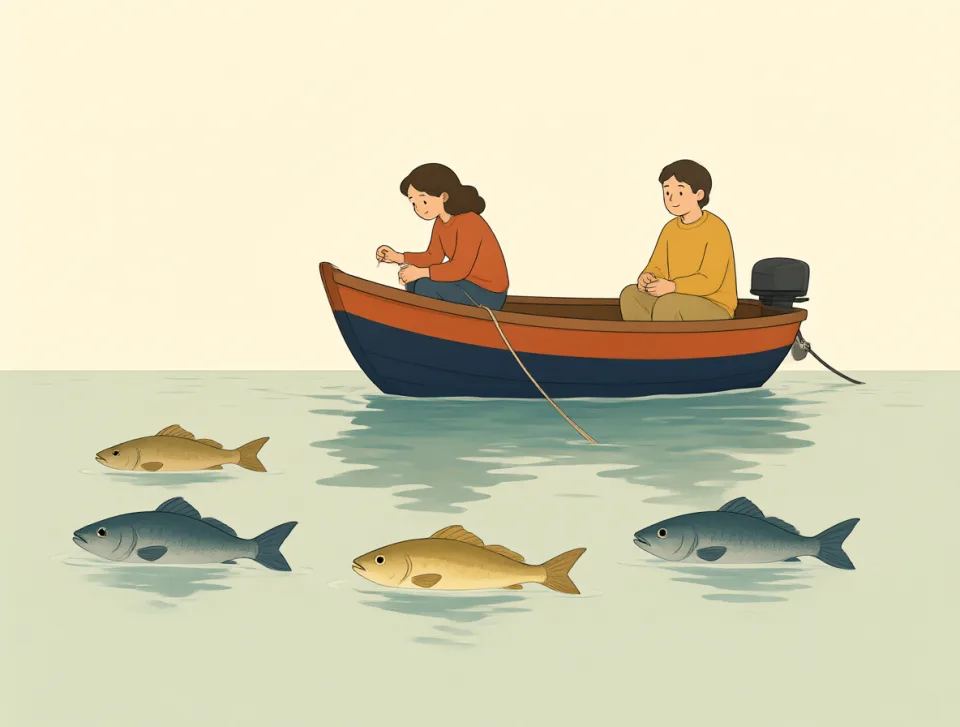
The fish are swimming near the boat.
ماهیها نزدیک قایق شنا میکنند.
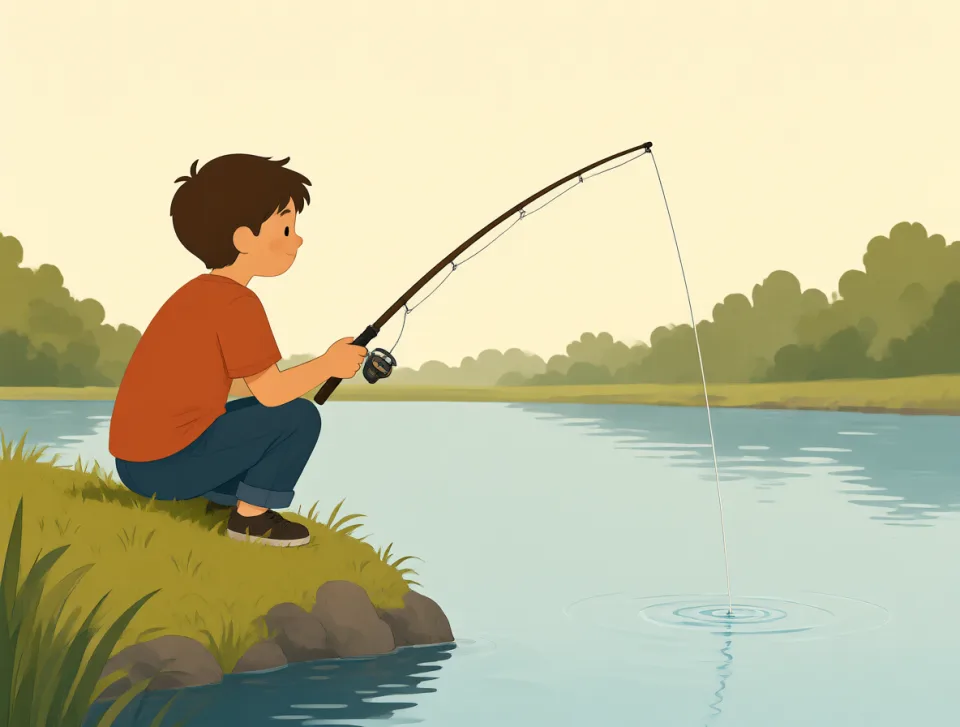
My brother fishes at the lake every Sunday.
برادرم هر یکشنبه دریاچه ماهیگیری میکند.
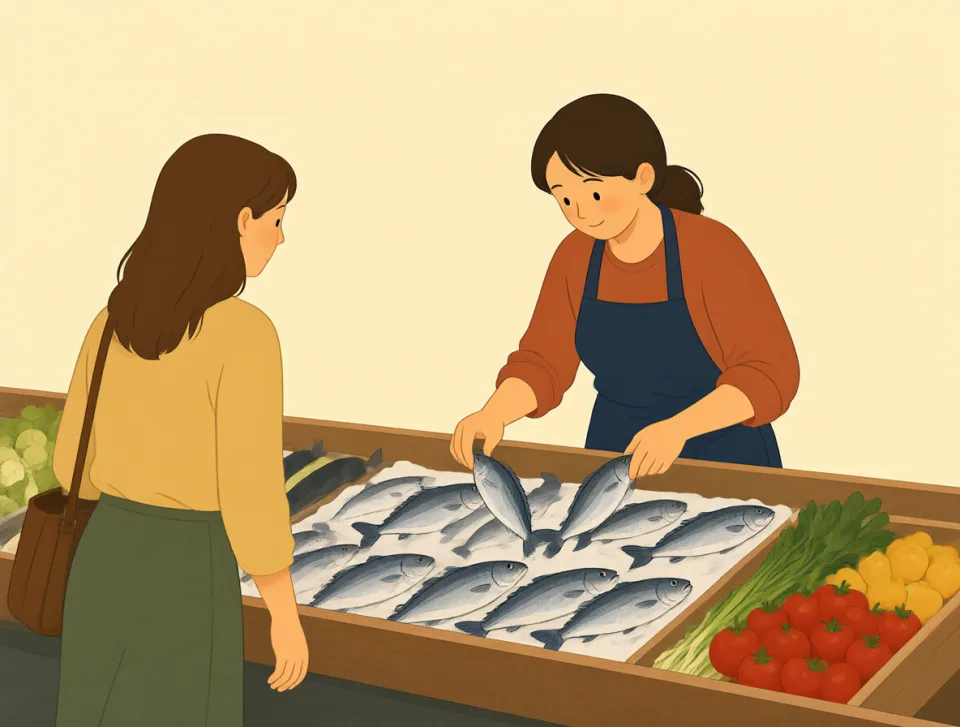
She bought fresh fish at the market.
او در بازار ماهی تازه خرید.
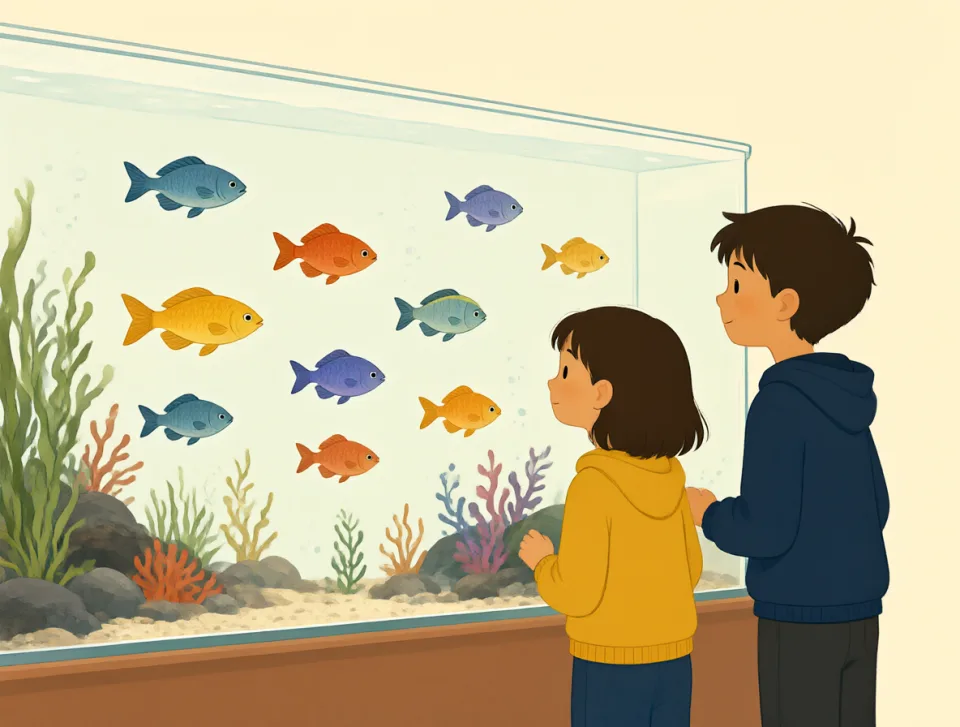
The children watched fish at the aquarium.
بچهها ماهیها را در آکواریوم تماشا کردند.
promise
#829noun, verb
قول دادن
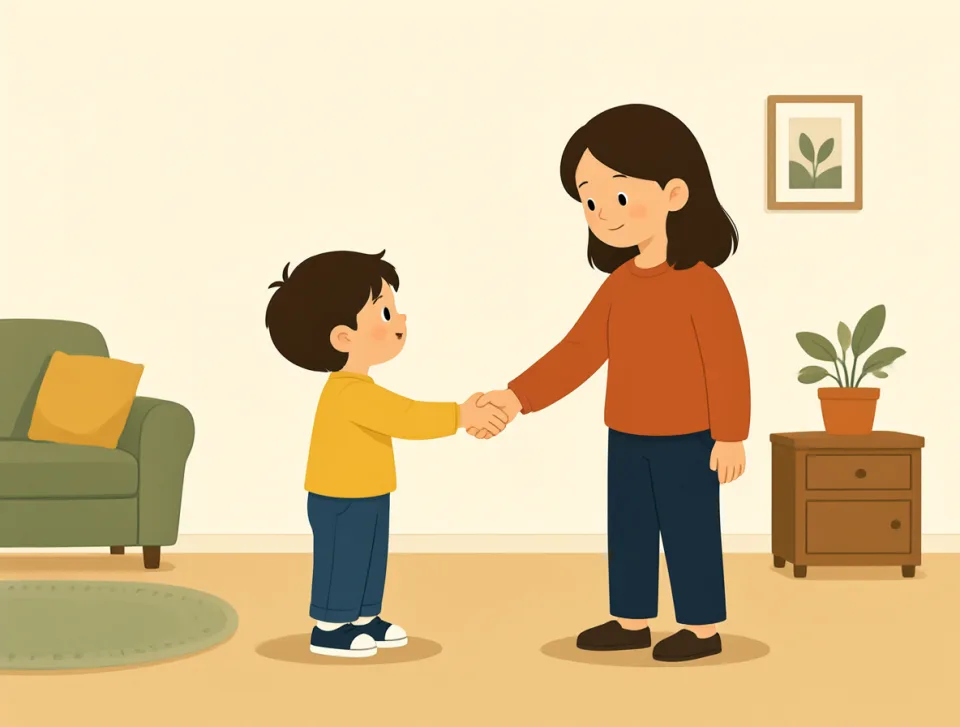
To say you will do something or that something will happen.
گفتن اینکه کاری را انجام میدهید یا اتفاقی خواهد افتاد.

I promise to help you tomorrow.
قول میدهم فردا کمکت کنم.

She promised to call after work.
او قول داد بعد از کار زنگ بزند.
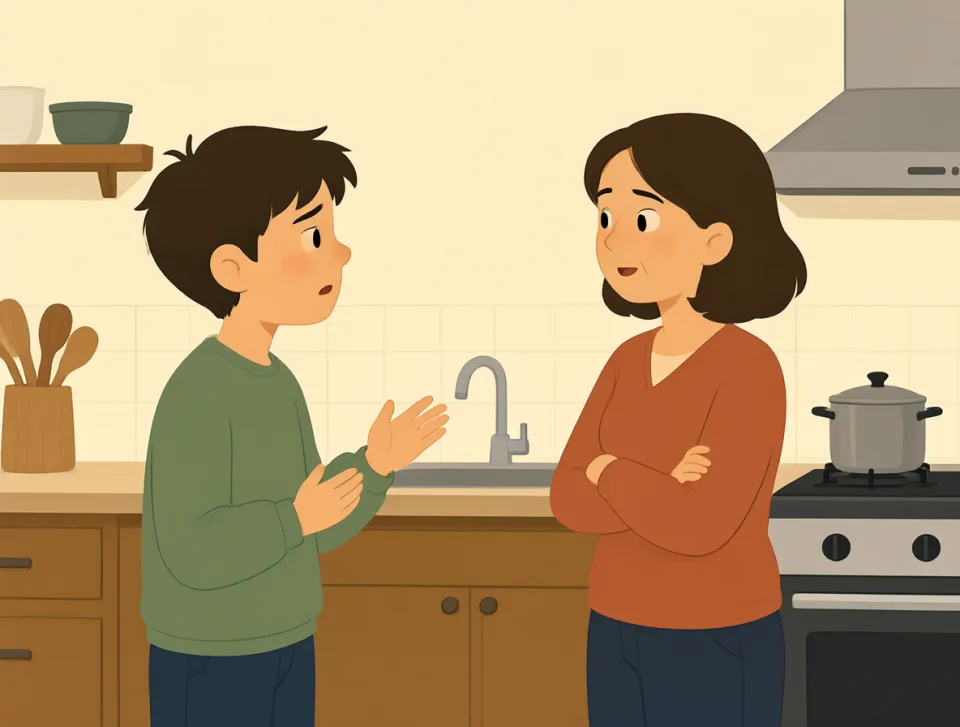
He made a promise to his mother.
او به مادرش قولی داد.

The new restaurant shows great promise.
این رستوران تازه نویدبخش موفقیت زیادی است.
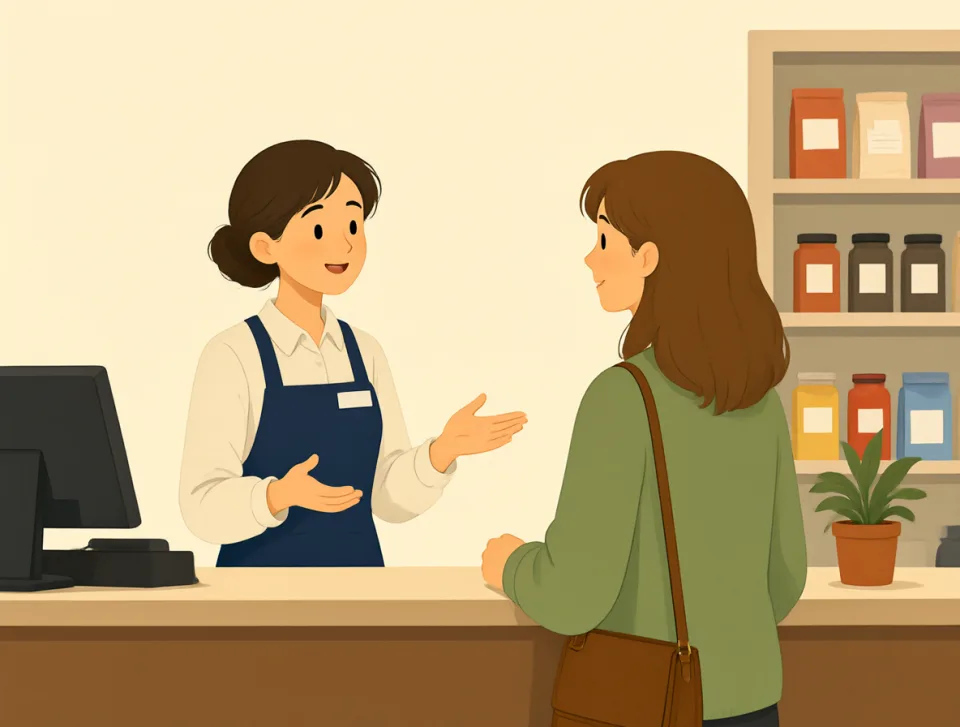
They promised us a full refund.
آنها به ما قول بازپرداخت کامل پول را دادند.
potential
#830noun, adjective
استعداد بالقوه
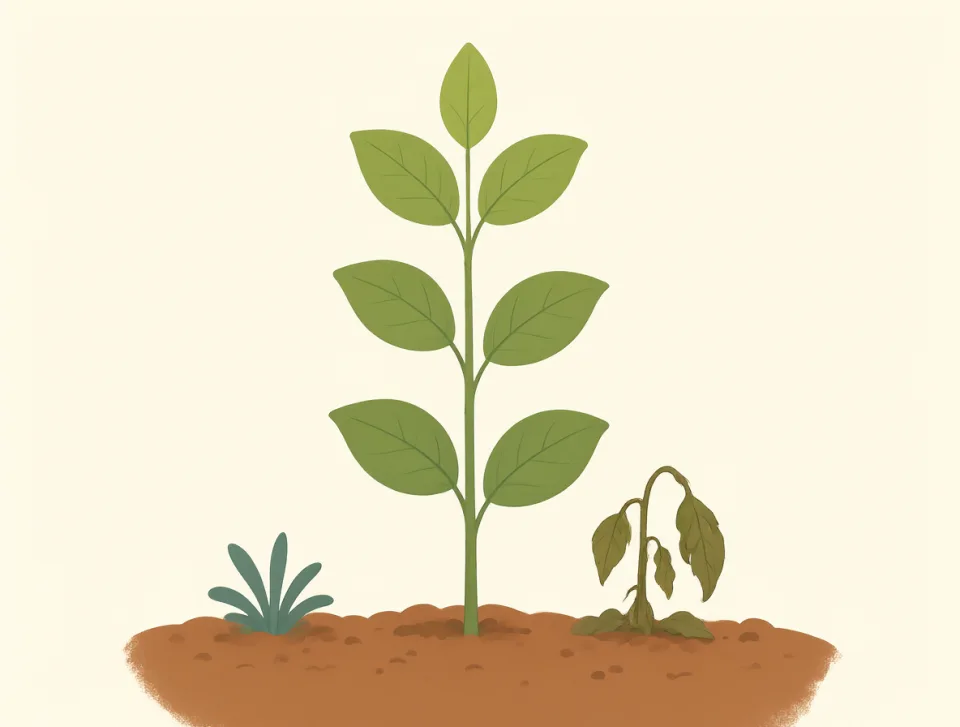
The chance that someone or something will develop, succeed, or become important.
احتمالی که کسی یا چیزی رشد کند، موفق شود یا اهمیت پیدا کند.

She has the potential to become a great doctor.
او استعداد این را دارد که پزشک بزرگی شود.

This small shop has great potential for growth.
این مغازهٔ کوچک ظرفیت زیادی برای رشد دارد.
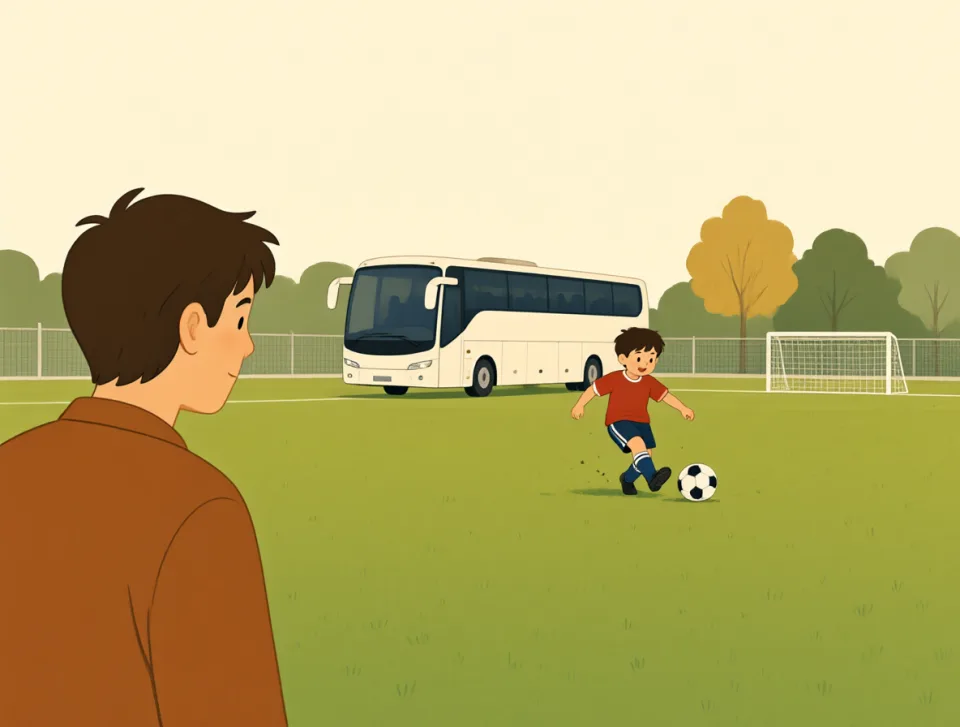
The coach saw potential in the young player.
مربی در بازیکن جوان استعداد دید.
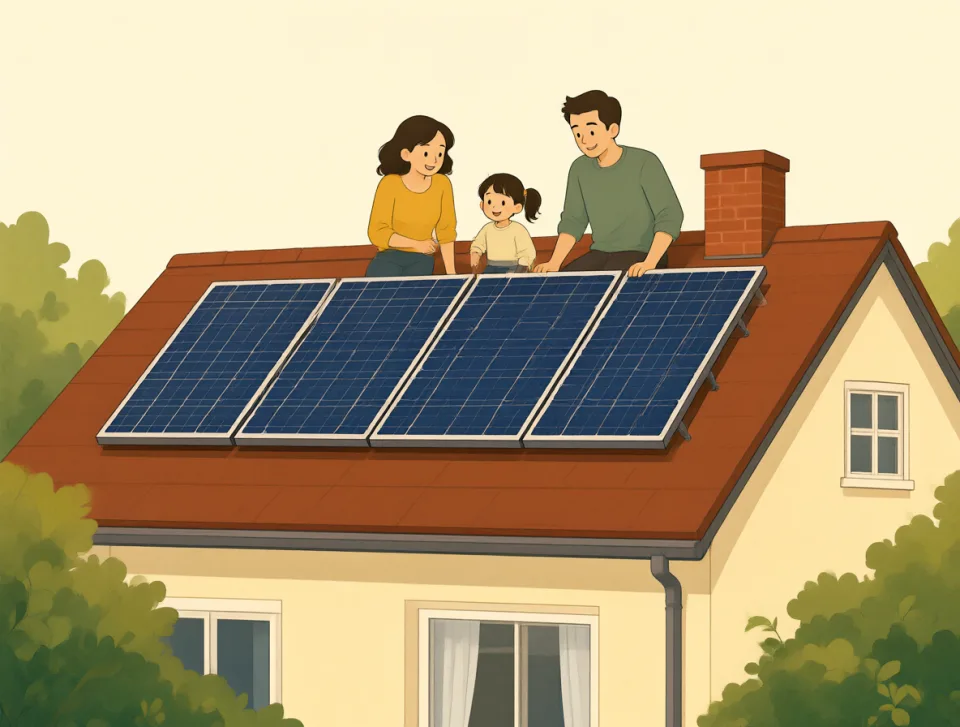
Solar power has the potential to save money.
انرژی خورشیدی میتواند هزینهها را کاهش دهد.

The new medicine may have dangerous potential.
این داروی جدید ممکن است عوارض خطرناکی داشته باشد.
energy
#831noun
انرژی
The strength and effort needed to do things or make things work.
توان و نیرویی که برای انجام کارها یا راهاندازی چیزی لازم است.
I have enough energy to walk home.
آنقدر انرژی دارم که پیاده به خانه بروم.
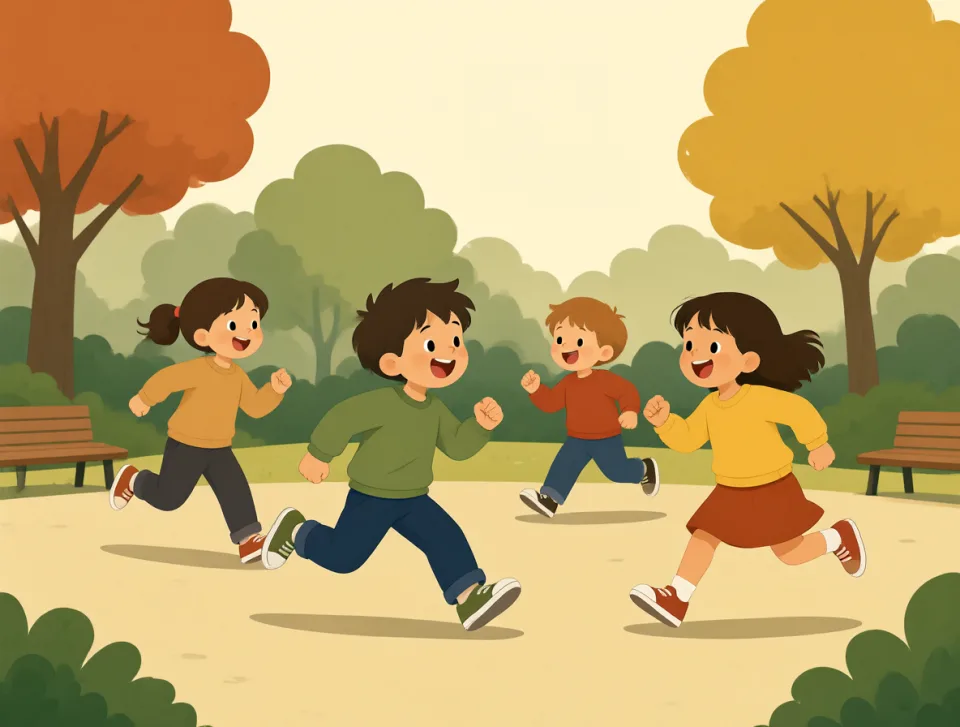
The children used all their energy at the park.
بچهها در پارک تمام انرژیشان را مصرف کردند.
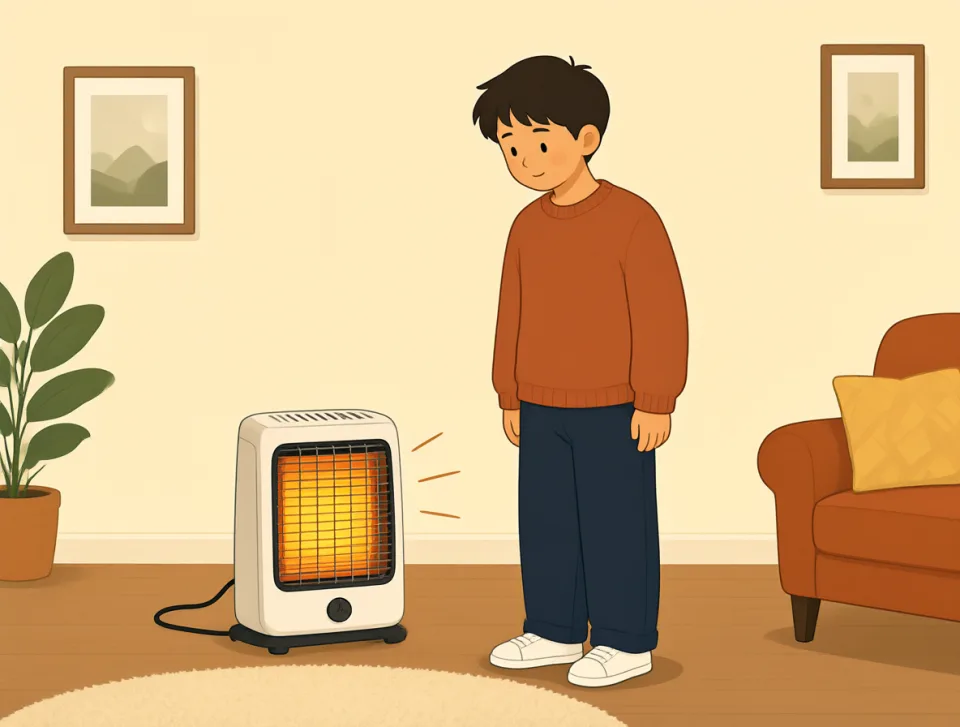
This heater uses a lot of energy.
این بخاری انرژی زیادی مصرف میکند.
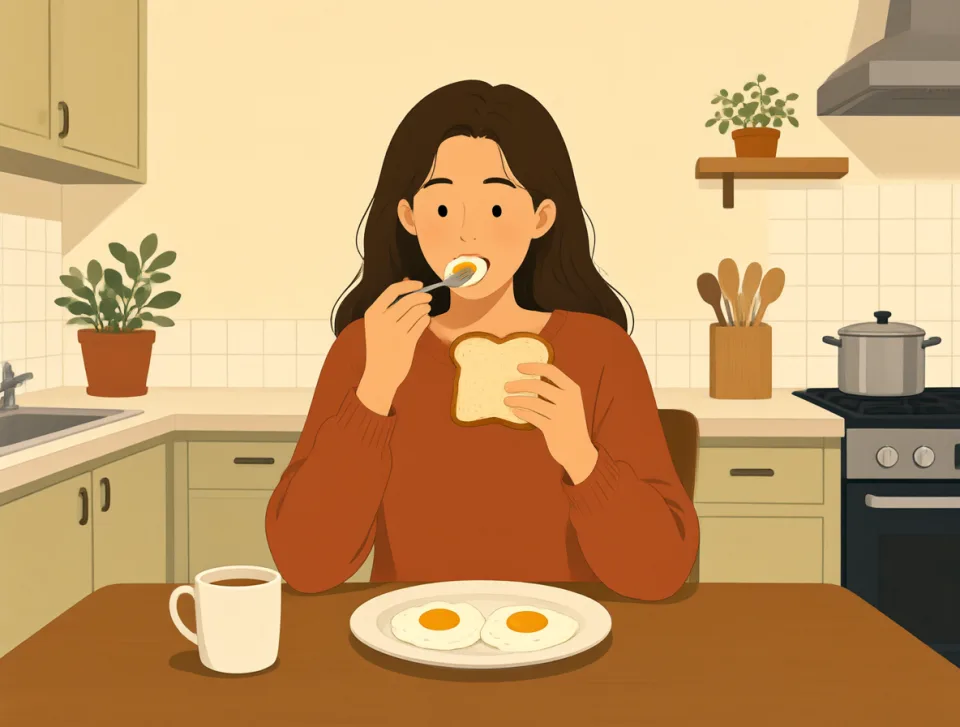
She gets energy from a good breakfast.
او با یک صبحانهٔ خوب انرژی میگیرد.

We need energy to finish the long trip.
برای تمام کردن این سفر طولانی به انرژی نیاز داریم.
trouble
#832noun, verb
دردسر؛ مشکل
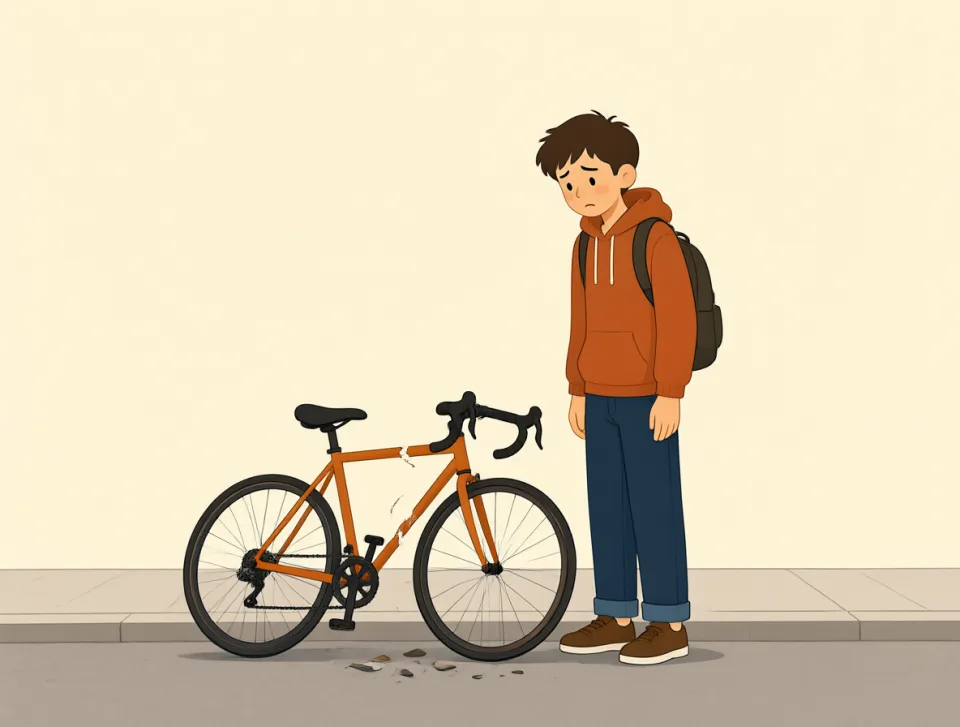
A problem or difficulty; to cause problems for someone.
مشکل یا دشواری؛ برای کسی مشکل ایجاد کردن.
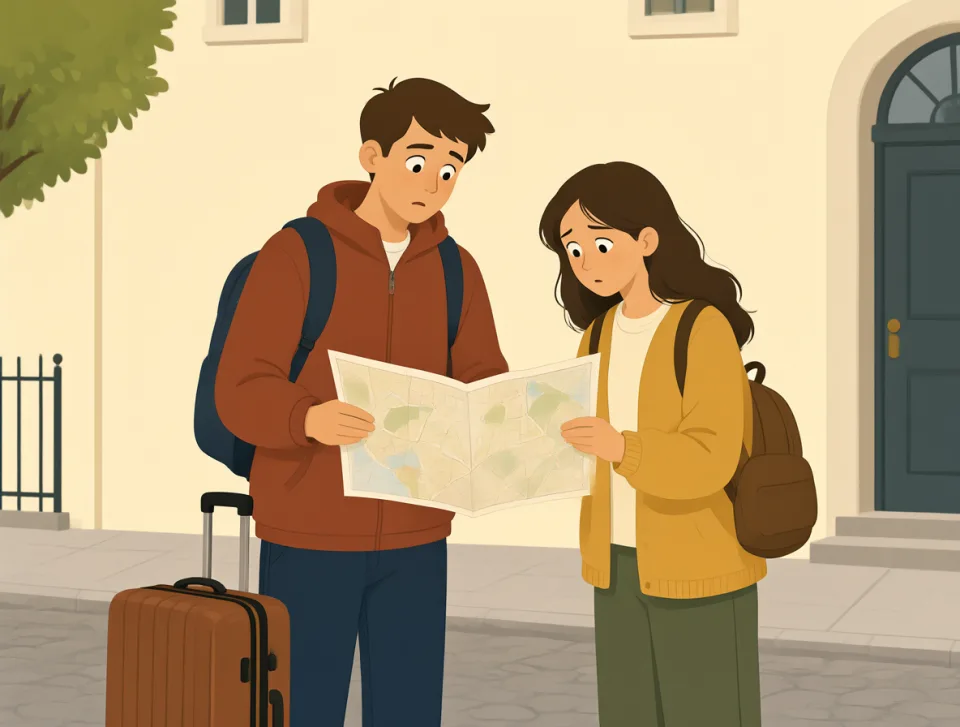
We had trouble finding the hotel.
برای پیدا کردن هتل به مشکل خوردیم.
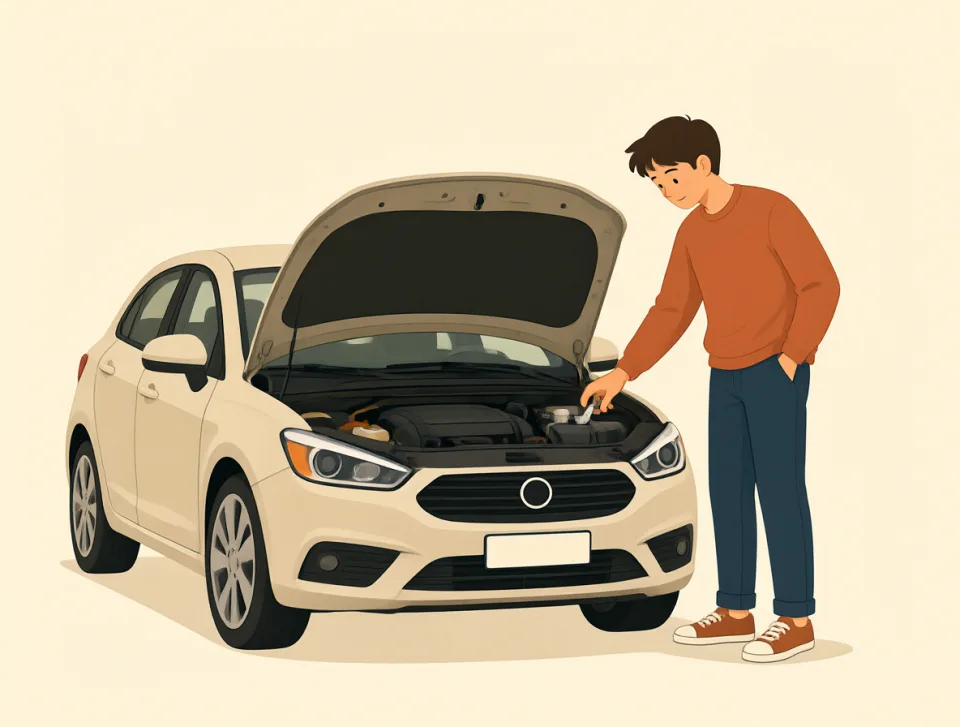
The car gave me trouble this morning.
ماشین امروز صبح برایم دردسر درست کرد.
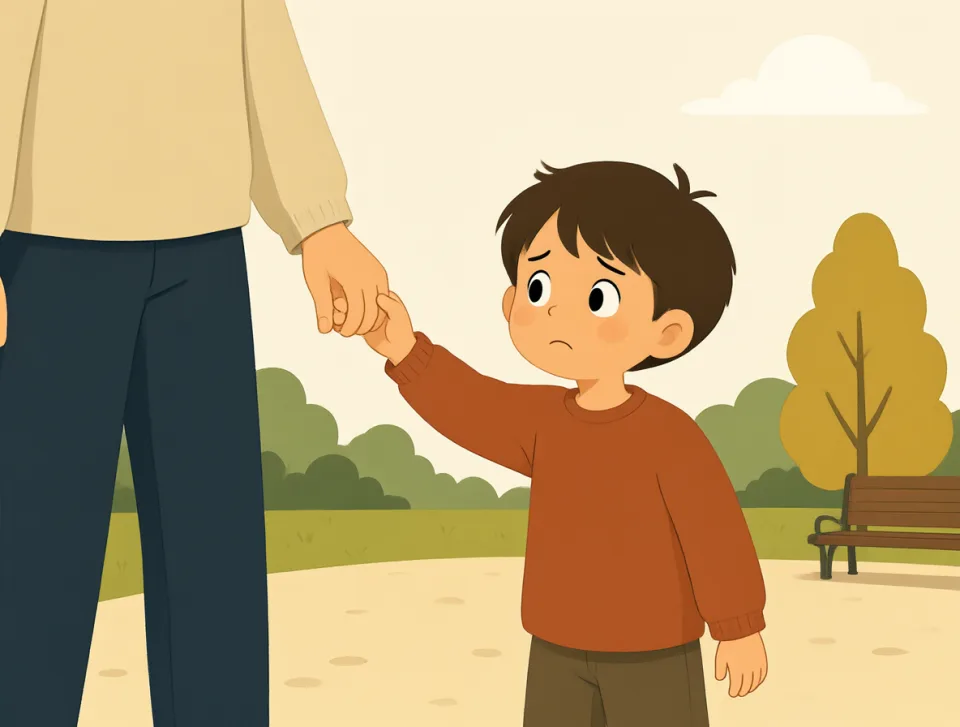
Please call me if you are in trouble.
اگر به دردسر افتادی، لطفاً با من تماس بگیر.
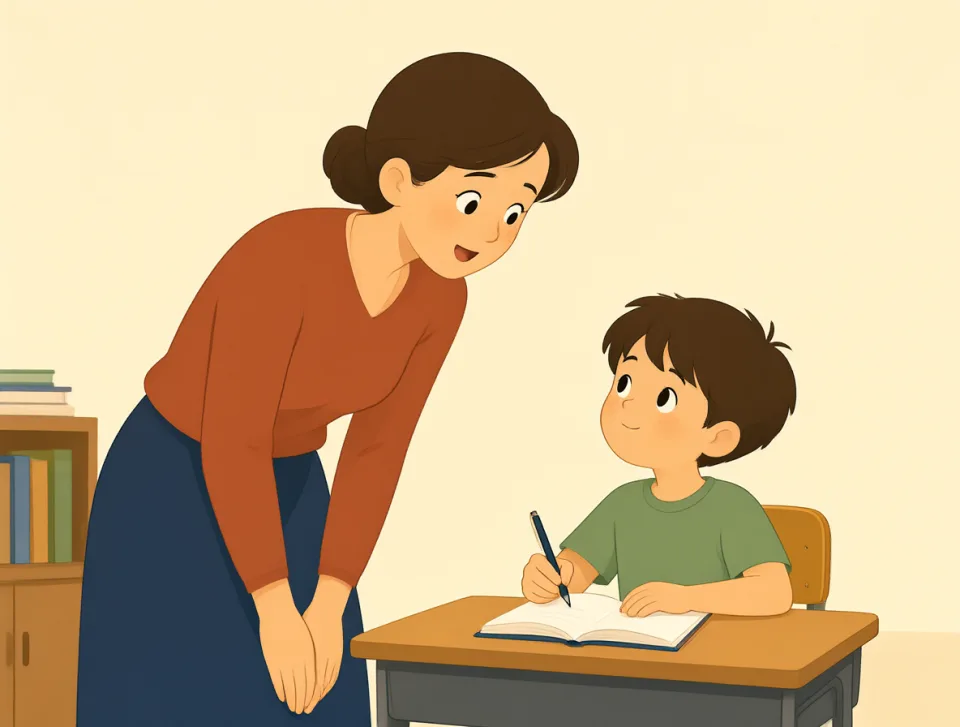
The teacher had trouble hearing Tom.
معلم در شنیدن حرفهای تام مشکل داشت.

I hope this cold does not trouble you.
امیدوارم این سرماخوردگی اذیتت نکند.

relation
#833noun
ارتباط؛ رابطه
A connection between people, things, or ideas.
پیوندی میان افراد، چیزها یا ایدهها.
She has a good relation with her sister.
او رابطهٔ خوبی با خواهرش دارد.
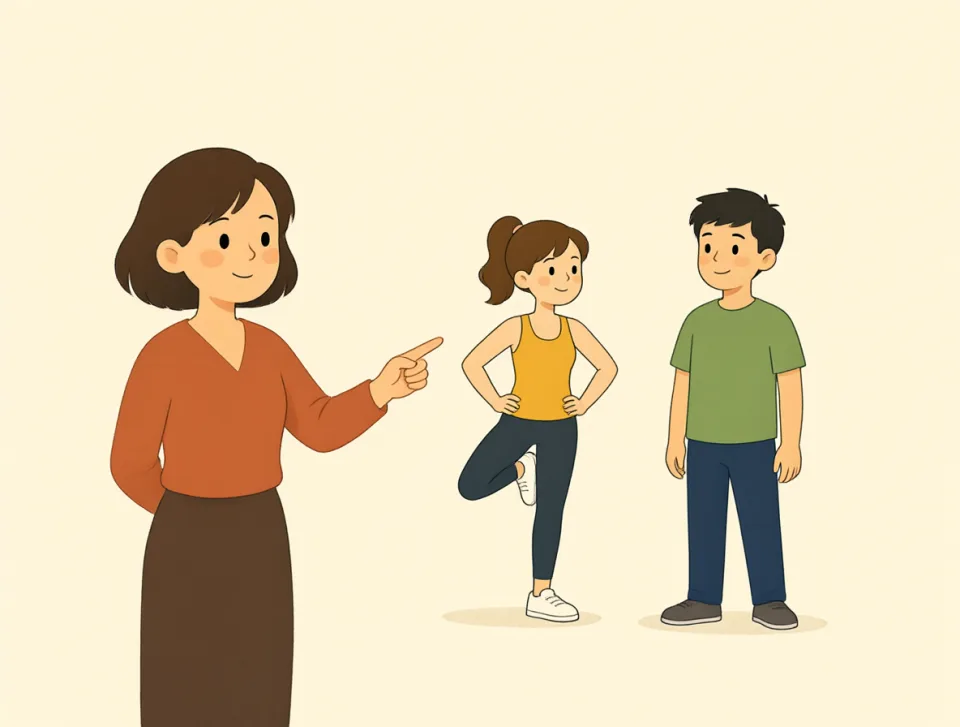
The teacher explained the relation between exercise and health.
معلم رابطهٔ بین ورزش و سلامتی را توضیح داد.
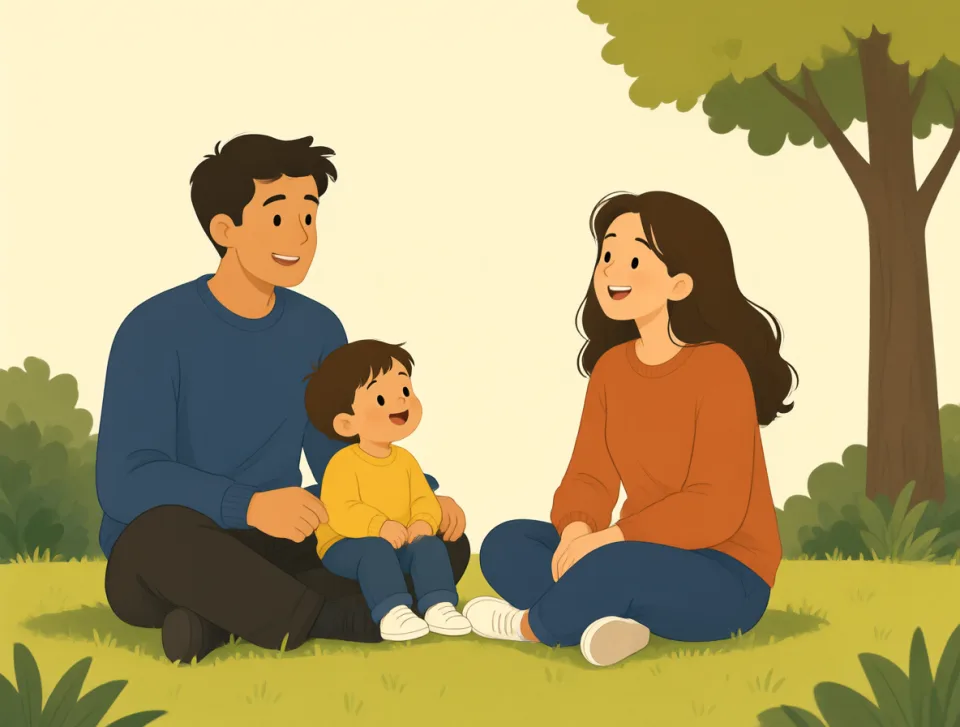
There is a close relation between these two families.
بین این دو خانواده رابطهٔ نزدیکی وجود دارد.

The shop has good relations with local farmers.
این مغازه با کشاورزان محلی رابطهٔ خوبی دارد.
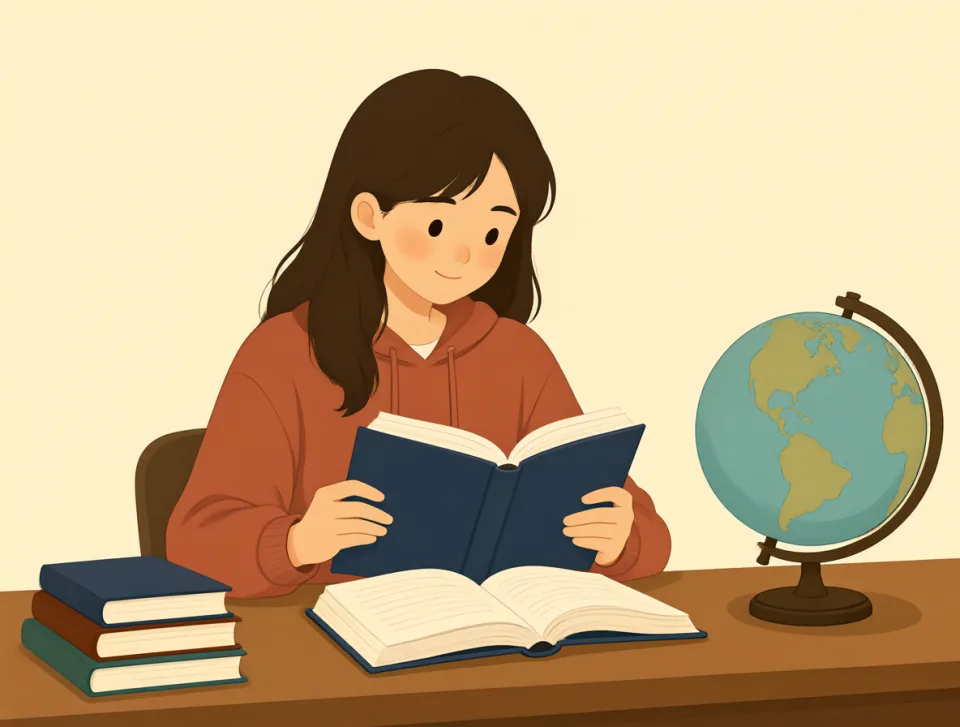
He studied international relations at university.
او در دانشگاه روابط بینالملل خواند.
touch
#834verb, noun
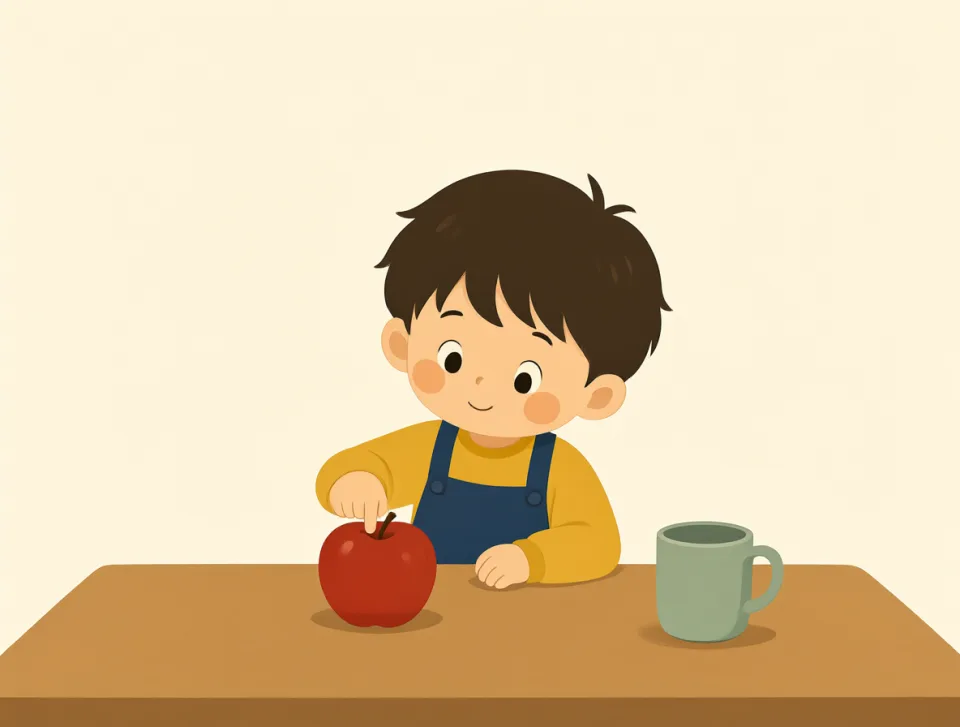
لمس کردن
to put your hand or another body part on someone or something
دست یا بخش دیگری از بدن را روی کسی یا چیزی گذاشتن.
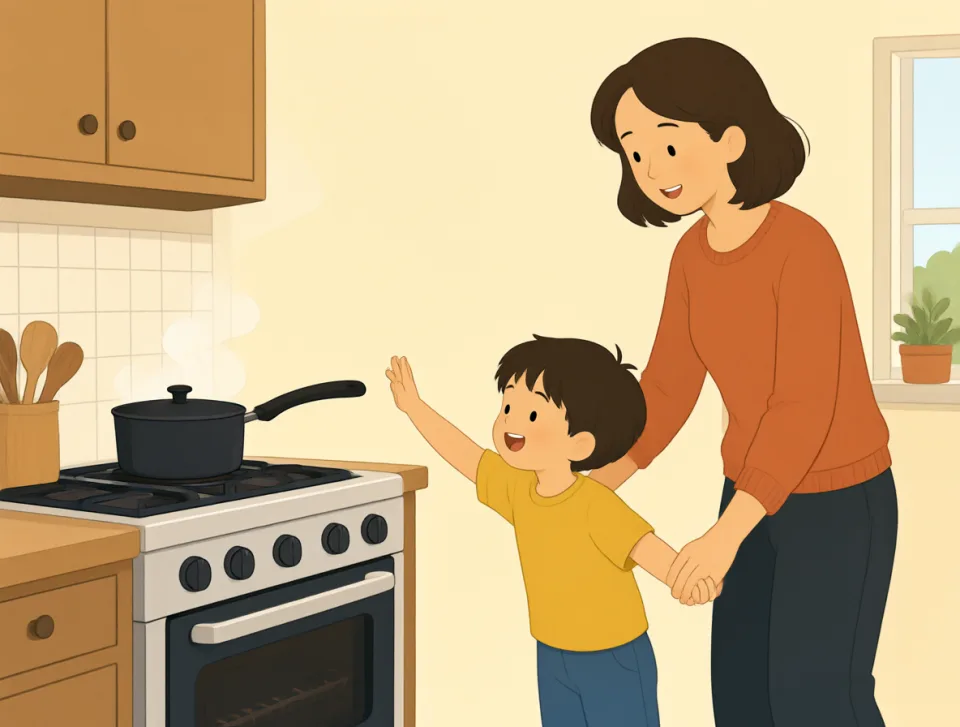
Please do not touch the hot stove.
لطفاً به اجاق داغ دست نزنید.

She touched my arm to get my attention.
او برای جلب توجهم به بازویم دست زد.

The nurse touched his forehead.
پرستار پیشانی او را لمس کرد.

I like the soft touch of this sweater.
لمس نرم این پلیور را دوست دارم.

The song touched her heart.
این آهنگ به دلش نشست.

file
#835noun, verb
پرونده؛ فایل
A file is a collection of papers or computer information; to file means to store it.
فایل مجموعهای از کاغذها یا اطلاعات رایانهای است؛ file کردن یعنی آن را ذخیره یا بایگانی کردن.

Please send me the file by email.
لطفاً فایل را با ایمیل برایم بفرستید.

She opened the file and read the report.
او پرونده را باز کرد و گزارش را خواند.
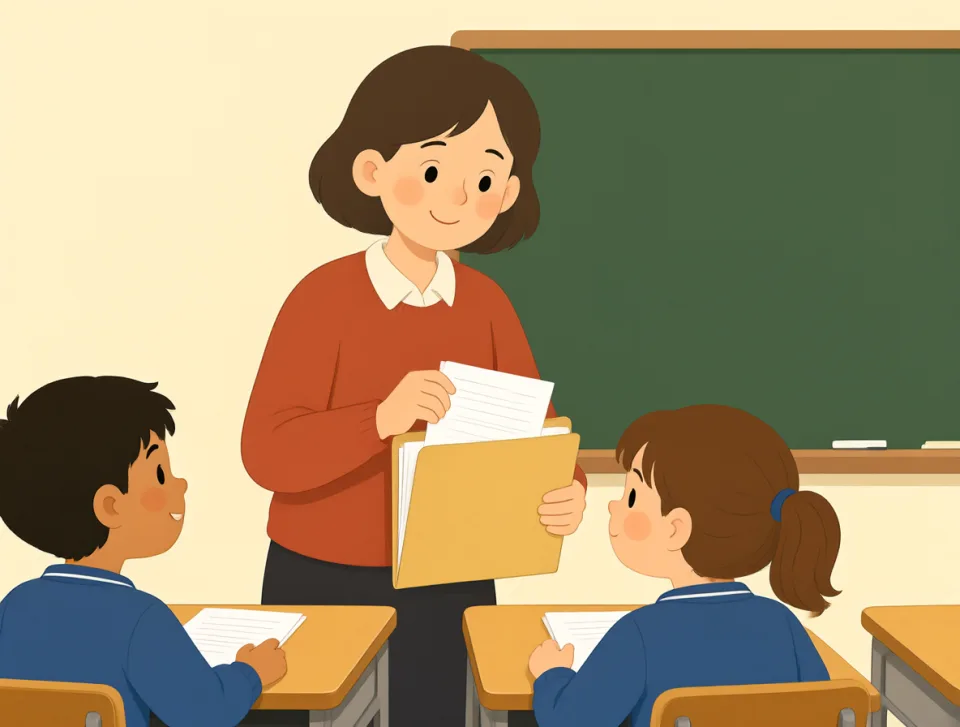
The teacher filed the students' papers.
معلم برگههای دانشآموزان را بایگانی کرد.

I saved the file on my computer.
فایل را در رایانهام ذخیره کردم.
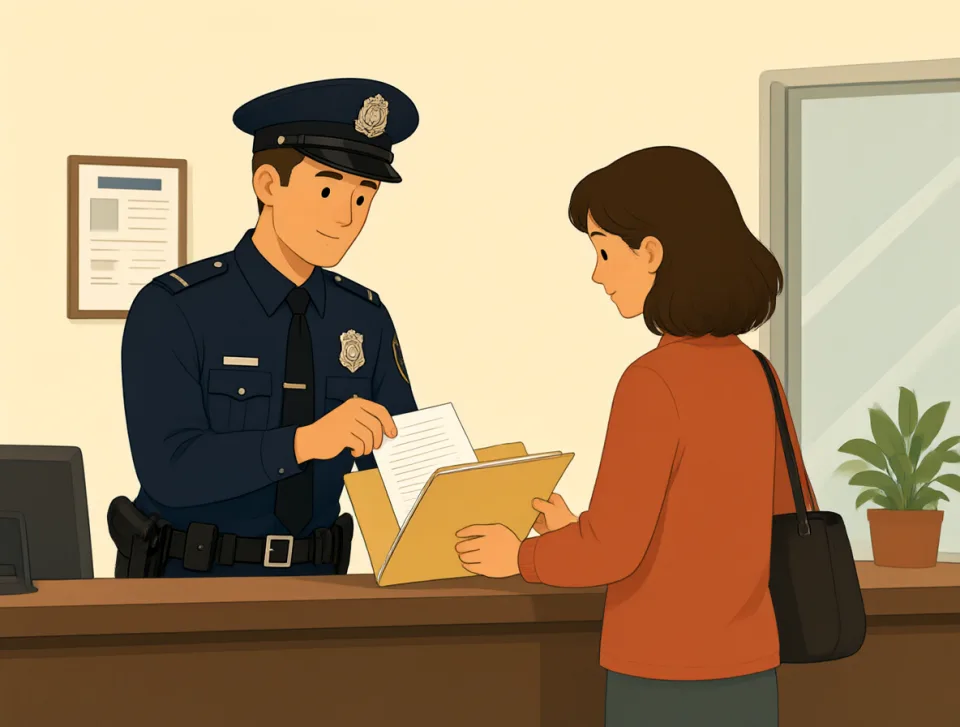
The police filed a report yesterday.
پلیس دیروز گزارشی ثبت کرد.
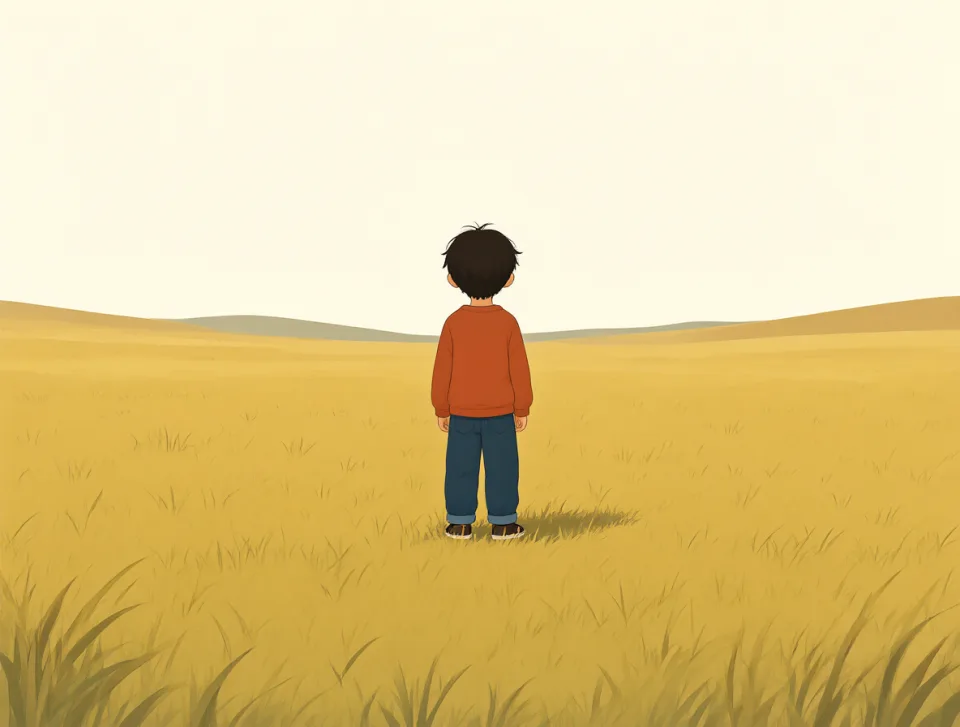
middle
#836noun, adjective, preposition
وسط
the central part or point of something, between two sides or ends
بخش یا نقطهٔ مرکزی چیزی، میان دو طرف یا دو انتهای آن
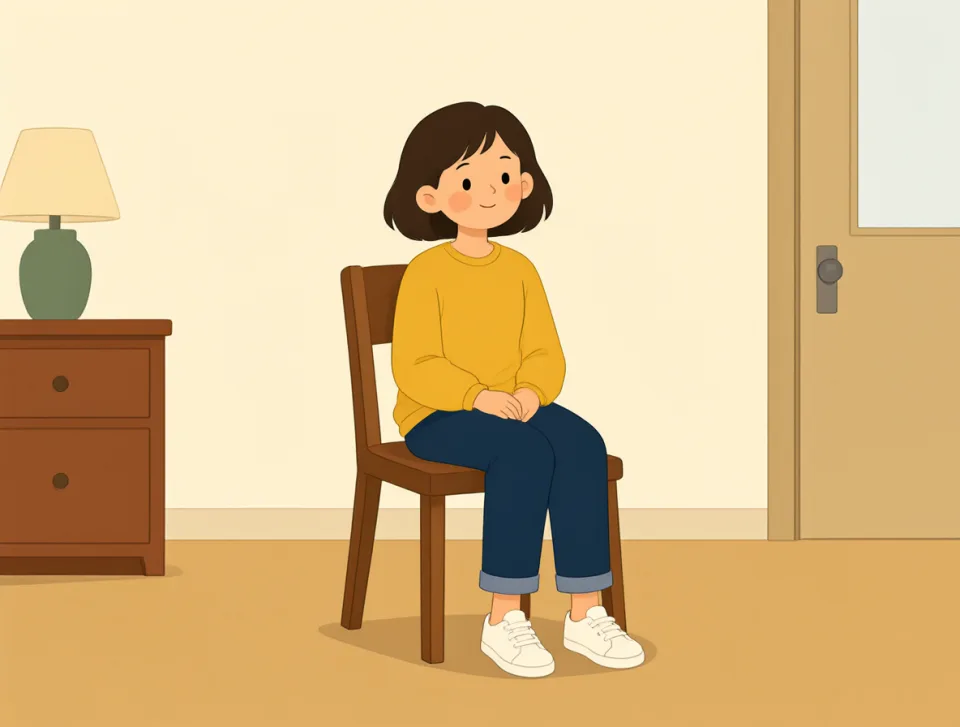
She sat in the middle of the room.
او وسط اتاق نشست.
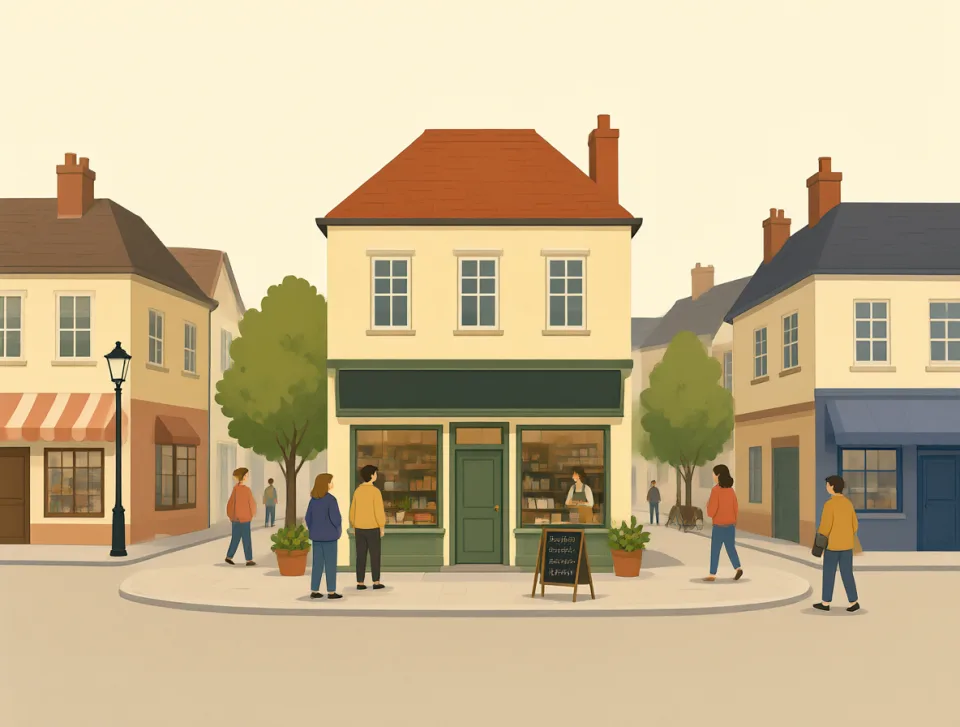
The store is in the middle of town.
فروشگاه در مرکز شهر است.
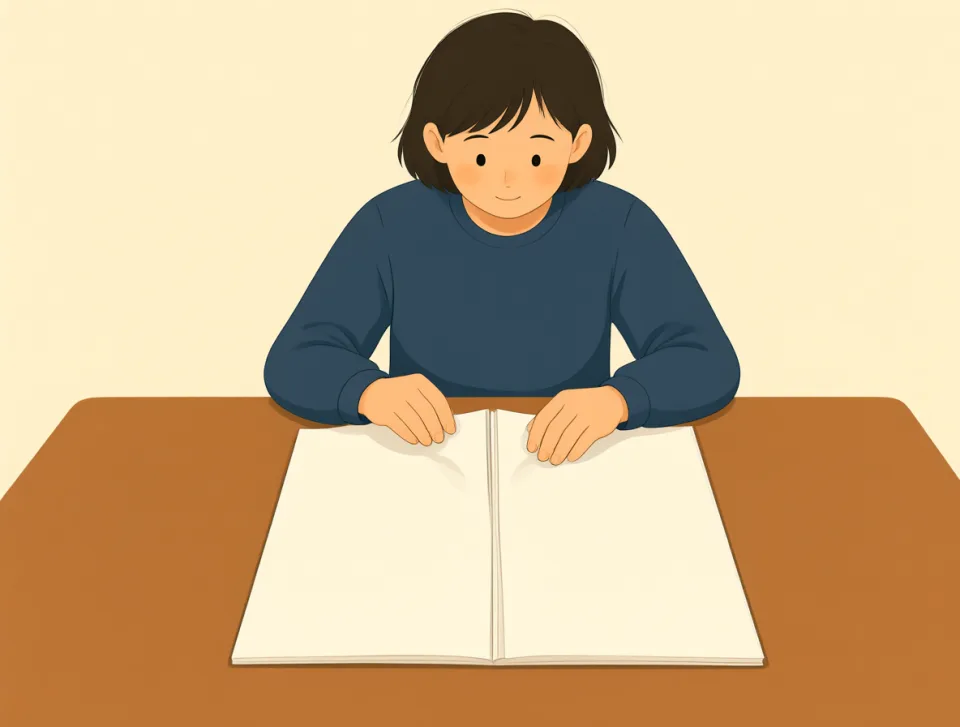
Please fold the paper down the middle.
لطفاً کاغذ را از وسط تا کنید.

He woke up in the middle of the night.
او نیمهشب از خواب بیدار شد.
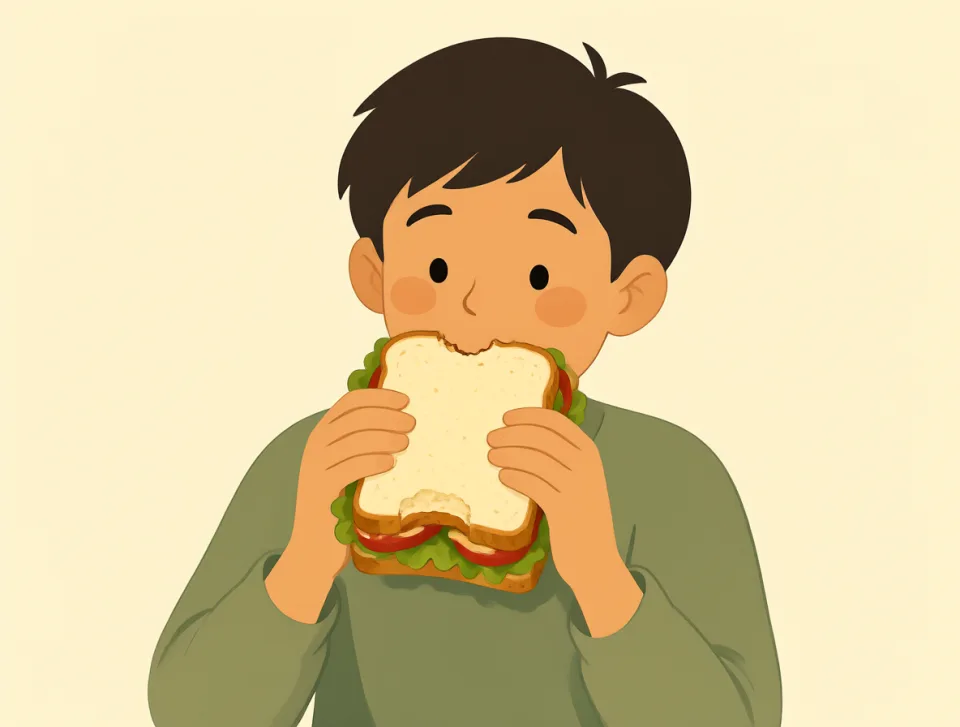
I ate the middle of the sandwich first.
اول وسط ساندویچ را خوردم.

bar
#837noun, verb
بار؛ میله
A place where people buy drinks, or a long piece that blocks or supports something.
مکانی که مردم از آن نوشیدنی میخرند، یا قطعهای بلند که چیزی را مسدود یا نگه میدارد.

We met at the bar after work.
بعد از کار در بار همدیگر را دیدیم.

She ordered a sandwich at the bar.
او در بار یک ساندویچ سفارش داد.

They put bars on the windows.
آنها روی پنجرهها میله نصب کردند.

The hotel bar opens at six.
بار هتل ساعت شش باز میشود.
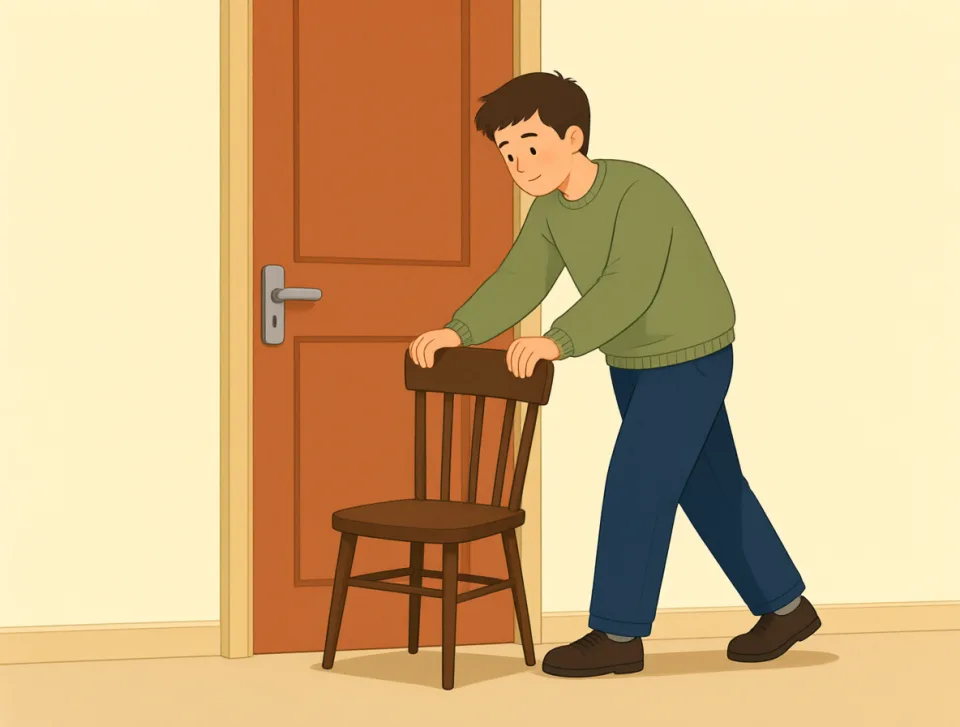
He barred the door with a chair.
او با یک صندلی در را بست.
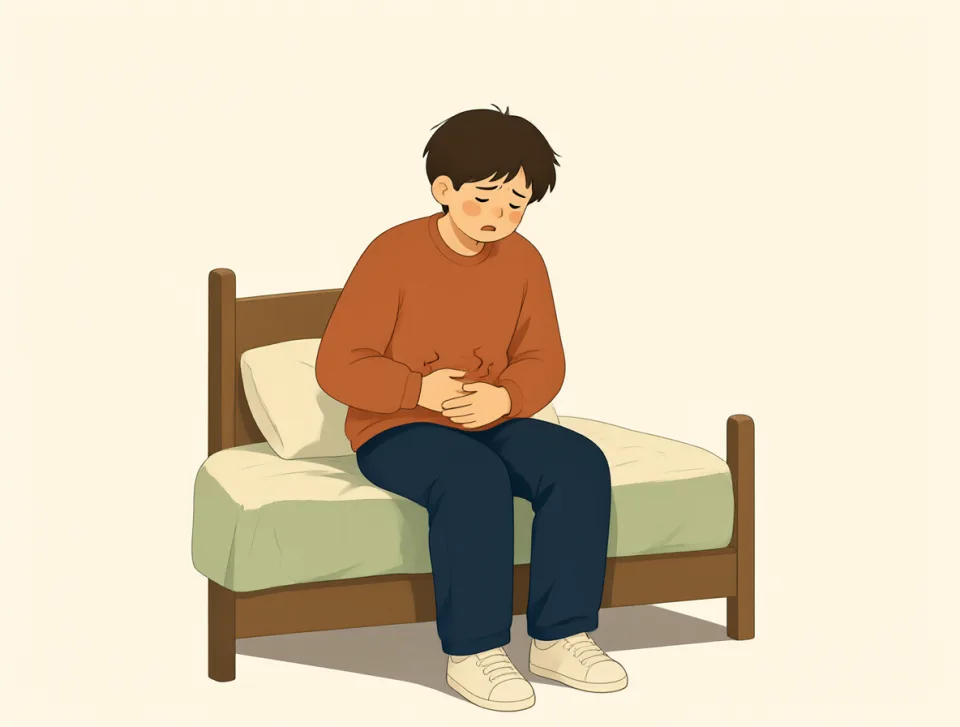
suffer
#838verb
رنج بردن
To feel pain, illness, loss, or difficulty.
درد، بیماری، فقدان یا دشواری را تجربه کردن.

Many people suffer from back pain.
خیلیها از کمردرد رنج میبرند.
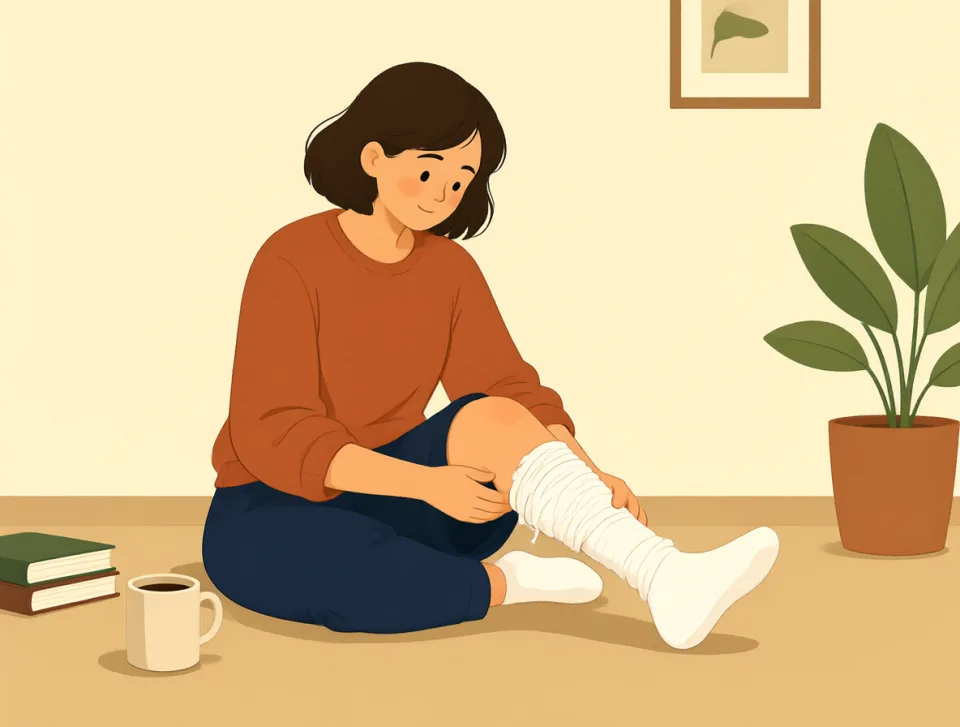
She suffered a serious injury at work.
او سر کار دچار آسیبدیدگی شدیدی شد.
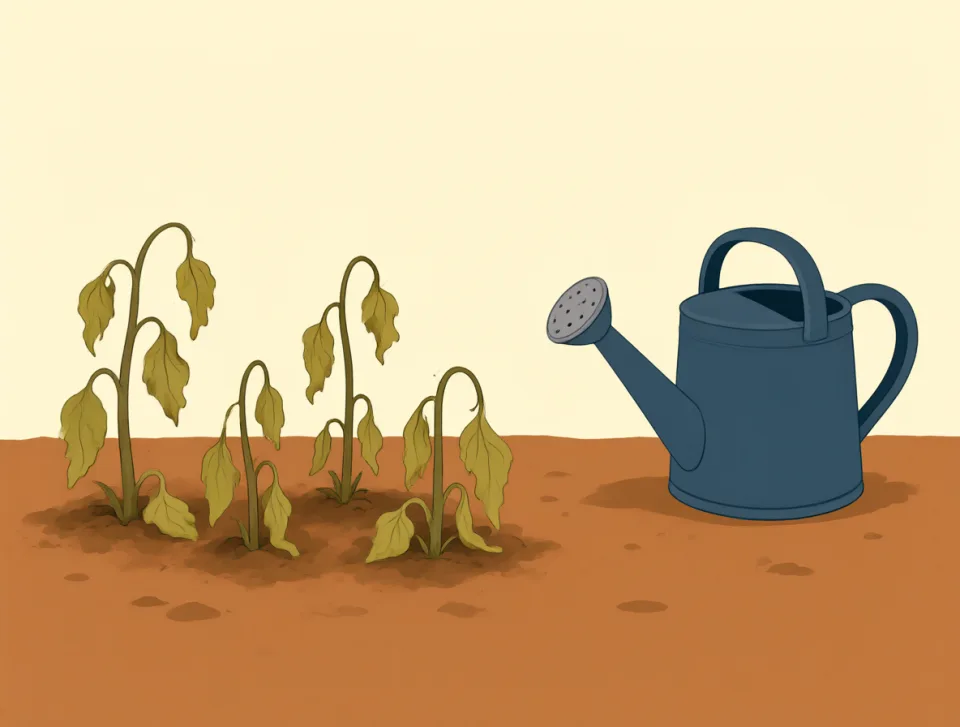
The plants suffered without enough water.
گیاهان بدون آب کافی آسیب دیدند.

He suffers from headaches every week.
او هر هفته دچار سردرد میشود.
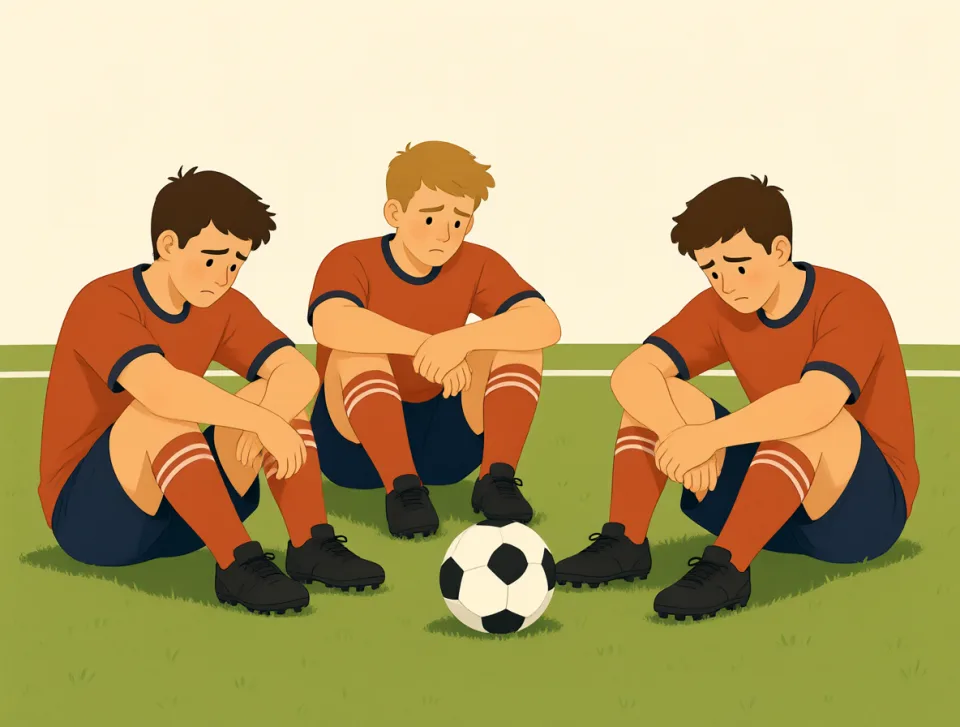
The team suffered a difficult loss.
تیم شکست سختی را متحمل شد.
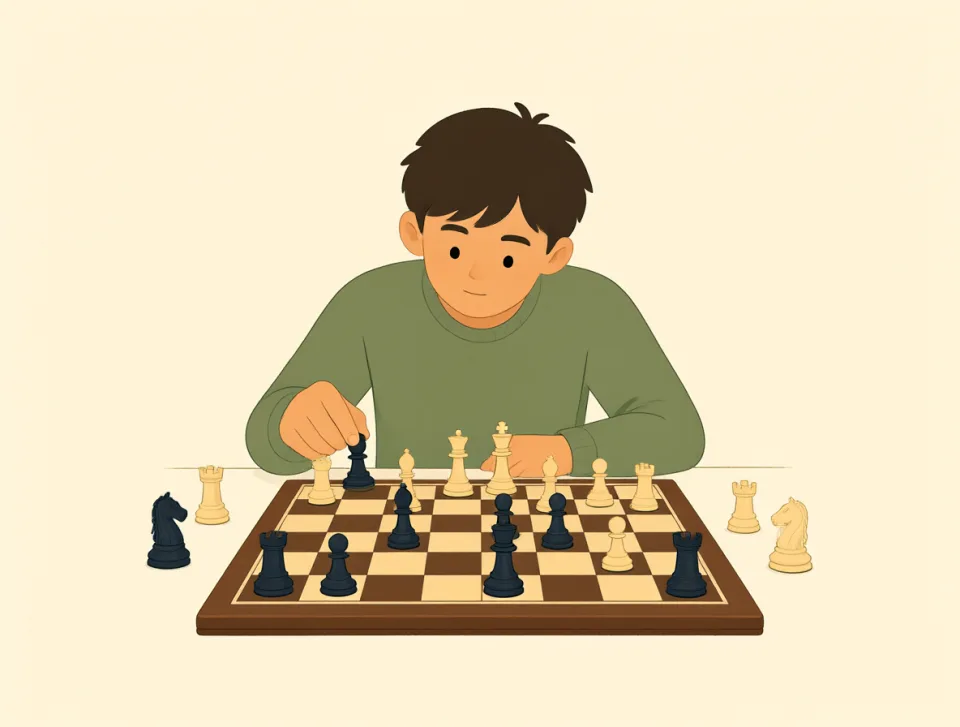
strategy
#839noun
راهبرد
A plan for achieving a goal or dealing with a difficult situation.
برنامهای برای رسیدن به هدف یا رویارویی با موقعیتی دشوار.

We need a new strategy to save money.
برای صرفهجویی در پول به راهبرد تازهای نیاز داریم.
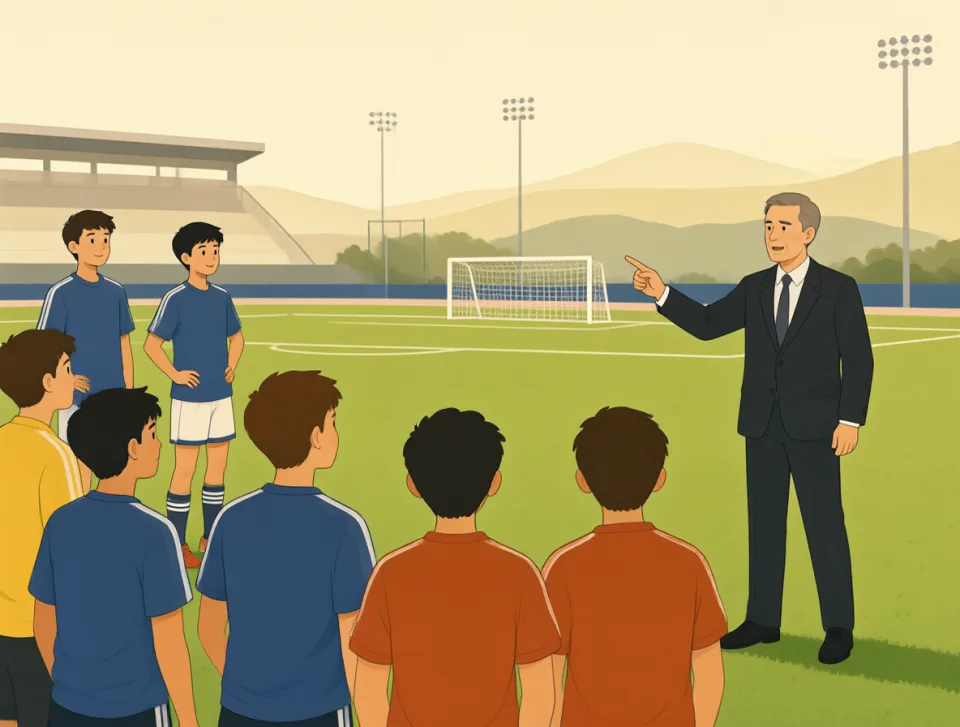
Her strategy helped the team win the game.
راهبرد او به تیم کمک کرد بازی را ببرد.
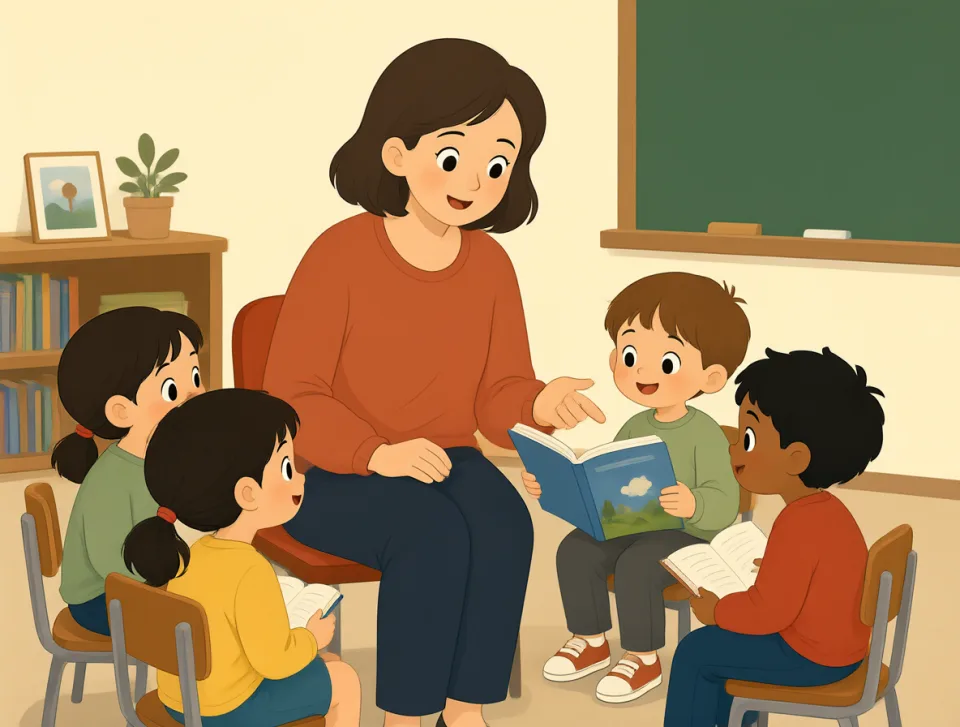
The teacher used a fun strategy for reading.
معلم برای خواندن از یک روش سرگرمکننده استفاده کرد.
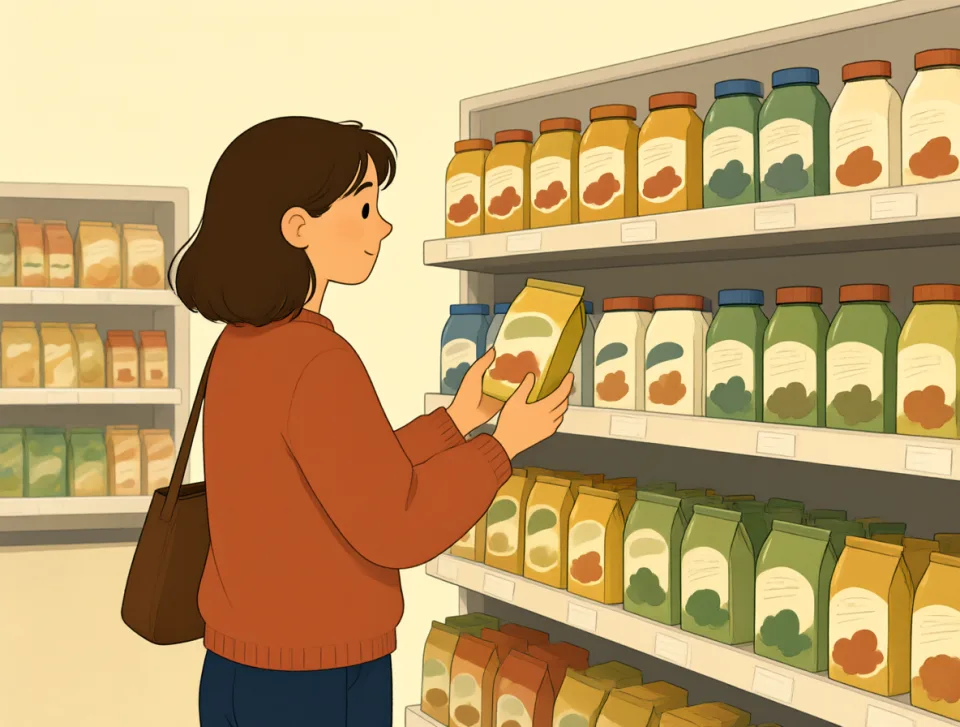
Our shopping strategy was to compare prices.
راهبرد ما برای خرید این بود که قیمتها را مقایسه کنیم.

He changed his strategy after feeling sick.
او بعد از اینکه حالش بد شد، راهبردش را عوض کرد.

deep
#840adjective, adverb, noun, verb
عمیق
Going far down from the top or surface; far inside something.
از سطح یا بالا تا عمق زیادی امتداد داشتن؛ درون چیزی بسیار فرورفته بودن.
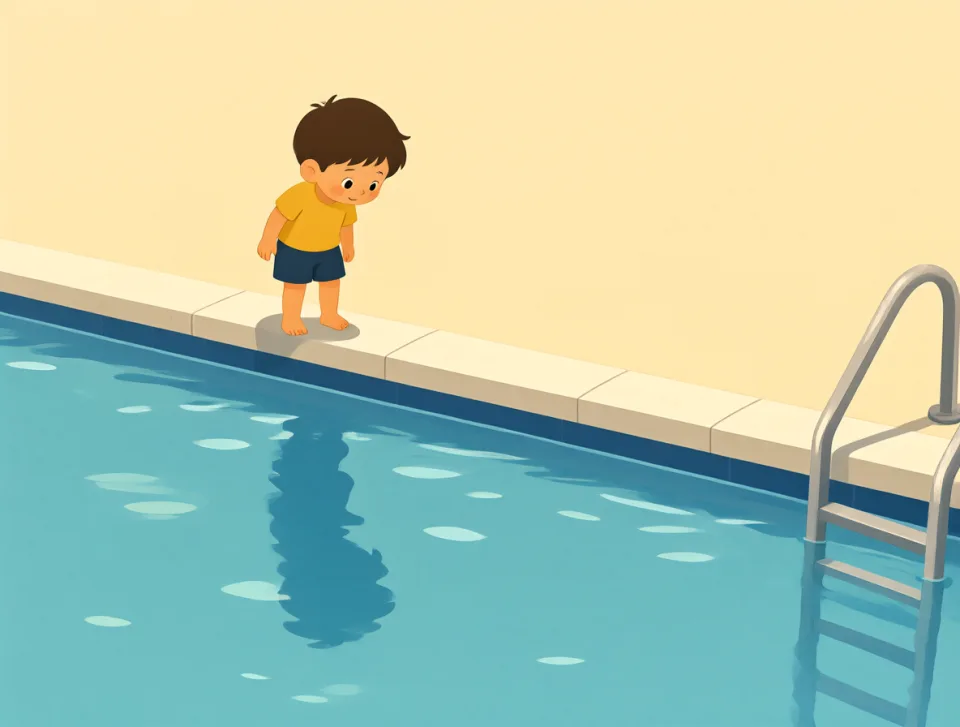
The water is too deep for me.
آب برای من بیش از حد عمیق است.
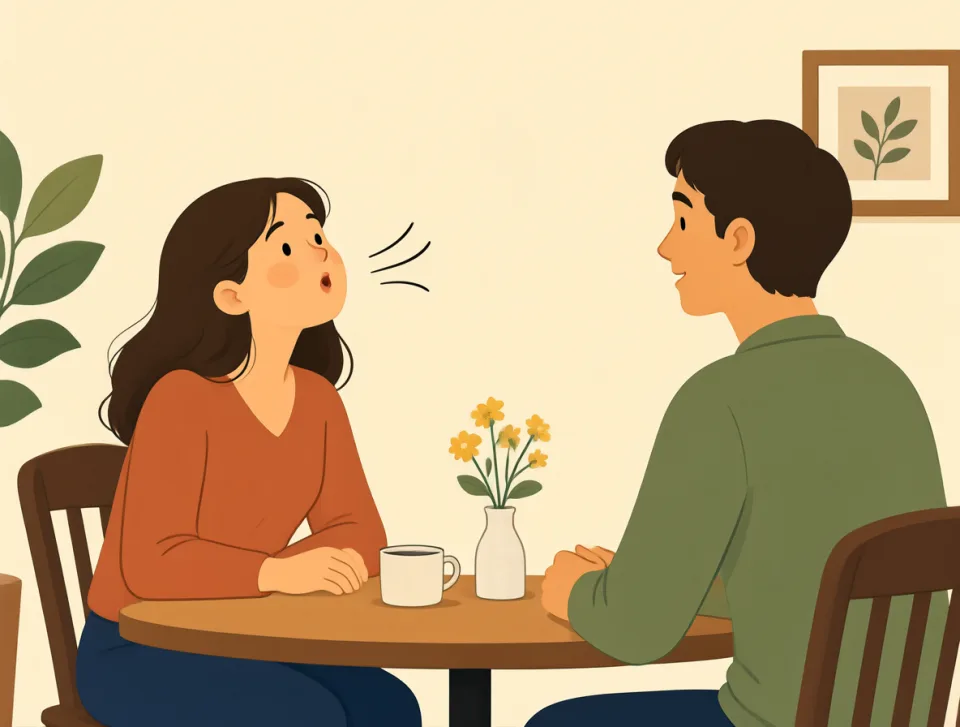
She took a deep breath before speaking.
او پیش از صحبت کردن نفس عمیقی کشید.
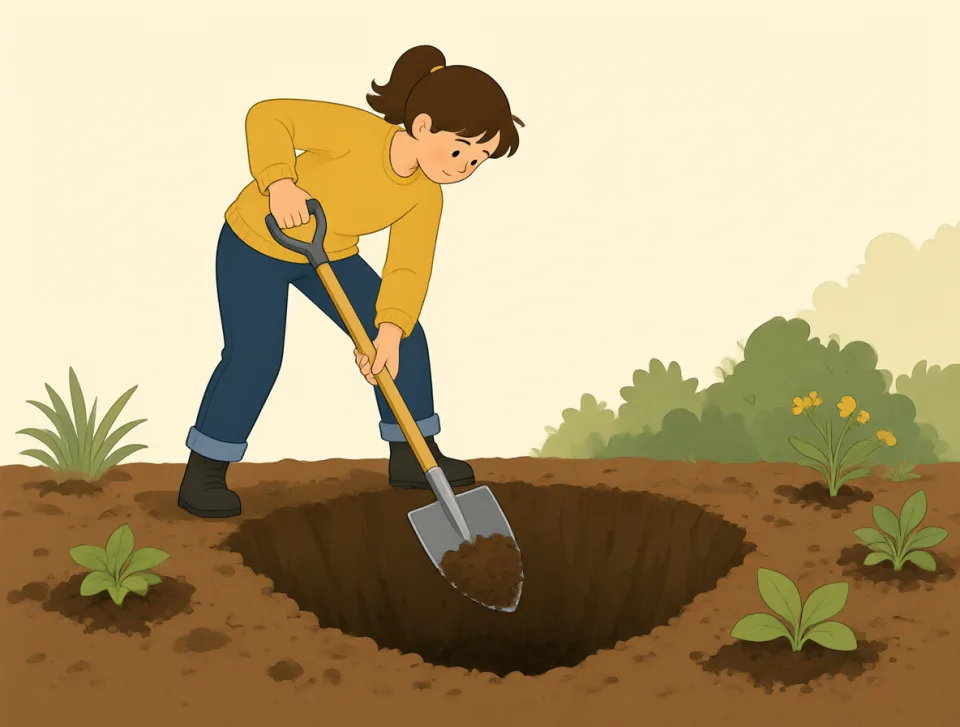
We dug deep into the garden soil.
ما در خاک باغچه عمیق کندیم.

The boat sank deep into the water.
قایق تا عمق زیادی در آب فرو رفت.

He sleeps deeply after a long day.
او بعد از یک روز طولانی، عمیق میخوابد.