بخش 41
واژههای 801 تا 820 · husband, access, movement, treat, identify, loss

husband
#801noun
شوهر
A married man.
مردی که ازدواج کرده است.
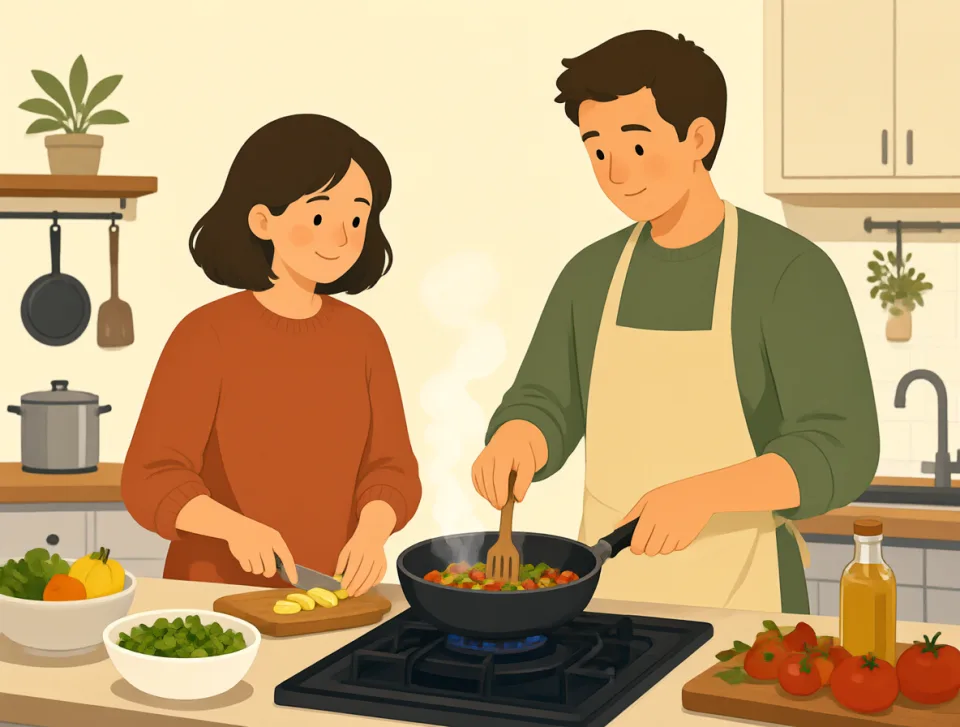
Her husband cooks dinner every evening.
شوهرش هر شب شام میپزد.

My husband works at a local school.
شوهرم در یک مدرسهٔ محلی کار میکند.

His husband bought fresh bread this morning.
شوهر او امروز صبح نان تازه خرید.

I met your husband at the airport.
در فرودگاه با شوهرت آشنا شدم.

Her husband felt sick after lunch.
شوهرش بعد از ناهار احساس بیماری کرد.

access
#802noun, verb
دسترسی
the right or way to enter, use, or reach something
حق یا راهی برای ورود به چیزی، استفاده از آن یا رسیدن به آن
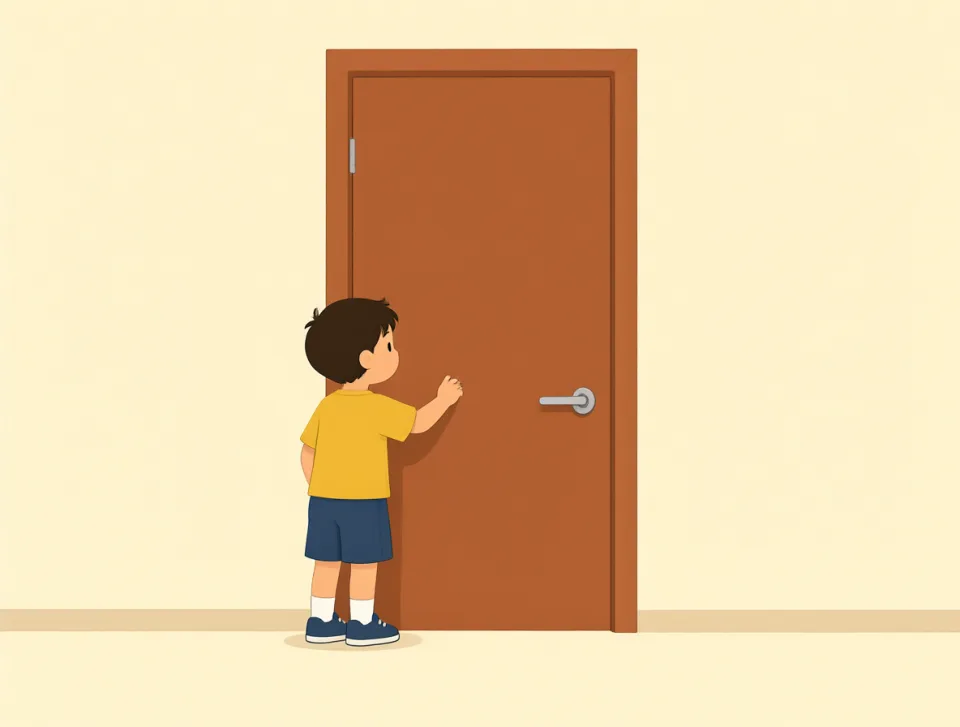
I need access to the bathroom.
برای استفاده از دستشویی به دسترسی نیاز دارم.

You can access your account from home.
میتوانی از خانه به حسابت دسترسی داشته باشی.

Students have access to the school library.
دانشآموزان به کتابخانهٔ مدرسه دسترسی دارند.
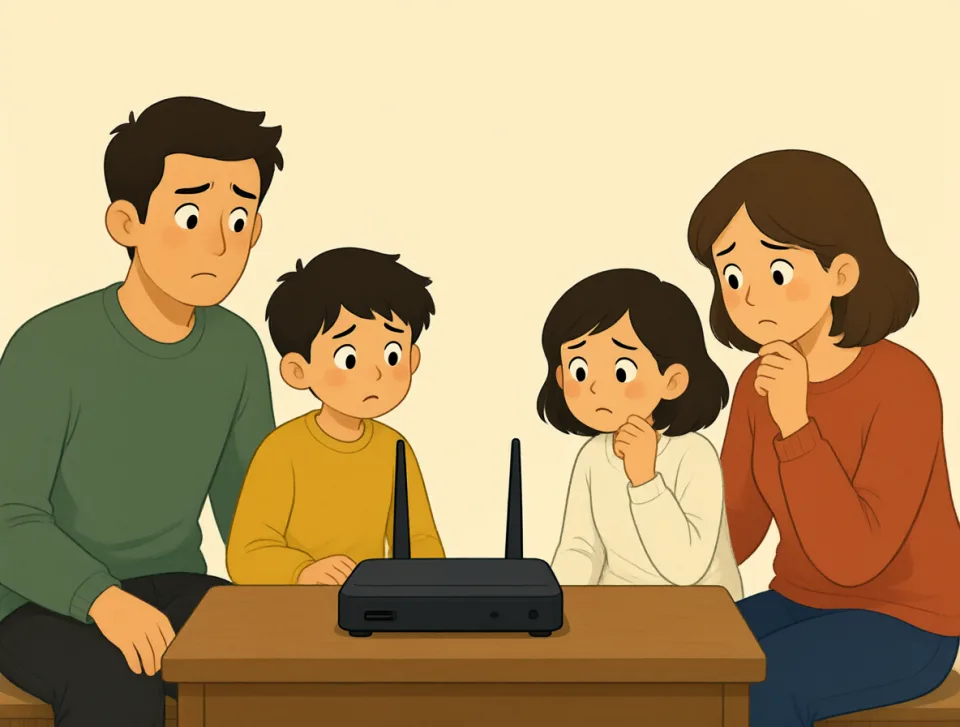
We lost internet access during the storm.
در جریان طوفان دسترسیمان به اینترنت را از دست دادیم.
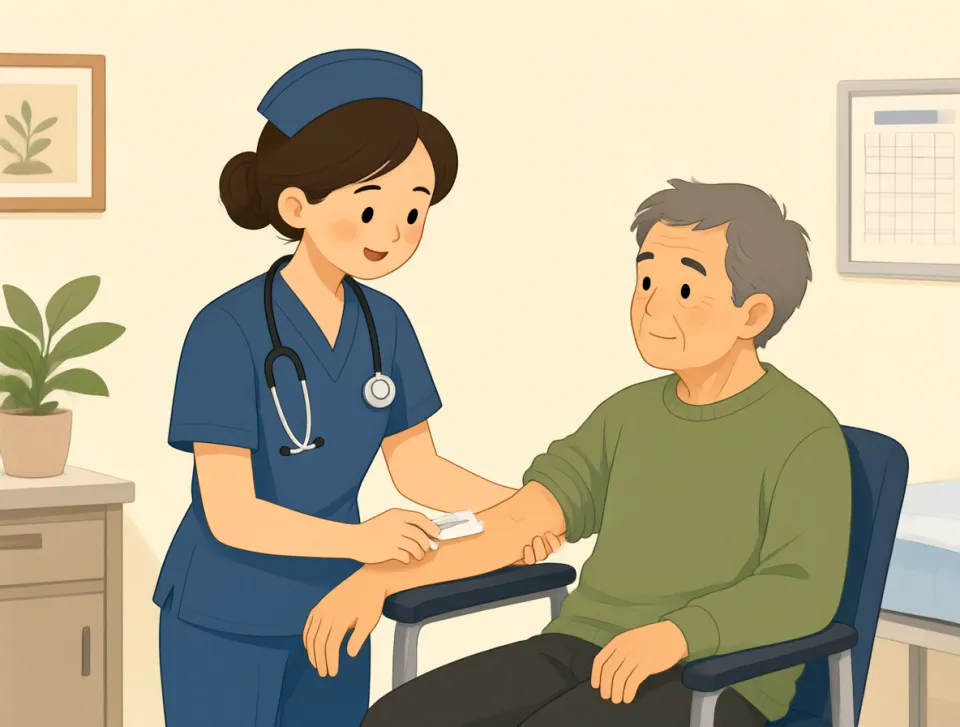
The nurse accessed his arm for treatment.
پرستار برای درمان به بازوی او دسترسی پیدا کرد.
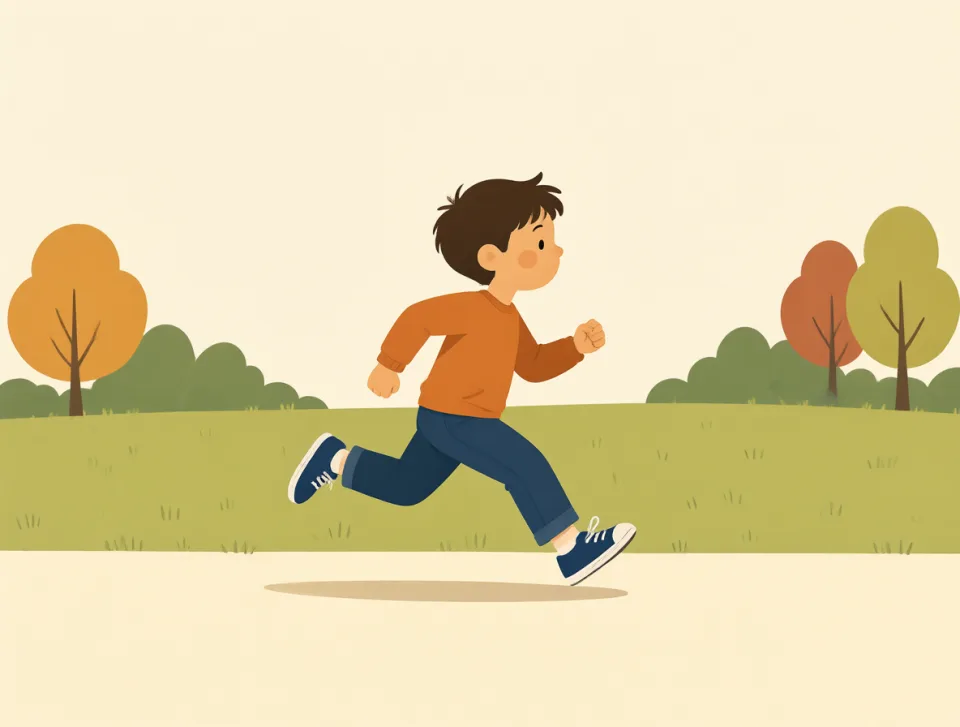
movement
#803noun
حرکت
the act or process of moving from one place or position to another
عمل یا فرایند جابهجایی از جایی یا موقعیتی به جای یا موقعیت دیگر

The movement of the train made me feel sick.
حرکت قطار حالم را بد کرد.
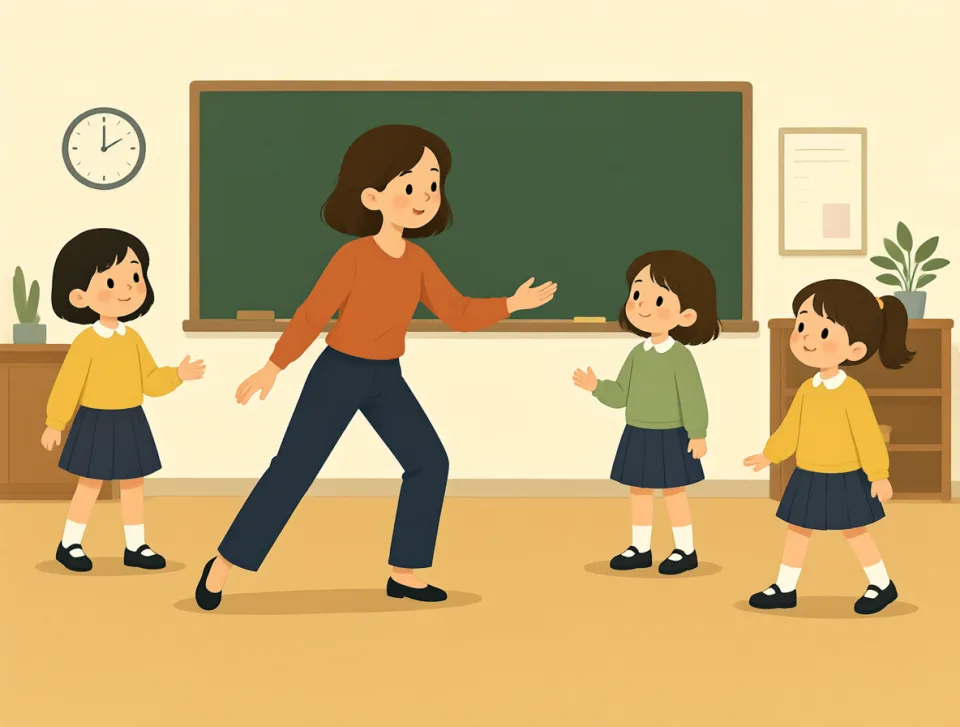
The teacher showed us a new dance movement.
معلم یک حرکت رقص جدید به ما نشان داد.
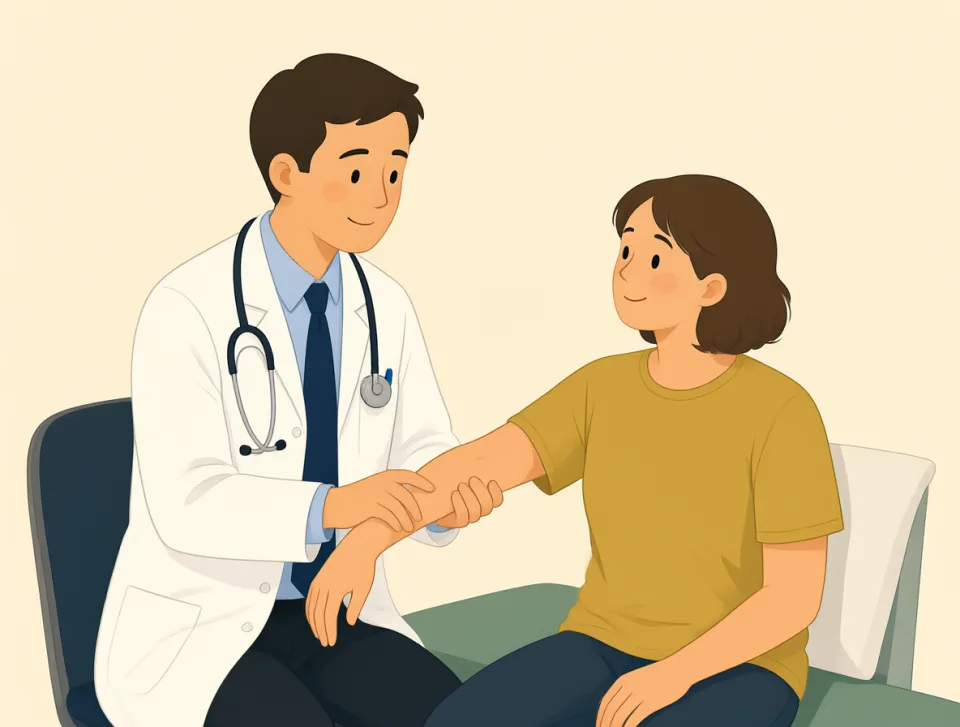
The doctor checked my arm movement carefully.
دکتر حرکت بازویم را با دقت بررسی کرد.
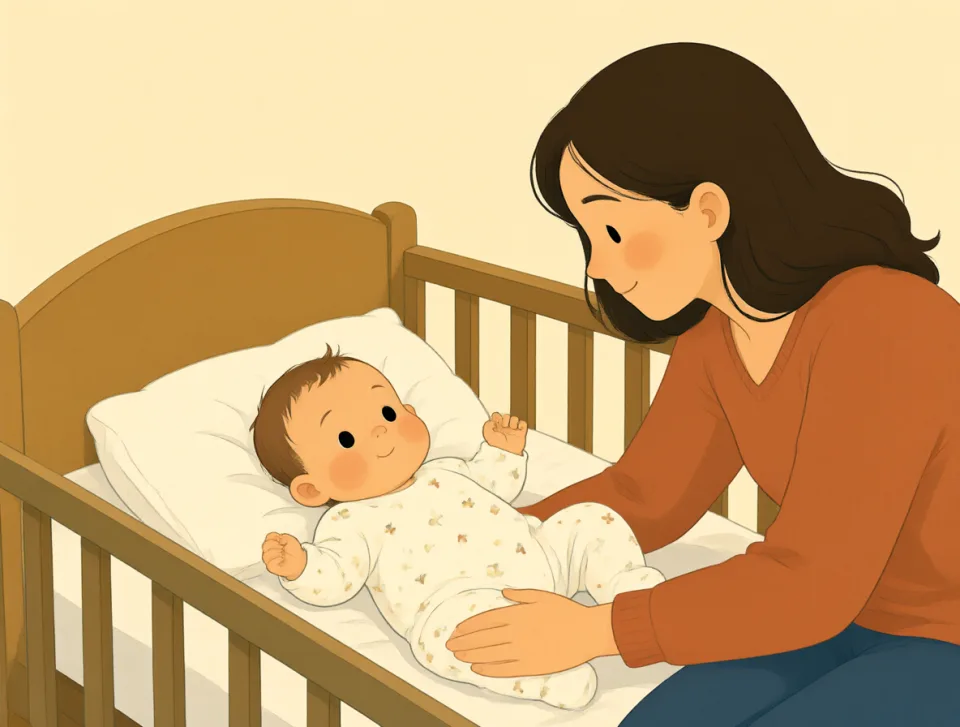
The baby's movements woke her mother.
حرکتهای نوزاد مادرش را از خواب بیدار کرد.

The workers started a movement for better pay.
کارگران برای دستمزد بهتر جنبشی را آغاز کردند.
treat
#804verb, noun
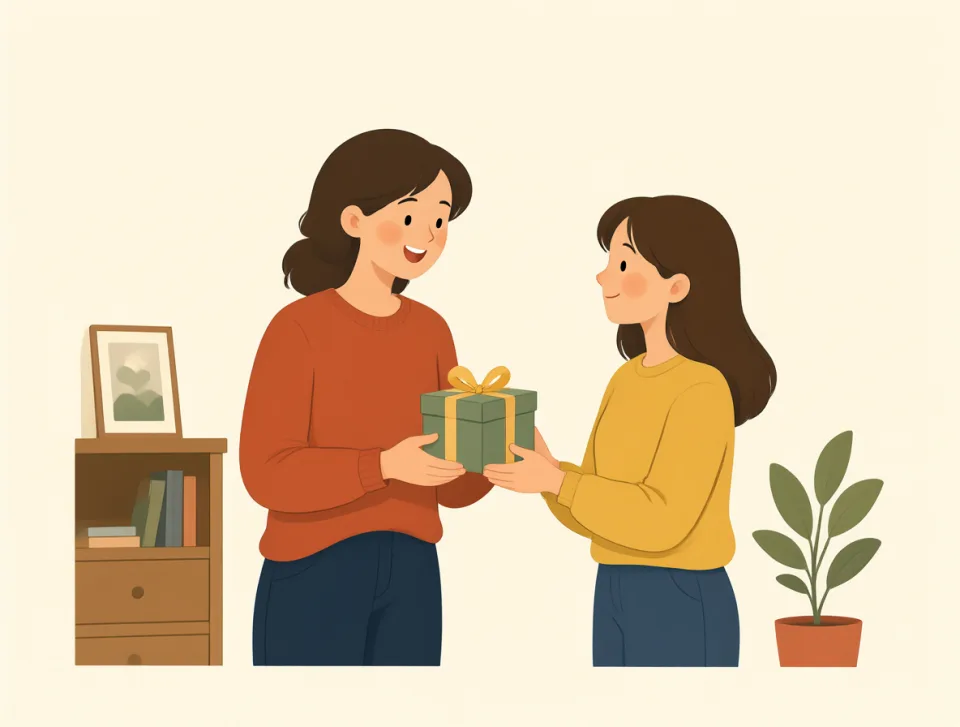
رفتار کردن با؛ پذیرایی کردن از
To behave toward someone in a particular way, or give someone something special.
با کسی به شیوهای خاص رفتار کردن یا چیز ویژهای به او دادن.
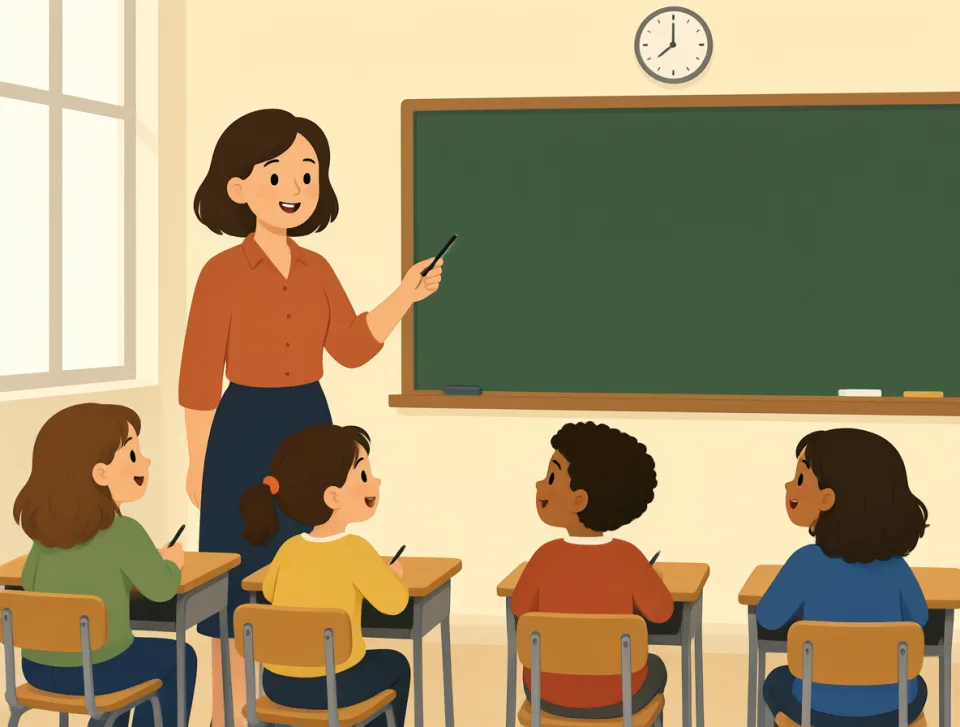
The teacher treated everyone fairly.
معلم با همه عادلانه رفتار کرد.

My parents treated us to dinner.
پدر و مادرم ما را به شام مهمان کردند.

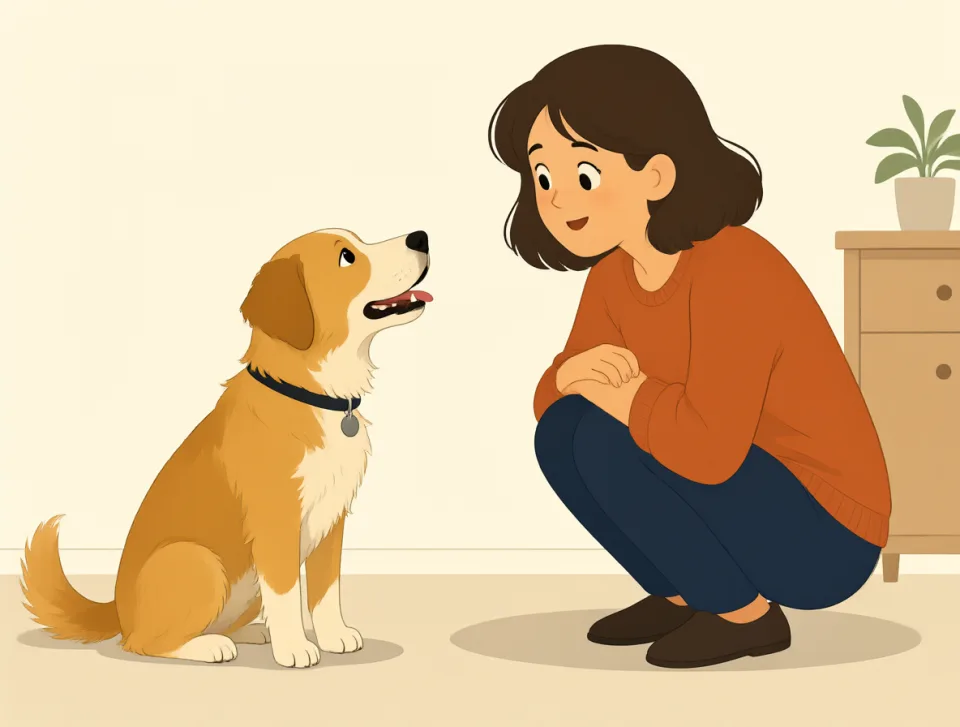
She treats her dog like family.
او با سگش مثل یکی از اعضای خانواده رفتار میکند.
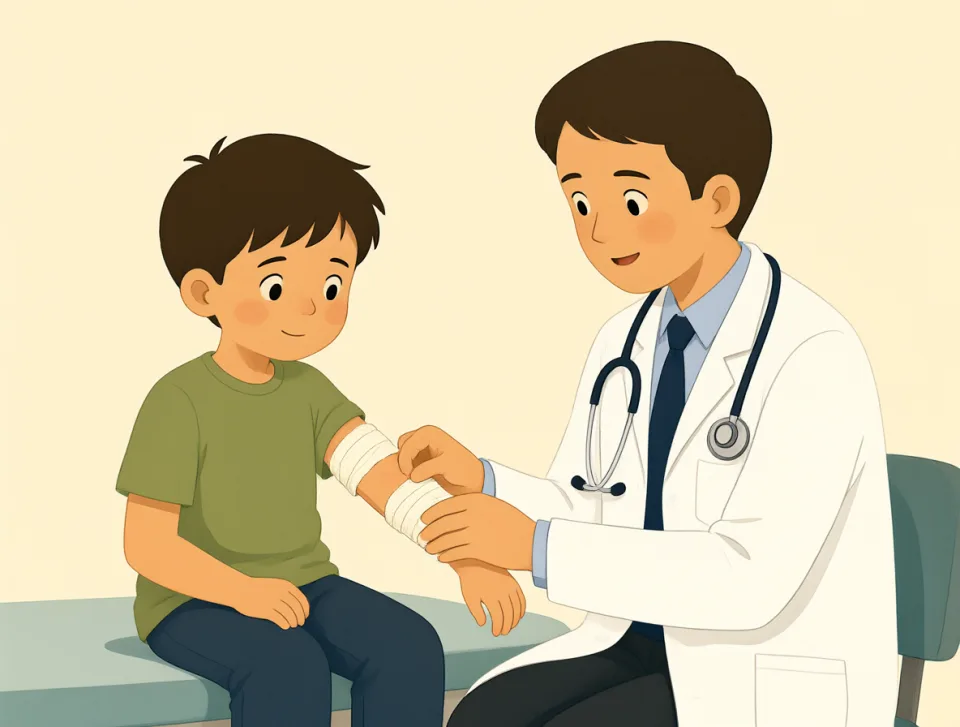
The doctor treated his injured arm.
دکتر بازوی آسیبدیدهٔ او را درمان کرد.

Ice cream is a special treat.
بستنی یک خوراکی ویژه است.
identify
#805verb
تشخیص دادن
to recognize or discover who or what someone or something is
شناختن یا فهمیدن اینکه کسی یا چیزی چه کسی یا چه چیزی است

I identified my bag by its red strap.
کیفم را از روی بند قرمزش تشخیص دادم.

Can you identify the man in this photo?
میتوانی مردی را که در این عکس است تشخیص بدهی؟
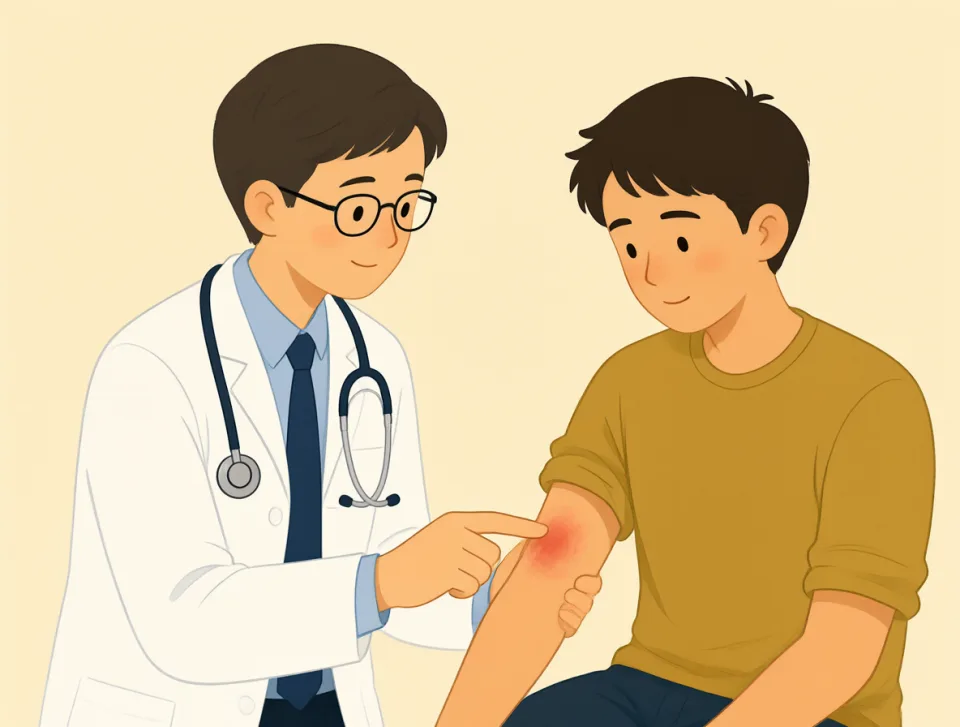
The doctor identified the cause of my pain.
دکتر علت دردم را تشخیص داد.
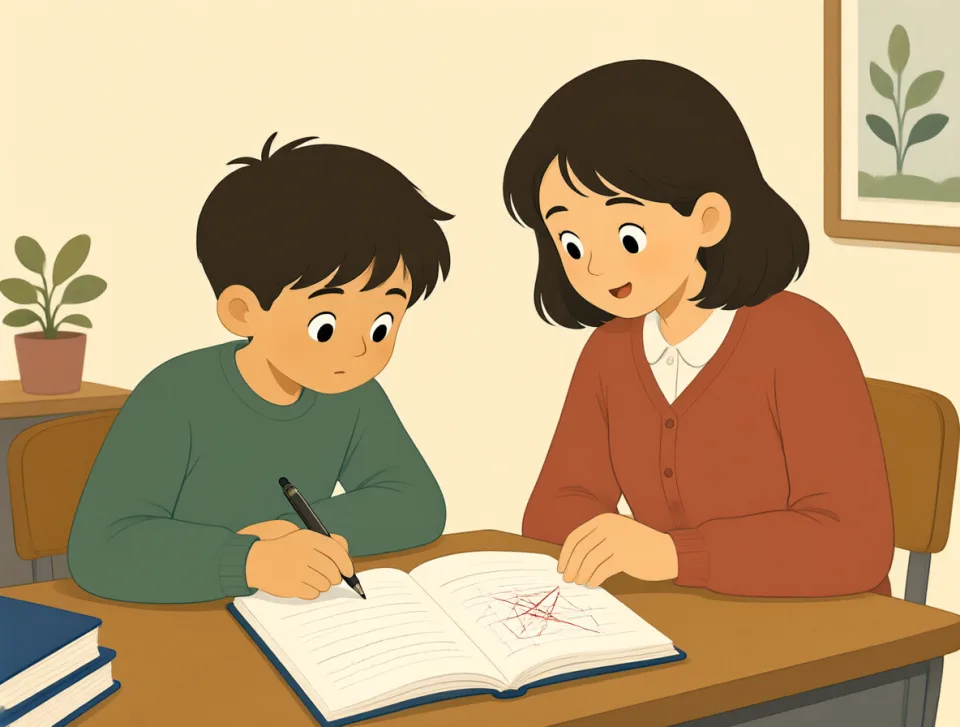
We identified three mistakes in the homework.
سه اشتباه را در تکلیف شناسایی کردیم.
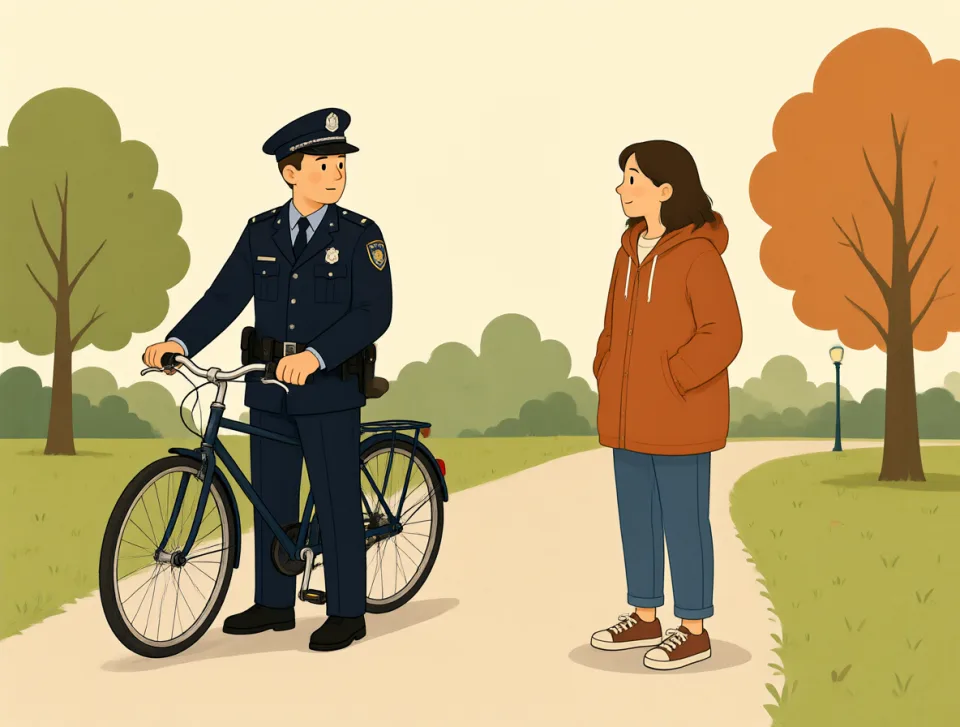
The police identified the stolen bike near the park.
پلیس دوچرخهٔ دزدیدهشده را نزدیک پارک شناسایی کرد.
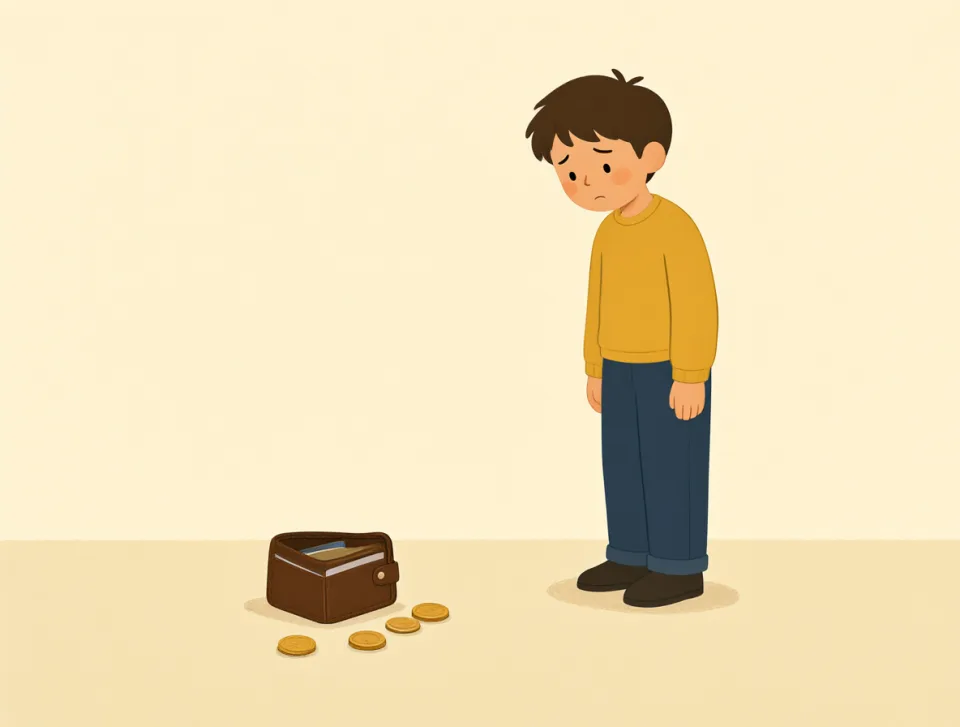
loss
#806noun
فقدان
The act of no longer having something, or the amount lost.
از دست دادن چیزی یا مقدار چیزی که از دست رفته است.
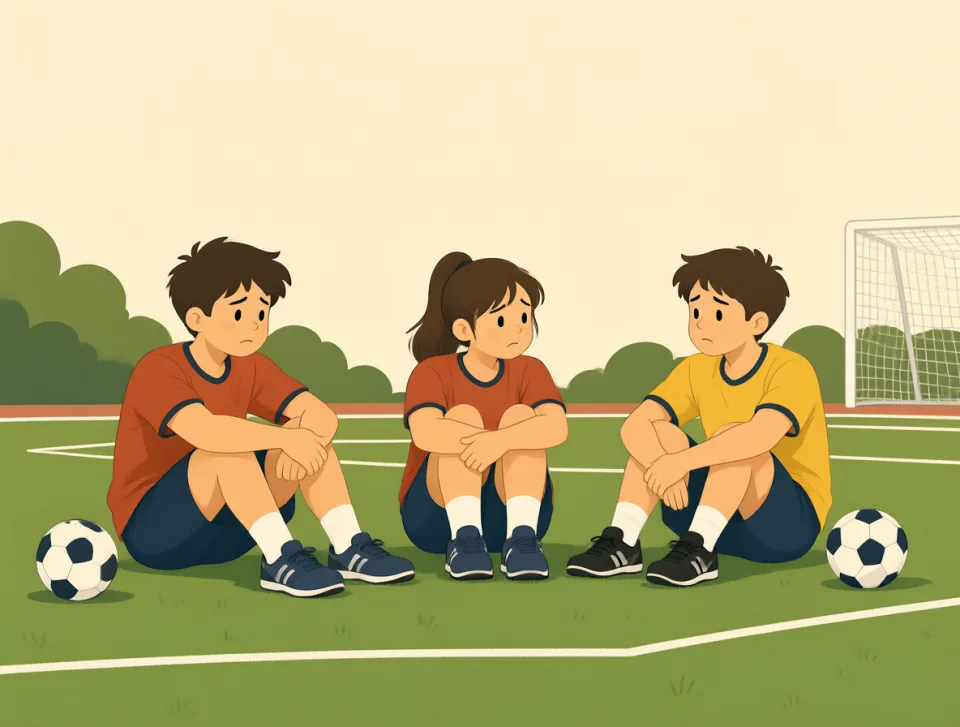
The team suffered a big loss yesterday.
تیم دیروز شکست سنگینی خورد.
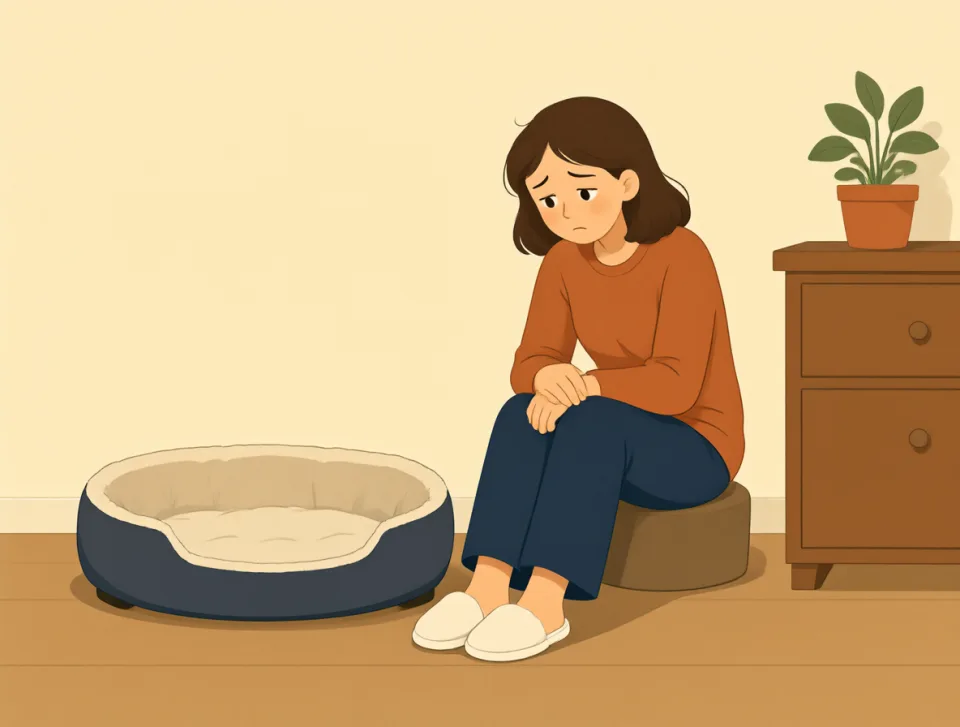
She felt great loss after her dog died.
بعد از مرگ سگش، احساس فقدان عمیقی داشت.
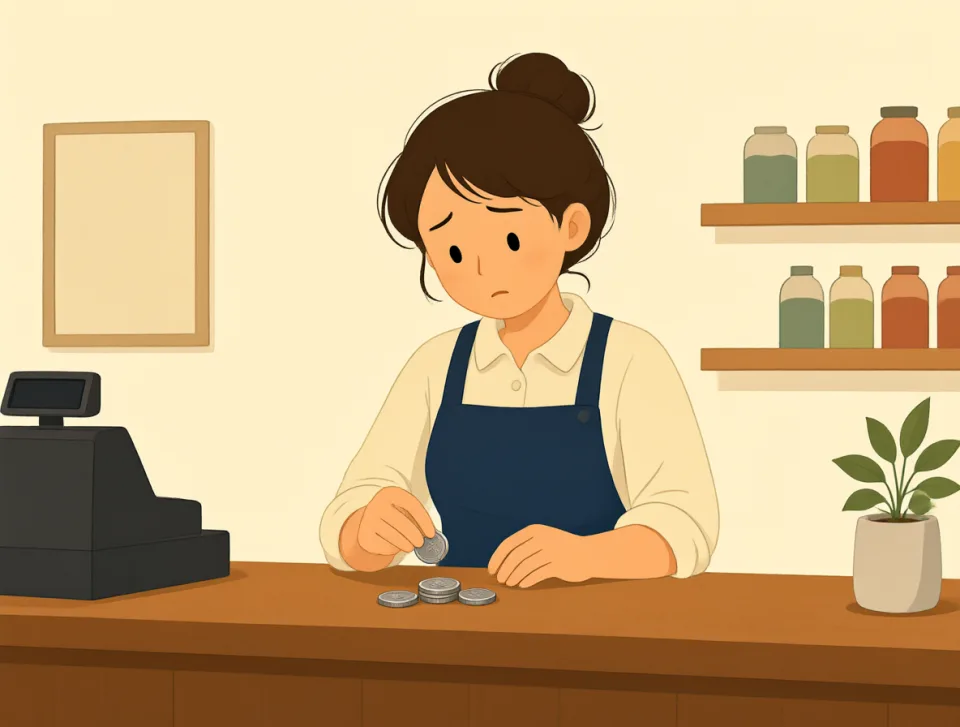
The shop reported a loss this month.
مغازه این ماه ضرر گزارش کرد.
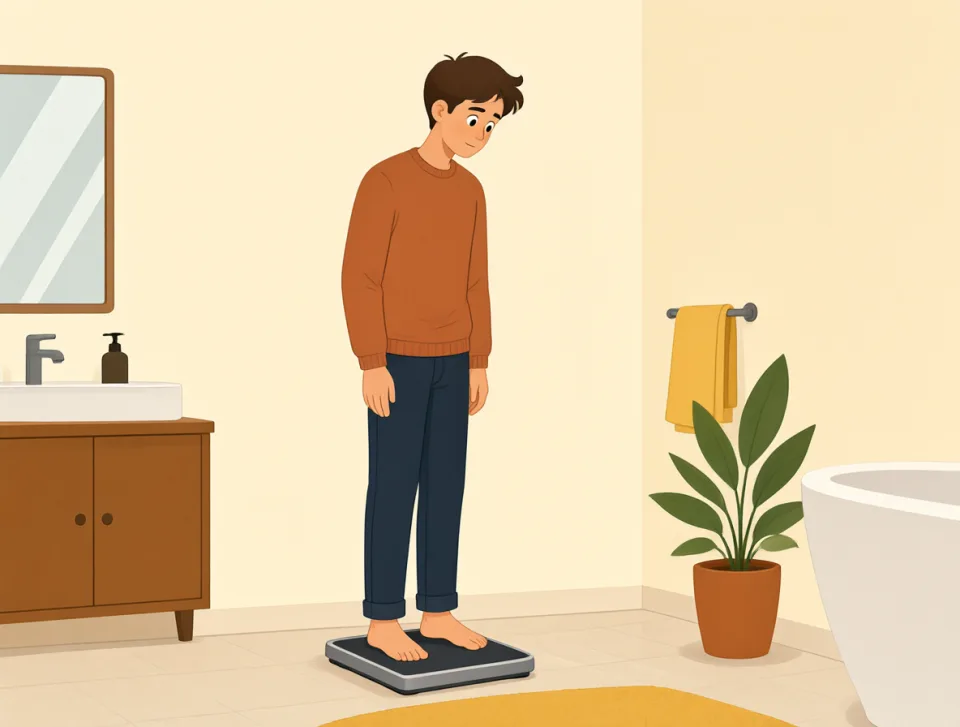
He lost weight after his illness.
او بعد از بیماریاش وزن کم کرد.
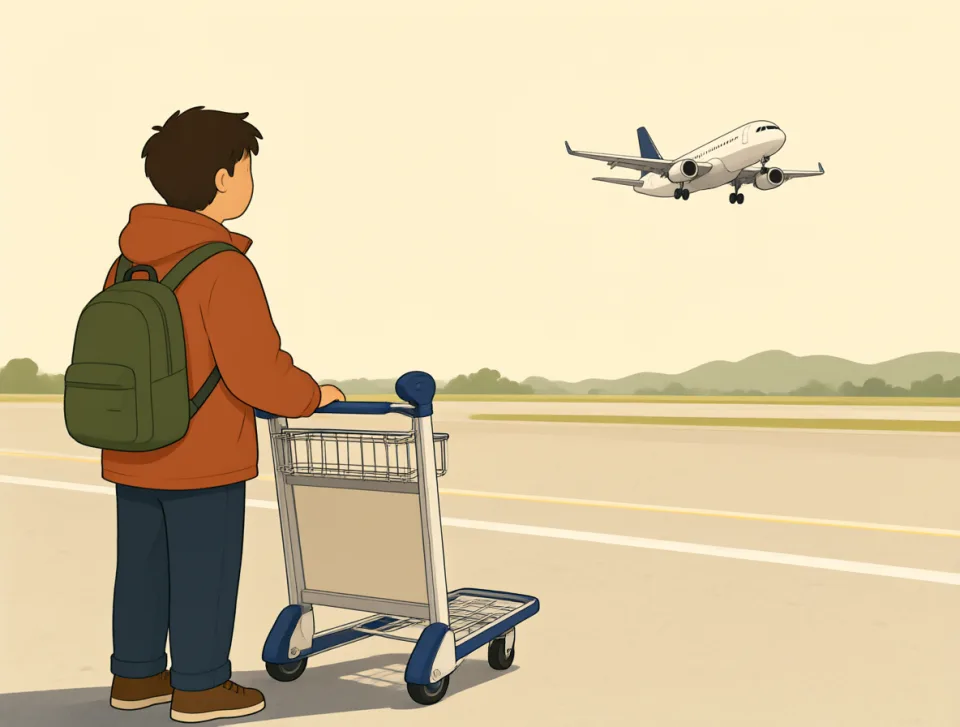
The plane left without my suitcase, a real loss.
هواپیما بدون چمدانم رفت؛ واقعاً ضرر بزرگی بود.

shall
#807verb, modal verb
shall (برای پیشنهاد، درخواست نظر یا بیان آینده)
Used to ask for advice, make offers, or talk about future actions.
برای درخواست نظر، پیشنهاد دادن یا صحبت دربارهٔ کارهای آینده به کار میرود.
Shall we meet at six o'clock?
ساعت شش همدیگر را ببینیم؟

Shall I open the window?
پنجره را باز کنم؟

We shall see you tomorrow.
فردا شما را خواهیم دید.
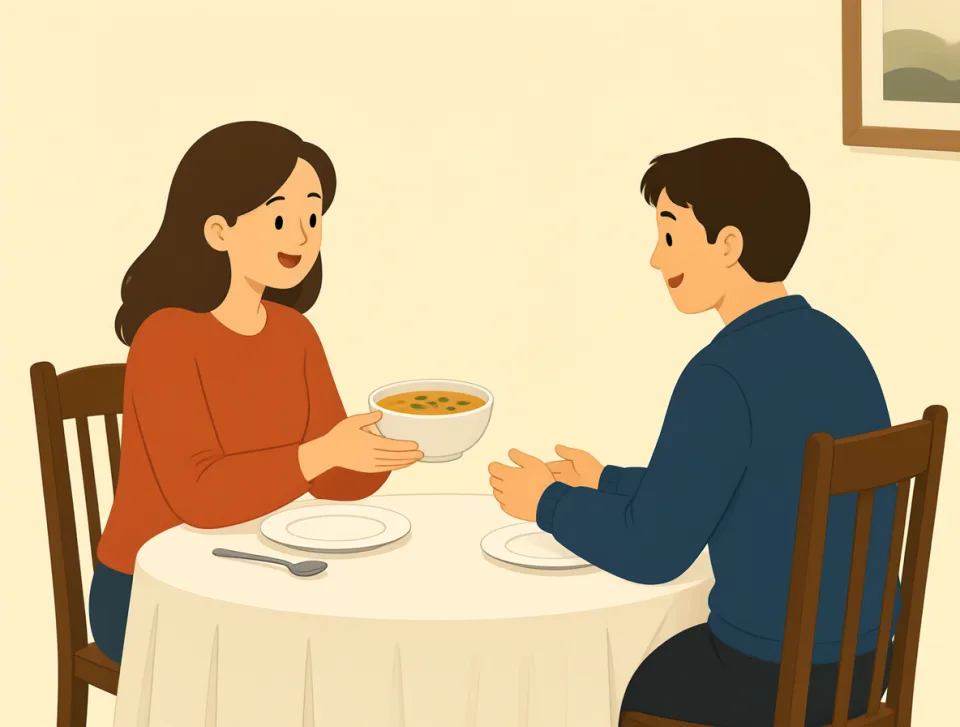
You shall have some more soup.
کمی سوپ بیشتر برایتان میآورم.
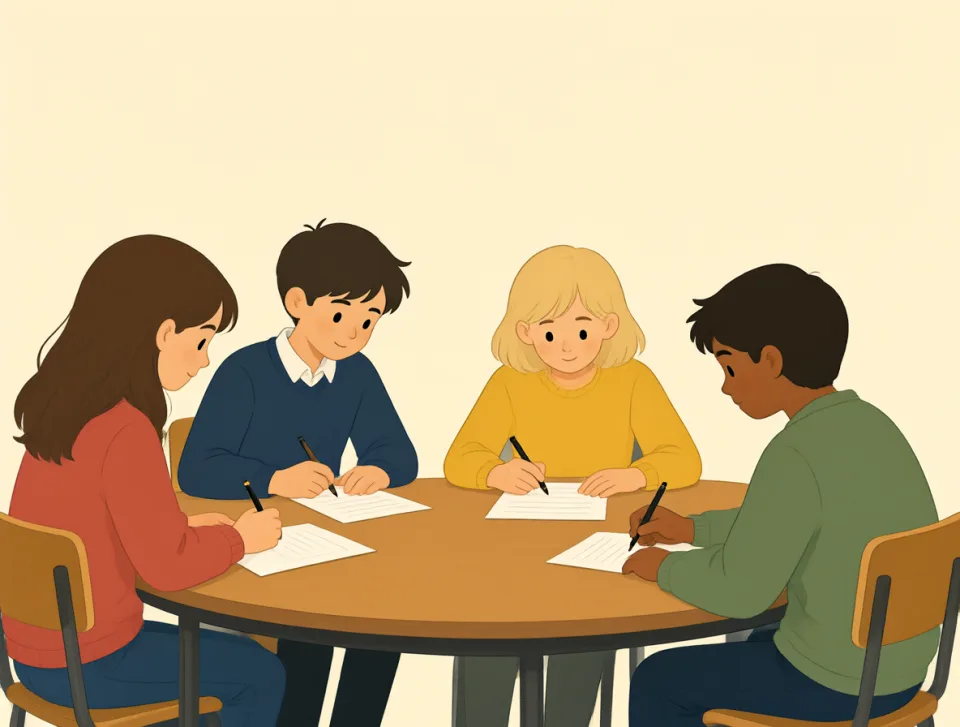
The students shall finish the work today.
دانشآموزان باید امروز کار را تمام کنند.

modern
#808adjective
مدرن
New or recently developed, using the latest ideas, styles, or technology.
جدید یا تازهساخت، با استفاده از جدیدترین ایدهها، سبکها یا فناوریها.

They live in a modern apartment downtown.
آنها در یک آپارتمان مدرن در مرکز شهر زندگی میکنند.
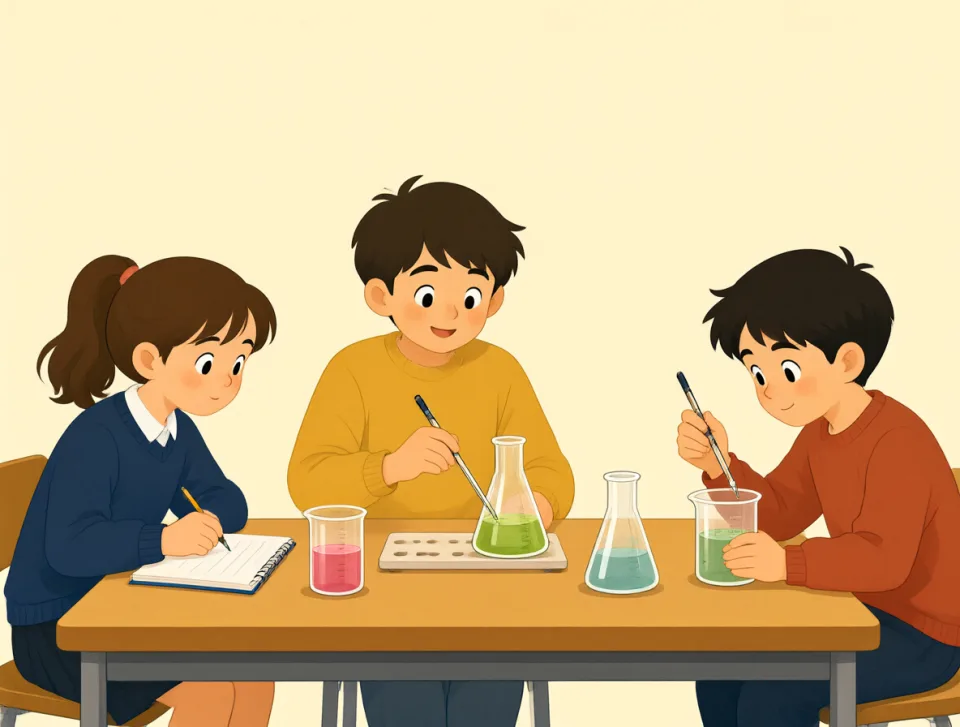
Our school has a modern science room.
مدرسهٔ ما یک آزمایشگاه علوم مدرن دارد.
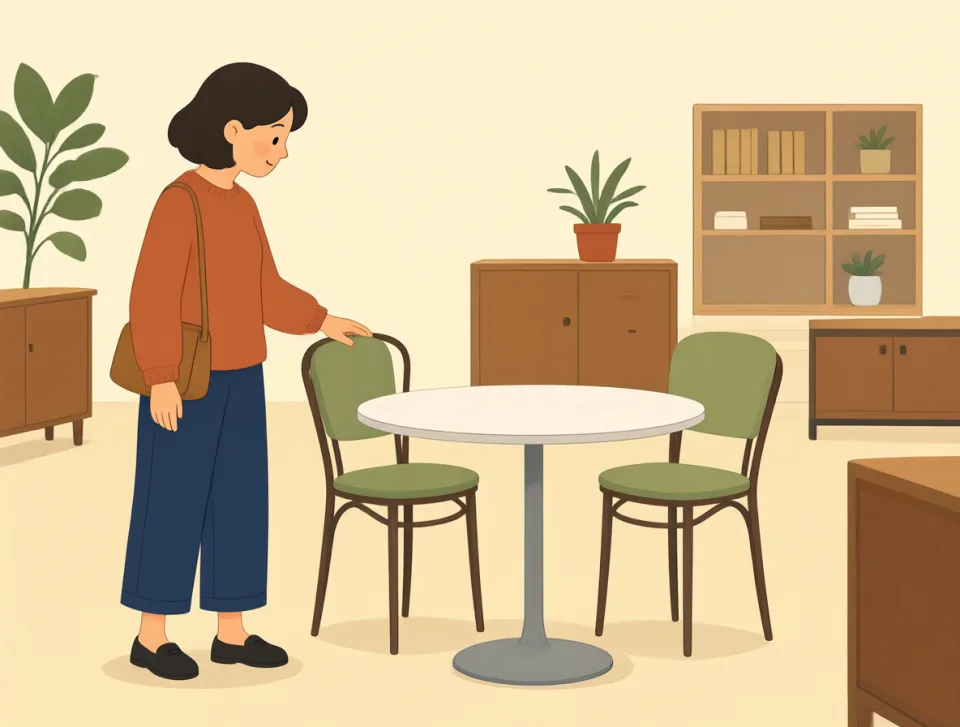
She bought a modern kitchen table.
او یک میز آشپزخانهٔ مدرن خرید.

The hotel has modern rooms and a pool.
هتل اتاقهای مدرن و یک استخر دارد.
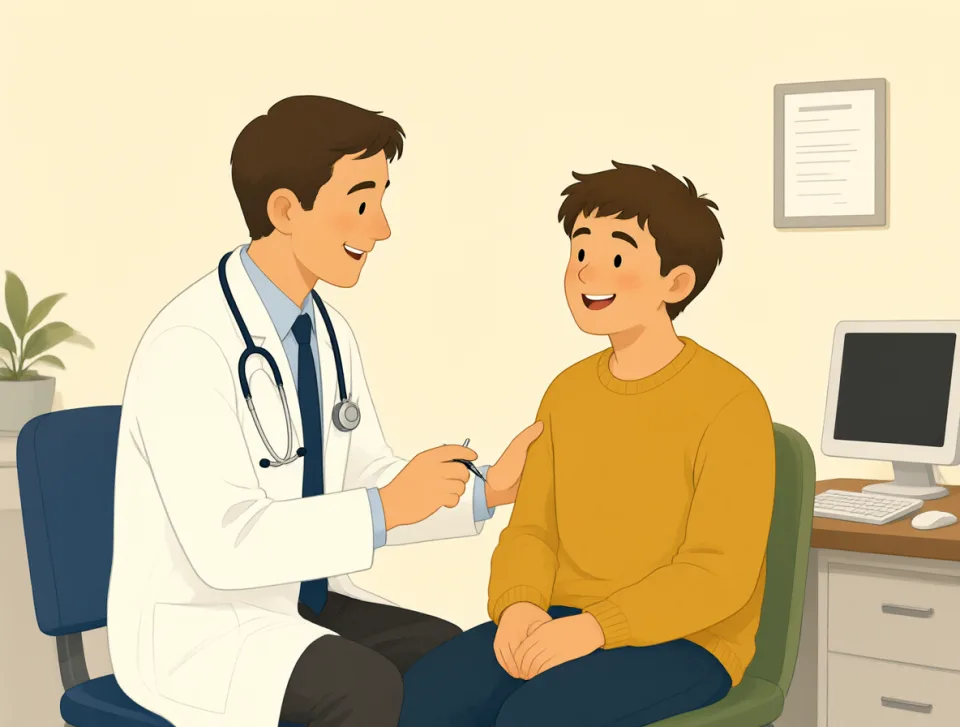
Modern medicine helped him get better.
پزشکی مدرن به بهبود حالش کمک کرد.
pressure
#809noun
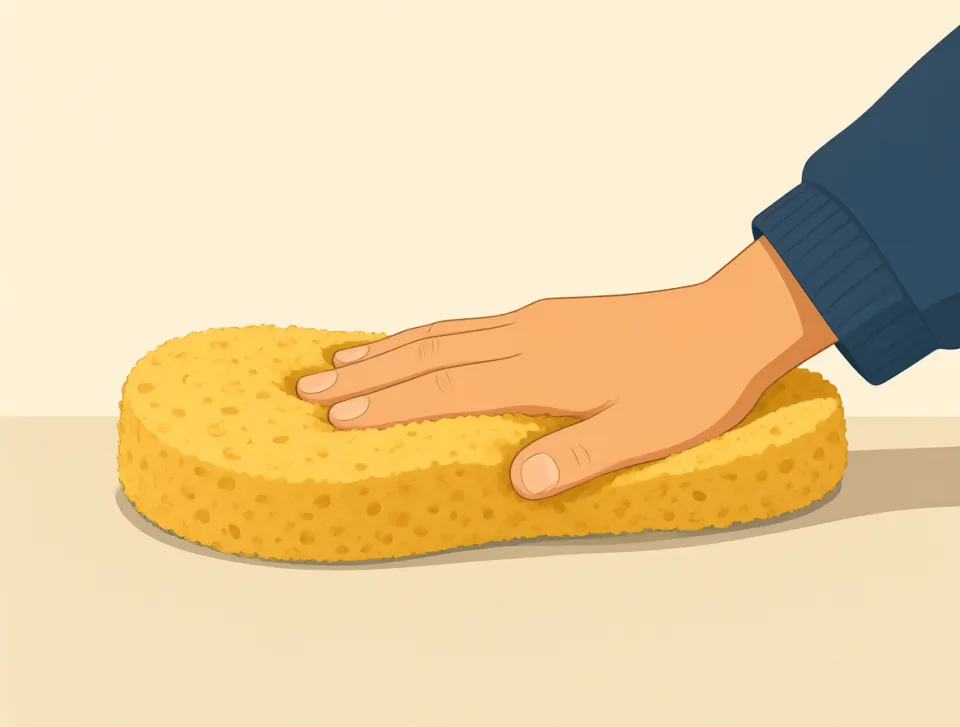
فشار
A force pushing on something, or a feeling that you must do something.
نیرویی که چیزی را میفشارد، یا احساسی که به شما میگوید باید کاری انجام دهید.
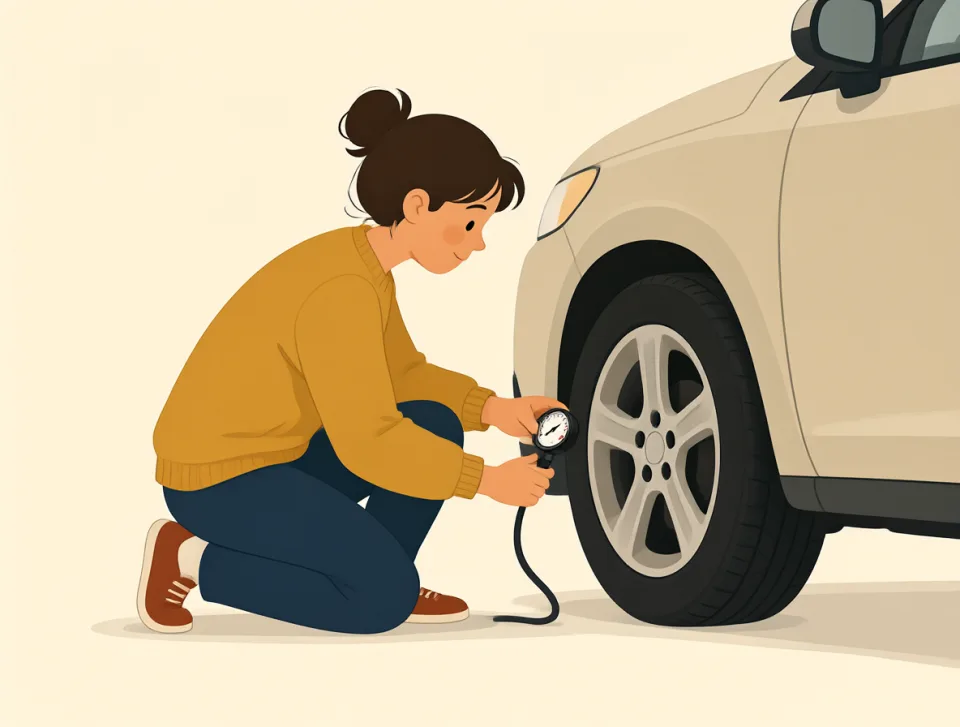
The tire pressure is too low.
فشار باد لاستیک خیلی کم است.

She felt pressure to finish the work.
او برای تمام کردن کار تحت فشار بود.
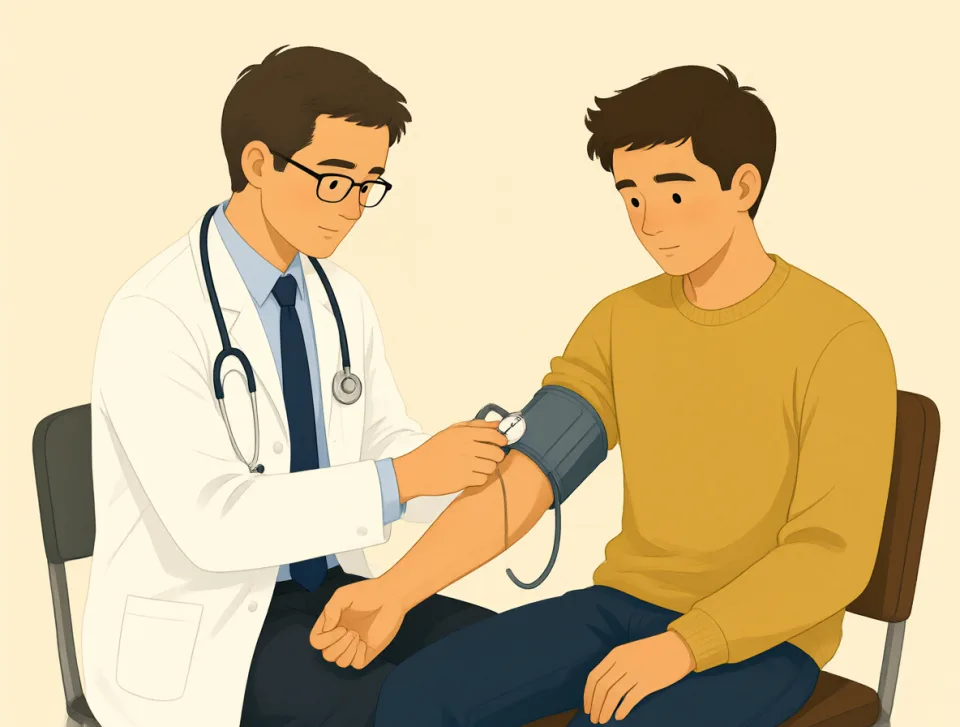
The doctor checked his blood pressure.
دکتر فشار خونش را اندازه گرفت.
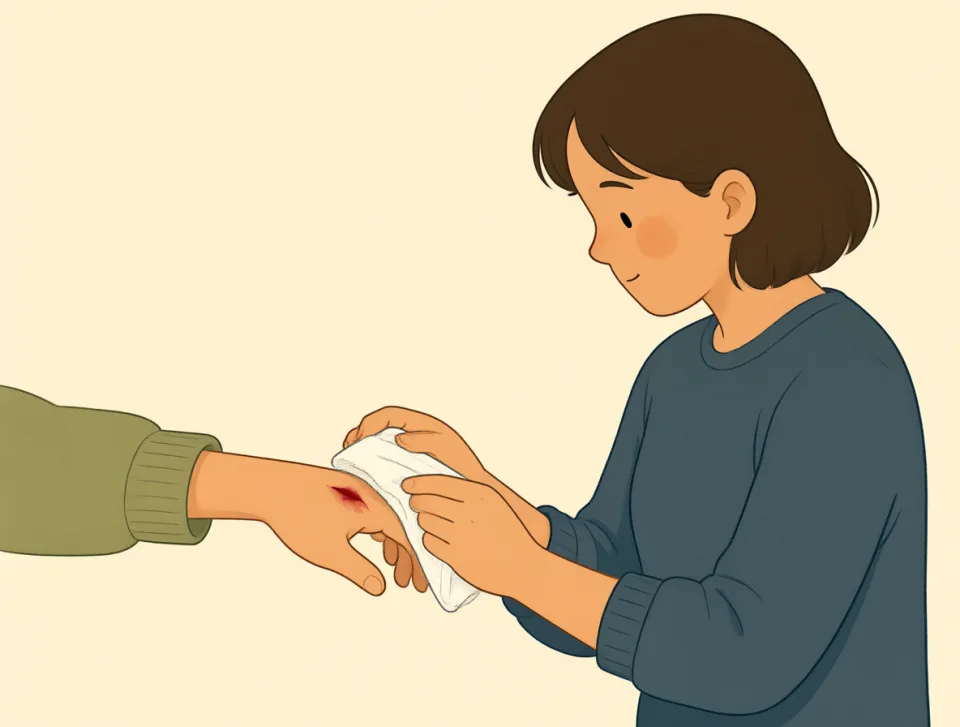
He put pressure on the cut to stop bleeding.
برای بند آوردن خونریزی، روی زخم فشار آورد.
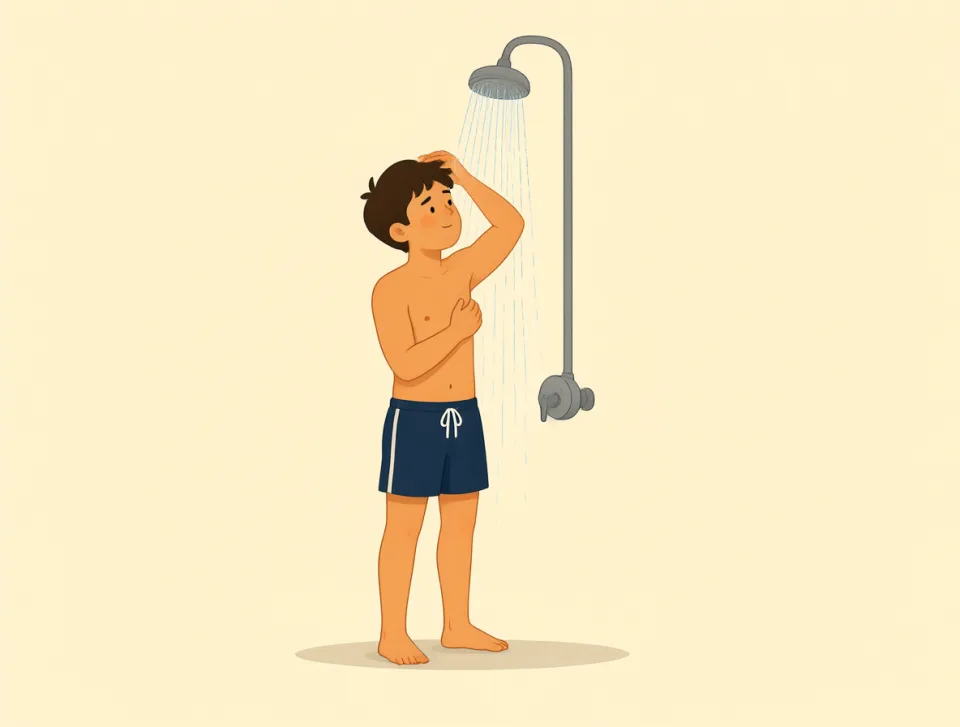
The water pressure is weak in our shower.
فشار آب دوش ما کم است.
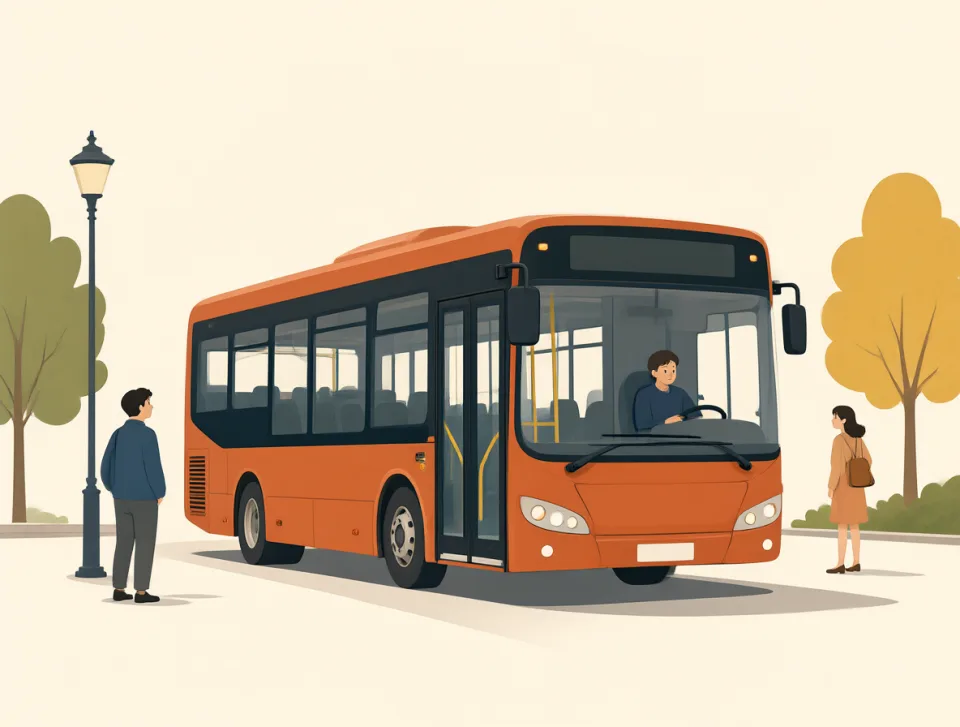
bus
#810noun, verb
اتوبوس
A large road vehicle that carries many people, or to travel by bus.
وسیلهٔ نقلیهٔ بزرگ جادهای که افراد زیادی را جابهجا میکند؛ همچنین به معنی با اتوبوس سفر کردن است.

I take the bus to school every morning.
هر روز صبح با اتوبوس به مدرسه میروم.
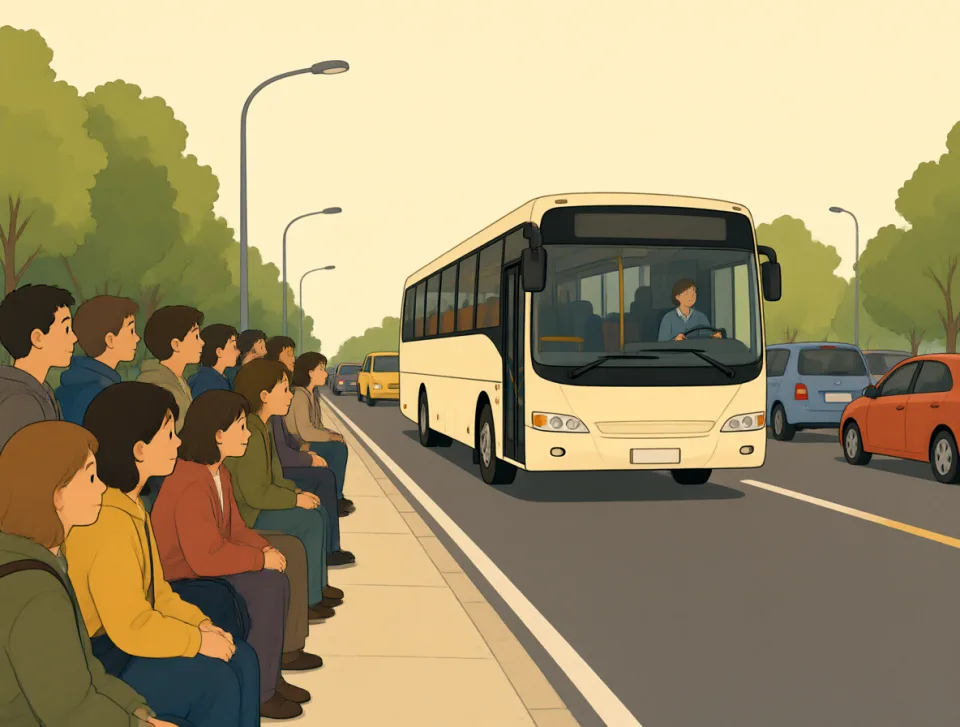
The bus was late because of heavy traffic.
اتوبوس بهخاطر ترافیک سنگین دیر کرد.

We got off the bus near the market.
نزدیک بازار از اتوبوس پیاده شدیم.

She buses to work from the city center.
او از مرکز شهر با اتوبوس به محل کارش میرود.

The driver is busing the children home.
راننده دارد بچهها را با اتوبوس به خانه میبرد.
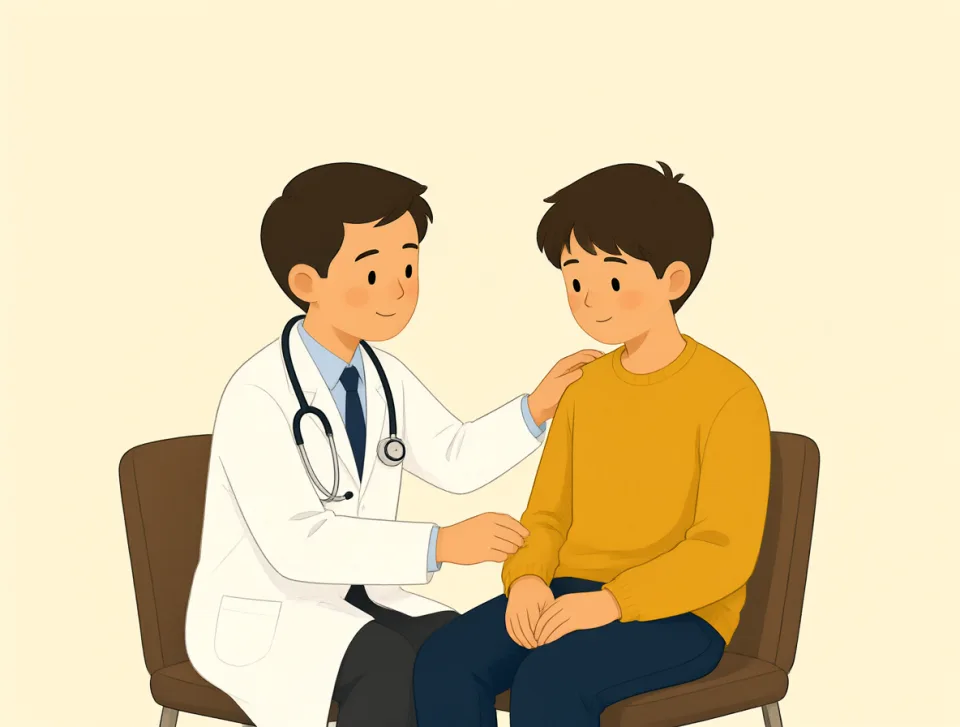
treatment
#811noun
درمان
Medical care given to make someone healthy or feel better.
مراقبت پزشکی که برای بهبود سلامتی یا بهتر شدن حال کسی انجام میشود.
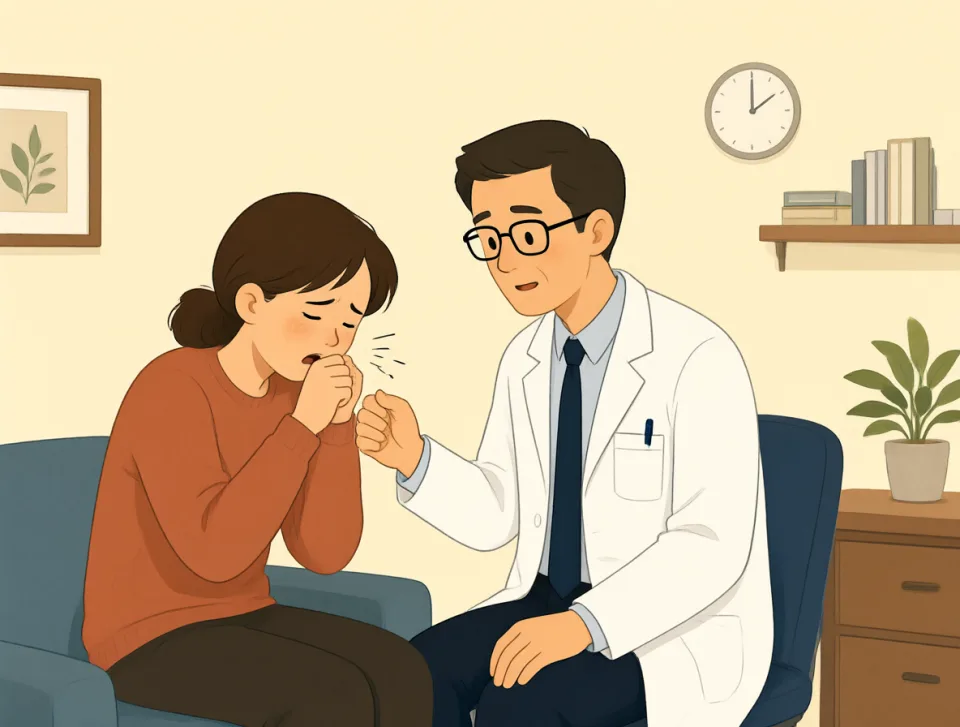
The doctor started treatment for my cough.
دکتر درمان سرفهام را شروع کرد.
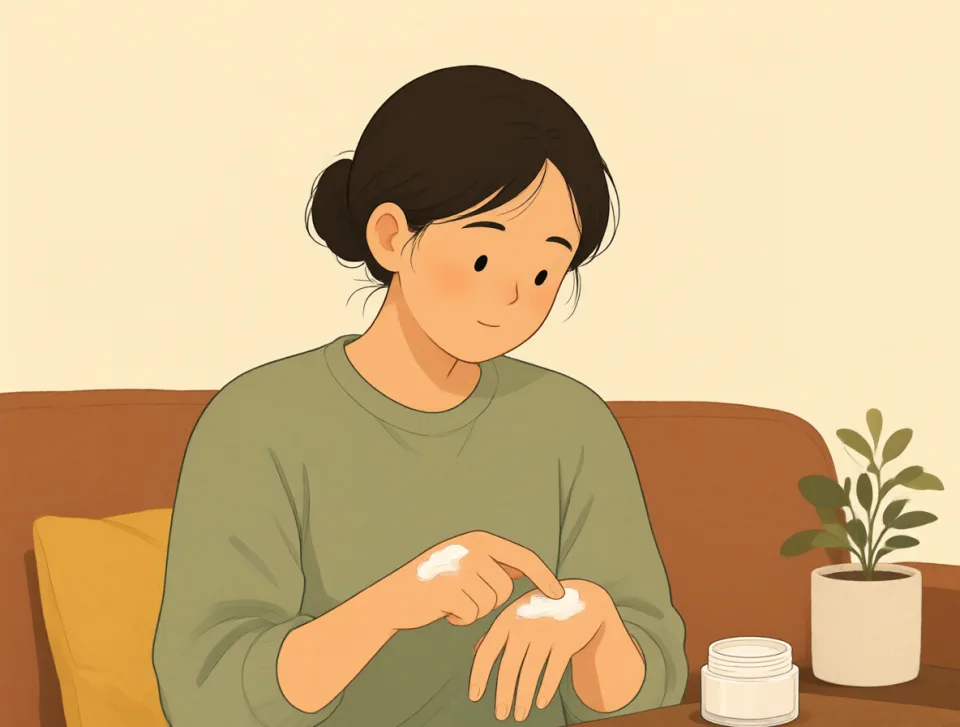
This cream is a treatment for dry skin.
این کرم برای درمان خشکی پوست است.
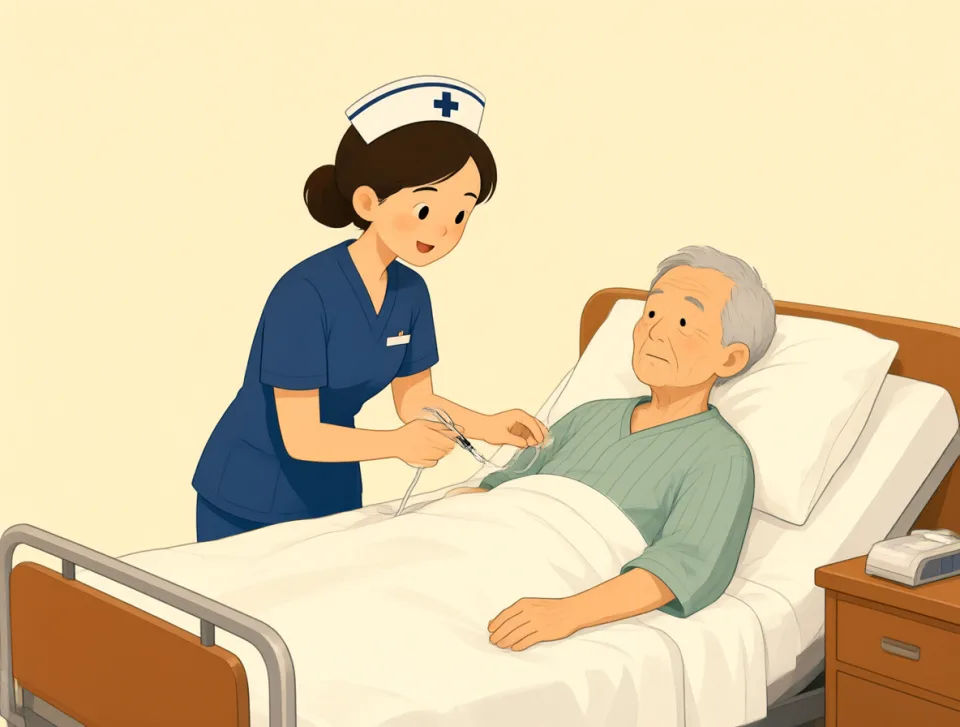
She received treatment at the hospital.
او در بیمارستان تحت درمان قرار گرفت.

The hotel gave our complaint careful treatment.
هتل با دقت به شکایت ما رسیدگی کرد.

The teacher's treatment of students was fair.
رفتار معلم با دانشآموزان منصفانه بود.

conference
#812noun
همایش
A formal meeting where people discuss ideas, information, or work.
جلسهای رسمی که در آن افراد دربارهٔ ایدهها، اطلاعات یا کار بحث میکنند.
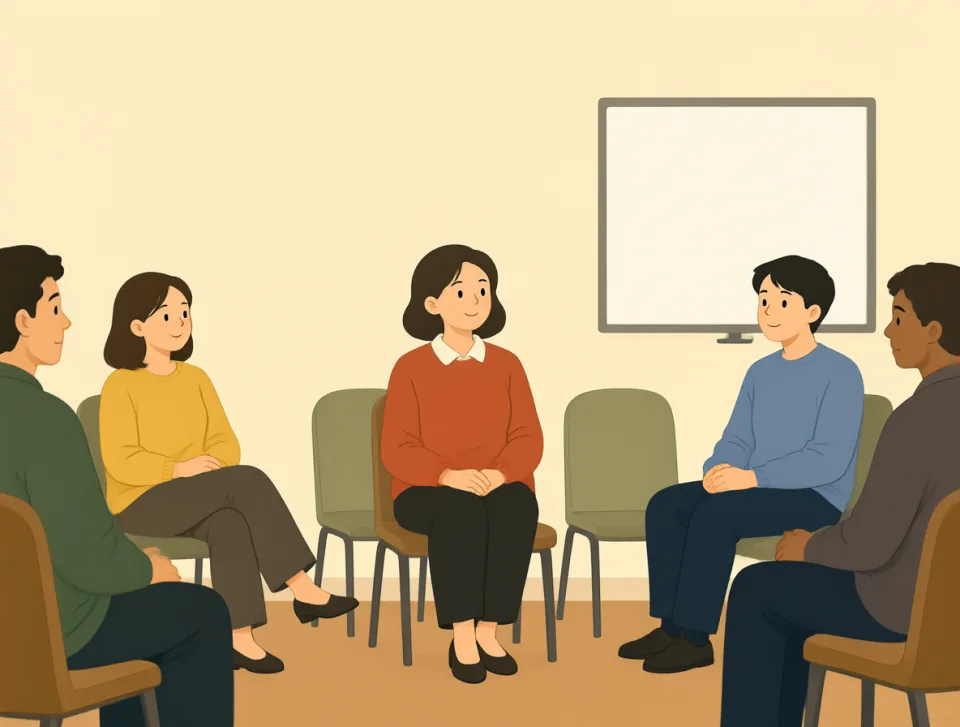
She is attending a business conference this week.
او این هفته در یک همایش تجاری شرکت میکند.
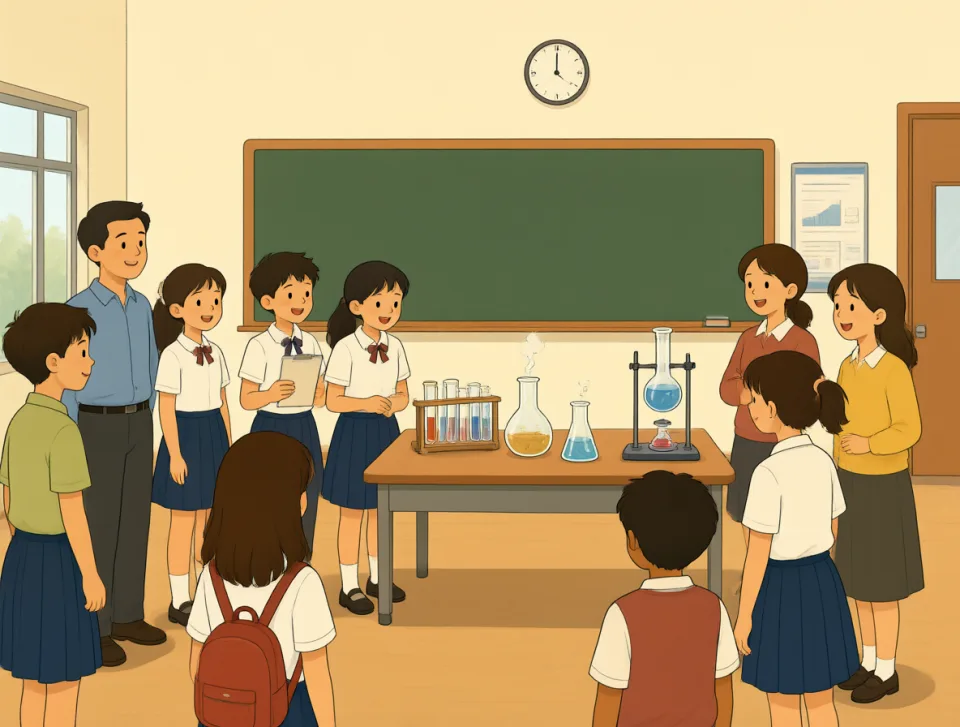
Our school held a science conference yesterday.
مدرسهٔ ما دیروز یک همایش علمی برگزار کرد.

He met old friends at the conference.
او در همایش با دوستان قدیمیاش دیدار کرد.
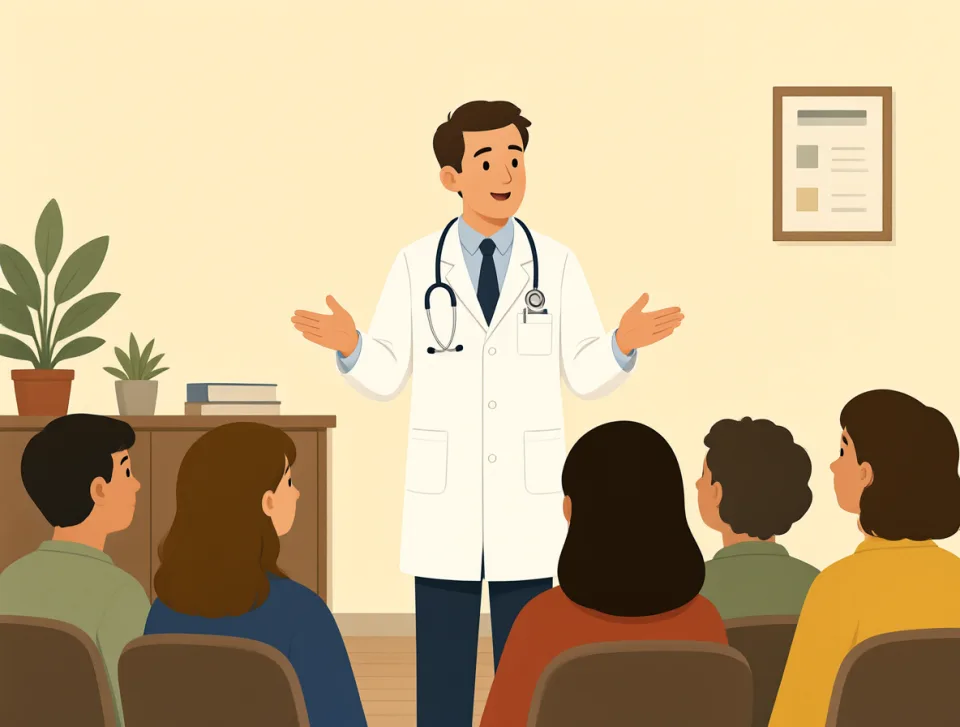
The doctor spoke at a health conference.
دکتر در یک همایش سلامت سخنرانی کرد.

They booked a hotel near the conference.
آنها نزدیک محل همایش یک هتل رزرو کردند.
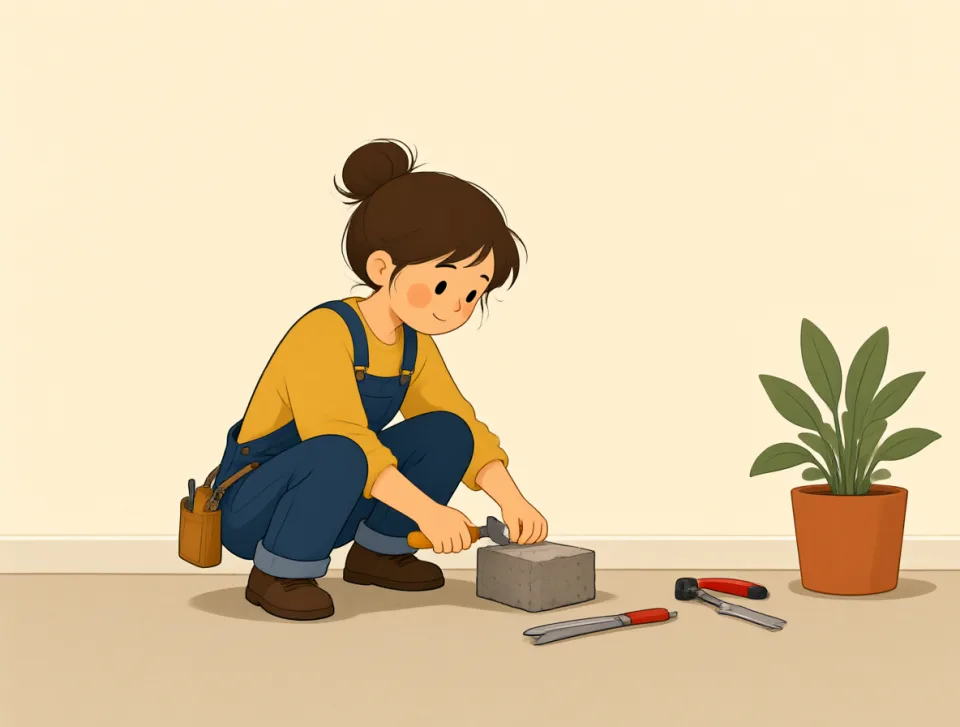
yourself
#813pronoun
خودت؛ خودتان
You; the person or people you are talking to, used as an object or for emphasis.
به خودِ مخاطب اشاره دارد و بهعنوان مفعول یا برای تأکید به کار میرود.
You can do it yourself.
خودت میتوانی انجامش بدهی.

Please make yourself at home.
راحت باش و احساس کن اینجا خانهٔ خودت است.

Did you enjoy yourself at the party?
در مهمانی بهت خوش گذشت؟

Take care of yourself on the trip.
در سفر مراقب خودت باش.

You should be proud of yourself.
باید به خودت افتخار کنی.
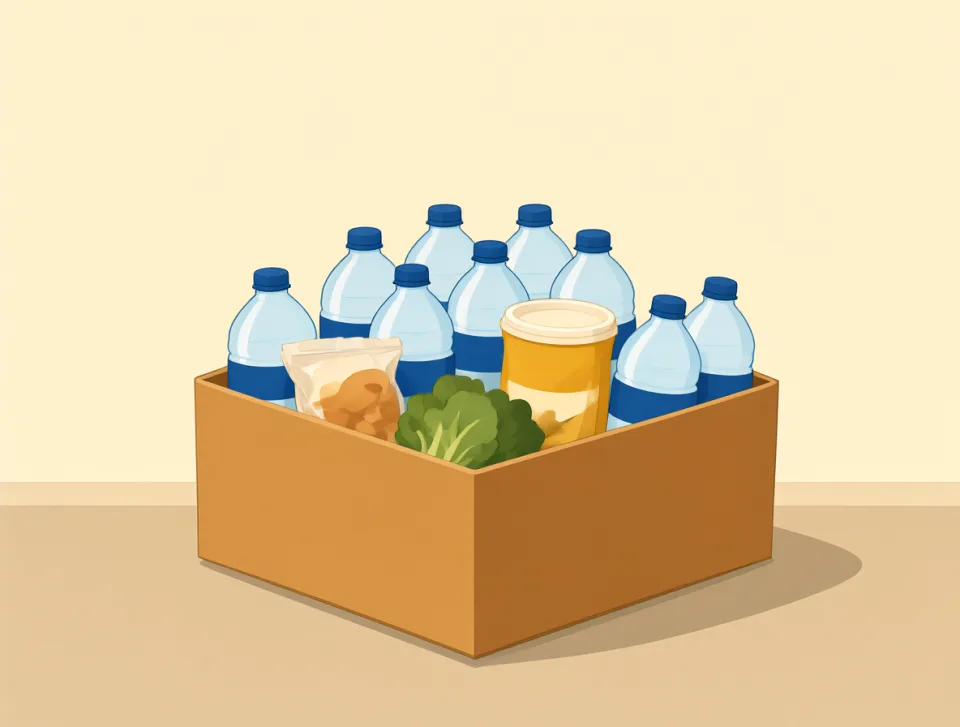
supply
#814noun, verb
موجودی؛ تأمین کردن
A supply is an amount of something available to use; to supply means to provide it.
بهعنوان اسم، مقدار چیزی که برای استفاده در دسترس است؛ بهعنوان فعل، فراهم کردن آن.
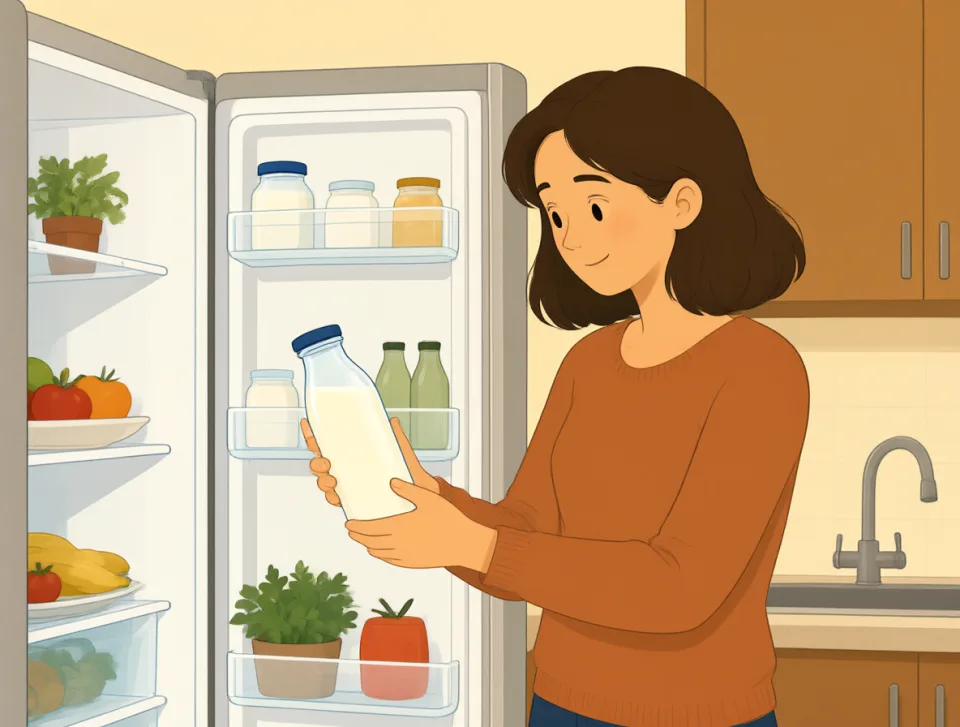
We need a fresh supply of milk.
به یک موجودی تازه شیر نیاز داریم.

The shop supplies food to local schools.
این مغازه مواد غذایی مدارس محلی را تأمین میکند.
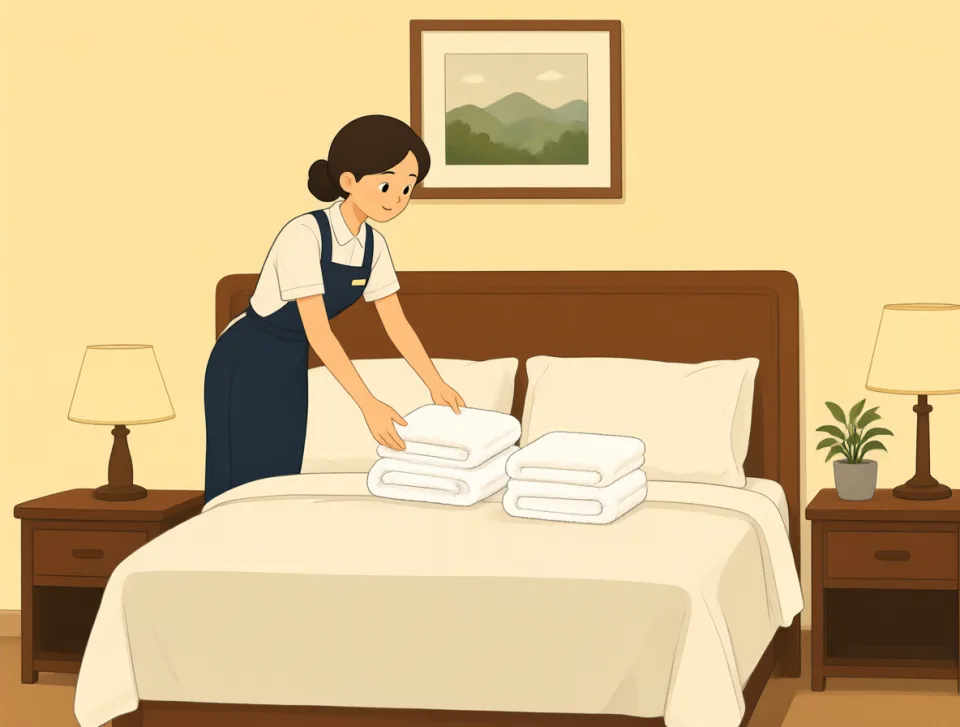
The hotel supplied towels for every guest.
هتل برای هر مهمان حوله فراهم کرد.
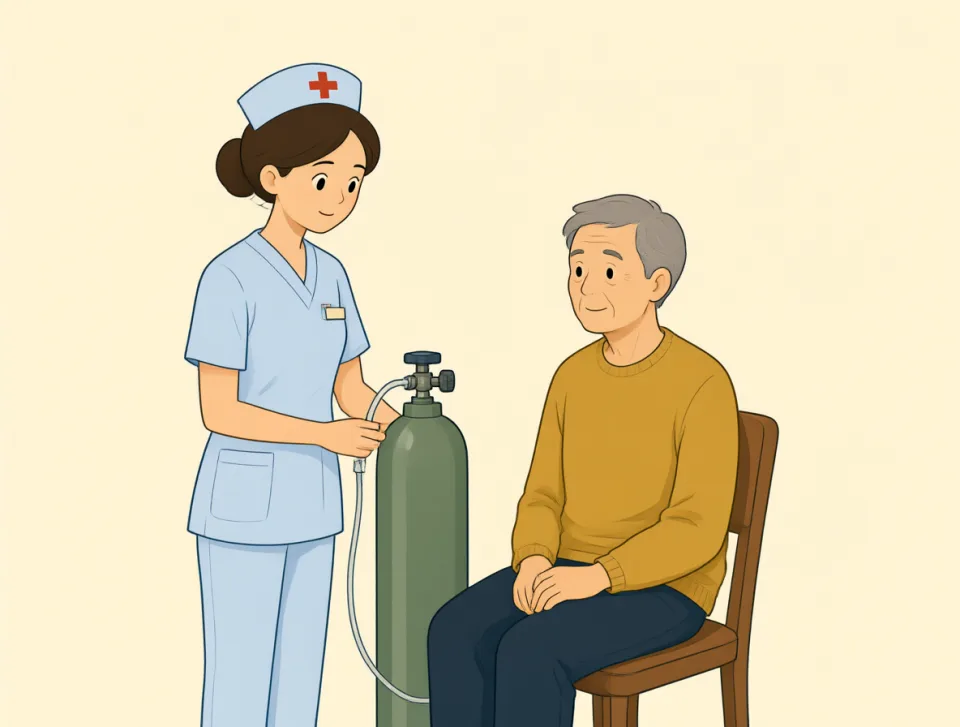
The nurse checked my oxygen supply.
پرستار میزان اکسیژنرسانیام را بررسی کرد.
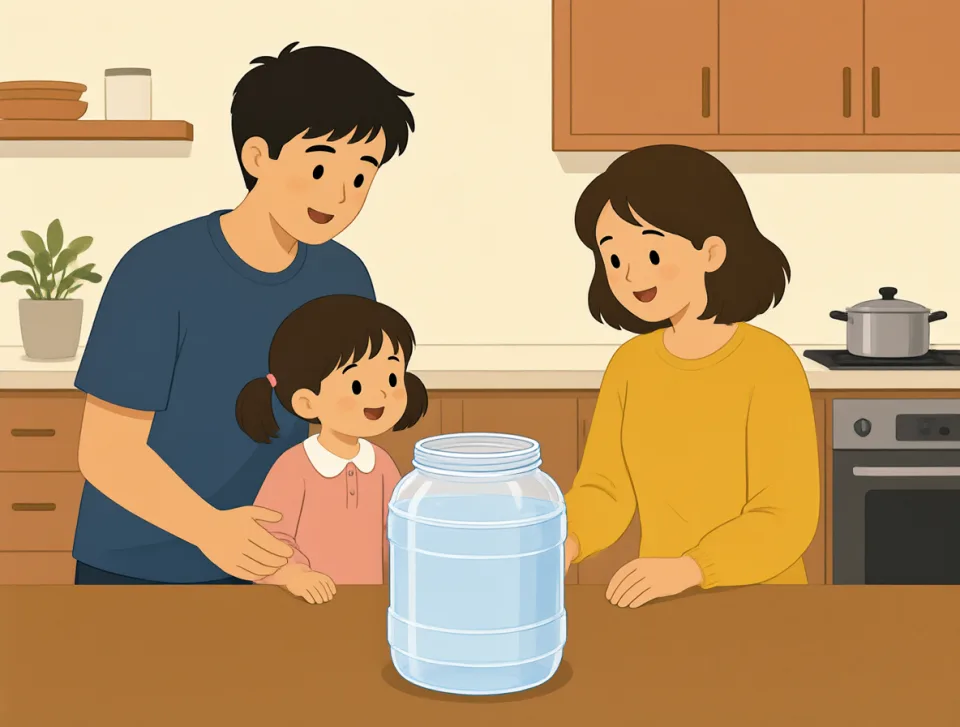
Our water supply ran out yesterday.
ذخیرهٔ آب ما دیروز تمام شد.
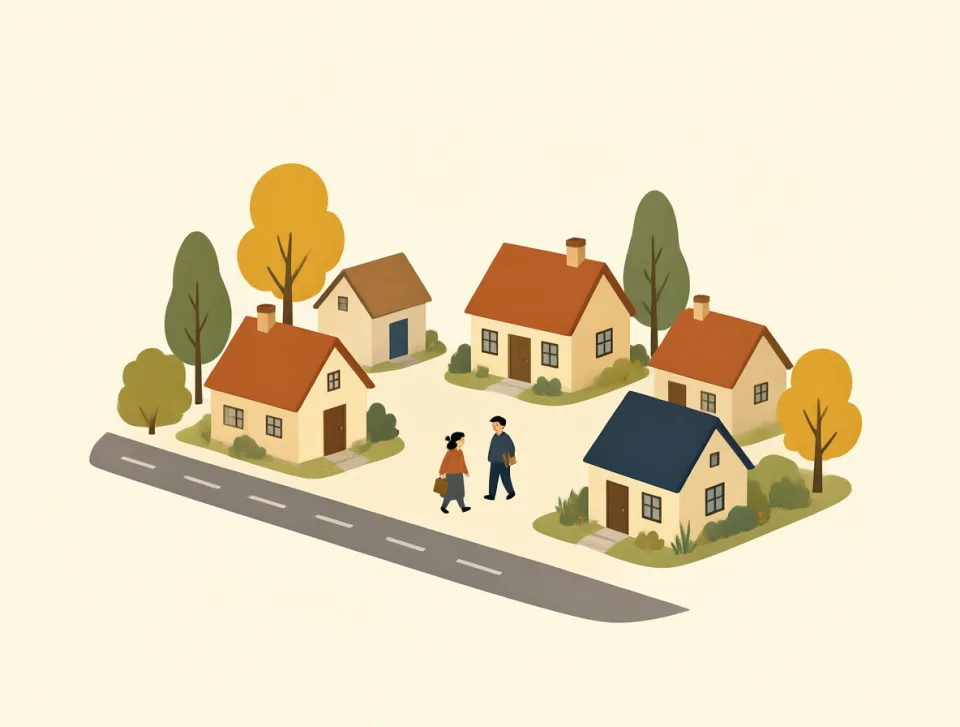
village
#815noun
روستا
a small place where people live, usually in the countryside
جای کوچکی که مردم در آن زندگی میکنند و معمولاً در منطقهای روستایی قرار دارد.
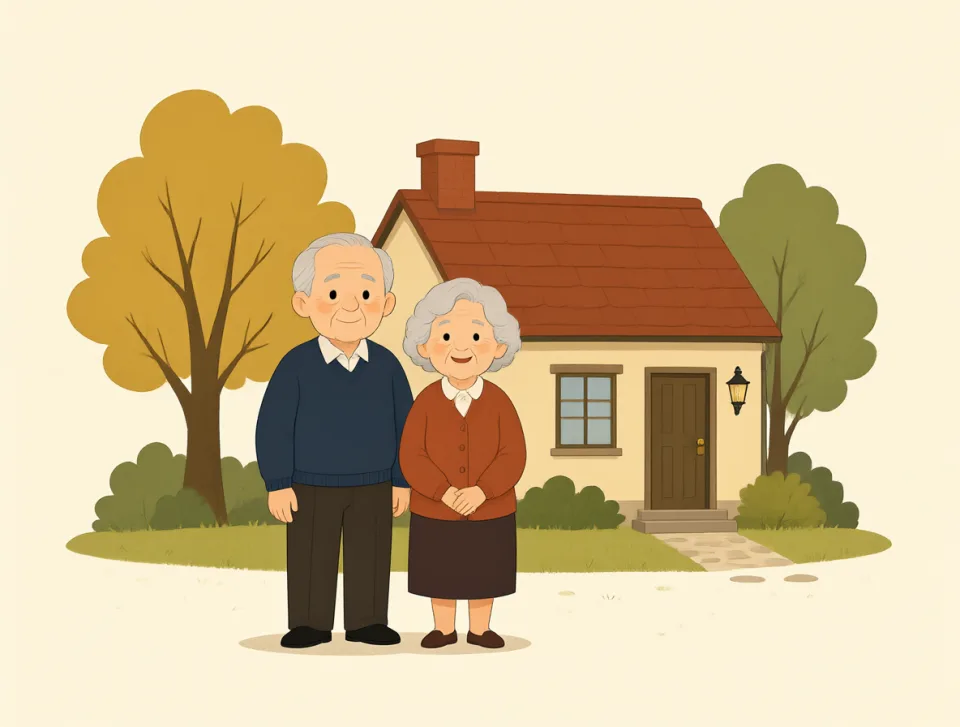
My grandparents live in a quiet village.
پدربزرگ و مادربزرگم در روستایی آرام زندگی میکنند.

The village has a small school.
این روستا یک مدرسهٔ کوچک دارد.

We bought fresh bread in the village.
در روستا نان تازه خریدیم.

Many tourists visit the village each summer.
هر تابستان گردشگران زیادی از روستا دیدن میکنند.
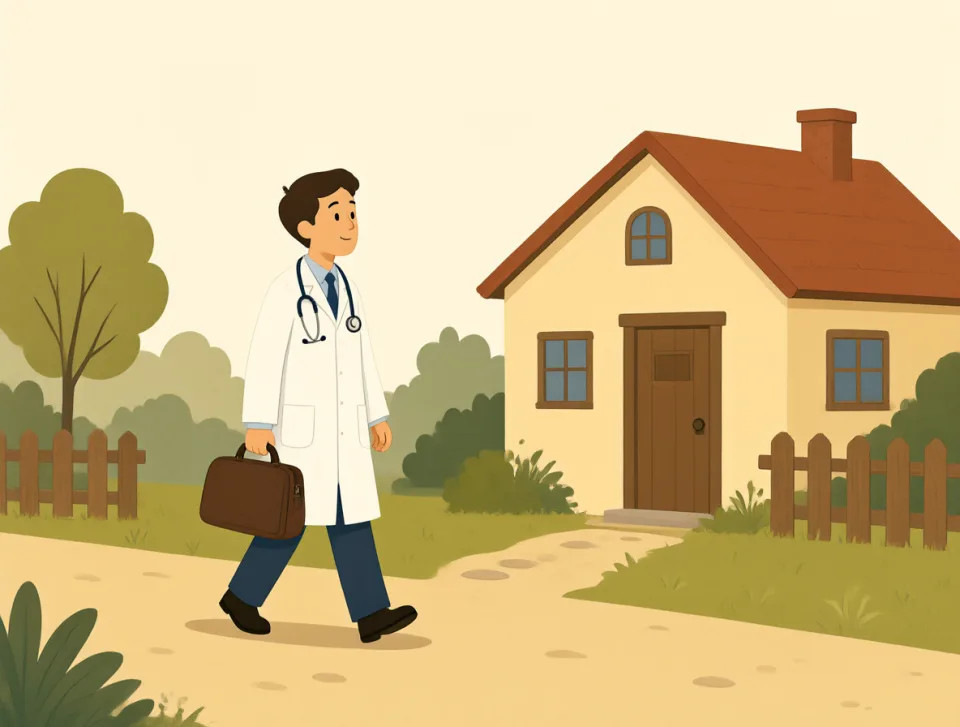
A doctor visits the village every Friday.
یک پزشک هر جمعه به روستا سر میزند.
worth
#816adjective, noun, preposition
ارزشمند بودن؛ بهصرفه بودن
Having a value or usefulness equal to something; deserving time, money, or effort.
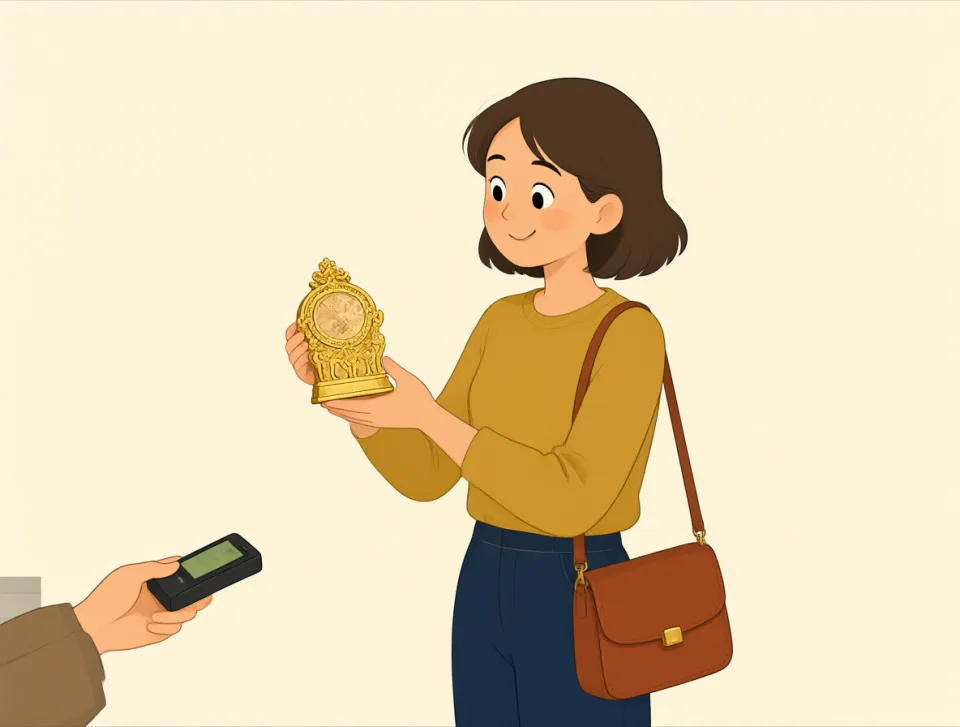
داشتن ارزش یا فایدهای برابر با چیزی؛ شایستهٔ صرف وقت، پول یا تلاش بودن.

This book is worth reading again.
این کتاب ارزش دارد دوباره خوانده شود.
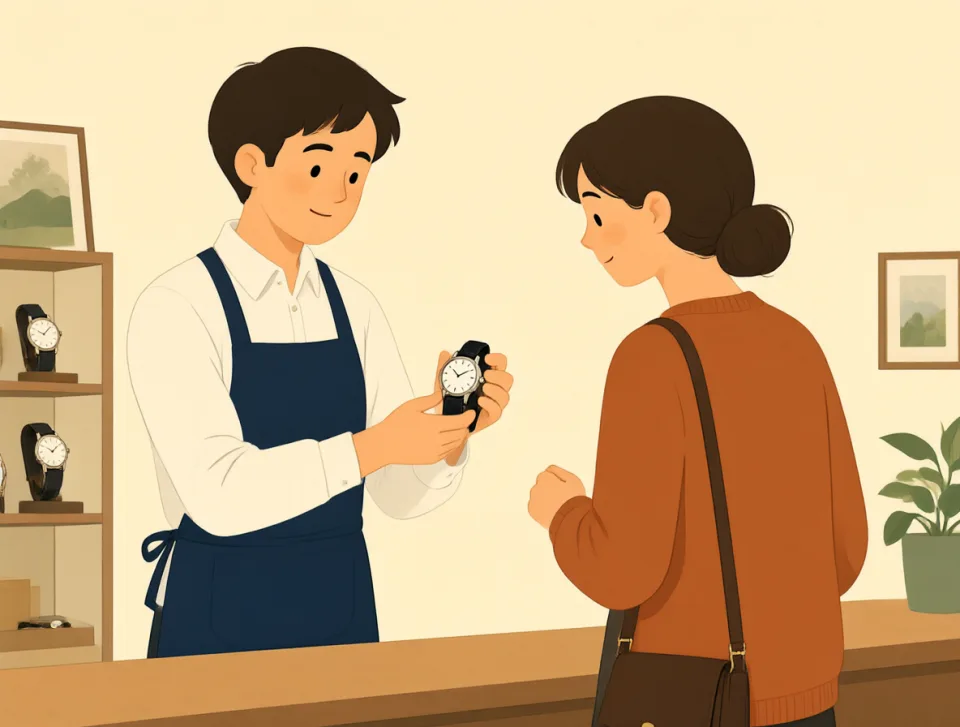
The watch is worth fifty dollars.
این ساعت پنجاه دلار میارزد.

Is this film worth seeing?
آیا دیدن این فیلم ارزش دارد؟

It was worth waiting for the delicious meal.
برای آن غذای خوشمزه، صبر کردن ارزش داشت.

The museum is well worth a visit.
این موزه واقعاً ارزش بازدید دارد.

natural
#817adjective
طبیعی
Existing in nature or happening normally, without being made or changed by people.
در طبیعت وجود داشتن یا بهطور عادی رخ دادن، بدون اینکه انسان آن را ساخته یا تغییر داده باشد.

She has beautiful natural hair.
او موهای طبیعی زیبایی دارد.

This juice contains natural fruit.
این آبمیوه حاوی میوهٔ طبیعی است.

He felt natural speaking to the friendly teacher.
او هنگام صحبت کردن با معلم مهربان احساس راحتی میکرد.

We walked along a natural beach.
ما در امتداد یک ساحل طبیعی قدم زدیم.
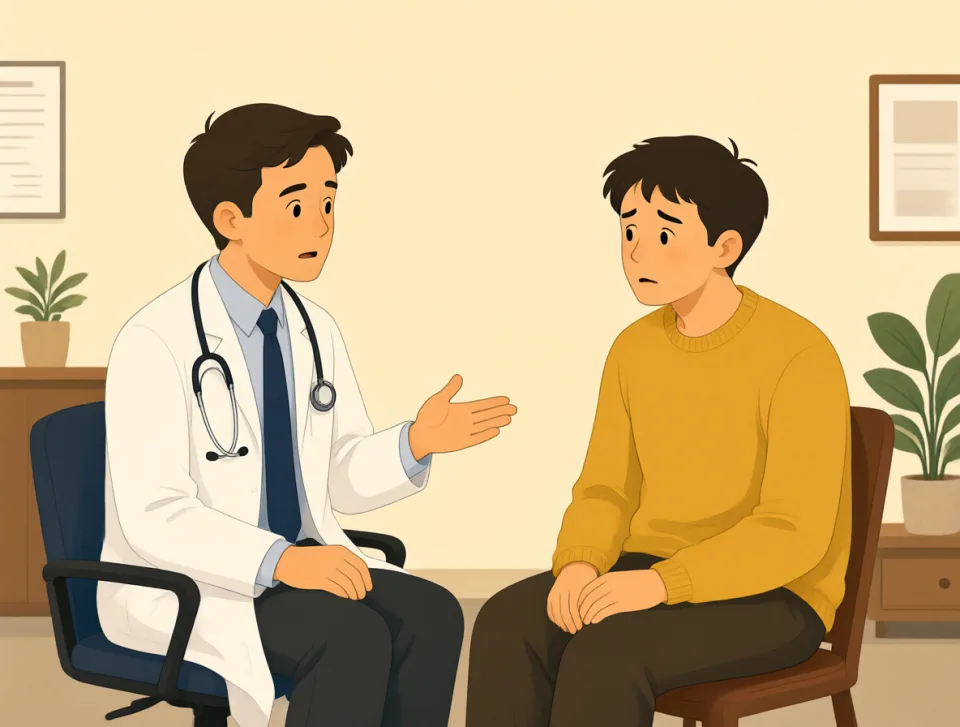
The doctor suggested a natural way to sleep better.
دکتر راهی طبیعی برای بهتر خوابیدن پیشنهاد کرد.

express
#818verb, noun, adjective
بیان کردن
to show a feeling or idea in words, actions, or art
نشان دادن یک احساس یا فکر با کلمات، کارها یا هنر.

She expressed her feelings to her friend.
او احساساتش را با دوستش در میان گذاشت.

Please express your opinion in class.
لطفاً نظرتان را در کلاس بیان کنید.

He expressed thanks for the delicious meal.
او از بابت غذای خوشمزه تشکر کرد.

We took the express train to London.
ما با قطار سریعالسیر به لندن رفتیم.
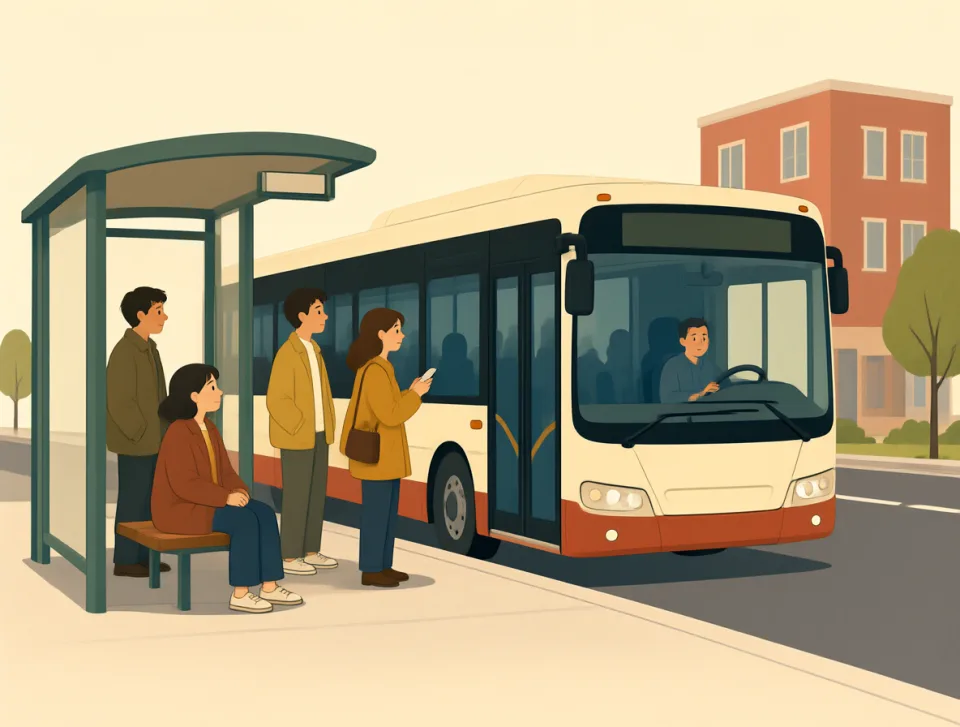
The express bus arrives every ten minutes.
اتوبوس سریعالسیر هر ده دقیقه میرسد.
indicate
#819verb
نشان دادن؛ حاکی بودن از
to show or point out something clearly
چیزی را بهروشنی نشان دادن یا مشخص کردن.

The arrow indicates the correct road.
پیکان جادهٔ درست را نشان میدهد.

Dark clouds indicate that rain is coming.
ابرهای تیره نشان میدهند که باران در راه است.

Please indicate your choice on the form.
لطفاً انتخابتان را در فرم مشخص کنید.

His smile indicated that he was happy.
لبخند او نشان میداد که خوشحال است.
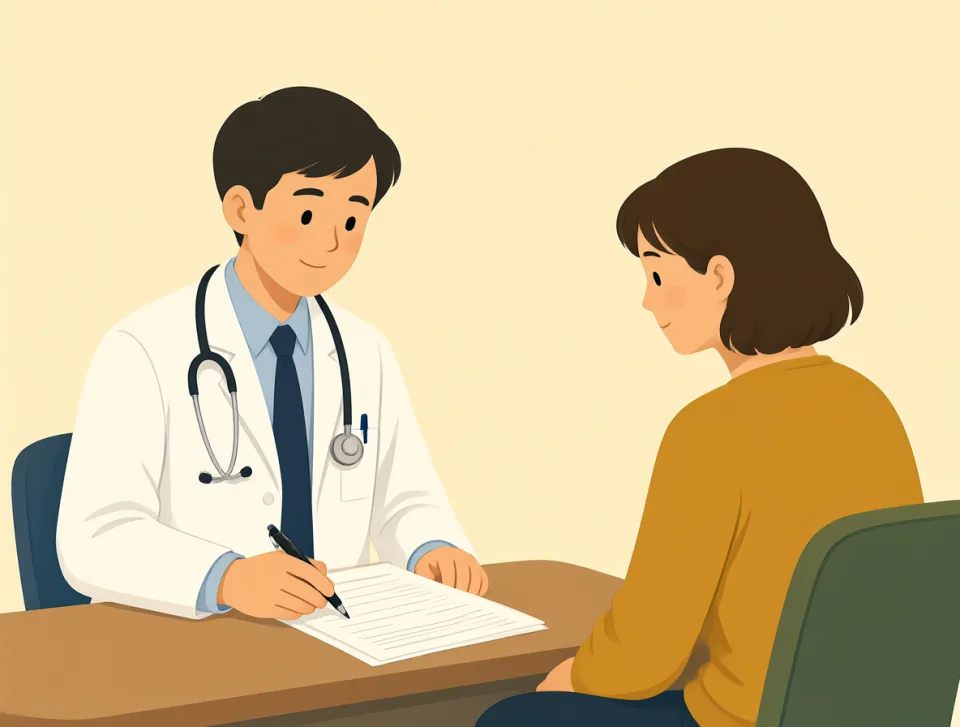
The test results indicated an infection.
نتایج آزمایش حاکی از وجود عفونت بود.

attend
#820verb
شرکت کردن؛ حضور یافتن
to go to an event, meeting, school, or place
به یک رویداد، جلسه، مدرسه یا مکانی رفتن.

I attend English classes every Saturday.
من هر شنبه در کلاسهای انگلیسی شرکت میکنم.

She attended the meeting at work yesterday.
او دیروز در جلسهٔ محل کارش شرکت کرد.

Many children attend this school.
بچههای زیادی در این مدرسه تحصیل میکنند.
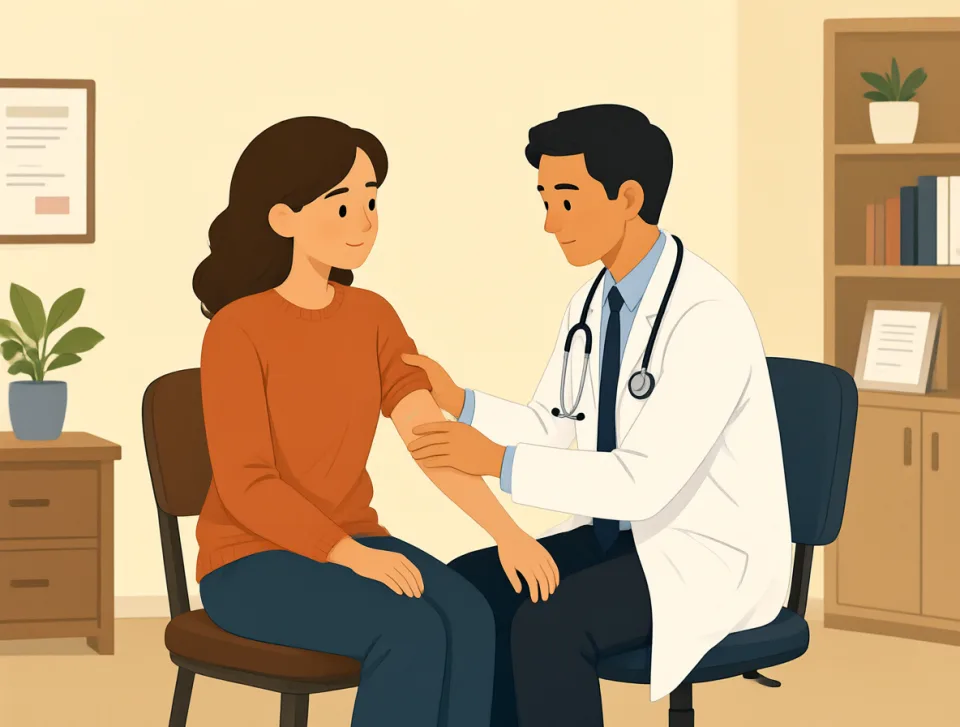
Please attend your doctor's appointment tomorrow.
لطفاً فردا در وقت ملاقاتتان با پزشک حاضر شوید.

He attended the wedding with his friends.
او همراه دوستانش در مراسم عروسی شرکت کرد.