بخش 35
واژههای 681 تا 700 · respect, various, catch, thus, skill, attempt
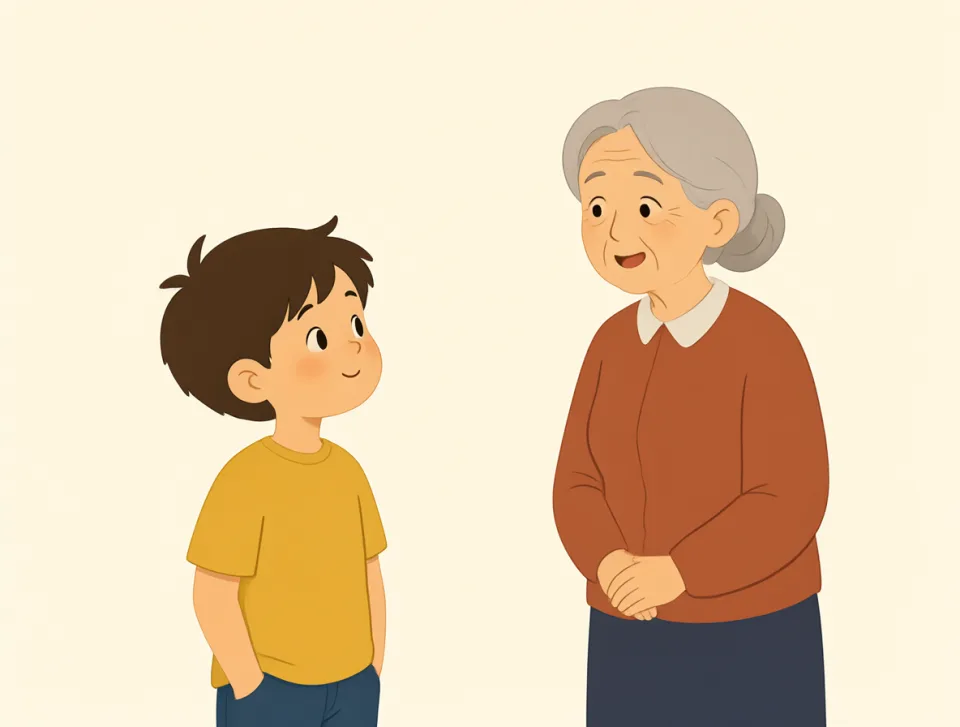
respect
#681noun, verb
احترام گذاشتن
To treat someone politely and kindly, or to admire someone for their qualities.
با کسی مؤدبانه و مهربانانه رفتار کردن یا برای ویژگیهایش او را تحسین کردن.
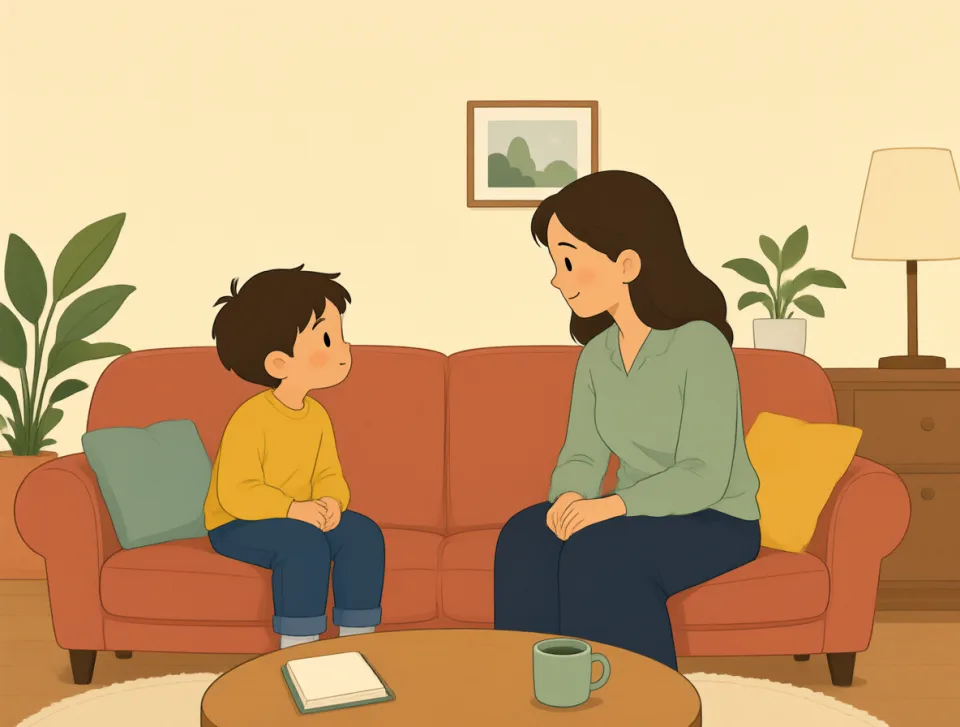
Please respect your parents and teachers.
لطفاً به والدین و معلمهایت احترام بگذار.

We should respect other people's feelings.
باید به احساسات دیگران احترام بگذاریم.

Everyone respects our new team leader.
همه به رهبر جدید تیم ما احترام میگذارند.
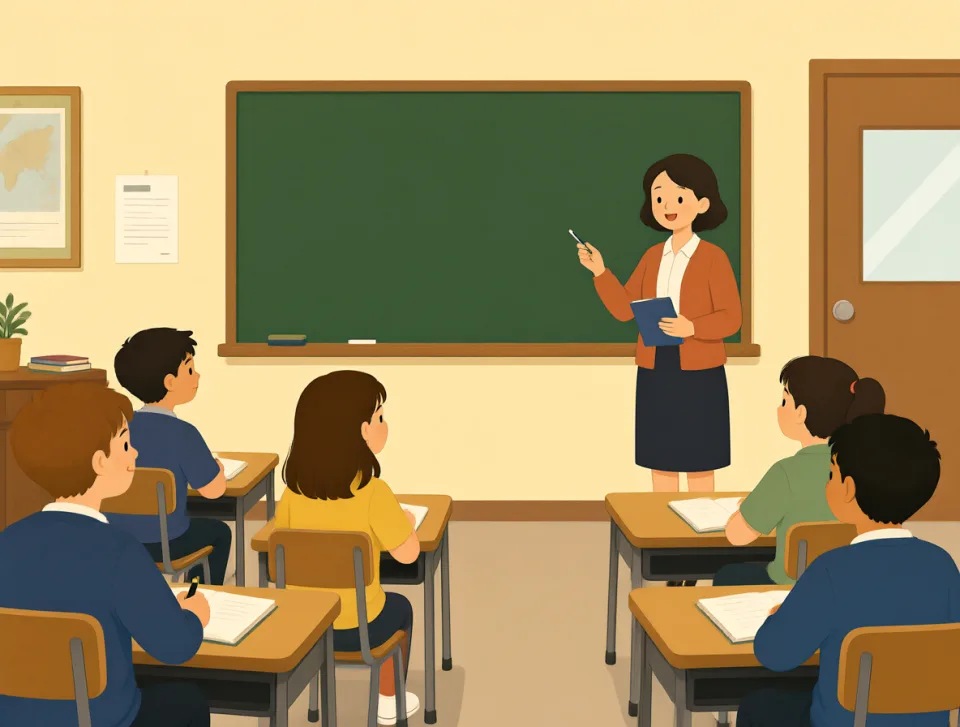
The students respected their teacher's advice.
دانشآموزان به توصیهٔ معلمشان احترام گذاشتند.
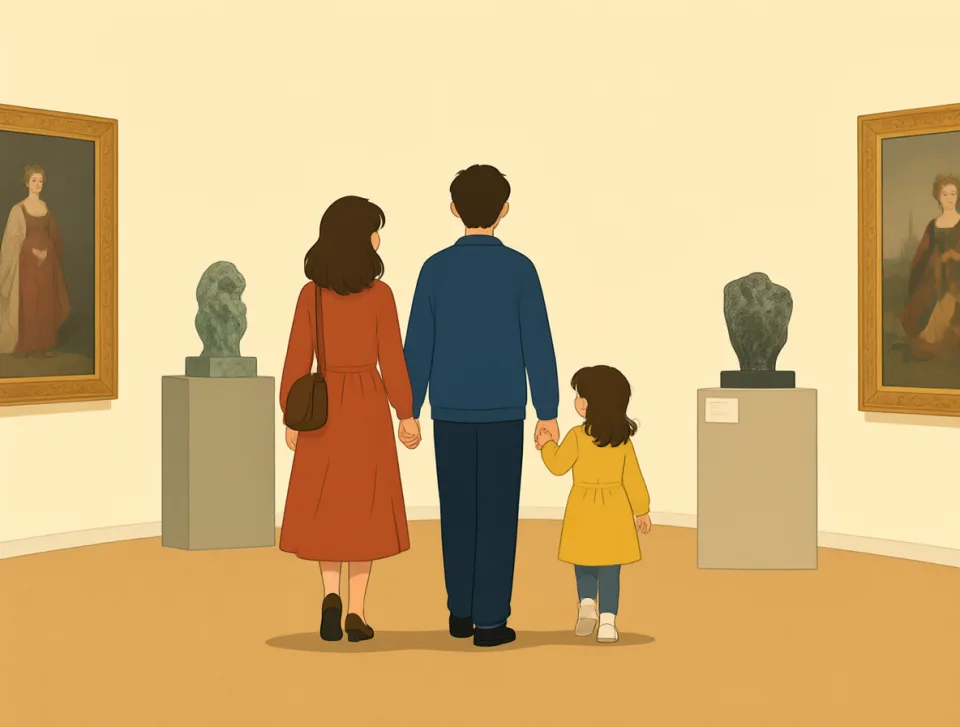
Please respect the museum rules.
لطفاً قوانین موزه را رعایت کن.
various
#682adjective
گوناگون
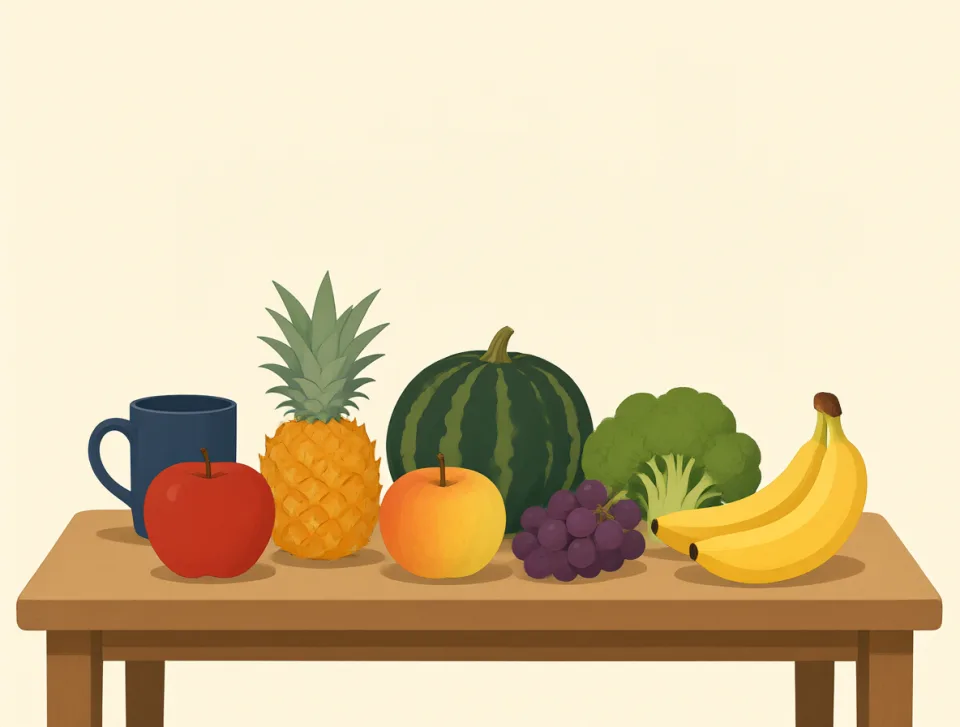
Different from each other, or of several different kinds.
متفاوت از یکدیگر یا شامل چند نوع مختلف.
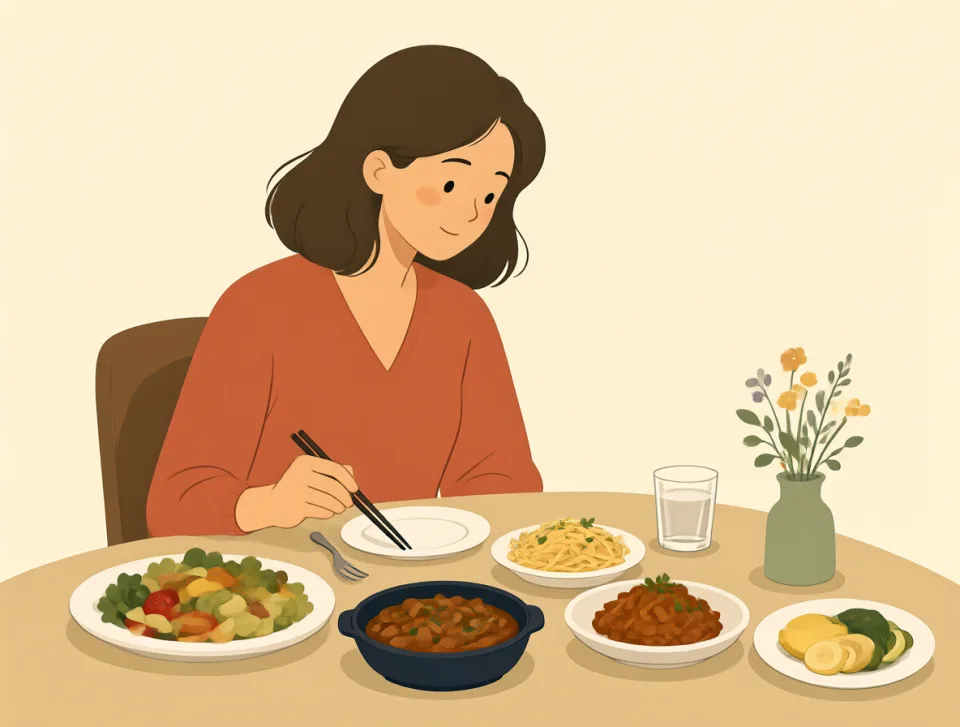
She tried various dishes at the restaurant.
او در رستوران غذاهای گوناگونی را امتحان کرد.
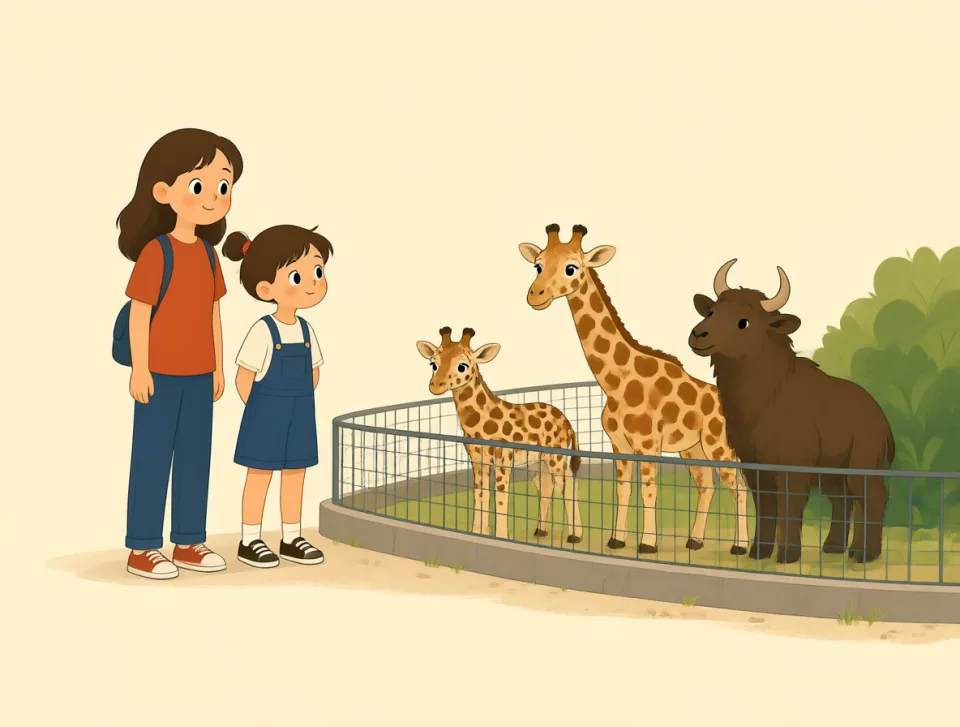
We saw various animals at the zoo.
در باغوحش حیوانات گوناگونی دیدیم.
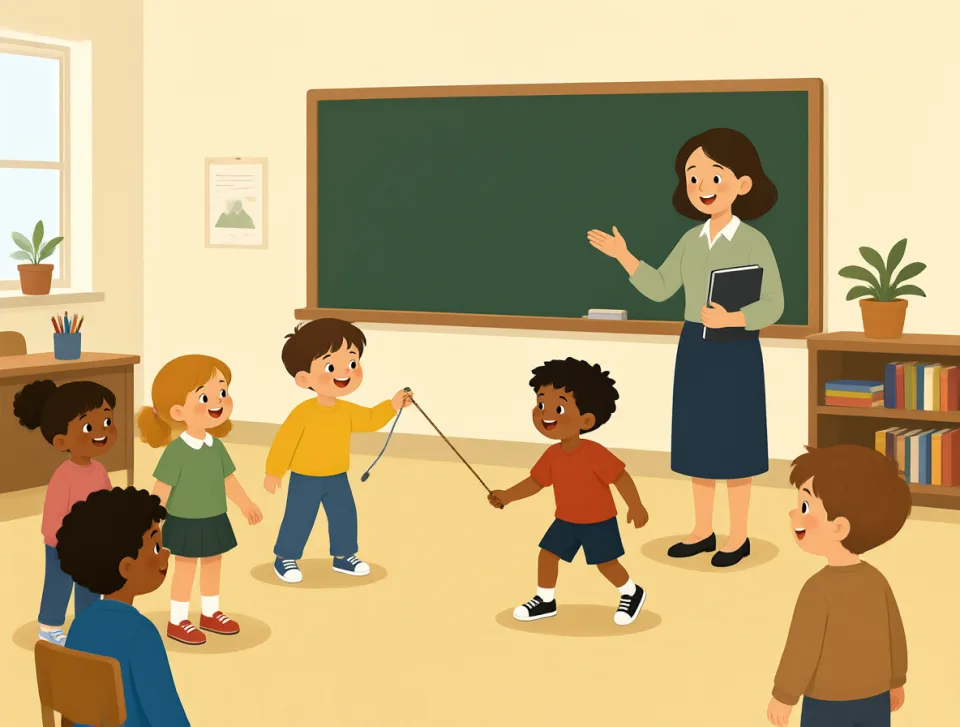
The teacher used various games in class.
معلم در کلاس از بازیهای گوناگونی استفاده کرد.

He bought various clothes for his trip.
او برای سفرش لباسهای مختلفی خرید.

Various friends called me after my accident.
بعد از تصادفم، دوستان مختلفی با من تماس گرفتند.
catch
#683verb, noun
گرفتن
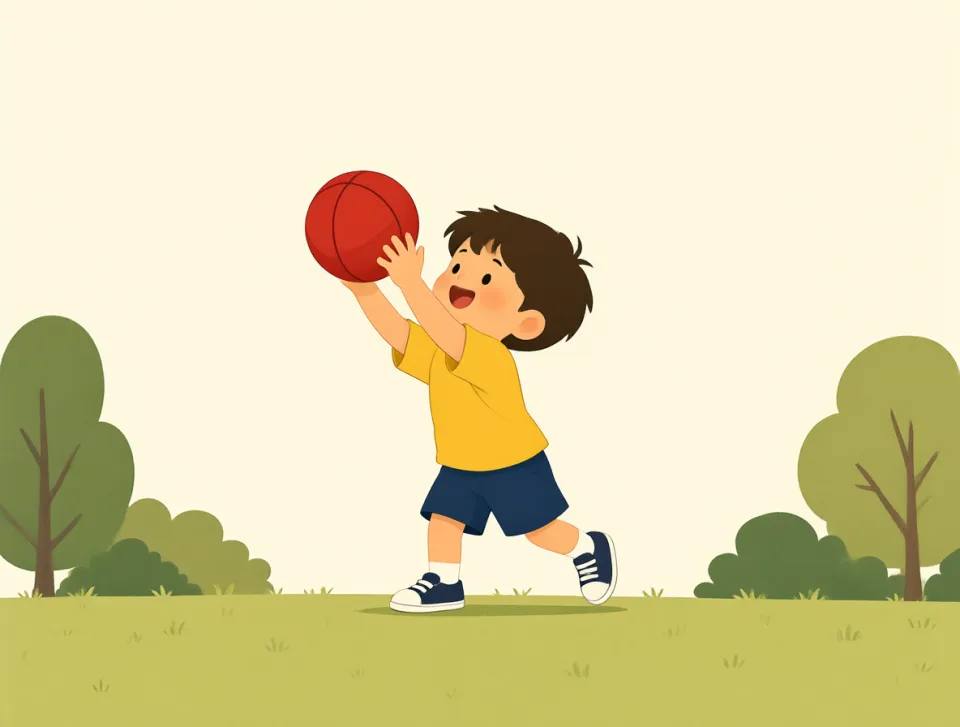
To stop and hold something moving, or to get on a bus or train.
چیزی را که در حال حرکت است متوقف و نگه داشتن، یا سوار اتوبوس یا قطار شدن.
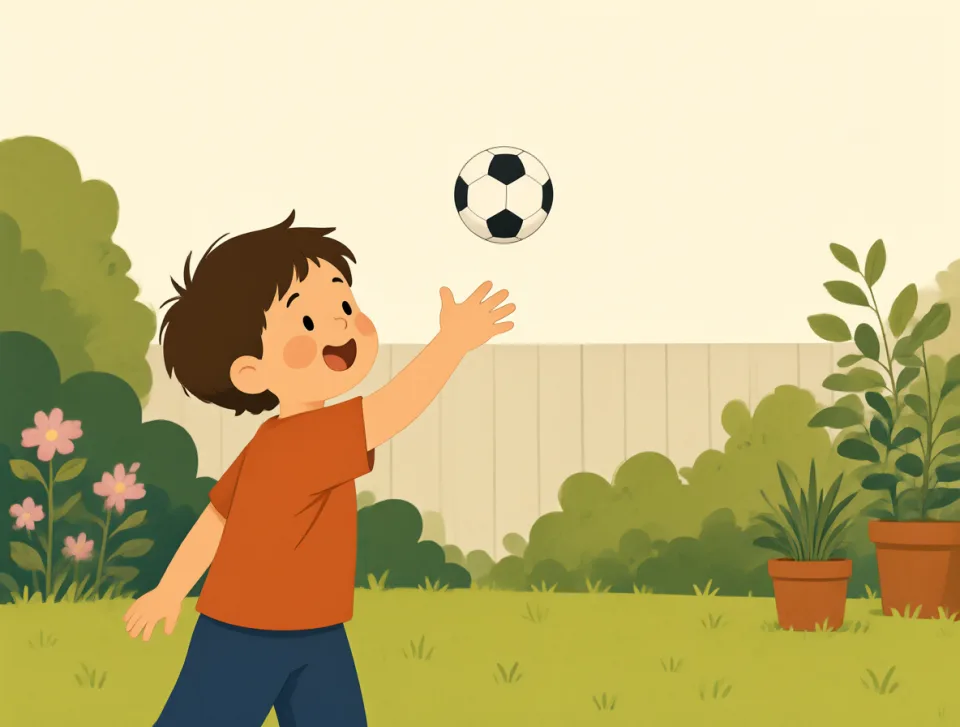
Can you catch the ball?
میتوانی توپ را بگیری؟
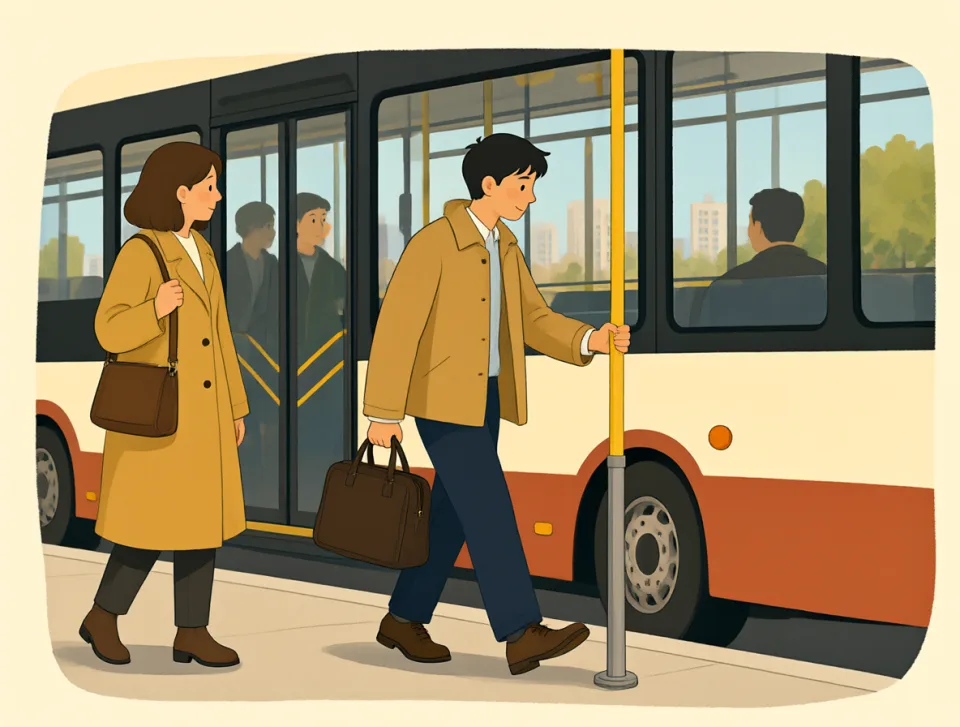
I caught the bus to work.
برای رفتن به محل کار سوار اتوبوس شدم.

She caught a cold last week.
هفتهٔ پیش سرما خوردم.

We caught a fish for dinner.
برای شام یک ماهی گرفتیم.

He caught the waiter’s attention.
او توجه پیشخدمت را جلب کرد.
thus
#684adverb
بنابراین
in this way, or because of this
به این شکل یا بهدلیل این موضوع.
She studied hard and thus passed the test.
او سخت درس خواند و در نتیجه در آزمون قبول شد.
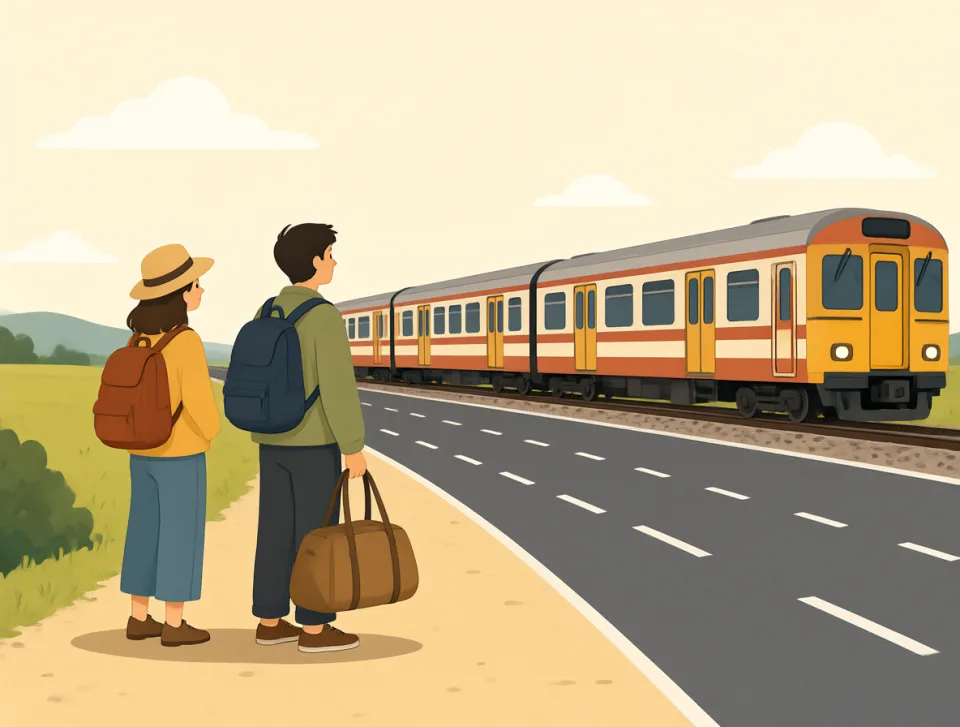
The road was closed, thus we took a train.
جاده بسته بود، بنابراین با قطار رفتیم.
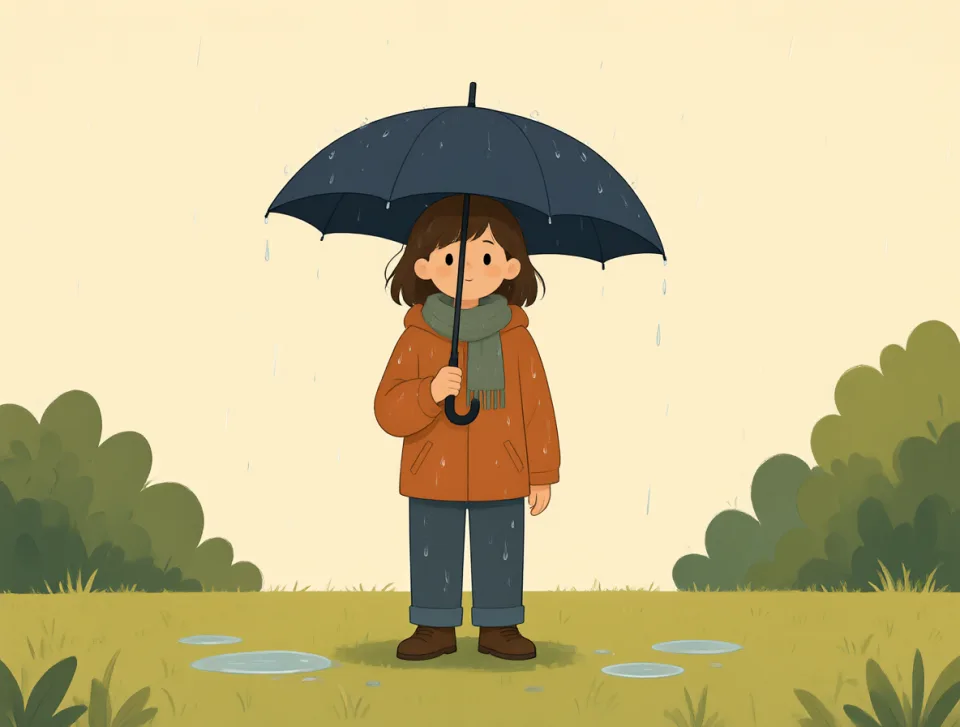
He forgot his umbrella and thus got wet.
او چترش را فراموش کرد و در نتیجه خیس شد.

The shop was busy, thus we waited outside.
مغازه شلوغ بود، بنابراین بیرون منتظر ماندیم.
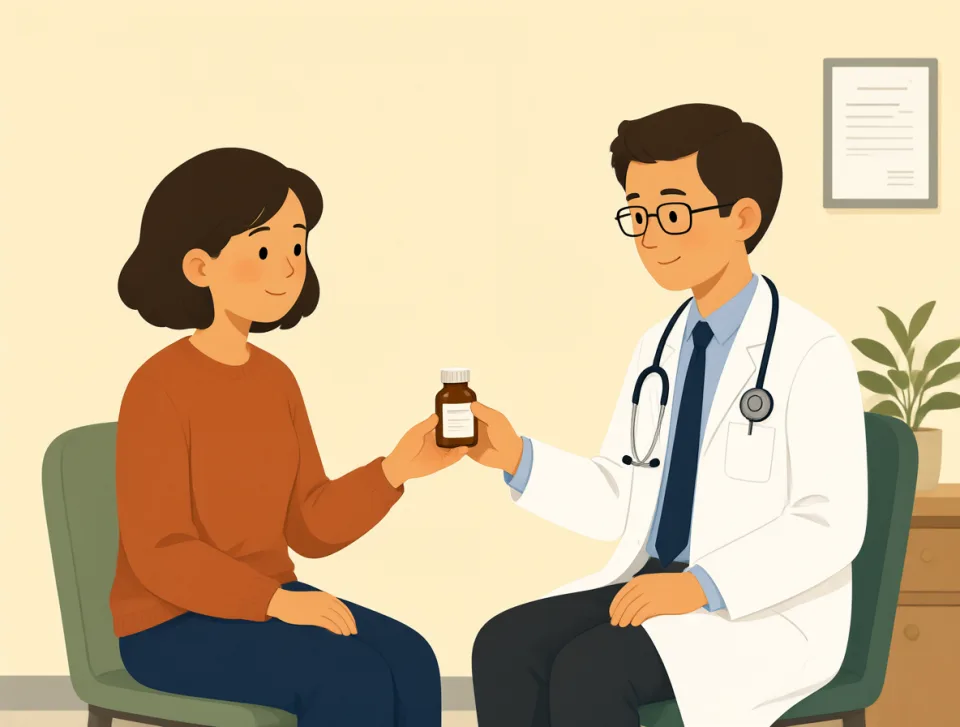
The doctor found an infection and thus gave medicine.
دکتر متوجه عفونت شد و در نتیجه دارو تجویز کرد.

skill
#685noun
مهارت
An ability to do something well, usually because you have learned and practiced it.
توانایی انجام دادن کاری بهخوبی، معمولاً در نتیجهٔ یادگیری و تمرین.
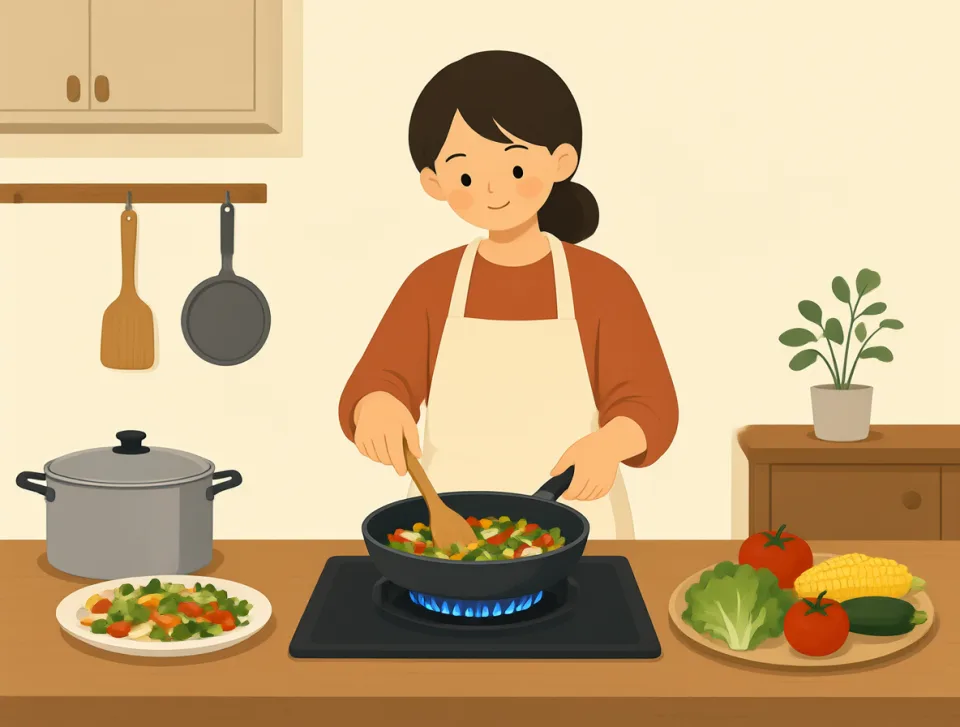
Cooking is an important skill for everyone.
آشپزی مهارت مهمی برای همه است.

She has good computer skills.
او مهارتهای خوبی در کار با رایانه دارد.

He learned the skill of swimming.
او مهارت شنا کردن را یاد گرفت.

The job needs good communication skills.
این شغل به مهارتهای ارتباطی خوبی نیاز دارد.
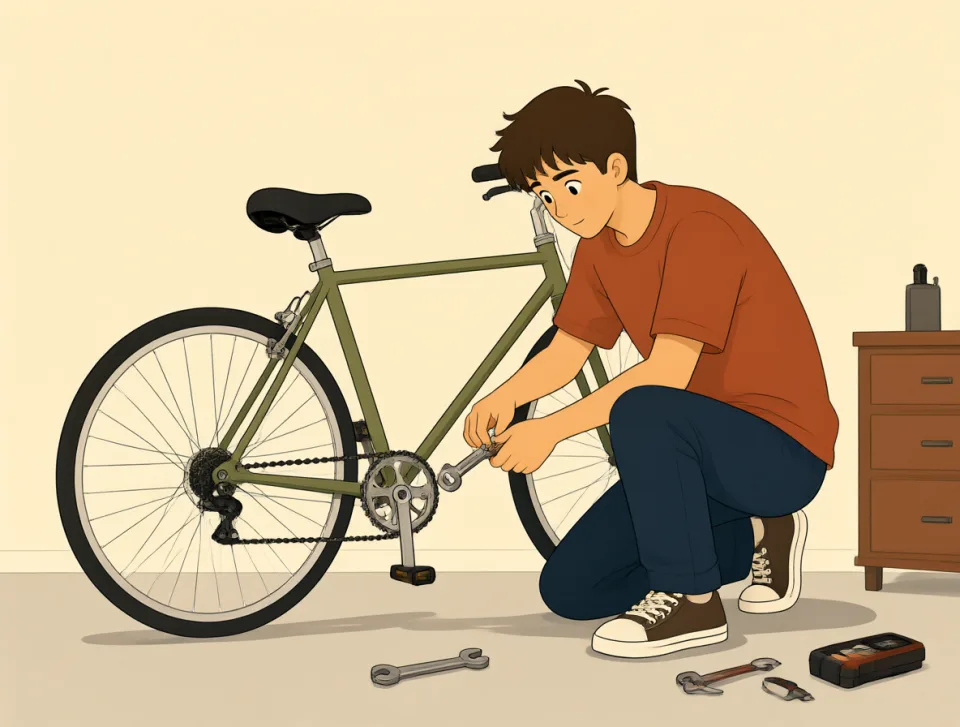
My brother is skilled at fixing bikes.
برادرم در تعمیر دوچرخه مهارت دارد.
attempt
#686noun, verb
تلاش
An effort to do or achieve something, especially when it may be difficult.
کوششی برای انجام دادن یا بهدست آوردن چیزی، بهویژه وقتی ممکن است دشوار باشد.
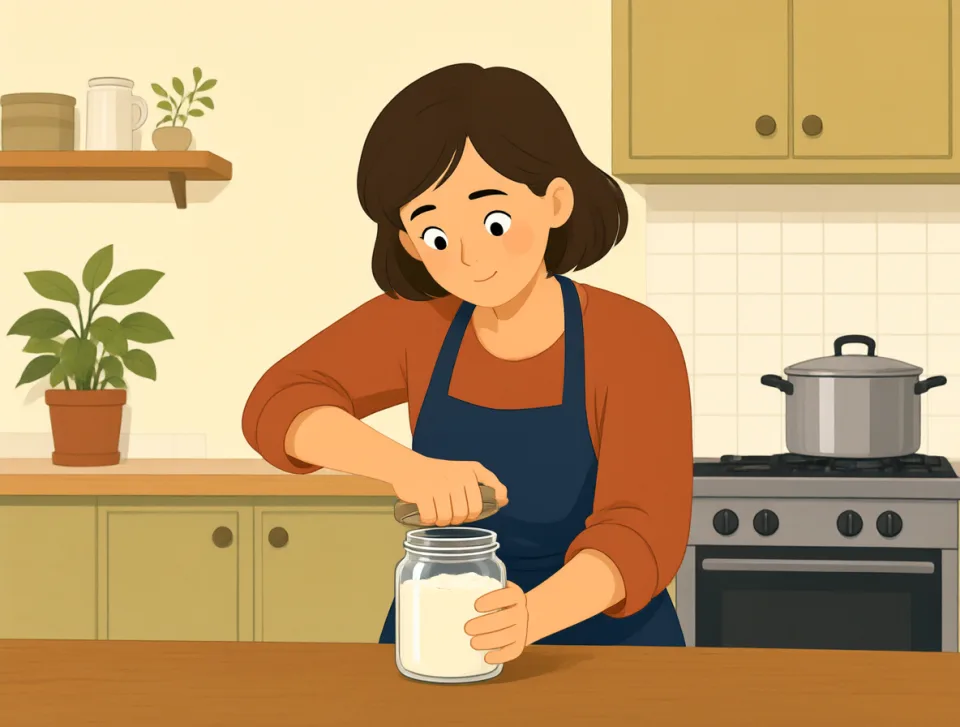
She made an attempt to open the jar.
او تلاش کرد شیشه را باز کند.
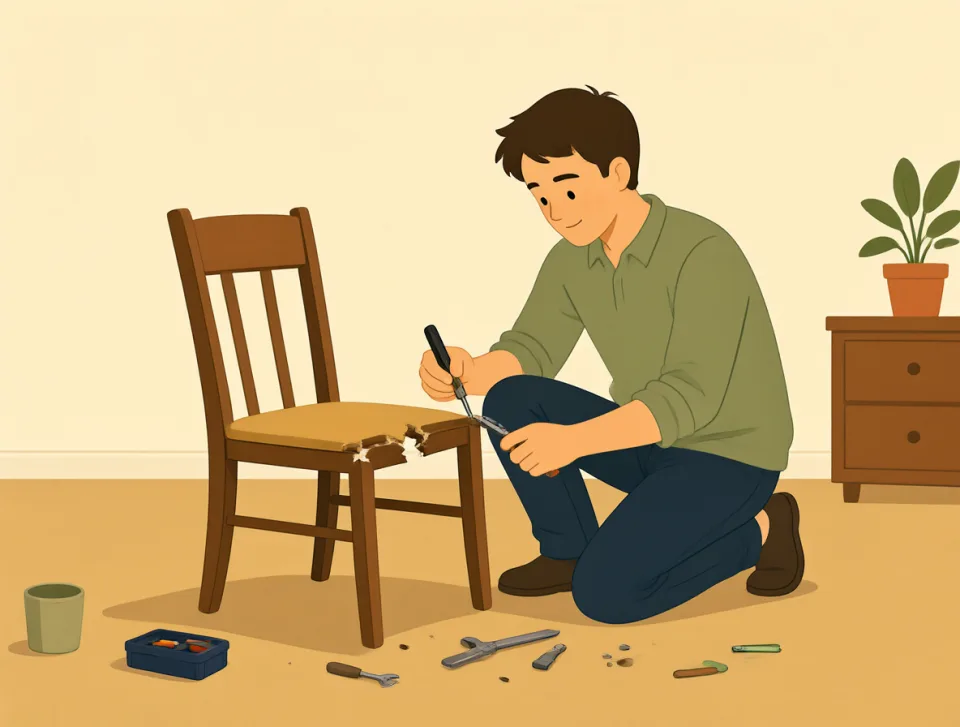
He attempted to fix the broken chair.
او تلاش کرد صندلی شکسته را تعمیر کند.
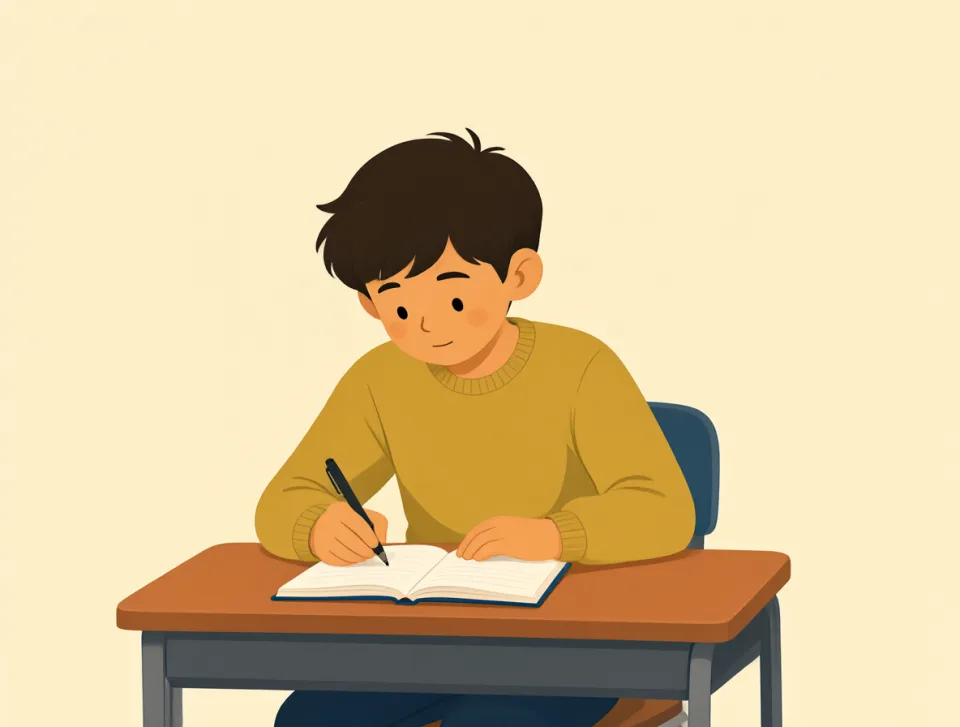
The student attempted the difficult math problem.
دانشآموز تلاش کرد مسئلهٔ ریاضی دشوار را حل کند.
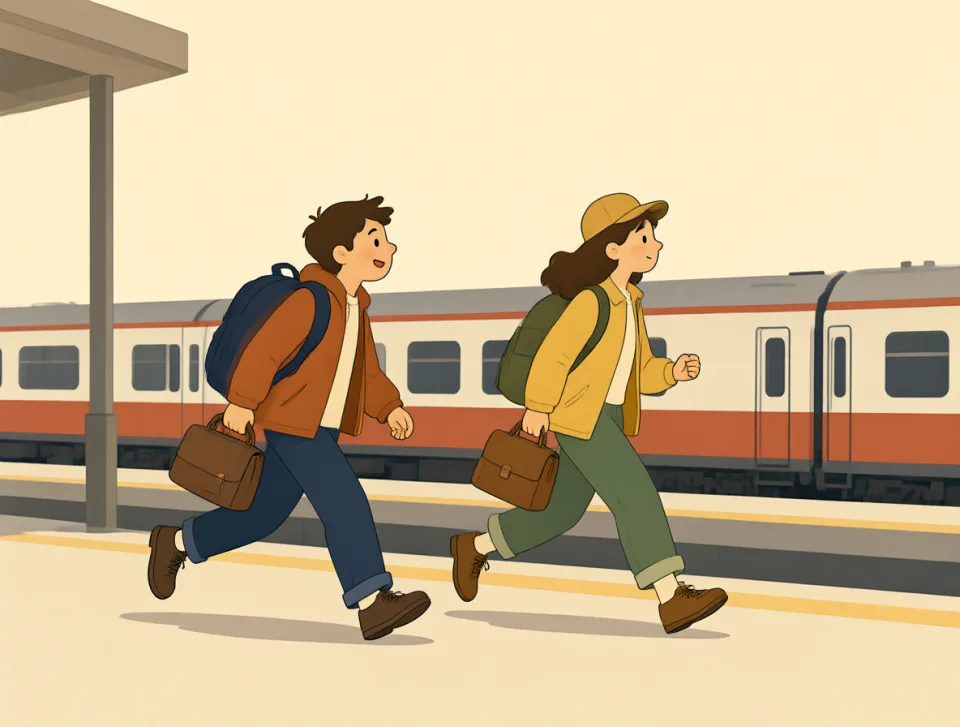
We attempted to catch the early train.
ما تلاش کردیم به قطار زودهنگام برسیم.
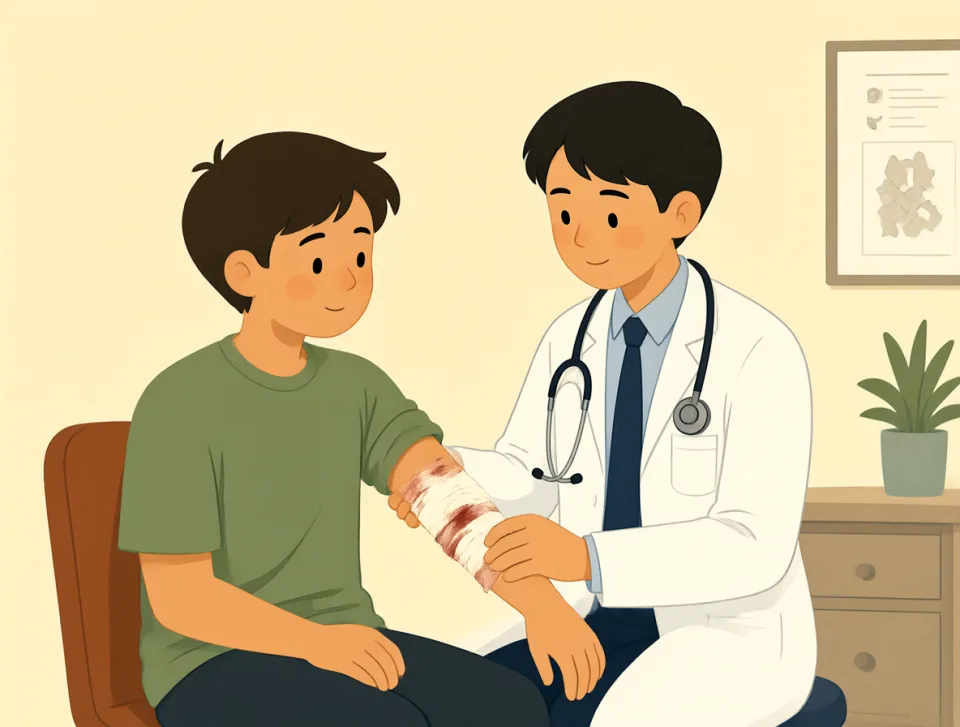
The doctor attempted to stop the bleeding.
پزشک تلاش کرد جلوی خونریزی را بگیرد.
son
#687noun
پسر
A male child in relation to his parents.
فرزند پسر نسبت به پدر و مادرش.
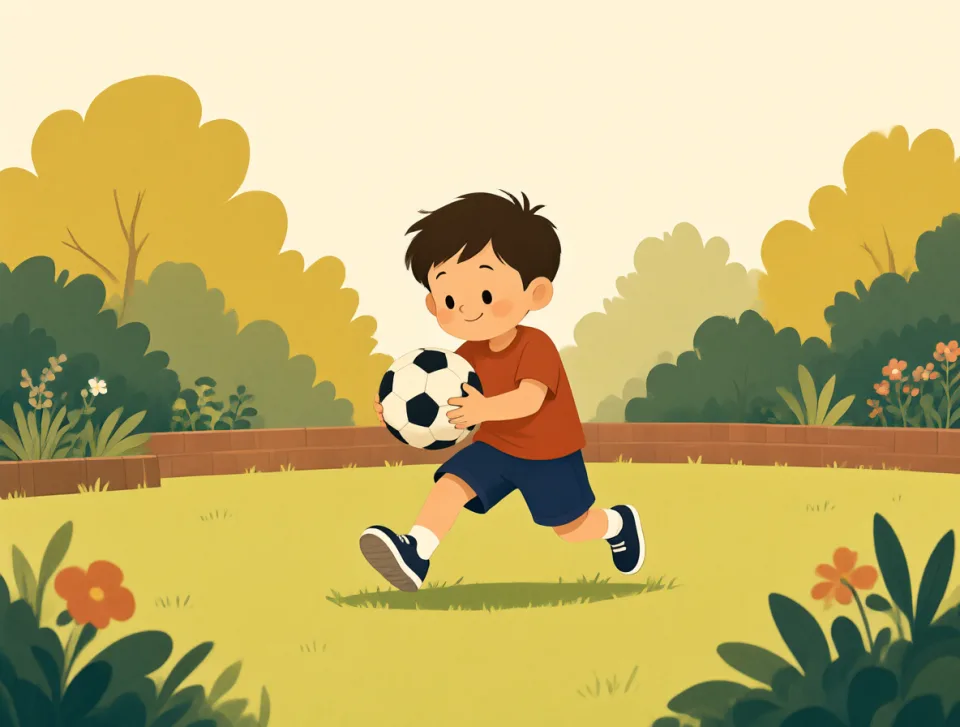
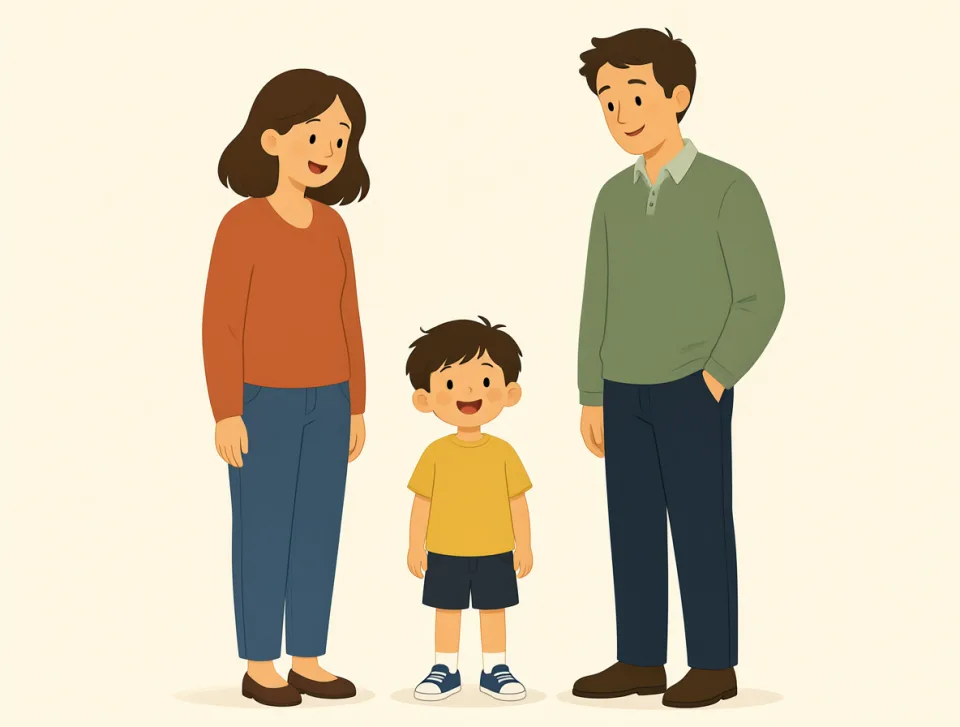
Their son is playing in the garden.
پسرشان در باغ مشغول بازی است.
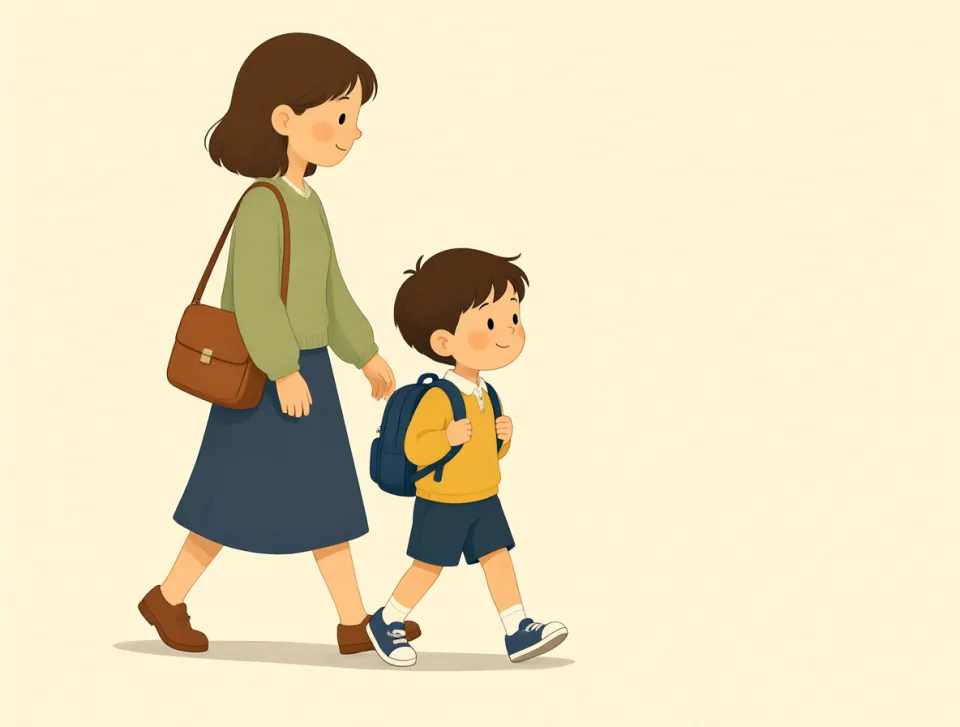
My son started school last year.
پسرم سال گذشته مدرسه را شروع کرد.

Her son works at a local shop.
پسر او در یک مغازهٔ محلی کار میکند.
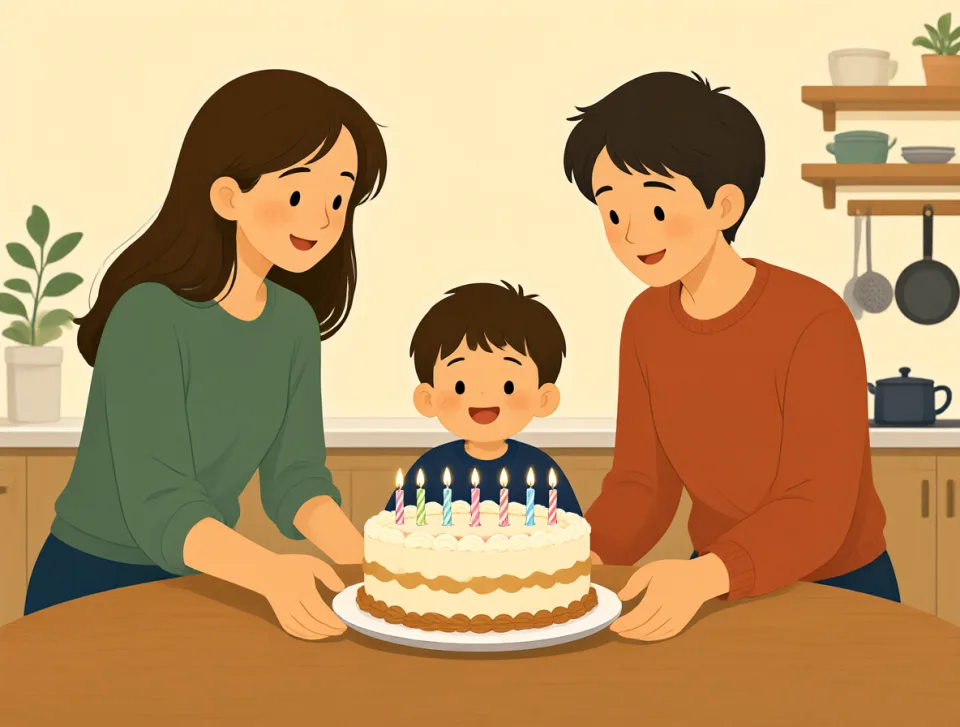
We bought our son a birthday cake.
برای پسرمان کیک تولد خریدیم.

His son was sick in bed yesterday.
پسر او دیروز در رختخواب بیمار بود.
simple
#688adjective
ساده
Easy to understand, do, or use; not complicated.
چیزی که فهمیدن، انجام دادن یا استفاده کردن از آن آسان است و پیچیده نیست.
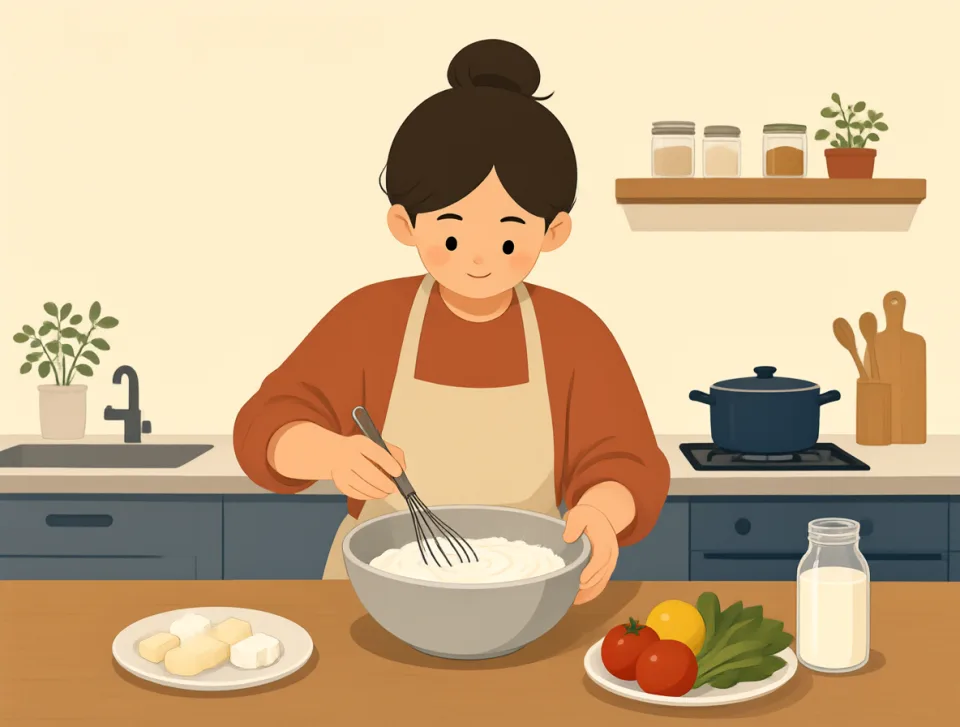
This recipe is simple and quick to make.
درست کردن این غذا ساده و سریع است.

She wore a simple black dress.
او یک لباس مشکی ساده پوشیده بود.
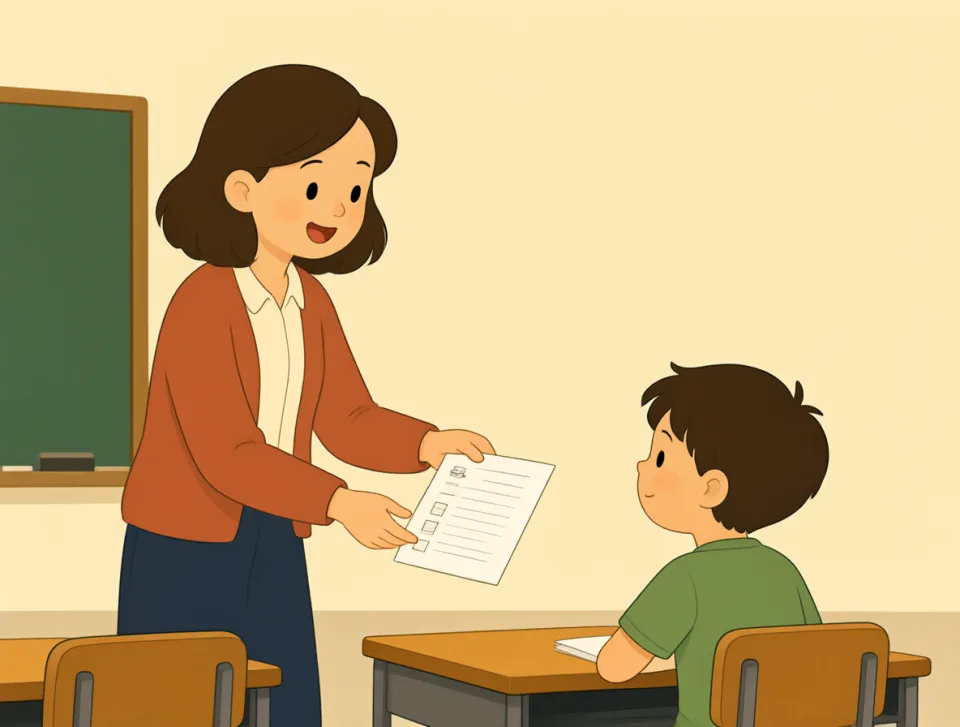
The teacher gave us a simple question.
معلم یک سؤال ساده از ما پرسید.

We need a simple hotel near the station.
ما به یک هتل ساده نزدیک ایستگاه نیاز داریم.

He explained the problem in simple words.
او مسئله را با کلمات ساده توضیح داد.
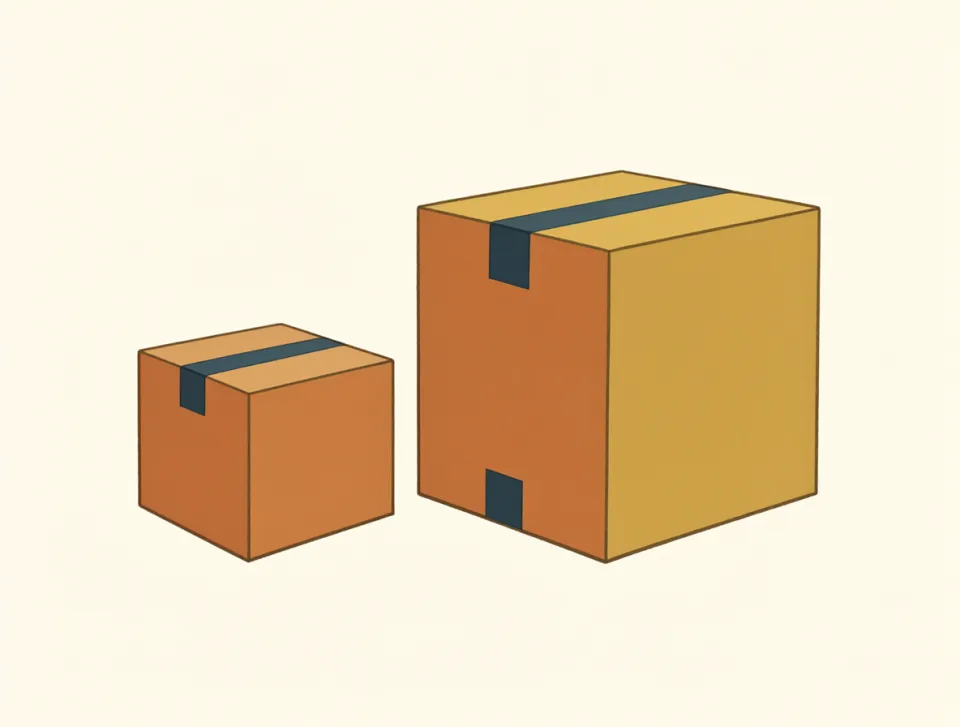
medium
#689adjective, noun
متوسط؛ رسانه
Middle in size, amount, or level; a way to communicate
میانه از نظر اندازه، مقدار یا سطح؛ وسیلهای برای برقراری ارتباط.

She bought a medium shirt at the store.
او از فروشگاه یک پیراهن متوسط خرید.
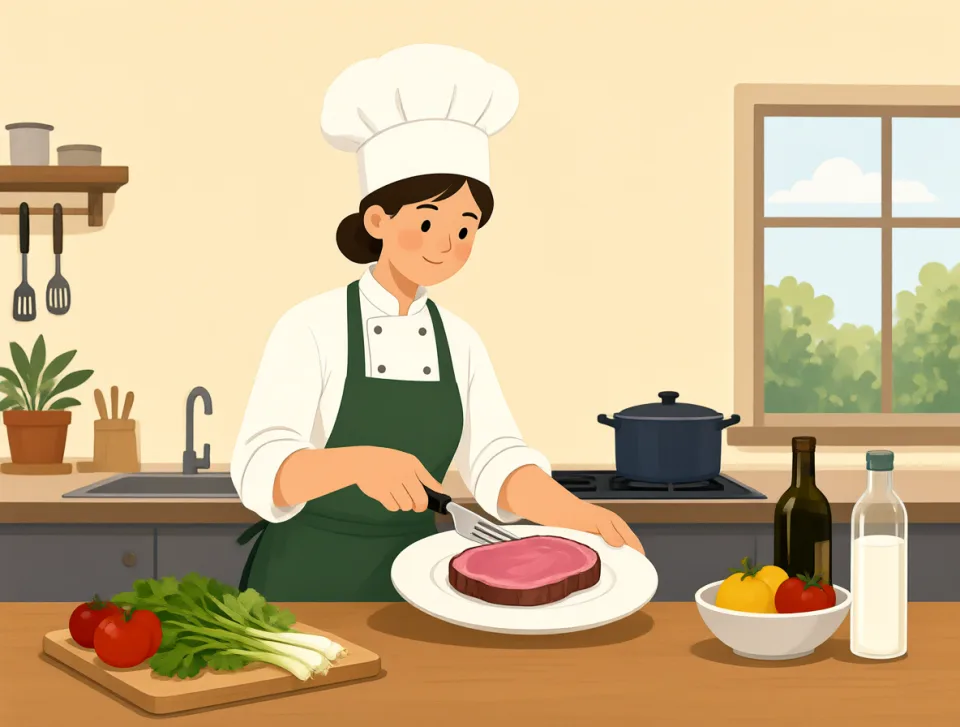
Please cook my steak medium, not well-done.
لطفاً استیک من را متوسط بپزید، نه کاملاً پخته.
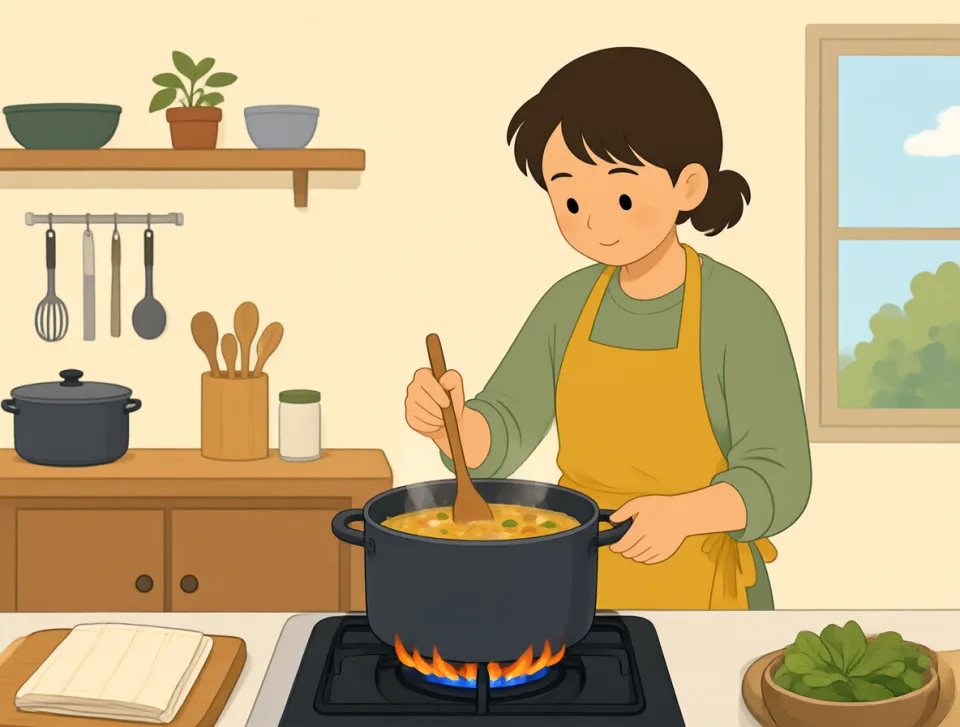
Heat the soup over medium heat.
سوپ را روی حرارت متوسط گرم کنید.

Video calls are a useful medium for friends.
تماسهای ویدئویی وسیلهٔ مفیدی برای ارتباط دوستان هستند.

The artist chose oil as her medium.
این هنرمند رنگ روغن را بهعنوان رسانهٔ هنری خود انتخاب کرد.
average
#690noun, adjective, verb
میانگین؛ معمولی
The usual amount or level; to be usual or typical.
مقدار یا سطح معمول؛ یا چیزی که معمولی و متعارف باشد.
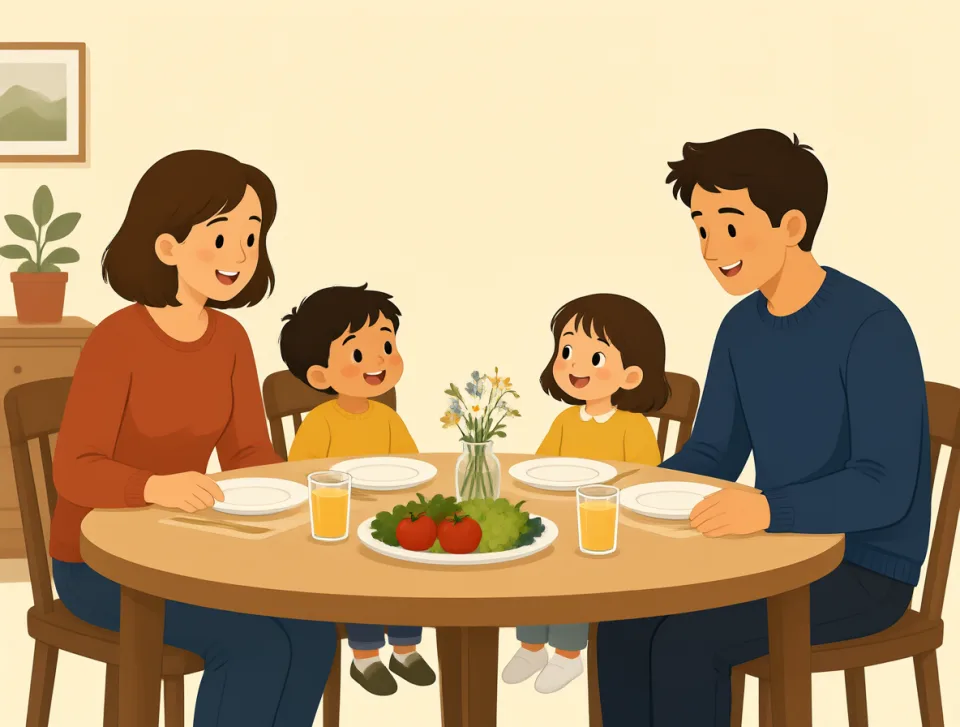
The average family has two children.
خانوادهٔ معمولی دو فرزند دارد.

His test score was above average.
نمرهٔ آزمون او بالاتر از میانگین بود.
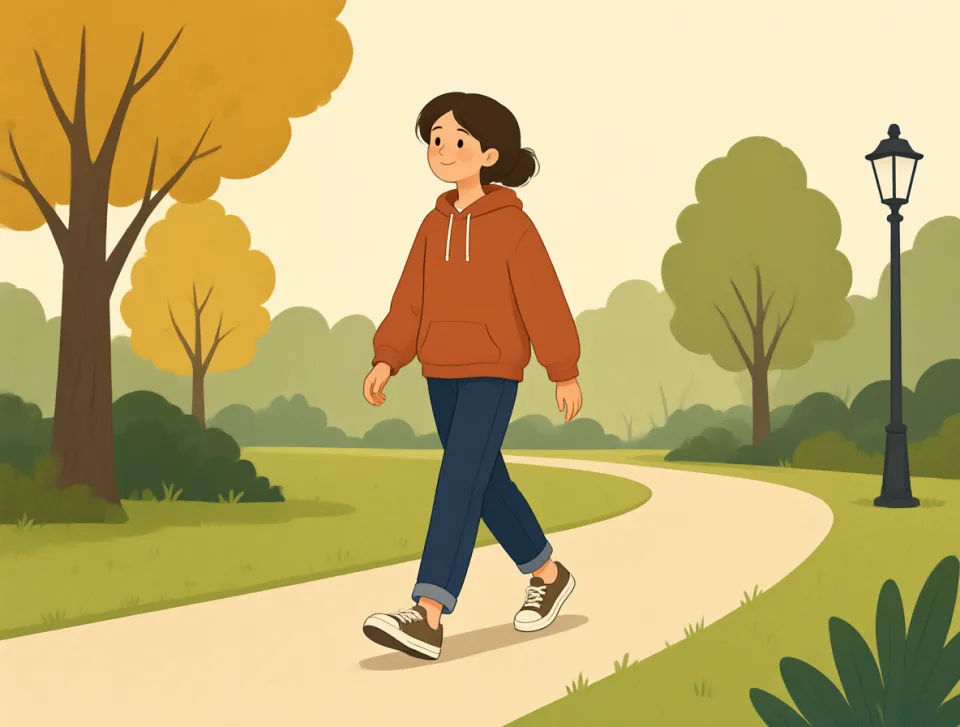
I usually walk an average of three miles.
من معمولاً بهطور میانگین سه مایل پیادهروی میکنم.
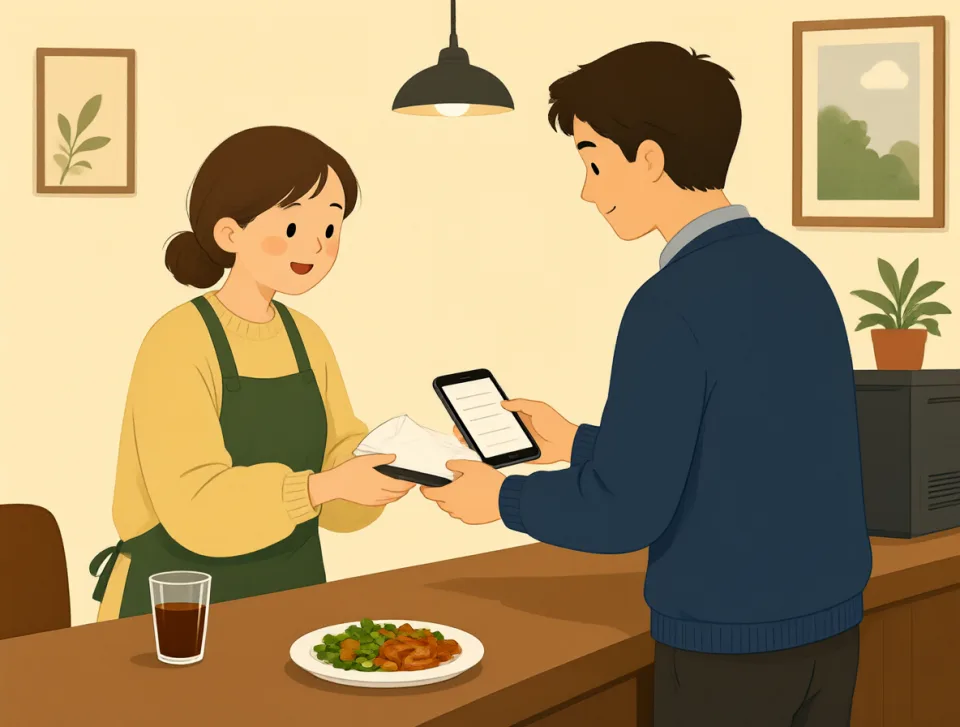
The average price of lunch is ten dollars.
قیمت متوسط ناهار ده دلار است.

She averages seven hours of sleep.
او بهطور میانگین هفت ساعت میخوابد.

stock
#691noun, verb, adjective
موجودی
A supply of goods, company shares, or items kept ready for sale or use.
مقدار کالا، سهام شرکت یا اقلامی که برای فروش یا استفاده آماده نگه داشته میشوند.

The store has plenty of stock today.
امروز فروشگاه موجودی زیادی دارد.
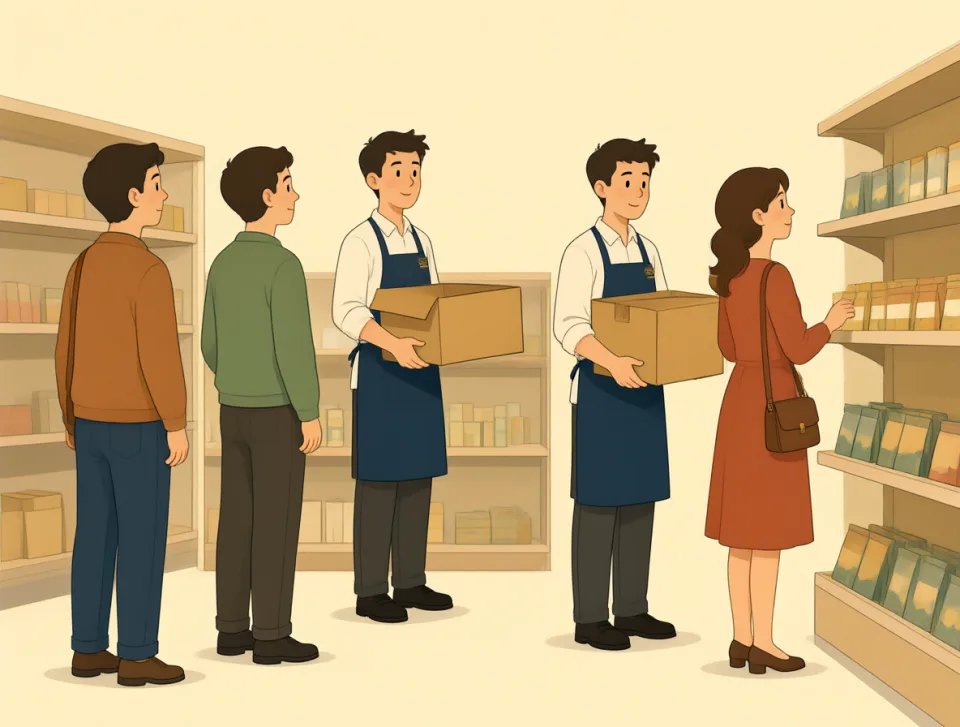
The shop sold out of stock quickly.
موجودی فروشگاه خیلی زود تمام شد.

She bought stock in a technology company.
او سهام یک شرکت فناوری را خرید.
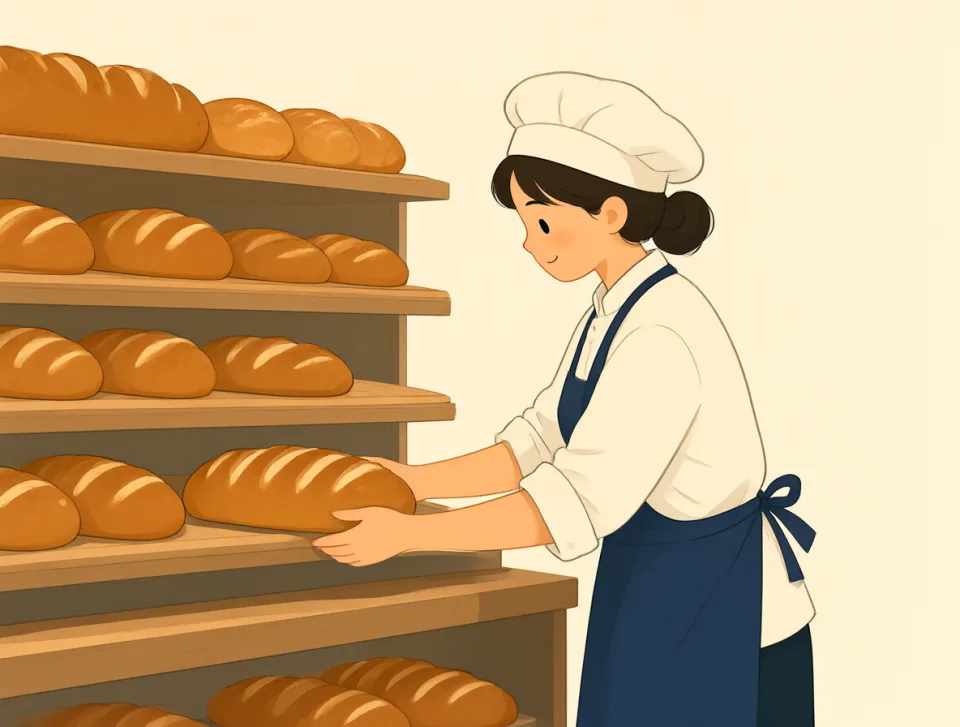
We stock fresh bread every morning.
ما هر روز صبح نان تازه برای فروش عرضه میکنیم.
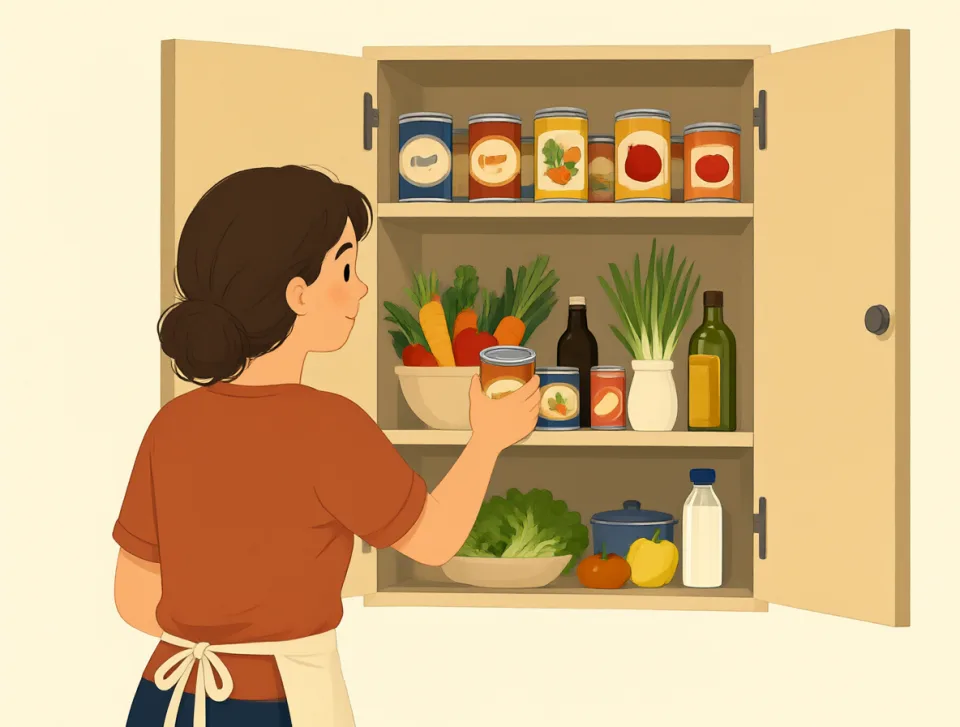
The kitchen has enough stock for dinner.
آشپزخانه مواد غذایی کافی برای شام دارد.
management
#692noun
مدیریت
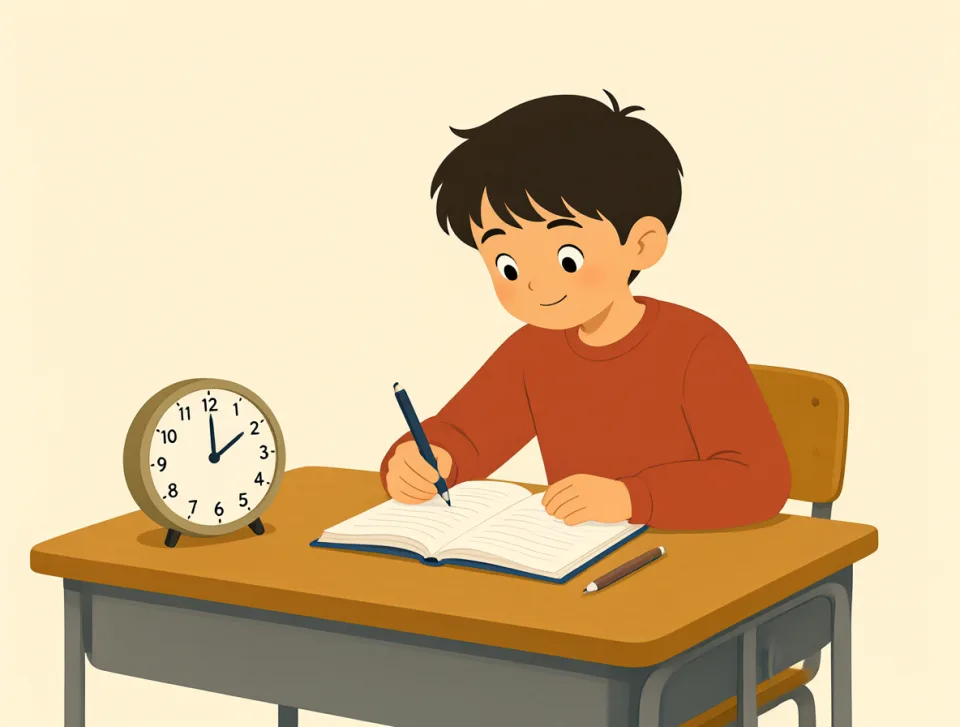
The process of controlling or organizing people, money, or work.
فرایند کنترل یا سازماندهی افراد، پول یا کار.
Good time management helps me finish my homework.
مدیریت خوب زمان کمکم میکند تکالیفم را تمام کنم.

The store management thanked us for our help.
مدیریت فروشگاه از ما بابت کمکمان تشکر کرد.

She studied hotel management at college.
او در دانشگاه مدیریت هتل خواند.

Stress management can improve your health.
مدیریت استرس میتواند سلامتتان را بهتر کند.
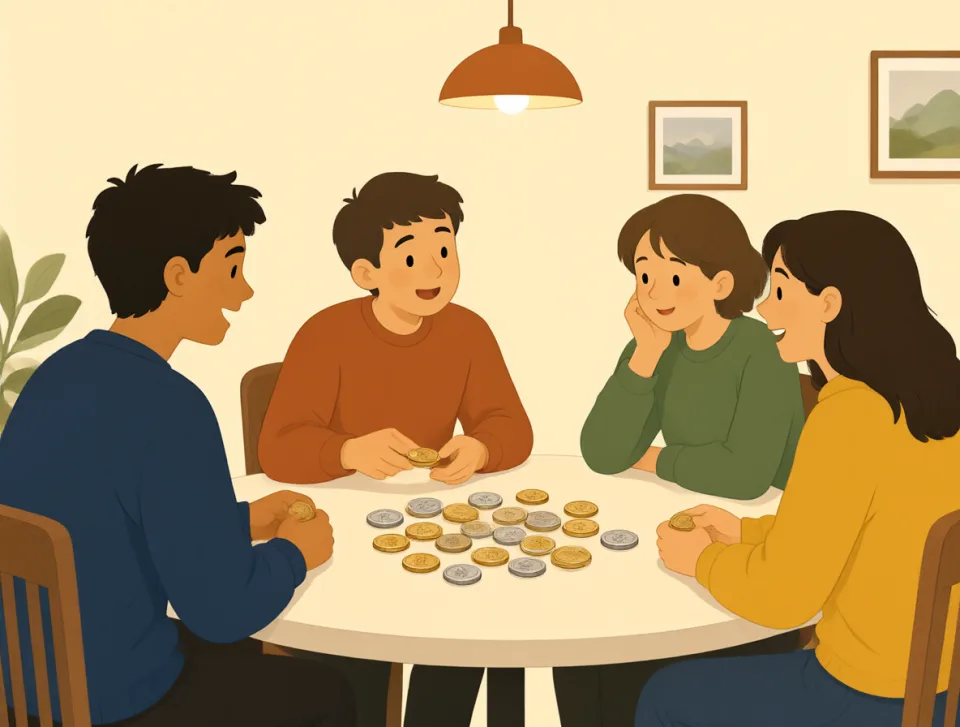
The team discussed money management after dinner.
تیم بعد از شام درباره مدیریت پول صحبت کرد.
character
#693noun
شخصیت
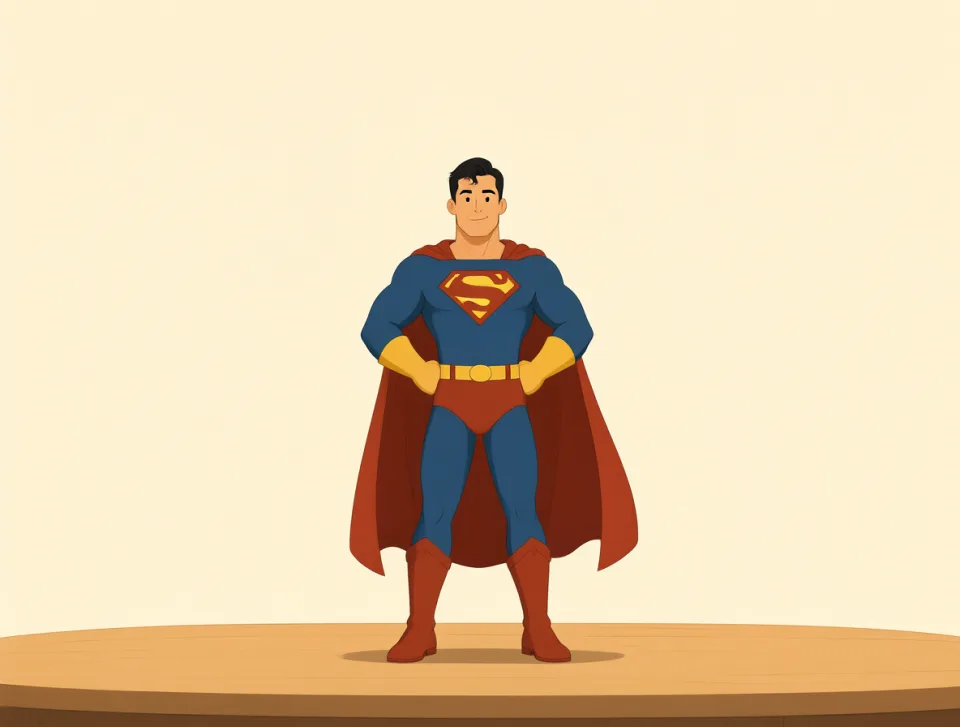
A person in a story, movie, or play.
فردی در یک داستان، فیلم یا نمایش.
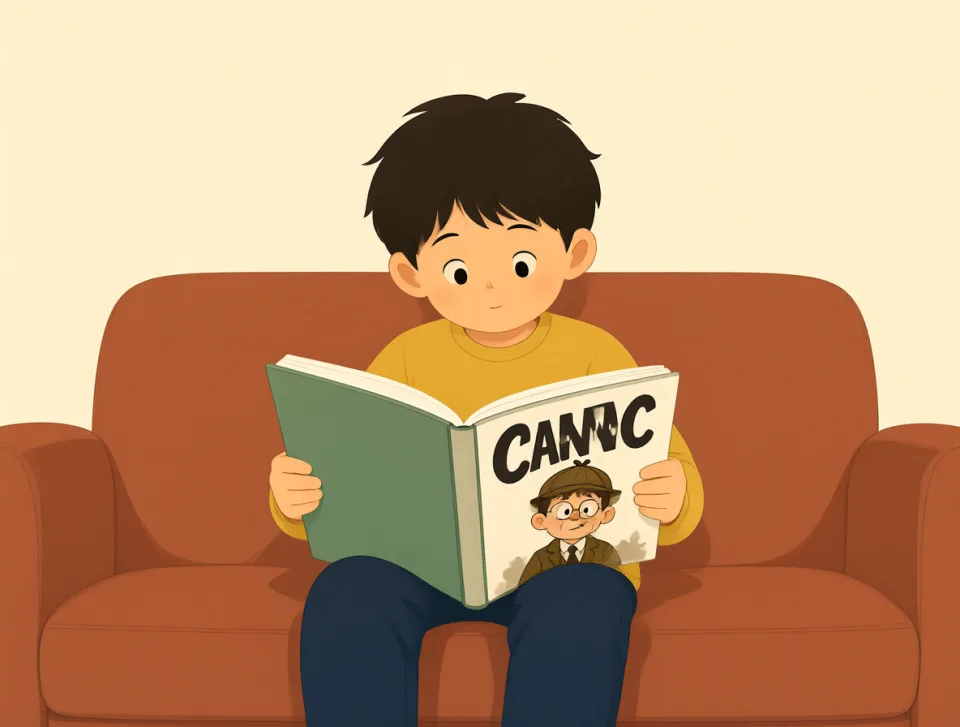
My favorite character is a funny detective.
شخصیت محبوبم یک کارآگاه بامزه است.
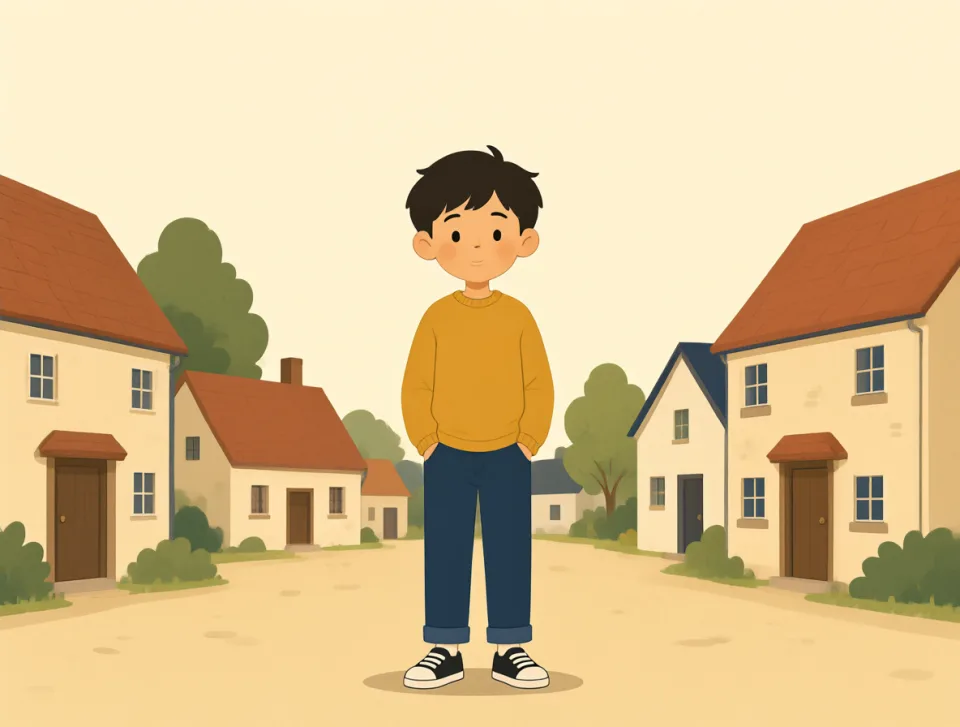
The main character lives in a small village.
شخصیت اصلی در روستای کوچکی زندگی میکند.
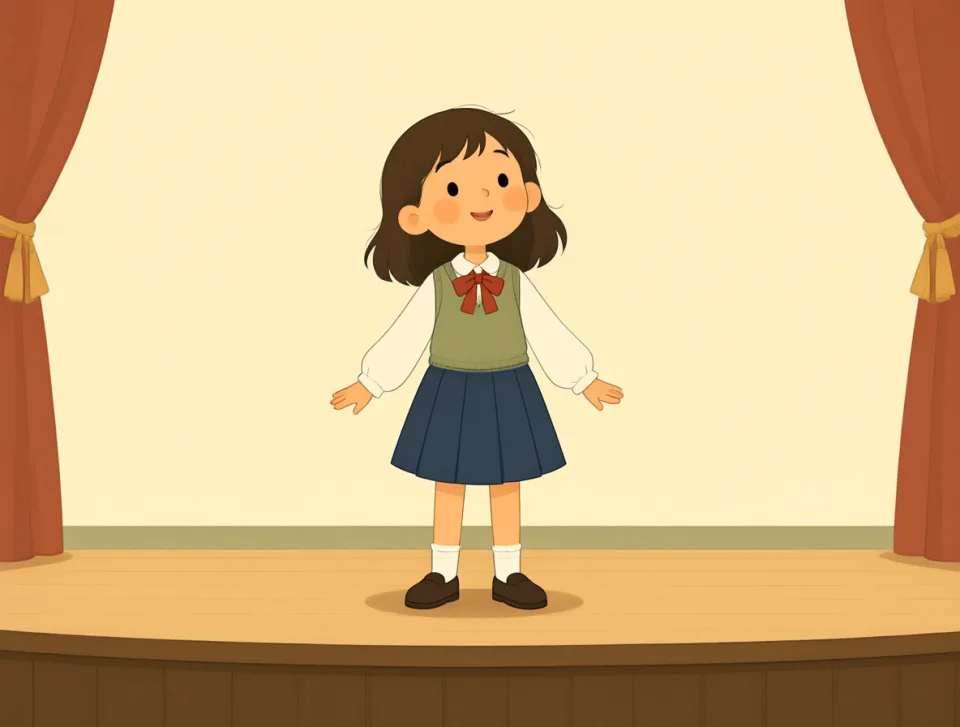
She played a character in the school play.
او در نمایش مدرسه نقش یک شخصیت را بازی کرد.
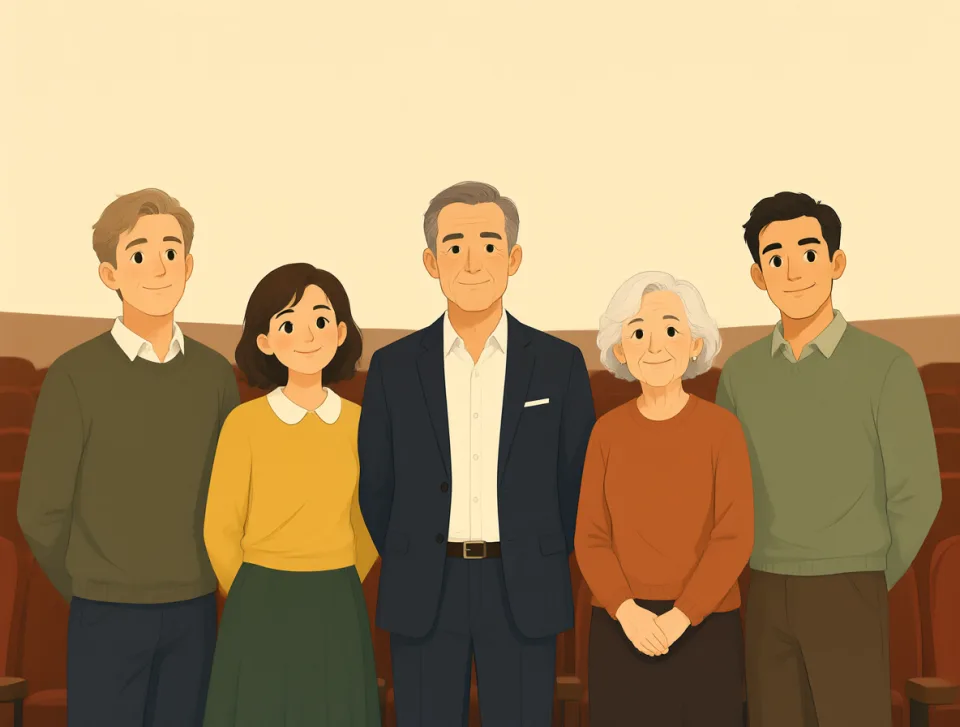
The movie has many interesting characters.
این فیلم شخصیتهای جالب زیادی دارد.

His character changed after the difficult journey.
شخصیت او بعد از آن سفر دشوار تغییر کرد.

bed
#694noun, verb
تخت
A piece of furniture for sleeping, or to put something carefully in a place.
وسیلهای برای خوابیدن، یا قرار دادن چیزی با دقت در جایی.

I go to bed at ten o'clock.
ساعت ده به رختخواب میروم.

The baby is sleeping in her bed.
نوزاد در تختش خوابیده است.

We need a bigger bed for our room.
برای اتاقمان به تخت بزرگتری نیاز داریم.

He stayed in bed because he felt sick.
چون حالش بد بود، در تخت ماند.
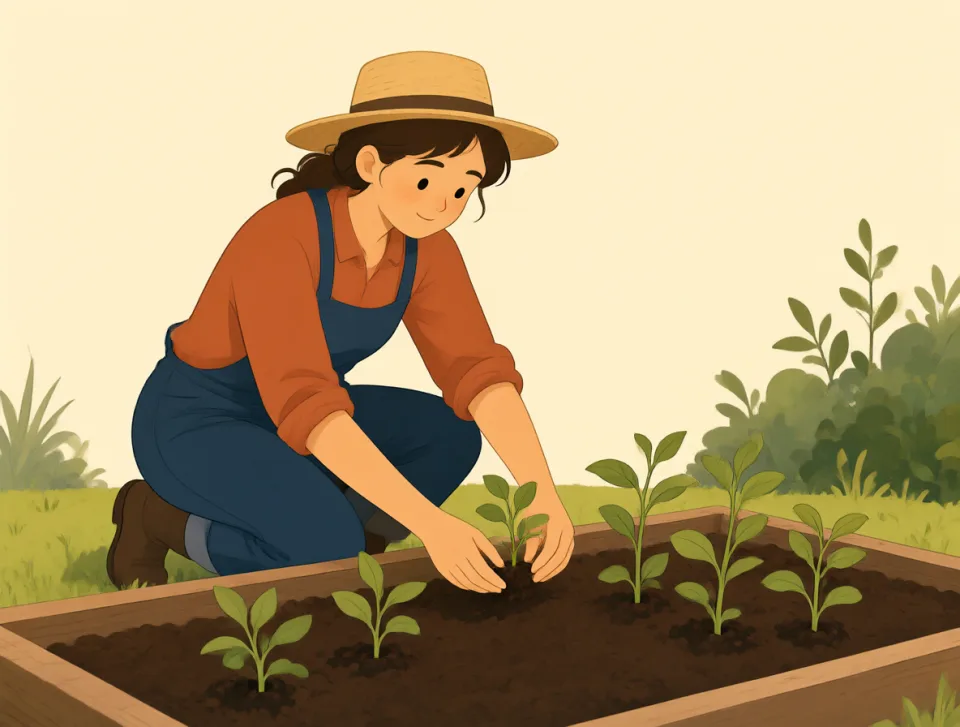
Please bed the plants in the garden.
لطفاً گیاهان را در باغ بکارید.
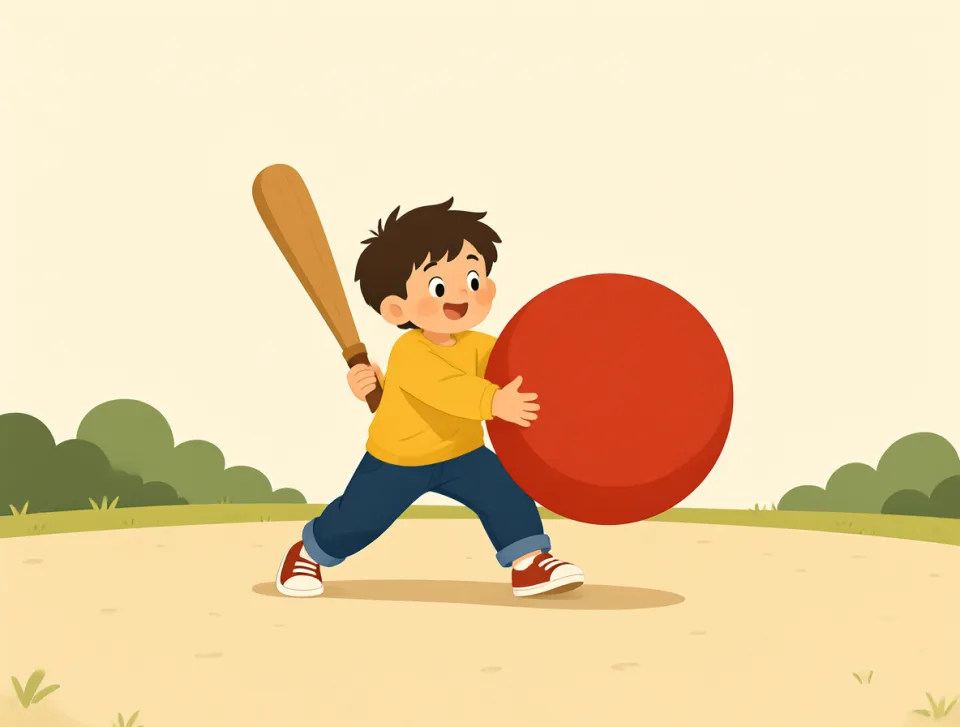
hit
#695verb, noun
برخورد کردن؛ زدن
to touch someone or something hard, or to reach a place or target
محکم به کسی یا چیزی برخورد کردن، یا به مکانی یا هدفی رسیدن.
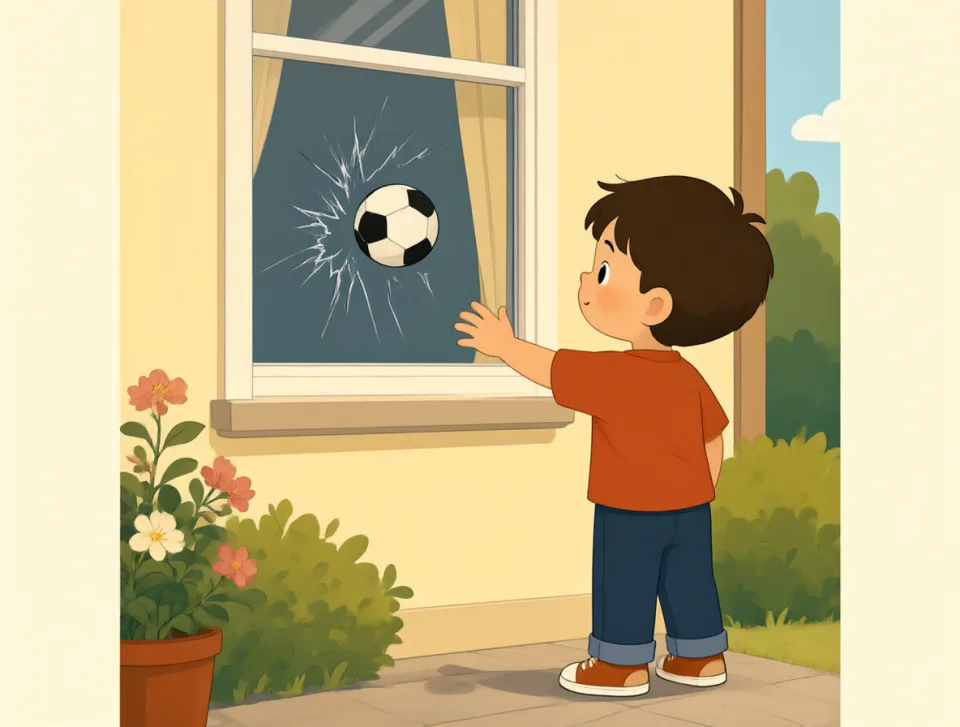
The ball hit the window this morning.
توپ امروز صبح به پنجره برخورد کرد.

She hit her head on the door.
سرش به در خورد.
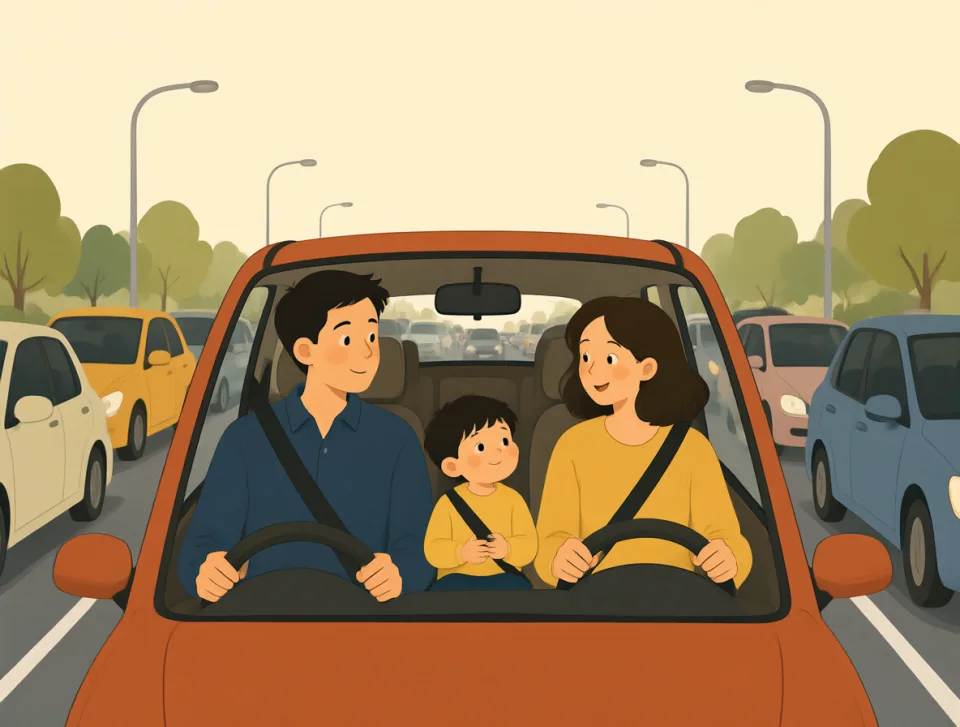
We hit heavy traffic on the way home.
در راه خانه به ترافیک سنگینی برخورد کردیم.
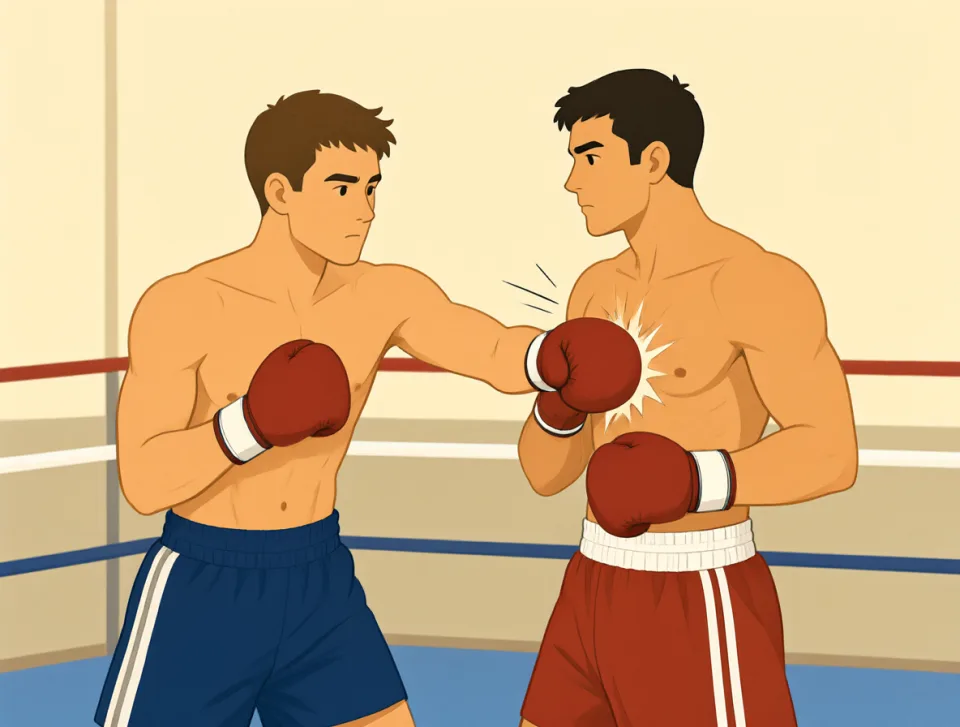
The boxer hit his opponent in the stomach.
بوکسور به شکم حریفش ضربه زد.

That song was a big hit last summer.
آن آهنگ تابستان گذشته خیلی پرطرفدار شد.
establish
#696verb
ایجاد کردن
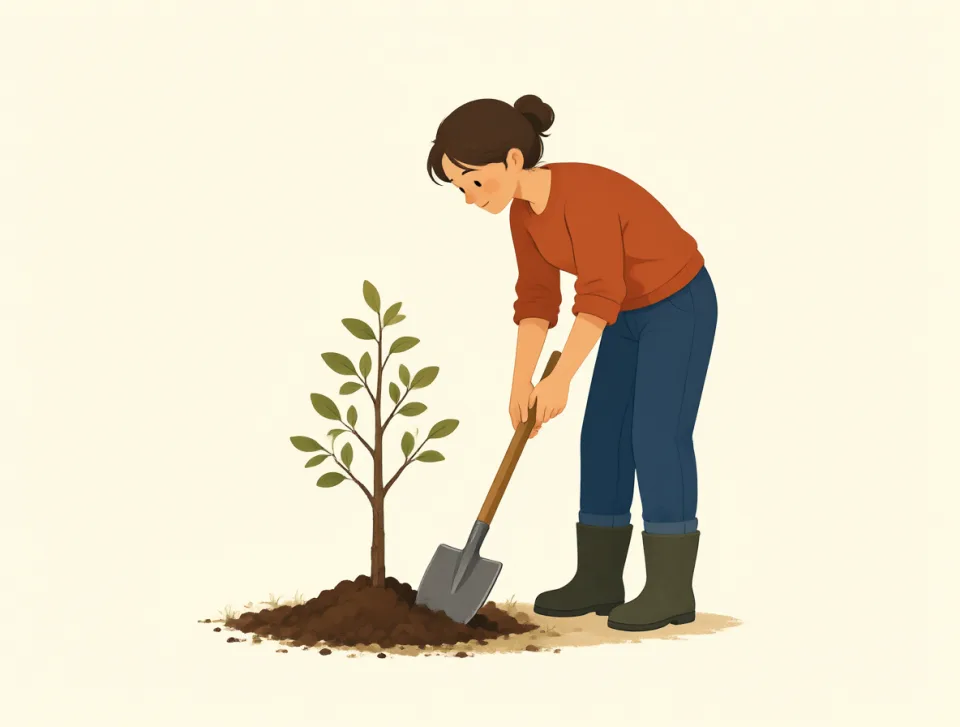
to create or start something that will continue for a long time
چیزی را ایجاد یا آغاز کردن که برای مدت طولانی ادامه پیدا کند

They established a new school in our town.
آنها در شهر ما مدرسهٔ جدیدی تأسیس کردند.

She established a good relationship with her neighbors.
او با همسایههایش رابطهٔ خوبی برقرار کرد.
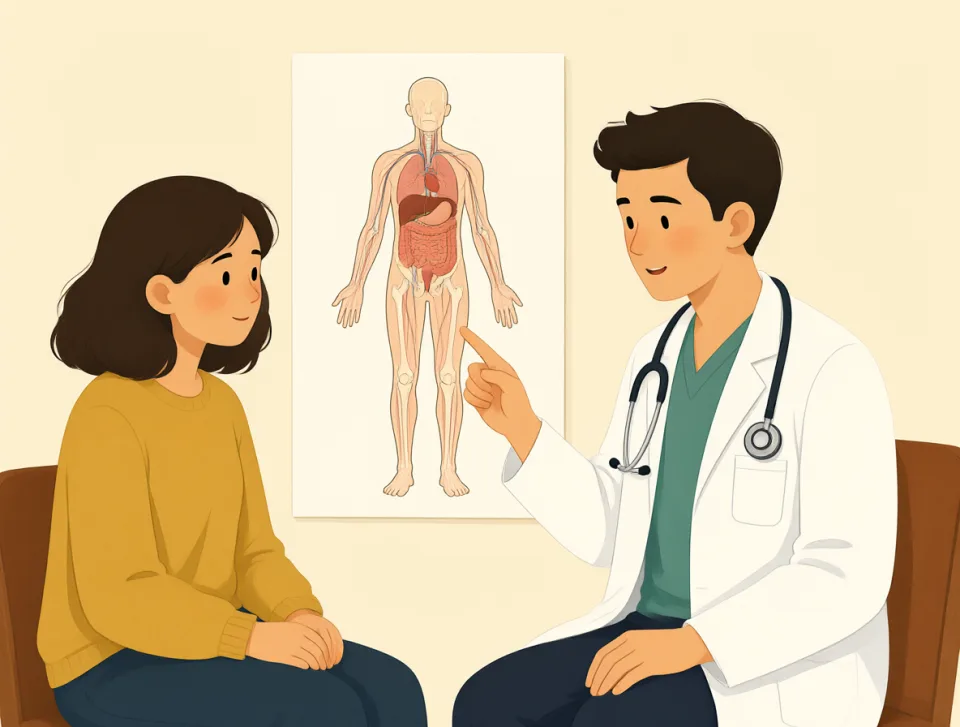
The doctor established the cause of his pain.
دکتر علت دردش را تشخیص داد.

We established a meeting time for tomorrow.
برای فردا زمان جلسه را تعیین کردیم.

The chef established a popular restaurant downtown.
سرآشپز رستوران محبوبی در مرکز شهر راهاندازی کرد.
indeed
#697adverb
واقعاً
Used to emphasize that something is true or to agree with someone.
برای تأکید بر درست بودن چیزی یا موافقت با کسی به کار میرود.
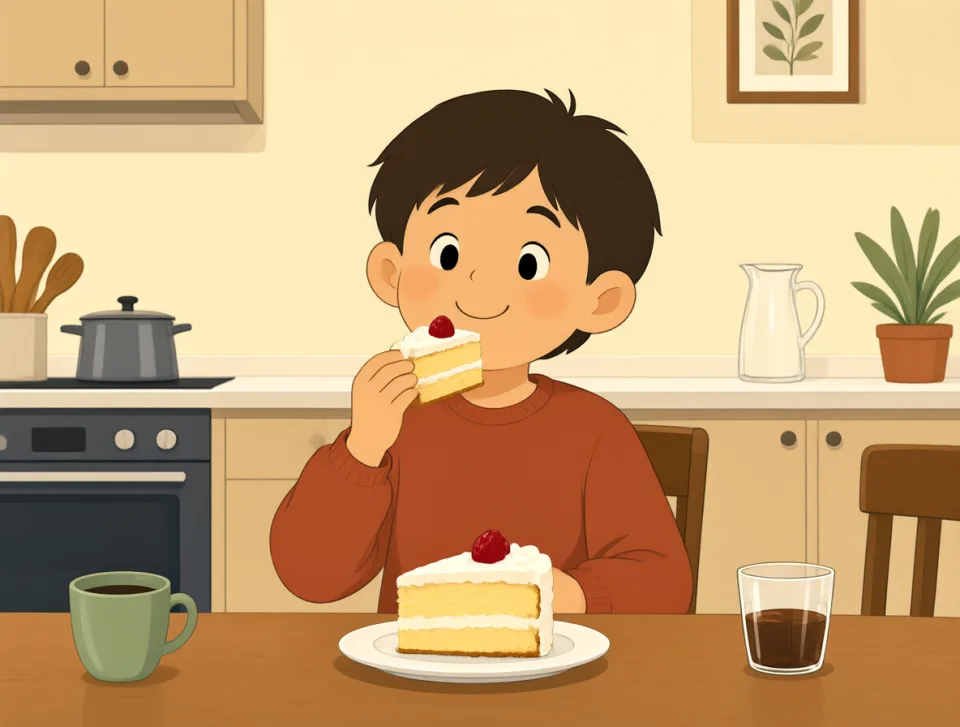
That cake is indeed delicious.
آن کیک واقعاً خوشمزه است.

The hotel was indeed very clean.
هتل واقعاً خیلی تمیز بود.

Indeed, I can help you with that.
بله، میتوانم در این مورد کمکتان کنم.
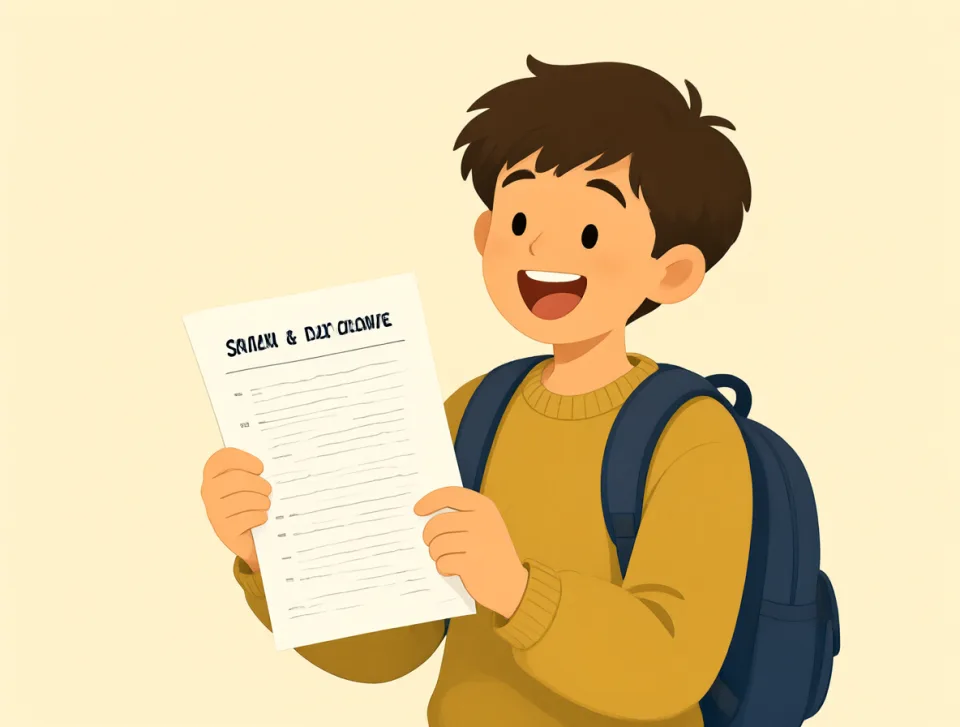
She did indeed pass her school test.
او واقعاً در امتحان مدرسه قبول شد.
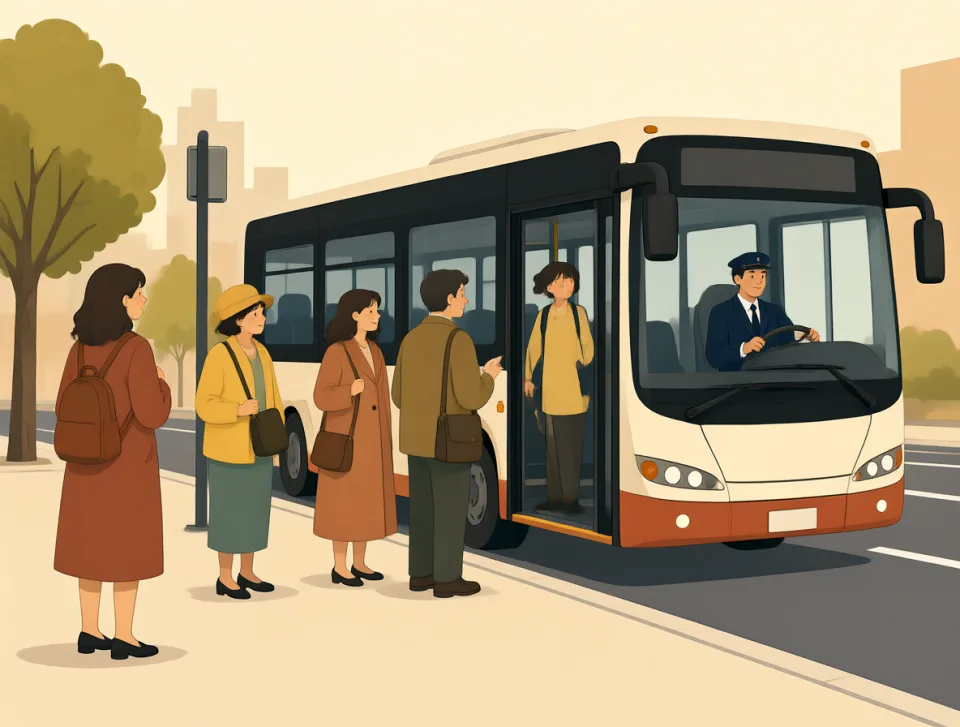
Indeed, the bus left on time.
بله، اتوبوس سرِ وقت حرکت کرد.

final
#698adjective, noun
نهایی
Last in a series, or the last part of an event or competition.
آخرین مورد در یک مجموعه، یا آخرین بخش یک رویداد یا مسابقه.
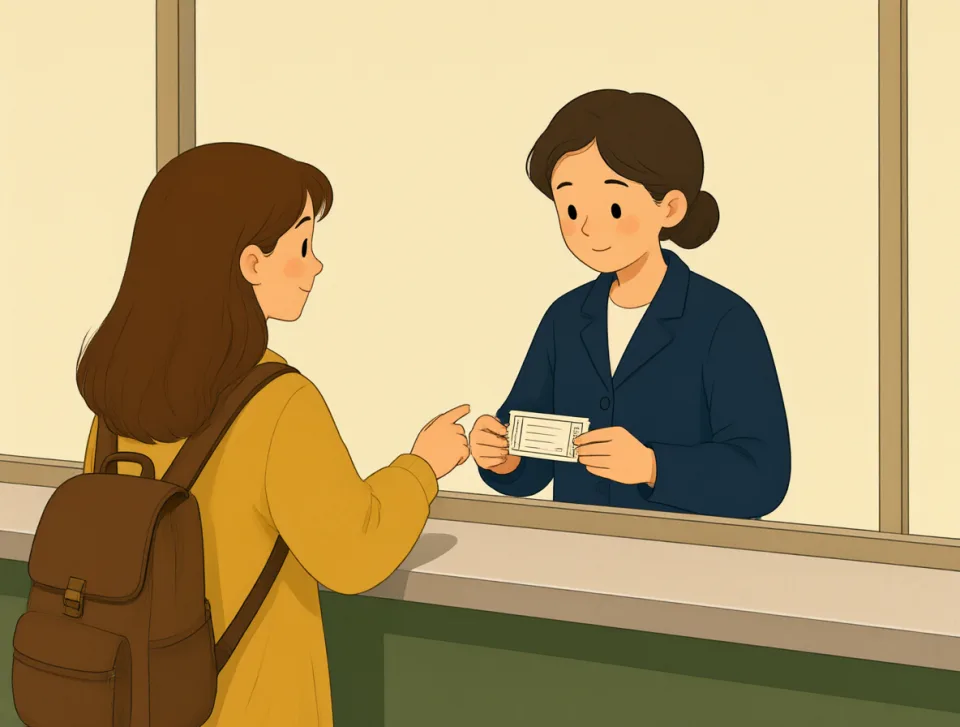
This is our final chance to buy tickets.
این آخرین فرصت ما برای خرید بلیت است.

We made the final decision after lunch.
بعد از ناهار تصمیم نهایی را گرفتیم.

The final exam starts next Monday.
امتحان نهایی دوشنبهٔ آینده شروع میشود.
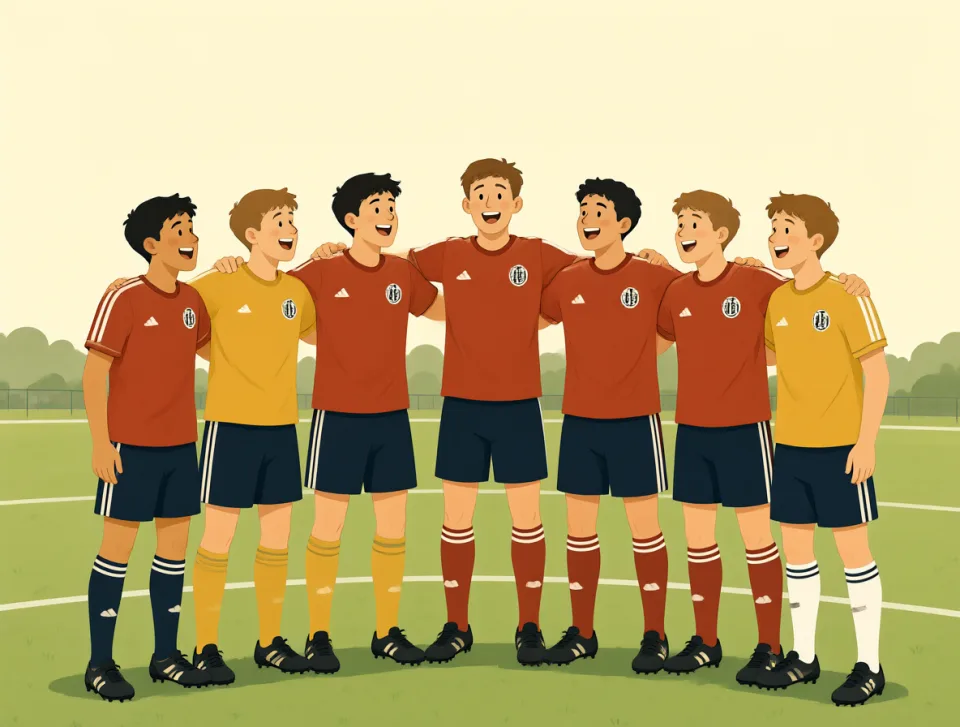
The team won the final game.
تیم در بازی نهایی پیروز شد.

Please pay the final bill before leaving.
لطفاً پیش از رفتن، صورتحساب نهایی را پرداخت کنید.

economy
#699noun
اقتصاد
The way money, jobs, and trade work in a country or area.
نحوهٔ کارکرد پول، شغلها و تجارت در یک کشور یا منطقه.
The economy is growing this year.
اقتصاد امسال در حال رشد است.
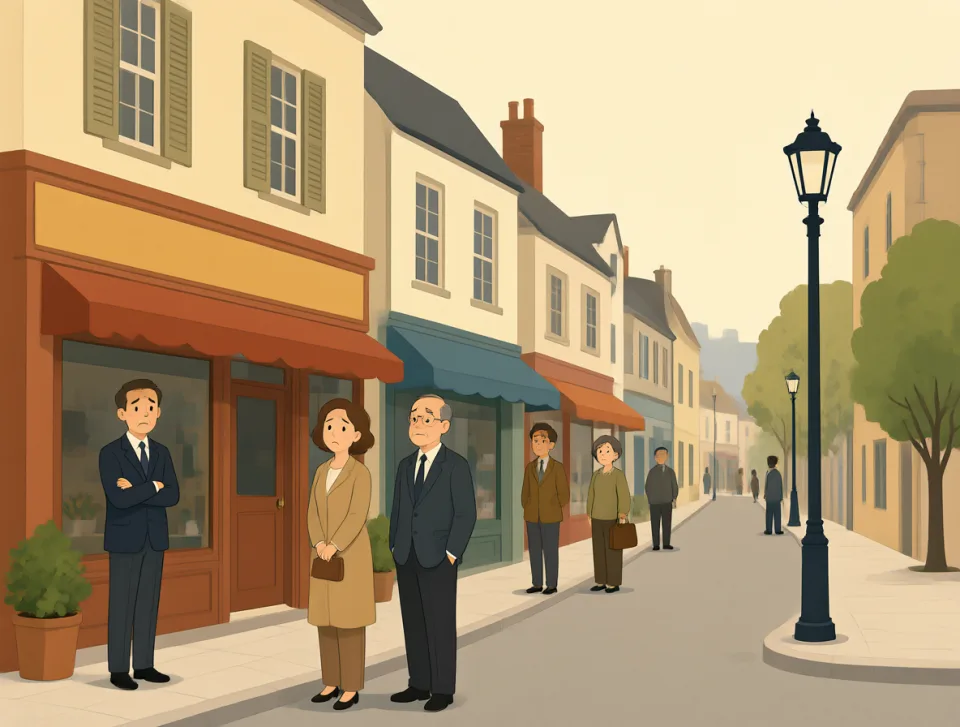
The war damaged the local economy.
جنگ به اقتصاد محلی آسیب زد.
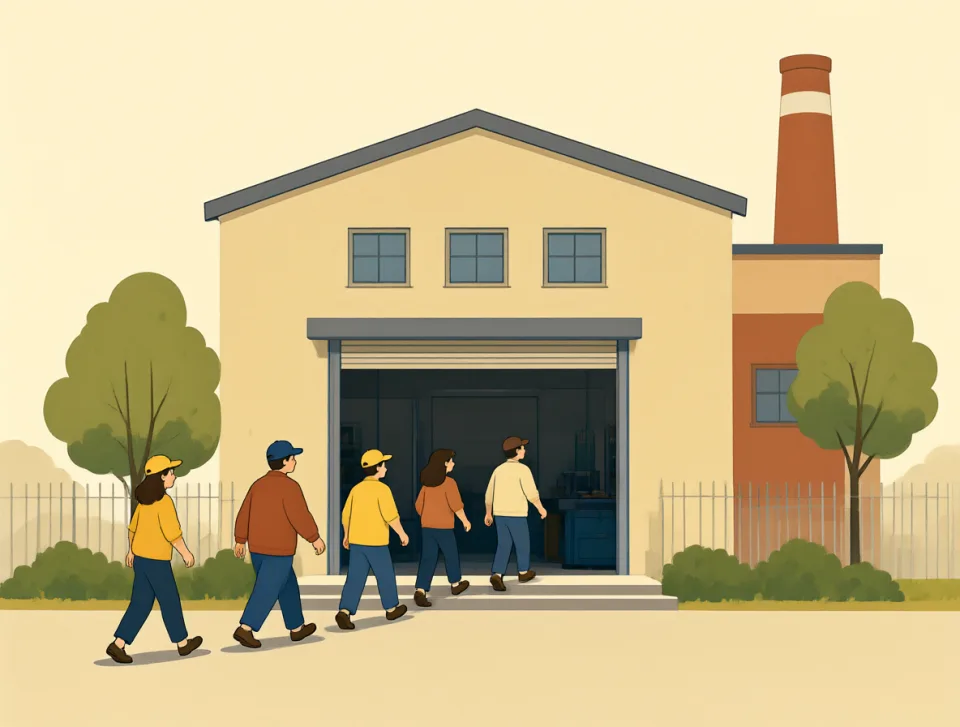
A strong economy creates more jobs.
اقتصاد قوی شغلهای بیشتری ایجاد میکند.
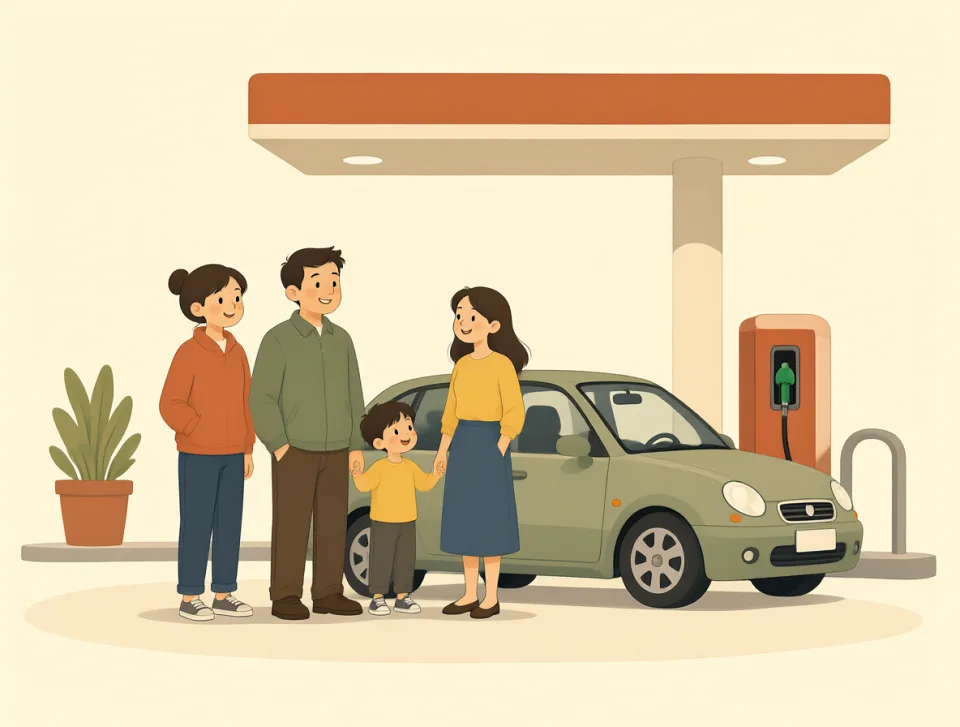
We chose this car for better fuel economy.
این خودرو را بهخاطر مصرف سوخت بهینهترش انتخاب کردیم.
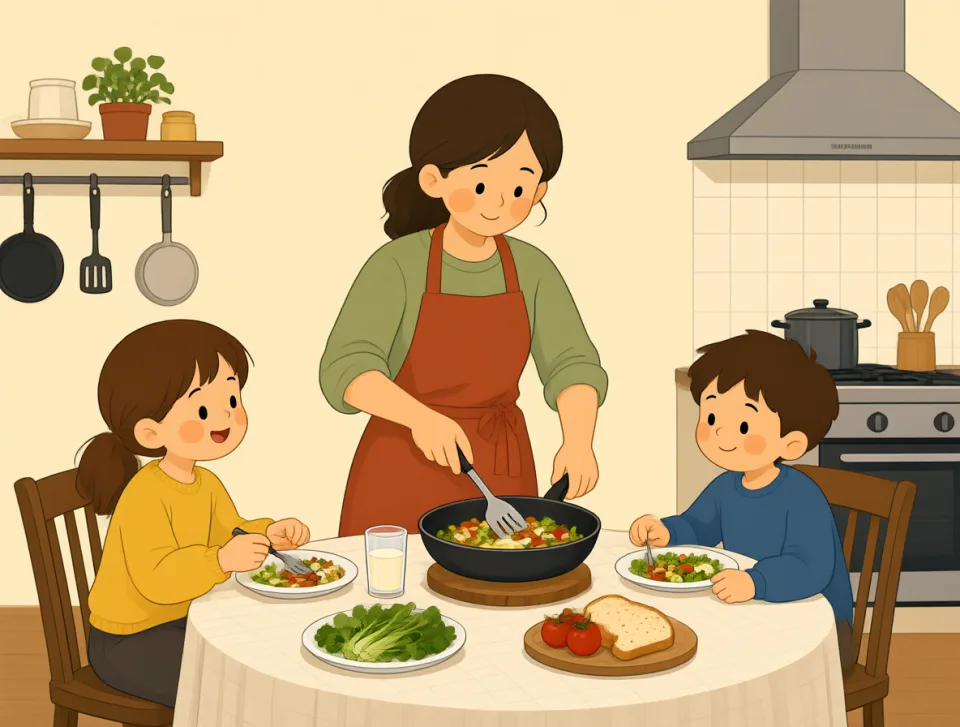
Cooking at home helps the family economy.
غذا پختن در خانه به صرفهجویی خانواده کمک میکند.

fit
#700verb, adjective, noun
اندازه بودن؛ متناسب بودن؛ سرحال و نیرومند بودن؛ حمله
To be the right size or shape; healthy and physically strong; a sudden strong feeling or illness.
اندازه یا شکل مناسبی داشتن؛ سالم و از نظر جسمی نیرومند بودن؛ احساس یا بیماری شدیدی که ناگهان بروز میکند.

These shoes fit me very well.
این کفشها کاملاً اندازهٔ پایم هستند.
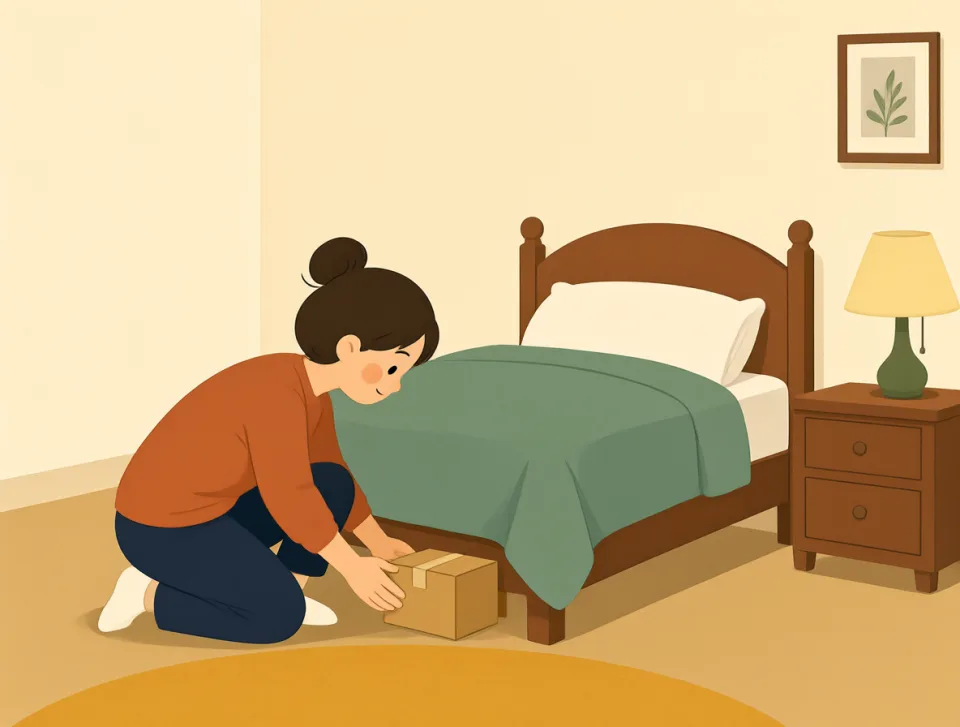
Will this box fit under the bed?
این جعبه زیر تخت جا میشود؟
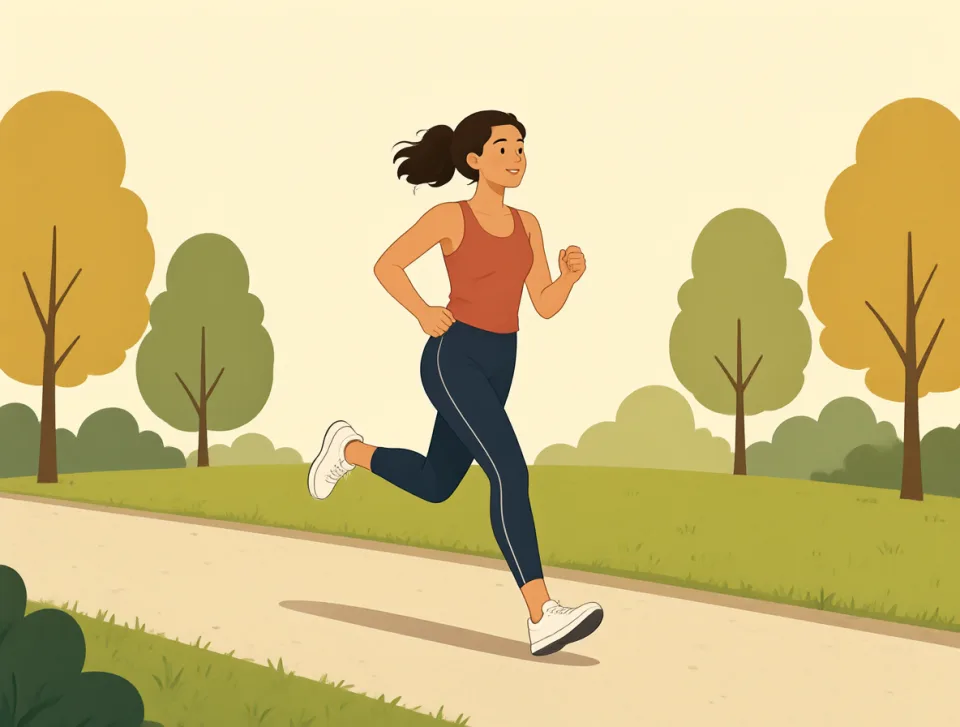
She is fit enough to run five miles.
او آنقدر آمادگی جسمانی دارد که پنج مایل بدود.

The children had a fit of laughter.
بچهها ناگهان زدند زیر خنده.
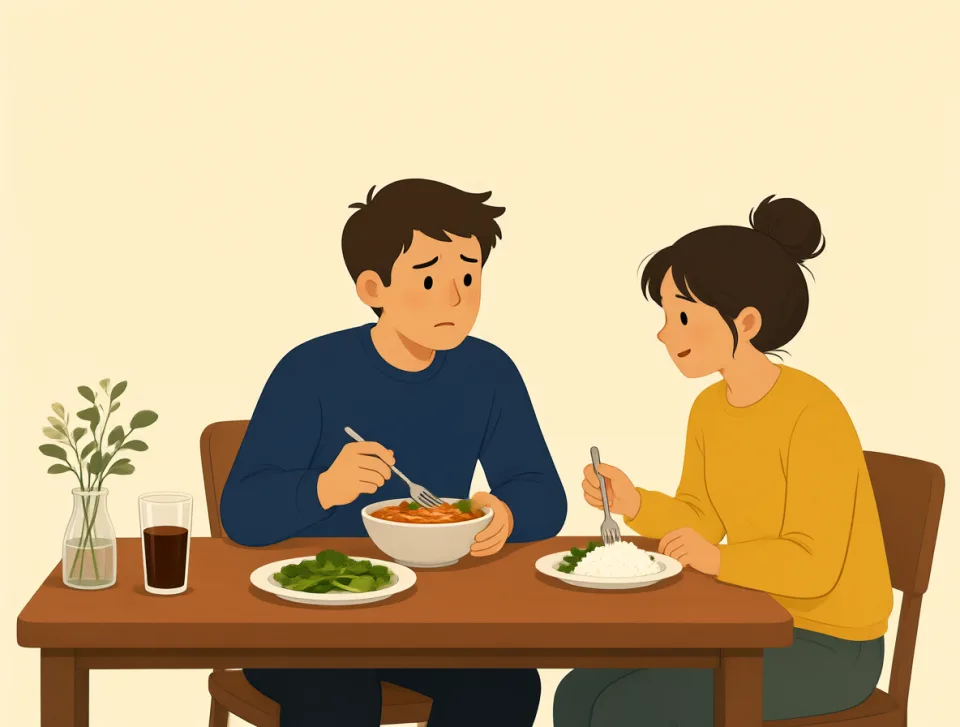
He had a fit after eating nuts.
بعد از خوردن آجیل دچار حمله شد.