Initial Confirmation Call
تماس اولیه برای تأیید وقت ملاقات
A person makes a call to confirm the pre-arranged appointment details, expecting everything to be correct.
فردی برای تأیید جزئیات وقت ملاقاتی که از قبل تعیین شده تماس میگیرد و انتظار دارد همهچیز درست باشد.
گفتوگو8
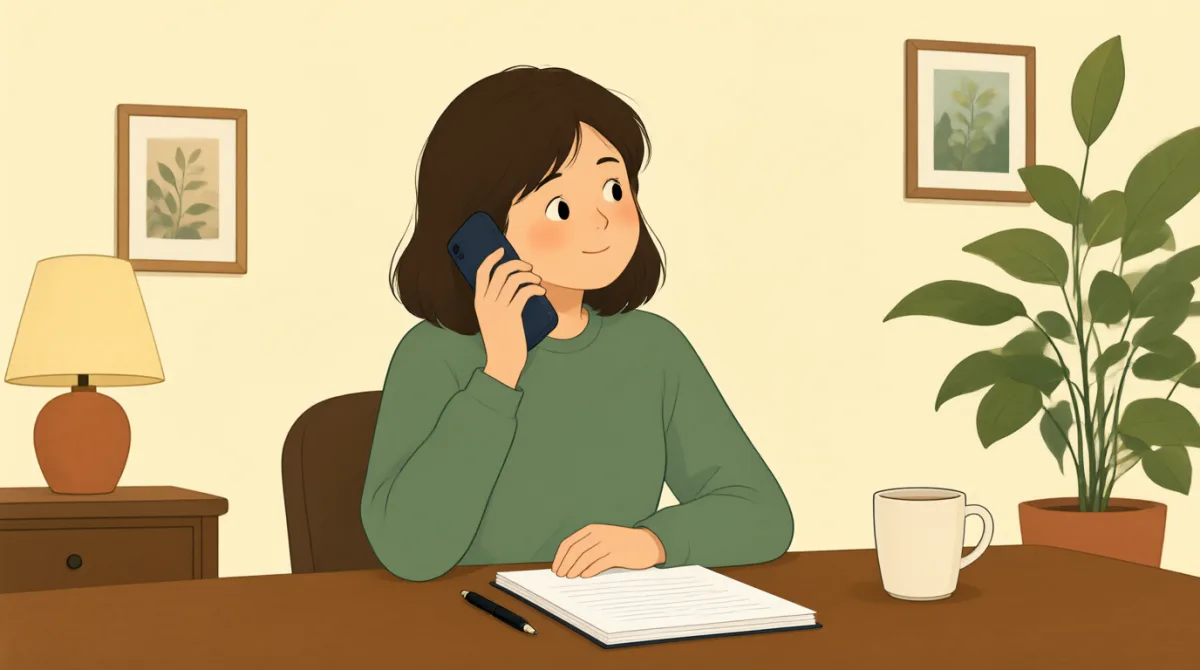

Hi, I'm calling to confirm my appointment for a check-up.
سلام، برای تأیید وقت معاینهام تماس گرفتم.

Certainly. Can I get your name, please?
حتماً. لطفاً نامتان را میفرمایید؟
It's Emma Carter.
اِما کارتر هستم.
Alright, Emma. I have you down for a check-up on Tuesday, May 14th, at 10:00 AM. Is that correct?
خیلی خب، اِما. وقت معاینهتان را برای سهشنبه، ۱۴ مه، ساعت ۱۰ صبح ثبت کردهام. درست است؟
Yes, that's right. And it's at your main office, correct?
بله، درسته. و در دفتر اصلیتون هست، درسته؟
That's correct. Our downtown location at 123 Main Street.
درست است. شعبهٔ مرکز شهر ما در خیابان مین، پلاک ۱۲۳.
Perfect. Just wanted to double-check. Thanks for your help!
عالیه. فقط میخواستم دوباره مطمئن بشم. ممنون از کمکتون!
You're welcome, Emma. We'll see you then.
خواهش میکنم، اِما. پس آن موقع میبینیمتان.
واژگان7
- confirmتأیید کردن
To confirm means to make sure that something is true or correct, often by checking details. It's useful when verifying plans like appointments.
«تأیید کردن» یعنی مطمئن شدن از درست یا واقعی بودن چیزی، معمولاً با بررسی جزئیات. این واژه برای اطمینان از برنامههایی مثل وقت ملاقات کاربرد دارد.
- appointmentوقت ملاقات
An appointment is a planned meeting at a specific time, such as with a doctor or for a service. Use it when scheduling or checking times.
وقت ملاقات، دیداری ازپیشتعیینشده در زمان مشخص است؛ مثلاً با پزشک یا برای دریافت خدمات. هنگام تعیین یا بررسی زمانها از این واژه استفاده میکنیم.
- check-upمعاینهٔ دورهای
A check-up is a routine medical examination to ensure health is good. It's common in healthcare contexts for regular visits.
«معاینهٔ دورهای» بررسی پزشکی معمولیای است که برای اطمینان از سلامت انجام میشود. این عبارت در حوزهٔ درمان و برای ویزیتهای منظم رایج است.
- certainlyحتماً
Certainly means 'of course' or 'yes, definitely,' used to respond politely and agree to a request.
«حتماً» یعنی «البته» یا «بله، قطعاً» و برای پاسخ مؤدبانه و موافقت با یک درخواست به کار میرود.
- double-checkدوباره بررسی کردن
To double-check means to verify information again to be absolutely sure. It's practical for avoiding mistakes in confirmations.
«دوباره بررسی کردن» یعنی اطلاعات را یک بار دیگر وارسی کردن تا کاملاً مطمئن شوید. این کار برای جلوگیری از اشتباه هنگام تأیید جزئیات مفید است.
- downtownمرکز شهر
Downtown refers to the central business area of a city. Use it to describe urban locations for meetings or offices.
«مرکز شهر» به بخش مرکزی و تجاری یک شهر گفته میشود. برای توصیف محل قرارها یا دفترها در شهر به کار میرود.
- locationموقعیت؛ محل
A location is the specific place where something happens or is situated. It's essential for giving directions or addresses.
«موقعیت» یا «محل» به جایی مشخص گفته میشود که چیزی در آن اتفاق میافتد یا قرار دارد. این واژه برای دادن نشانی یا توضیح مسیر ضروری است.
جملات کلیدی7
- 1
Hi, I'm calling to confirm my appointment for a check-up.
سلام، برای تأیید وقت معاینهام تماس گرفتم.
This sentence introduces the purpose of the call politely. It's useful for starting confirmation conversations. Note the structure: 'I'm calling to [verb] + purpose' for phone etiquette.
این جمله هدف تماس را بهشکلی مؤدبانه بیان میکند و برای شروع گفتوگوهای تأیید وقت مفید است. به ساختار 'I'm calling to [verb] + purpose' دقت کنید؛ از آن برای گفتن دلیل تماس تلفنی استفاده میشود.
- 2
Certainly. Can I get your name, please?
حتماً. لطفاً نامتان را میفرمایید؟
This is a polite way to acknowledge and ask for information. 'Certainly' shows agreement, and 'Can I get...?' is a soft request. Use it in service roles to gather details.
این عبارت راهی مؤدبانه برای پاسخ دادن و درخواست اطلاعات است. 'Certainly' موافقت را نشان میدهد و 'Can I get...?' درخواست را ملایمتر میکند. در موقعیتهای خدماتی برای گرفتن اطلاعات از آن استفاده کنید.
- 3
I have you down for a check-up on Tuesday, May 14th, at 10:00 AM. Is that correct?
وقت معاینهتان را برای سهشنبه، ۱۴ مه، ساعت ۱۰ صبح ثبت کردهام. درست است؟
This repeats details to verify. 'I have you down for' means 'you are scheduled for.' It's practical for confirmations; the question 'Is that correct?' seeks agreement.
در این جمله جزئیات تکرار میشوند تا درستیشان بررسی شود. 'I have you down for' یعنی «برای شما ثبت شده است». این عبارت برای تأیید وقت کاربردی است؛ پرسش 'Is that correct?' هم برای اطمینان از درستی اطلاعات است.
- 4
Yes, that's right. And it's at your main office, correct?
بله، درسته. و در دفتر اصلیتون هست، درسته؟
This confirms and adds a question. 'That's right' agrees simply, and 'correct?' is informal for verification. Use it to double-check locations in dialogues.
در این جمله گوینده اطلاعات را تأیید میکند و پرسشی هم میپرسد. 'That's right' راه سادهای برای موافقت است و 'correct?' شکل غیررسمیِ پرسیدن «درسته؟» برای بررسی اطلاعات است. در گفتوگوها از آن برای اطمینان از محل استفاده کنید.
- 5
That's correct. Our downtown location at 123 Main Street.
درست است. شعبهٔ مرکز شهر ما در خیابان مین، پلاک ۱۲۳.
This affirms and provides address details. It's concise for responses. Useful in giving directions; note how it uses 'location at [address]' for clarity.
این جمله درستی اطلاعات را تأیید میکند و نشانی را میدهد. پاسخ کوتاه و روشن است. برای دادن نشانی مفید است؛ به ساختار 'location at [address]' برای بیان دقیق محل توجه کنید.
- 6
Just wanted to double-check. Thanks for your help!
فقط میخواستم دوباره مطمئن بشم. ممنون از کمکتون!
This explains the reason and thanks politely. 'Just wanted to' softens the statement. It's great for ending calls positively and showing courtesy.
این جمله دلیل تماس را توضیح میدهد و مؤدبانه تشکر میکند. 'Just wanted to' لحن جمله را ملایمتر میکند. برای پایان دادن دوستانه به تماس و نشان دادن ادب مناسب است.
- 7
You're welcome, Emma. We'll see you then.
خواهش میکنم، اِما. پس آن موقع میبینیمتان.
This is a standard polite close. 'You're welcome' responds to thanks, and 'We'll see you then' anticipates the meeting. Use it to end service conversations warmly.
این یک پایانبندی مؤدبانه و رایج است. 'You're welcome' پاسخی به تشکر است و 'We'll see you then' به دیدار در زمان تعیینشده اشاره میکند. برای پایان گرم گفتوگوهای خدماتی از آن استفاده کنید.