A Childhood Friend
เพื่อนสมัยเด็ก
Emma and Mia talk about a close friend from childhood and the things they did together. They share how they stayed in touch—or lost touch.
เอ็มมากับมีอาคุยกันถึงเพื่อนสนิทสมัยเด็กและกิจกรรมที่เคยทำด้วยกัน ทั้งคู่เล่าว่ายังคงติดต่อกันอยู่หรือขาดการติดต่อกันไป
บทสนทนา8
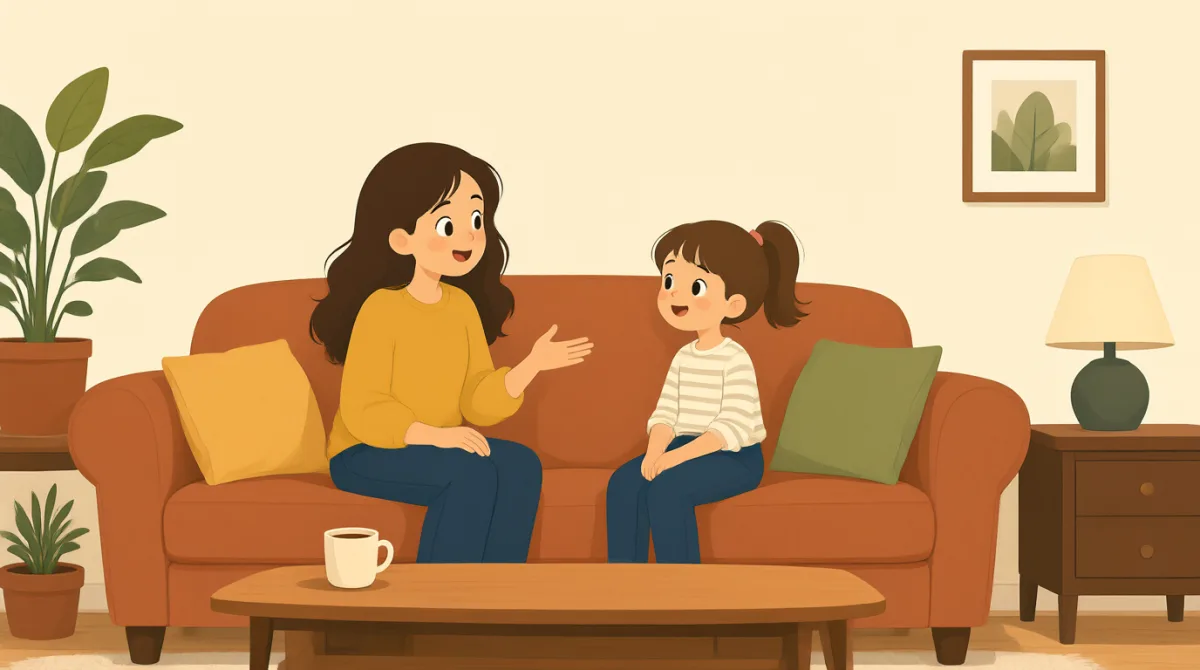

Did you have a close friend when you were growing up?
ตอนเด็ก ๆ เธอมีเพื่อนสนิทไหม?

Yes, my best friend lived next door. We played together every day.
มีสิ เพื่อนสนิทของฉันอยู่บ้านข้าง ๆ เราเล่นด้วยกันทุกวันเลย
What did you like to do together?
พวกเธอชอบทำอะไรกันด้วยกันเหรอ?
We rode our bikes and made up stories in the garden.
เราขี่จักรยานแล้วก็แต่งเรื่องเล่นกันในสวน
Did you go to the same school?
พวกเธอเรียนโรงเรียนเดียวกันไหม?
Yes, we walked to school together. We sat near each other in class.
ใช่ เราเดินไปโรงเรียนด้วยกัน แล้วก็นั่งใกล้กันในห้องเรียน
Do you still keep in touch with your friend?
ตอนนี้เธอยังติดต่อกับเพื่อนคนนั้นอยู่ไหม?
We lost touch after my family moved away. I still remember those days.
เราขาดการติดต่อกันหลังจากครอบครัวฉันย้ายไปที่อื่น แต่ฉันก็ยังจำช่วงเวลานั้นได้
คำศัพท์7
- close friendเพื่อนสนิท
A close friend is someone you know well and feel comfortable with. Use it to talk about an important friendship.
“close friend” คือคนที่เรารู้จักดีและรู้สึกสบายใจเมื่ออยู่ด้วย ใช้พูดถึงมิตรภาพที่สำคัญได้เลย
- growing upตอนเด็ก ๆ
This means during the time when you were a child. You can use it to ask about someone’s childhood.
“growing up” หมายถึงช่วงเวลาที่คุณยังเป็นเด็ก ใช้ถามเกี่ยวกับวัยเด็กของใครสักคนได้
- lived next doorอยู่บ้านข้าง ๆ
This means someone’s home was beside or very near your home. Use it to describe where a neighbor lived.
“lived next door” หมายถึงบ้านของใครสักคนอยู่ติดกันหรือใกล้บ้านคุณมาก ใช้บอกว่าบ้านของเพื่อนบ้านอยู่ที่ไหน
- played togetherเล่นด้วยกัน
This means two or more people did games or fun activities with each other. You can use it to talk about things you did as a child.
“played together” หมายถึงคนสองคนขึ้นไปเล่นเกมหรือทำกิจกรรมสนุก ๆ ด้วยกัน ใช้พูดถึงสิ่งที่เคยทำตอนเด็กได้
- made up storiesแต่งเรื่องขึ้นมา
This means invented stories that were not real. Use it to describe creative play.
“made up stories” หมายถึงแต่งเรื่องที่ไม่ได้เกิดขึ้นจริง ใช้บรรยายการเล่นที่อาศัยจินตนาการได้
- keep in touchติดต่อกัน
This means continue talking or communicating with someone. You can use it to ask if people still contact each other.
“keep in touch” หมายถึงพูดคุยหรือติดต่อกับใครสักคนต่อไป ใช้ถามว่าคนสองคนยังติดต่อกันอยู่ไหมได้
- lost touchขาดการติดต่อ
This means you stopped communicating with someone. It is often used when people move or their lives change.
“lost touch” หมายถึงหยุดติดต่อกับใครสักคน มักใช้เมื่อคนย้ายที่อยู่หรือชีวิตเปลี่ยนไป
ประโยคสำคัญ7
- 1
Did you have a close friend when you were growing up?
ตอนเด็ก ๆ เธอมีเพื่อนสนิทไหม?
This is a friendly way to ask about someone’s childhood friendships. You can change “close friend” to another person or relationship.
ประโยคนี้เป็นวิธีถามถึงเพื่อนสมัยเด็กของใครสักคนอย่างเป็นกันเอง คุณเปลี่ยน “close friend” เป็นคนหรือความสัมพันธ์แบบอื่นได้
- 2
My best friend lived next door.
เพื่อนสนิทของฉันอยู่บ้านข้าง ๆ
This sentence tells where a childhood friend lived. Use “lived” to describe someone’s home in the past.
ประโยคนี้บอกว่าเพื่อนสมัยเด็กอาศัยอยู่ที่ไหน ใช้ “lived” พูดถึงที่อยู่อาศัยของใครสักคนในอดีต
- 3
We played together every day.
เราเล่นด้วยกันทุกวัน
This describes a regular activity in the past. You can replace “played” with another past activity, such as “studied” or “walked.”
ประโยคนี้บอกเล่ากิจกรรมที่ทำเป็นประจำในอดีต คุณเปลี่ยน “played” เป็นกิจกรรมในอดีตอย่างอื่นได้ เช่น “studied” หรือ “walked”
- 4
What did you like to do together?
พวกเธอชอบทำอะไรกันด้วยกันเหรอ?
Use this question to ask about activities two people enjoyed. After “did,” use the base form of the verb, as in “do.”
ใช้คำถามนี้ถามถึงกิจกรรมที่คนสองคนชอบทำด้วยกัน หลัง “did” ให้ใช้กริยารูปพื้นฐาน เช่น “do”
- 5
We rode our bikes and made up stories in the garden.
เราขี่จักรยานแล้วก็แต่งเรื่องเล่นกันในสวน
This gives examples of activities from the past. You can join two activities with “and” to share more details.
ประโยคนี้ยกตัวอย่างกิจกรรมในอดีต คุณใช้ “and” เชื่อมกิจกรรมสองอย่างเพื่อเล่ารายละเอียดเพิ่มเติมได้
- 6
Do you still keep in touch with your friend?
ตอนนี้เธอยังติดต่อกับเพื่อนคนนั้นอยู่ไหม?
This is a natural way to ask whether someone still communicates with a person. You can replace “your friend” with another person, such as “your cousin.”
นี่เป็นวิธีถามอย่างเป็นธรรมชาติว่าใครสักคนยังติดต่อกับอีกคนอยู่ไหม คุณเปลี่ยน “your friend” เป็นคนอื่นได้ เช่น “your cousin”
- 7
We lost touch after my family moved away.
เราขาดการติดต่อกันหลังจากครอบครัวฉันย้ายไปที่อื่น
This explains when communication stopped. Use “after” to connect an event with what happened next.
ประโยคนี้อธิบายว่าการติดต่อหยุดลงเมื่อไร ใช้ “after” เชื่อมเหตุการณ์หนึ่งกับสิ่งที่เกิดขึ้นตามมา