A Childhood Friend
صديقة من الطفولة
Emma and Mia talk about a close friend from childhood and the things they did together. They share how they stayed in touch—or lost touch.
تتحدث إيما وميا عن صديقة مقرّبة من أيام الطفولة وعن الأنشطة التي مارستاها معًا. وتتحدثان عن كيفية بقائهما على تواصل أو انقطاعه.
حوار8
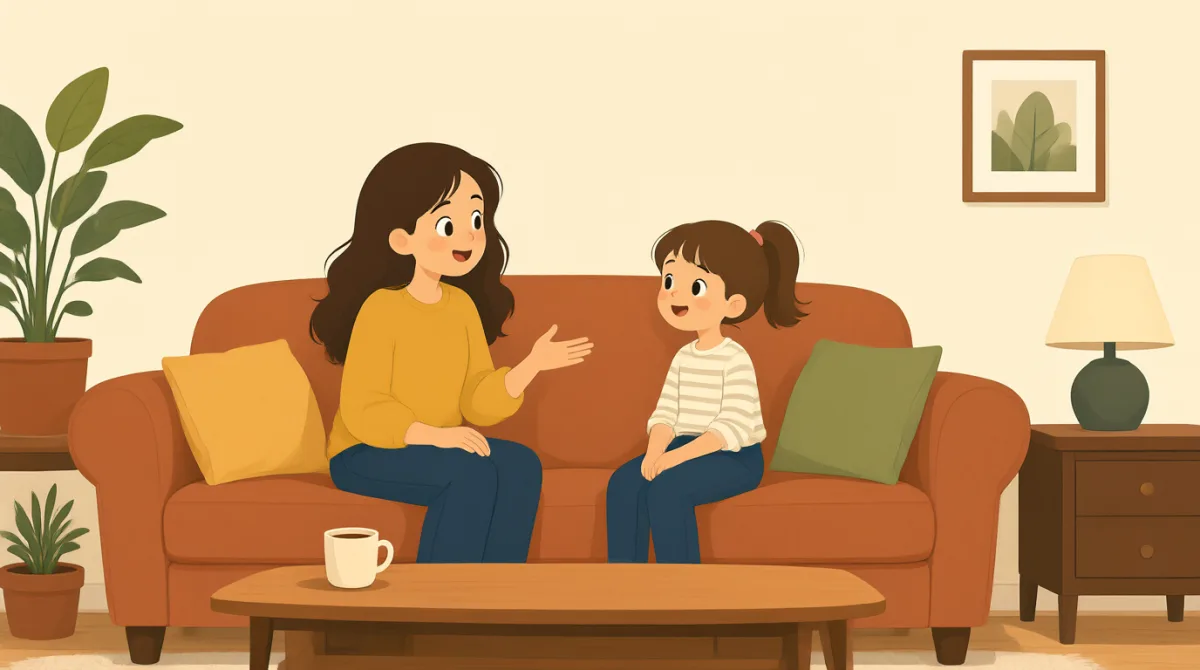

Did you have a close friend when you were growing up?
هل كان لديك صديقة مقرّبة عندما كنت تكبرين؟

Yes, my best friend lived next door. We played together every day.
نعم، كانت أعزّ صديقاتي تسكن بجوارنا. كنا نلعب معًا كل يوم.
What did you like to do together?
ماذا كنتما تحبان أن تفعلا معًا؟
We rode our bikes and made up stories in the garden.
كنا نركب دراجاتنا ونؤلف القصص في الحديقة.
Did you go to the same school?
هل ذهبتما إلى المدرسة نفسها؟
Yes, we walked to school together. We sat near each other in class.
نعم، كنا نمشي إلى المدرسة معًا، ونجلس متجاورتين في الصف.
Do you still keep in touch with your friend?
هل ما زلت على تواصل مع صديقتك؟
We lost touch after my family moved away. I still remember those days.
انقطع التواصل بيننا بعدما انتقلت عائلتي إلى مكان آخر. ما زلت أتذكر تلك الأيام.
المفردات7
- close friendصديق مقرّب
A close friend is someone you know well and feel comfortable with. Use it to talk about an important friendship.
الصديق المقرّب هو شخص تعرفه جيدًا وتشعر بالارتياح معه. استخدم هذه العبارة للحديث عن صداقة مهمة.
- growing upأثناء نشأتك
This means during the time when you were a child. You can use it to ask about someone’s childhood.
تعني هذه العبارة الفترة التي كنت فيها طفلًا. يمكنك استخدامها للسؤال عن طفولة شخص ما.
- lived next doorكان يسكن بجوارنا
This means someone’s home was beside or very near your home. Use it to describe where a neighbor lived.
تعني هذه العبارة أن منزل شخص ما كان ملاصقًا لمنزلك أو قريبًا جدًا منه. استخدمها لوصف مكان سكن أحد الجيران.
- played togetherلعبنا معًا
This means two or more people did games or fun activities with each other. You can use it to talk about things you did as a child.
تعني هذه العبارة أن شخصين أو أكثر مارسا ألعابًا أو أنشطة ممتعة معًا. يمكنك استخدامها للحديث عما كنت تفعله في طفولتك.
- made up storiesألّفنا قصصًا
This means invented stories that were not real. Use it to describe creative play.
تعني هذه العبارة أننا ابتكرنا قصصًا غير حقيقية. استخدمها لوصف اللعب الإبداعي.
- keep in touchيبقى على تواصل
This means continue talking or communicating with someone. You can use it to ask if people still contact each other.
تعني هذه العبارة مواصلة الحديث أو التواصل مع شخص ما. يمكنك استخدامها للسؤال عما إذا كان أشخاص ما لا يزالون يتواصلون.
- lost touchانقطع التواصل
This means you stopped communicating with someone. It is often used when people move or their lives change.
تعني هذه العبارة أنك توقفت عن التواصل مع شخص ما. وغالبًا ما تُستخدم عندما ينتقل الناس إلى مكان آخر أو تتغير ظروف حياتهم.
الجمل الأساسية7
- 1
Did you have a close friend when you were growing up?
هل كان لديك صديق مقرّب عندما كنت تكبر؟
This is a friendly way to ask about someone’s childhood friendships. You can change “close friend” to another person or relationship.
هذه طريقة ودية للسؤال عن صداقات شخص ما في طفولته. يمكنك استبدال “close friend” بشخص آخر أو بنوع آخر من العلاقات.
- 2
My best friend lived next door.
كانت أعزّ صديقاتي تسكن بجوارنا.
This sentence tells where a childhood friend lived. Use “lived” to describe someone’s home in the past.
توضح هذه الجملة مكان سكن صديق من الطفولة. استخدم “lived” لوصف مكان سكن شخص في الماضي.
- 3
We played together every day.
كنا نلعب معًا كل يوم.
This describes a regular activity in the past. You can replace “played” with another past activity, such as “studied” or “walked.”
تصف هذه الجملة نشاطًا معتادًا في الماضي. يمكنك استبدال “played” بنشاط آخر في الماضي، مثل “studied” أو “walked.”
- 4
What did you like to do together?
ماذا كنتما تحبان أن تفعلا معًا؟
Use this question to ask about activities two people enjoyed. After “did,” use the base form of the verb, as in “do.”
استخدم هذا السؤال للاستفسار عن الأنشطة التي استمتع بها شخصان. بعد “did”، استخدم صيغة الفعل الأساسية، مثل “do.”
- 5
We rode our bikes and made up stories in the garden.
كنا نركب دراجاتنا ونؤلف القصص في الحديقة.
This gives examples of activities from the past. You can join two activities with “and” to share more details.
تعطي هذه الجملة أمثلة على أنشطة من الماضي. يمكنك وصل نشاطين باستخدام “and” لإضافة مزيد من التفاصيل.
- 6
Do you still keep in touch with your friend?
هل ما زلت على تواصل مع صديقتك؟
This is a natural way to ask whether someone still communicates with a person. You can replace “your friend” with another person, such as “your cousin.”
هذه طريقة طبيعية للسؤال عما إذا كان شخص ما لا يزال يتواصل مع شخص آخر. يمكنك استبدال “your friend” بشخص آخر، مثل “your cousin.”
- 7
We lost touch after my family moved away.
انقطع التواصل بيننا بعدما انتقلت عائلتي إلى مكان آخر.
This explains when communication stopped. Use “after” to connect an event with what happened next.
توضح هذه الجملة متى توقف التواصل. استخدم “after” للربط بين حدث وما وقع بعده.