A Childhood Friend
শৈশবের এক বন্ধু
Emma and Mia talk about a close friend from childhood and the things they did together. They share how they stayed in touch—or lost touch.
এমা ও মিয়া শৈশবের এক ঘনিষ্ঠ বন্ধু এবং একসঙ্গে করা নানা কাজের কথা বলে। তারা কীভাবে যোগাযোগ রেখেছিল—অথবা কীভাবে যোগাযোগ হারিয়ে ফেলেছিল—সেটাও জানায়।
সংলাপ8
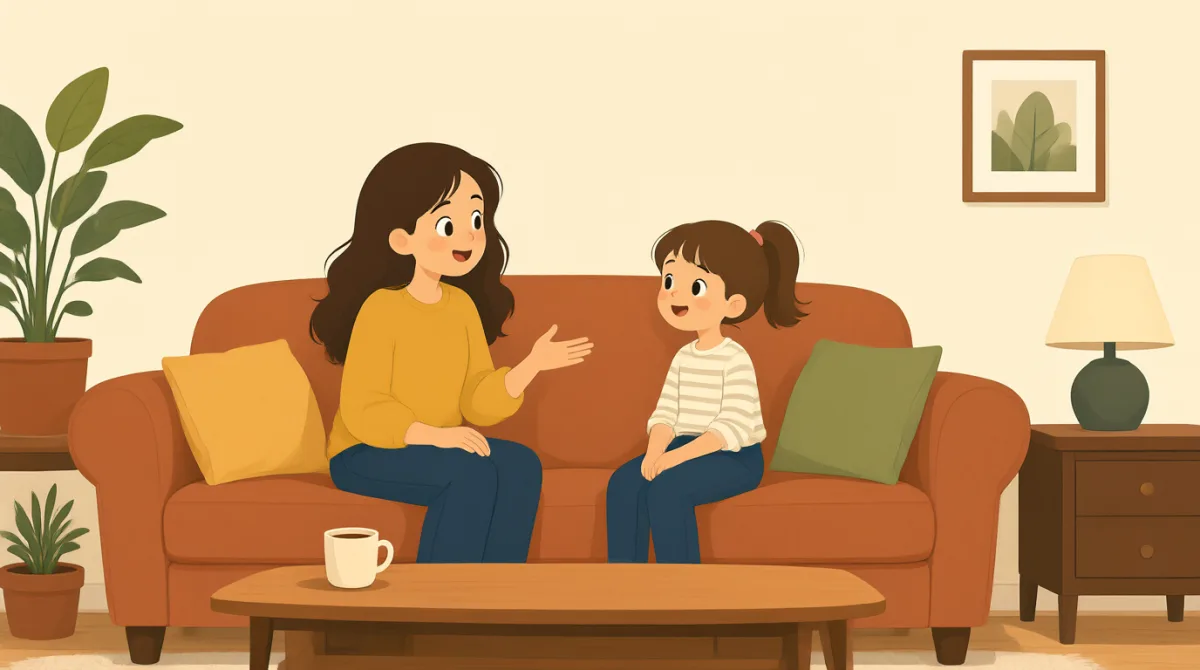

Did you have a close friend when you were growing up?
ছোটবেলায় তোমার কি কোনো ঘনিষ্ঠ বন্ধু ছিল?

Yes, my best friend lived next door. We played together every day.
হ্যাঁ, আমার সবচেয়ে ভালো বন্ধু পাশের বাড়িতেই থাকত। আমরা প্রতিদিন একসঙ্গে খেলতাম।
What did you like to do together?
তোমরা একসঙ্গে কী করতে ভালোবাসতে?
We rode our bikes and made up stories in the garden.
আমরা সাইকেল চালাতাম আর বাগানে বসে নানা গল্প বানাতাম।
Did you go to the same school?
তোমরা কি একই স্কুলে পড়তে?
Yes, we walked to school together. We sat near each other in class.
হ্যাঁ, আমরা একসঙ্গে হেঁটে স্কুলে যেতাম। ক্লাসে পাশাপাশি বসতাম।
Do you still keep in touch with your friend?
এখনো কি তোমার বন্ধুর সঙ্গে যোগাযোগ আছে?
We lost touch after my family moved away. I still remember those days.
আমার পরিবার অন্য জায়গায় চলে যাওয়ার পর আমাদের যোগাযোগ বিচ্ছিন্ন হয়ে যায়। সেই দিনগুলোর কথা এখনো মনে পড়ে।
শব্দভান্ডার7
- close friendঘনিষ্ঠ বন্ধু
A close friend is someone you know well and feel comfortable with. Use it to talk about an important friendship.
ঘনিষ্ঠ বন্ধু হলো এমন কেউ, যাকে তুমি ভালোভাবে চেনো এবং যার সঙ্গে স্বচ্ছন্দ বোধ করো। গুরুত্বপূর্ণ বন্ধুত্বের কথা বলতে এই শব্দটি ব্যবহার করো।
- growing upবড় হয়ে ওঠার সময়
This means during the time when you were a child. You can use it to ask about someone’s childhood.
এর অর্থ, তুমি যখন শিশু ছিলে সেই সময়টা। কারও শৈশব সম্পর্কে জানতে এই কথাটি দিয়ে প্রশ্ন করতে পারো।
- lived next doorপাশের বাড়িতে থাকত
This means someone’s home was beside or very near your home. Use it to describe where a neighbor lived.
এর অর্থ, কারও বাড়ি তোমার বাড়ির পাশে বা খুব কাছেই ছিল। কোনো প্রতিবেশী কোথায় থাকত, তা বোঝাতে এটি ব্যবহার করো।
- played togetherএকসঙ্গে খেলত
This means two or more people did games or fun activities with each other. You can use it to talk about things you did as a child.
এর অর্থ, দুজন বা তার বেশি মানুষ একে অপরের সঙ্গে খেলাধুলা বা মজার কোনো কাজ করত। ছোটবেলায় একসঙ্গে কী করতে, তা বলতে এই কথাটি ব্যবহার করতে পারো।
- made up storiesগল্প বানাত
This means invented stories that were not real. Use it to describe creative play.
এর অর্থ, সত্যি নয় এমন গল্প কল্পনা করে তৈরি করা। কল্পনাশক্তিনির্ভর খেলার কথা বলতে এটি ব্যবহার করো।
- keep in touchযোগাযোগ রাখা
This means continue talking or communicating with someone. You can use it to ask if people still contact each other.
এর অর্থ, কারও সঙ্গে কথা বলা বা যোগাযোগ চালিয়ে যাওয়া। মানুষ এখনো একে অপরের সঙ্গে যোগাযোগ করে কি না, তা জানতে এটি ব্যবহার করতে পারো।
- lost touchযোগাযোগ বিচ্ছিন্ন হওয়া
This means you stopped communicating with someone. It is often used when people move or their lives change.
এর অর্থ, কারও সঙ্গে যোগাযোগ বন্ধ হয়ে যাওয়া। মানুষ অন্য কোথাও চলে গেলে বা তাদের জীবনে পরিবর্তন এলে প্রায়ই এই কথাটি ব্যবহার করা হয়।
গুরুত্বপূর্ণ বাক্য7
- 1
Did you have a close friend when you were growing up?
ছোটবেলায় তোমার কি কোনো ঘনিষ্ঠ বন্ধু ছিল?
This is a friendly way to ask about someone’s childhood friendships. You can change “close friend” to another person or relationship.
কারও শৈশবের বন্ধুত্ব সম্পর্কে জানতে এটি একটি বন্ধুত্বপূর্ণ প্রশ্ন। “close friend”-এর জায়গায় অন্য কোনো ব্যক্তি বা সম্পর্কের কথা বসাতে পারো।
- 2
My best friend lived next door.
আমার সবচেয়ে ভালো বন্ধু পাশের বাড়িতেই থাকত।
This sentence tells where a childhood friend lived. Use “lived” to describe someone’s home in the past.
এই বাক্যে শৈশবের এক বন্ধুর থাকার জায়গা বলা হয়েছে। অতীতে কেউ কোথায় থাকত তা বোঝাতে “lived” ব্যবহার করো।
- 3
We played together every day.
আমরা প্রতিদিন একসঙ্গে খেলতাম।
This describes a regular activity in the past. You can replace “played” with another past activity, such as “studied” or “walked.”
এটি অতীতে নিয়মিত করা কোনো কাজের কথা বলে। “played”-এর বদলে অতীতের অন্য কাজ, যেমন “studied” বা “walked,” বসাতে পারো।
- 4
What did you like to do together?
তোমরা একসঙ্গে কী করতে ভালোবাসতে?
Use this question to ask about activities two people enjoyed. After “did,” use the base form of the verb, as in “do.”
দুজন মানুষ কোন কাজগুলো করতে পছন্দ করত, তা জানতে এই প্রশ্নটি করো। “did”-এর পরে “do”-এর মতো ক্রিয়ার মূল রূপ ব্যবহার করো।
- 5
We rode our bikes and made up stories in the garden.
আমরা সাইকেল চালাতাম আর বাগানে বসে নানা গল্প বানাতাম।
This gives examples of activities from the past. You can join two activities with “and” to share more details.
এখানে অতীতের কাজের উদাহরণ দেওয়া হয়েছে। আরও বিস্তারিত জানাতে “and” দিয়ে দুটি কাজ জুড়ে দিতে পারো।
- 6
Do you still keep in touch with your friend?
এখনো কি তোমার বন্ধুর সঙ্গে যোগাযোগ আছে?
This is a natural way to ask whether someone still communicates with a person. You can replace “your friend” with another person, such as “your cousin.”
কেউ এখনো কোনো ব্যক্তির সঙ্গে যোগাযোগ করে কি না, তা জানতে এটি একটি স্বাভাবিক প্রশ্ন। “your friend”-এর বদলে “your cousin”-এর মতো অন্য কারও কথা বসাতে পারো।
- 7
We lost touch after my family moved away.
আমার পরিবার অন্য জায়গায় চলে যাওয়ার পর আমাদের যোগাযোগ বিচ্ছিন্ন হয়ে যায়।
This explains when communication stopped. Use “after” to connect an event with what happened next.
এ বাক্যে বলা হয়েছে কখন যোগাযোগ বন্ধ হয়েছিল। একটি ঘটনার সঙ্গে তার পরে কী ঘটেছিল তা যুক্ত করতে “after” ব্যবহার করো।