A Childhood Friend
बचपन की एक दोस्त
Emma and Mia talk about a close friend from childhood and the things they did together. They share how they stayed in touch—or lost touch.
एमा और मिया बचपन की एक करीबी दोस्त और साथ में बिताए समय के बारे में बात करती हैं। वे बताती हैं कि उनका संपर्क कैसे बना रहा—या कैसे टूट गया।
संवाद8
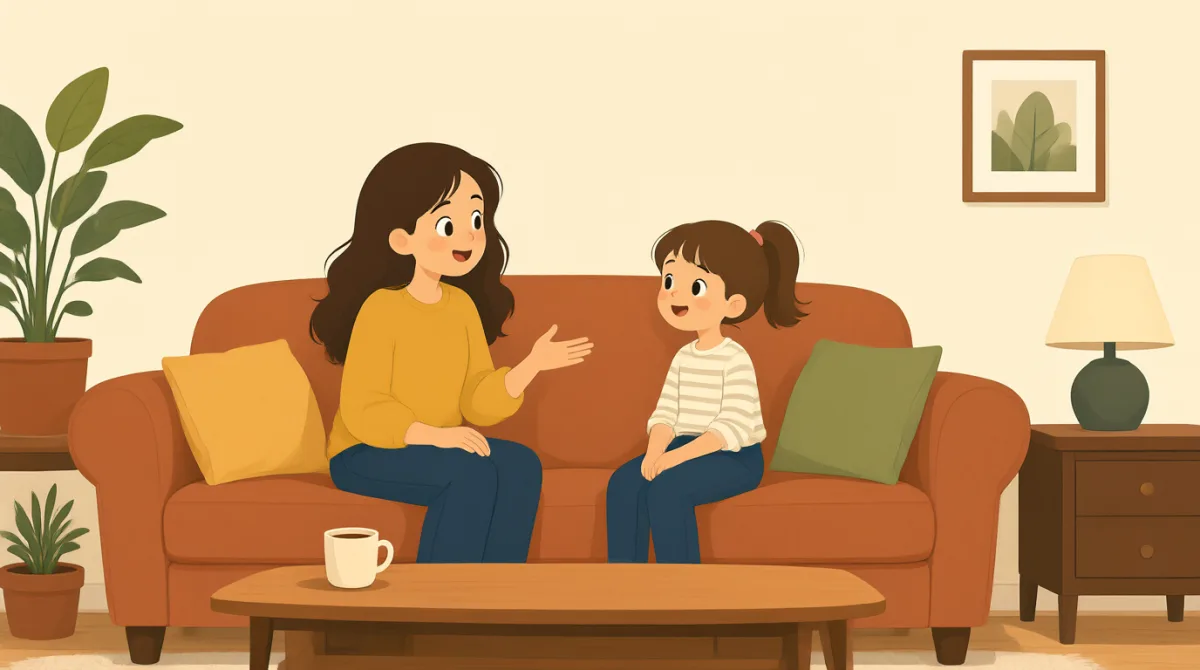

Did you have a close friend when you were growing up?
जब तुम बड़ी हो रही थीं, तब तुम्हारी कोई करीबी दोस्त थी?

Yes, my best friend lived next door. We played together every day.
हाँ, मेरी सबसे अच्छी दोस्त पड़ोस में रहती थी। हम हर दिन साथ खेलते थे।
What did you like to do together?
तुम दोनों को साथ में क्या करना पसंद था?
We rode our bikes and made up stories in the garden.
हम साइकिल चलाते थे और बगीचे में मनगढ़ंत कहानियाँ बनाते थे।
Did you go to the same school?
क्या तुम दोनों एक ही स्कूल में जाती थीं?
Yes, we walked to school together. We sat near each other in class.
हाँ, हम साथ स्कूल पैदल जाते थे। कक्षा में एक-दूसरे के पास बैठते थे।
Do you still keep in touch with your friend?
क्या अब भी अपनी दोस्त के संपर्क में हो?
We lost touch after my family moved away. I still remember those days.
मेरे परिवार के दूर चले जाने के बाद हमारा संपर्क टूट गया। मुझे वे दिन अब भी याद हैं।
शब्दावली7
- close friendकरीबी दोस्त
A close friend is someone you know well and feel comfortable with. Use it to talk about an important friendship.
करीबी दोस्त वह होता है जिसे आप अच्छी तरह जानते हैं और जिसके साथ सहज महसूस करते हैं। किसी अहम दोस्ती के बारे में बात करते समय इस शब्द का इस्तेमाल करें।
- growing upबचपन में बड़ा होना
This means during the time when you were a child. You can use it to ask about someone’s childhood.
“growing up” का मतलब है बचपन के दौरान। किसी के बचपन के बारे में पूछने के लिए आप इसका इस्तेमाल कर सकते हैं।
- lived next doorबगल के घर में रहता था
This means someone’s home was beside or very near your home. Use it to describe where a neighbor lived.
“lived next door” का मतलब है कि किसी का घर आपके घर के बिल्कुल बगल में या बहुत पास था। पड़ोसी के घर के बारे में बताने के लिए इसका इस्तेमाल करें।
- played togetherसाथ खेलते थे
This means two or more people did games or fun activities with each other. You can use it to talk about things you did as a child.
“played together” का मतलब है कि दो या उससे ज़्यादा लोग मिलकर खेल या मज़ेदार गतिविधियाँ करते थे। बचपन में साथ की गई चीज़ों के बारे में बताने के लिए इसका इस्तेमाल कर सकते हैं।
- made up storiesमनगढ़ंत कहानियाँ बनाईं
This means invented stories that were not real. Use it to describe creative play.
“made up stories” का मतलब है ऐसी कहानियाँ गढ़ना जो सच नहीं थीं। कल्पनाशील खेल के बारे में बताने के लिए इसका इस्तेमाल करें।
- keep in touchसंपर्क में रहना
This means continue talking or communicating with someone. You can use it to ask if people still contact each other.
“keep in touch” का मतलब है किसी से बातचीत या संपर्क जारी रखना। यह पूछने के लिए इसका इस्तेमाल कर सकते हैं कि क्या लोग अब भी एक-दूसरे से बात करते हैं।
- lost touchसंपर्क टूट गया
This means you stopped communicating with someone. It is often used when people move or their lives change.
“lost touch” का मतलब है कि आपने किसी से बातचीत करना बंद कर दिया। लोग जब कहीं चले जाते हैं या उनकी ज़िंदगी बदल जाती है, तब अक्सर इस वाक्यांश का इस्तेमाल किया जाता है।
मुख्य वाक्य7
- 1
Did you have a close friend when you were growing up?
जब तुम बड़ी हो रही थीं, तब तुम्हारी कोई करीबी दोस्त थी?
This is a friendly way to ask about someone’s childhood friendships. You can change “close friend” to another person or relationship.
किसी के बचपन की दोस्तियों के बारे में पूछने का यह एक दोस्ताना तरीका है। आप “close friend” की जगह किसी दूसरे व्यक्ति या रिश्ते का ज़िक्र कर सकते हैं।
- 2
My best friend lived next door.
मेरी सबसे अच्छी दोस्त पड़ोस में रहती थी।
This sentence tells where a childhood friend lived. Use “lived” to describe someone’s home in the past.
इस वाक्य में बताया गया है कि बचपन की दोस्त कहाँ रहती थी। किसी के पुराने घर के बारे में बताने के लिए “lived” का इस्तेमाल करें।
- 3
We played together every day.
हम हर दिन साथ खेलते थे।
This describes a regular activity in the past. You can replace “played” with another past activity, such as “studied” or “walked.”
यह अतीत में नियमित रूप से की जाने वाली गतिविधि बताता है। आप “played” की जगह “studied” या “walked” जैसी किसी दूसरी बीते समय की गतिविधि का इस्तेमाल कर सकते हैं।
- 4
What did you like to do together?
तुम दोनों को साथ में क्या करना पसंद था?
Use this question to ask about activities two people enjoyed. After “did,” use the base form of the verb, as in “do.”
दो लोगों को कौन-सी गतिविधियाँ पसंद थीं, यह पूछने के लिए इस सवाल का इस्तेमाल करें। “did” के बाद “do” की तरह क्रिया के मूल रूप का इस्तेमाल करें।
- 5
We rode our bikes and made up stories in the garden.
हम साइकिल चलाते थे और बगीचे में मनगढ़ंत कहानियाँ बनाते थे।
This gives examples of activities from the past. You can join two activities with “and” to share more details.
इस वाक्य में बीते समय की गतिविधियों के उदाहरण दिए गए हैं। ज़्यादा जानकारी देने के लिए आप दो गतिविधियों को “and” से जोड़ सकते हैं।
- 6
Do you still keep in touch with your friend?
क्या अब भी अपनी दोस्त के संपर्क में हो?
This is a natural way to ask whether someone still communicates with a person. You can replace “your friend” with another person, such as “your cousin.”
यह पूछने का स्वाभाविक तरीका है कि क्या कोई अब भी किसी व्यक्ति से संपर्क करता है। आप “your friend” की जगह किसी दूसरे व्यक्ति का ज़िक्र कर सकते हैं, जैसे “your cousin।”
- 7
We lost touch after my family moved away.
मेरे परिवार के दूर चले जाने के बाद हमारा संपर्क टूट गया।
This explains when communication stopped. Use “after” to connect an event with what happened next.
इसमें बताया गया है कि बातचीत कब बंद हुई। किसी घटना को उसके बाद हुई बात से जोड़ने के लिए “after” का इस्तेमाल करें।