A Childhood Friend
一位童年朋友
Emma and Mia talk about a close friend from childhood and the things they did together. They share how they stayed in touch—or lost touch.
Emma和Mia聊起童年时的好朋友,以及她们一起做过的事情。她们分享了后来如何保持联系,或失去了联系。
对话8
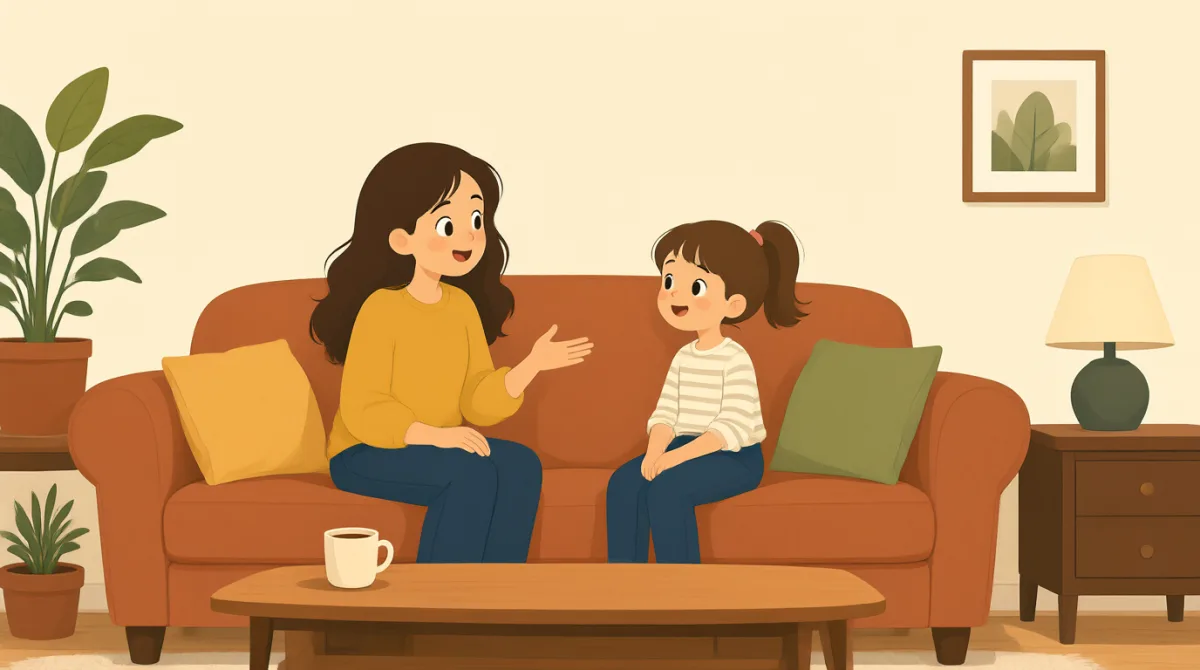

Did you have a close friend when you were growing up?
你小时候有亲密的朋友吗?

Yes, my best friend lived next door. We played together every day.
有,我最好的朋友住在隔壁。我们每天一起玩。
What did you like to do together?
你们喜欢一起做什么?
We rode our bikes and made up stories in the garden.
我们骑自行车,还在花园里编故事。
Did you go to the same school?
你们上同一所学校吗?
Yes, we walked to school together. We sat near each other in class.
是的,我们一起步行去学校。上课时我们坐得很近。
Do you still keep in touch with your friend?
你现在还和这位朋友保持联系吗?
We lost touch after my family moved away. I still remember those days.
我家搬走后,我们就失去了联系。我仍然记得那些日子。
词汇7
- close friend亲密的朋友
A close friend is someone you know well and feel comfortable with. Use it to talk about an important friendship.
“close friend”指你很了解、相处起来也很自在的人。谈到一段重要的友谊时,可以用这个说法。
- growing up小时候
This means during the time when you were a child. You can use it to ask about someone’s childhood.
“growing up”指你还是孩子的那段时间。你可以用它来询问别人的童年。
- lived next door住在隔壁
This means someone’s home was beside or very near your home. Use it to describe where a neighbor lived.
“lived next door”指某人的家就在你家旁边或离你家很近。可以用它来描述邻居住在哪里。
- played together一起玩
This means two or more people did games or fun activities with each other. You can use it to talk about things you did as a child.
“played together”指两个人或更多人一起玩游戏或参加有趣的活动。你可以用它来聊聊小时候一起做过的事。
- made up stories编故事
This means invented stories that were not real. Use it to describe creative play.
“made up stories”指编出并非真实发生的故事。可以用这个说法来描述想象力丰富的游戏。
- keep in touch保持联系
This means continue talking or communicating with someone. You can use it to ask if people still contact each other.
“keep in touch”指继续和某人交谈或联系。你可以用它来问两个人现在是否还联系。
- lost touch失去联系
This means you stopped communicating with someone. It is often used when people move or their lives change.
“lost touch”指你不再和某人联系了。人们搬家或生活发生变化时,常会用这个说法。
重点句子7
- 1
Did you have a close friend when you were growing up?
你小时候有亲密的朋友吗?
This is a friendly way to ask about someone’s childhood friendships. You can change “close friend” to another person or relationship.
这是询问别人童年友谊的一种亲切说法。你可以把“close friend”换成其他人物或关系。
- 2
My best friend lived next door.
我最好的朋友住在隔壁。
This sentence tells where a childhood friend lived. Use “lived” to describe someone’s home in the past.
这句话说明了一位童年朋友当时住在哪里。用“lived”来描述某人过去住的地方。
- 3
We played together every day.
我们每天一起玩。
This describes a regular activity in the past. You can replace “played” with another past activity, such as “studied” or “walked.”
这句话描述过去经常做的一件事。你可以把“played”换成其他过去时的活动,比如“studied”或“walked”。
- 4
What did you like to do together?
你们喜欢一起做什么?
Use this question to ask about activities two people enjoyed. After “did,” use the base form of the verb, as in “do.”
用这个问题询问两个人喜欢一起做什么活动。在“did”之后要用动词原形,比如“do”。
- 5
We rode our bikes and made up stories in the garden.
我们骑自行车,还在花园里编故事。
This gives examples of activities from the past. You can join two activities with “and” to share more details.
这句话举例说明了过去做过的活动。你可以用“and”连接两项活动,补充更多细节。
- 6
Do you still keep in touch with your friend?
你现在还和这位朋友保持联系吗?
This is a natural way to ask whether someone still communicates with a person. You can replace “your friend” with another person, such as “your cousin.”
这是询问某人是否还和另一个人联系的一种自然说法。你可以把“your friend”换成其他人,比如“your cousin”。
- 7
We lost touch after my family moved away.
我家搬走后,我们就失去了联系。
This explains when communication stopped. Use “after” to connect an event with what happened next.
这句话说明了你们从什么时候开始不再联系。用“after”连接一件事和之后发生的事。