Блок 41
Слова 801–820 · husband, access, movement, treat, identify, loss

husband
#801noun
муж
A married man.
Женатый мужчина.

Her husband cooks dinner every evening.
Её муж готовит ужин каждый вечер.

My husband works at a local school.
Мой муж работает в местной школе.

His husband bought fresh bread this morning.
Его муж купил сегодня утром свежий хлеб.

I met your husband at the airport.
Я встретил твоего мужа в аэропорту.

Her husband felt sick after lunch.
Её муж почувствовал себя плохо после обеда.

access
#802noun, verb
доступ
the right or way to enter, use, or reach something
Право или возможность войти куда-либо, пользоваться чем-либо или добраться до чего-либо.
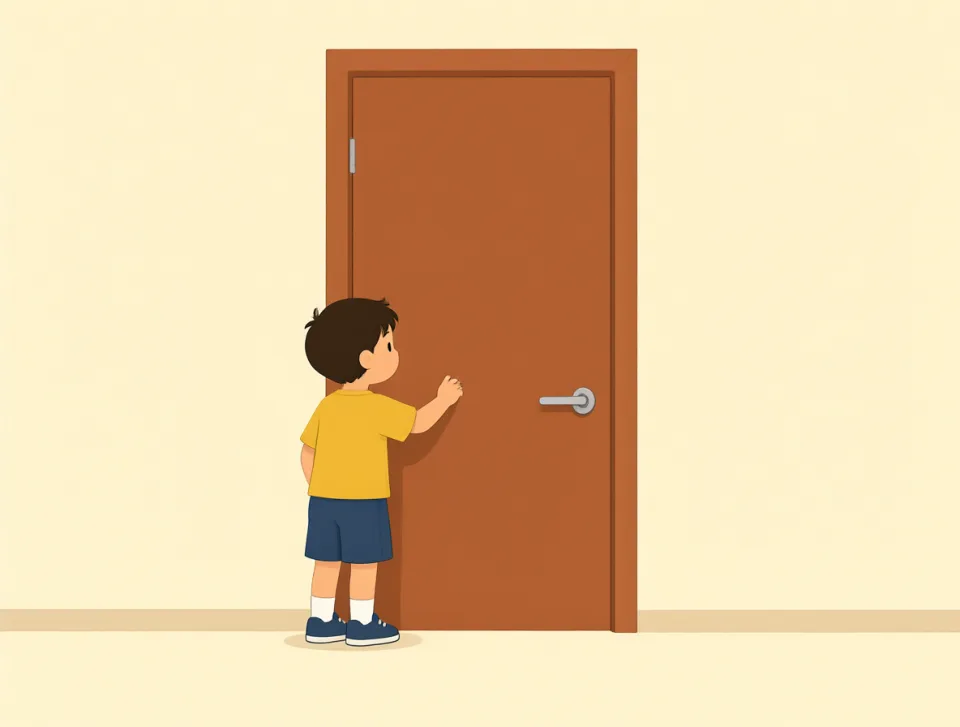
I need access to the bathroom.
Мне нужно попасть в ванную.

You can access your account from home.
Ты можешь получить доступ к своему аккаунту из дома.

Students have access to the school library.
У учеников есть доступ к школьной библиотеке.
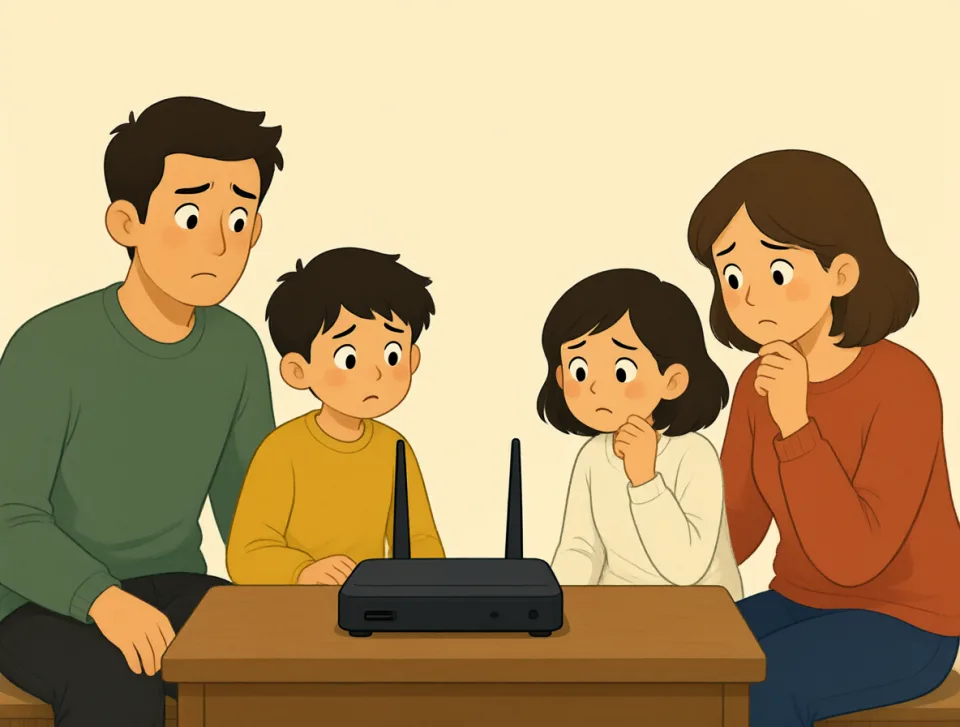
We lost internet access during the storm.
Во время бури мы потеряли доступ к интернету.
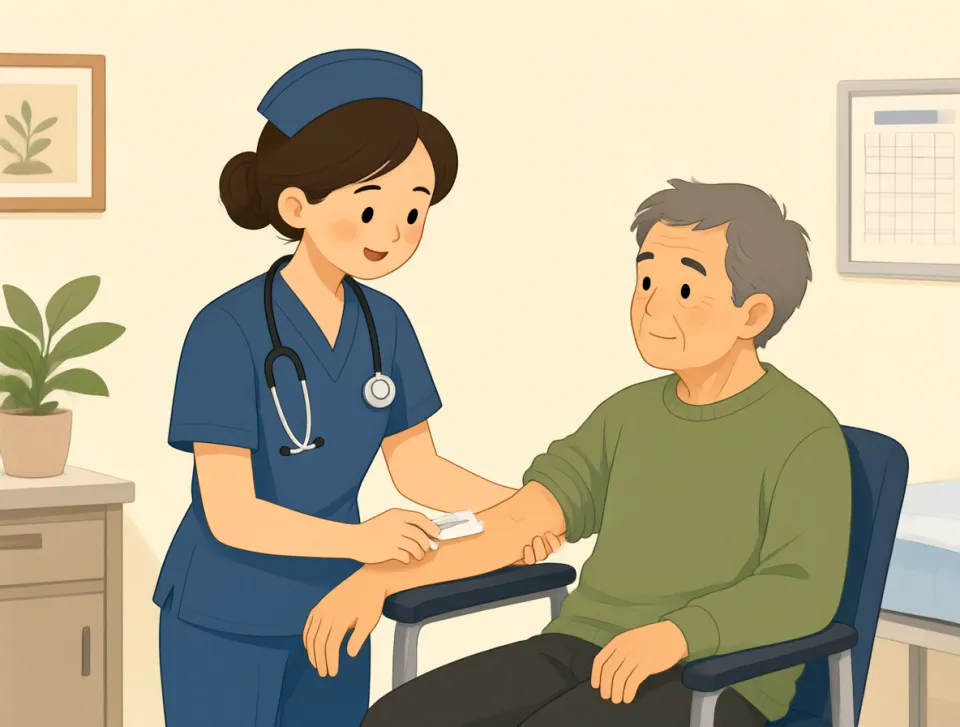
The nurse accessed his arm for treatment.
Медсестра получила доступ к его руке для проведения лечения.
movement
#803noun
движение
the act or process of moving from one place or position to another
Действие или процесс перемещения из одного места или положения в другое.

The movement of the train made me feel sick.
Из-за движения поезда меня затошнило.
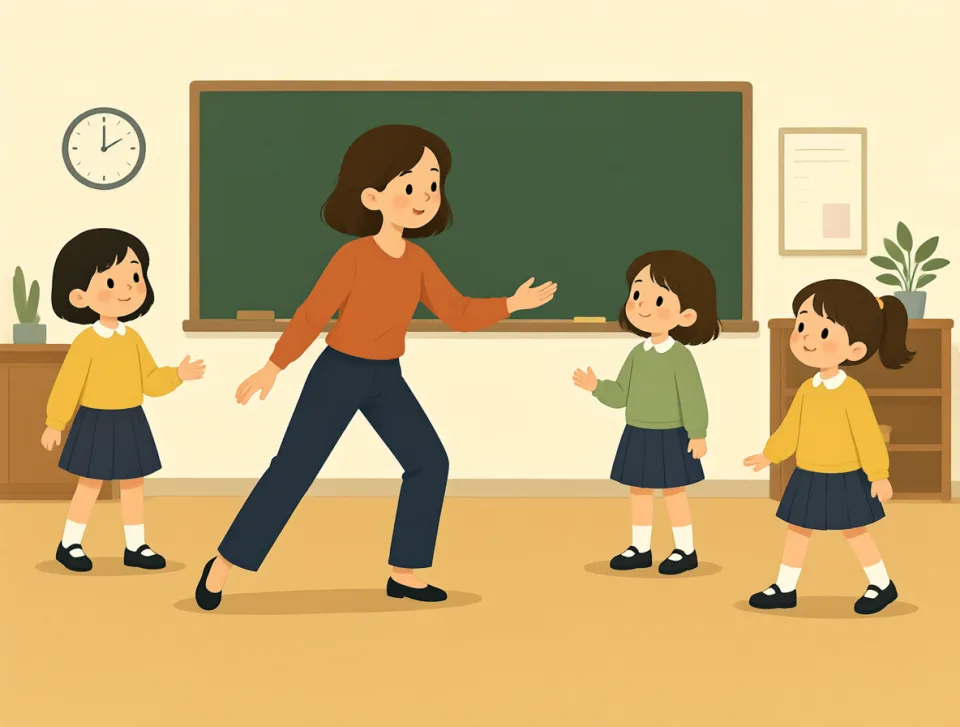
The teacher showed us a new dance movement.
Учитель показал нам новое танцевальное движение.
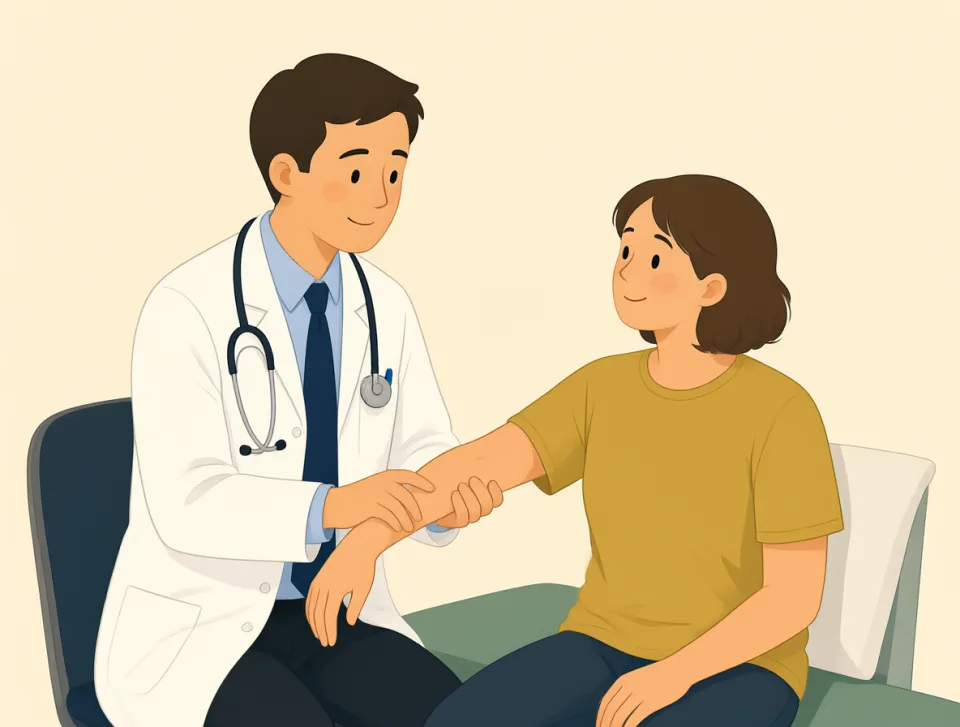
The doctor checked my arm movement carefully.
Врач тщательно проверил, как двигается моя рука.

The baby's movements woke her mother.
Движения младенца разбудили его мать.

The workers started a movement for better pay.
Рабочие начали движение за повышение зарплаты.

treat
#804verb, noun
обращаться; угощать
To behave toward someone in a particular way, or give someone something special.
Относиться к кому-либо определённым образом или давать кому-либо что-то особенное.
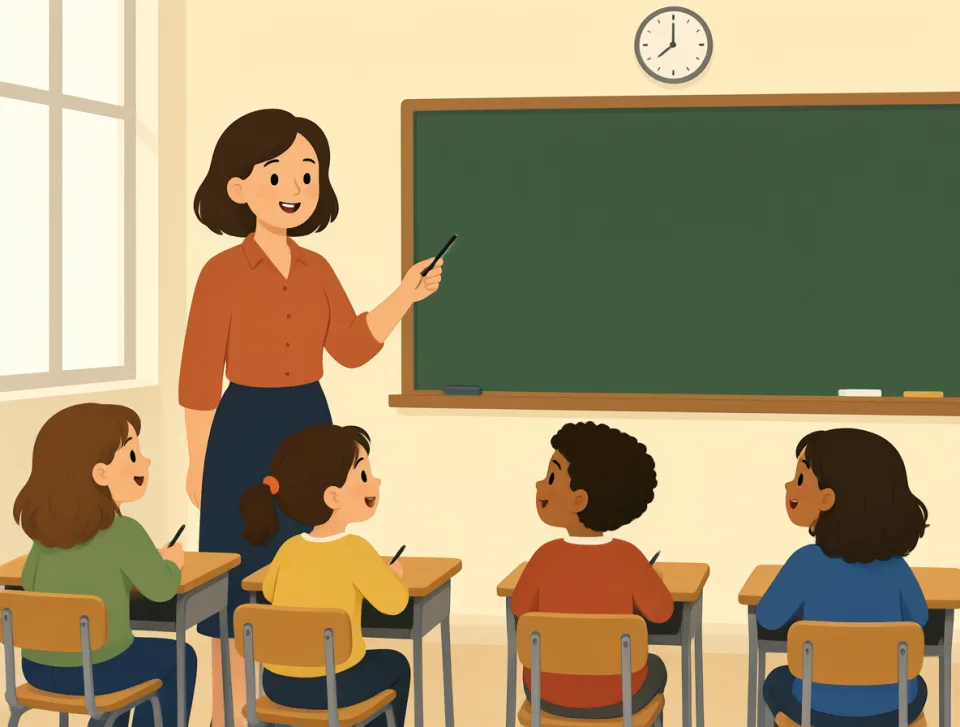
The teacher treated everyone fairly.
Учитель относился ко всем справедливо.

My parents treated us to dinner.
Родители угостили нас ужином.

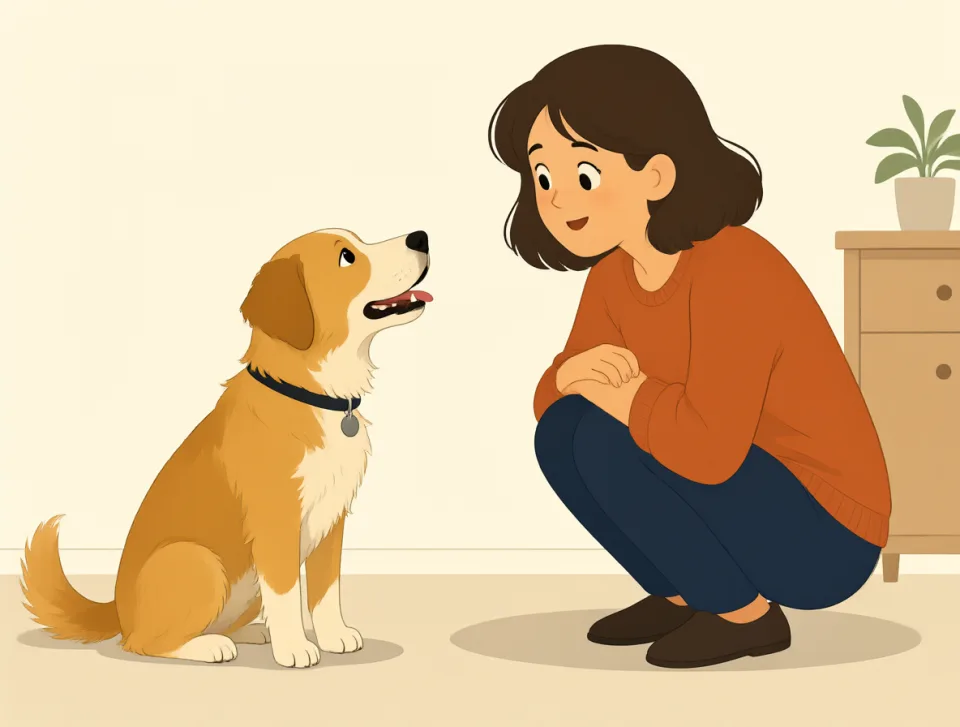
She treats her dog like family.
Она относится к своей собаке как к члену семьи.
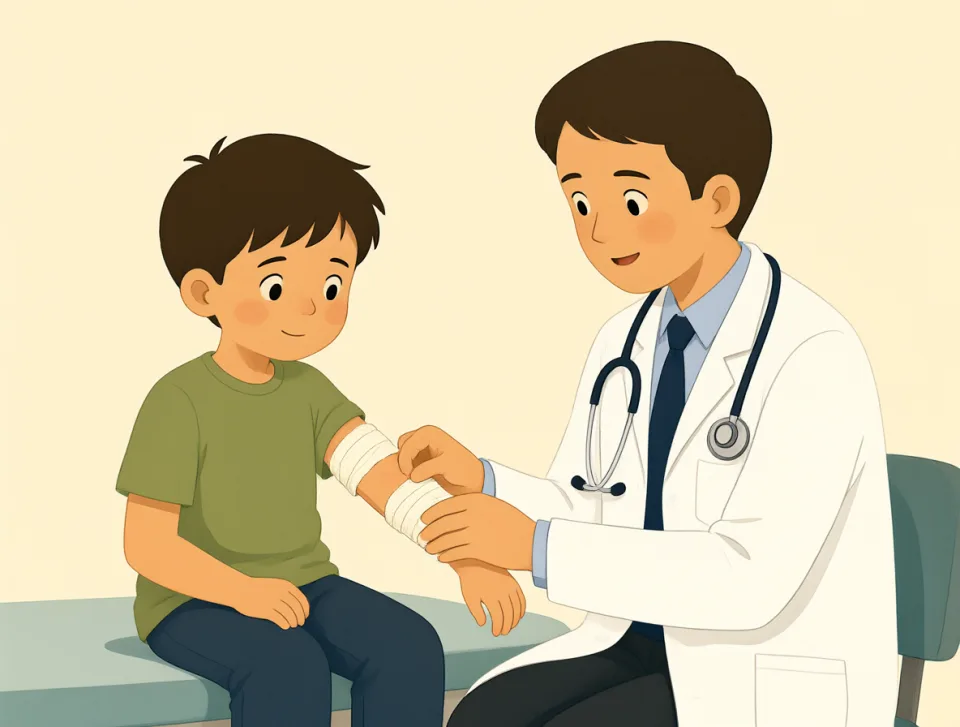
The doctor treated his injured arm.
Врач обработал его травмированную руку.

Ice cream is a special treat.
Мороженое — это особое лакомство.
identify
#805verb
определить; распознать
to recognize or discover who or what someone or something is
Узнать или выяснить, кто или что собой представляет человек или предмет.

I identified my bag by its red strap.
Я узнал свою сумку по красному ремешку.

Can you identify the man in this photo?
Ты можешь узнать мужчину на этой фотографии?
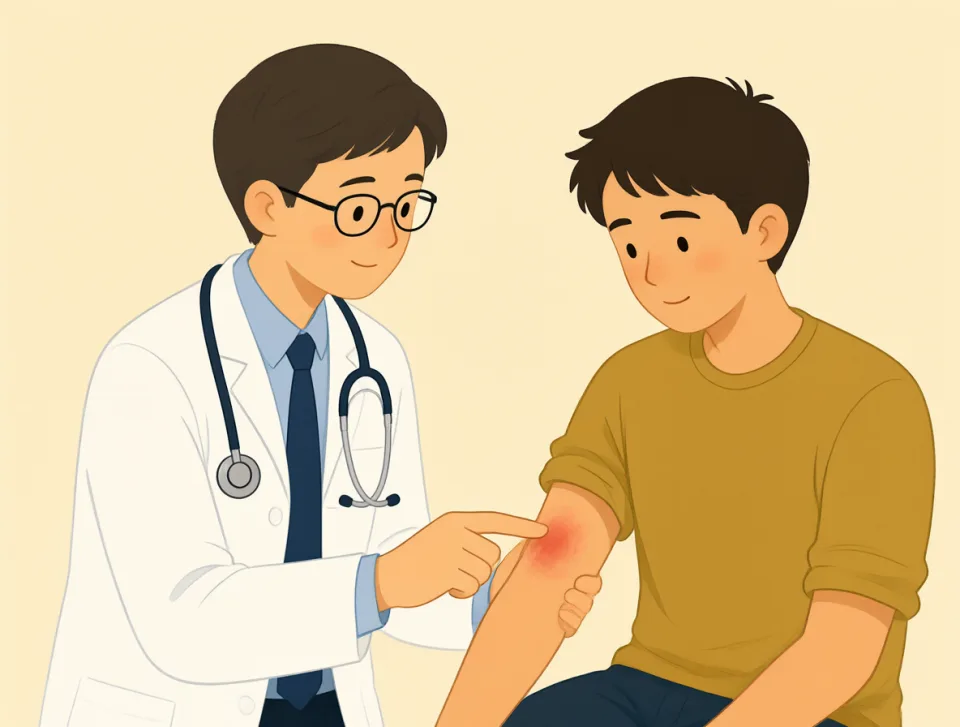
The doctor identified the cause of my pain.
Врач определил причину моей боли.

We identified three mistakes in the homework.
Мы нашли три ошибки в домашнем задании.
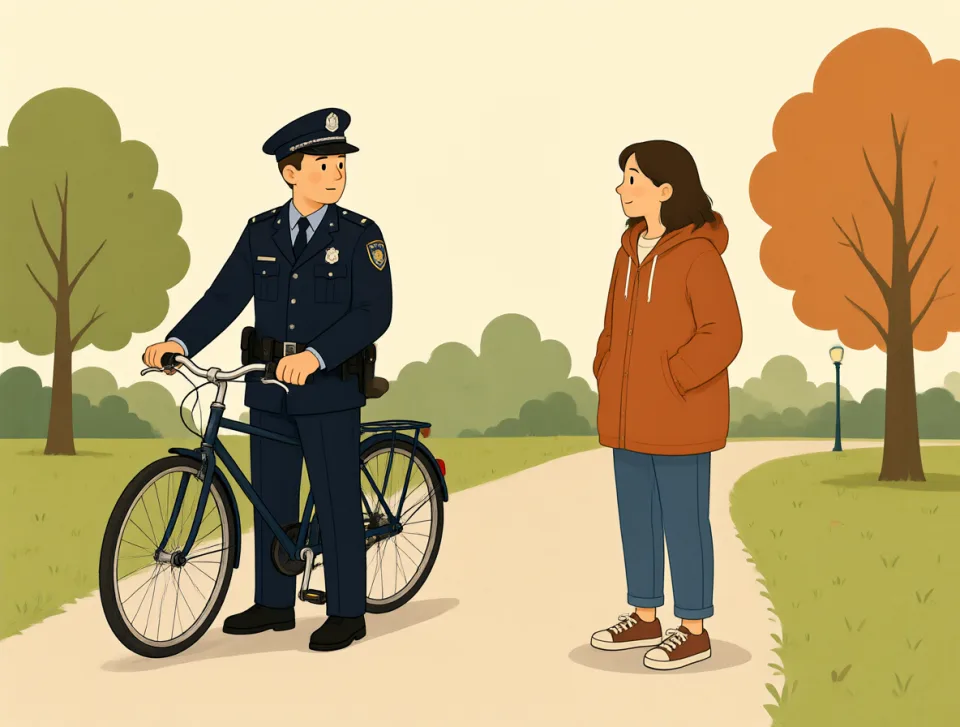
The police identified the stolen bike near the park.
Полиция обнаружила украденный велосипед возле парка.
loss
#806noun
потеря
The act of no longer having something, or the amount lost.
Факт утраты чего-либо или количество утраченного.
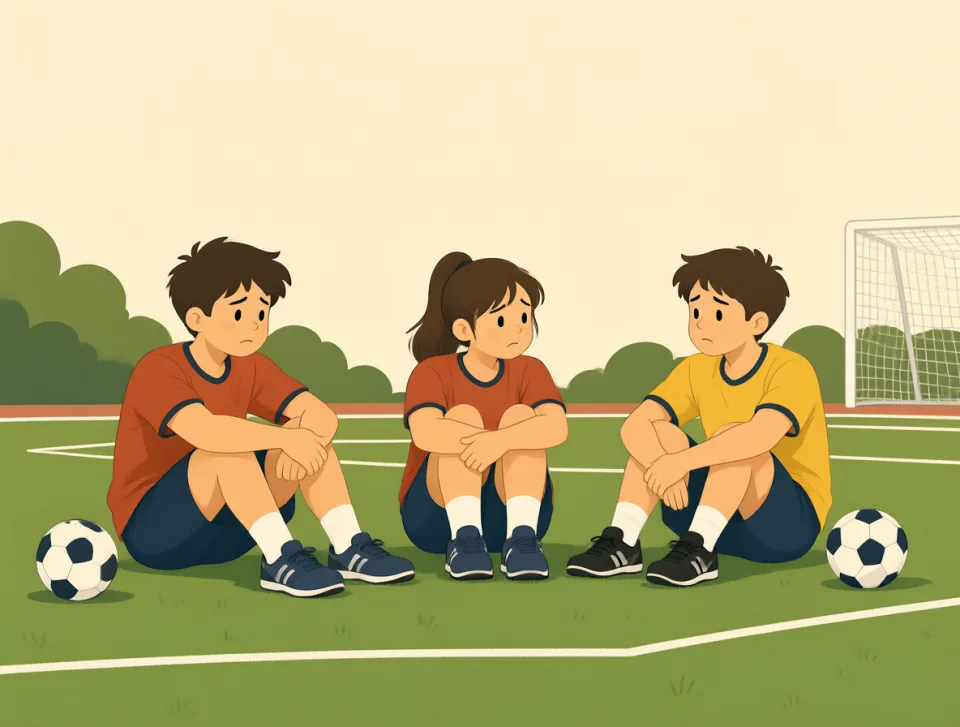
The team suffered a big loss yesterday.
Вчера команда потерпела крупное поражение.
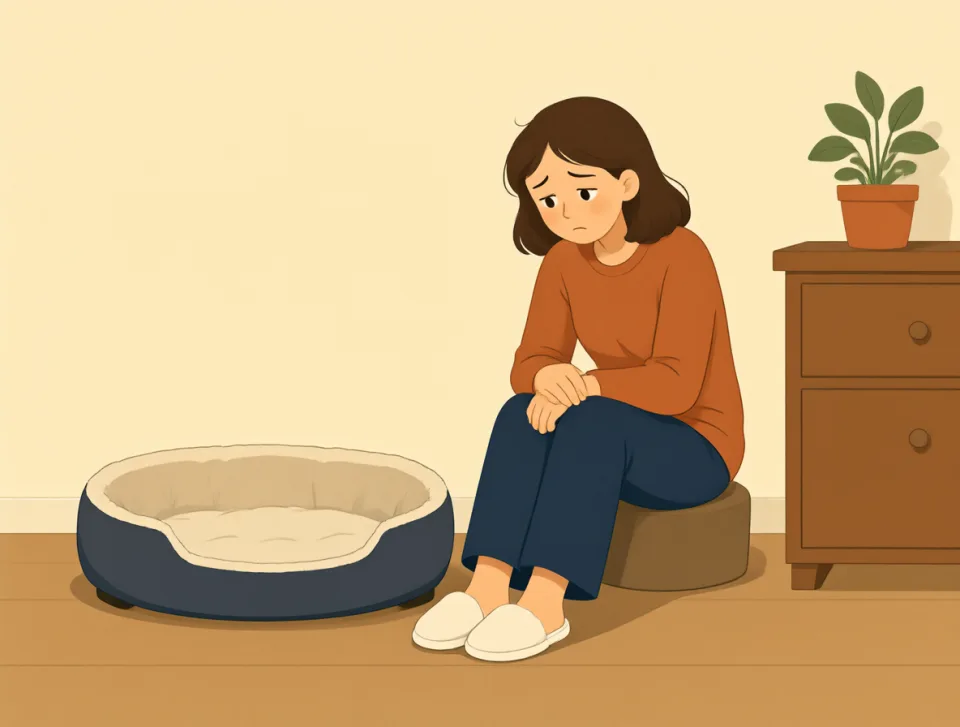
She felt great loss after her dog died.
После смерти собаки она пережила тяжёлую утрату.

The shop reported a loss this month.
В этом месяце магазин сообщил об убытках.
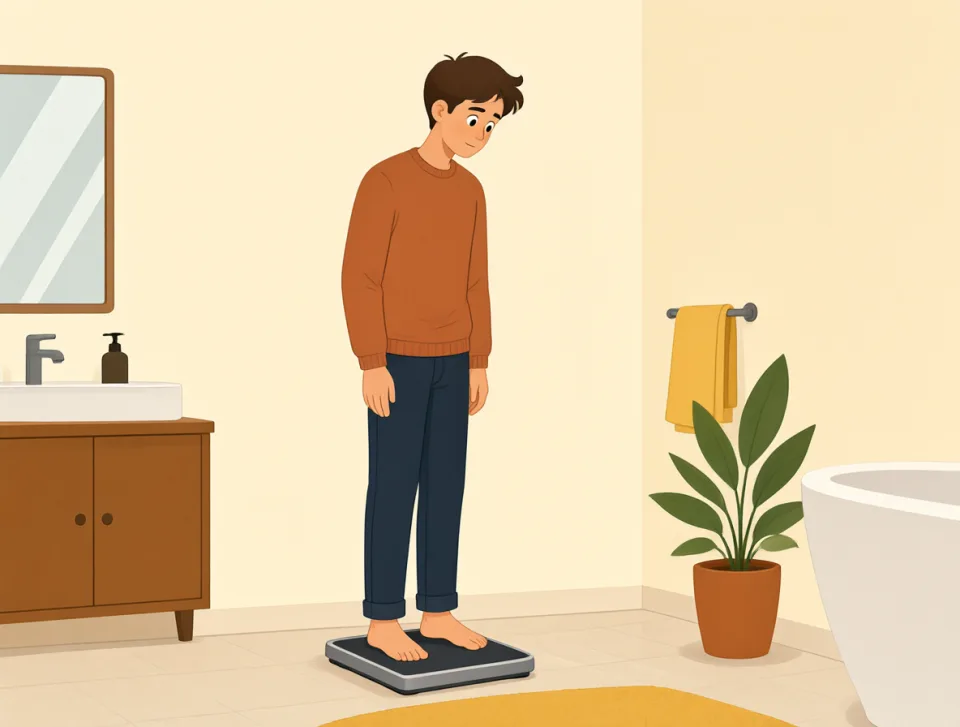
He lost weight after his illness.
После болезни он похудел.

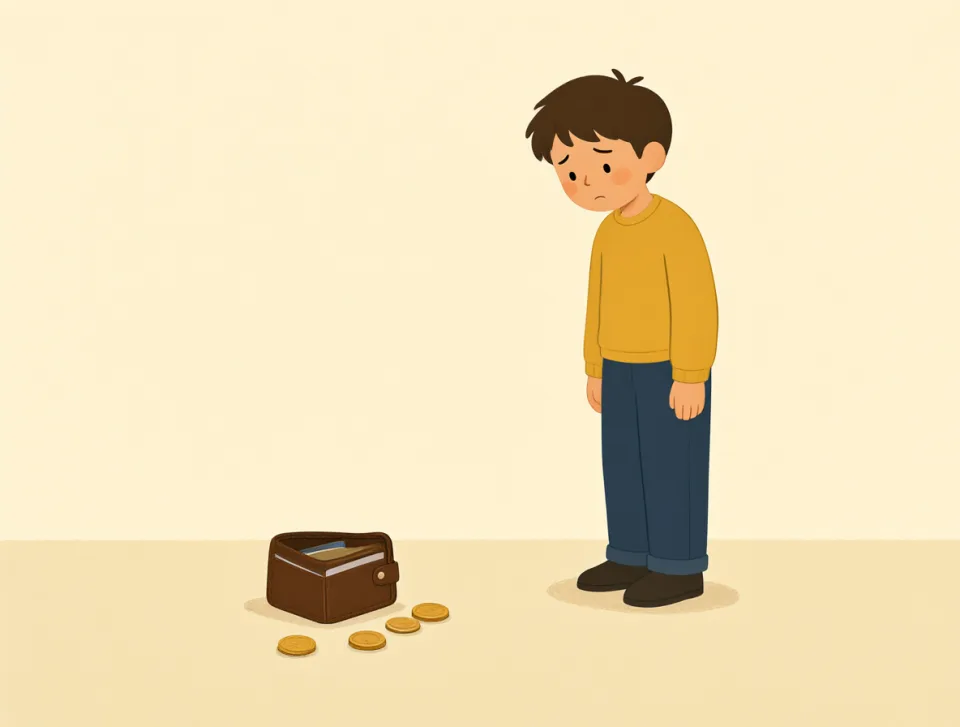
The plane left without my suitcase, a real loss.
Самолёт улетел без моего чемодана — вот это потеря.

shall
#807verb, modal verb
следует; давай(те)
Used to ask for advice, make offers, or talk about future actions.
Используется, чтобы попросить совета, предложить что-либо или говорить о будущих действиях.
Shall we meet at six o'clock?
Может, встретимся в шесть?

Shall I open the window?
Мне открыть окно?

We shall see you tomorrow.
Мы увидимся с вами завтра.

You shall have some more soup.
Возьмите ещё супа.

The students shall finish the work today.
Студенты должны закончить работу сегодня.

modern
#808adjective
современный
New or recently developed, using the latest ideas, styles, or technology.
Новый или недавно созданный, соответствующий новейшим идеям, стилям или технологиям.

They live in a modern apartment downtown.
Они живут в современной квартире в центре города.

Our school has a modern science room.
В нашей школе есть современный кабинет естественных наук.
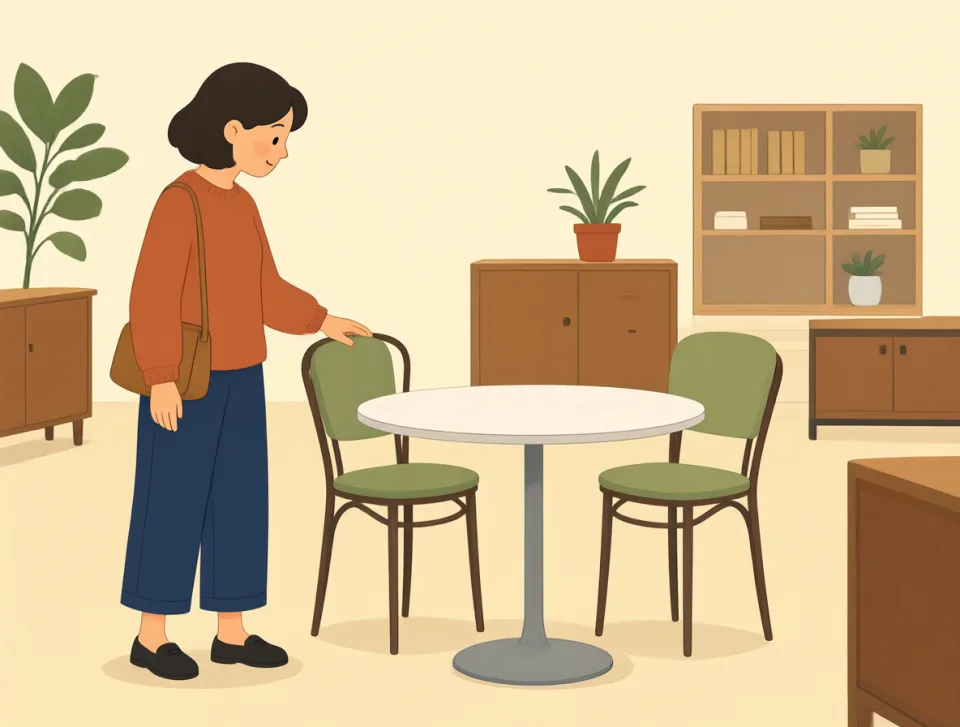
She bought a modern kitchen table.
Она купила современный кухонный стол.

The hotel has modern rooms and a pool.
В отеле есть современные номера и бассейн.
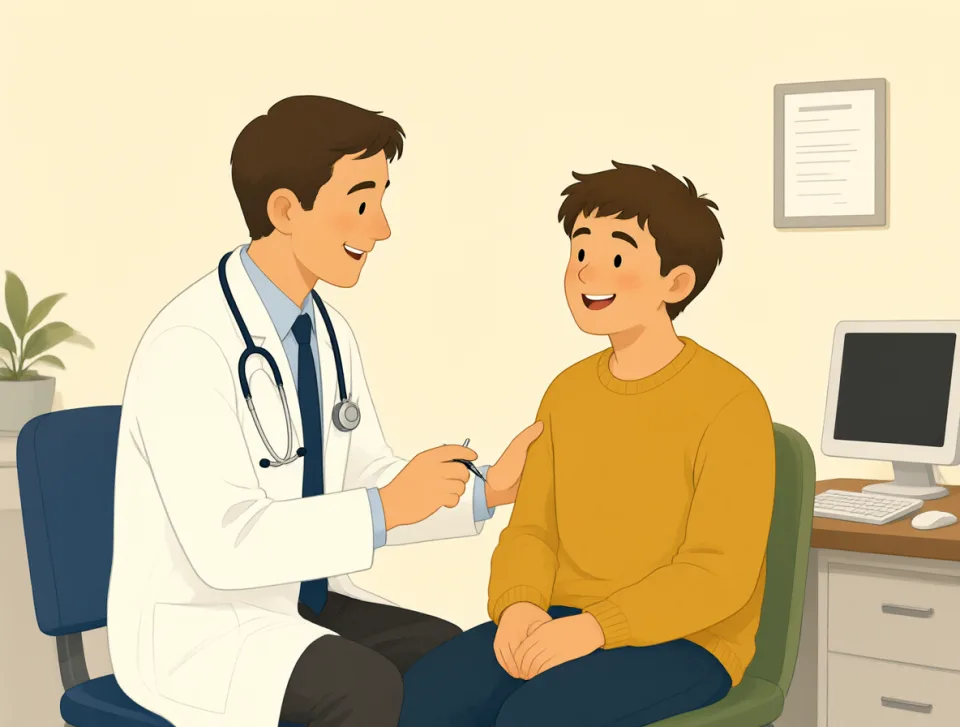
Modern medicine helped him get better.
Современная медицина помогла ему выздороветь.

pressure
#809noun
давление
A force pushing on something, or a feeling that you must do something.
Сила, которая давит на что-либо, или ощущение, что вы должны что-то сделать.
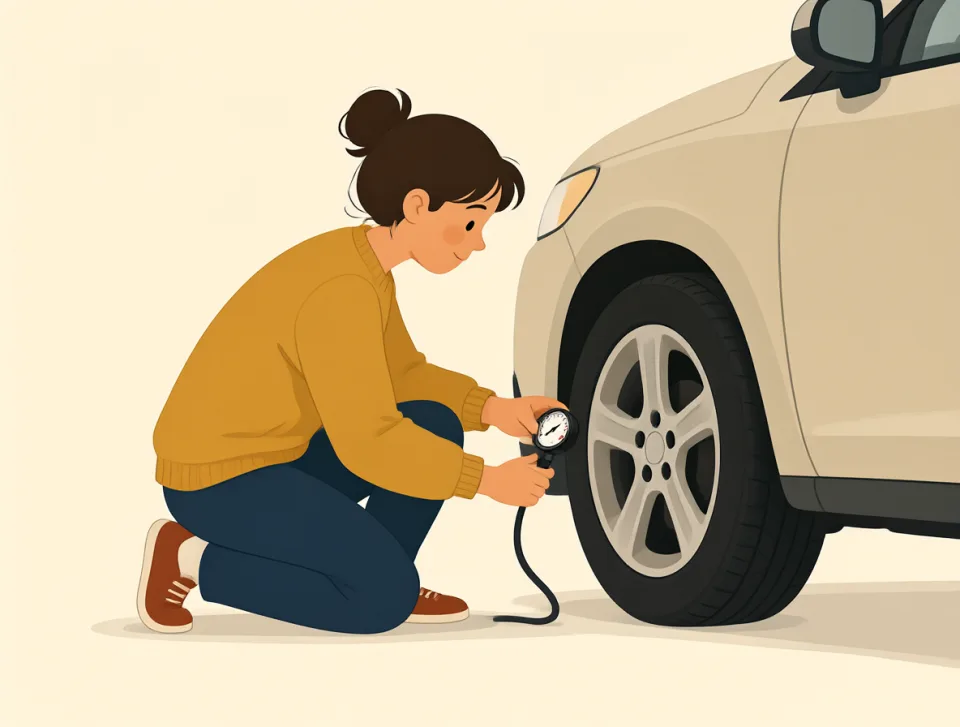
The tire pressure is too low.
Давление в шинах слишком низкое.

She felt pressure to finish the work.
Она чувствовала давление из-за необходимости закончить работу.
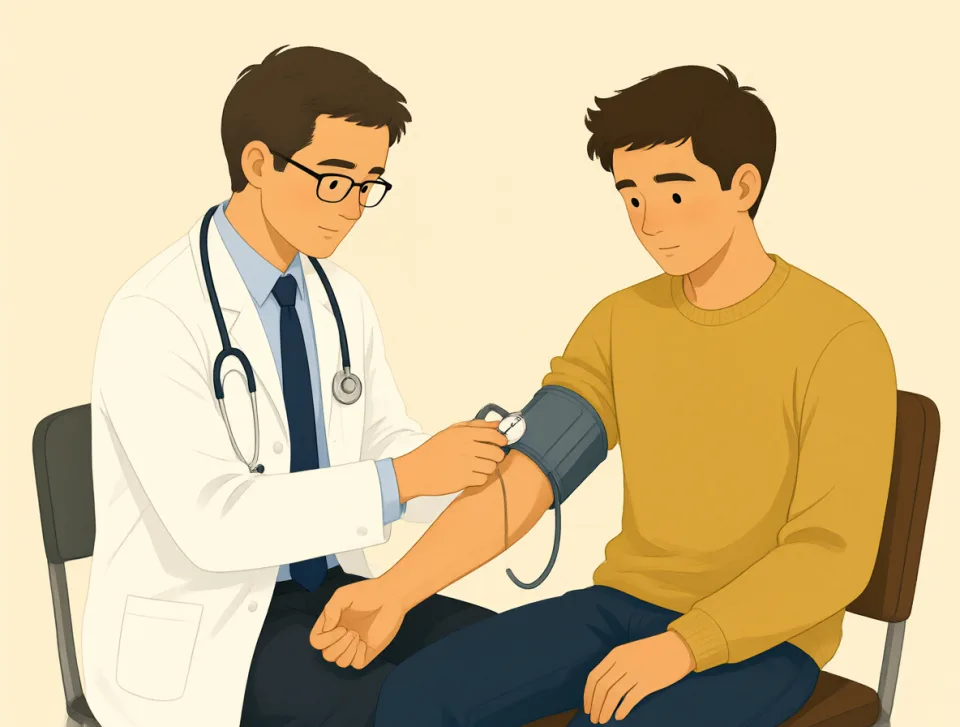
The doctor checked his blood pressure.
Врач измерил ему артериальное давление.
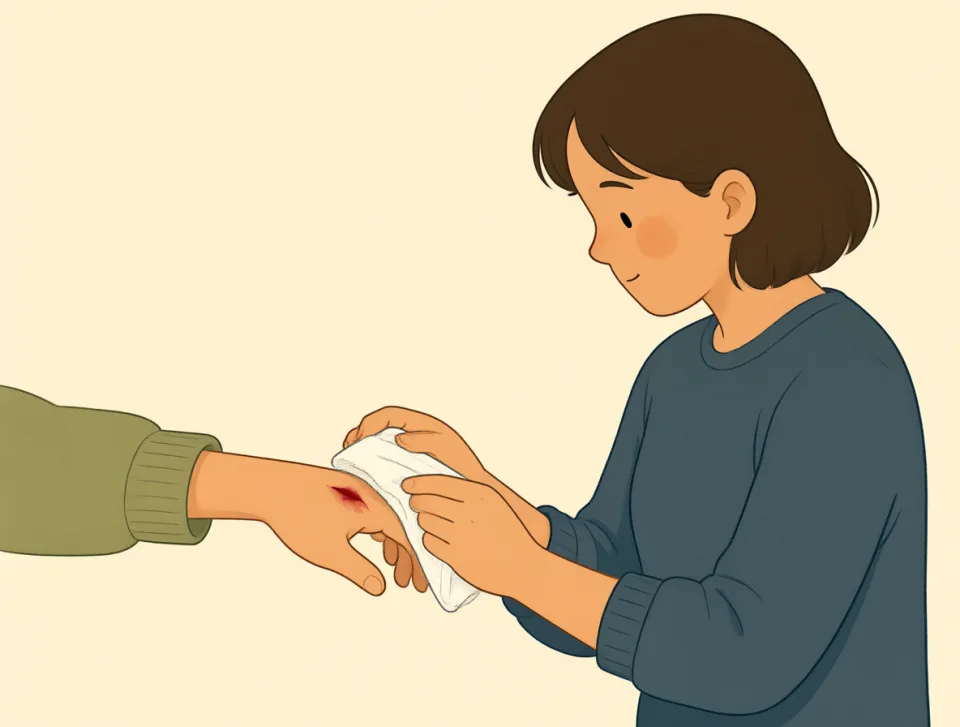
He put pressure on the cut to stop bleeding.
Он прижал рану, чтобы остановить кровотечение.

The water pressure is weak in our shower.
В нашем душе слабый напор воды.

bus
#810noun, verb
автобус; ездить на автобусе
A large road vehicle that carries many people, or to travel by bus.
Большое дорожное транспортное средство для перевозки множества людей или поездка на автобусе.

I take the bus to school every morning.
Каждое утро я езжу в школу на автобусе.

The bus was late because of heavy traffic.
Автобус опоздал из-за сильных пробок.

We got off the bus near the market.
Мы вышли из автобуса возле рынка.

She buses to work from the city center.
Она ездит на работу на автобусе из центра города.

The driver is busing the children home.
Водитель везёт детей домой на автобусе.
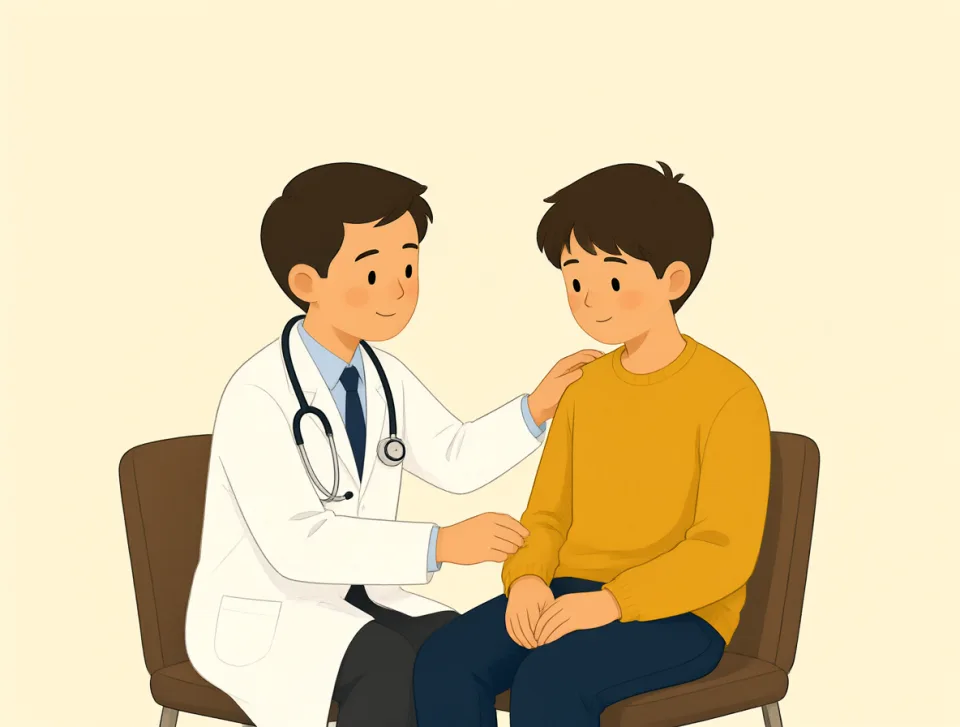
treatment
#811noun
лечение
Medical care given to make someone healthy or feel better.
Медицинская помощь, которую оказывают, чтобы вылечить человека или улучшить его самочувствие.
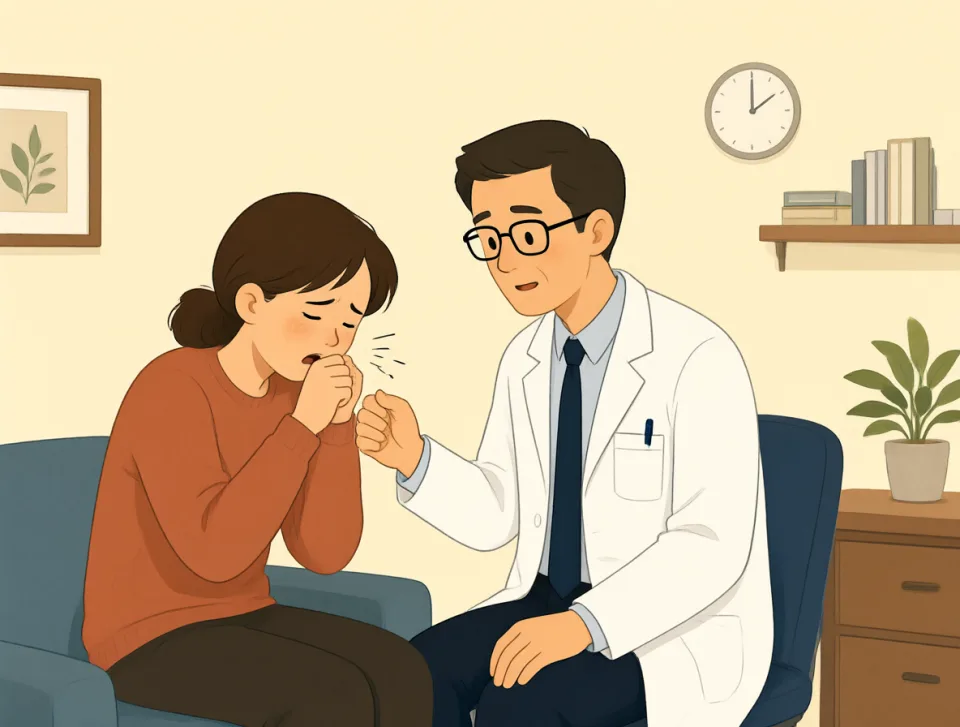
The doctor started treatment for my cough.
Врач назначил мне лечение от кашля.

This cream is a treatment for dry skin.
Этот крем помогает лечить сухую кожу.
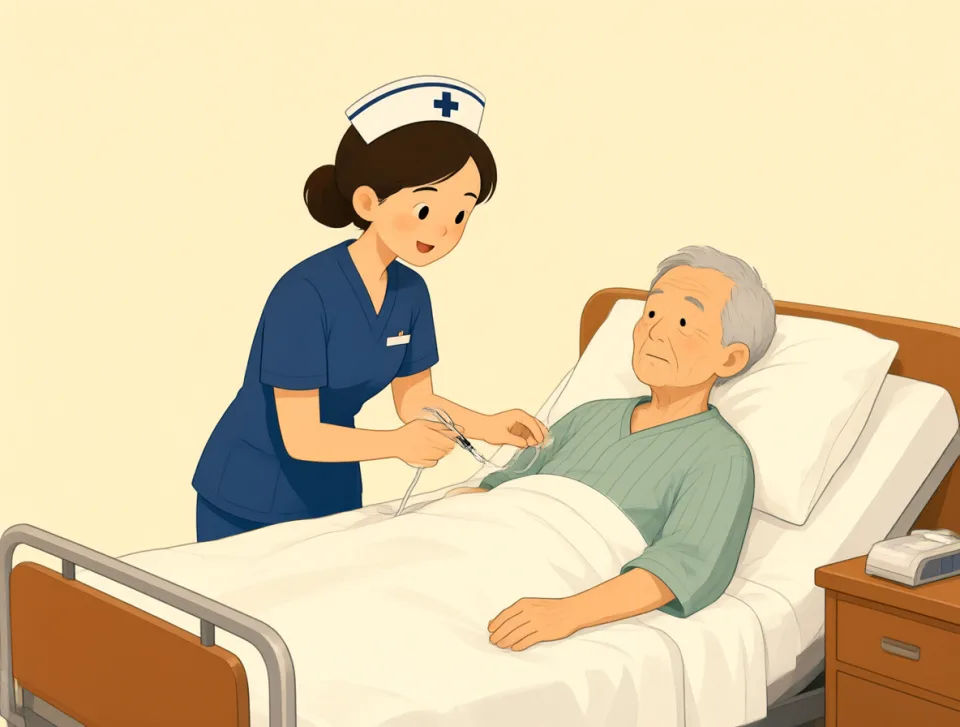
She received treatment at the hospital.
Она проходила лечение в больнице.

The hotel gave our complaint careful treatment.
В отеле тщательно рассмотрели нашу жалобу.

The teacher's treatment of students was fair.
Учитель справедливо относился к ученикам.

conference
#812noun
конференция
A formal meeting where people discuss ideas, information, or work.
Официальное собрание, на котором люди обсуждают идеи, информацию или рабочие вопросы.
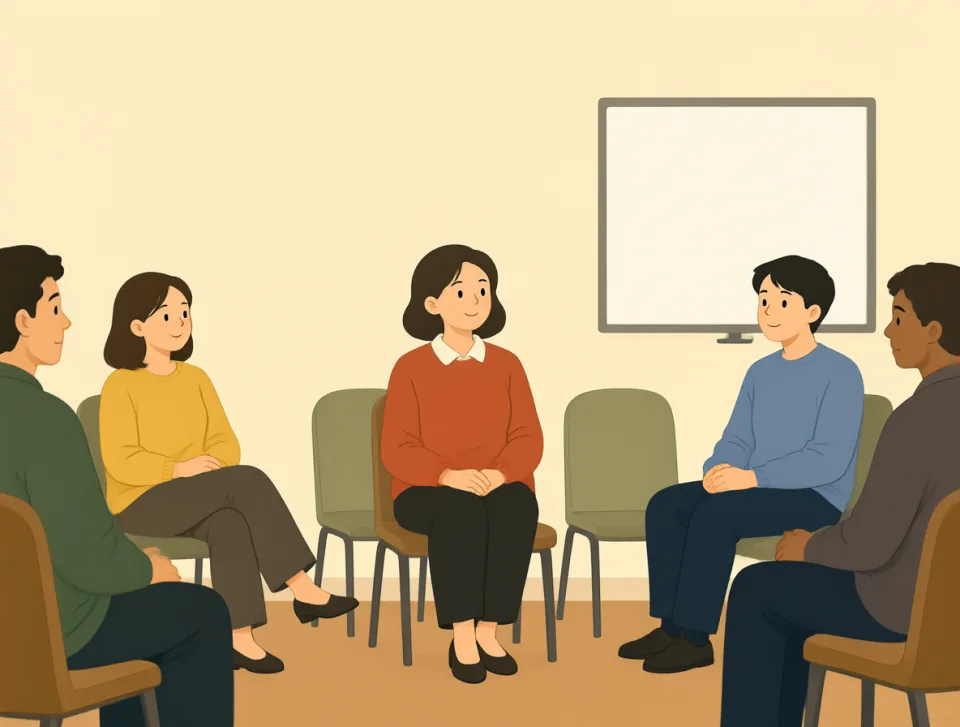
She is attending a business conference this week.
На этой неделе она участвует в деловой конференции.

Our school held a science conference yesterday.
Вчера в нашей школе прошла научная конференция.

He met old friends at the conference.
На конференции он встретил старых друзей.
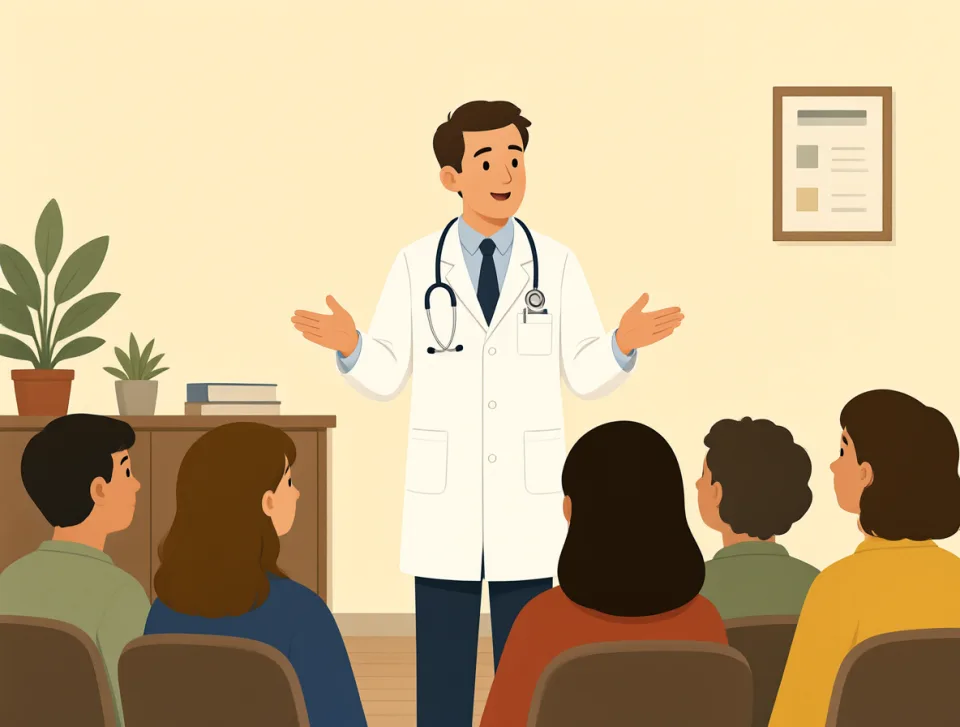
The doctor spoke at a health conference.
Врач выступил на конференции по вопросам здоровья.

They booked a hotel near the conference.
Они забронировали отель рядом с местом проведения конференции.

yourself
#813pronoun
сам; себя
You; the person or people you are talking to, used as an object or for emphasis.
Ты или вы — тот, к кому обращаются; употребляется в роли дополнения или для усиления.
You can do it yourself.
Ты можешь сделать это сам.

Please make yourself at home.
Пожалуйста, чувствуйте себя как дома.

Did you enjoy yourself at the party?
Тебе понравилось на вечеринке?

Take care of yourself on the trip.
Береги себя в поездке.

You should be proud of yourself.
Ты должен гордиться собой.

supply
#814noun, verb
запас; снабжать
A supply is an amount of something available to use; to supply means to provide it.
Как существительное, supply — это количество чего-либо, доступного для использования; как глагол — снабжать чем-либо, предоставлять что-либо.

We need a fresh supply of milk.
Нам нужен свежий запас молока.

The shop supplies food to local schools.
Магазин поставляет продукты в местные школы.

The hotel supplied towels for every guest.
Отель предоставил полотенца каждому гостю.
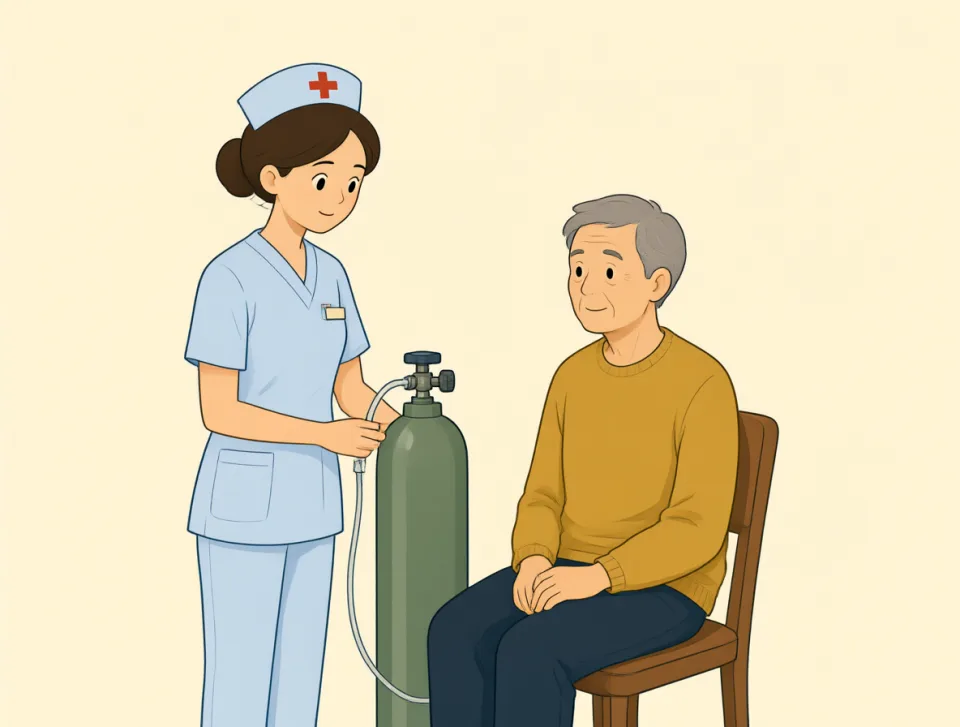
The nurse checked my oxygen supply.
Медсестра проверила, хватает ли мне кислорода.
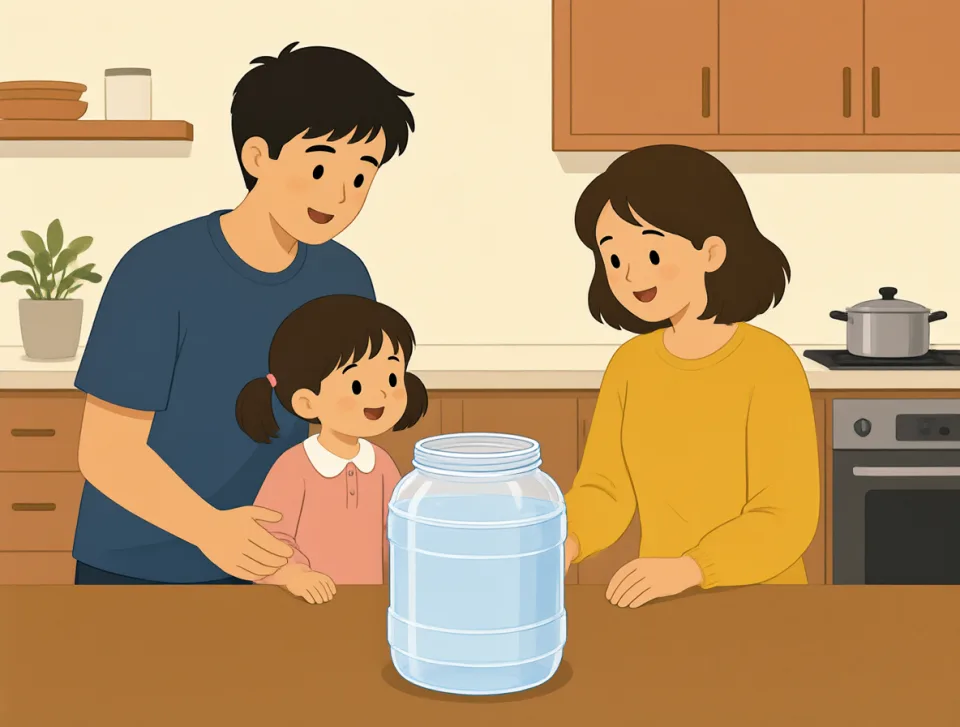
Our water supply ran out yesterday.
Вчера у нас закончился запас воды.

village
#815noun
деревня
a small place where people live, usually in the countryside
Небольшое поселение, обычно расположенное в сельской местности.

My grandparents live in a quiet village.
Мои бабушка и дедушка живут в тихой деревне.

The village has a small school.
В деревне есть небольшая школа.

We bought fresh bread in the village.
Мы купили свежий хлеб в деревне.

Many tourists visit the village each summer.
Каждое лето деревню посещает множество туристов.
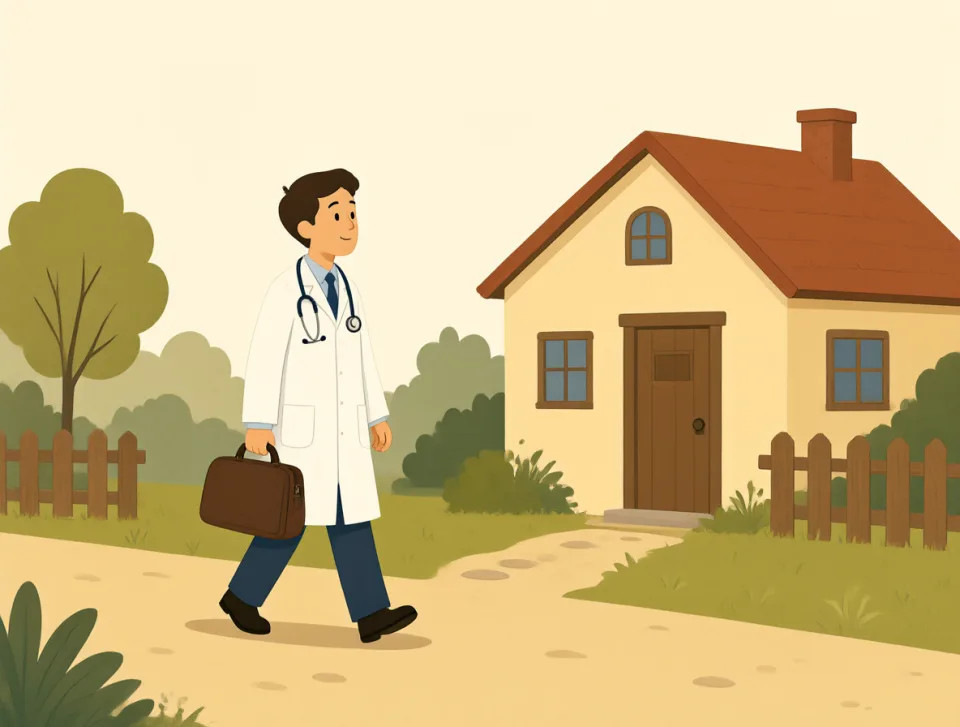
A doctor visits the village every Friday.
Каждую пятницу в деревню приезжает врач.

worth
#816adjective, noun, preposition
стоящий того; стоить
Having a value or usefulness equal to something; deserving time, money, or effort.
Имеющий определённую ценность или пользу; заслуживающий потраченного времени, денег или усилий.

This book is worth reading again.
Эту книгу стоит перечитать.

The watch is worth fifty dollars.
Часы стоят пятьдесят долларов.

Is this film worth seeing?
Стоит ли посмотреть этот фильм?

It was worth waiting for the delicious meal.
Ради этого вкусного блюда стоило подождать.

The museum is well worth a visit.
Этот музей определённо стоит посетить.

natural
#817adjective
естественный
Existing in nature or happening normally, without being made or changed by people.
Существующий в природе или происходящий обычным образом, без участия человека.

She has beautiful natural hair.
У неё красивые натуральные волосы.

This juice contains natural fruit.
Этот сок содержит натуральные фрукты.

He felt natural speaking to the friendly teacher.
Ему было легко и естественно разговаривать с приветливым учителем.

We walked along a natural beach.
Мы гуляли по естественному пляжу.
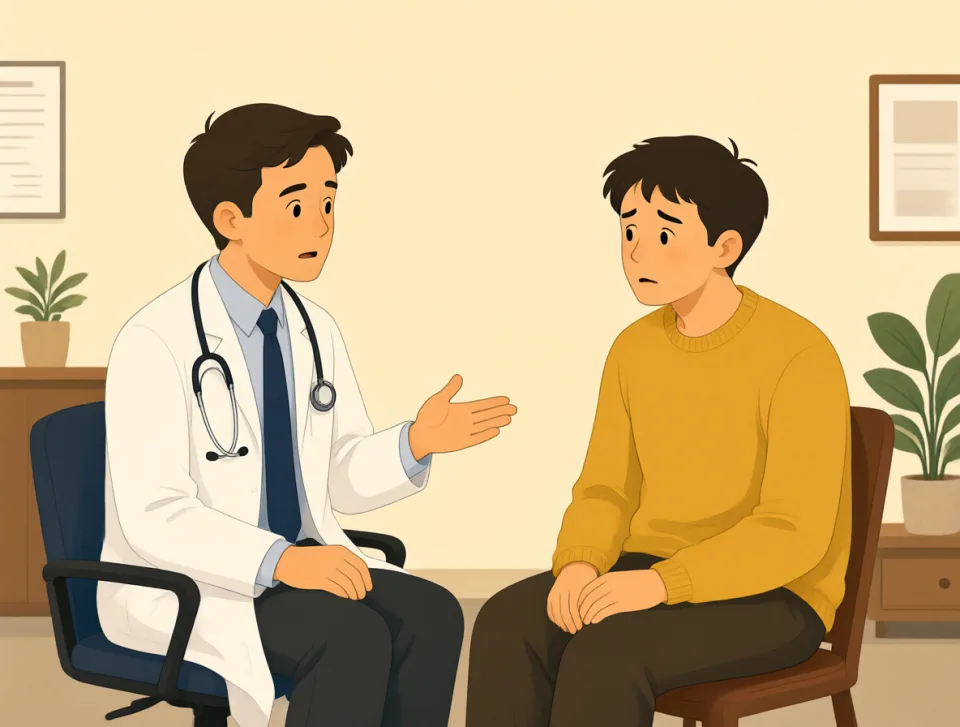
The doctor suggested a natural way to sleep better.
Врач посоветовал натуральное средство, которое поможет лучше спать.

express
#818verb, noun, adjective
выражать; экспресс
to show a feeling or idea in words, actions, or art
Передавать чувство или мысль словами, поступками или с помощью искусства.

She expressed her feelings to her friend.
Она поделилась своими чувствами с подругой.

Please express your opinion in class.
Пожалуйста, выскажите своё мнение на уроке.

He expressed thanks for the delicious meal.
Он поблагодарил за вкусный обед.

We took the express train to London.
Мы поехали в Лондон на экспрессе.

The express bus arrives every ten minutes.
Экспресс-автобус прибывает каждые десять минут.
indicate
#819verb
указывать
to show or point out something clearly
Ясно показывать на что-либо или обозначать что-либо.

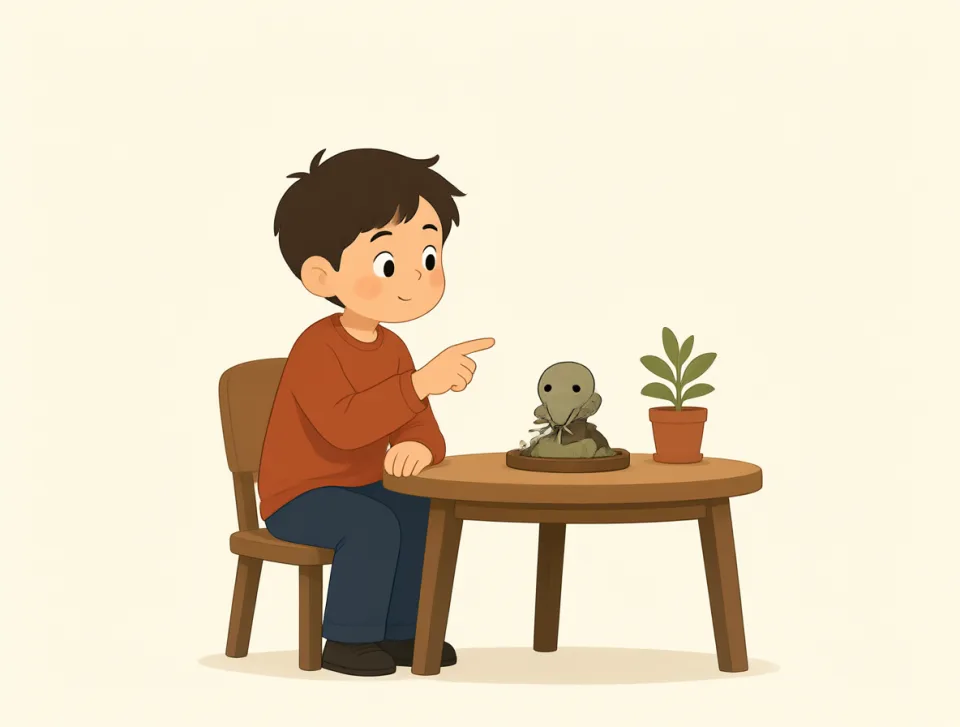
The arrow indicates the correct road.
Стрелка указывает на правильную дорогу.

Dark clouds indicate that rain is coming.
Тёмные тучи указывают на то, что скоро пойдёт дождь.

Please indicate your choice on the form.
Пожалуйста, отметьте свой выбор в анкете.

His smile indicated that he was happy.
Его улыбка говорила о том, что он счастлив.

The test results indicated an infection.
Результаты анализа указывали на инфекцию.

attend
#820verb
посещать
to go to an event, meeting, school, or place
Приходить на мероприятие, встречу, занятия или в какое-либо место.

I attend English classes every Saturday.
Я хожу на занятия английским каждую субботу.

She attended the meeting at work yesterday.
Вчера она была на рабочем совещании.

Many children attend this school.
В этой школе учится много детей.
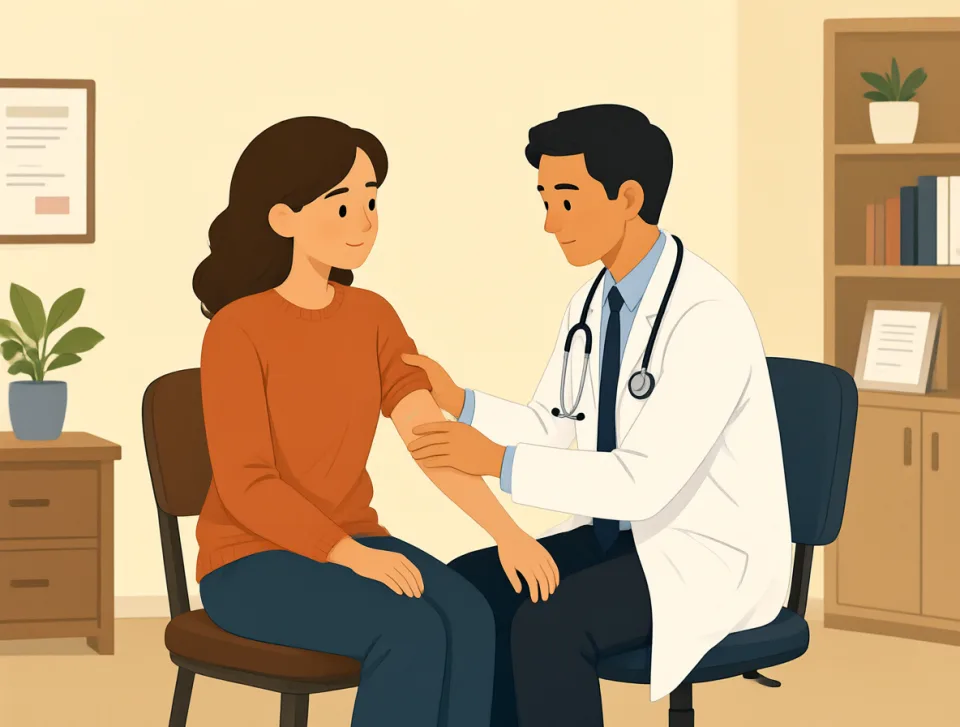
Please attend your doctor's appointment tomorrow.
Пожалуйста, завтра приходите на приём к врачу.

He attended the wedding with his friends.
Он пришёл на свадьбу с друзьями.