หน่วย 41
คำที่ 801–820 · husband, access, movement, treat, identify, loss

husband
#801noun
สามี
A married man.
ผู้ชายที่แต่งงานแล้ว

Her husband cooks dinner every evening.
สามีของเธอทำอาหารเย็นทุกเย็น

My husband works at a local school.
สามีของฉันทำงานที่โรงเรียนแถวบ้าน

His husband bought fresh bread this morning.
สามีของเขาซื้อขนมปังสดเมื่อเช้านี้

I met your husband at the airport.
ฉันเจอสามีของคุณที่สนามบิน

Her husband felt sick after lunch.
สามีของเธอรู้สึกไม่สบายหลังอาหารกลางวัน

access
#802noun, verb
การเข้าถึง
the right or way to enter, use, or reach something
สิทธิหรือวิธีในการเข้า ใช้ หรือไปถึงบางสิ่ง
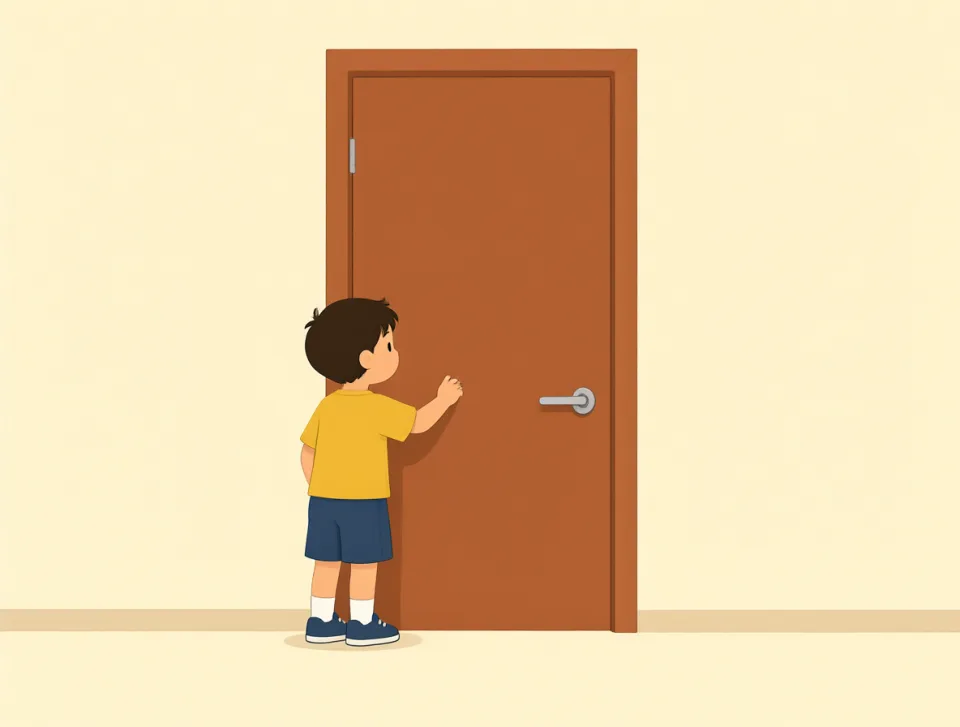
I need access to the bathroom.
ฉันต้องขอใช้ห้องน้ำ

You can access your account from home.
คุณเข้าใช้บัญชีของคุณจากที่บ้านได้

Students have access to the school library.
นักเรียนสามารถเข้าใช้ห้องสมุดของโรงเรียนได้
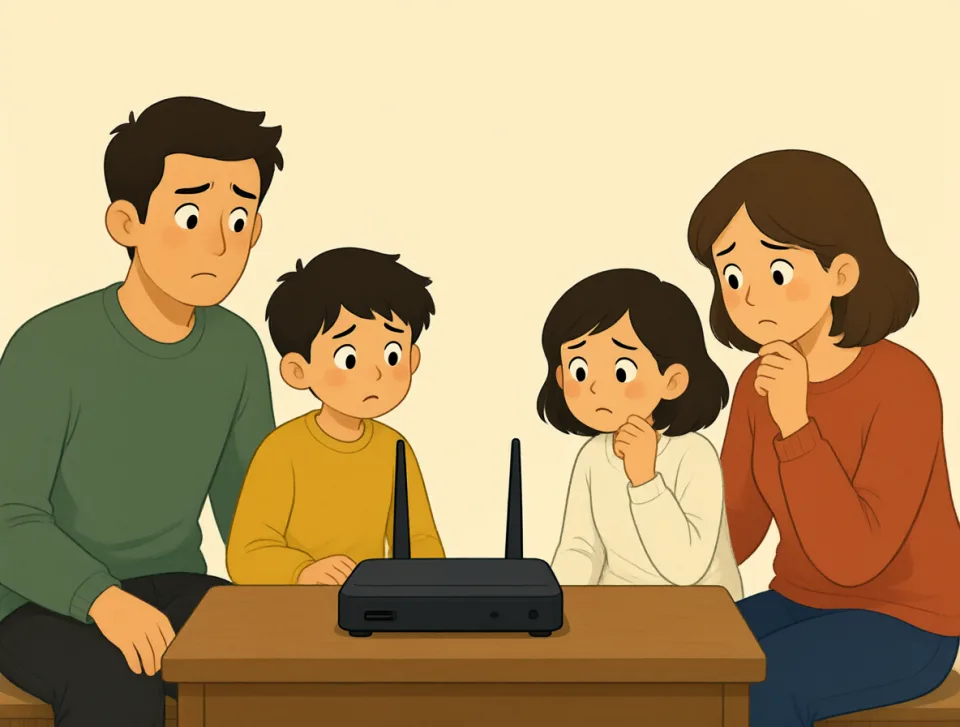
We lost internet access during the storm.
เราใช้อินเทอร์เน็ตไม่ได้ตอนเกิดพายุ
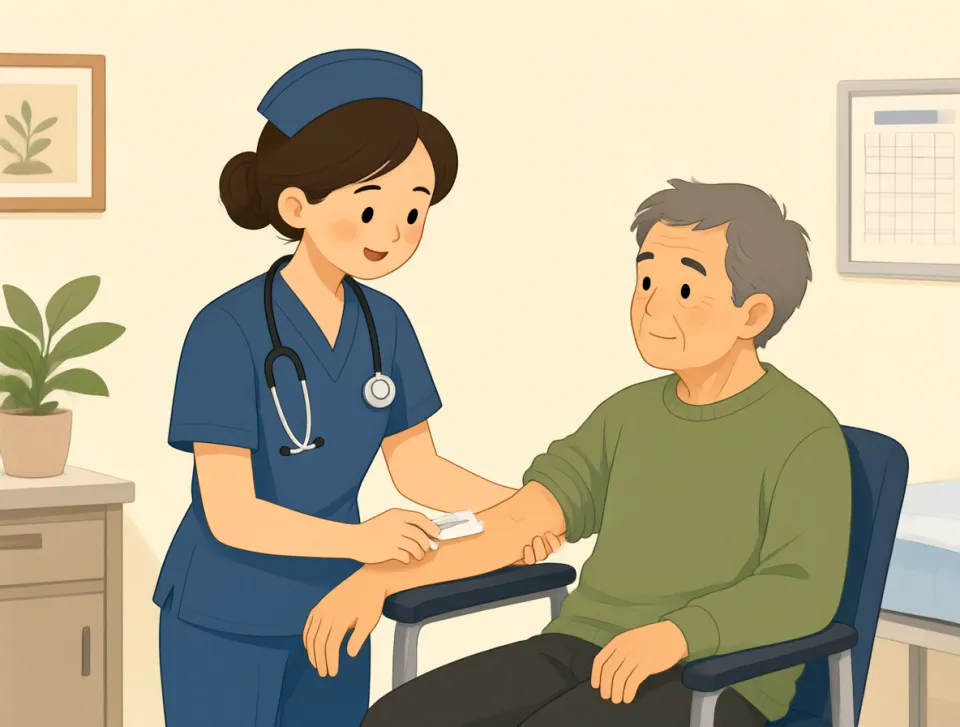
The nurse accessed his arm for treatment.
พยาบาลเปิดเส้นเลือดที่แขนของเขาเพื่อรักษา

movement
#803noun
การเคลื่อนไหว
the act or process of moving from one place or position to another
การกระทำหรือกระบวนการเคลื่อนจากสถานที่หรือตำแหน่งหนึ่งไปยังอีกที่หนึ่ง

The movement of the train made me feel sick.
การเคลื่อนไหวของรถไฟทำให้ฉันรู้สึกคลื่นไส้

The teacher showed us a new dance movement.
ครูสอนท่าเต้นใหม่ให้พวกเรา

The doctor checked my arm movement carefully.
หมอตรวจการเคลื่อนไหวของแขนฉันอย่างละเอียด

The baby's movements woke her mother.
การขยับตัวของทารกปลุกแม่ของเขาให้ตื่น

The workers started a movement for better pay.
คนงานเริ่มเคลื่อนไหวเรียกร้องค่าจ้างที่ดีขึ้น

treat
#804verb, noun
ปฏิบัติต่อ
To behave toward someone in a particular way, or give someone something special.
ปฏิบัติต่อใครบางคนในแบบใดแบบหนึ่ง หรือมอบสิ่งพิเศษให้ใครบางคน

The teacher treated everyone fairly.
ครูปฏิบัติต่อทุกคนอย่างเป็นธรรม

My parents treated us to dinner.
พ่อแม่เลี้ยงข้าวพวกเรา

She treats her dog like family.
เธอเลี้ยงสุนัขเหมือนเป็นคนในครอบครัว
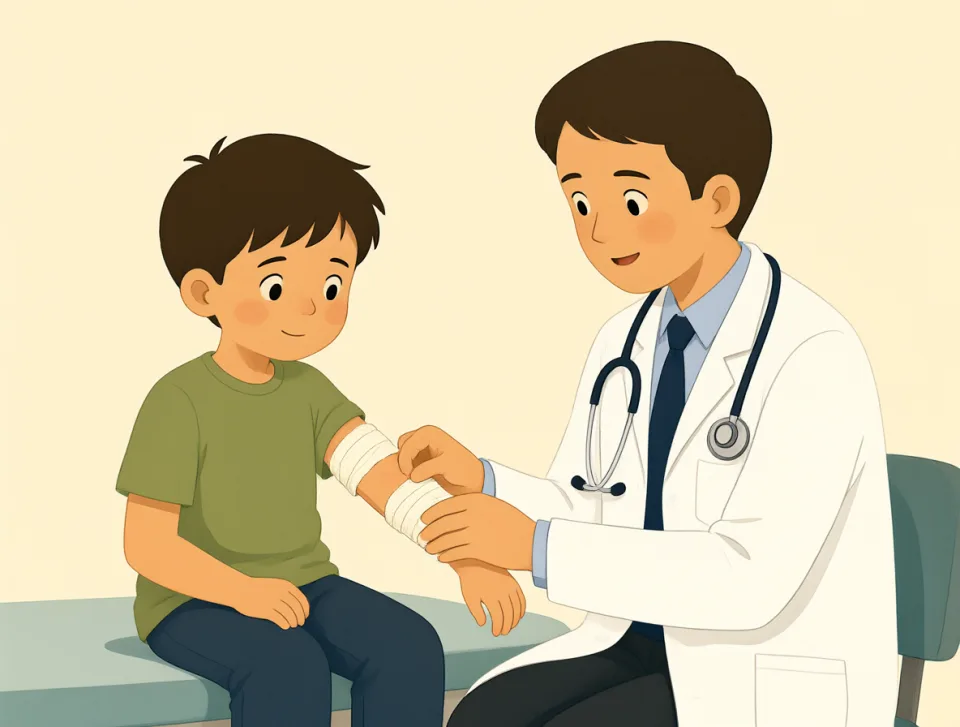
The doctor treated his injured arm.
หมอรักษาแขนที่บาดเจ็บของเขา

Ice cream is a special treat.
ไอศกรีมเป็นของกินพิเศษ

identify
#805verb
ระบุ
to recognize or discover who or what someone or something is
จำได้หรือค้นพบว่าบุคคลหรือสิ่งของเป็นใครหรืออะไร

I identified my bag by its red strap.
ฉันจำกระเป๋าของตัวเองได้จากสายสะพายสีแดง

Can you identify the man in this photo?
คุณระบุได้ไหมว่าผู้ชายในรูปนี้เป็นใคร
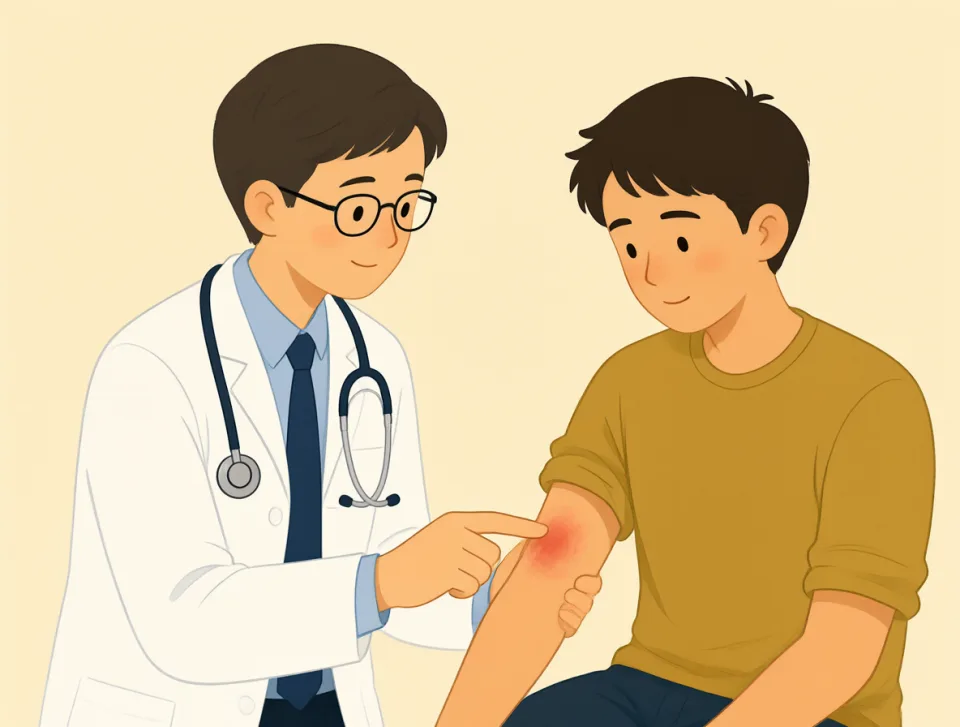
The doctor identified the cause of my pain.
หมอหาสาเหตุที่ทำให้ฉันปวดเจอ

We identified three mistakes in the homework.
เราพบข้อผิดพลาดสามจุดในการบ้าน

The police identified the stolen bike near the park.
ตำรวจพบจักรยานที่ถูกขโมยใกล้สวนสาธารณะ
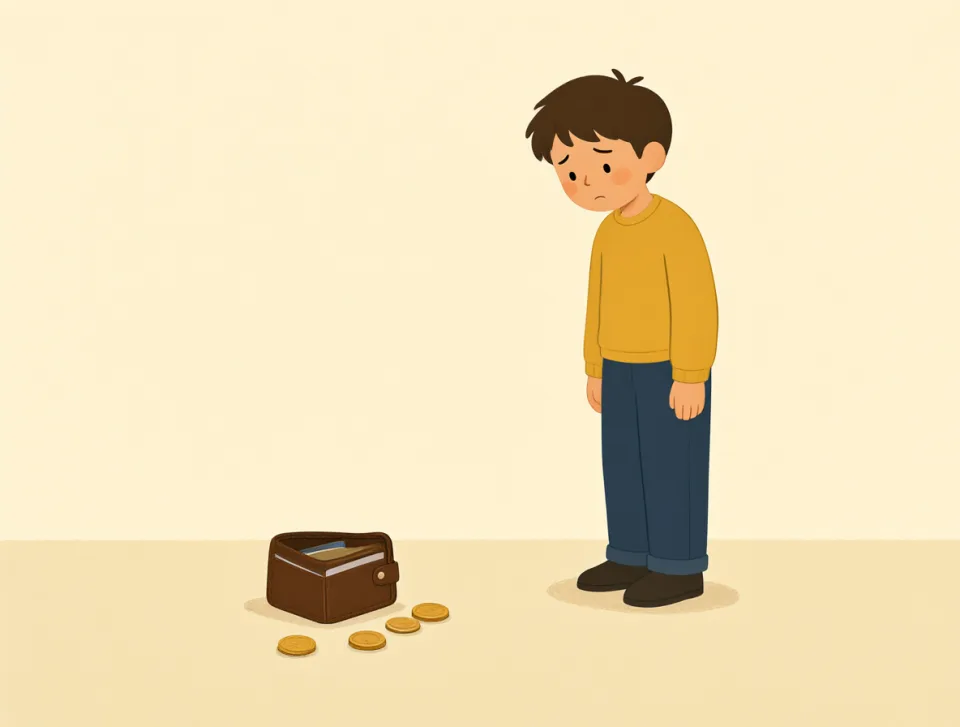
loss
#806noun
การสูญเสีย
The act of no longer having something, or the amount lost.
การไม่มีสิ่งใดสิ่งหนึ่งอีกต่อไป หรือจำนวนที่สูญเสียไป

The team suffered a big loss yesterday.
ทีมประสบความพ่ายแพ้ครั้งใหญ่เมื่อวานนี้

She felt great loss after her dog died.
เธอรู้สึกสูญเสียอย่างมากหลังจากสุนัขของเธอตาย

The shop reported a loss this month.
ร้านรายงานว่าขาดทุนในเดือนนี้

He lost weight after his illness.
เขาน้ำหนักลดหลังจากป่วย

The plane left without my suitcase, a real loss.
เครื่องบินออกไปโดยไม่มีกระเป๋าเดินทางของฉัน นับว่าเป็นการสูญเสียครั้งใหญ่จริง ๆ

shall
#807verb, modal verb
จะ
Used to ask for advice, make offers, or talk about future actions.
ใช้เพื่อขอคำแนะนำ เสนอความช่วยเหลือ หรือพูดถึงการกระทำในอนาคต
Shall we meet at six o'clock?
เราเจอกันตอนหกโมงไหม

Shall I open the window?
ให้ฉันเปิดหน้าต่างไหม

We shall see you tomorrow.
พรุ่งนี้เราจะพบคุณ

You shall have some more soup.
คุณกินซุปเพิ่มอีกหน่อยนะ

The students shall finish the work today.
นักเรียนต้องทำงานให้เสร็จวันนี้

modern
#808adjective
ทันสมัย
New or recently developed, using the latest ideas, styles, or technology.
ใหม่หรือพัฒนาขึ้นไม่นาน โดยใช้แนวคิด รูปแบบ หรือเทคโนโลยีล่าสุด

They live in a modern apartment downtown.
พวกเขาอาศัยอยู่ในอพาร์ตเมนต์ทันสมัยใจกลางเมือง

Our school has a modern science room.
โรงเรียนของเรามีห้องวิทยาศาสตร์ที่ทันสมัย

She bought a modern kitchen table.
เธอซื้อโต๊ะครัวสไตล์โมเดิร์น

The hotel has modern rooms and a pool.
โรงแรมมีห้องพักทันสมัยและสระว่ายน้ำ

Modern medicine helped him get better.
การแพทย์สมัยใหม่ช่วยให้อาการของเขาดีขึ้น

pressure
#809noun
แรงกดดัน
A force pushing on something, or a feeling that you must do something.
แรงที่กดลงบนบางสิ่ง หรือความรู้สึกว่าจำเป็นต้องทำบางอย่าง
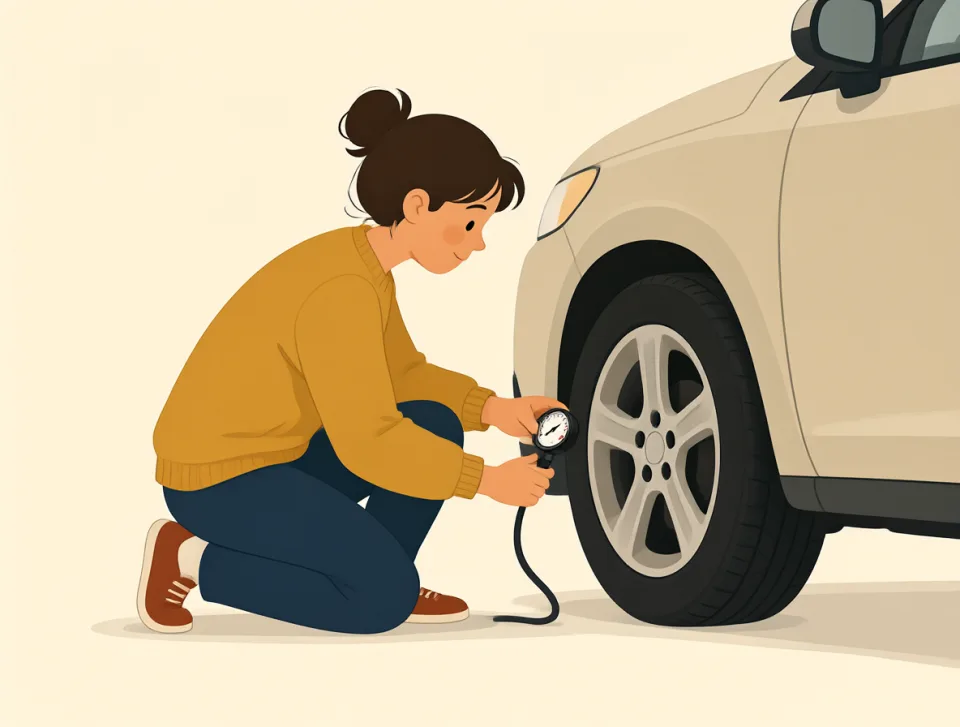
The tire pressure is too low.
แรงดันลมยางต่ำเกินไป

She felt pressure to finish the work.
เธอรู้สึกกดดันให้ทำงานให้เสร็จ
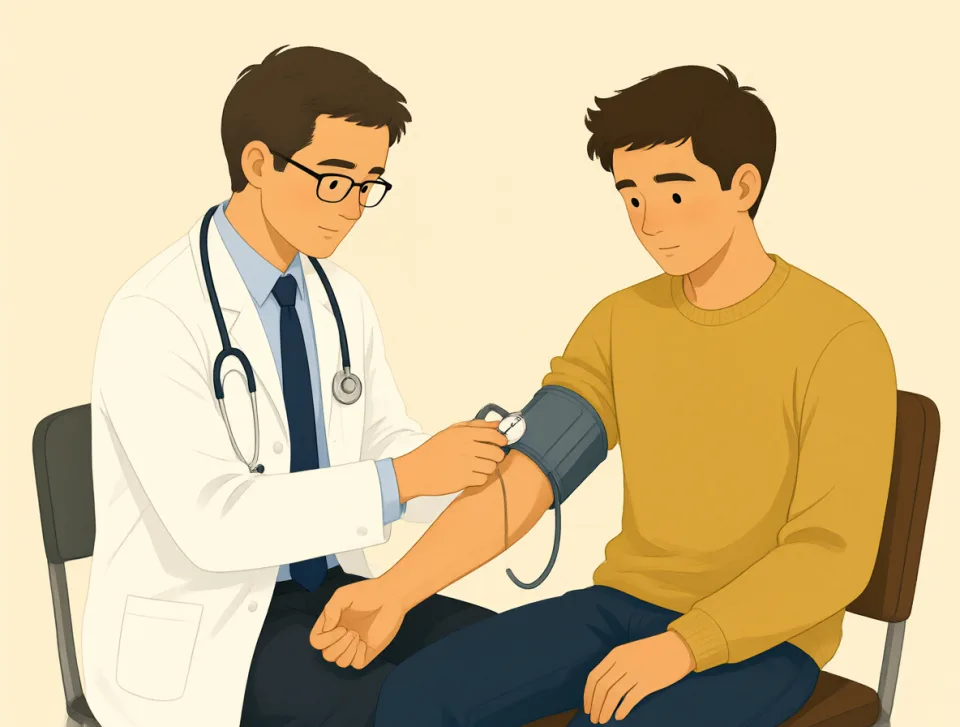
The doctor checked his blood pressure.
หมอตรวจวัดความดันโลหิตของเขา

He put pressure on the cut to stop bleeding.
เขากดแผลไว้เพื่อห้ามเลือด

The water pressure is weak in our shower.
แรงดันน้ำในฝักบัวของเราเบา

bus
#810noun, verb
รถโดยสาร
A large road vehicle that carries many people, or to travel by bus.
ยานพาหนะขนาดใหญ่ที่วิ่งบนถนนและบรรทุกผู้โดยสารจำนวนมาก หรือการเดินทางด้วยรถโดยสาร

I take the bus to school every morning.
ฉันนั่งรถเมล์ไปโรงเรียนทุกเช้า

The bus was late because of heavy traffic.
รถเมล์มาช้าเพราะรถติดหนัก

We got off the bus near the market.
เราลงจากรถเมล์ใกล้ตลาด

She buses to work from the city center.
เธอนั่งรถเมล์จากใจกลางเมืองไปทำงาน

The driver is busing the children home.
คนขับกำลังพาเด็ก ๆ กลับบ้านด้วยรถโดยสาร
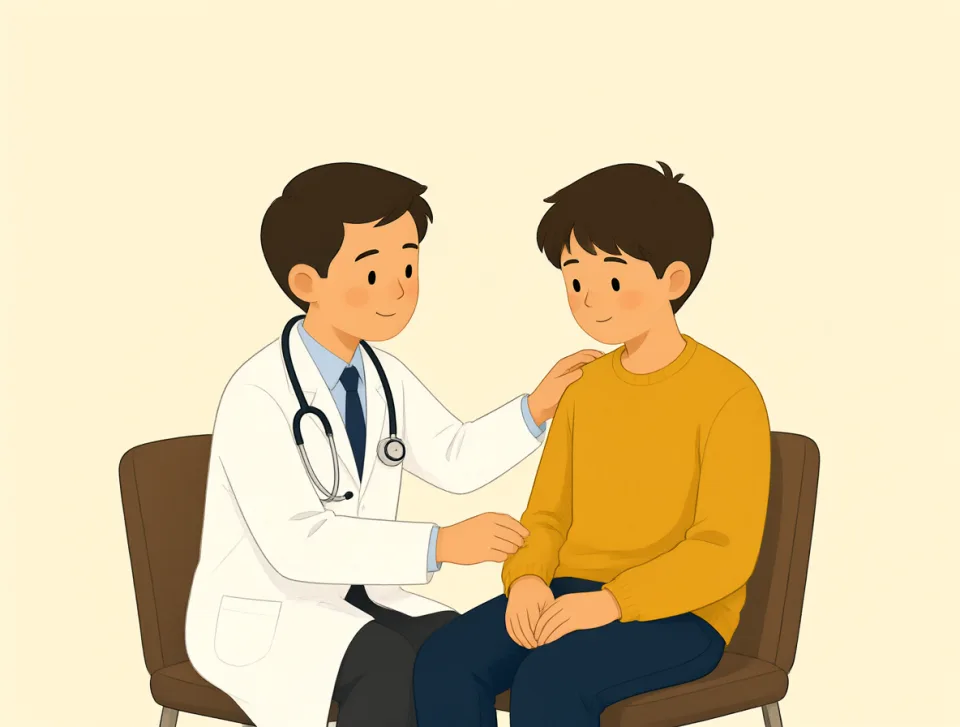
treatment
#811noun
การรักษา
Medical care given to make someone healthy or feel better.
การดูแลทางการแพทย์เพื่อช่วยให้ใครสักคนหายป่วยหรือรู้สึกดีขึ้น

The doctor started treatment for my cough.
หมอเริ่มรักษาอาการไอของฉันแล้ว

This cream is a treatment for dry skin.
ครีมนี้ใช้รักษาผิวแห้ง
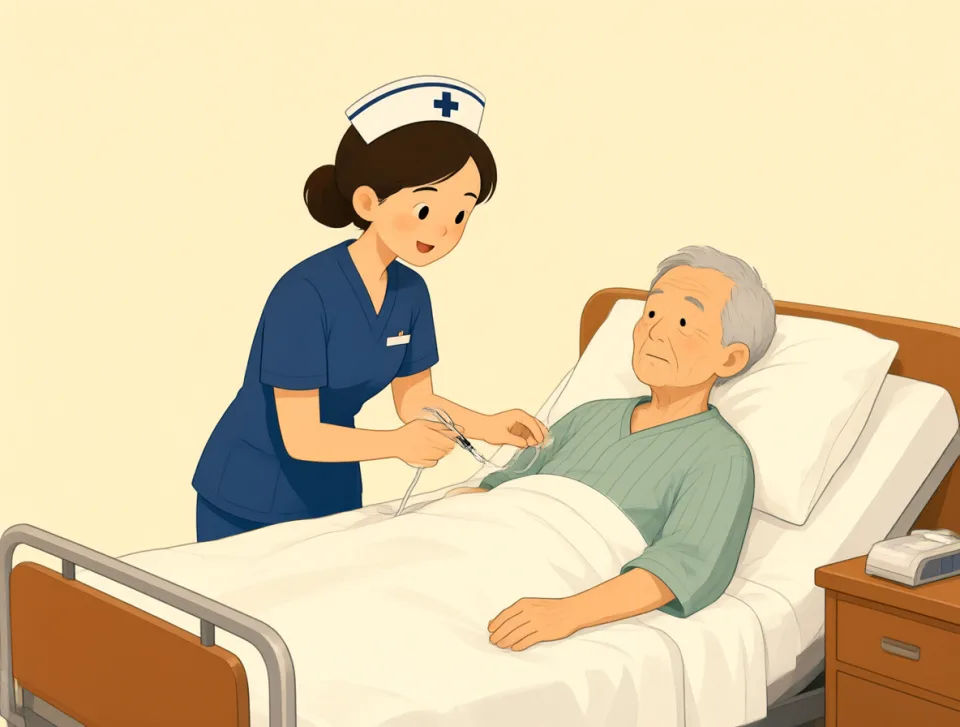
She received treatment at the hospital.
เธอเข้ารับการรักษาที่โรงพยาบาล

The hotel gave our complaint careful treatment.
ทางโรงแรมเอาใจใส่จัดการกับข้อร้องเรียนของเราเป็นอย่างดี

The teacher's treatment of students was fair.
ครูปฏิบัติต่อนักเรียนอย่างยุติธรรม

conference
#812noun
การประชุม
A formal meeting where people discuss ideas, information, or work.
การประชุมอย่างเป็นทางการที่ผู้คนพูดคุยแลกเปลี่ยนความคิดเห็น ข้อมูล หรือเรื่องงาน

She is attending a business conference this week.
สัปดาห์นี้เธอเข้าร่วมการประชุมธุรกิจ

Our school held a science conference yesterday.
เมื่อวานโรงเรียนของเราจัดการประชุมวิทยาศาสตร์

He met old friends at the conference.
เขาได้พบเพื่อนเก่าที่การประชุม

The doctor spoke at a health conference.
คุณหมอขึ้นพูดในการประชุมด้านสุขภาพ

They booked a hotel near the conference.
พวกเขาจองโรงแรมใกล้สถานที่จัดการประชุม

yourself
#813pronoun
ตัวคุณเอง
You; the person or people you are talking to, used as an object or for emphasis.
คุณ หรือคนที่กำลังพูดด้วย ใช้เป็นกรรมหรือเพื่อเน้นย้ำ
You can do it yourself.
คุณทำเองได้

Please make yourself at home.
ทำตัวตามสบายเหมือนอยู่บ้านนะ

Did you enjoy yourself at the party?
ไปงานปาร์ตี้มา สนุกไหม

Take care of yourself on the trip.
ดูแลตัวเองดี ๆ ระหว่างเดินทางนะ

You should be proud of yourself.
คุณควรภูมิใจในตัวเองนะ

supply
#814noun, verb
เสบียง; จัดหา
A supply is an amount of something available to use; to supply means to provide it.
คำนามหมายถึงปริมาณของสิ่งของที่มีไว้ให้ใช้ ส่วนคำกริยาหมายถึงจัดหาสิ่งนั้นให้

We need a fresh supply of milk.
เราต้องการนมชุดใหม่

The shop supplies food to local schools.
ร้านค้าจัดส่งอาหารให้โรงเรียนในท้องถิ่น

The hotel supplied towels for every guest.
โรงแรมจัดเตรียมผ้าเช็ดตัวไว้ให้แขกทุกคน
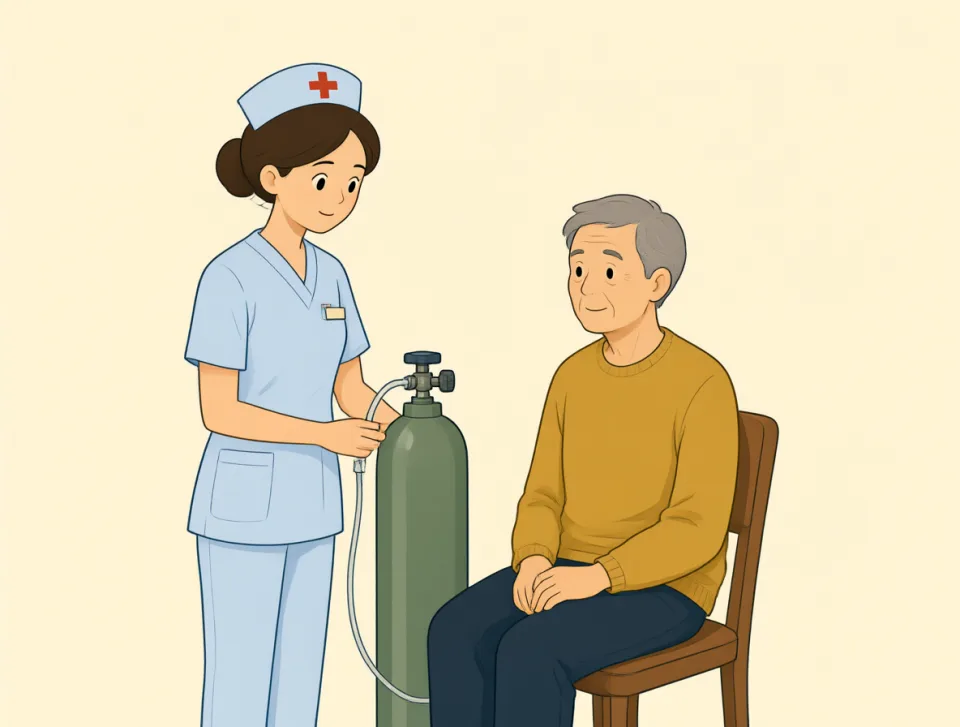
The nurse checked my oxygen supply.
พยาบาลตรวจดูปริมาณออกซิเจนที่ฉันได้รับ
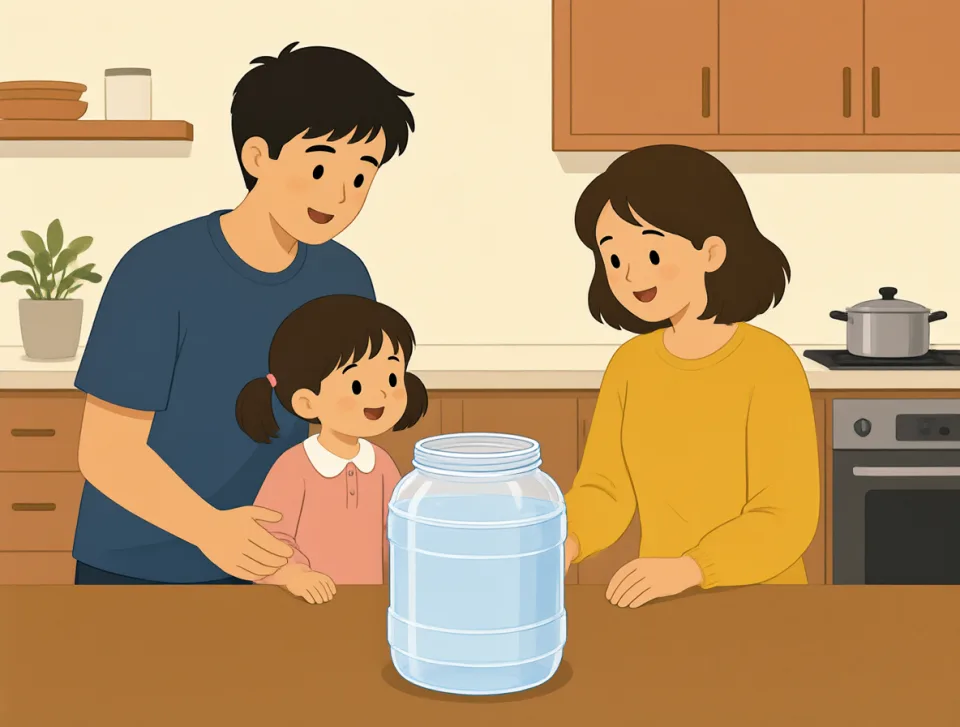
Our water supply ran out yesterday.
น้ำประปาของเราหมดตั้งแต่เมื่อวาน

village
#815noun
หมู่บ้าน
a small place where people live, usually in the countryside
สถานที่ขนาดเล็กที่ผู้คนอาศัยอยู่ โดยปกติอยู่ในชนบท

My grandparents live in a quiet village.
ปู่ย่าตายายของฉันอาศัยอยู่ในหมู่บ้านที่เงียบสงบ

The village has a small school.
ในหมู่บ้านมีโรงเรียนเล็ก ๆ แห่งหนึ่ง

We bought fresh bread in the village.
เราซื้อขนมปังอบสดใหม่ในหมู่บ้าน

Many tourists visit the village each summer.
นักท่องเที่ยวจำนวนมากมาเที่ยวหมู่บ้านนี้ทุกฤดูร้อน

A doctor visits the village every Friday.
หมอมาที่หมู่บ้านทุกวันศุกร์
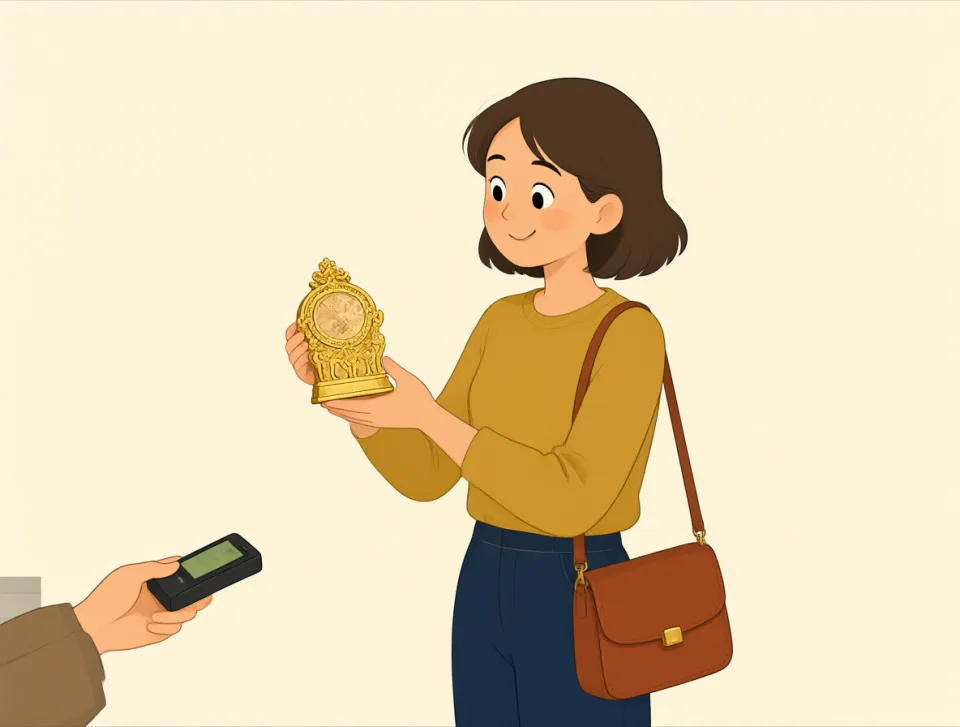
worth
#816adjective, noun, preposition
คุ้มค่า
Having a value or usefulness equal to something; deserving time, money, or effort.
มีคุณค่าหรือประโยชน์เทียบเท่ากับสิ่งใดสิ่งหนึ่ง หรือคุ้มค่ากับเวลา เงิน หรือความพยายามที่ใช้ไป

This book is worth reading again.
หนังสือเล่มนี้คุ้มค่าที่จะอ่านซ้ำ

The watch is worth fifty dollars.
นาฬิกาเรือนนี้มีมูลค่า 50 ดอลลาร์

Is this film worth seeing?
หนังเรื่องนี้คุ้มค่าที่จะดูไหม

It was worth waiting for the delicious meal.
การรอคอยอาหารแสนอร่อยนั้นคุ้มค่า

The museum is well worth a visit.
พิพิธภัณฑ์แห่งนี้คุ้มค่าแก่การไปเยือนมาก

natural
#817adjective
เป็นธรรมชาติ
Existing in nature or happening normally, without being made or changed by people.
มีอยู่ตามธรรมชาติหรือเกิดขึ้นตามปกติ โดยไม่ได้ถูกสร้างหรือเปลี่ยนแปลงโดยมนุษย์

She has beautiful natural hair.
เธอมีผมธรรมชาติที่สวยงาม

This juice contains natural fruit.
น้ำผลไม้นี้มีผลไม้จากธรรมชาติเป็นส่วนผสม

He felt natural speaking to the friendly teacher.
เขารู้สึกเป็นธรรมชาติเวลาคุยกับครูที่เป็นมิตร

We walked along a natural beach.
พวกเราเดินเลียบชายหาดธรรมชาติ

The doctor suggested a natural way to sleep better.
หมอแนะนำวิธีจากธรรมชาติเพื่อช่วยให้นอนหลับดีขึ้น

express
#818verb, noun, adjective
แสดงออก
to show a feeling or idea in words, actions, or art
แสดงความรู้สึกหรือความคิดออกมาเป็นคำพูด การกระทำ หรืองานศิลปะ

She expressed her feelings to her friend.
เธอแสดงความรู้สึกให้เพื่อนฟัง

Please express your opinion in class.
กรุณาแสดงความคิดเห็นในชั้นเรียน

He expressed thanks for the delicious meal.
เขากล่าวขอบคุณสำหรับอาหารแสนอร่อย

We took the express train to London.
พวกเรานั่งรถไฟด่วนไปลอนดอน

The express bus arrives every ten minutes.
รถโดยสารด่วนมาถึงทุก ๆ สิบนาที
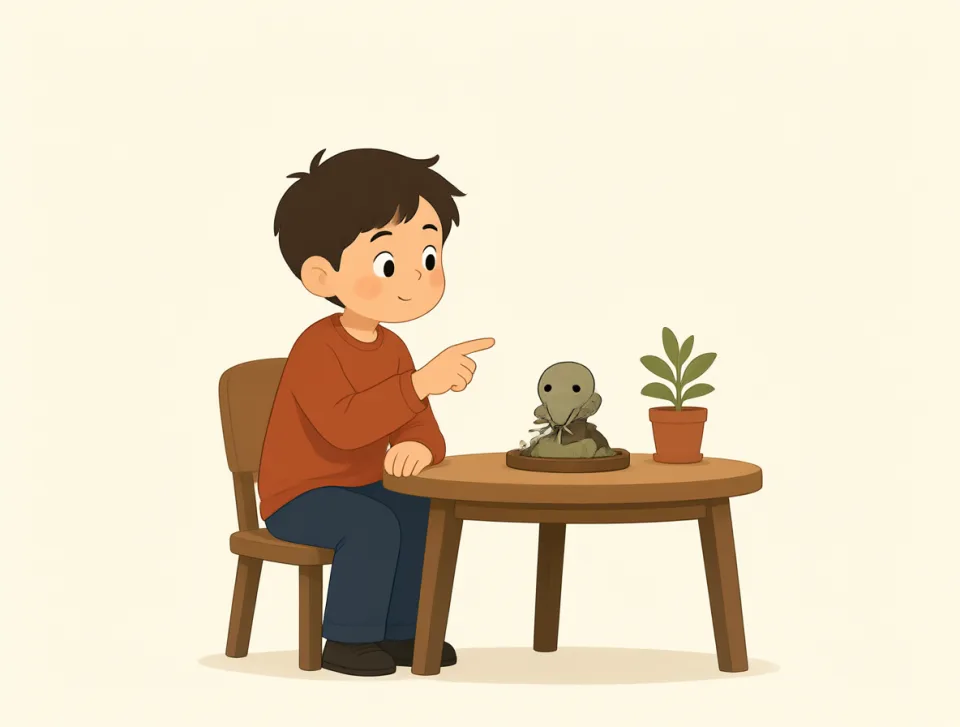
indicate
#819verb
บ่งบอก
to show or point out something clearly
แสดงหรือชี้ให้เห็นบางสิ่งอย่างชัดเจน

The arrow indicates the correct road.
ลูกศรบ่งบอกเส้นทางที่ถูกต้อง

Dark clouds indicate that rain is coming.
เมฆดำบ่งบอกว่าฝนกำลังจะตก

Please indicate your choice on the form.
กรุณาระบุตัวเลือกของคุณในแบบฟอร์ม

His smile indicated that he was happy.
รอยยิ้มของเขาบ่งบอกว่าเขามีความสุข

The test results indicated an infection.
ผลตรวจบ่งชี้ว่ามีการติดเชื้อ

attend
#820verb
เข้าร่วม
to go to an event, meeting, school, or place
ไปงาน การประชุม โรงเรียน หรือสถานที่ใดสถานที่หนึ่ง

I attend English classes every Saturday.
ฉันเข้าเรียนภาษาอังกฤษทุกวันเสาร์

She attended the meeting at work yesterday.
เมื่อวานเธอเข้าร่วมประชุมที่ทำงาน

Many children attend this school.
เด็กหลายคนเรียนอยู่ที่โรงเรียนนี้

Please attend your doctor's appointment tomorrow.
กรุณาไปตามนัดกับหมอพรุ่งนี้

He attended the wedding with his friends.
เขาไปร่วมงานแต่งงานกับเพื่อน ๆ