इकाई 41
शब्द 801–820 · husband, access, movement, treat, identify, loss

husband
#801noun
पति
A married man.
विवाहित पुरुष।

Her husband cooks dinner every evening.
उसका पति हर शाम खाना बनाता है।

My husband works at a local school.
मेरे पति पास के एक स्कूल में काम करते हैं।

His husband bought fresh bread this morning.
उसके पति ने आज सुबह ताज़ी ब्रेड खरीदी।

I met your husband at the airport.
मैं हवाई अड्डे पर तुम्हारे पति से मिला।

Her husband felt sick after lunch.
दोपहर के खाने के बाद उसके पति की तबीयत खराब हो गई।

access
#802noun, verb
पहुँच
the right or way to enter, use, or reach something
किसी जगह में प्रवेश करने, किसी चीज़ का इस्तेमाल करने या उस तक पहुँचने का अधिकार या तरीका।
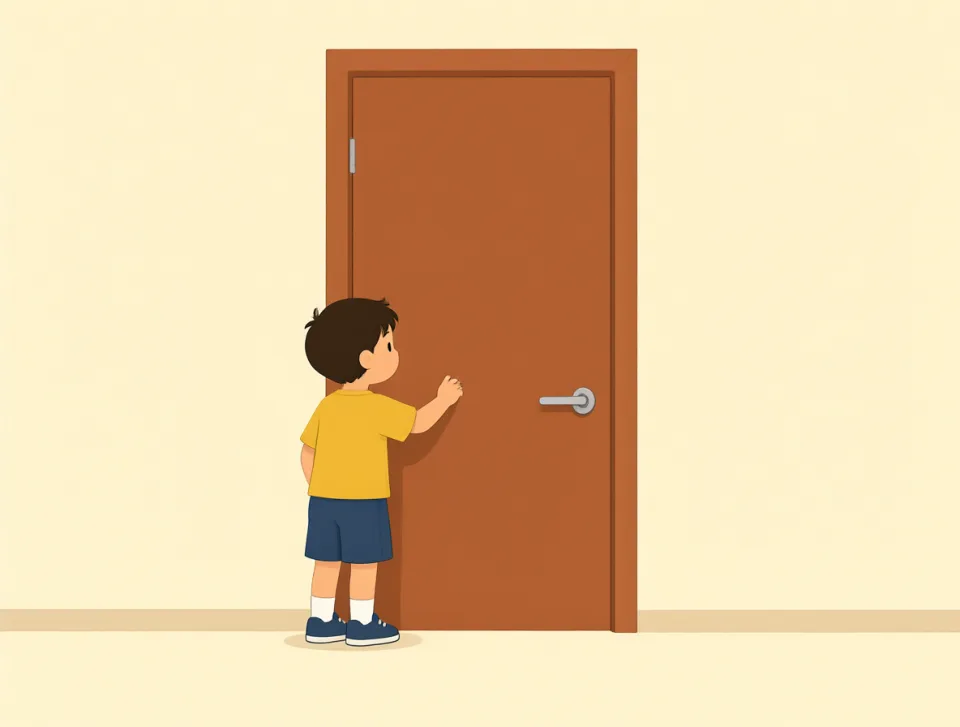
I need access to the bathroom.
मुझे बाथरूम जाने की अनुमति चाहिए।

You can access your account from home.
आप घर से अपने खाते का इस्तेमाल कर सकते हैं।

Students have access to the school library.
छात्रों को स्कूल की लाइब्रेरी इस्तेमाल करने की सुविधा मिलती है।
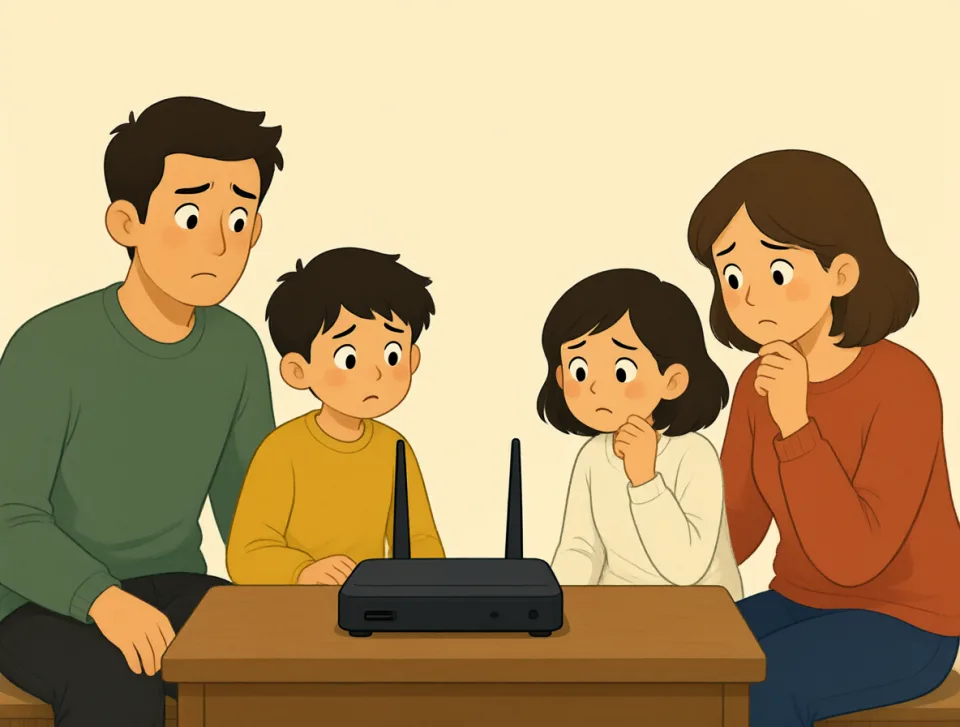
We lost internet access during the storm.
तूफ़ान के दौरान हमारा इंटरनेट कनेक्शन चला गया।
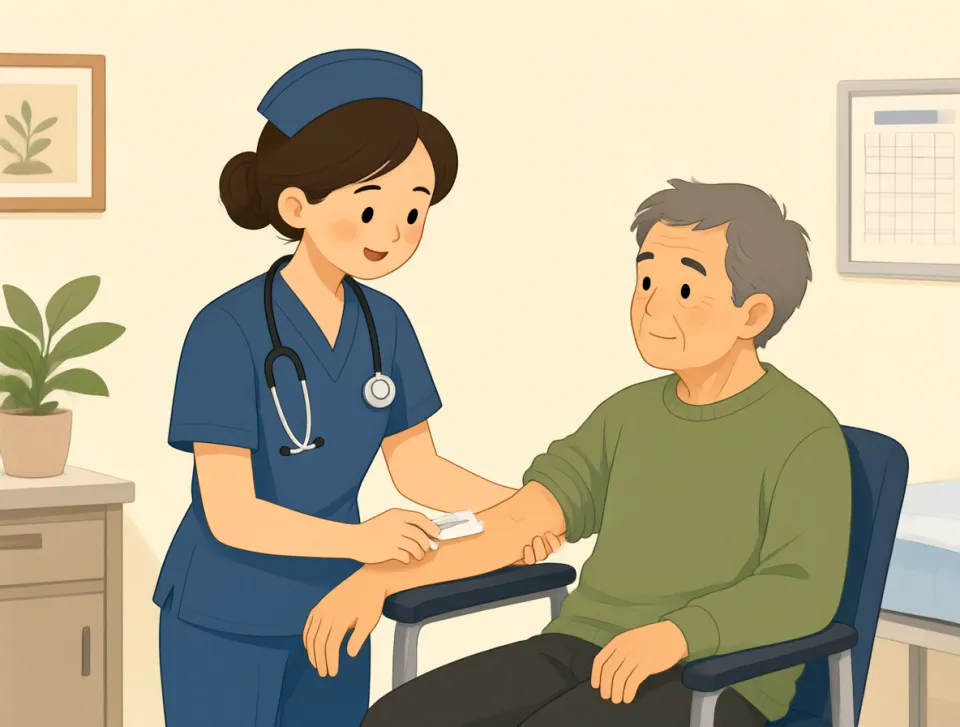
The nurse accessed his arm for treatment.
नर्स ने इलाज के लिए उसकी बाँह तक पहुँच बनाई।
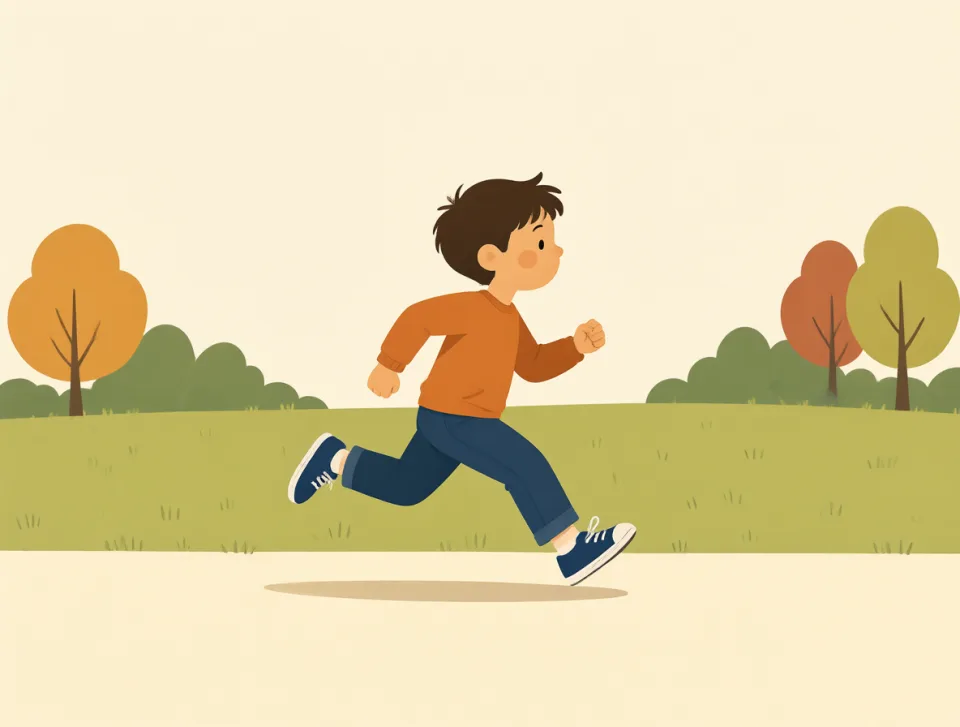
movement
#803noun
गति
the act or process of moving from one place or position to another
एक जगह या स्थिति से दूसरी जगह या स्थिति में जाने की क्रिया या प्रक्रिया।

The movement of the train made me feel sick.
ट्रेन की गति से मुझे चक्कर-सा आने लगा।
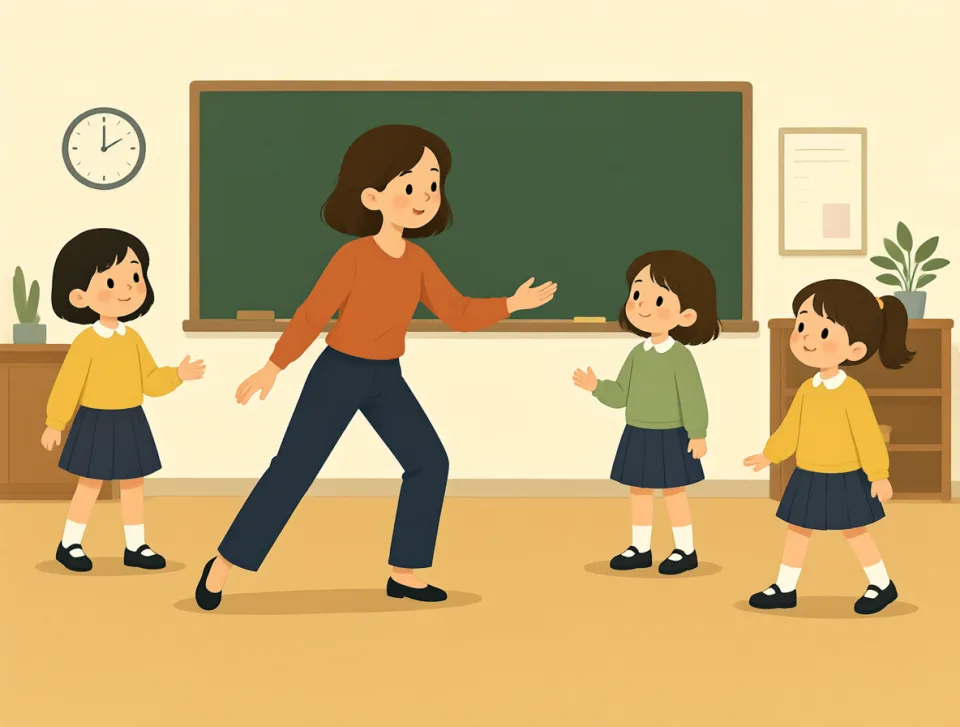
The teacher showed us a new dance movement.
शिक्षक ने हमें नृत्य की एक नई चाल दिखाई।
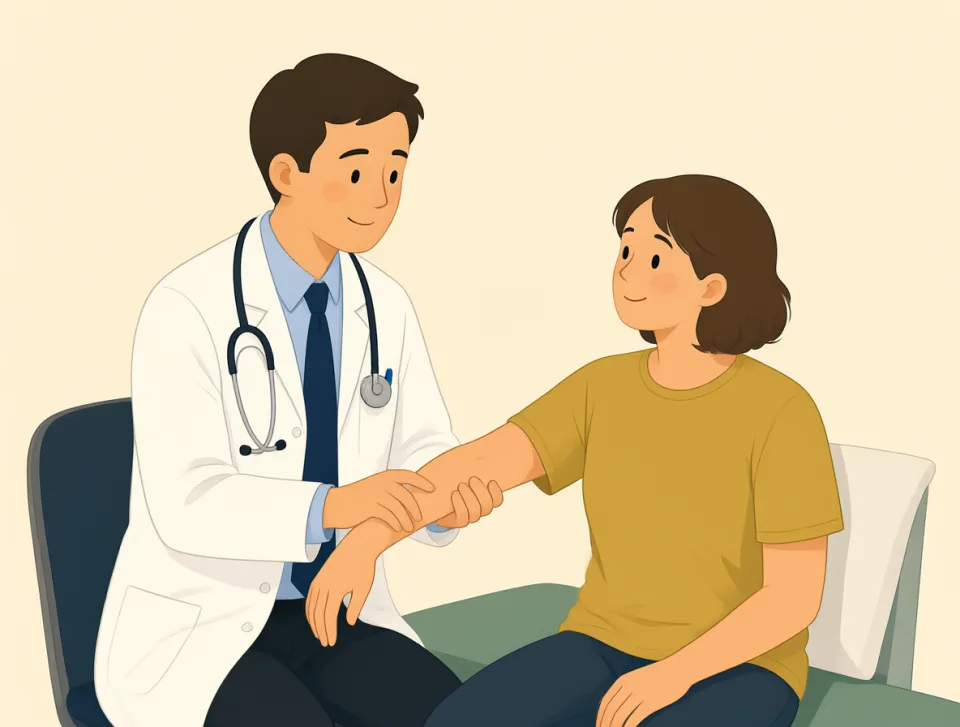
The doctor checked my arm movement carefully.
डॉक्टर ने मेरी बाँह की गति को ध्यान से जाँचा।
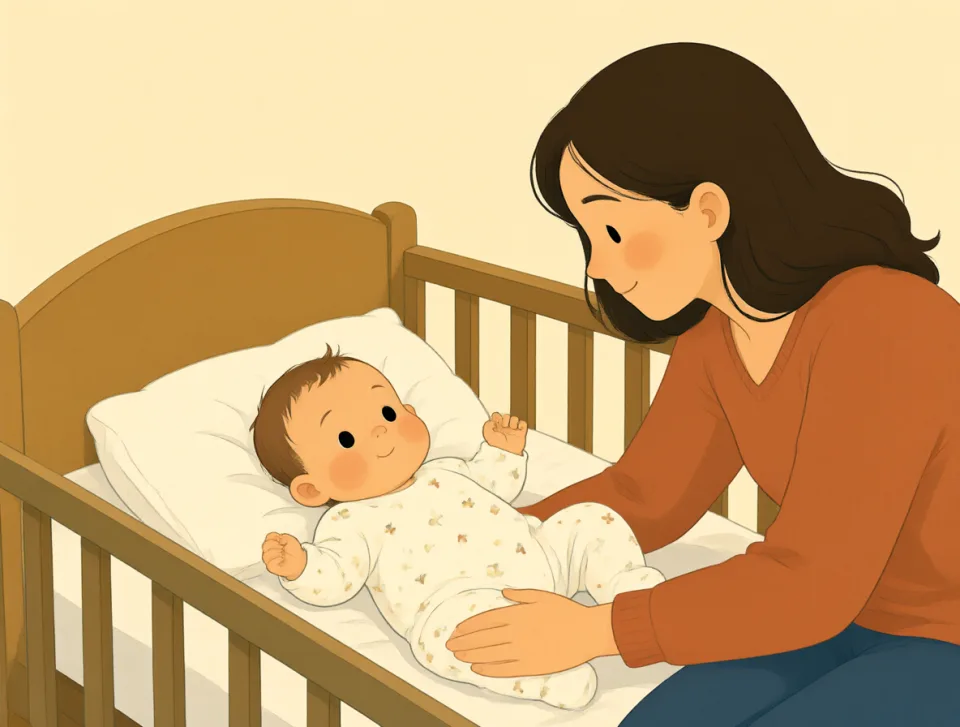
The baby's movements woke her mother.
बच्चे की हरकतों से उसकी माँ जाग गई।

The workers started a movement for better pay.
बेहतर वेतन के लिए मज़दूरों ने एक आंदोलन शुरू किया।

treat
#804verb, noun
व्यवहार करना; खास चीज़ देना
To behave toward someone in a particular way, or give someone something special.
किसी के साथ किसी खास तरीके से व्यवहार करना या उसे कोई खास चीज़ देना।
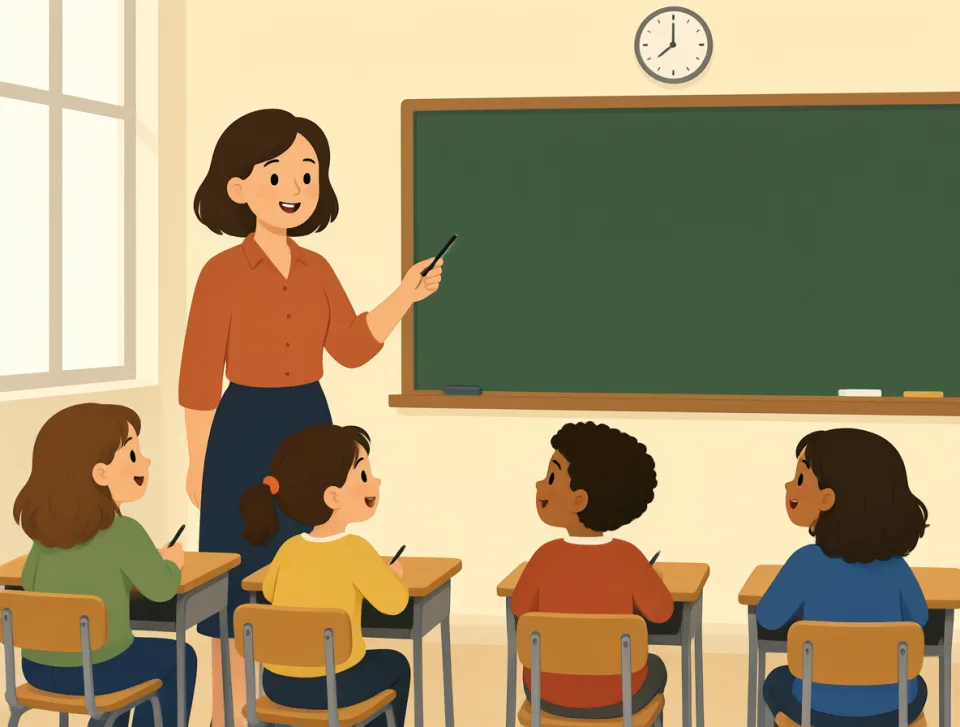
The teacher treated everyone fairly.
शिक्षक ने सबके साथ निष्पक्ष व्यवहार किया।

My parents treated us to dinner.
मेरे माता-पिता हमें दावत के तौर पर बाहर खाना खिलाने ले गए।

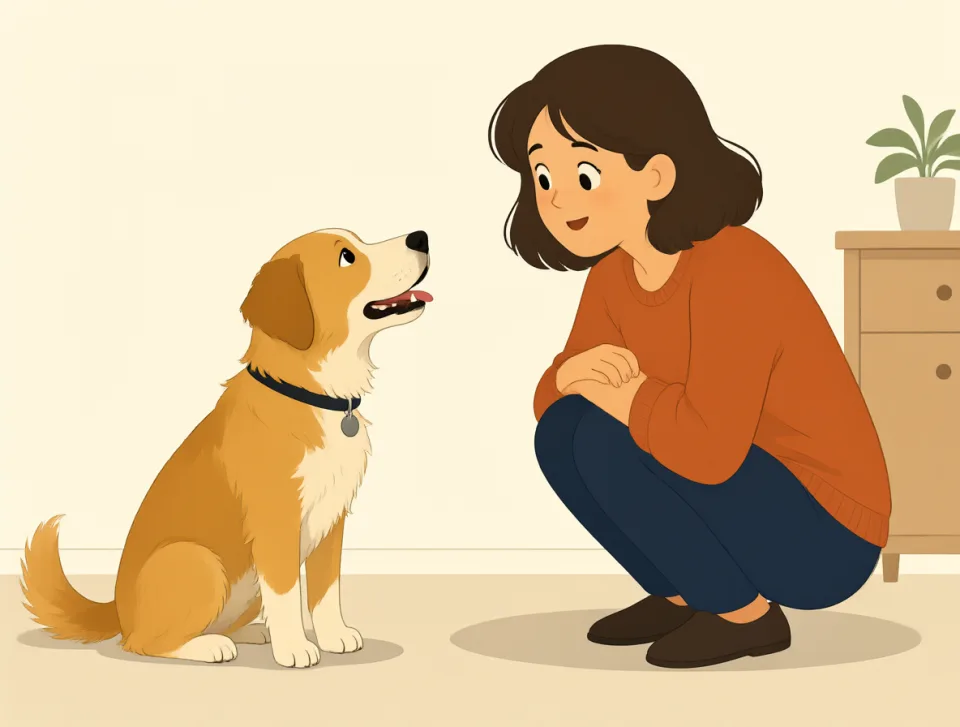
She treats her dog like family.
वह अपने कुत्ते को परिवार के सदस्य की तरह रखती है।
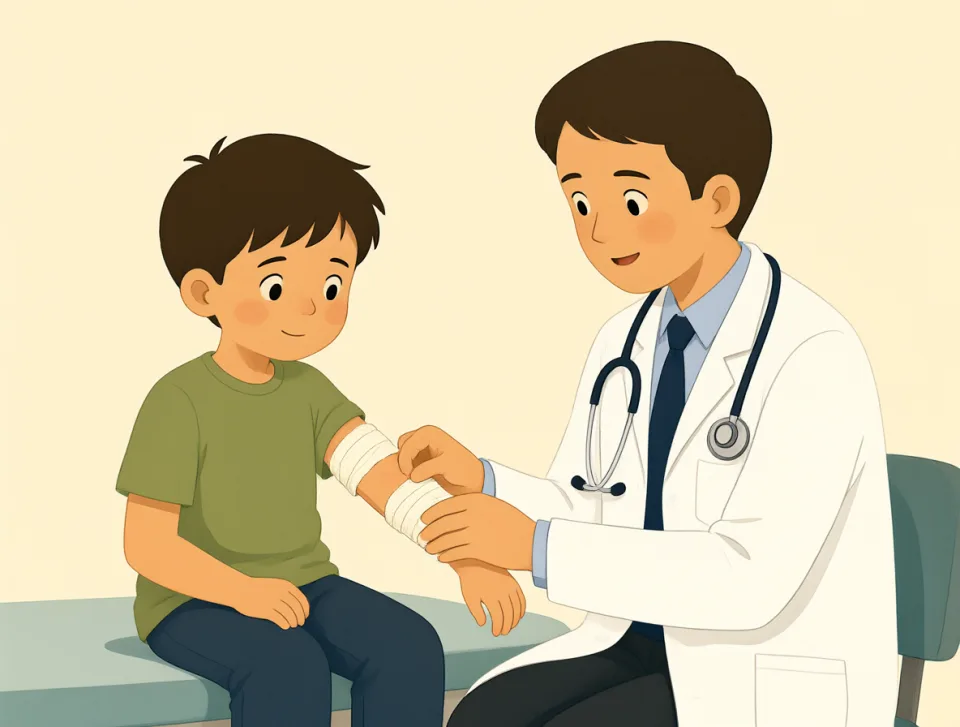
The doctor treated his injured arm.
डॉक्टर ने उसकी घायल बाँह का इलाज किया।

Ice cream is a special treat.
आइसक्रीम एक खास सौगात है।
identify
#805verb
पहचानना
to recognize or discover who or what someone or something is
यह पहचानना या पता लगाना कि कोई व्यक्ति या चीज़ कौन या क्या है।

I identified my bag by its red strap.
मैंने अपने बैग को उसकी लाल पट्टी से पहचाना।

Can you identify the man in this photo?
क्या तुम इस तस्वीर में आदमी को पहचान सकते हो?
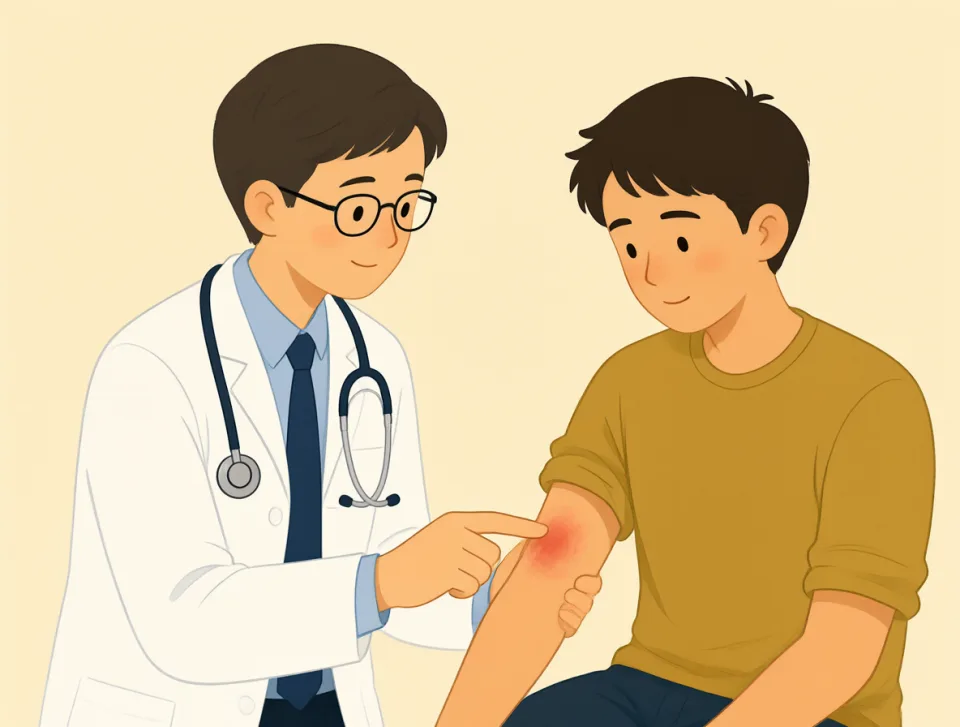
The doctor identified the cause of my pain.
डॉक्टर ने मेरे दर्द की वजह पता लगा ली।

We identified three mistakes in the homework.
हमने होमवर्क में तीन गलतियाँ ढूँढ़ीं।
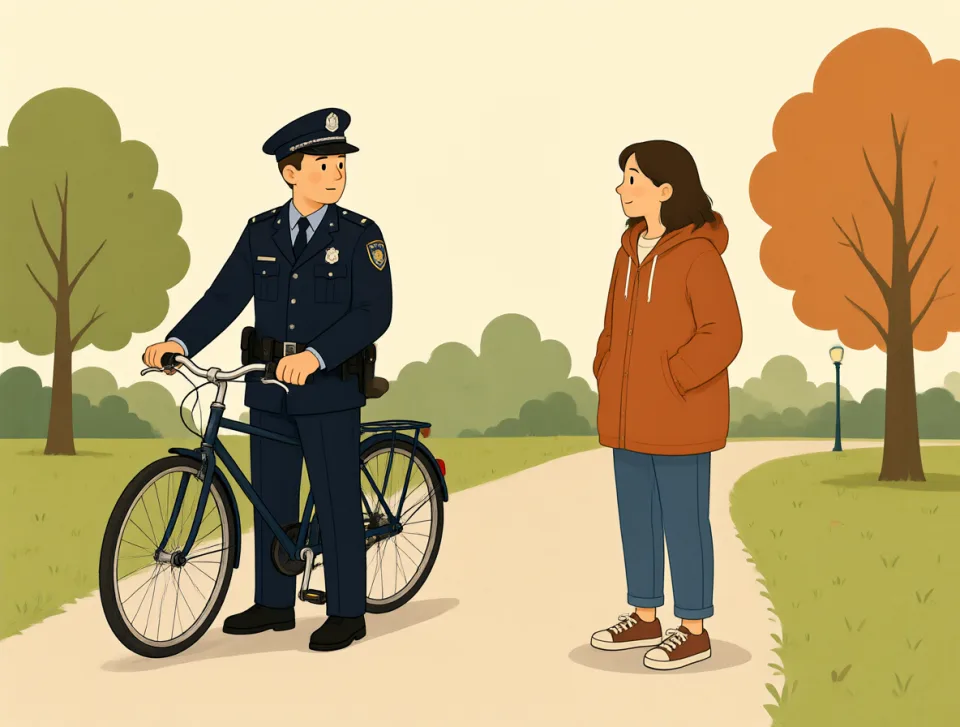
The police identified the stolen bike near the park.
पुलिस ने पार्क के पास चोरी हुई साइकिल की पहचान कर ली।
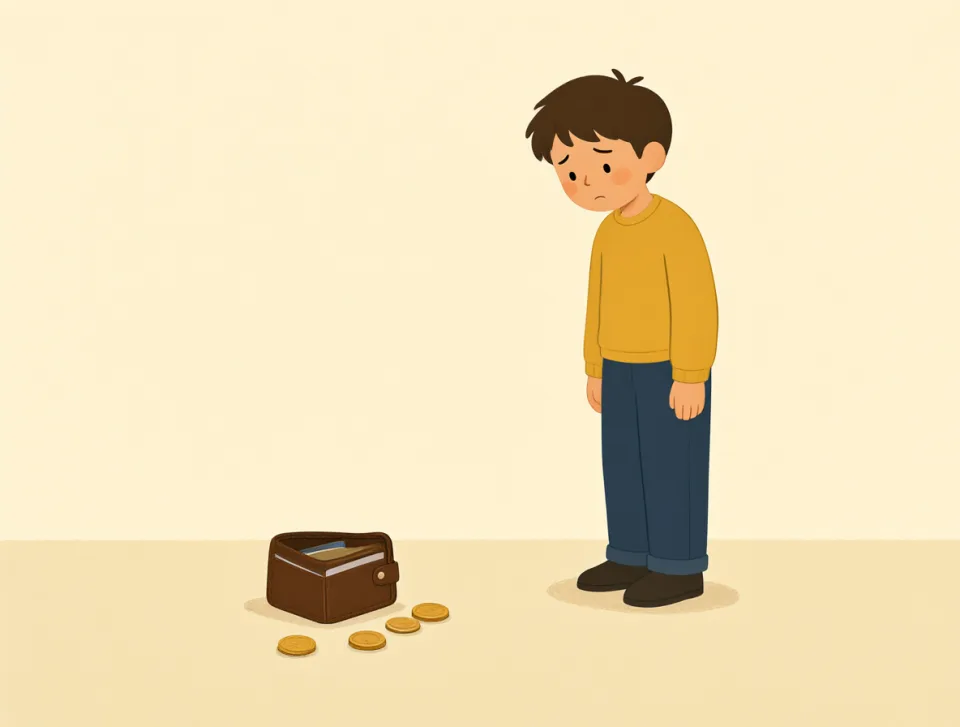
loss
#806noun
हानि
The act of no longer having something, or the amount lost.
किसी चीज़ का न रह जाना या खोई हुई चीज़ की मात्रा।
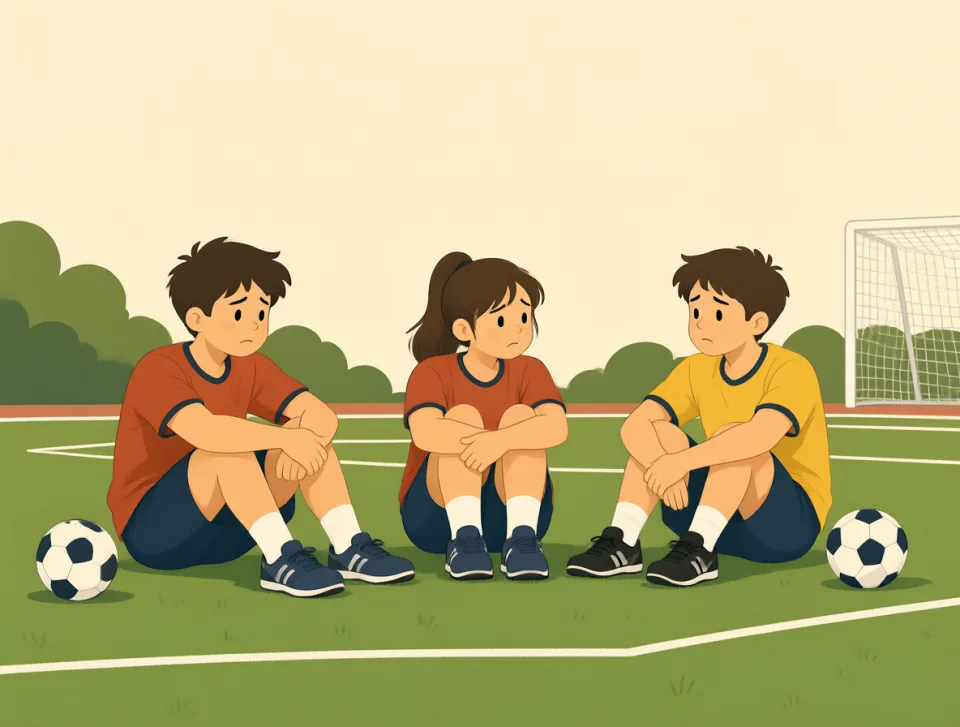
The team suffered a big loss yesterday.
टीम को कल एक बड़ी हार का सामना करना पड़ा।
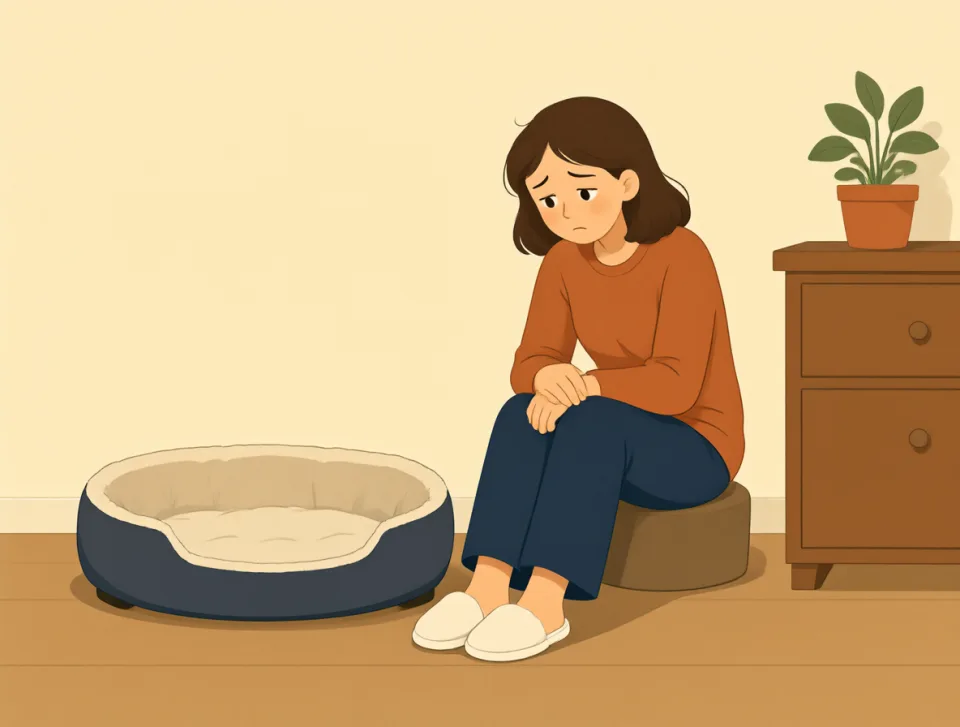
She felt great loss after her dog died.
अपने कुत्ते की मौत के बाद उसे बहुत गहरा दुख हुआ।
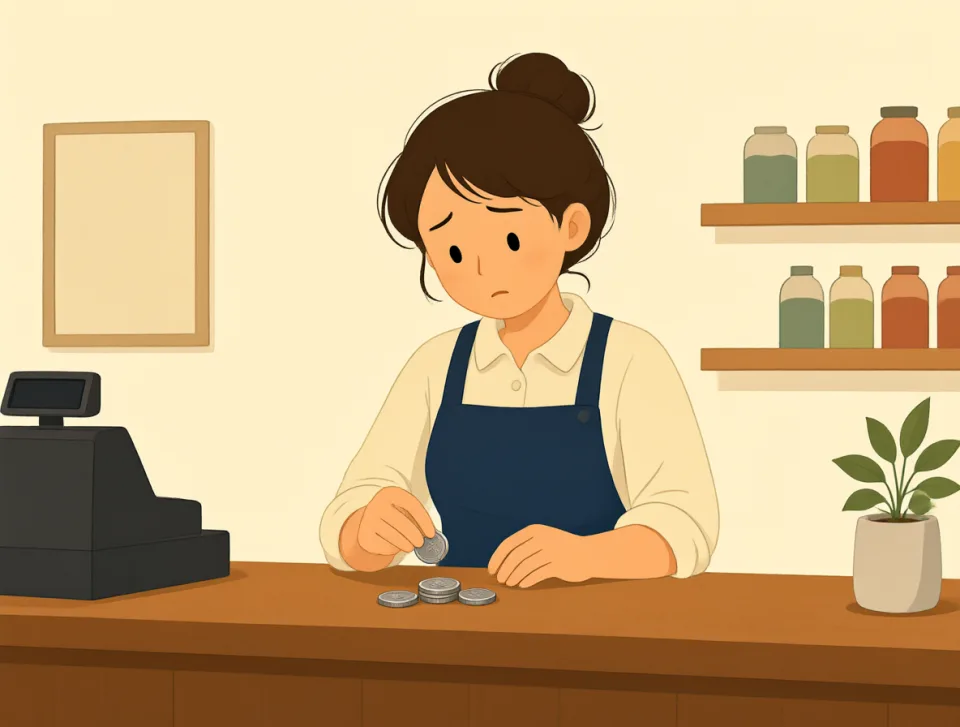
The shop reported a loss this month.
दुकान ने इस महीने घाटा दर्ज किया।
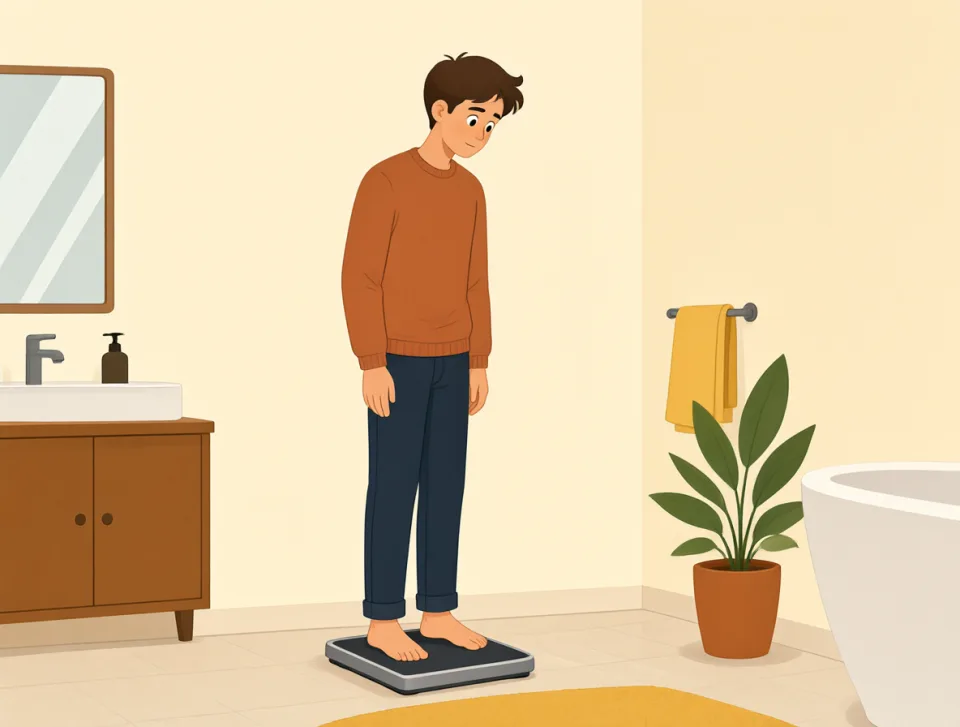
He lost weight after his illness.
बीमारी के बाद उसका वज़न घट गया।

The plane left without my suitcase, a real loss.
विमान मेरा सूटकेस लिए बिना ही चला गया—यह सचमुच बड़ा नुकसान था।

shall
#807verb, modal verb
क्या ... करें
Used to ask for advice, make offers, or talk about future actions.
सलाह माँगने, प्रस्ताव रखने या भविष्य की कार्रवाई के बारे में बात करने के लिए इस्तेमाल होता है।
Shall we meet at six o'clock?
क्या हम छह बजे मिलें?

Shall I open the window?
क्या मैं खिड़की खोल दूँ?

We shall see you tomorrow.
हम कल आपसे मिलेंगे।

You shall have some more soup.
आप थोड़ा और सूप लीजिए।
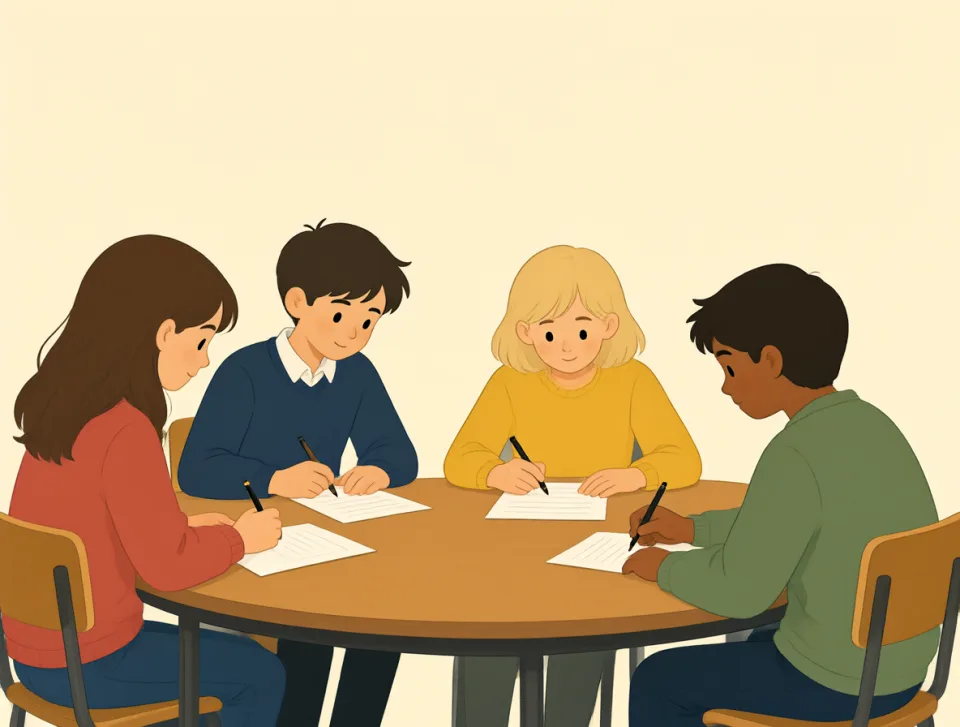
The students shall finish the work today.
विद्यार्थियों को आज काम पूरा करना होगा।

modern
#808adjective
आधुनिक
New or recently developed, using the latest ideas, styles, or technology.
नया या हाल ही में विकसित, जिसमें नवीनतम विचारों, शैलियों या तकनीक का इस्तेमाल हो।

They live in a modern apartment downtown.
वे शहर के बीचोंबीच एक आधुनिक अपार्टमेंट में रहते हैं।
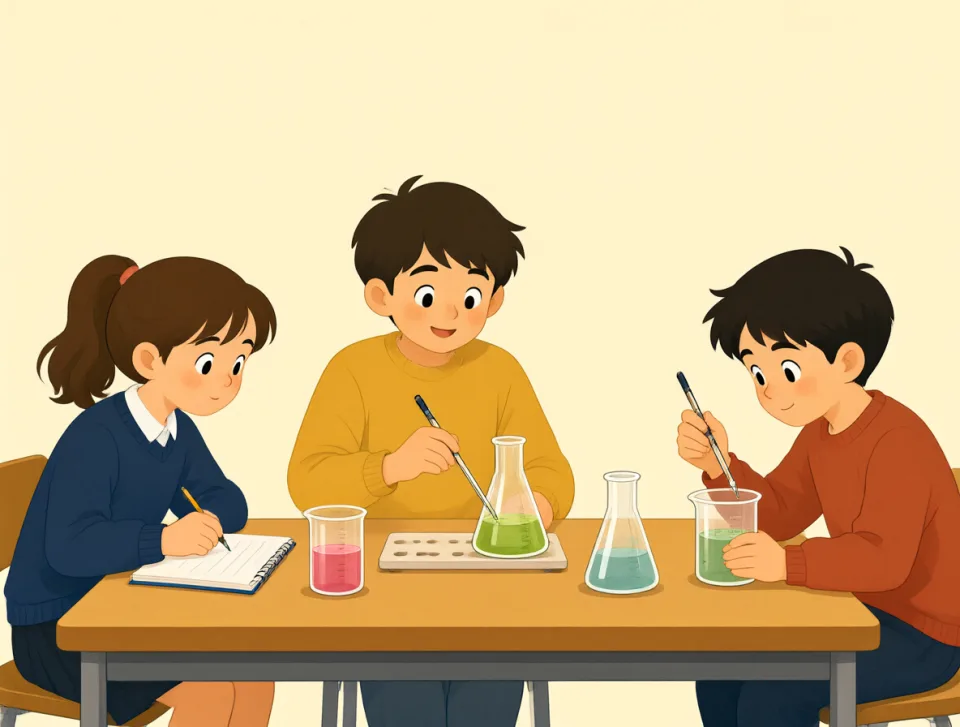
Our school has a modern science room.
हमारे स्कूल में विज्ञान की एक आधुनिक प्रयोगशाला है।
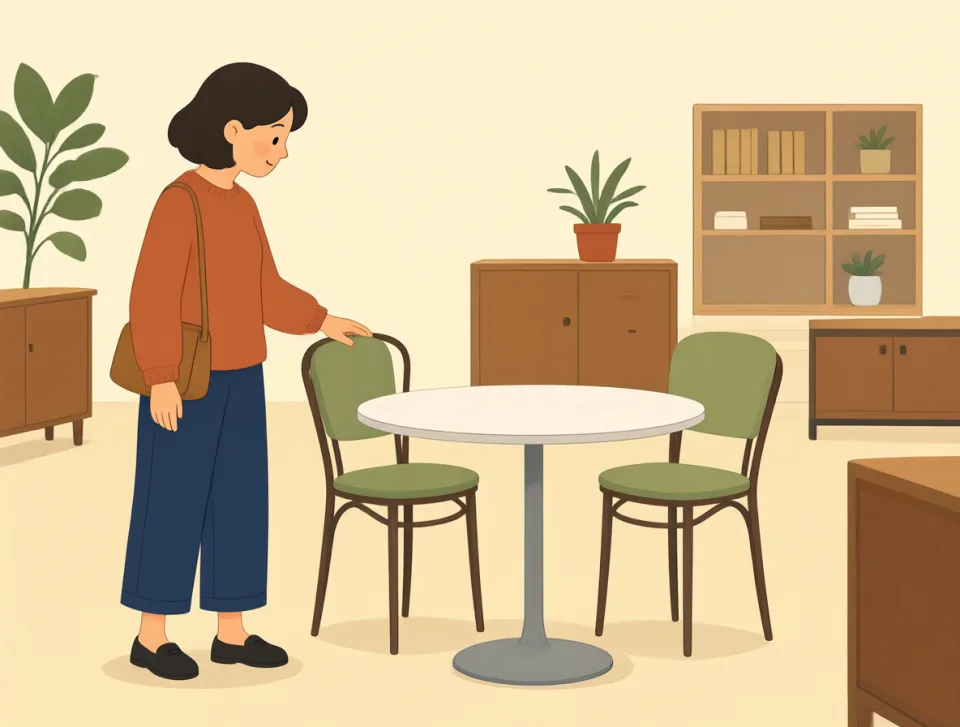
She bought a modern kitchen table.
उसने रसोई के लिए एक आधुनिक मेज़ खरीदी।

The hotel has modern rooms and a pool.
होटल में आधुनिक कमरे और एक स्विमिंग पूल है।
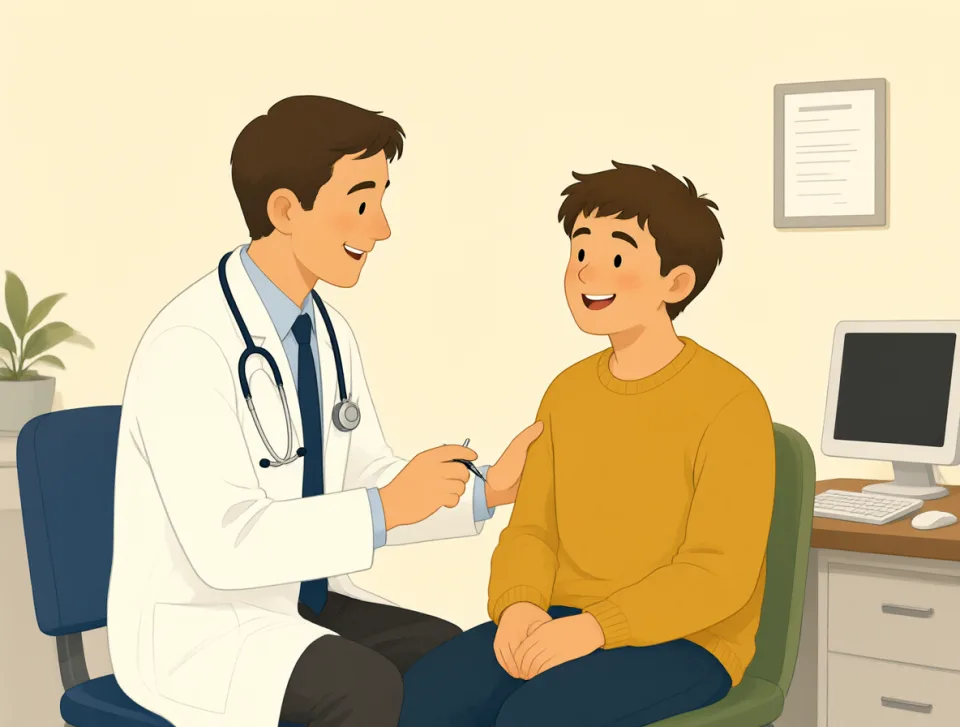
Modern medicine helped him get better.
आधुनिक चिकित्सा से उसे ठीक होने में मदद मिली।
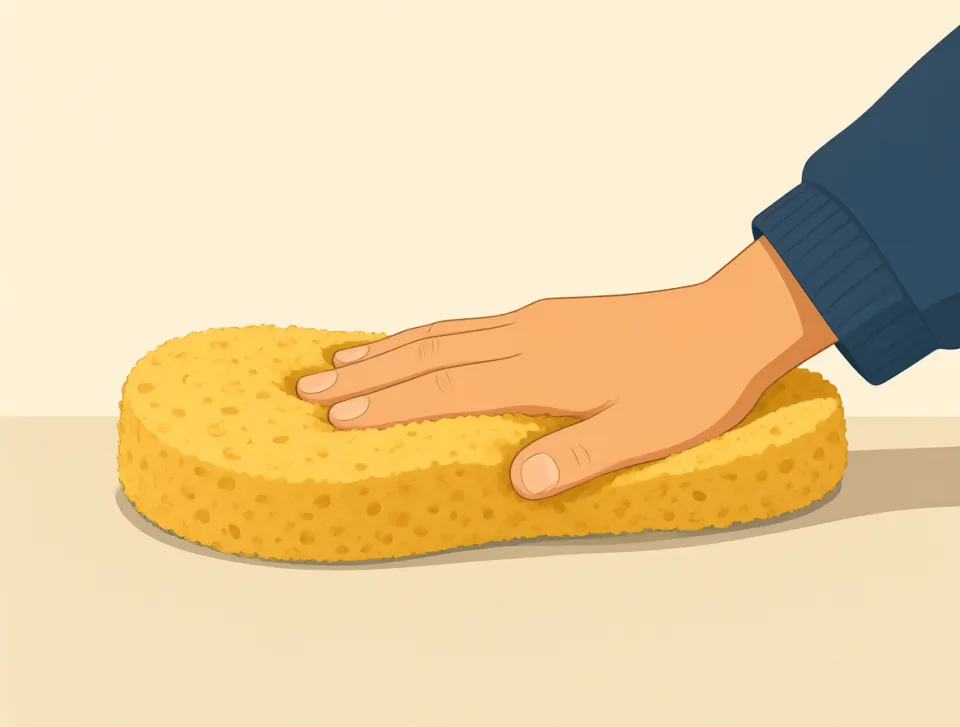
pressure
#809noun
दबाव
A force pushing on something, or a feeling that you must do something.
किसी चीज़ पर पड़ने वाला बल, या यह एहसास कि आपको कुछ करना ही है।
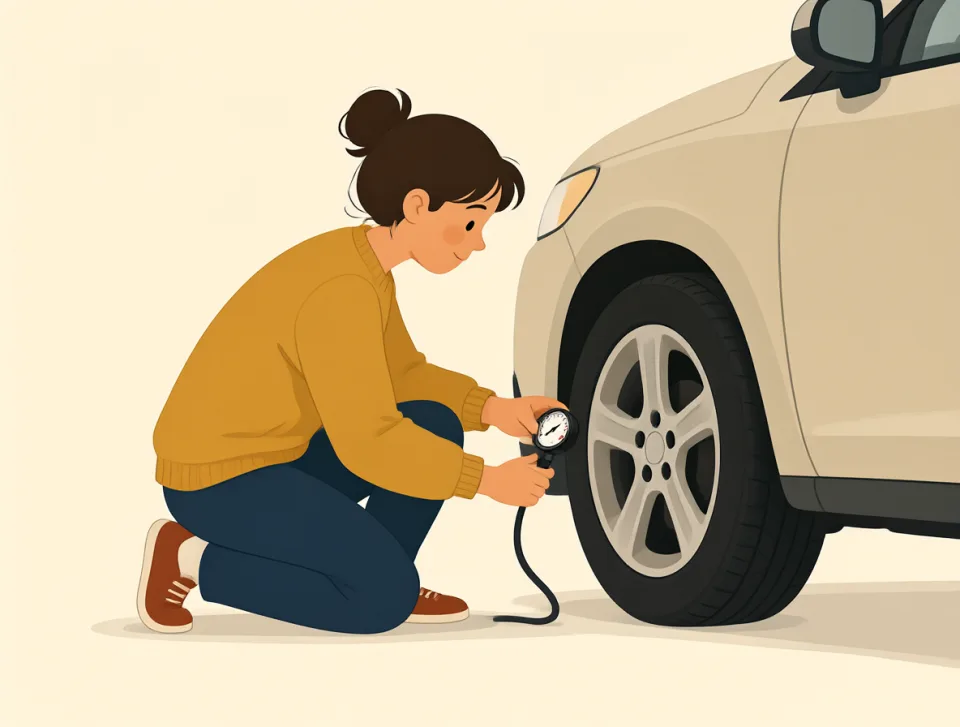
The tire pressure is too low.
टायर में हवा का दबाव बहुत कम है।

She felt pressure to finish the work.
काम पूरा करने का दबाव उसे महसूस हुआ।
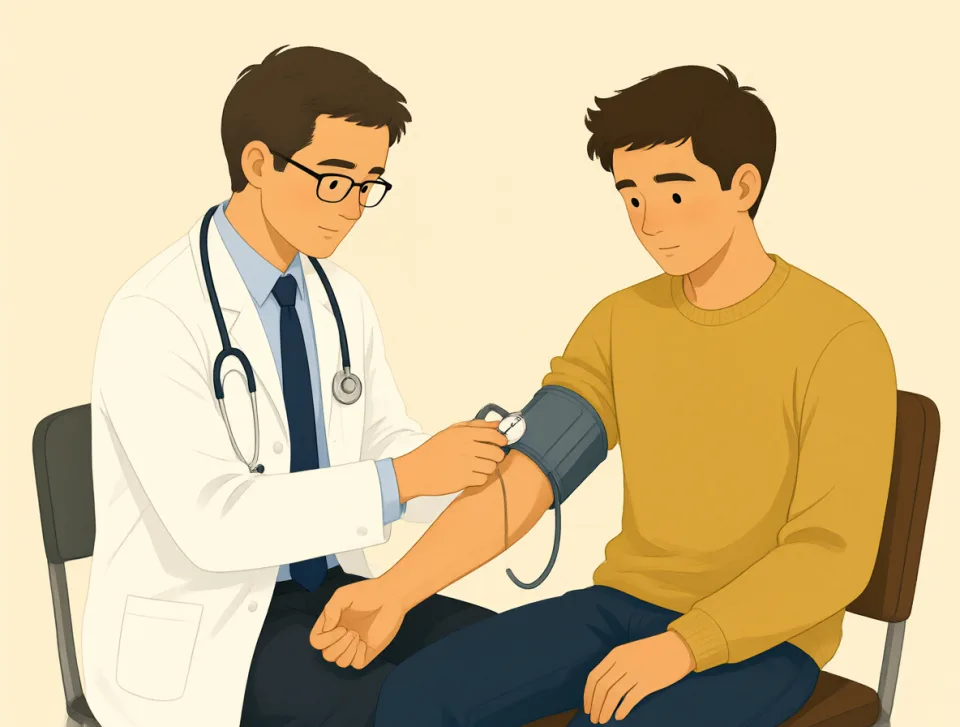
The doctor checked his blood pressure.
डॉक्टर ने उसका रक्तचाप जाँचा।
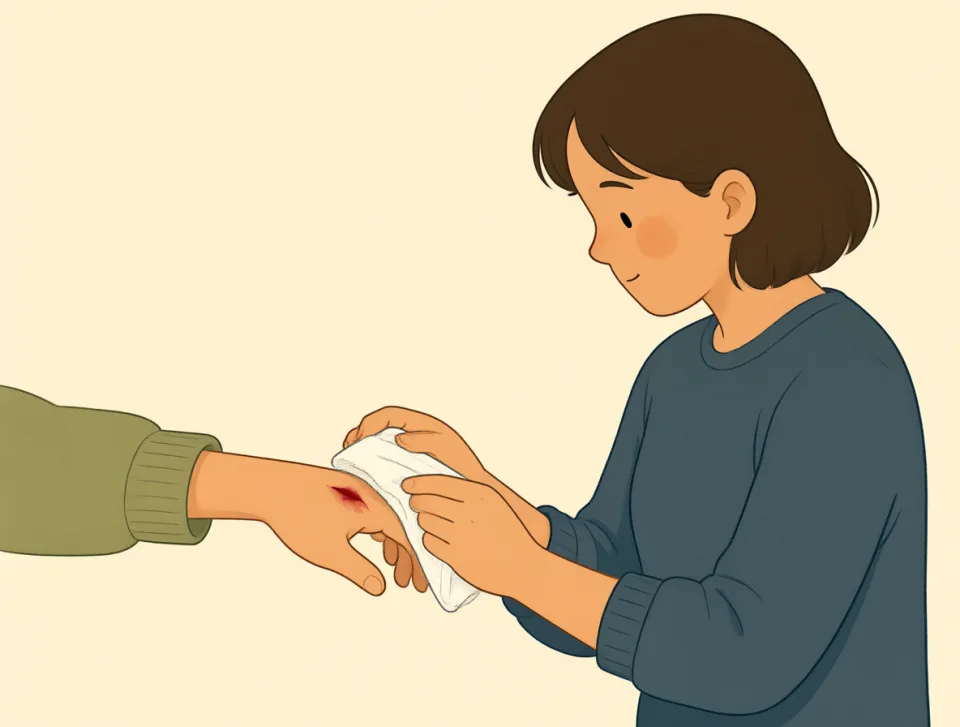
He put pressure on the cut to stop bleeding.
खून बहना रोकने के लिए उसने घाव पर दबाव डाला।
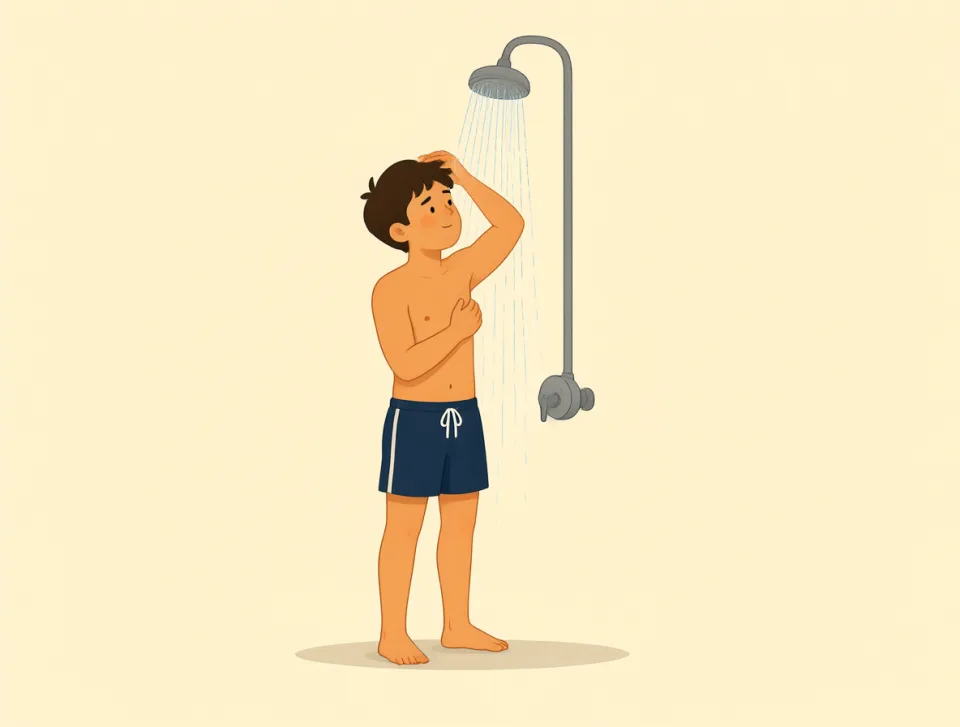
The water pressure is weak in our shower.
हमारे शॉवर में पानी का दबाव कम है।
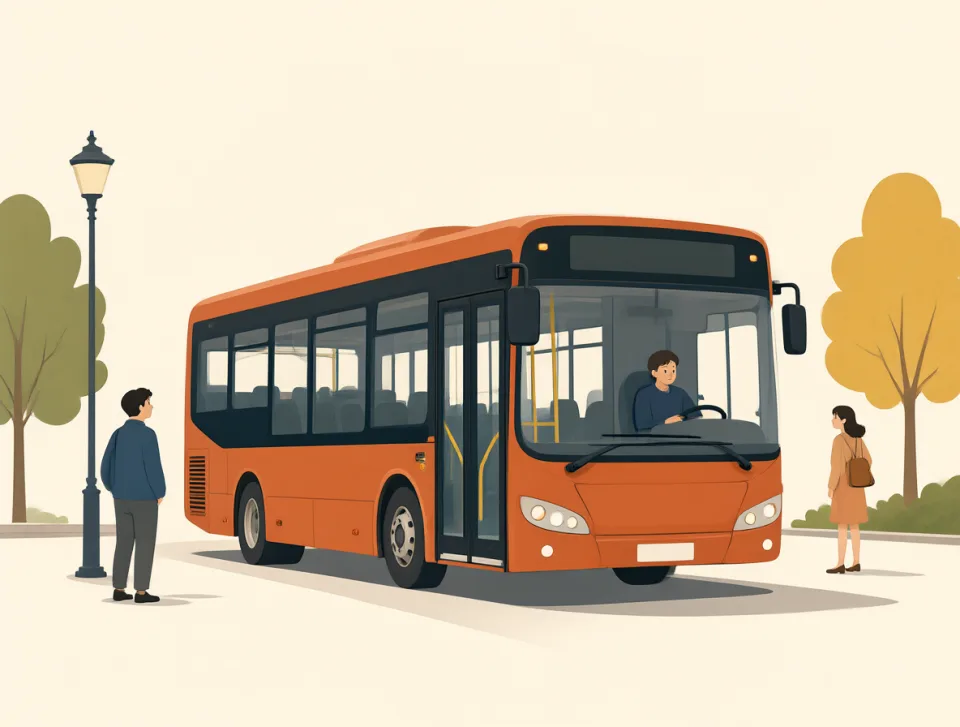
bus
#810noun, verb
बस
A large road vehicle that carries many people, or to travel by bus.
सड़क पर चलने वाला बड़ा वाहन, जिसमें कई लोग सफ़र करते हैं; या बस से यात्रा करना।

I take the bus to school every morning.
मैं हर सुबह बस से स्कूल जाता हूँ।
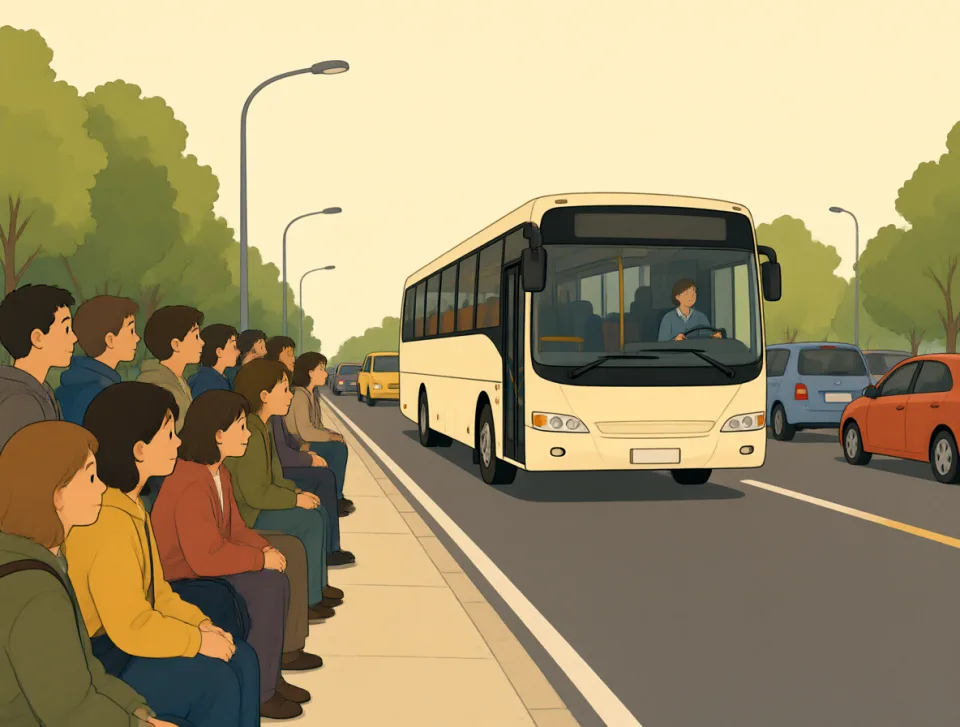
The bus was late because of heavy traffic.
भारी ट्रैफ़िक की वजह से बस देर से आई।

We got off the bus near the market.
हम बाज़ार के पास बस से उतर गए।

She buses to work from the city center.
वह शहर के केंद्र से बस लेकर काम पर जाती है।

The driver is busing the children home.
ड्राइवर बच्चों को बस से घर ले जा रहा है।
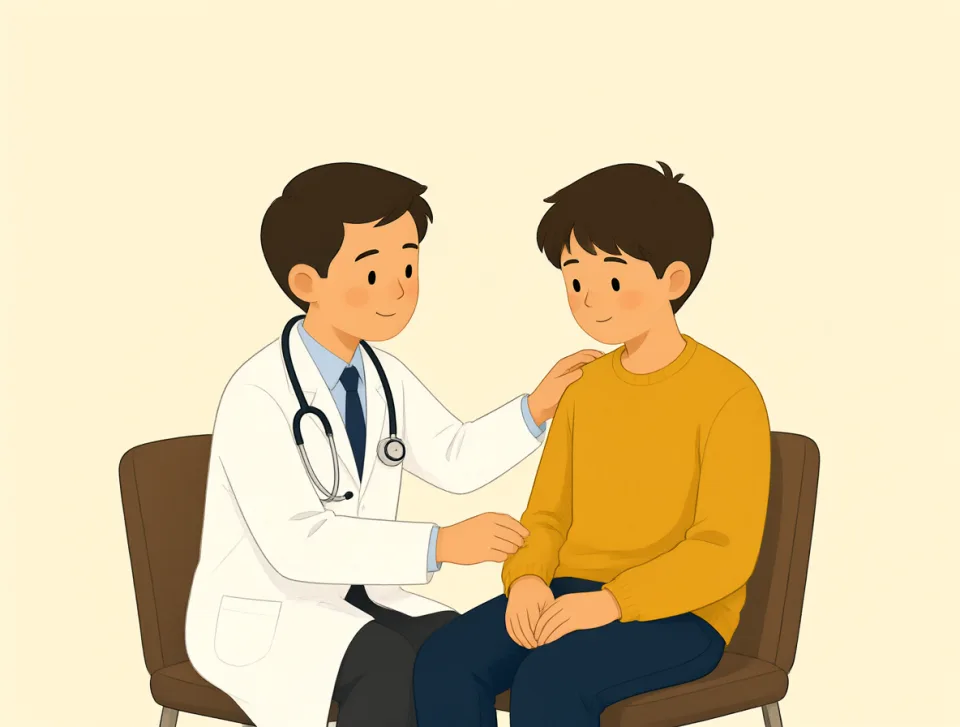
treatment
#811noun
इलाज
Medical care given to make someone healthy or feel better.
किसी को स्वस्थ करने या बेहतर महसूस कराने के लिए दी जाने वाली चिकित्सा देखभाल।
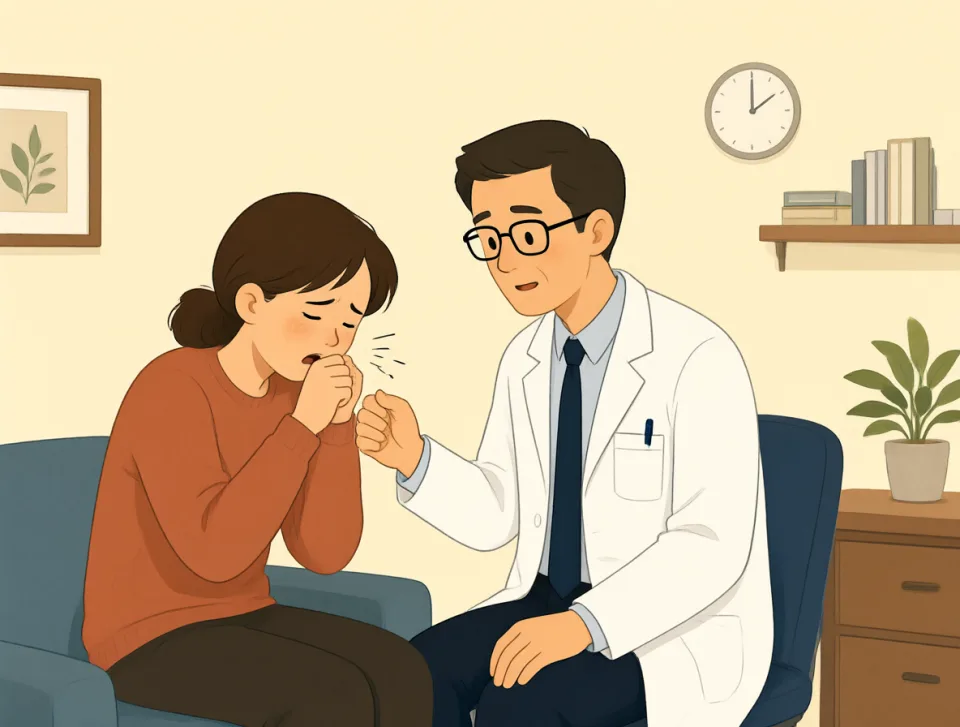
The doctor started treatment for my cough.
डॉक्टर ने मेरी खाँसी का इलाज शुरू किया।
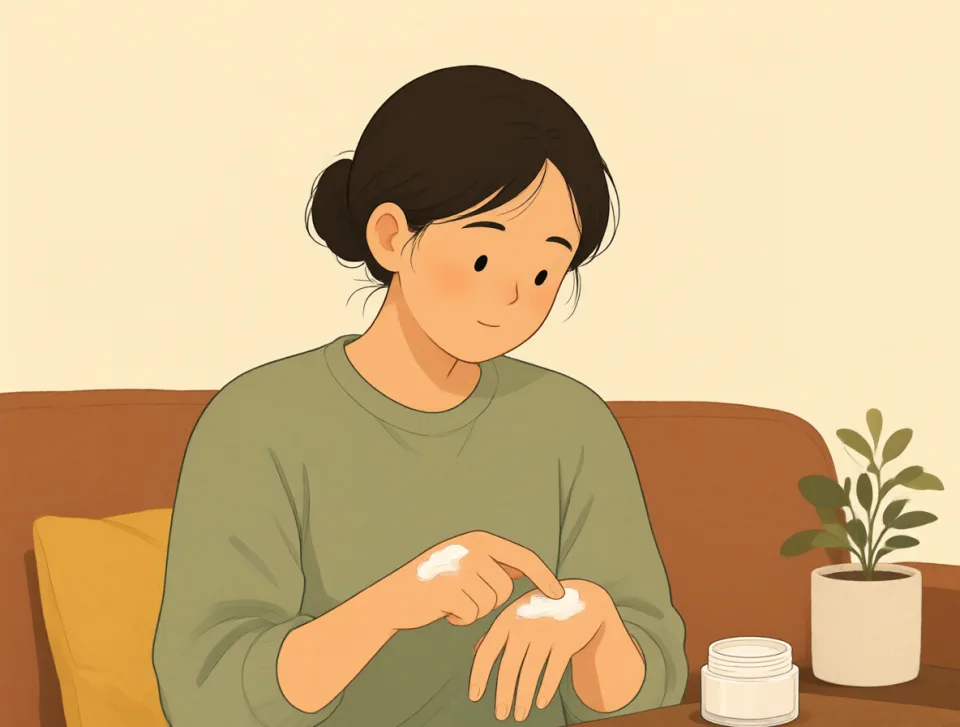
This cream is a treatment for dry skin.
यह क्रीम रूखी त्वचा का इलाज है।
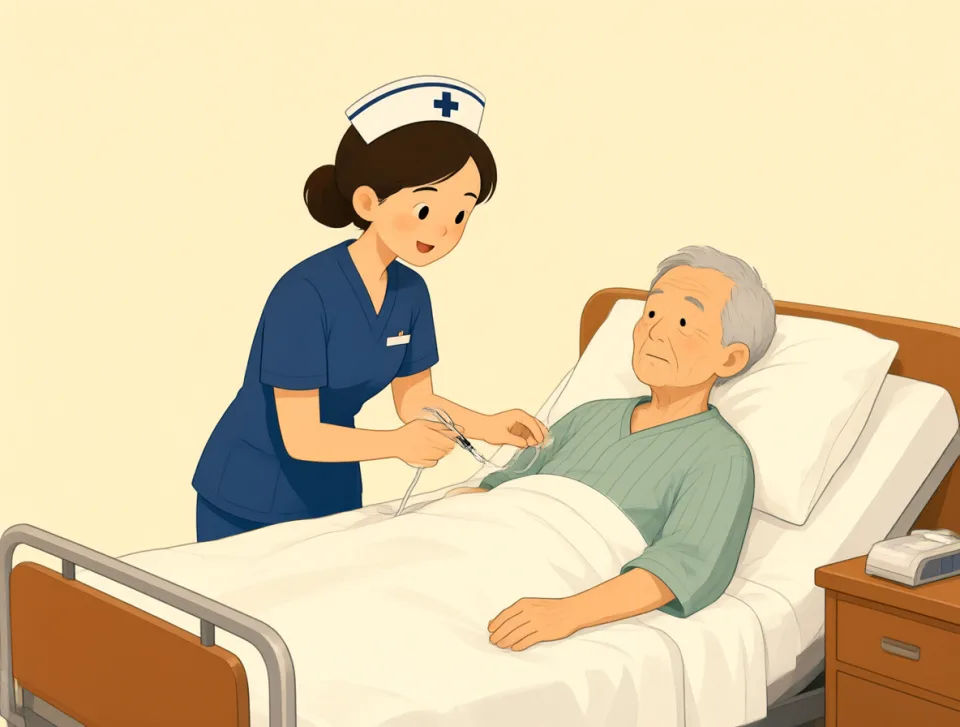
She received treatment at the hospital.
उसे अस्पताल में इलाज मिला।

The hotel gave our complaint careful treatment.
होटल ने हमारी शिकायत पर सावधानी से ध्यान दिया।

The teacher's treatment of students was fair.
शिक्षक का विद्यार्थियों के साथ व्यवहार निष्पक्ष था।

conference
#812noun
सम्मेलन
A formal meeting where people discuss ideas, information, or work.
एक औपचारिक बैठक, जिसमें लोग विचारों, जानकारी या काम पर चर्चा करते हैं।
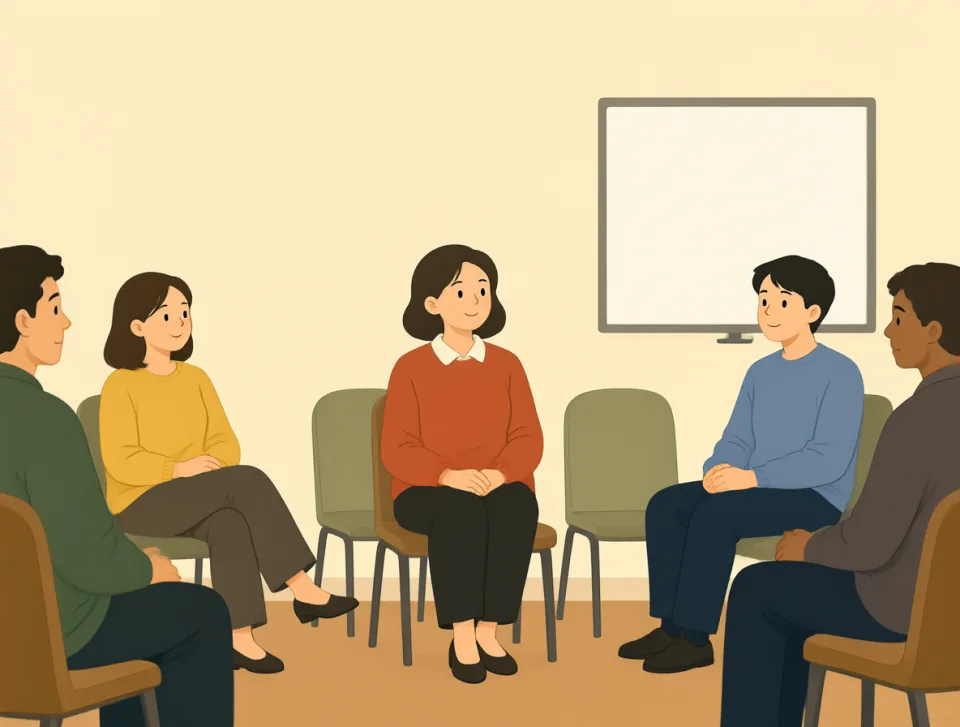
She is attending a business conference this week.
वह इस हफ़्ते एक व्यावसायिक सम्मेलन में शामिल हो रही है।
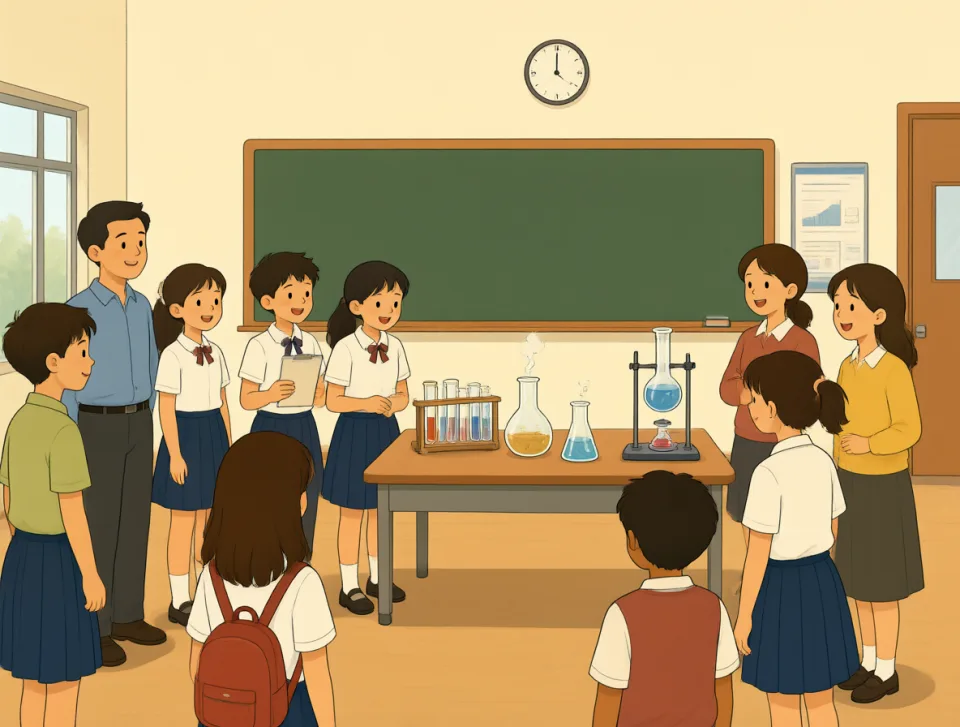
Our school held a science conference yesterday.
हमारे स्कूल ने कल विज्ञान सम्मेलन आयोजित किया।

He met old friends at the conference.
वह सम्मेलन में पुराने दोस्तों से मिला।
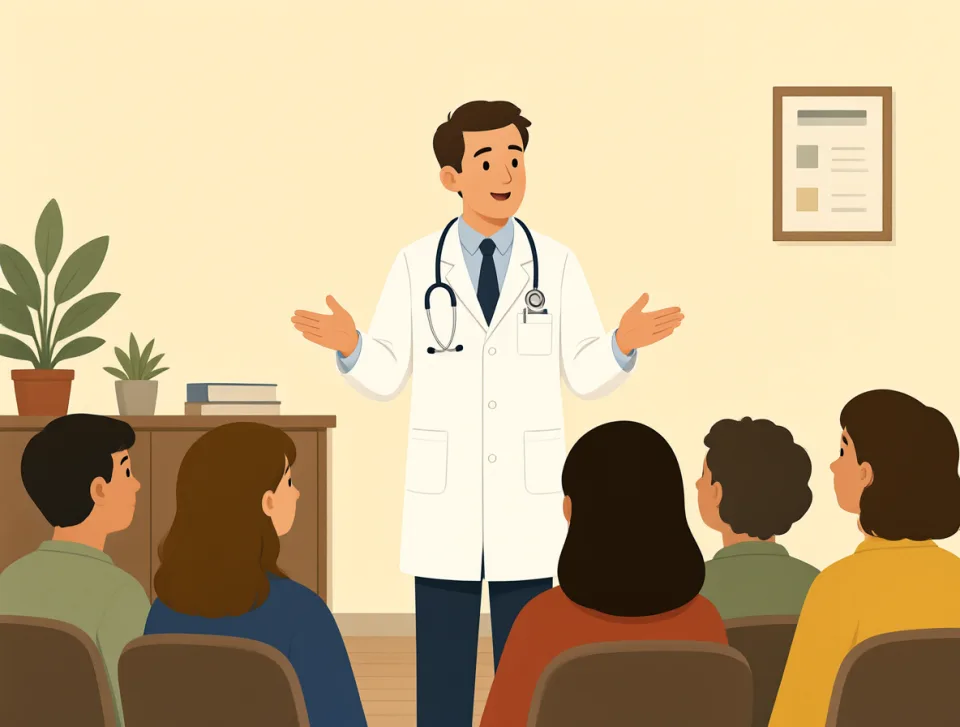
The doctor spoke at a health conference.
डॉक्टर ने एक स्वास्थ्य सम्मेलन में भाषण दिया।

They booked a hotel near the conference.
उन्होंने सम्मेलन के पास एक होटल बुक किया।
yourself
#813pronoun
खुद
You; the person or people you are talking to, used as an object or for emphasis.
जिस व्यक्ति या लोगों से आप बात कर रहे हैं, उनके लिए प्रयुक्त शब्द; इसका इस्तेमाल कर्म के रूप में या ज़ोर देने के लिए होता है।
You can do it yourself.
तुम यह खुद कर सकते हो।

Please make yourself at home.
कृपया इसे अपना ही घर समझिए।

Did you enjoy yourself at the party?
क्या तुमने पार्टी में मज़ा किया?

Take care of yourself on the trip.
यात्रा में अपना ध्यान रखना।

You should be proud of yourself.
तुम्हें खुद पर गर्व होना चाहिए।
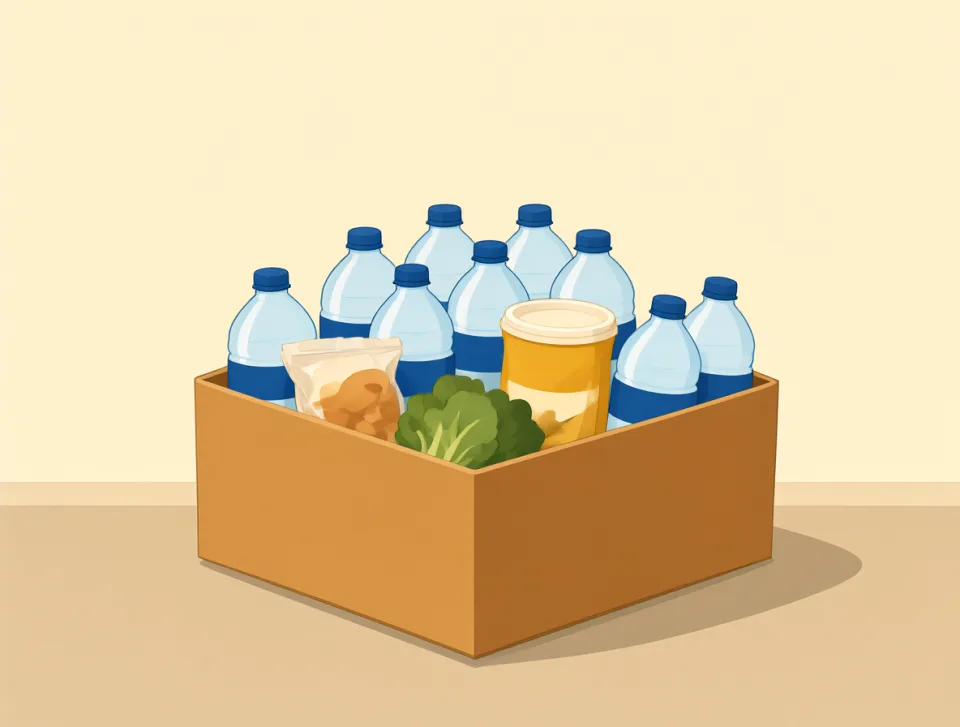
supply
#814noun, verb
आपूर्ति
A supply is an amount of something available to use; to supply means to provide it.
आपूर्ति इस्तेमाल के लिए उपलब्ध किसी चीज़ की मात्रा होती है; क्रिया के रूप में, इसका मतलब है वह चीज़ उपलब्ध कराना।
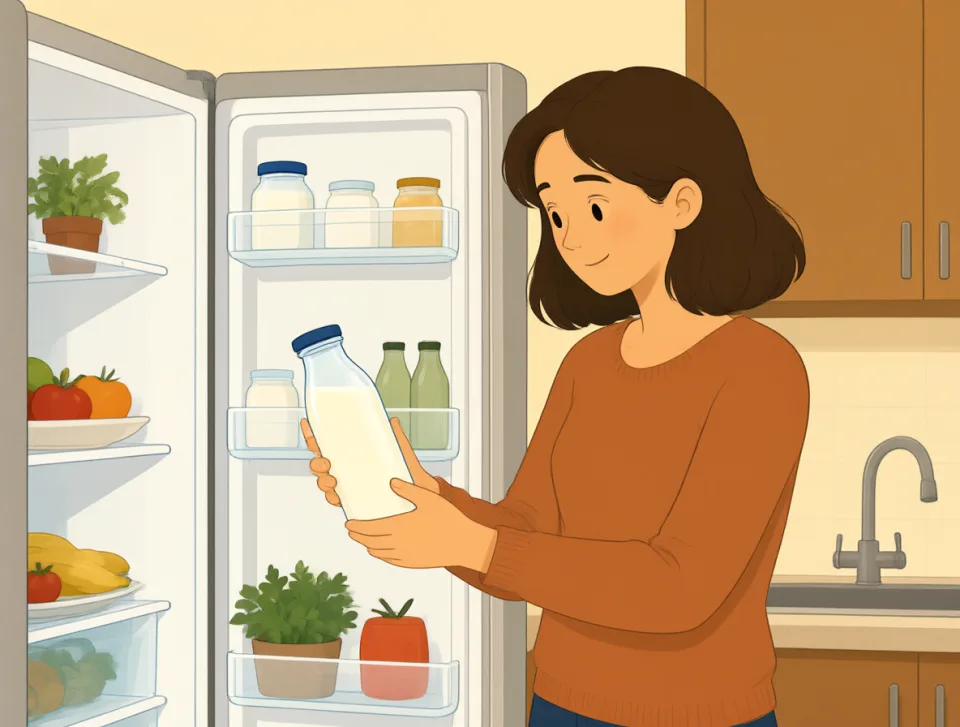
We need a fresh supply of milk.
हमें दूध की नई खेप चाहिए।

The shop supplies food to local schools.
यह दुकान स्थानीय स्कूलों को खाना उपलब्ध कराती है।

The hotel supplied towels for every guest.
होटल ने हर मेहमान के लिए तौलिये उपलब्ध कराए।
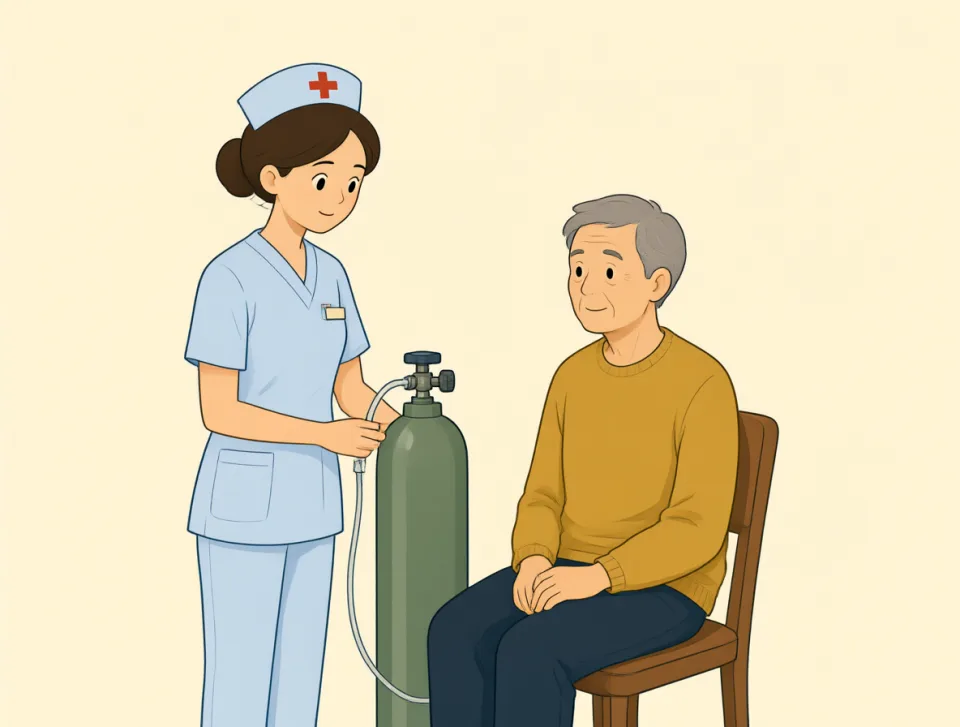
The nurse checked my oxygen supply.
नर्स ने मेरी ऑक्सीजन की आपूर्ति जाँची।
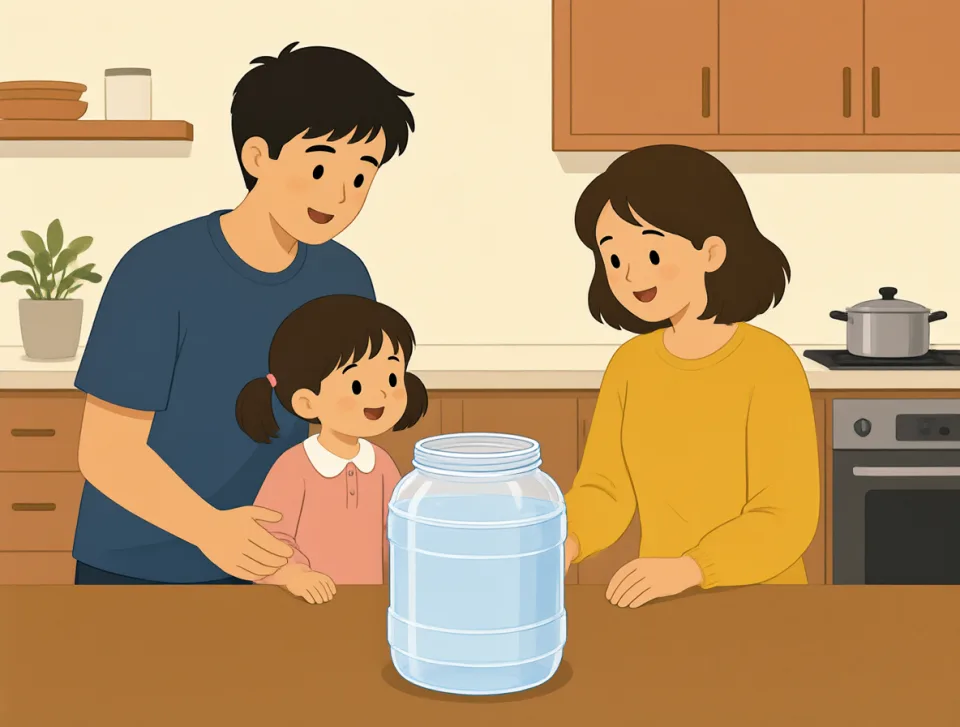
Our water supply ran out yesterday.
कल हमारी पानी की आपूर्ति खत्म हो गई।
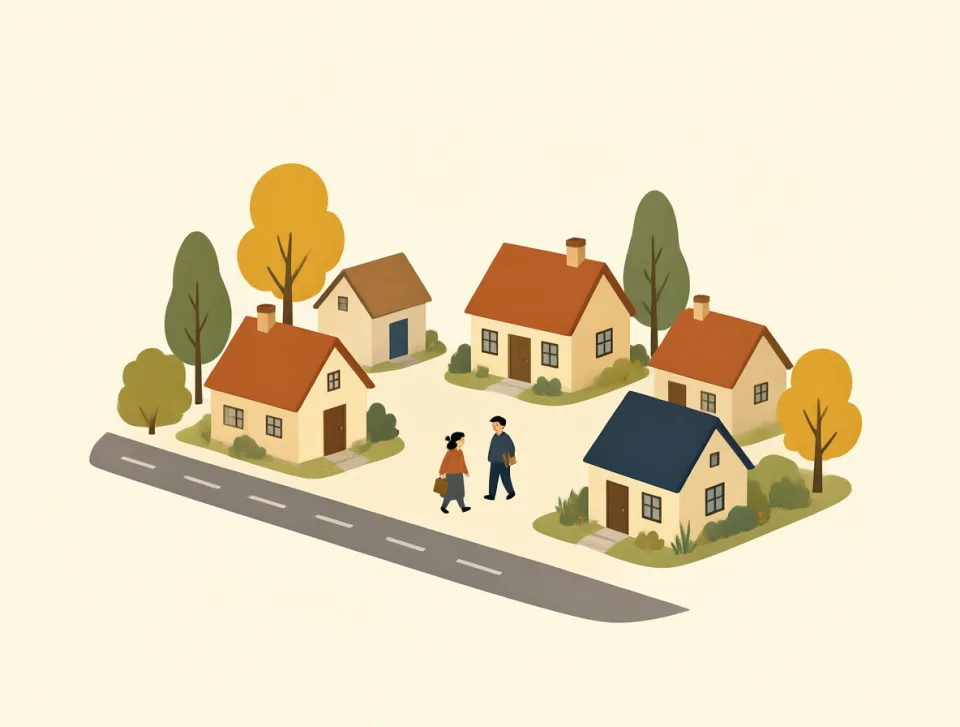
village
#815noun
गाँव
a small place where people live, usually in the countryside
लोगों के रहने की एक छोटी जगह, जो आम तौर पर ग्रामीण इलाके में होती है।
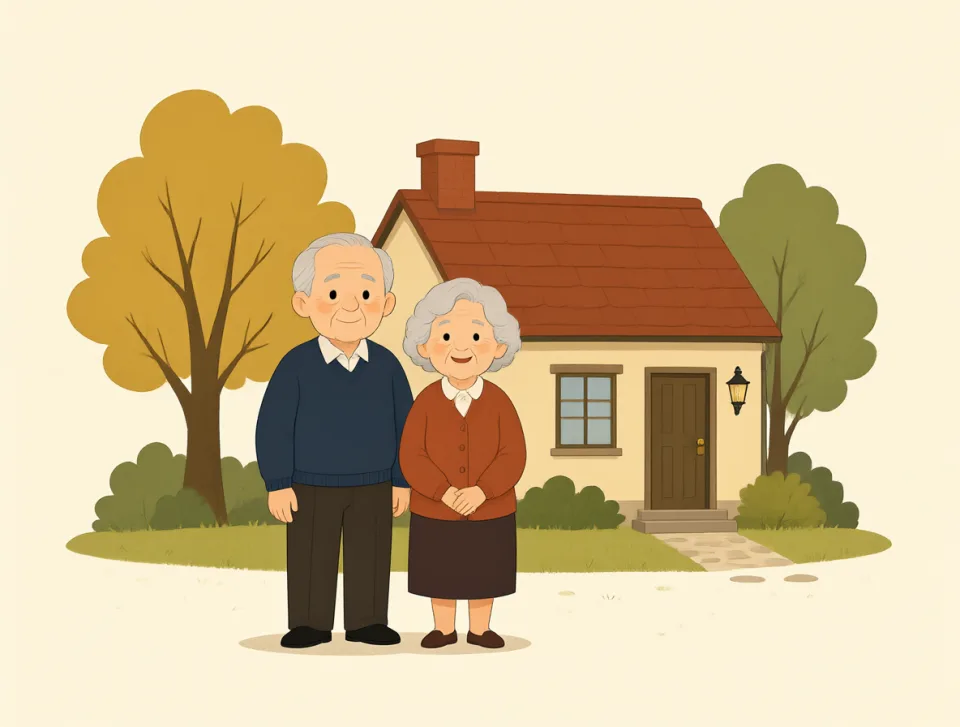
My grandparents live in a quiet village.
मेरे दादा-दादी एक शांत गाँव में रहते हैं।

The village has a small school.
गाँव में एक छोटा स्कूल है।

We bought fresh bread in the village.
हमने गाँव में ताज़ी रोटी खरीदी।

Many tourists visit the village each summer.
हर गर्मियों में कई पर्यटक गाँव घूमने आते हैं।
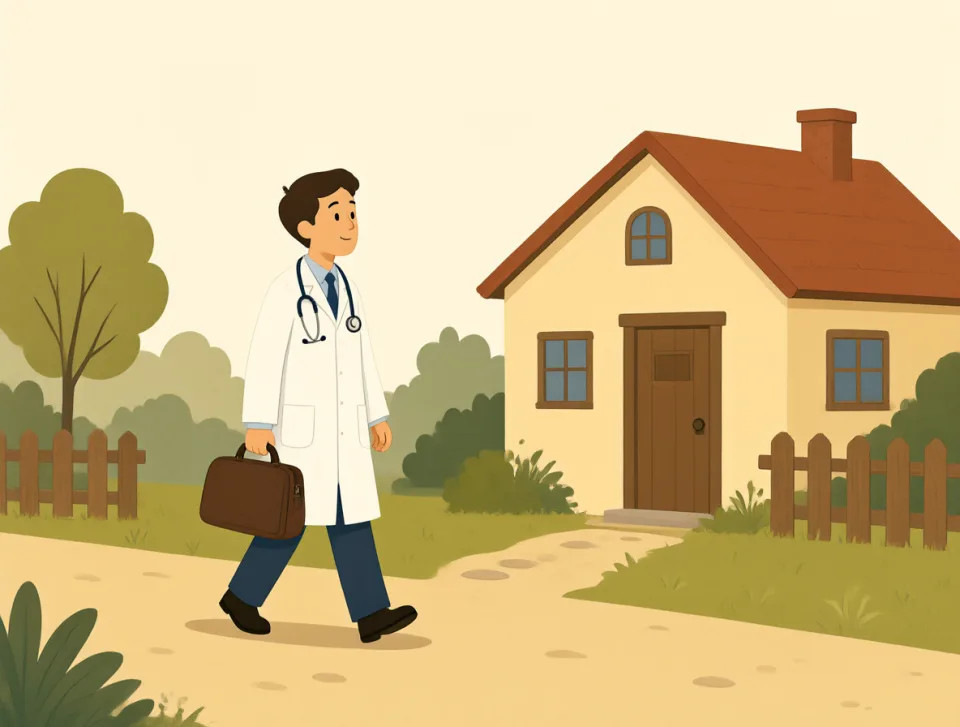
A doctor visits the village every Friday.
एक डॉक्टर हर शुक्रवार गाँव आता है।
worth
#816adjective, noun, preposition
क़ीमत के लायक
Having a value or usefulness equal to something; deserving time, money, or effort.
किसी चीज़ के बराबर मूल्य या उपयोगिता होना; समय, पैसे या मेहनत के लायक होना।

This book is worth reading again.
यह किताब दोबारा पढ़ने लायक है।

The watch is worth fifty dollars.
इस घड़ी की कीमत पचास डॉलर है।

Is this film worth seeing?
क्या यह फ़िल्म देखने लायक है?

It was worth waiting for the delicious meal.
स्वादिष्ट भोजन के लिए इंतज़ार करना सार्थक था।

The museum is well worth a visit.
यह संग्रहालय देखने ज़रूर जाना चाहिए।

natural
#817adjective
प्राकृतिक
Existing in nature or happening normally, without being made or changed by people.
प्रकृति में मौजूद या सामान्य रूप से होने वाला, जिसे लोगों ने बनाया या बदला न हो।

She has beautiful natural hair.
उसके बाल प्राकृतिक रूप से सुंदर हैं।

This juice contains natural fruit.
इस जूस में प्राकृतिक फल हैं।

He felt natural speaking to the friendly teacher.
मिलनसार शिक्षक से बात करते हुए उसे सहज महसूस हुआ।

We walked along a natural beach.
हम एक प्राकृतिक समुद्रतट पर टहले।
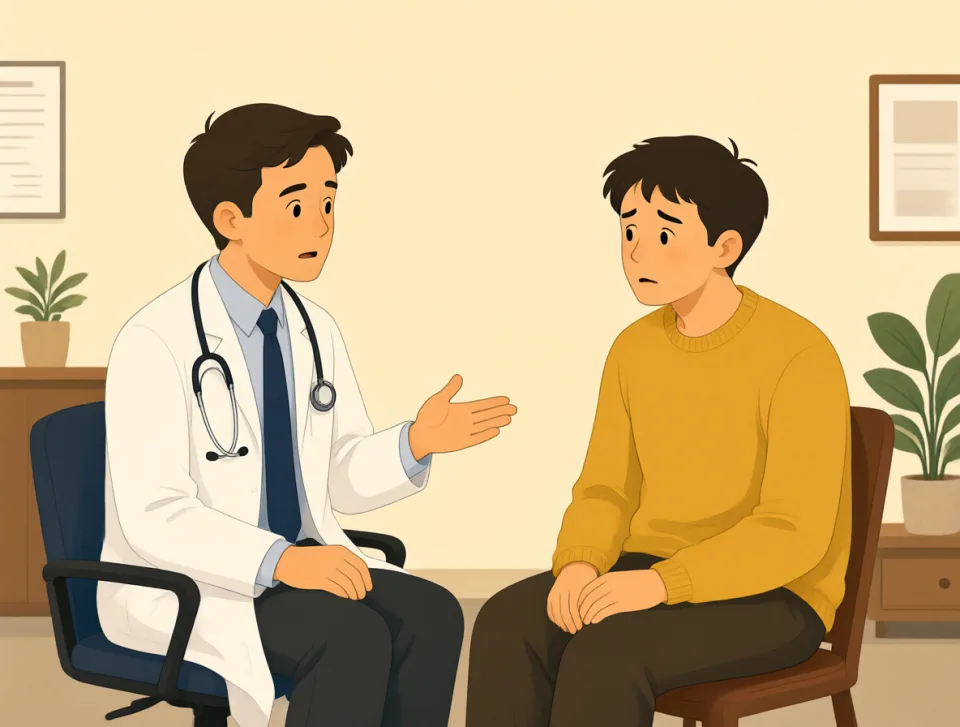
The doctor suggested a natural way to sleep better.
डॉक्टर ने बेहतर नींद के लिए एक प्राकृतिक तरीका सुझाया।

express
#818verb, noun, adjective
ज़ाहिर करना
to show a feeling or idea in words, actions, or art
शब्दों, कामों या कला के ज़रिए किसी भावना या विचार को दिखाना।

She expressed her feelings to her friend.
उसने अपने दोस्त से अपनी भावनाएँ साझा कीं।

Please express your opinion in class.
कृपया कक्षा में अपनी राय बताइए।

He expressed thanks for the delicious meal.
उसने स्वादिष्ट भोजन के लिए धन्यवाद दिया।

We took the express train to London.
हम लंदन जाने के लिए एक्सप्रेस ट्रेन से गए।
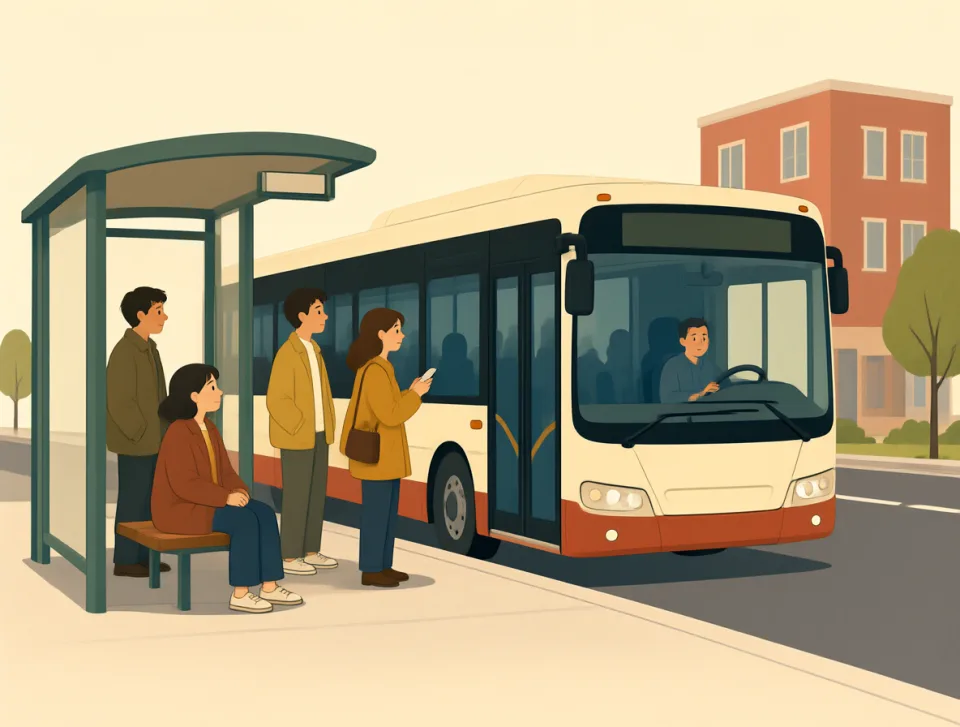
The express bus arrives every ten minutes.
एक्सप्रेस बस हर दस मिनट में आती है।
indicate
#819verb
संकेत करना
to show or point out something clearly
किसी चीज़ को साफ़ तौर पर दिखाना या उसकी ओर इशारा करना।

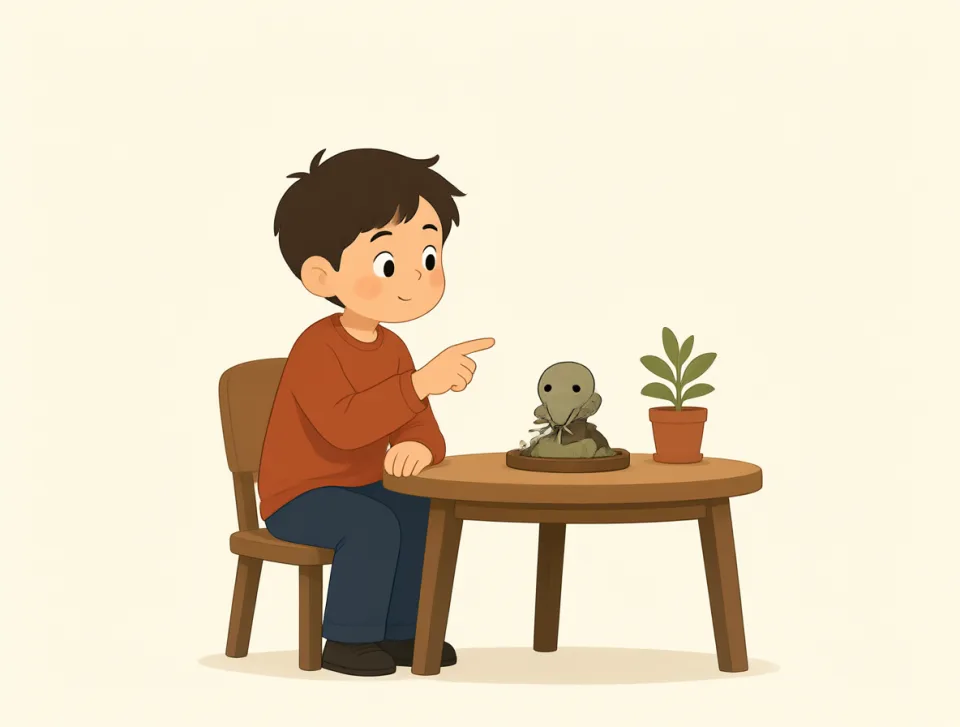
The arrow indicates the correct road.
तीर सही सड़क का संकेत देता है।

Dark clouds indicate that rain is coming.
काले बादल संकेत देते हैं कि बारिश होने वाली है।

Please indicate your choice on the form.
कृपया फ़ॉर्म पर अपना विकल्प बताइए।

His smile indicated that he was happy.
उसकी मुस्कान से पता चला कि वह खुश था।
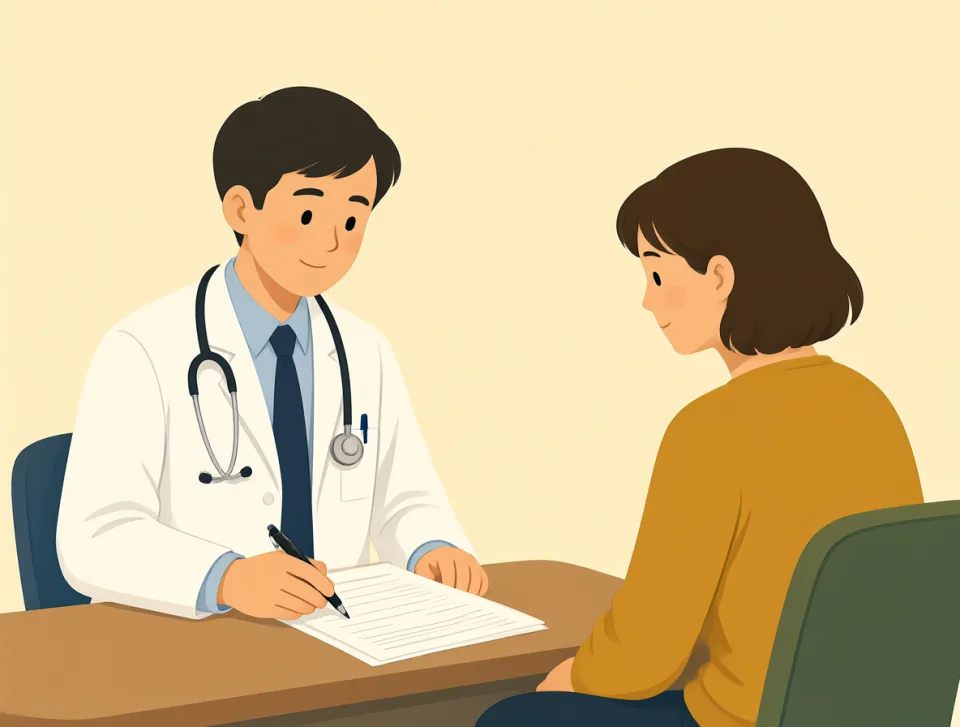
The test results indicated an infection.
जाँच के नतीजों से संक्रमण का पता चला।

attend
#820verb
शामिल होना
to go to an event, meeting, school, or place
किसी कार्यक्रम, बैठक, स्कूल या जगह पर जाना।

I attend English classes every Saturday.
मैं हर शनिवार अंग्रेज़ी की कक्षाओं में जाता हूँ।

She attended the meeting at work yesterday.
वह कल काम की बैठक में शामिल हुई।
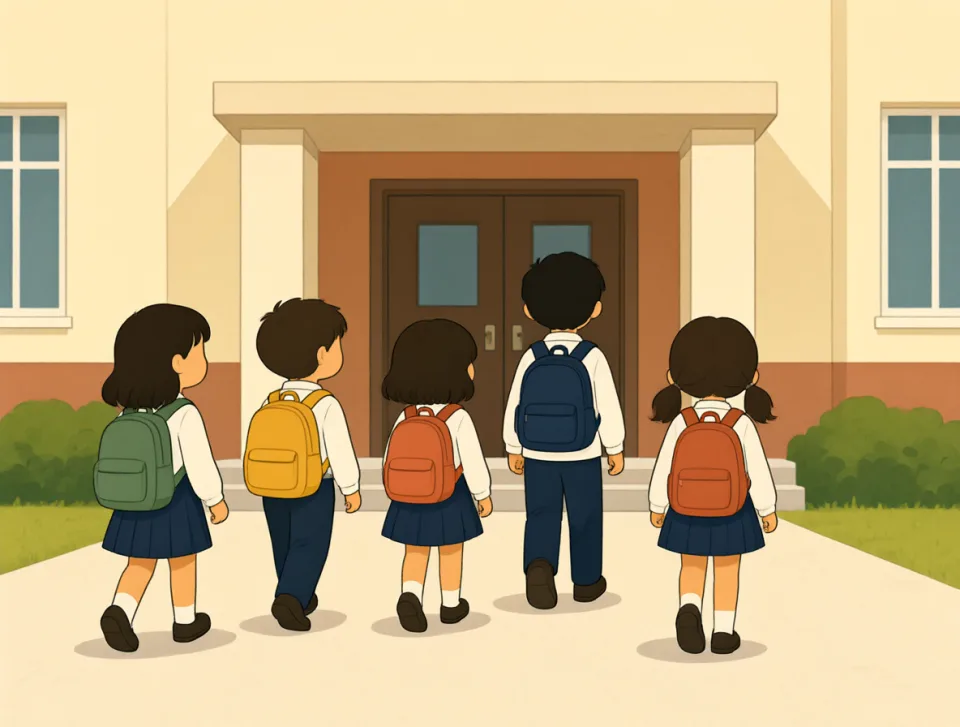
Many children attend this school.
बहुत-से बच्चे इस स्कूल में पढ़ते हैं।
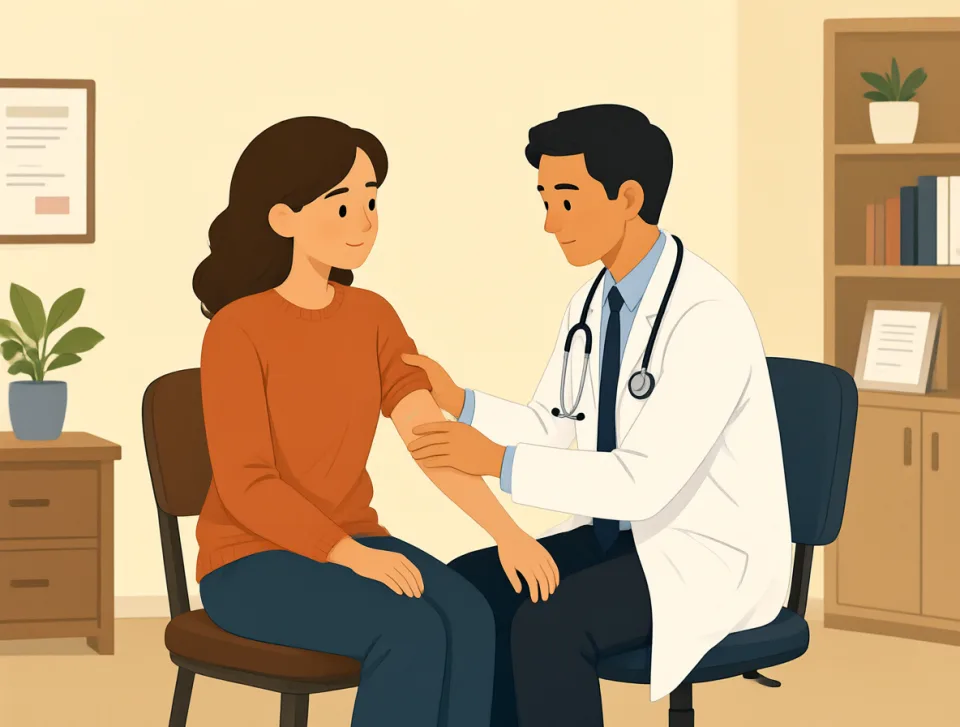
Please attend your doctor's appointment tomorrow.
कृपया कल डॉक्टर से मिलने के लिए ज़रूर जाइए।

He attended the wedding with his friends.
वह अपने दोस्तों के साथ शादी में शामिल हुआ।