الوحدة 41
الكلمات من 801 إلى 820 · husband, access, movement, treat, identify, loss

husband
#801noun
زوج
A married man.
رجل متزوج.
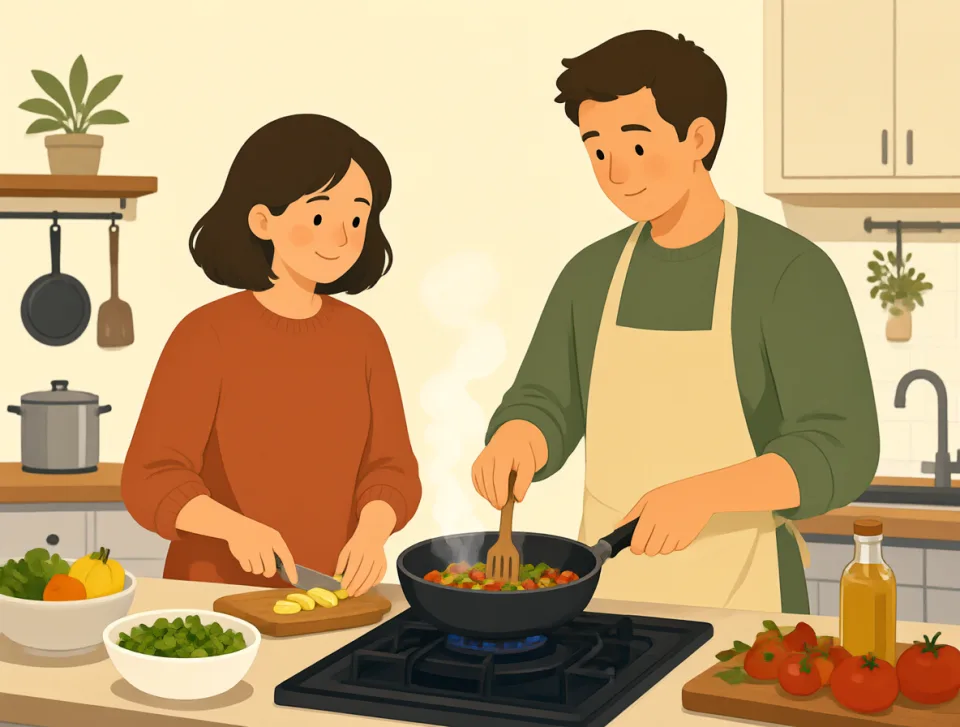
Her husband cooks dinner every evening.
تطبخ زوجها العشاء كل مساء.

My husband works at a local school.
يعمل زوجي في مدرسة محلية.
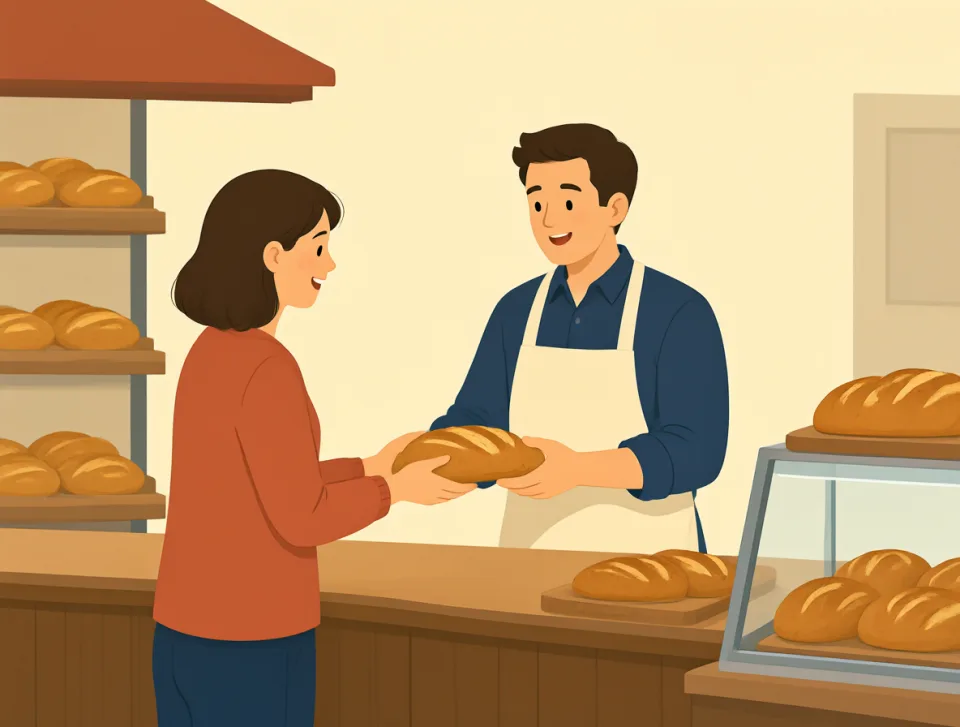
His husband bought fresh bread this morning.
اشترى زوجه خبزًا طازجًا هذا الصباح.

I met your husband at the airport.
التقيت زوجك في المطار.

Her husband felt sick after lunch.
شعر زوجها بالمرض بعد الغداء.
access
#802noun, verb
الوصول
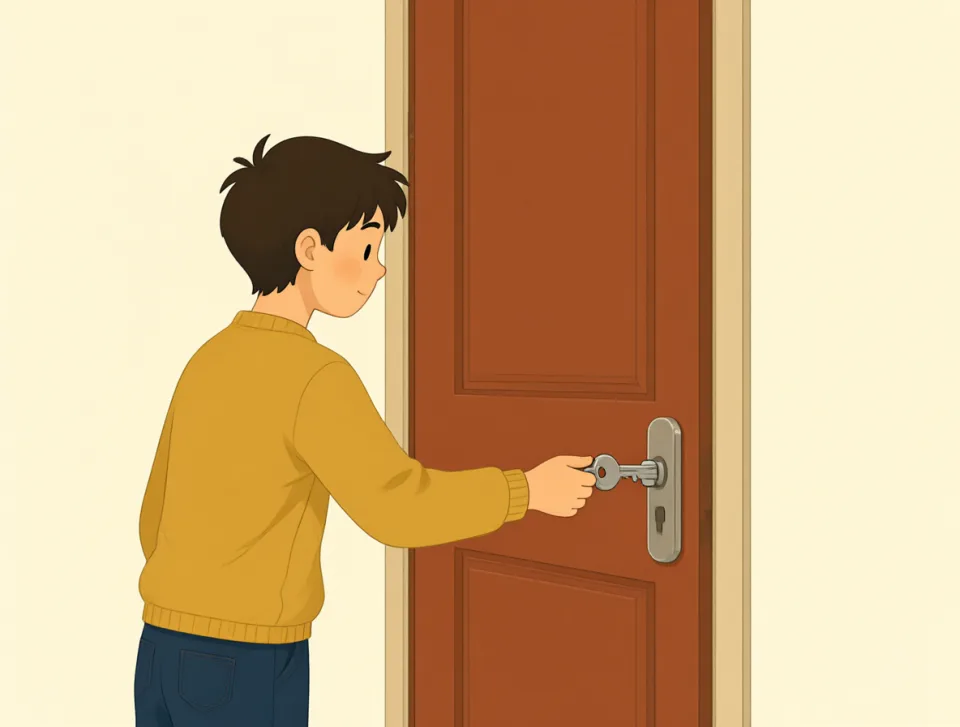
the right or way to enter, use, or reach something
الحق في دخول شيء أو استخدامه أو بلوغه، أو الوسيلة التي تتيح ذلك.
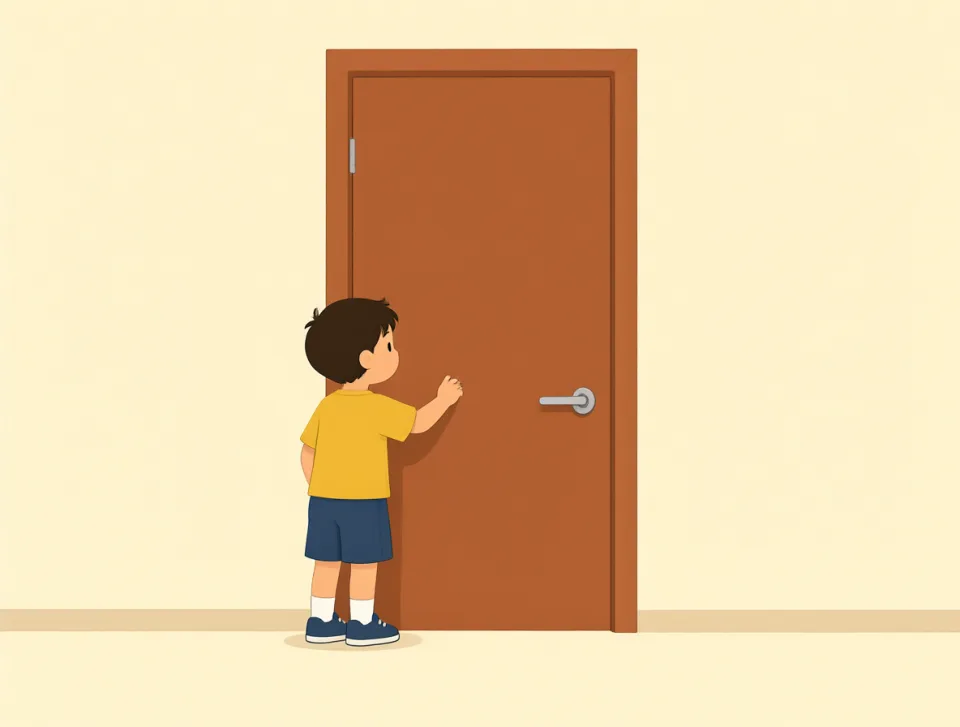
I need access to the bathroom.
أحتاج إلى دخول الحمّام.

You can access your account from home.
يمكنك الوصول إلى حسابك من المنزل.

Students have access to the school library.
يتمتع الطلاب بإمكانية الوصول إلى مكتبة المدرسة.
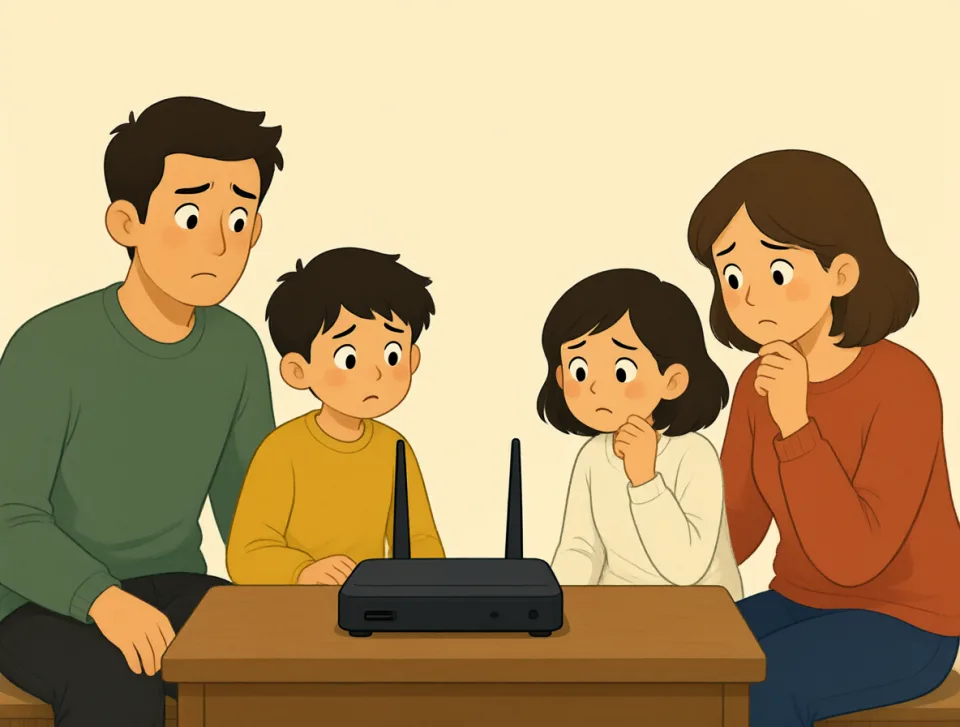
We lost internet access during the storm.
فقدنا الاتصال بالإنترنت أثناء العاصفة.
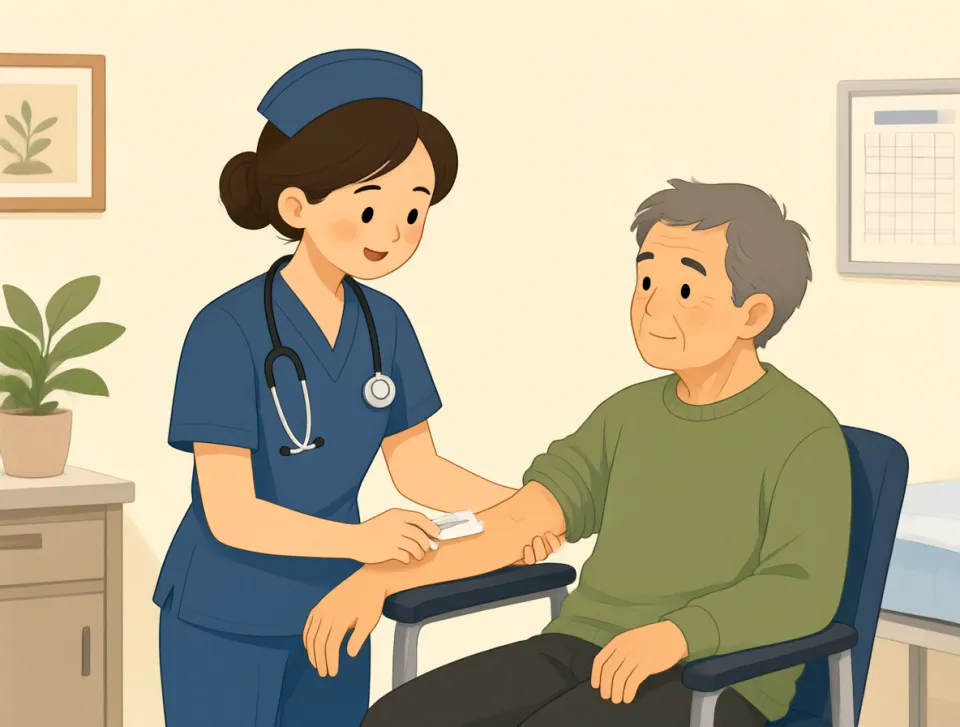
The nurse accessed his arm for treatment.
وصلت الممرضة إلى ذراعه لتقديم العلاج.
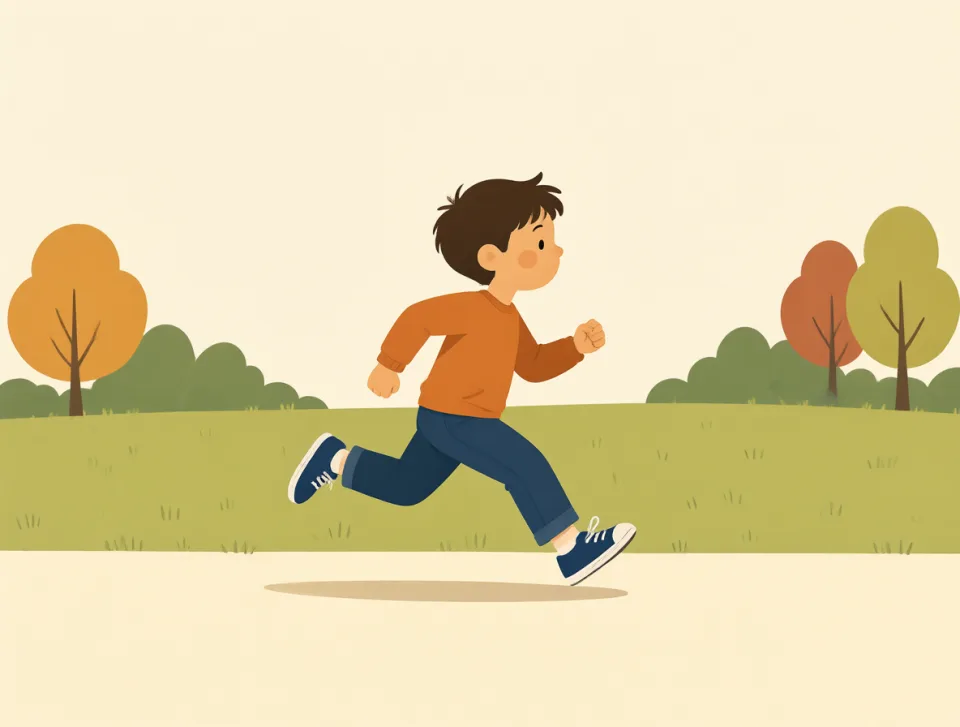
movement
#803noun
الحركة
the act or process of moving from one place or position to another
فعل أو عملية الانتقال من مكان أو وضع إلى مكان أو وضع آخر.

The movement of the train made me feel sick.
جعلتني حركة القطار أشعر بالغثيان.
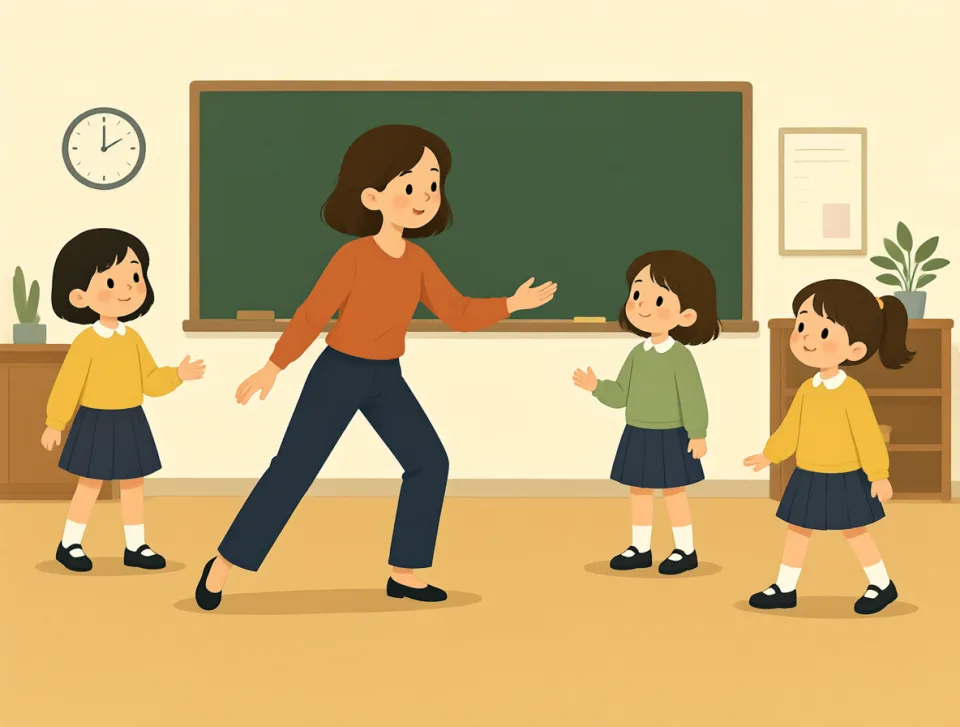
The teacher showed us a new dance movement.
أرنا المعلم حركة رقص جديدة.
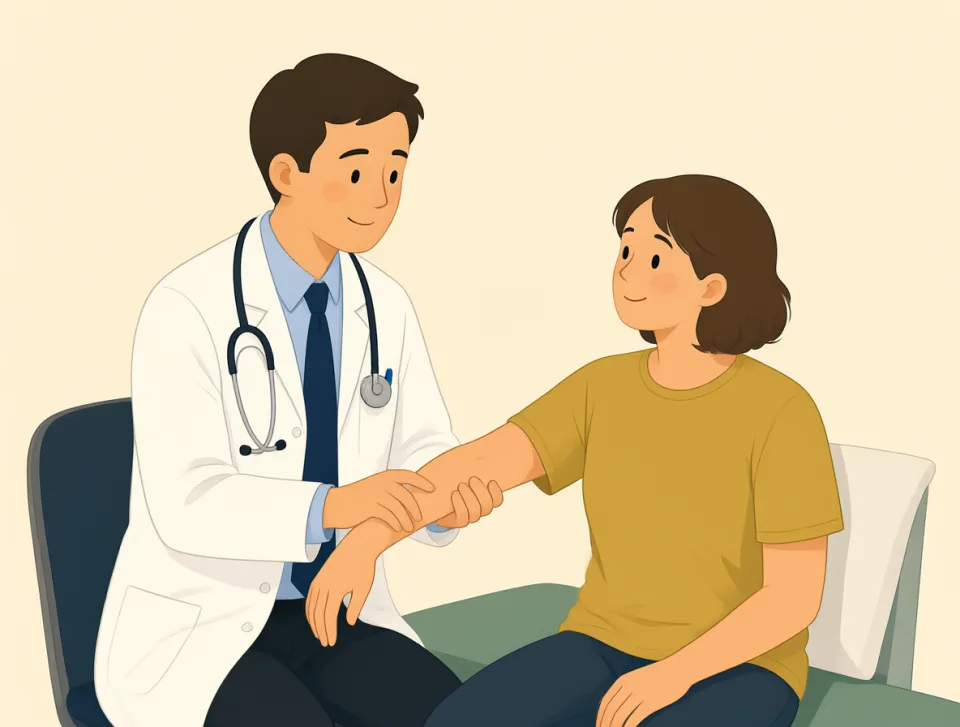
The doctor checked my arm movement carefully.
فحص الطبيب حركة ذراعي بعناية.
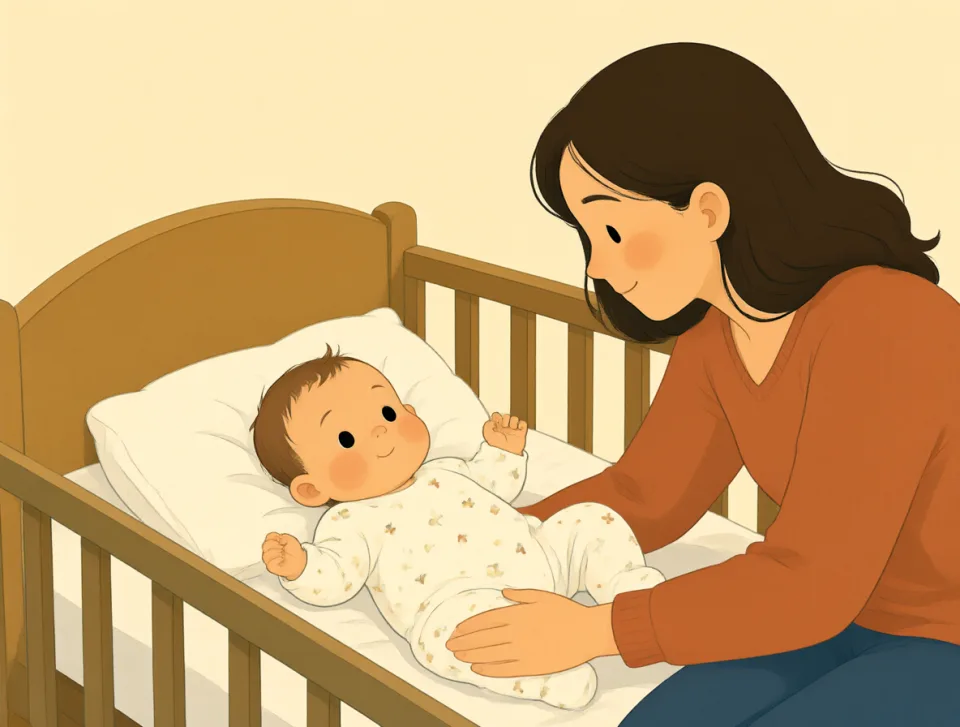
The baby's movements woke her mother.
أيقظت حركات الطفل أمه.
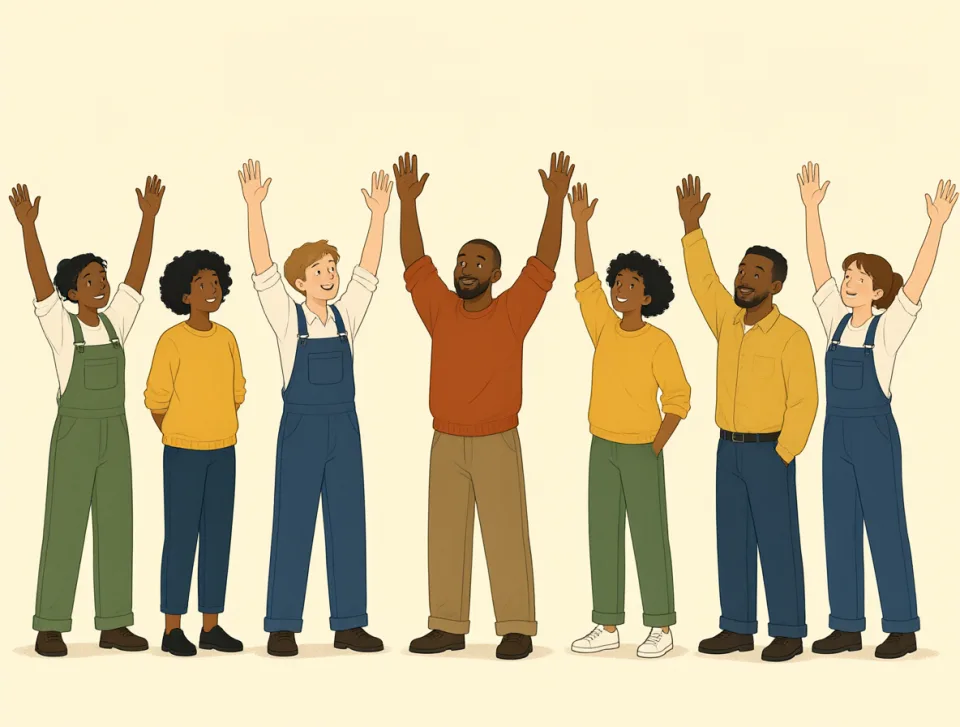
The workers started a movement for better pay.
بدأ العمال حركة للمطالبة بأجور أفضل.
treat
#804verb, noun
يعامل؛ يقدّم معاملة خاصة
To behave toward someone in a particular way, or give someone something special.
أن يتصرّف تجاه شخص بطريقة معينة، أو أن يمنحه شيئًا خاصًا.
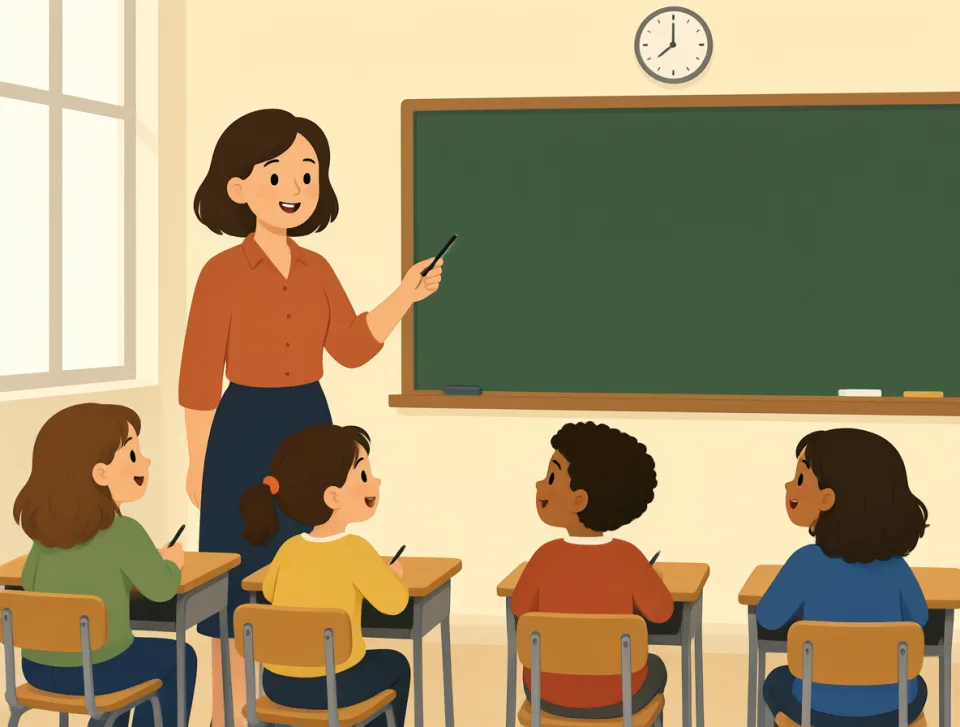
The teacher treated everyone fairly.
عامل المعلم الجميع بإنصاف.
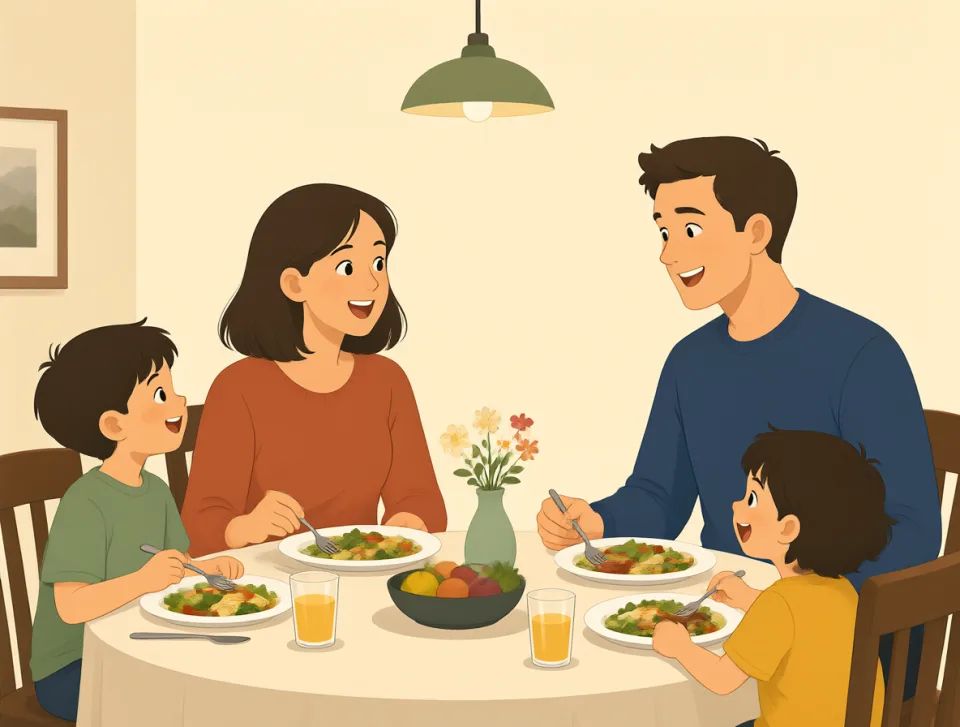
My parents treated us to dinner.
أقام والداي لنا مأدبة عشاء.

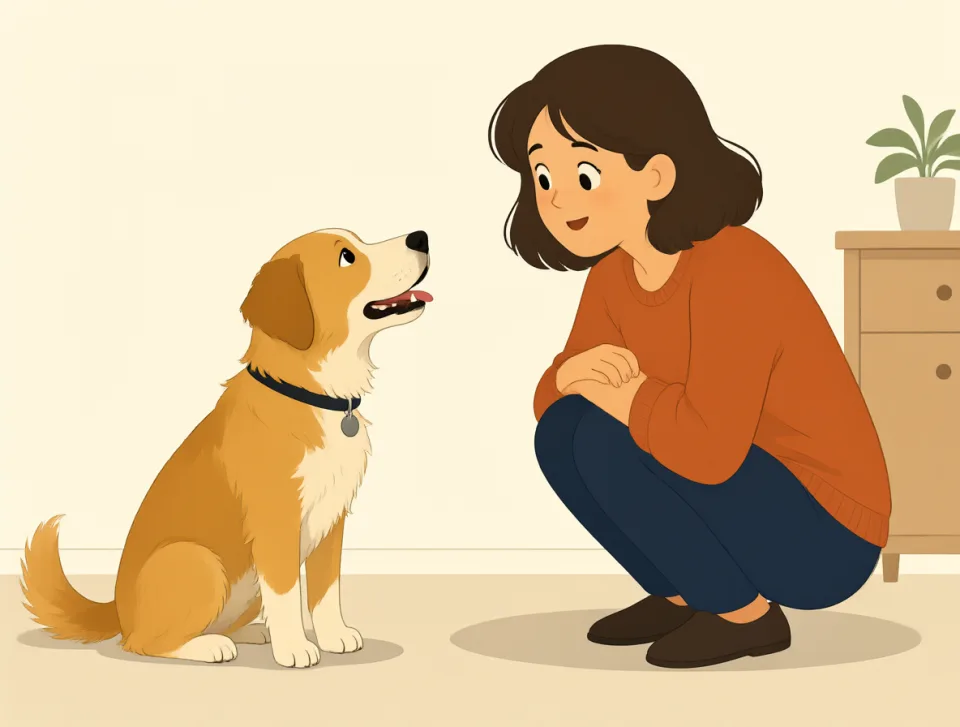
She treats her dog like family.
تعامل مع كلبها كأنه فرد من العائلة.
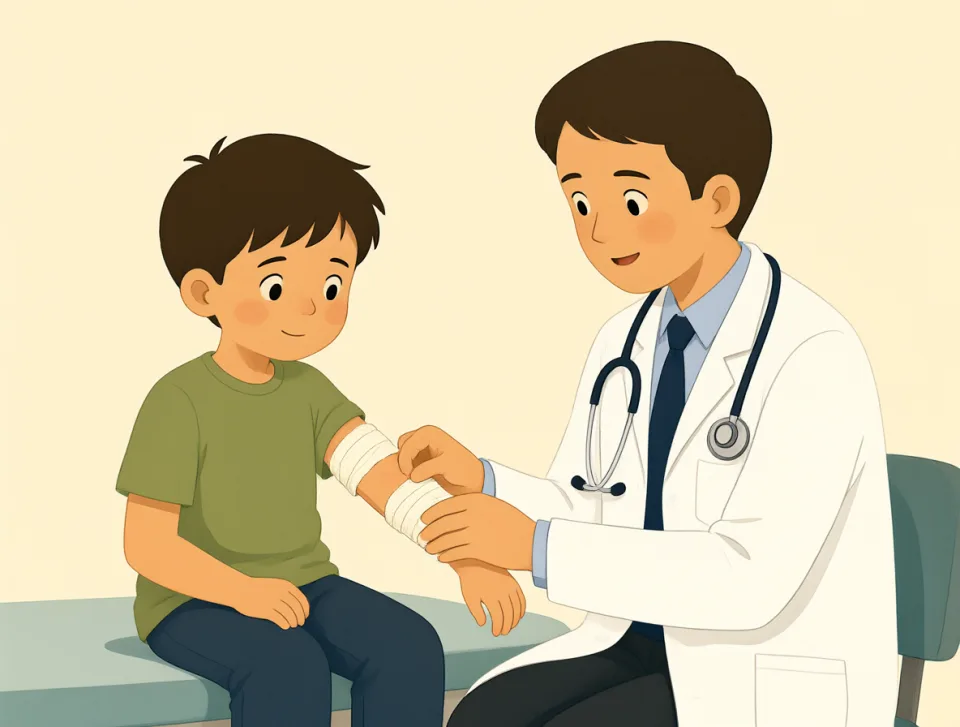
The doctor treated his injured arm.
عالج الطبيب ذراعه المصابة.

Ice cream is a special treat.
المثلجات حلوى مميزة.
identify
#805verb
يتعرّف على؛ يحدّد هوية
to recognize or discover who or what someone or something is
أن يتعرّف على هوية شخص أو شيء، أو يكتشف ماهيته.

I identified my bag by its red strap.
تعرّفت على حقيبتي من خلال حزامها الأحمر.
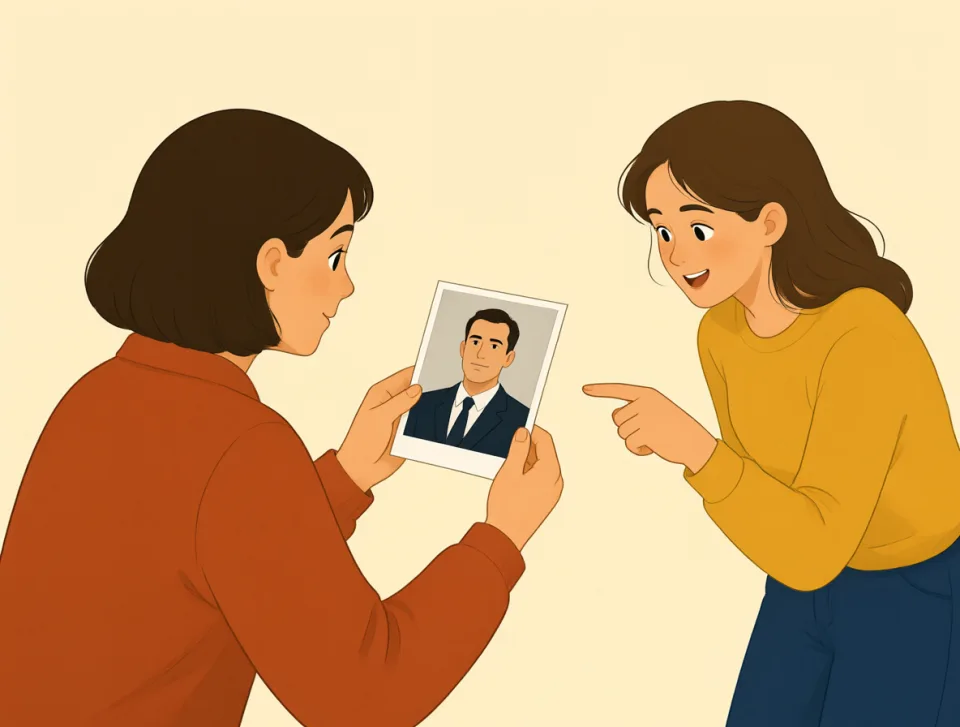
Can you identify the man in this photo?
هل يمكنك التعرّف على الرجل في هذه الصورة؟
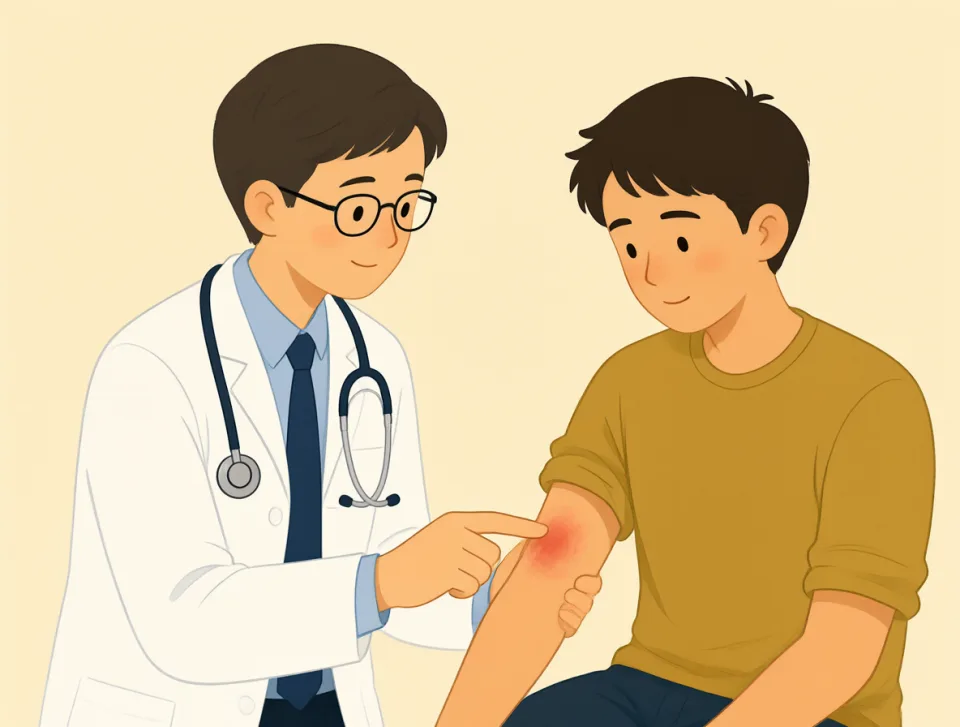
The doctor identified the cause of my pain.
حدّد الطبيب سبب ألمي.

We identified three mistakes in the homework.
حدّدنا ثلاثة أخطاء في الواجب المنزلي.
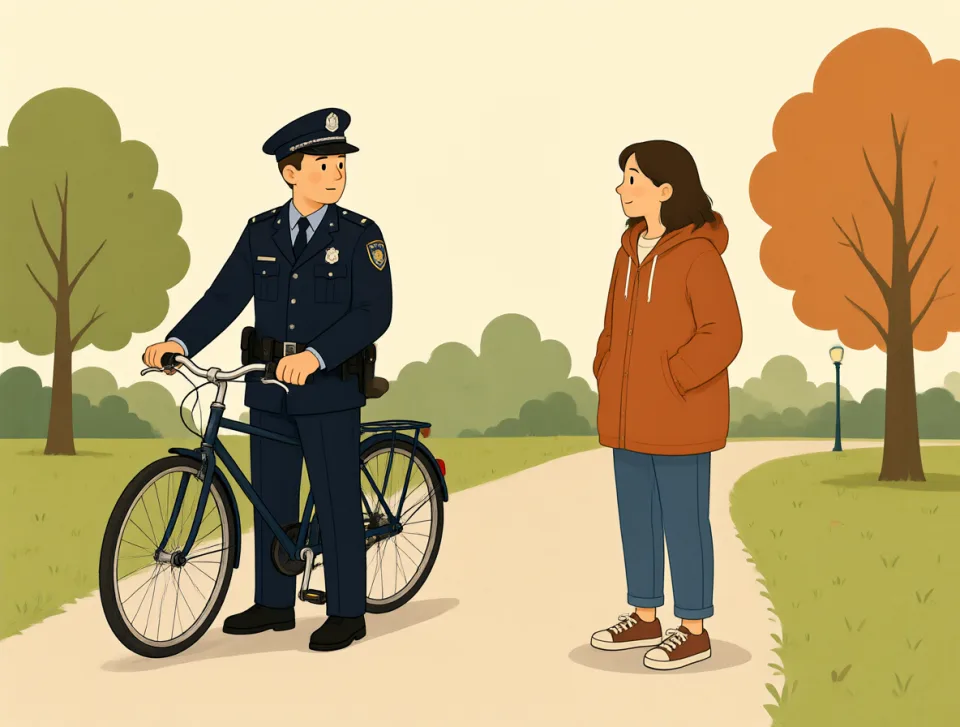
The police identified the stolen bike near the park.
حدّدت الشرطة الدراجة المسروقة بالقرب من الحديقة.
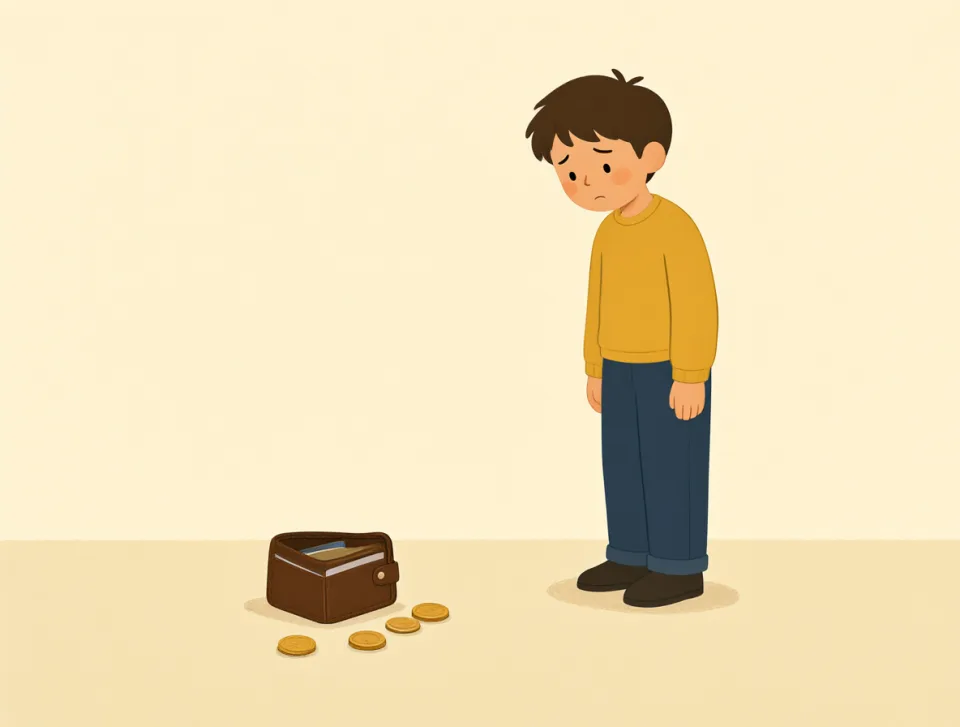
loss
#806noun
خسارة
The act of no longer having something, or the amount lost.
فعل فقدان شيء أو مقدار ما فُقِد.
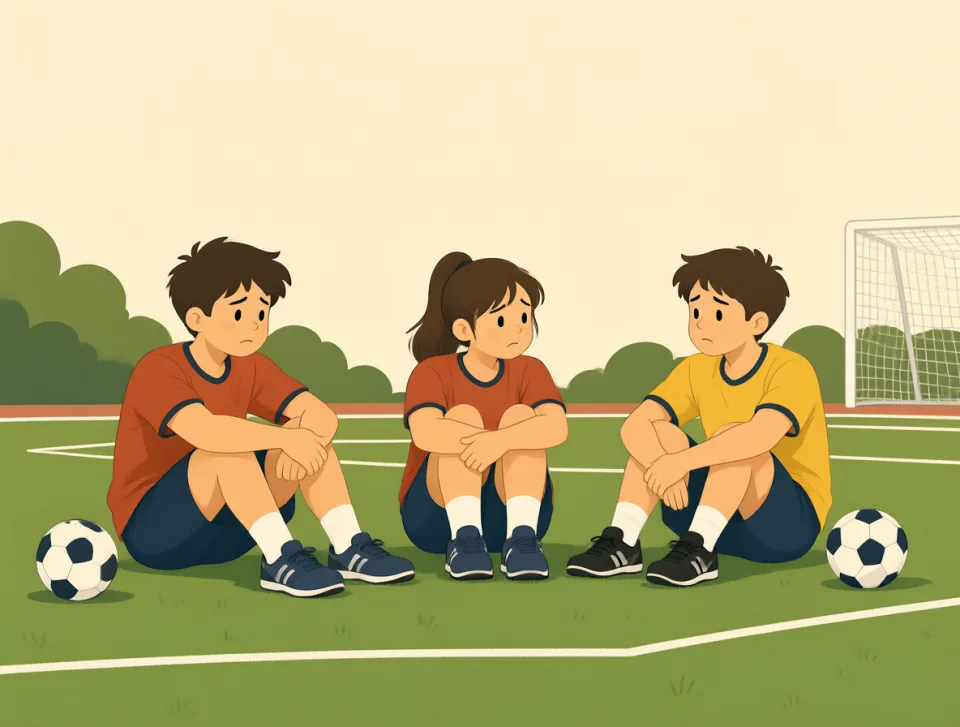
The team suffered a big loss yesterday.
تكبّد الفريق خسارة كبيرة أمس.
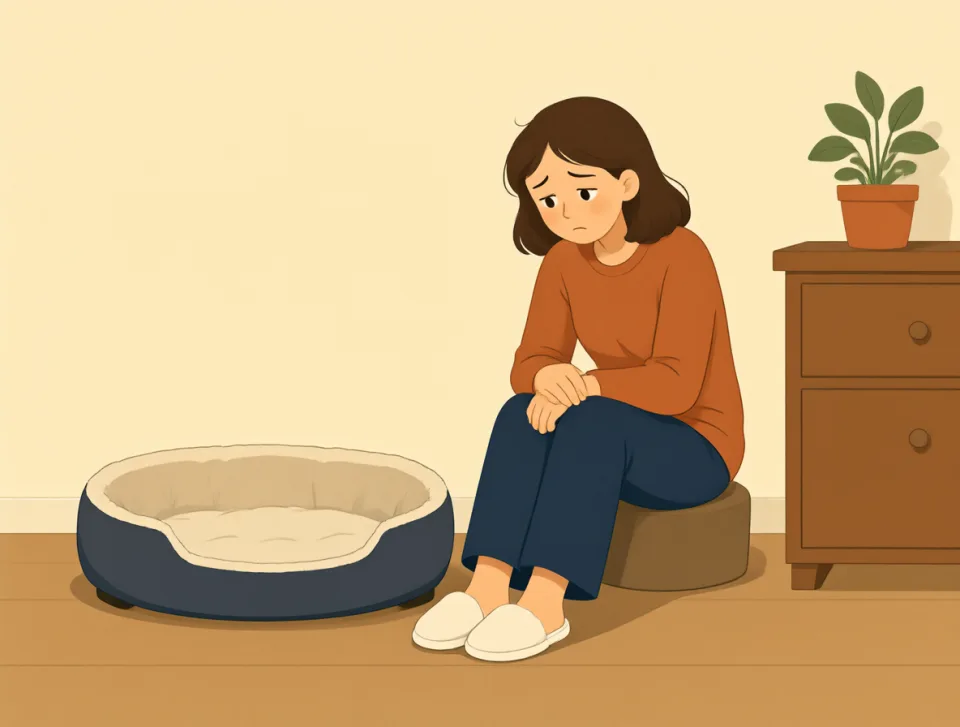
She felt great loss after her dog died.
شعرت بحزن شديد بعد نفوق كلبها.
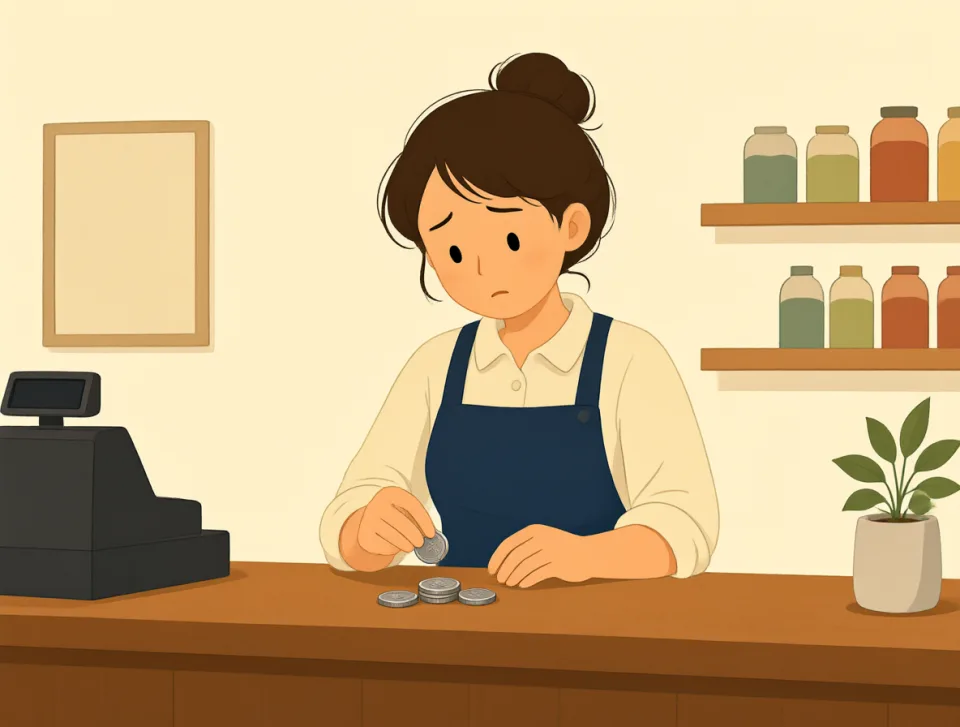
The shop reported a loss this month.
أبلغ المتجر عن خسارة هذا الشهر.
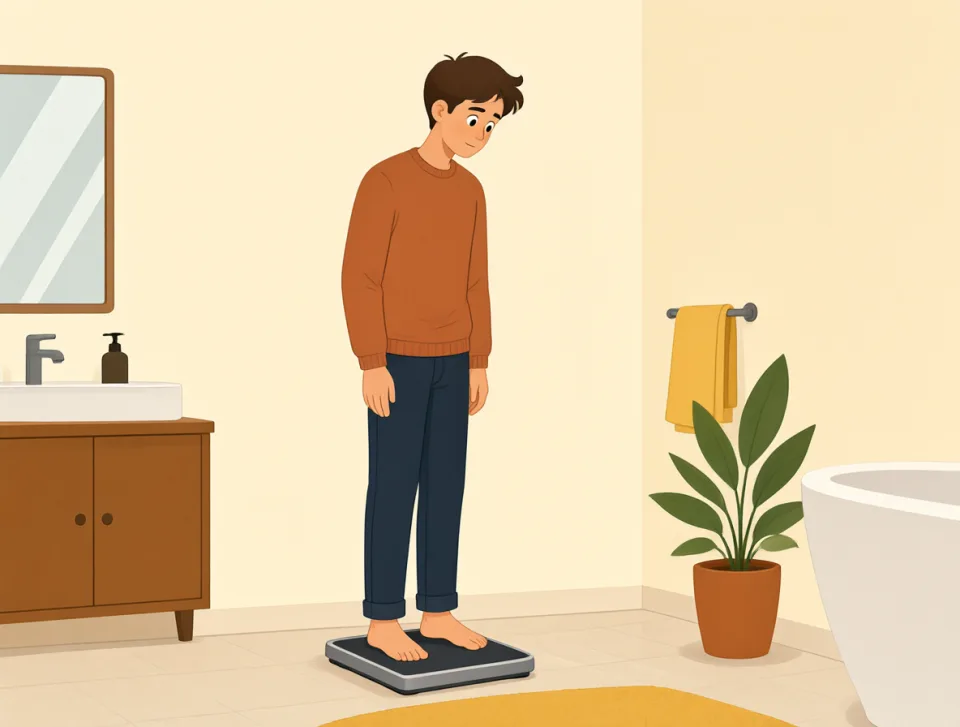
He lost weight after his illness.
فقدَ بعضًا من وزنه بعد مرضه.
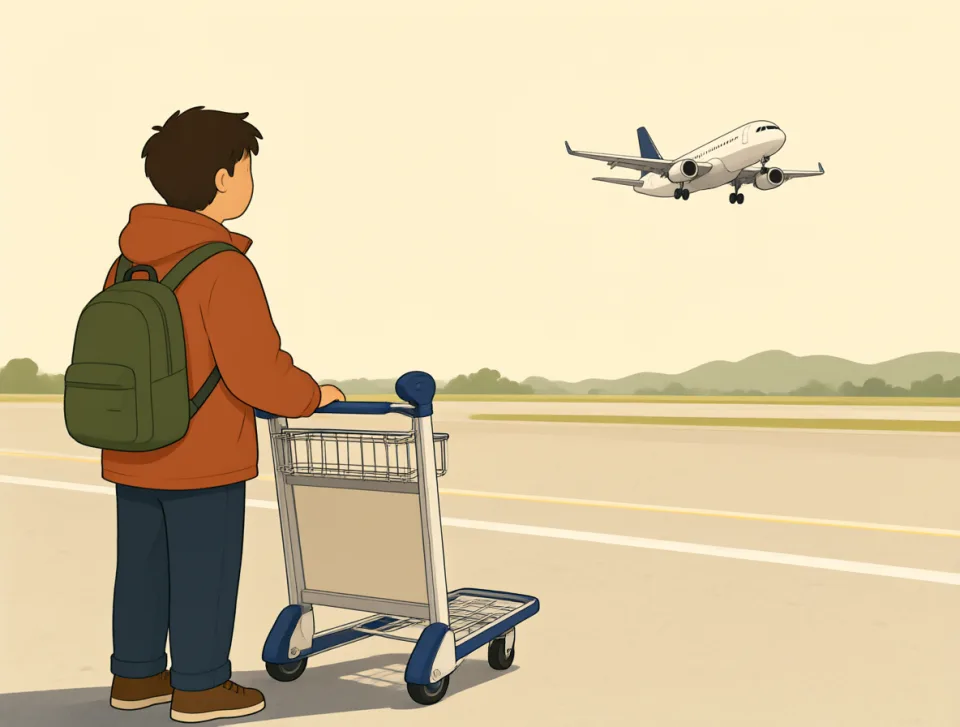
The plane left without my suitcase, a real loss.
غادرت الطائرة من دون حقيبتي، وكانت تلك خسارة حقيقية.

shall
#807verb, modal verb
سوف؛ هل نـ...؟
Used to ask for advice, make offers, or talk about future actions.
تُستخدم لطلب النصيحة أو تقديم العروض أو الحديث عن أفعال مستقبلية.
Shall we meet at six o'clock?
هل نلتقي عند الساعة السادسة؟

Shall I open the window?
هل أفتح النافذة؟

We shall see you tomorrow.
سنراك غدًا.
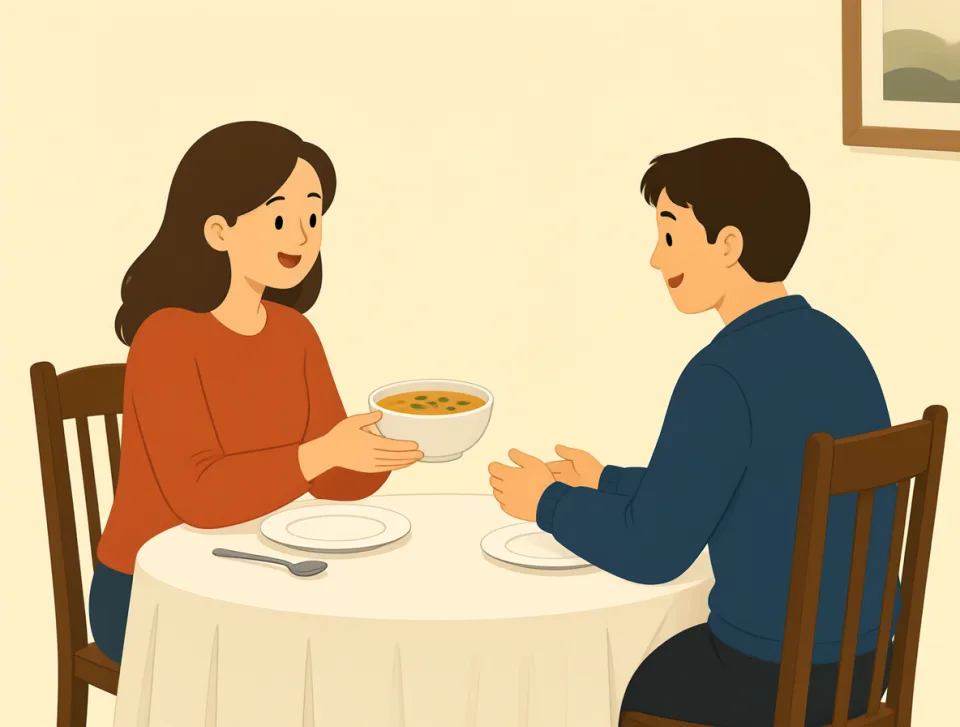
You shall have some more soup.
سأعطيك مزيدًا من الحساء.
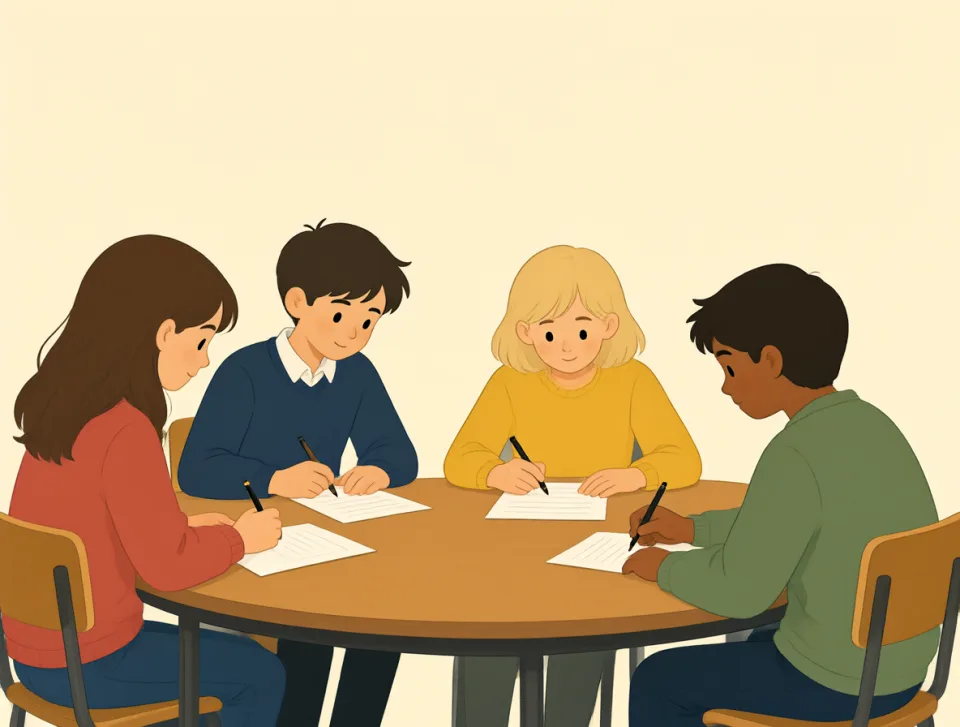
The students shall finish the work today.
يجب على الطلاب إنهاء العمل اليوم.

modern
#808adjective
حديث
New or recently developed, using the latest ideas, styles, or technology.
جديد أو مطوَّر حديثًا، ويستخدم أحدث الأفكار أو الأساليب أو التقنيات.

They live in a modern apartment downtown.
إنهم يعيشون في شقة حديثة وسط المدينة.
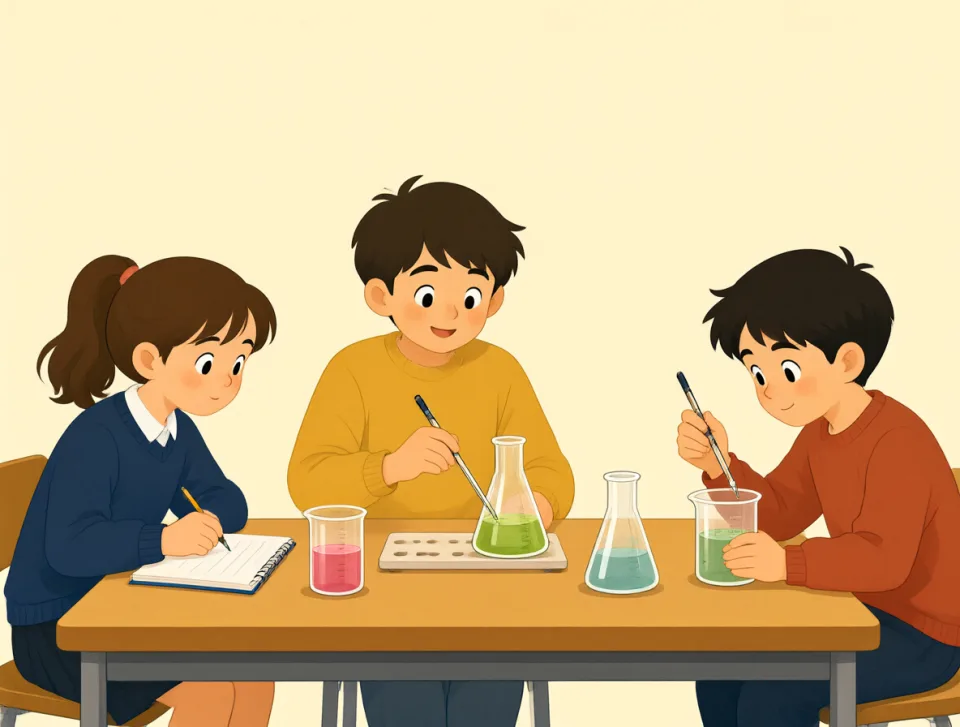
Our school has a modern science room.
توجد في مدرستنا غرفة علوم حديثة.
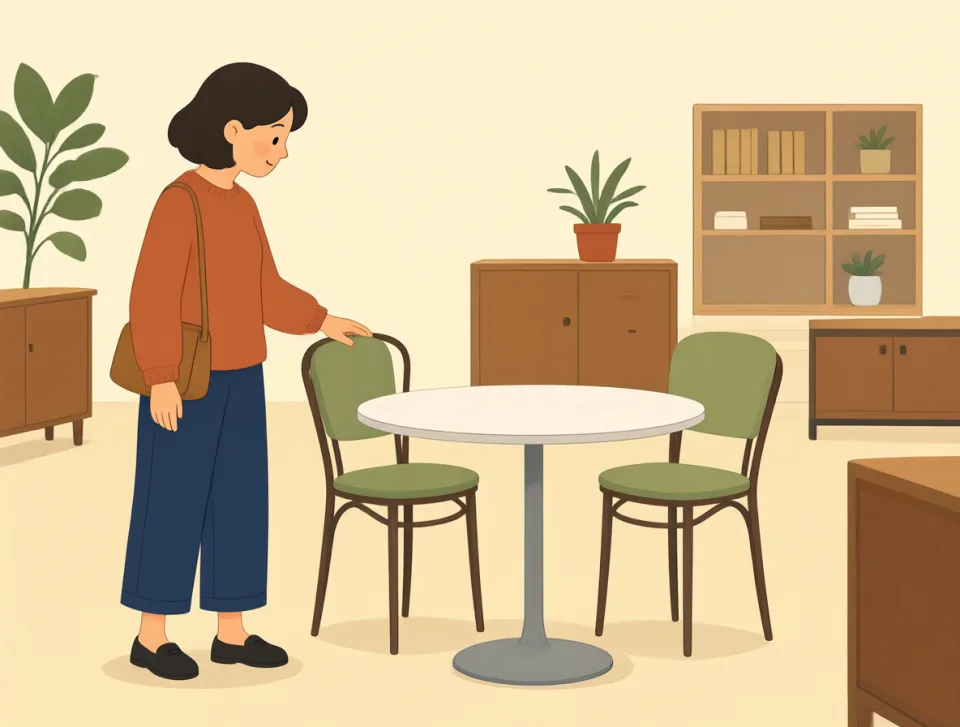
She bought a modern kitchen table.
اشترت طاولة مطبخ حديثة.

The hotel has modern rooms and a pool.
يحتوي الفندق على غرف حديثة وحوض سباحة.
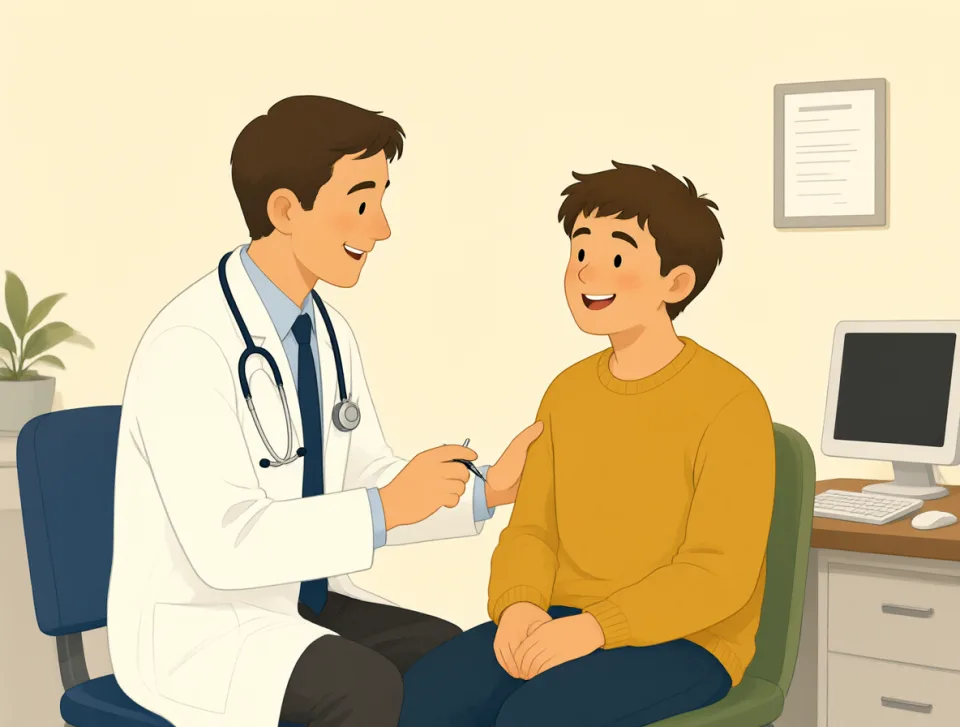
Modern medicine helped him get better.
ساعده الطب الحديث على التعافي.
pressure
#809noun
ضغط
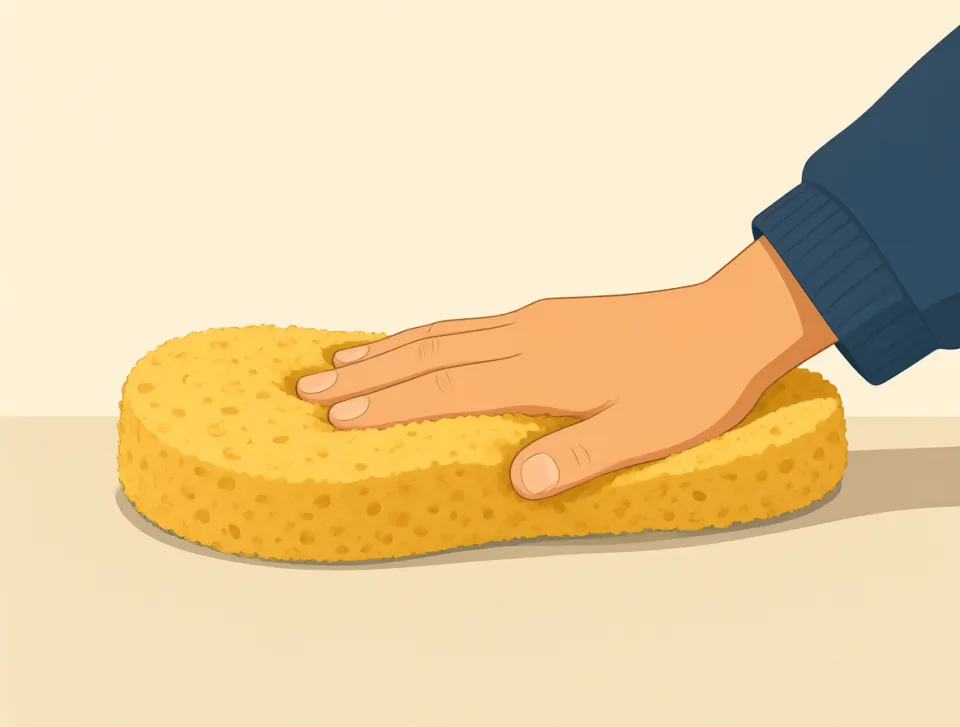
A force pushing on something, or a feeling that you must do something.
قوة تدفع شيئًا، أو شعور بأن عليك القيام بشيء ما.
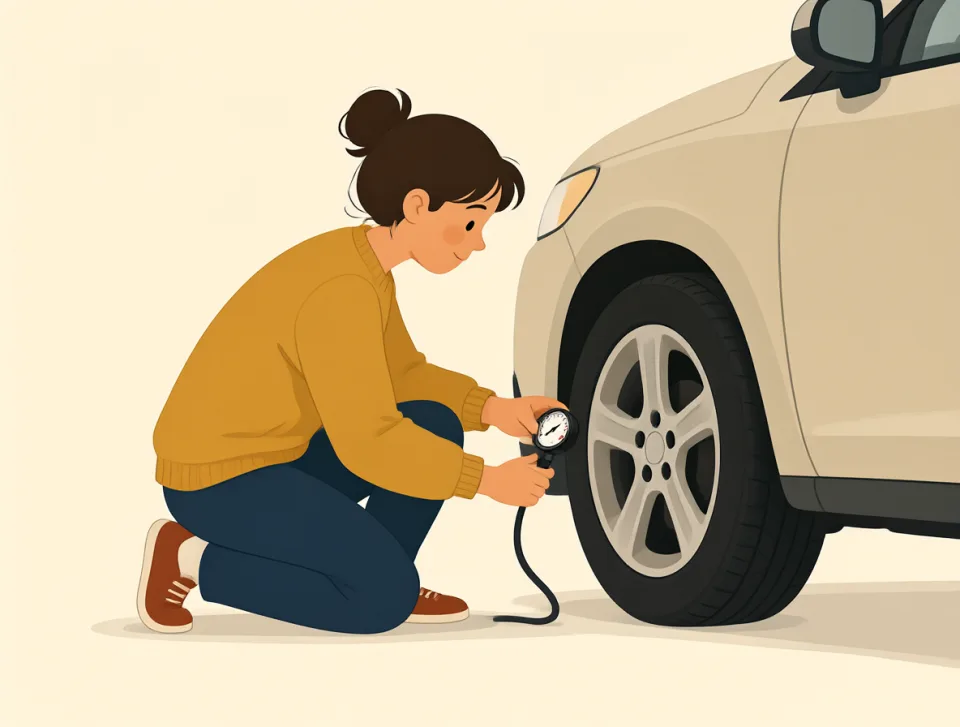
The tire pressure is too low.
ضغط الإطار منخفض جدًا.

She felt pressure to finish the work.
شعرت بضغط لإنهاء العمل.
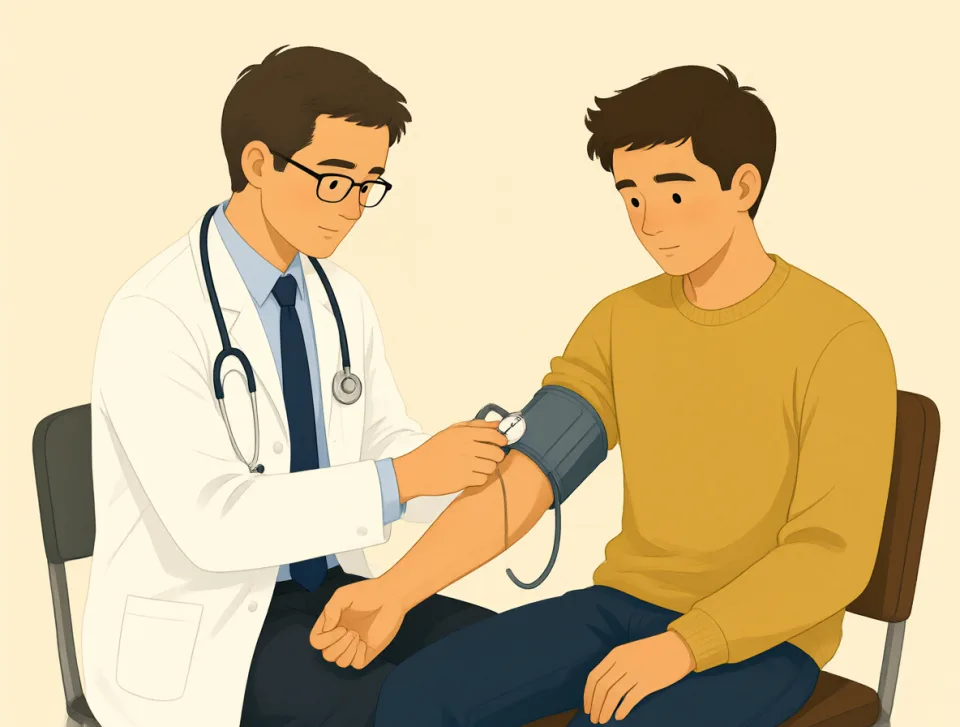
The doctor checked his blood pressure.
فحص الطبيب ضغط دمه.
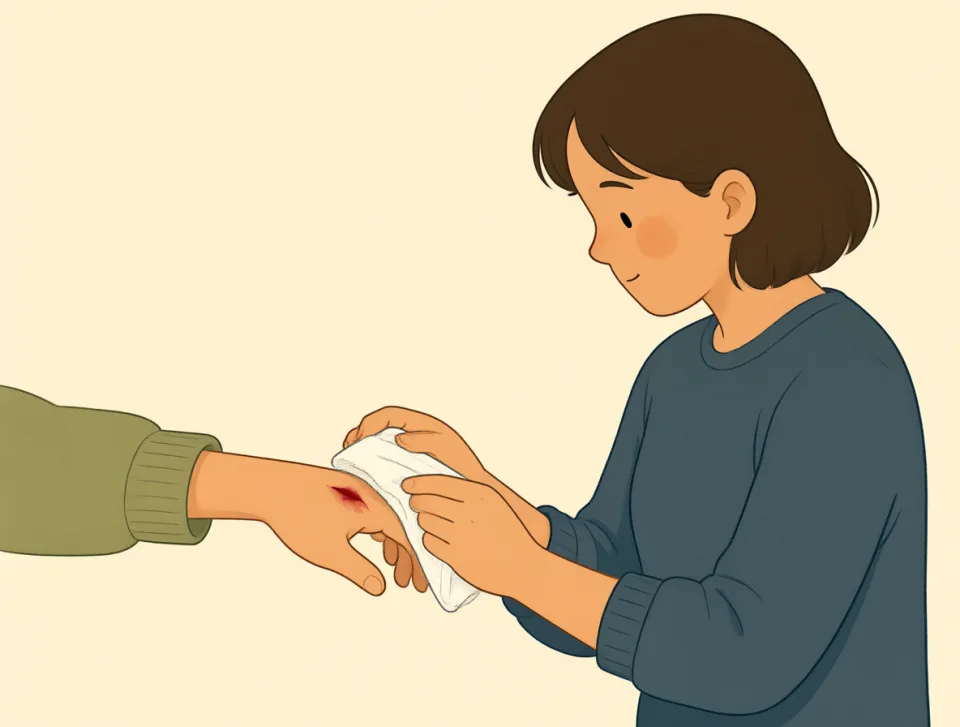
He put pressure on the cut to stop bleeding.
ضغط على الجرح لإيقاف النزيف.
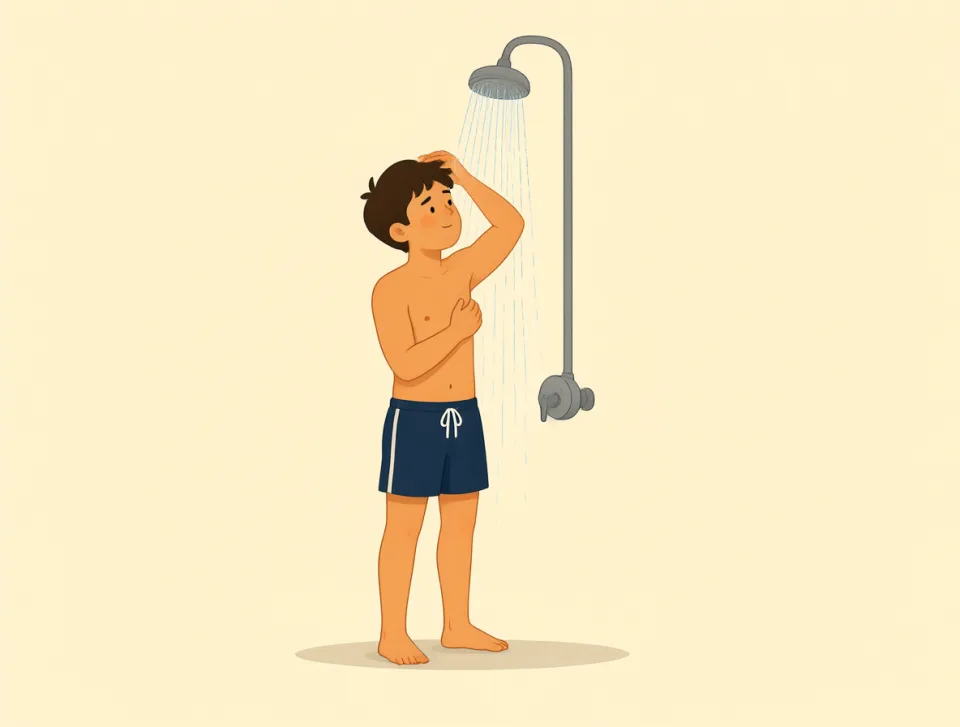
The water pressure is weak in our shower.
ضغط الماء ضعيف في دُشّنا.
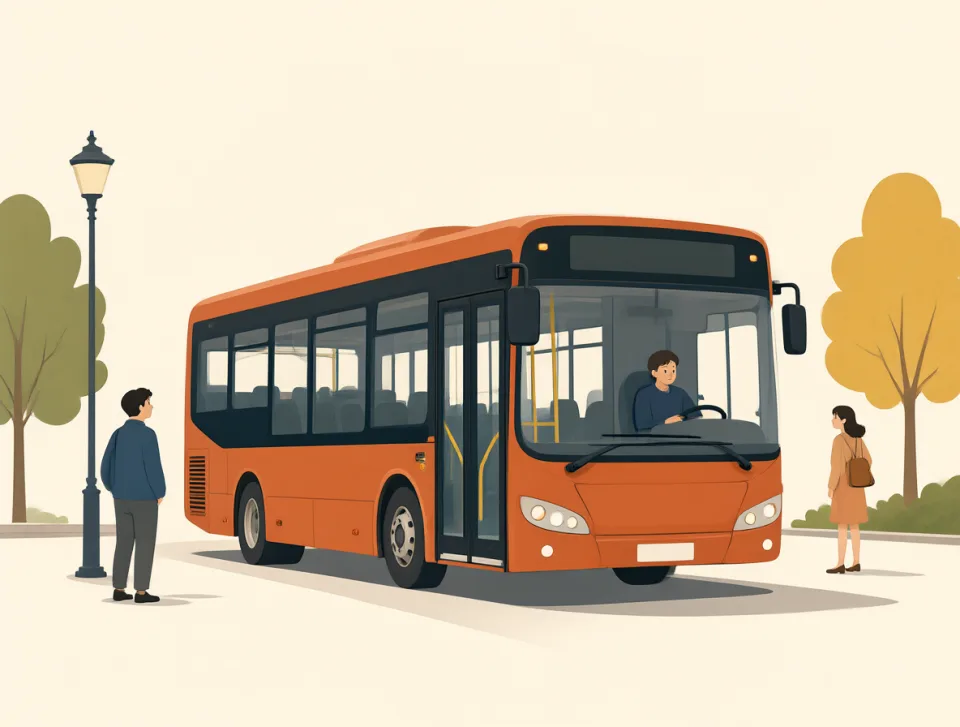
bus
#810noun, verb
حافلة؛ يستقل الحافلة
A large road vehicle that carries many people, or to travel by bus.
مركبة كبيرة تسير على الطرق وتنقل كثيرًا من الناس، أو السفر بالحافلة.

I take the bus to school every morning.
أستقل الحافلة إلى المدرسة كل صباح.
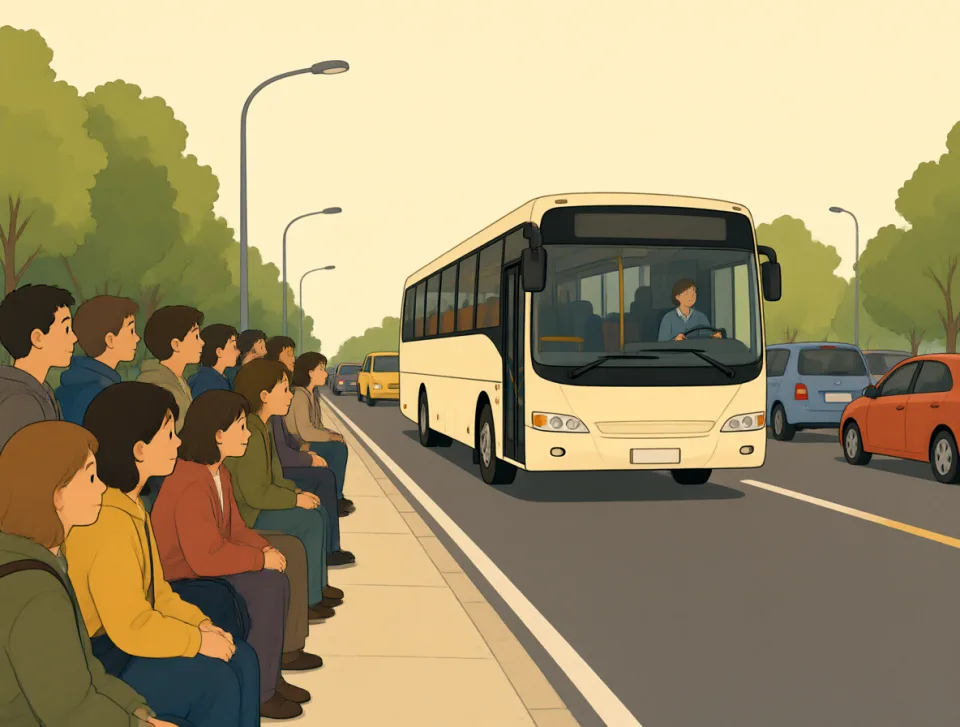
The bus was late because of heavy traffic.
تأخرت الحافلة بسبب الازدحام الشديد.

We got off the bus near the market.
نزلنا من الحافلة بالقرب من السوق.

She buses to work from the city center.
تستقل الحافلة إلى العمل من وسط المدينة.

The driver is busing the children home.
ينقل السائق الأطفال إلى منازلهم بالحافلة.
treatment
#811noun
علاج
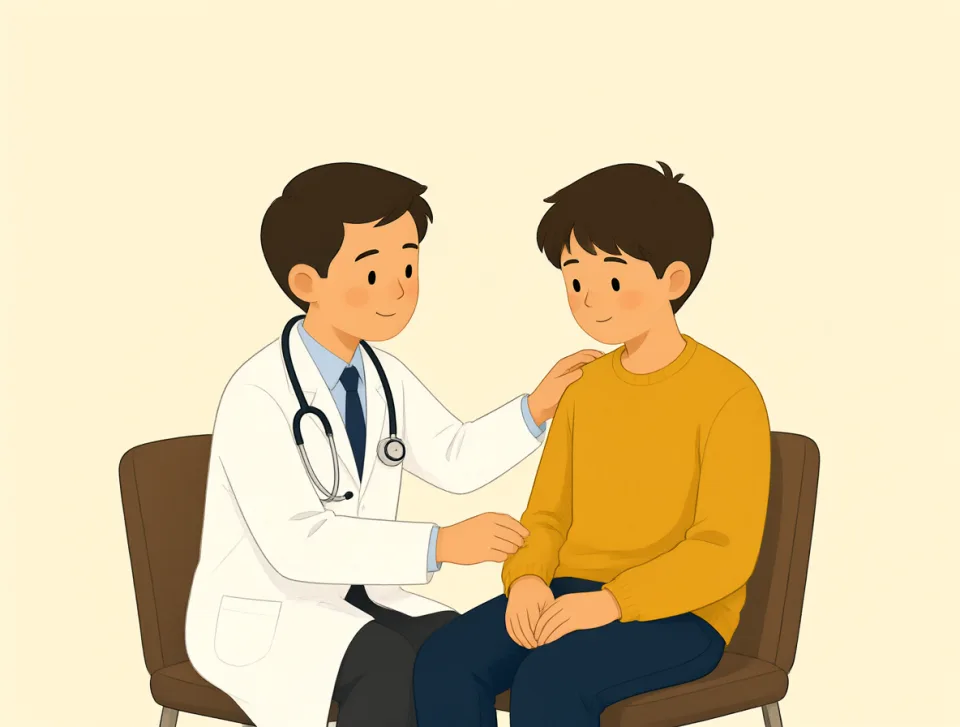
Medical care given to make someone healthy or feel better.
رعاية طبية تُقدَّم لمساعدة شخص على استعادة صحته أو الشعور بتحسن.
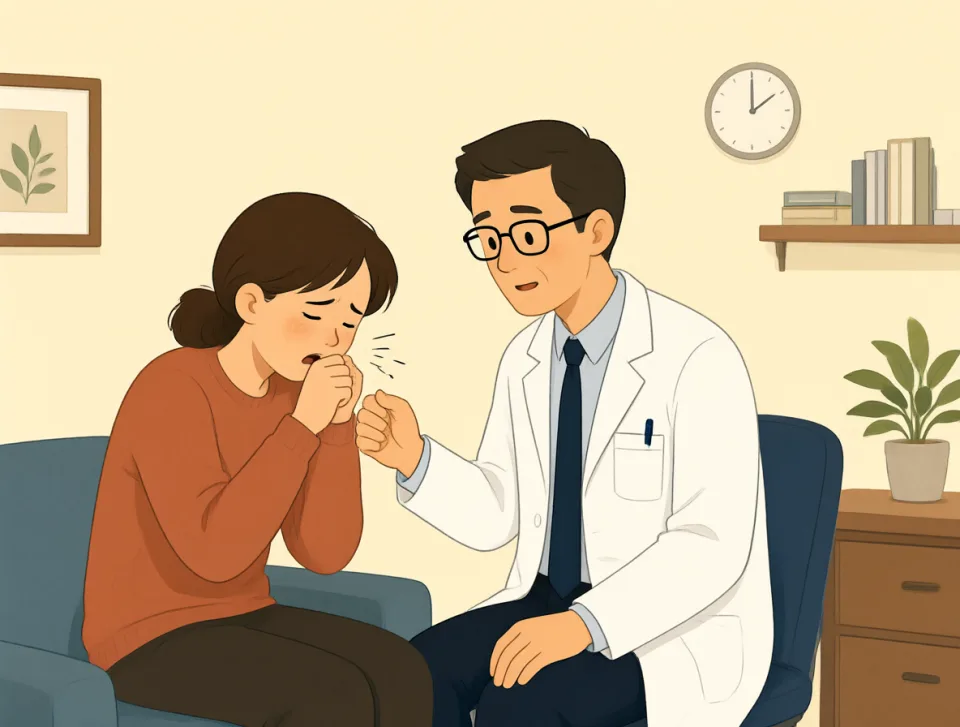
The doctor started treatment for my cough.
بدأ الطبيب علاجًا لسعالي.
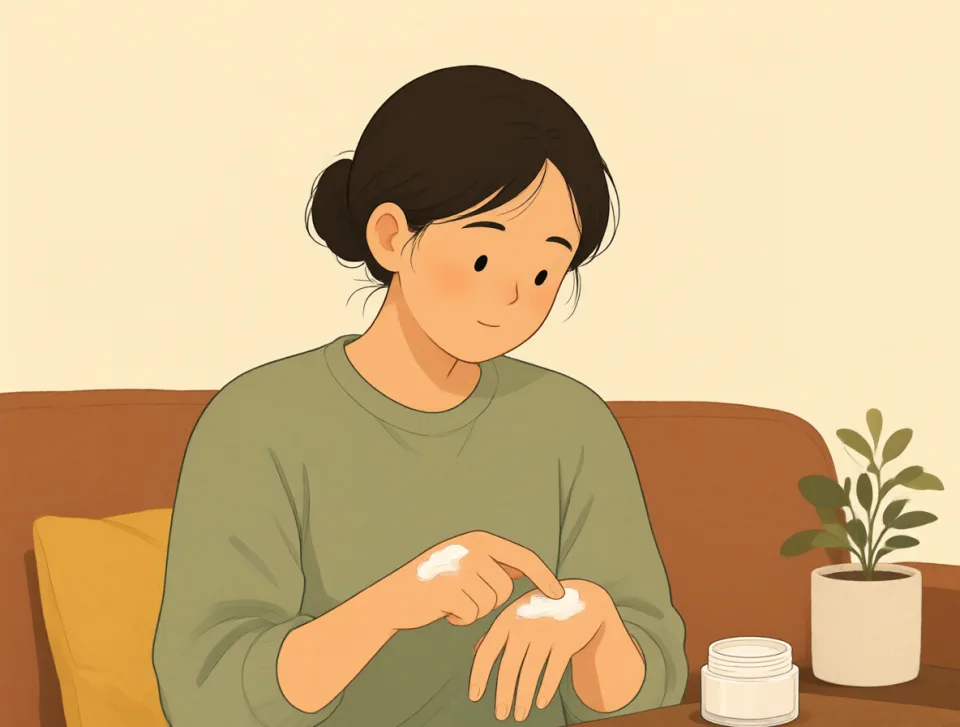
This cream is a treatment for dry skin.
هذا الكريم علاج للبشرة الجافة.
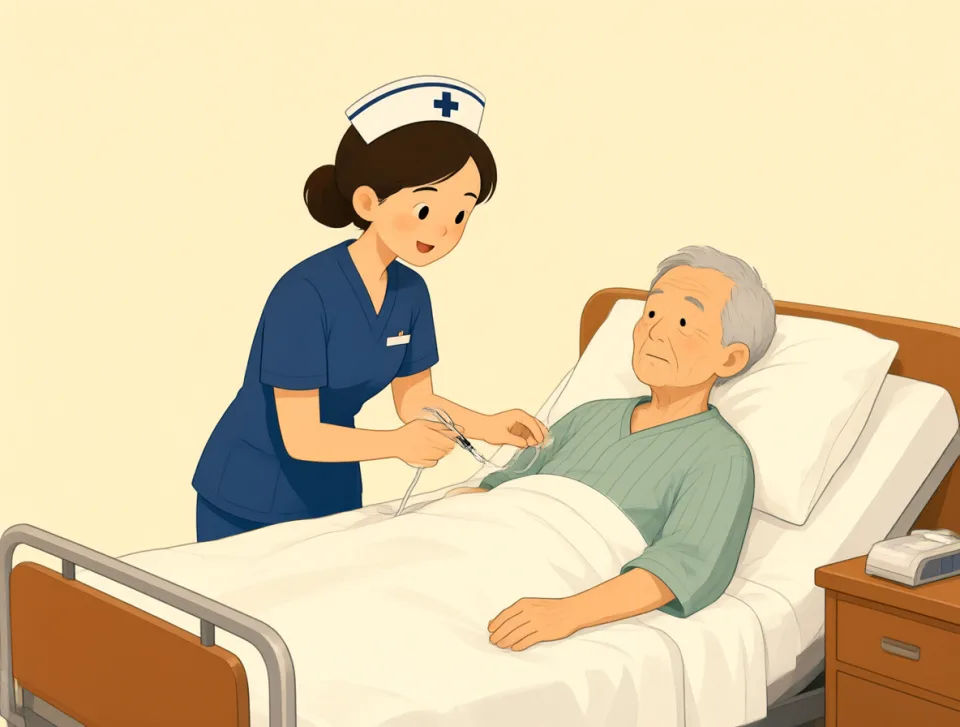
She received treatment at the hospital.
تلقت العلاج في المستشفى.

The hotel gave our complaint careful treatment.
تعامل الفندق مع شكوانا بعناية.

The teacher's treatment of students was fair.
كان تعامل المعلم مع الطلاب منصفًا.

conference
#812noun
مؤتمر
A formal meeting where people discuss ideas, information, or work.
اجتماع رسمي يناقش فيه الناس الأفكار أو المعلومات أو شؤون العمل.
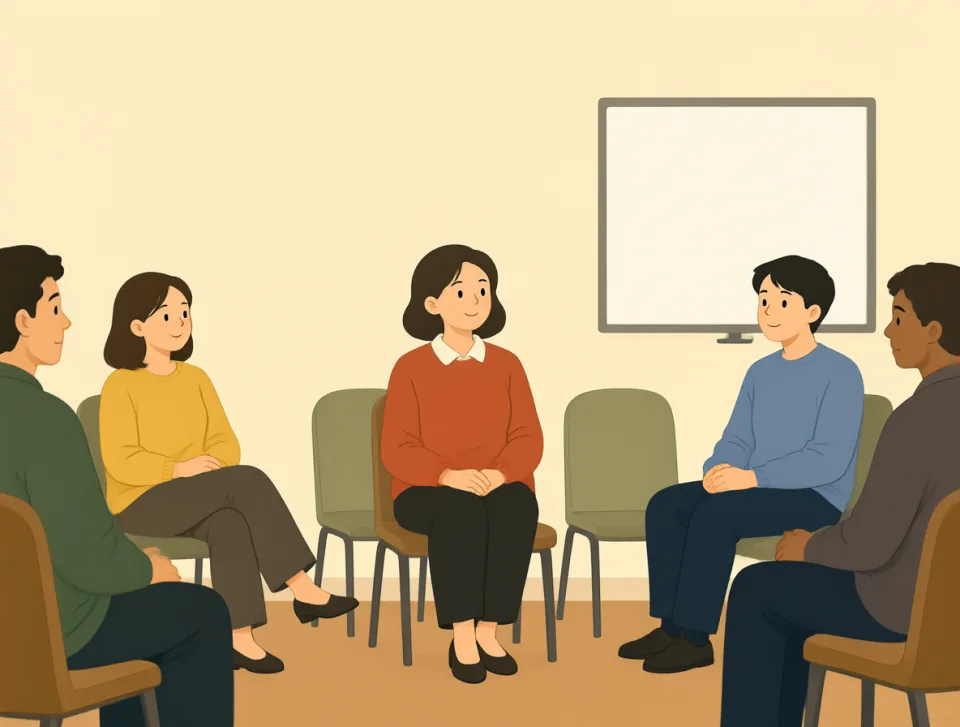
She is attending a business conference this week.
تحضر مؤتمرًا للأعمال هذا الأسبوع.
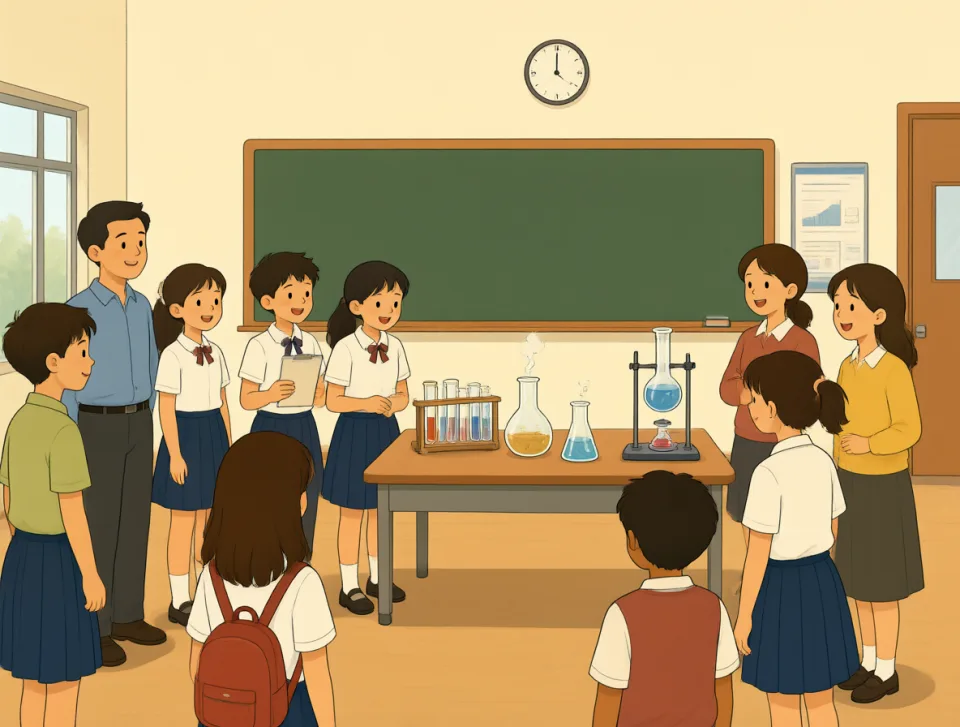
Our school held a science conference yesterday.
أقامت مدرستنا مؤتمرًا علميًا أمس.

He met old friends at the conference.
التقى بأصدقاء قدامى في المؤتمر.
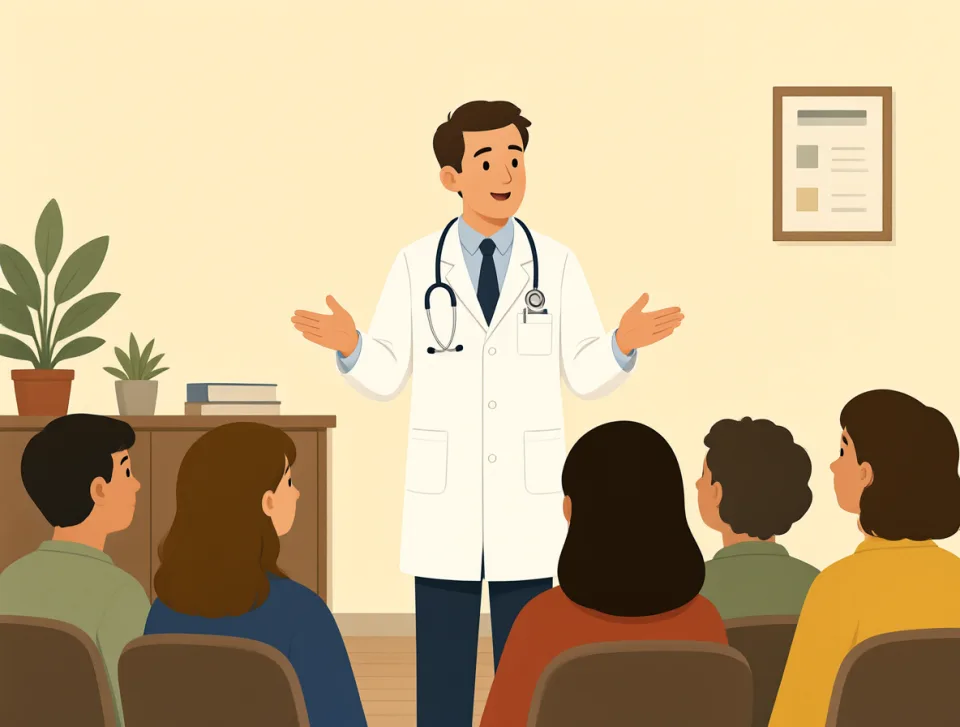
The doctor spoke at a health conference.
تحدث الطبيب في مؤتمر صحي.

They booked a hotel near the conference.
حجزوا فندقًا بالقرب من المؤتمر.
yourself
#813pronoun
نفسك
You; the person or people you are talking to, used as an object or for emphasis.
أنت؛ الشخص أو الأشخاص الذين تخاطبهم، وتُستخدم الكلمة مفعولًا به أو للتوكيد.
You can do it yourself.
يمكنك فعل ذلك بنفسك.

Please make yourself at home.
تفضل وكأنك في بيتك.

Did you enjoy yourself at the party?
هل استمتعت في الحفلة؟

Take care of yourself on the trip.
اعتنِ بنفسك في الرحلة.

You should be proud of yourself.
ينبغي أن تفخر بنفسك.
supply
#814noun, verb
إمداد؛ يزوّد
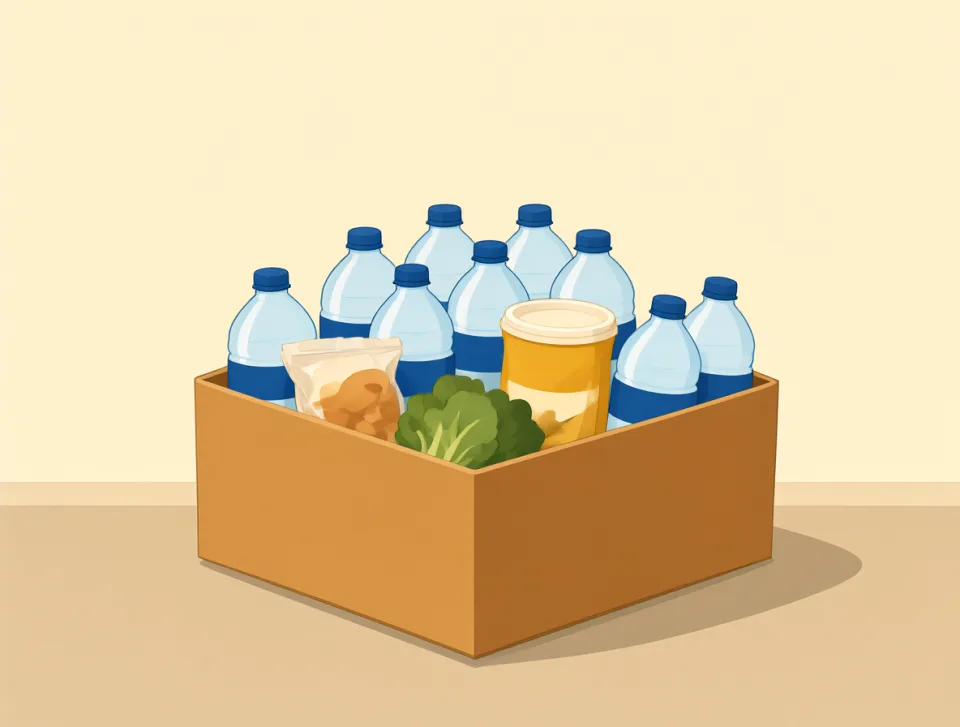
A supply is an amount of something available to use; to supply means to provide it.
الإمداد هو كمية من شيء متاحة للاستخدام؛ ويعني الفعل «يزوّد» تقديم ذلك الشيء.
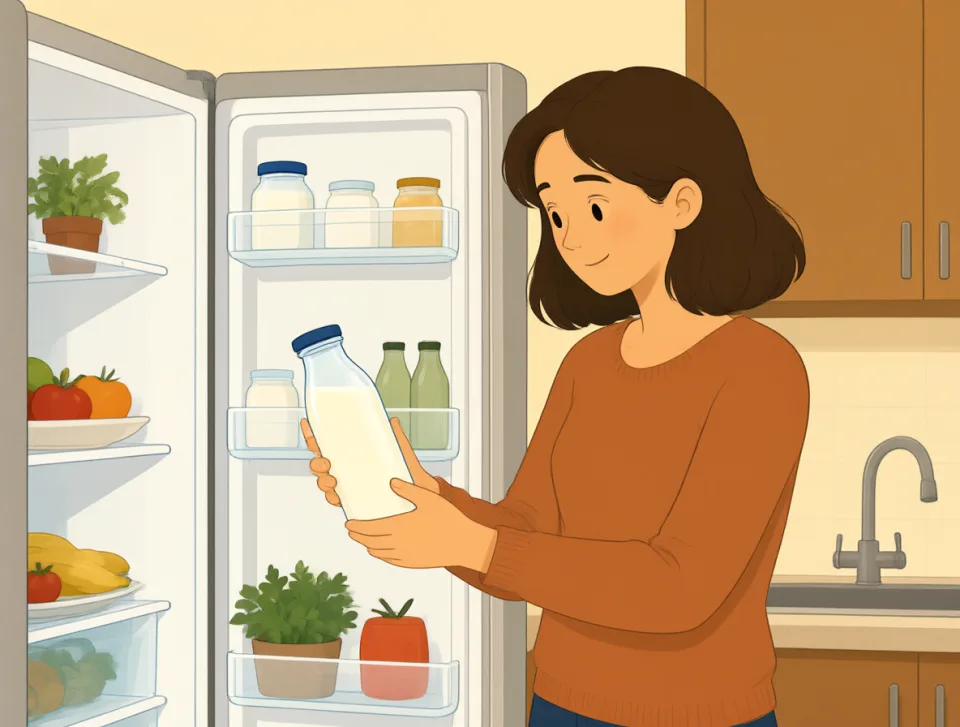
We need a fresh supply of milk.
نحتاج إلى كمية جديدة من الحليب.

The shop supplies food to local schools.
يزوّد المتجر المدارس المحلية بالطعام.
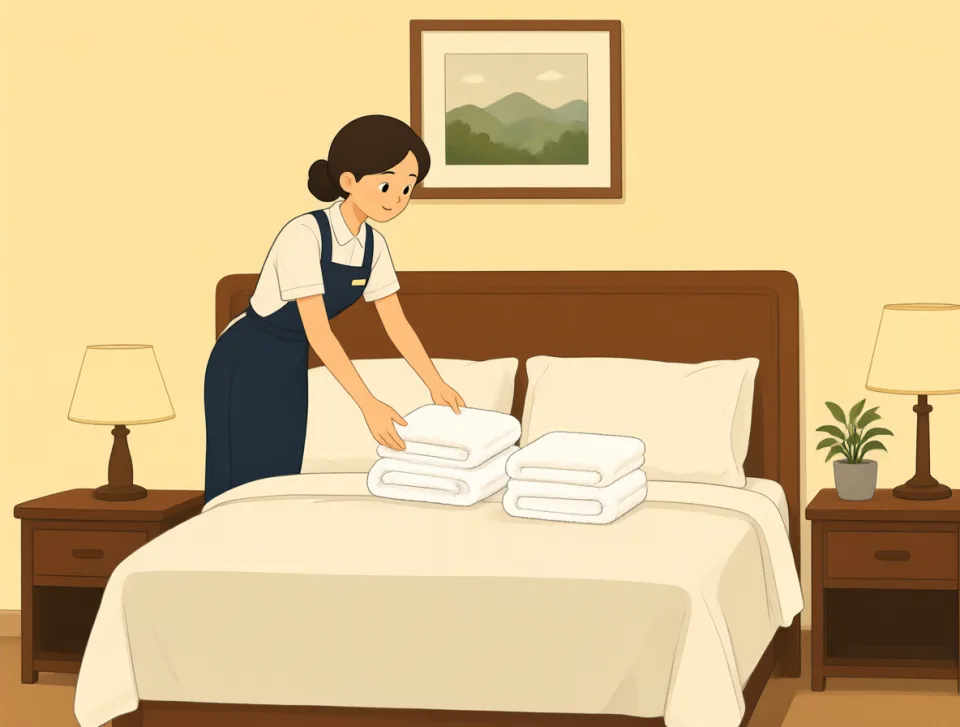
The hotel supplied towels for every guest.
وفّر الفندق مناشف لكل نزيل.
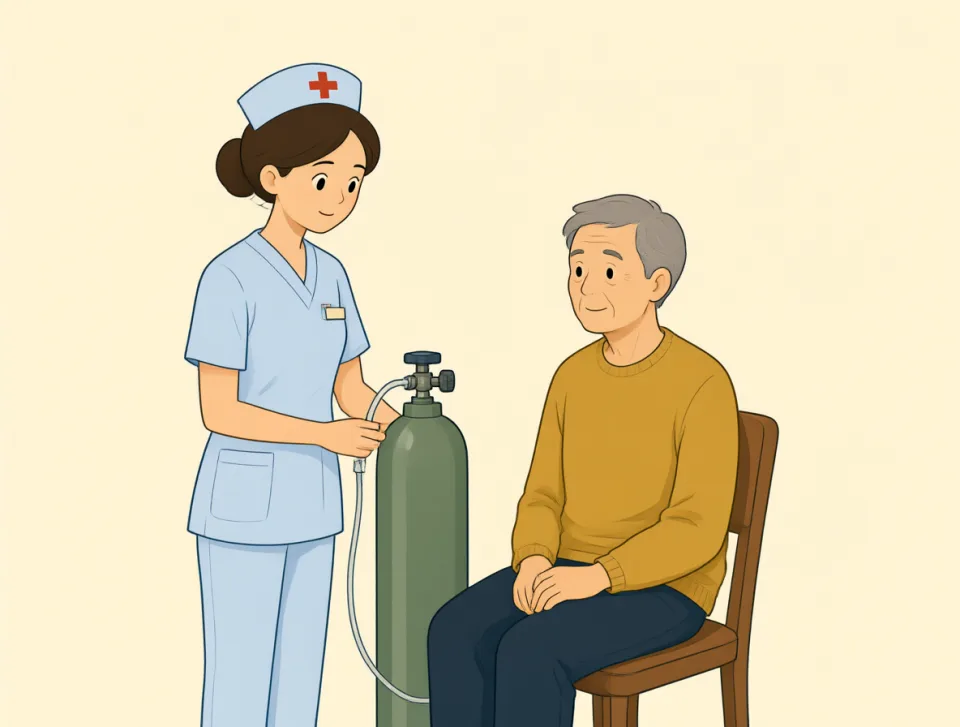
The nurse checked my oxygen supply.
فحصت الممرضة إمدادي بالأكسجين.
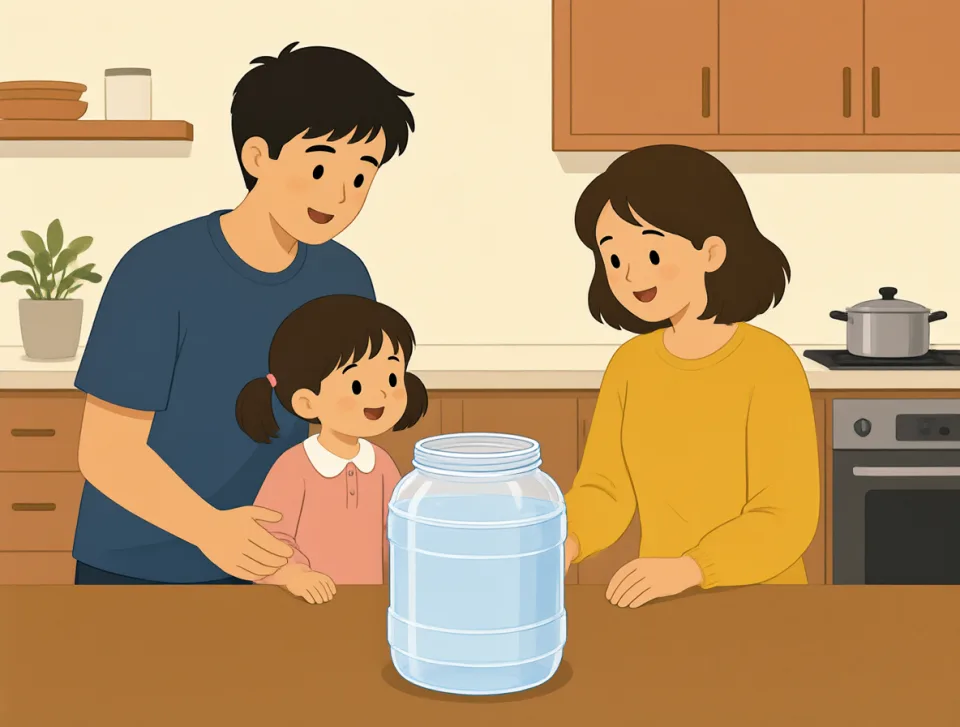
Our water supply ran out yesterday.
نفد مخزوننا من المياه أمس.
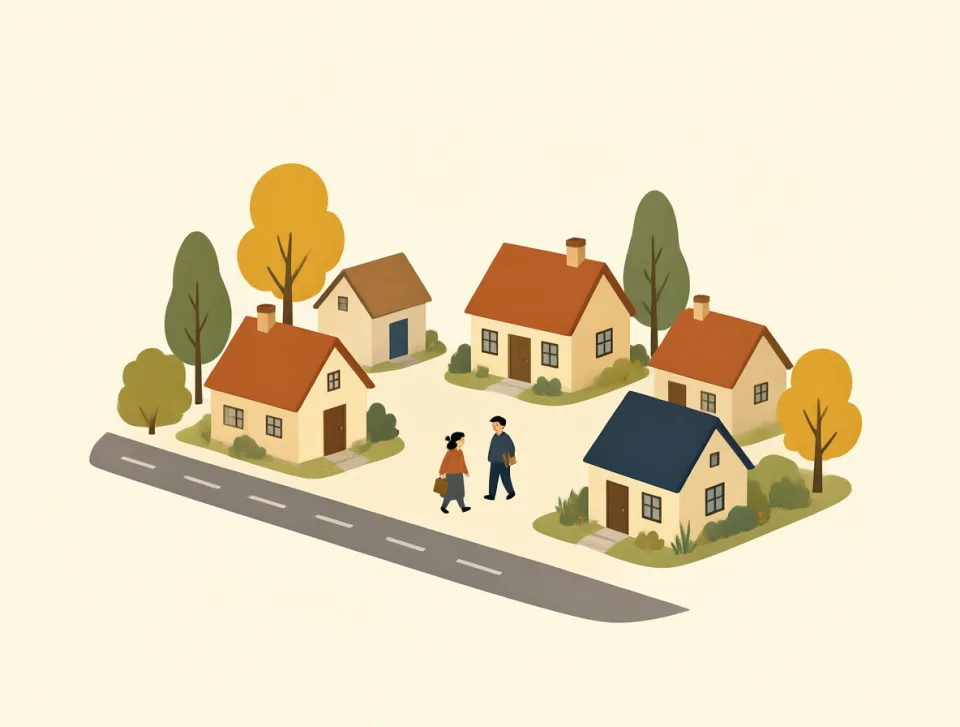
village
#815noun
قرية
a small place where people live, usually in the countryside
مكان صغير يسكنه الناس، ويقع عادةً في الريف.
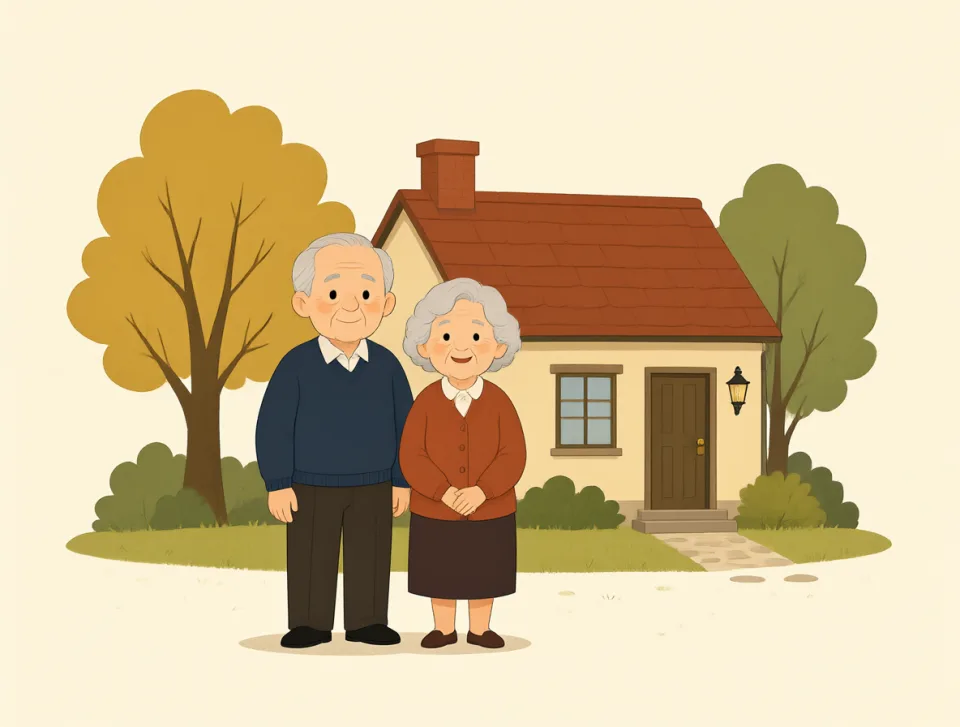
My grandparents live in a quiet village.
يعيش أجدادي في قرية هادئة.

The village has a small school.
في القرية مدرسة صغيرة.

We bought fresh bread in the village.
اشترينا خبزًا طازجًا في القرية.

Many tourists visit the village each summer.
يزور كثير من السياح القرية كل صيف.
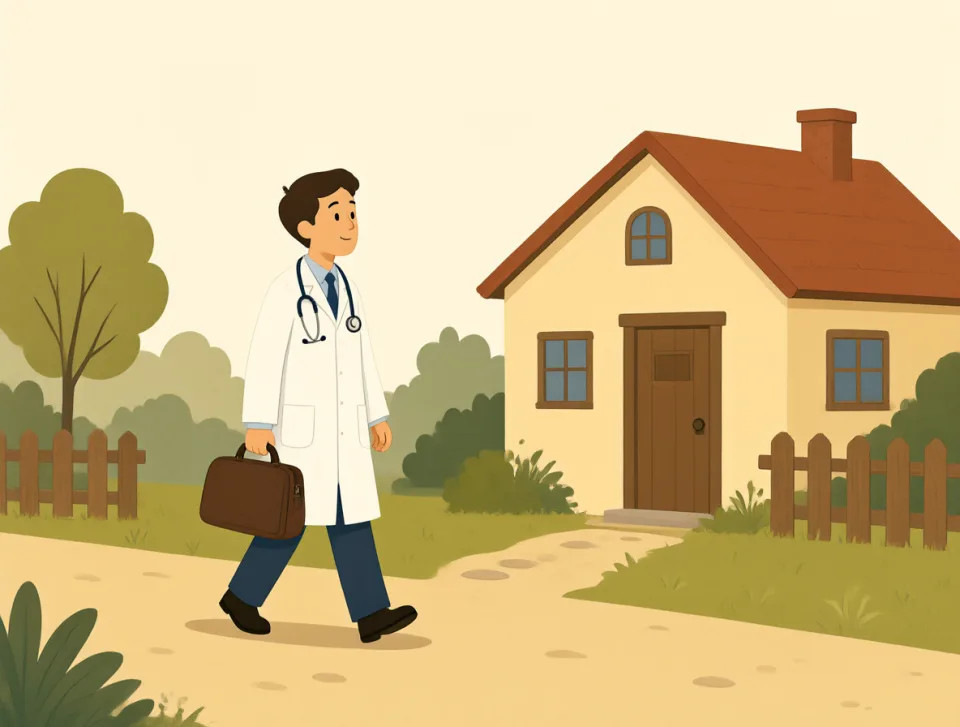
A doctor visits the village every Friday.
يزور طبيب القرية كل يوم جمعة.
worth
#816adjective, noun, preposition
جدير بـ
Having a value or usefulness equal to something; deserving time, money, or effort.
له قيمة أو فائدة تعادل شيئًا ما، أو يستحق الوقت أو المال أو الجهد.

This book is worth reading again.
هذا الكتاب يستحق أن يُقرأ مرة أخرى.
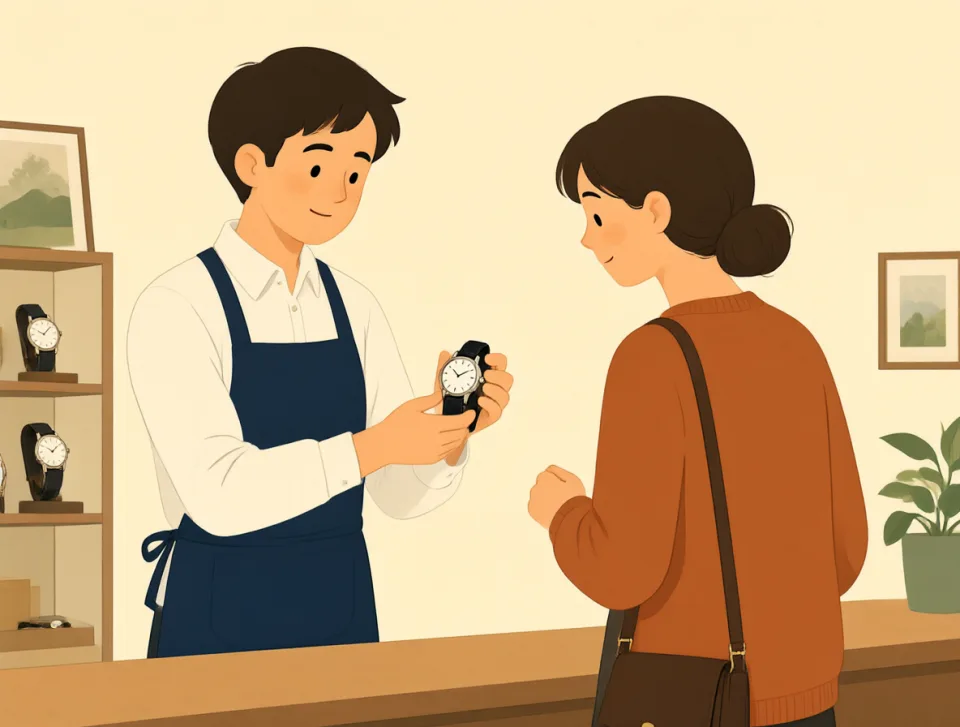
The watch is worth fifty dollars.
تبلغ قيمة الساعة خمسين دولارًا.

Is this film worth seeing?
هل يستحق هذا الفيلم المشاهدة؟
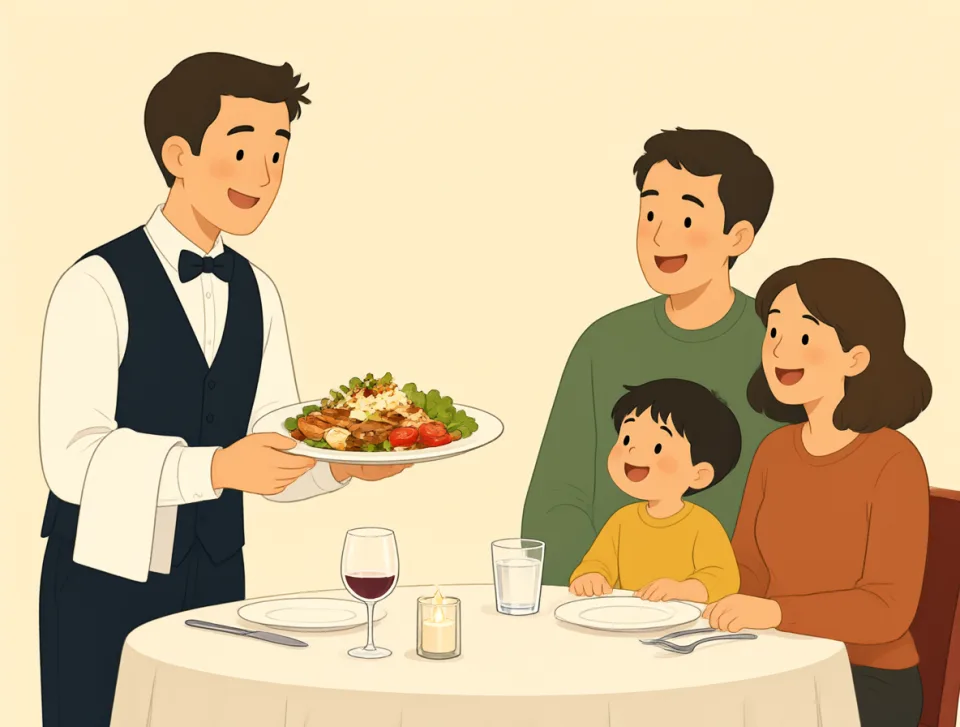
It was worth waiting for the delicious meal.
كان انتظار الوجبة اللذيذة يستحق العناء.

The museum is well worth a visit.
المتحف يستحق الزيارة فعلًا.

natural
#817adjective
طبيعي
Existing in nature or happening normally, without being made or changed by people.
موجود في الطبيعة أو يحدث بصورة عادية، من دون أن يصنعه الناس أو يغيّروه.

She has beautiful natural hair.
لديها شعر طبيعي جميل.

This juice contains natural fruit.
يحتوي هذا العصير على فاكهة طبيعية.

He felt natural speaking to the friendly teacher.
شعر بالارتياح وهو يتحدث إلى المعلّم الودود.

We walked along a natural beach.
تمشّينا على طول شاطئ طبيعي.
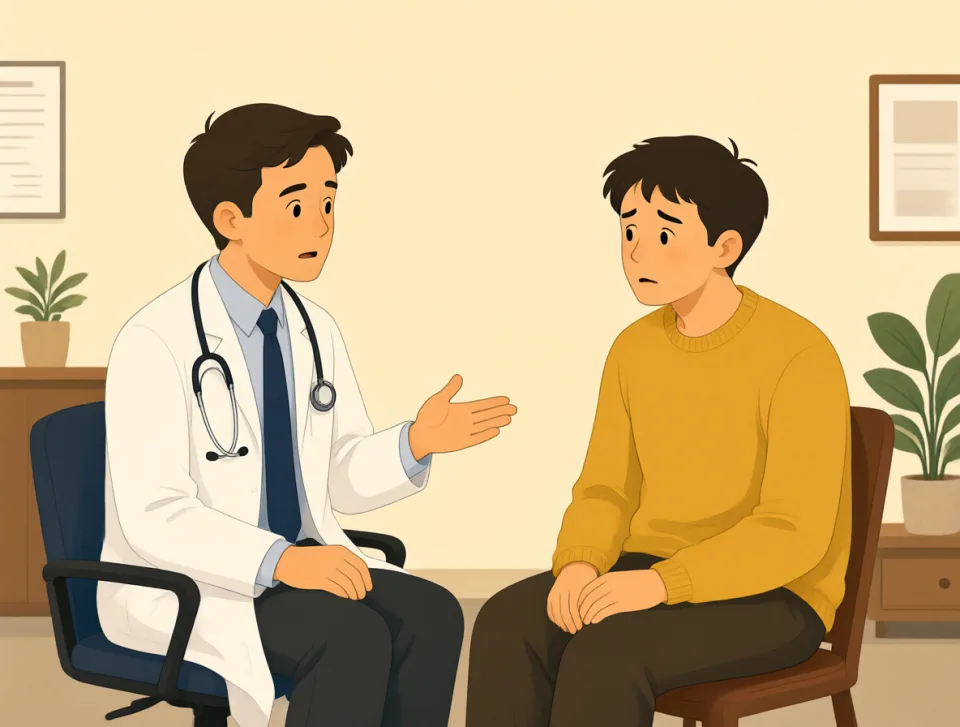
The doctor suggested a natural way to sleep better.
اقترح الطبيب طريقة طبيعية لتحسين النوم.
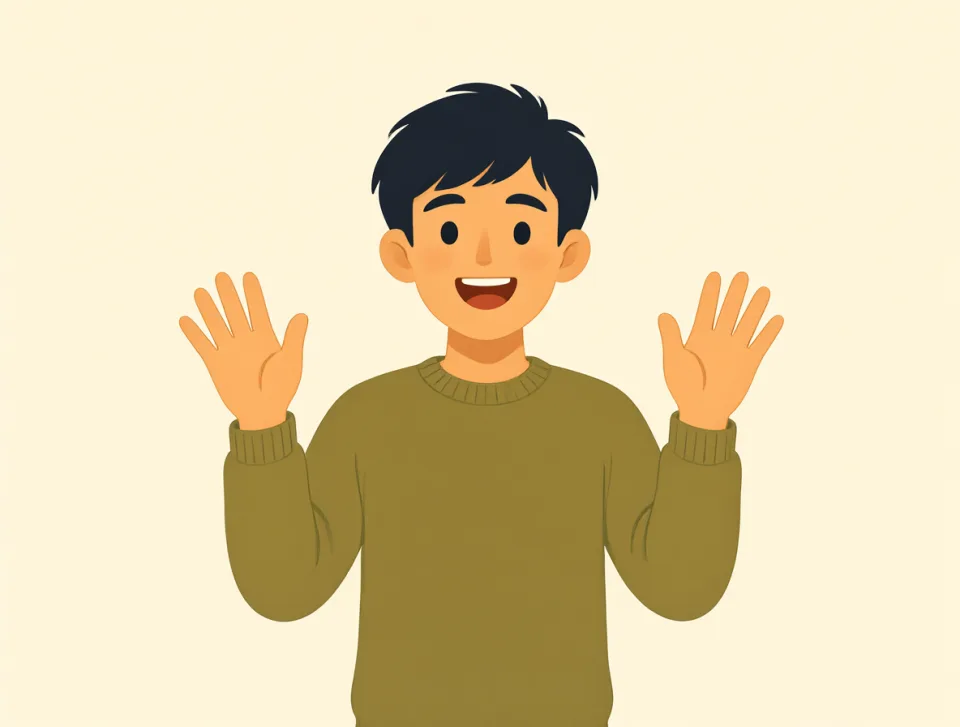
express
#818verb, noun, adjective
يعبّر عن
to show a feeling or idea in words, actions, or art
يُظهر شعورًا أو فكرة بالكلمات أو الأفعال أو الفن.

She expressed her feelings to her friend.
عبّرت عن مشاعرها لصديقتها.

Please express your opinion in class.
يُرجى التعبير عن رأيك في الصف.

He expressed thanks for the delicious meal.
عبّر عن شكره على الوجبة اللذيذة.

We took the express train to London.
استقللنا القطار السريع إلى لندن.
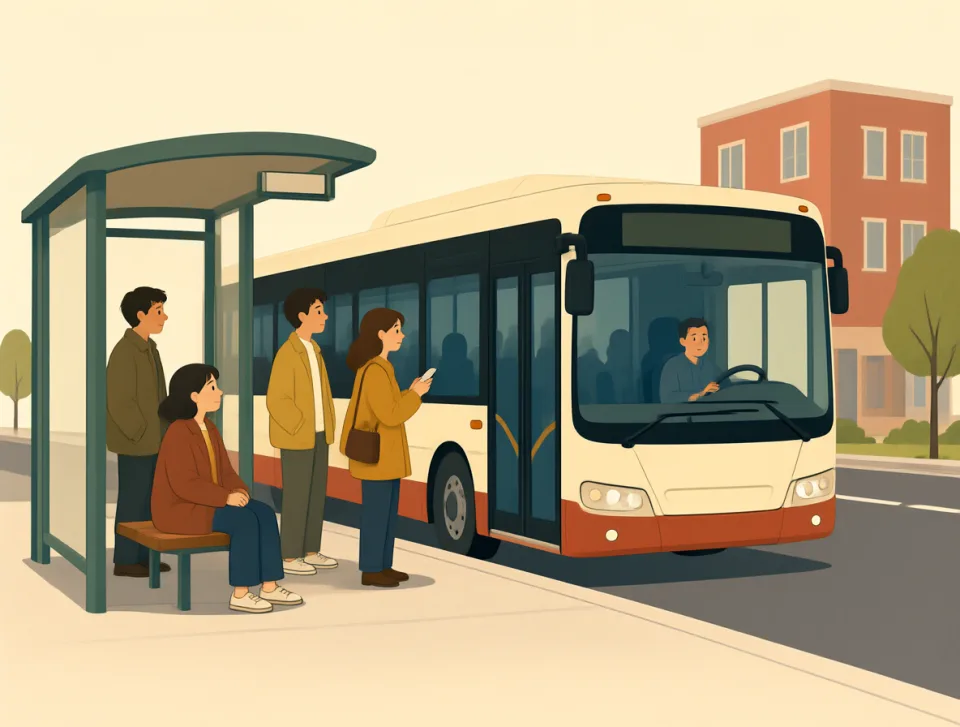
The express bus arrives every ten minutes.
تصل الحافلة السريعة كل عشر دقائق.
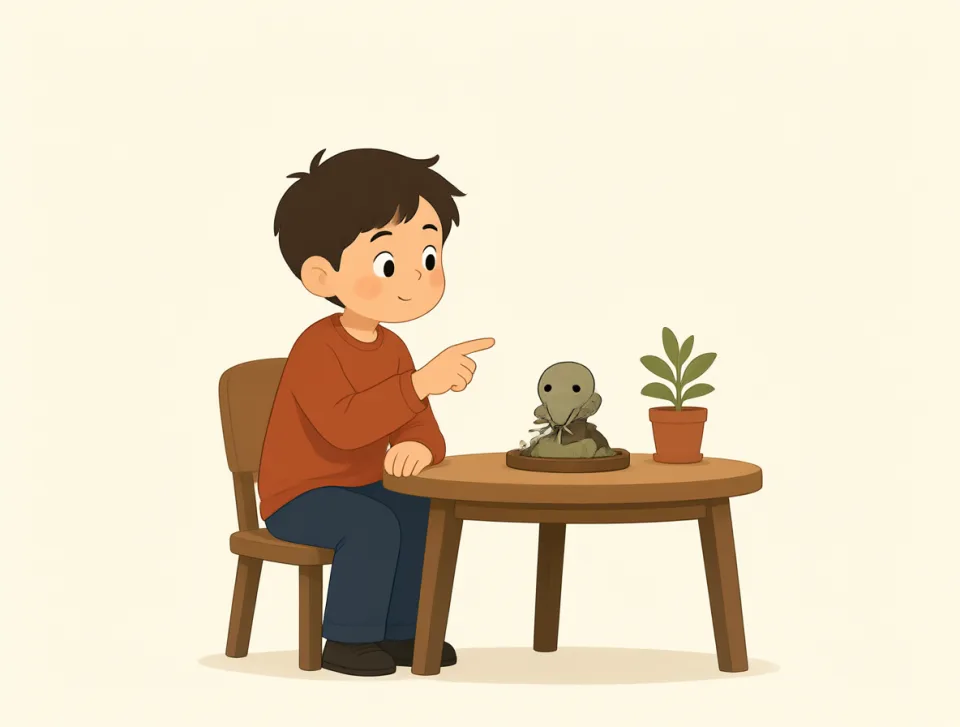
indicate
#819verb
يشير إلى
to show or point out something clearly
يُظهر شيئًا أو يحدّده بوضوح.

The arrow indicates the correct road.
يشير السهم إلى الطريق الصحيح.

Dark clouds indicate that rain is coming.
تشير الغيوم الداكنة إلى أن المطر قادم.

Please indicate your choice on the form.
يُرجى تحديد اختيارك في الاستمارة.

His smile indicated that he was happy.
أشارت ابتسامته إلى أنه كان سعيدًا.
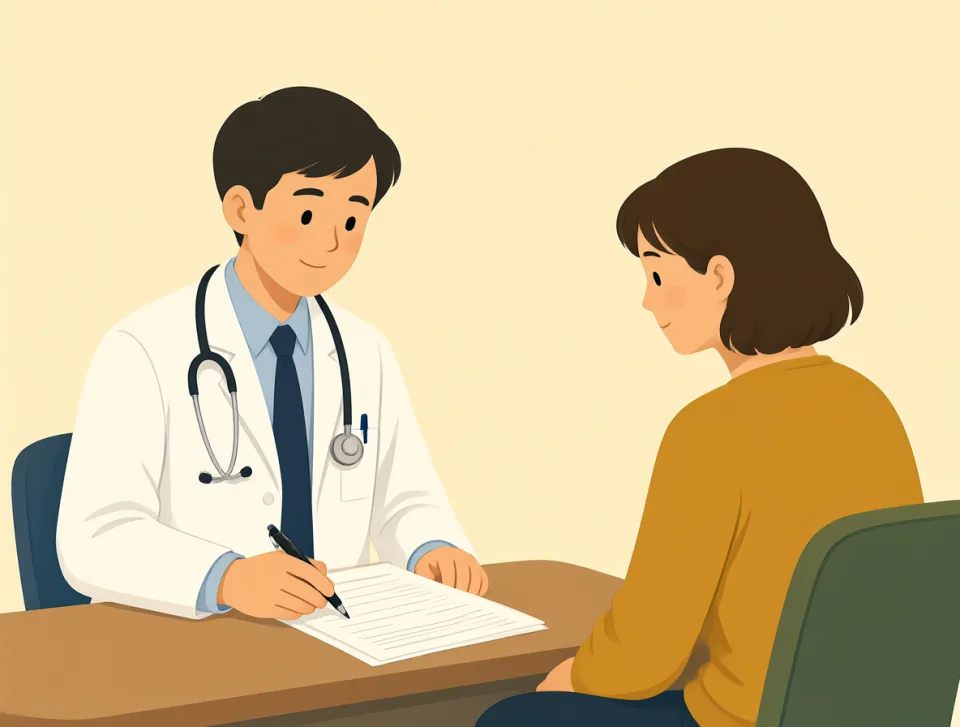
The test results indicated an infection.
أشارت نتائج الفحص إلى وجود عدوى.

attend
#820verb
يحضر
to go to an event, meeting, school, or place
يذهب إلى فعالية أو اجتماع أو مدرسة أو مكان.

I attend English classes every Saturday.
أحضر دروس اللغة الإنجليزية كل يوم سبت.

She attended the meeting at work yesterday.
حضرت الاجتماع في العمل أمس.
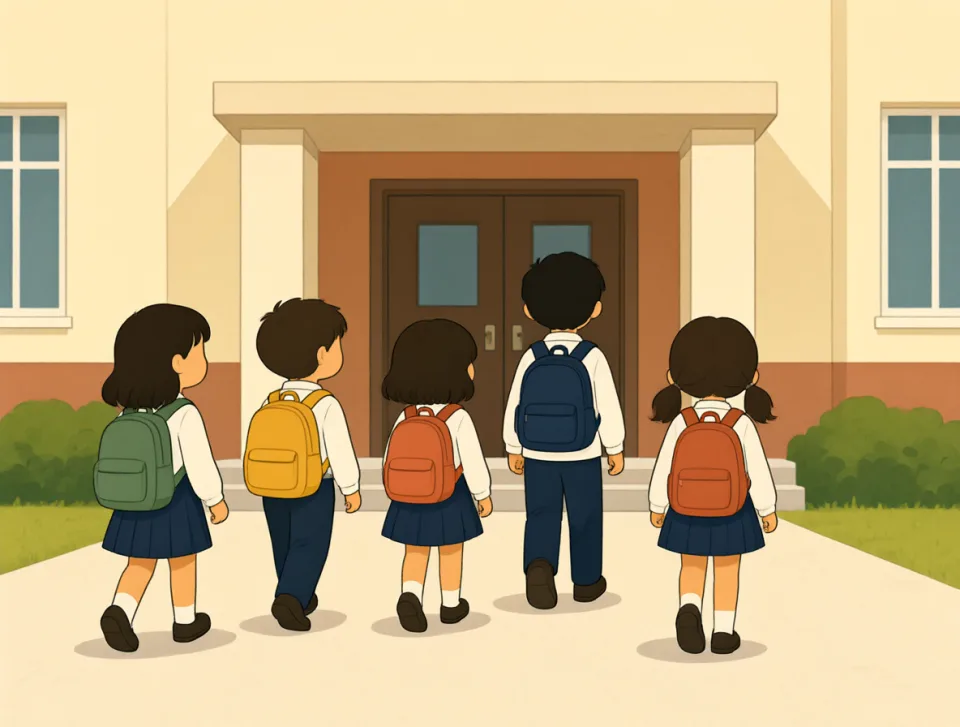
Many children attend this school.
يلتحق بهذه المدرسة كثير من الأطفال.
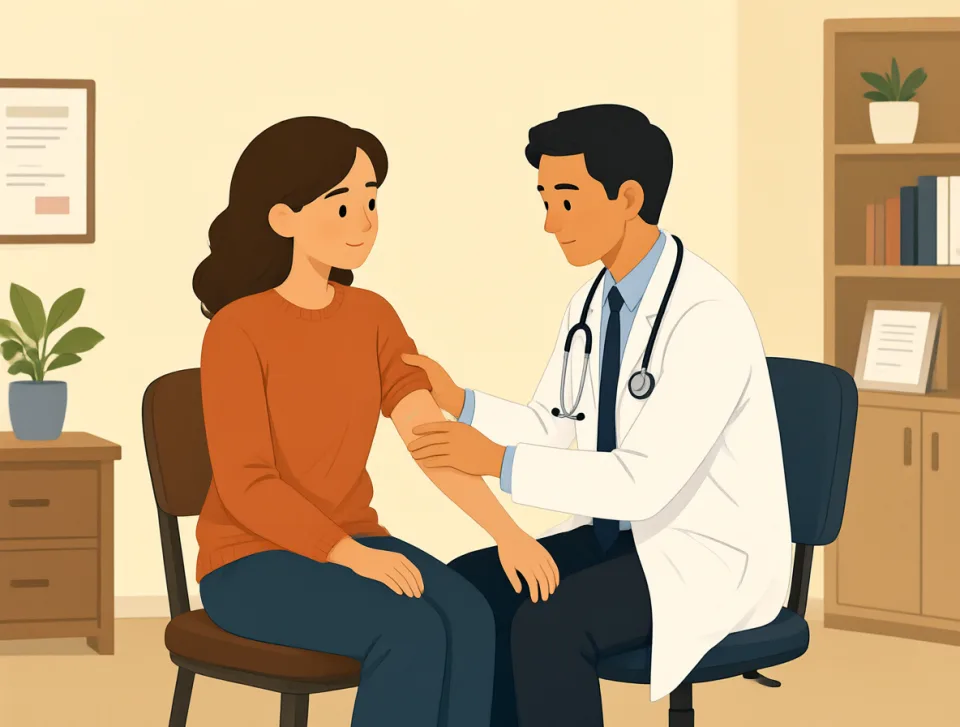
Please attend your doctor's appointment tomorrow.
يُرجى حضور موعدك مع الطبيب غدًا.

He attended the wedding with his friends.
حضر حفل الزفاف مع أصدقائه.