Deciding Whether to Go to Urgent Care
Czy jechać do punktu pilnej pomocy medycznej?
After twisting his ankle, Leo talks with his friend Emma about the pain and whether he should get medical care. They decide urgent care is the right next step.
Po skręceniu kostki Leo rozmawia ze swoją przyjaciółką Emmą o bólu i o tym, czy powinien skorzystać z pomocy medycznej. Postanawiają, że najlepiej będzie pojechać do punktu pilnej pomocy medycznej.
Dialog9
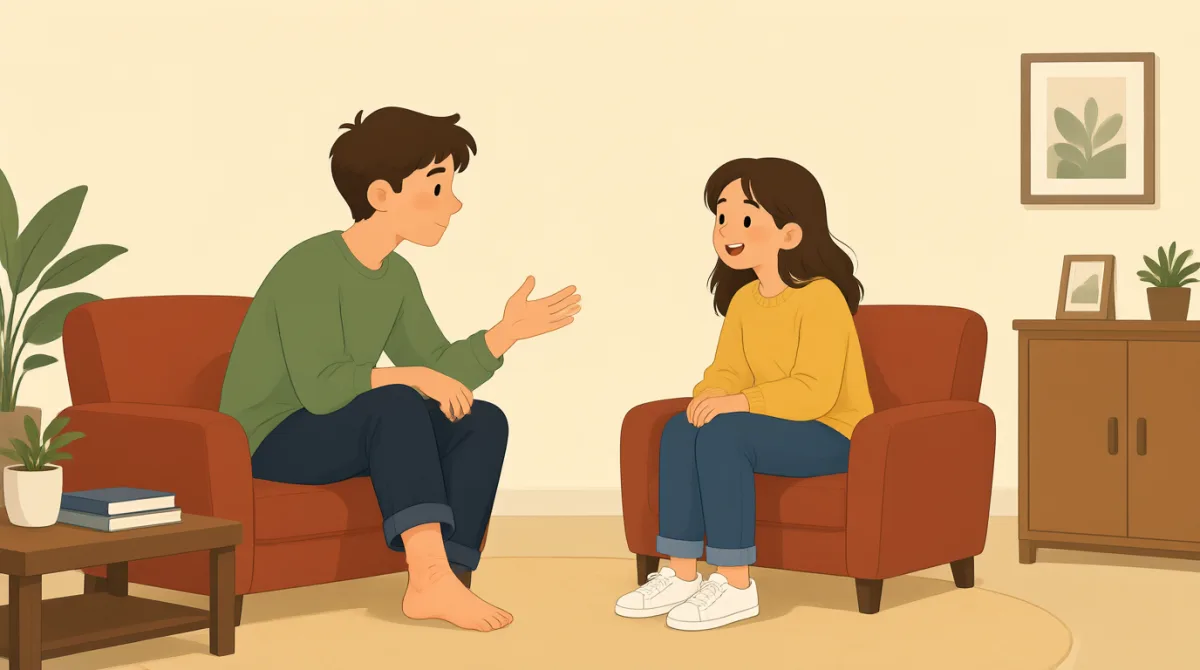

I twisted my ankle playing basketball about an hour ago. It hurts to put weight on it, and it’s starting to swell.
Jakąś godzinę temu skręciłem kostkę, grając w koszykówkę. Boli, kiedy na niej staję, i zaczyna puchnąć.

Ouch. Can you move it at all? Is the pain getting worse, or does it feel about the same?
Auć. Możesz nią w ogóle poruszyć? Boli coraz bardziej czy mniej więcej tak samo?
I can move it a little, but it really hurts when I stand. I tried putting ice on it, but it still looks pretty swollen.
Trochę mogę nią poruszać, ale bardzo boli, kiedy staję. Próbowałem przykładać lód, ale nadal jest mocno spuchnięta.
Since it’s hard to stand and the swelling’s getting worse, I think you should get it checked out today.
Skoro trudno ci ustać, a opuchlizna się powiększa, myślę, że powinieneś dzisiaj pokazać ją lekarzowi.
Do you think it’s serious enough for the emergency room? I don’t want to overreact if it’s just a sprain.
Myślisz, że to na tyle poważne, żeby jechać na pogotowie? Nie chcę panikować, jeśli to tylko skręcenie.
Urgent care sounds like the right next step. They can examine it and decide whether you need an X-ray.
Punkt pilnej pomocy medycznej brzmi jak najlepsze rozwiązanie. Zbadają cię i zdecydują, czy potrzebujesz prześwietlenia.
That makes sense. I can get a ride there, but I’m not sure whether I should keep walking on it.
To ma sens. Mogę tam dojechać, ale nie wiem, czy powinienem dalej na niej chodzić.
Try to stay off it as much as you can, and keep it elevated while we get ready. I’ll drive you.
Staraj się jak najmniej na niej stawać i trzymaj ją uniesioną, kiedy będziemy się szykować. Zawiozę cię.
Thanks. I was hoping it would settle down on its own, but I guess it’s better to be safe than sorry.
Dzięki. Miałem nadzieję, że samo przejdzie, ale chyba lepiej dmuchać na zimne.
Słownictwo7
- put weight on itstawać na niej
To put weight on your ankle means to stand or walk using it to support your body. You can use this phrase to describe an injury that hurts when you stand.
Wyrażenie “put weight on it” oznacza stanąć na kostce lub chodzić, obciążając ją ciężarem ciała. Możesz użyć tego zwrotu, by opisać uraz, który boli, gdy stajesz na nodze.
- getting worsepogarszać się
This means becoming more serious or painful. Use it to describe a symptom that is increasing over time.
“Getting worse” oznacza, że coś staje się poważniejsze albo bardziej bolesne. Używaj tego wyrażenia, by opisać objaw, który z czasem się nasila.
- get it checked outpokazać to lekarzowi
This means have a medical professional examine it. You can also use “get [something] checked out” when you want an expert to look at a problem.
“Get it checked out” oznacza poprosić lekarza lub innego specjalistę o zbadanie czegoś. Możesz też użyć “get [something] checked out”, gdy chcesz, by ekspert przyjrzał się jakiemuś problemowi.
- overreactreagować przesadnie
To overreact means to respond more strongly than a situation seems to require. You can use it when you’re unsure whether a problem is serious enough to act on.
“Overreact” oznacza zareagować mocniej, niż wydaje się to uzasadnione w danej sytuacji. Możesz użyć tego słowa, gdy nie masz pewności, czy problem jest na tyle poważny, by coś z nim zrobić.
- the right next stepnajlepszy następny krok
This means the best action to take now. Use it when deciding what to do after considering a problem.
“The right next step” oznacza najlepsze działanie, jakie można teraz podjąć. Używaj tego wyrażenia, gdy zastanawiasz się, co zrobić po rozważeniu problemu.
- stay off itnie obciążać jej
This means avoid standing or walking on an injured leg or foot. It’s a useful way to give advice about resting an injury.
“Stay off it” oznacza unikać stawania na zranionej nodze lub stopie i chodzenia na niej. To przydatny sposób, by poradzić komuś, żeby oszczędzał kontuzjowane miejsce.
- better to be safe than sorrylepiej dmuchać na zimne
This means it’s wiser to take precautions than risk a bad result. Use it to explain why you’re choosing the cautious option.
“Better to be safe than sorry” oznacza, że rozsądniej jest zachować ostrożność, niż ryzykować złe skutki. Używaj tego wyrażenia, by wyjaśnić, dlaczego wybierasz ostrożniejsze rozwiązanie.
Kluczowe zdania7
- 1
It hurts to put weight on it, and it’s starting to swell.
Boli, kiedy na niej staję, i zaczyna puchnąć.
This sentence clearly describes two symptoms. You can reuse the pattern “It hurts to [action], and it’s starting to [symptom]” to explain how an injury is changing.
To zdanie jasno opisuje dwa objawy. Możesz wykorzystać wzór “It hurts to [action], and it’s starting to [symptom]”, by wyjaśnić, jak zmienia się uraz.
- 2
Can you move it at all?
Możesz nią w ogóle poruszyć?
This is a natural question about whether someone can move an injured body part. “At all” emphasizes that you’re asking whether they can move it even a little.
To naturalne pytanie o to, czy ktoś może poruszyć zranioną częścią ciała. “At all” podkreśla, że pytasz, czy da się nią poruszyć choć trochę.
- 3
Since it’s hard to stand and the swelling’s getting worse, I think you should get it checked out today.
Skoro trudno ci ustać, a opuchlizna się powiększa, myślę, że powinieneś dzisiaj pokazać ją lekarzowi.
This sentence gives reasons before making a recommendation. Reuse “Since [reason], I think you should [advice]” to explain a suggestion.
W tym zdaniu najpierw podajesz powody, a potem udzielasz rady. Możesz wykorzystać wzór “Since [reason], I think you should [advice]”, by uzasadnić swoją sugestię.
- 4
Do you think it’s serious enough for the emergency room?
Myślisz, że to na tyle poważne, żeby jechać na pogotowie?
This is a useful way to ask whether a problem needs urgent attention. You can adapt “serious enough for” to ask whether something needs a particular response.
To przydatny sposób, by zapytać, czy problem wymaga pilnej pomocy. Możesz dostosować wyrażenie “serious enough for”, by zapytać, czy coś wymaga określonej reakcji.
- 5
Urgent care sounds like the right next step.
Punkt pilnej pomocy medycznej brzmi jak najlepsze rozwiązanie.
This sentence gives a calm opinion about what to do next. Reuse “ [Option] sounds like the right next step” when suggesting a practical choice.
To zdanie spokojnie wyraża opinię na temat tego, co zrobić dalej. Możesz użyć wzoru “ [Option] sounds like the right next step”, by zaproponować praktyczne rozwiązanie.
- 6
Try to stay off it as much as you can, and keep it elevated while we get ready.
Staraj się jak najmniej na niej stawać i trzymaj ją uniesioną, kiedy będziemy się szykować.
This sentence gives two pieces of practical advice. You can reuse “Try to [action] as much as you can” to make a suggestion sound gentle.
To zdanie zawiera dwie praktyczne rady. Możesz użyć wzoru “Try to [action] as much as you can”, by łagodnie coś zasugerować.
- 7
I was hoping it would settle down on its own, but I guess it’s better to be safe than sorry.
Miałem nadzieję, że samo przejdzie, ale chyba lepiej dmuchać na zimne.
This sentence explains that you expected a problem to improve without help but have decided to be cautious. “Settle down on its own” can describe a symptom or problem that improves without intervention.
To zdanie wyjaśnia, że spodziewałeś się poprawy bez niczyjej pomocy, ale postanowiłeś zachować ostrożność. “Settle down on its own” może opisywać objaw lub problem, który ustępuje bez interwencji.