Addressing the Landlord’s Concerns
David raises concerns about noise, damage, and possible complaints from neighbors. Emma responds with specific safeguards and acknowledges that she would be responsible if any problems arose.
Dialogue12
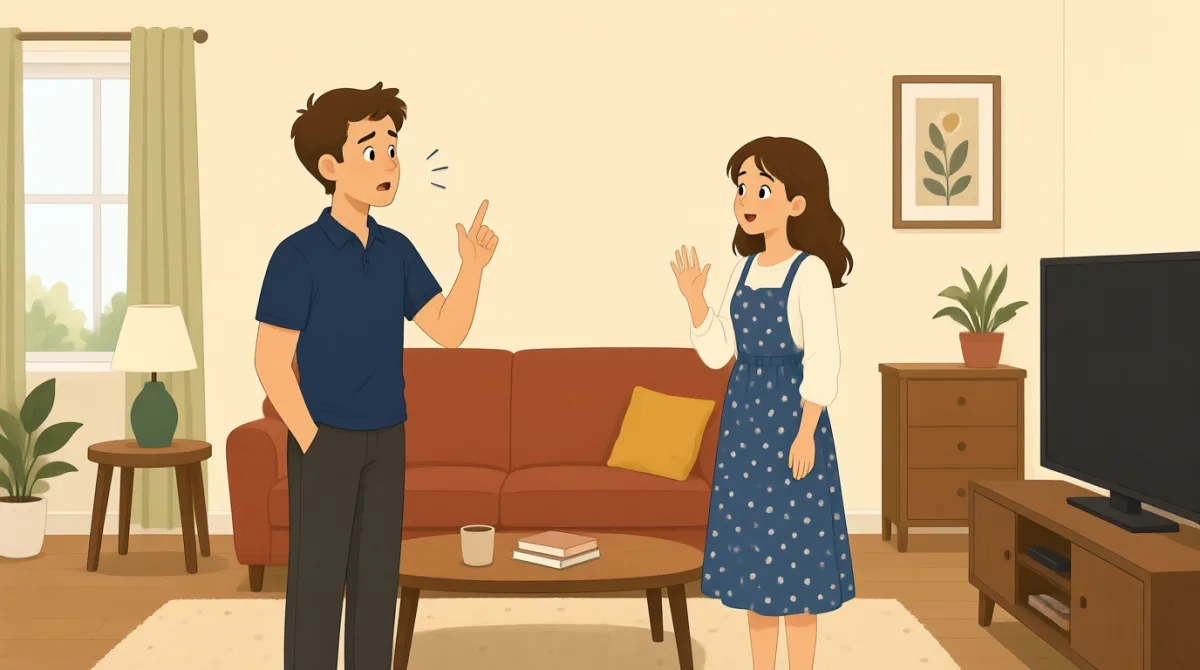

Your proposal is thorough, Emma, but I still have a few concerns. Dogs can bark when left alone, and noise complaints can put everyone in an awkward position.

I understand, and I wouldn’t want to disrupt the neighbors. I work from home three days a week, and I’d arrange a dog walker on the days I’m at the office.
That helps, though even a well-behaved dog may bark at hallway noises. How would you keep that from becoming a regular problem?
I’d continue its obedience training and use a pet camera to check in while I’m away. If it started barking persistently, I’d bring in a trainer rather than wait for complaints.
All right. My other concern is damage—scratched floors, chewed trim, or stains that might be difficult to clean when you move out.
That’s fair. I’d keep the dog’s nails trimmed, use protective mats near the food and water bowls, and make sure it has appropriate toys to chew.
And if damage happens despite those precautions, would you be prepared to cover the repair costs? I need to know the responsibility is clear.
Absolutely. I’d take responsibility for any damage beyond normal wear and tear, and I’m happy to document the apartment’s condition before the dog moves in.
That would be useful. I also don’t want neighbors feeling they have to put up with a dog in shared spaces or near their doors.
I can keep it leashed in common areas, clean up immediately, and steer clear of other residents’ doors. If anyone raises an issue, I’ll address it promptly and let you know.
Those safeguards address most of what’s on my mind. I can’t promise there will never be a problem, but I’d be willing to consider approval with clear conditions.
I appreciate that. I’d be glad to put the conditions in writing and follow up quickly if anything comes up. I want this to work well for you and the neighbors, too.
Vocabulary7
- put everyone in an awkward position
To create an uncomfortable or difficult situation for a group of people. Here, noise complaints could cause problems for both the landlord and the tenants.
- check in
To check on someone or something to see how they are doing. Emma would use a pet camera to check in on her dog while she is away.
- persistently
Continuously or repeatedly over a period of time. It describes barking that does not stop quickly or happen just once.
- beyond normal wear and tear
Damage that goes further than the ordinary deterioration expected from everyday use. Emma says she would pay for damage beyond this usual level.
- put up with
To tolerate something unpleasant or inconvenient. Emma does not want the neighbors to have to tolerate problems caused by her dog.
- address it promptly
To deal with a problem quickly. Emma promises to respond without delay if a neighbor raises an issue.
- follow up
To take further action or check on something after an earlier conversation or event. Emma says she will follow up quickly if any problems come up.
Key Sentences7
- 1
I understand, and I wouldn’t want to disrupt the neighbors.
This acknowledges another person’s concern and shows consideration. You can reuse “I understand, and I wouldn’t want to…” to respond tactfully in a negotiation.
- 2
I work from home three days a week, and I’d arrange a dog walker on the days I’m at the office.
This offers specific steps to reduce a potential problem. The structure “I’d arrange [support] on the days I…” is useful when proposing a practical plan.
- 3
If it started barking persistently, I’d bring in a trainer rather than wait for complaints.
This uses a conditional to explain what action you would take if a problem arose. You can adapt “If [problem happened], I’d [solution] rather than wait” for proactive problem-solving.
- 4
I’d take responsibility for any damage beyond normal wear and tear, and I’m happy to document the apartment’s condition before the dog moves in.
This clearly accepts responsibility while suggesting a way to record the situation in advance. It is useful when negotiating terms or agreeing on who will cover possible costs.
- 5
If anyone raises an issue, I’ll address it promptly and let you know.
This promises a quick response and keeps the other person informed. Use “If anyone raises an issue, I’ll…” to explain how you will handle concerns.
- 6
I can’t promise there will never be a problem, but I’d be willing to consider approval with clear conditions.
This is a realistic, carefully hedged way to express openness to an agreement. The pattern “I can’t promise…, but I’d be willing to…” helps balance honesty with cooperation.
- 7
I’d be glad to put the conditions in writing and follow up quickly if anything comes up.
This shows willingness to formalize an agreement and respond to future issues. You can reuse it when offering written confirmation and continued communication.