Negotiating the Pet Deposit
David is open to approving the dog but proposes an additional pet deposit. Emma asks how the amount was set and negotiates a reasonable figure, along with clear terms for its return.
Dialogue10
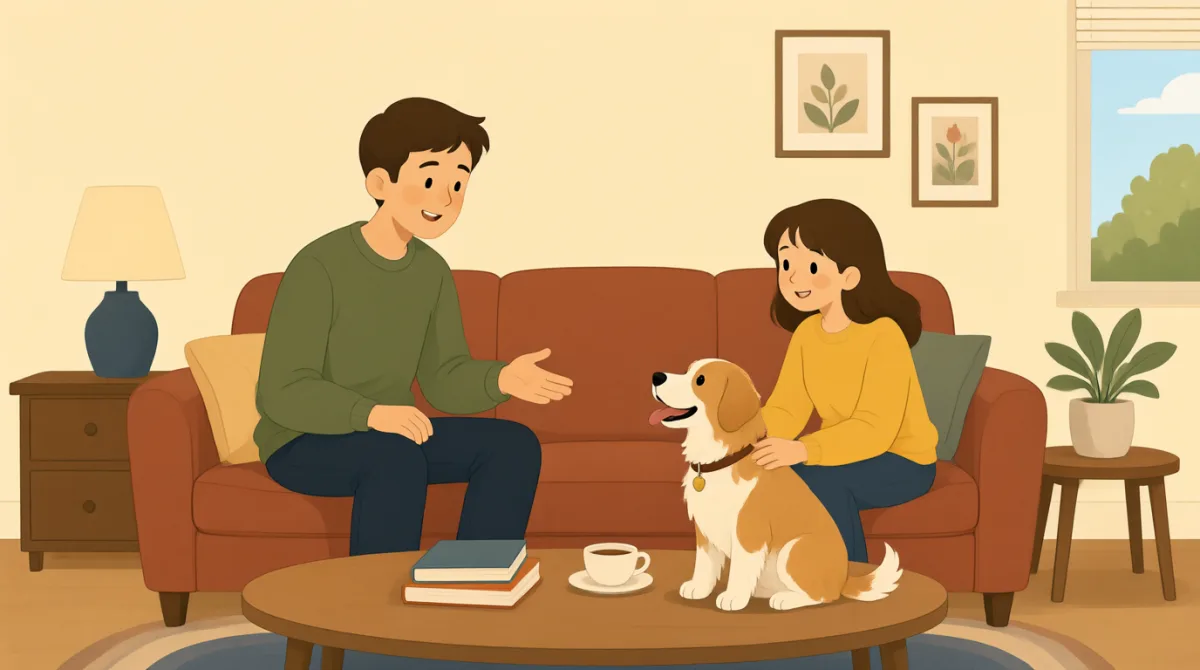

I’m comfortable approving the dog, Emma, but I’d like to add a $600 pet deposit to cover any damage beyond normal wear and tear.

I understand wanting some protection. Could you tell me how you arrived at $600? That’s a little higher than I’d expected, especially since the dog is small and trained.
I’ve had to replace flooring after a previous tenant’s dog scratched it, so I’m trying to be cautious. The deposit would be refundable if there’s no damage.
That makes sense, and I’m happy to take responsibility for any damage the dog causes. Would you consider $300 instead, given the training records and references I’ve provided?
I appreciate the documentation, but $300 wouldn’t give me much peace of mind. How about $450, with the understanding that it’s held separately and returned after an inspection?
I’m open to $450 if we spell out the return terms. Could we agree that any deductions must be for documented pet-related damage, with receipts or a written estimate?
That’s reasonable. I’ll document the apartment’s condition before the dog moves in, and I’ll provide an itemized explanation for any deductions after you move out.
Thank you. If there’s no pet-related damage, could you return the full deposit within 14 days of the final inspection? That would give us both a clear deadline.
Agreed. Let’s set the deposit at $450, refundable within 14 days of the final inspection, minus only documented pet-related damage. I’ll include those terms in the written agreement.
That works for me. I appreciate you meeting me halfway, and I’ll wait until we’ve both signed the written approval before bringing the dog home.
Vocabulary6
- normal wear and tear
This means the ordinary deterioration that happens through everyday use. Here, the landlord distinguishes it from damage caused by the dog.
- arrived at $600
To arrive at an amount means to decide on it after considering relevant factors. You can ask, “How did you arrive at that figure?” when discussing a price or estimate.
- peace of mind
This means a feeling of reassurance or reduced worry. David says the larger deposit would make him feel more secure.
- spell out
To spell something out is to state it clearly and in detail. Here, Emma wants the deposit’s return conditions written down.
- held separately
This means kept apart from other money or funds. Emma wants the deposit handled separately from the landlord’s other money.
- itemized explanation
This is a detailed account that lists each charge or deduction separately. It helps the tenant understand exactly what was taken from the deposit.
Key Sentences6
- 1
Could you tell me how you arrived at $600?
This is a polite way to ask how someone calculated or chose an amount. You can reuse “Could you tell me how you arrived at [figure]?” when discussing a fee, quote, or budget.
- 2
Would you consider $300 instead, given the training records and references I’ve provided?
This politely proposes a lower amount and supports it with relevant evidence. You can adapt “Would you consider [alternative], given [reason]?” when negotiating.
- 3
I’m open to $450 if we spell out the return terms.
This shows flexibility while making your agreement conditional on clear terms. Use “I’m open to [proposal] if we [condition]” to negotiate without giving up an important concern.
- 4
Could we agree that any deductions must be for documented pet-related damage, with receipts or a written estimate?
This sentence sets a specific condition and asks the other person to agree to it. You can reuse the structure “Could we agree that [rule]?” to clarify expectations in a negotiation.
- 5
If there’s no pet-related damage, could you return the full deposit within 14 days of the final inspection?
This combines a condition with a polite request and a clear deadline. The structure “If [condition], could you [action] by [time]?” is useful for making agreements specific.
- 6
I appreciate you meeting me halfway, and I’ll wait until we’ve both signed the written approval before bringing the dog home.
This thanks the other person for compromising and clearly states what you will do next. You can use “I’ll wait until [condition] before [action]” to confirm a sensible next step.