Understanding the Care Instructions
ケアの指示を理解する
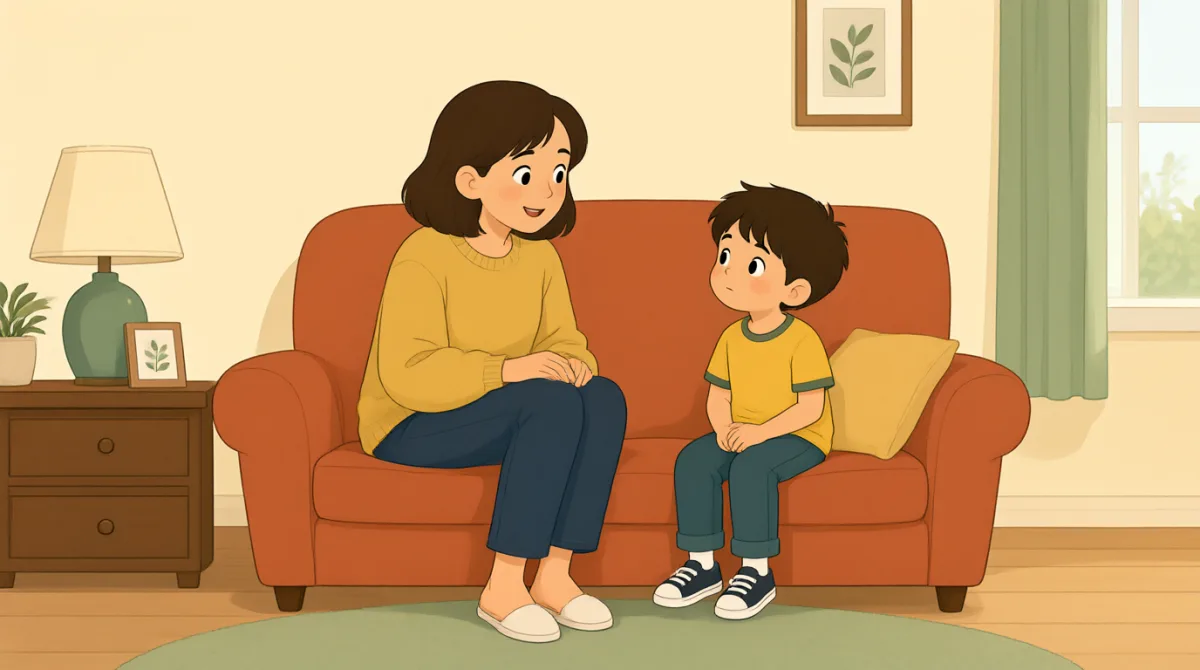
After reviewing the X-ray, Grace explains that Leo should rest, ice, and elevate his ankle, and tells him when to seek follow-up care. Leo checks that he understands the instructions.
レントゲンを確認したグレースは、レオに足首を休ませ、冷やして、心臓より高く上げるよう説明し、いつ再診すべきかを伝えます。レオは指示を理解したか確認します。
会話10

The X-ray doesn’t show a break, which is good news. It looks like a sprain, so let’s focus on bringing down the swelling.
レントゲンでは骨折は見られません。よかったですね。捻挫のようなので、腫れを引かせることを優先しましょう。

That’s a relief. What should I do once I get home? The ankle’s still pretty sore and puffy.
それはよかったです。家に帰ったら何をすればいいですか?まだ足首がかなり痛くて、腫れています。
For the next day or two, rest your ankle and avoid putting too much weight on it. Ice it for about 15 to 20 minutes at a time.
これから1、2日は足首を休ませて、あまり体重をかけないようにしてください。一度に15分から20分ほど冷やしてください。
Should I put the ice directly on my skin, or wrap it in a towel? I don’t want to make things worse.
氷は直接肌に当てたほうがいいですか、それともタオルで包んだほうがいいですか?悪化させたくないんです。
Wrap the ice pack in a thin towel, and don’t fall asleep with it on. When you’re sitting or lying down, keep your ankle elevated above your heart if you can.
保冷剤は薄いタオルで包んで、当てたまま眠らないようにしてください。座っているときや横になっているときは、できれば足首を心臓より高く上げてください。
Okay, so rest, wrapped ice, and keep it raised. Should I take anything for the pain?
わかりました。足首を休ませて、タオルで包んだもので冷やして、高く上げておくんですね。痛み止めは飲んでもいいですか?
You can use an over-the-counter pain reliever if it’s safe for you. Follow the label, and ask a pharmacist if you’re unsure.
ご自身にとって安全であれば、市販の痛み止めを使ってもかまいません。ラベルの指示に従ってください。わからないことがあれば、薬剤師に相談してください。
Got it. When should I come back or get help sooner? I’d rather not wait if something’s wrong.
わかりました。いつ再診すればいいですか?それとも、もっと早く診てもらったほうがいい場合はありますか?何かあれば、待たずに診てもらいたいです。
Get medical care if the pain or swelling gets worse, you can’t bear weight, or your foot becomes numb, cold, or changes color. Otherwise, follow up with your doctor if it isn’t improving in a few days.
痛みや腫れが悪化した場合、足に体重をかけられない場合、または足がしびれたり、冷たくなったり、色が変わったりした場合は、医療機関を受診してください。そうでなければ、数日たってもよくならない場合に主治医に相談してください。
Thanks. I’ll take it easy and keep an eye on it. If it gets worse or doesn’t improve, I’ll get in touch with my doctor.
ありがとうございます。無理をせず、様子を見ます。悪化したり、よくならなかったりしたら、主治医に連絡します。
語彙8
- sprain捻挫
A sprain is an injury to a joint, often caused by stretching or tearing a ligament. Here, it describes Leo’s ankle injury.
「sprain」は、関節に起こるけがのことで、靭帯が伸びたり切れたりして起こることがよくあります。ここでは、レオの足首のけがを指しています。
- swelling腫れ
Swelling is an area of the body becoming larger, often because of an injury. You can use this word to describe a puffy or inflamed body part.
「swelling」は、けがなどが原因で体の一部が腫れて大きくなることです。体の一部が腫れぼったくなったり、炎症を起こしたりしている状態を表すときに使えます。
- putting too much weight on it足に体重をかける
This means putting too much pressure on an injured body part by standing or walking on it. You can use the phrase when talking about how to protect an injury.
「putting too much weight on it」は、けがをした部分で立ったり歩いたりして、そこに負担をかけすぎることです。けがを悪化させない方法を話すときに使える表現です。
- elevated高く上げた
Elevated means raised higher than something else. Here, Grace advises Leo to raise his ankle while sitting or lying down.
「elevated」は、何かより高い位置に上げられているという意味です。ここではグレースが、座っているときや横になっているときに足首を上げるようレオに勧めています。
- over-the-counter pain reliever市販の痛み止め
This is medicine for pain that you can buy without a prescription. The phrase is useful when asking about common medicines.
「over-the-counter pain reliever」は、処方箋なしで買える痛み止めのことです。一般的な薬について尋ねるときに便利な表現です。
- bear weight足に体重をかける
To bear weight means to stand or walk while putting your body’s weight on a leg or foot. In this context, being unable to bear weight is a reason to get medical care.
「bear weight」は、脚や足に体重をかけて立ったり歩いたりすることです。この会話では、足に体重をかけられない場合は医療機関を受診する必要がある、という意味で使われています。
- follow up with your doctor主治医に再度相談する
To follow up means to contact or see someone again to check on a situation. Here, it means checking in with a doctor if the ankle is not improving.
「follow up」は、状況を確認するために、もう一度連絡したり会ったりすることです。ここでは、足首がよくならない場合に医師に相談するという意味です。
- keep an eye on it様子を見る
This means to watch something carefully for changes. You can use it when monitoring an injury or another situation.
「keep an eye on it」は、変化がないか注意して見ておくという意味です。けがや、ほかの状況の経過を確認するときに使えます。
重要な文8
- 1
The X-ray doesn’t show a break, which is good news.
The X-ray doesn’t show a break, which is good news.
This sentence shares a test result and adds a reassuring comment. You can reuse “doesn’t show a…” to explain what a test or inspection found.
検査結果を伝えたあと、安心できる情報を付け加える文です。「doesn’t show a…」を使えば、検査や点検で何が見つからなかったかを説明できます。
- 2
What should I do once I get home?
What should I do once I get home?
This is a natural way to ask for instructions after an appointment. Replace “once I get home” with another time or situation to ask when to take action.
診察のあとに、どうすればよいか尋ねる自然な言い方です。「once I get home」の部分を別の時間や状況に置き換えると、いつ行動すればよいか尋ねられます。
- 3
I don’t want to make things worse.
I don’t want to make things worse.
Use this sentence to explain that you want to avoid causing more harm or trouble. It works for health concerns and many everyday situations.
これ以上、害や問題を引き起こしたくないと伝えるときに使います。健康について話すときだけでなく、日常のさまざまな場面でも使えます。
- 4
When you’re sitting or lying down, keep your ankle elevated above your heart if you can.
When you’re sitting or lying down, keep your ankle elevated above your heart if you can.
This gives a clear instruction and includes “if you can” to make the advice less absolute. You can reuse “When you’re…, keep…” to give practical guidance.
具体的な指示を伝えながら、「if you can」を加えることで、絶対的な指示にならないようにしています。「When you’re…, keep…」は、実用的なアドバイスをするときに使えます。
- 5
You can use an over-the-counter pain reliever if it’s safe for you.
You can use an over-the-counter pain reliever if it’s safe for you.
This is a cautious way to suggest an option while noting that it may not suit everyone. “You can use…” is useful for offering advice or choices.
誰にでも適しているわけではないことに配慮しながら、選択肢を提案する言い方です。「You can use…」は、助言や選択肢を示すのに便利です。
- 6
Get medical care if the pain or swelling gets worse, you can’t bear weight, or your foot becomes numb, cold, or changes color.
Get medical care if the pain or swelling gets worse, you can’t bear weight, or your foot becomes numb, cold, or changes color.
This sentence lists warning signs and explains when to seek help. You can use “Get [type of] care if…” to give advice about when to take action.
注意すべき症状を挙げ、どんなときに受診するべきか説明しています。「Get [type of] care if…」を使うと、どんな場合に行動を起こすべきか伝えられます。
- 7
Otherwise, follow up with your doctor if it isn’t improving in a few days.
Otherwise, follow up with your doctor if it isn’t improving in a few days.
This explains what to do if none of the urgent warning signs appear but the problem continues. “Follow up with…” is useful for recommending a later check-in.
緊急性のある症状がないものの、問題が続く場合にどうするかを説明しています。「Follow up with…」は、後日もう一度相談するよう勧めるときに便利です。
- 8
If it gets worse or doesn’t improve, I’ll get in touch with my doctor.
If it gets worse or doesn’t improve, I’ll get in touch with my doctor.
This sentence confirms a plan using an “if” clause and a future action. You can reuse “If…, I’ll…” to say what you’ll do depending on how a situation develops.
「if」の節を使って、状況に応じた今後の行動を伝える文です。「If…, I’ll…」を使うと、状況がどうなるかによって何をするか表せます。