Understanding the Care Instructions
देखभाल के निर्देश समझना
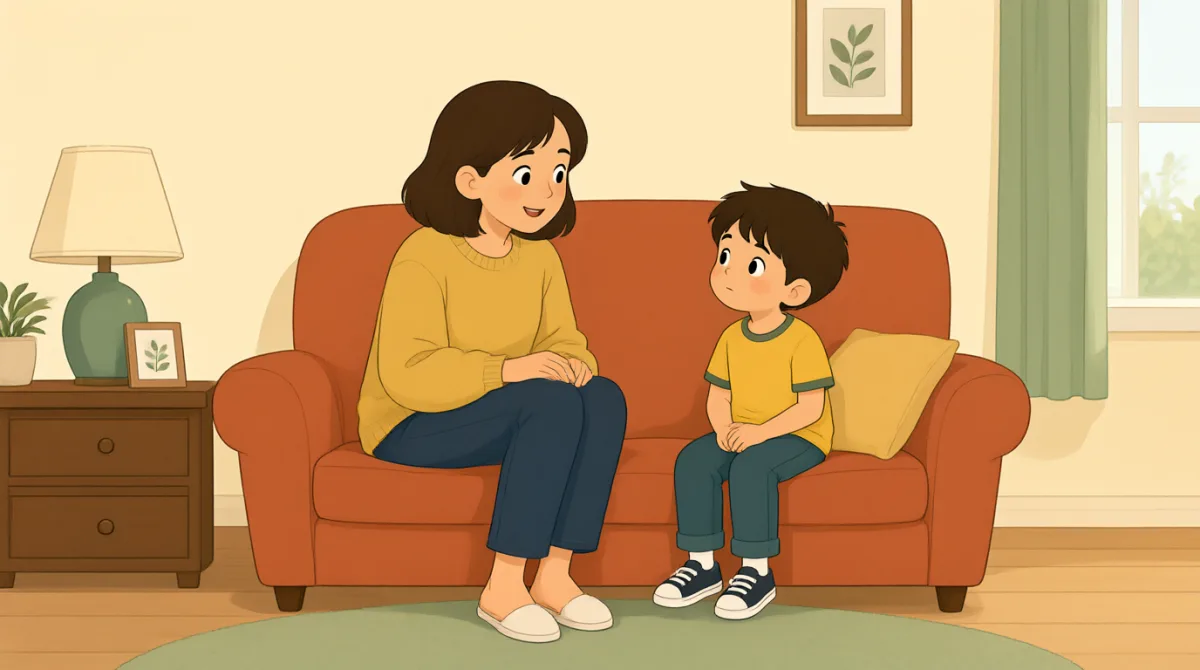
After reviewing the X-ray, Grace explains that Leo should rest, ice, and elevate his ankle, and tells him when to seek follow-up care. Leo checks that he understands the instructions.
एक्स-रे देखने के बाद, ग्रेस लियो को समझाती हैं कि उसे आराम करना चाहिए, टखने पर बर्फ़ लगानी चाहिए और उसे ऊँचा रखना चाहिए। वह यह भी बताती हैं कि उसे दोबारा इलाज के लिए कब आना चाहिए। लियो यह पक्का करता है कि उसे निर्देश समझ आ गए हैं।
संवाद10

The X-ray doesn’t show a break, which is good news. It looks like a sprain, so let’s focus on bringing down the swelling.
एक्स-रे में कोई हड्डी टूटी हुई नहीं दिख रही है, जो अच्छी बात है। लगता है कि मोच आई है, तो सूजन कम करने पर ध्यान देते हैं।

That’s a relief. What should I do once I get home? The ankle’s still pretty sore and puffy.
यह सुनकर राहत मिली। घर पहुँचने के बाद मुझे क्या करना चाहिए? टखने में अभी भी काफ़ी दर्द है और सूजन भी है।
For the next day or two, rest your ankle and avoid putting too much weight on it. Ice it for about 15 to 20 minutes at a time.
अगले एक-दो दिन अपने टखने को आराम दें और उस पर ज़्यादा ज़ोर न डालें। एक बार में लगभग 15 से 20 मिनट तक बर्फ़ लगाएँ।
Should I put the ice directly on my skin, or wrap it in a towel? I don’t want to make things worse.
क्या बर्फ़ सीधे त्वचा पर लगाऊँ या उसे तौलिए में लपेटूँ? मैं नहीं चाहता कि हालत और बिगड़ जाए।
Wrap the ice pack in a thin towel, and don’t fall asleep with it on. When you’re sitting or lying down, keep your ankle elevated above your heart if you can.
आइस पैक को पतले तौलिए में लपेटें और उसे लगाकर सो न जाएँ। बैठते या लेटते समय, अगर हो सके तो अपने टखने को दिल से ऊँचा रखें।
Okay, so rest, wrapped ice, and keep it raised. Should I take anything for the pain?
ठीक है, तो आराम करना है, तौलिए में लपेटकर बर्फ़ लगानी है और टखने को ऊँचा रखना है। क्या दर्द के लिए कुछ ले सकता हूँ?
You can use an over-the-counter pain reliever if it’s safe for you. Follow the label, and ask a pharmacist if you’re unsure.
अगर आपके लिए सुरक्षित हो, तो बिना पर्चे मिलने वाली दर्द की दवा ले सकते हैं। पैकेट पर दिए निर्देशों का पालन करें और अगर आपको कोई शक हो, तो फ़ार्मासिस्ट से पूछें।
Got it. When should I come back or get help sooner? I’d rather not wait if something’s wrong.
समझ गया। मुझे दोबारा कब आना चाहिए या उससे पहले मदद कब लेनी चाहिए? अगर कुछ गड़बड़ है, तो मैं इंतज़ार नहीं करना चाहूँगा।
Get medical care if the pain or swelling gets worse, you can’t bear weight, or your foot becomes numb, cold, or changes color. Otherwise, follow up with your doctor if it isn’t improving in a few days.
अगर दर्द या सूजन बढ़ जाए, आप पैर पर वज़न न डाल पाएँ, या आपका पैर सुन्न या ठंडा हो जाए अथवा उसका रंग बदल जाए, तो डॉक्टर से इलाज करवाएँ। वरना, अगर कुछ दिनों में सुधार न हो, तो अपने डॉक्टर से दोबारा संपर्क करें।
Thanks. I’ll take it easy and keep an eye on it. If it gets worse or doesn’t improve, I’ll get in touch with my doctor.
धन्यवाद। मैं आराम करूँगा और इस पर नज़र रखूँगा। अगर हालत बिगड़ी या सुधार नहीं हुआ, तो अपने डॉक्टर से संपर्क करूँगा।
शब्दावली8
- sprainमोच
A sprain is an injury to a joint, often caused by stretching or tearing a ligament. Here, it describes Leo’s ankle injury.
मोच जोड़ में लगी चोट होती है, जो अक्सर लिगामेंट के खिंचने या फटने से होती है। यहाँ यह लियो के टखने की चोट के लिए इस्तेमाल हुआ है।
- swellingसूजन
Swelling is an area of the body becoming larger, often because of an injury. You can use this word to describe a puffy or inflamed body part.
सूजन का मतलब है शरीर के किसी हिस्से का बड़ा हो जाना, जो अक्सर चोट के कारण होता है। शरीर के फूले हुए या सूजे हुए हिस्से के बारे में बताने के लिए यह शब्द इस्तेमाल कर सकते हैं।
- putting too much weight on itउस पर ज़्यादा ज़ोर डालना
This means putting too much pressure on an injured body part by standing or walking on it. You can use the phrase when talking about how to protect an injury.
इसका मतलब है चोटिल अंग पर खड़े होकर या चलकर बहुत ज़्यादा दबाव डालना। चोट से बचाव के तरीकों के बारे में बात करते समय आप इस वाक्यांश का इस्तेमाल कर सकते हैं।
- elevatedऊँचा रखा हुआ
Elevated means raised higher than something else. Here, Grace advises Leo to raise his ankle while sitting or lying down.
Elevated का मतलब है किसी चीज़ को दूसरी चीज़ से ऊँचा उठाकर रखना। यहाँ ग्रेस लियो को सलाह देती हैं कि बैठते या लेटते समय वह अपना टखना ऊँचा रखे।
- over-the-counter pain relieverबिना पर्चे मिलने वाली दर्द की दवा
This is medicine for pain that you can buy without a prescription. The phrase is useful when asking about common medicines.
यह ऐसी दर्द की दवा है जिसे बिना डॉक्टर के पर्चे के खरीदा जा सकता है। आम दवाओं के बारे में पूछते समय यह वाक्यांश काम आता है।
- bear weightपैर पर वज़न डालना
To bear weight means to stand or walk while putting your body’s weight on a leg or foot. In this context, being unable to bear weight is a reason to get medical care.
Bear weight का मतलब है पैर या टाँग पर शरीर का वज़न डालकर खड़ा होना या चलना। इस प्रसंग में, पैर पर वज़न न डाल पाना डॉक्टर से इलाज करवाने का एक कारण है।
- follow up with your doctorअपने डॉक्टर से दोबारा संपर्क करना
To follow up means to contact or see someone again to check on a situation. Here, it means checking in with a doctor if the ankle is not improving.
Follow up का मतलब है किसी स्थिति की जाँच के लिए किसी से दोबारा संपर्क करना या मिलना। यहाँ इसका मतलब है कि अगर टखने में सुधार न हो, तो डॉक्टर से संपर्क करें।
- keep an eye on itउस पर नज़र रखना
This means to watch something carefully for changes. You can use it when monitoring an injury or another situation.
इसका मतलब है किसी चीज़ में होने वाले बदलावों पर ध्यान से नज़र रखना। चोट या किसी दूसरी स्थिति की निगरानी करते समय आप इसका इस्तेमाल कर सकते हैं।
मुख्य वाक्य8
- 1
The X-ray doesn’t show a break, which is good news.
एक्स-रे में कोई हड्डी टूटी हुई नहीं दिख रही है, जो अच्छी बात है।
This sentence shares a test result and adds a reassuring comment. You can reuse “doesn’t show a…” to explain what a test or inspection found.
इस वाक्य में जाँच का नतीजा बताया गया है और साथ ही दिलासा देने वाली बात भी कही गई है। किसी जाँच या निरीक्षण में क्या पता चला, यह बताने के लिए “doesn’t show a…” का दोबारा इस्तेमाल कर सकते हैं।
- 2
What should I do once I get home?
घर पहुँचने के बाद मुझे क्या करना चाहिए?
This is a natural way to ask for instructions after an appointment. Replace “once I get home” with another time or situation to ask when to take action.
अपॉइंटमेंट के बाद निर्देश पूछने का यह एक स्वाभाविक तरीका है। कोई काम कब करना है, यह पूछने के लिए “once I get home” की जगह कोई और समय या स्थिति रख सकते हैं।
- 3
I don’t want to make things worse.
मैं नहीं चाहता कि हालत और बिगड़ जाए।
Use this sentence to explain that you want to avoid causing more harm or trouble. It works for health concerns and many everyday situations.
इस वाक्य का इस्तेमाल यह बताने के लिए करें कि आप और नुकसान या परेशानी से बचना चाहते हैं। यह स्वास्थ्य से जुड़ी चिंताओं के साथ-साथ रोज़मर्रा की कई स्थितियों में भी काम आता है।
- 4
When you’re sitting or lying down, keep your ankle elevated above your heart if you can.
बैठते या लेटते समय, अगर हो सके तो अपने टखने को दिल से ऊँचा रखें।
This gives a clear instruction and includes “if you can” to make the advice less absolute. You can reuse “When you’re…, keep…” to give practical guidance.
इसमें एक स्पष्ट निर्देश दिया गया है और सलाह को बहुत सख़्त न बनाने के लिए “if you can” जोड़ा गया है। व्यावहारिक सलाह देने के लिए “When you’re…, keep…” का दोबारा इस्तेमाल कर सकते हैं।
- 5
You can use an over-the-counter pain reliever if it’s safe for you.
अगर आपके लिए सुरक्षित हो, तो बिना पर्चे मिलने वाली दर्द की दवा ले सकते हैं।
This is a cautious way to suggest an option while noting that it may not suit everyone. “You can use…” is useful for offering advice or choices.
यह एक विकल्प सुझाने का सावधानी भरा तरीका है, जिसमें यह भी बताया जाता है कि वह सबके लिए सही नहीं हो सकता। सलाह या विकल्प देने के लिए “You can use…” काम आता है।
- 6
Get medical care if the pain or swelling gets worse, you can’t bear weight, or your foot becomes numb, cold, or changes color.
अगर दर्द या सूजन बढ़ जाए, आप पैर पर वज़न न डाल पाएँ, या आपका पैर सुन्न या ठंडा हो जाए अथवा उसका रंग बदल जाए, तो डॉक्टर से इलाज करवाएँ।
This sentence lists warning signs and explains when to seek help. You can use “Get [type of] care if…” to give advice about when to take action.
इस वाक्य में खतरे के संकेत गिनाए गए हैं और बताया गया है कि मदद कब लेनी चाहिए। कब कदम उठाना है, इस बारे में सलाह देने के लिए “Get [type of] care if…” का इस्तेमाल कर सकते हैं।
- 7
Otherwise, follow up with your doctor if it isn’t improving in a few days.
वरना, अगर कुछ दिनों में सुधार न हो, तो अपने डॉक्टर से दोबारा संपर्क करें।
This explains what to do if none of the urgent warning signs appear but the problem continues. “Follow up with…” is useful for recommending a later check-in.
इसमें बताया गया है कि अगर तुरंत मदद लेने वाले कोई संकेत न दिखें, लेकिन समस्या बनी रहे, तो क्या करना चाहिए। बाद में दोबारा जाँच कराने की सलाह देने के लिए “Follow up with…” काम आता है।
- 8
If it gets worse or doesn’t improve, I’ll get in touch with my doctor.
अगर हालत बिगड़ी या सुधार नहीं हुआ, तो अपने डॉक्टर से संपर्क करूँगा।
This sentence confirms a plan using an “if” clause and a future action. You can reuse “If…, I’ll…” to say what you’ll do depending on how a situation develops.
इस वाक्य में “if” वाले उपवाक्य और भविष्य में किए जाने वाले काम के ज़रिए योजना की पुष्टि की गई है। स्थिति कैसे आगे बढ़ती है, उसके अनुसार आप क्या करेंगे, यह बताने के लिए “If…, I’ll…” का दोबारा इस्तेमाल कर सकते हैं।