Understanding the Care Instructions
치료 지침 이해하기
After reviewing the X-ray, Grace explains that Leo should rest, ice, and elevate his ankle, and tells him when to seek follow-up care. Leo checks that he understands the instructions.
엑스레이를 확인한 뒤 그레이스는 레오에게 발목을 쉬게 하고 얼음찜질을 하며 발목을 높이 올리라고 설명하고, 언제 다시 진료를 받아야 하는지 알려 줍니다. 레오는 지침을 제대로 이해했는지 확인합니다.
대화10
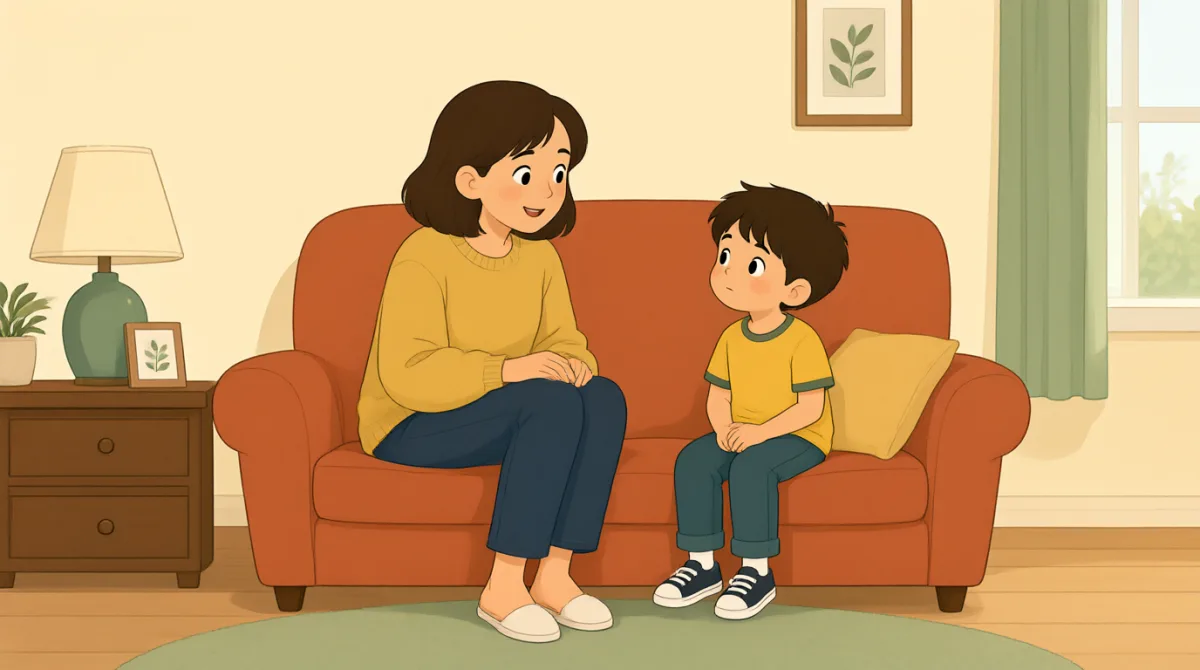

The X-ray doesn’t show a break, which is good news. It looks like a sprain, so let’s focus on bringing down the swelling.
엑스레이에는 골절이 보이지 않네요. 다행이에요. 염좌인 것 같으니 부기를 가라앉히는 데 집중해 봅시다.

That’s a relief. What should I do once I get home? The ankle’s still pretty sore and puffy.
다행이네요. 집에 가면 뭘 해야 하나요? 발목이 아직 꽤 아프고 부어 있어요.
For the next day or two, rest your ankle and avoid putting too much weight on it. Ice it for about 15 to 20 minutes at a time.
앞으로 하루 이틀은 발목을 쉬게 하고, 발목에 무리하게 체중을 싣지 마세요. 한 번에 15분에서 20분 정도 얼음찜질을 하세요.
Should I put the ice directly on my skin, or wrap it in a towel? I don’t want to make things worse.
얼음을 피부에 바로 대야 하나요, 아니면 수건으로 감싸야 하나요? 더 악화시키고 싶지 않아요.
Wrap the ice pack in a thin towel, and don’t fall asleep with it on. When you’re sitting or lying down, keep your ankle elevated above your heart if you can.
얼음팩을 얇은 수건으로 감싸고, 얼음팩을 댄 채 잠들지는 마세요. 앉거나 누워 있을 때는 가능하면 발목을 심장보다 높이 올려 두세요.
Okay, so rest, wrapped ice, and keep it raised. Should I take anything for the pain?
알겠어요. 쉬고, 수건으로 감싼 얼음팩을 대고, 발목을 높이 올려 두면 되는 거죠. 통증 때문에 뭘 먹어도 될까요?
You can use an over-the-counter pain reliever if it’s safe for you. Follow the label, and ask a pharmacist if you’re unsure.
복용해도 괜찮은 약이라면 처방전 없이 살 수 있는 진통제를 드셔도 돼요. 설명서에 적힌 용법을 따르고, 잘 모르겠으면 약사에게 물어보세요.
Got it. When should I come back or get help sooner? I’d rather not wait if something’s wrong.
알겠습니다. 언제 다시 오거나 더 빨리 도움을 받아야 하나요? 문제가 있으면 기다리고 싶지 않아요.
Get medical care if the pain or swelling gets worse, you can’t bear weight, or your foot becomes numb, cold, or changes color. Otherwise, follow up with your doctor if it isn’t improving in a few days.
통증이나 부기가 심해지거나, 발에 체중을 실을 수 없거나, 발이 저리거나 차가워지거나 색이 변하면 진료를 받으세요. 그런 증상이 없더라도 며칠 안에 나아지지 않으면 담당 의사에게 다시 진료를 받으세요.
Thanks. I’ll take it easy and keep an eye on it. If it gets worse or doesn’t improve, I’ll get in touch with my doctor.
감사합니다. 무리하지 않고 발목 상태를 잘 살펴볼게요. 더 심해지거나 나아지지 않으면 담당 의사에게 연락하겠습니다.
어휘8
- sprain염좌
A sprain is an injury to a joint, often caused by stretching or tearing a ligament. Here, it describes Leo’s ankle injury.
염좌는 관절을 다친 상태로, 보통 인대가 늘어나거나 찢어져 생겨요. 여기서는 레오의 발목 부상을 가리켜요.
- swelling부기
Swelling is an area of the body becoming larger, often because of an injury. You can use this word to describe a puffy or inflamed body part.
부기는 부상 등으로 몸의 한 부분이 부풀어 오른 상태예요. 몸이 붓거나 염증이 생긴 부위를 설명할 때 쓸 수 있어요.
- putting too much weight on it발목에 무리하게 체중을 싣기
This means putting too much pressure on an injured body part by standing or walking on it. You can use the phrase when talking about how to protect an injury.
다친 부위로 서거나 걸어서 그곳에 지나치게 압력을 가한다는 뜻이에요. 부상을 어떻게 보호해야 하는지 이야기할 때 쓸 수 있는 표현이에요.
- elevated높이 올린
Elevated means raised higher than something else. Here, Grace advises Leo to raise his ankle while sitting or lying down.
Elevated는 다른 것보다 높은 위치에 올려진 상태를 뜻해요. 여기서 그레이스는 레오에게 앉거나 누워 있을 때 발목을 높이 올리라고 조언해요.
- over-the-counter pain reliever처방전 없이 살 수 있는 진통제
This is medicine for pain that you can buy without a prescription. The phrase is useful when asking about common medicines.
처방전 없이 구입할 수 있는 진통제를 뜻해요. 흔히 쓰는 약에 관해 물어볼 때 유용한 표현이에요.
- bear weight발에 체중을 싣다
To bear weight means to stand or walk while putting your body’s weight on a leg or foot. In this context, being unable to bear weight is a reason to get medical care.
Bear weight는 다리나 발에 몸의 무게를 실어 서거나 걷는다는 뜻이에요. 이 상황에서는 발에 체중을 실을 수 없으면 진료를 받아야 해요.
- follow up with your doctor담당 의사에게 다시 진료를 받다
To follow up means to contact or see someone again to check on a situation. Here, it means checking in with a doctor if the ankle is not improving.
Follow up은 상황을 확인하기 위해 누군가에게 다시 연락하거나 만나 본다는 뜻이에요. 여기서는 발목이 나아지지 않을 때 의사에게 다시 확인받는다는 의미예요.
- keep an eye on it상태를 잘 살펴보다
This means to watch something carefully for changes. You can use it when monitoring an injury or another situation.
무언가에 변화가 있는지 주의 깊게 지켜본다는 뜻이에요. 부상이나 다른 상황의 경과를 살필 때 쓸 수 있어요.
핵심 문장8
- 1
The X-ray doesn’t show a break, which is good news.
엑스레이에는 골절이 보이지 않네요. 다행이에요.
This sentence shares a test result and adds a reassuring comment. You can reuse “doesn’t show a…” to explain what a test or inspection found.
검사 결과를 알려 주면서 안심시키는 말을 덧붙인 문장이에요. 검사나 점검 결과를 설명할 때 “doesn’t show a…”를 활용할 수 있어요.
- 2
What should I do once I get home?
집에 가면 뭘 해야 하나요?
This is a natural way to ask for instructions after an appointment. Replace “once I get home” with another time or situation to ask when to take action.
진료를 받은 뒤 지침을 물어볼 때 자연스럽게 쓸 수 있는 표현이에요. 행동을 언제 해야 하는지 물으려면 “once I get home” 대신 다른 시간이나 상황을 넣어 보세요.
- 3
I don’t want to make things worse.
더 악화시키고 싶지 않아요.
Use this sentence to explain that you want to avoid causing more harm or trouble. It works for health concerns and many everyday situations.
더 큰 피해나 문제를 일으키고 싶지 않다는 점을 설명할 때 쓰는 문장이에요. 건강 문제뿐 아니라 일상적인 여러 상황에서도 사용할 수 있어요.
- 4
When you’re sitting or lying down, keep your ankle elevated above your heart if you can.
앉거나 누워 있을 때는 가능하면 발목을 심장보다 높이 올려 두세요.
This gives a clear instruction and includes “if you can” to make the advice less absolute. You can reuse “When you’re…, keep…” to give practical guidance.
명확한 지침에 “if you can”을 덧붙여 조언을 너무 단정적으로 들리지 않게 해요. 실용적인 지침을 줄 때 “When you’re…, keep…”을 활용할 수 있어요.
- 5
You can use an over-the-counter pain reliever if it’s safe for you.
복용해도 괜찮은 약이라면 처방전 없이 살 수 있는 진통제를 드셔도 돼요.
This is a cautious way to suggest an option while noting that it may not suit everyone. “You can use…” is useful for offering advice or choices.
모든 사람에게 맞는 것은 아닐 수 있다는 점을 고려해 조심스럽게 선택지를 제안하는 표현이에요. 조언이나 선택지를 제시할 때 “You can use…”을 활용하면 좋아요.
- 6
Get medical care if the pain or swelling gets worse, you can’t bear weight, or your foot becomes numb, cold, or changes color.
통증이나 부기가 심해지거나, 발에 체중을 실을 수 없거나, 발이 저리거나 차가워지거나 색이 변하면 진료를 받으세요.
This sentence lists warning signs and explains when to seek help. You can use “Get [type of] care if…” to give advice about when to take action.
주의해야 할 증상을 나열하고 언제 도움을 받아야 하는지 알려 주는 문장이에요. 어떤 조치를 취해야 할지 안내할 때 “Get [type of] care if…”을 활용할 수 있어요.
- 7
Otherwise, follow up with your doctor if it isn’t improving in a few days.
그런 증상이 없더라도 며칠 안에 나아지지 않으면 담당 의사에게 다시 진료를 받으세요.
This explains what to do if none of the urgent warning signs appear but the problem continues. “Follow up with…” is useful for recommending a later check-in.
급히 주의해야 할 증상은 없지만 문제가 계속될 때 어떻게 해야 하는지 알려 줘요. 나중에 다시 확인받으라고 권할 때 “Follow up with…”을 쓰면 유용해요.
- 8
If it gets worse or doesn’t improve, I’ll get in touch with my doctor.
더 심해지거나 나아지지 않으면 담당 의사에게 연락하겠습니다.
This sentence confirms a plan using an “if” clause and a future action. You can reuse “If…, I’ll…” to say what you’ll do depending on how a situation develops.
“if”절과 미래의 행동을 사용해 앞으로의 계획을 확인하는 문장이에요. 상황이 어떻게 전개되는지에 따라 할 일을 말할 때 “If…, I’ll…”을 활용할 수 있어요.