Understanding the Care Instructions
After reviewing the X-ray, Grace explains that Leo should rest, ice, and elevate his ankle, and tells him when to seek follow-up care. Leo checks that he understands the instructions.
Dialogue10
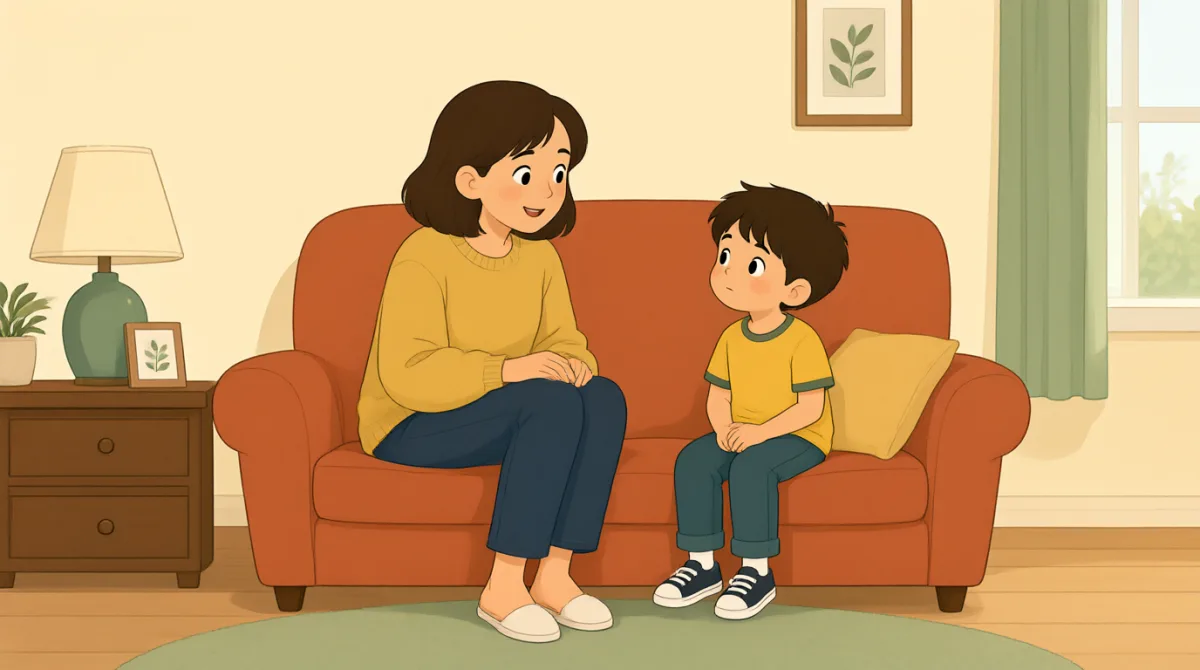

The X-ray doesn’t show a break, which is good news. It looks like a sprain, so let’s focus on bringing down the swelling.

That’s a relief. What should I do once I get home? The ankle’s still pretty sore and puffy.
For the next day or two, rest your ankle and avoid putting too much weight on it. Ice it for about 15 to 20 minutes at a time.
Should I put the ice directly on my skin, or wrap it in a towel? I don’t want to make things worse.
Wrap the ice pack in a thin towel, and don’t fall asleep with it on. When you’re sitting or lying down, keep your ankle elevated above your heart if you can.
Okay, so rest, wrapped ice, and keep it raised. Should I take anything for the pain?
You can use an over-the-counter pain reliever if it’s safe for you. Follow the label, and ask a pharmacist if you’re unsure.
Got it. When should I come back or get help sooner? I’d rather not wait if something’s wrong.
Get medical care if the pain or swelling gets worse, you can’t bear weight, or your foot becomes numb, cold, or changes color. Otherwise, follow up with your doctor if it isn’t improving in a few days.
Thanks. I’ll take it easy and keep an eye on it. If it gets worse or doesn’t improve, I’ll get in touch with my doctor.
Vocabulary8
- sprain
A sprain is an injury to a joint, often caused by stretching or tearing a ligament. Here, it describes Leo’s ankle injury.
- swelling
Swelling is an area of the body becoming larger, often because of an injury. You can use this word to describe a puffy or inflamed body part.
- putting too much weight on it
This means putting too much pressure on an injured body part by standing or walking on it. You can use the phrase when talking about how to protect an injury.
- elevated
Elevated means raised higher than something else. Here, Grace advises Leo to raise his ankle while sitting or lying down.
- over-the-counter pain reliever
This is medicine for pain that you can buy without a prescription. The phrase is useful when asking about common medicines.
- bear weight
To bear weight means to stand or walk while putting your body’s weight on a leg or foot. In this context, being unable to bear weight is a reason to get medical care.
- follow up with your doctor
To follow up means to contact or see someone again to check on a situation. Here, it means checking in with a doctor if the ankle is not improving.
- keep an eye on it
This means to watch something carefully for changes. You can use it when monitoring an injury or another situation.
Key Sentences8
- 1
The X-ray doesn’t show a break, which is good news.
This sentence shares a test result and adds a reassuring comment. You can reuse “doesn’t show a…” to explain what a test or inspection found.
- 2
What should I do once I get home?
This is a natural way to ask for instructions after an appointment. Replace “once I get home” with another time or situation to ask when to take action.
- 3
I don’t want to make things worse.
Use this sentence to explain that you want to avoid causing more harm or trouble. It works for health concerns and many everyday situations.
- 4
When you’re sitting or lying down, keep your ankle elevated above your heart if you can.
This gives a clear instruction and includes “if you can” to make the advice less absolute. You can reuse “When you’re…, keep…” to give practical guidance.
- 5
You can use an over-the-counter pain reliever if it’s safe for you.
This is a cautious way to suggest an option while noting that it may not suit everyone. “You can use…” is useful for offering advice or choices.
- 6
Get medical care if the pain or swelling gets worse, you can’t bear weight, or your foot becomes numb, cold, or changes color.
This sentence lists warning signs and explains when to seek help. You can use “Get [type of] care if…” to give advice about when to take action.
- 7
Otherwise, follow up with your doctor if it isn’t improving in a few days.
This explains what to do if none of the urgent warning signs appear but the problem continues. “Follow up with…” is useful for recommending a later check-in.
- 8
If it gets worse or doesn’t improve, I’ll get in touch with my doctor.
This sentence confirms a plan using an “if” clause and a future action. You can reuse “If…, I’ll…” to say what you’ll do depending on how a situation develops.