Understanding the Care Instructions
ทำความเข้าใจคำแนะนำในการดูแลตัวเอง
After reviewing the X-ray, Grace explains that Leo should rest, ice, and elevate his ankle, and tells him when to seek follow-up care. Leo checks that he understands the instructions.
หลังดูภาพเอกซเรย์ เกรซอธิบายว่าลีโอควรพัก ประคบน้ำแข็ง และยกข้อเท้าให้สูง พร้อมบอกว่าเมื่อไรควรไปพบแพทย์เพื่อติดตามอาการ ลีโอทบทวนเพื่อให้แน่ใจว่าเข้าใจคำแนะนำแล้ว
บทสนทนา10
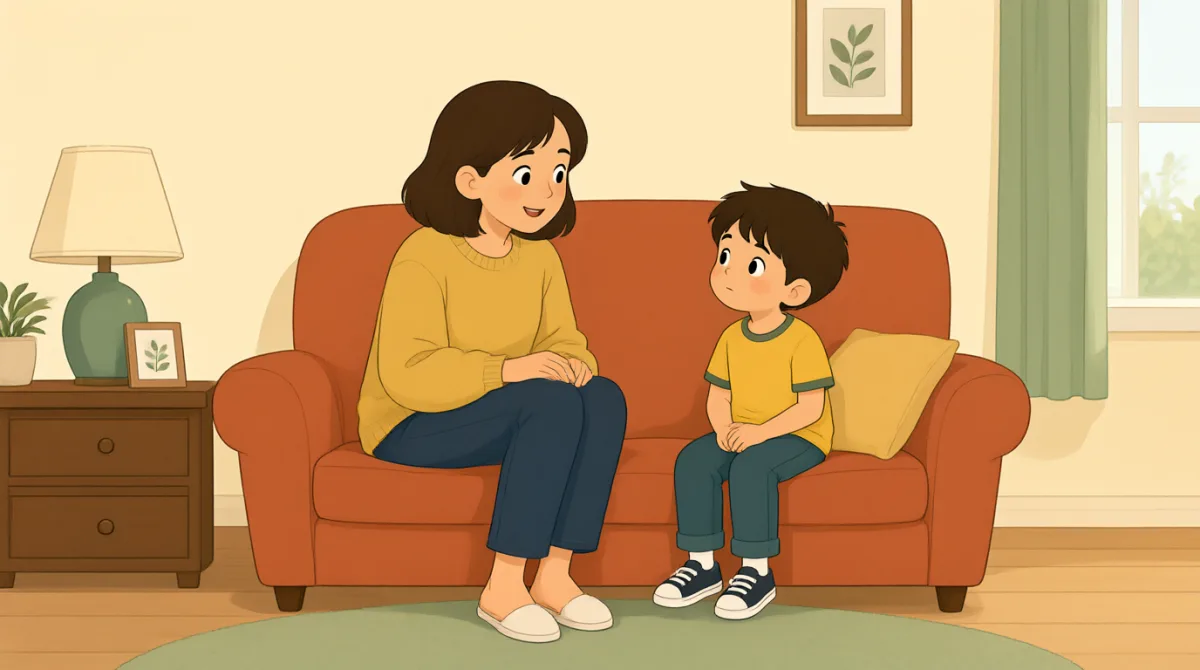

The X-ray doesn’t show a break, which is good news. It looks like a sprain, so let’s focus on bringing down the swelling.
ภาพเอกซเรย์ไม่พบกระดูกหัก ซึ่งถือเป็นข่าวดี ดูเหมือนข้อเท้าแพลง เรามาเน้นลดอาการบวมกันนะคะ

That’s a relief. What should I do once I get home? The ankle’s still pretty sore and puffy.
ค่อยโล่งอกหน่อยครับ กลับบ้านแล้วผมควรทำอะไรบ้างครับ? ข้อเท้ายังเจ็บและบวมอยู่พอสมควรเลย
For the next day or two, rest your ankle and avoid putting too much weight on it. Ice it for about 15 to 20 minutes at a time.
ช่วงวันสองวันนี้ ให้พักข้อเท้าและหลีกเลี่ยงการลงน้ำหนักมากเกินไปนะคะ ประคบน้ำแข็งครั้งละประมาณ 15 ถึง 20 นาทีค่ะ
Should I put the ice directly on my skin, or wrap it in a towel? I don’t want to make things worse.
ผมควรวางน้ำแข็งลงบนผิวโดยตรง หรือห่อด้วยผ้าขนหนูครับ? ผมไม่อยากทำให้อาการแย่ลง
Wrap the ice pack in a thin towel, and don’t fall asleep with it on. When you’re sitting or lying down, keep your ankle elevated above your heart if you can.
ห่อน้ำแข็งประคบด้วยผ้าขนหนูผืนบางนะคะ แล้วอย่าเผลอหลับไปทั้งที่ยังประคบอยู่ เวลานั่งหรือนอน ถ้าทำได้ให้ยกข้อเท้าสูงกว่าหัวใจค่ะ
Okay, so rest, wrapped ice, and keep it raised. Should I take anything for the pain?
เข้าใจแล้วครับ งั้นก็พัก ประคบน้ำแข็งที่ห่อผ้าไว้ แล้วยกข้อเท้าให้สูง ผมควรกินยาแก้ปวดไหมครับ?
You can use an over-the-counter pain reliever if it’s safe for you. Follow the label, and ask a pharmacist if you’re unsure.
คุณใช้ยาแก้ปวดที่ซื้อได้โดยไม่ต้องมีใบสั่งแพทย์ได้ค่ะ ถ้าใช้แล้วปลอดภัยสำหรับคุณ ให้ทำตามคำแนะนำบนฉลาก และถามเภสัชกรหากไม่แน่ใจนะคะ
Got it. When should I come back or get help sooner? I’d rather not wait if something’s wrong.
เข้าใจแล้วครับ ผมควรกลับมาหรือไปขอความช่วยเหลือเร็วกว่านี้เมื่อไหร่ครับ? ถ้ามีอะไรผิดปกติ ผมไม่อยากรอครับ
Get medical care if the pain or swelling gets worse, you can’t bear weight, or your foot becomes numb, cold, or changes color. Otherwise, follow up with your doctor if it isn’t improving in a few days.
ให้ไปพบแพทย์ถ้าอาการปวดหรือบวมแย่ลง ลงน้ำหนักไม่ได้ หรือเท้าชา เย็น หรือเปลี่ยนสีค่ะ ถ้าไม่มีอาการเหล่านี้ แต่ผ่านไปสองสามวันแล้วยังไม่ดีขึ้น ให้ติดตามอาการกับแพทย์ของคุณนะคะ
Thanks. I’ll take it easy and keep an eye on it. If it gets worse or doesn’t improve, I’ll get in touch with my doctor.
ขอบคุณครับ ผมจะพักและคอยสังเกตอาการนะครับ ถ้าอาการแย่ลงหรือไม่ดีขึ้น ผมจะติดต่อแพทย์ครับ
คำศัพท์8
- sprainข้อแพลง
A sprain is an injury to a joint, often caused by stretching or tearing a ligament. Here, it describes Leo’s ankle injury.
ข้อแพลงคือการบาดเจ็บที่ข้อต่อ ซึ่งมักเกิดจากเอ็นยืดหรือฉีก ในที่นี้ใช้พูดถึงอาการบาดเจ็บที่ข้อเท้าของลีโอค่ะ
- swellingอาการบวม
Swelling is an area of the body becoming larger, often because of an injury. You can use this word to describe a puffy or inflamed body part.
อาการบวมคือบริเวณหนึ่งของร่างกายมีขนาดใหญ่ขึ้น ซึ่งมักเกิดจากการบาดเจ็บ ใช้คำนี้พูดถึงส่วนของร่างกายที่บวมหรืออักเสบได้ค่ะ
- putting too much weight on itลงน้ำหนักมากเกินไป
This means putting too much pressure on an injured body part by standing or walking on it. You can use the phrase when talking about how to protect an injury.
หมายถึงการกดหรือถ่ายน้ำหนักลงบนส่วนที่บาดเจ็บมากเกินไปด้วยการยืนหรือเดิน ใช้วลีนี้พูดถึงวิธีป้องกันไม่ให้อาการบาดเจ็บแย่ลงได้ค่ะ
- elevatedยกให้สูง
Elevated means raised higher than something else. Here, Grace advises Leo to raise his ankle while sitting or lying down.
หมายถึงยกให้สูงกว่าสิ่งอื่น ในที่นี้เกรซแนะนำให้ลีโอยกข้อเท้าขึ้นเวลานั่งหรือนอนค่ะ
- over-the-counter pain relieverยาแก้ปวดที่ซื้อได้โดยไม่ต้องมีใบสั่งแพทย์
This is medicine for pain that you can buy without a prescription. The phrase is useful when asking about common medicines.
หมายถึงยาแก้ปวดที่ซื้อได้โดยไม่ต้องใช้ใบสั่งยา วลีนี้มีประโยชน์เวลาถามถึงยาทั่วไปค่ะ
- bear weightลงน้ำหนัก
To bear weight means to stand or walk while putting your body’s weight on a leg or foot. In this context, being unable to bear weight is a reason to get medical care.
หมายถึงการยืนหรือเดินโดยถ่ายน้ำหนักตัวลงบนขาหรือเท้า ในบริบทนี้ หากลงน้ำหนักไม่ได้ ก็เป็นเหตุให้ควรไปพบแพทย์ค่ะ
- follow up with your doctorติดตามอาการกับแพทย์
To follow up means to contact or see someone again to check on a situation. Here, it means checking in with a doctor if the ankle is not improving.
หมายถึงติดต่อหรือไปพบใครอีกครั้งเพื่อตรวจดูสถานการณ์ ในที่นี้คือการติดต่อแพทย์เพื่อตรวจอาการ หากข้อเท้ายังไม่ดีขึ้นค่ะ
- keep an eye on itคอยสังเกตอาการ
This means to watch something carefully for changes. You can use it when monitoring an injury or another situation.
หมายถึงเฝ้าดูสิ่งใดสิ่งหนึ่งอย่างใกล้ชิดว่ามีการเปลี่ยนแปลงหรือไม่ ใช้ได้ทั้งเวลาติดตามอาการบาดเจ็บและสถานการณ์อื่น ๆ ค่ะ
ประโยคสำคัญ8
- 1
The X-ray doesn’t show a break, which is good news.
ภาพเอกซเรย์ไม่พบกระดูกหัก ซึ่งถือเป็นข่าวดี
This sentence shares a test result and adds a reassuring comment. You can reuse “doesn’t show a…” to explain what a test or inspection found.
ประโยคนี้บอกผลการตรวจและเสริมความเห็นเพื่อให้ผู้ฟังสบายใจ คุณนำ “doesn’t show a…” ไปใช้ซ้ำเพื่ออธิบายสิ่งที่ผลตรวจหรือการตรวจสอบพบได้ค่ะ
- 2
What should I do once I get home?
กลับบ้านแล้วผมควรทำอะไรบ้างครับ?
This is a natural way to ask for instructions after an appointment. Replace “once I get home” with another time or situation to ask when to take action.
นี่เป็นวิธีถามคำแนะนำอย่างเป็นธรรมชาติหลังเข้ารับการตรวจ คุณเปลี่ยน “once I get home” เป็นเวลาอื่นหรือสถานการณ์อื่น เพื่อถามว่าควรลงมือทำเมื่อไรได้ค่ะ
- 3
I don’t want to make things worse.
ผมไม่อยากทำให้อาการแย่ลง
Use this sentence to explain that you want to avoid causing more harm or trouble. It works for health concerns and many everyday situations.
ใช้ประโยคนี้เพื่ออธิบายว่าคุณไม่อยากทำให้เกิดอันตรายหรือปัญหาเพิ่ม ใช้ได้ทั้งเรื่องสุขภาพและสถานการณ์ทั่วไปในชีวิตประจำวันค่ะ
- 4
When you’re sitting or lying down, keep your ankle elevated above your heart if you can.
เวลานั่งหรือนอน ถ้าทำได้ให้ยกข้อเท้าสูงกว่าหัวใจนะครับ
This gives a clear instruction and includes “if you can” to make the advice less absolute. You can reuse “When you’re…, keep…” to give practical guidance.
ประโยคนี้ให้คำแนะนำอย่างชัดเจน และใช้ “if you can” เพื่อบอกว่าไม่จำเป็นต้องทำได้ทุกกรณี คุณนำ “When you’re…, keep…” ไปใช้ซ้ำเพื่อให้คำแนะนำที่ทำตามได้จริงค่ะ
- 5
You can use an over-the-counter pain reliever if it’s safe for you.
คุณใช้ยาแก้ปวดที่ซื้อได้โดยไม่ต้องมีใบสั่งแพทย์ได้ ถ้าใช้แล้วปลอดภัยสำหรับคุณ
This is a cautious way to suggest an option while noting that it may not suit everyone. “You can use…” is useful for offering advice or choices.
นี่เป็นวิธีแนะนำทางเลือกอย่างระมัดระวัง พร้อมบอกว่ายานั้นอาจไม่เหมาะกับทุกคน “You can use…” มีประโยชน์เวลายื่นคำแนะนำหรือเสนอทางเลือกค่ะ
- 6
Get medical care if the pain or swelling gets worse, you can’t bear weight, or your foot becomes numb, cold, or changes color.
ให้ไปพบแพทย์ถ้าอาการปวดหรือบวมแย่ลง ลงน้ำหนักไม่ได้ หรือเท้าชา เย็น หรือเปลี่ยนสี
This sentence lists warning signs and explains when to seek help. You can use “Get [type of] care if…” to give advice about when to take action.
ประโยคนี้แจกแจงสัญญาณเตือนและบอกว่าควรไปขอความช่วยเหลือเมื่อไร คุณใช้ “Get [type of] care if…” เพื่อแนะนำว่าควรทำอะไรเมื่อเกิดอาการบางอย่างได้ค่ะ
- 7
Otherwise, follow up with your doctor if it isn’t improving in a few days.
ถ้าไม่มีอาการเหล่านั้น แต่ผ่านไปสองสามวันแล้วยังไม่ดีขึ้น ให้ติดตามอาการกับแพทย์ของคุณ
This explains what to do if none of the urgent warning signs appear but the problem continues. “Follow up with…” is useful for recommending a later check-in.
ประโยคนี้อธิบายว่าควรทำอย่างไร หากไม่มีสัญญาณเตือนที่ต้องรีบไปพบแพทย์ แต่อาการยังไม่หาย “Follow up with…” มีประโยชน์เวลานัดหมายหรือติดต่อเพื่อตรวจอาการอีกครั้งในภายหลังค่ะ
- 8
If it gets worse or doesn’t improve, I’ll get in touch with my doctor.
ถ้าอาการแย่ลงหรือไม่ดีขึ้น ผมจะติดต่อแพทย์ครับ
This sentence confirms a plan using an “if” clause and a future action. You can reuse “If…, I’ll…” to say what you’ll do depending on how a situation develops.
ประโยคนี้ใช้ยืนยันแผน โดยมีอนุประโยคที่ขึ้นต้นด้วย “if” และการกระทำที่จะเกิดขึ้นในอนาคต คุณสามารถนำรูปแบบ “If…, I’ll…” ไปใช้ซ้ำเพื่อบอกว่าคุณจะทำอะไร โดยขึ้นอยู่กับว่าสถานการณ์จะเป็นอย่างไร