Understanding the Care Instructions
فهم تعليمات الرعاية
After reviewing the X-ray, Grace explains that Leo should rest, ice, and elevate his ankle, and tells him when to seek follow-up care. Leo checks that he understands the instructions.
بعد مراجعة صورة الأشعة، تشرح غريس أن على ليو إراحة كاحله ووضع الثلج عليه ورفعه، وتخبره متى ينبغي له طلب الرعاية الطبية للمتابعة. ويتأكد ليو من أنه فهم التعليمات.
حوار10
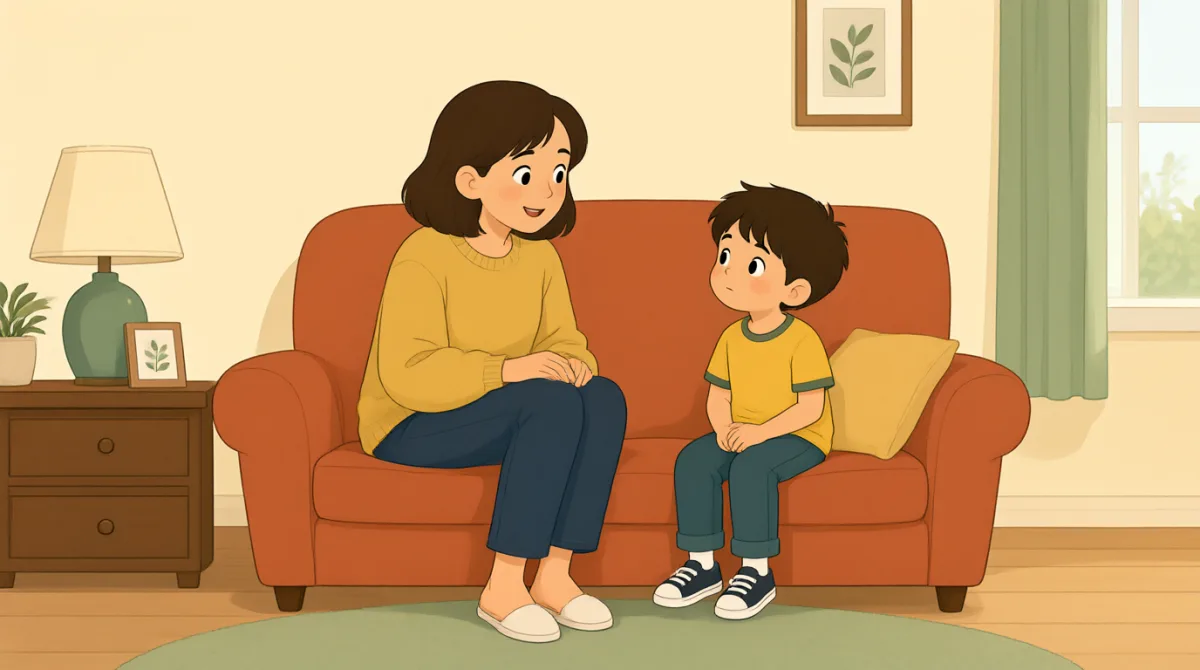

The X-ray doesn’t show a break, which is good news. It looks like a sprain, so let’s focus on bringing down the swelling.
لا تُظهر صورة الأشعة وجود كسر، وهذا خبر سار. يبدو أن لديك التواءً، لذا فلنركز على تخفيف التورم.

That’s a relief. What should I do once I get home? The ankle’s still pretty sore and puffy.
هذا مطمئن. ماذا عليّ أن أفعل عندما أعود إلى المنزل؟ ما زال كاحلي يؤلمني ومتورمًا بعض الشيء.
For the next day or two, rest your ankle and avoid putting too much weight on it. Ice it for about 15 to 20 minutes at a time.
أرح كاحلك خلال اليوم أو اليومين المقبلين، وتجنب تحميله وزنًا كبيرًا. ضع الثلج عليه لمدة تتراوح بين 15 و20 دقيقة في كل مرة.
Should I put the ice directly on my skin, or wrap it in a towel? I don’t want to make things worse.
هل أضع الثلج مباشرة على جلدي أم ألفه بمنشفة؟ لا أريد أن أجعل الأمر أسوأ.
Wrap the ice pack in a thin towel, and don’t fall asleep with it on. When you’re sitting or lying down, keep your ankle elevated above your heart if you can.
لفّ كيس الثلج بمنشفة رقيقة، ولا تغفُ وهو على كاحلك. عندما تجلس أو تستلقي، أبقِ كاحلك مرفوعًا فوق مستوى قلبك إن استطعت.
Okay, so rest, wrapped ice, and keep it raised. Should I take anything for the pain?
حسنًا، إذن أريحه، وأضع عليه ثلجًا ملفوفًا، وأبقيه مرفوعًا. هل أتناول شيئًا لتخفيف الألم؟
You can use an over-the-counter pain reliever if it’s safe for you. Follow the label, and ask a pharmacist if you’re unsure.
يمكنك تناول مسكن ألم يُصرف من دون وصفة طبية إذا كان ذلك آمنًا لك. اتبع التعليمات على العبوة، واسأل الصيدلي إن لم تكن متأكدًا.
Got it. When should I come back or get help sooner? I’d rather not wait if something’s wrong.
فهمت. متى ينبغي أن أعود أو أطلب المساعدة قبل ذلك؟ أفضل ألا أنتظر إذا كان هناك شيء غير سليم.
Get medical care if the pain or swelling gets worse, you can’t bear weight, or your foot becomes numb, cold, or changes color. Otherwise, follow up with your doctor if it isn’t improving in a few days.
اطلب الرعاية الطبية إذا ازداد الألم أو التورم، أو لم تستطع تحميل وزنك على قدمك، أو أصبحت قدمك مخدّرة أو باردة أو تغيّر لونها. وإلا، فراجع طبيبك إذا لم تتحسن خلال بضعة أيام.
Thanks. I’ll take it easy and keep an eye on it. If it gets worse or doesn’t improve, I’ll get in touch with my doctor.
شكرًا. سأخلد إلى الراحة وأراقب الأمر. إذا ساءت الحالة أو لم تتحسن، فسأتواصل مع طبيبي.
المفردات8
- sprainالتواء
A sprain is an injury to a joint, often caused by stretching or tearing a ligament. Here, it describes Leo’s ankle injury.
الالتواء إصابة في أحد المفاصل، تحدث غالبًا بسبب تمدد أحد الأربطة أو تمزقه. وهنا تصف الكلمة إصابة كاحل ليو.
- swellingتورّم
Swelling is an area of the body becoming larger, often because of an injury. You can use this word to describe a puffy or inflamed body part.
التورّم هو ازدياد حجم جزء من الجسم، وغالبًا ما يحدث بسبب إصابة. يمكنك استخدام هذه الكلمة لوصف جزء من الجسم يبدو منتفخًا أو ملتهبًا.
- putting too much weight on itتحميله وزنًا كبيرًا
This means putting too much pressure on an injured body part by standing or walking on it. You can use the phrase when talking about how to protect an injury.
تعني هذه العبارة الضغط كثيرًا على جزء مصاب من الجسم بالوقوف عليه أو المشي. يمكنك استخدامها عند الحديث عن كيفية حماية إصابة.
- elevatedمرفوع
Elevated means raised higher than something else. Here, Grace advises Leo to raise his ankle while sitting or lying down.
تعني كلمة elevated أن يكون الشيء مرفوعًا إلى مستوى أعلى من شيء آخر. وهنا تنصح غريس ليو برفع كاحله أثناء الجلوس أو الاستلقاء.
- over-the-counter pain relieverمسكن ألم يُصرف من دون وصفة طبية
This is medicine for pain that you can buy without a prescription. The phrase is useful when asking about common medicines.
هذا دواء لتخفيف الألم يمكنك شراؤه من دون وصفة طبية. وتفيد هذه العبارة عند السؤال عن الأدوية الشائعة.
- bear weightيحمّل وزنه على
To bear weight means to stand or walk while putting your body’s weight on a leg or foot. In this context, being unable to bear weight is a reason to get medical care.
تعني عبارة bear weight الوقوف أو المشي مع تحميل وزن الجسم على الساق أو القدم. وفي هذا السياق، يُعد العجز عن تحميل الوزن على القدم سببًا لطلب الرعاية الطبية.
- follow up with your doctorيراجع طبيبك للمتابعة
To follow up means to contact or see someone again to check on a situation. Here, it means checking in with a doctor if the ankle is not improving.
تعني عبارة follow up التواصل مع شخص أو زيارته مرة أخرى للاطمئنان على أمر ما. وهنا تعني مراجعة الطبيب إذا لم يتحسن الكاحل.
- keep an eye on itيراقبه عن كثب
This means to watch something carefully for changes. You can use it when monitoring an injury or another situation.
تعني هذه العبارة مراقبة شيء بعناية لرصد أي تغيّرات. ويمكنك استخدامها عند متابعة إصابة أو أي حالة أخرى.
الجمل الأساسية8
- 1
The X-ray doesn’t show a break, which is good news.
لا تُظهر صورة الأشعة وجود كسر، وهذا خبر سار.
This sentence shares a test result and adds a reassuring comment. You can reuse “doesn’t show a…” to explain what a test or inspection found.
تذكر هذه الجملة نتيجة فحص وتضيف تعليقًا مطمئنًا. يمكنك إعادة استخدام “doesn’t show a…” لشرح ما كشفه فحص أو معاينة.
- 2
What should I do once I get home?
ماذا عليّ أن أفعل عندما أعود إلى المنزل؟
This is a natural way to ask for instructions after an appointment. Replace “once I get home” with another time or situation to ask when to take action.
هذه طريقة طبيعية لطلب التعليمات بعد موعد طبي. استبدل “once I get home” بوقت أو موقف آخر لتسأل متى ينبغي اتخاذ إجراء.
- 3
I don’t want to make things worse.
لا أريد أن أجعل الأمر أسوأ.
Use this sentence to explain that you want to avoid causing more harm or trouble. It works for health concerns and many everyday situations.
استخدم هذه الجملة لتوضيح أنك تريد تجنب التسبب في مزيد من الضرر أو المتاعب. وهي مناسبة للمخاوف الصحية ولمواقف يومية كثيرة.
- 4
When you’re sitting or lying down, keep your ankle elevated above your heart if you can.
عندما تجلس أو تستلقي، أبقِ كاحلك مرفوعًا فوق مستوى قلبك إن استطعت.
This gives a clear instruction and includes “if you can” to make the advice less absolute. You can reuse “When you’re…, keep…” to give practical guidance.
تقدم هذه الجملة تعليمات واضحة، وتستخدم “if you can” لتخفيف حدة النصيحة وجعلها غير مطلقة. ويمكنك إعادة استخدام “When you’re…, keep…” لتقديم إرشادات عملية.
- 5
You can use an over-the-counter pain reliever if it’s safe for you.
يمكنك تناول مسكن ألم يُصرف من دون وصفة طبية إذا كان ذلك آمنًا لك.
This is a cautious way to suggest an option while noting that it may not suit everyone. “You can use…” is useful for offering advice or choices.
هذه طريقة حذرة لاقتراح خيار مع التنبيه إلى أنه قد لا يناسب الجميع. وتفيد عبارة “You can use…” عند تقديم نصيحة أو طرح خيارات.
- 6
Get medical care if the pain or swelling gets worse, you can’t bear weight, or your foot becomes numb, cold, or changes color.
اطلب الرعاية الطبية إذا ازداد الألم أو التورم، أو لم تستطع تحميل وزنك على قدمك، أو أصبحت قدمك مخدّرة أو باردة أو تغيّر لونها.
This sentence lists warning signs and explains when to seek help. You can use “Get [type of] care if…” to give advice about when to take action.
تسرد هذه الجملة علامات تحذيرية وتوضح متى ينبغي طلب المساعدة. ويمكنك استخدام “Get [type of] care if…” لتقديم نصيحة بشأن وقت اتخاذ إجراء.
- 7
Otherwise, follow up with your doctor if it isn’t improving in a few days.
وإلا، فراجع طبيبك إذا لم تتحسن خلال بضعة أيام.
This explains what to do if none of the urgent warning signs appear but the problem continues. “Follow up with…” is useful for recommending a later check-in.
توضح هذه الجملة ما ينبغي فعله إذا لم تظهر أي من علامات التحذير العاجلة، لكن المشكلة استمرت. وتفيد عبارة “Follow up with…” عند التوصية بمتابعة لاحقة.
- 8
If it gets worse or doesn’t improve, I’ll get in touch with my doctor.
إذا ساءت الحالة أو لم تتحسن، فسأتواصل مع طبيبي.
This sentence confirms a plan using an “if” clause and a future action. You can reuse “If…, I’ll…” to say what you’ll do depending on how a situation develops.
تؤكد هذه الجملة وجود خطة باستخدام جملة شرطية تبدأ بـ “if” وفعل مستقبلي. ويمكنك إعادة استخدام “If…, I’ll…” لتوضيح ما ستفعله بناءً على تطور الموقف.