Missing the Bus
Otobüsü Kaçırmak
Leo misses his bus to work and tells his friend Emma about the rough start to his day. Emma asks what happened.
Leo işe giden otobüsünü kaçırır ve arkadaşı Emma’ya gününe kötü bir başlangıç yaptığını anlatır. Emma ne olduğunu sorar.
Diyalog8
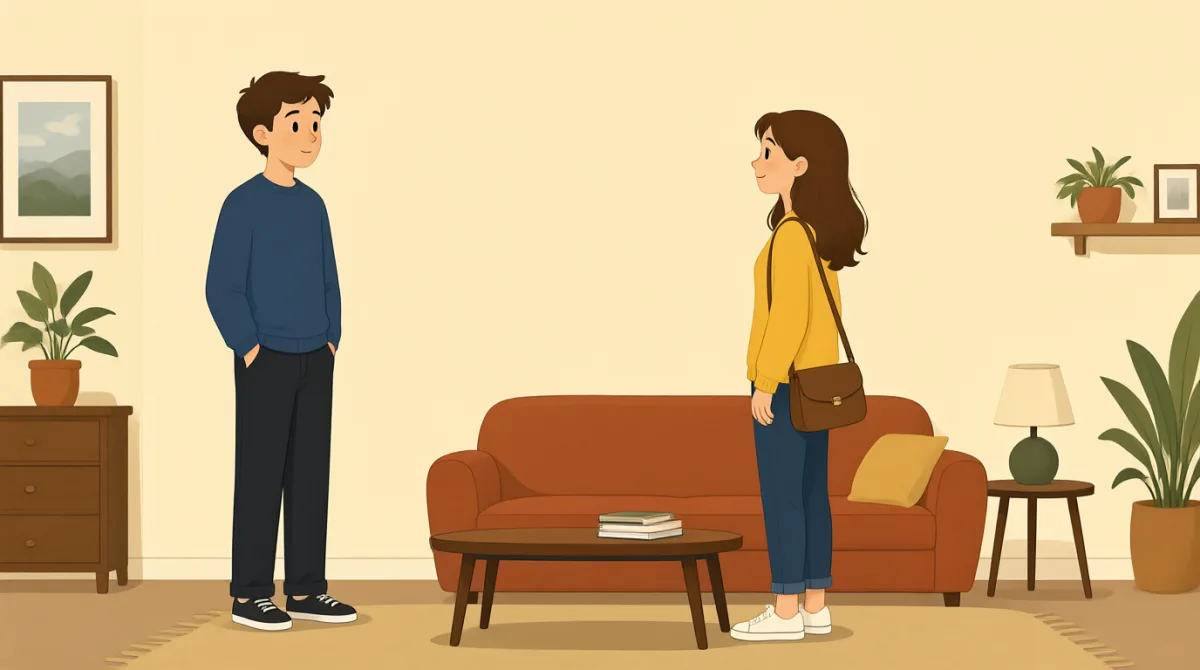

I had a terrible start to my day. I missed the bus to work.
Günüm çok kötü başladı. İşe giden otobüsü kaçırdım.

Oh no! What happened? Did you get up late?
Eyvah! Ne oldu? Geç mi kalktın?
No, I got up on time, but I couldn't find my keys.
Hayır, zamanında kalktım ama anahtarlarımı bulamadım.
That sounds frustrating. Where did you look?
Çok can sıkıcı olmuş. Nerelere baktın?
I looked in my bag and on the kitchen table. They were by the door.
Çantama ve mutfak masasına baktım. Kapının yanındalarmış.
Oh, I hate when that happens. Did you catch the next bus?
Ah, böyle olunca çok sinir oluyorum. Sonraki otobüse yetişebildin mi?
No, it had already left. I had to wait twenty minutes.
Hayır, o çoktan gitmişti. Yirmi dakika beklemek zorunda kaldım.
I'm sorry, Leo. I hope the rest of your day goes better.
Üzüldüm Leo. Umarım gününün geri kalanı daha iyi geçer.
Kelime Bilgisi7
- terrible startkötü bir başlangıç
A very bad beginning to a day or event. You can say, “I had a terrible start to my morning.”
Bir günün ya da olayın çok kötü başlaması demek. “I had a terrible start to my morning.” (Sabahım çok kötü başladı.) diyebilirsin.
- missed the busotobüsü kaçırmak
You did not get on the bus because it left before you arrived. Use “missed the bus” to explain why you are late.
Sen durağa varmadan otobüsün hareket etmesi ve otobüse binememen demek. Neden geç kaldığını açıklamak için “missed the bus” ifadesini kullanabilirsin.
- looked in my bagçantamın içine baktım
Searched inside your bag for something. Use “looked in” when you search inside a place or container.
Bir şeyi bulmak için çantanın içini aramak demek. Bir yerin ya da kabın içini ararken “looked in” ifadesini kullanabilirsin.
- by the doorkapının yanında
Next to or near the door. You can use “by” to say where something is, as in “My shoes are by the door.”
Kapının bitişiğinde ya da yakınında demek. Bir şeyin nerede olduğunu belirtmek için “by” kullanabilirsin. Örneğin: “My shoes are by the door.” (Ayakkabılarım kapının yanında.)
- catch the next bussonraki otobüse binmek
Get on the next bus that comes. You can ask, “Can we catch the next bus?”
Gelen bir sonraki otobüse binmek demek. “Can we catch the next bus?” (Sonraki otobüse binebilir miyiz?) diye sorabilirsin.
- had to waitbeklemek zorunda kaldım
Needed to stay somewhere until something happened. Use “had to” to talk about something necessary in the past.
Bir şey olana kadar bir yerde kalman gerekti demek. Geçmişte gerekli olan bir şeyi anlatmak için “had to” kullanılır.
- the rest of your daygününün geri kalanı
The part of the day that is still left. You can wish someone, “I hope the rest of your day goes well.”
Günün henüz geçmemiş olan kısmı demek. Birine “I hope the rest of your day goes well.” (Umarım gününün geri kalanı güzel geçer.) diyerek iyi dilekte bulunabilirsin.
Önemli Cümleler8
- 1
I had a terrible start to my day.
Günüm çok kötü başladı.
Use this to say that your day began badly. You can replace “terrible” with “good” or “busy” to describe a different start.
Gününün kötü başladığını söylemek için bu cümleyi kullan. Farklı bir başlangıcı anlatmak için “terrible” yerine “good” ya da “busy” diyebilirsin.
- 2
I missed the bus to work.
İşe giden otobüsü kaçırdım.
This is a simple way to explain that you did not get on your bus. Replace “the bus” with another thing you missed, such as “my train.”
Otobüse binemediğini anlatmanın basit bir yolu. “the bus” yerine “my train” gibi kaçırdığın başka bir şeyi söyleyebilirsin.
- 3
Did you get up late?
Geç mi kalktın?
Use this question to ask if someone woke up later than planned. You can ask, “Did you get up late for school?”
Birinin planladığından daha geç uyanıp uyanmadığını sormak için bu soruyu kullan. “Did you get up late for school?” (Okula gitmek için geç mi kalktın?) diye sorabilirsin.
- 4
I couldn't find my keys.
Anahtarlarımı bulamadım.
Use this to explain that you searched for something but did not find it. Replace “my keys” with another item, such as “my phone.”
Bir şeyi aradığını ama bulamadığını anlatmak için bu ifadeyi kullan. “my keys” yerine “my phone” gibi başka bir eşya koyabilirsin.
- 5
Where did you look?
Nerelere baktın?
This question asks where someone searched for something. You can use it when helping someone find a lost item.
Bu soru, birinin bir şeyi bulmak için nerede arama yaptığını sorar. Kaybolan bir eşyayı bulmasına yardım ederken kullanabilirsin.
- 6
They were by the door.
Kapının yanındalarmış.
Use this to say where plural items were. For one item, say, “It was by the door.”
Birden fazla eşyanın nerede olduğunu söylemek için bu cümleyi kullan. Tek bir eşya için “It was by the door.” de.
- 7
I had to wait twenty minutes.
Yirmi dakika beklemek zorunda kaldım.
This tells someone how long you needed to wait. Replace “twenty minutes” with another length of time.
Ne kadar beklemen gerektiğini anlatır. “twenty minutes” yerine başka bir süre söyleyebilirsin.
- 8
I hope the rest of your day goes better.
Umarım gününün geri kalanı daha iyi geçer.
This is a kind way to wish someone a better day after something went wrong. You can also say, “I hope your week goes better.”
Bir şeyler ters gittikten sonra birine daha iyi bir gün dilemenin nazik bir yolu. “I hope your week goes better.” (Umarım haftanın geri kalanı daha iyi geçer.) da diyebilirsin.