Missing the Bus
تفويت الحافلة
Leo misses his bus to work and tells his friend Emma about the rough start to his day. Emma asks what happened.
تفوت ليو الحافلة المتجهة إلى العمل، فيخبر صديقته إيما عن بداية يومه الصعبة. وتسأله إيما عما حدث.
حوار8
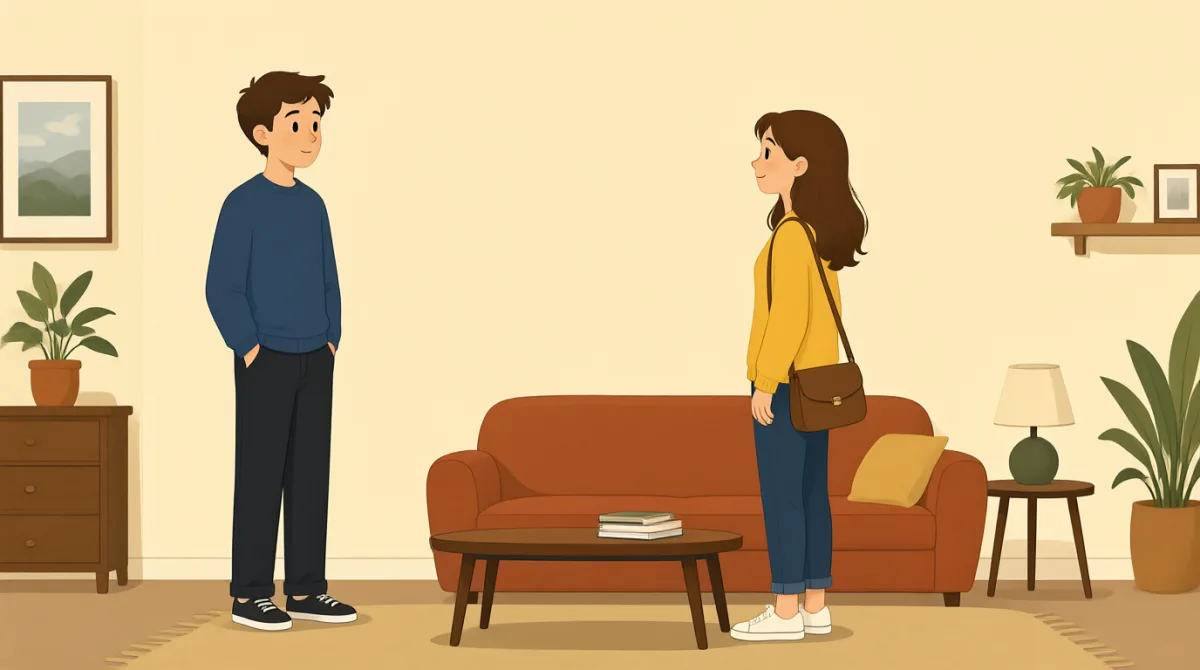

I had a terrible start to my day. I missed the bus to work.
بدأ يومي بداية سيئة جدًا. فاتتني الحافلة إلى العمل.

Oh no! What happened? Did you get up late?
يا إلهي! ماذا حدث؟ هل استيقظت متأخرًا؟
No, I got up on time, but I couldn't find my keys.
لا، استيقظت في الوقت المحدد، لكنني لم أستطع العثور على مفاتيحي.
That sounds frustrating. Where did you look?
لا بد أن ذلك كان محبطًا. أين بحثت؟
I looked in my bag and on the kitchen table. They were by the door.
بحثت في حقيبتي وعلى طاولة المطبخ. كانت بجانب الباب.
Oh, I hate when that happens. Did you catch the next bus?
أوه، أكره حدوث ذلك. هل لحقت بالحافلة التالية؟
No, it had already left. I had to wait twenty minutes.
لا، كانت قد غادرت بالفعل. واضطررت إلى الانتظار عشرين دقيقة.
I'm sorry, Leo. I hope the rest of your day goes better.
آسفة يا ليو. أتمنى أن يكون باقي يومك أفضل.
المفردات7
- terrible startبداية سيئة جدًا
A very bad beginning to a day or event. You can say, “I had a terrible start to my morning.”
بداية سيئة للغاية ليوم أو لحدث ما. يمكنك أن تقول: “I had a terrible start to my morning.” (كانت بداية صباحي سيئة جدًا.)
- missed the busفاتتني الحافلة
You did not get on the bus because it left before you arrived. Use “missed the bus” to explain why you are late.
لم تستقل الحافلة لأنها غادرت قبل وصولك. استخدم “missed the bus” لتوضيح سبب تأخرك.
- looked in my bagبحثت في حقيبتي
Searched inside your bag for something. Use “looked in” when you search inside a place or container.
فتشت داخل حقيبتك عن شيء ما. استخدم “looked in” عندما تبحث داخل مكان أو وعاء.
- by the doorبجانب الباب
Next to or near the door. You can use “by” to say where something is, as in “My shoes are by the door.”
قرب الباب أو بمحاذاته. يمكنك استخدام “by” لتحديد مكان شيء ما، كما في “My shoes are by the door.” (حذائي بجانب الباب.)
- catch the next busأستقل الحافلة التالية
Get on the next bus that comes. You can ask, “Can we catch the next bus?”
استقل الحافلة التالية التي تصل. يمكنك أن تسأل: “Can we catch the next bus?” (هل يمكننا استقلال الحافلة التالية؟)
- had to waitاضطررت إلى الانتظار
Needed to stay somewhere until something happened. Use “had to” to talk about something necessary in the past.
كان عليك البقاء في مكان ما إلى أن يحدث شيء. استخدم “had to” للحديث عن أمر كان ضروريًا في الماضي.
- the rest of your dayباقي يومك
The part of the day that is still left. You can wish someone, “I hope the rest of your day goes well.”
الجزء المتبقي من اليوم. يمكنك أن تتمنى لشخص ما قائلًا: “I hope the rest of your day goes well.” (أتمنى أن يسير باقي يومك على ما يرام.)
الجمل الأساسية8
- 1
I had a terrible start to my day.
بدأ يومي بداية سيئة جدًا.
Use this to say that your day began badly. You can replace “terrible” with “good” or “busy” to describe a different start.
استخدم هذه العبارة لتقول إن يومك بدأ بشكل سيئ. يمكنك استبدال “terrible” بـ “good” أو “busy” لوصف بداية مختلفة.
- 2
I missed the bus to work.
فاتتني الحافلة إلى العمل.
This is a simple way to explain that you did not get on your bus. Replace “the bus” with another thing you missed, such as “my train.”
هذه طريقة بسيطة لتوضيح أنك لم تستقل الحافلة التي كنت ستستقلها. استبدل “the bus” بشيء آخر فاتك، مثل “my train.”
- 3
Did you get up late?
هل استيقظت متأخرًا؟
Use this question to ask if someone woke up later than planned. You can ask, “Did you get up late for school?”
استخدم هذا السؤال لتسأل إن كان شخص ما قد استيقظ متأخرًا عن الموعد المخطط له. يمكنك أن تسأل: “Did you get up late for school?” (هل استيقظت متأخرًا للذهاب إلى المدرسة؟)
- 4
I couldn't find my keys.
لم أستطع العثور على مفاتيحي.
Use this to explain that you searched for something but did not find it. Replace “my keys” with another item, such as “my phone.”
استخدم هذه العبارة لتوضح أنك بحثت عن شيء ولم تجده. استبدل “my keys” بغرض آخر، مثل “my phone.”
- 5
Where did you look?
أين بحثت؟
This question asks where someone searched for something. You can use it when helping someone find a lost item.
يسأل هذا السؤال عن المكان الذي بحث فيه شخص ما عن شيء. يمكنك استخدامه لمساعدة شخص يبحث عن غرض مفقود.
- 6
They were by the door.
كانت بجانب الباب.
Use this to say where plural items were. For one item, say, “It was by the door.”
استخدم هذه العبارة لتحديد مكان أشياء جمع. وللحديث عن شيء واحد، قل: “It was by the door.”
- 7
I had to wait twenty minutes.
اضطررت إلى الانتظار عشرين دقيقة.
This tells someone how long you needed to wait. Replace “twenty minutes” with another length of time.
تخبر هذه العبارة شخصًا بمدة انتظارك. استبدل “twenty minutes” بمدة زمنية أخرى.
- 8
I hope the rest of your day goes better.
أتمنى أن يكون باقي يومك أفضل.
This is a kind way to wish someone a better day after something went wrong. You can also say, “I hope your week goes better.”
هذه طريقة لطيفة لتمني يوم أفضل لشخص ما بعد حدوث أمر سيئ. يمكنك أيضًا أن تقول: “I hope your week goes better.” (أتمنى أن يكون أسبوعك أفضل.)